Nature Knows and Psionic Success
God provides
14 Yerba Mate Benefits + Safety & Cancer Risks
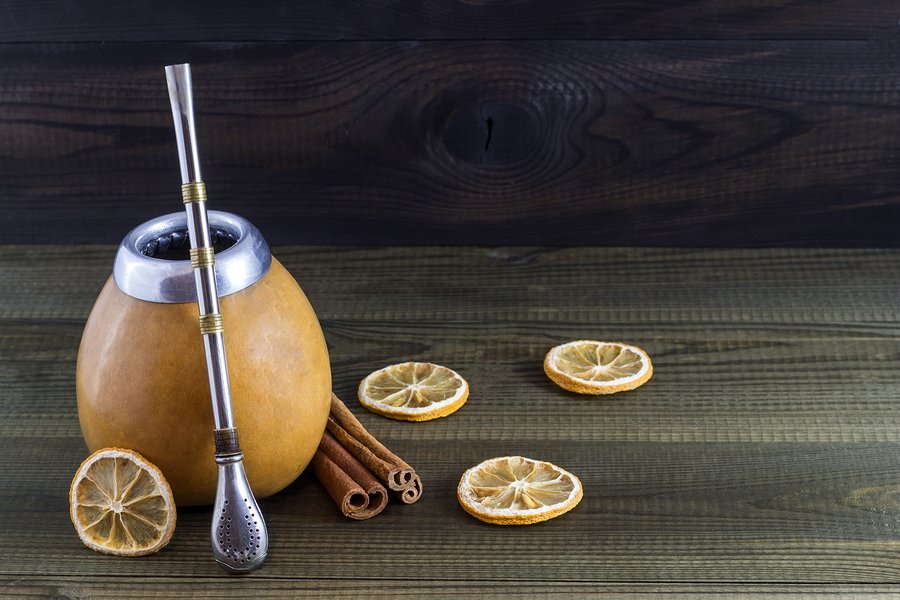
What is Yerba Mate?
Yerba mate (or mate) is a non-alcoholic drink made from the leaves of the tree Ilex paraguariensis . It has been widely consumed in South America for centuries as a social and medicinal beverage. Yerba mate can be consumed as a tea or as an ingredient in foods or supplements [ 1 ].
Some people believe that yerba mate decreases cholesterol, protects the liver, stimulates the brain, and protects the heart, among many other benefits [ 1 ].
Mate is bitter, and many consider it an acquired taste. Both the preparation of the mate and the drinking process are considered to be almost ceremonial. Learn more about yerba mate and its benefits. Constituents
Yerba mate is full of compounds that have beneficial effects . It contains the following compounds [ 1 ]: Vitamin Bs
Caffeic acid
3,4-dicaffeoylquinic acid
3,5-dicaffeoylquinic acid
4,5-dicaffeoylquinic acid
Rutinoside
Also, yerba mate contains a variety of saponins. These saponins are what give mate its distinct taste. They also decrease inflammation and cholesterol [ 1 ].
Additionally, yerba mate contains minerals such as aluminum, chromium , copper , iron , manganese , nickel, potassium , and zinc [ 1 ]. Caffeine Content
Yerba mate contains approximately 9.8 mg of caffeine per oz. For comparison, a regular cup of coffee has about 17 mg/oz and espresso has 40 mg/oz. Both green and black tea have approximately 5 mg/oz. The effect of caffeine on energy is probably due to its similarity in structure to adenosine ; it most likely occupies adenosine receptors in the brain. Binding of adenosine causes sleepiness, so caffeine occupying the receptors instead blocks this sensation [ 2 ].
Yerba mate prevented ATP (cellular energy), ADP, and AMP decrease, which increased energy in rats [ 3 ]. Antioxidant Activity
Yerba mate is a rich source of polyphenols with antioxidant properties. Its antioxidant properties are stronger and better at preventing oxidative damage than that of red wine and green tea . A comparison of 30 medicinal plants of Mexico determined that yerba mate leaves contained the highest levels of antioxidants [ 4 , 1 , 5 ].
Thus, yerba mate is being researched for potential benefits to heart disease, cancer, aging, and autoimmune disorders through its antioxidant capabilities [ 6 ].
Smoking in the short term causes lung inflammation and oxidative damage. Yerba mate decreased cigarette-smoke exposure-related lung-inflammation and oxidative damage in mice. However, it should be noted both mate and cigarette smoke contains polycyclic aromatic hydrocarbons, a type of carcinogen [ 7 , 8 , 9 ]. Potential Benefits of Yerba Mate
Yerba mate is generally recognized as safe, but supplements have not been approved by the FDA for medical use and generally lack solid clinical research. Regulations set manufacturing standards for them but don’t guarantee that they’re safe or effective. Speak with your doctor before supplementing. 1) Cholesterol
People with abnormal cholesterol levels were put into 3 treatment groups, yerba mate, dietary intervention, or both. Surprisingly, only the group consuming yerba mate (330 mL of tea with 20 mg/mL mate) experienced a decrease in LDL cholesterol. Total, HDL , and non-HDL cholesterol and triglyceride levels did not change across all groups (74 participants) [ 10 ].
Yerba mate also decreased LDL and increased HDL (good cholesterol) in patients on long-term statin therapy more than statins alone, according to a study on 30 patients with high cholesterol [ 11 ].
People with abnormal cholesterol levels (but not on medication) given 50 – 100 g/day of yerba mate had lower levels of total and LDL cholesterol after 12 weeks. However, HDL cholesterol levels also fell . In the 50g group, triglyceride levels also decreased (study with 121 patients) [ 12 ].
It also reduced cholesterol, glutathione reductase, and hardening of arteries (cholesterol-related damage) in rabbits [ 13 , 1 ].
However, in one study, yerba mate (3 g for 15 days) did not improve cholesterol levels (92 HIV/AIDS patients) [ 14 ]. 2) Weight Management
By promoting satiety, burning fat during exercise , reducing cholesterol, fats, and glucose levels and decreasing body weight, BMI (body mass index), and food intake, yerba mate may aid in weight loss [ 15 , 16 , 17 , 18 , 1 ].
Supplementation with yerba mate (3 g/day for 12 weeks) reduced body fat mass, body fat percentage, and waist-hip ratios of 30 obese participants, with no adverse side effects [ 19 ].
Yerba mate supplementation (1,000 mg) before exercise increased fat metabolism (fatty acid oxidation) and the energy used metabolizing the fat (crossover study with 14 healthy participants) [ 16 ].In a mouse study, it affected food intake and energy utilization and reduced the levels of cholesterol, triglycerides , and sugar in the blood. Additionally, it reduced the accumulation of fat in mice fed a high-fat diet [ 17 ].In a mouse study, yerba mate increased GLP-1 (a hormone that reduces blood sugar levels) and leptin (hormone that inhibits hunger ) levels [ 15 ]. 3) Diabetes To test yerba mate’s effect on diabetes , 29 type 2 diabetes and 29 pre-diabetes patients were given either 330 mL/3x a day of roasted mate tea, dietary intervention, or both (over 60 days). In the type 2 diabetes patients, mate tea decreased fasting glucose, glycated hemoglobin A1c ( HbA1c ), and LDL cholesterol levels. However, total energy intake, protein, carbohydrate, cholesterol, and fiber didn’t change. In the prediabetic patients, tea with dietary intervention improved cholesterol and triglyceride levels and reduced their consumption of fat and cholesterol and increased their fiber intake [ 20 ].Some researchers believe that yerba mate may have an additional effect on diabetes by lowering insulin resistance [ 21 ].Yerba mate lowered blood glucose in mice [ 17 ].AGEs (advanced glycation end-products) contribute to diabetes complications like poor blood flow, bad vision, kidney damage, and inflammation. AGEs are produced from high blood sugar, so if you want to reduce them with yerba mate, it’s best to not add sugar . Yerba mate, as a result of its antioxidant capacity, caused a […]
Top 12 Health Benefits of Meditation + Mechanisms
Meditation has a long history as a traditional way to reach a sense of peace. In clinical studies, meditation has effectively improved mental health, helped patients deal with stress and pain, and decreased blood pressure. Read on to learn more. Types of Meditation
While meditation is extremely safe, alone or alongside conventional therapies, it should never be used in place of something your doctor recommends or prescribes. 1) Mental Health
Multiple studies have confirmed that meditation reduces the symptoms of anxiety [ 1 ].
A comprehensive meta-study (RCTs) found that meditation lowers anxiety & depression [ 2 ].
Meditation can help anxiety symptoms and stress coping mechanisms with those who have generalized anxiety disorders [ 3 ].
Meditation is just as effective as medication when it comes to treating depression, pain , and anxiety. What’s more, it can offer long-term benefits [ 4 ].
It reduces anxiety by allowing the meditator to retain focus on the present moment [ 5 ].
The posterior cingulate cortex is related to increased anxiety while the anterior cingulate cortex reduced anxiety. Through MRI scans, it was found that the anterior cingulate cortex is activated during meditative states [ 6 ].
Meditation increased gray matter volume in the right angular and posterior parahippocampal gyri – parts of the brain that are important for regulating empathic response, anxiety, and mood [ 7 ].
It only requires brief periods of meditation to enhance mood and minimize distress [ 8 ].
Mindfulness meditation is the best form to reduce destructive and uncontrolled thoughts and behaviors that can lead to depression or anxiety [ 8 ].
Psychologically speaking, meditation and medication are both effective because they undergo very similar processes. Mindful meditation, like antidepressants, positively impacts objective sleep which leads to more pleasant moods [ 9 ].
Those who participate in spiritual forms of meditation, in comparison to secular forms, have a significant increase in positive moods and a reduction of anxiety [ 10 ]. Emotional Stability
In one study, participants who meditated had a larger right hippocampus. Since this region is related to emotional control, the authors suggested that meditation enhanced emotional stability and regulation [ 11 ].
The more years that you meditate, the folding of the brain (cortical gyrification) increases, which helps to integrate cognitive processing [ 12 ].
By activating the angular cingulate cortex, meditation helps with emotional processing [ 13 ]. 2) Stress
Among 61 healthy adults, those who participated in compassion meditation had, on average, less stress than the control [ 14 ].
In 58 volunteers in high-stress health jobs, techniques that derive from meditation improved long-term mental health outcomes [ 15 ].
Meditation based practices helped 44 college students cope with stress and encouraged them to be more forgiving [ 16 ].
Group meditation helped students to cope with stressful times and gave them a sense of hope [ 17 ].
Biologically, meditation affected the subiculum of the hippocampus, which regulates stress [ 18 ].
Meditation can be helpful for improving mood and decreasing distress but it’s primarily effective at reducing distracting thoughts [ 19 ]. 3) Heart Health
Transcendental meditation is believed to be beneficial in heart disease, as it may reduce blood pressure, neck artery thickness, and incidence of heart attacks [ 20 ].
In 52 subjects, meditating contemplatively caused a decrease in heart rate and blood pressure [ 21 ].
For 127 African Americans aged 55-85, transcendental meditation was much more effective than progressive muscle relaxation for reducing blood pressure [ 22 ].
The following purported benefits are only supported by limited, low-quality clinical studies. There is insufficient evidence to support the use of meditation for any of the below-listed uses. Meditation should never be used in place of something your doctor recommends or prescribes. 4) Attention Span Likely because meditating requires focused attention , mindful meditation increased regulation of attention span in 28 volunteers [ 23 ].To enhance attention span, practitioners recommend meditation training for at least four days [ 24 ].Meditating appears to affect the brain in areas that are important for concentration and cognitive processes. On the other hand, it has measurably affected parts of the brain that deal with anxiety, mood, and empathetic responses [ 7 ].In a study of 24 people, meditating sped up thinking and decreased the time it took to respond to a stimulus [ 25 ].People who have experience meditating have increased activity in the dorsolateral prefrontal cortex (facilitated memory processing in REM sleep ) and the angular cingulate cortex (deals with organized thoughts) [ 26 ].Meditating can help change the plasticity of the brain. It allows more activity in areas of the brain related to attention and focus and redirects attention in parts of the brain related to distracting thoughts [ 27 ].Meditating not only increases attention but helps neural processes take control of the autonomic nervous system, which deals with involuntary processes in the body (i.e digestion, breathing) [ 28 ]. 5) Immunity People who frequently meditate, in comparison to those who don’t, had increased antibody production after the influenza vaccine. Meditation has also produced functional changes to immune cells circulating in the blood [ 29 , 30 ].Meditating reduced lipid peroxide levels in the blood, which is indicative of oxidative damage [ 31 ]. 6) Aging In one study, meditation promoted longer telomeres (protective end of chromosomes) [ 32 ].Intensive meditation increased telomere activity, indicating less cellular damage and a reduction in oxidative damage in 30 volunteers [ 33 ].In an analysis of 190 total participants, mindful meditation increased telomere activity, potentially promoting health and immune system function [ 34 ].In 37 women, loving-kindness meditation increased telomere length relative to the controls [ 35 ]. 7) Chronic Illness & Quality of Life Meditating increased the quality of life and improved physical and mental health. It, therefore, helped to positively benefit people with Multiple Sclerosis (Systematic review) [ 36 ].For those with fibromyalgia, meditating does show moderate improvement in symptoms [ 37 ].Cancer patients who meditated found it easier to deal with the stress that comes with illness [ 38 ].Meditation programs showed effective […]
What Is Neurogenesis? Role in Memory, Mood & Stress
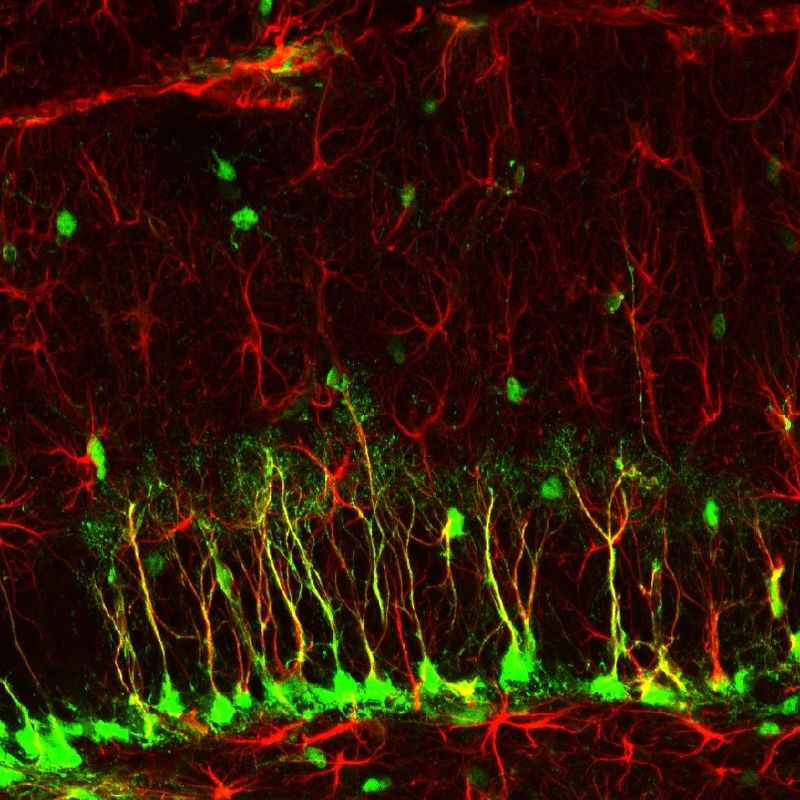
Neurogenesis is the creation of new neurons in the brain. Some scientists think that it may improve memory and help with anxiety and depression , though this is still an active area of research. One thing’s for sure: the brain continues to birth new neurons throughout life. Get reading to finally understand the science behind it. What is Neurogenesis?
Neurogenesis is the birth and growth of new neurons , which was originally believed to be absent in the adult brain [ 1 ].
Pioneering neuroanatomists like Raymon y Cajal believed the central nervous system, like the peripheral nervous system, was static [ 2 ]
“In adult centers, the nerve paths are something fixed, ended, immutable. Everything may die, nothing may be regenerated.” – Raymon y Cajal (doctrine of late 19th to early 20th century)
This was taken for granted late into the 20th century, and any opposing findings were met with skepticism [ 3 ]. Image: the first evidence of hippocampal neuron generation in an adult mammalian brain [ 4 ].
A 1961 study showed that neurogenesis occurs in the brains of adult mice. Two years later, neurogenesis was found to occur in the hippocampus of adult mice and cats. This discovery was mostly ignored, though, as it seemed just too far-fetched to dogma-entrenched scientists of the days [ 5 , 6 ].
With the development of new technologies in the 1990s, hippocampal neurogenesis was finally proven to happen in monkeys and humans. Centuries-old dogma was crushed once and for all. Neurogenesis was established as a scientific concept [ 7 ].
Nowadays – having neuroimaging and other modern technologies at our disposal – neurogenesis is far easier to measure. It’s opened a whole new field of research important for advancing our knowledge of the brain in both health and disease [ 7 ].
We now know that neurogenesis occurs in two areas of the adult human brain: the dentate gyrus (DG) of the hippocampus and the subventricular zone (SVZ) of the lateral ventricles [ 8 ].
The function of the SVZ is still relatively unknown in humans. Researchers think that new neurons travel from there through other brain areas to reach the olfactory bulb, where they can become interneurons – neurons placed between other neurons to strengthen the brain circuitry and ensure good communication [ 9 , 10 ].
The olfactory bulb is critical for detecting and distinguishing smells [ 11 , 12 ]. It also seems to be used to process pheromones [ 13 ] and monitor amino acids ( leucine , tryptophan, etc.) [ 14 ].
Interestingly, some scientists think that olfactory impairment may be a marker of presymptomatic Alzheimer’s disease, though this hasn’t been sufficiently proven [ 15 ]. Still, an experimental hypothesis posits that impaired neurogenesis may be implicated in Alzheimer’s and other neurodegenerative diseases.
Studies suggest that stem cells and precursor cells (similar to stem cells but more restricted in what they can turn into) are needed for neurogenesis. They are essentially “blank slates” that are able to develop into neurons and other brain cells [ 16 ]. Adult rodent brain highlighting these two main areas that show active adult neurogenesis. Recent research suggests neuronal proliferation and differentiation might occur in other parts of the brain too. The evidence is still highly inconclusive and most scientists consider it insufficient [ 17 ].
One group of scientists found cells similar to those collected from the hippocampus and SVZ in the cerebral cortex, septum, striatum, spinal cord, hypothalamus and white matter [ 18 ]. Based on these findings, they suggested the occurrence of the first stages of neurogenesis in other brain areas.
Various scientists have suggested that neurogenesis may also happen in the neocortex [ 19 , 20 , 21 ], striatum [ 22 ], and amygdala [ 21 ], and spinal cord [ 23 ].
The evidence for new neurons in areas other than the two established regions is controversial.
Scientists explain that this is due in part because of the difficulties that come with analyzing the neuronal cells that divide slowly or infrequently. There are questions of what constitutes proof that a cell is newly born and if it is, in fact, a neuron [ 17 , 24 ].
This post explores associations between neurogenesis and aspects of health.
The majority of studies we discuss deal with associations only, which means that a cause-and-effect relationship hasn’t been established.
For example, just because mood problems have been linked with low hippocampal volume (suggesting less neurogenesis) doesn’t mean that mood disorders are caused by low hippocampal volume.
Nor does it mean that increasing neurogenesis (and consequently, hippocampal volume) will improve mood, unless clinical data about a direct link are available. However, data are lacking to make such claims.
Additionally, even if a study did find that poor neurogenesis contributes to depression, a lack of neurogenesis is unlikely to be the only cause. Complex mood disorders like depression always involve multiple possible factors – including brain chemistry, environment, health status, and genetics – that may vary from one person to another. Neurogenesis Is Not Just the Birth of New Neurons
More broadly, neurogenesis is not just the birth of new neurons. The term can also encompass neuronal differentiation, survival, maturation, and the integration of new neurons [ 2 ]
Science suggests that this process is most active during prenatal development and has a lot to do with neuroplasticity, an umbrella term for the brain’s way of reorganizing itself and forming new neural connections [ 2 ].
Researchers think that children’s high neuroplasticity is why they have such an easy time learning languages, and why it’s a hot field of research. Still, the link between neuroplasticity and neurogenesis is not so straightforward. One does not necessarily equal the other, and most of the research is still is the very early stages [ 2 ].
Different compounds are hypothesized to play critical roles in adult neurogenesis [ 25 ]: Morphogens are molecules that may regulate the maintenance, survival, and development of precursor cells Neurotrophic factors are molecules that protect neurons and help new neurons grow and mature Transcription factors […]
SOD2 Genes, SNPs & Factors that May Increase/Decrease It
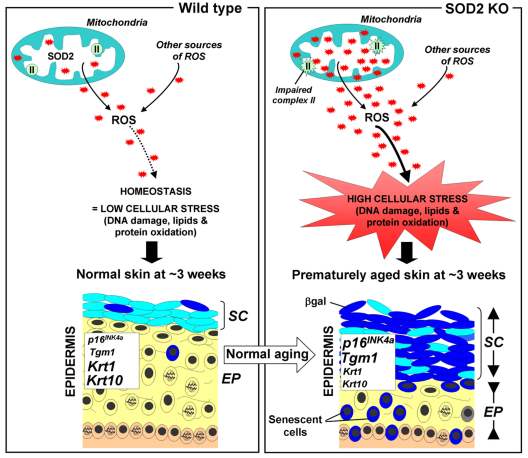
SOD2 is an intriguing enzyme. Scientists think it may affect mitochondrial health and cellular stress. What happens when this enzyme is active and what when it’s blocked? Read on to find out what scientists have discovered, including SOD2 genes and SNPs. What is Superoxide Dismutase 2 (SOD2)?
Superoxide dismutases are enzymes that transform the superoxide (O 2 -) radical into either ordinary oxygen (O 2 ) or hydrogen peroxide (H 2 O 2 ) [ 1 ].
Superoxide is produced as a by-product of oxygen metabolism. If left be, it can cause widespread cell damage. Thus, SOD is an important part of antioxidant defense in all cells exposed to oxygen [ 1 ].
Hydrogen peroxide is also damaging, but less so. On the upside, it can also be degraded by other enzymes such as catalase [ 1 ].
Scientists think that SOD plays a protective role against oxidative stress , ionizing radiation, and inflammatory cytokines [ 1 , 2 ].
There are three types of SOD: SOD1, SOD2, and SOD3 [ 2 ].
SOD1 is located in the cellular fluid, SOD2 in the mitochondria , and SOD3 outside the cell [ 2 ].
Superoxide – the harmful molecule SOD neutralizes – is one of the main reactive oxygen species in the cell. That’s why SOD serves as a key antioxidant [ 2 ].
SOD2 (also called MnSOD ) is often viewed as the most important form of SOD in humans, especially in the brain. As its name suggests, SOD2 requires manganese (Mn) to work [ 2 , 1 ].
SOD2 transforms superoxide produced by the mitochondria into the less toxic hydrogen peroxide and oxygen. This allows SOD2 to clear mitochondrial reactive oxygen species ( ROS ) and confer some protection against cell death [ 2 , 1 ].
http://archive.impactaging.com/papers/v4/n2/full/100433.html
Mutations in the SOD2 gene have been associated with idiopathic cardiomyopathy (IDC) and sporadic motor neuron disease. Low activity of this enzyme has been linked with stroke, Alzheimer’s and Parkinson’s disease, and several aging-related diseases [ 1 ].
Mice lacking Sod2 die shortly after birth, amid massive oxidative stress [ 3 ].
However, mice 50% deficient in SOD2 have a normal lifespan and minimal defects but do suffer increased DNA damage and increased the incidence of cancer [ 3 ].
In flies and yeast, higher production of Sod2 has been suggested to increase lifespan , but this hasn’t been proven in humans. We can’t apply findings from simple organisms like fruit flies to humans, so we have yet to see to what extent this enzyme affects longevity in people [ 4 ].
On the other hand, scientists point out that superoxide has a few positive functions in the body: clearing infections, cellular communication, creating new mitochondria, and destroying cancer-like cells [ 5 ].
Also, researchers are investigating whether certain cancer cells overproduce SOD2 to become more invasive – at least in test tubes. This hasn’t yet been looked at in humans [ 6 ].
On the whole, though, superoxide is seen as more damaging than helpful. Its harmful effects have been linked to one scientific theory that says oxidative stress contributes to many chronic diseases. Still, whether or not superoxide can directly cause these diseases remains unclear [ 5 ]. Factors that May Increase Antioxidant Defense (via SOD)
http://www.cellr4.org/article/852
If your goal is to increase SOD2 because you have a chronic health problem, it’s important to talk to your doctor, especially your symptoms are significantly impacting your daily life.
Your doctor should diagnose and treat any underlying conditions causing your symptoms.
Supplements have not been approved by the FDA for medical use and generally lack solid clinical research. Regulations set manufacturing standards for them but don’t guarantee that they’re safe or effective.
Additionally, supplement-drug interactions can be dangerous and, in rare cases, even life-threatening. That’s why it’s so important to consult your healthcare provider before supplementing and let them know about all drugs and supplements you are using or considering.
Dosage may also matter and different doses will have different effects on antioxidant defense. Safe supplement doses should not be exceeded.
Finally, have in mind that none of these strategies should replace what your doctor recommends or prescribes.
Remember that the existing evidence did not verify that low SOD2 causes any disorder, with the exception of some rare genetic disorders. The potential health effects of activating SOD2 in humans are still an area of research.Additionally, changes in biochemistry are not something that people can change on their own with the approaches listed below.Thus, we’re providing a summary of the existing research, which should guide further investigational efforts.The studies listed in this section were mostly done in animals and should not be interpreted as supportive of health benefits in humans.Please read through them having these important limitations in mind.Scientists are investigating whether the following increases SOD enzymes: The listed supplements, drugs, and pathways are theoretical and anecdotal. They aren’t backed up by solid science. Plus, some studies don’t distinguish which SOD (SOD1, SOD2, or SOD3) something increases.Theoretically, factors that decrease the superoxide radical mimic SOD. They might act as antioxidants. However, most are experimental and human data are lacking. Supplements & Diet Hormones (Experimental) The following hormones are highly experimental. Researchers are investigating them to better understand SOD2-related biochemical pathways.Do not take any hormones or drugs without seeing a doctor.Hormones (including progesterone, estrogen, and testosterone) and drugs (like corticosteroids) are available only with a doctor’s prescription. Taking hormones or other prescription medication without medical supervision can be extremely dangerous.Additionally, Pregnenolone [ 49 ] and Androstenedione [ 48 ] were also researched for affecting SOD. Both should be avoided. Pregnenolone is classified by the FDA as an unapproved new drug with high potential for harm, while androstenedione is an illegal anabolic hormone.These factors may disrupt antioxidant balance since the superoxide radical is a potentially harmful reactive oxygen species.It’s always a good idea to avoid unhealthy habits – such as smoking, fast food, overeating, being under a lot of stress, and drinking too much – that can weaken your antioxidant defense. Look to get regular exercise , enough nutrients, […]
11 Benefits of Capsaicin + Dosage & Safety
Capsaicin is what makes chili peppers hot. When topically applied, capsaicin may help relieve pain, while consuming capsaicin may modestly accelerate metabolism. Read on to learn more. What is Capsaicin?
Capsaicin is the major ingredient in hot peppers [ 1 ].
There is a capsaicin receptor expressed by primary sensory neurons in the pain pathway, called the TRPV1 receptor (also called the capsaicin receptor or vanilloid receptor) [ 2 ].
Mice that are bred to lack the TRPV1 receptor are unable to sense certain types of pain, such as from heat or inflammation [ 3 ]. Mechanism of Effect
Capsaicin may desensitize nerves to sensation. It initially causes an intense excitation of sensory neurons, followed by a longer period of insensitivity to stimuli [ 4 ].
Capsaicin may also decrease the amount of Substance P in the spinal cord, but not in the brain. Substance P may be involved in how pain transmits through the synapse [ 5 ]. Potential Benefits of Capsaicin
Capsaicin supplements have not been approved by the FDA for medical use. Supplements generally lack solid clinical research. Regulations set manufacturing standards for them but don’t guarantee that they’re safe or effective. Speak with your doctor before supplementing. 1) Pain
Topical capsaicin is commonly used for pain relief. In clinical studies, topical application relieved pain associated with nerve damage and arthritis [ 6 , 7 , 8 ].
Talk to your doctor before using capsaicin creams or patches, and do not use them to replace something your doctor recommends or prescribes.
The following purported benefits are only supported by limited, low-quality clinical studies. There is insufficient evidence to support the use of capsaicin for any of the below-listed uses. Remember to speak with a doctor before taking capsaicin supplements or using capsaicin creams, and never use them in place of something your doctor recommends or prescribes. 2) Weight Management
Clinical trials have shown that capsaicin:
In rats, capsaicin furthermore decreased appetite by increasing GLP-1 secretion and activating parts of the brain that control appetite [ 10 ].
When ingested orally with green tea , capsaicin reduced appetite and food intake in humans. Early research indicates that taking capsaicin as a weight-loss supplement is safe, but more must be known about its effectiveness [ 9 ].
Capsaicin increases metabolism by activating TRPV1 receptors. These receptors are responsible for the increasing body temperature as well as pain sensation.
Upon activation, the receptors move calcium into the cells, which furthers the cellular production of antioxidant enzymes, while decreasing proteins known to cause inflammation.
Through this mechanism, capsaicin raises the basal metabolic rate in the gut [ 11 ].
This TRPV1 activation provides protective antioxidants in cases of fatty liver disease and high blood sugar [ 9 ]. 3) Psoriasis
The topical application of capsaicin inhibited the widening of the skin’s blood vessels (cutaneous vasodilation), suggesting [ 12 ].
Capsaicin is also thought to reduce scaling and erythema (patchy redness) of the skin [ 12 ].
However, some patients may experience burning, stinging, itching, and redness as side effects from topical capsaicin use, although these symptoms diminished or disappeared with continued use [ 12 ]. 4) COPD & Emphysema
Recent studies have tested subjects’ responsiveness to inhaled capsaicin with respect to their level of cough. Several different studies were performed on those who suffer from diseases such as asthma, COPD (chronic pulmonary lung disease), and emphysema [ 13 , 14 ].
In diseases such as COPD, it is noted that chronic cough occurs from the accumulation of mucus. While cough responsiveness due to inhaled capsaicin differed across disease thresholds, the capsaicin itself helped to break up mucus and relieve phlegm [ 13 , 14 ].
In turn, the use of capsaicin made the cough associated with chronic lung conditions less frequent and less painful [ 13 , 14 ].
Some people notice that when they eat cayenne pepper, they can cough out mucus better. 5) Burning Mouth Syndrome
In 23 patients, topical capsaicin relieved burning mouth syndrome (BMS), although capsaicin’s naturally irritating quality may have an adverse effect on some users [ 15 ].
No clinical evidence supports the use of capsaicin for any of the conditions listed in this section. Below is a summary of the existing animal and cell-based research, which should guide further investigational efforts. However, the studies listed below should not be interpreted as supportive of any health benefit. 6) Cardiovascular Health In mice, capsaicin delays stroke occurrence by increasing nitric oxide in the blood vessel (eNOS). This increase in eNOS, in turn, is associated with increased lifespan in mice [ 9 ].Capsaicin also lowers blood pressure in rats prone to hypertension. In addition, it blunts the nighttime rise in blood pressure from a high-sodium diet. Capsaicin may do this by reducing sodium retention by the kidneys [ 9 ].Capsaicin is also known to externally dilate the coronary arteries of pigs. However, the direct application of capsaicin on the muscles that line the blood vessels promotes constriction. This shows the net effect varies, and as such, the interactions are very complex [ 9 ]. 7) Stomach Ulcers Capsaicin prevents stomach ulcers in animals, and may also help heal existing ones. Capsaicin inhibits gastric acid secretions, reduces acidity, promotes mucus secretion, and stimulates gastric blood flow [ 16 ].Capsaicin slows stomach tissue damage and bleeding in animals [ 9 ]. Cancer Research Capsaicin is under investigation in the context of the following cancers:Cellular or animal studies that show promise against cancer don’t often translate to any cancer benefits in humans. Further research and large clinical trials are needed to determine if capsaicin can be useful as a treatment for cancer [ 20 ]. Side Effects & Safety The most common reported side effects of capsaicin use are skin irritation and a burning sensation. In many cases, these instances disappear within a few days of use. If conditions persist, it is always wise to contact a doctor before continuing use.Capsaicin may cause CNS (central nervous system) depression in some patients. For this reason, users should not operate machinery or drive […]
14 Benefits of Green Tea + Side Effects & Risks
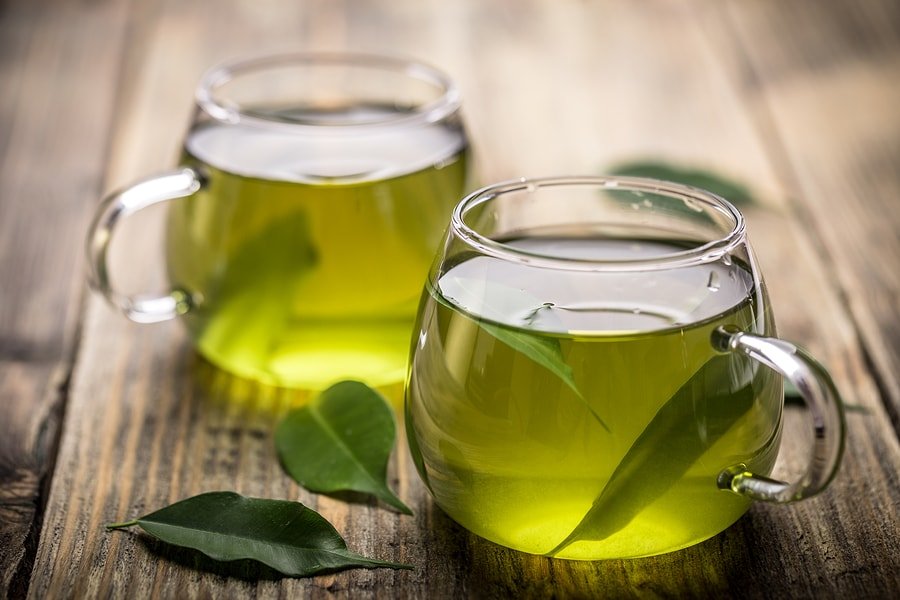
Green tea contains nutrients and antioxidants that provide many health benefits – from reducing the risk of heart disease, cancer, and diabetes to increasing longevity or improving brain function. Read this article to learn all about this nutritional drink. What Is Green Tea?
Green tea is a type of tea made from the same plant as black and oolong tea ( Camellia sinensis ). However, the leaves and buds used to make green tea don’t undergo the same withering and oxidation processes than those employed in these two other tea types.
Green tea contains polyphenols and catechins, which are antioxidant micronutrients naturally found in plants. By reducing free radical production, they may help prevent several diseases.
Epigallocatechin gallate ( EGCG ) is the main polyphenol found in green tea and has many potential benefits to human health [ 1 ].
L- theanine , an amino acid similar to glutamate and glutamine , is another component abundantly found in green tea. It has been specially investigated for its potential to improve cognitive function and curb anxiety [ 2 , 3 ].
Green tea is also a rich source of minerals [ 1 ]. Snapshot
Proponents
High content of antioxidant compounds
Approved for genital and anal warts
May help prevent heart disease
May help prevent some cancer types
May help prevent diabetes
May improve cognitive function
May improve oral health
May help lose weight
Skeptics
Insufficient evidence for some benefits
May cause adverse effects associated with caffeine
High doses may damage the liver
May contain toxic levels of aluminum
Lowered testosterone, reduced iron absorption, damaged the pancreas, and enlarged the thyroid gland in animal studies
Health Benefits of Green Tea
Effective for:
Warts
A topical ointment with green tea extract (Polyphenon E, also called Sinecatechins) was approved by the FDA in 2006 for the treatment of genital and anal warts. In 4 clinical trials on over 2,200 people, it was effective and well-tolerated [ 4 , 5 , 6 , 7 ]. Likely Effective for:
Preventing Heart Disease A meta-analysis of 9 studies and almost 260,000 people associated green tea consumption with a reduced incidence of heart disease. It was dose-dependently associated with fewer heart attacks. Drinking over 10 cups/day was associated with lower LDL levels. Its flavanols were identified as the protective compounds in another meta-analysis [ 8 , 9 ].This protective effect seems largely due to its ability to lower blood pressure and improve blood fat profile. Multiple meta-analyses of clinical trials found that drinking green tea reduced blood pressure, total cholesterol , and LDL cholesterol [ 10 , 11 , 12 , 13 , 14 , 15 ].The evidence suggests that green tea may help prevent heart disease by lowering blood pressure and cholesterol (both total and bound to LDL). You may discuss with your doctor if it may help as a complementary measure in your case. Possibly Effective for: 1) Increasing Longevity In 2 studies of over 350,000 Japanese elderly people, drinking more than 3 cups of green tea per day was associated with lower rates of death from all causes, heart disease, stroke, and respiratory diseases in both genders and from cancer in women [ 16 , 17 ].In another study on over 14,000 Japanese elderly people, drinking green tea was associated with a 76% lower mortality during the 6-year follow-up period of the study. Green tea was associated with reduced death from all causes and heart disease, as well as with a lower incidence of colorectal cancer [ 18 ].Polyphenols in green tea protected telomeres from shortening in cell-based studies, suggesting their potential to increase longevity [ 19 ].All in all, the evidence suggests that green tea may help increase longevity. You may combine it with a healthy lifestyle if your doctor recommends it. 2) Preventing Cancer Oxidative damage may trigger several cancer types. As a rich source of antioxidants, green tea may help prevent them [ 20 ]. Colorectal Cancer In an observational study on almost 70,000 Chinese women, regular consumption of green tea was associated with a reduced incidence of colorectal cancer [ 21 ].Although they generally concluded that the evidence was insufficient and larger, better-designed clinical studies were needed, 4 meta-analyses associated drinking green tea with a lower incidence of colorectal cancer [ 22 , 23 , 24 , 25 ].In 2 clinical trials on 276 people, supplementation with green tea extract reduced the incidence of a colorectal cancer type (metachronous colorectal adenoma) [ 26 , 27 ].In a study on over 4,000 French women, consuming green tea and other antioxidant beverages was associated with a lower incidence of breast cancer. However, a study on over 1,500 women failed to associate regular green tea intake with breast cancer [ 28 , 29 ].In a small clinical trial on 12 women with breast cancer, a formulation with epigallocatechin gallate efficiently delivered this polyphenol into the blood and tumors and reduced a biomarker of breast cancer (Ki-67) [ 30 ].Meta-analyses found a slight trend towards reducing breast cancer incidence in women drinking high amounts of green tea, although they generally considered the evidence insufficient due to the high heterogeneity of the studies. The most recent meta-analysis did find green tea effective at protecting from breast cancer, especially from its recurrence [ 31 , 32 , 33 , 34 , 35 ]. Prostate Cancer In an observational study on almost 50,000 Japanese men, green tea consumption was associated with a reduced frequency of advanced prostate cancer [ 36 ].Two meta-analyses concluded that green but not black tea may help prevent prostate cancer, especially in Asians and in people taking over 7 cups/day. However, another meta-analysis of 21 studies found no association [ 37 , 38 , 39 ].In a clinical trial on 60 men with a condition that often develops into prostate cancer (high-grade prostate intraepithelial neoplasia), the daily treatment with green tea catechins helped prevent this type of cancer. However, a similar trial on almost […]
What is GLP-1 & Does it Affect Weight & Cognition?
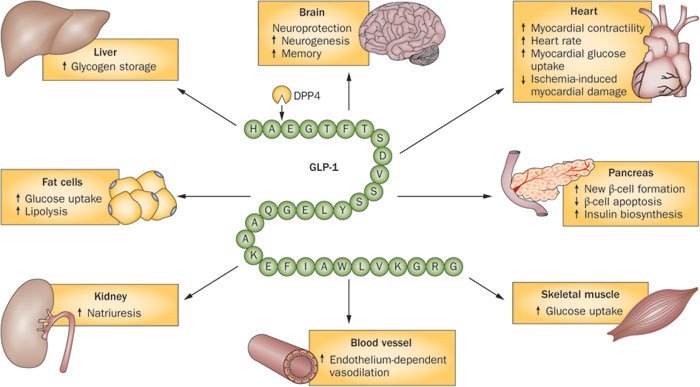
Scientists think that glucagon-like peptide 1 (GLP-1) helps the body release insulin and keep blood sugar in check. Discover the science behind this hormone and whether certain natural factors can increase it.
Disclaimer: The aim of this post is to describe the scientific findings related to GLP-1. It includes some information about the clinical use of GLP-1 agonists as anti-diabetic medications. Please discuss your medications and symptoms with your doctor. What is GLP-1?
Researchers describe Glucagon-Like Peptide-1 (GLP-1) as both a neuropeptide and an incretin [ 1 ].
A neuropeptide is a peptide compound that has an effect on the nervous system. An incretin is a metabolic hormone that reduces glucose levels in the blood after meals.
Note that GLP-1 is not the only hormone that affects blood sugar regulation and insulin production.
Many other important enzymes like DPP-4, hormones – such as glucagon, growth hormone, epinephrine, cortisol, sex hormones, and thyroid hormones – and other pathways also impact blood sugar and insulin balance.
Plus, blood sugar control can involve many other possible factors – including blood chemistry, environment, health status, and genetics – that may vary from one person to another.
GLP-1 has received widespread scientific attention due to its involvement in insulin and blood sugar control. That’s how a new class of medications was born, which are called GLP-1 agonists. These medications are typically given as injections (with the exception of semaglutide) [ 1 ].
Doctors may prescribe GLP-1 agonists to people with type 2 diabetes who have poor blood sugar control and are taking anti-diabetic therapy by mouth.
Approved GLP-1 agonists include: Byetta/Bydureon (exenatide)
Victoza (liraglutide)
Lyxumia/Adlyxin (lixisenatide)
Tanzeum (albiglutide)
Trulicity (dulaglutide)
Ozempic (semaglutide injections)
Rybelsus (oral semaglutide – the only oral GLP-1 agonist)
Side effects of GLP-1 agonists include weight loss and nausea [ 2 ].
GLP-1 agonists have been associated with asymptomatic pancreatitis and pancreatic cancer in limited studies, but this association is still being studied [ 3 ].
DPP-4 inhibitors are another class of anti-diabetic drugs. They reduce the activity of an enzyme called DPP-4, which deactivates GLP-1 and another incretin called insulinotropic polypeptide (GIP). Both GLP-1 and GIP are released after meals to reduce blood sugar [ 4 ].
Thus, these drugs support glucose balance and GLP-1 activity in the body. DPP-4 inhibitors include:
If you have diabetes, your doctor will discuss your medication options with you in detail, including the potential use of GLP-1 agonists or DPP-4 inhibitors. GLP-1 Research & Proposed Health Effects
Blood Glucose & Diabetes
As mentioned, substances that act similar to GLP agonists – so-called GLP-1 agonists – are used as anti-diabetic medications.
GLP-1 increases insulin and decreases glucagon levels, which will result in decreased blood glucose [ 8 , 9 ].
GLP-1 seems to delay stomach emptying, which slows down glucose spikes and makes it easier for the body to maintain blood sugar levels right after a meal [ 10 ].
In animals with diabetes, GLP-1 agonists improve the function of insulin-producing beta cells in the pancreas. Scientists think that these drugs have the potential to regenerate pancreatic cells, but this hasn’t been proven in humans [ 11 , 12 ].Cell-based research is investigating whether fat muscle cells also increase glucose uptake when GLP-1 is higher [ 13 ].Before GLP-1 agonists were discovered, scientists explored the effects of unchanged GLP-1 injections in diabetics [ 14 ].In one study, 6-weeks long administration of GLP-1 to type 2 diabetic patients reduced fasting blood glucose and hemoglobin A1c, a measure of long-term sugar control ( 15 ).However, GLP-1 has a very short half-life of about 1.5 minutes and is rapidly suppressed by an enzyme called dipeptidyl peptidase-4 (DPP-4). GLP-1 agonists were developed to overcome these issues and achieve long-term sugar control [ 16 , 14 ]. Appetite & Weight Control Some scientists hypothesize that GLP-1 decreases appetite by acting on specific areas in the brain. One side effect of GLP-1 agonists is weight loss, which is usually desired in patients with type 2 diabetes. However, GLP-1’s effects on weight haven’t been properly verified in humans without diabetes [ 1 ].In fasted rats, GLP-1 appeared to produce a feeling of satiety. The authors posited that GLP-1 in the hypothalamus reduces food intake [ 17 ].One animal experiment used chocolate milk to tempt animals. They suggested that GLP-1 reduces the excitement of eating food–called the anticipatory food reward , which may result in a decrease in appetite and motivation toward food [ 18 ]. GLP-1 in mentioned in our post about hormones implicated in weight control .We can’t apply animal findings to humans, so we have yet to see if this hormone really reduces appetite and weight in people who struggle with obesity.Many substances that are initially claimed to cause weight loss in animals fail further clinical research.Let’s remember leptin was initially called an “obesity wonder drug” based on animal experiments. Well, it turned out that leptin actually better fits the nickname “fat hormone” and we’re still in the dark as to what it exactly does in the human body. GLP-1 obesity research might face a similar fate. Brain & Mental Health A study on rats suggested that GLP-1R in the hippocampus enhanced learning and memory. According to one unproven hypothesis, GLP-1 might be involved in protecting the brain from seizures and neuronal damage. If proven true, this would add to our knowledge about the gut-brain connection [ 19 ].A GLP-1 agonist and anti-diabetic drug, exenatide, is also being researched in neurogenerative disorders. Given to 45 patients with Parkinson’s disease, exenatide seemed to improve motor and cognitive symptoms compared to the control. Side effects were weight loss and nausea. Large-scale studies are needed [ 2 ].Some scientists have proposed that the potentially protective properties of GLP-1 agonists should also be researched in Alzheimer’s disease [ 20 ].In lab animals, GLP-1 seems to improve mood and anxiety. It is hypothesized to activate orexin , which increases wakefulness . However, the impact of GLP-1 on mood and wakefulness in humans is unknown [ 21 ]. Other Research Areas Scientists are investigating […]
10 Histidine Health Benefits: Function, Foods & Side Effects
When it comes to human health, histidine is an essential amino acid that wears many hats. As a protein building block and a precursor for important biochemical products, it is involved in protecting the skin against UV radiation and reducing inflammation and oxidative stress. Read on to learn more about the importance of maintaining healthy levels.
What Is Histidine?
Histidine (L-histidine) is one of the 20 amino acids that make up the proteins in our body . These building blocks are generally classified as either nonessential or essential . Nonessential amino acids are those that the body can produce by itself, while essential amino acids must be acquired through diet because the body cannot make its own supply [ 1 ].
Histidine is an essential amino acid . A long-term study demonstrated that adults who consume a diet deficient in histidine over long periods of time may experience negative health effects such as reduced hemoglobin (the protein that carries oxygen in red blood cells) levels [ 2 , 3 , 4 ].
Histidine is produced by the liver in small quantities . Hence, it must be consumed in the diet to maintain necessary histidine levels in the body. Here, it is converted into a number of important substances such as histamine and carnosine [ 5 , 6 , 7 ]. Function
Histidine is required for the growth and repair of tissues , red blood cell production , and protecting tissues from damage from radiation and heavy metals . It is especially necessary for the formation of myelin sheaths , which are layers surrounding nerves that enables faster transmission of signals to the brain [ 1 , 8 ].
In both human and animal studies, histidine functioned in maintaining normal levels of hemoglobin , the protein responsible for delivering oxygen from the lungs to the tissues of the body [ 9 , 3 ].
Urocanic acid, produced through histidine, is a major absorber of ultraviolet (UV) radiation. This protects skin cells from damage [ 10 , 1 ].
Additionally, it is converted to histamine , a messenger molecule involved in immunity, digestion, and sexual function [ 7 , 1 ].
It is also a major component ( along with β-alanine ) of carnosine , an important antioxidant that slows the progression of multiple degenerative diseases and reduces plaque buildup in the arteries. It may also help improve muscle performance for high-intensity exercise [ 5 , 6 ]. Snapshot
Proponents
Essential amino acid
HKT solution routinely used in surgical procedures
Antioxidant and anti-inflammatory
May protect the heart and lower blood pressure
May lower blood sugar
May help lose weight
May help with brain function
May protect the skin
May reduce blood clots
Skeptics
Very few clinical trials carried out so far
High doses of histidine supplements may have some adverse effects
Health Benefits
Effective for:
Surgical Procedures Bretschneider’s histidine-tryptophan-ketoglutarate solution (HTK) is a histidine-containing buffering solution routinely used to induce heart arrest during surgical procedures and protect the heart muscle from low blood supply.Several clinical trials attest to its effectiveness to reduce damage due to low oxygen in not only the heart, but also the kidneys [ 11 , 12 , 13 , 14 , 15 , 16 ]. Insufficient Evidence for: The following purported benefits are only supported by limited, low-quality clinical studies and some animal and cell-based research. There is insufficient evidence to support the use of histidine supplements for any of the below-listed uses until larger, more robust clinical trials are conducted. Remember to speak with a doctor before taking histidine supplements. They should never be used as a replacement for approved medical therapies. 1) Protecting the Heart Mutations resulting in increased histidine levels were associated with lower incidence of coronary heart disease in an observational study on over 1,100 African Americans [ 21 ].The histidine derivative carnosine improved exercise performance and quality of life in a clinical trial on 50 people with congestive heart failure [ 22 ].Damaged rat hearts (due to restored blood supply after a heart stroke) treated with histidine showed better recovery. Histidine presumably reduced reactive oxidative species and helped preserve energy (ATP) [ 23 ].In diabetic mice, supplementation with carnosine reduced blood fat levels and plaque build-up in the arteries [ 24 ]. 2) Reducing Blood Pressure Dietary histidine was associated with lower blood pressure , especially at higher doses, in a study on 92 people with heart disease [ 25 ].In a study in rats with elevated blood pressure, oral histidine supplementation significantly reduced it. Similarly, carnosine reduced blood pressure in obese rats [ 26 , 27 ]. 3) Antioxidant In a study involving 92 obese women with histidine deficiency, supplementing this amino acid over 12 weeks reduced oxidative stress [ 28 ].Another study on over 400 women found an association between low histidine levels and oxidative stress. Additionally, obese women had worse antioxidant status, possibly due to their abnormal histidine and arginine metabolism [ 29 ]. 4) Inflammation In 2 studies on over 500 women, histidine supplementation led to reduced inflammation by blocking the production of inflammatory cytokines [ 29 , 28 ]. 5) Blood Sugar Levels In a clinical trial on 92 obese women with metabolic syndrome, histidine supplementation (4 g/day for 12 weeks) significantly decreased insulin resistance .An observational study on 88 obese people associated higher dietary histidine with lower fasting blood glucose levels and increased insulin sensitivity [ 30 ].In mice, supplementation with histidine and carnosine helped prevent diabetic complications [ 31 ]. 6) Brain Function In a clinical trial on 20 people with chronic fatigue and sleep disturbances, supplementation with histidine for 2 weeks improved attention, memory, and clarity of thinking while reducing fatigue [ 32 ].In another trial on 25 Gulf War I veterans, carnosine treatment improved cognitive function [ 33 ].In rats, histidine supplementation improved short-term memory and protected the brain from the damage caused by reduced oxygen supply (cerebral ischemia ) [ 34 , […]
Baicalin & Baicalein: Potential Benefits & Upcoming Research
Baicalin and baicalein are flavones under investigation for potential benefits to the nervous system & in rheumatoid arthritis. Learn more here. What are Baicalin and Baicalein?
Baicalein is a flavone, a type of polyphenolic flavonoid, that is extracted from the roots of Scutellaria baicalensis and Scutellaria lateriflora that have a wide variety of health benefits.
Baicalin is a flavone glycoside, the glucuronide of baicalein, which is obtained through the binding of glucuronic acid to baicalein. It is primarily used in Asian countries as an herbal supplement. Potential Health Benefits
Baicalin and baicalein supplements have not been approved by the FDA for medical use and generally, lack solid clinical research. Regulations set manufacturing standards for them but don’t guarantee that they’re safe or effective. Speak with your doctor before supplementing. 1) Rheumatoid Arthritis & CAD
In one study of 374 patients with rheumatoid arthritis and coronary artery disease (which are frequently comorbid), 500 mg of baicalin per day significantly reduced blood lipids and markers of inflammation [ 1 ].
No clinical evidence supports the use of baicalin for any of the conditions listed in this section. Below is a summary of the existing animal and cell-based research, which should guide further investigational efforts. However, the studies listed below should not be interpreted as supportive of any health benefit. 2) Anxiety
Baicalein and baicalin inhibited the action potential of the neurons that raise anxiety [ 2 ].
In mice, baicalin produced anxiety-lowering effects without causing drowsiness or muscle relaxation [ 3 ]. 3) Neuroprotection
Baicalin improved cognitive dysfunction in mice via its anti-neuroinflammatory activity, leading authors to suggest it as a potential candidate for the treatment of Alzheimer’s Disease (AD) [ 4 ].
It improved Amyloid beta-induced learning and memory deficit, hippocampus injury and neuron apoptosis (mice) [ 5 ].
Baicalin improved learning and memory impairment induced by brain injury in mammals [ 6 ].
Treatment with this flavonoid in animals, post-stroke, promoted neuron development in damaged sections of the brain, including the new formation of cells in the hippocampus [ 7 ]. 4) Liver
Baicalin administered in rats reduced the effects of fatty liver disease (by increasing PPAR gamma and insulin receptors) [ 8 ].
It decreased cholesterol , alanine transaminase, low-density lipoproteins, and TNF levels.
Rats with alcohol-induced liver damage treated with this flavonoid before consuming alcohol had protective effects on the liver. It also decreased liver cell apoptosis [ 9 ]. 5) Lung Function
Pure baicalin improved lung function in rats suffering from allergic diseases [ 10 ].
When administered to rats suffering from asthma as a pretreatment, baicalin stimulated a healthy remodeling of the airway [ 11 ].
Baicalein reduced lung inflammation by inhibiting Th1 7 cells in the lungs [ 12 ]. 6) Eyes
Daily intake of baicalin or baicalein helped prevent eye diseases such as cataracts or age-related macular degeneration in animals [ 13 ].
Baicalin is found in traditional Japanese herbal medicines for eye health [ 14 ]. 7) Fertility
In animals, baicalin significantly enhanced endometrial reproduction [ 15 ].
In mouse embryos, it increased the development and quality of blastocysts [ 16 ]. Cancer Research
Baicalin and baicalein are currently under investigation in the following types of cancers:
These experiments are currently limited to cell studies, however; such studies are often irrelevant for animal or human trials.
Baicalin ingested at a dose of 100 mg/kg for 28 days decreases tumor growth and replication in mice with colon cancer cells [ 21 ].
When taken orally in rats for 7 days it increases the activity of T helper cells and T regulatory cells to fight chemically-induced colon cancer [ 22 ]. Limitations There are a variety of limitations that should be kept in mind when reading this research. Almost all of the studies conducted with baicalin are in animals, and it’s not clear if any of these benefits would occur in humans. Flavonoids usually have poor bioavailability, and baicalin is no exception [ 23 ]. It’s unclear if any of these benefits would be seen in humans given the bioavailability issues. When given to animals, it’s often injected, which bypasses the bioavailability problem that humans would have. Dosage There is no safe and effective dose of baicalin or baicalein because no sufficiently powered study has been conducted to find one.Baicalein and baicalin supplements can be taken by healthy individuals. The healthy dose should be 200-800 mg in multiple doses, once in the morning and once again at night, without any side effects. If you’re interested in natural and targeted ways of improving your mood, we recommend checking out SelfDecode’s Mood DNA Wellness Report . It gives you genetic-based diet, lifestyle and supplement tips that can help improve your mood. The recommendations are personalized based on YOUR genes. Learn More
35 Supplements That May Boost Mood
Supplements That May Have Mood-Related Effects
There are a number of supplements and dietary compounds that may have potentially-beneficial effects on mood.
However, keep in mind that the science behind these is still mostly preliminary, and none of these supplements have been officially approved for treating mood issues or any other psychological conditions.
In other words, there is still insufficient evidence for the efficacy of these supplements in treating mood disorders: therefore, none of these compounds should be used to replace any ongoing medical treatments that your doctor has recommended.
It’s also always a good idea to consult with your doctor before trying out any new supplements or other dietary changes , as there’s always the possibility that these compounds could have adverse interactions with other ongoing medications, pre-existing medical conditions, etc. Therefore, we don’t recommend “experimenting” with supplements on your own without at least discussing them with your doctor first!
With all that in mind, here’s what some of the latest science says about several supplements that might have potential mood-related effects. 1) Inositol
Individuals with depression have often been reported to have low levels of inositol in the brain (frontal and prefrontal cortex) [ 1 , 2 ].
Inositol has been concluded to be “likely effective” for depression, according to a meta-analysis of DB-RCTs [ 3 ].
Myo-inositol (0.6 or 2 grams) was reported to reduce depressive symptoms in a study (DB-RCT) of 71 women with premenstrual depression [ 4 ].
Some evidence suggests that myo-inositol may act by decreasing serotonin transporter activity, thus increasing available serotonin [ 5 ]. 2) St. John’s Wort
St John’s Wort (H ypericum perforatum ) is one of the most-studied herbs with supposed “antidepressant-like” effects, and is even widely prescribed for depression in Europe. The recommended dose is 900-1800 mg/day.
According to multiple meta-analyses (of DB-RCTs), St. John’s Wort was reported to have anti-depressive effects similar to SSRIs, with very few side effects [ 6 , 7 ].
St John’s Wort has also been reported to potentially prevent or delay depression relapses in 426 patients (DB-RCT) [ 8 ].
St. John’s wort is believed to act in part by increasing serotonin receptors and dopamine signaling [ 9 , 10 ]. It also may inhibit serotonin reuptake and glutamate release [ 11 , 12 ]. However, these mechanisms are still only based on relatively early studies, and more research will be needed to figure out the exact biological mechanisms underneath this herb’s effects in the body and brain. 3) Fish Oil / Omega-3 Fatty Acids
Low levels of omega-3s have been associated with depression [ 13 , 14 ].
According to a few early studies, omega-3s have been reported to be effective for those with clinical depression, as well as non-diagnosed individuals with depressive symptoms [ 15 , 16 ].
According to one meta-analysis, EPA may be the most beneficial specific type of omega-3 when it comes to depression-related symptoms [ 17 ].
Adding omega-3s to the antidepressant Citalopram (an SSRI) was reported to improve depressive symptoms in 42 patients (RCT) [ 18 ].
Some researchers have proposed that omega-3s may reduce depression by lowering inflammation in the brain, although a lot more research will be needed to confirm this for sure [ 19 ]. 4) S-adenosyl-L-methionine (“SAM-e”)
According to one meta-analysis, the compound commonly known as “ SAM-e ” has been reported to be effective and safe in treating symptoms of depression [ 20 ].
In one study (DB-RCT) of 73 patients who did not respond to SSRIs, 800 mg of SAM-e taken twice a day for 6 weeks was reported to lead to improvements in depressive symptoms as well as reduced remission rates [ 21 ].
Some researchers have proposed that SAM-e may have therapeutic effects similar to those of common antidepressants, such as SSRIs [ 22 ]. SAM-e may also have some other advantages over common depression medications, such as a relatively fast onset and increased safety (lower rates of adverse side-effects) in higher doses [ 23 , 22 ].
Although its precise mechanisms are not yet fully known, some evidence suggests that SAM-e’s effects may stem from improved methylation of neurotransmitters ( catecholamines ), increased serotonin and norepinephrine levels, and increased dopamine activity [ 24 ]. However, more research will still be needed to explore its potential mechanisms further, and how these might related to some of this substance’s purported effects on mood. 5) Curcumin
Curcumin — also commonly known as the spice turmeric — has been reported to reduce depressive symptoms in patients with major depression, while also being relatively safe [ 25 , 26 , 27 ].
For example, curcumin taken at 1 g/day for 6 weeks reportedly reduced depression along with inflammatory cytokines and cortisol, and increased BDNF in 108 adults (DB-RCT) [ 28 ].
According to one animal study, administering curcumin along with piperine (a compound found in black pepper) was reported to enhance the antidepressant effects of SSRIs in mice [ 29 ].Similarly, another study in mice reported that curcumin increased serotonin and dopamine, and blocked MAO-A and MAO-B . It has also been suggested that curcumin may also promote the development of new brain cells in stressed rats [ 30 , 31 , 32 ].However, it should be kept in mind that a lot of this evidence comes from animal studies, and so much more research in humans will be needed to confirm any of these effects and mechanisms for certain. 6) DHEA Low DHEA levels have been associated with increased depressive symptoms, and are often especially low in clinically-depressed patients [ 33 , 34 ].A handful of double-blind randomized control trial (DB-RCT) studies have reported that 90 mg/day or more of DHEA may reduce depressive symptoms and improve mood [ 35 , 36 ].DHEA is believed to influence the release, breakdown, reuptake, and receptor binding activity of serotonin, dopamine, glutamate, and GABA, which may account for some of its purported effects [ 37 ]. 7) Probiotics Recently, scientists have proposed that the gut microbiota may have a surprisingly […]
13 Body Hacks, Evaluated: What Science Says About Shortcuts To Health And Wellness
We hate to say it, but at this point in our lives, we’re starting to accept the fact that we’ll never become superheroes. We’re stuck with boring human bodies without adamantium claws, laser eyes, or any of the other awesome anatomical features we’ve been praying for since we were six (we’re 30 now, by the way—not that that matters). istock.com/RyanJLane The good news is that, thanks to the internet, we’ve learned about dozens of “life hacks,” purportedly backed by science, that will let us unlock the secrets of our (horrible, boring) bodies. The bad news is that some of those hacks are, well, slightly misleading.
We decided to take a closer look at some of the stranger examples floating around the internet. Some of them are pretty awesome body hacks—others are more like “writing hacks.” 1. Looking at the color green can make you more creative.
Need to sit down and write an essay? Looking for inspiration for your latest play? Are you a professional wrestler and you’re running out of fresh ideas for your armbar? Just look at a big green rectangle, and you’ll somehow trick your brain into jump-starting its creativity circuits, hackers purport. istock.com/ArturNyk This hack actually has some basis in science. A 2012 study published in the journal Personality and Social Psychology Bulletin showed that the color green can aid creative tasks, although the authors were careful to note that the effect was limited. Researchers provided study participants with a “brief glimpse of green,” then asked them to perform various “creativity challenges.”
For instance, in one experiment, participants were asked to come up with various uses for a tin can, at which point their responses were graded by a tester. Participants who saw a green rectangle performed more creatively than those who saw a white rectangle. istock.com/Slavica “Green may serve as a cue that evokes the motivation to strive for improvement and task mastery, which in turn may facilitate growth,” researcher Stephanie Lichtenfeld, PhD, said in a 2012 interview.
However, Lichtenfeld also characterized the effect as subtle. If you’re really looking to boost your creativity, you’re better off building a creative routine, according to the American Psychological Association . You’ll also want to minimize stress, get plenty of sleep, and collaborate with others—if you want to do so in an all-green room, all the better. 2. Rubbing “pressure points” on your body can prevent migraines.
This hack comes from a piece on Livestrong , which references some…unscientific sources. It’s based on pressure point therapy, a somewhat dubious interpretation of Traditional Chinese Medicine (TCM), and an ebook that apparently came from an online health food store (not exactly the New England Journal of Medicine ).
Activating those “pressure points” can actually reduce the symptoms of a migraine, and some researchers recommend massage and acupuncture (another pressure-therapy) as a first-line course of treatment for migraine sufferers. istock.com/ChristianNasca However, there are some crucial caveats. For starters, we’re not really sure if pressure point therapy really needs the, uh, pressure points. One study notes that the positive effects “can be achieved even if point selection is not as dogmatic and precise as proposed by the Chinese system.” Rather than trying to find the one inch of your body that holds all of your Chi , you might be able to just rub for a while and get the same results.
And since the placebo effect is more pronounced in people suffering from migraine pain, it’s also possible that pressure-point therapies provide a sort of enhanced placebo effect. One study found that trigger-point massage, while effective at limiting migraine pain, was no more effective than a placebo.
If you suffer from migraines, you’re better off increasing your intake of folic acid, getting regular exercise, and seeing a physician if the headaches are occurring regularly. Don’t expect to cure severe headaches simply by rubbing the webbing between your fingers—but with that said, if you feel like rubbing your finger-webs, go for it. You’re not doing any damage.
Oh, and while we’re on the subject of possible placebos… 3. Use placebos to cure…lots of things.
Placebos aren’t just sugar pills. Well, okay, they are just sugar pills, but they’re powerful medicine.
“The placebo effect is more than positive thinking—believing a treatment or procedure will work,” explained Professor Ted Kaptchuk of Beth Israel Deaconess Medical Center in a piece published on Harvard Health. “It’s about creating a stronger connection between the brain and body and how they work together.” iStock.com/Iryna Imago Kaptchuk’s research shows that placebos can be just as effective as other medical treatments. You’ve probably heard about that concept—it’s extremely well documented.
What you might not know is that the placebo effect has its own placebo effect; oddly enough, some placebos work even when people know that they’re placebos.
“People can still get a placebo response, even though they know they are on a placebo,” Kaptchuk said . “You don’t need deception or concealment for many conditions to get a significant and meaningful placebo effect.”
In one of his studies, Kaptchuk gave patients with irritable bowel syndrome (IBS) “open-label” placebos. Half of the study’s volunteers received the pills and were explicitly told that they were in the placebo group, while half of them received nothing at all. The group who received the placebos experienced a “dramatic and significant improvement” in their symptoms. iStock.com/seb_ra How could that possibly work? Kaptchuk has some theories.
“People associate the ritual of taking medicine as a positive healing effect,” he said. “Even if they know it’s not medicine, the action itself can stimulate the brain into thinking the body is being healed.”
So, how can you turn this information into a superpower? Well, you can’t gain Wolverine-like healing abilities simply by scarfing down some sugar pills, but if you’ve got a condition in which pain or stress is a factor, try taking a harmless supplement and telling yourself that you’re treating the condition. As dumb as that might sound, the research shows that open-label placebos can work.
Oh, and if the placebo doesn’t do the trick, be sure to see […]
Bionic neurons developed to restore failing brain functions, fight chronic diseases
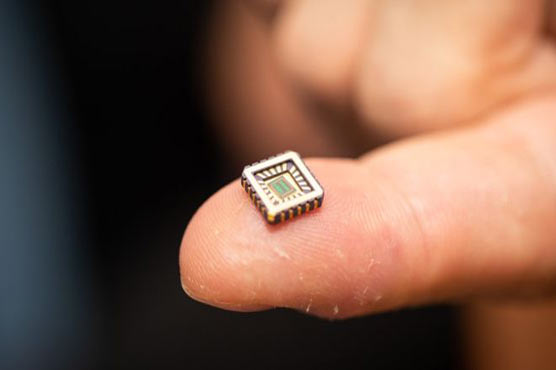
Neurons carry signals to and from the brain and the rest of the body. (Web Desk) – In a major breakthrough in the field of medical science, Scientists have created artificial neurons, paving the way for new ways to repair the human body. (Neurons carry signals to and from the brain and the rest of the body.)
The nerve cells could potentially be implanted into patients to overcome paralysis, restore failing brain circuits, and even connect their minds to machines.
A team from the University of Bath used a combination of maths, computation and chip design to come up with a way to replicate in circuit form what nerve cells (neurons) do naturally.
The tiny "brain chips" behave like the real thing and could one day be used to treat diseases such as Alzheimer’s.
The bionic neurons can receive electrical signals from healthy nerve cells, and process them in a natural way, before sending fresh signals on to other neurons, or to muscles and organs elsewhere in the body.
One of the first applications may be a treatment for a form of heart failure that develops when a particular neural circuit at the base of the brain deteriorates through age or disease and fails to send the right signals to make the heart pump properly.
Rather than implanting directly into the brain, the artificial neurons are built into ultra-low power microchips a few millimetres wide. The chips form the basis for devices that would plug straight into the nervous system, for example by intercepting signals that pass between the brain and leg muscles.
“Any area where you have some degenerative disease, such as Alzheimer’s, or where the neurons stop firing properly because of age, disease, or injury, then in theory you could replace the faulty biocircuit with a synthetic circuit,” said Alain Nogaret, a physicist who led the project at the University of Bath.
Writing in the journal Nature Communications, the researchers describe how they fed the program with data recorded from two types of rat neuron, which were stimulated in a dish. The neurons were either from the hippocampus, a region that is crucial for memory and learning, or were involved in the subconscious control of breathing.
Armed with the program, the researchers claim they can now build bionic neurons based on any of the real nerve cells found in the brain, spinal cord, or the more distant reaches of the peripheral nervous system, such as the sensory neurons in the skin.
Because the artificial neurons both receive and send signals, they can be used to make implants that respond to neural feedback signals that are constantly coursing around the body.
“The potential is endless in terms of understanding how the brain works, because we now have the fundamental understanding and insight into the functional unit of the brain, and indeed applications, which might be to improve memory, to overcome paralysis and ameliorate disease,” said Julian Paton, a co-author on the study who holds posts at the Universities of Bristol and Auckland.
“They can be used in isolation or connected together to form neuronal networks to perform brain functions,” he added.
“If you wanted to model a whole mouse brain using the approach in this paper you might end up designing 100 million individual, but very precise, neurons on silicon, which is clearly unfeasible within a reasonable time and budget,” said Stephen Furber, professor of computer engineering at the University of Manchester.
“Because the approach is detailed and laboriously painstaking, it can really only be applied in practice to smallish neural units, such as the respiratory neurons described above, but there are quite a few critical small neural control circuits that are vital to keeping us alive,” he added. Google co-founders step down as Pichai named Alphabet CEO Scientists trigger coldest chemical reaction in known universe Chile eyes state-backed lithium push in far-flung salt flats Drinking milk does not appear to impact longevity
Blue Tea, The Newest Addition To Herbal Tea Can Keep You Stress-Free and Young
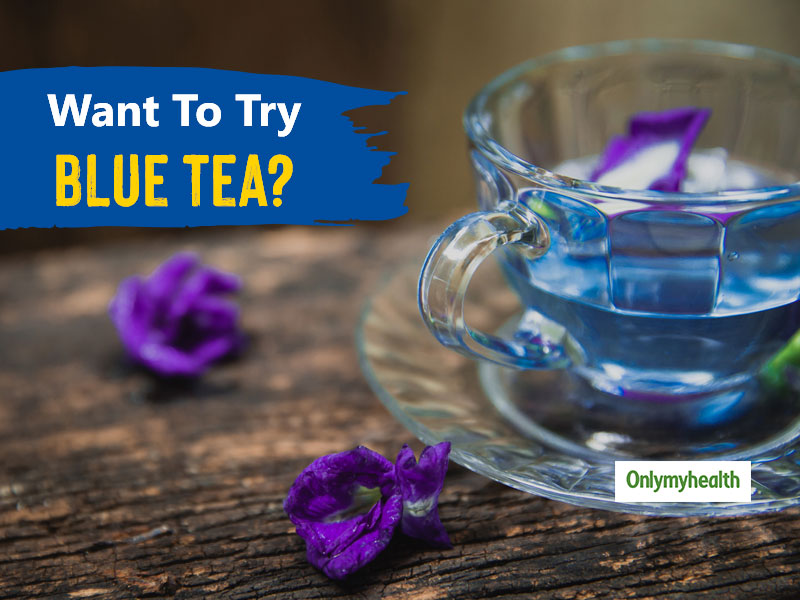
Blue tea is a fancy herbal tea that is not just good-looking but also good for health. Read further to know all the benefits. This exotic-looking tea is making headlines for all good reasons. As herbal teas are taking over the traditional teas for their exceptional health benefits, we would like to inspect all about blue tea which is in vogue. People who used to drink green tea and black tea are trying out other healthy variants. Talking about blue tea, this tea is made from blue pea flowers that not only gives it a great taste but also its alluring blue color.
However, this tea has low availability and you won’t get it in local grocery stores. But if you want to fix your health, don’t mind spending a little extra and buy it online. Click here to visit the online website to buy blue tea .
Meanwhile, take a look at the potential health benefits of sipping blue tea. 1. Rich in Antioxidants
Blue tea has a lot of antioxidants which are exceptionally good for our health and wellness. These prevent the damage caused by free radicals which cause untimely skin aging. It also detoxifies the skin to remove the layer of dead cells and regain the youthful natural glow.
Drinking this tea regularly may also reduce the visibility of wrinkles, fine lines and other signs of aging. 2. Good for diabetics
One cup of blue butterfly tea regularly may bring blood glucose levels down in the patients of diabetes. Diabetics who had blue tea in between their meals noticed a decrease in their glucose intake. These also cut down the risk of other infections to boost heart health. 3. Aids In Weight Loss
Blue tea has catechins which are found to be really effective in weight management. This helps burn fat which ultimately brings the weight down. Drinking one cup of warm blue tea would accelerate your metabolic rate while burning excess calories.
Also Read: Moringa Tea: A Unique Tea With Amazing Health Benefits 4. Amazing for Skin and Hair
As blue tea is rich in antioxidants, it is great for your skin and hair health. Apart from antioxidants, blue butterfly tea also has vitamins and minerals which helps in maintaining the health and beauty of skin and hair. 5. Energizes the brain and boost cognition
This tea is no less than a nootropic as it enhances cognition and improves brain activity. This keeps your energy levels on a peak to help you stay active throughout the day.
Also Read: Surprising Health Benefits Of Rose Tea 6. Alleviates stress and anxiety
Due to hectic schedules, we often restless and stress more which ultimately affects our well-being. Stress, anxiety and depression have become very common these days and it is important to fight these for good health. Research says that blue tea can significantly lower down stress levels thereby easing anxiety and preventing depression. 7. Reduces the risk of cancer
The main content of this tea is the blue pea flower which is loaded with antioxidants. This may be a solution to avert the risk of cancer as these inhibit cell damage. However, there is no evidence for this.
Read more such articles on Healthy Diet
The best chromium supplement
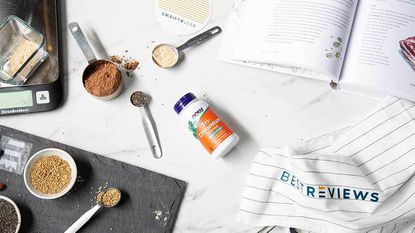
Our bodies require trace minerals to function, including zinc, copper, magnesium, selenium, and chromium. Chromium is a metal present in our soil, and most people get enough of it through diet alone. However, if you have diabetes or are trying to lose weight, a chromium supplement may help.
To learn more about the health benefits of chromium supplements and the different types available, read our buying guide. We’ve also included our top product picks at the end of this article, like Pure Encapsulations’ ChromeMate Chromium Supplements , which are highly absorbable by the body.
Be sure to check with your healthcare provider before starting a supplement, especially if you suffer from any preexisting conditions.
Improves blood sugar: Studies suggest that supplementing with 200 mcg (micrograms) of chromium can improve blood sugar levels in people with diabetes. These studies also suggest that chromium can lower insulin levels.
Reduces hunger and food cravings: If you’re trying to lose weight, there is evidence that supplementing with 600 to 1,000 mcg of chromium a day may help reduce binge eating and food cravings. Chromium plays a role in a healthy metabolism — your body needs trace minerals like chromium for energy, especially if you’re active.
Prevents cognitive decline: For aging adults, supplementing with chromium may help cognitive function by improving insulin response. Since the brain is impacted by insulin, a chromium supplement may keep your brain function "youthful."
Other benefits: Chromium may help prevent bone loss by slowing calcium loss, and it’s used as an alternative remedy for osteoporosis. Because chromium regulates blood sugar levels, it’s also used by some alternative practitioners to treat acne, polycystic ovary syndrome (PCOS), and adrenal fatigue.
Trivalent chromium (chromium 3+) is the form of chromium found in food. It’s naturally present in wheat, brewer’s yeast, some meat, potatoes, and certain vegetables.
Chromium supplements come in capsule or tablet form in quantities of 60, 90, 120, 180, or 250. Consider how many pills you need to take a day when choosing a lower or higher count bottle.
Chromium supplements generally exceed the recommended daily amount. Expect to see capsules starting at 200 mcg and going up to 1,000 mcg.
Some chromium supplements have added niacin, also known as vitamin B3, to enhance the bioavailability of the chromium. Chromium supplements aimed at diabetics may have added cinnamon to lower insulin resistance.
Chromium supplements range in price from as little as $9 to upward of $20 a bottle, depending on the count and quality of the formula.
A. Some of the signs are fatigue, poor memory and concentration, glucose imbalance, bad skin, bone loss, changes in weight, changes in mood, worsening eyesight, and slow wound healing. These can be symptoms of other health conditions and chromium deficiencies are rare, so it’s best to be evaluated by a doctor.
A. You can obtain your daily allowance of chromium by eating one cup of cooked broccoli. Other good sources are green beans, potatoes, grapes, apples, and bananas. Whole grain products, beef and poultry, and dairy products also contain a fair amount of natural chromium.
What we like: Each tablet contains 1,000 mcg of chromium picolinate. Consumers experience a boost in energy. Tablets are small and easy to swallow.
2019 Education Research Highlights

Every year brings new insights—and cautionary tales—about what works in education. 2019 is no different, as we learned that doodling may do more harm than good when it comes to remembering information. Attendance awards don’t work and can actually increase absences. And while we’ve known that school discipline tends to disproportionately harm students of color, a new study reveals a key reason why: Compared with their peers, black students tend to receive fewer warnings for misbehavior before being punished. To Remember Something, Draw It (but Don’t Doodle)
A 2019 study draws a sharp line between doodling and drawing, concluding that doodling actually impedes the learning of new information: “Doodling during encoding led to worse subsequent free-recall performance than did either writing or drawing pictures of words,” the researchers found. These findings come on the heels of a 2018 study that determined that drawing easily beats reading, writing, or listening to lectures when it comes to learning and retention.
How to reconcile these conclusions? Free-form doodling is an activity that is often disconnected from the material that is being learned and serves as a distraction from the topic at hand. At least six decades of studies show that divided attention impairs learning. But drawing that reinforces what’s being learned—such as depicting and labeling our solar system—taps into visual, kinesthetic, and linguistic areas of the brain at the same time, encoding learning more deeply. Awards Don’t Boost Attendance—but Teachers Do
It’s common to see awards being handed out to reward students for good attendance, but a 2019 study found that these awards can backfire spectacularly, giving students a “license to miss more school” and actually driving absentee rates up.
Students are more likely to attend school when their teachers notice absences and make efforts to reach out to them and their families, according to a 2017 report from Attendance Works. And a 2019 study found that highly engaging teachers can decrease absences by 49 percent, making it clear that a teacher’s impact extends well beyond test scores and grades. Math Circuitry Looks the Same in Boys and Girls
Advanced imaging technology like fMRI continues to push at the frontiers of our understanding of the human brain. After analyzing the brain circuitry of 104 children ages 3 to 10 while they watched math problems being solved, neuroscientists discovered that neural activity in areas of the parietal lobe associated with numerical cognition was nearly identical across genders.
The findings tend to confirm that gender differences in math performance are socially constructed, an argument that’s bolstered by past research showing that the gender gap in math is not as pronounced in other cultures—and in some countries, like Finland and Korea , it often reverses to favor girls.
While the idea of a “summer slide” is widely accepted and influential, much of what we know about it is based on a 1980s study that concluded that kids who spent their summers playing fell further and further behind those who studied. But a recent attempt to replicate the study failed, and an in-depth analysis revealed that the original testing methods distorted the gap between student scores.
When applying modern scoring methods to the old data, researchers discovered that the hypothetical, ever-expanding gap actually shrank as students got older. Students can still benefit from enriching summer activities, of course, just as they would at any time of the year, but the idea that the gap widens over the summer is almost certainly overblown—and there’s an abundance of evidence that play has significant emotional and cognitive benefits. Cut the Arts at Your Own Risk, Researchers Warn
As arts programs continue to face the budget ax , a handful of new studies suggest that’s a grave mistake. The arts provide cognitive, academic, behavioral, and social benefits that go far beyond simply learning how to play music or perform scenes in a play.
In a major new study from Rice University involving 10,000 students in third through eighth grades, researchers determined that expanding a school’s arts programs improved writing scores, increased the students’ compassion for others, and reduced disciplinary infractions. The benefits of such programs may be especially pronounced for students who come from low-income families, according to a 10-year study of 30,000 students released in 2019.
Unexpectedly, another recent study found that artistic commitment—think of a budding violinist or passionate young thespian—can boost executive function skills like focus and working memory, linking the arts to a set of overlooked skills that are highly correlated to success in both academics and life. Studies on Disability Emphasize Early Intervention—and Teacher Training
Failing to identify and support students with learning disabilities early can have dire, long-term consequences. In a comprehensive 2019 analysis , researchers highlighted the need to provide interventions that align with critical phases of early brain development. In one startling example, reading interventions for children with learning disabilities were found to be twice as effective if delivered by the second grade instead of third grade.
But only 17 percent of teachers say they feel adequately trained by their certification programs, according to a new report from leading experts—and in the absence of good information, misconceptions take root. For example, the researchers found that one-third of teachers believe that learning disabilities reflect a lack of motivation, not a difference in brain development. To support students with learning disabilities, then, we also need to tackle the pervasive myths that can stymie their potential. More Z’s May Yield More A’s
When the Seattle School District delayed high school start times by an hour, students caught an extra 34 minutes of sleep per day, and their grades improved by about 5 percent while absences decreased by 7 percent. The new research highlights the ways in which traditional high school start times—which aren’t aligned to teenagers’ natural circadian rhythms—can cause physical, mental, and cognitive health problems.
While previous studies relied on anecdotal or self-reported evidence to establish a link between sleep, academic performance, and school start times, the new research is the first high-quality, scientific study to quantify the real-world benefits of delaying start […]
Refine your regular lifestyle choices to improve brain health

Rituparna Das, MD
Special to Nevada Appeal
Our brain controls the function of our entire body, and the body’s response to how we live our lives has an effect on our brain. Everyday activities can improve brain health and help avoid dementia and memory loss.
With this in mind, here are some simple tips to follow to bolster your brain health:
Food plays an important role in brain health. Research shows that a heart-healthy diet in early adulthood leads to better brain function in middle age.
In a recent study, those eating a Mediterranean diet high in fruits, vegetables and legumes; moderate in nuts, fish and alcohol; and low in meat were 46 percent more likely to have better cognitive function than those who didn’t.
Sleeping
Cognition and memory are linked to sleep. When sleep is interrupted, it is difficult to form or maintain the pathways in the brain that let us learn and create new memories.
As challenging as it might be, getting an uninterrupted seven to eight hours of sleep helps the brain concentrate and respond quickly throughout the day.
If your sleep is fragmented, talk with your health care provider about testing for sleep disorders or other issues that could be getting in the way of your brain’s performance.
Breathing
Exercise is another way to oxygenate and support the brain, as it directly increases the size or volume of the hippocampus — where memory formation happens.
During the natural process of aging, brain size decreases. Chemicals released by the brain during exercise can protect it from this process.
For healthy brain function, aim for 20 minutes of physical activity per day.
Connecting
There is even more you can do to keep your brain healthy. Being social with others is known to reduce stress and depression while improving cognition and memory.
Engaging in challenging new tasks, such as learning a different language or trying a new hobby, is also important for brain health. Try to avoid passive activities, such as watching television, for long amounts of time.
Reducing the medical risk factors for heart disease and stroke is a key part of preserving brain health.
High blood pressure, diabetes, obesity, higher cholesterol, and smoking all increase the risk for dementia. Incorporating behaviors that promote our brain health can have a tremendous impact on overall mental and physical wellbeing.
Dr. Rituparna Das is a board-certified neurologist practicing at Barton Neurology in South Lake Tahoe. She specializes in treating nervous system disorders such as multiple sclerosis, Parkinson’s disease, migraines, epilepsy, stroke and vertigo, as well as memory conditions such as Alzheimer’s and dementia. Visit bartonhealth.org/neurology to learn more.
Voke Superfood Tablets Named USA TODAY Contest Winner for Best Gift for Business Travelers

Press Release
The business travel gurus have spoken. For those who spend more time on the plane than in the office, maintaining energy and focus is a high priority. Delivering these results in a plant-based tablet chewable, Voke was named…
Voke is a convenient chewable tablet that clears brain fog and rapidly transforms your ability to focus on the task at hand. With superfoods backed by over 25 independent research studies, Voke will help you maintain all-day mental energy, laser focus, upbeat mood, & clear thinking. Placing second in the USA Today Contest, the brand was nominated by a panel of experts consisting of USA Today and 10Best.com editors, expert contributors and sources for both media and other Gannett properties.
The business travel gurus have spoken. For those who spend more time on the plane than in the office, maintaining energy and focus is a high priority. Delivering these results in a plant-based tablet chewable, Voke was named a 2019 USA TODAY winner in the 10Best Readers’ Choice Travel Award Contest for Best Gift for Business Travelers.
Voke placed second in the top 10! The brand was nominated by a panel of experts consisting of USA Today and 10Best.com editors, expert contributors and sources for both media and other Gannett properties.
With ingredients backed by over 25 independent research studies, Voke provides brain support using superfoods guarana, acerola cherry, beetroot and green tea caffeine. The vegan tablets are made in the USA and contain no gluten or sugar. Once popular primarily with adventure-seekers, Voke is becoming mainstream among working professionals, including those who travel for a living.
About Voke: Voke was a simple idea dreamed up by competitive skier Kalen Caughey as he was looking for a healthy, convenient and ultra-portable energy solution to fuel long days in the mountains and at school. Teaming up with his father who holds a Ph.D. in biochemistry, the two researched and formulated a blend of natural ingredients proven to improve memory, focus, metabolism and physical stamina. Caughey also brought in his brother, Evan, to help with creative development and operations. Today, the brothers continue to run Voke together as a family business.
About USA Today: USA TODAY is a multi-platform news and information media company. Founded in 1982, the company’s mission is to serve as a forum for better understanding and unity to help make the U.S. truly one nation. Through its unique visual storytelling, USA TODAY delivers high-quality and engaging content across print, digital, social and video platforms.
About 10Best.com: 10Best.com provides users with original, unbiased and experiential travel content of top attractions, things to see and do and restaurants for top destinations in the U.S. and around the world. The core of the site’s uniqueness is its team of local travel experts: a well-traveled and well-educated group who are not only experts in their fields—and their cities—but discriminating in their tastes.
This article was originally distributed via PRWeb. PRWeb, WorldNow and this Site make no warranties or representations in connection therewith.
Information contained on this page is provided by an independent third-party content provider. Frankly and this Site make no warranties or representations in connection therewith. If you are affiliated with this page and have questions or removal requests please contact pressreleases@franklymedia.com
The herb vacha confirmed to have potent antioxidant properties

( Natural News ) Vacha, scientifically known as Acorus calamus , is an herb widely used in Ayurvedic medicine. Also known as sweet flag or buch plant, vacha is used to treat various ailments, including epilepsy, mental illness and rheumatism. It also exhibits potent antioxidant effects , according to a study published in the journal Food Science and Human Wellness .
In the study, a team of researchers from the University of Mysore in India looked at the potential protective effect of the rhizome extracts of vacha against oxidative damage. They determined the antioxidant potential of different solvent extracts of vacha rhizome in lab and animal trials.
Oxidative damage causes cell or tissue injury, which contributes to the aging process and the development of degenerative diseases, such as atherosclerosis , cancer, diabetes, heart disease, liver damage and Alzheimer’s disease. (Related: Oxidative stress and inflammation – two things that age humans the fastest .)
In the study, the researchers discovered that the benzene vacha rhizome extract exhibited the most powerful free radical scavenging activity. It also protected DNA and mitochondria from oxidative damage.
Stress can promote the production of free radicals and oxidative damage. In the animal trial, the researchers induced stress in rats by putting them in a forced swimming exercise. Before exposing the animals to stress, the researchers treated them with benzene vacha rhizome extract.
The results showed that the extract effectively prevented stress-induced reductions in total plasma antioxidant activity. The researchers also found that the minimum effective dose of the benzene extract was 5 milligrams per kilogram (mg/kg) body weight. At this dose, its effect was similar to the same dose of ascorbic acid (vitamin C), a standard antioxidant. Based on the results of the study, the researchers concluded that vacha possesses powerful antioxidant effects against oxidative damage. Discover how to prevent and reverse heart disease (and other cardio related events) with this free ebook : Written by popular Natural News writer Vicki Batt, this book includes everything you need to know about preventing heart disease, reversing hypertension, and nurturing your cardiac health without medication. Learn More. Vacha helps prevent anxiety and memory loss
A study published in the International Journal of Preventive Medicine also suggested that vacha could help prevent memory impairment in older adults. The herb works by fighting neuroinflammation and oxidative stress that primarily cause brain aging.
In the study, researchers from Isfahan University of Medical Sciences and Tabriz Medical University in Iran examined the antioxidant effects of vacha on memory loss and anxiety on lipopolysaccharide (LPS)-induced neuroinflammation in rat models.
The researchers induced neuroinflammation in rats by injecting LPS. Then, they treated them with vacha extracts and put them to behavioral tests on days 24, 25, and 26. On the day after the last behavioral test, the rats were sacrificed and the researchers isolated their hippocampus to measure oxidative stress markers.
Results showed that the rats treated with vacha extract exhibited better performance and lower stress levels in the behavioral tests than the control groups. In addition, the former had higher antioxidant activities in their hippocampus than those of the latter.
Furthermore, the researchers discovered that treatment with 600 mg/kg dose of aqueous vacha extract resulted in the best performance in behavioral tests, the lowest level of stress, and the least oxidative stress markers in rats. Taken together, the researchers concluded that vacha extract, especially the aqueous fraction, can help prevent memory loss and fight stress by regulating oxidative stress and inflammation.
Visit Antioxidants.news to read more articles on the importance of antioxidants in preventing degenerative diseases.
Sources include:
Science.news
Probiotics can help treat anxiety and depression, according to research
( Natural News ) The state of microbial communities present in the gut greatly impacts overall health. A well-balanced microbial composition leads to surprising health benefits, while an imbalanced one triggers inflammation, which is the root cause of most diseases. To fix this imbalance, supplementation with probiotics — live bacteria that can restore gut microbial equilibrium — is the recommended solution by health experts. Probiotics not only promote digestive health, but they also alleviate gastrointestinal disorders like irritable bowel syndrome (IBS). In a recent article published in Nutrition Research , researchers from York University and McMaster University in Canada reviewed current literature to determine the influence of probiotic supplementation on anxiety and depression symptoms . While only a few studies have evaluated its effects on humans, the researchers still found evidence of psychological benefits, suggesting that the impact of probiotic supplementation reaches beyond the digestive system. Probiotics, the “good bacteria” that improves mental health
The microbial communities present in the gastrointestinal (GI) tract is collectively known as GI or gut microbiota. In the past decade, several studies have explored and established the role of gut microbiota in human digestion, metabolism and immune function. Pre-clinical trials involving rodents have also demonstrated that alterations in these bacterial communities can cause behavioral and neurochemical changes in the central nervous system. On the other hand, supplementation with probiotics — the “good” bacteria — can cause significant improvements in behavior as well as central neurochemistry. Despite these findings, however, the significance of these mood-related and behavioral effects in humans is poorly understood. Discover how to prevent and reverse heart disease (and other cardio related events) with this free ebook : Written by popular Natural News writer Vicki Batt, this book includes everything you need to know about preventing heart disease, reversing hypertension, and nurturing your cardiac health without medication. Learn More. To address this, the researchers conducted a systematic evaluation of recent studies which focused on the effects of probiotic supplementation on human anxiety and depression. They searched multiple databases for randomized controlled trials (RCTs) published between January 1990 and January 2016. The researchers found a total of 10 relevant RCTs, four in clinically diagnosed and six in non-clinical samples, that supported the use of probiotics in alleviating anxiety and depression symptoms . Despite the methodological limitations of the trials and the complexity of gut-brain interactions, most of the studies hinted at the psychological benefits of probiotic supplementation.
Based on these reports, the researchers concluded that probiotic supplementation could potentially be used to improve the symptoms of anxiety and depression ; however, a better understanding of developmental, modulatory and genetic influences on GI microbiota, especially in relation to mood and mental health , is needed and should be prioritized by future studies to solidify this. (Related: The health of your gut microbiome could predict your risk of heart disease, researchers find .) The benefits of probiotics and good probiotic sources
Probiotics are the same — or similar to the — bacterial species naturally present in the human gut. But unlike pathogenic bacteria that cause diseases, these good gut bacteria help with many important functions , such as the digestion of food, the destruction of harmful or aberrant cells and the production of nutrients like vitamins.
Probiotics are commonly associated with fermented foods, like yogurt and health supplements. Two of the most well-known genus of probiotics are Bifidobacterium and Lactobacillus . Different types of bacteria belong to either genus, and each type or species confers its own unique benefits. Collectively, however, probiotic supplementation is credited with the treatment or prevention of the following : Bladder cancer recurrence
Crohn’s disease (inflammation of the digestive tract)
Diarrhea
Digestive tract infections caused by Clostridium difficile
Eczema (in children)
Irritable bowel syndrome (IBS)
Pouchitis (a surgical side effect after the removal of the colon)
Stomach ulcers caused by Helicobacter pylori
Urinary tract infections
Vaginal infections
To enjoy the benefits offered by good gut bacteria, add a variety of probiotic-rich foods to your diet, such as: Kefir
Kimchi
Kombucha
Miso
Pickles
Sauerkraut
Tempeh
Traditional buttermilk
Yogurt
Enhance your mood, beat anxiety and depression , and boost your digestive health by eating healthy and including probiotics in your diet.
Looking for other foods that offer the same benefits? Visit Food.news .
Sources include:

The Power Within by Corey Daniels book available for only $2.99
Mind has both conscious and subconscious halves. These are likened to a driver and the truck he drives. The driver plans the destination and observes road conditions, while the truck provides motive power. Your subconscious mind is like the truck and it only goes in the direction in which is a steered. This can be the road or off a cliff. Likewise, the consciousness paints a picture of what the world is and what your goals are and the subconscious acts on them through emotion, physical response and energy, whether these are correct, rational images or false negative ones. The subconscious is also like an emotional reservoir which your body and mind draw responses from to external stimuli.
The Power Within lays out a method of programming your subconscious and tapping into the Holy Spirit, God voice or what the Greeks called the daimon (godman).