Nature Knows and Psionic Success
God provides
What Are Nootropics? A Guide for the Unknowing
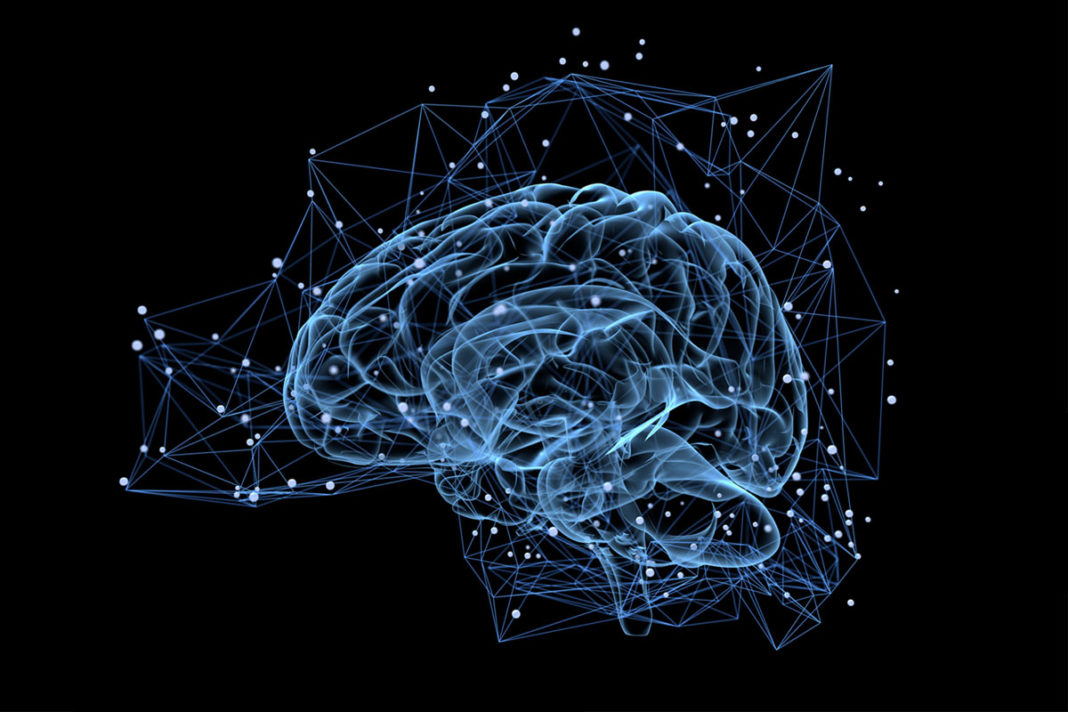
For those who may not be familiar with nootropics, the name is derived from the Greek language and roughly translated means “to bend or shape the mind.” And true to its name, the pills, supplements, and other substances marketed as nootropics are said to provide individuals with a cognitive boost. Some studies have gone as far as to say nootropics can lead to better decision-making and high-level brain function. But are any of these claims substantiated, or are they all rooted in conjecture? Nature’s Arc Organics is here to answer that question. After all, the idea of taking a pill to achieve a mental boost has been the topic of science fiction for decades. Ironically, however, there is a good chance that you have been taking nootropics without even realizing it as many foods and supplements contain properties that are said to be effective when it comes to improving cognitive skills. In this article, we will take a look at some of these foods and supplements already widely available as well as those that will soon be on store shelves and available online. What supplements contain nootropics? Although researchers and scientists are all working collectively to improve upon brain-boosting supplements already on the market, those who are interested in trying nootropics can start today. One of Amazon’s best-selling supplements is an encapsulated cocktail consisting of B vitamins, omega-3s, and plant-derived compounds, all of which purportedly improves memory , concentration and focus. Additionally, ginseng root, which has been a staple in traditional Chinese medicine for centuries, is believed to be effective when it comes to improving memory, focus, and clarity, according to Dr. Guillaume Fond, a psychiatrist with Aix-Marseille University Medical School based in France. Of course, this is good news for those who take supplements religiously as they have […]
The ultimate guide to sleep
(Photo by Sean Gallup/Getty Images) From personal experience, I’ve found that taking control of my mornings–and popping out of bed as soon as the alarm clock rings–has changed my life. If you’ve read or listened to The 5 Second Rule , you already know how I feel about the mornings! I’m obsessed with mornings and, in the book, I outline exactly how I use the 5 Second Rule to wake up early and take charge of my day. Your mornings set the tone for your day. And when I wake up early and have time for relaxing, planning, and being with my family, I tend to always have a better day of work. Here’s the thing…when I’m tired, it’s hard to do this. It’s tougher to wake up early and I’m lagging the whole day. I decided to delve into the topic of sleep and figure out for myself if waking up early (and going to bed early) is actually any better for us. My personal experience says it is…but I wanted to see what the experts said. Like I do with many other topics, I wanted to know everything. So I pulled together the best research about sleep on four different topics: Which Hours You Sleep, Staying Up Late, Sleep Deprivation, and Waking Up Early. FIRST: WHICH HOURS YOU SLEEP The first thing I discovered is that the hours that you sleep DO matter. In fact, sleep is made up of 2 phases: REM sleep, in which memories and thoughts are processed, and non-REM sleep, in which restorative functions occur and hormones are released to help the body recover. As we sleep, we experience 90-minute cycles of these 2 types of sleep. The ratio of the types of sleep, however, changes during the night – no matter what […]
VMS OFFERS GROWTH OPPORTUNITIES
(MENAFN – EIN) Future Opportunities & Growth Drivers in VMS LONDON, UNITED KINGDOM, September 24, 2019 / EINPresswire.com / –VMSOFFERS GROWTH OPPORTUNITIES Global: Adding $1.7bn to the total OTC market in 2018 in net value gained, VMS sales continue to post impressive growth (+4.3%). Sales are forecast to increase at roughly the same rate in the next decade, with most dynamism still coming from developing regions like Asia and LatAm. Probiotics and single vitamins will post the strongest growth of the top categories, with impressive gains also for hair & beauty supplements, pregnancy vitamins, immune supplements and herbal memory & brain health. A new report from Nicholas Hall examines various positive factors that will drive the VMS market, including: ageing populations; raised awareness of the myriad benefits of supplements (backed by targeted consumer promotion); a global trend towards herbal & natural products (in an age of safety concerns around medicines); increasing desire for preventative / wellness products. It also identifies negative factors that may impede supplements, such as: studies that discredit existing ingredients (or misrepresentation of findings in the media); oversaturation of the market, with consumers suffering fatigue from the vast array of non-differentiated SKUs. Comment from Ian Crook, Managing Editor, Nicholas Hall’s Reports: ‘Healthy ageing’ offers a significant opportunity for supplements marketers, as the expanding elderly population means strong sales for health areas such as joint health, menopause, memory and eye health. Personalisation is arguably the next step in VMS segmentation, with a growing number of vitamin ranges offering personalisation services where consumers submit information and receive recommendations for a unique blend of supplements. New ingredients will be a growth driver, with the current focus of launch activity on those that offer improved bioavailability. Scientific backing is a key marketing strategy for certain VMS brands, with effective consumer […]
Boost Your Brain Function And Improve Memory Loss With High Quality Pearl Powder
Whether you are looking to improve focus, memory or mental clarity, or to reduce your risk of one day developing Alzheimer’s disease, science discovers that Pearl Powder enhances brain memory and brain function. Since your brain controls vital functions such as breathing, swallowing, digestion, eye movement, heartbeat, and regulating blood pressure, you cannot live with out your brain functioning well. Pearl Powder has been shown to elevate Gamma aminobutyric acid (GABA) levels in the brain. (GABA). It is a natural occurring amino acid that works as a neurotransmitter in your brain. Neurotransmitters function as chemical messengers. GABA is considered an inhibitory neurotransmitter because it blocks impulses between nerve cells in the brain. Research indicates certain nutrients in pearl nacre, such as amino acids, protein, ascorbic acid, omega-3s are beneficial for brain health. They also help keep cognitive function intact as you age by reducing the risk of neurodegenerative diseases (Alzheimer’s, Parkinson’s, Prion, Neurone, Huntington’s Spinoc). Research found that pearl can significantly improve cellular, humoral and cellular phagocytosis (Harman D.Age, 1983; 6: 86), to enhance learning and memory. The oral composition can raise biological utilization to improve memory loss. Tests found that nacre in pearl prevented scopolamine-induced memory deficits in rodents. They discovered that nacre leads to the protection against scopolamine-induced impairments in object recognition, short-term memory, and spatial memory. Nacre reverses the Messenger RNA (mRNA) expression of brain-derived neurotrophic factor (BDNF) and Homer protein homolog in the hippocampus, which decreases with the treatment of scopolamine. mRNA is the molecule that links genes to proteins. Major parts of a human body are made up of proteins. However, for a human cell to function, more than proteins are needed. For the production of proteins in cells, messenger RNA is needed. Central dogma of molecular biology describes a two-step process, transcription and […]
Nootropics Market Size Worth $4.94 Billion by 2025 | CAGR: 12.5%: Grand View Research, Inc.
SAN FRANCISCO, Sept. 24, 2019 /PRNewswire/ — The global nootropics market size is expected to reach USD 4.94 billion by 2025, according to a new report by Grand View Research, Inc. It is projected to register a CAGR of 12.5% during the forecast period. Rising expenditure on wellness and healthcare is anticipated to fuel the growth. In addition, rising awareness regarding mental health among millennials in developing countries including China and India is expected to boost the demand for nootropics. Key suggestions from the report: North America held the largest market share of more than 37% in terms of revenue in 2018 Asia Pacific is expected expand at the fastest CAGR of 18.8% from 2019 to 2025. Hectic lifestyle and fluctuating diet patterns among working population in developing countries is expected to promote the demand for of nootropics drugs Memory enhancement application held the largest market share of over 30% in 2018, owing to increased consumption of these products among students Online distribution channel is expected register the fastest CAGR of 14.2% from 2019 to 2025 Accelerated Intelligence Inc.; AlternaScript; HVMN; Onnit Labs, Inc.; Peak Nootropics; and Teva Pharmaceutical Industries are some the major players operating in the nootropics market. Read 80 page research report with ToC on "Nootropics Market Size, Share & Trends Analysis Report By Application (Memory Enhancement, Mood & Depression, Attention & Focus, Anxiety), By Distribution Channel, And Segment Forecasts, 2019 – 2025" at: https://www.grandviewresearch.com/industry-analysis/nootropics-market The memory enhancement application segment led the nootropics market in 2018 and it is expected to continue leading over the forecast period. Increasing consumption of smart drugs to gain a competitive advantage in academic performance is expected to positively influence the growth. Adrafinil, Noopept, Modafinil, Phosphatidylserine, and Phenylalanine Nootropics help improve memory. A significant part of the elderly population with mild […]
Ginseng Market: Shows Increasing Demand to Be Observed in the Coming Decade
This press release was orginally distributed by SBWire Seattle, WA — ( SBWIRE ) — 09/24/2019 — Ginseng is a slow growing perennial plant which can live for more than a century and has green oval-shaped leaves with fleshy roots. There are mainly two types of ginseng: American ginseng and Asian ginseng. American ginseng is known as Panax quinquefolius and Asian ginseng is named Panax ginseng. Globally, ginseng is used as an herb that boosts energy levels of the body. Because of its antioxidant and anti-inflammatory properties, ginseng helps to boost the immune system, and hence reduces risk of viral and microbial infections. Furthermore, ginseng helps to reduce the risk of cancers such as lung cancer, skin cancer and liver cancer. Other health benefits associated with ginseng include reducing blood sugar, and improvement in brain functions such as memory and behavioral functions. Request PDF Brochure of Report: https://www.coherentmarketinsights.com/insight/request-pdf/2587 Market Dynamics Ginseng is principally produced in the U.S., Canada, and South Korea. In China, ginseng is used as an herbal medicine for centuries, and is one of its leading consumers. Asia Pacific holds a dominant position in the market for ginseng and is also the fastest growing market. This is due to increasing health awareness among consumers in this region. Ginseng helps to reduce the risk of chronic diseases such as heart disease, high blood pressure, and others. According to India Brand Equity Foundation, India healthcare sector is expected to reach US$ 372 billion by 2022 from US$ 110 billion in 2016. Since ginseng is used as an herbal medicine, it has a wide range of applications in the pharmaceutical industry. A significant growth in the pharmaceutical industry is expected to boost the ginseng market growth in the Asia Pacific region during the forecast period. Market Taxonomy On the basis […]
Exercise puts your fat to work for your metabolism, according to research

( Natural News ) An international study led by researchers from Harvard Medical School revealed how exercise boosts metabolism. The study, published in the journal Nature Metabolism , showed that exercise boosts metabolism and improves health by prompting fat to release molecules that regulate metabolism. These molecules are called transforming growth factor-beta 2 (TGF-beta 2). TGF-beta 2 is an adipokine, a large group of signaling proteins that originate in fat cells. Adipokines play a role in regulating metabolic processes in fat tissue, as well as in the brain, liver, and other organs. They also play a role in immune system function. For the study, the researchers examined adipokines in humans and mice before and after exercise. They observed that TGF-beta 2 levels increased after exercise and that they increased not only in fat tissue but also in the blood. They also learned that treating mice with TGF-beta 2 caused metabolic changes, such as increasing fatty acid uptake and improving glucose tolerance. In another part of the study, the researchers induced obesity in mice by feeding them a high-fat diet. Then, they treated obese mice with TGF-beta 2. They found that the protein exhibited the same effect as exercise; it reversed the adverse effects of a high-fat diet on metabolism. In the last part of the study, they gave TGF-beta 2 to mice with Type 2 diabetes caused by a high-fat diet. They found that the protein caused a similar effect to that of exercise and reversed the negative effect of the diet on metabolism. Additionally, the researchers discovered that lactic acid also plays an important role in the process through which exercise-induced TGF-beta 2 affects metabolism. During exercise, the muscles release lactic acid . The acid then goes to fat tissue and stimulates fat cells to release TGF-beta 2. […]
Can nutrients from apples help with stem cell therapy?

( Natural News ) Stem cell therapy is a modern approach developed for tissue regeneration. This approach, also known as regenerative medicine, mainly involves the replacement of diseased or damaged cells with healthier and newer cells. Although stem cell therapy was initially conceived with embryonic stem cells as its main components, controversy regarding the use of such cells has made researchers look for other viable cell alternatives. Today, adult stem cells (ASCs) are widely studied for their potential in regenerative medicine. However, unlike embryonic stem cells, ASCs have limited capabilities, particularly in terms of proliferation and differentiation. But in a recent study, researchers from South Korea discovered a way to circumvent these limitations. In their article, which appeared in the journal Nutrition Research , they reported that apple extracts can increase the proliferation potential of ASCs . Apple extracts can enhance the potential of ASCs for tissue regeneration According to previous studies, age has a negative effect on the proliferation — the ability to rapidly increase in number — and differentiation — the ability to transform into a specialized type of cell — of ASCs. This natural phenomenon limits the cells’ therapeutic use. The researchers hypothesized that apple extract obtained using ethanol as a solvent might exert beneficial effects on ASCs, owing to the fruit’s natural ability to stay fresh for a long time. To test their hypothesis, they tested the extract on two different types of ASCs: human adipose tissue-derived mesenchymal stem cells (ADSCs) and human cord blood-derived mesenchymal stem cells (CB-MSCs). Discover how to prevent and reverse heart disease (and other cardio related events) with this free ebook : Written by popular Natural News writer Vicki Batt, this book includes everything you need to know about preventing heart disease, reversing hypertension, and nurturing your cardiac health without […]
Don’t waste away

India is home to more than 4 million Alzheimer’s patients and is expected to reach 7.5 million by 2030. Doctors tell you how to reduce this progressive brain disorder Alzheimer’s disease, a form of dementia, is still one of the lesser known problems in India. According to estimates, the number of patients with dementia in India is about 4 million and around the world, there will be approximately 131.5 million people with the condition by 2050. There is a need to raise awareness on the fact that Alzheimer’s is an irreversible condition and people who suffer may be unable to carry out even the most basic daily activities over time. It is, therefore, important to undertake some preventive measures right from a young age to reduce the risk of Alzheimer’s later in life. Adequate physical activity Any form of physical activity is not only beneficial for a healthy heart but also for better brain function. This is because physical activity boosts circulation and therefore maintains oxygen supply to the brain. This increases alertness and keeps the brain cells healthy for a longer time. Control your blood pressure Hypertension or high blood pressure is a major risk factor for not only heart problems but also certain neurological conditions, including Alzheimer’s. It is therefore important to reduce the consumption of salt and maintain a balance. Healthy eating and a balanced diet Certain types of foods can increase the risk of Alzheimer’s disease while a balanced diet is good for the brain. Make sure your diet is rich in fruits and vegetables, whole grains, and omega-3 fatty acids. These will keep your weight in check and reduce associated risk factors that lead to Alzheimer’s over time. Watch out for depression Research indicates that people with untreated depression have a huge risk of […]
Most cases of Alzheimer’s are preventable: New book explains how

( Natural News ) Alzheimer’s disease is a global epidemic, especially among older adults. The irreversible and progressive disease – which causes dementia among older adults – affects over 5.5 million people in the U.S. alone . Not only is Alzheimer’s disease currently incurable; it is also one of the leading causes of death among Americans. Although the mechanisms behind the development and progression of Alzheimer’s are still not fully understood, scientists already have a lot of information to work with. These helpful bits and pieces of the Alzheimer’s puzzle have led researchers to believe that the disease is preventable. In their book The Alzheimer’s Solution: A Breakthrough Program to Prevent and Reverse the Symptoms of Cognitive Decline at Every Age , authors Dean and Ayesha Sherzai from Loma Linda University Medical Center in California share pointers on how to live a healthy lifestyle that can prevent the onset of Alzheimer’s disease . The NEURO plan According to the authors, most Alzheimer’s cases can be prevented. About 90 percent of people can avoid getting this brain disease, while those genetically predisposed to it can delay cognitive decline by ten to fifteen years. To be able to do either, the authors recommend making lifestyle changes that revolve around the five NEURO factors. NEURO stands for nutrition , exercise , unwind , restore , and optimize . The NEURO plan places heavy emphasis on eating the right foods and engaging in activities that positively affect brain function, such as exercising, managing stress, and getting good quality sleep. Incorporating these into your lifestyle is believed to help the brain delay or halt the onset of neurodegenerative diseases. Discover how to prevent and reverse heart disease (and other cardio related events) with this free ebook : Written by popular Natural News writer Vicki […]
Your preschooler’s forgetfulness isn’t bad behaviour and nagging them won’t help

Another school year is upon us, and both parents and children have a lot to remember as people are coming and going on new schedules: make and take lunches, bring an item for show-and-tell, carry cups to the table for dinner when asked. At this time of year, a young child’s forgetfulness can be frustrating for parents. They may be thinking (or saying) things like: “How could you possibly forget to brush your teeth when I asked you one minute ago!” Or: “What do you mean you left your lunch on the school bus?” It might reassure parents to know that the ability to remember to carry out future intentions, known as prospective memory, is still developing in early childhood. Research in my lab at Brock University has examined how this type of memory improves over early childhood . The results are clear: young children are still developing the skill of remembering their future intentions. Young children often forget to carry out their intentions and this is not due to bad behaviour. Forgetting for different reasons We see this in the lab, where children forget to carry out a simple intention (such as to place a specific card in a box) but seem completely unaware of their mistake. In fact, when asked to report what they should have done, most preschoolers rhyme off what they were supposed to do without any difficulty — despite forgetting to have done it. Importantly, children at different ages seem to forget for two distinct reasons. Children aged two and three tend to forget the content of their intention: they cannot remember what it is they have to do. In contrast, children over the age of three usually to remember what they have to do, but fail to carry out the intention at the […]
Improving oral and brain health: Antioxidant-rich sage has amazing health benefits

( Natural News ) Sage ( Salvia officinalis ) has been used as an herbal medicine throughout the years. Also known as common sage and garden sage, this staple herb belongs to the mint family, alongside other herbs like basil, oregano, rosemary, and thyme. This herb has a strong aroma and earthy flavor, which is why it is often used in small amounts. But no matter the amount, sage is naturally loaded with various nutrients and compounds that offer many health benefits. Sage supports oral and brain health One of the many health benefits of sage is its ability to support oral health. Sage has antimicrobial properties, which kill microbes that cause dental plaque. In a study published in the Iranian Journal of Microbiology , researchers evaluated the effects of a mouthwash containing sage extracts on Streptococcus mutans in school-age children. S. mutans bacteria are known to cause dental cavities. Those who used the sage mouthwash for 21 days experienced great reductions in the number of S. mutans in dental plaque. A lab study, which was published in the Asian Pacific Journal of Tropical Biomedicine , also showed that a sage-based essential oil can kill and stop the spread of Candida albicans , a fungus that may also cause cavities. Another review reported that sage may also treat throat infections, dental abscesses, mouth ulcers, and infected gums. However, more human studies are needed to make comprehensive recommendations. Sage can also improve brain health in many ways. For one, it is packed with antioxidant compounds , such as caffeic acid, chlorogenic acid, ellagic acid, rosmarinic acid, and rutin – all of which have been reported to improve brain function and memory. Second, sage can suppress the breakdown of acetylcholine (ACH), a chemical messenger that is important in memory formation and […]
EXCLUSIVE: The NSA is archiving all encrypted emails and transactions, knowing they will be able to decrypt most digital files in about 3 years, thanks to quantum computing

( Natural News ) EXCLUSIVE ANALYSIS – All encrypted emails, files and hard drives that currently rely on 256-bit encryption (such as AES or RSA) may be retroactively broken by the NSA in the next three years, thanks to rapid advances in quantum computing recently announced by Google scientists . The NSA is currently archiving all encrypted communications and storing the digital files on offline storage servers in its “Bumblehive” domestic spying facility in Utah . Currently these digital files cannot be broken because classical computing presents a strongly asymmetrical complexity problem that makes breaking encrypted files prohibitively time consuming and expensive. Files encrypted with 2^n bits currently present computational complexity that requires 2^n computer power to break. In other words, encrypting files is easy (linear), but breaking encryption is incredibly difficult (logarithmic). But rapid advances in quantum computing transform the breaking of encryption from a logarithmic mathematical problem to a linear problem, collapsing the complexity to 2 * n instead of 2 ^ n. The enormity of this difference can only be appreciated when you do the math. Calculate 2 ^ 512, versus 2 * 512 and compare the answers. Quantum computing effectively transforms certain logarithmic computations into linear computations, and its best application is breaking encryption. (Quantum computing isn’t really “computing” at all, by the way. For a more detailed mathematical explanation of the hyper-dimensional, hyper-computational capabilities of quantum phenomena, read this explanation at Natural News .) The NSA will likely be able to break all 256-bit encryption within about three years, according to admissions from Google scientists What all this means is that within the next three years, according to a recently released paper published by Google scientists — who appear to be conducting research on a D-Wave quantum computing framework — quantum computers will exceed […]
The Science of Learning and Augmented Intelligence Program (SL)
Directorate for Social, Behavioral and Economic Sciences PROGRAM GUIDELINES Apply to PD 19-127Y as follows: For full proposals submitted via FastLane: standard NSF Proposal & Award Policies & Procedures Guide proposal preparation guidelines apply. For full proposals submitted via Grants.gov: the NSF Grants.gov Application Guide: A Guide for the Preparation and Submission of NSF Applications via Grants.gov Guidelines applies. (Note: The NSF Grants.gov Application Guide is available on the Grants.gov website and on the NSF website at: http://www.nsf.gov/publications/pub_summ.jsp?ods_key=grantsgovguide ) Important Information for Proposers A revised version of the NSF Proposal & Award Policies & Procedures Guide (PAPPG) (NSF 19-1), is effective for proposals submitted, or due, on or after February 25, 2019. Please be advised that, depending on the specified due date, the guidelines contained in NSF 19-1 may apply to proposals submitted in response to this funding opportunity. DUE DATES Full Proposal Target Date January 15, 2020 Third Wednesday in January, Annually Thereafter July 8, 2020 Second Wednesday in July, Annually Thereafter SYNOPSIS The Science of Learning and Augmented Intelligence Program (SL) supports potentially transformative research that develops basic theoretical insights and fundamental knowledge about principles, processes and mechanisms of learning, and about augmented intelligence – how human cognitive function can be augmented through interactions with others, contextual variations, and technological advances. The program supports research addressing learning in individuals and in groups, across a wide range of domains at one or more levels of analysis including: molecular/cellular mechanisms; brain systems; cognitive, affective, and behavioral processes; and social/cultural influences. The program also supports research on augmented intelligence that clearly articulates principled ways in which human approaches to learning and related processes, such as in design, complex decision-making and problem-solving, can be improved through interactions with others, and/or the use of artificial intelligence in technology. These could include ways […]
Why our venue has become dementia friendly

Alison Wallington, event centre manager of Kent Event Centre, discusses how to achieve a dementia friendly venue There are currently 850,000 people in the UK living with dementia, a number that is expected to increase to two million by 2050. Dementia is a progressive condition that damages the nerve cells in the brain so messages can’t be sent to and from the brain effectively, which prevents the body from functioning normally. While 10% of dementia cases are inherited, recent research suggests it can be delayed or prevented by practicing good physical and mental health. As a venue that works with our staff to encourage positive mental health, we recently took part in dementia training ahead of an upcoming dementia charity conference being hosted at the venue. The training would make us dementia aware and dementia friendly and better equipped to offer understanding and assistance to our visiting guests living with the condition. Fifteen members of our event team took part in the training to understand the condition and find out what it is like living with dementia on a daily basis. Even simple tasks like making a cup of tea when you have dementia can be so tricky and this training opened our eyes to the condition. There were five key messages delivered which included the fact that dementia is not a natural part of ageing, dementia is caused by diseases of the brain, dementia is not just about losing your memory, it can affect thinking, communicating and doing everyday tasks, it’s possible to live well with dementia and there’s more to a person than dementia. Taking part in this training from the Dementia Friends charity has given us insight and understanding in an area that most of us had no experience. We have dementia friendly badges that people […]
AUSTRALIA AND NASA: Some scientists more equal than others?
To submit a letter to The Age , email letters@theage.com.au . Please include your home address and telephone number. It is difficult to marry Prime Minister Scott Morrison’s investment of $150 million in the Australian Space Agency for the development of science and engineering to assist the USA to land astronauts on the moon with his government’s continued wilful ignoring of expert climate scientists and their warnings regarding the dire consequences of climate change, which are already being experienced all around the world ("Moon in sights with $12b space deal", The Age , 23/9). Illustration: Cathy Wilcox Perhaps he thinks this will help to keep him in Donald Trump’s good books. Here’s a thought, Mr Morrison – how about investing that money in the renewable energy industry here so that future generations will be able to live on Earth? We can’t all relocate to the moon when this planet becomes uninhabitable. As many of the signs at the student climate strike last Friday stated: There is no Planet B. Joy Hayman, Blackburn North Belief, but only up to a point The federal government believes the science from NASA about space exploration but does not believe the science from NASA about climate change? Malcolm Fraser, Oakleigh South Contribution is a slap in the face The Prime Minister’s contribution of $150 million to the US space administration’s plans for the moon and Mars is a cruel slap in the face to every group in Australian society crying out for government funds to run their programs for the needy. Such a donation of this huge sum of money says to those people on Newstart you are less worthy. It says to those people waiting on the NDIS, you are less worthy. It says to domestic violence support groups, you are less worthy. […]
Want to Boost Mental Output? Don’t Stimulate Your Brain. Feed It.
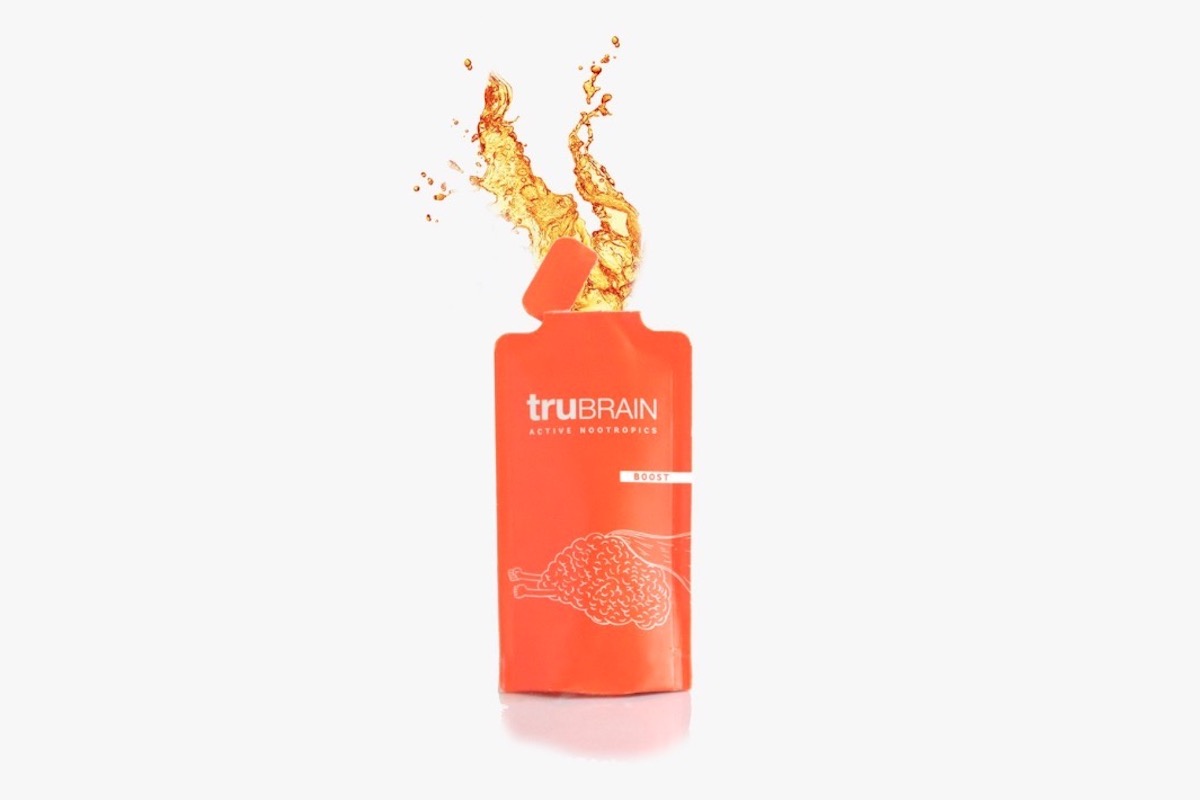
Are you looking for a way to improve cognitive function that does not involve pumping your brain full of stimulants? If so, it’s time to consider nootropics . And when it comes to nootropics, no one does it better than TruBrain . Every day, over 200 million Americans rely on stimulants in order to feel more alert. For most, the stimulant of choice is caffeine. It’s estimated that about 196 million people drink at least one cup of coffee every day. However, a growing number of people are turning to prescription stimulants. One survey conducted by the American Journal of Psychiatry concluded that 16 million Americans over the age of 18 use drugs like Adderall or Ritalin, with about 5 million using them illegally. Unfortunately, the problem with pretty much all stimulants is that while they are very good at making you feel awake, they don’t actually help you feel clear-headed and focused. Stimulants also tend to come with unwanted side effects, such as crash and burn, mood fluctuations, disrupted sleep patterns, and adrenal fatigue. And these side effects just end up creating a vicious cycle in which we rely on more stimulants to overcome them. Luckily, TruBrain can help you break this cycle because it doesn’t stimulate your brain. It feeds it. TruBrain Created by UCLA-trained neuroscientists, TruBrain is a proprietary blend of nootropics , which are nutrients, minerals, amino acids, and other compounds that the brain uses as fuel for neurotransmission. While a lot of companies market nootropics as “smart drugs,” the reality is they will not increase your IQ or turn you into a rocket scientist. What they will do is improve focus, enhance verbal fluency, and boost overall mental output, helping you remember more and create faster. How does it all work? Well, the active […]
What’s trending in nootropics?
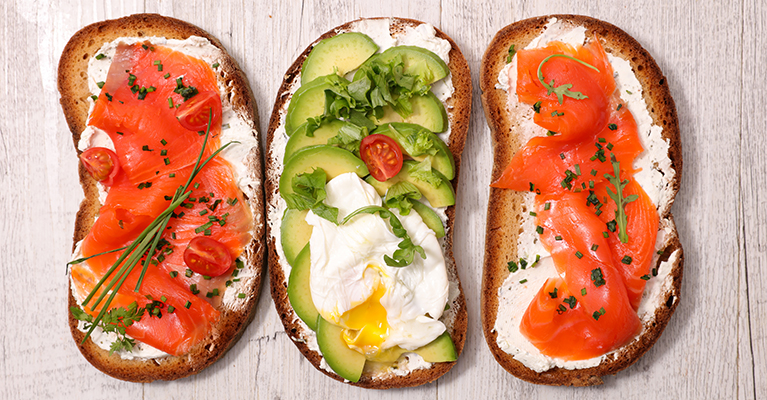
Everyone from athletes to the elderly is clamouring for brain-enhancing supplements and food ingredients – but the evidence for most of them remains thin. Here we look at some of the most promising nootropics on the market. Ingredients for enhancing brain health – known as nootropics – have been around for years, but recently have seen a surge in interest as consumers have started looking for health benefits beyond physical health from foods, drinks and supplements. Many nootropic products promise to improve memory or concentration, or even to stave off age-related cognitive decline. Brain health and a healthy diet are strongly linked Among the trendiest ingredients right now are pre- and probiotics, as researchers have begun to uncover links between the gut microbiota and disease risk well beyond digestive health. Emerging evidence suggests that even mood and brain structure could be related to the bacterial composition of the gut. Researchers at Chr Hansen, for instance, have started to examine this link, and are looking at the effects of various existing probiotic strains on mental health, including for stress and anxiety. Meanwhile, prebiotic fibre ingredients, such as chicory root fibre, inulin and resistant starch, also have piqued interest for their potential brain benefits stemming from improved gut health, although researchers have yet to pin down a cause-and-effect relationship between fibre consumption and improved cognition. Some other ingredients to have shown promise in early stage research include those high in antioxidants, like polyphenols from certain berries. Diana Foods, for example, supplies an ingredient that combines polyphenols from blueberries and grapes to “outsmart brain ageing”. Pine bark extract, sold under the brand names Pycnogenol and Enzogenol, has also been researched for its potential to improve cognitive function, for mental clarity in adults and to improve the symptoms of ADHD in children. However, […]
How a sports injury can affect your mental health

When it comes to sports injuries, we’re most likely to focus on the pain and how it affects our physical health. But injuries can also have a profound impact on our emotional well-being. When I went for my first ever run in 2015, I never wanted to go again. I set off at full pelt, only to limp back home five minutes later, sweating, aching and out of breath. The next day I forced myself to try again – and surprised myself by continuing to go each day until it got easier. Over time, I actually began to enjoy running . My mood felt lifted and my anxiety felt more manageable. I was fitter than ever before and I had more energy and confidence. I wanted to push myself, so I signed up to a half marathon the following year. I trained hard, running longer distances each week and eating healthily . I also raised a large sum of money for charity. I felt prepared and ready. Then two weeks before the big day, I tripped over an uneven pavement on an early morning run and fell, hitting my kneecap on the concrete. The pain was unbelievable. Over the course of the day, my knee ballooned out and turned a deep shade of purple. After a few days of ice packs and knee supports, I visited my doctor to see if I had done any permanent damage. I hadn’t, thankfully – but I wouldn’t be able to run for the foreseeable future. People experience far worse injuries and accidents, of course, but I still felt devastated. All the time and effort I had spent preparing for the half marathon felt wasted and I felt anxious about not being able to run each day. Running was a lifeline for my […]

The Power Within by Corey Daniels book available for only $2.99
Mind has both conscious and subconscious halves. These are likened to a driver and the truck he drives. The driver plans the destination and observes road conditions, while the truck provides motive power. Your subconscious mind is like the truck and it only goes in the direction in which is a steered. This can be the road or off a cliff. Likewise, the consciousness paints a picture of what the world is and what your goals are and the subconscious acts on them through emotion, physical response and energy, whether these are correct, rational images or false negative ones. The subconscious is also like an emotional reservoir which your body and mind draw responses from to external stimuli.
The Power Within lays out a method of programming your subconscious and tapping into the Holy Spirit, God voice or what the Greeks called the daimon (godman).