Nature Knows and Psionic Success
God provides
Read about the abundant health benefits of mint leaves; here’s why you should eat them everyday
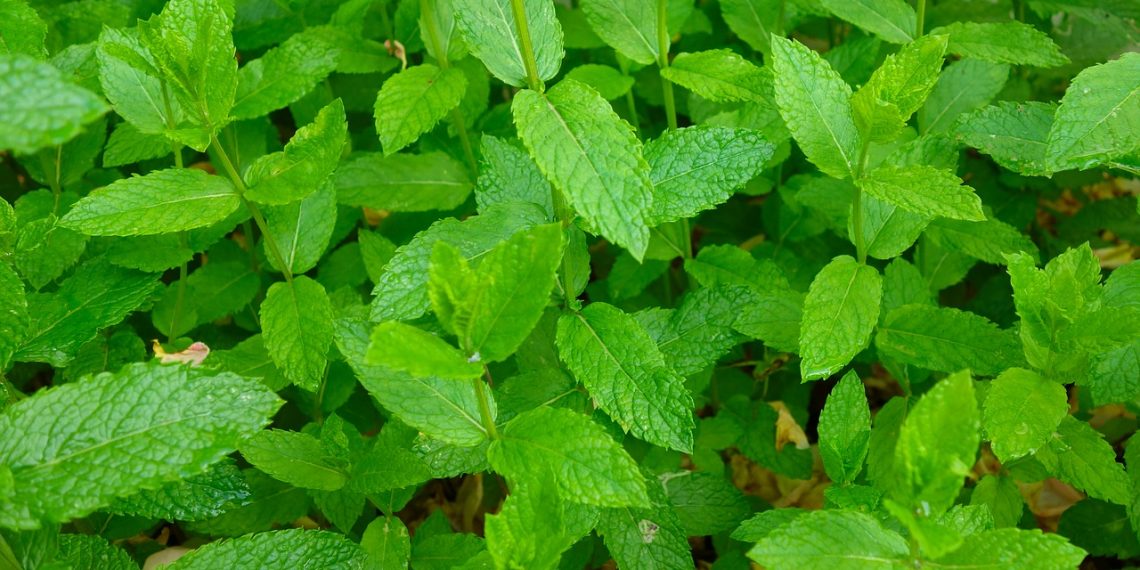
(Creative Commons) New Delhi: Pudina (mint) is one of the oldest culinary herbs known to humans. It has remarkable medicinal properties and is a rich source of polyphenols. It has carminative and antispasmodic properties.
Saurabh Arora, Inventor Pudhinaa and Snec30, Director at Arbro says: “Pudina leaves or mint leaves are low on calories and contain very low amounts of proteins and fats. It has an enormous amount of Vitamin A, C, and B-complex that enhances skin and boost immunity. Another nutritional benefit of pudina is that it is rich in iron, potassium and manganese that increase hemoglobin, and improve brain function.”
Arora lists down 10 health benefits of mint leaves that one must know:
Helps in digestion — Mint is rich in antioxidants, menthol and phytonutrients that help the enzymes to digest food. The essential oils in mint possess strong antibacterial and antiseptic effects that calm stomach cramps and help ease acidity and flatulence.
Treats asthma — Regularly taking pudina can ease chest congestion. The methanol in mint acts as a decongestant, it helps loosen mucus collected in the lung and also shrinks swollen membranes in the nose to allow you to breathe easier. While using pudina, make sure that you don’t overdose it, otherwise, your air passage will become irritated.
Cures headaches — Pudina contains menthol that can help relax muscles and ease the pain. Applying pudina juice on your forehead and temples can give you relief from headache. Also, balms of pudina base or mint oil are effective in curing headaches.
Eases stress and depression — One of the main advantages of mint is that it is the most widely used herb in aromatherapy. Pudina or mint has a strong, refreshing smell that can ease stress and refresh the body and mind. The apoptogenic activity of mint helps regulate the cortisol levels in the blood that triggers the body’s natural response to ease the stress. Inhaling pudina essential oil can instantly release serotonin in the blood which is a neurotransmitter that is well known for easing symptoms of stress and depression.
Makes your skin healthy — Pudina has anti-inflammatory and anti-bacterial properties that help treat acne and pimple on the skin. Pudina leaves contain a high amount of salicylic acid which acts as anti-acne. It also acts as an effective skin cleanser. Pudina has antioxidant properties that help you get clean and youthful skin by removing free-radicals from the body. Other ways pudina makes your skin healthy is that it retains the moisture in the skin, clear off dead skin cells, and dirt from the skin pores, and makes the skin look radiant and toned.
Oral care — Chewing pudina leaves is a great way to improve oral hygiene and dental health. The essential oils in pudina can help you get fresh breath. Also, using the mouthwash containing peppermint oil can help you kill bacteria in the mouth and provide you with healthy gums and teeth.
Improves memory — According to a research, mint can improve memory and retrieve the cognitive function of the brain. Consuming pudina regularly can increase brain power by improving alertness, and memory retention, and other cognitive functions.
Promotes weight loss — The aromatic herb pudina could help you in weight loss. The essential oils of pudina stimulate digestive enzymes to increase the bile flow and promote digestion. It also helps in improved nutrient absorption from the food. When the body is able to assimilate and absorb nutrients properly, your metabolism increases. The increase in metabolism promotes weight loss.
Treats common cold — If you are struggling with cold and finding it difficult to breathe, pudina is the best remedy for it. Most of the vapor rubs and inhalers contain mint. Mint naturally clears nose throat, bronchi, and lung congestion. Apart from respiratory channels, mint also eases irritation caused by chronic coughing.
Eases symptoms of nausea — Pudina is an effective treatment for nausea that often occurs in morning sickness. Eating a few pudina leaves or smelling it every morning can help pregnant women prevent the nauseous feeling or cope with it better.
IANS Suggest A Correction
Mint Leaves: Rich in Vitamins, Great For Weight Loss, 10 Incredible Benefits of Adding Pudina to Your Diet

We are inching closer to the summer season. The season of scorching heat makes us crave thirst-quenching drinks. Pudina (Mint) should be your go-to herb in this summer season. It is one of the oldest culinary herbs, which has many medicinal properties too. It aids in digestion, improves oral health, treats cold, and more. It has a rich source of polyphenols. It has carminative and antispasmodic properties.
Saurabh Arora, Inventor Pudhinaa, and Snec30, Director at Arbro says, “Pudina leaves or mint leaves are low on calories and contain very low amounts of proteins and fats. It has an enormous amount of Vitamin A, C, and B-complex that enhances skin and boosts immunity. Another nutritional benefit of pudina is that it is rich in iron, potassium, and manganese that increase hemoglobin, and improve brain function.” 10 health benefits of mint leaves that one must know:
Helps in digestion : Mint is rich in antioxidants, menthol, and phytonutrients that help the enzymes to digest food. The essential oils in mint possess strong antibacterial and antiseptic effects that calm stomach cramps and help ease acidity and flatulence.
Treats asthma: Regularly taking pudina can ease chest congestion. The methanol in mint acts as a decongestant, it helps loosen mucus collected in the lung and also shrinks swollen membranes in the nose to allow you to breathe easier. While using pudina, make sure that you don’t overdose it, otherwise, your air passage will become irritated.
Cure headaches: Pudina contains menthol that can help relax muscles and ease the pain. Applying pudina juice on your forehead and temples can give you relief from headaches. Also, balms of pudina base or mint oil are effective in curing headaches.
Eases stress and depression: One of the main advantages of mint is that it is the most widely used herb in aromatherapy. Pudina or mint has a strong, refreshing smell that can ease stress and refresh the body and mind. The apoptogenic activity of mint helps regulate the cortisol levels in the blood that triggers the body’s natural response to ease the stress. Inhaling pudina essential oil can instantly release serotonin in the blood which is a neurotransmitter that is well known for easing symptoms of stress and depression.
Makes your skin healthy: Pudina has anti-inflammatory and anti-bacterial properties that help treat acne and pimple on the skin. Pudina leaves contain a high amount of salicylic acid which acts as anti-acne. It also acts as an effective skin cleanser. Pudina has antioxidant properties that help you get clean and youthful skin by removing free-radicals from the body. Another way pudina makes your skin healthy is that it retains the moisture in the skin, clears off dead skin cells, and dirt from the skin pores, and makes the skin look radiant and toned.
Oral care: Chewing pudina leaves is a great way to improve oral hygiene and dental health. The essential oils in pudina can help you get fresh breath. Also, using the mouthwash containing peppermint oil can help you kill bacteria in the mouth and provide you with healthy gums and teeth.
Improves memory: According to research, mint can improve memory and retrieve the cognitive function of the brain. Consuming pudina regularly can increase brain power by improving alertness, and memory retention, and other cognitive functions.
Promotes weight loss: The aromatic herb pudina could help you in weight loss. The essential oils of pudina stimulate digestive enzymes to increase the bile flow and promote digestion. It also helps in improved nutrient absorption from the food. When the body is able to assimilate and absorb nutrients properly, your metabolism increases. The increase in metabolism promotes weight loss.
Treats common cold: If you are struggling with cold and finding it difficult to breathe, pudina is the best remedy for it. Most of the vapor rubs and inhalers contain mint. Mint naturally clears nose throat, bronchi, and lung congestion. Apart from respiratory channels, mint also eases irritation caused by chronic coughing.
Eases symptoms of nausea: Pudina is an effective treatment for nausea that often occurs in morning sickness. Eating a few pudina leaves or smelling them every morning can help pregnant women prevent the nauseous feeling or cope with it better.
(Inputs from IANS) Day Trader Exposes Tactic Reserved For Wall Street
10 Health Benefits Of Mint Leaves That One Must Know
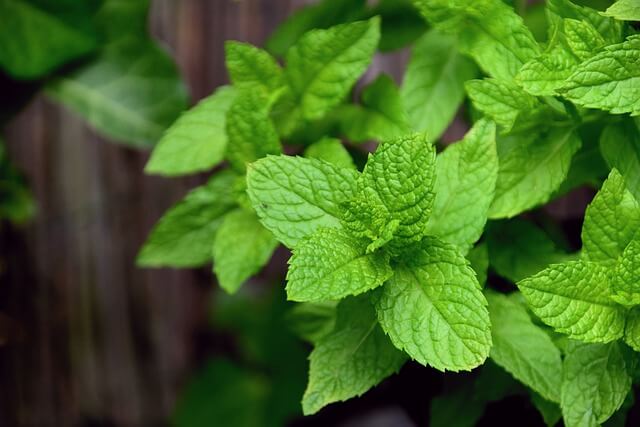
Pudina (mint) is one of the oldest culinary herbs known to humans. It has remarkable medicinal properties and is a rich source of polyphenols. It has carminative and antispasmodic properties. Saurabh Arora, Inventor Pudhinaa, and Snec30, Director at Arbro say: “Pudina leaves or mint leaves are low on calories and contain very low amounts of proteins and fats. It has an enormous amount of Vitamin A, C, and B-complex that enhances skin and boosts immunity. Another nutritional benefit of pudina is that it is rich in iron, potassium, and manganese that increase hemoglobin, and improve brain function.”
Arora lists down 10 health benefits of mint leaves that one must know:
Helps in digestion — Mint is rich in antioxidants, menthol, and phytonutrients that help the enzymes to digest food. The essential oils in mint possess strong antibacterial and antiseptic effects that calm stomach cramps and help ease acidity and flatulence.
Follow NewsGram on Twitter to stay updated about the World news.
Treats asthma — Regularly taking pudina can ease chest congestion. The methanol in mint acts as a decongestant, it helps loosen mucus collected in the lung and also shrinks swollen membranes in the nose to allow you to breathe easier. While using pudina, make sure that you don’t overdose it, otherwise, your air passage will become irritated.
Cures headaches – – Pudina contains menthol that can help relax muscles and ease the pain. Applying pudina juice on your forehead and temples can give you relief from headaches. Also, balms of pudina base or mint oil are effective in curing headaches.
Eases stress and depression — One of the main advantages of mint is that it is the most widely used herb in aromatherapy. Pudina or mint has a strong, refreshing smell that can ease stress and refresh the body and mind. The apoptogenic activity of mint helps regulate the cortisol levels in the blood that triggers the body’s natural response to ease the stress. Inhaling pudina essential oil can instantly release serotonin in the blood which is a neurotransmitter that is well known for easing symptoms of stress and depression.
Makes your skin healthy — Pudina has anti-inflammatory and anti-bacterial properties that help treat acne and pimple on the skin. Pudina leaves contain a high amount of salicylic acid which acts as anti-acne. It also acts as an effective skin cleanser. Pudina has antioxidant properties that help you get clean and youthful skin by removing free-radicals from the body. Another way pudina makes your skin healthy is that it retains the moisture in the skin, clears off dead skin cells, and dirt from the skin pores, and makes the skin look radiant and toned.
Oral care — Chewing pudina leaves is a great way to improve oral hygiene and dental health. The essential oils in pudina can help you get fresh breath. Also, using the mouthwash containing peppermint oil can help you kill bacteria in the mouth and provide you with healthy gums and teeth.
Improves memory — According to research, mint can improve memory and retrieve the cognitive function of the brain. Consuming pudina regularly can increase brain power by improving alertness, and memory retention, and other cognitive functions.
Promotes weight loss — The aromatic herb pudina could help you in weight loss. The essential oils of pudina stimulate digestive enzymes to increase the bile flow and promote digestion. It also helps in improved nutrient absorption from the food. When the body is able to assimilate and absorb nutrients properly, your metabolism increases. The increase in metabolism promotes weight loss.
ALSO READ: List Of Some Lip-Smacking Healthy Mocktails
Treats common cold — If you are struggling with a cold and finding it difficult to breathe, pudina is the best remedy for it. Most of the vapor rubs and inhalers contain mint. Mint naturally clears nose throat, bronchi, and lung congestion. Apart from respiratory channels, mint also eases irritation caused by chronic coughing.
Eases symptoms of nausea — Pudina is an effective treatment for nausea that often occurs in morning sickness. Eating a few pudina leaves or smelling them every morning can help pregnant women prevent the nauseous feeling or cope with it better. (IANS/SP)
How To Increase Focus And Supercharge Productivity

Serena Poon, CN, CHC, CHN- Chef, Nutritionist, Reiki Master, & Founder of Culinary Alchemy®, which combines functional & spiritual nutrition getty It’s no secret that finding a state of prolonged focus and mental clarity can foster productivity. The challenge is often creating an environment in which this mental state can regularly thrive.
I have worked with some of the greatest minds in Hollywood, from Jerry Bruckheimer to Kerry Washington to Sean “P. Diddy” Combs, to expand their well-being and vitality. Through this work, I have discovered a blend of holistic techniques that effectively support productivity and success. This state can’t be forced, but in my experience, there are certain lifestyle shifts that can lay the foundation for consistent flow, focus and concentration.
1. Avoid inflammatory foods
Food and focus might not seem connected, but research shows that diet can absolutely affect cognitive function. Inflammatory foods, specifically, have been linked to mental sluggishness and brain fog . According to Cleveland Clinic, the five most inflammatory food categories are added sugars, trans fats, red and processed meats, too many omega-6 fatty acids, and refined carbs.
It is also recommended to steer clear of anything processed and fast food. Instead, choose foods that reduce inflammation, such as fresh vegetables and fruit, whole and ancient grains, and plant-based fats and proteins. These types of foods help with increased mental clarity.
2. Meditate
Meditation is an ancient practice that elicits immense benefits that have become widely recognized and respected in corporate circles. Research shows that aside from stress and anxiety relief, improved focus is one of the main benefits of regular meditation practice.
A daily meditation practice can greatly increase concentration. Even sitting for five minutes a day before checking messages and emails can help with mental focus and productivity. I find that after my morning meditation, I gain an innate sense of what needs to be prioritized and am able to concentrate on achieving my big-ticket items without distraction throughout the day.
3. Rest
Allowing time for rest and rejuvenation might not be the first thing to come to mind when thinking about focus and success, but they are, in fact, crucial. Researchers understand that rest is imperative to productivity and that sleep deprivation impairs attention, working memory, decision making and emotional balance, among many other functions.
To improve sleep quality, consider spending time without screens before bed, removing all light from the bedroom and refraining from eating or drinking alcohol for at least three hours prior to going to sleep. Relaxing practices such as meditation, restorative yoga or journaling can enhance the benefits of a nightly wind-down session.
4. Exercise
It is widely known that working out can elicit feelings of happiness and energy, but somewhat less frequently discussed is how it can help boost brain function. Researchers have found that exercise supports and improves cognitive function .
While most exercise will support cognitive function in some capacity, coordinative workouts may increase cognition the most. Head to the basketball court, or try a new dance class to keep your brain working while you move. Taking phone calls while walking around the block can be a creative exercise strategy for people who might feel too busy to workout.
5. Drink more water
Hydration is important to all bodily functions, and brain function is no exception. The human brain is composed of about 73% water and needs proper hydration to create hormones and neurotransmitters. Research has found that just a 2% loss of hydration can affect brain functions such as alertness and cognition.
I recommend drinking at least 100 ounces of filtered water each day and limiting dehydrating beverages, such as coffee, caffeinated teas, sodas and alcohol.
6. Know your medicine
If you are taking medication, it is possible that it might be affecting your ability to concentrate. Medicine prescribed for common ailments, nutrient deficiencies, motion sickness and allergies may cause side effects that affect clear thinking . Some over-the-counter allergy medications may also have deleterious effects on brain function.
Take note of any strange symptoms, such as brain fog, confusion and fatigue, and discuss with your doctor other alternatives that won’t impair cognitive function.
7. Eat foods that support focus
There is evidence that, in addition to a well-balanced diet full of anti-inflammatory foods, phytonutrients and antioxidants, certain foods and supplements can specifically help boost concentration and focus.
Add foods and high-quality supplements such as turmeric , omega-3s, vitamin B12 , ginkgo biloba , phosphatidylserine , citicoline and acetyl-l-carnitine to enhance mental clarity and cognitive function.
8. Spend time in nature
Researchers have found that natural environments have the capacity to improve cognitive function. Interestingly, even exposure to images of restorative environments can restore attention post-burnout.
Time in nature can be enhanced with noticing exercises. Use all five senses to engage with the environment. Listen to the leaves crinkle, notice the colors of flowers and foliage, and feel the sensations of the breeze. All of this can be achieved on a brief stroll around the block. 9. Organize your office Researchers have found that working in a clean and organized environment helps nurture cognitive function, focus, decision making and emotional well-being. They also note that clutter can lead to procrastination, emotional exhaustion, stress and anxiety.I like to think of my environment as reflecting my inner world. If my office is clean and organized, my thoughts will be, too. 10. Improve your gut microbiome Incredibly, the health of the digestive system plays a huge role in brain health. Researchers have found that gut microbiota found in the digestive system sends signals to the brain via a pathway called the gut-brain axis. Signs of an imbalance in the digestive tract may show up as bloating, gas, migraines, anxiety and brain fog.The gut microbiome thrives off prebiotics, probiotics, fermented foods, vegetables, fruit, fiber and omega-3s. Digestive balance also requires proper hydration, stress management, ample sleep and exercise.I find that it is common for successful people to compartmentalize lifestyle and productivity, but the truth is that everything is connected. Seemingly small, daily choices can make a […]
Researchers suggest fish oil supplements should be considered a potential treatment for ADHD

( Natural News ) Most commonly used medications for attention deficit hyperactivity disorder (ADHD) are known to cause side effects that negatively impact children’s mental health. Ritalin and Adderall, for example, can cause sleep problems, anxiety, irritability and headache.
Therefore, researchers are now looking for alternative treatments for ADHD. In a recent study published in the journal Translational Psychiatry , British and Taiwanese researchers found that fish oil supplements may help treat ADHD in children who are deficient in omega-3 fatty acids. Exploring the potential of fish oil supplements to treat ADHD
Omega-3s like eicosapentaenoic acid (EPA) and docosahexaenoic acid (DHA) are essential fatty acids that are good for the brain. Supplementation with these healthy fats is linked to enhanced cognitive function and academic performance. Past research has also associated omega-3 deficiency with ADHD. One study showed that children with ADHD have lower blood levels of EPA and total omega-3s than healthy children.
With that in mind, the researchers conducted a study involving 92 Taiwanese ADHD patients aged six to 18 to examine the effect of supplementing with high-dose EPA. They asked the participants to take either EPA supplements or a placebo for four months.
The children with low EPA levels were able to stay focused and vigilant after taking the supplements. On the other hand, those with normal EPA levels at baseline experienced no improvements, while those with high EPA levels became more impulsive.
“Our results suggest that fish oil supplements are at least as effective as conventional pharmacological treatments among those children with ADHD who have omega-3 deficiency,” said lead researcher Jane Chang, a child and adolescent psychiatrist at China Medical University .
Carmine Pariante, a professor of psychiatry at King’s College London and one of the study authors, said that their findings set an important precedent for other nutritional interventions. He noted that physicians can start bringing the benefits of “personalized psychiatry” to children with ADHD .
“For those children with omega-3 deficiency, fish oil supplements could be a preferable option to standard stimulant treatments,” added Pariante.
The researchers noted that parents should consult a healthcare professional first before giving their children fish oil supplements. Those looking to boost their children’s omega-3 intake can turn to fatty fish like salmon and tuna .
“High blood levels of EPA without using supplements can be achieved through a good diet with plenty of fish, which is common in some Asian countries like Taiwan and Japan,” explained Kuan-Pin Su, who was also involved in the study. Why are omega-3s good for the brain?
EPA and DHA are important for normal brain function and development . Found in abundance in the cell membranes of brain cells, these fatty acids facilitate communication between nerve cells. A deficiency in these nutrients can cause numerous problems.
Many studies link lower DHA levels in the blood to a smaller brain size, which is a common sign of accelerated brain aging. Eating a diet lacking in omega-3s is also associated with memory and learning problems and lower DHA levels in the brain.
On the other hand, supplementing with fish oil supplements may improve brain function in people with mild cognitive impairment and age-related cognitive decline. Fish oil has also been found to reduce depression . In one review, researchers found that fish oil supplements helped reduce depression symptoms as effectively as antidepressant medications. The researchers noted that the greatest improvements were seen in people who took higher doses of EPA. (Related: Omega-3 supplementation can improve psychophysiological symptoms of PTSD .)
Fish oil contains high amounts of omega-3s that boost brain health. Eat more fatty fish or take fish oil supplements as part of a healthy diet for a healthy brain. For more about the health benefits of omega-3s, visit Omega3.news .
Sources include:
Phosphatidylserine: The natural way to a better brain
Chances are you’ve never heard of phosphatidylserine . It’s a fatty substance that covers cell membranes in the body and is especially abundant in the neurons of your brain — for good reason: It’s the key to a better brain.
Phosphatidylserine is essential for healthy nerve cell membranes and myelin, an insulating layer or sheath made up of protein and fatty substances that forms around nerves, including those in the brain.
The sheath allows for successful neurotransmissions — electrical impulses that transmit along the nerve cells. In the brain, this allows brain cells to communicate with one another, making it possible for you to concentrate, remember, learn, and manage emotions, as well for the brain to signal locomotor functions, like rapid reactions and reflexes.
Although the body manufactures some PS on its own, our primary sources of PS are dietary. This is especially important to remember with age as the body produces less of this important nutrient (more about that in a bit).
Let’s talk about the benefits of PS, what happens when the body is lacking in this important nutrient and where to get it. The benefits of phosphatidylserine
Memory. Phosphatidylserine (PS for short) is best known as a nootropic , meaning simply that it supports brain function.
As the human brain ages, it experiences biochemical alterations and structural deterioration that impair transmission between nerve cells. In other words, the protective myelin sheath may breakdown and the electrical impulses involved in nerve communication don’t work as they should.This results commonly in the memory and cognition problems that we’ve come to accept as a normal part of aging.
However, it is possible to combat some of that breakdown in brain function by supplementing with dietary PS.
In fact, according to a review of 127 scientifically published papers on the nutrient, study authors concluded that 300 to 800 mg of PS is not only absorbed efficiently but also “crosses the blood-brain barrier and safely slows, halts or reverses the biochemical alterations and structural deterioration in nerve cells.”
The authors also stated that it “supports human cognitive functions, including the formation of short-term memory, the consolidation of long-term memory, the ability to create new memories, the ability to retrieve memories, the ability to learn and recall information, the ability to focus attention and concentrate, the ability to reason and solve problems, language skills, and the ability to communicate. It also supports locomotor functions, especially rapid reactions and reflexes.” Peak PS ™
Support Stong Cognition with One of the Most Tested Nutrients for Brain Health and Memory!
In another study, subjects’ increased memory scores were mostly attributed to an increase in delayed verbal recall, where a person must repeat a sequence of words an hour or more after hearing them.
This type of verbal recall is one of the first memory abilities to be lost in the early stages of dementia, so it is quite promising that PS can bring improvement in this ability.
Alzheimer’s disease. Taking PS may improve some of the symptoms of Alzheimer’s disease after six to twelve weeks of treatment. It seems to work best in people with less severe symptoms.
But after sixteen weeks of taking the nutrient, disease progression seemed to overcome the benefits of PS. More research is needed to get a full picture of how useful PS could be as a treatment for Alzheimer’s disease.
Parkinson’s disease. The death of brain cells that produce dopamine results in the
stiff, shuffling gait and mask-like face of Parkinson’s, as locomotor control is gradually lost.
People with Parkinson’s also tend to have low levels of PS. Studies have found that supplementing the nutrient brought an improvement in symptoms, including better mood control.
Sleep. PS supplements are perhaps the safest sleep aid out there. They’re made from plant extracts and act naturally on the brain.
By resensitizing the hypothalamus and the hippocampus — the brain’s “shut-off valves” for cortisol — to your natural circadian rhythm, they help do away with the extreme fluctuations in cortisol that result from stress and that keep you from getting proper sleep. How to increase phosphatidylserine
As we age, we naturally produce less and less PS. Fortunately, there are some good dietary sources of this nootropic. Here are just a few of the foods that you can start eating now to support your PS levels: Herring – 360mg / 100g
Chicken liver – 123mg / 100g
White beans – 107mg / 100g
Tuna – 194mg / 100g
Trout – 14mg / 100g
Whole grain barley – 20mg / 100g PS can also be taken in supplement form. While earlier supplements were derived from the brain cells of cows, concerns over mad cow disease ended that practice. Now most PS supplements come from soy or cabbage. Both foods are high in lecithin which helps the body naturally produce PS.As the extensive study review that we mentioned above found, a dosage of between 300 and 800 milligrams daily is absorbed well by most people. A “therapeutic” dose for a failing memory is 100mg, two to three times a day.As always when starting a new supplement, it’s a good idea to consult with your doctor if you have any conditions that require certain medications. Editor’s note: While you’re doing all the right things to protect your brain as you age, make sure you don’t make the mistake 38 million Americans do every day — by taking a drug that robs them of an essential brain nutrient! Click here to discover the truth about the Cholesterol Super-Brain! Sources: Phosphatidylserine and the human brain — The Journal Nutrition Soybean-Derived Phosphatidylserine Improves Memory Function of the Elderly Japanese Subjects with Memory Complaints — Journal of Clinical Biochemistry and Nutrition PHOSPHATIDYLSERINE — WebMD Everything you need to know about tofu — Medical News TodayJoyce Hollman is a writer based in Kennebunk, Maine, specializing in the medical/healthcare and natural/alternative health space. Health challenges of her own led Joyce on a journey to discover ways to feel better through organic living, utilizing natural health strategies. Now, practicing yoga and meditation, and […]
6 Supplements for natural stress relief

( Natural News ) Stress is a natural part of life. People experience stress when juggling personal and professional responsibilities and navigating sudden problems like job loss or the death of a loved one.
But stress isn’t meant to stick around. Elevated levels of stress hormones like cortisol can lead to various health problems, such as high blood pressure, poor immune health and increased inflammation.
Fortunately, people can naturally relieve stress by increasing their intake of certain vitamins and adaptogens — edible herbs that help the body adapt to stress.
Listed below are the top vitamins and adaptogens for stress relief : 1. Ashwagandha
Ashwagandha has been an integral part of Ayurvedic medicine for centuries. As an adaptogen, ashwagandha can help reduce stress and restore the body to a balanced and functioning state.
There are many studies that support ashwagandha’s stress-relieving benefits. One such study, published in the Journal of Evidence-Based Complementary and Alternative Medicine , showed that ashwagandha supplementation helped decrease stress levels in participants with chronic stress by 44 percent.
Meanwhile, a randomized controlled trial found that supplementing with ashwagandha lowered the levels of the stress hormone cortisol by up to 30 percent. 2. Magnesium
Magnesium is a mineral that is critical for healthy muscle and nerve function. Research shows that the mineral is also crucial for sleep. Sleep and stress affect each other. People who lack sleep have high levels of stress, while people who are often under a great deal of stress tend to have sleep problems like insomnia .
The National Institutes of Health (NIH) advises getting 310–420 milligrams (mg) of magnesium from healthy sources every day. Top food sources of magnesium include chia seeds, pumpkin seeds , peanuts, avocado, carrot, potato, salmon and yogurt. 3. Cannabis
The cannabis plant contains a chemical compound called cannabidiol (CBD), which is best known for relieving stress. Multiple studies have shown that CBD’s beneficial effects against stress are due to its interactions with receptors that regulate stress hormones. When consumed, CBD helps balance the levels of stress hormones.
CBD is available in several forms, such as tinctures, capsules and edibles. Some people may take it to help lower their stress levels fast, while others may take it regularly to manage chronic stress. 4. Rhodiola
Rhodiola, another powerful adaptogen, is a plant endemic to the arctic regions of Asia and Europe. Rhodiola is typically used to reduce stress and improve mood. Rhodiola’s beneficial effects can be attributed to its active compounds.
In a 2009 study, rhodiola was shown to decrease stress, increase alertness and fight fatigue in doctors working night shifts. Meanwhile, a 2012 study showed that stressed participants who supplemented with rhodiola started showing improvements in their stress levels within three days and continued to do so for the next four weeks. 5. Valerian root
Valerian is a perennial plant endemic to Europe. It is commonly used to help reduce nervousness, relieve anxiety and treat sleep disturbances. Valerian root contains the compounds responsible for the herb’s stress-relieving effects.
Valerian root supplement is available in capsule form. But when dried, the root can also be used to make tea. (Related: The “root” of your problems: How valerian root can help with anxiety and sleep .) 6. Vitamin B complex
Low energy levels or fatigue can lead to high stress levels. B vitamins help keep energy levels high and relieve fatigue, so eating more foods rich in B vitamins or taking vitamin B supplements may help keep stress at bay.
The best food sources for B vitamins are milk, cheese, eggs, fish, shellfish, animal organs like liver and kidneys, leafy green vegetables, yogurt and sunflower seeds . (Related: Try these brain-boosting foods rich in vitamin B12 .)
Certain vitamins and adaptogenic herbs help relieve stress. For better stress management, eat more foods that contain stress-busting vitamins and incorporate adaptogenic herbs or supplements into a well-balanced diet.
Go to Remedies.news to learn more about safe, natural and effective remedies for stress.
Sources include:
EcoWatch.com
ODS.OD.NIH.gov
COVID Stress: One Type Brings Relief

It’s not getting any easier.
More than a year into the pandemic, Americans say they are more stressed out than at any time since the coronavirus crisis began. [1]
A recent nationwide poll found that 84% of those surveyed reported at least one episode of prolonged stress in the previous two weeks.
Many people are turning to pharmaceutical medications for relief. Prescription tranquilizer sales have spiked since the pandemic began. But that’s trading one problem for another. [2]
Anti-anxiety, antidepressant, and anti-insomnia drugs come with a whole host of side effects, including addiction.
The fact is, there’s a better, healthier way to feel calmer and get better sleep….
For years, researchers have told us about the importance of probiotics. “Good” bacteria have been shown to aid digestion, fight depression, and improve immunity.
Now, a new study has found that pre biotics —the so-called “fertilizer” for pro biotics —have their own unique set of health benefits that may help us get through the pandemic.
Prebiotics are plant fibers that nourish probiotic bacteria. Researchers at the University of Colorado say they’ve discovered strong evidence that prebiotics ease stress and insomnia. [3] The Natural Way to Get Deeper, More Restful Sleep
Scientists split 52 male rats into two groups. One was fed standard rat food. The other ate food fortified with prebiotics. [4]
At the end of the three weeks, the researchers introduced a stressor to both groups. They shocked the animals’ tails at irregular intervals.
Normally, after stressful events, animals and humans suffer loss of good gut bacteria. And the rats in the study not eating prebiotics did see a drop. But the prebiotic group had no reduction of healthy stomach microbes.
What’s more, the prebiotic rats did not experience other stress markers, such as abnormalities in body temperature.
The researchers then tested sleep patterns in both groups using brain scans. They found that animals fed prebiotics had much deeper sleep.
They spent more time in non-REM sleep. This is the kind of sleep that is restorative and makes you feel energized afterward. [5]
Researchers concluded: “These data are the first to show that a diet rich in prebiotics can modulate the sleep-wake cycle both before and after stress.”
Robert Thompson is a post-doctoral researcher at the University of Colorado. He was lead author of the study.
“We found that dietary prebiotics can improve non-REM sleep, as well as REM sleep after a stressful event,” he said. The research was published in the journal Frontiers in Behavioral Neuroscience . A Healthy Alternative to Sleeping Pills
The study has major implications for the 40 million Americans who suffer serious sleep disorders. Stress is often the cause of their insomnia. [6]
As we mentioned earlier, sleeping pills cause a multitude of side effects. Besides addiction, common ones include balance issues, daytime drowsiness, headaches, attention and memory problems, stomach pain, and diarrhea.
A 2012 study in the journal BMJ Open even linked sleep drugs to cancer and a quadrupled risk of death from any cause. [7
During the coronavirus crisis, lung health is crucial. These drugs also can interfere with your ability to breathe. Particularly if you have asthma or chronic obstructive pulmonary disease (COPD).
Prebiotics offer a safer, better way to get the rest you need. Top 10 Prebiotic Foods
These foods are among the highest in prebiotics. When you feel stressed or have trouble sleeping, add more of them to your diet. [8] Artichokes
Leeks
Garlic Jicama Onions Carrots Peas Asparagus Bananas Avocado These days, many of us feel more anxiety than ever. Nature provides better solutions than anything that comes in a prescription bottle. Editor’s Note: Have you put on weight during the pandemic? You’re not alone. 76% of American adults have added unwanted pounds during the coronavirus crisis.If you’re one of them, don’t go on a diet. Read our monthly journal Independent Healing to discover science-proven, more effective ways to lose weight. Unlike diets, you won’t go hungry and don’t have to give up your favorite foods. Go HERE to get all the details. Related Articles References [1] https://www.miamiherald.com/news/nation-world/national/article248950029.html [2] https://www.marketwatch.com/story/anti-anxiety-medication-prescriptions-have-spiked-34-during-the-coronavirus-pandemic-2020-04-16 [3] https://medicalxpress.com/news/2017-02-dietary-prebiotics-buffer-impacts-stress.html [4] http://journal.frontiersin.org/article/10.3389/fnbeh.2016.00240/full [5] https://medicalxpress.com/news/2017-02-dietary-prebiotics-buffer-impacts-stress.html [6] https://www.ninds.nih.gov/Disorders/Patient-Caregiver-Education/Understanding-Sleep [7] http://www.webmd.com/sleep-disorders/guide/understanding-the-side-effects-of-sleeping-pills#1-3 [8] http://www.mindbodygreen.com/0-18746/18-prebiotic-rich-foods-for-a-gut-friendly-diet.html
11 brain foods that benefit memory, concentration, and mood
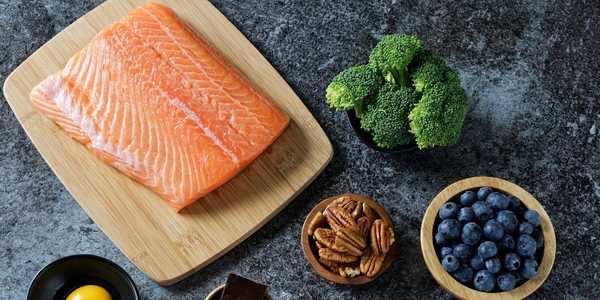
Brain foods like blueberries and fatty fish can improve cognitive function and memory if eaten regularly. “Brain foods” are the most helpful items to eat or drink for optimal brain health.
The three best brain foods are blueberries, walnuts, and fatty fish.
Vegetarians can get similar brain benefits from eating healthy fats like olive oil and avocados.
The foods we eat can significantly affect our mood, emotions, and cognitive abilities. “Brain food” is a term used to describe the most helpful items to eat and drink for optimal brain health. These foods can help strengthen brain functions such as memory, concentration, and more.
Many of these foods contain healthy components such as omega-3 fats, which can help fend off dementia. Others may be high in antioxidants, which stimulate the flow of oxygen and blood to the brain while also decreasing inflammation .
“The key is eating non-processed foods, which unfortunately comprise most of the standard American diet,” says Shad Marbasti, MD , associate professor of family community and preventive medicine at the Arizona College of Medicine in Phoenix. “Once you get into real foods, there are nutrients, chemicals, and healthy fats that help brain function. The three big winners are blueberries, walnuts, and fatty fish.”
Advertisement
With that in mind, below is a list of the top foods to eat for a healthy brain, and what makes them so nutritious. Berries
Berries pack a big nutritious punch, mostly thanks to a plant chemical compound called anthocyanins , which are the antioxidant pigments that give red, purple, and blue plants their color.
These bite-sized fruits can reduce inflammation, preserve brain cells, and helpscells communicate – and in turn, reduce the risk for neurodegenerative diseases like dementia.
According to Marbasti, blueberries have the most health benefits. While the majority of controlled human trials have studied blueberries , other common berries that have been found to boost brain health include: Strawberries
Blackcurrants
Bilberries
Blackberries
Mulberries
Raspberries
What the research says: According to a study published in Neural Regeneration Research , the natural antioxidant and anti-inflammatory elements of berries reduce stress and inflammation in the brain. Nuts
Many types of nuts are brain-healthy snacks that are rich in vitamin E . This protects the brain from oxidative stress: an imbalance in the body that can lead to cell and tissue damage.
Walnuts in particular help with memory, anxiety, and learning. They contain large amounts of a plant-based fatty acid called n-3 α-linolenic acid that has anti-inflammatory effects.
Aside from walnuts, the best nuts for brain health include : Pistachios
Macadamia
Almonds
Hazelnuts
Fatty fish
The human brain is nearly 60% fat , so it needs plenty of healthy fats to function well.
Fish like salmon and mackerel contain docosahexaenoic acid – the type of omega-3 fatty acid best absorbed by the brain – compared to plant-based sources, like flax seeds.Omega-3 fats perform several jobs , including the building of cell membranes in your brain that protect from deterioration. Eggs Eggs are a common breakfast food rich in the essential nutrient choline, which is needed by nerves and the brain . Choline is converted into a neurotransmitter called acetylcholine, which plays a role in brain functions like memory and focus. Though many people eat only egg whites to reduce calorie and fat intake, yolks are where the high concentrations of choline are found. Leafy greens Leafy green salad bases contain high levels of nutrients like folate , lutein, and vitamin E, which protect the brain against cognitive decline. A 2018 study suggests about one daily serving of leafy greens can slow age-related memory loss.The best leafy greens for brain health are those packed with antioxidants and vitamins like lutein , which is known for its effects on eye and brain health. Other leafy greens include: What the research says: The American Academy of Neurology suggests one daily serving of leafy greens may slow age-related memory loss. Pumpkin seeds Whether scooped right from the pumpkin or bought separately, pumpkin seeds are a brain-healthy snack to keep around, as long as they are not roasted with extra sugar as that may take away from the beneficial antioxidants.They are rich in zinc , which aids in regulating the communication between brain cells , helping the formation of memories. Coffee Coffee does more than provide an early-morning pick-me-up . The caffeine in coffee is linked to better concentration, improved mood, increased energy, and the prevention of cognitive decline.However, caffeine should be consumed in moderation. The FDA recommends 400 milligrams a day – that’s about four or five cups of coffee. Exceeding that amount can have negative side effects such as an upset stomach, headaches, and insomnia. It is best to drink coffee with a little cream, milk, or sugar to get the most benefits. Specialty coffees should be saved for a special occasion as they are often calorie-dense and high in sugar, which increases inflammation. Green tea Long known for its health benefits, green tea has been shown to reduce anxiety and improve memory and attention.This is partly due to caffeine, but green tea also contains a plant chemical called L-theanine, which improves calmness and reduces tension.Because green tea contains less caffeine than coffee, more can safely be consumed – up to eight cups a day compared to four or five. Oranges This vitamin C-rich fruit isn’t just good for the common cold. The vitamin C in oranges and other fruits and vegetables – such as bell peppers, strawberries, Brussel sprouts and broccoli – also plays a crucial role in mood and memory.It may also protect against stroke , Alzheimer’s disease, Parkinson’s disease , and Huntington’s disease, which may all have negative effects on brain function. Turmeric Turmeric boasts plenty of health benefits . Curcumin, a compound that gives this spice its gold color, has been found to help fight Alzheimer’s disease.Researchers have linked turmeric to improved memory and mood in people with age-related memory loss. In a small 2014 study , people […]
Pudina for spring allergies: 10 reasons why you must include it in your diet now

The methanol in pudina acts as a decongestant, it helps loosen mucus collected in the lung and also shrinks swollen membranes in the nose to allow you to breathe easier. As the cold winter gives way to warmer days and pleasant nights, you know that spring has arrived. But along with the pleasant climes, you are also exposed to many allergens and pathogens during this time of the year. The change of season can leave you sniffling and coughing, and you may also experience fever and more serious health issues like asthma. But if you are one who does not like to reach for drugs and medications at the sign of any discomfort then you can turn to home remedies. Mint is a herb which comes back in the spring season. Also known as pudina, this is one of the oldest culinary herbs known to humans. Besides its remarkable medicinal properties, Indians have been using it in chutneys, raitas, and sherbets. Pudina is a rich source of polyphenols and it has a pungent taste and aromatic odor. Besides, these leaves are low on calories and contain only trace amounts of proteins and fats. Also Read – Get relief from dust allergy with our simple home remedies HEALTH BENEFITS OF PUDINA/MINT LEAVES
Pudina helps get rid of indigestion. It has carminative and antispasmodic properties. Chewing pudina helps in getting relief from bloating and gas. The essential oils present in pudina can be beneficial for toothache problems. These leaves are loaded with vitamin A, C and B-complex, which enhance skin and boost immunity . Another nutritional benefit of pudina is that it is rich in iron, potassium, and manganese that increase haemoglobin, and improve brain function. Also Read – Seasonal allergies could be mistaken as COVID-19 symptoms: Know the difference
Here are the 10 health benefits of pudina that you must know. Also Read – Natural remedies for skin allergies that are effective and safe Helps in Digestion
Pudina is rich in antioxidants , menthol, and phytonutrients that help the enzymes to digest food. The essential oils in pudina possess strong antibacterial and antiseptic effects that calm stomach cramps and help ease acidity and flatulence. Treats Asthma
Regularly taking pudina can ease chest congestion. The methanol in pudina acts as a decongestant, it helps loosen mucus collected in the lung and also shrinks swollen membranes in the nose to allow you to breathe easier. While using pudina, make sure that you don’t overdose it, otherwise, your air passage will become irritated. Cures Headache
Pudina contains menthol that can help relax muscles and ease the pain. Applying pudina juice on your forehead and temples can give you relief from headache. Also, balms of pudina base or mint oil are effective in curing headaches. Eases Stress and Depression
One of the main advantages of mint is that it is the most widely used herb in aromatherapy. Pudina or mint has a strong, refreshing smell that can ease stress and refresh the body and mind. The apoptogenic activity of mint helps regulate the cortisol levels in the blood that triggers the body’s natural response to ease the stress . Inhaling pudina essential oil can instantly release serotonin in the blood which is a neurotransmitter that is well known for easing symptoms of stress and depression. Makes Your Skin Healthy
Pudina has anti-inflammatory and anti-bacterial properties that help treat acne and pimple on the skin. Pudina leaves contain a high amount of salicylic acid which acts as anti-acne. It also acts as an effective skin cleanser. Pudina has antioxidant properties that help you get clean and youthful skin by removing free-radicals from the body. Other ways pudina makes your skin healthy is that it retains the moisture in the skin, clear off dead skin cells, and dirt from the skin pores, and makes the skin look radiant and toned. Oral Care
Chewing pudina leaves is a great way to improve oral hygiene and dental health . The essential oils in pudina can help you get fresh breath. Also, using the mouthwash containing peppermint oil can help you kill bacteria in the mouth and provide you with healthy gums and teeth. Improves Memory
According to research, pudina can improve memory and retrieve the cognitive function of the brain. Consuming pudina regularly can increase brain power by improving alertness, and memory retention, and other cognitive functions. Promotes Weight Loss
The aromatic herb pudina could help you in weight loss. The essential oils of pudina stimulate digestive enzymes to increase the bile flow and promote digestion. It also helps in improved nutrient absorption from the food. When the body is able to assimilate and absorb nutrients properly, your metabolism increases. The increase in metabolism promotes weight loss. Treats Common Cold
If you are struggling with cold and finding it difficult to breathe, pudina is the best remedy for it. Most of the vapor rubs and inhalers contain mint. Mint naturally clears nose throat, bronchi, and lung congestion. Apart from respiratory channels, mint also eases irritation caused by chronic coughing. Eases Symptoms of Nausea
Pudina is an effective treatment for nausea that often occurs in morning sickness. Eating a few pudina leaves or smelling it every morning can help pregnant women prevent the nauseous feeling or cope with it better. (This article is authored by Dr. Saurabh Arora, Director, Arbro Pharmaceuticals)
Reducing your sugar intake will help improve your sleep quality and food choices

( Natural News ) Wish to sleep and eat better? Cut back on sugar.
That’s what clinical psychologist Michael Breus suggests in his article for Psychology Today , where he discussed the link between sugar and the brain and how their interaction can affect sleep quality and intensify your cravings for sweets. How a high-sugar diet affects sleep quality
Breus, a fellow at the American Academy of Sleep Medicine, has had many patients who slept better since they started “eating clean,” or following a diet that emphasizes consuming whole, unprocessed foods .
“One of the most potent, underrated benefits of eating well, especially when paired with exercise? A big boost in sleep,” said Breus.
A lot of studies also show that eating more sugar is linked to poor sleep quality. In a 2016 study, for example, researchers found that eating more sugar is associated with more restless, fitful sleep. They arrived at this finding after placing two groups of participants in either a healthy, controlled diet or a diet where they could eat whatever they want.
The volunteers in the second diet consumed significantly more sugar and fat and spent less time in deep, slow-wave sleep, which is important for the body’s physical restoration and healing, as well as for maintaining healthy metabolism and immune function. Additionally, those who ate more sugar took longer to fall asleep and woke up more frequently throughout the night.
British dietitian Alex Evans, who was not part of the study, explained how sugar ruins your sleep .
“Eating sugar late at night overstimulates you. It gives you energy and makes you ready for activity, but that is not what we’re trying to do at night. We’re designed to shut down towards the end of the day,” he told the Guardian .
Breus also said that some sugar treats contain caffeine, the compound commonly found in pick-me-up drinks like coffee that helps keep drinkers stay awake and alert.
“Ever snacked on some dark chocolate and had a fitful night of sleep follow? That’s a one-two combination of sugar and caffeine interfering with your rest,” he said. Overconsumption of sweets worsens sugar cravings
Eating more sweets can also make you more addicted to sugar. Breus explained that sugar activates your brain’s reward center and a complex network of hormones that regulate hunger and metabolism. In fact, according to Breus, sugar is such a powerful trigger that the mere sight of a sweet treat is enough to stimulate your reward center.
When you eat or see sugar, Breus continued, your brain releases the hormone dopamine, which delivers a pleasurable high – also called a “dopamine rush.” However, eating more sugar can make your brain less sensitive to this high. You would have to produce more dopamine for you to experience these feelings of euphoria, which, in turn, translates into a need to eat more sugar.
If that sounds a bit like an addiction, that’s because the dopamine-activated reward pathways affected by sugar are the same ones stimulated by drugs, alcohol and other triggers like gambling and sex, says Breus. In fact, researchers have long been deliberating whether sugar addiction constitutes a clinical disorder . (Related: Sugar junkie? Study suggests excessive sugar intake is similar to drug addiction .)
The effects of eating a sugar-rich diet are also interlinked with – and even reinforce – each other. Breus explained that an appetite distorted by the overconsumption of sweets can lead to late-night eating that will disrupt your sleep. Poor quality sleep, in turn, can make your sweet cravings worse by interfering with the normal production of hormones that regulate appetite.
The takeaway? Reduce your sugar intake and eat a high-fiber diet that emphasizes whole, unprocessed foods to help you sleep better and resist the temptation of sweet treats.
Learn more about the benefits of eating clean at Fasting.news .
Sources include:
Biology: Improving stroke treatment with a modified therapeutic molecule

Photo: INRS Professor Marc A. Gauthier is a specialist in dynamic chemistry, bioorganic chemistry and biomaterials.
view more Credit Image: Christian Fleury (INRS) A research team from the Institut national de la recherche scientifique (INRS) has improved the protective effect of a molecule against ischemic stroke, which is caused by an interruption of blood flow to the brain. The results of the study, conducted in collaboration with a Spanish team, were published in the Communications Biology of Nature Research journal. Every year in Quebec, about 20,000 people have a stroke. Also known as a “cerebral infarction”, this sudden neurological deficit can lead to psychological and physical after-effects. These effects result from an increase in glutamate in the brain, which destroys neurons. “Glutamate is an essential neurotransmitter for neuronal communication, learning and memory processes, yet above a certain concentration, it becomes toxic to neuronal cells,” explains Ahlem Zaghmi, a newly graduated INRS doctoral student under the supervision of Professor Marc A. Gauthier. The research team aimed at developing an effective treatment that would compensate for the increase in glutamate. What makes its approach unique? It works on the periphery. “Unlike other drugs, our molecule does not need to cross the blood-brain barrier to achieve its therapeutic effect. It represents one fewer obstacle, since it could be injected intravenously,” emphasizes the doctoral student. The modified molecule, glutamate-oxaloacetate transaminase (GOT), is already known for its therapeutic effects. This enzyme breaks down the glutamate circulating in the bloodstream which creates a kind of siphon effect. “By decreasing concentrations of this neurotransmitter in the blood, excess glutamate in the brain will move out to compensate for the loss. This “siphons” the glutamate out of the brain,” she says. A single dose of the molecule typically lasts three hours in rats. Due to the modification made by the research team, the treatment is now effective for six days! “Adding a polymer, polyethylene glycol, on the surface of the GOT enzyme increases its circulation time in the blood. The polymer will, among other things, protect the molecule from the immune system,” says Professor Gauthier, a specialist in bioorganic chemistry and biomaterials. “This has the advantage of maintaining the siphon effect over a period of time that exceeds the duration of the glutamate peak caused by the stroke in the brain, while reducing the number of doses given and the risk of side effects,” adds Ahlem Zaghmi. The research team now intends to observe the longer-term effect of the molecule and explore applications to other neuronal diseases. Since glutamate toxicity is also associated with head trauma, Parkinson’s and Alzheimer’s disease, the research group could, among other things, test whether the modified molecule accelerates healing or, if so, slows the development of the disease. ### About the study The article “Sustained blood glutamate scavenging enhances protection in ischemic stroke”, by Ahlem Zaghmi, Antonio Dopico-López, María Pérez-Mato, Ramón Iglesias-Rey, Pablo Hervella, Andrea A. Greschner, Ana Bugallo-Casal, Andrés da Silva, María Gutiérrez-Fernández, José Castillo, Francisco Campos Pérez, and Marc A. Gauthier, was published in the Communications Biology of Nature Research journal. The study received financial support from the Natural Sciences and Engineering Research Council of Canada (NSERC), Mitacs, the Fonds de recherche du Québec – Nature et technologies (FRQNT) and the Fonds de recherche du Québec – Santé (FRQS), among others. About INRS INRS is a university dedicated exclusively to graduate level research and training. Since its creation in 1969, INRS has played an active role in Quebec’s economic, social, and cultural development and is ranked first for research intensity in Quebec and in Canada. INRS is made up of four interdisciplinary research and training centres in Quebec City, Montreal, Laval, and Varennes, with expertise in strategic sectors: Eau Terre Environnement, Énergie Matériaux Télécommunications, Urbanisation Culture Société, and Armand-Frappier Santé Biotechnologie. The INRS community includes more than 1,500 students, postdoctoral fellows, faculty members, and staff. Source :
Audrey-Maude Vézina
Service des communications de l’INRS
418 254-2156
audrey-maude.vezina@inrs.ca
Foods that can give your child the right brain boost

THE coronavirus pandemic has created so much panic and anxiety and with the children back at school you want to do the best you can to keep them healthy.
So to help lighten your load, let’s start with how we can better prepare healthy meals for the children. Everyone knows there are bad foods out there, but similarly, there are simple nutritious brain foods that you should be serving up.
Registered dietitian and Association for Dietetics in South Africa (ADSA) spokesperson Zelda Ackerman says healthy food provides all the nutrients your child’s body needs to function optimally.
“One of the most important reasons why it is important to pack healthy foods for school break is that the foods will affect your child’s concentration and therefore his/her learning ability.
“Children’s blood sugar is greatly affected by what and how much they eat. Healthy foods, given in age-appropriate portions, help to keep blood sugar levels steady which helps children to concentrate, learn and perform optimally in sports activities. It also prevents irritability due to low blood sugar which can interfere with social interactions,” says Ackerman.
These are the foods that should be in your shopping basket for your kid’s lunch to give to them the right brain boost:
Eat Eggs in Moderation. The protein and vitamins B, D, and E in eggs and egg yolks may help to improve memory. You can reap the benefits of these vitamins while keeping your cholesterol to a minimum by mixing whole eggs with egg whites to round out your omelet or scrambled eggs.
Avocados. The avocado is a relatively fatty fruit, but it’s mono-unsaturated fat, which contributes to healthy blood flow. Avocados also lower blood pressure, which is a benefit for brain health given that high blood pressure is a risk factor for declining cognitive abilities. Because avocados are high in calories, add just a quarter or half of one to a daily meal as a side dish.
Nuts. According to Healthline, a health portal, research has shown that eating nuts can improve markers of heart health, and having a healthy heart is linked to having a healthy brain.
A 2014 review on Cognition: the new frontier for nuts and berries showed that nuts can improve cognition and even help prevent neuro-degenerative diseases.
Also, another large study found that women who ate nuts regularly over the course of several years had a sharper memory, compared to those who didn’t eat nuts.
Several nutrients in nuts, such as healthy fats, antioxidants and vitamin E, may explain their brain-health benefits.
Vitamin E shields cell membranes from free radical damage, helping slow mental decline.
While all nuts are good for your brain, walnuts may have an extra edge, since they also deliver omega-3 fatty acids.
Wholegrains. Wholegrains can reduce the risk of heart disease by promoting good blood flow to the organ system –which also includes the brain. They can also reduce inflammation of the brain, potentially preserving your memory.
Eating wholegrains is another way to benefit from the effects of vitamin E, with these grains being a good source of the vitamin.
Wholegrain foods include: Brown rice
Barley
Bulgur wheat
Oatmeal
Wholegrain bread
Wholegrain pasta
Berries. Flavonoids, the natural plant pigments that give berries their brilliant hues, also help improve memory, research shows. In a 2012 study published in Annals of Neurology , researchers at Harvard’s Brigham and Women’s Hospital found that women who consumed two or more servings of strawberries and blueberries each week delayed memory decline by up to two-and-a-half years.
Vegetables. Increase your intake of cruciferous vegetables such as broccoli, cauliflower, and brussel sprouts which are high in vitamin K and glucosinolates, have an antioxidant effect and may help improve memory.
Fish. A protein source linked to a great brain boost is fish – rich in omega-3 fatty acids that are key for brain health. These healthy fats have amazing brain power: A diet with higher levels of them has been linked to lower dementia and stroke risks and slower mental decline, plus they may play a vital role in enhancing memory, especially as we get older.
Including these foods in your kid’s lunch might seem a bit daunting at first but it doesn’t have to be if you start small. Adding these brain foods to your children’s diet shouldn’t be more homework for moms and dads but make your lives easier and your kid’s life healthier.Below are two recipes supplied by Sasko which your child can help prepare. Avo, Brie and walnut sandwich Ingredients2 slices SASKO LOW GI CRANBERRY BROWN BREADButter125g brie cheese (at room temperature)1 avocado20g walnuts (crushed)20g rocketTo serve:Salt and pepperOlive oil and balsamic reduction (if desired) MethodLightly toast the SASKO LOW GI CRANBERRY BROWN BREAD slices before spreading each with a little butter.Top with slices of Brie cheese, followed by slices of avocado, a sprinkling of walnuts and a little rocket.Season with salt and pepper and, if you’re feeling decadent, a drizzle of olive oil and balsamic glaze. Boiled egg and biltong sandwich Ingredients2 slices of SASKO LOW GI SMOOTH ANCIENT GRAIN BROWN BREAD1 omega-3 enriched egg, boiled and chopped15g biltong shavings1 tbs spring onions, finely chopped2 tsp (10 ml) mayonnaiseMethodMix the chopped egg, biltong shavings, spring onions and mayonnaise together.Spread on to bread.Close the sandwich with the second slice of bread.
Using Comprehensive Testing To Get The Most From Your Therapy

Photo Credit: Courtesy of HealthGAINSI don’t know anyone who will admit that they like to feel normal all the time. No one is gunning for one-size-fits-all and even fewer are hoping that the care that they are getting is just like everyone else’s. Given the choice, people almost always choose the option that suits them a little better than others. We do this not because of greed or malice, but because we are intrinsically driven to seek out unique and complementary experiences because of our drive for beneficial results.
In the U.S., Human Growth Hormone , or HGH, came to the forefront in the ’50s where it was used to help children with natural deficiencies capping their growth. More contemporarily, starting in the mid-1980s, the prevalence and access to synthetic HGH made its use more widespread, offering teens and adults many of the same benefits children had experienced while on therapy. Under medical supervision, HGH has exploded in use to treat a wide variety of diseases and age-related symptoms related to dysfunction.
Often prescribed by doctors hoping to offer relief to their patients, HGH has become a boon for many suffering the effects of aging. Beginning with its regenerative properties, HGH has been able to help build and repair tissue within the organs of the body, including the brain. It has also become widely used to help those in pain to heal and recover faster.
In otherwise healthy adults, the use of HGH can be instrumental in reshaping the body, helping to melt away stubborn fat, and improving the body’s metabolism. Because HGH therapy also boosts the production of collagen throughout the body, one of the most noticeable benefits of this therapy is the improvement in hair and skin quality that often accompanies the precise regulation of hormones. The Benefits of HGH
One of the most impressive benefits associated with therapy is the greater availability and higher levels of HGH throughout the body, often making it easier to burn fat and grow muscles. That’s because HGH is often responsible for the burning of fatty acids called lipids, and it induces the release of insulin-like growth factor (IGF-1). IGF-1 is a hormone that helps the body get rid of glucose rather than store it as fat.
In addition, HGH prompts collagen production, which tends to wane as a person ages, which can help the body to build muscle. Moreover, it can make the skin suppler in feeling and appearance as well as make it more flexible and youthful. The body also uses collagen to strengthen hair follicles which then leads to a fuller head of hair and reduces graying.
After the body becomes more accustomed to the higher levels of HGH in the body, the increased presence allows the improvement of metabolism within the cells, which in turn allows people to exercise for longer periods of time. In addition to the boons granted from this organic process, the work itself also rewards the body as they increase in exercise typically means a decrease in fat. HGH makes it easier for the body to repair itself, faster which can lead to better recovery and performance.
Within the cardiovascular system, HGH can help you avoid complications that can lead to organ failure and other such complications. Specifically, HGH works by helping the body burn lipids at a faster rate, causing less buildup of arterial plaque, and can reduce your risk of heart disease over time.
Over time, the use of HGH can have other important benefits for aging. One of the more important of which is the improvement in bone density and mineral content. Osteoporosis and other bone-related disorders can all benefit from the regular use of HGH. For those suffering from breaks or brittle bones, this can be an important part of maintaining their quality of life.
Other long-term benefits of growth hormone use include improvements to mood and anxiety. Improved concentration and memory also frequently accompany HGH use, which has been well documented in addition to its antidepressant and mood-boosting abilities. But their benefit can extend beyond the bones and the moods, it’s been a key factor for many others for their other long-term effects on the body.
When the body acclimates to the new levels of HGH within the body, it’s inevitable that they will also begin to notice the improvement in their day-to-day lives as well. HGH has long been known to improve sleep quality, and recent studies point to improved digestion and energy consumption, often helping patients feel like they’ve turned back the clock. Photo Credit: ShutterstockThe Importance of Personalized Care
No one likes feeling like just another number, especially not when it comes to their health. What’s going on in my body is likely very different in yours, and similar conditions can frequently have completely different symptoms from patient to patient. That’s why with personalized care, your doctor will consider all of the health concerns you have, allowing her to avoid therapies or treatments which may exacerbate or prolong your symptoms.
Your specific medical issues will affect how long and how often you’ll take HGH and what your dosages will be. Other concerns include family history, other health issues, and conflicting prescriptions which may cause complications. These are only some of the issues a person can avoid by undergoing care with a professional over examples found on the internet.
Because everyone’s body and personal chemistry are a little different, what may be beneficial for one person may have completely unintended consequences for another. Finding and working with a doctor and team you trust can help you to avoid these complications and guide you on a faster, more efficient path towards your goals. Bloodwork and HGH
After your doctor suggests HGH therapy, you might find yourself preparing for a blood test. That’s because she or he needs to accurately calibrate your HGH treatment by matching your results with the correct therapy.
There are a variety of tests that are typically run with your blood. Among them include serum tests which check your current hormone levels as well as […]
Study Shows That Compounds from Apples may Boost Brain Function.

Stem Cell research shows that natural compounds found in apples and other fruits may help produce new brain cells. This study, done in mice, may also have implications for learning and memory.
Phytonutrients (chemical substances found in plants) can positively affect different body parts, including the brain. Some examples of these nutrients are resveratrol in red grapes and epigallocatechin-3-gallate (EGCG) in green tea.
Tara Louise Walker, Gerd Kempermann, and their team found that high concentrations of phytonutrients from apples stimulate neurogenesis (the generation of new neurons).
‘Study shows that compounds from apples may boost brain functions including learning and memory.’
Read More..
Findings also showed that laboratory-grown stem cells from adult mouse brains generated more neurons and were protected from cell death when phytonutrients of apples (quercetin or dihydroxybenzoic acid (DHBA)) were added to the cultures.
Additional tests in mice showed that stem cells multiplied and generated more neurons in adult brain structures associated with learning and memory when the mice were given high doses of quercetin or DHBA. Physical exercise is a known stimulus for neurogenesis, and the effects of quercetin or DHBA were comparable to the effects of PE.
To determine if phytonutrients can enhance cognitive functions in humans, future studies are required.
Source: Medindia
Here’s how you can boost your dopamine levels naturally

( Natural News ) When it comes to the brain’s chemical messengers (neurotransmitters), nothing compares to dopamine.
A neurotransmitter that activates the brain’s pleasure and reward centers , dopamine plays an important role in stimulating motivation, mental energy and drive. Because of its effects on the brain’s pleasure centers, it’s not surprising that many unhealthy and even dangerous habits, such as drug use and gambling, is somewhat associated with dopamine. (Related: What is the link between dopamine and mental health? )
But according to experts, there are safe and natural ways to increase your dopamine levels , most of which involve taking natural plant compounds and herbal supplements. Here are some of them: Velvet bean ( Mucuna pruriens )
Velvet bean, also known as cowage, is a tropical legume that contains L-dopa, a dopamine precursor . It is said to enhance mood, memory, overall brain health and even libido. It is also looked at as a potential treatment option for Parkinson’s, a disease characterized by low dopamine levels. Maidenhair tree ( Ginkgo biloba )
Ginkgo is one of the most widely-used herbal supplements in the world. It is used for a wide variety of brain-related disorders , such as memory loss, brain fog, depression and anxiety. According to studies, ginkgo’s brain-supporting properties are linked to its ability to increase the turnover of dopamine and serotonin.
In addition, ginkgo also helps reduce stress and anxiety by lowering the levels of the stress hormone cortisol in the body. Water hyssop ( Bacopa monnieri )
Bacopa is traditionally used in Ayurveda as a brain tonic. Research suggests it has the ability to enhance memory, learning and concentration in individuals . Bacopa is classified as an adaptogen, a substance that moderates and even negates the effects of stress on the body.
According to experts, this herb works by balancing dopamine and serotonin levels while reducing cortisol levels in the body. Ginger ( Zingiber officinale )
One of the world’s most popular spices, ginger possesses powerful antioxidant and anti-inflammatory properties due to its rich stores of shogaols and gingerols. These compounds have the ability to protect the brain from free radical damage.
More importantly, ginger is known to regulate the levels of dopamine and serotonin in the brain , which explains the calming and soothing properties of ginger tea. Turmeric ( Curcuma longa )
Just like its cousin ginger, the brilliantly-colored turmeric is a potent supplement that you can take if you want to maintain optimal brain health. This is because turmeric contains high amounts of the antioxidant curcumin, which is known for its impressive ability to increase dopamine and serotonin levels.
Because of its strong, earthy and bitter taste, turmeric is normally used either as a spice in cooking or taken as a supplement in capsule form. Should you decide to take turmeric capsules, make sure to look for one that has added piperine. Piperine is a compound found in black pepper that is known to increase curcumin absorption by up to 2,000 percent. Ginseng ( Panax ginseng )
One of the most well-known Chinese medicinal herbs, the ginseng plant is popular for being particularly helpful when it comes to addressing mental and cognitive issues . This is mainly because of its ability to regulate the levels of dopamine, serotonin and norepinephrine in the brain.
Aside from that, ginseng also protects the brain cells that create dopamine from apoptosis, or cell death. This ability, according to experts, is more evident in substance abusers and individuals diagnosed with Parkinson’s disease. Oregano Oil ( Origanum vulgare )
Aside from being well-regarded as a delicious culinary herb, oregano also doubles as a dopamine supplement. According to experts, this is because of its high levels of carvacrol and thymoquinone, two potent antibacterial, antioxidant and anti-inflammatory compounds.
A potent neuroprotective compound, carvacrol is also known to help increase dopamine and serotonin levels in the prefrontal cortex and hippocampus. Meanwhile, thymoquinone is linked to reductions in brain tissue inflammation . Resveratrol
If you’ve read articles touting the health benefits of red wine, chances are, those effects are linked to resveratrol, an incredibly potent polyphenol known for its antioxidant and anti-inflammatory properties. Aside from being an antioxidant, resveratrol is also known for its ability to protect the brain cells that create dopamine in Parkinson’s patients.
Boosting your dopamine levels need not involve dangerous and life-threatening practices — most of the time, adding healthy foods to your diet and taking natural supplements is enough.
To read more about the benefits of healthy foods, visit Superfoods.news .
Sources include:
VeryWellMind.com
Hindawi.com
MDPI.com
Nature.com
CellAndBioScience.BioMedCentral.com
Compounds from apples may boost brain function
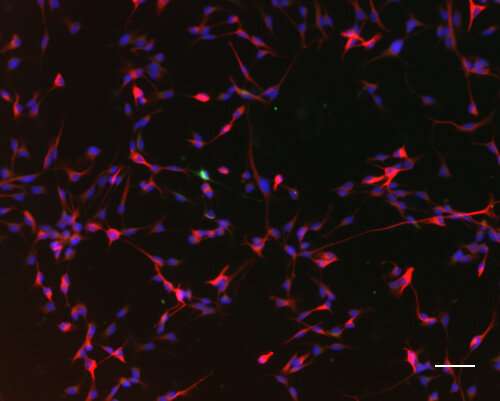
Hippocampal precursor cells differentiate into neurons when treated with the apple-derived compound DHBA. Credit: German Center for Neurodegenerative Diseases, Dresden, Germany Natural compounds found in apples and other fruits may help stimulate the production of new brain cells, which may have implications for learning and memory, according to a new study in mice published in Stem Cell Reports .
Chemical substances found in plants, so-called phytonutrients, such as resveratrol in red grapes or epigallo-catechin-3-gallate (EGCG) in green tea, can have positive effects on different parts of the body including the brain. Researchers Tara Louise Walker, University of Queensland, Brisbane, Australia and Gerd Kempermann, German Center for Neurodegenerative Diseases, Dresden, Germany, and colleagues found that high concentrations of phytonutrients from apples stimulate the generation of new neurons, a process called neurogenesis.
The study showed that laboratory-grown stem cells from adult mouse brains generated more neurons and were protected from cell death when quercetin or dihydroxybezoic acid (DHBA), phytonutrients commonly found in apples, were added to the cultures. Subsequent tests in mice showed that in distinct structures of the adult brain associated with learning and memory, stem cells multiplied and generated more neurons when the mice were given high doses of quercetin or DHBA. The effects on neurogenesis were comparable to effects seen after physical exercise, a known stimulus for neurogenesis.
This study suggests that natural compounds in fruits, such as quercetin, DHBA and potentially others, may act in synergy to promote neurogenesis and brain function when given in high concentrations.
Future studies will be required to determine if these and other phytonutrients can enhance learning and cognitive function in animal models and in humans.
Apples May Boost Brain Function, Stimulate the Production of New Brain Cells

Natural compounds found in apples and other fruits may help stimulate the production of new brain cells, which may have implications for learning and memory, according to a new study in mice published in Stem Cell Reports .
Chemical substances found in plants, so-called phytonutrients, such as resveratrol in red grapes or epigallo-catechin-3-gallate (EGCG) in green tea, can have positive effects on different parts of the body including the brain. Researchers Tara Louise Walker, University of Queensland, Brisbane, Australia and Gerd Kempermann, German Center for Neurodegenerative Diseases, Dresden, Germany, and colleagues found that high concentrations of phytonutrients from apples stimulate the generation of new neurons, a process called neurogenesis.
The study showed that laboratory-grown stem cells from adult mouse brains generated more neurons and were protected from cell death when quercetin or dihydroxybezoic acid (DHBA), phytonutrients commonly found in apples, were added to the cultures. Subsequent tests in mice showed that in distinct structures of the adult brain associated with learning and memory, stem cells multiplied and generated more neurons when the mice were given high doses of quercetin or DHBA. The effects on neurogenesis were comparable to effects seen after physical exercise, a known stimulus for neurogenesis.
This study suggests that natural compounds in fruits, such as quercetin, DHBA and potentially others, may act in synergy to promote neurogenesis and brain function when given in high concentrations. Future studies will be required to determine if these and other phytonutrients can enhance learning and cognitive function in animal models and in humans.
Reference: 11 February 2021, Stem Cell Reports .
DOI:
Apples stimulate production of new brain cells

Natural compounds found in apples can improve brain function, according to a new study from the International Society for Stem Cell Research. Using a mouse model, the experts demonstrated that apples and other fruits help stimulate the production of new brain cells, and may ultimately boost learning and memory.
The study is published in the journal Stem Cell Reports.
Phytonutrients are chemical substances in plants that are known to have positive effects on the body. For example, resveratrol is a phytonutrient that is found in the skin of red grapes that is associated with a reduced risk of age-related conditions, such as heart disease, diabetes, and cancer.
“Apart from being a source of energy, food is known to influence an individual’s overall fitness. A growing number of studies have demonstrated the health benefits of phytochemicals, the chemical substances found in plants. Active dietary compounds are also vital for maintaining cognitive function,” wrote the study authors.
The researchers set out to investigate the neural effects of specific compounds in apples. They discovered that high concentrations of phytonutrients found in apples can stimulate the process of neurogenesis, during which new brain cells are formed.
The study was focused on lab-grown stem cells from adult mouse brains. The researchers added phytonutrients commonly found in apples, including quercetin or dihydroxybezoic acid (DHBA), to the cell cultures. As a result, the stem cells appeared to be protected from death and generated more brain cells.
Further experiments showed that, in distinct brain structures associated with learning and memory, stem cells multiplied and produced more neurons when the mice were given high doses of quercetin or DHBA.
According to the researchers, the effects on neurogenesis were comparable to beneficial effects that have been observed after physical exercise, which is a known stimulus for neurogenesis.
Beyond the Golden Latte – 6 Tasty Ways to Take Turmeric

When it comes to spices with brain- and body-boosting benefits, turmeric is king. Originating in India where it’s been used as both food and medicine for nearly 4000 years, this golden powder derived from the turmeric root has been making waves in the West over the past decade. Its recent meteoric rise can largely be attributed to the popularity of the golden latte, a quick-and-cozy way to consume curcumin, the potent anti-inflammatory compound in turmeric that makes it so healthful. What makes curcumin so powerful?
In a study on various compounds’ abilities to inhibit the proliferation of tumor cells, researchers from The University of Texas’s Department of Experimental Therapeutics found that curcumin has a potent anti-inflammatory effect comparable to that of nonsteroidal anti-inflammatory drugs.
In the brain, curcumin can increase a hormone called brain-derived neurotrophic factor (BDNF). A decrease in BDNF has been linked to neurological disorders like depression, Alzheimer’s, OCD and schizophrenia. A study published in the American Journal of Geriatric Psychiatry found that supplementing with curcumin twice a day improved memory and mood in test subjects. In contrast, the control group who took placebos showed no such improvements. Clean Eating ’s Top Turmeric-Infused Eats
While we love a golden latte as much as the next person, we think it’s time to turn the corner and try our hand at other uses for this famed spice. Beat inflammation and supercharge brain power with these turmeric-infused recipes. BREAKFAST
Turmeric Carrot Muffins Turmeric Carrot Muffins Photo: Jesse Lane Lee
These addicting mini muffins make the ultimate morning meal or snack. They get their cheerful hue from turmeric and are stuffed with beta carotene-rich shredded carrots for improved eye health and natural sweeteners such as shredded coconut and maple syrup. LUNCH
Golden Cauliflower Soup
Brighten up winter months with this golden soup, where turmeric co-stars with creamed cruciferous cauliflower. Cauli packs a wide array of nutrients, such as vitamins C, K, B6 and much more, making it a go-to ingredient in any clean kitchen. SNACK
Turmeric Deviled Eggs
These deviled eggs are everything the perfect healthy snack should be: quick, easy, tasty and packed with nutrients. Eggs are a favorite energy source, rich in B vitamins like B12 (which helps prevent fatigue-causing megaloblastic anemia), B2 (which the body uses to maintain energy supply) and B5 (needed for making blood cells and helps the body convert food into energy). In this recipe, we combine the yolk with a tangy mixture of yogurt, lemon, cilantro, and of course, turmeric.
Get the recipe here . DINNER
Squash Spinach Chickpea Curry
Spinach & Chickpea Curry with Turmeric Blend We couldn’t compile a list of the best ways to utilize turmeric without including curry. Along with turmeric, this veggie-packed stew is flavored with black pepper, which contains a compound called piperine that can increase the body’s curcumin absorption by up to 2000%! SIPPER
Reishi Golden Milk Nightcap
Alright, we cheated a little with this one. A CE original take on the turmeric latte, our sippable alternative does double duty for the brain. This nightcap combines brain-supportive turmeric with reishi mushrooms, revered in traditional medicine for its links to mental clarity and improved mental health.
Get the recipe here . SWEET TREAT
Mango Turmeric Lassi Smoothie
Lassi is an Indian drink, commonly made with mango. This version made with mango and sweetened with maple syrup or raw honey doesn’t stray far from its South Asian roots, flavored with mainstay spices from the Indian subcontinent. Turmeric is combined with black pepper for greater bioavailability while cardamom aids with digestion and provides relief from GI distress like nausea and vomiting.
Get the recipe here .

The Power Within by Corey Daniels book available for only $2.99
Mind has both conscious and subconscious halves. These are likened to a driver and the truck he drives. The driver plans the destination and observes road conditions, while the truck provides motive power. Your subconscious mind is like the truck and it only goes in the direction in which is a steered. This can be the road or off a cliff. Likewise, the consciousness paints a picture of what the world is and what your goals are and the subconscious acts on them through emotion, physical response and energy, whether these are correct, rational images or false negative ones. The subconscious is also like an emotional reservoir which your body and mind draw responses from to external stimuli.
The Power Within lays out a method of programming your subconscious and tapping into the Holy Spirit, God voice or what the Greeks called the daimon (godman).