Nature Knows and Psionic Success
God provides
Have delicious, delectable, healthy Thanksgiving — there are tasty and nutritious alternatives to enjoy

NKyTribune reporter
The table is set with the good china, cornucopia centerpiece, and Thanksgiving turkey with all the trimmings. There may be fewer loved ones around it this year, but with grateful hearts, we look forward. Eating the traditional Thanksgiving meal with small twists can be beneficial for our overall health, boost our brainpower, and mental health. Ending this year with a healthy note can help us get 2021 off to a great start.
Registered Dietician, Monica Smith from the Northern Kentucky Health Department (NKHD), provides ideas on how to turn the traditional Thanksgiving dinner we love to eat into a delicious, nutritious meal. Monica Smith When thinking of Thanksgiving dinner, turkey is an absolute. This Thanksgiving staple is on top of the good for you list. It is a great protein, being lean, not high in saturated fats, says Smith.
Most have heard of tryptophan in turkey, an amino acid that makes us sleepy, but it also influences our mood.
“It helps increase the neurotransmitter serotonin which is a feel-good hormone in our bodies,” Smith says. Research shows that our attention, memory, and mood are all positively affected by tryptophan, she says.
Proteins are the building blocks of the body. All cells contain proteins that are needed to help repair cells and make new cells. Smith stresses the importance of lean proteins that have less processing and nitrates. These along, with the higher saturated fats, cause health problems.
Turkey is a good protein to have year-round. Deli turkey provides almost the same benefits. Smith says to look for turkey that has less processing and fewer nitrates.
A Thanksgiving Salmon could be a fun, healthy alternative this year. After all, the Pilgrims had access to an abundant amount of seafood, which would have been an important food source. Salmon is a fatty fish, good as an anti-inflammatory, and is a great source of Omega 3, says Smith. She found a Thanksgiving Salmon recipe which includes another Thanksgiving favorite, cranberries.
Eating more fruits and vegetables is something most need to do daily.
“They are rich in numerous protective antioxidants (help to reduce the risk of chronic diseases), have numerous vitamins/minerals, and help increase immunity and our cognitive function,” says Smith. These are easy to incorporate into Thanksgiving dinner. Smith says to think dark leafy greens. Sauteed spinach, kale, or swiss chard in olive oil, with a little garlic, is tasty and healthy. Must have turkey (Wikimedia Commons) “All of your orange veggies like butternut squash, pumpkin, sweet potato, and carrots,” are all good Thanksgiving vegetables, Smith says. “You can make roasted pumpkin the same as you would butternut squash. Just coat it with a little bit of olive oil or avocado oil, a heart-healthy oil, and salt and pepper or you could add a little cinnamon and nutmeg. It’s really good,” she says. If roasting pumpkin, roast the seeds too! Pumpkin seeds are a good source of protein and Omega 3.
Skip the green bean and other casseroles this year.
“This is kind of a problem with Thanksgiving, all of the casseroles and all the extra things,” says Smith. Having just the green beans, sauteing them like the other leafy vegetables, would be fine but swapping out the green beans for leafy greens is best, she says.
Enjoying cranberries is a perfect complement with Thanksgiving and keeps it traditional. Cranberries have a lot of antioxidants in them and are anti-inflammatory. Antioxidants are important because they prevent and help slow down damage to cells. A lot of berries, cranberries, and cherries are high in antioxidants and anti-inflammatories. The canned cranberry is fine; however, it has added sugars, Smith says. If making a cranberry dish, be careful about adding too much sugar. “The cranberries themselves are pretty tart without adding some sort of sugar to them, but yes they are still good, the whole berries are best though,” she says. Smith says that when thinking about eating sweet potatoes and cranberries, add walnuts or pecans to it. Nuts are a good source of Omega 3s and are a healthier option than the marshmallow topping.
No Thanksgiving dinner is finished until dessert is eaten. Desserts can be delicious, sweet, and healthy. Enjoy a pumpkin pie or berry cobbler, Smith says. The berries and pumpkin are sources of those, anti-inflammatories, just try to eat less crust and more of the filling.
A baked turkey, sauteed leafy greens, roasted squash, cranberries, and a pumpkin pie or berry cobbler make a well-rounded and hearty Thanksgiving dinner.
To keep from overeating all this delicious food, Smith says to eat breakfast. Smith likes a green smoothie. It is an easy way to get in leafy greens. She uses kale, apple cider, a frozen banana, and some vanilla yogurt.
“It’s really tasty and the apple cider covers up the taste of the kale,” she says.
“Those are good foods to try to incorporate every day,” says Smith. Eating healthy means improved mood, less brain fog, and better cognitive functions, she says. Eating a variety of fruits and vegetables and eating less sugar and saturated fats goes a long way to improve body and mind health. In this season of giving thanks, let us give thanks for a healthy year to come.

Exercise and the brain: three ways physical activity changes its structure

(Image: Ben Birchall/PA Wire) Never miss a thing from across Yorkshire! Get the biggest stories direct to your inbox
When you subscribe we will use the information you provide to send you these newsletters. Sometimes they’ll include recommendations for other related newsletters or services we offer. Our Privacy Notice explains more about how we use your data, and your rights. You can unsubscribe at any time.
Regular exercise changes the structure of our bodies’ tissues in obvious ways, such as reducing the size of fat stores and increasing muscle mass. Less visible, but perhaps even more important, is the profound influence exercise has on the structure of our brains – an influence that can protect and preserve brain health and function throughout life. In fact, some experts believe that the human brain may depend on regular physical activity to function optimally throughout our lifetime.
Here are just a few ways exercise changes the structure of our brain. Memory
Many studies suggest that exercise can help protect our memory as we age. This is because exercise has been shown to prevent the loss of total brain volume (which can lead to lower cognitive function), as well as preventing shrinkage in specific brain regions associated with memory. For example, one magnetic resonance imaging (MRI) scan study revealed that in older adults, six months of exercise training increases brain volume .
Another study showed that shrinkage of the hippocampus (a brain region essential for learning and memory) in older people can be reversed by regular walking . This change was accompanied by improved memory function and an increase of the protein brain-derived neutropic factor (BDNF) in the bloodstream.
BDNF is essential for healthy cognitive function due to its roles in cell survival, plasticity (the brain’s ability to change and adapt from experience) and function . Positive links between exercise, BDNF and memory have been widely investigated and have been demonstrated in young adults and older people .
BDNF is also one of several proteins linked with adult neurogenesis, the brain’s ability to modify its structure by developing new neurons throughout adulthood. Neurogenesis occurs only in very few brain regions – one of which is the hippocampus – and thus may be a central mechanism involved in learning and memory. Regular physical activity may protect memory in the long term by inducing neurogenesis via BDNF.
While this link between exercise, BDNF, neurogenesis, and memory is very well described in animal models, experimental and ethical constraints mean that its importance to human brain function is not quite so clear . Nevertheless exercise-induced neurogenesis is being actively researched as a potential therapy for neurological and psychiatric disorders , such as Alzheimer’s disease, Parkinson’s disease and depression. Blood vessels
The brain is highly dependent on blood flow, receiving approximately 15% of the body’s entire supply – despite being only 2-3% of our body’s total mass. This is because our nervous tissues need a constant supply of oxygen to function and survive. When neurons become more active, blood flow in the region where these neurons are located increases to meet demand . As such, maintaining a healthy brain depends on maintaining a healthy network of blood vessels.
Regular exercise increases the growth of new blood vessels in the brain regions where neurogenesis occurs, providing the increased blood supply that supports the development of these new neurons . Exercise also improves the health and function of existing blood vessels, ensuring that brain tissue consistently receives adequate blood supply to meet its needs and preserve its function.
Finally, regular exercise can prevent, and even treat, hypertension (high blood pressure), which is a risk factor for development of dementia . Exercise works in multiple ways to enhance the health and function of blood vessels in the brain. Inflammation
Recently, a growing body of research has centred on microglia, which are the resident immune cells of the brain. Their main function is to constantly check the brain for potential threats from microbes or dying or damaged cells, and to clear any damage they find.
With age, normal immune function declines and chronic, low-level inflammation occurs in body organs, including the brain, where it increases risk of neurodegenerative disease , such as Alzheimer’s disease. As we age, microglia become less efficient at clearing damage, and less able to prevent disease and inflammation. This means neuroinflammation can progress , impairing brain functions – including memory.
But recently, we’ve shown that exercise can reprogramme these microglia in the aged brain. Exercise was shown to make the microglia more energy efficient and capable of counteracting neuroinflammatory changes that impair brain function. Exercise can also modulate neuroinflammation in degenerative conditions like Alzheimer’s disease and multiple sclerosis . This shows us the effects of physical activity on immune function may be an important target for therapy and disease prevention.
So how can we ensure that we’re doing the right kind of exercise – or getting enough of it – to protect the brain? As yet, we don’t have robust enough evidence to develop specific guidelines for brain health though findings to date suggest that the greatest benefits are to be gained by aerobic exercise – such as walking, running, or cycling. It’s recommended adults get a minimum of 150 minutes per week of moderate intensity aerobic exercise, combined with activities that maintain strength and flexibility, to maintain good general health.
It must also be noted that researchers don’t always find exercise has beneficial effect on the brain in their studies – likely because different studies use different exercise training programmes and measures of cognitive function, making it difficult to directly compare studies and results. But regardless, plenty of research shows us that exercise is beneficial for many aspects of our health, so it’s important to make sure you’re getting enough. We need to be conscious of making time in our day to be active – our brains will thank us for it in years to come.
Áine Kelly , Professor in Physiology, Trinity College Dublin
This article is republished from The Conversation under a Creative Commons license. Read the original […]
Fitness Experts Reveal 12 Ways Exercising Can Increase Mental Health

You’ve probably heard many times that you should exercise to increase mental disorders symptoms. Believe it or not, there’s truth to that advice!
While it isn’t a cure, exercising is truly one of the best ways to manage and reduce symptom severity healthily. Here’s how scientific studies by fitness experts reveal 12 ways exercising can improve your mental health. 1. It Releases Positive Hormones to Increase Mental Health
The act of exercising releases neurotransmitters or hormones, known as endorphins . Endorphins are fantastic feel-good hormones that lead to experiences of emotions of euphoria, joy, and happiness overall.
Save
Studies have long uncovered the benefits that exercise has on those diagnosed with depression. It increases positive thinking and, in certain cases, can have equal effectiveness to depression medication.
Here are some things to keep in mind about exercising for that mood boost and your health: The weekly exercise recommended 150 minutes of elevated heart rate per week – or 30 minutes, 5 times weekly.
Elevated heart rate can be achieved through things other than standard gym exercises, so try dancing, gardening, walking in a park, or other similar endeavors.
Working out with friends or family can add to the fun through social engagement, and it can also keep you motivated to exercise.
2. It Relieves Anxiety
There is plenty of common go-tos for relieving anxiety , with most options gearing towards the calming, like bubble baths or reading a book. But did you know that studies show that the most effective way to relieve anxiety is through exercise?
Yes, believe it or not, the endorphins let off during exercise is more effective for your symptoms than any common “calming” action! Here are some examples of effective anxiety aids in exercise: A 20-minute jog
Aerobic exercise (moderate or high intensity)
High-intensity interval training
3. It Helps Memory
If you find that you’re forgetful all the time, the answers you seek may lie in exercise. It’s a surprising link at first, but think about it – a healthy body means a healthy brain! Here are some studies that show how well memory can be improved via exercise: “Exercise training increases the size of hippocampus and improves memory,” published in Proceedings of the National Academy of Sciences of the United States of America (2011). Did you know that the hippocampus shrinks as you age? That’s what made the results of this randomized control trial study so important. It found that cell production within the hippocampus can be boosted thanks to exercise. The hippocampus aids functions like learning and memory, and its improvement reduce the risk of dementia in the elderly.
“High impact running improves learning” published in Neurobiology of Learning and Memory (2007). In another randomized control trial study , this research paper revealed that running sprints could actually boost the retention of vocabulary. This was conducted with only healthy adults, which makes the results even more promising, as it shows even those at a younger can benefit mentally from exercise.
“A neuroimaging investigation of the association between aerobic fitness, hippocampal volume and memory performance in preadolescent children” published in Brain Research (2010). This interesting study found links between the level of physical fitness of children and their cognitive development. An obvious relationship between increased exercise and faster development was found, typically relating to how much children could remember from school and lessons.
4. It Increases Productivity
If you find your productivity dipping, it could be a sign that you need more exercise. If you actively allocate time for even a quick walk or jog daily, you could have positive changes in energy and productivity levels. Research concludes that cubicle workers who make time for exercise are typically more productive than their more sedentary counterparts. The best time might be around midday due to the body’s circadian rhythm , so try to squeeze in a little physical activity at that time. 5. It Can Boost Your Self-Confidence
Struggling with self-esteem? Hop on the treadmill, but not for the reasons you think! Fitness doesn’t just mean losing weight. It can also just make you feel good about yourself, thanks to the positive hormones it releases. This leads to better self-worth, self-image, and confidence. Better yet, these results remain the same regardless of: Bodyweight
Gender
Age
Size
Original fitness level
What does this mean? You don’t have to be a super fit Instagram model to feel good after exercising! No matter your outer appearance, a workout at the gym or even at home can make you feel like a million bucks.
Save 6. It Reduces The Risk Of Cognitive Decline
Many people fear the onset of cognitive decline as they age. Unfortunately, that’s often a standard degenerative result of growing older, as certain diseases begin to shrink the brain and kill brain cells, taking away numerous cognitive functions in the process.Luckily, research indicates that exercise can have a positive effect on this kind of degeneration. It can protect the hippocampus by increasing cell production and engaging the memory center, allowing for better preservation of cognitive function over time.Of course, it’s worth noting that there’s no real way to “cure” cognitive decline, and these types of diseases aren’t reversible. However, exercise can considerably slow their effects, and working out in advance at a younger age can reduce your overall risk of developing such problems as you get older. 7. It Makes You More Creative Few people can see an immediate connection between heavily sweating and puffing at the gym and then painting a beautiful portrait at home. But, as it turns out, exercise really does make you creative as well as i ncrease mental health ! Studies have found that those who exercise experience a two-hour creativity increase right after the fact, regardless of that individual’s actual state of mind or mood. So capitalize on post-workout time by doing something creative, or get your creative juices flowing by going for a walk! 8. It Brings Down Stress Levels and Increase Mental Health Exercise is a fantastic way […]

10 foods for boosting mental health

Mental illness forms the greatest burden of disease globally, exceeding the morbidity of both cardiovascular disease and cancer. Studies show that eating a highly-processed diet with increased intake of fast food is associated with a higher incidence of anxiety and depression. Using evidence-based preventive interventions such as dietary changes can play a significant role in improving mental health and decreasing the burden of mental illness. 1 Several foods have been proven to have mental health benefits. Here are 10 foods for boosting mental health: 1-Fatty fish
Fatty fish are rich in omega 3 fatty acids, which are essential for brain health. Fatty fish are a major staple of the Mediterranean diet. Researchers led a randomized controlled trial on patients with depressive symptoms published in Nutritional Neuroscience . The study included 152 patients who were divided into two groups, the first received a Mediterranean diet supplemented by fish oil, and the other group attended bimonthly social groups.
After three months and a follow-up at six months, the Mediterranean diet group was found to have fewer symptoms of depression and anxiety, and a better quality of life (as reported by the participants and evaluated using approved scoring systems). Despite this being a small study with some limitations, its findings agree with the growing body of evidence supporting the positive effect of the Mediterranean diet on mental health. 2 2-Vegetables
Many studies have reported the beneficial effect of vegetables on mental health. A systematic review published in Nutrients that included 61 studies and came to a conclusion that increased consumption of fruits and vegetables may improve mental well-being and the authors recommend the consumption of five servings of fruits and vegetables per day. However, the studies included had various methodologies that did not allow the researchers to conduct a meta-analysis (a grouped analysis of the studies) and most of the studies were observational in nature. 3 3-Berries
Research has shown that inflammation can play a role in neurodegenerative diseases and changes associated with aging. Berries like strawberries, blueberries, and blackberries are good sources of phytochemicals and antioxidants that can scavenge free radicals (chemicals that cause inflammation) and in turn have an anti-inflammatory effect that may protect against cognitive decline. 4,5 4-Dates
Dates are fruits that have a high nutritional value and are a great source of vitamins, minerals and fiber. A study on mice that examined the effect of giving a date supplement to mice on their memory, cognition and amyloid beta levels. The researchers found that the mice who received dates in their diet had better memory and lower amyloid beta levels (a major constituent of the neural plaques found in Alzheimer’s disease). 6 Studies on humans are needed to confirm these effects, which may prove promising in the prevention or slowing the progression of Alzheimer’s disease. 5-Sweet potatoes
A sweet potato is a sweet tasting root that is well-known for its health benefits. Not only do sweet potatoes help with weight loss, they are rich in anthocyanins that help reduce inflammation. Several animal studies have shown that sweet potatoes may have beneficial effects on memory and learning. 7 6-Yoghurt
Yoghurt is rich in calcium, vitamin B12 and probiotics, which are bacteria that are good for your digestive system. Probiotics are good for your gut and studies have found that probiotics can benefit your brain health too. Psychobiotics are a class of probiotics that are thought to have mental health benefits by regulating brain neurotransmitters. Several animal and human studies have shown that probiotics may reduce stress, help fight depression and improve memory. However, more research is needed to confirm these effects. 8,9 7-Whole grains
Whole grains are rich in fiber, antioxidants, and vitamin B. These compounds are beneficial for mental health. A cross-sectional study on 3,172 adults in Iran examined the effects of consumption of whole grains on anxiety and depression. Moderate intake of whole grains in women was found to have beneficial effects on symptoms of anxiety and depression. 10 However, this study was observational and depended on self-reporting so more research is needed to confirm its results. 8-Beans and lentils
Beans and lentils are also rich in vitamin B and an amino acid called lysine. Both these compounds are essential for brain health. Legumes are usually studied in the context of dietary patterns such as the Mediterranean diet. A cross-sectional study that involved a questionnaire on the quantity of legume intake found that older adults who ate more legumes had less stress, anxiety, and depressive symptoms, but similar effects were not evident in younger populations. More studies are needed to support these results. 11 9-Nuts
Nuts are healthy snacks that are beneficial for the brain . Nuts are rich in mono and polyunsaturated fatty acids, omega 3, and tryptophan which is the precursor of serotonin. The effects of nuts on cognition have been studied in both animals and humans, usually as a part of the Mediterranean diet. Study results propose the positive effects of nut intake on memory, depressive symptoms, and cognition; however, research in humans is limited. 12 10-Olive oil
Olive oil is also rich in monounsaturated and polyunsaturated fat and has a strong antioxidant effect. The PREDIMED trial studied the effect of the Mediterranean diet by assigning participants to three groups, one of which adhered to a Mediterranean diet supplemented by nuts, a second adhered to a Mediterranean diet supplemented by olive oil and the third adhered to a low-fat diet. The group who received extra virgin olive oil were found to perform better than the control group in cognitive tests. 13
Diet affects brain health by providing the essential nutrients that are necessary for brain function. In addition, it influences the microbiome through its effect on gut bacteria and it influences the ratio of inflammatory markers present in the body. 14 Eating a healthy diet can improve both body and brain health, and overall well-being.
References
1. Owen L, Corfe B. The role of diet and nutrition on mental health and wellbeing. Proc Nutr Soc . 2017;(76):425-426. doi:10.1017/S0029665117001057
2. […]
Mood-Congruent Memory and Depression: A Vicious, Unrelenting Cycle

Imagine this: You enter your dorm room after a long, difficult day, and you’re in a bad mood. You’ve been in the library all afternoon, you’re drenched to the core from walking back in the rain, and you still have what feels like an actual mountain of homework left. As you’re unpacking your bag, events from the day run through your mind, and they’re all negative: the test that didn’t go so well, the lunch that wasn’t great, the workout that felt particularly hard… the list goes on. Your day was not entirely bad, yet you’re only able to remember the not-so-great moments.
If you can relate to the above story, you’ve experienced the effects of mood-congruent memory, which is the idea that the memories we retrieve tend to be consistent with our current emotional state. This explains why people who are in a bad mood recall negative memories, and the same goes for all types of moods. Interestingly, mood-congruency affects people’s attention, too, as is mentioned in this post on attentional biases. However, for the purpose of my blog post, I’m going to focus on memory. Essentially, individuals’ moods dictate the types of memories to which they have access, which in turn reinforce their current mood state. This can be helpful when the positive memories contribute to the happy mood, and it’s generally not a big deal when the bad mood is temporary, since the negative memories will likely soon be replaced by more cheerful ones. That being said, the reciprocal relationship between mood and memory can be dangerous when the unhappy mood state is constant. Consider, for instance, individuals who suffer from depression.
Mood-congruent memories play a harmful role in reinforcing depressed people’s negative moods, creating a somewhat inescapable cycle. This means that depressed individuals are especially likely to have depressing memories –– memories that contribute to their already-depressed state, perpetuating this cycle and maintaining the depression. Why does this occur?
Mood-congruent memory, in general, can be explained by the cognitive psychology principle of encoding specificity, or the concept that memory retrieval –– accessing stored memories –– is easiest when the retrieval context matches the context in which the encoding –– the initial formation of the memory trace –– took place. When we encode memories, we also take in information about the encoding context. Emotions are a form of contextual information, so when an individual’s current emotional state is similar to his/her emotional state at the time of encoding, the memory trace is most accessible (McBride & Cutting, 2019). This is why mood-congruent memories powerfully affect depressed people: the depressed mood upon retrieval matches that at the time of encoding the memory, so these individuals are biased toward retrieving depressing memories. https://twitter.com/ap_psychology/status/1072132699605950466 It is easiest to access memories when the mood during encoding matches that upon retrieval. Interestingly, existing research suggests that these mood-congruent memories need not even be accurate to be retrieved by depressed people.
In one study on mood-congruent memory and depression, Howe and Malone (2011) compared depressed and non-depressed subjects’ false memory for different types of words. The researchers utilized the Deese-Roediger-McDermott (DRM) paradigm , presenting participants with positive, negative, neutral, and depression-relevant word lists. Then, the subjects took a memory test and here’s where the study became really interesting: as opposed to the non-depressed participants, depressed subjects had a significantly greater number of false memories for the critical lure –– a non-list word that fit the category of the list –– when the word was depression-relevant (Howe & Malone, 2011). In other words, both groups performed similarly when the words were positive, negative, and neutral, yet the depressed participants were more likely to incorrectly believe that they’d seen a word when it was related to depression.
I use these findings to highlight two significant points relating to mood-congruent memory: first, considering that depressed participants had higher false memory for depression-relevant –– but not negative –– critical lures, it is clear that these false memories were specific to the depressed mood state; second, if depressed individuals are not only accurately remembering depressing memories, but are also falsely remembering them, this means that they are particularly vulnerable to the harmful effects of mood-congruent memory. Why do mood-congruent memories seem to have such a strong impact on depressed people? https://www.ft.com/content/b02fd44e-13ba-11e2-9ac6-00144feabdc0 Depressed individuals’ bias toward retrieving depressing memories in conjunction with their inability to suppress these memories maintain this dangerous mood-memory cycle. Well, some psychologists have hypothesized that depressed individuals have a higher resting automatic activation of depression-related stimuli (Roediger et al., 2001, as cited in Joormann et al., 2009). By activation, I mean that depression-related information –– words, in the case of the above study –– is so relevant for depressed individuals that it quickly brings forth other, similar information, such as the depression-relevant critical lure, as demonstrated above (Joormann et al., 2009). Additional findings suggest that depressed individuals are often unable to suppress these harmful (and sometimes false) mood-congruent memories. So, in addition to their increased access to true and false depressing memories, depressed individuals have a hard time getting rid of the memories, which means they remain stuck in the cycle of depression. Let me elaborate:
Existing research reveals that depressed individuals’ tendency to ruminate is related to their difficulty blocking out depressing (or mood-congruent) and irrelevant memories. Rumination is a major symptom of depression, and it refers to repetitive dwelling on negative thoughts. In the case of depression, someone who suffers from this mood disorder might constantly think about the cause of his/her depression, the reasons why his/her life is difficult, etc. It’s easy to jump to the conclusion that depressed individuals can choose to control whether they dwell on these harmful thoughts and memories, but I’d like to challenge this potential assumption. https://www.everydayhealth.com/depression/depression-and-ruminative-thinking.aspx Rumination is a common symptom of depression. In a study conducted by Joormann and Gotlib (2008), depressed and non-depressed participants were instructed to memorize two lists of emotional words, some of which were negative and some of which were positive. Then, subjects took a test […]
Torimate 50 Tablet

Introduction
Torimate 50 Tablet is a medicine used to treat epilepsy (seizures) and to prevent migraines. It is also used in the treatment of Lennox-Gastaut syndrome (a rare, but severe form of epilepsy that starts in early childhood).
Torimate 50 Tablet controls seizures by decreasing the abnormal and excessive activity of the nerve cells in the brain. It may be taken with or without food, preferably at the same time, each day. If you have missed a dose, take it as soon as you remember it and finish the full course of treatment even if you feel better. Stopping the medication suddenly without talking to your doctor may cause an increased frequency of seizures. Your doctor may advise regular monitoring of serum bicarbonate levels while you are taking this medicine.
Some of the common side effects of this medicine include nausea, taste change, fatigue, diarrhea, weight loss, loss of appetite, and memory impairment. It may also cause vision problems like myopia or glaucoma, so it is important to get your eyesight checked before you start the treatment and regularly thereafter. You may experience dizziness and sleepiness, so do not drive or do anything that requires mental focus until you know how this medicine affects you. Please consult your doctor if these side effects bother you or do not go away. Benefits of Torimate Tablet
In Epilepsy/Seizures
Torimate 50 Tablet is an anticonvulsant (or anti-epileptic) medicine that works by decreasing the nerve impulses which cause the seizures. By controlling the frequency of seizures, it will help you go about your daily activities with more confidence. It helps reduce symptoms such as confusion, uncontrollable jerking movements, loss of awareness, and fear or anxiety.
This medicine is not associated with any physical or psychological dependence (addiction) but it should not be stopped suddenly. It must be taken regularly as prescribed to be effective. Missing doses may trigger a seizure. Side effects of Torimate Tablet
Most side effects do not require any medical attention and disappear as your body adjusts to the medicine. Consult your doctor if they persist or if you’re worried about them Common side effects of Torimate
Abdominal pain
Diarrhea
Dizziness
Fatigue
Fever
Loss of appetite
Memory impairment
Nausea
Nervousness
Numbness
Psychomotor impairment
Sleepiness
Speech disorder
Taste change
Upper respiratory tract infection
Visual impairment
Weight loss
Take this medicine in the dose and duration as advised by your doctor. Swallow it as a whole. Do not chew, crush or break it. Torimate 50 Tablet may be taken with or without food, but it is better to take it at a fixed time. How Torimate Tablet works
Torimate 50 Tablet is an antiepileptic medication. It controls seizures or fits by decreasing the abnormal and excessive activity of the nerve cells in the brain.Torimate 50 Tablet is unsafe to use during pregnancy as there is definite evidence of risk to the developing baby. However, the doctor may rarely prescribe it in some life-threatening situations if the benefits are more than the potential risks. Please consult your doctor.Torimate 50 Tablet should be used with caution in patients with kidney disease. Dose adjustment of Torimate 50 Tablet may be needed. Please consult your doctor.Torimate 50 Tablet should be used with caution in patients with liver disease. Dose adjustment of Torimate 50 Tablet may be needed. Please consult your doctor.If you miss a dose of Torimate 50 Tablet, take it as soon as possible. However, if it is almost time for your next dose, skip the missed dose and go back to your regular schedule. Do not double the dose.
Quick Tips for Surviving Nursing School

Photo by Megan Cusick Nursing school is tough. It has to be, after all. Nurses battle on the front lines against infections, injuries, and diseases every day. To top it all off, they often have to handle unruly patients while simultaneously treating their ailments. The life of a nurse is not easy, and so too must nursing school be in order to weed out those who aren’t up for the challenge that face nurses of the future.
But thriving in nursing school doesn’t have to be a fantasy. You can succeed here and move on to fantastic things with a little patience, positivity, and some rock-solid habits.
Get plenty of rest.
Sleep is the great equalizer. Your body and mind crave recovery time after a long day in the classroom, office, or library. No matter what you get up to during the course of a typical day, not sleeping enough can create a powerful knock-on effect that negates any positive developments you are working toward over the long term. Sleep deprivation creates the possibility of unpredictable mood swings and a degraded ability to process external stimuli. With this in mind, your social and educational environment gets harder to comprehend and interact with while you are overtired.
Similarly, REM sleep is important for remembering the day’s lessons, whether in a classroom or the more general classroom of life. REM sleep is essential for high functioning cognition and a lack of it can create brain fog or trouble reaching the precision you need in order to succeed in the highly challenging environment of nursing school.
Resources like a Simmons Beautyrest Mattress is also a great defense against poor sleep. Buying a new mattress that perfectly contours to your body’s needs can give you that totally reenergized feeling in the morning that will power you through a hard day full of challenges. Memory foam has come a long way in recent years and is now lighter and more heat wicking than ever. On top of the advancements in mattress technology, nearly all new mattress and box spring combinations come with a warranty or a trial period that will give you ample time to try out the new equipment and decide whether the exact specifications you are sleeping on are the right choice for your comfort and sleeping needs.
Exercise regularly to maximize productivity.
Exercise is also essential for proper bodily function throughout the strenuous days that lie ahead. Exercise gives your muscles the stimulation they crave and running, in particular, is a fantastic total body workout that also gives your brain the opportunity to kick into a sort of processing mode. The increased blood flow throughout your entire system is a great way to increase your overall health and increases lung and heart health in the process.
Exercise makes you look and feel great, and many people find that regular exercise helps them sleep better at night, too. The truth is, running or lifting weights pumps up your natural mental acuity and can even help you diffuse the debilitating effects of stress on the body. Running also helps you to manage your stress levels which are sure to increase with the responsibilities and demands of nursing school.
Exercise gives you a semblance of control that is not present in many other daily activities and as mentioned before, it increases total blood flow throughout your body, giving your limbs and brain the extra oxygen they need to tackle the increased workload. The effect, of course, is that your mind has the opportunity to work harder without you even knowing it.
Runners often consider this as a “runner’s high” but essentially this is your mind’s way of doubling the workload while it has access to what feels like the equivalent of additional computing power. It’s a calming experience and can be achieved by anyone — even non-runners looking to change up their routine to alleviate the effects of stress in their lives. Just getting out onto the road and jogging once a day or a few times a week will help you enter this meditation-like state and unchain you from the swampy effects of high-stress levels.
Improve your eating habits.
Changing up your diet is another great way to improve your overall handling of the mental load that awaits you on the other side of your front door every day. Including some high powered health foods like organic milk thistle or the omega-3 rich fatty acids and proteins in fish, avocados, or nuts and seeds is a great way to boost your mood and energy with little additional effort.
Eating well is a surefire way to improve your sleep, mood, and overall outlook on the everyday events that affect you. Eating healthy means staying away from takeout meals and other fatty dietary choices that strip away the nutrients that your body needs for proper functionality. In nursing school, you will often find yourself short on time between study sessions, class, and a testing schedule that seems to never subside. But turning to burgers and fries, or Chinese takeout every night will only slow you down over the long run. These foods are great occasionally but eat them often and you will begin to see the sluggishness that persists with MSG-laden food choices.
Similarly, takeaway foods are often a cheap way to get a bite to eat, but over the long run cooking for yourself can save you a ton of money. If you are pressed for time, meal prepping strategies can help you cut down on the price you are paying out per meal even more while giving you a huge amount of free time during the weekday evenings after a long session in the library or a series of classes.
But your university’s college of nursing has chosen this schedule of classes for a reason. Once you graduate and become a fully licensed nurse, the schedule will only get harder as you work long shifts and provide for dozens of patients’ needs simultaneously. Learning to meal prep now while the pressure is off, so to speak, is a […]
Exercise and the brain: Here’s three ways physical activity changes its very structure

Our brain may depend on physical activity to stay healthy. Credit: Regular exercise changes the structure of our bodies’ tissues in obvious ways, such as reducing the size of fat stores and increasing muscle mass. Less visible, but perhaps even more important, is the profound influence exercise has on the structure of our brains – an influence that can protect and preserve brain health and function throughout life. In fact, some experts believe that the human brain may depend on regular physical activity to function optimally throughout our lifetime.
Here are just a few ways exercise changes the structure of our brain .
Memory
Many studies suggest that exercise can help protect our memory as we age. This is because exercise has been shown to prevent the loss of total brain volume (which can lead to lower cognitive function), as well as preventing shrinkage in specific brain regions associated with memory. For example, one magnetic resonance imaging (MRI) scan study revealed that in older adults , six months of exercise training increases brain volume .
Another study showed that shrinkage of the hippocampus (a brain region essential for learning and memory) in older people can be reversed by regular walking . This change was accompanied by improved memory function and an increase of the protein brain-derived neutropic factor (BDNF) in the bloodstream.
BDNF is essential for healthy cognitive function due to its roles in cell survival, plasticity (the brain’s ability to change and adapt from experience) and function . Positive links between exercise, BDNF and memory have been widely investigated and have been demonstrated in young adults and older people .
BDNF is also one of several proteins linked with adult neurogenesis, the brain’s ability to modify its structure by developing new neurons throughout adulthood. Neurogenesis occurs only in very few brain regions—one of which is the hippocampus—and thus may be a central mechanism involved in learning and memory. Regular physical activity may protect memory in the long term by inducing neurogenesis via BDNF.
While this link between exercise, BDNF, neurogenesis, and memory is very well described in animal models, experimental and ethical constraints mean that its importance to human brain function is not quite so clear . Nevertheless exercise-induced neurogenesis is being actively researched as a potential therapy for neurological and psychiatric disorders , such as Alzheimer’s disease, Parkinson’s disease and depression. Regular exercise helps blood vessels grow in the brain. Credit: Blood vessels
The brain is highly dependent on blood flow, receiving approximately 15% of the body’s entire supply—despite being only 2-3% of our body’s total mass. This is because our nervous tissues need a constant supply of oxygen to function and survive. When neurons become more active, blood flow in the region where these neurons are located increases to meet demand . As such, maintaining a healthy brain depends on maintaining a healthy network of blood vessels.
Regular exercise increases the growth of new blood vessels in the brain regions where neurogenesis occurs, providing the increased blood supply that supports the development of these new neurons . Exercise also improves the health and function of existing blood vessels, ensuring that brain tissue consistently receives adequate blood supply to meet its needs and preserve its function.
Finally, regular exercise can prevent, and even treat, hypertension (high blood pressure), which is a risk factor for development of dementia . Exercise works in multiple ways to enhance the health and function of blood vessels in the brain.
Inflammation
Recently, a growing body of research has centered on microglia, which are the resident immune cells of the brain. Their main function is to constantly check the brain for potential threats from microbes or dying or damaged cells, and to clear any damage they find.
With age, normal immune function declines and chronic, low-level inflammation occurs in body organs, including the brain, where it increases risk of neurodegenerative disease , such as Alzheimer’s disease. As we age, microglia become less efficient at clearing damage, and less able to prevent disease and inflammation. This means neuroinflammation can progress , impairing brain functions—including memory.
But recently, we’ve shown that exercise can reprogramme these microglia in the aged brain. Exercise was shown to make the microglia more energy efficient and capable of counteracting neuroinflammatory changes that impair brain function. Exercise can also modulate neuroinflammation in degenerative conditions like Alzheimer’s disease and multiple sclerosis . This shows us the effects of physical activity on immune function may be an important target for therapy and disease prevention.
So how can we ensure that we’re doing the right kind of exercise—or getting enough of it—to protect the brain? As yet, we don’t have robust enough evidence to develop specific guidelines for brain health though findings to date suggest that the greatest benefits are to be gained by aerobic exercise – such as walking, running, or cycling. It’s recommended adults get a minimum of 150 minutes per week of moderate intensity aerobic exercise, combined with activities that maintain strength and flexibility, to maintain good general health.
It must also be noted that researchers don’t always find exercise has beneficial effect on the brain in their studies—likely because different studies use different exercise training programs and measures of cognitive function, making it difficult to directly compare studies and results. But regardless, plenty of research shows us that exercise is beneficial for many aspects of our health, so it’s important to make sure you’re getting enough. We need to be conscious of making time in our day to be active—our brains will thank us for it in years to come.
Provided by The Conversation
This article is republished from The Conversation under a Creative Commons license. Read the original article .
Conscious botanicals for cognitive health

When people begin to age, a decline in mental faculties often moves to first place on their list of health concerns. As the Baby Boomer generation surpasses age 65, the number of people living with cognitive impairment is expected to jump dramatically. An estimated 5.1 million Americans ages 65 or older may currently have Alzheimer’s disease, the most well-known form of cognitive impairment; this number may rise to 13.2 million by 2050. 1 According to 2010 stats from the U.S. Census Bureau , an estimated 13% of the U.S. population 65 years and older currently show some form of cognitive decline, and this figure is expected to rise to 20% by 2050. Cognitive decline, however, is not just a problem in America; it is a global crisis.
According to the World Health Organization (WHO) , mental and neurological disorders among older adults account for 6.6% of the total disability for this age group, and approximately 15% of adults ages 60 and over suffer from a mental disorder worldwide.
Significant
changes to what people eat, the processing and refining of foods, and the transformation of fats in the diet have been colossal contributors to the aging problem. Because nutrients have a known impact on the optimal functioning of the brain, the demand for supplements which target brain health have increased. The market is evolving to meet the growing demand. Reduced cognition is a real concern for many consumers, particularly in the aging populations.
Natural ingredients have become a preferred option for consumers that seek alternatives that may carry less risk and side effects. It is evident why “nootropics” as a category has become an increasingly trending topic. The safest and most effective nootropics come from the plant kingdom, where a wealth of traditional knowledge and clinical research exist documenting the potential benefits of powerful yet gentle herbs.
Ayurvedic botanical approaches have been used for centuries to support various aspects of mental capacity. The health benefits of natural products and herbal medicines are based on traditional claims, positive results obtained in preclinical studies and early phase clinical trials. According to a report in Integrative Medicine Research , the popularity of botanicals has been growing over the past two decades, but modern health care practitioners seldom recommend their use because of ill-equipped databases related to their safety and potency. 2 However, with greater research investment by larger ingredient suppliers, the safety and potency of botanicals is being supported. And many supplement manufacturers are insisting on science, research and transparency to include these botanicals in their formulations.
The increase in interest and adoption of herbal remedies may be ascribed to factors such as: A general preference toward natural therapies.
An aversion to interventions such as surgery.
Affordable cost of herbal medicines and ease of availability.
Increasing general awareness of herbal remedies.
Consumers have become more knowledgeable and have access to endless amounts of information, which has forced botanical suppliers to make claims based on science instead of speculation. Furthermore, online retailing has become one of the most accepted distribution channels around the world, particularly in emerging markets such as Asia Pacific, Latin America and Eastern Europe. New products in the cognitive health market have benefited from this channel possibly more than any other segments.
Of the existing and established ingredients for cognitive health, the following are still highly favored: Ginko ( Ginkgo biloba )
Ginkgo is a powerful antioxidant, rich in flavonoids and proanthocyanidins. Energetically, it is slightly bitter and cooling. Ginkgo is a classic example of the doctrine of signatures, wherein structure or appearance elucidates function: Ginkgo leaves have a distinct bi-lobed symmetry reminiscent of the brain. Curcumin
Curcuma longa (turmeric) is a food spice and coloring agent that has been used in Chinese, Hindu and ayurvedic medicine for centuries. Curcumin and curcuminoids are the key bioactive components of turmeric, which consist of three structurally closely related chemical components: curcumin, demethoxycurcumin and bisdemethoxycurcumin. Simply put, the active component of turmeric is curcumin, and it is a darling of the supplement aisle for good reason. More than 1,000 studies have been published worldwide on the health benefits of curcumin.
A major area of interest related to curcumin is brain health. Part of the reason curcumin has caught the attention of brain researchers, according to research published in JAMA Neurology (formerly Archives of Neurology ), is because the prevalence of Alzheimer’s disease is so much lower in India, where turmeric is a culinary staple. 3 Research published in the American Journal of Epidemiology also found that older adults who eat curry more often perform better on tests of cognitive function than those who eat curry less often. 4 Curcumin’s methods of action target several enemies of brain health, namely—inflammation, oxidative stress and beta-amyloid plaques. 5
One thing to note about curcumin: in its unaltered state, curcumin is not easy for the body to absorb. However, some manufacturers have been able to overcome this obstacle with delivery technologies which allow for greater dispersion and help to promote bioavailability.
Study results recently published in the journal Antioxidants showed that taking curcumin (as HydroCurc, from Gencor Pacific) and low-dose iron supplements together led to increased levels of a brain protein called brain-derived neurotrophic factor (BDNF), which is closely tied to cognitive performance. 6 Many studies have been conducted on the effects of iron and curcumin separately on the expression of BDNF, but this was the first to evaluate the co-administration of both bioavailable curcumin (employing the LipiSperse delivery system from Pharmako Biotechnologies) and iron together. Mohammed Gulrez Zariwala, Ph.D., and his team of researchers from the University of Westminster and Coventry worked on the six-week study, and plan to investigate the findings further in the context of cognition and fatigue.
Currently underway at the University of Western Sydney, other researchers are independently investigating curcumin (HydroCurc) and its potential to reduce inflammation in the brain. They are studying if the ingredient crosses the blood-brain barrier and shows anti-inflammatory activity to support brain health and reduce neurodegenerative processes in the brain. The study is co-funded by the […]
Nature’s Apothecary Power Flower Bundle

I’m recently having a problem with acid reflux so no matter how much I love coffee, I’m staying off of it for an indefinite period of time. I’ve always loved tea but I loved only one and it’s Peppermint — something that’s not recommended when you have acid reflux.
And because I needed something hot/warm to drink every now and then, I thought I’d try to be more adventurous with my tea selections and try to appreciate other tea flavors. Aside from gaining more knowledge about tea, I’d also reap the health benefits that tea provides.
My tea adventure begins with this FLOWER POWER BUNDLE from NATURE’S APOTHECARY .
The Flower Power Bundle is a collection of extraordinarily fine flower teas that not only taste good but are also packed with health benefits. An elegant bundle that will nourish both the body and mind.
What’s included: Lavender (25g)
Chamomile (25g)
Butterfly Pea (30g)
Hibiscus (50g)
Stevia Leaves
Mint Leaves
Tea Strainer
Let me give you a run down on the different flower tea and their health benefits so you have an idea. Who know? You might be needing one of these teas in your life and not know it. BLUE BUTTERFLY PEA
In traditional Ayurvedic medicine, Clitoria Ternatea has been consumed for centuries as a memory enhancer, brain booster, anti-stress, and calmative agent.
Butterfly Pea is jam-packed full of health promoting antioxidants, flavonoids and peptides and has shown considerable promise as a natural remedy for a range of health complaints. HEALTH BENEFITS:
NOOTROPIC
Butterfly Pea has been shown to enhance cognitive function and boost brain function.
ANXIOLYTIC
Butterfly Pea has a calming effect on the body, reducing stress and anxiety.
ANTIOXIDANT
Flavonoids, anthocyanins and phenolic compounds in Butterfly Pea flowers activate antioxidant activity.
DIURETIC
Butterfly Pea promotes normal urination, which in turn lowers blood pressure.
IMPROVES EYESIGHT
Clitoria Ternatea contains an antioxidant called proanthocyanidin, which increases blood flow to the capillaries of the eyes, useful in treatment of glaucoma, blurred vision, retinal damage or tired eyes.
IMPROVES HAIR GROWTH
Rich in bioflavonoids, Butterfly Pea can promote hair growth and reduce greying of hair. IMPROVES SKIN Butterfly Pea’s antioxidants stimulate collagen and elastin synthesis, which helps rejuvenate the skin and lessen wrinkles and other signs of ageing. APHRODISIAC Butterfly Pea has been traditionally used as an aphrodisiac particularly for women and used to treat menstruation problems or white vaginal discharge (leucorrhoea). HIBISCUS HERBAL TEA Hibiscus Sabdarifa or commonly known as Roselle, is widely known for its research-backed Anti-hypertensive and Cholesterol lowering effects in the human body. As well as its potent antioxidant properties contained in its calyxes. The plant’s deep red calyxes has been the subject of many scientific studies (as well as clinical trials) which supported its numerous health benefits.It is also worth noting that not only it is packed with disease fighting enzymes, it is also surprisingly very delicious!It has a tart flavor similar to that of cranberries and can be enjoyed both hot and cold. Our own Nature’s Apothecary Hibiscus Blend is combined with Goji Berries for a refreshing flavor. HEALTH BENEFITS: Packed With Antioxidants Antioxidants are molecules that help fight compounds called free radicals, which cause damage to your cells. Hibiscus tea is rich in powerful antioxidants and may therefore help prevent damage and disease caused by the buildup of free radicals. Helps Lower Blood Pressure One of the most impressive and well-known benefits of hibiscus tea is that it lowers blood pressure. Over time, high blood pressure can place extra strain on the heart and cause it to weaken. High blood pressure is also associated with an increased risk of heart disease. Several studies have found that hibiscus tea may lower both systolic and diastolic blood pressure. Helps Lower Blood Fat Levels In addition to lowering blood pressure, some studies have found that hibiscus tea helps lower blood fat levels, which are another risk factor for heart disease. Boosts Liver Health From producing proteins to secreting bile to breaking down fat, your liver is essential to your overall health. Interestingly, studies have shown that hibiscus may promote liver health and help keep it working efficiently. Promotes Weight Loss Several studies suggest that hibiscus tea may be associated with weight loss and protect against obesity. Contains Compounds That May Help Prevent Cancer Hibiscus is high in polyphenols, which are compounds that have been shown to possess powerful anti-cancer properties (14Trusted Source). Test-tube experiments have found impressive results regarding the potential effect of hibiscus extract on cancer cells. Helps Fight Bacteria Bacteria are single-celled microorganisms that can cause a variety of infections, ranging from bronchitis to pneumonia to urinary tract infections. In addition to having antioxidant and anticancer properties, some test-tube studies have found that hibiscus could help fight bacterial infections CHAMOMILE FLOWER TEA This fragrant, delicate, floral infusion has so many benefits. Chamomile tea has traditionally been used to help you relax, boost your immune system and cure a multitude of physical and emotional health concerns.Our whole Chamomile Flower Tea is all-natural, no sugar, and a relaxing caffeine-free infusion, famed for its effects as a mild sedative, many use it for encouraging a better night of sleep. HEALTH BENEFITS: Promotes Sleep and Treats Insomnia Chamomile tea relaxes nerves and soothes the nervous system, therefore helping you sleep better. It lacks the addition of caffeine, and is best consumed before sleeping. Boosts Immunity Many studies have shown that Chamomile tea will not only kick illnesses to the curb, but also work as a great preventive measure. It fights harmful bacteria, and has the ability to boost your immune system. Reduces Muscle Spasms and Period Pain Chamomile tea has pain-relieving and antispasmodic properties. It relaxes the uterus and decreases the production of prostaglandins (hormone-like substances that cause inflammation and pain). Soothes Stomach Ache Chamomile tea has been valued as a digestive relaxant and has been used to treat various gastrointestinal disturbances including flatulence, indigestion, diarrhea, anorexia, motion sickness, nausea and vomiting. Treats […]
Integrity Hempceuticals Announces New, Proprietary Immune Boosting Soft Gel Product Combining Little Known Super Antioxidant Astaxanthin with CBD & CBG
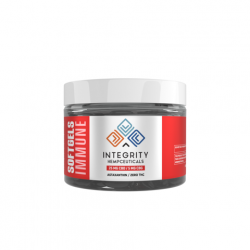
Bourgeoning Florida-based wellness company launches product blend with unique features to support the immune system with some of the most effective natural ingredients available.
Immune Soft Gels with Astaxanthin, CBD & CBG – No THC
Integrity’s newest and most powerful Immune Booster product yet, is rich in Astaxanthin, CBD and CBG. The “king of carotenoids,” natural Astaxanthin gives the red color to Lobsters, Salmon, Algae and Krill. Research shows that Astaxanthin is one of the most powerful antioxidants in nature. In fact, its ability to fight free radicals has been shown to be 6,000 times higher than vitamin C, 550 times higher than vitamin E and 40 times higher than beta-carotene.
Studies have shown Astaxanthin to reduce inflammation, prevent DNA damage, support joint health, retard macular degeneration and improve visual health and has nootropic properties which support age related cognitive functions.
Integrity’s proprietary formulation blends the finest plant-based Astaxanthin (6mg) with federally compliant, plant based, Broad Spectrum CBD (cannabidiol) (25mg) and CBG (cannabigerol) (6mg) USA grown hemp extracts per capsule. When combined, these three remarkable compounds work synergistically to provide a powerful entourage effect, targeting different, metabolic pathways. This novel and unique trio of ingredients stack together to boost the immune system, help reduce inflammation and improve physiological and cognitive functions such as the body’s ability to repair cellular damage in joints, eyes, the brain and the heart.
Dosage: Take 1 capsule daily with a full glass of water, with or without food.
Product Availability: Immediate https://www.integrityhempceuticals.com/hempceuticals/Soft-Gels-Immune-Broad-Spectrum-1500mg-CBD-300mg-CBG-p242193325
Pricing / 60 Count Jar: $74.99 MSRP
About Integrity Hempceuticals:
Integrity Hempceuticals (“IHC”) is a privately held, American-owned and operated business with headquarters in Miami, Florida specializing in plant based, hemp extracts and hempceuticals. We utilize our state-of-the-art research, development laboratories and GMP manufacturing facilities to produce premium quality wellness, anti-aging and skincare products. IHC globally sources the best available, all-natural ingredients to produce superior hempceutical products. Our passion is quality and delivering effective and well-formulated products to our consumers. Our rigorous processes ensure consistent delivery of active ingredients in a stable and reliable product. This means Integrity Hempceuticals is a brand that you can trust to deliver the best and most effective products time and time again. We welcome wholesale and distribution inquiries.
For more information, visit https://www.integrityhempceuticals.com/about.
Media Contact:
Ms. Olivia Miller
(833) 362-5223
info@integrityhempceuticals.com
The Benefits Of Taking L-Tyrosine
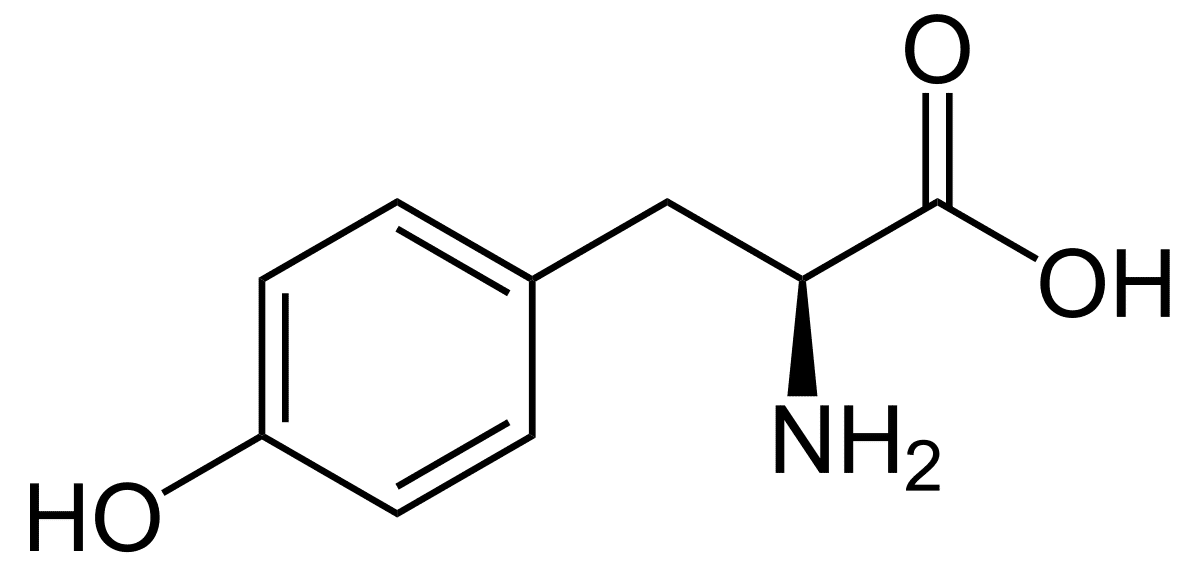
period of continuous night-time workL-Tyrosine is an amino acid that is often used as a nootropic supplement ingredient because it’s a precursor to noradrenaline, epinephrine and dopamine.
L-Tyrosine also has stress-reducing capabilities and this affords it with double value as far as noradrenaline is concerned because stress robs the body of this important neurotransmitter.
So, apart from its value in other areas, L-Tyrosine would appear to have the ability to boost noradrenaline production rates and then ensure the amount of noradrenaline available to the brain is not depleted by feelings of stress.
All three of the aforementioned neurotransmitters (noradrenaline, epinephrine and dopamine) belong to a class of hormones called catecholamines.
They are produced by the adrenal glands and are known to have a profound effect on the mood, motivation and energy levels, and cognitive function.
L-Tyrosine is incapable of stimulating the adrenal gland, it’s value when consumed in supplement form comes from the fact that it’s one of the raw materials the gland uses to manufacture catecholamines.
Although this has no bearing on the ingredient’s value as a nootropic.
It’s also worth noting L-Tyrosine is very similar to the thyroid hormones that are responsible for governing the metabolism and, for this reason, it’s an amino acid that is sometimes added to diet pills as well. Studies
A number of studies show supplementing with L-Tyrosine can provide very good cognitive benefits, and may be particularly valuable for people who often find themselves in stressful situations or feel overly tired.
In middle aged men for instance, reducing levels of dopamine can contribute to the feelings of depression, fatigue, brain fog, along with a disinterest in sex.
This can have a direct effect on testosterone production in these men.
Any reduction in levels of testosterone can compound the problems that they face on a daily basis.
In simple terms, both hormones actually regulate each other, Testosterone regulates dopamine and dopamine regulates testosterone.
Dopamine is crucial in the production and release of GnRH (gonadotropin releasing hormone) which is a key precursor to testosterone production in the testes, and testosterone then regulates the release of dopamine into the medial preoptic area.
This means that its absolutely crucial to ensure that production of both is kept at the optimum. L-Tyrosine Benefits at a Glance
Boosts neurotransmitter levels
Reduces stress
Essential for testosterone production
Improves the mood
Provides better focus and concentration
Provides extra motivation
Increases mental energy
Improves memory
Improves cognitive abilities
Increases cognitive flexibility
Reduces the symptoms of ADHD Proof That L-Tyrosine Works The nootropic abilities of L-Tyrosine have been thoroughly studied by scientists around the world.Its value has been proven time and time again, but certain studies stand out as being more interesting than others.For instance, when researchers at the Vrije University in Amsterdam set out to explore L-Tyrosine’s ability to improve cognitive task performance while under stress , the subsequent data also revealed supplementation with L-Tyrosine had helped lower the blood pressure of the subjects involved.The study involved a group of 21 military cadets, and it was conducted during a demanding combat training course, so there was a lot of potential for high stress.Ten of the cadets were given five protein drinks per day that provided L-Tyrosine.The rest of the cadets were given an L-Tyrosine-free shake that was rich in carbohydrate and provided the same amount of calories as the protein shakes used for the L-Tyrosine group.All the cadets were assessed before the course commenced and then again on the sixth day.The resulting data showed the cadets that had received the shakes laced with the amino acid performed better during a “memory and a tracking task” than the other cadets did.The L-Tyrosine group also showed a decrease in systolic blood pressure.The results of this study show supplementing with L-Tyrosine can be a good way to reduce the effects stress and fatigue have on cognitive task performance.For the purposes of another study, conducted at Leiden University , the researchers set out to explore the ingredient’s ability to improve facets of cognitive control in situations where the demands on cognitive resources were high.Twenty-two healthy adults took part and the researchers logged the effects of L-Tyrosine on proactive v reactive control during task-switching operations that were set up in a way that made them especially mentally demanding.The results of the study revealed the participants who received L-Tyrosine showed greater cognitive flexibility than the placebo group.Research that was carried out at the Naval Aerospace Medical Research Laboratory in Pensacola, Florida is also particularly interesting because it shows L-Tyrosine can even have a positive effect on cognitive function when the body is exhausted and the mind is unusually tired.The study was conducted during a period of continuous night-time work that also included a night without sleep.The participants had to perform “nine iterations of a battery of performance tasks and mood scales” for 13 hours and, by the time they finished, the volunteers had been awake for more than 24 hours.Six hours into the study, some of the participants were given L-Tyrosine. The rest got a placebo and, although the cognitive performance of the placebo group was shown to decrease, the group that was given the amino acid showed an improvement in cognitive ability and it lasted for around three hours. Final Thoughts The reputation L-Tyrosine has attained as a nootropic is not built on hearsay, the abilities of this powerful and versatile amino acid have been put to the test time and time again and there is no shortage of evidence to show that it works.L-Tyrosine has also been shown to offer particular value to people who are placed under an unusual amount of stress, have been starved from sleep, or just feel remarkably tired.Stress and tiredness are feelings most people can relate to well, be it due to over-demanding work situations or study requirements, family problems, or just a hectic lifestyle in general.So the nootropic abilities of L-Tyrosine have the potential to improve the lives of a lot of people, from many different walks of life. Author Bio: Paul Gardner is an ex competitive swimmer, a keen tennis player, […]
How to concentrate all day long with no brain fog

Mirror | November 17th 2020 at 09:45:33 GMT +0300 This guide will help you concentrate all day (Photo: Shutterstock) A step-by-step guide on how to banish brain fog throughout the day starting from the moment you wake up until you go to bed.
7am – Chill in the shower
Start the day by letting your mind roam in the shower, advises mindset coach Ruth Kudzi (ruthcudzi.com).
“When we relax we can access the area of our brain that does our ‘slower order’ thinking which means we are more creative and can problem-solve better. This is why we often get our best ideas in the shower.”
Finish off with a blast of cold water . This improves alertness and focus throughout the day. New research says swimming in cold water could guard the brain against degenerative diseases like dementia.
It seems the shock of cold water increases levels of a protective protein in the blood, so give your head a cool blast under the spray.
7:30am – Don’t skip breakfast READ MORE
Eat the right foods in the morning (Photo: Shutterstock) Growing research suggests eating the right foods – especially in the morning – can help to increase the number of neural connections in the brain.
So scramble a few eggs to have with your toast. Harvard University scientists found people who ate only carbohydrates in the morning were less mentally alert and scored 50 per cent lower on mental tasks than those who also ate protein.
7:45am – Switch off autopilot
This could be as simple as washing up your breakfast dishes while concentrating on the bubbles or watering your plants and noticing the texture of the leaves. Science has proven that being more mindful improves concentration, memory and focus.
8:30am – Go for a walk Try to get some morning exercise (Photo: Shutterstock) Whether you’re getting children to school, working from home or using public transport, try to get some morning exercise. It changes the brain in ways that protect memory and thinking skills.
A University of British Columbia study found regular aerobic exercise, that gets your heart pumping, appears to boost the size of the hippocampus, the brain area involved in verbal memory and learning.
In an ideal world, you’d go somewhere new when you go out. Neuroscientist Dr Lynda Shaw explains: “A normal routine drains our brains. It’s important we change things about.”
Subscribe to our newsletter and stay updated on the latest developments and special offers!
10am – Pop a colourful plant in your work space
Studies suggest that having a plant or flowers in your eyeline can increase productivity, innovative thinking and help to create a more positive environment to be in.
10.30am – Test your hearing
According to a recent report in The Lancet, hearing loss is the biggest modifiable risk factor of dementia. It reduces cognitive brain function, and increases social isolation and depression.
11am – Enjoy a cuppa and a puzzle Cryptic clue solving makes you think both logically and creatively (Photo: Shutterstock) Caffeine is classed as a nootropic – a substance that can improve functions such as memory, creativity or motivation.
Research has also shown drinking caffeinated coffee is associated with a reduced risk of Alzheimer’s disease, while Chinese researchers found drinking green tea regularly could improve your memory and delay the onset of Alzheimer’s thanks to a key antioxidant called EGCG (epigallocatechin-3 gallate).
While you drink, try some cryptic clue solving, which makes you think both logically and creatively, according to experts. Word games, playing cards and board games all count.
In fact, completing a daily Sudoku could delay brain ageing by eight to 10 years, suggests a recent British study of nearly 20,000 people.
Noon – Go Mediterranean for lunch
Research has found a traditional Mediterranean diet – high in colourful, seasonal whole foods, such as fruits, vegetables and salads – may help improve our brain power.
Knock up a simple Greek salad (feta, olives, cucumber, lettuce and red onion) and add tinned tuna and/or cooked pasta. Cooked tomato, a good source of lycopene, helps protect against free radical damage to brain cells.Consider an omega-3 supplement, particularly if you’re not a fan of oily fish. A new study published in the British Journal of Nutrition suggests taking omega-3 fatty acid fish oil containing 1000mg of DHA produces similar improvements in brain function to exercise in older women – notably verbal memory and executive function (the way your brain manages the information it receives). 1pm – Chat to someone in your lunch break Having a social life slows cognitive decline (Photo: Shutterstock) People who live socially engaged lives, whether that’s in person or by phone, experience slower cognitive decline and are less likely to get Alzheimer’s.If that’s not on, recite the alphabet backward. Simply recalling information by rote, like your ABC or times tables, doesn’t challenge your brain – but mixing it up, such as narrating it backwards, targets new areas, say experts. 2pm – Drink a big glass of water Mild dehydration can impair cognitive performance, particularly when completing tasks involving attention, executive function and motor coordination. Keep a reusable bottle with you and refill it regularly. 3pm – Sneak in a siesta A NASA study found pilots had 54 per cent improvement in alertness after a 26-minute nap. Just make sure you set an alarm to avoid feeling groggy. 3.30pm – Bake a cake Do something different in your free time (Photo: Shutterstock) “Challenge and novelty cause your brain to release noradrenaline, which helps form new brain connections and promotes your brain’s plasticity,” says Sabina.She suggests doing something different in your free time – listen to a new genre of music, cook or bake a complicated recipe, walk a new route without a map and stay curious about the world around you.If you’ve no time for that, treat yourself to a few squares of chocolate. The flavonols in dark chocolate (minimum 70 per cent cacao) can improve blood vessel function, which in turn improves cognitive function and memory.If you’re trying to be healthy, snack on iron-rich dried apricots […]
How to concentrate all day long with no brain fog – a step by step guide
A step-by-step guide on how you can concentrate all day A step-by-step guide on how to banish brain fog throughout the day starting from the moment you wake up until you go to bed. 7am – Chill in the shower
Start the day by letting your mind roam in the shower, advises mindset coach Ruth Kudzi (ruthcudzi.com).
“When we relax we can access the area of our brain that does our ‘slower order’ thinking which means we are more creative and can problem-solve better. This is why we often get our best ideas in the shower.”
Finish off with a blast of cold water. This improves alertness and focus throughout the day. New research says swimming in cold water could guard the brain against degenerative diseases like dementia.
It seems the shock of cold water increases levels of a protective protein in the blood, so give your head a cool blast under the spray. 7:30am – Don’t skip breakfast
Growing research suggests eating the right foods – especially in the morning – can help to increase the number of neural connections in the brain.
So scramble a few eggs to have with your toast. Harvard University scientists found people who ate only carbohydrates in the morning were less mentally alert and scored 50 per cent lower on mental tasks than those who also ate protein.
And add Marmite: Love it or hate it, the spread is rich in vitamin B12 which encourages the body to produce more of a neurotransmitter that regulates the delicate balance of activity needed to maintain a healthy brain, say University of York researchers. 7:45am – Switch off autopilot
This could be as simple as washing up your breakfast dishes while concentrating on the bubbles or watering your plants and noticing the texture of the leaves. Science has proven that being more mindful improves concentration, memory and focus. 8:30am – Go for a walk
Whether you’re getting children to school, working from home or using public transport, try to get some morning exercise. It changes the brain in ways that protect memory and thinking skills.
A University of British Columbia study found regular aerobic exercise, that gets your heart pumping, appears to boost the size of the hippocampus, the brain area involved in verbal memory and learning.
In an ideal world, you’d go somewhere new when you go out. Neuroscientist Dr Lynda Shaw explains: “A normal routine drains our brains. It’s important we change things about.” 10am – Pop a colourful plant in your work space
Studies suggest that having a plant or flowers in your eyeline can increase productivity, innovative thinking and help to create a more positive
environment to be in. 10.30am – Test your hearing
According to a recent report in The Lancet, hearing loss is the biggest modifiable risk factor of dementia. It reduces cognitive brain function, and increases social isolation and depression.
Visit HiddenHearing.co.uk and take the five minute online hearing test. 11am – Enjoy a cuppa and a puzzle
Caffeine is classed as a nootropic – a substance that can improve functions such as memory, creativity or motivation.
Research has also shown drinking caffeinated coffee is associated with a reduced risk of Alzheimer’s disease, while Chinese researchers found drinking green tea regularly could improve your memory and delay the onset of Alzheimer’s thanks to a key antioxidant called EGCG (epigallocatechin-3 gallate).
While you drink, try some cryptic clue solving, which makes you think both logically and creatively, according to experts. Word games, playing cards and board games all count.
In fact, completing a daily Sudoku could delay brain ageing by eight to 10 years, suggests a recent British study of nearly 20,000 people. Noon – Go Mediterranean for lunch
Research has found a traditional Mediterranean diet – high in colourful, seasonal whole foods, such as fruits, vegetables and salads – may help improve our brain power.
Knock up a simple Greek salad (feta, olives, cucumber, lettuce and red onion) and add tinned tuna and/or cooked pasta. Cooked tomato, a good source of lycopene, helps protect against free radical damage to brain cells.
Consider an omega-3 supplement, particularly if you’re not a fan of oily fish. A new study published in the British Journal of Nutrition suggests taking omega-3 fatty acid fish oil containing 1000mg of DHA produces similar improvements in brain function to exercise in older women – notably verbal memory and executive function (the way your brain manages the information it receives). 1pm – Chat to someone in your lunch break
People who live socially engaged lives, whether that’s in person or by phone, experience slower cognitive decline and are less likely to get Alzheimer’s.
If that’s not on, recite the alphabet backward. Simply recalling information by rote, like your ABC or times tables, doesn’t challenge your brain – but mixing it up, such as narrating it backwards, targets new areas, say experts. 2pm – Drink a big glass of water
Mild dehydration can impair cognitive performance, particularly when completing tasks involving attention, executive function and motor co-ordination. Keep a reusable bottle with you and refill it regularly. 3pm – Sneak in a siesta
A NASA study found pilots had 54 per cent improvement in alertness after a 26-minute nap. Just make sure you set an alarm to avoid feeling groggy. 3.30pm – Bake a cake “Challenge and novelty cause your brain to release noradrenaline, which helps form new brain connections and promotes your brain’s plasticity,” says Sabina.She suggests doing something different in your free time – listen to a new genre of music, cook or bake a complicated recipe, walk a new route without a map and stay curious about the world around you.If you’ve no time for that, treat yourself to a few squares of chocolate. The flavonols in dark chocolate (minimum 70 per cent cacao) can improve blood vessel function, which in turn improves cognitive function and memory.If you’re trying to be healthy, snack on iron-rich dried apricots instead.Iron deficiency reduces your blood’s ability to carry oxygen to your brain causing poor concentration and lack of energy.Alternatively, […]
How to concentrate all day long with no brain fog

Mirror | November 17th 2020 at 09:45:33 GMT +0300 This guide will help you concentrate all day (Photo: Shutterstock) A step-by-step guide on how to banish brain fog throughout the day starting from the moment you wake up until you go to bed.
7am – Chill in the shower
Start the day by letting your mind roam in the shower, advises mindset coach Ruth Kudzi (ruthcudzi.com).
“When we relax we can access the area of our brain that does our ‘slower order’ thinking which means we are more creative and can problem-solve better. This is why we often get our best ideas in the shower.”
Finish off with a blast of cold water . This improves alertness and focus throughout the day. New research says swimming in cold water could guard the brain against degenerative diseases like dementia.
It seems the shock of cold water increases levels of a protective protein in the blood, so give your head a cool blast under the spray.
7:30am – Don’t skip breakfast READ MORE
5. Girl, 13, forced to marry man, 48, and care for his kids who are same age as her
Eat the right foods in the morning (Photo: Shutterstock) Growing research suggests eating the right foods – especially in the morning – can help to increase the number of neural connections in the brain.
So scramble a few eggs to have with your toast. Harvard University scientists found people who ate only carbohydrates in the morning were less mentally alert and scored 50 per cent lower on mental tasks than those who also ate protein.
7:45am – Switch off autopilot
This could be as simple as washing up your breakfast dishes while concentrating on the bubbles or watering your plants and noticing the texture of the leaves. Science has proven that being more mindful improves concentration, memory and focus.
8:30am – Go for a walk Try to get some morning exercise (Photo: Shutterstock) Whether you’re getting children to school, working from home or using public transport, try to get some morning exercise. It changes the brain in ways that protect memory and thinking skills.
A University of British Columbia study found regular aerobic exercise, that gets your heart pumping, appears to boost the size of the hippocampus, the brain area involved in verbal memory and learning.
In an ideal world, you’d go somewhere new when you go out. Neuroscientist Dr Lynda Shaw explains: “A normal routine drains our brains. It’s important we change things about.”
Subscribe to our newsletter and stay updated on the latest developments and special offers!
10am – Pop a colourful plant in your work space
Studies suggest that having a plant or flowers in your eyeline can increase productivity, innovative thinking and help to create a more positive environment to be in.
10.30am – Test your hearing
According to a recent report in The Lancet, hearing loss is the biggest modifiable risk factor of dementia. It reduces cognitive brain function, and increases social isolation and depression.
11am – Enjoy a cuppa and a puzzle Cryptic clue solving makes you think both logically and creatively (Photo: Shutterstock) Caffeine is classed as a nootropic – a substance that can improve functions such as memory, creativity or motivation.
Research has also shown drinking caffeinated coffee is associated with a reduced risk of Alzheimer’s disease, while Chinese researchers found drinking green tea regularly could improve your memory and delay the onset of Alzheimer’s thanks to a key antioxidant called EGCG (epigallocatechin-3 gallate).
While you drink, try some cryptic clue solving, which makes you think both logically and creatively, according to experts. Word games, playing cards and board games all count.
In fact, completing a daily Sudoku could delay brain ageing by eight to 10 years, suggests a recent British study of nearly 20,000 people.
Noon – Go Mediterranean for lunch
Research has found a traditional Mediterranean diet – high in colourful, seasonal whole foods, such as fruits, vegetables and salads – may help improve our brain power.Knock up a simple Greek salad (feta, olives, cucumber, lettuce and red onion) and add tinned tuna and/or cooked pasta. Cooked tomato, a good source of lycopene, helps protect against free radical damage to brain cells.Consider an omega-3 supplement, particularly if you’re not a fan of oily fish. A new study published in the British Journal of Nutrition suggests taking omega-3 fatty acid fish oil containing 1000mg of DHA produces similar improvements in brain function to exercise in older women – notably verbal memory and executive function (the way your brain manages the information it receives). 1pm – Chat to someone in your lunch break Having a social life slows cognitive decline (Photo: Shutterstock) People who live socially engaged lives, whether that’s in person or by phone, experience slower cognitive decline and are less likely to get Alzheimer’s.If that’s not on, recite the alphabet backward. Simply recalling information by rote, like your ABC or times tables, doesn’t challenge your brain – but mixing it up, such as narrating it backwards, targets new areas, say experts. 2pm – Drink a big glass of water Mild dehydration can impair cognitive performance, particularly when completing tasks involving attention, executive function and motor coordination. Keep a reusable bottle with you and refill it regularly. 3pm – Sneak in a siesta A NASA study found pilots had 54 per cent improvement in alertness after a 26-minute nap. Just make sure you set an alarm to avoid feeling groggy. 3.30pm – Bake a cake Do something different in your free time (Photo: Shutterstock) “Challenge and novelty cause your brain to release noradrenaline, which helps form new brain connections and promotes your brain’s plasticity,” says Sabina.She suggests doing something different in your free time – listen to a new genre of music, cook or bake a complicated recipe, walk a new route without a map and stay curious about the world around you.If you’ve no time for that, treat yourself to a few squares of chocolate. The flavonols in dark chocolate (minimum 70 per cent cacao) can improve blood […]
Glioblastoma Nanomedicine Breaks through Blood-Brain Barrier in Mice
Researchers from the University of Michigan report they have developed a new synthetic protein nanoparticle capable of passing through the nearly impermeable blood-brain barrier (BBB) in mice that could deliver cancer-killing drugs directly to malignant brain tumors.
Their findings, “ Systemic brain tumor delivery of synthetic protein nanoparticles for glioblastoma therapy, ” is published in the journal Nature Communications and led by Joerg Lahann, PhD, the Wolfgang Pauli collegiate professor of chemical engineering, and Maria Castro, PhD, the R.C. Schneider collegiate professor of neurosurgery.
“Inspired by the capacity of natural proteins and viral particulates to cross the BBB, we engineered a synthetic protein nanoparticle (SPNP) based on polymerized human serum albumin (HSA) equipped with the cell-penetrating peptide iRGD,” the researchers wrote.
The BBB comprises a layer of endothelial cells that line the blood vessels in the brain, which allows only select types of molecules to pass from the bloodstream into the fluid surrounding the neurons and other cells of the brain. The BBB prevents the transfer of most small-molecule drugs and macromolecules, such as peptides, proteins, and gene-based drugs, which has limited the treatment of CNS diseases, such as neurodegenerative disorders, brain tumors, brain infections, and stroke. Although the blood-brain barrier is considered “leaky” in the core part of glioblastomas (GBMs), the efficient passage of cancer therapeutics, including small molecules and antibodies are still prevented.
Glioblastoma is one of the most common, deadly, and difficult-to-treat adult brain tumors. Surgical removal of the tumor, followed by radiotherapy, and temozolomide (TMZ) administration, is the current treatment modality, but this regimen only improves overall patient survival. The current median survival (MS) for patients with glioblastoma is around 18 months; the average five-year survival rate is below 5%.
In combination with radiation, the researchers injected therapy intravenously and observed long-term survival in seven out of eight mice. When those seven mice experienced a recurrence of glioblastoma, their immune responses kicked in to prevent the cancer’s regrowth—without any additional therapeutic drugs or other clinical treatments.
“It’s still a bit of a miracle to us,” declared Lahann, a co-senior author of the study. “Where we would expect to see some levels of tumor growth, they just didn’t form when we rechallenged the mice. I’ve worked in this field for more than 10 years and have not seen anything like this.”
The combination of therapeutic drugs and nanoparticle delivery methods also resulted in immunological memory.
“This is a huge step toward clinical implementation,” added Castro. “This is the first study to demonstrate the ability to deliver therapeutic drugs systemically, or intravenously, that can also cross the blood-brain barrier to reach tumors.”
Five years ago, Castro knew how she wanted to target glioblastoma. She wanted to stop a signal that cancer cells send out, known as STAT3, to trick immune cells into granting them safe passage within the brain. But she didn’t have a way to get past the blood-brain barrier.
Castro attended a workshop at the Biointerfaces Institute, which Lahann leads, and the two discussed the problem. Lahann’s team began working on a nanoparticle that could ferry a STAT3 inhibitor past the blood-brain barrier.
Lahann’s team used a protein called human serum albumin, which is one of the few molecules that can cross the blood-brain barrier, as the structural building block for their nanoparticles. They used synthetic molecules to link these proteins up and then attached the STAT3 inhibitor and a peptide called iRGD, which serves as a tumor homing device.
“To further test the efficacy of SPNPs in vivo, GBM-bearing mice were treated intravenously with multiple doses of STAT3i SPNPs over the course of a three-week treatment regimen,” noted the researchers. “After tumor implantation, the MS of untreated mice was about 28 days. In mice that received multiple doses of empty SPNPs, the MS remained unaltered (28 days). In contrast, when SPNPs loaded with STAT3i were administered, the MS increased to 41 days, a statistically significant increase of 45%. Delivery of the same doses of free STAT3i resulted in a modest extension of MS by 5 days, which is likely too low to elicit a significant therapeutic effect. The low efficacy of free STAT3i can be explained by the rapid degradation of genetic material following systemic administration—in addition to siRNA’s inability to cross the BBB.”
Seven of the eight mice reached long-term survival and appeared completely tumor-free, with no signs of malignant, invasive tumor cells.
Their study is the first to demonstrate an intravenous medication that can cross the blood-brain barrier. The discovery may one day lead to new clinical therapies for treating glioblastoma, and could lead to further therapies adopting their method for other “undruggable” tumors.
3 steps to reset your caffeine tolerance for superhuman productivity
Lately, I’ve found myself craving more and more caffeine .
I went from a single espresso shot in the morning to a double shot. I even added another coffee in the afternoon just to finish off the day. This is coming from someone who, for years, resisted the urge to drink any coffee at all.
To be fair, the pandemic has certainly played a role in my increased coffee consumption. I used to put effort into getting my caffeine, either brewing a pot in the morning or running out to Starbucks and grabbing a cold brew during lunch.
Between commuting, conversing with other employees, and moving around the office, I didn’t give a second cup of coffee much thought.
Working from home is different. Coffee is always an arms reach away, tugging at my brain all day long. And it feels like the more coffee I drink the more I need to function .
This is common for people who drink caffeinated beverages. From coffee and tea to soda and energy drinks, everyone develops some sort of tolerance.
A common misconception is that simply increasing the frequency of your coffee drinking will automatically increase your tolerance.
As Murray Carpenter, author of Caffeinated: How Our Daily Habit Helps, Hurts, and Hooks Us said , “Researchers call it a partial tolerance. You’re not just going up and up and up” in the amount of caffeine you need to consume. Usually, people will develop a tolerance to caffeine, but they’ll hit a point where they [find] their optimal dose with their tolerance.”
The solution is often to cut off caffeine entirely. However, this doesn’t always have to be the case.
There are three steps you can follow to reignite the productivity-boosting benefits of caffeine without giving up your morning coffee. I am going to focus specifically on coffee because that is where I get 95% of my daily caffeine from.
Let’s dive in. Step 1: Find your coffee sweet spot
Before making any dramatic lifestyle decisions, remember that drinking coffee can be good for you in moderation . A single cup of coffee contains Riboflavin (vitamin B2), Pantothenic acid (vitamin B5), Manganese and potassium, Magnesium and niacin (vitamin B3), and more antioxidant activity than green tea.
The trick is to find how much your body can tolerate, and then living within those consumption guidelines. I recommend physically noting when you drink a product with caffeine and how many milligrams it includes every single day for two weeks.
Start playing around with varying degrees of caffeine within a safe and sensible limit. Write down how you feel on different days next to what you consumed. It may also be beneficial to track your sleep, mood, and physical activity.
I found that 400 mg is my max. That’s roughly the amount of caffeine in four cups of brewed coffee. Anything more than that and I become jittery, dizzy, and have trouble sleeping. But if I only drink 100mg, I don’t find that there is much of a boost to my energy levels. So, I try and stay within the 200-300 range. Once you have an idea of your consumption habits, you can start safely reducing your caffeine to avoid withdrawal symptoms. Step 2: Scale back in layers
When I notice that my body is responding negatively to caffeine, often signaled by drowsiness, headaches, and the inability to focus, I set a plan to scale back.
I am not a fan of abruptly purging all caffeine from your life at once. Gradually, I will lessen how much caffeine is in my system without eliminating it entirely. I am a cold coffee drinker, so I’ll start by diluting my drinks with water for a week. It can also be helpful to mix half-caffeinated or decaf into your daily mix to supplement your body’s craving with a weaker solution. Once I feel that the initial wave has passed, usually after 5-7 days, I eliminate the second cup. By that point, my body has adjusted and one cup will do the trick.
The key is timing your caffeine to last throughout the hardest parts of the day. For example, I will drink a cup of coffee around 10 AM when I schedule my most important or challenging task of the day. If I can get through it while riding the wave of caffeine, I don’t have as much of an urge to get another coffee later. Step 3: Experiment with coffee alternatives
In a previous article , we covered three alternatives to coffee that no one is talking about. Most people don’t realize just how many other sustainable options exist that have little to no caffeine and can replace a cup of coffee while providing other long-term benefits.
A few options to consider include:
Omega-3 EPA and DHA: Recognized as fatty acids, omega-3’s are often derived from consuming fish like tuna and salmon, or taken in a pill form. Omega-3’s fall under the nootropics umbrella, a category of compounds, pills, and powders lauded for their potential to enhance focus and productivity.
L-Theanine: Also a nootropic, L-Theanine is an amino acid found in fungi, plants, and green tea. It also increases brain serotonin and dopamine levels, which may improve memory and learning.
Spirulina: Just a single tablespoon of spirulina is loaded with plant-based protein. It also contains vitamin B1 which helps regulate your body’s thiamin resulting in a more stable maintenance of energy. A supplement like Spirulina can help you hold onto more energy throughout the day.
I highly recommend reading Beyond Coffee: A Sustainable Guide to Nootropics, Adaptogens, and Mushrooms , which breaks down the safety and effectiveness of dozens of different substances. There are some amazing products out there that I would have never heard of. Plus, the more versed you are on the subject, the easier it is to experiment with increasing degrees of success. Ready to start a healthy habit?
It’s not a secret that caffeine and productivity go hand in hand.
If you’re like me and unwilling to give up your coffee entirely, make an effort to control […]
3 Ways To Recognize Depression In Senior Citizens

Did you know that many elderly citizens are at risk for depressive disorders? This is often called late-life depression, which is the onset of major depression in an individual aged 50 and above. It can refer to a sudden or first-time occurrence of a depressive episode or recurrence of an episode in someone who has had depression in their lifetime.
Sadly, it’s common for the elder to dismiss their own experiences of depression, focusing on its symptoms as problems and believing that their lack of positive thinking is normal. This is a harmful direction of thought, as depression can worsen the risk of physical diseases or lower recovery chances.
If there are seniors in your life that you are concerned about, it’s a good idea to keep an eye on them for any signs of depressive episodes. So here are 3 ways to recognize depression in senior citizens and how to help them. Ways To Recognize Depression In Senior Citizens
1. Disturbances In Daily Habits
It’s never a good sign when habits begin to fall apart. Many senior citizens stick to a routine for everyday life, and doing so can actually be very good for them. Therefore, if you notice a senior citizen changing their daily schedule suddenly or unexpectedly, pay close attention.
Save
The Diagnostic and Statistical Manual of Mental Disorders: Fifth Edition (DSM-5) lists specific present symptoms and must exist for a diagnosis of depression. A fair number of them involve the disruption of everyday habits, especially ones that once had a positive effect. So here are some ideas for changes to keep an eye out for: · Disturbance Of Sleep
Depression and other mood problems can very easily affect one’s ability to sleep. A depressed senior citizen may sleep more than usual, less than usual, or even fail to fall asleep at all. · Appetite Changes
It’s not uncommon for dietary habits to shift when depression comes into play. This usually happens with some form of weight change but may occur without it. An individual who is depressed might eat less than usual, more than usual, or even refuse to eat all together. · Personal Hygiene Changes
If someone once cared about their appearance or hygiene has suddenly stopped caring, it might be a sign of depression. For example, if a senior citizen stops dressing up like usual, gives up on putting on makeup, stops bathing, or stops keeping their environment tidy, it’s a cause for concern. · Changes In Energy Levels
Depression can affect someone’s energy levels in pretty obvious ways. Most commonly, it causes decreased energy or reduced activity, typically accompanied by significant fatigue. However, it is also possible for someone who is depressed to experience increased energy levels and suddenly become very active. · Loss Of Interest In Hobbies
This widespread symptom of depression is one you should never ignore. A senior citizen who stops participating in their usual hobbies and doesn’t do anything for days on end may experience depression. 2. Decreased Cognitive Ability
Many people naturally associate a decline in cognitive ability with age, which is not really an incorrect association. But cognitive changes can also be a sign of depression. On their own, they are likely a natural part of aging, but if occurring in tandem with other mood disorder symptoms, it is likely pointing to a depressive problem instead.
According, in part, to the DSM-5, here are some things to look out for: · Decreased Concentration Or Memory
A sudden decline in a senior citizen’s memory or ability to focus on tasks is always a cause for concern. Even if the problem isn’t depression, this change should be brought to a doctor’s attention. · Psychomotor Retardation
Psychomotor retardation refers to the slowing down of motor function and the worsening of speed, strength, coordination, and other similar characteristics. A sudden decline in a senior citizen’s psychomotor ability is always a cause for concern. Even if the problem isn’t depression, this change should be brought to a doctor’s attention. It’s also worth noting that psychomotor skills and an increase in speed can be a symptom of depression too! · Shorter Temper
A shorter temper, especially when the change is sudden, is often a change in how the brain handles, processes, and regulates emotion. A sudden change in a senior citizen’s temper is always a cause for concern. Even if the problem isn’t depression, this change should be brought to a doctor’s attention. 3. Medical Conditions
Medical conditions can be both a cause for and a symptom of depression. It’s a little complicated, but a sudden onset of a serious disease could make an elderly individual more susceptible to depression. It could also be a hint that they’re suffering from: · Dementia
According to Harvard Health , 17% of individuals with Alzheimer’s also develop major depression. In other kinds of dementia, that statistic only increases. These symptoms of depression can occur before or after the development of dementia, meaning it can be both cause and symptom all in one. Plus, when major depression and severe cognitive impairment occur simultaneously, it’s not uncommon for a misdiagnosis of dementia to be given. It can be complicated to distinguish dementia in its early stages from depression, making it tough to diagnose depression when cognitive problems are involved correctly. · Cardiovascular Disease
Did you know that a significant number of people who have a heart attack are already depressed before the incident, and an almost equal number of those who experience a stroke develop depression after that? Depression also increases the mortality rate from heart disease! This can be best explained by the vascular depression hypothesis, which research has supported. According to this hypothesis, brain communication pathways can be disrupted by blood vessel pathology. · Psychosis
In uncommon cases, depression in the elderly can lead to incidents and experiences of psychosis. This refers to developing delusions of all kinds, ranging from emotions of guilt to fears of persecution and other similar experiences. An elderly individual who develops psychosis […]

The Power Within by Corey Daniels book available for only $2.99
Mind has both conscious and subconscious halves. These are likened to a driver and the truck he drives. The driver plans the destination and observes road conditions, while the truck provides motive power. Your subconscious mind is like the truck and it only goes in the direction in which is a steered. This can be the road or off a cliff. Likewise, the consciousness paints a picture of what the world is and what your goals are and the subconscious acts on them through emotion, physical response and energy, whether these are correct, rational images or false negative ones. The subconscious is also like an emotional reservoir which your body and mind draw responses from to external stimuli.
The Power Within lays out a method of programming your subconscious and tapping into the Holy Spirit, God voice or what the Greeks called the daimon (godman).