Nature Knows and Psionic Success
God provides

These Mood-Altering Non-Alcoholic Drinks Might Change Nightlife Forever

Have you ever wondered if your hangovers were trying to tell you something? It’s not uncommon to imagine that they’re warning you that you should stop drinking so much alcohol. But when it comes to a replacement drink that still provides some social lubrication, your options tend to be limited. But Kin’s euphoric beverages are mood-altering non-alcoholic drinks that might just be the answer. Plus, they won’t give you hangovers. Kin What are euphorics? They’re non-alcoholic drinks that are engineered to encourage conscious connection. This is accomplished through herbs known as adaptogens that help you manage stress, compounds that aid cognition called nootropics, and plant matter that boost flavor, function, and nutrition called botanics. Mixed together in various permutations, they give you the entire Kin line , which is made up of three different products (so far).
Kin Spritz is a daytime boost that comes ready to drink all on its own . Billed as Kin’s answer to the classic “summer spritz,” Spritz boasts a citrus flavor core with a kick of ginger in addition to Kin’s proprietary blend of euphorics. The euphorics will react to each drinker’s body chemistry in order to produce unique effects, anything from relaxing calm to, well, euphoric joy. And the accompanying brain boost makes this a recommended part of your daily routine, especially compared to alcoholic beverages.
Kin also makes a euphoric beverage for bedtime. Dream Light can produce effects ranging from “warm and fuzzy” to “calm and floaty,” but no matter how you experience the sensations in question, you’ll find yourself better prepared for a good night’s sleep. A light dose of melatonin (the substance your own body produces in order to put itself to sleep) will begin the process of a healthy night’s sleep without any tranquilizing effects, while flavorwise it boasts an “earthy, smoky, and smoothly spiced palette.” L-theanine and passionflower work together to boost GABA levels while l-tryptophan supports serotonin, another important component of your body’s own natural sleep rhythms.
High Rhode is described as a tart, floral herbaceous euphoric that is meant to be used as a mixer. Like all euphorics, different people will respond in different ways to its effects, but sensations of relaxation and clearer thought are common, as well as greater, more pleasurable social interaction. You aren’t supposed to use any Kin euphorics with alcohol, but a Kin mixer with High Rhode and whatever juices or soda you enjoy most comes highly recommended. Especially by the satisfied customers that have caused High Rhode to be – as of this writing – temporarily out of stock.
You can get a 500ml bottle of Dream Light for $39.99, while a 4-, 8-, or 12-pack of Kin Spritz will set you back $4.99 per 8-ounce can. And all Kin products can be purchased on a subscription plan at a discount .
So if you’re curious about euphorics (and at this point how couldn’t you be?), head over to Kin’s official site here to place an order now . And if you know anyone else who might be trying to decode a message from their regular hangovers, Kin beverages are also available in gift sets.
Futurism fans: To create this content, a non-editorial team worked with an affiliate partner. We may collect a small commission on items purchased through this page. This post does not necessarily reflect the views or the endorsement of the Futurism.com editorial staff.
Researchers are watching the brain memorizing rooms
Our brains construct mental maps of the environment from the experiences of our senses. This allows us to orient ourselves, remember where something happened, and plan where we go next. Researchers at the Max Planck Institute for Human Cognitive and Brain Sciences in Leipzig and the Kavli Institute for Systems Neuroscience in Trondheim have now developed a new computer model that can finely watch the brain as it orients in space and remembers things. In their recent publication, they show that newly formed memories affect how we perceive the world around us: the more familiar our environment is, the fewer information needs to be integrated. This is directly reflected in our brain activity and can now be measured. Scientists developed a new computer model that can finely watch the brain as it orients in space and remembers things. The remarkable ability of our brains to form maps of the environment and retrieve them on demand requires several complex neural calculations. Many of these are executed along a neural pathway that extends from the visual cortex to higher-level memory centers in our brain. To understand how individual brain areas along this pathway work together to control our behavior, Matthias Nau and Christian Doeller from the MPI CBS have developed an algorithm, together with their colleagues from Norway. This so-called encoding model enables them to directly link the brain activity of participants with their behavior and their ongoing memory formation. In particular, the team wanted to know how the human brain maps the environment during a natural and very complex behavior – namely spatial navigation. Natural behavior observed in a virtual environment
To obtain a broad perspective on the human brain, the scientists used functional magnetic resonance imaging – a technique that can measure the activity of the entire brain via blood flow. The study participants were placed in a high field MRI scanner (7-tesla ) and navigated in a virtual arena using a keyboard similar to playing a computer game. They were asked to memorize the positions of hidden objects. “In order to understand how our participants oriented themselves in this task, we analyzed how their brain activity reflected the direction they were moving, within the virtual world, at any given time,” explains Matthias Nau. Without a sense of direction this task would not have been possible. “We built an encoding model of their facing direction to estimate the influence of direction on neuronal activity in each part of the brain. Using this model, we were then able to predict, how the activity would unfold in new data from the same participant.” To do this, the algorithm simulated not just one, but many possible versions of how each brain area might represent direction. The researchers identified which version of the model best predicted new data and were thus able to map previously unknown details of the directional code throughout the brain. Brain activity reflects behavior controlled by memory
The novel analysis method made it possible to measure human perception of direction with unprecedented detail. The scientists not only observed an increase in brain activity in regions that filter spatial information from visual stimuli, but were also able to find clues, particularly in the higher memory regions, as to how well the participants remembered the locations of the objects they were looking for.
The results suggest that the process of encoding the world and the objects in it, i.e. cognitive mapping, influences how the entire network of regions in the brain processes information that we are currently deriving from our environment. The interaction of different visual and memory-forming brain areas is thus much more directly related to memory-controlled behavior than has been known up to now. We typically think of memory as discrete events from our past that we can call to mind. But why do we have memories in the first place? They enable us to learn from our past and to adapt our behavior accordingly in the future. Here, the scientists show that our memories have a direct influence on how we perceive the world around us, and that this interplay between perception and memory guides our behavior in everyday life.
The scientists are making the newly developed method available to the scientific community as an open-access analysis tool so that it can also be applied to other data, such as electrical brain data (EEG), or even in animal models. In this way, the neuronal processes involved in memory formation and spatial navigation can be investigated even more comprehensively.
Relieve anxiety with these 5 herbal supplements
( Natural News ) It’s normal to feel anxious about certain moments in everyday life, such as the first day of school or a job interview. However, when you begin to worry to the point that you’re panicking, or if it is affecting your health and quality of life, you may have an anxiety disorder.
Conventional medicine has treatments for anxiety; however, these often require taking synthetic drugs, which can have side effects. As the most common mental disorder that affects all ages , potential natural treatments for anxiety are of great interest to many. Herbal supplements for anxiety relief
Some people still prefer natural remedies over modern medicine and studies have found that they are likely to react positively to herbal remedies. Here are some herbal supplements that help relieve anxiety symptoms . 1. Passionflower
Among the many kinds of passionflower , Passiflora incarnata has a long history of use as an anxiolytic? remedy, as well as a remedy for pain relief and treatment for sleep problems. Today, it is still used as a natural remedy for nervousness and anxiety.
A study published in the Journal of Clinical Pharmacy and Therapeutics showed the efficacy of passionflower against a prescription anxiolytic medication, benzodiazepine oxazepam, and found them equally effective in eliminating the symptoms of generalized anxiety disorder. 2. Kava kava
Kava is a traditional drink made from Piper methysticum , a medicinal plant used by many cultures for centuries for its anxiolytic properties . Kava kava is also consumed to help improve sleep.
Kava kava is known for its efficacy in relieving anxiety symptoms without sedation, meaning it can calm you without being mentally impairing. It’s active ingredients, kavalactones, work in many ways such as reducing inflammation and increasing gamma-aminobutyric acid (GABA). This neurotransmitter is normally present in the brain but decreases due to certain brain disorders such as generalized anxiety disorder.
Note that kava can be harmful to the liver if consumed in large amounts, so consult your natural health practitioner on the adequate amount of kava kava to take for anxiety relief. 3. Ashwagandha
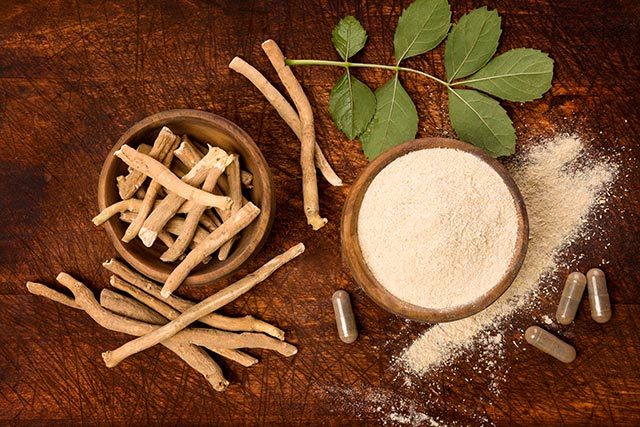
Withania somnifera , or ashwagandha, is an Ayurvedic herb that has been getting increasingly popular in recent years as a treatment for stress and anxiety .
Ashwagandha has been studied numerous times for its efficacy on relieving anxiety and has been shown to be as effective as benzodiazepines, a class of prescription medications for anxiety – but without the harmful effects for one’s health. 4. CBD oil
Cannabidiol (CBD) oil has been reported as an effective natural remedy for a number of conditions, particularly anxiety , pain, depression and sleep disorders.
CBD is an active ingredient in the Cannabis sativa plant, commonly known as marijuana. Due to marijuana’s reputation as a psychoactive drug, many people are concerned about CBD as a natural therapy.
However, the psychoactive properties of marijuana come from its other active ingredient, tetrahydrocannabinol (THC) – not CBD. The latter is a non-psychoactive compound, meaning it does not produce the “high” associated with THC. Despite this, medical and recreational use of marijuana remains illegal in many parts of the world. 5. St. John’s wort
Hypericum perforatum , or St. John’s wort , is an herbal medicine mostly recognized for its use in treating depression. In fact, it has also been used to treat depression in pets .
In some parts of the world, however, it is used as a natural remedy for anxiety and sleep disorders.
While many studies have established the efficiency of St. John’s wort in the treatment of depression, several studies on its anxiolytic effects have shown varying results.
Herbal supplements have been proven time and again to be effective therapies with little to no adverse effects. However, regardless of their efficacy, and the level of your anxiety, always consult your natural health practitioner first before trying any supplements .
Sources include:

Will We Ever Find a Cure for Dementia?

Disrupt Dementia Banner with the text: Sparking bold new solutions for the world’s brain health crisis doctor looking at brain scans Brad Margus is hoping to discover answers to some of medicine’s biggest mysteries by peering deep inside the brain.
Locating the specific gene that’s responsible for igniting inflammation near the brain’s memory center could lead to a targeted treatment that minimizes brain injury in people with Alzheimer’s disease. And knowing which cell-specific proteins are responsible for producing motor symptoms of Parkinson’s disease may bring about a drug that disables them.
This precise approach “makes it possible to make drugs that only act on the cell type you care about,” reducing the unwanted side effects that most drugs have, says Margus, chief executive officer of Cerevance, a Boston-based drug development company focused on brain diseases. What’s more, it could lead to a major breakthrough in the field of dementia research. About 50 million people worldwide suffer from dementia, and still there is no treatment to stop or slow its progression. Investing in cutting-edge research
Cerevance is among several companies pursuing new cutting-edge dementia treatments that received recent financial support from the Dementia Discovery Fund (DDF), a $350 million London-based venture capital group that invests in promising new therapeutic projects . In 2018, AARP committed to invest $60 million with DDF to support the quest for a dementia cure.
“AARP’s investment is one example of how we are working to improve the lives of older Americans,” says Scott Frisch, executive vice president and chief operating officer of AARP. “Millions of individuals and their families are affected by dementia, and the need for effective treatments has never been more critical.”
Others on the receiving end of DDF funding this year include QurAlis, a company working on treatments that target faulty cellular mechanisms in amyotrophic lateral sclerosis (ALS) and genetically related frontotemporal dementia (FTD), as well as Nitrome Biosciences, which is developing drugs against a newly identified class of enzymes that could slow or halt the progression of Parkinson’s disease.
“We’re finding that a number of biopharma companies are interested in chipping away at Alzheimer’s by learning more through ALS, FTD, Huntington’s and Parkinson’s,” explains Angus Grant, chief executive officer at DDF. Alzheimer’s disease is the most common cause of dementia.
This approach has worked before; Grant compares it to cancer’s treatment journey. Similar to dementia, “we realized cancer wasn’t one thing,” and required more than one treatment approach, he says. Studying the cell structure and genetics of the more than 100 different types of cancers eventually led to the development of a variety of treatments that, when used alone or in combination with one another, are more effective than a one-size-fits-all prescription.
With dementia, it may be that different forms of the disease share a common pathway to cognitive decline, and that a drug developed to treat Parkinson’s dementia, for example, can also help someone with Alzheimer’s dementia. “And we begin to see this more and more, where the aging brain defect is not specific for one disease, but it is specific for a molecular pathway which has been disrupted,” Grant says.
The DDF’s interest in homing in on treatments for specific dementia populations “where we have a better understanding” of the patients and the disease causing the dementia also increases the odds of finding a treatment that provides a more immediate benefit to patients and their caregivers, Grant explains. Since its 2015 launch, DDF has invested in 19 companies pursuing age-related dementia projects; several are in clinical trials. Diversifying the drug pipeline
Scientists all over the world are following a similar path. They’re looking beyond the single strategy most dementia researchers have studied in the past — clearing toxic amyloid plaques from the brain, a hallmark of Alzheimer’s disease — and instead are pumping more possibilities than ever before into dementia’s drug pipeline.
The roles the immune system and the metabolic system play in the development of dementia are under the microscope. Researchers are also studying everything from blood vessels to hormonal factors to solve the dementia dilemma.
“We now know that the brain is part of a larger system,” explains Rebecca Edelmayer, director of scientific engagement at the Alzheimer’s Association. “And there may be many other ways to target the overall health of the brain” so that it stays as fit as possible throughout the aging process and is able to “stave off signs and symptoms of Alzheimer’s disease and other dementias,” she adds.
Some of the most promising drug candidates in the packed pipeline of possibilities help to preserve and strengthen the communication channels between nerve cells, explains Suzana Petanceska, a program director in the Division of Neuroscience at the National Institute on Aging.
With dementia, these channels become damaged or disrupted, leading to memory loss and a cascade of debilitating effects. One theory currently being tested in clinical trials is that if we prevent the death of these neurons, or find a way to stimulate the birth of new ones, then the brain becomes more resilient when faced with disease.
“We all have resilience, but when we talk about how we protect the brain, some of the ways to do that is actually to harness the brain’s natural repair mechanisms and activate them so that it can recover in the face of injury,” Petanceska says.
The tricky part is figuring out the best time to target these processes. The symptoms of Alzheimer’s and other dementias typically set in later in life, but “the disease process begins many, many years before,” Petanceska explains. So having a “reliable, noninvasive” way to track warning signs of the disease before the damage is done will be key to delivering effective treatments.
The DDF’s portfolio also includes companies and projects that are investigating ways to protect the health of brain cells to treat Alzheimer’s disease and other neurodegenerative disorders. AstronauTx, for example, which received DDF funding in 2019, is focused on developing drugs to modify malfunctioning astrocytes, a type of brain cell that supports the neurons and their communication channels. Advancements in amyloid and tau […]
Somatic Therapy for ADHD and Trauma: A New Holistic Treatment Option

https://www.pexels.com/photo/spider-web-34225/ Imagine the intricate complexities of a spider’s web — one thread attaches to dozens of others; pull just one of those silky strands and the entire web collapses. Living with attention deficit hyperactivity disorder (ADHD) and trauma can feel similar — the symptoms are so intertwined a single tug may cause the whole tangled web to cave in.
Studies show that experiencing trauma increases a patient’s chances of being diagnosed with ADHD. 1 What’s more, teasing out the origins of a patient’s trauma — and assessing its impact on the brain and body — can be complicated since many symptoms of trauma overlap with those of ADHD. 1 These symptoms include: Difficulty concentrating
Poor memory
Emotional dysregulation
Interrupted sleep
Impulsivity and/or restlessness
Problems connecting with others
Substance abuse
ADHD or Trauma? It’s Complicated
Typically present in early childhood, ADHD is a brain-based disorder often diagnosed after a child struggles in school, or even later in life. Trauma is the result of exposure to stressful events or experiences that can occur at anytime during a person’s life. If trauma occurs during childhood, when the brain is developing, it can lead to cognitive and emotional changes that may resemble ADHD.
According to the most recent statistics from the Centers for Disease Control and Prevention (CDC) , ADHD impacts 9.4 percent of children and about 4.4 percent of adults in the United States. Around 64 percent of children with ADHD also have at least one additional mental health diagnosis, such as post-traumatic stress disorder (PTSD) , anxiety, or mood disorder. 2
Trauma is also prevalent in the U.S., where up to 70 percent of adults report experiencing at least one traumatic event in their lifetime. 3 The death of a loved one, divorce, car accidents, caregiver abuse or neglect, living through a natural disaster, experiencing racism, being the victim of a crime or witnessing one — these can all impact the way a person thinks or feels. If left untreated, the problem may become debilitating.
Each person has their own unique response to trauma; what’s traumatic for one person may not be for another. Not all trauma has lasting effects, but it may become chronic with persistent symptoms. Nightmares, frightening flashbacks, intrusive thoughts, avoidance of things associated with the trauma (traveling in a car, for example, if a car crash triggered your trauma), emotional dysregulation, and hypervigilance are all associated with PTSD.
However, you can have trauma-based nervous system dysregulation and not have PTSD. Other trauma-spectrum symptoms (which are also common in PTSD) include anxiety , low mood, difficulty concentrating, numbing (lack of emotion), and feelings of shame and guilt . Trauma symptoms also include physical manifestations, such as, headaches, nausea, shaking, chest tightness, shallow breathing, and lightheadedness. 3,4
Because symptoms of ADHD and trauma present similarly, accurately assessing and treating them requires skill and experience. Here’s an example to illustrate the complexity: Poor working memory is associated with ADHD, but consider how the mind can avoid thinking about a distressing experience. Practitioners must suss out whether poor memory stems from ADHD or trauma, and treat accordingly. When the Body Carries Emotional Stress
You may have heard of the chronic stress response before. It is commonly referred to as the “fight or flight” response. Another name for it is “sympathetic arousal,” because it is an activation of the sympathetic nervous system . Sympathetic arousal is our body’s involuntary response to danger.
[ Do You Have a Working Memory Deficit? Take This Self-Test Now ]
Think of a time when you came into contact with a threat, like a fast-approaching car as you were crossing the street. Your “ fight or flight ” response probably went into high alert, causing adrenaline and cortisol to rush through your body, your heart rate to increase, and all of your muscles to tense up.
If this response happens repeatedly — on a less intense level — for many months or years, the body learns to treat everything it encounters as a dangerous threat. Over time, it creates fixed action patterns in the body’s tissues, such as habitual muscle tension (think of a clenching jaw or raised shoulders), digestive distress, and neurons that fire the same way over and over (defensive behavior patterns). All of these are signs of dysregulation. The nervous system has learned to respond to past events as if they are happening in the present. How Growing Up with ADHD Causes Trauma
Co-occurring ADHD and trauma are more common than previously thought. People with ADHD are often bullied, feel like they don’t fit in, struggle academically and socially in school, and are admonished by adults for behaviors over which they have little control. It’s easy to see how all this adds up to trauma for some people and how the two disorders become entangled.
Think of the nervous system as our body’s version of a building’s electrical wiring. The brain is the fuse box. The nerves are the wires that extend throughout the body. Our wires contain billions of neurons that communicate via neurotransmitters much like electricity — jumping from one neuron to the next.
In people with ADHD and trauma, the neurological functioning becomes altered and dysregulated, causing the wiring to fire differently. This begs the question, was the neurological functioning impaired by nurture or nature? ADHD and trauma are so interrelated, we may never be able to tease them apart. So how do we move forward? We treat both. Untangling the Web: Treating Both Conditions
If we only treat one condition or the other, the untreated condition will mask any significant progress in the treatment of the other. People with both ADHD and trauma need strategies for executive functioning , but in order to regulate the nervous system, they must also process the trauma.
Medication is a good place to start because it is a well-researched treatment for both disorders. If pharmacological interventions are successful, life becomes more manageable, and therapy more effective. True healing can begin.
For example, when a stimulant medication improves sustained focus, behavior treatment can […]
Foods and moods

Have you ever taken a moment to think about how hard your brain works? Your brain functions all the time, 24 hours a day, 7 days a week, 365 days a year for a lifetime. It handles everything from the very basic like breathing and heartbeat to complex functions like thought, movement and senses, even while you sleep. This, in turn, would mean that the brain requires a constant power source and that comes from the foods we consume.
Recently, research on the relationship between nutrition and mental health has been emerging. Put simply, what you consume affects the structure plus the function of your brain and ultimately, your mood. It is also important to note that mood can be influenced by many other factors such as stress, environment, poor sleep, genetics, mental disorders, and poor nutrition. Foods have been shown to improve overall brain health and certain types of mood disorders.
Basically the science of food affects mood which is based on dietary changes that can bring about changes in the brain structure both chemically and physiologically. This can then lead to altered behaviour. A very interesting analogy from health.Havard.edu states that, just like a car, your brain functions best when it gets only premium fuel. Therefore, eating high-quality foods that contain lots of vitamins and minerals together with antioxidants provides nourishment for the brain and at the same time protects it from oxidative stress. Sadly, just like a car on lower grade fuel, your brain function can be affected if you consume unhealthy foods. Diets that are high in refined sugars, for example, are harmful to both the brain and the body. In addition these foods also promote unnecessary inflammation and oxidative stress to the body. Many research studies have found that a diet high in refined sugars can cause impaired brain function and symptoms of mood disorders, such as depression.
It is only natural that there are consequences if the brain is deprived of good-quality nutrition. In addition, if free radicals or damaging inflammatory cells are circulating within the brain, this could further contribute to brain tissue injury. Only in recent years, the field of conventional medicine started to acknowledge the connection between foods and mood.
These days the emerging field of nutritional psychiatry is finding more evidence of the consequences and correlations between not only the type of foods, emotions but how a person behaves. The gut plays an important role in a person’s overall heath. Foods you eat affect how you feel
Neurotransmitters like serotonin assist with inhibiting pain, controlling moods, sleep and appetite. Most of our serotonin is actually produced in the gastrointestinal tract. Therefore, the digestive system not only helps with food digestion but acts as a guide to a person’s emotional state. The production of neurotransmitters like serotonin is mainly influenced by the billions of “good” bacteria that make up the intestinal microbiome. These “good” bacteria play a very important role in a person’s health. They not only influence what the gut digests and absorbs but affect the degree of inflammation throughout the body as well as one’s mood and energy level. Besides what was mentioned, they also have the following functions: a strong barrier against toxins and “bad” bacteria
improve how well you absorb nutrients from your food
activate neural pathways that travel directly between the gut and the brain
This notion is now gaining considerable traction among healthcare professionals.
Research shows that people on traditional diets, like the Japanese and Mediterranean diets associated with longevity, are at less risk of depression compared to those on a straight Western diet. According to scientists, these traditional diets normally contain more vegetables, fruits, unprocessed grains and fish alongside minimal amounts of lean meat and dairy products. Processed foods and refined sugars, the main contents of Western diets, are avoided. Using Food to Boost Moods
Here are some suggestions for adjusting diet to improve mood. Try as many combinations as possible to fit your lifestyle. After all, regardless of their effects on mood, most of these changes bring about tremendous health benefits as well.
1. Having a well-balanced Breakfast
According to some research, eating breakfast may leads to improved mood which can, in turn, bring related benefits such as better memory, and improved energy throughout the day, and brings a sense of calm. A good breakfast contains fibre, nutrients, lean protein, good fats and some whole-grain carbohydrates. 2. Reduce Caffeine
For sensitive individuals, caffeine may exacerbate depression. If caffeine keeps you awake at night, this would definitely your mood the next day. Those experiencing negative effects should try to limit or avoid caffeine and see if doing so does indeed improve mood.
3. Vitamin D
Vitamin D increases the levels of serotonin in the brain but researchers cannot exactly pinpoint the individual differences that determine how much vitamin D is ideal. Studies have shown that people suffering from depression tend to feel better as their vitamin D levels increase.
4. Choosing the right carbohydrates
Serotonin acts as a mood regulator. It is made naturally in the brain from tryptophan with the help of B vitamins. Foods thought to increase serotonin levels in the brain include fish and vitamin D. Smart carbohydrate choices available include whole grains, fruits and vegetables that also contribute important nutrients and fibre.
5. Gradual weight loss through exercise
Research has found a strong link between depression and obesity, lower physical activity levels and higher calorie intake. Depression is commonly linked to less physical activity. Studies have also shown that gradual weight loss can improve mood. With few exceptions, obesity causes depression and vice versa. 6. Omega-3 fatty acids
Studies have noted that omega-3 polyunsaturated fatty acids found in fatty fish, flaxseed, and walnuts can help fight depression. Omega-3s has positive effects on the brain’s neurotransmitter pathways. Plus there are other health benefits to eating fish a few times a week.
7. Selenium-Rich Foods
Many studies have reported an association between low selenium intake and poor moods. Therefore, a moderate amount comes highly […]
This Natural ‘Night Owl ‘Got Up At 6AM Every Morning for a Month — Here’s How it Changed Him

The sun was barely rising, but I’d already downed my coffee, laced up my trainers and grimaced my way through a dumbbell circuit . With the rest of the world still asleep, I found myself hungry, slightly jittery and trudging into a self-prescribed ice-cold shower, which caused me to yelp like a wounded animal.
I was just one week into a month-long quest to test as many scientifically backed practices as I could for becoming a productive “morning person” – which is something I’ve never really been but have been told (by social media, regular media and, um, everyone I’ve ever met) is the key to killing, crushing or otherwise surviving the wild ride that is 2020.
Think of this as morning culture 2.0, a sort of New Age approach to productivity embodied by everyone from The Rock , whose 4am workouts hit Instagram like a sweaty fever dream, to Twitter’s Jack Dorsey, whose ritual involves dawn meditation. The list of early risers with mornings tagged as “me time” includes former Starbucks CEO Howard Schultz and Disney’s executive chairman, Bob Iger. Both rise at around 4:30am, but neither – and this is the kicker – seems to mind it. In fact, they seem to like it.
All of this feels like a natural extension of today’s prevailing hustle culture: our society’s collective inclination to celebrate long working days as a badge of honour. But what about all the data telling us that most men aren’t getting enough sleep? (The Sleep Council prescribes seven to nine hours a night, but the average man barely catches six and a half .) Or the countless studies that show how too little sleep and too much productivity can quickly spiral into burnout and depression? Is it possible to become a morning person without torturing yourself and – given what we know about the importance of sleep – do we really want to?
I had a lot of questions. After a career move, I’d started working late, sleeping late and feeling hopelessly behind. It was no way for a grown man to live, so I asked half a dozen researchers to see if they could help me get back in gear. I also reached out to a former night owl named David Osborn, co-author of the self-help book Miracle Morning Millionaires, who credits changing his sleep-awake cycle with supercharging his career in real estate. “Mornings are everything for me now,” he says. Those mornings often include reading, making his family breakfast and hot-tubbing with his wife. (Yes, seriously.)
With Osborn and co as my guides, I spent 30 days rethinking the way I slept, woke up, ate, exercised, “got centred” and generally worked in pursuit of a better me. Here is what I learned. Day 1: Rise with the Simulated Shine
Waking up, like everything else we do, isa skill, and some people do it better than others. A morning person should be able to get out of bed without too much effort and without feeling exhausted. While others hit snooze, he should hit the day firing on all cylinders. Osborn uses a handy acronym to help people improve their waking-up habits: SAVERS, short for activities that involve silence, affirmation, visualisation, exercise, reading and scribing (the making-it-fit way of saying“writing stuff down”).
But before I could manage any of that,I knew I’d have to get better at the actual eye-opening part. Sleeping with the curtains wide open isn’t really an option when you live in the city. In fact, research published in the Journal of Clinical Sleep Medicine suggests that light pollution might be a key contributor to insomnia.
So, to kick things off, I bought an alarm clock: the doctor-recommended Somneo Sleep and Wake-Up Light by Philips. Our bodies are innately sensitive to daylight, and the alarm wakes you up by glowing brighter over a period of 30 minutes, just like a sunrise. In theory, this would wake me gently from the lightest phase of sleep, instead of ripping me straight from REM or deep stage-four sleep. “That means you’ll usually wake up feeling more alert,” says Erik Peper, a professor of holistic health at San Francisco State University.
My first night, I set it for 6.15am, expecting to rise less than seven hours later, bathed and energised in warming light. Instead, I woke up to the sound of birds chirping – the alarm clock’s failsafe. I had slept through it. So, the second day, I hopped into bed earlier than usual, skipped my screentime and intended to read until I fell asleep. It took a few days for my body to acclimatise, but going to bed early seemed to help. As the week went on, I found myself rising peacefully with the fake sun and heading into the office early. A colleague whose reputation hinged on being the first one there saw me and stared: “What, did you sleep here?” Day 7: Get Hungrier for Success
In a 2016 study from the Netherlands, 3,018 people agreed to end their daily showers with a blast of ice-cold water . Afterwards, this hardy lot reported having more energy and were less likely to call in sick to work. That’s how I ended up shivering in my bathroom. I’d jump straight in and try to jog on the spot to keep from freezing. And though the showers definitely woke me up, I came to resent them. The dread that I felt in my pre-shower moments erased any positive feelings on the other side.
Osborn powers up with a more controlled kind of masochism: he fasts intermittently, restricting his food intake with the classic 16:8 protocol. (Don’t eat for 16 hours, then pack what you want into the other eight.) “Fasting makes you feel great,” he told me with earnest enthusiasm. “I have more energy, so my mornings are way more powerful.” I wanted a more powerful morning, too, so I adopted his eating window of 11.30am to 7.30pm.
Much has been said about the influence of intermittent fasting on fat loss, but lesson how […]
Superfoods expert Julie Morris offers tips on boosting immunity, getting healthy

Natural food advocate and chef Julie Morris has been a pioneer in the realm of superfood cooking for well over a decade. (Courtesy Julie Morris) For every person who has adopted a healthy food-and-fitness regimen during this COVID-19 crisis, there’s one ordering pizza delivery from every place in town, binge-desserting on the last of this season’s Girl Scout cookies and drinking, shall we say, a wee bit more alcohol than they would in normal times. So we decided to check in with Julie Morris , a Los Angeles-based chef and recipe developer who is an expert on plant-based, nutrient-rich superfoods. She is the author of several cookbooks, and her newest is “Smart Plants: Power Foods & Natural Nootropics for Optimized Thinking, Focus & Memory.”
Q: What are you eating during this COVID-19 crisis?
A: I’ve definitely been leaning on healthy, yet comforting foods: Oatmeal piled high with superfood goodies, matcha lattes, avocado toast and colorful salads harvested from my garden that are loaded with cooked legumes, grains and nuts. I’ve also been enjoying finishing off some of the random stuff in my cupboard — like hazelnut oil, dried wakame seaweed and canned jackfruit — and finding creative ways to put it to use. Oh and I think I’ve made somewhere around a half-dozen loaves of banana bread by this point, too!
Q: How can we forgive ourselves for all the comfort-eating we’ve been doing and ease back into some better practices ?
A: Food at its very core is designed to comfort and nourish us, so it’s no surprise that during such difficult times, we are instinctively turning to more calorie-dense meals. But part of moving on is moving forward and embracing the beauty of a fresh start. Rather than being hard on ourselves for “indulging,” now is the time to celebrate the idea of a clean slate and set the new goal of building wellness.
Q: Do foods that are billed as calming truly have that effect?
A: On a biological level, they certainly can help. Many herbs such as chamomile, lavender and ashwagandha contain naturally occurring compounds that have a mild calming effect on our neurochemistry. Other foods are high in calming nutrients, such as the magnesium found in almonds, or the tryptophan in black beans. Some foods can even help mitigate stress and elevated cortisol, like dark chocolate or cacao.
Q: Are some foods better than others at boosting immunity?
A: Definitely! Immune-supportive foods are usually high in vitamins, including, but not limited to vitamin C; high in minerals such as zinc and iron; full of protective antioxidants and phytochemicals; and low in antinutrients that suppress immune activity, like sugar. A few favorites include leafy green vegetables, berries, turmeric and medicinal mushrooms, like shiitake and reishi.
Q: What does the latest research say about foods recommended for people with a family history of dementia?
A: There is a lot of hope. Although there is no bulletproof guarantee, foods like berries, green tea, turmeric and some medicinal mushrooms have been lauded in many studies for their protective effects against cognitive damage and decline. Additionally, eating a brain-healthy diet overall can play a pivotal role in keeping the brain strong and warding off disease — plant-based foods and vegetables and the nutrients they contain are a key part of this equation.
Q: If you can’t get fresh turmeric and ginger, do the ground forms in the pantry provide some benefit?
A: Yes, they should. Dried spices and dried herbs are a wonderful way to enjoy the many benefits of some of the world’s most powerful plants. Just be sure there aren’t any preservatives added, like sulfur dioxide.
4 Sneaky Symptoms of Underactive Thyroid and How to Outsmart Them

Getty Images You likely already know that underactive thyroid symptoms can wreak havoc on your weight. But dips in thyroid hormones can also cause fluctuations in brain metabolism, leading to forgetfulness, anxiety, and more. “At least half of women with a slow thyroid experience psychological symtpoms, say Richard Shames, MD, coauthor of Thyroid Mind Power ( $13.33, Amazon ).
The good news? If thyroid problems are well-controlled, these symptoms will likely disappear, says Dr. Shames. Here, the pro-thyroid natural remedies that can work in tandem with any meds your doctor prescribes to alleviate the unexpected — but common — problems caused by a sluggish thyroid. Sneaky Symptom: Depression
Up to 50 percent of depression is caused by an undiagnosed thyroid condition, according to the American Thyroid Association. “Your thyroid helps serotonin, dopamine, and epinephrine function,” explains Dr. Shames, “so when your thyroid slows, so does production of these feel-good brain chemicals.”
Easy Rx: To ward off blue moods, he suggests taking 100 to 300 mg. of rosemary extract daily. Rosemary’s carnosic acid is an essential factor in thyroid metabolism. Plus, the herb’s rosmarinic acid improves the brain’s ability to produce mood-lifting dopamine and serotonin.
Fresh rosemary isn’t as concentrated as the extract, so taking as supplement is the best way to get the benefits, says Dr. Shames. And since carnosic acid works synergistically with vitamin, he also suggests taking 1,000 IU to 2,000 IU of D a day for best results. Sneaky Symptom: Sugar Cravings
“A sluggish thyroid impairs blood-sugar metabolism, leading to fatigue — and that leads many people to crave energy by way of sugar,” explains Dr. Shames.
Easy Rx: To help rev your thyroid and curb your cravings, try ashwagandha. Indian researchers discovered that taking this herb boosts the body’s levels of the thyroid hormones T3 and T4. “Improved thyroid function helps normalize metabolism, reducing sugar cravings in just three weeks,” says Dr. Shames. Ashwagandha also stabilizes glucocorticoids — adrenal hormones that protect against blood-sugar swings. Dr. Shames advises taking 100 mg. to 300 mg. of the herb daily. One to try: Jarrow Formulas Ashwagandha ( $10.59, Amazon ). Sneaky Symptom: Anxiety
When your thyroid is underactive, your body may compensate by releasing excess adrenaline, which triggers anxiety, notes Dr. Shames.
Easy Rx: A relaxing five-minute facial massage. Research published in the Journal of Physical Therapy Science suggests that facial massages are so calming, they cut the release of the stress hormone cortisol in half, increasing thyroid function and energy by 55 percent if you do them twice daily! The simple how-to: Using your fingers and slow, circular motions, firmly massage along your forehead, cheekbones, and jawline. Sneaky Symptom: Forgetfulness
More than 80 percent of people with low-grade hypothyroidism have impaired memory function. “Think of your brain as a computer and the thyroid as electricity,” explains Dr. Shames. “Memory’s job is to read files in our brain. If your thyroid is underactive, you’ll be slower and less accurate when ‘accessing’ those files.”
Easy Rx: Regular workouts can help stimulate thyroid function, and research shows they. can also build up the hippocampus, the brain’s memory center. A gentle workout that can help: yoga. In a study published in the Journals of Gerontology , 61 older adults did Hatha yoga (a common form of yoga that includes stress-relieving stretches, mindful breathing, and “stilling” the mind) three times a week for eight weeks. What happened: Subjects improved their recall by 15 percent and had 7.4 percent faster reaction times. According to the study authors, yoga requires concentration, which “trains” the brain to improve focus on everyday tasks. To learn easy yoga routines for free, search “Hatha yoga” on YouTube.
We write about products we think our readers will like. If you buy them, we get a small share of the revenue from the supplier.
This article originally appeared in our print magazine.
Neurons that bloom in adulthood show off fancy patterns
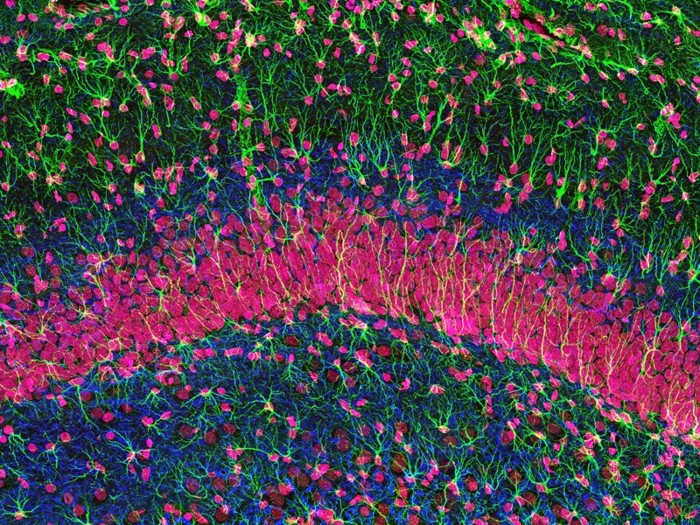
Late-blossoming neurons show intriguing features that might endow them with advanced capabilities.
The hippocampus, a brain region involved in learning and memory, is known to include cells that arise during both infancy and adulthood. Now, experiments on rats have revealed key differences between those two classes of cell — differences that could endow the late-blooming cells with important capabilities.
To study the hippocampal cells that arise during maturity, Jason Snyder at the University of British Columbia in Vancouver, Canada, and his colleagues injected the hippocampi of infant and adult rats with viruses that mark only newly created neurons. The researchers estimated that half of the neurons in the hippocampus are generated during adulthood.
Compared to neurons born in the hippocampi of baby rats, those that grew in the brains of adult animals had more thorny protrusions crowning the part of the cell that receives information from other neurons. Adult-born neurons also had a higher number of finger-like structures connecting them with neurons that send inhibitory signals to the brain.
These differences could confer advanced functions on adult-born neurons, including the ability to stimulate other brain cells involved in cognition, the researchers say.
Turning the Tide – How your gut is linked to your brain

Dr David Glass – MBChB, FCOG (SA) Over the last few weeks we have been exploring the role of our gut microbiome on various functions within the body. This is a rapidly expanding field of research and discovery.
We have already discussed the role of the microbiome in producing small chain fatty acids (SCFAs) such as acetate, propionate and butyrate, and the role they have in both the integrity of the gut wall, as well as promoting general immunity within the body.
This week we are going to discuss the role that our microbiome has in modulating the function of our brains. Imagine bacteria telling our brains how to work! This may seem a bit complicated, but we will do our best to simplify a very complex physiology. The implications of this research are profound.
A couple weeks ago we mentioned that there are some 100 million nerves connecting our brain through our spinal cord to the muscles of our body, but there are 500 million nerves connecting our gut to our brain. Now that is quite a thought. In fact some people refer to the gut and its colony of micro-organisms as the second brain. Just a short detour. Some of the effects of these SCFAs include the modulation of secretion of insulin by the pancreas, as well as production of ghrelin, which is involved in the development of obesity by stimulating hunger and fat deposition.
We also know that SCFAs can reduce auto-immune conditions through the control of excess permeability of the gut wall (the so-called leaky gut syndrome). A leaky gut allows large proteins capable of stimulating the immune system passage into the blood stream, as well other toxins which can have effects on multiple organs.
It has long been known that the brain has a strong impact upon the gut through the vagus nerve. We know that gut motility (the action of muscles which propel foods down the intestine) can be influenced by our mood, and stress levels; we know too that mental stress can affect the production of digestive enzymes and acids. The blood flow to the gut is also modified by our brain function, as does the role of pain and anxiety on the normal functioning of the gut. Remember how you tend to get diarrhoea before an examination, or lose your appetite when in pain. One of the ways in which a healthy microbiome affects brain function is through suppression of chronic inflammation related to dysbiosis (imbalance in our microbiome). This chronic inflammation can increase the chances of cancers, high blood pressure, diabetes, heart disease as well as degenerative brain conditions such as dementia, Parkinson’s and depression.
But studies are now showing that these SCFAs also have a profound effect on brain function. For one thing they affect the integrity of not only the gut/blood barrier but also the integrity of the blood/brain barrier. An increased permeability of this latter barrier allows unwanted and toxic metabolites and chemicals to penetrate the brain and cause damage to the delicate neurons. This is one of the mechanisms proposed for the development of Alzheimer’s disease. SCFAs also influence the function of glial and microglial cells, which are the maintenance crew of the brain, ridding the brain of a build up of waste products and toxins and sculpting the inter-neural connections. They eliminate excess or unnecessary synaptic connections, and refine or develop new circuits and connections in the nervous system. One of the manifestations of a deficit of SCFAs is the complaint of brain-fog, mental fatigue, poor memory and retention that many people suffer from who are not eating a healthy diet. This results in an impoverished microbiome.
Another more serious concern from the study of a deficient gut microbiome, particularly in infants – impacted by the method of birth and lack of exposure to a healthy maternal microbiome, or the effect of antibiotic “wholesale slaughter” of much of the natural microbiome, is the effect on early neurodevelopment and the development of brain disorders later in life.
Note this statement from the article we refer to for most of the information in this week’s blog: “Growing evidence has shown that alterations in maternal microbiome during pregnancy such as use of antibiotics or probiotics, variations in diet, immune activation, and exposure to stress can modulate the microbiome, neurodevelopment, and behaviour of offspring in both rodents and humans.
Furthermore, delivery mode and early life occurrences such as feeding changes, infection, and antibiotics treatment have a huge effect on the gut microbiota composition with a long-term impact on brain and behaviour. In fact there is some evidence that disorders in behaviour – such as communications deficits, repetitive behaviours, and sensitivity to environmental changes as found with autism spectrum disorder(ASD) are associated with microbiome disorders.
For instance the occurrence and severity of the disease seems to be affected by the relative preponderance of propionate-producing bacteria and versus butyrate-producing bacteria. It is possible to experimentally introduce high levels of propionate in the brain of rodents and reproduce many of the signs and symptoms of ASD. Giving higher levels of butyrate reduce those symptoms. However there is still much work that has to be done to confirm this hypothesis. What about other neuronal disorders? Depression is a serious and common disease and has been associated with generalised inflammation. We know that a healthy gut microbiome suppresses chronic inflammation . High levels of butyrate have an antidepressant-like effect. We know that the progression of Alzheimer’s disease can be slowed by having a healthy microbiome, and dysbiosis (disturbed balance in the microbiome) is associated with disease progression. A similar experience has been found with Parkinson’s disease. Correcting the dysbiosis can improve the motor impairment and dopamine deficiency. Multiple sclerosis has also been shown to benefit from a microbiome where butyrate and acetate producing micro-organisms predominate. Already mentioned earlier is the role of SCFAs in the prevention and modulation of both obesity and insulin resistance, with its consequence – type 2 diabetes.
Much of the research on the interaction between microbiota and the brain and other […]
What causes young people to have amnesia?
Amnesia (dementia) causes brain decline if repeated often for a long time. The disease not only causes a disturbance in daily life and activities but also increases the risk of dementia in old age. The situation of remembering and forgetting in young people is more and more common, why?
The common sign of this disease is a vague feeling, sometimes remembering things that you will try to do but cannot remember. Usually, this takes a short period of time, lasting from a few minutes to several dozen minutes.
Amnesia in young people is a common manifestation of emotional disorders or depression, anxiety, with typical manifestations such as lack of concentration, confusion, insomnia, headaches, etc. reverent, angry in the treatment. Some causes of dementia in young people Depression
When the mood is not good, it’s hard to focus on something. However, no one can avoid depression, children can also suffer from this disease if constantly exposed to stressful situations of age.
Not being able to control psychology and act for a moment can cause depressed people to lose loved ones or be misunderstood by other family members.
Anger, fear and anxiety can also increase the likelihood of being forgetful and unfocused. Disturbed mind
Most people have a habit of doing many things at the same time hoping that their jobs will be solved as quickly as possible. For some, this may seem interesting and challenging at first but can later lead to mental disorders and stress. When the brain has to work overload, they will feel confused and lost.
With a confused mind, poor memory is an easy consequence and the only thing that helps solve this is to focus on one thing at a time. The more the brain has to process many things at the same time, the more likely it is that it will impair memory. Sleepless
A lack of sleep puts you in a state of fatigue where stored information can’t move toward the frontal cortex, which leads to short-term forgetfulness and memory loss. the opportunity to regenerate and repair worn-out cells and tissues.
In addition, the process of brain waves created during sleep is also when memory is stored. The brain waves can also transfer memories to the prefrontal cortex, that is, the parts that contain long-term memory. Get enough sleep it is the first condition to improve memory, prevent cognitive decline. Lack of vitamin B1
Vitamin B1 (Thiamine) plays a leading role in the function of the central and peripheral nervous systems. It is also an essential nutrient in the conversion of food and its conversion into energy. According to the researchers, a large amount of vitamin B1 is in our brain, which maintains the production of nerve impulses that affect mood, memory, movement and impairment. think of each person. For people who don’t get enough thiamine from the diet, they may have Wernicke-Korsakoff syndrome, a type of neurological disorder that leads to dementia. To prevent this situation, should pay attention to natural vitamin B1 supplement through food sources such as wheat germ, soy flour, bread, cereal, potatoes, chestnuts, chicken, liver, pork … Due to the pathology
People with chronic liver and kidney disease who don’t know or chronic lung disease that cause brain hypoxia also have amnesia. Cause brain disease and brain injury
Temporary memory loss is more likely in people with encephalitis and meningitis, after stroke, brain injuries. In addition, there are cases of cerebral atrophy due to an inherited disease or degenerative brain disease … also cause memory loss and forgetfulness. Due to drugs and addictive substances In people with vitamin B1 deficiency, susceptible to dementia called Wernicke-Korsakoff syndrome. This syndrome is often seen in people with prolonged lack of food or alcoholism.
Amnesia in young people can be cured at an early stage or at least slow down the progression of the disease, helping the patient have a better life. Therefore, when seeing signs of forgetting, should immediately seek medical attention to determine the extent of forgetting, looking for risk factors for disease and treatment.
Watch next: Testing Your Memory amnesia young people
Intel introduces Copper Lake processor, other additions to portfolio

3rd Gen Intel Xeon Scalable processor, dubbed ‘Copper Lake’ Image: Intel Intel on Thursday announced the availability of its 3rd generation Xeon Scalable processors, touting the new wave as enabling the acceleration of artificial intelligence (AI) development.
Also: Lenovo launches data center servers aimed at AI, analytics workloads
Codenamed Copper Lake, Intel said the processor is designed for deep learning, virtual machine density, in-memory database, mission-critical applications, and analytics-intensive workloads.
Speaking with media, Lisa Spelman, Intel corporate vice president and general manager of the company’s Xeon and memory group, said customers can expect an average estimated gain of almost double on “popular workloads” over double on VMs, albeit when it is compared with 5-year-old equivalents.
“We have 35 million Xeon scalables deployed and we really see this as the foundation of the world’s data centric infrastructure,” Spelman said.
Spelman said Copper Lake has received a deep learning “boost”, thanks to x86 support of Brain floating point 16-bit (blfoat16) numeric format and Vector Neural Network Instructions (VNNI), which she said brings enhanced artificial intelligence inference and training performance, with close to double the performance for AI training and inference on image classification workloads when compared to the prior generation.
“Intel Deep Learning Boost with bfloat16 delivers 1.7x more AI training performance for natural language processing vs. the prior generation,” the company added in a spec sheet.
According to Spelman, the latest offering is the “foundation for AI” and it’s the only mainstream data centre CPU on the market with integrated deep learning acceleration.
“We believe most of our customers do begin their journey on AI on Xeon,” she said.
“The 3rd generation of Intel’s Xeon scalables evolves our 4 and 8 socket processor offering, it delivers built in AI acceleration with our next generation of Intel DL boost, which is enhanced with blfloat16 and it delivers that persistent memory leadership with the new Intel Octane persistent memory 200 series,” Spelman continued.
“We have also enhanced the speed select technology, which was new in the 2nd generation — this provides users control over the base and turbo frequencies of specific cores and gives the options for a customer to maximise the performance of a certain application or a higher priority workload so they can guarantee a quality of service while still utilising the remaining computing capability and assets that are available for other workloads.”
Intel said Copper Lake delivers multi-socket core count density with up to 28 cores per processor and up to 224 cores per platform in an 8-socket configuration, which it touted as driving enhanced performance, throughput, and CPU frequencies compared to 2nd gen Intel Xeon Scalable processors.
Memory subsystem enhancements to the 3rd gen processors include support for up to six channels of DDR4-3200 MT/s and 16Gb DIMMs, with up to 256GB DDR4 DIMMs per socket. 3rd Gen Intel Xeon Scalable processor workload guidance Image: Intel The company also announced the Optane persistent memory 200 series, which Spelman said provides customers up to 4.5TB of memory per socket to manage data intensive workloads, such as in-memory databases, dense virtualisation, analytics, and high-powered computing.
“It’s delivering up to 18 TB of in-memory data in a four socket system, which is perfect for tackling those large data analytics challenges and in an unexpected power loss, Optane provides over 225-times faster CPU access to persistent data, compared to reading from a mainstream NAND SSD,” she said.
Available from Thursday, the Optane persistent memory 200 series delivers an average of 25% higher memory bandwidth, when compared to the first generation.
Also packed into Thursday’s announcement was the availability of Intel 3D NAND SSDs — the Intel SSD D7-P5500 and P5600. Intel 3D NAND SSD D7-P5500 Image: Intel Labelling them as being for systems that store data in all-flash arrays, Intel said the new 3D NAND SSDs are built with its latest triple-level cell 3D NAND technology and “an all-new low-latency PCIe controller to meet the intense IO requirements of AI and analytics workloads and advanced features to improve IT efficiency and data security”.
Available in the U.2 15mm form factor, Intel said the SSDs offer 1.92 TB, 3.84 TB, and 7.68 TB at 1 Drive Write per Day (DWPD) and 1.6 TB, 3.2 TB, and 6.4 TB at 3 DWPD.
Intel also disclosed its upcoming Stratix 10 NX FPGAs, expected to be available in the second half of this year. Stratix 10 NX chiplets Image: Intel The company said it expects its first AI-optimised FPGAs targeted for high-bandwidth, low-latency AI acceleration will offer customers customisable, reconfigurable, and scalable AI acceleration for compute-demanding applications such as natural language processing and fraud detection.
Stratix 10 NX FPGAs include integrated high-bandwidth memory, high-performance networking capabilities, and new AI-optimised arithmetic blocks called AI Tensor Blocks, which it said contain dense arrays of lower-precision multipliers typically used for AI model arithmetic.
The Stratix 10 NX FPGA offers high-performance AI Tensor Blocks — up to 15x more INT8 throughput than Stratix 10 FPGA digital signal processing (DSP) block for AI workloads, and up to 57.8 G PAM4 transceivers and hard Ethernet blocks for high-bandwidth networking. LATEST FROM INTEL
Maca root: 10 Amazing health benefits of this Peruvian superfood

Advertisement Maca ( Lepidium meyenii ) is an edible, turnip-like root endemic to the mountains of Peru. In other countries, maca is called the Peruvian ginseng, although it is not related to ginseng roots at all.
Hailed for its therapeutic effects on mood and libido, maca is often consumed as herbal supplements. Ground maca is sometimes also added to smoothies, juices, coffee and oil. In Peru, the root itself makes for a healthful addition to soups, salads and oatmeal. Health benefits of maca
Maca is considered a versatile, adaptogenic herb that helps combat stressors of all kinds. Adaptogens started as natural medicines in ancient healing practices like traditional Chinese medicine and Ayurveda in India.
Maca is no different, and it continues to be used in Peruvian folk medicine. Here’s a look at some of the health benefits of maca according to current and emerging research:
Increases libido
Maca capsules and supplements are often touted as aphrodisiacs, and for good reason: there’s actual science to back it up. In a 2010 review published in the BMC Complementary and Alternative Medicine journal, maca has been found to raise sexual desire in adult men and menopausal women upon ingestion.
Enhances sexual well-being
Maca has also been reported to improve male arousal and sexual performance. Maca, in particular, had significant effects in adult men with mild erectile dysfunction. Studies on maca also reported that male participants claimed experiencing a significant increase in their sexual well-being after taking maca.
Boosts endurance
Maca is a popular herbal supplement among athletes because of its reported effects on endurance and performance. The mechanisms behind this effect remain unclear, but nutritionists speculate that the effect might be due to the herb’s rich iron content. Iron is an essential component of the blood that helps us produce the cells, proteins and hormones needed to function in general.
Stimulates sperm production
Besides enhancing male arousal and sexual performance, maca has also been found to boost the production of sperm. In a 2015 research conducted to assess the effects of maca on sperm count and other semen parameters, maca had been found to cause significant changes in sperm concentration , indicating that the herb also restored hormonal balance in men.
Regulates mood
Regular maca consumption can also help regulate mood and treat mood disorders like depression. Experts speculate that this benefit is due to maca’s high flavonoid content. Flavonoids are a group of plant compounds hailed for their antioxidant and antidepressant properties.
Reduces blood pressure
Flavonoids are also responsible for maca’s beneficial effects on blood pressure. These compounds help boost blood circulation to decrease the risk of health complications linked to high blood pressure, such as heart attack and stroke .
Protects against sun damage
When used as a topical medication, maca can also protect the skin from sun damage thanks to its rich antioxidant content. If left unchecked, radiation from sunlight can cause visible signs of aging and raise the risk of skin cancer.
Fights inflammation
Maca consumption also promotes the proliferation of natural antioxidants in our bodies, such as glutathione and superoxide dismutase. Together, these compounds fight inflammation and protect against cellular damage due to harmful free radicals.
Reduces the risk of osteoporosis
Post-menopausal women are at an increased risk of osteoporosis because of a lack of estrogen, the hormone needed to produce bone cells. Take maca tablets to boost estrogen production and reduce the risk of osteoporosis and fractures.
Improves certain brain functions
Maca is also a potent brain-boosting food because of its beneficial effects on brain health. Maca, in particular, helps boost learning capacities, concentration and memory performance. Studies suggest that maca might be useful in stalling the onset of dementia.
Maca might be one of the least popular superfoods, but its incredible nutrition profile and therapeutic effects render it just as potent as others. Incorporate it into a balanced diet or take it as an herbal supplement for best results.
Read more articles about maca and other little-known superfoods at Superfoods.news . Sources: MedicalNewsToday.com PubMed.NCBI.NLM.NIH.gov 1 PubMed.NCBI.NLM.NIH.gov 2
Fuel your health goals with the wonderful crunch of walnuts this Yoga Day
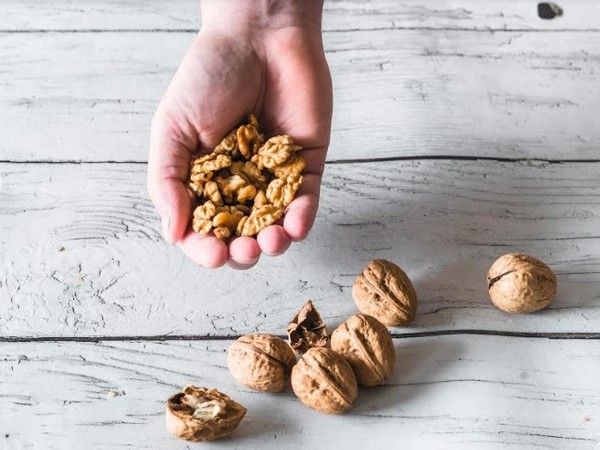
Handful of California Walnuts New Delhi [India] June 19 (ANI/NewsVoir): Yoga , an ancient cultural heritage of India that has become a global phenomenon helps in fostering better health and well-being to an individual.
The numerous benefits, yoga has to offer are celebrated every year on the 21st of June and this time around also the world is gearing to celebrate the sixth edition of this special day at home with their families.
With so many uncertainties floating around and people grappling with panic over the risk of infection, this age-old exercise may offer benefits that are far-reaching.
However, it is extremely crucial to supplement yoga or any other fitness plan with a healthy diet rich in essential nutrients to reap the benefits and achieve overall wellness.
Fortunately, there is growing evidence supporting foods, like walnuts, for their potentially beneficial role in improving mental health and overall wellbeing.
Walnuts deliver both essential nutrition and indulgence and can be easily incorporated in meals in a variety of ways. Nmami Agarwal , Founder and CEO Nmami Life lists some key benefits of including walnuts in your daily diet.
Heart Health – Eating walnuts as part of a healthy diet may decrease your risk of heart disease and stroke. Walnuts help maintain healthy cholesterol levels and decrease blood pressure, two of the major risk factors for heart disease. They are a heart-healthy food packed with the essential fatty acid omega-3 ALA (2.5g/28 g) and has protein (4g/28g) and fiber (2g/28g).
Improve Cognitive Health – Self-care is more important than ever to support mental health and overall well-being. The World Health Organization ( WHO ) has shared tips on self-care, which include eating healthy, well-balanced meals. Walnuts may play a beneficial role in cognitive factors like memory and mental health conditions such as depression. Research suggests consuming walnuts may lower the prevalence and frequency of depression, and help you stay focused, energized, and promote greater optimism.
Strengthen Your Immunity – Enjoying a wide range of nutritious foods is the best way to get all the nutrients that are important for your immune system and overall health. Walnuts are a good source of vitamin B6 (0.2mg/28g) and an excellent source of copper (0.45mg/28g) and manganese (0.1mg/28g) all of which contribute to the normal functioning of the immune system.
Good For Gut Health – Good gut health may be linked to a variety of health benefits including those for digestion, metabolism, and the immune system. Choosing the right foods to fuel your gut microbiome is the key. Research shows that walnuts may be a good choice because of their prebiotic properties which support gut health and enhance the growth of beneficial bacteria.
Appetite Control & Weight Management – Eating walnuts will not make you lose weight, eating less will, and walnuts will help you do that. There are specific hormones and areas of the brain that tell the body if it’s hungry or full. Studies using novel brain imaging technology and investigating appetite hormones show promise for walnuts’ potential role. Also, walnuts are a natural, heart-healthy food that, when eaten as part of a healthy diet won’t contribute to weight gain or hinder weight loss goals.
Help Prevent Cancer – Walnuts offer a variety of important nutrients, including good fats, making them an ideal ingredient for the plant-based pattern that includes plant-based foods such as vegetables, fruits, grains, oils, nuts, and seeds, as well as meals. A healthy eating protein and fat-free or low-fat dairy is associated with a reduced risk of certain types of cancer.
Reduce Inflammation – Inflammation can be caused by a number of things, whether it’s sore muscles after a strenuous workout, chronic disease, or other illnesses. Inflammation can be harmful to the body, but what you eat can help lessen this impact. Walnuts are the only nut with a significant amount of omega-3 ALA, a type of good fat that may reduce inflammation.
Reduce the risk of Diabetes – Regular consumption of walnuts may help reduce the prevalence rate of diabetes by improving metabolic syndrome risk factors. In addition, those who consume walnuts may have about half the risk of developing type 2 diabetes compared to adults who do not eat nuts.
Eating a healthy balanced diet accompanied by regular exercise can boost your energy levels and allow you to feel much better mentally, physically, and emotionally.
So, this International Yoga Day becomes the best version of yourself by fueling your health goals with enriching yoga practice and the added goodness of California walnuts. Stay healthy, stay safe. Happy International Yoga Day!
This story is provided by NewsVoir. ANI will not be responsible in any way for the content of this article (ANI/NewsVoir)
Denver issues Colorado’s first cannabis research license for 2020 dementia study

Just two months after Denver City Council approved the issuing of licenses for cultivating, transferring and manufacturing cannabis products for research purposes, the city has moved forward with approval for one local company to begin studying the impact the plant may have on improving conditions in those with dementia.
And it’s not just a first for the Mile High City. Denver-based MedPharm Holdings has been issued the first medical marijuana research and development cultivation license in the entire state — and it plans to begin performing a 30-patient study by the end of the year, the company’s CEO told Denver Business Journal.
But first it has to get the seeds planted.
“We have not begun growing as of yet, as we had not received the sign off from the city until [Wednesday] night,” CEO Albert Gutierrez said. “We will begin growing plants specific for this study now and we will see those harvest around November.”
That harvest will influence the timing of the study, which Gutierrez said has faced “some challenges” due to the Covid-19 pandemic.
MedPharm is partnering with Littleton-based brain-imaging company Cerescan, another so-far unnamed company that specializes in biomarker analysis to look for substances associated with brain damage and “an esteemed neurologist” who will oversee the study, Gutierrez said.
“We will have 30 patients in the first study with multiple forms of dementia,” Gutierrez explained. “The participants will be broken into three groups — placebo, cannabinoid only and premier product. … We will conduct brain scans and take blood samples throughout the study to monitor the improvement in cognition, memory, demeanor, decision-making ability and caregiver interaction.”
The “premier product” mentioned is a proprietary formula containing both cannabinoids (compounds found in cannabis) and nootropics (substances believed by some to boost cognitive ability), according to Gutierrez.
The City of Denver hopes to leverage 2017 state legislation that approved such research licenses to, among other things, maintain the city’s reputation as a leader in the cannabis space; foster innovation and entrepreneurship; and attract and retain top talent. All of this despite the fact that these studies are technically illegal at the federal level, just like the state’s entire cannabis economy, which first launched as a medical program.
Denver’s department of Excise and Licenses first announced it would propose an ordinance allowing research licenses in February, and that MedPharm would likely be the first company to receive one if it passed. The City Council approved the ordinance on April 13. Colorado’s Marijuana Enforcement Division confirmed to DBJ that MedPharm is the only marijuana research and development cultivation license that has been approved so far.
“The possibilities are endless with the first of hopefully many medical marijuana research and development licenses issued in Denver,” Ashley Kilroy , the city’s Excise and Licenses department’s executive director, said in a prepared statement. “Our hope is that this new license type will lead to effective treatments for cancer, Alzheimer’s and other debilitating diseases so the full promise of legalized marijuana can be fulfilled.”
And as he prepares to get the plants growing and the study going, Gutierrez said he’s always looking for more partners to work with.
“It can be our research projects, or their own study design that they need someone to help execute and create specific dosage forms for,” he said.
2019 Largest Denver-Area Cannabis Companies
Ranked by No. of full-time employees in Denver area Rank Business name No. of full-time employees in Denver area 1 Native Roots Dispensary 456 2 The Green Solution 414 3 LivWell Enlightened Health 376 View This List
7 Steps to Study Long Hours without Getting Tired or Losing Focus

So, your exams are about to commence, but you still have untouched notes, books, and slides. Everyone wants a small edge while studying that could help them get better grades.
But surprisingly, there is a minuscule percentage of students who like to study or gain knowledge. Most of them study because they want to get good grades. However, if you don’t like doing something, keep doing it for hours and with full concentration can be challenging.
Assuming that you belong to the second category of students, let’s dive into 7 easy steps to study long hours without losing concentration. Schedule difficult topics during the day
Unless you’re not a night owl, you’ll lose focus and concentration as the day passes. No matter how much coffee you drink, you’ll start feeling mentally exhausted towards the end of the day. So, take up the difficult topics, chapters, or subjects in the forenoon when you’re at your best. Prioritizing your schedule ensures your energy at different points during a day matches the difficulty of the task. This way, you’ll be left with easier chapters for the evening, so they’ll be easy to finish.
Contrarily, if you take up easy topics early during the day, you’ll finish them with ease. It will give you a false sense of progress. But by the time you reach difficult stuff, it will be evening, and you’ll be left with little or no energy to study. You’ll most likely procrastinate it for the next day. And this will disrupt your study schedule. So, take up difficult topics or chapters first and the easy ones later. Exercise
Exercise? Where did that come from in between studying? Research has suggested that physical exercise boosts cognitive abilities, such as learning ability and long-term memory. Besides, it helps in controlling anxiety and depression as well. But what’s more important is that it improves concentration, alertness, and motivation.
Moreover, the effects of exercise are almost instantly visible. Exercising between your study sessions could help you last longer and get more out of your study. However, not all exercises produce the same result. Studies suggest that 20-30 minutes of rigorous, cardiovascular exercise is the best. But don’t overdo it and hurt yourself. Take a quick nap
Yes, you can sleep. NASA performed a study in which pilots who took a 26-minute nap increased their awareness by 34% and reaction times by 16%. Besides, if you take a small nap during the day, you can avoid performance slacks. So, you can study at a high intensity and concentration even in the latter half of the day.
However, make sure your nap is small. It should be no longer than 30-40 minutes. Sleeping for longer can put you into a deep sleep, and you might find it difficult to wake up. Eat to maintain energy levels
While the brain makes up for just 2% of your body mass, it consumes 20% of your daily energy intake. And research suggests that mentally exhausting, non-pleasurable tasks, like studying, can drain your energy fast.
Thus, it is critical to eat the right foods at regular intervals to maintain energy levels. Eat large amounts of low GI foods, like oats, porridge, yogurt with seeds, low-fat dairy, soups, etc. These foods release energy glucose in your bloodstream and maintain energy levels for a longer period. Avoid eating high GI foods like pizza, burger, bread, chocolate, cookies, etc. These foods will increase your energy levels fast, but the energy will soon be drained out. As a result, you’ll feel fatigued and drowsy. Conserve your energy
As discussed, your brain consumes more energy than the body mass it constitutes (2% vs. 20%). Thus, it is important to not waste the limited energy you have on irrelevant thoughts, such as: Why can’t I study?
Will my friends score more than me?
Why did she behave so rudely?
Am I going to fail?
And the list goes on. Your brain is a factory of thoughts, both negative and positive. Luckily, you’re the manager, and you can take control of them as you wish. So, get rid of such thoughts as soon as they cross your mind. A quick way to do this is by count up to three as soon as a thought comes up in your mind and then divert it elsewhere. Everyone has wandering thoughts, but the way to way manage them can go a long way in conserving your mental energy. Take breaks regularly
When you create your study schedule for the day, be sure to add breaks in it. Have you ever thought why we switch off a TV or AC for a while in between instead of keeping them on all day long?
Your brain is quite similar to a machine. It stores and processes your thoughts, memory, etc. And like any other machine, it needs rest. So, taking breaks not only relaxes you, but it also restores your concentration.
Studies suggest that an average human starts losing focus after 50 minutes. If you keep stretching yourself beyond, you might start losing concentration and end up wasting time. Thus, take a 5 or 10-minute break after every 40-50 minutes study session.
During the break, do anything but study. Walk around your room, listen to a song, get quick exercise, eat something (healthy), or more. Also, take a long break of 20-30 minutes after three to four 50-minute sessions. You can use this break to work out, go out for a walk, have lunch, etc. Study during the daylight
As mentioned before, you should take up difficult tasks earlier during the day and easier stuff towards the end. And, you can take your concentration and productivity to a whole new level if you study in natural daylight.
Some of you who live in apartments or flats might not have this luxury, but if you can, try studying in daylight. Research indicates that studying or working in daylight in the forenoon can make you less drowsy and more alert in the afternoon. If a […]

The Power Within by Corey Daniels book available for only $2.99
Mind has both conscious and subconscious halves. These are likened to a driver and the truck he drives. The driver plans the destination and observes road conditions, while the truck provides motive power. Your subconscious mind is like the truck and it only goes in the direction in which is a steered. This can be the road or off a cliff. Likewise, the consciousness paints a picture of what the world is and what your goals are and the subconscious acts on them through emotion, physical response and energy, whether these are correct, rational images or false negative ones. The subconscious is also like an emotional reservoir which your body and mind draw responses from to external stimuli.
The Power Within lays out a method of programming your subconscious and tapping into the Holy Spirit, God voice or what the Greeks called the daimon (godman).