Nature Knows and Psionic Success
God provides


Evergreen can help support your sleep the natural way
We all find it hard to get to sleep from time to time, but several days of poor sleep can really take its toll. Three in 10 people in Ireland struggle to get enough sleep, and this has a knock-on effect on how they function mentally, emotionally, and physically the following day.
Why can’t I sleep?
Anxiety, stress, and depression can all affect our sleep quality, but in turn, not getting enough sleep aggravates these conditions, making it a difficult cycle to break. A night of tossing and turning has a really detrimental effect on body and mind, and worrying about it can make the problem worse.
Why is sleep important?
Vital functions occur in the body when you sleep, leaving you feeling rested and energised, improving memory, and reducing inflammation and boosting your immune system. Sleep deprivation is not just a problem for the mind, causing restlessness and anxiety. Without good quality sleep you are also at higher risk for diabetes, heart attack, and stroke, among other conditions.
Is there anything I can change in my lifestyle that might help?
· Exercising regularly, particularly outdoors, has been shown to aid sleep.
· Avoid caffeine, alcohol, and drinking lots of fluids in the hours before bed.
· Keep your bedroom dark and cool, and leave phones and tablets in another room.
· Relaxing your body and mind before bed will go a long way to a restful night – reading, listening to music, or having a warm bath all help to slow the body down.
Are there effective natural remedies to help me sleep?
New Nordic Melissa Dream
Melissa Dream is non addictive natural supplement can help calm the mind and body. With magnesium and B vitamins to help relax restless muscles and help boost serotonin, it also contains camomile which has a calming effect. The two main ingredients are lemon balm and L-theanine which have been shown to raise levels of gamma aminobutyric acid (GABA ) and alpha waves in the brain, helping to calm the mind.
Irish Botanica Peace & Calm
If you would prefer a licensed herbal sleep tonic, Peace & Calm from Irish Botanica is an option. This is a valerian product with oils which create a warming sensation in the body, and has pleasant liquorice and orange taste. Peace & Calm is a medicinal product used for the temporary relief of symptoms of mild stress and to aid sleep, based on traditional use only. Always consult your doctor if you are on other medication and if you suffer from chronic insomnia.
What about anxiety?
FMD Stressveda
Mental fatigue can set in around now from worrying about uncertainty, online learning, or work deadlines. FMD Stressveda® contains a blend of organic ashwagandha root plus plant sourced B vitamins that contribute to normal mental performance, normal functioning of the nervous system, and a reduction of tiredness and fatigue.
Talk to one of Evergreen’s fully trained staff in any of its seven Galway stores, or access online health advice at customerservice@evergreen.ie .
The KEY ways to help elderly people during lockdown revealed

But weeks in lockdown, plus a fear of resurgence of the virus later in the year has wreaked havoc on the mental health of thousands of Britons. This is especially true of the shielder category, where people over the age of 70 were asked to stay within their homes for 12 weeks.
Back in May, the Office for National Statistics (ONS) shared statistics revealing that the COVID-19 lockdown has had a massively negative effect on the over-70’s in the UK.
The government body said at the time: “Those aged 70 years and above reported being happier than those aged 16 to 69 years before the lockdown.
“By the third week of lockdown, however, this gap had closed, so there was no significant difference in levels.”
According to statistics from the Mental Health Foundation, one in five older people living in the community, and two in five people living in care homes, experience depression or poor mental health – and that’s before the COVID-19 pandemic caused those at high risk to self-isolate for the foreseeable future.
But Niels Eék, a psychologist and co-founder of Remente, has shared with the Express some tips to look after your mental health if you’re elderly and struggling with lockdown. JOIN FORUMS AND ORGANISATIONS
Niels suggests: “In order to help ward off feelings of isolation and loneliness, consider joining forums and organisations online, where you can chat to other like-minded people.
“Whether your passion is arts and crafts, gardening or singing, you’re likely to find a community page where you can talk about the things that you enjoy, and participate in video-based meetups.
“Not only will this allow you to pursue your passions, you’re likely to also make some new friends, too.
“Most towns and villages also have their own Facebook groups, where local residents can join and discuss current affairs and share interesting stories and updates.
“If you are missing speaking with your neighbours, perhaps turning to these groups will help you to feel more connected to your immediate surroundings.“ Back in May, the Office for National Statistics (ONS) shared statistics revealing that the COVID-19 lockdown has had a massively negative effect on the over-70’s in the UK. (Image: PA)
STAY ACTIVE
“Regular physical activity can help produce endorphins: hormones which act as the body’s natural antidepressant, by blocking pain and encouraging feelings of euphoria.
“This can make you feel more energetic, alert, and happy.
“It can also help to promote good sleep patterns.
“Being active does not necessarily mean going to the gym or heading out for a run.
“There are many other things you can do from the safety of your own home and garden, including gardening, dancing, walking laps of your house and cycling using stationary foot pedals that can be placed in front of your usual chair.” According to statistics from the Mental Health Foundation, one in five older people living in the community, and two in five people living in care homes, experience depression or poor mental health (Image: PA)
LISTEN TO MUSIC
“Another chemical which functions as a hormone in the brain is dopamine, a chemical involved in reward and memory.
“If we can get our body to release dopamine in large amounts, it can create feelings of pleasure and reward – this is our body’s way of making sure we repeat certain behaviours, by training us to feel good about them.
“Research suggests that listening to music creates activity in the parts of our brain which are rich in dopamine receptors and that listening to stimulating music can boost our dopamine levels.
“So, to increase feelings of happiness, it may be helpful to put on some music that you enjoy, to boost the levels of your happiness hormones. “
Are the over 70s still in lockdown?
CREATE A ROUTINE
“Keeping a daily routine is important as it can provide you with some sort of normality in an otherwise uncertain time.
“That being said, your day-to-day will have inevitably changed over the last two months, so rethink your routine to help fit how your life looks like at the moment.“Get up at the same time every day and, likewise, go to bed at the same time every evening.“Try and make time for a little daily exercise, and take your meals around the same time each day.“If a routine is repeated and kept long enough, it becomes second nature, helping you to feel more in control and at ease.” Chris Packham’s stepdaughter Megan McCubbin talks family ‘worries’ USE TECHNOLOGY TO CONNECT “Keeping in touch with the people we care about is an important part of living a fulfilled life, and is especially vital now.“We need to talk to our friends and family members, be that via phone or video, or through socially-distanced visits, to both to enjoy a good laugh, but also to have a support network that can help us cope with the challenges life might throw our way.“Without a connection to our friends and family, we may naturally experience strong feelings of loneliness and this could in some cases turn into depression.“Finding the tool that works best for you is vital – There are so many wonderful apps and platforms that allow you to video call with your loved ones, putting them in the same room as you.“Try and schedule recurring video meetings with your friends and family, so that you have something to look forward to, and so that these meetings become part of your routine.“Knowing that, for example, you will video call with your son or daughter during the week, and with a friend over the weekend, gives you something to get excited for, and means that you can save up your stories and anecdotes for these calls.” Niels Eék, a psychologist and co-founder of Remente, has shared with the Express some tips to look after your mental health if you’re elderly and struggling with lockdown. (Image: PA) SEEK PROFESSIONAL HELP “If you’re feeling particularly low, don’t be afraid to seek help.“You can contact your GP for general counselling and to be connected with a […]
Meditation: 12 Proven Anti-Aging Benefits

Photo by JD Mason on Unsplash Everybody seems to be meditating. An ancient tradition that was often synonymous with Buddhist monks, meditation has taken the world by storm and it is continuously spoken about in everyday conversations with many people asking, “ so how often do you meditate ? ”
Countless articles have been written about the practice which encourages you todevelop an inner state of awareness in an effort to encourage inner peace. Now with that said, one has to wonder what the actual benefits of meditation are? Yes, it can help you relax but is all the buzz surrounding it worth it? What benefits can it really provide?
Read on for the scientifically proven of mediation and why there’s more to the practice than just loose yoga pants and chanting ‘om’. #1: It helps to reduce stress
Stress is normal – it’s the body’s natural response to unforeseen problems, and we all experience it. The problem, however, is when that stress becomes chronic and begins to affect our health. Chronic stress means high levels of the stress hormone cortisol and this then translates to a heightened risk for depression, heart disease, and even obesity.
It’s clear that chronic stress levels are a problem, but meditating can help to address the issue. It appears that meditating can help to calm you down and effectively reduce stress levels ( 1 ). #2: It helps to reduce high blood pressure
With the fast-paced, stressful lives that we live, it’s no wonder that high blood pressure is such a problem. In fact, around 1.13 billion p eople worldwide have hypertension . However, a 2019 study published in the Journal of Human Hypertension found that participants with high blood pressure experienced a reduction in blood pressure levels after 8 weeks of mindfulness meditation training. #3: It will help you sleep better
When you’re stressed, the body increases your levels of adrenaline. This can make it difficult for you to fall asleep. Aside from leaving you tired and cranky, lack of sleep can also make you more vulnerable to infection and disease.
If you’re battling with getting some good, quality sleep then you may want to include meditation in your bedtime routine. Meditation can make it easier for you to fall asleep by placing you in a peaceful state.
In fact, a recent study linked mindfulness meditation to significantly improved sleep quality. In addition to setting up your bedroom for better sleep , it may be time to end the day with meditation. #4: It can help with addiction recovery
Addictions are rooted in the fact that, when we feed our addictions, our brain releases endorphins which are happy chemicals that provide a high. Unfortunately, we soon come down from euphoric like state. Our addictions then become stronger and harder to break as we go in search of our next fix .
That said, meditation has been found to boost the levels of dopamine, an endorphin. Therefore, it is suggested that meditation can be part of addiction treatment and recovery. For instance, a study with recovering alcoholics found that meditation training helped them to better control their cravings and craving-related stress.
Furthermore, those battling with quitting cigarettes may want to look at meditation. A study revealed a 60% reduction in smoking 2 weeks after participants had engaged in a total of 5 hours of 30-minute mindfulness meditation sessions. #5: It can increase libido
If your sex life has taken a bit of a hit, meditation can help bring the spark back.
A 2018 study published in the journal found that, when compared to women who didn’t meditate, women who did meditate had higher scores when it came to sexual function, lubrication, orgasm, and desire. Photo by Andrea Piacquadio from Pexels So, if you’re struggling with your time between the sheets, why don’t you and your partner try out couples’ meditation? #6: It can help to improve your attention span
If you battle with a wandering mind, and your attention span isn’t the best, perhaps you could look at meditation. As it practices focus, meditation may help to improve your attention span.
In fact, research has suggested that your improved attention may last up to five years after mindfulness meditation training. #7: It can make you more compassionate
Loving-kindness meditation (Metta) is a type of meditation that focuses on mental processing and empathy.
Research has found that this type of meditation can help to make people more empathetic ( 3 ).
This can also come in handy in relationships. According to a 2017 study , couples who meditate together not only feel closer, but they’re also more open with each other. #8: It can help to alleviate pain
With the opioid crisis still causing havoc, it’s important to find ways to alleviate pain and it appears that meditating can help.
A 2017 study found that after just 10 minutes, participants noted a significant increase in pain threshold and pain tolerance.
Researchers believe that meditating helps to thicken the area of the brain that regulates pain, and in doing so, it reduces your sensitivity to pain and your need for pain relievers ( 4 ). #9: It can help to improve cognitive thinking
If you’re looking for a bit of a brain boost during the day, try finding a quiet spot to meditate. Photo by Engin Akyurt from Pexels A 2018 study published in the journal Nature found that meditating for just 10 minutes can help to boost your cognitive function by improving your concentration and your ability to keep information active. Additionally, if you really want to boost your brain health, you can try to include more brain-boosting foods in your diet. #10: It can help reduce the risk of Alzheimer’s
There are a few ways for older adults to reduce their risk of Alzheimer’s , and meditation is one of them.
For a 2018 study published in the Journal of Alzheimer’s Disease, researchers recruited a group of older adults experiencing memory difficulties. They had them either spend 12 minutes out of their day either listening to music […]
Complete Guide to Ashwagandha and Its Benefits

Ashwagandha might be tricky to pronounce (it’s ash-wa-gan-da, FYI) but this small, evergreen plant has become the health influencer’s supplement du jour . Touted as the ultimate remedy to 21st century living , ashwaganda is what’s known as an ‘adaptogen’. “In other words, it’s a natural substance that helps the body to adapt to stress ,” explains Mina Khan, a pharmacist with a background in Indian Ayurvedic medicine.
While it may be new to us Brits, ashwagandha is a powerful herb that is prominent in Ayurvedic medicine, one of the world’s oldest medical systems, and its history of use as a medicine dates back to AD 6000. The bioactive compounds in the plant exert ‘antioxidant, anti-inflammatory, and immunomodulatory activities’ that herbalists say can help reduce stress and anxiety, boost testosterone levels , and potentially alleviate the symptoms of certain diseases.
Related Story
MH’s Top Ten Inflammation Fighters
In a world filled with relentless calendar notifications a natural stress-soothing solution definitely appeals. “The modern world brings with it lots of stress and long working hours for many,” says Khan, “ashwagandha is likely to be particularly of interest to people who want natural solutions to stress; and want to enhance their energy levels and benefit from increased mental clarity .” Ashwagandha Root
Native to India, North Africa and the Middle East, ashwagandha’s botanical name is withania somnifera, though it’s sometimes referred to as Indian ginseng or winter cherry. If this all seems a bit too far removed from your local supermarket, ashwagandha is part of the nightshade family, which includes potatoes, tomatoes, bell peppers, and chilli peppers. While various parts of the plant are used, including the leaves, seeds, and even fruit, ashwagandha root is used most commonly.
“Ashwagandha adapts to the needs of the body, helping to support it and reduce negative changes during times of emotional and physical stress by strengthening the endocrine and nervous systems,” says Sebastian Pole, co-founder and master herbsmith at Pukka Herbs . This capacity to help the body adapt to stress “is reflected by its ability to thrive in very dry conditions in poor-quality soils,” he continues. “Most plants would suffer from severe stress in such an environment.”
This content is imported from {embed-name}. You may be able to find the same content in another format, or you may be able to find more information, at their web site. Ashwagandha supposedly smells like horses – ashva means ‘horse’ and gandha means ‘smell’ in Sanskrit – and the name also refers to the horse-like strength the herb is purported to stimulate. Don’t let the horse connotations put you off, though. Here, we run through the science-backed benefits associated with ashwagandha, including the dosage and side effects. Ashwagandha Benefits
While there are a whole host of health benefits associated with taking ashwagandha, spanning cognitive function, immune system support , adrenal function, sports performance, energy metabolism and more, human studies have so far been small scale.
There are also variables in the way ashwagandha is approached – the leaves, seeds, fruits and roots have been experimented with in different ways, and there isn’t a standard dosage that’s been studied by modern clinical trials. Even so, the science that does exist is promising.
“Ayurveda views ashwagandha as one of the most prized rejuvenating herbs, known as a ‘rasayana’ in Sanskrit,” explains Pole. “Rasayanas are thought to enhance both the quality and quantity of life, nourish the mind and enhance physical vigour, making them perfect for when we are feeling weak and exhausted .” 8 Things Not To Do At The Gym
by Men’s Health UK
Video Player is loading.
Current Time 0:00
/
Duration -:-
Loaded: 0%
0:00
Stream Type LIVE
Remaining Time –:-
1x Chapters
descriptions off, selected
captions settings, opens captions settings dialog
captions off, selected
The media could not be loaded, either because the server or network failed or because the format is not supported.
Refresh the page to resume playback.8 Things Not To Do At The Gymby Men’s Health UKBeginning of dialog window. Escape will cancel and close the window.TextColorWhiteTransparencyOpaqueBackgroundColorBlackTransparencyOpaqueWindowColorBlackTransparencyTransparentFont Size50%Text Edge StyleNoneFont FamilyProportional Sans-SerifEnd of dialog window. Replay “8 Things Not To Do At The Gym” Up Next01:28 Never, Ever Be This Guy in the Gym 01:2803:35 What women hate men doing at the gym 03:3500:39 MH UK Gym Chat – 1 00:39 Ashwagandha Soothes Anxiety and Stress The key chemical ingredients in ashwagandha are withaferin A and withanolide A. These mimic GABA, an amino acid which acts as a neurotransmitter in your central nervous system and calms nervous activity, according to a rodent study by California State University .And human studies have shown it can reduce symptoms of stress and anxiety. When researchers in India asked people with chronic stress to supplement with ashwagandha root, 69 per cent reported a reduction in anxiety and insomnia, compared with 11 per cent in the control group.Related Story Why Multivitamins Could Help You Lose Weight Various studies – both animal and human – have found that ashwagandha helps to reduce cortisol levels, too. “Stress causes a surge in the adrenal hormones – adrenaline and cortisol – that increase alertness,” says Pole.Not only does ashwagandha regulate imbalanced cortisol levels and nourish the adrenal glands, Pole continues, it also acts as a tonic. “This means it will strengthen an exhausted or agitated nervous system while at the same time calming it,” he says. Ashwagandha Enhances Muscle Growth and Strength The herb could supercharge your gym sessions, too, since it’s been shown to increase muscle mass, reduce body fat, and increase strength in men. In a study of 57 men , taking ashwagandha led to “significant increases in muscle mass and strength ” and more than doubled their reductions in body fat percentage compared to a placebo group. Another study found that healthy men who took around one gram of ashwagandha per day saw gains in muscle strength after 30 days. “This quality of ashwagandha also makes it helpful for recovering from weakness in any post-illness convalescence period,” adds Pole. Corey JenkinsGetty Images Ashwagandha Boosts Brain Function and Memory Ashwagandha […]
5 Ways to Train Your Brain for Lifelong Mental Fitness
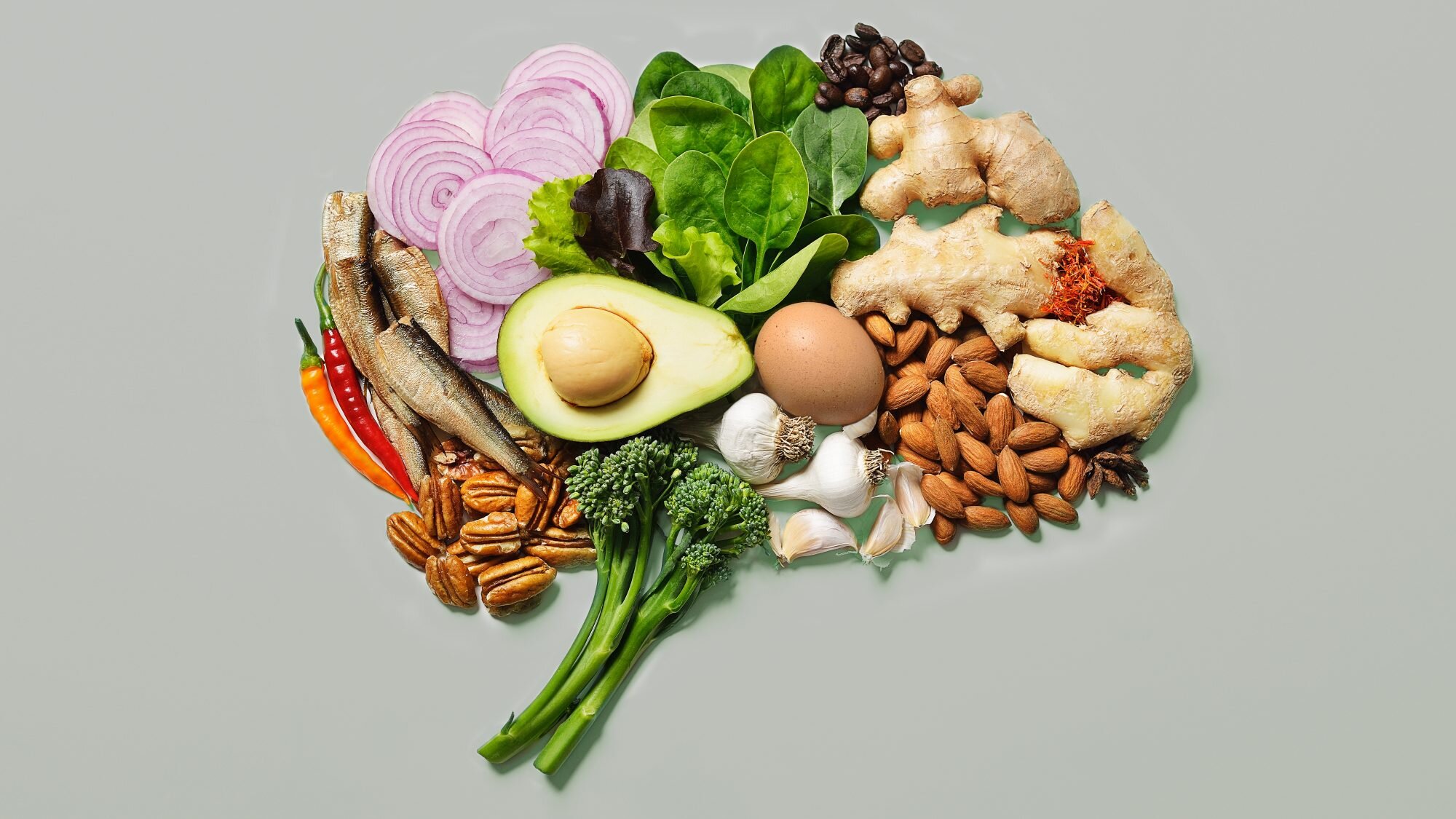
Ever find yourself staring into your closet, unable to recall why you’re there or what you needed in the first place? Or why do you sometimes jumble perfectly easy sentences or blank at a pivotal moment during a work meeting? You’re young and relatively healthy, so what’s the deal?
Brain blips can be unnerving, but they’re completely normal. The good news is that they’re rarely the sign of a declining mind. We tend to think of youth as a time of peak mental capacity, and that once our child-prodigy days are gone, there’s no hope left. But, in fact, the human brain is most likely at its best during midlife, when life experiences combine with decades’ worth of neural connections, resulting in peak intelligence and ability.
“We may not learn or recall information quite as quickly as we did in our teens and 20s,” says Sandra Bond Chapman, PhD, the founder and chief director of the Center for BrainHealth at the University of Texas at Dallas. “But during our 30s, 40s, and 50s, we get better at what matters most: making decisions, synthesizing information, and coming up with big ideas.”
That means, however old you are now, it’s never too late to adopt healthy habits that will get your brain in good shape—and even improve with time.
While it’s natural for neurons to fire more slowly with age, stress and anxiety cause people to pathologize perfectly normal experiences, like forgetting an acquaintance’s name (again). “You probably pay attention to the few things that go wrong, but don’t give your brain credit for the thousands of things it did right,” Chapman says.
Instead of focusing on the occasional lapse, concentrate on your daily habits. What you do today will play a major role in whether you operate optimally in the present—and whether you develop more serious cognitive deterioration, like dementia, later in life. When it comes to brain function, everyday behavior matters as much as—if not more than—your DNA.
Whether you’re 23 or 63, here are five proven ways to gain a mental edge for years to come.
Listening to classical music and doing the crossword every week will bolster your brain, right? Unfortunately, not as much as you think. While these habits are certainly more stimulating than zoning out to another Friends marathon, research suggests that a great way to boost brainpower is through learning something entirely new—either mental, such as learning a new language, or physical, like signing up for a different yoga class or learning how to knit. As we cultivate an unfamiliar skill, our brains get more flexible and form new neural connections that get stronger over time.
According to a 2013 study from the University of Texas at Dallas, older adults who learned cognitively demanding activities, like quilting and digital photography, improved their memories. Those who listened to classical music, watched classic movies, or engaged in social activities, on the other hand, didn’t have the same gains.
Another study from 2020 , published in The Journals of Gerontology: Psychological Sciences and Social Sciences , suggests that regularly deviating from a mundane routine and getting exposure to a diverse array of activities throughout adulthood can boost cognitive functioning and decelerate the signs of cognitive aging, such as memory loss and declines in information processing.
Take your learning to the next level by using your brain for what it does best: fusing existing and new information. “It will repay you by strengthening its complex neural networks,” says Chapman. For example, you know how to read and love to read—but now take your favorite cerebral passtime one step further and get more mental bang for your buck (so to speak). For example, next time you finish a great book, spend a little extra time writing a Goodreads review, blog post, or digital journal entry for your eyes only (a Word or Google doc will do). You might be surprised at what you come up with while mulling it over again. Or reach for a pen and your journal: Studies show that writing by hand, rather than typing, improves information processing as well as the ability to remember what you’re writing about.
Your brain, as much as your body, is affected by what you eat and drink. Thankfully, making things less complicated, good brain nutrition looks a lot like body nutrition. Notable research from Rush University and the Harvard School of Public Health, published in 2015, found that middle-aged and older adults who adhered to an eating plan called the Mediterranean-DASH Intervention for Neurodegenerative Delay (MIND) diet were able to decelerate cognitive decline. In fact, they scored the equivalent of seven and a half years younger on cognitive tests after one year of eating that way. According to a Rush University news release, “[this] diet is based on the most compelling research on the foods and nutrients that affect brain health….As the name suggests, the MIND diet is a hybrid of the Mediterranean and DASH (Dietary Approaches to Stop Hypertension) diets .”
Like the Mediterranean diet , the MIND diet emphasizes nuts , beans, whole grains , poultry, and olive oil . But unlike the former plan, it calls for consuming leafy greens daily and at least two weekly servings of berries, as both are rich in brain-boosting antioxidants.
It shouldn’t be news that exercise is good for your head . But working out on days when you have, say, a big presentation or a stressful test can give your mind the added sharpness it needs.
Take this study, for example: Adults who did aerobic exercise regularly for four weeks—and exercised the morning that they took memory tests—scored higher than did regular exercisers who skipped their workout on test day, according to a 2012 study from Dartmouth College. Exercise’s stress-thwarting effects may be partially responsible: “ Stress is toxic to the brain,” Chapman explains. “It releases the hormone cortisol onto the hippocampus, where memories are stored.” That can make you momentarily forgetful and may weaken neural connections over time, increasing the odds of dementia.
All that said, don’t miss out on regular sweat […]
Milk Findings May Help Infants Worldwide

Posted by Janos Zempleni, Ph.D., Willa Cather Professor of Molecular Nutrition, Department of Nutrition and Health Sciences, University of Nebraska-Lincoln in Research and Science The natural infection fighting properties contained in milk could mean a better start to life for infants worldwide. Today is World Milk Day! In America, the average consumption of milk is about 146 pounds (17 gallons) per person per year according to data from USDA’s Economic Research Service . Children account for a large portion of milk drinkers, particularly infants as milk is meant to be the sole source of nutrition for infants until age 6 months.
Milk naturally contains infection-fighting properties. Commercial baby formula usually does not. Funding from USDA’s National Institute of Food and Agriculture and other sponsors allowed me to explore an element of milk that could be used as a supplement in baby formula to boost nutrition and stave off infection.
If I asked you about the nutritional importance of milk, nutrients such as calcium and vitamin D might come to mind. But there’s more. I began exploring novel bioactive compounds in cow’s milk in 2014 and discovered that milk contains around 6 trillion natural nanoparticles called “exosomes,” per fluid ounce. When you drink milk, milk exosomes enter your body and deliver a variety of proteins, lipids, RNA, and DNA to the liver, brain, placenta, and gut. Exosomes and their cargo work their magic and support essential functions such as learning and memory, the immune system, and reproduction. Not all exosomes ingested with milk find their way into human tissues. Some stay in your gut and interact with bacteria in an environment called a “microbiome.”
My research involved studying exosome-microbiome interactions in milk. My findings suggest that milk exosomes alter the genetic makeup of bacteria. For example, what used to be a fairly quiet bacteria might turn more virulent in the absence of milk exosomes.
How can this discovery about milk exosomes provide healthier nutritional benefit society? First, while pediatricians recommend exclusive breastfeeding in the first six months of life, most babies (for a variety of reasons) are fed infant formula. Commercial formula contains little, if any, exosomes. Supplementing formula with milk exosomes can make it more like human milk. This is important for premature infants who are predisposed to developing gastrointestinal diseases. Infants in developing countries may also benefit from supplemented formula because they often receive formula in the first stages of life.
The natural infection fighting properties contained in milk, either through breast milk or possibly through formula supplements, could mean a better start to life for infants worldwide.
Reduce COVID-19 anxiety and depression with these free apps

Feeling anxious, down or lonely in the midst of the COVID-19 pandemic?
If so, you’re not alone.
According to experts, the percentage of Americans suffering from anxiety and depression may have tripled since the lockdown started.
And it’s easy to see why…
On top of the worry that you may yourself contract COVID-19, you’re also faced with the isolation of social distancing and wondering whether you’ll be able to safely spend time with friends and extended family members in person again.
But there is a way to feel better.
A new study has found that a collection of apps that are free to download can help significantly reduce your stress and anxiety so that you can get back to your pre-lockdown self, even if you can’t leave the house just yet. Reduces anxiety and depression by approximately 60%
Researchers at Northwestern Medicine specifically looked at a collection of mobile apps called IntelliCare, which happen to be completely free to download in the Apple and Android stores.
And they found that people who used the apps over a period of eight weeks showed significantly greater improvements in depression and anxiety compared to the control group.
In fact, the level of improvement that was seen in anxiety and depression was a whopping 60 percent, which is similar to what you could expect with traditional psychotherapy — without even leaving your house.
And once the control group received the same intervention, their depression and anxiety decreased, too.
The researchers say that it’s also important to note that even once the study was complete, participants chose to continue to use the IntelliCare apps — unlike other mental health apps that people often stop using before treatment even ends.
So this could be a sign that they not only work, but are also easy to use and incorporate into your daily life. How the apps can help
They offer short exercises to de-stress and reduce worrying, methods to help your life feel more meaningful, mantras to highlight your strengths, strategies for keeping up with daily activities (even during the pandemic) and more.
For example, if you spend a lot of time worried that you’re going to get sick with COVID-19, you could find that you feel anxious and are starting to see a trickle-down effect in your daily activities. Peak PS™ is Natural Support for Memory and Cognitive Function Containing Soy-Free Phosphatidylserine – One of the Most Tested Nutrients for Brain Health and Memory!
To combat that negative thinking, you can go to the Thought Challenger app and turn those negative thoughts into more positive or realistic ones by questioning whether or not your thoughts are 100 percent true.
And then it can help you come up with ways to feel more in control such as remembering that there are many things you can do to stay healthy, like washing your hands.
So if you’re feeling stress or down these days, consider downloading and using the IntelliCare apps to feel up to 60 percent better. 7 additional tips for better mental health
In addition to using these apps, here are 10 more tips you can use to boost your mental health right now:
#1 — Give yourself a break
Remember that what you’re going through is challenging, and practice kindness toward yourself. Allow yourself to feel the negative emotions, but remind yourself of the good as well.
#2 — Be kind to others
Social distancing creates massive amounts of stress, and, as we’ve all seen in the news, stress can lead to sometimes violent confrontations. Work hard to notice the good things around you, and put kindness into a world that so badly needs it right now.
#3 — Try a nootropic supplement
Nootropic supplements are helpful for brain health. Many people rely on them to help boost concentration and cognition, but they are also helpful with mood level and anxiety. One in particular, phosphatidylserine, helps blunt the effects of stress and anxiety by decreasing blood levels of the stress hormones ACTH, cortisol, epinephrine and norepinephrine.
#4 — Maintain a routine Routines help us feel in control of our lives. Anything from getting dressed in the morning to maintaining a regular bedtime makes a difference… so create a routine and stick to it. #5 — Get quality sleep Sleep is vital to calming anxiety and boosting immune system function. When you’re deciding on your sleep schedule, be sure to allow for a good eight hours of quality rest each night. #6 — Practice healthy habits Sticking to a balanced eating plan and getting regular physical activity will help you feel better body and soul. #7 — Turn off the news It can be tempting to spend all day wrapped up in the latest news about the pandemic, but this can leave you more stressed and worried than ever. When you feel anxiety or depression creeping in, switch off the news. Sources: > App helps COVID anxiety, depression — EurekAlert!

5 Natural Ways to Improve Your Memory, According to Experts

You’re out to dinner and feel a hand on your shoulder as a familiar voice says your name. You turn around and this person is smiling. You know her—you’ve known her for years, in fact. But her name has evaporated from your mind, and all you can muster is a “Hey…you!”
Before you start Googling “signs of dementia ,” rest assured that some changes in memory and cognition are a normal part of the aging process, especially if they manifest as trouble finding words or momentary lapses in attention ( Why did I walk into the kitchen? ). “Many of our cognitive skills, like multitasking and processing speed, peak around age 30 and then tend to decline very subtly with age,” says Joel Kramer, Psy.D., director of the University of California San Francisco Memory and Aging Neuropsychology program.
But they don’t have to. By making smart lifestyle choices, you can retrain your brain so it stays sharp and focused. We asked some of the brainiest experts for research-backed tips on keeping your noggin young . 1. Try to remember before Googling.
The internet is great for telling you the name of that actor whose name won’t budge from the tip of your tongue. But it’s fueling a modern-day condition called digital amnesia—forgetting information because you trust a computerized device to remember it for you. It’s the reason half of us can’t phone our children or office without using our contacts list, according to a survey by Internet security company Kaspersky Lab.
“The brain is a use-it-or-lose-it machine,” says Sara Mednick, Ph.D., an associate professor of cognitive science at the University of California, Irvine. When we learn new things and then recall them later, we activate the hippocampus and the prefrontal cortex, areas of the brain intimately involved with memory. But when we rely on external sources, like our phones or the Internet, to remember for us, those regions of the brain can weaken.
The next time you’re struggling to name an actor, challenge yourself not to look it up. “Work through it and trust that your brain knows the answer—you just need to find it in there,” Mednick says. Similarly, try to make your way to a new address without using Google Maps—or if that’s too daunting, take a new route home from work. “It’s all about not living in automatic mode,” Mednick says. “The more you think things through or try novel approaches, the more you engage your brain to keep it healthier longer.” 2. Take a nap.
Quality restful sleep is nonnegotiable when it comes to thinking fast on your feet. As we progress from slow-wave sleep in the first part of the night to REM sleep in the early morning hours, our memories transform the material we learned throughout the day into actual working knowledge.
There’s no substitute for getting those seven to eight hours. But a strategically timed nap can come surprisingly close, says Mednick. “When we nap in the middle of the day, our time in each stage is more efficient,” she says. “In a 90-minute nap, you cycle through both slow-wave and REM sleep, but you do it in the same proportion as it occurs across a whole night of sleep.” Because of this, “a 90-minute nap can rival what you’d get overnight in terms of memory consolidation, creativity, and productivity.” Too tricky to fit 90 minutes into your schedule? A 30-minute nap can help lock in information too. 3. Get exercise every day.
Any time you move in a way that gets your blood pumping, you give your brain a boost. “Blood is filled with oxygen and nutrients that feed our brains,” says Gary W. Small, M.D., director of the UCLA Longevity Center and the author of 2 Weeks to a Younger Brain . Exercise also spurs the body to produce a protein that “acts like fertilizer for the brain, stimulating neurons to sprout branches so they can communicate more effectively,” says Dr. Small. When University of Illinois researchers asked 120 adults between 55 and 80 to spend 40 minutes three days per week either walking briskly or stretching and toning, they found that after one year, a memory center (the hippocampus) of the walkers’ brains was 2% bigger than in the stretching and toning group. That percentage may sound small, but it’s “enough to essentially reverse the brain shrinkage that naturally occurs with aging in the same period of time,” Dr. Small notes.
Even a single workout could be enough to give you an immediate cognitive boost. A small but promising 2019 study found that people who did 30 minutes of stationary cycling had better ability to recall names than others who simply rested. 4. Don’t multitask so much.
Multitasking makes us feel productive, but the opposite is actually true. “The brain is not designed to focus on several tasks at once,” Dr. Small says. As a result, our brains feel stressed when we multitask, “and we make more errors, which has the ultimate effect of making us less efficient.” (A four-second interruption—the time it takes to glance at your phone—can triple your chances of making a mistake during a task.)
That stress , perceived or not, also triggers the release of hormones that interfere with short-term memory. That’s why if the phone rings when you’re in the midst of a conversation with someone, it can be tricky to remember what you were saying after you hang up.
Instead of attempting to juggle your entire to-do list simultaneously, work smarter and monotask. First, place your phone out of sight; the brain’s ability to hold and process data is compromised whenever a smartphone is within reach, even if it’s powered off. Dr. Small says that designating specific times to answer email every day may squash the compulsion to check your inbox constantly. If the lure of email or social media is too tempting, use a digital time management program like Time Doctor or RescueTime to block access to specific sites.
Some people also find success with a […]
How to ‘Detox’ Your Brain (Hint: It’s Easier Than You Think)

You can find a detox protocol for just about anything these days, including your brain.
With the right supplements, cleansing herbs, and a major overhaul of your diet, among other things, you can supposedly: banish grogginess
enhance your memory
boost your cognitive function
While certain lifestyle changes can certainly have a positive impact on your health, most medical experts agree that detoxes, including those that focus on your brain, aren’t necessary.
Also, there’s no compelling research to support the use of detoxes.
Your body already has processes in place to get rid of toxins and keep things running smoothly. When it comes to your brain, there’s actually an entire system dedicated to detoxification.
Here’s a look at how the process works and the simple things you can do to support it.
When it comes to detoxification, your brain is pretty good at taking care of business on its own.
Research published in 2015 explains this happens as part of the function of the glymphatic system, which removes waste products from your brain and nervous system . Think of it as the brain’s trash collector.
The glymphatic system does most of its work while you sleep. During sleep, your other bodily processes are less active, allowing glymphatic activity to take priority.
Animal research suggests that there’s also a higher volume of open space between the cells in your brain during sleep, which allows more room for your brain to take out the trash, so to speak.
This process is somewhat complicated, but here’s a quick look at how it works: First, the channels of the glymphatic system fill with cerebrospinal fluid.
This fluid collects “garbage” like proteins, toxins, and other waste products as it flows along the network.
Your brain then flushes this waste at different drainage sites, where it moves through your body and exits just like any other type of waste.
One important product removed from the brain when eliminating waste products is the protein β-amyloid (beta-amyloid), which experts believe plays a part in the development of Alzheimer’s disease .
Sleep plays an essential role in the function of the glymphatic system. Getting enough sleep each night is one of the best ways to support your brain’s natural detoxification process.
If you have trouble getting enough quality sleep, try these tips for a better, more refreshing rest. Maintain a regular bedtime
If you don’t have any particular reason to get up at a specific time each day, your sleep schedule might be all over the place. Maybe you keep a regular bedtime during the week but stay up late and sleep in over the weekend.
This might feel natural to you, but over time, it can do a number on your sleep-wake cycle .
Going to bed (and waking up) at approximately the same time every day can help you get better rest and improve your overall sleep quality.
You can still stay up a little later than usual and sleep in when you don’t need to get up early — just try to avoid varying your sleep schedule by more than an hour.
Part of consistent sleep involves getting the right amount of sleep, which can range from 7 to 9 hours.
Pro tip: Use a sleep calculator to figure out when you should go to bed. Consider your diet
Eating certain foods, especially later in the day, may disrupt your sleep.
For better sleep, try to avoid the following just before bedtime :If you feel hungry before bedtime, try a better bedtime snack , such as: a banana yogurt a small bowl of oatmeal cheese, fruit, and crackers Create a comfortable sleeping environment Keeping your bedroom cool and dark can help you get better sleep.If you tend to get warm or cold during the night, opt for layers of lightweight, breathable bedding.You might also consider adding a fan to your room, which can also help to block out any noises that tend to keep you up.Using your room only for sleeping and sex can also make it easier to fall asleep when you do go to bed.That way, your brain knows that getting into bed means you’re ready to sleep, not watch TV or scroll through social media. Set aside some de-stress time before bed Stress and anxiety are both common culprits behind sleep issues. Making time to relax before bed won’t necessarily get rid of these concerns, but it can help you put them out of your mind for the eveningAn hour or so before bedtime, try: writing out things you need to take care of the next day so you won’t worry about them You know that refreshed, focused feeling (despite your tired muscles) you have after a big workout? That’s the glymphatic system kicking in. Animal research published in 2018 suggests exercise can have a significant effect on waste disposal in the brain.According to the study results, mice that could exercise by running on a wheel displayed twice the glymphatic activity as mice that couldn’t exercise.It’s important to note that the increase in glymphatic activity is likely associated with running rather than a direct result of it.Exercise has plenty of other benefits , too.It can: help lower your risk for many health conditions decrease stress increase energy improve your mood improve cognitive function It’s also worth mentioning that exercise can help you get better sleep, which can also promote glymphatic system function.Experts recommend getting at least 2 1/2 hours of moderate aerobic exercise each week.You can also ramp up the intensity and see similar benefits with just 1 hour and 15 minutes each week of intense or vigorous aerobic exercise.You don’t have to get all your weekly activity at once, either. It’s usually best (and easiest) to get about half an hour of exercise each day.Any exercise is better than no exercise, so doing what you can to increase the amount of physical activity you get each week can help. Try squeezing in a 15-minute walk after lunch or dinner (or both), for example.Sleep and exercise are beneficial for your brain, but you can […]
Turmeric Is One of the Most Powerful Nutritional Supplements Around. Here’s Why.

Turmeric root has become one of the trendiest spices on the market these days for its flavor, anti-inflammatory properties and nutritional value. You’ve probably encountered it at least once or twice in “golden milk” latte ‘s at your local coffee shop or popping up in baked goods at your local bakery. Why are people suddenly obsessed with this bright orange root? What are some of the potential turmeric benefits worth knowing about?
Well, it’s not turmeric’s debut in the culinary or medicinal world by any means. It’s actually been around for quite some time. Its origins in medicine date back 4,000 years to the Vedic cultures of India where it was used in cooking as well as religious practice. Its bright orange yellow color made it useful in religious ceremony as well as the coloring of cheeses, butter and other foods. It was also used to curb pain, ailments of the liver, arthritis as well as digestive issues. It’s a pillar ingredient in Ayurvedic cooking and medicinal practices for its many benefits and potential contributions to a long life, “Ayurveda” translates to “science of long life” in Sanskrit. It’s a common ingredient in curries, sauces and many Southeast Asian dishes, and now in the Western food conscious as well.
Turmeric possesses both gastronomic and medicinal qualities that make it a powerful root on multiple levels, and something worth implementing into your diet in one form or another. Stir it into your coffee, smoothie or protein shake. Take it orally for inflammation or add it to your baked goods for a sweet and spicy flavor twist. When it comes to turmeric benefits, there are many to go over and we want to give you full coverage of this magical root and all of the properties it possesses.
1. Turmeric May Contain Bioactive Compounds
One of the active ingredients in turmeric is curcumin, a bioactive compound alongside other curcuminoids that’s got strong anti-inflammatory and antioxidant properties. Turmeric contains a larger amount per dose of these active compounds than other spices and supplements, making it efficient for your body to digest and absorb the nutrients.
Since curcumin is fat soluble, and therefore absorbs into the body via fat stored in your cells. It might make it more worthwhile to consume turmeric mixed in with other fatty foods like milk, cheese, oil or animal fat.
2. Turmeric May Be Super Anti-Inflammatory
One of the greatest turmeric benefits is its anti-inflammatory property. Inflammation is, on the whole, a useful biological response to protect your body from germs and other foreign invaders. However, if inflammation becomes chronic and persists at low levels for extended amounts of time, research has shown that the consistent attacking of tissues may lead to harmful degenerative conditions.
Turmeric is naturally anti-inflammatory and might even be as effective in reducing potentially harmful inflammation in the body as anti-inflammatory drugs, but without the side effects.
How does it do that, exactly? It blocks a molecule believed to play a large role in chronic diseases called NF-kB. Preventing undue inflammation at the molecular level can have a pretty amazing chain reaction of events within your body and may even prevent diseases like Alzheimer’s, chronic pain, arthritis and more.
3. Turmeric May Have Powerful Antioxidant Properties
As your body ages, it goes through a process of oxidative damage which produces free radicals, highly reactive molecules that bond and react with fat, protein and DNA in your cells and cause damage. Antioxidants neutralize free radicals and prevent this cellular damage and guess what’s loaded with pro-antioxidant activity? Turmeric. It helps boost your body’s natural antioxidant activity and blocks the free radicals as well. Booyah.
4. Turmeric May Help Lessen Symptoms of Depression
Depression causes a reduction in brain-derived neurotrophic factor (BDNF) activity and may lead to shrinking of the hippocampus, the part of your brain central to memory and the retention of information. Turmeric aids in supporting BDNF levels and potentially could reverse some of this degenerative activity.
There’s also some evidence that turmeric and its active ingredients boost the brain’s production of neurotransmitters serotonin and dopamine, both linked with feelings of happiness and elation.
5. Turmeric May Be Great for Arthritis
This one’s linked to the inflammation point, but the potential positive effects can’t be understated. Rheumatoid arthritis involves inflammation in the swelling and tenderness of the joints, and turmeric’s anti-inflammatory processes may help ease symptoms. In certain studies RA patients who were prescribed turmeric experienced significant improvements in their symptoms with very few adverse side effects.
6. Turmeric May Help Prevent and Treat Cancer
Turmeric’s active ingredient curcumin may help reduce the spread and growth of cancer at the molecular level. Certain studies show that it may kill cancerous cells and reduce the growth of fresh blood cells in tumors. It’s also been shown to reduce the spread of cancer through different parts of the body.
7. Turmeric May Lower Your Risk of Heart Disease
Turmeric may help improve the lining of your blood vessels which in turn aids in heart function through reversing endothelial dysfunction . If your blood vessels can’t regular blood pressure this could lead to blood clotting and a variety of other contributors to heart disease, the primary cause of death across the world. One study found that turmeric was as effective as exercise in improving blood vessel function as well as some prescription-strength drugs.
8. Turmeric May Help Treat and Prevent Diabetes
Although the studies done on diabetes in particular have only been done on animals, and not humans, there are still points worth noting that may point to encouraging benefits to diabetic symptoms. One study found a significant decrease in blood sugar in rats with type 2 diabetes and an increase in plasma insulin.
In addition to this potential positive effect, the anti-inflammatory and antioxidant properties previously discussed may also contribute to a reduction in physical factors that contribute to diabetes.
9. Turmeric May Help Improve Skin Health
Turmeric works at the molecular level as well as skin deep. Turmeric benefits include its anti-inflammatory properties, antioxidant properties and antimicrobial capabilities that may make it an effective treatment for many skin conditions . […]
Experts Recommend 5 Natural Ways to Improve Your Memory and Sharpen Your Focus

Photo credit: RgStudio – Getty Images You’re out to dinner and feel a hand on your shoulder as a familiar voice says your name. You turn around and this person is smiling. You know her—you’ve known her for years, in fact. But her name has evaporated from your mind, and all you can muster is a “Hey…you!”
Before you start Googling “signs of dementia ,” rest assured that some changes in memory and cognition are a normal part of the aging process, especially if they manifest as trouble finding words or momentary lapses in attention ( Why did I walk into the kitchen? ). “Many of our cognitive skills, like multitasking and processing speed, peak around age 30 and then tend to decline very subtly with age,” says Joel Kramer, Psy.D., director of the University of California San Francisco Memory and Aging Neuropsychology program.
But they don’t have to. By making smart lifestyle choices, you can retrain your brain so it stays sharp and focused. We asked some of the brainiest experts for research-backed tips on keeping your noggin young . 1. Try to remember before Googling.
The internet is great for telling you the name of that actor whose name won’t budge from the tip of your tongue. But it’s fueling a modern-day condition called digital amnesia—forgetting information because you trust a computerized device to remember it for you. It’s the reason half of us can’t phone our children or office without using our contacts list, according to a survey by Internet security company Kaspersky Lab.
“The brain is a use-it-or-lose-it machine,” says Sara Mednick, Ph.D., an associate professor of cognitive science at the University of California, Irvine. When we learn new things and then recall them later, we activate the hippocampus and the prefrontal cortex, areas of the brain intimately involved with memory. But when we rely on external sources, like our phones or the Internet, to remember for us, those regions of the brain can weaken.
The next time you’re struggling to name an actor, challenge yourself not to look it up. “Work through it and trust that your brain knows the answer—you just need to find it in there,” Mednick says. Similarly, try to make your way to a new address without using Google Maps—or if that’s too daunting, take a new route home from work. “It’s all about not living in automatic mode,” Mednick says. “The more you think things through or try novel approaches, the more you engage your brain to keep it healthier longer.”
Dr. David Jack’s top 5 tips for skin survival

Dr. David Jack’s tips on how to keep your skin looking good during lockdown. In a period of uncertainty with major interruption of our normal daily routines, looking after your skin and general wellness might not seem like the highest priority. But since most of us have a bit more time on our hands, its an ideal opportunity to get our skin in order.
Since clinics are closed for lockdown and most of us don’t have laser machines sitting in our spare rooms, we wanted to share our top tips for keeping your skin tip top with our range of anti-ageing skincare and supplements. Tip Number 1: Think about your skin from inside and outside
Our skin is the largest organ of our bodies in terms of surface area. Topical skincare only goes so far into the skin, with most nutrition reaching the deeper collagen-rich layers through its blood supply. Likewise, most skin issues are caused by an issue from within, whether it be an inflammatory disorder like acne or autoimmunity such as psoriasis. The same can be said for skin ageing. In order to harness this and boost the skin from within, diet and general health is probably the most important factor in optimising skin health. Over the last decade or so, a number of supplements that can help supercharge the skin from the internal route have been launched.
Dr. David Jack SkinShake combines a blend of antioxidant rich superfoods, vegan proteins, vitamins and glutathione to provide the skin with the building blocks it needs to optimise skin health on a daily basis. Tip Number 2: SPF is the one product you cannot forget!
The major damaging factor in skin ageing is UV light from the sun. In order to protect against UVA and UVB, it’s important to choose a high factor SPF with broad spectrum cover. SPF factor number relates to UVB protection and ‘broad spectrum’ means it protects against UVA rays. UVA is present year round and can penetrate through glass and clouds, so it’s important to use every day of the year. The advanced All Day Long Moisturiser by Dr. David Jack contains a lightweight broad spectrum SPF 50 screen, together with moisturising factors, skin boosting alpha-hydroxy acids and soothing aloe vera. Tip Number 3: Use a daily antioxidant
One of the key features of any good skincare regime is the use of antioxidants on a daily basis. Antioxidants help neutralise damaging molecules that are constantly produced in the skin as a result of inflammation, UV damage and general metabolic processes, and can damage collagen fibres in the skin leading to ageing. Vitamin C, Vitamin E and retinol (Vitamin A) have fantastic antioxidant activity and are used widely in active skincare products. Dr. David Jack Good Morning! super serum contains a stabilised form of 10% Vitamin C. Tip Number 4: Gently exfoliate once per week
The skin’s natural barrier is constantly renewing, with new skin cells being produced at the deep layers of the epidermis and moving superficially to be shed off after they die. This helps retain moisture in the skin and maintain the barrier function of the skin but can also prevent skincare products from penetrating into the deeper layers. These dead skin cells in the top layer can also make the skin appear dull. Gentle exfoliation can help strip back some of these dead layers, brighten the skin and help skincare penetrate deeper into the skin. Dr. David Jack FacePaint peels contain blends of active exfoliating ingredients including alpha-hydroxy acids and retinols. The Red FacePaint blends retinol with salicylic acid, lactic acid and glycolic acid to help exfoliate the skin and reduce oiliness in acne prone skin. Tip Number 5: Reduce your stress levels!
Your skin is hugely influenced by your internal body environment, including hormone levels. High levels of the stress hormone cortisol are known to have negative effects on the skin, both in terms of acne and other skin conditions but also longer term on skin ageing. As part of a healthy lifestyle it’s important to try to regulate this. Techniques such as meditation on a daily basis can help, as well as regular exercise to boost endorphin levels. In recent years, there has also been a lot of interest in supplements to help us to relax. Adaptogens have been used for centuries to help balance hormone levels and are now gaining interest in the quest to find new ways of helping us to relax.
Dr. David Jack’s new Relax supplement includes a blend of 19 ingredients, including a range of adaptogenic herbs and mushrooms, together with micronutrients and brain boosting nootropics. It’s the first supplement of its kind to bring together such a wide range of ingredients with the purpose of helping you to feel a sense of relaxed contentment.
That daily tea habit really is boosting your health

Generic stock photo to illustrate drinking tea. iStock/PA. By Lisa Salmon
Britain’s Tea Advisory Panel (TAP) has found 80 per cent of people say tea provides relief from daily problems and stresses.
TAP says tea contains natural plant substances, including polyphenols, caffeine, and amino acid L-theanine (a building block of protein) which act on the body and mind. A recent major review found L-theanine improves the ability to manage stress and anxiety, and earlier studies have shown it triggers various parts of the brain linked with relaxation and mental focus to light up, helping us deal with distractions.
“We often turn to tea when in need of a boost or to help us handle stress,” says dietitian Dr Carrie Ruxton. “Whether it’s a comforting mug of tea with family, or the peaceful ritual of brewing up some tea leaves in your favourite teapot, tea always seems to do the trick. Yet we know from the science that it’s not our imagination, as there are now several studies pointing to the mental health benefits of drinking tea every day.”
One study, she says, asked participants to drink black tea or a placebo drink daily for six weeks, and were then asked to complete a series of stressful mental tasks. The tea drinkers were found to have lower levels of stress hormones in their blood, and reported feeling more relaxed after the tasks.
Fellow TAP member Dr Tim Bond adds: “Tea is a healthy drink and can make a useful contribution to our daily fluid requirements and help maintain good hydration.
“Tea may contribute to immune function, partly due to a beneficial effect on the gut microflora. It’s a pleasant, comforting drink and can help us feel better. Enjoying four to six cups daily is good for our physical and mental health.” drinking tea. iStock/PA. Want more proof of how good that cuppa really is? Bond outlines the science…
It may reduce or delay dementia risk
A study of 957 elderly Chinese people found consistent drinking of black/oolong tea reduced the risk of cognitive disorders by 53 per cent, and for green tea by 43 per cent. The findings also suggested those genetically at higher risk of developing Alzheimer’s disease may reduce this by as much as 86 per cent.
It enhances cognition and memory
A review of 49 human studies found two ingredients in tea – L-theanine and caffeine – in combination are associated with improved attention, memory and alertness more than either ingredient on its own.
It helps reduce depression and anxiety
Another 2018 study found long-term tea consumption among elderly people was associated with reduced symptoms of anxiety and depression. Theaflavins, compounds found in black tea, have been found to reduce depression and prevent memory impairment. Theaflavins have also been shown to reduce anxiety.
It lowers the risk of cardiovascular problems
A review published in 2012 found regular tea consumption could reduce the risk of heart and circulation problems by up to 20 per cent. Some studies have found this effect could even be as high as 45 per cent.
It helps prevent type 2 diabetes
Studies also indicate the beneficial effect of being a regular tea-drinker in relation to type 2 diabetes – particularly green tea. A study published recently by Cambridge University Press, of 12,017 people aged 20-70, found daily tea-drinking reduced diabetes risk in women by 32 per cent. Dark tea reduced the risk by 45 per cent.
It helps with weight management
Scientists are increasingly understanding the role of gut bacteria in obesity and weight management. A 2017 University of California study found both black and green tea changed the ratio of intestinal bacteria. The percentage of bacteria associated with obesity decreased, while bacteria associated with lean body mass increased.
It helps tackle high blood pressure
A study published in 2012 found drinking black tea could have a 10 per cent effect in reducing blood pressure, while separate research found regularly drinking green tea could reduce the risk of high blood pressure by 46 per cent. “Tea and its compounds have been shown to help relax smooth muscle and reduce inflammation in arteries, which may help to explain these effects on blood pressure,” explains Bond.
It’s good for oral health
“There’s evidence tea can combat bad breath and reduce inflammation, bone reabsorption and the growth of bacteria associated with gum disease,” says Bond. One study found tea helped with a 40 per cent reduction in dental decay risk.
It’s good for eye health
Research also shows daily tea-drinking could reduce the risk of developing glaucoma and cataracts. Tea catechins may also protect against age related macular degeneration, says Bond.
It keeps bones strong “Tea-drinkers tend to have stronger bones,” says Bond, who explains that researchers report that tea appears to improve bone mineral density, especially in the spine, hip and neck. A further study also found tea consumption may help reduce the risk of osteoporosis.
From Heart to Stress: 10 Reasons to Include Lemon in Your Diet

You’re reading Entrepreneur India, an international franchise of Entrepreneur Media.
Lemon has been a saviour for mankind through centuries. From Ayurveda to cooking, lemons have been a boon for health treatments. Where has lemon originated from? It’s still a debatable topic but some horticulturists trace the origin of lemon to India.
Ancient Egyptians believed that drinking lemon juice was an effective protection against a variety of poisons. In Early days, sailors carried lemon with them to prevent and treat themselves from scurvy, a dreaded disease resulting from a lack of Vitamin C. Lemon has been our one true companion.
While being healthy should always be a priority. It is a must especially at the crucial time of Covid-19. Nothing is more important than having a strong immunity and it’s to include lemon in our diets. Entrepreneur India spoke with Dr Mona Dahiya, Co-Founder and Director, Homefoodi who reveals various benefits of this citrus fruit.
“Lemon isn’t just a powerhouse of Vitamin C. It also contains essential nutrients and vitamins such as B-complex vitamins, fibre, calcium, iron, magnesium, and potassium,” said Dr Dahiya.
It is known to everyone that vitamin C or ascorbic acid is a water-soluble vitamin that is essential for our body to form collagen in bones, muscle, cartilage, blood vessels and supports the absorption of iron. Our body does not produce Vitamin C and the only way to have its intake is from what we eat.
“One lemon contains more than 100% of our daily recommended Vitamin C intake. Remedies don’t have to be new to be better and evidently, the time-tested ones are superior to modern replacements,” she said.
From weight loss, blood pressure to a lot more. You name it and lemon has its way to keep your strong and fit. Bringing you 10 remarkable benefits of lemon:
Builds Immunity:
Vitamin C, flavonoids, phenolic acid, and essential oils present in lemon are antioxidants responsible to boost immunity. Vitamin C is central to our immune system and produces B and T cells, integral for our immune response.
“When we have optimum levels of Vitamin C, our bodies produce interferon which are proteins created by the immune system to fight viral infections, flu, and influenza. Lemon juice has anti-inflammatory properties that are essential to building immunity,” said Dr Dahiya.
Prevents Cancer:
Lemon has naturally present substances that have cancer-fighting properties. The two anti-carcinogenic properties found in lemon, are modified citrus pectin (MCP) and limonoid.
MCP is a carbohydrate found in lemon. Researches and studies have shown that it can inhibit the spread of breast, prostate, liver, bone, and skin cancer. Limonoid is a chemical present in lemon that is capable of slowing cancer cell growth.
“Vitamin C and other antioxidants in lemon help prevent free radicals to cause damage to cells that can lead to cancer. Studies corroborate the role of citrus juice and its derivatives as potential resources against cancer,” she highlights.
Kidney Stones:
Kidney stones are formed when urine in the kidney becomes supersaturated with stone-forming salts and an absence of preventive substances. Substances such as uric acid, oxalate, and calcium develop a concentration to form crystals in kidneys.
“Citrate present in lemon is a known source to break up stones. Lemon is full of natural citrate, which binds with calcium and blocks the formation of stones. The citric acid in lemon increases the urinary citrate level and is a strongly recommended treatment of Kidney Stones,” she said.
Weight Loss:
The proven way to reduce weight is to keep your liver and digestive system healthy by eliminating toxins. Poor digestion is a major reason for weight gain as the body is not able to burn fat because of the build-up of toxins that slow the metabolism.
“Lemon juice mixed with water is an effective way to increase the metabolic rate. It aids in cleansing the liver and helps in digestion and prevents bloating,” explains Dahiya.
Polyphenols present in lemon suppress body fat accumulation and are extremely beneficial for weight loss. It works as a natural diuretic and helps the body flush out extra water through urination
Blood Pressure:
Blood pressure occurs when the pressure of blood in the arteries is elevated. Lemon reduces hypertension by softening the blood vessels, reducing the rigidity, and making them flexible.
Explaining the relation between lemon and hypertension Dr. Dahiya said, “Lemon has auraptene, a key ingredient that helps hypertension patients. Pectin another component keeps the fat, cholesterol, and sugar in the blood at healthy levels that are linked to the hardening of arteries. Lemon also has flavonoids and vitamin P that strengthen the blood vessels and potassium lowers the blood pressure.”
Joint and Muscle Pain: Most of us go through joint and muscle pains. Have you ever wondered why? High uric acid levels in the blood is responsible for it. In many cases, this led to gout, a form of arthritis. Uric acid forms sharp crystals that collect in big joints and toes.”Lemon juice makes the body alkaline and balances the uric levels. It releases more calcium carbonate which bonds with uric acid to break it into the water and other compounds making the blood less acidic while lowering the uric acid levels. Also, a lack of potassium leads to muscle cramps. Lemon is a rich source of potassium, supports a healthy skeletal muscle function,” she explains. Pregnancy Health: Lemons pack essential nutrients, vitamins, and minerals that help support a mother’s health and foetal development. Deficiency in mother’s Vitamin C can hinder foetal brain development, especially the hippocampus which is responsible for memory. Significant levels of flavones in lemons help in building immunity during pregnancy.”Folate is another key nutrient in lemon which is extremely essential for pregnant women to prevent neural tube defects such as spina bifida and anencephaly. These defects affect the spinal cord and brain and can develop at an early stage of pregnancy,” highlights Dr Dahiya. Skin Care: Starlets have long realized the benefits of lemon for skincare. Vitamin C is a key ingredient in most skincare products as it neutralizes free radicals and stimulates the renewal of cells by […]
IBM Boosts Deep Learning Accuracy on Memristive Chips

IBM researchers have taken another step towards making in-memory computing based on phase change (PCM) memory devices a reality. Papers in Nature and Frontiers in Neuroscience this month present IBM work using a mixed-signal architecture with PCM devices to run deep neural networks at high accuracy. IBM demonstrated a novel approach to coping with natural variations present in PCM (memristive) devices to improve accuracy by training models to accommodate noise.
The broad goal of these “neuromorphic” processing approaches is to ‘mimic’ the low-power processing techniques used by biological systems and eliminate some of the data movement required by traditional compute architectures. IBM researcher Manuel LeGallo, an author on both papers, described the work in a blog last week. Manuel LeGallo, IBM “While there has been significant progress in the development of hardware-accelerator architectures for inference, many of the existing set-ups physically split the memory and processing units. This means that DNN models are typically stored in off-chip memory, and that computational tasks require a constant shuffling of data between the memory and computing units – a process that slows down computation and limits the maximum achievable energy efficiency,” wrote LeGallo.
“Our research, featured in Nature Communications , exploits in-memory computing methods using resistance-based (memristive) storage devices as a promising non-von Neumann approach for developing hardware that can efficiently support DNN inference models. Specifically, we propose an architecture based on phase-change memory (PCM) that, like the human brain, has no separate compartments to store and compute data, and therefore consumes significantly less energy.”
A major challenge in using PCM devices is achieving and maintaining computational accuracy. PCM technology is analog in nature, and computational precision is limited due to device variability as well as read and write conductance noise. IBM was seeking a way to train the neural networks so that transferring the digitally trained weights to the analog resistive memory devices would not result in significant loss of accuracy.
Wrote LeGallo, “Our approach was to explore injecting noise to the synaptic weights during the training of DNNs in software as a generic method to improve the network resilience against analog in-memory computing hardware non-idealities. Our assumption was that injecting noise comparable to the device noise during the training of DNNs would improve the robustness of the models.” It turned out they were correct. “Training ResNet-type networks this way resulted in no considerable accuracy loss when transferring weights to PCM devices. We achieved an accuracy of 93.7% on the CIFAR-10 dataset and a top-1 accuracy on the ImageNet benchmark of 71.6% after mapping the trained weights to analog PCM synapses. And after programing the trained weights of ResNet-32 on 723,444 PCM devices of a prototype chip, the accuracy computed from the measured hardware,” weights stayed above 92.6% over a period of 1 day. To the best of our knowledge, this is the highest accuracy experimentally reported to-date on the CIFAR-10 dataset by any analog resistive memory hardware.”
IBM has long conducted productive research into using PCM technology for in-memory computing. As explained in the Nature paper, (Accurate deep neural network inference using computational phase-change memory), PCM is a memristive technology, which records data in a nanometric volume of phase-change material sandwiched between two electrodes. The phase-change material is in the low-resistive crystalline phase in an as-fabricated device. By applying a current pulse of sufficient amplitude (typically referred to as the RESET pulse) an amorphous region around the narrow bottom electrode is created via a melt-quench process. The device will be in a low conductance state if the high-resistive amorphous region blocks the current path between the two electrodes. The size of the amorphous region can be modulated in an almost completely analog manner by the application of suitable electrical pulses.
Here is the formal description of test system used taken from the Nature paper:
“The experimental platform is built around a prototype PCM chip that comprises 3 million PCM devices. The PCM array is organized as a matrix of word lines (WL) and bit lines (BL). In addition to the PCM devices, the prototype chip integrates the circuitry for device addressing, and for write and read operations. The PCM chip is interfaced to a hardware platform comprising a field programmable gate array (FPGA) board and an analog-front-end (AFE) board. The AFE board contains the digital-to-analog converters, and provides the power supplies as well as the voltage and current reference sources to the PCM chip. The FPGA board implements the data acquisition and the digital logic to interface with the PCM device under test and with all the electronics of the AFE board.
“The PCM devices are integrated into the chip in 90-nm CMOS technology using the key-hole process described in the ref. 52. The phase-change material is doped Ge2Sb2C5. The bottom electrode has a radius of ~20 nm and a height of ~50 nm. The phase-change material is ~100 nm thick and extends to the top electrode, whose radius is ~100 nm. All experiments performed in this work are done on an array containing 1 million devices accessed via transistors, which is organized as a matrix of 512 WL and 2048 BL.” Training the models to accommodate noise is an important achievement. LeGallo noted, “In an era transitioning more and more towards AI-based technologies, including internet-of-things battery-powered devices and autonomous vehicles, such technologies would highly benefit from fast, low-powered, and reliably accurate DNN inference engines. The strategies developed in our studies show great potential towards realizing accurate AI hardware-accelerator architectures to support DNN training and inferencing in an energy-efficient manner.”
“Fellow researchers affiliated with King’s College London, The Swiss Federal Institute of Technology in Zurich (ETH Zürich), and École Polytechnique Fédérale de Lausanne (EPFL) also contributed to this work. Our research is part of the IBM AI Hardware Center , which was launch one year ago. The center focuses on enabling next-generation chips and systems that support the tremendous processing power and unprecedented speed that AI requires to realize its full potential,” wrote LeGallo.
Much work remains to be done but the recent work is significant and will advance […]
6 Ways Exercise Benefits Creativity
As familiar as we may be with the health benefits of exercise, it’s often one of the first things we time-poor writers sacrifice in order to work on our craft. I know I do, anyway.
But in addition to the well-documented physical gains associated with a regular sweat-sesh, exercise has also been proven to increase creativity.
If you find yourself stuck in a creative rut , it might be time to swap those slippers for sneakers and pound the pavement for an hour or so.
Need more motivation? Read on for six ways exercise can get your creativity pumping along with your heart rate. Exercise Benefit #1: Releases Neurotransmitters
We’ve all heard how exercise releases endorphins to help make us feel good, but they are just one of four mood-boosting chemicals that have a profound influence on our creativity.
Along with endorphins, oxytocin, serotonin and dopamine are the human body’s happiness chemicals . The more of these pumping around your body, the better.
A positive state of mind has been known to have a great impact on motivation, productivity and general wellbeing.
According to marketing professor Baba Shiv , the two strongest players in the creativity game are serotonin and dopamine.
These neurotransmitters are responsible for feelings of calm and excitement respectively, and while it may seem like they’re at opposite ends of the scale, they actually work together very well by creating a relaxed but energised state.
Low levels of serotonin typically cause feelings of loneliness, depression and anxiety – not the best frame of mind to be pumping out words . Image via Unsplash While chronic sufferers of clinical depression/anxiety often require medication to keep their levels in check, there are a few natural boosters you can use to give yourself a pick-me-up.
Getting your blood pumping through a good bit of cardiovascular exercise helps stimulate the production of serotonin. You only need 15 minutes of brisk walking to feel the effects.
If you can take it outdoors for 20 and team up with a buddy or two, all the better – a sense of community , as well as good ol’ vitamin D from the sun, will also release a helpful dose of serotonin into your body.
So what about dopamine? Essentially, dopamine is your procrastinator-buster. Keeping its levels high can help you move past self-doubt and remain motivated to get things done.
It’s your ‘go’ button, and it’s self-perpetuating: dopamine makes you more focused on fulfilling your goals, and fulfilling your goals releases more dopamine. Pretty nifty, right? Exercise Benefit #2: Grows New Brain Cells
If stimulating the production of productivity-boosting neurotransmitters isn’t enough to entice you off the couch, then how about the prospect of growing new brain cells?
And not just any brain cells – cells within the hippocampus, which plays an important role in cognitive function.
The hippocampus’ primary function is long-term memory, but recent studies have hypothesised that new cell growth in this section of the brain also enables people to imagine new ideas and situations .
Neurogenesis – the process of developing new brain cells – is something all humans have the capacity to do, even when they are naturally lost as we age.
Harvard Medical School-affiliated studies also suggest that increased production of neurons in the hippocampus can help restore key brain function.
These studies also indicated that prolonged episodes of depression actually inhibit neurogenesis in the hippocampus by up to 10%. Image via Pexels Considering that there is a strong connection between mental illness and creativity (more on that below), ensuring that our brain continues to operate at optimum cognitive capacity can make all the difference.
So how can we supercharge our neuron production? Aerobic exercise is the key!
Studies suggest that moderate-intensity aerobic exercise – think jogging, swimming, power-walking – yield far greater results than resistance training and HIIT (high-intensity interval training) workouts.
Plus, if you’re not a huge fan of getting too sweaty too fast (or you’ve just been out of the fitness game for a while/ever), this type of low-impact exercise is the perfect place to start. Exercise Benefit #3: Strengthens Mental Health
Unfortunately, the ‘tortured artist’ stereotype has some alarming truth to it.
Creative types have the highest levels of depression of any group , with renowned writers such as Ernest Hemingway, Virginia Woolf and Sylvia Plath all having well-documented struggles.
So what is it about creativity that makes us more prone to mental illness? Apparently, it comes down to brain chemistry – in particular, our friends, the neurotransmitters. A study out of Sweden discovered that perfectly healthy and highly creative individuals had similar levels of dopamine D2 receptors in their brains as those suffering from schizophrenia.Remembering that dopamine is our motivation ‘go’ button, having more receptors means creative types are capable of divergent thoughts and making unusual and uncommon connections between ideas.While this in no way suggests that all creative minds suffer from schizophrenia, it does highlight the link between creativity and brain chemistry – and why some people have higher levels of imagination than others. Image via Pexels This connection has led to an almost romanticised idea that to achieve true creative genius, one must have a degree of mental illness or instability.Nothing could be further from the truth. Even though creativity and mental illness can be found hand-in-hand, strong mental health practices are essential to truly capitalise on productivity .I, for one, know my word count takes a hit whenever I’m struggling through a bout of depression, and it appears I’m not alone.Dr John Kaufman, a psychologist and creative researcher at California State University, suggests that treatment (including medication) can ‘alleviate the negative effects [of mental illness] and even allow for more fluid and creative thoughts’. Remembering that exercise stimulates the production of neurons in the hippocampus and the release of the mood-regulating neurotransmitter serotonin, incorporating a daily jog or brisk walk could be just what the creativity doctor ordered. Exercise Benefit #4: Establishes Routine Routine can be a touchy subject for creatives , with some finding freedom in the familiar and others becoming trapped by predictability.While we support the […]
Coffee versus matcha: Which gives you better sleep? (Yes, sleep)

( Natural News ) Coffee and green tea are popular beverages, especially among those who need a pick-me-up to start their day. However, according to an expert, drinking green tea is ideal if you want to sleep better at night.
Caffeine is a stimulant and consuming too many caffeinated drinks can affect your sleep quality. But if you’re a hardcore coffee lover who can’t function without a cup of joe, you may want to switch to green tea, which offers many health benefits. Benefits of drinking coffee
Drinking coffee offers benefits, such as lowering diabetes risk. Coffee also helps reduce your risk for certain types of cancer and helps promote brain health.
Coffee is full of antioxidants, and it contains the same polyphenols you can find in matcha and other kinds of tea.
But drinking a lot of caffeine may trigger anxiety and aggravate your stress levels. Additionally, caffeine heightens the mental and physical indicators of anxiety such as an elevated heart rate, an increase in blood pressure and an overstimulated mind.
Caffeine keeps you alert until late at night, which can make it hard to fall asleep. Even if you fall asleep, the caffeine in your body keeps you in lighter stages of sleep. This then prevents you from reaching the deep, slow-wave sleep that is essential for restful sleep.
Consuming caffeinated drinks and drinking coffee isn’t particularly bad for you. However, it’s benefits are often enjoyed if you consume coffee moderately.
To make the most out of the benefits of coffee, limit your intake to no more than two eight-ounce cups per day. Benefits of drinking matcha
Matcha is a form of green tea that’s been ground into a fine powder. Matcha powder is made from the plant Camellia sinensis , which is also the source of other kinds of teas.
However, matcha is grown and processed differently. Unlike C. sinensis plants grown for other types of tea, those grown to make matcha are covered for a couple of weeks in their growth cycle.
When tea leaves are grown in shade, the plants increase their production of chlorophyll. This overproduction of chlorophyll is linked to higher concentrations of biochemical compounds in matcha, particularly polyphenols.
Polyphenols from plants are potent and they offer protective properties.
Ingesting foods or beverages with these compounds offer several health benefits , such as: Lowering your blood sugar levels
Lowering heart disease risk
Helping protect against cancer
Promoting healthy digestion
Improving focus and memory
Regular tea is steeped with hot water and strained, but matcha is combined with water or milk. Matcha contains more nutrients and beneficial compounds because the growing process creates leaves with greater concentrations of the tea plants’ healthy and natural biochemical compounds.
Drinking matcha means you ingest the plant leaves themselves instead of an infusion like when you consume regular tea.
While these benefits include some of the many reasons to add matcha to your diet, you must note that this kind of tea also contains higher levels of caffeine than regular green tea. L-theanine and why matcha is better for good sleep
Matcha’s sleep-related benefits are due to an amino acid called L-theanine . Tea is full of L-theanine, and matcha has a greater higher concentration of L-theanine than regular green or black tea.
This amino acid promotes alertness and a sense of calm at the same time. If you drink matcha, the beverage helps put you in a state of wakeful relaxation.
Unlike coffee, matcha will reduce stress and anxiety as it improves your focus and concentration.
L-theanine in matcha triggers the production of “calming” neurotransmitters that boost your concentration and mood also promotes restful sleep. The amino acid also reduces “excitatory” neurotransmitters that can make you stressed or anxious.
L-theanine boosts levels of alpha brain waves that are linked to calm alertness and mental focus. Finally, the amino acid can help reduce blood pressure and your resting heart rate. (Related: Does green tea really deserve its health halo? Experts say yes .) Considerations when drinking matcha
Matcha also contains caffeine. While the stimulant effects of caffeine are reduced in matcha because of L-theanine, they can still affect your overall health.If you want to consume matcha to take advantage of its focus-enhancing effects, don’t drink your cup of tea immediately after you wake up. When you get up, your body’s own cortisol is already in high gear to help you stay alert and energized.Wait a couple of hours before enjoying a cup of matcha . This ensures that your cortisol levels are making the first of several dips in the day.Ideally, you shouldn’t drink caffeinated beverages any later than mid-afternoon if you want to have a good night’s sleep. Sources include:

The Power Within by Corey Daniels book available for only $2.99
Mind has both conscious and subconscious halves. These are likened to a driver and the truck he drives. The driver plans the destination and observes road conditions, while the truck provides motive power. Your subconscious mind is like the truck and it only goes in the direction in which is a steered. This can be the road or off a cliff. Likewise, the consciousness paints a picture of what the world is and what your goals are and the subconscious acts on them through emotion, physical response and energy, whether these are correct, rational images or false negative ones. The subconscious is also like an emotional reservoir which your body and mind draw responses from to external stimuli.
The Power Within lays out a method of programming your subconscious and tapping into the Holy Spirit, God voice or what the Greeks called the daimon (godman).