Nature Knows and Psionic Success
God provides
Why we should All be having More Orgasms—from the Period Guru.

As a women’s health practitioner, specializing in hormonal health, I’ve seen and helped hundreds of women in my virtual practice.
I’ve discovered that all of them share one thing in common—they’re overstressed, and it’s wreaking havoc on their hormonal health , which essentially affects all aspects of health.
One of my favorite self-care remedies that I recommend to my clients for destressing and bringing the body back into balance is something that is free and available to all. GET SOME SUNSHINE IN Botanical CBD TEA
The magnificent orgasm.
People are having less sex these days. And we can’t blame the current world situation due to the COVID-19 pandemic, as this trend has been brewing for some time. According to a 2017 study in Archives of Sexual Behavior , we’re having less sex than we did 10 years ago, and the younger Millennial and iGen generations are having the least amount of sex compared to all other age groups.
We should all be having more orgasms not just because it’s fun, but because it’s beneficial for our overall health. So whether we’re bringing ourselves to climax solo or with a partner, all that matters is that we’re getting regular doses of Vitamin O . Besides being fun, here are 11 compelling reasons to have an orgasm:
1. Make us smarter.
Orgasms spike DHEA levels in the body and this hormone improves brain function. They also promote neurogenesis in the hippocampus, an area associated with learning and memory.
2. Better sleep.
An orgasm releases the feel-good hormones, called endorphins, that have a sedative effect, which can lead to better sleep and relaxation.
3. Fountain of youth.
Orgasms can make you look and feel younger thanks to spikes in DHEA, which is an anabolic hormone that helps repair and maintain tissue health, as well as promote healthy skin.
4. Reduce anxiety.
During an orgasm the amygdala, hippocampus, and prefrontal cortex switch off momentarily. Since these areas of the brain are involved in fear and anxiety , it allows for a moment to forget all of our worries.
5. Mood booster. Read Next:
Orgasms activate the release of the mood-boosting neurochemicals, oxytocin , serotonin, and dopamine that make us feel elevated.
6. Help to control our junk food cravings.
Dopamine levels increase just before an orgasm, which helps to reduce our appetite, decreasing the desire for snacking.
7. De-stress.
Orgasms flush out the inflammatory hormone cortisol, thus promoting a state of calm.
8. Strengthen the immune system.
Sexual activity provides lymphatic massage, which supports the body’s natural detoxification process.
9. Alleviate cramps and headaches.
Orgasms boost levels of endorphins and corticosteroids that have an analgesic effect.
10. Regulate our menstrual cycle.
A series of studies have found that women who had sex at least once a week have more regular cycles than those who are abstinent. The women in the studies engaging in regular sex had an average cycle length of 29 days with three days of bleeding , whereas the participants who didn’t engage in regular sex were prone to shorter or longer cycle lengths. 11. Optimize fertility. Sexual activity triggers physiological changes in the body that increase a woman’s chance of getting pregnant, largely because they help lower cortisol, which has a positive impact on our steroid hormones.However, faking an orgasm does not reap the same rewards. Better communication with our partners, as well as self-exploration, will assist in experiencing the real deal .And remember, you don’t need a partner to have an orgasm, but you’ll still get all the health benefits.~
Lockdown is taking its toll on sleep cycle of Indians

New Delhi: Binge-watching till dawn, playing endless online games, video chats until the sun rises or simply staring into darkness while everyone around is in deep slumber wakeful nights are no longer about once in a while but too often for comfort.
As India navigates the ninth week of the nationwide lockdown that pushed millions of people into the confines of their homes, distress and anxiety are on the rise, manifesting primarily in the form of sleep disorders.
Medical experts said the number of consultation calls over erratic sleep cycles have shot up since the country went into lockdown on March 25 to stem the spread of COVID-19. “People are living with many uncertainties and insecurities. Worrying about health, job and financial security and managing household chores alongside office deadlines, all the while working from home are among the factors influencing our sleep quality,” said Gulshan Kumar, a neurophysiologist at the National Institute of Mental Health and Neurosciences (NIMHANS).
The Bangalore-based medical institution has also seen an increase in the number of queries related to sleep issues like insomnia since the lockdown started, he said. Quantifying the stress over jobs, working from home, a pandemic that shows no signs of ebbing and an uncertain future, a pan-India survey by wakefit.co revealed that 44 per cent of 1,500 respondents were getting less than six hours of sleep during the lockdown.
The number of people facing a sleep crisis before March 25 was significantly lower at 26 per cent, the survey by the Bangalore-based sleep solutions company added, While many complain of insomnia and sleep deprivation, there are some who are seeking treatment for oversleeping or hypersomnia.
And there are those like Gaganjot Kaur who have both insomnia and hypersomnia. The 33-year-old said she cannot remember even one night of restful sleep in the last two months. Most nights she can get barely get three hours of sleep, but there have also been days when she’s slept for 10 hours at a stretch and still wakes up feeling unrested.
“It’s not like I am consciously trying to stay awake. I find myself up at three in the morning for no reason. It’s almost like there is a disconnect between my body and its need for sleep,” the Delhi University philosophy professor said. She said she had been diagnosed with General Anxiety Disorder (GAD) a few years ago and was seeing a therapist. But her condition aggravated in the last two months.
Gaganjot, who enrolled in a Phd course recently, said she was initially thankful for the lockdown, assuming it would give her a lot of time to focus on her research work. But as it kept getting extended, she found her mind inundated with panic-inducing thoughts.
“I think about hundreds of things when I lie awake in bed, but I immediately start spiralling when I think of my career. I constantly feel I am not being productive enough. Another thing I cannot stop worrying about is my parents, who are extremely vulnerable to the coronavirus infection,” Ganganjot, who lives with husband and sister-in-law, said.
The “new anxieties” combined with the lack of enough sleep have started affecting not just her professional productivity, but also her relationships. “Work wise I am not able to achieve even half of what I aim for. Besides, I find myself snapping and feeling irritated at my family members,” she said.
Priyanka Dass, who once had a “nearly perfect” 11 pm to 5 am sleep cycle, found herself struggling to stay awake as soon as the clock struck 7 in the evening, particularly the first few weeks of the lockdown.
“I would fall asleep in the evening, for not more than a couple of hours around 7-9 pm, and then would barely sleep through the night,” the Delhi-based publicist said. During most of these sleepless nights, the 25-year-old ended up “overthinking everything”, and once also had a panic attack. She then started watching Netflix and reading books to keep her mind occupied.
“Sometimes, I simply hop out of bed to whip up something in the kitchen,” she said. According to mental health expert Prakriti Poddar, carefully cultivated routines over the years have gone for a toss and the stress is natural.
“In times like these when everybody is at home, and routines have changed, people might feel low, and even depressed, creating a sleep crisis. “Stress and worry have an intense impact on the sleep cycle,” she said. Both Kumar and Poddar advise against ignoring irregular sleeping patterns, which can affect cognitive abilities, including learning and memory retention, over a long period.
“Research confirms that there is a strong link between learning, memory and sleep. During sleep, nerve cell connections in the brain are strengthened and this enhances the brain’s abilities to stabilise and retain memories. “With a disrupted sleep cycle or not enough sleep, it is very difficult for the brain to stabilise neural connections and consolidate memory effectively,” Kumar explained.
Sound sleep of seven-nine hours is an important aspect of recovery, added Poddar. Doctors recommend physical activity, yoga and maybe some music to calm the mind and body.
The list of don’ts includes using electronic devices like mobile phones and laptops before sleeping and caffeinated drinks such as colas, alcohol, coffee, and tea, particularly in the evening. “The bedtime and wake time should be consistent from day to day, including on weekends. Regular vigorous exercise for 20-30 minutes during the day promotes a good night’s sleep.
“If despite all this, an individual is not able to sleep within 20 minutes, they should move out of the bed and perform some light, non-stimulating activity like reading a book and wait until the feeling of drowsiness sets in,” said Vivek Nangia, director, pulmonology, Medical Critical Care & Sleep Disorders, Fortis Hospital, New Delhi.
Too little and too much: lockdown anxieties take toll on sleep cycles

New Delhi, May 26 (PTI) Binge-watching till dawn, playing endless online games, video chats until the sun rises or simply staring into darkness while everyone around is in deep slumber… wakeful nights are no longer about once in a while but too often for comfort.
As India navigates the ninth week of the nationwide lockdown that pushed millions of people into the confines of their homes, distress and anxiety are on the rise, manifesting primarily in the form of sleep disorders.
Medical experts said the number of consultation calls over erratic sleep cycles have shot up since the country went into lockdown on March 25 to stem the spread of COVID-19. “People are living with many uncertainties and insecurities. Worrying about health, job and financial security and managing household chores alongside office deadlines, all the while working from home are among the factors influencing our sleep quality,” said Gulshan Kumar, a neurophysiologist at the National Institute of Mental Health and Neurosciences (NIMHANS).
The Bangalore-based medical institution has also seen an increase in the number of queries related to sleep issues like insomnia since the lockdown started, he said. Quantifying the stress over jobs, working from home, a pandemic that shows no signs of ebbing and an uncertain future, a pan-India survey by wakefit.co revealed that 44 per cent of 1,500 respondents were getting less than six hours of sleep during the lockdown. The number of people facing a sleep crisis before March 25 was significantly lower at 26 per cent, the survey by the Bangalore-based sleep solutions company added, While many complain of insomnia and sleep deprivation, there are some who are seeking treatment for oversleeping or hypersomnia.
And there are those like Gaganjot Kaur who have both insomnia and hypersomnia.
The 33-year-old said she cannot remember even one night of restful sleep in the last two months. Most nights she can get barely get three hours of sleep, but there have also been days when she’s slept for 10 hours at a stretch and still wakes up feeling unrested.
“It’s not like I am consciously trying to stay awake. I find myself up at three in the morning for no reason. It’s almost like there is a disconnect between my body and its need for sleep,” the Delhi University philosophy professor said. She said she had been diagnosed with General Anxiety Disorder (GAD) a few years ago and was seeing a therapist. But her condition aggravated in the last two months. Gaganjot, who enrolled in a Phd course recently, said she was initially thankful for the lockdown, assuming it would give her a lot of time to focus on her research work. But as it kept getting extended, she found her mind inundated with panic-inducing thoughts.
“I think about hundreds of things when I lie awake in bed, but I immediately start spiralling when I think of my career. I constantly feel I am not being productive enough. Another thing I cannot stop worrying about is my parents, who are extremely vulnerable to the coronavirus infection,” Ganganjot, who lives with husband and sister-in-law, said.
The “new anxieties” combined with the lack of enough sleep have started affecting not just her professional productivity, but also her relationships.
“Work wise I am not able to achieve even half of what I aim for. Besides, I find myself snapping and feeling irritated at my family members,” she said.
Priyanka Dass, who once had a “nearly perfect” 11 pm to 5 am sleep cycle, found herself struggling to stay awake as soon as the clock struck 7 in the evening, particularly the first few weeks of the lockdown.
“I would fall asleep in the evening, for not more than a couple of hours around 7-9 pm, and then would barely sleep through the night,” the Delhi-based publicist said. During most of these sleepless nights, the 25-year-old ended up “overthinking everything”, and once also had a panic attack. She then started watching Netflix and reading books to keep her mind occupied.
“Sometimes, I simply hop out of bed to whip up something in the kitchen,” she said. According to mental health expert Prakriti Poddar, carefully cultivated routines over the years have gone for a toss and the stress is natural.
“In times like these when everybody is at home, and routines have changed, people might feel low, and even depressed, creating a sleep crisis. “Stress and worry have an intense impact on the sleep cycle,” she said. Both Kumar and Poddar advise against ignoring irregular sleeping patterns, which can affect cognitive abilities, including learning and memory retention, over a long period.
“Research confirms that there is a strong link between learning, memory and sleep. During sleep, nerve cell connections in the brain are strengthened and this enhances the brain’s abilities to stabilise and retain memories. “With a disrupted sleep cycle or not enough sleep, it is very difficult for the brain to stabilise neural connections and consolidate memory effectively,” Kumar explained.
Sound sleep of seven-nine hours is an important aspect of recovery, added Poddar.
Doctors recommend physical activity, yoga and maybe some music to calm the mind and body.
The list of don’ts includes using electronic devices like mobile phones and laptops before sleeping and caffeinated drinks such as colas, alcohol, coffee, and tea, particularly in the evening. “The bedtime and wake time should be consistent from day to day, including on weekends. Regular vigorous exercise for 20-30 minutes during the day promotes a good night’s sleep.
“If despite all this, an individual is not able to sleep within 20 minutes, they should move out of the bed and perform some light, non-stimulating activity like reading a book and wait until the feeling of drowsiness sets in,” said Vivek Nangia, director, pulmonology, Medical Critical Care & Sleep Disorders, Fortis Hospital, New Delhi. PTI TRS MG MIN MIN MIN
Binge-watching, video chats till dawn: Coronavirus lockdown anxieties take toll on sleep cycle
Binge-watching till dawn, playing endless online games, video chats until the sun rises or simply staring into darkness while everyone around is in deep slumber… wakeful nights are no longer about once in a while but too often for comfort. (Unsplash) Binge-watching till dawn, playing endless online games, video chats until the sun rises or simply staring into darkness while everyone around is in deep slumber… wakeful nights are no longer about once in a while but too often for comfort. As India navigates the ninth week of the nationwide lockdown that pushed millions of people into the confines of their homes, distress and anxiety are on the rise, manifesting primarily in the form of sleep disorders.
Medical experts said the number of consultation calls over erratic sleep cycles have shot up since the country went into lockdown on March 25 to stem the spread of COVID-19. “People are living with many uncertainties and insecurities. Worrying about health, job and financial security and managing household chores alongside office deadlines, all the while working from home are among the factors influencing our sleep quality,” said Gulshan Kumar, a neurophysiologist at the National Institute of Mental Health and Neurosciences (NIMHANS).
The Bangalore-based medical institution has also seen an increase in the number of queries related to sleep issues like insomnia since the lockdown started, he said. Quantifying the stress over jobs, working from home, a pandemic that shows no signs of ebbing and an uncertain future, a pan-India survey by wakefit.co revealed that 44 per cent of 1,500 respondents were getting less than six hours of sleep during the lockdown. The number of people facing a sleep crisis before March 25 was significantly lower at 26 per cent, the survey by the Bangalore-based sleep solutions company added, While many complain of insomnia and sleep deprivation, there are some who are seeking treatment for oversleeping or hypersomnia. And there are those like Gaganjot Kaur who have both insomnia and hypersomnia.
The 33-year-old said she cannot remember even one night of restful sleep in the last two months. Most nights she can get barely get three hours of sleep, but there have also been days when she’s slept for 10 hours at a stretch and still wakes up feeling unrested. “It’s not like I am consciously trying to stay awake. I find myself up at three in the morning for no reason. It’s almost like there is a disconnect between my body and its need for sleep,” the Delhi University philosophy professor said. She said she had been diagnosed with General Anxiety Disorder (GAD) a few years ago and was seeing a therapist. But her condition aggravated in the last two months. Gaganjot, who enrolled in a Phd course recently, said she was initially thankful for the lockdown, assuming it would give her a lot of time to focus on her research work. But as it kept getting extended, she found her mind inundated with panic-inducing thoughts.
“I think about hundreds of things when I lie awake in bed, but I immediately start spiralling when I think of my career. I constantly feel I am not being productive enough. Another thing I cannot stop worrying about is my parents, who are extremely vulnerable to the coronavirus infection,” Ganganjot, who lives with husband and sister-in-law, said. The “new anxieties” combined with the lack of enough sleep have started affecting not just her professional productivity, but also her relationships.
“Work wise I am not able to achieve even half of what I aim for. Besides, I find myself snapping and feeling irritated at my family members,” she said. Priyanka Dass, who once had a “nearly perfect” 11 pm to 5 am sleep cycle, found herself struggling to stay awake as soon as the clock struck 7 in the evening, particularly the first few weeks of the lockdown.
“I would fall asleep in the evening, for not more than a couple of hours around 7-9 pm, and then would barely sleep through the night,” the Delhi-based publicist said. During most of these sleepless nights, the 25-year-old ended up “overthinking everything”, and once also had a panic attack. She then started watching Netflix and reading books to keep her mind occupied. “Sometimes, I simply hop out of bed to whip up something in the kitchen,” she said. According to mental health expert Prakriti Poddar, carefully cultivated routines over the years have gone for a toss and the stress is natural. “In times like these when everybody is at home, and routines have changed, people might feel low, and even depressed, creating a sleep crisis. “Stress and worry have an intense impact on the sleep cycle,” she said. Both Kumar and Poddar advise against ignoring irregular sleeping patterns, which can affect cognitive abilities, including learning and memory retention, over a long period.
“Research confirms that there is a strong link between learning, memory and sleep. During sleep, nerve cell connections in the brain are strengthened and this enhances the brain’s abilities to stabilise and retain memories. “With a disrupted sleep cycle or not enough sleep, it is very difficult for the brain to stabilise neural connections and consolidate memory effectively,” Kumar explained. Sound sleep of seven-nine hours is an important aspect of recovery, added Poddar.
Doctors recommend physical activity, yoga and maybe some music to calm the mind and body. The list of don’ts includes using electronic devices like mobile phones and laptops before sleeping and caffeinated drinks such as colas, alcohol, coffee, and tea, particularly in the evening. “The bedtime and wake time should be consistent from day to day, including on weekends. Regular vigorous exercise for 20-30 minutes during the day promotes a good night’s sleep.
“If despite all this, an individual is not able to sleep within 20 minutes, they should move out of the bed and perform some light, non-stimulating activity like reading a book and wait until the feeling of drowsiness sets in,” said Vivek Nangia, director, pulmonology, Medical Critical Care & Sleep Disorders, Fortis Hospital, New Delhi.
(This story has been […]
From helping to manage depression and anxiety to preventing diabetes, here’s why tea always seems to do the trick

Expand Warm comforts: the humble cup of tea has many hidden benefits There’s no doubt we’re a nation of tea-lovers – and apparently we’ve been getting through an extra two cups a day during the pandemic. That’s on top of the average four to six cuppas a day we normally drink, according to energy comparison site SaveOnEnergy.com.
It’s little surprise, then, that the Tea Advisory Panel (TAP) found 80% of people say tea provides relief from daily problems and stresses.
TAP says tea contains natural plant substances, including polyphenols, caffeine, and amino acid L-theanine (a building block of protein) which act on the body and mind. A recent major review found L-theanine improves the ability to manage stress and anxiety, and earlier studies have shown it triggers various parts of the brain linked with relaxation and mental focus to light up, helping us deal with distractions.
“We often turn to tea when in need of a boost or to help us handle stress,” says dietitian Dr Carrie Ruxton (above). “Whether it’s a comforting mug of tea with family, or the peaceful ritual of brewing up some tea leaves in your favourite teapot, tea always seems to do the trick. Yet we know from the science that it’s not our imagination, as there are now several studies pointing to the mental health benefits of drinking tea every day.”
One study, she says, asked participants to drink black tea or a placebo drink daily for six weeks, and were then asked to complete a series of stressful mental tasks. The tea drinkers were found to have lower levels of stress hormones in their blood, and reported feeling more relaxed after the tasks.
Fellow TAP member Dr Tim Bond adds: “Tea is a healthy drink and can make a useful contribution to our daily fluid requirements and help maintain good hydration during lockdown.
“Tea may contribute to immune function, partly due to a beneficial effect on the gut microflora. It’s a pleasant, comforting drink and can help us feel better during this time of stress and uncertainty. Enjoying four to six cups daily is good for our physical and mental health.”
Want more proof of how good that cuppa really is? Here, Dr Bond outlines the science…
1. It may reduce or delay dementia risk
A study of 957 elderly Chinese people found consistent drinking of black/oolong tea reduced the risk of cognitive disorders by 53%, and for green tea by 43%. The findings also suggested those genetically at higher risk of developing Alzheimer’s disease may reduce this by as much as 86%. “This health benefit is likely to be due to the catechin content of tea,” says Dr Bond.
A laboratory study found the dominant member of this catechin family could reduce the cognitive defects linked with a western diet high in fat and sugar, and Dr Bond says further research has found a positive contribution of tea drinking to brain structure, suggesting a protective effect on age-related decline in brain organisation.
2. It enhances cognition and memory
A review of 49 human studies found two ingredients in tea – L-theanine and caffeine – in combination are associated with improved attention, memory and alertness more than either ingredient on its own.
3. It helps reduce depression and anxiety
Another 2018 study found long-term tea consumption among elderly people was associated with reduced symptoms of anxiety and depression. Theaflavins, compounds found in black tea, have been found to reduce depression and prevent memory impairment. Theaflavins have also been shown to reduce anxiety by increasing dopamine turnover in the brain.
4. It lowers the risk of cardiovascular problems
A review published in 2012 found regular tea consumption could reduce the risk of heart and circulation problems by up to 20%. Some studies have found this effect could even be as high as 45%. In one 2019 study of 208 patients, tea-drinking was linked with reduced arterial disease compared with soft drinks, which were linked with increased arterial disease.
5. It helps prevent type 2 diabetes
Studies also indicate the beneficial effect of being a regular tea-drinker in relation to type 2 diabetes – particularly green tea. A study published recently by Cambridge University Press, of 12,017 people aged 20-70, found daily tea-drinking reduced diabetes risk in women by 32%. Dark tea reduced the risk by 45%.
6. It helps with weight management
“This is thought to be because of the catechin content in tea and because of positive changes in the gut bacteria thanks to tea drinking,” says Dr Bond, who explains that tea catechins are believed to increase activation of brown adipose tissue, which helps the body get rid of energy (calories).
Scientists are increasingly understanding the role of gut bacteria in obesity and weight management. A 2017 University of California study found both black and green tea changed the ratio of intestinal bacteria. The percentage of bacteria associated with obesity decreased, while bacteria associated with lean body mass increased. This change in the gut microflora was associated with increased energy metabolism.
7. It helps tackle high blood pressure
A study published in 2012 found that drinking black tea could have a 10% effect in reducing blood pressure, while separate research found regularly drinking green tea could reduce the risk of high blood pressure by 46%. “Tea and its compounds have been shown to help relax smooth muscle and reduce inflammation in arteries, which may help to explain these effects on blood pressure,” explains Dr Bond.
8. It’s good for oral health
“There’s evidence tea can combat bad breath and reduce inflammation, bone re-absorption and the growth of bacteria associated with gum disease,” says Dr Bond. One study found tea helped with a 40% reduction in dental decay risk. 9. It’s good for eye health Research also shows that daily tea-drinking could reduce the risk of developing glaucoma and cataracts, among the most common potentially sight-threatening eye conditions. Tea catechins may also protect against age-related macular degeneration, says Dr Bond. 10. It keeps bones strong “Tea-drinkers tend to have stronger bones,” […]
These Ingredients In Your Eid Dishes Are Immunity Boosters

While Eid may be all about good food, the wisdom of people who designed the traditional cuisine associated with it have ensured that the drool-worthy taste is offset by some of the healthiest immunity-boosting ingredients. Let’s take a look at why it’s perfectly alright to dig in, this Eid!
Mutton
Image: 123rf.com
The lamb in festive dishes like Rogan Josh and biryani is not only delicious. It is also rich in zinc, a mineral which works with the protein content of the meat to boost the immune system. This is because it enhances the functioning of the body’s white blood cells. If you’re sceptical of red meat sources for reasons of cholesterol, substitute with a lean meat option like skinless poultry, which may not compare in taste, but also comes with similar benefits.
Mint
Image: 123rf.com
The sumptuous kebabs and sides are best offset with a generous helping of versatile pudina chutney, which offers the goodness of mint. One of the superfoods for immunity, mint is rich in antioxidants and phytonutrients, making it ideal for reducing oxidative stress. It is also anti-inflammatory, and rich in vitamin A. Mint is excellent for all kinds of digestive problems – keeping the intestinal tract clean, preventing acidity and heartburn, improving digestion and keeping you cool during the warm summer months.
Saffron Image: 123rf.com
It’s the most expensive spice in the world for a reason, and could cost up to a whopping Rs.1,50,000 for a kilogram! Used liberally across dishes like biryani and desserts, the spice with the exquisite flavour contains antioxidant benefits, like crocin, crocetin and safranal. The first two are mood uplifters and can keep depression and anxiety at bay (that’s why it’s called the sunshine spice!), with regular usage also preventing brain cells from degenerating and boosting memory. Saffron can also help prevent certain kinds of cancers, help with PMS symptoms, keeps blood sugar and heart health in check, has eye benefits and can act as an aphrodisiac!
Dates Image: 123rf.com
Sheer Khurma is a traditional dessert made for Eid with dates as a key ingredient. Dates are one of the best sources of vitamin C among the gamut of dried fruits. It also boasts a range of B vitamins and helps in digestion. Since it contains natural sugars, it is nature’s sweetener, and also provides for reserves of energy the right way.
Onion
Image: 123rf.com
Onion raita, the accompaniment to your biryani, boasts one of the best veggies for immunity. The medicinal properties of onions have been celebrated through the ages, due to their concentrated antibacterial benefits. They’re packed with vitamin C, vitamin B and potassium, and contain quercetin, a flavonoid antioxidant that can keep cancer and heart-related ailments at bay. It can even help reduce PCOS, help enhance bone density and control blood sugar.
Assorted Spices
Image: 123rf.com
Eid in India is synonymous with festive marinades, and curries require the goodness of Indian spices and use traditional immunity boosters like turmeric (where the key ingredient curcumin has far-flung benefits from heart health to cancer prevention), coriander (good for regulating blood sugar, fighting infections and protecting your skin), ginger (fabulous for coughs and colds) and cumin (which promotes digestion and enhances metabolism).
Food for thought: 12 Foods to boost brain power

Advertisement Believe it or not, the foods we eat can also have a big impact on the structure and overall health of our brains. Without “feeding” the brain adequate nutrients, we put ourselves at risk of premature cognitive decline and irreversible neurological conditions like Alzheimer’s disease later in life.
Looking to take a more proactive approach to brain health? Incorporate the following brain-boosting foods into a balanced diet and watch the magic happen. Almond butter
Plant-based foods like almond butter boast a more impressive nutrition profile than their non-organic counterparts. Almond butter, in particular, is an excellent source of vitamin E , a powerful antioxidant that protects against inflammation and cellular damage in the brain. In addition, almonds contain high levels of magnesium and potassium, both of which are linked to better brain function. Avocado
Avocados are an excellent plant-based source of omega-3 oils that reduce inflammation in the brain. Avocados are also rich in folate, an essential B vitamin that prevents the abnormal buildup of proteins in the brain thought to trigger dementia. Walnut
Most nuts, in general, make for excellent brain-boosting snacks. But walnuts are among the few hailed for their high alpha- linolenic acid (ALA) content. ALA is known to protect brain cells from cellular damage and inflammation due to free radicals, thus reducing the risk of brain conditions like Alzheimer’s disease, multiple sclerosis and stroke. Butternut squash
As a general rule, bright fruits and vegetables are good for brain health. One reason for this is because the pigments in these foods also act as antioxidants. Take the carotenoids in butternut squash, for instance. These plant compounds, which are also found in carrots and oranges, help minimize oxidative stress and inflammation in the brain. Berries
If orange foods have carotenoids, berries have anthocyanins. These water-soluble plant compounds are responsible for the red, purple, blue and black colors of berries. Apart from their antioxidant effects, anthocyanins also help maintain brain functions over time. Cruciferous vegetables
Cruciferous vegetables like broccoli, cauliflower and Brussels sprouts contain bioactive plant compounds known as glucosinolates. These compounds protect against oxidative stress, thus minimizing the risk of dementia. Cruciferous vegetables are also chock-full of brain-boosting nutrients including potassium, folate and vitamin C. Halibut
Lean fishes like halibut make for excellent brain-boosting foods. Halibut is rich in vitamin D, an essential micronutrient involved in brain health. Vitamin B12, a B complex vitamin associated with memory, can also only be found in animal products like fish and eggs. Beans
Regular consumption of beans also supports overall brain health. Beans are rich in brain-boosting B complex vitamins like folate and vitamin B6. In particular, vitamin B6 is crucial for proper brain development in children and better brain functions in adults. Turmeric
Curcumin, the main active ingredient in turmeric , has been linked to brain health and improved cognitive functions thanks to its antioxidant effects. Besides preventing inflammation, curcumin also eliminates plaque in the brain that can lead to dementia. Whole grains
Whole grains like oats and quinoa are loaded with essential B complex vitamins that work to minimize inflammation in the brain. B complex vitamins have also been linked to better memory and a lower risk of cognitive decline. Green tea
A warm cup of green tea can do more than just calm the nerves and improve mood. Epigallocatechin-3-gallate (EGCG), the main active ingredient in green tea, is a potent antioxidant known to promote overall brain health. Green tea is also an excellent source of L-theanine, an amino acid that promotes relaxation and regulates sleep. Coffee
When consumed in moderation, coffee promotes protective effects against cognitive decline. Caffeine, the natural stimulant in coffee, keeps brain cells active, thus improving mental performance including alertness and concentration. Take care not to drink too much coffee to avoid high blood pressure and insomnia.
Snack on these brain-boosting foods to improve brain functions and prevent dementia.
Read more articles about dementia prevention and other brain-boosting foods at Brain.news .
Sources:
GoodHousekeeping.com
ScienceDirect.com
How a soothing cuppa is packed with science-backed health benefits

© PA There’s no doubt we’re a nation of tea-lovers – and apparently we’ve been getting through an extra two cups a day during the pandemic. That’s on top of the average four to six cuppas a day we normally drink.
It’s little surprise, then, that the Tea Advisory Panel (Tap) found 80% of people say tea provides relief from daily problems and stresses.
Tap says tea contains natural plant substances, including polyphenols, caffeine and amino acid L-theanine (a building block of protein) which act on the body and mind. A recent major review found L-theanine improves the ability to manage stress and anxiety, and earlier studies have shown it triggers various parts of the brain linked with relaxation and mental focus to light up, helping us deal with distractions.
“We often turn to tea when in need of a boost or to help us handle stress,” says dietitian Dr Carrie Ruxton. “Whether it’s a comforting mug of tea with family, or the peaceful ritual of brewing up some tea leaves in your favourite teapot, tea always seems to do the trick. Yet we know from the science that it’s not our imagination, as there are now several studies pointing to the mental health benefits of drinking tea every day.”
One study, she says, asked participants to drink black tea or a placebo drink daily for six weeks, and were then asked to complete a series of stressful mental tasks. The tea drinkers were found to have lower levels of stress hormones in their blood, and reported feeling more relaxed after the tasks.
Fellow Tap member Dr Tim Bond adds: “Tea is a healthy drink and can make a useful contribution to our daily fluid requirements and help maintain good hydration during lockdown.
“Tea may contribute to immune function, partly due to a beneficial effect on the gut microflora. It’s a pleasant, comforting drink and can help us feel better during this time of stress and uncertainty. Enjoying four to six cups daily is good for our physical and mental health.”
Dr Bond outlines the science. It may reduce or delay dementia risk
A study of 957 elderly Chinese people found consistent drinking of black/oolong tea reduced the risk of cognitive disorders by 53%, and for green tea by 43%. The findings also suggested those genetically at higher risk of developing Alzheimer’s disease may reduce this by as much as 86%. “This health benefit is likely to be due to the catechin content of tea,” says Bond.
A laboratory study found the dominant member of this catechin family could reduce the cognitive defects linked with a Western diet high in fat and sugar, and Bond says further research has found a positive contribution of tea drinking to brain structure, suggesting a protective effect on age-related decline in brain organisation. It enhances cognition and memory
A review of 49 human studies found two ingredients in tea – L-theanine and caffeine – in combination are associated with improved attention, memory and alertness more than either ingredient on its own. It helps reduce depression and anxiety
Another 2018 study found long-term tea consumption among elderly people was associated with reduced symptoms of anxiety and depression. Theaflavins, compounds found in black tea, have been found to reduce depression and prevent memory impairment. Theaflavins have also been shown to reduce anxiety by increasing dopamine turnover in the brain. It lowers the risk of cardiovascular problems
A review published in 2012 found regular tea consumption could reduce the risk of heart and circulation problems by up to 20%. Some studies have found this effect could even be as high as 45%. In one 2019 study of 208 patients, tea drinking was linked with reduced arterial disease compared with soft drinks, which were linked with increased arterial disease. It helps prevent type 2 diabetes
Studies also indicate the beneficial effect of being a regular tea drinker in relation to type 2 diabetes – particularly green tea. A study published recently by Cambridge University Press, of 12,017 people aged 20-70, found daily tea drinking reduced diabetes risk in women by 32%. Dark tea reduced the risk by 45%. It helps with weight management
Scientists are increasingly understanding the role of gut bacteria in obesity and weight management. A 2017 University of California study found both black and green tea changed the ratio of intestinal bacteria. The percentage of bacteria associated with obesity decreased, while bacteria associated with lean body mass rose. This change in the gut microflora was associated with increased energy metabolism. It helps tackle high blood pressure
A study published in 2012 found drinking black tea could have a 10% effect in reducing blood pressure, while separate research found regularly drinking green tea could reduce the risk of high blood pressure by 46%. “Tea and its compounds have been shown to help relax smooth muscle and reduce inflammation in arteries, which may help to explain these effects on blood pressure,” explains Bond. It’s good for oral health
“There’s evidence tea can combat bad breath and reduce inflammation, bone reabsorption and the growth of bacteria associated with gum disease,” says Bond. One study found tea helped with a 40% reduction in dental decay risk. It’s good for eye health
Research also shows daily tea drinking could reduce the risk of developing glaucoma and cataracts, among the most common potentially sight-threatening eye conditions. Tea catechins may also protect against age-related macular degeneration, says Bond. It keeps bones strong
“Tea drinkers tend to have stronger bones,” says Bond, who explains that researchers report that tea appears to improve bone mineral density, especially in the spine, hip and neck. A further study also found tea consumption may help reduce the risk of osteoporosis. For as little as £5.99 a month you can access all of our content, including Premium articles .
Why You Should Add Walnuts To Your Diet

Searching for a quick and easy way to boost your diet without making the biggest of changes? Walnuts might be just what you need. Here’s why.
How Walnuts Can Help Boost Your Immune System
Usually found in bread, stir-fries, smoothies, salads, chocolate and of course breakfast bowls, walnuts are a delicious addition to any meal that has it since their crunchy texture comes alongside a distinctive taste. They’re also easily found in marketplaces and are a cheap option to help make your snacks more delicious. But did you know that walnuts are more than just a crunchy addition to your breakfast bowl?
That’s right because research has proven time and again that they’re a healthy snack on their own and they’re an effective way to help add some easy but real benefits to your diet . But how exactly do they benefit your immune system? Here’s how:
Promotes gut health
Eating walnuts can help increase beneficial and good bacteria in your gut, which in turn helps combat the increased risk of obesity, heart disease and certain types of cancer by helping decrease inflammation.
Helps your mood and brain function
Walnuts also have large amounts of omega-3 fatty acids, which helps in our brain development and function. They also help improve our memory and are known to help boost the mood of people suffering from depression and anxiety.
Lowers type 2 diabetes risk
Although fairly high in calories, walnuts can actually help curb appetite and decrease hunger. This in turn, helps you from gaining weight and lowers the risk of suffering from type 2 diabetes. Furthermore, previous study has also shown that a diet with walnut oil is known to help improve blood sugar levels.
Improves male fertility
It may be a lesser known fact, but walnuts can also help improve male fertility. Walnuts do this by having a high amount of antioxidants, which help fight free radicals and stop sperm membrane damage.
Supports healthy aging
Lastly, walnuts are also high in fiber, essential minerals, essential vitamins and fats that help promote natural and healthy aging.
Getting a daily dose of exercise can boost the brain power of obese and overweight individuals

( Natural News ) Exercise improves brain functions in overweight and obese individuals , according to a recent review. Published in Frontiers in Aging Neuroscience , it revealed that exercise altered the size of different areas of the brain, such as the prefrontal cortex and the hippocampus.
Exercise also enhanced the structural integrity of white matter, the tissue in the brain that controls vital cognitive functions like learning and memory. What does the brain have to do with obesity?
Obesity has become a serious and pervasive health problem in the U.S. According to recent reports from the Centers for Disease Control and Prevention (CDC), obesity-related conditions like heart disease, stroke and Type 2 diabetes are some of the leading causes of preventable premature death .
Besides its strong link to diet and nutrition, experts have established that this metabolic disorder is also tied to brain health and brain functions .
The brain responds to several internal and external signals to let it know when it is time to eat. Appetizing smells, for instance, might trigger our appetites. Whether or not you feel like eating, food advertisements and emotional triggers like stress can also increase appetite.
Our bodies produce hormones, such as insulin and leptin, that affect appetite and metabolic rate, which determines how fast you burn calories. These hormones go straight to the area of the brain called the hypothalamus, which is responsible for regulating signals about hunger, appetite and fullness.
Each hormone performs specific roles. For example, leptin, which is released from fat cells, controls hunger and metabolism. Insulin, on the other hand, which comes from the pancreas, determines whether or not there is enough sugar in the body for energy production.
In obese individuals, the high amount of fat disrupts the functions of and the balance between these hormones. As the amount of fat increases, so do the leptins. As a result, an individual might have an increased appetite despite being full. This situation often leads to overeating and frequent snacking in between meals.
Meanwhile, excess sugar from foods causes cells to become resistant to insulin, which leads to unhampered weight gain. (Related: Improve your insulin resistance with resistance exercise .)
Past research has also shown that too much fat can lead to an inflamed hypothalamus. This type of fat-induced inflammation can damage cells in the brain that regulate appetite and fullness. Excess fat can also alter brain structure and trigger the premature onset of cognitive impairment and age-related brain conditions like Alzheimer’s disease and Parkinson’s disease . Exercise improves brain function
Besides nutrition interventions like diets and fasting, exercise is also prescribed as a form of weight-loss intervention for proper weight management. But a team of researchers from the University of Pittsburgh found evidence that exercise also improves brain health and brain functions in overweight and obese individuals.
To understand the connection between exercise and brain health, the team reviewed several studies that linked obesity, physical activity, brain structure and cognitive functions.
When the researchers assessed the overall quality of the results reported by the studies, they found that exercise increased the volume of gray matter in the prefrontal cortex. The gray matter is responsible for brain functions like muscle control, speech and decision-making.
In addition, the team found evidence that exercise enhanced the structure of white matter, which supports neural communication. Exercise interventions also led to significant improvements in learning and visuospatial processing in obese individuals.
Based on the findings of their investigation, the researchers thus concluded that exercise improves overall brain structure and enhances several cognitive functions. They also emphasized that exercise shows potential as an effective method of intervention for brain aging and cognitive decline.
Read the latest articles on brain health and brain research studies at Brain.news .
Sources include:
CDC.gov

Ways to boost your concentration and mental focus while working from home

How to stay focussed when you’re working from home. (Getty Images) There’s a brilliant saying doing the social media rounds, which points out that we’re not working from home, but living through a global pandemic while trying to do work from our homes.
The distinction is subtle, but important, because even if you’ve done it before, working from home due to the coronavirus outbreak is actually pretty different.
Trying to work while simultaneously managing a household, looking after children and/or teaching them key stage 2 algebra, and coping with the bubbling anxiety caused by other impacts of the crisis is a world away from the odd WFH day you did pre-COVID-19 outbreak.
It’s hardly surprising therefore that we’re finding it difficult to stay focussed and concentrate.
“As we try to tackle the ‘new normal’ of WFH during this unprecedented time, there are many distractions that are preventing our minds from focussing,” explains Dr Elena Touroni, a consultant psychologist and co-founder/co-CEO of My Online Therapy .
Read more: The WFH positions messing up your back and neck – and the stretches to ease pain Many of us are struggling to concentrate when WFH. (Getty Images) Dr Touroni says there are many factors leading to our lack of concentration.
“Many people have children at home, which is a massive distraction. The majority of people are consuming more news and media, which can make it very hard to focus on the present. By keeping up with the news cycle, our minds tend to wander off into unchartered territories.
“As everything is changing so rapidly, our minds are playing catch-up and trying to process everything that’s going on,” she adds.
Add to that worries about the health and wellbeing of our loved ones, and financial pressures, and it’s totally understandable that our concentration is slipping.
So how do we get past all the distractions and focus on the WFH tasks at hand?
It’s oh so tempting to reach for the sugary snacks while trying to concentrate, but while comfort food may feel like familiar friends in these troubled times, new research suggests that eating just one meal high in saturated fat can hinder our ability to concentrate.
“What we eat is vital for our cognitive functions such as memory and concentration,” explains Mike Wakeman, brain health nutrition scientist, pharmacist and advisor to Neubria .
“Foods such as fish, like krill, sardines, all rich in Omega 3 fatty acids, fresh fruit and vegetables and highly coloured berries such as blueberries provide nutrients that can benefit the brain.”
Wakeman says avoiding processed and unhealthy fatty foods can also help improve our focus.
Did you realise the colours you surround yourself with can have a knock on effect on your concentration? “People often think that stimulating colours, such as red, are going to keep us alert, but in actual fact this is more likely to simply make us more stressed, and less efficient as a result,” explains Dr Anne Whitehouse , Author and Empowerment Expert.
Instead, the colour we should be turning to is green. “Looking at the colour green has been shown in many studies to produce a calming effect on our brainwaves,” Dr Whitehouse explains. “It also increases the mental processes of concentration and focus.”
Simply taking a short break of 40 seconds to look at the colour green, is long enough to get this effect. WFH while also looking after children is tricky. (Getty Images) “Smells can have a huge impact on our mood and change the way you think,” explains Tania Adir, founder and interior designer for Uncommon . She suggests investing in a subtle diffuser or scented candle to provide some background focus.
“Lemon verbena in particular is known to aid concentration, while scents such as vanilla and cinnamon can help to boost creativity,” she adds.
Pick your playlist
While some tracks push themselves into the foreground, hijacking your brain and taking you away from the task in hand; others take a back seat, setting a mood and steering you towards a state of flow without demanding the attention of the conscious mind. “If you need to concentrate, go for a playlist that is slower and calmer, with less lyrics as they’re often distracting,” suggests Adir.
Wakeman says turning on soft music, preferably without lyrics, while working or studying has been shown to benefit our brains. “Research data has shown that using white noise or nature sounds to mask unwanted background noise can help improve concentration,” he adds. “So even non-music fans can escape distractions.”
Productivity packing plants
While also improving the look of our WFH set-up, studies suggest having plants in the office or a view of a green space improves job satisfaction, productivity and our mental health, too.
A study conducted by scientists from the University of Hyogo in Japan found that having a plant on your desk could be the key to feeling less frazzled. And when we’re less frazzled, we’re more likely to be able to focus.
“House plants, such as Asparagus Ferns or Yuccas, help filter the air, reduce stress and blood pressure, and increase productivity,” explains Adir.
Light up your desk According to Adir there is a basic human preference for natural lighting over artificial, and a link with improved productivity.“Natural light is crucial to supporting our circadian rhythms,” she explains. “At home, try to position your workspace near a window to benefit from natural light and use softer table lamps, rather than harsh ceiling spotlights or strip lighting.” Up your H2O We know we should be drinking more water to help our health, but upping your intake can also help improve your focus. “Even very mild dehydration can cause tiredness, headaches and make it harder to concentrate, so keep a good supply of water in your work space and aim for 6-8 glasses a day,” suggests Dr Matthew Whalley, clinical psychologist and director of Psychology Tools .The coronavirus and all the anxieties surrounding it has meant sleep schedules have taken a hit, but poor quality sleep can really impact on daytime concentration and cognitive functions around memory and work functions. “Most experts […]
40 Side Effects of Drinking Too Much Soda

A single 12-ounce can of soda packs an average of 39 grams of sugar—that’s more than three times the amount you’d get in a Krispy Kreme glazed donut, and yet, we’re still drinking the stuff by the gallon. The CDC reports that 49 percent of adults in the U.S. drink at least one regular soda or other sweetened beverage per day, which adds up to a ton of calories, sugar, and extra weight per year.
While soda sweetened with sugar or high-fructose corn syrup comes with its own risks—from increased risk of ailments like diabetes and tooth disease—the diet stuff isn’t much better. In fact, research suggests that diet soda drinkers have an increased likelihood of weight gain and increased waist measurements. If you’re eager to get on the right track toward a healthier, fitter body, try enjoying the 100 healthiest foods on the planet instead. Here are all of the potential side effects of drinking soda that will make you quit the sweet stuff for good.
It probably comes as no surprise to you that drinking soda has been linked to obesity . While this may be partially due to the types of high-calorie foods that tend to accompany sodas and fizzy drinks, a single can of soda packs 140 calories but is almost guaranteed to be of no help when it comes to your hunger. Add a soda to every meal for 30 days and you could be gaining more than three pounds by the time the month is done. Related: Here’s the one drink that’s worse for you than soda .
Think switching to diet soda is doing you any favors in terms of your blood sugar? Think again! Both regular and diet soda have been linked to an increase in type 2 diabetes . The sugar spike you get from soda forces the body to transform that sugar into fat in your liver. Over six months, the fat deposits in your liver may have increased by as much as 150%, increasing your risk factor for diabetes along the way. Similarly, research published in the Yale Journal of Biology and Medicine suggests that artificial sweeteners may actually increase your cravings for real sugar, putting you at greater risk for diabetes. Lower your risk of chronic disease starting today by avoiding these 50 worst foods for diabetes .
A single 12-ounce can of soda contains almost ten packets of sugar, coating your teeth and gums every time you crack open a can. In fact, multiple studies have shown just how deleterious soda can be to your teeth ; left in soda for sufficient time, human teeth will actually dissolve. Unfortunately, despite the claims pushed by some toothpaste companies, tooth enamel can’t be regrown after it’s eroded—once it’s gone, it’s gone for good.
If you feel like your gum line is receding faster than your hair, your soda habit might be to blame. The sugars, preservatives and artificial colorings found in your average soda can get trapped beneath your gums. If that area isn’t cleaned thoroughly, bacteria feeds on the trapped particles causing deterioration, infection, and the destruction of gum tissue, which is nearly impossible to regenerate. Fortunately, giving up soda now can reduce your risk of receding gums and keep that smile healthy and bright as you age. Related: 25 Foods You Had No Idea are Good for Your Teeth
Sporting a spare tire? Blame your soda habit. The refined sugar in soda is quickly absorbed, causing your blood sugar to spike. This sudden surge in blood sugar triggers the production of insulin and can turn that sugar into fat—particularly those pounds around your waist—in no time. Fortunately, eliminating soda from your diet can save you thousands of calories and hundreds of thousands of grams of sugar each year, fighting that belly fat . Related: 15 Flat-Belly Secrets from a Nutritionist Who Lost 100 Pounds
Those aches and pains that won’t go away might just be getting worse every time you put a sugary soda in your shopping cart. The American Journal of Clinical Nutrition suggests that women who regularly consumed sugar-sweetened soda have an increased risk of rheumatoid arthritis, so there’s no time like the present to cut soda from your diet.
Often called the most excruciating pain this side of childbirth, kidney stones are the result of an accumulation of minerals in the kidneys over time, which eventually pass through the urethra. Unfortunately, those with regular soda habits are at an increased risk for this unpleasant condition; both excessive sugar consumption and dehydration are associated with increased risk of kidney stones, and soda just so happens to contribute to both. Related: The Best Food for a Kidney Cleanse, and Which to Avoid
You might not be the only one in your family affected by your soda consumption . The plastic bottles soda comes in often contain BPA, a chemical used to harden plastics, which has been shown to contaminate substances that come in contact with it. The result? Potential behavioral problems in your offspring—researchers at Columbia University, the National Center for Environmental Health, and the CDC have found a link between exposure to BPA and an increased risk of behavioral health issues.
Keep your heart healthy and your life long by giving up your soda habit today. The British Medical Journal suggests that drinking sweetened sodas may contribute to heart failure, and your risk for heart failure is closely associated with diabetes, obesity and uncontrolled blood pressure, all of which have been linked to the regular consumption of sodas and other sugary drinks. Related: 105 Sodas Ranked by How Toxic They Are
Your risk for stroke increases with each sip of soda you take. Soda is directly responsible for increased fat stores in the body, some of which can cause hardening of your arteries, including the ones close to your brain, increasing your stroke risk. The quickest and easiest way to improve your arterial health today is to put down that can of soda and opt for water or unsweetened tea instead.
Drinking […]
How to sleep in the hot weather: 9 expert tips for a good night’s kip

sleep ( Alamy Stock Photo ) Marbella, Barcelona and Ibiza are among the areas that have been colder than the UK this week, where temperatures hit 28 degrees Celsius.
This is great news for Brits, who rarely get to be smug about the weather.
But the change of weather can be less fun at night, in a country where air-con is redundant most of the year round.
So here are some tips and treats to prepare your bedroom for a sweltering summer, and guarantee a breezy sleep. 1. Not-so-hot water bottle
A simple trick of hotel-suite luxury is transforming your hot water bottle into an ice pack.
Simply fill it as usual and leave it to chill in the freezer for a few hours. Slip that between your sheets just before you climb into bed, and they will feel like a fresh relief (rather than a suffocating cocoon).
You could also just stick your sheets in the freezer if you have space.
YuYu Bottle is home to the super-long water bottle (81cm), coming in everything from funky snake designs the kids will love, to this excessive cashmere casing we couldn’t not include. YuYu cashmere hot water bottle collection (YuYu Bottle) The Hot Water Bottle Shop specialises in eco-friendly rubberless hot water bottles, made from recyclable thermoplastics. They also come in adorable designs. 2. Airy pyjamas
Loose pyjamas are your friend. The right fabric can actually be more comfortable than nudity, as it will remove that sticky perspiration from your skin.
Natural materials like cotton are the obvious go-to. Heavy sweaters, however, may want to look at bamboo, which has a much higher absorbancy than cotton, meaning it is less likely to stick.
There are also definite eco-benefits to buying bamboo. It is a self-sufficient crop that uses one third of the water than cotton needs to grow, as well as requiring no pesticides (while non-organic cotton requires many). It is worth noting, however, that bamboo fabric is still chemically processed most of the time, and typically done so thousands of miles away.
Let’s be totally honest: silk is the one. Not only do you look like Aphrodite but you feel like a cool stream of soft water is constantly licking your skin. You have to pay for it though.
There is much to love about these 22 Momme long silk pyjamas for men (except for the price, but first-time buyers get 10% off) – £170.10, lilysilk 3. Fans
Fans are a quick-fix, if you don’t mind the distant whirring and dancing dust they can cause.
For the light-sleepers, silent air fans will cost more, but can create a powerful airflow without a single blade. The luxury price category will also earn you a remote control and sleep timer. They also look futuristic and cool.
TIP: If you position your fan across from a window, the outside breeze and fan current combine to make a cooling cross-breeze. 4. Insulated water bottles
If you sweat in the night, you have to make sure you drink what you lose, or you will wake up with a pounding headache.
Good-quality water bottles not only keep the dust out, but the cool in – go with aluminium – lightweight and long-lasting. 5. Essential oils
These will not do much for temperature control, but can offer a little sedation. Scent can be influential. Our smell receptors are directly wired to the brain’s centres of memory and emotion via the olfactory nerve. This is why a slight whiff can evoke very powerful memories and feelings, unique compared to the other senses.
Aromatherapy is the use of essential oils for medicinal purposes, one of which is commonly sleep them. A diffuser is a great way to spread sedative smells through your room.
As for which scents to buy, ” the Sleep Doctor ” Dr. Michael Breus recommends lavender, vanilla, rose, geranium, jasmine, sandalwood and citrus for sleeping.
TIP: If you cannot afford a diffuser, simply rubbing a few drops of these essential oils into the skin on your wrists, chest or temples will have an incredibly soothing effect, while preserving your oil stocks for years. 6. Breathable sheets
Pure cotton sheets are naturally breathable, and tend to become less clammy than synthetic alternatives when your body temperature rises. Price goes up with thread count: the higher the count, the smoother the fabric.
Stick to light-coloured linen for a cooler wrap.
The White Company offers a bargain full double set of Egyptian cotton bed linen (200 thread count) for £85, thewhitecompany .
TIP: In the morning, pull the bedsheets back to help your bedding breathe and freshen up while out of use. 7. Lighter duvets Bedding measurements are far more complicated than cm and kg, with questions of thread count and tog that mean nothing to the lay person.Luckily, we’ve got the duvet intel from Christy England’s head of design, Lucky Ackroyd: “For summer, a lighter tog of 4.5 is perfect. If you like something a little heavier but still breathable – try a 10.5 tog.” 8. Temperature-regulating mattresses Mattresses can have a surprising influence over our body temperature, depending on how aerated and flexible they are.”Generally speaking, a mattress with a high content of natural fillings such as wool, cotton or bamboo is often a great choice for those struggling to sleep in the heat as they tend to be cooler as well as being naturally hypoallergenic,” advises Jonathan Warren, director at Time4Sleep.Which?’s choice is the Emma original mattress which has “Airgocell” foam as well as a temperature- and moisture-regulating top cover. It’s also “the most-awarded mattress” in the country – £429.00, emma-mattress 9. Shutters and blinds Blinds and shutters are multipurpose, acting not just as barriers to light, but to outdoor temperatures as well.Jason Peterkin, director at 247 Blinds , recommends wooden venetian blinds or plantation shutters for temperature control. You can leave them closed to keep out the heat, while adjusting the slats to let in light as needed. “The wood also acts as a natural heat conductor, helping to keep the warm air out during the summer months”.Blackout blinds can make […]
Aerobic exercise and other ways to stave off age-related memory loss

Regular exercise can reverse the signs of brain aging. Memory loss and brain aging are a natural part of aging. But there are various effective strategies that can help slow down the degenerative process and boost the cognitive abilities in older people. Also Read – Prevent Alzheimer’s disease: Six simple ways to keep your brain healthy as you age
A new study has showed that aerobic exercise helps improve blood flow to two key regions of the brain associated with memory. This can help older people with memory problems improve cognition – suggested authors of the study, published in the Journal of Alzheimer’s Disease. Also Read – Aerobics can help cut down asthma symptoms: Know other ways to manage it better this fall
The researchers hope that their findings may also help develop better treatment for Alzheimer’s disease. “Perhaps we can one day develop a drug or procedure that safely targets blood flow into these brain regions,” IANS quoted one of the researchers as saying.. Also Read – Brain health: Tips to prevent eventual memory loss
Among the study participants (60 and above older adults with memory problems), those who underwent aerobic exercise training showed 47 per cent improvement in some memory scores after one year.
Brain imaging of the exercise group showed increased blood flow into the anterior cingulate cortex and the hippocampus — neural regions that play important roles in memory function.
According to the researcher, they have shown that even when memory starts to fade, you can still do something about it by adding aerobic exercise to your lifestyle.
One research by the University of Miami had also shown that a combination of aerobic and moderate resistance exercise can boost brain power in people aged 50 and over. It found that physical activity slowed brain aging by 10 years. Some other ways to help slow brain ageing
Besides exercise, there are many other ways to improve memory for seniors. Here are 3 other things older people can do to stave off age-related mental decline. Dance
Encourage the senior members of your family to dance to the tune of their favourite music. Researchers say dancing can have an anti-aging effect on the brain of seniors. One study revealed that while regular exercise can reverse the signs of brain aging , the anti-aging effect was most profound in people who danced. The study was conducted by the German Center for Neurodegenerative Diseases. Play an instrument
If you like playing a musical instrument, continue to practise it as long as you can for the shake of your brain. Studies say playing a musical instrument may help prevent age-related cognitive declines and listening skills.
Scientists at the Baycrest Health Sciences in Toronto, Canada, found that the action of creating music leads to a strong change in brain activity that helps improves an individual’s listening and hearing skills. Dr. Bernhard Ross, senior scientist at Baycrest’s Rotman Research Institute, explained that the act of playing music requires many brain systems to work together, such as the hearing, motor and perception systems, Eat brain-boosting foods
Eating a healthy diet is another way to keep your brain healthy . Foods rich in omega-3 and omega-6 fatty acids are considered good for brain health. One study has lined the Mediterranean or the MIND diet with a lower risk of memory difficulties in older adults. Another study by the University of Illinois suggested that Lutein – a nutrient found in green leafy vegetables, such as kale and spinach, and eggs and avocados – can protect against cognitive decline. Coronavirus Updates
The Health Benefits Of Antioxidant-Rich Black Pepper And Piperine
Health
NaturalNews
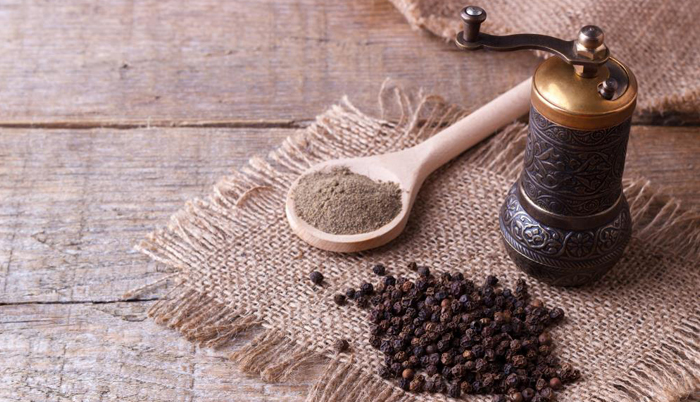
Of the many spices that are staples of a perfect pantry, one stands out as the “king of spices.” Black pepper, a condiment made by grinding the dried berries of the flowering plant Piper nigrum, is used in a lot of cuisines to add a mildly spicy flavor to foods. Next to salt, pepper is the most commonly used seasoning for savory dishes, and it complements all other spices perfectly. In fact, black pepper has the ability to enhance the taste, aroma and medicinal properties of whatever spice it is used together with.
Black pepper is also a medicinal spice with a long history of use in traditional medicine, particularly in Ayurveda. According to studies, black pepper is rich in active compounds that give it plenty of beneficial properties, especially antioxidant and anti-inflammatory activities. Piperine, the chemical responsible for the pungency of black pepper, not only helps relieve ailments like nausea and headaches, it also boosts the absorption of plant compounds from other medicinal plants, such as curcumin from turmeric. Here are some of the amazing things black pepper and piperine can do for you.
The health benefits of black pepper
In Ayurvedic medicine, black pepper is considered a healing spice that improves blood flow and oxygen supply to the brain. It also enhances digestion, stimulates appetite and helps maintain respiratory health and joint health. But Ayurvedic healers value black pepper highly because it is a bioavailability enhancer, and they believe it can help deliver the benefits of other Ayurvedic herbs to different parts of the body. They also use black pepper in various formulations because of its cleansing and antioxidant properties.
Here are the science-backed health benefits of black pepper and piperine: (h/t to Healthline.com)
Black pepper can protect cells from free radicals. Environmental factors like pollution and UV radiation trigger the production of highly reactive molecules called free radicals. These chemicals are known to cause cellular damage and induce inflammation, both of which can lead to chronic health conditions. Through the antioxidant activities of piperine, black pepper neutralizes free radicals and helps prevent serious diseases like heart disease and cancer.
Black pepper reduces inflammation. Chronic inflammation is linked by numerous studies to many life-threatening diseases. But piperine in black pepper can stop inflammation by inhibiting the production of pro-inflammatory molecules, such as interleukin-6 and metalloproteinase 13. This makes black pepper an effective natural remedy for inflammation-related conditions, such as arthritis, seasonal allergies and asthma.
Black pepper improves brain function. According to animal studies, piperine can decrease the formation of amyloid plaques, which are protein fragments that can damage neurons if they accumulate in the brain. In rat models of Alzheimer’s disease, this activity of piperine has led to improvements in memory. Researchers believe piperine can also be used for the treatment of Parkinson’s disease.
Black pepper improves blood sugar control. Piperine in black pepper may also help with diabetes. A recent animal study by Japanese researchers found that piperine can prevent blood sugar spikes after meals. Another study also found that piperine can improve the insulin sensitivity of overweight people after eight weeks of supplementation.
Black pepper helps lower blood cholesterol. Besides lowering blood sugar, black pepper can also help decrease blood cholesterol levels. In particular, studies have found that black pepper can decrease bad LDL cholesterol in rats fed a high-fat diet. When combined with turmeric and red yeast rice, piperine boosts the absorption of their cholesterol-lowering components, thus enhancing their positive effects.
Black pepper is a versatile spice and food ingredient that offers plenty of health benefits. You can use it on its own or combine it with other spices, such as turmeric, garlic or cumin. Add this amazing superfood to your diet to enhance the flavor of your meals and improve your heart, brain and metabolic health.
Source:
courtesy of NATURALNEWS
by Evangelyn Rodriguez
If you have any stories or news that you would like to share with the global online community, please feel free to share it with us by contacting us directly at pr@brudirect.com
Pine Pollen Buds Fermented Syrup

There are many health benefits from this recipe: from raw unfiltered honey, from pine pollen buds, from fermentation, and from sun and moon. Pine pollen is nature’s superfood. It is an adaptogen and is also used to stimulate the immune system, boost brain health, support detox, promote weight loss and alleviate pain.
It also has vitamin D, magnesium, selenium, silicon, potassium, calcium, iron, strontium, phosphorus, sulphur, chlorine, manganese and many other vitamins, minerals and essential amino acids, plus probiotics and enzymes from fermentation. Ingredients
pine pollen buds
raw unfiltered honey
Instructions
> Fill 1/2 gallon jar with pine pollen buds leaving 1 inch of headspace. Add honey to fill in the spaces between the pine pollen buds. Honey drips really slow, because it’s thick. Cover jar.
The first few days, close the lid very lightly, because of fermentation gasses.
After a week or two, honey will be almost watery.
Mix or shake jar every couple days, so top layer is coated too.
Takes about 1-3 months, in sunshine and moonlight.
Taste is very interesting: lemony, sweet, slightly acidic, piney, foresty and fresh.
The health benefits of antioxidant-rich black pepper and piperine
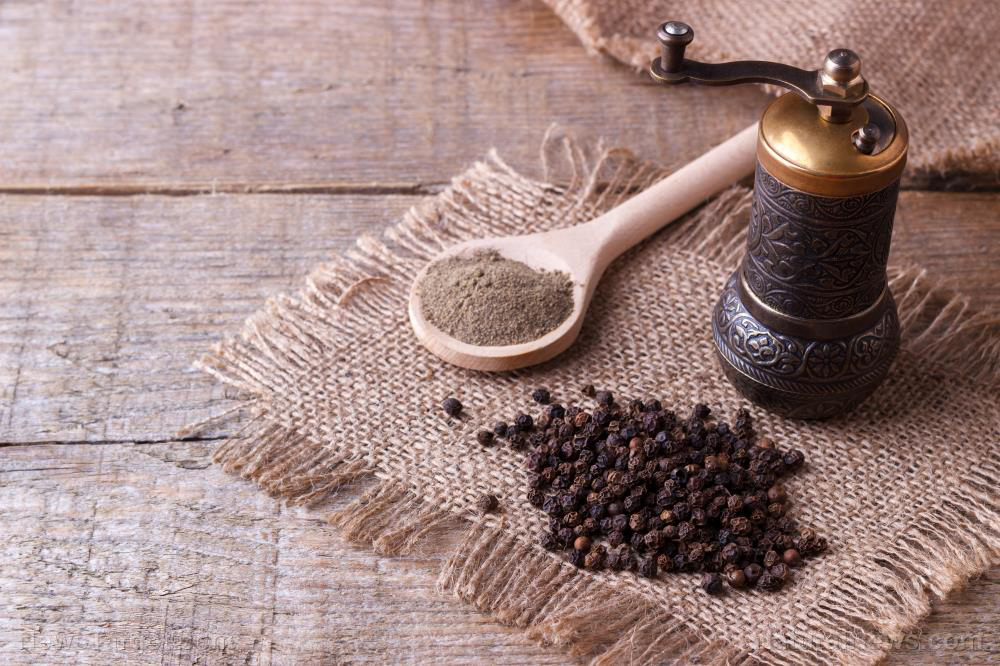
( Natural News ) Of the many spices that are staples of a perfect pantry, one stands out as the “king of spices.” Black pepper, a condiment made by grinding the dried berries of the flowering plant Piper nigrum , is used in a lot of cuisines to add a mildly spicy flavor to foods. Next to salt, pepper is the most commonly used seasoning for savory dishes, and it complements all other spices perfectly . In fact, black pepper has the ability to enhance the taste, aroma and medicinal properties of whatever spice it is used together with.
Black pepper is also a medicinal spice with a long history of use in traditional medicine, particularly in Ayurveda. According to studies, black pepper is rich in active compounds that give it plenty of beneficial properties, especially antioxidant and anti-inflammatory activities. Piperine, the chemical responsible for the pungency of black pepper, not only helps relieve ailments like nausea and headaches , it also boosts the absorption of plant compounds from other medicinal plants, such as curcumin from turmeric. Here are some of the amazing things black pepper and piperine can do for you . The health benefits of black pepper
In Ayurvedic medicine, black pepper is considered a healing spice that improves blood flow and oxygen supply to the brain. It also enhances digestion, stimulates appetite and helps maintain respiratory health and joint health. But Ayurvedic healers value black pepper highly because it is a bioavailability enhancer, and they believe it can help deliver the benefits of other Ayurvedic herbs to different parts of the body. They also use black pepper in various formulations because of its cleansing and antioxidant properties.
Here are the science-backed health benefits of black pepper and piperine: (h/t to Healthline.com )
Black pepper can protect cells from free radicals . Environmental factors like pollution and UV radiation trigger the production of highly reactive molecules called free radicals. These chemicals are known to cause cellular damage and induce inflammation, both of which can lead to chronic health conditions. Through the antioxidant activities of piperine, black pepper neutralizes free radicals and helps prevent serious diseases like heart disease and cancer.
Black pepper reduces inflammation. Chronic inflammation is linked by numerous studies to many life-threatening diseases. But piperine in black pepper can stop inflammation by inhibiting the production of pro-inflammatory molecules , such as interleukin-6 and metalloproteinase 13. This makes black pepper an effective natural remedy for inflammation-related conditions, such as arthritis, seasonal allergies and asthma .
Black pepper improves brain function. According to animal studies, piperine can decrease the formation of amyloid plaques, which are protein fragments that can damage neurons if they accumulate in the brain. In rat models of Alzheimer’s disease , this activity of piperine has led to improvements in memory. Researchers believe piperine can also be used for the treatment of Parkinson’s disease.
Black pepper improves blood sugar control. Piperine in black pepper may also help with diabetes . A recent animal study by Japanese researchers found that piperine can prevent blood sugar spikes after meals . Another study also found that piperine can improve the insulin sensitivity of overweight people after eight weeks of supplementation.
Black pepper helps lower blood cholesterol. Besides lowering blood sugar, black pepper can also help decrease blood cholesterol levels. In particular, studies have found that black pepper can decrease bad LDL cholesterol in rats fed a high-fat diet. When combined with turmeric and red yeast rice, piperine boosts the absorption of their cholesterol-lowering components, thus enhancing their positive effects. (Related: Combine turmeric and black pepper to boost health benefits of curcumin .)
Black pepper is a versatile spice and food ingredient that offers plenty of health benefits. You can use it on its own or combine it with other spices, such as turmeric, garlic or cumin. Add this amazing superfood to your diet to enhance the flavor of your meals and improve your heart, brain and metabolic health.
Sources include:
Healthline.com 1
Healthline.com 2
NaturalHealth365.com
MAPI.com

7 ways walking works wonders on your health

Whilst being the most convenient way to stay fit, walking was heralded as ‘a man’s best medicine’ by Hippocrates over 2000 years ago. As well as being a great way to get some fresh air and explore our surroundings, walking has a number of benefits for our health and wellbeing. Whether it be a quick stroll or a long scenic hike, the experts at Shakti Himalaya Shakti Himalaya have listed seven ways walking can do wonders for your health. 1. It improves fitness
Walking is one of the easiest approaches to getting active and improving your overall fitness. Not only is it an exercise that is ideal for all age groups, but a quick ten-minute stroll every day can improve your blood pressure, manage joint and muscular pain, make your bones stronger and reduce body fat. By incorporating regular walking into your routine, you are also at lesser risk of developing cardiovascular disease and major health problems such as type 2 diabetes. 2. It lowers your stress levels
As well as benefitting your physical health, walking also can help your mental health. Like other types of aerobic exercise, walking promoted the production of endorphins in your brain, which helps to improve your overall mood. Focusing on your surroundings as you walk can also help you feel more present and therefore, relieve symptoms of stress and anxiety. Walking is one of the easiest approaches to getting active and improving your overall fitness 3. It makes you greener
Needless to say, walking is a far more environmentally friendly way to travel. As well as not contributing to air pollution, you are breathing in less exhaust fumes that can cause respiratory problems such as asthma. Less traffic noise, fewer road accidents and money savings are also added benefits to going green and choosing to walk. 4. It sparks the imagination
Walking is the best exercise for your imagination too. Research shows that taking time out of your busy day to walk can lead you to discover new gems and stimulate creative thinking. When you walk, try to change your perception. This could simply be by observing what’s really going on around you or actively searching for hidden places you’ve never been to before. Whatever it is, pay attention and you are sure to be inspired. 5. It enables you sleep
Poor sleep leads to poor health. Whilst falling asleep is easy for some individuals, approximately 10% of us have experienced chronic insomnia at some point. A post meal stroll will not only help to keep blood sugar levels under control, but it creates the hormone melatonin that helps you fall asleep. Studies show that a walk will benefit your sleep as long as it is three hours before you go to bed, so give it a go next time you are struggling to doze off. Research shows that taking time out of your busy day to walk can lead you to discover new gems and stimulate creative thinking 6. It works your flexibility and balance
As we get older, we lose some of our flexibility and balance that we so often take for granted. Walking, as a low impact exercise, builds on your lower body strength which is important for balance. It also keeps up the flexibility of your joints by stretching your hip flexors, calf muscles, arms and shoulders. This full range of motion maintains your whole body’s strength and health. 7. It improves your memory
As well as being a natural mood booster, going for a walk is great for getting out of a cognitive haze and working your brains memory function. Whilst being a mild workout to clear your mind in the morning, studies have shown that walking appears to boost the size of the hippocampus – the part of the brain that promotes learning new information and verbal memory. Also, as you remember new walking routes, you are forced to concentrate on where you are heading which will improve your memory.

The Power Within by Corey Daniels book available for only $2.99
Mind has both conscious and subconscious halves. These are likened to a driver and the truck he drives. The driver plans the destination and observes road conditions, while the truck provides motive power. Your subconscious mind is like the truck and it only goes in the direction in which is a steered. This can be the road or off a cliff. Likewise, the consciousness paints a picture of what the world is and what your goals are and the subconscious acts on them through emotion, physical response and energy, whether these are correct, rational images or false negative ones. The subconscious is also like an emotional reservoir which your body and mind draw responses from to external stimuli.
The Power Within lays out a method of programming your subconscious and tapping into the Holy Spirit, God voice or what the Greeks called the daimon (godman).