Nature Knows and Psionic Success
God provides
Alzheimer’s disease and diet: Why berries, tea and apples may lower your risk
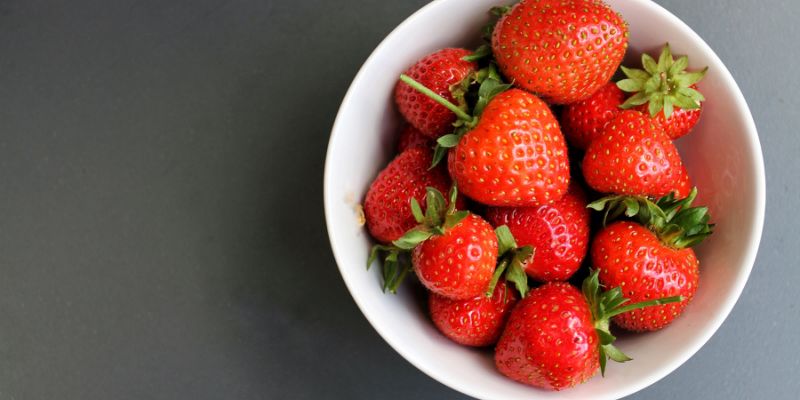
Regularly sipping tea, biting into an apple or snacking on berries may play a role in protecting adults from cognitive decline and memory problems, a new study has found.
People who ate plenty of foods rich in flavonoids — natural plant chemicals found in many fruits and vegetables — were less likely to develop Alzheimer’s disease and related dementias over 20 years than those who ate few of those foods.
The findings, published this month in the American Journal of Clinical Nutrition , suggest long-term intake of flavonoids is linked with a lower risk of the brain disorder.
It’s more evidence of how important diet can be for brain health, said Paul Jacques, senior author of the paper and a nutritional epidemiologist at the Jean Mayer USDA Human Nutrition Research Center on Aging at Tufts University in Massachusetts.
“There’s no treatment for Alzheimer’s disease so prevention is critical,” Jacques told TODAY.
“We can see that if starting around age 50, you eat a healthier overall diet that includes various sources of flavonoids, such as berries, tea and apples, you can substantially lower your risk of Alzheimer’s disease.”
Researchers are still trying to figure out why flavonoids seem to have a protective effect on the brain. One theory is that it’s known flavonoids have anti-inflammatory properties and one aspect of Alzheimer’s disease and other related dementias is inflammation in the brain, Jacques said.
Three classes of flavonoids — found in berries, tea ( particularly green tea ), apples, pears, onions and red wine — appeared to be especially beneficial.
The Mediterranean diet — already mentioned as a possible factor in helping prevent Alzheimer’s by the National Institute on Aging and brain experts including Harvard neurologist Rudolph Tanzi — is higher in flavonoids. So are any plant-based diets, Jacques noted.
The study was based on data from 2,801 participants in the long-term Framingham Offspring Study, which explored the health of thousands of residents in Framingham, Massachusetts.
As part of the study, the participants — all over the age of 50 for this paper — listed everything they ate. Those foods were then analyzed for flavonoid content and the participants were divided into groups that indicated high or low flavonoid intake.
High flavonoid intake: was equal to about 7.5 cups of blueberries or strawberries; eight apples and pears; and 19 cups of tea per month.
Low flavonoid intake : indicated no berries, about one-and-a-half apples and no tea per month.
When researchers followed the participants for about 20 years to see who developed Alzheimer’s disease , they found low intake of three flavonoid types in particular was linked to a higher risk of dementia, compared to the highest intake. Low intake of flavonols — found in apples, pears and tea — was associated with twice the risk of developing Alzheimer’s disease and related dementias (ADRD).
Low intake of anthocyanins — found in blueberries, strawberries and red wine — was linked with a four-fold risk of developing ADRD.
Low intake of flavonoid polymers — found in apples, pears and tea — was associated with twice the risk of developing ADRD.
The people who gained protection were basically eating an apple and snacking on berries every few days, and drinking a cup of tea every other day or so, Jacques said.
It’s possible to take flavonoid supplements, but it’s “definitely” better to eat the actual foods, he added. The results were also not an invitation to drink more red wine.
“If someone is drinking red wine, there may be some benefit from flavonoids, but you can get even more from teas or the consumption of berries,” Jacques noted.
“The flavonoids are an important component but the message is really about eating a healthy diet — one that has a higher plant-based component… a healthy diet really does have a dramatic effects on people’s health.”
Since the risk of dementia starts to increase over age 70, he advised people who are approaching 50 or just beyond to start thinking about a healthier diet if they haven’t already.
Vestige expands health and wellness portfolio, launches Vestige Prime Metamind chewable tablets
New Delhi [India] May 14 (ANI/BusinessWire India): Vestige Marketing Pvt Ltd, one of India’s leading direct selling companies that provides health, wellness, and hygiene products has launched Vestige Prime Metamind chewable tablets.
It contains FDA GRAS recognised vegetarian ingredients Phosphatidylserine and Ferric Saccharate that improves cognitive health.
According to a recent study conducted by Vestige, 70 per cent respondents also said that modern diet was not enough and additional supplements were necessary to boost brain health.
The decline in the attention span of human being is a matter of great concern as expectations are at an all time high from children above 12 years and working professionals in the 21st century.
They need smart learning abilities, ability to concentrate for long hours, improve cognitive skills and prompt brain processing to perform and thrive in today’s competitive world.
Vestige Prime Metamind with Phosphatidylserine (PS) as a key ingredient acts as the right food for the brain that makes crucial contribution to the structure and functioning of the nerve cells.
It plays a key role in improving ‘cell to cell’ communication, information transfer, signalling, etc.
The phosphatidylserine in Metamind helps to reduce the risk of dementia and improves memory recognition and recall in the elderly.
For Students, it improves concentration, enhances memory, increases attention, improves learning and helps in stress management.
This is besides improving executive functions, focus, alertness and recall among working professionals.
Phosphatidylserine authorized as a novel food in Europe, and approved in Australia, Canada, and China is a natural nutrient that can be found in our food chain and exists in mother’s milk.
However, modern diet contains low levels of Phosphatidylserine making it important to get daily dose of the same to make up for its deficiency in our diet. Ferric Saccharate carries oxygen to the brain and provides synergistic effect along with Phosphatidylserine.
“It is an exciting time for the healthcare and dietary supplement market in India which according to TechSciResearch study is expected to reach USD 308 billion by 2022. The segment is witnessing strong demand backed by growing acceptance for health supplements among consumers who now has understood the fact that physical and mental health are both co-existent,” said Gautam Bali, MD, Vestige Marketing Pvt Ltd.
“We identified this need to boost cognitive health of customers across age groups and decided to introduce it into the market. This has been possible due to Vestige’s single-minded focus on bringing health and wellness products for customers backed by strong research and development capabilities. The development and the subsequent launch across India in record time is a testament to innovative and passionate teams of Vestige who are committed to bring best in class products to boost health and wellbeing of customers,” he added.
Nutrition plays an important role in strengthening and maintaining a proper immune function. A strong immune system helps the body battle the viruses and bacteria that cause infection or disease, including COVID-19.
Vestige is also witnessing exemplary demand for its nutrition products spurred by growing inclination for nutritional supplement among consumers amidst COVID-19 outbreak.
Company’s strong product portfolio in the health supplement segment consists primarily of Vestige Prime Krill Oil, Vestige Prime Combiotics and Vestige Prime Seabuckthorn.
Vestige distributors can place order for the Vestige Prime Metamind through Vestige mobile app and e-commerce site – shop.myvestige.com.
For more details please visit www.myvestige.com
Vestige Prime Metamind
MRP: Rs 1,285
Pack Size: 30 chewable tablets
Recommended dosage: One tablet daily for people 12 years or older
This story is provided by BusinessWire India. ANI will not be responsible in any way for the content of this article. (ANI/BusinessWire India)
One Avocado Does This to Your Brain
Avocados are one the trendiest foods among health-conscious people. For good reason.
Years ago, they were considered fattening. But then researchers discovered that they actually help you lose weight.
Studies have also found that they lower inflammation, protect against heart disease, and lower your risk for cancer .
Now, new research shows that avocados have another important benefit: They make you smarter.
Professor Naiman Khan led the study and published it in the International Journal of Psychophysiology . He said that previous research has found that people “with overweight and obesity are at higher risk of cognitive decline and dementia” as they age. [1]
His study was aimed at seeing whether certain foods could address the problem.
The researchers recruited 84 overweight or obese adults. They gave them daily meals for 12 weeks. Half the subjects got an avocado with their food. The other half didn’t. Other than that, the meals were identical.
The scientists gave the subjects cognitive tests at the beginning and end of the study.
The researchers found that people who ate avocados improved their ability to focus on a task and ignore distractions. People who didn’t eat avocados did not improve.
Professor Khan notes that avocados are “high in fiber and monounsaturated fats.” He thinks these and other nutrients in avocados “have a specific action in the brain” that supports the ability to concentrate and perform tasks. [2]
Here’s a tasty, healthy, and easy-to-prepare avocado dish. Avocado, Rice, and Corn Salad Recipe
Ingredients 1 avocado, pitted, peeled, and sliced
3 cups cooked brown rice
1 cup corn, or kernels cut from 2 ears
1/2 cup sliced almonds
1 finely chopped onion
1 teaspoon lemon juice
1 teaspoon olive oil
1 teaspoon soy sauce
1 teaspoon brown rice vinegar
4 large leaves of Bibb lettuce
Mash the sliced avocado into the cooked rice. Add corn, onion, and almonds. Mix the oil, vinegar, lemon juice, and soy sauce together. Pour over the salad. Toss and refrigerate. Serve chilled over lettuce. Serves 4.
Avocados are a delicious way to gain mental sharpness while supporting your overall health.
Editor’s Note: Where are my keys? Why did I come into this room? What is my nephew’s name? Read our monthly journal Independent Healing to learn if these mental lapses are normal or signs of Alzheimer’s. And discover how to get back your youthful memory. Subscribe HERE .
Related Articles
Your Brain Takes a Beating as You Age. Here’s How to Save Your Memory. [1] https://www.sciencedirect.com/science/article/abs/pii/S0167876019305598?via%3Dihub [2] https://medicalxpress.com/news/2020-03-daily-avocado-consumption-attention-persons.html
Nootropics Can Help You Stay Focused and Productive Amid Stress and Distraction
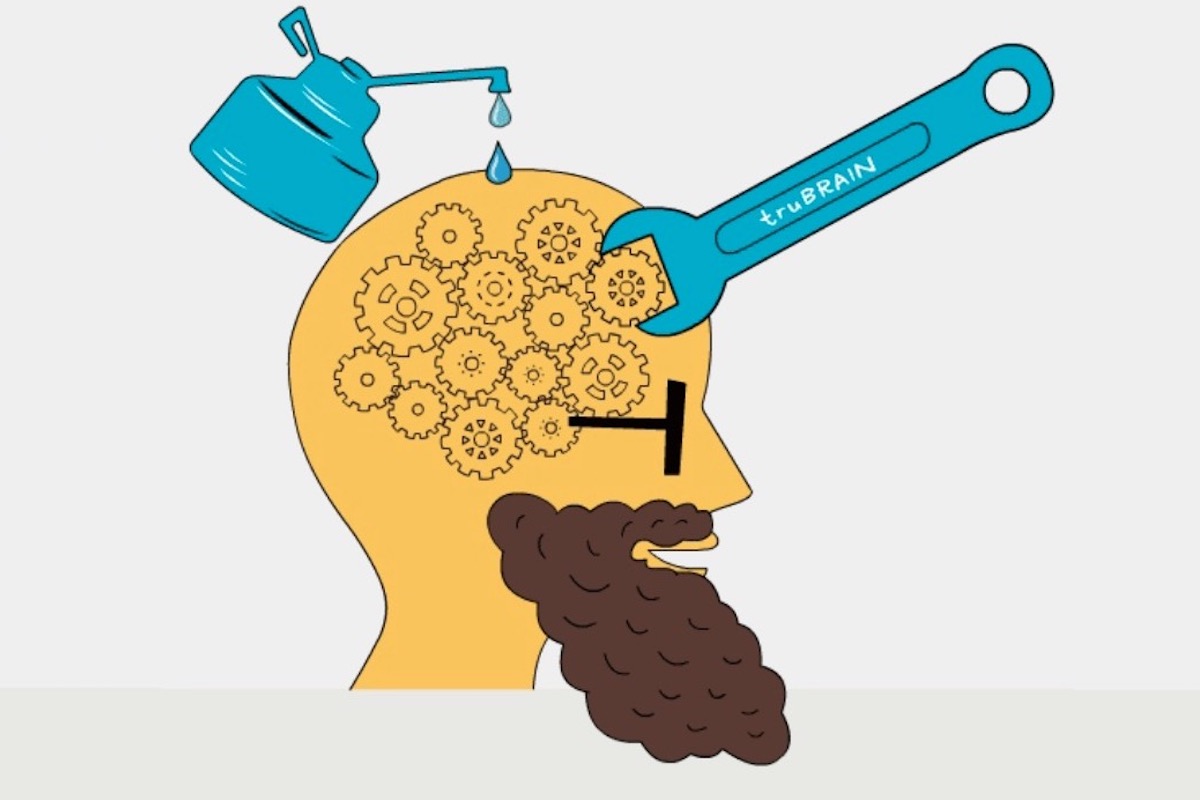
Are you finding it more and more difficult to stay focused and productive given everything life throws at you on a daily basis? Are you downing coffee and energy drinks like water in a vain attempt to keep yourself awake and on task? Well, you’re not alone. Modern life is complex, and a lot of people struggle to balance it all. However, we do have some good news for you. Thanks to an innovative nootropics company TruBrain , there’s now a better way to boost brain function. It’s called Brain Food . And it might be just the thing you need to power through exhaustion and distraction so you can be the best possible version of yourself. TruBrain TruBrain was founded a few years ago by a former Unilever executive and a team of UCLA neuroscientists who wanted to help regular people maximize their mental performance. To accomplish this goal they created Brain Food , a scientifically formulated blend of nootropic compounds that has been clinically proven to enhance verbal fluency and improve both memory and learning.
Though bloggers and social influencers talk about nootropics, or smart drugs, as though they are something totally new, that’s not actually the case. Humans have been using nootropic compounds to boost mental performance for millennia. What’s different is that scientists today know a lot more about how nootropics work, and which ones have synergistic interactions with each other.
This is the knowledge that helped TruBrain create Brain Food .
Brain Food isn’t a magic smart drug. It won’t make you a genius. It’s a nutritional supplement specifically rigorously and methodically engineered to create the biological conditions necessary for peak mental performance.
Like a lot of other nootropic supplements, Brain Food contains the so-called “ everyman stack ” of caffeine and l-theanine, a combo humans have been taking for thousands of years in the form of green tea. Caffeine, of course, is a central nervous system stimulant that increases alertness and energy by blocking the neurological receptors for drowsiness. L-theanine, meanwhile, is an amino acid that produces a sense of calm and relaxation and is especially effective in soothing nervousness and jitters that come with caffeine. Numerous studies have shown rather conclusively that, when taken together, caffeine and l-theanine can improve mental performance, alertness, and mood.
Unlike a lot of other nootropic supplements, Brain Food doesn’t stop there. In addition to caffeine and l-theanine for alertness and focus, it also contains noopept, a synthetic nootropic molecule that increases blood flow to the brain and makes acetylcholine receptors in the brain more receptive to the neurotransmitter acetylcholine. Increased blood flow to the brain enhances neuroplasticity, which is a brain cell’s ability to build new neural connections. The more neural connections in your brain, the higher your brain function. Meanwhile, enhanced acetylcholine reception makes communication between neurons faster and more efficient.
Of course, an increase in neurotransmission requires more energy. That’s why Brain Food also contains a high impact dose of the raw nutrients that your attention system burns for fuel. These raw nutrients include magnesium, a key mineral that an estimated 90 percent of people are deficient in; tyrosine, an amino acid that plays a vital role in communication between brain cells; carnitine, which helps neurons break down glucose and fatty acids for fuel; and citicoline, which is a precursor to the neurotransmitter acetylcholine. TruBrain TruBrain’s advanced blend of nootropics and nutrients comes in 1oz liquid shots with a refreshing tropical flavor profile. These shots are available in quantities of 20, 30, and 60. You get discounts of 10, 20, and 30 percent when you subscribe and pre-pay for three, six, and 12 months respectively. New subscribers also get an additional 10 percent off their first order.
Of course, before you order, you probably want to know if this stuff actually works. And the answer is yes. It is impossible to describe the exact benefits you will experience, because, like snowflakes, no two brains are exactly alike. However, third party clinical trials and EEG brainwave analysis have demonstrated that Brain Food boosts high alpha brain waves, which are indicators of an enhanced focus, verbal fluency, memory, and learning.
So in other words, if you want something that can help you focus, think, remember, and create better, you should think about giving Brain Food a try .
Futurism fans: To create this content, a non-editorial team worked with an affiliate partner. We may collect a small commission on items purchased through this page. This post does not necessarily reflect the views or the endorsement of the Futurism.com editorial staff.
How blueberries keep your blood pressure (and more!) in check
During this time, it’s likely that many of us are having what researchers call a severe stress reaction . It can happen when we experience a huge trauma, like the loss of a loved one, or a natural disaster.
Or, a pandemic.
One Swedish study found that the risk of cardiovascular disease and heart attack was a whopping 64 percent higher among people who suffered a severe stress reaction or other stress disorder.
And let’s face it, even if you haven’t lost anyone close to you in this pandemic, the stress of watching the news and wondering what the future holds can wreak havoc with your blood pressure and your heart health.
One of the tried and true ways to help your body cope with stress is by adjusting your diet. The nutrients we feed our body can determine how our body handles stress.
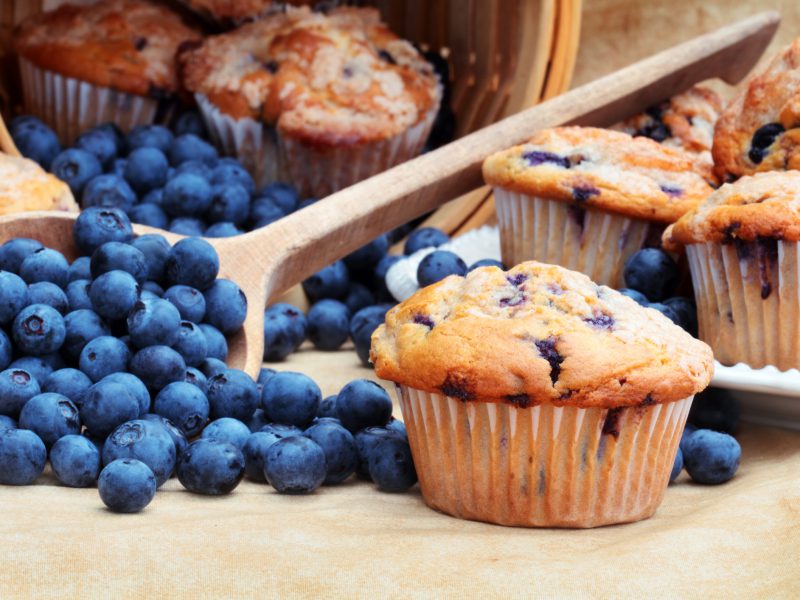
If you’re looking for a way to help keep your blood pressure under control, without turning to medications that may do more harm than good , adding a handful of the little blue fruit that’s already considered a “superfood” may be just the ticket. Blueberries lower blood pressure
A team of researchers from King’s College in London found that drinking 200g (almost a cup) of blueberries every day for four weeks led to decreased systolic blood pressure (the top number of a blood pressure reading, which shows the amount of pressure in your arteries when your heart contracts).
Blueberries also improved blood vessel function in the 40 healthy volunteers who took part in the study.
During the monthlong study, half the volunteers drank a blueberry beverage. All volunteers were monitored for blood pressure, as well as for flow-mediated dilation (FMD) of the brachial artery (how much the artery widens as blood flow increases). FMD is considered an accurate measure of cardiovascular disease risk. The results?
Drinking blueberries daily lowered blood pressure by 5mm Hg, comparable to what’s expected from using blood pressure medication.
The researchers followed up with another study, where they tested the results of a non-blueberry drink high in anthocyanins , the antioxidants that give blueberries their color.
They found that the anthocyanin drink helped with blood clotting and blood pressure regulation, but they still believed that the real benefits come from the blueberry itself. Other reasons to eat more blueberries right now
Not only will a handful of blueberries in your cereal or yogurt help you avoid high blood pressure, this superfood still protects your health in other ways:
Blueberries fuel your brain. After 12 weeks of drinking concentrated blueberry juice daily, a group of adults ages 65-77 showed increased blood flow to the brain, and significant increases in brain activity, including improvements in short-term (working) memory.
Blueberries pump up your immune system. Research at the Linus Pauling Institute at Oregon State University demonstrated that pterostilbene, a natural compound found in blueberries, works together with vitamin D to increase the expression of our natural disease-fighting genes .
Blueberries prevent atherosclerosis. Animal studies have shown that blueberries can help prevent the growth of plaques and lesions in the arteries , thus preventing the development of hardened arteries and stroke.
Editor’s Note : You may have heard the news report recently that popular heart treatments aren’t cutting it. It’s time to discover the truth you won’t find at your doctor’s office! Before you submit to any heart treatment, read this FREE report…
Sources:
Research on Cognitive Functioning Reveals Positive Therapeutic Approaches for Brain Health
As an expert in the cognitive health and wellness space, AgeImmune seeks to educate the public on the potential therapeutic and behavioral options for improving mental capacity, cognition and memory.
Cognitive decline is an inevitability of the natural aging process. Yet advancements in modern medicine, supplementation, behavioral changes, and even technology are revealing new findings that give hope and promise for enhancing cognitive function with age. Own the Top-Performing Breakout Stock Every Month?
We all want to own breakout stocks every month. The only problem is finding them takes too long. Until now.
Benzinga’s Breakout Opportunity Letter sends you the name and ticker symbol of a breakout stock every month. Best of all, you can subscribe today with a special introductory offer.
As an expert in the cognitive health and wellness space, AgeImmune seeks to educate the public on the potential therapeutic and behavioral options for improving mental capacity, cognition and memory.
Physical Activity According to a Boston University School of Medicine study, certain types of hormones associated with physical exertion (i.e. exercise) were noted to improve memory function. Yet another study, published in 2013 by Harvard Medical School demonstrated that a unique molecule that was released during endurance training protected the brain against degeneration and improved cognition.
Experiential Enhancement
In 2013 a study published in the Journal of Psychological Science revealed that less “demanding” mental activities, such as word puzzles or listening to classical music don’t seem to have much impact on cognitive health and well-being. However, participating in activities that are both mentally demanding and unfamiliar can create the type of mental stimulation that may yield benefits, according to lead researcher Denise Park of the University of Texas at Dallas.
Supplementation
Supplementation for cognitive health and performance has been a hot topic over the last decade. Nootropics have taken center stage as the forerunners in improving mental performance, with everyone from athletes to students and CEOs looking for an “edge” in today’s competitive landscape. For others, it’s about improving general mental health and well-being, while potentially staving off the natural decline that comes with age.
A study published in the Journal of Neural Regeneration Research (2016) revealed that Lithium Orotate has the potential to be an effective over the counter mood stabilizer and cognitive enhancer. Another study, published by the American Journal of Geriatric Psychiatry (2009) found similar results.
But how does this naturally occurring alkali metal work? Studies demonstrate that its potential benefits are largely attributed to its ability to help neurons regenerate, while other research suggests that lithium orotate supplements may inhibit the production of enzymes in the brain that contribute to harmful plaque.
Exciting Advancements in Cognitive Health are on the Way One thing is certain. The future looks bright for those individuals who are willing to take a proactive approach to their mental and cognitive health. By making certain lifestyle changes, participating in new and challenging activities and supplementing their diet with known cognitive enhancers, the ability to preserve and improve brain health may just be within reach.
About Age Immune
Age Immune’s mission statement is to provide its customers with the best possible experience when it comes to their health. The team at Age Immune continues to innovate and create outstanding health supplements to support their customer’s wellness goals.
It is the focus on customer service and their research-backed, doctor-developed products that set Age Immune apart from the rest in the alternative health industry. Their continued effort to expand and improve their line up ensures they will have a dedicated customer base for years to come.
Media Contact
Company Name: Age Immune
Contact Person: NATALIE WEINBERG
Email: Send Email
Phone: (732) 416-6656
Address: 150 East 55th Street 6th Fl
City: New York
State: New York
Country: United States
Website: www.ageimmune.com/
The top 5 science-backed benefits of walking
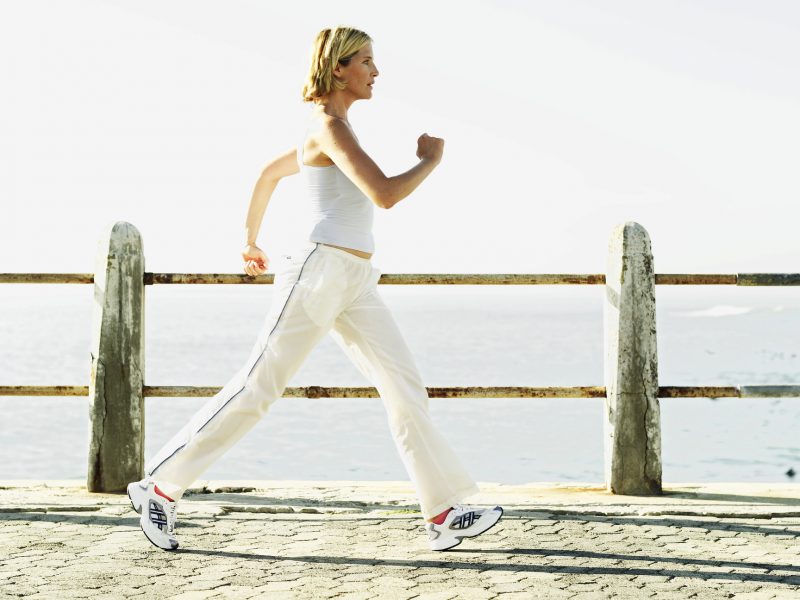
Staying active despite lockdown orders due to the coronavirus pandemic can be difficult, especially with many gyms across the country shuttered. But there’s one exercise that can be done anywhere, is easy to do even when social distancing and has big benefits — from boosting your brain health to keeping your heart ticking.
Here are the top five science-backed health benefits of taking a walk: #1 — Lowers risk of heart failure
A 2018 study by the American Academy of Cardiology found that walking might be the best exercise for post-menopausal women, at least when it comes to preserving heart health.
In fact, the researchers discovered that women who spent at least 40 minutes several times a week walking at an average to fast pace had an almost 25 percent reduced risk of heart failure compared to women who skipped their walk.
And that benefit held true no matter what the woman’s body weight was or even whether she spent time in other forms of exercise besides walking. #2 — Protects against heart disease
In addition to reducing your risk of heart failure, walking can protect you from developing heart disease in the first place — and more effectively than other, more intense forms of exercise.
A landmark study reported by the American Heart Association found that while running reduced the incidence of coronary heart disease by 4.5 percent, walking resulted in a 9.3 percent drop in participants between the ages of 18 to 80. #3 — Beats back pain
According to the American Chiropractic Association, up to 80 percent of people will experience back pain at some point in their lives — and many people live with debilitating pain on a daily basis.
While doctors often refer you out for expensive rehab when you go in for a consult for your pain, a 2012 study found that for chronic back pain, walking is just as effective as those appointments with a physical therapy specialist. Peak Maximum Endurance™
Specially formulated to promote optimal oxygen utilization in cells… healthy arteries and blood flow… and naturally balanced hormones. #4 — Boosts brain health and memory
If you’re worried about keeping your brain healthy and preserving your memory as you age, walking is the way to go.
Research by a team of scientists at New Mexico Highlands University (NMHU) found that when your foot impacts the ground during walking, it sends pressure waves through your arteries to significantly increase the supply of blood to your brain.
And a second study that same year discovered that for people already living with mild cognitive impairment or Alzheimer’s, walking boosted the connectivity of their brains in the areas associated with memory loss. #5 — Reduces breast cancer risk
To round out our top five benefits… walking can bring for your health is a reduced risk of breast cancer.
Yup, even the big C can’t stand up to a simple walk.
A study reported by the American Association for Cancer Research found that seven hours per week of moderate physical activity such as walking has the power to reduce your risk of breast cancer by 14 percent, compared to three hours or less each week.
So even if you can’t get to the gym right now, you can get out and walk and grab all of the health benefits the exercise has to offer.
Editor’s note : You can experience your best health ever without extreme diets, dangerous pills or brutal workouts! It’s true! Part-time health nuts are learning how to get optimal health with half the effort — and you can too. Click here for a preview !
Sources:
> Regular Walking May Protect Against Heart Failure Post Menopause — American College of Cardiology
Walking can lower risk of heart-related conditions as much as running — American Heart Association
Back Pain Facts and Statistics — American Chiropractic Association
An aerobic walking programme versus muscle strengthening programme for chronic low back pain: a randomized controlled trial — Sage Journals
How walking benefits the brain — Experimental Biology 2017
Exercise Training and Functional Connectivity Changes in Mild Cognitive Impairment and Healthy Elders. — Journal of Alzheimer’s Disease
Recreational Physical Activity and Leisure-Time Sitting in Relation to Postmenopausal Breast Cancer Risk — American Association for Cancer Research
CBD Oil and Fibromyalgia Treatment: Best Products, Research, and More
Fibromyalgia is a common condition that can cause a lot of pain, fatigue, and brain fog. Due to the prevalence of these symptoms in modern society, there’s the dismissal of people who just don’t know what is. Because of the lack of inflammation, fibromyalgia is often unfairly labeled as “psychosomatic.”
Conventional fibromyalgia treatments may work for some people, but for others, they don’t bring the expected results due to the specific character of some symptoms.
That’s why many individuals diagnosed with fibromyalgia seek relief in natural resources such as CBD oil.
But it’s not only the anecdotal evidence that supports the benefits of CBD oil for fibromyalgia patients. Science does it too.
In this article, we’ll cover: The benefits of CBD oil for fibromyalgia
An overview of earlier studies and current research
Let’s start with an industry overview. Best CBD Oils for Fibromyalgia: Our Top Picks in 2020
It’s not easy to find a high-quality CBD oil these days. The market is booming, but the industry itself is very loosely regulated, to say the least.
There are many great companies whose mission is to help people feel better using natural resources, but on the other hand, fly-by-night businesses aren’t in the clear minority either.
Buying CBD oil, whether online or locally , requires you to pay attention to several details, including the source of hemp, extraction method, third-party lab testing, and whether the product is made from full-spectrum CBD or isolate.
If you want to save time on research, you can use our brand recommendations below. We’ve tested over 100 products from 40+ brands, selecting the top 5 companies that offer the best value for those dealing with fibromyalgia. 1. Royal CBD (Best Overall)
Product Details
Potency 250 mg – 2500 mg Available Flavors Natural, Berry, Mint, Vanilla CBD per serving 8.3 mg – 83.3 mg Why Royal CBD is the Best CBD Oil for Fibromyalgia
Royal CBD is a premium brand from California that uses organic hemp from local farms to make full-spectrum CBD oil. Their supercritical CO2 extraction allows even the highest potencies to retain the plant’s original chemical makeup due to working at lower temperatures.
This CBD oil is available in four potency options, including 250 mg, 500 mg, 1000 mg, and 2500 mg. For strengths between 250 mg and 1000 mg, you can choose flavored options such as Berry, Mint, or Vanilla, if you don’t like the natural taste of CBD oil. The strongest bottle doesn’t offer any extra flavors, as it would compromise the potency of CBD.
The 2500 mg bottle is actually my favorite product from Royal CBD’s line up. The hemp taste isn’t overwhelming because the oil has been suspended in food-grade MCT oil from coconut. That’s another serious benefit because MCT oil also improves the bioavailability of CBD.
I’m not a fibromyalgia patient, but like many people, I experience pain and anxiety from time to time, so CBD oil is my daily bread. I use it to relax and relieve muscle pain after working out, and I noticed that Royal CBD gets me the best results in those areas. The product acts quite fast and the effects stay with me for a few hours. Plus, this potency is the most affordable for me in the long run.
All Royal CBD’s products are tested for potency and purity in a third-party laboratory. The guys at Royal are also aware that not everyone wants to commit on a first date, so they have a 30-day money-back guarantee program just in case you weren’t satisfied with the results.
Needless to say, I didn’t return mine. Pros Cons Made from locally grown organic hemp
Extracted with supercritical CO2
Infused with full-spectrum CBD
Up to 2500 mg of CBD per bottle
3rd-party tested for potency and purity
Great natural flavor
Not available in local CBD stores (this may soon change)
2. Gold Bee (Best Flavored) Product Details Potency 300 – 1200 mg Available Flavors Natural, Honey About Gold Bee God Bee is another California-based manufacturer. The company makes honey-flavored full-spectrum CBD oil, which they source from local growers and farmers from Colorado using organic hemp plants.The quality of ingredients, as well as the honey flavor, deserves a medal in my opinion. This CBD oil tastes very neutral, with an actual honey aftertaste — something very enjoyable compared to the tart taste of many oils I’ve had a “pleasure” to try. When it comes to pain and stress, I noticed similar results to what I was getting with Royal CBD, but I give Gold Bee the runner-up title because it lacks high-potency oils. This may be a downside for people with severe fibromyalgia symptoms.But other than that, it’s one of the best CBD oils in this category. And if you’re a flavor chaser, you definitely need to try it. Pros Cons Sourced from US-grown organic hemp Contains full-spectrum CBD Up to 33 mg CBD/mL Great potency range for beginners Third-party tested for potency and purity Great honey flavor No high-strength CBD oils 3. CBDPure (Best Transparency) Product Details Potency 100 – 1000 mg Available Flavors None CBD per serving 3.3 – 33 mg/mL About CBDPure CBDPure offers mostly low-potency CBD oil, although the company has recently added a 1000 mg potency to their product selection, which is a nice nod towards people who know their dosage but want to save more money on their CBD oil.On top of being one of the most transparent companies in the industry, CBDPure always surprises me with the way their low-potency oils work for me. This company is the benchmark for the quality of full-spectrum CBD oil. I’ve been getting decent results with CBDPure’s product both when it comes to my mood and some of my post-injury pain in the ankle. The effects were actually pretty similar to the two other top brands in this compilation. CBDPure scores third place only because it’s not as affordable as Royal CBD and Gold Bee in the long run, at least for me.But if you want […]
Mother’s Little Helpers: Brain Boosters To Lift Your Spirits

How ya feelin’ on the inside, honey? If you’ve read much of my manuscripts, you’ll know I preach about making yourself a priority, but just in case you’ve forgotten — in the devoted busyness and self-sacrificing dedication of it all, and you’re feeling somewhat harassed, jaded, irked, knackered or weary — good help can be just a health shop away.
The brain is the most complicated and mysterious organ in our body, performing an intricately complicated balancing act of immeasurable activities — most hidden from us. Medical science is still researching the roles of hormonal therapies and natural complementary therapies for treating neurological disorders such as postnatal depression disorders. So, for the meantime perhaps the best advice will be to seek professional help and listen to your intuition in your personal search for your own individual solutions.
The most inexpensive remedy (but sometimes the most difficult to obtain) is genuine non-judgemental encouragement and support from your partner, family and friends. Try, if you can, to seek out people who will be accepting, loving and encouraging, people who will listen to you and give practical help.
Following is a list of body-mind boosters you could consider to get you started on the road to uplifting your spirits .
Gotu kola (Indian pennywort)
Gotu kola is one of Indian (Ayurvedic) medicine’s primary rejuvenative herbs (nicknamed ‘food for the brain’); and in China it was recorded 2000 years ago as a herbal medicine. In India, gotu kola can be called Brahmi because it brings knowledge of Brahman (highest reality).
Besides improving brain function (such as memory), gotu kola also has positive effects to aid the circulatory system, improving blood flow and strengthening arteries, veins and capillaries (described traditionally as a blood purifier). In addition, it improves digestion disorders, strengthens the immune system and fortifies the nervous system. Gotu kola is also renowned for its superb skin-healing qualities.
False unicorn root NutraWiki False unicorn root was traditionally a miscarriage preventative and morning-sickness nausea remedy with Native American women. Over time, countless women have used false unicorn root as a powerful uterine and ovarian tonic for disorders of the female reproductive system, assisting to normalise organ function. It can also help with menstrual and uterine problems such as afterbirth contractions, menstrual cramping, heavy bleeding at menopause, and has a reputation of increasing women’s fertility.
Chaste tree berries ( Vitex agnus-castus )
This is a very old Mediterranean medicinal shrub often featured in Greek mythology and even mentioned by Hippocrates. It is traditionally used to treat menstrual-cycle complaints (particularly PMS), female hormonal imbalances, and as a post-pregnancy support. Better Nutrition At the base of the brain is the hypothalamus, and hanging by a ‘stalk’ below it is the grape-sized master gland, the pituitary. The hypothalamus triggers the pituitary to release the ovaries-stimulating hormones known as FSH (follicle stimulating hormone) and LH (luteinising hormone), which in turn stimulate the production of oestrogens and progesterone. It is this relationship, the pituitary–hypothalamic axis, which it is believed Vitex agnus-castus positively affects, by decreasing FSH (lowering oestrogens) and increasing LH (increasing progesterone); thus improving and normalising the oestrogen–progesterone ratio.
Also known as monk’s pepper, Vitex agnus-castus does not provide rapid results; it is best used long-term because its benefits develop slowly.
Shatavari ( Asparagus racemosus )
This Indian herb (in Sanskrit named ‘Shatamuli’) is the most important tonic in Ayurvedic medicine for treating female reproductive-system health disorders. This Hindi word translates to ‘she who possesses a hundred husbands’, which is referring to its rejuvenating effects upon the reproductive organs.
Shatavari is used traditionally to improve the quantity and quality of breastmilk, to enhance feelings of love, for sexual debility, increased fertility, healing inflamed tissue, and to improve the body’s own healing power. This is a soothing and calming tonic.
Counselling, psychotherapy and hypnotherapy
Welcome to the world of psycho-social management. Such ‘interventions’ include talk therapies such as counselling and psychodynamic psycho- therapy. These consistently prove to be of great assistance to maternal mental-health problems. Having a few sessions of supportive listening absent of opinions and advice, and providing an opportunity for the mother to tell her birth story and discuss her anxious concerns, can reduce depression very effectively. Counselling that includes practical advice regarding the lack of support for the mother, and counselling that deals with her feelings of being unable to cope and her general lack of pleasurable experiences, have both been proven to be of great benefit.
Cognitive behavioural therapy with its problem-solving approach, even over the telephone, can be just as effective as some antidepressants.
Interpersonal therapy, which focuses on the mother’s present and past relationships, and how they relate to her current depression, can also significantly relieve depressive symptoms.
Hypnotherapy works with the subconscious, helping to retrain or reprogramme the unconscious mind to break the internal cycle of depressed feelings. It teaches you how to put the past, present and future into perspective — so you can move forward confidently into the life you want to feel.
St John’s wort ( Hypericum perforatum )
So named because it annually blooms in Europe by the feast day of Saint John the Baptist, St John’s wort has been known as a medicinal herb for centuries. It has a long, magical and fabled history. For example, around the summer solstice early Christians would soak the plant’s flowers in olive oil that would turn blood red (due to the hypericum) to symbolise the blood of martyred John the Baptist, then it would be cast onto bonfires or used to bless crops and to ward off evil spirits.
Also known as the devil’s scourge, St John’s wort has been used, predominantly by ‘wise women’ and midwives for many hundreds of years, to ‘chase away the devil of psychotic madness’ and other illnesses of the imagination and understanding, such as melancholia and anxiety. Even soldiers in the Crusades would drink it with wine to steady their nerves.
This mood-enhancing antidepressant supplement increases the availability of serotonin in the neuron synapses (brain nerve-cell junctions), norepinephrine (which improves alertness and increases energy), and dopamine (which increases the […]
Things to do to Stay in Good Health even on a Lockdown

There has never been a time in the world history that everyone is battling to stay in good health than today because of the pandemic Covid-19.
Good health has never been as in focus as it is now at a time when the world is fighting a pandemic, which has massive health and economic consequences. Millions all over the world have been hit by the disease, people are losing their jobs, businesses are closing and supplies are scarce. Our global health situation has compelled us all to make wellbeing a priority. As we now turn our attention toward making good health a new way of life, you can count on Watsons to be with you every step of the way. Here are a few recommendations from Watsons on what you can do at home to help keep your immunity strong and your family healthy. Be active
Physical activity is one of the ways in which we can strengthen our immunity. The World Health Organization has said that physical activity can “reduce the risk of hypertension, coronary heart disease, stroke, diabetes, breast and colon cancer, depression and the risk of falls.” Being active is not just exercising or running. It can also include household chores and other activities that require movement.
Eat right
Eating right is the key to a healthy body. It is not about dieting and restricting calorie intake but eating more of immunity-boosting foods such as broccoli, garlic, ginger, red bell peppers, kangkong, camote, carrots and citrus fruits. A good diet can boost one’s immunity and improves the mood and memory. You can also end your meals with a warm cup of comfort courtesy of Nutrabliss by Watsons Tea .
Get quality sleep
Getting a good night’s sleep helps increase our body’s defense against sickness. Bad sleeping habits can affect your mood, brain and heart health, immune system and weight. I’ve been trying to sleep at the same time every night so my body gets used to a regular bedtime. Another good tip is reducing your screen and TV time an hour or two before bedtime. You can also dim the lights in your bedroom, if they are bright.
Take vitamins regularly
With our current situation, some natural sources of vitamins may be hard to come by. Taking vitamins regularly help replenish the body’s supply of vitamins and nutrients. Drinking vitamins daily helps keep you energetic and fit and has positive effects on your mood and emotional wellbeing. Vitamin C is one of the most important vitamins. It promotes healing and has many other health benefits. Pro tip: Stock up on your supply with Watsons Generics Ascorbic Acid .
Vitamin C isn’t the only vitamin that can keep you healthy. Conzace Soft Gel —rich in Zinc, Vit. A, C, and E—helps boost immunity and promote healthy hair and skin. Myra E 400IU , on the other hand, is also rich with Vitamin E to help fight cell damage. For the kids, let’s help support their growth not just in height but in strength with Growee Syrup or Cherifer PGM with Zinc capsules. Top up with supplements
Like vitamins, supplements are a great way to give your health an extra boost. They also have antioxidants that can do a lot of good for your mind and body. They can include supplements like MET Tathione , NU Essence Collagen and Organique Acai Juice . You can also keep your defenses up with supplements that harness the power of natural ingredients such as MX3 capsules and Watsons Generics Malunggay + Mangosteen .
Be prepared
Preparedness is the key to protection, so make sure you have your health essentials to help your home stay ready for anytime sickness may strike. We always has Ascof Forte Syrup and Strepsils , Prosource Extra Virgin Coconut Oil and Biogenic Ethyl Alcohol , which I all get from Watsons.
Watsons is here to continue providing your family’s health essentials in any of its stores nationwide. You can also order online at watsons.com.ph or call on select branches to have your orders delivered. For contact details of branches near you, you can check out this list: https://bit.ly/2YMTCT1 .
When you shop, use your Watsons Card to earn points and get a chance to win a UV Care Deluxe Germ Terminator, Super Power UV Vacuum or Smart Robot UV Vacuum with a minimum purchase of Php500 on select health items. Promo runs until June 24, 2020.
For more updates, you can also follow us on our social media pages on Facebook and Instagram at @watsonsph. Stay safe and healthy!
Eating flavonoid-rich foods may help keep Alzheimer’s disease at bay

Simple lifestyle changes can help reduce your risk of Alzheimer’s and other dementias. © Shutterstock Alzheimer’s disease (AD) is the most common cause of dementia in older people. It causes problems with memory, thinking and behavior. However, one in three cases of Alzheimer’s diseas e is preventable, according to a research from the University of Cambridge. Lack of exercise, smoking, depression and poor education are the main risk factors for the disease, say experts. Also Read – Alzheimer’s: Flickering lights may help fight the disease
Meanwhile, a new study has revealed that eating flavonoid-rich foods may protect against Alzheimer’s disease . The study was conducted by researchers at Jean Mayer USDA Human Nutrition Research Center on Aging (USDA HNRCA) at Tufts University. They found that older adults who consumed small amounts of flavonoid-rich foods were two to four times more likely to develop Alzheimer’s disease and related dementias over 20 years compared with people whose intake was higher. The finding has been published in The American Journal of Clinical Nutrition. Also Read – Prevent Alzheimer’s disease: Six simple ways to keep your brain healthy as you age WHAT ARE FLAVONOIDS?
Flavonoids are natural substances found in plants and are associated with various health benefits, including reduced inflammation. Fruits and vegetables such as pears, apples, berries, onions, and plant-based beverages like tea and wine, and dark chocolate are good sources of flavonoids. Also Read – Age-Related Diseases: 5 common conditions that occur as people get older
Specially, low intake of three flavonoid types was linked to higher risk risk of Alzheimer’s disease (AD) and Alzheimer’s disease and related dementias (ADRD). The three flavonoid types are – Flavonols found in apples, pears and tea.
Anthocyanins found in blueberries, strawberries, and red wine
Flavonoid polymers that are present in apples, pears, and tea
As currently there are no effective drugs for the treatment of Alzheimer’s disease , preventing the disease through a healthy diet is an important consideration, noted Paul Jacques, senior author and nutritional epidemiologist at the USDA HNRCA.
In Alzheimer’s patients, inflammation and insulin resistance can damage neurons and disturb communication between brain cells. Therefore, it is important to eat a healthy diet consisting of plenty of fruits and vegetables, and healthy fats to reduce inflammation and protect your brain. OTHER WAYS TO REDUCE YOUR RISK OF ALZHEIMER’S
Studies have also shown that a combination of simple but effective lifestyle changes can help reduce your risk of Alzheimer’s and other dementias. Here are six ways to preserve your cognitive abilities and prevent the symptoms of Alzheimer’s disease. Do Exercise Regularly
Besides keep your fit, regular aerobic exercise can improve your cognitive functioning and protect against Alzheimer’s disease – say experts.
According to the Alzheimer’s Research & Prevention Foundation, regular physical exercise can reduce your risk of developing Alzheimer’s disease by up to 50 percent. In addition, exercise can also slow down deterioration in people who have already started to develop cognitive problems – it said. Maintain A Social Life
Isolation is one common problem for older people, which is not good for the brain. So, try to stay connected with people and maintain a social life to prevent development of Alzheimer’s disease and dementia in later life. Try Mental Training
Keep learning new things and challenging your brain throughout your life. Researchers say keeping your brain active can help reduce risk of develop Alzheimer’s disease and dementia. Get Quality Sleep
Poor sleep is also a risk factor for Alzheimer’s and dementia. This is because a quality sleep is important for flushing out toxins from the brain and keep it healthy. So, if you have problem in falling or staying asleep, find ways to fix it. Reduce Stress
Researchers say chronic or persistent stress can lead to shrinkage in a key memory area in the brain, which can hamper nerve cell growth, and increase the risk of Alzheimer’s disease and dementia. Reduce stress to minimize its harmful effects on the brain.
Naturally occurring molecule shows potential to treat patients with Parkinson’s
( Natural News ) According to the Global Burden of Diseases, Injuries, and Risk Factors Study (GBD) published in 2019, neurodegenerative diseases, which affect the structure and function of the central nervous system (CNS), are the largest cause of disability globally . Parkinson’s disease, the most common of these diseases next to Alzheimer’s, is a progressive movement disorder that remains without a cure.
But in a recent study published in Clinical Pharmacology & Therapeutics , researchers at Thomas Jefferson University in Pennsylvania reported a breakthrough: They found that N-acetylcysteine (NAC), a natural supplement widely used to boost antioxidant levels, has a positive effect on the dopaminergic system of Parkinson’s patients. Specifically, the amino acid increased dopamine levels and activity , both of which are considerably reduced by Parkinson’s disease. Facts about Parkinson’s disease
Parkinson’s is a neurological disorder marked by barely noticeable tremors, stiffness or muscle rigidity and slowed movements at its onset. However, these symptoms gradually progress and worsen over time, leaving patients with balance and cognitive problems, as well as impaired motor function. In the U.S., about 60,000 people are diagnosed with Parkinson’s every year, most of whom are males older than 50. Around four percent, however, are diagnosed before they reach that age.
Scientists have yet to uncover the real cause of Parkinson’s disease , although several factors are now known to contribute to its development. These include age, specific genetic mutations and exposure to certain toxins in the environment. Studies show that Parkinson’s results from the degeneration of certain nerve cells or brain neurons. These neurons produce a chemical messenger known as dopamine.
Dopamine is used by the body to send signals to the brain. These signals help control body movements as well as emotional responses . Dopamine is also said to influence concentration, learning, memory, sleep and even mood. Healthy levels of dopamine promote a person’s physical and mental well-being while low levels increase a person’s likelihood of developing medical conditions, such as depression and Parkinson’s. An amino acid can help Parkinson’s patients
For their study, the researchers worked with 42 Parkinson’s patients, who they divided into two groups. The first group received oral (500 mg twice a day) and intravenous (50 mg/kg once a week) doses of NAC — the supplement form of the amino acid L-cysteine — for three months together with their Parkinson’s treatment. The second group, meanwhile, received only their standard treatments for Parkinson’s disease.
The researchers used the Unified Parkinson’s Disease Rating Scale (UPDRS) to assess the patients’ symptoms, including cognitive and motor functions. They also used a special brain scanning procedure, which can measure dopamine transporter binding, to determine the amount of neuron recovery in the basal ganglia — the brain area most affected by Parkinson’s disease. Evaluations took place before and after NAC treatment.
NAC is a natural product used by many to increase their glutathione levels . Glutathione is a well-known antioxidant produced by the body to combat oxidative stress. Previous studies have shown that aging, poor diet or chronic disease reduce glutathione production, contributing to oxidative stress . This is partly responsible for the destruction of dopamine-producing neurons. The loss of these neurons in the brain is what triggers the onset of Parkinson’s disease.
After three months of supplementation, the researchers found that NAC significantly improved symptoms of Parkinson’s . NAC also improved the patients’ mental and physical abilities, based on clinical evaluations. Compared with the other group, the NAC group showed significantly increased dopamine transporter binding in the caudate nucleus — the brain structure involved in memory storage and processing — and putamen, the structure involved in movement regulation . This means that NAC treatment increased dopamine production and activity in relevant brain regions.
“The results suggest NAC may positively affect the dopaminergic system in patients with PD [Parkinson’s disease], with corresponding positive clinical effects,” the researchers reported in their study.
NAC offers other benefits besides restoring glutathione levels and improving brain function. Learn more at SupplementsReport.com .
Sources include:
Why do people with depression usually suffer from gastrointestinal distress? Study

( Natural News ) Patients with depression often experience gastrointestinal distress, a group of digestive disorders marked by lingering symptoms , such as constipation, bloating, diarrhea, abdominal pain and cramping. According to a study published in the journal Gastroenterology , the two disorders are connected by a common cause: low levels of serotonin, also known the “happy chemical.” Depression and gastrointestinal distress go hand in hand
Using mice carrying a mutation linked to severe depression, researchers from different American universities showed that low levels of serotonin in the gut can cause constipation. This mirrors the consequence of having low serotonin levels in the brain, which is known to cause depression.
The researchers also found that low levels of serotonin in the gut reduce the number of gut neurons. In the mice they studied, this led to a deterioration of the gut lining and slowed movement of gut contents through the digestive tract.
On the other hand, the researchers reported that a simple treatment like 5-HTP supplementation, which can increase serotonin levels in both the brain and the gut, can alleviate depression and gastrointestinal distress simultaneously.
About one-third of people suffering from depression are also dealing with chronic constipation or some other form of gastrointestinal distress. According to reports, these digestive concerns significantly lower their quality of life. Severe constipation, which can cause serious pain, leads to 2.5 million physician visits and 100,000 hospitalizations every year.
The gastrointestinal tract is very sensitive to emotions , such as sadness, anger, happiness and anxiety. All of these different feelings can trigger reactions in the gut. This, according to researchers, can explain why people often feel nauseous in certain situations and why they sometimes feel “butterflies” in their stomach during very happy moments.
People with gastrointestinal distress caused by stress, depression or other psychological factors may even feel pain more acutely than other people. This is because their brains become more responsive to pain signals released by their distressed guts. Stress can also amplify the severity of pain. (Related: Why do we crave junk food so much? We explain the gut-brain connection and how you can train yourself to want healthier food .) Keeping the gut healthy lowers your risk of depression
Based on this study, it’s clear that keeping your gut healthy is important for maintaining good mental health. To improve your gut health and keep anxiety, depression and other mental disorders at bay, here are seven things that you can do: (h/t to Healthline.com ) Get enough sleep – Not getting enough sleep can cause serious problems for your gut. Poor gut health contributes to sleep issues and also affects your mood negatively. To avoid these, make sure you get at least seven to eight hours of uninterrupted, restful sleep every night.
Eat at a slower pace – Eating your meals slowly by chewing more thoroughly can help your digestive system absorb nutrients efficiently. This also helps keep your gut healthy and prevents gastrointestinal discomfort.
Check for food intolerances – Many symptoms of gastrointestinal distress may be caused by food intolerance. Re-evaluate your diet and try removing possible food triggers until your symptoms improve. Examples of foods commonly linked to intolerances include dairy products, gluten sources, caffeinated drinks and foods that contain fructose.
Drink water – Drinking plenty of water is a simple way to improve gut health. It has a beneficial effect on the intestines and helps balance the composition of your gut microbiota.
Reduce your stress levels – Chronic stress takes a toll not just on your gut, but also on the rest of your body. You can reduce your stress levels by meditating, going for a walk, having a pleasant chat with friends and family or spending time with your pet .
Take probiotic or prebiotic supplements – Probiotics refer to live bacteria that play beneficial roles in your gut. Prebiotics, meanwhile, refer to soluble dietary fiber that promotes the growth of probiotics. Having adequate levels of good bacteria in your gut can help improve your gut health.
Manage your diet – Research has found that a poor diet contributes to mental health problems . Get rid of unhealthy foods from your diet, such as highly processed foods rich in fat and sugar, and replace them with plenty of organic fruits and vegetables, lean proteins and foods that are high in fiber.
Learn more about your brain-gut connection at MindBodyScience.news .
Sources include:
Healthline.com 1
Researchers find a new method of using bone marrow stem cells to reverse multiple sclerosis (MS) in animal subjects
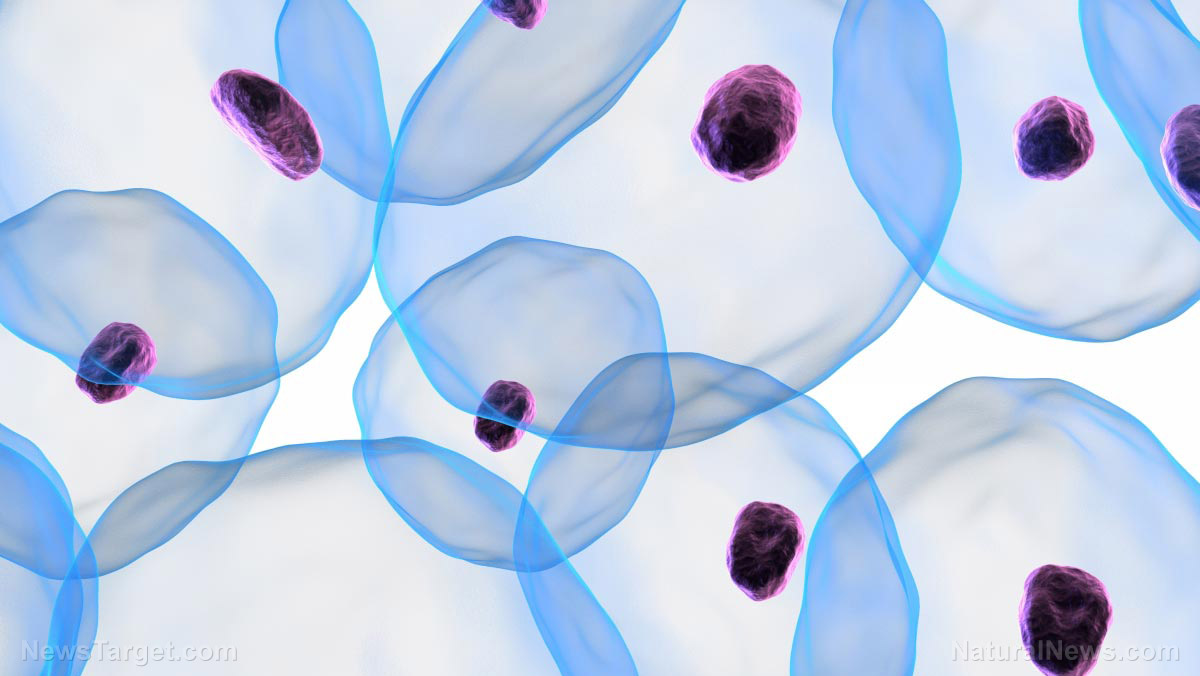
( Natural News ) Stem cell therapy, also known as regenerative medicine, is a type of treatment that harnesses the power of stem cells to promote the repair of diseased, dysfunctional or damaged tissue . Stem cells, which serve as the body’s raw materials, are the earliest form of all cells in the human body.
Prior to their maturation into specialized units (i.e., kidney cells, nerve cells, etc.), stem cells have an unlimited capacity for self-renewal, which makes them promising solutions to health conditions that require extensive healing. Besides cancer, other diseases for which stem cell therapy is used are autoimmune diseases and neurodegenerative diseases.
In a recent study, researchers from the University of California, Irvine (UCI), the University of Gothenburg in Sweden, Shanghai Jia Tong University and the Translational Genomics Research Institute in Arizona developed a cell-free therapy that makes use of exosomes produced by stem cells for the treatment of autoimmune and central nervous system (CNS) disorders.
They reported that this nanotherapeutic product was able to reduce symptoms in a mouse model of autoimmune encephalomyelitis (EAE), a type of inflammatory disease characterized by immune cells attacking healthy cells and tissue in the brain or spinal cord. The researchers discussed their findings in an article published in the journal ACS Nano . What are autoimmune and neurodegenerative diseases?
Autoimmune diseases refer to conditions in which the immune system mistakenly attacks organs or tissue because it fails to recognize them as parts of the body. Areas commonly affected by autoimmune attacks include the blood vessels, connective tissues, endocrine glands (e.g., thyroid or pancreas), joints, muscles, red blood cells or the skin. While the exact cause of immune malfunctioning is still unknown, there is evidence suggesting that some people are genetically predisposed to develop certain autoimmune disorders , such as Type 1 diabetes, Sjogren’s syndrome , Graves disease or ulcerative colitis .
Neurodegenerative diseases, on the other hand, arise from the progressive degeneration of cells that belong to the central and peripheral nervous systems. Unlike other cells in the body, nerve cells or neurons are incapable of reproducing or replacing themselves. Hence the loss of these cells has serious consequences, especially for the brain. Depending on the types of neurons affected, neurodegenerative diseases can lead to problems with either movement (ataxia) or cognition ( dementia ). Cell-free nanotherapeutics for autoimmune and CNS disorders
According to Weian Zhao, an associate professor at UCI and senior author of the study, stem cell therapies for autoimmune and neurodegenerative diseases often produce mixed results in clinical trials, partly due to a lack of understanding on the part of researchers about how these treatments are supposed to work.
Previously, stem cells harvested from the bone marrow of an individual and cultured in labs are directly injected into the veins as part of the therapy. Prior to injection, these cells, called mesenchymal cells (MSCs), are first activated with the immune protein, interferon-gamma (IFN- y ), to ensure their efficacy and prevent stem cell differentiation .
However, these injected cells often fail to reach their target sites because they get trapped in filter organs. To circumvent this, Zhao and his team decided to extract nano-sized particles called exosomes from MSCs and inject them instead of whole cells into mice with EAE — a disease that closely resembles multiple sclerosis . (Related: Natural strategies to beat multiple sclerosis .)
These exosomes — extracellular vesicles secreted by cells — are not only able to pass through the blood-spinal cord barrier easily, they are also loaded with anti-inflammatory and neuroprotective RNAs and proteins, which the researchers hoped would be enough to address the symptoms of EAE. They reported that besides reducing the mean clinical scores of mice with EAE, the exosomes also decreased nerve damage by reducing inflammation and restored normal function to the animals’ immune systems.
“These results,” said the researchers in their report, “not only shed light on stem cell therapeutic mechanisms but also provide evidence that MSC-derived exosomes can potentially serve as cell-free therapies in creating a tolerogenic immune response to treat autoimmune and central nervous system disorders.”
Learn more about autoimmune and neurodegenerative diseases at Health.news .
Source include:
HSS.edu
Good Food = Good Mood: The Nutrition and Mental Health Connection
As we navigate the COVID-19 pandemic, many of us are also experiencing another health challenge: an assault on our mental health. Anxiety is high, and many people are cooped up at home and knocked off their normal routines. Plus, many of us face a loss of control, financial stress, increased social isolation, or even the specter of too much time with family members or roommates, who may be easier to get along with when we have more breathing room.
With so much out of your control, what can you do to boost your mood, so you can hang in there and emerge on the other side of this intact — and maybe even healthier than before? What can you do right now that can make a positive long-term difference?
One of the top strategies for boosting mental health is also one of the most often ignored: choosing foods that boost your mood. It turns out that nutrition and mental health are more closely connected than you might expect. A large number of epidemiological studies have suggested a relationship between diet and mental illness. Plus, a growing body of research shows an association between poor nutrition and common mental health disorders, such as depression and anxiety — identified and reported in adults. Mood, learning, and memory abilities also have a link with diet, both during early development and throughout adulthood. Nutritional Psychiatry
In nutritional psychiatry, a relatively new medical sub-specialty, there’s a focus on dietary interventions and recommendations to prevent and treat common mental disorders.
Nutritional psychiatry emphasizes the link between nutrition and mental health. It’s typically used alongside behavioral and lifestyle interventions, talk therapy, and sometimes also medications, to make the most positive, sustainable impact. How Nutrition Impacts Your Brain
iStock.com/Lars Neumann Your brain requires a constant supply of fuel to function optimally — actually, to function at all. That “fuel” comes from the foods you eat — and what’s in the food makes all the difference. What you eat directly affects the structure and function of your brain and, ultimately, your mood. When it comes to addressing mental health, it’s important to examine “your brain on food.” It turns out that the adage “you are what you eat” extends to your mental and emotional experience — not just your physical body.
There is a demonstrated link between nutrition and mental health. Patients suffering from mental disorders often exhibit a severe deficiency of important vitamins, minerals, and omega-3 fatty acids.
Some of the most well-researched nutrients that are important for addressing mental health issues include the following: B Vitamins
B vitamins, such as vitamin B6, vitamin B12, and vitamin B9 (folate), are especially important when it comes to anxiety and depression. These vitamins help produce and control brain chemicals and influence mood and other mental functions. Vitamin D
Vitamin D plays a critical role in optimal brain development and is a key ingredient in the production of the neurotransmitter dopamine, which is associated with motivation, reward-seeking, and pleasure. Low levels of vitamin D have an association with a number of psychiatric conditions. And some research suggests that reversing vitamin D deficiency may help reduce symptoms of depression . Iron
Iron is necessary for the nerves and brain. A severe iron deficiency in young children can cause irreversible cognitive damage that can lead to lower IQ and delays in development. Iron deficiency can cause and exacerbate many kinds of psychiatric symptoms. Sometimes iron deficiency will present as anxiety, depression, irritability, and even poor concentration and general restlessness. Iron deficiency has a much higher prevalence among children with ADHD , and the symptoms can improve with iron supplementation or consumption of iron-rich foods. Too much iron — especially heme iron from animal foods — can also be a problem. More on that here . Chromium
There’s a well-established link between chromium deficiency and depression. This is largely because chromium can regulate unbalanced, key neurotransmitters in mental health disorders. Supplementation can have positive effects on depressive symptoms. Lithium
Lithium is a natural trace element that has a well-known role in psychiatry, especially in the treatment of bipolar disorder, as well as depression, schizoaffective disorder, aggression, impulse control disorder, attention deficit disorders, eating disorders, and even certain subsets of alcoholism. Selenium
Low intake of selenium is associated with depression. Interventional studies have shown that adequate selenium may improve mood and diminish anxiety, though some of the research is mixed . Zinc
Low zinc levels often occur among individuals with depression . Additionally, intervention research has shown that zinc taken by mouth can improve the effectiveness of antidepressant therapy. Getting enough zinc , through diet or supplementation, is also critical for immune health. Amino Acids
Amino acids are the building blocks of protein. Deficiencies in neurotransmitters , such as serotonin, dopamine, noradrenaline, and γ-aminobutyric acid (GABA), are often associated with depression. Researchers have found that supplementation with the appropriate amounts of the amino acids 5-hydroxytryptophan and l-tyrosine may be a safe and effective treatment for depression. Nutrition and Mental Health: Top Foods to Enjoy
iStock.com/Lisovskaya While supplementation can help, it’s generally preferable to get the nutrients you need from the food you eat every day. Making healthy food the foundation of your diet is a crucial mental health strategy, whether or not there’s a global health crisis. Below are some of the best foods you can incorporate into your diet for general brain health and cognition. Nuts and Seeds
Nuts and seeds are full of B vitamins, omega-3 fatty acids, and minerals like selenium, zinc, copper, manganese, and magnesium that are good for boosting mood, energy production, calming anxiety, and protecting your brain from oxidative damage. Try adding walnuts or ground flaxseed to your oatmeal, sprinkling pumpkin and sunflower seeds onto a salad, mixing chia seeds into smoothies, or spreading some whole grain toast with cashew butter. Whole Grains
Whole grains can help lower the risk of cardiovascular disease, cancer, type 2 diabetes, respiratory illness, and infectious disease. And there’s also evidence that they can be good for your […]
5 simple brain workouts to fight cognitive decline and boost productivity

Cognitive change is a normal part of aging. But, contrary to popular belief, not all cognitive processes decline with age. For instance, vocabulary is stable and may actually improve as we grow older. But other things—like memory, conceptual reasoning, and processing speeds—do decline somewhat over time. Some faculties, though, such as perceptual reasoning and processing speeds, are highly heterogeneous. Certain mental exercises can help ward off cognitive decline and boost memory and productivity. Fortunately, certain mental exercises can help stave off cognitive decline and boost your memory and productivity. Digital detox
Once upon a time, stone tools were considered high technology. Not so anymore. Today, we are overwhelmed by the newest in smartphones, apps, and television shows. Although there isn’t much research on how screen time affects adults, health experts have looked at the effects in children. One study found an association between increased screen time and increased inattention in kids. Another study linked increased exposure to screen time to higher levels of depression in adolescents.
So, if digital devices are having such detrimental effects on young, developing minds, it shouldn’t be a stretch to conclude that they may also be having a similar adverse impact on adults . As a physician, your efforts could literally mean the difference between life and death for some patients. Therefore, anything that could minimize your attention or emotional well-being should be set aside.
To combat what has been called the “digital deluge,” try setting aside 30-minute of tech-free time in your daily schedule. During this digital detox, disable your device notifications, refrain from using social media, and avoid mindless technology use (like binge-watching shows on Netflix or aimlessly scrolling through trending YouTube videos). With this extra time, work on challenging your brain with exercises that will help improve mental acuity. For example, aim to memorize the phone number of one close friend or family member during each digital detox period. Some health experts believe that memorization puzzles can help protect your brain cells and strengthen the communications between them. Make sleep work for you
Anecdotes of people solving problems while they sleep are plentiful, but actual evidence of this phenomenon is limited. Some memory studies, however, have shown that learning-associated sound cues during sleep can help reactivate memories. In a study published in Psychological Science, researchers investigated whether manipulating information processing during sleep affects problem incubation and solving. They presented participants with 57 puzzles, each randomly associated with a different sound, in the evening before the participants went to bed. While the participants were sleeping, the researchers played half the sounds paired with unsolved puzzles. In the morning, participants solved 31.7% of cued puzzles compared with 20.5% of non-cued puzzles—a 55% improvement.
“These results demonstrate that cuing puzzle information during sleep can facilitate solving, thus supporting sleep’s role in problem incubation and establishing a new technique to advance understanding of problem solving and sleep cognition,” wrote the authors.
Obviously, using cued and recalled sounds during sleep to solve a problem you have might be impractical. So, experts suggest merely thinking about your problem before you sleep to see if the answer comes to you when you wake up. Keep a journal bedside so that if you do arrive at an answer upon waking, you’ll be able to immediately jot it down—a practice called dream recall. Who knows? The answer to those puzzling symptoms you haven’t been able to diagnose might just come to you after a good night’s sleep or a re-energizing nap . Brain food
Diets rich in certain foods that contain key brain-boosting natural ingredients like vitamins, antioxidants, and omega-3 fatty acids can help protect and improve your noodle. For instance, the omega-3 fatty acids found in fatty fish—like salmon, lake trout, and albacore tuna—help maintain the brain, and they’ve been linked to slower cognitive decline in people with Alzheimer disease. Health experts recommend eating fatty fish at least two times a week.
But if you’re not a fan of fish, try eating some walnuts to help sharpen your brain. Research shows that eating a handful of walnuts a day is linked to enhanced concentration, memory, and processing speeds. And let’s not forget coffee and tea. According to some studies, people with higher caffeine intake perform better on tests of cognitive function and memory retention. Other great brain foods include mushrooms, leafy greens, and berries. Mental math
As any physician knows, serial subtraction of sevens (ie, serial 7s) is a measure of concentration that plays an integral part in the Mini-Mental Status Evaluation. But, the benefits of doing mental math extend far beyond this simple test for dementia.
“Results are reported that reading aloud and doing arithmetic can be effective methods of training the brain. Quickly solving simple mathematical problems and reading aloud appear to be highly effective ways of training the brain. The experimental group was given a memory test using subjects ranging from elementary school pupils to adults. Results of these tests showed that the memory of a person was 2-3 times better following simple mathematics and [reading aloud] 2 to 5 days a week,” according to Ryuta Kawashima, MD, a leading researcher in the field of neuroscience.
Specifically, Dr. Kawashima found that when trying to solve simple math problems quickly, various areas on the left and right sides of the brain show significant blood flow on functional MRI. The power of positivity
In a high-powered analysis of the Framingham Heart Study, researchers tested over 2,000 dementia-free participants (average age: 48.5 years) for abstract reasoning, memory, attention, executive function, and visual perception. They wanted to determine the association of early morning serum cortisol with cognitive performance and brain structural integrity in community-dwelling, dementia-free young and middle-aged adults. They found that more higher cortisol levels were not only linked to worse memory and visual perception, but also lower total cerebral brain and occipital and frontal lobar gray matter volumes. Cortisol is a biomarker for stress so, basically, stress shrinks the brain.
Several researchers have shown that positive thinking as well as surrounding yourself with positive people can […]
Dumbing down during lockdown? Six ways to boost your memory

Eggs are a source of top-notch protein. PHOTO | FILE | NATION MEDIA GROUP Taking the so-called “stress nutrients” as a supplement can be beneficial here, namely B-vitamins, vitamin C and magnesium.
While playing an instrument can reduce your risk of cognitive impairment by 36 per cent, singing can help you to remember words more easily.
Reduce sugar
As someone with an exceedingly sweet tooth, I was dismayed to hear that a whopping 70 per cent of people with type 2 diabetes go on to develop Alzheimer’s. And since a diet low in sugar can reverse type 2 diabetes, it may also prevent the progression of Alzheimer’s.
While the idea of this initially seemed close to impossible, I was surprised how quickly my taste buds changed and how I came to appreciate the natural sweetness of foods.
Eat eggs
They are a source of top-notch protein, omega-3 fats, antioxidants and choline, all of which are paramount for brain health.
The World Health Organisation recommends up to 10 eggs a week. And since eggs don’t in fact increase cholesterol levels (it’s actually a myth), you can boil, scramble or poach your way to your weekly allowance.
More vitamin D please
Just being moderately deficient in vitamin D increases your risk of dementia by 53 per cent, and this rises by a staggering 125 per cent if you are severely deficient.
The best way to get your vitamin D is to go outside (yes, with your mask) – our bodies can synthesise it from sunlight. Spend 20 minutes in the sun (without sunscreen), but not between 10am and 3pm.
For those of you who prefer the dietary alternative, choose from oily fish, such as salmon and omena, and liver, milk and eggs.
Zap your stress levels
The chances of developing dementia are about 15-20pc higher if you’re stressed. Taking the so-called “stress nutrients” as a supplement can be beneficial here, namely B-vitamins (a complex is best), vitamin C and magnesium.
Adaptogenic herbs like Siberian ginseng and rhodiola can also be beneficial.
Use it or lose it
The old adage is true. Learning a new dance, walking in a new park, jigsaws and sudoku are all great.
Little mental challenges can also be both beneficial and fun: try counting backwards from 100 in twos, threes or fours is a good one.
And if you combine that with something else like say, tapping your foot, you’ll be improving your mental capacity further.
Get into music
While playing an instrument can reduce your risk of cognitive impairment by 36 per cent, singing can help you to remember words more easily (word sequences are far more memorable when they are sung rather than spoken).
www.instagram.com/inspirationbysona
Virtual reality can bring the outdoors in, but is it a patch on the real thing?

Virtualising nature – an affront to the glory of the natural world, or a much-needed tool for those unable to experience the great outdoors?
Against a backdrop of increasing urbanisation, the health benefits of daily contact with nature are being expounded by scientists . Yet, 55 per cent of the world’s population is currently living in urban environments, and the number is expected to increase to 68 per cent by 2050. In the UK alone, less than 40 per cent of people visit natural environments during a regular week, according to a 2016 survey .
Stay connected with the Geographical newsletter!
Since its inception in 1935, Geographical has reported on many thousands of global issues, allowing readers to look past the boundaries and borders of our world and take a broader perspective. In these turbulent times, we’re still committed to telling expansive stories from across the globe, highlighting the everyday lives of normal but extraordinary people. Stay informed and engaged with Geographical .
Get Geographical’s latest news delivered straight to your inbox every Friday!
In its 2016 report , the World Health Organization concluded that urban green spaces improve relaxation, social capital, immune functioning, and fitness, as well as reducing anthropogenic noise through the production of natural sounds. Through rigorous surveys , Martin White and colleagues at the University of Exeter have also reported a strong connection between the levels of contact with nature in the previous seven days and self-reported health and well-being in a sample of more than 20,000 participants .
With sharpened focus on the health benefits of nature, many are starting to consider how the natural world might be brought to those most in-need. For many Geographical readers, myself included, the term ‘virtual reality’ or VR, may feel unsettling, especially when used in the same sentence as ‘nature’. Nonetheless, VR technology is developing at an unprecedented speed. With newfound applications in clinical and care settings, VR nature has grown from a ‘hyped, overrated technology’ (as one consultancy described it ) to a commercial reality.
Researchers have tested the possibility of providing distraction from acute, painful procedures using VR nature. Dental patients distracted from the pain of prying instruments by coastal views have reported less pain during procedures. Later, the same study revealed that exposing people undergoing a similar dental procedure to a VR coastal walk resulted in reduced anxiety and vividness of pain memory.
As early as 1999, VR nature was being evaluated as a tool for improving the experience of patients undergoing chemotherapy. While it’s not yet clear how this might influence the clinical effectiveness of treatment, research led by Macarena Espinoza at the University of Valencia demonstrated that patients receiving chemotherapy with VR nature reported a reduction in distress and increased happiness during and after treatment. A review of 19 studies of the use of VR in cancer clinical settings found that VR was able to substantially reduce the perceived time elapsed during chemotherapy treatment.
Outside of the clinical setting, companies and initiatives such as Viarama and Blue Health are attempting to bring joy to elderly people in care homes, using HTC VIVE headsets and Google Earth’s VR technology to help them experience the outdoors. Blue Health is a joint initiative between Lund University, University of Exeter and the Estonian University of Life Sciences, exploring how different types of virtual environment might bring some of the benefits of natural environments to those unable to experience them. The team are collecting feedback from elderly users to generate state-of-the-art virtual environments that allow users to interact with ‘natural environments at will’.
Get Geographical delivered to your door!
As we brace ourselves on our personal islands, it can be hard to picture the processes of the planet continuing to whir. Marooned in our homes, it’s vital that we stay positive, motivated and informed. Geographical is committed to helping you explore the world from the comfort of your sofa. Get the world delivered to your door, with Geographical.
Subscribe today to Geographical’s monthly print and digital magazine and save 30% off the cover price!
Mattias Wallergård of Blue Health is currently working on a project whereby elderly people in care homes can fly a hot-air balloon over a pristine island landscape. In an interview with Mongabay , Wallergård said: ‘Imagine connecting elderly care centres between nations and being able to have natural and social experiences in the same VR setting.’
However, there are downfalls to the use of VR nature in elderly populations. ‘Cybersickness’ is the most common complication associated with VR devices. Immersion in virtual environments can cause mismatches between visual and vestibular neurological systems (the system which governs the brain’s information on head position and spatial orientation), causing the reported dizziness and nausea. Old age, together with neurodegenerative diseases, have been found to exacerbate the sensations of cybersickness, with the elderly less able to readjust posture and walking direction than younger people.
There are now ongoing efforts to tailor make VR devices suited to older people – the new HTC VIVE VR system reportedly eliminates the risks of sensory mismatch with the addition of a tracking system that allows the real-time 3D image of VR nature settings to be updated according to the user’s orientation and movements.
Despite ongoing improvements to the quality of VR nature systems, it is unlikely that they will ever come close to replicating the holistic, sensory and sometimes elating experience of being outdoors. Indeed, the earliest pioneers of the work, Daniel Levi and Sarah Kocher, offered a stark warning in their 1999 paper: ‘the problem with virtual nature – like the problem with plastic trees – is that the value of nature is more than the experiential and recreational benefits it provides to people. Nature provides a variety of benefits beyond human’s immediate experience; nature exists and has value separate from human beings.’
For many people, technology has clearly brought an estrangement from the natural world and its benefits. It is ludicrous, even dystopian, to think that an antidote will be to offer VR nature experiences to city-dwellers. However, for […]
HEALTH & NUTRITION: six ways to boost your memory
Reduce sugar As someone with an exceedingly sweet tooth, I was dismayed to hear that a whopping 70 per cent of people with type 2 diabetes go on to develop Alzheimer’s. And since a diet low in sugar can reverse type 2 diabetes, it may also prevent the progression of Alzheimer’s. While the idea of this initially seemed close to impossible, I was surprised how quickly my taste buds changed and how I came to appreciate the natural sweetness of foods. Eat eggs They are a source of top-notch protein, omega-3 fats, antioxidants and choline, all of which are paramount for brain health. The World Health Organisation recommends up to 10 eggs a week. And since eggs don’t in fact increase cholesterol levels (it’s actually a myth), you can boil, scramble or poach your way to your weekly allowance. More vitamin D please Just being moderately deficient in vitamin D increases your risk of dementia by 53 per cent, and this rises by a staggering 125 per cent if you are severely deficient. The best way to get your vitamin D is to go outside (yes, with your mask) – our bodies can synthesise it from sunlight. Spend 20 minutes in the sun (without sunscreen), but not between 10am and 3pm. For those of you who prefer the dietary alternative, choose from oily fish, such as salmon and omena, and liver, milk and eggs. Zap your stress levels The chances of developing dementia are about 15-20pc higher if you’re stressed. Taking the so-called “stress nutrients” as a supplement can be beneficial here, namely B-vitamins (a complex is best), vitamin C and magnesium. Adaptogenic herbs like Siberian ginseng and rhodiola can also be beneficial. Use it or lose it The old adage is true. Learning a new dance, walking in a new park, jigsaws and sudoku are all great. Little mental challenges can also be both beneficial and fun: try counting backwards from 100 in twos, threes or fours is a good one. And if you combine that with something else like say, tapping your foot, you’ll be improving your mental capacity further. Get into music While playing an instrument can reduce your risk of cognitive impairment by 36 per cent, singing can help you to remember words more easily (word sequences are far more memorable when they are sung rather than spoken). www.instagram.com/inspirationbysona
There Will Be 4 Identity Types in This Recovery. Which One Are You?

The following article is based on excerpts from Ben Angel’s book, Unstoppable: A 90-Day Plan to Biohack Your Mind and Body for Success . Buy it now from Amazon | Barnes Noble | iBooks | IndieBound. And be sure to order The Unstoppable Journal , the only journal of its kind based on neuroscience, psychology, and biohacking to help you reach your goals.
Nearly half of adults in the United States reported that their mental health had been negatively impacted due to worry and stress over the coronavirus, according to the latest Kaiser Family Foundation poll. Adverse mental-health effects due to social isolation may be particularly pronounced among older adults and households with adolescents, as these groups are already at risk for depression or suicidal ideation.
The pandemic is likely to have both long- and short-term implications for mental health and substance use. Those with mental health concerns pre-pandemic, and those newly affected, will likely require mental health- and substance-use services. Keeping this in mind, you must know where you sit on the mental-health continuum to understand how it is affecting you physically. When people undergo traumatic stress either mentally or physically, it creates a pattern within the body that soon emanates into psychological and biological side effects. You can now track where you fall into this continuum by taking an Identity Quiz on how well you are coping with your current situation. We have been able to survey more than 50,000 entrepreneurs and found out 54 percent of them fall into the two lowest categories: The Guardian and The Defender.
There are four identity types in total: The Catalyst, The Synergist, The Guardian and The Defender. Your goal is to ensure your physical and psychological energy stays above a 50 percent charge, the state at which you become a conscious creator and feel motivated, focused, and driven to achieve your goals. Love your job? Show it off with Top Workplaces
When you fall below this state, you switch into a state of self-preservation mode where you run out of physical and emotional energy. This is where your fight-or-flight response is triggered and your brain prioritizes vital bodily functions over personal or career goals.
Below, you’re going to learn which identities we need to be most concerned about and what you can do to change your identity to help you through these harrowing times. The Defender
Operating at 0- 25 percent of their capacity. Traits of Defenders: Rely heavily on caffeine or other stimulants to make it through the day.
Food cravings of sugars and carbs.
Anxiety.
Lack self-awareness and typically have low self-esteem.
Cognitive functions are in severe decline, like forgetting names, numbers or information; inability to make decisions.
Low levels of concentration.
Quick to exhaustion as brain doesn’t have the fuel it needs to focus.
Chronic digestive issues, joint pain, skin rashes and unexplainable brain fog and fatigue.
Insomnia.
Defenders are depressed, anxious and struggle to make it through the day. Many will blame this on a poor mental attitude and feel they are lazy. They are emotionally depleted and need love and support from others, including medical professionals, to help them get their health and their life back. Defenders must seek out medical and professional help immediately. The Guardian
Operating at 25-50 percent of their capacity. Traits of Guardians: Procrastination and criticism derail their efforts.
They can keep going, briefly relying on willpower.
They have goals, but they seem unattainable.
Self-doubt has laid its foundation.
Chronic stress.
Nutritional deficiencies taking their toll.
Poor diet and lifestyle choices.
Less energy and focus.
Takes longer to recover from physical or emotional events.
They can endure for some time, but this constant state of fight or flight is taking its toll on many of their bodily and brain functions. It’s typically the first time in their life they can’t function as they used to, and many in the medical field will tell them it’s typical aging and prescribe a drug to help alleviate the symptoms without treating or accurately defining the cause. The Synergist Operates at 50-75 percent of their capacity. Traits of Synergists: Learning to balance willpower with sustainable energy, though starting to find it harder to maintain willpower alone. Energy levels tend to fluctuate throughout the day. Focus and concentration also varies throughout the day; unable to maintain constant energy. They have an inner understanding that rest helps to reset the body for long-term success. Relatively even moods. Deliberate and conscious creators. Not easily distracted. Can quickly slide back into a Guardian if they fail to look after their physical and emotional health. The Catalyst Operates at 75-100 percent of capacity. Traits of Catalysts: Greatly self-aware of how their brain and body works for peak performance. Abundance of psychological and physical energy to fuel them daily. Able to troubleshoot problems calmly and methodically. Able to pinpoint underlying issues and correct them successfully. Operates from the higher executive part of their brain. Strengthens their cognition through meditation, education, supplements and a healthy diet. Are society’s game changers, both locally and globally. Yes, we all can become The Catalyst, but it takes self-awareness and courage to dig deep into the root causation of your illnesses. Here are the first steps you should do to get yourself on the path to becoming unstoppable. 3 Steps to Become a Peak-Performing Catalyst If you scored as a Guardian or Defender, you mustn’t go on this health journey on your own. Finding a functional medicine doctor who specializes in chronic conditions will have the additional training needed to get to the root cause of your concerns. Following the steps below will aid in your knowledge of brain and body consciousness so you can increase your energy and build emotional and physical resilience to manage these stressful […]

The Power Within by Corey Daniels book available for only $2.99
Mind has both conscious and subconscious halves. These are likened to a driver and the truck he drives. The driver plans the destination and observes road conditions, while the truck provides motive power. Your subconscious mind is like the truck and it only goes in the direction in which is a steered. This can be the road or off a cliff. Likewise, the consciousness paints a picture of what the world is and what your goals are and the subconscious acts on them through emotion, physical response and energy, whether these are correct, rational images or false negative ones. The subconscious is also like an emotional reservoir which your body and mind draw responses from to external stimuli.
The Power Within lays out a method of programming your subconscious and tapping into the Holy Spirit, God voice or what the Greeks called the daimon (godman).