Nature Knows and Psionic Success
God provides
5 Of The Best Supplements For Brain Fog
Is your brain feeling a bit foggy? We all go through times when we aren’t operating on all cylinders, but without a sharp mind, there’s not much you can accomplish in life.
Whether you are a CEO, an office worker, a teacher, a student, or anything in between, the most powerful force you have is your fired-up brain.
However, many people find they don’t have the memory, mental clarity, focus, and concentration needed — even after a good night’s sleep — to be at their best.
Until recently, it was thought that there was not much to be done about these issues.
But fortunately, there is research and scientific evidence to suggest that some nootropics and brain supplements can help increase cognitive abilities.
With that said, there are plenty of snake oil salesmen out there hawking brain supplements that don’t do anything at all.
However, there are many that do provide brain-boosting benefits , and we want to help you find the best supplements for your needs. Best Supplement for Memory Qualia Mind Nootropics Best Brain Supplement for Mental Clarity Neuro-Peak Brain Support Supplement Best Budget Brain Supplement Havasu Nutrition Ginkgo Biloba Best Brain Supplement for Improved Cognition Vital Vitamins Nootropics Brain Booster Best Brain Supplement for Concentration Organic Lion’s Mane Mushroom Capsules What Are Nootropics?
Nootropics are a class of drugs that act specifically on higher-level brain functions. These supplements may aid in working memory, learning, and improve cognitive functions while protecting the brain from toxicity.
Many nootropics are familiar substances that have been used in brain-boosting supplements for decades, like ginseng, caffeine, Ginkgo Biloba, B-complex vitamins, and Omega-3 fatty acids.
Others are less familiar, like methylphenidate, modafinil, piracetam, and levodopa.
Many of these compounds have not been extensively studied or scientifically proven.
Yet some seem to have positive effects on working memory, attention, and cognition, although we don’t yet understand exactly how or why.
Like many supplements, they are not regulated for effectiveness by the FDA, so there is a high frequency of overblown or misleading marketing claims. Benefits of Brain Supplements and Nootropics
You might be wondering about the benefits of brain supplements and nootropics. There are many positive reasons to give these supplements a try. The Best Supplements for Brain Fog: Reviews of 5 Products
Here are some of the best nootropics and brain supplements available on Amazon. Let’s take a closer look at each one. Best Supplement for Memory
Qualia Mind Nootropics is a brain supplement designed to provide users with a variety of mental and cognitive benefits. This brain supplement is backed by scientific evidence and research.
This product has the power to boost various mental functions such as focus and concentration, mental clarity, cognitive performance, problem-solving, and memory. Simply put, the makers of this is a supplement claim it can help your mind work faster and better.
Qualia Mind Nootropics brain supplement can also help regulate mood swings, allowing for a much more positive mental state overall.
On that same note, this supplement also helps promote more energy throughout the day. It supports clean energy with no big bursts or crashes, just a steady supply throughout the day.
Qualia Mind Nootropics does contain a wide variety of ingredients ranging from vitamins and minerals to extracts of various plants and seeds. This product is made with carefully sourced ingredients that are all-natural.
T brain supplement does not contain any artificial flavors or sweeteners, plus it is also vegan, non-GMO, and gluten-free as well.
Qualia Mind Nootropics brain supplement comes with a 100-day money-back guarantee, just in case you are not happy with it, which is important because it is not cheap.
Pros
Cons Best Brain Supplement for Mental Clarity
Neuro-Peak is another great brain supplement intended to provide users with a range of mental and cognitive benefits. This particular brain supplement is designed to help provide mental clarity and focus.
Neuro-Peak is designed to support oxygen circulation to the brain. To accomplish this, there are some really high-quality ingredients used, such as vitamin B12, bacopa monnieri, ginkgo biloba, and rhodiola rosea.That said, there is not much information about whether or not this product is all-natural, organic, non-GMO, or vegan.It can also help increase memory, helping you remember better and faster. This supplement is also shown to assist with mood regulation, to help decrease mood swings and feel happier overall. On that same note, this product also claims to help reduce stress and anxiety.You may like Neuro-Peak because you just need to take a single daily dose, and a single bottle includes 30 capsules. This is one of the more affordable brain supplements, although it does not come with any kind of money-back guarantee. Pros Cons Best Budget Brain Supplement Havasu Nutrition Ginkgo Biloba Brain supplements and nootropics can be very expensive, but they don’t have to be, as is shown by the Havasu Nutrition Ginkgo Biloba & Phosphatidylserine Brain Supplement.It is one of the more affordable and cost-effective options on the market today. It comes with enough capsules for a full 60 days.This supplement is designed to increase various cognitive functions safely and naturally such as memory, clarity, focus, concentration, and more.The creators of this brain supplement claim it also helps provide a bit of clean energy without a crash hours later.As the name implies, there are two main ingredients included in this formula which are pure and natural — ginkgo biloba and phosphatidylserine.Havasu Nutrition Ginkgo Biloba & Phosphatidylserine Brain Supplement is gluten-free, non-GMO, and vegan-friendly too. This brain supplement is made in the US, and it has been tested by a third-party lab. Pros Cons More Related Articles: 10 Ways To Relax Your Mind How To Become Smarter: 19 Simple Actions To Boost Your Brain Power Best Brain Supplement for Improved Cognition This Vital Vitamins Nootropics Brain Booster is another highly-rated, top-notch brain supplement to keep in mind. Although it is popular, it is also quite cost-effective.Although this is one of the less-expensive options, it does come with a fairly generous supply. It features a 60-day, money-back guarantee, just in case you are […]
Why watching comedies is ‘important medicine’

Chicken Lady (Mark McKinney) from the sketch comedy show The Kids in the Hall. (Broadway Video/CBC Still Photo Collection) Are comedies good for us? How does watching a comedy affect our mental and physical health?
For answers, we turn to psychologists and experts in the media, health and wellness, and psychotherapy fields. A complex visceral response
Because there are a lot of different types of humour — from wordplay and self-deprecation to slapstick and dark humour — the way comedies and humour register in our brain can vary, making the neuronal activity in response to it very complex, explains media psychologist Dr. Pamela B. Rutledge , director of the Media Psychology Research Center in California as well as faculty in the media psychology program at Fielding Graduate University.
She says that multiple brain regions, including both cognitive and affective components, are involved in identifying the social disconnect that makes something funny.
“Cognition is necessary to ‘get’ the joke, and emotion is involved in enjoying humour and producing the visceral responses — such as smiling or laughter.”
Different regions of the brain are activated depending on the type of humour it’s processing. “For example, the frontal lobe, to process the information; the areas that draw on learned experience and direct motor activities, such as laughter; and the emotional center to evaluate pleasure and trigger the reward that comes from the punchline.”
This means Alexis’ famous exclamation “Ew, David!” from Schitt’s Creek registers the same way as Appa’s “OK, see you!” from Kim’s Convenience . (CBC Comedy) While an absurdist Kids in the Hall sketch might light up different circuits in the brain. (CBC Comedy) “Research, however, has been unable to definitely chart these neural pathways,” adds Dr. Rutledge. The effects on mental and physical health
The mechanics of our brains are beyond intriguing but can watching comedies like Schitt’s Creek , Workin’ Moms or Kim’s Convenience be that special mental or physical remedy? Is laughter really the best medicine?
Dr. Joti Samra , clinic founder of Dr. Joti Samra, R.Psych & Associates in B.C. and CEO and founder of MyWorkplaceHealth.com , thinks that it’s not necessarily the best medicine.
“It’s an important medicine,” she says. “The reality is that we know if we’re getting clinical depression or anxiety or insomnia, we need other kinds of treatments. So, laughter alone isn’t going to solve it but it is one of the ones that is the most accessible to us on a day-to-day basis.”
“What we know is that comedy and uplifting content really do have a lot of positive impacts on our emotional health and also our physiology.”
If we look at adaptive coping, she continues, through watching comedy we can keep perspective, add some lightness and have that air of gratitude because it can poke light at something and instill a positive emotion.
Dr. Shira Gabriel , an associate professor of psychology at SUNY, University at Buffalo, also agrees that comedy lightens the mood and can provide a space where the worries we have and everything that is going on around us in this world don’t exist.
Providing further details, Dr. Rutledge explains: “Humour, when it’s actually funny, has social and physical benefits: laughter releases neurotransmitters responsible for your happiness, such as dopamine, serotonin, oxytocin, and endorphins.”
“The release of these chemicals in response to humour decreases stress, diminishes pain and in the process strengthens the immune system.”
Dr. Samra agrees saying that just the physical act of smiling leads to the release of those exact positive feel good hormones in our brains which she calls the “natural antidepressants.”
ScienceDaily reported that in a 2008 study published by the American Physiological Society researchers found that even the mere anticipation of laughter lowered the levels of three stress hormones. Cortisol (the stress hormone), epinephrine (also known as adrenaline) and dopac (brain chemical which helps produce epinephrine) were reduced by 39, 70 and 38 percent respectively.
This in turn creates a relaxed environment for both the mind and the body, eliminating negative emotions and changing our brain activity toward gamma frequency which also increases memory recall.
In light of that, may we suggest a natural relaxer like Baroness von Sketch Show !?
Or a memory enhancer like Schitt’s Creek !?
The use of humour can enable people to not only decrease negative emotion but distance themselves from adversity and hardship, says Dr. Rutledge, adding: “If you consider that positive emotions fuel optimism, efficacy and resilience, then it makes sense that humour can contribute to overcoming challenges.”
A few studies corroborate that theory, including a 2017 study in the Journal of Dental and Medical Research, where humour therapy was performed on 40 patients undergoing hemodialysis (treatment for advanced kidney failure).
The study, on patients who listened to 30 minutes of comic shows twice a week over an eight-week period, concluded that humour therapy can in fact reduce blood pressure in hemodialysis patients. Hint hint: Baroness von Sketch Show episodes are approximately that length.
Dr. Gabriel expands on it and says: “Mental health and physical health are very tied into one another.”
For example, during laughter, the amount of our T-cells and B-cells dramatically increases. This is important because the sole purpose of these cells is to find and destroy viruses and tumours in our bodies.
The purpose of humour is enjoyment and positive emotions, says Dr. Rutledge, however, positive emotions vary from hedonistic responses, such as happy surprise, to more meaning-based responses that might trigger self-reflection and feelings of social validation.Humour also plays a big role in social communication and the most complex type of humour requires the ability to process social/emotional content, says Dr. Rutledge, relying, in part, on our ability to mentalize or understand the mental states of others.Just like empathy (an ability to understand the emotional state or mood of others) she says that these are essential skills for successful interpersonal relationships. ‘You don’t want to become a slug in front of a TV’ Though there seems to be a consensus around the point that there is no such thing as too much laughter, the psychologists all […]
If You’re Looking for a Brain Boost, Nootropics Are Better Than Caffeine Alone
Futurism fans: To create this content, a non-editorial team worked with an affiliate partner. We may collect a small commission on items purchased through this page. This post does not necessarily reflect the views or the endorsement of the Futurism.com editorial staff.
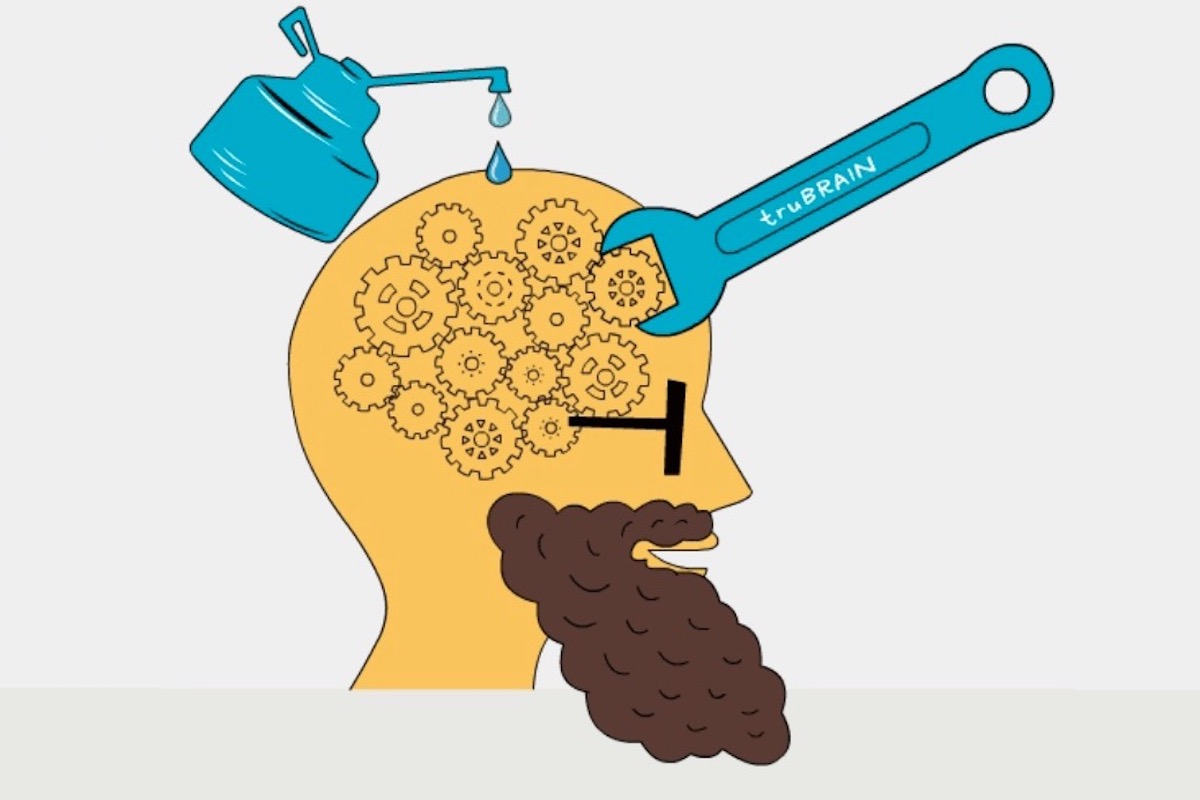
A lot of bloggers and social influencers talk about nootropics, or smart drugs, as though they are something totally new. But that’s actually not the case. Some nootropics , such as caffeine and l-theanine, have been around for millennia. What’s different today is that scientists know a lot more about how the brain works. As a result, they are not only discovering new nootropic compounds, but also figuring out which ones work best together. And this new knowledge is helping innovative companies like TruBrain create incredible new cognitive nutrition supplements .
TruBrain was founded a few years ago by a former Unilever executive and a team of UCLA neuroscientists who wanted to help regular people be the best possible versions of themselves. To accomplish this goal they created Brain Food, a scientifically formulated blend of nootropic compounds that has been clinically proven to enhance verbal fluency and improve both memory and learning.
Like a lot of other nootropic supplements, Brain Food contains the so-called “ everyman stack ” of caffeine and l-theanine, a combo humans have been taking for thousands of years in the form of green tea. Caffeine, of course, is a central nervous system stimulant that increases alertness and energy by blocking the neurological receptors for drowsiness. L-theanine, meanwhile, is an amino acid that produces a sense of calm and relaxation and is especially effective in soothing nervousness and jitters that come with caffeine. Numerous studies have shown rather conclusively that, when taken together, caffeine and l-theanine can improve mental performance, alertness, and mood.
Of course, it would have been easy for TruBrain to throw in a few more vitamins and call it a day. That’s what a lot of other supplement companies do. But with Brain Food, TruBrain wasn’t just looking to wake your brain up. They were looking to actively promote the biological conditions necessary for peak mental performance.
How’d they do that? TruBrain In addition to caffeine and l-theanine to promote alertness and focus, Brain Food also contains noopept. Noopept is a synthetic nootropic molecule that does two very important things. First, it increases blood flow to the brain. This enhances neuroplasticity, which is a brain cell’s ability to build new neural connections. The more neural connections in your brain, the higher your brain function. Second, noopept makes acetylcholine receptors in the brain more receptive to the neurotransmitter acetylcholine. This makes communication between neurons faster and more efficient.
Because your brain needs energy for all this enhanced neurotransmission, Brain Food also contains a high impact dose of the raw nutrients that your attention system burns for fuel. These raw nutrients include magnesium, a key mineral that an estimated 90 percent of people are deficient in; tyrosine, an amino acid that plays a vital role in communication between brain cells; carnitine, which helps neurons break down glucose and fatty acids for fuel; and citicoline, which is a precursor to the neurotransmitter acetylcholine. TruBrain TruBrain’s revolutionary blend of nootropics comes in 1oz liquid shots with a refreshing tropical flavor profile. These shots are available in quantities of 20, 30, and 60. Discounts of 10, 20, and 30 percent are available when you subscribe and pre-pay for three, six, and 12 months respectively. New subscribers also get an additional 10 percent off their first order.
Of course, the million dollar question is, does this stuff actually work?
Brain Food has been shown by third party clinical trials and EEG brainwave analysis to boost high alpha brain waves, which are indicators of an increased ability to focus, enhanced verbal fluency, as well as improved memory and learning. What that means in plain English is that, if you’re looking for something that can help you focus, think, remember, and create better—and caffeine just isn’t cutting it—you should probably give Brain Food a try .
Mental health checklist: 6 daily habits to boost your mood instantly

If you’re struggling with your mental health, you’re not alone. One in four people in the UK experience mental health problems each year. And worries about things like money and jobs can make it harder for people to cope.
According to the NHS , this includes conditions such as anxiety (5.9 per cent), depression (3.3 per cent) and post traumatic stress disorder (4.4 per cent).
Support is available . However, if you feel your mood starting to dip and need a pick-me-up, there are a few things you can do for yourself to give your mental health a boost.
We talk to Dr Natasha Bijlani, Consultant Psychiatrist at Priory Group , about the things you can tick these off your daily checklist to help you feel stronger and face the day ahead. Eat
Obviously, a healthy diet is important if you want to feel good about how your body looks on the outside, but nutrition can also play a vital role in how you feel on the inside. While mental health is traditionally thought of as emotionally-rooted, what you eat is now thought to play a key role in the onset as well as severity and duration of depression.
Depressed people tend to skip meals or select sugary junk foods which are thought to contribute to low mood. “Healthy eating habits contribute to optimal body function including brain processes and performance,” says Dr Bijlani. “All of us must have noticed how our mood, enthusiasm and energy levels slump when we skip meals or haven’t eaten enough.”
As outlined in the Indian Journal of Psychiatry , ensuring that you follow a diet rich in complex carbohydrates, essential fats, amino acids, vitamins and minerals alongside plenty of water can contribute to a balanced mood, so aim to eat well every single day. Photo credit: Claudia Totir – Getty Images Chat
When you’re depressed , the first instinct is often to retreat inwards and isolate yourself, rather than reach out to friends and ask for help. If you’re feeling down you might find yourself withdrawing from friends and family.
“Loneliness can contribute to quite serious mental ill health,” says Dr Bijlani. “Talking allows us to “share” our emotions and experiences, we gain and give support to each other and we can feel part of a community and be connected to each other.” Photo credit: MARCO BERTORELLO – Getty Images Studies have also shown that socialising alters brain activity which decreases stress, anxiety, and depressive symptoms and supports calm and happy feelings. If you are feeling down, now is the time to get in touch your friends, make new ones or put yourself in situations where you will be surrounded by others. If you can’t see them in person, pick up the phone or try video calling them. Sleep
The importance of a good night’s sleep is common knowledge these days. But the two-thirds of Brits who reportedly suffer with sleep-related problems on a regular basis might not realise that sleep deprivation also plays a vital role in your mental health too.
Insomnia is generally regarded as a symptom of depression, but new research suggests that lack of sleep may actually be a cause of it. “Poor sleep or oversleeping can also affect mood, energy and concentration levels alongside very many adverse physical consequences,” says Dr Bijlani.
The good news is researchers found that treating insomnia with cognitive behavioural therapy (CBT) could reduce mental health problems such as anxiety, depression, and paranoia. Keep regular sleeping hours and aim to get a healthy amount each night to keep your mental health in check. Move
Just 30 minutes of moderate exercise should convince you that fitness is one of the fundamental elements of good mental health. Research suggests that exercise and physical activity are associated with better quality of life and positive mental health outcomes to boot.
“Mental health is inextricably linked with physical health and the old saying “a healthy body leads to a healthy mind” may not have been originally derived as a result of a sound evidence, as modern science demands, but is definitely true and has been proven many times since,” says Dr Bijlani.
“Exercise or any physical activity is also very important in mental as well as physical wellbeing,” adds Dr Bijlani. “We release endorphins (natural “feel good” hormones) when we are physically active and regular exercising can be immensely helpful in boosting mood and maintaining a sense of well-being. Activity increases circulation, improves stamina and fitness.”
The documented benefits of fitness go beyond mood. “Engaging in regular exercise allows for some structure into one’s day and can provide relief from work and other pressures,” explains Dr Bijlani. “There are added benefits of companionship and team work in group sporting activities.” Get outside
A breath of fresh air in the great outdoors can work wonders for your mental health. A recent study found that walking in woodland contributed to decreased levels of anxiety and bad moods, and another found that outdoor walks helped with major depressive disorder.
“There is growing acceptance that exercising outdoors, especially in “nature” surroundings rather than built up urban spaces is significantly advantageous,” says Dr Bijlani. “It is thought that there is an especially calming feel of greenery and nature.” Photo credit: Harper’s Bazaar Walking in nature has also been found to boost memory more than urban environments and in another study , researchers found a decrease in both the heart rates and cortisol levels of of participants who spent time in the forest compared to the city.
We also know that keeping a good vitamin D level boosts our mood so getting outside has the added bonus of topping this up. Read guidelines here as to whether you need to take a supplement and try and make sure you have plenty of vitamin D containing foods in your diet. Hug
Everyone likes a hug. However, did you know that, like eating, sleeping and breathing, physical contact is a fundamental part of human nature? According to research, regularly touching people promotes emotional wellbeing in everyone from babies to […]
Coronavirus: Why clapping for carers feels so strangely uplifting

Credit: CC0 Public Domain I was immediately worried when I had a call from my mum at just after 8pm on March 26. She has early-stage dementia and lives in a remote village in England with very few neighbors. But instead of panic or worry, I was greeted by an excited voice asking me if I had been outside to cheer for the National Health Service (NHS), the institution for which she worked for more than 40 years.
Despite her poor memory, my mum had somehow remembered that people in the UK had pledged to clap and cheer at 8pm that evening for the tireless health workers treating the rapidly growing number of COVID-19 patients in the country. She had fully expected to be on her own. To her absolute delight and joy, she heard loud whoops and applause from the three houses at the bottom of the hill. She was so uplifted by this moment that she couldn’t wait to see if I had felt it too.
Like millions of people across Europe, I had. My London street had come alive—despite lockdown—with people cheering from their doorsteps or pavements, and children’s faces appearing at open bedroom windows. For the next few hours, my social media was packed with similar shared stories and a palpable sense of hope, joy, gratitude and solidarity. This left me pondering why this simple communal act had such a significant impact on so many of us?
At a very basic level, this display of appreciation makes us feel good because it is an opportunity to explicitly express our gratitude for the extraordinary efforts that so many of our health workers are making. Being grateful has repeatedly been shown to boost wellbeing and promote prosocial behavior . These uplifting feelings are further boosted by the brain’s unconscious memory system: from a young age, we learn to associate clapping and cheering with positive moments in our life—success, celebration, appreciation and victory. In the same way that the sight of food makes us salivate or the smell of grass evokes a sense of summertime, these sensations automatically elicit positive feelings through the basic process of conditioning .
But the effects we felt last Thursday go beyond learned association and feeling grateful. What many of us found for those few minutes was a much needed sense of human connection and belonging. Social psychologist Stephen Reicher has shown that collective participation, for example at sporting events or in music and religious festivals , enhances our sense of shared social identity , which encourages individuals to support and look out for one another.
As a species, humans have survived because they work in groups, so it is natural for us to feel stronger when there is a sense of togetherness. Some have even argued that our capacity to engage in coordinated activities such as singing, dancing and marching may have contributed to our evolutionary success .
There may be some parallels with research on collective musical performance. An increasing number of scientific studies has shown that performing together has many health benefits. For example, singing in choirs and rhythmic music making have both been consistently linked with better social, psychological and physical wellbeing. In fact, neuroscientists have now shown that when individuals perform together, there is evidence that brain activity becomes synchronised . For me, one striking feature of this celebration for the health service was the sound of other human voices. Neuroscience has shown that the human voice has an important impact, reducing stress hormones and raising levels of the “cuddle hormone” oxytocin. In fact, research shows that a mother’s voice can offer similar comfort to giving an actual hug.
During a period when we are so restricted in terms of physical contact with others, maybe it is no surprise that we find comfort in the physical sound of other people cheering—the auditory equivalent of a group hug. It also explains the huge emotional response to stories and videos of people singing from their balconies, as well as musicians performing outside care homes .
From our earliest living moments until our last breath, our most fundamental emotions are expressed and received through variations in rhythm, pitch and timbre. Social isolation is difficult for most of us at the best of times. It contradicts our deep human instinct to congregate socially and work in groups.
From an evolutionary perspective , we are generally safer when we come together, but for now we find ourselves in the unusual position where safety depends on us keeping our distance. What clapping with our neighbors on March 26 did for me, for my mum, and probably for many of you, was to provide a powerful, emotional and physical reminder that that we are part of something bigger and for once it feels as though we are all on the same side.
Provided by The Conversation
This article is republished from The Conversation under a Creative Commons license. Read the original article .
41 Ways Alcohol Ruins Your Health

If you like to have a drink once in a while, chances are you’re having a few more than usual, given the fact that we’re all self-isolating. But the reason why we’re self-isolating—to protect against the coronavirus—is all the more reason to drink less. You need your immune system at full strength to combat COVID-19. Read on to discover the ways alcohol ruins your health, and share this story with someone who needs to read it.
Ask anyone who’s ever found themselves in the clutches of a hangover and they’ll tell you that the only thing they want the morning after a night of over-imbibing is food, food, and more food. Alcohol has a tendency to increase our body’s production of stomach acid, something we often try to suppress with food — particularly food of the carb- and fat-heavy variety. Even worse, alcohol lowers your inhibitions, so those plans to have a healthy dinner go right out the window after a cocktail or two.
When you drink, your circulation suffers. This is actually what’s happening when you get that warm-all-over feeling from sucking down the sauce — your blood vessels are constricting. Research conducted at the SUNY Downstate Medical Center confirms a link between alcohol consumption, circulation issues, and an increase in blood pressure.
If you have a family history of epilepsy, there’s no time like the present to reduce your intake of alcohol. Research conducted by the Alcohol and Epilepsy Study Group shows that alcohol use does indeed increase your risk of seizures.
Alcohol is a diuretic, and when consumed in sufficient quantities, it leeches water from all over your body, including your brain. The result is often a crippling headache, muscle pain, and a thirst you just can’t seem to quench, no matter how much water or how many sugar- and calorie-packed sports drinks you guzzle down.
If you’re in an elevated risk group for diabetes, whether you’re currently overweight or simply have a family history of the disease, every time you drink, you’re walking a fine line between good health and serious consequences. Alcohol consumption can not only cause you to pack on the pounds, which can increase your risk of diabetes even further, but also can interfere with your body’s production of insulin, thus increasing your diabetes risk even if you manage to stay slim.
Have you ever felt your belly burning after consuming alcohol? That doesn’t just mean it’s a strong drink — that means the alcohol could be causing damage to your internal organs. Over time, alcohol can increase you body’s production of stomach acid, eventually wearing away the lining of your stomach, causing ulcers and other painful gastrointestinal conditions.
There’s a reason we so often hear the phrase “beer belly” and rarely hear anyone complaining about their “green tea belly.” Alcohol is notorious for contributing to weight gain, but it’s not just beer that will do it. Researchers from Yonsei University in Seoul, Korea have confirmed a significant link between alcohol consumption and increased waist size and belly fat.
It’s funny how many people would turn up their nose at a plate of dessert as it passes them by, but think nothing of downing cocktail after cocktail. From wine to mixed drinks to beer, many types of alcoholic beverages are packed with carbohydrates and sugar, adding huge numbers of calories to your diet as well as pounds to your waistline.
If there’s one word we’re all terrified of hearing when we visit the doctor, it’s cancer. While certain types of cancer are unavoidable, there are nearly as many types that are directly related to the consumption of alcohol. Diseases like throat, stomach, esophageal, and liver cancer are all linked to alcohol consumption, according to a study of Lithuanian subjects, although the type of alcohol consumed, whether hard liquor, wine, or beer, didn’t seem to have a significant effect on the rate of cancer development.
We all know that alcohol can impair memory in the short-term, but its long-term effects on the brain aren’t much prettier. The results of a British study published in Age and Ageing suggests a significant link between alcohol consumption and dementia, so if you’re hoping to keep your brain healthy as you age, slow down on the sauce now.
Feeling stiff, uncomfortable, and cramped up during your AM workout? The culprit could be those beers you were drinking last night. Alcohol’s diuretic effect forces your body to draw water from other sources, including your muscles, leaving you more prone to cramps, injury, and a serious lack of desire to hit the gym.
If you’ve ever felt like you get sick more often when you’re drinking, you’re not imagining things. Alcohol consumption can throw your gut bacteria seriously out of whack, compromising your immune system and making you more susceptible to illness. Since alcohol seriously lowers your inhibitions as well, you’re more likely to engage in behavior that could put you at risk for catching something, whether you’re smooching on a fellow bar patron or resting your tired head against that sticky subway pole.
Trying to have a baby? There’s no time to quit drinking like the present. Since it’s often hard to pinpoint the exact point of conception, it’s important to give yourself a break from the booze before you start trying to conceive. There’s no consensus in the medical community about how much alcohol it takes to cause fetal alcohol syndrome, but the research is clear about alcohol intake increasing the risk of miscarriage, birth defects, and pre-term labor. In addition, the results of a Danish study confirm that even moderate alcohol consumption can lower a woman’s chances of conception.
If you’ve ever felt like you lost a few brain cells after a night throwing back drinks, you might just be right. Researchers from Sweden’s Karolinska Institutet found a significant link between binge drinking and lower IQ, and findings published in Alcoholism: Clinical and Experimental Researc h suggest that alcohol consumption damages the parts of the brain associated with impulse control.
Your pancreas is one of those organs you probably don’t pay […]
Natural ways to boost immunity and fight off illness

YOUNGSTOWN, Ohio (WKBN) – As many people adjust daily activities to prevent the spread of COVID-19, one way to tackle this issue is by boosting your own immune system.
Dr. Carolina Figley, owner of Medically Fit, said there are two ways to do this.
“We can have two separate ways of boosting your immune system. One of them is the food part and the other is some habits that we can practice in this time of being at home.”
Figley said there are five eating habits that will help boost your immune system.
She said it’s important to stay hydrated, eat plant-based foods, eat fermented foods, limit added sugars and consume healthy fats.
“Seeds and nuts or fruits and vegetables, they have a high nutrient point,” she said.
Figley said nuts are good because they contain Omega-3s, which help with inflammation, and plant-based foods contain vitamins that the body needs to fight off illnesses.
“It has a lot of vitamins and nutrients, like vitamin C, which combats the colds, common colds,” she said.
Getting enough sleep and keeping your stress level down also help your immune system.
Figley said one thing many people may not think of is how turning electronics off one to two hours before bed can have a positive effect on your immune system.
“Researchers say that when we shut off the blue light, our brain activity is still going on for over 30 minutes, so that would really help,” she said.
Although boosting your immune system can help fight illness, it is not what will prevent the spread of viruses such as COVID-19. You should still practice social distancing and regular hand washing.
Here are some foods and the different nutritional benefits they provide: Citrus foods – Citrus foods are high in vitamin C, which helps produce white blood cells. This helps to fight off illnesses in the body. Some examples of citrus foods are oranges, lemons, limes and grapefruits.
Garlic – According to the National Center for Complementary and Integrative Health Trusted Source , garlic may also help lower blood pressure and slow down the hardening of the arteries.
Ginger – Ginger can help decrease inflammation, reducing a sore throat or helping with nausea.
Spinach – Spinach is rich in vitamin C and contains numerous antioxidants and beta carotene, which can increase the infection-fighting ability of our immune systems.
Green tea – Green tea contains flavonoids and epigallocatechin gallate, which are types of antioxidants that help with immune functions.
Sunflower seeds – These are full of nutrients, including phosphorous, magnesium and vitamin B6. They are also very high in vitamin E, a powerful antioxidant.
You can read more recommendations on how to boost your immune system on the Centers for Disease Control and Prevention’s website.
Best supplements for sleep: One of the best supplements to aid in a good night’s rest
This is a modal window. An unanticipated problem was encountered, check back soon and try again
When it comes to why insomnia is so common now, the reasons are endless. A lack of exposure to natural light, a lack of physical activity, stress and a general feeling of worry all attribute to a restless night. Working remotely can also negatively affect one’s sleep routine, especially for the folks working from their beds. Thankfully, there are supplements to take to help you fall asleep and have one less thing to worry about.
Type 2 diabetes: Six dinners to lower blood sugar
Coronavirus symptoms: Unusual and terrifying symptoms
Pauline Cox is an established nutritionist and author of her upcoming book entitled “Primal Living in a Modern World.”
Pauline has many years’ experience on health supplements, particularly one’s to aid in better sleep.
Pauline said: “Our bodies are currently barraged by physical, emotional and nutritional stresses; highly processed and nutritionally deficient foods, increases screen time, fear-inducing 24 hour news feeds, juggling work, family and financial worries are keeping us in a stressed ‘fight or flight’ mode.
“This means it’s difficult to switch off and relax into ‘rest and digest’ mode. Never before has this state of stress been heightened.” Best supplements to sleep: Taking this supplement has been proven to aid in better sleep Pauline explains the importance of one’s diet and in particular fish. “The majority of us don’t consume enough fish naturally in our diet to alleviate stresses and so switching our brains off and falling asleep can be very hard.
“Traditionally, sources of omega-3 could be found in fresh fish such as mackerel and salmon, however this is proving to be harder to buy as visits to shops and supermarkets are more restricted.
“Tinned fish is still found to be beneficial and a good source of omega-3.
“For vegetarians, green leafy vegetables are source of omega-3 fatty acids, yet recent studies show even vegetarians who eat eggs and dairy foods have an average intake of only 20 mg DHA per day compared to the suggested 250-500 mg per day.”
High blood pressure: Check your reading without equipment
“A simple step such as taking a high-quality fish oil supplement can make all the difference.
“By supplementing our diet with high-quality omega-3 fatty acids we can nutritionally support our body, enabling it to find a state of balance.
“Omega-3s allow our brain to function optimally, resulting in improved memory, focus, recall of information, improved IQ and anti-inflammatory protective effects against neurodegenerative conditions such as Alzheimer’s.” In a study with US National Library of Medicine National Institutes of Health, omega-3 fatty acids and how they can aid in better sleep in children was investigated.
The study noted: “Sleep problems in children are associated with poor health, behavioural and cognitive problems, as are deficiencies of long-chain omega-3 fatty acids such as docosahexaenoic acid.
“Theory and some evidence support a role for these fatty acids in sleep regulation.”
The study concluded that omega-3 supplementation led on average seven fewer wake episodes and 58 min more sleep per night.
Numerous studies have show having low levels of omega-3 fatty acids are associated with sleep problems in children and obstructive sleep apnoea in adults and children.
Other health benefits of omega-3 fatty acids include fighting anxiety and depression, improving eye health, brain health, improving risk factors for heart disease, fight inflammation and autoimmune diseases.
Can Brain Supplements Really Help You Think and Perform Better? A Neuroscientist Weighs In
Getting smart on brain supplements requires a healthy dose of skepticism. Many supplements haven’t been scientifically proven to improve brain health or have any real impact on cognitive performance.
There are, however, some supplements that doctors actually recommend for keeping your brain healthy. Just ask Dr. Tara Swart, a neuroscientist, medical doctor, and leadership coach who focuses on combining nutrition and neuroscience to help others achieve peak brain performance. The author of the recent book, The Source: The Secrets of the Universe, the Science of the Brain, Swart also serves as the chief science officer at supplement company Heights.
Below, Swart cuts through the hype on six popular brain supplements and explains what’s really worth taking. 1. Blueberry extract
Antioxidants help keep brain cells healthy, and blueberries are a great source. They also contain a group of flavonoids called Anthocyanins that can help increase the brain’s neuronal signaling abilities and glucose distribution. This helps with learning, concentration, and memory . Some studies suggest consuming up to 400mg of blueberries per day. “Most people aren’t doing that, so a blueberry extract or powder in a supplement is good way to get that,” Swart says. 2. Coconut oil
Research shows that coconut oil can boost cognitive performance , but its high levels of saturated fat mean it’s not for everyone. Separately, because only people with genetics from countries where coconut trees naturally grow can metabolize some of the other oils found in coconut oil, it can be better to take a Medium Chain Triglyceride (MCT) supplement, as MCT is the key ingredient in coconut oil when it comes to brain health. “It’s MCT that you want,” Swart says. “MCT oil is more effective in terms of the brain-boosting benefits and it doesn’t have the problems of metabolizing.” 3. Ginkgo Biloba
Though Ginkgo Biloba has been trusted to help improve memory in Chinese culture for centuries–and even led to clinical studies as a possible treatment for Alzheimer’s–those claims were debunked . “There’s a lot of folklore that it is very good for your memory, but that’s actually been proven by modern science not to be correct,” Swart says. 4. Magnesium
A crucial mineral for metabolic function, magnesium doesn’t have a direct effect on the brain, but it is one of the few brain supplements Swart recommends everybody take. Why? For starters, up to 75 percent of people in the modern world don’t get enough of it. What’s more, when humans are stressed, our bodies use so much magnesium that we end up running on empty and doing damage to our brain. “You can’t eat enough nuts, seeds, and leafy greens to replace magnesium when you’re under severe stress, so you actually have to supplement it,” Swart says. “Magnesium balances out stress levels which would have had a toxic effect on your brain.” 5. Matcha
Studies suggest there’s no better natural source of antioxidants than matcha green tea . Made from a green tea leaf powder that contains a type of antioxidant called epigallocatechin gallate (EGCg)–which is not found in other foods–matcha tea has 10 times the antioxidants as a cup of regular brewed green tea. Another ingredient found in matcha, L-Theanine, can improve cognitive function, stimulate relaxation, and reduce anxiety. “If you’re just dunking a bag of green tea into your mug for two minutes, that’s not going to have the same effect as the ingredients that are in matcha,” Swart says. 6. Omega oils
Omega-3 fish oil contains docosahexaenoic acid (DHA), which is critical for the structure of the brain and found primarily in the frontal lobes. This area is important for memory, processing information, and emotions. Omega-3 fish oil also contains eicosapentaenoic acid (EPA), which augments the effects of DHA through its effects on overall health.One study found that taking an omega-3 supplement was linked to a 30 percent reduction in developing symptoms of depression, while a lack of DHA has been linked to memory problems and diseases including Alzheimer’s and dementia. “DHA is particularly good for your brain and your eyes,” Swart says.
More from Inc.
Four Pieces Of Technology That Can Improve Your Fitness From Home
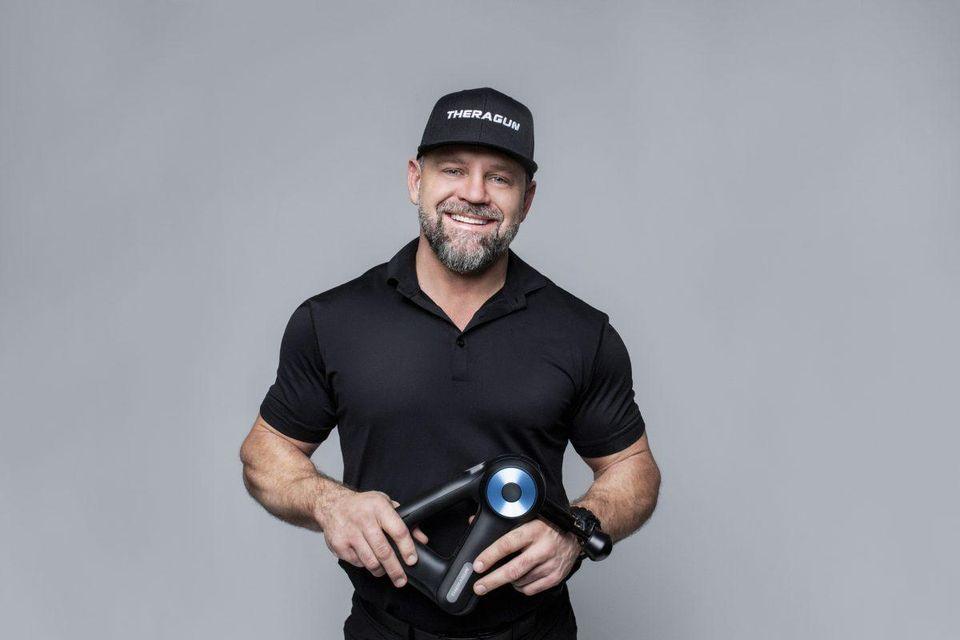
Theragun can become a vital tool when training at home While there are many gadgets on the market that claim to improve your health and fitness, few have the research to back it up.
That being said, we did our homework to pick out four pieces of technology that can improve your health and fitness from home during the current COVID-19 pandemic.
From EMS (electrical muscle stimulation) technology, to percussive therapy, to record-breaking marathon trainers, here’s the technology you need:
AVROX OXYGEN DELIVERY TECHNOLOGY
Developed at Oxford University by an AF Harvey Prize-winning Professor of Engineering Science and independently tested at the University of Surrey, Avrox is the performance drink that really works.
While most performance and wellness drinks contain a blend of vitamins, electrolytes and sugar, Avrox identified the fact that water doesn’t naturally hold additional oxygen and set about creating a product to change that. The result is something totally unique – an oxygen delivery technology that affords benefits in minutes, not hours.
Specifically, it took researchers at Oxford University five years formulating a product that used natural ingredients, capable of capturing, holding and transporting oxygen when added to water.
PROMOTED
Its effectiveness has since been validated by cyclists within Surrey University’s Human Performance Institute. It’s as simple as pouring a sachet into a 200ml water bottle and shaking to activate.
FACT: A 37-second improvement registered in cycling time trial and increased peak power output of 6.6%. EI8HT was developed at Oxford University SIXPAD EMS TRAINING TECHNOLOGY
As pioneers in the field of EMS technology, SIXPAD’s products provide an innovative way to enhance your health & fitness – external electrical stimuli forcing muscles to contract and relax just as they would during exercise.
Professor Toshio Moritani, PhD, a driving authority in the field of sports science researched and studied the training effects of EMS for over 40 years to identify their unique 20Hz, optimum training frequency.
On that, research has validated its ability to maintain muscle tension over time, affording sustained efficient training.
Add in factors such as increased muscular contraction strength and the fact that fast-twitch muscle fibres fundamental to muscle tone are targeted without the need for heavy loading at 20Hz, and you can see why field research has backed up SIXPAD’s scientific research.
Specifically, a recent study showed their products helped users achieve a 12% improvement in abdominal muscle size after 8 weeks alongside a balanced diet and exercise, while an 8% improvement was seen after just 4 weeks.
Each product delivers training through a unique 23-minute automatic programme cycle calculated for efficiency, taking the user through warm-up, training and cool down phases.
FACT: Helped users achieve a 12% improvement in abdominal muscle size in 8 weeks. SIXPAD focuses on maintaining muscle tension over time THERAGUN
Look no further than Theragun’s percussive massage therapy to prime your body for peak performance, spark back into life fatigued muscles and fast track your recovery between training sessions.
Physician calibrated by founder and chiropractor Dr. Jason Wersland, their unique combination of high amplitude (16mm) and low frequency (2400rpm) overrides pain signals sent to the brain, reaching 60% deeper into the muscle than consumer-grade vibration massagers. Theragun produce a range of percussive massaging devices With research, development and innovation deep-rooted pillars of the brand, their devices tested with medical professionals, physical therapists, chiropractors, and trainers to ensure efficacy, pilot studies have revealed a standard two minute treatment to stimulate a sustained increase in both blood flow (near 500% increase five minutes post treatment) and muscle oxygen saturation (14% increase five minutes post treatment) values to the treated region.
This muscular relief translates to improved recovery, reducing tension like no other device of its kind. Massage reinvented.
FACT: Near 500% increase in blood flow five minutes post treatment
HALO SPORT BRAIN STIMULATION TECHNOLOGY
Unusual as it sounds, Halo Sport’s brain stimulation technology aids the faster development of muscle memory, supported by over 4,000 peer reviews, and over 15+ years of academic research.
Specifically, Halo Sport’s patented technology is delivered through the application of a small electric current through headphones, to the part of the brain that controls movement.
This increases neuroplasticity (very simply – the ability of the brain to adapt and change through strengthening connections between neurons) forcing the brain into a state of hyper learning. HALO applies a small electric current through headphones The activated neurons fire more often when training, and when more neurons fire together, faster pathways are built in your brain.
Numerous studies have validated the effectiveness of the technology, independent studies showing a 17% improvement in sprint cycling performance and a 14.8% improvement in running endurance respectively.If that’s not enough, in house tests have found the technology to accelerate strength development by 20%, with the process of learning fine motor skills accelerated by up to 60%.It takes just 20 minutes for a pre-workout neuro priming session, after which you can take off Halo Sport or keep it on and listen to music — the performance benefits are the same. FACT: Strength development accelerated by 20%, fine motor skill learning by up to 60%.
Commentary: Why clapping for COVID-19 carers feels so strangely uplifting
Healthcare workers seen here operating out of test centres AFP/CESAR MANSO LONDON: I was immediately worried when I had a call from my mum at just after 8pm on Mar 26. She has early-stage dementia and lives in a remote village in England with very few neighbours.
But instead of panic or worry, I was greeted by an excited voice asking me if I had been outside to cheer for the National Health Service (NHS), the institution for which she worked for more than 40 years.
Despite her poor memory, my mum had somehow remembered that people in the UK had pledged to clap and cheer at 8pm that evening for the tireless health workers treating the rapidly growing number of COVID-19 patients in the country. She had fully expected to be on her own.
To her absolute delight and joy, she heard loud whoops and applause from the three houses at the bottom of the hill. She was so uplifted by this moment that she couldn’t wait to see if I had felt it too.
Like millions of people across Europe, I had. My London street had come alive – despite lockdown – with people cheering from their doorsteps or pavements, and children’s faces appearing at open bedroom windows.
For the next few hours, my social media was packed with similar shared stories and a palpable sense of hope, joy, gratitude and solidarity. This left me pondering why this simple communal act had such a significant impact on so many of us?
MORE THAN AN UPLIFTING EXPERIENCE
At a very basic level, this display of appreciation makes us feel good because it is an opportunity to explicitly express our gratitude for the extraordinary efforts that so many of our health workers are making. Being grateful has repeatedly been shown to boost wellbeing and promote prosocial behaviour.
These uplifting feelings are further boosted by the brain’s unconscious memory system: from a young age, we learn to associate clapping and cheering with positive moments in our life – success, celebration, appreciation and victory.
In the same way that the sight of food makes us salivate or the smell of grass evokes a sense of summertime, these sensations automatically elicit positive feelings through the basic process of conditioning. File photo of nurses in Yala Hospital in Thailand’s southern province of Yala. (Tuwaedaniya MERINGING/AFP) But the effects we felt last Thursday go beyond learned association and feeling grateful. What many of us found for those few minutes was a much needed sense of human connection and belonging.
Social psychologist Stephen Reicher has shown that collective participation, for example at sporting events or in music and religious festivals, enhances our sense of shared social identity, which encourages individuals to support and look out for one another.
As a species, humans have survived because they work in groups, so it is natural for us to feel stronger when there is a sense of togetherness. Some have even argued that our capacity to engage in coordinated activities such as singing, dancing and marching may have contributed to our evolutionary success.
There may be some parallels with research on collective musical performance. An increasing number of scientific studies has shown that performing together has many health benefits. For example, singing in choirs and rhythmic music making have both been consistently linked with better social, psychological and physical wellbeing.
In fact, neuroscientists have now shown that when individuals perform together, there is evidence that brain activity becomes synchronised.
THE VOICE OF EMOTIONS
For me, one striking feature of this celebration for the health service was the sound of other human voices. Neuroscience has shown that the human voice has an important impact, reducing stress hormones and raising levels of the “cuddle hormone” oxytocin. In fact, research shows that a mother’s voice can offer similar comfort to giving an actual hug. One poster shared online told the nurses: “You guys are truly heroes to me.” (Photo: AFP/Ed Jones) During a period when we are so restricted in terms of physical contact with others, maybe it is no surprise that we find comfort in the physical sound of other people cheering – the auditory equivalent of a group hug. It also explains the huge emotional response to stories and videos of people singing from their balconies, as well as musicians performing outside care homes.
From our earliest living moments until our last breath, our most fundamental emotions are expressed and received through variations in rhythm, pitch and timbre. Social isolation is difficult for most of us at the best of times. It contradicts our deep human instinct to congregate socially and work in groups.
From an evolutionary perspective, we are generally safer when we come together, but for now we find ourselves in the unusual position where safety depends on us keeping our distance. What clapping with our neighbours on Mar 26 did for me, for my mum, and probably for many of you, was to provide a powerful, emotional and physical reminder that that we are part of something bigger and for once it feels as though we are all on the same side.
Download our app or subscribe to our Telegram channel for the latest updates on the coronavirus outbreak: https://cna.asia/telegram
Catherine Loveday is a Neuropsychologist at the University of Westminster. This commentary first appeared in The Conversation.
Protecting a Most Precious Asset: GABA Proved to Fortify Cognitive Health in Human Trials
KYOTO, Japan–( BUSINESS WIRE )–The market for brain health supplements in the United States, which has shown double-digit growth in the past several years, blares a message about the concerns of the health-conscious. They want to have agency over the state of their mental health as they age, as they do their physical health.
The benefits of the naturally-occurring amino acid neurotransmitter GABA [γ-Aminobutyric acid], found across a range of healthful foods, have never really been in doubt. It’s the reason that Pharma Foods International Co. Ltd., manufacturer of PharmaGABA™ and supplying partner of Mitsubishi International Food Ingredients Inc., has devoted decades of constant research and development to deriving it from natural sources, refining it, and making it bioavailable for daily intake.
Though its importance in moderating mood and enabling relaxation was traditionally recognized — the concept of harnessing and refining GABA in its pure form was based on observing its high concentration in fermented staples of ancient East Asian cuisine, such as kimchi — the modern world seeks authoritative evidence for GABA’s ability to bolster mental and emotional health.
This evidence arrived in the form of twin randomized, double-blind, placebo-controlled, parallel-group clinical studies involving the administration of 100 and 200 mg of GABA daily to two separate groups of 60 healthy adult subjects aged over 40.
The results of the studies show that over a 12-week period of daily administration of GABA, subjects performed significantly better on tests of their mental acuity, as well as surveying higher on indices evaluating quality of life, than subjects administered a placebo. Assessments using the Cognitrax and RBANS (Repeatable Battery for the Assessment of Neuropsychological Status) tests, which involve direct engagement of simple, everyday mental operations, were made at 4, 8, and 12 weeks. The results clearly show improvements in a host of cognitive areas, a palpable, calculable elevation of quality of life; and further, the studies attest unconditionally to the safety of daily supplemental GABA intake for healthy adults.
It has long been known that a decreased systemic level of GABA is associated with the presence of Parkinson’s disease, epilepsy, Huntington’s chorea, Alzheimer’s disease, and schizophrenia. Based on this knowledge, researchers sought connections between the presence of GABA and related conditions, including increased alpha and decreased beta wave production, mental alertness, and coordination; proving, first in animal models, that intake of GABA improved maze memory and avoidance learning among other neurobiological manifestations. These were the precursors to human trials.
Participants in this first human study showed significant improvement in visuospatial/construction faculty tests, involving spatial construction and coordination, and delayed memory, which is keyed to short-term attention and recall, in the 100 mg group. The most striking finding was that when intake was doubled to 200 mg, additional improvements were recorded in the crucial areas of non-verbal reasoning, working memory, and sustained attention. In both studies, quality of life, which is, of course, closely related to cognitive function, was shown to be identifiably higher with regular GABA intake, in the distinct areas of physical functioning, vitality, and mental health.
It needs to be noted that as far back as 2016, Pharma Foods responded to research from the University of California-Berkeley showing that non-REM sleep deficiency was associated with a higher buildup of toxic beta-amyloids in the brain — setting the stage for the onset of Alzheimer’s disease at an accelerated pace — with clinical proof that GABA reduced sleep latency while lengthening the successive deep, non-REM stage of sleep. In fact, the current study adds to a wealth of knowledge realized in previous clinical studies carried out over decades, indicating sweeping benefits that accompany the daily administration of supplemental GABA, including the ability to aid rigorous physical exercise and build muscular strength and endurance .
In Japan, the PharmaGABA™ brand has long held the confidence of health-conscious consumers. The world’s third largest economy also has the distinction of having the longest overall life expectancy. Factoring in its low birth rate and immigration, the complex matter of the “greying population” is always at the forefront of social discourse; discussions that inevitably include the assertion that longer life, without the internal resources to successfully live it, is unsustainable, both individually and nationally.
Pharma Foods was established in 1997 with its development of a proprietary process to derive GABA from an entirely natural source, the fermentation of Lactobacillus hilgardii . In PharmaGABA™ it produced a supplement of unequalled quality and over 80% purity. In fact, PharmaGABA is the only Self-Affirmed GRAS GABA product on the market today. In Japan, where an active, aging population is confronting the imperative of maintaining cognitive health throughout life, PharmaGABA commands over 80% of the market, with sales of the supplement in Japan and the U.S. increasing over 25% in the past year alone.
Our human condition calls for action now to preserve the vibrancy and value of our future, and the path is through healthy cognition and a mental and emotional disposition that allows us to meet every challenge vigorously and creatively. The current studies published by Pharma Foods International offer the promise that a naturally-occurring, naturally derived supplement, GABA, may lead the way.
Dopamine affects how brain decides whether a goal is worth the effort

At a Glance
Researchers found that drugs like Ritalin may work as a study aid by shifting attention from the challenges of undertaking a difficult mental task to its rewards.
The findings suggest that these medications work not by boosting cognitive ability, but by influencing motivation through the brain chemical dopamine.
Some students without ADHD take medications like methylphenidate in the hope of enhancing their focus while studying. Medications ike methylphenidate (sold under the Ritalin and other brand names) are prescribed to treat attention deficit hyperactivity disorders (ADHD). These stimulants are also used by students without ADHD who hope to enhance their focus while studying. It’s unclear exactly how methylphenidate and similar drugs work as a study aid to improve mental performance.
Methylphenidate works in part by blocking the reabsorption of the neurotransmitter dopamine—a chemical messenger involved in reward-seeking, movement, and motivation—by the brain’s neurons. This increases the amount of dopamine in the brain’s striatum, an area involved in motor function and reward. Previous studies have shown that increases in dopamine in the striatum can motivate people and rodents to perform harder physical tasks.
Researchers suspected that dopamine might play a role in influencing how the brain evaluates whether a mental task is worth the effort. The team, co-led by Dr. Michael Frank from Brown University, performed a series of experiments to assess dopamine’s role in motivation. The study was funded in part by NIH’s National Institute of Mental Health (NIMH). Findings appeared in Science on March 20, 2020.
Fifty people, ages 18 to 43, participated in the study. The scientists first measured the levels of natural dopamine in the participant’s striatum. Participants were asked to choose between a series of memory tasks of varying difficulties. More difficult mental tasks were rewarded with more money.
The team found that those with higher dopamine levels in a region of the striatum called the caudate nucleus were more likely to focus on the benefits (the money) and choose the difficult mental tasks. Those with lower dopamine levels were more sensitive to the perceived cost, or task difficulty.
The participants next completed experiments after taking an inactive placebo, methylphenidate, or sulpiride—an antipsychotic medication that, at low doses, increases dopamine levels. Increasing dopamine boosted how willing people with low, but not high, dopamine synthesis capacity in the caudate nucleus were to choose more difficult mental tasks. It did this by changing their cost/benefit sensitivity. The results from these experiments reflected the findings for natural varying dopamine levels.
To gain more insight into the decision-making process, the researchers tracked the participant’s eye movement as they reviewed information about task difficulty and the amount of money they would receive. Their gaze patterns suggested that dopamine didn’t alter their attention to benefits vs costs. Rather, it increased how much weight people gave to the benefits once they were looking at them.
These finding suggests that Ritalin and similar drugs may work by acting on motivation rather than directly boosting cognitive function. For those with lower dopamine levels, boosting dopamine can affect the mental cost-benefit analysis so that they focus more on reward than cost. That, in turn, increases their willingness to attempt harder tasks.
“People tend to think, ‘Ritalin and Adderall help me focus,’” Frank says. “And they do, in some sense. But what this study shows is that they do so by increasing your cognitive motivation: Your perceived benefits of performing a demanding task are elevated, while the perceived costs are reduced. This effect is separate from any changes in actual ability.”
—by Erin Bryant
3 alternatives to coffee that no one is talking about
If you’re like me, you probably reach for at least one cup of coffee every day . It’s become a natural part of our routines and for many is a morning staple like taking vitamins or eating breakfast. As the busy-oriented lifestyle continues to consume our society, coffee has been positioned as a magical elixir to help us focus and multi-task.
As comedian Jerry Seinfeld once said, “We want to do a lot of stuff: we’re not in great shape. We didn’t get a good night’s sleep. We’re a little depressed. Coffee solves all these problems in one delightful little cup.”
What most people don’t realize is that there is a whole world of interesting coffee alternatives that can:
> Enhance your diet, sleep cycle, and exercise routine
Optimize sustainable brain function
Offer a variety of other healthy benefits
For starters, I firmly believe that coffee can be incredibly beneficial if consumed in moderation . In fact, some scientists are even encouraging people to drink more coffee . Coffee drinkers run into trouble when they get into a habit of five plus cups per day or reach for a Starbucks Java Chip Frappuccino in the evenings.
But you’re probably wondering, “ What else is even out there?”
I was initially introduced to several coffee alternatives like nootropics, adaptogens, and mushrooms after reading through Beyond Coffee, a sustainable guide that breaks down different ingredients and analyzes if they are optimal for productivity, scientifically backed by research, and can act as a realistic source of energy.
Everyone’s heard that green tea is a great coffee substitute for energy and burning fat, but I want to take it one step further and break down a few possibilities to try that you may not be aware of. The three options mentioned below are all extensively detailed in Beyond Coffee , supplements that I take on either a daily or weekly basis, and have been proven to be effective and, more importantly, considered safe if taken within the FDA’s recommended dosage.
So, here are a few interesting coffee alternatives for you to consider that no one is talking about.
Omega-3’s fall under the umbrella of “nootropics”, a growing category of compounds, pills, and powders advertised for their potential to enhance focus and productivity.
I’m sure you come across nootropics on a daily basis and have seen them advertised in your local grocery store. While Nootropics aren’t new, they have become more popular in recent years with users creating a nootropic stack- combining multiple compounds into a “cocktail” for heightened results. Nootropics include a variety of supplements that have been well-researched and are widely considered safe like matcha green tea or my recommendation, omega-3’s, along with other drugs and commercial products that are less effective and possibly unsafe.
Commonly recognized as fatty acids, omega-3’s are often derived from consuming fish like tuna and salmon, or taken in a pill form. While most people use omega-3’s for eye health and to lower cholesterol and blood pressure, research also shows that increasing your omega-3’s may enhance cognitive performance and improve attention span.
There is even evidence to support that omega-3’s can slow or reduce the likelihood of brain degenerative diseases. A study on elderly adults followed for nearly four years discovered that those who ate higher amounts of fish and supplemented with omega-3 fatty acids were less likely to develop Alzheimer’s.
Omega-3’s are relatively inexpensive and you can take them daily.
L-Theanine is another nootropic that has been well-researched. If you’re someone who associates nootropics with “smart drugs” like the movie Limitless , you may be disappointed to hear that a lot of nootropics are used for their de-stressing agents and anti-inflammatory properties- not an output of hyper intelligence.
L-Theanine is an amino acid found in fungi, plants, and green tea. This is one of the few supplements that I would recommend taking in addition to caffeine to get the most out of it- but this doesn’t necessarily have to be coffee.
According to Beyond Coffee, “Theanine is thought to have neuroprotective and cognitive-enhancing effects by increasing serotonin, dopamine, GABA, and glycine levels in the brain.” There is also evidence suggesting that L-Theanine will improve your mood and can be used for treating high blood pressure. L-Theanine has been classified by the FDA as “generally recognized as being safe” or GRAS status.
I started using spirulina last year as an addition to my morning protein shakes. Spirulina is a blue-green algae rich in protein, B-vitamins, and iron. Just a single tablespoon is packed with plant-based protein and has been recommended for a variety of conditions including high blood pressure, stress, anxiety, and diabetes.
Regarding energy, Vitamin B1 helps regulate your body’s thiamin (which contributes to fatigue) resulting in a more stable maintenance of energy. Coffee alternatives don’t necessarily need to be sharp boosts in attentiveness like the energy provided by caffeine. Instead, a supplement like Spirulina can help you hold onto more energy throughout the day- it has even been shown to improve athletic performance by increasing endurance.
Am I imploring you to delete your Starbucks app and throw the company Keurig in the trash?
Not quite …but there are other energy alternatives out there that also offer a multitude of healthy benefits. As always, it’s important to use supplements as they are intended. They should supplement a healthy diet and physical exercise. A spoonful of spirulina in your orange juice won’t make a difference if you’re running on two hours of sleep and a Big Mac. Why micro-experiences at work are more important than ever right now 7 foods you should eat if you’re over 50 15 fun icebreaker games for meetings
How cruciferous vegetables boost the immune system

Cruciferous vegetables prime the immune system to be alert, ready, and able to neutralize or kill any possible pathogens and toxins. Internet photo Cruciferous vegetables including brussels sprouts, cauliflower, broccoli, kale, collard greens, radishes, cabbage and mustard greens are known for their high fibre content and distinctive taste.
For instance, cauliflower contains a variety of nutrients such as vitamin C, K, protein, thiamin, riboflavin, niacin, magnesium, phosphorus, fibre, vitamin B6, folate, potassium and manganese. According to Rebecca Mugala, a nutritionist, these vegetables can be eaten raw or steamed but blending or juicing equally helps.
Immune boasters
Cruciferous vegetables are non-starchy vegetables that are rich in glucosinolates that boost immunity and are powerful at fighting cancer.
“They also have anti-microbial properties and are able to inhibit the growth of microorganisms. Sukuma wiki and kale have the highest content of these compounds but because Sukuma wiki is readily available in Uganda, eat it often or use it as an ingredient in smoothies,” Mugala says.
Inflammation is one of the leading factors to chronic illness and incorporating cruciferous vegetables would help reduce the risk of inflammation since these vegetables contain anti- inflammatory nutrients such as sulforaphane.
Boost heart health
Fausta Akech, a nutritionist, says cruciferous vegetables have been found to significantly improve blood pressure and kidney function. They contain vitamin K, which has anti-inflammatory qualities. Regular consumption of these vegetables ensures healthy blood circulation and helps in maintaining the blood vessels.
Body detox
“This type of vegetables contain compounds that increase natural detoxification enzymes, says Akech. Cabbage water for instance is gentle and cleansing to the digestive system. It stimulates production of liver detoxifying enzymes that help flush out toxins from the body.”
They are also high in beneficial plant compounds and may increase the liver’s natural detoxification enzymes, help protect it from damage and improve blood levels of liver enzymes.
Stomach disorders
Cruciferous vegetables are a good source of dietary fibre that helps in digestion and promotes the elimination of toxins from the body.
Brain health
Cauliflower is a good source of choline, a vitamin known for brain development. Its daily intake during pregnancy greatly improves the brain activity by boosting cognitive function and improves memory of the mother. It also reduces age-related memory loss.
“Choline helps with sleep, muscle movement and learning. It helps to maintain the structure of cellular membranes, aids in the transmission of nerve impulses,” Akech says.
Caution
When buying cruciferous vegetables, look for a firm head with no dark spots and bright green leaves attached to the stem for cauliflower.
Even for other vegetables, they should look firm and fresh enough. If you have bought cauliflower in large quantities and you do not intend to eat it all at once, keep it in the fridge for utmost five days but cabbage can stay longer than this if it is in a cool dry place.
Rebecca Mugala, a nutritionist, warns that cruciferous vegetables contain gas-causing sugars, so they may cause bloating in some people.
Cooking cruciferous vegetables may make them easier to digest instead of eating them raw. Alternatively, you can eat spinach, cucumbers or lettuce.
editorial@ug.nationmedia.com
Best natural supplements and drugs to boost brainpower

There are different natural supplements and drugs available which can help you by boosting your brainpower . Fish oil supplements contain high levels of omega-3 fatty acids which can offer you many health benefits besides improving your brain health. DHA, which is one type of omega-3 fatty acids, is crucial for maintaining the structure and function of your brain. EPA, which is another fatty acids found in fish oils, has anti-inflammatory effects which can protect your brain against the damage and ageing. If you take DHA supplements, it can help you to improve thinking skills, memory and reaction times. People who experience a mild decline in brain function can take this supplement and improve their brain function. You can take fish oil which contains both these fatty acids.
Resveratrol is an antioxidant that focus naturedly in the skin of red and purple fruits. That is why you need to consume more grapes, rasp berries and blueberries. It is also available in red wine, chocolate and peanuts. You can take resveratrol supplements to prevent deterioration of your hippocampus. This part of your brain is associated with memory. By taking resveratrol, you can slow down the decline in brain function as you get older.
Caffeine is a natural stimulant and it can help you to improve your brain function. If you want more focus and mental clarity, you can use some of the caffeine sources. It is available in tea, coffee and dark chocolate. It can also take it as a supplement but since it is already available in tea, coffee and dark chocolate, by drinking and eating them, you can naturally get enough caffeine for you. It stimulates your brain and central nervous system and as a result makes you more alert and less tired. You will feel more energised and at the same time it will also improve your memory, reaction times and general brain function. For most of the people, single doses of around 200 to 400 mg per day is good enough for health benefits. In a cup of coffee, you can get 50 to 400 mg of caffeine.
Acetyl-L-Carnitine is an amino acid which is naturally produced in your body. It plays an important role in your metabolism and energy production. If you take this through supplement, it can help you to feel more alert, improve your memory as the same time can reduce age-related memory loss. These are available in supplement forms which can be easily procured from local source or from online sellers. Scientific studies done on animals found that this supplement can prevent age-related decline in brain function and at the same time can increase learning capacity. Scientific studies done on humans found that it can slow the decline in brain function that happen due to ageing. It is also useful in improving brain function in people with mild dementia or Alzheimer’s.
Ginkgo biloba is a herbal supplement. This supplement is procured from Ginkgo biloba tree. It is a very popular supplement which is believed to increase brainpower. It increases flow of blood to the brain and thereby can improve brain functions like focus on memory. References 1. Untapped Focus
2. Neuroplasticity and Clinical Practice: Building Brain Power for Health
3. Foods linked to better brainpower
Increase Your Memory Retention At The Workplace
With our easy-to-use devices serving as an adjunct part of our brain, which often does the heavy lifting of recalling essential dates and data, it’s natural to forget some information directly issued to us without making a record of what’s said.
Accessing evidence and deploying the right internal algorithm to find a solution is one of the most fundamental duties your brain implements in business. Your brain’s computing power and storage is your most indispensable asset. Your mind overcomes all workplace matters of problem-solving, structural changes, interpersonal conflicts, daily stresses, and impossible deadlines.
The information processor software inside your head produces tangible results that will propel you along in your career. Still, the other aspect of your brain’s primary function in enterprise, memory, is something that an efficient worker shouldn’t overlook. Tethered together, productivity and memory retention, deserve equal attention in their execution. With abundant bandwidth or not, our memory will fail the best of us.
A theory about memory retention from a couple of centuries still holds up today. A psychologist by the name of Herman Ebbinghaus from German came up with the notion of “the forgetting curve,” in which up to seventy percent of knowledge won’t stick within a day of learning it if there isn’t an active attempt to retain said info. Other factors are working against storing newfound intelligence. It’s natural to experience memory loss as we age. There’s only so much space to catalog everything. Though some aspects are innate, memory retention is a skill that one must be engaged to improve upon recollection.
It’s important to note that not every method of remembrance will click with everyone. Like a physical workout routine, some will connect with the action more than others. Below are practical approaches and tips to boost retentiveness.
Disengage from multitasking. Old school wisdom dictates that the more you are doing simultaneously, the more productive you are being. However, in the age of analytics and efficiency, we understand this to be false. Your brain ostensibly switches from task to task, rather than completing them concurrently, which effectively slows you down and makes you prone to mistakes.
Formulate to-do lists. Lists display what you’ve accomplished, what tasks are in progress, and what fulfillments remain. Be removing clutter and chaos from your docket; your mind can move freely and hone in on your long-term and short-term priorities. The discarding or assigning to others of incidental assignments will give your brain the room to operate in ideal circumstances.
Be present and pay attention to even the most mundane information. Distraction is the enemy of memory absorption. Concentrating from moment to moment, from emails to meeting with new clients, whatever presents itself during your workday, will allow yourself to acquire essential data points that you may need to revisit during another instance. Memory is on a time-sensitive basis, so your full consideration creates ample opportunities to learn and move forward.
Recite newly gathered vital instructions, facts, and messages in your head or out loud. Extend your opportunity to retain news and communications by repeating them to yourself. Your brain will acknowledge the importance of what you are rehearsing and preserve the memory.
Visualize input. If you picture statistics, names attached to faces, documents, and other memos, the information will manifest into accessible memories. Not everyone is a visual learner, but if you relate things to shorthands like acronyms, mnemonic devices, recognizable associations, or audible cues, recollections are more rooted.
Repurpose data into clusters and groups. Information can be overwhelming. Try rejiggering the order or chop up the bulk of info into smaller combinations so that you can digest and store effectively.
Below are some adjacent wellness methods in the aiding of memory retention.
Reduce stress. Stress causes poor performance and creates obstacles for memory retention. While stressful situations are often unavoidable, processing the encumbrance in a manageable, healthier manner is an active step you can take.
Disconnect from technology once a day. The forty-hour workweek is a thing of the past. Your tablet, laptop, and the phone will find you addressing work matters in the comfort of your home past business hours. Your mind needs time to decompress and reset so that it can function optimally and keep your memory elastic.
Exercise. One doesn’t need to train for endurance races or team-plyometric competitions to experience the positive effects that physical activity has on the brain. Light-intensity workouts have proven to have an impact on memory retention.
Get restful sleep. As elusive of a concept as sleep may sometimes feel, peaceful slumber is imperative to the productive worker. While you sleep, your brain engages in memory consolidation, which strengthens our memories.
Try meditation. Fortune 500 companies and corporate institutions across the country are integrating meditation practices into their employee’s workday. The benefits of decluttering one’s mind and finding clarity in goals and ambitions are self-evident.
Possessing an edge in business is a crucial facilitator in achieving occupational success. Your memory is a tool that should be perpetually maintained and sharpened. If your mind is performing at optimal retention levels, then peak productivity will follow.
Brain Health Supplements Market to Witness an Outstanding Growth During 2017-2023 – Accelerated Intelligence, AlternaScript, HVMN
New York, NY — ( SBWIRE ) — 03/30/2020 — Brain health supplements are herbal extracts, which possess cognitive benefits such as improvement in memory, creativity, attention, motivation, and alertness. The global brain health supplements market generated $3,194 million in 2016 and is anticipated to reach $5,813 million by 2023, growing at a CAGR of 8.8% from 2017 to 2023.
The brain health supplements market is projected to grow significantly during the forecast period, due to rise in the desire to enhance brain functions among students, scientists, and investment bankers along with growth in a number of promotional activities carried out by the key players. The rapid growth of the e-commerce industry facilitates product availability, which in turns drives the growth of the market. Furthermore, the surge in a number of self-directed consumers, abundant availability of brain health supplements, and increase in awareness about brain health supplements among the general population in the developing countries are anticipated to drive the market growth in the coming years. However, lack of awareness about brain health supplements in underdeveloped regions hinders the growth of the market.
Major Key Players of the Brain Health Supplements Market are:
Accelerated Intelligence, AlternaScript, HVMN, Liquid Health, Aurobindo Pharma Limited, Natural Factors Nutritional Product, Onnit Labs, KeyView Labs, Purelife Bioscience, Quincy Bioscience
Get sample copy of “Brain Health Supplements Market” at: https://bit.ly/2vZICWj
The report segments the market based on the product, application, sales channel, age group, supplements form, and region. On the basis of product, the market is classified into herbal extracts (ginseng, ginkgo Biloba, curcumin, lion’s mane, bacopa monnieri and others), vitamins & minerals (vitamin B, vitamin C and E, and others), and natural compounds (acetyl-L-carnitine, alpha GPC, citicoline, docosahexaenoic acid, huperzine-A, and others). The applications covered in the study include memory enhancement, mood & depression, attention & focus, longevity & anti-ageing, sleep & recovery, and anxiety. By sales channel, the market is categorized into supermarkets & hypermarkets, drug stores, online stores, and others. According to age group, it is divided into children, adults, and elderly. Depending on supplement form, it is fragmented into capsules, tablets, and others. Region-wise, it is studied across North America (U.S., Canada, and Mexico), Europe (Germany, France, UK, Italy, Spain, and Rest of Europe), Asia-Pacific (China, Japan, Australia, India, South Korea, and rest of Asia-Pacific), and LAMEA (Brazil, South Africa, Saudi Arabia, and rest of LAMEA).
Major Types of Brain Health Supplements Market covered are:
Herbal Extract:
Ginseng
Ginkgo Biloba
Curcumin
Lion’s Mane
Bacopa Monnieri
Vitamins & Minerals:
B Vitamins
Vitamin C & E
Natural Molecules
Acetyl-L-carnitine
Alpha GPC
Citicoline
Docosahexaenoic Acid (DHA)
Huperzine-A
Others
Major Applications of Brain Health Supplements Market covered are:
Memory Enhancement
Mood & Depression
Attention & Focus
Longevity & Anti-aging
Sleep & Recovery
Anxiety
Research objectives:-
– To study and analyze the global Brain Health Supplements consumption (value & volume) by key regions/countries, product type and application, history data.
– To understand the structure of the Brain Health Supplements market by identifying its various sub-segments.
– Focuses on the key global Brain Health Supplements manufacturers, to define, describe and analyze the sales volume, value, market share, market competitive landscape, SWOT analysis, and development plans in the next few years.
– To analyze the Brain Health Supplements with respect to individual growth trends, future prospects, and their contribution to the total market.
– To share detailed information about the key factors influencing the growth of the market (growth potential, opportunities, drivers, industry-specific challenges and risks).
Go For Interesting Discount Here: https://bit.ly/2Us4x1v
Table of Content
1 Report Overview
1.1 Study Scope 1.2 Key Market Segments 1.3 Players Covered 1.4 Market Analysis by Type 1.5 Market by Application 1.6 Study Objectives 1.7 Years Considered2 Global Growth Trends 2.1 Brain Health Supplements Market Size 2.2 Brain Health Supplements Growth Trends by Regions 2.3 Industry Trends3 Market Share by Key Players 3.1 Brain Health Supplements Market Size by Manufacturers 3.2 Brain Health Supplements Key Players Head office and Area Served 3.3 Key Players Brain Health Supplements Product/Solution/Service 3.4 Date of Enter into Brain Health Supplements Market 3.5 Mergers & Acquisitions, Expansion Plans4 Breakdown Data by Product 4.1 Global Brain Health Supplements Sales by Product 4.2 Global Brain Health Supplements Revenue by Product 4.3 Brain Health Supplements Price by Product5 Breakdown Data by End User 5.1 Overview 5.2 Global Brain Health Supplements Breakdown Data by End UserHave any query? Inquiry about report at: https://bit.ly/2yerM6E In the end, Brain Health Supplements industry report specifics the major regions, market scenarios with the product price, volume, supply, revenue, production, and market growth rate, demand, forecast and so on. This report also presents SWOT analysis, investment feasibility analysis, and investment return analysis.About Market Growth Insight Market Growth Insight 100% Subsidiary of Exltech Solutions India, is a one-stop solution for market research reports in various business categories. We are serving 100+ clients with 30000+ diverse industry reports and our reports are developed to simplify strategic decision making, on the basis of comprehensive and in-depth significant information, established through wide-ranging analysis and latest industry trends.Contact Us- Email: sales@marketgrowthinsight.com Phone: + 91 8956767535 Website: https://www.marketgrowthinsight.com/
Protecting a Most Precious Asset: GABA Proved to Fortify Cognitive Health in Human Trials
As life spans in industrialized nations increase, so does anxiety about the effects of cognitive decline on individuals, on society. New twin studies offer significant hope for strengthening the neurobiological environment, reversing that trend.
The market for brain health supplements in the United States, which has shown double-digit growth in the past several years, blares a message about the concerns of the health-conscious. They want to have agency over the state of their mental health as they age, as they do their physical health.
The benefits of the naturally-occurring amino acid neurotransmitter GABA [γ-Aminobutyric acid], found across a range of healthful foods, have never really been in doubt. It’s the reason that Pharma Foods International Co. Ltd., manufacturer of PharmaGABA™ and supplying partner of Mitsubishi International Food Ingredients Inc., has devoted decades of constant research and development to deriving it from natural sources, refining it, and making it bioavailable for daily intake.
Though its importance in moderating mood and enabling relaxation was traditionally recognized — the concept of harnessing and refining GABA in its pure form was based on observing its high concentration in fermented staples of ancient East Asian cuisine, such as kimchi — the modern world seeks authoritative evidence for GABA’s ability to bolster mental and emotional health.
This evidence arrived in the form of twin randomized, double-blind, placebo-controlled, parallel-group clinical studies involving the administration of 100 and 200 mg of GABA daily to two separate groups of 60 healthy adult subjects aged over 40.
The results of the studies show that over a 12-week period of daily administration of GABA, subjects performed significantly better on tests of their mental acuity, as well as surveying higher on indices evaluating quality of life, than subjects administered a placebo. Assessments using the Cognitrax and RBANS (Repeatable Battery for the Assessment of Neuropsychological Status) tests, which involve direct engagement of simple, everyday mental operations, were made at 4, 8, and 12 weeks. The results clearly show improvements in a host of cognitive areas, a palpable, calculable elevation of quality of life; and further, the studies attest unconditionally to the safety of daily supplemental GABA intake for healthy adults.
It has long been known that a decreased systemic level of GABA is associated with the presence of Parkinson’s disease, epilepsy, Huntington’s chorea, Alzheimer’s disease, and schizophrenia. Based on this knowledge, researchers sought connections between the presence of GABA and related conditions, including increased alpha and decreased beta wave production, mental alertness, and coordination; proving, first in animal models, that intake of GABA improved maze memory and avoidance learning among other neurobiological manifestations. These were the precursors to human trials.
Participants in this first human study showed significant improvement in visuospatial/construction faculty tests, involving spatial construction and coordination, and delayed memory, which is keyed to short-term attention and recall, in the 100 mg group. The most striking finding was that when intake was doubled to 200 mg, additional improvements were recorded in the crucial areas of non-verbal reasoning, working memory, and sustained attention. In both studies, quality of life, which is, of course, closely related to cognitive function, was shown to be identifiably higher with regular GABA intake, in the distinct areas of physical functioning, vitality, and mental health.
It needs to be noted that as far back as 2016, Pharma Foods responded to research from the University of California-Berkeley showing that non-REM sleep deficiency was associated with a higher buildup of toxic beta-amyloids in the brain — setting the stage for the onset of Alzheimer’s disease at an accelerated pace — with clinical proof that GABA reduced sleep latency while lengthening the successive deep, non-REM stage of sleep. In fact, the current study adds to a wealth of knowledge realized in previous clinical studies carried out over decades, indicating sweeping benefits that accompany the daily administration of supplemental GABA, including the ability to aid rigorous physical exercise and build muscular strength and endurance .
In Japan, the PharmaGABA™ brand has long held the confidence of health-conscious consumers. The world’s third largest economy also has the distinction of having the longest overall life expectancy. Factoring in its low birth rate and immigration, the complex matter of the “greying population” is always at the forefront of social discourse; discussions that inevitably include the assertion that longer life, without the internal resources to successfully live it, is unsustainable, both individually and nationally.
Pharma Foods was established in 1997 with its development of a proprietary process to derive GABA from an entirely natural source, the fermentation of Lactobacillus hilgardii . In PharmaGABA™ it produced a supplement of unequalled quality and over 80% purity. In fact, PharmaGABA is the only Self-Affirmed GRAS GABA product on the market today. In Japan, where an active, aging population is confronting the imperative of maintaining cognitive health throughout life, PharmaGABA commands over 80% of the market, with sales of the supplement in Japan and the U.S. increasing over 25% in the past year alone.
Our human condition calls for action now to preserve the vibrancy and value of our future, and the path is through healthy cognition and a mental and emotional disposition that allows us to meet every challenge vigorously and creatively. The current studies published by Pharma Foods International offer the promise that a naturally-occurring, naturally derived supplement, GABA, may lead the way.
Contacts
Your Brain Fog May Be an Anxiety Symptom — Here’s How to Deal with It

Brain fog describes a mental fuzziness or lack of clarity.
When dealing with it, you might experience: trouble putting thoughts together
thoughts that seem hazy or difficult to grasp
While brain fog is pretty common, it’s not a condition on its own. But it can be a symptom of several issues — anxiety and stress among them. If your brain is a computer, ongoing anxiety and stress are those programs that run in the background and use up tons of memory and make everything else run slowly. Even if you don’t actively focus on anxious thoughts, they often still run in the background of your brain and might contribute to physical symptoms like uneasiness, stomach upset, or fatigue.
Anxiety-related brain fog doesn’t just make it hard to get things done. It can also give you another thing to feel anxious about, especially if it’s been happening for a while.
Here are a few tips for lifting the fog.
Identifying the causes of brain fog can help you figure out how to address it more effectively.
Temporary sources of stress — like a big project at work — can contribute to mental fatigue. Those causes are often fairly easy to identify.
But if you’ve been dealing with anxiety or stress for a while, you might have a harder time recognizing what’s affecting you.
If you can’t quite pinpoint what’s creating all the background noise in your mind, working with a therapist can be a big help (more on this later).
Sleep deprivation can make it difficult to think clearly during the day, regardless of whether or not you’re dealing with anxiety.
A night or two of less sleep than usual probably won’t have a long lasting impact, as long as you get enough sleep most nights.
But if you regularly don’t get enough sleep , you’ll likely start to notice some negative consequences, including irritability, daytime sleepiness, and — you guessed it — difficulty concentrating.
Caffeine can help you feel more alert temporarily, but it’s not a good permanent solution. Aiming for at least 7 hours of sleep every night is a good start, but you may need up to 9 hours for optimal function.
Stress often happens when life becomes busier than normal.
If you have so many responsibilities you don’t know how to manage them all, it may seem counterproductive — if not impossible — to take time to relax or enjoy a favorite hobby.
If you don’t make time for self-care and relaxation , though, you’ll just keep adding to your stress.
Try setting aside 30 minutes to 1 hour each day for a calming, enjoyable activity, like:
Even if you only have 15 minutes to spare some days, spend that time doing something you love. This can give your brain a much-needed chance to recharge.
When you’re feeling overwhelmed and unable to focus, sitting with your thoughts might not sound like the best thing to do, but hear us out.
Meditation can help you increase your awareness of physical and emotional experiences as they happen and regulate unwanted or challenging emotions.
To get started with meditation: Choose a quiet, comfortable place to sit.
Get comfortable, whether that’s standing, sitting, or lying down.
Let all of your thoughts — positive or negative — rise up and pass you by.
As thoughts come up, try not to judge them, cling to them, or push them away. Simply acknowledge them.
Start out by doing this for 5 minutes and work your way up to longer sessions over time. Not eating enough, or not getting the right nutrients, can make it difficult to focus.When stressed, you might feel too tired to prepare balanced meals and turn to snacks or fast food instead. These foods typically don’t offer much in the way of energy boosting nutrients . In fact, they might have the opposite effect, making you feel tired and lethargic.Anxiety can also contribute to stomach problems that make it difficult to eat like you normally would. If you skip a few meals, you might end up feeling nauseous at the thought of food, which can drain you even more.Adding the following foods to your diet can help improve cognition: fresh produce (especially berries and leafy greens) whole grains lean proteins like fish and poultry nuts That said, remember that eating something is better than eating nothing.Taking care to stay hydrated can also help improve brain fog. You might know dehydration can affect your physical health, but it can also have negative consequences on your energy level, concentration, and memory.Physical activity has plenty of benefits , so it may not surprise you to learn improved cognition is among them.Exercise can help:You don’t need to hit the gym for an intense workout (though that can also help). A quick 15-minute walk around the neighborhood at a brisk pace can often do the job.Say you’re working on something you really need to get done. You’ve spent a lot of time on the project, but it’s important, and you feel a little worried about it not turning out as well as you hope. So, you keep going over your work, double-checking and making sure everything’s as close to perfect as you can get it.Even though you feel your concentration waning as you work, you don’t feel able to stop. You tell yourself a break would stall your progress and decide to power through instead.Trying to keep working through a patch of brain fog generally isn’t the best solution, especially if you feel anxious about the outcome of what you’re trying to do. Think about driving through a heavy downpour: If you can’t see the road or concentrate over the sound of hail hitting your windshield, it’s wise to just pull over until things calm down. Same goes for trying to get things done when your brain’s feeling foggy. Taking just 15 minutes away from your work (to read, stretch, stare into space — whatever feels right) can help you reset and return with improved productivity.Stress happens to everyone, so identifying a few go-to coping strategies is a smart investment.Try: Getting comfortable […]

The Power Within by Corey Daniels book available for only $2.99
Mind has both conscious and subconscious halves. These are likened to a driver and the truck he drives. The driver plans the destination and observes road conditions, while the truck provides motive power. Your subconscious mind is like the truck and it only goes in the direction in which is a steered. This can be the road or off a cliff. Likewise, the consciousness paints a picture of what the world is and what your goals are and the subconscious acts on them through emotion, physical response and energy, whether these are correct, rational images or false negative ones. The subconscious is also like an emotional reservoir which your body and mind draw responses from to external stimuli.
The Power Within lays out a method of programming your subconscious and tapping into the Holy Spirit, God voice or what the Greeks called the daimon (godman).