Nature Knows and Psionic Success
God provides
Alibaba’s tech brain trust sees new AI advances, industrial IoT among big trends in 2020

As the new year settles in, concerns remain about the protracted trade and tech war between the United States and China, the world’s two largest economies.
Still, that situation has not deterred the science and technology innovation brain trust of e-commerce giant Alibaba Group Holding from dusting off its crystal ball to predict the top tech trends for the first year of this new decade. New York-listed Alibaba is the parent company of the South China Morning Post .
The forecasts made by the Alibaba Damo Academy, which has facilities in seven cities across Asia, the Middle East and North America, mainly revolve around the rapid advances expected in the field of artificial intelligence (AI) and the industrial Internet of Things (IoT).
Whichever way the US-China conflict pans out, the next 12 months are likely to continue to be challenging for the global tech industry. Here are some of the highlights from the academy’s predicted trends for this year:
1. AI development will take a leap to so-called cognitive intelligence. Recent AI advances have seen machines surpass humans in the areas of speech-to-text and natural language processing as well as video analysis. The Alibaba Damo Academy predicts those feats in perceptual intelligence will be overtaken by the progress in cognitive intelligence.
Deloitte has defined cognitive intelligence as software programmed to augment human cognitive functions, which are mental processes that enable people to carry out any task. For enterprises, cognitive systems can be used to automate predictions and optimise operational processes.
“These make machines to understand and utilise knowledge,” the Damo Academy said.
It said that the next major advance in AI will tap into fields such as cognitive psychology and human social history, while combining techniques like causality inference and cross-domain knowledge graph.
2. In-memory computing to push forward next-generation AI systems. With the rapid development of data-driven AI algorithms in recent years, it has come to a point where the hardware becomes the bottleneck in the exploration of more advanced algorithms, according to the Damo Academy.
In-memory computing moves data, which has traditionally been stored in database software hosted on hard discs, into random access memory. That exponentially speeds data, according to Hewlett-Packard Enterprise, because RAM-stored data is available instantaneously, while data stored on discs is limited by network and disc speeds.
3. The industrial IoT will power digital transformation. When 5G mobile services are more widely available this year, manufacturing enterprises are expected to get smarter as the next-generation wireless technology helps them realise the IoT’s full potential.
IoT envisions a self-configuring, adaptive and complex network that interconnects physical objects, each containing embedded technology to communicate, gather data and interact with mobile applications or other networks.
Industrial IoT links together three key elements – intelligent machines, advanced analytics and people at work – whose data are gathered by connected IoT devices. The processed information would help companies pursue higher levels of efficiency, productivity and performance.
“Ultimately, it will significantly increase manufacturers’ productivity and profitability,” the Damo Academy said. “For manufacturers with production goods that value hundreds of trillion of yuan, if their productivity increases 5 to 10 per cent, it means additional trillions of yuan [in benefit].”
4. Modular design method will makes chips easier and faster to develop. The traditional method of chip design “cannot efficiently respond to the fast evolving, fragmented and customised needs of chip production”, the Damo Academy said.
It indicated that system-on-a-chip design based on the open-source architecture called RISC-V and other modular chip design methods have accelerated the rapid development of an ecosystem for open-source chips.
That followed Alibaba’s introduction of its first self-developed chip in July of last year. Produced by Alibaba chip subsidiary Pingtouge, the Xuantie 910 processor is based on RISC-V, as opposed to the more commercially used ARM architecture.
5. Large-scale, production-grade blockchain applications will gain mass adoption. Blockchain, the digital ledger technology behind bitcoin and other cryptocurrencies, has received plenty of attention in China after it was endorsed by Chinese President Xi Jinping at a study session for members of the Politburo in November. Xi called for China to become a world leader in this field.
The development of commercial blockchain-as-a-service offerings is expected to help reduce the barriers of entry for developing enterprise blockchain applications, according to the Damo Academy.
It predicted a variety of chips, designed specifically for blockchain and embedded with core algorithms, will emerge and be used in smartphones and various terminals as well as cloud computing operations.
Sign up now for our 50% early bird offer from SCMP Research: China AI Report. The all new SCMP China AI Report gives you exclusive first-hand insights and analysis into the latest industry developments, and actionable and objective intelligence about China AI that you should be equipped with.
More from South China Morning Post:
This article Alibaba’s tech brain trust sees new AI advances, industrial IoT among big trends in 2020 first appeared on South China Morning Post
For the latest news from the South China Morning Post download our mobile app . Copyright 2020.
7 Methyl-Xanthines Benefits, Side Effects & Sources
We are all familiar with coffee and caffeine. What you might not know is that caffeine belongs to a wider category of chemical compounds called methylxanthines. These compounds — abundant in cocoa, tea, and coffee — may protect the heart and brain, improve physical performance, boost metabolism, and more. However, their over-consumption can be harmful. Read on to learn the potential benefits, safety precautions, and best natural sources of xanthines. What are Xanthines?
Methylxanthines are chemical compounds derived from the purine base xanthine. Some well-known natural xanthines include caffeine , theobromine , and theophylline .
At least half of the world’s population drinks tea, which contains caffeine and small amounts of theophylline and theobromine [ 1 ].
Cocoa and chocolate, derived from the seeds of Theobroma cacao , contain theobromine, which is the main chemical responsible for their health benefits. Also, some caffeine is present [ 2 , 3 ].
Coffee , the most popular source of dietary caffeine, is extracted from the Arabica coffee and related species.
Caffeine is mainly broken down by the liver and, interestingly, one of its by-products is theobromine [ 4 ].
Methylxanthines, specifically theobromine and caffeine, are the main factors responsible for particular chocolate cravings, revealing their huge impact on taste and food preferences [ 5 ].
If your interest is mainly in caffeine, jump to this post . Mechanisms of Action
1) Mobilization of intracellular calcium
2) Inhibition of phosphodiesterases (PDEs)
3) Inhibition of gamma-aminobutyric acid (GABAA) receptors
4) Inhibition of high affinity ATP-dependent cyclic nucleotide transporters
The predominant health effects that stem from these mechanisms are increased wakefulness and alertness during the day. Methylxanthines also have other effects such as relaxing smooth muscles, stimulating urine production and fluid loss, and increasing heart muscle contraction [ 16 ].
However, much higher doses may be required to mobilize intracellular calcium, inhibit PDEs or modulate GABAA receptors, or to unselectively inhibit ABCC5 and ABCC4 transporters [ 8 , 17 ].
This leaves the action on adenosine receptors and inhibition of cAMP-degradation as the primary mechanism behind the effects of dietary methylxanthines.
To give a practical example: when adenosine accumulates in the brain and saturates adenosine receptors, we feel dizzy and sleepy. Xanthines bind to the same receptors as adenosine (antagonism), which prevents this effect and keeps us alert and awake.
Also, maintaining a high level of circulating cAMP may increase heart rate and promote fat metabolism [ 18 ]. Xanthines Health Benefits
1) Respiratory Conditions
Whether dietary cocoa consumption or methylxanthines are significantly effective in preventing cough or diminishing cough intensity is yet to be determined, however, the evidence is promising [ 19 , 20 ].
Theophylline is an active component of different FDA-approved drugs for asthma and other respiratory conditions [ 21 ].
Theobromine may be helpful for asthma, cough, and other respiratory tract problems, too.
A clinical trial of 289 subjects (DB-RCT) showed a mild improvement in a persistent cough with the use of a theobromine-based compound [ 22 ].
In a study of 21 young adults with asthma, theobromine capsules increased bronchial diameter, which increased airflow to the lungs [ 23 ].
The anti-inflammatory potential of theobromine may be responsible for this effect. It can reduce the levels of inflammatory cytokines such as IFN-y and TNF-a [ 2 , 24 ].
According to a review of 7 clinical studies, caffeine can help open the airways and relieve bronchitis symptoms including wheezing, coughing, and breathlessness [ 25 ]. 2) Attention and Alertness
Multiple clinical reviews have confirmed the potential of caffeine to increase mental alertness in low-to-moderate doses (40-300 mg). The effects were even more pronounced in non-regular users and during sleep deprivation [ 26 , 27 , 28 ].In a study of 36 participants, caffeine exhibited dose-dependent effects on alertness and attention. When people who usually do not drink caffeinated products consumed high doses of caffeine, they had a higher increase in brain function. Regular and tolerant users may still feel the same effects, but to a smaller extent [ 29 ].A lack of sleep can cause delays in reaction times. In a study of 20 sleep-deprived participants, a total daily dose of 800 mg of caffeine helped improve reaction speed and accuracy [ 30 ].In one study, twelve young adults either had sufficient sleep (9 hours) or a lack-of-sleep (4 hours). 100 mg of caffeine improved both groups’ coordination, judgment, memory, and reaction time during a driving task [ 31 ].However, some reviews have underlined the tolerance to its stimulant effects, abuse potential, and a potential toxicity that comes with higher doses [ 32 , 33 ]. 3) Physical Performance A comprehensive clinical review summarized 21 meta-analyses on caffeine and physical performance. A large body of evidence suggests that “ caffeine ingestion improves exercise performance in a broad range of exercise tasks .” It showed beneficial effects on [ 34 ]: Muscle endurance Muscle strength Aerobic endurance Anaerobic power Caffeine particularly helps anaerobic exercises like sprinting or jumping. This effect may arise from its anti-fatigue effects and by improving endurance, physical strength, and power output [ 35 ].In a small study of 10 healthy subjects, theophylline delayed the onset of fatigue during intermittent high-intensity exercise [ 36 ]. 4) Heart Disease A recent review of 14 studies found that moderate chocolate consumption (up to 6 servings or 180 g per week) reduced the risk of heart disease and stroke [ 37 ].Two different reviews found a protective role for cocoa and its major compound, theobromine, in metabolic and heart health [ 38 , 39 ]. Circulation (Blood Flow) High cholesterol, metabolic syndrome, and blood vessel stiffness are common in postmenopausal women. Chronic consumption of flavanol-rich cocoa enhanced blood circulation in postmenopausal women with high cholesterol [ 40 , 41 , 42 , 43 ].Methylxanthines are able to increase the blood concentration of a particular chemical compound called (-)-epicatechin, which may also improve blood circulation [ 44 ].Theobromine, abundant in cocoa, may cause blood pressure to decrease by widening the blood vessels and stimulating urination (diuretic) [ 45 ]. Cholesterol Levels […]
Lateral Hypothalamus (Limbic System) Definition & Function

The brain acts as a complex system, many parts interacting with one another to create synchronized output. This is especially true when it comes to the lateral hypothalamus. According to some scientists, this brain region can be viewed as the central processor responsible for controlling wakefulness, with connections to many other brain regions.
Disclaimer: This post focuses on the neuroscience of the lateral hypothalamus. It is solely informational. Talk to your healthcare provider if you experience any neurological symptoms. Potential Symptoms of Lateral Hypothalamus Problems
Lateral hypothalamic problems can cause different symptoms that depend on the affected area, the types of hormones involved, and other health conditions.
Some possible symptoms that may signal a hypothalamus problem include: Lower blood pressure
Fatigue
Decreased appetite
Bloating
Slowed metabolism (potentially with lower T3 and being cold)
See your doctor if you experience any of these symptoms.
This list is not exhaustive; other symptoms are possible. On the other hand, these symptoms are not specific and may have many underlying causes.
Your doctor should diagnose and treat the underlying cause of your symptoms . In some cases, he or she may recommend scheduling an appointment with a neurologist who is qualified to do detailed brain function assessments. Hypothalamus Connections
Scientists believe that orexin neurons from the lateral hypothalamus connect to the remainder of the hypothalamus, including the [ 1 +]: tuberomammillary nucleus (responsible for wakefulness)
arcuate nucleus (responsible for weight balance)
ventral tegmental area dopamine nucleus (regulates pleasure and motivation)
locus coeruleus (responsible for wakefulness)
serotonergic raphe nuclei (important for circadian rhythms)
cholinergic pedunculopontine nucleus (regulates attention and wakefulness)
prefrontal cortex (important for analytical thinking)
various brain stem regions (consciousness)
area postrema (responsible for vomiting/nausea)
Lateral Hypothalamus Functions
Research has implicated the lateral hypothalamus in many of the same functions as orexin [ 2 +]: Wakefulness (increases)
Appetite (increases)
Motivation (increases)
Body Warmth (increases)
Pain (decreases) Metabolism (increases) Blood pressure (increases) Narcolepsy is associated with a reduction in the number of orexin neurons in the lateral hypothalamus and very low orexin peptides in cerebrospinal fluid.Ongoing studies suggest that the cannabinoid system and the orexin system might mediate many of the same cognitive and physical effects. There’s also a significant overlap in their function and location, but further research is needed [ 3 ]. Proposed Neurochemicals of the Lateral Hypothalamus If you’re interested in natural and targeted ways of improving your cognitive function, we recommend checking out SelfDecode’s Cognitive Enhancement and Mood DNA Reports . They give you genetic-based diet, lifestyle and supplement tips that can help improve your mood and cognitive function. The recommendations are personalized based on YOUR DNA. Analyze My Genes
Brainstem, Tuberomammillary Nucleus & Locus Coeruleus
Neuroscientists believe that the brain creates synchronized output by acting as a complex and self-regulated system. The brain regions discussed in this post are no exception. The brainstem, tuberomammillary nucleus, and locus coeruleus have collectively been implicated in consciousness, memory, sleep, and mood. Read on to learn the basic neuroscience. Brain Regions in this Post: Before You Read On
This post focuses on the neuroscience of the lateral hypothalamus. Its contents are solely informational. Talk to your healthcare provider if you experience any neurological symptoms.
Problems with the brain regions discussed below (the brainstem, tuberomammillary nucleus, and locus coeruleus) can cause different symptoms. Each person’s symptoms will depend on the affected area, the types of hormones involved, and other health conditions.
Some possible symptoms that may signal a hypothalamus problem are included below, but these lists are in no way exhaustive. Also, the symptoms described below are not specific to problems with these brain regions but may have many possible underlying causes.
See your doctor if you experience any of the symptoms mentioned in this post.
Your doctor should diagnose and treat the underlying cause of your symptoms . In some cases, he or she may recommend scheduling an appointment with a neurologist who is qualified to do detailed brain function assessments. The Brainstem
Functions
Sensations of pain , temperature, and itch
Maintaining consciousness
Potential Symptoms of Brainstem problems
Visual disturbances
Pupil abnormalities
Changes in sensation
Muscle weakness
Hearing problems
Vertigo
Swallowing
Speech difficulty
Voice change
Coordination problems
Altered heart rate
Altered blood pressure
Tuberomammillary nucleus (limbic system)
Potential Symptoms of Tuberomammillary problems
Fatigue
Impaired memory Impaired cognitive function Impaired sleep Weight problems About The Tuberomammillary System The tuberomammillary nucleus is located within the hypothalamus . It consists of histamine -releasing neurons. Scientists believe it is involved in [ 1 +]: Wakefulness Cognitive function Memory Sleep Weight Locus Coeruleus Function & Location Some medications including norepinephrine reuptake inhibitors are believed to work through this area [ 2 ].Research continues to reveal the roles of norepinephrine — from regulating the stress response to helping form memories to maintaining attention to initiating arousal.Studies suggest that the locus coeruleus may be responsible for mediating many of the sympathetic effects during stress [ 3 ].Scientists consider that the most important functions influenced by this system are: Wakefulness Sleep-wake cycle Attention Memory Behavioral flexibility Behavioral control Stress (psychological) Emotions Neuroplasticity Posture and balance Activation by Stress Researchers think that once this system is activated by stress, it will respond by increasing norepinephrine secretion. Increased norepinephrine, in turn, may: Alter cognitive function (through the prefrontal cortex) Increase motivation (through nucleus accumbens) Increase the sympathetic (fight or flight)/inhibit parasympathetic (rest and digest) system (through the brainstem). The released norepinephrine can act on α2 receptors to increase working memory, while an excess of norepinephrine may decrease working memory by binding to the lower-affinity α1 receptors.Activation of the locus coeruleus via the amygdala has been implicated as a major factor in stress-induced disorders, especially PTSD . Combat-related PTSD to be associated with fewer neurons in the locus coeruleus (LC). However, more research is needed to confirm this association [ 4 ].Experimental data suggest that the locus coeruleus is almost completely inactivated in REM sleep [ 5 ]. Alzheimer’s Disease Limited data suggest that there may be up to 80% loss of locus coeruleus neurons in Alzheimer’s disease [ 6 ].According to one yet-to-be-verified theory, norepinephrine from locus coeruleus cells may provide an anti-inflammatory environment around the neurons, glial cells, and blood vessels in the neocortex and hippocampus. It is also hypothesized to suppress amyloid beta production, but this hasn’t been proven. Neurochemicals Norepinephrine Potential Symptoms of Locus Coeruleus problems Work with your doctor or another health care professional for an accurate diagnosis. If you’re interested in natural and targeted ways of improving your cognitive function, we recommend checking out SelfDecode’s Cognitive Enhancement and Mood DNA Reports . They give you genetic-based diet, lifestyle and supplement tips that can help improve your mood and cognitive function. The recommendations are personalized based on YOUR DNA. Analyze My Genes
OAT: Mitochondrial, Carb & Fatty Acid Metabolites
Organic acid test (OAT) has gained popularity among many functional health experts in recent years. A large part of the test looks at metabolites involved in energy production, including those involved in carbohydrate and fatty acid metabolism and mitochondrial markers. But how informative are these markers? Read the article and judge for yourself. What is the Organic Acid Test?
Organic Acid Test, popularly known as OAT, measures the levels of organic compounds in urine that are produced in the body as a part of many vital biochemical pathways. It’s used to check for RARE inborn genetic defects of metabolism, most often in newborns.
A defect in a particular pathway can result in either accumulation or lowered levels of its byproducts. Thus, measuring the levels of these markers can help to identify which metabolic process is blocked or compromised .
However, OAT has been increasingly available as a pricy, direct-to-consumer test recommended by many alternative practitioners. In this article, we will break down the science behind testing for the glycolytic cycle, mitochondrial or Krebs cycle, and fatty acid metabolites. Read on to find out which ones are actually worth testing.
Glycolysis is the first step in glucose metabolism (breakdown of sugar) producing pyruvate and some energy (ATP). This step takes place in the absence of oxygen. Pyruvate, then, enters mitochondria and is converted into acetyl CoA, which is then metabolized in the Krebs cycle to produce more energy in the presence of oxygen.
Pyruvic acid is created in the metabolism of carbs, proteins, and fats. It is one of the intermediate compounds our body uses to convert food into energy [ 1 ].
Apart from its role in energy metabolism, pyruvic acid is also an antioxidant and helps decrease inflammation [ 2 ].
When mitochondrial functions are compromised due to low oxygen supply or other factors, glycolysis becomes the major source of energy, producing more pyruvate. Excess pyruvate has an escape route where it is converted to oxaloacetate and lactic acid [ 3 ]. Thus, pyruvate levels are usually evaluated with levels of lactic acid and other organic acids.
A pyruvic acid test can tell you if there is a lack of oxygen in your body or issues with your blood vessels. A lactic acid (lactate) test, however, is more reliable and much more often used for these purposes.
These can increase pyruvate levels: Rare inborn disorders — very high pyruvate levels can point to inborn metabolic disorders due to genetic mutations [ 16 , 17 , 18 ]
Since pyruvate levels can increase due to various causes, they are not particularly informative, unless they are used to check for rare metabolic disorders. If your levels are elevated, work with your doctor to find out why and to treat the underlying cause.
Elevated urine pyruvate levels are used to screen for rare metabolic disorders. They can also increase due to various other health issues, which is why a doctor will interpret them together with other tests, your signs, symptoms, and medical history.
Lactic acid is produced in the body as cells convert food (glucose) into energy. It gets used and removed quite efficiently, and therefore the blood and urine levels are normally low [ 19 , 20 ].
Larger amounts of lactic acid are produced by the muscles, brain, and other tissues when there is not enough oxygen . This process is known as the anaerobic (= without oxygen) metabolism of glucose. This often happens during exercise, for example. Some gut bacteria also produce lactic acid [ 19 , 20 ].
Lactic acid gets broken down in the liver and kidneys and can accumulate in the body when it is produced faster than it can be removed [ 19 , 20 ].
Lactic acid in excess can lower the pH of the blood and cause what is known as lactic acidosis. A lactic acid test is often ordered when a person has signs of low oxygen (hypoxia) and lactic acidosis such as [ 19 ]: Shortness of breath
Rapid breathing
Paleness
Sweating
Nausea
Muscle weakness
Abdominal pain
Higher lactic acid levels can be caused by many different factors and conditions, including: Strenuous exercise — when there is an imbalance between oxygen delivery and energy requirements in the muscles [ 21 , 22 , 23 , 24 , 25 , 25 ]
Gut bacterial dysbiosis, found in short bowel syndrome and after gastric bypass surgery [ 32 , 33 , 34 , 35 , 36 , 37 ]
Conditions that decrease blood flow or oxygen supply to the tissues, such as bleeding (hemorrhage) and anemia [ 49 , 50 , 51 , 52 , 53 ]
Exposure to toxins such as cyanide (found in bitter almonds), carbon monoxide, toluene, or the pesticide fenaminosulf [ 56 , 57 , 58 , 59 , 60 ] Alcohol intoxication, including ingestion of ethanol, propylene glycol, ethylene glycol, and alcohol-containing products such as hand sanitizer [ 61 , 62 , 35 , 63 , 64 ] Severity and symptoms of lactic acidosis can vary widely depending on which metabolic pathway is not functional and can range from severe neurological degeneration in newborns (Leigh syndrome) and early death to relatively normal life with episodes of vomiting, nausea, and generalized weakness [ 86 ].Since there are so many different things and conditions that can cause an increase in lactic acid, some of them life-threatening, it’s very important that you don’t try to self-diagnose! Work with your doctor to find out what’s causing elevated lactic acid and to treat any underlying condition.Following the treatment regimen your doctor prescribes will help decrease lactic acid back to normal.Elevated urine lactic acid levels are used to screen for rare metabolic disorders. They also increase due to various other health issues, and can cause lactic acidosis, which is a life-threatening condition. Work with your doctor to find the cause and treat any underlying condition!Krebs cycle (also called tricarboxylic acid or TCA cycle) is the center for energy production from carbohydrates, fats, and proteins. The cycle consists of a series of reactions, with […]
Organic Acid Test (OAT): Is It Legit or A Hoax?

Organic acid test (OAT) has gained popularity among many functional health experts in recent years. But do they give more bang for your buck compared to conventional tests ordered by doctors? How well are they backed by science and scientific research? Will an OAT provide valuable insight into how your body is working, or will it just be money down the drain? We’ve done the research — read on to learn what we’ve discovered. What is the Organic Acid Test?
Organic Acid Test, popularly known as OAT, measures the levels of organic compounds in urine that are produced in the body as a part of many vital biochemical pathways.
A defect in a particular pathway can result in either accumulation or lowered levels of its byproducts. Thus, measuring the levels of these markers can help to identify which metabolic process is compromised .
Abnormal levels of organic acids not only signal issues with the metabolism, but excessive amounts of some organic acids can harm the body, which is why people with inborn metabolic disorders often need lifelong treatment.
Doctors will order an organic acids test to check for RARE inborn genetic defects of metabolism, most often in newborns. It’s frequently ordered as a follow-up for a positive newborn screen result, as recommended by American College of Medical Genetics and Genomics [ 1 ].
These tests are highly specialized and among the most complex tests performed in many laboratories. Performing the tests and interpreting the results requires highly trained and qualified health practitioners (American Board of Medical Genetics and Genomics or other relevant medical board-certified laboratory director) [ 1 ].
Usually, abnormal levels of a single organic acid can point to multiple anomalies. That’s why doctors will use a combination of markers to narrow down the potential root cause . They will focus on the overall pattern , rather than on individual abnormalities [ 1 ].
Furthermore, a characteristic abnormal organic acid profile is not always sufficient to establish a diagnosis. Confirmation by other tests is often required [ 1 ].
In recent years, some labs have started offering this test to the general public and many alternative practitioners started recommending it in their practice.
OAT testing has expanded to include “the diagnosis” of non-genetic conditions such as nutritional deficiencies or environmental exposure to toxins, which are then “treated” with supplements.
This type of testing also often includes another category of organic acids that are produced as a result of microbial activity (bacteria and yeast) in the gut that can supposedly uncover gut dysbiosis.
It’s important to know that there isn’t much scientific support for this kind of testing . That’s one of the reasons conventional medicine doesn’t recognize them as useful.
But we didn’t take that at face value. We did the legwork and combed the studies to find out which of these tests have been studied, and whether they were useful and informative. Read more about that below.
Abnormal OAT profile has been seen in people with some chronic illnesses (such as diabetes, fatigue, kidney disease) and neurological disorders (such as autism, Alzheimer’s disease, ADHD) [ 2 , 3 , 4 , 5 , 6 , 7 , 8 , 9 , 10 ].
Proponents state that prioritizing the treatment by dietary intervention or tailoring the need for specific nutrients may significantly improve clinical outcomes.
Many skeptics say that OAT is a scam. It will set you back around $250 or more, and you will likely not be any better off for doing it.
They say that there’s no evidence these tests provide any useful information. They can’t be relied upon for the diagnosis of any non-genetic conditions. Furthermore, using them in an unsanctioned way can be misleading. Are OAT Ranges Legit?
In many cases, likely not.
Many of the markers used in OAT have not been studied well enough to understand what ranges in healthy populations are compared to ranges in those with certain diseases.
Read more about how normal ranges are established here. Which of The OAT Markers Are Reliable?
To find out which parts of the OAT test can be useful, and which are just nonsense, we delve into the science and look into each of the markers in isolation in the following posts:
We’ll summarize the gist of them here.
Most of these markers are mainly used to diagnose rare genetic disorders, and there’s likely no benefit to testing them for any other reasons.
There are many other tests that doctors can use to evaluate your overall health that are reliable and backed up by plenty of studies and actual science.
Among these markers, there are 3 that doctors may actually use, depending on one’s signs, symptoms, medical history, and other test results. They are: Lactic acid – used to check for disturbances in blood pH (lactic acidosis)
Citric acid – used in people with or at risk of kidney stones Ketone bodies – used to check blood sugar control in diabetes or confirm ketosis on keto diets Some of the nutritional markers tested as a part of OAT may point to valid nutrient deficiencies, mainly: methylmalonic acid, pantothenic acid, methylcitric acid, and uracil/thymine.However, in all of these cases, blood tests are more reliable and your doctor is likely to order them for confirmation.While testing oxalate is relatively common practice, testing other “detoxification” markers is of rather limited value and unlikely to be of benefit , unless your doctor is screening for inborn metabolic disorders or you’re exposed to significant amounts of toxic chemicals in your workplace or environment. Testing neurotransmitter metabolites in urine can’t tell you what’s going on in the brain . Doctors test these metabolites in specific cases to diagnose tumors (of the adrenal gland or carcinoid tumors) or to check for rare genetic disorders.Apart from that, these metabolites respond to certain diets and may be affected by underlying issues such as inflammation. However, testing them has no clear use or benefit. Amino acid metabolites are used to help diagnose rare genetic disorders, and don’t really seem to have a purpose beyond that. Markers of yeast and bacterial overgrowth […]
Organic Acid Test (OAT): Neurotransmitter Metabolism
The Organic Acid Test (OAT) has gained popularity among many functional and alternative health experts in recent years. However, is this popularity justified when it comes to testing neurotransmitter metabolites? Read on to find out. What is the Organic Acid Test (OAT)?
The Organic Acid Test, popularly known as OAT, measures the levels of organic compounds in urine that are produced in the body as a part of many vital biochemical pathways. It’s used to check for RARE inborn genetic defects of metabolism, most often in newborns.
A defect in a particular pathway can result in either accumulation or lowered levels of its byproducts. Thus, measuring the levels of these markers can help to identify which metabolic process is blocked or compromised .
However, OAT has been increasingly available as a pricy, direct-to-consumer test recommended by many alternative practitioners. In this article, we will break down the science behind testing neurotransmitter metabolites, which are found in the OAT, weighing in on whether they’re worth testing. Neurotransmitter Metabolism Markers
Phenylalanine and Tyrosine Metabolites
The catecholamines – norepinephrine ( noradrenaline ), epinephrine (adrenaline), and dopamine – are released when the body is under physical or emotional stress . Their metabolites, vanillylmandelic acid (VMA) and homovanillic acid (HVA), also increase as a result.
Certain drugs ( L-dopa , dopamine, epinephrine, and norepinephrine ) that can be metabolized to HVA and VMA, may falsely elevate their levels in urine.
Proponents of OAT state that HVA and VMA can be elevated due to stress, from lead toxicity, due to the intake of L-DOPA, dopamine, phenylalanine, or tyrosine, or due to Clostridia metabolites. Elevated HVA/VMA is supposedly commonly caused by the by-products of the Clostridia bacteria. 1) Vanillylmandelic Acid (VMA)
VMA is the end product of the breakdown of ‘fight-or-flight’ hormones norepinephrine and epinephrine , also known as noradrenaline and adrenaline.
Adrenalin and noradrenalin are produced in the adrenal gland and released into the bloodstream. Their main role is to prepare the body for physical stress – they make the heart beat faster, increase blood pressure, expand the lungs, and increase energy supply by mobilizing energy stores in liver and fat cells [ 1 ].
Studies have found that VMA levels increase in response to severe stress and anxiety [ 2 , 3 ]. However, they increase only slightly.
Significant elevations in VMA levels are found in tumors , such as pheochromocytoma, a tumor of the adrenal gland or neuroblastoma, a nerve tissue cancer that occurs mainly in children [ 4 , 5 ]. This particular test is, in fact, often used by doctors to detect those kinds of tumors.
Vanillylmandelic acid (VMA) is a breakdown product of adrenaline and noradrenaline. It’s measured to detect tumors of the adrenal gland. 2) Homovanillic Acid
Homovanillic acid (HVA) is the breakdown product of the ‘feel-good’ brain chemical dopamine.
Dopamine is most famous for controlling reward-motivated behavior. But it also has many other important roles in humans – it’s involved in movement, memory, attention, learning, sleep , and mood [ 6 , 7 , 8 ].
Abnormal dopamine levels in the brain have been associated with Parkinson’s disease, schizophrenia, and ADHD [ 9 ].
Dopamine is produced in the brain, but large amounts are also made in the adrenal glands, especially in response to stress. That is why the urine levels of HVA don’t reflect the brain (cerebrospinal) dopamine levels [ 10 ].
Studies have found that the following may increase blood and urine HVA : Eating dopamine-rich foods such as bananas, and flavonoid-rich foods such as cocoa , tomatoes, onions ( quercetin ), and tea [ 11 , 12 , 13 , 14 , 15 ]
A rare genetic disorder resulting in beta-hydroxylase deficiency – that’s the enzyme needed to convert dopamine into adrenalin [ 22 ]
Note that most of the studies above are small and of limited value/quality.
Studies have also found an association between low HVA values and:
Using this test to diagnose genetic disorders in infants and to screen for specific tumors , are the only scientifically supported, approved uses to date.
Homovanillic acid (HVA) is a breakdown product of dopamine. Dopamine is produced in the brain, but large amounts are also made in the adrenal glands. Urine levels don’t reflect brain levels. HVA is measured to detect rare genetic disorders or tumors of the adrenal gland. 3) HVA/VMA Ratio
An elevated ratio indicates a decreased conversion of dopamine to norepinephrine by the enzyme dopamine beta-hydroxylase (DBH), which is a copper -dependent enzyme. This can happen in:
Some studies also suggest that issues with this enzyme may happen in:
However, these associations require further confirmation. Tryptophan Metabolism Tryptophan is an essential amino acid that can be metabolized through different pathways.A major route is the kynurenine pathway, resulting in the production of the NAD (nicotinamide adenosine dinucleotide). About 95% of tryptophan is metabolized this way [ 34 , 35 , 36 ]. Some of the metabolites of the kynurenine pathway can be toxic [ 34 ].Another important pathway is the one through which tryptophan (<5%) is converted into serotonin , which is further metabolized to melatonin and 5-hydroxyindoleacetic acid (5-HIAA) [ 37 , 38 ]. 4) Quinolinic Acid Quinolinic acid is a product of the breakdown of the amino acid tryptophan via the kynurenine pathway.Quinolinic acid can be toxic for the brain. Evidence suggests that quinolinic acid is involved in [ 39 , 40 ]: Neurodegenerative diseases, such as Huntington’s and Alzheimer’s Studies have found that quinolinic acid impairs learning and memory in animals [ 41 , 42 , 43 ].However, urine levels of quinolinic acid are not a reflection of the levels in the brain [ 44 ]. Proponents of OAT state that quinolinic acid may increase due to inflammation from microbial infections, central nervous system degeneration, excessive tryptophan supplementation, and exposure to phthalates. However, clinical evidence for this is lacking. They suggest reducing excess quinolinic acid by avoiding tryptophan supplementation and avoiding brain damage induced by quinolinic acid by using supplements containing acetyl […]
College 101: Holistic Approaches to Alzheimer’s

Every year the number of people who have Alzheimer’s rises, especially for people over the age of 65 years and in women. This disease affects the brain, causing memory loss and deterioration of the brain’s tissues. Alzheimer’s is more than misplacing a favorite pair of gloves or losing the car keys. An Alzheimer’s diagnosis can be unnerving for everyone involved.
Many family members give up their lives to become full-time caregivers to parents or relatives with this progressive disease. A caregiver’s health may become jeopardized due to the constant attention needed which can also place great strain on a relationship. Taking some time as a patient and provider to unwind and relax may help relieve anxiety and increase mental health and awareness. Here are some ways holistic methods may work well with your current Alzheimer’s program.
Holistic approaches are natural ways to help boost connect with your mind and body. Some ways to do so that benefit people are meditation, yoga, and taking natural medicines in conjunction with traditional methods. For example, some diseases or conditions such as Alzheimer’s is progressive and there currently are no cures. However, CBD products may help in a few different ways to alleviate the physical and mental changes caused by this disease. CBD has been shown to reduce pain, inflammation, and lessen muscular tremors.
After discussing any contraindications with other medications, utilizing CBD may help slow down deterioration. It has anti-inflammatory and cell-regenerating properties which may prove helpful for a few reasons. For example, the attack on brain cells caused by Alzheimer’s disease may be slowed by the cannabidiol, the non-psychotropic property in CBD. It can also reduce nausea caused by some traditional medications, increase mental clarity, and lower anxiety. There are a variety of ways to consume CBD, such as in the form of tablets, CBD oil vape , or tinctures.
Coping with an Alzheimer’s diagnosis can be mentally and physically taxing for everyone involved. For a caregiver (especially when related to the patient), responding to all types of situations around the clock can create a strain on their mental health. Take time out to recharge by joining a meditation class or finding an app to take along with you to help calm your anxiety anywhere. A few minutes of gentle yoga, music, or white noise can help center you and bring your blood pressure and heart rate down.
Playing music during your time with your loved one with Alzheimer’s can benefit both of you too. There might be a particular song a patient listened to in their youth that they enjoyed. Listening to familiar tunes can soothe and reduce stress and might trigger some memories from the past. For those with Alzheimer’s, this can bring back a piece of their life which may have begun to slip away. Caregivers can record any memory activated down in a journal to read back to the patient or for other family members to share in.
Another holistic and natural way for Alzheimer’s patients to find some benefit is with the ancient practice of acupuncture . By using thin needles on the surface of the skin, acupuncture is believed to pinpoint specific parts of the body to, for example, reduce pain, some sleep disorders, inflammation, and mental health issues. Many believe this practice can stimulate particular ailments and even diseases of the body. For example, in Alzheimer’s patients dealing with moderate symptoms, it may help daily mental functions and improvement with cognitive clarity.
For patients, family members, and caregivers, Alzheimer’s is a life-altering experience. However, finding something beneficial to relieve stress is crucial for mental health. Trying new natural and holistic activities and treatments may lead you to one that helps immensely. Together, you can discover what works best to alleviate or temporarily stimulate mental clarity in a positive direction. In conjunction with a team of doctors and specialists, a program can be created to gain a healthy daily balance between traditional and holistic practices.
L-Theanine Benefits

WN Lifestyle Home – Health
Originally Posted On: https://mindzymes.com/l-theanine/ In 1949, Japanese scientists identified l-theanine benefits while studying green tea leaves. Their actual purpose in doing this research was to find a source of umami… In 1949, Japanese scientists identified l-theanine benefits while studying green tea leaves. Their actual purpose in doing this research was to find a source of umami found in other foods such as fish, mushrooms, some vegetables, and some meats. They discovered that l-theanine is the source of the umami, which is the savory, frothy flavor found in Earl Grey Tea.
However, in searching for umami, they made some other interesting discoveries. They believe umami to be instrumental in decreasing the risk of obesity in some people. Additionally, it stimulates the metabolism while giving a feeling of being full. Moreover, the time before the sensation of hunger returns lengthens considerably.
Interestingly, their findings also indicate that when you drink tea with l-theanine, it might change your taste buds, in that it diminishes bitterness in foods like grapefruit or dark chocolate.
Ayurvedic medicine uses green tea for its abundant antioxidant qualities, but the caffeine in green tea is not good for everyone. This practice also believes that green tea balances out stimulants and stress.
Traditional Chinese Medicine (TCM) uses green tea to improve many illnesses, including; alertness, ability to support immunity, balance body fluids, and can promote healthy digestion.
L-threonine is an amino acid that affects the release of neurotransmitters in the brain, including GABA. The effectiveness of this supplement includes its ability to quickly cross over the brain barrier, and carries with it proven neuroprotective qualities. Incidentally, this compound can be found not only from tea leaves, but you will also find it in some types of mushrooms.
L-theanine benefits include a reduction in anxiety, hyperactivity, and sleep-related issues. You will also see reference to it as theanine or r-glutamyl-ethyl amide. Interestingly, it works by impacting nerve impulses in the human brain with the release of neurotransmitters, one of which is GABA .
Furthermore, l-theanine is a natural anxiolytic, which means that it not only delivers a calming effect, but it also does it without the side effect of drowsiness.
Unlike other amino acids, it doesn’t form protein in the body, and it doesn’t contribute to enzyme production. Additionally, it isn’t available in most of the foods that people normally eat. Unfortunately, that means many people have unhealthy levels of l-theanine in their bodies.
The most readily available sources of l-theanine are green, black, and white teas. However, supplements are also available, and effective, in reducing stress, supporting good heart health, and protecting the brain.
Its relaxing qualities come from its ability to inhibit, or block, cortical neuron excitation. More specifically, it affects the two areas of the brain, the amygdala, and the hippocampus, that control memory and responses to fear.
Alpha brain waves are what the brain produces when you meditate or reach a certain state, during aerobic exercise. Because l-theanine promotes a healthy, relaxed state of mind, some believe that it also aids in the production of alpha brain waves for deep relaxation, and meditation.
One of the best l-theanine benefits is its antioxidant effects. As an antioxidant, it prevents oxidation of low-density lipoprotein (LDL) cholesterol. This gives excellent protection for the cardiovascular system.
A lot of research is available showing l-theanine’s ability to relieve stress, and improve relaxation. You won’t feel tired or lethargic from taking this supplement, but you will enjoy relaxing, while remaining alert.
If you suffer from stress issues, such as anxiety and depression, this supplement is worth further research. That’s because l-theanine reduces stress-related blood pressure spikes. However, it’s not suggested for the treatment of extreme anxiety or depression.
As mentioned before, l-theanine is also found in some types of mushrooms. In one study with the Bay Bolete mushroom, when used in combination with certain chemotherapy drugs, it worked to increase their effectiveness. These findings also give researchers hope that l-theanine might also improve chemotherapy drugs’ ability to fight cancer.
Another study performed in China, showed greater longevity of life for women with ovarian cancer, who drink at least one cup of green tea per day.
Additionally, a study that compares tea drinkers, to non-tea drinkers, showed a 37 percent less chance of developing pancreatic cancer among the tea drinkers.
The number one source of l-theanine is green tea, and research shows that it greatly reduces inflammation, and supports good heart health. Interestingly, experts attribute this protection to theanine, rather than catechins or theaflavins found in green tea.
Additionally, stroke victims may also get great l-theanine benefits. A study on rats suggests that subjects given l-theanine, 12 to 24 hours after a stroke, showed damage reduction.
Amazingly, in a study that used roundworms, it’s shown to increase the longevity of life, when exposed to high concentrations of l-theanine. However, an increase in thiamine did provide more benefits, while a lower dosage was found to be the most effective.
If your immune system is showing signs of damage due to stress, you might find yourself getting sick more often. That’s because stress affects immune cells, and activates others. However, l-theanine gives a big boost to immune system cells.
Research also suggests the improvement of the body’s immune system. A study showed that upper respiratory tract infections decreased with the use of l-theanine.
In another study , patients were given a combination of green tea extract and theanine (LGNC-07). The results indicated that memory and recognition were improved, with no negative side effects on visual-spatial working memory.
It’s no secret that many people drink green, or black tea, to boost their mental focus. In fact, a study done in 2012, showed evidence of this. One group who took 100 mg of l-theanine, they found better focus and fewer errors.Additionally, in that same study, focus showed improvement when drinking 50 mg of caffeine, and when taking a combination of caffeine and l-theanine.But, there’s another way this supplement helps protect the brain. Interestingly, it prevents glutamate over-stimulation of brain cells, also known as excitotoxicity.Sadly, excitotoxicity is associated with schizophrenia, stroke, and other neurodegenerative disorders. The good news […]
Antidepressant–like effects of fish, krill oils and Vit B12 against exposure to stress environment in mice models: current status and pilot study
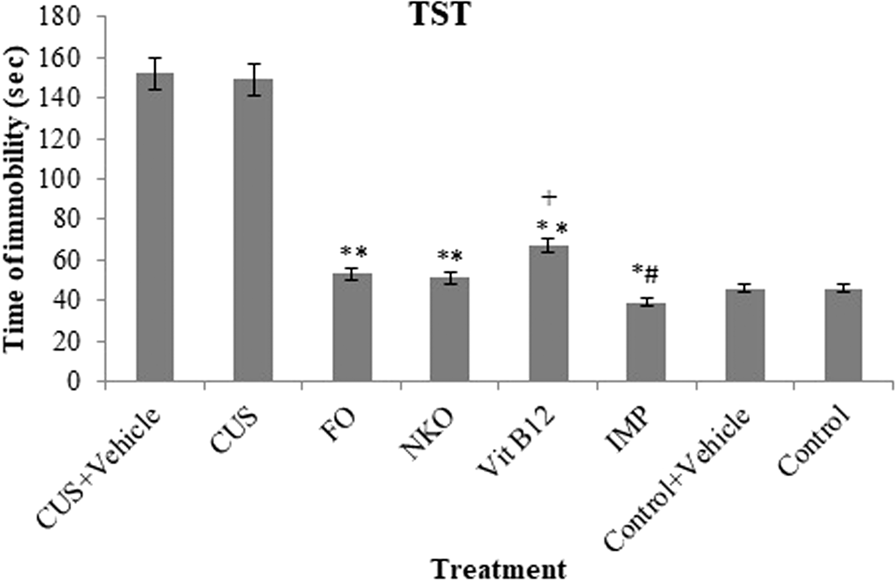
Oxidative stress has significant role in pathophysiology of any kind of depression through actions of free radicals, non-radical molecules, and unbalancing antioxidant systems in body. In the current study, antidepressant responses of fish oil (FO), Neptune krill oil (NKO), vitamin B12 (Vit B12), and also imipramine (IMP) as the reference were studied. Natural light was employed to induce stress in the animals followed by oral administration of the drugs for 14 days. The antidepressant effect was assessed by tail suspension test (TST) and forced swimming test (FST), antioxidant enzymes and oxidative stress markers were then measured in the brain tissue of the animals. The administration of FO and NKO could significantly reduce the immobility of the animals; while, increasing climbing and swimming time compared to the normal saline in CUS-control group in TST and FST, similarly to IMP but not with Vit B12. Vit B12 could not effect on SOD activity and H 2 O 2 level, but, cause decrease of the malondialdihydric (MDA) level and CAT activity, as well as increased the GPx and GSH activities. The rest treatments led to decrease of MDA, H 2 O 2 levels and CAT activity and increase of GPx, SOD, GSH activities. Introduction
Depression is a chronic and devastating psychological complaint that millions of people suffer. Since 1950s up to the present time, antidepressants only have treated this disorder based on serendipitous alteration through the monoamine neurotransmitters, such as serotonin or noradrenaline. However, fundamental patho-physiological mechanisms of such illness are not fully understood 1 , 2 , but different pharmacologic therapeutics have been recently developed for managing depression 3 . It is demonstrated that administration of natural antidepressants in induced stress rodents are able to alleviate related symptoms 4 , 5 . Physicians are encouraged to search for natural compounds as effective drugs due to their lower side effects compared to the chemical drugs. For instance, recent findings show that omega-3 fatty acids are able to improve depression and anxiety, effectively without having serious adverse effects 6 . In addition, it is well understood that n-3 polyunsaturated fatty acids (n-3 PUFAs) which include eicosapentaenoic acid (EPA) and docosahexaenoic acid (DHA), possess some bioactivity effects, such as, anti-inflammatory, anti-nociceptive, antioxidant, anti-depressant, anti-anxiety, anti-cardiovascular, etc. 7 , 8 . For instance, brain is made up to 60% of different lipids which are mostly made of PUFAs, particularly, DHA 9 which contribute to healthy brain and improve variety of brain functions, such as memory and learning 10 , 11 . Bloch and Hannestad 12 demonstrated that EPA and DHA contain only a little or even no-significant antidepressant effects, without having any noticeable differences. However, Sublette et al . 13 suggested that only those supplements which consist of EPA ≥ 60% of the total EPA and DHA possess an effective anti-mild-depressant activity. It is reported that either fish oil or krill oil which is extracted from small shrimplike planktonic crustacean of open seas, possess high level of essential polyunsaturated lipids, EPA and DHA 14 . In addition of fatty acids, some vitamins have shown to possess mild antidepressant effect and are prescribed by physicians to improve patient’s depression and anxiety. As an example, administration of Vit B12 as an exogenous antioxidant at dose of 1 mg/daily to those patients suffering from depression [20] can improve variety of symptoms of mental and depression disorders 15 .
To study effectiveness of drugs as antidepressant in rodents, some distinctive and clear depressive like behaviours before and after treatments have been suggested to be assessed with some reliable tests, such as tails suspension (TST) and forced swimming tests (FST). In FST, novel antidepressant drugs in comparison with the control group could reduce immobility in animals. Also, some other behaviours, such as swimming and climbing are strongly suggested to be scored separately 16 . Swimming time is increased by selective serotonin reuptake inhibitors, on the contrary, climbing is motivated by selective norepinephrine reuptake inhibitors. In both tests, the immobility time of animals is related to the state of depression which is expected to decrease by using effective antidepressants 17 .
The role of ROS, such as H 2 O 2 or MDA which are formed from lipid peroxidation of polyunsaturated fatty acids in depression is strongly highlighted 18 , 19 , 20 and show to associate with lowering antioxidant defence or failure to repair oxidative damage. In order to eliminate the harmful effects of oxidative stress, body can get benefit from both endogenous and exogenous antioxidant systems 21 , 22 . Studies show that antidepressants affect antioxidant systems in brain to subside of free radicals to alleviate the symptoms of such disorders 23 , 24 .
In the present novel work, antidepressive-like-effects are evaluated in four different groups of animals which are treated by IMP, FO, NKO, Vit B12 to find their different actions against depression. Also, SOD, CAT, GPX, and GSH activity (major endogenous antioxidant enzymes) and also MDA and H 2 O 2 level (oxidative stress markers) of the hippocampal of the experimental animals are assessed. Also the effect of the compounds on the enzymatic systems is evaluated to find out their connection to antidepressant-like effect. Furthermore, the aforementioned activities of FO and NKO are compared together and to a moderate natural antidepressant (Vit B12) and also to imipramine as a strong chemical antidepressant.
How to lower blood pressure naturally without medication?
High blood pressure can cause heart attack, stroke, heart failure and memory loss. There are several ways to naturally lower blood pressure, which you can easily apply.
High blood pressure is a dangerous cardiovascular disease known as a “silent killer” because the overall progression of the disease usually occurs silently without symptoms.
Hypertension (or hypertension) is a chronic condition when the pressure of blood on the walls of arteries increases. Elevated blood pressure causes more pressure on the heart (increases the burden on the heart) and is the cause of many serious cardiovascular complications such as: stroke, heart failure, coronary heart disease,, myocardial infarction heart,…
So, let’s learn some natural ways to lower blood pressure , which you can easily apply at home. How to lower blood pressure quickly and safely at home? 1. Exercise daily to combat hypertension
Exercise is very effective to prevent hypertension, so maintaining regular exercise is extremely important.
“Set goals for daily exercise – Philippa Hobson, senior nurse at BHF, said – be it walking, jogging, cycling, swimming, gardening, walking dogs go for a walk, about 10 minutes or more. ” 2. Keep a reasonable weight to reduce blood pressure to normal levels
Also according to BHF, for overweight people, losing weight is sometimes all they need to be able to lower blood pressure to normal levels. Slowly, one step at a time, exercise control of your daily diet with 30% of fruits and vegetables, and another 35% from starchy foods like bread, rice, potatoes, 15% dairy, 12% from meat, fish, eggs and legumes, only 8% for high fat or sugar foods. 3. Cut back on the salt in your diet to avoid hypertension
As recommended by the British Blood Pressure Association, the amount of salt you eat has a direct effect on your blood pressure. Salt makes your body hold water. If you eat too much salt, the excess water in your body will cause hypertension. So, the more salt you eat, the higher your blood pressure will be.
BHF recommendations include not using salt when cooking, adding food during meals and avoiding (or limiting) high salt foods like cheese, butter, some sauces (soy sauce and water). Particularly salty fish sauce).
Watch next: How To Reduce High Blood Pressure Naturally 4. Do not drink alcohol – effective way to lower blood pressure naturally
Too much alcohol can cause high blood pressure, so drink it slowly and little by little. BHF recommends a limit of three to four units a day for men, and two to three units a day for women (one beer contains about two to three units, and one glass of 250ml respectively with nearly 3 units) 5. Track the amount of caffeine you consume each day to avoid high blood pressure Experts point out that caffeine contributes to high blood pressure, but whether or not people with high blood pressure should drink it is still a controversial topic.
However, the official advice of the NHS is: drinking more than four cups of coffee a day can cause you to have high blood pressure. If you’re a fan of coffee, tea, or other caffeinated drinks, like colas and some energy-generating drinks, consider cutting back on quantity. It is good to drink tea and coffee as part of a balanced diet. However, it must be emphasized that these beverages should not be the main or only source of liquids. 6. Avoid stress – effective way to lower blood pressure
Stress is another known factor in high blood pressure. A recent study conducted by the American Physiological Association found that meditation can reduce heart anxiety and stress. “Our results show a clear reduction in anxiety during the first hour after meditation,” said Professor John J. Durocher from Michigan Technological University. “Participants also reduced the mechanical stress on arteries an hour later. This could help relieve stress for organs like the brain and kidneys, and help prevent diseases like high blood pressure.” “. 7. Blood pressure drops immediately after quitting
“Although smoking is not a direct cause of hypertension, it may increase the risk of fat deposits (plaque) inside arteries,” according to heart.org. This process causes increased blood pressure. According to a report on the Health News page, blood pressure drops almost immediately after stopping smoking. 8. Sleep more – effective way to reduce blood pressure
Although this has not been officially concluded, getting at least 6 hours of sleep a night is thought to help lower blood pressure. Sleep regulates stress hormones, keeps the nervous system healthy, and the body’s blood pressure drops while we are sleeping.
In the long run, a lack of sleep can affect the ability to regulate stress hormones, leading to high blood pressure.
Watch next: Everyday ways to lower your blood pressure
Younger-looking skin, stronger bones and improved brain health: 6 Reasons to eat more mushrooms

( Natural News ) Mushrooms look a little strange compared to common superfoods like apples or cucumbers, but edible fungi are delicious, savory ingredients. There are different kinds of mushrooms, and they offer health benefits such as improving your brain health and keeping your bones strong.
Unlike other white foods that you’re supposed to avoid (e.g., sugar or white bread), mushrooms are full of nutrients, such as copper, iron, phosphorus, potassium and selenium, which aren’t usually found in plant-based foods.
Detailed below are six reasons to add mushrooms to your diet. They can help fight the signs of aging
According to a 2017 study published in the journal Food Chemistry , mushrooms are rich in two potent antioxidants: ergothioneine and glutathione.
Both ergothioneine and glutathione help protect your body from physiological stress that causes wrinkles — one of the many visible signs of aging. They can boost your memory
In a 2019 study published in the Journal of Alzheimer’s Disease , scientists from the National University of Singapore reported that consuming two 3/4 cup servings of cooked mushrooms each week helps lower your risk of developing mild cognitive decline. They can improve your brain health as you age
Ergothioneine and glutathione can help prevent Alzheimer’s disease and Parkinson’s disease, according to researchers from Penn State University (PSU). They found that consuming at least five button mushrooms per day helps lower your risk of developing neurological disorders as you age.
Mother Nature’s micronutrient secret : Organic Broccoli Sprout Capsules now available, delivering 280mg of high-density nutrition, including the extraordinary “sulforaphane” and “glucosinolate” nutrients found only in cruciferous healing foods. Every lot laboratory tested. See availability here.
For optimum results, grill the mushrooms to preserve their nutritional benefits. (Related: Can reishi mushrooms help prevent cancer and other life-threatening diseases? ) They can give you a natural energy boost
Mushrooms are full of the following B-vitamins: Thiamine (vitamin B1)
Riboflavin (vitamin B2)
Niacin (vitamin B3)
Pantothenic acid (vitamin B5)
Folate (vitamin B9)
Your body needs these B-vitamins to utilize energy from the food you eat. B-vitamins also help with the production of red blood cells which help carry oxygen throughout your body. They’re good for your cardiovascular health
If you’re looking to cut your sodium intake, you can replace salt with mushrooms. Edible fungi give recipes a flavor boost because they contain glutamate ribonucleotides, which are amazing compounds that give food a savory, umami taste. One cup of mushrooms contains only five milligrams of sodium.
You can eat mushrooms to curb your cravings for red meat. Replacing meat with mushrooms helps lower your calorie, cholesterol and fat intake. To control your blood pressure and lower your risk of heart disease, add mushrooms to your diet and take it easy on the salt .
Here are some mushrooms that can boost your overall health : Bamboo fungus ( Phallus indusiatus ) – Bamboo fungus helps lower your “bad” cholesterol levels.
Maitake ( Grifola frondosa ) – Maitake mushrooms have anti-cancer and anti-viral properties.
Monkey head mushroom ( Hericium erinaceus ) – Monkey head helps lower your blood sugar levels.
Snow fungus ( Tremella fuciformis ) – Snow fungus may help relieve dry cough and palpitations.
They can boost your bone health
Mushrooms labeled “UVB” were exposed to sunlight during their growth period, ensuring that they have converted ergosterol directly into vitamin D.
Eat at least three ounces of UVB-exposed mushrooms to meet your daily vitamin D requirement and make your bones stronger. How to incorporate mushrooms into your diet
Mushrooms are versatile ingredients. Here are some things that you can try to boost your intake of mushrooms.
> Chop mushrooms to give them the consistency of ground beef, then blend them into the meat you’re cooking. Start with this swap to get your palate used to mushrooms and reduce your intake of meat. Add sliced mushrooms to pasta sauce. Cut up a small mushroom and mix it into a quiche or some scrambled eggs. Use mushrooms to give side dishes a texture and flavor boost. If you’re not an experienced forager, don’t eat mushrooms from the wild. Unless you’re 100 percent sure about the difference between edible and poisonous mushrooms, buy organic mushrooms at your local grocery store or from a farmers market.Boost your brain health and curb your intake of red meat by eating more mushrooms . Sources include: SCMP.com
14 Scientific Benefits of Yoga for Physical & Mental Health

Yoga is a meditative practice in motion that originated in the ancient Indian religion and tradition. While it started as a spiritual practice, currently there are many scientific studies that confirm the health benefits of yoga. Read on to learn more. What is Yoga?
Yoga is a meditative practice in motion with its roots going back to ancient India. Yoga is a Sanskrit word which means union . It combines physical postures, deep breathing techniques, meditation , and relaxation.
There are many different forms of yoga, including Hatha, Pranayama, Ashtanga Vinyasa, Kundalini, Bikram, etc. Hatha Yoga
Hatha yoga focuses on physical and mental strength building poses. Many westernized types of Hatha Yoga are used today to improve overall health and wellbeing.
One variation of Hatha yoga is Iyengar , which focuses on the detail, precision, and alignment of posture and breath control. It helps develop stability, strength, and stamina [ 1 ].
Another Hatha variation, called Pranayama , is also known as breathing exercises that benefit your entire body. Pranayama has shown to increase the blood flow and release toxins from the body. Releasing toxins through deep breathing has shown to promote better sleep [ 2 ]. Ashtanga Vinyasa
Ashtanga Vinyasa yoga is a physically demanding yoga practice that involves sequences of yoga postures that are synchronized with the breath. It is physically more demanding than other types of yoga [ 3 ]. Kundalini Yoga
On the other hand, Kundalini Yoga includes many meditation techniques. It is mostly used as a tool to treat anxiety disorders or for meeting mental challenges [ 4 ]. Bikram Yoga
Bikram yoga is an intense type of yoga that is practiced in a room heated to 105 °F with 40% humidity. Although it can improve strength and balance in healthy adults, beginners should be careful due to its intense nature [ 3 ]. Yoga Nidra
Yoga Nidra , also called yogic relaxation therapy, is a form of gentle yoga that typically comprises maintaining a Shavasana pose (corpse pose or simply lying comfortably) and guided meditation [ 5 ]. Heart Rate Variability and the Vagus Nerve
The vagus nerve has broad and far-reaching effects on the human body. Yoga can stimulate the vagus nerve by movement, chanting, and breathing exercises. Some researchers have argued that the vagus nerve may be responsible for some of the positive effects that yoga practice has on the brain and emotions [ 6 ].
By stimulating the vagus nerve, yoga may increase parasympathetic nervous system (PNS) activity. Increased PNS activity, some researchers argue, may result in an increase of γ-Aminobutyric acid ( GABA ) levels in the brain [ 6 ].
Yoga may increase heart rate variability (HRV) and vagus nerve tone, according to the authors of a meta-analysis of 15 studies. However, the authors also noted a relative lack of high-quality research [ 7 ].
Note: HRV is used for health and fitness and is an indicator of autonomic regulation and vagus nerve health. High HRV is associated with fitness, strength, and resilience to stress.
Several small-scale studies in diverse subject types (e.g., Air Force Academy trainees, healthy young men, university students, and menopausal women) have consistently shown that yoga helps reduce oxidative stress. In these studies, compared to control subjects, those who practiced yoga had [ 8 , 9 , 10 , 11 ]: decreased nitric oxide levels
decreased lipid peroxides levels
increased total glutathione levels
In a study of 218 adults, regular yoga practitioners had lower TNF-α and IL-6 levels, both before and after the practice [ 12 ]. Health Benefits of Yoga
Yoga is considered a very safe and broadly beneficial type of physical activity. However, it should never be used in place of something your doctor recommends or prescribes. If you have any conditions which may make exercise dangerous, talk to your doctor before joining a yoga class. 1) Stress
Yoga includes meditation, relaxation, and exercise . In many studies, it reduced heart rate, improved breathing, and lowered blood pressure. Some researchers have argued that all of these effects are relevant to the HPA axis and sympathetic nervous system, which can reduce stress [ 2 ], which in turn positively affects overall health.
Yoga practice successfully reduced stress among 419 students with high workloads and increased their overall perception of joy [ 13 ]. 2) Cognitive Function
Researchers have identified many ways that yoga could potentially help with cognitive function, such as: reducing oxidative stress and inflammation
reducing the response to stress
As a novel physical activity involving forms of movement which the new practitioner has not yet encountered, yoga may stimulate the nervous system to acquire new connections [ 15 , 16 ].
Some researchers have suggested that yoga may increase cognitive function by activating the default mode network (DMN), the part of the brain that is active when the individual is not focused inward to the self nor to the outside world (e.g., during yoga or meditation). Increased DMN function has been associated with improved memory performance in young adults and executive-function tasks in older adults [ 16 , 17 ].
A single session of yoga was associated with moderate improvements in attention and processing speed in a meta-analysis [ 18 ]. Yoga also improved executive function and memory in a meta-analysis of 22 studies [ 18 ]. 3) Chronic Pain Patients who suffer from chronic back pain, fibromyalgia, osteoarthritis, neck pain, or severe migraines and do not wish to take conventional painkillers may turn to yoga and similar practices. According to some studies, yoga had pain-relieving effects when done correctly [ 19 ].39 patients with fibromyalgia showed improved strength, balance, and pain tolerance during yoga therapy and 3 months after treatment [ 20 ].Women suffering from pelvic pain may not find relief through normal channels. According to a meta-analysis, yoga helped alleviate pelvic pain and reduced the stress and anxiety associated with this kind of pain [ 21 ].In patients addicted to opiate painkillers, group medical visits including yoga provided […]
Is Alzheimer’s Genetic? The Possible Causes of Alzheimer’s

What causes cognitive decline and brain damage in Alzheimer’s disease? Is it mostly genetic or are other factors more important? The story is more complicated than it seems at first glance. Read on to find out about what scientists think might be the drivers and risk factors of this disease. Alzheimer’s Disease Causes
In this post, you will read not only about the hallmarks of Alzheimer’s disease but also about how research suggests that the modern lifestyle, your environment, and genetic factors might contribute to it. The Brain’s Silent Battle
One fact is clear: Alzheimer’s disease is a result of gradual brain cell loss. Researchers explain that brain degeneration specific to the disease happens through a complex cascade in which harmful factors overcome the brain’s defenses [ 1 ].
Studies emphasize that this diseases cascade isn’t activated overnight. Small and silent changes in Alzheimer’s disease occur 20 years before people experience the first symptoms [ 2 ].
According to one hypothesis, it’s probably at this stage – or before – that the battle between your brain’s defenses and stressors reaches its peak. Some scientists argue that it is at this point that people may have the greatest chance of changing the outcome. This is still an experimental stance, and more research is needed to verify it.
According to the National Center for Complementary and Alternative Medicine (NCCIH) [ 3 ]:
“Currently, there is no strong evidence that any complementary health approach or diet can prevent cognitive impairment.”
The exact underlying cause of Alzheimer’s is still unclear. However, there is probably no single cause of Alzheimer’s. Just as there is no single cause of high blood pressure, diabetes, or depression [ 4 ].
Scientists think that the disease is caused by a combination of factors over time. As with all diseases, various factors add up. Theoretically speaking, one damaging factor can be neutralized with a stronger protective factor – or it can be worsened with another stressor.
The latest research suggests that a combination of genetic factors, lifestyle and environmental influences, infections, gut flora imbalances, and aging all play a role. Together, they are thought to lead to brain inflammation, oxidative stress , beta-amyloid buildup, and neurotransmitter imbalances. The end result is brain cell loss and dementia. The Modern Lifestyle Hypothesis
Though Alzheimer’s is commonly diagnosed in people over 65 years old, many people nowadays start to experience signs of cognitive decline at a much younger age.
For this reason, Alzheimer’s is now being reframed by some scientists as a disease of the modern, sedentary, unhealthy lifestyle – much like obesity and type 2 diabetes. This stance is still experimental, however [ 5 ].
Nonetheless, based on this theory, scientists speculate that the type of lifestyle someone leads can have a large impact on brain health.
No clinical evidence backs up this hypothesis, though.
On the other hand, there’s evidence that type 2 diabetes and heart disease are strongly linked to the development of Alzheimer’s disease. These chronic diseases can be prevented by eating a healthy diet and exercising. By lowering your risk of one chronic disease, you might also lower your risk of many others – killing two birds with one stone [ 6 , 7 , 8 , 9 ].
If you are experiencing cognitive issues – including those of poor memory, forgetfulness, or personality changes – it’s important to talk to your doctor, especially your symptoms are significantly impacting your daily life.
Major memory and behavior changes – such as forgetting recent events or conversations, misplacing your possessions, getting lost in familiar places, having trouble finding the right words to describe something, and low mood or apathy – are all reasons to see a doctor.
Many conditions, some of which are treatable, can result in poor memory or other symptoms of cognitive impairment or dementia.
Your doctor should diagnose and treat the condition causing your symptoms.
Likewise, if you are concerned about the symptoms of someone close to you, talk to them about scheduling a doctor’s appointment and going there together.
Many people with cognitive decline are not fully aware of their own memory and behavior, and the support of loved ones can be indispensable. Research on Potential Alzheimer’s Disease Causes
Since the exact cause of Alzheimer’s disease is unknown, all the factors and processes outlined below are experimental and their contribution to disease development uncertain. The aim of this section is to outline research findings for informational purposes only. 1) Beta-amyloid Plaques May Block Brain Communication
The Hallmark of Alzheimer’s?
Beta-amyloid protein deposits have been regarded as the hallmark of Alzheimer’s disease for decades. They were first discovered as highly-concentrated plaques in Alzheimer’s patients [ 10 , 11 ].
However, beta-amyloid proteins are not only “bad” – scientists hypothesize that they only become toxic once they create large deposits. At normal levels, these proteins seem to perform beneficial functions, like fighting infections in the brain [ 10 , 11 ].
Research suggests that healthy brains can break down and clear beta-amyloid proteins before they cause damage [ 12 ].Researchers suggest that, in Alzheimer’s disease patients, the removal process doesn’t work as well as it should. This appears to ultimately lead to a buildup of beta-amyloid proteins, which clump together and form plaques [ 12 ].According to preliminary research, plaque deposits form between brain cells, fading and weakening communication clefts or synapses between the cells [ 13 ].When synapses are lost, neurons become disconnected and eventually die. Plaque deposits might also kill neurons by other means, such as by increasing inflammation and oxidative damage – but this is also uncertain [ 13 ]. Gaps in the Theory This theory doesn’t completely hold up. Scientists recently discovered that it suffers from the following major problems [ 14 ]: Many elderly people without dementia have amyloid deposits Some Alzheimer’s patients have few amyloid deposits but significant dementia Animal studies reveal that these plaques don’t always kill brain cells or cause dementia Drugs that reduce beta-amyloid deposits have generally failed to improve dementia in clinical trials […]
Growth Hormone-Releasing Hormone (GHRH) Health Effects
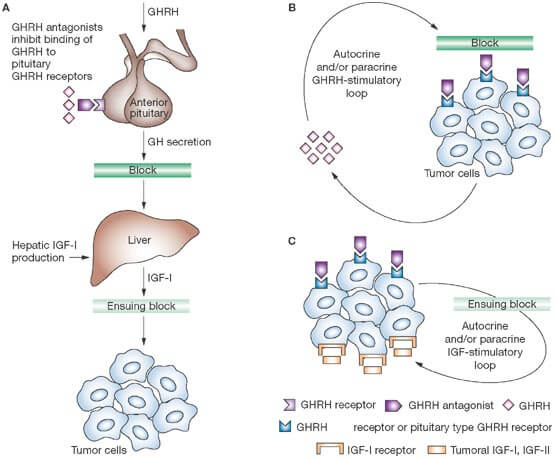
Growth hormone releasing hormone (GHRH) has many positive roles in the human body; it stimulates growth, development, and muscle strength. On the other hand, it’s involved in the progression of certain chronic diseases. Read on to learn the roles of GHRH in health and disease. What is Growth Hormone-Releasing Hormone?
Growth hormone-releasing hormone (GHRH), also known as somatocrinin, is produced in the brain. The hypothalamus releases GHRH to stimulate the pituitary gland in order to release growth hormone [ 1 ].
By regulating the production of growth hormone and other important messengers, GHRH plays a complex role in health and disease. GHRH in Health
Please note: the studies quoted in this section are meant to clarify the physiological roles of naturally-occurring GHRH in the human body. They’re not supporting the use of this hormone in treatment or prevention of any health condition. 1) Protects the Heart
Human patients who have suffered a heart attack have extensive heart damage. Treatment with GHRH promoters reduce inflammation and improve the mechanisms that remodel and heal cardiac muscle tissue [ 2 ].
In large swine who have had heart attacks, daily injections of GHRH reduced the scar tissue buildup in the heart and decreased strain [ 3 ].
In rat hearts, GHRH promotes the activation of a kinase that helps protect cardiac cells [ 4 ].
In mice suffering from heart disease, mesenchymal stem cells are critical to reducing symptoms. Tests with GHRH improved stem cell mobility and lifespan, reducing the overall effects of heart disease [ 5 ].
In mice suffering from radiation-induced heart cell damage, GHRH relieved and protected damaged cells [ 6 ]. 2) Improves Muscle Growth and Recovery
An increase in GHRH expression in humans decreases skeletal muscle cell death and atrophy [ 7 ].
Increased levels of GHRH led to increased muscle mass and growth [ 8 ].
In human muscle cells, treatment with GHRH promotes muscle health and prevents atrophy [ 9 ].
In yaks suffering from growth retardation, administering GHRH increased the release of growth hormone, increasing muscle mass and overall growth performance [ 10 ]. 3) Protects the Brain
In human patients suffering from a traumatic brain injury, the decreased size of the pituitary gland leads to a decrease in GHRH. Treatment with GHRH may improve pituitary size and health [ 11 ].
In mice, increased levels of GHRH and other neuropeptides increased neuron health, nervous system health, and overall development of nerve cells [ 12 ]. 4) Supports Wound Healing
Animals who were injected with GHRH showed a decrease in time taken to heal skin wounds [ 13 ].
Mice treated topically with GHRH after suffering an extensive wound had rapid wound closure, reduction in inflammation, and a decrease in scar tissue [ 14 ]. 5) Improves Body Composition
Young adults suffering from Prader-Willi syndrome have high risks of developing diabetes, obesity , and heart disease at a young age, increasing the chances of death.
Treatment of these patients with GHRH and growth hormones throughout adulthood decreases overall fat mass and instead promotes lean body mass [ 15 ]. 6) Promotes Child Growth and Fetus Development
In children suffering from decreased levels of growth hormone due to suppressed pituitary function, treatment with GHRH increased their levels of growth hormones. This promoted healthy growth into adulthood without seriously mutating the pituitary gland [ 16 ].
During pregnancy, elevated levels of GHRH in placenta tissue decreased cell stress , increased cell growth, and reduced the chance of loss of pregnancy due to tissue death [ 17 ]. 7) Improves Testicular Function
Rats treated with GHRH had a steady increase in testicular responsiveness and receptors, promoting natural testicular function [ 18 ].
Increased levels of GHRH in males improved testosterone production, which in turn promoted further growth hormone release [ 19 ]. GHRH in Disease
1) Cancer
In human tumoral prostate epithelial cells, GHRH promotes cancer cell proliferation and growth [ 20 ].
Patients suffering from pulmonary neuroendocrine tumors (NET) have elevated levels of GHRH that further promote the symptoms of NET [ 21 ].Humans suffering from malignant mixed Mullerian tumors have increased levels of GHRH that increase the size and proliferation of these tumors [ 22 ].In patients suffering from ectopic-acromegaly (lung tumors and lesions) had significant amounts of GHRH within the lesions, promoting their growth and spread throughout the lung [ 23 ].Humans suffering from papillary thyroid cancer have increased levels of GHRH that promote cancer symptoms by promoting the expression of SV1 in tumor cells [ 24 ].In vitro tests of human melanoma cancer cells show high levels of GHRH that require antagonists in order to prevent the spread of skin cancer [ 25 ].Large B-cell lymphoma causes an increase of GHRH, which leads to a growth of the pituitary gland, further progressing the lymphoma symptoms in human patients [ 26 ].In female patients, there are several markers identifiable in leading to breast cancer. GHRH is one of those genes that is shown to promote breast cancer growth and spread [ 27 ].There are increased levels of GHRH and GHRH receptors on 6 of the 9 major breast cancer lines, increasing estrogen , progesterone , and spread of breast cancer [ 28 ]. 2) Impaired Metabolism In normally healthy adults, those with higher levels of GHRH had increased lipid profiles in the blood, high glucose levels, and lower insulin levels than those with average GHRH levels [ 29 ]. 3) Impaired Memory GHRH impaired hippocampal memory processing and formation in 20 volunteers [ 30 ]. 4) Eye Disease Eye inflammation is the cause of many eye diseases in elderly patients. An increase of GHRH receptors in the iris and ciliary body was shown to promote macrophages and leukocytes, increasing inflammation and decreasing the vision of the patient [ 31 ]. Caution In all types of sports, GHRH has been banned by the World Anti-Doping Agency [ 32 ].In some mutations that decrease overall GH production in young adults, treatment with GHRH proves to […]
“Lupus Brain Fog” Symptoms & Complementary Approaches

Lupus is an autoimmune disease that damages all the organs in the body, including the brain. “Lupus brain fog” refers to cognitive problems, mood imbalances, and the fatigue people experience. It’s common but infrequently talked about. In this article, we bring up some possible symptoms and potential complementary strategies to discuss with your doctor. What is “Lupus Fog”?
Many people with lupus suffer from “brain fog,” mood disorders, and fatigue. The term “lupus fog” was coined to describe all these symptoms [ 1 ].
Research suggests that about 10% to 80% of people diagnosed with lupus experience cognitive problems at some point. The range is so large partly because different criteria are being used to define cognitive decline and low mood [ 2 , 3 , 4 , 5 , 6 ]. Lupus
Systemic lupus ( systemic lupus erythematosus or SLE ) is a chronic autoimmune disease that often affects women more than men [ 7 ].
In lupus, white blood cells incorrectly identify the body’s own tissues as a threat. These cells become hyperactive and produce antibodies against healthy tissues. The tissues under attack — including the brain, skin, muscles, bones, and lungs — become inflamed and less functional [ 7 ].
Symptoms of lupus vary from person to person and include fatigue, fever, and weight loss [ 7 , 8 , 9 , 10 , 11 , 12 ].
Research suggests that when lupus affects the central nervous system — the spinal cord and brain — people may begin to experience “lupus brain fog” and/or headaches , depression , anxiety , seizures, and strokes [ 7 ].
Lupus fog is “brain fog” experienced by people with lupus. It’s thought to be a result of autoimmune inflammation. “Brain Fog”
“Brain fog” is a broader term used to describe a constellation of cognitive symptoms, the most common ones being [ 13 , 14 ]: Reduced mental clarity (“mental fogginess”)
Slower thinking
Inability to focus
Reduced ability to multitask
Long- and short-term memory loss
People subjectively describe feeling forgetful, confused, and scattered — enveloped in what is felt as a “thick mental haze.” They feel their brain is slower and less agile than it should be. Thoughts become sluggish, blurred, and draining [ 15 ].
According to one theory that has yet to be verified, “brain fog” might be caused by inflammation in the brain (as in lupus). Scientists hypothesize it might be triggered by [ 14 , 13 , 16 ]:
It’s important to partner up with your doctor to uncover the underlying causes of your symptoms.
People say “brain fog” is so frustrating because, for one, it is not a diagnosis. It’s a set of subjective symptoms. You may have “brain fog”, but it could be too “mild” or “unspecific” to be labeled as cognitive impairment . Likewise, “lupus fog” is not a diagnosis, though doctors accept its existence.
While only people with lupus get “lupus fog,” anyone can experience “brain fog.” Inflammation is hypothesized to contribute to it, but the exact cause is unknown. Symptoms of “Lupus Fog”
According to the research and clinical data, the main symptom of “lupus fog” is cognitive dysfunction : people may experience long- and short-term memory problems, have difficulty forming abstract thoughts, and feel like their sense of judgment is off [ 1 , 17 ].
Some people also feel like they can’t understand and express speech ( aphasia ) or plan movements. Others find it difficult to recognize familiar objects ( agnosia ) and may also undergo personality changes [ 1 , 17 ].
“Lupus fog” can take a large toll on day-to-day life. It may reduce productivity by 20-80% [ 1 ].
Studies point out that it often arises alongside depression , fatigue , and anxiety early on — each of which can worsen “brain fog” [ 1 ].
People with “lupus fog” may also experience a “ clouding of consciousness ” that intensifies at night. They often find it hard to focus and have reduced awareness of their physical environment. It can get frustrating, and people describe feeling like they’re losing control, becoming agitated, or even aggressive [ 18 ].
Additionally, about 5% of people diagnosed with systemic lupus will experience episodes of psychosis. These episodes can cause a loss of self-control, delusions, and hallucinations [ 1 , 17 ].
The main symptoms of lupus fog evolve around difficulties remembering, thinking, focusing, understanding language, and recognizing familiar objects. Why Does “Lupus Brain Fog” Happen? Proposed Mechanisms
The exact cause of “lupus brain fog” is unknown. Scientists hypothesize it happens when the immune cells attack the brain and cause inflammation. Inflammation appears to slow down or stop brain cells from properly working [ 19 , 3 ].However, research is still in the early, experimental phases. Therefore, all the factors and biochemical processes outlined below are experimental and their contribution to disease development uncertain. The aim of this section is to outline research findings for informational purposes only. Potential mechanisms shown here are commonly associated with “lupus fog.” Work with your doctor or other health care professional for an accurate diagnosis.Also, have in mind that complex disorders like lupus and its associated cognitive symptoms always involve multiple possible factors – including brain chemistry, environment, health status, and genetics – that may vary from one person to another. 1) Blood-Brain Barrier Breakdown Might Let Toxins In According to one unverified theory, one of the reasons “lupus brain fog” happens might be blood vessel disease. Scientists hypothesize that the barrier between the bloodstream and brain might start breaking down (i.e. “ leaky brain ”), allowing harmful substances to sneak in. Antibodies also purportedly enter the brain this way, potentially increasing inflammation, damaging brain cells, and triggering memory problems [ 20 , 21 ]. 2) Antibodies Against Brain Cells May Worsen Cognition Directly connected to blood-brain barrier damage, one analysis of 41 studies compared antibody levels in lupus patients with and without “brain fog.” Patients experiencing “lupus fog” had more antibodies targeting brain cells and their key components (i.e. ribosomes) [ […]
Manganese Deficiency Symptoms & Causes + Food Sources

Manganese deficiency is very rare because most people get plenty in their diets. However, it does rarely happen in people with certain gene mutations. Read on to find out more about manganese deficiency, the health effects of low manganese levels, and foods high in manganese that boost your levels safely. What is Manganese?
Manganese is a trace mineral essential to all forms of life. It is required for the normal development , growth , and function of our bodies [ 1 , 2 , 3 ].
Manganese serves as an essential part of important enzymes, including mitochondrial superoxide dismutase [ 4 , 2 ].
These enzymes play a role in:
Manganese is found pretty much everywhere: in the air, water, and soil. We readily ingest it through food and water. That’s why manganese deficiency is basically unheard of [ 8 ].
But while it is a required part of a healthy diet, exposure to excess levels can be toxic [ 8 ].
Want to learn more about the benefits and function of manganese in a healthy body? Check out our post here . Normal Levels
Normal ranges of manganese for adults are [ 8 ]: 4-15 μg/L in blood (that is equal to 72.8 – 273 nmol/L)
0.4-0.85 μg/L in serum (the liquid component of blood)
1-8 μg/L in urine
Seniors have slightly lower manganese levels compared to other age groups, likely due to lower gut absorption [ 9 ].
Blood, urine, and saliva levels are poor indicators of manganese exposure or of total manganese present in the whole body [ 10 , 11 , 12 ].
RBC (red blood cell) manganese levels are a better measure of the actual content of manganese in tissues. They can help estimate recent exposure to manganese, spanning a couple of months before the test [ 13 , 14 ].
For those worried about toxicity due to long-term, low-dose manganese, hair, nail, and bone manganese content may give a more accurate exposure estimate [ 15 , 10 ].
However, the uses of both hair and nail manganese tests are limited. People naturally have a large variation between them, and hair and nails are especially prone to contamination from shampoo, nail polish, dust, dirt, and other external factors [ 16 ].
Normal manganese levels in the blood are 4-15 ug/L. Red blood cell manganese helps estimate recent exposure, while bone testing may be more accurate for long-term exposure. Manganese Deficiency
Manganese deficiency is very rare , as sufficient amounts of this nutrient are present in most diets [ 2 , 17 ].
In fact, this condition is so rare that, for a long time, only a few vaguely described cases existed in the medical literature [ 18 , 19 ].
That was until 2015, when a rare genetic mutation in a manganese uptake transporter gene ( SLC39A8 ) was discovered [ 20 , 21 ]. Possible Causes
Genetic Deficiency
SLC39A8 serves as a transporter for metals such as manganese, iron , zinc , and cadmium, meaning that it transports these metals into cells. People with mutations in this gene have low blood manganese levels. Zinc levels have been low in some patients, but normal in others [ 22 ].
Infants and children with these mutations experience [ 23 , 22 ]: Severe developmental delay
Short stature (dwarfism)
Low muscle tone (hypotonia)
A movement disorder resembling tremors (dystonia)
Seizures Intellectual disability Inability to align the eyes (strabismus) Deafness Failure to thrive Mutations in this gene are associated with [ 23 , 22 ]: Leigh-like mitochondrial disease , because the enzyme MnSOD (manganese superoxide dismutase) stops working in the absence of manganese, which damages the mitochondria. Type II congenital glycosylation disorder , because manganese is needed for the function of an enzyme that adds sugar residues to proteins and fats (β-galactosyltransferase). In these cases, manganese supplementation normalized enzyme function and helps improve motor function, hearing, and other neurological issues. To avoid toxicity during treatment, doctors regularly monitor blood manganese levels and conduct MRI brain imaging to detect possible manganese buildup [ 24 , 22 ]. Dietary Deficiency When seven men were experimentally placed on a manganese-depleted diet for over a month, they experienced a transient skin rash and decreased blood cholesterol levels. In addition, blood calcium , phosphorus , and alkaline phosphatase ( ALP ) levels rose, possibly due to increased bone breakdown [ 25 ].That said, most of what we know of dietary manganese deficiency comes from animal studies. In animals, low dietary manganese impairs growth, prevents proper bone formation and causes skeletal defects, decreases glucose tolerance, and impairs fat and carb metabolism [ 26 , 27 ].Manganese deficiency due to diet is extremely rare and has never been reported in humans. There are a handful of cases of deficiency due to genetic causes. Symptoms Potential symptoms of low manganese (not due to genetic reasons) include:Because of the rarity of manganese deficiency, these symptoms are more likely to be produced by another underlying condition . If you suffer from symptoms like these, we strongly recommend talking to your doctor, who will order the appropriate tests and make an accurate diagnosis. Conditions Several studies have investigated the effects of low (but not deficient) manganese.Lower manganese levels have been linked to:However, it’s important to note that higher manganese levels are also associated with many of the same conditions. In fact, manganese levels often have a U- or inverse U-shaped relationship with many conditions : the highest and lowest levels are detrimental and the mid-range beneficial.In addition, low manganese is may be an effect of certain diseases and disorders, rather than the cause.Finally, low manganese levels have been observed in some people with: Exocrine pancreatic insufficiency (lack of digestive enzymes made by the pancreas) [ 47 ] But these are isolated cases. In other words, not all people suffering from these diseases have low manganese levels. Therefore, manganese deficiency in these diseases is not considered a health concern , but it may be worth asking your doctor about your manganese levels occasionally if […]
8 Surprising Lycopene Benefits + Foods & Side Effects

Most people admire colorful fruits and veggies, but few know about the pigment that gives tomatoes their red color: lycopene. It has the potential to protect the prostate, prevent oxidative damage, enhance heart health, and more. Read on to discover the benefits of lycopene, best food sources, and safety precautions. What Is Lycopene?
Lycopene is the bright red pigment that gives color to a number of fruits and vegetables. Tomatoes are its main food source in Western societies and make up 85% of total lycopene intake [ 1 ].
Lycopene belongs to the large family of carotenoids , which includes over 600 pigments. The best-known ones are beta-carotene and lutein. We know carotenoids are healthy: a large body of research supports their benefits. Among all the carotenoids, lycopene carries several unique benefits [ 2 ]. Snapshot
Proponents:
Abundant in foods, especially tomatoes
Antioxidant and anti-inflammatory
May help prevent prostate cancer
Supports heart and brain health
May protect the skin and eyes
Skeptics:
High doses may cause digestive issues
Allergies are possible (but rare)
Most benefits lack solid clinical evidence
Some people don’t tolerate tomatoes
Antioxidant Effects
Antioxidants capture and neutralize free radicals, which can damage tissues and contribute to numerous diseases [ 3 ].
Lycopene is more than just another plant antioxidant. According to some cell studies, it might be among the most powerful ones [ 4 ].
In one study on sperm cells, it preserved sperm motility and protected from oxidative damage [ 5 ]. Best Lycopene Food Sources
Not all red produce contain lycopene, so you can’t spot a lycopene-rich food by color alone. Strawberries, for example, do not contain any. Here is a list of foods that pack significant amounts of lycopene [ 6 , 7 ]: Health Benefits of Lycopene
1) Heart Disease
Free radical damage plays a large role in heart disease. Antioxidants help in general, but lycopene has unique potential among them [ 8 ].
In an observational study of 1,379 European men, high blood levels of lycopene, but not other carotenoids, correlated with fewer heart attacks. In line with this, low lycopene blood levels were associated with heart disease in an observational study of 210 men [ 9 , 10 ].
Other observational trials suggest that higher lycopene intake may also be protective against atherosclerosis, a central risk factor for heart disease and stroke [ 11 , 12 ].
A meta-analysis of 12 studies concluded that the intake of 25 mg of lycopene per day effectively reduces two major heart disease risk factors: “bad” ( LDL ) cholesterol and high blood pressure [ 13 ].
In another meta-analysis of 21 trials, higher tomato intake was associated with lower LDL cholesterol and improved blood vessel function. It also confirmed the beneficial effects of lycopene intake on blood pressure [ 14 ].
To sum it up, lycopene may protect the heart by preventing atherosclerosis and reducing LDL cholesterol and blood pressure. 2) Prostate Cancer Prevention Lycopene tends to accumulate in the prostate and may play a role in prostate cancer prevention [ 15 ].In an observational study of nearly 50K men, those with higher lycopene intake were less likely to develop prostate cancer. The link was even stronger for a deadly type of prostate cancer. Those who ate more tomatoes had higher lycopene blood levels, which lowered their prostate cancer risk. And once again, other carotenoids had no effect [ 16 , 17 ].A large analysis of 17 studies concluded that increased tomato consumption is linked to 15-20% lower rates of prostate cancer. The connection between lycopene intake and cancer rates was weaker but still significant [ 18 ].The largest meta-analysis of 26 studies and over 560,000 participants confirmed an inverse association between lycopene intake and blood levels and prostate cancer [ 19 ].Some trials found no connection, but when the authors of the above analysis excluded low-quality clinical trials, the connection was even stronger [ 19 , 20 , 21 ].Higher intake of tomatoes and lycopene may help prevent prostate cancer, but further studies are needed to solidify this connection. No valid clinical evidence supports the use of lycopene for any of the conditions in this section. Below is a summary of up-to-date animal studies, cell-based research, or low-quality clinical trials which should spark further investigation. However, you shouldn’t interpret them as supportive of any health benefit. 3) Breast Cancer Prevention Eating tomatoes protected against digestive cancers (stomach, colon, and throat) in an observational study of almost 6,000 people [ 22 ].In another study of over 7,000 women, high blood levels of lycopene were associated with lower rates of breast cancer. Other carotenoids like alpha- and beta-carotene lacked this benefit [ 23 ].On the other hand, some observational studies failed to make a connection between lycopene intake/blood levels and breast cancer [ 24 , 25 ].Due to conflicting research results, more studies are needed to evaluate the potential role of lycopene in breast cancer prevention. 4) Brain Health and Cognition Dietary lycopene combined with other herbs such as ginkgo improved cognition in a study of 622 elderly people. But ginkgo itself enhances cognition, making lycopene’s contribution unclear [ 26 ].Another study paints a clearer picture: of 193 healthy older people, those with higher blood levels of lycopene had better cognitive function [ 27 ].Lycopene prevented early cognitive decline in rats with diabetes and Parkinson’s disease. In both cases, it worked by reducing oxidative damage in the brain [ 28 , 29 ].In another rat study, lycopene improved depressive behavior by lowering brain inflammation. It reduced injury to the hippocampus, the brain’s hub for memory and emotions [ 30 ].Lycopene supports brain health and may enhance cognition, but clinical studies have yet to confirm this benefit. 5) Sunburn Protection In a study of 22 people, eating 40 g tomato of paste (or roughly ~12 mg lycopene) daily for 10 weeks reduced sunburn and skin damage by 40% [ 31 ].According to another research group, tomato juice lowers sunburns by almost […]
OAT: Mitochondrial, Carb & Fatty Acid Metabolites

Organic acid test (OAT) has gained popularity among many functional health experts in recent years. A large part of the test looks at metabolites involved in energy production, including those involved in carbohydrate and fatty acid metabolism and mitochondrial markers. But how informative are these markers? Read the article and judge for yourself. What is the Organic Acid Test?
Organic Acid Test, popularly known as OAT, measures the levels of organic compounds in urine that are produced in the body as a part of many vital biochemical pathways. It’s used to check for RARE inborn genetic defects of metabolism, most often in newborns.
A defect in a particular pathway can result in either accumulation or lowered levels of its byproducts. Thus, measuring the levels of these markers can help to identify which metabolic process is blocked or compromised .
However, OAT has been increasingly available as a pricy, direct-to-consumer test recommended by many alternative practitioners. In this article, we will break down the science behind testing for the glycolytic cycle, mitochondrial or Krebs cycle, and fatty acid metabolites. Read on to find out which ones are actually worth testing.
Glycolysis is the first step in glucose metabolism (breakdown of sugar) producing pyruvate and some energy (ATP). This step takes place in the absence of oxygen. Pyruvate, then, enters mitochondria and is converted into acetyl CoA, which is then metabolized in the Krebs cycle to produce more energy in the presence of oxygen.
Pyruvic acid is created in the metabolism of carbs, proteins, and fats. It is one of the intermediate compounds our body uses to convert food into energy [ 1 ].
Apart from its role in energy metabolism, pyruvic acid is also an antioxidant and helps decrease inflammation [ 2 ].
When mitochondrial functions are compromised due to low oxygen supply or other factors, glycolysis becomes the major source of energy, producing more pyruvate. Excess pyruvate has an escape route where it is converted to oxaloacetate and lactic acid [ 3 ]. Thus, pyruvate levels are usually evaluated with levels of lactic acid and other organic acids.
A pyruvic acid test can tell you if there is a lack of oxygen in your body or issues with your blood vessels. A lactic acid (lactate) test, however, is more reliable and much more often used for these purposes.
These can increase pyruvate levels: Biotin (vitamin B7) deficiency [ 9 ]
Rare inborn disorders — very high pyruvate levels can point to inborn metabolic disorders due to genetic mutations [ 16 , 17 , 18 ]
Since pyruvate levels can increase due to various causes, they are not particularly informative, unless they are used to check for rare metabolic disorders. If your levels are elevated, work with your doctor to find out why and to treat the underlying cause.
Elevated urine pyruvate levels are used to screen for rare metabolic disorders. They can also increase due to various other health issues, which is why a doctor will interpret them together with other tests, your signs, symptoms, and medical history.
Lactic acid is produced in the body as cells convert food (glucose) into energy. It gets used and removed quite efficiently, and therefore the blood and urine levels are normally low [ 19 , 20 ].
Larger amounts of lactic acid are produced by the muscles, brain, and other tissues when there is not enough oxygen . This process is known as the anaerobic (= without oxygen) metabolism of glucose. This often happens during exercise, for example. Some gut bacteria also produce lactic acid [ 19 , 20 ].
Lactic acid gets broken down in the liver and kidneys and can accumulate in the body when it is produced faster than it can be removed [ 19 , 20 ].
Lactic acid in excess can lower the pH of the blood and cause what is known as lactic acidosis. A lactic acid test is often ordered when a person has signs of low oxygen (hypoxia) and lactic acidosis such as [ 19 ]: Shortness of breath
Rapid breathing
Paleness
Sweating
Nausea
Muscle weakness
Abdominal pain
Higher lactic acid levels can be caused by many different factors and conditions, including: Strenuous exercise — when there is an imbalance between oxygen delivery and energy requirements in the muscles [ 21 , 22 , 23 , 24 , 25 , 25 ]
Gut bacterial dysbiosis, found in short bowel syndrome and after gastric bypass surgery [ 32 , 33 , 34 , 35 , 36 , 37 ]
Conditions that decrease blood flow or oxygen supply to the tissues, such as bleeding (hemorrhage) and anemia [ 49 , 50 , 51 , 52 , 53 ] Exposure to toxins such as cyanide (found in bitter almonds), carbon monoxide, toluene, or the pesticide fenaminosulf [ 56 , 57 , 58 , 59 , 60 ] Alcohol intoxication, including ingestion of ethanol, propylene glycol, ethylene glycol, and alcohol-containing products such as hand sanitizer [ 61 , 62 , 35 , 63 , 64 ] Severity and symptoms of lactic acidosis can vary widely depending on which metabolic pathway is not functional and can range from severe neurological degeneration in newborns (Leigh syndrome) and early death to relatively normal life with episodes of vomiting, nausea, and generalized weakness [ 86 ].Since there are so many different things and conditions that can cause an increase in lactic acid, some of them life-threatening, it’s very important that you don’t try to self-diagnose! Work with your doctor to find out what’s causing elevated lactic acid and to treat any underlying condition.Following the treatment regimen your doctor prescribes will help decrease lactic acid back to normal.Elevated urine lactic acid levels are used to screen for rare metabolic disorders. They also increase due to various other health issues, and can cause lactic acidosis, which is a life-threatening condition. Work with your doctor to find the cause and treat any underlying condition!Krebs cycle (also called tricarboxylic acid or TCA cycle) is the center for energy production from carbohydrates, fats, and proteins. The cycle […]

The Power Within by Corey Daniels book available for only $2.99
Mind has both conscious and subconscious halves. These are likened to a driver and the truck he drives. The driver plans the destination and observes road conditions, while the truck provides motive power. Your subconscious mind is like the truck and it only goes in the direction in which is a steered. This can be the road or off a cliff. Likewise, the consciousness paints a picture of what the world is and what your goals are and the subconscious acts on them through emotion, physical response and energy, whether these are correct, rational images or false negative ones. The subconscious is also like an emotional reservoir which your body and mind draw responses from to external stimuli.
The Power Within lays out a method of programming your subconscious and tapping into the Holy Spirit, God voice or what the Greeks called the daimon (godman).