Nature Knows and Psionic Success
God provides
All About Neuropeptide Y (NPY): Potential Effects & Functions

Neuropeptide Y – or just “NPY” for short – is a compound with a wide variety of potential effects on the body and brain. It has been suggested to play a key role in stress, pain, and anxiety, among many other interesting functions. However, its mechanisms of action appear to be quite complex, and science is still actively figuring out exactly how this neuropeptide might be related to various aspects of physiological and psychological health. Read on to learn more about what NPY is, how it might work, some of its purported roles throughout the body, and some of the lifestyle and other factors that may influence a person’s levels of this interesting compound! What is a Neuropeptide?
Neuropeptides are protein-like molecules (“ peptides ”) used by neurons to communicate with other neurons. In this respect, they are quite similar in function to neurotransmitters (such as serotonin , dopamine , and norepinephrine ), in that they act as the “chemical messengers” that allow one neuron to influence the activity of another.
Also similar to neurotransmitters, neuropeptides travel in “packets” called vesicles . These vesicles are packed and moved around ( trafficked ) through a neuron until a particular signal is given to release them. Once released, neuropeptides drift throughout the synapse or the brain until they are received by another cell, where they exert their effect on neural activity [ 1 ].
In other words, both neurotransmitters and neuropeptides are part of what allows neurons to “communicate” with each other in order to pass along signals and process information – which is obviously what allows the brain to function as a coherent whole, rather than just being a bunch of isolated cells.
However, there are two main differences between neuropeptides and neurotransmitters. The first difference is that neuropeptides are generally much larger molecules than neurotransmitters. The second – and more important – difference is that neurotransmitters are relatively fast-acting, and produce a very rapid and short-lived response in the neuron that receives them; in contrast, neuropeptides are much slower-acting, and produce significantly longer or more sustained effects on the receiving neuron [ 2 , 3 ].
It is also important to note that the label “ neuropeptide ” is contextual: for example, there are many hormones that act on the brain, which is why they are sometimes referred to as neuropeptides or neuropeptide hormones . In other words, these two labels are not mutually exclusive: a compound can be referred to as a hormone (or any other type of compound) when it is acting on the body in general, and can also be referred to as a neuropeptide when discussing its actions on the brain, specifically.
A few examples of neuropeptides include [ 4 ]: What Is Neuropeptide Y?
Neuropeptide Y – or just “NPY” for short – is a specific neuropeptide that has been found in many different parts of the brain, including the hypothalamus , cerebral cortex, and spinal cord [ 5 ].
While NPY appears to be present throughout many regions of the brain, NPY is predominantly found throughout the sympathetic nervous system. This has led some researchers to speculate that NPY’s main role might pertain to the primary functions of the sympathetic nervous system, such as the “ fight-or-flight ” response [ 5 ].
However, NPY is also found elsewhere, such as the cardiac non-sympathetic and parasympathetic nerve fibers [ 5 ]. This probably indicates that NPY has a number of different key roles – and which one it plays at any given time might depend on exactly where it is in the body and brain.
In any case, it is clear that much more research will be needed to tease out all the different functions of NPY throughout the brain and nervous system as a whole. NPY Receptors
NPY shares a similar molecular structure with other neuropeptides, such as peptide YY ( PYY ) and pancreatic polypeptide (PP) [ 6 ]. All three peptides are therefore considered to belong to a single “family” of neuropeptides due to their overall similarities.
There are 5 specific receptor subtypes that carry out functions related to NPY, called ‘Y1’ through ‘Y5’.
However, relatively little is currently known about the subtle differences that exist among these five specific subtypes of receptors. Much of what is currently known pertains to the ‘Y2’ and ‘Y5’ subtypes: The Y2 receptor is a receptor subtype found in the highest concentration in the human brain, and appears to be involved in a diverse range of activities including the regulation of movement, heart, and blood, memory processing, circadian rhythms and release of other neurotransmitters [ 7 ].
The Y5 receptor is a receptor subtype commonly found throughout the hypothalamus , which is believed to be related to eating behavior. However, the Y5 receptor can also be found in the human testes, spleen, and pancreas; this suggests that there are probably many other undiscovered functions of the Y5 receptor [ 8 ].
In the sections below, we will discuss what the latest science currently has to say about some of the potential effects of NPY, and its wider roles in physiological and/or psychological health.
However, it is important to note that while some of these preliminary findings may seem to shed some light on the mechanisms and effects of NPY, the evidence so far is still too weak as a whole to come to any definitive conclusions about its effects on the body and brain, or how relevant it might be when it comes to any specific aspects of health or health conditions.
In other words, these purported effects of NPY should be considered as currently having insufficient evidence to support them – and much more research will still be needed to figure out exactly what effects NPY might have in humans.
With that in mind, let’s continue on to see what the science currently says about this interesting neuropeptide!
Some early evidence from an animal study suggests that NPY may have “sedative” and “ anxiolytic ” (anti-anxiety) effects that may partially counteract some of the physiological […]
Coca Plant (Erythroxylum coca): Benefits & Side Effects

Coca leaves are derived from the Erythroxylum coca plant and although they are the source of cocaine, they should not be confused with the drug. Chewing coca leaves is a traditional habit of South Americans and a local remedy for altitude sickness, stomach pains, hunger relief, and anesthesia. Read on to find out whether these coca benefits are supported by science. What is the Coca Plant?
NOTE : Raw coca leaves are illegal in the United States, but decocainized coca leaf tea is legal and generally recognized as safe by the FDA. We strongly recommend against the use of raw leaves.
Erythroxylum coca , commonly known as the coca plant, grows wild across South America, including Bolivia and Peru [ 1 , 2 ].
Archaeological evidence shows that coca has been cultivated in the region for at least 3,000 years [ 3 ].
It was a sacred plant for the Incas and, according to legend, it could increase strength and vigor, while decreasing pain and suffering. Coca is still an integral part of the Andean culture today, mainly used to increase work capacity, decrease fatigue, and to alleviate thirst and hunger [ 3 ].
Undoubtedly, its most famous active compound is cocaine [ 4 ].
The potential benefits of coca are difficult to fully assess, given the lack of research and medical interest after the isolation of cocaine. To this day, science still focuses on understanding cocaine, rather than the many other active compounds found in coca [ 3 ].
However, there is some evidence that other compounds in coca leaves may be helpful with altitude sickness , decrease hunger , and ease pain [ 5 , 4 , 6 ]. Components
Cocaine is the main alkaloid found in coca plants. On average, whole coca contains 0.6% cocaine in its dried leaves [ 3 , 4 , 7 ].
However, there are over a dozen other alkaloids, such as benzoylecgonine, ecgonine, tropacocaine, hygrine, cuscohygrine, and nicotine , that exist within this plant [ 3 , 7 ].
Apart from alkaloids, coca leaves also contain [ 8 , 9 ]:
Unaltered coca leaves and their extracts are illegal in the US and in most other Western countries [ 4 ].
Coca tea is legal in Colombia, Peru, Bolivia, Argentina, Ecuador, and Chile.
The tea is legal in the US only if it is decocainized (if the cocaine is removed). We recommend strongly against using raw coca leaves. Mechanism of Action
Researchers have observed the mechanisms of coca’s action in cell and animal studies. These may or may not apply to humans, but they provide ideas for how best to study coca in humans. We have collected some of this research below.
Coca may decrease appetite by: Increasing glucose levels in the blood, because it prevents its use as an energy source (glycolysis) [ 10 , 11 , 12 , 13 ].
This helps reduce the feeling of hunger, and also results in a decrease of blood insulin levels [ 10 ].
Coca may improve endurance/physical performance by: Increasing the levels of free fatty acids and their use as an energy source [ 14 , 10 ].
Decreasing blood volume, thereby increasing the percentage of red blood cells ( hematocrit ) and hemoglobin levels [ 15 ].
This can improve endurance. However, the decrease in blood volume also causes increases in heart rate and blood pressure [ 16 , 12 , 15 ].
Coca may improve mood because: The alkaloids in the coca plant, including cocaine (which affects the neurons in the brain) act as a natural antidepressant, as they improve the mood [ 5 ].
Cocaine blocks the normal signal transmission of dopamine , serotonin , and norepinephrine , causing them to build up in the brain, leading to improved mood [ 3 ].
Coca may help against altitude sickness because the alkaloids in the coca plant, including cocaine, suppress the symptoms of increased red blood cell levels (polycythemia), which occur at high altitudes. Symptoms of high red blood cell levels include dizziness, headache , fatigue, and hunger [ 17 ]. Potential Benefits of Coca
Coca leaf tea and supplements have not been approved by the FDA for medical use and generally lack solid clinical research. Furthermore, only decocainized coca leaf tea is legal in the United States.
Regulations set manufacturing standards for decocainized tea but don’t guarantee that it is safe or effective. Speak with your doctor before supplementing.
The following purported benefits are only supported by limited, low-quality clinical studies. There is insufficient evidence to support the use of coca leaf for any of the below-listed uses. Remember to speak with a doctor before taking coca leaf, and never use it in place of something your doctor recommends or prescribes. 1) Altitude Sickness Traditionally, coca leaves have been used to reduce the side effects of high altitudes , such as lack of oxygen , low body temperature , headaches , fatigue , and hunger [ 18 , 19 , 20 , 3 ].A 12-day, placebo-controlled study of 24 high altitude trekkers en route to the Mt. Everest base camp (ascent from 2400 m/8,000 ft/ to 5,400 m/17,600 ft) showed that coca leaves reduced subjective altitudes sickness symptoms, such as nausea, headaches, and difficulty breathing. Oxygen saturation also improved [ 21 ].A 2.5-hour pilot study of 10 adults subjected to exercise at 2,700 m showed that chewing coca leaves increased glucose levels in the blood. It appears their bodies had switched from using glucose ( glycolysis ) to using fatty acids, which may improve physical performance at a high altitude [ 22 ].One of the adaptations to high altitude is the increase in red blood cell levels (polycythemia) in response to the lower oxygen supply. This can cause dizziness, headache, fatigue, and hunger. The alkaloids in the coca plant, including cocaine, suppress these symptoms, which occur at high altitudes. Moreover, it seems that cocaine can actually decrease the production of blood cells [ 17 , 23 ].In a study done in the 1970s, 14 men chewed […]
Leptin Deficiency & Factors that Increase Leptin
Low levels of the satiety hormone leptin have been linked with poor memory, anorexia, depression, and frequent infections. Read on to learn about the causes and symptoms of leptin deficiency and factors that increase and normalize it. What is Leptin?
Leptin is a satiety hormone that promotes weight loss . It is produced by the body’s fat cells [ 1 ].
When a person eats enough food, leptin is released into the bloodstream, where it travels to the brain, signaling that they are full and that can burn calories at a normal rate [ 2 , 3 , 4 ].
To learn more about normal leptin levels and what this hormone does in the body, read the first part of this series .
This post will focus on the dangers of high leptin. Elevated leptin levels are associated with obesity, overeating, and inflammation-related diseases, including high blood pressure, metabolic syndrome, and heart disease [ 5 ]. Leptin’s Role in Weight
To recap, leptin is one of the big 4 hormones that determine weight. It is made in fat tissue, while receptors for it are dense in two important brain regions (the hypothalamus and hippocampus) [ 6 ].
Leptin acts as a signal to the brain to inhibit food intake and enable the storage of surplus calories (in fat cells).
At the same time, it protects non-fatty tissue from fat overload. Increased leptin is associated with higher body fat mass, a larger size of individual fat cells, overeating, and excessive hunger . In rodents, it increases energy expenditure by using brown fat for energy [ 7 ].
The more fat is present, the more leptin is produced. This feedback loop, when functioning normally, keeps body weight in homeostasis: eating more food increases body fat, which increases leptin secretion, which decreases appetite and increases energy expenditure [ 8 ]. Leptin Deficiency (Low Leptin)
Causes
Low leptin levels have been associated with:
Leptin deficiency can also be caused by disorders such as:
If you believe that your leptin system is dysfunctional, talk to your doctor about any underlying conditions or factors that may be at the root. Symptoms
Symptoms of low leptin levels vary depending on the underlying cause. The following symptoms have been associated with low leptin [ 17 , 18 , 19 , 20 ]: Feeling hungry more often
Difficulty losing weight (slower metabolism)
High or low percentage of body fat
Absent period (in women)
Weak and brittle bones (osteoporosis)
Frequent infection
These symptoms may also be associated with a different underlying condition. Again, the most important thing is to talk to your doctor for an accurate diagnosis and appropriate treatment or management plan. Leptin’s Beneficial Health Effects
1) Anxiety and Depression
Recent studies suggest that leptin may have antidepressant and anti-anxiety properties. In rat models of depression and anxiety, leptin levels are low. When given leptin, symptoms improve [ 21 ].
On the other hand, Ghrelin , the hunger hormone, causes anxiety and depression [ 21 ], which may lead to feeling ‘hangry’ (hungry and angry).
Depression and anxiety are common in women with anorexia nervosa (AN), an illness associated with low leptin and increased ghrelin [ 21 ].
Similarly, there is an increased prevalence of depression and anxiety in normal-weight women with functional hypothalamic amenorrhea (HA), a disorder also characterized by low leptin and high ghrelin [ 21 ].
Recently, obesity has been linked to an increased risk of depression and anxiety [ 21 ], which can result from leptin resistance. High leptin levels were associated with lower depression scores [ 21 ].Leptin’s anti-anxiety effects are mediated in part by its actions in the Prefrontal cortex (PFC), the ventral tegmental area (VTA) and substantia nigra (SN) [ 21 ]. Leptin also reduces anxiety by inhibiting orexin A in the suprachiasmatic nucleus (SCN) [ 22 ]. 2) Ketosis Leptin may help the body get into ketosis . Leptin-deficient mice do not get into ketosis well and have a defective response to the ketogenic diet (no increase in liver FGF2 1 ) [ 23 ].It might improve mitochondrial function (by increasing hsp60), which decreases insulin resistance [ 24 ]. 3) Cognitive Function Leptin is believed to have some positive effects on cognitive function. Like BDNF , leptin facilitates synaptic plasticity in the hippocampus [ 6 ] and long-term potentiation ( LTP ) [ 6 ], processes that are critical for memory.Leptin also helps spatial learning [ 6 ] and increases BDNF in the hypothalamus (VMH) [ 25 ].Animal models of Alzheimer’s disease have shown that chronic administration of leptin can be beneficial for the condition and improve cognitive performance, by reducing b-amyloid and Tau proteins, two hallmarks of Alzheimer’s pathology [ 26 , 27 ]. 4) Female Hormones (Fertility & Bone Health) Leptin is believed to restore fertility and may improve bone health in lean women [ 28 ].Women with extremely low body fat, including runners and dancers, as well as women with eating disorders, are prone to develop hypothalamic amenorrhea (HA), a condition in which their menstrual periods cease, triggering serious problems such as infertility and osteoporosis [ 28 ].Without leptin, menstrual periods cease, the body becomes chronically energy-deprived and women experience bone loss and an increased risk of bone fractures [ 28 ].Treatment with a synthetic form of leptin can restore fertility and reduce the risk of bone fractures in this group of patients [ 28 ]. This is believed to be one reason why during fasting or starvation, fertility declines [ 28 ].Leptin helps fertility by increasing luteinizing hormone ( LH ), follicle stimulating hormone ( FSH ) and human chorionic gonadotropin ( hCG ) [ 29 , 30 ].Excess ghrelin may reduce fertility by inhibiting GnRH [ 31 ]. 5) Immunity It has been shown that conditions of reduced leptin production are associated with increased infection susceptibility [ 32 ].The decline of leptin during fasting is one of the main mechanisms by which fasting may suppress the immune system [ 32 ]. Natural Killer Cells People […]
12 Calcium Supplements Benefits + Side Effects & Dosage
Every cell in your bones, heart, and brain needs a steady supply of calcium to work properly. Calcium supplements can help with osteoporosis, heartburn, PMS, and more. However, their use in higher doses comes with certain health risks such as kidney stones. Read on to learn the benefits and risks of supplementing.
Calcium is the most abundant mineral in the human body and accounts for about 1-2% of body weight. Each and every cell – in the bones, heart, muscles, and nervous system – need it to work.
Calcium plays essential roles in muscle contractions, blood coagulation, bone and teeth formation, and much more [ 1 ].
Only around 1% of total body calcium is found in the blood; the remaining 99% is stored in the bones and teeth [ 2 , 3 ]. Proponents
Strengthens bones & prevents osteoporosis
May help prevent colon cancer
Helps maintain normal blood pressure
Relieves heartburn
May prevent pregnancy complications
Reduces PMS symptoms
Intake needs to be balanced with other nutrients
Possibly unsafe in excess amounts
May increase the risk of kidney stones
May increase the risk of prostate cancer
May cause stomach upset
Reduces iron absorption when taken with meals
The best food sources of calcium are dairy products: milk, yogurt, and cheese [ 4 , 5 , 6 ]. Canned or fresh fish with bones (sardines, sardelles, or even salmon)
Beef tripe
Tofu (calcium-set is best)
Leafy greens (kale, broccoli, sprouts, bok choy, collard greens)
Nuts (hazelnuts, walnuts, almonds)
Kidney beans
A healthy and balanced diet should provide most people with all the calcium they need. But some people require more, while others are unable to get enough of this mineral from food. In such cases, supplemental calcium may be a good solution.
As we’ll outline, the balanced intake of calcium along with other nutrients is key to getting the desired benefits while minimizing the risk of side effects.
Antacids made of calcium carbonate are effective and FDA-approved for treating mild indigestion and heartburn [ 12 , 13 ].
Intravenous calcium gluconate can reverse heart rhythm issues induced by high potassium blood levels (hyperkalemia); it’s an FDA-approved, first-line treatment [ 14 ].Oral calcium supplements are effective for treating and preventing low calcium blood levels (hypocalcemia). Intravenous calcium salts are needed for severe hypocalcemia with muscle spasms [ 15 ].The buildup of phosphate is a major issue in some patients with kidney failure. Oral calcium carbonate or calcium acetate is effective as a phosphate binder. Calcium acetate (PhosLo) may be a better option, and it’s FDA-approved for this condition [ 16 ].Calcium and vitamin D are two crucial nutrients for the prevention and treatment of osteoporosis. The National Osteoporosis Foundation (NOF) recommends calcium intake of 1000 mg/day for men aged 50-70 and 1200 mg/day for women aged 51+. Individuals who can’t meet their needs from food sources are advised to take supplements [ 17 ].Adequate calcium intake from foods and supplements can help prevent osteoporosis in young people and specific types such as glucocorticoid-induced osteoporosis. That said, the evidence for calcium benefits in men is much weaker and requires further investigation [ 18 , 19 , 20 ].Although calcium supplements are effective individually, most experts suggest combining them with vitamin D, which enhances calcium absorption and instructs the body to use it for bone formation [ 17 , 21 ]. Premenstrual syndrome (PMS) is extremely common and the exact causes are diverse. Low levels of vitamin D and calcium can trigger PMS or contribute to the symptoms, according to a large review of 28 trials [ 22 ].According to multiple studies with women suffering from PMS, calcium can relieve many of the symptoms such as anxiety , depression , fatigue, and water retention [ 23 , 24 , 25 , 26 ].Some evidence suggests calcium can improve bone health in physically active people, including athletes, military personnel, and manual workers.During intense exercise , blood pH levels drop as lactate levels rise. To compensate, the body releases calcium from bones, which increases bone loss if the demand for calcium isn’t met. Calcium supplements might be helpful during these periods of intense strain on the whole body and skeletal system [ 27 , 28 , 29 ].In one trial with 243 army personnel, calcium and vitamin D improved bone density (BMD) and strength [ 30 ].In yet another trial, 32 well-trained female athletes were given a meal with ~1,350 mg calcium 90 minutes before strenuous exercise . Calcium reduced the typical bone loss seen with prolonged high-intensity exercise [ 27 ]. Healthy People In another study with 867 healthy men, calcium with vitamin D also improved BMD, especially in the neck, hips, and spine. However, a large review concluded that more evidence is needed before we can claim that supplementation is beneficial for all non-deficient, healthy, older men [ 31 ].In sum, calcium supplements strengthen the bones in people at risk of deficiency. They might also protect the bones of vigorously-active healthy people and athletes.According to several review studies, calcium supplements use is associated with lower colon cancer rates and relapse. Most of the trials found that calcium supplements were more effective when taken with vitamin D at the same time [ 32 , 33 , 34 , 35 ].Calcium supplements may aid in colon cancer prevention by protecting colon cells from the damaging effects of free bile acids. Another way calcium might work is by activating a pathway called APC /beta-catenin, which becomes underactive early in colon cancer. Vitamin D, in turn, helps break down bile acids and enhances DNA repair [ 36 , 37 ]. That said, the studies don’t prove the actual anticancer effects of calcium supplements. They’re not meant to treat any kind of cancer. Getting sufficient amounts of calcium from food or supplements and keeping vitamin D levels in check might help prevent colon cancer.Adequate calcium intake might prevent the onset of high blood pressure, according to a large review of over 3,000 people. Calcium intake (via food or supplements) slightly reduced blood pressure, […]
6+ Moon Drop Grapes Benefits + Side Effects, Nutrition
Moon drop grapes are a specially bred seedless variety of common grapes that have an interesting shape and sweet flavor. Because of how these grapes are grown, they are only available for a short period. But how are they different from regular grapes? Are they worth the hype? What Are Moon Drop Grapes?
Moon drop grapes are a seedless variety of common grapes ( Vitis vinifera ) that are a cross between C22-121 and Beita Mouni varietals and supposedly have a distinct flavor and texture. Moon drop grapes grow over a short season and are available between August 20 and November 15, via a company called Grapery [ 1 , 2 ]. What Do They Taste Like?
Moon drop grapes taste like normal grapes but are sweeter and much crunchier [ 1 ].
Like all grapes, moon drop grapes have several nutritious components. Though moon drop grapes have not been specifically studied , they contain many of the same compounds as common grapes, as they are the same species [ 3 ]: Dietary fiber
Nitrogenous compounds such as proteins and amino acids. As the grapes mature, the concentration of these compounds increase
Phytonutrients such as phenols, polyphenols, anthocyanins, resveratrol , and flavonoids
Vitamins such as vitamin A , vitamin C , vitamin K , and B vitamins such as B1 ( thiamine ), B2 ( riboflavin ), B3 ( niacin ), B6 (pyridoxine), and B9 ( folate )
Moon drop grapes contain fiber, which has several effects in the gut. Viscous fiber can expand in the stomach and slow down the digestion process. It can also work to bulk up fecal matter and help relieve constipation [ 4 ]. Potential Benefits of Moon Drop Grapes
Moon drop grapes are safe to eat as food, but supplements have not been approved by the FDA for medical use and generally lack solid clinical research. Regulations set manufacturing standards for them but don’t guarantee that they’re safe or effective. Speak with your doctor before supplementing.
The following purported benefits are only supported by limited, low-quality clinical studies. There is insufficient evidence to support the use of moon drop grapes for any of the below-listed uses.
Furthermore , many of the purported benefits of moon drop grapes are based entirely on studies of their components (such as certain nutrients or, most often, resveratrol), rather than direct studies of the fruits themselves.
Moon drop grapes should never be used in place of something your doctor recommends or prescribes. 1) Constipation
All grapes contain fiber, which can prevent constipation and increase the movement of material in the digestive system [ 4 ].
In a clinical trial of 34 people, 4 tbsp/day of a natural laxative containing raisins was more effective than prescription laxatives at producing a normal frequency and consistency of bowel movements [ 5 ]. 2) Bone Strength
Moon drop grapes have many nutrients that may be helpful for bone health, such as copper and manganese, which help in bone formation and strength. These nutrients prevent the development of conditions such as osteoporosis [ 6 ].
In a study of 66 people, 1,000 mg of resveratrol increased bone mineral density in the spine but not the hip. It also increased bone alkaline phosphatase levels, a marker of bone formation [ 7 ]. 3) Heart Disease
Like other grapes, moon drop grape skins contain beneficial compounds. One of these compounds, resveratrol (a polyphenol), is thought to reduce the risk of cardiovascular disease [ 8 , 9 , 10 ].
In a study of 26 people with high blood pressure, red grape juice was able to reduce blood pressure for some people [ 11 ].
300 mg of resveratrol decreased LDL cholesterol levels in a study of 60 people [ 12 ].
In studies with animal models, resveratrol had a beneficial effect on high blood pressure, clogged arteries, stroke, heart disease, irregular heartbeat, and heart failure. These effects may be due to its antioxidant and anti-inflammatory properties. However much more studies are needed to confirm this theory [ 8 , 9 , 10 ]. 4) Diabetes and Metabolic Syndrome
In a study of 24 people with metabolic syndrome, 500 mg trans-resveratrol decreased weight, fat mass, BMI, waist circumference, and total insulin secretion [ 13 ].
Treatment with 250 mg/day of resveratrol improved hemoglobin A1c , total cholesterol , and systolic blood pressure but not HDL or LDL cholesterol in a study of 62 people [ 14 ].
However, a study of 66 men found that resveratrol did not have any beneficial effects on metabolic syndrome. Surprisingly, 1,000 mg resveratrol actually increased total and LDL cholesterol and fructosamine levels (a marker for diabetes). Inflammatory status, sugar levels, blood pressure, and liver fat content were not improved with resveratrol treatment [ 15 ].
A study of 192 type 2 diabetes patients also found that resveratrol supplementation did not change any of the parameters measured, notably fasting glucose , insulin, hemoglobin A1c, weight, waist circumference, or blood pressure [ 16 ]. 5) Non-Alcoholic Fatty Liver Disease
In a study of 60 people, 300 mg of resveratrol improved various aspects of non-alcoholic fatty liver disease, decreasing aspartate aminotransferase , glucose, and LDL cholesterol levels [ 12 ]. 6) Alzheimer’s Disease
Resveratrol and other phytochemicals found in grapes are thought to have a protective effect against Alzheimer’s disease [ 17 , 18 ].Grape powder containing various phytochemicals like resveratrol prevented metabolic decline in brain regions associated with the development of Alzheimer’s disease in a DB-RCT with 10 people [ 19 ].Although 500 – 1,000 mg/day of resveratrol seemed to have some effects on the brain, it did not alter markers of Alzheimer’s disease and also increased brain volume loss in a DB-RCT of 119 people. This loss in brain volume was not associated with any cognitive or functional declines [ 20 ].The following studies were only conducted on animal models or cell lines. 7) Age-Related Eye Diseases Several age-related eye conditions, such as cataracts, diabetic retinopathy (vision loss), glaucoma, and macular degeneration , are thought to be related to oxidative stress […]
7 Amazing Health Benefits of Olive Oil + Emerging Research

Olive oil is not only good for cooking but for our health as well, with potential benefits to blood sugar, heart health, metabolic syndrome, depression, and more. Read on to learn how to take advantage of this Mediterranean superfood. What is Olive Oil?
Olive oil is fat from the olive, a traditional tree crop of the Mediterranean Basin. The oil is made by pressing whole olives [ 1 ].
Along with its culinary and religious uses, it also has many health benefits. The phenols in the oil contain most of the beneficial properties.
Olive oil is also the primary fat source in the Mediterranean diet, a dietary strategy increasingly used to improve brain and heart health [ 2 ]. Health Benefits of Olive Oil
Olive oil is safe to eat as food, but has not been approved by the FDA for medical use. Regulations set manufacturing standards for them but don’t guarantee that they’re safe or effective. Speak with your doctor before supplementing. 1) Diabetes
The Mediterranean diet uses olive oil as its main source of fat. The ADA recommends using this diet to improve blood sugar control . By following this diet, there is a 20%-23% lower risk of developing type 2 diabetes [ 3 ].
11 overweight and diabetic patients added olive oil to their diet, which significantly reduced fasting blood sugar. Daily consumption can also improve metabolic control in overweight type 2 diabetes patients [ 4 ].
Older adults who were at risk of losing their eyesight due to diabetes were put on a diet containing olive oil. They were less likely to lose their eyesight in comparison to those who did not increase their olive oil intake [ 5 ]. 2) Heart Disease
165 patients who were at high risk for heart disease went on a diet including olive oil. Those patients had decreased blood pressure, total cholesterol , low-density cholesterol , and triglycerides [ 6 ].
Tomato sauce enriched with olive oil has a greater effect on heart risk factors than just raw tomato sauce [ 7 ].
Olive oil enhanced the cholesterol-lowering properties of high-density lipids and protected cells from oxidative stress [ 8 ].
In non-smoking women, olive oil decreased blood nitric oxide as well as endothelin -1. This explains the effect of olive oil lowering blood pressure among hypertensive women [ 9 ].
Olive oil increases high-density lipid cholesterol. It also reduces the oxidative damage to lipids, decreases inflammation and improves tissue function [ 10 ].
The following purported benefits are only supported by limited, low-quality clinical studies. There is insufficient evidence to support the use of olive oil for any of the below-listed uses. Remember to speak with a doctor before taking using olive oil for medical reasons, and never use it in place of something your doctor recommends or prescribes. 3) Metabolic Syndrome
Metabolic syndrome is a group of risk factors that increase the risk of heart problems, stroke, and diabetes.
A diet enriched with olive oil enhanced the blood antioxidant capabilities [ 11 ].
In women, an oil-rich diet reduced the risk of metabolic syndrome as well as heart disease [ 12 ].
A combination of olive and fish oil have a synergistic effect on lipid metabolism and oxidative stress in patients [ 13 ].
Additionally, it is likely to cause the reversion of this condition [ 14 ]. 4) Depression
Depressed patients were given a diet that included olive oil and evaluated over the time period. They showed a decrease in depression scores [ 15 ].
Olive consumption is inversely associated with depression risks and improved depressive symptoms [ 16 ].
No clinical evidence supports the use of olive oil for any of the conditions listed in this section. Below is a summary of the existing animal and cell-based research, which should guide further investigational efforts. However, the studies listed below should not be interpreted as supportive of any health benefit. 5) Alzheimer’s Disease
Mice that had memory loss had olive oil included in their diet for 8 weeks. Their memory improved, and there was a significant response in the cortex to promote the formation of new cells in the brain [ 17 ].
Alzheimer’s is characterized by the accumulation of β-amyloid (Aβ) and tau proteins in the brain. In mice, the oil leads to an up-regulation of Aβ degrading enzymes, which helps prevents Alzheimer’s [ 18 ]. 6) Osteoporosis
Olive oil reduced bone loss in ovariectomized rats [ 19 ].
Additionally, it increased osteoblast cell formation [ 20 ].Oil with vitamins might be beneficial to include in the diet of women to help for bone protection and against oxidative stress [ 21 ]. 7) Wound Healing Scientists treated mice (who had induced ulcers) with either water or olive oil to help them heal. The oil helped heal pressure ulcers and improved skin health [ 22 ].Linear incisions and circular excisions wound models were created in the buccal mucosa of rats to determine the healing effect of olive oil on the wounds. The oil has healing effects in both incisions and excisions as well as anti-inflammatory effects [ 23 ]. Cancer Research One of the main phenols in olive oil, hydroxytyrosol, possesses antitumor effects due to pro-oxidant properties, the capacity to inhibit the growth of cells, and the promotion of cell death. Hydroxytyrosol treatment reduced thyroid cancer cells by promoting programmed cell death in those cells [ 24 ].Higher olive oil intake may be a protective factor against breast cancer [ 25 ].Another polyphenol, oleuropein , can cause programmed cell death in breast cancer, colorectal cancer, and thyroid cancer [ 26 ].Olive oil diets also influenced the expression of age-related changes. Diets can regulate the different susceptibility to chemical exposure leading to breast cancer [ 27 ]. Take a look at your personal genetic data to find the root cause of your health issues and build a regimen that is right for you. SelfDecode’s personalized DNA reports can tell you which vitamins and mineral deficiencies you’re susceptible to, and which foods to consume to prevent these deficiencies. Start your journey to […]
11 Factors That Disrupt the Blood-Brain Barrier
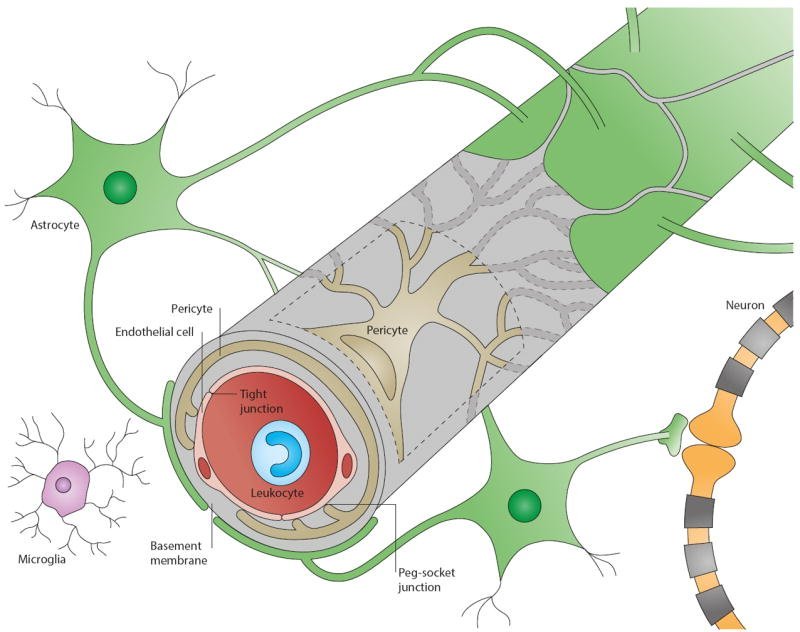
A leaky blood-brain barrier (BBB) is thought to play a role in different neurological and psychiatric disorders, including “ brain fog ”, Alzheimer’s disease , depression , schizophrenia, and more. However, the research in this field is still young, and scientists are yet to unravel potential connections.
When discussing issues with the BBB, it is important to note that a problem does not always start in the brain. Diseases and other problems elsewhere in the body, such as diabetes or gut inflammation, may trigger a “leaky brain.” In this post, we cover the top 11 factors that can disrupt the blood-brain barrier. Brain Injuries
1) Stroke
Strokes cause a lack of glucose and oxygen. This leads to a rise in potassium , the depletion of ATP, and a release of glutamate , which all contribute to blood-brain barrier disruption [ 1 ].
Under stroke conditions, the tight junctions that help prevent substances from entering the brain have compromised integrity. This means that the tight junctions are weaker and increase BBB permeability [ 2 ].
After a stroke, reperfusion (restoration of blood flow to the brain or tissue) occurs. Reperfusion may cause additional tissue damage and an increase in inflammation, which also worsens the BBB condition [ 1 ]. In a study of human brain tissue from five cases of fatal strokes, MMP9 levels were higher in the affected areas. Higher MMP9 levels are a good indicator of increased BBB permeability [ 3 ]. 2) Traumatic Brain Injury https://www.ncbi.nlm.nih.gov/pubmed/25624154
After traumatic brain injury, the blood-brain barrier also becomes dysfunctional. This leads to the leakage of proteins and negatively affects immune cells [ 4 ].
BBB breakdown may last from several days to weeks after head trauma. In some cases, the BBB can be dysfunctional for years [ 5 ].
Head trauma injures blood vessels in the brain. It leads to impairments in brain-blood flow, BBB permeability, and metabolic processes. It also reduces oxygen levels in the brain, which further induces BBB breakdown [ 5 ].
Traumatic brain injuries also cause damage to the neurovascular unit. When the nerve cells die quickly, it causes another cycle of injury after the initial brain injury [ 6 ].
After traumatic brain injury, excessive superoxide reacts with nitric oxide to form peroxynitrite. Peroxynitrite contributes to BBB leakage [ 6 ].
In traumatic brain injury-induced adult male rats, treatment to reduce peroxynitrite also decreased BBB leakage. S-nitroso- glutathione (GSNO) helps stop BBB dysfunction and provides protection to nerve cells [ 6 ]. 3) Brain Tumors
There is a loss of tight junction molecules in brain tumor blood vessels. Tumors also affect cell formation and prevent the release of factors necessary for blood-brain barrier (BBB) function [ 7 ].
Brain tumors also cause fluid to leak into the brain. The open tight junctions cause brain edema [ 8 ].
In a study of 10 patients with brain tumors, brain scans showed an increase in BBB permeability [ 9 ].
Another study of mice with brain tumors had similar results. The mice had an increased BBB permeability to sodium fluorescein (a marker for BBB integrity). BBB breakdown is also associated with faster cancer growth [ 10 ].
It is difficult to treat brain tumors because the BBB prevents the transport of drugs into the brain. Scientists are currently studying new therapies that are able to cross the blood-brain barrier [ 10 ]. 4) Hypertensive Encephalopathy
An increase in brain blood pressure may cause hypertensive encephalopathy . Symptoms include severe headache , confusion, and impaired judgment and memory. Coma, convulsions, and other brain problems can occur afterward [ 11 ].
Breakdown of the blood-brain barrier (BBB) during increased brain blood pressure leads to reduced blood flow and excess fluid in the brain [ 12 ].
Normally, hypertension (high blood pressure) activates pathways to maintain the BBB. However, in animal models of hypertensive encephalopathy, hypertension overrides the BBB [ 13 ].
During hypertensive encephalopathy, BBB dysfunction is widespread. It can cause brain edema, which is the life-threatening excess accumulation of fluid in the brain. Although there are methods to stop brain edema, there are no treatments that specifically target the BBB [ 12 ]. Dietary and Metabolic Factors
4) Obesity and Metabolic Syndrome
The obesity-induced inflammation may cause problems in the blood-brain barrier (BBB) [ 14 ].
Diet-induced obesity leads to an increase in proinflammatory cytokines, which increases BBB permeability [ 14 ].
Obesity also increases C-reactive protein levels. In rats, high doses of C-reactive protein increase BBB permeability, which impairs brain function. It mainly affects tight junction function [ 15 ].
High-fat diets and obesity cause blood vessel problems, damaging the BBB integrity. In a study of male rats, in comparison to mice fed a healthy diet, a high-fat diet increased BBB permeability [ 16 ].Moreover, the results of this study suggest that vitamin D supplementation helps protect the BBB. Although it does not seem to have any effect on the control group, vitamin D treatment significantly improved BBB integrity in rats fed a high-fat diet [ 16 ].The rats fed a high-fat diet but did not receive vitamin D supplementation had higher BBB permeability [ 16 ]. 5) Diabetes Blood-brain barrier permeability is increased in diabetic patients and animals. Diabetes may result in the disruption of the blood-brain barrier [ 17 , 18 ].Elevated glucose levels increase oxidative stress in the brain and pericytes. This kills the pericytes (by apoptosis) and disrupts the blood-brain barrier. By blocking glycolysis (the breakdown of glucose), BBB pericytes are protected [ 18 ].During diabetes mellitus, reactive oxygen species accumulate at the blood-brain barrier. This causes oxidative damage, further damaging the BBB and increasing its permeability [ 19 ].Researchers tested BBB selectivity in diabetes-induced rats. Results indicated that diabetes caused the loss of tight junction proteins and increased MMP-9 activity, which led to an increase in BBB permeability [ 20 ]. Infections and Inflammation 6) “Leaky Gut” “Leaky gut” happens when the permeability of the intestine increases. This may also contribute to a leaky brain [ 21 ].The blood-brain barrier […]
Top Ways to Improve Focus and Attention
The ability to focus your attention plays a role in many things – from studying for a test to positive social interactions. Attention deficits can be related to disorders or have other underlying factors. In this article, we dig deeper into what exactly focus is, and ways to improve it. What Is Attention?
Attention is the ability to take notice of something or someone. If you focus on something, that means that you are paying particular attention to something. Forms of Attention
Sustained attention : the ability to focus cognitive function on specific stimuli.
Selective Attention : the ability to pick one thing to focus on while filtering out stimuli.
Task-switching : the ability to switch between tasks back and forth.
Visual Attention : a type of attention that allows us to deal with capacity problems by selecting relevant, and filtering irrelevant information. Visual attention has 3 subtypes including: Spatial : selectively processing visual information through prioritizing an area in your visual field.
Feature-based : enhances how you perceive an image’s characteristics (useful for filtering out stimuli).
Object-based : the relationship between an object and selective attention, suggesting enhanced visual processing of that object’s feature.
Brain Networks in Focus/Attention
The Prefrontal Cortex plays a role in executive functions including [ 1 ]: Sustained Attention
Short term memory tasks
Motor attention
Working memory
Planning
Flexibility
Detecting stimulus/completing tasks
Inhibitor control of interference
Delayed responding
Set shifting
Active problem solving
While these brain areas are needed to complete tasks at hand, they’re not necessarily involved in concentrating itself.
The Salience Network may be responsible for determining what is most important from incoming information and deciding what requires your focus. Salience Network
The Salience Network includes three structures [ 2 ]: Amygdala
Ventral Striatum
The Substantia Nigra/Ventral Tegmental Area
The Salience Network selects specific stimuli for additional processing from a constant stream of input information.Saliency detection mechanisms in the brain are at the core of this process and split into two general mechanisms. > A fast, automatic “primitive” mechanism for filtering out stimuli based on their senses. A high-order system for competitive circumstantial specific stimulus selection. This increases resources for goal driven-behaviors based on what is most important at the given time. It’s important to note that salience (importance of stimuli) may vary between individuals.The Saliency Network plays a crucial role in identifying the most biologically and cognitive relevant internal and external stimuli to prioritize and guide behavior. Structural Brain Changes and Brain Chemicals that Affect Focus Dopamine : it plays a role in diseases with attentional impairments like ADHD and Alzheimer’s. It is a key neurotransmitter in behavioral adaption and preparing voluntary attention [ 3 ]. Noradrenaline : it plays a role in many forms of attention. Stimulant medications also release a combination of noradrenaline and dopamine [ 4 ]. Cholinergic treatments (AMPA receptors/ acetylcholine , phosphatidylcholine, nicotinic acetylcholine receptors): they improve attention impairments in conditions where the choline system is dysfunctional and also in healthy subjects [ 5 , 6 ]. Beta/Alpha waves: these are both associated with attentional processes and other basic cognitive functions [ 7 ]. Cortical thickness : this is reduced in aging and in diseases such as Alzheimer’s. Increasing cortical thickness improves focus, perceiving internal experience, sensory processing, and executive functions [ 8 , 9 ]. Nitric oxide/Increasing brain blood flow : regional blood flow changes are noted in people with ADHD. Additionally, decreased blood flow is associated with cognitive impairments in other diseases [ 10 , 11 ]. BDNF : low BDNF is associated with ADHD, and plays a role in working memory directly associated with selective attention [ 12 , 13 ]. Testosterone : low levels in aging or hypogonadism are associated with cognitive impairments of all kinds including focus. Raising levels to artificial extremes likely will cause cognitive problems, rather than improvements [ 14 ]. Myelination: it is associated with a range of cognitive functions, including attention [ 15 , 16 ]. Klotho : mouse bred with higher levels of klotho perform better on learning tests and had higher resistance to oxidative stress [ 17 , 18 ]. Oxidative Stress: reduced oxidative stress helps improve ADHD symptoms [ 19 ]. Lifestyle Changes The following lifestyle interventions may help you improve your focus and attention. Although most of them have multiple health benefits, remember to talk to your doctor before making any major changes to your lifestyle and diet. Importantly, consult a doctor if you have severe inattention or you notice no effects after trying these complementary strategies. 1) Exercise Regular aerobic exercise showed improvement in focus , task switching, selective attention, and attentional deficits associated with ADHD in multiple clinical trials [ 20 , 21 , 22 ].Exercise improves areas that contribute to the ability to focus, including [ 23 ]:Given its multiple health benefits, it’s a good idea to do more exercise whether you want to improve your attention or not. Exercise Mechanisms 2) Sleep Poor sleep impairs cognitive areas such as attention, memory, creativity, language and numerical skills, and executive function [ 27 , 28 , 29 , 30 , 31 , 32 ]. Sleep interventions improved cognitive performance and overall well-being in 4 clinical trials on almost 700 children with ADHD [ 33 , 34 , 35 , 36 ].Whether you have ADHD or simply want to improve your attention and focus, getting a good night’s sleep is always a good idea and has multiple other benefits. Read this post to learn how to fix your sleep . 3) Spending Time in Nature While urban environments cause mental fatigue because they require us to constantly use or voluntary attention, outdoor environments in nature only rely on the more relaxing involuntary attention.In a clinical trial on 17 children with ADHD, concentration and attention performance improved after a 20-minute walk in the park but not in urban settings . Similarly, over 500 parents of children with ADHD responding to 2 surveys reported symptom improvement […]
Theaflavins Benefits, Side Effects & Dosage

Black tea contains theaflavins, powerful antioxidants that may reduce cholesterol and protect the brain. Scientists have been investigating their ability to combat infections, inflammation, aging, and more. Still, the clinical evidence is almost non-existent at this point. Read on to learn the potential benefits, side effects, and dosage of theaflavins. What are Theaflavins?
Theaflavins are a class of natural flavonoids derived from the dried leaves of the plant Camellia sinensis (tea) and related plants with potent antioxidant properties. Flavonoids such as theaflavins neutralize free-radical species and increase the activity of detoxifying enzymes in the liver [ 1 ].
Black tea contains the highest concentrations of theaflavins because they are produced during fermentation [ 2 ].
People use theaflavin-rich black tea is used for headaches, low blood pressure, preventing heart disease, Parkinson’s disease, and more. However, the research on theaflavins as isolated compounds is still in the early phase [ 3 ]. Snapshot
Proponents:
Good antioxidants
May lower cholesterol
May improve fat and sugar metabolism
May have anti-HIV effects
May protect the brain
Skeptics:
Most benefits lack clinical evidence
Unknown long-term safety
Antioxidant Properties
Polyphenols such as theaflavins are mainly responsible for antioxidant actions of black tea. These are manifested by its ability to inhibit free radical generation, scavenge free radicals, and bind transition metals [ 4 ].
Theaflavins inhibit the activity of enzymes that cause oxidative stress . Black tea is believed to be not only a popular pick-me-up beverage but also an anti-oxidative agent available in everyday life [ 4 ]. Potential Health Benefits
No valid clinical evidence supports the use of theaflavins for any of the conditions in this section. Below is a summary of up-to-date animal studies, cell-based research, or low-quality clinical trials which should spark further investigation. However, you shouldn’t interpret them as supportive of any health benefit. 1) High Cholesterol
In 240 Chinese adults with high cholesterol, a theaflavin-enriched green tea extract (providing 75 mg of theaflavin daily for 12 weeks) reduced LDL cholesterol by 16% and total cholesterol by 11%, when combined with a low-fat diet [ 5 ].
Preliminary clinical research is promising and requires further investigation.
No clinical evidence supports the use of theaflavins for any of the conditions listed in this section. Below is a summary of the existing animal and cell-based studies; they should guide further investigational efforts but should not be interpreted as supportive of any health benefit. 2) Fat Metabolism
In animal and cellular models, theaflavins significantly reduced lipid accumulation and synthesis, while stimulating fatty acid oxidation. They improved fat metabolism by boosting AMPK [ 6 ]. 3) Blood Sugar Levels
Theaflavins inhibit one of the enzymes that break down carbs into glucose: alpha-glucosidase. Consequently, they significantly reduced blood sugar levels upon maltose consumption in rats [ 7 ]. 4) Anti-HIV Effects
In test tubes, theaflavins had potent anti-HIV activity by targeting the viral entry step. In the future, researchers may develop them as safe and affordable topical microbe killer for preventing sexual transmission of HIV [ 8 ]. 5) Brain Protection
Based on animal and cellular research, tea polyphenols – mainly EGCG and theaflavins – may play an important role in delaying the onset and progression of Parkinson’s disease. The researchers underlined the need to further investigate the potential brain-protective effects of theaflavins [ 9 ].
In a 2019 study on mice, theaflavins reduced inflammation, memory impairment, and depressive symptoms caused by bacterial LPS. The authors noted that theaflavins had stronger anti-inflammatory and antioxidant effects than other tea polyphenols [ 10 ]. 6) Gingivitis
In test tubes, theaflavins can affect the virulent properties of P. gingivalis and lessen the inflammatory response induced by this gingivitis. They may be a valuable therapeutic agent in oral health, but the available research is scarce [ 11 ]. 7) Allergies Theaflavins inhibited the fluctuations of cytokines and enhanced antioxidant status in allergic mice, leading to improvement in their symptoms. These results suggest that the theaflavins, as well as catechins, contribute to the anti-allergic effects of black tea [ 12 ]. Limitations The above studies were conducted in animals and test tubes, and we don’t know if theaflavins would have the same effects in humans. Side Effects & Safety No side effects of theaflavins were reported in the above clinical study, but their long-term safety remains unknown in the lack of stronger clinical evidence. Consult your doctor about other potential side effects, based on your health condition and possible drug or supplement interactions. Due to the lack of safety data, children and pregnant women should avoid theaflavin supplements. Dosage The below doses may not apply to you personally. If your doctor suggests using theaflavins, work with them to find the optimal dosage according to your health condition and other factors. In the only clinical trial available, a theaflavin-enriched green tea extract (375 mg) providing 75 mg of theaflavin reduced LDL and total cholesterol in 12 weeks. Still, there’s not enough clinical data to establish a safe and effective dosage for a general population [ 5 ].
Top 17 Benefits of tACS + Health Risks

tACS, transcranial alternating current stimulation, involves using two or more electrodes to send sinusoidal waveforms of electricity onto certain positions of the skull in the hopes that it will change brain function. Some frequencies may need to be combined to get the right effects. Read this post to learn more about the potential benefits and drawbacks of tACS. tACS Brain Stimulation
EEGs (electroencephalography; brain voltage readers) commonly use a Fourier Transformation to convert linear-time sequences of voltage changes in the brain to the domain of frequencies. This is where we get alpha (8-12.5 Hz) for drowsiness, beta (12.5-30 Hz) for alertness, theta (4-7 Hz) for early NREM sleep , and delta (0.1-3 Hz) for deep NREM sleep.
While theta and delta brainwaves are increased by alcohol, beta brainwaves can be increased with LSD , mescaline, and psilocybin [ 1 , 2 ].
In the human brain, there are frequency bands that correspond to ultradian rhythm, a cycle of states of consciousness each with dominant brainwaves. The brainwaves cycle from rest to rest every 100 minutes (with activity between) and from wakefulness to wakefulness every three to eight hours (with drowsiness between) [ 3 ].
Recording and analyzing our own brain signals has the potential to help us schedule our work life on cycles of states of consciousness. This may allow us to work harder in wakeful activity states and take short breaks in resting states and long breaks in resting drowsy states.
Snapshot
Proponents
May improve memory and learning
Preliminary research suggests it may help with other cognitive functions, pain, schizophrenia, anxiety, withdrawal symptoms, and brain tumors
Skeptics
Insufficient evidence for most benefits
Relatively unknown safety profile
Some adverse effects reported
May increase risk-taking
Health Benefits of tACS
Possibly Effective
Memory and Learning
Using theta waves on the left parietal area, tACS increased working memory as well as factual memory (or declarative) in 4 clinical trials on 84 healthy people and 12 children with ADHD [ 4 , 5 , 6 , 7 ].
However, this only worked when the theta waves were synchronized (phase-locked) in 2 clinical trials on 28 healthy volunteers [ 8 , 9 ].
tACS may also increase memory confidence , as seen in a small trial on 12 healthy women [ 5 ].
In another trial on 18 healthy people, gamma-tACS improved working memory better than tDCS (transcranial direct current stimulation) and sham [ 10 ].
By using 6 Hz waves on the frontal cortex, tACS improved learning rate in a clinical trial on 50 healthy volunteers [ 11 ].
With the same frequency on the temporoparietal cortex, tACS improved learning new words for 12 older adults [ 12 ].
All in all, limited evidence suggests that tACS may help with memory and learning. Further research is needed to determine how to use it therapeutically. Insufficient Evidence17
The following purported benefits of tACS are only supported by limited, low-quality clinical studies on small populations. There is insufficient evidence to support the use of tACS for any of the below-listed uses until larger, more robust clinical trials are carried out. 1) Changing Brainwaves
As found in 3 different studies on 46 healthy volunteers, tACS significantly increased brainwave power for 30 minutes in the wavelength range used to stimulate the brain after 20 minutes of stimulation [ 13 , 14 , 15 ].With alpha waves (10 Hz), however, it only worked with eyes closed in 2 experiments on 54 healthy people [ 16 ]. 2) Vision tACS at 60 Hz on the visual cortex improved contrast detection in a clinical trial on 12 healthy people [ 17 ].tACS on the parieto-occipital cortex at 10 Hz improved object detection in another trial on 14 people [ 18 ].Gamma-range tACS improves vertical motion detection if it’s placed in the right area according to a test with 45 healthy volunteers [ 19 ]. 3) Movement Gamma tACS improved movement , but beta tACS worsened it, in a clinical trial on 18 healthy volunteers [ 20 ].With 50 Hz, tACS improved motor function in a clinical trial on 15 healthy right-handers [ 21 ].tACS also increased hand-eye coordination at 80 Hz according to a clinical trial on 14 people [ 22 ]. 4) Reaction Times tACS using 10 Hz on the primary motor cortex improved reaction time in 2 clinical trials on 28 healthy volunteers [ 23 , 24 ].Similarly, 40 Hz applied on the right parietal lobe improved conscious reaction time in another trial on 23 healthy right-handed young adults [ 25 ]. 5) Hearing In a study on 9 healthy volunteers, tACS using 35 Hz on the dorsolateral prefrontal cortex improved pitch memory [ 26 ].tACS improved hearing the frequency used for stimulation in another trial on 14 healthy volunteers [ 27 ].As found by a study on 21 healthy humans using 40 Hz on the temples, tACS improved speech perception , thus having a potential for helping dyslexics and learning a new language [ 28 ]. 6) Pain In a clinical trial on 30 people with spinal cord injury, tACS (with a 50 Hz signal) significantly reduced pain [ 29 ].tACS also reduced pain perception in another trial on 23 healthy people, but only when its intensity was unexpected [ 30 ].4 Hz produced pain relief through the mu opioid receptors (acute/ cannabidiol and morphine) while 100 Hz acted through the delta opioid receptor (chronic/cannabidiol) in three animal studies [ 31 , 32 , 33 , 34 , 35 ].At 4 Hz and 100 Hz, tACS reduced pain in mice through alpha 2A adrenaline receptors (the type of pain ignored in fight-or-flight mode) [ 36 ]. 7) Improving Neurochemistry With square waves of 100 Hz put through the earlobes of 38 healthy volunteers, tACS according to a review increased serotonin , beta-endorphin, ACTH , GABA , DHEA , and decreased tryptophan and cortisol in the blood after 20 minutes of stimulation. This suggests tACS might help insomnia and depression [ […]
How To Use Alpha GPC Powder?
Alpha GPC powder is nothing buy it is one of the medicines that is used to improving your mental function. It consists of many health benefits. It may also aid neuroprotective activity. This medicine consists of various compounds that are composed of glycerophosphate. This medicine also actually increases brain activity. The usability of this powder is increased day by day. Millions of users will use this powder around the world. It helps to improve overall neuronal membrane integrity. If Alpha GPC Powder Buy you can get more benefits from that. It improves memory power. That will very helpful for the student, especially during the examination. It contains a natural compound that works well with other nootropics medicines.
Reason To Use This Medicine
It also improves learning skills and brain cognitive function. It is the best medicine for stock and fewer stocks. Most of the doctor will prefer this medicine to their patient. After using this powder you can prefer this medicine to your friends and relatives. It does not contain any chemical substance. The natural ingredients are used to prepare this powder. This medicine contains a small range of side effects compared to other medicine. It also improves the brain’s cellular level. Alpha powder to increase the no4emory formation as well as enhance the learning ability, especially for a student.
How To Take This Medicine
This powder was available in both power as well as capsule format. You can take this powder in two ways one is taken by mouth and another one is given a shot. You can get advice from your personal doctor when before taking the alpha powder. Most of the foreign people will use this medicine compared to other countries. It also gives an instant solution for age-related memory problems. Are you searching for the best brain enhancement supplement you can choose Alpha GPC Power Buy ?
Dosage level
The dosage level is very important while taking the alpha powder. The dosage level depends on many functions like your age, health, and other condition. It is the best medicine for those have short term memory. The alpha powder is should mixed in water. You will take this powder one or two times per day. You can follow the same dosage level every day. Some doctors will tell the dosage level. Pregnant and breastfeeding women are should not take the alpha powder. Most of the business workers will use this medicine because it will improve their concentration level. That is a help to keep the worker more attentiveness for a long period.
Essential Facts About Alpha GPC Powder
It controls you sleeping during night study. It enhances your moos, behavior and other skills. It gets an approval form the food and drug administration. Under the particular clinical test after that alpha power will launch in the market. This medicine available was online and medical shop. Alpha GPC Powder Buy online process is very simple. You can get this powder at a reasonable rate. It also improves overall mental health. It enhances a particular chemical in the brain. So quickly buy the alpha powder from any medical shop.
Can These 7 ingredients in This Banana Bread Boost Your Brain Power?

Photo by Bradley Howington on Unsplash Its so well recognised even babies do it. Everyone knows when they are mentally struggling. It can be anything from a full on “How can I be so stupid?” to “What do I do now?”.
You know the feeling. You are struggling and hangry.
You have been there before. Hungry, tired, stressed, frustrated and getting angry with yourself or the world.
Emotions need energy. More emotion more energy.
Most of the time when you get to the hangry stage you want food. Any food..
You feel like the Hulk. Like the Hulk when you come down you crash. To recover you need energy.
The worst part of it is reaching for that crappy donut dragging with it a big bag o’ guilt. It’s bad for you on so many levels that you might as well stay hungry.
Food is a pacifier. Photo by Whitney Wright on Unsplash Good food is like a warm blanket. It makes you feel comfortably good.
It triggers all the good brain chemical endorphins like dopamine and serotonin. It’s the satisfaction of being in a happy place when you have had something which makes your soul feel good.
That’s why its called soul food. Soul food does something else as well. It nourishes the mind but it starts in your gut.
Your gut is your engine. Put in bad fuel leads to clogged pipes, engine damage and you run like clunky old has been.
Puffing, spluttering, jerking and juddering down the highway of life.
When your engine isn’t performing your brain is not far behind. You know it as brain fog.
Your brain relies on a strong healthy engine to drive its executive functions. The things that make you tick.
Part of this engine relies on the gut-brain axis. This nerve has millions of receptors in the guts and organs providing feedback to the brain. It’s called the wandering or Vagus nerve. It is one of the most complex functioning brain integrated nerves in your body.
The primary function for these gut nerve receptors is to send signals up to the brain. These brain signals are for processing information to keep you alive and healthy.
With worse nutrition there is a negative knock on effect on your organs and brain. These organs send distress signals to the brain. This will include inflammation responses or detoxifying processes.
How do your organs get stressed?
Take your hand. Each finger represents the most common things affecting your brain health and wellness. You already know about nutrition and part of number two which is the vagus nerve. More about the four later. Photo by Melchior Damu on Unsplash Now take that hand.
Wrap it around the most satisfying nutritious brain boosting banana bread you would ever eat.
I chose these 7 ingredients because of the benefit they have on your gut and your brain. It has that soul food feel good factor.
Let’s meet the magnificent 7. The Minion’s favourite food the secret to your success
Banana’s are an underrated GI superfood. Its two main ingredients pectin and resistant starch are key here.
Banana’s are a low glycemic index (GI) food source which contains the fibre pectin which is good for digestion and gut bacteria. Pectin can also help against colon cancer.
Glycemic index is the amount of carbohydrates and glucose banana’s releas into your blood stream.
It includes a resistant starch which means it doesn’t get easily processed in your stomach. This ends up in your intestines where it becomes food for beneficial gut bacteria.Bananas contain minerals like potassium, magnesium, copper and manganese. It has as part of its package vitamins B6 and vitamin C.Potassium is good for the heart, nerve signalling and balancing sodium levels to reduce blood pressure.Mangenese helps with protein and amino acid processing.Vitamin C is essential in tissue repair, neuro protective capabilites in the form of ascorbate and brain anti-oxidant.Banana’s are high in bio-available vitamin B6 used for mood regulation by helping to produce serotonin, norepinephrine.Vitamin B6 is used for production of hemoglobin the protein which carries oxygen through the body and brain. How to go nuts with banana bread I use it as a wheat flour substitute as I have had historical problems with eczema.I craved banana bread but didn’t know what main flour ingredient to use. I settled on almond flour after weeks of testing.This nut is an essential brain food ingredient.Almonds increase the neurotransmitter levels called acetylcholine which can enhance memory function. Almonds contains l-carnitine an amino acid used by the body for energy production and also has neuroprotective benefits.It contains important essential nutrients like folate, polyphenols and unsaturated fatty acids.They contain antioxidants which protect cells agains free radical damage. This is done by vitamin E which is a fat soluble vitamin. It is a good source of fibre and minerals like manganese, copper, calcium ,selenium and zinc.These nutritious elements are all good for maintaining energy production in your body. Research has found eating almonds for 28 days improves memory retention in rats.Rats are smart animals. If they can eat almonds and become smarter so can you. The most loved food to fuel your brain Cocoa is a rich source of flavanols and polyphenols which have an antioxidant effect which can help protect the body from free radical damage. In this recipe I use cocoa nibs as it has a nutty flavour with a crunch texture. Photo by David Greenwood-Haigh on Unsplash Tests done on Italian 61–85 year olds found that cocoa with high amounts of flavanols had improvements in attention, executive function and memory.Similar studies with older adults that suffered mild cognitive impairment had improvement in thinking skills.The best way to get these high levels of flavanols is to use natural cocoa powder or unprocessed cocoa nibs.Cocoa nibs contain magnesium as well as high amounts of fibre which is important for gut health. Cocoa nibs contain the most concentrated source of dietary polyphenols which reduce inflammation.Reduced inflammation means better blood flow. Better blood flow means better brain health.Chocolate makes you happy. Studies show that 30 days of eating cocoa nibs makes you feel content and improved your mood.Theobromine […]
Recharge Kids for Back-to- School Brain Boost

The Brain Likes Fresh Starts
Source: snappy goat Remember a time when you really looked forward to returning to school, and were excited about seeing your friends again and anticipating opportunities to participate in new clubs, sports , arts music and annual big events? Even if those bubbles of excitement didn’t last beyond early elementary school, you likely had them and so do your children. This is because of the brain employs clever programming to seek out favorable opportunities accompanying a fresh start. Our kids’ brains like what’s new. But why? The answer is simple: dopamine .
Dopamine is the brain chemical most associated with pleasure, satisfaction, and motivation . When dopamine levels rise, so does one’s sense of satisfaction or pleasure. In addition, with increased dopamine, other beneficial mental processes also improve, including attention , positive mood, memory storage, comprehension, and higher-level thinking. Source: Fotosearch Royalty Free Images Most young children start school with a curiosity-driven passion for discovery, exploration, questioning, , imagining, and creating. We’ve now learned that many of these drives are fostered by a dopamine release. When children follow their curiosity, especially with opportunities to make predictions and discover more about where their curiosity explores, they are rewarded with a provocative surge of dopamine pleasure and satisfaction. Repeated positive experiences initiated by curiosity, novelty, and prediction trigger the brain to release dopamine. Further, even just the awareness that there MIGHT be something novel and curious to investigate, initiates a positive response.
This means that when their brains become aware of the possibility of something new, interesting, or curious that interests them, a prerelease of dopamine sets up a positive state of expectation and motivation. You can take advantage of their brains’ states of expectation and curiosity about things they can look forward to when school resumes. These positive expectations can promote an optimistic outlook and even restore their younger childhood experiences of eager motivation. Here’s how! Prime curiosity for coming attractions
Stimulate curiosity and predication for what’s ahead. Encourage interest in your children about topics they’ll be learning during the next school term. Focus on those related to their personal interests and prime their brains by discussing these topics using curiosity and prediction. Curiosity-driven predictions and optimism especially promote a positive mindset to embrace and encourage sustained, and motivated. effort to learn and succeed.
The brain really loves its natural dopamine and becomes more responsive to topics of study as you particularly preheat their dopamine response. Ignite their curiosity and predictions, but especially be an attentive and active listener to their experiences. Ask questions like, “When you think about doing science this term and what experiments might you do?” “What projects do you think you’ll get to do in robotics?” and “You’ll get to choose your own reading for your book reports this term. What do you think you’ll want to read about?” Keep up their enthusiasm by checking in as the term progresses. Inspire optimism for the new school term
Source: Fotosearch Royalty Free Images Optimism is another natural dopamine releaser. It makes sense (and works) to preset the brain with the dopamine boost that accompanies optimistic thinking. This allows an ideal motivated state for transitioning to a new task or learning (for example, the dopamine response of increased attention, positive mood, memory, pleasure, perseverance).
The brain is wired for heightened interest and attentive focus when it foresees the pleasure of the dopamine reward response. If children’s brains anticipate possible pleasure from learning and other school experiences, they will dedicate more effort to the learning or activity about which they are optimistic. Try these tips to make it happen.
· Summon up their memories about the good friends, advisors, principals, or coaches that will be there this term
· Provide reminders (and photos if available) about special school events they enjoyed previously that will be included this term
· Encourage looking forward to participating in their favorite sports, arts, music, clubs, plays, or other activities resumed in the upcoming term
· Endorse the new opportunities will be available in the new term related to things they really like (e.g. robotics, more choice of projects or books, having “little buddies,” getting to choose their seats in some classes, or other things you can find out from other parents about their upcoming teacher)
· Visualizing a tennis swing or soccer kick primes the brain networks that control those actions. Similarly, a student’s visualization of success in challenge areas (or memories of previous successes) will increase their brain’s confidence that success is possible and thus motivate effort in the face of future challenge. Counter pessimism.
On the flip side, dark clouds of pessimism , discouragement, sustained boredom, anxiety , and frustration can accumulate in children after repeated negative school experiences. We now recognize that when the brain is stressed from fear , anxiety, being overwhelmed or embarrassed, it does not have the same access to its dopamine release system as an unstressed brain. If they express any of these pessimistic thoughts for the school term ahead, counter that with some of the optimistic tips above. The goal is to reframe kids’ negatively towards school, as the brain relies on it. The interventions boost their dopamine responses, will help reset their expectations from negative to more optimistic. Source: Fotosearch Royalty Free Images Prepare for success in advance
If organizing, keeping up, or planning ahead have been hindering your children from doing their best in the past, you can intervene before school begins. You’ll reduce their stress and boost their confidence and skills by providing opportunities for them to use these executive thinking skills in activities of high interest.
For example, they’ll build brain skills of analyzing, organizing, planning, and prioritizing by helping organize a trip, planning and cooking a family meal, or evaluating the advantages of a variety of new backpacks or computers for the new school term. If you plan to do some redesigning of their rooms, such as new paint, furniture, or poster-boards, have them participate in the choices so they […]
How to nap: napping is a life skill, so make sure you do it right

There’s a certain sweet spot I wish I could bottle. When your eyelids start lagging heavily, your shoulders drop about three inches, and you feel like you’re seconds away from total blissful oblivion. Ideally it happens in a well-made bed or under a blanket on your sofa. But it could be on a train or bus, head squished awkwardly into a balled-up coat resting on the window. In desperate times – sometimes with a banging hangover – it can be done with chin on chest in a chair. I’m talking, of course, about a good nap.
Today’s typical sleep habits – on average 6.5 hours, taken in one stretch at night – are dictated by our modern, fast-paced world rather than our bodies’ preferred natural rhythms, which actually treasure naps for their restorative powers. Historians have found we used to sleep in two separate chunks – references to this style of segmented sleep go back as far as the ancient poetry in Homer’s Odyssey . The shorter ‘nap’ as we know it today entered regular culture in the ancient Greek and Roman empires when people would nap after lunch during the hottest time of the day. Some sleep experts believe this ‘siesta’ has been imprinted in our circadian rhythms. Time for a cat nap But, unfortunately for us, the post-lunch snooze has fallen out of favour in most parts of the world as work, social lives and self improvement have taken over. Yet, as more time and resources are poured into sleep science, it’s becoming ever clearer that napping is actually a powerful tool for both health and success. Take the study by the University of California, Berkeley, that found an hour’s nap can dramatically boost and restore your brain power. Or another from Allegheny College in Pennsylvania, which found that workers who snoozed for at least 45 minutes during the day had lower average blood pressure after suffering psychological stress compared to those who didn’t stop to sleep.
“[Napping] not only rights the wrongs of prolonged wakefulness but, at a neurocognitive level, it moves you beyond where you were before you took a nap,” writes sleep scientist Matthew Walker, in his book Why We Sleep.
The power of napping is now backed by so much reputable evidence – for example, lack of sleep costs most developed nations 3% of their GDP, which for the UK equates to £40bn – that major companies are offering facilities to help their staff do it. Google has EnergyPods (a sleeping bubble with a zero-gravity napping bed, sleep music and relaxing vibrations engineered to help you achieve the perfect 20 minutes), Samsung has nap pods in its Silicon Valley headquarters, Nike has sleep and meditation rooms, and Ben & Jerry’s has had napping rooms for over a decade. The perfect spot And there’s no better time to indulge in the practice than at Christmas. In real life, sloping off for an hour of sleep at midday is frowned upon – even at the weekend there are work deadlines/life admin/something growing mould that really should be cleaned. But during the festive period – when it’s fully acceptable to eat hunks of brie for breakfast and spend most of your day in novelty pyjamas – the rules are blurred. It’s also the perfect avoidance tactic for whenever family politics start heating up.
But most of all – much like hibernating hedgehogs – it’s our chance to make up for trying to cram in festive drinks with every person we’ve ever met into as short a time-frame as possible, leaving us like near zombies come Boxing Day. In fact, a study by Nectar Sleep found Brits collectively lose 5.5 million hours of sleep over the Christmas period.
So, there you have it – full permission over the next few weeks to nuzzle into your sofa or slope off to your bedroom for some R&R on good authority that you’ll peel the sprouts far more productively after. But how do you ensure you wake from your slumber, Christmas or otherwise, feeling refreshed rather than like you’ve been hit over the head with a frozen turkey? Is there an art to taking the perfect nap? Tis’ the season While there’s a lot of debate around how long you should actually nap for, partly influenced by what you want to achieve, a famous study by Nasa in 1995, which prompted them to introduce scheduled napping into their astronauts’ routines, suggested that 26 minutes was the optimum for increased alertness, efficiency and productivity. The study found that pilots who napped for this duration were 50% more alert than their non-napping colleagues. A short nap allows you to enter the first two stages of sleep without falling into the deeper REM stage which might leave you feeling groggy when you wake.
However, if, like me, 26 minutes of slumber on the couch post-The Holiday feels like the meanest nap-time ever, another body of research suggests 90 minutes is golden. That’s because it’s the length of one full sleep cycle, where your body experiences both light and deep stages of sleep, meaning you should wake up feeling refreshed. Not only that, studies have shown a 90-minute nap can significantly boost your creativity and improve procedural and emotional memory.
Just make sure you don’t go for a 30-minute nap, otherwise known as the danger nap, because your body is jolted awake just after it enters the deeper stages of sleep and you therefore wake up feeling foul.
PERFECT TIMING
As with most things, timing is everything. We know how powerful our circadian rhythms are, producing additional melatonin at night to lull us to sleep and additional cortisol in the morning to rev us up. But those melatonin levels actually spike again around 3pm – an energy slump we typically fight with sugar and caffeine but is actually our body’s way of asking for time-out. And, if you need more proof we shouldn’t fight this natural urge, terrifying research has found that nurses are 10% less likely to wash their hands […]
Dementia: Best exercise to prevent and improve symptoms of the degenerative condition

Dementia describes a cluster of symptoms associated with brain damage, such as memory loss and problem-solving. The condition mainly affects people over the age of 65, although it is not a natural part of ageing. While it is not known how to prevent dementia, breakthroughs in research suggest making healthy lifestyle decisions can reduce your risk and prevent symptoms from getting worse. Dementia care: The cooking oil shown to prevent the condition
Dementia: The hot drink shown to lower your risk
Dementia: New drug has reversed the condition
In fact, a study published last week in the journal Brain Plasticity suggests that yoga’s effect on brain health may be as beneficial as aerobic exercise.
The review focused on 11 studies of the relationship between yoga practice and brain health.
Five of the studies engaged individuals with no background in yoga practice in one or more yoga sessions per week over a period of 10-24 weeks, comparing brain health at the beginning and end of the intervention.
The other studies measured brain differences between individuals who regularly practice yoga and those who don’t.
DON’T MISS
How to lose visceral fat: The health drink proven to reduce the harmful belly fat [TIPS] Bowel cancer symptoms: Do your stools look like this? Warning sign of the deadly disease [INSIGHT] Jayne Torvill health: Ice skater’s ‘terrifying’ condition brought on by skating [INSIGHT] Dementia care: Vital skill that could determine risk of condition
Dementia: How Alzheimer’s disease could be predicted
Each of the studies used brain-imaging techniques such as MRI, functional MRI or single-photon emission computerized tomography.
All involved Hatha yoga, which includes body movements, meditation and breathing exercises.
“From these 11 studies, we identified some brain regions that consistently come up, and they are surprisingly not very different from what we see with exercise research,” said University of Illinois kinesiology and community health professor Neha Gothe, who led the research with Wayne State University psychology professor Jessica Damoiseaux.
She added: ”For example, we see increases in the volume of the hippocampus with yoga practice.” Dementia: Adding this to your dinner could help stave off condition
How to lose visceral fat: The health drink proven to reduce the harmful belly fat
Jayne Torvill health: Ice skater’s ‘terrifying’ condition brought on by skating
How to get rid of visceral fat: Best supplement to reduce the harmful belly fat
To gather the findings, scientists enlisted 25 volunteers over the age of 55 who had reported memory issues such as forgetting names and faces, missing appointments or misplacing belongings.
They split them into two groups, with one carrying out memory exercises and the other yoga and meditation.
They found that after three months both were equally good at improving verbal memory skills, which help people remember names and word lists.
Yoga brought additional benefits, however, boosting visual-spatial memory.
Spatial memory helps the brain to map out a route to a desired location and to recall where an object is placed or where an event occurred.
Garlock: The benefits of memorization

Deposit Photos A couple of generations ago, memorization was an important part of education at all levels. Elementary school students memorized multiplication tables, the sound each letter represents, spelling words and famous sayings and poems. Memorization continued and expanded in high school, where students memorized the periodic table of elements, a list of presidents of United States, history dates and famous speeches.
But the past 50 years have seen a dramatic decline in the teaching of basic knowledge, information and facts in favor of teaching “higher-order skills” such as problem-solving and critical thinking. In this view, information can be looked up on the Internet, while understanding must be learned. Former New York City Education Chancellor Carmen Farina stated it this way: “Learning facts might help students pass exams but thinking enables them to get on in life.”
Recent research tells us that while memorizing isolated pieces of information is an inefficient use of time, memorizing relevant facts in a meaningful context greatly enhances understanding. Further, the hard work of memorization pays off by enhancing memory itself, as well as the ability to learn new information. This boost to the abilities of learning and remembering is especially important in two age groups. Dr. Victor Garlock One is the era of education and training from high school through college or job training. The ability to efficiently acquire knowledge and learn and remember skills during these years is crucial in determining success in life. And then, later in life, the preservation of the ability to learn and remember strongly affects the quality of life for people past retirement age.
Here are some of the benefits of practicing regular memorization. Memorization improves overall memory itself. Memorization increases the size and improves the function of memory-related brain structures. Memorization enhances the neurological flexibility of the brain referred to as neural plasticity. Memorization exercises more extensive sections of the brain than more passive activities such as reading. Memorization enhances creativity because having committed content to memory frees up brain circuitry for creative thinking. And finally, memorization demands the focus of attention and thus enhances the ability to concentrate in general.
Nobody advocates returning to the days when students were forced into the drudgery of meaningless memorization. But it is clear that incorporating memorization into any educational enterprise improves outcomes. And outside of formal education, strategic memorization can improve the quality of mental life and slow the natural cognitive decline that begins around age 45 and advances with aging.
There are many online activities that can provide good mental exercise. My favorites are the “World Maps” online geography games by Sheppard Software. There are games for learning the names and locations of the countries on each continent, as well as the states and provinces of the countries here in North America. I find it has enriched my experience of world events to know, for example, exactly where Somalia is located in relation to Egypt, Israel, Afghanistan and Iraq.
Dr. Victor Garlock holds a Ph.D. in psychology and is the author of “Your Genius Within: Sleep, Dream Interpretation & Hypnosis.” He was a professor of psychology at Cayuga Community College for over 30 years. He currently is offering individual hypnosis sessions as well as personal counseling at The Center, a holistic health center and spa located in Auburn. For more information, call (315) 704-0319 or visit thecenter4wellness.com . Sale Medical
KeHE’s Product Innovating Gurus Name Top Five Industry Trends to Watch in 2020

NAPERVILLE, Ill., Dec. 17, 2019 /PRNewswire/ — As part of our commitment to finding goodness and staying ahead of the trends – KeHE’s Product Innovation Gurus, who serve as our resident experts, have summarized the top five trends to watch in 2020. Here’s what you can expect to see in your neighborhood grocery store and trending with your friends: KeHE logo. (PRNewsFoto/KeHE Distributors, LLC) The Next No-Brainer
As a society, we’re stressed out. Brands in the food, beverage, beauty, and supplement industries are turning to a new way to improve our mental health and wellness with nootropics.
What are nootropics, you ask? They’re a class of substances that can boost brain performance by improving cognition, learning ability perception, and memory. Score! You’ve probably heard of the most common nootropics like caffeine and creatine, but what about L-theanine, Rhodiola, and Bacopa?
And it’s not only brain power these ingredients are boosting. According to IRI/SPINS sales data, these functional ingredients have seen a 37% increase in sales or $383M across all natural and conventional retail channels in the last year 1 . The rise in sales indicates the consumer’s need for products to support brain health. While you’ll find most nootropics in the supplement aisle – skincare, meal replacements, and sport energy drinks are next.
There’s No Planet B
Oceans and the ozone aren’t the only things heating up, customers are fired up about taking care of the environment. From farming practices and manufacturing processes, to packaging, recycling and reducing waste, people are taking note of more sustainable practices available within the product lifecycle. Shoppers are putting their dollars to good use by buying more sustainable products.
In the US, 57% of consumers now expect brands to be a force for positive environmental change, highlighting the importance of brands and retailers taking an active role in driving sustainability 2 . One trend that has shaped consumers’ product selection is responsible packaging. By lowering carbon outputs through reducing, reusing, composting or using renewable resources brands can help limit landfill waste by rethinking their packaging.
Regenerative farming has also become a focal point within sustainability. The term refers to improving soil health and maintaining long-term agricultural sustainability. The goal is to not only to “do no harm” to the land but to improve it, through dynamic and holistic practices such as conservation tillage, cover crops, crop rotation, composting, mobile animal shelters, and pasture cropping. Keeping the earth’s agriculture viable for farming, through practices like regenerative agriculture, are crucial for future generations.
Bon-A-Pet-Treat
Loving your pet goes beyond playtime and belly rubs, pet owners are now just as concerned with what goes in their furry friend’s gut as when they think about their wellbeing. Pet food, the fastest- growing category in center store grocery, is fueled by innovation in natural and specialty pet food which shows with its 25% growth 3 . Natural, organic and premium pet food brands are centering their products around catering to pet owner’s needs by optimizing nutrition and ensuring safety for pets.
Why the increase? It’s younger consumers (18-34) looking for super-premium (fresh, customized, clean ingredient) pet food ensuring continued premiumization of the category in the coming years 4 . To them, their pets are family, and they want to feed them like family.
CBD Hits a High Note
CBD this, CBD that. If you haven’t heard the acronym yet, first – you’re living under a rock and second- you are sure to hear it this upcoming year. CBD, also known as cannabidiol, represents a huge opportunity in the food and beverage industry, pending potential FDA regulation updates. Considered as a “healthy” functional ingredient, typically by younger consumers, CBD is claimed to provide body and mind wellness with pain relief and anxiety, and to improve sleep. The newfound interest has sparked innovation within categories such as skincare, cosmetics, supplements, pet care, snacks, candy, beverages, etc.
Despite current FDA regulations hindering a full rollout of products, hemp-derived CBD has popped up on restaurant menus across the U.S. About a quarter (24%) of Gen Z and 20% of Younger Millennials are eating it up and want to see more food and beverages containing CBD in fast-food restaurants 5 . Think about those sales figures if federally approved. Until then, any food (including any animal food or feed) to which THC or CBD has been added to is prohibited
The Micro biome: A Macro Trend
From moms to influencers, it seems as if everyone is talking about gut health – specifically microbiome health. Microbiome refers to the trillions of bacteria, fungi, and organisms in the human gut. It plays a crucial role your overall health by controlling digestion and benefiting the immune system.
A range of functional ingredients, such as fiber, probiotics, prebiotics, and postbiotics, are emerging in the food and beverage products to support gut health. One emerging term that has started to pop up on social media feeds is postbiotic which refer to non-viable bacteria that can help with absorbing nutrients, regulating digestion, and improving gut-brain communication. Postbiotics mostly apply to personal care products but are expected to grow into functional categories soon.
Our trend gurus are always on the lookout for category trends and exciting new products, check back to see more throughout 2020.
Sources: IRI/SPINS Functional Ingredient Performance in the Total US, L52wk ending 10/6/2019
IRI/SPINS Natural & Specialty Pet Performance in the Total US, L52wk ending 11/3/2019
About KeHE
With its nationwide distribution network, KeHE provides natural & organic, specialty & fresh products to chain and independent grocery and natural food stores and other specialty product retailers throughout North America. KeHE is an employee-owned, B Corporation certified, company with over 5,000 employees in the U.S. and Canada. Where KeHE Goes, Goodness Follows.® For more about KeHE, visit KeHE.com or check out our social media channels: Facebook , Twitter , Instagram , & LinkedIn .
KeHE Media Contact:
Ari Goldsmith
Vice President of Marketing, KeHE
Ari.Goldsmith@KeHE.com
View original content to download multimedia:https://www.prnewswire.com/news-releases/kehes-product-innovating-gurus-name-top-five-industry-trends-to-watch-in-2020-300975938.html
SOURCE KeHE
Markets Insider and Business Insider Editorial Teams were not involved in the […]
Nootropics to super-premium pet food: KeHE reveals top five grocery trends for 2020

Related tags: KeHE, food trends, pet food Brain nutrition, a ‘no-brainer’ for consumers
“As a society, we’re stressed out. Brands in the food, beverage, beauty, and supplement industries are turning to a new way to improve our mental health and wellness with nootropics,” said KeHE’s team of ‘product innovation gurus,’ who added that consumers will be seeking out common nootropic ingredients including caffeine, creatine, L-theanine, Rhodiola, and Bacopa.
According to IRI/SPINS sales data, these functional ingredients have seen a 37% increase in sales or $383m across all natural and conventional retail channels in the last year.
“The rise in sales indicates the consumer’s need for products to support brain health. While you’ll find most nootropics in the supplement aisle; skincare, meal replacements, and sport energy drinks are next,” predicted KeHE. Taking care of the planet
Discussions of climate change and improving the health of the plant came to the forefront this year, and consumers are taking action, according to KeHE.
“Customers are fired up about taking care of the environment. From farming practices and manufacturing processes, to packaging, recycling and reducing waste, people are taking note of more sustainable practices available within the product lifecycle. Shoppers are putting their dollars to good use by buying more sustainable products,” noted KeHE.
In the US, 57% of consumers now expect brands to be a force for positive environmental change, highlighting the importance of brands and retailers taking an active role in driving sustainability. Rise of super-premium pet food
“Pet food, the fastest-growing category in center store grocery, is fueled by innovation in natural and specialty pet food, which shows with its 25% growth. Natural, organic and premium pet food brands are centering their products around catering to pet owners’ needs by optimizing nutrition and ensuring safety for pets,” said KeHE.
Why the increase? According to KeHE, it’s younger consumers (18-34 years of age) looking for super-premium (fresh, customized, clean ingredient) pet food ensuring continued premiumization of the category in the coming years.
“To them, their pets are family, and they want to feed them like family. Loving your pet goes beyond playtime and belly rubs, pet owners are now just as concerned with what goes in their furry friend’s gut as when they think about their wellbeing.” CBD hits a high note
“CBD, also known as cannabidiol, represents a huge opportunity in the food and beverage industry, pending potential FDA regulation updates. Considered as a ‘healthy’ functional ingredient, typically by younger consumers, CBD is claimed to provide body and mind wellness with pain relief and anxiety, and to improve sleep. The newfound interest has sparked innovation within categories such as skincare, cosmetics, supplements, pet care, snacks, candy, and beverages,” claimed KeHE.
And regulatory hurdles notwithstanding, hemp-derived CBD has popped up on restaurant menus across the US, noted KeHE.
About a quarter (24%) of Gen Z and 20% of younger millennials said they want to see more food and beverages containing CBD in fast-food restaurants, according to Mintel’s Menu Trendspotting report from September 2019.
“Think about those sales figures if federally approved. Until then, any food (including any animal food or feed) to which THC or CBD has been added to is prohibited,” said KeHE. The microbiome: A macro trend
“From moms to influencers, it seems as if everyone is talking about gut health – specifically microbiome health,” referring to the trillions of bacteria, fungi, and organisms in the human gut, which play an important role digestive and immune health, said KeHE.
“A range of functional ingredients, such as fiber, probiotics, prebiotics, and postbiotics, are emerging in the food and beverage products to support gut health.
“One emerging term that has started to pop up on social media feeds is ‘postbiotics’, which refer to non-viable bacteria that can help with absorbing nutrients, regulating digestion, and improving gut-brain communication. Postbiotics mostly apply to personal care products but are expected to grow into functional categories soon,” added KeHE.
Oxytocin Genes (OXTR) & SNPs: Are You High or Low in it?
Oxytocin, often called the “love hormone,” plays a significant role in social bonding and empathy. The OXTR gene, which codes for its receptor, seems to affect how each individual processes and reacts to oxytocin. What does your DNA have to say, and which SNPs have the greatest impact? Learn more here. What Are Your Genes for Oxytocin?
The oxytocin receptor gene OXTR determines sensitivity to oxytocin, commonly known as the “love hormone” for its role in social bonding [ 1 , 2 ].
OXTR is recognized as an important gene for relationships and empathy, and it has attracted a great deal of attention in the research community for this reason. Many single nucleotide polymorphisms (SNPs, the fancy scientific term for simple variations within a gene) have been associated with differences in personality, social skills, attachment styles, and even brain development [ 2 , 3 ]. The Most Significant Oxytocin SNP: rs53576
About 37% of the global population has the ‘GG’ genotype (two copies of the ‘G’ allele) at rs53576. This genotype is associated with increased optimism, empathy, and ease of handling stress [ 4 ].
The ‘GG’ genotype is associated with increased activity in the oxytocin system and enhanced effects of oxytocin supplementation [ 4 ].
The gene frequency varies by ethnicity: 61% of Africans have the ‘G’ allele, compared to 41% of Europeans (30% of Finns) and 10% of Asians [ 5 ]. The Benefits of ‘G’ at rs53576
In multiple studies, researchers have found that people with the ‘G’ allele were more likely to display positive social behaviors and to respond to the emotions of others. The following is a list of findings from some of the associative studies on rs53576: GG has a more positive ‘affect’ or disposition [ 6 ]. AA and AG individuals were found to be less prosocial and displayed fewer nonverbal cues – head nods and smiles – compared to GG people. The authors reported that the association between and prosociality was stronger for men, but also significant for women.
People with the GG genotype were more optimistic, empathetic, and able to handle stress.
People with GG were better at accurately reading the emotions of others by observing their faces compared to AA or AG.
People with GG were less likely to startle when blasted by a loud noise or to become stressed at the prospect of such a noise.
People with GG were mellower and more attuned to other people than the AA or AG were.
People with GG were reported to feel less lonely.
People with GG were less likely to seek support from their peers.
People with GG employed more sensitive parenting techniques.
People with GG had lower rates of autism.
People with GG had less difficulty hearing and understanding in noisy environments.
In response to an interview, people with GG or AG had significantly lower cortisol responses to stress when they had social support. There were no differences in cortisol levels in subjects with the AA genotype receiving or not receiving social support. People with the AA genotype tended to have higher levels of cortisol throughout the session than G carriers (no differences between the genotypes were observed at baseline).
People with GG had more gray matter volume in the hypothalamus and greater hypothalamus volume and more activation in the amygdala.
The Negatives of ‘G’ rs53576
GG may affect how a person experiences social rejection. People with GG had significantly higher blood pressure and cortisol levels following rejection, effects not apparent among A carriers [ 8 ].
People with GG were less empathetic to pain experienced by racial ‘out-group’ vs racial ‘in-group’ members (Asians vs Europeans). However, AA experienced more pleasure from pain to racial out-groups. The authors suggested that these results could shed light on how and why people develop racial and social bias [ 9 ]. Other Oxytocin SNPs
rs1042778
People with the G allele at rs1042778 had higher oxytocin levels than T carriers (T=.37) [ 3 ].
GG or GT was associated more strongly with prosocial behaviors than the TT genotype. In a game that tested how generous people are (using the Israeli currency of shekels), people with TT gave on average 18.3 shekels to the ‘other’, while GG or GT gave on average 25 shekels to the other [ 10 ] About 14% of the global population has the TT genotype.
In romantic relationships, the TT genotype was associated with less empathic concern for their partner’s distress, lower social reciprocity in a support-giving interaction, and less persistence in attending to their partner’s communication and maintaining focus on providing support [ 3 ]. rs237887
G is social allele at rs237887 [ 10 ], but as you’ll see the effects are mixed for this.AG and AA (both 18.1) had the highest empathy in “perspective taking” (a tendency of placing yourself in the position of others) compared to GG (16.0) [ 11 ].GG had the highest level of “personal distress” empathy (16.8) (subjective feelings when observing the anguish and pain endured by others) compared to AA (15.3) and AG (14.4) [ 11 ].GG had the highest “Fantasy” empathy (18.5) (the extent to which people can immerse themselves in the conditions of the fictitious characters’ feelings and actions) compared to both AA and AG (15.1). Fantasy empathy probably is a factor in how much you like novels [ 11 ].About 66% of the global population will have either GG or AG and about 34% of the global population has the AA version (less social). Source: [ 10 ] rs13316193 At rs13316193 , CC or CT has been associated with empathy, whereas TT (the risky version) has been linked to decreased expression of oxytocin receptors in the brain, depressive mood and greater risk for Autism [ 3 ].~48% of the population has CT, ~36% has TT and 16% has CC (C=0.40)…In romantic relationships, the TT genotype was associated with less empathic concern for a partner’s distress, lower social reciprocity in a support-giving interaction, and less persistence in attending to […]
Adenosine: Sleep, Receptors, Effects + 3 Ways to Increase

Adenosine is a natural chemical found ubiquitously in every cell of the human body. And it’s an important one: it induces sleep, it controls the circadian rhythm and fine-tunes neurotransmitter levels. In this article, we explore adenosine’s importance to health, factors that increase adenosine, and how the so-called adenosinergic pathway impacts health. What Is Adenosine?
Adenosine is an endogenous nucleoside found in every cell of the body. One of its key roles is to control the sleep-wake cycle. It has a number of other physiological functions, including improving blood flow, protecting the heart, nerves, and other body parts from damage and disease, as well as balancing immune function [ 1 , 2 , 3 , 4 , 5 , 6 , 7 , 8 ].
Adenosine is sometimes referred to as a “master regulator” because it is involved in such a wide range of activities in the body [ 9 ].
It is also used as a drug , primarily to treat irregular heartbeat (arrhythmias), in addition to pain and high blood pressure in the lungs (pulmonary hypertension) [ 10 , 11 , 12 ].
Owing to these diverse activities, it has critical effects on health and disease. Therefore, researchers have been exploring potential adenosine-receptor-based therapies to treat many different health problems such as infection, autoimmunity, and degenerative diseases since the 1960s [ 7 , 13 , 14 , 15 ]. Enables deep sleep and controls the sleep-wake cycle
Balances immune responses and brain function
Prevents excessive inflammation
Lowers blood pressure
If you’re more interested in adenosine imbalances, their health consequences, and how to lower excessive adenosine activity and levels (especially if you’re constantly tired), take a look at this article . Adenosine Metabolism
As a nucleoside, adenosine is made of an adenine base (a purine) attached to a sugar molecule ( ribose ).
It is formed either inside or on the surface of cells via the breakdown of nucleotides (the basic building blocks of DNA and RNA) or adenine phosphates: energy-rich adenosine triphosphate (ATP), adenosine diphosphate (ADP), and adenosine monophosphate (AMP). Under normal conditions, adenosine is created from AMP (by the eventual breakdown of ATP) [ 16 , 17 , 18 ].
Adenosine triphosphate or ATP is known as the body’s “energy currency.” As ATP (energy) decreases, adenosine increases and tells the body to start conserving energy. In other words, adenosine builds up as the body uses up its energy reserves [ 19 , 20 ].
Adenosine acts quickly and is rapidly broken down afterward. When administered intravenously, it has a half-life of around 10 seconds in human blood. Two enzymes break down adenosine [ 21 , 22 ]:
Under normal conditions, adenosine is primarily broken down by ADK, which maintains the relatively low levels of adenosine required by the body on a daily basis [ 9 , 23 ].
ADK breaks adenosine down by to AMP, reducing its levels inside cells. A lack of ADK increases adenosine inside cells and has been associated with diabetes, epilepsy, and cancer. ADK gene mutations cause ADK deficiency, brain damage, and liver failure [ 9 , 24 ].
Meanwhile, ADA is activated when adenosine levels become excessive . It converts adenosine to inosine , which in turn signals to the body to stop producing adenosine [ 9 ].
This process is extremely important because adenosine is required to regulate the immune system and prevent excessive immune reactivity and inflammation [ 25 ]. What Does Adenosine Do?
Adenosine and its receptors are involved in a wide variety of functions, including those of the circadian rhythm and the immune system [ 1 , 2 , 25 ].
This chemical also helps balance blood sugar levels, reduces inflammation and fat production, prevents insulin resistance, and controls body temperature and energy use. Its balanced levels and activity may help prevent diabetes and obesity [ 26 , 27 , 28 , 29 ].
One of the most important functions of adenosine is sleep regulation . Adenosine is produced during both intense physical work and mental work. It slowly builds up in the body over the course of the day, eventually making you sleepy. As adenosine gradually attaches to adenosine receptors, it begins to promote muscle relaxation and tiredness , which is why you start to get tired later in the day [ 30 , 31 ].
After you fall asleep , adenosine molecules start to be broken down . Adenosine needs to be active enough to get you into a state more restorative, deep sleep. Its levels will slowly decrease over the course of the night, eventually waking you up [ 30 , 31 , 2 , 32 , 33 ].
The body also produces adenosine in response to injury, inflammation, inadequate blood supply to an organ (ischemia), and cancer [ 34 ].
Initially, inflammation causes cells to release ATP, ADP, and other nucleotides that trigger a strong immune response. These need to be metabolized into anti-inflammatory adenosine to quell the immune overactivity [ 7 , 35 ].
In other words, ATP first stimulates the immune system and adenosine stops the immune response . However, in cancer and certain immunodeficiency disorders, this stop signal is over-expressed allowing tumors or “opportunistic” infections to hide from the immune system [ 36 ]. Adenosine Receptors
Adenosine has four receptors – A1, A2A, A2B, and A3 – which enable it to achieve such a broad range of activities. Adenosine receptors are important for the everyday functions performed by many tissues in the body, including the brain, heart, and lungs. Adenosine levels determine the type of receptor it will be bind to, which molds the effect it will have on the body [ 37 , 38 , 39 ].
Here’s a rough breakdown of its diverse effects: Sleep: Adenosine increases in the brain during wakefulness and at night, it activates A1 and A2A receptors. This decreases brain activity and promotes sleep [ 40 , 41 , 42 ]. Neurodegenerative diseases: Blocking the A2A receptor can protect the brain from epilepsy, depression , Alzheimer’s disease, and Parkinson’s disease […]

The Power Within by Corey Daniels book available for only $2.99
Mind has both conscious and subconscious halves. These are likened to a driver and the truck he drives. The driver plans the destination and observes road conditions, while the truck provides motive power. Your subconscious mind is like the truck and it only goes in the direction in which is a steered. This can be the road or off a cliff. Likewise, the consciousness paints a picture of what the world is and what your goals are and the subconscious acts on them through emotion, physical response and energy, whether these are correct, rational images or false negative ones. The subconscious is also like an emotional reservoir which your body and mind draw responses from to external stimuli.
The Power Within lays out a method of programming your subconscious and tapping into the Holy Spirit, God voice or what the Greeks called the daimon (godman).