Nature Knows and Psionic Success
God provides
12 Natural Factors that May Increase Orexin & Wakefulness
Orexin, also called hypocretin, is a neurotransmitter that regulates arousal, wakefulness, and appetite. Scientists suspect that narcolepsy is caused by a lack of orexin in the brain due to the destruction of the cells that produce it. Read on to learn about this neurotransmitter and factors that may naturally increase it. What Is Orexin and Why Is It Important?
The brain contains about 10,000 to 20,000 neurons in the hypothalamus , but axons from these neurons extend throughout the entire brain and spinal cord, where there are also receptors for orexin.
Science suggests that brain orexin/hypocretin neurons stimulate wakefulness , alertness , eating, reward-seeking, and healthy glucose balance [ 1 ]. What Does it Do?
Orexin is not just any molecule in our body. Some scientists say that whenever we’re tired or fatigued, orexin is suppressed [ 2 ].
It’s not like orexin is one of the many systems that stimulate wakefulness. It’s considered to be by far the most significant stimulator of wakefulness. Histamine is also involved, but orexin activates the histamine system [ 2 ].
Researchers suspect that there are many hormones and other systems in the body that interact with orexin.
Therefore, the orexin system seems to be central to productive human functioning and good mood. However, orexin’s role is a relatively recent discovery. Larger human studies are needed to better understand its effects on health [ 2 ]. Narcolepsy
There are two main types of narcolepsy: type 1 and type 2. Measuring orexin levels helps diagnose type 1 narcolepsy [ 3 ].
Doctors need the following to diagnose type 1 narcolepsy [ 4 ]: Hypersomnia (extreme sleepiness)
Cataplexy (episodes of muscle weakness in response to emotional stimuli), and/or
Orexin (hypocretin-1) concentrations in the CSF (cerebrospinal fluid) of 110 pg/mL or less
The exact cause of narcolepsy is still unknown. Unproven, experimental theories suggest that narcolepsy may result from immune imbalance, specifically an elevated Th2 immune system, in some people. Another study found elevated TNF and IL-6 [ 5 , 6 ].
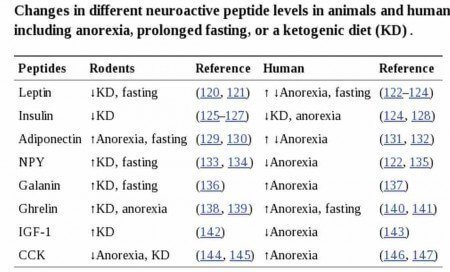
Limited research suggests that orexin also increases metabolism and body temperature. According to this theory, people that feel cold and tired may, among other factors, have low orexin [ 7 ].
Orexin also seems to increase hunger via increased neuropeptide Y expression in the arcuate nucleus of the hypothalamus [ 8 ].
Animal models suggest that low levels of orexin cause obesity , even when fewer calories are consumed. This hasn’t been confirmed in humans [ 9 ].
One hypothesis posits that orexin is a significant factor in why consuming sugar makes people fat. They claim that this is because people feel tired after eating sugar, since it causes blood sugar levels to spike and orexin to fall. So, instead of burning calories, people go to sleep . Although plausible, this hypothesis has yet to be tested [ 9 ].
Another team of researchers claimed that higher levels of orexin-A cause people to be happier. They’re still lacking solid data, though, since this theory is mainly based off the fact that the incidence of depression is higher in narcolepsy.
Yet another stream of research found that orexin and its receptors may decline with age. Plus, orexin may cause people to increase oxygen use because it might increase metabolism. Future research has yet to clarify and solidify all these findings [ 9 , 10 ]. Factors that May Increase Orexin
If your goal is to increase orexin to improve your fatigue – or extreme exhaustion-related issues – including those of chronic fatigue or depression – it’s important to talk to your doctor, especially low energy levels are significantly impacting your daily life.
Your doctor should diagnose and treat any underlying conditions causing your symptoms.
Remember that the existing evidence does not suggest that low orexin causes fatigue or mood disorders.
There’s also no precise way to measure orexin levels outside of research studies and diagnosing type 1 narcolepsy. For narcolepsy, a healthcare professional has to take a person’s cerebrospinal fluid, which is an invasive procedure reserved only for specific cases.
Complex disorders like chronic fatigue syndrome always involve multiple possible factors – including brain chemistry, environment, health status, and genetics – that may vary from one person to another.
Additionally, changes in nerve tone and brain chemistry are not something that people can change on their own with the approaches listed here. Instead, the factors mentioned in this article are meant to improve energy levels and support overall mental health and well-being. Most are backed up only by limited human or animal studies.
Therefore , you may try the strategies listed below if you and your doctor determine that they could be appropriate . Read through the approaches we bring up and discuss them with your doctor before trying them out. This is particularly important if you plan to take any dietary supplements.
Supplements have not been approved by the FDA for medical use and generally lack solid clinical research. Regulations set manufacturing standards for them but don’t guarantee that they’re safe or effective.Finally, have in mind that none of these strategies should ever be done in place of what your doctor recommends or prescribes. 1) Resolving Chronic Inflammation Research suggests a link between orexin and chronic inflammation. Persistent, low-grade inflammation also seems to be tightly tied to fatigue and low cellular energy, according to recent scientific findings [ 11 , 12 ].Elevated inflammation from cytokines like IL-1b and TNF is hypothesized to cause fatigue by the suppression of orexin neurons [ 13 , 14 , 15 , 16 ].Just before the normal time of sleep onset for rats, TNF levels in brain tissue were shown to be 10-fold higher than their daily minimum. This hasn’t been verified in humans, though [ 17 ].If you are experiencing chronic inflammation, work with your doctor to resolve the underlying issue causing your symptoms. 2) Exercise Getting regular, moderate exercise is good for overall health. We know from experience that it makes us feel energized, and some scientists think orexin might be one of the reasons.Limited human […]
6 Health Benefits of Kava + Side Effects
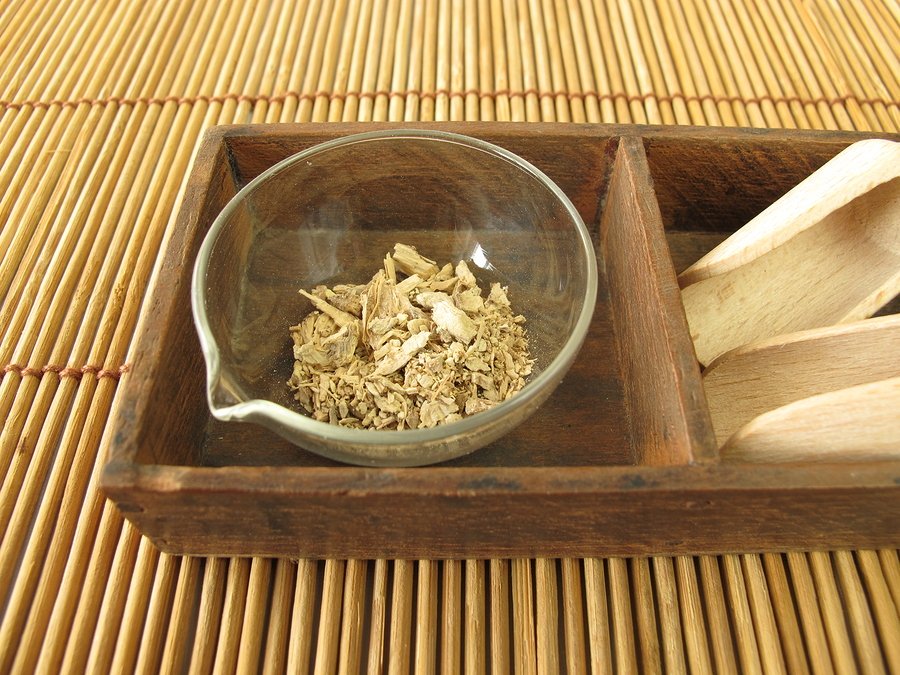
Kava is a plant traditionally used as an intoxicating beverage by the indigenous people of the South Pacific. Kava can also be used to help with anxiety, stress, insomnia, and other disorders. However, high doses of kava may cause liver damage and the plant should not be taken in combination with alcohol or other psychotropic medications. Read on to learn more about the potential health benefits and side effects of kava. What Is Kava?
Kava ( Piper methysticum ) extract is traditionally prepared from a combination of kava root and water and is commonly used as a psychotropic beverage in the South Pacific.
Forms of kava products include [ 1 ]: Root extract
Root capsules
Tincture
Root powder
Root tea
Concentrate paste
Kava tea, kava root extract, and capsules generally produce mild effects, while tinctures and powders are stronger. Kava paste produces the strongest effects, since the product is highly concentrated.
Importantly, several cases of liver damage and even death from taking kava (possibly due to the presence of the root and stem peelings in the kava product, instead of only the peeled root) have been reported. For this reason and its potential for abuse, kava is banned in Europe, the UK, and Canada [ 1 , 2 ].
Kavalpyrones and chalcones are the two main active compound classes of kava extract [ 3 , 4 ]: Kavalpyrones (methysticin, dihydromethysticin, yangonin, dihydrokavain, and kavain) produce muscular relaxation and calming effect.
Chalcones (flavokawain A, B, and C) have potential antioxidant, anti-inflammatory, antimicrobial, and anticancer effects.
Mechanisms of Action
Kavain and methysticin block sodium ion channels, leading to a decrease in cell excitability. By blocking sodium channels, kavain also reduces excitatory neurotransmitter release. Kavain and methysticin decrease stimulatory pathways, possibly leading to a calming effect [ 5 , 6 , 7 ].
Yangonin, kavain, dihydrokavain, methysticin, dihydromethysticin, and kava pyrones increase GABA in the brain (hippocampus, amygdala, and medulla oblongata). When GABA-A receptors are activated, neurons are inhibited, which may have sedative and anti-anxiety effects [ 6 , 7 , 8 ].
Multiple kavalactones (desmethoxyyangonin, methysticin, yangonin, dihydromethysticin, dihydrokavain, and kavain) inhibit monoamine oxidase B. Kavalactones prevent the enzyme MAOB from removing neurotransmitters norepinephrine , serotonin , and dopamine from the brain [ 6 , 7 , 9 ].
Kavain, desmethoxyyangonin, and methysticin increase noradrenaline , serotonin , and dopamine . Low levels of noradrenaline, serotonin , and dopamine are associated with depression , anxiety, ADHD, and other disorders [ 5 , 6 , 7 , 10 ]. Snapshot
Proponents
May reduce anxiety
May improve sleep disorders and depression
May improve mood symptoms associated with menopause
Skeptics
Insufficient evidence for many benefits
Several cases of liver damage and even death reported
High potential for abuse
Banned in several countries High risk of drug interactions Health Benefits Likely Effective for: Anxiety Multiple human studies showed that kava improved anxiety , regardless of the symptoms and type of disorder (nonspecific anxiety, tension, agitation, agoraphobia, specific phobia, or general anxiety disorder) [ 11 , 12 , 13 , 14 , 15 , 16 , 17 , 18 ].In a clinical trial on 129 people with generalized anxiety disorder, kava extract (400 mg) was as effective as two anti-anxiety drugs (opipramol 10 mg and buspirone 100 mg) [ 12 ]. Kava activates GABA-A receptors, which produces a calming effect . Kava prevents a decrease in norepinephrine , serotonin, and dopamine levels by inhibiting monoamine oxidase and relaxes muscles by decreasing beta adrenaline receptor activity [ 7 , 6 , 1 , 18 ].All in all, the evidence suggests that kava may help with anxiety. Remember that this supplement is not approved by the FDA for this purpose and is even banned in some countries due to its potential for abuse and risk of liver damage. Discuss with your doctor if it may be helpful in your case and always take it as recommended by them. Insufficient Evidence for: 1) Sleep Disorders Kava reduced stress and improved sleep quality in 24 patients suffering from stress -induced insomnia. 61 patients suffering from sleep disturbances associated with anxiety, tension, and restlessness were also effectively treated with kava extract [ 19 , 20 ].Kava’s potentially sedative effects are due to the blocking of sodium and calcium ion channels, increased neurotransmitter binding to GABA-A receptors, inhibition of monoamine oxidase B, and an increase of the neurotransmitters noradrenaline and dopamine [ 1 , 21 ].Although promising, the evidence to support the use of kava in sleep disorders is insufficient. More clinical trials on larger populations are needed to confirm these preliminary results. 2) Depression In a clinical trial on 60 people with generalized anxiety disorder, oral kava extract (250 mg kavalactones per day) reduced both anxiety and depressive symptoms [ 2 ].Its combination with Saint John’s wort improved depression (but not anxiety or quality of life) in a small trial on 28 people with major depressive disorder [ 2 ].Kava induced a pleasant mental state while reducing fatigue and anxiety in human and animal studies. Kavalactones in kava increased dopamine, serotonin, GABA (only slightly), and decreased glutamate in cell models [ 22 , 23 , 24 ].Again, the results are promising but only two small clinical trials have been conducted. Further clinical research is required to confirm the potential benefits of kava in people with depression. 3) Menopausal Symptoms Perimenopause and menopause symptoms include hot flashes, night sweats, insomnia, and increased anxiety and irritability.Kava improved anxiety, depression, irritability, and insomnia in 3 clinical trials on 120 perimenopausal and menopausal women. It activated GABA-A receptors, inhibited monoamine oxidase-B, and increased dopamine levels in the brain [ 25 , 26 , 27 ].All in all, there is insufficient evidence to claim that kava helps with mood symptoms of menopause and perimenopause. Larger, more robust clinical trials are needed to validate these findings. 4) Brain Function A single dose of kava extract (300 mg) improved accuracy and performance in attention, visual processing, and working memory tasks in […]
Health Benefits of Hordenine + Side Effects & Dosage

Hordenine is mainly found in barley and bitter orange. For this reason, drinking beer may raise blood hordenine levels. Very limited research in animals and cells suggests it may help increase energy and focus or whiten the skin. However, taking too much hordenine may cause false positives in drug tests and produce a variety of negative side effects. Read below to learn more about this barley compound. What Is Hordenine?
Hordenine, otherwise known as N, N-dimethyltyramine, is an alkaloid mainly found in plants used as feed for animals, such as barley. Indeed, its name comes from the Latin name for barley ( hordeum ) [ 1 ].
It is adrenergic , meaning it causes brain cells to release the neurotransmitters epinephrine (adrenaline) and norepinephrine (noradrenaline) . These neurotransmitters increase energy and focus and are part of the “fight-or-flight” response [ 1 , 2 , 3 ].
Several scandals involving racing horses given food containing hordenine to improve their performance have come to light. However, the slight increase in performance caused by hordenine is deemed insufficient to be considered cheating in most countries [ 1 ].
This is mainly because hordenine’s effects are short-lived and a very high concentration of hordenine is needed to bring about any noticeable effects [ 1 ].
In Canada, however, it is considered illegal and horses are not allowed to eat hordenine-rich diets [ 4 ].
Hordenine can be used to measure beer consumption , as hordenine levels in the blood increase significantly following consumption. For instance, a study suggested its use in forensic toxicology [ 5 ]. Food Sources of Hordenine
The main sources are: Snapshot
Proponents
Potential use to enhance alertness, energy, and focus
Potential use to help with diabetes
Potential use in skincare products
Potential use as antimicrobial
Skeptics
Lack of clinical trials
Unknown safety profile
May cause the buildup of other neurotransmitters
May cause blood pressure fluctuations
May cause seizures
May reduce UV protection
May damage the kidneys
May test positive for opioids
Health Benefits of Hordenine
Animal and Cell Research Lack of Evidence
No clinical evidence supports the use of hordenine for any of the conditions listed in this section. Below is a summary of the existing animal and cell-based research, which should guide further investigational efforts. However, the studies should not be interpreted as supportive of any health benefit. 1) Increasing Alertness, Energy, and Focus
Horses injected with hordenine (intravenously) showed increased alertness within two minutes . A 100% increase in heart and breathing rate accompanied this increased alertness. However, the effect only lasted 20 minutes and wasn’t observed when hordenine was given by mouth [ 4 ]. Hordenine increased response to noradrenaline in rats by 65% . A similar effect was also seen in guinea pigs. Indeed, hordenine didn’t increase alertness by itself, but by preventing noradrenaline removal [ 8 , 9 ].Because hordenine increases response to noradrenaline, some effects of this neurotransmitter, such as increased energy and focus, are possible after hordenine consumption. However, no clinical trials have been conducted [ 10 , 11 ]. 2) Diabetes In diabetic mice, hordenine enhanced the effectiveness of insulin at reducing blood sugar levels before and after a meal. Additionally, it prevented kidney damage by reducing tissue scar, inflammation, and oxidative damage [ 12 ]. 3) Skin Appearance When melanin, a skin pigment, is overproduced, it can cause several skin disorders such as freckles, age spots, and melasma (brown patches on the face) [ 13 ]. Hordenine decreased melanin production in human cells by 30% . It achieved this by inhibiting cAMP production, which is responsible for expressing proteins needed to create melanin [ 13 ]. 4) Antibacterial In test tubes, hordenine prevented the following bacteria that often cause hospital-acquired infections from forming biofilms :Note, however, that these are very preliminary results that haven’t been replicated in humans and even in animals. Further research is needed to determine if hordenine may be of any use in preventing and treating infections caused by these microorganisms. Hordenine Side Effects, Limitations & Dosage Keep in mind that the safety profile of hordenine is unknown, given the lack of clinical studies. The list of side effects below is not a definite one and you should consult your doctor about other potential side effects based on your health condition and possible drug or supplement interactions . 1) May Reduce the Breakdown of Other Neurotransmitters Monoamine oxidase-B ( MAO-B ) inactivates hordenine. MAO-B is responsible for inactivating other neurotransmitters such as dopamine and phenylethylamine. When MAO-B is busy breaking down hordenine, it may cause other neurotransmitters to build up [ 8 , 18 ].Dopamine buildup can cause increased reactivity to stress [ 18 ]. 2) May Cause Fluctuations In Blood Pressure In cats, hordenine initially decreased blood pressure, but this was followed by a large spike. Afterward, blood pressure fluctuated from lower to higher values [ 19 ]. People sensitive to blood pressure changes should probably avoid hordenine . 3) May Cause Seizures Hordenine increased seizures (measured by knee jerks) in cats [ 19 ].It is a cholinesterase inhibitor, meaning it keeps the enzyme cholinesterase from breaking down acetylcholine . Acetylcholine carries the signals from nerve cells, which for instance allows movement. By preventing cholinesterase from breaking down acetylcholine, the body cannot naturally stop moving and may keep convulsing [ 19 ]. 4) May Decrease Protection from UV Radiation Melanin protects human skin by absorbing free radicals and preventing UV damage. Because hordenine may decrease melanin production, it can increase UV damage . In people without melanin overproduction (hyperpigmentation), hordenine may do more harm than good [ 13 ]. 5) May Damage the Kidneys Voles fed high doses of hordenine-containing foods developed damage in a region of the kidneys (the proximal tubules). Glycosuria, a disease in which glucose is released from the kidneys into the urine, occurred in 62% of the voles [ 20 ]. People with kidney issues may want to avoid […]
7 Proven Roles of Substance P & Its Associated Diseases
Substance P is a neuropeptide (neurotransmitter) most known for its role in pain perception. It also has a wide range of effects in nausea, stress responses, emotional behavior, learning, and memory.
However, although substance P is important for survival, excess levels are harmful and can lead to a variety of diseases. Read more to learn about what conditions are associated with high and low levels of substance P and how to increase and decrease it.
Substance P was first isolated from horse brain and gut extracts in the 1930s as a mystery substance with strong blood pressure-lowering and smooth muscle contractile properties [ 1 ].
Because it was in powdered form, it was named substance P (“P” for powder) [ 1 ].
Today, it is fully recognized as a neurotransmitter that is widely dispersed throughout the body, with high levels in the brain, gut, and spinal cord [ 1 , 2 ].
Because of its broad distribution in the body, substance P influences a diverse range of functions. It also amplifies or excites most cellular processes [ 3 ].
Substance P is involved in:
Most actions of Substance P’s binding to NK-1 (neurokinin receptor subtype) receptors mediate its actions. The receptors are found in a variety of cell types (e.g., neurons, muscle cells, immune cells) [ 13 ].
The cell quickly takes NK1 receptors back up after substance P binding. The cells remove and break down substance P, while NK-1 receptors are recycled to the cell membrane [ 14 ].
Substance P and the NK-1 receptor have been extensively researched for their role in a variety of diseases [ 15 ].
Drugs that block Nk1 receptors have been used to treat mood disorders ( depression , anxiety , and stress), nausea from chemotherapy, rheumatoid arthritis, and inflammatory bowel disease [ 15 , 16 ].
Substance P levels are increased in stressful or anxiety-provoking situations [ 17 ].
Stressful stimuli like heat and pain trigger the release of substance P from sensory nerve endings. The amount of its release is proportional to the intensity and frequency of stimulation [ 17 ].
Once released, substance P may have direct actions as a neurotransmitter or other functions on non-nerve cell targets [ 14 ].
It can also be cleared and inactivated by enzymes that break down proteins (e.g., NEP and ACE) [ 18 , 19 ].
Substance P is a powerful vasodilator (widens blood vessels) of large blood vessels in animals and humans [ 20 , 21 ].
It widens blood vessels by binding to NK1 receptors on the vessel wall and causing the release of nitric oxide [ 22 ].
Unlike other neurotransmitters, vasodilation caused by substance P declines during continuous injection. This is likely due to the rapid internalization of Nk1 receptors after activation [ 23 ].
Substance P helps transmit pain signals from different parts of the body to the spinal cord and brain (where the pain is perceived) [ 24 , 25 , 26 ].
Specifically, sensory nerve fibers (i.e., primary afferent nerve fibers) detect pain and release substance P, which in turn binds to Nk-1 receptors in the spinal cord. Nerve cells in the spinal cord then relay the pain information to the brain [ 27 , 28 ].
Substance P also increases sensitivity to pain indirectly by its inflammatory effects (swelling, immune cell recruitment, vasodilation) [ 29 ].
Interestingly, in some studies, substance P has a pain-relieving effect . For example, in mice with acid-induced chronic muscle pain, substance P reduced pain by decreasing the detection of pain signals in muscle sensory neurons [ 30 ].
This dual role of substance P in pain management may explain why drugs that block Nk-1 receptors have been unsuccessful in relieving pain in clinical trials [ 25 , 31 , 32 ].
Substance P is secreted by many inflammatory immune cells (i.e., macrophages, eosinophils , lymphocytes , and dendritic cells) and initiates the production of inflammatory cytokines (IL-1β, IL-6, and IL-8) [ 33 , 34 , 7 ].
In turn, most cytokines bind to substance P and NK-1 receptors [ 35 ].
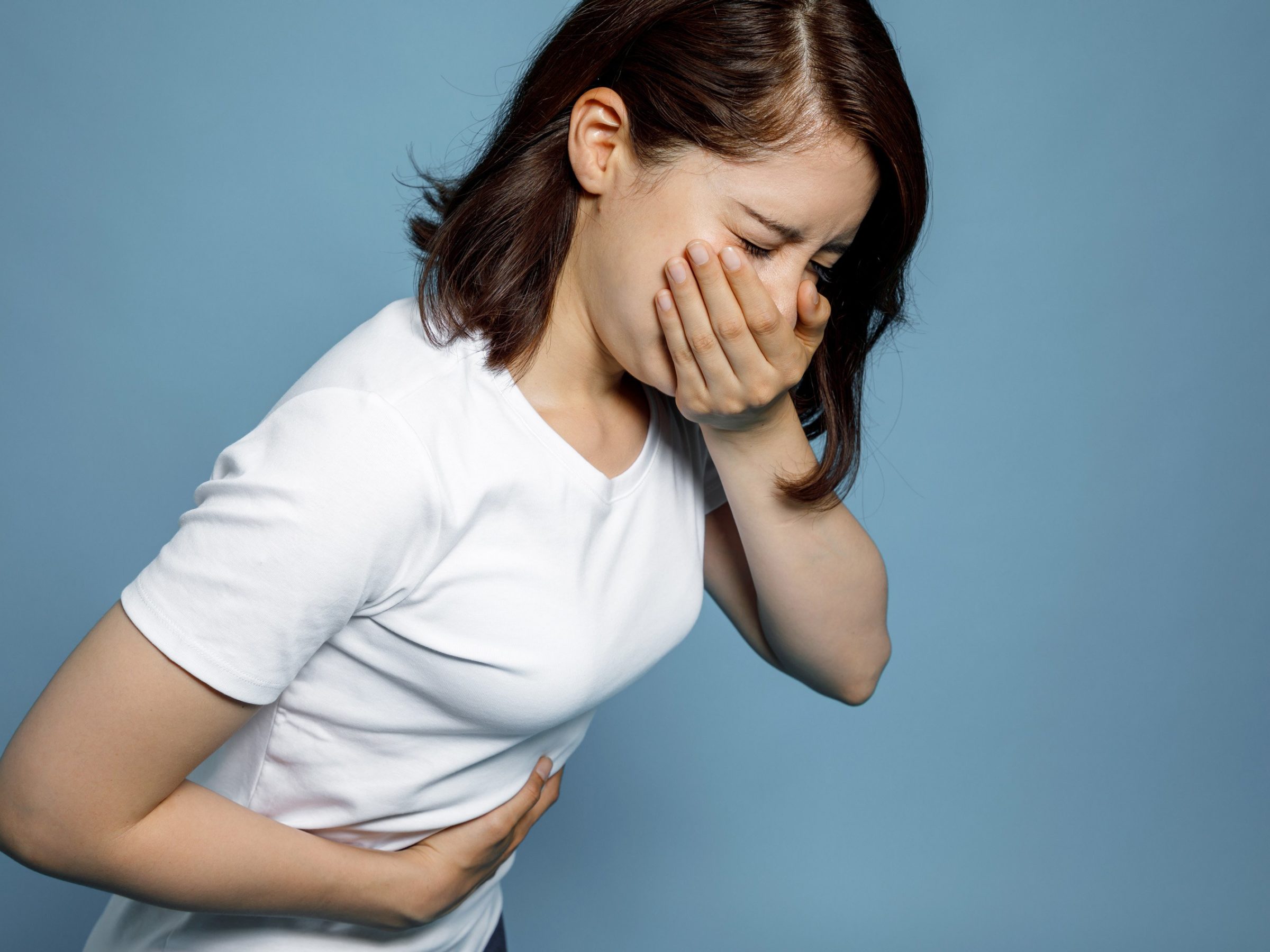
Substance P causes brain inflammation , a local inflammatory response to some types of infection or injury [ 36 ].All of these effects are mediated by the Nk-1 receptor [ 37 , 38 ].Substance P has excitatory effects in the hippocampus or the memory center of the brain. It promotes long-term potentiation, which is associated with learning and the formation of memories [ 39 , 40 , 41 ].Moreover, injection of substance P in parts of the brain that control motivation and reward facilitated learning and memory in rats [ 42 , 43 ].Substance P stimulated the growth of nerve stem cells of adult rats under both normal conditions and during injury. It may help with nerve cell formation after injury [ 44 ].Substance P and its receptor are present in high levels in the Area Postrema (the vomiting center in the medulla) along with other neurotransmitters (e.g., choline , histamine, dopamine ) [ 45 ].It activates the NK-1 receptors. Applying substance P in the vomiting center of the brain causes dry heaving in ferrets [ 46 , 47 , 48 ].Drugs that block Nk1 receptors can help treat nausea associated with chemotherapy [ 6 ].Substance P (injected in the skin) causes an itch sensation in human skin by stimulating histamine release from mast cells [ 49 ].Substance P also causes scratching behavior in mice but through mechanisms independent of histamine [ 50 , 51 ].Substance P accelerated wound healing in the eyes (in rabbits) and spinal cord (in rats) by promoting a local inflammatory response essential for healing [ 52 , 53 , 54 ]. Conditions with Elevated Substance P Patients with eczema have higher blood levels of substance P [ 55 ].Substance P causes mast cell accumulation and inflammation, which is involved in the development of eczema. Mast cells are white blood cells that play a role in allergic and inflammatory reactions [ 55 ].Because of its role in inflammation and cell growth, substance P can contribute to psoriasis progression . Psoriasis skin and patches have an increased […]
Black Pepper And Piperine: Health Benefits + Side Effects
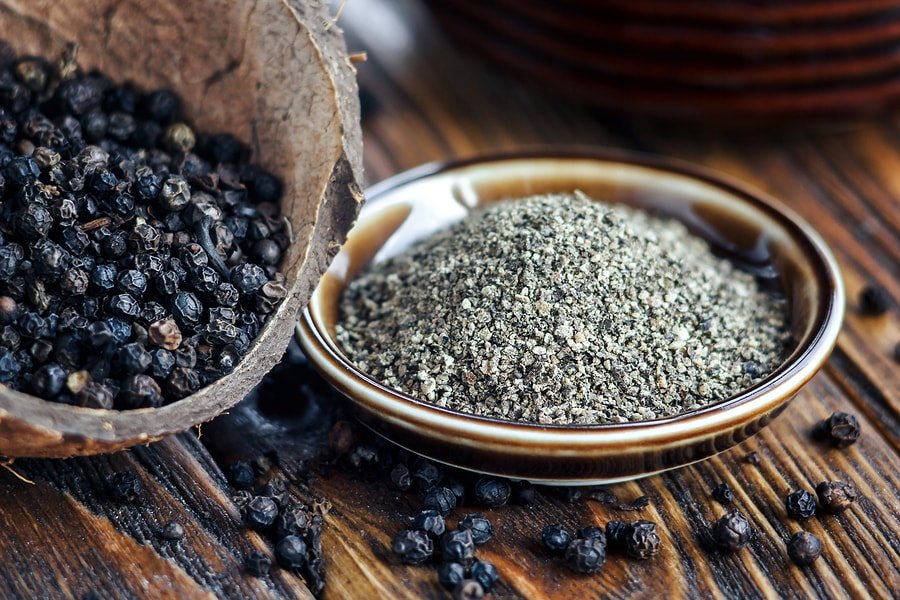
Piperine is the chemical that makes black pepper spicy. It may prevent inflammation and oxidative stress and holds promise in the treatment of diseases as diverse as diabetes, epilepsy, vitiligo, and Parkinson’s. It may also increase metabolism and weight loss, improve cholesterol , enhance brain function, and reduce pain . Read on to learn about the many benefits of piperine. What Is Black Pepper?
Black pepper is the most widely used spice in the world.
Long before scientific research explained how it worked, black pepper was used as a folk medicine to treat a variety of conditions and diseases, including rheumatism , influenza, muscle pains , chills, fevers, migraines , and digestive problems . It was also used to enhance blood circulation and stimulate appetite [ 1 ].
Piperine is the active ingredient in black pepper and is responsible for a lot of its effects. It is what gives pepper its spicy, pungent taste [ 2 , 3 ].
In pure form, it is a white or light yellow crystal powder. It tastes similar to pepper and accounts for 98% of the alkaloids found in black pepper [ 4 , 3 ].
It is also classified as a cinnamamide. These are chemicals that have sedative, anticonvulsant, and antidepressant properties [ 5 ].
Piperine has numerous potential health benefits . It may protect against inflammation, improve cognitive function, mood , allergies, cholesterol levels, and blood pressure.
It is also an antioxidant and may improve the bioavailability of many other drugs and supplements. This means our bodies can make use of them more effectively. Mechanism of Action
Piperine has many potential effects on the body. These include: Decreasing inflammation . It may reduce the levels of cytokines that promote inflammation ( IL-1b , TNF-α , and PGE2 ) and increase the levels of cytokines that reduce inflammation ( IL-10 ) [ 6 ].
Increasing bioavailability of many drugs and supplements . By inhibiting the detox enzymes that break down drugs (such as CYP3A4 ) and increasing drug/substance absorption in the gut, piperine may increase the body’s ability to make effective use of many other compounds [ 7 ].
Acting as an antioxidant . It acts directly as a hydroxyl and superoxide radical scavenger [ 8 ].
Increasing dopamine and serotonin in the brain – this may help improve mood, cognitive function, and fight off neurodegenerative diseases [ 10 , 11 ].
Increasing muscle metabolism by increasing ATPase activity. This may increase the use of energy by the muscles and help in weight loss [ 12 ].
Snapshot
Proponents
May increase the availability of several drugs and supplements
Potential antioxidant, anti-inflammatory, and sugar- and fat-lowering effects, especially in combination with curcumin
Few mild adverse effects reported
Skeptics
Most clinical trials combined it with 100x higher amounts of curcumin
Most effects have only been tested in animals and cells
High risk of interaction with drugs
Health Benefits
Likely Effective for:
Increasing Supplement/Drug Bioavailability
Piperine was identified in 1979 as the first-ever compound ever that enhances the “bioavailability” of other substances [ 13 , 7 ].In other words, piperine increases the ability of the body to use nutrients and drugs [ 14 ].This means that lower or fewer doses of the drug can be used to achieve the same effect. This is very beneficial when it comes to drugs that have unpleasant side effects!Piperine does this by [ 7 ]: stopping the body from breaking down drugs by blocking drug-metabolizing enzymes in the liver (such as CYP3A4, CYP2E1 , CYP1 B1 , and CYP1 B2 ) increasing the number of drugs and nutrients absorbed in the gut by stimulating gut transporters For instance, piperine increased the bioavailability of curcumin , a compound found in turmeric, in rats by 154%, and in humans by 2 , 000% [ 15 ].Piperine also increased the blood concentration and persistence of the anti-seizure drug carbamazepine in 2 trials on 32 people, possibly by blocking the enzyme that breaks this drug down (CYP3A4). Similarly, it increased the bioavailability of the muscle relaxant chlorzoxazone in another trial by blocking the enzyme CYP2E1 [ 16 , 17 , 18 ].An herbal extract combining piperine and curcumin increased the bioavailability of the sedative midazolam, the anti-inflammatory flurbiprofen, and the painkiller Tylenol in 8 healthy volunteers [ 19 ].A drug delivery system composed of piperine lipospheres increased the bioavailability of both THC and CBD when compared to the FDA-approved spray Sativex in a small trial on 9 healthy volunteers [ 20 ].All in all, the evidence suggests that piperine increases the bioavailability of many substances. Remember to consult with your doctor if it may be helpful in your case and if you should readjust the dose of any drugs or supplements after starting to take piperine. Insufficient Evidence for: The following purported benefits are only supported by limited, low-quality clinical studies and animal or cell-based research. There is insufficient evidence to support the use of piperine for any of the below-listed uses. Remember to speak with a doctor before taking piperine supplements. Piperine should never be used as a replacement for approved medical therapies.Importantly, all the studies testing piperine alone were done in animals or cells, while those in humans generally used a mix with 100x more curcumin than piperine. More clinical trials testing piperine alone are needed to confirm these preliminary findings. 1) Antioxidant Piperine may protect against oxidative stress by removing free radicals (such as hydroxyl and superoxide) from the body [ 8 ].In a small trial on 20 people with pancreatitis, a combination of curcumin (500 mg) and piperine (5 mg) improved their antioxidant status (lower fat peroxidation and MDA and higher glutathione levels). Combinations with the same proportion of curcumin and piperine also improved antioxidant status in 3 trials on over 100 people with metabolic syndrome, almost 100 people with chronic lung disease, and 40 people with osteoarthritis [ 21 , 22 , 23 , 24 ].Along with everyday risk factors such as pollutants […]
Potential Health Benefits of Nardostachys Jatamansi
Nardostachys jatamansi is an herb known for its potential ability to reduce stress and improve cognitive function and sleep . While clinical trials are lacking, the herb improved memory, reduced inflammation, and treated insomnia in pre-clinical studies. Read on to see the potential benefits of this herb. What Is Nardostachys jatamansi ?
Nardostachys jatamansi , a flowering herb of the Valerian family, is commonly called jatamansi spikenard, nard, muskroot, or nardin. The herb grows in the high altitudes (3,000-5000 m) of the eastern Himalayas. It has pink, bell-shaped flowers.
The herb was traditionally crushed and refined into an oil. This oil was used for medicine, religious uses, and even perfumes.
Today, Nardostachys jatamansi is typically used in the form of an oil called spikenard oil and as an oral supplement. Active Compounds
The active components in Nardostachys jatamansi include [ 1 ]: Jatamansone (valeranone)
Calarene
Aristolene
Valerena-4/7(11)-diene
Desoxo-narchinol-A (DN)
Mechanisms of Action
Nardostachys jatamansi increases the levels of the following key neurotransmitters in the brain [ 2 ]:
Nardostachys jatamansi also inhibits inflammatory cytokines IL-1β , IL-6 , and tumor necrosis factor alpha ( TNF-α ) and deactivates p38 mitogen-activated protein kinases (MAPKs), a class of enzymes involved in the inflammatory response to stress [ 3 ]. Snapshot
Proponents
Potential benefits for insomnia, anxiety, brain function, and organ damage
Few mild adverse effects reported
Skeptics
Only one clinical trial carried out
Insufficient evidence for all benefits
Relatively unknown safety profile
Health Benefits
Insufficient Evidence for:
Insomnia
Four grams of Nardostachys jatamansi 3x/day decreased the time to fall asleep by 61% and increased the amount of sleep by 48% in 34 patients with insomnia [ 4 ].
A small clinical trial is clearly insufficient to claim that Nardostachys jatamansi improves insomnia. Larger, more robust clinical trials are needed to confirm this preliminary result. Animal and Cell Research (Lack of Evidence)
No clinical evidence supports the use of Nardostachys jatamansi for any of the conditions listed in this section. Below is a summary of the existing animal and cell-based research, which should guide further investigational efforts. However, the studies should not be interpreted as supportive of any health benefit. Brain Function
In mice, Nardostachys jatamansi improved learning and memory and protected from the cognitive impairment caused by diazepam and scopolamine [ 5 ].Its combination with crocetin and selenium (sodium selenite) protected rats from drug-induced cognitive impairment [ 6 ]. Nardostachys jatamansi decreased acetylcholinesterase activity by 50% in the brains of mice. Decreasing acetylcholinesterase activity led to an improvement in learning and memory in rats [ 7 , 8 ].Through its antioxidant and anti-inflammatory effects, Nardostachys jatamansi extract protected brain cells from the damage caused by a protein that triggers Alzheimer’s disease (beta-amyloid). Similarly, it prevented Parkinson’s disease in rats [ 9 , 10 ].It also reduced oxidative damage to brain cells caused by stroke in rats [ 11 ]. Stress and Anxiety Nardostachys jatamansi prevented an increase in cortisol and prevented ulcers from forming in mice exposed to cold [ 12 ].Similarly, it suppressed stress behaviors and reduced the levels of corticosterone, serotonin, and dopamine in mice and rats stressed by forced immobilization [ 13 , 12 ].Its extract reduced anxiety behaviors in mice, possibly by increasing the levels of the neurotransmitter GABA in the brain [ 14 ]. Depression Nardostachys jatamansi was traditionally included in a mixture of herbs called Mamsyadi Kwatha (80% Jatamansi) that was used to treat depression and anxiety [ 15 ].In mice exposed to stress tests, Nardostachys jatamansi decreased depressive symptoms. The effect was similar to popular antidepressant drugs Tofranil (Imipramine) and Zoloft (Sertraline) [ 16 ]. Diabetes Nardostachys jatamansi extract improved insulin sensitivity and reduced sugar production in the liver in diabetic mice [ 14 ]. Protecting Against Radiation Nardostachys jatamansi taken 15 days before exposure to radiation reduced radiation sickness in mice. It also reduced stress and protected against DNA damage caused by radiation [ 17 , 18 ].Radiation is often used to treat certain cancers. However, radiation therapy is known to increase the risk of other diseases in the circulatory system. Nardostachys jatamansi protected against damage to the blood and lymph tissues caused by radiation in mice [ 19 ]. Antioxidant Nardostachys jatamansi reduced oxidative damage to DNA and fats in cell-based studies [ 20 ]. Chronic Fatigue Syndrome Nardostachys jatamansi reversed symptoms associated with chronic fatigue syndrome ( CFS ), such as despair, increased anxiety, and decreased movement, in mice [ 21 ]. Seizures Treatment with Nardostachys jatamansi in mice caused significant elevation of antioxidants that protect neurons ( superoxide dismutase and glutathione reductase) in the brain. This prevented seizures and impaired voluntary movement (dyskinesia) [ 22 ].Mice that given electroshocks showed an increased resistance to seizures after treatment with Nardostachys jatamansi [ 23 ]. Heart Protection Doxorubicin is a drug that causes heart damage. Nardostachys jatamansi restored antioxidant enzymes and reduced oxidative damage in rats exposed to doxorubicin [ 24 , 25 ].A review of animal and cell studies found that Nardostachys jatamansi prevented inflammation, oxidative damage, and cell death in heart muscle tissues and restored a normal heart rate [ 26 ]. Anti-Inflammatory Nardostachys jatamansi prevented inflammation caused by injecting bacteria and their polysaccharides into the bloodstream of mice [ 27 , 3 ]. Protecting the Pancreas Nardostachys jatamansi reduced inflammation in mice with pancreatic inflammation (pancreatitis) [ 28 ]. Nardostachys jatamansi reduced cell death in pancreatitis caused by alcohol [ 29 ]. Nardostachys jatamansi completely prevented the increase in blood sugar and insulin that is usually seen in rats given the drug streptozotocin. The herb prevented damage to the cells of the pancreas that produce insulin (beta cells) by preventing NF-kappaB release [ 30 ]. Protecting the Stomach A multi-herbal formula with Nardostachys jatamansi, licorice, and Damask rose prevented stomach ulcers caused by alcohol in rats [ 31 ]. Protecting the Liver Nardostachys jatamansi healed liver damage and increased […]
12 Creatine Benefits + Supplementation, Dosage & Side Effects
Creatine is a well-researched sports supplement. Combined with resistance training, it can increase strength, muscle mass, and post-exercise recovery. Scientists are also investigating if creatine can rev up energy production in the body and protect the heart and brain. Read on to learn about its potential benefits, side effects, and proven supplementation protocols. What is Creatine?
Introduction
Creatine (α-methyl guanidine-acetic acid) is a substance naturally produced in the body from amino acids. Most of it is stored in muscle cells and released during physical activity. Creatine supplements raise muscle creatine stores, which enhances exercise performance and helps build muscles. Creatine food sources include meat and fish [ 1 , 2 ].
Most of the body’s creatine is stored in skeletal muscles (95%) as phosphocreatine; the remainder is found in the brain, kidney, and liver. Phosphocreatine is charged with powerful phosphate groups that release a large amount of energy when the muscles need it. The average person uses about 2 g/day of creatine while athletes and bodybuilders have much higher requirements [ 3 ].
Creatine has become one of the most widely used nutritional supplements. It’s one of the best-researched supplements for increasing muscle strength and power in athletes . Less known are its benefits beyond athletic performance, which extend to people with various muscle-wasting and neurological diseases [ 1 ]. Snapshot
PROs
Safely increases muscle mass, strength, and exercise performance
Reduces post-exercise fatigue
Great for power training
Protects the brain
CONs
Doesn’t impact endurance-type or cardio exercise performance
High doses may cause stomach discomfort or nausea
Power vs. Endurance Training
While almost every athlete has probably tried creatine at least once in their life, not everyone will experience the desired gains. Creatine is a safe and legal sports supplement but it’s not equally effective for all types of exercise . If you’re wondering when or if you should use creatine, have a close look at your exercise regime and your training goals [ 4 ].
Creatine will offer significant gains in strength and performance during high-intensity, short-duration, anaerobic training , i.e. high-power bursts aimed at increasing maximal output [ 4 ].
Creatine won’t have an effect on endurance-type, aerobic training, such as long-distance running and swimming . You’ll still see improvements in muscle mass and fatigue if you combine strength training alongside endurance-type sports [ 4 ].
To determine when to take creatine and how much you need, you should dive deeper to understand exactly what creatine does in your body. What Does Creatine Do?
The ATP-phosphocreatine system has immense power potential. Muscle stores of phosphocreatine release energy and rapidly boost the production of new ATP energy molecules . The burst of energy needed to sustain exercise with maximal effort normally lasts for only 5 to 10 seconds after which a drop in phosphocreatine causes fatigue [ 4 ].
Peaks in strength and exercise capacity during short-term, high-intensity power training depends on two factors:
> ATP levels
Phosphocreatine stores
Creatine supplementation boosts strength by affecting both: it regenerates ATP supplies during exercise and phosphocreatine supplies after exercise, during recovery [ 4 ].
For energy to be released and used, ATP needs to be broken down to ADP (cleaving one of the phosphates in ATP off). ADP is returned to its high-energy state of ATP in different ways during anaerobic exercise (sugar breakdown or glycolysis) vs. aerobic exercise (oxidative phosphorylation).
With high-intensity exercise, muscles rely on the anaerobic system, which uses phosphocreatine and muscle sugar stores (glycogen) as fuels . This is why the degree to which muscles will use creatine directly depends on the intensity and duration of the exercise. Muscles need the most phosphocreatine during the most intense and maximally demanding periods of exercise or sport [ 4 ].
For example, a dose of 30 g/day of creatine for 14 days enhanced power during short-term, maximal exercise by increasing ATP production and phosphocreatine availability – going back to the two factors outlined above [ 4 ]. Creatine supplements may also “load” muscles by increasing phosphocreatine stores , which in turn increases energy production during explosive, high-intensity exercise bouts [ 4 ]. Increasing phosphocreatine stores may also aid in muscle recovery . Higher phosphocreatine levels may help ‘mop up’ the acid-producing exercise byproducts and balance pH levels in the muscles, allowing for continued exercise with minimal fatigue [ 4 ].Creatine is a small molecule that attracts water. These water molecules follow creatine into the cells, which swell as a result. Cell swelling is a so-called anabolic signal that increases the production of proteins, glycogen sugar stores, and DNA while minimizing protein breakdown [ 5 , 6 , 4 ]. Health Benefits of Creatine 1-2) Exercise Performance and Muscle Strength Creatine supplements increase phosphocreatine stores in muscles, which in turn boost the production of new ATP energy molecules . All cells in your body use ATP as a source of energy but creatine will mainly fuel your muscles and increase your performance during short, high-intensity exercise bouts [ 1 , 2 ].Creatine supplementation improves strength and performance during high-intensity, short-duration resistance training according to a large review of 22 studies. According to this review, creatine with resistance training increases [ 7 , 8 , 9 , 10 ]: Muscle strength by 20% (8% greater than placebo) Weightlifting performance (maximal repetitions at a given percent of maximal strength) by 26% (14% greater than placebo) Bench press weightlifting performance by up to 43% Strength/resistance training specifically amplifies its muscle-building benefits. In a study of 32 healthy men during 16 weeks of heavy-resistance training, creatine (6 – 24 g/day) increased muscle growth better than taking 20 g/day of proteins [ 11 ].In a study of 19 men, creatine enhanced free-fat mass, weight-lifting capacity and overall physical performance, and muscle appearance in response to heavy resistance training. The training regime was periodized over 12 weeks and higher creatine doses are given over the first week (25 g/day) followed by a lower maintenance dose (5 g/day) [ 12 ].Creatine loading over five days in […]
Phenylpiracetam: What We Know So Far (Potential Effects, Mechanisms, and Side-Effects)
Phenylpiracetam is a relatively new drug that is widely claimed to have “nootropic” (“cognitive-enhancing”) effects. It is closely related to piracetam , another relatively popular nootropic drug. Phenylpiracetam has been claimed to have many interesting potential effects related to cognitive function and physical performance – but what does the current science have to say about it? Read on to learn more about the potential mechanisms and side-effects of this drug.
Disclaimer: This post is not a recommendation or endorsement for the use phenylpiracetam. The FDA has not approved this drug for any specific medical or other use, and the available research on it is still in a very early stage, without adequate data to come to any conclusions about its general efficacy or safety in humans. We have written this post for informational purposes only, and our goal is solely to inform people about what science currently says about phenylpiracetam’s mechanisms, potential effects, and possible side-effects. What Is Phenylpiracetam?
Phenylpiracetam is a nootropic drug that has been recently added to the racetam family.
Just like its parent molecule piracetam , it has been claimed to enhance memory, cognitive function, and even physical strength. Additionally, it has also been reported to be up to 30 to 60 times more potent than piracetam [ 1 ].
For these reasons, phenylpiracetam has been gaining popularity among users of “nootropics”, or “cognitive-enhancing” drugs. Interestingly, phenylpiracetam has recently been banned from use by the Olympics committee due to concerns that it could be abused as a performance enhancer by athletes.
Phenylpiracetam is essentially a piracetam molecule with a phenyl group attached to it. This addition increases its bioavailability and ability to pass through the blood-brain barrier , compared to regular piracetam (as this new molecule is now fat-soluble) [ 2 ].
The addition of a phenyl group is also believed to increase the compound’s affinity for a variety of neurotransmitter transporters, which may be involved in some of its purported effects on various types of brain activity [ 3 ].
While most of phenylpiracetam’s popularity is based on claims that it may improve brain function and physical strength, some very preliminary evidence does exist which suggests that phenylpiracetam may also be helpful for reducing certain symptoms of depression and anxiety [ 4 ].
However, it’s unclear exactly how much of phenylpiracetam’s popularity is just based on hype, as the actual science behind these purported effects is, at best, relatively modest.
Phenylpiracetam is sold as a prescription-only drug in Russia under the name Phenotropil . While not prescribed as a pharmaceutical in the United States, it is an uncontrolled and unscheduled substance, meaning that it is technically legal and does not require a prescription to purchase or possess.
However, this also means that the FDA has not approved it for any specific medical use .
Additionally, the fact that it is a relatively new substance means that it has not been extensively studied, and as such, it is not possible to make any firm conclusions about how effective or safe it may be – at least, not without a lot more research, including clinical trials in human users.
In this post, we will review some of the current evidence about phenylpiracetam’s mechanisms and purported effects. Nonetheless, as you read on, it’s important to keep in mind that all of this evidence is still in a very early stage, and any claims about this compound’s effects should, therefore, be taken with a healthy grain of salt! Mechanism of Action
Although the exact mechanisms of phenylpiracetam are currently unclear, some possible mechanisms have been identified by some early studies. Some of these potential mechanisms include: Increasing the number of serotonin , dopamine , and GABA receptors in the brain , which could – in theory – make it useful for improving mood and reducing anxiety [ 5 ].
Inhibiting dopamine reuptake transporters , which could increase dopamine levels throughout the brain, thereby theoretically improving mood and motivation [ 6 , 7 ].
Activates and increases the number of nicotinic acetylcholine and NMDA receptors in the brain , each of which are believed to be involved in cognitive functions such as learning and memory [ 4 , 3 , 8 , 9 ].
Increasing levels of brain-derived neurotrophic factor ( BDNF ) , a growth protein that promotes the creation and development of brain cells ( neurogenesis ) – particularly in certain memory-related areas of the brain, such as the hippocampus [ 10 ].
Selectively reducing the activation of brain cells that control movement (motor cortical neurons), which could hypothetically help decrease seizures [ 11 ].
Increasing alpha- and beta-wave activity throughout the brain . These patterns of neural activity have been associated with cognitive processes such as mental coordination, calmness, alertness, learning, and focus [ 12 ].
However, according to a few animal studies, high doses of phenylpiracetam (>20 mg/kg body weight) actually decreased the levels of several major neurotransmitters in the brains of rats and mice, leading to reduced arousal or stimulation [ 13 ]. In other words, even some of the early evidence about phenylpiracetam’s mechanisms so far is already mixed, and not necessarily easy to interpret.
Phenylpiracetam exists as “R-” and “S-” enantiomers – a pair of molecules that are structurally identical, but which are mirror images of each other (similar to a left- and right-handed pair of gloves).
Some early animal research has reported that both the “R” and “S” forms of phenylpiracetam may play a role in improving motor coordination and mood . Although the “S” enantiomer form was reported to be more potent (biologically active), only the “R” form was reported to have any noticeable effects on improving memory – at least according to this one mouse study. However, in humans, the drug itself is typically used as a mixture of the two. Although some forms can have only one enantiomer, it is rare because the process to isolate each form of molecule is very expensive, and it’s therefore cheaper just to produce an unseparated mix of the two […]
Fasoracetam: What We Know So Far (Potential Uses, Mechanisms, and Side Effects)

Fasoracetam is a drug that has been claimed to enhance cognitive function and improve mood. While initial animal research has reported promising results, the science is in an early stage, and only limited data is available about its potential effects in human users. So what does the science currently say about this interesting drug? Read on to learn more about the possible uses, mechanisms, and side-effects of fasoracetam!
Disclaimer: This post is not a recommendation or endorsement for the use of fasoracetam. The FDA has not approved this drug for any specific medical or other use, and the available research on it is still in a very early stage, without adequate data to come to any conclusions about its general efficacy or safety in humans. We have written this post for informational purposes only, and our goal is solely to inform people about what science currently says about fasoracetam’s mechanisms, potential effects, and possible side-effects. What is Fasoracetam?
Fasoracetam – also sometimes known as NS-105, LAM-105, and NFC-1 – is a purported “ nootropic ” (a “cognitive enhancer” or “smart drug”) that belongs to the racetam family of drugs.
It was first developed in the early 1990s by the Japanese pharmaceutical company Nippon Shinyaku, with the intention of treating vascular dementia. The company spent over $200 million developing fasoracetam: however, the drug failed to make it past phase 3 clinical trials due to a lack of efficacy, and was eventually abandoned.
In 2013, interest in fasoracetam was revived when a company called NeuroFix purchased the clinical data for the drug from Nippon Shinyaku. NeuroFix was later acquired by Aevi Genomic Medicine, which began clinical trials in 2016 in adolescents with ADHD, autism, or anxiety , who have mutations in the glutamate receptor gene. Fasoracetam is currently in phase 2 clinical trials [ 1 , 2 , 3 ].
However, this also means that fasoracetam has not yet been approved by the FDA for any specific medical use .
Additionally, the fact that it is a relatively new substance means that it has not been extensively studied, and as such, it is not possible to make any firm conclusions about how effective or safe it may be – at least, not without a lot more research, including clinical trials in human users.
In this post, we will review some of the current evidence about fasoracetam’s mechanisms and purported effects. Nonetheless, as you read on, it’s important to keep in mind that all of this evidence is still in a very early stage, and any claims about this compound’s effects should, therefore, be taken with a healthy grain of salt! Mechanism of Action
Like all racetams , the mechanism of action of fasoracetam is not fully understood.
However, some early research work has pointed towards a few of the following potential mechanisms: Fasoracetam may increases the release of acetylcholine from the cerebral cortex, according to one study in rats. Acetylcholine is a neurotransmitter in the brain is responsible for memory and learning. This animal study also reported an increase in the uptake of choline , a nutrient (“ metabolic precursor ”) needed to create acetylcholine throughout the brain [ 4 ].
According to one cell study, fasoracetam has been reported to potentially increase the number of gamma-aminobutyric acid ( GABA ) receptors in the cortex [ 5 ].
Fasoracetam has also been reported to activate certain types of glutamate receptors ( metabotropic glutamate receptors , or “mGluRs”). Glutamate is the main excitatory neurotransmitter, and mGluRs have many functions throughout the brain [ 6 ].
Reported Effects of Fasoracetam
Listed below are some of the potential effects of fasoracetam that have been reported by preliminary studies so far.
While some of these early results might seem promising, the evidence is still too weak as a whole to come to any definitive conclusions about fasoracetam’s effects on the brain or cognitive ability.
In other words, these purported uses of fasoracetam should be considered as currently having insufficient evidence to support them – and much more research will still be needed to figure out exactly what effects this substance might have in healthy human users. 1) May Prevent Memory Loss
According to one animal study, fasoracetam was reported to prevent memory problems caused by baclofen (a GABA-B receptor activator) in rats. It also reportedly reduced amnesia, possibly by increasing acetylcholine and reducing the effects of GABA-B activation [ 4 ]. 2) May Reduce Symptoms of Depression
Abnormal GABA levels have been associated with certain psychiatric disorders, including anxiety and depression . According to one animal study, fasoracetam reduced depression symptoms in rats that were conditioned to feel helpless to avoid negative situations (learned helplessness) [ 7 , 8 ].
Like any drug, fasoracetam has the potential to cause adverse side-effects.
Importantly, because this compound is relatively new, there is not much evidence about how safe it is for human users, or how frequently it might lead to negative side-effects.
For this reason, we would strongly advise against experimenting with this compound until more data about its safety is available.
Some of the negative side-effects of fasoracetam that have been reported so far include headache and fatigue [ 9 ].
Particularly large doses of fasoracetam (>1,000 mg/day) may cause bradycardia , a condition in which the heart rate is slowed down below 60 beats per minute [ 9 ].
Just as data about fasoracetam’s safety is relatively lacking, so too is hard data about how it might interact with other drugs and substances – so caution is advised.
As always, it is extremely important to keep your doctor informed about any supplements or other substances you are taking in order to further minimize the risk of experiencing any adverse interactions.
Phenibut is a compound that activates GABA receptors and is used to reduce anxiety and improve cognitive function. Fasoracetam may increase the response to phenibut by increasing the amount of GABA-B receptors and decreasing tolerance to phenibut [ 9 ]. Note: The information in this section contains […]
How we could sleep better – in less time

W
We often wear our sleeplessness as a badge of pride – a measure of our impossibly hectic schedules. Thomas Edison , Margaret Thatcher , Martha Stewart and Donald Trump have all famously claimed to get by on just four or five hours’ sleep a night – much less than the seven-to-nine hours recommended to most adults. Many of us are following suit: according to the Centers for Disease Control and Prevention, more than one third of US adults fail to get enough sleep on a regular basis .
The consequences – including impaired memory and decision making , and increased risk of infection and obesity – are well known, but easy to ignore. When our immediate demands exceed the hours in the day, sleep is still our top sacrifice.
But what if we were able to simply optimise the sleep experience so that we enjoyed most of the benefits of deep sleep, in less time?
This possibility may be closer than it sounds, thanks to new ‘sleep optimisation’ techniques. Various experiments across the world have shown that it is possible to boost the efficiency of the brain’s night-time activity – speeding up the descent into deep sleep and enhancing our rest once we get there.
It sounds almost too good to be true. Is it?
A slower beat
On a regular night, the brain cycles through many different stages of sleep , each with a characteristic pattern of ‘brain waves’, in which neurons in different regions of the brain fire together, in synchrony, at a particular rhythm. (It’s a bit like a crowd chanting or beating a drum in unison).
During the rapid eye movement (REM) phases that rhythm is fairly fast – during which time we are most likely to dream. But at certain points our eyes cease to move, our dreams fade and the rhythm of the brain waves drops to less than one ‘beat’ a second – at which point we enter our deepest, most unresponsive state of unconsciousness called ‘slow-wave sleep’.
It is this stage that has been of particular interest to scientists investigating the possibility of sleep optimisation. Margaret Thatcher is one of many powerful figures throughout history who have claimed to sleep on four or five hours a night, well below optimal levels (Credit: Getty Images)
Research since the 1980s has shown that slow-wave sleep is essential for the brain’s maintenance. It allows the necessary brain regions to pass our memories from short-term to long-term storage – so that we don’t forget what we have learnt. “The slow waves facilitate the transmission of information,” says Jan Born, director of the Department of Medical Psychology and Behavioural Neurobiology at the University of Tübingen, Germany.
The slow waves may also trigger the flow of blood and cerebrospinal fluid through the brain, flushing out potentially harmful debris that could cause neural damage . They also lead to dips in the stress hormone cortisol and help to rejuvenate the immune system so that it is readier to fight incoming infections.
Such results led scientists including Born to wonder whether we might therefore be able to enhance the benefits of sleep and improve our daytime functioning by boosting the production of those slow waves.
One of the most promising techniques to do so works a bit like a metronome counting the brain into the correct rhythms. Experimental participants wear a headset that records their brain activity and notes when they have started to make those slow waves. The device then plays short pulses of gentle sound, beginning in sync with the brain’s natural slow waves, at regular intervals over the night. The sounds are quiet enough to avoid waking the participant, but loud enough to be registered, unconsciously, by the brain.
Born has led much of the experimental work, finding that this gentle auditory stimulation is just enough to reinforce the right brain rhythms, deepening the slow-wave sleep compared with people receiving sham stimulation. Participants wearing the headset performed better on memory tests , showing increased recall for material they had learnt the day before. It also altered their hormonal balance – reducing their cortisol levels – and led to an improved immune response . More companies are chasing ways to help customers achieve the deep, ‘slow-wave’ sleep that’s essential for memory and brain maintenance (Credit: Getty Images)
In the trials to date, participants haven’t yet reported unwanted responses to the technique. “We can’t really be sure, but so far there are no obvious side effects,” says Born.
Better sleep, in a store near you
Most of the studies attempting to boost slow-wave sleep have been conducted on small groups of young, healthy participants , so to be certain of the benefits of boosting slow-wave sleep, we would need to see larger trials on more diverse groups. But based on the existing evidence, the technology has already made its way into a handful of consumer devices, mostly in the form of headbands to be worn overnight.
The French start-up Dreem, for instance, has produced a headband (available for around €400 or £330) that also uses auditory stimulation to boost slow-wave sleep using a similar set-up to the scientific experiments – effects have been confirmed in a peer-reviewed trial . The Dreem device also connects to an app that analyses your sleep patterns and offers practical advice and exercises to help you get a better night’s rest. These include things such as meditation and breathing exercises that might ensure you get to sleep quicker and with fewer awakenings during the night. The aim is to improve overall sleep quality across the night for anyone who feels that they could do with a deeper rest.
Philips’s SmartSleep, in contrast, is very explicitly aimed at making up for some of the ill-effects of sleep deprivation – for people “who, for whatever reason, are simply not giving themselves an adequate sleep opportunity”, says David White, Philips’ chief scientific officer. Electronics giant Philips is also getting in on the sleep aid game: its sound-based SmartSleep system aims to maximise the benefits of adequate rest (Credit: Getty Images)
The […]
Some ‘Brain-Boosting’ Supplements Contain High Levels of Unapproved Drug
Some supplements marketed to improve memory and boost brain power contain extremely high levels of an unapproved drug, according to a new study. Researchers unearthed an unapproved drug called piracetam lurking in several brain-enhancement supplements, also known as "nootropics." Although approved as a prescription drug in Europe, piracetam is not approved in the United States for any conditions,and can cause a slew of psychological side effects, including anxiety, depression and insomnia, according to the new study, published today (Nov. 25) in the journal JAMA Internal Medicine .
The results showed that some supplement brands contained about 20% more piracetam than what was listed on the products’ label. In some cases, if consumers followed the dosage directions on the label they would be at risk of consuming more than 11,000 milligrams of the drug each day — far more than any over-the-counter medication would contain.
"As soon as we move into dosages that are much higher than prescription, all bets are off about how these supplements might affect the brain ," said study co-author Dr. Pieter Cohen, a general internist at the Cambridge Health Alliance and an associate professor of medicine at Harvard Medical School.
Unlike pharmaceutical drugs, nootropics and other dietary supplements don’t undergo an arduous approval process before being put on the market, according to the U.S. Food and Drug Administration (FDA). The FDA classifies supplements as food, not medication, a technicality that allows supplement producers to sell their wares without first proving that they are safe and effective. Although the FDA bans the use of unapproved drugs in nootropics, without regulatory oversight, producers still slip potentially dangerous pharmaceuticals into "brain-boosting" supplements.
"The FDA has been crystal clear that piracetam should not be sold as a dietary supplement," Cohen added. Back in 2004, the FDA expressly forbid supplement producers from using piracetam in their products. The organization said that piracetam is "not a dietary ingredient" and cannot be marketed as such. Furthermore, any supplement containing piracetam would be classified as a new drug and would not be "recognized as safe and effective for use under the conditions prescribed, recommended, or suggested in their labeling," according to the FDA.
Despite the FDA’s clear stance, Cohen and his co-authors easily discovered nootropics containing piracetam with a simple Google search.
The team found 14 brain-enhancement supplements that reportedly contain piracetam. Two brands were unavailable for purchase, and seven others did not clearly display the words "dietary supplement" on their label, so the authors limited their analysis to the five remaining brands.The authors bought two samples of each brand and analyzed their ingredients.
They found that one supplement contained no piracetam at all, and the remaining four brands contained different quantities of the drug depending on the batch. Among these four brands the actual amount of piracetam varied between 85% and 118% of the amount listed on the label. Depending on which brand they bought, consumers could be exposed to about 830 mg to 11,300 mg of piracetam per day if they followed the dosing instructions.
"That’s higher than the highest amount that is routinely prescribed for cognitive disorders" in Europe, Cohen said. What’s more, individuals with poor kidney function cannot metabolize piracetam well and may react badly to large doses, he added. Since kidney function often declines with age and older adults represent a major market for nootropics, many consumers may face serious health risks from taking these products, he said.
Piracetam first appeared on the European drug market in 1971, advertised as the first nootropic drug to enhance cognitive function without sedating or stimulating the user, according to the U.S. National Library of Medicine . Nowadays, doctors in Europe mostly prescribe the drug to treat involuntary muscle spasms, but also prescribe the drug off-label to alleviate learning difficulties in children. In older adults piracetam is used to improve memory function and reduce dementia symptoms. Despite piracetam’s long-standing reputation as a brain-booster, little research actually suggests that the drug improves cognition at all, according to a 2001 report in the journal Cochrane Systematic Review .
So, as an ingredient in U.S. supplements, piracetam fails on two counts: the drug itself is unapproved, and its purported benefits are anecdotal at best. The FDA recently sounded a warning about the potential dangers of nootropics, in general, but Cohen said no real action has been taken against supplement companies that blatantly use piracetam.
"They have not seized products containing piracetam. They have not put out a warning to consumers," Cohen said. Nonetheless, the FDA aims to improve its regulatory power over dietary supplements. A new registration process has been proposed that would require companies to submit supplement labels to the FDA to be placed in a publically available database. The FDA could then vet the labels for unapproved ingredients, issue warnings as needed and provide the public available information on the safety and efficacy of each product.
Though this is a "baby step" in the right direction, until the law governing supplements undergoes major reform, consumers and clinicians should remain aware of the false promises and hidden dangers of nootropics, Cohen said.
"They are unlikely to work," he said. "And they may contain drugs, either listed on the label or not listed on the label."
Originally published on Live Science .
Neuroscientists build model to identify internal brain states

Researchers say a model predicting the internal brain state of the fruit fly could help them better understand the human brain and behavior. File Photo by Studiotouch/Shutterstock Nov. 25 (UPI) — How humans respond to stimuli depends on not only external factors, but internal variables like mood and memory, as well.
These internal brain states are invisible to the outside observer, but neuroscientists have developed a new model to predict internal brain states based on observations of outward behavior.
For now, the model only works to predict the internal states of fruit flies, but it could eventually be used to better understand the relationship between human brain states and behavior.
During a previous study, scientists were able to predict a portion of a male fruit fly’s singing behavior by observing the insect’s behavior. With the help of the new model, scientists can more accurately predict the fruit fly’s seduction methods.
"By estimating the fly’s internal state, we can accurately predict what the male will sing over time as he courts a female," Mala Murthy, a professor of neuroscience at Princeton University, said in a news release.
For the new model, scientists weighed the importance of variables like a male’s flying speed or his distance from a female. Researchers analyzed the relationship between a male’s song choice — the male can sing one of three courting songs with its wings or choose not sing — and several external variables.
Researchers designed their machine learning model to account for the reality that fruit flies don’t alter their behavior at random. Instead, their choices are explicitly influenced by feedback from the female target and their internal state.
The model identified a trio of latent states underlying a fruit fly’s courting behavior.
"These states correspond to different sensorimotor strategies, each of which is characterized by different mappings from feedback cues to song modes," researchers wrote in their paper, newly published in the journal Nature Neuroscience .
The "close" state dictates behavior when a male fruit fly is closer than usual to a female and flying slowly. The "chasing" state influences behavior when a fruit fly is moving quickly toward a female. Finally, the "whatever" state dictates the behavior of disinterested fly, a male facing away from the female and flying slowly.
Each of the states, the research shows, correspond with distinct courting strategies and song selection. Scientists identified a pair of neurons that allow the fruit fly to alter their internal state and toggle through their courting strategies.
"This is an important breakthrough," said Murthy. "We anticipate that this modeling framework will be widely used for connecting neural activity with natural behavior."
9 confidence-blockers and how to overcome them

Struggling with low self-esteem and suspect your lack of confidence might be holding you back? If life feels like a series of obstacles and you never quite manage to achieve your goals, it’s normal to focus the criticism inwards and assume a character flaw is preventing you from living your best life. But what if these confidence-blockers could be overcome?
We speak to confidence expert Kate Tojeiro about the 9 most common confidence-blockers and how to beat your demons and learn to live your life with self-assurance.
‘Having the freedom to choose, to follow our dreams and passions and to realise our potential can all be floored when we let the confidence-zappers take control,’ says Tojeiro. Sound familiar? Read our expert tips on learning to kick confidence-zappers into touch: 1.Stop worrying about what ‘they’ think
Whether it’s society, social media, your family, friends or colleagues, ‘they’ are people we consider won’t approve, will look at us critically or deride us for what we want to achieve. ‘These aren’t the people to have around or give too much thinking time to when we’re striving towards a goal,’ says Tojeiro.
Think about who inspires you and who has stepped beyond the restrictions of convention to follow their own path. ‘Think Maya Angelou, Angelina Jolie and add a few role models of your own,’ suggests Tojeiro.
Research shows that role models can be especially effective at helping us to succeed if they correlate in some way with a goal we are trying to achieve. A study in the Journal of Experimental Social Psychology found that looking at photographs of women leaders boosted the confidence of other women and increased the likelihood of girls choosing non-traditional female roles in life. 2. Avoid people who bring you down
Do you have a friend or colleague who makes you feel bad about yourself or feels like an emotional vampire?
‘The age-old analogy of people being like radiators or drains holds true,’ says Tojeiro. Radiators exude warmth, enthusiasm and kindness whereas drains are negative and glass half-empty. Radiators bring out the best in people while drains can be demanding and never give anything back.
If your confidence is low, consider who you want to be around. ‘If your mobile rings and the name that comes up makes your heart sing – answer. If your heart sinks, call them back when you feel stronger,’ suggests Tojeiro.
Plan your day to be with or near people who are radiators. Can’t be with them? Call them, message them or even just look at a picture of your favourite people on social media. ‘The power of a smile in a photograph is the same as the power of a smile in person,’ says Tojeiro.
A 2016 University of California study found that snapping selfies and sharing photos with your friends can make you a happier person, so both sharing and receiving a happy picture is good for wellbeing and positivity. 3. Don’t forget food can impact your mood
When it comes to mood and behaviour, research shows we are what we eat. A nutrient-packed diet may help to reduce anxiety, boost your mood and in turn help you to feel more confident. However, one loaded with sugar and caffeine can cause energy spikes and mood swings and lead to a dip in how you feel about yourself.
‘We feel better physically and mentally when we eat the right foods, whereas reaching for ones like sugary snacks and carbs will give us a momentary feel good boost followed by a dip,’ explains Tojeiro.
To help you maintain a sunny disposition all day long, it’s also worth remembering to keep hydrated. A 2016 study published in The American Journal of Clinical Nutrition found that brain function can be compromised by even a minor degree of dehydration.
Tojeiro also recommends you eat mood-boosting foods. ‘If your brain isn’t working optimally, you’ll be more prone to poor memory, mood swings and making mistakes and this will impact your confidence levels,’ says Tojeiro.
To keep your daily confidence levels in check, be sure to include the following foods in your diet: Complex carbohydrates for slow-release energy.
Foods rich in vitamin D – such as eggs and fortified cereals.
Vitamin B – such as dairy and meat.
Selenium – such as whole grains, nuts and seeds.
Foods high in omega-3 fatty acids – such as oily fish.
4. Learn that body language speaks volumes
You probably don’t realise it, but your body language reveals a lot about how you feel on the inside, so try to stand tall and project a confident persona. ‘If you’re not feeling confident, you may be slouching, slumping or standing in a stopped position,’ says Tojeiro. ‘Studies regularly back the notion that body language affects how we feel.’
Stand tall and hold your head high to give your self-confidence a leg up. ‘Imagine you are an oak tree with roots coming out from your feet into the ground – this gives a sense of strength, grounded-ness and confidence,’ recommends Psychologist Professor Sir Cary Cooper, co-author of The Crisis Handbook . 5. Stop living in fear
If you’re so scared of what might happen that you find yourself living in constant fear of the unknown, you could be inadvertently preventing yourself from achieving your goals. ‘Fear has the power to make our dreams a reality or completely stop us in our tracks,’ says Tojeiro.
In reality, FEAR is ‘False Evidence Appearing Real’ – in other words, when you head towards a goal, you may find that your mind is producing false evidence that will seem real but that can easily blow you off course. ‘What if I can’t do it? What if they say no?’
The first step to overcoming your fears is to face up to them. ‘I tend to liken fear to having a cold; it won’t stop you doing what you need to do, it will just make it a bit harder,’ says Tojeiro. ‘So acknowledge your fear, take it with you and counterbalance it with your drive, ambitions […]
Study finally confirms “inflammatory theory” of heart disease: Findings can be used to develop new treatments that minimize stroke risk

( Natural News ) Many people know that plaque buildup is a precursor for heart disease, but what can be done to target this condition? In a recent study published in Nature Medicine , a team from the Icahn School of Medicine at Mount Sinai in New York identified a specific immune cell found in arterial plaque in those who recently suffered a stroke or mini-stroke. Their findings, which they also presented at this year’s Vascular Discovery Scientific Sessions , suggested the possibility of using targeted therapy designed to prevent heart attacks and strokes in high-risk individuals.
For senior author Chiara Giannarelli, the study is a welcome addition to an already burgeoning body of work on arteriosclerosis. This will also allow others to better understand the many features of plaque buildup , a condition that still boggles scientists despite decades of research.
“Most of the research has involved looking at human tissue under the microscope,” Giannarelli said. “Little is known about how and which individual cell types contribute the most to ruptures causing [a] stroke or heart attack.”
For the study, the team included nearly 40 patients, all of whom had undergone carotid endarterectomy, an invasive procedure that removes plaque from arteries that supply blood to the brain. At the time of the study, some patients reported having no symptoms, while others experienced either a stroke or a mini-stroke in the past six months. Plaque tissue from the participants was then analyzed using a technique called mass-cytometry to determine its basic cellular make-up. (Related: Inflammation is the cause of nearly all disease – Here’s how to prevent it .) Discover how to prevent and reverse heart disease (and other cardio related events) with this free ebook : Written by popular Natural News writer Vicki Batt, this book includes everything you need to know about preventing heart disease, reversing hypertension, and nurturing your cardiac health without medication. Learn More. “We found an unexpected dominance of T-cells in this plaque,” explained Dawn Fernandez, a distinguished professor at ISSMS and the lead author of the study. “These findings in the plaque were different and unrelated to T-cell levels found in the patients’ blood samples.”
T-cells, also known as T-lymphocytes, are white blood cells that play a vital role in adaptive immunity , or the body’s immune response after exposure to a pathogen. In the study, however, the researchers found that T-cells have an unexpected role in driving up risk factors for atherosclerosis .
In particular, the team found that T-cells were present in more advanced plaques and that CD4-positive effector memory cells – a T-cell subtype – were more common in those who experienced a stroke. According to an article published in Seminars in Immunology , CD4 T-cells play a less-defined role in immunity , making them challenging to study. For the researchers, the presence of T-cells in plaque tissue could suggest localized inflammation unrelated to any systemic immune response.
“This milestone study finally proved the inflammatory theory of heart disease,” Giannarelli said. “This may help us eventually identify targets for new immune therapies for the late stages of atherosclerosis.” Fight inflammation with food
If plaque buildup is a precursor to inflammation, then a healthy diet is a potential way to circumvent the condition, as well as its deleterious complications.
In fact, adding more anti-inflammatory foods into your diet won’t just reduce the risk of heart disease, these are also loaded with other nutrients that help the body in many ways. (h/t to Healthline.com ) Fatty fish : Despite the name, fatty fish are great anti-inflammatory foods, thanks to omega-3 fatty acids. In addition, eating fatty fish like salmon , mackerel, herring, and anchovies can also cut down the risk of other chronic diseases like diabetes and kidney disease.
Broccoli : Part of the cruciferous family of vegetables, consuming broccoli can reduce the risk of heart disease and cancer. In addition, the vegetable is a rich source of sulforaphane, an antioxidant with potent anti-inflammatory properties.
Peppers : Aside from being loaded with vitamin C and other powerful antioxidants, peppers contain compounds that have anti-inflammatory properties.
Turmeric : The spice has been revered the world over, especially in Ayurveda, on account of its many health benefits. Curcumin, the active ingredient in turmeric, is considered a powerful anti-inflammatory agent. Unfortunately, the body doesn’t absorb curcumin that well. Adding black pepper to turmeric significantly boosts absorption.
Looking for more foods to keep inflammation (and heart disease) at bay? Food.news has you covered.
Sources include:
Bookzone: ‘Joyful: The Surprising Power of Ordinary Things to Create Extraordinary Happiness’
The book cover for " Joyful: The Surprising Power of Ordinary Things to Create Extraordinary Happiness" Little Brown BookZone is a book review column shared by Jo Giese and Ed Warren.
‘Tis almost the season to be jolly and what better book to read this time of year than “Joyful: The Surprising Power of Ordinary Things to Create Extraordinary Happiness” by Ingrid Fetell Lee (pub. Little Brown).
With happy splashes of colorful confetti, the book’s cover sets a joyful tone. However, the reader shouldn’t be misled. This is not one of those slick, feel-good, new age tomes. The author, Ingrid Fetell Lee, the former design director at IDEO, a global innovation firm, approaches the subject of joy and happiness seriously. As a designer, she’d studied how aesthetics change people’s attitudes and behavior from the outside in. She says aesthetics can help reveal why some stores and restaurants bustle with activity, while others stand quiet and empty.
After the tragedy of the Woolsey Fire, this book might just offer the pick-me-up some people in our community need. The 10 chapter titles range from “Energy and Abundance” to “Surprise and Celebration.”
As an author who has also written about the importance of color (“Don’t Be Drab”), I identified with Lee’s thoughts on color: Color is energy made visible. She says we underestimate the impact of color because we view it as an instrument of decoration, not utility. She demonstrates the power of color to enliven dreary places and the people in them by pointing to the stunning work of Publicolor, a nonprofit that transforms underserved New York City public schools by painting them with vibrant colors. In 20 years Publicolor has painted more than 400 schools and, although schools are complex systems, making it challenging to isolate the impact of color on academic outcomes Lee says anecdotal evidence reveals significant positive changes have followed in the wake of Publicolor intervention.
The author also advocates for dressing in color for the joy we want. On a rainy day, she says it’s almost as if a colorful garment is a tiny gift, a brilliant spot of joy in a bleak landscape. Or, a woman can be wearing all black, but a polka-dot scarf makes her look like an ambassador of joy.
The “Freedom” chapter rehashes the well-known value of having access to nature, which is known to improve sleep quality, decrease blood pressure and even lengthen lifespan. Spending time in nature also decreases blood flow to a part of the brain called subgenual prefrontal cortex, which is associated with the tendency to brood over problems. Natural settings literally make us more carefree—and joyful.
Lee is skeptical that her childhood memory of the Radio City Rockettes’ kickline was exaggerated. She had assumed that joy was unrestrained and energetic—yet, when she revisited Radio City as an adult, she couldn’t deny the deep simple joy she felt seeing that impeccable row of 36 dancers moving in perfect harmony. She was left with the conundrum: Joy is free and wild, but sometimes it’s also very well organized.
My most favorite chapter is “Play,” in which the author meets Stuart Brown, the founder of the National Institute of Play (who knew). Brown tells her, “The need to play is in us, and if we don’t do it, we’re in trouble.” Lee writes that play allows us to let go of everyday worries and be absorbed in the joy of the moment.
I can’t imagine a fresher, more upbeat, joyous book for everyone’s holiday gift list.
Jo Giese is the author of Never Sit If You Can Dance: Lessons from My Mother, and was president of the MalibuGreenMachine.
How To Thrive At Work: 10 Strategies Based On Brain Science
Brain science can help you thrive at work Getty We know more today about how the brain works than ever before, and in addition to being extraordinarily interesting, our knowledge can help us have better work experiences every day.
You can use brain science to inform how you think, how you work and where you work. Being intentional about all of these can help you love what you do and be even more effective.
How You Think And Communicate
Go deep. In his book, The Shallows , Nicholas Carr demonstrates how our internet usage has rewired our brains. We think superficially, skimming, glancing and scanning rather than reading or processing more deeply. Cal Newport, in his book Deep Work , advocates for focusing, contemplating and concentrating. His contention is this distraction-free thinking has become increasingly rare and is a skill we must learn (or relearn). In fact, empathy—so critical to our humanity—is impossible without deeply considering others’ situations. And the ability to solve problems and develop ideas cannot happen effectively without depth of thought.
Tell stories. While communicating facts tends to engage limited portions of the brain, hearing a story engages multiple parts of the brain. One study in particular, using an MRI found participants had greater understanding and retention of concepts based on the engagement of multiple parts of the brain. Other researchers , including Dr. Paul Zak, have demonstrated hearing stories that include conflicts and meaningful characters tend to engage us emotionally. The resulting release of oxytocin leads us to trust the messages and morals the story is trying to convey.
How You Work
In addition to how you think and communicate, you should also consider how you typically work.
Take breaks. Many people avoid taking breaks in the name of efficiency—working through lunch and avoiding the breakroom except to re-caffeinate for the next meeting. In fact, breaks are important to help the brain recharge, particularly breaks away from the office according to a study in the Scandinavian Journal of Work and Organizational Psychology . Another study in the Academy of Management shows it’s also impactful when you have your own choice of what to do during your lunch break. Rather than the obligatory “working lunch,” having the ability to choose your activity helps you recover energy.
PROMOTED
Get moving. Our brains are also wired for physical movement. Research by Oregon Health and Science University found quick bursts of exercise can boost memory and learning. Take a walk, stretch or get away from your desk for a round of jumping jacks. (If suddenly rising from your desk for rowdy activity might be career-limiting in your company, find a private space for this one.)
Socialize. Our brains are most rejuvenated and ready for the next task when we take time to socialize. One study demonstrated nurses who took breaks to socialize with colleagues had reduced stress and were less likely to leave their jobs. Another study in South Korea showed taking breaks with a social focus tended to reduce negative emotions during the work day.
Where You Work
In addition to how you’re thinking and how you’re working, give thought to where you’re getting things done. There are some interesting findings which point to key characteristics here as well:
Find green spaces. A large amount of research suggests the importance of nature for our brains to function optimally. One of the most recent studies was by the University of Washington which pointed to enhanced cognitive function and mental health when people were exposed to nature. In fact, another study found microbreaks—quick moments away from a task—looking at a roof planted with greenery helped improve performance in a task requiring attention and accuracy.
Find a protected view. The theory of prospect and refuge was originally developed by Jay Appleton . It suggests the best places for our brains, based on evolutionary psychology, are those where we feel safe and protected, and places where we have a long view. Essentially, they are places where we are protected from someone coming up behind us, and at the same time we have a view of what might be coming toward us. In your work café, you are most likely to choose the booth on the perimeter rather than the table in the middle of the space. In addition, you’ll be more comfortable at a work station on the edge of the corridor rather than the one where people can walk by and look at your computer screen.
Seek privacy. Privacy is also critical—from visual or acoustical privacy (you can’t be seen or heard) to territorial privacy (you have your own claim to space) and information privacy (your content or conversation are confidential). According to researcher Wenli Wang , people need privacy no matter what their background.
Go toward the light (but not too much blue light). One of the most requested office features is access to natural light. In addition to the natural human desire for light and views, natural light has been proven to have positive effects on health, stress and productivity. Adding to what we already know about full-spectrum natural light, ongoing research shows blue light—that light at the beginning of the light spectrum which comes over the horizon at daybreak—tends to suppress melatonin and tell the brain to “turn on.” This has implications for sleep and circadian rhythms. Studies are increasingly pointing to the negative impacts of too much blue light exposure—the kind emitted from devices—leading to everything from depression and disrupted sleep to obesity. For better sleep and health, reduce exposure to blue light, especially at night.
Seek highs and lows. Another interesting study found ceiling height affected how people performed in certain types of tasks. Participants under high ceilings excelled at abstract thinking and those in low ceiling areas did better with focused, analytical and detailed work. Rather than working in the same place for all kinds of work, select the place where ceiling height—and everything else—are aligned for the work you want to accomplish.
With so much research about our brains and how they function, we can’t help […]
How we could sleep better – in less time

W
We often wear our sleeplessness as a badge of pride – a measure of our impossibly hectic schedules. Thomas Edison , Margaret Thatcher , Martha Stewart and Donald Trump have all famously claimed to get by on just four or five hours’ sleep a night – much less than the seven-to-nine hours recommended to most adults. Many of us are following suit: according to the Centers for Disease Control and Prevention, more than one third of US adults fail to get enough sleep on a regular basis .
The consequences – including impaired memory and decision making , and increased risk of infection and obesity – are well known, but easy to ignore. When our immediate demands exceed the hours in the day, sleep is still our top sacrifice.
But what if we were able to simply optimise the sleep experience so that we enjoyed most of the benefits of deep sleep, in less time?
This possibility may be closer than it sounds, thanks to new ‘sleep optimisation’ techniques. Various experiments across the world have shown that it is possible to boost the efficiency of the brain’s night-time activity – speeding up the descent into deep sleep and enhancing our rest once we get there.
It sounds almost too good to be true. Is it?
A slower beat
On a regular night, the brain cycles through many different stages of sleep , each with a characteristic pattern of ‘brain waves’, in which neurons in different regions of the brain fire together, in synchrony, at a particular rhythm. (It’s a bit like a crowd chanting or beating a drum in unison).
During the rapid eye movement (REM) phases that rhythm is fairly fast – during which time we are most likely to dream. But at certain points our eyes cease to move, our dreams fade and the rhythm of the brain waves drops to less than one ‘beat’ a second – at which point we enter our deepest, most unresponsive state of unconsciousness called ‘slow-wave sleep’.
It is this stage that has been of particular interest to scientists investigating the possibility of sleep optimisation. Margaret Thatcher is one of many powerful figures throughout history who have claimed to sleep on four or five hours a night, well below optimal levels (Credit: Getty Images)
Research since the 1980s has shown that slow-wave sleep is essential for the brain’s maintenance. It allows the necessary brain regions to pass our memories from short-term to long-term storage – so that we don’t forget what we have learnt. “The slow waves facilitate the transmission of information,” says Jan Born, director of the Department of Medical Psychology and Behavioural Neurobiology at the University of Tübingen, Germany.
The slow waves may also trigger the flow of blood and cerebrospinal fluid through the brain, flushing out potentially harmful debris that could cause neural damage . They also lead to dips in the stress hormone cortisol and help to rejuvenate the immune system so that it is readier to fight incoming infections.
Such results led scientists including Born to wonder whether we might therefore be able to enhance the benefits of sleep and improve our daytime functioning by boosting the production of those slow waves.
One of the most promising techniques to do so works a bit like a metronome counting the brain into the correct rhythms. Experimental participants wear a headset that records their brain activity and notes when they have started to make those slow waves. The device then plays short pulses of gentle sound, beginning in sync with the brain’s natural slow waves, at regular intervals over the night. The sounds are quiet enough to avoid waking the participant, but loud enough to be registered, unconsciously, by the brain.
Born has led much of the experimental work, finding that this gentle auditory stimulation is just enough to reinforce the right brain rhythms, deepening the slow-wave sleep compared with people receiving sham stimulation. Participants wearing the headset performed better on memory tests , showing increased recall for material they had learnt the day before. It also altered their hormonal balance – reducing their cortisol levels – and led to an improved immune response . More companies are chasing ways to help customers achieve the deep, ‘slow-wave’ sleep that’s essential for memory and brain maintenance (Credit: Getty Images)
In the trials to date, participants haven’t yet reported unwanted responses to the technique. “We can’t really be sure, but so far there are no obvious side effects,” says Born.
Better sleep, in a store near you
Most of the studies attempting to boost slow-wave sleep have been conducted on small groups of young, healthy participants , so to be certain of the benefits of boosting slow-wave sleep, we would need to see larger trials on more diverse groups. But based on the existing evidence, the technology has already made its way into a handful of consumer devices, mostly in the form of headbands to be worn overnight.
The French start-up Dreem, for instance, has produced a headband (available for around €400 or £330) that also uses auditory stimulation to boost slow-wave sleep using a similar set-up to the scientific experiments – effects have been confirmed in a peer-reviewed trial . The Dreem device also connects to an app that analyses your sleep patterns and offers practical advice and exercises to help you get a better night’s rest. These include things such as meditation and breathing exercises that might ensure you get to sleep quicker and with fewer awakenings during the night. The aim is to improve overall sleep quality across the night for anyone who feels that they could do with a deeper rest.
Philips’s SmartSleep, in contrast, is very explicitly aimed at making up for some of the ill-effects of sleep deprivation – for people “who, for whatever reason, are simply not giving themselves an adequate sleep opportunity”, says David White, Philips’ chief scientific officer. Electronics giant Philips is also getting in on the sleep aid game: its sound-based SmartSleep system aims to maximise the benefits of adequate rest (Credit: Getty Images)
The […]
Microorganisms in the gut boost the immune system’s ability to fight a herpes virus that can cause fatal brain inflammation

( Natural News ) A recent study from the Beckman Research Institute in California revealed a surprising link between gut bacteria and inflammation. The findings, which were published in the journal Nature Communications , identified an envelope molecule from Bacteroides fragilis to have anti-inflammatory properties . According to the researchers, the molecule – which they called capsular polysaccharide A (PSA) – promotes protective and anti-inflammatory responses during a viral infection. In particular, it can be used to protect the body against herpes simplex encephalitis (HSE), a severe form of brain inflammation with a 70 percent mortality rate without treatment. “This mouse study shows that B. fragilis PSA can temper the immune system so that infection does not result in an uncontrolled, potentially fatal inflammatory response in the brain,” explained Edouard Cantin, an immunology and virology expert at Beckman and co-author of the study. “Although herpes simplex encephalitis is a rare brain inflammation disorder, the lessons we learned here might, with more research, be applicable to other viral infections such as other herpes viruses, influenza virus, West Nile virus and maybe even viral respiratory diseases — conditions where inflammation begins to jeopardize the health of your body and brain function.” A rare infection and a gut bacterium HSE is a rare neurological condition that affects around 2,000 people in the U.S. every year. While it is uncommon, it can progress rapidly and often has fatal results. Discover how to prevent and reverse heart disease (and other cardio related events) with this free ebook : Written by popular Natural News writer Vicki Batt, this book includes everything you need to know about preventing heart disease, reversing hypertension, and nurturing your cardiac health without medication. Learn More. HSE occurs when the herpes simplex virus enters the brain. The virus has two types: […]
11 mental health boosting activities to try

We humans are creatures of habit – but are these habits good for us? New research has shown that people’s habitual behaviours can contribute to levels of stress, anxiety and depression This is an edited version of an article which originally appeared in the Evening Standard Stepping outside your comfort zone, and making small changes by trying something new, might have just the transformative effect on your mental wellbeing that you’ve been looking for. Whether it’s something as simple as getting to grips with gardening, or going more extreme and booking that trapeze lesson, here are 11 ideas you can try to take back control and give yourself a boost. Book a trapeze class Aerial and trapeze classes are becoming more and more popular and help people to not only to get active, but literally change their perspective. Turning your body upside down, learning how to climb and growing physically stronger can be very empowering and great for confidence. Find your nearest class and learn how to fly! Start gardening Studies have shown that spending just 30 minutes a week in the garden, pottering about on the vegetable patch, can improve your self-esteem and dissolve tension, depression and anger. If you don’t have a garden, sign up to nearby allotment sites and muck in with your local community. Try an improv comedy class Improvised comedy classes may sound scary but signing up to a beginner’s class may be the most liberating thing you’ll ever do. Performing as a group to create hilarious, playful scenarios will guarantee laughter and is helpful for increasing self-confidence and overcoming social anxiety. Walk a dog Stroking a pet can help reduce stress as it releases oxytocin, helping to reduce blood pressure and lower cortisol levels. Playing with animals will make you smile. Don’t have […]

The Power Within by Corey Daniels book available for only $2.99
Mind has both conscious and subconscious halves. These are likened to a driver and the truck he drives. The driver plans the destination and observes road conditions, while the truck provides motive power. Your subconscious mind is like the truck and it only goes in the direction in which is a steered. This can be the road or off a cliff. Likewise, the consciousness paints a picture of what the world is and what your goals are and the subconscious acts on them through emotion, physical response and energy, whether these are correct, rational images or false negative ones. The subconscious is also like an emotional reservoir which your body and mind draw responses from to external stimuli.
The Power Within lays out a method of programming your subconscious and tapping into the Holy Spirit, God voice or what the Greeks called the daimon (godman).