Nature Knows and Psionic Success
God provides
What REALLY happens to your body when you don’t get enough sleep: Experts share the results of a poor night’s rest – from brain fog to bad skin

Experts have revealed exactly what happens to your body and mind when you don’t get a decent night’s sleep. Sleep deprivation is a problem for many Australians, as 7.4 million adults say they don’t get enough rest, according to a report by the Sleep Health Foundation. Some of the issues you might face when struggling with sleeplessness are poor concentration, lacklustre skin and being more susceptible to illness. 1. Memory and concentration problems As well as restoring the body, sleep is also vital for re-balancing the mind. Sleep.org explained when people are awake, the brain actively produces a chemical called adenoisne, a by-product of cell activity. A build-up of this chemical causes you to feel sleepy, and while you sleep your body clears itself of this chemical, which helps you to wake up feeling refreshed and alert. Gallery: These tips will help you sleep better (Showbizz Daily) If you’ve not slept well, you may find yourself battling ‘brain fog’ – a consequence of not clearing your system of adenoisne. Experts at Bed Threads also said even one night’s interrupted sleep has an impact on brain function, in particular on memory. ‘Activity in the memory centre of the brain (hippocampus) is reduced. This means that you’ll find it harder to solve problems and remain focused throughout the day,’ they said. It can be difficult enough avoiding the many germs circulating in offices or on public transport. But one thing you can to boost you immune system is to ensure you get the required amount of slumber each night. Without proper sleep, the body is unable to perform its natural healing processes including repairing damaged cells or releasing ‘fighter’ cells. This means if you’re exposed to bugs or viruses, your body may be more susceptible to illness. You’ve likely heard the […]
Scientists Discover the Best Exercise for Your Brain

Researchers have known for years that exercise is one of the best ways to keep your brain strong as you get older. Which kind of exercise works best? They had no idea…until a recent study was published. Scientists from Canada’s McMaster University recruited 64 sedentary people between the ages of 60 and 88. They divided them into three groups. [1] Each group did one of the following routines, three times a week for 12 weeks: High-intensity interval training (HIIT). This is a short, fast-paced workout. You go as hard you can for short bursts followed by brief rests. Sprints are an example. Moderate-intensity continuous training (MICT). This is a longer, slower-paced workout. You go at steady, moderate intensity without rests. Jogging is an example. Stretching. This is just what it sounds like…things like toe touches or other muscle stretching movements. All subjects took memory tests before and after the trial. The MICT and stretching groups had no improvement. But the HIIT group was 30% better in something called “high interference” memory. It’s a cognitive skill that allows you to distinguish between similar memories…being able to recall where you parked your car today versus where you parked it yesterday, for instance. Professor Jennifer Heisz was the lead author. She said it’s “never too late to get the brain health benefits of being physically active.” But she notes that the intensity level makes a major difference in the results. [2] How to Do High-Intensity Exercise HIIT doesn’t just improve cognitive ability. It works better than MICT to improve heart strength, circulation, lung capacity, and overall fitness. And it takes just a fraction of the time. HIIT is adaptable to many activities. You can run, cycle, swim, do calisthenics, or use a rowing, stair climber, or elliptical machine. Warm up for three […]
Steps to take now to keep your aging brain in shape

And by taking steps, we don’t mean playing brain games or taking vitamins. We mean taking actual steps . That’s right. Research has shown over and over that exercise helps keep dementia at bay, and that living a sedentary lifestyle makes you far more likely to succumb to cognitive decline as you age. But what kind of exercise are we talking about here? And how much? Relax… you don’t have to go out and buy a gym membership in order to keep your mind sharp. Some simple physical activity, done on a daily basis , will do just fine. Here’s a little bit about how moving helps keep your mind functioning, and some advice on what types of exercise are best. How exercise prevents dementia You may be wondering, how exactly does getting out of my chair have a positive effect on my brain? Researchers are wondering that, too. Some of it seems like common sense. Take vascular dementia (VD), the second most frequent dementia after Alzheimer’s disease. If physical activity sends more blood to the brain, it makes sense that it could help prevent VD, which is caused by restricted blood flow to the brain. Studies have shown that walking helps develop the brain’s plasticity , or ability to repair itself. And a 2017 study revealed that the foot’s impact during walking sends pressure waves through the arteries that can actually increase the supply of blood to the brain. When you’ve got a difficult problem to solve, or you’re just stuck on an assignment at work, have you ever tried going for a walk and found yourself more clearheaded afterward? The hippocampus , the area of the brain that’s critical for learning and memory, becomes very active during exercise. Our critical thinking improves, and we go back to […]
How ‘Your Cup of Tea’ Can Become a Herbal Potion to Boost Your Inner Forces

Are you suffering from insomnia, anxiety, high blood pressure, fatigue, rapid heart rate, and digestive issues? Or maybe you are looking for a better pick-me-up drink than coffee? Well, you have come to the right page, as we’re going to discuss all these and more! If you confess to be a serial coffee drinker, a fan of sugary drinks (and food) or suffering from debilitating conditions—then you should try drinking herbal teas. Drinking herbal concoctions have been around since ancient times. The East has been reaping its benefits for thousands of years now as they believe it to be one of the keys to maintaining good health. Nonetheless, it wasn’t until recent decades that people in the West start paying attention. Herbal teas are thought to be one of the healthiest , tasty, and soothing drinks out there. It’s jam-packed with vitamins, minerals, and even potent antioxidant, antibiotic, antifungal, and anti-inflammatory properties. In traditional Ayurveda and Chinese medication practices, it’s usually prescribed to aid the common colds and flu, muscle pain, and diseases that affect the heart, liver, kidney, and others. In this article, we’ll give you a primer to start your herbal tea drinking journey. We have listed down the best herbal teas you should try today—so read on! What is herbal tea? Before anything else, in case you’re unaware, you should know that herbal tea is not a true tea. As it happens, in some countries you can’t even call herbal infusion as tea. This is because true teas (green tea, black tea, and oolong tea) are the cured leaves of Camellia Sinensis . On the other hand, herbal teas are beverages usually made by infusing the roots, leaves, and flower parts of a plant (from herbs, spices, fruits, and flowers). While it’s also different from decaffeinated […]
Whole grain rye shown to boost gut health
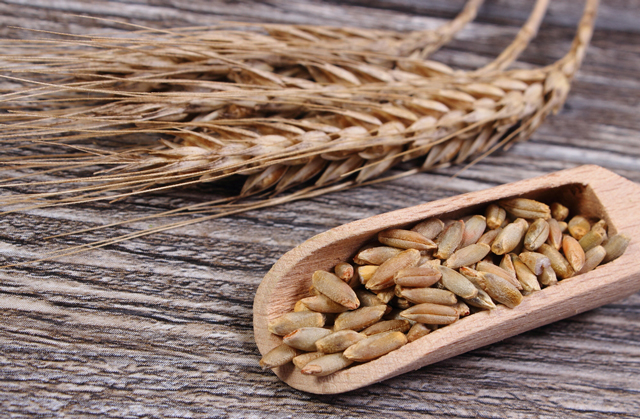
( Natural News ) Whole grains are great for gut health, and a recent study reveals how. The researchers from the University of Eastern Finland in Kuopio and the International Agency for Research on Cancer in France found that eating whole grain rye (WGR) has a positive impact on serotonin levels in the blood. The study builds up from previous research which showed that whole grains affected metabolites – molecules in the body that are involved in metabolic processes. Through human and mice studies, the researchers examined how two kinds of bread – WGR and wheat bread with fermented rye bran – affected gut metabolism. They also determined how the two breads influenced the levels of metabolites in blood. From their findings, it affirms that rye bread has a lot of health benefits, making it a great alternative for common wheat bread. Fast facts on rye Rye is a grain from a common weed. It evolved to look like wheat, so that its seeds could be sown again during planting season. Because it could tolerate cold climates, farmers started cultivating it, and it became a cereal crop. It is now a part of the wheat family, together with oats, barley, and buckwheat. Rye grains can be harvested and turned into flour. There are many kinds, namely: The light and medium rye flour, which are refined. The dark, rye meal, and pumperknickel varieties, which are more likely to be whole grain. WGR helps lower serotonin levels Whole grain rye produces a dense, dark bread and has a delicious earthy flavor. Researchers found that eating this kind of bread may influence the body’s serotonin levels. Discover how to prevent and reverse heart disease (and other cardio related events) with this free ebook : Written by popular Natural News writer Vicki Batt, […]
5 Schisandra Health Benefits + Side Effects & Cautions

Schisandra is an adaptogen that may support cognition and liver health, improve physical performance, and more. However, clinical research on this Chinese herb is scarce. In this post, we reveal the benefits of Schisandra and warn about potential side effects. What is Schisandra? Schisandra also referred to as Schizandra or Schisandra Chinensis comes from a vine native to China and parts of Russia. Its berry is used as a form of traditional Chinese medicine. Schisandra fruit is also known as the Five Flavor Berry because its taste captures the five major favors – sour, sweet, salty, bitter, and spicy [ 1 ]. This wholesome and exotic berry is categorized as an adaptogen , meaning it helps prevent physical and chemical stress on the body. When consumed, it accumulates in the heart, brain, kidneys, lungs, and liver tissues [ 2 ]. Schisandra is traditionally used as a performance enhancer and a treatment for various illnesses. The antioxidants in this fruit may be responsible for its health effects [ 1 ]. Proponents: Improves liver function Supports cognition May improve physical performance May protect the lung and heart Most benefits lack clinical evidence Not well studied in humans Not recommended for people who have acid reflux (GERD) or ulcers. Potentially dangerous for women who are pregnant or nursing Schisandra is traditionally used to treat liver diseases such as hepatitis and improve liver function. In 45 patients with impaired liver function, a combination of Schisandra extract and sesamin [ 3 ]: Schisandra antioxidants are mainly responsible for these effects. They help maintain liver function while preventing damage [ 4 ]. In Japanese herbal medicine, a mixture of herbal extracts TJ-108 is used to treat hepatitis C. Schisandra extract seems to be the key ingredient in this mixture [ 5 ]. In different animal […]
10 Reishi Mushroom (Ganoderma lucidum) Benefits, Dosage

This single mushroom may offer immune support, reduce stress and anxiety , be anti-inflammatory, anti-cancer, and much more. Read more about reishi mushroom to learn why it is traditionally called “The God of Fungi”. Ganoderma lucidum /“Lingzhi” (soul/spirit) mushroom, commonly known as “Reishi mushroom”, is a potent fungus that has been used for thousands of years in traditional Chinese medicine. Proponents claim it is especially good at modifying the immune system by increasing it when weakened, or lowering it when it is too active [ 1 ]. It has 400 different bioactive compounds reported to have a number of potential effects including modification of the immune system, anti-inflammatory, anti-tumor, antibacterial, antiviral, anti-diabetic, and anti-oxidative [ 1 ]. Proponents May boost the immune system May reduce inflammation and oxidative damage May help fight cancer and infections May protect the heart, liver, and kidneys Skeptics Insufficient evidence for all benefits Sometimes tested as part of multiherbal complexes Might over-activate the immune system The following purported benefits are only supported by limited, low-quality clinical studies and some animal and cell research. Although some results are promising, there is insufficient evidence to support the use of reishi mushroom for any of the below-listed uses. Remember to speak with a doctor before taking reishi supplements and never use them as a replacement for approved medical therapies. Most people have heard about reishi for balancing immunity. Studies have identified high amounts of compounds that may strengthen the immune cells and improve general immune system health [ 2 ]. Two clinical trials on 75 people with advanced-stage cancer showed that both reishi mushroom extract and complex carbohydrates isolated from this fungus increased the counts of several immune cells (CD3+, CD4+, CD8 +, and CD56+) and the blood levels of several cytokines ( IL-2 , IL-6 , […]
41 Amazing Health Benefits of Zinc
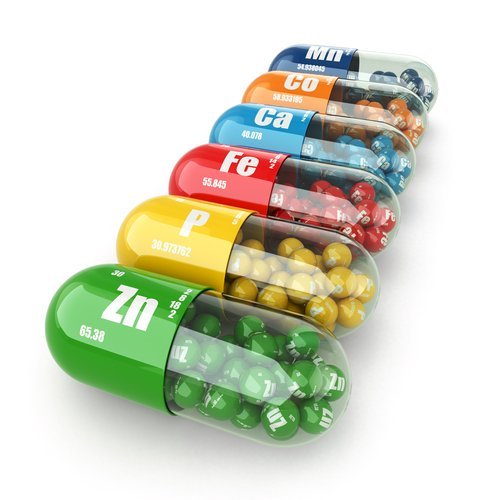
Zinc has so many health benefits that it’s almost impossible to cover them all in one post. This mineral has potent antioxidant and anti-inflammatory effects; it’s essential for immunity, reproduction, mental health, skin health, cognitive function, and so much more! Read on to learn the amazing benefits of zinc. Zinc is an essential mineral found in all organs, tissues, and fluids in the body [ 1 ]. As the second most abundant trace mineral in the body after iron , it plays a pivotal role in a variety of biological processes [ 2 , 3 ]. Zinc is required for the catalytic activity of more than 300 enzymes involved in the synthesis and metabolism of carbohydrates, fats, proteins, nucleic acids, and other nutrients [ 4 ]. Zinc also plays roles in stabilizing cell and organ structures, immune function, wound healing, cell division, growth, blood clotting, thyroid function, vision, taste, smell, and more [ 5 ]. Despite having such critical functions, it is not stored in the body and requires a regular dietary intake [ 6 ]. Good dietary sources of zinc include [ 7 ]: Red meat Seafood Dairy products Nuts Legumes Whole grains However, zinc is more easily absorbed from meat and animal proteins. Vegetables are not ideal sources because they contain phytate , a compound in plants that prevents zinc from being absorbed [ 8 ]. Because it plays such a critical role in the immune system, zinc deficiency contributes significantly to the global burden of disease, making it a major public health issue [ 9 , 10 ]. Groups at risk for zinc deficiency include [ 11 , 12 ]: People with digestive disorders Vegetarians Pregnant and lactating women Alcoholics People with sickle cell disease Health Benefits of Zinc The benefits of optimal dietary zinc intake […]
Here’s What Sugar Does to Your Brain

We love sweet treats. But too much sugar in our diets can lead to weight gain and obesity , Type 2 diabetes and dental decay . We know we shouldn’t be eating candy, ice cream, cookies, cakes and drinking sugary sodas, but sometimes they are so hard to resist. It’s as if our brain is hardwired to want these foods. As a neuroscientist my research centers on how modern day "obesogenic," or obesity-promoting, diets change the brain. I want to understand how what we eat alters our behavior and whether brain changes can be mitigated by other lifestyle factors. Your body runs on sugar — glucose to be precise. Glucose comes from the Greek word glukos which means sweet. Glucose fuels the cells that make up our body — including brain cells (neurons) . Dopamine "hits" from eating sugar On an evolutionary basis, our primitive ancestors were scavengers. Sugary foods are excellent sources of energy, so we have evolved to find sweet foods particularly pleasurable. Foods with unpleasant, bitter and sour tastes can be unripe, poisonous or rotting — causing sickness. So to maximize our survival as a species, we have an innate brain system that makes us like sweet foods since they’re a great source of energy to fuel our bodies. Read more: Forget toast and oatmeal, low-carb breakfasts reduce sugar spikes in those with Type 2 diabetes When we eat sweet foods the brain’s reward system — called the mesolimbic dopamine system — gets activated. Dopamine is a brain chemical released by neurons and can signal that an event was positive. When the reward system fires, it reinforces behaviors — making it more likely for us to carry out these actions again. Dopamine "hits" from eating sugar promote rapid learning to preferentially find more of these foods. […]
Boost your wellbeing by bringing conscious awareness to your breath

As a way to quickly and effectively take back control over your body and mind, the breath has long been used as a way to calm even the most fevered of emotions. Yet most people don’t breathe very well; they over-breathe, chest-breathe or hold the breath when they should be filling their lungs with rejuvenating oxygen. Given that breathing is an automatic function of the body, this chronic lack of skill is a curiosity of the modern era. The breath, it would seem, is often only focused on when compromised. In so many ways, breath and breathing are intrinsic to wellbeing. Becoming more attuned to the breath can improve memory, anxiety levels, digestion and chronic pain among other things. Learning about the breath and becoming more efficient at breathing can not only boost energy levels and improve thinking, it can also enhance the connection between the body and mind. The act of breathing Physiologically, the act of breathing is completely automated, controlled by the respiratory centre in the brain’s medulla oblongata. This sends signals to the muscles that control respiration , causing breathing to occur. Each breath you take allows oxygen to be absorbed into the body while each exhalation pushes carbon dioxide out. Your breath filters out microbes and debris, cycling fresh oxygen to organs and tissues while removing waste gases the body doesn’t need. The muscles that control the lungs include the diaphragm, which sits underneath the lungs, and the intercostal muscles between the ribs. When you breathe well, nourishing oxygen flows through the body; however, when you don’t breathe well, you can restrict oxygen through half-breaths or saturate yourself by over-breathing. While the average person breathes in and out more than 23,000 times a day, most of these breaths, especially when you’re awake, are short and […]
Does Sugar Really Improve Mental Performance?

Until recently, many people mistakenly believed tha t sugar improves mental performance. However, the latest studies call this claim into question. Now, scientists know that the body has very effective mechanisms to supply glucose to the brain, even without consuming sugar. The brain relies on a continuous supply of glucose from the bloodstream to maintain proper function. Therefore, it competes with the rest of the body’s organs for glucose when its levels drop. If this happens, the following mechanisms occur: First, glucose is extracted from the blood . Second, the amount of glucose that the rest of the body’s cells receive is limited. On the other hand, if blood sugar levels decrease due to a food consumption deficit, the body has other ways of obtaining this nutrient. The main mechanism for this is gluconeogenesis. It consists of the formation of glucose from proteins and fatty acids. Overall, it’s an effective mechanism that allows the body to maintain safe blood sugar levels under fasting conditions or when a person is not consuming enough carbohydrates. Sugar consumption and memory Some studies associate the administration of sugar with an improvement in short-term memory . This kind of consumption usually consists of drinking a sugary beverage and the results show that intense mental tasks respond well to glucose administration. Until recently, experts argued that the brain works optimally with 25 grams of glucose circulating in the bloodstream, which is about the amount a banana contains. However, the latest articles conclude that people with better glucose tolerance have better memory scores. This situation is essential in the case of people with diabetes, in which insulin resistance develops that does not allow glycemia to be well tolerated. Therefore, the body has very effective mechanisms capable of obtaining glucose from proteins and fatty acids to maintain […]
Novel finding suggests magnets can improve working memory

( Natural News ) There may be a new alternative option for treating Alzheimer’s disease or dementia without resorting to toxic pharmaceutical drugs. A new approach uses magnets to stimulate the brain’s working memory . Researchers at Duke University have recently debuted an experimental therapy called repetitive transcranial magnetic stimulation (rTMS) which applies a high-frequency magnetic pulse to the left prefrontal cortex of the brain. They tested it on both young and older adult participants who were in good health, and found that participants who received rTMS did better at a memory test than those who got a placebo simulating the treatment. While they ran the tests on healthy individuals, the Duke researchers believe that magnetic stimulation would also work on patients with dementia or Alzheimer’s. “This study relies on highly individualized parameters, from the selection of the stimulated target, based on fMRI activation, to the selection of the difficulty, titrated according to subjects’ performance,” explained Duke researcher Lysianne Beynel. “Now that we have shown that these specific parameters can improve performance in healthy subjects, we will be able to extend it to populations with memory deficits.” Beynel and her colleagues released the full details of their study in the scientific journal PLoS One . (Related: Magnetic stimulation of the brain can help prevent age-related memory decline, suggest researchers .) Testing the potential of rTMS to improve working memory Working memory is the ability to remember and use pertinent information during a task. It stores data in a flexible but limited buffer region. Discover how to prevent and reverse heart disease (and other cardio related events) with this free ebook : Written by popular Natural News writer Vicki Batt, this book includes everything you need to know about preventing heart disease, reversing hypertension, and nurturing your cardiac health without […]
Your brain on sugar: What the science actually says

Your brain on sugar- What the science actually says We love sweet treats. But too much sugar in our diets can lead to weight gain and obesity, Type 2 diabetes and dental decay. We know we shouldn’t be eating candy, ice cream, cookies, cakes and drinking sugary sodas, but sometimes they are so hard to resist. It’s as if our brain is hardwired to want these foods. As a neuroscientist my research centers on how modern day “obesogenic,” or obesity-promoting, diets change the brain. I want to understand how what we eat alters our behavior and whether brain changes can be mitigated by other lifestyle factors. Your body runs on sugar—glucose to be precise. Glucose comes from the Greek word glukos which means sweet. Glucose fuels the cells that make up our body—including brain cells (neurons). Dopamine “hits” from eating sugar On an evolutionary basis, our primitive ancestors were scavengers. Sugary foods are excellent sources of energy, so we have evolved to find sweet foods particularly pleasurable. Foods with unpleasant, bitter and sour tastes can be unripe, poisonous or rotting—causing sickness. So to maximize our survival as a species, we have an innate brain system that makes us like sweet foods since they’re a great source of energy to fuel our bodies. When we eat sweet foods the brain’s reward system—called the mesolimbic dopamine system—gets activated. Dopamine is a brain chemical released by neurons and can signal that an event was positive. When the reward system fires, it reinforces behaviors—making it more likely for us to carry out these actions again. Dopamine “hits” from eating sugar promote rapid learning to preferentially find more of these foods. Our environment today is abundant with sweet, energy rich foods. We no longer have to forage for these special sugary foods—they are available […]
Here’s What Sugar Does to Your Brain

We love sweet treats. But too much sugar in our diets can lead to weight gain and obesity, Type 2 diabetes and dental decay. We know we shouldn’t be eating candy, ice cream, cookies, cakes and drinking sugary sodas, but sometimes they are so hard to resist. It’s as if our brain is hardwired to want these foods. As a neuroscientist my research centers on how modern day "obesogenic," or obesity-promoting, diets change the brain. I want to understand how what we eat alters our behavior and whether brain changes can be mitigated by other lifestyle factors. Your body runs on sugar — glucose to be precise. Glucose comes from the Greek word glukos which means sweet. Glucose fuels the cells that make up our body — including brain cells (neurons). Dopamine "hits" from eating sugar On an evolutionary basis, our primitive ancestors were scavengers. Sugary foods are excellent sources of energy, so we have evolved to find sweet foods particularly pleasurable. Foods with unpleasant, bitter and sour tastes can be unripe, poisonous or rotting — causing sickness. So to maximize our survival as a species, we have an innate brain system that makes us like sweet foods since they’re a great source of energy to fuel our bodies. When we eat sweet foods the brain’s reward system — called the mesolimbic dopamine system — gets activated. Dopamine is a brain chemical released by neurons and can signal that an event was positive. When the reward system fires, it reinforces behaviors — making it more likely for us to carry out these actions again. Dopamine "hits" from eating sugar promote rapid learning to preferentially find more of these foods. Our environment today is abundant with sweet, energy rich foods. We no longer have to forage for these special sugary […]
Scientists Reveal a Link Between Brain Fog and Inflammation

When people get sick, they often also feel tired, which can be as troublesome as their disease. A team of researchers has learned more about this connection. Reporting in the journal NeuroImage , they have shown that inflammation, which is a natural biological response to illness, can have a detrimental impact on the brain’s state of alertness and the ability to maintain it. "Scientists have long suspected a link between inflammation and cognition, but it is very difficult to be clear about the cause and effect," said the co-senior author of the study Dr. Ali Mazaheri, of the University of Birmingham’s Centre for Human Brain Health. "For example, people living with a medical condition or being very overweight might complain of cognitive impairment, but it’s hard to tell if that’s due to the inflammation associated with these conditions or if there are other reasons. Our research has identified a specific critical process within the brain that is clearly affected when inflammation is present." In this study, the scientists zeroed in on a part of the brain that functions in visual attention. Twenty young men volunteered to get a vaccine for salmonella typhoid, which results in temporary inflammation but doesn’t have many other side effects. On a different day, the volunteers were also given a water injection as a control. The cognitive responses of the study participants were assessed by showing them images on a computer a few hours after they got the vaccine or the placebo, and brain activity was measured as they took the attention test. Blood was also taken to measure their inflammation levels. Separate attention processes that involve different regions of the brain were assessed in this study. Alerting involves obtaining and maintaining an alert state, orienting is related to choosing and prioritizing sensory information, and […]
3 ways to boost productivity by creating a better work area

For many people, a cluttered desk is normal. It’s easy to get caught up in work and forget to clear away papers, pens, or other items used during your everyday work. However, this can be detrimental to working proficiently as clutter has been shown to have a profound effect on our mood and self-esteem. Having a tidy workspace is important, and if you’ve been feeling more stressed or anxious at work recently, your messy desk may be contributing to that. Here are some ways you can manage a messy workspace and enhance your work well-being. 1. Remove and reorganise The first thing you need to do is to take a look at your work area. According to research published by the University of Chicago Press, a messy workspace can be a self-defeating environment. This means that the less organised your surroundings, the more likely you are to produce subpar work by taking an easier route or giving up on a task altogether. The more clutter around you, the harder your brain has to work to focus on one task. Eliminating this as much as possible is a key step towards success in your workflow. If you have a lot of papers haphazardly strewn around your area, consolidate them into an orderly desktop storage organiser. Organising your important documents into a space in or on your desk where you can easily access them is critical, and will help save time when you need to pull them out. Put all pens, post-it notes, and small items away and out of sight. Once you remove all unnecessary elements from your work table, you’ll be able to get into a productive work stream. 2. Create a schedule During a work day, there are usually several duties that need to be checked on, completed, […]
David Attenborough health: Presenter’s worsening condition making him ‘run into problems’

Sir David Attenborough, 93, is a broadcaster and natural historian. He has entertained millions with his iconic voice and documentaries offering a peak into our mysterious planet and its inhabitants. David is an advocate for saving the planet and championing its protection and in between discussing how to save the planet, David mentioned a health struggle he has experienced. Dementia care: Dementia care: The activity shown to lower your risk Dementia care: Vital skill that could determine risk of condition Dementia symptoms: Five early signs of the disease Two years ago, while preparing for Blue Planet II, he also admitted he was taking longer to write the script because of the struggles with recalling the proper names. As people grow older, they experience physiological changes that can cause glitches in brain functions they’ve previously taken for granted. Memories and names take longer to learn and becomes difficult to recall information. DON’T MISS Dementia warning: Eating too much of this may increase your risk Dementia test: ‘Velcro’ style test could spot Alzheimer’s symptoms Age-related memory loss The brain is capable of producing new brain cells at any age, so significant memory loss is not an inevitable result of ageing. But just as it is with muscle strength, a person has to use it or lose it. Lifestyle, habits, and daily activities have a huge impact on the health of one’s brain. Whatever the age, there are many ways a person can improve their cognitive skills, prevent memory loss, and protect your grey matter. Dementia: Doing this activity may slow symptoms Type 2 diabetes: Experts agree this diet will keep blood sugar levels low – what is it? Jenny Ryan health: ‘I felt like I had a fish bowl on my head’ Chaser on health struggle How to live longer: Best […]
3 Health Benefits of Guggul + Side Effects
Guggul has long been used as a traditional medicine for a variety of health conditions. There is evidence that the active components inside this plant have antioxidant and anti-inflammatory activity. Learn about the potential health benefits of guggul as well as the side effects. Guggul is the most common name for a small medicinal tree Commiphora Mukul (Wightii), which is mostly found in the Indian subcontinent. In Ayurveda, guggul dry gum resin is obtained from the stem of the Guggul tree. It has been used for thousands of years in the Ayurvedic medicine system [ 1 ]. Guggul is one of the oldest Ayurvedic herbs taken orally for a variety of diseases. The term “guggul” in Sanskrit means “protects against diseases”. Guggul supplements are sometimes referred to as guggulipid or guggul lipid [ 2 ]. Despite its long history and purported health benefits, the available clinical research on guggul is limited. Guggul contains a mixture of sterols, steroids, esters, and alcohols with multiple purported benefits: Steroids and sterols : The main active component of guggul is thought to be guggulsterone (E and Z). Other steroids found in guggul include guggulsterone M, dihydroguggulsterone, and guggulsterol Y. These steroidal components may have anti-inflammatory properties [ 3 ] Triterpenoids : Myrrhanone (A, B) and Myrrhanol (A, B, C) may have anti-inflammatory activity [ 2, 4 ]. The following purported benefits of guggul are only supported by limited, low-quality clinical studies. There is insufficient evidence to support the use of guggul for any of the uses listed below. Remember to speak with a doctor before taking guggul. It should never be used as a replacement for approved medical therapies. Lowering Cholesterol A number of older clinical trials performed in India show that guggul may help with high cholesterol. In these studies, supplementation with […]
How Do Memory Vitamins Work? (And the Best Brain Supplements)

There are a whole bunch of alleged memory vitamins and supplements to help you concentrate and boost your brain function. Unfortunately, there’s also a lot of misinformation, dodgy studies, and things we just don’t know when it comes to which vitamins actually help with memory and concentration. This article will dig into the current research to pick four of the best vitamins and supplements to boost your memory and overall brain function. Vitamin vs Supplement First, let’s talk about the difference between a vitamin and a supplement. Vitamins are simply organic compounds that are necessary in small quantities to sustain life. [1] We’re talking the vitamin A, B, Cs here. Vitamins are in the unprocessed, healthy foods you eat every day and are also available as daily supplements in pill form. Or as chewy, edible cartoon characters. Supplements are just extra pills, liquids, or cartoon characters that you consume in addition to the actual food you eat. Supplements can include but are not limited to vitamins, minerals, amino acids, herbs, hormone building blocks, and other compounds that are synthesized or extracted from natural sources. What Research Says About Vitamins and Supplements Now, we need to talk about the current state of the research on memory vitamins and brain supplements. The only real consensus seems to be that much more research needs to be done to truly answer which vitamins and supplements are best for your memory. Supplements are big business. In 2015, Americans spent 643 million dollars on supplements, and a quarter of Americans over 50 take them regularly. [2] That’s a lot of money spent on an extremely unregulated and under-researched industry. Here’s what we do know: The brain needs vitamins and minerals to function properly. We also have some studies on rats and in small samples of […]

The Power Within by Corey Daniels book available for only $2.99
Mind has both conscious and subconscious halves. These are likened to a driver and the truck he drives. The driver plans the destination and observes road conditions, while the truck provides motive power. Your subconscious mind is like the truck and it only goes in the direction in which is a steered. This can be the road or off a cliff. Likewise, the consciousness paints a picture of what the world is and what your goals are and the subconscious acts on them through emotion, physical response and energy, whether these are correct, rational images or false negative ones. The subconscious is also like an emotional reservoir which your body and mind draw responses from to external stimuli.
The Power Within lays out a method of programming your subconscious and tapping into the Holy Spirit, God voice or what the Greeks called the daimon (godman).