Nature Knows and Psionic Success
God provides
Sliced or diced, they’re good for you: 10 Health benefits of beets

( Natural News ) Red beets may be an acquired taste, but there’s no denying that these nutritious root vegetables offer many health benefits. Whether you add them to smoothies or savory dishes, beets offer various benefits, such as improving your digestion and boosting heart health . Beets ( Beta vulgaris ) are root vegetables that look like turnips. They have rough outer skins that cover their roots, plus long green stems and leaves. Cutting beets produces a red juice that could stain your hand. This pigment is used as a natural alternative to commercial food colorings and is often used in food products like candy, jams, and plant-based burgers. Phytonutrients called betalains are responsible for beets’ bright red hue. Betanin and vulgaxanthin, two of the most popular betalains, possess incredible anti-inflammatory, antioxidant, and anti-cancer properties. The nutritional profile of beets Beetroots contain the following vitamins and minerals : Copper – Copper can boost the immune system. It’s also essential for the creation of red blood cells and the production of energy. Folate – Folate helps prevent neural tube defects in infants and is crucial for DNA synthesis. Folate also helps lower your risk of developing cancer, depression, and heart disease. Manganese – Manganese is essential for various bodily processes like metabolism and wound healing. It also promotes bone health. Potassium – Following a diet rich in potassium helps reduce blood pressure levels and improves heart health. Vitamin C – Vitamin C is an antioxidant that boosts immunity and promotes skin health. Discover how to prevent and reverse heart disease (and other cardio related events) with this free ebook : Written by popular Natural News writer Vicki Batt, this book includes everything you need to know about preventing heart disease, reversing hypertension, and nurturing your cardiac health without medication. […]
How Competition Affects Your Brain
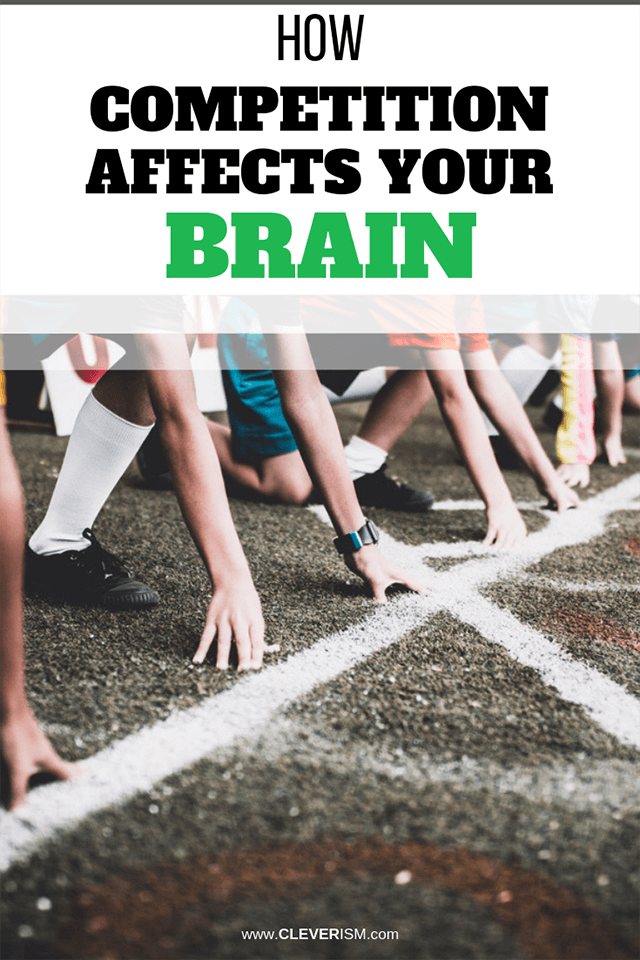
We all might have at different stages in our lives encountered people who can be described as ‘born competitors’. It could be that colleague hell-bent on beating everyone else on the quarterly sales targets, that classmate who will stop at nothing to top the class in a favorite subject, or even a sibling that wants to outdo the rest in all sorts of family engagements. While this might give the impression that there are some people who are naturally competitive and others who are not, this is not the case. As research by Texas-based clinical psychologist Craig Dike reveals, competition has been at the core of the survival of the human species, driving both our biological and psychological evolution. In fact, an examination of hominid skulls from the past two million years by researchers at the University of Missouri concluded that social competition was the biggest cause of increased cranial capacity of humans, partly explaining why the size of the human brain has tripled over that period as compared to other mammals. While climate change and ecological demands also contributed to the increasing brain capacity in humans, the research findings suggest that areas with higher population density were associated with bigger skulls (hence greater brain capacity). A possible explanation offered for this positive association was that higher population density resulted in greater intensity of social competition for necessities and status, and having a bigger brain helped early humans survive in such situations. This shows that competition has a physical impact on the brain. Now, an even more relatable incidence of human competition is in sporting activities of all levels. There is the thrill of the sport itself and the glory of winning that spurs participants into a struggle to outdo each other. Think of a time you participated in […]
Are Nootropics Opioids?

Long ago, science has proven that humans do not use the full capacity of their brains. According to research (as read on this link ), we use only the part of our cognitive abilities. As nature ‘arranged’ it to be enough for us, people wanted to see what would happen if that level of utilization increased. Logically, our performance would improve. We could use the brain better, which would further affect our work performance, our ability to learn and acquire new knowledge, our ability to remember, and so on. Simply put, we would be more efficient and rational. With the development of nootropics, or in the street language, smart drugs, humanity has taken a step forward towards this goal. Supplements that aim to increase our brain performance may be a product we’ve been waiting for, but there is still much controversy about them. Due to their specific mode of action, many people think of nootropics as one more type of opioids and therefore doubt their use. Nootropics’ mechanism of action is still not entirely clear, but it’s proven that these drugs don’t act as psychostimulants. These supplements work through vital neurotransmitters in the brain, such as norepinephrine and glutamate. The active ingredients from these drugs don’t affect the level of dopamine. In other words, don’t make you high. Some addictive properties are present but to a much lesser extent. Most nootropics affect dopamine enough to keep our body in a state of alertness. It means we don’t feel tired but slightly ecstatic, which means nootropic have positive effects on our functioning. The brain manages everything we do. When it’s ‘in full speed,’ our working performance is at a higher level. The use of nootropics prevents interference from external factors. Nothing can distract us, which makes us more efficient and […]
It turns out, dinosaurs also had great hearing – which made them even better hunters than previously thought

( Natural News ) Birds possess sharp hearing, all the better to catch their prey. A new study on alligators suggests that the crocodilians share the same ability. And both groups of animals might have shared the same keen sense of hearing with dinosaurs. Birds are often described as feathery dinosaurs. Crocodilians are also considered to be the closest living relations to the extinct “terrible lizards.” All three groups of animals share a common ancestor called archosaurs. Researchers from the University of Maryland (UMD) revealed that alligators use the same auditory-based method as birds. Based on the discovery, their shared archosaur ancestors might have tracked prey and predators alike with their sense of hearing as much as they did with their eyes. To give a better idea of how sharp the hearing of a bird is, a barn owl can detect a mouse scurrying under a layer of snow. Next, the bird-of-prey uses a technique called interaural time difference. It develops a neural map based on where the mouse-related sounds are coming from. Using that map, the owl delivers death from above on the mouse. Alligators and birds use the same techniques to localize the source of sounds UMD researchers chose American alligators ( Alligator mississippiensis ) for their study. They found that the alligators also use the same interaural time difference technique as birds . The interaural time difference (ITD) is the disparity in the time it takes for a sound to reach each ear. Animals calculate these diminutive differences to figure out the direction from which a sound originated. Support our mission and protect your health: Organic Seeds of Life combines Red Raspberry Seed Power, Black Cumin Seed Power and Red Grape Seed Powder into the most potent nutrient-rich supplemental superfood powder you’ve ever experienced. Loaded with […]
Nootropics: Not Just A Fancy Way Of Saying Brain Vitamins
Nootropics: Not Just A Fancy Way Of Saying Brain Vitamins Nootropics are natural or synthetic substances that boost brain function. If you want to enhance your memory and cognitive performance, consider taking a natural nootropic like curcumin or caffeine. Nootropics, which are also called brain vitamins or smart drugs, boost memory and cognitive performance in otherwise healthy individuals. Additionally, nootropics offer neuroprotective benefits. The negative side effects of synthetic nootropics Nootropics can be natural, synthetic, or prescription. While many synthetic and prescription options offer a quicker reaction time, they also have more intense side effects. For example, amphetamines like Adderall can make you feel more attentive, awake, and optimistic. The drug can also reduce appetite. Unfortunately, Adderall is often abused on college campuses. The side effects of Adderall abuse include anxiety, low sex drive, and sweating. Recreational Adderall abuse is also linked to severe side effects like heart attack, especially when mixed with alcohol. To avoid the negative side effects of synthetic nootropics, treat underlying conditions and use natural options to address conditions such as brain fog or fatigue. 6 Natural nootropics that enhance cognitive function Natural smart drugs include adaptogens, herbs, and beneficial compounds often found in healthy foods. Listed below are six readily available natural options that you can try if you need to boost your brain function. Caffeine Caffeine is one of the most popular nootropics. Beverages like coffee and green tea or foods like chocolate contain caffeine. It is also available as a supplement. Caffeine makes you feel more alert and perks up your brain by blocking its adenosine receptors. Adenosine is a neuromodulator that binds with specific receptors, slowing down neural activity and inducing sleepiness. Creatine Creatine is an amino acid that your body uses to produce protein and promote muscle growth. It is […]
Local restaurants offer meeting rooms to feed workday creativity

Coffee House 29’s private conference room seats 14 comfortably and offers a mountain lodge look. (Emily Kemme) Serving food at a business meeting is a sure-fire method to increase the likelihood employees will be there to share ideas and brainstorm, particularly when attendance isn’t mandatory. And if it is, healthy, energy-conscious food choices will brighten everyone’s day while keeping people awake, productive and not concerned yet another workday meeting is having a negative effect on their waistline. Feeding your employees is also a good way to send a non-verbal message, as their employer, you believe their well-being is of utmost importance. The old adage food is the path to the soul is equally strong in workplace relationships. An employee who feels respected will give back in loyalty and higher production. According to Harvard Business Review , “Food has a direct impact on our cognitive performance, which is why a poor decision at lunch can derail an entire afternoon.” Healthy, smart choices are key. The goal is to provide foods that don’t make a lot of noise when consumed (the distraction of crunchy chips should be avoided), along with low-sugar options that provide sustained energy. Nutrients contained in fruits and vegetables have a direct correlation to increasing active thought and encouraging engagement. They are also high in antioxidants and are anti-inflammatory, which enhances memory while keeping blood sugars level. Your business might have a location for in-house meetings sized to accommodate the entire staff. In that case, having catered food is a viable option. But having facilities large enough to include a meeting room is not essential. Holding your business meeting in a restaurant’s conference space is a worthwhile alternative. A restaurant can provide multiple personalized options if you permit meeting attendees to order from the menu. Alternatively, most restaurants […]
Nootropics: Not just a fancy way of saying brain vitamins
( Natural News ) Nootropics are natural or synthetic substances that boost brain function . If you want to enhance your memory and cognitive performance, consider taking a natural nootropic like curcumin or caffeine. Nootropics, which are also called brain vitamins or smart drugs, boost memory and cognitive performance in otherwise healthy individuals. Additionally, nootropics offer neuroprotective benefits. The negative side effects of synthetic nootropics Nootropics can be natural, synthetic, or prescription. While many synthetic and prescription options offer a quicker reaction time, they also have more intense side effects. For example, amphetamines like Adderall can make you feel more attentive, awake, and optimistic. The drug can also reduce appetite. Unfortunately, Adderall is often abused on college campuses. The side effects of Adderall abuse include anxiety , low sex drive, and sweating. Recreational Adderall abuse is also linked to severe side effects like heart attack, especially when mixed with alcohol. To avoid the negative side effects of synthetic nootropics, treat underlying conditions and use natural options to address conditions such as brain fog or fatigue. 6 Natural nootropics that enhance cognitive function Natural smart drugs include adaptogens, herbs, and beneficial compounds often found in healthy foods. Listed below are six readily available natural options that you can try if you need to boost your brain function . Caffeine Caffeine is one of the most popular nootropics. Beverages like coffee and green tea or foods like chocolate contain caffeine. It is also available as a supplement. Discover how to prevent and reverse heart disease (and other cardio related events) with this free ebook : Written by popular Natural News writer Vicki Batt, this book includes everything you need to know about preventing heart disease, reversing hypertension, and nurturing your cardiac health without medication. Learn More. Caffeine makes you feel more […]
The Surprising Benefits of Gardening in Retirement

Growing your own food can cut expenses, provide exercise and perhaps even improve mental health. Each autumn, the fruits of the harvest fill the shelves of local groceries and farmers markets, a colorful reminder of the many nutritional benefits of fresh produce. But growing produce offers equally sustaining, though perhaps less visible, benefits. Beyond reduced grocery expenses, gardening offers many positive effects financially. A garden may be a good way to improve property value, for example, says David Ellis, director of communications for the American Horticultural Society and editor of its magazine, The American Gardener. But most people garden because they enjoy it, he says. "They grow vegetables and improve their own nutrition," says Ellis, "and they grow flowers, which they give away and spread joy." A form of light exercise, gardening can be a great way to stay active. The exercise involved varies, depending on the task, and seniors should be careful not to overexert themselves, Ellis says. Spending time outdoors has been linked with improved mental health. Recent studies have shown that the quantity of nearby green space buffers life stresses across ages. Gardening may lower cortisol levels in your brain, and in turn reduce stress levels, according to a study in the Journal of Health Psychology. Gardening may also lower the risk of dementia by as much as 36%, according to a study conducted in 2010 in Australia. For this reason, horticultural therapy is a growing area proving helpful for seniors with dementia, says Ellis. With this form of active therapy, people are led through gardening tasks and see the results, often making use of fragrant herbs that stimulate memory, he says. "It has become a great tool," says Ellis. Longtime gardeners agree that gardening makes great mental exercise. "So much of it is observation and […]
Physicists Create a Device That Can ‘Forget’ Memories, Just Like a Human Brain
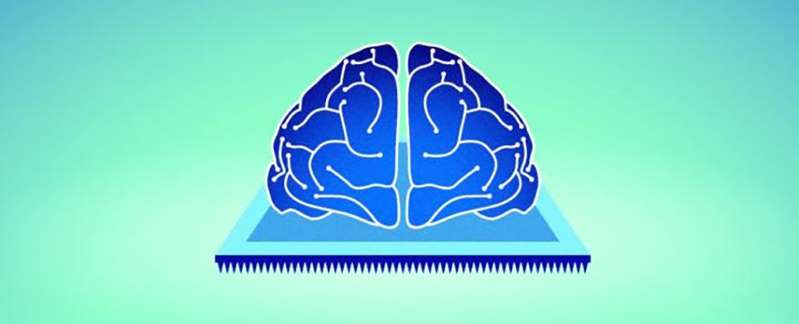
The brain is the ultimate computing machine, so it’s no wonder researchers are keen to try and emulate it. Now, new research has taken an intriguing step in that direction – a device that’s able to ‘forget’ memories, just like our brains do. It’s called a second-order memristor (a mix of "memory" and "resistor"). The clever design mimics a human brain synapse in the way it remembers information, then gradually loses that information if it’s not accessed for an extended period of time. While the memristor doesn’t have much practical use just now, it could eventually help scientists develop a new kind of neurocomputer – the foundation of artificial intelligence systems – that fulfils some of the same functions a brain does. In a so-called analogue neurocomputer, on-chip electronic components (like the memristor) could take on the role of individual neurons and synapses. That could both reduce the computer’s energy requirements and speed up computations at the same time. Right now analogue neurocomputers are hypothetical, because we need to work out how electronics can mimic synaptic plasticity – the way that active brain synapses strengthen over time and inactive ones get weaker. It’s why we can hang on to some memories while others fade away, scientists think. Previous attempts to produce memristors used nanosized conductive bridges which would then decay over time, in the same way that memories might decay in our minds. "The problem with this [first-order memristor] solution is that the device tends to change its behaviour over time and breaks down after prolonged operation," says physicist Anastasia Chouprik, from the Moscow Institute of Physics and Technology (MIPT) in Russia. "The mechanism we used to implement synaptic plasticity is more robust. In fact, after switching the state of the system 100 billion times, it was still operating […]
Is laughter the key to health you’ve been missing so far?

Turns out, you don’t even need to be laughing for real. Fake laughter can help reduce stress and improve immunity just as well Whether you’re chuckling at a funny meme, in splits over an inside joke or just hit with a fit of giggles—laughing, in all its forms, is a massive boost to general health. Considered the best medicine, laughter is said to improve immunity, reduce stress and heal the body. “Laughter is a non behaviour that we inherited from the great apes. It has been conserved across species and within our own human history for a very important reason,” says Sujata Kelkar Shetty, biological scientist and author of 99 Not Out. “Laughing lifts our spirits, connects us with people and heals us in the process,” she explains. The facial muscles you use when you laugh, cry or frown are hardwired to the brain’s emotion centres. When you laugh, the happy centres of the brain light up, triggering the release of endorphins that reduce the severity of pain. “Endorphins kick in when we laugh, and we can feel the lift in mood almost immediately. We don’t really need convincing; we intuitively know the healing effects of laughter. The endorphins are the body’s natural pain killers,” says Shetty. In fact, according to many studies, those who laughed at a funny video or a joke had significantly higher pain threshold than those who didn’t. “Research shows us that laughter boosts our immune system’s ability to fight infection, improves memory in older adults and works as well as exercise in the treatment of depression,” she says. Dopamine production promotes the action of the NK cells (Natural Killer cells), which are the body’s main defence to disease. Positive thoughts actually release neuropeptides that can improve overall immunity. While endorphins are upping your pain […]
Cognitive Ingredients Market Inclined to Project Higher Revenue Share During the Stated Forecast Period 2018 2028

Ad closed by Report this ad Why this ad? Seen this ad multiple times Ad covered content Ad was inappropriate Not interested in this ad We’ll try not to show that ad again Ad closed by The cognitive ingredients market can be segmented into ingredient types, nature, application and packaging type. This press release was orginally distributed by SBWire Rockville, MD — ( SBWIRE ) — 09/06/2019 — Cognitive ingredients are primarily used for developing memory, attention and improving health of the brain. Use of these cognitive ingredients in various supplements has been proven effective for depression, anti-aging, anxiety and sleep. Use of cognitive ingredients in various memory enhancer supplements is expected to create a lucrative opportunity for cognitive ingredients market in the forecast period. The growing desire to enhance memory by consuming memory enhancer supplement is further fueling the Cognitive ingredients Market . Increasing awareness among parents and students about the importance of brain health supplements is projected to boost the overall market growth in the forecast period. Request TOC of this Report- https://www.factmr.com/connectus/sample?flag=T&rep_id=3904 Further, a study in Canada revealed that an increased intake of cognitive-ingredients-based supplements during pregnancy could improve motor function of the offspring. Further, rising interest in vegan and vegetarian alternatives is also expected to boost the market slightly. However, even with the healthy growth of the market, manufacturers face issue regarding the age of the consumers when it comes to the use of conventional cognitive ingredients. There are age restrictions for using specific cognitive ingredients. Researchers and manufacturers have an opportunity to develop a universal cognitive ingredient, which will boost the market in the forecast period. Global cognitive ingredients market is likely to register an average higher-digit CAGR over forecast period The global market of cognitive ingredients is likely to increase in the forecast […]
Why Monster Stories Captivate Us

I was 13 years old when the movie Alien was released. It scared me into a month-long spell of anxiety. The hair on the back of my neck was perpetually up and I had the jittery demeanor of a combat veteran. While the full-grown xenomorph alien was chilling, the larval stage face-hugger was terrifying. Not only did it penetrate the human host’s throat, planting the chest-burster in the gut, but it was intrinsically grotesque, an odious, zoological mash-up of scurrying spider and slithering snake. It’s easy to interpret our fears of alien predators as nothing more than superficial horror ginned up by the Hollywood fright machine. But they also reveal important truths about human cognition and cultural evolution. We are wired for emotional jolts and these feelings have adaptive benefits. My paralyzing dread of the face-hugger in Alien may be a vestige of ancestral primate experiences with snakes and spiders. But the hybrid nature of the Alien monster takes us deeper into ourselves and history. MONSTER MASH: The face-hugger in Alien taps into fears and terrors symbolized in folklore and religions throughout human history. Every culture, it seems, has monstrous mash-ups in their folklore and religion. Composite creatures appear in our earliest literature and turn up in Upper Paleolithic cave paintings. The sphinx in Giza, half-human and half-lion, is at least 4,500 years old. In the Epic of Gilgamesh (2100 B.C.), heroes Gilgamesh and Enkidu battle a hybrid monster named Humbaba, described as having a lion’s head and hands, but a scaly body. Vishnu, in India, manifests as a fierce lion-man monster, Narasimha, in several Hindu texts. Ganesha, son of Shiva, is humanoid with an elephant head. The many Greek hybrid creatures—centaurs, satyrs, mermaids, Pegasus, Hydra, griffins, chimeras—are constantly resurrected in Hollywood. Literature over the last two millennia, from […]
Why Monster Stories Captivate Us

I was 13 years old when the movie Alien was released. It scared me into a month-long spell of anxiety. The hair on the back of my neck was perpetually up and I had the jittery demeanor of a combat veteran. While the full-grown xenomorph alien was chilling, the larval stage face-hugger was terrifying. Not only did it penetrate the human host’s throat, planting the chest-burster in the gut, but it was intrinsically grotesque, an odious, zoological mash-up of scurrying spider and slithering snake. It’s easy to interpret our fears of alien predators as nothing more than superficial horror ginned up by the Hollywood fright machine. But they also reveal important truths about human cognition and cultural evolution. We are wired for emotional jolts and these feelings have adaptive benefits. My paralyzing dread of the face-hugger in Alien may be a vestige of ancestral primate experiences with snakes and spiders. But the hybrid nature of the Alien monster takes us deeper into ourselves and history. MONSTER MASH: The face-hugger in Alien taps into fears and terrors symbolized in folklore and religions throughout human history. Every culture, it seems, has monstrous mash-ups in their folklore and religion. Composite creatures appear in our earliest literature and turn up in Upper Paleolithic cave paintings. The sphinx in Giza, half-human and half-lion, is at least 4,500 years old. In the Epic of Gilgamesh (2100 B.C.), heroes Gilgamesh and Enkidu battle a hybrid monster named Humbaba, described as having a lion’s head and hands, but a scaly body. Vishnu, in India, manifests as a fierce lion-man monster, Narasimha, in several Hindu texts. Ganesha, son of Shiva, is humanoid with an elephant head. The many Greek hybrid creatures—centaurs, satyrs, mermaids, Pegasus, Hydra, griffins, chimeras—are constantly resurrected in Hollywood. Literature over the last two millennia, from […]
6 Mental illnesses that could benefit from inositol

( Natural News ) Inositol is often mistaken as a B-vitamin, but it is actually a type of sugar. While the body produces inositol from carbohydrate-rich foods, it can also be obtained from natural sources like beans, fruits, nuts, and grains. Many people believe that an inositol-rich diet can manage a wide range of mental health problems . Inositol may improve mental health Inositol is an essential micronutrient for proper brain function. It regulates hormones associated with mood and cognition, such as dopamine and serotonin. Research suggests that increasing one’s intake of inositol can help treat mental illnesses like panic attacks, bipolar and obsessive-compulsive disorders, depression, and bulimia, as well as manage hormonal imbalances. Inositol reduces panic attacks People with panic disorders may benefit from inositol supplementation. This nutrient affects molecules that relay information across the brain called neurotransmitters. Serotonin is one such neurotransmitter and plays a key role in the regulation of mood and behavior. Studies suggest that supplementing with inositol can decrease the symptoms of mental conditions involving serotonin regulation, such as panic attacks. Inositol reduces mania in bipolar disorder While research linking inositol and bipolar disorder is limited, some studies show that inositol decreases symptoms of mania in children with bipolar spectrum disorders. Moreover, research shows that daily supplementation of 3-6 g of inositol reduces the symptoms of psoriasis , a common side effect of drug medication used for treating bipolar disorder. Discover how to prevent and reverse heart disease (and other cardio related events) with this free ebook : Written by popular Natural News writer Vicki Batt, this book includes everything you need to know about preventing heart disease, reversing hypertension, and nurturing your cardiac health without medication. Learn More. Inositol decreases symptoms of OCD Obsessive-compulsive disorder (OCD) is a chronic mental illness characterized by […]
The best nootropics

Nootropics often work by altering neurotransmitter, enzyme, or hormone levels in the brain. Others increase cerebral blood flow, like through the use of caffeine. Nootropic supplements are over-the-counter "smart drugs" designed for cognitive enhancement. Generally, nootropics are natural or chemical substances that can improve memory, concentration, mood, and focus. Some nootropic products even claim to protect the brain against degeneration and decline. In this shopping guide we’ll focus on natural nonaddictive nootropics that offer more subtle and slow-acting results than synthetic nootropics, and they’re generally safe to take in their recommended dosages. We’ve also included our top picks at the end of this article, like Genius Brand’s mushroom nootropic , which boosts both brain and immune functions. Considerations when choosing nootropics Types Natural nootropics are available as OTC supplements and are often "stacked" with several ingredients, meaning the ingredients are combined to enhance their effects. Here’s a list of common nootropics that you may find as either standalones or in a blend: Caffeine is commonly added to nootropic formulas to increase alertness, attention, and improve mood. It is widely consumed to reduce fatigue. However, be aware that caffeine can be addictive. Medicinal mushrooms like lion’s mane, cordyceps, chaga, and reishi are highly popular in the wellness world. There is study-backed evidence that these mushrooms support cognitive function. Medicinal mushrooms have many other benefits, like boosting the immune system and fighting mental decline. Omega-3s are a common supplement that are considered nootropics because of their DHA and EPA content, both of which are fatty acids that support the brain. They help with memory and focus and protect neural cells against damage. They can also lower levels of depression. L-theanine is an amino acid found in green and black tea that has a calming anti-anxiety effect, while also improving alertness and […]
Guided Mediations for better Sleep and Relaxation
Why Guided Meditation is so powerful? The average individual today is faced with so many challenges in an ever dynamic and fast paced technologically driven world. You just can’t seem to catch a breath and keeping up with finances, career, family and relationships takes its toll on everybody. All of these challenges breed anxiety and stress and if not properly taken care of can lead to a lot of negative physiological and mental health issues. Everything becomes a mechanical routine and we are just happy to live one day after the other without any real fulfillment or joy. Everything you need to be happy or sad, joyful or angry, every single emotion you can think of is within you. You need to be able to harness the powers of the positive emotions and find a way to let go of anything that will drag you backwards. You are deserving of that happy and peaceful life and you have the ability to move from a place of constant stress and anxiety into a more relaxed and peaceful state. One of the ways to achieve this is through meditation . So what exactly is Meditation ? There is a lot of misconception about meditation out there and this has discouraged a lot of people from engaging in it. Meditation is simply a practice of creating harmony between your mind, body and soul. The power to do this is simply in the ability to harness the power of self-belief that you can manifest in life what you truly desire. A lot of the terms you will come across like guided meditation, deep relaxation and mind body techniques have actually been researched and proven to have real life positive impacts on physical and mental health. How does it work? There is no hidden […]
Human telepathy ‘is the natural progression for communication’

So much communication between humans is already silent. As an example, over 55 billion WhatsApp messages are sent every day. But what if you could go one step further and allow an implant to be placed in your head to speak telepathically? ‘The possibilities are endless when you get into this notion of human augmentation,’ Prof Rajesh PN Rao, author of the book Brain-Computer Interfacing, tells Metro.co.uk. ‘Humans have been augmenting themselves with tools for so long, right from the Stone Age. ‘Now we have smartphones that we can’t live without and they’re augmenting our capacity to communicate and process information.’ ‘To take us to that next level, in terms of what human beings can achieve, brain-to-brain communication and brain-computer interfaces are essentially a progression along those lines.’ It might seem far-fetched, but scientists are already exploring the vast potential of brain implants. Researchers have experimented with brain implants to improve memory , stop overeating and to facilitate machines to be able to read the thoughts of a person (with Elon Musk’s appropriately-named Neuralink). But allowing one brain to communicate with another ‘telepathically’ would be a big next step. Earlier this year , researchers used a deep neural network – or machine learning – to convert brain signals to computer-generated speech with a 75% intelligibility rate, only tracking simple, ‘expected’ words. But these brain signals weren’t loose abstract thoughts. They were signals measured from the speech centre of epileptic patients’ brains who were already undergoing surgery. ‘We don’t tend to think communication is mind-reading but it already is ‘They’re not thinking a sentence, they are speaking a sentence silently,’ says Mark Huckvale, head of the Research Department of Speech Hearing at UCL. ‘They’re imagining how they would speak a sentence and, in doing so, they would excite the motor […]
Cutting gluten from your diet significantly improves symptoms of Parkinson’s disease

( Natural News ) Italian researchers revealed in a recent article published in the Journal of Neurology the case of a 75-year-old man with Parkinson’s disease whose symptoms dramatically recovered after following a three-month gluten-free diet. The researchers reported that while celiac disease is often associated with gastrointestinal complaints, it also has neurological symptoms. Aside from causing gut and intestinal problems, wheat intolerance is also said to affect the brain and may cause schizophrenia , mania, and autism. There are multiple reasons why gluten is associated with neurotoxicity. Gluten has drug-like compounds. Gluten contains pharmacologically active opioid peptides, gluten exorphins, and gliadorphin, which induces behaviors associated with addiction. Gluten affects immune function. Many studies have shown that consumption of wheat may negatively affect the gut-brain axis, intestinal permeability, and autoimmune response of sensitive populations. Gluten interferes with neurological function. Research has found that the wheat germ agglutinin (WGA) — also known as “wheat lectin” — can cross the blood-brain barrier. In effect, it can affect multiple neurological functions. Gluten can diminish cognitive function. Wheat does not provide the proper kind and amount of nutrients that the brain needs. Previous studies have linked the overconsumption of gluten to cognitive decline in older populations in the West. (Related: Gluten attacks the brain and damages the nervous system. ) With these factors in mind, it comes as no surprise that eliminating gluten from the diet could lead to a reduced risk of developing neurodegenerative diseases, such as Parkinson’s disease . Discover how to prevent and reverse heart disease (and other cardio related events) with this free ebook : Written by popular Natural News writer Vicki Batt, this book includes everything you need to know about preventing heart disease, reversing hypertension, and nurturing your cardiac health without medication. Learn More. Gluten-free diet found […]
Jefferson doctors, dementia patients, and caregivers explore memory and connection on stage

JOSE F. MORENO / Staff Photographer Even after months of interviews, editing sessions, and rehearsals, the amateur performers who tell their stories in Tangles in Time find themselves fighting tears as they practice. It’s hard for everybody on stage — medical students, doctors, nurses, and caregivers — when Nora Dougherty has to watch her husband, bigger than life in video shot last Thanksgiving. Bill, who has Alzheimer’s disease, was still able to talk a little then, and his face glowed with delight as he played in a percussion group. The Philadelphia couple, both 76, joined this theatrical production together, but his disease progressed so quickly that he had to move to a memory care unit before audiences could see him in person. She now comes to rehearsals alone. “I’m very sad,” she said. “When I see the face he had there … a lot of the life has gone out.” Then there’s Mike Szkaradnik, 62, and his wife, Mary Anne, 64, who has frontotemporal dementia. They can both still be on stage, but the Voorhees woman can’t speak and he knows it hurts her to watch film showing her own erratic behavior. A retired critical-care nurse, she knows her brain is broken. He wonders whether he’s doing the right thing by subjecting her to this, but he wants to share their devotion and do this thing together. “I love you and I want people to know I love you,” he tells her. The multimedia production, a collaboration between Jefferson and Theater of Witness , will be presented Sept. 13 and 14 at Philadelphia Episcopal Cathedral in University City. It is a collection of personal stories that explore memory, culture, and truth pieced together with film and music. Anecdotal by nature, it has the feel of a sophisticated story slam. […]
Back to School Stress and Nutrition

As the school year kicks off, many changes take place in families. New routines, classmates, schools, classes, bus rides and so forth can be a lot to adjust to for everyone. With those changes comes stress for parents, but especially for kids. Acting out, melt downs, depression or anxiety may be symptoms of the overload. Helping your child, no matter what age, cope with stressors is essential to help them with the transitions and challenges of life. Growing and developing strong minds and bodies requires good nutrition to manage these increased demands. Stress of All Types It’s not just the start of the school year that stress levels increase in kids. Children of all ages are vulnerable to the stressors that affect you as an adult. Natural disasters and current social events affect kids. Social stressors can take an enormous toll with bullying, cultural pressure, peer pressure, along with academic and extracurricular requirements and expectations. Add in family instability, financial stress, or traumas. Stressors come from being too busy, pressure to be the best, or not enough “free or play time”. Being constantly plugged into technology and screen time without physical activity, verbal conversations, creativity, and time together with family takes a toll on the mental and physical health of children, teenagers, and adults too. In addition, chemicals from the school environment like floor wax, new paints and carpet glues, formaldehydes from particle board, fire retardants, Round-up sprayed on the school playground, dust from electronics, blue light/LED light or other concerns bombard the central nervous system and rest of the body. These stressors challenge your body often in silent or subtle ways. Preschoolers all the way up to college age students experience stress. The stress of going back to school tests many individuals and may manifest itself in several […]

The Power Within by Corey Daniels book available for only $2.99
Mind has both conscious and subconscious halves. These are likened to a driver and the truck he drives. The driver plans the destination and observes road conditions, while the truck provides motive power. Your subconscious mind is like the truck and it only goes in the direction in which is a steered. This can be the road or off a cliff. Likewise, the consciousness paints a picture of what the world is and what your goals are and the subconscious acts on them through emotion, physical response and energy, whether these are correct, rational images or false negative ones. The subconscious is also like an emotional reservoir which your body and mind draw responses from to external stimuli.
The Power Within lays out a method of programming your subconscious and tapping into the Holy Spirit, God voice or what the Greeks called the daimon (godman).