Nature Knows and Psionic Success
God provides
Leading baby food brands contain arsenic and lead levels that damage the brain, causing autism in young children

Tags: arsenic , autism , babies , baby food , brain damage , cadmium , children’s health , deceptive marketing , developmental delays , food safety , food science , groceries , Heavy metals , ingredient sourcing , ingredients , Lead , mercury , organic fraud , toxins
This article may contain statements that reflect the opinion of the author
( Natural News ) A 2021 congressional investigation found elevated levels of arsenic, mercury, cadmium and lead in popular baby food products. These heavy metals are potent neurotoxins that can damage neurological development, leading to developmental delays and autism in young children .
Baby food manufacturers such as Gerber, Beech-Nut, and Plum Organics were implicated in the investigation. These companies are allowed to police their own products, and they are not held liable when their products contain dangerous levels of heavy metals. According to the report , the manufacturers knew for years that their products were poisoning children. Will the manufacturers be held liable for deceptive marketing practices? Can the manufacturers be held liable for causing developmental delays and autism in children? Heavy metals in baby food contribute to autism
Attorney Pedram Esfandiary spoke with Robert F. Kennedy, Jr. on “The Defender Podcast” to address this serious issue. Esfandiary takes on consumer fraud litigation, pharmaceutical drug liability cases, class actions and toxic tort injuries.
Esfandiary spoke about the recent investigation by the House Committee on Oversight and Reform. “They found these metals in leading baby food brands sold across the United States and across the world. Actually, they found that these companies have sold these products and had repeatedly ignored both their own internal safety standards and that of the safety centers of regulators.”
He also said the Food and Drug Administration (FDA) doesn’t even have a limit for heavy metals in baby food. “These baby food manufacturers basically regulate themselves, and it turns out that in the interest of profits, they simply didn’t care how much heavy metal was in the food,” Esfandiary said. Many of the toxic baby food products are labeled “organic.” These organic ingredients may still contain heavy metals that leach into the soil and the crops through pesticide drift and water table contamination. The “organic” label is often used to claim the product is safer for children, but much of these claims are deceptive marketing practices.
Esfandiary works with clients whose children developed autism after primarily ingesting commercial baby food. “American children ate these foods and we have higher rates of autism all across the country in recent years,” Esfandiary said of the correlation. The lawyer is working on a case involving an eight-year-old boy named Noah whose autism can be correlated to the level of heavy metals he consumed from commercial baby food.
Noah was on a diet of commercial baby foods from four months to three years old. Noah consumed “substantial amounts” of these commercial baby foods, eating repeated portions throughout the day. Despite being fed, Noah’s neurological development suffered over time. He was diagnosed with autism and ADHD, two conditions that have been debilitating for him and his family.
Esfandiary filed a case in the LA State Court and wants to hold baby food manufacturers accountable for the brain damage. Baby food manufacturers knew their products were harmful for years
The worst part about this mass poisoning of babies and toddlers is that the companies have known for years that their products contain high levels of heavy metals. Esfandiary said, “the documents that these companies have already given to congressional investigators show that they knew about this, years and years ago, but for whatever reason, ignored it — and kept selling the product and didn’t bring it to Congress’ attention until 2021.”
According to the company’s own documents, one of the ingredients used in the baby food contains approximately 1,000 parts per billion of arsenic and 100 parts per billion of lead . These levels are scientifically proven to damage the human brain.
Kennedy said the companies can get away with poisoning children because of loopholes provided by the FDA. The agency allows the manufacturers to test individual ingredients instead of the finished product. If multiple ingredients contain high levels of heavy metals but individually do not surpass the FDA’s heavy metal limits, they can still be combined together in the final product. The final product may contain dangerous levels of heavy metals, but the product is ultimately sold to consumers because the individual ingredients were not considered a threat. The FDA is currently implementing new standards called “ Closer to Zero: Action Plan for Baby Foods .”
“The best way to reform this kind of behavior in many cases is litigation,” Kennedy said. “If these companies know that they can get away with anything they want with the [FDA], the one place where they face justice – and are accountable for the harm they’ve imposed on our children – is in the courthouse.”
Sources include:
Oversight.House.gov
FDA.gov
The anti-aging Ayurvedic superfood you should be consuming everyday
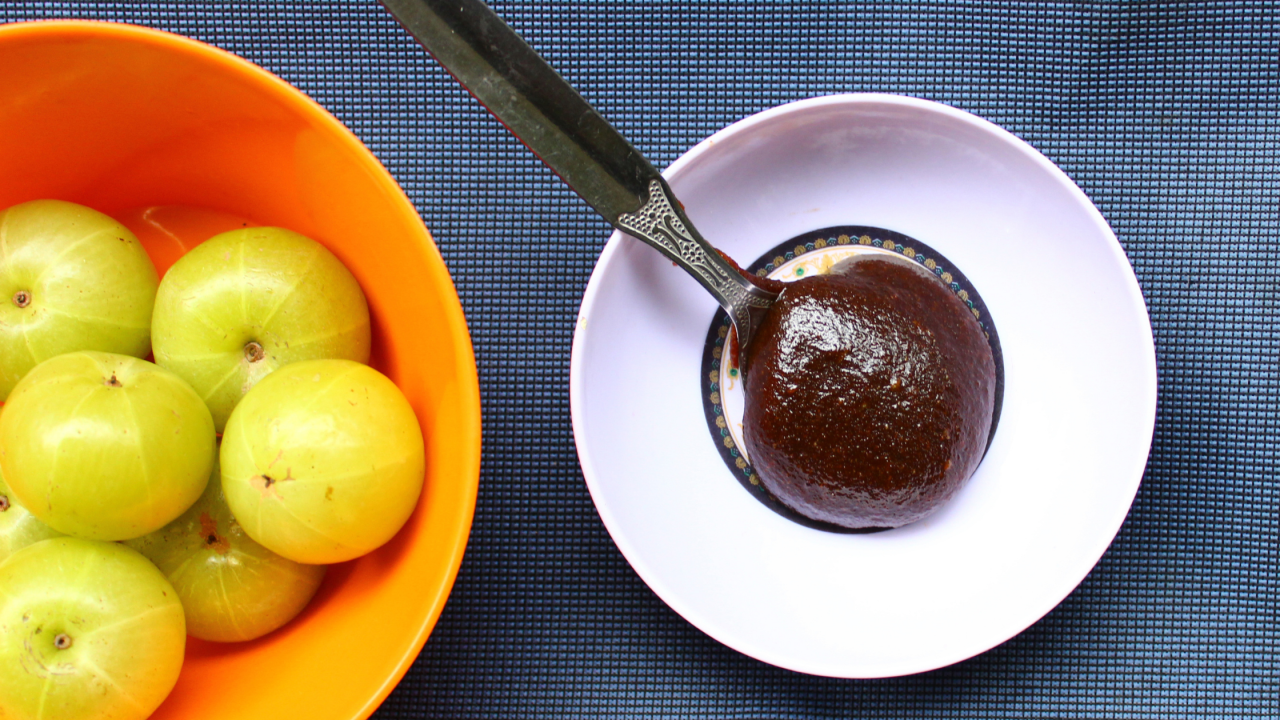
Power of 45+ herbs in a single spoon – The Chyavanprash You thought aging is just about wrinkled skin and greying hair? Every 40+ human wants to “LOOK” younger. No wonder billions of dollars worth of skin creams and hair dyes are sold every year.
Quite frankly, aging is a natural process. Nothing can reverse this. But we can always choose to age healthier and that will not happen with cosmetology. Better health comes from within. And our ancient scripts have gifted humankind with this anti-aging superfood – popularly called the Chyavanprash – a synergistic blend of 45+ herbs in a single spoon, loaded with nutrients and minerals.
Let’s dive into one of the oldest formulations that finds relevance even today.
The formulation derives most of its superpowers from the predominant ingredient, Indian gooseberry (Amalaki) and loads of other Ayurveda herbs. This bioactive rich health supplement with its antioxidant potential, helps prevent oxidative damage thus helping in immuno-modulation and restoration of health. Now anti-aging has started to make sense, eh?
Classes of herbs in Chyavanprash: Dashamula (the class of herbs containing 10 roots)
Chaturjata (4 aromatic herbs)
Ashtavarga (a rare group of herbs that are currently unavailable but are substituted with equally efficacious botanicals)
General class of other Ayurveda herbs
The science behind every ounce of Chyavanprash Phyllanthus emblica
A natural source of Vitamin C, Amla/Amalaki is loaded with amino acids, minerals, and several bioactive compounds such as flavonoids, phenolic compounds, tannins, etc., It can help prevent free radical-mediated oxidative stress and this nature of the herb is responsible for the anti-aging potential. It is also among the most well-known Ayurveda Rasayana (rejuvenative) herbs. Tinospora cordifolia
Known as Guduchi in Ayurveda, this botanical is an adaptogen with immunomodulatory prowess. Numerous pharmacological studies have demonstrated the positive effect of this herb on inflammation and immunomodulation. The biologically active phytoconstituents of the plant such as alkaloids, flavonoids, glycosides, and many more significantly contribute to its hepatoprotective activity. Asparagus racemosus
Shatavari, as it is known in Ayurveda is a Medhya, the plant which increases intelligence and promotes learning and memory and is a Rasayana for women. It improves female reproductive health by bringing in hormonal balance and increases the antioxidant levels in the body. Tribulus terrestris
One among the dashamulas( 10 roots), Tribulus terrestris or Gokshura helps in boosting energy and vitality. Also, a potent aphrodisiac, the saponins of this herb can improve muscle strength and performance in sports. The herb is also touted for its benefits in improving male reproductive health. Withania somnifera
Also called Ashwagandha or Indian ginseng, it is classified as a Medhya Rasayana, in Ayurveda, a rejuvenator of the brain. The herb is rich in withanolides and numerous amino acids. It is a proven adaptogen (that which helps to maintain homeostasis during stress) and a nootropic, anti-inflammatory, anxiolytic, and immunomodulator.
Ashwagandha has also been shown to improve the quality of sleep and mental alertness. Piper longum
Pippali or long pepper is used as a Rasayana in Ayurveda and is used in the treatment of respiratory disorders and works well for digestive complaints. Piper longum has an excellent pharmacological profile with its ability to act in multiple conditions and the phytochemical piperine is a major bioavailability enhancer that can improve the absorption of many essential plant compounds. Sida retusa
Bala as it is called in Ayurveda is an ancient herb used for imparting strength to bones, muscles and joints. The root of this plant is a good source of sitosterols and is known for its immunomodulatory effects. This herb works as a tonic to improve strength and is also well-known aphrodisiac. Pueraria tuberosa
Indian kudzu or Vidarikanda is a general tonic in Ayurveda that can improve muscle mass. The beneficial effects of puerarin, a glycoside found in Pueraria tuberosa, for various medicinal purposes may be due to its wide spectrum of pharmacological properties such as vasodilation, cardioprotection, neuroprotection, antioxidant, anticancer, anti-inflammatory actions. Sesamum indicum
Sesame oil or Tila taila in Ayurveda is considered to be the best of the class of cooking oils. It is high in unsaturated fats and is a source of Vitamin K, vitamin E, lecithin, and phytochemical sesamin that offers nutritional benefits to the body. One tablespoon of sesame oil contains about 40mg of Omega 3 fatty acids. Sesame lignans are a high source of antioxidants and can control the free radicals that cause aging. Also, sesame oil increases leptin levels in circulation, a hormone that regulates body weight. Cow ghee
Cow ghee is considered a premier Medhya Rasayana (which can improve intellect) in Ayurveda and has the property of Vayahsthapana (longevity enhancers) and Ojo Vardhana (enhances the essence of tissues). It contains antioxidants like vitamin E and beta carotene besides many other nutrients.
While Chyavanprash contains more herbs that give it the ultimate therapeutic effect, the above herbs are noteworthy.
Health Benefits of Chyavanprash Premier Rasayana for promoting vigor and vitality
Nourishes tissues and supports metabolism
Improves digestion and corrects gastrointestinal functions
Strengthens the immunity and functioning of the respiratory system
Offers superior antioxidant effect and works as revitalizing tonic Behaves like an adaptogen offering protection to the body from stressful situations Relaxes the nervous system by acting as an anxiolytic and anti-depressant Boosts memory and cognition with its nootropic potential Strengthens the endocrine system and is a good aphrodisiac Improves the growth of hair, enhances skin defense, and helps in countering the effects of aging Chyavanprash – a nutraceutical Amla has a high percentage of vitamin C (445mg/100gm), which constitutes the main ingredient of Chyavanprash. The fruit of this tree is a reservoir of various nutraceuticals like calcium, vitamin C, lysine, minerals, methionine, nicotinic acid, phosphorus, riboflavin, tryptophan, and has an immune-boosting efficiency against multiple diseases.Chyavanprash is reported to have a high vitamin, mineral, fibre, protein, and energy content with low fat. It contains iron, zinc, copper, and manganese in addition to vitamins A, E, B1, B2, and carotenoids.Several essential phytoconstituents like flavonoids, alkaloids, saponins, antioxidants, phenolic compounds, […]
BREAKTHROUGH DISCOVERY: UV light heals the brain and endocrine system through your skin

Tags: alternative medicine , antiviral , brain health , endocrine health , goodhealth , goodmedicine , goodscience , healing , immune system , infections , natural cures , natural health , natural medicine , radiation science , research , sun , Ultraviolet , UV
This article may contain statements that reflect the opinion of the author
( Natural News ) A research paper published in the journal Endocrinology sheds light on the power of, well, light to heal the body.
When ultraviolet (UV) light hits the skin, the study found, it sends healing energy, you might say, to several key areas of the body. Two of them are the brain and the endocrine system, which is where hormones are made.
As a self-regulating protective barrier organ, your skin comes equipped with certain sensory and computing capabilities that counteract environmental stressors and maintain and restore disrupted cutaneous homeostasis.
“These complex functions are coordinated by a cutaneous neuro-endocrine system that also communicates in a bidirectional fashion with the central nervous, endocrine, and immune systems, all acting in concert to control body homeostasis,” the paper explains.
“Although UV energy has played an important role in the origin and evolution of life, UV absorption by the skin not only triggers mechanisms that defend skin integrity and regulate global homeostasis but also induces skin pathology (e.g., cancer, aging, autoimmune responses).”
These effects are secondary, the paper goes on to reveal, to the transduction of UV electromagnetic energy into chemical, hormonal and neural signals, which are defined by the nature of the chromophores and tissue compartments that receive specific UV wavelengths. UV light can help with autoimmune disorders, mood problems, addictions and obesity
UV radiation also has the ability to upregulate local neuroendocrine axes, with UVB being more efficient at the process than UVA. This induces the production of cytokines, corticotropin-releasing hormone, urocortins, proopiomelanocortin-peptides and enkephalins. Other substances can also be released into circulation to exert systemic effects, including activation of the central hypothalamic-pituitary-adrenal axis, opioidogenic effects and immunosuppression, all independent of vitamin D synthesis.
“Similar effects are seen after exposure of the eyes and skin to UV, through which UVB activates hypothalamic paraventricular and arcuate nuclei and exerts very rapid stimulatory effects on the brain,” the paper further explains.
“Thus, UV touches the brain and central neuroendocrine system to reset body homeostasis. This invites multiple therapeutic applications of UV radiation, for example, in the management of autoimmune and mood disorders, addiction, and obesity.”
When one wears sunscreen, it is important to note, none of these benefits are attained because sunblock prevents UV light from penetrating the skin. This is why the sunscreen push and all the fearmongering about skin cancer is so misguided.
By depriving your body of UV light, you are depriving it of a key healing agent that is unmatched in terms of its ability to synthesize with the systems of the body.
During the Wuhan coronavirus (Covid-19) plandemic , doctors at Cedars-Sinai hospital in Los Angeles used UV light to treat sick patients , and with much success.
Intermittent UVA light was pulsed through a novel endotracheal medical device, helping to rid patients’ bodies of infection.
“Our team has shown that administering a specific spectrum of UV-A light can eradicate viruses in infected human cells (including coronavirus) and bacteria in the area while preserving healthy cells,” stated Dr. Mark Pimental, MD, who has been working with the technology since 2016.
UV light is a key determinant of life on earth, it turns out. Without it, all mammals would certainly die, as would everything else for that matter.
UV light is critical for vibrant health. A lack of exposure to it has been linked to all sorts of health conditions, which is why phototherapy is showing incredible success in the treatment of rheumatoid arthritis, inflammatory bowel diseases, multiple sclerosis, and scleroderma.
“UV may even be employed to regulate body metabolism, food intake, and appetite via its effects on POMC (proopiomelanocortin, a protein coding gene), CRH (corticotropin-releasing hormone), and agouti-related protein signaling,” the study adds.
More related news can be found at Cures.news .
Sources for this article include:
ncbi.nlm.nih.gov
5 Supplements You Should Take for Memory Loss, Experts Say
iStock You get ready to leave the house, and you suddenly forget where you last placed your car keys. Or maybe it slipped your mind to pay your latest utility bill.
Although it can be frustrating in the moment, these instances of forgetfulness are most likely just a normal part of age-related memory loss .
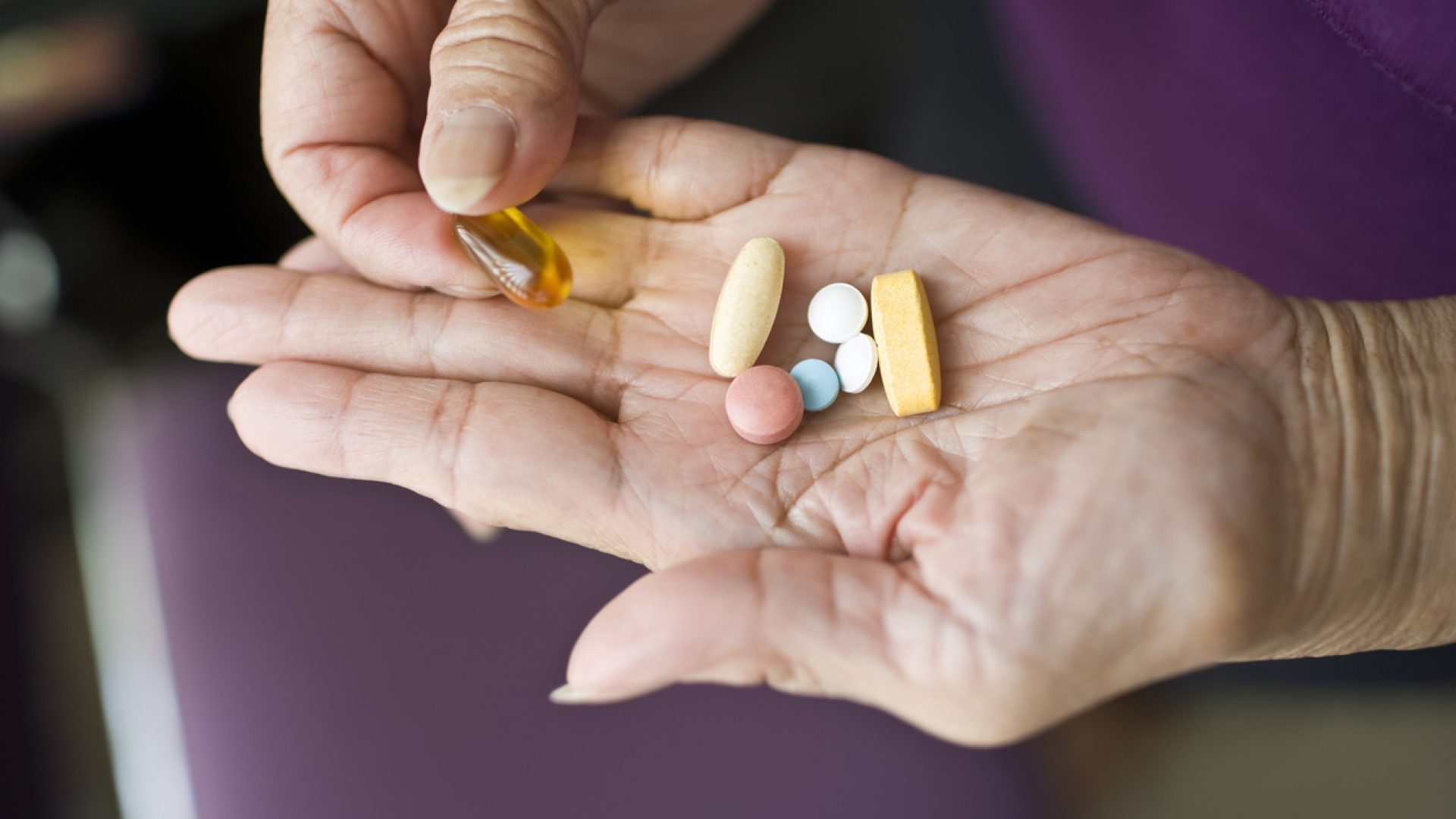
Everyone’s brain changes as they get older, which is why it’s important to get the right nutrients on a daily basis. This can either happen through your diet , with supplements you take, or both.
We talked with a few dietitians to get their recommended supplements to take for memory loss as you age. Continue reading to find out what they say, and for more age-related health tips, check out The #1 Best Supplement if You Have Heart Disease . iStock Fish oil is one of the most popular supplements to take for boosting your memory and fighting age-related memory loss. According to Trista Best, MPH, RD, LD, a registered dietitian at Balance One Supplements , “the brain requires omega-3 fatty acids to make nerve cells, which are vital to memory and one’s ability to learn, so it has been found that fish oil can help prevent cognitive diseases and slow mental decline.”
Best says it’s also possible to get omega-3 fatty acids through the food you eat. Foods like fatty fish, walnuts, and chia seeds are high in omega-3s, but a supplement may come in handy if you don’t consume these foods often. iStock Vitamin B12 is necessary for your body’s formation of cells, and a deficiency in this vitamin can lead to anemia, muscle weakness, extreme fatigue, and trouble focusing.
While many people are deficient in this vitamin, especially those who don’t consume animal products or fish, your chances for deficiency increase with age because your body has a harder time absorbing the vitamin .
“A severe vitamin B12 deficiency can cause memory loss, disorientation, and an overall decline in mental abilities, so supplementing this vitamin can be very helpful,” says Paula Doebrich, MPH, RDN , a registered dietitian at Happea Nutrition . Choline is a crucial nutrient that your body needs for cognitive function , and while your body can make some choline in your liver, it’s important to still get choline from food or supplements.
Unfortunately, Lauren Manaker, MS, RDN, LD a registered dietitian for Zhou Nutrition says that Americans aren’t getting nearly enough of this valuable nutrient.
“One of choline’s main roles is to produce acetylcholine, a neurotransmitter that plays a role in memory regulation, and data shows that intake of this nutrient is linked to a reduced risk of developing Alzheimer’s disease,” says Manaker.
You can find choline in many types of meat, fish, and nuts, but you may want to talk with your doctor about possibly needing a supplement as well. Shutterstock Rhodiola rosea is a flower that you probably haven’t heard of before. While this plant usually flies under the radar, it is known to have many brain-boosting qualities when consumed.
” Rhodiola rosea has been shown to offer memory support in some preliminary data, and it has anti-inflammatory and antioxidant effects, which may be reasons why it supports brain health,” says Manaker.
In a report from Aging & Disease , Rhodiola rosea was found to possibly help with age-related diseases, but more research still needs to be done. Shutterstock Bacopa Monnieri is another plant that researchers are learning may have memory-boosting benefits when consumed.
“This nootropic herb is found in many brain health-supporting supplement blends thanks to its antioxidant effects, and it may support brain function in a natural way,” says Manaker.
In fact, research from Psychopharmacology found that Bacopa Monnieri helped to improve memory and cognitive function in healthy adults after 5- and 12-week checkups.
If you’re interested, you can find it in tea form, as a pill, or in powder form as well.
This story written by Samantha Boesch has been reprinted with permission from Eat This, Not That!
Compound in broccoli may help repair brain damage
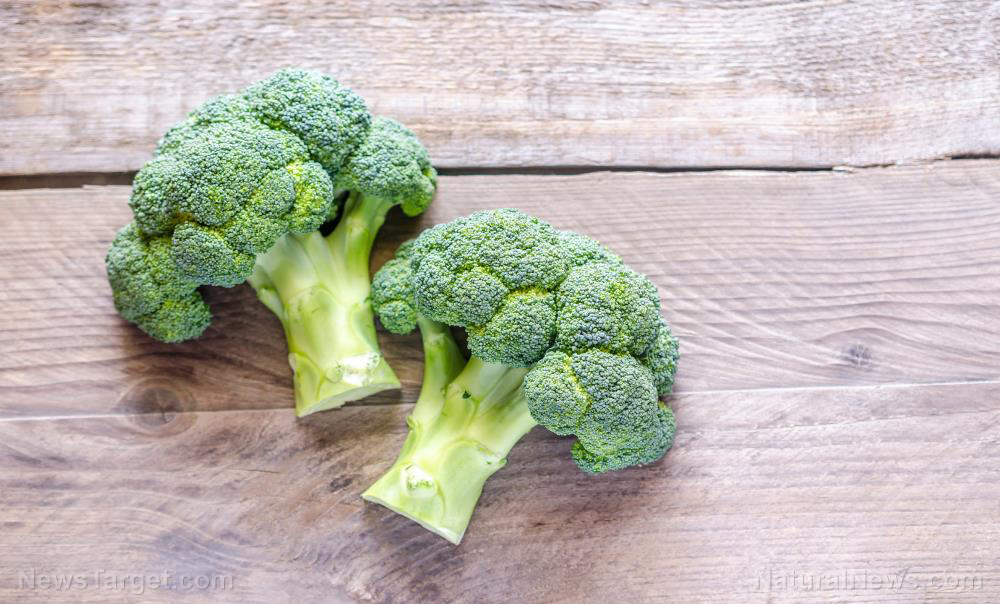
( Natural News ) Scientists long believed that brain regeneration was not possible, but there’s growing evidence that a compound in broccoli and other cruciferous vegetables may be able to carry out this remarkable feat.
In the 1960s, scientists first started to report evidence of brain regeneration in the hippocampus of adult guinea pigs and rats and the cortex of cats. After that, more evidence started to emerge illustrating how the brain is constantly in a state of self-regeneration and self-repair, using neural stem cells to fix aged and damaged tissue.
With this new evidence that it is indeed possible for the brain to regenerate, scientists wanted to find a way to help this process, and one particularly promising neurogenerative agent has emerged in the form of sulforaphane, a biomolecule that is found in cruciferous vegetables like broccoli. Sulforaphane is providing new hope for those who suffer from neurodegenerative disease and brain damage .
A study that was published in the journal Genesis showed that sulforaphane may possess significant therapeutic properties that can fight the underlying pathological disturbances that are seen in people with common neurodegenerative diseases. These include inflammation, neuronal death, increased oxidative stress and perturbed calcium homeostasis. In addition to mitigating these factors, the authors of the study also believe that sulforaphane can stimulate neural stem cell activity.
In the study, the researchers were able to determine the optimal concentration of sulforaphane that can be used to promote neural stem cell growth while keeping neurons intact. They also found that exposing neural stem cells to sulforaphane can lead to their differentiation to neurons, which supports their hypothesis that sulforaphane can indeed stimulate brain repair. And it’s not just the brain that can benefit from sulforaphane . The compound has also been shown to be useful in treating around 200 other health conditions. For example, it has been linked to improved heart health and digestion. It is also believed to have anti-cancer and anti-diabetic effects and may even protect against sun damage. How to get more sulforaphane in your diet
Sulforaphane can be found in cruciferous vegetables such as broccoli, cabbage, kale, bok choy and cauliflower. Broccoli sprouts are considered to be one of the best sources of sulforaphane.
Researchers note that raw vegetables tend to have higher levels of this beneficial compound than cooked ones, with one study finding raw broccoli to contain 10 times the sulforaphane of cooked broccoli. If you simply cannot consume it raw, it is best to lightly steam cruciferous vegetables to preserve their beneficial compounds. Boiling or microwaving these vegetables is not recommended if you are trying to get the benefits of sulforaphane.
It is important to keep in mind that cruciferous vegetables must be chopped, chewed or cut in order to get the benefits. That’s because sulforaphane is only activated when it comes into contact with an enzyme involved in the defense response of plants known as glucoraphanin, which is released when the plant is damaged.
You can also enhance your intake of sulforaphane by adding mustard powder or mustard seed to your meals. The dietary myrosinase content of mustard seeds and powder can help raise the availability of sulforaphane in foods like broccoli, particularly when you are cooking these vegetables.
Although the researchers believe that further studies are needed, their finding serves as a powerful reminder of just how beneficial nature’s gifts can be when it comes to our health. Including more foods like broccoli in your diet could well have therapeutic value when it comes to brain degenerative disorders , something that is particularly timely as many people deal with the neurological effects of COVID-19 vaccines.
Sources for this article include:
GreenMedInfo.com
TheEpochTimes.com
The Best Supplements For Memory Loss, Say Dietitians
Shutterstock You get ready to leave the house, and you suddenly forget where you last placed your car keys. Or maybe it slipped your mind to pay your latest utility bill.
Although it can be frustrating in the moment, these instances of forgetfulness are most likely just a normal part of age-related memory loss .
Everyone’s brain changes as they get older, which is why it’s important to get the right nutrients on a daily basis. This can either happen through your diet , with supplements you take, or both.
We talked with a few dietitians to get their recommended supplements to take for memory loss as you age. Continue reading to find out what they say, and for more age-related health tips, check out The #1 Best Supplement if You Have Heart Disease . Shutterstock Fish oil is one of the most popular supplements to take for boosting your memory and fighting age-related memory loss. According to Trista Best, MPH, RD, LD, a registered dietitian at Balance One Supplements , “the brain requires omega-3 fatty acids to make nerve cells, which are vital to memory and one’s ability to learn, so it has been found that fish oil can help prevent cognitive diseases and slow mental decline.”
Best says it’s also possible to get omega-3 fatty acids through the food you eat. Foods like fatty fish, walnuts, and chia seeds are high in omega-3s, but a supplement may come in handy if you don’t consume these foods often. Shutterstock Vitamin B12 is necessary for your body’s formation of cells, and a deficiency in this vitamin can lead to anemia, muscle weakness, extreme fatigue, and trouble focusing.
While many people are deficient in this vitamin, especially those who don’t consume animal products or fish, your chances for deficiency increase with age because your body has a harder time absorbing the vitamin .
“A severe vitamin B12 deficiency can cause memory loss, disorientation, and an overall decline in mental abilities, so supplementing this vitamin can be very helpful,” says Paula Doebrich, MPH, RDN , a registered dietitian at Happea Nutrition . Shutterstock Choline is a crucial nutrient that your body needs for cognitive function , and while your body can make some choline in your liver, it’s important to still get choline from food or supplements.
Unfortunately, Lauren Manaker, MS, RDN, LD a registered dietitian for Zhou Nutrition says that Americans aren’t getting nearly enough of this valuable nutrient.
“One of choline’s main roles is to produce acetylcholine, a neurotransmitter that plays a role in memory regulation, and data shows that intake of this nutrient is linked to a reduced risk of developing Alzheimer’s disease,” says Manaker.
You can find choline in many types of meat, fish, and nuts, but you may want to talk with your doctor about possibly needing a supplement as well. Shutterstock Rhodiola rosea is a flower that you probably haven’t heard of before. While this plant usually flies under the radar, it is known to have many brain-boosting qualities when consumed.
” Rhodiola rosea has been shown to offer memory support in some preliminary data, and it has anti-inflammatory and antioxidant effects, which may be reasons why it supports brain health,” says Manaker.
In a report from Aging & Disease , Rhodiola rosea was found to possibly help with age-related diseases, but more research still needs to be done. Bacopa Monnieri is another plant that researchers are learning may have memory-boosting benefits when consumed.
“This nootropic herb is found in many brain health-supporting supplement blends thanks to its antioxidant effects, and it may support brain function in a natural way,” says Manaker.
In fact, research from Psychopharmacology found that Bacopa Monnieri helped to improve memory and cognitive function in healthy adults after 5- and 12-week checkups.
If you’re interested, you can find it in tea form, as a pill, or in powder form as well.
Brain food: how to eat and sleep your way to a healthy mind

(Getty Images/iStockphoto) Feeling sluggish, foggy-brained and emotionally drained? And it’s only February?! You’re not alone.
Time for a brain boost. Neuroplasticity is the latest buzzword when it comes to cognitive wellness, and it refers to the brain ’s ability to rewire itself. Nutrition , along with other lifestyle factors, play a key role in this process, meaning there are ways you can protect your brain and support your mental health through things like diet, exercise routine and sleep.
Here’s how to hack your way to a healthier mind . The brain diet
Start with real food . The brain is mostly made up of fat and water, so eat plenty of healthy fats like oily fish, nuts, seeds and olive oil, particularly those high in long-chain omega-3 fatty acids, says podcast host Dr Rupy Aujla (@ doctors_kitchen ), author of Doctor’s Kitchen 3-2-1 (£16.99). “They have been shown to promote the growth of brain cells which can help maintain the adaptability of the brain and also provide quality protein , which is broken down into amino acids that are used for the production of neurotransmitters (the chemical messengers of the brain),” he says. “Dark leafy greens like cavolo nero, spinach, rocket and sprouts contain high amounts of phytonutrients that drastically reduce inflammation in the body, which can disrupt brain processes leading to symptoms of fatigue and low mood.” Dr Rupy Aujla is author of Doctor’s Kitchen 3-2-1 (The Doctor’s Kitchen) In fact, as a rule of thumb, the darker the food, the better, says neuroscientist Dr Tara Swart (@ drtaraswart ), author of bestselling title The Source (£10.99). “These foods contain anthocyanins, that contribute to neurogenesis (the growth of new neurons in the brain), a form of neuroplasticity,” she explains. “So try to go for black beans over cannellini beans, purple sprouting broccoli over regular where possible. Organic dark chocolate (containing over 80 per cent cocoa) and organic coffee count, too.”
Berries are particularly beneficial to the brain, as rich sources of polyphenols, Aujla adds. “They may also be involved in the production of the brain-derived neurotrophic factor BDNF, which is involved in the maintenance and survival of nerve cells and could be a critical component of protecting the brain against disease.”
Here’s how TCM formula xiaoyaosan exerts antidepressant effects

( Natural News ) Xiaoyaosan (XYS) has long been used in Traditional Chinese Medicine (TCM) to treat conditions that are linked to anxiety and depression. With this in mind, a group of Chinese researchers conducted a study to explore the science behind XYS’s antidepressant effects.
Traditional Chinese healers have long used XYS to treat what is called liver qi stagnation in TCM. Common symptoms associated with this include irritability, anger, anxiety and depression .
Previous studies have looked into XYS’s antidepressant effects. However, few have demonstrated an association between these and other physiological systems behind depression.
In a study published in the journal BMC Complementary and Alternative Medicine , researchers from the Hubei University of Chinese Medicine , the Beijing University of Chinese Medicine and the Henan University of Chinese Medicine investigated whether XYS can influence the function of astrocytes (AST), which are specialized cells found in the brain.
The astrocytic excitatory amino acid transporters 1 (EAAT1) and 2 (EAAT2) are the major transporters that take up synaptic glutamate, the central nervous system’s primary excitatory neurotransmitter. Evidence suggests that excitotoxicity, which damages nerve and brain cells, is associated with depression.
With this in mind, the researchers hypothesized that XYS’s underlying antidepressant-like mechanism is related to the regulation of astrocytic EAATs. Exploring the antidepressant-like mechanism employed by XYS
To explore how XYS works, the researchers conducted an experiment with 80 adult mice divided into four groups. Of these groups, one served as a control while another one was subjected to chronic unpredictable mild stress (CUMS) to induce depression but was not given any treatment. The third group was subjected to CUMS but treated with XYS and the final group was treated with fluoxetine hydrochloride. The mice in the control group and the CUMS group received a placebo consisting of 0.5 milliliters (mL) of normal saline for 21 days. The mice in the treatment groups, on the other hand, were given 0.25 grams per kilogram and 2.6 milligrams per kilogram per day of XYS and flouxetine hydrochloride, respectively, during the same 21-day period.
Following the treatment, the mice were subjected to a battery of behavioral tests to observe the effects of XYS. These were an open field test, a forced swimming test and a sucrose preference test.
The researchers also checked the glutamate concentrations in the mice’s prefrontal cortex using colorimetry. The morphology of the neurons in their prefrontal cortexes was observed through Nissl staining.
Meanwhile, the researchers used Western blot assay and immunohistochemistry to detect the expressions of glial fibrillary acidic protein (GFAP), NeuN, EAAT1 and EAAT2 proteins in the mice’s prefrontal cortex. They also conducted quantitative real-time polymerase chain reaction (qPCR) testing to detect the expression of GFAP, NeuN, EAAT1 and EAAT2 genes.
The results show that XYS treatment caused improvements in CUMS-induced depressive mice by regulating the functions of their ASTs and the EAATs in their prefrontal cortex. CUMS decreased the expression of GFAP, EAAT1, EAAT2 and NeuN but increased glutamate content in the mice’s prefrontal cortex. These changes were all alleviated by XYS treatment.
According to the researchers, their study provides a theoretical foundation for the clinical application of XYS as an alternative treatment for depression. However, they note that the effect of XYS on GFAP function still needs to be explored in clinical and in vitro experiments. (Related: Homeopathic alternatives to antidepressant drugs .)
For more research into novel treatments for depression, follow Mental.news .
Sources include:
Hindawi.com
Organic hemp protein helps you reach the high point of your health
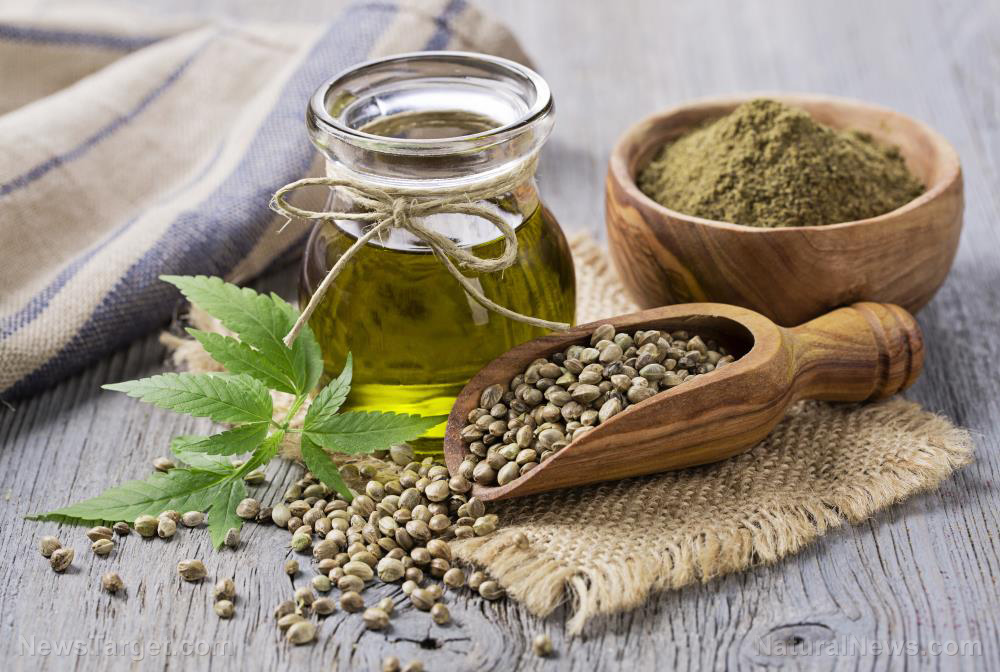
( Natural News ) Hemp is a magnet for controversy largely because of its origins, which is often misunderstood. While hemp and marijuana are from the same Cannabis genus, they are genetically distinct forms of cannabis that are distinguished by their use and chemical composition , as well as differing cultivation practices used in their production.
Unlike marijuana, hemp does not produce psychoactive effects in its users.
High levels of a cannabinoid called tetrahydrocannabinol (THC) are found in marijuana, which is responsible for eliciting the “high” it produces. Hemp, on the other hand, only contains less than 0.3 percent THC.
Since the late 1950s, the Drug Enforcement Administration (DEA) has strictly controlled and regulated hemp production. Prior to the late 1950s, hemp in the U.S. was considered an agricultural commodity, and the U.S. Department of Agriculture (USDA) supported its production.
Restrictions on U.S. hemp production and marketing were relaxed by changes enacted in the 2014 Agricultural Act and were relaxed even more by the 2018 Agricultural Act, which provides further differentiation between [industrial] hemp and marijuana in terms of farm policy and federal regulatory oversight. Health benefits of hemp protein
Hemp protein is recognized as having excellent nutritional value in promoting growth , replacing the loss of essential nutrients, providing energy and assisting in the efficient function of nutritional and other metabolic processes necessary for human existence. (Related: Hemp protein: Eat the nutrients .) Supports a healthy immune system
Hemp seeds contain edestin and albumin, globular proteins that are essential to supporting a healthy immune system. Enzymes, antibodies, hormones and fibrinogen are all made from globular proteins. Supports a healthy musculoskeletal system
Hemp protein contains threonine, an essential amino acid that helps keep the connective tissues and muscles throughout the body, including the heart, strong and elastic. It also helps build strong bones and may speed wound healing or recovery from injury. Supports brain health
Hemp contains phenylalanine, an essential amino acid that the body can convert into tyrosine, which it then uses to synthesize the brain neurotransmitters dopamine (a brain chemical messenger that has important roles in sleep and memory, as well as metabolism and emotional well-being) and norepinephrine or noradrenaline (a compound that plays a role in the regulation of the sympathetic nervous system). Supports cardiovascular health
Hemp protein contains high amounts of the amino acids arginine, which is used for the production of nitric oxide – a gaseous substance in the body that causes the blood vessels to expand. This, in turn, leads to lowered levels of blood pressure, reducing the risk of health disease. Supports healthy digestive function
Hemp seeds contain contain the amino acids cysteine and methionine, which stimulate the liver to remove the toxins from the body.
Hemp also has the perfect ratio of omega fatty acids that help maintain the body’s pH balance. Its essential fatty acids help to retain oxygen in the cell membranes, which act as barriers to toxins. It has soluble and insoluble fiber, which both help to cleanse the colon and intestinal tract and remove toxins.
Hemp’s high fiber concentration can reduce constipation, protect the gut and lower your risk of developing diarrhea or hemorrhoids. Supports healthy skin, hair and nails
Methionine, a sulfur-containing amino acid in hemp protein, improves the tone and elasticity of the skin, promotes healthy hair and strengthens nails. This amino acid protects the cells from pollutants, facilitates the detoxifying process, slows down the aging process and helps with the absorption of other nutrients.
Hemp is also loaded with omega-3, omega-6 and omega-9 fatty acids that promote healthy hair growth. It naturally conditions the scalp because it also contains vitamin E. Supports healthy sleep patterns
Hemp is a great source of magnesium, which acts as a cofactor or helper molecule in more than 600 biochemical reactions in the body, including muscle movements – contraction and relaxation – preparing the body for rest and rejuvenation. Uplifts mood naturally
Tryptophan, an essential amino acid in hemp protein, produces niacin (also known as vitamin B3), which is essential in creating the brain neurotransmitter serotonin – a natural mood stabilizer. Supports sensible weight management
As a high-protein source, hemp protein powder prevents protein deficiency. Supporting healthy protein levels can boost the metabolism, as well as increase fat-burning potential. Supports healthy energy levels
Hemp protein contains valine, leucine and isoleucine – three branched-chain amino acids that enhance energy, increase endurance and aid in muscle tissue recovery and repair. Hemp also contains essential fatty acids. When ingested, these fatty acids produce twice as much energy as carbohydrates. What you can do with hemp protein
Hemp is consumed in many forms, including protein powder, flour or meal. Because hemp products don’t contain gluten, they are a good alternative to wheat products.
Hemp protein powder is one of the best sources of protein you can use for your recipes. It has an earthy, nutty taste and offers plenty of health benefits. Use it to make the following healthy foods and drinks: (Related: Nutiva’s new hemp protein boasts best taste, easier mixing .)
Smoothies and shakes. Hemp protein is the best grain-free, gluten-free powder for smoothies and shakes. It’s best consumed blended with other ingredients since it can have a grittier texture than other plant-based proteins.
Brownies. Though hemp seeds tend to taste a bit earthy, hemp protein powder has a much different flavor that can be easily blended with other ingredients to make delicious brownies. All you need to do is replace regular flour with hemp protein and cocoa powder. Use equal amounts of both and whatever other ingredients you normally use in your brownies.
Grain-free cereal . You can consume hemp protein powder for breakfast in a grain-free recipe. All you need to do is stir one scoop of hemp protein powder (about 3 tablespoons) with a little healthy thickening agent, such as tapioca (2 tablespoons tapioca flour to substitute for 1 tablespoon of cornstarch), a natural sweetener of your choice, non-dairy milk and any spices you would like, such as cinnamon, ginger or cardamom. You can also […]
It turns out, having a healthy gut can make you “fear less”

( Natural News ) A study led by Weill Cornell Medicine in New York City has shown that a healthy gut can make you “fear less” by extinguishing your fear memories . In an article published in the journal Nature , the researchers detailed how they used mice to explore the ability to unlearn fear responses. Exploring the gut’s role in fear response
It has become increasingly evident that gut bacteria play an important role in brain health. Previous studies showed that disruption to these microbial communities is linked to behavioral changes and certain autoimmune and psychiatric disorders.
For example, a recent study showed that a certain combination of gut bacteria exacerbates symptoms of multiple sclerosis , a brain and nerve disease. In another study, researchers found that children with inflammatory bowel disease (IBD) are at higher risk of developing psychiatric disorders , such as depression and anxiety, later in life.
But though these investigations were able to confirm the existence of a gut-brain axis, the mechanisms that underpin this axis remained unclear.
“No one yet has understood how IBD and other chronic gastrointestinal conditions influence behavior and mental health,” said co-senior study author David Artis, a professor of immunology and director of IBD research at Weill Cornell.
For their study, the researchers focused on how well mice would learn and forget a fear trigger using an experiment called “fear conditioning and extinction learning.” In this experiment, the mice are conditioned to associate a threat with the sound of a tone, so that the tone by itself can elicit the same fear response as the threat.
The mice tended to forget the association after repeated exposure to the tone, as their brains adjusted to the fact that the threat no longer exists. But the mice whose guts were germ-free from birth or whose gut microbes were vastly reduced, showed a significant reduction in their ability to learn that the threat was no longer present. This means that their brains were not updating to the new conditions. Mechanism behind gut’s effect on fear memories
The researchers launched a genetic investigation of the mice’s microglia to probe the molecular mechanism behind the effect. Microglia are immune cells in the brain that help stimulate and prune the connections between nerve cells to remodel brain circuits. After looking into the gene expression in the mice’s medial prefrontal cortex (mPFC) – a region of the brain crucial for extinction learning – the researchers found that the absence of gut microbes altered the gene expression of microglia in the mPFC. This disrupted the formation of new nerve cells and eliminated neural connections during learning and forgetting. (Related: Is depression just a symptom of bad gut health? Study confirms link between gut and brain health .)
The team also found significant changes in the brain chemicals of the germ-free mice, including altered levels of molecules that play a role in psychiatric conditions like autism and schizophrenia . When the researchers restored gut bacteria in the germ-free mice, they found that it was possible for these mice to unlearn a conditioned fear response only if their gut bacteria were restored soon after birth.
This finding is an important one, as many psychiatric disorders linked to autoimmunity are also associated with problems that occur in the early stages of brain development. The researchers are optimistic that with further studies, their findings will eventually lead to new treatment targets.
“We are beginning to understand more about how the gut influences diseases as diverse as autism, Parkinson’s disease , post-traumatic stress disorder and depression .” said Artis.
Learn more about the importance of a healthy gut at Digestion.news .
Sources include:
Healio.com
4 Reasons to switch to honey, a natural sweetener with amazing benefits
( Natural News ) One great superfood families should not run out of is honey. Not only is it a delicious and nutritious food that can be used in many healthy recipes, but honey also comes with some wonderful health benefits.
Consuming honey is beneficial to your health as it can do the following: (h/t to MindBodyGreen.com ) Support gut health
Honey does amazing stuff to a person’s gut. A recent review of honey’s use in complementary medicine published in the journal Integrative Medicine Insights found that honey has prebiotic properties. These properties help beneficial bacteria ferment in the gut, helping the body develop stronger immune functions .
This wonderful superfood is also used to treat digestive issues like diarrhea. It’s even proven to be effective as a treatment to deal with the presence of Helicobacter pylori bacteria, a common cause of stomach ulcers. (Related: Honey: The ultimate survival food that doesn’t expire .) Prove antioxidants
Raw honey contains a range of compounds that act as antioxidants . Some of these compounds include phytochemicals like flavonoids and ascorbic acid, more commonly known as vitamin C.
These antioxidants help neutralize free radicals, which contribute to the aging process and the development of chronic diseases. In fact, scientists have found that by having a diet rich in antioxidant-filled foods like honey, a person can reduce his or her risk of developing chronic diseases like cancer, heart disease and type 2 diabetes. Help control inflammation
The phenolic compounds in honey make it a great antioxidant. These compounds are also great at controlling inflammation. Research shows that these properties can help reduce inflammation in tissues in the lung, throat and even the brain. One review found that raw honey contains ingredients that fight inflammation in the hippocampus, the part of the brain that deals with memory.
A study published in Nutrients found that the anti-inflammatory properties in honey help prevent atherosclerosis, or when the arteries harden due to fat, cholesterol and other substances build up in the walls of the arteries. Act as an antimicrobial
Honey is a powerful natural antimicrobial agent . It contains an enzyme that produces hydrogen peroxide, an antiseptic. It also has a low pH level. This means honey can help kill harmful bacteria and fungi in the body. It can also prevent the growth of yeast or bacteria.
These properties also make honey great for helping wounds heal. Research shows that honey can be used as a wound-healing dressing for minor cuts and burns because of its antibacterial, antimicrobial, antioxidant and anti-inflammatory properties. Honey’s acidic nature also helps release oxygen from the wound and promote healing.
Eating raw honey is not without its risks. Raw and dirty honey can contain harmful bacteria that cause botulism, a rare but serious illness that can exhibit symptoms similar to food poisoning, including vomiting, nausea and fever.
Infants below the age of one and people with weakened immune systems are also at a higher risk of getting sick from eating raw honey. More related articles:
Can you use manuka honey to treat wounds?
Sweet, sweet relief: Try this recipe for a natural honey spread that can help relieve seasonal allergy symptoms .
More than honey: Honeycomb products with powerful natural health benefits .
Honey is medicine: 4 Scientifically proven perks to using Nature’s sweetener .
Watch this video to learn more about manuka honey, a powerful superfood that can only be found in New Zealand and certain parts of Australia. No compatible source was found for this media.
Learn more about the powerful properties of honey at Bees.news .
Sources include:
Health.com
Healthline.com 1
Healthline.com 2
Oral antibiotics increase the risk of Parkinson’s disease, study finds
( Natural News ) A recent study has found that oral antibiotics may increase the risk of Parkison’s disease . In their report, Finnish researchers noted that it may take up to 15 years for those taking antibiotics to manifest any symptoms, also adding that the effects of oral antibiotics on gut microbes contribute to this increased risk. Their findings were published in the journal Movement Disorders .
Researchers from the University of Helsinki focused on different kinds of oral antibiotics . Using nationwide medical data from Finland, they identified people who were diagnosed with Parkinson’s disease from 1998 to 2014. They also obtained records of individual oral antibiotic purchases from 1993 to 2014.
The study authors then looked at data from 13,976 individuals diagnosed with Parkinson’s disease and 40,697 Finns who were not. According to the researchers, those who took macrolides and lincosamides orally had the strongest risk for Parkinson’s disease . Doctors often prescribe dosages of these two antibiotics to fight microbial infections. Further analysis also revealed that those who took broad-spectrum antibiotics had a higher risk for degenerative disorder.
The researchers also found that those who took anti-anaerobic medications and tetracyclines for 10 to 15 years had a higher chance of developing Parkinson’s disease. On the other hand, they observed the same association in Finns who took sulfonamides, trimethoprim and antifungal medications for one to five years.
Considering changes in the gut microbiota in early and established Parkinson’s disease, the researcher found that antibiotic use can affect gut microbial populations in the long run. Their findings align with previous research saying individuals diagnosed with Parkinson’s disease usually have altered gut microbes. “Exposure to certain types of oral antibiotics seems to be associated with an elevated risk of [Parkinson’s disease]. The pattern of associations supports the hypothesis that effects on gut microbiota could link antibiotics to [the condition], but further studies are needed to confirm this,” the authors concluded. The link between Parkinson’s disease and gut health is emerging
Parkinson’s disease damages the part of the brain responsible for movement. The resulting damage causes hallmark symptoms such as stiffness, shaking and balance problems. Those with constipation, irritable bowel syndrome and inflammatory bowel disease have a higher chance of developing the degenerative disorder.
Previous studies have also found that changes in the gut microbiota typically found in those with Parkinson’s disease can occur two decades before they are diagnosed with the disease. (Related: Chinese herbal formula found to protect against Parkinson’s disease .)
Neurologist and study co-author Dr. Filip Scheperjans says: “The link between antibiotic exposure and Parkinson’s disease fits the current view that in a significant proportion of patients, the pathology of Parkinson’s may originate in the gut. [This is] possibly related to microbial changes, years before the onset of typical … motor symptoms.”
But prior to the study, no one had actually investigated whether or not antibiotic exposure had anything to do with Parkinson’s disease. While the team’s research found a link between the two, they noted that further investigations are needed to confirm it.
If later studies arrive at the same findings, doctors prescribing antibiotics against infections should take note of increased susceptibility to Parkinson’s disease as a long-term risk. “The discovery may also have implications for antibiotic prescribing practices in the future,” Scheperjans said.
“In addition to the problem of antibiotic resistance, antimicrobial prescribing should also take into account [the] potentially long-lasting effects on the gut microbiome and the development of certain diseases.”
Brain.news has more articles about Parkinson’s disease and factors that increase the risk of people developing it over time.
Sources include:
MedicalNewsToday.com
MovementDisorders.OnlineLibrary.Wiley.com
Could a molecule found in broccoli help the brain REPAIR spike protein damage?
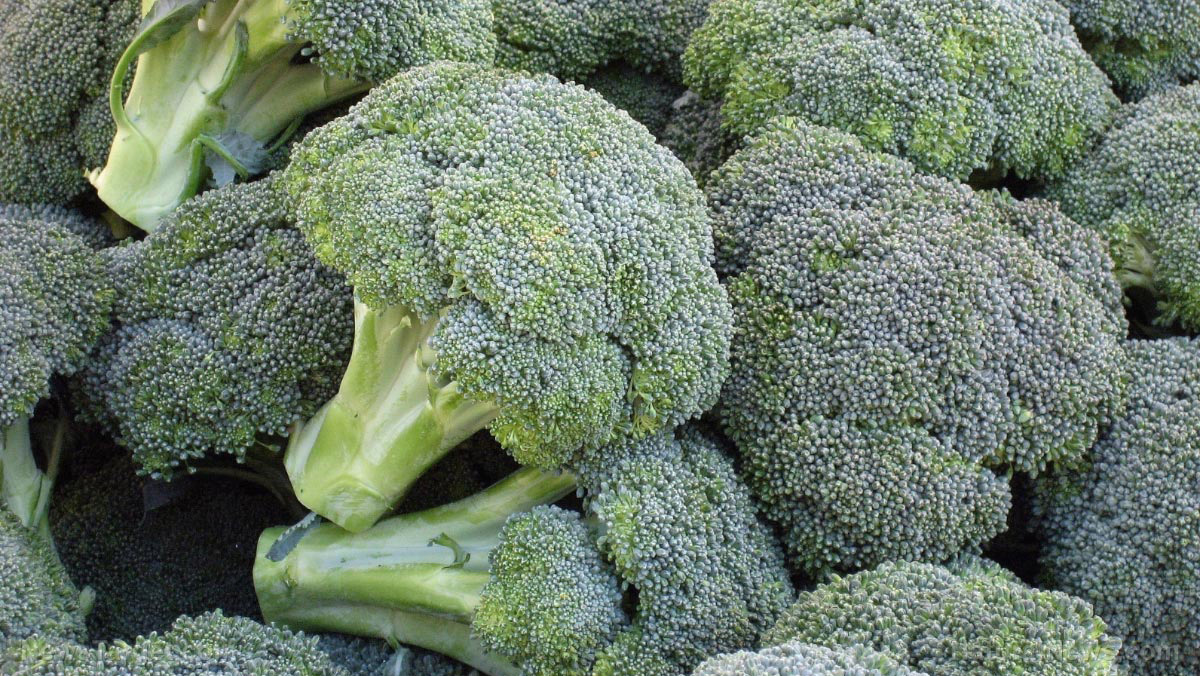
( Natural News ) It turns out that, contrary to popular belief, damaged brain tissue can be regenerated naturally, possibly even after getting ravaged to death by Wuhan coronavirus (Covid-19) “vaccine” spike proteins.
A key compound in broccoli, new research has found, has the potential to directly stimulate the repair and renewal of damaged nerve tissue in the brain, which is great news for the potentially millions of people who got injected and are now brain-damaged.
While it may not be a foolproof way to undo all of the damage caused by the injections, sulforaphane, a sulfur-containing biomolecule found in broccoli and other cruciferous vegetables (i.e., cauliflower), is still an amazingly powerful wonder phytonutrient with incredible potential to reverse spike protein damage. (Related: Sulforaphane is also beneficial for people with autism .)
Published in the journal Genesis , the paper, entitled “Effects of sulforaphane on neural stem cell proliferation and differentiation,” reveals how sulforaphane has significant ameliorative properties that can address an extensive range of underlying pathological disturbances associated with neurodegenerative disease.
Such disturbances include oxidative stress, inflammation, perturbed calcium homeostasis, and neuronal death, to name just a few. And one of the ways sulforaphane is believed to do this is by stimulating neural stem cell (NSC) activity in the following ways:
• By upregulating nuclear factor erythroid 2-related factor 2 (Nrf2), which increases innate antioxidant mechanisms • By suppressing interleukin-1b (IL-1b), which exerts anti-inflammatory effects Sulforaphane is a distinct phytochemical that has the potential to treat over 200 health conditions
The study looked specifically at whether or not sulforaphane confers neuroprotective benefits through its WnT signaling properties. Wnt signaling has previously been identified as a key molecular pathway involved in tissue regeneration.
For their investigation, researchers investigated the optimal range of sulforaphane needed to promote NSC growth while also protecting healthy neurons against damage. They found that sulforaphane concentrations of less than 5 nM can promote the growth of NSCs while also limiting or preventing cytotoxic damage.
They also determined that sulforaphane does, in fact, modify genes through the Wnt signaling pathway as suspected, and that exposing NSCs to sulforaphane causes differentiation in neurons. This further supports the hypothesis that sulforaphane has the potential to stimulate brain repair.
It turns out that sulforaphane is also an Nrf2 inducer, which together with its Wnt-activating properties makes it distinct from other phytochemicals in terms of its brain-healing potential.
“The e?ects of SFN in restoring Wnt signaling provides a wealth of opportunities for the treatment of stem-cell-related diseases characterized by suppressed Wnt signaling,” the researchers wrote in their conclusion.
“In summary, we demonstrated that the crucifer-derived SFN can e?ectively stimulate NSC proliferation and di?erentiation by modifying genes in Wnt signaling pathway. Due to its lipophilic property and low molecular weight, SFN has a high bioavailability as an orally administered drug.”
SFN is, of course, not a drug. It is a nutrient found naturally in food, and it can also be purchased as a supplement. For research purposes, however, SFN and other food-based compounds are often referred to as “drugs” when they possess therapeutic properties.
The best and easiest way to obtain sulforaphane in therapeutic amounts is to consume broccoli sprouts, as full-grown broccoli does not contain as much of the nutrient – though it is still beneficial to eat regular broccoli, just to be clear.
“Considering that sulforaphane is a naturally occurring biomolecule which has been part of the human diet since time immemorial, it is likely that its regular consumption via culinary practices delivers physiologically significant quantities in a delivery system – food – that is safe and effective in the prevention of disease,” says health expert Sayer Ji.
More of the latest news about natural remedies for the Wuhan coronavirus (Covid-19) include Cures.news .
Sources for this article include:
TheEpochTimes.com
Saffron a safer treatment for ADHD, just as effective as Ritalin, says study

( Natural News ) The Centers for Disease Control and Prevention estimates that around 62 percent of children with attention-deficit hyperactivity disorder (ADHD) are taking medications for the disease. One of the most common prescription drugs for ADHD is methylphenidate. The drug, commonly known as Ritalin, is a central nervous system stimulant linked to numerous side effects, including anxiety, nausea, difficulty sleeping, vision problems, increase in blood pressure and loss of appetite.
Fortunately, recent studies show that there may be a safe, all-natural alternative to Ritalin: saffron. In a study published in the Journal of Child and Adolescent Psychopharmacology , researchers from the Tehran University of Medical Sciences (TUMS) in Iran found that saffron is just as effective as Ritalin at treating ADHD. Exploring saffron’s potential for treating ADHD
Corresponding author Shahin Akhondzadeh of the Psychiatric Research Center at TUMS’ Roozbeh Hospital said that his team has been studying the psychotropic effects of saffron since the early 2000s and found that the herb has antidepressant effects.
Given these optimistic findings, the researchers wished to explore the potential of saffron for treating ADHD, knowing that some patients do not respond well to Ritalin. To that end, the team compared the efficacy and safety of saffron capsules to Ritalin in a six-week randomized trial of 50 children with ADHD . Half of the participants received saffron supplements and the other half received the prescription drug. Their symptoms were assessed using the Teacher and Parent ADHD Rating Scale-IV.
The researchers found that both saffron and Ritalin were associated with significant improvements in the Parent ADHD Rating Scale at week three, with no significant difference between the two groups at week six. All but one child who received saffron experienced at least a 50 percent improvement in the Parent ADHD Rating Scale, while 21 of those on Ritalin experienced the same effect.
Both groups also garnered marked improvements in the Teacher ADHD Rating Scale as early as week three, with no significant difference between the two groups at weeks three and six. Ten of those who took saffron had a marked improvement of at least 50 percent, while 12 of those on Ritalin experienced the same improvement.
The researchers also found that both groups did not experience any serious adverse event, and the frequency of side effects did not differ significantly between the two groups. (Related: Exotic spice saffron found to be safer, more effective than antidepressants .)
Dr. Greg W. Mattingly of the Washington University School of Medicine in St. Louis, who was not part of the study, was impressed by the results. “The fact that these improvements in ADHD symptoms were observed both by parents and teachers was especially encouraging,” Mattingly said.
He encouraged physicians to explore natural alternatives for treating psychiatric disorders like ADHD . “Imagine a world where the foods we eat and the role of natural compounds could improve the lives of patients struggling with a variety of mental health and cognitive conditions,” Mattingly added.
The researchers noted that the study was the very first randomized controlled trial of saffron for treating ADHD. That said, they recommended further research to confirm their findings and determine the best dosages for optimal results. Mental health benefits of saffron
Saffron contains a variety of powerful antioxidants, such as crocin, crocetin , safranal and kaempferol . Studies suggest that these compounds may have antidepressant properties, protect brain cells against progressive damage and reduce inflammation.
In a review of five studies, researchers found that saffron supplements were significantly more effective than placebos at treating symptoms of mild-to-moderate depression. Other studies suggest that taking 30 milligrams of saffron supplements daily can treat depression just as effectively as conventional treatments like Fluoxetine and Citalopram for little to no side effects.
Add more saffron to your diet or take supplements of the powerful herb to improve your mental health. Be sure to buy saffron threads instead of powdered saffron to maximize the health benefits of this superfood.
Learn more about the health benefits of saffron at Herbs.news .
Sources include:
CDC.gov
NaturalHealth365.com
Spice up your life: Use cinnamon to improve your health

( Natural News ) Cinnamon is known to have medicinal properties and has been widely used for the treatment and prevention of certain diseases and ailments . This traditional medicine is effective for managing blood sugar, relieving digestive discomfort, reducing blood pressure and more.
There are two types of cinnamon: Ceylon cinnamon and Chinese cinnamon.
Ceylon cinnamon, also called true cinnamon, is rich in antioxidants that help your body neutralize free radicals and lower your risk of health conditions like cancer, heart disease and diabetes. Chinese cinnamon, on the other hand, is normally used as a flavoring agent for confectionery, desserts, pastries and meat. (Related: Health benefits of cinnamon: What’s the difference between Ceylon and cassia cinnamon? ) Health benefits of cinnamon
Cinnamon offers the following health benefits when used or consumed regularly:
Fights bacteria, fungi and viruses – Cinnamon has been used to fight bacteria, fungi and viruses in ancient China. Cinnamon bark contains essential oils that give it its distinct flavor and smell. Cinnamaldehyde, the active component of cinnamon bark essential oil, has antifungal, antibacterial and antiviral properties.
Has anti-inflammatory and antioxidant properties – Cinnamon contains large amounts of powerful antioxidants called polyphenols, which can protect the body from oxidative stress. It also has anti-inflammatory properties that can help with disease prevention.
Has prebiotic properties – Cinnamon can promote the growth of good gut bacteria, which can keep the bad ones in check. Adding cinnamon to your diet can also improve the health of your digestive tract.
Reduces blood pressure – Some studies suggest that cinnamon can help lower high blood pressure by relaxing the blood vessels . This helps improve blood circulation and keeps the heart healthy.
Relieves digestive discomfort – Cinnamon is used in Eastern and Western medicine as a remedy for gastrointestinal problems. In ancient times, people used cinnamon bark oil to treat digestive imbalances, metabolic syndrome and irritable bowel syndrome.
Lowers the risk of cardiovascular disease – Some studies suggest that cinnamon can help reduce the risk of heart disease. One particular study found that consuming half a teaspoon of cinnamon every day can reduce bad cholesterol (low-density lipoprotein) levels while keeping good cholesterol (high-density lipoprotein) levels stable.
Lowers the risk of Type 2 diabetes – Some studies suggest that cinnamon can help manage blood sugar levels by increasing insulin sensitivity . This means that cinnamon can improve the ability of cells to take up glucose from the blood.
Helps protect against cancer – A study conducted in mice with colon cancer showed that cinnamaldehyde in cinnamon is a potent inhibitor of cancer cell growth . According to the report, cinnamaldehyde helped cells combat carcinogens via detoxification and repair.
Supports brain health – Multiple studies have shown that cinnamon can help treat neurodegenerative diseases such as Parkinson’s disease and Alzheimer’s disease by protecting brain neurons from free radicals. Cinnamon has also been reported to improve cognitive function and motor function by normalizing neurotransmitter levels in individuals prone to developing Parkinson’s. Cinnamon contains two compounds that are responsible for inhibiting the build-up of harmful proteins in the brain.
There are different varieties of cinnamon that you can buy at grocery stores. Before using stronger versions of cinnamon, make sure to consult a natural health practitioner to check for any possible side effects. While it is generally safe for short-term use, some people can develop an allergic reaction to cinnamon. It also contains a chemical called coumarin, which may be harmful to those with liver disease.
To keep your cinnamon longer, store it in an airtight container. Whole cinnamon lasts for around a year, but ground cinnamon will start to lose its flavor in a few months. Make sure to use your cinnamon spice or supplement by their use-by dates for safety.
Get more information about the benefits of cinnamon and other spices at FoodCures.news .
Sources include:
Healthline.com 1
Healthline.com 2
Wuhan co-conspirator Charles Lieber convicted of numerous crimes involving Wuhan, nanotechnology and the CCP
( Natural News ) The former head of Harvard University ‘s chemistry department has been found guilty of lying to authorities about his connections to China and the Wuhan Institute of Technology (WIT).
Prof. Charles Lieber, 62, was convicted of making false statements to authorities, failing to disclose a Chinese bank account, and tax evasion in connection to the role he played as a strategic scientist at the WIT.
A two-part Situation Update from the Health Ranger has more on all this, as well as the connection between the plandemic and Lieber’s work on nanowires, carbon nanotubes (CNT), military “vaccines,” and Spike Ferritin Nanoparticles (SpFN).
“Dr. Lieber is a genius-level scientist who specializes in exotic nanowire technology and how it interfaces with human neurology and biology,” reports Mike Adams about Lieber’s expertise.
“Some of his actual patent titles and numbers:
9,029,836 Controlled synthesis of monolithically-integrated graphene structure
10,369,255 Scaffolds comprising nanoelectronic components for cells, tissues, and other applications
9,595,685 Nanoscale wires, nanoscale wire FET devices, and nanotube-electronic hybrid devices for sensing and other applications
9,457,128 Scaffolds comprising nanoelectronic components for cells, tissues, and other applications
9,252,214 Apparatus, method and computer program product providing radial addressing of nanowires” Will 5G be used to activate the hidden computer systems that were injected into people’s bodies?
The “Apparatus” patent is particularly concerning because it entails a type of technology that can be quietly inserted into vaccines and used to turn humans into transhuman robots .
Support our mission to keep you informed : Discover the extraordinary benefits of turmeric gummy bears and organic “turmeric gold” liquid extract , both laboratory tested for heavy metals, microbiology and safety. Naturally high in potent curcuminoids. Delicious formulations. All purchases support this website (as well as your good health). See availability here.
Once injected, nano-mesh lattices made up of the nanoscale wires from another of Lieber’s patents are said to have the potential to self-assemble into tiny computer systems that are capable of controlling human neurology.
As the Health Ranger puts it, such technology would allow someone like Mark Zuckerberg, say, to project his new “Meta” universe into people’s brains without the need for goggles – and the person would not necessarily even know that they were being controlled with an artificial reality.
“It’s a full-matrix scenario, where these nanowire / embedded computational systems could eventually read your own private thoughts (inner dialog) and surveil the most private thing you have – your mind,” the Health Ranger writes.
“This tech represents transhumanism and the ‘borgification’ of humanity. It is the end game of total enslavement and mind control at the neurological level. It can be inserted into your body using hypodermic needles that are falsely labeled ‘vaccines.’ (This does not mean that all vaccine injections are nanowire payloads, just that nanowire payloads can be inserted into such needles due to their nano-scale size.)”
5G wireless technology plays a role in all this as well, as 5G signals are capable of activating these internal computer systems that have potentially been injected into people’s bodies.
It all sounds very futuristic and sci-fi, but it is all there in Lieber’s patents, which tell a much bigger story than the one the corporate-controlled media is telling, which is mostly focused on Lieber’s failure to pay taxes, in essence.
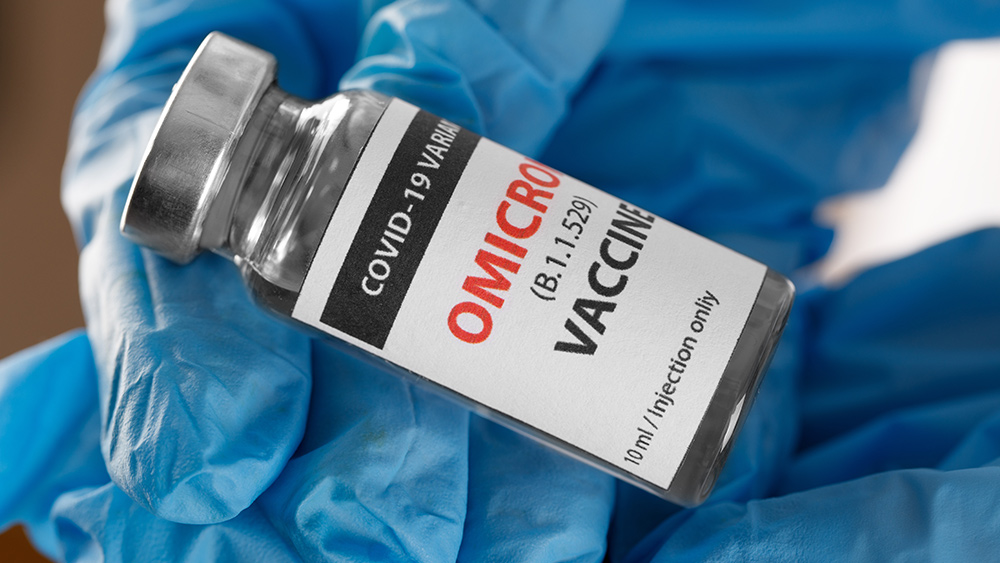
It could very well be that this technology has not yet been fully “installed” yet, and that the so-called “boosters” are delivering the final pieces of it. Or perhaps the new Spike Ferritin Nanoparticle (SpFN) “vaccine,” which was developed by researchers at the Walter Reed Army Institute of Research (WRAIR) as a type of “universal” injection for covid.
These injections contain synthetic nanoparticles that invade the body’s cells and deliver a payload. The U.S. Army describes this new SpFN nanoparticle vaccine as being based on a ferritin platform that is part of “a forward-thinking ‘pan-SARS’ strategy,” but the truth about it could actually be much more sinister.
The latest news about the “vaccines” can be found at Genocide.news .
Sources for this article include:
RT.com
Can Mushrooms Help in Managing Alzheimer’s Disease? Here’s What we Know
Alzheimer’s disease is a mental health issue that sets in mid ’60s which leads to deterioration the memory and thinking skills. It accounts for 60 to 70% of dementia cases. Having to deal with difficulties relating to thinking, reasoning, remembering, and behaviour, life turns harder with time after the onset of Alzheimer’s disease.
Although there is no treatment for Alzheimer’s disease, medications help manage symptoms and cope with the disease. With nootropics being widely used in treating patients suffering from Alzheimer’s disease, the question is could consuming food that are natural nootropics help managing symptoms of Alzheimer’s disease. Nootropics are substances that have stimulant effects and help boosting brain’s performance which enhances memory. What Types of Mushrooms Are Helpful?
Certain types of mushrooms are natural nootropics that boost the brain’s functions when consumed. Lion’s Mane mushroom, Chaga mushroom and Cordyceps are popular super mushrooms that are widely used among health enthusiasts for strengthening the immune system and improving gut balance. Their nootropic benefits make them apt to be used to help managing symptoms of Alzheimer’s disease. Lion’s Mane Mushroom: Lion’s mane grows on the trunks of hardwood trees is rich in nootropic compounds such as hericenones and erinacines that stimulate growth of brain cells and improves cognition. Studies have shown that consuming Lion’s Mane mushroom in small quantities for a period of 4 months improves mental functioning.
Chaga Mushroom: Chaga Mushrooms are rich in antioxidants that are important for brain’s health. Brain is prone to oxidative stress which is associated with decline in cognition and increased risk of suffering Alzheimer’s disease. It helps protecting the brain from neuro degeneration by balancing the antioxidant system and protects the cells.
Cordyceps Mushrooms: Cordyceps are mostly found in mountain regions increases blood flow to damaged brain cells. It reduces the impact of ageing and the risk of age-related cognitive decline. Chronic stress leads to inflammation in the brain which results in memory damage and increases the risk of suffering cognitive disorders. This mushroom has a positive influence on the mood and boosts memory.
How to Add Mushrooms to Your Diet?
The simplest way is to replace your regular coffee with mushroom coffee.
(Authored article by Rajat Bahl, Director at The Forest Superfood)

The Power Within by Corey Daniels book available for only $2.99
Mind has both conscious and subconscious halves. These are likened to a driver and the truck he drives. The driver plans the destination and observes road conditions, while the truck provides motive power. Your subconscious mind is like the truck and it only goes in the direction in which is a steered. This can be the road or off a cliff. Likewise, the consciousness paints a picture of what the world is and what your goals are and the subconscious acts on them through emotion, physical response and energy, whether these are correct, rational images or false negative ones. The subconscious is also like an emotional reservoir which your body and mind draw responses from to external stimuli.
The Power Within lays out a method of programming your subconscious and tapping into the Holy Spirit, God voice or what the Greeks called the daimon (godman).