Nature Knows and Psionic Success
God provides
Here’s what you need to know about the must-have supplement for patients with Hashimoto’s low thyroid

Stock image | Photo by spukkato/iStock/Getty Images Plus, St. George News LATEST STORIES
CONTRIBUTED CONTENT — Antioxidants are a buzzword in health circles that sometimes deliver empty promises. But when it comes to autoimmune Hashimoto’s hypothyroidism, one antioxidant is a must-have in your protocol kit: Glutathione. Stock image | Photo by Inside Creative House/iStock/Getty Images Plus, St. George News Glutathione is considered the body’s master antioxidant, and at RedRiver Health and Wellness Center , it’s the supplement we tell our patients they need it to dampen autoimmune response and lower the risk of developing new autoimmune diseases.
Glutathione protects cells from damage, supports general detoxification, acts as a natural chelator for toxic heavy metals and environmental toxins and supports healthy immune system function. Glutathione works by protecting energy-producing factories inside cells called mitochondria.
Antioxidants are molecules that inhibit other molecules from going through oxidation, a chemical reaction that produces toxins called free radicals. Free radicals are unstable molecules that occur naturally but also enter our bodies through toxins in food, air, water and even medications. Left unchecked, free radicals damage cells, destabilize the immune system and contribute to the development of serious health problems.
Glutathione is a compound made by the body that protects cells and tissues from damage by free radicals. While the body makes glutathione, it can also be supplemented in absorbable forms or via nutrients that boost glutathione production.
Normally, our bodies should make enough glutathione to protect us. However, it’s common for glutathione to drop too low in our modern world. Even if we lead a very clean, nontoxic life, we cope with thousands of toxic chemicals in our daily environment, our food and our water. Sugary diets full of processed foods, food intolerances, leaky gut and undiagnosed infections are other examples of things that can deplete glutathione due to chronic inflammatory assaults on the cells.
Glutathione levels also decrease as we age, and our need for supplemental glutathione increases significantly. When glutathione production drops, you’re more vulnerable to developing autoimmune disease , chronic pain, chemical sensitivities, leaky gut and other immune-related disorders.
In fact, glutathione depletion is linked with a number of disease states and groups including the following: Aging.
Athletic overtraining.
Major injuries and trauma.
Patients with wasting diseases such as HIV /AIDS.
Lung cancer.
Gut-based diseases such as Crohn’s and ulcerative colitis.
Chronic fatigue syndrome.
Alcoholism and fatty liver disease.
Diabetes and low glucose tolerance.
Cancer.
One of the most important things you can do to improve glutathione status is to remove or mitigate stressors that deplete glutathione. These may include lack of sleep, smoking, food intolerances, diets high in sugars and processed foods, excess alcohol intake and hormone or immune imbalances.
If you have Hashimoto’s , this typically also means going on a gluten-free diet, as many studies show a connection between Hashimoto’s hypothyroidism and a gluten intolerance or celiac disease.
Additionally, research shows a link between poor glutathione status and autoimmune Hashimoto’s hypothyroidism .
Recycle glutathione to manage Hashimoto’s hypothyroidism
One of the most effective approaches to dampen autoimmune-related inflammation is to support your body’s ability to recycle glutathione. Recycling glutathione means your body takes existing glutathione that has already been used in self-defense and rebuilds it so it can work again to protect the body.
For glutathione to be recycled, it must be reduced. There are two main forms of glutathione in the body: reduced glutathione and oxidized glutathione.
When there is sufficient reduced glutathione in the cells, they sacrifice themselves to free radicals to protect cellular mitochondria. An enzyme called glutathione peroxidase then sparks the conversion of reduced glutathione to oxidized glutathione, a free radical itself.
If there is sufficient glutathione in the cell, the newly unstable oxidized glutathione pairs with available glutathione with the help of an enzyme called glutathione reductase. This sends it back to reduced glutathione status and gets it ready to return to service protecting cells.
Glutathione recycling helps balance immune function and shield thyroid tissue from inflammation and autoimmune attacks. Glutathione also helps repair damaged tissues, such as in the case of leaky gut. Supplementing to increase glutathione levels – the RedRiver clinical research observations Between all of our clinics, we see several hundred patients each day, which puts us at an unparalleled advantage when it comes to honing in on the best support for patients. Below is an overview of what’s available to boost glutathione levels and what we have seen work the best for our patients. Glutathione recycling Glutathione recycling is a good place to start to increase glutathione activity inside of cells. A variety of nutritional and botanical compounds have been shown to support glutathione recycling, such as the following: N-acetyl-cysteine, which quickly metabolizes into intracellular glutathione. L-glutamine, which helps generate glutathione. Alpha-lipoic acid, which recycles and extends the life span of vitamin C, glutathione and coenzyme Q10, all of which are needed for glutathione recycling. Selenium, which is a cofactor for the enzyme glutathione peroxidase that converts reduced glutathione to oxidized glutathione to protect cells. Milk thistle, which significantly increases glutathione and improves the ratios of reduced and oxidized glutathione. Gotu kola, which increases glutathione peroxidase and glutathione in general. Cordyceps, which supports glutathione synthesis and activates the glutathione enzyme cycle. Taken together, these botanicals and compounds activate the glutathione peroxidase and reductase enzymes to promote a healthy glutathione recycling system.I use a stand-alone product to support glutathione recycling containing all of these ingredients called Glutathione Recycler by Apex Energetics. This product was developed by Dr. Datis Kharrazian, who pioneered our modern understanding of Hashimoto’s and glutathione.We have found this product works best when used in conjunction with a liposomal glutathione blend, which I discuss below. Liposomal glutathione Stock image | Photo by Shidlovski/iStock/Getty Images Plus, St. George News We are very impressed with patients’ results from a liquid liposomal glutathione blend called Trizomal Glutathione by Apex Energetics, also formulated by Kharrazian. Trizomal Glutathione provides both bioactive glutathione and the glutathione precursor N-acetyl-cysteine, meaning it’s for comprehensive glutathione support.Although dosages vary depending on the degree of inflammation, we generally start people […]
Memory-making involves extensive DNA breaking
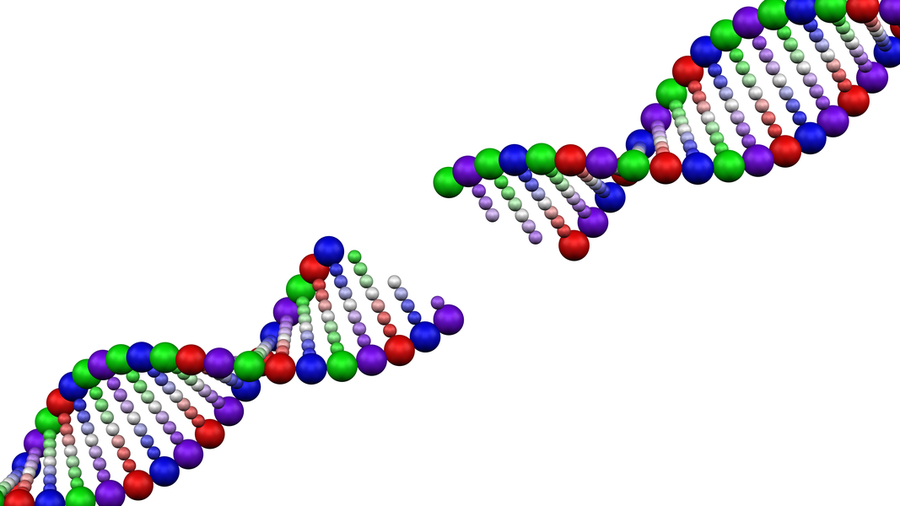
The urgency to remember a dangerous experience requires the brain to make a series of potentially dangerous moves: Neurons and other brain cells snap open their DNA in numerous locations — more than previously realized , according to a new study — to provide quick access to genetic instructions for the mechanisms of memory storage.
The extent of these DNA double-strand breaks (DSBs) in multiple key brain regions is surprising and concerning, says study senior author Li-Huei Tsai , Picower Professor of Neuroscience at MIT and director of The Picower Institute for Learning and Memory, because while the breaks are routinely repaired, that process may become more flawed and fragile with age. Tsai’s lab has shown that lingering DSBs are associated with neurodegeneration and cognitive decline and that repair mechanisms can falter .
“We wanted to understand exactly how widespread and extensive this natural activity is in the brain upon memory formation because that can give us insight into how genomic instability could undermine brain health down the road,” says Tsai, who is also a professor in the Department of Brain and Cognitive Sciences and a leader of MIT’s Aging Brain Initiative . “Clearly, memory formation is an urgent priority for healthy brain function, but these new results showing that several types of brain cells break their DNA in so many places to quickly express genes is still striking.”
Tracking breaks
In 2015, Tsai’s lab provided the first demonstration that neuronal activity caused DSBs and that they induced rapid gene expression. But those findings, mostly made in lab preparations of neurons, did not capture the full extent of the activity in the context of memory formation in a behaving animal, and did not investigate what happened in cells other than neurons.
In the new study published July 1 in PLOS ONE , lead author and former graduate student Ryan Stott and co-author and former research technician Oleg Kritsky sought to investigate the full landscape of DSB activity in learning and memory. To do so, they gave mice little electrical zaps to the feet when they entered a box, to condition a fear memory of that context. They then used several methods to assess DSBs and gene expression in the brains of the mice over the next half-hour, particularly among a variety of cell types in the prefrontal cortex and hippocampus, two regions essential for the formation and storage of conditioned fear memories. They also made measurements in the brains of mice that did not experience the foot shock to establish a baseline of activity for comparison.
The creation of a fear memory doubled the number of DSBs among neurons in the hippocampus and the prefrontal cortex, affecting more than 300 genes in each region. Among 206 affected genes common to both regions, the researchers then looked at what those genes do. Many were associated with the function of the connections neurons make with each other, called synapses. This makes sense because learning arises when neurons change their connections (a phenomenon called “synaptic plasticity”) and memories are formed when groups of neurons connect together into ensembles called engrams.
“Many genes essential for neuronal function and memory formation, and significantly more of them than expected based on previous observations in cultured neurons … are potentially hotspots of DSB formation,” the authors wrote in the study.
In another analysis, the researchers confirmed through measurements of RNA that the increase in DSBs indeed correlated closely with increased transcription and expression of affected genes, including ones affecting synapse function, as quickly as 10-30 minutes after the foot shock exposure.
“Overall, we find transcriptional changes are more strongly associated with [DSBs] in the brain than anticipated,” they wrote. “Previously we observed 20 gene-associated [DSB] loci following stimulation of cultured neurons, while in the hippocampus and prefrontal cortex we see more than 100-150 gene associated [DSB] loci that are transcriptionally induced.”
Snapping with stress
In the analysis of gene expression, the neuroscientists looked at not only neurons but also non-neuronal brain cells, or glia, and found that they also showed changes in expression of hundreds of genes after fear conditioning. Glia called astrocytes are known to be involved in fear learning, for instance, and they showed significant DSB and gene expression changes after fear conditioning.
Among the most important functions of genes associated with fear conditioning-related DSBs in glia was the response to hormones. The researchers therefore looked to see which hormones might be particularly involved and discovered that it was glutocortocoids, which are secreted in response to stress. Sure enough, the study data showed that in glia, many of the DSBs that occurred following fear conditioning occurred at genomic sites related to glutocortocoid receptors. Further tests revealed that directly stimulating those hormone receptors could trigger the same DSBs that fear conditioning did and that blocking the receptors could prevent transcription of key genes after fear conditioning.
Tsai says the finding that glia are so deeply involved in establishing memories from fear conditioning is an important surprise of the new study.
“The ability of glia to mount a robust transcriptional response to glutocorticoids suggest that glia may have a much larger role to play in the response to stress and its impact on the brain during learning than previously appreciated,” she and her co-authors wrote.
Damage and danger?
More research will have to be done to prove that the DSBs required for forming and storing fear memories are a threat to later brain health, but the new study only adds to evidence that it may be the case, the authors say.
“Overall we have identified sites of DSBs at genes important for neuronal and glial functions, suggesting that impaired DNA repair of these recurrent DNA breaks which are generated as part of brain activity could result in genomic instability that contribute to aging and disease in the brain,” they wrote.
The National Institutes of Health, The Glenn Foundation for Medical Research, and the JPB Foundation provided funding for the research.
Nutrition deficiencies can impact your mental health
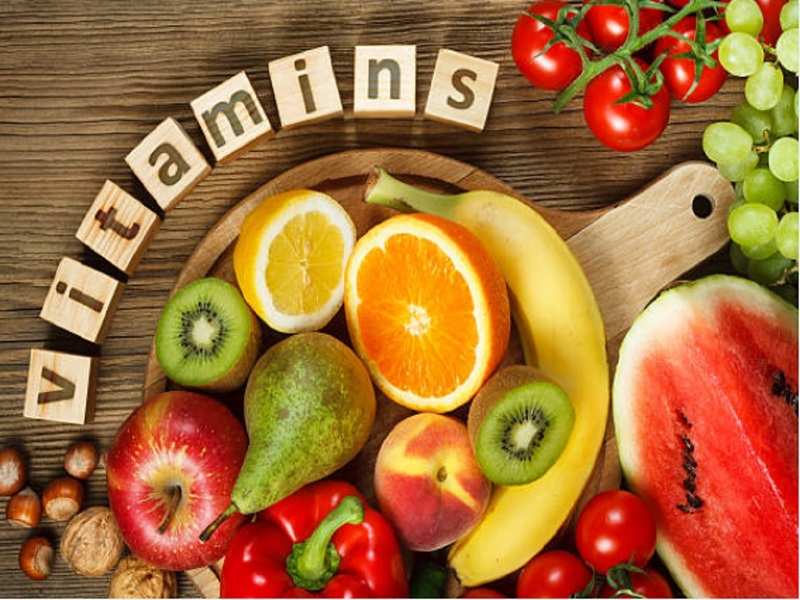
Mental and physical health can be boosted with a nutrient-dense, healthy diet. Many times, low levels of essential nutrients can cause a feeling of low and can be linked to depression, irritability, and anxiety. “One must understand the signs of nutrition deficiencies. Mood disorders can be caused by various factors such as psychological, biological, genetic, environmental, and circumstantial. Nutritional imbalance happens to be the most neglected biological factor for mood swings/disorders. Very few people emphasise the connection between nutrition and depression, while most of them easily understand the connection between nutritional deficiencies and physical health. One’s vitamin, mineral and key nutrition deficiencies can compromise optimal brain functioning and increase irritability, tiredness, and depression,” says Eshanka Wahi, Culinary Nutrition Coach.
While deficiencies are extremely unique to each individual, below are 7 nutrition inclusions that Eshanka recommends to boost mental and physical health. If your diet doesn’t comprise of nutrient-rich foods she recommends to take additional supplements for those listed below:
1. Vitamin D
Vitamin D regulates the production of adrenaline, noradrenaline, and dopamine, and plays a vital role in hormonal balance. Vitamin D deficiency is linked with the presence of an active mood disorder. Mild Alzheimer’s, altered sleep patterns and mood issues, and fatigue are common disorders. To make one’s diet rich in vitamin D natural sources such as eggs, fatty fish, and mushrooms and fortified foods like milk, flour, rice, cheese, and oats should be consumed.
2. Vitamin B (B1, B6, B7, B12, B complex)
People with B vitamin deficiencies experience depression, anxiety, and mood swings. Folate is at the forefront of mood management. People fighting depression have lower levels of folate in the blood. Folate is present in green leafy vegetables, beans, peas, peanuts, and other legumes, and citrus fruits.
3. Magnesium
Magnesium levels have a negative correlation with the occurrence of depression. The deficiency of magnesium is known to increase the occurrence of many mental syndromes like agitation, anxiety, irritability, confusion, asthenia, sleeplessness, headache, delirium, hallucinations, and hyperexcitability. Therefore, one must include magnesium-rich foods such as pumpkin seeds, almonds, peanuts in their everyday diet
4. Iron
Iron Aids in the making of red blood cells, that carry oxygen around the body, and iron deficiency can lead to poor concentration, decrease in cognition (attention span, intelligence, and sensory perception functions), anxiety, irritability, and depression. The prolonging lack of iron can lead to headaches and breathlessness too. That is why choosing the right combination of food choices is the key. For instance, if one consumes a palak paneer and thinks that it will give enough iron, then they are mistaken. The calcium present in paneer limits the absorption of iron in spinach when consumed in combination. Instead, pair iron-rich sources with vitamin C. For example, food pairing to increase nutrient absorption includes Spinach with lemon juice. Iron capsule to be consumed with lemon water to increase nutrient absorption.
5. Selenium
The lower the level of selenium in the diet the more reports of anxiety, depression, and tiredness. Higher selenium levels are directly associated with lower depressive symptoms. The best food source of selenium is Brazil nuts
6. Omega-3 Fatty Acids
Omega-3 fatty acids are vital for brain function, especially memory and mood. If your diet is low in good quality fats, like omega-3s, then your body can only make low-quality nerve cell membranes. Oily fish like salmon and tuna are great sources of omega-3 fatty acids, as are fish like cod and cod liver oil. These healthy fats can also be found in flaxseeds and walnuts. Extra Omega 3 Fish Oil supplements are recommended.
7. Zinc
Zinc, another essential mineral that regulates the brain and body’s response to stress. It is the brain where zinc is found in the highest concentration in our body, making it central to healthy brain function. It isn’t just responsible for activating your central and peripheral nervous system but is also required for neurotransmitter, enzymatic and hormonal processes. Zinc deficiency does result in anxiety, schizophrenia, and eating disorders. Rich sources of zinc include meat, poultry, oysters, spinach, pumpkin seeds, raisins, and dark chocolate.
A redundant modular network supports proper brain communication

Recall a phone number or directions just recited and your brain will be actively communicating across many regions. It is thought that working memory relies on interactions between these regions, but how these brain areas interact and properly represent memory has remained a mystery.
At Baylor College of Medicine, Dr. Nuo Li, assistant professor of neuroscience and a McNair Scholar, and his colleagues investigated the nature of the communication between brain regions involved in working memory and found evidence that a modular network organization is critical for persistent neural activity.
How brain regions communicate
Li and his colleagues were able to see that each hemisphere of the brain has a separate representation of a memory. However, the hemispheres are tightly coordinated on a moment-to-moment basis, resulting in highly coherent information across them during working memory.
In their study, the researchers engaged mice in a simple behavior that would require them to store specific information. They were trained to delay an instructed action for a few seconds. This time delay gave researchers the chance to look at brain activity during the memory process.
“We saw many neurons simultaneously firing from both hemispheres of the cortex in a coordinated fashion. If activity went up in one region, the other region followed closely. We hypothesized that the interactions between brain hemispheres is what was responsible for this memory,” Li said.
Li and his colleagues recorded activity in each hemisphere, showing that each one made its own copy of information during the memory process. So how are the two hemispheres communicating?
Li explained that through the use of optogenetics they were able to corrupt information in a single hemisphere, affecting thousands of neurons during the memory period. What they found was unexpected.
“When we disrupted one hemisphere, the other area turned off communication, basically preventing the corruption from spreading and affecting activity in other regions,” Li said. “This is similar to modern networks such as electricity grids. They are connected to allow for the flow of electricity but also monitor for faults, shutting down connections when necessary so the entire electrical grid doesn’t fail.”
In collaboration with Dr. Shaul Druckmann and Ph.D. student Byungwoo Kang at Stanford University, the researchers developed theoretical analyses and network simulations of this process, showing that this modular organization in the brain is critical for the robustness of persistent neural activity. This robustness could be responsible for the brain being able to withstand certain injuries, protecting cognitive function from distractions.
“Understanding redundant modular organization of the brain will be important for designing neural modulation and repair strategies that are compatible with the brain’s natural processing of information,” Li said.
Read the paper in the journal Cell.
/Public Release. This material comes from the originating organization and may be of a point-in-time nature, edited for clarity, style and length. View in full here .
Yet to try functional mushrooms? Catch up on the wellness world’s enduring obsession with fungi
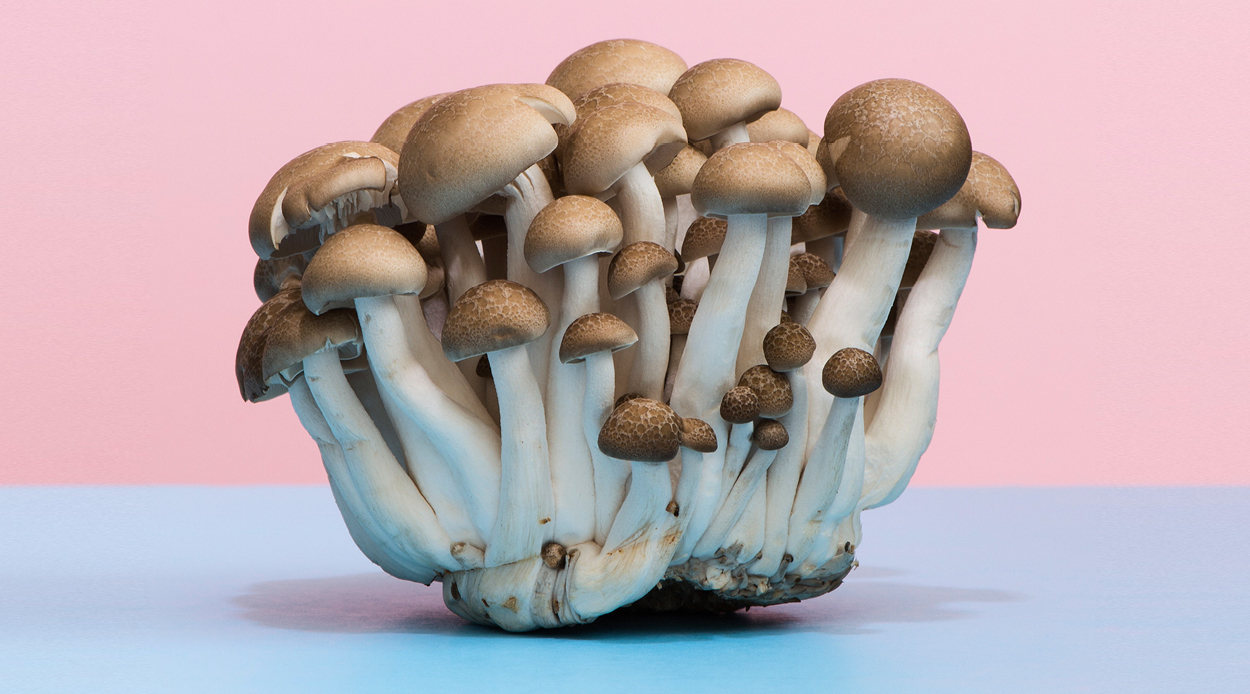
If we were to tell you that our human anatomy shares at least 50 percent of the same DNA as another living organism, what’s the first thing that comes to mind? Apes, definitely. Chimpanzees, sure. Pigs, maybe — at least in the case of a certain indelicate former US president. But mushrooms? Not quite.
Surprising to many, a mushroom shares over half of its genetic makeup with humans due to a shared common ancestor — one which branched away from plants some 1.1 billion years ago.
This means that humans are more closely related to mushrooms than many plants are. And while this may seem like an unnecessary piece of trivia, it’s far more important than you could ever imagine.
This genetic connection has led to mushrooms playing a pivotal role in medical research, with around 40 percent of all pharmaceuticals being derived from mushrooms — everything from Penicillin to anticancer treatments — and that’s only the tip of the iceberg.
While the majority of us may believe that mushrooms are nothing more than a delicious accoutrement to pasta, pizza or steak, the humble fungi have so much more to offer. Said to be able to help with everything from immunity support and cognitive function to energy and relaxation, the broad applications of the recently anointed ‘superfood’ are vast and promising, and it’s largely due to how many species there are.
The fungi family is extensive, with more than 1.5 million varieties discovered, of which a small percentage serve as mind-bending psychedelics and an even smaller percentage are lethal. The rest, however, exhibit a seemingly endless stream of benefits. Helping us gain a better understanding of the idiosyncrasies of mushrooms is renowned author and entrepreneur Tero Isokauppila. This self-professed fungi fanatic is championing the mushroom movement and has propelled the cap-topped saprophytes into wellbeing stardom following the launch of his superfood company, Four Sigmatic , in Finland.
Since its US debut in 2015 the holistic start-up has won the world over with its impressive range of innovative mushroom supplements, which have been featured everywhere including Forbes , Vogue and Gwyneth Paltrow’s health-centric Goop .
Isokauppila grew up foraging for mushrooms with his brother and physiology professor mother in Finland (where his father was an agronomist) and when he decided to run a marathon, he used the knowledge he had acquired of wild foods and the human body to help in his training.
It was during that time that he stumbled upon the cordyceps, a particular type of stamina-boosting mushroom that not only vastly improved his training, but also inspired the idea that was to one day become his business.
While the newly-found mushroom was stimulating for the body, however, the same couldn’t be said for the tastebuds. So before long, the Finnish foodpreneur began searching for a simpler, more palatable way to consume it. Thus, mushroom coffee was born — not too surprising given Finland’s well-documented fondness for java (the country is the biggest consumer of coffee in the world).
Described as a “fruity, medium roasted cup of coffee,” Isokauppila’s brew promises no lingering fungi flavours, no jitters, no morning crashes, and no funky stomach repercussions either.
Plus, for those who aren’t partial to a cup of Joe there’s an array of other salubrious beverages on offer, including hot chocolates, elixirs (perfect for smoothies) and mochas all spiked with one ‘shroom or another. But with so many different types of mushroom out there and an equally comprehensive number of products, it can be difficult to know where to start. Isokauppila’s advice?
Begin your journey with the main four: Cordyceps , Lion’s Mane , Chaga, and Reishi. Reishi, often referred to as the ‘Queen of mushrooms,’ while still relatively unknown in the Western world has been used in the medicinal systems of Asian countries for years.
Not only can it boost the immune system and help to reverse liver damage, but the fungi is also described by Isokauppila as “the sleep and stress” shroom, thanks to its properties as an all-natural sedative. (You can find this in Four Sigmatic’s Mushroom Cacao Mix , which serves as the ultimate nightcap.)
Lion’s Mane is another species to note and is set to be your brain’s new best friend. The small, round, ivory-coloured mushroom, topped with cascading icicle-like spines similar to the strands of a lions mane, is an all-natural nootropic proven to strengthen memory, help with concentration and boost creativity. It is also, according to this mushroom maverick, “one of the only foods to have neuroprotective properties.”
Chaga, native to Isokauppila’s home country, “has incredibly high antioxidant elements,” while Cordyceps helps to support energy, stamina and athletic performance — both appear in the Four Sigmatic’s Instant Mushroom Coffee , but the list of mushrooms with magic properties doesn’t end there. Those on an aesthetic quest should acquaint themselves with the shiitake and the maitake — the first of which is believed to be a powerful skin booster, while the latter, proven to aid weight loss and digestion.
The thick-bodied Porcini mushroom contains more protein than any other commonly consumed vegetable and can help to settle down inflammation, while the petite-capped Shimeji is used in some treatments for asthma. The Turkey Tail mushroom boosts immunity and fights disease and the long-stemmed Enoki contains a plethora of antioxidants. It’s clear that when it comes to the mushroom kingdom, no two are quite the same.
While there are many wellness-boosting fads that come and go, it seems that mushrooms are offering something far more tangible than the usual trends. “Humans and fungi have been working together synergistically for thousands of years,” explains Isokauppila, “and although this may seem like a trend to the Western world — it is anything but.”
Whether you’re looking to expand your culinary horizon or just switch up your morning brew, it seems you need to be jumping on the mushroom wagon. They’re ultimately the true panacea, and they’ve been underfoot all along.
These local wellness brands are also making the most of mushrooms :
Mother Made:
Kiwi best friends Emily Blanchett and Jessica Clarke were driven to […]
The One Breakfast Brain Experts Want You to Eat More Often

Wake up to this brain breakfast a few times a week and your noggin will thank you. If you want to start off the day benefiting your brain health, there’s one breakfast neurologists, neurosurgeons and other brain experts recommend overnight oats with walnuts and blueberries.
When making standard overnight oats , all you have to do is the following:
> Soak ½ cup rolled oats with 1 cup of almond milk.
Refrigerate overnight.
In the morning, top with fresh blueberries and walnuts.
You’re more likely to eat healthy when you have a nutritious breakfast waiting for you in the morning, and this easy one helps to boost your brain health from the get-go.
“The foods we eat directly relate to how our brain functions,” says Randall Wright, MD , a neurologist at Houston Methodist Hospital. “When it comes down to diet and eating, we are seeing now that it’s all about brain energy. The brain uses a large portion of energy compared to the rest of the body.”
That’s why it’s important to fuel your brain with foods that help it combat stress and damage, which is exactly what this powerhouse breakfast will help you do. Here are four benefits of an overnight oats breakfast with blueberries and walnuts.
The delicious blueberry can help guard your brain against damage and improve its long-term function. Brain experts tend to recommend three diets for a healthy brain — all of which recommend fruit, and one of which recommends blueberries specifically.
“Typically, when I speak to patients about diets they should focus on for brain health, there are three main diets I refer them to: the Mediterranean Diet, the MIND diet and the DASH diet,” says Philip Stieg, MD , a neurosurgeon and founder of the Weill Cornell Brain and Spine Center.
Here’s what you need to know about each of those diets: The Mediterranean Diet : This diet is rich in fruits, vegetables, fish, high-fiber breads, whole grains and healthy fats, and is linked to lower rates of stroke, Alzheimer’s disease and other dementia, depression, stroke and Parkinson’s disease, per Michigan Medicine .
The DASH Diet : Also known as Dietary Approaches to Stop Hypertension, this diet focuses on foods that lower blood pressure and “bad” LDL cholesterol, and recommends vegetables, fruits, whole grains, fat-free or low-fat dairy products, poultry, beans, nuts and vegetable oils, per the National Heart, Lung, and Blood Institute . Dr. Stieg notes that diets that are healthy for the heart tend to be healthy for the brain, too.
The MIND Diet : The most famous diet for brain health, the MIND Diet (Mediterranean-DASH Intervention for Neurodegenerative Delay) is a hybrid of the DASH diet and Mediterranean diet and was formulated by researchers to emphasize foods that affect brain health. It includes plenty of vegetables, meat-free meals, nuts, occasional fish and olive oil, and specifically calls out blueberries, which have been linked to slower rates of cognitive decline, per the Mayo Clinic .
The MIND diet recommends two or more servings per week of any type of berry but calls out that blueberries may be potentially more beneficial. Older adults who ate the most blueberries and strawberries had the slowest rates of cognitive decline in a July 2012 study in the Annals of Neurology . The California Strawberry Commission partially funded the study, but it is worth noting because it reviewed data of over 16,000 participants from the Nurses’ Health Study over 20 years.
In the study, those who ate the most blueberries and strawberries delayed cognitive aging by up to 2.5 years. Anthocyanidins, which are a subclass of flavonoids, can cross the blood-brain barrier to accumulate in areas of the brain responsible for learning and memory, like the hippocampus.
“It’s clear that berries, and particularly blueberries, have direct benefits,” says Marwan Sabbagh, MD , an Alzheimer’s expert at the Cleveland Clinic. “Flavonoids are very potent free radical scavengers and antioxidants.”
In other words, flavonoids can help protect against the effects of oxidative stress and inflammation that naturally occur in your body. Your body creates free radicals, unstable molecules that cause oxidative stress (which in turn can lead to cell damage), when you digest food, exercise, smoke or are exposed to environmental factors like sunlight or air pollution, per the National Institutes of Health (NIH). Oxidative stress is thought to play a role in a variety of diseases, including those that affect the brain such as Alzheimer’s disease and Parkinson’s disease.
“The chemicals in blueberries are what the brain needs to protect itself,” Dr. Wright says. “When our diets don’t reflect that, that’s when disease may start.”
Antioxidants in blueberries can help prevent or delay cell damage in your body, but it’s best to get them through food — while diets high in antioxidant-rich fruits and vegetables have been shown to be healthy, antioxidant supplements have not been shown to be helpful in preventing disease, per the NIH.
Nuts like walnuts are rich in vitamin E , which is known for its brain-protective qualities, per the Mayo Clinic. The MIND Diet recommends eating a handful of nuts at least five times per week in place of processed snacks like chips — just opt for the raw, unsalted kind without added sodium, sweeteners or oils.
Walnuts, in particular, pack the most alpha-linolenic acid (ALA), a type of omega-3 fatty acid, than any other nut. They also have higher levels of polyphenolic compounds (a type of antioxidant) than any other nut. Both ALA and polyphenolic compounds may help lower oxidative stress and inflammation — which are two causes of cognitive decline, according to the American Society for Nutrition .
“The cells in our body have cell walls constructed of lipids, or fats,” Dr. Stieg says. “Good fats help construct a normal, healthy cell wall, so you want to make sure you have the appropriate fats in your diet.”
Eating more walnuts increased adults’ performance on cognitive tests, regardless of how old they were, in a December 2014 study in The Journal of Nutrition, Health & Aging […]
Fear Memory-making Involves Extensive DNA Breakage that Leads to Neurodegeneration
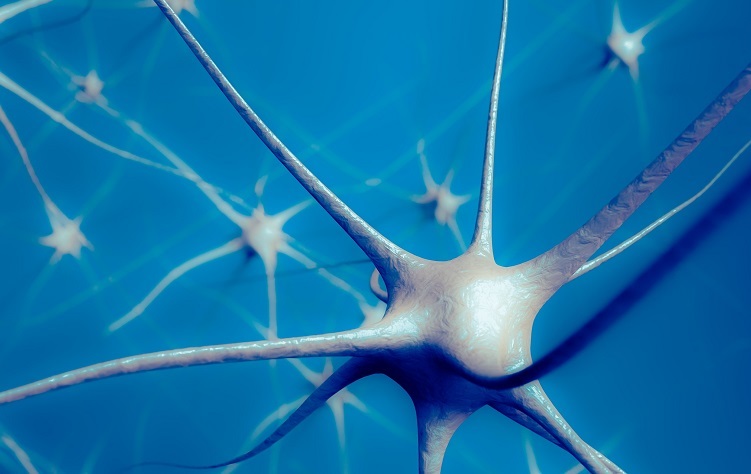
Double-strand DNA breaks, which occur when the phosphate backbones of both DNA strands are hydrolyzed, are considered the most significant DNA damage and have been shown to increase the risk of cancer and other deadly diseases.
So, it’s surprising enough that previous research has shown the brain actually causes double-strand breaks (DSBs) when it is trying to create a fear-based memory. What’s even more shocking—and concerning—is the extent of these DSBs in multiple key brain regions, according to a new study by Li-Huei Tsai, professor of neuroscience at MIT and director of The Picower Institute for Learning and Memory.
In a new paper published in PLOS One , Tsai and colleagues show that while the breaks are routinely repaired, the process may become more flawed and fragile with age.
“We wanted to understand exactly how widespread and extensive this natural activity is in the brain upon memory formation because that can give us insight into how genomic instability could undermine brain health down the road,” said Tsai. “Clearly memory formation is an urgent priority for healthy brain function but these new results showing that several types of brain cells break their DNA in so many places to quickly express genes is striking.”
In the most recent study, researchers in Tsai’s lab gave mice low-power electrical zaps to the feet when they entered a box to condition a fear memory. Then, the team used several methods to assess DSBs and gene expression in the brains of said mice.
Compared with control mice, the creation of a fear memory in those who were zapped doubled the number of DSBs among neurons in the hippocampus and the prefrontal cortex, affecting more than 300 genes in each region—two brain regions known to form and store fear memories. Among the 206 affected genes common to both regions, many of the genes were associated with synapses.
“Many genes essential for neuronal function and memory formation, and significantly more of them than expected based on previous observations in cultured neurons are potentially hotspots of DSB formation,” the authors explain in the study.
Through RNA measurements, the researchers also demonstrated that an increase in DSBs correlated with increased transcription and expression of affected genes—including ones affecting synapse function—as quickly as 10 to 30 minutes after the foot shock exposure.
Surprisingly, the researchers also recorded gene expression changes in glia, or non-neuronal brain cells in the central nervous system. In glia, many of the DSBs that occurred following fear conditioning occurred at genomic sites related to the specific stress hormone glutocortocoid. Further tests revealed that directly stimulating glutocortocoid receptors could trigger the same DSBs that fear conditioning did. Moreover, blocking the receptors could prevent transcription of key genes after fear conditioning.
“The ability of glia to mount a robust transcriptional response to glutocorticoids suggest that glia may have a much larger role to play in the response to stress and its impact on the brain during learning than previously appreciated,” writes Tsai and her co-authors.
The scientists say more research will have to be done to prove that the DSBs required for forming and storing fear memories are a threat to later brain health, but their new study certainly adds evidence linking lingering DSBs with neurodegeneration and cognitive decline.
Fear Memory-making Involves Extensive DNA Breakage that Leads to Neurodegeneration
Double-strand DNA breaks, which occur when the phosphate backbones of both DNA strands are hydrolyzed, are considered the most significant DNA damage and have been shown to increase the risk of cancer and other deadly diseases.
So, it’s surprising enough that previous research has shown the brain actually causes double-strand breaks (DSBs) when it is trying to create a fear-based memory. What’s even more shocking—and concerning—is the extent of these DSBs in multiple key brain regions, according to a new study by Li-Huei Tsai, professor of neuroscience at MIT and director of The Picower Institute for Learning and Memory.
In a new paper published in PLOS One , Tsai and colleagues show that while the breaks are routinely repaired, the process may become more flawed and fragile with age.
“We wanted to understand exactly how widespread and extensive this natural activity is in the brain upon memory formation because that can give us insight into how genomic instability could undermine brain health down the road,” said Tsai. “Clearly memory formation is an urgent priority for healthy brain function but these new results showing that several types of brain cells break their DNA in so many places to quickly express genes is striking.”
In the most recent study, researchers in Tsai’s lab gave mice low-power electrical zaps to the feet when they entered a box to condition a fear memory. Then, the team used several methods to assess DSBs and gene expression in the brains of said mice.
Compared with control mice, the creation of a fear memory in those who were zapped doubled the number of DSBs among neurons in the hippocampus and the prefrontal cortex, affecting more than 300 genes in each region—two brain regions known to form and store fear memories. Among the 206 affected genes common to both regions, many of the genes were associated with synapses.
“Many genes essential for neuronal function and memory formation, and significantly more of them than expected based on previous observations in cultured neurons are potentially hotspots of DSB formation,” the authors explain in the study.
Through RNA measurements, the researchers also demonstrated that an increase in DSBs correlated with increased transcription and expression of affected genes—including ones affecting synapse function—as quickly as 10 to 30 minutes after the foot shock exposure.
Surprisingly, the researchers also recorded gene expression changes in glia, or non-neuronal brain cells in the central nervous system. In glia, many of the DSBs that occurred following fear conditioning occurred at genomic sites related to the specific stress hormone glutocortocoid. Further tests revealed that directly stimulating glutocortocoid receptors could trigger the same DSBs that fear conditioning did. Moreover, blocking the receptors could prevent transcription of key genes after fear conditioning.
“The ability of glia to mount a robust transcriptional response to glutocorticoids suggest that glia may have a much larger role to play in the response to stress and its impact on the brain during learning than previously appreciated,” writes Tsai and her co-authors.
The scientists say more research will have to be done to prove that the DSBs required for forming and storing fear memories are a threat to later brain health, but their new study certainly adds evidence linking lingering DSBs with neurodegeneration and cognitive decline.
7 new coffee trends that taste great and have impressive health benefits
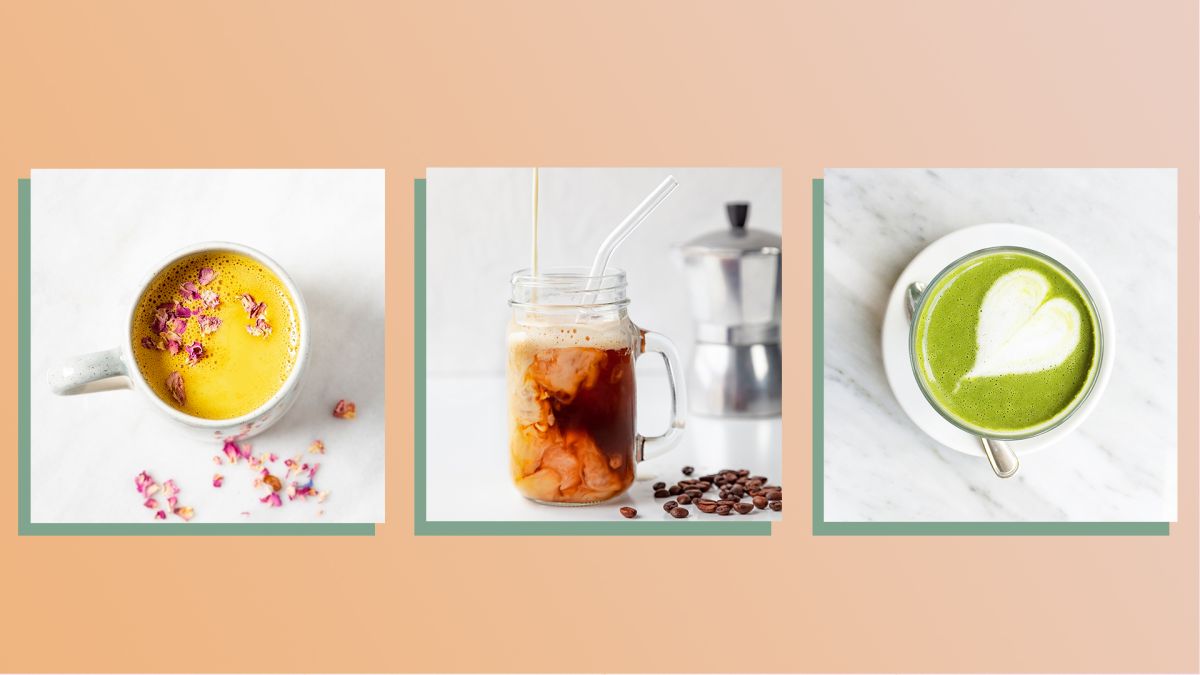
Trying one of these coffee trends is an easy way to give your caffeine fix an upgrade and boost your health in the process. Plus, they have the added bonus of shaking things up when your frothy cappuccino or on-the-go Americano is becoming a little repetitive and you want to try something different.
In fact, trying a new coffee trend could benefit your whole body. It’s not just about a caffeine hit that wakes up your mind; now, as well as your average cup of Joe, there are anti-aging mugs of java and bone-friendly brews that have the potential to impact the whole body.
Coffee beans alone have some impressive health benefits: packed with polyphenols—known to be rich in antioxidants—and other health-boosting compounds that are produced during the roasting process, team them with superfoods (from matcha to mushrooms) and you have a seriously powerful morning wake-up call.
We’ve rounded up seven new coffee trends that not only taste great, but have known health benefits, too. And, while we have your attention, coffee fans, you also might want to check out our guides to the best coffee machine deals and the best coffee travel mugs so you can enjoy your new brew at home or on the go. 7 new coffee trends to try
There are so many coffee trends out there to discover, from protein-infused ‘proffee’ that will help you reach your fitness goals, to antioxidant-rich matcha coffee. Here’s our rundown of the seven we think it’s worth knowing about. 1. Cold brew coffee
This coffee trend has been around for a while but has gained popularity beyond specialty (read trendy) coffee bars. The first thing you need to know is, it isn’t just coffee with ice. For coffee to be classed as a cold brew, the ground coffee beans need to be steeped in room-temperature water for 12 hours or more.
Typically a little stronger than your standard coffee, this brew is also less acidic, so there’s less chance of heartburn or coffee-related gut reactions—which is why it made it onto our top coffee trends list. However, you might want to make your cold brew coffee exclusively part of your morning routine as it’s pretty strong! 2. Matcha latte
Matcha is a variety of green tea, but it’s grown, processed, and prepared differently—the leaves are ground to a powder, rather than soaked—so it offers different benefits. As a coffee trend, then, how does it fare? Well, if you replace the espresso in your latte with matcha, the brew has a calming effect; this is thanks to a compound called L-Theanine, which slows the release of caffeine. This makes it a great choice if you like healthy drinks that also boost your mood.
Matcha could offer heart-health benefits, too, as well as providing anti-cancer properties thanks to its high number of antioxidants.
Need another reason to choose matcha? A study in America found that long-term green tea intake can lead to burning more fat during exercise. 3. Proffee
Made famous by social media platform TikTok, ‘proffee’ is one of the top coffee trends on our list. Involving a mix of protein powder and coffee, it is said to offer a more satiating brew. It’s ideal for pre and post-workout consumption, too.
But that’s not all a proffee is good for. As well as offering you all the usual health benefits of coffee , proffee is especially good for menopausal women. We might have mentioned in the past that there are several health benefits of protein shakes for women over 50. That’s because protein, which is needed to help muscles heal and repair, is something women going through menopause should ensure a healthy intake of.
This is because during menopause, levels of the hormone estrogen fall, which can lead to a decrease in muscle mass and bone strength. Eating protein-rich foods and adding strength training for women workouts into your routine can help counteract this. That said, if you prefer coffee to cold shakes, this could be the drink for you.
To make your own proffee, mix a scoop of protein powder with a shot (or two) of espresso and 200ml of water. Blend everything together for a coffee that’s satiating, satisfying, and strengthening.
Just make sure you moderate your intake. “It’s vital that you only use as much protein powder as is recommended on your chosen product and that you check the sugar contents before you add sugar or syrup to your proffee,” warns James Dodds , owner of A-List Nutrition. “Some protein powders have added sugar which could push you over your daily limit when combined with sugary coffee syrups.” 4. Mushroom coffee
Don’t be too put off by the name—rather than your average button or portobello mushrooms, this coffee trend uses varieties of mushrooms that include muted lion’s mane, chaga, and reishi. With its frothy brown appearance, it might look like some of the more popular retro drinks . But it’s certainly very current.
“These medicinal mushrooms have several benefits,” says Alex Manos, chief wellness officer at Exhale Healthy Coffee . “Firstly, they could promote good liver health, and support healthy blood sugar control, which in turn reduces cravings. Plus, they are said to be anti-cancer, anti-viral, and a source of prebiotics, to keep our tummy and digestion happy.” 5. Collagen coffee
Make your brew anti-aging with a dose of collagen—the protein found in our skin, hair, nails, muscles, and tendons. We produce less collagen as we age, which can lead to wrinkles and sagging skin.
One study found that taking hydrolyzed collagen for 90 days helped reduce skin aging, thanks to its ability to reduce wrinkles and improve skin elasticity and hydration. Collagen boosting is also one of the five skincare trends making waves more widely in the beauty industry. So, why not increase your intake with a hit of skin-friendly collagen in your morning coffee? 6. Turmeric latte
Also referred to as the Golden Milk latte, turmeric latte is a coffee trend that originated in India. But why turmeric? Alex explains that it aids in […]
To Make Memories, DNA Must Break

The urgency to remember a dangerous experience requires the brain to make a series of potentially dangerous moves: Neurons and other brain cells snap open their DNA in numerous locations—more than previously realized, according to a new study—to provide quick access to genetic instructions for the mechanisms of memory storage.
The extent of these DNA double-strand breaks (DSBs) in multiple key brain regions is surprising and concerning, said study senior author Li-Huei Tsai, Picower Professor of Neuroscience at MIT and director of The Picower Institute for Learning and Memory, because while the breaks are routinely repaired, that process may become more flawed and fragile with age. Tsai’s lab has shown that lingering DSBs are associated with neurodegeneration and cognitive decline and that repair mechanisms can falter.
“We wanted to understand exactly how widespread and extensive this natural activity is in the brain upon memory formation because that can give us insight into how genomic instability could undermine brain health down the road,” said Tsai, who is also a professor in the Department of Brain and Cognitive Sciences and a leader of MIT’s Aging Brain Initiative. “Clearly memory formation is an urgent priority for healthy brain function but these new results showing that several types of brain cells break their DNA in so many places to quickly express genes is still striking.” Tracking breaks
In 2015, Tsai’s lab provided the first demonstration that neuronal activity caused DSBs and that they induced rapid gene expression. But those findings, mostly made in lab preparations of neurons, did not capture the full extent of the activity in the context of memory formation in a behaving animal and did not investigate what happened in cells other than neurons.
IIn the new study published July 1 in PLOS ONE, lead author and former graduate student Ryan Stott and co-author and former research technician Oleg Kritsky sought to investigate the full landscape of DSB activity in learning and memory. To do so, they gave mice little electrical zaps to the feet when they entered a box, to condition a fear memory of that context. They then used several methods to assess DSBs and gene expression in the brains of the mice over the next half hour, particularly among a variety of cell types in the prefrontal cortex and hippocampus, two regions essential for the formation and storage of conditioned fear memories. They also made measurements in the brains of mice who did not experience the foot shock to establish a baseline of activity for comparison.
The creation of a fear memory doubled the number of DSBs among neurons in the hippocampus and the prefrontal cortex, affecting more than 300 genes in each region. Among 206 affected genes common to both regions, the researchers then looked at what those genes do. Many were associated with the function of the connections neurons make with each other, called synapses. This makes sense because learning arises when neurons change their connections (a phenomenon called “synaptic plasticity”) and memories are formed when groups of neurons connect together into ensembles called engrams.
“Many genes essential for neuronal function and memory formation, and significantly more of them than expected based on previous observations in cultured neurons…are potentially hotspots of DSB formation,” the authors wrote in the study.
In another analysis, the researchers confirmed through measurements of RNA that the increase in DSBs indeed correlated closely with increased transcription and expression of affected genes, including ones affecting synapse function, as quickly as 10-30 minutes after the foot shock exposure.
“Overall, we find transcriptional changes are more strongly associated with [DSBs] in the brain than anticipated,” they wrote. “Previously we observed 20 gene-associated [DSB] loci following stimulation of cultured neurons, while in the hippocampus and prefrontal cortex we see more than 100-150 gene associated [DSB] loci that are transcriptionally induced.” Snapping with stress
In the analysis of gene expression, the neuroscientists looked at not only neurons but also non-neuronal brain cells, or glia, and found that they also showed changes in expression of hundreds of genes after fear conditioning. Glia called astrocytes are known to be involved in fear learning, for instance, and they showed significant DSB and gene expression changes after fear conditioning.
Among the most important functions of genes associated with fear conditioning-related DSBs in glia was the response to hormones. The researchers therefore looked to see which hormones might be particularly involved and discovered that it was glutocortocoids, which are secreted in response to stress. Sure enough, the study data showed that in glia, many of the DSBs that occurred following fear conditioning occurred at genomic sites related to glutocortocoid receptors. Further tests revealed that directly stimulating those hormone receptors could trigger the same DSBs that fear conditioning did and that blocking the receptors could prevent transcription of key genes after fear conditioning.
Tsai said the finding that glia are so deeply involved in establishing memories from fear conditioning is an important surprise of the new study.
“The ability of glia to mount a robust transcriptional response to glutocorticoids suggest that glia may have a much larger role to play in the response to stress and its impact on the brain during learning than previously appreciated,” she and her co-authors wrote. Damage and danger?
More research will have to be done to prove that the DSBs required for forming and storing fear memories are a threat to later brain health, but the new study only adds to evidence that it may be the case, the authors said.
“Overall we have identified sites of DSBs at genes important for neuronal and glial functions, suggesting that impaired DNA repair of these recurrent DNA breaks which are generated as part of brain activity could result in genomic instability that contribute to aging and disease in the brain,” they wrote.
Reference: Stott RT, Kritsky O, Tsai L-H. Profiling DNA break sites and transcriptional changes in response to contextual fear learning. PLOS ONE . 2021;16(7):e0249691. doi: 10.1371/journal.pone.0249691
This article has been republished from the following materials . Note: material may have been edited for length and content. For […]
These Eggplant Health Benefits Prove the Produce Is Way More Than a Funny Emoji

When it comes to summer produce , you can’t go wrong with eggplant. Known for its deep purple hue and a certain euphemism via emoji, the veggie is impressively versatile. Serve it on sandwiches, toss it in salads, or add it to brownies. The warm weather veggie is also packed with antioxidants and fiber, offering stellar benefits for your heart, gut, and more. Not sure if eggplant deserves a place on your plate? Read on for the health benefits of eggplant, plus ways to add eggplants to your summer menu. What Is Eggplant?
As part of the nightshade family , eggplant (aka aubergine) is genetically related to peppers, potatoes, and tomatoes. It’s native to South Asia and grows in a wide range of shapes, sizes, and colors. The most common variety in the U.S. is the globe eggplant, which is dark purple and oval, according to the University of Kentucky Center for Crop Diversification . And while eggplants are typically prepared as you would other veggies (think: steamed, grilled, fried), they’re botanically classified as fruits — berries, in fact — according to the University of Florida . (Who knew?) Eggplant Nutrition
Boasting an array of nutrients — including fiber, potassium, magnesium, iron, vitamin C, and vitamin B 12 — eggplant is quite an all-star piece of produce. Its peel is rich in anthocyanins , which are antioxidants and natural plant pigments that give the fruit’s skin its purple hue, according to a 2021 study . (BTW, anthocyanins are also responsible for red- and blue-coloring of produce, such as blueberries , red cabbage, and currants, as well as butterfly pea tea .)
Here’s the nutritional profile of one cup of boiled eggplant (~99 grams), according to the United States Department of Agriculture : 35 calories
< 1 gram protein
2 grams fat
9 grams carbohydrate
2 grams fiber
3 grams sugar
Eggplant Health Benefits
Okay, so the purple produce is packed with nutrients — but how does that translate to your health? Ahead, the lowdown on eggplant health benefits, according to registered dietitians and research. Fights Oxidative Stress
Eggplant peel is packed with anthocyanins, which, ICYDK, protect the body from oxidative stress by neutralizing free radicals (aka potentially harmful molecules), says Andrea Mathis, M.A., R.D.N., L.D., registered dietitian and founder of Beautiful Eats & Things . This is key because high levels of oxidative stress can damage cells and DNA, contributing to the development of conditions such as cancer, diabetes, or heart disease. The major anthocyanin in eggplant peel is nasunin , and while there isn’t a lot of research on it, two lab studies found that nasunin has antioxidant properties that can help quell inflammation.
Meanwhile, eggplant flesh contains antioxidants known as phenolic acids , according to an article in the South African Journal of Botany . Not only do phenolic acids find and neutralize free radicals, but they also stimulate protective antioxidant enzymes in the body, making eggplant an especially awesome antioxidant food, according to research published in Biotechnology Reports . (Another seriously antioxidant-rich ingredient? Spirulina .) Supports Brain Health
As the antioxidants in eggplant combat oxidative stress, they also protect your brain. Oxidative stress can contribute to neurodegenerative diseases such as Parkinson’s disease and Alzheimer’s disease , according to a 2019 article in the journal Molecules . Plus, “the human brain is particularly susceptible to oxidative damage,” explains Susan Greeley , M.S., R.D.N., registered dietitian and chef instructor at the Institute of Culinary Education . This is due to numerous reasons, but basically, the brain relies on many molecules to function. If a certain molecule experiences oxidative damage, it can mess with the other molecules — and their ability to interact and send signals to one another, according to an article in the journal Redox Biology .
Antioxidants, however, can shield your brain from this oxidative stress. This includes the anthocyanins in eggplant peel, which “can help boost memory and benefit overall neurological health [as well],” notes Kylie Ivanir, M.S., R.D., registered dietitian and founder of Within Nutrition . A 2019 article in the journal Antioxidants also shares that anthocyanins and phenolic acids offer neuroprotective effects. Promotes Healthy Digestion
“The fiber in eggplant is a mix of insoluble and soluble fiber,” which paves the way for a happy digestive system, explains registered dietitian Tiffany Ma , R.D.N. Insoluble fiber doesn’t combine with water (and other liquids) in the gut. This promotes the movement of food through the intestines, ultimately preventing and relieving constipation, according to the University of California San Francisco . On the other hand, soluble fiber does dissolve in H20 in the gut, creating a viscous, gel-like substance that forms stool, improves constipation (by softening dry stool ) and diarrhea (by firming up loose stool). Ah, sweet relief. (FYI — You can also fill up on both types of fiber by chowing down on cantaloupe, another summer produce .) Protects Heart Health
Ma also dubs eggplant as a heart-healthy food , due in part to its fiber, which helps support healthy blood pressure and cholesterol levels, she says. (High blood pressure and high cholesterol are major risk factors of heart disease, according to the Centers for Disease Control and Prevention .) The antioxidants in eggplants can also lend a hand, as free radicals “may be involved in the development of atherosclerosis or the buildup of plaque in the arteries [that] can lead to heart disease,” explains Ivanir. As the fruit’s antioxidants combat free radicals, they also can protect against atherosclerosis, says Greeley. What’s more, eggplant flesh contains chlorogenic acid, an antioxidant that may help lower levels of LDL (“bad”) cholesterol, says Ivanir. It can also reduce high blood pressure by increasing nitric oxide, a molecule that relaxes your blood vessels, according to a 2021 scientific review . Manages Blood Sugar
The fiber in eggplant can also stabilize blood sugar levels. “Fiber is an indigestible nutrient, which means our bodies take a while to metabolize [it],” says Ma. This slows down the digestion and absorption of carbohydrates in the […]
The Best and Worst Foods for Women Over 50

There may have been a time when you ate whatever you wanted without few, if any, health consequences. You might remember that time well! But it’s true—nothing lasts forever.
“After 50, metabolism slows, estrogen levels drop, and certain nutrient requirements rise,” says Hillary M. Wright, MEd, RDN, LDN , co-author of The Menopause Diet Plan, A Natural Guide to Hormones, Health, and Happines s . “At this point, you’ll probably need to make wiser food choices to help head off midlife weight gain and prevent conditions that are more common with age and menopause.”
Though no food is ever completely off the menu, the trick is to get the biggest bang for your caloric buck while enjoying yourself. Here’s what to choose, and avoid, most of the time, for women over the age of 50. And for more, check out The 7 Healthiest Foods to Eat Right Now . First up, here are the best foods to eat.
Shutterstock Calorie needs decline with age, but weight gain isn’t inevitable. Salmon is a stellar source of protein, which requires more calories to digest than carbohydrates and fat and could help prevent the dreaded belly fat that is common in midlife women. The omega‑3 fats in salmon are good for your heart and brain because they reduce the risk for clogged arteries, decrease elevated triglycerides (fat) in the blood, and lower blood pressure, all of which tend to increase in women in their 50s.
Fish such as salmon may also boost your mood . Eating more fish is associated with a decreased risk of depression , which is more common in women at midlife. Salmon also harbors vitamin D , a nutrient that is key in helping to prevent osteoporosis. Three ounces of cooked sockeye salmon nutrients has nearly all the vitamin D you need for the day after age 50. Shutterstock “For their small size, nuts contain relatively high levels of calories and fat, so you may think that avoiding them will help whittle your waistline, but the opposite is more likely to be true,” Wright says.
Research has found that eating nuts actually help regulate appetite which could make weight control easier. Nuts supply plant protein, heart-healthy, unsaturated fat, potassium, fiber, and other nutrients linked to good health as you age. In fact, women who munched on 1 1/2 ounces of pistachios for 12 weeks improved the quality of their diet without affecting their weight.
When you include delicious and nutritious nuts on a regular basis, you’re doing your heart and brain a favor . Nuts are rich in arginine, an amino acid necessary for making nitric oxide, which eases blood flow to the heart and the brain by relaxing constricted blood vessels. Get the greatest benefit from nuts by swapping 1/4 cup of unsalted varieties such as peanuts, almonds, walnuts, and pistachios (shell on) for snack chips, pretzels, and sweets. Shutterstock When it comes to banishing brain fog and protecting your memory after 50, it pays to squelch oxidation and inflammation. Berries supply many different types of powerful compounds called phytonutrients that help to head off brain cell damage and improve or increase communication between cells, among other ways of supporting brain function .
Blueberries, strawberries, raspberries, and other brightly-colored orbs are juicy and delicious without any added sugar. So these fruits can easily take the place of highly-processed, calorie-packed sweets that will actually provide you with some fiber to keep you fuller for longer. Blueberries and blackberries are also a source of vitamin K, which is necessary to produce osteocalcin, a protein that supports bone strength. Some research suggests that higher intakes of vitamin K are linked to better bone health in older women.
Looking for more helpful tips? Sign up for our newsletter to get daily recipes and food news in your inbox! Shutterstock Legumes such as black beans, garbanzo beans, and pinto beans contain magnesium to help protect against heart disease , stroke , type 2 diabetes , and osteoporosis . Beans are packed with potassium, which is great news for your ticker, as it’s linked to a lower risk for cardiovascular disease. One half-cup of black beans supplies about 400 milligrams of potassium— nearly as much as a medium banana , and about 15% of the recommended daily intake .
Beneficial bacteria in your colon ferment the prebiotic fiber found in beans and produce compounds called short chain fatty acids (SCFA). SCFA help reduce the risk for colon cancer, which increases after age 50, improve the body’s absorption of calcium and magnesium to support bone health, and help to head off heart disease and type 2 diabetes . Another type of fiber in beans bulks up bowel movements and prevents constipation, which can be more common with age. Shutterstock Declining estrogen levels are likely the reason for hot flashes, which affect about 75% of women living in the U.S. for at least two years in their 40s and 50s . Soy foods contain phytoestrogens, plant-based estrogen that is similar in function to human estrogen, but with much weaker effects in the body.
“Women who eat soy every day, including those who live in Asian countries, report having fewer hot flashes and other menopausal symptoms, but there is no scientific evidence to support the link between tofu, tempeh, and edamame and hot flash frequency and intensity,” Wright says.
Still, there are plenty of reasons to include soy foods in a balanced eating plan at any stage of life. Soy is a source of complete protein, and it’s a suitable substitute for fatty and processed meats. Plus, soy is also heart-healthy. Eating 25 grams of soy protein daily , about the amount found in 1/2 cup roasted soy nuts and 1 cup unsweetened soy milk, actually reduces LDL (“bad”) cholesterol, which helps lower heart disease risk. As an added bonus, tofu that’s processed with calcium offers a significant amount bone-building calcium, and tempeh and soybeans pack fiber. Shutterstock Yogurt is a mixture of milk and live active cultures (LAC), also known as probiotics , which […]
Let’s talk turmeric: How much you should take and how it can help
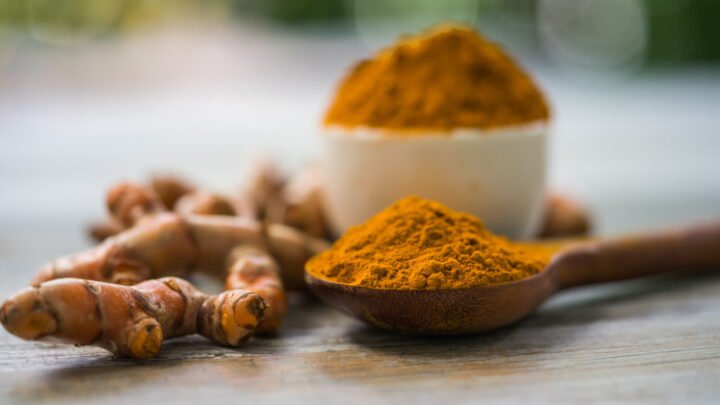
Read on to learn why turmeric is the ultimate superfood. Source: Getty You may know it as the vibrant yellow spice used in Indian curry, but turmeric has been touted as the ultimate superfood in the past few years, thanks to its anti-inflammatory and antioxidant properties.
Of course, it’s not a new discovery. A member of the ginger family, the common kitchen spice has been used in Ayurvedic medicine (traditional medicine native to India) for thousands of years, but only became popular in the Western world in recent years, with the spice now popping up in supermarket health food aisles everywhere.
If you’re yet to jump on the turmeric bandwagon and are wondering what all the fuss is about, we’ve done the hard work for you and looked into its health benefits and how to easily incorporate it into your daily routine. What are the health benefits of turmeric?
Turmeric is credited with preventing and fighting diseases, improving memory and attention span and helping with aches and pains. And, yes, there’s a number of studies to back up these claims.
A 2020 study published in the academic journal Annals of Internal Medicine found the spice may help relieve pain from knee osteoarthritis . And, according to another study published in the National Center for Biotechnology Information, curcumin, a substance in turmeric, assists with everything from anxiety to muscle soreness, inflammation and arthritis.
Aside from managing pain, turmeric may also improve brain function, lower your risk of heart disease and help prevent cancer, multiple studies suggest. One study published in Precision Oncology in 2017 found several natural compounds in food such as turmeric, apple peels and red grapes could halt the growth of prostate cancer .
While there’s strong evidence for its effectiveness, many studies also suggest that the spice is more beneficial when mixed with black pepper and oil. Turmeric is oil soluble, meaning it needs oil for your stomach to be able to digest it properly and for your body to absorb the benefits. Black pepper is another effective way to get the best results from the spice. How much should you take per day?
According to leading nutritionist Teresa Mitchell-Paterson, it’s safe to have turmeric every day, but the amount depends on what form it comes in. In its powdered form, she says it can be used in cooking at a level of one to two teaspoons per day. “In Ayurvedic medicine, it was added to milk and ghee or coconut oil as a medicine for gastric upset of any form, and as an anti-inflammatory in arthritic conditions,” she says.
And if you’re taking certain medications such as blood thinners, Mitchell-Paterson says it’s best to speak with your healthcare professional first before trying. “As with all herbal medicine, there’s no one-size-fits-all and there may be some interactions with certain medications such as blood-thinning medications,” she says. “Turmeric in tablet form may cause an additive effect to blood thinners and increase the risk of bruising and bleeding under the skin.” Easy ways to add more turmeric to your diet
While you can easily add the spice to your favourite curry, or sprinkle it over some roasted vegetables every now and then, it’s best to include it in your diet most days of the week to reap its full benefits. And no, we’re not saying you have to eat curry every night to do so! Turns out, there’s a slew of turmeric-based products on the market that you can choose from. Not sure where to look? Starts at 60 stocks a range of turmeric products on our Marketplace – just click here !
If you’re on the go most mornings or looking to cut back on your coffee or sugar intake, the Turmeric Latte Blend is the perfect choice. All you have to do is add half a teaspoon of the blend to your milk and stir well. The blend contains black pepper to increase the body’s ability to absorb the good-for-you extract, as well as cinnamon and ginger, both of which have their own health benefits, ranging from soothing an upset stomach to lowering blood sugar in people with diabetes. The Turmeric Latte Blend can be purchased on the Starts at 60 Marketplace from $13.46. Turmeric Latte Blend, from $13.46 If drinking turmeric isn’t your style, we also have Turmeric Joint Relief Capsules. It’s recommended that you start with one capsule per day, taken with a meal or a drink, because turmeric is best absorbed with fats. The Turmeric Joint Relief Capsules, which are approved by the Therapeutic Goods Administration, come in a three pack that can be purchased for $67.37 on the Marketplace. Turmeric Joint Relief Capsules, $67.37 Love to bake? You may want to try the Turmeric 95% Curcumin Extract Powder . It’s cocoa flavoured and contains curcumin, one of the main active ingredients in turmeric, which is known for its powerful anti-inflammatory effects. So, how does it work? All you have to do is add one teaspoon of the powder to your morning coffee, yogurt or cereal. You can even include it in your favourite slice or cupcake recipe for an extra health kick! Turmeric 95% Curcumin Extract Powder, on sale, from $23.92 now. Can’t find what you’re after? You can find more turmeric-based products here . Frequently Asked Questions
Q: What is turmeric?
A: Turmeric is a spice that comes from the turmeric plant. It’s commonly used in Asian dishes.
Q: What are the health benefits of turmeric?
A: Turmeric is credited with everything from preventing and fighting diseases, improving your memory and attention span and helping with aches and pains.
Q: Is it safe to take everyday?
A: Yes, it is safe to take a small amount every day.
IMPORTANT INFO We write about products and services we think you might like and may receive payment if you click on the links in this article or go on to make a purchase.
IMPORTANT LEGAL INFO This article is of a general nature and FYI only, because it doesn’t take […]
Organic Food During Childhood Boost Brain Power, Study Finds

Parents understand that a child’s diet plays a pivotal role in their growth and development. However, they may not know that organic food could help give their children a cognitive advantage. In fact, not only is adopting an organic diet beneficial for the planet that your children are going to inherit, but doing so could be exactly why they need to enhance their brain health.
Various studies have revealed that organic food is the best source of nutrients and vitamins. That said, a recent study has indicated that organic food is the key to cognitive development in your children.
The study , published in Environmental Pollution , was completed by the Barcelona Institute for Global Health and the Pere Virgili Health Research Institute . For the study, the researchers used the data of 1 298 pairs of mothers and children, with the offspring ranging in ages 6-11 years, hailing from the UK, France, Spain, Greece, Lithuania, and Norway.
The aim of the study was to look at how factors can influence the development and maturation of the human brain. So, the team then analyzed 87 environmental factors the children were exposed to in utero. These included air pollution, traffic, noise, and chemicals. They also looked at 122 external factors that they were exposed to during childhood. The findings
The results of the study found a strong link between the consumption of organic food among school-age children and working memory and fluid intelligence – the ability to identify new information and use logic and problem-solving abilities to understand it. “Organic diets are richer than fast food diets in nutrients necessary for the brain, such as fatty acids, vitamins and antioxidants, which together may enhance cognitive function in childhood,” wrote lead author of the study Dr. Jordi Júlvez Unsurprisingly, the consumption of fast food was found to influence lower measures of fluid intelligence and working memory. Living in a crowded home and exposure to tobacco smoke was also found to affect cognitive function.
“We observed that several prenatal environmental pollutants (indoor air pollution and tobacco smoke) and lifestyle habits during childhood (diet, sleep, and family social capital) were associated with behavioral problems in children,” said Martine Vrijheid, a co-author of the study and head of ISGlobal’s Childhood and Environment program, in a statement .
That said, Dr. Júlvez does point out that societal inequalities can influence living situations, which in turn can affect diet,
“The number of people living together in a home is often an indicator of the family’s economic status, and that contexts of poverty favour less healthy lifestyles, which in turn may affect children’s cognitive test scores”. It’s a brain twister
Funny enough, the study did also have some surprising results, which included a link between pregnant women’s green exposure and lower cognitive performance in their children.
We live in trying times. As such, it would be unfair not to acknowledge that not every family can afford organic food at every meal. Rather, we recommend that your child’s intake of fruits and vegetables be higher than their intake of processed foods. They don’t have to be organic, but at least be fresh.
Additionally, there are other ways that parents can improve cognitive function in their children. These include keeping them active, stimulating their reading habits , putting on music as well as encouraging them to ask a lot of questions.
Brain cells snap DNA strands in numerous locations to make memories
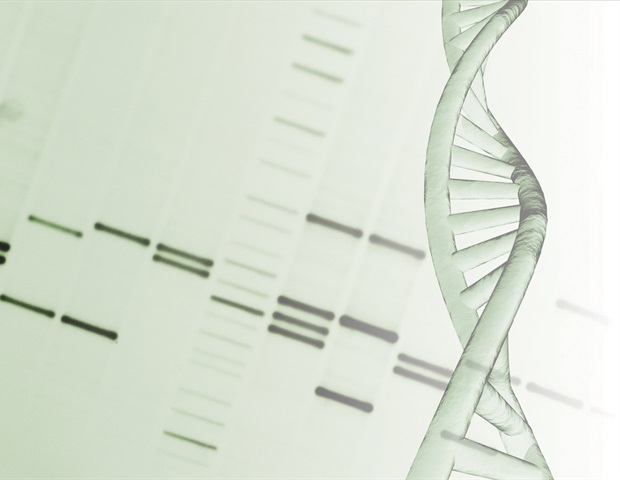
The urgency to remember a dangerous experience requires the brain to make a series of potentially dangerous moves: Neurons and other brain cells snap open their DNA in numerous locations–more than previously realized, according to a new study–to provide quick access to genetic instructions for the mechanisms of memory storage.
The extent of these DNA double-strand breaks (DSBs) in multiple key brain regions is surprising and concerning, said study senior author Li-Huei Tsai, Picower Professor of Neuroscience at MIT and director of The Picower Institute for Learning and Memory, because while the breaks are routinely repaired, that process may become more flawed and fragile with age. Tsai’s lab has shown that lingering DSBs are associated with neurodegeneration and cognitive decline and that repair mechanisms can falter.
“We wanted to understand exactly how widespread and extensive this natural activity is in the brain upon memory formation because that can give us insight into how genomic instability could undermine brain health down the road,” said Tsai, who is also a professor in the Department of Brain and Cognitive Sciences and a leader of MIT’s Aging Brain Initiative. “Clearly memory formation is an urgent priority for healthy brain function but these new results showing that several types of brain cells break their DNA in so many places to quickly express genes is still striking.” Tracking breaks
In 2015, Tsai’s lab provided the first demonstration that neuronal activity caused DSBs and that they induced rapid gene expression. But those findings, mostly made in lab preparations of neurons, did not capture the full extent of the activity in the context of memory formation in a behaving animal and did not investigate what happened in cells other than neurons.
In the new study published July 1 in PLOS ONE , lead author and former graduate student Ryan Stott and co-author and former research technician Oleg Kritsky sought to investigate the full landscape of DSB activity in learning and memory. To do so, they gave mice little electrical zaps to the feet when they entered a box, to condition a fear memory of that context. They then used several methods to assess DSBs and gene expression in the brains of the mice over the next half hour, particularly among a variety of cell types in the prefrontal cortex and hippocampus, two regions essential for the formation and storage of conditioned fear memories. They also made measurements in the brains of mice who did not experience the foot shock to establish a baseline of activity for comparison.
The creation of a fear memory doubled the number of DSBs among neurons in the hippocampus and the prefrontal cortex, affecting more than 300 genes in each region. Among 206 affected genes common to both regions, the researchers then looked at what those genes do. Many were associated with the function of the connections neurons make with each other, called synapses. This makes sense because learning arises when neurons change their connections (a phenomenon called “synaptic plasticity”) and memories are formed when groups of neurons connect together into ensembles called engrams.
“Many genes essential for neuronal function and memory formation, and significantly more of them than expected based on previous observations in cultured neurons…are potentially hotspots of DSB formation,” the authors wrote in the study.
In another analysis, the researchers confirmed through measurements of RNA that the increase in DSBs indeed correlated closely with increased transcription and expression of affected genes, including ones affecting synapse function, as quickly as 10-30 minutes after the foot shock exposure.
“Overall, we find transcriptional changes are more strongly associated with [DSBs] in the brain than anticipated,” they wrote. “Previously we observed 20 gene-associated [DSB] loci following stimulation of cultured neurons, while in the hippocampus and prefrontal cortex we see more than 100-150 gene associated [DSB] loci that are transcriptionally induced.” Snapping with stress
In the analysis of gene expression, the neuroscientists looked at not only neurons but also non-neuronal brain cells, or glia, and found that they also showed changes in expression of hundreds of genes after fear conditioning. Glia called astrocytes are known to be involved in fear learning, for instance, and they showed significant DSB and gene expression changes after fear conditioning.
Among the most important functions of genes associated with fear conditioning-related DSBs in glia was the response to hormones. The researchers therefore looked to see which hormones might be particularly involved and discovered that it was glutocortocoids, which are secreted in response to stress. Sure enough, the study data showed that in glia, many of the DSBs that occurred following fear conditioning occurred at genomic sites related to glutocortocoid receptors. Further tests revealed that directly stimulating those hormone receptors could trigger the same DSBs that fear conditioning did and that blocking the receptors could prevent transcription of key genes after fear conditioning.
Tsai said the finding that glia are so deeply involved in establishing memories from fear conditioning is an important surprise of the new study.
“The ability of glia to mount a robust transcriptional response to glutocorticoids suggest that glia may have a much larger role to play in the response to stress and its impact on the brain during learning than previously appreciated,” she and her co-authors wrote. Damage and danger?
More research will have to be done to prove that the DSBs required for forming and storing fear memories are a threat to later brain health, but the new study only adds to evidence that it may be the case, the authors said.
“Overall we have identified sites of DSBs at genes important for neuronal and glial functions, suggesting that impaired DNA repair of these recurrent DNA breaks which are generated as part of brain activity could result in genomic instability that contribute to aging and disease in the brain,” they wrote.
Memory making involves extensive DNA breaking

Credit: Pixabay/CC0 Public Domain The urgency to remember a dangerous experience requires the brain to make a series of potentially dangerous moves: Neurons and other brain cells snap open their DNA in numerous locations—more than previously realized, according to a new study—to provide quick access to genetic instructions for the mechanisms of memory storage.
The extent of these DNA double-strand breaks (DSBs) in multiple key brain regions is surprising and concerning, said study senior author Li-Huei Tsai, Picower Professor of Neuroscience at MIT and director of The Picower Institute for Learning and Memory, because while the breaks are routinely repaired, that process may become more flawed and fragile with age. Tsai’s lab has shown that lingering DSBs are associated with neurodegeneration and cognitive decline and that repair mechanisms can falter.
“We wanted to understand exactly how widespread and extensive this natural activity is in the brain upon memory formation because that can give us insight into how genomic instability could undermine brain health down the road,” said Tsai, who is also a professor in the Department of Brain and Cognitive Sciences and a leader of MIT’s Aging Brain Initiative. “Clearly memory formation is an urgent priority for healthy brain function but these new results showing that several types of brain cells break their DNA in so many places to quickly express genes is still striking.”
Tracking breaks
In 2015, Tsai’s lab provided the first demonstration that neuronal activity caused DSBs and that they induced rapid gene expression . But those findings, mostly made in lab preparations of neurons, did not capture the full extent of the activity in the context of memory formation in a behaving animal and did not investigate what happened in cells other than neurons.
In the new study published July 1 in PLOS ONE , lead author and former graduate student Ryan Stott and co-author and former research technician Oleg Kritsky sought to investigate the full landscape of DSB activity in learning and memory. To do so, they gave mice little electrical zaps to the feet when they entered a box, to condition a fear memory of that context. They then used several methods to assess DSBs and gene expression in the brains of the mice over the next half hour, particularly among a variety of cell types in the prefrontal cortex and hippocampus, two regions essential for the formation and storage of conditioned fear memories. They also made measurements in the brains of mice who did not experience the foot shock to establish a baseline of activity for comparison.
The creation of a fear memory doubled the number of DSBs among neurons in the hippocampus and the prefrontal cortex, affecting more than 300 genes in each region. Among 206 affected genes common to both regions, the researchers then looked at what those genes do. Many were associated with the function of the connections neurons make with each other, called synapses. This makes sense because learning arises when neurons change their connections (a phenomenon called “synaptic plasticity”) and memories are formed when groups of neurons connect together into ensembles called engrams.
“Many genes essential for neuronal function and memory formation , and significantly more of them than expected based on previous observations in cultured neurons…are potentially hotspots of DSB formation,” the authors wrote in the study.
In another analysis, the researchers confirmed through measurements of RNA that the increase in DSBs indeed correlated closely with increased transcription and expression of affected genes, including ones affecting synapse function, as quickly as 10-30 minutes after the foot shock exposure.
“Overall, we find transcriptional changes are more strongly associated with [DSBs] in the brain than anticipated,” they wrote. “Previously we observed 20 gene-associated [DSB] loci following stimulation of cultured neurons, while in the hippocampus and prefrontal cortex we see more than 100-150 gene associated [DSB] loci that are transcriptionally induced.”
Snapping with stress
In the analysis of gene expression, the neuroscientists looked at not only neurons but also non-neuronal brain cells, or glia, and found that they also showed changes in expression of hundreds of genes after fear conditioning. Glia called astrocytes are known to be involved in fear learning, for instance, and they showed significant DSB and gene expression changes after fear conditioning.
Among the most important functions of genes associated with fear conditioning-related DSBs in glia was the response to hormones. The researchers therefore looked to see which hormones might be particularly involved and discovered that it was glutocortocoids, which are secreted in response to stress. Sure enough, the study data showed that in glia, many of the DSBs that occurred following fear conditioning occurred at genomic sites related to glutocortocoid receptors. Further tests revealed that directly stimulating those hormone receptors could trigger the same DSBs that fear conditioning did and that blocking the receptors could prevent transcription of key genes after fear conditioning.
Tsai said the finding that glia are so deeply involved in establishing memories from fear conditioning is an important surprise of the new study.
“The ability of glia to mount a robust transcriptional response to glutocorticoids suggest that glia may have a much larger role to play in the response to stress and its impact on the brain during learning than previously appreciated,” she and her co-authors wrote.
Damage and danger?
More research will have to be done to prove that the DSBs required for forming and storing fear memories are a threat to later brain health, but the new study only adds to evidence that it may be the case, the authors said.
“Overall we have identified sites of DSBs at genes important for neuronal and glial functions, suggesting that impaired DNA repair of these recurrent DNA breaks which are generated as part of brain activity could result in genomic instability that contribute to aging and disease in the brain,” they wrote.
Provided by Massachusetts Institute of Technology
World Chocolate Day 2021: Health benefits you ought to know

A bite of dark chocolate a day could not only be good for your heart, but may also improve brain function, alleviate stress, and lower the risk of stroke.
Celebrate World Chocolate day by having some! Whether happy or sad, chocolate is a delicious dark dessert that always uplifts our mood and makes us smile. It is the finest sweet treat on earth, as everyone enjoys savouring these bites of heaven. Chocolate can enhance and help create the most luxurious desserts and can also be enjoyed on its own.
The World Chocolate Day is celebrated every year on July 7, to celebrate the love of chocolate, a special day to try different lip-smacking recipes of the tasty desert, whether its candy, dessert, pastries, cakes, sauces, you name it, everything is fair game on this day.
It was first observed in the year 2009. Since chocolates come with many health benefits too, this special day is celebrated by having all types of chocolates. Health Benefits of Chocolates
Scientific studies have shown that dark chocolate is rich in antioxidants and packed with nutrients, making this bittersweet treat a superfood favourite.
2. Reduces Cholesterol
One study, published in The Journal of Nutrition, suggests that chocolate consumption might help reduce low-density lipoprotein (LDL)Trusted Source cholesterol levels, also known as “bad cholesterol.”
3. Brain function
Scientists at Harvard Medical School have suggested that drinking two cups of hot chocolate a day could help keep the brain healthy and reduce memory decline in older people.
4. Heart disease
Research has suggested that consuming chocolate could help lower the risk of developing heart disease by one-third. Higher levels of chocolate consumption could be linked to a lower risk of cardiometabolic disorders.
5. Reduces chances of Stroke
People who eat one serving of chocolate are 22 percent less likely to experience a stroke than those who did not. Also, those who had about two ounces of chocolate a week were 46 percent less likely to die from a stroke.
6. Improves athletic performance
Findings published in The Journal of the International Society of Sports Nutrition suggest that a little dark chocolate might boost oxygen availability during fitness training.
7. May Improve Mood and Symptoms of Depression
Cocoa’s positive effects on mood may be due to flavanols present in it. It can also be the conversion of tryptophan to the natural mood stabiliser serotonin, its caffeine content or simply the sensory pleasure of eating chocolate.
Best Supplements for People Over 50, Say Nutrition Experts
Once the celebrations for hitting your half-century mark fade and you’ve had a chance to take a good look at yourself in the mirror, maybe, just maybe, you’ll think: “Gee, it’s time to start taking better care of myself !”
You know that the risk for many chronic health problems tends to increase with age. And, after 50, if you’re realistic, you’re playing on the back 9 of life. Not to bum you out, of course. On the contrary, the years after 50 will be some of your best, especially if, as you said, you start taking better care of yourself by eating healthier, exercising, and reducing stress. There’s another proactive step you might consider: Start taking dietary supplements to ensure that your body is getting the nutrients that you may lack now that you’re a little older.
We asked doctors and dietitians for their suggestions for the best dietary supplements for people over 50. Grab a glass of water and read on. And if you’re looking specifically for supplements that may help you lose weight, check out these that dietitians recommend. Shutterstock While most of us get all the vitamins and minerals we need from our food , occasionally dietitians will recommend a multivitamin supplement to plug micronutrient gaps. But not every multivitamin is a good multivitamin. First, if you’re over 50, the multi you take should be free of iron unless your physician tells you otherwise. Iron can mask symptoms of anemia and may inhibit the effectiveness of certain drugs.
A quick way to find the best multivitamin is to be sure it contains B12 and folic acid. “It should be the bioactive, natural forms of B12 (look for methylcobalamin or adenosylcobalamin on the package) and the natural form of folic acid (L-methylfolate),” says Sheldon Zablow, MD , a psychiatrist and author of Your Vitamins Are Obsolete . “Most supplements contain the artificial forms of these that are hard to metabolize and absorb. These two are critical because all other vitamins are dependent on them to function.”
B12 and folic acid are particularly important for a healthy brain . “These nutrients are required to produce neurotransmitters, the chemical messengers that allow communication between brain cells,” says Dr. Zablow. “Low B12 and folic acid can result in depression, anxiety, fatigue, decreased concentration, and poor sleep. Taking optimal amounts will also reduce chronic inflammation, which leads to nine out of 10 leading causes of illness and unhealthy aging.” Shutterstock Collagen is a protein that may improve the elasticity of your skin, helping to reduce the appearance of fine lines and wrinkles. “As we age, our collagen decreases and should be replenished,” says Anna Reisdorf, RD , a registered dietitian nutritionist for Wellness Verge . “A collagen peptide supplement is simple to add to your routine; you can just add them to any beverage. I also recommend vitamin D for anyone over age 50 because you produce less of it with age. It’s important for immunity and bone health. Take at least 1,000 IU daily.” For more, check out Sure Signs You’re Lacking Vitamin D, Say Experts . Shutterstock This plant compound found in red wine and red grapes has antioxidant properties. “Much of aging is due to damage caused by free radicals,” says Reisdorf. “Getting a hefty boost of antioxidants from resveratrol and green tea extract can help.” Resveratrol also has been shown to lower blood pressure and offer other heart benefits. One placebo-controlled human study found that participants who took a resveratrol-enriched grape extract capsule daily for six months had a 2.6% reduction in LDL (bad) cholesterol compared to no reduction in the blood fat in the placebo group. Shutterstock Largely due to the reduction in dairy food consumption in recent decades, calcium is considered a nutrient of concern in the 2020 Dietary Guidelines for Americans. “After 50, women need more calcium — 1,200 milligrams a day versus 1,000, and men may not get enough calcium to meet their needs,” says Elizabeth Ward, MS, RDN , an expert in nutrition after 50 and author of The Menopause Diet Plan, A Natural Guide to Managing Hormones, Health, and Happiness . Calcium from a dietary supplement is best absorbed in doses of 500 milligrams or less at a time, says Ward. Calcium carbonate is absorbed best when taken with food, while calcium citrate can be consumed with or without food. Shutterstock Research has suggested a link between low levels of the omega-3 fatty acids mostly found in fish oil and increased risk for age-related cognitive decline, such as dementia and Alzheimer’s disease. According to the American Heart Association (AHA), omega-3 fats help to keep the heart beating properly and reduce the risk of erratic rhythms that can lead to sudden death from a heart attack or stroke.
“Omega-3 fats are also useful in decreasing elevated triglycerides in the blood, slowing plaque formation in the arteries, and possibly lowering blood pressure, which tends to increase with age,” says Ward. “Fish and seafood are the best food sources of DHA and EPA, but most people don’t eat the suggested 8 ounces of fish weekly to help prevent heart disease and will likely benefit from omega-3 supplements with DHA and EPA.”
The FDA recommends no more than 2,000 milligrams of DHA and EPA daily from dietary supplements, and possibly less if you take certain medications. Shutterstock Most informed vitamin takers swallow a comprehensive multivitamin, vitamin D, and vitamin C. The next supplement on the top four list of nutritionist Marie Ruggles, RD, CDE , for people over 50 is the mineral zinc. “This is an essential nutrient for preventive health and overall immune function,” says the author of Optimize Your Immune System: Create Health and Resilience with a Kitchen Pharmacy . “The only good source of zinc is oysters, which most people don’t eat regularly so taking supplementation is important.” Shutterstock This nutrient has antioxidant properties and is believed to be helpful for conditions such as asthma and arthritis, and some (but not all) clinical evidence suggests it may […]
12 bad habits from swearing to gossip which could have surprise health benefits

Swearing triggers a well known stress-induced analgesia From swearing, chewing gum to gossiping – these irritating traits actually have a fair few advantages in life. Swearing
Shouting an expletive when you stub your toe can actually help alleviate the pain, according to a study from Keele University.
Participants who swore when putting their hand in a bucket of ice-cold water could endure the pain nearly 50 per cent longer than those who didn’t.
“Swearing triggers a well knownstress-induced analgesia,” explains lead researcher Dr Richard Stephens.
Other studies suggest cursing can increase performance, strength and power linked with exercise. Research by the University of East Anglia also found swearing at work could help employees cope with stress and maintain solidarity. Fidgeting
NEAT stands for Non-Exercise Activity Thermogenesis and refers to the calories you burn by simply moving throughout the day – aka when not officially exercising.
Every movement counts with NEAT, no matter how small. So not sitting still, shifting position, keeping your legs and feet moving when sitting at your desk or pacing while on the phone are good for you. Daydreaming
This is often viewed as a sign of apathy and inattentiveness. But brain scans have revealed the “executive network” in our brain – the part that deals with problem solving – is highly active when our mind wanders.
Experts believe that when an individual uses conscious thought they can become too rigid and limited in their thinking. Chewing gum
Chewing gum can trap and remove harmful bacteria (Image: Getty) Chomping gum is called out by many teachers. But scientists have found chewing before a task can increase blood oxygen levels in the brain structures involved in learning and memory.
It’s also extremely effective at trapping and removing harmful bacteria in the mouth as stimulating saliva production helps rinse it away. Just make sure you choose sugar-free varieties to protect your teeth. Being a chocoholic
Chocolate with a high cocoa content has many benefits, including improving memory and protecting the heart.
One study found a daily portion of dark chocolate puts a smile on your face, suggesting it even reduces the risk of depression.
“However, if your penchant is for white chocolate or poor quality milk chocolate that is mainly fat and sugar, you need to train your taste buds,” warns Dr Sally Norton, NHS consultant and weight loss expert (drsallynorton.com). One study found a portion of dark chocolate could reduce the risk of depression (Image: Getty) “Choose dark chocolate with higher levels of cocoa solids to get maximum benefits. A bar containing 70 per cent cocoa solids has twice the antioxidants per serving as a bar with 35 per cent cocoa solids.” Messiness
An untidy work desk suggests serious disorganisation but US researchers claim it can actually boost creativity.
In experiments, when volunteers were designated a tidy or messy room and asked to think up uses for ping-pong balls, those in the messy room were 28 per cent more creative and five times more likely to produce “highly creative” ideas. Gossiping
Although most of us love a good gossip, it can be perceived as being malicious and untrustworthy.
However, studies have shown it is important in helping create empathic bonds between people, promoting cooperation. Having a laugh with your peers also releases feel-good hormones that help relieve stress and anxiety, say scientists. Drinking every day
Enjoying alcohol in moderation is better for a long life than not drinking it at all (Image: Getty) A review of 74 studies concluded that moderate drinkers had a lower risk of cognitive decline than those who abstainedcompletely.
And scientists at Maastricht University Medical Centre in the Netherlands say enjoying alcohol in moderation may be better for a long life than not drinking at all.
They found men and women who enjoyed a daily drink were up to 40per cent more likely to make it to their 90th birthday than those who were teetotal or rarely touched booze.
However, these findings were confined to those who
stuck to one drink a day because binge drinkers still died earlier. Never making your bed
The average mattress could be home to 1.5 million allergen-producing dust mites, say Kingston University researchers.
Leaving the duvet covers thrown back (and opening the window) means there will be less moisture on the sheets and mattress, so the mites will dehydrate and die. Skipping a shower
Daily washing can strip your skin of the natural, protective oils that keep it hydrated and supple, and the good bacteria that can help to prevent disease, warn some dermatologists.
Short, lukewarm showers are kinder to your skin than hot ones, while skipping a couple throughout the week, maybe when you’re not going out to work or exercising, actually helps the skin maintain its barrier function. Drinking coffee Relying on caffeine to get started in the morning is often given a bad rep.But chemicals contained in coffee have actually been shown to fight Parkinson’s, Alzheimer’s, type 2 diabetes and liver cancer, as well as improve your memory.“Just remember to steer clear later in the afternoon, as it can take several hours for caffeine to clear our systems, and you don’t want it to affect your sleep,” adds Dr Norton. Nail biting Children who bite their nails or suck their thumbs are about one third less likely to develop certain allergies.Researchers say the findings may be another example of the “hygiene hypothesis” – the idea that being overly clean and avoiding exposure to the microbes in the environment might increase a child’s risk of allergies.“Early exposure to dirt is not a bad thing,” said Canadian researcher Malcolm Sears, of the Firestone Institute for Respiratory Health at McMaster University School of Medicine.“When they suck their thumbs or bite their nails they’re exposing themselves to additional microbes or dirt, which is stimulating the immune system.”
Motiva launches a ‘life changing’ product, the first-ever clinically proven to help improve Alzheimer’s patients

–News Direct–
Motiva Neuro Booster offers higher absorption of six key functional foods
New product is clinically proven to improve brain health
Worldwide, approximately 44 million people suffer from Alzheimer’s disease and approximately 2.5 million suffer from Multiple Sclerosis (MS) today. With the former expected to rise to 115 million cases by 2050 as well as being the leading cause of institutionalization among the elderly, it remains the only disease on the top 10 list of killers that has no cure, preventative measure, or medication to delay progression.
Similarly, MS therapies are noncurative, and except for interferon-based disease-modifying therapies, nearly all are associated with a risk of potentially life-threatening complications. Additionally, MS patients experience a multitude of symptoms and frequent treatment side effects causing significant impairment in all phases of life, including cognition and mood.
However, there is hope. The brain, like every other organ in the body, needs essential nutrients to function properly.
Dr. John E. Lewis, from the Department of Psychiatry and Behavioural Sciences at the University of Miami Miller School of Medicine, one of the world’s leading experts in nutrition and dietary supplements, has been conducting research on how certain key nutrients can help the brain, with a study on Alzheimer’s patients.
His study was a first great step in demonstrating the power of specific nutrients in the face of a serious brain health challenge.
As part of the study, each subject took an aloe polymannose multinutrient complex (APMC), a unique blend of nutrients, polysaccharides, phytochemicals, molecules, and elements that are typically uncommon or even missing from the modern diet, for 12 months.
The findings at the end of the study were nothing short of remarkable, with the team demonstrating significant and sustained improvements in cognitive function and inflammatory status and a significant increase in the production of stem cells, which may lead to neuro-regeneration, as well as a correlation between cognitive and immune functioning.
Unlike research on Alzheimer’s medications, which demonstrate at best only a slowing of disease progress, this product actually showed IMPROVEMENT of cognitive function of Alzheimer’s patients.
On learning of this research, Fine Hygienic Holding, behind its Motiva brand of science-based supplements, teamed up with Dr. Lewis to develop the MOTIVA Neuro Booster , a new all-natural product based on the formula that has been clinically proven to improve cognitive function in all, including those with Alzheimer’s.
Designed, created, and developed by Dr. Lewis, the MOTIVA Neuro Booster is a powerful combination of six functional foods typically uncommon or even missing from the modern diet, including the very potent acemannan from aloe vera. This unique blend of nutrients, phytochemicals, and polysaccharides, all 100% natural ingredients, gives the product the highest levels of bioavailability and effectiveness.
In layman’s terms, MOTIVA Neuro Booster means higher absorption, less dosage, and hence better value for money, a far better value than many prescription medications. Dr. Lewis firmly believes that this dietary supplement is the real deal for brain health, immune support, and overall wellbeing.
“I am extremely proud to team-up with a world-class wellness company like Fine Hygienic Holding to bring Motiva Neuro Booster to the world. This is a product that enhances life and can change the trajectory of diseases, such as Alzheimer’s and MS.”
The MOTIVA Neuro Booster’s unique blend of ingredients, often lacking in the modern diet, is highly concentrated and comes in an easy-to-digest powder form, enabling it to be easily absorbed by our bodies. The supplement assists focus, maintains memory, and supports overall brain well-being in addition to being clinically proven to support the immune system. MOTIVA is produced in a GMP-CERTIFIED FACILITY in the USA and is the only supplement of its kind to be recommended by the prestigious Medical Wellness Association, based in Houston, Texas, USA.
In clinical testing, users of Neuro Booster have reported improved energy, deeper sleep, a happier mood, sharper focus, heightened awareness, and a better sense of overall well-being. What’s not to like about a product that comes from natural ingredients? The Alzheimer’s study’s first published article is on PubMed .
The product’s ability to provide enhanced absorption largely comes from BiAloe®, the most bioavailable source of aloe vera polysaccharides known as acemannan. Found in the inner leaf gel of the aloe plant, it is responsible for most of the health benefits associated with aloe vera.
Added to that, ingredients such as stabilized rice bran contains more than 200 amino acids, minerals, and vitamins with significant health properties; sunflower lecithin is rich in choline necessary for brain and heart health; and tart cherry, dioscorea, and citric acid offer a host of health benefits for immunity, cholesterol regulation, and enhancement of key cellular processes.
Motiva Neuro Booster is being rolled out globally by Fine Hygienic Holding and can be purchased online for global deliveries via our e-commerce website, TheFineShop.com .
About Fine Hygienic Holding:
Fine Hygienic Holding (FHH), one of the world’s leading wellness groups and the MENA’s leading manufacturer of hygienic products, serves consumers in more than 80 countries around the world. Originally established as a paper manufacturer, FHH has transformed into a wellness company dedicated to enhancing global health and wellbeing. With its commitment to becoming “the shining star of the Arab FMCG business world,” the Group focuses on wellness, sustainability, state-of-the-art production processes, pioneering CSR programs, and award-winning products. The company offers a diverse array of products including sterilized facial tissues, napkins, kitchen towels, toilet paper, baby diapers, adult briefs, jumbo rolls, as well as away-from-home products to accommodate all types of private and public institutions, in addition to innovative personal protective equipment (PPE), long lasting germ protection solutions and natural nutritional supplements.
Contact Details
Sean Muir
sean.m@actionprgroup.com
Company Website https://www.finehh.com/ View source version on newsdirect.com: https://newsdirect.com/news/motiva-launches-a-life-changing-product-the-first-ever-clinically-proven-to-help-improve-alzheimers-patients-838602280

The Power Within by Corey Daniels book available for only $2.99
Mind has both conscious and subconscious halves. These are likened to a driver and the truck he drives. The driver plans the destination and observes road conditions, while the truck provides motive power. Your subconscious mind is like the truck and it only goes in the direction in which is a steered. This can be the road or off a cliff. Likewise, the consciousness paints a picture of what the world is and what your goals are and the subconscious acts on them through emotion, physical response and energy, whether these are correct, rational images or false negative ones. The subconscious is also like an emotional reservoir which your body and mind draw responses from to external stimuli.
The Power Within lays out a method of programming your subconscious and tapping into the Holy Spirit, God voice or what the Greeks called the daimon (godman).