Nature Knows and Psionic Success
God provides
Reap the benefits of dark chocolate & boost your health with top products
IT is World Chocolate Day on Wednesday – and it’s worth remembering the dark type can be good for you, improving heart health, cholesterol levels and even playing a role in cancer prevention.
I try out the latest chocolate products while our Beauty Editor puts tinted moisturisers to the test. Health
with Jane Atkinson BARS
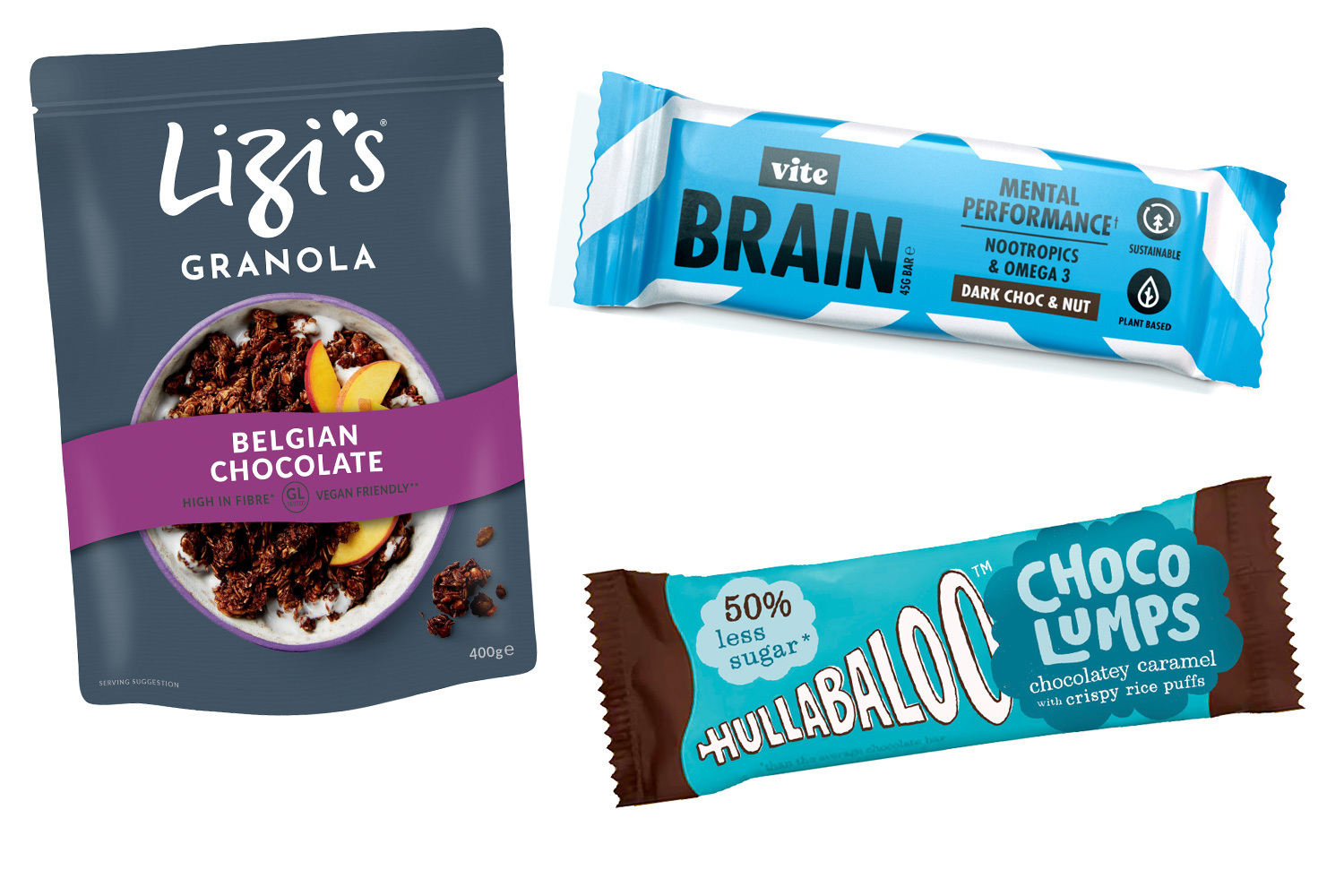
6 The Hullabaloo bars contain less than 5g of sugar per 25g bar and taste amazing Hullabaloo bars, 92cal and 99p per 25g bar, makeahullabaloo.com – buy now
Created by mums frustrated with the lack of healthy treats for families, Hullabaloo bars feature chicory root fibre and contain less than 5g of sugar per 25g bar.
Plus they are tooth-friendly, with no artificial flavours, colourings or sweeteners.
I tried the Choco Lumps one – it’s like the rice crispy cakes you had when you were little.
Soft. Squishy. Gooey. Chocolatey. Amazing! BREAKFAST
Lizi’s Belgian Chocolate Granola, £3.70 for 400g, ocado.com – buy now
Dark, sumptuous Belgian chocolate pieces have been paired with cocoa powder, vanilla, toasted oats and a range of nuts and seeds to provide a decadent breakfast in Lizi’s Belgian Chocolate Granola.
It has 6.5g of fibre, 249cal and 5.3g of protein per serving.
Filling and chocolatey.
A weekend treat. BRAIN
Vite Brain Bars, £2.10 per 45g bar, vitenaturals.com – buy now
Vite Brain Bars are a nootropic snack, which means they aim to improve memory, creativity and motivation.
Designed to be eaten daily, they are made from plant-based ingredients with caffeine to help you feel sharper, think faster and focus longer.
246cal per 45g bar.
The Dark Choc & Nut is rich – and very bitter – but I did feel more alert. Beauty
with Gabriella Stein BUDGET
Garnier, BB cream £9.99, 50ml, superdrug.com – buy now
Tinted moisturiser with mineral pigments and vitamin C to illuminate and hydrate skin.
Contains SPF15 to protect against UV rays. Better coverage than I expected.
Reduced the appearance of pores and small blemishes and evened out my skin, but I needed to top it up during the day.
Suitable for normal to dry skin types. Anti-ageing and oil-free options, too. Only comes in light and medium shades though. MID
Nars, Pure Radiant tinted moisturiser, £26.35, 50ml, boots.com – buy now
An oil-free formula to moisturise and provide a hint of colour while protecting against UV rays with SPF30.Infused with vitamin C and anti-ageing compound Kopara to keep skin smooth and hydrated.The formula is sheer, but I was able to build it up with a few layers.It gives a dewy glow without the greasy shine – and it lasted all day! Available in 16 shades. LUXURY Laura Mercier, tinted moisturiser natural skin perfector, £36, 50ml, lookfantastic.com – buy now Enriched with a hydrating complex of macadamia and kukui seed oils to help increase skin’s moisture levels for 24 hours of hydration.Also includes tamarind seed extract to retain moisture and antioxidant vitamins C & E to help brighten and protect skin.SPF30 protects against daily UV rays and skin damage.This gave the sheerest coverage, but it totally blurred pores and imperfections to leave the skin with the perfect “no make-up” look. Skin looked naturally perfect and radiant all day. My favourite.
Covid cures literally grow like weeds, yet most people buy lawn poison to kill them off, thereby killing themselves

( Natural News ) In today’s Situation Update, we discuss the astonishing truth that covid cures literally grow like weeds (such as dandelion weeds), yet most people rush to Home Depot to buy toxic, cancer-causing herbicides so they can poison their own lawns , killing off the dandelions and thereby killing themselves in the long run.
Mother Nature grows anti-covid medicine for free, right in your yard, without any effort required on your part. Anti-covid phytochemicals are synthesized by the dandelion plant, creating a natural medicine that can block spike protein nanoparticles from binding with ACE2 receptors, according to groundbreaking new research .
Dandelion leaves can be easily and quickly transformed into natural medicine through the simple use of an ultrasonic cleaner. In the following video from my PrepWithMike.com series, I reveal how to use an ultrasonic cleaner to extract medicinal components from rosemary herb. The exact same process can be used with dandelion leaves to make your own anti-spike protein herbal extract medicine:
Brighteon.com/c61b0f84-3f4d-4a76-b2a9-2a3b7a72cf1c No compatible source was found for this media.
Even without an ultrasonic cleaner, you can make dandelion leaf extract tincture using nothing but a mason jar, water and vodka. It takes longer (several days to a few weeks) but is super low-tech and can be achieved even in a grid-down scenario.
Importantly, when making natural medicine from herbs, you pay nothing to a pharmacy, need no permission from an insurance company, need no authorization from a doctor and you don’t even need the FDA. It goes straight from God to Mother Nature to YOU. How Western civilization became a chemical death cult
What’s astonishing to me in all this is how Western civilization has been so brainwashed into believing that medicine can only come from a pharmacy or a pill, that people literally poison the real medicine growing right in their own back yards. And they do it using cancer-causing chemicals (like weedkiller) that further harm themselves, soil microbes and the environment. It’s almost as if typical Americans have joined a kind of chemical death cult that ends in suffering and collapse rather than enjoy the healthful, boundless world that Mother Nature provides for free.
Most people have such a twisted, irrational belief in pharmaceuticals, chemotherapy and vaccines that they will quite literally commit suicide with Western medicine rather than touch a “dirty dandelion” that might offer a simple, low-cost, readily available solution.
It just goes to show you how suicidal and irrational society has become, under the destructive influence of Big Pharma and the criminal vaccine industry. Cures and remedies are banned or outlawed, while deadly spike protein bioweapon injections are mandated, even as perhaps 100,000 Americans have already been killed by covid vaccines.
It almost goes without saying, but this society will self-destruct because it has lost touch with reality and now worships death. With new research published in the New England Journal of Medicine revealing how 82% of early pregnancies end in spontaneous abortions after covid vaccines are injected into pregnant mothers, we have clearly arrived at the “final solution” of the Big Pharma death cult anti-human agenda.
Listen to my full Situation Update podcast for additional mind-blowing details about all this:
Brighteon.com/d01f78fb-584a-4edd-b1cc-57bdc90bedaf No compatible source was found for this media.
Hear a new podcast each day at:
https://www.brighteon.com/channels/hrreport
Early experiences have larger effect on mood than more recent ones, study suggests
New insight on how our experiences during a task or interaction shape our current mood has been published today in the open-access eLife journal.
The study suggests that early experiences may have a larger effect on our mood than more recent events. These findings hold implications for the timing of events in experimental or clinical settings, and suggest new directions for mood interventions tailored to individual patients.
People routinely report on their moods during everyday activities and when they interact with clinicians providing mental health care. It is commonly believed that the most recent experiences during a task or interaction with someone else may have the strongest effect on how an individual feels at a given time. But in a series of experiments, researchers show that early experiences can have a more significant impact on someone’s mood. The research team included first author and Postdoctoral Research Fellow Hanna Keren and colleagues at the Intramural Research Program of the National Institute of Mental Health (NIMH), National Institutes of Health, Bethesda, US.
To address the question of how the timing of an event can impact our current mood, Keren and colleagues began with a computational modelling approach. They developed a novel Primacy model, based on the concept that experiences occurring early in an interaction or game prevail over more recent ones in affecting our mood. They then pitted this model against a Recency model, based on the idea that more recent experiences have a stronger effect on mood. They showed that the Primacy model accounts more for self-reported mood when compared to the Recency and other computational models.
They also examined their models in relation to the moods of people of different ages, as well as healthy and depressed participants. To do this, they recruited a group of adult volunteers to participate in an online gambling game with small monetary rewards based on their success in the game. They invited the volunteers to report their moods using a sliding scale at several points during the game. In a second set of experiments, they recruited a group of adolescent volunteers to play a similar game in the laboratory while measuring these participants’ brain activity using functional magnetic resonance imaging. They also collected data on whether the participants had depression, as this can also impact an individual’s current mood.
The researchers found that early events during the game had the greatest impact on mood in both the adolescent and adult groups. This was also true for individuals with and without depression. Their imaging data also suggested that earlier experiences in the game ‘switched on’ parts of the frontal brain associated with moods, rather than later events. These results provided evidence for the neural encoding of the team’s Primacy, but not Recency model.
Altogether, the findings raise some important questions, such as why adverse experiences early in a task or interaction may have lasting effects on an individual’s mood. Future studies assessing the impact of events on mood over longer time periods might help answer these questions.
In the meantime, Keren and the team suggest their current work may have implications for the way clinicians providing mental health care interact with patients or assess the effectiveness of their treatment, as the timing of good and bad experiences may affect how patients feel about their treatment.
Story Source:
Materials provided by eLife . Note: Content may be edited for style and length.
Study Identifies Cytokines That Predict Cognitive Trajectories in Older Adults
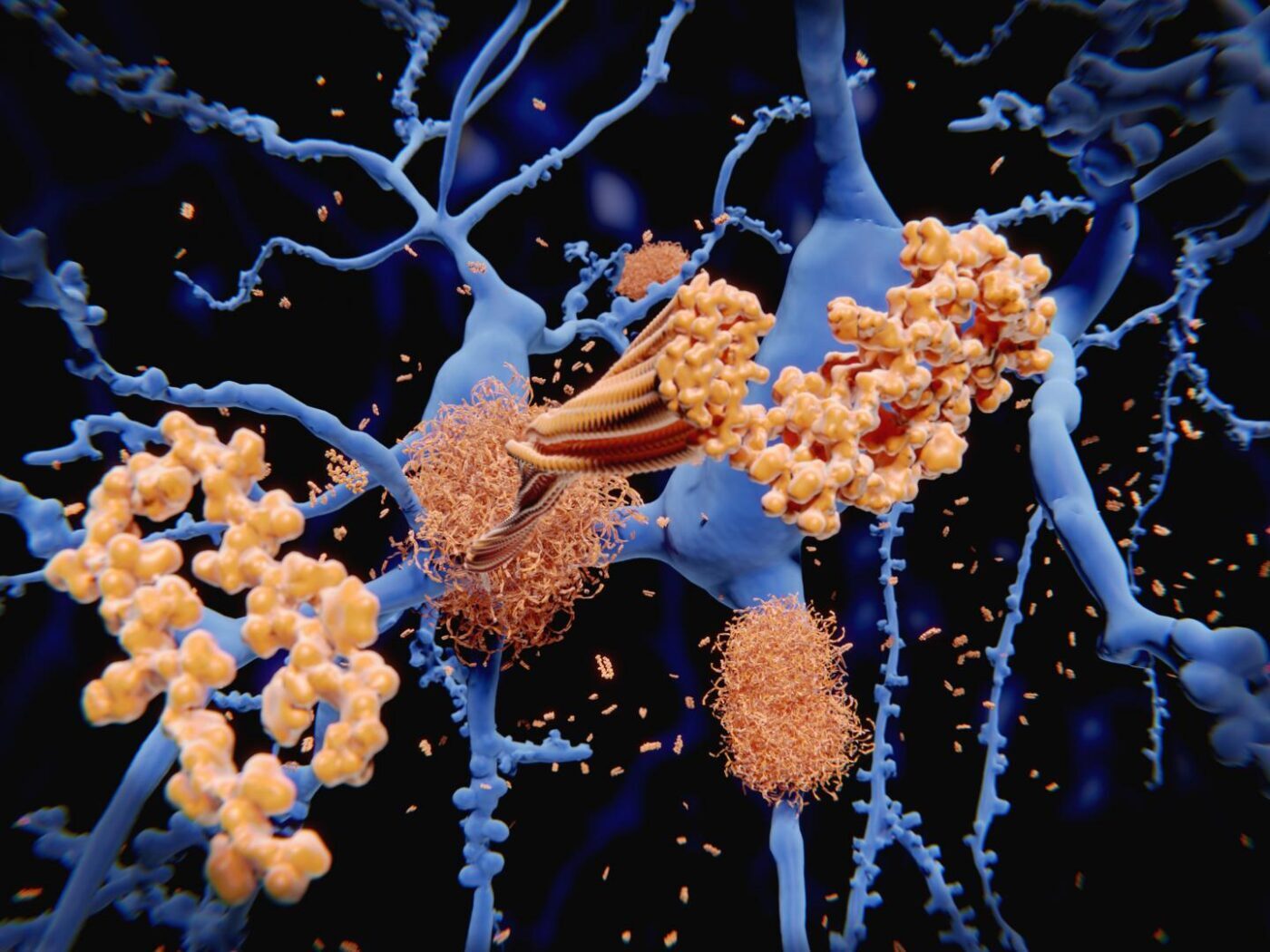
Decades before patients with Alzheimer’s disease (AD) exhibit symptoms of cognitive decline and loss of memory, their brains begin to harbor deposits of amyloid plaques and tau tangles. These deposits increase neuroinflammation in the brain that leads to neuronal cell death.
“There has always been the question whether inflammation outside the brain could contribute to the neuroinflammation in the brain that is killing nerve cells,” says Rudolph Tanzi, PhD, vice chair of neurology, co-director of the Henry and Allison McCance Center for Brain Health at Massachusetts General Hospital (MGH), and the Joseph P. and Rose F. Kennedy professor of neurology at Harvard Medical School (HMS).
In a counterintuitive finding, scientists now show elevated levels of two chemical mediators (cytokines) that enhance inflammation are associated with slower cognitive decline in normal older adults.
“These are totally unexpected results,” says Tanzi, co-senior author on the study.
The findings published in the featured article, “ Plasma IL-12/IFN-γ axis predicts cognitive trajectories in cognitively unimpaired older adults ” in the journal Alzheimer’s & Dementia, could one day be used to identify healthy people who are at risk for the devastating neurological condition before they show any symptoms.
In 2008, Tanzi’s team identified CD33, the first AD gene associated with the immune system. Yet, the role of the immune system in the earliest stage of AD when amyloid plaques and tau tangles silently begin to be deposited in the brain without any measurable cognitive symptoms, has remained unclear.
In the new study, Tanzi and his team collaborated with Harvard Aging Brain Study (HABS) investigators to find out if measuring cytokines in the blood could help predict which healthy individuals would experience cognitive decline later.
“We were studying normal elderly who were being tracked for 6 years. They were having their cognition clinically assessed and their brains imaged to determine whether they were developing the plaques and tangles that cause AD,” says Tanzi. Rudolph Tanzi, PhD, is vice chair of neurology, co-director of the Henry and Allison McCance Center for Brain Health at Massachusetts General Hospital (MGH), and the Joseph P. and Rose F. Kennedy professor of neurology at Harvard Medical School [HMS] “We wanted to know why some people have amyloid in their brain and don’t seem to be affected, while other people experience cognitive decline,” says co-senior author Jasmeer Chhatwal, MD, PhD, a neurologist at MGH, a HABS co-investigator and an assistant professor of Neurology at HMS. The partnership between the McCance Center and HABS, which is co-led by Reisa Sperling, MD, and Keith Johnson, MD, “was a natural fit,” says Chhatwal, since both groups seek to understand the secrets of healthy aging and identify biomarkers of brain health.
The study included 298 men and women from HABS, between ages 50 and 90 who had normal cognitive abilities when they volunteered and underwent retesting annually. All participants had blood drawn for cytokine assays and underwent positron emission tomography (PET) brain-imaging. Each participant’s blood was tested for nine cytokines to see if any were associated with the rate of cognitive decline and changes in the brain. The researchers use computational algorithms to correlate the cytokine data with neuropsychological and neuroimaging results.
“We expected that those who have elevated proinflammatory cytokines outside the brain, in the blood, will have more inflammation in the brain and worse cognitive decline over the 6-year period that we were tracking these normal elderly. Instead, the results were opposite. Over the six years people with amyloid in their brains go downhill more than people without amyloid in the brain–this is expected,” says Tanzi. “People who had high cytokine IL12 in the blood, even though they had the same amount of amyloid to begin with, hardly went downhill at all! That was surprising. And likewise, people who had high IFNγ, even though that is a proinflammatory cytokine, were also associated with slower cognitive decline. And that was the case whether you had amyloid in the brain or not.”
Hyun-Sik Yang, MD, neurologist at Brigham and Women’s Hospital, HABS co-investigator, assistant professor of Neurology at HMS and first author on the paper says, “Men and women with elevated levels of amyloid declined more if they had a lower value of IL-12.” High levels of IL-12 were also associated with fewer tau tangles, the study shows.
“It is counterintuitive that having higher levels of these two proinflammatory cytokines led to a better cognitive trajectory in normal elderly over 6 years, including those who had the beginnings of Alzheimer’s pathology with plaques and tangles in the brain,” says Tanzi. However, Tanzi and his team have a hypothesis that could explain these counterintuitive results.
“Over the last 10 years or so my lab has championed the antimicrobial protection hypothesis of Alzheimer’s,” says Tanzi. “My colleague Rob Moir–who passed away tragically about a year ago with glioblastoma—and I came up with this hypothesis that the amyloid in the brain can actually protect the brain against infection. If a bacteria or virus gets into the brain, amyloid quickly forms around it to trap it and protect the cells. It works as an antimicrobial peptide. This was very surprising for the field because the amyloid beta protein was always thought to be toxic junk. We thought it actually plays a role in the brain–that it is protecting the brain against infection.” Robert Moir, PhD, was a neurobiologist at MGH and Harvard University heading a research lab at the Genetics and Aging Research Unit.
This would indicate that with age, as the immune system starts to go downhill and the blood brain barrier becomes more permeable, more microbes could get into the brain, triggering amyloid, tangles and neuroinflammation—the hallmarks of Alzheimer’s pathology.
IL-12 and IFNγ are cytokines that regulate immune defense against infection via T-cells and pathogen engulfing macrophages.
“If you have an infection, T cells have to activate the macrophages to fight that infection. The two cytokines that are used for the T cells to activate the macrophages to fight infection are exactly the two cytokines that are increased,” says Tanzi.
Tanzi and his colleagues therefore hypothesize that even though the heightened cytokines are […]
An atlas of the bumblebee brain
The buff-tailed bumblebee Bombus terrestris is one of the most common bumblebee species in Europe. It is not only active in nature as a pollinator — humans also use it in greenhouses and foil tunnels to get good harvests of tomatoes or strawberries.
The buff-tailed bumblebee is also used in science: “Basic research is increasingly using it as a model organism to analyse learning and memory, the visual system, flight control and navigation abilities,” says Dr. Keram Pfeiffer, Professor of neurobiology at the Biocenter of Julius-Maximilians-Universität (JMU) Würzburg in Bavaria, Germany.
Pfeiffer investigates the neuronal basis of spatial orientation in insects. Together with his doctoral student Lisa Rother and an international team, he is now presenting the first atlas of a buff-tailed bumblebee brain based on computed tomographic (CT) data in the journal Cell and Tissue Research.
Nadine Kraft and Emmy Noether group leader Dr. Basil el Jundi (both JMU) as well as Dr. Richard J. Gill and Dr. Dylan Smith from Imperial College in London were also involved in the work.
Data averaged from ten bumblebee brains
To create the atlas, the research team took micro-CT images of ten heads of buff-tailed bumblebees. From these, they first extracted the image data showing the brains. In each of these data stacks, 30 brain regions of the bumblebee were manually reconstructed in three dimensions. On JMU’s high-performance computing cluster Julia, a standard brain was then calculated from the ten data sets, based on their mean values.
The result can be viewed in the publicly accessible insectbraindb database: https://hdl.handle.net/20.500.12158/SIN-0000010.3
“The atlas will be used for research in which neuronal circuits are analysed. The functional principles of such circuits are often generally valid, so they also occur in humans, for example,” explains Pfeiffer.
Micro-CT offers advantages
Similar brain atlases already exist for a number of other insect species. However, none of them are based on micro-CT images, but a combination of immunostaining of synaptic regions and confocal microscopy.
Compared to micro-CT, this technique has two disadvantages: First, the resolution in the z-direction (front to back) is much lower than the lateral resolution. Secondly, a brain must be dissected for immunostaining. In the process, the outer brain regions in particular can be damaged and might shift in position.
Micro-CT allows the brain to be left in the animal. Thus, all parts remain intact and in their natural position. In addition, the resolution of micro-CT images is the same in all directions. This simplifies the later insertion of neuronal data and provides more detail when viewed from the side.
Goal: combine both methods
“We are currently also working on an atlas of the bumblebee brain using the conventional method of confocal microscopy,” says Pfeiffer. This method has the advantage — at least at the moment — that the contrast and resolution of the data are better.
In order to combine the advantages of both methods, the conventionally created atlas will be registered into the micro-CT atlas at the end. The result will be an atlas that offers both high resolution and high contrast as well as a realistic spatial position of the individual brain areas in relation to each other.
At the moment, only standard microscopic methods are available for staining individual nerve cells. The data collected with these methods can only be inserted into the standard brain with restrictions. “We therefore want to develop staining protocols that allow neuronal structures to be recorded directly with micro-CT,” announces the JMU neurobiologist.
Story Source:
Materials provided by University of Würzburg . Original written by Robert Emmerich. Note: Content may be edited for style and length.
10 nutrients to help with brain health

A controversial drug approved by the FDA for Alzheimer’s could provide an opening to nutritional interventions to support cognitive health.
The controversy over the drug, aducanumab (Aduhelm), is because only one study found that it is able to reduce amyloid plaques that are a hallmark of Alzheimer’s, but it does not show any actual improvement in the disease, it has not been shown to actually slow cognitive deterioration.
Nevertheless, the FDA granted it a provisional approval, and mandated the company that has produced the drug, Biogen, to conduct post-approval studies to see if the drug could help patients down the line. If it shows no benefit, the FDA said it could withdraw its provisional approval.
“There have been 244 clinicals on Alzheimer’s drugs,” said Vincent Fontanesce, M.D., a neurologist and psychiatrist based in California. “And 243 failed outright. The one that succeeded had a minimal impact.”
The drugs did not delay the onset or improve or maintain mental function.
“Nothing alters
the course of Alzheimer’s,” said Peggy Sarlin, author of Awakening from Alzheimer’s: How America’s Most Innovative Doctors are Reversing Alzheimer’s, Dementia and Memory Loss (Online Publishing & Marketing, 2016). “There have been four pharmaceutical drugs that don’t do much, and if they do, they don’t do anything for very long.”
Emerging science has suggested Alzheimer’s is tantamount to diabetes in the brain, also sometimes called type III diabetes.
A recent online tutorial called Awakening from Alzheimer’s featured all the ranking experts in nutritional interventions for brain health. These included Dale Bredesen, M.D., author of The End of Alzheimer’s: The First Program to Prevent and Reverse Cognitive Decline (Penguin, 2017).
Bredesen published a proof-of-concept human clinical trial that used genetics and biomarkers to optimize neuroplasticity via a personalized plan for each patient.
Bredesen and the other researchers looked at markers of everything from inflammation and chronic infection to insulin resistance, nutrient deficiency and toxin exposure associated with cognitive decline. After nine months of treatment, the results were astonishing and led to a 4-point change in cognitive score. This is compared with a 3.5-point decline in cognitive score in a group of non-treated individuals, and a known 3-point decline with the aducanumab drug the FDA just approved.
In sum, 84% of patients improved, 12% declined, and 4% saw no change. Nutrients that support cognitive activity
Bredesen has put his name behind a cognitive health dietary supplement, NeuroQ, produced by LifeSeasons supplement company. It includes the botanicals gotu kola , ginkgo and coffee fruit extract, as well as the healthy fat phosphatidylserine and propolis .
Coffeeberry extract is derived from the outer hull of the coffee fruit from which the valuable coffee beans grow to supply us with all that caffeine.
https://www.futureceuticals.com/neurofactor It has the capacity to produce Bbain-derived neurotrophic factor (BDNF), a hormone that is both a neuroprotectant and also produces new brain neurons.
Bredesen also mentioned the ingredients alpha-GPC , lion’s mane , Pycnogenol and testosterone for 3 to 6 months.
Another major domo of the brain space is David Perlmutter, M.D., who has authored numerous books on brain health. Integrative physician Jacob Teitelbaum, M.D., is author of the acclaimed From Fatigued to Fantastic (Avery, 2021).
Teitelbaum has developed the MIND protocol to reverse age-related cognitive decline. It’s a combination of metabolism, infections, nutrition and drugs. For example, drugs that can increase the chances of Alzheimer’s, according to Teitelbaum, include antihistamines, incontinence drugs and acid blockers. From the nutritional front, vitamin B12 and magnesium help with memory (and with B12 , deficiencies routinely happen with seniors and is difficult to discover, making B complex vitamins important for the geriatric set, and magnesium helps the body absorb B12), and medium-chain triglycerides from coconut oil can help with insulin resistance—getting back to the diabetes of the brain concept.
Marketers of cognitive health supplements are riding the wave of concern about age-related cognitive decline. The FDA’s controversial approval of an Alzheimer’s drug is supposed to fill people with hope even if the drug has not been shown to exactly work.
Nutritional interventions are in a similar boat. Even those shown to help with memory need to tread carefully. Back in 2017, DSM’s iHealth division conducted a positive trial on a high dose of DHA to then launch a supplement with a health claim around memory. The FTC took the company to task, noting there are seven kinds of memory and they needed to be careful about which exact type of memory was improved.
Brain fog at work? Boost your focus with these 6 foods

Brain fog getting in the way of your focus at work? These 6 foods could help you break through the afternoon slump and help you get back to work
From meeting to meeting, call to call and email to email – office jobs aren’t easy.
You work hard all morning and then lunchtime rolls around and the dreaded brain fog descends.
After all of that morning exertion, topped with a carby lunchtime meal, it’s only natural for focus to slip and fatigue to set in.
Whether you’re working from home or are back at the the office, it’s not uncommon to lose steam throughout a workday. So, what can you do to help fight off that foggy brain?
There are a number of foods that can help get your brain back on the right track after that midday slump – why not try these six? #1 Coffee
Plenty of employees have the notorious ‘Don’t talk to me until I’ve had my coffee’ mug – and for good reason. This caffeine-packed drink is one seriously quick and easy way to grab an instant brain boost.
The downside, though, is that coffee only produces short-term effects.
To top it off, push your consumption too far and you’re opening the door to a host of health problems, from the notorious jitters to uncomfortable headaches and even anxiety.
So, your best bet is to keep coffee waiting in the wings for when you need it most. When you’re on those last few hours of a tough Monday and need to kick your brain and focus into high gear, opt for coffee.
Not a coffee fan? Then green tea is a solid alternative.
Packed with balanced levels of caffeine and L-Theanine , green tea delivers caffeine at a slower, controlled pace, which means there is less chance of the notorious crash. It also contains antioxidants that are highly beneficial to the brain and body .
Chocolate and certain energy drinks can work well, too. #2 Fish
Plenty of people have heard the benefits of adding fish to their diet.
It’s great for lowering blood pressure, reducing the chance of heart attacks , and decreasing certain illnesses such as Alzheimer’s and arthritis .
However, what you might be surprised to find out is that fish packs a punch for brain activity, too.
Fish is loaded with Omega-3s and essential fatty acids that support overall brain health. It’s not only great for short-term bouts of concentration, research shows that fish can help your memory in the long-term , too.
So, grab some fish and pair it with other brain-boosting sides like kale, spinach and broccoli, and you’ve got a recipe for success. Fish salad, anyone? #3 Nuts
Looking to increase concentration and general health? Nuts are another fantastic option and almonds are your best bet.
Almonds are great when they’re alone, but you can always get creative with this food that helps you focus better at work.
Opt for flavoured almonds or a granola bar with other nuts, fruits, and seeds, but avoid overly-sugar options or those with high fructose corn syrup. #4 Berries
If there’s one food that should be added to your office snack list, let it be berries.
They’re proven to be incredibly healthy in all aspects of the body, especially in brain health . So, when 3 o’clock rolls around, grab a handful of this convenient snack and give your focus a well-deserved boost.
As far as brain benefits go, blueberries are the star of the show. However, you can easily mix up a fruit bowl with blueberries, raspberries, blackberries, and strawberries to enjoy a slew of health benefits.
Are you working from home? Consider creating a berry-packed smoothie with some other ingredients that have improved concentration at work, such as broccoli, oranges, flaxseed, and dark chocolate. Yum! #5 Soy Products
Packed with omega-3 and protein, eggs are the go-to snack for bodybuilders, health enthusiasts and lunchtime snackers alike. However, whilst their benefits are undeniable, soy products are fast catching up.Soy products such as tofu contain high levels of tryptophan and serotonin , neurotransmitters that have been directly related to improved brain function and focus.So, in between your tasty fish and veggie lunch days, consider opting for a soy lunch instead. Your brain will thank you! #6 Turmeric Curcumin – the active ingredient of the spice turmeric – may improve brain function.A growth hormone called Brain-Derived Neurotrophic Factor is responsible for much of your brain’s healthy function and curcumin actually helps increase levels of this hormone.Indeed a deficiency in BDNF has been linked to conditions including depression and Alzheimer’s.That means adding more turmeric to your diet could help ward off everything from everyday brain fog to more serious brain health conditions such as Alzheimer’s.Try these handy and convenient turmeric shots to get your daily dose. If you’re looking to improve your wellbeing, mental health and general lifestyle through the means of functional nutrition, Thomas Hal Robson-Kanu suggests trying an energy-refuelling, brain fog eliminating, health-boosting Raw Turmeric Shot from The Turmeric Co . More Healthista Content:
Motiva launches a ‘life changing’ product, the first-ever clinically proven to help improve Alzheimer’s patients
DUBAI, United Arab Emirates, June 28, 2021 (GLOBE NEWSWIRE) — Worldwide, approximately 44 million people suffer from Alzheimer’s disease and approximately 2.5 million suffer from Multiple Sclerosis (MS) today. With the former expected to rise to 115 million cases by 2050 as well as being the leading cause of institutionalization among the elderly, it remains the only disease on the top 10 list of killers that has no cure, preventative measure, or medication to delay progression.
Similarly, MS therapies are noncurative, and except for interferon-based disease-modifying therapies, nearly all are associated with a risk of potentially life-threatening complications. Additionally, MS patients experience a multitude of symptoms and frequent treatment side effects causing significant impairment in all phases of life, including cognition and mood. However, there is hope. The brain, like every other organ in the body, needs essential nutrients to function properly. Dr. John E. Lewis, from the Department of Psychiatry and Behavioural Sciences at the University of Miami Miller School of Medicine, one of the world’s leading experts in nutrition and dietary supplements, has been conducting research on how certain key nutrients can help the brain, with a study on Alzheimer’s patients. His study was a first great step in demonstrating the power of specific nutrients in the face of a serious brain health challenge. As part of the study, each subject took an aloe polymannose multinutrient complex (APMC), a unique blend of nutrients, polysaccharides, phytochemicals, molecules, and elements that are typically uncommon or even missing from the modern diet, for 12 months.
The findings at the end of the study were nothing short of remarkable, with the team demonstrating significant and sustained improvements in cognitive function and inflammatory status and a significant increase in the production of stem cells, which may lead to neuro-regeneration, as well as a correlation between cognitive and immune functioning. Unlike research on Alzheimer’s medications, which demonstrate at best only a slowing of disease progrss, this product actually showed IMPROVEMENT of cognitive function of Alzheimer’s patients.
On learning of this research, Fine Hygienic Holding, behind its Motiva brand of science-based supplements, teamed up with Dr. Lewis to develop the MOTIVA Neuro Booster , a new all-natural product based on the formula that has been clinically proven to improve cognitive function in all, including those with Alzheimer’s. Designed, created, and developed by Dr. Lewis, the MOTIVA Neuro Booster is a powerful combination of six functional foods typically uncommon or even missing from the modern diet, including the very potent acemannan from aloe vera. This unique blend of nutrients, phytochemicals, and polysaccharides, all 100% natural ingredients, gives the product the highest levels of bioavailability and effectiveness.
“In layman’s terms, MOTIVA Neuro Booster means higher absorption, less dosage, and hence better value for money, a far better value than many prescription medications. I firmly believe that this dietary supplement is the real deal for brain health, immune support, and overall wellbeing. “I am extremely proud to team-up with a world-class wellness company like Fine Hygienic Holding to bring Motiva Neuro Booster to the world. This is a product that enhances life and can change the trajectory of diseases, such as Alzheimer’s and MS.” The MOTIVA Neuro Booster’s unique blend of ingredients, often lacking in the modern diet, is highly concentrated and comes in an easy-to-digest powder form, enabling it to be easily absorbed by our bodies. The supplement assists focus, maintains memory, and supports overall brain well-being in addition to being clinically proven to support the immune system. MOTIVA is produced in a GMP-CERTIFIED FACILITY in the USA and is the only supplement of its kind to be recommended by the prestigious Medical Wellness Association, based in Houston, Texas, USA. In clinical testing, users of Neuro Booster have reported improved energy, deeper sleep, a happier mood, sharper focus, heightened awareness, and a better sense of overall well-being. What’s not to like about a product that comes from natural ingredients? The Alzheimer’s study’s first published article is on PubMed at the following link: https://pubmed.ncbi.nlm.nih.gov/22976077 . The product’s ability to provide enhanced absorption largely comes from BiAloe ® , the most bioavailable source of aloe vera polysaccharides known as acemannan. Found in the inner leaf gel of the aloe plant, it is responsible for most of the health benefits associated with aloe vera. Added to that, ingredients such as stabilized rice bran contains more than 200 amino acids, minerals, and vitamins with significant health properties; sunflower lecithin is rich in choline necessary for brain and heart health; and tart cherry, dioscorea, and citric acid offer a host of health benefits for immunity, cholesterol regulation, and enhancement of key cellular processes. Motiva Neuro Booster is being rolled out globally by Fine Hygienic Holding and can be purchased online for global deliveries via our e-commerce website, TheFineShop.com . Media Contact: Contact Name: Rana Kawalit
Address: Dubai – UAE
Website: www.Finehh.com
E-mail: info@finehh.com
Years of Smoking Weed May Leave You Grasping for Words

Talk about a buzzkill. When researchers looked at the marijuana habits of a group of people ages 18 to 30, and then again 25 years later, one finding rose above the fog: For every five years of lighting up, your ability to recall common words slides.
At the beginning of the study, which was published in JAMA Internal Medicine , 84 percent of the group reported using marijuana, while less than 12 percent reported still smoking it 25 years later.
To learn more, check out this article on Staying Sharp: How to Protect Your Brain Between Age 50 and 65
During the follow-up, participants were given standard cognitive tests that measured three things: processing speed (for example, solving simple math problems), verbal memory (word recall), and higher-level skills that show how well different parts of the brain are working together.
The longer people used marijuana, the worse they did on all three fronts. However, after accounting for other factors that could affect brain performance, such as education level, only the association between long-term marijuana use and verbal memory persisted. Specifically, for every five years that someone uses marijuana, they recall one less word from a list of 15.
The study authors admit they were a bit surprised to find such a consistent association, and say they plan to invite participants back for a 30-year visit, at which time they’ll undergo cognitive testing.
To learn more about the connection between long-term marijuana use and the brain’s verbal memory, read about how All That Pot Smoking May Leave You Searching for a Few Words
This content is provided for informational purposes only and is not intended to provide any expert, professional or specialty advice or recommendations. Readers are urged to consult with their medical providers for all questions.
Four essential herbal ingredients that can help boost immunity

Amalaki (amla) is helpful for a wide variety of health problems, especially those of the respiratory tract. (Photo: Getty/Thinkstock) In our quest to lead a healthy life, we are almost always on the lookout for ways to boost our immunity. Instead of opting for things readily available in the market, most doctors suggest you strengthen your immune system by choosing natural ingredients which are found in the kitchen.
Dr Shruthi Hegde of The Himalaya Drug Company says the pandemic comes as a reminder for us to naturally fight infections. “Eating healthy, staying stress-free, and using products that harness the medicinal properties of naturally-available herbs is the way forward.
“Herbs are known to have antioxidant, antimicrobial, anti-inflammatory, and immunomodulatory properties. Besides aiding digestion, they are also known to help with detoxification,” she says.
Hegde shares some well-known herbs in Ayurveda that can strengthen immunity and keep the body healthy. Read on.
Guduchi Guduchi has been traditionally used to treat many ailments such as bronchitis and chronic cough. (Photo: Getty/Thinkstock) Guduchi is recognised as the herb that provides longevity, enhances memory, and improves health. This herb supports the body’s immune system, promoting vitality. By activating white blood cells, the herb supports the normal functioning of the immune system. Guduchi has been traditionally used to treat many ailments such as bronchitis and chronic cough. In the respiratory system, it pacifies the mucous membrane, making it effective against asthma. It also works towards promoting a stronger digestive system. One can consume Guduchi powder or tablets daily, which are easily available, or as directed by a physician.
Ashwagandha One can consume Ashwagandha capsule, powder, or tablets with warm milk or water. (Photo: Getty/Thinkstock) The herb has been used for thousands of years to ease pain and inflammation, treat insomnia, along with other conditions. The herb is an adaptogen that helps manage stress, which can be helpful during times like these. It has proven anti-inflammatory properties, which help in the management of inflammatory joint disorders. One can consume Ashwagandha capsule, powder, or tablets with warm milk or water, or as directed by the physician.
Tulsi
Tulsi is effective in keeping infections at bay by acting as a natural immune system booster. It helps against common respiratory infections and relieves respiratory disorders. Also known as ‘Holy Basil’, Tulsi is an adaptogen, too, which is typically used for anxiety, stress, and fatigue, and may be used in herbal formulations to help treat asthma, bronchitis, colds, and flu. It is also high in antioxidants and helps the body detox. It can be consumed raw, plucked straight from the plant, boiled and made as a juice, or as a daily supplement as directed by a physician.
Amalaki
Amalaki (amla) is helpful for a wide variety of health problems, especially those of the respiratory tract. It is known to support the healthy functioning of the liver, heart, brain, and lungs. It’s known for its rich source of nutrients such as vitamin C, amino acids, pectin, as well as antioxidants. The herb is known for its anti-inflammatory, antimicrobial, gastroprotective, and antidiabetic properties. With its many benefits, it helps improve the overall immune system of the body. Amalaki can be consumed raw, pickled, or as a powder that can be mixed into water and other juices or as capsules/tablets as directed by a physician.
� The Indian Express is now on Telegram. Click here to join our channel (@indianexpress) and stay updated with the latest headlines
Anti-aging Protein in Blood Cells Helps Slow Cognitive Decline
As life expectancies around the world increase, so are the number of people who will experience age-related cognitive decline. The amount of oxygen in the blood declines with age. Aging in the brain might be naturally held at bay by adenosine receptor A2B (ADORA2B), a protein on the membrane of red blood cells which is known to help release oxygen from the blood cells so it can be used by the body.
Aging in the brain is naturally reduced by ADORA2B, which helps get oxygen to the brain when needed. Further testing will be needed to determine whether ADORA2B levels naturally decline with age and whether treatment with drugs that activate ADORA2B can reduce cognitive decline in normal mice.
PLOS Biology – Erythrocyte adenosine A2B receptor prevents cognitive and auditory dysfunction by promoting hypoxic and metabolic reprogramming
Abstract
Hypoxia drives aging and promotes age-related cognition and hearing functional decline. Despite the role of erythrocytes in oxygen (O2) transport, their role in the onset of aging and age-related cognitive decline and hearing loss (HL) remains undetermined. Recent studies revealed that signaling through the erythrocyte adenosine A2B receptor (ADORA2B) promotes O2 release to counteract hypoxia at high altitude. However, nothing is known about a role for erythrocyte ADORA2B in age-related functional decline. Here, we report that loss of murine erythrocyte–specific ADORA2B (eAdora2b−/−) accelerates early onset of age-related impairments in spatial learning, memory, and hearing ability. eAdora2b-/- mice display the early aging-like cellular and molecular features including the proliferation and activation of microglia and macrophages, elevation of pro-inflammatory cytokines, and attenuation of hypoxia-induced glycolytic gene expression to counteract hypoxia in the hippocampus (HIP), cortex, or cochlea. Hypoxia sufficiently accelerates early onset of cognitive and cochlear functional decline and inflammatory response in eAdora2b−/− mice. Mechanistically, erythrocyte ADORA2B-mediated activation of AMP-activated protein kinase (AMPK) and bisphosphoglycerate mutase (BPGM) promotes hypoxic and metabolic reprogramming to enhance production of 2,3-bisphosphoglycerate (2,3-BPG), an erythrocyte-specific metabolite triggering O2 delivery. Significantly, this finding led us to further discover that murine erythroblast ADORA2B and BPGM mRNA levels and erythrocyte BPGM activity are reduced during normal aging. Overall, we determined that erythrocyte ADORA2B–BPGM axis is a key component for anti-aging and anti-age–related functional decline.
Artificial Red Blood Cells
Nextbigfuture notes that Robert Freitas proposed the artificial red blood cell in 1998. There has been recent work creating artificial red blood cells. Respirocytes are hypothetical, microscopic, artificial red blood cells that are intended to emulate the function of their organic counterparts, so as to supplement or replace the function of much of the human body’s normal respiratory system. Respirocytes were proposed by Robert A. Freitas Jr in his 1998 paper “A Mechanical Artificial Red Blood Cell: Exploratory Design in Medical Nanotechnology.
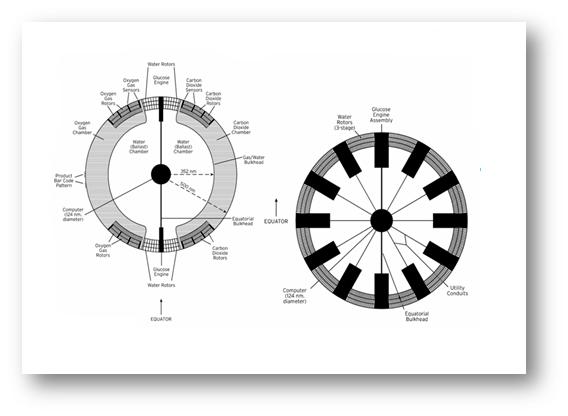
Freitas proposed a spherical robot made up of 18 billion atoms arranged as a tiny pressure tank, which would be filled up with oxygen and carbon dioxide.
Hypothesized Structure of a Respirocyte
In Freitas’ proposal, each respirocyte could store and transport 236 times more oxygen than a natural red blood cell, and could release it in a more controlled manner. Freitas has also proposed “microbivore” robots that would attack pathogens in the manner of white blood cells.
Recent Artificial Red Blood Cell Work
ACS Nano (2020)“Biomimetic Rebuilding of Multifunctional Red Blood Cells: Modular Design Using Functional Components”.
Researchers reporting in ACS Nano have made synthetic red blood cells that have all of the cells’ natural abilities, plus a few new ones.
The researchers made the synthetic cells by first coating donated human RBCs with a thin layer of silica. They layered positively and negatively charged polymers over the silica-RBCs, and then etched away the silica, producing flexible replicas. Finally, the team coated the surface of the replicas with natural RBC membranes. The artificial cells were similar in size, shape, charge and surface proteins to natural cells, and they could squeeze through model capillaries without losing their shape. In mice, the synthetic RBCs lasted for more than 48 hours, with no observable toxicity. The researchers loaded the artificial cells with either hemoglobin, an anticancer drug, a toxin sensor or magnetic nanoparticles to demonstrate that they could carry cargoes. The team also showed that the new RBCs could act as decoys for a bacterial toxin. Future studies will explore the potential of artificial cells in medical applications, such as cancer therapy and toxin biosensing.
People With Advanced Leukemia Need 1-3 Units of Blood Every Week
There should be constant monitoring of oxygenation levels for all people over the age of 50 and mass production of artificial red blood cells. There should be a higher standard of acceptable oxygenation levels in order to prevent and slow cognitive decline.
Advanced aging causes reduced oxygenation levels and accelerate the body’s decline. Reduced oxygenation and reduced red blood cell functions could be classified as pre-leukemia. Pre-leukemia should be treated as a medical condition.
Artificial blood production levels need to be increased to around two to ten billion units of blood per day. This level could be reduced if the artificial blood could remain in the human body for longer periods and based on how long oxygenation levels can be supported.
Maintaining oxygenation levels also improves the energy level of older people.
Oxygenation Levels
Blood oxygen levels (arterial oxygen) indicate the oxygen levels present in the blood that flows through the arteries of the body. An ABG test uses blood drawn from an artery, where the oxygen and carbon dioxide levels can be measured before they enter body tissues.
Hyperoxemia is generally detected using ABG testing and is defined as blood oxygen levels above 120 mmHg.
* Normal arterial oxygen pressure (PaO2) measured using the arterial blood gas (ABG) test is approximately 75 to 100 millimeters of mercury (75-100 mmHg).
* When the level goes below 75 mmHg, the condition is generally termed as hypoxemia.
* Levels under 60 mmHg are considered very low and indicate the need for supplemental oxygen. Supplemental oxygen is provided through an oxygen cylinder that is connected to the nose via a tube, with or […]
We need healthy habits to live meaningfully and purposefully

Happy Father’s Day to all the incredible dads in the world!
Fathers play a pivotal role in shaping our children’s views toward men, and the role men play in our lives. Children’s relationship with their father is usually the very first connection they make with a man, and that foundation alters their perspectives on relationships they make in the future.
Being a good parent takes more than simply bringing a child into this world. It takes a genuine dedication to showing up, unconditionally loving and prioritizing your child’s needs over your own.
In order to commit oneself to caring for a child’s mental and emotional well-being, parents must also be sure to take care of their own health. We cannot provide for our kids what we do not cultivate within ourselves.
For the past few weeks, I have been focusing on my own mental and emotional growth. Constantly indulging in social media’s superficial and materialistic façade can be a hindrance to processing the true depths of our feelings. It can be easy to ignore how we truly feel inside when we get lost endlessly scrolling through the highlight reels of others’ lives. After slowly reconnecting to and dealing with my inner well-being, I realized that we cannot be fully healed unless we are physically and emotionally whole again.
Self-care is a conscious balance of listening to what your mind, body and soul need. We need to strive toward sustaining healthy habits in order to live meaningfully and purposefully. After exploring different ways to care for myself through self-help books, therapy sessions and online podcasts, I am now diverting my time to antiaging programs, online workout classes and sports gear shopping. Healthful aging
There are many paths to healthful aging. Eating right and other lifestyle factors play a vital role in adding years to your life and life to your years.
When I was younger, I thought 50-year-olds were almost nearing the end of life. Now that I am past that midlife mark, I have a totally different mindset and perspective on “getting old.” I have refocused my priorities on extending the number of years I can live free of the infirmities that are associated with aging—from unwanted wrinkles, foggy memory and creaking joints, to a weakened immune system and more!
In wanting to defy the effects of aging without going under the knife, I found some helpful tips to “feed” the brain, “eat” for gorgeous skin and “sleep” for regeneration. Staying sharp as we age is a key aspect of longevity.
Nutrition and exercise are key prevention measures in slowing the onset of age-related cognitive decline. The brain needs healthy fats like omega-3s for it to keep our brain cells functioning. Fatty fish, such as mackerel, can help stave off the deterioration of our mind. Nutrient-dense salmon is another popular source of omega-3s, and additionally contains high levels of vitamins D and B. For the vegetarians, omega-3s are also found in chia seeds, walnuts and extra-virgin olive oil.
Plant-based foods are linked to higher levels of brain-benefiting nutrients. Red, blue and purple berries can also help protect brain cells from aging. After I learned that you can help “feed” your brain to stay sharp, I realized that maybe my daughter Jordan Prieto-Valdes’ vegan lifestyle has made her an even more brilliant writer and artist. She has been editing my weekly columns and putting to good use her magna cum laude screenwriting degree from Chapman University!
The longer you practice maintaining a healthy lifestyle, the more long-term benefits you experience. It’s all about finding the right habits that make you feel good. I was happy to read that wine is actually part of the “good for the brain” list. Sometimes we drink enough wine to say smart things, but end up doing stupid actions. So, remember: Moderation is key. Well-nourished cells
Vibrant health starts with well-nourished cells. Since it can be challenging to constantly eat right, it is important to take supplements in order to provide ourselves with the right nutrients.
Usana CellSentials are so much more than your average multivitamins. Each daily dose provides essential vitamins, minerals, antioxidants and additional key nutrients. The exclusive InCelligence Complex, made using Usana’s patented Usana InCelligence Technology, goes beyond nourishing the body. It also helps activate your body’s natural ability to respond to stress and keep your cells healthy.
Additionally, Usana BiOmega has omega-3s, the fatty acids that work to keep you healthy through your senior years.
Vitamin C is an essential nutrient that must be provided by the diet, because your body can’t make it naturally. As a source of vitamin C, Usana’s Poly C offers a number of important benefits like the antioxidant activity that neutralizes damage caused by free radicals to maintain cellular health.
Regular exercise could both reduce the risk of Alzheimer’s in healthy adults and boost cognitive performance among people with minor memory loss.
For ageless, beautiful skin, there are many beauty products that help reduce all the unwanted lines and age spots. Eating a nutrient-packed diet that includes antioxidant-rich foods also helps keep the skin clear. The antioxidant vitamin E helps fight wrinkles; some good sources include almonds, spinach and sunflower seeds.
If you want beautiful skin, what you eat matters. To reduce age lines and inflammation, as well as boost collagen and hydration for healthy skin, add foods that contain vitamin C, lipoic acid, collagen, ellagic acid (helps prevent wrinkles) and omega-3s. You can find these nutrients naturally in watermelon, bone broth, coffee, salmon and dark chocolate. Probiotics could as well help prevent skin damage.
For the dads out there who are now grandfathers or even great-granddads, I wish you an extra special Father’s Day as you enjoy a day filled with all the blessings you deserve. May the Lord shower you with healthy, strong years full of fulfilling joys and relaxing times. Take the time to care for yourselves, so that you may be able to care for the ones you love even more! INQ
Follow @seaprincess888 on Instagram
Researchers created a brain interface that can sing what a bird’s thinking

Researchers from the University of California San Diego recently built a machine learning system that predicts what a bird’s about to sing as they’re singing it.
The big idea here is real-time speech synthesis for vocal prosthesis. But the implications could go much further.
Up front: Birdsong is a complex form of communication that involves rhythm, pitch, and, most importantly, learned behaviors.
According to the researchers, teaching an AI to understand these songs is a valuable step in training systems that can replace biological human vocalizations: While limb-based motor prosthetic systems have leveraged nonhuman primates as an important animal model, speech prostheses lack a similar animal model and are more limited in terms of neural interface technology, brain coverage, and behavioral study design.
Songbirds are an attractive model for learned complex vocal behavior. Birdsong shares a number of unique similarities with human speech, and its study has yielded general insight into multiple mechanisms and circuits behind learning, execution, and maintenance of vocal motor skill. But translating vocalizations in real-time is no easy challenge. Current state-of-the art systems are slow compared to our natural thought-to-speech patterns.
Think about it: cutting-edge natural language processing systems struggle to keep up with human thought.
When you interact with your Google Assistant or Alexa virtual assistant, there’s often a longer pause than you’d expect if you were talking to a real person. This is because the AI is processing your speech, determining what each word means in relation to its abilities, and then figuring out which packages or programs to access and deploy.
In the grand scheme, it’s amazing that these cloud-based systems work as fast as they do. But they’re still not good enough for the purpose of creating a seamless interface for non-vocal people to speak through at the speed of thought.
The work: First, the team implanted electrodes in a dozen bird brains (zebra finches, to be specific) and then started recording activity as the birds sang.
But it’s not enough just to train an AI to recognize neural activity as a bird sings – even a bird’s brain is far too complex to entirely map how communications work across its neurons.
So the researchers trained another system to reduce real-time songs down to recognizable patterns the AI can work with.
Quick take: This is pretty cool in that it does provide a solution to an outstanding problem. Processing birdsong in real-time is impressive and replicating these results with human speech would be a eureka moment.
But, this early work isn’t ready for primetime just yet. It appears to be a shoebox solution in that it’s not necessarily adaptable to other speech systems in its current iteration. In order to get it functioning fast enough, the researchers had to create a shortcut to speech analysis that might not work when you expand it beyond a bird’s vocabulary.
That being said, with further development this could be among the first giant technological leaps for brain computer interfaces since the deep learning renaissance of 2014.
Read the whole paper here . Also tagged with
8 foods to boost your brain power and keep your mind sharp

/
You pay attention to what you eat, you exercise regularly , and you don’t smoke. You do things to take care of your heart , you avoid too much salt and added sugars in your diet, and you’re limiting how much processed food you eat. But are you also taking care of your brain health ?
June is Alzheimer’s and Brain Awareness Month and it’s a smart time to focus on whether your diet is helping to keep that noggin as sharp as possible. Alzheimer’s disease is the most common type of dementia. Plaques form in the brain, which result in a progressive loss of cognitive ability and a decline in the function of daily activities. Six million people in America are living with Alzheimer’s . Unfortunately, during the pandemic, the number of deaths from Alzheimer’s and dementia have risen by 16%. Additionally, 12% to 18% of people over 60 live with mild cognitive impairment (MCI). MCI causes cognitive changes that are noticeable, but don’t affect the person’s ability to carry out everyday activities. Maria Shriver talks about helping women prevent Alzheimer’s
June 15, 202104:15
Here’s a dive into the foods we should all include more regularly to support brain health:
Leafy green vegetables
Need another reason to eat that salad? Studies show that consumption of leafy green vegetables, such as kale , watercress, spinach and collard greens, was associated with slower cognitive decline in older people. And you don’t need to go overboard with the Swiss chard! One serving per day of leafy green veggies was all it took to help slow down brain aging.
Up your intake of greens by adding some kale to your next sandwich, throwing a handful of baby spinach in your smoothie, or mixing sauteed Swiss chard into your penne. This refreshing The Dr. Is In smoothie balances the power of baby spinach and watercress with the natural sweetness of green grapes and banana.
Grapes
Numerous animal and human studies have been done that support the beneficial effect of grapes on brain function. Grapes help to promote healthy blood flow and blood pressure and reduce oxidative stress in the brain, which all benefit brain health.
Grapes are delicious in yogurt bowls, salads, and appetizers. And instead of using grape jam on your next sandwich, try fresh grapes, like we did in this Sunflower Butter and Grape Sandwich .
Frances Largeman-Roth
Get The Recipe Sunflower Butter & Grape Sandwich
Frances Largeman-Roth, RDN
Walnuts
Like it does in other diseases, inflammation plays a key role in Alzheimer’s disease and other brain disorders. Walnuts contain several compounds, including polyphenols, tocopherols and polyunsaturated fatty acids, that help fight inflammation and provide antioxidant benefits. Numerous studies have shown the brain health benefits of including walnuts in a healthy diet.
Walnuts are a great snack on their own, in trail mix and other snacks. And you can also make a super tasty vegan “ walnut meat ” to top nacho bowls and use to fill tacos.
Blueberries
One cup of fresh blueberries offers vitamin C, plus manganese, vitamin K and anthocyanins, which give the little berries their colorful skins, all for only 80 calories. In addition to providing color, anthocyanins also play a role in protecting the brain. Blueberries are being used in various clinical trials of eating patterns, including Mediterranean , DASH and MIND diets, to see how they can support brain health as part of an overall healthy lifestyle.
Blueberries are tasty to snack on, and you can also try them in Siri Daly’s Watermelon, Blueberry and Feta Salad .
Nathan Congleton / TODAY
Get The Recipe Siri Daly’s Watermelon, Blueberry and Feta Salad
Siri Daly
Extra-virgin olive oil
A cornerstone of the Mediterranean Diet , olive oil contains phenols, a type of antioxidant, that help to keep the brain healthy by reducing inflammation. In addition to protecting against Alzheimer’s disease, olive oil has been shown in studies to provide a benefit in other neurodegenerative diseases , including Parkinson’s and ALS .
Olive oil can be used in so many ways, from salad dressing to sautés. You can even use it in baked goods, like Anne Burrell’s Olive Oil Cake with Blueberry Sauce and Peaches .Nathan Congleton / TODAY Get The Recipe Anne Burrell’s Olive Oil Cake with Blueberry Sauce and Peaches Anne Burrell FishOne of the most well-documented foods for brain health is fatty fish. Fatty fish, including salmon, tuna and herring, contain DHA omega-3 fatty acids, a type of polyunsaturated fat . These fatty acids help to protect the brain and may reduce your risk of developing Alzheimer’s disease.Look for wild-caught Alaskan salmon, tuna, mackerel, anchovies, sardines and herring.Need some inspiration? Check out these ideas for canned fish , or try this recipe for Pan-Seared Salmon and Roasted Brussels Sprouts , which has the bonus of including walnuts too.Frances Largeman-Roth Get The Recipe Pan-Seared Salmon and Roasted Brussels Sprouts Frances Largeman-Roth, RDN Chocolate/cacaoChocolate on the brain? That’s a good thing! The flavonoids in cocoa powder, cacao nibs and chocolate provide a benefit for the regions of the brain that involve memory and learning. The main flavonoid—epicatechin—improves various aspects of cognition in humans, helping lower the risk of developing Alzheimer’s disease and stroke.Get the benefits of cacao by sprinkling cacao nibs over your morning cereal or yogurt, add cocoa powder to baked goods and smoothies, or try this delicious Chocolate Milkshake .Joy Bauer Get The Recipe Dairy-Free Chocolate Milkshake Joy Bauer YogurtWe know that milk is good for our bones and that fermented dairy foods help boost gut health , but new links are being discovered between dairy foods and brain health. Our gut has its own nervous system and can produce many of the same neurotransmitters as the brain, such as serotonin .A study done on older (older than 65) Dutch adults linked higher consumption of yogurt and buttermilk with better executive function, which helps us pay attention, remember details, and manage time, among other things.Yogurt is a wonderful breakfast […]
What You Need to Know About COVID-19 and Brain Fog

Early in the pandemic, a group of Columbia University neurologists reviewed the neurological effects of past (not novel) coronavirus outbreaks, in an attempt to understand what the new virus would bring. They noted lingering cognition problems and psychiatric issues with recovering patients. Post-COVID-19 symptoms included brain fog, fatigue, trouble concentrating, difficulty waking up in the morning and trouble working longer hours.
“Some also have more specific thinking and behavior problems—they forget the names of people they know well, they can’t follow along during business conversations. . . they are inexplicably anxious and sleep poorly,” remarked one doctor.
Dr. Anna Nordvig, a neurologist and postdoctoral clinical and research fellow at Columbia University Vagelos College of Physicians and Surgeons, said, “I’m not yet convinced that the virus invades the brain’s neurons or its other cells. I think it’s more likely that this vast, systemic inflammation affects many organs including the brain and the immune system within the brain. This changes the way the brain signals. Columbia neuropathologists recently led a report on a patient with inflammatory changes in the brain during his COVID-19 infection. This is a hint—that these changes may be occurring even without a true infection of the brain cells themselves.”
Many who have recovered from coronavirus have complained of ongoing problems with cognitive functioning, headaches, fatigue, insomnia and lingering anxiety. Patients often feel that COVID-19 has caused not only brain fog, but lasting damage to their brains. A UCLA Health COVID-19 report, suggested that the brain fog that can occur after recovery from the virus may, in fact, be caused by post-traumatic stress disorder (PTSD).
Research continues in an effort to determine the specific aftereffects of COVID-19 infection on the brain, with some scientists finding many of these same cognitive concerns can also be the result of psychological trauma and stress. Natural Ways to Reduce Brain Fog from COVID-19
There are several things that can be done to support great overall brain health and increase oxygen, glucose and other supportive nutrients to the brain. It’s never too early to start taking good care of your brain, but it can be too late.
Suggestions include:
● Aerobic Exercise – a minimum of 150 minutes a week is recommended
● Meditation – Even 10 minutes a day can make a difference
● Yoga – 2 to 3 yoga sessions a week can help calm your mind
● Drink 4 large glasses of water every day
● Supplementation – Feed your brain the brain-specific nutrients it needs
The Memory Health® brain supplement is an all-natural supplement that’s been clinically proven to support long-term brain health and improve cognitive performance.
Scientists developed the formula while studying the critical role nutrition plays in memory, cognition, and overall brain health. The nootropics in Memory Health® include the carotenoids and Omega-3 fatty acids that offer powerful antioxidant and anti-inflammatory effects.
The culmination of 20 years of research and development, it was tested in clinical trials on brains in a variety of conditions—young, old, healthy and those ravaged by Alzheimer’s —with the test results published in the scientific Journal of Alzheimer’s Disease.
Today, Memory Health is the only supplement to receive an official United States patent for the prevention and treatment of neurodegenerative disease [Alzheimer’s disease and dementia] in humans.
Benefits of the Memory Health® supplement may include reduction in brain fog and mental fatigue, improvement in focus and clarity, and even improvements in mood.
If you’re experiencing COVID-related brain fog or interested in learning more about brain health, visit www.MemoryHealth.com .
7 healing medicinal mushrooms

When you think of valuable mushrooms, you might think of gourmet truffles or posh porcini, but mushrooms are more than just a risotto filling
When you think of valuable mushrooms you might think of gourmet truffles or posh porcini, but mushrooms are more than just a risotto filling.
Medicinal mushrooms are rapidly becoming part of the wellness movement and their magical properties have nothing to do with psychedelic trips. Fungi make up an entire living kingdom, and modern scientists are starting to understand that mushrooms are closer in DNA to humans than to plants. They “breath” oxygen and release carbon dioxide, they digest rather than photosynthesis, and mushrooms even produce their own vitamin D when exposed to sunlight.
Our ancestors were fascinated by mushrooms; the benefits of reishi were recorded in texts as early as the 29th century BC and ancient healers brewed up chaga teas and used puffballs to treat wounds. Mushrooms are the original superfood; indigenous cultures have used these powerful mushrooms for thousands of years, but for a long time we have under-appreciated their role in supporting life on earth. What we are only beginning to appreciate is their health-promoting potential—mushrooms can help us fight illness, focus on work, alleviate stress and enhance our general wellbeing.
“Mushrooms can help us fight illness, focus on work, alleviate stress and enhance our general wellbeing”
Adaptogenic mushroom tonics, elixirs, coffees and lattes are popping up in the all the trendiest health cafes and stores. Companies like Four Sigmatic, Moon Juice and Sun Potion are helping us understand the uses and doses of these powerful shrooms.
Mushroom powders are great additions to smoothies and superfood lattes, and are readily available as blends, capsules, teas and tinctures.
Make yourself a reishi hot chocolate to sooth you to sleep, swap out your morning coffee for a lion’s mane latte, or add chaga to your smoothie if you’re feeling a bit run down. Wondering what you’re going to have for supper tonight? Go grab some shiitake mushrooms from your local grocery. You’re about to find out when. Here’s a list of our favourite shrooms:
Reishi – Ganoderma lucidum
Reishi, the “Queen of Mushrooms”, is often referred to as nature’s Xanax because it is a natural relaxer. Popular in Eastern medicine and known as the mushroom of immortality in ancient China, the reishi mushroom has a bitter taste but immense health benefits.
Reishi is one of the most popular medicinal mushrooms; it is known for its calming properties and ability to soothe the nervous system. The mood-boosting properties of reishi are due to the compound triterpene, which aids sleep and eases anxiety.
Reishi has been reported to help with weight loss, contains beta-glutens that support a healthy immune system and is even believed to battle cancer cells in the body.
Lions Mane – Hericium erinaceus
A well-known edible mushroom (the texture is quite like cauliflower) lion’s mane literally has the appearance of the mane of a lion. The benefits of this shaggy white mushroom are its ability to boost brain function, memory and cognitive ability.
“History suggests that Lion’s Mane was used in traditional Chinese medicine specifically for stomach and digestive problems,” says Four Sigmatic founder Tero Isokauppila. “It was also used as a general restorative due to its anti-inflammatory, and immunomodulating properties. Newer research has come out that point to Lion’s Mane ability to support productivity, focus, and creativity.”
Taken regularly, lion’s mane has been known to help provide mental clarity and support brain function because it encourages the production of both a bioprotein called nerve growth factor (NFG) and myelin, which insulates nerve fibres.
Cordyceps – Ophiocordyceps sinensis
The cordyceps mushroom is perhaps one of the strangest out there. Known as the “caterpillar fungus”, cordyceps spores grow parasitically on the backs of insects high on the plateaus of China and Tibet.
Sherpas have traditionally used cordyceps teas to help them climb to insane altitudes, leading to the theory that cordyceps improves the body’s ability to oxygenate the blood.
“This adaptogenic mushroom boosts stamina, increases sex drive and reduces fatigue”
This adaptogenic mushroom boosts stamina, increases sex drive and reduces fatigue. Cordyceps can increase energy and help with athletic performance. World records have been broken by athletes supplementing with cordyceps, and it can also be used to speed up muscle recovery post-work out.
Cordyceps supports the adrenals and has also been used to treat lung disease, respiratory illness and fatigue.
Chaga – Inonotus obliquus
Hard as tree bark and dark in colour, chaga mushrooms grow almost exclusively on birch trees and are found in the forests of Eastern Europe, Russia and North America. Shamans in Siberia call the Chaga the “gift of heaven” and the powerful adaptogen is used to fight viral infections. It also fights inflammation and helps sustain energy levels.
This particular mushroom is packed with antioxidants, which makes it particularly potent in the fight against free radicals. As well as helping combat the signs of ageing, chaga has shown to lower cholesterol and slow the growth of cancer cells.
“Chaga has been used by a variety of cultures for hundreds of years as a tea and tincture,” says Isokauppila. “ Like all of our functional mushrooms, Chaga is an adaptogen, meaning it works with the system to encourage the body to bring balance to itself. In Finland (where me and our founding team are from), Chaga was also used as a coffee substitute during WWII when beans weren’t available.”Interestingly, chaga can also be used as a tinder mushroom: the dry inside of a chaga mushroom will ignite with even the smallest spark. Turkey Tail – Trametes versicolor Turkey tail (top), Shiitake (bottom)Even more than most fungi, turkey tail stimulates and supports the immune system because it contains polysaccharide-K, a compound used in Japan in prescription anticancer drugs. It has been shown to aid recovery and reduce nausea in patients post-chemotherapy and can help the body fight leukaemia and cancer cells.Turkey tail also aids the digestive system, with gut-healing prebiotics that feed your good bacteria.According to leading mycologist Paul Stamets, turkey […]
Best Supplements to Take Every Day, According a Dietitian
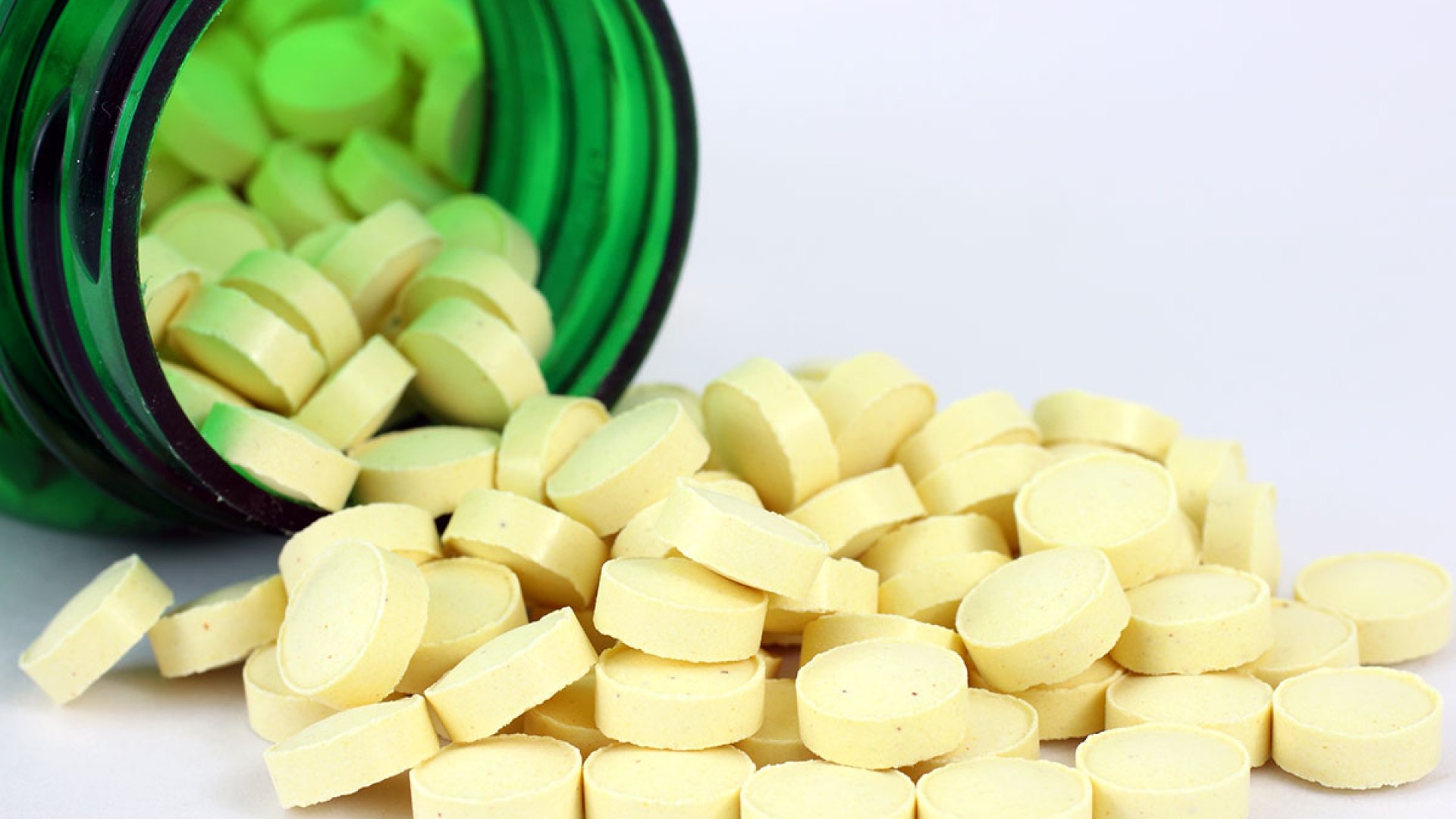
Knowing which supplements to take every day is no easy feat. From amazing claims on labels implying that what is found in the bottle is essential for every ailment under the sun to Instagram influencers pushing their must-have concoction, knowing which pills are worth taking can be easier said than done.
As a registered dietitian, I look to supplements as a way to fill in nutritional gaps that may happen because of an imbalanced diet. While I don’t generally recommend a multivitamin for every person, I do suggest supplementing with certain nutrients in a targeted way, especially if a person is limiting or avoiding certain food groups. (Related: Dangerous Side Effects of Giving Up Carbs, According to Science .)
Taking certain supplements doesn’t come risk-free. And seemingly harmless common supplements can come with risk in certain cases. For example, one recent study published in the Journal of the American College of Cardiology showed that, after evaluating almost 200 randomized controlled trials showed that supplementing with higher doses of niacin (with statins) and the antioxidants vitamins A, C and E were associated with an increased risk of all causes of death .
When evaluating which supplements you are going to take on a daily basis, be mindful of recommended doses, any potential drug-nutrient interactions, and whether your body really needs that nutrient. Your best bet is to get the green light from your health care provider before you start taking any supplement, no matter how natural and harmless they may sound .
If you are planning on adding any daily supplement to your healthy lifestyle regime, here are seven that I encourage people to consider and discuss with their heath care providers. While they won’t meet every single person’s needs, they do fill in nutritional gaps that are quite common and can help people meet their health goals in a simple way. Read on, and for more on how to eat healthy, don’t miss 7 Healthiest Foods to Eat Right Now . Shutterstock Urinary tract infection prevention isn’t top of mind for everyone—but if you have ever experienced the unpleasantness that is a UTI, you would likely welcome any remedy to keep another infection at bay. This infection is one of the most frequent clinical bacterial infections in women, with around 50-60% of women experiencing this infection in their lifetime .
Using cranberries to keep your urinary tract healthy isn’t just an old wives’ tale. These tart berries contain a natural compound that helps prevent the harmful bacteria from sticking to the urinary tract wall, thus preventing an infection (and the associated pain).
There is enough data to support this relationship that the Food and Drug Administration (FDA) announced a qualified health claim about cranberry supplements, stating, “consuming 500 milligrams each day of cranberry dietary supplement may help reduce the risk of recurrent urinary tract infection (UTI) in healthy women. FDA has concluded that there is limited scientific evidence supporting this claim.”
Taking a cranberry supplement that also contains D-Mannose, a natural sugar (also found in cranberries) that has been linked to UTI risk reduction too, like Zhou Cran Defense can give your urinary tract a 1-2 punch in the UTI prevention department. Shutterstock Most Americans are not eating the recommended amount of oily fish , leaving them with some potential nutritional gaps—particularly DHA and EPA omega-3 fatty acids. These omega-3s are linked to the majority of documented omega-3 fatty acid health benefits, including an increase in insulin sensitivity , reduced risk of developing coronary heart disease , and even offers beneficial effects on depression symptoms .
Including a krill oil, like Kori Krill Oil , can help fill nutrition gaps, especially if you are not a seafood lover.
Krill oil may offer superior absorption over fish oil because it delivers Omega-3 EPA and DHA in its natural phospholipid form.
Certified sustainable, Kori Krill Oil also naturally contains choline, an essential nutrient that supports brain and nervous system health, and astaxanthin, an antioxidant that gives krill oil its red color. Shutterstock Calcium and magnesium are two minerals that are incredibly important for our bone health and heart health. Unfortunately, many of us are falling short when it comes to eating calcium and magnesium-rich foods (especially dairy foods).
Including a calcium and magnesium combo, like Pure Encapsulations Calcium Magnesium can help keep your bones in tip-top shape. Bonus? Taking magnesium in the evening may also have a calming effect, which may help you get some restful zzz’s at bedtime, just like The #1 Best Thing to Eat for Better Sleep, Says a Dietitian . Shutterstock Choline is a nutrient that hasn’t gotten as much attention as it should. Known for supporting brain health, adequate levels have been linked to better memory and processing . Some data even goes as far as to suggest that choline supplementation may reduce Alzheimer’s Disease pathology .
Found in foods like egg yolks and liver, approximately 90% of the American population is not eating enough choline . So, unless you fall into the minority category, taking a choline supplement, like Douglas Labs Choline Bitartrate can be a good move to help protect your brain health. Shutterstock If you want to protect your peepers from the damaging blue light that comes from the sun and your beloved screens, then you need to make sure that you are taking in certain carotenoids—namely lutein and zeaxanthin.
These carotenoids accumulate in the back of your eye, essentially acting like a filter to protect your vision center from damage.
Lutein and zeaxanthin are found in certain colorful fruits and veggies. Since only 1 in 10 Americans are eating the recommended amount of produce per day, it’s not a stretch to assume that they are also not getting in enough lutein and zeaxanthin. These carotenoids are also found in colorful food like egg yolks and pistachios.
If you are not eating the rainbow, including a lutein and zeaxanthin supplement, like Zhou Screen Eyes Gummies will give you a boost of carotenoids to help keep your eyes sharp. And taking them every day will help you maintain healthy […]
Memory biomarkers confirm aerobic exercise helps cognitive function in older adults
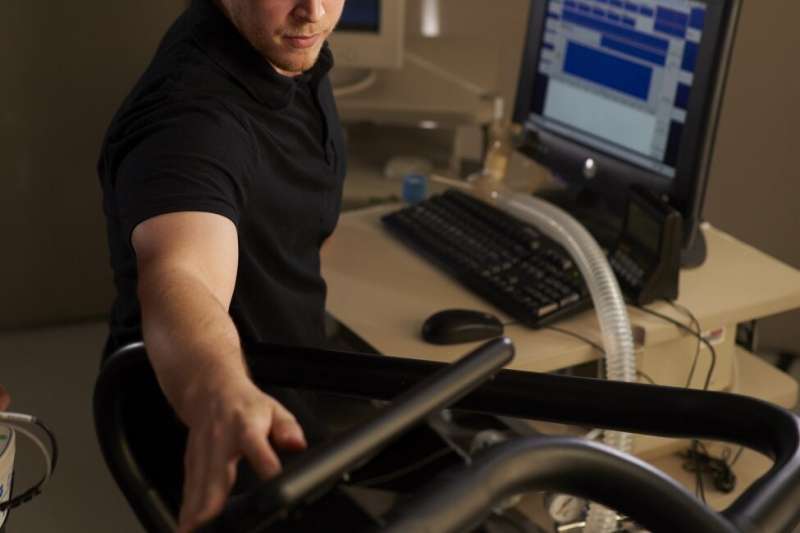
The enhanced physical activity group underwent 26 weeks of supervised treadmill training. Blood samples for both groups were taken at baseline and after 26 weeks. Credit: Florida Atlantic University Increasing evidence shows that physical activity and exercise training may delay or prevent the onset of Alzheimer’s disease (AD). In aging humans, aerobic exercise training increases gray and white matter volume, enhances blood flow, and improves memory function. The ability to measure the effects of exercise on systemic biomarkers associated with risk for AD and relating them to key metabolomic alterations may further prevention, monitoring, and treatment efforts. However, systemic biomarkers that can measure exercise effects on brain function and that link to relevant metabolic responses are lacking.
To address this issue, Henriette van Praag, Ph.D., from Florida Atlantic University’s Schmidt College of Medicine and Brain Institute and Ozioma Okonkwo, Ph.D., Wisconsin Alzheimer’s Disease Research Center and Department of Medicine at the University of Wisconsin-Madison and their collaborators, tested the hypotheses that three specific biomarkers, which are implicated in learning and memory, would increase in older adults following exercise training and correlate with cognition and metabolomics markers of brain health. They examined myokine Cathepsin B (CTSB), brain derived neurotrophic factor (BDNF), and klotho, as well as metabolomics, which have become increasingly utilized to understand biochemical pathways that may be affected by AD.
Researchers performed a metabolomics analysis in blood samples of 23 asymptomatic late middle-aged adults, with familial and genetic risk for AD (mean age 65 years old, 50 percent female) who participated in the “aeRobic Exercise And Cognitive Health (REACH) Pilot Study” (NCT02384993) at the University of Wisconsin. The participants were divided into two groups: usual physical activity (UPA) and enhanced physical activity (EPA). The EPA group underwent 26 weeks of supervised treadmill training. Blood samples for both groups were taken at baseline and after 26 weeks.
Results of the study, published in the journal Frontiers in Endocrinology , showed that plasma CTSB levels were increased following this 26-week structured aerobic exercise training in older adults at risk for AD. Verbal learning and memory correlated positively with change in CTSB but was not related to BDNF or klotho. The present correlation between CTSB and verbal learning and memory suggests that CTSB may be useful as a marker for cognitive changes relevant to hippocampal function after exercise in a population at risk for dementia.
Plasma BDNF levels decreased in conjunction with metabolomic changes, including reductions in ceramides, sphingo- and phospholipids, as well as changes in gut microbiome metabolites and redox homeostasis. Indeed, multiple lipid metabolites relevant to AD were modified by exercise in a manner that may be neuroprotective. Serum klotho was unchanged but was associated with cardiorespiratory fitness.
“Our findings position CTSB, BDNF, and klotho as exercise biomarkers for evaluating the effect of lifestyle interventions on brain function ,” said van Praag, corresponding author, an associate professor of biomedical science, FAU’s Schmidt College of Medicine, and a member of the FAU Brain Institute and the FAU Institute for Human Health & Disease Intervention (I-HEALTH). “Human studies often utilize expensive and low throughput brain imaging analyses that are not practical for large population-wide studies. Systemic biomarkers that can measure the effect of exercise interventions on Alzheimer’s-related outcomes quickly and at low-cost could be used to inform disease progression and to develop novel therapeutic targets.”
CTSB, a lysosomal enzyme, is secreted from muscle into circulation after exercise and is associated with memory function and adult hippocampal neurogenesis. Older adults with cognitive impairment have lower serum and brain CTSB levels. BDNF is a protein that is upregulated in the rodent hippocampus and cortex by running and is important for adult neurogenesis, synaptic plasticity, and memory function . Klotho is a circulating protein that can enhance cognition and synaptic function and is associated with resilience to neurodegenerative disease, possibly by supporting brain structures responsible for memory and learning.
“The positive association between CTSB and cognition, and the substantial modulation of lipid metabolites implicated in dementia, support the beneficial effects of exercise training on brain function and brain health in asymptomatic individuals at risk for Alzheimer’s disease,” said van Praag.
More information: Julian M. Gaitán et al, Effects of Aerobic Exercise Training on Systemic Biomarkers and Cognition in Late Middle-Aged Adults at Risk for Alzheimer’s Disease, Frontiers in Endocrinology (2021). DOI: 10.3389/fendo.2021.660181
Provided by Florida Atlantic University
‘Smart drugs’ are real — here’s what’s scientifically proven and how to tell if nootropics are right for you
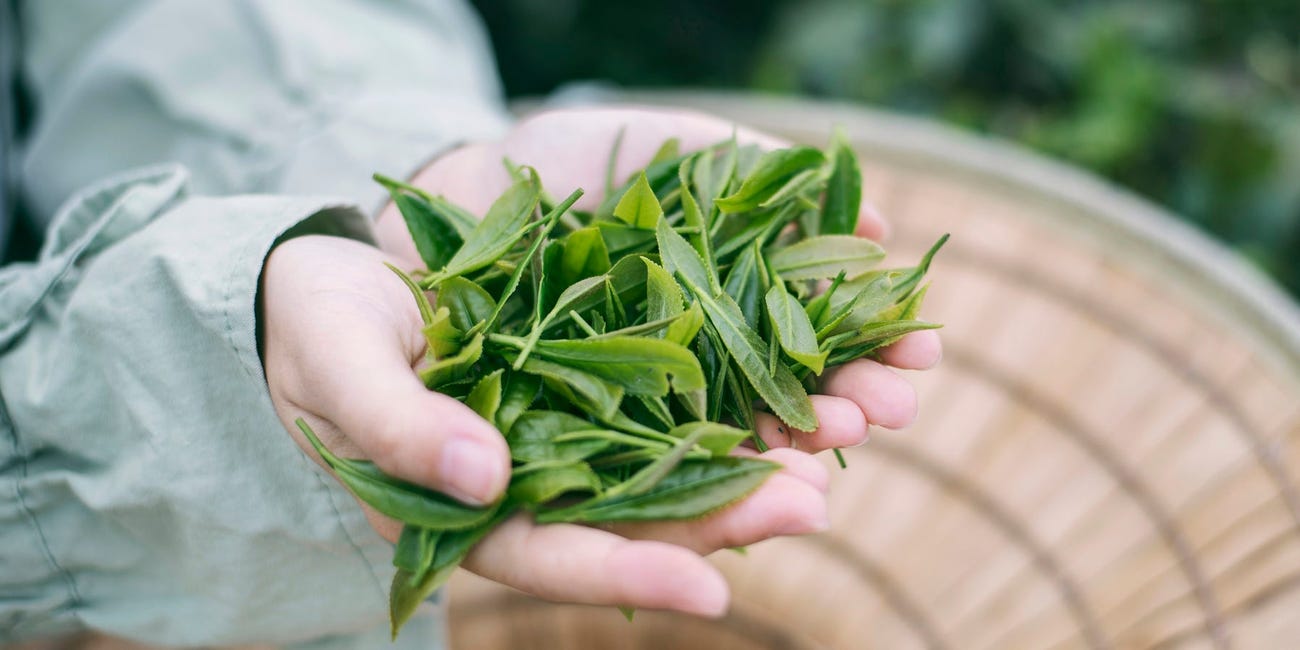
zhangshuang/Getty Images Green tea contains L-theanine, a natural nootropic that may boost serotonin and dopamine levels. Nootropics are cognitive enhancers that may help boost energy, focus, and memory.
They aren’t a cure-all and most work best if you have some symptoms of decreased mental clarity.
Some natural nootropics are caffeine, ginkgo biloba, creatine, omega-3s, and L-theanine.
Whether you’re a student cramming for finals, an employee on a project deadline, or your mind just isn’t as clear as it once was, you might wish there was a magic pill you could take that would supercharge your brain and make everything a little easier.
Nootropics aren’t magic pills, and they won’t supercharge your brain, but they do have the potential to improve your cognitive functioning under the right circumstances.
Here’s more about nootropics as well as specific types that have been proven to provide some level of cognitive enhancement. What are nootropics?
Nootropics are colloquially called “smart drugs” or “cognitive enhancers” due to the fact that they might theoretically boost brain function — especially regarding energy, focus, and memory.
Natural nootropics may also increase blood circulation and oxygen flow to the brain, according to a 2016 study . This is beneficial for brain health, since the brain depends on a continuous supply of oxygen and nutrients to function properly.
But nootropics likely won’t provide you much benefit if you’re not already experiencing symptoms such as trouble focusing or poor memory, says David A. Merrill, MD, a psychiatrist and director of the Pacific Neuroscience Institute’s Pacific Brain Health Center at Providence Saint John’s Health Center.
There are a number of factors that can affect your cognitive performance such as your sleep , stress levels , diet , and exercise regimen . You should try to improve these factors rather than simply relying on nootropics, as this will be much more beneficial in the long run, Merrill says. Natural nootropics
There are various natural, over-the-counter, nootropics to choose from that are available in supplement form. You can usually find them at your local grocery or online. Here are five common nootropics as well as how they work. 1. Caffeine
Caffeine — in the form of coffee, tea, energy drinks, supplements, and more — is the most commonly used nootropic worldwide.
It works by blocking adenosine receptors in the brain that make you feel tired. That’s why caffeine often makes people feel less tired and more alert and focused .
However, Merrill notes that there are two problems with caffeine. First, if you consume it often, you will become tolerant to it, meaning that you will require more and more caffeine to feel a boost. Secondly, if you overdo your caffeine consumption, it can lead to side effects like anxiety, insomnia, and tremors. 2. Ginkgo biloba
Ginkgo biloba is a plant, and you can find its extract in supplement form. Merrill says ginkgo biloba extract works by increasing blood flow to the brain, or cerebral blood flow. In theory, this can be beneficial because it prevents decreased cerebral blood flow, which can result in cognitive decline .
Much of the research surrounding ginkgo biloba is in regards to Alzheimer’s. For example, a 2020 review of 28 studies found that taking 240 milligrams of ginkgo biloba daily had a positive impact on cognitive function — including reaction time and memory — in adults with mild Alzheimer’s.
However, if you’re not already suffering from cognitive decline, Merrill says you may not experience any kind of boost from ginkgo biloba. 3. L-theanine
L-theanine is found naturally in green tea and black tea , but it can also be taken as a supplement. Merrill says it tends to have a calming, relaxing effect while also boosting alertness—which is why it’s categorized as a nootropic.
L-theanine works by boosting serotonin, dopamine, and GABA levels . GABA are neurotransmitters that play a part in mood and stress regulation.
A 2019 study found that participants who took 200 milligrams of L-theanine tablets for four weeks experienced reduced stress and improved executive functioning. 4. Omega-3s
“Omega-3 fatty acids are the building blocks of brain cell membranes, increasing cell membrane fluidity, which is important for the functioning of each brain cell,” says Merrill.
A 2012 analysis showed that adults with a mild form of cognitive impairment who took omega-3 supplements saw an improvement in cognitive function.
But while some research has been promising, other studies found that omega-3s had no effect on cognition for a sample of healthy adults aged 18-35. Therefore, omega-3 supplements may be most beneficial for people who are already experiencing some form of cognitive decline. 5. Creatine
Creatine is an amino acid that may benefit cognitive function due to the way it interacts with brain cells .
“Brain cells require high amounts of energy to function, and creatine can help brain cells continue to produce the energy needed to think,” says Merrill.
A 2018 systematic review found that taking creatine supplements can improve short-term memory in healthy individuals. Prescription nootropics Those who have a condition that severely impairs their cognitive function may benefit from more potent, prescription nootropics. Here are two common prescription nootropics and how they work. Amphetamines (Adderall) Adderall is a prescription drug commonly prescribed to people with ADHD but it may also be prescribed for narcolepsy. Merrill says Adderall is a stimulant that works by increasing your levels of dopamine and norepinephrine. These chemicals can improve your focus and concentration.Additionally, Adderall has been shown to boost alertness, energy levels, and attention span in people with ADHD or narcolepsy.”There appears to be a ceiling effect with stimulants like Adderall, so they can reduce attention deficits, but they won’t make individuals with already normal levels of attention super-smart,” says Merrill. Modafinil Modafinil is a prescription drug that promotes wakefulness , and it’s prescribed to people who have narcolepsy, obstructive sleep apnea, or shift work sleep disorder .The way modafinil works is mostly to increase dopamine levels . These increased dopamine levels may help concentration, memory, and motivation,, says Merrill. A 2020 study found that modafinil improves cognitive function in […]
Top 7 Ways CBD Can Help Runners Perform Better

Few activities are as healthy and fulfilling as running. Going for a run every day can boost your overall health and make you happier, stress-free, and ready to take on the world.
But just like any other physical activity, running isn’t all rainbows and butterflies. It leaves your muscles sore, making you refrain from running again until you heal. There’s also the risk of injuries, not to mention that you may experience the so-called runner’s gut or runner’s trots.
Sure, these few downsides don’t prevent you from enjoying your favorite hobby, but what if you could avoid them altogether? What if you could always enjoy a good run without worrying about muscle pain, injuries, or gut issues?
With CBD, you can.
Read on to learn about the best ways CBD can improve your running performance. 1. Reducing Inflammation
Have you ever heard about anandamide? It’s a fatty acid neurotransmitter that your brain produces naturally. It plays a vital part in maintaining homeostasis in the body, which is why it’s often referred to as the bliss molecule.
It helps regulate inflammation, reduce anxiety, stimulate appetite, and improve mood by binding to cannabinoid receptors in your body’s endocannabinoid system (ECS). The problem is that your body breaks it down quickly, which is where CBD comes in.
CBD can increase anandamide levels and inhibit the enzyme that breaks it down, thus slowing down its degradation in the body. Doing so can help reduce inflammation and improve your running.
That’s why CBD oil pills have become quite popular among runners and other athletes. 1. Relieving Pain
This benefit of CBD for runners goes hand in hand with the previous one. When there’s inflammation in the body, you feel it as pain. Your muscles are sore and tense, your joints ache, and you need to dial down any physical activity to let your body heal properly.
But when CBD works with your ECS to reduce inflammation, it can also relieve pain. That’s partly because of increasing anandamide and partly because of how it interacts with your ECS.
It stimulates its neurotransmitters, helping them work more efficiently. And they help regulate more than just pain, including your mood, appetite, metabolism, immune response, memory, and more. 2. Speeding Up Muscle Recovery
This is again a direct benefit from reduced inflammation and pain. After an intense run, your muscles need time to recover. If you keep pushing it, you’ll only feel exhausted and unable to perform as well as you’d like.
When you add CBD to your regimen and relieve all the running-induced pain, you can shorten the recovery time. You can reduce muscle fatigue, get back to running right away, and achieve your fitness goals faster. 3. Preventing Injuries
Since CBD can help speed up your muscle recovery, it can also help prevent injuries. By slowing down your muscle tissue’s breakdown, it can keep potential injuries at bay and help you enjoy your hobby entirely stress-free.
But did you know that CBD can enhance fracture healing as well? Now, that’s something to be excited about! If you ever break a bone during running (hopefully, you won’t), CBD might help it heal faster.
The study above showed that CBD might even enhance bone volume and make bones stronger. 1. Preventing Gut Problems During Running
If you’ve ever run a marathon, you may have experienced the runner’s gut, officially known as runner’s diarrhea. It’s when you feel a strong bowel-movement urge mid-run, and it’s not as uncommon as you may think.
Distance running can upset your stomach because all the blood flow goes to your legs. That can leave your stomach with digestion problems, regardless of when you had your last meal.
Luckily, CBD can reduce intestinal inflammation both during and after running, thus keeping your gut health in check. Since it can also reduce anxiety, it can prevent your stomach from acting out at the worst possible time. 2. Boosting Energy
Like all these other benefits, boosting energy with the help of CBD is a natural process.
As already mentioned, CBD interacts with your ECS naturally, providing the wind at its back to help it perform its function. That function includes regulating a host of biological processes, including maintaining a hormonal balance.
Now, running helps your body release endorphins, but it also increases cortisol levels. That’s usually a short-term rise, but it can last for days with intense running and endurance training.
When CBD joins forces with your ECS, it can keep those cortisol levels in check. That means no energy swings that can mess with your performance and overall well-being. You’ll feel fresh, energetic, and able to experience the runner’s high. 1. Promoting Better Sleep
If you don’t get enough shut-eye, your muscles can’t have enough time to repair. Your body can’t replenish the necessary energy fast enough, thus increasing your stress and anxiety.
CBD can help you eliminate those problems naturally, relaxing your body and helping you sleep better.When you wake up feeling fresh after a good night’s sleep, you’ll be able to maximize your performance. Let’s not mention that high-quality sleep is key to your overall health and well-being. Conclusion Are you feeling excited about adding CBD to your regimen? You should be! Give it a try, and you might start enjoying running more than ever before!

The Power Within by Corey Daniels book available for only $2.99
Mind has both conscious and subconscious halves. These are likened to a driver and the truck he drives. The driver plans the destination and observes road conditions, while the truck provides motive power. Your subconscious mind is like the truck and it only goes in the direction in which is a steered. This can be the road or off a cliff. Likewise, the consciousness paints a picture of what the world is and what your goals are and the subconscious acts on them through emotion, physical response and energy, whether these are correct, rational images or false negative ones. The subconscious is also like an emotional reservoir which your body and mind draw responses from to external stimuli.
The Power Within lays out a method of programming your subconscious and tapping into the Holy Spirit, God voice or what the Greeks called the daimon (godman).