Nature Knows and Psionic Success
God provides
Chaperone protein imbalance can play key role in initiating toxic tau buildup in the aging brain
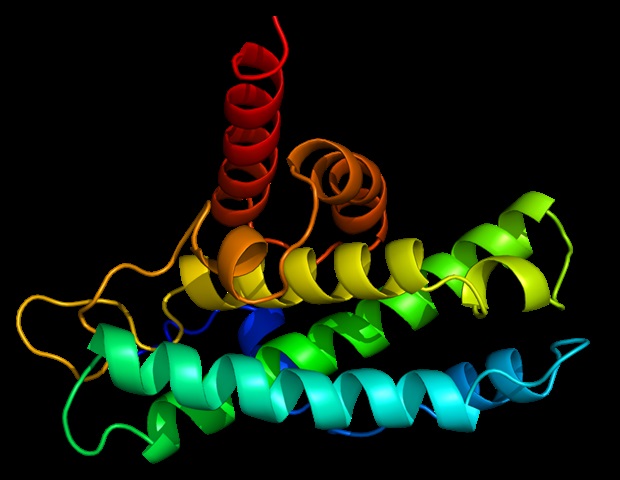
Chaperone protein imbalance can play a significant role in initiating toxic accumulation of tau in the aging brain – an early step in the development of Alzheimer’s disease and related neurodegenerative disorders known as tauopathies, a new preclinical study by University of South Florida Health (USF Health) neuroscientists suggests.
In humans, misfolding of the protein tau leads to its toxic accumulation inside brain cells, the formation of these tau aggregates into hallmark neurofibrillary tangles, neuron death, and eventually symptoms of cognitive decline such as memory loss and diminished thinking skills.
In this study the USF Health Morsani College of Medicine researchers used mice that were not genetically modified (wild-type mice) to examine the effects of Aha1 and FKBP52, two co-chaperone proteins of heat shock protein Hsp90, in the aging brain. They modeled molecular chaperone imbalance by overexpressing production of Aha1 and FKBP52 in these old, wide-type mice. The findings, highlighted below, were reported April 8 in Acta Neuropathologica Communications.
Hsp90 is a chaperone protein abundant in neurons and other cells in the brain. Normally, co-chaperone proteins assist chaperone proteins in monitoring and sustaining the balance (homeostasis) of proteins critical to cell health.
“The chaperone protein network is your cell’s natural defense to maintain homeostasis throughout life, and this study emphasizes the importance of protecting that balance in the aging brain,” said principal investigator Laura Blair, PhD, an assistant professor of molecular medicine at the USF Health Byrd Alzheimer’s Center, Morsani College of Medicine. “We’re excited about using this new model of tauopathy in finding ways to restore chaperone protein balance to delay or stop the progression of Alzheimer’s and other neurodegenerative diseases.”
Among their many quality-control functions, chaperone protein networks ensure proteins are folded to conform to the proper 3D shapes, transported precisely where needed to do their jobs, and pushed toward degradation if they are abnormally modified or no longer useful. Heat shock proteins like Hsp90, triggered when a cell is under stress, play a particularly important “triage” role in correcting protein misfolding to prevent aggregation.
“But in the aging brain, the balance of the chaperone proteins shifts and creates a system not working as efficiently as it normally would. Large numbers of the chaperone molecules decrease in expression, and a smaller but significant number increase in their expression,” Dr. Blair said.
Increasing age is the greatest known risk factor for Alzheimer’s disease. So, the USF Health team investigated whether increased levels of FKBP52 and Aha1 alone could initiate pathological features mimicking human Alzheimer’s disease in aged wild-type mice – those with no genetic manipulations predisposing their brains to abnormally increase tau aggregation.
Key findings from their new mouse model of tauopathy include: High levels of FKBP52, and to a lesser extent elevated levels of Aha1, increased tau accumulation over time in the aged, wild-type mice.
The tau accumulation promoted by overexpression of FKBP52, but not Aha1, correlated with increased neuroinflammation through exaggerated activation of neuronal support cells, namely microglia and astrocytes. This was complemented by loss of neurons and cognitive impairments.
Existing mouse models, including those that add or subtract genes, introduce tau mutations, and seed mice brains with human tau, help scientists learn more about the underlying causes of Alzheimer’s disease and other tauopathies. However, they tend to be limited in capturing the physiological aspects of neurodegeneration in the context of both normal and abnormal aging.
“We hope this (chaperone imbalance) model will help us better understand the dynamics of tau aggregation and neuroinflammation, including the timing and connections among pathological events, without directly regulating one pathway or the other,” Dr. Blair said.
Dr. Blair’s team has designed follow-up studies to help unravel if, and when, tau accumulation or neuroinflammation is more influential in causing brain cell toxicity during aging. That could help determine which chaperones — FKBP52, Aha1, or others — may be the best therapeutic target options for restoring protein balance, she said.
Co-lead authors for the USF Health study were postdoctoral fellow Marangelie Criado-Marrero, PhD, and doctoral student Niat Gebru. The research was supported by grants from the National Institutes of Health/National Institute of Neurological Disorders and Stroke and the National Institute of Mental Health.
10 Possible triggers of an afternoon headache

( Natural News ) There are many possible causes of afternoon headaches, from dehydration to something more severe like an aneurysm. If you’re worried, read up on the 10 possible causes of afternoon headaches and how to prevent them.
As the name implies, an afternoon headache occurs in the afternoon. While they’re no different than other kinds of headaches, afternoon headaches can be triggered by something you did or consumed earlier in the day.
Below are 10 common causes of an afternoon headache and how to prevent them. Hunger
Afternoon headaches can be caused by hunger due to a drop in your blood sugar levels. A hunger headache can also cause symptoms like dizziness, fatigue or feeling shaky. It can also make you faint.
If you’re taking diabetes medication, you may be more vulnerable to hunger-induced headaches since some diabetes drugs can make your blood sugar levels decrease between meals.
Prevent hunger headaches by eating on a regular schedule . Follow a balanced diet, eat plenty of fresh vegetables and fruits and avoid eating fatty or sugary junk foods. Dehydration
Dehydration headaches can also occur in the afternoon if you don’t drink enough water during the day or if you consume several cups of coffee without drinking water.
If you’re dehydrated, you may experience other symptoms like: Dark urine or infrequent urination
Dizziness
Dry mouth, lips and throat
Irritability
Alcohol
Alcoholic drinks can also cause afternoon headaches if you start drinking later in the day. If you have a cluster headache — a type of intense headache that often affects the front of the head — you may experience pain after consuming alcohol. Caffeine
Some people get headaches when they consume caffeinated drinks like coffee . Caffeine also makes a dehydration headache worse.
On the other hand, caffeine can help prevent or relieve headache symptoms in some cases. If you consume caffeine regularly, cutting back on your coffee intake can cause an afternoon headache. Migraines
A migraine is a type of neurological headache caused by changes in nerve pathways, neurotransmitters and other brain chemicals. People with migraines may experience nausea, visual disturbances, sensitivity to light and unusual sensations.
You can have a migraine at any time of the day. Common triggers include certain smells, sights, sounds or foods.
If you have migraine headaches at the same time every day, take note of your symptoms and activities to identify possible triggers so you can avoid them. (Related: Tension headache? Hang on a minute, try these quick fixes .) Eyestrain
You can experience headaches from eyestrain if you stare at a computer or laptop without taking breaks. Eyestrain headaches can also be caused by uncorrected vision problems or muscle imbalances in the face or neck.
Eyestrain headaches cause pain in the front of your head. You may feel exhausted or experience worse pain if you don’t take breaks when working on your computer. Muscle tension
Tension headaches are the most common type of headache and occur when muscles in your neck, shoulders or jaw are tense. This causes pain that radiates to your head.
Tension headaches occur gradually and tend to worsen steadily over several hours. You may experience this type of headache after sitting in your car, working on your computer or staying in an uncomfortable position for a long time.
Since a tension headache makes the muscles in your neck or shoulders feel tense, massaging these muscles can help relieve your headache. However, some people report that massaging these areas can make their headaches worse.
While they’re not dangerous like headaches caused by hypertension, tension headaches can last for hours or days. Stretch your head, neck and shoulders, take frequent breaks when working on a computer and practice deep breathing to relieve tension headaches. Allergies
Allergies can cause painful pressure in your head and face.
If you have allergies, you may: Feel distracted or fatigued Feel like you’re coming down with something Have itchy eyes Sneeze a lot Allergies are triggered when you’re exposed to an allergen. You may experience painful symptoms throughout the day. High blood pressure While high blood pressure ( hypertension ) doesn’t usually cause headaches, dangerously high blood pressure of 180/120 millimeters of mercury (mm Hg) or above can cause discomfort. A headache caused by high blood pressure doesn’t always come with other symptoms, but you may see spots, have flushed skin or feel dizzy.High blood pressure that causes a headache should be treated as a medical emergency. It’s also particularly dangerous for pregnant women. If your blood pressure remains at 180/120 mm Hg or higher, call a doctor or go to the emergency room immediately. Emergencies Headaches caused by serious health issues, such as a stroke or an aneurysm, can occur in the afternoon. But unlike other types of headaches, these headaches don’t usually go away and come back.If you suffer from afternoon headaches, don’t always assume that the time of day is the trigger. You can experience severe headaches at any time of day.A headache may require emergency medical attention if you experience: An intense headache that differs significantly from your usual headache pattern Changes in vision or pain in the eye Confusion Loss of consciousness Memory or personality changes during the headache A sudden popping sound in the head A headache after being in a car accident or getting hit in the head A very stiff neck with signs of infection, like muscle pain or a high fever Treating afternoon headaches These lifestyle changes can also help reduce the likelihood of getting an afternoon headache : Eat balanced meals regularly. Avoid common headache triggers like alcohol and coffee. Have regular eye exams and wear prescription lenses Don’t sit in hunched or strained positions Take frequent breaks at work Stretch and move around every couple of hours Drink water throughout the day Prevent headaches by making healthy lifestyle changes and avoiding common triggers like alcohol and coffee. Sources include: MedicalNewsToday.com DRWeil.com
7 bad habits that are actually good for you

We typically group habits into two categories: good and bad. While the line between them might appear to be clear, it can sometimes get blurry.
Some habits labelled ‘bad’ do actually produce great, productive results. Here are just seven habits that scientific research shows you shouldn’t worry too much about.
1. Daydreaming
Daydreaming can occupy up to a third of our waking lives, but it’s often seen as a waste of time and is associated with laziness and procrastination.
However, research has found that the ‘executive network’ in our brain is highly active when we’re daydreaming. And that sleepiness you feel when you drift off into a daydream? It can actually boost your brain power.
According to a study published in the Proceedings of the National Academy of Sciences of the United States of America, the areas of our brain used while we daydream are the same ones that help with complex problem solving. So, daydream away.
2. Gossiping
Talking about other people is a global fascination. People can’t resist a good story or secret – there are magazines and TV shows devoted to celebrity gossip and members of the public telling tales.
And in an era where mental illness and stress-related diseases are on the rise, it turns out that sharing other people’s news has a whole range of mood-boosting benefits. Researchers at Brown University found that most people’s mood improved for up to four hours after spending just 20 minutes gossiping with a friend. A whopping 96 per cent of people were able to reduce tension and anxiety this way.
Gossip can help you bond with whoever you’re speaking with, it can help you learn a bit more about the individuals and situations around you, and laughing over some scandalous story can release feel-good hormones that help combat stress and anxiety.
3. Drinking coffee
We have heard and read all sorts of scary stuff about coffee, from it causing cardiac problems and stunting growth to affecting sleep quality.
But for those who can’t imagine back-to-back meetings without a shot of caffeine in their system, there’s some good news.
Coffee has been found to be full of antioxidants, and some of the chemicals in your cup can help fight Parkinson’s disease, Alzheimer’s, liver cancer and even improve memory.
Additionally, some studies show that women who drink two or three cups of coffee a day are 15 per cent less likely to be depressed.
However, the science is agreed that too much of a good thing can be dangerous, so aim for a maximum daily intake of 400 milligrammes of caffeine (about three cups of coffee). Cup of coffee (Photo: Instagram) 4. Swearing
Shouting expletives in the middle of the street or in a stormy meeting isn’t recommended, but studies suggest that in certain situations, swearing may actually be good for you.
According to a study by the University of East Anglia, swearing at work could help employees cope with stress and maintain solidarity.
Researchers at Keele University’s School of Psychology further found that swearing can provide effective short-term relief from pain.
However, the study also notes that swearing should be reserved for crises, as the higher the daily swearing frequency was for participants, the less pain relief they experienced.
5. Being messy
If you’re an average person, chances are you’re constantly wishing your home looked more ‘Instagrammable’, that things were always clean and sparkling, and that you could invite guests over unexpectedly without rushing around in sheer panic trying to tidy everything up.
People who are messy may sound like they’re making up lame excuses for their bad habit by pointing out how disorder helps them to be creative. But it turns out they’re right.
In a study published in Psychological Science magazine, scientists found that a messy environment can actually be great for creative thinking.
While participants in a tidy room were more likely to donate money or choose a healthier food option, those who were in the untidy environment were able to come up with more creative solutions to problems, and think outside the box.
So, if you’re an entrepreneur in the creative space and your desk is a little messy – that’s perfect. 6. Animal videos What could be a bigger waste of time than trawling the Internet for cute animal videos? Apparently, as counter-productive as it seems, this common habit can actually help your brain focus and complete tasks accurately.Researchers at Hiroshima University found that viewing images of cute baby animals triggered care-giving instincts, making people more cautious on subsequent tasks.Now that you can guiltlessly surf the web for cute animal videos knowing you have science on your side, why not do one better and look for funny pet clips. Laughter reduces blood pressure, relieves pain and makes the body more resilient to stress. 7. Skipping a shower For obvious reasons, repeatedly missing showers won’t win you any friends or help you influence people.But if you’re ever tempted to skip a shower here or there, research suggests that you could be doing your health (and the environment) a favour. Daily washing not only strips your skin of the natural oils that keep it hydrated and supple, it could also strip it of good bacteria that help prevent disease.If you do decide to skip a shower, however, don’t pick a day when you’ll have vigorously worked out. No well-meaning explanation will make up for the odour produced.
Dates and Ramadan connection: promote natural labor as well

Dates come from the fruit of the date palm tree, which is grown in many tropical regions of the world. Other names associated with dates are Medjool and Deglet Noor. They are the most commonly consumed varieties. Dates are also particularly beneficial during Ramadan because they are high in sugar and vitamins such as potassium and magnesium as well as an excellent source of fiber and carbohydrates.
When fasting the body can easily develop mild health conditions like low blood sugar, headaches and lethargy. Breaking the fast with dates has always been a Ramadan tradition. In Hadith literature it is written that the Messenger of Allah would break his fast with ripe dates before he would pray. Therefore, eating dates during this time has a spiritual significance. Dates have a long history in the Middle East as they have been cultivated in the area for thousands of years. The hot, arid climate provides ideal conditions for date palms to thrive.
Nutrition Facts
According to the fdc.nal.usda.gov, nd, One serving (100 grams) has the following ingredients: 277 calorie
75 grams carbohydrates
1.8 grams protein
0.2 grams fat
6.7 grams fiber
696 milligrams potassium (20 percent DV)
0.4 milligrams copper (18 percent DV)
0.3 milligrams manganese (15 percent DV)
54 milligrams magnesium (14 percent DV)
0.2 milligrams vitamin B6 (12 percent DV)
1.6 milligrams niacin (8 percent DV)
0.8 milligrams pantothenic acid (8 percent DV)
64 milligrams calcium (6 percent DV)
62 milligrams phosphorus (6 percent DV)
0.9 milligrams iron (5 percent DV)
Apart from the above constituents, Medjool dates nutrition contains some vitamin A, vitamin K, thiamine, riboflavin, folate, choline and zinc.
They are to be eaten in moderation. As a healthy snack, one or two dates are typically consumed. One Medjool date (about 24 grams) contains approximately 66.5 calories, 16 grams of sugar and 0 trans fats.
Scientific Studies on Dates
Dates have been studied for their potential to promote and ease late-term labor in pregnant women. A study by Kordi et al., 2017, affirmed that, consuming dates in the last few weeks of pregnancy may promote cervical dilation and lower the need for induced labor. They may also be helpful for reducing labor time.
Another retrospective study by Al-Kuran et al., 2011,examined 69 women who ate 6 dates per day for 4 weeks before their due date had 20% chances to go into labor naturally and were in labor for significantly less time than those who did not eat them.
Another prospective study by Razali et al.,2017, included 154 pregnant women and demonstrates that those who ate dates were much less likely to be induced compared to those who did not.
A third study by Kordi et al.,2017, involved 91 pregnant women who took 70–76 grams of dates daily at 37th week of pregnancy. They entered in active labor for an average of 4 fewer hours than those who did not eat dates. Though, there is some research backing eating dates to help induce labor and reduce labor duration, more research is needed to confirm these effects.
Mechanism of Action Kordi et al., 2017; Kuran et al., 2011, studies opined that, dates promote labor in pregnancy by using a compounds that bind to oxytocin receptors and appear to mimic the effects of oxytocin in the body. Oxytocin is a hormone that causes labor contractions during childbirthKordi et al., 2017, study also demonstrates that the tannins compounds in dates have been proven to speed contractions. They are also a good source of natural sugar and calories, which are necessary to maintain energy levels during labor. Hence, in conclusion, dates help promote and stimulate natural labor for pregnant women when eaten during the last few weeks of pregnancy. Fights Cholesterol The most significant dates benefit is a reduction in unhealthy cholesterol levels. When consume, there is an increase in insoluble and soluble fiber intake, and ultimately reduces cholesterol naturally — especially LDL (“bad”) cholesterol. LDL is the bad guy that triggers heart attacks, heart disease and stroke, and dates deal with this bad guy.One study by Borochov-Neori et al., 2013, demonstrates that Medjool dates, coupled with different dates, “inhibited LDL oxidation, and most extracts also stimulated cholesterol removal from macrophages.”Additionally, Rock et al.,2009, demonstrates that Medjool dates are rich in antioxidative properties in vitro. In this study, ten healthy respondents took 100 grams daily of either Medjool or Hallawi dates for four weeks. The study posits that, Medjool dates reduced blood triglyceride levels by 8 percent among the participants.Triglycerides are a type of fat (lipid) found in your blood. When there is a high triglycerides in the blood, it can increase your risk of heart disease.Not only that, another study by Rahmani et al.,2014, found that, dates low glycemic index coupled with fiber and antioxidants potential has effect on reducing blood sugar level, hence, good for diabetic management. Support Bone Health Dates support osteoporosis due to the many minerals it contains. Minerals such as phosphorus, potassium, calcium and magnesium. All of these have been studied for their potential to prevent bone-related conditions like osteoporosis. Calcium further support the heart, nerves, muscles and other body systems. The phosphorous content helps balance and use other vitamins and minerals, including vitamin D, iodine, magnesium and zinc. Natural Sweetener Dates are a source of fructose, which is a natural type of sugar found in fruit. For this reason, dates are very sweet and also have a subtle caramel-like taste. They make a great healthy substitute for white sugar in recipes due to the nutrients, fiber and antioxidants that they provide.Research demonstrates that there is a direct link between increased sugar consumption in food and increased diabetes rates. A delicious fruit, like a Medjool date, provides a truly satisfying alternative to eating a candy bar or brownie loaded with refined sugar .The best way to substitute dates for white sugar is to make date paste, as in this recipe, to be accessed at https://www.veggiesdontbite.com/date-paste-goodbye-refined-sugar/ : It is made by mixing dates with water in a blender. A rule of thumb […]
Here’s how engaging in household chores may improve brain health

Representational Image(Unsplash) According to a new study , engaging in household chores may be beneficial for brain health in older adults. The study found that older adults who spent more time on household chores showed greater brain size, which is a strong predictor of cognitive health. The findings of the study were published in the journal BMC Geriatrics.
“Scientists already know that exercise has a positive impact on the brain, but our study is the first to show that the same may be true for household chores,” said Noah Koblinsky, lead author of the study, Exercise Physiologist and Project Coordinator at Baycrest’s Rotman Research Institute (RRI).
Koblinsky added, “Understanding how different forms of physical activity contribute to brain health is crucial for developing strategies to reduce the risk of cognitive decline and dementia in older adults.”
In this study, the researchers looked at the links between household chores, brain volume and cognition in a group of 66 cognitively healthy older adults living in the community. The participants attended three assessment visits at Baycrest Hospital, including a health evaluation, structural brain imaging and cognitive assessment.
Participants were asked about the time they spent on household chores, such as tidying, dusting, meal preparation and clean up, shopping, heavy housework, yard work, home repairs and caregiving.
The researchers found that older adults who spent more time engaging in such activities had greater brain volume, regardless of how much exercise they did. This was observed in the hippocampus, which plays a major role in memory and learning, and the frontal lobe, which is involved in many aspects of cognition.
Although it is possible that individuals with larger brains are more likely to take up household chores, there could be several explanations for the brain benefits of household physical activity.
First, we know that heart health is closely tied to brain health. It could be that household chores have a similar effect on the heart and blood vessels as low-intensity aerobic exercise.
Second, the planning and organisation involved in household chores may promote the formation of new neural connections over time, even as we age.
Third, it could be that the older adults who engaged in more household chores spent less time being sedentary, which has been shown to be associated with negative health outcomes, including poor brain health.
“Besides helping to guide physical activity recommendations for older adults, these findings may also motivate them to be more active, since household chores are a natural and often necessary aspect of many people’s daily lives, and therefore appear more attainable,” said Dr Nicole Anderson, Senior Scientist at the RRI, Director of the Ben and Hilda Katz Interprofessional Research Program in Geriatric and Dementia Care, and senior author of this study.
This study was funded in part by the Canadian Institutes of Health Research (CIHR).
As a next step, the researchers would like to assess household physical activity more objectively using wearable technology. With additional funding, they could also plan controlled trials with the aim of increasing individuals’ household activity and studying brain changes over time.
This story has been published from a wire agency feed without modifications to the text. Only the headline has been changed.
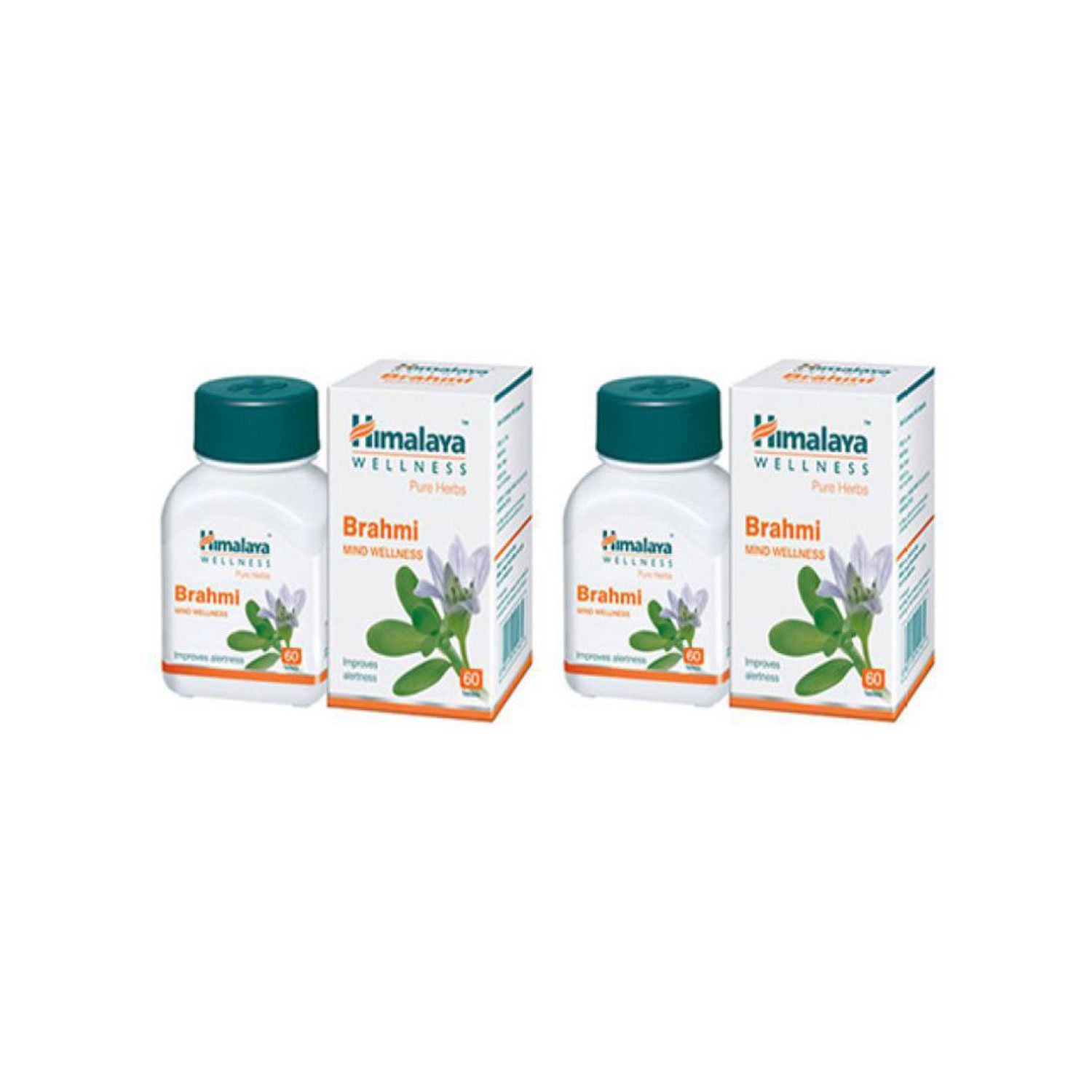
Himalaya Wellness Brahmi – 60 Tablets (Pack of 2)
5 available
Save Product description
Himalaya wellness brahmi mind wellness tablets widely acclaimed as a potent mental tonic (nootropic), brahmi literally means ‘that which improves intelligence’. Improves certain brain chemicals that are involved in thinking, learning and memory, thus enhancing cognitive abilities. Calms the mind, promotes clarity of thought and helps memory consolidation. Offers potent antioxidant neuro protection via modulating key enzymes involved in the generation and scavenging of reactive oxygen species in the brain. This helps in reducing unnatural age-related brain degeneration. Ideal for: A need to improve mental agility, memory and learning in young adults and working professionals. To prevent age-associated memory problems in the elderly. Good to know: 100 percent vegetarian. Free from sugar, artificial colors, artificial flavors, preservatives, and gelatin. Composition: Each tablet contains: Brahmi (bacopa monnieri) whole plant extract – 250 mg dosage recommendation: 1-2 tablets twice daily or as directed by your physician.
Oranges and their amazing benefits
(Last Updated On: April 18, 2021)
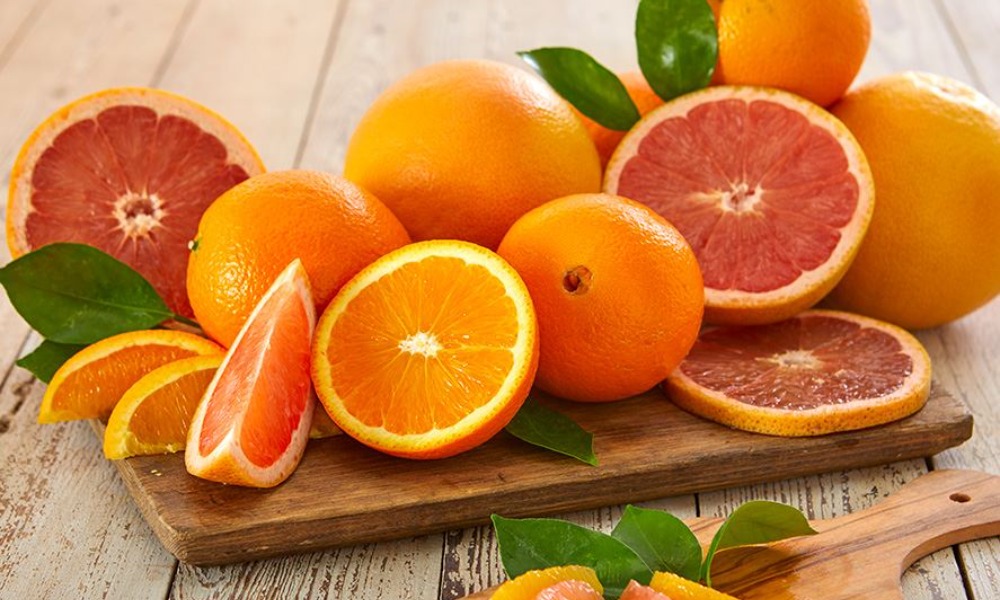
Oranges are one of the world’s most popular fruits and are currently widely available on the Afghan market but did you know this sweet fruit is packed with vitamin C – an important substance our bodies need to support a healthy immune system in us all – as well as other important nutrients.
The origin of oranges is a mystery but it is believed they were first grown in southeast Asia thousands of years ago but today they are grown across the world and consumed either fresh or as juice.
As a good source of fibre, oranges are associated with many beneficial health effects and are also a good source of several vitamins and minerals, especially vitamin C, thiamine, folate (two of the B vitamins), and potassium. Seven amazing benefits of eating oranges
1. Oranges Keep Your Eyes Healthy and Your Vision Sharp
2. Oranges Reduce the Risk of Stroke
3. Oranges Assist with Appetite Control
4. Oranges Fight Cancer
5. Oranges Promote Healthy Skin
6. Oranges Keep Your Blood Vessels Healthy
7. Oranges Help Repair your Body
According to a US nutritionist, Dr Cynthia Sass, one orange packs about 80 percent of the daily goal for vitamin C. She says that in addition to supporting immune function, Vitamin C helps produce collagen, reduce inflammation, and boosts the body’s ability to use fat as a fuel source, both during exercise and at rest.
Too little blood vitamin C has also been tied to increased body fat and waist measurements, she said.
Vitamin C also helps boost the absorption of iron, which can enhance oxygen availability and reduce fatigue. This is especially important for premenopausal women who lose iron through menstruation, and those who follow a plant-based diet, since iron is less readily absorbed from plant sources.
Vitamin C also acts as an aging-fighting antioxidant, and it’s needed for DNA repair and serotonin production. The latter helps to promote happiness and sleep, she said. The other key nutrients supplied by oranges are potassium and folate.
Potassium supports heart function and muscle contractions, and it helps maintain muscle mass.
Sass says this mineral also acts as a natural diuretic, to reduce blood pressure and counter fluid retention.
Folate meanwhile supports the brain and nervous system, and adequate amounts may help protect against depression and memory problems.
Oranges are also antioxidant superstars, says Sass. Antioxidants in oranges provide anti-inflammatory, antiviral, and antimicrobial benefits. They also defend against oxidative stress, which is essentially an imbalance between the production of cell-damaging free radicals and the body’s ability to counter their harmful effects.
The antioxidants in oranges may also protect your mental health, says Sass.
A study published in the American Journal of Clinical Nutrition found that higher flavonoid intake may be associated with lower depression risk, particularly among older women. A higher flavonoid intake is also linked to the prevention of weight gain and reduced body fat.
Meanwhile, the vitamin C in oranges is important for growing and repairing tissue all over the body.
According to the University of Maryland Medical Center, vitamin C helps heal wounds and maintain healthy bones and teeth. Vitamin C also supports the production of collagen, which is needed to make cartilage, ligaments, tendons, blood vessels and skin.
But nutritionists and doctors warn that too many oranges at once are not good.
When eaten in excess, the fiber content can affect digestion, causing abdominal cramps, and could also lead to diarrhea.
Though oranges are relatively low in calories, eating several per day can end up leading to weight gain.
Health professionals recommend a daily intake of anywhere between 1 and 3 oranges a day for healthy adults.
3 Natural Adderall Alternatives: Over the Counter Adderall to Increase Focus
We all know how hard it is when you cannot focus on your job. Keeping your mind focused is essential for daily tasks and productivity. Adderall is one of the stimulants that can help increase your energy and improve your focus.
However, this medication should only be prescribed by a medical professional and must be controlled carefully. Some side effects are associated with taking Adderall. If you experience any side effects, you should consult your medical professional immediately.
If you would like to improve your focus and memory, you can take a natural Adderall alternative instead. These natural supplements may help improve your focus and memory retainment, as well as improving brain health.
Finding a good brain supplement can be challenging because there are a lot of choices on the market. Some supplements may even harm your health. This article will talk about the top three natural Adderall supplements you can find online.
We will also discuss each product’s ingredients and benefits to help you decide if the supplement is right for you. Take note that these supplements are not meant to prevent or cure any illnesses or disorders, and should NEVER be used to replace your prescribed medication. Always check with your medical professional before adding a supplement to your diet.
NooCube is a blend of nootropics that may improve your focus, mental speed, and memory retainment. Aside from this, it may also enhance your cognitive function and concentration.
NooCube has natural herbs and vitamins that may promote focus and concentration to help you become more productive throughout the day. The supplement does not use any harmful chemicals or GMOs either.
Most supplements contain caffeine to enhance your focus. However, NooCube does not contain any caffeine, which means it won’t disturb your sleep schedule. The ingredients in NooCube may also improve your memory retainment and learning.
There are thousands of people who tried and loved NooCube as well. Users report that they feel more energized and focused throughout the day. Some users even say that it helps manage their stress and mood.
As we age, we cannot prevent our brain cells and neurons from slowly breaking down. Older people are more prone to neurodegenerative diseases like Alzheimer’s. Adding supplements like NooCube to your diet may help diminish neuron degeneration.
Alpha GPC
Alpha GPC is a supplement that contains choline. Alpha GPC may protect your neurons and may prevent cognitive decline. Diseases like Alzheimer’s are more common as we age, and it can lead to cognitive decline.
This ingredient may also help improve your mood and improve physical performance. Studies also show that Alpha GPC may improve memory and memory retainment, making it suitable for improving your learning skills.
Huperzine-A
Huperzine-A is commonly found in Chinese moss, and it may help prevent neuron damage caused by aging. It may also help improve your mood and increase your energy levels which is necessary for daily tasks.
Cat’s Claw
Cat’s Claw is a type of tropical vine that can grow 30 meters tall. It has potent antioxidant properties that may help improve your immune system. Aside from this, it may also help relieve the pain and symptoms of osteoporosis.
Bacopa
Bacopa, or Brahmi , typically grows underwater and is common in Ayurvedic medicine. Bacopa is typically known for its nootropic properties, and it may help boost your cognitive function and help improve your focus.
Oat Straw
Oat Straw is commonly harvested before the seeds mature and become oats. They are known to be nutritious. Based on recent research, this ingredient may help boost your brain function and improve concentration. The research also shows that it may help with memory retention.
Theanine & Tyrosine
Theanine and tyrosine are commonly found in black tea and mushrooms. When both theanine and tyrosine are combined, they may help improve your physical and mental performance. Based on research, the mixture may also help with focus and supplementing energy.
Theanine and tyrosine may also give you extra focus and mental clarity in a stressful situation. This benefit is perfect for people working in a high-stress environment and people experiencing stress.
Click here to Learn more about the Ingredients in Noocube on the Official Site.
NooCube uses natural and organic herbs that may improve your cognitive function. There are no known harmful side effects when taking NooCube. However, it is not recommended to take the supplement if you are pregnant.Taking the supplement if you are currently breastfeeding or under the age of 18 is not recommended either. If you have underlying medical conditions, always consult your medical professional before adding this supplement to your diet. NooCube is a natural and organic supplement that uses herbs to boost your brain function and focus. Noocube uses only natural ingredients and vitamins to promote better brain health.Neuroscientists designed NooCube’s formula. The formula is tested for any harmful side effects. This supplement does not contain any caffeine, making it perfect for people who are sensitive to it.NooCube does not have any GMOs or harmful chemicals. If you are unsure about buying the product, the brand offers a 60-day money-back guarantee if you are not satisfied with its effects. Click here to Get the Best Deal on NooCube from the Official Website. Mind Lab Pro is a combination of 11 different nootropics to help you focus. Unlike some competitors, this supplement targets more than two brain pathways. Instead, Mind Lab Pro targets six brain pathways to help optimize brain function. Mind Lab Pro’s goal is to manufacture a universal and suitable nootropic for all types of brain performance. They also aim to create a suitable supplement for any person, no matter what age or occupation. Mind Lab Pro does not contain any stimulants or additives. This supplement includes nootropics that are effective even in smaller doses, which may help improve your brain energy and regeneration. Cognizin or Citicoline Cognizin or Citicoline is a natural chemical produced in our brains. Its job is to produce […]
Health: Neurologist says mind the gap in brain health care and offers tips on how to keep a healthy head

Brain health expert Professor James Goodwin. The brain is arguably the most important organ in our body. Not only does it control and coordinate our actions, it’s at the very centre of our human experience – it allows us to think, feel and form memories, and shapes our personalities too.
Yet many of us know nothing about how our brains actually work, let alone how to care for them.
“There has been a dramatic switch in the science over the last couple of decades and we’ve completely lifted the lid on what we know about how to look after our brains,” says professor James Goodwin, neurologist and author of new book Supercharge Your Brain: How To Maintain A Healthy Brain Throughout Your Life.
Goodwin is special advisor to the Global Council on Brain Health, holds a chair at Exeter University Medical School and is a visiting professor of physiology at Loughborough University.
“If you were to ask people at a dinner party how to look after your heart, most people would be able talk about watching their cholesterol or doing exercise. But if you ask them about the brain? You’ll often be met with a blank stare,” Goodwin adds.
However, as cognitive decline continues to be a major long-term health concern, and the number of people with dementia in the UK is forecast to increase to 1,000,000 by 2025, perhaps we do need to know more about how to look after our brain health. Goodwin shares four easy ways to help keep your brain fighting fit at any age… 1.Make movement a part of your day
If your good intentions to complete a fitness plan in lockdown are flagging, here’s a good reason to set your alarm earlier and make sure you show up on the mat.
“In the past few years, researchers have found that exercise rejuvenates the brain,” says Goodwin. “It produces a chemical that stimulates new cells, and 30 minutes per day is all you need to reap the benefits – for five days a week at a moderate intensity.”
It could be something as gentle as brisk walking or moderate jogging, but the key is to make sure your chosen activity elevates your heart rate enough to get your blood pumping. Goodwin calls it a dose effect. “The more you do, the better the effect – but you can ruin the effects of that exercise completely by sitting down for more than eight hours per day. The longer we sit, the faster we age, so make sure you’re getting up every 20 minutes.” 2. Be a social butterfly
Social distancing rules have made it more difficult to catch up with friends, but being socially connected to others makes us feel safe and cared for, and this has big benefits for our brains.
“Humans would have never survived if we’d have been solitary animals,” stresses Goodwin. “We survived because we were in groups, and over 1.5 million years of social structure has cemented that into the brain. We’re highly dependent for brain health on this social interaction for others.”
Goodwin claims loneliness is as bad for our health as 15 cigarettes per day or a bottle of vodka, and that those who are persistently lonely have a 50% greater chance of dying than those who are not. “Another 12-year study found that those who said they were lonely showed a 20% faster rate of decline in their brain.
“The sensation of loneliness is quite natural. It’s like a hunger or thirst – it’s the brain telling us you need to seek out some company, in the same way hunger tells that you need to eat food,” says Goodwin. 3. Have a healthy sex life
“Frequent sexual intercourse with a close partner is beneficial to the brain too,” says Goodwin. According to the neurologist, it can foster better memory, better verbal fluency, and even better numeracy skills.
“A study on male rats, who had between 14-28 days of daily access to a receptive female, found that the number of new cells in that brain increased massively – and it worked better on the older rats, where it had a reverse ageing effect.”
Essentially, the older rats were reaching younger levels of brain rejuvenation, which Goodwin says is astonishing. But here’s the catch – he reckons it’s sex with familiar intimate partner that really has benefits. “Rats who got dumped in with a strange female were stressed out, and while they still eventually had sex, the brain benefits were much more profound in those regular partner rats.” 4. Eat well
“These days, we’ve got the choice of eating what we want, but that doesn’t mean we always eat what’s best for our brain,” says Goodwin. “Vitamin B12, vitamin D, magnesium, zinc and omega three are what I call the ‘big five’. These are the nutrients we know people are short of in Western diet.
“For a start, most of people in the Northern Hemisphere, above 35 latitude, don’t get enough sunshine to get enough vitamin D for six months of the year. B12, meanwhile, is only found in a very few foods which are mostly animal products.”
It’s not just what you’re eating that matters, but the amount you’re eating too. “The Okinawa is a Blue Zone – one of the five lucky areas of the world where people regularly live to over 100 years,” says Goodwin. “They have this Japanese expression called ‘hara hachi bu’, which means ‘leave the table 80% full’.
“The result of that eating habit is they will live longer, and rates of Alzheimer’s in Okinawa are 75% less than everywhere else in the world.” Essentially, those all-you-can-eat buffets and bottomless brunches might not be as good a deal as they seem.
Finally, and perhaps most importantly, brain care needs to be consistent. “I always say that it’s not what you do on a single day, it’s the single things you do every day,” states Goodwin. “You can’t just make a 12-week plan when it comes to your brain – it’s got to be a way of life.”
[…]
Engaging in household chores may improve brain health: Study
According to a new study, engaging in household chores may be beneficial for brain health in older adults. The study found that older adults who spent more time on household chores showed greater brain size, which is a strong predictor of cognitive health. The findings of the study were published in the journal BMC Geriatrics.
“Scientists already know that exercise has a positive impact on the brain, but our study is the first to show that the same may be true for household chores,” said Noah Koblinsky, lead author of the study, Exercise Physiologist and Project Coordinator at Baycrest’s Rotman Research Institute (RRI).
Koblinsky added, “Understanding how different forms of physical activity contribute to brain health is crucial for developing strategies to reduce the risk of cognitive decline and dementia in older adults.”
In this study, the researchers looked at the links between household chores, brain volume and cognition in a group of 66 cognitively healthy older adults living in the community. The participants attended three assessment visits at Baycrest Hospital, including a health evaluation, structural brain imaging and cognitive assessment.
Participants were asked about the time they spent on household chores, such as tidying, dusting, meal preparation and clean up, shopping, heavy housework, yard work, home repairs and caregiving.
The researchers found that older adults who spent more time engaging in such activities had greater brain volume, regardless of how much exercise they did. This was observed in the hippocampus, which plays a major role in memory and learning, and the frontal lobe, which is involved in many aspects of cognition.
Although it is possible that individuals with larger brains are more likely to take up household chores, there could be several explanations for the brain benefits of household physical activity.
First, we know that heart health is closely tied to brain health. It could be that household chores have a similar effect on the heart and blood vessels as low-intensity aerobic exercise.
Second, the planning and organisation involved in household chores may promote the formation of new neural connections over time, even as we age.
Third, it could be that the older adults who engaged in more household chores spent less time being sedentary, which has been shown to be associated with negative health outcomes, including poor brain health.
“Besides helping to guide physical activity recommendations for older adults, these findings may also motivate them to be more active, since household chores are a natural and often necessary aspect of many people’s daily lives, and therefore appear more attainable,” said Dr Nicole Anderson, Senior Scientist at the RRI, Director of the Ben and Hilda Katz Interprofessional Research Program in Geriatric and Dementia Care, and senior author of this study.
This study was funded in part by the Canadian Institutes of Health Research (CIHR).
As a next step, the researchers would like to assess household physical activity more objectively using wearable technology. With additional funding, they could also plan controlled trials with the aim of increasing individuals’ household activity and studying brain changes over time. (ANI)
JODY HOLTON — Brains need exercise too!
We know that regular exercise is good for our bones and muscles. Let’s explore the positive aspects of exercise on our brains.
Can exercise prevent memory loss and improve cognitive function? Possibly.
Exercise has many known benefits, including reducing the risk of cardiovascular disease and diabetes, strengthening the bones and muscles, keeping joints flexible and reducing stress.
It also appears that regular physical activity benefits the brain. Studies show that people who are physically active are less likely to experience a decline in their mental function and have a lowered risk of developing Alzheimer’s disease.
Exercising several times a week for 30 to 60 minutes may: Keep thinking, reasoning and learning skills sharp for healthy individuals
Improve memory, reasoning, judgment and thinking skills (cognitive function) for people with mild Alzheimer’s disease or mild cognitive impairment
Delay the start of Alzheimer’s for people at risk of developing the disease or slow the progress of the disease
Physical activity seems to help the brain not only by keeping your blood flowing but also by increasing chemicals that protect the brain. Physical activity also tends to counter some of the natural reduction in brain connections that occurs with aging.
More research is needed to know to what degree adding physical activity improves memory or slows the progression of cognitive decline. Nonetheless, regular exercise is important to stay physically and mentally fit.
Most studies so far have focused on the importance of physical activity before you develop Alzheimer’s. But can it treat the disease once you are diagnosed? Two studies hint that may be the case.
At the annual Alzheimer’s Association International Conference, scientists reported some encouraging news about the benefits of exercise. In the first studies to look at physical activity among people already diagnosed with the early stages of Alzheimer’s, moderate to high intensity workouts may not only slow down the biological symptoms of Alzheimer’s —but may lead to improvements in cognitive functions as well.
It was found that test subjects with milder disease who exercised at a moderate to intense level actually did perform better on intellectual skills after the 16 weeks. They were tested on memory, language, mental speed and other executive functions.
Aerobic exercise significantly increased blood flow in the memory and processing centers of participant’s brains, with a corresponding improvement in attention, planning, and organizing abilities referred to as “executive function.”
What is the short answer?
Three separate studies have shown that regular exercise not only does help prevent Alzheimer’s and dementia, if a person has been diagnosed and is in the early stages, it can certainly be an effective form of treatment as well.
Stay active and stay healthy, my friends.
Jody Holton writes about health for Port Arthur Newsmedia. She can be reached at jholton3@gt.rr.com.
Print Article
Here are 7 reasons to love dark chocolate
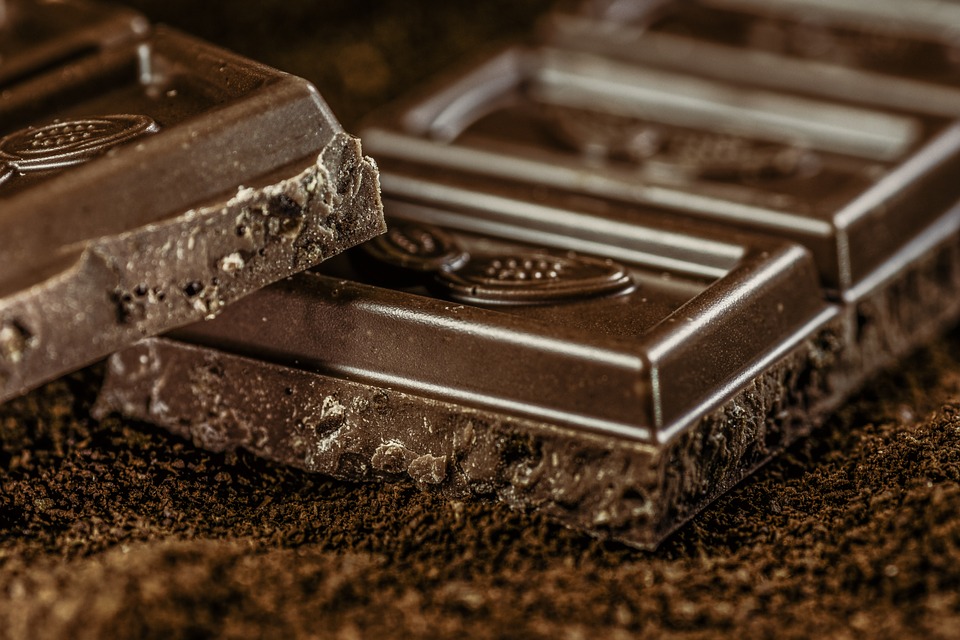
( Natural News ) Chocolate comes in many forms: dark chocolate, bittersweet chocolate, unsweetened chocolate – even milk chocolate. But if you’re looking for the healthiest chocolate among the bunch, look no further than dark chocolate.
Dark chocolate is made up of around 50 to 90 percent cocoa solids and no milk solids. This gives dark chocolate the advantage of having the highest concentration of flavanols compared to other chocolate varieties. Consuming dark chocolate in moderation can lead to several health benefits.
Here are seven reasons why you should choose dark chocolate .
> It contributes to positive mood. Eating dark chocolates enhances the body’s production of endorphins, chemicals that work to give the body relief from stress and pain. Dark chocolates also contain an amino acid called tryptophan. A precursor to serotonin, tryptophan contributes to happiness and positive mood. (Related: When it comes to chocolate, the darker the better: Dark chocolate reduces stress while improving memory .)
It improves blood flow to the brain. Researchers from the University of Nottingham discovered that flavanols in dark chocolate improve blood flow in key areas of the brain. This results in improved performance and alertness. The researchers added that cocoa flavanols, found in high amounts in dark chocolate, contribute to improved brain function; help fight fatigue and sleep deprivation; and reverse signs of aging.
It is rich in antioxidants. Compared to other superfoods, cocoa powder contains more antioxidants that help protect the body against free radicals. This, in turn, protects brain cells and prevents the premature aging of cells.
It improves learning, memory and focus. Flavonoids in dark chocolate improve cognitive function. These compounds, in particular, are beneficial to the hippocampus — the part of the brain involved in learning and memory. Dark chocolate also contains a small amount of caffeine, a chemical known to boost brain function in a short amount of time. This can help in sharpening a person’s memory, mood and concentration.
It is rich in minerals. Dark chocolate is rich in iron, copper, magnesium , zinc and phosphorus, minerals that play a part in a healthy body. Magnesium, in particular, helps the body produce cortisol, a hormone known to reduce anxiety and stress. Meanwhile, magnesium is linked with improved memory, focus, sleep and resilience to stress.
It helps control food cravings. Researchers from the University of Copenhagen discovered that eating dark chocolate reduces a person’s cravings for sweet, salty and fatty foods. In the study, the team whether dark and milk chocolate can reduce appetite and calorie intake. In the study, participants were offered pizza after eating chocolate. Those who ate dark chocolate reported reduced cravings after eating.
It supports gut health. A study published in the American Journal of Cl inical Nutrition found that drinking a flavonol -fortified cocoa drink increased the number of probiotics in the gut.
When buying dark chocolate, choose products with over 70 percent cocoa content; the higher the cocoa content, the higher flavonol levels are. Keep in mind, however, that this makes dark chocolate bitter. It’s also worth noting that while dark chocolate has health benefits, it’s still rich in calories and should be consumed in moderate amounts.
Food.news has more on the benefits of dark chocolate.
Sources include:
ScienceDaily.com 1
ScienceDaily.com 2
Academic.OUP.com
Toxic gas in the brain may increase your risk of developing dementia
Levels of a toxic gas in the brain could influence whether or not we get dementia and epilepsy, a study reveals.
The gas, hydrogen sulfide (H2S), is created inside the body in small doses – and is perhaps best known for carrying the torrid smell of rotten eggs.
H2S is produced in the brain and several smooth muscles, including the thoracic aorta (the section of the aorta in the chest) and the ileum (the final section of the small intestine).
By testing rat brain cells, the scientists found that H2S is involved in blocking a key brain cell gateway that helps the brain to communicate effectively.
Treatments to reduce levels of H2S in the brain – and therefore tackle dementia and epilepsy – may help to ward off damage caused by the gas. Hydrogen sulfide (H2S) is a colourless, flammable gas with a characteristic odour of rotten eggs.
It is produced naturally by the human body, and as a result of human activity outside the human body.
Natural sources include non-specific and anaerobic bacterial reduction of sulfates and sulfur-containing organic compounds.
Hydrogen sulfide is found naturally in crude petroleum, natural gas, volcanic gases, hot springs and groundwater.
It is released from stagnant or polluted waters and manure or coal pits.
H2S is rapidly absorbed by the lungs into the bloodstream.
The research was conducted by experts at the University of Reading, the University of Leeds and John Hopkins University in the US.
‘This is an exciting finding as it gives us new insights about the role of hydrogen sulfide in various brain diseases, such as dementia and epilepsy,’ said study author Dr Mark Dallas at the University of Reading.
‘There has been growing interest in the effect of hydrogen sulfide on the brain and this study shows how important the implications of its build-up on proper brain functioning may be.’
Researchers found that H2S acts to disrupt the normal functioning of potassium channels, which regulate electrical activity across the connections between brain cells.
‘When these channels are blocked from working properly we see overexcitable brain cells which we believe is leading to nerve cell death,’ said Dr Dallas.
‘The implication for potential treatments is particularly exciting because finding drugs that target hydrogen sulfide production in our brains may have a host of benefits for diseases.’
Although H2S is produced in small doses inside the body, it’s also found naturally in crude petroleum, natural gas, volcanic gases, hot springs and groundwater.
Human exposure to hydrogen sulfide produced outside the body is principally via inhalation, and the gas is rapidly absorbed through the lungs.
A 2001 study by researchers from University of Calgary in Canada found the gas appeared to impair cognitive performance in rats.
It has also previously been linked to brain damage and nervous system damage in humans.
For the new study, cells taken from rat brains were charged with a H2S donor molecule, and then brain cell electrical signals were monitored.
The resulting exposure to H2S increased the level of activity in brain cells, and the research was able to establish that the effect was specifically controlled by the potassium channel tested.
The team were also able to identify which part of the potassium channel was allowing this activity increase.
They used a mutated form of the potassium channel, which has already been shown to protect nerve cells from a host of toxic stimuli, including amyloid beta, a dangerous protein found in the brain of Alzheimer’s patients.
The researchers found that the mutation was resistant to the effect of H2S that was seen in natural cells.
The specific mutated channel now holds particular interest for research into Alzheimer’s, given the protective benefits against amyloid beta.’This exciting study demonstrates the growing evidence that gasotransmitters play an important role as signalling molecules in the regulation of the physiological processes underlying Alzheimer’s disease, which are relatively poorly understood, opening new avenues for investigation and drug discovery,’ said Dr Moza Al-Owais, Research Fellow at the University of Leeds.Globally, around 50 million people have dementia, and there are nearly 10 million new cases every year, according to the World Health Organisation (WHO).Alzheimer’s disease, which slowly destroys memory and thinking skills, may contribute to 60 per cent to 70 per cent of dementia cases.More than 920,000 people in the UK are living with dementia – a figure that’s expected to rise to more than a million by 2024, according to the UK’s Alzheimer’s Society.The new research has been published in Scientific Reports . Read more
How to boost your energy without reaching for high caffeine coffee
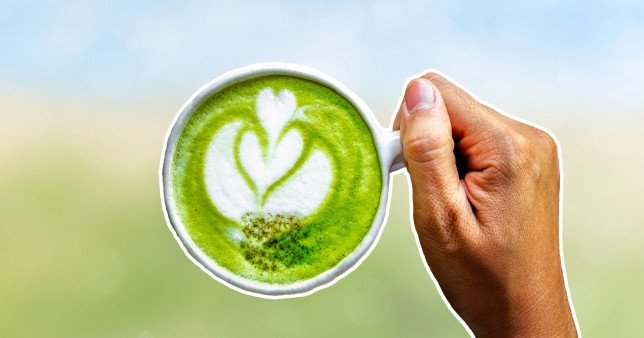
Caption: Paper: How to get an energy boost without hitting the coffee Provider: (Picture:Getty) When you’re used to that caffeine kick from your coffee and tea, it can be hard to make the switch to a healthier alternative – but your body will thank you for doing it.
‘Like every stimulant, caffeine is addictive,’ says nutritionist and chef Olivia Nottin, founder of Matcha and Beyond.
‘It works on your brain and nervous system and helps you to stay alert and prevents tiredness.
‘Not all sources of caffeine are the same and have the same effects. Coffee, for instance, has a high caffeine content and will promote an instant release of energy. ‘This type of energy will react quickly, which will then cause a drop of energy later, hence the highly addictive effect.’
Give our swaps listed here a try to get your energy fix. Like a latte? Try golden milk
Boost immune function with turmeric (Picture: Getty Images/iStockphoto) You’ll forget you ever had a latte addiction when you try this delicious concoction which contains spices, such as ginger, cinnamon, turmeric, black pepper, cardamom, vanilla and honey.
‘Golden milk is an ancestral Indian beverage known to boost the immune function, reduce inflammation and support the brain function,’ says Olivia.
‘The main ingredient is turmeric, which is a natural blood purifier that will enhance the releases of toxins and is also a great source of antioxidants to fight against oxidative stress.’
You can buy pre-made golden milk powder or you can make the drink fresh from scratch yourself. At home, in a pan, combine 250ml of full-fat milk with a ½ teaspoon of ground turmeric, ¼ teaspoon of cinnamon, 1/8 teaspoon of ground ginger, a pinch of black pepper, and a dollop of honey to taste. Heat the mixture slowly, stirring frequently.
Try: Golden Mylk ( £13 for 150g, oxygenboutique.com ) Want the hit of an espresso? Try Teeccino
If you’ve got a strong coffee addiction, try Teeccino. It’s a blend of caffeine-free chicory, carob, dandelion, barley and fruits and nuts, and comes in lots of different flavours. Many former coffee addicts say it tastes nearly identical to coffee.
Chicory has been shown to stimulate your gallbladder to produce more bile, which can help with fat digestion. An added bonus is that Teeccino is full of a dietary fibre called inulin.
‘These dietary fibres in plant-based foods are prebiotics, which are beneficial to support gut health and can improve digestive health,’ says Nottin. ‘Coffee is highly acidic, and it can damage the lining of your gut if consumed in excess.
‘If you already have gut problems, it is advised to reduce your coffee intake and you are encouraged to consume more dietary fibres, which can be found in plant-based food like chicory or other vegetables.’
Try: Whole Earth Organic No Caffeine Coffee Alternative ( £2.99 for 100g, hollandandbarrett.com ) Need to focus? Try turmeric tea
Take a sip (Picture: Getty Images/iStockphoto) This tea has a spicy, earthy kick to it, but packs a punch in terms of its health benefits, especially if you need to concentrate and stay alert.
It contains an active ingredient called curcumin, which studies have shown to reduce memory loss and the risk of Alzheimer’s.
Turmeric also has proven anti-inflammatory and anti-cancer properties and cultures with long life spans regularly consume turmeric in some form.
Try: Nipper & Co’s Organic Turmeric Queen ( £6.49 for 16 organic and plastic-free bags, nipperandco.co.uk ) Love your cup of sugar-laden builders’ tea? Try Liquorice tea
A sweet treat (Picture: Getty Images/iStockphoto) If you’re a recovering sugar junkie, liquorice tea can help ease your cravings thanks to the natural sweetener it contains called glycyrrhizin. However, it is an acquired taste, so won’t be for everyone.
‘Liquorice tea is a natural remedy for gastrointestinal relief and to soothe acid reflux,’ says Olivia. ‘But take it easy. Over consumption could have some sides effects. Avoid regular consumption if you have high blood pressure, a history of heart disease or are pregnant.’
Try: Meera’s Liquorice of sorts Tea ( £6.99 for 12 teabags, meerasmadefromscratch.co.uk ) Reluctant to give up your caffeine-laden fizzy drink? Try kombucha
Kombucha sounds a bit weird, but trust us, it’s good Getty Images) Kombucha is a fermented drink made from sweetened tea (the bulk of the sugar burns off during the fermentation process) and a bacteria and yeast culture called scoby.
There are plenty of flavours available such as elderflower and lemon, berry and peach, or if you’re competent in the kitchen, you can even make your own!
‘Like all other fermented foods, Kombucha contains live bacteria (or probiotics) that support gut health and aid in food digestion,’ says Olivia. ‘The probiotics also called “good bacteria” help maintain a healthy gut by restoring the balance between the harmful and good bacteria.’
Try: Nexba Kombucha ( £2.50 for 1l bottle, nexba.co.uk and Sainsbury’s ) Got the habit of an after-dinner coffee? Try chamomile tea Pure relaxation (Picture: Getty Images/iStockphoto) A coffee can be a nice way to end a good meal, but when you should be trying to wind down in the evening, it’s not conducive to a good night’s sleep.‘Chamomile tea is one of the most effective herbal teas to induce sleep and promote relaxation,’ says Olivia. ‘It also helps maintain healthy blood sugar balance and reduce inflammation.’ Try: Organic Sip ‘n’ Snore sleep easy herbal tea ( £6.49 for 16 organic and plastic-free bags, nipperandco.co.uk ) Need to beat your afternoon energy slump? Try matcha Try as a shot, a long tea, or a latte (Picture: Getty Images) Matcha tea is the Usain Bolt of green tea that will keep you going when you’re flagging. It’s made by steaming, drying and grinding the leaves of the Camellia sinesis plant into a fine green powder.What makes it different to run-of-the-mill green tea is that the whole leaf is consumed, which means you get even a bigger dose of anti-oxidants.‘Matcha green tea also contains caffeine (in smaller amounts) but combined with L-theine the release of energy is much slower and sustainable,’ says Olivia, ‘which will […]
Celebs Love Intermittent Fasting, Here’s Your Full Guide to Doing It Safely and Sustainably

Intermittent fasting is one of the most wide-sweeping health trends to emerge in recent years, with celebrities far and wide touting the benefits of their time-restricted eating regimens. From Gisele Bündchen to Kourtney Kardashian, Vanessa Hudgens, Jen-An ( swoon ) and Halle Berry ( double swoon ), it’s hard to move for the amount of good press its been reaping. But, what exactly is intermittent fasting? Is fasting for weight loss a safe option? And, could it work for you?
Well, you’re in the right place, because we’ve called upon the best in the biz to explain and advise exactly how to get it right – and, potentially, when to back off. (There is such a thing as too much of a good thing, y’know.)
Before we jump into it, we do need to say that fasting is categorically not for everyone. If you have a history of or an active eating disorder, are pregnant, underweight or find periods of deliberate fasting to be triggering, please do not undertake any sort of fasting regimen. As always, please consult a GP before undertaking any fasting protocol. What is intermittent fasting?
Let’s begin with the basics: Intermittent fasting is an umbrella term for restricting your daily eating to a specific and predetermined time window.
There are multiple protocols that fall under this term, with the 5:2 diet being one of the most popular, however, the celeb-fav 16:8 diet also falls into this category – this is when you would fast for 16 hours, taking in only water, and eat in an eight-hour window. Other common regimens include Circadian rhythm fasting – fasting for 13 hours, eating for 11 hours.
Depending on which protocol you choose (more on this later), you’ll be fasting for a set period of time and eating only during a certain window.
The reported benefits are far-ranging, from weight loss to better sleep , improved brain function and happier healthy digestion . Colour us intrigued… Is there anyone who shouldn’t intermittent fast?
Absolutely. Due to the emphasis on restricting feeding windows, the protocol can be triggering for those with a history of (or active) eating disorders as well as those with mitigating health conditions.
Shelley Perry , CEO of eating disorder charity S.E.E.D (Support and Education for Eating Disorders) Lancashire, cautions that the following people should avoid the eating protocol: Anyone in recovery from an eating disorder
Anyone with an active eating disorder
Those who are underweight
Pregnant women
Breastfeeding women
Those with chronic diseases such as diabetes or cancer
‘Physically, fasting can lead to exhaustion , tiredness, headaches and dizziness,’ explains Perry. ‘Fasting can affect your mood and the stark reality of this is the knock-on effect to you socially – both in the home and in your relationships.’
Related Stories
Eating Disorder Charities Slam BBC2 Show ‘I Had a Binge Eating Disorder, But I Beat It’
Some knock-on effects of this, Perry continues, include increased loneliness and isolation or, in some cases, Bulimia – an eating disorder characterised by cycles of purging and restriction. ‘It can often be the start of what becomes a difficult journey for many,’ she cautions.
‘A person may become obsessed with fasting… which could lead to an unhealthy relationship with food,’ cautions Dr Touroni. ‘The strict rules associated with fasting could also be triggering for someone who has a history of eating disorders, such as anorexia, bulimia or binge eating disorder (BED).’
So, if that’s you – be sensible. Your mental and physical well being is always more important than any health protocol or diet. How does intermittent fasting work?
Since the dawn of time, humans have been governed by something called Circadian rhythms. These rhythms are internal processes based on day and night – keeping us in line with the natural world around us and maintaining our sleep and wake cycles, internal temperature and digestion. Cheers, nature!
Related Stories
‘I Lost 8 Stone with Fasting and Weekly Workouts’ The 7 Best Apps For Intermittent Fasting
However, these rhythms also determine which chemicals are secreted when, and, according to research , can be impacted by eating out of sync with our natural rhythms. Fasting could help get your body back to equilibrium.
It also can help maintain a calorie intake that fits with your goals. Whether you’re trying to lose body fat , lose weight well or maintain your healthy weight loss, shortening the amount of time you have to eat can be an easier way to keep your intake in check. 6 benefits of intermittent fasting for women
The following benefits can be experienced by some. If you’re not convinced or have had a less than positive experience, keep scrolling to read up on four signs it’s not the right choice for you. 1. Stabilises blood sugar levels A University of Illinois at Chicago study displayed that eating on a time-restricted regimen can report a reduction in blood sugar levels and insulin resistance – key markers that control how your body breaks down food into energy, uses it for activity or stores it as fat. 2. Improves memory, brain function and mood Not to get too technical, but there’s a specific protein – brain-derived neurotrophic factor (BDNF) that is elevated during prolonged periods of fasting.’This protein interacts with the part of the brain that strengthens memory and learning, improving a person’s cognitive ability,’ explains consultant psychologist and co-founder of My Online Therapy , Dr Elena Touroni.According to Dr Touroni, it can also have a profound impact on your mood, as fasting increases the levels of certain chemicals – like dopamine [the pleasure hormone] which can increase happiness and confidence whilst reducing anxiety and anxiety attack prevalence. 3. Reduces inflammation Chronic inflammation can play havoc with your body’s immune system and some research has shown that sustained inflammation can lead to chronic health conditions, including heart disease and cancer. This University of Hail study found that intermittent fasting for a month had a noticeable impact in suppressing inflammatory cells, decreasing body fat and circulating disease-fighting white blood cells. 4. Can help […]
Say goodbye to dentures! Scientists develop new drug that can regenerate lost TEETH in mice and ferrets

A genetic treatment has been discovered which can regrow teeth, offering hope for the millions of people living with dentures.
Suppression of the gene USAG-1 with an antibody treatment was found to allow teeth to grow back.
The antibody treatment targets the sole gene and therefore stimulates tooth growth. In mice and ferret studies, missing teeth were seen to regrow fully.
Scroll down for video Researchers in Japan at the universities of Kyoto and Fukui looked at the molecules which are known to be involved with dental growth.
Some of these chemicals are also involved in growth of other organs, so finding a gene which targets only teeth is difficult.
However, the researchers thought the gene USAG-1 —uterine sensitization associated gene-1 — may be a viable target.
‘We knew that suppressing USAG-1 benefits tooth growth. What we did not know was whether it would be enough,’ says study author Katsu Takahashi from Kyoto University Graduate School of Medicine.
Monoclonal antibodies which target USAG-1 were given to animals in a single dose and were enough to regenerate an entire tooth.
After successful trials in mice, the researchers branched out to ferrets, a more complex animal with similar dental patterns to humans.
‘Our next plan is to test the antibodies on other animals such as pigs and dogs,’ says Dr Takahashi.
Current treatments for tooth loss are limited to dentures and other forms of artificial tooth replacement. However, they are not permanent and are often expensive while being inferior to real teeth.
‘Conventional tissue engineering is not suitable for tooth regeneration,’ adds Manabu Sugai of the University of Fukui, another author of the study.
‘Our study shows that cell-free molecular therapy is effective for a wide range of congenital tooth agenesis.’
The study is published in Science Advances . Adults who suffer from gum disease are TWICE as likely to have high blood pressure, study warns
People with severe gum disease are twice as likely to have high blood pressure, according to a new study.
A study of 250 people with periodontitis — severe gum disease — found people with the condition are 2.3 times more likely to have a systolic blood pressure higher than 140 mm Hg, the medical threshold for hypertension.
Periodontitis is an infection of the gums that often leads to bleeding and can result in tooth or bone loss.
Researchers from University College London studied both systolic and diastolic blood pressure — how much force the blood is under when the heart contracts and relaxes, respectively.
Both metrics are measured in millimetres of mercury (mmHg) and people with gum disease have, on average, a 3.36 mm Hg higher systolic pressure.
Their diastolic blood pressure is also elevated by 2.16 mm Hg compared to people with impeccable dental health.
Among orally healthy people only seven per cent of individuals had a systolic blood pressure above 140 mm Hg.
This figure doubles to 14 per cent among people with gum disease.
Advertisement
Study showing how the brain retrieves facts and may help people with memory problems
A shared set of systems in the brain may play an important role in controlling the retrieval of facts and personal memories utilised in everyday life, new research shows.
Scientists from the University of York say their findings may have relevance to memory disorders, including dementia, where problems remembering relevant information can impact on the daily life of patients.
Researchers say the findings may also have important implications for the development of a new generation of artificial intelligence systems, which use long-term memory in solving computational problems.
The brain’s long-term memory stores are categorised into two: factual memory and memory of personal experiences.
Together, these two long-term memory stores help us understand and respond to the world around us.
Decades of clinical and experimental research has shown that these two memory stores are represented across two separate brain regions.
But the new study suggests that a shared set of brain regions play an important role in controlling the successful retrieval of weak memories.
Using functional magnetic resonance imaging technology, researchers studied how these regions were shown to increase their activity when participants were asked to retrieve fact memories and personal memories.
Lead researcher Dr Deniz Vatansever, formerly of the University of York and now working for the Institute of Science and Technology for Brain-inspired Intelligence, Fudan University said: “The new research suggests that despite their functional differences, successfully retrieving weak information from these two memory systems might be dependent upon a shared brain mechanism.
“Our memories allow us to make sense and flexibly interact with the world around us. Although in most cases, our strongly encoded memories might be sufficient for the task at hand, remembering to pack a beach towel for an upcoming seaside holiday, this strong memory may be irrelevant in other instances, such as when packing for a business trip. As such, we need to tightly control the retrieval of relevant memories to solve different tasks under different circumstances. Our results indicate that this control process might be shared across both factual and personal memory types.”
Senior author Prof. Elizabeth Jefferies from the Department of Psychology, University of York, said: “In order to generate appropriate thoughts and behaviours, we have to draw on our memory stores in a highly flexible way. This new study highlights control processes within the brain that allow us to focus on unusual aspects of the meanings of words and to retrieve weakly encoded personal experiences. This control over memory allows us to be creative and to adapt as our goals or circumstances change.”
The research was supported by the European Research Council and the National Natural Science Foundation of China.
Story Source:
Materials provided by University of York . Note: Content may be edited for style and length.
Breakthrough in the fight against dementia as scientists discover toxic GAS in the brain that increases your risk of developing the condition
Levels of a toxic gas in the brain could influence whether or not we get dementia and epilepsy, a study reveals.
The gas, hydrogen sulfide (H2S), is created inside the body in small doses – and is perhaps best known for carrying the torrid smell of rotten eggs.
H2S is produced in the brain and several smooth muscles, including the thoracic aorta (the section of the aorta in the chest) and the ileum (the final section of the small intestine).
By testing rat brain cells, the scientists found that H2S is involved in blocking a key brain cell gateway that helps the brain to communicate effectively.
Treatments to reduce levels of H2S in the brain – and therefore tackle dementia and epilepsy – may help to ward off damage caused by the gas. Dementia is a term used to describe the symptoms that occur when there’s a decline in brain function. A potential treatment for dementia and epilepsy could look to reduce the amounts of a toxic gas in the brain has been revealed in a new study using rat brain cells (stock image) HYDROGEN SULFIDE
Hydrogen sulfide (H2S) is a colourless, flammable gas with a characteristic odour of rotten eggs.
It is produced naturally by the human body, and as a result of human activity outside the human body.
Natural sources include non-specific and anaerobic bacterial reduction of sulfates and sulfur-containing organic compounds.
Hydrogen sulfide is found naturally in crude petroleum, natural gas, volcanic gases, hot springs and groundwater.
It is released from stagnant or polluted waters and manure or coal pits.
H2S is rapidly absorbed by the lungs into the bloodstream.
Advertisement
The research was conducted by experts at the University of Reading, the University of Leeds and John Hopkins University in the US.
‘This is an exciting finding as it gives us new insights about the role of hydrogen sulfide in various brain diseases, such as dementia and epilepsy,’ said study author Dr Mark Dallas at the University of Reading.
‘There has been growing interest in the effect of hydrogen sulfide on the brain and this study shows how important the implications of its build-up on proper brain functioning may be.’
Researchers found that H2S acts to disrupt the normal functioning of potassium channels, which regulate electrical activity across the connections between brain cells.
‘When these channels are blocked from working properly we see overexcitable brain cells which we believe is leading to nerve cell death,’ said Dr Dallas.
‘The implication for potential treatments is particularly exciting because finding drugs that target hydrogen sulfide production in our brains may have a host of benefits for diseases.’
Although H2S is produced in small doses inside the body, it’s also found naturally in crude petroleum, natural gas, volcanic gases, hot springs and groundwater.
Human exposure to hydrogen sulfide produced outside the body is principally via inhalation, and the gas is rapidly absorbed through the lungs.
A 2001 study by researchers from University of Calgary in Canada found the gas appeared to impair cognitive performance in rats.
It has also previously been linked to brain damage and nervous system damage in humans.
For the new study, cells taken from rat brains were charged with a H2S donor molecule, and then brain cell electrical signals were monitored. Hydrogen sulfide is found naturally in crude petroleum, natural gas, volcanic gases, hot springs and groundwater. Human exposure to exogenous hydrogen sulfide is principally via inhalation, and the gas is rapidly absorbed through the lungs. Pictured, hydrogen sulfide and other gases seep out of the ground along with groundwater steam at Sulphur Banks (Ha’akulamanu) in Hawaii Volcanoes National Park
The resulting exposure to H2S increased the level of activity in brain cells, and the research was able to establish that the effect was specifically controlled by the potassium channel tested.
The team were also able to identify which part of the potassium channel was allowing this activity increase.
They used a mutated form of the potassium channel, which has already been shown to protect nerve cells from a host of toxic stimuli, including amyloid beta, a dangerous protein found in the brain of Alzheimer’s patients.The researchers found that the mutation was resistant to the effect of H2S that was seen in natural cells.The specific mutated channel now holds particular interest for research into Alzheimer’s, given the protective benefits against amyloid beta.’This exciting study demonstrates the growing evidence that gasotransmitters play an important role as signalling molecules in the regulation of the physiological processes underlying Alzheimer’s disease, which are relatively poorly understood, opening new avenues for investigation and drug discovery,’ said Dr Moza Al-Owais, Research Fellow at the University of Leeds.Globally, around 50 million people have dementia, and there are nearly 10 million new cases every year, according to the World Health Organisation (WHO).Alzheimer’s disease, which slowly destroys memory and thinking skills, may contribute to 60 per cent to 70 per cent of dementia cases.More than 920,000 people in the UK are living with dementia – a figure that’s expected to rise to more than a million by 2024, according to the UK’s Alzheimer’s Society.The new research has been published in Scientific Reports . WHAT IS DEMENTIA? THE KILLER DISEASE THAT ROBS SUFFERERS OF THEIR MEMORIES A GLOBAL CONCERNDementia is an umbrella term used to describe a range of progressive neurological disorders (those affecting the brain) which impact memory, thinking and behaviour.There are many different types of dementia, of which Alzheimer’s disease is the most common.Some people may have a combination of types of dementia.Regardless of which type is diagnosed, each person will experience their dementia in their own unique way.Dementia is a global concern but it is most often seen in wealthier countries, where people are likely to live into very old age.HOW MANY PEOPLE ARE AFFECTED?The Alzheimer’s Society reports there are more than 850,000 people living with dementia in the UK today, of which more than 500,000 have Alzheimer’s.It is estimated that the number of people living with dementia in the UK by 2025 will rise to over 1 million.In the US, it’s estimated there are 5.5 million Alzheimer’s sufferers. A similar percentage rise […]
Beat Stress with Pukka Tea and Ashwagandha

In the middle of winter, it can be very hard to keep our spirits lifted. We all go into hibernation mode, when the days are short, natural sunlight is in short supply and we may feel low and depressed. This is entirely natural, and there is a simple and delicious solution! Drink more of the right tea! That means Pukka tea, formulated by herbalist and Pukka co-founder Sebastian Pole. Sebastian has transformed herbal teas. He taken them from dull and tasteless to sophisticated, and delicious. At last we are embracing the Chinese approach to good health and drinking tea to supercharge our wellbeing. Organic green tea and turmeric tea are great ways to increase our uptake of antioxidants, sip our way to calm and reduce inflammation.
Top London nutritionist, Cassandra Barns explores five of her favourite stress-busting and mood uplifting Pukka teas and we also look at the stress adaptogen Ashwagandha for its ability to gently boost mood, raise energy levels and aid restful sleep.
Editor’s note. Ashwagandha is my go to Ayurvedic stress buster. Based on hundreds of years of Ayurvedic wisdom, it really does work. I recommend it to all my friends. You can order Pukka organic and Ayurvedic teas and supplements through our magazine shop. Every purchase from our shop helps to fund more of our #media4good journalism. AJ our Editor also offers one to one consultations to discuss your wellbeing and we are a distributor for Pukka organic teas and supplements Please visit the shop or send us an email – ethicalhedonistmagazine@gmail.com
Holy Basil (Tulsi)
Holy basil is a herb with a particular affinity for the brain and mood. It’s said to stimulate circulation to the brain to improve concentration and help clear brain fog. It also has a calming effect on the nerves and acts as an adaptogen – a herb that helps us cope with and adapt to stress. These different actions can combine well to help lift our mood, particularly when stress or anxiety are involved. To investigate how well it works, researchers in India tested the effects of holy basil supplements on 35 patients with anxiety, finding that it did seem to relieve their anxiety, stress and depression.
Holy basil makes a great herbal tea and also comes in capsule form for a more concentrated dose. Try Pukka’s Three Tulsi tea (£2.49 for 20 sachets) or Wholistic Holy Basil capsules (£16.96 for 30 capsules). Chamomile
Popular as a tea for aiding sleep, chamomile is an amazing ‘nervine’ – a herb that calms the nerves. It can also help relieve digestive cramps and spasms that accompany stress or anxiety. If your priority is to get more calm in your life, soothe frayed nerves and sleep better, then chamomile could be a great choice for you. Drink it as a herbal tea before bed, but also throughout the day to help calm you down – it shouldn’t make you feel tired.
Try: Pukka’s Three Chamomile tea, or Relax tea – a soothing blend of chamomile, fennel and marshmallow (both £2.49 for 20 sachets). Matcha green tea
If you’re feeling stressed or anxious, turning to coffee for a boost may do more harm than good. High doses of caffeine and other stimulating substances in your ‘cuppa joe’ can cause your body to make more stress hormones, increasing the draining effects of stress on your mind and body.
Instead, try matcha green tea. Green tea contains a small amount of caffeine to give you an energy lift, but also contains theanine, which can have a relaxing effect on the mind, reduce anxiety and help with focus and concentration. Matcha green tea in particular is said to contain a high percentage of calming theanine2.
Try: Pukka’s Supreme Matcha Green tea; or for an extra energy boost, go for Ginseng Matcha Green tea (both £2.79 for 20 sachets).
Ashwagandha
Like holy basil, ashwagandha is considered an adaptogen, helping to balance the effects of stress on our body and mind. It’s known for its calming, anti-anxiety effects, but also for helping to restore energy and vitality. So if you’re feeling tired or run down as well as suffering the winter blues, ashwagandha could be the herb for you. It can be good for libido, too, which often suffers when we’re feeling miserable!
Take ashwagandha in capsule form: Pukka Wholistic Ashwagandha – £16.96 for 30 capsules. Turmeric
This golden super-spice is associated with a multitude of health benefits. These include helping to protect the brain and memory, via antioxidant and anti-inflammatory activity –in fact, it’s even shown potential to help prevent Alzheimer’s disease3. But turmeric may also have a direct benefit for mood: because depression is thought to involve excessive inflammation, the anti-inflammatory effect of turmeric may help bring things back to normal.
For a warming winter lift, try Pukka’s Turmeric Gold tea (£2.49 for 20 sachets). Or for a stronger effect, go for Pukka’s Wholistic Turmeric capsules (£16.96 for 30 capsules), a concentrated turmeric extract. Five more tips to beat the blues
1. Cultivate some ‘hygge’ in your life. The Danish concept of hygge is about cosiness and togetherness – spending time with friends or family in a cosy environment such as a warm, candlelit room, just enjoying each other’s company without the distraction of a phone or TV. It’s an ideal way to relax on a winter evening, and is a key ingredient that’s missing in our technology and social media-fuelled lives. Make a date with your friends and start buying in candles… and plenty of warming herbal teas, of course!
2. Get as much daylight as possible . Bright light entering our eyes stimulates production of serotonin – the ‘happy hormone’. So, the short days and lack of sunlight are a prime reason we tend to feel extra-gloomy in January. Get outside as much as you can, as electric lights in the home don’t come close to the brightness of daylight, even on an overcast day. If you can’t get outside much during the day, try a light therapy box.
3. Go […]
Study showing how the brain retrieves facts and may help people with memory problems

A shared set of systems in the brain may play an important role in controlling the retrieval of facts and personal memories utilised in everyday life, new research shows.
Scientists from the University of York say their findings may have relevance to memory disorders, including dementia, where problems remembering relevant information can impact on the daily life of patients.
Researchers say the findings may also have important implications for the development of a new generation of artificial intelligence systems, which use long-term memory in solving computational problems.
The brain’s long-term memory stores are categorised into two: factual memory and memory of personal experiences.
Together, these two long-term memory stores help us understand and respond to the world around us.
Decades of clinical and experimental research has shown that these two memory stores are represented across two separate brain regions.
But the new study suggests that a shared set of brain regions play an important role in controlling the successful retrieval of weak memories.
Using functional magnetic resonance imaging technology, researchers studied how these regions were shown to increase their activity when participants were asked to retrieve fact memories and personal memories.
Lead researcher Dr Deniz Vatansever, formerly of the University of York and now working for the Institute of Science and Technology for Brain-inspired Intelligence, Fudan University said: “The new research suggests that despite their functional differences, successfully retrieving weak information from these two memory systems might be dependent upon a shared brain mechanism.
“Our memories allow us to make sense and flexibly interact with the world around us. Although in most cases, our strongly encoded memories might be sufficient for the task at hand, remembering to pack a beach towel for an upcoming seaside holiday, this strong memory may be irrelevant in other instances, such as when packing for a business trip. As such, we need to tightly control the retrieval of relevant memories to solve different tasks under different circumstances. Our results indicate that this control process might be shared across both factual and personal memory types.”
Senior author Prof. Elizabeth Jefferies from the Department of Psychology, University of York, said: “In order to generate appropriate thoughts and behaviours, we have to draw on our memory stores in a highly flexible way. This new study highlights control processes within the brain that allow us to focus on unusual aspects of the meanings of words and to retrieve weakly encoded personal experiences. This control over memory allows us to be creative and to adapt as our goals or circumstances change.”
###
The research was supported by the European Research Council and the National Natural Science Foundation of China.
The paper, “Varying demands for cognitive control reveals shared neural processes supporting semantic and episodic memory retrieval” is published in Nature Communications .
Disclaimer: AAAS and EurekAlert! are not responsible for the accuracy of news releases posted to EurekAlert! by contributing institutions or for the use of any information through the EurekAlert system.

The Power Within by Corey Daniels book available for only $2.99
Mind has both conscious and subconscious halves. These are likened to a driver and the truck he drives. The driver plans the destination and observes road conditions, while the truck provides motive power. Your subconscious mind is like the truck and it only goes in the direction in which is a steered. This can be the road or off a cliff. Likewise, the consciousness paints a picture of what the world is and what your goals are and the subconscious acts on them through emotion, physical response and energy, whether these are correct, rational images or false negative ones. The subconscious is also like an emotional reservoir which your body and mind draw responses from to external stimuli.
The Power Within lays out a method of programming your subconscious and tapping into the Holy Spirit, God voice or what the Greeks called the daimon (godman).