Nature Knows and Psionic Success
God provides
New study showing how brain retrieves facts and personal experiences may help people with memory disorders
A shared set of systems in the brain may play an important role in controlling the retrieval of facts and personal memories utilised in everyday life, new research shows. The findings may have relevance to people with memory disorders, including dementia. Scientists from the University of York say their findings may have relevance to memory disorders, including dementia, where problems remembering relevant information can impact on the daily life of patients.
Researchers say the findings may also have important implications for the development of a new generation of artificial intelligence systems, which use long-term memory in solving computational problems.
The brain’s long-term memory stores are categorised into two: factual memory and memory of personal experiences.
Respond
Together, these two long-term memory stores help us understand and respond to the world around us.
Decades of clinical and experimental research has shown that these two memory stores are represented across two separate brain regions.
But the new study suggests that a shared set of brain regions play an important role in controlling the successful retrieval of weak memories.
Using functional magnetic resonance imaging technology, researchers studied how these regions were shown to increase their activity when participants were asked to retrieve fact memories and personal memories.
Lead researcher Dr Deniz Vatansever, formerly of the University of York and now working for the Institute of Science and Technology for Brain-inspired Intelligence, Fudan University said: “The new research suggests that despite their functional differences, successfully retrieving weak information from these two memory systems might be dependent upon a shared brain mechanism.
“Our memories allow us to make sense and flexibly interact with the world around us. Although in most cases, our strongly encoded memories might be sufficient for the task at hand, remembering to pack a beach towel for an upcoming seaside holiday, this strong memory may be irrelevant in other instances, such as when packing for a business trip. As such, we need to tightly control the retrieval of relevant memories to solve different tasks under different circumstances. Our results indicate that this control process might be shared across both factual and personal memory types.”
Thoughts
Senior author Professor Elizabeth Jefferies from the Department of Psychology, University of York, said: “In order to generate appropriate thoughts and behaviours, we have to draw on our memory stores in a highly flexible way. This new study highlights control processes within the brain that allow us to focus on unusual aspects of the meanings of words and to retrieve weakly encoded personal experiences. This control over memory allows us to be creative and to adapt as our goals or circumstances change.”
The research was supported by the European Research Council and the National Natural Science Foundation of China.
/Public Release. This material comes from the originating organization and may be of a point-in-time nature, edited for clarity, style and length. View in full here .
Knowing how the brain retrieves facts may help people with memory disorders
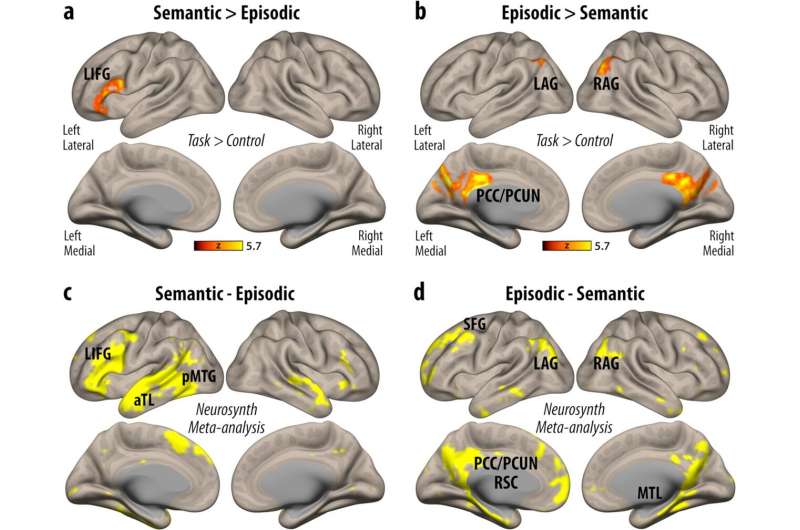
Differential brain activity patterns in the retrieval of long-term memory types. Credit: Nature Communications (2021). DOI: 10.1038/s41467-021-22443-2 A shared set of systems in the brain may play an important role in controlling the retrieval of facts and personal memories utilized in everyday life, new research shows.
Scientists from the University of York say their findings may have relevance to memory disorders , including dementia, where problems remembering relevant information can impact on the daily life of patients.
Researchers say the findings may also have important implications for the development of a new generation of artificial intelligence systems, which use long-term memory in solving computational problems.
The brain ‘s long-term memory stores are categorized into two: factual memory and memory of personal experiences.
Together, these two long-term memory stores help us understand and respond to the world around us.
Decades of clinical and experimental research has shown that these two memory stores are represented across two separate brain regions.
But the new study suggests that a shared set of brain regions play an important role in controlling the successful retrieval of weak memories.
Using functional magnetic resonance imaging technology, researchers studied how these regions were shown to increase their activity when participants were asked to retrieve fact memories and personal memories .
Lead researcher Dr. Deniz Vatansever, formerly of the University of York and now working for the Institute of Science and Technology for Brain-inspired Intelligence, Fudan University said: “The new research suggests that despite their functional differences, successfully retrieving weak information from these two memory systems might be dependent upon a shared brain mechanism.
“Our memories allow us to make sense and flexibly interact with the world around us. Although in most cases, our strongly encoded memories might be sufficient for the task at hand, remembering to pack a beach towel for an upcoming seaside holiday, this strong memory may be irrelevant in other instances, such as when packing for a business trip. As such, we need to tightly control the retrieval of relevant memories to solve different tasks under different circumstances. Our results indicate that this control process might be shared across both factual and personal memory types.”
Senior author Prof. Elizabeth Jefferies from the Department of Psychology, University of York, said: “In order to generate appropriate thoughts and behaviors, we have to draw on our memory stores in a highly flexible way. This new study highlights control processes within the brain that allow us to focus on unusual aspects of the meanings of words and to retrieve weakly encoded personal experiences. This control over memory allows us to be creative and to adapt as our goals or circumstances change.”
The research was supported by the European Research Council and the National Natural Science Foundation of China.
The paper, “Varying demands for cognitive control reveals shared neural processes supporting semantic and episodic memory retrieval” is published in Nature Communications .
More information: Deniz Vatansever et al. Varying demands for cognitive control reveals shared neural processes supporting semantic and episodic memory retrieval, Nature Communications (2021). DOI: 10.1038/s41467-021-22443-2
Provided by University of York
This Major Mac & Cheese Brand Is Being Sued for Toxins Linked to Asthma and Obesity
There are times we hear about recalls or concerns about a food’s ingredients, but we might easily dismiss the news because it doesn’t pertain to a product we buy. Unfortunately, that is not the case for a food that many of us might have in our pantries as we speak. The brand that’s arguably been the best-known macaroni and cheese for decades is being sued for allegedly using an ingredient that’s been shown to harm the health of some children for years, leading to hormonal issues, asthma, and more. Before you prepare for a pantry purge, we’ve got details.
Kraft Macaroni & Cheese allegedly contains chemicals that have been connected with allergies, asthma, obesity, and hormone interference in children —this, according to what some trade websites for the legal profession are reporting about the matter. It’s not entirely clear what led two plaintiffs to bring a case against the Kraft Heinz Company (which makes Kraft Macaroni & Cheese) on April 5 in the Northern District of California. However, immediate research suggests that at least one of the two plaintiffs could possibly have someone in their family who may have been negatively impacted by the chemical that the plaintiffs are calling the Kraft Heinz Company out for. At the moment, the specific circumstances seem unclear and we’re careful not to speculate. Courtesy of Kraft So while there are some details that seem unknown, perhaps the important point to note is that some consumer advocates have reportedly been calling on the makers of Kraft Macaroni & Cheese to remove phthalates from the product since 2017. If this is true, then Kraft Heinz is likely aware of the claims regarding their alleged use of phthalates, and this lawsuit contends that they knowingly continued to use the chemicals in Kraft Macaroni & Cheese—despite the dangers about phthalates that some scientists have documented. Namely, a 2015 study found that “immunologic changes, including increased propensity to develop wheeze, allergy and asthma after dietary and inhalation exposure to these chemicals, may be occurring.”
It seems more could unfold as this Kraft Macaroni & Cheese lawsuit gets underway. In the meantime, be aware. It may also be worth checking out the 9 Foods You’re Crazy Not To Buy at Costco Right Now —including another beloved mac and cheese brand that’s currently on sale and lists zero antibiotics or preservatives. Get the food news your family needs every day by signing up for the Eat This, Not That! newsletter .
Coffee With Blue Dream: How Cannabis & Caffeine Interact

For many, the jolt of caffeine and the mellowing effects of cannabis make a perfect combination. When the two meet in the body and mind, they can amplify one another, but research is limited as to how they interact on a chemical level.
Scientific studies on what happens when your morning joe meets your morning joint are scattershot and inconclusive, but they provide a rough map of what to expect of this mental terrain. But culturally, caffeine and cannabis seem like natural bedfellows, with everyone’s favorite (legal) upper most likely to be paired with cannabis from a retail perspective. Murky Conclusions
For starters, we know caffeine operates in the endocannabinoid system – the same brain region that makes weed do its thing. Both substances have been shown to cause an uptick in dopamine activity, and some report that the kick from caffeine creates a brighter, more euphoric cannabis high.
In many ways, however, the two seem to be awkward dance partners, canceling out certain effects and amplifying others. Caffeine can have an anxiety-producing effect, while THC can make one mellower in low doses and freaked out at high doses ( CBD seems to generally have a calming effect at any dosage). It’s possible for coffee jitters to add to cannabis shakes, paranoia or couchlock for an unpleasant cocktail. But it’s also easy to find individual reports of just the opposite effect, with the two mixing for a relaxed yet upbeat feeling. As always, it is advisable to take it slow when trying new combinations and pay attention to one’s own body.
Though coffee has been shown to enhance one’s cognitive powers, combined with weed, the overall effect may actually be the reverse from coffee alone: Some studies suggest that coffee and cannabis combine to inhibit memory . Others have shown that caffeine can partially protect against the forgetfulness associated with high doses of CBD.
This research, while certainly better than nothing, is hard to synthesize into solid conclusions. The studies tend to be one-offs, with little in the way of confirmation or corroboration, are often conducted on animals and may use chemical compounds that replicate caffeine rather than the real deal. One hopes that looser cannabis laws will bring more research on this topic. Coffee Shops and “Coffeeshops”
Culturally, coffee and cannabis have been siloed into separate realms by their opposite legal statuses. But as legalization takes shape across North America, the café provides one model for the cannabis lounge, with their proclivity for comfy seating, art on the walls and maybe the occasional open mic or music performance.
For many a Netherlands resident and cannabis tourist, their first experience with social cannabis consumption came at a “ coffeeshop ,” the go-to euphemism for a place to smoke pot in Amsterdam. While some are more like bars or dispensaries, others capture the cozy ambience one associates with a café. Many do in fact serve coffee.
Though states have been slow to legalize and permit cannabis sales and cities have been slow to allow lounges, this new sort of cultural space is gradually making its way into North America. This expansion has been further helped along by coffee shops savvy enough to exploit CBD’s gray area legality and offer a little boost to your morning brew — for a few extra bucks, of course.
Despite the issues noted above, the combination of the substances is less discombobulating (more… combobulating?) than alcohol and cannabis . Furthermore, some states, such as California, don’t allow alcohol and cannabis to be sold by the same establishment — but there are no similar restrictions on caffeinated drinks. Inevitably, cannabis consumption will chart its own course, but as legal, public consumption becomes more prevalent in the U.S., our spaces built around coffee and tea provide the most obvious jumping off point.
Though the research on caffeine and cannabis provides some warning signs, the gaps in our understanding of their interaction are larger than the parts of the picture that are filled in. For instance, we have no research comparing how cannabis interacts with different caffeinated beverages: coffee, tea, energy drinks, etc.
Zooming out, coffee and tea houses provide the clearest model for what social consumption might look like in the U.S. Given how popular coffee and cannabis are, their meeting is inevitable. What remains to be seen is to what degree coffee and tea mores slip into the cannabis culture bloodstream.
Select ratingGive Coffee With Blue Dream: How Cannabis & Caffeine Interact 1/5Give Coffee With Blue Dream: How Cannabis & Caffeine Interact 2/5Give Coffee With Blue Dream: How Cannabis & Caffeine Interact 3/5Give Coffee With Blue Dream: How Cannabis & Caffeine Interact 4/5Give Coffee With Blue Dream: How Cannabis & Caffeine Interact 5/5
Use antioxidant-rich neem oil to address skin conditions like acne and eczema

( Natural News ) Neem oil is a versatile substance used in traditional medicine. This incredible natural remedy has many uses, including the ability to relieve common skin conditions like acne and eczema . Neem oil, an antioxidant-rich natural cure
Neem oil is a natural product that comes from the neem tree. In Traditional Chinese and Ayurvedic Medicines, neem oil is used to treat different conditions like fungal infections and ulcers.
Neem oil is full of fatty acids like palmitic acid, linoleic acid and oleic acid, all of which help boost skin health. Because of these benefits, the oil is often used as an ingredient in various skincare products.
Neem leaves also offer health benefits because they contain flavonoids and polyphenols that have amazing antioxidant, anti-inflammatory and antibacterial properties.
Surprisingly, the Environmental Protection Agency (EPA) reports that neem oil contains azadirachtin, a natural pesticide. Using neem oil to boost skin health
According to some studies, neem oil can be used in general skincare or as a treatment for many skin conditions. A review of existing literature on neem suggests that its extracts can treat skin conditions like acne , eczema, psoriasis, ringworm and warts.
Here are some of the health benefits associated with neem oil.
It has a nti-aging effects
A study published in the Journal of Photochemistry and Photobiology B: Biology investigated whether neem oil can prevent skin aging. For the study, researchers exposed hairless mice to skin-damaging ultraviolet B radiation. They then treated the animals with neem oil.
The researchers reported that neem oil was effective at reducing the following symptoms of skin aging: Skin redness
Skin thickening
Water loss
Wrinkles
They also found that the oil boosted levels of procollagen , a collagen-producing enzyme, and the protein elastin . (Related: More than a natural pest repellent: Use neem oil to boost your hair and dental health .)
It promotes wound healing
In a 2014 study published in the journal BMC , researchers set out to determine if a gel with neem oil and St. John’s wort could help reduce skin toxicity caused by radiation therapy. The team worked with 28 participants who were receiving radiation therapy at the time for head and neck cancer. All of the volunteers reported some reduction in skin toxicity after using the gel with neem oil. Considerations when using neem oil
Neem oil is generally considered safe for use, but the EPA classifies the oil as a “low toxicity” substance, which means using it may cause allergic reactions, such as contact dermatitis .
Ingesting trace amounts of neem oil isn’t linked to serious side effects, but consuming large quantities can cause negative side effects, particularly in children. These may include: Encephalopathy (brain disease, disorder, or damage)
Liver damage
Metabolic acidosis
Vomiting
Tips for buying and using neem oil
When buying the oil, choose organic, cold-pressed neem oil. The oil should have a cloudy, yellow-brown color and a strong odor, like a mix between garlic and sulfur. Neem oil is generally safe to apply to your skin, but if you haven’t used it before, do a patch test first.
To perform a patch test , mix a couple of drops of neem oil with water or liquid soap. Apply the mixture to a small area of skin on your arm or on the back of your hand. Observe your skin for possible reactions. If your skin becomes red, inflamed or itchy, dilute the neem oil immediately by adding more water or liquid soap.
If you’re allergic to neem oil, you may develop hives or a rash after a patch test. Don’t use the oil or other products that contain it if this is the case. Using neem oil for skincare
You can try using neem oil to address skin conditions like infections and acne. To mask neem oil’s strong scent , combine it with a fragrant carrier oil like almond, coconut or jojoba oil. Carrier oils also help the skin absorb neem oil.You can also use essential oils like lavender or sandalwood . Use tea tree oil to make a blend with a more medicinal smell. The ratio should be two to five milliliters (mL) of neem oil for every 100 ml of oil mixture or one-half to one teaspoon to four ounces.To use the mixture as a spot treatment, apply a small amount of diluted neem oil to the affected area. Let the mixture soak into your skin, then rinse it off with warm water.Once you have confirmed that you can safely use neem oil without any side effects, combine it with a fragrant carrier oil like coconut oil to treat mild skin conditions like acne . Sources include: MedicalNewsToday.com
Understanding fruit fly behaviour may help self-driving cars avoid obstacles

Representative image | Shutterstock American Automobile Association’s (AAA) annual survey on autonomous driving reported over 70 per cent of respondents would fear being in a fully self-driving car. That could make companies like Tesla think more about safety before rolling out fully autonomous self-driving systems.
Now research from Northwestern University shows us we may be better off putting fruit flies behind the wheel instead of robots.
Research published in the journal Nature Communications demonstrates that drosophila or fruit flies use decision-making, learning and memory to perform simple functions like escaping heat. And researchers are using this understanding to challenge the way we think about self-driving cars.
“The discovery that flexible decision-making, learning and memory are used by flies during such a simple navigational task is both novel and surprising,” said Marco Gallio, the corresponding author of the study. “It may make us rethink what we need to do to program safe and flexible self-driving vehicles.”
According to Gallio, an associate professor of neurobiology in the Weinberg College of Arts and Sciences, the questions behind this study are similar to those vexing engineers building cars that move on their own. How does a fruit fly (or a car) cope with novelty? How can we build a car that is flexibly able to adapt to new conditions?
This discovery reveals brain functions in the household pest that are typically associated with more complex brains like those of mice and humans.
“Animal behaviour, especially that of insects, is often considered largely fixed and hard-wired—like machines,” Gallio said. “Most people have a hard time imagining that animals as different from us as a fruit fly may possess complex brain functions, such as the ability to learn, remember or make decisions.”
To study how fruit flies tend to escape the heat, the Gallio lab built a tiny plastic chamber with four-floor tiles whose temperatures could be independently controlled and confined flies inside. They then used high-resolution video recordings to map how a fly reacted when it encountered a boundary between a warm tile and a cool tile. They found flies were remarkably good at treating heat boundaries as invisible barriers to avoid pain or harm.
Using real measurements, the team created a 3D model to estimate the exact temperature of each part of the fly’s tiny body throughout the experiment. During other trials, they opened a window in the fly’s head and recorded brain activity in neurons that process external temperature signals.
Miguel Simões, a postdoctoral fellow in the Gallio lab and co-first author of the study, said flies can determine with remarkable accuracy if the best path to thermal safety is to the left or right. Mapping the direction of escape, Simões said flies “nearly always” escape left when they approach from the right, “like a tennis ball bouncing off a wall.”
“When flies encounter heat, they have to make a rapid decision,” Simões said. “Is it safe to continue, or should it turn back? This decision is highly dependent on how dangerous the temperature is on the other side.”
Observing the simple response reminded the scientists of one of the classic concepts in early robotics.
“In his famous book, the cyberneticist Valentino Braitenberg imagined simple models made of sensors and motors that could come close to reproducing animal behaviour,” said Josh Levy, an applied math graduate student and a member of the labs of Gallio and applied math professor William Kath. “The vehicles are a combination of simple wires, but the resulting behaviour appears complex and even intelligent.”
Braitenberg argued that much of animal behaviour could be explained by the same principles. But does that mean fly behaviour is as predictable as that of one of Braitenberg’s imagined robots?
The Northwestern team built a vehicle using a computer simulation of fly behaviour with the same wiring and algorithm as a Braitenberg vehicle to see how closely they could replicate animal behaviour. After running model race simulations, the team ran a natural selection process of sorts, choosing the cars that did best and mutating them slightly before recombining them with other high-performing vehicles. Levy ran 500 generations of evolution in the powerful NU computing cluster, building cars they ultimately hoped would do as well as flies at escaping the virtual heat.
This simulation demonstrated that “hard-wired” vehicles eventually evolved to perform nearly as well as flies. But while real flies continued to improve performance over time and learn to adopt better strategies to become more efficient, the vehicles remain “dumb” and inflexible.
The researchers also discovered that even as flies performed the simple task of escaping the heat, fly behaviour remains somewhat unpredictable, leaving space for individual decisions.
Finally, the scientists observed that while flies missing an antenna adapt and figure out new strategies to escape the heat, vehicles “damaged” in the same way are unable to cope with the new situation and turn in the direction of the missing part, eventually getting trapped in a spin like a dog chasing its tail.
Gallio said the idea that simple navigation contains such complexity provides fodder for future work in this area.
Prenatal stress may have lifelong effects, study shows

Stress in the womb could have a lasting impact, according to a new study.
Deby Suchaeri/Getty Images Research has revealed an association between common psychiatric conditions and events occurring during fetal development.
A new study now suggests that negative stress experienced in the womb may impact an individual’s response to stressful situations well into their 40s.
The results also indicate that exposure to prenatal stress affects males and females differently — and that these effects may last a lifetime.
Stress occurs when demands or challenges cause the brain and the rest of the body to react with emotional or physical tension. Stressors can be perceived as positive or negative.
Positive stress may result from situations that a person feels they can cope with, such as daily challenges and responsibilities related to work or school. There is even evidence that rising to the challenge has some health benefits.
However, day-to-day and moderate stressors can be perceived as negative if the person feels that they lack control .
Negative stress may be more likely to occur during life-altering events such as a divorce, a job loss, or the death of a loved one, and receiving extra social support can help ease the impact.
Health events, including serious complications of pregnancy, such as preeclampsia and infections, can result in major stress.
Scientists recognize the effects that stress can have on physical and mental health . If stress is prolonged, it can affect the immune system, gastrointestinal tract, cardiovascular system, and reproductive system.
The impact of stress on the reproductive system is an area of study gaining momentum in the scientific community. Recent research has shown that maternal stress can affect pregnancy and fetal metabolic functioning and emotional and cognitive development.
A recent article in the International Review of Neurobiology suggests that maternal stress from life events, natural disasters, anxiety, and depression increases the risk of emotional, behavioral, and cognitive problems for the child later in life.
However, scientists have been unsure whether these effects are short-lived or more lasting.
In a study that spanned more than 4 decades, scientists from Massachusetts General Hospital and Harvard Medical School followed 40 men and 40 women from before birth to mid-life to reveal whether prenatal stress caused differences in stress regulation into adulthood.
Half of the participants had a history of major depression or psychosis that was in remission. The authors report that their sample was enriched by people whose mothers had obstetric complications, such as fevers and preeclampsia associated with high maternal cytokine levels.
The study appears in Proceedings of the National Academy of Sciences .
The team used data retrieved from the New England Family Study , long-term research that investigates medical risk factors that may originate from pregnancy and in-utero exposures.
The team tested the correlation between the participants’ neurological responses and their prenatal exposure to pro-inflammatory cytokines. The researchers did this by showing the participants negative and neutral images designed to induce a stress response while they were undergoing functional MRI scans .
Pro-inflammatory cytokines , including tumor necrosis factor-alpha (TNF-alpha) and interleukin-6, are immune system regulators that initiate a fever or inflammation in response to an infection or trauma. They can also activate in response to stress. “Given that the stress circuitry consists of regions that develop differently in the male and female brain during particular periods of gestation, and they function differently across our lifespans, we hypothesized that dysregulation of this circuitry in prenatal development would have [a] lasting differential impact on the male and female brain in people with these disorders. We were particularly interested in the role of the immune system, in which some abnormalities are shared across these disorders.”
– Dr. Jill M. Goldstein, first study author and founder and executive director of the Innovation Center on Sex Differences in Medicine, at Massachusetts General Hospital The results of the MRI scans showed differences, on average, in how prenatal exposure to maternal stress-induced pro-inflammatory cytokines affected males and females 45 years later.
Among all the participants, lower prenatal levels of TNF-alpha were associated with more activity in a brain region called the hypothalamus. This is responsible for coordinating brain activity and the regulation of cortisol, a stress hormone.
However, in males only, lower levels of TNF-alpha caused more active communication between the hypothalamus and the area of the brain responsible for controlling impulses and emotions, the anterior cingulate.
In female participants, higher prenatal exposure to interleukin-6 correlated with increased activity in the hippocampus, a brain region that helps control memory and arousal related to stressful stimuli.
The researchers also found that the ratio of TNF-alpha and interleukin-10 , an anti-inflammatory cytokine, affected how the hippocampus and hypothalamus communicated.
This effect on communication was also contingent on whether the participant was male or female.
Dig deeper into the health topics you care about most. Subscribe to our facts-first newsletter today.
According to its authors, the new study demonstrates that high levels of maternal stress may affect the brain development of male and female embryos and fetuses differently — and that these effects then influence the person’s ability to regulate stress, possibly throughout life.Dr. Goldstein observes, “Given that these psychiatric disorders are developing differently in the male and female brain, we should be thinking about sex-dependent targets for early therapeutic intervention and prevention.”
4 easy ways to improve your brain health according to a neurologist
Author and brain expert Professor James Goodwin tells Liz Connor about a few simple lifestyle changes to help slow and even reverse cognitive decline.
Spinach and flaxseed are two brain-benefiting foods packed full of Omega 3s that we need for our diet Brain health expert Professor James Goodwin THE brain is arguably the most important organ in our body. Not only does it control and coordinate our actions, it’s at the very centre of our human experience – it allows us to think, feel and form memories, and shapes our personalities too.
Yet many of us know nothing about how our brains actually work, let alone how to care for them.
“There has been a dramatic switch in the science over the last couple of decades and we’ve completely lifted the lid on what we know about how to look after our brains,” says Professor James Goodwin, neurologist and author of new book Supercharge Your Brain: How To Maintain A Healthy Brain Throughout Your Life.
Goodwin is special advisor to the Global Council on Brain Health, holds a chair at Exeter University Medical School and is a visiting professor of physiology at Loughborough University.
“If you were to ask people at a dinner party how to look after your heart, most people would be able talk about watching their cholesterol or doing exercise. But if you ask them about the brain? You’ll often be met with a blank stare,” Goodwin adds.
However, as cognitive decline continues to be a major long-term health concern, and the number of people with dementia in the UK is forecast to increase to 1,000,000 by 2025, perhaps we do need to know more about how to look after our brain health. Goodwin shares four easy ways to help keep your brain fighting fit at any age…
1. Make movement a part of your day
If your good intentions to complete a fitness plan in lockdown are flagging, here’s a good reason to set your alarm earlier and make sure you show up on the mat.
“In the past few years, researchers have found that exercise rejuvenates the brain,” says Goodwin. “It produces a chemical that stimulates new cells, and 30 minutes per day is all you need to reap the benefits – for five days a week at a moderate intensity.”
It could be something as gentle as brisk walking or moderate jogging, but the key is to make sure your chosen activity elevates your heart rate enough to get your blood pumping. Goodwin calls it a dose effect. “The more you do, the better the effect – but you can ruin the effects of that exercise completely by sitting down for more than eight hours per day. The longer we sit, the faster we age, so make sure you’re getting up every 20 minutes.”
2. Be a social butterfly
Social distancing rules have made it more difficult to catch up with friends, but being socially connected to others makes us feel safe and cared for, and this has big benefits for our brains.
“Humans would have never survived if we’d have been solitary animals,” stresses Goodwin. “We survived because we were in groups, and over 1.5 million years of social structure has cemented that into the brain. We’re highly dependent for brain health on this social interaction for others.”
Goodwin claims loneliness is as bad for our health as 15 cigarettes per day or a bottle of vodka, and that those who are persistently lonely have a 50% greater chance of dying than those who are not. “Another 12-year study found that those who said they were lonely showed a 20% faster rate of decline in their brain.
“The sensation of loneliness is quite natural. It’s like a hunger or thirst – it’s the brain telling us you need to seek out some company, in the same way hunger tells that you need to eat food,” says Goodwin.
3. Have a healthy sex life
“Frequent sexual intercourse with a close partner is beneficial to the brain too,” says Goodwin. According to the neurologist, it can foster better memory, better verbal fluency, and even better numeracy skills.
“A study on male rats, who had between 14-28 days of daily access to a receptive female, found that the number of new cells in that brain increased massively – and it worked better on the older rats, where it had a reverse ageing effect.”
Essentially, the older rats were reaching younger levels of brain rejuvenation, which Goodwin says is astonishing. But here’s the catch – he reckons it’s sex with familiar intimate partner that really has benefits. “Rats who got dumped in with a strange female were stressed out, and while they still eventually had sex, the brain benefits were much more profound in those regular partner rats.”
4. Eat well
“These days, we’ve got the choice of eating what we want, but that doesn’t mean we always eat what’s best for our brain,” says Goodwin. “Vitamin B12, vitamin D, magnesium, zinc and omega three are what I call the ‘big five’. These are the nutrients we know people are short of in Western diet.
“For a start, most of people in the Northern Hemisphere, above 35 latitude, don’t get enough sunshine to get enough vitamin D for six months of the year. B12, meanwhile, is only found in a very few foods which are mostly animal products.”
Aside from eating a varied diet with lots of plants and wholefoods, Goodwin has a couple of standout kitchen staples to keep in mind. “Spinach and flaxseed are two brain-benefiting foods packed full of Omega 3s that we need for our diet. If you’re sprinkling flaxseed on your porridge in the morning, then crack on, as you’re doing good.”
It’s not just what you’re eating that matters, but the amount you’re eating too. “The Japanese island of Okinawa is in a Blue Zone – one of the five lucky areas of the world where people regularly live to over 100 years,” says Goodwin. “They have this Japanese expression called ‘hara hachi bu’, which means ‘leave the table 80% full’.
“The result […]
Researchers explore the antimalarial properties of a little-known South American plant
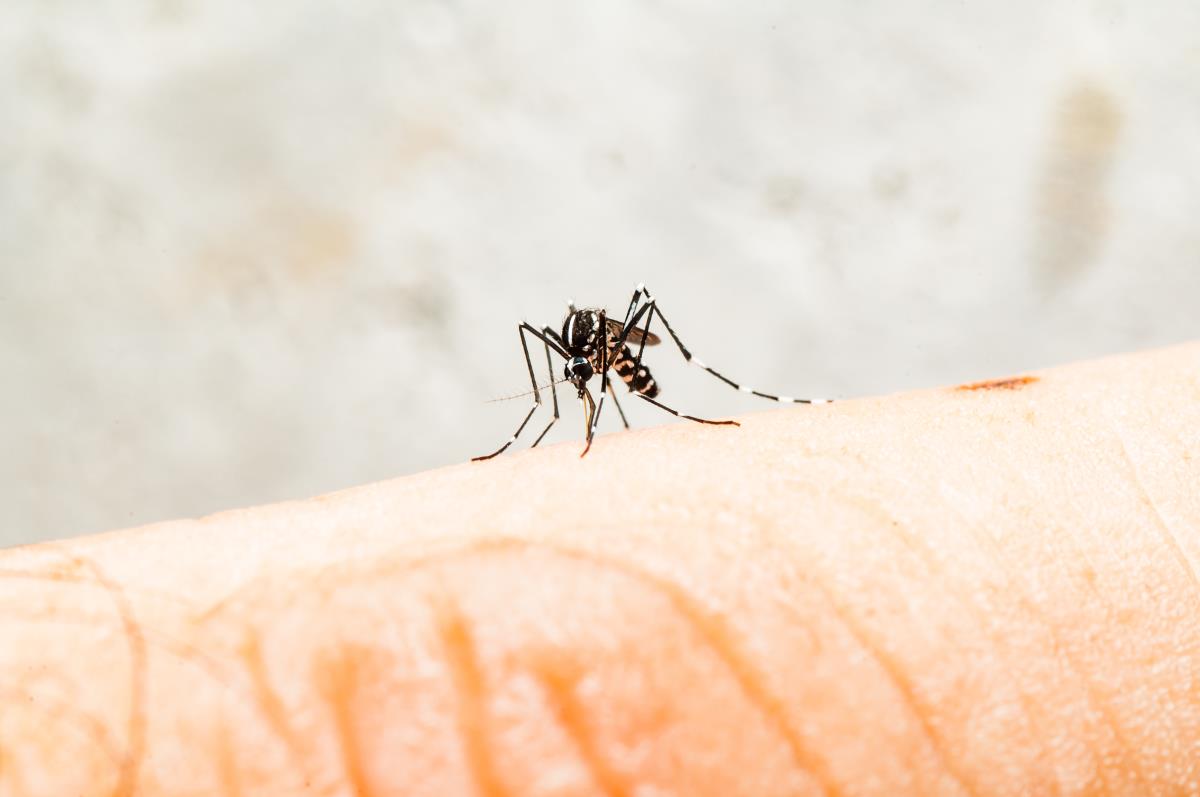
( Natural News ) Plasmodium falciparum is a protozoan parasite that’s known to cause malaria in humans. It infects certain species of mosquitoes (only females) from the genus Anopheles , which transmit the parasite through their bite. Among the Plasmodium species associated with the disease, P. falciparum is by far the deadliest . Malaria caused by this particular parasite is common in sub-Saharan Africa, where it is estimated to kill more than 400,000 people every year .
In the U.S., around 2,000 cases of malaria are diagnosed every year , according to the Centers for Disease Control and Prevention (CDC). Malaria parasites multiply rapidly in the livers and red blood cells of infected individuals. In the case of P. falciparum infection, infected red blood cells do not circulate freely in the blood but stick to the walls of blood vessels. When this occurs in the brain, it can lead to blockage in the small blood vessels , causing a severe neurological complication known as cerebral malaria. This type of malaria is associated with high mortality.
Another parasite that uses an insect as a vehicle and is endemic to sub-Saharan Africa is Trypanosoma brucei. This pathogen is transmitted by tsetse flies ( Glossina species) and causes a potentially deadly disease known as the African sleeping sickness (trypanosomiasis). Once bitten by an infected fly, a painful red sore (chancre) develops on the site of infection and is followed within one to three weeks by other symptoms, such as fever, severe headaches , extreme fatigue, swollen lymph nodes and aching muscles and joints. If left untreated, the infection can spread to the central nervous system, where it can cause progressive confusion, personality changes and other neurological problems that could eventually result in death.
Today, several drugs are used for the treatment of both malaria and African trypanosomiasis. However, many adverse effects are associated with their use. For instance, antimalarial drugs are said to cause nausea, abdominal pain, insomnia , depression, severe dizziness and hallucinations, while treatments for African trypanosomiasis are associated with certain levels of toxicity , as well as impaired kidney and liver functions . Fortunately, some anti-parasitic agents derived from medicinal plants have shown potent activities against malarial and trypanosomatid parasites. (Related: Researchers confirm the antiplasmodial effects of bellyache bush on malaria-infected mice .) Compound from South American plant shows promise as antimalarial and anti-trypanosomal agent
In a recent study published in the journal Chemical Biology & Drug Design , researchers from Argentina and Belgium evaluated the anti-parasitic properties of the derivatives of a compound isolated from Nardophyllum bryoides . This Patagonian shrub is native to South America and belongs to the sunflower family. Secochiliolide acid (SA), a diterpene present in N. bryoides , has served as a precursor for many compounds that have shown remarkable anti-parasitic activities in many in vitro studies.
To determine if these compounds are effective against P. falciparum and T. brucei , the researchers synthesized a series of new esters from SA and evaluated their cytotoxic effects on the two parasites, as well as on normal mammalian cells. The researchers found that the SA esters displayed moderate anti-trypanosomal activity , with half-maximal inhibitory concentration (IC50) values ranging between 2.55 and 18.14 microMolar. However, they showed poor antiplasmodial effects, with IC50 values greater than 29 microMolar.
The only exception to this was the n?hexyl ester of SA, which showed strong and selective antiplasmodial activity (IC50 = 1.99 microMolar). Using the 4-day suppressive test of Peters in mice, the researchers assessed the antimalarial efficacy of the n?hexyl ester of SA in vivo. Intraperitoneal treatment with the compound reduced the amount of parasites in the animals’ blood by 56 percent, which was statistically significant four days post-infection. The compound also improved the mice’s survival.
Based on these findings, the researchers concluded that the n-hexyl ester of SA from N. bryoides can be used as a potent natural antimalarial agent to treat malaria and African sleeping sickness .
Sources include:
WHO.int 1
WHO.int 2
CDC.gov 1
CDC.gov 2
SKH.com.sg
EMedicine.Medscape.com
7 Brain Foods to Help Kids Stay Sharp

This post was contributed by a community member. The views expressed here are the author’s own. Patrick Quinn, a parenting expert at Brainly has some recommendations and tips for foods that promote brain health.
Brain Gains: 7 Foods to Boost Kids’ Academic Performance
Fact is, all the books, tablets, and notepads kids use for studying are useless if their brains are not in top functioning form. There are certain nutrients that are crucial for their brain development, and better brain development means better brain function, memory, and concentration—all of which contribute to better academic performance.
To keep your kids’ performance at optimum levels, we’ve rounded up seven of the best brain foods to help boost their mental power, and also talked to Brainly’s parenting expert, Patrick Quinn, for pro parenting tips on how to incorporate them into your kids’ daily diet.
1. Nuts & Seeds
Nuts and seeds are packed with nutrients that are essential for brain health including essential fatty acids, protein, zinc, and B-vitamins. They’re also natural mood boosters that are portable and versatile, making them an excellent choice for study snacks.
Parent tip: Kids aren’t always going to love these. But mixing them in a trail mix with a few chocolate pieces or yogurt chips is a great way to get them munching on the healthy nuts and seeds. Just be careful not to send this in as a school snack in districts where nut allergies can affect other kids.
2. Greek Yogurt
Full-fat Greek yogurt packs a lot more protein than other yogurts (and much less sugar), and can help keep brain cells in good form for sending and receiving information. It’s also full of protein and B-vitamins—essential for the growth of brain tissue, neurotransmitters, and enzymes. Greek yogurt is also a great source of Calcium and Vitamin D. Parent tip: Mix in a teaspoon of honey and some cinnamon to turn this healthy option into a delicious one as well. The problem for me at that point is avoiding eating it myself before the kids get it.
3. Berries
Berries are rich in a variety of compounds that may help promote academic performance and protect brain health. Berries (including blueberries, strawberries, and blackberries) are especially high in flavonoid compounds called anthocyanins, believed to improve mental performance by increasing blood flow to the brain. They also protect against inflammation and improve certain signaling pathways that promote nerve cell production and cellular processes involved in learning and memory. Parent tip: Berries make an easy study snack, but they can cause sticky fingers that can lead to messy keyboards and homework papers. Try putting several different types of berries on kid-friendly skewers for a fun, healthy, and mess-free desk snack.
4. Fish
Fish is an excellent source of Vitamin D and the Omega-3 fatty acids DHA and EPA— both essential for brain growth and function. Consuming more Omega-3s means kids will have sharper minds and better mental skills. Parent tip: Fish can be a tricky one with kids. If you get them accustomed to eating it when they’re young, they’ll be more likely to be open to new fish dishes when they’re pre-teen and teenagers. You can make fish tasty for kids by serving it simply grilled, like fish sticks, or including it in tacos or in tuna sandwiches. Another option is using canned salmon to make delicious salmon salad sandwiches that can be mixed with reduced-fat mayo or non-fat Greek yogurt, raisins, chopped celery, and carrots.
5. Eggs
The versatile egg is a great source of protein, and egg yolks are packed with choline, which helps memory development. Eggs can be served in a variety of ways and can be enjoyed at breakfast, as a mid-afternoon snack, or even at dinner. Parent tip: Eggs are great for making grab-and-go breakfasts kids can eat on the road. Scramble eggs into a whole grain tortilla to make a grab-and-go breakfast burrito, or make your own version of an Egg McMuffin at home by putting a fried egg on top of a toasted English muffin and topping it with a slice of low-fat cheese. Bonus tip: Eggs aren’t only a great healthy option that will keep them full thanks to the protein, but it’s also a really great gateway to cooking for the budding chef. Teach them how to make scrambled eggs, a fried egg, or a veggie omelet, and you’re fostering a whole new side of creativity. Plus… you might get the occasional breakfast out of that deal!”
6. Oatmeal
Oats are extremely nutritious and they can provide the energy and fuel for the brain that kids need first thing in the morning. Oatmeal is also a fiber-rich food that keeps heart and brain arteries clear. In one study , kids who ate sweetened oatmeal did better on memory-related school tasks than those who ate sugary cereal. Parent tip: Delicious AND helps with memory at school? Oatmeal should really be considered a bit of a superfood for our kids. It’s another food option that can be endlessly tweaked to suit the tastes of your individual kiddos. You can dress oatmeal up with applesauce, dried fruit, almonds, and banana to make it tastier and more appealing to kids. Due to its natural compounds, adding cinnamon also gives oatmeal an extra ingredient that will help to protect brain cells.
7. Apples and Plums
Kids usually have a craving for sweets. Apples and plums are lunchbox-friendly items that contain quercetin, an antioxidant that helps fight the decline in mental skills. Keep them organic to get the best benefits. Parent tip: These are some of the few snacks that are on the ‘help yourself’ list in my house. It’s great because kids can grab one when they get home from school while doing homework, or anytime they want a quick bite. For a heartier snack, you can also cut apples into chunky slices and spread them with almond or peanut butter, or you can freeze pitted plums and add them to a favorite nutrient-rich fruit smoothie.
Patch Mayors are trusted local […]
Understanding fruit fly behavior may be next step toward autonomous vehicles
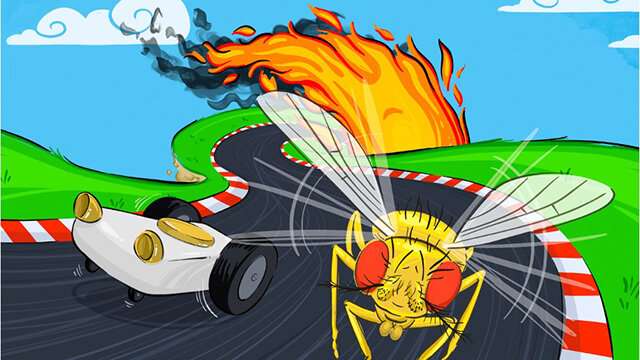
Credit: Northwestern University With over 70% of respondents to a AAA annual survey on autonomous driving reporting they would fear being in a fully self-driving car, makers like Tesla may be back to the drawing board before rolling out fully autonomous self-driving systems. But new research from Northwestern University shows us we may be better off putting fruit flies behind the wheel instead of robots.
Drosophila have been subjects of science as long as humans have been running experiments in labs. But given their size, it’s easy to wonder what can be learned by observing them. Research published today in the journal Nature Communications demonstrates that fruit flies use decision-making, learning and memory to perform simple functions like escaping heat. And researchers are using this understanding to challenge the way we think about self-driving cars.
“The discovery that flexible decision-making, learning and memory are used by flies during such a simple navigational task is both novel and surprising,” said Marco Gallio, the corresponding author on the study. “It may make us rethink what we need to do to program safe and flexible self-driving vehicles.”
According to Gallio, an associate professor of neurobiology in the Weinberg College of Arts and Sciences, the questions behind this study are similar to those vexing engineers building cars that move on their own. How does a fruit fly (or a car) cope with novelty? How can we build a car that is flexibly able to adapt to new conditions?
This discovery reveals brain functions in the household pest that are typically associated with more complex brains like those of mice and humans.
“Animal behavior, especially that of insects, is often considered largely fixed and hard-wired—like machines,” Gallio said. “Most people have a hard time imagining that animals as different from us as a fruit fly may possess complex brain functions, such as the ability to learn, remember or make decisions.”
To study how fruit flies tend to escape heat, the Gallio lab built a tiny plastic chamber with four floor tiles whose temperatures could be independently controlled and confined flies inside. They then used high-resolution video recordings to map how a fly reacted when it encountered a boundary between a warm tile and a cool tile. They found flies were remarkably good at treating heat boundaries as invisible barriers to avoid pain or harm.
Using real measurements, the team created a 3D model to estimate the exact temperature of each part of the fly’s tiny body throughout the experiment. During other trials, they opened a window in the fly’s head and recorded brain activity in neurons that process external temperature signals.
Miguel Simões, a postdoctoral fellow in the Gallio lab and co-first author of the study, said flies are able to determine with remarkable accuracy if the best path to thermal safety is to the left or right. Mapping the direction of escape, Simões said flies “nearly always” escape left when they approach from the right, “like a tennis ball bouncing off a wall.”
“When flies encounter heat, they have to make a rapid decision,” Simões said. “Is it safe to continue, or should it turn back? This decision is highly dependent on how dangerous the temperature is on the other side.”
Observing the simple response reminded the scientists of one of the classic concepts in early robotics.
“In his famous book, the cyberneticist Valentino Braitenberg imagined simple models made of sensors and motors that could come close to reproducing animal behavior,” said Josh Levy, an applied math graduate student and a member of the labs of Gallio and applied math professor William Kath. “The vehicles are a combination of simple wires, but the resulting behavior appears complex and even intelligent.”
Braitenberg argued that much of animal behavior could be explained by the same principles. But does that mean fly behavior is as predictable as that of one of Braitenberg’s imagined robots?
The Northwestern team built a vehicle using a computer simulation of fly behavior with the same wiring and algorithm as a Braitenberg vehicle to see how closely they could replicate animal behavior. After running model race simulations, the team ran a natural selection process of sorts, choosing the cars that did best and mutating them slightly before recombining them with other high-performing vehicles. Levy ran 500 generations of evolution in the powerful NU computing cluster, building cars they ultimately hoped would do as well as flies at escaping the virtual heat.
This simulation demonstrated that “hard-wired” vehicles eventually evolved to perform nearly as well as flies. But while real flies continued to improve performance over time and learn to adopt better strategies to become more efficient, the vehicles remain “dumb” and inflexible. The researchers also discovered that even as flies performed the simple task of escaping the heat, fly behavior remains somewhat unpredictable, leaving space for individual decisions. Finally, the scientists observed that while flies missing an antenna adapt and figure out new strategies to escape heat, vehicles “damaged” in the same way are unable to cope with the new situation and turn in the direction of the missing part, eventually getting trapped in a spin like a dog chasing its tail.
Gallio said the idea that simple navigation contains such complexity provides fodder for future work in this area.
Provided by Northwestern University
Surprising ways to keep the brain healthy as you age

Balanced diet, brain exercises, and proper rest — over the years, experts have been advocating for people to adopt these three components to maintain a healthy brain, especially as they age. However, in a talk organized by supplements company Herbalife Nutrition Philippines, The Manila Times learned that beside these three, there are more activities and even food items that can help a person age healthily, some of which were previously frowned upon.
The discussion titled “Healthy Aging: Brain Fitness for Healthy Adults,” had keynote speaker Herbalife Nutrition Advisory Board Member Dr. Gary Small, the Chair of Psychiatry at Hackensack University Medical Center and Behavioral Health Physician in Chief for Hackensack Meridian Health. The proper use of technology can help build attention, memory, and responsiveness. Small is also a former Psychiatry Professor and Longevity Center Director at the University of California Los Angeles. He has studied and developed lifestyle and memory training programs for improving cognition and healthy aging, which are available throughout the US and abroad in senior centers, hospitals, and other community sites.
For his “Healthy Aging” talk, the expert centered on how people’s choices today will strongly impact the ability to think and act well as they age.
To start with, Small identified the common threats to health — living in stressful times, with financial uncertainty, natural threats, challenges of daily life such as traffic and information overload from technology. With the ongoing Covid-19 pandemic, this list now also includes the anxiety and isolation. “Stress is very acute, and it’s a problem because it affects our mind and body. It affects almost every aspect of our life, like [the health of our] skin, digestive, joints, bones, eyes, brain, heart and muscles,” the expert said.
The brain ages like the rest of the body, and its functions decline at about age 30. Small likened the brain to the muscle, which “performs better when it gets regular exercise.” Having coffee, tea, dark chocolate, and oily fish in moderation promotes brain health. According to Small, the key components of mind health include strong memory, steady mood and focused attention. Having an agreeable personality as well as the ability to think and to reason are also included.
Fitness and diet
Although some health concerns are genetic, Small said balanced nutrition, physical and mental exercises would be a huge help.
Physical exercise is important because it increases blood flow to the brain, enlarges brain size and improves attention and other mental abilities. Heavy workouts are not necessary.
Meanwhile, mental exercises — which may be part of stress management — such as reading, playing memory games, and learning a new skill help the brain cells work better, as it helps with memory and improves moods. It also lowers the risk of dementia and Alzheimer’s. Meditation and relaxation exercises can also improve mood, responsiveness, and life expectancy.
Small said that these activities “improve memory recall and help you maintain higher cognitive performance for five or more years.” Maintaining a positive outlook also needs to be noted.
Aside from the exercises and healthy activities, proper nutrition and food intake makes up a big part of brain health.
Regarding food, those that are helpful are berries, dark green vegetables like kale, spinach, and broccoli, avocados, nuts and seeds, and pomegranates. It is important to avoid processed food and refined sugars. Having coffee, tea, dark chocolate, and oily fish are also recommended but in moderation.
The effect of technology, environment
Now, for the not-so-obvious activities that can help brains health.
Surprisingly, the expert noted that technology, when used in moderation, is good for the mind as it helps with visual attention, reaction time, and even memory. However, addiction and information overload should definitely be avoided.
Small also mentioned that socializing is a crucial part of stress management as it helps with memory and responsiveness, and that nurturing a strong and reliable community keeps the brain healthy. Talking to a friend also lowers stress, protects brain cells, and increases mental speed while having social support improves health, longevity, and life expectancy.
Another key component is how a good night’s sleep protects brain health. Memories are secured during sleep and improves recall and response for the next day. Similar to exercises, strategies for a good sleep involve an active lifestyle, stress management, and relaxation techniques.
Likewise, creating a healthy environment by limiting the exposure to smoke, smog, mold, even clutter, and other toxins is good for brain health.
The doctor, however, reminded these tips alone do not prevent the onset of disease or reverse the effects of aging. Talking to a doctor about managing wellness and consultations about medicines is also necessary in keeping the brain healthy.
PEXELS PHOTOS
Brain Gains: 7 Foods To Boost Kids’ Academic Performance

Fact is, all the books, tablets, and notepads kids use for studying are useless if their brains are not in top functioning form. There are certain nutrients that are crucial for their brain development, and better brain development means better brain function, memory, and concentration—all of which contribute to better academic performance.
To keep your kids’ performance at optimum levels, we’ve rounded up seven of the best brain foods to help boost their mental power, and also talked to Brainly’s parenting expert, Patrick Quinn, for pro parenting tips on how to incorporate them into your kids’ daily diet.
1. Nuts & Seeds
Nuts and seeds are packed with nutrients that are essential for brain health including essential fatty acids, protein, zinc, and B-vitamins. They’re also natural mood boosters that are portable and versatile, making them an excellent choice for study snacks.
Parent tip: Kids aren’t always going to love these. But mixing them in a trail mix with a few chocolate pieces or yogurt chips is a great way to get them munching on the healthy nuts and seeds. Just be careful not to send this in as a school snack in districts where nut allergies can affect other kids.
2. Greek Yogurt
Full-fat Greek yogurt packs a lot more protein than other yogurts (and much less sugar), and can help keep brain cells in good form for sending and receiving information. It’s also full of protein and B-vitamins—essential for the growth of brain tissue, neurotransmitters, and enzymes. Greek yogurt is also a great source of Calcium and Vitamin D.
Parent tip: Mix in a teaspoon of honey and some cinnamon to turn this healthy option into a delicious one as well. The problem for me at that point is avoiding eating it myself before the kids get it.
3. Berries
Berries are rich in a variety of compounds that may help promote academic performance and protect brain health. Berries (including blueberries, strawberries, and blackberries) are especially high in flavonoid compounds called anthocyanins, believed to improve mental performance by increasing blood flow to the brain. They also protect against inflammation and improve certain signaling pathways that promote nerve cell production and cellular processes involved in learning and memory.
Parent tip: Berries make an easy study snack, but they can cause sticky fingers that can lead to messy keyboards and homework papers. Try putting several different types of berries on kid-friendly skewers for a fun, healthy, and mess-free desk snack.
4. Fish
Fish is an excellent source of Vitamin D and the Omega-3 fatty acids DHA and EPA— both essential for brain growth and function. Consuming more Omega-3s means kids will have sharper minds and better mental skills.
Parent tip: Fish can be a tricky one with kids. If you get them accustomed to eating it when they’re young, they’ll be more likely to be open to new fish dishes when they’re pre-teen and teenagers. You can make fish tasty for kids by serving it simply grilled, like fish sticks, or including it in tacos or in tuna sandwiches. Another option is using canned salmon to make delicious salmon salad sandwiches that can be mixed with reduced-fat mayo or non-fat Greek yogurt, raisins, chopped celery, and carrots.
5. Eggs
The versatile egg is a great source of protein, and egg yolks are packed with choline, which helps memory development. Eggs can be served in a variety of ways and can be enjoyed at breakfast, as a mid-afternoon snack, or even at dinner.
Parent tip: Eggs are great for making grab-and-go breakfasts kids can eat on the road. Scramble eggs into a whole grain tortilla to make a grab-and-go breakfast burrito, or make your own version of an Egg McMuffin at home by putting a fried egg on top of a toasted English muffin and topping it with a slice of low-fat cheese. Bonus tip: Eggs aren’t only a great healthy option that will keep them full thanks to the protein, but it’s also a really great gateway to cooking for the budding chef. Teach them how to make scrambled eggs, a fried egg, or a veggie omelet, and you’re fostering a whole new side of creativity. Plus… you might get the occasional breakfast out of that deal!”
6. Oatmeal
Oats are extremely nutritious and they can provide the energy and fuel for the brain that kids need first thing in the morning. Oatmeal is also a fiber-rich food that keeps heart and brain arteries clear. In one study , kids who ate sweetened oatmeal did better on memory-related school tasks than those who ate sugary cereal.
Parent tip: Delicious AND helps with memory at school? Oatmeal should really be considered a bit of a superfood for our kids. It’s another food option that can be endlessly tweaked to suit the tastes of your individual kiddos. You can dress oatmeal up with applesauce, dried fruit, almonds, and banana to make it tastier and more appealing to kids. Due to its natural compounds, adding cinnamon also gives oatmeal an extra ingredient that will help to protect brain cells.
7. Apples and Plums
Kids usually have a craving for sweets. Apples and plums are lunchbox-friendly items that contain quercetin, an antioxidant that helps fight the decline in mental skills. Keep them organic to get the best benefits.
Parent tip: These are some of the few snacks that are on the ‘help yourself’ list in my house. It’s great because kids can grab one when they get home from school while doing homework, or anytime they want a quick bite. For a heartier snack, you can also cut apples into chunky slices and spread them with almond or peanut butter, or you can freeze pitted plums and add them to a favorite nutrient-rich fruit smoothie.
Fastest Paying Betting Site in Nigeria : Grab your 140% First Time Deposit Bonus Now — www.Sportybet.Com Copyright © 2021 Completesports.com All rights reserved. The information contained in Completesports.com may not be published, […]
Health benefits and conditions improved by supplementing with CoQ10
( Natural News ) Coenzyme Q10 (CoQ10) is a chemical that your body produces naturally. It plays an important role in DNA replication and repair, as well as energy production. In order to use CoQ10, your cells convert its inactive form, ubiquinone, into its active form, ubiquinol. However, as you age and are exposed to various pollutants (including medications such as statins), the natural levels produced by your body are often not enough. Deficiency in CoQ10 is common. Health benefits of Coq10
Take a look at the following health benefits of CoQ10: (h/t to MedicalNewsToday.com ) Fights harmful free radicals
CoQ10 is a powerful antioxidant that scavenges unstable molecules in the body called free radicals. Free radical accumulation can damage the DNA, accelerate aging and contribute to diseases like cancer and heart disease. Keeps the heart healthy
Normal CoQ10 levels are important for a healthy heart. Your heart contains some of the highest concentrations of CoQ10 in your body. Many heart disease patients have low CoQ10 levels.
Studies show that supplementing with CoQ10 helps prevent heart disease. In a 2018 study involving children with cardiac muscle dysfunction , taking 110 to 700 milligrams (mg) of liquid ubiquinol every day was found to elevate CoQ10 plasma levels significantly and improve heart function.
Another study, this time of adults with heart failure, also found that long-term CoQ10 supplementation is safe and reduces the risk of major adverse cardiovascular events . Reduces muscle pain from statin use
Statins are cholesterol-lowering medications commonly prescribed by doctors. They can lower your CoQ10 levels, which, in turn, can lead to myopathy or muscle pain.
Fortunately, CoQ10 supplements can help relieve muscle pain caused by statin use. In a 2019 study, people suffering from muscle pain because of statins took either 100 mg of CoQ10 supplement or a placebo every day. After three months, those in the CoQ10 group had lower pain assessment scores than those in the placebo group. The latter group reported no changes in muscle pain. Alleviates migraine
Chronic migraines are linked to inflammation in a part of the brain called the trigeminovascular system. CoQ10 can alleviate migraines by reducing inflammation in this area.
A 2018 study of women with episodic migraine reported that taking 400 mg of CoQ1o daily helped reduce the frequency and intensity of migraines and lowered the levels of inflammatory biomarkers.
In another 2018 study, researchers assessed five studies on the use of CoQ10 supplements for migraines and found that CoQ10 effectively reduced the duration of migraines compared to a placebo. Protects against age-related diseases
CoQ10 is extremely beneficial for the elderly. In a 2015 study of elderly adults, researchers found that combining CoQ10 supplementation with the Mediterranean diet helps protect against diseases caused by free radical damage, such as Alzheimer’s disease and Parkinson’s disease.
In another study, older adults who took CoQ10 and selenium supplements for four years reported improvements in vitality, physical performance and overall quality of life. (Related: 7 Health benefits of PQQ, a natural brain-boosting supplement .) How to boost CoQ10 levels in the body
Though your body produces CoQ10 naturally, CoQ10 levels can decrease due to aging, taking statins, genetic mutations and disorders of the mitochondria (powerhouses of the cell). Taking supplements and boosting your intake of foods with CoQ10 can help elevate your CoQ10 levels.
CoQ10 supplements come in the form of capsules, chewable tablets, liquid syrups and wafers. You can also get CoQ10 from foods like fatty fish, organ meats, nuts, seeds and whole grains.
CoQ10 supplements are generally safe, and most people tolerate them even at high doses. In some cases, however, they can cause minor side effects like nausea, stomach pain, heartburn, fatigue and light sensitivity. They may also interfere with certain medications, such as blood thinners, insulin and some types of chemotherapy drugs. To ensure your safety, consult with a natural health practitioner on how best to take CoQ10 supplements.
CoQ10 is a powerful antioxidant that helps prevent conditions like Alzheimer’s disease, heart disease and gum disease. If you don’t wish to take supplements, you can maintain healthy CoQ10 levels by incorporating foods that contain this coenzyme into your daily diet.
Learn more about the health benefits of CoQ10 at SupplementsReport.com .
Sources include:
MedicalNewsToday.com
JACC.org
FITNESS: Exercise can ease symptoms of anxiety, depression

Ron Cain | Contributed
The pandemic is having a profound impact on society. The economic stress is apparent, but we also know more people are reporting signs of anxiety and depression.
To cope with this situation, you need a plan that includes exercise.
Our minds and our bodies are interconnected far more than we realize. They refer to the gut tract as our second brain. The food that we ingest and the process of breaking it down and absorbing the nutrients can have a profound impact on our moods and even mental health issues as serious as bipolar disorder.
ALSO READ: Canadians not getting enough light exercise during pandemic
Depression is ubiquitous in people – more than we want to admit. The most commonly prescribed medications can have serious side effects, especially in the growing brains of teenagers.
Although scientific studies have demonstrated that exercise has a significant impact on depression, anxiety, memory, and ADHD, I doubt family doctors are writing down walk or run every day as often as they are prescribing medications.
Granted, there are many cases where medication is essential, but exercise should always be included in the plan.
Diet, exercise, meditation and mindfulness are all accepted as complementing traditional medicine and are far more impacting because they can be prescribed as a long-term preferred treatment method. A recent study by the Harvard School of Public Health showed that cardio exercise for 15 minutes a day reduced the risk of depression by 25 per cent.
Cardio exercise releases endorphins or pleasure-giving hormones into the brain, giving a feeling of well-being and a natural way to relieve our mind of stress and tension.
Sometimes after a long day at work, it is tempting to hit the couch and watch TV, not making that trip to the gym or lacing up our running shoes to hit the Galloping Goose for a 5K hike. However, when you do not give in to that temptation, you will feel better at the end of your workout. The fresh air, the invigoration of pushing our bodies, and the naturally induced feeling of well-being boost our mood.
Teens are very stressed by the changes to the schools and the lack of sports. This is a great time to introduce teens to non-team activities such as running, distance cycling, weight training, or yoga. Find solutions, not medications.
Exercising can not only help the moods of the mysterious teen brain. It helps with ADHD by releasing dopamine, norepinephrine, and serotonin levels, improving memory, focusing, and attention to detail.
One of the most significant risks to teens’ mental health is excessive screen time on electronic devices. Establishing a regular sleep schedule – at least eight, preferably nine, hours a day for teens is also a key component to their mental health.
Better memory, sleeping better, weight loss, and coping with stress – all key benefits from even a simple walk in the fresh air.
Creating a partnership or exercise buddy system also dramatically increases the chances of your success. It could be your spouse, a father and son or daughter jogging duo – it works. Give it a try!
Ron Cain is a personal trainer with Sooke Mobile Personal Training. Email him at sookepersonaltraining@gmail.com .
editor@sookenewsmirror.com Like us on Facebook and follow us on Twitter
Be careful! Too much sugar can lead to reduced memory in adulthood

Did you know glucose is the primary source of fuel required by your brain? Over the years, studies have proved that too much sugar in the system can have a direct impact on your cognitive health. But an excessive amount of sugar in the system can lead to problems and affect your memory. A new study has found that high intake of sugar-sweetened during adolescence can affect brain development and cause impairments in learning and memory in adulthood. Also Read – Aerobic exercise may reduce memory loss in Alzheimer’s patients High-Sugar Diet May Impair Memory
The study published in the journal Translational Psychiatry showed that consuming too much sugar in adulthood can lead to an increased level of a type of gut bacteria called parabacteroides. The higher the level of parabacteroides, the worse the animals performed in the memory and learning task. Also Read – Menopause may increase forgetfulness, lack of attention
For the study, the team gave juvenile rats their normal chow and an 11 per cent sugar solution. They were then subjected to a hippocampus-dependent memory task, which is used to measure episodic contextual memory or remembering the context where they had seen a familiar object before. Also Read – Jaggery: Stock up on gur this season to ward off several health woes Lead author Emily Noble, Assistant Professor at the University of Georgia in Athens, USA, said, “We found that rats that consumed sugar in early life had an impaired capacity to discriminate that an object was novel to a specific context, a task the rats that were not given sugar were able to do. Early life sugar consumption seems to selectively impair their hippocampal learning and memory .” They also examined the elevated levels of parabacteroides in the microbiome of rats that had never had sugar. After analysis, they found that animals showed impairments in both hippocampal dependent and hippocampal-independent memory tasks. “(The bacteria) induced some cognitive deficits on its own. We found that the bacteria alone were sufficient to impair memory in the same way as sugar, but it impaired other types of memory functions as well,” Noble said. Best Natural Sweeteners To Replace Sugar
Quitting refined sugar can be tough but it is definitely worth the effort. But the less refined form of sugar you eat, the better as it contains vitamins, minerals, fibre and antioxidants . Here are some sugar alternatives you can include in your diet: Raw Honey
One of the oldest natural sweeteners, raw honey contains amounts of enzymes, minerals and vitamins. Consuming raw honey can help you build your immunity to common allergens. Honey is also good to treat digestive issues such as diarrhoea and improve digestion. Jaggery
Jaggery is one of the natural ingredients that has recently gained popularity. It is considered more nutritious than refined white sugar and has many health benefits. Some of the benefits it offers are improved digestive health , anaemia, liver detoxification and improved immune function. Stevia
A popular low-calorie sweetener, which is extracted from the leaves of a plant called Stevia rebaudiana. Several studies have found that stevia lowers high blood pressure and the risk of diabetes. It also improves insulin sensitivity, reduces oxidized LDL cholesterol and alleviates the build-up of plaque in the arteries. Dates
Dates are also a good and healthy alternative to sugar. They are high in several nutrients, including fibre and antioxidants. All you need to do is soften the dates by soaking them overnight at room temperature or for 15 minutes in warm water.
13 Medicinal herbs for your survival garden

( Natural News ) Growing your own medicine is an effective way to stay healthy during SHTF. When the disaster strikes and everyone is left to their own devices, you get to have peace of mind knowing that you have a survival garden filled with various healing herbs. What’s more, you don’t have to worry about pesticides and other toxins because you have complete control overplanting. What herbs to plant
All herbs are beneficial in their own right, but not all are created equal. Here are the best herbs to grow in your survival garden: (h/t to AskAPrepper.com ) 1. Cumin
Cumin is an annual herbaceous plant commonly harvested for its health-promoting seeds. These seeds are dried and used popularly in traditional medicine. An excellent source of iron, they aid in digestion, improve cholesterol and fight inflammation. Studies have also shown that cumin seeds help lower blood sugar levels . 2. Dill
Dill is an annual plant whose seeds and leaves are commonly used as an herb and spice. Rich in important nutrients like phosphorus and magnesium, it helps soothe an upset stomach, lower cholesterol and get rid of bad breath. 3. Basil
Touted as the “king of herbs,” basil is an annual healing herb that packs an impressive punch of health benefits . Rich in antioxidants and other important nutrients, it protects against oxidative stress, cancer, diabetes and heart disease. Additionally, it helps treat appetite loss, nausea, flatulence and minor skin abrasions. 4. Cayenne pepper
Cayenne pepper is an aromatic spice commonly grown as a perennial in the southern United States. Thanks mainly to its active ingredient, capsaicin , this pepper boosts metabolism, soothes migraines and joint pain, and reduces hunger. Used topically, it also helps stop bleeding in minor wounds. 5. German chamomile
German chamomile is an annual herb native to southern and eastern Europe. Used popularly used for teas and infusions, it helps treat anxiety, indigestion, skin irritations and insomnia. 6. Garlic
No survival garden would be complete without good, old garlic . For starters, it is a potent healing herb with anti-inflammatory, antioxidant, antitoxic and antibacterial properties. Studies have shown that garlic helps treat high blood pressure, fight aging, boost immunity and detoxify heavy metals within the body. Moreover, it easy to add to dishes and grows perennially. (Related: Medicinal plants: Potent antiviral herbs to add to your diet .) 7. Feverfew
Also known as wild chamomile and bachelor’s buttons, feverfew is a perennial flowering plant from the daisy family. Used commonly in traditional medicine, this potent herb works as a terrific home remedy for fever and pain. 8. Catnip
Linked for its calming effect on cats, catnip is a mild sedative of the mint family. It helps soothe stress, anxiety, coughs and fever, on top of constipation, flatulence cramping and bloating. 9. Lemon balm
Lemon balm is a perennial plant that also comes from the same family as mint. Known for its calming properties, this lemon-scented herb helps soothe anxiety and improve sleep quality and appetite. Topically, it also helps heal bug bites and stings. 10. Parsley
A biennial plant, parsley blooms and seeds in two years before dying. More than just a garnish, it is also a potent healing herb rich in iron and other nutrients. It boosts your body’s energy levels and blood circulation, relieves flatulence, and treat kidney and bladder infections. 11. Sage
Sage is a popular natural remedy for a variety of ailments. Ancient civilization used sage to stop bleeding and treat ulcers, sores, coughs, irritated throat and inflamed gums. Sage is commonly grown as a perennial in hot, humid zones and an annual in colder climates. 12. Thyme
A perennial plant, thyme is popularly used in traditional medicine, thanks to its antiseptic, anti-viral, anti-parasitic and anti-fungal properties. It helps treat bronchitis, coughs, sore throat and stomach discomfort. It also enhances mood, thanks to a compound called carvacrol. 13. Rosemary
Rosemary is a brain-boosting perennial herb thought to improve brain function. It helps sharpen memory, focus and thinking, and fight oxidative stress in the brain. Moreover, it can soothe indigestion and muscle spasms and keep your nervous system in good shape.
Growing your own medicine provides much-needed security during a time of chaos and collapse. Enrich your survival garden now with these powerful healing herbs.
Sources include:
AskaAPrepper.com
MedicalNewsToday.com
Research explores the many health benefits of curcumin

( Natural News ) Turmeric, known scientifically as Curcuma longa , is a multipurpose plant that’s known by many names. It earned the monikers “the golden spice” and “Indian saffron” not only because of its brilliant yellow color, but also its culinary use.
Today, however, turmeric has gained popularity more for its medicinal uses than its usefulness in the kitchen. A staple herb in Ayurvedic medicine, modern researchers are now rediscovering the therapeutic applications of this nifty herb.
In a recent study, a researcher from India discussed the beneficial effects of curcumin , the main active component of turmeric, that have been reported by several studies. This review was published in the International Journal of Herbal Medicine . Turmeric as a traditional medicine
Turmeric’s long history of use as a natural medicine dates back nearly 4,000 years . In India, an Ayurvedic compendium that can be traced back to 250 BC recommends the use of turmeric for treating the effects of food poisoning. Turmeric is also used to restore physical energy, dispel worms, improve digestion, regulate menstruation, dissolve gallstones and relieve arthritis.
In countries like Afghanistan and Pakistan, folk healers use turmeric to reduce inflammation and soothe gastrointestinal discomfort caused by digestive disorders, such as irritable bowel syndrome . Turmeric has also found use as a cleansing agent for wounds. In some parts of Bangladesh, India and Pakistan, turmeric paste is applied to the skin of brides and grooms before marriage because it is believed to fight bacterial infections and make the skin glow.
The use of turmeric to treat respiratory conditions like asthma, bronchial hyperactivity and allergy, is also well-documented. In addition, turmeric is said to be effective for liver disorders, rheumatism, diabetic wounds, cough and sinusitis. Meanwhile, in Traditional Chinese Medicine (TCM), ayurvedic is known as a medicine for conditions that affect the digestive system. When mixed with milk or water, the herb is also good for colds and sore throats. The health benefits of curcumin
It is well-known that the medicinal properties of turmeric, a member of the ginger (Zingiberaceae) family, comes from its active component, curcumin. A phenolic compound found in the herb’s roots, curcumin, along with two other curcuminoids — demethoxycurcumin and bisdemethoxycurcumin — is responsible for turmeric’s yellow color .
According to numerous studies conducted over the last few years, curcumin possesses plenty of pharmacological properties, including antioxidant, anti-inflammatory, anti-carcinogenic, antimicrobial, neuroprotective, cardioprotective, anti-diabetic, wound-healing and immunomodulatory activities. These properties allow curcumin to exert a wide variety of beneficial effects on human health and prove useful in preventing chronic diseases.
Research suggests that curcumin from turmeric works by modulating the activities of several important molecular targets, such as transcription factors, growth factors, cytokines and proteins involved in the cell cycle. Extensive epidemiological, clinical and animal studies have elucidated many of the molecular mechanisms underlying curcumin’s biological effects.
Because of their medicinal properties, many researchers support the use of natural products like curcumin either as a pure compound or an extract in pharmaceutical preparations.
Here are some of the science-backed health benefits associated with curcumin: (h/t to Healthline.com ) Fights inflammation
Increases the body’s antioxidant capacity
Improves brain function
Lowers the risk of brain diseases
Reduces the risk of heart disease
Helps treat or prevent cancer
Helps clear amyloid plaques linked to Alzheimer’s disease
Helps with arthritis
Helps treat depression
Helps delay aging and prevent age-related diseases
Curcumin is a powerful compound that can treat a variety of diseases. However, you’d need to eat large amounts of turmeric to experience its health benefits. Fortunately, you can now purchase turmeric or curcumin supplements from health food stores. These supplements contain high concentrations of curcumin and may also contain piperine, a compound from black pepper that increases the bioavailability of curcumin.
For more stories about turmeric and curcumin, visit Turmeric.news .
Sources include:
NCBI.NLM.NIH.gov

The Power Within by Corey Daniels book available for only $2.99
Mind has both conscious and subconscious halves. These are likened to a driver and the truck he drives. The driver plans the destination and observes road conditions, while the truck provides motive power. Your subconscious mind is like the truck and it only goes in the direction in which is a steered. This can be the road or off a cliff. Likewise, the consciousness paints a picture of what the world is and what your goals are and the subconscious acts on them through emotion, physical response and energy, whether these are correct, rational images or false negative ones. The subconscious is also like an emotional reservoir which your body and mind draw responses from to external stimuli.
The Power Within lays out a method of programming your subconscious and tapping into the Holy Spirit, God voice or what the Greeks called the daimon (godman).