Nature Knows and Psionic Success
God provides
Immune-stimulating drug may boost memory in Alzheimer’s
Scientists examine a potential drug to improve memory in people with Alzheimer’s disease. yacobchuk/Getty Images A small clinical trial suggests that a drug that stimulates the innate immune system might improve the memory of individuals with mild or moderate Alzheimer’s disease.
A 3-week course of injections of the drug, which is a natural protein, also led to improvements in markers of the condition in the participants’ bloodstreams.
A larger clinical trial, which will treat the condition in more people over a longer period of time, is already underway.
Alzheimer’s disease is a brain condition in which an individual’s memory and thinking skills progressively decline.
In the United States, more than 5.5 million people may have this condition, most of whom are over the age of 65 years.
Scientists know that immune-driven inflammation plays a prominent role in Alzheimer’s progression. However, a new study adds to the evidence that the immune system may also help repair some of the nerve damage that is associated with the condition.
A small clinical trial found that stimulating the production of certain immune cells and signaling molecules can boost memory and improve some markers of the condition in people’s blood.
The immune cells and molecules in question are part of the innate immune system , which is the first line of defense against pathogens.
The study now appears in the journal Translational Research & Clinical Interventions .
Around 2 decades ago, researchers noticed that people with the autoimmune condition rheumatoid arthritis were 40–50% less likely to develop Alzheimer’s disease.
At first, they attributed this protective effect to the drugs that people with rheumatoid arthritis take to ease the painful inflammation in their joints.
However, subsequent clinical trials of nonsteroidal anti-inflammatory drugs (NSAIDs) in people with Alzheimer’s or mild cognitive impairment did not show any benefits.
Dr. Huntington Potter, Ph.D., and colleagues at the University of Colorado Alzheimer’s and Cognition Center in Aurora wondered if there was something about the condition itself that shields people with rheumatoid arthritis from Alzheimer’s.
People with rheumatoid arthritis have raised levels of a protein called granulocyte-macrophage colony-stimulating factor (GM-CSF) in their blood. Conversely, a recent study found that people with Alzheimer’s have reduced levels of GM-CSF in their cerebrospinal fluid.
“Thus, naturally increased levels of GM-CSF in people with rheumatoid arthritis may be one reason that they are protected from Alzheimer’s disease,” says Dr. Potter.
Doctors prescribe a genetically engineered form of GM-CSF known as sargramostim to accelerate the regeneration of white blood cells following chemotherapy for cancer or a bone marrow transplant.
GM-CSF stimulates bone marrow to produce two types of white blood cell: macrophages and granulocytes. These are part of the body’s innate immune defenses.
The protein promotes inflammation, but it also protects nerve cells after injury and spurs the growth of new nerves.
In laboratory-based research , Dr. Potter and team found that GM-CSF reversed cognitive impairment and restored spatial memory in a mouse model of Alzheimer’s.
Dig deeper into the health topics you care about most. Subscribe to our facts-first newsletter today.
For their clinical trial, they recruited 40 people with mild or moderate Alzheimer’s and randomly assigned them to receive a 3-week course of either sargramostim injections or saline injections (the placebo control).
By the end of the treatment, those who received sargramostim performed significantly better on a standard test of memory known as the mini mental state examination .
There were also improvements in biomarkers of Alzheimer’s in their blood, which suggests that sargramostim had alleviated some of the characteristic features of the condition in their brains.
These features include the accumulation of beta-amyloid plaques, tangles of a protein called tau, and neurodegeneration. “These results suggest that short-term sargramostim treatment leads to innate immune system activation, cognition and memory improvement, and partial normalization of blood measures of amyloid and tau pathology and neuronal damage in participants with mild-to-moderate Alzheimer’s disease.”
– Dr. Huntington Potter Importantly, the treatment also appeared to be safe, and the participants tolerated it well.
Indeed, the primary purpose of the study was to assess safety. The small sample size and short duration of treatment meant that it lacked the statistical power to gauge possible improvements in cognition other than memory.However, the team has now started a larger clinical trial with more participants and a longer treatment period.
4 foods super successful (and rich) people can’t stop eating
There may not be a causal link between diet and financial success, but there seem to be some reoccurring patterns.
Bill Gates recently made news after telling James Temple of the MIT Technology Review, that wealthy nations (including the US) should shift entirely to synthetic beef. This guidance was in reference to climate change, though health-conscious diets are growing increasingly popular among the elite.
“When you’re an A-list celeb, millionaire CEO, or best-selling author, your diet isn’t just important—it’s a cornerstone of your success. And that’s because food does more shape our muscles and help us lose weight ; it fuels the most vital organ for our success: the brain,” health and expert, Dana Leigh Smith writes.
“Our diets affect everything from our memory and emotions to our job performance and productivity, so it’s imperative that you fuel it properly—especially if you want to launch a company, score a promotion, or simply want to become a better, healthier version of yourself.” 4 Popular Dishes Among The Wealthy And Succesful
Pizza
In her recent book, American Grown: The Story of the White House Kitchen Garden and Gardens Across America , first lady, Michelle Obama detailed her love of veggie pizza.
The dish has actually been cited by several leading dieticians as an effective way to receive a range of nutrients from one serving.
Lycopene, which is an antioxidant found in brightly-colored fruits and vegetables like tomatoes, has been studied to lower blood pressure rates among habitually consumers.
Veggie pizza isn’t the only variety supported by dieticians. So long as you minimize the amount of grease used while preparing, pizza offers various ways to introduce healthy sources for dinner, lunch, and even breakfast options.
“When looking for a balanced breakfast, look for a combination of protein, carbohydrates, and fat. Pizza contains carbohydrates which are the crust, plus protein and fat, the cheese. Plus, if you’re choosing to eat a slice of pizza for breakfast because you’re really craving it, this can prevent you from bingeing on an entire pie later,” Chelsey Amer, MS, RDN, CDN, explained in a media release.
“There are more nutritious breakfast options, such as a veggie omelet with whole grain toast and a piece of fruit,” says Amer. “However, there’s protein and fat to balance out the refined carbohydrate crust in a slice of pizza. This means that your blood sugar won’t spike and then crash in the same fashion as it would with a sugary bowl of cereal, for example, which will leave you filling full and satisfied for a longer period of time.”
J e nnifer Lawrence, Chance the Rapper, Beyoncé, and Elon Musk have all gone on the record about their love of pizza in the past.
“While simple carbs like traditional pizza crust convert to memory-diminishing sugar inside the body, whole grains have the opposite effect, helping you stay mentally alert throughout the day. Michelle’s addition of veggies is another smart move. Eating more fruit and vegetable have been shown to increase productivity by as much as 20%,” Impossible Burger and fries
Microsoft founder and CEO, Bill Gates has made room for Burgermaster’s burger and fries combo for many years now.
In the wake of climate change initiatives (alongside many other celebrities), Gates has vowed to try and limit his intake of actual beef.
“A burger and fries is still my favorite meal, though I’ve cut back because beef is responsible for a lot of greenhouse gases. My dad, who passed away last September, helped us start our philanthropy years ago and used to have lunch at his local Burgermaster, going through letters from people asking for donations. People actually started sending him mail there,
Jay-Z, Katy Perry, Serena Williams, Jaden Smith, Trevor Noah, and Zedd recently donated a collective $300 million to Impossible Foods campaign, seeing its worth soared to $2 billion.
“The protein content of these newer plant-based burgers has been created to compete with beef and poultry gram for gram. Both the Impossible Burger and Beyond Burger have comparable amounts, the former deriving protein mainly from soy and the latter from peas and mung beans,”
“Impossible Burger also adds vitamins and minerals found in animal proteins — like vitamin B 12 and zinc — in amounts equal to (and in some cases, greater than) both red meat and poultry. This is a plus for vegetarians because these nutrients are typically harder to come by when relying solely on foods from the plant kingdom.” Emily Gelsomin, MLA, RD, LDN adds. Chocolate
“The superiority of chocolate, both for health and nourishment, will soon give it the same preference over tea and coffee in America which it has in Spain,” Thomas Jefferson once wrote.
Despite its impression among the general public, chocolate is studied to yield numerous benefits to cognitive and physical health. Its effect on hormones like oxytocin (the love drug) makes it ideal for stress reduction and emotional regulation.
Moreover, in a study featured in the Natural Library of Medicine, found that cocoa can prevent high-fat diet-induced obesity by regulating the expression of genes for fatty acid metabolism.
“I like to treat myself once a week to something, whether it is a slice of pizza, a bite of dessert, or a handful of chocolate,” says Mark Langowski, celebrity trainer and author of the brand-new book Eat This, Not That! For Abs !
Its benefits to cognition and disease incidence prevention are more established in the research literature.
“A 2011 study of young adults found that two hours after consuming dark chocolate (with high flavanol content), memory and reaction time were better than among those consuming white chocolate (with low flavanol content),” Harvard Health reports.
“Long-term consumption may be helpful. One 2014 study found that among adults ages 50 to 69, those taking a cocoa supplement with high flavanol content for three months had better performance on tests of memory than those assigned to take a low-flavanol cocoa supplement. Several studies demonstrated evidence of improved brain blood flow, oxygen levels, or nerve function as measured by imaging tests or tests of electrical activity in the brain after the […]
Laurann O’Reilly: Top nutrition tips for improving your memory and concentration

Laurann O’Reilly We use it every day, it processes our information, thoughts, memories, beliefs and through it we experience dreams, the brain is something that we can often take for granted.
We all want our memory and concentration to function as efficiently as possible but there are times when we can’t quite think of that word, remember that name, where we put the car keys or the answer to that question.
The good news is that nutrition and healthy eating can play an important role in improving and maintaining our mental clarity. Here, Laurann O’Reilly, nutritionist and owner of Nutrition by Laurann, discusses how to boost your brain, improve your memory and concentration through nutrition.
Probiotics & Prebiotics – I’ve previously mentioned the gut-brain connection in terms of mood but the same goes for memory and concentration. It’s important to understand that everything we eat or drink can influence our brain, either positively or negatively. Our digestive system is responsible for not only providing the body and the brain with key nutrients from food and drink, but it also produces key hormones that influence the brain and have an impact on our memory and cognitive function. Remember by feeding the gut we are in fact feeding the mind, so maintaining a healthy gut is essential. Tips: 1) Balance your good gut bacteria with a probiotic supplement, particularly if you have been on antibiotics (doing this for 3 months sufficient), 2) Nourish your body with a daily probiotic foods such as yogurt or sauerkraut, kefir and kombucha 3) Include prebiotic foods (they feed your good gut bacteria) such as wholegrains, bananas, onions, garlic and soybeans
Omega-3 fatty acids – Have been shown to improve memory as they play an important role in brain function, structure as well as maintaining healthy blood flow. They’ve also been proven to improve brain activity and performance. The most effective of these are ‘DHA’ and ‘EPA’. As our body is unable to synthesize these it is essential that we get these through the diet. Sources: Oily fish such as salmon, mackerel, herring, sardines, anchovies, linseed, flaxseed, chia seeds, walnuts and plant oils such as flaxseed oil. If you don’t eat fish you can get omega 3 supplements in your local pharmacy or health store.
Tip: Aim for 2-3 portions of oily fish a week.
Coconut Oil – Contains medium-chain triglycerides (MCTs) may also have added benefits to our memory. The MCTs in coconut oil break down into ketones, which can be used by brain cells for fuel. The idea is that supplying the brain with some extra fuel might make it run better. These ketones produced from MCT Oil metabolism have also been shown to enhance the regulation of brain cells as well as protect our brain’s neural connections, powerful stuff!
Tip: Use coconut oil in cooking, baking on top of porridge or add to your tea or coffee.
Wholegrains – Carbohydrates are our main source of fuel but we need the right type for our body and brain to work efficiently. Wholegrain carbohydrates are low-GI, which means they slowly release their energy (glucose) into the bloodstream, keeping our blood sugar levels stable and allowing you to mentally alert throughout the day. Tip: A diet high in sugar and white carbohydrates may lead to that dreaded sugar crash so opt for ‘brown’ wholegrain cereals, granary bread, rice and pasta instead.
Eggs – Can be an effective brain food as they are a good source of vitamin B6, B12 and folic acid which are essential nutrients for healthy brain function. Tip: Such a versatile ingredient you can have boiled/scrambled or poached eggs for breakfast, hard boiled eggs as a snack or added to your salad.
Soybean – Is rich in a particular group of antioxidants called ‘polyphenols’. Studies have also found that suggest that the consumption of soybean in diet may not only improve memory but also reverse the memory deficits. Tip: Try including some soya products such as milk, yogurt, butters and tofu to your meals.
Broccoli – Helps the body to produce compounds called ‘isothiocyanates’ which reduce oxidative stress that can damage the brain. Broccoli also contains vitamin C and ‘flavonoids’ and these antioxidants can also protect and improve brain health. Tip: Include as part of salads, with your dinner, in soups our blend into a juice with some apple, celery, lemon and kale.
Berries – especially dark ones such as blackberries, blueberries and cherries are a rich source of antioxidants called ‘anthocyanins’ that may support memory function.
Due to their antioxidant properties and anti-inflammatory properties they are not only protective but can improve brain-cell signalling, making them especially beneficial for good brain health.
Tip: Give your meals a berry brain boost through adding them to your cereal, yogurts, smoothies and salads.
Grapes – Contain ‘resveratrol’ an antioxidant which has been shown to be beneficial for lowering cholesterol, reducing blood pressure, protecting the brain from damage as well as boosting memory.
Tip: Have some red grapes as a snack, in yoghurt
Watermelon – Is high in ‘lycopene’, which is another powerful antioxidant that provides protection to the brain. It also regulates genes that influence inflammation, making it a powerful brain protector. Tip: Chop up watermelon and keep in the fridge for a healthy brain boosting snack
Walnuts – Are well known for their positive impact on heart health but have also been shown to improve cognitive function. Walnuts contain more antioxidant and protective properties than any other nut. Their anti-inflammatory properties are also brain proactive and have even been suggested to prevent age-related memory loss. Tip: Add them to your cereal or yogurt, snack on a handful of walnuts to satisfy midday hunger, add to a salad for that extra crunch or mix them into a vegetable stir-fry for that extra protein boost.
Beetroot – Is rich in nitrates, which are natural compounds that can dilate blood vessels to allow more oxygenated blood to reach the brain. Studies have found that eating […]
Aromatherapy can help you beat stress and more! Here’s how you can make it a part of your life

Aromatherapy is a comprehensive healing treatment that utilizes normal plant concentrates to advance well-being and health. In some cases, it’s called essential oil treatment. Aromatherapy uses aromatic essential oils restoratively to improve the health of the body, mind, and soul. It improves both physical and emotional health.
Aromatherapy is considered both an art and a science. It has recently been recognised as an effective alternative and natural treatment for several issues. For the uninitiated, aromatherapy is normally used through inhalation or as a topical application. It’s not just the aroma that’s a draw, but fragrant aromatherapy also helps with respiratory sanitization, and provides psychological benefits.
Inhaling essential oils activate the olfactory system, the piece of the brain associated with smell, including the nose and the brain. Molecules that enter the nose or mouth pass on to the lungs, and then to different parts of the body. As the molecules reach the cerebrum, they influence the limbic system, which is connected to the feelings, pulse, blood pressure, breathing, memory, stress, and hormonal balance. Aromatherapy is a reciprocal treatment. It isn’t a fix for infections, rashes, or diseases; however, it can uphold the ordinary treatment of different conditions.
It has been effective in reducing:
– Nausea
– Pain and body throbs
– Anxiety, tumult, stress, and sadness
– Fatigue and sleep deprivation
– Muscular throbs
– Headaches
– Circulatory issues
– Menstrual issues
– Menopausal issues
– Alopecia, or hair loss
A few kinds of psoriasis can be helped with aromatherapy, and so can some stomach-related issues. However, no essential oil must be ingested.
Toothache and mouth injuries can be eased using clove oil, however, it should just be applied topically and not gulped down. How does aromatherapy help to reduce stress for a healthier life?
Even if you can’t visit a certified aromatherapist, you can still receive the benefits of aromatherapy within the comfort of your home.
Here are a few ways, in which you can integrate aromatherapy into your daily life:
Add essential oils to your bath water: Many individuals discover comfort in indulging a hot shower, particularly when they encounter stressful circumstances. When essential oils are added to bath water, it can upgrade the experience and help you unwind and loosen up.
Use it as steam : Essential oils can help relieve congestion and sinus blockage, when they are coupled with steam. Add a few drops of essential oils to hot water, and inhale the relaxing scent.
Spray on fabrics : Lavender is commonly used to help relieve stress. and also promotes quality sleep. You might consider diluting a few drops of this essential oil with water in a bottle, spraying it onto your pillow cases or bath towels, whenever needed.
Aromatherapy can be convenient, especially for busy people who need something quick. Here are some ways in which it can be used to reduce stress for a better and healthier life : Candles
Candles are incredible for aromatherapy . Lighting a candle is presumably perhaps the least complex approach to add fragrance to a room, and change the vibe. The candles, similar to incense sticks, can help with relaxation.
Be certain that you get quality candles that radiate an aroma that is adequately powerful. Diffusers
Aromatherapy diffusers use essential oils and diffuse them through the air. Diffusers are extraordinary because they spread the aroma all over. The battery-run ones are safer than candles. Massage
Aromatherapy combined with massage has several great benefits. In case you’re fortunate to have somebody who will exchange kneads with you, this can be a great and modest system for stress alleviation. If not, paying for a back rub from an expert is always a good idea! 31 Small Tattoos With Big Meanings Limited Availability—Act Now. Ends Apr 30.
Smart ways to supplement residents’ brain health

Catherine Kwik-Uribe, Ph.D. No matter how active and healthy people are, cognitive function is known to be impacted with age. While many approach memory loss with a sense of humor as having a “senior moment,” there’s no denying that a fear of forgetting is top of mind.
Care facilities that serve an aging population should take a holistic approach to designing active programming and nutrition regimens by integrating the latest scientific information to help their residents maintain and improve their memory.
Of course, ensuring residents are able to exercise can have many benefits throughout the body. Recent research indicates its role in improving memory. For example, a study conducted by researchers at UT Southwestern Medical Center published in the Journal of Alzheimer’s Disease found that, among those with mild cognitive decline, a year-long exercise routine was found to “boost blood flow into two key regions of the brain associated with memory.” In fact, the study also found a regular aerobic exercise routine was able to improve memory function among these individuals, supporting the importance of exercise in promoting cognitive function.
Further, there is emerging evidence on the brain health benefits of flavanols – bioactive components found in tea, grapes, apples and even cocoa. Specific to cocoa, there is high-quality scientific evidence demonstrating that the daily intake of cocoa flavanols, the unique flavanol mixture found naturally in the cocoa bean, can offer cognitive benefits to older adults.
Cocoa on the brain
Cocoa flavanols have been studied for decades, with multiple published clinical studies that have described the effect of cocoa flavanols throughout the body – including its ability to support cardiovascular health and blood pressure, as well as improving brain health.
This research has shown that one way in which cocoa flavanols work is by boosting the body’s natural supply of nitric oxide, allowing arteries to relax and widen, promoting healthy blood flow to supply oxygen and nutrients to vital organs, muscles and tissues to support optimal performance. Specifically for brain health, several studies conducted during the past decade tested the effects of cocoa flavanols on various aspects of memory and have shown that cocoa flavanols can improve memory in as little as eight weeks with the right flavanol levels.
These data include a double-blind study published in the American Journal of Clinical Nutrition , conducted in 90 elderly individuals. The study evaluated the effects of cocoa flavanols on cognitive function, which was assessed at baseline and after eight weeks by standard tests, such as the Verbal Fluency Test.
Results showed that after eight weeks, the participants who consumed the highest cocoa flavanols level used in the study were able to improve word recall by 31%, remembering eight more words per minute than they had at baseline. Additionally, participants who consumed this level of flavanols were 21% faster at completing the Trail Making Test, averaging 17 seconds faster than baseline.
More is better
Another study conducted by Columbia University researchers evaluated healthy people between the ages of 50 and 69 who took either a high level of cocoa flavanols ( about 780mg) for 3 months or a low level (30mg), which acted as the control group. Results, published in Nature Neuroscience , indicate that taking this level of cocoa flavanols every day was shown to boost brain performance and spatial memory.
Memory tasks were completed 24% faster than by those who took the control amount. Additionally, participants who consumed about 780mg of cocoa flavanols had 62% more blood flowing to the dentate gyrus, known to be associated with age-related memory loss, than they did before the study began.
Building on the growing evidence on the cognitive benefits of cocoa flavanols, a new study recently published in Nature Scientific Reports found that a better diet and a higher habitual intake of flavanols was linked to improved memory. Excitingly, in this same study, the intake of cocoa flavanols over 12 weeks at the higher level was shown to significantly improve episodic memory, a form of long-term memory that features memories formed in your past that are important to who you are. Additional data supporting cocoa flavanols’ positive effects on cognitive function were also published in Hypertension and Nutrition and Healthy Aging .
As residents seek everyday interventions that can enhance their memory, administrators should continue to focus on regular activity and exercise, and a balanced and varied diet. As part of this diet, it is important to remember the other phytonutrients found in foods like flavanols. There is an increasing body of evidence to support that the inclusion of these bioactive components as part of a regular diet can offer a range of health benefits, including supporting cognitive health as we age.
Catherine Kwik-Uribe, Ph.D., is Global R&D-Scientific & Regulatory Affairs Director, Mars Symbioscience, a business within the Mars Edge segment of Mars, Incorporated, and maker of CocoaVia Memory+ . She received her doctorate degree in human nutrition from the University of California, Davis, and was a postdoctoral fellow at the University of California, Santa Cruz, in the Department of Toxicology.
4 easy ways to improve your brain health, from neurologist Professor James Goodwin

The brain is arguably the most important organ in our body. Not only does it control and coordinate our actions, it’s at the very centre of our human experience – it allows us to think, feel and form memories, and shapes our personalities too.
Yet many of us know nothing about how our brains actually work, let alone how to care for them.
“There has been a dramatic switch in the science over the last couple of decades and we’ve completely lifted the lid on what we know about how to look after our brains,” says Professor James Goodwin, neurologist and author of new book Supercharge Your Brain: How To Maintain A Healthy Brain Throughout Your Life
Goodwin is special advisor to the Global Council on Brain Health, holds a chair at Exeter University Medical School and is a visiting professor of physiology at Loughborough University.
“If you were to ask people at a dinner party how to look after your heart, most people would be able talk about watching their cholesterol or doing exercise. But if you ask them about the brain? You’ll often be met with a blank stare,” Goodwin adds.
However, as cognitive decline continues to be a major long-term health concern, and the number of people with dementia in the UK is forecast to increase to 1,000,000 by 2025, perhaps we do need to know more about how to look after our brain health. Goodwin shares four easy ways to help keep your brain fighting fit at any age…
1. Make movement a part of your day
If your good intentions to complete a fitness plan in lockdown are flagging, here’s a good reason to set your alarm earlier and make sure you show up on the mat.
“In the past few years, researchers have found that exercise rejuvenates the brain,” says Goodwin. “It produces a chemical that stimulates new cells, and 30 minutes per day is all you need to reap the benefits – for five days a week at a moderate intensity.”
It could be something as gentle as brisk walking or moderate jogging, but the key is to make sure your chosen activity elevates your heart rate enough to get your blood pumping. Goodwin calls it a dose effect. “The more you do, the better the effect – but you can ruin the effects of that exercise completely by sitting down for more than eight hours per day. The longer we sit, the faster we age, so make sure you’re getting up every 20 minutes.”
2. Be a social butterfly
Social distancing rules have made it more difficult to catch up with friends, but being socially connected to others makes us feel safe and cared for, and this has big benefits for our brains.
“Humans would have never survived if we’d have been solitary animals,” stresses Goodwin. “We survived because we were in groups, and over 1.5 million years of social structure has cemented that into the brain. We’re highly dependent for brain health on this social interaction for others.”
Goodwin claims loneliness is as bad for our health as 15 cigarettes per day or a bottle of vodka, and that those who are persistently lonely have a 50% greater chance of dying than those who are not. “Another 12-year study found that those who said they were lonely showed a 20% faster rate of decline in their brain.
“The sensation of loneliness is quite natural. It’s like a hunger or thirst – it’s the brain telling us you need to seek out some company, in the same way hunger tells that you need to eat food,” says Goodwin.
3. Have a healthy sex life Woman and man holding hands “Frequent sexual intercourse with a close partner is beneficial to the brain too,” says Goodwin. According to the neurologist, it can foster better memory, better verbal fluency, and even better numeracy skills.
“A study on male rats, who had between 14-28 days of daily access to a receptive female, found that the number of new cells in that brain increased massively – and it worked better on the older rats, where it had a reverse ageing effect.”
Essentially, the older rats were reaching younger levels of brain rejuvenation, which Goodwin says is astonishing. But here’s the catch – he reckons it’s sex with familiar intimate partner that really has benefits. “ Rats who got dumped in with a strange female were stressed out, and while they still eventually had sex, the brain benefits were much more profound in those regular partner rats.”
4. Eat well
“These days, we’ve got the choice of eating what we want, but that doesn’t mean we always eat what’s best for our brain,” says Goodwin. “Vitamin B12, vitamin D, magnesium, zinc and omega three are what I call the ‘big five’. These are the nutrients we know people are short of in Western diet.
“For a start, most of people in the Northern Hemisphere, above 35 latitude, don’t get enough sunshine to get enough vitamin D for six months of the year. B12, meanwhile, is only found in a very few foods which are mostly animal products.”
Aside from eating a varied diet with lots of plants and wholefoods, Goodwin has a couple of standout kitchen staples to keep in mind. “Spinach and flaxseed are two brain-benefiting foods packed full of Omega 3s that we need for our diet. If you’re sprinkling flaxseed on your porridge in the morning, then crack on, as you’re doing good.”
It’s not just what you’re eating that matters, but the amount you’re eating too. “The Okinawa is a Blue Zone – one of the five lucky areas of the world where people regularly live to over 100 years,” says Goodwin. “They have this Japanese expression called ‘hara hachi bu’, which means ‘leave the table 80% full’.
“The result of that eating habit is they will live longer, and rates of Alzheimer’s in Okinawa are 75% less than everywhere else in the world.” Essentially, those all-you-can-eat buffets and bottomless brunches might not be as good a deal […]
Easy ways to improve your brain health according to a neurologist
Author and brain expert Professor James Goodwin tells Liz Connor about a few simple lifestyle changes to help slow and even reverse cognitive decline. The brain is arguably the most important organ in our body. Not only does it control and coordinate our actions, it’s at the very centre of our human experience – it allows us to think, feel and form memories, and shapes our personalities too.
Yet many of us know nothing about how our brains actually work, let alone how to care for them.
“There has been a dramatic switch in the science over the last couple of decades and we’ve completely lifted the lid on what we know about how to look after our brains,” says Professor James Goodwin, neurologist and author of new book Supercharge Your Brain: How To Maintain A Healthy Brain Throughout Your Life. Professor James Goodwin (James Goodwin/PA) Goodwin is special advisor to the Global Council on Brain Health, holds a chair at Exeter University Medical School and is a visiting professor of physiology at Loughborough University.
“If you were to ask people at a dinner party how to look after your heart, most people would be able talk about watching their cholesterol or doing exercise. But if you ask them about the brain? You’ll often be met with a blank stare,” Goodwin adds.
However, as cognitive decline continues to be a major long-term health concern, and the number of people with dementia in the UK is forecast to increase to 1,000,000 by 2025, perhaps we do need to know more about how to look after our brain health. Goodwin shares four easy ways to help keep your brain fighting fit at any age…
1. Make movement a part of your day If your good intentions to complete a fitness plan in lockdown are flagging, here’s a good reason to set your alarm earlier and make sure you show up on the mat.
“In the past few years, researchers have found that exercise rejuvenates the brain,” says Goodwin. “It produces a chemical that stimulates new cells, and 30 minutes per day is all you need to reap the benefits – for five days a week at a moderate intensity.”
It could be something as gentle as brisk walking or moderate jogging, but the key is to make sure your chosen activity elevates your heart rate enough to get your blood pumping. Goodwin calls it a dose effect.
“The more you do, the better the effect – but you can ruin the effects of that exercise completely by sitting down for more than eight hours per day. The longer we sit, the faster we age, so make sure you’re getting up every 20 minutes.”
2. Be a social butterfly
Social distancing rules have made it more difficult to catch up with friends, but being socially connected to others makes us feel safe and cared for, and this has big benefits for our brains.
“Humans would have never survived if we’d have been solitary animals,” stresses Goodwin. “We survived because we were in groups, and over 1.5 million years of social structure has cemented that into the brain. We’re highly dependent for brain health on this social interaction for others.”
Goodwin claims loneliness is as bad for our health as 15 cigarettes per day or a bottle of vodka, and that those who are persistently lonely have a 50% greater chance of dying than those who are not. “Another 12-year study found that those who said they were lonely showed a 20% faster rate of decline in their brain.
“The sensation of loneliness is quite natural. It’s like a hunger or thirst – it’s the brain telling us you need to seek out some company, in the same way hunger tells that you need to eat food,” says Goodwin.
3. Have a healthy sex life “Frequent sexual intercourse with a close partner is beneficial to the brain too,” says Goodwin. According to the neurologist, it can foster better memory, better verbal fluency, and even better numeracy skills.
“A study on male rats, who had between 14-28 days of daily access to a receptive female, found that the number of new cells in that brain increased massively – and it worked better on the older rats, where it had a reverse ageing effect.”
Essentially, the older rats were reaching younger levels of brain rejuvenation, which Goodwin says is astonishing. But here’s the catch – he reckons it’s sex with familiar intimate partner that really has benefits.
“Rats who got dumped in with a strange female were stressed out, and while they still eventually had sex, the brain benefits were much more profound in those regular partner rats.”
4. Eat well
“These days, we’ve got the choice of eating what we want, but that doesn’t mean we always eat what’s best for our brain,” says Goodwin. “Vitamin B12, vitamin D, magnesium, zinc and omega three are what I call the ‘big five’. These are the nutrients we know people are short of in Western diet.
“For a start, most of people in the Northern Hemisphere, above 35 latitude, don’t get enough sunshine to get enough vitamin D for six months of the year. B12, meanwhile, is only found in a very few foods which are mostly animal products.”
Aside from eating a varied diet with lots of plants and wholefoods, Goodwin has a couple of standout kitchen staples to keep in mind. “Spinach and flaxseed are two brain-benefiting foods packed full of Omega 3s that we need for our diet. If you’re sprinkling flaxseed on your porridge in the morning, then crack on, as you’re doing good.”
It’s not just what you’re eating that matters, but the amount you’re eating too. “The Okinawa is a Blue Zone – one of the five lucky areas of the world where people regularly live to over 100 years,” says Goodwin. “They have this Japanese expression called ‘hara hachi bu’, which means ‘leave the table 80% full’.
“The result of that eating habit is they will live longer, and rates of Alzheimer’s in Okinawa are 75% […]
Natural Drug Approved for White Blood Cell Recovery Can Be Repurposed To Improve Cognition in Alzheimer’s Patients

A Phase II clinical trial shows the innate immune system is a viable target for therapeutic intervention in Alzheimer’s disease.
The clinical trial data reported in the article “ Safety and efficacy of sargramostim (GM-CSF) in the treatment of Alzheimer’s disease ” published in the journal Alzheimer’s & Dementia: Translational Research & Clinical Interventions , by scientists from the University of Colorado Alzheimer’s and Cognition Center at the University of Colorado Anschutz Medical Campus (CU Anschutz), shows a man-made version (Sargramostim) of a natural protein (granulocyte-macrophage colony stimulating factor, GM-CSF) may have both disease-modifying and cognition-enhancing activities in Alzheimer’s disease patients.
“The goal of the clinical trial was to examine the impact of a natural human protein called granulocyte-macrophage colony stimulating factor (GM-CSF) on people living with Alzheimer’s disease. We tested GM-CSF because people with rheumatoid arthritis tend not to get Alzheimer’s disease and we had previously found this protein, which is increased in the blood of people with rheumatoid arthritis, reduced amyloid deposition in Alzheimer’s mice and returned their poor memory to normal after a few weeks of treatment. Thus, naturally increased levels of GM-CSF in people with rheumatoid arthritis may be one reason that they are protected from Alzheimer’s disease,” says Huntington Potter, PhD, director of the CU Alzheimer’s and Cognition Center, who together with Jonathan Woodcock, MD, Timothy Boyd, PhD, and collaborators carried out the new trial.
Patients with Alzheimer’s disease exhibit markers of inflammation in their brains, cerebrospinal fluid and serum. Targeting inflammation using non-steroidal anti-inflammatory drugs however, have not yielded any beneficial responses in patients with Alzheimer’s disease or mild cognitive impairment (MCI) in earlier trials.
Sargramostim/GM-CSF is prescribed to boost white blood cells after cancer treatments or exposure to radiation. The protein stimulates the bone marrow to make more macrophages and granulocytes, specific types of white blood cells, and progenitor cells that repair blood vessels. These white blood cells circulate throughout the body and remove cells, bacteria and amyloid deposits and also repairing blood vessels.
The current data reveals Sargramostim/GM-CSF is also effective in treating and improving memory in people with mild-to-moderate Alzheimer’s disease.
“Human GM-CSF is the active compound in the known human drug Sargramostim, and we are the first to study its effect on people with Alzheimer’s disease,” says Potter.
The team carried out a randomized, double-blind, placebo-controlled Phase II trial (NCT01409915) to test the safety and efficacy of Sargramostim treatment in participants with mild-moderate Alzheimer’s disease.
Study participants were either administered Sargramostim at the standard FDA dose of 250 μg/m2/day by subcutaneous injection, or saline for five days a week for three weeks. The study included 20 participants in the test and placebo group. Most participants in the study were recruited and treated at CU Anschutz with a few from the University of South Florida. The CU Anschutz researchers then conducted and studied multiple neurological, neuropsychological, cell, cytokine, Alzheimer’s pathology biomarkers and neuroimaging assessments.
The investigators found that short-term Sargramostim treatment increased innate and other immune cells, modulated cytokine measures, and was safe and well-tolerated by participants. They also found cognition memory improved by almost two points in the 30 point Mini-Mental State Exam. Brain amyloid, tangles, neurodegeneration, and measures of blood biomarkers of Alzheimer’s disease, all improved toward normal.
“These results suggest that short-term Sargramostim treatment leads to innate immune system activation, cognition and memory improvement, and partial normalization of blood measures of amyloid and tau pathology and neuronal damage in participants with mild-to-moderate Alzheimer’s disease,” says Potter. “This surprising finding that stimulating the innate immune system and modulating inflammation may be a new treatment approach and induced us to start a larger trial of Sargramostim in Alzheimer’s disease with more participants treated over a longer time.”
The larger trial will be funded by the Alzheimer’s Association/Part The Cloud, the University of Colorado, the Global Down Syndrome Foundation, and by a large grant recently awarded from the National Institute on Aging.
Carbs significantly relieve PMS symptoms in women and an increase in serotonin production could explain why

( Natural News ) Controlling your intake of carbohydrates is an important part of a healthy weight management plan. But for women who suffer from mild or severe premenstrual syndrome (PMS), increasing their consumption of carbohydrates may give them relief from PMS symptoms because of its effect on serotonin production. Dr. Judith Wurtman, former director of the Research Program in Women’s Health at the Massachusetts Institute of Technology Clinical Research Center , explains why in her article for Psychology Today . Premenstrual syndrome and premenstrual dysphoric disorder
Wurtman defines PMS as “a cluster of physical, cognitive and emotional symptoms that range in intensity from barely noticeable to incapacitating.” Women typically experience PMS a few days before their menstruation begins. While some women only have to deal with it for a few hours, others have to contend with various symptoms for a week or more.
Some of the most common physical symptoms of PMS include breast tenderness, bloating (fluid retention), acne flare-ups, fatigue, sleep disturbances and appetite changes with food cravings, especially for sweet carbohydrates. Meanwhile, the most common mood-related symptoms of PMS include anger and irritability, anxiety, oversensitivity, exaggerated mood swings and depression. All of these symptoms vary in terms of duration and severity from cycle to cycle.
According to statistics, about 20 to 30 percent of women suffer from clinically significant PMS — that is, moderate to severe symptoms that affect their functioning. On the other hand, about five percent of those of childbearing age experience a serious form of PMS called premenstrual dysphoric disorder (PMDD). This condition occurs a week or two before ovulation and causes severe irritability, anxiety and depression.
Other psychological symptoms of PMDD include panic attacks, frequent crying, lack of interest in daily activities and relationships, trouble sleeping and trouble thinking or focusing. Physical symptoms include tiredness or low energy levels, cramps, bloating, breast tenderness, headaches and joint and muscle pain. While researchers have yet to identify the exact cause of PMDD, many speculate that hormonal changes and fluctuations in the levels of a brain chemical called serotonin may be involved. Why carbohydrate intake can relieve PMS
Serotonin is a hormone produced by neurons that impacts the entire body . Besides facilitating communication between cells within the nervous system, serotonin also helps with various bodily functions, such as digestion, eating and sleeping. In fact, serotonin is the key hormone that stabilizes mood, happiness and feelings of well-being. Research has linked low levels of serotonin to overexcited neurons, poor bone health and high levels of anxiety and depression .
According to Wurtman, serotonin levels change throughout the menstrual cycle, and a decrease in serotonin activity may be responsible for some of the mood-related symptoms associated with PMS. Meanwhile, studies show that the amount of serotonin produced by brain neurons is controlled by food intake , so eating certain foods may be of considerable help to women suffering from PMS.
Carbohydrate consumption is known to trigger the release of insulin, a hormone that promotes the absorption of large neutral amino acids , except tryptophan, by skeletal muscles. This leaves large amounts of tryptophan in the blood, which can then be delivered to the brain. Neurons need tryptophan to produce serotonin. Therefore, eating tryptophan-rich foods like eggs, salmon, tofu , nuts and seeds with a certain amount of carbohydrates is a good way to boost serotonin levels naturally .
While investigating the effects of nutrient intake on PMS, Wurtman and her colleagues found that the calorie intake of women with PMS drastically goes up because of increased cravings for sweet and starchy carbohydrates. They also found that eating a carbohydrate-rich, protein-poor evening test meal just before the start of their periods significantly decreased the women’s depression, tension, anger, sadness and fatigue scores . Wurtman and her team attributed these improvements to an increase in the women’s serotonin levels brought about by their consumption of carbohydrates.
“Because synthesis of brain serotonin, which is known to be involved in mood and appetite, increases after carbohydrate intake, premenstrual syndrome subjects may overconsume carbohydrates in an attempt to improve their dysphoric mood state,” the team concluded in their report, which appeared in the American Journal of Obstetrics & Gynecology .
For more articles on how to manage PMS symptoms naturally, visit WomensHealth.news .
Sources include:
Hormone.org
Healthline.com
AJOG.org
Controlling Inflammation to Stop Disease

The MarketWatch News Department was not involved in the creation of this content.
NEW YORK, March 24, 2021 /PRNewswire via COMTEX/ — NEW YORK, March 24, 2021 /PRNewswire/ — In a natural response to injury or infection, the body produces chemicals that trigger the immune system to release antibodies and proteins plus increase blood flow to the afflicted area, which aids healing and produces inflammation. However, the immune system and the inflammatory processes have pernicious aspects far removed from beneficial healing. In fact, inflammation has been directly linked to a wide variety of physical and mental health maladies. Inflammation is also a symptom of infectious diseases, implicated in noninfectious diseases, and new findings show a causal relationship with postsurgical trauma. Inflammatory diseases are recognized as the most significant cause of death in the world, with more than 50% of all deaths attributed to inflammation-related diseases. The recognition of the connection between inflammation and disease sparked a flurry of biotech research and a new generation of drug development to treat previously untreatable disorders. World renowned scientists that now lead 180 Life Sciences Corp. (NASDAQ: ATNF) ( 180 Profile ) pioneered the research and development of one of the first anti-inflammatory therapeutics to ever reach market, and today these drugs generate multiple billions of dollars in annual sales. Critical to creation of some the most important and profitable drugs ever on the market, the 180 team is in hot pursuit of new anti-inflammatory blockbusters with active programs in both preclinical and clinical studies. The world’s largest and most broadly based health-care company, Johnson & Johnson (NYSE: JNJ), owns Remicade (infliximab), a blockbuster several times over with approved use in a range of inflammatory diseases. The founders of 180 Life Sciences discovered the anti-TNF (tumor necrosis factor) drug class that led to the development of Remicade and to a $4.9 billion merger between JNJ and Centocor Biotech. AbbVie Inc. (NYSE: ABBV) owns Humira, an anti-TNF therapeutic and top-selling drug in the world. The scientists at 180 Life Sciences licensed the anti-TNF technology in development of Humira. One of the world’s leading biotech’s, Amgen Inc. (NASDAQ: AMGN), bought Celgene’s blockbuster anti-inflammatory drug Otezla in 2019 for $13.4 billion in cash, and Eli Lilly (NYSE: LLY) recently announced a deal for Rigel Pharmaceuticals’ autoimmune and inflammatory diseases treatment for $960 million. In addition to delivering much-needed relief for previously untreatable maladies, eye-popping sales and king-sized acquisitions are likely to accelerate in the anti-inflammatory space, as more new and highly effective drugs come to market.
Click here to view the custom infographic of the 180 Life Sciences Corp. editorial.
The Market
The global anti-inflammatory biologics market is expected to reach nearly $150 billion by 2027 and enjoy an 11% compound annual growth rate during the period. Strong demand and increasing sales already exist in the United States, and the demand for anti-inflammatory therapeutics is poised to surge in Europe due to government support for the drugs and favorable reimbursement policies. All the while, steadily increasing R&D investment, as well as mergers and acquisitions by biotech and pharmaceutical companies for development of blockbuster biologics appear likely to continue to propel market growth further in coming years.
Ongoing research and clinical trials for anti-tumor necrosis factor (anti-TNF) antibodies in autoimmune inflammatory diseases such as rheumatoid arthritis, psoriatic arthritis, plaque psoriasis, ulcerative colitis and Crohn’s disease seem likely to only add to market growth and expansion as new anti-TNF uses are found. The wild card is that new findings implicate inflammation in a variety of other disorders with high unmet medical need. Research is ongoing and clinical trials are in progress with more planned for later this year. With any success, market forecasts many have to be adjusted substantially higher.
Anti-Inflammatory Pioneers
The founding team members at 180 Life Sciences Corp. (NASDAQ: ATNF) are the recognized pioneers of research and development in anti-inflammatory therapeutics. 180 Life Sciences is a clinical-stage biotechnology company that brings together the expertise of world-renowned scientists to develop and test novel treatments for inflammation and is currently working in both preclinical and clinical studies. By leveraging the combined expertise of luminaries in therapeutics from Oxford University, the Hebrew University and Stanford University, the company is leading new research into solving the complexities of inflammation to answer vast unmet medical needs.
180 Life Sciences has active programs developing novel drugs in separate areas of inflammation to offer solutions to large market maladies that have no effective therapies. The company is developing potential treatment for arthritic conditions using synthetic cannabidiol analogs and is also developing a treatment for ulcerative colitis in ex-smokers.
180’s lead platform, fibrosis & anti-TNF, with its lead clinical program in Phase 2b/3 stage, is led by Professor Sir Marc Feldmann (executive co-chairman of 180 Life Sciences), a renowned immunologist and pioneer of anti-TNF therapy, and Professor Jagdeep Nanchahal, who has pioneered the treatment of fibrosis of the hand (Dupuytren’s disease). The program is designed to address four critical areas of inflammation to treat: Dupuytren’s Disease, a hand deformity that afflicts about 5% of the population in the US and EU. 180 Life Sciences is conducting the largest clinical trials for Dupuytren’s Disease and is in the final stages of its phase 2b/3 human clinical trials for preventing Dupuytren’s finger and hand contracture before it becomes severe and permanent or requires surgery.
Frozen shoulder, which causes pain and range of motion loss affecting 9% of the population aged 25 to 64 year of age; currently the only treatment for early stage is local steroid injection for short-term relief. ATNF’s phase 2 clinical trials of a local injection of anti-TNF are planned for Q3 this year.
Fibrosis of the liver (NASH) commonly caused by nonalcoholic fatty liver disease (NAFLD) affects an estimated 30% of the U.S. population.
Post-operative delirium/cognitive dysfunction (POCD) is a serious postsurgical complication, and 180 has strong clinical evidence for anti-TNF as a preventative therapy.
Building the Next Blockbuster Drug
180’s scientists have discovered that during surgery, especially during emergency hip […]
Alzheimer’s Patients Saw Improved Cognition and Memory With Sargramostim, a Medication Commonly Used After Chemotherapy

New research suggests that the medication Sargramostim is effective in treating and improving memory in people with mild-to-moderate Alzheimer’s disease. Clinical trial participants saw memory-enhancing benefits and disease modifying activities when taking Sargramostim.
A new study suggests that Sargramostim, a medication often used to boost white blood cells after cancer treatments, is also effective in treating and improving memory in people with mild-to-moderate Alzheimer’s disease. This medication comprises of a natural human protein produced by recombinant DNA technology (yeast-derived rhu GM-CSF/Leukine®).
The study, from the University of Colorado Alzheimer’s and Cognition Center at the University of Colorado Anschutz Medical Campus (CU Anschutz), presents evidence from their clinical trial that shows that Sargramostim may have both disease-modifying and cognition-enhancing activities in Alzheimer’s disease patients. It was published online today by Alzheimer’s & Dementia: Translational Research and Clinical Interventions , an open access journal of the Alzheimer’s Association.
“The goal of the clinical trial was to examine the impact of a natural human protein called granulocyte-macrophage colony stimulating factor (GM-CSF) on people living with Alzheimer’s disease. We tested GM-CSF because people with rheumatoid arthritis tend not to get Alzheimer’s disease and we had previously found this protein, which is increased in the blood of people with rheumatoid arthritis, reduced amyloid deposition in Alzheimer’s mice and returned their poor memory to normal after a few weeks of treatment. Thus, naturally increased levels of GM-CSF in people with rheumatoid arthritis may be one reason that they are protected from Alzheimer’s disease,” said Huntington Potter, PhD, director of the CU Alzheimer’s and Cognition Center, who together with Jonathan Woodcock, Timothy Boyd and collaborators carried out the new trial.
“Human GM-CSF is the active compound in the known human drug Sargramostim, and we are the first to study its effect on people with Alzheimer’s disease.”
GM-CSF/Sargramostim is used to stimulate the bone marrow to make more white blood cells of a particular kind called macrophages and granulocytes, as well as progenitor cells that repair blood vessels. These white blood cells circulate throughout the body and remove cells, bacteria and amyloid deposits that aren’t supposed to be there, as well as promoting repair to damaged blood vessels and to the brain.
The researchers carried out a randomized, double-blind, placebo-controlled phase II trial to test the safety and efficacy of Sargramostim treatment in participants with mild-moderate Alzheimer’s disease. Study participants who met eligibility criteria were randomized to receive injections of either Sargramostim (20 participants took a standard FDA dosage 250 mcg/m2/day subcutaneous injection for five days a week for three weeks) or placebo (20 participants took saline for five days a week for three weeks). The majority of the participants from the study were recruited and treated at CU Anschutz with a few from the University of South Florida.
The CU Anschutz researchers then conducted and studied multiple neurological, neuropsychological, cell, cytokine, Alzheimer’s pathology biomarkers and neuroimaging assessments.
They found that short-term Sargramostim treatment increased innate and other immune cells, modulated cytokine measures, and was safe and well-tolerated by participants. They also found cognition memory improved by almost two points in the 30 point Mini-Mental State Exam. Measures of blood biomarkers of Alzheimer’s disease – brain amyloid, tangles, and neurodegeneration – all improved toward normal.
“These results suggest that short-term Sargramostim treatment leads to innate immune system activation, cognition and memory improvement, and partial normalization of blood measures of amyloid and tau pathology and neuronal damage in participants with mild-to-moderate Alzheimer’s disease,” said Potter.
“This surprising finding that stimulating the innate immune system and modulating inflammation may be a new treatment approach and induced us to start a larger trial of Sargramostim in Alzheimer’s disease with more participants treated over a longer time.”
Reference: 24 March 2021, Alzheimer’s & Dementia: Translational Research and Clinical Interventions .
This new trial will be funded by the Alzheimer’s Association/Part The Cloud, the University of Colorado, the Global Down Syndrome Foundation and by a large grant recently awarded from the National Institute on Aging.
Sargramostim drug can also improve memory in people with mild-to-moderate Alzheimer’s disease
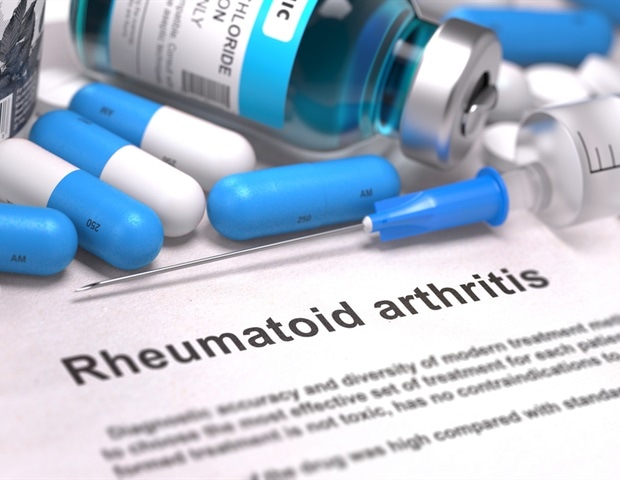
A new study suggests that Sargramostim, a medication often used to boost white blood cells after cancer treatments, is also effective in treating and improving memory in people with mild-to-moderate Alzheimer’s disease. This medication comprises of a natural human protein produced by recombinant DNA technology (yeast-derived rhu GM-CSF/Leukine®).
The study, from the University of Colorado Alzheimer’s and Cognition Center at the University of Colorado Anschutz Medical Campus (CU Anschutz), presents evidence from their clinical trial that shows that Sargramostim may have both disease-modifying and cognition-enhancing activities in Alzheimer’s disease patients. It was published online today by Alzheimer’s & Dementia: Translational Research and Clinical Interventions , an open access journal of the Alzheimer’s Association.
“The goal of the clinical trial was to examine the impact of a natural human protein called granulocyte-macrophage colony stimulating factor (GM-CSF) on people living with Alzheimer’s disease. We tested GM-CSF because people with rheumatoid arthritis tend not to get Alzheimer’s disease and we had previously found this protein, which is increased in the blood of people with rheumatoid arthritis, reduced amyloid deposition in Alzheimer’s mice and returned their poor memory to normal after a few weeks of treatment. Thus, naturally increased levels of GM-CSF in people with rheumatoid arthritis may be one reason that they are protected from Alzheimer’s disease,” said Huntington Potter, PhD, director of the CU Alzheimer’s and Cognition Center, who together with Jonathan Woodcock, Timothy Boyd and collaborators carried out the new trial.
“Human GM-CSF is the active compound in the known human drug Sargramostim, and we are the first to study its effect on people with Alzheimer’s disease.”
GM-CSF/Sargramostim is used to stimulate the bone marrow to make more white blood cells of a particular kind called macrophages and granulocytes, as well as progenitor cells that repair blood vessels. These white blood cells circulate throughout the body and remove cells, bacteria and amyloid deposits that aren’t supposed to be there, as well as promoting repair to damaged blood vessels and to the brain.
The researchers carried out a randomized, double-blind, placebo-controlled phase II trial to test the safety and efficacy of Sargramostim treatment in participants with mild-moderate Alzheimer’s disease.
Study participants who met eligibility criteria were randomized to receive injections of either Sargramostim (20 participants took a standard FDA dosage 250 mcg/m2/day subcutaneous injection for five days a week for three weeks) or placebo (20 participants took saline for five days a week for three weeks). The majority of the participants from the study were recruited and treated at CU Anschutz with a few from the University of South Florida.
The CU Anschutz researchers then conducted and studied multiple neurological, neuropsychological, cell, cytokine, Alzheimer’s pathology biomarkers and neuroimaging assessments.
They found that short-term Sargramostim treatment increased innate and other immune cells, modulated cytokine measures, and was safe and well-tolerated by participants. They also found cognition memory improved by almost two points in the 30 point Mini-Mental State Exam. Measures of blood biomarkers of Alzheimer’s disease–brain amyloid, tangles, and neurodegeneration–all improved toward normal. These results suggest that short-term Sargramostim treatment leads to innate immune system activation, cognition and memory improvement, and partial normalization of blood measures of amyloid and tau pathology and neuronal damage in participants with mild-to-moderate Alzheimer’s disease. This surprising finding that stimulating the innate immune system and modulating inflammation may be a new treatment approach and induced us to start a larger trial of Sargramostim in Alzheimer’s disease with more participants treated over a longer time.” Huntington Potter, PhD, Director of CU Alzheimer’s and Cognition Center This new trial will be funded by the Alzheimer’s Association/Part The Cloud, the University of Colorado, the Global Down Syndrome Foundation and by a large grant recently awarded from the National Institute on Aging.
Alzheimer’s Patients’ Cognition Improves with Sargramostim , New Study Shows

Sargramostim (GM-CSF) is the first drug to show improvement in Alzheimer’s patients in a phase II clinical trial.
A new study suggests that Sargramostim, a medication often used to boost white blood cells after cancer treatments, is also effective in treating and improving memory in people with mild-to-moderate Alzheimer’s disease. This medication comprises of a natural human protein produced by recombinant DNA technology (yeast-derived rhu GM-CSF/Leukine ® ).
The study, from the University of Colorado Alzheimer’s and Cognition Center at the University of Colorado Anschutz Medical Campus (CU Anschutz), presents evidence from their phase II clinical trial that shows that Sargramostim (GM-CSF) may have both disease-modifying and cognition-enhancing activities in Alzheimer’s disease patients. This evidence showcases GM-CSF is the first Alzheimer’s drug to show patient improvement in a phase II clinical trial. The study was published online today by Alzheimer’s & Dementia: Translational Research and Clinical Interventions, an open access journal of the Alzheimer’s Association.
“The goal of the clinical trial was to examine the impact of a natural human protein called granulocyte-macrophage colony stimulating factor (GM-CSF) on people living with Alzheimer’s disease. We tested GM-CSF because people with rheumatoid arthritis tend not to get Alzheimer’s disease and we had previously found this protein, which is increased in the blood of people with rheumatoid arthritis, reduced amyloid deposition in Alzheimer’s mice and returned their poor memory to normal after a few weeks of treatment. Thus, naturally increased levels of GM-CSF in people with rheumatoid arthritis may be one reason that they are protected from Alzheimer’s disease,” said Huntington Potter, PhD, director of the CU Alzheimer’s and Cognition Center, who together with Jonathan Woodcock, Timothy Boyd and collaborators carried out the new trial.
“Human GM-CSF is the active compound in the known human drug Sargramostim, and we are the first to study its effect on people with Alzheimer’s disease.”
Sargramostim (GM-CSF) is used to stimulate the bone marrow to make more white blood cells of a particular kind called macrophages and granulocytes, as well as progenitor cells that repair blood vessels. These white blood cells circulate throughout the body and remove cells, bacteria and amyloid deposits that aren’t supposed to be there, as well as promoting repair to damaged blood vessels and to the brain.
The researchers carried out a randomized, double-blind, placebo-controlled phase II trial to test the safety and efficacy of Sargramostim treatment in participants with mild-moderate Alzheimer’s disease. Study participants who met eligibility criteria were randomized to receive injections of either Sargramostim (20 participants took a standard FDA dosage 250 mcg/m 2 /day subcutaneous injection for five days a week for three weeks) or placebo (20 participants took saline for five days a week for three weeks). The majority of the participants from the study were recruited and treated at CU Anschutz with a few from the University of South Florida.
The CU Anschutz researchers then conducted and studied multiple neurological, neuropsychological, cell, cytokine, Alzheimer’s pathology biomarkers and neuroimaging assessments.
They found that short-term Sargramostim treatment increased innate and other immune cells, modulated cytokine measures, and was safe and well-tolerated by participants. They also found cognition memory improved by almost two points in the 30 point Mini-Mental State Exam, a widely used test of cognitive function among the elderly. Measures of blood biomarkers of Alzheimer’s disease-brain amyloid, tangles, and neurodegeneration-all improved toward normal.
“These results suggest that short-term Sargramostim treatment leads to innate immune system activation, cognition and memory improvement, and partial normalization of blood measures of amyloid and tau pathology and neuronal damage in participants with mild-to-moderate Alzheimer’s disease,” said Potter.
“This surprising finding that stimulating the innate immune system and modulating inflammation may be a new treatment approach and induced us to start a larger trial of Sargramostim in Alzheimer’s disease with more participants treated over a longer time.” This new trial will be funded by the Alzheimer’s Association/Part The Cloud, the University of Colorado, the Global Down Syndrome Foundation and by a large grant recently awarded from the National Institute on Aging.
/Public Release. This material comes from the originating organization and may be of a point-in-time nature, edited for clarity, style and length. View in full here .
Alzheimer’s patients’ cognition improves with Sargramostim (GM-CSF), new study shows

Credit: Unsplash/CC0 Public Domain A new study suggests that Sargramostim, a medication often used to boost white blood cells after cancer treatments, is also effective in treating and improving memory in people with mild-to-moderate Alzheimer’s disease. This medication comprises of a natural human protein produced by recombinant DNA technology (yeast-derived rhu GM-CSF/Leukine).
The study, from the University of Colorado Alzheimer’s and Cognition Center at the University of Colorado Anschutz Medical Campus (CU Anschutz), presents evidence from their clinical trial that shows that Sargramostim may have both disease -modifying and cognition-enhancing activities in Alzheimer’s disease patients. It was published online today by Alzheimer’s & Dementia: Translational Research and Clinical Interventions , an open access journal of the Alzheimer’s Association.
“The goal of the clinical trial was to examine the impact of a natural human protein called granulocyte-macrophage colony stimulating factor (GM-CSF) on people living with Alzheimer’s disease. We tested GM-CSF because people with rheumatoid arthritis tend not to get Alzheimer’s disease and we had previously found this protein, which is increased in the blood of people with rheumatoid arthritis, reduced amyloid deposition in Alzheimer’s mice and returned their poor memory to normal after a few weeks of treatment. Thus, naturally increased levels of GM-CSF in people with rheumatoid arthritis may be one reason that they are protected from Alzheimer’s disease,” said Huntington Potter, Ph.D., director of the CU Alzheimer’s and Cognition Center, who together with Jonathan Woodcock, Timothy Boyd and collaborators carried out the new trial.
“Human GM-CSF is the active compound in the known human drug Sargramostim, and we are the first to study its effect on people with Alzheimer’s disease.”
GM-CSF/Sargramostim is used to stimulate the bone marrow to make more white blood cells of a particular kind called macrophages and granulocytes, as well as progenitor cells that repair blood vessels. These white blood cells circulate throughout the body and remove cells, bacteria and amyloid deposits that aren’t supposed to be there, as well as promoting repair to damaged blood vessels and to the brain.
The researchers carried out a randomized, double-blind, placebo-controlled phase II trial to test the safety and efficacy of Sargramostim treatment in participants with mild-moderate Alzheimer’s disease. Study participants who met eligibility criteria were randomized to receive injections of either Sargramostim (20 participants took a standard FDA dosage 250 mcg/m 2 /day subcutaneous injection for five days a week for three weeks) or placebo (20 participants took saline for five days a week for three weeks). The majority of the participants from the study were recruited and treated at CU Anschutz with a few from the University of South Florida.
The CU Anschutz researchers then conducted and studied multiple neurological, neuropsychological, cell, cytokine, Alzheimer’s pathology biomarkers and neuroimaging assessments.
They found that short-term Sargramostim treatment increased innate and other immune cells , modulated cytokine measures, and was safe and well-tolerated by participants. They also found cognition memory improved by almost two points in the 30 point Mini-Mental State Exam. Measures of blood biomarkers of Alzheimer’s disease—brain amyloid, tangles, and neurodegeneration—all improved toward normal.
“These results suggest that short-term Sargramostim treatment leads to innate immune system activation, cognition and memory improvement, and partial normalization of blood measures of amyloid and tau pathology and neuronal damage in participants with mild-to-moderate Alzheimer’s disease,” said Potter.
“This surprising finding that stimulating the innate immune system and modulating inflammation may be a new treatment approach and induced us to start a larger trial of Sargramostim in Alzheimer’s disease with more participants treated over a longer time.”
More information: Huntington Potter et al. Safety and efficacy of sargramostim (GM‐CSF) in the treatment of Alzheimer’s disease, Alzheimer’s & Dementia: Translational Research & Clinical Interventions (2021). DOI: 10.1002/trc2.12158
Provided by CU Anschutz Medical Campus
6 Ways To Improve Mental Focus Amidst The Uncertainty Of A Global Pandemic
Despite our hopes that 2021 would roll around and spell the end of the turmoil we experienced in 2020, we quickly came to realise that change doesn’t listen to months on the calendar. Now three months into the New Year, and it appears the global pandemic isn’t going anywhere. While some now find themselves carefully easing back into office life, others are finding the financial strains of the pandemic unforgiving. It’s unfamiliar territory we find ourselves in and as we’ve seen, it’s unrelenting. No one quite knows when things will return to normal, or at least, the life we once knew before all interactions mandated masks, social distancing and, if you’re lucky, a bump of elbows.
It’s hardly surprising then, that the pandemic has led to feelings of uncertainty, with one in four Australians feeling less calm and focused, according to new research commissioned by integrative healthcare brand Flordis KeenMind. This study found that of those surveyed, 30 per cent are worried about their ability to stay focused in 2020, particularly amongst those aged 18 to 33-years-old.
Many factors have contributed to the uncertainty of this time and in particular, financial constraints. But as many of us now look to rebuild and invest our energy in new passions for 2021, the focus we need to now “switch on” is hard to produce. How do we combat these feelings of uncertainty to ensure 2021 is a year of greater clarity, focus and achieving our goals? Read on for six ways to improve mental focus while working from home, including supplements, exercise and embracing fun activities. Take up a new hobby
You need only take a cursory scroll through Instagram to see that when lockdown strikes, people get creative and that creativity shone through in the form of sourdough bread. But if the thought of feeding a starter and tending to a loaf in the kitchen isn’t quite what you’re into, don’t stress – any hobby is worth pursuing if it encourages experimentation, learning and sparks curiosity. Studies have shown that activities like exercise, cooking or meditation can help improve cognitive function and overall wellbeing, too. Eat a balanced diet
Food is fuel and not surprisingly, what we put into our bodies has a major impact on how we feel and perform. When the body is struggling to focus or you feel like you’re in a brain fog, it can be easy to reach for processed foods and sugars, thinking these will give you the mental boost you need. Rather, you should be eating a well-balanced diet, complete with all the nutrients you need. When it comes to optimising brain health and performance, consider adding fatty fish, blueberries, turmeric which is a potent antioxidant, pumpkin seeds and green tea to your diet. Carve out time for exercise
The importance of exercise can’t be underestimated and when most of us are cooped up indoors as a result of lockdown, the need to prioritise our health and carve out time to exercise can’t be overestimated. If you can’t get outdoors, something as simple as following a 15-minute app workout will do wonders to increase the level of dopamine and serotonin to the brain, encourage deep breathing and, as studies suggest, even results in an increased focus of attention and reaction time, for at least two hours. Take work out of the bedroom
As most of us continue to divide our time between the office and working from home arrangements, you might want to reconsider the location of where you’re working at home. By working in the bedroom, the brain soon associates the space with work, meaning that despite how tired you are, when it comes time to switch off for the night, your brain will be in overdrive thinking about the work you need to get done. Health experts suggest keeping the bedroom to the three S’s: sleep, sex, and sickness. If you really can’t work anywhere else, consider being stricter about the time you switch off for work, and start implementing a sleep routine in which you begin to unwind for the night by doing things like reading or listening to music. Cut down on screen time
Similarly to that above, NBN reported a 71 per cent increase in business traffic on screens, compared to pre-lockdown figures. In 2021, find ways to cut down on screen time by minimising screen exposure and ensuring you get up from your desk every 20-30 minutes. This could be something as simple as making tea in the kitchen during a break, or doing some guided meditation or stretches outside to break up the work day. Explore complementary medicines
Research suggests natural supplements can be effective when it comes to supporting optimal brain performance and focus. When it comes to supplements, Flordis’ KeenMind demonstrates benefits for enhancing memory retention and recall, supporting mental clarity and focus, and also assists in learning, concentration and attention. As well as this, clinical research has shown that KeenMind supports mental wellbeing and even helps you maintain a sense of calm. The healthcare recommended product contains a special extract called CDRI 08 which is made from nootropic plant, Bacopa Monnieri which is designed to maintain brain function, ensuring you stay focused and on track to reach your 2021 goals.
Brought to you by Flordis
Flordis KeenMind is a Health Professional Only product that is available in pharmacies Australia wide. For further information about KeenMind®, or if you have any concerns about your cognitive health, be sure to consult your health professional.
Always read the label. Follow the directions for use. If symptoms persist, talk to your health professional.
Everything you need to know about fitness fads: Which ones to try and which to avoid

Keen to up your fitness levels? (Picture: Getty Images/iStockphoto) Put on a few pounds during lockdown? You’re not alone .
Half of Brits have admitted to overeating, exercising less and becoming more anxious during the pandemic, according to research by WW, Weight Watchers Reimagined.
It’s been a long winter, but as we start to emerge from our homes, it’s tempting to turn to quick-fix health fads to give your wellbeing a boost.
Here, Lafina Diamandis, a GP specialising in lifestyle medicine ( @drldiamandis ), shares her thoughts on which ones should be avoided and which you can safely embrace. Colonic Irrigation
What is it? ‘Known as hydrotherapy of the colon, this involves a nozzle being inserted into the rectum with a tube attached and water being sent into the colon to flush out faecal matter. Herbal infusions are sometimes added to the water.’
Claim: ‘It’s meant to detoxify or cleanse the body of unspecified ‘toxins’ and waste material by removing faeces from the colon. Other claims include boosting your immune system and energy levels and aiding weight loss.’
Reality: ‘One of the functions of the colon is to expel waste products from the body, therefore there is no need for colonic “cleansing”. It can actually disrupt the gut microbiome (essential for gut and immune health) and can cause pain, nausea, bloating, dehydration, serious infection and even bowel perforation.’
Should I try it? ‘No. There is no evidence that it offers any health benefits.’ IV Vitamin Drip
What is it? ‘An Intravenous Drip (IV drip) is administered by putting a cannula into a vein in your arm. Fluid and nutrients – vitamins and minerals such as vitamin C or magnesium – are then pumped into your bloodstream.’
Claim: ‘This allegedly allows the nutrients to bypass the digestive system for a quicker shot of vitality. Different treatments promise to boost your immune system, energy levels and mood, and are meant to defy ageing and cure hangovers.’
Reality: ‘There is no evidence to support the claims. The body extracts all it needs from the foods we eat and excretes the rest. Vitamins and minerals can also be toxic in high doses. The procedure carries risks such as bubbles entering the vein through the syringe, phlebitis [inflammation of the vein], allergic reactions, infections, and it can potentially put the liver and kidneys under stress.’
Should I try it? ‘No. IV nutrition should only be given to people who are too sick to eat or have a severe deficiency. Eat a well-balanced diet instead.’ Meditation is definitely worth a try (Picture: Getty Images/iStockphoto) Mindfulness meditation
What is it? ‘The practise of sitting silently and breathing, while paying attention to your thoughts, feelings and bodily sensations to manage physical and mental health problems.’
Claim: ‘It reduces stress, anxiety , depression and can help in the management of chronic health conditions as well as a variety of other benefits to brain health.’
Reality: ‘The highest levels of scientific evidence confirm that mindfulness is an effective treatment for a variety of psychological problems and is particularly helpful in reducing stress, anxiety, depression and even chronic pain. It can also improve concentration. Pre-covid, it was estimated that one in four people will suffer a mental health problem in their lifetime but mental health specialists are expecting that rate to be much higher due to the pandemic.’
Should I try it? ‘Yes. Start with just five minutes a day and build from there. The key is doing it consistently. Try apps such as Calm or Headspace.’ Clean Eating
What is it? ‘A diet trend generally used to refer to eating foods as natural or raw as possible, free from any processing or packaging. Confusingly, food bloggers and influencers also use the term to refer to organic produce and alkaline diets.’
Claim: ‘Eating “clean” fills your body with more vitamins, minerals, healthy protein and fats which in turn boosts the immune system, energy levels and leads to a stronger, healthier brain and body.’
Reality: ‘The only way to get “clean” foods is to wash them. While the term may have originated with good intentions, the terminology implies that anyone not “eating clean” is eating “dirty” and this creates a culture of food-shaming, elitism and restrictive rules around food choices which can trigger or mask eating disorders.’
Should I try it? ‘No. Follow a healthy and balanced diet that is low in refined sugars and processed foods and don’t label food with moral values – it changes our perception and enjoyment of food and sets another standard of perfection.’ Don’t stress about eating ‘clean’ (Picture: Getty Images/iStockphoto) Cognitive Behavioural Therapy (CBT) for insomnia
What is it? ‘CBT is a structured form of therapy used for a variety of health problems but in the context of insomnia it trains you to manage the psychological factors (stress, anxiety) associated with it. CBT can be delivered face to face, online and through apps.’
Claim: ‘It can improve your sleep and help you manage negative thoughts, feelings and behaviours associated with insomnia.’
Reality: ‘As many as two thirds of people have experienced problems since lockdown [found a King’s College London and Ipsos Mori study] and randomised control trials have shown CBT for insomnia works in around 70 per cent of people – it’s more effective than taking medications such as melatonin.’
Should I try it? ‘Yes. CBT techniques will arm you with a toolkit for addressing sleep problems without the risk of side effects from medication. Try apps such as Sleepio and Sleepstation which can be funded by the NHS.’ What about food fads?
There’s always some food claiming to be the next big thing in terms of health benefits, so we’ve called on Dr Carrie Ruxton, dietitian from the Tea Advisory Panel , to share her thoughts on some of the latest fads. Polyphenols
What is it? ‘A family of natural compounds found in fruits, vegetables and plants. Rich sources are tea, berries, spices, soya, red wine and cocoa.’ Claim: ‘Polyphenols are supposed to be good for […]
Alzheimer’s patients’ cognition improves with Sargramostim (GM-CSF), new study shows

A new study suggests that Sargramostim, a medication often used to boost white blood cells after cancer treatments, is also effective in treating and improving memory in people with mild-to-moderate Alzheimer’s disease. This medication comprises of a natural human protein produced by recombinant DNA technology (yeast-derived rhu GM-CSF/Leukine®).
The study, from the University of Colorado Alzheimer’s and Cognition Center at the University of Colorado Anschutz Medical Campus (CU Anschutz), presents evidence from their clinical trial that shows that Sargramostim may have both disease-modifying and cognition-enhancing activities in Alzheimer’s disease patients. It was published online today by Alzheimer’s & Dementia: Translational Research and Clinical Interventions , an open access journal of the Alzheimer’s Association.
“The goal of the clinical trial was to examine the impact of a natural human protein called granulocyte-macrophage colony stimulating factor (GM-CSF) on people living with Alzheimer’s disease. We tested GM-CSF because people with rheumatoid arthritis tend not to get Alzheimer’s disease and we had previously found this protein, which is increased in the blood of people with rheumatoid arthritis, reduced amyloid deposition in Alzheimer’s mice and returned their poor memory to normal after a few weeks of treatment. Thus, naturally increased levels of GM-CSF in people with rheumatoid arthritis may be one reason that they are protected from Alzheimer’s disease,” said Huntington Potter, PhD, director of the CU Alzheimer’s and Cognition Center, who together with Jonathan Woodcock, Timothy Boyd and collaborators carried out the new trial.
“Human GM-CSF is the active compound in the known human drug Sargramostim, and we are the first to study its effect on people with Alzheimer’s disease.”
GM-CSF/Sargramostim is used to stimulate the bone marrow to make more white blood cells of a particular kind called macrophages and granulocytes, as well as progenitor cells that repair blood vessels. These white blood cells circulate throughout the body and remove cells, bacteria and amyloid deposits that aren’t supposed to be there, as well as promoting repair to damaged blood vessels and to the brain.
The researchers carried out a randomized, double-blind, placebo-controlled phase II trial to test the safety and efficacy of Sargramostim treatment in participants with mild-moderate Alzheimer’s disease. Study participants who met eligibility criteria were randomized to receive injections of either Sargramostim (20 participants took a standard FDA dosage 250 mcg/m2/day subcutaneous injection for five days a week for three weeks) or placebo (20 participants took saline for five days a week for three weeks). The majority of the participants from the study were recruited and treated at CU Anschutz with a few from the University of South Florida.
The CU Anschutz researchers then conducted and studied multiple neurological, neuropsychological, cell, cytokine, Alzheimer’s pathology biomarkers and neuroimaging assessments.
They found that short-term Sargramostim treatment increased innate and other immune cells, modulated cytokine measures, and was safe and well-tolerated by participants. They also found cognition memory improved by almost two points in the 30 point Mini-Mental State Exam. Measures of blood biomarkers of Alzheimer’s disease–brain amyloid, tangles, and neurodegeneration–all improved toward normal.
“These results suggest that short-term Sargramostim treatment leads to innate immune system activation, cognition and memory improvement, and partial normalization of blood measures of amyloid and tau pathology and neuronal damage in participants with mild-to-moderate Alzheimer’s disease,” said Potter.
“This surprising finding that stimulating the innate immune system and modulating inflammation may be a new treatment approach and induced us to start a larger trial of Sargramostim in Alzheimer’s disease with more participants treated over a longer time.”
###
This new trial will be funded by the Alzheimer’s Association/Part The Cloud, the University of Colorado, the Global Down Syndrome Foundation and by a large grant recently awarded from the National Institute on Aging.
About the University of Colorado Anschutz Medical Campus
The University of Colorado Anschutz Medical Campus is a world-class medical destination at the forefront of transformative science, medicine, education, and patient care. The campus encompasses the University of Colorado health professional schools, more than 60 centers and institutes, and two nationally ranked independent hospitals that treat more than two million adult and pediatric patients each year. Innovative, interconnected and highly collaborative, together we deliver life-changing treatments, patient care, professional training, and conduct world-renowned research. For more information, visit http://www.cuanschutz.edu .
Disclaimer: AAAS and EurekAlert! are not responsible for the accuracy of news releases posted to EurekAlert! by contributing institutions or for the use of any information through the EurekAlert system.
Study finds many Wuhan coronavirus infection survivors experience cognitive issues
( Natural News ) Many people who survive a bout of Wuhan coronavirus infection experience complications that affect their brain function , according to a recent study. A recent study published in Frontiers in Psychology examined the long-term effects of SARS-CoV-2 infection on the brain and the possible short- and long-term mental health issues surviving patients face. The paper was the result of efforts by both psychology and psychiatry researchers who looked at existing published studies and their findings.
The researchers found that COVID-19 survivors reported a wide range of neuropsychiatric conditions in the short term. One study found that 95 percent of clinically stable COVID-19 patients had post-traumatic stress disorder. Other studies reported 17 percent to 42 percent of patients experiencing affective disorders such as depression. Meanwhile, 45 percent of patients reported impaired attention in the short-term, while 13 to 28 percent of patients experience short-term memory impairment.
Affective disorders and fatigue were the long-term neuropsychiatric problems recorded in most COVID-19 patients. Forty-four percent of patients reported impaired attention, while 28 percent to 50 percent of patients said they experienced impaired memory.
Study author Sanjay Kumar said in a statement: “Understanding the neuropsychiatric and cognitive consequences of COVID-19 is important, as millions of people have been affected by the virus, and many cases of undetected. The Oxford Brookes University psychology senior lecturer warned that “even [if] just a fraction of patients experience neuropsychiatric complications, the impact of public health services could be significant.”
Experts have said there is a likely spike in the number of patients with psychiatric and cognitive problems who did not have these conditions prior to contracting COVID-19. Kumar said these problems “affect people’s capacity to work effectively, drive, manage finance, make informed decisions and participate in daily family activities.”
The senior lecturer suggested the use of detailed cognitive evaluation and robust patient monitoring to detect new neurological cases. “This will also enable healthcare providers to plan adequate health care and resources, and improve the quality of life for many COVID-19 survivors,” Kumar added. Based on previous studies, the Wuhan coronavirus also impacts mental health
Kumar and his colleagues noted in their paper that emerging evidence has pointed to COVID-19 patients reporting headache, altered consciousness and paresthesia – a tingling sensation on the skin. They also commented that an autopsy on a patient who died of the illness found swollen brain tissue and damaged neurons. The researchers remarked that the findings taken together shows the virus can play a possible role in causing long-term neurological and psychological problems by damaging the nervous system. (Related: Coronavirus found to have the ability to infect brain cells, says research .)
Kumar’s team postulated two possible reasons for the brain issues experienced by patients. First, they proposed that the symptoms can be due to the Wuhan coronavirus modifying brain functions after infection. This change can lead to more serious brain problems and hasten the development of psychological issues.
Second, they proposed that the neuropsychiatric symptoms and disorders are the psychological reactions of undergoing medical treatment following Wuhan coronavirus infection.
Nevertheless, they commented that a careful study of history and standardized neuropsychological tests can help clarify if patients’ brain problems are caused by COVID-19 affecting brain function or a reaction to medical treatment for the disease.
In some cases, COVID-19 infections have caused inflammation that eventually led to brain cell death and brain bleeding. British paper The Mirror reported that the Wuhan coronavirus resulted to neurological complications in some patients. One Florida man in his 70s lost the ability to speak for a short period following multiple seizures. Meanwhile, a 58-year-old Detroit woman who was “confused and disoriented” suffered significant neurological damage. A CT scan of her brain revealed dark spots, which indicated either a build-up of fluid or substantial loss of brain cells. (Related: Coronavirus harms the brain and nervous system of one in three patients .)
Ultimately, Kumar and his fellow researchers emphasized the importance of detecting and preventing these neuropsychiatric and cognitive problems at the soonest. They exhorted health services and governments worldwide to focus on addressing this possible “third wave” of the pandemic in the long term.
Mental.news has more on how the Wuhan coronavirus impacts brain function.
Sources include:
Mirror.co.uk
The UK’s favourite scented candle has been revealed – is yours on the list?

The UK’s favourite scented candle has been revealed as more of us look at ways of making our homes even cosier than before.
Lockdown has made us all look at our homes differently, with many of us spending time both working and relaxing at home it’s even more important to create that sanctuary of rest to calm the mind.
And aside from cosying up in front of the fire, under a snuggly blanket, there’s nothing quite like the feeling of lighting one of the best scented candles and as we head into Spring, the UK’s favourite scented candle fragrance has been revealed.
Ally Dowsing-Reynolds, co-owner at home décor brand and retailer Dowsing & Reynolds said, “The increase in the cosy living trend reflects our current mindsets; in difficult times, we seek comfort. We’re now exploring sensory ways to create an element of comfort in our homes; it’s not just mood lighting and blankets.”
Ally explained, “Our research shows that three of the top five most-searched scents reflect our desire for comfort, but also the feeling of a relaxing holiday in a sunnier climate. Coconut has high-interest levels and is the ultimate holiday scent. And if you’ve ever taken in the stunning citrus groves of a quaint Mediterranean island, the next most-searched scent, ‘orange’, will take you back there instantly.”
Meanwhile, Yankee Candle launched its 2021 scent of the year, Discovery, described as a “scent passport”.
“We’re not surprised to see that Yankee Candle has noticed this yearning for a summer holiday too…Citrus fruits have been incorporated to transport us to Caribbean islands and tropical jungles, while a hint of vanilla grounds and comforts us,” Ally added. UK’s Top 5 favourite scented candles
1. Lavender (3,600 monthly searches)
2. Vanilla (2,400)
3. Gingerbread / Orange (1,900)
Aside from reminding us of Christmas, Used in aromatherapy applications, notes of Ginger Essential Oil are stimulating and warming. It can enhance concentration and can soothe and reduce feelings of stress, sadness, anxiety, lethargy, agitation, dizziness, and fatigue.
And while orange has tied joint third place with Gingerbread, search around the combination of Chocolate Orange Candle has increased by 425% in the last year. Citrus scents like orange, lemon, and grapefruit all have powerful scents that help to brighten the mood and increase concentration. 4.Coconut / Sandalwood (1,600)
The benefits of coconut include helping you get rid of stress. It’s a great relaxant and soothes your mind. It helps treat anxiety and also helps give you peace of mind.
Meanwhile, Sandalwood has a pleasing and captivating aroma that calms the mind and alleviates the worry by relaxing the central nervous system. It is a powerful aid in meditation, and when used topically, its natural astringent properties help firm and tone the appearance of aging skin 5. Cinnamon (1,300)
Whilst eating cinnamon has been know to decrease food intake and help weight loss by targeting a brain chemical involved in glucose and cholesterol. The scent itself has positive results on our memory.
Cinnamon’s scent can boost memory in a task. A small human study suggests that merely smelling cinnamon can improve performance in several types of memory tasks. UK’s favourite scented candles outside the Top 5 but within the Top 10…
Coffee / Rose [joint 6th]
Eucalyptus [7th]
Baby powder/lemon [joint 8th]
Amber [9th]
Jasmine [10th]
The UK’s 5 least favourite scented candles:
> Water Lily / Matcha – however, Matcha has seen a 300% search increase in the last twelve months.
Grass/ Chai Latte
Spiced rum
Olive Blackberry
Supporting brain health: Lion’s mane mushroom helps reduce depression and anxiety

( Natural News ) Several studies have shown the potential of lion’s mane mushroom to help address several health problems including those that are related to brain function.
Lion’s mane mushroom (Hericium erinaceus), also known as hedgehog mushroom , is a mushroom native to North America, Asia and Europe. Its fruiting bodies are said to contain polysaccharides that are beneficial to the human body.
This mushroom has a long history of medical uses, especially in Traditional Chinese Medicine (TCM) where it was used to help support brain health. In recent years, its value in supporting cognitive health has been supported by a number of studies. The mushroom helps Reduce depression and anxiety
In a study published in the journal Biomedical Research, the mushroomwas tested on female participants in order to tests its effects on mental health.
After taking lion’s mane mushroom cookies for four weeks, the participants reported reduced depression and anxiety. According to the researchers , this was due to two chemical constituents isolated from lion’s mane’s fruiting body called hericenones and erinacines. These two chemicals stimulate nerve growth factor (NGF) biosynthesis.
NGF takes part in a number of activities in the body that are essential in maintaining and organizing neurons. By stimulating NGF biosynthesis, lion’s mane is able to help improve mental health.
Meanwhile, in a study on mice , researchers from Tohoku University in Japan discovered that lion’s mane mushroom may be used to prevent cognitive dysfunction.
The Japanese researchers administered 10 micrograms of amyloid-beta peptide to the mice on days seven and 14 in their 23-day experimental period. Also, the mice subjects were fed with food containing lion’s mane mushroom over the course of the experimental period.
To measure the results of their study, the team used Y-maze and the novel object recognition tests on the subjects. They discovered that the mushroom prevented the negative effects of amyloid-beta peptide on the spatial short-term and visual recognition memory of the mice. The study suggests that the mushroom might reverse even the effects of amyloid-beta peptide – a protein believed to cause Alzheimer’s disease . Lion’s mane for cognitive impairment
Moreover, in another study conducted by Japanese scientists, lion’s mane mushroom showed potential in improving symptoms of mild cognitive impairment . This is the stage between aging-related cognitive decline and the development of dementia. Its symptoms include problems with memory, language, thinking or judgment.
The team took 30 patients with mild cognitive impairment and gave them 250mg tablets with 96 percent lion’s mane extract to be taken in four pieces for three times a day for 16 weeks. During weeks eight, 12 and 16, the patients underwent observation wherein they showed improvement in their cognitive function as displayed by the increase of their scores on the cognitive function scale. Moreover, the researchers conducted laboratory tests on the patients and saw that the intake of lion’s mane did not result in any side effect.
In addition, the patients’ scores in the cognitive function scale decreased by the time their intake of lion’s mane mushroom tablets stopped. Other uses and health benefits
The lion’s mane mushroom is easy to identify because it looks quite distinct from other mushroom species, with its icicle-like teeth hanging from a stalk in its central part. This white-colored fungus can normally be found along the trunks of a host tree, up to more than 40 feet from the ground.
Lion’s mane mushroom can be eaten raw, cooked, dried or steeped as a tea, and it is more popular in Asian countries such as China, India, Japan and Korea. In these countries, the mushroom is used as ingredients in culinary dishes and for medicinal uses. In addition, there are also health supplements containing lion’s mane mushroom. But as a food, its taste is said to be comparable to a crab or lobster.
Aside from its potential in treating cognitive problems, lion’s mane may also help prevent stomach ulcers , reduce the risk of heart diseases, manage diabetes symptoms, prevent cancer, reduce inflammation and boost the immune system. This is because it has anti-inflammatory, antioxidant and immune-boosting properties.
Follow Health.news to learn more about the health benefits of lion’s mane mushroom.
Sources Include:
Jstage.jst.go.jp 1
Jstage.jst.go.jp 2
PracticalSelfReliance.com
Healthline.com

The Power Within by Corey Daniels book available for only $2.99
Mind has both conscious and subconscious halves. These are likened to a driver and the truck he drives. The driver plans the destination and observes road conditions, while the truck provides motive power. Your subconscious mind is like the truck and it only goes in the direction in which is a steered. This can be the road or off a cliff. Likewise, the consciousness paints a picture of what the world is and what your goals are and the subconscious acts on them through emotion, physical response and energy, whether these are correct, rational images or false negative ones. The subconscious is also like an emotional reservoir which your body and mind draw responses from to external stimuli.
The Power Within lays out a method of programming your subconscious and tapping into the Holy Spirit, God voice or what the Greeks called the daimon (godman).