Nature Knows and Psionic Success
God provides
CBD Vs Kratom: Which One Is Better for Natural Remedies?
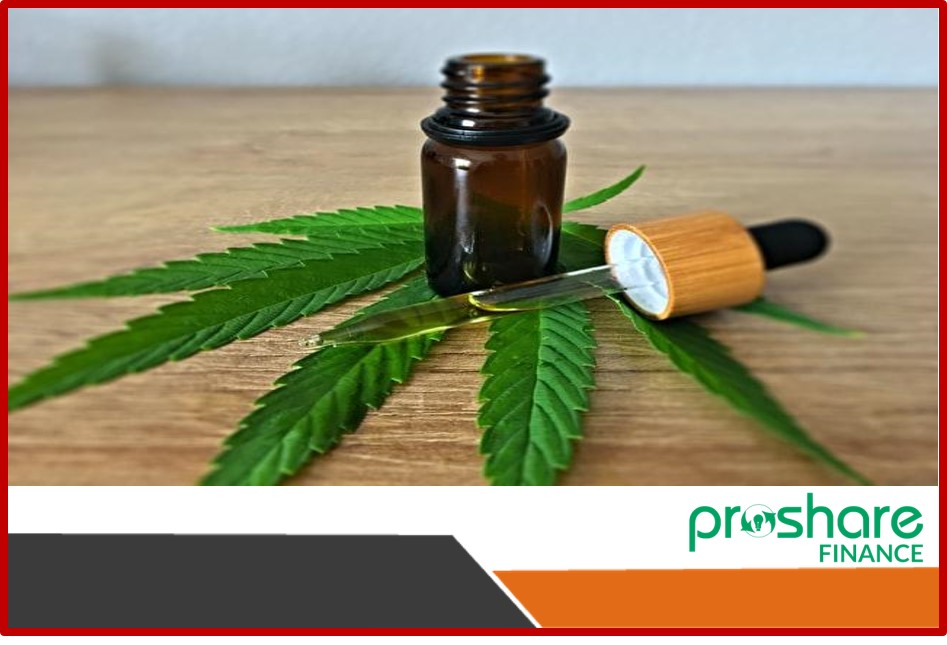
Whether it is for pain relief, inducing sleep, or treating physical and mental conditions, people will always prefer natural remedies. Therefore, natural compounds such as Cannabidiol (CBD) have gained much popularity globally. People are using CBD for both recreational purposes and enhancing their health, thanks to its therapeutic effects . CBD benefits have raised curiosity in many individuals of whether there are other plants that could deliver similar or even more health benefits, which resulted in the discovery of kratom.
Though not as popular as CBD, gold kratom has also won many peoples’ hearts for its relaxing effects on the body and reduces symptoms of many illnesses. Some individuals even say that it could be an excellent substitute for CBD. This remains a topic that requires further research. Although these two plants have many similarities, especially in their benefits to the body, they are with no doubt independently occurring and therefore have numerous distinctions. Let’s look at each independently. What is CBD?
CBD, short form for cannabinoid, is a chemical compound derived from a hemp plant. This naturally occurring plant is an ingredient in numerous products like tea, coffee, gummies, lotions, body wash, balms, tinctures, etc. Most people tend to confuse CBD and its counterpart, THC.
THC is another chemical compound in the cannabis Sativa plant that is popular for its hyperactive effects on the body. The lack of a clear understanding of these two products is probably why CBD is illegal in some states. A cannabis plant has two main products; marijuana and hemp . While marijuana has high THC levels, hemp only contains little of it, probably 0.3% and more of CBD. This means that marijuana will have psychoactive effects once consumed while CBD won’t. Instead, CBD will leave your body with a relaxed and calm feeling. Health benefits for CBD
The growing popularity of CBD is due to its wide range of health benefits. CBD is well known for its ability to bring down anxiety. CBD triggers brain function and its response to serotonin, the hormone responsible for maintaining a stable mental state. It reduces anxiety symptoms by reducing stress, inducing sleep, lowering PTSD symptoms, and boosting the heart’s performance. Research shows that a 600 mg dose of CBD is enough to help persons with social anxiety.
CBD has anti-seizure properties that are useful in treating epilepsy. Some patients with epilepsy were monitored for 12 days, during which they took 5 mg of CBD daily. While there were no side effects by the end of the three months, there was a considerable improvement in the seizure symptoms.
There is further research aimed at revealing whether CBD could help with neurodegenerative disorders. This severe condition alters brain and nerve functioning and could lead to paralysis. Also, there are claims and anecdotal evidence that CBD can treat Parkinson’s disease, stroke, multiple sclerosis, and Alzheimer’s disease. As far as CBD benefits are concerned, the list is endless. It is also a remedy for pain, used in cancer treatment, and has wild benefits for the skin. What is kratom?
Kratom is a herb initially grown in Indonesia, Thailand, New Guinea, and other Southern Asia parts. People who discovered this tree used its eave for its medicinal value . This has continued to the present, where people use kratom for its myriad benefits and recreational purposes. It is more prevalent among athletes for its ability to boost a person’s performance and speed recovery for minor and severe injuries. Although it is not very popular, kratom products like tea, coffee, capsules, and other supplements are readily available on the internet.
While this product has numerous alkaloids, the two widely known are mitragynine and 7-a-hydroxy mitragynine. Even though there is much to discover regarding this kratom, studies show that mitragynine, the active compound in kratom, has analgesic effects and a remedy for opioid dependency. Kratom health benefits
Kratom leaves come with a basket full of benefits , some you probably didn’t know about. The primary effect of kratom is its pain-relieving properties. Whether nociceptive, physical pain or neuropathic pain, which is chronic pain caused by severe illnesses like MS and arthritis, kratom is an essential remedy. Kratom relieves pain by interacting with pain receptors to trigger brain function. While there are numerous kratom strains, the red vein is the best for reducing pain.
Taking kratom supplements in the morning can set you to a happy and optimistic mind view. Kratom has mood-elevating effects, which is why individuals say that it has opioid effects, which is false. Mitragynine, a kratom alkaloid, interacts with opioid receptors in the brain, which regulates moods. This helps to alleviate depression and anxiety symptoms.
One of the reasons why athletes like to use kratom is because of its energy-boosting effects. Kratom leaves increase the body’s metabolic rate and improve blood circulation, which helps to transport all the vital minerals and oxygen to the entire body. No wonder doctors recommend it for treating chronic fatigue syndrome . It is also worth recognizing that CBD helps improve focus, enhances cognitive ability, boosts memory, and helps with opioid withdrawal and managing diabetes. So which one is better?
Based on each’s health benefits, their chemical composition, and how they affect the body, it is impossible to pick on one. It is easy for someone to say CBD is better, seeing its ability to help with even severe conditions. However, it has been in use for a more extended period than kratom. As years go by, it will not be a wonder to find that kratom will be beneficial in more significant ways. Just use either depending on your needs.
*Sharon Duncan is a full-time content marketing specialist. She has been closely following the Business and Technology Industry trends for quite some time. She has dabbled in various domains before this industry. On her off days, she likes to spend her time at the nearest animal shelter, lift weights or be nose-deep in a novel. She is a fan of Sidney Sheldon’s Novels.
References
[…]
Alzheimers Q&A: Is there a link between aspartame and Alzheimer;s?

Buy Now Aspartame is a common sugar-free sweetener that has been in the United States since the early 1980s. It’s found in over 6,000 products, including Diet Coke, Diet Pepsi, Crystal Light and Kool-Aid. It is also sold under brand names such as NutraSweet and Equal.
Controversy still surrounds the use of aspartame, and available evidence does suggest some links, but do not suggest long-term negative effects. The precise mechanisms of the link between aspartame and Alzheimer’s are not completely understood, and future research is needed to investigate these mechanisms and any underlying associations.
A 2017 study published in the journal Stroke concluded that “higher cumulative intake of artificially sweetened soft drinks were associated with an increased risk of ischemic stroke, all-cause dementia and Alzheimer’s disease-dementia.”
The risk of developing dementia or having a stroke is nearly three times more likely if someone consumes just one can of an artificially sweetened drink daily.
Additionally, a report in the 2018 Current Diabetes Review, says aspartame may also act as a chemical stressor in the body, which increases levels of the hormone cortisol that promotes weight gain and also produces free radicals that cause oxidative stress in the body — all high-risk factors for a healthy heart and lifestyle.
The researchers also cautioned that there were inconsistencies in the findings and more clinical studies were needed to support the dangers of aspartame.
In another 2017 report published in Nutritional Neuroscience, aspartame was found to be linked to various behavioral and cognitive problems, including learning difficulties, seizures, headaches and migraines, anxiety, depression and insomnia. Aspartame also acts as chemical stressor that can increase cortisol, causing weight gain, blood vessel damage and plaque buildup, which is also hard on the heart.
Dr. David Perlmutter, author of “The Grain Brain: The Surprising Truth about Wheat, Carbs, and Sugar — Your Brain’s Silent Killers,” notes the findings in his research that stroke and Alzheimer’s share a similar mechanism in terms of their cause. A stroke and Alzheimer’s disease are primarily inflammatory disorders. When consumed, artificial sweeteners induce changes in the gut bacteria which cause a more inflammatory environment in our bodies, he said.
Aspartame is known to overstimulate the neurotransmitters, or chemical messengers, in the brain. Excessive amounts can damage neurons and cause cell death, which are associated with memory issues and dementia.
Alternative options to sweetening foods and beverages include honey, maple syrup, agave nectar, fruit juice or stevia. Like aspartame, however, these natural options should be consumed in limited quantities.
Questions about Alzheimer’s disease or related disorders can be sent to Dana Territo, the Memory Whisperer, owner of Dana Territo Consulting, LLC, at thememorywhisperer@gmail.com .
All About Lion’s Mane Mushroom Plus 1 Amazing Recipe

You probably think that eating mushrooms that resemble a lion’s mane might be going a bit too far. However, the fact that this mushroom could potentially lead to major brain damage repair has the potential to fight cancer, and is currently being researched for numerous other benefits might change your mind.
A large number of researchers believe this mushroom to have great brain-boosting potential and the results of the recent studies are proving that claim to be true.
Lion’s mane mushroom is essentially regarded as a nootropic. This food has gained a lot of popularity in traditional Chinese and Indian medicine.
If you are curious to know more about this amazing mushroom, or might even want a recipe to include in your eating regime, then move on to the rest of this article. What is a Lion’s Mane Mushroom?
The lion’s mane mushrooms also go by the name of hou tou gu or yamabushitake . The mushrooms are huge, white, and hairy. They are very unique because of their resemblance to a lion’s mane during their growth.
They are used both in cooking and in medicine in Asian countries. They are most frequently found in China, India, Japan, and South Korea. People include them in their eating regime or use them as a supplement . Lion’s mane mushrooms can be eaten raw, cooked, dried or used as an addition to your tea or coffee . The extracts of this mushroom can be found in mushroom health supplements .
These mushrooms are full of bioactive substances that can be very beneficial to our bodies, brain, heart, and gut. They contain anti-inflammatory, antioxidant, and immune-stimulating components that can do wonders for our bodies. What Are The Benefits of Using Lion’s Mane Mushroom?
Lion’s Mane Mushroom Against Dementia
As we get older, our brain’s ability to form new connections gets weaker. This is the reason my mental functioning declines with age.
Lion’s mane mushrooms include two special components that can enhance brain cell growth. These components are hericenones and erinacines.
Some animal studies have even suggested that this mushroom could be helpful against Alzheimer’s disease, a brain disease that causes loss of memory.
The lion’s mane mushroom and its extracts were examined and this study and the results were reduced symptoms of memory loss in mice. Neuronal damage is caused by amyloid-beta plaques and it further leads to Alzheimer’s disease.
Although there is little research to conclude that it has the same effect on humans, the fact that it boosts mental functioning can’t be overlooked. Lion’s Mane Mushroom as a Solution for Depression and Anxiety
There are numerous known causes of anxiety and depression but chronic inflammation is considered to be one of the key factors.
Animal studies done on mice have found that lion’s mane mushroom extract has anti-inflammatory effects that can be very beneficial in reducing anxiety and depression symptoms.
Similar animal studies have concluded that it can help with brain cell regeneration and improve hippocampus functions. Hippocampus is the brain region used to process memories and emotional responses.
Scientists think that the better functioning of the hippocampus could have led to anxiety and depression reductions in mice. Lion’s Mane Mushroom Against Cancer
If DNA becomes damaged causing cells to divide and replicate uncontrollably it could lead to cancer.
Researchers believe that the lion’s mane mushroom has abilities to cure cancer due to its exclusive compounds.
When the extract of this mushroom is combined with human cancer cells in a test tube , the cancer cells seem to die much faster. This was proven successful with different types of cancer, such as liver, colon, stomach, and blood cancer.
Aside from killing cancer cells, it was also efficient in slowing the spread of these cells.
A study done on mice with colon cancer concluded that the lion’s mane extracts were able to reduce cancer spreading to the lungs by an astonishing 69%. Lion’s Mane Mushroom Against Diabetes
Putting blood sugar levels under control is the answer to diabetes management. One study showed that blood sugar levels in rats with diabetes had gone down significantly after consuming a lion’s mane mushroom extract for a month.
Diabetes complications include nerve damages resulting due to longer periods of high blood sugar. A study done on rats in 2015 showed some positive results after ingesting lion’s mane extract for 6 weeks. The results were low blood sugar levels, less nerve pain, and enhanced antioxidant activity. Grilled Lion’s Mane Mushrooms Recipe
Here is one of the recipes you can use to prepare Lion’s mane mushroom.
Prep time: 5 minutes
Cook time: 15-20 minutes Ingredients:
Lion’s mane mushrooms (sliced into small steaks)
1 teaspoon of olive oil or butter
Salt and pepper
Salad (optional)
Get rid of any dirty bits from the spines and slice off the part that was attached to the tree. Preparation
Get rid of any dirty bits from the spines and slice off the part that was attached to the tree. Next, cut the mushroom into small steaks Grilling Take a dry pan and cook the steaks for 5-6 minutes on both sides. It’s important for the water in the mushrooms to evaporate for them to become crispy. When the mushrooms gain a brownish color it’s time to spice them up. You can add in a bit of butter, olive oil, salt, and pepper, on any other spice you enjoy. Continue to cook them on low heat until they get a golden brown color to them.You can add in a bit of butter, olive oil, salt, and pepper, on any other spice you enjoy. Serving Serve the mushrooms. You can even serve it with shrimp, lobsters, or some other vegetables.Serve the mushrooms. You can even serve it with shrimp, lobsters, or some other vegetables. Lion’s Mane Mushroom Risks and Side-effects Lion’s mane mushroom is considered to be generally safe for almost everyone. Several studies have proven that it’s completely non-toxic at various dosages, and it can be taken for longer time periods. There have been a few potential side effects, […]
5 Possible Benefits of Lactobacillus reuteri NCIMB 30242

Lactobacillus reuteri NCIMB 30242 is considered to be a “heart-healthy” probiotic because it helps lower LDL and total cholesterol. Plus, it’s the only probiotic strain that might give your vitamin D levels a boost. Can it also reset the gut microbiome in people with IBD? Read on for a breakdown of the complete research on its possible health benefits and side effects. What is Lactobacillus reuteri NCIMB 30242?
Lactobacillus reuteri NCIMB 30242 was discovered in 2010 by a team of Canadian scientists. It was initially selected among other probiotic strains in the lab for safety and desired qualities before being tested in clinical trials [ 1 ].
Lactobacillus reuteri NCIMB 30242 was first called “Cardioviva” but is now trademarked “Microbiome Plus.”
It has been granted a GRAS (Generally Recognized As Safe) designation by the FDA. Interestingly, several Lactobacillus probiotics have GRAS status because they’re a normal part of our gut flora and have a long history of safe use in traditional fermented foods.
However, Lactobacillus reuteri NCIMB 30242 supplements have not been approved by the FDA for medical use and lack large-scale clinical research. Regulations set manufacturing standards for supplements but don’t guarantee that they’re safe or effective. Speak with your doctor before supplementing.
Scientists think Lactobacillus reuteri NCIMB 30242 may work by helping the body take in less and get rid of more cholesterol.
L. reuteri NCIMB 30242 carries an important enzyme called bile salt hydrolase (BSH) . This enzyme sets bile acids free from their bound form ( deconjugating them) [ 2 ].
Bile acids conjugated into bile salts with the amino acids glycine or taurine have digestive action [ 3 ].
Free bile acids in the gut reduce the absorption of cholesterol in the gut that comes from both food and circulating bile. Unlike bound bile salts, free bile acids attach to cholesterol and get eliminated with the stool [ 4 ].
To make up for the loss, the liver increases the production of new bile acids. The body breaks down more cholesterol to keep up [ 4 ].
When free bile acids are released in the gut, mucin production also rises . Mucin is a gel-like layer that lies on top of the gut lining. It helps protect the gut lining, repair gut damage, and maintain a healthy gut microbiome. Low mucin has been implicated in inflammatory bowel disease (IBD) [ 2 , 5 ].
On a cellular level, the BSH action of Lactobacillus reuteri NCIMB 30242 may turn “off” the farnesoid receptor (FXR) . In turn, more cholesterol gets broken down and more bile acids get produced [ 4 ].
Scientists believe this mechanism may trigger liver cells to release more cholesterol by activating receptors called ABCG5 and ABCG8 . Released cholesterol is flushed back into the gut and bile to be eliminated with the stool, which prevents cholesterol buildup [ 4 ].
Summary:
L. reuteri NCIMB 30242 likely works by increasing free bile acids, which reduces cholesterol absorption and possibly increases gut-protective mucin. Potential Benefits of Lactobacillus reuteri NCIMB 30242
Possibly Effective for:
1) High Cholesterol
According to limited clinical evidence, L. reuteri NCIMB 30242 may be a good complementary strategy for lowering high blood cholesterol levels.
In a 2012 study, microencapsulated Lactobacillus reuteri NCIMB 30242 yogurt twice a day was tested against placebo in 114 adults with high cholesterol. It reduced LDL by ~9%, total cholesterol by ~5%, and non-HDL cholesterol by 6% over 6 weeks [ 6 ].
A limitation of this study is that it excluded people taking statins.
In a follow-up study of 127 people, researchers tested Lactobacillus reuteri NCIMB 30242 as capsules over 9 weeks and reported a stronger effect. This regimen reduced [ 7 ]: Total cholesterol by ~9%
Non-HDL cholesterol by ~11%
LDL-C/HDL-C ratio by ~13%, and
ApoB -100 by ~8% compared to placebo
Overall, it worked better than probiotics that are currently used for high cholesterol [ 6 ].
For example, a meta-analysis of 13 smaller probiotic clinical studies reported a mean reduction of LDL cholesterol by only ~3%. None included L. reuteri strains [ 8 ].A more recent meta-analysis of 30 trials (including one Lactobacillus reuteri NCIMB 30242 trial) reported that probiotics in general lower LDL by only ~4% [ 9 ]. Cholesterol Hyperabsorbers Probiotic supplementation might be better personalized in the future, according to some researchers. Limited evidence points to a greater benefit of Lactobacillus reuteri NCIMB 30242 in cholesterol hyperabsorber s : people who absorb too much cholesterol but produce little. This subgroup tends to respond poorly to statins and better to Zetia [ 10 , 11 ].Upcoming studies should investigate Lactobacillus reuteri NCIMB 30242 in this group. They should also test it as an add-on or alternative to statins and other cholesterol-lowering drugs in more people, taking into account their genetics and labs. Summary:Some clinical trials show that L. reuteri NCIMB 30242 may help lower “bad” LDL cholesterol and high total cholesterol levels. Insufficient Evidence for: The following purported benefits are only supported by limited, low-quality clinical studies. There is insufficient evidence to support the use of Lactobacillus reuteri NCIMB 30242 for any of the below-listed uses. 2) High Plant Sterols In the clinical trial of 127 people, Lactobacillus reuteri NCIMB 30242 capsules taken over 9 weeks decreased three plant sterols in the blood [ 7 ]: Campesterol by 41.5% Sitosterol by 34.2%, and Stigmasterol by 40.7% Your blood sterol levels reflect how much dietary cholesterol your body absorbs. This can help your doctor determine whether you’re a cholesterol hyperabsorber (hint: look into sterols testing). About one in four people are hyperabsorbers [ 12 , 10 ].Besides, excessively high plant sterols in the blood can be dangerous. We know this from sitosterolemia, a rare genetic disorder that causes a massive buildup of plant sterols in the body, fatty growths under the skin, and heart complications [ 13 ]. Common genetic mutations ( ABCG5 , ABCG8 ) can also raise blood sterols levels above the normal range . Possible consequences include abnormal red blood cells, anemia, giant platelets, increased bleeding, and adrenal […]
What Is MCT Oil and Is It Good for You? Here Are the Benefits and Potential Risks
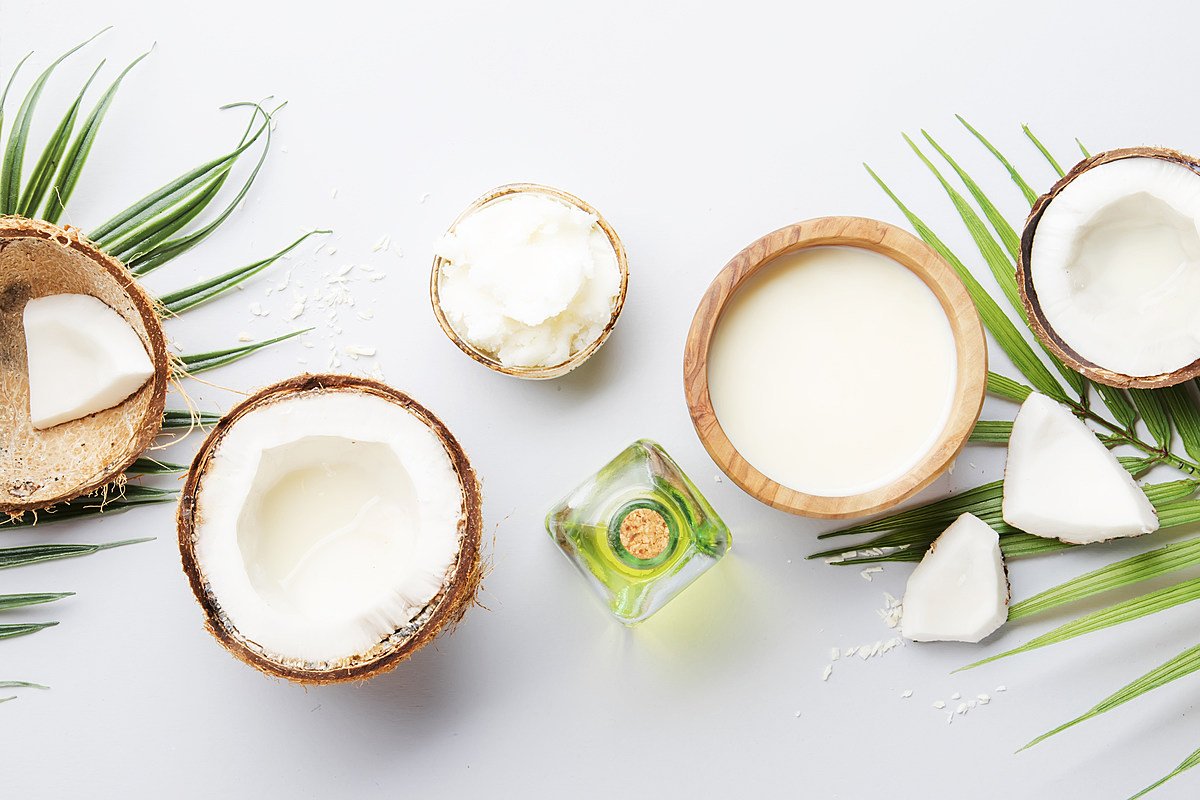
Keto diet fans swear by MCT oil so much that they even drop it into their coffee. Now MCT oil has gone mainstream, and you don’t have to be keto to find it in all kinds of foods, since it has been showing up in everything from vegan powders to shakes to cookie bites. And given the health claims around MCT oil–which include weight loss and improved brain health and focus –you might begin to think of MCT oil as a superfood (it’s not). So does that mean you should add it to your diet? We talked with nutrition pros who urge caution. What is MCT oil?
MCT stands for medium-chain triglyceride, a type of fatty acid. There are also short and long-chain fatty acids, but most of the fat people eat is of the long-chain variety (like those in avocados, nuts, and fish), says Leigh-Anne Wooten, M.S., R.D.N., L.D.N., a dietitian in Charlotte, NC, and Vitamix nutrition and wellness expert.
MCT is found naturally in coconut oil and other tropical oils like palm kernel and in smaller amounts, whole milk, butter, and human breast milk. It’s the MCTs from the oils, though, that are extracted and turned into MCT oil, a 100 percent saturated fat, which could wreak havoc on your health. “It’s well established that the more saturated the fats are, the more they can raise LDL (aka bad) cholesterol which is a strong risk factor for cardiovascular disease,” says Catherine Fody Flanagan, M.S., R.D.N., C.D.N., a dietitian in Long Island, NY. That bulletproof coffee mentioned above? One cup is packed with 25 grams of fat, 21 of which is saturated. How MCT oil is different from other oils
MCT oil has some unique characteristics that oils like long-chain fatty acids don’t have. For starters, MCTs provide about 10 percent fewer calories than other oils. While most oils contain nine calories per gram, MCTs contain 8.2 calories per gram. MCTs also go straight to your liver where they can be used as a quick energy source. “Since they’re broken down and absorbed rapidly, this quick energy source is less likely to be stored as fat,” Flanagan says. Note, though: That only holds true if you’re not consuming other fat calories in addition to MCT calories.
And if you’re a cook, know that MCT oil has a lower smoke point than other oils, which means it’s not an oil to be used to pan or stir-frying or other methods of high-heat cooking, Flanagan says. Yet because it’s a neutral oil with virtually no taste or smell, it can be mixed into food and drinks without adding flavor. The health benefits of MCT oil
There is research to suggest benefits from MCT oil, including weight loss, appetite suppression, cognitive function, decreased cholesterol, lower risk of cardiovascular disease, lower levels of insulin resistance, and improved Alzheimer’s symptoms, Wooten says. But all of this comes with a caveat. “These are small studies, and the research on MCT oil is still quite young and not conclusive enough to recommend MCT oil yet,” says Wooten, adding, though, that MCT can be beneficial for people with health issues like epilepsy and those with certain fat absorption disorders.
Take, for instance, weight loss, one of the most common reasons people take MCT oil. In one study from the European Journal of Clinical Nutrition comparing MCTs to LCTs, MCTs resulted in greater increases in leptin and PYY, or peptide, which increases feelings of satiety and fullness, Flanagan says.
MCTs are also more easily digested and absorbed than longer-chain fatty acids. That means when consumed, they’re funneled directly to be used as energy. “Because the calories in MCTs are used straight away, they’re less likely to be stored as fat,” Wooten says. This is the principle behind the keto diet, but here’s the catch: If you’re not in a state of ketosis or you’re taking in a lot of MCTs, your body will convert it to fat, which would negate any weight loss effect. Some studies have even found that the weight loss benefits are short-lived, the effect disappearing about two weeks after the body has adapted, Flanagan says.
Brain health is another reason people are flocking to MCT oil, and here’s why. The brain prefers glucose as its fuel source. “Because Alzheimer’s patients show reduced glucose metabolism in the brain, ketones, which are molecules produced when the liver breaks down large amounts of fat, can act as an alternative fuel source for the brain,” Flanagan says.
In fact, one study in the American Journal of Alzheimer’s Disease and Other Dementias found that MCTs improved learning and memory in mild to moderate cases of Alzheimer’s, as long as people didn’t have the APOE4 gene which may increase the risk of developing Alzheimer’s. Wooten notes, though, that ketones are not the preferred energy source for the brain, and if you don’t have a cognitive disorder, it’s unlikely you’ll notice a long-lasting brain boost just by consuming MCT oil.
As per cholesterol, don’t hang your hat on MCT oil. “The research is promising but not conclusive enough for health professionals to recommend MCT oil to help lower cholesterol,” Wooten says. There are some promising animal studies (like this one from Nutrition & Metabolism ) and even small human studies, but they’re so small – involving, say, only 24 adult overweight men – that there is no way experts can extrapolate a recommendation for all people. The bottom line on cholesterol? While research on MCT oil’s long-term effects on the heart is still out, “in very limited quantities and as a replacement to other fats, it probably won’t elevate cholesterol or heart disease risk, but in higher doses, it absolutely could,” Wooten says. Getty Images/iStockphoto So is MCT oil healthy?
Technically, MCT oil should be considered unhealthy since it’s a saturated fat. Yet because MCTs aren’t digested, absorbed, or stored like regular fats, “they’re not exactly unhealthy either, unless, of course, you’re consuming too many,” Wooten says. If that’s the case, your body will store them as […]
Catch a wink with cherries: Drinking tart cherry juice found to promote better sleep

( Natural News ) Insomnia is a common sleep disorder that affects more than 30 percent of adults worldwide. People with insomnia find it hard to fall asleep and stay asleep or wake up too early and are unable to go back to sleep for at least three nights in a week.
Insomnia not only takes the fun out of going to bed, but it can also affect your mood, energy levels, work performance and relationships.
Luckily, there is a way to put an end to those sleepless nights. A study published in the American Journal of Therapeutics suggests that drinking a cup of tart cherry juice twice a day promotes better sleep . Fighting insomnia with cherry juice
For their experiment, researchers at Louisiana State University asked eight participants older than 50 and suffering from chronic insomnia to drink either 240 mL of tart cherry juice (one in the morning and another before bed) or a placebo juice over the course of two weeks. After a two-week washout, the participants were crossed over to whichever of the two drinks they did not take in the first testing period and took those for another two weeks.
After each testing period, the participants went to the lab for overnight polysomnography, where the researchers studied them while they were sleeping. The participants’ sleep time increased by an average of 84 minutes after taking the tart cherry juice. Their sleep efficiency, which is defined as the percentage of time spent asleep while in bed, also improved.
The researchers also found that a proanthocyanidin in tart cherry juice called procyanidin B2 increases tryptophan availability and reduces inflammation. Tryptophan is an amino acid found commonly in protein-rich foods like poultry, seafood and egg. Known as a natural hypnotic, it was previously found to increase melatonin and serotonin levels in the body. Both hormones play a role in regulating sleep. (Related: The brain-boosting potential of tart cherry juice .) More studies show tart cherry juice helps you sleep better
Plenty of other studies show that tart cherry juice can promote better sleep. In an article published in the Journal of Medicinal Food , researchers concluded that tart cherry juice is just as effective at reducing insomnia severity (minutes awake after sleep onset) than melatonin and valerian, an herb also known as “Nature’s valium.”
Another study, which was published in the European Journal of Nutrition , reported that supplementing with tart cherry juice increases melatonin levels and improves sleep quality and duration.
Tart cherry juice also helps with other conditions that can make sleep elusive. The anthocyanins in tart cherries can reduce chronic inflammation that can lead to arthritis . This condition causes symptoms like chronic joint pain and stiffness that can keep you awake at night.
Tart cherry juice is generally well-tolerated by the body. But take note that drinking large amounts daily can increase your sugar intake. People with diabetes and arthritis are advised to drink cherry juice in moderation.
In sum, cherry juice is a refreshing drink packed with beneficial compounds that help reduce inflammation, increase the production of sleep-inducing hormones and relieve pain. Get a good night’s sleep by adding tart cherry juice to your diet.
Learn more about the health benefits of cherries and other fruits at Fruits.news .
Sources include:
JFMP.com
Journals.LWW.com
Is It Safe To Use Herbs On Daily Basis?

Herbs have been in use in traditional remedies across the world for the longest time. However, with the advent of modern medications, the usefulness and viability of using herbs daily have come under scrutiny. Interestingly, much of modern medicines get their raw material and chemicals from these herbs. After all, herbs are the most basic form of natural cure known to people across the world.
Understandably, with all the ongoing discussion about whether to take the herbs or avoid them, you have started questioning their use, as well. So, let’s clear the air today and gain insights into herbs’ safety for daily use. How Safe Is It To Use Herbs Daily?
At times, it might be better to resort to herbal remedies compared to pharmaceuticals. After all, herbs might offer a safer alternative in several instances.
For instance, chamomile has been used as a gentle calming agent for centuries for people of all ages. It is well-tolerated and non-habit forming, so it is okay to have chamomile tea every day before going to bed. A recent study by the University of Michigan stated that chamomile extracts had almost the same effectiveness as the prescription sleeping meds given to adults with insomnia.
Similarly, peppermint oil has roughly the same effectiveness as pharmaceutical drugs for relieving irritable bowel syndrome symptoms, without the usual dangerous side effects associated with it.
Moreover, ginger has been used to relieve morning sickness and sage for sore throat, and kratom for pain relief for the longest time. And they are safe for daily use as well. Five Healing Herbs to Safely Use Daily
Since you already know that there is no reason not to use herbs daily, let’s get you familiarized with the top five healing herbs. Indian Ginseng
Indian ginseng is the small evergreen shrub that grows in parts of Africa, India, and the Middle East. The primary use of this herb is for relieving stress. Furthermore, it is also useful as a natural remedy for inflammation and anxiety and is known to boost immunity.
You can simmer about one teaspoon of sliced and dried root of this herb in a cup of milk or water for ten minutes. Drink this water about one to two times each day after straining it. Remember to keep the dose limited to five hundred mg two times per day. Calendula
Calendula has been in use for a long time for relieving inflammation of the stomach, throat, and mouth. It is famous as an ointment or topical cream for reducing irritation, inflammation, rashes, and healing wounds, though ancient medicine focuses on the plant’s flowers. It is thought that its chemicals can help in the growth of new tissues in the wounds, thereby decreasing the swelling in the throat and mouth.
You can pour about a cup of boiling water over two teaspoons full of petals and steep that for ten minutes in terms of using calendula. After straining the mix, you can use the water for gargling or as a mouthwash. Kratom
Kratom, especially the green maeng da variant, has been popular both as an analgesic for treating chronic pain and as a stimulant for increasing mental alertness and concentration. People also use kratom to withdraw from opioid painkillers, though there has to be more research to confirm its effectiveness in this area. The studies on kratom so far have shown several positive signs regarding its efficacy in the said areas.
Though kratom can be taken as capsules or pills, it is popularly taken as a tea. The dried leaves are boiled in water, and the water is drunk after straining. Powdered leaves are also mixed in beverages or chewed. Garlic
Garlic is a commonly grown herb across the world that is in a similar family as chives, leeks, and onion. The most common use of garlic is to treat conditions related to the blood and heart system. As such, the common conditions that garlic treats are: High cholesterol levels
High blood pressure
Hardening of the arteries
Excessive lipids in the blood
You should try garlic if you suffer from traveler’s diarrhea. Moreover, you can have about one to two cloves of fresh garlic per day. It is also a good idea to incorporate garlic in your dishes like pasta and curries. Sage
Salvere is a Latin word that means to save, and from this, Sage has got its name. It has a lot of healing properties and enhances brain function as well. Alzheimer’s patients underwent a study of 4 months, and the result showed quite an improvement in brain function. Besides that, both young and older adults can consume sage every day to better their memory.
Two varieties of it, like Spanish sage and common sage, effectively reduce high cholesterol and sugar in the blood. You should take the sage leaf extract every day three times for about 2-3 months in both these cases. The Endnote
As you can understand by now, it is okay to use a few herbs daily. It will benefit your health and take you closer to mental and physical wellness. If you have not started consuming any herbs yet, choose any from this list and step towards a healthy life. But if you have any ailment or take any medication regularly, it is wise to consult a doctor. They can give you proper guidance regarding which herb to take and how much.
CBD: Improvements Against Familial Alzheimer’s Disease
Français
English
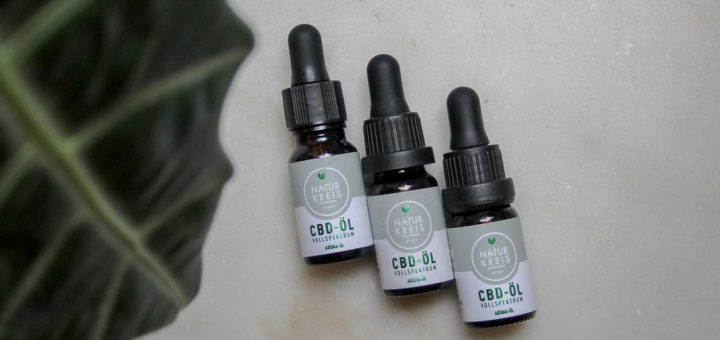
Intense CBD treatments have shown improvements in hereditary Alzheimer’s disease. Very preliminary research, but showing that CBD opens up a lot of therapeutic avenues. Treatment of high doses of CBD for two weeks helps restore function of two key proteins to reduce the build-up of beta-amyloid plaque, a hallmark of Alzheimer’s disease, and improves cognition in an experimental familial Alzheimer’s model early, the researchers report. CBD improves cognition
TREM2 and IL-33 proteins are important for the ability of immune cells in the brain to literally consume dead cells and other debris like beta-amyloid plaque that builds up in patients’ brains and levels of both are lowered in Alzheimer’s disease.
Researchers report for the first time that CBD normalizes levels and function, improving cognition as it also lowers levels of the immune protein IL-6, which is associated with the high levels of inflammation found in Alzheimer’s disease, says Dr. Babak Baban, immunologist and associate dean of research at Georgia Dental College and corresponding author of the study.
There is an urgent need for new therapies to improve outcomes for patients with this disease, which is considered one of the fastest growing health threats in the United States according to analysts at DCG and the Medical College of Georgia write in the Journal of Alzheimer’s Disease . CBD works on several levels against Alzheimer’s
“Right now we have two classes of drugs to treat Alzheimer’s disease,” says Dr. John Morgan, neurologist and director of movement and memory disorders programs in the Department of Neurology at MCG. One treatment increases the levels of the neurotransmitter acetylcholine, which is also lowered in Alzheimer’s disease, and another works through NMDA receptors involved in communication between neurons and important for memory. But we don’t have anything that addresses the pathophysiology of the disease,” says Morgan, co-author of the study.
Analysts at DCG and MCG have decided to examine the ability of CBD to attack some of the major brain systems that go wrong in Alzheimer’s disease . They found that CBD appears to normalize levels of IL-33, a protein whose highest expression in humans is normally found in the brain, where it helps sound the alarm that there is a invader such as the build-up of beta-amyloid.
There is also emerging evidence for its role as a regulatory protein, the function of which to increase or decrease the immune response depends on the environment , Baban says. In Alzheimer’s disease, that involves reducing inflammation and trying to restore balance to the immune system, he says. An improvement in phagocytosis
CBD also enhanced the expression of the trigger receptor expressed on myeloid cells 2, or TREM2, which is found on the cell surface where it combines with another protein to transmit signals that activate cells, including cells. immune.
In the brain, it is expressed on microglial cells, a special population of immune cells found only in the brain where they are essential for clearing invaders like viruses and irrevocably damaged neurons.
Low levels of TREM2 and rare variations in TREM2 are associated with Alzheimer’s disease, and in their mouse model, TREM2 and IL-33 were both low.
Both are essential for a natural and ongoing cleaning process in the brain called phagocytosis, in which microglial cells regularly consume beta-amyloid, which is regularly produced in the brain as a result of the breakdown of the precursor protein amyloid-beta, which is important for synapses, connection points between neurons and which plaque can damage. Visible improvements in mice
They found that the CBD treatment increased IL-33 and TREM2 levels seven-fold and ten-fold , respectively. The impact of CBD on brain function in the mouse model of early Alzheimer’s disease has been assessed by methods such as the ability to differentiate a familiar from a new one, as well as by observing rodent movement.
People with Alzheimer’s disease may experience movement problems like stiffness and impaired gait, says Dr. Hesam Khodadadi, a graduate student working in Baban’s lab. Mice with the disease move in an endless inner circle, a behavior that stopped with the CBD treatment , says Khodadadi, the study’s first author.
The next steps include determining optimal doses and administering CBD earlier in the disease process. The compound was administered in the later stages of the published study and now analysts are using it at the first signs of cognitive decline, Khodadadi says. Inhaling CBD as a mode of absorption
They are also exploring delivery systems, including the use of an inhaler that should help deliver CBD more directly to the brain . For published studies, CBD was introduced into the stomachs of mice every other day for two weeks.
One company developed animal and human inhalers for researchers who also explored the effect of CBD on adult respiratory distress syndrome, or ARDS, a buildup of fluid in the lungs that is a major and fatal complication of COVID-19 as well as other serious illnesses like sepsis and major trauma.
The doses of CBD used for the Alzheimer’s disease study were the same as those used successfully by researchers to reduce the “cytokine storm” of ARDS, which can irrevocably damage the lungs. Familial disease is a hereditary version of Alzheimer’s disease in which symptoms usually surface at ages 30 and 40 and occur in about 10 to 15% of patients . Effective against both standard and hereditary Alzheimer’s
CBD is expected to be at least as effective in the more common non-familial Alzheimer’s disease , which likely has more targets for CBD, Baban notes. They are already looking at its potential in a more common model of this type and are moving forward to establish a clinical trial.
Plaques along with neurofibrillary tangles, a collection of the tau protein inside neurons, are the main building blocks of Alzheimer’s disease, Morgan says. Beta-amyloid usually appears in the brain 15 to 20 years or more before dementia, he says, and the appearance of tau tangles, which can occur up to 10 years after, correlates with the onset of dementia. dementia.
There is some interaction between beta-amyloid and tau that decreases […]
Five nutrient-rich vegetables to grow in an immunity garden

Gardening was one of the most popular at-home activities in 2020 – and this year enthusiasts are being urged to take their green-finger skills to a healthier level.
Immunity gardens are set to be “one of the year’s biggest trends” and planting your green space with immunity-boosting crops is the new “grow your own”, GardeningEtc reports.
Growing flavourful, nutrient-rich vegetables can strengthen your immune system and add vibrant hues to your outdoor area.
“By adding more colours on your plate, the better off you’ll be,” says seed company Burpee Europe . “Planting a garden full of vibrant vegetables fosters a diverse diet loaded with antioxidants and nutrients that support your immune system, while a dazzling medley of squash, radishes and tomatoes adds appetising eye candy to your garden and your salad bowl.”
To help add colour to your 2021 diet, Burpee Europe experts have picked out five nutrient-rich vegetables to grow in your immunity garden. Red: tomatoes
Tomatoes get their ruby-red hue from lycopene, a powerful antioxidant that promotes heart health by helping to improve cholesterol levels. Lycopene may also reduce the risk of prostate and breast cancers. Stretch out your tomato season by planting one or more varieties at different times, early, middle or late summer. Orange: squash
The sweet orange flesh of winter squash is rich in vitamin C, which aids the immune function. By enhancing iron absorption, vitamin C also helps energise the body and fight fatigue. Squash plants have a shallow root system, so use mulches to help retain soil moisture and maintain even soil temperatures. Yellow: pepper
Crispy yellow peppers are packed with vitamins, including brain-boosters B6 and B9 (also known as folate). B vitamins support memory function and may help ward off depression. Pepper plants require steady watering, but they won’t tolerate waterlogged roots. Add organic matter to the soil when planting to regulate soil moisture. Green: broccoli
Tree-like broccoli is full of fibre, which is critical for good digestive health and bowel function. Its fibre and antioxidants also aid in controlling blood sugar levels. Pick broccoli when the heads have tight, firm buds. This happens about 50-60 days after transplant. Purple: radishes
Anthocyanins give radishes their elegant colours, and they also have cancer-fighting properties. The natural pigments have been shown to prevent and curb cancer cell growth. Sow radishes in midsummer for late autumn and winter use. They can grow large with several inches of root showing above ground.
Why Video Games Can Be Good for Your Brain Health

Can playing video games help prevent cognitive decline that comes with aging? Maybe so, according to research by Dr. Adam Gazzaley, a neuroscientist, neurologist, author and entrepreneur. Credit: Getty Gazzaley is the David Dolby Distinguished Professor of neurology, physiology and psychiatry and chief of the cognitive neuroscience division in the Neurology department at Weill Institute for Neurosciences-University of California, San Francisco (UCSF). He is also the founder and executive director of Neuroscape , a UCSF neuroscience center engaged in technology creation and scientific research to assess and optimize brain function.
In our studies on healthy older adults, we have shown benefits of different types of custom-built video games on both attention and memory abilities.
Bolstered by early grant support from the American Federation for Aging Research, Gazzaley has merged his scientific research with the possibilities of technology to explore the potential of video games as an innovative treatment option for attention and memory.
In this interview, he explains how his research has developed and what’s next to improve cognitive health for gamers of all ages.
How do you define ‘gaming’ in your research? And what led you to intersect your research as a neuroscientist with game development?
The goal to build a video game was not my initial inspiration. I wanted to find a novel approach to improve attention in older adults. This was in response to my research revealing that memory abilities in older adults were impaired by them being more distractible.
I came up with the idea to challenge older individuals with a task that would selectively activate the brain’s neural networks involved in attention. The hypothesis was that this would harness their brain’s natural plasticity (the ability of neural networks to change through growth and reorganization) to optimize attention abilities over time.
I decided to build a video game because I felt that the fun and immersive nature of play would lead to deeper engagement in the moment and better adherence to this as a treatment over time. And that, in turn, would result in better outcomes.
What is ‘cognitive control’ and how can gaming help to improve it? And how long do cognitive improvements last?
Cognitive control defines a set of abilities that allow us to engage in the world in a goal-directed manner. It includes attention, working memory (holding information in mind for short periods of time) and cognitive flexibility (multitasking and task switching).
Neuroscientists have learned over the years that although these aspects of cognitive control are distinct in many ways, they use common neural networks that involve the prefrontal cortex in the brain. Because of this, I hypothesized that if an individual engaged in a video game that challenged cognitive control at a very high level and the game kept pushing them to the edge of their ability, we would see transfer of benefits to cognitive control abilities outside the domain of the game.
And that is what we have found in almost a dozen studies.
How long the cognitive improvements last is still an open question, although we have shown benefits in some of our studies six months to a year later.
I suspect that for long-lasting improvements, we will need to offer booster doses of the game over time.
How can gaming prevent normal cognitive decline associated with aging or treat memory disorders like dementia?
In our studies on healthy older adults, we have shown benefits of different types of custom-built video games on both attention and memory abilities. These games work by challenging our research participants in a ‘closed-loop’ system. That means they use algorithms that let them challenge and reward the players at an appropriate level based upon their own data.
We are now advancing our efforts to study if our video games have benefits in older adults who have mild cognitive impairment and the earliest stages of dementia.
Video games have recently been cleared by the Food and Drug Administration [the FDA] as a prescription treatment for children with ADHD [Attention-Deficit/Hyperactivity Disorder]. How far is this new frontier of ‘playing your medicine’ from the cognitive aging space?
Yes, after a decade of effort by hundreds of people at Neuroscape and Akili [a prescription digital medical company], as well as external scientific research teams, evidence has been generated that resulted in FDA clearance of EndeavorRx .That’s a prescription treatment for inattention in children with ADHD. This marks the first FDA-cleared digital treatment for ADHD, and the first prescription treatment for any clinical condition delivered as a video game.
EndeavorRx’s clearance creates a new regulatory classification of therapeutics. The goal now is to advance this research and regulatory approval to other populations that would benefit from improved inattention abilities.
Personally, I am very motivated to create solutions for cognitive challenges in older adults; that is where this all began for me.
Editor’s note: For more insights from Gazzaley, join AFAR, Next Avenue and Prevention for the webinar “Gaming and Your Brain” on Tuesday, March 30, 2021, 4-5 pm ET. Support Nonprofit Journalism
Next Avenue brings you reliable stories, special features, videos and resources on issues that matter most as we age. Your generous donation will help us continue this work and keep it free of charge. Show your support today and experience the benefits of being a Next Avenue member .
8 Benefits of Black Seed Oil That Make It a Super Supplement

These days there’s always some buzzy supplement that can rock our well-being world, and black seed oil is the latest on the list to peak people’s interest. But if you’re new to this particular conversation and wondering what is black seed oil? And better still, what are the actual benefits of black seed oil that makes it so special compared to anything else bottled or capsulized, you’ve come to the right place.
Formally speaking, black seed oil is extracted from the fruit of the Nigella sativa plant, a small flowering plant that grows in Southwest Asia, the Middle East, and Southern Europe. And it’s been around for a while: It’s commonly used in Ayurveda , a holistic medicine practice that originated in India, and Unani Tibb medicine, which is traditionally practiced in Muslim cultures in South and Central Asia. Recorded use of black seed oil dates back to the 1600s, Rachelle Robinett, RH (AHG) founder of Supernatural and herbalist, tells me.
“It’s also known as Nigella and black cumin seed,” says Robinett. “Nigella is a member of the Ranunculaceae, or buttercup family, along with goldenseal, black cohosh, and yellowroot, which are also excellent herbs, though with different benefits from black seed oil. Like many plants that grow in difficult climates or conditions and develop natural defense mechanisms, Nigella passes those along to us. It’s very much a superfood-slash-herb, if the color weren’t convincing enough.” Pin It Pin It Black seed oil, then, is a long-honored, expert-backed way to fortify your diet. But no need to rely on its reputation alone—below, we break down eight concrete benefits of black seed oil, who it might be best suited for, and how to incorporate it in your diet. Health benefits of black seed oil
1. High in antioxidants
“Those antioxidants help protect your cells from damage from free radicals,” says registered dietitian Brigitte Zeitlin, RD , owner of BZ Nutrition . In particular, black seed oil is rich in thymoquinone , a powerful component that is good for the lungs, anti-inflammatory, and hepatoprotective (read: helps prevent damage to the liver). 2. Helps fight inflammation
You can credit the antioxidants for black seed oil’s anti-inflammatory benefits. “They can help fight inflammation in the body, reduce the risk of certain chronic illnesses, like heart disease , diabetes, and Alzheimer’s disease ,” Zeitlin says. She also mentions it can reduce the risk of some cancers; among them are blood cancer, colon cancer, lung cancer .
One small study published in the Avicenna Journal of Phytomedicine investigated how black seed oil impacted oxidative stress in patients with rheumatoid arthritis . Researchers split 42 subjects into two groups—one received a placebo and the other twice-daily doses of black seed oil—and found an improvement in inflammation and reduced oxidative stress for those who consumed the supplement after eight weeks. While not fully conclusive given the size of the study, the results are promising. 3. Good for respiratory health
This also bleeds into the next point, which is that black seed oil is believed to be a helpful aid with lung health , including guarding against conditions such as bronchial asthma. “Because antioxidants help to fight inflammation and asthma results in inflammation on the airway, black seed oil has been shown to help reduce the inflammation in that airway , helping to improve asthma control,” says Zeitlin. Of course, be sure to consult a doctor before you start any treatment protocol. 4. Lowers cholesterol
If you struggle with high cholesterol , black seed oil might be a worthy supplement in your pantry. ” Some studies have also linked black seed oil to lowering [the risk of] heart disease by lowering cholesterol and blood pressure,” Zeitlin says. “These findings, again, are linked back to the antioxidant content in the oil.” 5. Helps maintain blood sugar levels
“While there is lots of talk about black seed oil and weight loss, more research is needed for any real link to be shown,” Zeitlin says. “What we have seen is that the antioxidants in black seed oil can help regulate your blood sugar levels, and that blood sugar regulation does help to maintain a healthy weight.”
In general, remember that keeping your blood sugar regulated is an essential part of living a healthy life. Consistently unstable blood sugar levels can increase the risk of heart and kidney disease; in the short term, unbalanced blood sugar levels can impact your mood and energy. The more you know, ya know? 6. Offers a healthy dose of fatty acids
Robinett notes that black seed oil is rich in fatty acids. But these are considered the good, healthy, unsaturated kinds of fats , things like Omega-6 and Omega-9, which can’t be naturally produced by the body. Omega-6 can help with hair growth and skin regeneration, while Omega-9 can help increase energy and improve mood . 7. It might even help with brain health
There’s a sliver of research on this, but hear us out. Black seed can potentially be beneficial when it comes to memory and focus, according to one teensy tiny study of 20 elderly participants published in the Journal of Ethnopharmacology . The study investigated the effect of Nigella sativa on memory cognition and cognitive health in elderly volunteers. These participants were divided into two groups, with one group given a capsule twice daily for nine weeks and the other given a placebo. When given a series of tests, it was shown that the Nigella sativa had a positive impact on memory, attention, and cognition. 8. And it can be good for so many skin afflictions
Black seed oil is something you’d love to see as an ingredient in your skin-care routine. For example, it’s been found to be beneficial when it comes to treating conditions such as psoriasis (due to its antipsoriatic effect) and acne, according to one giant meta-analysis published in the Journey of Tropical Medicine . Possible side effects and risks of using black seed oil
For the most part, black seed oil is considered a […]
Best supplements for low mood: Four of the best pills to help improve your mood naturally

Long Covid: Dr Chris gives advice on supplements to fight fatigue
Sign up for FREE health tips to live a long and happy life
When you subscribe we will use the information you provide to send you these newsletters. Sometimes they’ll include recommendations for other related newsletters or services we offer. Our Privacy Notice explains more about how we use your data, and your rights. You can unsubscribe at any time.
We can all admit to having the lockdown blues with bouts of sadness and a low mood. Finding natural ways to help us feel better is far better than any substance which may offer a temporary boost. A top nutritionist has offered her tops tips on the four best supplements to help improve a low mood.
Hair loss treatment: Caffeine could increase hair growth
Covid UK latest: Exposure to pollen could increase a person’s risk
Shivraj Bassi, Founder of Nutrition Brand Innermost, said: “A lack of social interaction and difficulties in maintaining a work-life balance inside our fall walls, all can have an adverse effect on mood.
“Alongside eating well, exercising and reduced screen time, supplements can be extremely useful to top up vitamins deficiencies and ‘biohack’ areas we may be struggling in, for example improving our sleep.
“Fortunately, there are some mood boosting ingredients to help beat the lockdown blues.”
READ MORE: How to lose visceral fat: VLCD diet shown to reduce belly fat within days – what is it? Vitamin D
When it comes to your mood, there’s nothing worse than getting ill, said Shivraj.
She continued: “Need some help warding off the lurgies? Vitamin D could be what you’re missing, especially during these winter months.
“Along with playing an important role in regulating mood, there has been an increasing amount of credible research pointing to how vitamin D could play a role in reducing the severity of COVID-19 symptoms.
“Vitamin D can be found in oily fish, red meat and egg yolks, and government guidance is that you should consider supplementing with vitamin D during the winter months.”
DON’T MISS
How to live longer: Meditation may boost longevity [ADVICE]
Statins side effects: Grapefruit juice is risky [INSIGHT]
How to live longer: Follow Japanese diet [ADVICE] Trending
Ashwagandha
Ashwagandha is one of the most powerful apoptogenic herbs in Ayurvedic medicine, said Shivraj.
“It’s used to help the body cope with external stresses such as toxins in the environment and internal stresses such as anxiety, depression and insomnia,” she said.
“A great ingredient to incorporate into your diet to reintroduce a sense of calm and help with getting a better night’s sleep.” L-Tyrosine
L-Tyrosine is a popular dietary supplement used to improve alertness, attention and focus.
It produces important brain chemicals that help nerve cells communicate to help improve one’s mood.
Shivraj said: “An amino acid that is used by the body to produce noradrenaline and dopamine.
“Evidence suggests that it can help reduce stress during exposure to acute stressors (which tend to deplete noradrenaline) and can help to prevent stress-induced memory and attention deficits.”
Vitamin D deficiency: Headaches and migraines may be signs
Rhodiola rosea Rhodiola rosea supplementation may alleviate symptoms of mild to moderate depression and mild anxiety, while it may also enhance mood.“A nootropic powerhouse, this flowering plant has mounting research to support its claims to reducing the effects of physical exhaustion that can result in fatigue, stress and ‘burnout’,” added Shivraj.“Increasingly used by people to help them cope with heavy workloads, headaches, and improve mood.”If your low mood continues its important to speak to your GP about alternative remedies.
Study reveals vitamin C is key to preventing stroke and promoting heart health

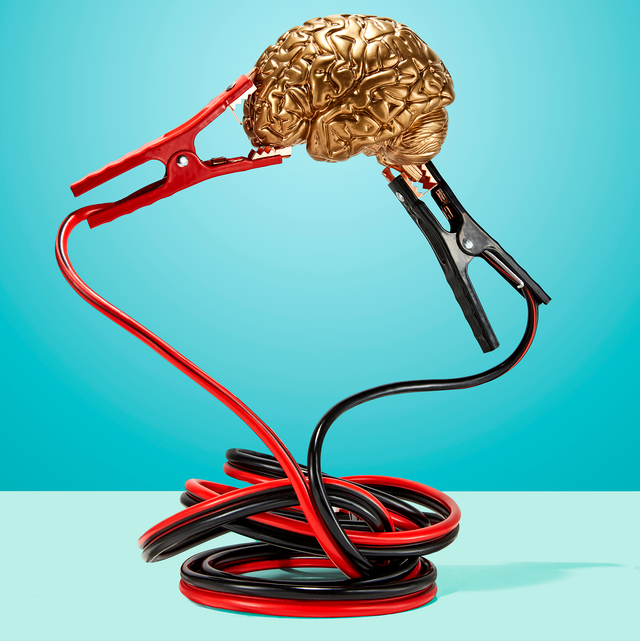
( Natural News ) Vitamin C is an essential micronutrient that plays a crucial role in regulating immune function and supporting overall immune health. But recent studies suggest that it may also hold the key to stroke prevention and better heart health in the long run.
In one such study, scientists from the Rennes University Hospital in France compared the vitamin C levels of 65 hemorrhagic stroke patients to those of healthy participants. They found that vitamin C levels were greatly lower in stroke patients . They also identified high blood pressure as a leading risk factor for stroke.
Lead researcher and neurologist Stephane Vannier said that the link between vitamin C depletion and a higher risk of hemorrhagic stroke could be associated with the role of vitamin C in blood pressure regulation.
In the future, these findings could aid scientists when studying the effects of vitamin C supplementation on the risk of hemorrhagic stroke, added Vannier. The study appeared online in the journal Neurolog y . Low vitamin C levels linked to increased stroke risk
Vannier and his colleagues studied the vitamin C levels of 65 participants who had experienced a spontaneous intracerebral hemorrhage (ICH) or hemorrhagic stroke. This life-threatening type of stroke occurs when there is bleeding within the brain tissue itself. High blood pressure and head trauma are common causes of ICH.
The study also included 65 healthy controls. When the researchers studied both groups’ vitamin C levels, they found that only 41 percent had a normal vitamin C status of more than 38 micromoles per liter (umol/L).
On the other hand, 45 percent of all participants had depleted vitamin C levels (11–38 umol/L), while another 14 percent were deficient in the nutrient (less than 11 umol/L).
The researchers identified high blood pressure, alcohol consumption and being overweight as some of the top risk factors for ICH. Interestingly, participants who had high blood pressure had depleted vitamin C levels.
Furthermore, the researchers discovered that stroke patients with normal vitamin C status spent significantly less time (9.8 days) in the neurology care unit than stroke patients with depleted vitamin C levels (18.2 days).
Vannier suggested that the longer hospital stay could be the consequence of complication-related infections or delayed healing due to vitamin C deficiency. However, further studies are needed to confirm this theory.
Overall, the findings expose a link between vitamin C depletion and increased stroke risk. To maintain healthy vitamin C levels, Vannier recommends taking 120 milligrams (mg) of the vitamin daily. Vitamin C itself can be found in several plant-based foods, including citrus fruits, black currants and parsley. Simply eating vitamin C-rich foods as part of a balanced diet should keep one’s vitamin C levels within the normal range. Nutrients for stroke prevention and recovery
Good nutrition is essential not only for stroke prevention but also for fast recovery from a stroke event. Aside from vitamin C, regularly consuming certain nutrients as part of a healthy diet can reduce stroke risk, as well as facilitate faster healing. These nutrients include: Niacin – Niacin, or vitamin B3, helps boost cognition, memory and neuroplasticity. Niacin can also reduce levels of bad cholesterol, which can otherwise block blood flow to the brain, causing ischemic stroke.
Vitamin D – Low levels of vitamin D have been associated with a higher risk of high blood pressure, including poor post-stroke outcomes.
Probiotics – Beneficial bacteria in fermented foods, called probiotics, help protect brain tissue from damage. Recent studies also suggest that probiotic supplementation can lower ischemic stroke risk .
Cobalamin – Cobalamin, or vitamin B12, helps to restore neurons after a stroke.
Coenzyme Q10 (CoQ10) – CoQ10 helps reduce cholesterol levels, thus minimizing the risk of heart disease and stroke.
Docosahexaenoic acid (DHA) – DHA is a type of omega-3 fatty acid that supports brain health. It can also reduce high blood pressure and high cholesterol levels. (Related: DHA supports liver health in people who eat a poor diet .)
Read more articles about stroke prevention at Prevention.news .
Sources include:
NaturalHealth365.com
Medscape.com
10 of the Most Nutrient-Dense Foods That Won’t Break the Bank
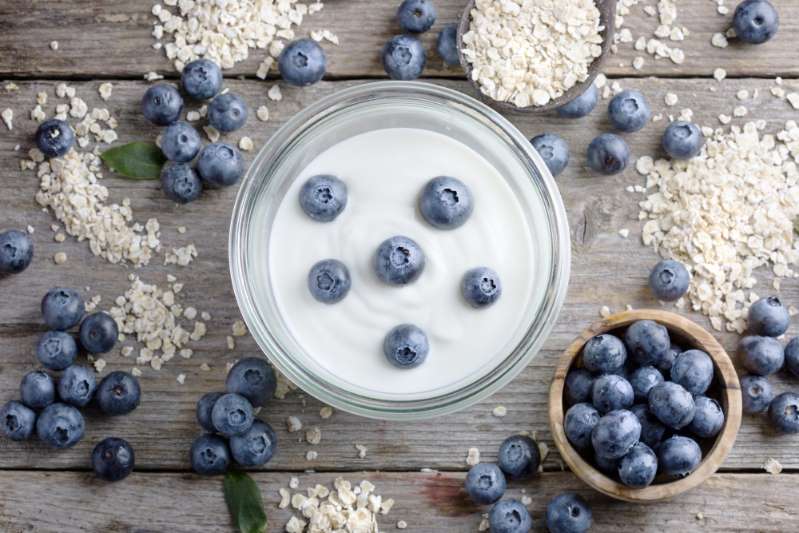
The latest version of the Dietary Guidelines for Americans focuses on making every bite count—and the best way to do that is by choosing the most nutrient-dense foods and drinks. “You can think of nutrient dense foods and beverages as those that pack in a lot of nutrition— vitamins , minerals , antioxidants , and bioactive substances—in every bite,” explains nutrition expert Samantha Cassetty, MS, RD . According to Cassetty, nutrient-dense foods tend to be whole or minimally processed foods with little to no added sugar , sodium, or refined grains. And before you assume that you’ll need to take on a second mortgage to afford all the superfoods you see splashed across your Instagram feed, think again. “Choosing nutrient-dense foods doesn’t mean you have to break the bank. There are numerous affordable options that are convenient, too,” she adds. That means eating nutrient-dense foods can be easy on you and on your wallet. Here’s exactly what to stock up on, according to Cassetty. Canned Chickpeas
Adding more chickpeas to your diet can boost your nutrient intake and protect your health. According to Cassetty, people who eat chickpeas or hummus have been found to have diets with higher levels of fiber, vitamin A, vitamin E, vitamin C, folate, magnesium, potassium, and iron compared to those who don’t eat these foods (talk about overachieving!). Chickpea eaters were also less likely to be obese, possibly because chickpeas supply a filling combo of protein and fiber, which may reduce the likelihood of overeating. A cup provides 15 grams of protein and 13 grams of fiber.
“Chickpeas are incredibly versatile and can be used in sweet or savory recipes,” she says. “I like adding them to baked goods and energy bites to give these foods a healthier spin. When roasted, they’re crunchy like nuts and make a filling snack or a crunchy garnish in salads and soups. Of course, they’re also an easy way to add more protein and nutrients to a meatless meal.”
Get the recipe Plain Greek Yogurt
Plain Greek yogurt is an affordable and versatile way to get one of the three servings of dairy (or their equivalents) needed each day. “More than 80 percent of Americans aren’t meeting their dairy needs, which may be why calcium and potassium, which are prevalent in dairy foods, are two of the nutrients most Americans fall short on,” Cassetty says. Plain Greek yogurt can help fill the dairy gap. One cup provides 270 milligrams of calcium, 345 milligrams of potassium, and 27 milligrams of magnesium, on top of 25 grams of protein.
“I like to start my day with a Greek yogurt breakfast bowl, but I also use Greek yogurt to top pancakes and baked potatoes. Greek yogurt is also a delicious soup garnish, and it makes excellent dips for both fruits and veggies,” she adds.
Get the recipe 100 Percent Orange Juice
“100 percent orange juice contains no added sugars, so it’s a great replacement for soda and other sweetened drinks, which are the leading sources of added sugars in our diet,” Cassetty explains. Currently, 63 percent of people exceed the limit for added sugars.
In one study that looked at the dietary intakes of almost 16,000 Americans, those who drank 100 percent orange juice had lower intakes of added sugar and more nutritious diets than those who skipped OJ. “That’s unsurprising when you consider that a glass of 100 percent orange juice is a good source of vitamin C, potassium, folate, and thiamin. It also supplies magnesium and health-protecting plant compounds, such as flavonoids and carotenoids. In addition to these natural nutrients, you can buy 100 percent OJ that’s fortified with calcium and vitamin D, which will boost your intake of these much-needed nutrients.”
Cassetty recommends pouring a big splash of 100 percent orange juice into seltzer water to make yourself a lightly sweet and refreshing fizzy drink. “It’s also fun to pour it into an ice cube tray and then use the frozen cubes in water or seltzer. In recipes, 100 percent orange juice is an excellent way to add sweetness without any sugar.”
Get the recipe Baby Spinach
This leafy green veggie is less bitter than regular spinach, which makes it more approachable and versatile, and it also happens to be one of the less expensive pre-washed leafy greens in the market. Buying pre-washed baby spinach makes it more convenient to regularly eat these greens because you can easily add a fistful to soups, smoothies, pasta dishes, and sandwiches and wraps. And just a fistful could have a significant impact on your health.
One study found that eating just a cup of raw or a half cup of cooked leafy greens like baby spinach per day may preserve memory and thinking skills as you age. The study tracked more than 900 older adults over 10 years and found that compared to those who didn’t regularly consume leafy greens, those who ate this amount had the memory and cognitive ability of someone 11 years younger. Nutrients like vitamin K, folate, lutein, and beta carotene, which are rich in baby spinach as well as other leafy greens, may offer neuroprotection.
If you’re not currently a baby spinach eater, try adding a little bit to foods you’re already fond of, like pasta or eggs.
Get the recipe Walnuts
According to Cassetty, walnuts have more ALA—the plant-based omega-3 fatty acid—than any other nut. “An ounce of walnuts is an excellent source of this anti-inflammatory fat. This serving also supplies 4 grams of protein, 2 grams of fiber, and a good source of magnesium, a nutrient that’s involved in maintaining healthy blood pressure and blood sugar levels,” she explains. Because they pack so much nutrition in every bite, a study found that eating them daily for six months significantly improved diet quality and led to healthier LDL cholesterol.
Walnuts are great for snacking and sprinkling on salads, oatmeal, and yogurt parfaits. You can also crush walnuts to use as a healthier alternative to breadcrumbs as a crust for chicken and fish.
Get the recipe Eggs
Few […]
10 of the Most Nutrient-Dense Foods That Won’t Break the Bank
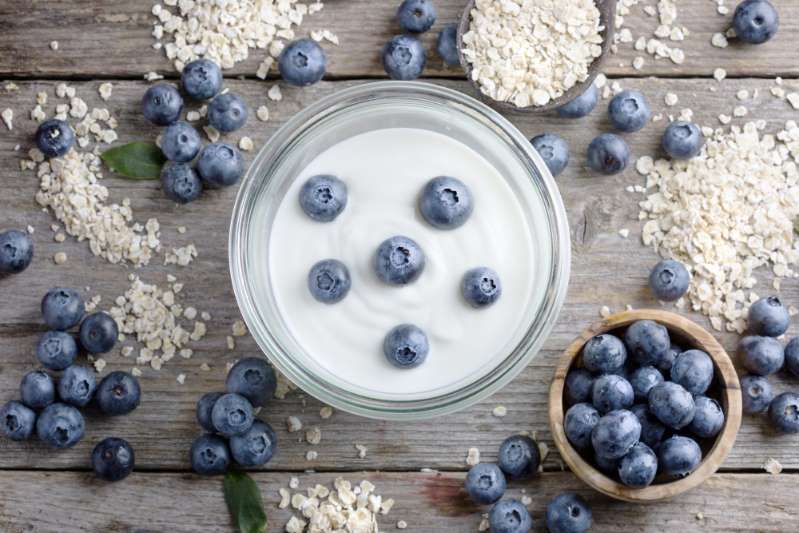
The latest version of the Dietary Guidelines for Americans focuses on making every bite count—and the best way to do that is by choosing the most nutrient-dense foods and drinks. “You can think of nutrient dense foods and beverages as those that pack in a lot of nutrition— vitamins , minerals , antioxidants , and bioactive substances—in every bite,” explains nutrition expert Samantha Cassetty, MS, RD . According to Cassetty, nutrient-dense foods tend to be whole or minimally processed foods with little to no added sugar , sodium, or refined grains. And before you assume that you’ll need to take on a second mortgage to afford all the superfoods you see splashed across your Instagram feed, think again. “Choosing nutrient-dense foods doesn’t mean you have to break the bank. There are numerous affordable options that are convenient, too,” she adds. That means eating nutrient-dense foods can be easy on you and on your wallet. Here’s exactly what to stock up on, according to Cassetty. Canned Chickpeas
Adding more chickpeas to your diet can boost your nutrient intake and protect your health. According to Cassetty, people who eat chickpeas or hummus have been found to have diets with higher levels of fiber, vitamin A, vitamin E, vitamin C, folate, magnesium, potassium, and iron compared to those who don’t eat these foods (talk about overachieving!). Chickpea eaters were also less likely to be obese, possibly because chickpeas supply a filling combo of protein and fiber, which may reduce the likelihood of overeating. A cup provides 15 grams of protein and 13 grams of fiber.
“Chickpeas are incredibly versatile and can be used in sweet or savory recipes,” she says. “I like adding them to baked goods and energy bites to give these foods a healthier spin. When roasted, they’re crunchy like nuts and make a filling snack or a crunchy garnish in salads and soups. Of course, they’re also an easy way to add more protein and nutrients to a meatless meal.”
Get the recipe Plain Greek Yogurt
Plain Greek yogurt is an affordable and versatile way to get one of the three servings of dairy (or their equivalents) needed each day. “More than 80 percent of Americans aren’t meeting their dairy needs, which may be why calcium and potassium, which are prevalent in dairy foods, are two of the nutrients most Americans fall short on,” Cassetty says. Plain Greek yogurt can help fill the dairy gap. One cup provides 270 milligrams of calcium, 345 milligrams of potassium, and 27 milligrams of magnesium, on top of 25 grams of protein.
“I like to start my day with a Greek yogurt breakfast bowl, but I also use Greek yogurt to top pancakes and baked potatoes. Greek yogurt is also a delicious soup garnish, and it makes excellent dips for both fruits and veggies,” she adds.
Get the recipe 100 Percent Orange Juice
“100 percent orange juice contains no added sugars, so it’s a great replacement for soda and other sweetened drinks, which are the leading sources of added sugars in our diet,” Cassetty explains. Currently, 63 percent of people exceed the limit for added sugars.
In one study that looked at the dietary intakes of almost 16,000 Americans, those who drank 100 percent orange juice had lower intakes of added sugar and more nutritious diets than those who skipped OJ. “That’s unsurprising when you consider that a glass of 100 percent orange juice is a good source of vitamin C, potassium, folate, and thiamin. It also supplies magnesium and health-protecting plant compounds, such as flavonoids and carotenoids. In addition to these natural nutrients, you can buy 100 percent OJ that’s fortified with calcium and vitamin D, which will boost your intake of these much-needed nutrients.”
Cassetty recommends pouring a big splash of 100 percent orange juice into seltzer water to make yourself a lightly sweet and refreshing fizzy drink. “It’s also fun to pour it into an ice cube tray and then use the frozen cubes in water or seltzer. In recipes, 100 percent orange juice is an excellent way to add sweetness without any sugar.”
Get the recipe Baby Spinach
This leafy green veggie is less bitter than regular spinach, which makes it more approachable and versatile, and it also happens to be one of the less expensive pre-washed leafy greens in the market. Buying pre-washed baby spinach makes it more convenient to regularly eat these greens because you can easily add a fistful to soups, smoothies, pasta dishes, and sandwiches and wraps. And just a fistful could have a significant impact on your health.
One study found that eating just a cup of raw or a half cup of cooked leafy greens like baby spinach per day may preserve memory and thinking skills as you age. The study tracked more than 900 older adults over 10 years and found that compared to those who didn’t regularly consume leafy greens, those who ate this amount had the memory and cognitive ability of someone 11 years younger. Nutrients like vitamin K, folate, lutein, and beta carotene, which are rich in baby spinach as well as other leafy greens, may offer neuroprotection.
If you’re not currently a baby spinach eater, try adding a little bit to foods you’re already fond of, like pasta or eggs.
Get the recipe Walnuts
According to Cassetty, walnuts have more ALA—the plant-based omega-3 fatty acid—than any other nut. “An ounce of walnuts is an excellent source of this anti-inflammatory fat. This serving also supplies 4 grams of protein, 2 grams of fiber, and a good source of magnesium, a nutrient that’s involved in maintaining healthy blood pressure and blood sugar levels,” she explains. Because they pack so much nutrition in every bite, a study found that eating them daily for six months significantly improved diet quality and led to healthier LDL cholesterol.
Walnuts are great for snacking and sprinkling on salads, oatmeal, and yogurt parfaits. You can also crush walnuts to use as a healthier alternative to breadcrumbs as a crust for chicken and fish.
Get the recipe Eggs
Few […]
15 little-known reasons you need to drink your coffee black
Shutterstock
There are two different types of coffee drinkers in the world. One type drinks their coffee black without cream and sugar.
The other coffee drinker likes their cream and sugar with a dash of coffee. However, recent studies suggest black coffee may be great for your health.
Here are 15 reasons black coffee is better for you:
These convincing reasons may keep you from adding cream or sugar to your coffee next time. 1. It increases your metabolism
Some experts believe drinking black coffee can boost your metabolism by up to 11%.
The reason for this increased fat burning phenomenon is due to the caffeine content. True, coffee with cream and sugar also has caffeine, but if fat loss is a goal, the added calories will work against you. 2. Significantly fewer calories
Compared to many popular additives such as whipped cream, caramel, or milk, black coffee has only about five calories and no sugar.
In contrast, some of the popular Starbucks drinks can contain up to 380 calories and 50 grams of sugar! 3. Improved memory
As we age, cognitive skills tend to decrease while the risk of Dementia, Alzheimer’s, and Parkinson’s increases. Black coffee keeps the brain active, which increases memory.
There is also growing evidence that black coffee can reduce the risk of Alzheimer’s by 65% and Parkinson’s by 60%. 4. Improves liver function
According to Healthline , drinking black coffee can improve liver function.
Because of the health benefits of black coffee, researchers have found that people who drink around 24oz of black coffee each day reduce their risk of cirrhosis of the liver by up to 80% and reduce their risk of developing liver cancer by 40%. 5. It helps flush out toxins
Because coffee is a natural diuretic, it causes you to urinate more often. Due to this increased bodily function, coffee helps flush your system and clear out harmful toxins.
Adding cream and sugar to your black coffee will only add to the toxins in your system. 6. Increased workout performance
Coffee increases adrenaline levels in the blood, which helps you achieve peak performance during your workouts.
This increased adrenaline also helps the body break down stored fat into free fatty acids used as fuel during exercise. 7. Black coffee makes you smarter
Because black coffee is filled with a psychoactive stimulant known as caffeine, it can actually increase your cognitive skills. After drinking black coffee, the caffeine affects your brain after approximately 30 to 45 minutes.
Caffeine affects the brain by blocking Adenosine neurotransmitters, thereby increasing norepinephrine and dopamine.
These two neurotransmitters cause the neurons in your brain to work faster. In other words, caffeine can improve your mood, energy , response times, memory, and overall intelligence levels. 8. Decreases the risk of cancer
According to the American Institute for Cancer Research , phytochemicals in black coffee can reduce cancer risk by controlling cell growth and development. 9. Black coffee helps your heart
While black coffee can temporarily increase your blood pressure, studies show that drinking black coffee every day can reduce the risk of stroke.
Coffee achieves this feat by reducing inflammation throughout the body, which also positively affects your cardiovascular system. 10. High levels of antioxidants
The American Chemical Society found that black coffee is the number one source of antioxidants for Americans.
Dr. Joe Vinson, a chemistry professor at the University of Scranton, stated, “Americans get more of their antioxidants from coffee than any other dietary source. Nothing else comes close.”
Some of the significant antioxidants in black coffee are vitamin B2, B3, B5, magnesium, potassium, and manganese. 11. Decreases risk of suicide An interesting study by the Harvard School of Public Health found that people who drank between two and four cups of coffee each day reduced their risk of suicide by approximately 50%.Because of caffeine’s effect on neurotransmitters in the brain, black coffee acts as a mild antidepressant. 12. Black coffee is cheap We have all read the studies about how much our daily coffee habit impacts our budget .However, many coffee addicts who pay for a specialty drink at Starbucks spend at least $5 per drink. In contrast, a large black coffee will only set you back about $2. 13. Decreased risk of gout Several research studies have found that people who drink more than four cups of black coffee each day lowered their gout risk by 57%.The increase in antioxidants from coffee contributes to the decreased level of insulin and uric acid in the body, which can trigger gout. 14. Decreases the risk of type 2 diabetes A study in the American Journal of Clinical Nutrition published an article that showed people who drank black coffee regularly had a lower risk of developing type 2 diabetes. 15. Black coffee reduces skin cancer in women A study by the Brigham and Women’s Hospital and Harvard Medical School discovered that women who drink three or more cups of black coffee are significantly less likely to develop skin cancer.Too much of a good thing can actually be worse for you than not drinking coffee at all. According to the Mayo Clinic, people who drink more than four cups of coffee a day can start to experience adverse side effects from their black coffee consumption.Some of the most common side effects of too much coffee are: Increased stress and anxiety Too much coffee can interrupt sleep routines Abdominal cramps and spasms Difficulty in absorbing nutrients like iron, zinc, and calcium Nervousness and irritability Muscle tremors Fast heartbeat and palpitations Black coffee offers a host of benefits, but too much can cause harmful side effects.Study after study shows that moderate black coffee consumption every day can increase your quality of life and decrease your risk of cancers and health problems.
CBD ameliorates cognitive function in experimental model of familial Alzheimer’s
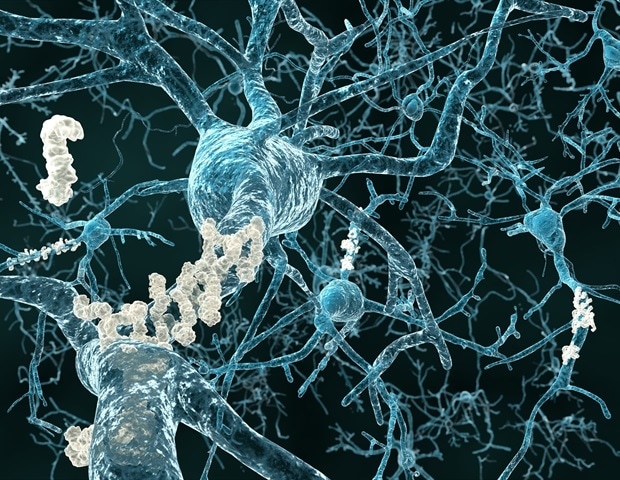
A two-week course of high doses of CBD helps restore the function of two proteins key to reducing the accumulation of beta-amyloid plaque, a hallmark of Alzheimer’s disease, and improves cognition in an experimental model of early onset familial Alzheimer’s, investigators report.
The proteins TREM2 and IL-33 are important to the ability of the brain’s immune cells to literally consume dead cells and other debris like the beta-amyloid plaque that piles up in patients’ brains, and levels of both are decreased in Alzheimer’s.
The investigators report for the first time that CBD normalizes levels and function, improving cognition as it also reduces levels of the immune protein IL-6, which is associated with the high inflammation levels found in Alzheimer’s, says Dr. Babak Baban, immunologist and associate dean for research in the Dental College of Georgia and the study’s corresponding author.
There is a dire need for novel therapies to improve outcomes for patients with this condition, which is considered one of the fastest-growing health threats in the United States, DCG and Medical College of Georgia investigators write in the Journal of Alzheimer’s Disease .
“Right now we have two classes of drugs to treat Alzheimer’s,” says Dr. John Morgan, neurologist and director of the Movement and Memory Disorder Programs in the MCG Department of Neurology. One class increases levels of the neurotransmitter acetylcholine, which also are decreased in Alzheimer’s, and another works through the NMDA receptors involved in communication between neurons and important to memory. But we have nothing that gets to the pathophysiology of the disease.” Dr. John Morgan, Study Coauthor The DCG and MCG investigators decided to look at CBD’s ability to address some of the key brain systems that go awry in Alzheimer’s.
They found CBD appears to normalize levels of IL-33, a protein whose highest expression in humans is normally in the brain, where it helps sound the alarm that there is an invader like the beta-amyloid accumulation. There is emerging evidence of its role as a regulatory protein as well, whose function of either turning up or down the immune response depends on the environment, Baban says. In Alzheimer’s, that includes turning down inflammation and trying to restore balance to the immune system, he says.
That up and down expression in health and disease could make IL-33 both a good biomarker and treatment target for disease, the investigators say.
CBD also improved expression of triggering receptor expressed on myeloid cells 2, or TREM2, which is found on the cell surface where it combines with another protein to transmit signals that activate cells, including immune cells. In the brain, its expression is on the microglial cells, a special population of immune cells found only in the brain where they are key to eliminating invaders like a virus and irrevocably damaged neurons.
Low levels of TREM2 and rare variations in TREM2 are associated with Alzheimer’s, and in their mouse model TREM2 and IL-33 were both low.
Both are essential to a natural, ongoing housekeeping process in the brain called phagocytosis, in which microglial cells regularly consume beta amyloid, which is regularly produced in the brain, the result of the breakdown of amyloid-beta precursor protein, which is important to the synapses, or connection points, between neurons, and which the plaque interrupts.
They found CBD treatment increased levels of IL-33 and TREM2 — sevenfold and tenfold respectively.
CBD’s impact on brain function in the mouse model of early onset Alzheimer’s was assessed by methods like the ability to differentiate between a familiar item and a new one, as well as observing the rodents’ movement.
People with Alzheimer’s may experience movement problems like stiffness and an impaired gait, says Dr. Hesam Khodadadi, a graduate student working in Baban’s lab. Mice with the disease run in an endless tight circle, behavior which stopped with CBD treatment, says Khodadadi, the study’s first author.
Next steps include determining optimal doses and giving CBD earlier in the disease process. The compound was given in the late stages for the published study, and now the investigators are using it at the first signs of cognitive decline, Khodadadi says. They also are exploring delivery systems including the use of an inhaler that should help deliver the CBD more directly to the brain. For the published studies, CBD was put into the belly of the mice every other day for two weeks.
A company has developed both animal and human inhalers for the investigators who also have been exploring CBD’s effect on adult respiratory distress syndrome, or ARDS, a buildup of fluid in the lungs that is a major and deadly complication of COVID-19, as well as other serious illnesses like sepsis and major trauma. The CBD doses used for the Alzheimer’s study were the same the investigators successfully used to reduce the ” cytokine storm ” of ARDS, which can irrevocably damage the lungs.
Familial disease is an inherited version of Alzheimer’s in which symptoms typically surface in the 30s and 40s and occurs in about 10-15% of patients.
CBD should be at least equally effective in the more common, nonfamilial type Alzheimer’s, which likely have more targets for CBD, Baban notes. They already are looking at its potential in a model of this more common type and moving forward to establish a clinical trial.
Plaques as well as neurofibrillary tangles, a collection of the protein tau inside neurons, are the main components of Alzheimer’s, Morgan says. Beta-amyloid generally appears in the brain 15-20 years or more before dementia, he says, and the appearance of tau tangles, which can occur up to 10 years afterward, correlates with the onset of dementia. There is some interplay between beta amyloid and tau that decrease the dysfunction of each, Morgan notes.
The Food and Drug Administration is scheduled to make a ruling by early June on a new drug aducanumab, which would be the first to attack and help clear beta amyloid, Morgan says.
CBD reduces plaque, improves cognition in model of familial Alzheimer’s
A two-week course of high doses of CBD helps restore the function of two proteins key to reducing the accumulation of beta-amyloid plaque, a hallmark of Alzheimer’s disease, and improves cognition in an experimental model of early onset familial Alzheimer’s, investigators report.
The proteins TREM2 and IL-33 are important to the ability of the brain’s immune cells to literally consume dead cells and other debris like the beta-amyloid plaque that piles up in patients’ brains, and levels of both are decreased in Alzheimer’s.
The investigators report for the first time that CBD normalizes levels and function, improving cognition as it also reduces levels of the immune protein IL-6, which is associated with the high inflammation levels found in Alzheimer’s, says Dr. Babak Baban, immunologist and associate dean for research in the Dental College of Georgia and the study’s corresponding author.
There is a dire need for novel therapies to improve outcomes for patients with this condition, which is considered one of the fastest-growing health threats in the United States, DCG and Medical College of Georgia investigators write in the Journal of Alzheimer’s Disease .
“Right now we have two classes of drugs to treat Alzheimer’s,” says Dr. John Morgan, neurologist and director of the Movement and Memory Disorder Programs in the MCG Department of Neurology. One class increases levels of the neurotransmitter acetylcholine, which also are decreased in Alzheimer’s, and another works through the NMDA receptors involved in communication between neurons and important to memory. “But we have nothing that gets to the pathophysiology of the disease,” says Morgan, a study coauthor.
The DCG and MCG investigators decided to look at CBD’s ability to address some of the key brain systems that go awry in Alzheimer’s.
They found CBD appears to normalize levels of IL-33, a protein whose highest expression in humans is normally in the brain, where it helps sound the alarm that there is an invader like the beta-amyloid accumulation. There is emerging evidence of its role as a regulatory protein as well, whose function of either turning up or down the immune response depends on the environment, Baban says. In Alzheimer’s, that includes turning down inflammation and trying to restore balance to the immune system, he says.
That up and down expression in health and disease could make IL-33 both a good biomarker and treatment target for disease, the investigators say.
CBD also improved expression of triggering receptor expressed on myeloid cells 2, or TREM2, which is found on the cell surface where it combines with another protein to transmit signals that activate cells, including immune cells. In the brain, its expression is on the microglial cells, a special population of immune cells found only in the brain where they are key to eliminating invaders like a virus and irrevocably damaged neurons.
Low levels of TREM2 and rare variations in TREM2 are associated with Alzheimer’s, and in their mouse model TREM2 and IL-33 were both low.
Both are essential to a natural, ongoing housekeeping process in the brain called phagocytosis, in which microglial cells regularly consume beta amyloid, which is regularly produced in the brain, the result of the breakdown of amyloid-beta precursor protein, which is important to the synapses, or connection points, between neurons, and which the plaque interrupts.
They found CBD treatment increased levels of IL-33 and TREM2 — sevenfold and tenfold respectively.
CBD’s impact on brain function in the mouse model of early onset Alzheimer’s was assessed by methods like the ability to differentiate between a familiar item and a new one, as well as observing the rodents’ movement.
People with Alzheimer’s may experience movement problems like stiffness and an impaired gait, says Dr. Hesam Khodadadi, a graduate student working in Baban’s lab. Mice with the disease run in an endless tight circle, behavior which stopped with CBD treatment, says Khodadadi, the study’s first author.
Next steps include determining optimal doses and giving CBD earlier in the disease process. The compound was given in the late stages for the published study, and now the investigators are using it at the first signs of cognitive decline, Khodadadi says. They also are exploring delivery systems including the use of an inhaler that should help deliver the CBD more directly to the brain. For the published studies, CBD was put into the belly of the mice every other day for two weeks.
A company has developed both animal and human inhalers for the investigators who also have been exploring CBD’s effect on adult respiratory distress syndrome, or ARDS, a buildup of fluid in the lungs that is a major and deadly complication of COVID-19, as well as other serious illnesses like sepsis and major trauma. The CBD doses used for the Alzheimer’s study were the same the investigators successfully used to reduce the “cytokine storm” of ARDS, which can irrevocably damage the lungs.
Familial disease is an inherited version of Alzheimer’s in which symptoms typically surface in the 30s and 40s and occurs in about 10-15% of patients.
CBD should be at least equally effective in the more common, nonfamilial type Alzheimer’s, which likely have more targets for CBD, Baban notes. They already are looking at its potential in a model of this more common type and moving forward to establish a clinical trial.
Plaques as well as neurofibrillary tangles, a collection of the protein tau inside neurons, are the main components of Alzheimer’s, Morgan says. Beta-amyloid generally appears in the brain 15-20 years or more before dementia, he says, and the appearance of tau tangles, which can occur up to 10 years afterward, correlates with the onset of dementia. There is some interplay between beta amyloid and tau that decrease the dysfunction of each, Morgan notes.
The Food and Drug Administration is scheduled to make a ruling by early June on a new drug aducanumab, which would be the first to attack and help clear beta amyloid, Morgan says.
Other coauthors include Drs. David Hess, neurologist and MCG dean, and MCG neuroscientists Kumar Vaibhav and Krishnan Dhandapani. The research was supported by the National Institutes of Health.
Story Source:
Materials provided by Medical College […]
Sleep and memories: Study shows sound cues can help participants solve puzzles while they’re ASLEEP

( Natural News ) Researchers from Northwestern University have found a fascinating way to activate problem-solving during sleep. In a study published in the journal Psychological Science , the researchers explained how they used sound cues to stimulate information processing in sleeping participants. When the volunteers woke up the next day, they were able to work out the brainteasers they failed to solve the previous night.
“This study provides yet more evidence that brain processing during sleep is helpful to daytime cognition,” said senior author Mark Beeman of Northwestern’s Department of Psychology . Stimulating problem solving with sound cues
Beeman and his colleagues said that solving a difficult problem can be a matter of building new combinations of known elements to reveal a solution. Based on this premise, the researchers hypothesized that there could be a problem-solving strategy similar to the reorganization of memory during sleep.
“We know that people rehearse or ‘consolidate’ memories during sleep, strengthening and reorganizing them,” said corresponding author Kristin Sanders, a research associate at ?Northwestern.
To test their hypothesis, the researchers needed to direct the brains of sleeping participants toward specific problems without waking them. Based on previous studies, this could be achieved by playing sounds associated with the information being rehearsed in the brain.
With that in mind, the researchers enlisted 57 participants and presented them with various spatial and verbal brainteasers before bed. Each brainteaser was paired with a unique sound, and some of the puzzles remained unsolved. During the volunteers’ slow-wave sleep – the period where dreaming and memory re-organization are thought to occur – the researchers replayed the sounds for half of each participant’s unsolved puzzles without waking them up. In the morning, the volunteers were asked to work out the remaining puzzles.
Over the course of two experimental sessions, the researchers found that the participants were 55 percent more likely to solve the remaining puzzles when the corresponding sound clips were secretly played while they slept. The team added that the effect was not dependent on the type of puzzle; solve rates for both verbal and spatial puzzles increased when cued during sleep. (Related: Sleep it off: Research explains why sleep is so important for your immune system .)
The study demonstrates that the mind can be manipulated during sleep to search of solutions that prove elusive while awake. However, the researchers noted that the technique will only work if one has the necessary information to solve the puzzle.
“For example, no matter how much sleep I get, I’m not going to suddenly figure out black holes or find a cure for a rare disease because I don’t have the necessary background knowledge,” explained Beeman. Improving cognition through sleep
In another study, researchers from Lancaster University in the U.K. found that “sleeping on” a problem overnight can boost your problem-solving abilities . The researchers showed one group of volunteers a set of problems in the evening and asked them to solve them again the next morning. Meanwhile, another group saw the problems in the morning then reattempted them in the evening. While the latter solved the easy problems slightly more effectively, those who slept first did much better at solving the difficult problems.
Cognitive scientist Carolina Kuepper-Tetzel of the University of Glasgow , who was not part of the study, said that sleep improves problem-solving because it is one form of “incubation” – a stage in the creative thinking process where you spend time away from a puzzle. Incubation, according to Kuepper-Tetzel, is one way to facilitate insight and get you closer to finding a solution.
Read more fascinating studies about the science of sleep at Brain.news .
Sources include:
News.ND.edu

The Power Within by Corey Daniels book available for only $2.99
Mind has both conscious and subconscious halves. These are likened to a driver and the truck he drives. The driver plans the destination and observes road conditions, while the truck provides motive power. Your subconscious mind is like the truck and it only goes in the direction in which is a steered. This can be the road or off a cliff. Likewise, the consciousness paints a picture of what the world is and what your goals are and the subconscious acts on them through emotion, physical response and energy, whether these are correct, rational images or false negative ones. The subconscious is also like an emotional reservoir which your body and mind draw responses from to external stimuli.
The Power Within lays out a method of programming your subconscious and tapping into the Holy Spirit, God voice or what the Greeks called the daimon (godman).