Nature Knows and Psionic Success
God provides
7 reasons why coffee may actually be the best of all drinks

Whether you’re cradling a travel mug on your way to work or dashing out after an exhausting HIIT workout class to refuel with a skinny latte, it’s nearly impossible to imagine a day without a good cuppa.
The caffeine keeps us perked through the day and well, sipping on a warm mug of coffee is always soothing.
But is it good for health?
Experts say drinking the right amount of coffee is actually good for health.
Here’s us discussing some of the top ways coffee can positively impact human health: 1. We may get to live longer
A recent study links moderate coffee consumption with lower risk of mortality, with ample evidence to suggest that coffee drinkers are less likely to die from coronary heart disease, diabetes or stroke. 2. It improves energy levels and boosts brain power
Coffee can make us smarter? Faster? On a Monday? Yes please.
Caffeine, a stimulant commonly found in coffee, can help people feel less drowsy and increase energy levels, keeping the brain worked up for a good number of hours.
Another study shows that coffee improves various aspects of brain function, including memory, mood, vigilance and reaction times. 3. Coffee may help shed a few pounds
Did you know you could lose a few pounds here and there while sipping on a cup of coffee?
Caffeine can be found in almost every commercial fat-burning supplement — and for good reason. It’s one of the few natural substances proven to aid fat burning.
Studies indicate that caffeine intake can boost your metabolic rate by as much as 10% in obese people and up to 28% in lean ones. 4. Coffee is good for maintaining liver health
Both regular and decaf coffees seem to have a protective effect on our liver.
Research shows coffee drinkers are more likely to have liver enzyme levels in check than non-drinkers.
This helps reduce chances of facing liver-related health problems like hepatitis and fatty liver disease. 5. Coffee may help you feel happier
Studies show that coffee drinkers are 20% less likely to feel depressed.
It is because caffeine causes our body to increase the level of dopamine in our brains, which is the chemical responsible for keeping us happy. 6. Coffee is a major source of antioxidants
Did you know you can get more antioxidants from coffee than other supposedly healthier alternatives?
Studies prove that coffee is actually loaded with powerful antioxidants, called quinnes, that help improve overall health and reduces risk of several diseases.
These disease-ravaging antioxidants, commonly found in coffee beans, become more potent upon roasting. 7. Black coffee prevents cavities
Looking to keep your teeth healthy in the long run? Us too!
Researchers from Brazil have found that strong black coffee kills the bacteria in mouth which promotes tooth decay.
However, adding milk or sugar to the brew negates this benefit.
Tell us how you like your coffee in the comments below.
This content is produced in paid partnership with Nescafe and is not associated with or necessarily reflective of the views of Images or Dawn.com Tweet Print
Email
Arjuna’s Turmeric Extract-Essential Oil Combo Demonstrates Neuroprotective Potential

KOCHI, India, March 8, 2021 /PRNewswire/ — A new study reveals a neuroprotective effect of curcumin extract in combination with its essential oil, suggesting a nutraceutical solution for mitigating the toxic effects of aluminum build-up in the brain. In the study, Arjuna Natural Pvt., Ltd.’s BCM-95® turmeric extract and purified essential oil of turmeric demonstrated new capabilities in preventing neurotoxicity resulting from aluminium exposure. Presence of free curcumin and its metabolites were observed in the brain and plasma secondary to the complex’s superior bioavailability capabilities. These findings present positive implications for harnessing this unique curcumin delivery system to alleviate a range of common neurodegenerative diseases.
Continue Reading
Arjuna’s Turmeric Extract-Essential Oil Combo Demonstrates Neuroprotective Potential Research has suggested that brain health can be compromised by exposure to neurotoxins, with aluminum believed to be of particular concern. Major sources of aluminum exposure are cookware, cosmetics, and pharmaceutical products. The average consumer takes in approximately 10mg of aluminum a day, of which up to 1% undergoes absorption. It can traverse through the blood-brain barrier and is believed to exert a detrimental impact on the central nervous system, especially in older adults.
Chronic exposure can actuate a neuroinflammatory response and rouse a state of oxidative stress, raising risks for neural damage. It has been implicated in a number of neurodegenerative disorders, such as Alzheimer’s disease, Parkinson’s disease, and multiple sclerosis. High concentrations of aluminum have been found to increase amyloid aggregation and deposition in neuronal tissues — a key feature of Alzheimer’s Disease.
“Curcumin is known for its ability to bind to metals such as aluminum and thus could offer neuroprotection from the metal’s potentially toxic effects,” explains lead researcher David Banji, PhD. “But poor absorption and low blood levels of free curcumin after oral intake pose a major limitation for delivering its full clinical benefits. Curcumin’s characteristic low solubility, rapid metabolism, and quick elimination hampers its absorption into the bloodstream nor readily penetrates the blood brain barrier. This is what spurred us to examine BCM-95 of Arjuna Natural where curcumin, the key turmeric extract is combined with the purified essential oil component of turmeric as a bioavailability enhancer.”
Turmeric boasts a long history of use throughout Asia as a popular culinary spice and medicinal herb. Epidemiological evidence has linked enhanced cognitive function in elderly Asians with their tradition of turmeric rich curry consumption.
The study of curcumin extract in combination with its essential oil was conducted at the Department of Clinical Pharmacy, Jazan University, in Saudi Arabia and the Nalanda College of Pharmacy, Nalgonda, India. Results were published on January 27, 2021 in the journal Hindawi BioMed Research International . Lead researcher, David Banji, PhD, and his team assessed both the pharmacokinetic profile of turmeric extract and its efficacy in exerting neuroprotection.
Research evaluated the exposure of aluminium in experimental models at different doses comparing Bioavailable curcumin and turmeric extract. Following 45 days of intervention, the cognitive impairment exhibited by the aluminum was significantly reversed with the use turmeric extract and purified turmeric essential oil complex and elicited significant improvement in spatial learning and memory. This bioavailable turmeric extract complex also demonstrated abilities to prevent neurotoxicity significantly better than standard turmeric extracts. This was believed to be due to reducing oxidative stress and increasing antioxidant status in brain tissue with subsequent improvement in glutathione levels.
Neuroprotective benefits observed were correlated with higher plasma and brain curcumin levels, with concentrations shown to be up to 14-fold higher in the turmeric extract- turmeric essential oil complex group than in the curcumin extract group, with higher mean residence time of free curcumin in plasma and visible reduction in aluminium-induced lipid peroxidation.
“Aluminium is unfortunately a prevalent toxin and contact with it is unavoidable in everyday life,” notes Dr. Benny Antony, PhD, Joint Managing Director for Arjuna and inventor of BCM-95. “The challenge of maintaining brain health naturally via plant-derived supplements is that it has to be both practical and safe. We were encouraged by the immediate actionable results of this high bioavailability turmeric extract which is already widely commercially available as a leading bio-available extract.
“Arjuna’s BCM-95 formulation, which completes its 70 th published research, is composed of a wholly natural blend of turmeric extract and purified essential oil of turmeric which work in unison to facilitate delivery of free curcuminoids in the brain tissues thereby minimizing microglia activation and subsequent neuronal damage. This effect has been linked to its ability to cross the blood-brain barrier, bind to redox metal ions, and neutralize free radicals,” Banji concludes. “From the pharmacokinetic findings, the presence of Ar-turmerones in the essential oil complex is a key player in driving enhanced plasma bioavailability.”
About Dr. David Banji
Dr David Banji has over thirty years of competency in teaching & research, academic administration, institution building, and financial management. Published over 150 articles in peer-reviewed Journals. Supervised & mentored 40 M. Pharm-Pharmacology-students to carryout research activities in the areas of diabetes, hepatoprotective activities, Genotoxicity, Drug-Drug Interactions, Drug-Food Interactions, Urolithiasis and nephrotoxicity studies, Antiulcer activities, Psychopharmacological screening activities, Immunomodulatory, Anticoagulant & antiplatelet activities, Wound healing, Hyperlipidemia, anti-inflammatory, Analgesic, antimicrobial activities, Bioavailability & Pharmacokinetic studies, and Diuretic / antidiuretic studies. He has served as a research guide in Pharmacology and has guided Ph. D students. He is the recipient of grants from AICTE and DST. He is currently serving as a Professor & Director of the postgraduate program in Toxicology at Jazan University, KSA.
About Arjuna Natural
For more than a quarter of a century Arjuna Natural (Arjuna Natural Pvt., Ltd.) has been India’s leading manufacturer of standardized spice and botanical extracts for food supplement industries dedicated to ecofriendly and sustainable practices. Established in 1992, the company has grown rapidly, with customers in 64 countries and has an advanced research facility that works in collaboration with international universities on phytochemistry, pharmacokinetics, formulation, development, pre-clinical and toxicity studies. Arjuna Natural’s facilities comply with the highest world standards, are GMP-certified, and have ISO, NSF, Halal and Star-K kosher.
For further information, please contact: Company contact Benny Antony, PhD Joint Managing Director […]
Turmeric Extract Demonstrates Neuroprotective Effects in New Study

BCM-95 NeuroProtection Kerala, India— Arjuna Natural’s BCM-95 turmeric extract has demonstrated neuroprotective effects, according to a new study published in Hindawi BioMed Research International .
Research evaluated the exposure of aluminum in experimental models at different doses, comparing bioavailable curcumin and turmeric extract. After 45 days of intervention, researchers found that the cognitive impairment caused by aluminum was significantly reversed with the use of BCM-95 (a combination of turmeric extract and purified turmeric essential oil), and that spatial learning and memory were significantly improved in the BCM-95 group.
Chronic exposure to aluminum can create a neuroinflammatory response and rouse oxidative stress, raising risks for neural damage, according to a press release from Arjuna Natural. High concentrations of aluminum have been found to increase amyloid aggregation and deposition in neuronal tissues, a key feature of Alzheimer’s Disease.
Related: Studies Examine Effects of BCM-95 on OA, Oral Mucositis
Patent Granted to Cognitive Performance Ingredient
#NaturallyInformed: This is Your Brain on Food
“Aluminum is unfortunately a prevalent toxin and contact with it is unavoidable in everyday life,” said Benny Antony, Ph.D., Joint Managing Director for Arjuna and inventor of BCM-95, in the press release. “The challenge of maintaining brain health naturally via plant-derived supplements is that it has to be both practical and safe. We were encouraged by the immediate actionable results of this high bioavailability turmeric extract which is already widely commercially available as a leading bio-available extract.”
“Curcumin is known for its ability to bind to metals such as aluminum and thus could offer neuroprotection from the metal’s potentially toxic effects,” explained lead researcher David Banji, Ph.D. “But poor absorption and low blood levels of free curcumin after oral intake pose a major limitation for delivering its full clinical benefits. Curcumin’s characteristic low solubility, rapid metabolism, and quick elimination hampers its absorption into the bloodstream nor readily penetrates the blood brain barrier. This is what spurred us to examine BCM-95 of Arjuna Natural where curcumin, the key turmeric extract is combined with the purified essential oil component of turmeric as a bioavailability enhancer.”
Study: Lithium microdosing may benefit patients in later stages of Alzheimer’s disease

( Natural News ) As it turns out, even microdoses of lithium can help stave off Alzheimer’s .
A recent study found that concentrations of lithium hundreds of times lower than what doctors usually prescribe for psychiatric conditions such as bipolar disorder can benefit those in the later stages of Alzheimer’s disease.
According to Claudio Cuello of the Department of Pharmacology and Therapeutics at McGill University in Canada, their research hinged on the findings of a previous study, which revealed that lithium microdosing was beneficial to rats showing early signs of the disease .
“They stimulated us to continue working with this approach on a more advanced pathology,” Cuello, who also led that earlier study, said.
As detailed in the Journal of Alzheimer’s Disease , Cuello’s research team administered the same microdose used in the earlier study to transgenic rats at the equivalent of late preclinical stages of Alzheimer’s disease in humans.
At this post-plaque stage, the research team said, the beta-amyloid had already accumulated to such an extent that it had started to affect cognition.
As per experts, beta-amyloids are amino acids that are the main component of the plaques found in the brains of individuals afflicted with Alzheimer’s disease. (Related: Study: Lithium treatments found to stabilize the memory of patients with Alzheimer’s disease .)
According to the researchers, the rats took the lithium NP03 for 12 weeks, with the effects on rats’ working memory assessed remotely by the researchers using the novel object recognition test.
Cuello and colleagues also examined markers of neuroinflammation in the rodents’ brains, such as oxidative stress and beta-amyloid levels.
According to the study authors, what they found was that lithium NP03 helped rescue functional deficits in object recognition , as well as helped reduce levels of soluble and insoluble cortical beta-amyloid in the brain and even helped lower the number of plaques in the hippocampus.
These results, the research team said, indicate that microdosing lithium NP03 is effective at later stages of amyloid pathology, even after the appearance of beta-amyloid plaques.
Cuello, in a statement, noted that while it is unlikely for lithium NP03 microdosing to revert the brain damage at the clinical stages of Alzheimer’s, it remains possible that microdoses of encapsulated lithium should have tangible beneficial effects at early, preclinical stages of the disease.
Cuello is hopeful that the team’s findings will soon translate into clinical trials, either testing NP03 with other drug candidates or testing it in populations at high risk of Alzheimer’s or adults who already have preclinical Alzheimer’s.
“From a practical point of view, our findings show that microdoses of lithium in formulations such as the one we used, which facilitates passage to the brain through the brain-blood barrier while minimizing levels of lithium in the blood, sparing individuals from adverse effects, should find immediate therapeutic applications,” Cuello said.
Besides helping treat Alzheimer’s and bipolar disorder, lithium is also used to treat other mental health problems such as alcoholism, anxiety, Attention Deficit-Hyperactivity Disorder (ADHD), Parkinson’s disease, post-traumatic stress disorder (PTSD) and depression. It is also used to treat glaucoma, insomnia, migraine.
In addition, lithium, in the form of lithium orotate, is used to reduce stress, relieve pain, and improve memory.
Medical experts warn against self-medicating with lithium, however, as unsupervised use has been linked to several serious side effects such as hand tremors, increased thirst and urination, diarrhea, vomiting, weight gain, impaired memory and concentration, drowsiness, general muscle weakness, hair loss and acne. Unsupervised use of lithium has also been linked to decreased thyroid function.
Learn more about treatment options for Alzheimer’s disease at Alzheimers.news .
Sources include:
VeryWellMind.com
5 Reasons Why You Should Drink Coffee In Summer

The age old question regarding whether or not taking coffee has any significant benefits is without a doubt a highly controversial one. This debate has also seen many scientific studies mentioning its antioxidant activity as well as brain-boosting potential.
Many consumers are of the view that coffee gets them out of bed and it stimulates their mind and body. However, they are not aware of the benefits coffee gives them in terms of their nutrition and health.
Drinking coffee can stand to be healthier for you than you ever knew. As a result, we will provide you top 5 amazing health benefits of drinking coffee. 1. Coffee helps to burn fat
Caffeine is found in every commercial or fat burning supplement. It’s also one of the few natural substances proven to aid fat burning.
According to a research by Harvard Health, caffeine can boost your metabolic rate by 3–11%. Moreover, caffeine can also increase fat burning by as much as 10% in obese individuals and 29% in lean people. 2. Regularly drinking coffee can improve physical performance
Caffeine stimulates the nervous system and signals fat cells to break down body fat. However, it also increases epinephrine levels in your blood. This is also the the fight-or-flight hormone that prepares your body for intense physical exertion.
A research by healthline states that caffeine breaks down body fat, making free fatty acids available as fuel. Given these effects, it’s unsurprising that caffeine can improve physical performance by 11–12%, on average. 3. Coffee comprises of essential nutrients
Many nutrients found in coffee beans are highly beneficial for consumers. According to healthline, a single cup of coffee contains the following ingredients: Riboflavin (vitamin B2): 11% of the Reference Daily Intake (RDI).
Pantothenic acid (vitamin B5): 6% of the RDI.
Manganese and potassium: 3% of the RDI.
Magnesium and niacin (vitamin B3): 2% of the RDI.
4. Regular coffee consumption reduces cognitive decline
It’s no secret that coffee provides a temporary boost in memory and brain activity. However, most of us don’t know that frequent consumption of coffee can also prevent cognitive and neurological disorders such as Alzheimer’s disease. 5. Coffee can help in curbing depression
Many studies across the world have linked coffee consumption with lower depression rates in men and women. These studies have concluded that an inverse relation exists between depression and coffee drinking. In fact, coffee aficionados seem to have very low risk of falling prey to depression. Conclusion
It is evident that if you love coffee, you can derive many benefits from its regular consumption. But to gain the maximum nutritional benefits, you should avoid mixing it up with undesirable add-ins like artificial sweeteners or large amounts of added sugar.
If you drink regular coffee, don’t combine it with other stimulants, and cut off your caffeine intake at least six hours before bed to optimize sleep. As with many things nutrition-related, the best advice is to listen to your body.
Soybean oil linked to brain damage

( Natural News ) New research has determined that soybean oil, which is added to nearly everything Americans eat these days, may be linked to brain damage.
Consuming soybean oil, the vast majority of which is genetically engineered (GMO), leads to neurological changes in the brain that researchers believe directly contribute to serious health conditions like dementia and autism, according to recent research.
Currently the most widely consumed oil in America, soybean oil is found in everything from salad dressing to chips to baby formula. All the major fast-food chains use it, as do most of the corporations that supply processed foods to the “middle aisles” of supermarkets.
It is difficult not to consume soybean oil even if you try not to – that is how prolific it is. And yet the latest science shows that it is a public health disaster – much worse, even, than the Wuhan coronavirus (Covid-19).
Researchers from the University of California, Riverside have been studying the health effects of soybean oil for years. They previously determined that the highly refined industrial additive causes diabetes, obesity, heart disease — and a laundry list of other health conditions.
Published in the peer-reviewed journal Endocrinology , their latest paper demonstrates that the brain is likewise affected by the toxic oil, particularly in the hypothalamus, which is crucial for regulating mood and behavior.
In test mammals, soybean oil negatively altered more than 100 different genes, including the one that controls oxytocin, the so-called “love and bonding” hormone.
“Soybean-fed mice showed lower levels of oxytocin in the hypothalamus,” reports RT .
“Other genes affected had to do with metabolic and hormone pathways, including the insulin pathway, synonymous with diabetes. There was also upregulation of genes associated with anxiety, depression, and schizophrenia.” Soybean oil consumption may increase risk of Alzheimer’s, Parkinson’s
Based on the available evidence, it seems that soybean oil consumption may increase one’s risk of developing Parkinson’s disease, Alzheimer’s disease and autism – all conditions that skyrocketed in prevalence after toxic industrial oils like that derived from soybeans went commercial.
“If there’s one message I want people to take away, it’s this: reduce consumption of soybean oil,” announced lead author Poonamjot Deol.
GMO soybean oil, which contains artificially lower levels of linoleic acid (LA), had similar detrimental effects. Mice who consumed the glyphosate-saturated oil suffered the same brain damage as mice that consumed non-GMO soybean oil.
Glyphosate, the primary active ingredient in Roundup herbicide, is also carcinogenic, meaning it causes cancer . This was confirmed by the World Health Organization (WHO) and many other groups, which also found that Roundup is genotoxic.
This means that consumers of GMO soybean oil are not only incurring brain damage but also massively upping their risk of developing cancer.
Roundup also disrupts hormones , which could explain why rates of transgenderism and other gender-related mental illnesses are off the charts like never before.
Americans who consume fast food, processed food, and other “easy” foods are essentially killing themselves, thanks to the government-approved use of soybean oil and other toxins in their manufacture. This is the real public health threat that few seem to care about – not Chinese germs, legalized cannabis, and all of the other scapegoats that pearl-clutching politicians obsess over in their lust for power and control.
“The only oil that does not change structure during high temperature is coconut oil,” wrote one RT commenter, highlighting a beneficial oil that is rarely used in processed foods.
“Choose the odorless type, preferably organic. Stay away from the hydrogenated oils that contain trans fats. Most vegetable oils also contain too much omega-6. Virgin olive oil and virgin coconut oil are great, but not for frying.”
More related news about the toxic American food supply can be found at Chemicals.news .
Sources for this article include:
RT.com
NaturalNews.com
NaturalNews.com
Colour your plate healthy
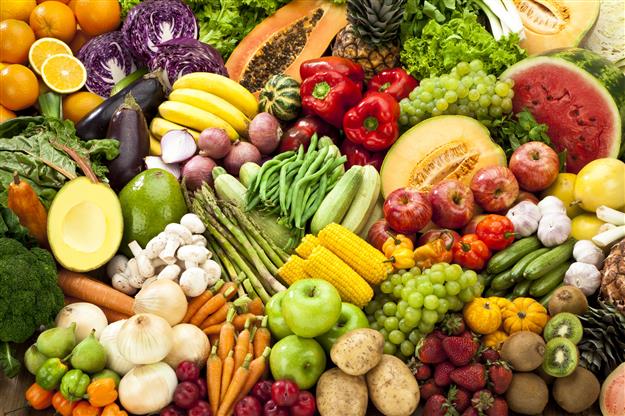
Picture for representational purpose only. iStock Nature hands us a wide spectrum of rich and varied colours on our plates. Fruits and vegetables get their colour from the natural pigments which are good for us. Colourful foods contain many vitamins and antioxidants we need – with a few calories. Along with maintaining good health, the nutrients in vegetables and fruits work together to protect against cancer, heart disease, vision loss, hypertension and other diseases.
The energising power of RED
Red vegetables get their hue and nutrition boost from lycopene and anthocyanin which help to reduce the risk of developing atherosclerosis, hypertension and high cholesterol. Red fruits and vegetables protect our hearts.
Red Vegetables: tomatoes, radishes, red cabbage, beets
Red Fruits: red grapes, strawberries, watermelon, cherries, raspberries, pomegranates, cranberries, red apples
Appetising and Mesmerising YELLOW/ORANGE
Bright orange and yellow foods have those colours due to alpha and beta carotene, which in the body are converted into vitamin A which protect your nervous system and promote eye health. They also play an important role in maintaining skin health.
Orange and Yellow Vegetables: carrots, pumpkin, sweet corn, sweet potato, yellow pepper, yellow tomatoes
Orange and Yellow Fruits: yellow apples, apricots, oranges, grapefruit, peaches, mangoes, papaya, pears, pineapple
Go natural, go GREEN
The colour green is now almost synonymous with health and well-being when it comes to food.
Green plants are full of chlorophyll, an antioxidant with a host of different health benefits. A main effect is clearing toxins from the body, which means lowering risk of cancer, supporting digestive enzymes and absorption of nutrients, boosting the immune system, increasing energy, and faster tissue healing.
Green Vegetables: broccoli, spinach, cabbage, lettuce, Brussels sprouts, green beans, cucumbers, zucchini, peas, green pepper
Green Fruits: green apples, kiwi, green grapes, lime, avocado
Feeling not so BLUE/ PURPLE
The deep colours of these fruits and vegetables are brought to you by pigments called anthocyanins and are useful promoting brain function especially boosting memory and help reducing inflammation in the body.
Blue and Purple Vegetables: eggplant, purple cabbage, purple potatoes Blue and Purple Fruits: blackberries, blueberries, grapes, plums,
Hipporates, the father of modern medicine famously claimed, “Let food be thy medicine and medicine be thy food”. Chronic ailments like obesity, diabetes and hypertension can be cured or at least controlled properly with subtle lifestyle changes along with proper nutritional and exercise routines. Eating a variety of colourful foods with every meal is vital for boosting maximum nutrition and indicates an abundance of natural vitamins and minerals. Starting to eat right when we are young is a way to healthy and fit life!
Dr Deepti Arora, Physician & Diabetologist
Sleep deprivation linked to more negative effects for cognitive function than earlier theories suggest

( Natural News ) Sleep deprivation makes people more prone to errors than scientists previously thought, according to a recent study by researchers at the Michigan State University ’s Sleep and Learning Lab.
Published in the Journal of Experimental Psychology: General , it showed that people were thrice more likely to have lapses in concentration and twice more likely to make placekeeping errors after one sleepless night.
This is the first study to assess the effects of sleep deprivation on placekeeping, a high-level cognitive function that refers to a person’s ability to complete a series of steps without missing or repeating one despite interruptions.
Lead author Michelle Stepan and her team are hopeful their study will convince people to acknowledge how their abilities are hindered by lack of sleep. They also said that their findings debunk the idea that sleep deprivation only affects attention. Sleep deprivation leads to errors, lapses in concentration
Previous studies have shown that sleep deprivation negatively affects people’s ability to pay attention, leads to poor decision-making and slows reaction time.
For their study, the researchers sought to analyze how sleep deprivation also affects placekeeping. They recruited 138 participants aged 18 to 25 years for an overnight sleep assessment. None of them had any memory or sleep problems , or a strong time-of-day preference.
The researchers asked the participants to sleep for at least six hours the night before the assessment. They also asked the participants to refrain from napping or drinking anything with caffeine or alcohol.
As part of the assessment, the participants performed two cognitive tasks. One task measured their reaction time to a stimulus, while the other task measured their placekeeping ability. After completing the tests, 77 participants remained at the laboratory and stayed awake all night, while the remaining 61 were sent home to sleep as usual.
Both tasks were repeated for all the participants the following morning. The researchers then compared the two sets of results to see how sleep deprivation affected placekeeping.
The results showed that for the first set of tasks designed to assess placekeeping ability, there was a 15 percent error rate among the participants following interruptions. That error rate doubled to 30 percent the next morning for the participants who stayed awake all night. In contrast, the rate remained the same for those who slept.
Sleep deprivation also tripled the odds of experiencing lapses in attention, said co-author Kimberly Fenn. These results suggest that completing activities that require following several steps, like completing a medical procedure, is much riskier under conditions of sleep deprivation.
Studies show that people can still do routine tasks even when sleep-deprived. But what the present study suggests is that sleep deprivation can cause widespread deficits across all facets of life. Sleep deprivation reduces neural activity
Sleep is an important time for the brain. During sleep, the brain eliminates waste accumulated during the day. Sleep also “resets” the buildup of connectivity in the brain. This reset allows synapses to relax and prepare for the next day’s new input.
Forgoing sleep or sleeping for only a few hours hinders those important processes from taking place, resulting in sluggishness, tiredness and brain fog. (Related: Understanding brain fog and how to treat it .)
A 2017 study found that depriving the body of sleep also robs brain cells of the ability to function properly . In the study, participants were asked to stay up for an entire night. During that time, they were asked to categorize images of faces, places and animals as fast as possible.
When the researchers looked at the participants’ brain activities, they found that the more the participants got tired, the more challenging the task of properly categorizing images became for them. The activity of their brain cells also started to slow down considerably.
The researchers also found that those regions of the brain that became sluggish were the same regions that would normally become active during sleep. Moreover, they found that sleep deprivation exerts a similar influence on the brain as drinking too much alcohol. These findings clearly emphasize the importance of sleep on ensuring that the brain functions optimally.
For more articles on the effects of sleep deprivation on brain function, visit Brain.news .
Sources include:
Newswise.com
Amazing health benefits of eating fatty fish
Fatty fish may include commonly enjoyed fish such as salmon, tuna, tilapia and mackerel. These are known to contain fatty acids that protect and promote your overall health. Here are some of the benefits of eating fatty fish regularly as reported by various scientific studies. Good for your heart: A study published in the American Journal of Clinical Nutrition shows that regular consumption of fatty fish lowered triglycerides (a type of fat found in your blood) by 25 to 30 per cent. Studies have also shown that consumption of fatty fish may help in lowering the risk of heart attack and stroke. High in nutrients: Fatty fish is high in important nutrients such as Vitamin D and protein. In fact, they are one of the few natural food sources of Vitamin D which is mostly derived from sun’s exposure. Not to miss, the Omega-3 fatty acids are essential for your brain and body to function optimally. Protects your brain: Consumption of fatty fish may protect your brain from age-related diseases such as Alzheimer’s disease and dementia. Certain studies have shown that people who eat fish regularly have more grey matter in their brain centres that control emotions and memory. Boosts mood and keeps depression at bay: Omega-3 fatty acids found in fatty fish are known to boost your mood and keep the risk of depression at bay. Some studies have shown that people who eat fatty fish or consume Omega-3 fatty acids regularly may be less likely to get depressed. Source: ndtv.com
Would you like brain damage with that? America’s favorite cooking oil causes neurological changes, says animal study

Get short URL © Getty Images / Dave Kotinsky Peter Andrews is an Irish science journalist and writer, based in London. He has a background in the life sciences, and graduated from the University of Glasgow with a degree in Genetics.
New research has shown that despite being marketed as a healthy alternative, soybean oil, America’s most popular oil, causes neurological changes in the brains of mice, and may contribute to autism and dementia in humans.
Extracted from the seeds of soybeans and used in everything from fast food to animal feed and even baby formula, soybean oil is easily the most widely consumed oil in the US, ubiquitous in the national cuisine.
It’s in McDonald’s fries, Pizza Hut crust, and the “healthy” 9-grain bread used for your Subway sandwich.
A research team from University of California, Riverside has been studying the impact of soybean oil for several years. They previously found that it induces diabetes and obesity in mice, hardly surprising given that vegetable oils are high in saturated and unsaturated fatty acids. By now, most people know that eating too much fried food is bad for your ticker.
If new gene-edited cooking oil is a scientific marvel just say so – but don’t secretly feed it to us
But what is really shocking about their latest findings is the effect soybean oil seems to have on the brain. From Alzheimer’s to autism
The study is published in Endocrinology, a scientific journal, and it shows that when soybean oil is fed to mice it has major impact on their hypothalamus, an area of the brain crucial for regulating mood and behaviour.
What are toxic ‘forever chemicals’ & should Americans be worried there are more of them in the water supply than we thought?
More worryingly, it even affected over 100 of the mice’s genes, including one for controlling oxytocin, the love and bonding hormone. Soybean-fed mice showed lower levels of oxytocin in the hypothalamus. Other genes affected had to do with metabolic and hormone pathways, including the insulin pathway, synonymous with diabetes. There was also upregulation of genes associated with anxiety, depression, and schizophrenia.
Considering the evidence, the authors believe that soybean oil could increase the risk of Parkinson’s disease, Alzheimer’s disease, and autism. However, there is no concrete proof yet that soybean oil causes these conditions, since this research was conducted on male mice only. But mice are used as a model organism for human health for a reason, as a mammal species they have similar tissues and genetics to us, and it is reasonable to provisionally project some of the authors’ health warnings onto humans.
Lead author Poonamjot Deol said: “If there’s one message I want people to take away, it’s this: reduce consumption of soybean oil.” Is the GM version better?
There is a genetically engineered form of soybean oil that has a lower linoleic acid (LA) content, and this form is healthier for the heart. The authors also fed mice this form to see whether the results would be any better, but the low-LA form had a similarly detrimental effect on the mice’s brains.
It is produced from what are called Roundup Ready soybeans, designed for use with the signature product of bought-out agrochemical firm Monsanto, which is embroiled in a controversy of its own.
If you like this story, share it with a friend!
Health benefits of mint leaves
A herb known for its medicinal properties, mint leaves or pudina is truly remarkable and can be used all throughout the year.
It is one of the oldest culinary herbs known to humans. It has remarkable medicinal properties and is a rich source of polyphenols. It has carminative and antispasmodic properties. Saurabh Arora, Inventor Pudhinaa and Snec30, Director at Arbro say: “Pudina leaves or mint leaves are low on calories and contain very low amounts of proteins and fats. It has an enormous amount of Vitamin A, C, and B-complex that enhances skin and boost immunity. Another nutritional benefit of pudina is that it is rich in iron, potassium and manganese that increase haemoglobin, and improve brain function.” Arora lists down 10 health benefits of mint leaves that one must know.
HELPS IN DIGESTION — mint is rich in antioxidants, menthol and phytonutrients that help the enzymes to digest food. The essential oils in mint possess strong antibacterial and antiseptic effects that calm stomach cramps and help ease acidity and flatulence.
(adsbygoogle = window.adsbygoogle || []).push({});
TREATS ASTHMA — regularly taking pudina can ease chest congestion. The methanol in mint acts as a decongestant, it helps loosen mucus collected in the lung and also shrinks swollen membranes in the nose to allow you to breathe easier. While using pudina, make sure that you don’t overdose it, otherwise, your air passage will become irritated.
CURES HEADACHES — pudina contains menthol that can help relax muscles and ease the pain. Applying pudina juice on your forehead and temples can give you relief from headache. Also, balms of pudina base or mint oil are effective in curing headaches.
EASES STRESS & DEPRESSION — one of the main advantages of mint is that it is the most widely used herb in aromatherapy. Pudina or mint has a strong, refreshing smell that can ease stress and refresh the body and mind. The apoptogenic activity of mint helps regulate the cortisol levels in the blood that triggers the body’s natural response to ease the stress. Inhaling pudina essential oil can instantly release serotonin in the blood which is a neurotransmitter that is well known for easing symptoms of stress and depression.
(adsbygoogle = window.adsbygoogle || []).push({});
MAKES YOUR SKIN HEALTHY — pudina has anti-inflammatory and anti-bacterial properties that help treat acne and pimple on the skin. Pudina leaves contain a high amount of salicylic acid which acts as anti-acne. It also acts as an effective skin cleanser. Pudina has antioxidant properties that help you get clean and youthful skin by removing free-radicals from the body. Other ways pudina makes your skin healthy is that it retains the moisture in the skin, clear off dead skin cells and dirt from the skin pores and makes the skin look radiant and toned.
ORAL CARE — chewing pudina leaves is a great way to improve oral hygiene and dental health. The essential oils in pudina can help you get fresh breath. Also, using the mouthwash containing peppermint oil can help you kill bacteria in the mouth and provide you with healthy gums and teeth.
IMPROVES MEMORY — according to a research, mint can improve memory and retrieve the cognitive function of the brain. Consuming pudina regularly can increase brain power by improving alertness, and memory retention, and other cognitive functions.
PROMOTES WEIGHT LOSS — the aromatic herb pudina could help you in weight loss. The essential oils of pudina stimulate digestive enzymes to increase the bile flow and promote digestion. It also helps in improved nutrient absorption from the food. When the body is able to assimilate and absorb nutrients properly, your metabolism increases. The increase in metabolism promotes weight loss.
TREATS COMMON COLD — if you are struggling with cold and finding it difficult to breathe, pudina is the best remedy for it. Most of the vapour rubs and inhalers contain mint. Mint naturally clears nose throat, bronchi, and lung congestion. Apart from respiratory channels, mint also eases irritation caused by chronic coughing.
EASES SYMPTOMS OF NAUSEA — Pudina is an effective treatment for nausea that often occurs in morning sickness. Eating a few pudina leaves or smelling it every morning can help pregnant women prevent the nauseous feeling or cope with it better.
Breakfast Is the Most Important Meal Of the Day, So We Found 20 Mouthwatering Paleo Options
It’s no secret that breakfast is the most important meal of the day. If you eat a nutrient-packed, filling breakfast, you’ll be energized all day long. If you grab a sugar-packed pastry, well … hello, exhaustion.
If you’re looking for nutritious, balanced (and filling!) meals, many nutritionists recommend the paleo diet . It’s a diet focused on unprocessed, high fiber and whole foods. “Between the protein , good fat, and fiber, this is a winning combination to help you feel full and satisfied,” says Lisa Young , PhD, RDN. So when it comes to a healthy diet, paleo covers all the bases.
“When breakfast time rolls around, my rule of thumb is to eat a combination of protein and carbohydrates from whole food sources,” says Mackenzie Burgess , registered dietitian nutritionist and recipe developer at Cheerful Choices. “ This balance helps supply a greater variety of important nutrients and provides long-lasting energy.”
The Paleo diet is packed with protein: lean meats, fish, eggs, nuts, and seeds. While it’s important to prioritize protein in the morning, aim to pair it with a complex carbohydrate like fresh or dried fruits and colorful vegetables, Burgess says. Some examples are scrambled eggs with diced vegetables, chia seed pudding with fruit, or a sausage sweet potato scramble.
To help you get started, here are a few Paleo breakfast ideas and recipes backed by experts. Paleo breakfast ideas
Chia seed jam
Most store-bought jams are not paleo-friendly due to the added sugars included. Instead, you can make your own homemade two-ingredient jam , Burgess says. Simply combine mashed berries and chia seeds, then let sit overnight. This jam is perfect to spoon over paleo-approved bread, banana egg pancakes, or dairy-free yogurt. Oatmeal
Filled with soluble fiber, oatmeal can help lower your cholesterol, Dr. Young explains. The type of fiber in oatmeal, beta glucans, may be particularly beneficial for heart health and for weight control. Oatmeal also contains the minerals magnesium and potassium also good for the heart.
Pro tip: Dr. Young recommends adding sliced apples or blueberries to your oatmeal instead of sugar. Fruit makes the oatmeal so sweet you don’t need any added sugar.
Related: Magnesium Is One of the Most Underrated Treatment Options for Anxiety—Here’s What to Know Stuffed dates
Classified as a fruit, dates contain fructose which provides a natural sweetness. Burgess says you can enjoy dates stuffed with a spoonful of nut butter and toppings of your choice. She also suggests sprinkling over pomegranate seeds, chopped nuts, or coconut flakes. Chia pudding
Chia seeds are full of healthy fats that help keep you full for longer, Dr. Young explains. Chia pudding is a great breakfast option because you can prepare it the night before, keep it in the refrigerator and it’ll be ready to eat in the morning. It also makes a great afternoon snack and dessert. Top it with your favorite fresh fruit and you’re ready to enjoy. She recommends this simple recipe:
Ingredients: 1/4 cup chia seeds
1 cup unsweetened vanilla almond milk (or any milk)
1 cup of mixed berries
Cinnamon and vanilla
Instructions: Add ingredients to a mason jar or container with a lid, mix and chill for 1 hour.
Enjoy! Green Goddess Almond Protein Power Smoothie
Meeting protein needs is essential for anyone following a Paleo diet, Katherine Brooking MS, RD, explains. She recommends a protein power smoothie, like this Green Goddess Almond Protein Powder Smoothie , as part of your breakfast.
This recipe calls for almond protein powder that has 20 grams of protein per serving and is made from finely ground almonds. It also has 1 cup of fresh spinach to help you meet your veggie needs. This smoothie also is high in calcium and fiber. Breakfast sausage
Breakfast sausage is rich in protein which can help us feel fuller and more satisfied longer. One of Burgess’ favorite brands is Teton Waters Ranch’s breakfast sausage . These sausages have real ingredients and are 100% grass-fed, allowing it to have two to four times more heart-healthy omega-3 fats. She suggests pairing it with fresh fruit or scrambled eggs for long-lasting energy. Sweet potato toast
This dish provides provitamin A, slow carbs, and fiber from the sweet potatoes. Mashed avocado adds heart-healthy fat, and fried eggs add more protein.
“It’s delicious, satisfying, and makes a colorful meal,” says Summer Yule , MS, RDN. “Most people aren’t meeting the recommendations for vegetable intake and this breakfast is a great start to your morning!” Frittata
As a crustless quiche, frittatas are paleo-approved. This egg white frittata calls for any vegetables of your choice so you can use up ingredients on hand, Burgess explains. You can omit the cheese or substitute dairy-free cheese over top. Protein shake popsicles
Gabrielle Tafur , MS, RD recommends these tasty treats. “Though it isn’t your standard breakfast smoothie, if you have children and want to make sure they’re getting their protein in, these make for a fun breakfast or snack throughout the day.”
These popsicles are the perfect grab-and-go breakfast whether you’re commuting or heading to your home office. Mug muffin Mug muffins are at the top of Burgess’ Paleo breakfast list. Not only are they easy to make, but they also require minimal cleanup! Flaxseed, which is high in protein and fiber, makes the basis for this flax mug muffin .This recipe is naturally sweetened from mashed bananas, stevia, and dark chocolate, making it paleo-friendly, Burgess says. Plus, it can be made ahead of time and is ready in just one minute. Paleo cereal Don’t swear this childhood favorite off just yet! You can enjoy this paleo cereal without the guilt of all of the added sugar and artificial food coloring dye, Tafur explains. It’s a wonderful way to clear out the pantry and takes minutes to prepare. Squash hash This healthy take on corned beef and hash switches fattier meat for lean ground turkey and substitutes summer squash for potatoes. Packed with protein, this Squash Hash breakfast recommended […]
This New Science-backed Energy Drink is 100 per cent Natural
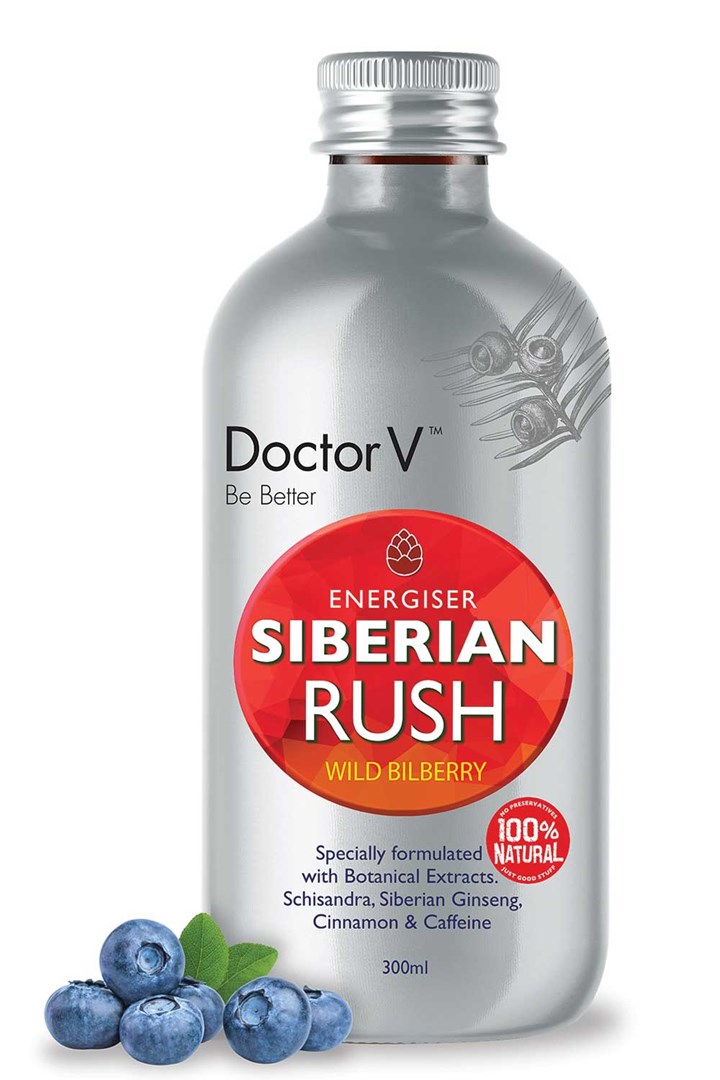
Like your energy drinks? Yeah, us too. That’s why we’re quietly doing squat jumps over this new, Melbourne-born energy drink that’s made from 100 per cent natural ingredients.
It’s called Siberian Rush, created by healthy energy drink maker Doctor V. Designed by doctors, naturopaths and PhDs, Siberian Rush is a pre- and post-workout adaptogenic energy drink that provides a natural energising boost – an adrenalin hit, without a later, unwanted crash. And the best bit? It has minimal caffeine and half the sugar of other energy drinks.
Here’s how it works… The power of age-old adaptogenic herbs
Siberian Rush is made from adaptogenic and other naturopathic herbs that have been used for centuries in traditional Russian medicine, including the Vikings!
How do they work? Well, adaptogenic herbs stimulate energy, stamina, concentration and boost immunity against a background of (read: resisting) stress, fatigue and particularly intolerance to mental exhaustion, according to research . Adaptogens are like an adrenalin hit, without the usual crash and burn that follows. Think of them like a weight session. When you need both focus, grit AND adrenalin-inducing strength working collaboratively.
It’s not just your workout performance that can benefit from adaptogens. Research shows adaptogenic herbs have a host of other benefits including general wellbeing, neuroprotective, anti-fatigue properties, anti-depressive effects and act as stimulant for the central nervous system. Siberian Rush also hosts other powerful ingredients including bio effective Siberian pine extract, wild sea buckthorn and Siberian ginseng – all of which have long-standing credentials in both history and science labs. Take Siberian pine needles, which have been used by the Russians for centuries in both food and medicine as a source of vitamin C, used as a scurvy preventative and was utilised during the siege of Leningrad to feed the starving population. Studies show the extract contains a wide range of antioxidants, organic compounds and micro-nutrients.
Sea buckthorn berries have historically been known as ‘holy fruit’, and are rich in vitamins A, B1, B12, E, K, P and C. The berries are loaded with flavonoids, carotenoids, and antioxidants. Potassium, calcium, magnesium, iron and phosphorus are also present. Sea buckthorn oil could also be one of the only plant foods known to provide all four omega fatty acids — omega-3, omega-6, omega-7 and omega-9. View Post on Instagram The health perks
Doctor V’s Siberian Rush is 100% natural energy – no artificial additives or preservatives. And the big sell? While some energy drinks use artificial herbs synthesised in a laboratory, Doctor V only uses wild, hand-picked berries and herbs. As for the caffeine hit, Doctor V only uses the minimum quantity of caffeine required to be classified as an energy drink under Australian food laws, and has almost half the amount of caffeine and half the sugar of other energy drink brands.
Brought to you by Doctor V .
ABOUT: Doctor V is an Australian-owned and made natural energy drink brand. The range includes four berry-based formulations designed specifically for different outcomes. Siberian Rush is designed for overall health as well as fitness due to its short and long term energy benefits; Bender Mender, created to help speed up recovery for those working long hours or burning the candle at both ends; Karma Karma, for a more balanced and gentle energy boost; and Brain Storm, designed to boost stamina, mental acuity and memory. All the flavours utilise wild hand-picked herbs and berries and pine needle extract from the wild Siberian forests.
Available from IGA Romeo’s, EzyMarts, independent IGAs, convenience stores and gyms. Visit Doctor V for more info’, or check out their Instagram feed .
From curing headache to promoting weight loss: Know about the many benefits of pudina or mint

Do you consume mint regularly? (Photo: getty Images/Thinkstock) Pudina or mint is one of the oldest culinary herbs known to humans. Besides its remarkable medicinal properties, Indians have been using it in chutneys, raitas, and sherbets. Pudina is a rich source of polyphenols and has a distinct taste and aromatic odour.
“Pudina leaves are low on calories and contain very low amounts of proteins and fats. It has an enormous amount of vitamins A, C, and B-complex that enhance skin and boost immunity . Another nutritional benefit of pudina is that it is rich in iron, potassium, and manganese that increase haemoglobin, and improves brain function,” said Dr Saurabh Arora, Inventor Pudhinaa and Snec30, director at Arbro Pharmaceuticals.
He adds that pudina aids indigestion. It has carminative and antispasmodic properties. Chewing pudina helps in getting relief from bloating and gas. The essential oils present in pudina can be beneficial for toothache problems.
Below, he shares the various health benefits of pudina/mint leaves
Here are the 10 health benefits of pudina that you must know:
*Helps in digestion – Pudina is rich in antioxidants, menthol, and phytonutrients that help the enzymes to digest food. The essential oils in pudina possess strong antibacterial and antiseptic effects that calm stomach cramps and help ease acidity and flatulence.
*Treats asthma – Regularly taking pudina can ease chest congestion. The methanol in pudina acts as a decongestant, it helps loosen mucous collected in the lung and also shrinks swollen membranes in the nose to allow you to breathe easier. While using pudina, make sure that you don’t overdose it, otherwise, your air passage will become irritated.
*Cures headache – Pudina contains menthol that can help relax muscles and ease the pain. Applying pudina juice on your forehead and temples can give you relief from headache. Also, balms of pudina base or mint oil are effective in curing headaches.
*Eases stress and depression – Mint is the most widely used herb in aromatherapy. It has a strong, refreshing smell that can ease stress and refresh the body and mind. The apoptogenic activity of mint helps regulate the cortisol levels in the blood that triggers the body’s natural response to ease the stress. Inhaling pudina essential oil can instantly release serotonin in the blood which is a neurotransmitter that is well-known for easing symptoms of stress and depression.
*Makes your skin healthy – Pudina has anti-inflammatory and anti-bacterial properties that help treat acne and pimple on the skin. Pudina leaves contain a high amount of salicylic acid which acts as anti-acne. It also acts as an effective skin cleanser. Pudina has antioxidant properties that help you get clean and youthful skin by removing free-radicals from the body. Pudina also retains the moisture in the skin, clears off dead skin cells, and dirt from the skin pores, and makes the skin look radiant and toned.
*Oral care – Chewing pudina leaves is a great way to improve oral hygiene and dental health. The essential oils in pudina can help you get fresh breath. Also, using the mouthwash containing peppermint oil can help you kill bacteria in the mouth and provide you with healthy gums and teeth.
*Improves memory – “According to research, pudina can improve memory and retrieve the cognitive function of the brain. Consuming pudina regularly can increase brain power by improving alertness, and memory retention, and other cognitive functions,” he said.
*Promotes weight loss – The essential oils of pudina stimulate digestive enzymes to increase the bile flow and promote digestion. It also helps in improved nutrient absorption from the food. When the body is able to assimilate and absorb nutrients properly, your metabolism increases. This increase in metabolism promotes weight loss .
*Treats common cold – If you are struggling with cold and finding it difficult to breathe, pudina is the best remedy for it. Most of the vapour rubs and inhalers contain mint. Mint naturally clears nose throat, bronchi, and lung congestion. Apart from respiratory channels, mint also eases irritation caused by chronic coughing.
*Eases symptoms of nausea – Pudina is an effective treatment for nausea that often occurs in morning sickness. Eating a few pudina leaves or smelling it every morning can help pregnant women prevent the nauseous feeling or cope with it better.
📣 The Indian Express is now on Telegram. Click here to join our channel (@indianexpress) and stay updated with the latest headlines
Make the most of mint: Here are some of the innumerable health benefits of this herb

For representational purposes Mint, one of the oldest herbs, that grows in the spring, has several health benefits. It contains polyphenols, which are micronutrients packed with antioxidants.
Make different chutneys out of it, or sprinkle dried mint on curd or fruits. You can also add them to sherbets.
It will help in –
Digestion: It’s rich in menthol and phytonutrients that help digestive enzymes to process food. The essential oils in mint have strong antibacterial and antiseptic properties that soothe stomach cramps and help ease acidity and flatulence.
Treating asthma: The regular intake of mint eases chest congestion. The methanol in it acts as a decongestant and helps loosen mucus collected in the lungs. It also shrinks swollen membranes in the nose to allow you to breathe better. But don’t overdose it, otherwise, the air passage will get irritated.
Curing headaches: The menthol present in mint can help relax muscles and ease pain. Applying mint juice on your forehead and temples can give you relief from headaches. Mint balms and oils are effective.Easing stress and depression: Mint is widely used in aromatherapy.
The apoptogenic activity of mint helps regulate the cortisol levels in the blood that triggers the body’s natural response to ease stress. Inhaling mint essential oil can release serotonin, which is a neurotransmitter, known for easing stress Making skin healthy: Mint has anti-inflammatory and anti-bacterial properties that help treat acne and pimple. Its leaves contain a high amount of salicylic acid, which prevents acne. It also acts as an effective skin cleanser.
Taking care of oral hygiene: Chewing mint leaves is a great way to improve oral hygiene and dental health. The essential oils in mint can help you get fresh breath. Use a mouthwash with peppermint oil to kill bacteria.
Improving memory: Mint can improve memory and assist the cognitive function of the brain. It improves alertness too. Easing morning sickness: Eat a few mint leaves or smell them each morning to relieve sickness.
The author is the Director, Arbro Pharmaceuticals. He is the inventor of Pudhinaa and Snec30 capsules
30 of the Best Anti-Aging Foods to Make Sure You Are Incorporating Into Your Diet
The anti-aging industry is filled with supplements, creams, and products touted for their ability to ward off wrinkles, boost the collagen production of your skin, improve elasticity and keep you looking youthful. But when it comes to fighting the clock, what we put into our bodies can be even more important than the products that we shell out money to help us in this department. Experts note that there are a variety of anti-aging foods that you can eat that can work wonders in helping to fight off skin-damaging free radicals, repair collagen in the body, and reduce inflammation. From omega-3 rich salmon and flaxseeds to vitamin C-packed citrus fruits, here are 30 of the best anti-aging foods to make sure you are incorporating into your diet. Best Anti-Aging Foods
1. Blueberries
“Considered a superfood, these berries are one of the healthiest foods you can eat with numerous health benefits,” says Bansari Acharya , a metro-Detroit-based registered dietitian and nutritionist with FoodLove.com . They have powerful antioxidant properties in them that help fight off free radicals, which may lead to slowing down aging. Blueberries , says Acharya, are so versatile that you can enjoy them in smoothies, salads, or even on their own. 2. Green tea:
Green tea contains numerous beneficial compounds in it such as antioxidants and phytochemicals that may decrease inflammation in the body. “Accelerated aging is usually caused by increased inflammation and the compounds in green tea may fight off with free radicals that can cause damage to cells,” Acharya explains. Green tea can be consumed traditionally or even more popularly through matcha powder.
Related: We Narrowed it Down, and Here Are The Best Essential Oils for Wrinkles and Anti-Aging 3. Spinach:
Leafy greens, like spinach, are filled with tons of vitamins that act as antioxidants. These anti-aging foods also filled with loads of fiber that are great to keep your heart and digestive system healthy. Acharya notes that you can add spinach to salads, smoothies, and even soups . 4. Dark chocolate:
Dessert lovers rejoice! Dark chocolate , says Acharya, “may increase the blood flow and circulation in the skin, which may increase the moisture in the skin.” This, she says, can reduce the formation and appearance of wrinkles. This food is also high on antioxidants and may also aid in reducing inflammation levels in the body. Dark chocolate can be enjoyed by itself or with nuts such as dark chocolate almonds. (iStock) 5. Avocados:
Avocados are packed with healthful fats that may be beneficial to skin health. Jenn LaVardera , a registered dietitian and expert nutritionist for Naturipe . Research has shown people who eat diets higher in monounsaturated fats; the type of fat found in avocados , have a lower risk of severe facial skin aging. “Avocados also pack the compounds lutein and zeaxanthin, pigments that can help maintain eye health and reduce risk of macular degeneration due to age,” explains LaVardera. You can add avocados to salads, sandwiches, and smoothies, or enjoy a breakfast of smashed avocado toast. 6. Flaxseeds:
Hydration is key to helping to ward off wrinkles and keep your skin looking supple and youthful. One study found that participants who supplemented with flaxseed oil experienced a 39% increase in skin hydration after a period of 12 weeks. An improvement in skin roughness and smoothness was also observed from eating this anti-aging food. 7. Salmon:
Another omega-3 rich food is salmon . The type of omega-3 fat found here, called DHA (i.e., docosahexaenoic acid) is of particular importance to protecting the brain, heart, and eyes from aging. And bonus: “Studies show that people who include DHA in their diets also have lower risks for the main causes of vision loss as we age, including macular degeneration,” says Elizabeth Somer , a registered dietitian, author of Age-Proof Your Body , and medical advisory board member at Persona Nutrition . 8. Legumes:
Whether they are lentils, chickpeas, split peas, or black, kidney, navy, or pinto beans, legumes are packed with nutrients that support mental health, such as folate, calcium, copper, magnesium, iron, and zinc. The folate in beans protects against a memory-destroying compound called homocysteine. The antioxidant phytonutrients in legumes, such as saponins and phytosterols, may help protect against wrinkles and, per Somer, can also help lower cancer and heart disease risk. Try legumes in chili, bean burritos, or split pea soup. 9. Collagen:
Collagen is the main structural component of our connective tissue. And as we age, our body’s collagen supply naturally declines. Thus, consuming collagen supplements can help to combat this natural progression of age. Carielle Nikkel, a registered dietitian and vice president of nutrition at Persona Nutrition , explains that collagen powder can be easily mixed into beverages. “It’s tasteless and dissolves instantly. You can blend it into your coffee for a frothy and delicious beverage.” 10. Mushrooms:
Mushrooms are high in Vitamin D, which is important in the formation and maintenance of normal bones and plays an integral in supporting our immune system. “Next time you make a meatloaf or meatballs chop up some mushrooms to add some extra nutrition to your meal,” suggests Nikkel. 11. Lemons:
Do you start off your morning with a glass of warm lemon water? You’re onto something! These citrus fruits are packed with Vitamin C, which is crucial in skin health. One study found that women who consumed more Vitamin C had a lower likelihood of a wrinkled appearance and skin dryness, making it one of the best anti-aging foods. 12. Watercress:
Not familiar with watercress? You’ll find it in the fresh produce aisle. This leafy green has, in recent years, joined the ranks of the superfood world. It’s filled with healthy nutrients like calcium, potassium, and magnesium and carotenoids like beta-carotene, which may help to ward off free radicals . 13. Scallops:
“Scallops are rich in selenium an essential mineral that acts as an antioxidant helping to protect […]
Cognitive Biotechnology: opportunities and considerations for the NATO Alliance
What is published in NATO Review does not necessarily represent the official position or policy of member governments, or of NATO.
Advances in biophysical, biochemical and behavioural technologies are beginning to turn science fiction into reality. These developments offer exciting possibilities, while also raising issues with regard to ethics and responsible use.
The Alliance faces a range of significant opportunities in emerging and disruptive technologies. The field of Cognitive Biotechnology (CBT) is an emerging domain with wide ranging implications for Alliance members’ economic and military competitiveness. And, as was discussed in the case of Artificial Intelligence , developments in this field will require both a dynamic adoption of new technologies and a focus on their responsible governance.
CBT is the ability for technology to enhance and improve human thinking, sensing, coordinating, and acting upon the physical and societal environment. With CBT, our effectiveness—normally constrained by the limits of human physiology – can now be extended and augmented by biophysical, biochemical, or bioengineered means.
The field is in its infancy, but its implications are vast. For instance, in the last decade scientists have accurately melded brain signals with machine interfaces to create mind-controlled prosthetics. More recently they have made this flow of information bi-directional, creating prosthetics that can now feel sensation and send these feelings back to the brain.
If humans can actuate (i.e. put into motion or action) machines, and these machines can in turn actuate humans, then we have moved beyond the confines of our own physiology. Moreover, if these machines are mobile and can interact with our minds at a distance, then we have extended our reach beyond our own physical limits.
Conversely, our inner minds are no longer off limits either: while emerging brain-computer interfaces allow us to train and direct computers, computers are increasingly able to peer into our minds and to train and enhance us. Or, to put it another way, while we have been working to improve and enhance our machines, we now realise that our machines can enhance, improve – and possibly control – us. Cognitive Biotechnology aims to enhance and improve human thinking, sensing, coordinating, and acting upon the physical and societal environment. Photo courtesy PRISM, NDU When considering the wide-ranging uses of CBT, it helps to distinguish among three broad application areas, which can be called “the 3 R’s” – Recover, Raise, and Replace. Recover includes the repair or rehabilitation of cognitive and biological impairments that prevent the mind and body from functioning effectively. The goal is to return abilities back to baseline functionality. Applications include helping injured soldiers recover their physical capabilities; healing traumatic brain injury; treating post-traumatic stress disorder (PTSD); recovering or (in cases of traumatic stress) suppressing memories; and restoring decision-making and executive functions.
Raise includes the augmentation and enhancement of cognitive and physiological function past an individual’s natural baseline, thereby effecting dramatic changes in operational effectiveness, preparedness, and training. Applications include sensory enhancement (such as seeing farther or hearing more acutely); faster information processing; quicker and more effective decision-making; more efficient learning and language acquisition; and greater physical exertion and endurance. What is true for individual capabilities could similarly be true for groups. CBT could be used to raise unit capabilities through distributed intelligence – that is, all members of the unit see and know what each individual member sees and knows, thus reducing the “fog of war” and improving rapid decision-making, as well as enabling more rapid acquisition and assimilation of new fighting techniques and technologies.
Replace includes the enhancement (and possibly substitution) of mental and physical functions past the bounds of human potential. Sensory connections could be replaced with computer interfaces, making human capabilities independent of their five natural senses. Verbal communication could be replaced by computer-aided telepathy or data downloads. Physical action could be replaced by remote robots or “loyal wingman” drones directed by the mind of the operator. This is perhaps the most futuristic form of enhancement, with most research and development nascent in nature. It is important to note that this form of enhancement does not completely remove human interaction, or else it would be simply another form of automation; it is really about the merger of human biology and mechanical actuation.
These distinctions may prove helpful in setting priorities for further research, investment in technological development, and adoption for operational use. And they could also help in setting principles of responsible use, considering the three categories’ differing levels of technical risk and ethical uncertainty. The current state and future potential of CBT
Cognitive Biotechnologies are at present focused on three main areas of research: biophysical, biochemical and behavioural. The future direction of these technologies is difficult to predict, particularly as many are still emerging. But they have the potential to significantly disrupt existing assumptions about the evolution of civil society, the economy, and military affairs. It is therefore in the interest of the Alliance to closely monitor the rise of those technologies and applications that are most likely to affect or disrupt current defence constructs and doctrine. Moreover, it will be important to direct early-stage investment into those areas that are particularly promising for the Alliance, or to those which will most likely impact its competitiveness.
Advances in the biophysical area centre on brain computer interfaces (BCI), which can be directly inserted into the human body or via transcranial direct-current stimulation (tDCS). tDCS is a form of neuromodulation that uses constant, direct currents delivered via electrodes on the head, and can be worn or removed at will. While BCI was originally developed to provide assistive technologies (such as prosthetic arms and mentally controlled wheelchairs), recent developments in bi-directionality have allowed for enhanced sensing, for example, bionic eyes or other enhancements to situational awareness. Further applications of these technologies could lead to mental control of aircraft or ground vehicle systems; mind-guided drones or missiles; or the mechanisation of soldiers via exoskeletons and advanced sensors. Exoskeletons can improve a soldier’s physical capabilities, allowing them to run faster, lift heavier objects and relieve strain on […]
Adequate glutathione intake found to boost liver health
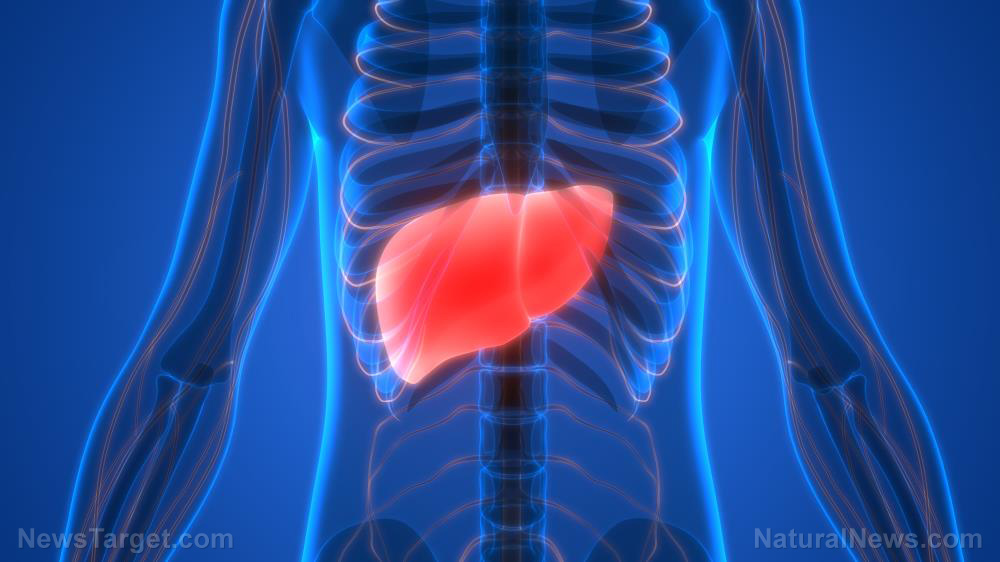
( Natural News ) A recent study has found that supplementation with glutathione could help reverse liver damage associated with nonalcoholic fatty liver disease (NAFLD). NAFLD is characterized by the accumulation of excess fat in the liver , which, if left untreated, can progress to a more aggressive form of liver disease called nonalcoholic steatohepatitis (NASH). NASH is accompanied by inflammation that eventually damages liver cells, impairing liver function . In the U.S., around 100 million individuals are estimated to have NAFLD, most of whom are overweight or obese, diabetic and have high cholesterol or high triglyceride levels.
Glutathione is an antioxidant that’s composed of three nonessential amino acids, namely, glutamine , glycine , and cysteine . It helps eliminate drugs, alcohol and toxins from the liver. Glutathione is also known to fight harmful free radicals , which are unstable molecules that cause damage to DNA, lipids and proteins. Glutathione as treatment for NAFLD
According to Donald B. Jump, a professor at Oregon State University , the rise in the number of NAFLD cases in America is due to the standard American diet (SAD), which is high in sugar, unhealthy fats and cholesterol.
“Many people eating a common American diet are developing extensive hepatic fibrosis, or scarring of their liver, which can reduce its capacity to function, and sometimes lead to cancer,” he warned.
But a recent study conducted by Japanese researchers found that NAFLD patients showed improvement after taking 300 mg of glutathione per day for four months. Prior to supplementation, the patients underwent a 3-month intervention to improve their diet and physical activity levels. Comparison of clinical parameters measured before and after glutathione treatment showed that supplementation significantly decreased the patients’ triglyceride, non-esterified fatty acid and ferritin levels.
High triglyceride levels are linked to the hardening of the arteries , also known as arteriosclerosis. High levels of non-esterified (free) fatty acids, which are released from triglycerides , contribute to the development of metabolic problems, such as hepatic insulin resistance. Meanwhile, high levels of ferritin, a blood protein that contains iron , is associated with inflammatory conditions, such as rheumatoid arthritis and liver disease.
Besides preventing these health problems, the study showed that glutathione significantly decreased blood levels of alanine aminotransferase (ALT) — an enzyme commonly found in liver cells — in NAFLD patients. High ALT levels is an indication of liver damage. Other benefits of glutathione
Several studies have found a link between glutathione levels and good health . A Danish study, for instance, reported that older adults with high levels of glutathione are healthier than those with low levels.
Other studies have shown that people with heart disease and low glutathione levels have a 30 percent higher risk of suffering from a heart attack than those with healthy glutathione levels. Having low glutathione levels is also linked to brain disorders and other serious health problems.
On the other hand, glutathione supplementation has been found to help reduce oxidative stress , improve insulin sensitivity and blood circulation and reduce symptoms of Parkinson’s disease and respiratory diseases. (Related: Glutathione could become a major player in the battle against obesity and chronic disease .)
Glutathione levels decline with age and are also influenced by many factors, such as poor diet, exposure to environmental toxins and stress. Reports suggest that while the average American needs to consume about 250 mg of glutathione a day, most only get around 35 mg from their diet.
To boost your glutathione intake, incorporate glutathione-rich foods, such as organic melons, grapefruit, peaches, asparagus, spinach, mangoes, strawberries, eggs and garlic , into your daily diet. Foods that are rich in sulfur can also boost your body’s production of glutathione.
For more articles on the benefits of maintaining healthy glutathione levels, visit Antioxidants.news .
Sources Include:
NaturalHealth365.com 1
NaturalHealth365.com 2
Cancer.gov
BMCGastroenterol.BiomedCentral.com
MayoClinic.org 1
MayoClinic.org 2
Nature.com
The abundant health benefits of mint leaves
Saurabh Arora, Inventor Pudhinaa and Snec30, Director at Arbro says: “Pudina leaves or mint leaves are low on calories and contain very low amounts of proteins and fats. It has an enormous amount of Vitamin A, C, and B-complex that enhances skin and boost immunity. Another nutritional benefit of pudina is that it is rich in iron, potassium and manganese that increase hemoglobin, and improve brain function.”
Arora lists down 10 health benefits of mint leaves that one must know:
Helps in digestion — Mint is rich in antioxidants, menthol and phytonutrients that help the enzymes to digest food. The essential oils in mint possess strong antibacterial and antiseptic effects that calm stomach cramps and help ease acidity and flatulence.
Treats asthma — Regularly taking pudina can ease chest congestion. The methanol in mint acts as a decongestant, it helps loosen mucus collected in the lung and also shrinks swollen membranes in the nose to allow you to breathe easier. While using pudina, make sure that you don’t overdose it, otherwise, your air passage will become irritated.
Cures headaches — Pudina contains menthol that can help relax muscles and ease the pain. Applying pudina juice on your forehead and temples can give you relief from headache. Also, balms of pudina base or mint oil are effective in curing headaches.
Eases stress and depression — One of the main advantages of mint is that it is the most widely used herb in aromatherapy. Pudina or mint has a strong, refreshing smell that can ease stress and refresh the body and mind. The apoptogenic activity of mint helps regulate the cortisol levels in the blood that triggers the body’s natural response to ease the stress. Inhaling pudina essential oil can instantly release serotonin in the blood which is a neurotransmitter that is well known for easing symptoms of stress and depression.
Makes your skin healthy — Pudina has anti-inflammatory and anti-bacterial properties that help treat acne and pimple on the skin. Pudina leaves contain a high amount of salicylic acid which acts as anti-acne. It also acts as an effective skin cleanser. Pudina has antioxidant properties that help you get clean and youthful skin by removing free-radicals from the body. Other ways pudina makes your skin healthy is that it retains the moisture in the skin, clear off dead skin cells, and dirt from the skin pores, and makes the skin look radiant and toned.
Oral care — Chewing pudina leaves is a great way to improve oral hygiene and dental health. The essential oils in pudina can help you get fresh breath. Also, using the mouthwash containing peppermint oil can help you kill bacteria in the mouth and provide you with healthy gums and teeth.
Improves memory — According to a research, mint can improve memory and retrieve the cognitive function of the brain. Consuming pudina regularly can increase brain power by improving alertness, and memory retention, and other cognitive functions.
Promotes weight loss — The aromatic herb pudina could help you in weight loss. The essential oils of pudina stimulate digestive enzymes to increase the bile flow and promote digestion. It also helps in improved nutrient absorption from the food. When the body is able to assimilate and absorb nutrients properly, your metabolism increases. The increase in metabolism promotes weight loss.
Treats common cold — If you are struggling with cold and finding it difficult to breathe, pudina is the best remedy for it. Most of the vapor rubs and inhalers contain mint. Mint naturally clears nose throat, bronchi, and lung congestion. Apart from respiratory channels, mint also eases irritation caused by chronic coughing.
Eases symptoms of nausea — Pudina is an effective treatment for nausea that often occurs in morning sickness. Eating a few pudina leaves or smelling it every morning can help pregnant women prevent the nauseous feeling or cope with it better.
(Puja Gupta can be contacted at puja.g@ians.in)
–IANS
pg/tb /

The Power Within by Corey Daniels book available for only $2.99
Mind has both conscious and subconscious halves. These are likened to a driver and the truck he drives. The driver plans the destination and observes road conditions, while the truck provides motive power. Your subconscious mind is like the truck and it only goes in the direction in which is a steered. This can be the road or off a cliff. Likewise, the consciousness paints a picture of what the world is and what your goals are and the subconscious acts on them through emotion, physical response and energy, whether these are correct, rational images or false negative ones. The subconscious is also like an emotional reservoir which your body and mind draw responses from to external stimuli.
The Power Within lays out a method of programming your subconscious and tapping into the Holy Spirit, God voice or what the Greeks called the daimon (godman).