Nature Knows and Psionic Success
God provides
Could your coffee really make you look younger? … Not to mention cure anxiety and beat brain fog? That’s what the latest supercharged brews promise. But is it just a latte nonsense?
With a hefty kick of caffeine, a cup of coffee is, for many, the only way to start the day. But 2021 has seen the rise of a new breed of brews infused with herbs and fungi known as ‘adaptogens’, which makers claim can reduce stress, boost immunity, lift your mood — even make you look more radiant.
These so-called supercharged coffees have won a legion of celebrity fans including Oprah Winfrey , Kim Kardashian , and Meghan Markle. The Duchess of Sussex has invested in Californian ‘superlatte’ brand Clevr. It’s only available in the U.S. and Canada but international shipping is due to launch this year.
What’s so special about ‘adaptogenic coffees’? In herbal medicine adaptogens are natural substances, typically extracted from plants, that supposedly help the body counteract anything that upsets our natural balance. With lower caffeine levels than a normal coffee, these special blends also promise to give you energy without the dreaded mid-morning jitters.
Other brands have developed coffees formulated to maximise antioxidant levels, or with added vitamins and minerals.
Even High Street chain Costa Coffee has caught on to the trend, launching its Latte+ range — vegan lattes with added B12 vitamins, zinc or protein — this month. Soon, sipping on a fortified coffee could be as commonplace as a flat white. But are any of these products actually better than a normal cup of coffee? And do they taste any good?
From collagen-boosting mixes to antioxidant-filled filters, we test the supercharged coffee blends that claim to give you more than a caffeine boost. BEAUTIFYING BLEND
What is it? Ground organic Brazilian coffee with added collagen.
Claims to: Boost skin’s radiance thanks to 2g per serving of the brand’s True Collagen formula (Davina McCall is a fan), a digestible form of collagen peptides. Collagen is a protein that contributes to skin’s elasticity and strength but levels naturally decline after the age of 30.
Tastes like: Smooth and pleasant. It is claimed that it takes a few months for any collagen supplement to have a visible effect, so you have to stick with it.
3/5 BRAIN-BOOST BREW
What is it? Instant coffee with two adaptogens — lion’s mane and rhodiola herb extract.
Claims to: ‘Support memory, focus and concentration’ with lion’s mane extract, and reduce ‘mental fatigue and brain fog’ with the rhodiola extract. Soviet astronauts were given rhodiola for a mental boost.
Tastes like: It has a lovely, almost chocolatey flavour and powered me through a midday slump, a Zoom call and several pieces of work without the 4pm caffeine crash.
4/5 MUSHROOM MAGIC
Mushroom Cups Go Glow!, £14.95 for ten sachets, amazon.co.uk
What is it? Instant organic Peruvian coffee infused with adaptogenic mushroom extract.
Claims to: Support your immune system with 400mg of chaga — the ‘mushroom of immortality’ — in each serving.
Wild chanterelle mushroom extract delivers a ‘high dose of nutrients’ including vitamins B and D.
Tastes like: Slightly earthy but, surprisingly, there’s no detectable mushroom flavour, even though it makes up a third of the mix.
3/5 MULTIVITAMIN HIT
Vitamin Coffee Complete, £5.95 for 210g, vitamin coffee.co.uk What is it? Ground coffee with added vitamins and minerals, in medium or dark roast.
Claims to: Provide 100 per cent of your recommended dietary allowance (RDA) of 14 essential vitamins and minerals in just one cup. Heat-sensitive vitamins have been formulated so they don’t degrade in hot water and lose their efficacy.
Tastes like: The medium roast is mellow and light and there’s no synthetic or chemical taste from the vitamins. You need to use two full tablespoons, or 15g, per serving to get the RDA.
4/5 ANTIOXIDANT BEANS
Feel Good Green Coffee, £6 for 14 bags, ocado.com What is it? 100 per cent crushed green coffee beans in individual ‘coffee bags’, which you steep like a tea bag.
Claims to: Help you achieve your ‘health goals’ by delivering more naturally occurring antioxidants than regular coffee, skipping the roasting process and leaving the organic, Fairtrade Mexican coffee beans in their raw, green state.Tastes like: More like a herbal tea, it’s much more refreshing than a normal coffee. However, it wouldn’t hit the spot first thing in the morning.3/5 BALANCING SHROOMS SuperU Shroom Coffee, £34.99 for 150g, superu.co.ukWhat is it? Instant organic Colombian arabica with adaptogenic mushrooms and maca root.Claims to: Boost energy, productivity and focus without the jitters. There’s 50mg of caffeine per serving, about half what’s in a regular cup of coffee. Cordycep mushrooms ‘stimulate the nervous system and adrenal glands to support a steady release of energy’, while maca root ‘minimises the effects of fatigue’.Tastes like: The flavour is rich and nutty, and indistinguishable from normal coffee. It gave me a boost without getting my heart pounding or giving me a headache a few hours later.3/5 LAB-TESTED FORMULA Exhale Coffee, £7.95 for 225g, exhale coffee.com What is it? Whole-bean or ground organic Mexican coffee, formulated for maximum antioxidant power.Claims to: Have the same antioxidant power as 12 punnets of blueberries, 55 oranges or 1.2 kg of kale.There are no additional extracts or superfood ingredients. Instead, they have extensively lab-tested different bean varieties and roasting processes to hit on a formula that maximises the number of antioxidant polyphenols that end up in your cup.Tastes like: Smooth, fresh and fruity. I shared this with a fussy coffee snob who gave it the thumbs-up.After all, to get all those antioxidant benefits you have to want to drink it.5/5 WHAT THE EXPERTS SAY Coffee contains powerful anti-inflammatory phytonutrients (plant chemicals), says Jo Travers, a dietitian and author of The Low-Fad Diet.’But be aware of the caffeine content,’ she warns. ‘If it interrupts sleep the negatives will outweigh the benefits.’While taking protein in your diet is important, the proteins in these coffees may not have the specific effect they claim.’Any proteins that go through the digestive system are broken down into amino acids before being reconstituted into new proteins,’ she adds. ‘This means, for example, that consuming collagen doesn’t automatically add more collagen in the body — instead, your body will use the amino acids to make whichever proteins it needs.’Jo says adaptogens can […]
Finally, a Supplement That Actually Boosts Memory – Many Already Take It for Better Sleep
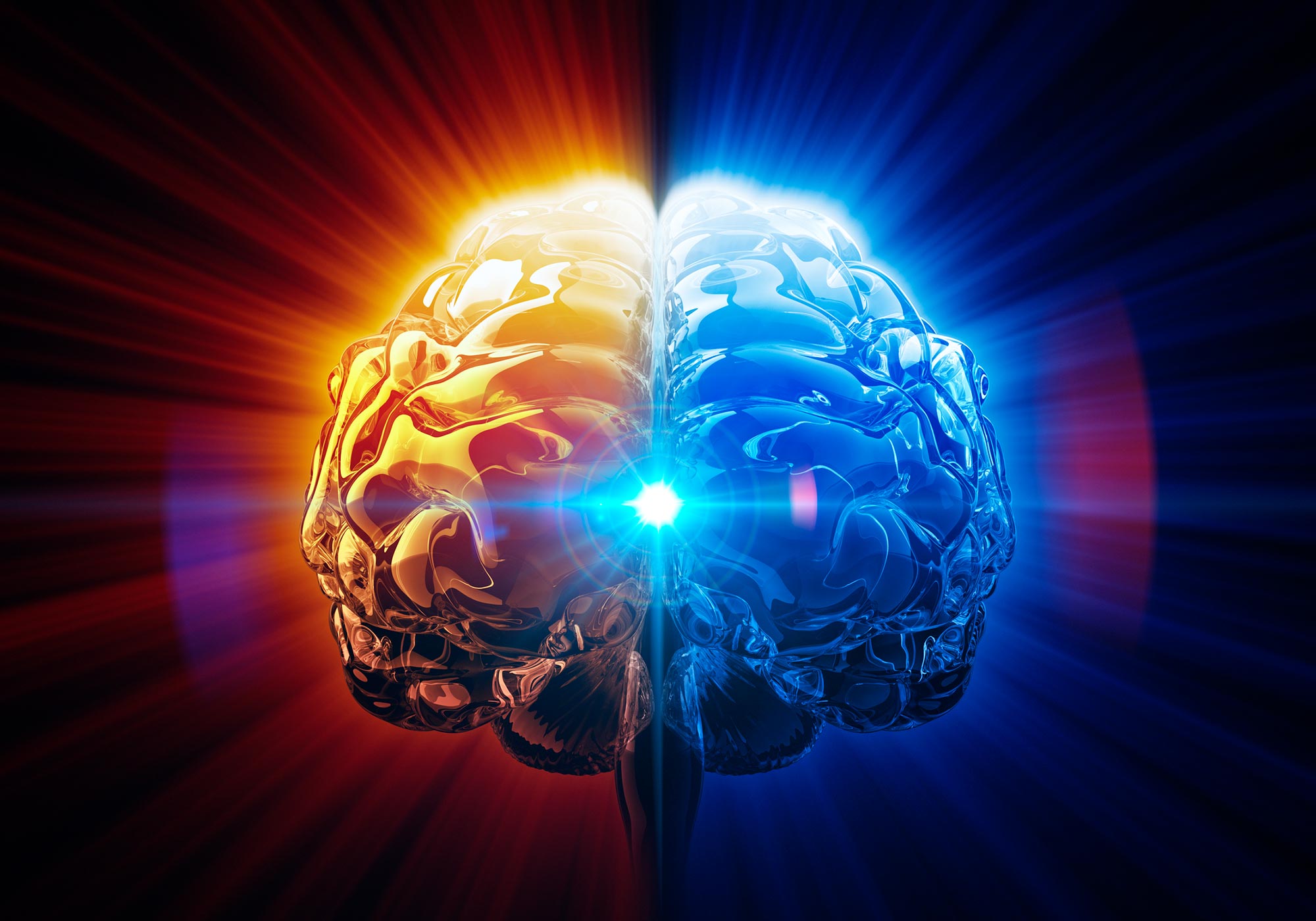
Researchers at Tokyo Medical and Dental University (TMDU) in Japan show that melatonin and its metabolites promote the formation of long-term memories in mice and protect against cognitive decline.
Researchers at Tokyo Medical and Dental University (TMDU) showed that melatonin’s metabolite AMK can enhance the formation of long-term memories in mice. Memory of objects were tested after treatment with melatonin or two of its metabolites. Older mice that normally performed poorly on the memory task showed improvements as dosage increased. The metabolite AMK was found to be the most important as melatonin failed to improve memory if it was blocked from metabolizing into AMK.
Walk down the supplement aisle in your local drugstore and you’ll find fish oil, ginkgo, vitamin E, and ginseng, all touted as memory boosters that can help you avoid cognitive decline. You’ll also find melatonin, which is sold primarily in the United States as a sleep supplement. It now looks like melatonin marketers might have to do a rethink. In a new study, researchers led by Atsuhiko Hattori at Tokyo Medical and Dental University (TMDU) in Japan have shown that melatonin and two of its metabolites help memories stick around in the brain and can shield mice, and potentially people, from cognitive decline.
One of the easiest ways to test memory in mice is to rely on their natural tendency to examine unfamiliar objects. Given a choice, they’ll spend more time checking out unfamiliar objects than familiar ones. The trick is that for something to be familiar, it has to be remembered. Like in people, cognitive decline in mice manifests as poor memory, and when tested on this novel object recognition task, they behave as if both objects are new. Three 1-minute training trials (A) revealed age-associated object memory decline in middle-aged and old mice at 1 day post-training (B). Systemic AMK (1 mg/kg) administered after a single 1-minute training trial enhanced object memory at 1 and 4 days post-training in all age groups (D-F). Data are presented as mean ± standard error. *P < .05 and **P < .01 indicate significantly different than chance performance (50%). Discrimination index (%) = time exploring novel object/ total object exploration time during test X 100. Credit: Department of Biology,TMDU The group of researchers at TMDU were curious about melatonin’s metabolites, the molecules that melatonin is broken down into after entering the body. “We know that melatonin is converted into N1-acetyl-N2-formyl-5-methoxykynuramine (AFMK) and N1-acetyl-5-methoxykynuramine (AMK) in the brain,” explains Hattori, “and we suspected that they might promote cognition.” To test their hypothesis, the researchers familiarized mice to objects and gave them doses of melatonin and the two metabolites 1 hour later. Then, they tested their memory the next day. They found that memory improved after treatment, and that AMK was the most effective. All three accumulated in the hippocampal region of the brain, a region important for turning experiences into memories.
For young mice, exposure to an object three times in a day is enough for it to be remembered the next day on the novel object recognition task. In contrast, older mice behave as if both objects are new and unfamiliar, a sign of cognitive decline. However, one dose of AMK 15 min after a single exposure to an object, and older mice were able to remember the objects up to 4 days later.
Lastly, the researchers found that long-term memory formation could not be enhanced after blocking melatonin from being converted into AMK in the brain. “We have shown that melatonin’s metabolite AMK can facilitate memory formation in all ages of mice,” says Hattori. “Its effect on older mice is particularly encouraging and we are hopeful that future studies will show similar effects in older people. If this happens, AMK therapy could eventually be used to reduce the severity of Mild Cognitive Impairment and its potential conversion to Alzheimer’s disease.”
Reference: “The melatonin metabolite N1‐acetyl‐5‐methoxykynuramine facilitates long‐term object memory in young and aging mice” by Hikaru Iwashita, Yukihisa Matsumoto, Yusuke Maruyama, Kazuki Watanabe, Atsuhiko Chiba and Atsuhiko Hattori, 30 October 2020, Journal of Pineal Research .
DOI: 10.1111/jpi.12703
21 Simple Pleasures to Enlighten a Gloomy Day
Do you ever wish you could jump on a plane to Tahiti to escape the stress of everyday life or brighten a gloomy day? For most of us, it’s unrealistic to drop everything and leave. But what if you didn’t have to?
The best solutions aren’t hidden away in some far-off destination where we can only access them for a week or two. In fact, they are often right under our noses! We are just too caught up in busyness, distraction, and exhaustion to notice.
Here are 21 simple pleasures you can easily treat yourself to—without the plane ticket!
These hacks—most of which we can do from the comfort of our own homes—boost our mood and brighten our day by elevating our feel-good hormones (serotonin, endorphins, dopamine), helping us relax, and shifting our focus from gloomy situations or thoughts to more positivity and satisfaction with our lives. 1. Stand on the Bright Side
The simple state of being outdoors triggers a neural bath of happy hormones. Even as little as ten minutes of exposure to daylight outdoors (without sunglasses for optimal results) boosts our levels of both serotonin and endorphins. [1] 2. Treat Yourself to a Salty Soak
Epsom salt (magnesium sulfate) baths are often used for treating aches and pains, but they’re also an amazing stress-buster.
Magnesium is an essential mineral known to relax muscles and relieve tension, stress, and anxiety. Some research shows it to increase serotonin production in the brain, helping to stabilize mood. [2]
If you don’t have access to a tub for full-body indulgence, fill a foot bath or large bowl with hot water and Epsom salt to soak up the mood-boosting benefits through your feet. Feeling extra decadent? Add a few drops of essential oils — calming lavender or perky peppermint are good mood scents to try! 3. Illuminate with Intention
Lighted candles can symbolize our emotional selves and reflect the radiance of our hearts, even when we feel distressed. This pairs well with a positive affirmation of what is going well for us, as a reminder of our blessings. We can also focus on an intention of who we are becoming or what we are committed to fulfilling in our lives.
Light your candle and state your affirmation or intention either out loud or in your mind (whichever feels most comfortable). Repeating this simple ritual on a regular basis reinforces connection with ourselves and moves us into a more positive mindset. 4. Calm Your Mind Without Forcing
Quiet inward focus has a powerful effect on our mood. Sometimes, however, trying to sit still and silence our mind creates what I call “relaxation anxiety”: exacerbated feelings of stress caused directly by the effort of trying to relax. In this case, attempting to relax through traditional meditation (and feeling like you’re failing) can be counterproductive.
If this sounds familiar, try an alternate method like walking or cleaning—any activity that you can carry out without consciously thinking about the steps to perform it. An empowered calm washes over us when we decide to allow our minds and thoughts to wander instead of being rigidly fixated on controlling them. 5. Tune in to a Positive Note
Music is such a powerful companion to, and driver of, our emotions, it is even used to treat anxiety and depression in dementia patients, as musical memory and emotions are among the last capacities to be lost. [3]
Fortunately, we don’t need to have any formal musical education or inclination to enjoy and respond to the benefits at a deep level. [4] The simple act of listening to upbeat music, combined with setting the intention to shift into a more positive mood, is proven to elevate happiness levels. [5] 6. Indulge in Soothing Sippers
There is a natural tranquility that comes from comforting ourselves with a warm mug of deliciousness. Sit back and relax with your favorite blend knowing just the act of mindful sipping will nurture you.
For extra gloomy days, try lemongrass with its bright flavor and uplifting aroma, or turmeric with its rich spicy undertones and feel-good-hormone boosting effects. [6] 7. Expand Your Awareness to Crave “Good Mood” Foods
“You are what you eat” is not just an overused motivator for losing weight. The truth is, every system and process in our bodies is affected by the nourishment and fuel we provide them.
Think about how you feel—physically, mentally, and even emotionally—when you eat a certain food. If what you’re eating leads to feeling fatigued, bloated, guilty, foggy, etc., reassess your consumption of those foods.
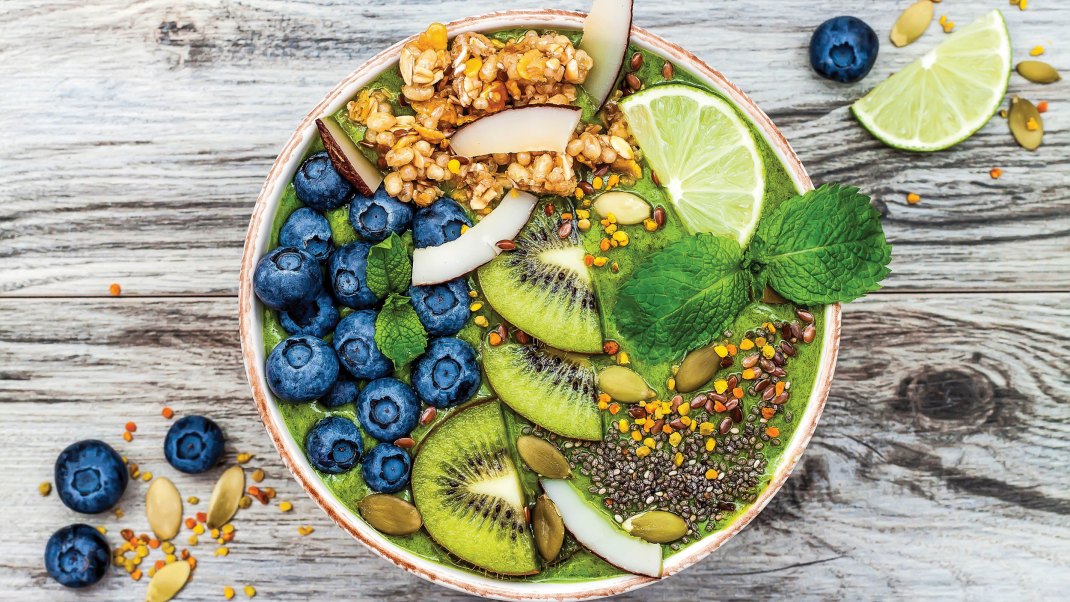
On the flip side, some foods with nutrients and minerals known to positively affect our mood include sweet potatoes, blueberries, flaxseed, wild-caught salmon, yogurt, and brown rice. Here’re more options for you: 9 Superfoods To Fight Inflammation And Boost Your Mood 8. Send a Lasting Token of Affection
Receiving a thoughtful note from a friend or family member is at the top of the list for most people when it comes to what brings us joy. Sending a thoughtful note, on the other hand, brings us a double dose: it reminds us of the wonderful people in our lives, and it’s fun to imagine the reaction of the recipient.
Keep it simple if you like. A quick “thank you” or “something I admire/appreciate about you” goes a long way. 9. Launch an Upward Spiral
While it’s never a good idea to ignore or deny our problems, taking our minds off them to notice what’s also going well is a potent mood elevator.
We all have blessings and gifts which we tend to take for granted. Turning our attention to these not only helps us feel better in the moment, it creates an upward spiral of receiving and noticing more things to feel grateful for. Jot a few down in your journal or in a note to post on your fridge. Mention them in your prayers at night. However you choose to acknowledge your blessings, you’re bound to experience an immediate lifting of your spirits.
Here’s a reminder of what you should be thankful for: […]
Three ways to move more while working from home

Though people with office jobs often sit for up to 80% of the working day , many still manage to get an average of 3,616 steps daily , largely thanks to many small opportunities for activity throughout the day. But with many of us now working from home during the pandemic, this means that any exercise we might have had during our day – whether cycling to work, or walking to get lunch – may no longer exist. While the way we work has changed, that doesn’t mean we can’t easily find ways to be more active during our work day if we look at how we managed to get active while working in an office.
Here are a few things you can try to get you to move more while working from home: 1. Stand up and move while working
Prolonged standing burns more calories than sitting. While this won’t be enough to tackle weight loss, replacing two hours sitting each day with standing can burn up to 130 calories a week , and may improve concentration . Standing more often during your day may also improve glucose, insulin levels, and blood pressure in the long term.
You may be surprised to hear that [fidgeting is also good]. These small, regular movements (such as tapping your foot or shifting position) while sitting also burn more calories by increasing energy expenditure by 5–10% above resting values .
Experts recommend office workers try to get at least two hours a day standing or moving around during work hours – and should build up to four hours, if possible. To start out, try adding at least 30 to 60 minutes of standing into your workday, perhaps by alternating between fifteen minutes standing followed by fifteen minutes sitting. Or perhaps try taking all your calls or meetings while standing. 2. Take “exercise snacks”
Short bursts of exercise – or “exercise snacks” – are beneficial for your health. Previously, it was thought bouts of exercise needed to last longer than ten minutes to be beneficial to our health – but recent research indicates activity of any duration is good for health. Regular exercise also improves memory and even has brain-enhancing effects by improving memory and reducing inflammation in the brain (which can lead to conditions such as Alzheimer’s).
Try to take regular active movement breaks or exercise snacks during your day. For example, climbing the stairs can be a useful exercise, with research showing ten minutes of stair climbing can have a similar effect on energy levels as a cup of coffee does in sleep-deprived people. Vigorously climbing three flights of stairs (60 steps) at least three times a day – separated by one to four hours of rest – may improve your fitness .
A lower impact option would be to walk a few laps around your house. Even something as simple as moving rooms to refill your water glass or tea cup can help you get a bit of extra movement in. 3. Exercise at lunchtime (outdoors if possible)
Emerging evidence shows that going outside to exercise during the day in natural settings (such as parks, fields, or near rivers or coastlines) can be beneficial to our mental health and cognitive ability.
But many people aren’t lucky enough to live near easily accessible natural environments. Fortunately, research shows that even getting out in the fresh air for a short walk or run is health enhancing . If you can’t get outside during lunch, exercising indoors can still be beneficial to your health.
Remember, any movement is better than none – and the more the better. While you are working from home, make a special effort to build activity back into your day for both your mental and physical health.
Nutrition Experts Explain Why Eggs Are One of the Best Things You Can Eat

Health experts have waged scientific war against each other for years on the real nutritional value of eggs. The battle always comes down to how the cholesterol in eggs affects our health, as research published in 2019 in the Journal of the American Medical Association highlighted a link between eggs and an increased risk of heart disease and a shorter lifespan. Yet, the United States’ Department of Agriculture’s new Dietary Guidelines for Americans still maintain that they’re part of a healthy diet on a weekly basis. Are eggs actually worthy of their health halo, you may ask? It all depends on how much you are eating. The 2019 review hinges on data sourced from people who are eating upwards of a dozen eggs each week, so unless you’re consuming three or four eggs every day, don’t go throwing out your cartons just yet. The best amount may be closer to one each day , according to the latest data review from Harvard University’s School of Public Health , which analyzed data from 215,000 men and women over a 34-year period. A vast majority of those people didn’t influence their risk for stroke or cardiovascular disease in general unless they had a previously existing condition, like type 2 diabetes. These findings were similar to a cholesterol advisory published by the American Heart Association in 2019.
One of the best sources of protein available in your kitchen, eggs are chock-full of essential nutrients such as vitamins A, D, B12, and an under-the-radar essential known as choline. They’re also an inexpensive and versatile staple, so don’t let misconceptions about cholesterol or saturated fats stop you from making them for breakfast, brunch, or Brinner ! We’re highlighting the best health benefits associated with eggs below. Plus, we’re tackling all of the chatter around eggs with a list of FAQs — including what you really need to know about egg whites. Egg Nutrition Stats
A large egg contains the following, according to the USDA : 72 calories
0g carbohydrates
6g protein
5g total fat
1.5g saturated fat (8% DV)
0g fiber
0g sugar
69mg potassium (1% DV)
6mg magnesium (1% DV)
28mg calcium
0.8mg iron (3% DV)
99mg phosphorus
0.08mg vitamin B6 (5% DV)
0.45 mcg vitamin B12 (10% DV)
270 IU vitamin A
41 IU vitamin D (11% DV)
What are the health benefits of eating eggs?
They boost brain health. Eggs are chock full of choline, an essential nutrient crucial for healthy memory, mood, and muscle control, says Michelle Hoeing Bauche , MS, RDN, a clinical dietitian in the bariatric services division of the University of Missouri Health Care system. “Choline is in the B vitamin family … and is fairly ‘new’ compared to other nutrients that have been studied and researched,” she says. “Consuming choline through foods like eggs may actually help to prevent things like cardiovascular disease, early brain dysfunction such as dementia, and fatty liver disease.”
But you won’t get choline’s health edge by simply taking supplements ; Bauche says that some research shows that choline on its own doesn’t have much of an effect on preventing these conditions, most likely “because most nutrients act synergistically with one another and rarely alone.” Your best bet is to incorporate choline-rich foods into regular rotation in the kitchen. Eggs and other dairy items are the best source, Bauche says, followed by beef liver, shiitake mushrooms, fatty-rich salmon , and beans, legumes, and cruciferous vegetables on a smaller scale.
They safeguard pregnant women. During pregnancy, choline intake is critical for fetal brain development and can help prevent birth defects. “Research suggests that as many as 90 percent of pregnant women may not be consuming adequate amounts of choline,” Bauche says, adding that clinical studies have found that pregnant women who eat upwards of 900mg of choline (double the recommended daily intake) may boost cognitive development in their children later on. “While most people are aware that folate plays a role in preventing neural tube defects, choline actually plays an equally important role, since it also aids in the synthesis of cell membranes and neurotransmission.” Two large eggs contain more than 50% of the recommended choline intake for pregnant women. Vitamin B12 is another essential nutrient required for red blood cell formation, neurological function, and DNA synthesis. B12 is almost exclusively found naturally in animal products, so if you’re vegetarian, eggs can help meet your B12 needs.
They can help manage weight loss over time. Research has linked meals higher in protein to keeping you fuller, longer. Published in the Journal of the American College of Nutrition , a 2004 review suggests that protein-rich foods (including eggs!) is the most filling option available at mealtime, even with smaller portions compared to other nutrients. Plus, lean protein like eggs are lower in calories than higher-fat cuts of meat and poultry.
They can preserve vision and eye health. Eggs also contain a crucial chemical compound known as carotenoids that are normally found in fruits and vegetables — and these nutrients can help boost the immune system over time , according to Anne-Marie Gloster , Ph.D., R.D., a lecturer in the nutritional sciences program at the University of Washington . “Carotenoids are the chemical compounds which produce the yellow, orange, and red colors in fruits and vegetables,” she shares, adding that eggs contain a class of carotenoids known as xanthophylls. “The two xanthophyll compounds found in these carotenoid rich foods are lutein and zeaxanthin; they are more of the yellow pigments in our foods. Egg yolks contain these xanthophylls … And the color of [the] yolk is dependent on the feed of the chicken and whether their diet included carotene-rich foods.”
The lutein and zeaxanthin found in eggs play a role in maintaining eye health; research published in 2019 shows that lutein in particular may impact cognition in both children and adults. Gloster shares that these pigments allow our eyes to naturally filter blue-light emissions from computers and televisions; research has suggested that these compounds may even help […]
Researchers say taurine trains your gut microbiota to resist subsequent infections with the same pathogen

( Natural News ) Your gut microbiota helps shield you from infections, and for the longest time, scientists have wondered how. A new study published on Jan. 15 in the journal Cell details the process involved in gut immunity, or specifically, how your gut microflora functions to give you colonization resistance . Using mouse models, a team from the National Institutes of Health (NIH) identified which bacteria help your body fight off infections and discovered the crucial role played by taurine in the whole process. Taurine is a naturally occurring amino acid that can be found in the brain, heart, eyes and muscles . The gut microbiota-immune system alliance
The human gut is involved in other functions besides digestion. In fact, the gut houses almost 70 percent of the entire immune system . This large portion is represented by a huge mass of lymphoid tissue known as gut-associated lymphoid tissue (GALT). GALT is located in the small intestine, colon and appendix, and is composed of different types of immune cells. Many of these cells, especially the B and T lymphocytes , play important roles in humoral (involves antibodies) and cell-mediated (involves specialized immune cells) immunity.
For many years, researchers have known that the gut microbiota – a diverse but harmonious community of microbes hosted by the digestive system – directly influences immune function. This has been clearly demonstrated in many animal studies. A healthy gut microbiota always translates to overall wellness and a stronger immune system, while dysbiosis (microbial imbalance) results in a dysfunctional immune system , persistent inflammation and gastric diseases like inflammatory bowel disease (IBD). While the logic behind these associations is clear, the underlying mechanisms are yet to be elucidated.
Recently, researchers have made good progress in delineating the extent of the gut microbiota’s involvement in conferring immunity. According to immunologists at the NIH, the gut microbiota “ plays a fundamental role in the induction, training and function of the host immune system.” The alliance formed by these two ensures that proper defensive responses will be mounted against invading pathogens, while a certain amount of tolerance is maintained for the survival of beneficial microorganisms. Gut microbiota enhances immunity against pathogens with the help of taurine
In their latest study, NIH researchers have finally uncovered how the gut microbiota fends off harmful invaders – a process known as colonization resistance – and enhances host immunity in the process. For their experiment, they first isolated microbiota that had previously been exposed to Klebsiella pneumoniae (Kpn), a common gut bacterium that causes severe infections outside of the intestines. After transferring the microbiota to germ-free mice, the researchers then exposed the animals to Kpn and found that the microbiota helped protect the mice from infection .
Further analysis allowed the researchers to pinpoint Deltaproteobacteria , a small class of Proteobacteria found in the guts of various organisms, as the main bacteria involved in preventing the infection. They also discovered that taurine, a multi-functional amino acid naturally produced by the body, plays a pivotal role in the development of colonization resistance as it serves as the trigger for Deltaproteobacteria activity. (Related: Boost brain health with taurine, an amino acid with antidepressant properties .)
According to the researchers, the body produces taurine in response to infection. Simultaneously, the gut microbiota undergoes functional changes so that the number of microbes that can utilize taurine increases. This allows the gut microbiota to efficiently convert taurine into sulfide. Sulfide is a compound that inhibits cellular respiration, so the presence of sulfide limits the ability of pathogens to complete their invasion. When the researchers supplemented mice with taurine, they found that this alone was enough to prime their gut microbiota to fight off foreign invaders.
On the other hand, treatment with the over-the-counter drug bismuth subsalicylate, an inhibitor of hydrogen sulfide production, decreased the resistance of mice against infections. This demonstrates how conventional medications can easily interfere with the body’s natural defenses and, as a consequence, reduce a person’s immunity. Taken together, the findings suggest that a single mild infection is enough to induce the gut microbiota to develop resistance against a specific pathogen. Furthermore, the results point to the liver and the gallbladder – where bile acids containing taurine are synthesized – being capable of developing long-term immunity against infections.
The study also reveals another important function of taurine, which, apart from forming bile salts, also helps maintain hydration and electrolyte balance, regulates the amount of minerals within cells and supports the functions of the central nervous system.
Learn more about how your immune system works at ImmuneSystem.news .
Sources include:
Phys.org
Healthline.com
NCBI.NLM.NIH.gov
MDPI.com
Cell.com
Nutrition Experts Explain Why Eggs Are One of the Best Things You Can Eat

Health experts have waged scientific war against each other for years on the real nutritional value of eggs. The battle always comes down to how the cholesterol in eggs affects our health, as research published in 2019 in the Journal of the American Medical Association highlighted a link between eggs and an increased risk of heart disease and a shorter lifespan. Yet, the United States’ Department of Agriculture’s new Dietary Guidelines for Americans still maintain that they’re part of a healthy diet on a weekly basis. Are eggs actually worthy of their health halo, you may ask? It all depends on how much you are eating. The 2019 review hinges on data sourced from people who are eating upwards of a dozen eggs each week, so unless you’re consuming three or four eggs every day, don’t go throwing out your cartons just yet. The best amount may be closer to one each day , according to the latest data review from Harvard University’s School of Public Health , which analyzed data from 215,000 men and women over a 34-year period. A vast majority of those people didn’t influence their risk for stroke or cardiovascular disease in general unless they had a previously existing condition, like type 2 diabetes. These findings were similar to a cholesterol advisory published by the American Heart Association in 2019.
One of the best sources of protein available in your kitchen, eggs are chock-full of essential nutrients such as vitamins A, D, B12, and an under-the-radar essential known as choline. They’re also an inexpensive and versatile staple, so don’t let misconceptions about cholesterol or saturated fats stop you from making them for breakfast, brunch, or Brinner ! We’re highlighting the best health benefits associated with eggs below. Plus, we’re tackling all of the chatter around eggs with a list of FAQs — including what you really need to know about egg whites. Egg Nutrition Stats
A large egg contains the following, according to the USDA : 72 calories
0g carbohydrates
6g protein
5g total fat
1.5g saturated fat (8% DV)
0g fiber
0g sugar
69mg potassium (1% DV)
6mg magnesium (1% DV)
28mg calcium
0.8mg iron (3% DV)
99mg phosphorus
0.08mg vitamin B6 (5% DV)
0.45 mcg vitamin B12 (10% DV)
270 IU vitamin A
41 IU vitamin D (11% DV)
What are the health benefits of eating eggs?
They boost brain health. Eggs are chock full of choline, an essential nutrient crucial for healthy memory, mood, and muscle control, says Michelle Hoeing Bauche , MS, RDN, a clinical dietitian in the bariatric services division of the University of Missouri Health Care system. “Choline is in the B vitamin family … and is fairly ‘new’ compared to other nutrients that have been studied and researched,” she says. “Consuming choline through foods like eggs may actually help to prevent things like cardiovascular disease, early brain dysfunction such as dementia, and fatty liver disease.”
But you won’t get choline’s health edge by simply taking supplements ; Bauche says that some research shows that choline on its own doesn’t have much of an effect on preventing these conditions, most likely “because most nutrients act synergistically with one another and rarely alone.” Your best bet is to incorporate choline-rich foods into regular rotation in the kitchen. Eggs and other dairy items are the best source, Bauche says, followed by beef liver, shiitake mushrooms, fatty-rich salmon , and beans, legumes, and cruciferous vegetables on a smaller scale.
They safeguard pregnant women. During pregnancy, choline intake is critical for fetal brain development and can help prevent birth defects. “Research suggests that as many as 90 percent of pregnant women may not be consuming adequate amounts of choline,” Bauche says, adding that clinical studies have found that pregnant women who eat upwards of 900mg of choline (double the recommended daily intake) may boost cognitive development in their children later on. “While most people are aware that folate plays a role in preventing neural tube defects, choline actually plays an equally important role, since it also aids in the synthesis of cell membranes and neurotransmission.” Two large eggs contain more than 50% of the recommended choline intake for pregnant women. Vitamin B12 is another essential nutrient required for red blood cell formation, neurological function, and DNA synthesis. B12 is almost exclusively found naturally in animal products, so if you’re vegetarian, eggs can help meet your B12 needs.
They can help manage weight loss over time. Research has linked meals higher in protein to keeping you fuller, longer. Published in the Journal of the American College of Nutrition , a 2004 review suggests that protein-rich foods (including eggs!) is the most filling option available at mealtime, even with smaller portions compared to other nutrients. Plus, lean protein like eggs are lower in calories than higher-fat cuts of meat and poultry.
They can preserve vision and eye health. Eggs also contain a crucial chemical compound known as carotenoids that are normally found in fruits and vegetables — and these nutrients can help boost the immune system over time , according to Anne-Marie Gloster , Ph.D., R.D., a lecturer in the nutritional sciences program at the University of Washington . “Carotenoids are the chemical compounds which produce the yellow, orange, and red colors in fruits and vegetables,” she shares, adding that eggs contain a class of carotenoids known as xanthophylls. “The two xanthophyll compounds found in these carotenoid rich foods are lutein and zeaxanthin; they are more of the yellow pigments in our foods. Egg yolks contain these xanthophylls … And the color of [the] yolk is dependent on the feed of the chicken and whether their diet included carotene-rich foods.”
The lutein and zeaxanthin found in eggs play a role in maintaining eye health; research published in 2019 shows that lutein in particular may impact cognition in both children and adults. Gloster shares that these pigments allow our eyes to naturally filter blue-light emissions from computers and televisions; research has suggested that these compounds may even help […]
Five Habits That Can Decrease Chances of Alzheimer’s, Even For Those With Genetic Risk

Over a decade and a billion dollars have been spent to find a cure for Alzheimer’s, yet the cure seems to be as elusive as ever. To date, there is still no cure for Alzheimer’s nor any way to stop or slow its progression once it has taken hold of the cells in the brain. There are, however, various drug and non-drug options that help patients with mild to severe cases of Alzheimer’s, options that are more to allow one to still have control over simple day to day tasks with minimal assistance.
For those who have one or more family members with Alzheimer’s disease, the pain and suffering are known all too well. We don’t often notice how it starts, as the early symptoms can be likened to an ordinary slip of the mind. A few years in, the symptoms get serious and become a cause for worry. The diagnosis confirms that the disease has taken root, so all that anyone can do is to watch it develop and try to make things as easy as possible for the patient.
Throughout all this, one question comes to mind – “Am I going to develop the same genetic disease?”
Family history is not necessary for an individual to develop Alzheimer’s as the disease can still develop due to multiple lifestyle factors. However, those who have a parent, a sibling, or multiple family ties with Alzheimer’s are more likely to develop the disease than those who do not have a first-degree relative with Alzheimer’s. Fortunately, there are five habits that can decrease risk of Alzheimer’s , even for those with genetic risk. Five Habits That Can Decrease Chances Of Alzheimer’s
1. Cardio, 3 Days A Week
Regular exercise can significantly reduce the risk of developing dementia by about 30%. For Alzheimer’s disease specifically, the risk was reduced by 45%. Aerobic exercise, in particular, has been shown to affect the brains of healthy older adults.
The hippocampus – the key brain area that is involved in memory – increased in size, meaning that the growth and maturation of new neurons are spurred when there is an increase in blood and oxygen flow to the brain. Walking, hiking, biking, swimming, or simply exercising on a stair-climber does the trick, as long as the body regularly indulges in the activity and turns it into a habit. 2. Daily Cognitive Challenges
As we age, cognitive decline starts to show. Slower inductive reasoning, slower problem solving, and declines in perpetual speed are just some of the signs of cognitive decline. These are also symptoms of Alzheimer’s disease, but it is impossible to confirm the disease unless extensive tests are done.
Those who continue to engage in mental exercises enjoy strong neuropsychological performance throughout their senior years. Doing the Sunday crossword, playing chess, or solving a Sudoku puzzle keeps the mind up and running without any negative stress. Take cognitive enhancers to help the brain stay active and focused throughout the day, like brain supplements from Neurohacker which contain the nutrients that the brain needs to thrive. 3. Read A Book (Read It Aloud)
Reading a book aloud is known to improve information processing skills, vocabulary, and comprehension. It delays the onset of Alzheimer’s and other kinds of dementia because brain functioning improves through an enhanced memory and understanding of what is being read. It’s like feeding your brain information with more depth because you are reading the information to yourself, like explaining the information or the details to your own brain and piecing it together in a way that best relays the message to your brain cells – by speaking and listening. 4. Commit To A Hobby
A study found that those who took part in artistic hobbies such as painting, drawing, and sculpting, were 73% less likely to develop mild cognitive impairment than those who didn’t. Meanwhile, those who engage in woodworking, pottery, ceramics, and sewing reduced the risk by 45%.
Sticking to a hobby not only increases happiness and keeps older adults happy as they age, but it also trains the mind to memorize the steps and the corresponding kinetic movements that come with it. Whether it’s a stroke of the hand or the exact hand pressure to shape a pot, hobbies help the brain to stay healthy and connected to other physical functions. 5. Take Breaks From Work
Elevated stress is known to aggravate the development of Alzheimer’s disease, causing more rapid development of pathology and loss in cognitive function. In fact, researchers found that every stressful event is equal to 1.5 years of brain aging, except for African-Americans where every stressful event is equal to 4 years of brain aging.
It’s impossible to say when stress is going to come knocking. However, especially at work, it is important to give yourself a breather. Keeping busy is healthy as it exercises the brain, but it would be much healthier in the long run to have a scheduled rest not just at night but also during the day. Take small breaks in between heavy work, do nothing but relax. Go easy every now and then. Chances Of Aggravating Alzheimer’s Genetic Risk Factors
Other lifestyle factors are to be considered when there are genetic risks of Alzheimer’s disease involved. Maintaining the five habits above, coupled with staying healthy in heart and mind, is the surest way to stave off the incurable brain disease. Reduce consumption of red meat, quit heavy drinking and heavy smoking, follow a regular sleeping schedule, and do your best to take care of your holistic health.
Take cognitive enhancers, particularly one that is rich in nootropics and complete vitamins to nourish the brain. The best cognitive enhancer ensures that your brain stays focused and energized all day so that you can maximize the times that you engage in cognitive exercises.
Healthcare experts recommend Qualia Mind Essentials by Neurohacker , one of the most advanced and comprehensive mental performance nootropics available in the market today. Each tablet contains 5 nootropic compounds, 7 neuro-vitamins, 6 adaptogen Extracts, 5 amino Acids, and […]
The Anti-Anxiety Diet
As a teen, I bit my nails so short they bled. My mind raced; I was riddled with nervous energy, drowning in self-doubt and insecurity. With each day that edged closer to high school graduation, I grew more terrified of my uncertain future. So, I coped. By the time I was 16, I was a junk-food addict who binge-ate my emotions. I didn’t know it then, but I was a statistic.
One in three: That’s roughly how many teens struggle with debilitating anxiety at some point during adolescence. And age only slightly assuages this number—the National Institutes of Health reported in 2017 that nearly one in five US adults had managed an anxiety disorder the previous year.
And while “Keep Calm and Carry On” marketing has made a killing off of downplaying the implications of the disorder, the results of anxiety are very real and very serious. Last year, according to the Centers for Disease Control and Prevention, 40 percent of US adults reported struggling with mental health or substance use—including 31 percent for whom it was directly related to anxiety and depression. This kind of trauma is not all in anyone’s head, either: Long-term effects of anxiety may include a compromised immune system, gastrointestinal malfunction, increased risk of heart disease, and memory loss.
Traditionally, science has approached treatment with a combination of psychotherapy (also known as talk therapy) and medication, the latter intended to ease symptoms while the former helps suss out and address the causes. In recent years, alternative modalities, including yoga and meditation, have been adopted as well. But there’s a growing body of evidence that suggests it’s time to put the research where, well, your mouth is—because food may just be the key to alleviating certain stress and anxieties.
“While the relationship between nutrition and mental health may not feel intuitive at first glance, it’s key to understanding twin epidemics in modern health care,” says nutritional psychiatrist Uma Naidoo, MD, author of This Is Your Brain on Food and director of nutritional and lifestyle psychiatry at Massachusetts General Hospital in Boston. “Diet and mental health are inextricably linked.”
Just look at the gut, she says. Research shows that 95 percent of the body’s serotonin, a chemical responsible for mood and emotion, is made in the digestive tract. The gut uses the same cells as the brain does, and the two organs are connected by the vagus nerve—a sort of two-way superhighway that carries chemical memos back and forth—so they’re in constant communication. Everything we eat gets translated into a chemical message. Poor food choices chemically set up conditions that pave the way for degraded mental health, beginning with gut inflammation that leads to inflammation in the brain—something not to be taken lightly. Brain inflammation means brain cells are dying; it causes grogginess and unclear thoughts and has been linked to depression, anxiety, and reduced motivation.
No amount of medication or therapy can fix this, Naidoo says. “Until we solve nutritional problems, we won’t be able to improve mental health issues in our society.” Neurotoxins vs. Neurotransmitters
Bloating, fatigue, anxiety—I accepted it all as a part of daily life. As I made my way through high school and into my early 20s, chronic anxiety became routine, as did the disordered eating it gave way to, and after being deprived of nourishment for so many years, my body revolted. My lymphatic system, which typically rids the body of toxins, became so overloaded that it could no longer function. When I was 21, my doctors discovered a Stage 1 cancerous tumor in my neck. It was the worst kind of wake-up call. I was raised in the Australian outback, an area that’s been populated by the country’s Aboriginal groups for thousands of years. Because of this, I was familiar with the Indigenous approach to healing, in which food and plants are medicine. My parents, who considered themselves naturalists, reinforced this approach with a reverence for nature and whole foods while I was growing up. And so, faced with the early stages of terminal illness, I turned again to food—but this time, it was for healing.
Without knowing it, I integrated techniques common in replacement therapy, willing myself to reach for nutritious, homemade alternatives to my familiar comfort cravings. When my anxiety had me desiring something satisfyingly greasy, I chopped potatoes and fried or baked them in olive oil, later switching to a higher smoke-point oil like coconut or avocado (because when oils break down, they release chemicals). I substituted natural ingredients wherever possible, developing wholesome versions of processed foods I longed for when stressed—like chicken nuggets, cookie dough, or chocolate balls (see page 66)—and soon, my comfort food became whole foods.
When I was diagnosed, a switch flipped, arming me with the necessary mental motivation to truly take on a new lifestyle. I’d transitioned away from eating gummy bears for breakfast, fast food for lunch and dinner, and sugary chocolate bars for snacks, and punctuating my stress with an entire box of cookies for a bit of quick relief—but I actually didn’t feel like I had given anything up. My favorite flavors and textures were still there but presented in a new-to-me way. I created a blog, The Earth Diet , to keep me accountable, challenging myself to eat only foods naturally produced by the earth for 365 days.
After three weeks of eating this way, in combination with a host of detox treatments—including colonics, coffee enemas, reflexology, and lymphatic drainage—the tumor had shrunk by a centimeter. With each passing week, it receded even more. Here I had this vascular anomaly that was acting as a real-time health compass for my choices. By the end of month three, the tumor in my throat had dissolved entirely.
But something else happened, too. For the first time in five years, I experienced prolonged anxiety-free periods: full days when my sympathetic nervous system (responsible for the fight-flight-freeze response) wasn’t in overdrive—wasn’t even triggered. Now that I’m a certified nutritionist and have studied food at a biological level, this makes sense: Certain […]
Cannabidiol use during pregnancy affects brain and behavior in adulthood
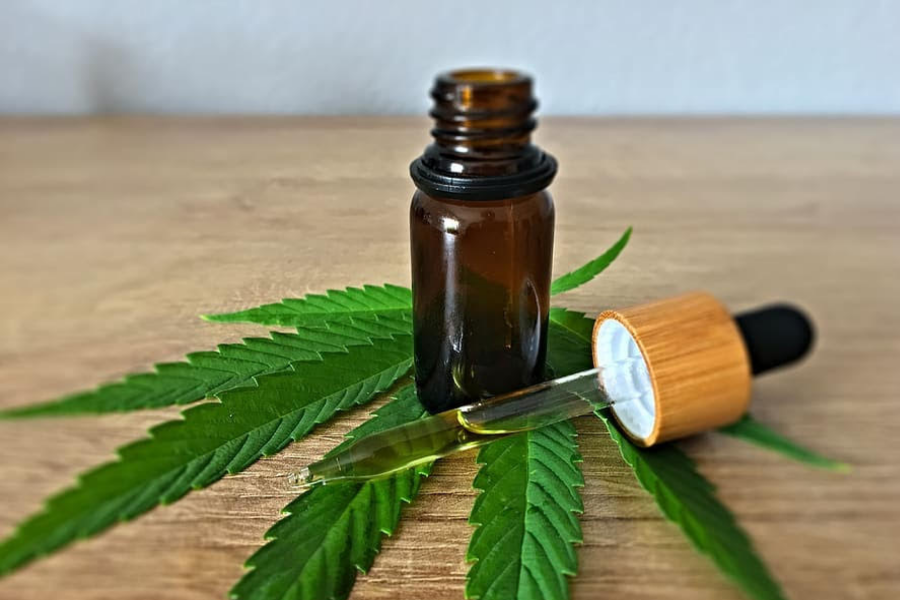
The use of cannabidiol (CBD), the major non-psychoactive compound in cannabis, is on the rise across the United States. Pregnant women in particular may view CBD as more “natural” than other remedies for concerns such as nausea and pain, but the consequences of use for the developing fetus are unknown.
In a new study published in the journal Clinical Epigenetics , researchers at the University of Minnesota used a rodent model to investigate the impact of CBD during development and uncovered effects on the brain and behavior. They found that CBD use during pregnancy may affect mood and cognition in offspring long after the exposure has ceased. The study is the first to examine the effects of maternal CBD exposure during pregnancy on adult offspring in mammals.
The research team, made up of scientists at the University of Minnesota’s Department of Animal Science and College of Veterinary Medicine, began by using a human-relevant dose that is typical in adults purchasing CBD over the counter for a variety of ailments. Next, the team treated pregnant mice daily throughout pregnancy and lactation until the pups were weaned. The offspring were followed into adulthood without any additional CBD, at which time they were measured for persistent behavioral and molecular impacts of CBD.
Specifically, the team of scientists investigated rodent behavior and DNA methylation, an important mechanism known as an epigenetic mark in both rodents and humans that helps control the “when, where, and how much” of gene activity. CBD’s effects on gene activity markers were examined in two brain regions important for memory, mood, and cognition.
Among the study’s key findings: Chronic maternal CBD treatment increased anxiety and improved memory performance in adult female offspring, while males were unaffected.
The effects of CBD during pregnancy persisted even though the offspring had no direct exposure as adults.
Maternal CBD treatment shifted gene regulatory marks (DNA methylation) at hundreds of genes in the brains of adult female offspring.
Genes affected by CBD were involved in the formation of new neurons and synapses, communication between neurons, and diseases like autism spectrum disorder, epilepsy and substance use disorder.
“CBD use has exploded in recent years, yet we still don’t have a clear picture of its impact on the brain, especially during development,” said study director Christopher Faulk , an assistant professor in the College of Food, Agricultural and Natural Resource Sciences . “We show here that use during pregnancy can permanently impact the resulting offspring in adulthood and potentially for the rest of their lives.”
“The effects we observed on memory and anxiety were in 12-week-old mouse offspring, a time that approximates human young adulthood, and is cause for concern,” said study co-author and project lead Nicole Wanner, a post-doctoral fellow in the College of Veterinary Medicine . “DNA methylation marks in the brain are largely set during fetal development, and the presence of CBD during that process appears to direct certain permanent changes. We were surprised at the extent that CBD linked gene pathways were associated with neurological disorders, and expect future work will be needed to understand how fetal exposure to CBD impacts long-term brain function and mental health.”
According to Faulk and Wanner, gaining more insight into how CBD affects the developing brain will be important for future safety recommendations.
The researchers are continuing to draw the epigenetic map of gestational CBD exposure and its impact on youth and adults. In the future, they hope to expand behavioral studies to include measures of sociability and drug reward, which are important for diseases like autism spectrum disorder and substance use disorder, respectively. They also plan to repeat these measurements in adolescent offspring in order to determine whether abnormalities are already present at an earlier age or whether they develop later.
Funding for the study was provided by the College of Food, Agricultural and Natural Resource Sciences at the University of Minnesota.
/Public Release. The material in this public release comes from the originating organization and may be of a point-in-time nature, edited for clarity, style and length. View in full here .
Bilberry Extract May Improve Memory and Help Reverse the Cognitive Decline Experienced with Aging
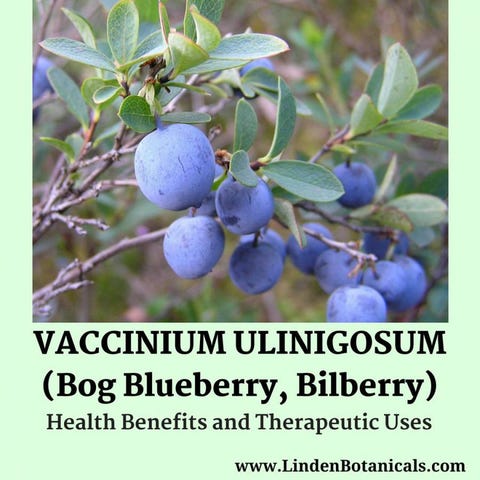
Press Release Bilberry may improve short-term memory, navigational skills, balance, and coordination. Compounds in bilberries may help aging neurons communicate again.
DENVER, COLORADO, USA, January 12, 2021 / EINPresswire.com / — Of all the berries for brain health, Vaccinium uliginosum, more commonly known as Bilberry and Bog Blueberry, may be the most highly valued for its healing and rejuvenating powers. Clinical studies suggest it can improve memory and help with age-related cognitive issues. In fact, it may reverse the cognitive decline some people experience with aging.
Bilberry extract may help rejuvenate the mind, provide meditation support, and increase clarity of thought. It’s also frequently used to support the treatment of cognitive deficits and to improve learning and memory. Studies have found that consumption of bilberry may improve short-term memory, navigational skills, balance, and coordination. Compounds in bilberries seem to jumpstart the brain in ways that help aging neurons communicate again.
“We like to call Bilberry the brain berry because of the support it provides for brain health,” says Linden Botanicals owner Michael Van der Linden. “Bilberry is one of the richest natural sources of anthocyanins. These polyphenolic components give bilberry its blue/black color and high antioxidant content, and they’re believed to be the bioactives responsible for its many reported health benefits.”
According to Herbal Medicine , bilberry may improve vision, and “it has been reported to lower blood glucose, to have anti-inflammatory and lipid-lowering effects, and to promote antioxidant defense and lower oxidative stress. … [B]ilberry is of potential value in the treatment or prevention of conditions associated with inflammation, dyslipidemia, hyperglycemia or increased oxidative stress, cardiovascular disease, cancer, diabetes, and dementia and other age-related diseases.”
“The high antioxidant content of berries helps protect brain cells from damage by harmful free radicals, which can damage cells, causing illness and aging,” Van der Linden says. “Consumption of berries, including bilberry extract, may also change the way the neurons in the brain communicate with each other, working to prevent inflammation that can lead to brain cell damage. We encourage people to learn more about the possible health benefits of consuming Bilberry extract by reading our Bilberry FAQ .”
Bilberry interacts with the respiratory, circulatory, digestive, nervous, renal, and integumentary body systems. Today, it’s recognized that bilberries may offer a wide range of health-related benefits, including antioxidant, antitumorigenic, anti-inflammatory, hypoglycemic, and antimicrobial effects. Linden Botanicals sells Bilberry (Vaccinium uliginosum) bulk extract and 100g boxes of SAVVY Brain Health (Bilberry extract) in its online store .
About Linden Botanicals: Linden Botanicals sells the world’s healthiest teas and extracts, including Bilberry, Cistus incanus, and Phyllanthus niruri (Chanca Piedra). These teas and extracts provide science-based support for brain health, immune health, stress relief, energy, memory, mood, kidney health, joint health, digestive health, inflammation, hormonal balance, and detox/cleanse. Visit www.LindenBotanicals.com to learn about these teas and extracts and find hundreds of valuable health tips and resources. U.S. orders $75+ ship free.
Information contained on this page is provided by an independent third-party content provider. Frankly and this Site make no warranties or representations in connection therewith. If you are affiliated with this page and would like it removed please contact pressreleases@franklymedia.com
Blood Test May Help Diagnose Alzheimer’s Disease, Scientists Say

Around 50 million people live with Alzheimer’s, a degenerative brain disease that accounts for more than half of global dementia cases. Alzheimer’s disease is an age-related brain disorder that develops over many years. However, certain aggravating factors damage the brain cells much faster so even a person who is as young as 30 years old can already experience the early signs of Alzheimer’s.
Memory loss, forgetting the subject of conversation midway, and irrational mood changes are just some of the early symptoms of Alzheimer’s disease. These symptoms can easily be mistaken as every day, stress-driven occurrences. Without regular extensive checkups, a person is often diagnosed with Alzheimer’s when symptoms have already worsened.
A simple blood test may soon be available so that doctors can diagnose patients with two common forms of dementia – Alzheimer’s disease and frontotemporal dementia (FTD) – and tell the two apart. In the meantime, you can help the brain stay active and healthy by taking a fast-acting nootropic by Neurohacker . Blood Test Method May Predict Alzheimer’s Disease
While its precise mechanism is not fully understood, Alzheimer’s appears to result from the accumulation of proteins in the brain that is thought to lead to the death of neurons. Some of these proteins are traceable in the patients’ blood, which means that tests based on these concentrations can be used to diagnose the disease.
From the journal Nature Aging , scientists in Sweden and Britain suggest that blood tests can be used to predict Alzheimer’s, years before the onset of symptoms. This approach could be less invasive and costly than current brain imaging and spinal fluid tests, which means that more people may get tested. The development of this blood test also means that scientists can rapidly screen a much larger and more diverse group of volunteers who wish to enroll for Alzheimer’s disease treatment studies, a critical factor in hastening the search for the long-awaited cure.
In the study, blood samples were taken from more than 550 patients with minor cognitive impairments or those who are already showing early signs of dementia. It is expected that there will be an 88% success rate in predicting the onset of Alzheimer’s in the same patients over four years. The effectiveness of the proposed blood test can only be confirmed after further research. In the meantime, the National Institutes of Health’s (NIH) Natural Institute on Aging (NIA), the National Institute of Neurological Disorders and Stroke (NINDS), and the National Center for Advancing Translational Sciences (NCATS) are funding the study and have high hopes about seeing positive results in years to come. When such time comes, patients and doctors alike will be better equipped with knowledge of a sure diagnosis so that symptoms can be managed earlier before they get worse. Better yet, patients and families will then be able to look forward to a cure. How Is Alzheimer’s Treated Today?
Currently, there is no known treatment for Alzheimer’s. However, medications called cholinesterase inhibitors are often prescribed for mild to moderate cases. These drugs may help reduce some symptoms and help control some behavioral symptoms. The most commonly used medicines are Razadyne® (galantamine), Exelon® (rivastigmine), and Aricept® (donepezil).
Scientists are not yet sure how cholinesterase inhibitors work to treat Alzheimer’s disease. However, research indicates that they prevent the breakdown of acetylcholine, a brain chemical believed to be essential for memory and thinking. As Alzheimer’s progresses, the brain produces less and less acetylcholine, which means that cholinesterase inhibitors may eventually lose their effect.
There are also prescribed treatments that help patients already in the latter stages of Alzheimer’s disease. This medication is known as Namenda® (memantine), an N-methyl D-aspartate (NMDA) antagonist prescribed to treat moderate to severe Alzheimer’s disease. The purpose of this drug is to decrease symptoms, which is incredibly helpful for patients who are experiencing more significant memory loss and thinking skills and all other consequences that come with such loss. Namenda® helps patients with moderate to severe Alzheimer’s maintain certain daily functions a little longer than they would without the medication. This includes using the bathroom independently for several more months, eating meals without assistance, and watching television without forgetting the show’s plot.
For those who are not yet diagnosed with Alzheimer’s but have loved ones living with the disease, it is recommended to follow all preventative steps to slow – or even prevent – Alzheimer’s disease. The risk of developing Alzheimer’s increases if more than one family member has the illness. Other than the hereditary or genetics factor, environmental factors also play a role. Stress, brain health, and even cardiac health are all relevant components for preventing the disease. Maintain a regular sleep schedule, engage the mind with brain-stimulating activities, quit heavy drinking and heavy smoking, and take cognitive enhancers like nootropics by Neurohacker . Cognitive Enhancer For Long-Term Brain Health
Certain compounds of nootropic supplements protect brain cells against Alzheimer’s “aggravators.” Nootropics are known as cognition enhancers that improve mental function and treat various conditions, including memory and concentration problems. One nootropic cognitive enhancer available today is Qualia Mind Essentials by Neurohacker , the product of thousands of hours of research and development by top scientists in complex-systems modeling, neurobiology, organic chemistry, along with the help of dozens of MDs and PhDs.
Qualia Mind Essentials contains five nootropic compounds, making it the most comprehensive supplementation available among the nootropic choices. Combined with seven neuro-vitamins, six adaptogen extracts, five amino acids, and one choline donor, Qualia Mind Essentials is sure to deliver more focus and more drive for maximum productivity every day. This means that your mind does not only stay healthy with the nutrients that it needs but that it also gets to maximize its memory and thinking capabilities, a necessary method to keep Alzheimer’s from damaging brain cells.
We may earn a commission from links on this page, but we only recommend products we back. Newsweek AMPLIFY participates in various affiliate marketing programs, which means we may get paid commissions on editorially chosen products purchased through our links to retailer sites.

Life-affirming ways to stave off dementia
Life-affirming ways to stave off dementia: Ahead of a major series by one of the world’s top neurosurgeons to boost your brain into old age, the ingenious tips that’ll help keep you sharp
As part of our 30-day Health Kick month, leading science journalist Helen Thomson reveals some scientifically proven ways to boost brain power.
By the time we’re 40, many of us will notice that we can’t remember new names. But it’s not that our brains are overloaded, as we might try to tell ourselves — in fact, our memory capacity is almost unlimited.
Rather, gradual changes in brain structures, such as a reduction in connections between nerve cells, make the creation and retrieval of memories less efficient.
As well as slowing down, certain other memory skills shift to a lower gear with age. Multi-tasking, for instance, becomes more difficult.
But it’s never too early to start the good habits that will help us in our golden years … By the time we’re 40, many of us will notice that we can’t remember new names. But it’s not that our brains are overloaded, as we might try to tell ourselves — in fact, our memory capacity is almost unlimited [File photo] Keep friendships- and learn the violin
One option that appears to be beneficial to brain health is being socially active.
Some evidence suggests that being married is strongly associated with a reduced risk of cognitive decline and dementia — in theory because of the regular conversation and mental effort involved in maintaining a good relationship.
But no one type of social contact is better than another, so work on your friendships whenever possible.
Something else you may want to try is learning a language or musical instrument. People who are bilingual develop dementia later than monolinguals, and musical training seems to protect some areas of the brain from decline. Your toothbrush is an anti-ageing tool
Exercising your heart, muscles and lungs can boost brain chemicals that help ward off dementia, while a good diet can add years of healthy cognitive function. Meanwhile, a good night’s sleep can help clear out potentially damaging brain gunk each night.
But perhaps one of the most novel ideas to come from recent studies is that good gum health may be vital to the prevention of cognitive decline.
A 2017 study followed the lives of 8,000 people in China for 13 years, recording their cognitive function and tooth count, and found a strong correlation between tooth loss and a drop in cognitive function, even after accounting for the natural changes that occur in both with age.
Fast-forward to 2019 and a landmark paper offered compelling evidence that Alzheimer’s may be caused by a bacterium involved in gum disease.
For decades, the accumulation of two types of proteins in the brain — amyloid and tau — has been the focus of researchers studying the disease. Should you worry?
When is memory loss a worrying sign and when is it not?
It’s a question many people ask — and while there is no clear test, one sign things aren’t normal is the inability to summon a memory even when you are prompted.
With normal ageing, it may take you longer to remember, but in the early stages of Alzheimer’s, the information itself has degraded so having more time won’t help. When these kinds of shifts happen, or your memory interferes with daily life, it’s time to see a GP.
The proteins form sticky plaques and tangles that destroy neurons (or nerve cells, the basic working units of the brain). But it has become obvious that trying to clear these proteins isn’t working; Alzheimer’s drug development has had a 99 per cent failure rate.
The landmark paper, published in the journal Science Advances, shone a spotlight on the main bacterium involved in gum disease, Porphyromonas gingivalis.
Previous studies had shown that this bacterium invades and inflames brain regions affected by Alzheimer’s; that gum infections can worsen symptoms in mice with Alzheimer’s; and this can cause Alzheimer’s-like brain inflammation, neural damage and amyloid plaques in healthy mice.
In 2019, scientists reported finding the two enzymes that P. gingivalis uses to feed on tissue in almost all the 54 human Alzheimer’s brain samples they examined. These protein-degrading enzymes are called gingipains, and were found in higher levels in brain tissue that had more tau fragments and more cognitive decline.
If that wasn’t enough, when the researchers looked for signs of P. gingivalis in the brains of healthy people, although they found some, these were at low levels. This supports the theory that P. gingivalis doesn’t get into the brain as a result of Alzheimer’s — but may be the cause.
It is not necessarily the only cause, of course, but for now it might be wise to take care to prevent gum disease just in case. Become a memory champion…
It sounds implausible, but study after study shows it to be true: superior powers of recall are due to well-practised strategies and memory tricks, not any innate talent for remembering.
The brains of ‘mnemonists’, or memory champions, look like everyone else’s — and it is easier to become one than you think.What you need to practise is the ‘method of loci’. This involves imagining a route you know well, such as your commute to work, and associating the information to be learned with landmarks along that route.You can retrieve the information later by making the same journey in your mind and visualising the objects connected to each landmark. It really works — scientists have proved it time and again with volunteers who previously had no special powers of recall.The secret of this trick is that the brain prefers storing images to words and numbers — particularly if you place those images in an orderly location. The more bizarre you can make this imagery, the more easily it will be recalled. Get on your bike three times a week There is one miracle cure that’s guaranteed to slow the ageing processes in your body, including your brain — and that’s exercise.It can fend […]
Life-affirming ways to stave off dementia: Ahead of a major series by one of the world’s top neurosurgeons to boost your brain into old age, the ingenious tips that’ll help keep you sharp
As part of our 30-day Health Kick month, leading science journalist Helen Thomson reveals some scientifically proven ways to boost brain power.
By the time we’re 40, many of us will notice that we can’t remember new names. But it’s not that our brains are overloaded, as we might try to tell ourselves — in fact, our memory capacity is almost unlimited.
Rather, gradual changes in brain structures, such as a reduction in connections between nerve cells, make the creation and retrieval of memories less efficient.
As well as slowing down, certain other memory skills shift to a lower gear with age. Multi-tasking, for instance, becomes more difficult.
But it’s never too early to start the good habits that will help us in our golden years … Keep friendships- and learn the violin
One option that appears to be beneficial to brain health is being socially active.
Some evidence suggests that being married is strongly associated with a reduced risk of cognitive decline and dementia — in theory because of the regular conversation and mental effort involved in maintaining a good relationship.
But no one type of social contact is better than another, so work on your friendships whenever possible.
Something else you may want to try is learning a language or musical instrument. People who are bilingual develop dementia later than monolinguals, and musical training seems to protect some areas of the brain from decline. Your toothbrush is an anti-ageing tool
Exercising your heart, muscles and lungs can boost brain chemicals that help ward off dementia, while a good diet can add years of healthy cognitive function. Meanwhile, a good night’s sleep can help clear out potentially damaging brain gunk each night.
But perhaps one of the most novel ideas to come from recent studies is that good gum health may be vital to the prevention of cognitive decline.
A 2017 study followed the lives of 8,000 people in China for 13 years, recording their cognitive function and tooth count, and found a strong correlation between tooth loss and a drop in cognitive function, even after accounting for the natural changes that occur in both with age.
Fast-forward to 2019 and a landmark paper offered compelling evidence that Alzheimer’s may be caused by a bacterium involved in gum disease.
For decades, the accumulation of two types of proteins in the brain — amyloid and tau — has been the focus of researchers studying the disease. Should you worry?
When is memory loss a worrying sign and when is it not?
It’s a question many people ask — and while there is no clear test, one sign things aren’t normal is the inability to summon a memory even when you are prompted.
With normal ageing, it may take you longer to remember, but in the early stages of Alzheimer’s, the information itself has degraded so having more time won’t help. When these kinds of shifts happen, or your memory interferes with daily life, it’s time to see a GP.
Advertisement
The proteins form sticky plaques and tangles that destroy neurons (or nerve cells, the basic working units of the brain). But it has become obvious that trying to clear these proteins isn’t working; Alzheimer’s drug development has had a 99 per cent failure rate.
The landmark paper, published in the journal Science Advances, shone a spotlight on the main bacterium involved in gum disease, Porphyromonas gingivalis.
Previous studies had shown that this bacterium invades and inflames brain regions affected by Alzheimer’s; that gum infections can worsen symptoms in mice with Alzheimer’s; and this can cause Alzheimer’s-like brain inflammation, neural damage and amyloid plaques in healthy mice.
In 2019, scientists reported finding the two enzymes that P. gingivalis uses to feed on tissue in almost all the 54 human Alzheimer’s brain samples they examined. These protein-degrading enzymes are called gingipains, and were found in higher levels in brain tissue that had more tau fragments and more cognitive decline.
If that wasn’t enough, when the researchers looked for signs of P. gingivalis in the brains of healthy people, although they found some, these were at low levels. This supports the theory that P. gingivalis doesn’t get into the brain as a result of Alzheimer’s — but may be the cause.
It is not necessarily the only cause, of course, but for now it might be wise to take care to prevent gum disease just in case. Become a memory champion…
It sounds implausible, but study after study shows it to be true: superior powers of recall are due to well-practised strategies and memory tricks, not any innate talent for remembering.
The brains of ‘mnemonists’, or memory champions, look like everyone else’s — and it is easier to become one than you think.What you need to practise is the ‘method of loci’. This involves imagining a route you know well, such as your commute to work, and associating the information to be learned with landmarks along that route.You can retrieve the information later by making the same journey in your mind and visualising the objects connected to each landmark. It really works — scientists have proved it time and again with volunteers who previously had no special powers of recall.The secret of this trick is that the brain prefers storing images to words and numbers — particularly if you place those images in an orderly location. The more bizarre you can make this imagery, the more easily it will be recalled. Get on your bike three times a week There is one miracle cure that’s guaranteed to slow the ageing processes in your body, including your brain — and that’s exercise.It can fend off cancer, obesity, diabetes, depression and heart attacks. It prevents more premature deaths than any known medical drug, and when done correctly it has zero side-effects.It’s only relatively recently that research has begun to highlight the profound effects exercise can have on your mental faculties and wellbeing. But if you were to peer inside the heads of people who like to keep active, you’d see that different exercises strengthen and sculpt the brain just as they […]
Rotten Egg Gas Could Guard Against Alzheimer’s Disease

Typically characterized as poisonous, corrosive and smelling of rotten eggs, hydrogen sulfide’s reputation may soon get a facelift
Typically characterized as poisonous, corrosive and smelling of rotten eggs, hydrogen sulfide’s reputation may soon get a facelift. In experiments in mice, researchers have shown the foul-smelling gas may help protect aging brain cells against Alzheimer’s disease. The discovery of the biochemical reactions that make this possible opens doors to the development of new drugs to combat neurodegenerative disease.
The study was led by John Hopkins Medicine, working with the University of Exeter. The findings are reported in The Proceedings of the National Academies of Science.
“Our new data firmly link aging, neurodegeneration and cell signaling using hydrogen sulfide and other gaseous molecules within the cell,” says Bindu Paul, M.Sc., Ph.D. , Faculty Research Instructor in neuroscience in the Solomon H. Snyder Department of Neuroscience at the Johns Hopkins University School of Medicine and lead corresponding author on the study.
The human body naturally creates small amounts of hydrogen sulfide to help regulate functions across the body from cell metabolism to dilating blood vessels. The rapidly burgeoning field of gasotransmission shows that gases are major cellular messenger molecules, with particular importance in the brain. However, unlike conventional neurotransmitters, gases can’t be stored in vesicles. Thus, gases act through very different mechanisms to rapidly facilitate cellular messaging. In the case of hydrogen sulfide, this entails the modification of target proteins by a process called chemical sulfhydration, which modulates their activity, says Solomon Snyder, D.Phil., D.Sc., M.D. , professor of neuroscience at the Johns Hopkins University School of Medicine and co-corresponding author on the study.
Previous studies using a new method have shown that sulfhydration levels in the brain decrease with age, a trend that is amplified in patients with Alzheimer’s disease. “Here, using the same method, we now confirm a decrease in sulfhydration in the AD brain,” says collaborator Milos Filipovic, Ph.D., Principal Investigator, Leibniz-Institut für Analytische Wissenschaften – ISAS.
For the current research, the Johns Hopkins Medicine scientists studied mice genetically engineered to mimic human Alzheimer’s disease. They injected the mice with a hydrogen sulfide-carrying compound, called NaGYY, developed by their collaborators at University of Exeter, that slowly releases the passenger hydrogen sulfide molecules while traveling throughout the body. The researchers then tested the mice for changes in memory and motor function over a 12-week period.
Behavioral tests on the mice showed that hydrogen sulfide improved cognitive and motor function by 50per cent compared with mice that did not receive the injections of NaGYY. Treated mice were able to better remember the locations of platform exits and appeared more physically active than their untreated counterparts with simulated Alzheimer’s disease.
“Up until recently, researchers lacked the pharmacological tools to mimic how the body slowly makes tiny quantities of H 2 S inside cells. “The compound used in this study does just that and shows by correcting brain levels of H 2 S, we could successfully reverse some aspects of Alzheimer’s disease,” says collaborator on the study, Matt Whiteman, Ph.D. , Professor of Experimental Therapeutics at the University of Exeter Medical School.
The results showed that the behavioral outcomes of Alzheimer’s disease could be reversed by introducing hydrogen sulfide, but the researchers wanted to investigate how the brain chemically reacted to the gaseous molecule.
A series of biochemical experiments revealed a change to a common enzyme, called glycogen synthase β (GSK3β). In the presence of healthy levels of hydrogen sulfide, GSK3β typically acts as a signaling molecule, adding chemical markers to other proteins & altering their function. However, the researchers observed that in the absence of hydrogen sulfide, GSK3β is over-attracted to another protein in the brain, called Tau.
When GSK3β interacts with Tau, Tau changes into a form that tangles and clumps inside nerve cells. As Tau clumps grow, the tangled proteins block communication between nerves, eventually causing them to die. This leads to the deterioration and eventual loss of cognition, memory and motor function that is characteristic of Alzheimer’s disease.
“Understanding the cascade of events is important to designing therapies that can block this interaction like natural hydrogen sulfide is able to do,” says Daniel Giovinazzo, M.D./Ph.D. student , the first author of the study.
The Johns Hopkins Medicine team and their international collaborators plan to continue studying how sulfur groups interact with GSK3β and other proteins involved in the pathogenesis of Alzheimer’s disease in other cell and organ systems. The team also plans to test novel hydrogen sulfide delivery molecules as part of their ongoing venture.
Other researchers involved in this study include Biljana Bursac, Thubaut Vignana and Milos Filipovic of the Leibniz-Institut für Analytische Wissenchaften – ISAS; Juan Sbodio, Sumedha Nalluru, Adele Snowman, Lauren Albacarys and Thomas Sedlak of the Johns Hopkins University School of Medicine.
This work was supported by the U.S. Public Health Service Grant (DA044123), the American Heart Association, the Allen Initiative in Brain.
/Public Release. The material in this public release comes from the originating organization and may be of a point-in-time nature, edited for clarity, style and length. View in full here .
Dr. Gerald Horn Discusses the Difference Between Energy Drinks, Coffees, Nootropics and Breinfuel, a Cerebral Beverage
Deerfield, IL – ( NewMediaWire ) – January 07, 2021 – Breinfuel evolves from energy drinks, as well as coffees and nootropics. Breinfuel is a “cerebral high-performance beverage,” says Dr. Gerald Horn. What sets it apart from every beverage that came before it? It supports the stimulant effects of caffeine on brain and body metabolism evolving from other beverage sectors. Energy drinks often combine synthetic caffeine in water and can cause the brain to outstrip their metabolic support limitations. They also contain amino acids, which are also a key component of Breinfuel.
Nootropic supplements are designed to basically improve our cognitive performance and health. Caffeine is therefore a key component of many, but when they contain caffeine their primary metabolic support is largely limited to the amino acid L-theanine, which is also part of Breinfuel’s ingredient mix.
Coffee has evolved to cold brews, nitrogen infusion, addition of protein, and fats like grass-fed butter. These have added new opportunities to explore healthier ways to experience caffeine. But in Dr. Horn’s view the needs of the brain and body to support caffeine-induced metabolism are not fully supported by this class of beverages, which Breinfuel does in a non-coffee base. Breinfuel also evolves from this sector, which has healthier fuel and antioxidant support than energy drinks or nootropics, Dr. Horn believes.
Oxidative stress is a highly deleterious byproduct of poorly supported, caffeine-stimulated high metabolism. It occurs in all cells and is exacerbated by stress, lack of sleep, poor nutrition, toxins, pollutants, smoking and excessive alcohol or recreational drug use. Dr. Horn believes the brain and body just sputter when caffeine outstrips its metabolic support. The stigma of caffeine should be redirected to its lack of optimized support, he contends. There is no zero-calorie, high cane sugar, or high fructose corn syrup in Breinfuel. Dr. Gerald Horn calls the latter both “gunking up the engine,” and when combined with caffeine a potentially highly toxic mix.
Breinfuel begins with a rich caffeine blend, sourcing caffeine from green coffee beans and teas, and adding extracts of both to provide the best of what is in coffee and tea’s rich milieu of antioxidant support. Unlike roasted coffee, Breinfuel uses low heat applied to green coffee beans to obtain the best of what is in coffee – the antioxidants and related compounds – without the toxicity, loss of potency, and low concentration potential carcinogens that high heat roasting of coffee beans produce.
Breinfuel uses an optimized “Fuel Blend” to support caffeine accelerated brain and body metabolism more cleanly and efficiently, says Dr. Gerald Horn . The short-term fuel is a slight four grams of d-ribose (natural to the body), five grams of medium chain triglycerides which are easily absorbed sources of energy further supported for digestive health by the addition of five grams of hydrolyzed collagen, with its a healthy and easily absorbed form of protein very high in glycine – a key neurotransmitter and precursor of a key part of the brain’s only antioxidant pathway.
Breinfuel adds an “antioxidant” blend with more than ten times the minimum daily requirement of Vitamin C and E, to provide a 1-2 punch to the cytoplasm (water-based Vitamin C) and cell membranes (lipid/fat-based Vitamin E) to further protect against oxidative stress along with the other antioxidants in Breinfuel.
Breinfuel completes its caffeine support by adding a Brain-booster blend of other ingredients known that may provide brain and or body metabolic support. The blend includes zinc – a key brain and enzymatic systemic support; L-theanine, an amino acid with potent antioxidant benefits as well; beetroot, whose rich pink color gives Breinfuel its unique natural color from potent antioxidant betacyanin pigments (and may provide nitrous oxide-induced blood flow benefits as well); and creatine, which accelerates ADP to ATP conversion in the brain and systemically, and recent studies suggest may have antioxidant benefits as well.
Whether you consume coffee, energy drinks, nootropics, or naturally caffeinated, functional, better-for-you beverages, Breinfuel’s four blends of metabolic support redefine the caffeine experience. For those who believe they deserve more out of each day, Breinfuel provides a path forward that can be as life-changing as it can be exhilarating. Whether you are a world-class athlete, an entrepreneur, an essential worker, a super-mom who has to do it all, or just demand more out of each day – it’s time you tried Breinfuel. You can learn more at breinfuel.com
Dr. Gerald Horn is an Ophthalmologist and Medical Director of LasikPlus Chicago , with over three decades of experience in the medical field. He is passionate about holistic well-being and science in the cognitive performance space, and inventor of several pharmaceuticals now licensed or in FDA trials.
Food For Thought: 10 Foods That Can Help Improve Your Mood
We all get a smile on our face the moment we see food. And because we all feel down sometimes, whether it’s because of an unhealthy routine, relationships, work, friends or family, we tend to search for things that help boost our mood quickly and easily. Instead of binging on ice cream or resorting to other unhealthy coping mechanisms, here’s a list of foods that can help you boost your mood without damaging your health. You know what they say…a healthy mind needs a healthy body! Now scroll down and check out our list of mood food.
A fruit a day keeps the doctor away. Or maybe we can say a fruit a day can help boost your mood for the day! Fruit is rich in vitamins, minerals, and micronutrients, making it great to indulge in when you want something sweet. Start with a banana, a healthy, sweet treat that’s been linked to improvements in mood. Vegetables
Green vegetables contain the B vitamin folate which has also been linked to better mood. Folate-rich vegetables include spinach, edamame, artichokes, okra, turnip greens, lentils, avocado, and broccoli. Fish rich in omega-3 fatty acids (sardines, salmon)
The docosahexaenoic acid (DHA) found in salmon helps maintain the central nervous system, not to mention the beneficial effects this fish has on your heart and metabolism. It is also recommended for their anti-depressive benefits. A quick note: try eating a 3-ounce serving of fish two or three times a week. Eggs and Avocado
Eggs provide choline, an essential nutrient involved in memory, mood, and muscle control, and vitamin B12, which helps with neurological function. On the other hand, you have the avocado that contains tons of heart-healthy unsaturated fats, fiber, and phytochemicals (a.k.a. biologically active components in plants) for satiety and disease-fighting powers.
Whole grains are rich in B vitamins that are important for energy and brain health. Thanks to their fiber content, whole grains also help to keep blood sugar from spiking and crashing, which can help you avoid those nasty mood swings.
Read More: Beans and Peas
They contain small amounts of lithium which is often used to treat mood disorders. They also contain antioxidants and probiotics, which are considered natural mood-boosters that can calm anxiety and more. Nuts
Not only do they contain omega 3 but they’re also good for our brain and hearts, and you know what, just take them with you anywhere you go, they’re a great quick snack!
Up to 90% of your body’s serotonin is produced in your gut; a healthy gut may correspond to a good mood. Fermented foods like kimchi, yogurt, kefir, kombucha, and sauerkraut are rich in probiotics that support gut health. Easy to make and definitely they’re one of our go-to mood boosting options.
The fresh curds provide tons of protein and tryptophan, an essential amino acid linked with improving mood and cognition according to multiple studies. Chocolate
Saving the best for last, because who doesn’t love chocolate! Whether hot cocoa, chocolate bars, or chocolate spread, chocolate just saves the day. Its sugar may improve mood since it’s a quick source of fuel for your brain, but look out for that crash. More importantly, chocolate is packed with antioxidants and has a high hedonic rating, meaning that its pleasurable taste, texture, and smell may also promote good mood. Go for dark chocolate for a healthier option. WE SAID THIS: Food always puts a smile on our face…check out More Than Just Food: Lifestyle Changes You Can Make Today To Give Your Immune System A Boost .
Food mood-booster

The Power Within by Corey Daniels book available for only $2.99
Mind has both conscious and subconscious halves. These are likened to a driver and the truck he drives. The driver plans the destination and observes road conditions, while the truck provides motive power. Your subconscious mind is like the truck and it only goes in the direction in which is a steered. This can be the road or off a cliff. Likewise, the consciousness paints a picture of what the world is and what your goals are and the subconscious acts on them through emotion, physical response and energy, whether these are correct, rational images or false negative ones. The subconscious is also like an emotional reservoir which your body and mind draw responses from to external stimuli.
The Power Within lays out a method of programming your subconscious and tapping into the Holy Spirit, God voice or what the Greeks called the daimon (godman).