Nature Knows and Psionic Success
God provides
A Discovery in the Hammock Lab May Lead to Treatment of Alzheimer’s Disease

Bruce Hammock, UC Davis distinguished professor (Photo by Kathy Keatley Garvey) Inhibitors of a key regulatory enzyme in humans and experimental animals studied in the lab of UC Davis distinguished professor Bruce Hammock may lead to a role in treating people with Alzheimer’s disease by reducing inflammation in the brain.
“Inflammation in the brain, or neuorinflammation, is strongly implicated in Alzheimer’s disease,” said Hammock, co-author of a research paper, “ An Epoxide Hydrolase Inhibitor Reduces Neuroinflammation in a Mouse Model of Alzheimer’s Disease ,” published Dec. 9 in the journal Science Translational Medicine .
“This paper is getting worldwide attention, and I hope it stimulates research on the role of lipid mediators in brain health” said Hammock, who holds a joint appointment with the Department of Entomology and Nematology and the UC Davis Comprehensive Cancer.
Some 5.8 million Americans have Alzheimer’s disease, an irreversible brain disease that slowly destroys memory and thinking skills.
A team of eight scientists, led by Hui Zheng of the Baylor College of Medicine, Houston, explained that the enzyme, soluble epoxide hydrolase (sEH), is elevated in the brains of patients with Alzheimer’s disease (AD) and in an amyloid mouse model with AD. Blocking sEH “may replenish the natural epoxy lipids, combat neuroinflammation, and improve cognition,” they said.
Hammock describes sEH as a key regulatory enzyme involved in the metabolism of fatty acids. It regulates a new class of natural chemical mediators, which in turn resolve inflammation while reducing blood pressure and pain. Hammock and his lab have been involved in research on this enzyme for more than 50 years.
“Inflammatory processes are known to be associated with the pathology and neurodegeneration associated with Alzheimer’s disease,” said Dr. Charles DeCarli , director of UC Davis Health’s Alzheimer’s Disease Center , a National Institutes of Health-funded research center funded by the National Institutes of Health. “While the exact mechanisms remain elusive, these new data offer a unique avenue for novel therapeutic development and may be the first step in the process of finding an effective treatment for Alzheimer’s disease.” DeCarli, who was not involved in the Baylor-UC Davis study, is a distinguished professor of neurology in the Department of Neurology and the Center for Neuroscience. He serves as the Victor and Genevieve Orsi Chair in Alzheimer’s Research and directs the Imaging of Dementia and Aging laboratory. Hui Zheng, professor and director of Baylor College of Medicine’s Huffington Center on Aging The team, including three researchers from the Hammock lab—Hammock, Sung Hee Hwang and Debin Wan—and five from Baylor–Zheng, Anamitra Ghosh, Michele Comerota, Fading Chen, Nicholas Propson–identified a lipid metabolic pathway regulating neuroinflammation. Further development of sEH inhibitors may lead to a potential treatment for AD, they said.
In their abstract, the scientists explained that epoxy fatty acids “are derivatives of the arachidonic acid and omega-3 fatty acid metabolism pathways and have anti-inflammatory activities. However, their beneficial efficacy is limited because of their rapid hydrolysis by the soluble epoxide hydrolase (sEH).”
Zheng, director and professor of Baylor’s Huffington Center on Aging, also holds joint appointments with Baylor’s Department of Molecular and Cellular Biology and the Department of Molecular and Human Genetics. Her laboratory focuses on basic and translational research on Alzheimer’s disease. “Our expertise is mouse genetics, and we are known for using sophisticated mouse models and innovative approaches to probe the biology and pathophysiology of AD,” she writes on her website.
Hammock added: “We have been lucky to collaborate with the scientists from Baylor and others around the world to find ways to resolve inflammation and reduce chronic diseases of aging. One of our sEH inhibitors is in human safety trials on a clinical path to treat chronic pain, we are hopeful that the compound also can be repurposed to ameliorate symptoms of diseases in the central nervous system.”
Of the 5.8 million Americans who have Alzheimer’s, around 5.3 million are 65 and older, according to the Alzheimer’s Association (AA). About two-thirds are women. “African-Americans are about twice as likely to have Alzheimer’s disease or other forms of dementia as whites. Hispanics are about 1.5 times as likely to have Alzheimer’s disease or other forms of dementia as whites.”
The National Institute on Aging indicates that the prevalence of Alzheimer’s disease doubles every five years beyond the age of 65. At present, someone in the U.S. develops Alzheimer’s disease every 66 seconds. Worldwide, some 44 million people have Alzheimer’s.
The abstract: “Neuroinflammation has been increasingly recognized to play a critical role in Alzheimer’s disease (AD). The epoxy fatty acids (EpFAs) are derivatives of the arachidonic acid metabolism pathway and have anti-inflammatory activities. However, their efficacy is limited because of their rapid hydrolysis by the soluble epoxide hydrolase (sEH). We report that sEH is predominantly expressed in astrocytes and is elevated in postmortem brain tissue from patients with AD and in the 5xFAD β amyloid mouse model of AD. The amount of sEH expressed in AD mouse brains correlated with a reduction in brain EpFA concentrations. Using a specific small-molecule sEH inhibitor, 1-trifluoromethoxyphenyl-3-(1-propionylpiperidin-4-yl) urea (TPPU), we report that TPPU treatment protected wild-type mice against LPS-induced inflammation in vivo. Long-term administration of TPPU to the 5xFAD mouse model via drinking water reversed microglia and astrocyte reactivity and immune pathway dysregulation. This was associated with reduced β amyloid pathology and improved synaptic integrity and cognitive function on two behavioral tests. TPPU treatment correlated with an increase in EpFA concentrations in the brains of 5xFAD mice, demonstrating brain penetration and target engagement of this small molecule. These findings support further investigation of TPPU as a potential therapeutic agent for the treatment of AD.”
Some 5.8 million Americans have Alzheimer’s disease, an irreversible brain disease that slowly destroys memory and thinking skills. UC Davis distinguished professor Bruce Hammock sees a light at the end of the tunnel. (Photo by Kathy Keatley Garvey)
This is why maca root powder should be a part of your diet
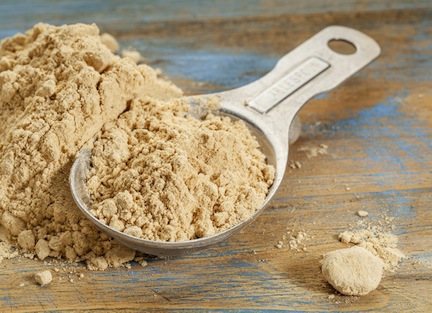
Advertisement If you’re on the lookout for a superfood that’s unlike any other, maca just might be the one for you .
Native the Andes mountains, the maca plant ( Lepidium meyenii ) is a cruciferous vegetable, which means that it is related to broccoli, cabbage, and kale — all of which are superfoods in their own right.
Aside from its unique flavor profile — which is described by experts as being earthy and nutty — maca is also known for being very nutrient-dense . Its roots have been found to contain large amounts of essential minerals such as potassium, iron, calcium and copper, as well as vitamins B1, B2, C and E. Not only that, but the maca root also contains ample amounts of dietary fiber and protein, making it an almost complete food in and of itself.
Maca is known to the scientific community as an adaptogen, which means that it can contribute to one’s overall wellbeing by helping balance the body’s systems.
Because of this, it’s not surprising to learn that maca root has been linked to an interesting array of health benefits such as the following: Maca root can help increase energy and endurance
Maca as it turns out, has the makings to be an athlete or a sportsman’s best friend, with the plant said to help improve their performance in terms of their energy and endurance .
This, according to experts, is a feat that’s likely due to its nature as a superfood, noting that maca was consumed by the Ancient Inca to give them the strength to adapt and survive the harsh Andean mountains and its blistering cold, low oxygen and rugged terrain. Maca root can help address issues pertaining to fertility and libido
Those looking to start a family may find maca root to be of help. This is largely due to a review, which found that maca root compounds can actually improve the quality of semen, as well as the libido in men.
In addition, maca root is also said to help address problems related to erectile dysfunction (ED), with a study noting that the addition of just 2.4 grams of maca root per day for 12 weeks helped improve the sexual well-being in men with mild ED. Maca root can help reduce the symptoms of menopause
Maca isn’t just for men, apparently.
According to studies, maca can actually help ladies by reducing the signs of menopause such as hot flashes and night sweats. This, experts said, is largely due to maca’s ability to help balance the levels of the female hormone estrogen.
Moreover, recent studies have also shown that maca can even help address sexual dysfunction in women . How’s that, for a superfood? Maca root can help address high blood pressure
Those who may be affected by high blood pressure — particularly postmenopausal women — may find maca root to be of great help at addressing their health issues . This is because maca root, according to several studies, has the ability to lower the availability of angiotensin in the body, a hormone that raises blood pressure. Maca root can protect the body against oxidative damage
Maca, according to its proponents, can also help protect the body at a cellular level — a result of its ability to assist in the production of natural antioxidants in the body.
These antioxidants, which include glutathione and superoxide dismutase, are known to help fight off free radicals, which can cause severe cellular damage that can lead to chronic health conditions such as heart disease and cancer. Maca root can help improve one’s mood
Feeling a bit blue? Go add some maca root powder to your cup of cocoa! Why? Well, it’s because maca, according to research, is rich in plant compounds called flavonoids which are known to help uplift one’s mood, as well as reduce signs related to anxiety and depression. Maca root can help improve cognitive function
People looking for a bit of help with their memory may benefit from a bit of maca in their diet.
This is according to a study that found that the antioxidants in maca may help assist one’s learning and memory , with researchers even noting that the root could be helpful in treating conditions such as Alzheimer’s disease. Talk about brain food. Maca is easy to add to one’s diet
Lest you think otherwise, maca, despite its exotic nature — it was a favored vegetable by the Ancient Inca civilization, after all — is actually quite easy to find, with the dried roots often sold as powders in health food stores.
This form also means that maca can be easily added to one’s favorite foods such as baked goods, vegetable stews and even hearty soups. It can also be easily added into drinks, such as smoothies, hot cocoa and even coffee. Talk about being versatile, right?
Planning on adding this wonderful superfood to your diet? Here are some recipes that you can try: Maca-Whole Wheat Waffles
Breakfast, according to nutritionists, is the most important meal of the day. This means that breakfast food — in this case, wholesome goodies such as these waffles from 100 Days of Real Food — make for the perfect vehicle for maca root powder and its potent health benefits.
Ingredients: 2 free-range, organic eggs
1 3/4 cups unpasteurized milk OR organic almond milk
1/4 cup grass-fed butter, melted OR organic camelina oil
1 tablespoon organic Manuka honey 1 tablespoon organic maca root powder 1/2 teaspoon organic cinnamon, ground 1/4 teaspoon baking soda 1 1/2 cups whole-wheat flour 2 teaspoons baking powder Kosher salt, to taste Pure organic maple syrup Organic fruits (mixed berries, mangoes, citrus fruits), sliced Preparation: > Preheat the waffle iron. While waiting for the waffle iron to come to temperature, whisk together the eggs, milk, butter, honey, cinnamon, and baking soda in a large bowl until well combined. Next, add in flour, baking powder, maca powder and salt and whisk everything together until the large lumps in the mix disappear. When the waffle iron is hot, dab the […]
Melatonin May Actually Boost Memory
Summary: Melatonin and its metabolites promote long-term memory and protect against cognitive decline in mice.
Source: Tokyo Medical and Dental University
Researchers at Tokyo Medical and Dental University (TMDU) in Japan show that melatonin and its metabolites promote the formation of long-term memories in mice and protect against cognitive decline.
Walk down the supplement aisle in your local drugstore and you’ll find fish oil, ginkgo, vitamin E, and ginseng, all touted as memory boosters that can help you avoid cognitive decline. You’ll also find melatonin, which is sold primarily in the United States as a sleep supplement. It now looks like melatonin marketers might have to do a rethink.
In a new study, researchers led by Atsuhiko Hattori at Tokyo Medical and Dental University (TMDU) in Japan have shown that melatonin and two of its metabolites help memories stick around in the brain and can shield mice, and potentially people, from cognitive decline.
One of the easiest ways to test memory in mice is to rely on their natural tendency to examine unfamiliar objects. Given a choice, they’ll spend more time checking out unfamiliar objects than familiar ones. The trick is that for something to be familiar, it has to be remembered. Like in people, cognitive decline in mice manifests as poor memory, and when tested on this novel object recognition task, they behave as if both objects are new.
The group of researchers at TMDU were curious about melatonin’s metabolites, the molecules that melatonin is broken down into after entering the body. “We know that melatonin is converted into N1-acetyl-N2-formyl-5-methoxykynuramine (AFMK) and N1-acetyl-5-methoxykynuramine (AMK) in the brain,” explains Hattori, “and we suspected that they might promote cognition.”
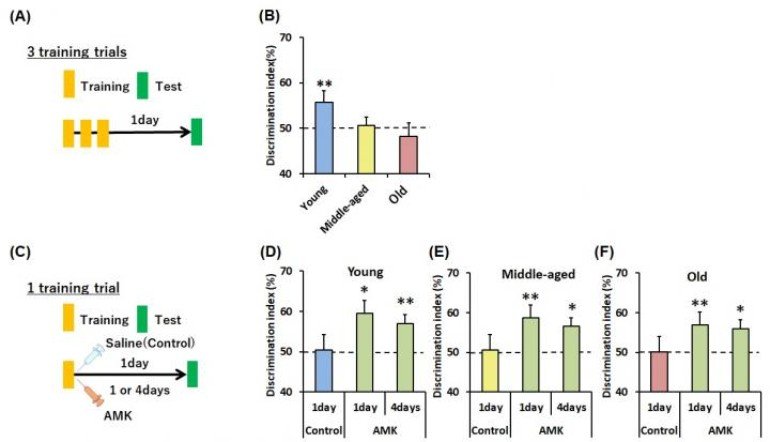
To test their hypothesis, the researchers familiarized mice to objects and gave them doses of melatonin and the two metabolites 1 hour later. Then, they tested their memory the next day. They found that memory improved after treatment, and that AMK was the most effective. All three accumulated in the hippocampal region of the brain, a region important for turning experiences into memories. Three 1-minute training trials (A) revealed age-associated object memory decline in middle-aged and old mice at 1 day post-training (B). Systemic AMK (1 mg/kg) administered after a single 1-minute training trial enhanced object memory at 1 and 4 days post-training in all age groups (D-F). Data are presented as mean ± standard error. *P < .05 and **P < .01 indicate significantly different than chance performance (50%). Discrimination index (%) = time exploring novel object/ total object exploration time during test X 100. Credit: Department of Biology,TMDU For young mice, exposure to an object three times in a day is enough for it to be remembered the next day on the novel object recognition task. In contrast, older mice behave as if both objects are new and unfamiliar, a sign of cognitive decline. However, one dose of AMK 15 min after a single exposure to an object, and older mice were able to remember the objects up to 4 days later.
Lastly, the researchers found that long-term memory formation could not be enhanced after blocking melatonin from being converted into AMK in the brain. “We have shown that melatonin’s metabolite AMK can facilitate memory formation in all ages of mice,” says Hattori. “Its effect on older mice is particularly encouraging and we are hopeful that future studies will show similar effects in older people. If this happens, AMK therapy could eventually be used to reduce the severity of Mild Cognitive Impairment and its potential conversion to Alzheimer’s disease.”
About this memory research news
Source: Tokyo Medical and Dental University
Contact: Atsuhiko Hattori – Tokyo Medical and Dental University
Image: The image is credited to Department of Biology, TMDU
Original Research: Closed access.
“ The melatonin metabolite N1‐acetyl‐5‐methoxykynuramine facilitates long‐term object memory in young and aging mice ” by Atsuhiko Hattori et al. Journal of Pineal Research
Abstract
The melatonin metabolite N1‐acetyl‐5‐methoxykynuramine facilitates long‐term object memory in young and aging mice
Melatonin (MEL) has been reported to enhance cognitive processes, making it a potential treatment for cognitive decline. However, the role of MEL’s metabolites, N1‐acetyl‐N2‐formyl‐5‐methoxykynuramine (AFMK) and N1‐acetyl‐5‐methoxykynuramine (AMK), in these effects are unknown. The current study directly investigated the acute effects of systemic MEL, AFMK, and AMK on novel object recognition. We also analyzed MEL, AFMK, and AMK levels in hippocampus and temporal lobe containing the perirhinal cortex following systemic MEL and AMK treatment. AMK administered post‐training had a more potent effect on object memory than MEL and AFMK. AMK was also able to rescue age‐associated declines in memory impairments when object memory was tested up to 4 days following training. Results from administering AMK at varying times around the training trial and the metabolism time course in brain tissue suggest that AMK’s memory‐enhancing effects reflect memory consolidation. Furthermore, inhibiting the MEL‐to‐AMK metabolic pathway disrupted object memory at 24 hours post‐training, suggesting that endogenous AMK might play an important role in long‐term memory formation. This is the first study to report that AMK facilitates long‐term object memory performance in mice, and that MEL crosses the blood‐brain barrier and is immediately converted to AMK in brain tissue. Overall, these results support AMK as a potential therapeutic agent to improve or prevent memory decline.
Brain Foods for Engineers to Boost their Memory

Engineers For years, engineers and scientists are learning about how different kinds of food affect our bodily functions especially when it’s about food that enhances our brainpower.
So, we’ve prepared a list of brain foods you may want to munch on that are good for your brain. Buy Now – Hard Hat Beer & Cola Holder Guzzler Dark Chocolate
Here’s a good rule to remember when buying chocolate. “The darker the chocolate, the more health benefits.” Buy Now – Fuji Dark Chocolate Chocolate is packed with flavanols, which are known to have antioxidant and anti-inflammatory properties. This brain food also help lower blood pressure and improve blood flow to the brain and heart. 70 percent cocoa is what you should look for. Egg Yolks
Yolks are known to contain large amounts of choline, which is helpful in fetal brain development for pregnant women. Buy Now – Egg Yolk Separator It also breaks down bethane, which is a chemical that produces hormones to lighten your mood and make you happy.
New studies show that eating eggs have no effect on the cholesterol levels of healthy adults and actually help raise good cholesterol levels. Avocados
This super healthy fruit is filled with the good kinds of fats or monosaturated fats which keep blood sugar levels steady and help make your skin glow. Buy Now – Avocado Holder Stand It contains both vitamin K and folate which help prevent blood clots in the brain. It can also improve cognitive function, especially memory and concentration. Beets
Beets reduce inflammation and help remove toxins from your blood. Buy Now – Nature’s Way Beet Root It contains natural nitrates that boost blood flow to the brain, that help increase mental performance. This also help boost energy and performance levels. Blueberries
Buy Now – Food Stock Dried Blueberries 500g This antioxidant-rich food is full of vitamin C, K and fiber. Since it has high levels of gallic acid, blueberries protect our brains from degeneration and stress. Bone Broth
This is the ultimate food to heal your intestines and in turn, your brain. Buy Now – Bone Beef Shank This is an ancient food that boosts your immune system, overcoming leaky gut syndrome, as well as improving joint health and food allergies.
It contains healing amino acids like proline and glycine that help keep your immune system functioning properly and help improve memory. Broccoli
Believe your mom when she says that broccoli is one of the best brain foods. Buy Now – Broccoli1kg This vegetable has high levels of vitamin K and choline, and will help keep your memory sharp.
It is also loaded with vitamin C and fiber.
Article Sources:
Melatonin: potential treatment for cognitive decline and boosting memory

The percent of middle‐aged and elderly individuals with varying degrees of cognitive decline and risk of developing neurodegenerative disorders, such as Alzheimer’s disease (AD), is persistently increasing.
Researchers at Tokyo Medical and Dental University (TMDU) in Japan have shown that melatonin and its metabolites promote the formation of long-term memories in mice and protect against cognitive decline.
Walk down the supplement aisle in your local drugstore and you’ll find fish oil, ginkgo, vitamin E, and ginseng, all touted as memory boosters that can help you avoid cognitive decline. You’ll also find melatonin, which is sold primarily in the United States as a sleep supplement. It now looks like melatonin marketers might have to do a rethink. In a new study, researchers led by Atsuhiko Hattori at Tokyo Medical and Dental University (TMDU) in Japan have shown that melatonin and two of its metabolites help memories stick around in the brain and can shield mice, and potentially people, from cognitive decline.
One of the easiest ways to test memory in mice is to rely on their natural tendency to examine unfamiliar objects. Given a choice, they’ll spend more time checking out unfamiliar objects than familiar ones. The trick is that for something to be familiar, it has to be remembered. Like in people, cognitive decline in mice manifests as poor memory, and when tested on this novel object recognition task, they behave as if both objects are new.
The group of researchers at TMDU were curious about melatonin’s metabolites, the molecules that melatonin is broken down into after entering the body. “We know that melatonin is converted into N1-acetyl-N2-formyl-5-methoxykynuramine (AFMK) and N1-acetyl-5-methoxykynuramine (AMK) in the brain,” explains Hattori, “and we suspected that they might promote cognition.” To test their hypothesis, the researchers familiarized mice to objects and gave them doses of melatonin and the two metabolites 1 hour later. Then, they tested their memory the next day. They found that memory improved after treatment, and that AMK was the most effective. All three accumulated in the hippocampal region of the brain, a region important for turning experiences into memories.
For young mice, exposure to an object three times in a day is enough for it to be remembered the next day on the novel object recognition task. In contrast, older mice behave as if both objects are new and unfamiliar, a sign of cognitive decline. However, one dose of AMK 15 min after a single exposure to an object, and older mice were able to remember the objects up to 4 days later.
Lastly, the researchers found that long-term memory formation could not be enhanced after blocking melatonin from being converted into AMK in the brain. “We have shown that melatonin’s metabolite AMK can facilitate memory formation in all ages of mice,” says Hattori. “Its effect on older mice is particularly encouraging and we are hopeful that future studies will show similar effects in older people. If this happens, AMK therapy could eventually be used to reduce the severity of Mild Cognitive Impairment and its potential conversion to Alzheimer’s disease.
https://onlinelibrary.wiley.com/doi/10.1111/jpi.12703
Source : Journal of Pineal Research
Should You Eat Acai Berries? Here Are the Health Benefits

Acai berries are known for their striking deep purple hue. Their mild, not-sweet-at-all taste make them the perfect base for smoothie bowls topped with oats, coconut shavings, and other antioxidant-rich berries. The Brazilian “superfruit” is only increasing in popularity—not just in the U.S., but throughout the world—thanks to its considerable health benefits. Here’s everything you need to know about the nutrient-dense fruit, including acai berry benefits, nutrition facts, risks, and acai berry recipes. Where do acai berries grow?
The berry with a funny name (pronounced ah-sah-EE ) grows on palm trees in tropical Central and South America, according to the National Center for Complementary and Integrative Health (NCCIH). A longtime diet staple among indigenous people in the Amazon region, the acai has become something of an “it” food in the U.S.
“Because the fruit contains a pit, it is technically a drupe—a fleshy fruit with thin skin and a central stone containing a seed,” says nutritional psychiatrist Umadevi Naidoo, the director of nutritional and lifestyle psychiatry at Massachusetts General Hospital and author of This is Your Brain on Food . Peaches, plums, olives, and cherries are all drupes.
For safe consumption, the outer skin of an acai berry is first soaked to soften it and then mashed to make a paste.
You won’t find fresh acai berries in the produce section of your local grocery store. “The ‘berries’ are fragile and don’t last, so they are frequently exported as frozen fruit puree, powder, or juice,” says Dr. Naidoo. Acai berry nutrition facts
According to Sambazon , a certified organic and fair trade acai company, a 100-gram serving of pure unsweetened acai puree contains the following: Calories: 70
Fat: 5 g (6% DV)
Fibre: 3 g (11% DV)
Protein: 1 g
Carbs: 4 g (1% DV)
Calcium: 23 mg (2% DV)
Potassium: 121 mg (2% DV)
Vitamin A: 26 mcg (2% DV)
Are acai berries good for you?
The short answer is: Yes. Acai’s rich, purple hue is a sign that it contains anthocyanins, antioxidant compounds that may help protect against various diseases .
“Acai is rich in antioxidants, having [several times] the amount found in blueberries ,” Dr. Naidoo says. The fruit also beats out cranberries, blackberries, and goji berries.
“What’s interesting about antioxidants is that not only do they help prevent free radical damage from pollution and other everyday stressors, they can also prevent free radicals from doing damage to DNA, which is what leads to cancer and causes aging,” says Emmaline Rasmussen, a registered dietitian nutritionist in Chicago.
Acai alone won’t prevent health problems—it’s only one fruit—but it can be part of a diet that keeps your cells healthy.
Gallery: 15 Ways Apple Cider Vinegar Could Benefit Your Health (Best Health) 10-apple-cider-vinegar-boosts-energy – iStock/Elenathewise
Ad Dr. Kellyann’s Bone Broth Supplement
Ad The Easy Blog by EasyBreathe.com
Ad EIN for NationalFamily
Slide 1 of 15: Apple cider vinegar can help tummy troubles One of the oldest apple cider vinegar uses in the book is to take it to fix tummy woes. For an upset stomach, try sipping some apple cider vinegar mixed with water. If a bacterial infection is at the root of your diarrhea, apple cider vinegar could help contain the problem, thanks to its antibiotic properties. What’s more, some folk remedy experts contend that apple cider vinegar contains pectin, which can help soothe intestinal spasms. Try mixing one or two tablespoons into water, or clear juice like apple juice. Some people like taking it straight instead—but this is why you shouldn’t be drinking apple cider vinegar shots. Potential health benefits of acai berries
Anthocyanins are antioxidant compounds responsible for the red, purple, and blue pigments in fruits and veggies like berries, currants, red cabbage, and grapes. Research, including a review of studies published in 2017 in Food & Nutrition Research , suggests these antioxidants may help prevent cardiovascular disease , diabetes, and cancer.
The plant compounds in acai have also been shown to improve the production of nitric oxide, a molecule that helps blood vessels dilate and improve circulation, according to a study published in 2016 in Journal of Cardiovascular Pharmacology . Acai also supplies polyunsaturated fatty acids, including omega-3’s, which may also keep your heart healthy. May help weight loss
While acai can fit into a weight loss plan, there is no research to substantiate claims that acai alone promotes rapid weight loss, according to the NCCIH. In fact, the Federal Trade Commission has flagged many acai supplements for deceptive marketing. Be wary of any supplement or powder making weight-loss claims.On the upside, acai contains zero grams of sugar, which is remarkable for a fruit, says Rasmussen. That means that if you’re on a low-carb diet , acai is a good way to include fruit in your diet. To sweeten things up, add a sugar-free sweetener, like monk fruit or stevia, says Rasmussen.Even if you’re on a keto diet , you can still fit acai into your meal plan, as it contains just one gram of net carbs, which allows you to get in much-needed fibre. (To figure out net carbs subtract the grams of fibre from the total carbs.) One warning: Due to its lack of natural sweetness acai products can contain added sugar or are blended with fruit juices. For instance, Sambazon’s “Original” acai blend provides just 100 calories, but it also has 12 grams of added sugars (equal to three teaspoons).Likewise, acai bowls are often loaded with higher calorie and sweet toppings like honey or granola. A fully loaded bowl could reach upwards of 800 or 900 calories, Rasmussen notes. May support brain health Need a brainpower pick-me-up? Start eating acai. “The antioxidants in acai counteract the damaging effects of inflammation and oxidation in brain cells, which can negatively affect memory and learning,” Dr. Naidoo says. Risks of eating acai berries Frozen, blended acai are safe to eat, says the NCCIH. However, if you are scheduled to get an MRI or are pregnant or nursing, talk to your doctor about whether acai is appropriate for […]
11 Healthy Foods That Make You Smarter, According to Doctors
Brain teasers and filling in the Sunday crossword puzzle aren’t the only ways you can get smarter. In fact, even doing these brain training exercises won’t be as effective at nurturing your noggin as they could be if you aren’t eating the right diet.
“Folate, iron, beta-carotene, and vitamin C are all nutrients necessary to make your brain cells work efficiently,” says Monisha Bhanote, MD, FCAP , a triple board-certified physician and the Founder and CEO of Integrative Medicine | Well-being.
Many of these brain-boosting nutrients are considered essential, meaning you can only get them by consuming the right foods. Many foods are not only great sources of these nutrients, but some foods have been scientifically proven to improve cognitive abilities and mental acuity; reduce age-related mental decline; and boost memory function in humans—all making you smarter in the process.
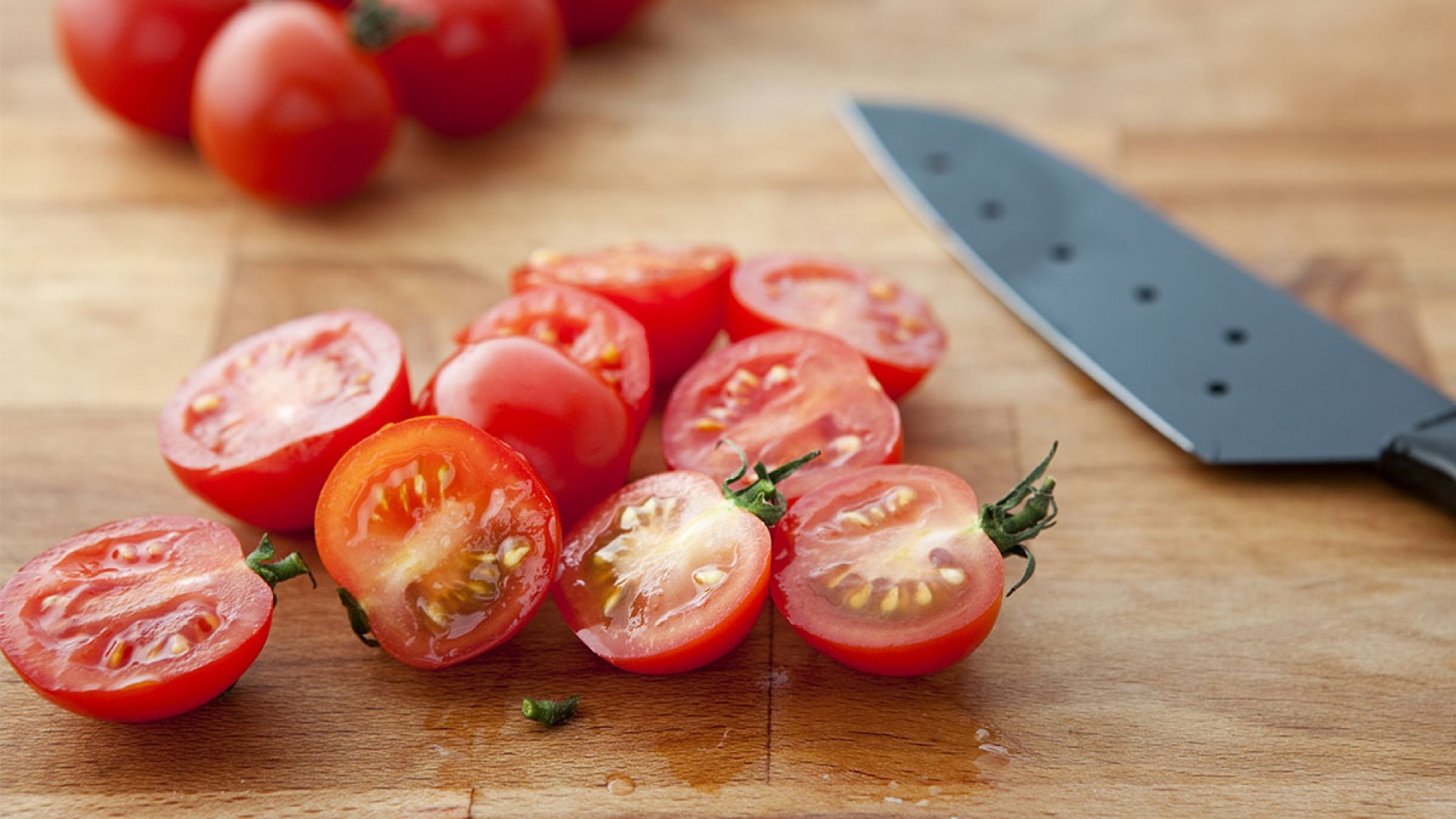
We asked doctors for their recommendations for the healthiest foods to make you smarter. Eat these for a sharper mind, and for more on how to eat healthy, you won’t want to miss these 21 Best Healthy Cooking Hacks of All Time . Shutterstock “The neurotransmitter Dopamine is responsible for helping us focus and thinking fast on our feet, but most people don’t realize that half of the dopamine our body uses is made in our gut,” says Christine Bishara, MD , the founder of From Within Medical, a medical wellness practice that places emphasis on the mind-body and gut-brain axis to prevent and manage disease. “This means that some of the foods we eat can actually increase our dopamine production and make us smarter. Foods that naturally increase Dopamine should contain its precursor, the amino acid Tyrosine. This includes a variety of beans, especially black beans, kidney beans, walnuts, eggs, and hard cheeses,” adds Dr. Bishara. Shutterstock “To achieve a sharper mind, there’s no better way than focusing on improving your lifestyle which includes getting proper sleep, staying physically active, and eating healthy food,” says William W. Li, MD , an internationally renowned physician, scientist and author of the New York Times bestseller Eat to Beat Disease: The New Science of How Your Body Can Heal Itself . Blueberries are a great food to do just that. “These favorite fruits contain a natural bioactive chemical called anthocyanin that helps brain neurons perform their tasks. They are available year-round and are so very versatile.” Dr. Li recommends eating them for breakfast, as a snack, or using them in baking. Shutterstock “Researchers have found a protective connection between tea drinking and cognitive decline later in life, and the rock star for this benefit is called epigallocatechin-3-gallate (EGCG). Whether you use tea bags or loose leaf tea, remember that you can steep the tea a few times to keep getting the good stuff,” says Dr. Li. Shutterstock “The golden spice contains curcumin which reduces inflammation and oxidative stress in the brain, and even has evidence for protecting against dementia,” says Dr. Li. “Turmeric is not only a critical ingredient in curries but is fabulous in smoothies and can be used as a culinary spice to light up a stir fry, baked chicken or fish, and soups and stews.” Shutterstock “The lycopene found in tomatoes can help the brain learn and retain memories. Ignore the myths about lectins and dive right into enjoying your pasta sauce and salsa,” says Dr. Li. “Pro-tip: cherry tomatoes are small but mighty — packed with lycopene.” Shutterstock “People always talk about the physical benefits of eating apples, but the mental benefits are just as significant,” says Lior Lewensztain, MD, founder & CEO of That’s it. Nutrition . “Regular consumption of antioxidant-packed apples has been linked to an anti-aging effect on the brain, leading medical professionals to believe that regular consumption of the fruit can actually improve memory and possibly even ward off Alzheimer’s disease.” This is just one reason why apples are on our list of 7 Healthiest Foods to Eat Right Now . Shutterstock “I’m a huge proponent of consuming probiotics daily to maintain a thriving gut bacteria,” says Dr. Lewensztain. “Recent studies have shown a close connection between the brain and the gastrointestinal track, causing many to believe that the digestive system isn’t just for digesting food – a well-functioning gut may also be essential to guiding emotion and maintaining cognitive function.” Shutterstock “Pumpkin seeds protect your brain cells from free radical damage with their antioxidant property. These seeds are rich in micronutrients such as zinc, magnesium, copper, and iron that are essential for better brain function,” says Dr. Rashmi Byakodi, a health and wellness writer and the editor of Best for Nutrition . Shutterstock “Oranges have vitamin C, which plays a major role in preventing age-related mental decline and Alzheimer’s disease. Vitamin C is a powerful antioxidant that can combat free radicals causing brain cell damage,” says Dr. Byakodi. Shutterstock “According to studies , nuts can reduce the occurrence of neurodegenerative diseases. With healthy fats, vitamin E, and antioxidants, these nuts support your brain health with sharp memory. Almond, hazelnut, and walnut; three nuts are known for neuroprotection in Alzheimer’s disease,” says Dr. Byakodi. Shutterstock “Filled with flavonoids, caffeine, and antioxidants that have brain-boosting properties. Chocolate is a well-known mood enhancer, and according to studies, it can boost both memory and mood. There is evidence that cocoa flavonoids can acutely improve cognitive function in humans, possibly via mechanisms such as increased cerebral blood flow,” says Dr. Byakodi. For more on how chocolate impacts your health, see What Happens to Your Body When You Eat Chocolate .
5 health benefits coffee and Coke are proven to provide Black men

(Photo credit: Shutterstock.com / Rawpixel.com) According to Blackdoctor.org, 70 percent to 90 percent of caffeine consumption is tied to coffee drinkers, but there are a plethora of other ways to get your daily dose. Among them are tea, soft drinks (Coca-Cola, Pepsi, Dr. Pepper, Mountain Dew, etc.), chocolate, nuts, energy drinks and medications.
As a natural stimulant , coffee impacts the central nervous system, which causes temporary changes in brain function that alters perception, mood, consciousness and behavior.
Below are five health benefits caffeine can and will provide if consumed in moderation.
Erectile dysfunction
Coffee is good to keep the yang up!
All men can potentially suffer from ED, but Black men, for whatever reason, are particularly prone to its ill effects. Good thing for caffeine, as studies show that 85 mg to 170 mg of caffeine consumption per day finds men 42 percent less likely to experience ED in comparison to those who drank less or none.
Promotes hair growth
Caffeine targets a hormone called dihydrotestosterone, or DHT, which stimulates hair growth from the root. DHT actually causes hair loss and caffeine is known to block its effects.
Improves athletic performance
When it comes to looking and performing your best, caffeine is known to boost weight loss and also promote a heightened sense of awareness. Studies show that caffeine, particularly for cyclists, can improve speed and power by adding as little as 5 mg per kilogram to one’s diet.
Fights heart disease
It is no secret that heart disease disproportionately affects Black men. In fact, studies show that Black men have a 70 percent higher risk of developing heart disease than their White counterparts. Fortunately, coffee, which is the most consumed caffeine product on market, is also rich in antioxidants. These properties are said to help protect cells from damage. In turn, more coffee consumption results in a lower risk of mortality, specifically heart disease-related deaths.
Guards against Alzheimer’s disease
Alzheimer’s disease is the sixth leading cause of death in the U.S. and the fourth among elderly African Americans. Studies find that drinking two to three 8-ounce cups of coffee each day over a 10-year span decreased symptoms associated with dementia, compared to those who drank less. In fact, 200 mg per day is said to boost long-term memory.
The Gifts We Need: 10 Doctor-Approved Picks for a Healthful New Year
*Affiliate disclosure. These days, it’s even harder to know what to give your loved ones at the holidays. Not only have our friends and family developed the pesky habit of warding off boredom and guaranteeing at least some socially distanced human contact by ordering all their little heart’s desires off the Internet, but with Covid-19 continuing to rage, it can be hard to know exactly what our friends want and need this holiday season.
That’s why we’ve tapped the best resource this holiday season: six medical experts, each of whom has shared what they’re giving their friends and family. Here are their top picks. Dr. Dawn Desylvia
1. Peptides
Peptide therapy is a cutting-edge, science-based medical treatment where amino acids are used to promote the body’s natural healing processes. Dr. Dawn De Sylvia, M.D. calls peptides “some of the most powerful tools I’ve found lately that support our minds, hearts, bodies, and immune systems.” She recommends Semax and Selank for their support on focus, memory, anxiety and depression. Both come in the form of nasal sprays and are the perfect stocking stuffer in these trying times.“With brain fog, anxiety and depression at an all time high right now, we all could use something that we can feel helpful in real time when we need it most,” she says.
Buy Semax on Nootropicsource.com. 2. NAD
DeSylvia also recommends NAD, a co-enzyme of Niacin (B3) that is made in the body but, according to DeSylvia, not in nearly the quantities most of us need.
“NAD allows for transfer of energy from the food we eat to every cell in our body, especially our brains,” she says. “But as we age, our NAD levels decline, which can be a factor in many of our health issues, but also a huge factor in our cognition, memory and moods.”
Her favorite oral form of NAD is Nadovim , but she finds that a prescription for the nasal spray and injections of NAD are often needed to deliver the boost of energy and healing we desire.
Buy Nadovim on Amazon.com. Dr. William Li
3. Fresh Organic Citrus
Remember in the 1994 version of Little Women when Amy (baby-faced Kirsten Dunst) got super excited about oranges as a Christmas gift? Well Dr. William Li, physician scientist and author of Eat to Beat Disease , is all about bringing that excitement back – and frankly, we can’t help but agree.
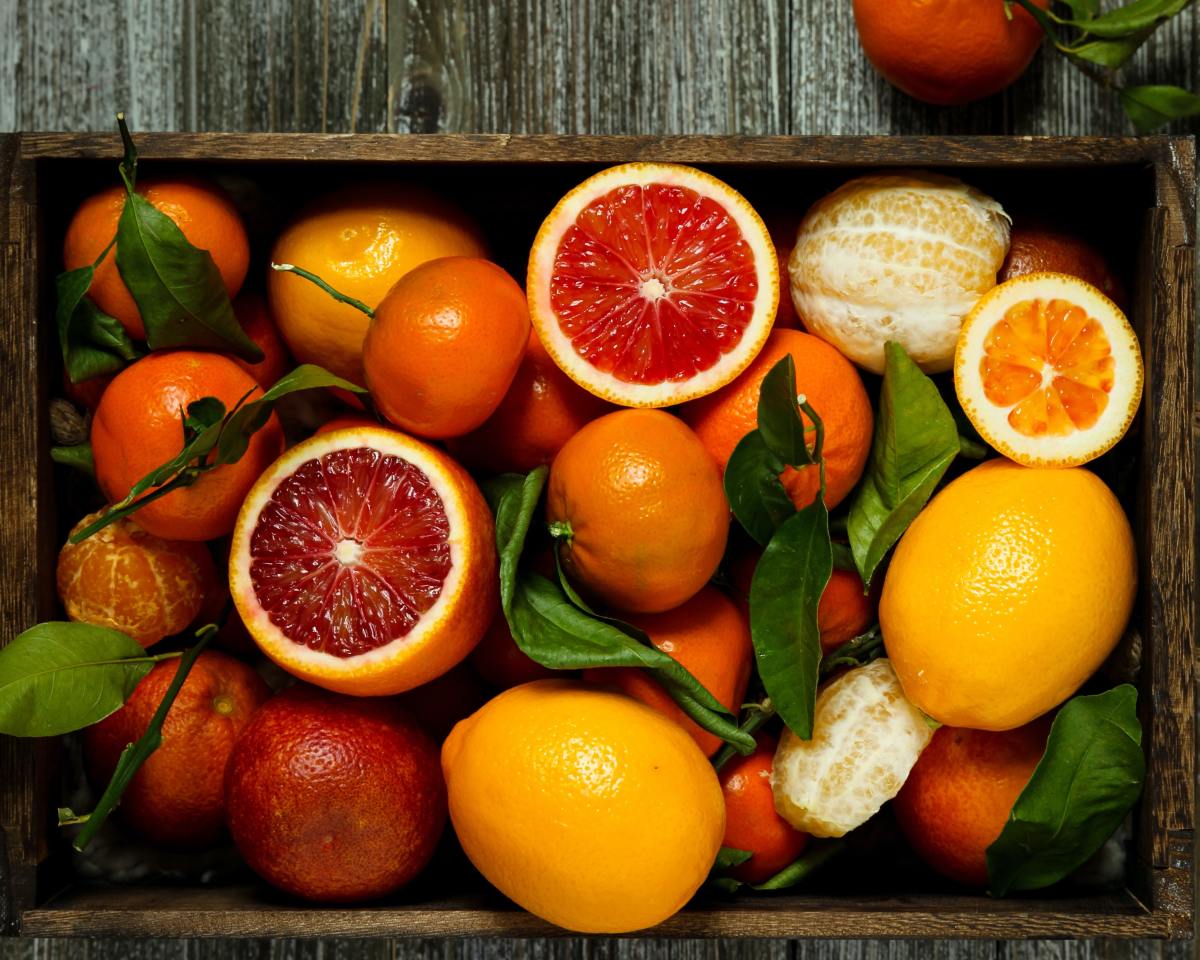
“Winter is citrus time, and the vitamin C and a natural bioactive called hesperidin can lower inflammation while building immunity,” explains Li. “Whether its Cara Cara, mandarins, or clementines, this is a gift that juices up your health.”
Try the organic mixed citrus from Frog Hollow Farms , or select your own local fruit and arrange in a beautiful wicker basket.
Buy Eat to Beat Disease on Amazon.com. 4. Dried Gourmet Mushrooms
For the foodie in your life, Li recommends a selection of dried mushrooms that can be used to make soups, stews, risottos, and more.
“Edible mushrooms contain a fiber called beta-glucan that helps gut health and boosts immunity,” Li explains.
With Mycological , you can choose a selection of organic dried mushrooms including porcini, cremini, and shiitake. Slip in a handwritten recipe – like our wild mushroom and black truffle risotto – and your giftee is sure to be over the moon. Dr. Terry Wahls, M.D.
5. Cooking Lessons
If you’re looking for a fun, healthy gift this holiday season, why not try cooking classes? Dr. Terry Wahls , MD, Clinical Professor of Medicine at the University of Iowa Carver College of Medicine in Iowa City, Author and Creator of The Wahls Protocol: A Radical New Way to Treat All Chronic Autoimmune Conditions Using Paleo Principles , recommends these lessons from The Holistic Chef as just one option to help your giftee up their skill level and get some new ideas for the kitchen.
“You can even create your own personal version of cooking lessons on Zoom and save on spending,” she says. “This way it’s more personal. Something like teaching your grandkids on Zoom how to cook a dish with rich history and tradition is a great way to further connect them to their heritage. Plus, you’ll both have fun while doing it.”
Buy The Wahls Protocol on Amazon.com. 6. Sauerkraut or Kimchi
Give the gift of a healthy gut microbiome with this idea from Dr. Wahls, who notes that both sauerkraut and kimchi “are terrific for resetting the microbiome.”
“There is also a study that found societies that ate more sauerkraut, kimchi, yogurt and kefir had lower rates of COVID related hospitalizations and death,” she adds. (For more about this study, check out our article on whether kimchi can reduce COVID mortality rates .)
You can either purchase a great brand like this Biona Organic Kimchi or make your own at home – for ideas, check out our top 10 fermented food recipes .
Buy Biona Organic Kimchi on Amazon.com. Dr. Kien Vuu, M.D.
7. Liposomal Vitamin C “The holidays are filled with feelings of joy and time spent with loved ones, but they also happen during flu season,” says Dr. Kien Vuu, Concierge Performance and Longevity M.D., Author of Thrive State: Your Blueprint for Optimal Health, Longevity, and Peak Performance . “This year in particular, it is crucial to promote immunity over the holidays.”That’s why Vuu suggests stuffing stockings with Liposomal Vitamin C from LiVon Labs , which he says may be better absorbed than other vitamin C supplements.“I simply love how each serving is individually packed, making them super easy to share and stuffed into any stocking.” Buy Liposomal Vitamin C on Amazon.com. Dr. Josh Axe, D.N.M. 8. Organic CBD Hemp Golden Chai Powder To say this has been a stressful year is perhaps the understatement of all understatements. And for Dr. Josh Axe, D.N.M., C.N.S, founder of Ancient Nutrition and author of the upcoming book Ancient Remedies, Ancient Nutrition Hemp Golden Chai Powder is just the thing to help counteract some of its effects on your body. The powder support […]
Should You Eat Acai Berries? Here Are the Health Benefits
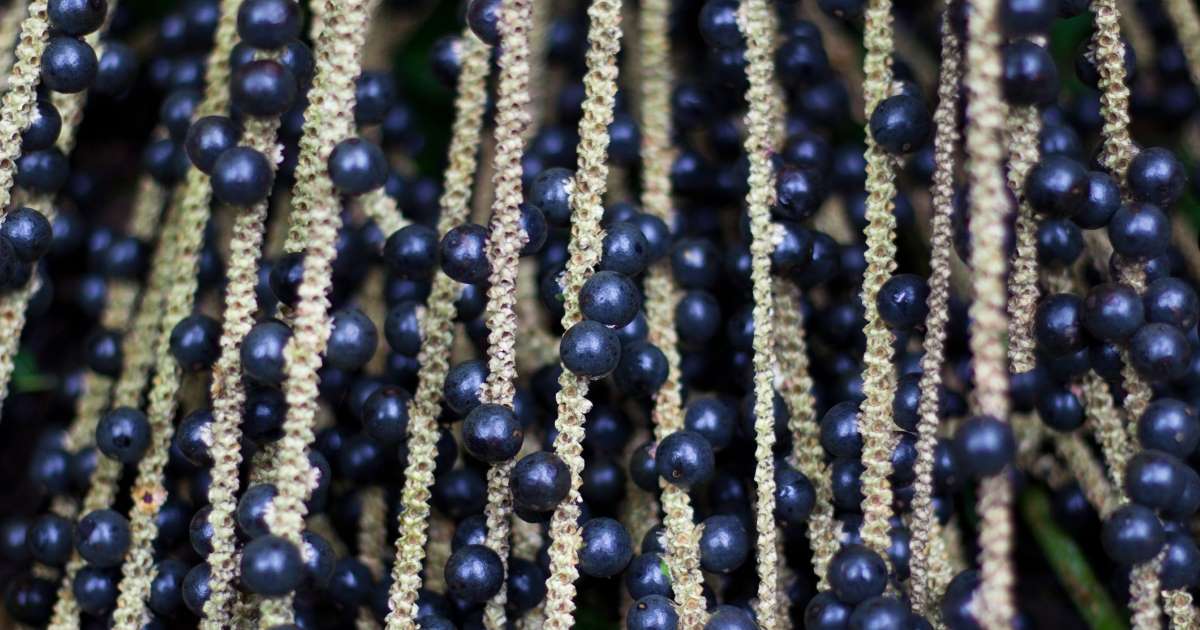
Acai berries: The Brazilian “superfruit”
Acai berries are known for their striking deep purple hue. Their mild, not-sweet-at-all taste make them the perfect base for smoothie bowls topped with oats, coconut shavings, and other antioxidant-rich berries . The Brazilian “superfruit” is only increasing in popularity—not just in the U.S., but throughout the world—thanks to its considerable health benefits.
Here’s everything you need to know about the nutrient-dense fruit, including acai berry benefits, nutrition facts, risks, and acai berry recipes. Where do acai berries grow?
The berry with a funny name (pronounced ah-sah-EE ) grows on palm trees in tropical Central and South America, according to the National Center for Complementary and Integrative Health (NCCIH). A longtime diet staple among indigenous people in the Amazon region, the acai has become something of an “it” food in the U.S.
“Because the fruit contains a pit, it is technically a drupe—a fleshy fruit with thin skin and a central stone containing a seed,” says nutritional psychiatrist Umadevi Naidoo, MD, the director of nutritional and lifestyle psychiatry at Massachusetts General Hospital and author of This is Your Brain on Food . Peaches, plums, olives, and cherries are all drupes.
For safe consumption, the outer skin of an acai berry is first soaked to soften it and then mashed to make a paste.
You won’t find fresh acai berries in the produce section of your local grocery store. “The ‘berries’ are fragile and don’t last, so they are frequently exported as frozen fruit puree, powder, or juice,” says Dr. Naidoo. (Here’s what you need to know about chicha morada , a purple corn drink from the Andes.) Acai berry nutrition facts
According to Sambazon , a certified organic and fair trade acai company, a 100-gram serving of pure unsweetened acai puree contains the following:
Calories: 70
Fat: 5 g (6% DV)
Fiber: 3 g (11% DV)
Protein: 1 g
Carbs: 4 g (1% DV)
Calcium: 23 mg (2% DV)
Potassium: 121 mg (2% DV)
Vitamin A: 26 mcg (2% DV) Are acai berries good for you?
The short answer is: Yes. Acai’s rich, purple hue is a sign that it contains anthocyanins, antioxidant compounds that may help protect against various diseases .
“Acai is rich in antioxidants, having [several times] the amount found in blueberries,” Dr. Naidoo says. The fruit also beats out cranberries , blackberries , and goji berries .
“What’s interesting about antioxidants is that not only do they help prevent free radical damage from pollution and other everyday stressors, they can also prevent free radicals from doing damage to DNA, which is what leads to cancer and causes aging,” says Emmaline Rasmussen, RDN, a registered dietitian nutritionist in Chicago.
Acai alone won’t prevent health problems—it’s only one fruit—but it can be part of a diet that keeps your cells healthy. Potential health benefits of acai berries
Protects against heart disease and diabetes
Anthocyanins are antioxidant compounds responsible for the red, purple, and blue pigments in fruits and veggies like berries, currants, red cabbage, and grapes. Research, including a review of studies published in 2017 in Food & Nutrition Research , suggests these antioxidants may help prevent cardiovascular disease , diabetes, and cancer.
The plant compounds in acai have also been shown to improve the production of nitric oxide, a molecule that helps blood vessels dilate and improve circulation, according to a study published in 2016 in Journal of Cardiovascular Pharmacology . Acai also supplies polyunsaturated fatty acids, including omega-3’s, which may also keep your heart healthy. May help weight loss
While acai can fit into a weight loss plan, there is no research to substantiate claims that acai alone promotes rapid weight loss, according to the NCCIH. In fact, the Federal Trade Commission has flagged many acai supplements for deceptive marketing. Be wary of any supplement or powder making weight-loss claims.
On the upside, acai contains zero grams of sugar, which is remarkable for a fruit, says Rasmussen. That means that if you’re on a low-carb diet , acai is a good way to include fruit in your diet. To sweeten things up, add a sugar-free sweetener, like monk fruit or stevia, says Rasmussen. (Try these natural sweeteners and sugar substitutes.)
Even if you’re on a keto diet , you can still fit acai into your meal plan, as it contains just one gram of net carbs, which allows you to get in much-needed fiber. (To figure out net carbs subtract the grams of fiber from the total carbs.) One warning: Due to its lack of natural sweetness acai products can contain added sugar or are blended with fruit juices. For instance, Sambazon’s “Original” acai blend provides just 100 calories, but it also has 12 grams of added sugars (equal to three teaspoons).Likewise, acai bowls are often loaded with higher calorie and sweet toppings like honey or granola. A fully loaded bowl could reach upwards of 800 or 900 calories, Rasmussen notes. May support brain health Need a brainpower pick-me-up? Start eating acai. “The antioxidants in acai counteract the damaging effects of inflammation and oxidation in brain cells, which can negatively affect memory and learning,” Dr. Naidoo says. (These are the worst foods for your brain .) Risks of eating acai berries Frozen, blended acai are safe to eat, says the NCCIH. However, if you are scheduled to get an MRI or are pregnant or nursing, talk to your doctor about whether acai is appropriate for you.If you are planning on taking acai supplements, choose a reputable, high-quality brand. And discuss potential drug interactions with your doctor and whether a supplement is the best way to achieve your health goals. Great ways to eat acai and quick recipes to try Here are some delicious ways to eat acai: Add acai powder to baked goods, Dr. Naidoo suggests. Mix a packet or half packet into a smoothie with other fruits. Rasmussen particularly likes the taste of acai with frozen blueberries and bananas, along with a half scoop of protein powder. (Too much protein powder can taste chalky with acai, she explains.) Try […]
Should You Eat Acai Berries? Here Are the Health Benefits
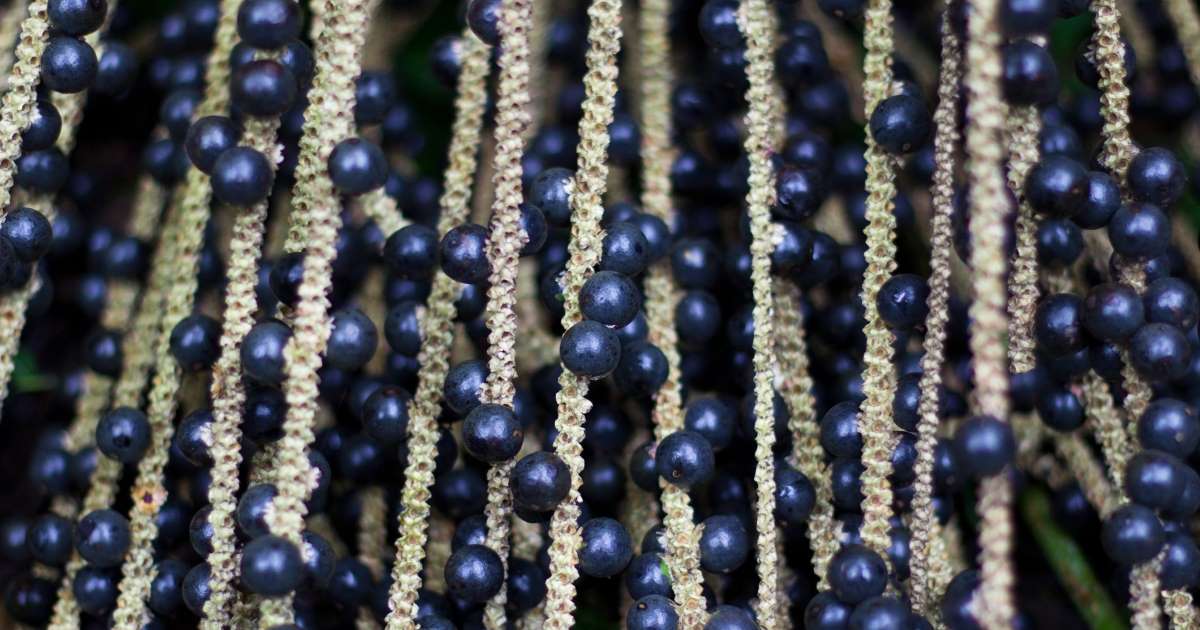
Acai berries: The Brazilian “superfruit”
Acai berries are known for their striking deep purple hue. Their mild, not-sweet-at-all taste make them the perfect base for smoothie bowls topped with oats, coconut shavings, and other antioxidant-rich berries . The Brazilian “superfruit” is only increasing in popularity—not just in the U.S., but throughout the world—thanks to its considerable health benefits.
Here’s everything you need to know about the nutrient-dense fruit, including acai berry benefits, nutrition facts, risks, and acai berry recipes. Where do acai berries grow?
The berry with a funny name (pronounced ah-sah-EE ) grows on palm trees in tropical Central and South America, according to the National Center for Complementary and Integrative Health (NCCIH). A longtime diet staple among indigenous people in the Amazon region, the acai has become something of an “it” food in the U.S.
“Because the fruit contains a pit, it is technically a drupe—a fleshy fruit with thin skin and a central stone containing a seed,” says nutritional psychiatrist Umadevi Naidoo, MD, the director of nutritional and lifestyle psychiatry at Massachusetts General Hospital and author of This is Your Brain on Food . Peaches, plums, olives, and cherries are all drupes.
For safe consumption, the outer skin of an acai berry is first soaked to soften it and then mashed to make a paste.
You won’t find fresh acai berries in the produce section of your local grocery store. “The ‘berries’ are fragile and don’t last, so they are frequently exported as frozen fruit puree, powder, or juice,” says Dr. Naidoo. (Here’s what you need to know about chicha morada , a purple corn drink from the Andes.) Acai berry nutrition facts
According to Sambazon , a certified organic and fair trade acai company, a 100-gram serving of pure unsweetened acai puree contains the following:
Calories: 70
Fat: 5 g (6% DV)
Fiber: 3 g (11% DV)
Protein: 1 g
Carbs: 4 g (1% DV)
Calcium: 23 mg (2% DV)
Potassium: 121 mg (2% DV)
Vitamin A: 26 mcg (2% DV) Are acai berries good for you?
The short answer is: Yes. Acai’s rich, purple hue is a sign that it contains anthocyanins, antioxidant compounds that may help protect against various diseases .
“Acai is rich in antioxidants, having [several times] the amount found in blueberries,” Dr. Naidoo says. The fruit also beats out cranberries , blackberries , and goji berries .
“What’s interesting about antioxidants is that not only do they help prevent free radical damage from pollution and other everyday stressors, they can also prevent free radicals from doing damage to DNA, which is what leads to cancer and causes aging,” says Emmaline Rasmussen, RDN, a registered dietitian nutritionist in Chicago.
Acai alone won’t prevent health problems—it’s only one fruit—but it can be part of a diet that keeps your cells healthy. Potential health benefits of acai berries
Protects against heart disease and diabetes
Anthocyanins are antioxidant compounds responsible for the red, purple, and blue pigments in fruits and veggies like berries, currants, red cabbage, and grapes. Research, including a review of studies published in 2017 in Food & Nutrition Research , suggests these antioxidants may help prevent cardiovascular disease , diabetes, and cancer.
The plant compounds in acai have also been shown to improve the production of nitric oxide, a molecule that helps blood vessels dilate and improve circulation, according to a study published in 2016 in Journal of Cardiovascular Pharmacology . Acai also supplies polyunsaturated fatty acids, including omega-3’s, which may also keep your heart healthy. May help weight loss
While acai can fit into a weight loss plan, there is no research to substantiate claims that acai alone promotes rapid weight loss, according to the NCCIH. In fact, the Federal Trade Commission has flagged many acai supplements for deceptive marketing. Be wary of any supplement or powder making weight-loss claims.
On the upside, acai contains zero grams of sugar, which is remarkable for a fruit, says Rasmussen. That means that if you’re on a low-carb diet , acai is a good way to include fruit in your diet. To sweeten things up, add a sugar-free sweetener, like monk fruit or stevia, says Rasmussen. (Try these natural sweeteners and sugar substitutes.)
Even if you’re on a keto diet , you can still fit acai into your meal plan, as it contains just one gram of net carbs, which allows you to get in much-needed fiber. (To figure out net carbs subtract the grams of fiber from the total carbs.) One warning: Due to its lack of natural sweetness acai products can contain added sugar or are blended with fruit juices. For instance, Sambazon’s “Original” acai blend provides just 100 calories, but it also has 12 grams of added sugars (equal to three teaspoons).Likewise, acai bowls are often loaded with higher calorie and sweet toppings like honey or granola. A fully loaded bowl could reach upwards of 800 or 900 calories, Rasmussen notes. May support brain health Need a brainpower pick-me-up? Start eating acai. “The antioxidants in acai counteract the damaging effects of inflammation and oxidation in brain cells, which can negatively affect memory and learning,” Dr. Naidoo says. (These are the worst foods for your brain .) Risks of eating acai berries Frozen, blended acai are safe to eat, says the NCCIH. However, if you are scheduled to get an MRI or are pregnant or nursing, talk to your doctor about whether acai is appropriate for you.If you are planning on taking acai supplements, choose a reputable, high-quality brand. And discuss potential drug interactions with your doctor and whether a supplement is the best way to achieve your health goals. Great ways to eat acai and quick recipes to try Here are some delicious ways to eat acai: Add acai powder to baked goods, Dr. Naidoo suggests. Mix a packet or half packet into a smoothie with other fruits. Rasmussen particularly likes the taste of acai with frozen blueberries and bananas, along with a half scoop of protein powder. (Too much protein powder can taste chalky with acai, she explains.) Try […]
7 Scientific Reasons Your Mind and Body Want to Walk in Nature (Green Space Counts)

Photo by Lukasz Szmigiel on Unsplash For 99% of history, humans lived off the land. Not only did we use the land for basic survival, but the outdoors provided a space for enjoyment, community, and ritual. One study hypothesizes we are born with an innate love of nature as a part of our hunter-gatherer ancestry.
In the past few decades, a term called “green exercise” has captivated the brains of researchers looking at why movement outdoors tends to provide a greater sense of well-being, enhanced restoration in biochemical markers of recovery, and possibly increased disease prevention.
The Japanese have a term for this called Shinrin-yoku , which translates in English to “taking in the forest atmosphere” or “forest bathing.” You don’t have to get naked in the woods (although that might be fun) like the idea of forest bathing implies. Coined in 1982 by the Japanese Ministry of Agriculture, Forestry and Fisheries, forest bathing refers to the “process of soaking up the sights, smells, and sounds of a natural setting to promote physiological and psychological health.”
The good news is you don’t have to be an outdoorsman or live next to a national forest to reap the benefits of time spent in nature. I’ll highlight a few studies that have shown you can reap the benefits of time spent in nature in as little as five minutes.
Here are seven great reasons to get off the treadmill and find some green space for exercise. Not to mention outdoor activity is COVID-approved — no face mask required. 1. Improves Sleep
Research has long proven how daily exercise improves sleep — regardless of whether it’s indoors or out. However, scientists recently set out to determine if a relationship exists between exposure to green space and better sleep quality.
A meta-analysis published in March 2020 in Environmental Research reviewed data from thirteen eligible studies to examine the impact of green space exposure on sleep quality and quantity. Eleven of the 13 studies showed a strong association between both — meaning time spent in nature seems to improve sleep.
Another study titled Does Sleep Grow on Trees found subjects had 13% lower odds of developing insufficient sleep when they lived within 1.6km of an area with 30% or more landcover from a tree canopy than people in areas with less than 10%. These results were consistent after considering age, sex, education, work status, marital status, and household income.
These are observational studies, so we can’t conclude cause and effect. However, if you’re experiencing insomnia or other sleep issues, try visiting your local park. Fresh air, sunlight, and a little exercise could leave you sleeping soundly. 2. Enhances Creativity
A study out of Stanford University found a walk (regardless of whether it’s inside or out) can boost a person’s creativity by up to 60%. They argue many great thinkers like Steve Jobs and Mark Zuckerberg are (or were) well-known for taking walking meetings.
One study followed backpackers on a four-day backpacking trip and found they could solve significantly more puzzles than a control group, not on the trip —in fact, 47% more. According to Psychological Science , the impact of nature on attention restoration accounted for improved scores on cognitive tests for the study participants.
It appears adding nature to your walk gives you the added benefit of peace and quiet, plus the restorative effect of exposure to green space. Also, depending on where you are, you might not have great wifi access. Without the constant interruption of your cell phone or email notifications, your brain is free to ponder questions or problems you’re trying to solve. 3. Reduces Anxiety and Depression
Another study examined the psychological benefits of the effects of the Japanese concept of shinrin-yoku on 498 volunteers. The study revealed that forest environments are advantageous with respect to acute emotions, especially among those experiencing chronic stress.
The authors conclude, Accordingly, shinrin-yoku may be employed as a stress reduction method, and forest environments can be viewed as therapeutic landscapes. Therefore, customary shinrin-yoku may help to decrease the risk of psychosocial stress-related diseases, and evaluation of the long-term effects of shinrin-yoku is warranted. To provide even more evidence, an additional meta-analysis of 10 studies involving more than 1,200 participants set out to determine just how much acute exposure to green exercise was required to improve self-esteem and mood (indicators of mental health).
They found that green exercise improves people’s mood and self-esteem, with the biggest effects coming in just five minutes. While every green environment studied improved participants’ mood and self-esteem, water’s presence seemed especially beneficial. Perhaps you can find a lake or a small body of water to walk beside. 4. Improves Memory
Researchers at the University of Michigan found memory performance and attention spans improved by 20% after people spent an hour interacting with nature. The good news is it didn’t matter what time of year; taking a walk in the park or even looking at nature pictures while walking induced cognitive improvements.
The researchers believe the findings could have a broader impact on helping people suffering from mental fatigue. Marc Berman, one of the study’s authors, states, Interacting with nature can have similar effects as meditating. People don’t have to enjoy the walk to get the benefits. We found the same benefits when it was 80 degrees and sunny over the summer as when the temperatures dropped to 25 degrees in January. The only difference was that participants enjoyed the walks more in the spring and summer than in the dead of winter. Next time you’re studying a subject or trying to remember something specific, try walking in a park to cement the memory in your brain. 5. Lowers Blood Pressure
Research out of the University of East Anglia revealed a significant association between the amount of time a person spent in nature and the lower the prevalence of depression and high blood pressure. They also found populations with higher levels of greenspace exposure were more likely to report good overall health — according to global data involving more than 290 million […]
In a Food Mood: Here’s what you should eat to ease your anxiety
Advertisement Looks like that particular phrase about eating your feelings may have some basis after all.
Anxiety is a disorder characterized by constant worry and nervousness and is considered to be a widespread condition , with data from the Anxiety and Depression Association of America noting that nearly 18 percent or roughly 40 million people in the U.S. experienced an anxiety disorder in any given year.
What’s even more alarming is that approximately eight percent of American children and teenagers experience an anxiety disorder, with most of them developing symptoms before reaching the age of 21.
The most common way to address this condition, as noted in present studies, is through the use of medication — some of which have been linked to negative side effects.
Fortunately, there are several strategies you can use to help reduce anxiety symptoms, one of which is through your diet.
Want to relieve and address the signs of anxiety the natural way? Here are some foods you can eat to help minimize the severity of your symptoms : Brazil nuts
Native to the forests of the Amazon, Brazil nuts are known for being high in selenium — a mineral that is said to help improve your mood by reducing inflammation .
In addition, selenium is also an antioxidant, which helps prevent damage from occurring in the body’s cells, including the neurons — a brain booster, if you will.
Aside from that, Brazil nuts are also a good source of vitamin E, another antioxidant that, according to experts, can be beneficial for treating anxiety.
Brazil nuts also contain high amounts of ellagic acid , an antioxidant that has been found to have antidepressant properties. Fatty fish
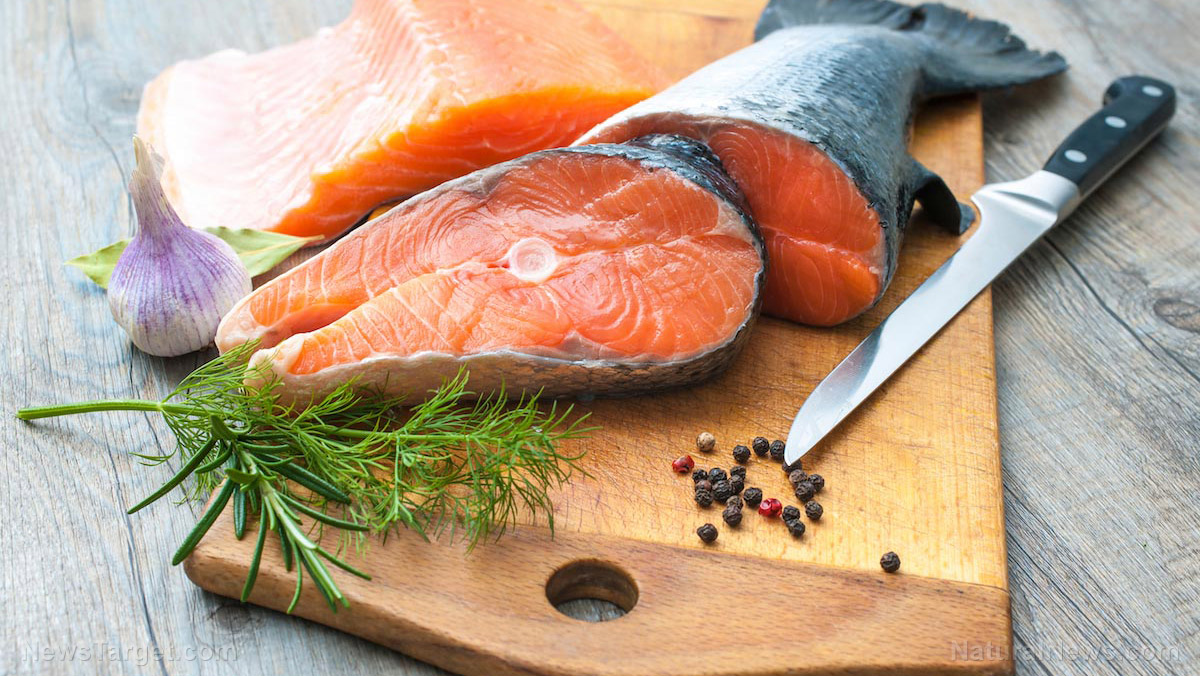
If you’re fond of eating fatty fish such as salmon, mackerel, sardines, trout and herring, then congratulations: you may have a lower risk for developing anxiety and other mood disorders .
This is because fatty fish are naturally high in eicosapentaenoic acid (EPA), and docosahexaenoic acid (DHA), both of which are known for having positive effects on both cognitive function and mental health .
As noted in several studies, both EPA and DHA help maintain optimal cognitive function by regulating the brain’s neurotransmitters, as well as by reducing inflammation. This means that regularly eating fatty fish can result in improvements in your mental health. Eggs
Feeling a bit down? Go grab an egg salad. Or a poached egg. Or an omelet. Whatever tickles your fancy.
As noted by nutritionists, this is because eggs contain tryptophan, an amino acid that helps create the neurotransmitter serotonin.
Serotonin is a chemical neurotransmitter that is best known for helping to regulate your mood, sleep, memory and behavior. Nicknamed the “Happy Hormone,” serotonin is also thought to relieve anxiety as well as improve your brain function. Pumpkin seeds
Pumpkin seeds, also known as pepitas, are more than just bar food — they are also an excellent source of potassium, which experts say, may help reduce symptoms of stress and anxiety .
Aside from potassium, pumpkin seeds are also a good source of zinc, which is essential for optimal brain and nerve development. Zinc is also known to be stored in the brain regions involved with emotions, which could explain why having low levels of this mineral negatively affects your mood.
Pumpkin seeds are also incredibly rich in tryptophan , making it an ideal snack for those times when you feel too overwhelmed with emotions. Dark chocolate
When it comes to improving your mood, nothing beats a bite from a dark chocolate bar .
This is mainly because chocolate has a high tryptophan content, which the body uses to turn into mood-enhancing neurotransmitters, such as serotonin
In addition, dark chocolate is a rich source of flavonoids which can help reduce inflammation and cell death in the brain, thereby ensuring its optimal health.
Aside from that, dark chocolate is also a good source of magnesium, another mineral that can help reduce symptoms of depression and other mood disorders.
Thinking of getting a dark chocolate bar as an afternoon snack? Make sure you watch your portions. This is because dark chocolate, its antioxidants notwithstanding, still contains added sugars and fats. Green tea
Feeling a bit panicky? Brew a cup of green tea.
Green tea contains an amino acid called theanine , which has anti-anxiety and calming effects on the brain.This, experts say, could be linked to theanine’s ability to help elevate the production of serotonin and dopamine, two neurotransmitters known for regulating your emotions, concentration, alertness and sleep.Want to add more theanine into your diet? Just brew — and then chill — a large pot of green tea. Pack it in reusable bottles or tumblers and use it as a refreshing and healthy replacement for sugar-laden soft drinks and other beverages. Fermented foods Who knew eating food riddled with (good) bacteria can help improve your mental health?According to experts, this is because good bacteria such as Lactobacillus and Bifidobacteria — both of which are present in fermented foods such as yogurt — can help combat chronic inflammation , which according to research, may be partly responsible for mental problems such as anxiety, stress and depression.In addition, several other studies have shown that foods rich in probiotics can help promote optimal mental health and brain function by inhibiting free radicals and neurotoxins, which can damage the brain’s delicate tissues which can then lead to more serious problems.Aside from yogurt, other fermented foods that are rich in probiotics include cheese, sauerkraut, kimchi and fermented soy products. What other foods can I eat to help with my anxiety? Aside from the foods mentioned above, there are other foods that you can eat that are rich in nutrients thought to improve anxiety-related symptoms. Bananas: One of the most widely consumed fruits in the US, bananas are incredibly rich in tryptophan, an amino acid that is converted to serotonin in the body. Chia seeds: Just like fatty fish, chia seeds are a good source of brain-boosting omega-3 fatty acids. This makes them a viable alternative to fatty fish for […]
24 Ways You Make Yourself Sick Without Realizing It, Say Doctors

Sure, you know that eating junk food, avoiding exercise, and drinking like a fish isn’t going to do any favors for your health, especially during a pandemic. However, did you know there are many other habits, rituals, and practices most of us engage in that are also damaging our well-being—only we have no idea? Read on to hear the top health and medical experts around the country reveal all the ways that you’re inadvertently harming yourself. Read on, and to ensure your health and the health of others, don’t miss these Sure Signs You’ve Already Had Coronavirus . Shutterstock You might think you are eating a super-healthy diet, but are in fact consuming dangerous chemicals. “Most grain and soy products in North America are sprayed with glyphosate, a known carcinogen and gut microbiome disruptor,” explains Dr. Steven Gundry, MD , medical director at The International Heart and Lung Institute Center for Restorative Medicine and the New York Times best-selling author of The Plant Paradox and The Plant Paradox Cookbook . Basically, we unwittingly eat glyphosate while eating “healthy” whole grain products. He points out that even new plant-based hamburger meat products may have glyphosate in them—as well as most of our animal products like chicken, beef or pork, as most are fed with these same tainted grains and/or soy.
The Rx: In order to avoid eating foods tainted by glyphosate, there are a number of things you can do. Eat organically, eat locally by shopping at your farmer’s market for meat and produce, or grow your own produce. Shutterstock Dr. Gundry points out that the vast majority of whole grain products are loaded with plant proteins called lectins which are part of the plant’s defense system against being eaten. “As The Plant Paradox series show, lectins are major causes of leaky gut, arthritis, depression, weight gain and brain and heart disease as well as autoimmune diseases,” he explains.
The Rx: Reduce your gluten consumption. “As I have reported at The American Heart Association, most patients who remove gluten and other lectin-containing foods resolve autoimmune issues and leaky gut within months,” he says. Shutterstock Artificial sweeteners might be a zero-calorie sugar-free alternative, but they aren’t doing any wonders for your digestive system. “Most people who use artificial sweeteners have no idea that they are destroying and altering their gut bacteria, the microbiome with every packet, the same bacteria that have the potential to keep them lean and happy,” Dr. Gundry says.
The Rx: Try to avoid artificial sweeteners. If you need a boost of sweet, you can always opt for a natural sweetener such as stevia. Shutterstock You might not realize it, but certain positions while sleeping can damage your health. “Many people will sleep every night on their sides in the fetal position. While this seems harmless, this sleeping position can actually be detrimental to your health,” points out David Greuner, MD , of NYC Surgical Associates. “When you sleep like this, it cuts your diaphragm’s free range down which can cause back pain as well as issues with your lungs.”
The Rx: Try another sleeping position. According to the National Sleep Foundation , the healthiest way to sleep in on your back. Shutterstock It can be hard to remember to drink enough fluids. But try and remember it can be hazardous to your health. “Vein insufficiency can be amplified due to dehydration,” explains Dr. Greuner. “When you are hydrated your blood is thinner and flows better. When your blood is thicker, it can make vein insufficiency problems worse.”
The Rx: Drink lots of fluids! The Institute of Medicine of the National Academies of Sciences recommends 2.7 (11 cups) liters to 3.7 liters (nearly 16 cups) per day . “Make sure to stay hydrated to keep your entire body healthy including your veins!” says Dr. Greuner. Shutterstock Just because a product is called “organic” doesn’t mean it is good for you. “Many packaged products are highly processed, and may contain many unhealthy ingredients,” points out Talia Segal Fidler , MS, HHC, AADP, nutritionist at The Lodge at Woodloch. For example, they may contain a high sugar content. “Even though it is organic, it is still sugar and still a processed product.”
The Rx: Remember that processed food is processed food and sugar is sugar—even if it has an organic label on it. Shutterstock Most of us were raised believing that drinking fruit juice was actually good for you. However, Fidler points out that many fruit juices are loaded with sugar and high fructose corn syrup. “There are hardly any connections between the fruits and that beverage,” she explains. “You are basically only consuming sugar!”
The Rx: If you are going to drink juice, look for ones that are 100 percent juice and no added sugar. Better yet, eat a piece of fruit instead, so you get the belly-filling fiber. Shutterstock Eating yogurt that has added fruits, or giving it to children thinking it is a good thing, is pretty common. Unfortunately, Fidler points out that those “fruits” are loaded with unhealthy sugar which defeats the purpose.
The Rx: “A better choice is to buy plain organic yogurt and add freshly cut fruits to it,” Fidler suggests. “For extra sweetness you can add a bit of local honey.” Shutterstock Sure, many fish are high in good fats and can be a great addition to your diet. However, Fidler points out that size matters when it comes to just how healthy a swimmer is. “The larger the fish, the more likely that it may have a high mercury levels and other toxins,” she explains. This is due to the fact that the fish has lived longer and accumulated toxins overtime.
The Rx: Fidler suggests eating smaller fish, such as sardines, mackerel anchovies etc. Or, opt for a deep-water fish that isn’t exposed to the same toxins. Shutterstock While farm raised salmon may boast health benefits in the form of omega 3 fatty acids, they can also be contaminated with toxins, explains […]
Brown Studies Consequences of Adolescent Alcohol Use

Dr. Sandra Brown Long-term studies on adolescent alcohol use are revealing the effects of alcohol exposure on brain development and the genetic and environmental factors for increased risk of adolescent alcohol use, said Dr. Sandra Brown at NIAAA’s 12th annual Jack Mendelson Honorary Lecture held via videoconference recently.
“For over 15 years now, we’ve had evidence that the brains of youth exhibit neuroanatomical differences across ages from childhood to adolescence to young adulthood,” said Brown, vice chancellor for research and distinguished professor of psychology and psychiatry at the University of California, San Diego.
Adolescence—the transitional period that begins at puberty and continues to legal adulthood—is a pivotal time for children. During this period, they become more independent, develop social skills and learn to control their own behaviors, thoughts and emotions. They also take more risks, such as using alcohol and other substances.
The behavior of adolescents has changed over the past 25 years, said Brown. Today, almost all youth have smartphones and fewer get driver’s licenses. The teen pregnancy rate has decreased, while the rate of depression and anxiety in teens is increasing.
Alcohol is an adolescent’s preferred substance of use, she said. The rate of use increases dramatically from 8th to 12th grade. Eight percent of eighth graders reported drinking in the last month, in a national survey of substance use. By 12th grade, 30 percent have consumed alcohol in the last month and 20 percent reported being drunk in that period.
Youth drink differently than adults, Brown continued. Those under 21 drink about half as often as adults, but when they do drink, they consume twice as much. Because alcohol is illegal for underage drinkers, they often drink faster.
There are consequences of teen drinking. A third of teens who drink say their grades suffered and one-fifth reported unsafe driving related to alcohol use. One in 2 say they regret their behavior while under the influence and 1 in 5 admit that alcohol created relationship problems, including early, unwanted or risky sex.
Animal models of adolescent alcohol consumption and its consequences have found that juvenile mice consume 2 to 3 times more alcohol than adults, Brown explained. They are more sensitive to the rewarding effects of alcohol, and have memory and executive function problems because of it.
To determine how early these neurological problems and mood disruptions begin after an adolescent starts drinking, researchers set up a long-term study to observe the effects in boys and girls ages 12-14. Three years after the study started, they found that learning and memory problems followed the onset of heavy drinking. Not all of these problems are permanent, however.
Brown found that when youth stop drinking heavily, they spend more time on homework and increase their exercise. Following abstinence, boys are more anxious than girls initially, while girls showed poorer mood states for longer, her team found. It’s not clear why.
In 2012, NIAAA established the National Consortium on Alcohol and Neurodevelopment in Adolescence (NCANDA). Brown, who co-directs the consortium with Dr. Susan Tapert, said 5 sites across the U.S. enrolled more than 830 adolescents. Stress and trauma appear to be related to the onset of moderate to heavy alcohol use, said Brown. Each year, study participants undergo brain imaging scans, neuropsychological testing and assessments of their behavioral functioning, including alcohol use and related problems. The group’s goal is to determine the effects of alcohol use on the developing adolescent brain and examine brain characteristics that predict alcohol use problems.
“Over the course of 10 years of study, we will be observing these youth during key periods of time when it’s most likely they will have onset and offset of alcohol disorders,” Brown said.
So far, the consortium researchers have found that heavy drinking during adolescence disrupts normal brain growth trajectories in inhibition and integration. They’ve also discovered that youth drinkers have more sleep disturbances, suggesting that alcohol and sleep influence each other.
“Impulsivity appears to be a strong predictor of earlier consumption rather than later consumption,” Brown reported. These findings suggest that risk factors change as a person matures.
Stress and trauma appear to be related to the onset of moderate to heavy alcohol use. In the NCANDA sample, almost 50 percent have experienced a traumatic event such as a death in the family, a natural disaster, severe accident or sexual assault or abuse.
Brown said the consortium has also developed a smartphone app called M-NCANDA to assess what youth are doing daily.
Although NCANDA is a large study, “It takes much more than that, especially if we’re interested in looking at additional roles of genetics and other environmental factors,” cautioned Brown.
Another study, the Adolescent Brain Cognitive Development (ABCD) Study that Brown co-directs with Dr. Terry Jernigan, has recruited almost 12,000 9- and 10-year-olds and will follow them for a decade. The objectives of the study are to develop standards for normal brain development and measure individual developmental trajectories of cognitive function and health behaviors.
The larger sample size will enable researchers from the 21 sites across the country, as well as scientists around the world, to study the roles of genetic and environmental factors on development and how physical activity, sleep and social activities influence development. Through ABCD, scientists will also be able to observe how the onset of mental health disorders might interact with substance use.
“NCANDA and ABCD are not experimental studies, they are observational studies,” Brown concluded. “Their data should lead to hypothesis-driven experiments that can answer important developmental questions.”
The Mendelson Lecture honors Dr. Jack Mendelson’s scientific contributions to the field of alcohol research. It features an investigator who has made significant contributions to understanding susceptibility to alcohol use disorder (AUD), alcohol’s effects on the brain and other organs and the prevention and treatment of AUD.
Improving Diet, Fighting Anemia and Other Benefits of Having Dried Fruits
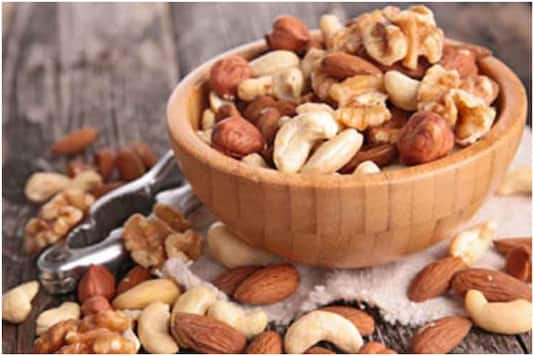
Dried fruits and nuts have always been an integral part of the Indian diet. They are considered to be a powerhouse of energy. You may remember your mother advising you to snack on soaked almonds or dates to sharpen your memory. Then there is Diwali, when we become surrounded by dried fruit gift packs. Even pregnant women are encouraged to add dried fruits to their daily diet.
A recent study published in the Journal of the Academy of Nutrition and Dietetics concluded that regular intake of dried fruits not only increases the quality of your diet but also promotes the cardiometabolic health of the body. The study also found that while the participants who consumed more dried fruits had a higher calorie intake, their BMI and waist circumference was lower, indicating a more active lifestyle.
Here are some health benefits of adding dried fruits into your diet:
1. Reduce the risk of various diseases, keeps gut healthy
Dried fruits are densely packed with fiber and antioxidants, which help fight obesity and diabetes. Antioxidants help in preventing cancer and gut diseases. Phenol-rich dried fruits such as apricots and raisins are proven to decrease the chance of heart diseases, diabetes and degenerative brain diseases (like dementia). People suffering from constipation can get benefit by adding dried figs to their regular diet.
2. Natural sugar substitute and fights anemia
Dried dates, easily available throughout the year, can be a great source of energy after a long day or in preparation for one. They are rich in natural sugars such as fructose, sucrose and glucose and thus can be an instant source of energy. They can be used as a sugar substitute since they are less processed and naturally sweet. They are an excellent source of iron and that makes them good for preventing anemia. They are also great for the development of the fetus when consumed during pregnancy.
3. Improves heart health and eyesight, fights urine infection
Dried cranberries have a high amount of anthocyanins. This compound gives cranberries their dark red colour and is proven to have anti-cancer and anti-inflammatory properties. A study published in the Nutrition Journal stated that anthocyanins can be beneficial in reducing recurrent urinary tract infections in susceptible women. They also improve eyesight and prevent cardiovascular and liver diseases.
4. Nutrition-rich snack alternative
Some research also states that the sun-drying process increases the concentration of antioxidants and phytonutrients in dried fruits and can be considered as a concentrated form of fresh fruits. As they are high in nutrients, even a small amount could be of huge benefit. This makes them a convenient and healthy snack option.
5. Longer shelf life so you can have any time of the year
Dried fruits have a longer shelf life than fresh fruit, which makes them accessible throughout the year. For example, dried mangoes can be enjoyed throughout the year with all the benefits of mango.
6. Promotes overall development
Dried fruits can be a treasured source of micronutrients, such as calcium, vitamins and minerals, that help in the proper development of bones and muscles during the growing ages. Adding them to the daily diet of children could promote a healthy height and weight.
What to consider before you consume dried fruits
However, there are a few things to keep in mind when consuming dried fruits. Depending on the portion size, dried fruits could be a double-sided sword. Dried fruits should be consumed within a limit as they are heavily packed with nutrients and a concentrated version of fresh fruits. Try to avoid the dried fruits that are coated with sugar as these can have a reverse effect on diabetes and obesity. Also, people should be aware of any associated allergies they may have before consuming dried fruits.
For more information, read our article on Anjeer .
Health articles on News18 are written by myUpchar.com, India’s first and biggest resource for verified medical information. At myUpchar, researchers and journalists work with doctors to bring you information on all things health.
Ingredients In Energy Drinks That Are Dangerous To Pregnancy
Energy drinks help sharpen mental focus, increase athletic performance, and keep one alert. For these reasons, people consume energy drinks when they feel overly-tired or sleep-deprived. However, energy drinks pose health risks for pregnant women . Some brands even go to length and write advisory statements on their labels that prohibit pregnant moms from consuming their products.
Experts, too, advise pregnant moms to refrain from drinking energy drinks. Their research on pregnant mice, incorporating small amounts of energy drinks in their diet daily, proved to have adverse effects on the newborn mice. They suffered from oxidative stress, anxiety problems, and tissue injury. These effects were a result of the ingredients in the energy drinks.
Energy drinks have a cocktail of ingredients that can have adverse reactions to pregnant women. With so many brands of energy drinks, it is difficult for researchers to evaluate each of them. Nevertheless, they use some common ingredients that are dangerous for pregnant moms. These ingredients include: Caffeine
One key ingredient in energy drinks is caffeine. Caffeine has been proved to stimulate the nervous system. For this reason, the recommended caffeine intake for pregnant women is 200 mg per day. When caffeine is consumed in high amounts, it raises both the heart rate and blood pressure. It also causes irritability, sleeplessness, and nervousness as it affects the nervous system. Caffeine overdose results in seizures, cardiac arrhythmias and can be fatal. For this reason, pregnant women should avoid energy drinks. Guarana
Guarana is naturally found in plants and is a source of caffeine. It is also used in numerous brands of energy drinks. Guarana helps athletics improve their concentration and performance. This, however, does not make it a better fit for pregnant women. Since pregnant women are advised to regulate their caffeine intake, consuming guarana and caffeine can be highly dangerous. Researchers have little information about the adverse effects of both on pregnant women. Therefore, it is better to avoid consuming the energy drink altogether. Sugar
Via Unsplash Sugar is used as a sweetener in energy drinks. Sugar contains many calories, which, when consumed excessively, can result in immoderate weight gain. Pregnant women, especially those that have gestational diabetes , should not consume energy drinks with sugar as it is impossible to regulate their intake of carbohydrates and sugar. This can cause a swing in their blood sugar levels, which is risky for them and the baby. Non-Nutritive Sweeteners
Some brands of energy drinks prefer non-nutritive sweeteners to sugar. These sweeteners have low calories and have been approved by the Food and Drug Administration. However, there is little information about how safe these sweeteners are, so it is safe to keep them off your diet. Ginseng
Ginseng is an Asian herbal that is also available in energy drinks. Researchers have not identified its long term safety effects and therefore discourage its use by infants, children, pregnant and lactating mothers. The standard, known side effects of ginseng are headaches, lack of sleep , and digestive problems. Besides, it affects blood pressure and blood sugar levels. Pregnant moms should not consume ginseng with high blood pressure or gestational diabetes. Gingko Biloba
This is a China herb extracted from the leaves of the Gingko tree. For centuries, Gingko Biloba has been used to improve memory. However, there are no case studies of its use on pregnant women. When ingested, people have complained of having headaches, palpitations, gastrointestinal problems, and allergic reactions. Pregnant women are advised against consuming this herb or energy drinks containing this ingredient. Yohimbe
Via Unsplash Yohimbe has been known to help with weight loss and is also used in energy drinks. Sadly, the consumption of Yohimbe has been associated with insomnia, mood disorders, and anxiety. Little is known about its effect on pregnant women, but why risk consuming a product that will increase your nervousness and heighten your tension? L. Carnitine
Carnitine comes from methionine and lysine. It is used in energy drinks to improve athletic performance, although studies indicate it has no such effect. If 5 mg of L. Carnitine is consumed in a day, it can lead to diarrhea and extreme body odor (fish odor syndrome). Therefore, pregnant moms should refrain from taking energy drinks. B Vitamins
B-Vitamins aid in the metabolism of fats, proteins, and carbohydrates. These vitamins are soluble, and when consumed in excess, they are excreted in the urine. However, high doses of B3 Niacin have been proven to cause flushing and increasing heart rate. On the other hand, high amounts of B6 Pyridoxine result in sensory neuropathy and an increased risk of hip fractures in adults. Taurine
Taurine, a natural amino acid present in animal foods, regulates water and mineral levels in the blood and helps in neurological development. Taurine is supplemented in infant formulas to help babies with underdeveloped retina and brain during birth. Despite its usefulness, little is known about taurine; hence pregnant moms should avoid it.
Energy drinks pose a significant health risk for pregnant moms. The concoction of ingredients available will do more harm than good, so it’s best to avoid them during pregnancy.
Sources: Very Well Family , Baby Med , Premama
Gigi Hadid Posts Adorable Photo With Daughter: ‘A Whole New Kind Of Busy’ About The Author

THIS ‘Off Beat’ Music Has Massive Health Benefits

By: Cat Ebeling, RN, MSN-PHN, co-author of the best-sellers: The Fat Burning Kitchen , The Top 101 Foods that Fight Aging & The Diabetes Fix
We’ve all experienced the jarring effects of hard rock, screamo, head-banger music on our moods and our bodies. I know when I hear music like that, I can’t think straight and feel anxious, irritable and aggravated. On the other hand, think about the type of music that plays in a spa, during a massage—or even the music playing at the doctor’s office. It’s usually slow, melodic and very relaxing.
It’s obvious that music can have a real effect on our moods, our thought processes and even our physical bodies.
Musical therapy is more than a trendy ‘feel-good’ therapy. It can actually improve medical outcomes, ease moods and improve the quality of life in a variety of ways. Here are a few of the ways musical therapy helps:
Easing anxiety and pain –People who listen to music in the operating room reported less discomfort during their procedure. Post-operative music helped patients avoid opioid medication for pain.
Restoring lost speech –Musical therapy helps people who are recovering from a stroke or traumatic brain injury to help them speak again.
Helping with physical therapy or fitness —You may have noticed that working out to music helps your workout. Studies show that music therapy enhances people’s ability to perform during physical therapy programs as well.
Aiding pain relief –Music therapy has worked well in people with intense short-term pain all the way to those with chronic pain.
Improving quality of life for people with dementia —People with dementia or Alzheimer’s often are able to relate to music, and music therapy helps with memory, soothing agitation, helping with speech and communication, and even improving physical coordination. What type of music works?
A couple of types of music have been identified to have healing, restorative properties .
Frequencies of music can occur in a range of wavelengths . Each of these different frequencies actually affect us in a specific way. An alpha frequency can bring about relaxation, a sense of calm and mindfulness . A theta frequency helps to inspire creativity and imagery.
Sound frequencies can affect our hormones and trigger endorphins, our feel-good chemical that relieves stress, helps us think and reason better, and even strengthens the immune system.
Consider this scientific study on positive effects of music : College students from University of California at Irvine were assigned to three groups. The first group listened to one of Mozart’s sonatas. The second group listened to a relaxation tape. The third group listened to nothing. The results were very clear—those who listened to Mozart improve their Stanford-Binet test results significantly.
In the 1950’s, Germain physicists studied electromagnetic resonance in the earth’s atmosphere. These electromagnetic waves or ‘heartbeat of the earth’ as they were called, were coined the “Schumann Resonance”. Schumann’s successor, Dr. Konig was able to match the resonance of the earth with various levels of brain activity by comparing EEG recording with the earth’s electromagnetic fields.
Dr. Konig later discovered that the resonances matched natural brainwave states . These are the brainwave states that occur during all normal daily activities from sleeping to creating to learning.
Specific tones of sound that help promote positive health are often called Solfeggio frequencies. These sounds can be traced back to ancient history and were said to be fundamental sounds in Christianity, as well as Eastern Indian religions. Solfeggio frequencies were found to profoundly affect both the conscious and subconscious to stimulate healing . These studies led to discovering the value of music at 432 Hz. Music at this frequency is more healing, meditative and relaxing.
432 Hz has been proven to be in harmony with human physiology. The Benefits of the Different Solfeggio Frequencies
432 Hz
Many ancient musical instruments were constructed for 432 Hz tuning, and this was standard for instrumental tuning. The 432 Hz frequency is known for its deeply calming and soothing effects . A recent double-blind study from Italy showed that music tuned to 432 Hz slows down the heartrate compared to 440 Hz. This frequency works well for yoga, meditation, or sleep. 528 Hz
A 2018 study from Japan showed that music at 528Hz had a strong ability to reduce stress in the endocrine system and autonomic nervous systems –even after only five minutes of listening. This study in the Journal of Addiction Research & Therapy found that 528Hz music reduces the toxic effects of alcohol . Early research indicates that this frequency has the ability to heal and repair the body . 396 Hz
Music tuned in at 396Hz helps get rid of subconscious fear and anxiety . It also helps to eliminate feelings of guilt and subconscious negative beliefs that get in the way of achieving personal goals. 639 Hz
The frequency of 639 Hz helps balance emotions and elevate the mood . It also promotes communication, love, understanding, and harmony into interpersonal relationships. 741 Hz
Music tuned to the frequency of 741 Hz helps with problem-solving, cleansing the body, and self-expression . It also helps one to tune into intuition and decision-making. 852 Hz
The 852 Hz frequency helps to replace negative thoughts with positive ones , making it ideal when nervousness or anxiety is bringing you down. Binaural Beats
When you combine specific soundwaves with a certain beat, the music has even more powerful benefits to humans.Binaural beats mean that the music plays at a slightly different frequency for each ear , although the brain perceives it as a single tone. Binaural beats have become a new type of sound wave therapy for the treatment of anxiety, stress, and related disorders . This musical treatment is utilized with stereo headphones so that each ear will hear the different frequencies.The findings of this 2018 study on pre-operative patients suggest that listening to binaural beats for a recommended period can affect a person’s subsequent relaxation, behavior and even their […]
Sleep Well Wednesdays: How to beat the 3pm slump without caffeine or chocolate
Yes, it IS possible. Image: iStock Source:BodyAndSoul Ahh… that 3pm slump. We know it, we loathe it, but somehow, each day we struggle to avoid it, without a shot of sleep inhibiting caffeine or chocolate. Luckily sleep expert Olivia Arezzolo has just what you need to re-engergise without affecting your sleep later.
With fatigue setting in, you’re probably finding yourself mentally foggy, unable to concentrate and forgetting important details.. like that 4.30pm deadline. Or maybe you remember, but you’re too stressed out to deliver it well.
At the last minute, you surrender and reach for those tasty black espresso beans to get through, which works a treat, until that evening, when you’re unable to sleep properly or waking up at 3am .
So… what’s the solution? I’ve got four of them. And each of them, as always, is backed by science. Scale some stairs
Avoid the 3pm slump and build that booty at the same time – win-win! Research shows that climbing stairs for 15 minutes provides more energy than a shot of coffee.
Like what you see? Sign up to our bodyandsoul.com.au newsletter for more stories like this.
Allowing you to get your heart rate up without hitting the gym (or needing a change of clothes); this also increases blood flow around the body, which after a day of sitting, is often just what you need to get your mojo back. Second to that, look forward to feeling mentally refreshed too, with thanks to an exercise-induced endorphin rush . Align with acupuncture
With 81 percent of individuals reporting enhanced energy; and 96 percent reporting feeling more relaxed after acupuncture in a recent study ; it’s no surprise this is one of my top recommendations for beating the 3pm slump.
As a backstory, research shows acupuncture can stimulate the flow of energy by piercing specific ‘acu-points’ on the body – helping fight fatigue. But rather than having a scheduled appointment each lunchtime, opt for an acupuncture mat – such as the eco luxe one from Anja Wellbeing . Tune into Tulsi
Reduce stress by 39 percent with a cuppa? If it’s tulsi – it’s true, according to academic research . Further to that, studies also show tulsi helps anxiety , sleep and memory . Considering these are three factors that lead to your 3pm slump, arming yourself with a tulsi blend like Pukka’s Tulsi Clarity is ideal – even if you’re not working. Get onto ginkgo
Forgetting a little too often for your liking, particularly in the afternoon? Not with the support of Gingko – found in clinical studies to protect against ageing, including memory loss and signs of Alzheimer’s. By improving blood flow in the brain, neurons (brain cells) stay healthier for longer – enabling mental clarity.
Try a supplement that provides gingko, alongside other nutrients to minimise memory loss – like Vitamin b6 and B12; such as Australian Natural Care’s Brain & Memory Boost . Meditate like a monk
Want to improve mental focus by 400 percent?! Meditate . Yes. The finding, as published in Psychological Science , found meditation can improve focus and attention by a staggering 400 percent. Reflecting on the reasons you might be slumping – feeling overwhelmed is definitely one of them, especially if you WFH.
Hence, a brief meditation session allows you to step back and refocus, with greater strength than ever. And if that’s not all, evidence also shows long term meditators spend double the amount of time in deep sleep too, furthering your focus capacity.

The Power Within by Corey Daniels book available for only $2.99
Mind has both conscious and subconscious halves. These are likened to a driver and the truck he drives. The driver plans the destination and observes road conditions, while the truck provides motive power. Your subconscious mind is like the truck and it only goes in the direction in which is a steered. This can be the road or off a cliff. Likewise, the consciousness paints a picture of what the world is and what your goals are and the subconscious acts on them through emotion, physical response and energy, whether these are correct, rational images or false negative ones. The subconscious is also like an emotional reservoir which your body and mind draw responses from to external stimuli.
The Power Within lays out a method of programming your subconscious and tapping into the Holy Spirit, God voice or what the Greeks called the daimon (godman).