Nature Knows and Psionic Success
God provides
Oxytocin: everything you need to know about the love hormone

Often dubbed the ‘love hormone’, oxytocin is the powerful neurotransmitter behind the warm, fuzzy feeling we’re all familiar with. It forges a bond between mother and baby , sparks sexual chemistry between romantic lovers, and creates lasting ties between close friends.
We spoke to consultant psychiatrist Dr Tom Pennybacker, chief medical officer at My Online Therapy , psychosexual therapist and intimacy coach Duchess Iphie and Dr Deborah Lee, of Dr Fox Online Pharmacy , to find out more about how the love hormone works its magic: What is oxytocin?
Oxytocin is a naturally occurring hormone that acts as a neurotransmitter – a chemical messaging agent. It’s ‘one of the body’s feel-good hormones that counteracts stress hormones , like cortisol,’ explains Dr Pennybacker, and is ‘produced by the hypothalamus, a small region at the base of the brain, before being secreted by the nearby pituitary gland’.
Oxytocin is often dubbed the love hormone or cuddle hormone because it’s stimulated by – and also facilitates – social bonding . ‘Levels rise when you experience the sensation of touch,’ explains Dr Lee. ‘Touching means any form of skin-to-skin contact – holding hands, stroking, cuddling, kissing, or having sexual intercourse.’
It also affects another part of the brain, the amygdala, which lessens fear and facilitates feelings of friendliness and trust, says Dr Lee. ‘Studies have shown that oxytocin release is associated with an increase in positive social behaviour, such as an increase in eye gazing, and an improved ability to judge facial expression and tone of voice,’ she says. When it comes to bonding, oxytocin works in conjunction with other feel-good hormones, such as dopamine and serotonin. However, it’s worth pointing out that oxytocin’s interaction with the amygdala differs between sexes. ‘Like many hormones, oxytocin seems to affect men and women differently,’ says Dr Pennybacker. ‘Some research suggests that oxytocin helps women identify potential friendships and, in contrast, men use it to identify competitive relationships.’
When it comes to bonding, oxytocin is no lone ranger. It works in conjunction with other feel-good hormones, such as dopamine (the ‘reward’ hormone) and serotonin (the ‘happy’ hormone). When you feel loving towards someone – or something – your brain releases a surge of dopamine, your serotonin levels peak, and oxytocin is produced. This trifecta of causes leads you to experience a surge of positive emotion.
Woman jumping for joy How does oxytocin make you feel?
Oxytocin makes us feel warm and loved. ‘You’ll know when oxytocin is at work when you feel a big swell of love in your chest, or you feel like you’re being surrounded with fuzzy feelings and positive vibes,’ says Ichie. ‘You feel more attached, more loving than usual. This feeling can be addictive.’
As well as making us feel close to our partners, ‘some studies suggest that it may even make us want to commit and form long-term bonds ,’ adds Dr Pennybacker. And that’s not all. The hormone also makes us feel reassured, safe and calm, and has ‘been linked to everything from pain relief to lower stress levels,’ he says.
Indeed, oxytocin is one of the body’s natural mechanisms to help lower stress , says Dr Lee. ‘It’s known to dampen down the sympathetic nervous system – this is the ‘fight or flight’ system that goes into overdrive when we feel anxious or threatened,’ she says. ‘Oxytocin stimulates the opposing parasympathetic nervous system to slow the heart and respiratory rate.’
Self care tips What triggers oxytocin release?
While it’s often referred to as the love hormone, oxytocin plays a key part in every relationship we have. ‘Any close bodily contact results in the release of oxytocin,’ says Dr Lee. ‘Large amounts of oxytocin are produced during childbirth , breastfeeding , and from the positive experiences when a mother cradles her baby.
It’s easy to underestimate the power of human touch, says Dr Pennybacker, ‘but we’re social beings and we’re designed to connect. Therefore it’s no surprise that, when we hug, cuddle or spoon a loved one, it releases oxytocin. Lots of research has shown that random acts of kindness can help us get a “helper’s high” and this can be put down to increased levels of oxytocin also.’
Dead end relationship Why is oxytocin called the love drug?
Oxytocin is most commonly associated with romantic love . Research shows that oxytocin is at its highest levels during the beginning stages of relationships , says Iphie. ‘That doesn’t mean it disappears the longer a relationship lasts – it just means that there’s a boost before evening out,’ she says.
The hormone is also released during sexual activity, and is even linked to the intensity of orgasms . In men and people with penises, oxytocin is a powerful vasodilator and therefore vital for erectile function, says Dr Lee. It also has a role in sperm transport, and may cause contractions within the prostate gland at the moment of ejaculation.
In women and people with vulvas, meanwhile, ‘it’s thought to cause uterine contractions at orgasm, which facilitate the deposition of sperm in the upper part of the genital tract,’ she adds. ‘The stronger the orgasm, the greater the levels of oxytocin. After orgasm, oxytocin contributes to feelings of warmth and sexual satisfaction.’ ‘Oxytocin is produced when you take part in any form of warm social interaction, such as a hug or petting a dog or cat.’ Oxytocin also encourages fidelity, because of the way it affects reward pathways in the brain, says Iphie. ‘If we are intimate with a regular, reliable monogamous partner then whoosh: more oxytocin. It’s a loop of behaviour we stay in.’ In that way, oxytocin ‘can strengthen relationships and improve sexual pleasure,’ she says.
‘If you put work in with your partner after the honeymoon period, you can have a great sex life and keep the oxytocin flowing,’ she continues. ‘Once you achieve this, you’re onto a winning cycle of closeness, oxytocin production and more closeness. I’m all for a beneficial cycle of communication, love and sex; boosting your oxytocin can increase your partner’s, and vice versa.’
In a […]
Searching for the Secret of How Young Blood Rejuvenates the Brain
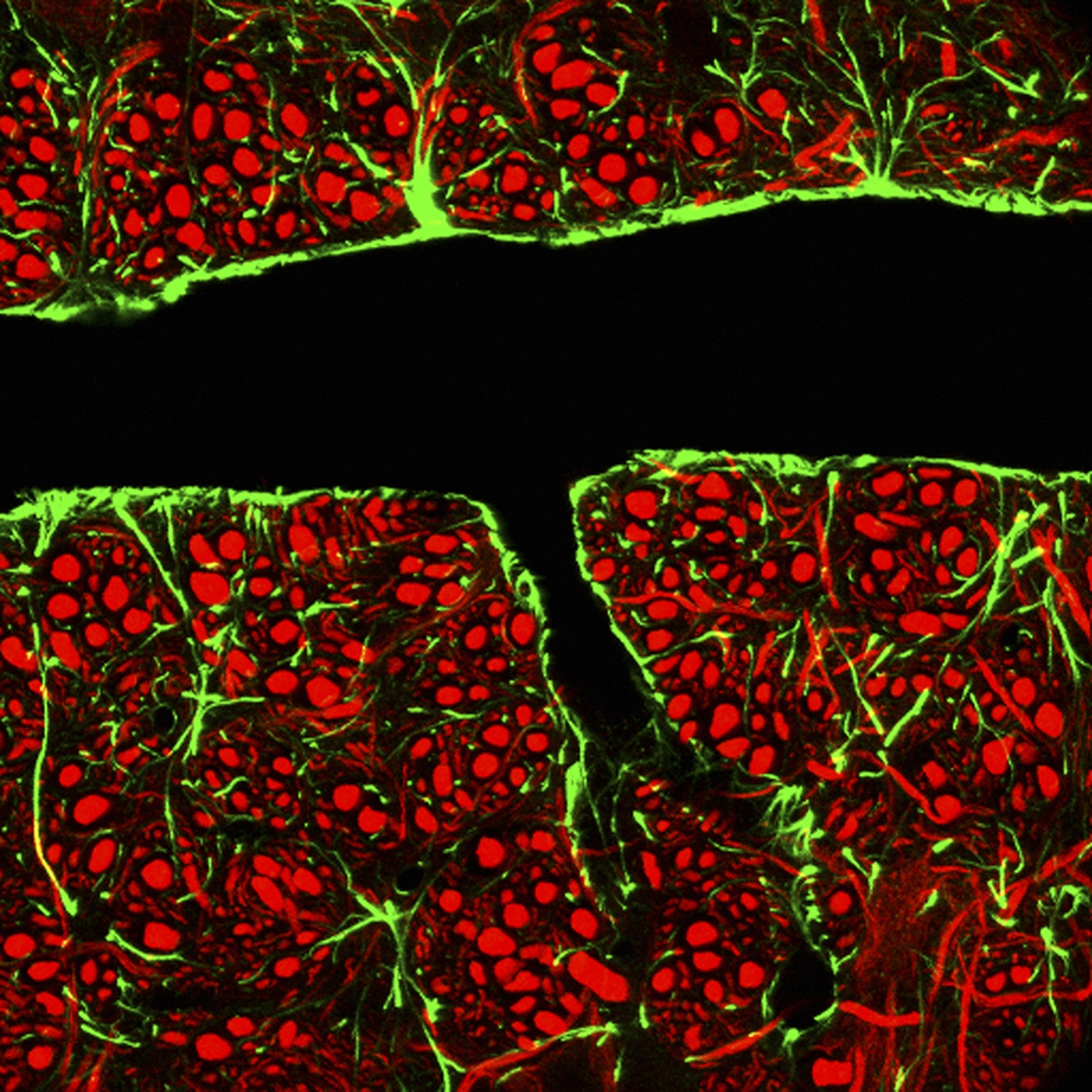
The blood brain barrier could provide a target for therapies to slow cognitive aging. Glial cells, which surround the blood vessels, are shown in green. Neurons are shown in red. Vampire legends posit that the blood of a young person can restore youth to the old, a treatment that has lured in wealthy seniors from medieval popes to Korean dictator Kim Il-Sung. But the legendary power of young blood is not simple fiction. It also appears to have a strong basis in biology.
Growing evidence over the last 20 years reveals numerous benefits. Using a procedure called parabiosis, in which two mice are joined together so that they share a circulatory system, scientists have shown that old mice that receive blood from younger animals can run faster and longer on a treadmill than their untreated counterparts. The treated mice also learn more quickly how to avoid an electrical shock and remember better how to swim through a water maze. Their brains generate new neurons in the hippocampus — the region of the brain that controls learning and memory. Young blood, it seems, is one of the most powerful anti-aging treatments — at least in mice.
Translating these findings into humans, however, is challenging. Simply transfusing blood from young donors into older people is not a viable therapeutic option: The process carries a high risk of infection and is impossible to standardize from patient to patient.
In an ideal world, scientists would isolate a specific factor in young blood that reverses the cognitive decline and memory loss that occurs with aging. Over the last decade or so, researchers have found a handful of potential candidates. But it has also become clear that no single protein is responsible for the benefits of young blood — none of these individual factors is as powerful in reversing aging as parabiosis itself. “I think we have a very rudimentary understanding at this point of how [parabiosis] works,” says Tony Wyss-Coray , a neurologist at Stanford University and an investigator with the Simons Collaboration on Plasticity and the Aging Brain (SCPAB).
Indeed, the process may involve more than simply adding a key ingredient. Some research suggests that removing factors from old blood may be just as important as adding factors from young blood. Age-related changes in the brain’s immune system and the barrier that regulates which proteins go in and out of the brain further complicate the picture. “I really think we’re not going to find some magic gene where if you fix this one system and put a Band-Aid on it, it’ll make all the difference,” says Jennifer Garrison , a molecular biologist at the Buck Institute for Research on Aging in Novato, California. Instead, the fix will require multiple proteins and other blood factors, as well as a better understanding of the body’s physiology.
Hunting for the magic protein
For a brief moment in 2014 , it seemed that researchers might have found the magic blood protein that could explain the effects of parabiosis. Lee Rubin , a stem cell biologist at Harvard University and a SCPAB investigator, and his colleagues zeroed in on a protein called GDF11, which some evidence suggests is prevalent in young blood but decreases with age. Injecting GDF11 into old mice, they found, could improve blood flow in the brain and even spark the growth of new neurons in the hippocampus.
Rubin says that GDF11 is probably one of multiple proteins in young blood that lead to rejuvenation. He and others have identified about half a dozen blood proteins that are elevated in young animals’ blood and seem to play a role in brain aging. They include TIMP2 , a protein found in umbilical cord blood, and klotho , a hormone produced in the kidneys. In some cases, injecting these proteins into old mice can enhance the growth of new neurons, regenerate muscles, and generally make the mice appear younger than their elderly counterparts.
Meanwhile, other researchers have found a number of harmful blood proteins that increase with age. Injecting them into young mice quickly causes cognitive problems and muscle degeneration. Bioengineer Irina Conboy of the University of California, Berkeley, for instance, thinks that the old factors overwhelm the young ones. In a recent paper , her group removed half of an old mouse’s blood plasma and replaced it with saline. The method, they found, was as effective at restoring brain and muscle function as replacing it with young blood. In fact, some of the proteins that are prevalent in young blood reappeared as soon as the old blood was diluted, suggesting they’d been suppressed by the old blood.
This plasma dilution system, known as plasmapheresis, is already used to treat autoimmune conditions such as multiple sclerosis and lupus, and Conboy believes a version of this treatment could be used as an anti-aging therapy as well. Earlier this year, her team started a small clinical trial in which they diluted old patients’ blood with saline, and she expects results early next year. “You can’t completely suppress [old blood proteins] because there is no such thing as a bad protein,” she says. “All proteins are evolved to do some important things in our bodies. What happens is that they just become excessive.” Old mice injected with a protein associated with exercise (right) begin producing more new neurons (green) in the hippocampus than control mice (left), suggesting this treatment mimics the beneficial cognitive effects of exercise. Credit: Horowitz et al. Science 2020. It’s not only youth that confers anti-aging power on blood. Exercise — a well-established way to protect against the cognitive effects of aging — seems to have similar benefits. In a July paper published in Science , Saul Villeda , a neuroscientist at the University of California, San Francisco and an SCPAB investigator, gave a group of sedentary old mice transfusions of blood from old mice that regularly exercised. After three weeks, the sedentary mice started performing significantly better on learning and memory tests and produced more neurons in their brains. The researchers found that […]
Laughter is good for your youth: Dr. Nina Radcliff

Heightened tension triggers a cascade of stress hormones that magnifies your physical and mental health risks — from your ability to regulate emotions to sleeping and eating problems to lower immune function.
The effects are cumulative. Repeated activation of your stress response contributes to high blood pressure and promotes the formation of artery-clogging deposits with increased risk of cardiovascular events, including heart attacks and strokes. Additionally, it takes a toll causing brain changes that contribute to anxiety, depression and addiction.
During this time, everyone is being encouraged to be vigilant in practicing techniques to counter stress and tension. I want to provide a great, simple, scientifically-proven prescription for helping to counter tension: Try a little laughter!
Health benefits of laughter
The power of laughter goes beyond the pleasure and joy of a spontaneous, gleeful outburst. Laughter changes people. Its benefits help to heal emotional and psychological difficulties, eases physical ailments and pains while building immunity and mental sharpness. And there’s more! Belly laughs have been shown to reduce the stress hormones, cortisol and adrenaline, and increase the body’s production/uptake of feel-good endorphins.
While the brain mechanisms behind laughing remain a mystery, what the science and medical health community underscores is that laughter affects the body and mind, positively.
• Boosts your immune system: Giggles, laughter and good humor strengthen your body’s defense against germs, increasing the number of antibody-producing cells (surveillance proteins for foreign invaders) and other immune system cells. And, yes, it is a fact that stress weakens your immune system but physically, laughter can put a damper on the production of stress hormones, cortisol and epinephrine. And by doing so, it can help us to relax.
• Decreases blood pressure: Laughing releases nitric oxide, a chemical that relaxes blood vessels, reducing blood pressure and helps to decrease clotting. It can also protect the heart by reducing inflammation and preventing formation of cholesterol plaques. At the same time, it increases blood flow to organs, which helps reduce the risk of heart attack and stroke.
• Soothes tension and keeps spirits up: Those ha-ha moments ignite, then cool down your heart which provides you with a relaxed feeling from increasing, then decreasing your heart rate. This also reduces some of the physical symptoms of stress. And, in the midst of challenging times, laughing helps to bring back a sense of normalcy.
• Stimulates many organs: It enhances your intake of oxygen-rich air, stimulating your heart, lungs and muscles while increasing those endorphins released by your brain, relieving stress.
• Cognitive benefits: Chuckles from losing a parking space to watching a funny video have been tied to improvements in short-term memory and an increased capacity to learn and focus.
• Laughter is contagious: The saying, “laugh, and the whole world laughs with you” is more than just an expression. It really is contagious. From babies to adults, laughter promotes person-to-person bonding and is typically recognized as social signals of goodwill and friendship with the power of bringing people together.
• Staying power with great benefits: These positive responses happen quickly and have staying power. Studies have shown laughable, giggling moments can relax your muscles for up to 45 minutes after. Psychologically, it encourages a better perspective by experiencing life in a “less threatening light.”
• Pain relief: It can literally relieve pain by stimulating your body to produce endorphins — natural painkillers. Laughter may also break the pain-spasm cycle common to some muscle disorders. The best part is there are no known side effects.
Try this at home
Here are ways to boost your mood and promote laughing:
• Set the intent to laugh more. Make it a priority. Watch a favorite, funny scene or comedy clip. Subscribe to a daily silly email (cat videos anyone?). Savor giggling time. Radcliff
USask launches first study on effects of smoked cannabis on brain development
IMAGE: USask pharmacologist Robert Laprairie. view more Credit: Robert Laprairie/USask SASKATOON – University of Saskatchewan (USask) pharmacologist Robert Laprairie will use a Brain Canada research grant to determine how a mother’s use of cannabis during pregnancy affects the brain of the developing fetus she’s carrying.
Laprairie is one of 20 Canadian neuroscientists each awarded $100,000 today as part of Brain Canada’s Future Leaders in Canadian Brain Research Program.
“Following on Canada’s legalization of cannabis in 2018, there is merited concern that people might seek out cannabis either for medicinal or recreational use during pregnancy,” said Laprairie.
While some people believe cannabis can help reduce nausea during pregnancy, Laprairie said, “There’s a general misconception among the public that because it’s natural, it’s safe. But it’s a drug just like any other drug.”
Laprairie, along with USask neuroscientist John Howland, and PhD students Ayat Zagzoog and Tallan Black, is testing in a rat model the hypothesis that chronic exposure to cannabis with high tetrahydrocannabinol (THC) content will result in a significant increase in the rat pups’ anxiety and significant reduction in both cognition and sociability.
“We think we’re going to see a profound impact on how anxious the animals are, and how well they learn and adapt,” Laprairie said.
Limited data available from human studies show that babies exposed ‘in utero’ to cannabis smoke weigh less and have shorter feet. Studies involving rats have found injected cannabinoids lead to increased anxiety, learning deficits, and metabolic changes in pups. However, injected cannabis differs significantly from smoked whole-plant cannabis, which contains other psychoactive ingredients beyond just the THC.
“There’s some work done on it, but we need to delve deeper into it,” said Laprairie.
The USask team will use a special inhalation chamber to deliver high THC and high cannabidiol smoke to pregnant rats for 21 days. Following the birth of the pups, the researchers will track their growth, weight, and metabolic outcomes such as how much fat they have. Once the pups are old enough, the researchers will start monitoring them for anxiety-like behaviours, learning and memory tasks, and eventually such things as predisposition to substance use disorders.
Laprairie said rats are an appropriate model organism because of the close similarities to humans.
“Their brains go through many of the same developmental processes, and their metabolism of the drug and how their bodies physically respond to the drug are on the order of 95 per cent homologous with our human endocannabinoid system,” he said.
The 2016 National Survey on Drug Use and Health in the United States found that 4.9 per cent of pregnant women aged 15 to 44 years reported past-month cannabis use. While no directly comparable figures are available for Canada, 2016 Statistics Canada figures showed that nearly 17 per cent of women of child-bearing age reported using cannabis in the previous year.
The USask research team hopes to have manuscripts ready in summer 2021 for submission to high impact journals.
“What we as a team are hoping for is that individuals, policymakers, Health Canada, and health regions will take note of the data we’ve published and integrate it into their policy to recognize and caution people about avoiding cannabis during pregnancy,” said Laprairie.
“We’re developing many different cannabis-based medicines. And one of the most important things about a medicine is that you know which populations it shouldn’t be used in.”
Laprairie is a member of the USask-led Cannabinoid Research Initiative of Saskatchewan , an interdisciplinary research team exploring the application of cannabinoids and cannabis derivatives to humans and animals, for health, disease and disorders.
Anchored by a $5-million gift from the Azrieli Foundation, the program aims to build the next generation of brain science leaders in Canada. Funding for the Future Leaders in Canadian Brain Research program has been provided by Health Canada, through the Canada Brain Research Fund.
###
Disclaimer: AAAS and EurekAlert! are not responsible for the accuracy of news releases posted to EurekAlert! by contributing institutions or for the use of any information through the EurekAlert system.
Study finds psychedelic DMT may be a powerful nootropic
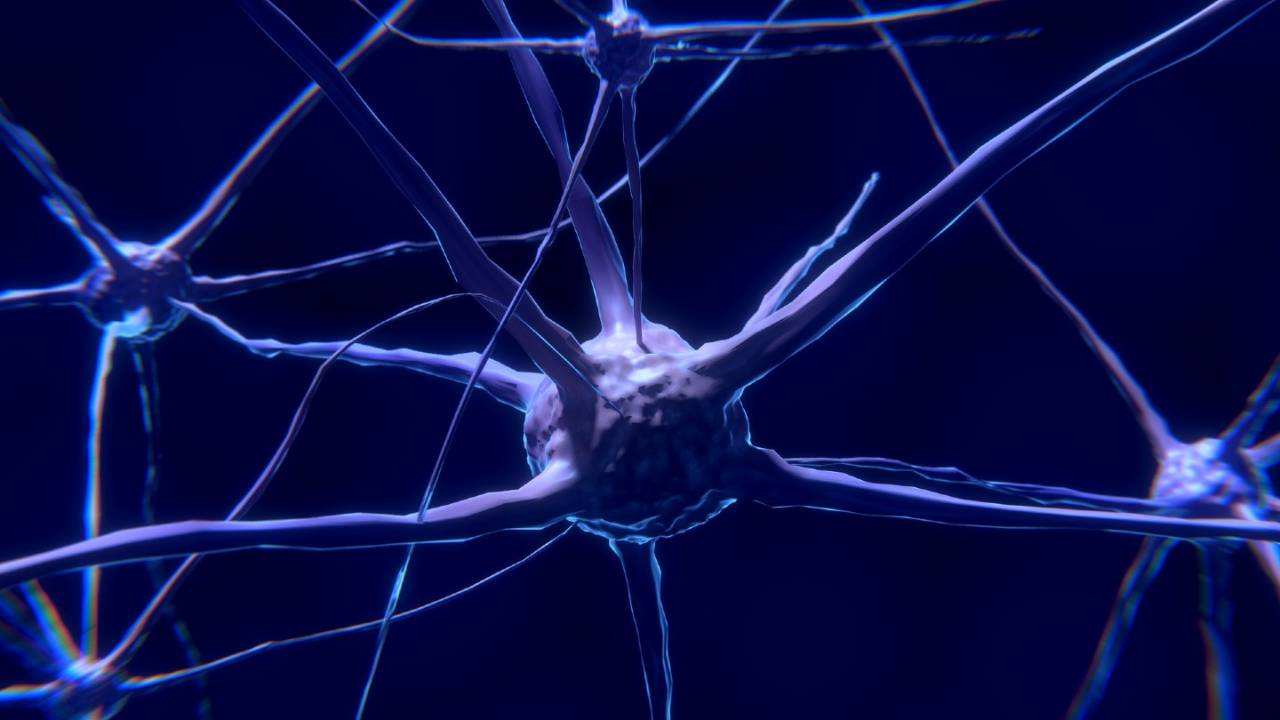
Researchers with the Complutense University of Madrid have found that DMT, the psychedelic compound found in an Amazonian tea called ayahuasca, promotes the formation of new neurons in the brain, a process called neurogenesis. That’s only one of the potential benefits identified by the new study, hinting at ‘great therapeutic potential,’ according to one of the researchers.
Dimethyltryptamine, more commonly called DMT, remains illegal in many countries, but has grown in popularity among spiritual and brain-enhancing communities for its alleged ability to boost cognition and promote mental wellbeing — at least based on some anecdotal claims.
Research into the compound is still slim, relatively speaking, but has expanded with the new study out of Spain. The researchers spent four years studying the compound both in vivo and in vitro, finding that mice treated with the psychedelic experience ‘greater cognitive capacity.’
The researchers explain in their study: Our results demonstrate that DMT administration activates the main adult neurogenic niche, the subgranular zone of the dentate gyrus of the hippocampus, promoting newly generated neurons in the granular zone. Moreover, these mice performed better, compared to control non-treated animals, in memory tests, which suggest a functional relevance for the DMT-induced new production of neurons in the hippocampus. The researchers note that it is difficult to form new neurons when some die from disease or as we age. DMT is called a promising future approach to solving this problem, one that may not even include the profound — or sometimes terrifying — hallucinations that users report.
According to the study, researchers altered the receptor that DMT binds to, reducing the hallucinogenic effect as a result. This may make the compound more tolerable for future patients suffering from neurodegenerative and psychiatric illnesses.
The study states: One of the main limitations that arise when designing a possible drug from the results obtained is to achieve the desired neurogenic effect without causing the patient hallucinogenic effects secondary to treatment with DMT, through the activation of 5-HT2A receptors. The results here obtained indicate that the observed effects of DMT are mediated by the activation of the S1R. In this regard, it has been shown that the stimulation of the S1R by different agonists enhances neurogenesis in the hippocampus. Of course, additional research into this psychedelic and others like it are necessary to get a complete picture of the drug and its potential benefits and risks in humans.
USask researchers to study how cannabis use during pregnancy affects fetus’ brain development

University of Saskatchewan (USask) pharmacologist Robert Laprairie will use a Brain Canada research grant to determine how a mother’s use of cannabis during pregnancy affects the brain of the developing fetus she’s carrying.
Laprairie is one of 20 Canadian neuroscientists each awarded $100,000 today as part of Brain Canada’s Future Leaders in Canadian Brain Research Program. Following on Canada’s legalization of cannabis in 2018, there is merited concern that people might seek out cannabis either for medicinal or recreational use during pregnancy.” Robert Laprairie, USask Pharmacologist While some people believe cannabis can help reduce nausea during pregnancy, Laprairie said, “There’s a general misconception among the public that because it’s natural, it’s safe. But it’s a drug just like any other drug.”
Laprairie, along with USask neuroscientist John Howland, and PhD students Ayat Zagzoog and Tallan Black, is testing in a rat model the hypothesis that chronic exposure to cannabis with high tetrahydrocannabinol (THC) content will result in a significant increase in the rat pups’ anxiety and significant reduction in both cognition and sociability.
“We think we’re going to see a profound impact on how anxious the animals are, and how well they learn and adapt,” Laprairie said.
Limited data available from human studies show that babies exposed ‘in utero’ to cannabis smoke weigh less and have shorter feet. Studies involving rats have found injected cannabinoids lead to increased anxiety, learning deficits, and metabolic changes in pups. However, injected cannabis differs significantly from smoked whole-plant cannabis, which contains other psychoactive ingredients beyond just the THC.
“There’s some work done on it, but we need to delve deeper into it,” said Laprairie.
The USask team will use a special inhalation chamber to deliver high THC and high cannabidiol smoke to pregnant rats for 21 days. Following the birth of the pups, the researchers will track their growth, weight, and metabolic outcomes such as how much fat they have. Once the pups are old enough, the researchers will start monitoring them for anxiety-like behaviours, learning and memory tasks, and eventually such things as predisposition to substance use disorders.
Laprairie said rats are an appropriate model organism because of the close similarities to humans.
“Their brains go through many of the same developmental processes, and their metabolism of the drug and how their bodies physically respond to the drug are on the order of 95 per cent homologous with our human endocannabinoid system ,” he said.
The 2016 National Survey on Drug Use and Health in the United States found that 4.9 per cent of pregnant women aged 15 to 44 years reported past-month cannabis use. While no directly comparable figures are available for Canada, 2016 Statistics Canada figures showed that nearly 17 per cent of women of child-bearing age reported using cannabis in the previous year.
The USask research team hopes to have manuscripts ready in summer 2021 for submission to high impact journals.
“What we as a team are hoping for is that individuals, policymakers, Health Canada, and health regions will take note of the data we’ve published and integrate it into their policy to recognize and caution people about avoiding cannabis during pregnancy,” said Laprairie.
“We’re developing many different cannabis-based medicines. And one of the most important things about a medicine is that you know which populations it shouldn’t be used in.”
Laprairie is a member of the USask-led Cannabinoid Research Initiative of Saskatchewan, an interdisciplinary research team exploring the application of cannabinoids and cannabis derivatives to humans and animals, for health, disease and disorders.
Anchored by a $5-million gift from the Azrieli Foundation, the program aims to build the next generation of brain science leaders in Canada. Funding for the Future Leaders in Canadian Brain Research program has been provided by Health Canada, through the Canada Brain Research Fund.
Just happy news

Take a break from the doom and gloom of the news cycle with these happy news stories that will make you smile.
With dragged-out elections, second lockdowns looming and a general pandemic-induced pessimism spreading across the globe, everyone could do with some happy news! We’ve put together a list of some of the happier research stories from the world of neuroscience to help fill the gap left by the cancellation of SfN Neuroscience and brighten up your day! The joy of music
Everyone has had that feeling when listening to a really good piece of music that just sends a shiver down your spine as you experience a rush of pleasure and positive emotions. Now, researchers from the Université de Bourgogne Franche-Comté (Besançon, France) have use EEG recordings to locate the brain regions involved in this pleasurable feeling, identifying the orbitofrontal cortex, the supplementary motor area and the right temporal lobe as brain areas that contribute to the experience [1].
Study participants were asked to listen to 15 minutes of 90-second extracts of their favorite musical pieces while an EEG scan was conducted. As they listened, each participant was asked to rate their pleasure and indicate when they felt “chills”. A total of 305 chills were reported, lasting an average of 8.75 seconds. During the time period when a chill was reported, an increase of neural activity was noted in the three key brain regions.
Thought to work together, the three identified regions process the music, trigger the neural reward system and stimulate the release of dopamine – the ‘feel good’ neurotransmitter. When this is combined with the joy of listening to one of your favorite songs, the “tingly chill” feeling is experienced.
“What is most intriguing is that music seems to have no biological benefit to us. However, the implication of dopamine and of the reward system in processing of musical pleasure suggests an ancestral function for music,” commented the study’s lead author Thibault Chabin . The authors propose that this evolutionary benefit lies in the feeling of anticipation we feel when we know a particularly “chill-inducing” part of the music is coming up. Being able to anticipate what will occur next is key for survival instinct.
The present study identified regions that have previously been linked to musical pleasure in both PET and MRI studies, reinforcing the evidence for their role in the experience. Hoping to further their research, the authors now plan to measure the cerebral and physiological response to music in natural as well as social musical settings. “Musical pleasure is a very interesting phenomenon that deserves to be investigated further, in order to understand why music is rewarding and unlock why music is essential in human lives,” explained Chabin. Staying positive
A recent study has found that people who maintain a “positive affect” – who feel happy, enthusiastic and cheerful in day to day life – are less likely to experience a decline in memory function as they age.
Published in Psychological Science , the study analyzed data from 991 middle-aged and older adults over a range of time periods. In three assessment periods spread over nearly 20 years, participants were asked to report the range of positive emotions they had experienced over the prior 30 days. In the latter two assessments, they were also asked to complete memory performance tests.
Accounting for age, gender, education, depression, negative affect and extraversion, the researchers investigated the association between a positive demeanor and memory decline, finding that, while in general memory declined with age, “ individuals with higher levels of positive affect had a less steep memory decline over the course of almost a decade .”
The research team is now looking to investigate ways that could connect the two factors, including social relationships or physical health.
New role for serotonin identified in the evolution of the developing brain
Researchers have identified a potential new role for the neurotransmitter serotonin that could explain a heretofore unknown evolutionary mystery. The happiness robot
Just one hour with PARO, a Japanese social robot shaped like a baby seal, could help increase happiness and reduce pain, a new study has found. The plush, seal-like robot emits seal noises and moves its head and flippers in response to being spoken to or stroked.
In the study, led by researchers at Ben-Gurion University of the Negev (Beersheba, Israel), participants spent 60 minutes interacting with PARO and were found to have increased happiness, as well as reduced mild or severe pain, compared with a control group who did not meet the robot [3]. Touching the robot and directly interacting with it was found to lead to a greater reduction in pain levels relative to just being in the room with it.
“These findings offer new strategies for pain management and for improving well-being, which are particularly needed at this time, when social distancing is a crucial factor in public health,” commented study author Shelly Levy-Tzedek . The mood-boosting effect of nature
As many countries enter a second lockdown, a study has demonstrated that watching high-quality nature programs can uplift mood, reduce negativity and alleviate the boredom often associated with being stuck inside. Watching such programs on virtual reality (VR) devices rather than on TV could have an even greater effect, further boosting a positive mood and increasing an individual’s connection to the natural world.
The study from a group at the University of Exeter (UK) induced feelings of boredom in 96 participants and then asked them to watch a nature program on one of three modalities: on the TV, on a VR headset using 360˚ video or on a VR headset using computer-generated interactive graphics.
All three viewing methods were found to reduce feelings for boredom and sadness; however, only the interactive VR experience increased positive feelings and the connection to nature. The authors hope that these results will be beneficial for those facing extended periods stuck at home, with nature programs offering a way to get a daily “dose of digital nature” [4].
“We’re particularly excited by the additional benefits immersive experiences of nature […]
What Is CBD Oil? Uses, Health Benefits & More
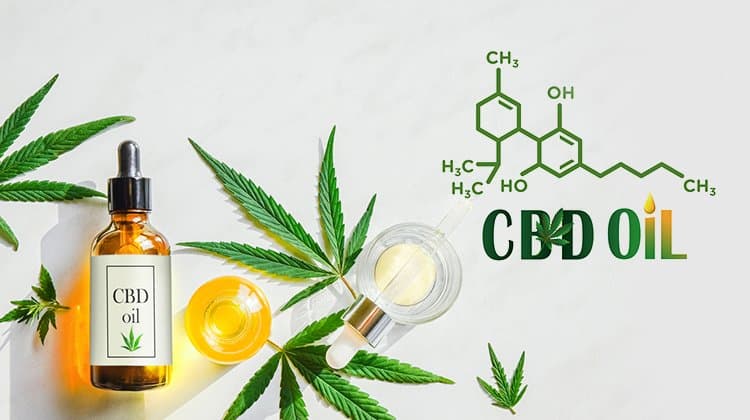
Fact Checked
When you hear the term CBD you probably think of marijuana. While CBD is a chemical aspect determined in marijuana, it doesn’t get you high. In fact, cannabidiol has the cap potential to offer quite a few enormous significant health benefits [1] starting from advanced sleep to ache comfort.
When using CBD products, it’s miles vital to observe medical advice. The records supplied in this article are supposed that will help you higher recognize what CBD is and what medical proof has to mention approximately its advantages.
In this article, we’ll explore the subject of CBD oil to learn what it is, how it works, and what benefits CBD products may provide. We’ll also provide some helpful tips to follow if you’re ready to try CBD oils for yourself. What is CBD Oil?
Cannabidiol or CBD [2] is the second most prevalent active ingredient in cannabis. The name cannabis generally refers to the following three plants: Cannabis sativa
Cannabis indica
Cannabis ruderalis
The cannabis plant is also known as the hemp plant, and different parts of the plant are used for different purposes. Hemp seed is rich in essential fatty acids – particularly omega-3s and omega-6s – as well as protein, vitamin E, and various minerals. The hemp oil extracted from hemp seed has been used to treat a variety of skin conditions including atopic dermatitis [3] .
The leaves, stalks, and flowers of the cannabis or hemp plant can be harvested to make marijuana, but the natural oils they contain can also be extracted to create CBD oil. Hemp-derived CBD differs from marijuana by its lower levels of tetrahydrocannabinol or THC, the cannabinoid known for its psychoactive and intoxicating properties.
Most CBD oils are described as either “full-spectrum” or “broad spectrum.” Broad-spectrum CBD has the THC removed while full-spectrum CBD does not. When it comes to the health benefits of CBD products, research suggests whole-plant cannabis extract may surpass CBD isolates. The heightened benefit of CBD in the presence of other cannabinoids and terpenes is known as the entourage effect [4] . What Does CBD Oil Do? Does It Work – And If So, How?
The Endocannabinoid System
Though the effects of cannabidiol CBD are still being studied, researchers have attributed its benefits to CBD’s relationship with the endocannabinoid system. The endocannabinoid system or ECS [5] is a “master regulator” in the body. It plays a role in regulating important bodily functions ranging from appetite and metabolism to memory, cellular communication, and immune response. It is also a major contributor to maintaining homeostasis in the body.
The ECS is a complex cell signaling system that was first identified during the 1990s and it involves three primary components: Endocannabinoids
Receptors
Enzymes
Endocannabinoids are naturally occurring cannabinoids produced in the brain which play a role in supporting healthy bodily function. These endocannabinoids bind to endocannabinoid receptors to signal the ECS when it needs to kick in to address a problem. The predominant endocannabinoid receptors [6] in the body are CB1 and CB2.
Endocannabinoids are capable of binding to either receptor and the resulting effects vary depending on where in the body the receptor is located and the endocannabinoid to which it binds. When endocannabinoids have fulfilled their function, enzymes jump in to break them down. The two primary enzymes that play this role are fatty acid amide hydrolase and monoacylglycerol acid lipase. Homeostasis
The key to understanding the role of the endocannabinoid system in the body lies in understanding the concept of biological “homeostasis.” The term homeostasis refers to the body’s ability to regulate its internal environment to restore stability in response to fluctuations caused by internal or external factors. Its role as a regulator of key bodily functions makes the endocannabinoid system integral to homeostasis.
Homeostasis is maintained through a variety of mechanisms [7] , all of which have at least three components which interact with each other: A receptor that detects changes in the internal or external environment
A control center that receives information from receptors and initiates a response
An organ or tissue that receives the information and enacts the necessary change to restore homeostasis
Both THC and CBD engage with the endocannabinoid device via way of means of binding to CB1 and CB2 receptors. Furthermore, CBD promotes 2-AG synthesis. 2-AG is an endocannabinoid that binds to and stimulates the hobby of the CB receptors. CBD moreover inhibits FAAH, which ends up in extended anandamide levels. Anandamide turn-ons CB1, CB2, and TRPV1 receptors [8] .
Besides, CBD has antioxidant and anti-inflammatory properties — that are partially mediated by CBD’s actions on TRPV1, mitochondria, and PPARγ. This receptor is thought to play at the frame and thoughts in ache remedy and inflammation.
By interacting with TRPV-1 and stimulating boost in each anandamide and 2-AG, CBD mediate promotes wholesome endocannabinoid activity. And because the endocannabinoid system is directly engaged in such a lot of homeostasis processes. By triggering those reactions, CBD can also additionally assist provide your body the boost it needs to restore homeostasis and to preserve functioning properly. Are There Proven Benefits to Using CBD Oil?
Though the popularity of CBD oil has risen dramatically recently, scientists have been studying its effects for years. The strongest scientific evidence [9] supporting the effectiveness of CBD is in treating childhood epilepsy syndromes like Lennox-Gastaut Syndrome (LGS) and Dravet Syndrome. CBD oil has also been studied to determine its effectiveness in treatments used to relieve anxiety, insomnia, chronic pain, and inflammation. Is CBD Worth Trying for Pain Management?
Cannabis has been used as a treatment for pain [10] for centuries. It is only somewhat recently, however, that scientists have discovered that cannabinoids (including CBD) are responsible for providing those pain-relieving benefits. CBD is supposed to be a good analgesic, anti-inflammatory, anti-convulsant, and anxiolytic activity. Though it may not direct alignment with CB1 or CB2 receptors directly, it acts as a modulator [11] and regulates ache by affecting the activity of different objectives withinside the body. In one rat study [12] , researchers discovered that CBD injections […]
Neuroprotectin D1 Protects Against Postoperative Delirium-Like Behavior in Aged Mice
Department of Anesthesiology, Zhongnan Hospital of Wuhan University, Wuhan, China
Postoperative delirium (POD) is the most common postoperative complication affecting elderly patients, yet the underlying mechanism is elusive, and effective therapies are lacking. The neuroinflammation hypothesis for the pathogenesis of POD has recently emerged. Accumulating evidence is supporting the role of specialized proresolving lipid mediators (SPMs) in regulating inflammation. Neuroprotectin D1 (NPD1), a novel docosahexaenoic acid (DHA)-derived lipid mediator, has shown potent immunoresolvent and neuroprotective effects in several disease models associated with inflammation. Here, using a mouse model of POD, we investigated the role of NPD1 in postoperative cognitive impairment by assessing systemic inflammatory changes, the permeability of the blood–brain barrier (BBB), neuroinflammation, and behavior in aged mice at different time points. We report that a single dose of NPD1 prophylaxis decreased the expression of tumor necrosis factor alpha TNF-α and interleukin (IL)-6 and upregulated the expression of IL-10 in peripheral blood, the hippocampus, and the prefrontal cortex. Additionally, NPD1 limited the leakage of the BBB by increasing the expression of tight junction (TJ)-associated proteins such as ZO-1, claudin-5, and occludin. NPD1 also abolished the activation of microglia and astrocytes in the hippocampus and prefrontal cortex, which is associated with improved general and memory function after surgery. In addition, NPD1 treatment modulated the inflammatory cytokine expression profile and improved the expression of the M2 marker CD206 in lipopolysaccharide (LPS)-stimulated macrophages, which may partly explain the beneficial effects of NPD1 on inflammation. Collectively, these findings shed light on the proresolving activities of NPD1 in the pro-inflammatory milieu both in vivo and in vitro and may bring a novel therapeutic approach for POD. Introduction
Postoperative delirium (POD), defined as delirium occurring mainly within 1 week after surgery, is a common neuropsychiatric complication characterized by fluctuating and concurrent disturbances of attention, cognition, psychomotor behavior, emotion, and sleep–wake rhythm ( Auerbach et al., 2018 ). POD has been linked to higher mortality, prolonged hospitalization, and an increased risk of long-term cognitive impairment ( Robinson and Eiseman, 2008 ; Inouye et al., 2014 ), and it imposes an additional medical burden on governments and society ( Inouye et al., 2014 ; Partridge et al., 2018 ). The morbidity of POD ranges from 14% in general medical units to 82% in intensive care units, with an increased prevalence in elderly patients in particular ( Bruce et al., 2006 ; Marcantonio, 2011 ; American Geriatrics Society Expert Panel on Postoperative Delirium in Older, 2015 ). With the growing aging population, the number of elderly patients who need surgery/anesthesia treatments has been increasing, as well as the prevalence of POD. However, there are no effective therapies for this complication due to the undefined underlying pathophysiology.
Recent studies highlight the importance of neuroinflammation in the development of POD ( Maclullich et al., 2008 ; Hirsch et al., 2016 ; Forsberg et al., 2017 ). Surgical trauma activates the innate immune system, leading to the systemic release of cytokines ( Hirsch et al., 2016 ). Humoral pro-inflammatory cytokines, such as tumor necrosis factor alpha (TNF-α) and interleukin-6 (IL-6), have been reported to be associated with the leakage of the blood–brain barrier (BBB), which leads to the entry of pro-inflammatory cytokines and monocyte-derived macrophages, resulting in the activation of glia, including microglia and astroglia ( Terrando et al., 2011 ; Hu et al., 2018 ). The interaction between the peripheral and central immune systems amplifies inflammation in the brain ( D’Mello et al., 2009 ; Perry and Teeling, 2013 ), and the cascade of neuroinflammation induces synaptic dysfunction and neuronal apoptosis, which ultimately impairs cognitive function ( Munster et al., 2011 ; Plaschke et al., 2016 ; Skvarc et al., 2018 ). On this basis, treatments targeting the regulation of neuroinflammation show great potential as candidate therapies for POD.
Along with passive termination of inflammation, POD resolution actively participates in the restoration of acute inflammation as a coordinated process, which is regulated by specialized proresolving lipid mediators (SPMs; Serhan et al., 2014 ). SPMs are endogenously biosynthesized from essential fatty acids with potent anti-inflammatory and immunoregulatory properties ( Serhan et al., 2002 ; Hong et al., 2003 ). Protectin D (PD), which is known as neuroprotectin D1 (NPD1) when synthesized in the neural system, is one of the SPMs derived from omega-3-polyunsaturated fatty acid docosahexaenoic acid (DHA). NPD1 shares biological activities with other lipid mediators such as resolvins and maresins, including accelerating nonphlogistic macrophage phagocytosis, inhibiting neutrophil infiltration, and regulating the production of cytokines and chemokines ( Serhan et al., 2002 ; Mukherjee et al., 2004 ; Hong et al., 2014 ). Additionally, NPD1 has been demonstrated to be neuroprotective in preclinical models of Alzheimer’s disease, which shares some characteristics with POD, such as memory impairment ( Lukiw et al., 2005 ; Safavynia and Goldstein, 2019 ).
Based on these discoveries, we proposed the hypothesis that prophylaxis with NPD1 could improve cognitive behavior in a POD model of laparotomy in aged mice through its proresolving effect on inflammation induced by surgical trauma. To validate this hypothesis, we assessed the natural and learned behaviors of aged mice with or without NPD1 pretreatment and the inflammation events both in the periphery and in the central nervous system (CNS). Furthermore, we aimed to determine whether NPD1 exerts anti-inflammatory and proresolving properties by promoting macrophage polarization, which is pivotal in promoting the restorative process in acute inflammation. Materials and Methods
Animals
The experimental protocol was approved by the Animal Ethics Committee of Zhongnan Hospital of Wuhan University, and all experiments were performed in accordance with the National Institutes of Health Guidelines for the Care and Use of Laboratory Animals. Female C57BL/6 mice (Changsha Tianqin Biotechnology Company Limited, Changsha, China; 18 months old and weighing 30–40 g) were group-housed with four to five mice per cage under a 12-h light/dark cycle in a temperature-controlled (25 ± 2°C) room with free access to standard rodent water and food. Surgical Model
The mice were randomly divided into the control group, surgery group, NPD1 group, or NPD1+surgery group. NPD1 (Cayman Chemical, […]
Ayurvedic Techniques to Help Boost Immunity

There are plenty of easy Ayurvedic techniques to help you boost your immunity and make you feel better about yourself and your health! Ayurvedic medicine is one of the oldest forms of medicine which originated in India and it is centered around the holistic and natural approach to bettering one’s body; both physically and mentally. It utilizes a combination of diet, lifestyle choices, and products derived from plants and animals. If done correctly, it can help you to lose weight, decrease anxiety and stress, as well as help you to build immunity.
Ojas (oh-jus), one of the life forces of the body, is a part of the heart chakra and is said to be the energy reserve for your body. The Ojas is one of the main contributors to your immunity and can be affected by many variables such as positive or negative mentality, the types of foods you eat, the amount of sleep you’re getting daily, and even the amount of physical activity you’re engaging in. Ayurvedic practices emphasize the importance of keeping your Ojas strong in order to help build immunity against chronic illnesses such as the common cold or the flu.
Your Ojas is also said to be affected by the changes in the season. And as we approach winter as well as a “third-wave” of the Coronavirus, there is a higher chance of weakening your immune system; thus, weakening your Ojas .
Here are some ways to boost immunity with Ayurvedic techniques: Gargling
Sometimes we wake up with congested nasal passages and a build-up of phlegm in the back of our throats. The best way to clean out the nasal passages is to gargle with warm salt-water. Most experts recommend that in order to effectively clean, you should gargle with this concoction twice a day ; once in the morning before eating breakfast, and then once before going to bed. Since gargling with warm water and salt is meant to clean out your passageways by flushing out bacteria, gargling before and after all of your meals ensures that you’re preventing this bacteria from entering your body.
Not only does the combination of warm water and salt help to reduce inflammation and decongest your passageways, it also helps to maintain your pH levels . This concoction can help to neutralize the acidic nature of bacteria, and by doing so, it’s helping to restore the natural pH levels in the nasal and respiratory passages. Eating
One of the most highly recommended pieces of advice is to eat at appropriate times. Although this has been something that most families have adopted, the origins of this advice stems from Ayurvedic techniques. Most people, especially younger people, because they have much higher metabolisms, forget to eat well-balanced meals, at appropriate times; and would rather snack, constantly, throughout the day. In this day and age, an average person’s food intake consists of 23% snacks, which is way higher than the 18% in the 1970s . Ayurvedic techniques harp on the importance of eating on a regular schedule that rarely fluctuates. This schedule should include all three meals (breakfast, lunch, and dinner) and maybe a couple of snacks in between meals. However, the point of this, much like intermittent fasting , is supposed to build one’s metabolism.
Another recommendation is to eat your heavier meals at the beginning of the day and save your lightest meal for dinner. This, coupled with the fact that you shouldn’t eat 2 hours before sleeping, is to help you thoroughly digest all of your food and leave your stomach light enough to allow you to get a good night’s rest. Diet
Seeing as Ayurvedic medicine originated in India, a lot of the foods that are associated with their preferred diet are also of Indian origin. Although sweeteners and meat, specifically red meat, are limited, the Ayurvedic diet promotes the consumption of whole foods that are thoroughly cooked. You want to avoid the consumption of raw vegetables and instead make sure the vegetables are not mushy but are fork tender. Overcooking the foods can lead to a decrease in nutritional value. Legumes, beans, paneer (an Indian cheese), and ghee (clarified butter) are the foods that are most common and popular with this diet. They are all high in fiber, protein, and healthy fats and promote a warming effect throughout the body; which helps to warm your Ojas .
While cooking these dishes, another important tip is to incorporate immune-boosting spices into your dishes. The spices should be cooked thoroughly as well in order to extract the natural flavors and enhance their effect on your dish. These spices include turmeric, ginger, cumin, and black pepper .
Turmeric is one of the trendiest foods as of late mostly because of the rise in the popularity of natural, holistic foods. Further, turmeric is one of the best spices to help reduce inflammation, improve digestion, and can also be used to help reduce facial acne! Ginger, another anti-inflammatory agent, is also an antioxidant and can help to aid in anti-aging processes as well as help to treat potential degenerative diseases. Cumin can help aid digestion by helping to release bile from the liver, which speeds up digestion as well as helps to break down fats. Plus, cumin can also protect against Type 2 Diabetes by lowering blood sugar levels and improving the body’s sensitivity to insulin. Much like the other spices, black pepper has antioxidant and anti-inflammatory properties as well as the ability to lower cholesterol levels. Drinks
As is the norm in many South and East Asian countries, drinking hot tea or water with meals and throughout the day, is the way that many people have been able to promote a healthy digestive system. The basis behind drinking hot or warm water as opposed to cold water is so that instead of solidifying the fats in your body, like the consumption of cold water does, hot or warm water helps to emulsify fats and break down other foods more efficiently to aid […]
Buoy Hydration Aims to ‘Bust Through’ Cold & Flu Season

Newport Beach, Calif. – When it comes to boosting the immune system during this year’s potentially problematic cold and flu season, emerging brand Buoy Hydration has a clear message for consumers seeking ways to stay healthy – it all starts with proper hydration.
According to research gathered by the U.S. Department of Agriculture (USDA), 92 percent of Americans suffer from at least one mineral or vitamin deficiency, leading to a weakened immune system. Additionally, a study conducted by the Centers for Disease Control shows that more than 75 percent of Americans are dehydrated, which can lead to chronic illness, fatigue, and other ailments.
This discovery prompted Buoy Hydration’s Co-Founders to create Buoy + Immunity , an easy way for consumers to stay hydrated and boost their immune system simultaneously with its electrolyte formula. The convenient electrolyte formula contains an all-natural, powerful blend of vitamins, minerals, and antioxidants from plant extracts like Echinacea, Elderberry, Ginger Root, Acacia, and Star Anise.
“The body needs electrolytes, vitamins, and minerals, especially when you’re not feeling well and the last thing you should do is reach for a sports drink or powder that contains sugar and artificial ingredients,” says Daniel Schindler, Co-Founder Buoy Hydration. “Other brands add preservatives, and additives to mask the taste. Buoy + Immunity gives your body what it needs with nature’s best ingredients blended together with antioxidants and herbal extracts.”
Health practitioners nationwide cite that “the immune system is highly dependent on the nutrients in our bloodstream and when the body is not properly hydrated, it is unable to efficiently transport nutrients to each organ system.”Schindler agrees, “We keep the good nutrients in while replenishing the body. We recommend adding Buoy + Immunity to any type of beverage. All it takes is a simple half-second squeeze in your drink and you have a wellness boost in your beverage without sacrificing the flavor.”
Dr. Lianli Li, Ph.D., President of Gateway Pharmaceutical in St. Louis, Missouri, helped Buoy Hydration founders create their proprietary blend of electrolytes. “When dehydration sets in, it prevents the brain and body from functioning properly. Unfortunately, most Americans are under the optimal hydration level. This is concerning for the upcoming cold and flu season, which is why proper hydration is key at this time of year,” says Dr. Li. “The Buoy + Immunity blend of antioxidants and herbs help the body fight off infection while staying hydrated at the same time.”
What’s Inside: The ABCs on Buoy + Immunity
Buoy + Immunity contains 87 micronutrients and trace sea minerals, herbal extracts, and vitamins A, B1, B5, B6, C, D3, & E, which are efficacious. Below is a complete listing of Buoy + Immunity ingredients that are vital to health and wellness:
Vitamins ( A, B1, B5, B6, C, D3, and E): Vitamin A is known as an anti-inflammatory and has regulatory roles in cellular immune responses. It’s crucial in the digestive system and the entire gut lining – the crutch of good health. The gut is where many people first lose immune tolerance.
Vitamins B1, B5 & B6, are crucial components to helping electrolytes flow in and out of cells and support the nervous system and muscles’ proper functioning, sharpens memory, and improves brain performance and mood.
Vitamin C wards of viral infections and free radicals that are unstable molecules, which form when our bodies convert food into energy.
Vitamin D3 is an equalizer for the immune system and helps the immune system stay balanced during the cold and flu season.
Vitamin E is a primary defense factor that prevents oxidative damage, protects the cell membrane, and fights off infection by neutralizing harmful free radicals.
Immune Boosters (Zinc, Elderberry, Echinacea, and Ginger Root): Zinc is the decision maker that sends in the right workers for the job. Zinc is needed to bring in specialized immune cells called neutrophils and macrophages. These cells are the first line of defense and will rid foreign substances and clean up cellular debris.
Elderberries are packed with antioxidants and vitamins that will boost the immune system and help reduce inflammation, decrease stress, and even protect your heart. Many experts recommend elderberry to help prevent and ease cold and flu symptoms.
Research has shown that Echinacea can increase the number of white blood cells in the body. White blood cells are needed for bodies to fight infections, which account for Echinacea’s antiviral, anti-microbial, and anti-inflammatory properties.
Ginger root is more than a digestive aid – it has anti-inflammatory properties and is a powerful antioxidant. Studies indicate ginger root is an effective treatment for drug resistant bacteria.
Electrolytes (Sodium, Chloride, Magnesium, and Potassium): Electrolytes and minerals are crucial to delivering water to the body’s cells. Without enough sodium and chloride in the body, it won’t be able to balance fluids.
Buoy Hydration sources its natural sea salts from France. Sea salt helps healthy pH levels, balances electrolytes, supports brain, muscle, and nerve function, aids in detoxification and digestion, and prevents dehydration.
As an electrolyte, potassium has a positive impact on the brain, and with proper potassium levels, more oxygen will reach the brain, boosting cognitive function.
Herbal Extract Blend (A cacia, Star Anise, and Rosemary ): Acacia is used for medical purposes and acts as a prebiotic to increase beneficial bacteria and is excellent for metabolic and gut health.
Star Anise is rich in antioxidants and vitamins A and C. It helps fight free radicals and is a natural way to fight off colds and the flu.
Rosemary is commonly found in kitchens but is an ancient medicinal herb that also aids in digestion and memory while boosting the immune system.
About Buoy Hydration
With Buoy, hydration is just a half-second squeeze away. Buoy’s mission is to hydrate the 75% of chronically dehydrated Americans and give back to the communities that need clean, effective hydration. For every bottle of Buoy sold on their website, Buoy donates one to a verified 501(c)3 nonprofit. Buoy believes in the triple bottom line: people, planet, and profit. Creating a sustainable business means sourcing […]
Could CBD Help to Fight Alcoholism?

This article was originally published on Can CBD Do That. To view the original article, click here .
Millions of people around the world are addicted to alcohol. Not only to the alcoholics, this condition is having negative impacts on the personal and professional lives of their families also. There can be many reasons for a person to start drinking. But when the drinking habit gets out of control, they will start to develop alcoholism.
Like most of the other diseases, alcoholism can also be treated. There are many medications available in the market that will help in managing alcohol dependence. Today, people are looking for natural remedies to treat alcoholism and they found CBD quite useful. CBD is an active cannabinoid found in the hemp plants and has several therapeutic properties.
Many of the health experts are recommending the use of different types of CBD products for treating alcoholism. What Are The Benefits Of CBD For Alcoholism?
The antioxidant and anti-inflammatory properties possessed by CBD is very beneficial in treating alcoholism and the health problems caused by it. CBD will help to normalize the functioning of your liver and protect it from liver diseases. Alcoholism will affect your memory and cognitive functions and the use of CBD will help to improve both. Most importantly, CBD will help to control your cravings for alcohol.
Let’s see the benefits of CBD for treating alcoholism. Prevent Fatty Livers
The consumption of alcohol will lead to a higher intake of fat from your diet and its accumulation in your liver. This will disrupt your liver function and causes inflammation that can lead to hepatic steatosis, which is a very common liver disease caused due to alcoholism.
When compared to vitamin C and vitamin E, CBD has very powerful antioxidant properties. This property of CBD is very significant in reducing the oxidative stress of the liver. Several studies have also shown that CBD could increase autophagy, which helps to maintain the smooth functioning of your liver. Reduce Blood Alcohol Levels
One clinical study has found that CBD could reduce blood alcohol levels when CBD and alcohol are consumed together. The study has found that blood alcohol levels are lesser in people who took CBD with alcohol than people who took alcohol alone. However, it is still not found how CBD reduces blood alcohol levels.
Most of the scientists believe that CBD has some influence in the absorption of alcohol into the blood from your intestines and stomach. It was found that CBD could disrupt drug metabolism in the liver. Therefore, it is highly likely that CBD could also disrupt the breakdown of alcohol in your liver. Prevent Liver Injury
People who consume alcohol have different intolerance levels. the most obvious reason for this is the environment, but recent studies have shown that the genes also have a role to play in it. In some people, the alcohol is broken down way faster and they do not feel intoxicated as the others and keep on drinking, which will increase the risk of liver damage.
Studies have found that CBD is a robust immunosuppressant. This property of CBD will help in suppressing the pro-inflammatory responses and reduce oxidative stress. Thus, protecting the liver from injuries. Provides Protection From Brain Damage
The people who are addicted to alcohol are at a higher risk of brain damage. Alcohol consumption can kill brain cells and can result in behavioral and cognitive impairment. The memory loss in the morning after you drink the previous night is because of the high alcohol levels blocking the memory formation.
The areas of the brain that are associated with attention, learning, behavioral control, memory, and problem-solving are the areas that are more susceptible to the effects of alcohol. The antioxidant properties of CBD help in fighting alcohol toxicity and prevent the damage of brain cells.
Related: Curious about the “Entourage Effect” of CBD? Click here to learn more. Helps With Addiction
Several studies have proven that CBD curbs the addictive behaviors related to drugs like marijuana and opioids. This one of the main reasons why scientists believe that CBD can also curb addictions related to alcoholism even though it is not tested on humans.
However, there are some animal studies that looked at the effect of CBD on alcohol addiction and most of them showed positive results. These studies showed that the use of CBD reduces the motivation to consume alcohol. Normally, naltrexone is used to manage alcohol dependence. Recent studies conducted on mice showed that using CBD along with naltrexone makes its effects stronger.
Related: Click here to learn about the potential benefits of CBD for senior citizens. CBD-Infused Alcoholic Beverages
The CBD industry is growing faster in the past couple of years and many countries, including the United States, have legalized the use of hemp-derived CBD products. Today, you can find CBD-infused alcoholic beverages in many bars and clubs across the country.
CBD-infused alcohol is a great way to control the blood alcohol level and avoiding the intoxicating effects of alcohol. CBD-infused beverages will also help in reducing alcohol dependence.
Scientists identify specific brain region and circuits controlling attention
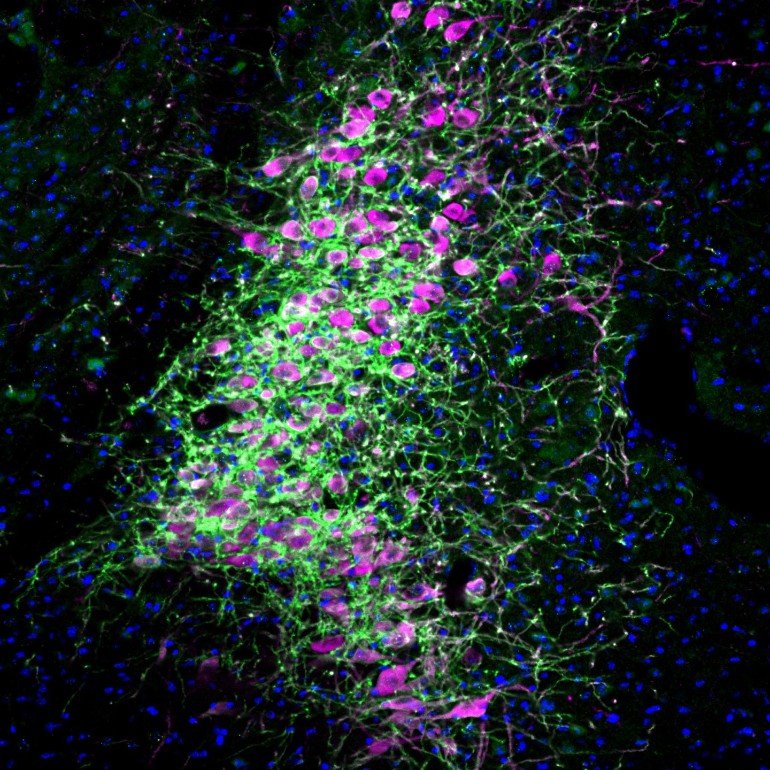
IMAGE: LC neurons identified by the marker tyrosine hydroxylase (magenta) engineered via a virus to express ChR2 (green) which allows the neurons to become stimulated upon blue laser activation. view more Credit: Tonegawa Lab/MIT Picower Institute The attentional control that organisms need to succeed in their goals comes from two abilities: the focus to ignore distractions and the discipline to curb impulses. A new study by MIT neuroscientists shows that these abilities are independent, but that the activity of norepinephrine-producing neurons in a single brain region, the locus coeruleus, controls both by targeting two distinct areas of the prefrontal cortex.
“Our results demonstrate a fundamental causal role of LC neuronal activation in the implementation of attentional control by the selective modulation of neural activity in its target areas,” wrote the authors of the study from the research group of Susumu Tonegawa, Picower Professor of Biology and Neuroscience at RIKEN-MIT Laboratory of Neural Circuit Genetics at The Picower Institute for Learning and Memory and Howard Hughes Medical Institute.
Pharmacological and lesion studies of attentional control in humans and other mammals have suggested that norepinephrine-producing, or noradrenergic, neurons in the LC might have this role, but the most convincing evidence has been correlative rather than causal, said study lead author Andrea Bari, a research scientist in the Tonegawa lab. In the new study in the Proceedings of the National Academy of Sciences , the team demonstrated clear causality by using optogenetics to specifically control LC noradrenergic neurons in mice with temporal and spatial precision as the rodents engaged in three attentional control tasks. The manipulations immediately and reliably impacted the rodents’ performance.
“For the first time we demonstrate that LC activation in real time, with cell-specific techniques causes this effect,” Bari said.
The results, the authors said, could make important contributions to efforts to better understand and treat psychiatric disorders in which attentional control or either of its component abilities is compromised, such as attention deficit and hyperactivity disorder (ADHD).
“ADHD patients may suffer both distractibility and impulsivity,” said co-author and research scientist Michele Pignatelli “but you can also have cases mainly characterized by inattentive presentation or by hyperactive-impulsive presentation. Perhaps we can conceive new strategies to tackle different types of ADHD.”
Unexpectedly the study also raised new questions about the LC’s role in anxiety, Bari said, because to the team’s surprise, stimulating LC activity also happened to reduce anxiety in the mice.
Locus focus
After establishing their method of taking bidirectional optogenetic control of noradrenergic LC neurons–meaning that with different colors of light they could either stimulate or inhibit activity–the researchers tested the effects of each manipulation in mice. In the first task, the rodents had to wait seven seconds before a half-second flash of light signaled which of two portals they should poke with their nose to get a food reward. Mice in whom LC neurons were optogenetically stimulated did the task correctly more often and made fewer premature moves than when not manipulated. Mice in whom LC neurons were inhibited did the task correctly less often (less attention meant missing that light flash) and jumped the gun more than normal.
The researchers then trained mice on a second behavioral paradigm, derived from the Posner spatial cueing task, widely used in human cognitive neuroscience. In this task, mice before seeing the light that flagged the correct portal (this time for three seconds), they would see a “cue” flash. Sometimes that cue would be on the opposite side, sometimes be in the middle and sometimes be on the correct side. Again, LC stimulation improved correct performance and suppressed impulses and again inhibition reduced correctness and increased impulses, but now the researchers learned something new based on the reaction time of the mice. Stimulated-LC mice showed no difference in reaction time because they were focused on the actual goal but inhibited-LC mice showed variations in reaction time because they were distracted by the cue–when it was on the wrong side they reacted slower than normal and when the cue was on the correct side they reacted faster.
In the third task, the mice were both behaviorally challenged and optogenetically manipulated differently. This time the mice faced the possibility of constant distraction by irrelevant lights while they waited for the actual three-second signal of the food reward location. The same results as before held again, with one exception. In cases where there were no distractors, with three long seconds to notice the signal, inhibited-LC mice did not lapse in performing the task correctly. They only showed the deficit amid distractors.
To truly get at the heart of whether attentional focus and impulse control were independent, or dissociable, the team decided to control LC activity and norepinephrine release not at the main neuron bodies as before, but instead only where their long projections connected to specific areas of the prefrontal cortex (PFC). Going on some of Bari’s prior research and hints from other studies, they targeted the dorso-medial PFC (dmPFC) and the ventro-lateral orbitofrontal cortex (vlOFC). In these experiments they found that stimulating LC connections into the dmPFC increased correct performance but did not reduce premature responses. Meanwhile, stimulating LC connections in the vlOFC did not improve correct performance, but did reduce premature responses.
“Here we have applied behavioral, optogenetic and neural circuit genetic techniques, which afford a high degree of temporal and cell-type specificity for the manipulation and recording of noradrenergic neuron activity in the LC and demonstrate a causal link between temporal-specific LC norepinephrine modulation and attentional control,” the authors wrote. “Our results reveal that the attentional control of behavior is modulated by the synergistic effects of two dissociable coeruleo-cortical pathways, with LC projections to dmPFC enhancing attention and LC projections to vlOFC reducing impulsivity.”
Less anxiety
The tests revealing that LC stimulation reduced anxiety were performed as a precaution. Many studies suggested that increasing LC norepinephrine neuron activity would increase anxiety, Pignatelli said. That could have compromised the willingness of the mice to poke around for their food, or might have made them too impulsive, so the team checked for […]
Specific Brain Region and Circuits Controlling Attention Identified
Summary: Study identifies a key role locus coeruleus neurons play in attentional control.
Source: Picower Institute of Learning and Memory
The attentional control that organisms need to succeed in their goals comes from two abilities: the focus to ignore distractions and the discipline to curb impulses. A new study by MIT neuroscientists shows that these abilities are independent, but that the activity of norepinephrine-producing neurons in a single brain region, the locus coeruleus, controls both by targeting two distinct areas of the prefrontal cortex.
“Our results demonstrate a fundamental causal role of LC neuronal activation in the implementation of attentional control by the selective modulation of neural activity in its target areas,” wrote the authors of the study from the research group of Susumu Tonegawa, Picower Professor of Biology and Neuroscience at RIKEN-MIT Laboratory of Neural Circuit Genetics at The Picower Institute for Learning and Memory and Howard Hughes Medical Institute.
Pharmacological and lesion studies of attentional control in humans and other mammals have suggested that norepinephrine-producing, or noradrenergic, neurons in the LC might have this role, but the most convincing evidence has been correlative rather than causal, said study lead author Andrea Bari, a research scientist in the Tonegawa lab. In the new study in the Proceedings of the National Academy of Sciences , the team demonstrated clear causality by using optogenetics to specifically control LC noradrenergic neurons in mice with temporal and spatial precision as the rodents engaged in three attentional control tasks. The manipulations immediately and reliably impacted the rodents’ performance.
“For the first time we demonstrate that LC activation in real time, with cell-specific techniques causes this effect,” Bari said.
The results, the authors said, could make important contributions to efforts to better understand and treat psychiatric disorders in which attentional control or either of its component abilities is compromised, such as attention deficit and hyperactivity disorder (ADHD).
“ADHD patients may suffer both distractibility and impulsivity,” said co-author and research scientist Michele Pignatelli “but you can also have cases mainly characterized by inattentive presentation or by hyperactive-impulsive presentation. Perhaps we can conceive new strategies to tackle different types of ADHD.”
Unexpectedly the study also raised new questions about the LC’s role in anxiety, Bari said, because to the team’s surprise, stimulating LC activity also happened to reduce anxiety in the mice.
Locus focus
After establishing their method of taking bidirectional optogenetic control of noradrenergic LC neurons–meaning that with different colors of light they could either stimulate or inhibit activity–the researchers tested the effects of each manipulation in mice. In the first task, the rodents had to wait seven seconds before a half-second flash of light signaled which of two portals they should poke with their nose to get a food reward. Mice in whom LC neurons were optogenetically stimulated did the task correctly more often and made fewer premature moves than when not manipulated. Mice in whom LC neurons were inhibited did the task correctly less often (less attention meant missing that light flash) and jumped the gun more than normal.
The researchers then trained mice on a second behavioral paradigm, derived from the Posner spatial cueing task, widely used in human cognitive neuroscience. In this task, mice before seeing the light that flagged the correct portal (this time for three seconds), they would see a “cue” flash. Sometimes that cue would be on the opposite side, sometimes be in the middle and sometimes be on the correct side. Again, LC stimulation improved correct performance and suppressed impulses and again inhibition reduced correctness and increased impulses, but now the researchers learned something new based on the reaction time of the mice. Stimulated-LC mice showed no difference in reaction time because they were focused on the actual goal but inhibited-LC mice showed variations in reaction time because they were distracted by the cue–when it was on the wrong side they reacted slower than normal and when the cue was on the correct side they reacted faster.
In the third task, the mice were both behaviorally challenged and optogenetically manipulated differently. This time the mice faced the possibility of constant distraction by irrelevant lights while they waited for the actual three-second signal of the food reward location. The same results as before held again, with one exception. In cases where there were no distractors, with three long seconds to notice the signal, inhibited-LC mice did not lapse in performing the task correctly. They only showed the deficit amid distractors.
To truly get at the heart of whether attentional focus and impulse control were independent, or dissociable, the team decided to control LC activity and norepinephrine release not at the main neuron bodies as before, but instead only where their long projections connected to specific areas of the prefrontal cortex (PFC). Going on some of Bari’s prior research and hints from other studies, they targeted the dorso-medial PFC (dmPFC) and the ventro-lateral orbitofrontal cortex (vlOFC). In these experiments they found that stimulating LC connections into the dmPFC increased correct performance but did not reduce premature responses. Meanwhile, stimulating LC connections in the vlOFC did not improve correct performance, but did reduce premature responses. LC neurons identified by the marker tyrosine hydroxylase (magenta) engineered via a virus to express ChR2 (green) which allows the neurons to become stimulated upon blue laser activation. Credit: Tonegawa Lab/MIT Picower Institute “Here we have applied behavioral, optogenetic and neural circuit genetic techniques, which afford a high degree of temporal and cell-type specificity for the manipulation and recording of noradrenergic neuron activity in the LC and demonstrate a causal link between temporal-specific LC norepinephrine modulation and attentional control,” the authors wrote. “Our results reveal that the attentional control of behavior is modulated by the synergistic effects of two dissociable coeruleo-cortical pathways, with LC projections to dmPFC enhancing attention and LC projections to vlOFC reducing impulsivity.”
Less anxiety
The tests revealing that LC stimulation reduced anxiety were performed as a precaution. Many studies suggested that increasing LC norepinephrine neuron activity would increase anxiety, Pignatelli said. That could have compromised the willingness […]
Living in a microwave: How dangerous is it to live near a cell site?

( Natural News ) Over the next 20 years, an estimated 800,000 5G cell towers will be rolled out throughout the United States , the majority of which will be located within cities and their residential areas.
This has caused alarm among many citizens , as the rollout of the towers would mean an unprecedented increase in both electromagnetic field (EMF) and radiofrequency radiation. These types of radiation are thought to cause several health issues, despite the Federal Communications Commission (FCC) and providers like AT&T and Verizon airing claims about their safety.
Here are some of the health risks associated with living near cell towers: Constant exposure to EMF and radiofrequency radiation can cause electromagnetic hypersensitivity
Electromagnetic hypersensitivity or EHS is characterized by a variety of non-specific symptoms, all of which are attributed to the affected individual’s exposure to EMF .
According to the World Health Organization (WHO), these symptoms include dermatological problems such as redness, tingling and burning of the skin, as well as neurasthenic and vegetative symptoms such as fatigue and tiredness, difficulty concentrating, digestive disturbances, heart palpitations, nausea and dizziness.
The WHO, however, claims that these symptoms are not part of any recognized syndrome . Constant exposure to EMF and radiofrequency radiation can cause microwave sickness
Most of the radiation from modern cell phone towers is largely composed of high-frequency radio waves or microwaves. This means that living near such a tower can cause certain individuals to exhibit what is now known as “Microwave sickness syndrome.”
Identified in the 1950s by Soviet researchers, microwave sickness syndrome was first seen in radiofrequency radiation workers .
According to the Society of Occupational Medicine , the main clinical manifestations for the condition include dermographism, tumors, blood changes, reproductive and cardiovascular abnormalities, depression, irritability and memory impairment.
In addition, a paper published in Intech Open noted that proximity to EMR from cellphone towers may pose a potential cancer risk in humans . This is because microwave radiation can induce apoptosis or cell death. Constant exposure to EMF radiation and radiofrequency radiation can cause behavioral and cognitive problems
EMF radiation can affect brain neural activity and even induce apoptosis or cell death in the brain. This can result decreased memory, altered brain development, hyperactivity and other behavioral problems. Constant exposure to EMF radiation and radiofrequency radiation can cause genetic damage
Despite claims to the contrary, there is mounting evidence that microwave radiation such as the kind emitted by cell phone towers is not only neurotoxic but also genotoxic. This means that they are capable of causing extensive damage to genetic material .
Proof of this is a study published in the journal Environmental and Molecular Mutagenesis , which found that rats sustained DNA damage after being subjected to bursts of radiofrequency radiation. Constant exposure to EMF radiation and radiofrequency radiation can cause the development of chronic diseases
According to researcher Martin L. Pall, calcium channels in the cells open up when the body’s electrical environment is disrupted by the EMF radiation emanating from WiFi and cell phones. This, Pall said, causes excess calcium to enter the cells, thereby leading to the production of a compound called peroxynitrite. (Related: The safety of 5G technology is finally being brought into serious question .)
A powerful and damaging oxidant, peroxynitrite is known to degrade and damage cell membranes, as well as disrupt mitochondrial function and trigger cell death. It has also been linked to the development of a host of chronic diseases such as Alzheimer’s disease, cardiovascular disease, inflammatory bowel disease, multiple sclerosis and certain types of cancer.
5G cell towers are being rolled out and built at a break-neck pace. This means that protecting ourselves and our families from their harmful effects must always be at the top of our minds.
For more stories like this, and for tips on how to protect yourself from the dangers of radiation, check out EMF.news .
Sources include:
Sacramento.CBSLocal.com EHJournal.BioMedCentral.com
WHO.int
Academic.OUP.com
InTechOpen.com
OnlineLibrary.Wiley.com 1
OnlineLibrary.Wiley.com 2
Gum Chewing. Helpful Or Harmful
The debate on whether chewing gum is harmful or not has been going on for years.
Some scientists say that chewing gum helps people develop healthier habits. Others say that, since modern gum is made from synthetic materials, it shouldn’t be consumed too often.
This article is looking at both sides and drawing a conclusion based on the research available.
Enough talk. Let’s dive into this.
What is chewing gum made of?
Various gum brands have various recipes, but here are the basic ingredients that all gum manufacturers use:
– The actual gum. This is the rubber base of the gum itself. It is non-digestible.
– Fillers. This can be anything from talc to calcium carbonate to offer gum its, well, gummy texture.
– Preservatives. They are there to ensure that gum doesn’t expire too soon. BHT is one of the most widely used preservatives.
– Resin. This holds the gum altogether to not break apart when you’re chewing it.
– Sweeteners. This keeps the gum sweet. Most widely used ones are corn syrup and beet sugar.
– Flavorings. These add a flavor to the gum. These flavors can be natural or synthetic.
Are these ingredients toxic or safe to use?
Chewing gum is thought to be safe in general; but there are some brands that might contain not-so-safe ingredients. Some of the ingredients that might pose higher risks:
– Aspartame, an artificial sweetener that can cause obesity, cancer, and headaches.
– BHT or Butylated Hydroxytoluene, an antioxidant that acts as a preservative. It can become rancid and thus, toxic. BHT has been quite controversial even in research because there are not enough human studies showing its effects. Such low doses as those in the gum cannot be damaging to your health, but this was worth mentioning.
– Titanium dioxide can be damaging in higher doses too. It acts as an additive. There is not enough research on this substance either.
The bottom line is that the amounts of these ingredients used in gum will not harm you in any way; so yes, chewing gum is considered safe.
How can chewing gum help you?
Interestingly enough, chewing gum can boost memory and act as a stress reducer. Research has shown that chewing gum can help your brain function at a higher capacity and faster rate, especially when it comes to decision making, alertness, and comprehension.
On the other hand, other studies shared by assignment writers Australia found that chewing gum can act as a distraction from the task at hand. However, the same studies show that, if chewed for longer, gum can actually maintain focus and keep concentration levels up.
There is not enough research on how chewing gum can help boost your memory in the long term. In the short term though, chewing gum has shown effective for this neuronal process.
Chewing gum can act as a stress reducer since it links to lower levels of cortisol in the system; however, regular gum users do not report feeling less stressed after consuming gum.
Can chewing gum help you lose weight?
Maybe. It is indeed a helpful tool in trying to lose weight, but studies aren’t showing big differences in appetite after consuming gum. It is, however, linked to fewer desires to snack or snack healthier, so that’s good news.
Conclusion
The bottom line is that, consumed in high quantities, gum can be damaging for your health. However, if consumed regularly each day but not obsessively, chewing gum is not detrimental to your health in any way. There are no side effects of chewing gum, but you should be careful how often you feel like chewing it.
The Avocado Milkshake
The avocado is the greatest fruit that has ever fallen from the tree and is an essential fruit to put into your diet.
From living in Brazil, I have learned that avocado is not just guacamole. You can blend it into a milkshake! But, for 90% of the population who may not like raw avocado, you will love the milkshake.
The avocado will supercharge your energy, boost your health, enhance your immune system, make weight loss easy, and give a power-packed energy punch to your workouts to train longer. However, what’s most important is the unmatched benefits it has on your health. It is extremely nutrient-dense. And by adding a scoop of protein, you will boost the milkshakes power.
Potassium Potassium is very important, especially if you exercise. A lot of potassium is lost through sweating. It is an important electrolyte that maintains the body’s pH balance and blood pressure as well as preserves bone and regulates muscular contractions and nerve impulses.
The daily-recommended intake of potassium is 4.7 grams a day. Although the number may seem high, it is not so difficult to reach. 100 grams of avocado is .351g of potassium.
1 tablespoon of chia is .02g of potassium.
2 cups of 1% milk have .834 grams of potassium (Some kinds of milk and soy milks are lower in grams of potassium).
The total potassium in the milkshake is 1.2 grams. Add a banana and yogurt throughout your day, and you are just about halfway there.
Healthy Fat This is where the avocado rocks! Out of the total serving size of 100 grams, the avocado has: 10g is monounsaturated fat.
1.8g are polyunsaturated.
2.1g is saturated.
Monounsaturated and polyunsaturated fats are healthy fats that significantly reduce cholesterol, blood triglycerides, LDL- the bad cholesterol, and increase HDL- the good cholesterol. Although saturated fat is seen as harmful for the body, it is only when the intake is excessive. However, trans fats are the real problem because they increase LDL’s and triglycerides and lower HDL’s.
Saturated fat has numerous health benefits: It reduces the level of lipoprotein that is associated with heart disease.
It helps build stronger bones because calcium needs saturated fat for absorption.
It protects the liver, improves the lung’s respiratory function, strengthens the immune system, enhances nerve transmission, and is good for brain function.
To be safe, follow the recommended daily allowance of saturated fat, consuming no more than about 20 grams per day. The AHA recommends 6% of saturated fat a day based on the consumption of 2000 calories. That equates to 12 grams of fat a day, and 3000 calories would be 18g a day.
Bioavailability for Fat-Soluble Vitamins When it comes to Vitamin A, D, E, and K, these vitamins need fats to be absorbed into cells, and the avocado has the fat power to do it.
Omega 3 and 6 Fatty Acids Understanding how Omega-3 and Omega-6 work is a balancing act to get its powerful benefits. Omega-3 and Omega-6 work best in a 2:1 or 1:1 ratio because they use the same enzyme pathway. Using the same enzyme pathway means they compete for this pathway to function, so the excessive intake of Omega-6 inhibits Omega-3 because of availability. And, when there is a higher concentration of Omega-6 or any substance, the receptors create more affinity for that substance. The importance of the balanced ratio is to keep an affinity for both.
Benefits of Omega-3
Omega 3 is an excellent source to prevent heart disease. It reduces triglycerides by up to about 30%, increases HDL’s (good cholesterol), prevents plaque and blood clots from developing in the arteries. It also is great to impede other inflammatory diseases like cancer by eliminating free radicals and Type 1 and 2 Diabetes by balancing blood sugar.
Omega-3 is pivotal in developing the central nervous system and the brain by strengthening their nerve signaling along synapses, resulting in better memory and mood.
Benefits of Omega-6 Omega-6 regulates blood pressure, metabolism, and blood clots. It strengthens the immune system, produces proper brain function, and maintains bone. Omega-6, like Omega-3, is important in regulating inflammation, producing anti-inflammatory responses.
Not All Omega-6 is Created Equal There are two ways to get Omega-6: from seeds, fruits, and plants- the good ones. The other way, and most consumed, are from refined oils, margarine, and processed foods- the bad ones.
Omega-6 turns bad when it is treated by heat during the manufacturing and cooking process when preparing food. Heat oxides deform and fragments Omega-6, producing inflammation and free radicals in your body. Also, heat and oxidation destroy other minerals inside the food that support and protect Omega-6. When other minerals like magnesium, zinc, Vitamin C, B3, and B6 are present, they help convert and protect Omega-6 qualities. Omega-6 from seeds, fruits, and plants do not produce inflammation and produce anti-inflammatory responses because they are not treated with heat. The good Omega-6 will have an anti-inflammatory effect like Omega-3.
The real problem society faces concerning Omega-6 is excessive consumption, eating the bad sources that cause inflammation and disease. People are consuming about 15-25 times more than needed, extremely offsetting the ratio of 2:1 or 1:1, and the reason O6 gets a bad rap. On the other hand, people are not consuming enough Omega-3 for balance.
The milkshake will help you get the natural Omega 3 and 6 because avocados have both. Avocado is much higher in Omega-6, with 1.7g than Omega-3, having .17g, respectively, in 100 grams.
If you add one tablespoon of chia, you will add about 2.1g of Omega-3 and .7g of Omega-6. Chia seeds have numerous health benefits as well to power-up the milkshake.You will add a high amount of Omega-3 from chia that balances the Omega-6 in the avocado milkshake to almost a 1:1 ratio- 2.3g Omega-3 and 2.4g Omega-6. Remember, the key is balance in the ratio of 2 or 1 to 1. The recommended intake of Omega 3 or 6 is no more than 3g per day. Fiber As we all know, fiber is needed to […]
The Recovery Room: News beyond the pandemic — October 30

The COVID-19 pandemic has dominated the headlines and our daily lives for most of this year. Medical News Today has covered this fast-moving, complex story with live updates on the latest news, interviews with experts, and an ongoing investigation into the deep racial disparities that COVID-19 has helped unmask.
However, this has not stopped us from publishing hundreds of fascinating stories on a myriad of other topics.
This week, our article on how high doses of vitamin D may ward off frailty in older age proved hugely popular. We also looked at the many possible benefits of ginger tea, one traditional medicine that appears to be backed by the evidence.
The latest article in our Medical Myths series assesses the evidence for and against taking vitamins and supplements. Is it always safe to do so? Do they even work as intended? We bust some common misconceptions.
This week’s Recovery Room also features new stories on the benefits of drinking plenty of coffee and green tea, virtual reality excursions into nature, the causes and treatment of high-temperature flatulence, and why we instantly forget some dreams, while others stay with us for years.
Below are 10 recent stories that you may have missed amid all the COVID-19 fervor. 1. Very high dosages of vitamin D may delay frailty in old age
Image credit: Getty Images With nearly 300,000 reader sessions since its publication on Tuesday, our report on the potential benefits of large doses of vitamin D is our most popular new article this week.
MNT has covered research indicating that low levels of vitamin D may be a possible factor in determining the severity of COVID-19 in patients. Still, its role in the course of the disease remains unclear.
This new article reports on a study in mice suggesting that a dosage of vitamin D five times the current recommended amount for older adults could slow the development of frailty. Researchers now need to confirm that such an amount of vitamin D is both safe and effective in humans too. 2. What are the benefits of drinking ginger tea?
Westend61/Getty Images With nearly 65,000 sessions to date, another highly popular article was our report on the beneficial effects of drinking ginger tea. Our editors looked at the evidence for its impact on nausea and vomiting, digestion, sore throats and colds, relief from arthritis pain, as well as non-alcoholic fatty liver disease.
They also explored possible side effects and who should avoid drinking this beverage. While inexpensive and easy to make, ginger tea is one traditional remedy that may be worth your attention. 3. Medical myths: Vitamins and supplements
MNT ‘s Senior News Editor, Tim Newman , writes a new Medical Myths article every fortnight. Recent editions have covered misconceptions about mental health , dementia , and aging .
This week, Tim tackles persistent myths about supplements, including multivitamins, probiotics, and antioxidants. Is natural always safe? Does vitamin C prevent colds? Does vitamin D prevent cancer? We explore the answers. 4. Study hints that early morning exercise may reduce cancer risk
Image credit: Westend61/Getty Images Growing evidence states that recreational exercise reduces the risk of developing a range of cancers. This week, MNT reported on new research suggesting that the timings of physical activity may also affect the likelihood of this disease.
Researchers analyzed data from 2,795 participants in a study of the factors that cause common cancers in Spain. They found that exercising between 8 a.m. and 10 a.m. had the strongest potential impact on reducing breast and prostate cancer. 5. What causes hot farts and how to prevent them
Image credit: SDI Productions/Getty Images Many people come to MNT searching for answers to very particular health questions. Our editors strive to provide evidence-based information covering a full range of bodily functions and phenomena, and some of these turn out to be wildly popular.
This week, our article on hot farts was read by nearly 9,000 people, who spent an average of over 3 minutes getting to the bottom of this topic. If you have a burning medical question, a quick search on MNT will likely produce the answer. 6. Excess lipids in nerve cells may trigger Parkinson’s disease
Getty Images Could an imbalance in fatty molecules within brain cells play a role in developing Parkinson’s disease? New research, reported in MNT this week, suggests this may be the case.
Scientists found an accumulation of fatty molecules, or lipids, inside dopamine nerve cells. It is the death of these cells that ultimately triggers the symptoms of Parkinson’s. The researchers conclude that the development of treatments that reverse this lipid imbalance could prevent and reduce the progression of the disease.
This article received more engagement on our Facebook page than any other this week. 7. Diabetes: Coffee and green tea might reduce death risk
Image credit: FG Trade/Getty Images More hot beverage news from MNT – people diagnosed with type 2 diabetes who drink two or more cups of coffee and four or more cups of green tea every day benefit from a 63% reduction in the risk of dying from any cause.
The odds varied depending on the amount of coffee and green tea consumed by the 4,923 study participants. In this article, we also report on the reduced risks associated with drinking coffee or green tea alone, as well as the limitations of this observational study. 8. Natural flu remedies to try at home
Image credit: Microgen Images/Science Photo Library/Getty Images MNT recently published a collection of evidence-based resources to help keep you and your loved ones healthy during the 2020–21 flu season. This week, we also published a new feature exploring a range of natural remedies that could relieve flu symptoms.
Rest, adequate hydration, nasal rinses, and humidity all feature, but we also shine the spotlight on herbal remedies, vitamins, and supplements. Which are safe and stand up to scientific scrutiny? 9. Virtual reality nature boosts positive mood
Image credit: Donald Iain Smith/Getty Images As the days get shorter, temperatures fall, and rainclouds gather, the outdoors lose much of its appeal this […]
The immune system defends the body against infection. Although it works effectively most of the time, sometimes our immune system fails, and we become sick. Are there ways we can boost our immune system and prevent illness? Let’s find out.
The best thing you can do to maintain your immune system is to adopt healthy living strategies that will benefit the entire body, including your immune system. (Photo: pixabay.com) The immune system is a network of special cells, tissues, proteins, and organs that work together to protect the body from potentially damaging foreign invaders and disease. When our immune system functions properly it detects threats, such as bacteria, parasites, and viruses, and it triggers an immune response to destroy them. Our immune system can broadly be divided into two parts: innate and adaptive.
Innate immunity is the natural protection that we are born with and our first line of defense to combat infection. Upon detecting an infection, our innate response acts quickly to try and flush out the invader by producing extra mucus or cranking up the thermostat to blast it with a fever.
Adaptive immunity is protection that we gain throughout life as we are exposed to diseases or protected against them from vaccinations. The adaptive system spots an enemy and produces the specific weapons — or antibodies — that are required to destroy and eliminate the invader from the body. The adaptive system can take between 5 and 10 days to identify the antibodies that are needed and produce them in the numbers required to attack an invader successfully. In that time, the innate system keeps the pathogen at bay and prevents it from multiplying. Should the immune system be boosted?
As such, innate immunity can’t be “boosted”, and you wouldn’t want it to be. If the innate response were stimulated, you would feel constantly unwell with a runny nose, fever, lethargy, and depression Depression: an underestimated illness . The efficiency of the adaptive response can be sped up with vaccinations. A vaccine contains a harmless version of the germ from which you need protection. The adaptive system remembers the invader so that the next time it comes into contact with the germ, it can act quickly to launch an attack.
While many products claim to boost immunity, the concept makes little sense scientifically. Attempting to boost cells of any kind is not necessarily a good thing and may result in serious side effects. The immune system, in particular, contains several different types of cells that respond to various microbes in many ways. Which cells would you boost and to how many? This is a question to which scientists currently do not know the answer. What researchers do know is that the body continuously makes immune cells that are called white blood cells, or leukocytes, and it generates far more cells of the adaptive system — known as lymphocytes — that mature into B cells and T cells than are needed. The excess cells destroy themselves through a process of natural cell death, called apoptosis. It is unknown what is the best mix of cells or optimum number for the immune system to work at its best.
Forms of a weakened immune system
For many people, the immune system works well to regulate itself and does not need any help. However, in some people, medications or immune system disorders cause overactivity or low activity of the immune system. Primary immunodeficiency disorders are usually present from birth and are caused by the immune system missing particular parts.
Secondary immunodeficiency disorders occur as a result of the immune system being compromised by environmental factors, including HIV, severe burns, malnutrition, or chemotherapy.
Allergies and asthma develop when the immune system responds to substances that are not harmful.
Autoimmune diseases are conditions such as lupus, rheumatoid arthritis, inflammatory bowel disease, multiple sclerosis, and type 1 diabetes, whereby the immune system mistakenly attacks the body’s cells and tissues.
Disorders of the immune system are treated with specific medications that tackle the symptoms and associated infections. Consuming a balanced diet and eating the recommended amounts of nutrients will help maintain normal immune function. (Photo: pixabay.com) Lifestyle’s influence
The primary components of the immune system include the lymph nodes, tonsils, spleen, bone marrow, and thymus.
There remains much to learn about the interconnectedness and intricacies of the immune response, however. To function well, the whole system requires harmony and balance. The immune system is not a single entity or force field that needs patching up to work properly.
No direct links have been identified between lifestyle and enhanced immune response, but researchers have investigated the effect of factors, such as exercise, diet, and stress on the response of the immune system. The best thing you can do to maintain your immune system is to adopt healthy living strategies that will benefit the entire body, including your immune system. These strategies might include:
• eating a diet rich in fruits and vegetables
• exercising regularly
• maintaining a healthy weight
• quitting smoking
• drinking alcohol only in moderation
• getting enough sleep
• avoiding infection through regular hand washing
• reducing stress Diet’s influence
Consuming a balanced diet and eating the recommended amounts of nutrients will help maintain normal immune function.
Vitamins A, C, and D, and minerals — including zinc — play a role in the functioning of the immune system. If you eat a balanced diet, you will have no need to take supplements of these vitamins and minerals and taking extra will not particularly help your immune system. Populations that are malnourished are known to be more susceptible to infection, and there is some evidence that deficiencies in certain micronutrients alter immune responses.
Vitamins and minerals
For example, zinc deficiency — which may contribute to chronic diseases — has been demonstrated to negatively impact how the immune system responds to inflammation in older adults. Vitamin D supplementation has been linked with alterations in the behavior of the immune system. Taking vitamin D supplements during pregnancy — a period where the immune system is in continual flux — may modify the immune system of the newborn in such a way that protects against respiratory infections and asthma. Research suggests that vitamin D activates T cells that can identify and attack cancer […]

The Power Within by Corey Daniels book available for only $2.99
Mind has both conscious and subconscious halves. These are likened to a driver and the truck he drives. The driver plans the destination and observes road conditions, while the truck provides motive power. Your subconscious mind is like the truck and it only goes in the direction in which is a steered. This can be the road or off a cliff. Likewise, the consciousness paints a picture of what the world is and what your goals are and the subconscious acts on them through emotion, physical response and energy, whether these are correct, rational images or false negative ones. The subconscious is also like an emotional reservoir which your body and mind draw responses from to external stimuli.
The Power Within lays out a method of programming your subconscious and tapping into the Holy Spirit, God voice or what the Greeks called the daimon (godman).