Nature Knows and Psionic Success
God provides
Micronutrients and macronutrients: 6 Essential nutrients and why you need each one to stay healthy

( Natural News ) Proper diet is crucial to maintaining optimal health, and a huge part of it is ensuring the adequate intake of essential nutrients needed to support important cellular processes.
Scientists agree that there are six primary nutrients that the human body cannot produce . Therefore, people need to get them from a range of foods in order to stay healthy. Six essential nutrients
The World Health Organization (WHO) classifies nutrients as either micro- or macronutrients . Micronutrients are those needed in small doses, such as vitamins and minerals.
Macronutrients, on the other hand, are those that are often consumed in large quantities, including proteins, fats and carbohydrates. Water also belongs to this group.
People need to consume all six, as each one supports a range of important cellular processes, from protein synthesis to reproduction.
Read on to learn about the specific functions, health benefits and food sources for each one:
Vitamins
Vitamins are organic compounds that the human body requires in relatively small quantities. This is because it either does not produce enough of the nutrient or does not produce that nutrient at all.
For instance, humans can make vitamin D from sunlight through their kidneys and vitamin K through gut bacteria. But these organs make so little that a person should still eat foods rich in the nutrients or take supplements in order to avoid nutritional deficiencies.
Some of the important functions and health benefits of vitamins include boosting immune health, slashing cancer risk, strengthening bones, supporting blood circulation and maintaining efficient neural connections.
There are 13 essential vitamins in total. These include vitamins A, C, D, E and K. The remaining eight vitamins make up the vitamin B complex that acts as an important building block of a healthy body.
These include thiamine (B1), riboflavin (B2), niacin (B3), pantothenic acid (B5), B6, biotin (B7), folate (B9) and cyanocobalamin (B12).
Vitamins can be found in abundance in plant-based foods like fruits, vegetables, legumes, nuts and grains.
Minerals
Much like vitamins, minerals are essential for a number of functions, including bone formation and metabolism. Minerals can also be classified as either a major mineral or a trace mineral.
Major minerals, like magnesium, calcium, phosphorus, sodium and potassium, are those that support bone formation, maintain hydration and support skin health.
Trace minerals, on the other hand, are those needed to regulate blood clots, reduce blood pressure, boost blood circulation and support immune health. Notable trace minerals include iron, selenium , zinc, manganese, copper and iodine.
Minerals can be found in plant-based foods like fruits, salad greens, grains, beans, legumes, nuts and seeds. That said, some animal products also contain modest amounts of minerals. These include lean meat, seafood, milk, cheese, eggs and chicken.
Protein
Protein is the building block of skin, muscles, bones, nails and hair. On top of providing structural support to tissues and organs, protein also aids in forming antibodies, hormones and other essential substances needed for different processes. It also doubles as a fuel source for cells and tissues if needed.
Some of the major sources of protein are lean meats, poultry, fish, seafood, eggs and other animal products. It can also be found in a number of plant-based foods, including beans, legumes, nuts, seeds and some grains.
Fats
Fats often get linked to junk foods and bad health, but people forget that not all fats are the same. In fact, the human body needs a certain amount of fat to maintain optimal health, including brain health and joint health. That being said, it’s important to distinguish the good fats from the bad ones.
Good or healthful fats, like monounsaturated and polyunsaturated fats, are those that aid in muscle movement, hormone production, immune response and blood sugar regulation. These can be found in nuts, seeds, coconut oil, olive oil , avocados and fish.
On the other hand, bad fats, like trans fats and saturated fats, are those that raise the risk of heart conditions. Fried and processed foods are abundant in these fats. Steer clear of them as much as possible.
Carbohydrates Carbohydrates are the body’s primary energy source. These nutrients act as fuel for involuntary but important body functions, like the beating of the heart, breathing and digestive processes.Like fats, there are also good and bad sources of carbohydrates. The good ones are called complex carbohydrates, and they come from whole grains and whole-grain foods, such as quinoa , brown rice, whole-grain pasta, whole-wheat bread and oatmeal.Bad ones, called simple carbohydrates, are those that come from refined grains and processed grain products, such as white bread, white rice, white flour and white pasta. Water The body of the average human adult is about 60 percent water , according to the United States Geological Survey (USGS). The lungs are composed of the most water at 83 percent, followed by the brain and the heart at 73 percent. Even bones hold some water at 31 percent.Because it makes up a considerable chunk of various vital organs, even the slightest dehydration can cause side effects, like headaches and fatigue. (Related: Could you be suffering from a dehydration headache? )On top of keeping the body hydrated, water also helps in flushing out toxins, transporting nutrients and lubricating the joints to keep them flexible.Although not strictly a nutrient, the Institute of Medicine (IOM) of the National Academy of Sciences (NAS) recommends that adult men should drink at least 101 ounces (oz) or about 13 cups of water every day.Women should drink at least 74 oz or a little more than nine cups, and children should drink anywhere between five to 11 cups a day depending on their age group.People need to get all six essential nutrients in order to maintain optimal health. Make sure to drink enough water and to eat healthful food sources of vitamins, minerals, fats, protein and carbohydrates. Sources include: MedicalNewsToday.com WHO.int USGS.gov
Self-Assembling Hydrogel Awakens Immune System for Better Cancer Immunotherapy

The immune system has various means to detect infectious invaders, like bacteria and viruses. and non-infectious ones, like cancer. Some cancers, however, can evade immune surveillance and even switch off our immune system. To assist the immune system, several cancer immunotherapies have been developed and have shown beneficial for many cancer patients, including those in advanced stages and with metastatic cancers. These therapies work by either stimulating the immune system’s normal defenses or using lab-made materials that mimic immune system functions.
For patients with tumors that lack immune cells and other cancer fighting molecules in and around the tumor, also known as cold tumors, the effectiveness of cancer immunotherapies can be low. To help these patients, Honggang Cui , Feihu Wang, Hao Su, and other colleagues, investigated a possible combination chemo-immunotherapy approach using a known chemotherapy drug called camptothecin (CPT) and activating a cell signaling pathway called stimulator of interferon genes (STING), which stimulates the immune system.
Cui is a core faculty member at the Institute for NanoBioTechnology (INBT) and associate professor in the Department of Chemical and Biomolecular Engineering at the Whiting School of Engineering. Wang is a postdoctoral fellow in Cui’s lab and Su is a former PhD student in the Cui lab and is currently a postdoctoral fellow at Eindhoven University of Technology.
CPT is often administered intravenously. However, this drug delivery method often has off-target effects, meaning that the drug can interact with anything it encounters in body besides the tumor, which creates side effects. It also does not allow for long-term release of the drug and the contents lose their potency as it circulates the body before it reaches the tumor. To address this, the team converted CPT into a self-assembling hydrogel, a gelatin-like substance. As a hydrogel, CPT could be administered directly into the tumor and would provide long-term drug release by degrading over a two-month period.
The hydrogel form also allows the team to incorporate cyclic dinucleotide c-di-AMP (CDA), a molecule that activates the STING pathway. When CPT, the chemotherapeutic drug, kills the cancer cells, it inflames the tumor microenvironment and attracts immune cells to the tumor sites. This process works synergistically with the STING pathway activation, provoking a stronger immune response and helping the immune cells penetrate the tumor to destroy it. Now that the tumor has the assistance of the immune system, it is referred to as an immune-stimulating tumor, and immune-stimulating tumors allow for immunotherapies to be more effective.
“The hydrogel we designed has a twofold role. First, it is a drug that helps create an immune responsive environment, and secondly, it a delivery medium that allows for the sustained release, over a two-month period, of the drug,” said Cui. The illustration depicts the hydrogel’s design, the delivery method, and immune response. Image credit: Feihu Wang and Zongyuan Wang, Johns Hopkins University The team tested their therapy on mouse models with subcutaneous brain, breast, and colorectal tumors. Their results showed near tumor regression in most of their models with no obvious side effects. Not only that, when the tumors were destroyed, their contents leaked into the surrounding environment. This caused inflammation, which further stimulated an immune response to the area by activating other immune cells such as natural killer cells, T cells, and dendritic cells.
After the primary tumors were treated, the researchers reintroduce the same cancer back into the mice, a process known as rechallenging the tumor. Remarkably, the tumors did not regrow. By delivering CPT and CDA via the hydrogel form directly into the primary tumor, the immune system produced memory T cells, which provides the immune system with long-term memory and surveillance for the same tumor in the future.
The team published their finding in a recent journal article in Nature Biomedical Engineering and it offers promising results for patients with cold tumors, but it can also help with tumor recurrence and metastasis.
Story by Gina Wadas More Information
More recently, Cui, Wang, and coauthors reported on the use of a drug-based supramolecular hydrogelator for local delivery of immune checkpoint inhibitors to boost the host’s immune responses against tumor. They found that supramolecular hydrogels could serve as a reservoir for sustained co-release of CPT and anti-PD-1 antibody, resulting in an immune-stimulating tumor microenvironment for boosted PD-1 blockade immune response, which elicited robust and durable systemic anti-cancer immunity, inducing tumor regression and inhibiting tumor recurrence and metastasis.
Is chocolate good for you? 14 health benefits of dark chocolate
Especially if you have chronic pain.
Is chocolate good for you? Well, if you or someone you know experiences constant chronic pain, your best bet to help yourself (and them!) is to have a piece of dark chocolate.
Chocolate helps reduce pain and improve overall health. In fact, the health benefits of dark chocolate are so extensive that it’s considered by many to be a superfood.
The benefits of chocolate come from the cocoa bean. The higher the concentration of cacao in your chocolate, the more health benefits you get. And while there are many different types of chocolate, dark chocolate with a cacao content of 65 percent or more is best for reducing chronic pain.
Dark chocolate is superior to milk chocolate because it has more healthy monounsaturated fatty acids, fewer carbohydrates, less sugar, more fiber, higher levels of iron, magnesium, phosphorus, and potassium. Dark chocolate also has more flavonoids, which are nutrients found in plants that reduce inflammation and boost immunity.
Here are 14 health benefits of dark chocolate — AKA healthy reasons to eat more of it. 1. Your feel-good endorphins increase.
Chocolate increases the production of endorphins, the body’s natural opiates. As a result, it decreases pain and lifts your mood.
It’s also the only known food source of anandamide, a natural cannabinoid that attaches to the body’s cannabis receptors, just like marijuana. This is another source of chocolate’s pain-relieving effects.
Chocolate also boosts the release of the body’s natural amphetamines, phenylethylamine, which increases energy. Serotonin, a neurotransmitter that acts as an antidepressant, is also boosted by eating chocolate. This may be why so many people reach for chocolate when they need a mood boost.
2. It’s good for your heart.
The heart benefits of chocolate are considerable. It helps restore the flexibility of the arteries, as well as preventing white blood cells from sticking to the walls of blood vessels.
Eating chocolate has also been shown to reduce levels of “bad” cholesterol and raise levels of “good” cholesterol (HDL). As a result, it reduces atherosclerosis, a disease of plaque buildup inside arteries.
Probably because of these effects, daily chocolate consumption has been linked to a lower risk of stroke.
3. Your brain also benefits from dark chocolate.
Chocolate is also good for the brain.
A study at Harvard Medical School found that two cups of hot chocolate a day helped improve blood flow to essential parts of the brain. This indicates that chocolate could help in fighting diseases of progressive cognitive decline, such as Alzheimer’s.
4. It has benefits during pregnancy.
If someone you love is expecting, there are health benefits to eating chocolate for both mom and baby.
A Finnish study found that pregnant women who ate chocolate had less stress, and their babies smiled more than the babies of moms who didn’t eat chocolate. That’s great news for women who are expecting or planning to have a family.
5. Dark chocolate lowers blood pressure.
Nitric oxide is produced from the flavanols in dark chocolate, meaning when you eat dark chocolate, a signal is sent to relax your arteries, reducing blood pressure.
In fact, studies have found a link between cocoa and dark chocolate, lowering blood pressure and increasing blood flow.
6. It’s rich in necessary nutrients and anxioxidants.
While a diet rich in fibre and nutritious ingredients is necessary to be healthy, dark chocolate actually contains plenty of much-needed minerals and elements: copper, magnesium, iron, fibres, potassium, zinc, and more. And that’s just in a 100-gram bar, with 70-to-80 per cent cocoa.
Keep in mind that this amount contains a fair amount of sugar, so while it’s great that a yummy treat has health benefits, consider the caloric intake as well.
But when it comes to antioxidants, one study found that dark chocolate has more flavanols and polyphenols than the other fruits tested. How’s that for healthy? 7. It reduces the risk of heart disease. LDL cholesterol, also called “bad” cholesterol, is no match for the compounds in dark chocolate. Multiple studies prove this.Over a 15-year period, one study found that cocoa in dark chocolate reduced the risk of heart disease by 50 per cent. Another study concluded that people who eat dark chocolate more than 5 times per week lowered their risk of heart disease by 57 per cent. 8. Dark chocolate can act as an anti-inflammatory. While eating chocolate is a great endorphin- and brain-booster, its health benefits don’t end there.The anti-inflammatory properties of dark chocolate can help the body fight against arthritis, cancer, and even diabetes. One study from 2018 found that dark chocolate “reduced inflammatory biomarkers” in people who had type 2 diabetes, for individuals who ate 30 grams of 84 per cent cacao chocolate for 8 weeks. 9. It boosts memory. Dark chocolate increases neuroplasticity in the brain, effecting memory in quite a beneficial way.Research has also found a link between the brain and dark chocolate. And even though further research is required, the flavonoids in the chocolate may be responsible for improved learning. 10. Your skin benefits from it, too! Due to the number of necessary minerals in dark chocolate, your skin may be reaping the benefits as well. Calcium and manganese repair skin and produce collagen, respectively.In addition, studies have shown that those beneficial antioxidants can improve the skin’s elasticity, protecting it from UV rays. 11. Dark chocolate reduces the risk of developing diabetes. While a lot of chocolate has high levels of sugar, research has found that cacao can help in metabolizing glucose and insulin resistance. Another study showed that people who had dark chocolate at least once per week were not as at risk of developing diabetes as those who rarely ate it. 12. It’s good for gut health and losing weight. Chocolate on a diet? It may sound a little nuts, but studies suggest that dark chocolate can help control appetite.In fact, one study published in Frontiers in Pharmacology says that chocolate acts as a prebiotic during digestion, encouraging beneficial bacteria to grow in the gut. This means that your body absorbs nutrients and boosts metabolism. […]
5 Top Ways to Prevent Age-Related Memory Loss

In 2020, about 5.8 million Americans are living with Alzheimer’s disease. This number is estimated to reach 13.8 million by 2050, according to a report by the Alzheimer’s Association . An unfortunate reality of aging is cognitive decline, which can lead to memory loss, dementia, and Alzheimer’s. However, the effects of aging can be slowed down so that seniors can lead a fulfilling life and prevent age-related memory loss
Smart pills can improve energy levels, reduce brain fog, and enhance memory by limiting the damage caused by free radicals, say experts at Avanse Nutraceuticals, manufacturers of the best pills for memory loss, LumUltra. Apart from the top smart pills , here are some effective tips that can slow down age-related memory loss. Nootropic Brain Boosters
The best memory supplements, such as LumUltra, are specially designed to preserve clarity, focus, and memory. The 100% natural ingredients help the brain receive the nutrients it needs while increasing oxygen and blood supply to the brain. This ensures brain health and reduces the impact of free radicals. Memory enhancement pills can boost energy levels and act as a smart pill to increase concentration. Some of the other smart drugs are MindForce and Neuro Peak. Keep Yourself Physically Fit
Photo by RUN 4 FFWPU from Pexels To keep your memory in top form, make sure to exercise 30-40 minutes of moderate to intense exercise every day. This will promote the release of abreneurin, which is a protein that boosts nerve cell health. Exercise will safeguard you from diabetes, obesity, high blood pressure, stroke, and high cholesterol ; some of the most common health conditions related to aging can also impact brain health. Treat Anxiety and Stress
Both stress and anxiety become common with increasing age. Along with consuming the best memory supplements, consider managing restlessness too. Otherwise, it can take a serious toll on both your physical and mental health. The capacity to remember little things significantly declines with this. If you have untreated depression for a prolonged period, the brain volume could decrease, causing memory complications. Relaxing music, socializing, and sufficient rest can improve your mood. In case there is persistent anxiety or depression, it is best to consult a physician. Get Enough Sleep
While you are in a deep sleep, the brain is silently cleansing itself of toxins. Memories get stored more efficiently, and the nerve cells are refreshed when you wake up. Therefore, seniors must ensure at least 8-9 hours of sound sleep each night to promote cognitive health. This way, your brain cells are well rested to focus and remember events, skills, and incidents clearly. Additionally, consult your doctor and take the best pills for memory loss for efficient results. Quit Smoking
Smokers tend to have more problems with memory than non-smokers. Regular smoking can reduce the oxygen flow to the brain. This causes chemical changes in the brain and disbalances your memory. Therefore, if you smoke regularly, try to cut down slowly and quit altogether. Adding smart pills to increase concentration to your diet will further help boost alertness and sharpen your focus, which also improves memory.
These steps are quite effective to optimize memory and keep you from losing your independence with age. However, make sure to only choose the top smart pills for memory enhancement for the best results in order to prevent age-related memory loss
Your diet and gut health can be modified to lower risk of Alzheimer’s
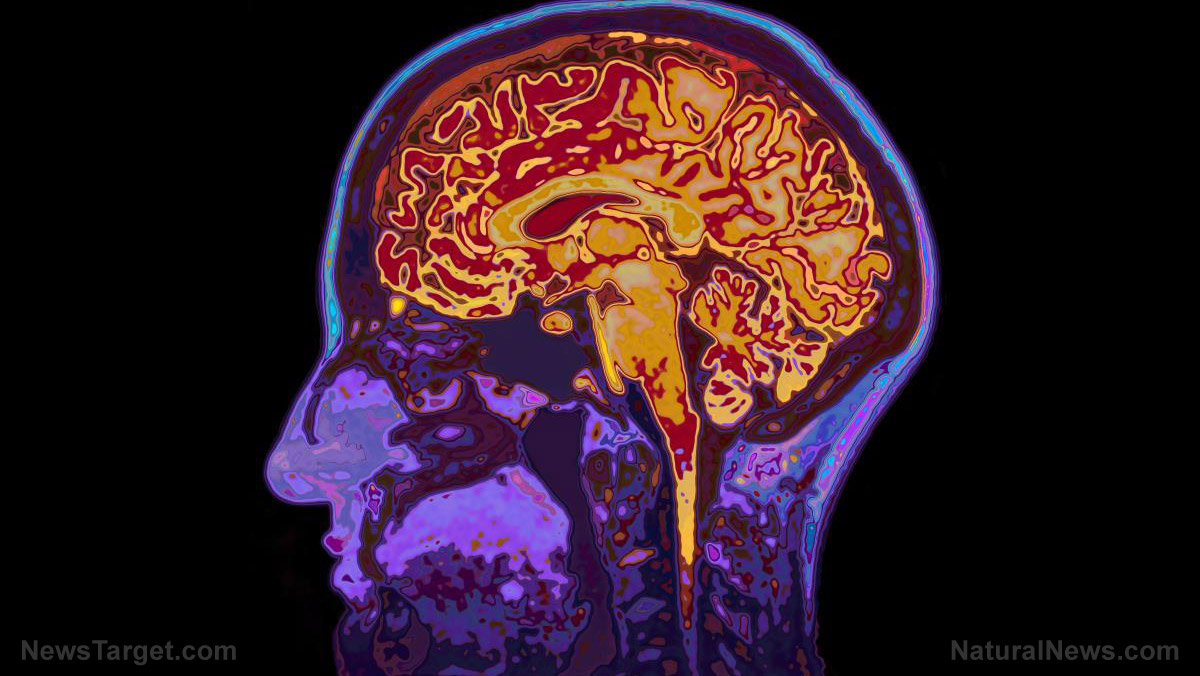
( Natural News ) It turns out, you can “hack” your diet to reduce your risk of getting Alzheimer’s disease, says a recent study by Wake Forest School of Medicine in North Carolina. In the report, a team of researchers showed how diet could influence gut bacteria, which, in turn, can stop the progression of mild cognitive impairment (MCI). In particular, they identified several distinct microbiome signatures in the gut microbiome of patients with MCI.
The team also revealed how a modified Mediterranean-ketogenic diet affects the gut microbiome, in particular, when it comes to reducing biomarkers for Alzheimer’s disease.
“The relationship of the gut microbiome and diet to neurodegenerative diseases has recently received considerable attention, and this study suggests that Alzheimer’s disease is associated with specific changes in gut bacteria and that a type of ketogenic Mediterranean diet can affect the microbiome in ways that could impact the development of dementia,” explained Dr. Hariom Yadav, a professor molecular medicine at Wake Forest and a co-author of the study.
The team published their findings in EBioMedicine . Exploring the brain-gut connection
Alzheimer’s disease is a neurodegenerative disease that affects memory, thinking and behavior. The disease affects more than 5 million Americans , according to the Alzheimer’s Association . Despite its prevalence, the exact cause of the disease remains unclear. There are also no accepted mainstream cures or therapies for treating it outside of adopting healthier habits, such as exercising and cutting back on foods that can affect brain health. (Related: The risk factors of Alzheimer’s disease .)
Scientists have recently begun to explore the feasibility of nutritional approaches in reducing the risk of neurological conditions like Alzheimer’s. For the most part, this emerging area of research is borne out of the idea that gut health might be linked to brain health.
A team of researchers from the University of Wisconsin’s School of Medicine and Public Health and the University of Gothenburg reported back in 2017 that the gut microbiome might be linked to the progression of Alzheimer’s .
This report came about after the team isolated fecal samples from Alzheimer’s patients to compare their gut microbiome to that of control participants. They found that the gut microbiome of those in the Alzheimer’s group had less microbial richness.
The Alzheimer’s group also had more pro-inflammatory bacteria in their gut. This finding is significant because chronic inflammation raises the risk of Alzheimer’s and exacerbates its symptoms in patients.
Based on their findings, the researchers thus concluded that determining the role of gut bacteria in the progression of Alzheimer’s can lead to treatments in the future that modulate gut microbiome for better brain health. MMKD alters gut bacteria and reduces Alzheimer’s risk
In support of these findings, researchers of the EBioMedicine study affirmed that the risk of Alzheimer’s is tied to gut health after finding similarities among the gut microbiome signatures of 11 MCI patients but not among those of the six cognitively normal (CN) participants.
It should be noted that MCI is not a form of dementia , but it does cause neurological problems that cannot be considered a normal part of aging. MCI also places patients at a greater risk of dementia in later life.
Upon analysis of fecal samples, the team found that MCI patients had a higher amount of bad gut microbes called Firmicutes. These bacteria are linked to metabolic conditions like diabetes and obesity.
In addition, the MCI patients had inadequate amounts of Bacteroidetes, a genus of beneficial gut bacteria. Their guts also lacked bacterial diversity. All three findings are signs of an imbalanced gut or poor gut health.
Furthermore, the gut microbiome similarities across the MCI patients also corresponded to increased biomarkers of Alzheimer’s. This suggests that poor gut health is linked to a greater risk of the disease.
The team then conducted a randomized, double-blind trial on both groups to see if changes in diet can alter the gut microbiome and, in doing so, minimize the risk of Alzheimer’s.
For the dietary intervention, the team randomly assigned each participant either an MMKD or a low-fat diet for six weeks. After a six-week washout period, each participant should then follow the other diet for another six weeks.
The researchers took fecal samples from all participants before and after each dieting period to monitor changes in their gut microbiome. They also measured ketones from blood samples and biomarkers of Alzheimer’s from the participants’ cerebrospinal fluid.
Past studies found that greater adherence to a Mediterranean diet is linked to reduced incidences of chronic diseases, including Alzheimer’s. On the other hand, the ketogenic diet has been found to alter the gut microbiome in mice.
For these reasons, the researchers combined both diets to form a modified Mediterranean-ketogenic diet comprised of fruits, vegetables, carbohydrates, extra-virgin olive oil , lean meat and fish. Many of these foods are thought to reduce the risk of Alzheimer’s disease and dementia.
The other diet also featured fruits and vegetables, but it restricted fat intake to less than 40 grams per day. Additionally, 50–60 percent of the total caloric intake under this diet is expected to come solely from fiber-containing carbohydrates.
After both dieting periods, the team found that the MMKD did produce changes in the gut microbiome that corresponded to reduced levels of biomarkers of Alzheimer’s in both groups.
Therefore, MMKD did slash not only the risk of Alzheimer’s in MCI patients but also reduced biomarkers of Alzheimer’s in those that had normal levels of cognition.
The study findings also underscore the need for future clinical studies that focus on the role of the gut microbiome in reducing the risk of and stalling the progression of Alzheimer’s disease.
The team further noted that these findings could be used in the creation of nutritional and therapeutic approaches against the disease in the future that take the role of gut health into account.
Sources include: Alz.org Nature.com TheLancet.com
Impact of family income on learning in children shaped by hippocampus in brain

TORONTO, ON – A new study by a team of researchers from the University of Toronto (U of T) has identified the region of the brain’s hippocampus that links low income with decreased memory and language ability in children.
Previous research has shown that children from lower income families on average score lower in memory and language abilities than their higher income peers.
It is also known that a brain region that supports these abilities — called the hippocampus — is sensitive to the chronic stress that can be associated with lower socioeconomic status and that it is smaller in volume in children from lower income families.
Surprisingly, previous research had failed to show that the hippocampus underlies income-related gaps in cognition.
“What we found — and what makes this result novel — is that it’s the anterior hippocampus that is associated with differences in cognition related to income,” says Alexandra Decker, lead author of a study published today in Nature Communications.
Decker is a PhD candidate in the Department of Psychology in the Faculty of Arts & Science at U of T. Her co-authors are professors from the department and include co-senior-author Amy Finn, Katherine Duncan and Donald J. Mabbott who is also with The Hospital for Sick Children (SickKids) in Toronto.
Decker and her colleagues arrived at their result by analyzing data previously gathered from a diverse sample of over 700 children, adolescents and young adults that included assessments of memory and vocabulary, as well as annual family income. They also studied MRI scans of participants.
[subhead] Stresses and availability of resources associated with low socioeconomic status
The hippocampus is located in the brain’s temporal lobe. As part of the limbic system, it plays a vital role in learning and memory.
Previous research linked socioeconomic status and decreased levels of cognition but did not identify the hippocampus as the underlying cause, in part because the hippocampus was viewed as a single, homogeneous structure.
The result produced by Decker and her colleagues was based on growing evidence that the hippocampus comprises two distinct regions — the posterior and anterior. According to Decker, “These regions develop differently and play different roles in cognition — and they have different sensitivities to stress.”
The researchers found that lower socioeconomic status was associated with reduced size of the anterior hippocampus but not the posterior or whole hippocampus.
Although the data used in the study was limited to family income, Decker and her colleagues describe factors associated with socioeconomic status that could play a role in the effect — including stress and the availability of material and non-material resources.
“Parents from families with higher incomes are more able to take time off work and are less likely to be working multiple jobs,” says Decker. “They’re also generally able to consistently afford enrolment in enriching programs and nutritious meals.”
What’s more, she says, children from lower socioeconomic backgrounds can experience a range of stressors. “For example, the stress borne by their parents about being able to make rent, pay bills and afford groceries.”
[subhead] Insight for researchers, educators and policy makers
In addition, the researchers found that increases in income benefited brain development only up to a certain threshold.
“The relationship between income and the anterior hippocampus seems to be significant up to about an annual family income of about $75,000,” says Decker. “There appear to be diminishing benefits at higher levels — which raises the question, why?
“More research needs to be done to answer this,” she says. “But it could be that at around $75,000, particular needs have been met.”
The researchers say the finding may be helpful to researchers, educators, and policy makers interested in promoting brain and cognitive health in children from families with lower incomes. It may also provide insight into the types of cognitive processes that require more support in these children.
According to Finn, who is head of the Learning and Neural Development Lab at U of T, “These findings can help us understand how children from lower income backgrounds are uniquely disadvantaged compared to their peers from higher-income families on measures of cognitive ability.
“Understanding how these factors interact,” she says, “is central to designing means to boost cognitive performance in children from lower income backgrounds, with implications for social mobility, reducing achievement gaps and much more.”
“It raises the possibility,” adds Decker, “that we may eventually be able to prevent — at least to some extent — these negative effects on the brain. It suggests how we might be able to make a difference.”
###
The work was supported by Brain Canada, the Natural Sciences and Engineering Research Council of Canada, the Social Sciences and Humanities Research Council of Canada, and the Canada Foundation for Innovation.
MEDIA CONTACTS :Alexandra Decker Ph.D. Candidate, Department of Psychology University of Toronto alexandra.decker@mail.utoronto.ca Katherine Duncan Assistant Professor, Department of Psychology University of Toronto duncan@psych.utoronto.ca +1 416 946 0207Amy Finn Assistant Professor, Department of Psychology University of Toronto finn@psych.utoronto.ca +1 416 978 3904Sean Bettam Communications + Public Affairs, Faculty of Arts & Science University of Toronto s.bettam@utoronto.ca +1 416 946 7950 Disclaimer: AAAS and EurekAlert! are not responsible for the accuracy of news releases posted to EurekAlert! by contributing institutions or for the use of any information through the EurekAlert system.
5 Ways To Relieve Insomnia with CBD Herbs

Having sleep issues? You’re not alone. The Consumer Reports found that about 168 million Americans struggle with sleep every week.
Prescription drugs are no longer the only option due to dangerous side-effects. They can also cause addiction problems and natural alternatives remain a viable way to treat insomnia. Cannabis products such as budget buds are becoming increasingly popular because of its therapeutic benefits. CBD extracted from cannabis or hemp plants helps users to enjoy the plant without getting intoxicated.
CBD is one of the best ways of treating insomnia . A daily dose of CBD will help you significantly minimize the amount of time you need to fall asleep and boost your deep sleep. 5 No-Brainer Reasons Why We All Should Be Taking CBD
CBD can be helpful for treating conditions such as: Depression
Anxiety
Pain and inflammation
Chronic pain
Post-traumatic stress disorder (PTSD)
1. CBD Eases Mental Disorders
Anyone can have mental health issues. Although many methods for treating mental disorders do exist, many of them affect sleep, contribute to weight gain, and may even conflict with other drugs.
Poor mental health significantly contributes to sleep loss. People suffering from conditions like anxiety, stress, obsessive-compulsive disorder (OCD), bipolar, Alzheimer’s, schizophrenia, and depression are susceptible to insomnia.
CBD can help with managing most of these disorders, thus improving your sleep. Numerous studies have been carried out showing that CBD is useful in the treatment of these mental disorders. ● Stress and Anxiety
Anxiety is a reaction to stress and induces insomnia. CBD is effective in alleviating insomnia as it helps to control the hormone cortisol .
Whether low or high, cortisol levels interfere with your sleep quality. The levels of hormones such as cortisol and adrenaline increase when you’re nervous. This makes you more alert, making relaxation difficult. A 2019 study investigated the role of CBD in sleep improvement and calming anxiety. Of the 72 participants, 25 had insomnia issues and 47 suffered from an anxiety disorder. Both groups were given doses of CBD each day. Sleep improved by 66.7 percent after one month and anxiety reduced by 79.2 percent.
Preclinical findings also reveal the potential of CBD to treat anxiety and anxiety disorders such as generalized anxiety disorder (GAD), social anxiety disorder (SAD), obsessive-compulsive disorder (OCD), and panic disorder. ● Alzheimer’s
Alzheimer’s, the leading cause of dementia responsible for the loss of memory in the victims, doesn’t just cause memory loss. Diseases can cause restlessness as well.
Sundown symptoms include late-day anxiety, confusion, aggression, and restlessness. For some people, the behavior may fade, but it may keep others awake all night.
Recent research on whether CBD helps with Alzheimer’s reveals that CBD is a great treatment alternative to medications. The study claims that CBD is effective in treating conditions in the nervous system such as Alzheimer’s. CBD may protect nerve cells from deterioration and damage. ● Depression
Depression is a common cause of sleep deprivation. According to studies , CBD interacts with serotonin receptors found in the brain to cause antidepressant effects.
Low levels of serotonin are known to cause depression. While CBD may not directly improve serotonin levels, it affects how the chemical receptors in the brain react to them.
A recent review of previous research found that CBD produces anti-stress effects, which can help alleviate depression linked to stress. ● PTSD
Post-traumatic stress disorder (PTSD) may lead to insomnia. The disorder impairs sleep by increasing light sleep while reducing deep sleep time. It also disrupts with rapid eye movement (REM) sleep, inducing insomnia.
Researchers believe that CBD can ease PTSD sleep problems. CBD helps in managing anxiety that is linked to PTSD by reducing anxiety-induced REM sleep problems. 2. CBD Can Help Treat Pain
Chronic pain is one of the number one causes of insomnia. However, that’s just one of the ways chronic pain affects your quality of life.
Extreme pain such as neuropathic pain, cancer, and the pain associated with multiple sclerosis can be difficult to treat with antidepressants, anticonvulsants, or opiates.
CBD tincture oil Cbdfx is effective in chronic pain treatment and can help improve the quality of sleep. CBD treats the symptoms, unlike other sleep aids, which provide sedative effects. New research supports the use of CBD in pain relief. Researchers found that a combination of CBD and THC enabled patients with cancer to relieve pain. The study also shows that CBD plays an important role because patients who used THC alone did not get significant results.A review also suggests that CBD may help treat inflammation. Inflammation is the way the body cures itself of toxins, injuries, or infections. Acute inflammation in the affected areas can lead to swellings, redness, and pain.The human body has a molecular system called the endocannabinoid system (ECS) that regulates and balances various body functions. These include pain, memory, appetite, sleep, and metabolism.CBD comes into play since it has cannabinoids that impact the endocannabinoid receptors and interacts with neurotransmitters, thus reducing inflammation.In addition, a study using rat models revealed the effectiveness of CBD in reducing pain. The researchers found that CBD injections due to surgical incisions relieved pain response. This is also supported by an additional study that found taking CBD orally helps to reduce inflammation. 3. CBD May Treat Skin Disorders Skin conditions like eczema, acne, seborrheic dermatitis, and psoriasis make your skin itchy and cause burns that distract sleep. Patients with these conditions can wake up at night due to painful scratches that can be unbearable. Fortunately, CBD can help you solve insomnia by treating these skin problems. ● Psoriasis Several studies suggest that CBD can be effective in treating psoriasis. CBD helps by slowing cell division . It also has anti-inflammatory properties that are considered to ease the symptoms of psoriasis.In another research , it was revealed that the topical application of CBD on psoriatic skin helped ease the symptoms. ● Eczema According to a study , CBD has shown the potential to ease eczema symptoms. CBD is promising due to its anti-inflammatory properties considering that eczema is an inflammatory disease. The cannabinoids work […]
Five Ways to Sharpen Your Memory

Memory is the process by which information is encoded, stored, and retrieved when necessary. Memory is important as it helps to retain information from the past and use it for present and future actions. Loss of memory is termed as forgetfulness or amnesia.
Three important brain centers involved with memory are the prefrontal cortex, the hippocampus, and the amygdala. The hippocampus is also involved with spatial memory. The amygdala is associated with emotional memory, and the prefrontal cortex is important for cognitive functions such as language, speech, decision making, and executing function.
Memory declines as a natural process of aging. Sometimes conditions like dementia, brain trauma, or repeated stress can also affect memory. Memory loss can range from simple forgetfulness to major diseases memory loss in conditions like Alzheimer’s disease where people cannot manage day-to-day tasks with ease, and it affects their functioning.
‘A healthy and balanced lifestyle, including nutritious food, regular exercise, no smoking, and ample sleep, can positively influence memory. Socializing with people and not getting stressed will also improve brain health and prevent memory loss.’
Read More..
Some people are, however, able to stay mentally sharp. A good lifestyle with a healthy diet, regular exercise, no smoking, and ample sleep can positively affect memory. The brain should be challenged continuously with stimulating activities such as puzzles, learning a new language, or learning to play a new musical instrument.
Research has also shown that interacting with people has a positive psychological impact and improved brain health. Social interaction helps to keep stress and depression at bay, which sharpens the brain and might prevent memory loss.
Some techniques might that might help in sharpening memory are:
Walking Backward
Walking backward encourages the mind to go backward in time. This helps to retrieve memories with ease. This suggests a link between time and space. Researchers at the University of Roehampton confirmed the theory conducted an experiment where people were shown a list of words, and pictures, or a staged video of a handbag bag stolen from a woman.
The people were then instructed to walk either forward or backward across a room in time. In each of the pictures, words, or staged video tests, those who walked backwards remembered more.
This experiment shows that when people remember a past event, it is reconstructed in the reverse order in our minds. On seeing an object, the details like patterns, and colors are observed first and then the function. But while trying to remember the object, the function is first recalled and then the details.
Drawing
Drawing out a piece of information, rather than writing it down, helps to recall information more easily. Drawing also made a big difference in people with dementia. This is because while drawing out the information, people consider in more detail and this deeper processing helps to recall information with more accuracy.
Right Exercise at the Right Time
Regular aerobic exercise such as running can improve memory. Brain health improves considerably when the body is active as it improves blood flow, metabolism, and improves brain structure and function. While learning something new, a one-off bout of exertion might help boost memory, especially if combined with the right timing. Training right before learning something new helps in remembering better.
Not Doing Anything
Sometimes, doing nothing also helps to enhance memory. In an experiment, people who suffered from amnesia as a result of stroke were asked to memorize a list of 15 words. Some of them were asked to do some tasks after that, while others had to sit in a darkened room, doing nothing. Those who engaged in some activity were only able to recall 14% pf the original list of words while those who sat idle recalled 49/5 of the words.
In healthy people, a short break taken after learning something preserved memory up to a week later.
Nap
Taking a quick nap helps to consolidate memories by replaying or reactivating the acquired information . this technique worked best among people who are used to taking regular afternoon naps.
Stress hormones can damage the hippocampus, which is a memory center, and cause memory loss. Taking seven to eight hours of sleep is very important for brain and body.
Source: Medindia
Smart Drugs Revealed – Here’s What You Need to Know

Whether you are a college student that has an exam coming up or a busy professional who is striving for a promotion, the idea of being able to take something that can boost your brainpower and intelligence is very appealing. It may seem like something out of a science-fiction movie, but smart drugs are being used worldwide by people looking for a boost in mental and physical performance.
Smart drugs often referred to as “nootropics”, are classified as pharmaceutical substances taken with the purpose of boosting cognitive functions, improving concentration, studying longer, and managing stress better. In this article, we will explore everything that you need to know about the most popular smart drugs. 1. Caffeine
So many people don’t even consider caffeine to be a drug but it is actually a powerful, natural stimulant that gives you more access to various neurotransmitters in your brains. This can improve your short-term memory and learning skills, especially if consumed in moderate amounts. Having a cup of tea or coffee once in a while is an excellent way to boost mental focus, but you should always refrain from consuming more than 400mg/day. Just because caffeine is so widely available, it is not to be taken likely. Caffeine can significantly increase anxiety and stress, so be careful about how much you drink. 2. L-Theanine
L-Theanine is found in black and green teas and has been proven to enhance the mental effects of caffeine and counteract jitteriness, and in combination with caffeine, your cognitive performance, alertness, and ability to multitask will all be boosted. L-Theanine is not like caffeine, which is widely known so it is important to read more about the benefits of this supplement and any other you are planning to take. The best way to consume them together is by drinking pure green tea or combining coffee or tea with your L-Theanine supplement. This can improve your mental health, act as a diuretic, and help to balance your mood. 3. Omega-3 Fatty Acids
As one of the most well-known and well-studied mental enhancers, Omega-3s are great for repairing and renewing brain cells, and in the process, preventing the brain from aging. Other positive effects of omega-3s surround the brain and enhance nervous system function and so it is important to incorporate them into your diet. This can be done by eating more oily fish like mackerel or through supplements in the forms of omega-3 supplements or fish oil. 4. Racetams
Racetams are a category of smart drugs, including piracetam, pramiracetam, phenylpiracetam, and aniracetam. These are synthetic compounds that can trigger the neurotransmitters in the brain with positive neuroprotective effects. These help to protect your brain function and nerve firings. When taking racetams, it is important to closely follow the instructions and consult a physician. 5. Ginkgo Biloba and Panax Ginseng
Ginkgo biloba leaves and Panax ginseng roots are two similar herbal supplements that are used for medicinal purposes and are found in China, Japan, Korea, and Siberia. The effects on your cognitive performance are all about improving brain function and preventing certain brain diseases, including Alzheimer, Parkinson, and Huntington’s disease, as well as helping with brain recovery after a stroke. Again with these supplements, make sure you do your research in order to not confuse them with other types of plants and seek medical advice if you have any reservations. 6. Rhodiola
Rhodiola Rosea L., also known as Rhodiola or roseroot is a popular supplement that is taken in the form of capsules. Rhodiola has excellent neuroprotective effects which might help to support good mental health, treat neurodegenerative diseases, and regulate neurotransmitters in the brain, all of which result in a more positive mood. 7. Creatine Monohydrate
As an amino acid that builds muscle mass and improves exercise performance, creatine monohydrate is found in many workout and body-building supplements and is very popular among athletes. Creatine helps to improve strength, muscle endurance, and recovery and aesthetic muscle size.
For the best results, creatine monohydrate should be taken in cycles in which you “load” for two weeks by taking 6 to 8 grams of creatine, and then “maintain” for the next 8 weeks by taking 2 grams a day. As well as the physical benefits of creatine monohydrate has been shown to promote improvements in short-term memory and reasoning skills as it increases levels of ATP molecules which result in increased cellular energy in your brain.
Now that you have a general understanding of smart drugs, the most important thing is to use them in a smart and responsible way, preferably under the guidance of a doctor or qualified health care provider. If you are looking at ways to boost your health with smart drugs, start with the basics. Clean up your diet, begin with gentle, non-prescription nootropics, and when you are ready, move on to prescription smart drugs to boost their effects.
3 Changes to Your Diet That Could Benefit Your Brain

Your brain is always working, despite evidence to the contrary (where did I put my keys again?). And how you fuel it directly affects its function. Eat high-quality foods that contain lots of vitamins, minerals, and antioxidants, and you’ll nourish and protect your brain from oxidative stress (the waste, or free radicals, produced when the body uses oxygen, which can damage cells). Canada’s recently revamped food guide , which put an emphasis on eating more fruits and vegetables , has been lauded for its potential benefits to brain health (not to mention mental health benefits ). Need more convincing? The findings from these three recent studies are a good reminder why you should always keep nutrition on the mind. Eat more flavonoids
A new study published in the American Journal of Clinical Nutrition followed the eating habits of 600 Americans over the course of 20 years and showed that the people who ate more foods high in flavinoids had a 40 to 60 percent lower risk of developing Alzheimer disease and related dementias. What are flavonoids?
Flavonoids are a diverse group of phytonutrients (plant chemicals) found in almost all fruits and vegetables. They’re associated with all kinds of excellent activity, including skin protection, brain function, blood-sugar and blood-pressure regulation, plus antioxidant and anti-inflammatory action. For this study, the intake of one type of flavonoid, anthocyanins, which are abundant in blueberries, strawberries and red wine, had the strongest association with lowered risk of dementia . Apples, pears, oranges, bananas and tea also contributed.
The best part? A little goes a long way. The monthly average intake from the healthiest cohort was about seven half-cup servings of strawberries or blueberries, eight apples or pears, and 17 cups of tea.
(Here are other healthy habits that’ll boost your brain health.) Dip into those pickled capers
Researchers from the School of Medicine at the University of California, Irvine, published a new study that shows eating pickled capers is good for brain and heart health. They’re the richest known natural source of a bioflavonoid called quercetin, which regulates our potassium ion channels—their dysfunction is linked to diabetes, cardiac arrhythmia, and epilepsy. Quercetin can also directly regulate proteins required for bodily processes such as heartbeat, thought, muscular contraction, and normal functioning of the thyroid, pancreas and gastrointestinal tract. Not bad work for an inconspicuous condiment. Tap the protective power of fish
It irritates our eyes and throats, and damages our lungs, but air pollution also causes our brains to shrink and affects our memory and cognitive power as we age. A new study published in Neurology shows women who eat a diet high in omega 3s from fish can better withstand the detriment.
Next, learn the habits you should start today to keep your brain healthy at 80 .
The post 3 Changes to Your Diet That Could Benefit Your Brain appeared first on Best Health Magazine Canada .
Gallery: 35 Health News Stories You Need to Read This Week (Reader’s Digest Canada)
What happens in the brain when we sleep?
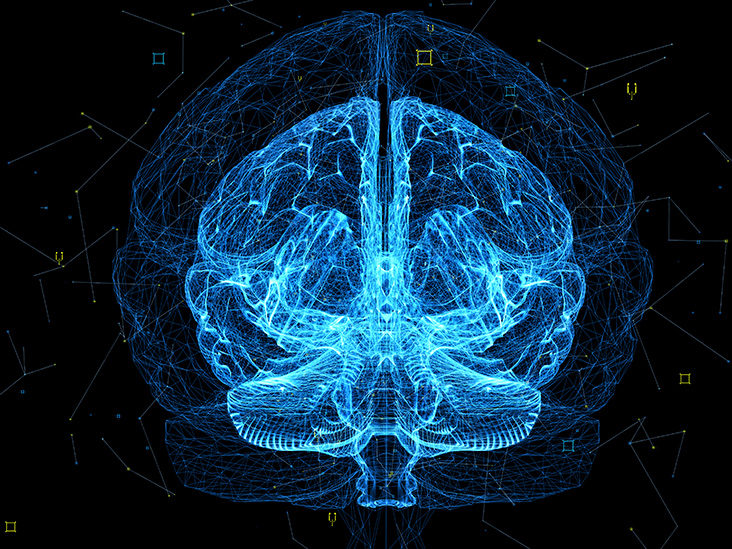
What occurs in the brain when we are deep in slumber? What are the different stages of sleep and what role do they play in learning and memory formation? What about in anxiety and pain? Do neurons and neurotransmitters also play a role? These are the questions we will tackle in this Special Feature, using the latest evidence available. We round up the neuroscientific evidence that helps explain the intricate workings of the human brain when it is asleep. Scientists generally agree that there are four stages of sleep that we cycle through several times each night. The first three form the so-called non-rapid eye movement (REM) sleep and the fourth one is REM sleep — where dreams occur.
In the first non-REM stage, the body and brain transition from wakefulness to sleep. The brain changes its electrical oscillations from the active, wakefulness pattern of brainwaves into a slower rhythm.
Muscle tone throughout the body relaxes. This is the phase during which our bodies may twitch as we enter slumber.
The second non-REM stage involves a drop in the body’s temperature, the heartbeat and breathing become slower, and the brainwaves slow down further. Short bursts of electrical activity in the brain may still characterize this stage of sleep.
The third stage of non-REM sleep is the deep sleep stage, which our bodies need to wake up feeling refreshed and restored. In this stage, heart rate, breathing, and brain activity all drop to their lowest point.
The REM, dream-filled light-sleep stage is the fourth and last one. According to the National Institute of Neurological Disorders and Stroke (NINDS) , REM occurs about 90 mins after falling asleep.
REM sleeps lasts roughly 10 minutes the first time, increasing with each REM cycle. Rapid eye movement is so-called because the eyes quite literally move rapidly behind closed eyelids.
During REM, breathing becomes more rapid and irregular, heart rate and blood pressure increase to near waking levels. An interesting fact about REM sleep is that people experience less and less of it as they grow older.
One of the two main things that control sleep is the ensemble of “physical, mental, and behavioral changes that follow a daily cycle” — called circadian rhythms . The term “circadian” comes from the Latin circa , meaning “around” and dies , meaning “day.”
Circadian rhythms respond to the light-darkness cycle and are genetically predetermined, at least in part, and dictated by so-called biological clocks — proteins that interact within cells in every tissue and organ in the human body.
The suprachiasmatic nucleus , a structure in the brain formed by a group of about 20,000 neurons , or nerve cells, coordinates all the biological clocks.
Secondly, the sleep-wake homeostasis also tracks a person’s need for sleep and dictates when they get sleepy. The so-called homeostatic sleep drive increases with the time that a person spends being awake. Its visible effects on brain activity and connectivity between neurons have been well documented .
Another area that has been the focus of much research is the relationship between sleep and learning or memory formation. Scientists know for sure that sleep is crucial for learning — but which stage of sleep is more important?
Does learning occur in the light REM sleep stage or the deep, non-REM phase of sleep? How do neurons in different brain areas coordinate across sleep stages to facilitate learning and memory consolidation?
Two studies that Medical News Today reported on help to shed light on these questions. Sleep helps the brain learn and stay flexible
In the first study , the experimenters tampered with the study participants’ deep, non-REM sleep stage after asking them to learn a new set of movements. The scientists monitored the participants’ brain activity — their motor cortex, specifically — throughout the study.
The team — led by Switzerland-based scientists — found that a restless deep sleep resulted in a visibly reduced learning efficiency. The researchers’ explained that their results hinged on the brain’s synapses and their roles in learning.
Synapses are microscopic connections between neurons that, together with brain chemicals, or neurotransmitters, facilitate the passing of electrical impulses from one neuron to another. During the day, synapses switch on in response to the stimuli that the brain receives from the environment.
But during sleep, the activity of these synapses goes back to normal. Without this restorative period, they stay excited at their peak activity for too long.
This interferes with the brain’s neuroplasticity — that is, its ability to re-wire itself and create new connections between neurons. Neuroplasticity enables the brain to ‘pick up’ new skills, change and adapt to its environment stimuli, and ultimately learn new things.
Nicole Wenderoth, a professor in the Department of Health Sciences and Technology at the ETH Zurich, and co-lead author explains what occurred in their new study. “In the strongly excited region of the brain, learning efficiency was saturated and could no longer be changed, which inhibited the learning of motor skills.” To the authors’ knowledge, this was the first study that showed a causal relationship between the deep phase of sleep and learning efficiency. “We have developed a method that lets us reduce the sleep depth in a certain part of the brain and therefore prove the causal connection between deep sleep and learning efficiency,” says study co-author Prof. Reto Huber. Sleep also helps us unlearn
The second study that MNT reported on looked at different sleep stages. However, this research showed that sleep does not just enable the brain to learn new things but also unlearn.
The original 2017 study involved an auditory learning task. The researchers played sound sequences while the participants were asleep and awake.
They monitored the volunteers’ brain electrical activity using an electroencephalogram (EEG).
The EEGs also captured sleep spindles that occurred when the sleeping brain learned new sounds. Sleep spindles are spikes in oscillatory brain activity that previous research has linked with learning and memory consolidation.
After each sleep session, the experimenters asked the participants to re-listen to the sound sequences and recognize them. They assessed their learning performance through tests.Using the EEG readings, the […]
Best Alternatives To Melatonin That Are Also Natural

Are you already annoyed by how you can’t seem to sleep at night? Or wake up frequently in the wee hours of the morning? If yes, then you must also be aware as to how insomnia can negatively affect how you function throughout the day.
A lot of people resort to drinking melatonin tablets to help them get a good night’s sleep. Although, some claim that drinking melatonin makes them feel groggy or lethargic during the day. So, are there any natural alternatives? Fortunately, the answer is yes. Here are some of them. Sleeping-Aid Herbal Teas
Photo by Mareefe from Pexels For the last hundreds of years, herbal teas have been used to treat a wide array of ailments and diseases, including insomnia, anxiety, and depression. Special blends like lavender, chamomile, passionflower, and valerian root are usually regarded as natural sleeping aids. So before heading to bed, make yourself a cup of tea while you calm down and relax. Magnesium Supplements
Magnesium is a kind of natural muscle relaxant naturally produced by your body. It is effective in blocking stress hormones in the brain, which can help you fall asleep. According to Healthline , health researchers found out that magnesium can also regulate the production of melatonin. And, insufficient levels of magnesium in our bodies can lead to insomnia and troubled sleep. Glycine Supplements
Glycine is a type of amino acid that is also naturally produced by your body. It supports our cognitive, metabolic, and musculoskeletal functions. At the same time, it also induces relaxation at night when your body is ready to fall asleep. Hence, this is also a good choice if you’re looking for a natural supplement to replace your melatonin tablets.
Sleep Sherpa also explains that glycine is a great choice for people who wake up in the middle of the night. This is because it promotes sleepiness by reducing brain hyperactivity and calming anxiety. It also won’t give you a hungover feeling the next day when you wake up. Warm Milk With Turmeric
Photo by LinkedIn Sales Navigator from Pexels Though there are no scientific studies that create a link between milk and deep slumber, John Hopkins Medicine explains that a warm cup of milk has long been believed to promote relaxation before bedtime. On the other hand, Turmeric can protect against sleep deprivation. It can also help alleviate depression and can lower anxiety levels.
Mix it with one teaspoon of turmeric, cinnamon, and honey and you’ll have an anti-inflammatory golden milk go-to. Warm Milk With Strawberry
Mixing milk and strawberry has been a trend in Korea for a while now. It’s a refreshing spring drink and a delicious bedtime send-off drink for both kids and adults. Strawberries are rich in antioxidants, potassium, and Vitamin B-6, which help balance our bodies’ sleep-wake cycle by regulating melatonin. Also, strawberries are rich in Vitamin C, which can boost our immune system and improve our skin health.
Combine a cup of honey, two cups of strawberries, two tablespoons of honey, and a pinch of salt. Blend the mixture until smooth. Essential Oils
Photo by Mareefe from Pexels Like herbal teas, the practice of using aromatherapy for medicinal purposes is still very much alive until today. Different scents affect our minds and body. Out of all senses, only smell can travel directly to our brain’s emotions and memory center. This is why a particular smell can automatically evoke strong memories.
If you find yourself tossing and turning at night, grab a small bottle of essential oil and apply it below your nose or at your wrists. Alternatively, you can dilute three to five drops of oils in a diffuser and let it sit near your bed.
Sleep Doctor lists some of the most common oils for relaxation: Lavender
Peppermint
Vanilla
Rose and Geranium
Jasmine
Citrus
Each of us reacts to smells differently, so before purchasing, experiment with different essential oils to find which is the right one for you and your sleep. Sleep Masks
Using sleep masks is one of the simplest and most effective solutions. A quality sleep mask is usually made from soft and natural materials that can block the light from all corners of your eyes. This darkness boosts the production of melatonin in your body. You can also try using sleep masks with earplugs to block out any noise. Daily Exercise
Photo by Andrea Piacquadio from Pexels Physical activity alleviates the symptoms of chronic insomnia. It can even stabilize and improve your mood throughout the day. As explained by Sleep Foundation , the drop in your temperature after exercise can help promote falling asleep early. Working out can also reduce insomnia by decreasing anxiety, depression, and arousal. You don’t have to go crazy in the gym, at least a thirty-minute run can already be beneficial.
Insomnia is indeed a hard battle to conquer. But, worry not. There are a lot of natural remedies for it, including alternatives for Melatonin. Make yourself a warm cup of milk, try different natural supplements, and oils nearby and treat your body well.
What Is Uterus Didelphys & Is It Possible To Get Pregnant?
Non-Invasive Nerve Stimulation Boosts Learning of Foreign Language Sounds
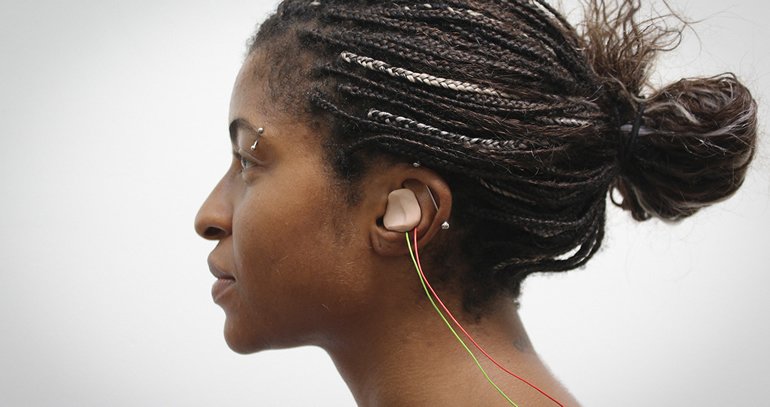
Summary: Transcranial vagus nerve stimulation could significantly improve a person’s ability to learn the sounds of a new language. The non-invasive stimulation technique could have positive implications for boosting other types of learning also.
Source: University of Pittsburgh
New research by neuroscientists at the University of Pittsburgh and University of California San Francisco (UCSF) revealed that a simple, earbud-like device developed at UCSF that imperceptibly stimulates a key nerve leading to the brain could significantly improve the wearer’s ability to learn the sounds of a new language. This device may have wide-ranging applications for boosting other kinds of learning as well.
Mandarin Chinese is considered one of the hardest languages for native English speakers to learn, in part because the language — like many others around the world — uses distinctive changes in pitch, called “tones,” to change the meaning of words that otherwise sound the same. In the new study, published today in npj Science of Learning, researchers significantly improved the ability of native English speakers to distinguish between Mandarin tones by using precisely timed, non-invasive stimulation of the vagus nerve — the longest of the 12 cranial nerves that connect the brain to the rest of the body. What’s more, vagus nerve stimulation allowed research participants to pick up some Mandarin tones twice as quickly.
“Showing that non-invasive peripheral nerve stimulation can make language learning easier potentially opens the door to improving cognitive performance across a wide range of domains,” said lead author Fernando Llanos, Ph.D., a postdoctoral researcher in Pitt’s Sound Brain Lab.
“This is one of the first demonstrations that non-invasive vagus nerve stimulation can enhance a complex cognitive skill like language learning in healthy people,” said Matthew Leonard, Ph.D., an assistant professor, Department of Neurological Surgery, UCSF Weill Institute for Neurosciences, whose team developed the nerve stimulation device. Leonard is a senior author of the new study, alongside Bharath Chandrasekaran, Ph.D., professor and vice chair of research, Department of Communication Science and Disorders, Pitt School of Health and Rehabilitation Sciences, and director of the Sound Brain Lab.
Researchers used a non-invasive technique called transcutaneous vagus nerve stimulation (tVNS), in which a small stimulator is placed in the outer ear and can activate the vagus nerve using unnoticeable electrical pulses to stimulate one of the nerve’s nearby branches.
For their study, the researchers recruited 36 native English-speaking adults and trained them to identify the four tones of Mandarin Chinese in examples of natural speech, using a set of tasks developed in the Sound Brain Lab to study the neurobiology of language learning.
Participants who received imperceptible tVNS paired with two Mandarin tones that are typically easier for English speakers to tell apart showed quick improvements in learning to distinguish these tones. By the end of the training, those participants were 13% better on average at classifying tones and reached peak performance twice as quickly as control participants who wore the tVNS device but never received stimulation.
“There’s a general feeling that people can’t learn the sound patterns of a new language in adulthood, but our work historically has shown that’s not true for everyone,” Chandrasekaran said. “In this study, we are seeing that tVNS reduces those individual differences more than any other intervention I’ve seen.”
“This approach may be leveling the playing field of natural variability in language learning ability,” added Leonard. “In general, people tend to get discouraged by how hard language learning can be, but if you could give someone 13% to 15% better results after their first session, maybe they’d be more likely to want to continue.”
The researchers now are testing whether longer training sessions with tVNS can impact participants’ ability to learn to discriminate two tones that are harder for English speakers to differentiate, which was not significantly improved in the current study.
Stimulation of the vagus nerve has been used to treat epilepsy for decades and has recently been linked to benefits for a wide range of issues ranging from depression to inflammatory disease, though exactly how these benefits are conferred remains unclear. But most of these findings have used invasive forms of stimulation involving an impulse generator implanted in the chest. By contrast, the ability to evoke significant boosts to learning using simple, non-invasive vagus nerve stimulation could lead to significantly cheaper and safer clinical and commercial applications.
The researchers suspect tVNS boosts learning by broadly enhancing neurotransmitter signaling across wide swaths of the brain to temporarily boost attention to the auditory stimulus being presented and promote long-term learning, though more research is needed to verify this mechanism.
“We’re showing robust learning effects in a completely non-invasive and safe way, which potentially makes the technology scalable to a broader array of consumer and medical applications, such as rehabilitation after stroke,” Chandrasekaran said. “Our next step is to understand the underlying neural mechanism and establish the ideal set of stimulation parameters that could maximize brain plasticity. We view tVNS as a potent tool that could enhance rehabilitation in individuals with brain damage.”
About this language research article
Source:
University of Pittsburgh
Contacts:
Amerigo Allegretto – University of Pittsburgh
Image Source:
The image is credited to Leonard Lab/UCSF/Jhia Louise Nicole Jackson.
Original Research: Open access
“Non-invasive peripheral nerve stimulation selectively enhances speech category learning in adults” by Fernando Llanos, Jacie R. McHaney, William L. Schuerman, Han G. Yi, Matthew K. Leonard, Bharath Chandrasekaran. npj Science of Learning .
Abstract
Non-invasive peripheral nerve stimulation selectively enhances speech category learning in adults
Adults struggle to learn non-native speech contrasts even after years of exposure. While laboratory-based training approaches yield learning, the optimal training conditions for maximizing speech learning in adulthood are currently unknown. Vagus nerve stimulation has been shown to prime adult sensory-perceptual systems towards plasticity in animal models. Precise temporal pairing with auditory stimuli can enhance auditory cortical representations with a high degree of specificity. Here, we examined whether sub-perceptual threshold transcutaneous vagus nerve stimulation (tVNS), paired with non-native speech sounds, enhances speech category learning in adults. Twenty-four native English-speakers were trained to identify […]
Natural brain booster: Drink ginger tea to improve focus and concentration

Ginger (Zingiber officinale) is one of the most commonly consumed spices in the world, usually used for seasoning. Apart from adding flavour to your dishes, ginger has multiple medicinal properties and benefits. It has played an important role in both traditional Chinese and Indian Ayurvedic healing practices for ages. Also Read – World Brain Day 2020: Step-by-step guide on how your brain functions
Ginger is an incredibly versatile home remedy. Ginger is a versatile home remedy and is known for relieving nausea, aiding digestion, soothing an upset stomach, fighting colds, helping with menstrual cramps, contributing to weight loss and more. The root of the ginger plant is also an excellent brain booster. Several studies have linked it to improved cognitive performance and memory. Also Read – Weight loss: This is how ginger diet will help you battle the bulge
The main active constituents found in ginger are gingerols and shogaols, which are known to have antioxidant, anti-inflammatory, and anti-tumour properties. Also Read – Brain health: Tips to prevent eventual memory loss Ginger helps enhance memory in middle-aged women
A study published in 2012 issue of the Evidence-Based Complementary and Alternative Medicine suggested that ginger can help support memory and cognitive function in middle-aged women. The study included 60 healthy women who were between 50 and 60 of age and reside in Thailand. They were given either a placebo or a ginger standardised extract of 400 milligramme or 800 milligramme daily for two months.
Women who received the ginger supplement reported a significant improvement in cognitive functions and an enhanced working memory compared to the placebo group. According to the study, daily ginger intake improved four key brain functions: power of attention, accuracy of attention, speed of memory, and quality of memory. Based on their findings, the researcher concluded that ginger is a potential brain tonic to enhance cognitive function for middle-aged women.
They believe that the cognitive enhancing effect of ginger might be partly due to its antioxidant properties. Brain-Enhancing Properties of Ginger
Ginger contains more than 100 compounds, most of which are antioxidants that are particularly important for the brain health. Since it uses a lot of oxygen, the brain is more susceptible to free radical attack than any other part of the body. Antioxidants act as free radical scavengers and helped prevent or slow damage to cells.
Chronic inflammation of the brain may lead to brain disorders including depression, anxiety, ADHD, brain fog, and Alzheimer’s. Ginger’s anti-inflammatory property may be beneficial for brain health. Gingerol and shogaol are the compounds are believed to play main role in ginger’s anti-inflammatory effects on the brain.
Like turmeric, ginger also contains the compound curcumin, which has anti-inflammatory, antioxidant, antiviral, antibacterial, and antifungal properties. Curcumin a popular herbal ingredient used to treat depression, anxiety, brain aging, and neurodegenerative diseases. Here are 5 ways ginger benefits your brain and mental health – Ginger protects the brain from free radical damage
Ginger increases the level of brain chemicals — serotonin and dopamine. Low levels of these chemicals have been linked to depression.
Ginger may help slow the progression of Alzheimer’s disease.
What to get improve your memory and attention? Chew on ginger candy or drink ginger tea daily. If you don’t like the taste, add a few drops of ginger essential oil to a diffuser and inhale the aroma.
Adaptogens + Herbs To Prevent Brain Fog and Mental Fatigue

A FUZZY BRAIN IS no fun when you have worlds to conquer and magic to make (or maybe babies to feed and deadlines to meet). While a shot of espresso might get things buzzing, a powerful way to clear brain fog and boost cognitive power is with herbs.
Our go-to herbalist and founder of modern apothecary Anima Mundi , Adriana Ayales, is sharing this plant wisdom for busting brain fog and rejuvenating brain health overall. The idea of using herbs to optimize our mental capacity, mood and overall ability to function on a high level is everything we’re about right now…
Common Cognitive Pitfalls That Trigger Brain Fog: Lack of proper mineralization (Are you eating the rainbow? Where and how are you mineralizing your body?)
Low functioning microbiome (Digestive imbalances, weak gut flora)
Dehydration (You might be dehydrated and you don’t even know it. Drink water!)
Lack of movement (Sedentary lifestyle?)
Stress + Inflammation
Heavy Metals + Atmospheric Toxicity (Atmospheric contaminants can lead to biological and chemical stress, contributing to brain fog, and more.)
Pharmaceutical Side-effects (One of the leading causes of diseases are pharmaceutical side-effects, be sure to balance with diet, and the right herbs)
State of mind supercedes everything. For example, meditation is one of the best-researched brain-boosting exercises ever found. Going deep and doing guided visualizations, future self projections, silencing the mind, etc., is one of the most efficient techniques to re-wire our “hardwired” programming.
At the same time, brain tonics improve “hardware” functioning by protecting from damage (oxidation, inflammation) and assisting in the delivery of nutrients and removal of waste. Nootropics (known as ‘smart drugs’), nervines (nervous system relaxers), and adaptogens (endocrine balancers/ anti stress /immune boosters) help revitalize neurotransmitters and general nerve function, which improves memory and cognition while uplifting the mind.
ADAPTOGENS + HERBS TO PREVENT MENTAL FATIGUE
Chronic and acute stress degrade your memory, especially if sleep deprivation enters the mix. So it’s not surprising that most of our stress-relieving adaptogens do double-duty as brain function tonics.
BACOPA In India, bacopa is locally known as brahmi after “Brahma,” the mythical creator of the Hindu pantheon, and is another Ayurvedic powerhouse used to improve cognition, memory and focus. It also has research on its use to help recover from brain trauma. Bacopa is adaptogenic, helping protect the body from stress, while being a revitalizing, relaxing (nervine), and mentally-stimulating herb that may support us in our healthspan extension quest. Bacopa is known to boost two key neurotransmitters, serotonin and GABA in the hippocampus, which is the brain’s hub for memory and emotions. Bacopa works best when taken consistently for longer periods of time, allow at least 1 month to feel the effects. The most common dosage for “faster” results, are about 5-10 grams of powder daily, or 350 mg extract per day. ASHWAGANDHA. Yet another beloved Ayurvedic plant that has 3,000 years of recorded use, ashwagandha provides numerous benefits for the body and brain. Studies have shown it’s brain protective, improves learning and memory, lowers blood sugar and cortisol levels, and helps fight symptoms of anxiety and depression. Research on ashwagandha has found that it inhibits the formation of beta-amyloid plaques. These plaques, considered toxic to brain cells, accumulate in the brains of people with neurodegenerative diseases, such as Alzheimer’s.
RHODIOLA is a classic adaptogen known as one of nature’s greatest “antidepressants” as its shown to greatly influence neurotransmitters that affect mood and emotion. Being an adaptogen, it is regulating to the endocrine system and protective against oxidative stress. Rhodiola also improves ATP synthesis, which boosts energy on a cellular level, and it increases stamina while decreasing mental and physical fatigue. LION’S MANE. This exquisite mushroom has received very impressive studies due to it containing NGF (nerve growth factor) which is known to stimulate nerve growth, heal nerve damage, improve brain function and cognition, and fight dementia. Components and extracts of Lion’s Mane have proven antibiotic, anticancer, neuroprotective, fat- and glucose-lowering effects. Lions Mane is also used to ease digestion, used against stomach ulcers in Chinese Medicine, improves anxiety, cognitive function, and depression, and has anti-fatigue and anti-aging properties. Studies also show lion’s mane enhanced both acetylcholine (Ach) and choline acetyltransferase (ChAT, an enzyme that produces acetylcholine) concentrations in the blood and in the hypothalamus.
The Chalkboard Mag and its materials are not intended to treat, diagnose, cure or prevent any disease. All material on The Chalkboard Mag is provided for educational purposes only. Always seek the advice of your physician or another qualified healthcare provider for any questions you have regarding a medical condition, and before undertaking any diet, exercise or other health-related programs.
Can you use cannabis to calm dementia?
Cannabis plants are photographed during the grand opening event for the CannTrust Niagara Greenhouse Facility in Fenwick, Ont., on June 26, 2018. Tijana Martin/The Canadian Press The question: My father has dementia and we have been looking after him at home. The last thing we want to do is put him into a nursing home during the COVID-19 pandemic. But he is a challenge and is agitated at times. I’ve heard that cannabis has a calming effect on people with dementia. Is that worth trying?
The answer: Agitation, which includes restlessness, general emotional distress and sometimes aggression, is a major problem for people with dementia, as well as their caregivers.
The existing drug treatments – mainly antipsychotic medications – are only modestly successful in lessening agitation, and they also carry risks of harmful side effects.
Dementia experts generally agree that behavioural interventions should be tried before turning to these medications. For instance, it may be possible to identify the cause of the agitation and develop a solution or an appropriate distraction, such as music or pet therapy. But, as the disease progresses, agitation tends to get worse and behavioural approaches become less and less effective.
So, there is a real need for new treatment options, says Krista Lanctôt, a senior researcher at Sunnybrook Health Sciences Centre in Toronto.
This need, she adds, has raised interest in cannabis because it has a wide range of effects on the brain, some of which might help deal with certain troubling dementia symptoms.
But only a handful of small studies have actually explored the use of cannabis products in patients with various types of dementia including Alzheimer’s disease. And, so far, the research results have been mixed.
One of the most promising studies involved 39 patients with moderate to severe Alzheimer’s. The trial was designed to assess nabilone, a drug that is currently approved for treating chemotherapy-induced nausea.
Nabilone contains a synthetic form of tetrahydrocannabinol (THC) – the psychoactive ingredient in cannabis.
Each patient received both the real drug and a placebo, in random order, for six weeks.
“Nabilone treatment was associated with a clinically and statistically significant reduction in agitation over six weeks, compared to the six weeks on placebo,” says Lanctôt, who led the study. “Also, caregiver distress was significantly lower.”
Although the results are promising, Lanctôt says the findings need to be confirmed with more research.
She notes that marijuana contains a lot of different cannabinoids. In order to understand their potential effects – both good and bad – it’s critically important to isolate the components and study them in a systematic fashion and in combination if warranted.
Lanctôt is already planning a larger study involving 168 patients, who will be divided into three treatment groups. They will receive either nabilone or a placebo, or cannabidiol oil (CBD), a compound derived from marijuana plants.
Dallas Seitz, an associate professor of psychiatry at the University of Calgary, agrees that it’s far too soon to recommend cannabis for agitation. “I think it’s good that we don’t jump on the bandwagon right away because there is so much misinformation out there about the potential benefits of cannabis.”
Indeed, there is reason for caution, particularly in this vulnerable patient population.
Previous research suggests that cannabis may worsen memory. So, cannabis might not be appropriate for people in the early stages of dementia while they still have their cognitive abilities largely intact.
Cannabis also has a sedating effect, and that’s not necessarily a good thing. Too much sedation, which is often linked to a higher dosage, can lessen quality of life if a person is sleeping much of the time. It can also increase the chances of having a catastrophic fall.
What’s more, cannabis may interact with some medications including warfarin, a commonly prescribed blood thinner. “It could increase the risk of bleeding,” Lanctôt warns.
She also points out that the positive findings from her nabilone study offer “absolutely no evidence” that agitation can be eased by recreational and medical marijuana.
The synthetic THC in nabilone is structurally different from natural THC, she explains. In fact, a few earlier studies suggest that natural THC does not reduce agitation.
To further complicate matters, there is a huge variation in cannabis products, which contain very different ratios of THC to CBD.
What’s needed, Seitz says, is a well-studied standardized product. “That would allow us to say that a certain compound, at a specific dose, will have a predictable effect,” he says.
In the meantime, some families may still be tempted to try cannabis with their loved ones. If they do so, Lanctôt says, they should seek the guidance of a doctor and a pharmacist to minimize the potential for harm.
Paul Taylor is a Patient Navigation Adviser at Sunnybrook Health Sciences Centre. He is a former Health Editor of The Globe and Mail. Find him on Twitter @epaultaylor and online at Sunnybrook’s Your Health Matters .
Lesser-known Vitamin B3 variant may be key to addressing Alzheimer’s

Advertisement Vitamin B3 may be the key to improving cognitive and physical functions of those with Alzheimer’s disease . In a recent report, scientists from the National Institute on Aging (NIA) said that a specific form of Vitamin B3 known as nicotinamide riboside (NR) helped normalize the levels of nicotinamide adenine dinucleotide or NAD+ – a metabolite considered to be vital to several bodily processes, including DNA repair – in a specially-developed strain of mice.
These mice, in particular, were specifically developed and bred to mimic key features of human Alzheimer’s. As such, they exhibited characteristics such as mitochondrial dysfunction, lower neuron production and increased neuronal dysfunction and inflammation, as well as tau pathology, failing synapses, neuronal death and cognitive impairment.
The full report, published in the Proceedings of the National Academy of Scientists , detailed how researchers tested the effects of an NR supplement by adding it to the drinking water of the newly developed mice. The team then observed the mice over a three-month period, after which they were examined. (Related: A form of vitamin B3 significantly reduces the risk of non-melanoma skin cancer .)
The researchers noted that NR-treated mice exhibited less DNA damage , higher neuroplasticity and increased production of new neurons from neuronal stem cells, in addition to having lower levels of neuronal damage and death. The NR-treated mice also performed better than control mice on multiple behavioral and memory tests, such as water mazes and object recognition.
In addition, the team reported that the NR-treated mice had better muscular and grip strength, as well as higher endurance, and even improved gait, compared to their control counterparts. These physical and cognitive benefits, they added, could be due to the NR supplement’s rejuvenating effect on stem cells in both muscle and brain tissue.
Treating mice with NR, the researchers said, appeared to clear existing DNA damage in the hippocampus.
“We are encouraged by these findings that see an effect in this Alzheimer’s disease model,” explained Dr. Vilhelm Bohr, a senior investigator for NIA’s Molecular Gerontology Lab and a co-author of the study, adding that the team is now planning to further test NR and other similar compounds in order to study their therapeutic potential for Alzheimer’s patients. What is nicotinamide riboside?
Also known as niagen, nicotinamide riboside is an alternate form of vitamin B3, a micronutrient that the body uses for proper metabolism and nervous system function, among others.
Just like other forms of vitamin B3, nicotinamide riboside is converted by the body into NAD+ , a coenzyme or helper molecule responsible for the following bodily processes. Producing cellular energy
Repairing damaged DNA
Fortifying cells’ natural defense systems
Protecting the body against oxidative stress from free radicals
Setting the body’s internal clock or circadian rhythm
First described in 1944, nicotinamide riboside — as with all forms of vitamin B3 — is an essential nutrient. This means that one must obtain it from food, as the body cannot produce it on its own. This means that problems can occur if one does not get enough amounts of this particular vitamin.
Some of the signs of vitamin B3 deficiency are: Sun-sensitive dermatitis, in which a thick, scaly, darkly pigmented rash develops symmetrically in areas exposed to sunlight.
Gastrointestinal problems such as vomiting, constipation, abdominal pain and ultimately, diarrhea.
Neurological symptoms such as headaches, apathy, fatigue, depression, disorientation, and, in extreme cases, memory loss.
Classified by the Food and Drug Administration as “ Generally Recognized as Safe ,” studies have shown that nicotinamide riboside is non-toxic and can be safely taken up to doses of 1000?milligrams per day .
One must note, however, that nicotinamide riboside, unlike other forms of vitamin B3, is only present in trace amounts in most food items. Given this fact, it may be better for individuals to take nicotinamide riboside supplements instead.
If whole foods and natural sources are more of your thing, however, you may want to increase your intake of the following food items: Raw, unpasteurized dairy
Wild-caught fatty fish
Organic, free-range chicken breast
Organic, free-range beef liver
Organic mushrooms
Yeast
Organic green, leafy vegetables Organic whole grains If you want to protect yourself against the possibility of developing neurological disorders in the future, it may be time to boost your vitamin B3 intake in general by eating foods and taking supplements containing this essential nutrient . Sources include: UPI.com NIH.gov AboutNAD.com FDA.gov Nature.com
Cognitive super agers defy typical age-related decline in brainpower

Although it’s normal for brainpower to decline as people age, it’s not inevitable, studies show. Some people remain cognitively sharp into their 80s, 90s, and beyond, defying the common assumption that cognitive decline is a natural part of aging.
These lucky few, called cognitive super agers, perform demonstrably better on memory tests, such as remembering past events or recalling a list of words, compared with other adults their age. NIA-supported researchers are exploring the factors that set these people apart so the knowledge can be used to help others prevent or reverse age-related cognitive decline. “There is a tendency to equate aging with a decline in mental function,” said Molly Wagster, Ph.D., chief of the Behavioral and Systems Neuroscience Branch in NIA’s Division of Neuroscience. “We want to study these cognitive super agers, who clearly break the expectation of cognitive decline, and unravel their secrets.” How the Brain Changes with Age
“Atrophy is the strongest correlate of age,” said Claudia Kawas, M.D., of the University of California (UC), Irvine. She leads the longitudinal 90+ Study of more than 1,800 people age 90 years and older — the fastest growing sector of the U.S. population.
According to Kawas, a 90-year-old brain typically weighs 1,100 to 1,200 grams, and this is 100 or more grams less than the typical 40-year-old brain. Brain shrinkage mostly affects the prefrontal cortex and hippocampus, and the cerebral cortex, which is important for complex thought processes. Over time, the brain can also be affected by declining levels of neurotransmitters, changing hormones, deteriorating blood vessels, and impaired circulation of blood glucose. These brain changes can affect thinking , making it harder to recall words and names, focus on tasks, and process new information. The Elite Brains of Cognitive Super Agers
Physically, the brains of cognitive super agers seem to defy wear and tear better than the average brain. Researchers at Northwestern University’s Mesulam Center for Cognitive Neurology and Alzheimer’s Disease in Chicago have tentatively identified a “brain signature” for cognitive super agers, which they define as people age 80 years and older who have performance on memory tests comparable to people two to three decades younger. The researchers conducted magnetic resonance imaging (MRI) scans on 12 cognitive super agers, 10 cognitively normal peers, and 14 cognitively normal people in the 50- to 65-year age range. Comparisons revealed that the cingulate cortex, a brain region considered important for the integration of information related to memory, attention, cognitive control, and motivation was thicker in super agers than in their same-age peers and showed no atrophy compared with the same brain region of the middle agers. In fact, a specific region of the anterior cingulate cortex was significantly thicker in the brains of cognitive super agers than in middle agers’ brains. In a separate study, the Northwestern researchers found that super agers’ brains contained a much higher density of a particular type of cell called von Economo neurons, which are linked to social intelligence and awareness. Their brains had more of these neurons even than the brains of younger adults.
In a third investigation, the Northwestern researchers used MRI to measure brain volume over an 18-month period in a small group of study participants age 80 and older. They measured a 2.24% average annual volume loss in the cognitively normal adults versus a 1.06% loss in the super agers. In short, the super agers’ brains shrank at a significantly slower rate.
At Massachusetts General Hospital, Boston, researchers are studying younger super agers — people between age 60 and 80 who have memory recall abilities similar to those of 18- to 32-year-olds. They’ve identified distinctive thicknesses in two neural networks that connect parts of the brain important to memory function. The thickness is nearly the same as in the brains of younger adults. The researchers also found that super agers have a bigger hippocampus than other adults their age.
Researchers with UC Irvine’s 90+ Study have identified a curious and counterintuitive feature of the super ager brain: sometimes it shows the pathologies that characterize Alzheimer’s disease and related dementias.
“Everyone thinks there’s this really strong correlation — if you have plaques and tangles, you have dementia, and if you don’t have plaques and tangles, you shouldn’t have dementia,” said Kawas. Through both autopsies and PET scans of the brains of the oldest old, investigators have found that “both of those things are often not true.” Why Some People Retain Strong Brains into Old Age
Researchers are exploring several theories to explain why some people’s cognitive abilities stay intact to the end of life. Perhaps they start out in life with larger, stronger brains. Or perhaps their brains somehow change to compensate for aging’s damaging effects. Another theory being pursued is whether their brains have stronger defenses against the assaults of aging.
A person’s environment may be a factor. Human and animal studies by NIA-supported scientists have contributed to the growing body of evidence that enriching experiences, such as advanced education and mind-challenging occupations, can help brains last longer.
“Various exposures throughout the lifetime might help people maintain their brains better or maintain their cognition in the face of age- or disease-related brain changes,” explained Yaakov Stern, Ph.D., of the Taub Institute for Research on Alzheimer’s Disease and the Aging Brain at Columbia University Medical College, New York.
Other research focuses on genetic explanations. In an ongoing study of the Longevity Genes Project at Albert Einstein College of Medicine, New York, investigators are comparing the genetic profiles of children of healthy centenarians with the genetic profiles of the children of parents who did not live as long. They are looking for genes that might support strong neural networks and offer protection against mental and physical decline.
Social factors also could play a role in healthy cognitive aging. In one of Northwestern University’s studies, investigators gave a 42-item questionnaire on psychological well-being to 31 cognitive super agers and 19 cognitively normal peers. The cognitive super agers reported more friends and family connections, a finding that builds on past research showing links between psychological […]
Lifestyle: 8 Health And Nutritional Benefits Of Fish

image from https://www.insideedition.com/boy-11-dies-suddenly-suspected-allergic-reaction-smell-cooked-fish-49683 Fish is an extremely versatile food. It can be boiled, fried, steamed, grilled, and even roasted. On top of this, there are so many variations of fish, all packed with so many healthy nutrients, and at the same time extremely delicious. There is tilapia, Omena, fish fillet, salmon, Nile perch, tuna, and many others. All these have a unique taste and can be seasoned to bring out the taste even more. You have got to love fish!
Fish has very many nutritional benefits, and maybe that’s why it is such a popular source of protein in our world today. Here are a few of those benefits, and why you should include fish in your diet.
> Lowers cholesterol
High cholesterol in the body can develop fatty deposits in your blood vessels. Eventually, these deposits grow, making it difficult for enough blood to flow through your arteries. This can lead to a heart attack or even stroke. Fatty fish has high levels of omega-3 fatty acids, which can reduce your triglycerides a type of fat found in blood, thereby lowering your cholesterol. You see, omega-3-fatty acids are actually healthy. They are considered good fats, unlike the bad saturated fat you find in most meats.
start=”2″> Brain health
In many households, fish is encouraged, and especially for young ones. I’ve heard people say over and over that fish can make you smarter. How true is this statement? According to Healthline , fatty fish is an excellent choice for brain health. Summary: Fatty fish is a rich source of omega-3s, a major building block of the brain. Omega-3s play a role in sharpening memory and improving mood, as well as protecting your brain against decline. The brain uses omega-3s to build brain and nerve cells, and these fats are essential for learning and memory.
By virtue of doing so, studies have suggested that fish can lower the risk of Alzheimer’s disease. However, a lack of omega-3 in the diet is not linked to learning impairments. There is a substantial commonality in research findings to date around the positive influence of seafood consumption in reducing the risk of dementia and Alzheimer’s. Brain Food: 8 Foods That Promote Mental Health
start=”3″> Lowers the risk of autoimmune diseases
An autoimmune disease is a condition in which your immune system mistakenly attacks your body. Some examples include lupus, multiple sclerosis, type I diabetes, and temporal arteritis. These diseases can be fatal and even lead to death. A US study showed that the intake of omega-3 fatty acids was inversely associated with islet autoimmunity in genetically susceptible children. Fish intake has also been associated with a reduced risk of other autoimmune diseases in adults such as rheumatoid arthritis and multiple sclerosis.
start=”4″> Protect vision in old age
Issues such as cataracts, glaucoma, dry eyes, and macular degeneration are common, especially in old age. That’s why we must do everything to protect this organ of the visual system. The Agency for Healthcare Research and Quality found that omega-3 fatty acids are beneficial to improving vision and eye health. This is because the brain and eyes are heavily concentrated in omega-3 fatty acids and need them to maintain their health and function. These fatty acids can contribute to visual development and the health of the retina in the back of the eye.
Studies have found that fish oil can reverse dry eye, including dry eye caused by spending too much time on a computer. Health: Vision 20/20 – Taking Care Of Your Eyes
start=”5″> Improves the quality of sleep
If you are battling with sleep issues such as insomnia or Rapid Eye Movement (REM) sleep, then the solution for you may just be in fish. Research suggests omega 3 fatty acids from regularly consuming fish may boost your sleep quality, help you fall asleep more quickly, and improve your daytime performance. One study showed these improvements among a group of adult men who ate fatty fish three times a week for several months.
Docosahexaenoic acid or DHA (a type of omega-3 fatty acid) stimulates melatonin, a key hormone that facilitates sleep . Melatonin works with the body’s circadian rhythms to help the body prepare for sleep by sending signals to the body that it is time to rest, helping you relax, diminishing levels of other hormones that stimulate alertness, lowering body temperature and blood pressure. Can’t Sleep? How To Avoid Or Beat Insomnia
start=”6″> Improves heart health
In our world today heart conditions such as coronary artery disease, heart rhythm problems, high blood pressure, and heart failure are common. We must, therefore, do everything it takes to keep our hearts healthy, and eating fish is one of those things. The American Heart Association (AHA) says that eating at least two 112 grams of fish servings per week can help to beat heart disease and heart attack.
The polyunsaturated fat called omega-3 has been shown to help lower blood pressure, which is something we should all strive for, as high blood pressure poses a serious threat to our health over time. According to Mayoclinic , eating at least two servings a week of fish, particularly fish that’s rich in omega-3 fatty acids, appears to reduce the risk of heart disease, particularly sudden cardiac death. What Should You Do to Keep Your Heart Healthy?
start=”7″> Contain development nutrients
A child’s diet is extremely important especially as they go through growth and development. Fish is not only a source of proteins and healthy fats, but also a unique source of essential nutrients, including long-chain omega-3 fatty acids, iodine, vitamin D, and calcium. The omega-3 fat docosahexaenoic acid (DHA) is especially important for brain and eye development . For this reason, it’s often recommended that pregnant and breastfeeding women eat enough omega-3 fatty acids.
start=”8″> Treats depression
Mental health issues are becoming increasingly common in Africa and in the world at large. In Kenya, the World Health Organisation data […]
Eating fish may protect our brains against air pollution

The benefits of omega-3 fatty acids, found naturally in many fish, are plentiful
A new study looked at how fish consumption may reduce the effects of air pollution on the brain
Eating just one to two servings of fish a week can provide striking benefits
Fish is a phenomenal source of protein and healthy omega-3 fats. Omega-3s are essential fatty acids that our bodies can’t produce, and must, therefore, come from our diet.
Among their benefits are: helping to control mood and cognition, preventing brain conditions such as Alzheimer’s, and anti-inflammatory properties. This means they can protect against heart disease, notes Women’s Health . And to add to this list is a new discovery: eating one to two servings a week of baked or broiled fish or shellfish may counteract the effects of air pollution on the brain.
This is according to a study published in the online issue of Neurology , the medical journal of the American Academy of Neurology . The study results were based on the assessment of 1 315 older women who lived in areas with high air pollution and ate more than one to two servings a week of fish or shellfish per week.
Fried fish excluded Some fish are healthier and more sustainable than others as a result of contamination and overfishing, for example, and the link between nutrition levels and the way the fish is cooked is also vital. For the purposes of this study, fried fish was therefore excluded, as research indicates that deep-frying damages omega-3 fatty acids.
This 2010 study , for instance, found that cooking and microwave heating tuna better retain the health benefits of its fatty acids, compared to frying and canning. Another study published in the Natural Medicine Journal found that eating fried fish one or more times per week was associated with a 48% increase in risk of heart failure.
“Omega-3 fatty acids have been shown to fight inflammation and maintain brain structure in ageing brains. They have also been found to reduce brain damage caused by neurotoxins like lead and mercury.
“So we explored if omega-3 fatty acids have a protective effect against another neurotoxin, the fine particulate matter found in air pollution,” said study author Ka He, M.D., Sc.D., of Columbia University.
Taking a deeper look
The women included in the study were on average 70 years old, and were reported not to have dementia at the start of the study. All participants completed questionnaires about their diet, physical activity, and medical history.
The diet questionnaires were used to calculate the average amount of fish each woman consumed each week, which included the following: broiled or baked fish, canned tuna, tuna salad, tuna casserole and non-fried shellfish.
This was followed by blood tests, which the researchers used to measure the amount of omega-3 fatty acids in the women’s red blood cells. They were then divided into four groups based on the amount of omega-3 fatty acids in their blood.
White matter: findings
Participants’ home addresses were used in order to determine their three-year average exposure to air pollution; they then underwent brain scans with magnetic resonance imaging (MRI) to measure various areas of the brain. These included white matter (tissue in the brain composed of nerve fibres) and the hippocampus (associated with memory).
After adjusting for age, education, smoking and other factors that could affect brain shrinkage, the research team found the following: Women who had the highest levels of omega-3 fatty acids in their blood had greater volumes of white matter than those with the lowest levels.
Those in the highest group had 410 cubic centimetres (cm 3 ) white matter, compared to 403 cm 3 for those in the lowest group.
For each quartile increase in air pollution levels, the average white matter volume was 11.52 cm 3 smaller among people with lower levels of omega-3 fatty acids and 0.12 cm 3 smaller among those with higher levels.
Another interesting finding was that women with the highest levels of omega-3 fatty acids in their blood also had greater hippocampus volumes.
No proof that fish consumption preserves brain volume
“Our findings suggest that higher levels of omega-3 fatty acids in the blood from fish consumption may preserve brain volume as women age, and possibly protect against the potential toxic effects of air pollution,” He said, adding:
“It’s important to note that our study only found an association between brain volume and eating fish. It does not prove that eating fish preserves brain volume.”
He also explained that separate studies have found some species of fish may contain environmental toxins, so it’s important that one talks to one’s doctor about what types of fish to eat before adding more fish to one’s diet.
Things to consider
As with most studies, this study also has its limitations in that the majority of the participants were older white women. As a result, the team cautioned that their findings won’t necessarily apply to other groups.More than this, they noted that they were only able to assess exposures to later-life air pollution and therefore encouraged further studies to look at early or mid-life exposures to air pollution. Image: Sebastian Coman Photography from Pexels Compiled by Zakiyah Ebrahim

The Power Within by Corey Daniels book available for only $2.99
Mind has both conscious and subconscious halves. These are likened to a driver and the truck he drives. The driver plans the destination and observes road conditions, while the truck provides motive power. Your subconscious mind is like the truck and it only goes in the direction in which is a steered. This can be the road or off a cliff. Likewise, the consciousness paints a picture of what the world is and what your goals are and the subconscious acts on them through emotion, physical response and energy, whether these are correct, rational images or false negative ones. The subconscious is also like an emotional reservoir which your body and mind draw responses from to external stimuli.
The Power Within lays out a method of programming your subconscious and tapping into the Holy Spirit, God voice or what the Greeks called the daimon (godman).