Nature Knows and Psionic Success
God provides
‘Love hormone’ oxytocin could be used to treat cognitive disorders like Alzheimer’s
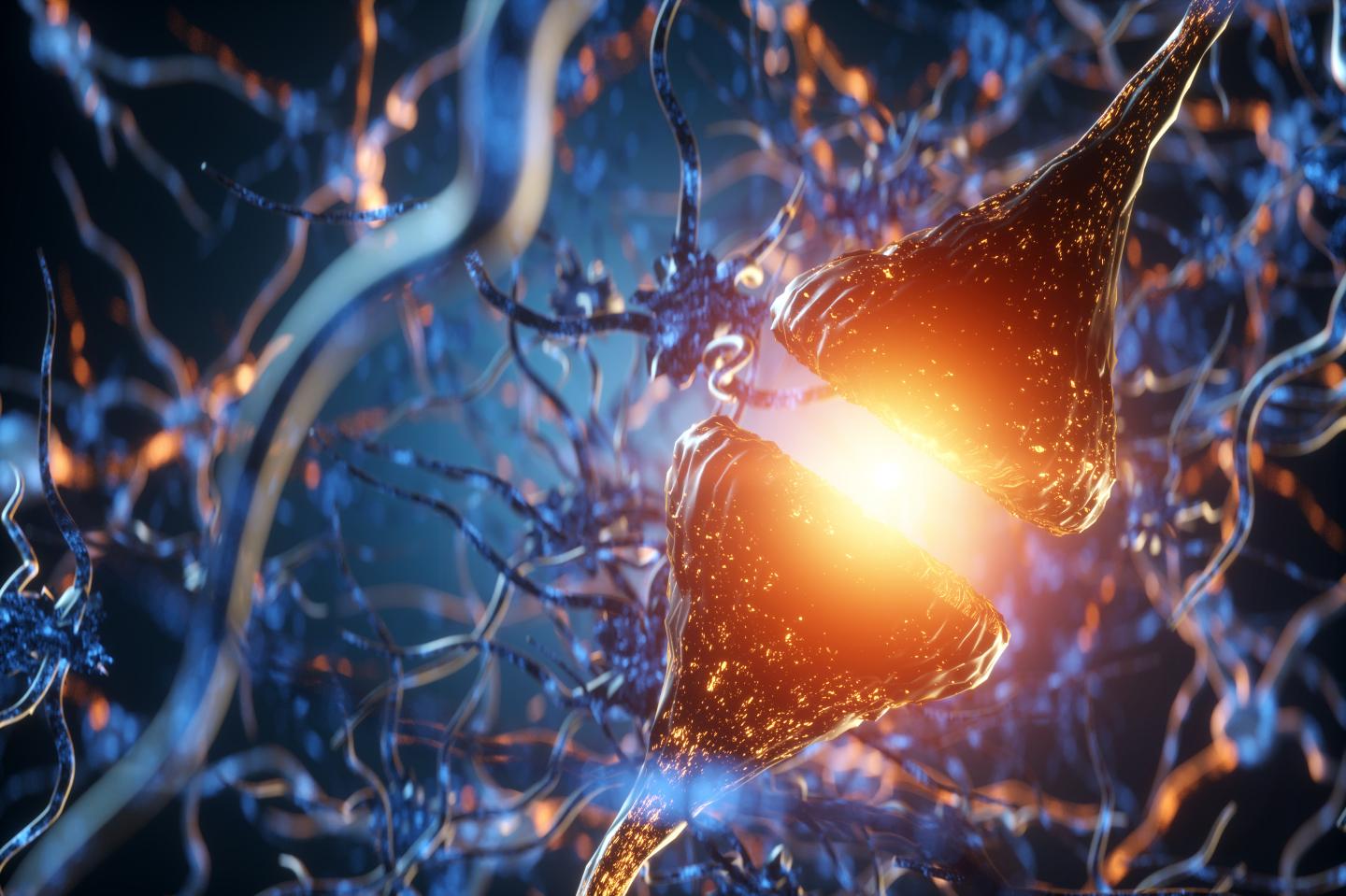
Scientists discover for the first time that oxytocin could be a potential new therapeutic option for cognitive disorders such as Alzheimer’s disease
Alzheimer’s disease progressively degrades a person’s memory and cognitive abilities, often resulting in dementia. Amid efforts to find novel treatments for this disease, a recent breakthrough study by scientists from Japan shows that oxytocin―the hormone that we commonly know to induce feelings of love and well-being―can also effectively reverse some of the damage caused by amyloid plaques in the learning and memory center of the brain in an animal model of Alzheimer’s.
Alzheimer’s disease is a progressive disorder in which the nerve cells (neurons) in a person’s brain and the connections among them degenerate slowly, causing severe memory loss, intellectual deficiencies, and deterioration in motor skills and communication. One of the main causes of Alzheimer’s is the accumulation of a protein called amyloid β (Aβ) in clusters around neurons in the brain, which hampers their activity and triggers their degeneration. Studies in animal models have found that increasing the aggregation of Aβ in the hippocampus―the brain’s main learning and memory center―causes a decline in the signal transmission potential of the neurons therein. This degeneration affects a specific trait of the neurons, called “synaptic plasticity,” which is the ability of synapses (the site of signal exchange between neurons) to adapt to an increase or decrease in signaling activity over time. Synaptic plasticity is crucial to the development of learning and cognitive functions in the hippocampus. Thus, Aβ and its role in causing cognitive memory and deficits have been the focus of most research aimed at finding treatments for Alzheimer’s.
Now, advancing this research effort, a team of scientists from Japan, led by Professor Akiyoshi Saitoh from the Tokyo University of Science, has looked at oxytocin, a hormone conventionally known for its role in the female reproductive system and in inducing the feelings of love and well-being. “Oxytocin was recently found to be involved in regulating learning and memory performance, but so far, no previous study deals with the effect of oxytocin on Aβ-induced cognitive impairment,” Prof Saitoh says. Realizing this, Prof Saitoh’s group set out to connect the dots.
Their findings are published in Biochemical and Biophysical Research Communication .
Prof Saitoh and team first perfused slices of the mouse hippocampus with Aβ to confirm that Aβ causes the signaling abilities of neurons in the slices to decline or―in other words―impairs their synaptic plasticity. Upon additional perfusion with oxytocin, however, the signaling abilities increased, suggesting that oxytocin can reverse the impairment of synaptic plasticity that Aβ causes.
To find out how oxytocin achieves this, they conducted a further series of experiments. In a normal brain, oxytocin acts by binding with special structures in the membranes of brain cells, called oxytocin receptors. The scientists artificially “blocked” these receptors in the mouse hippocampus slices to see if oxytocin could reverse Aβ―induced impairment of synaptic plasticity without binding to these receptors. Expectedly, when the receptors were blocked, oxytocin could not reverse the effect of Aβ, which shows that these receptors are essential for oxytocin to act.
Oxytocin is known to facilitate certain cellular chemical activities that are important in strengthening neuronal signaling potential and formation of memories, such as influx of calcium ions. Previous studies have suspected that Aβ suppresses some of these chemical activities. When the scientists artificially blocked these chemical activities, they found that addition of oxytocin addition to the hippocampal slices did not reverse the damage to synaptic plasticity caused by Aβ. Additionally, they found that oxytocin itself does not have any effect on synaptic plasticity in the hippocampus, but it is somehow able to reverse the ill―effects of Aβ.
Prof Saitoh remarks, “This is the first study in the world that has shown that oxytocin can reverse Aβ-induced impairments in the mouse hippocampus.” This is only a first step and further research remains to be conducted in vivo in animal models and then humans before sufficient knowledge can be gathered to reposition oxytocin into a drug for Alzheimer’s. But, Prof Saitoh remains hopeful. He concludes, “At present, there are no sufficiently satisfactory drugs to treat dementia, and new therapies with novel mechanisms of action are desired. Our study puts forth the interesting possibility that oxytocin could be a novel therapeutic modality for the treatment of memory loss associated with cognitive disorders such as Alzheimer’s disease. We expect that our findings will open up a new pathway to the creation of new drugs for the treatment of dementia caused by Alzheimer’s disease.”
Reference
About The Tokyo University of Science
Tokyo University of Science (TUS) is a well-known and respected university, and the largest science-specialized private research university in Japan, with four campuses in central Tokyo and its suburbs and in Hokkaido. Established in 1881, the university has continually contributed to Japan’s development in science through inculcating the love for science in researchers, technicians, and educators.
With a mission of “Creating science and technology for the harmonious development of nature, human beings, and society”, TUS has undertaken a wide range of research from basic to applied science. TUS has embraced a multidisciplinary approach to research and undertaken intensive study in some of today’s most vital fields. TUS is a meritocracy where the best in science is recognized and nurtured. It is the only private university in Japan that has produced a Nobel Prize winner and the only private university in Asia to produce Nobel Prize winners within the natural sciences field.
Website: https://www.tus.ac.jp/en/mediarelations/
About Professor Akiyoshi Saitoh from the Tokyo University of Science
Dr Akiyoshi Saitoh is a Professor at the Faculty of Pharmaceutical Sciences, Tokyo University of Science. A respected and senior researcher with more than 25 years of experience, he has more than 100 research publications to his credit and is the lead author of this paper. His chief areas of interest include medicinal pharmacology, behavioral pharmacology, and neuroscience, including the role of the amygdala in the fear extinction memory in rodents and the development of a novel opioid delta receptor agonist for antidepressants/anxiolytics. He also has patents for drugs […]
Magnesium: Why you need this mineral for better sleep, mood and more
Most of us have a cabinet full of supplements that at some point, get neglected. Whether it’s because you fell out of your routine or you forgot why you even started it in the first place, there’s one that most Americans could benefit from adding back into their regimen: magnesium. Studies show that the majority of the population is at risk for magnesium deficiency due to a variety of lifestyle factors, including a diet high in processed food . Certain illnesses or health conditions , including Type 2 diabetes or alcohol dependency, can make you susceptible to low magnesium levels, too. A 2013-2016 analysis from the National Health and Nutrition Examination Survey found that 48% of Americans don’t get adequate magnesium in their diets. Magnesium supplements have become popular in the wellness space recently, and many experts are recommending them for helping with sleep , stress, anxiety and more. But do these claims hold up? Below, I give an overview of the science on magnesium, and I also talked to registered dietitian Amy Gorin to find out more on why magnesium is important and how to know if a supplement may be right for you. Now that businesses have reopened throughout the US, you may see that most will require you to wear … – Provided by CNET
CNET Senior Editor Laura Martinez received these Lotería face masks as a gift, but fortunately you c… – Provided by CNET
These floral face masks are perfect for the summer and are available at Flipside Hats. – Provided by CNET
a close up of a wire fence: Now that businesses have reopened throughout the US, you may see that most will require you to wear a mask or face covering before entering. Whether you’re buying a mask or making a homemade face covering, you’ll need to get one soon if you’re planning on going anywhere. Here are the masks our CNET editors are wearing when we leave the house. (These were lovingly made by CNET Senior Managing Editor Dan Ackerman’s mom.)And if you’re looking for more unique masks, you can find some here. Why magnesium is important for health
Magnesium requirements vary based on a person’s age, gender and other health factors (like pregnancy), but the average recommendation is around 300mg per day. “Magnesium is important for so many aspects of health. The mineral is involved in more than 300 enzymatic reactions in the body. It’s important for bone health, helping to keep your blood sugar levels stable, helping your muscles and nerves to properly function, and keeping your blood pressure at healthy levels,” Gorin says.
Magnesium levels also affect your brain and your mood, which is why low levels of magnesium are associated with mood disorders , although more research needs to be done to determine just how important it is for your emotional or mental health. Magnesium and stress
If you’ve ever asked a health expert about the best supplements for stress, chances are magnesium is on the list. Why? First of all, according to Gorin, magnesium helps the brain cope with stressors. ” Research has shown that magnesium supplementation may affect the brain functions that help lower stress and anxiety,” Gorin says.
It works by helping your body kick into the “rest and digest” state, or by activating your parasympathetic nervous system. When you are stressed, your body is likely in the sympathetic nervous system for prolonged periods, which over time can make you feel run down and tired. Studies also showed that magnesium intake helped improve heart-rate variability (HRV) scores, which are representative of how well your body can adapt to stress. Magnesium and sleep
Likewise, magnesium can help you sleep better, since the mineral can have a calming effect on your body. Magnesium helps regulate the hormone melatonin , which is involved with controlling your circadian rhythm. Your circadian rhythm regulates many things in your body, including when you feel tired and how well you sleep.
Many activities and habits can throw off your circadian rhythm, including exposing your eyes to blue light at night. If you are trying to optimize your circadian rhythm, or are trying to get better sleep with melatonin supplements, you should check that your magnesium levels are optimal since they work together to help you get better rest. Magnesium and fitness
A 2017 study reviewed the connection between magnesium and exercise performance, and found that the more active you are, the more your body needs magnesium. Some claim that it can help you recover faster from workouts, but the evidence on magnesium specifically for workout recovery is limited.
We do know that your muscles need adequate magnesium to function well and avoid cramping , so it makes sense that optimal magnesium levels can facilitate better recovery from workouts. Magnesium and vitamin D
Vitamin D is crucial for your overall well-being and especially for your immune system health. But even if you think you’re getting enough vitamin D through supplementation or sun exposure, you could still be low if your magnesium levels are not optimal.
According to the American Osteopathic Association , low magnesium levels can make vitamin D ineffective. That means that even though you are taking in vitamin D from food, supplements or sunlight exposure, your body can’t use it or benefit from it unless you have sufficient magnesium levels. How to get enough magnesium
Magnesium is found naturally in food , like leafy vegetables, whole grains, nuts, seeds and milk, but it’s usually in smaller amounts and it can be difficult to get the full 300 mg or more that is needed per day. Plus, scientists predict that only about 30% to 50% of the magnesium that you take in is actually absorbed in the body. For these reasons, many people turn to a supplement to ensure they are meeting their daily needs. The different types of magnesium supplements
If you walk into a vitamin or health food store and look for magnesium supplements, you will likely find several […]
What Is CBD Good For?

Throughout the United States, more than 29 million Americans frequently utilize CBD oil, and according to several reports, at least 64 million individuals have tried the natural products. Generally, the best CBD oil contains around 150 types of cannabinoids. These cannabinoids can consistently enhance the effectiveness of the other alkaloids, and the products may reduce oxidation, augment levels of serotonin, mitigate the effects of bacteria and increase bone density. Moreover, the natural products may reduce the levels of cytokines, which are inflammatory enzymes, and the oils could significantly decrease the effects of proteolytic enzymes. Activating Many Receptors and Optimizing the Benefits of the Oil
When you consume the best CBD oil, the high-quality product can swiftly activate many types of receptors, and the oil contains compounds that could preserve endocannabinoids, which are natural substances that may protect the nervous system. The products also contain cannabinoids that can effectively improve the adaptability of the body. The natural oil may reduce the effects of stress, increase levels of various neurotransmitters, prevent autoimmune conditions and modulate numerous biological processes. Additionally, several reports have suggested that CBD oil can optimize homeostasis, and the natural oil may regulate inflammatory responses, body temperature and the levels of many enzymes. Mitigating the Effects of Inflammation
Typically, the oil can substantially reduce chronic inflammation, and if an individual frequently ingests the oil, the product could decrease the levels of prostaglandins, which are enzymes that may exacerbate inflammation. The natural oil may also minimize neural inflammation, which could affect the brain and the neurotransmitters. Consequently, the product may improve attentiveness, stimulate critical thinking, enhance memory and increase energy. Reducing Oxidation
Numerous reports have suggested that CBD oil can considerably decrease oxidation within the cells. The natural oil also contains high levels of terpenes, and these compounds could consistently mitigate the effects of free radicals. Sometimes, oxidation can affect the structures of cells, reduce the durability of cells and decrease neurogenesis. If an individual frequently consumes CBD oil, the natural compound can effectively strengthen the outer layers of the cells, protect the mitochondria and optimize the functionality of many cells. Increasing Bone Density
According to various reports, CBD oil can effectively stimulate the growth of the bones, and if an individual frequently ingests CBD oil, the product may decrease the risk of fractures. Generally, the natural products can also activate osteoblasts, which are cells that could augment the strength of osteocytes. Improving the Growth of the Hair
If you are searching for natural oils, you could buy CBD oil that can reduce inflammation within the follicles. The natural oils also have high levels of vitamin E, which may improve the thickness of the hair. The beneficial oil could increase blood flow, and the products may modulate glands that can produce sebum, which is a natural oil that can stimulate the follicles. Choosing a Natural Oil That Contains Numerous Vitamins
The beneficial oil contains niacin, thiamine and riboflavin, and these vitamins can substantially improve well-being, increase focus and optimize endurance. The natural oil also provides vitamin C, which could consistently increase the production of collagen. Generally, vitamin C may strengthen the immune system, enhance the density of cartilage and reduce oxidative stress. Moreover, the natural compound could allow the cells to absorb extra iron. Enhancing the Effects of Serotonin
Typically, the brain produces high levels of serotonin, and this neurotransmitter can increase energy, boost focus, improve an individual’s mood, optimize coordination and modulate the digestive system. Numerous reports have indicated that environmental toxins could reduce the production of serotonin. The central nervous system can quickly break down extra serotonin, and sometimes, a lack of serotonin may cause fatigue, inattentiveness and chronic indigestion. Usually, CBD oil can allow the brain to preserve extra serotonin, and the CBD oil could help the serotonin to transmit important signals within the neurons. Optimizing the Effects of Endocannabinoids
The natural oil may increase the sensitivity of receptors that are related to endocannabinoids, and consequently, the oil could enhance the physiological effects of these compounds. Endocannabinoids are natural substances that may modulate the brain and the immune system. Several reports have also suggested that endocannabinoids could regulate the thyroid, which is an organ that produces many beneficial hormones.
The adrenal glands contain many receptors that are associated with endocannabinoids. These endogenous compounds can effectively enhance the adrenal glands, prevent adrenal fatigue and modulate the production of glutamate.
If an individual is experiencing adrenal fatigue, the adrenal glands may produce extra cortisol. This stress hormone could influence an individual’s metabolism, affect the brain, exacerbate chronic anxiety and reduce energy. When an individual consumes CBD oil using a fully charged vaporizer device that is cleared with the FDA, the cannabinoids could significantly decrease levels of cortisol within the blood stream. When the cannabinoids reduce cortisol, the natural compounds could also prevent catabolism, which is a process that may affect the skeletal muscles. Reducing the Effects of Bacteria
The products contain many alkaloids that can slow the growth of bacteria, and some alkaloids may eliminate various types of harmful bacteria. Sometimes, the CBD oil could consistently increase levels of antibodies, which are natural compounds that can mitigate the effects of bacteria. Likewise, the products could modulate the immune system, and consequently, the CBD oil may prevent autoimmune conditions, which could cause chronic inflammation. Improving Digestion and Enhancing Levels of Numerous Nutrients
If you buy CBD oil, the natural oils can allow the digestive system to absorb additional nutrients, and the small intestine may absorb extra vitamins, essential minerals, multiple types of amino acids and beneficial antioxidants. The products could also decrease chronic inflammation within the digestive system. If an individual experiences chronic indigestion, the natural oil can significantly reduce nausea. Decreasing the Risk of Seizures
Throughout the last eight years, numerous reports have indicated that CBD oil can consistently mitigate the effects of epilepsy. The beneficial oil could decrease the number of seizures, protect the brain tissue and improve the […]
How to enhance memory when learning?
A healthy diet along with proper exercise will help you stay awake and lucid. Here are some tips to help improve memory when learning.
Most people have occasional memory loss, such as forgetting a new acquaintance’s name or not remembering where their car keys have been. This is simply a sign that a person is too busy with work or has other issues of interest. On the other hand, an intermittent poor memory could be the problem you’re having. There are many causes of memory loss such as genetics, age and other medical and health conditions affecting the brain. There are also some controllable risk factors for dementia, such as diet and lifestyle.
While not all causes of memory loss are preventable, some measures can help protect the brain against cognitive decline as you age. Ways to improve memory effectively
Brain training
In a similar way to muscles, the brain needs regular use to stay healthy. Mental training is also essential for gray matter like other factors, and brain challenges can help it grow and expand, which can improve memory.
One test showed that people who only needed 15 minutes of mental activity at least 5 days a week had improved brain function. Get enough sleep
Sleep is important for brain health in general. Disrupting the body’s natural sleep cycle can lead to cognitive decline, as this disrupts the brain processes used to create memories.
A sufficient sleep usually lasts about 7 hours 9 nights for an adult, helping the brain to create and store long-term memories. Reduce stress
You should avoid putting yourself too stressed during the exam season. Prolonged stress will cause the brain to shrink, leading to destruction of brain cells. Play thinking games
Playing mind games helps activate nerve tissue throughout the brain. These games increase your concentration and the ability to recall information you have previously received. Vitamin D
We get vitamin D mainly from sunlight. Vitamin D is closely related to the brain and memory. Many vitamins D can help improve memory and protect the brain from dementia. Meditation
Meditation can help your brain improve memory. Many studies show that meditation helps improve brain function, reduce the signs of brain degeneration and improve both working memory and long-term memory.
Researchers observed the brains of those who regularly practice meditation and those who did not.
Their results show that making meditation a habit can cause long-term changes in the brain, including increased brain flexibility, helping to maintain a healthy state. Eat brain-healthy foods
Food provides energy to the brain, so that the brain can function effectively. Anti-inflammatory foods rich in protein and omega-3s will help boost brain function and memory. Do exercise
Exercise will help you stay awake while providing oxygen to the brain. Exercise helps promote cell growth in the parts of the brain that are responsible for remembering. You should do light exercises like walking, jogging or jumping rope. Avoid high calorie diets
Along with cutting down on excess sugar, reducing overall calories can also help protect the brain.
The researchers noted that a high-calorie diet can impair memory and lead to obesity. The effects on memory can be attributed to a high-calorie diet leading to inflammation of the important parts of the brain.
A study from 2009 looked at whether limiting calories in humans could improve memory. Participants were women with an average age of 60.5 years who reduced their calorie intake by 30%. The results showed that they had a significant improvement in memory.
Watch next: 5 Foods That Boost Memory learning Memory
Beetroot juice offers a huge brain boost

Advertisement Beetroot juice might not be everyone’s cup of tea, but there’s no denying the fact that it boasts an incredible nutrition profile rich in essential nutrients and potent plant compounds, including fiber, folate, manganese, potassium, iron, glutamine and betalains.
In fact, the juice of this red-purple root crop has risen as a promising natural medicine for combating the progression of dementia in older adults . Plus, its smooth, butter-like texture can also be quite a delight for the taste buds. Beetroot juice combats dementia
Beetroot has long been hailed for its beneficial effects on the brain due to its rich nitrate content. Studies found that good bacteria in the mouth transform these nitrates into nitrites. These, in turn, dilate blood vessels to boost circulation in the brain.
Researchers from a 2010 study had been the first to demonstrate this effect in action. Based on their findings, drinking beetroot juice can increase blood circulation in the brains of older adults. These findings are significant since poor blood circulation can cause brain cells to die and neural tissues to degenerate, thus raising the risk of dementia .
Beetroot is also rich in choline , an essential micronutrient that has been found to enhance brain functions like concentration and learning. Choline is also essential for maintaining healthy neural connections and regulating mood, memory and muscle control. Other health benefits of beetroot juice
Besides its beneficial effects on brain health, beetroot juice has also been found to enhance athletic performance. In fact, beetroot juice is a go-to energy drink for both fitness enthusiasts and professional athletes.
One reason for this is that nitrites help suppress the onset of fatigue and ease muscle soreness. Nitrites are also responsible for protecting both the heart and lungs from strain during exercise.
Studies also found that the pigments behind beetroot’s bright color can protect organs from inflammation and stall the onset of chronic diseases, including heart disease and diabetes. These pigments, called betalains, also possess potent cancer-fighting properties. Preparing beetroot
Not a fan of beetroot juice? No problem! Beetroot can also be the perfect addition to all sorts of meat dishes and salads. The root itself is quite versatile in terms of both texture and flavor, so don’t be afraid to experiment from time to time. Here are some easy beetroot recipes :
Beetroot chips
Beetroot chips make for delicious and nutritious homemade snacks perfect for both kids and adults. To make beetroot chips, chop the beetroot into thin, manageable slices and pop them into the dehydrator for a couple of hours.
Pickled beetroot
You can also pickle beetroot to extend its shelf life. To prep the beetroot for pickling, clean it thoroughly and then boil it in a saucepan. Let it simmer until the root is tender, then slice it thinly. Toss the slices into a jar or container of pickling salt and vinegar.
Beetroot kebab
For a healthy spin to your regular kebabs, use beetroot instead of meat. Just combine grated beetroot, salt, ground cumin and lemon juice, then mold the paste into patties. Grill them alongside slices of tomatoes, bell peppers, pineapples and zucchini.
Roasted beetroot salad
Beetroot is also perfect for salads. Roast beetroot chunks in the oven to soften them up a bit and reduce the bitterness. Then, toss them into a feta cheese and cucumber salad. You can also add carrots and peas for more crunchiness.
Beetroot milkshake
This delicious blend of beetroot and cinnamon is a great healthful drink for kids. Just blend together beetroot puree, ground cinnamon and ice. You can also add a bit of dairy-free ice cream, such as those made from plant-based milks, to create a creamier milkshake.
Beetroot soup
This unique, colorful soup is earthy and spicy at the same time, perfect for those cold autumn nights. The soup itself is made of coconut milk to offset beetroot’s bitter taste, but not so much that it masks it completely.
Beetroot’s bitter taste might need some getting used to, but it’s a small price to pay for health and nutrition. Drink beetroot juice today and reap the nutritional benefits and medicinal properties of this potent superfood.
Sources:
ScienceDaily.com
EatingWell.com
Food.NDTV.com
The Brain-Boosting Potential Of Tart Cherry Juice

Health
NaturalNews
A recent study by scientists from the University of Delaware (UD) has found that drinking cherry juice has beneficial effects on memory. Published in the journal Food & Nutrition, it demonstrated that drinking Montmorency tart cherry juice every day for 12 weeks improved cognitive function in adults aged 65 to 80.
Tart cherry juice supplementation can improve cognitive performance in older adults
Lead author Chai Sheau Ching and colleagues had previously observed the beneficial effects of tart cherry antioxidants, such as melanin, melatonin and anthocyanin, on high blood pressure and cholesterol.
In particular, the team found that drinking juice made from Montmorency tart cherries, the most common cherries in the U.S., helped reduce systolic blood pressure, fight inflammation and neutralize the harmful effects of oxidative stress.
Based on these earlier findings, the team speculated that the antioxidants in tart cherries could also exert neuroprotective effects on the brain and improve cognitive abilities in older adults.
To test their hypothesis, the team asked 37 adults, aged between 65 and 80, to drink either 16 ounces of Montmorency tart cherry juice or a placebo drink of the same amount every day – one in the morning and one in the evening – for 12 weeks. The team also asked the participants to maintain their diet and record their food consumption for the duration of the trial.
None of the participants had prior diagnoses of medical conditions like diabetes, heart disease, stroke, cancer and neurological disorders at the time of the trial. Neither were they taking medications that might affect their cognitive abilities.
To see whether or not the cherry juice had any effect on the participant’s cognitive abilities, the team had each participant answer a series of questionnaires and tests before and after the trial period.
At the end of the experiment, the researchers found that the participants in the tart cherry group scored higher in the tests that measured subjective memory, episodic visual memory and spatial memory than the participants in the placebo group.
Compared with their pre-trial test results, the tart cherry group also experienced a four percent reduction in their movement time – the time it takes to complete a task – in the post-trial cognitive tests.
In addition, the tart cherry group had a 23 percent reduction in errors in episodic visual memory. In both the pre- and post-trial cognitive tests, the participants in the tart cherry group scored significantly higher than those in the placebo group.
These findings suggest that the antioxidants in tart cherries are behind the juice’s beneficial effects on cognition. Chai hopes that future studies can shed more light on the molecular mechanisms underlying the cognitive-enhancing effects of Montmorency tart cherries.
Cognitive health and aging
Commenting on their findings, Chai noted that cognitive health plays a key role in determining the quality of life of older adults.
According to recent reports by the World Health Organization, about 50 million people around the globe suffer from some form of dementia. And every year, 10 million cases are added to this figure.
Dementia is a major cause of disability and dependency among older adults. Despite the fact that dementia is not a natural part of aging, its symptoms, including forgetfulness and difficulty communicating, are usually felt later in life.
Fortunately, an emerging body of evidence suggests that proper diet and nutrition can reduce the risk of dementia and neurodegenerative diseases in old age. For instance, people can incorporate Montmorency tart cherry juice into a well-balanced diet to enhance their brain performance.
Source:
courtesy of NATURALNEWS
by Divina Ramirez
If you have any stories or news that you would like to share with the global online community, please feel free to share it with us by contacting us directly at pr@brudirect.com
Home remedies to prevent cold, flu and other monsoon infections

Sudden fluctuations in temperatures during the monsoon can increase your risk of cold and flu. While the monsoon weather is refreshing, rains also bring with them a host of diseases and infections. It is said that the risk of exposure to viruses, bacteria, and other infections is two times higher during the monsoon than in any other season. The hot and humid climate provides ideal conditions for harmful microorganisms to thrive and get transmitted. The most common monsoon diseases are spread through four major mediums: mosquitoes, water, air, and contaminated food. Also Read – Mumbai on orange alert for heavy rainfall: Beware, typhoid-causing germs may be lurking on your fruits, vegetables
Monsoon is infamous for air-borne infections such as the common flu, viral fever, cold, cough, and sore throat. Senior citizens and children are more vulnerable to such monsoon infections due to a weak or developing immune system. Also Read – 10 reasons you shouldn’t ignore constant body ache
Sudden fluctuations in temperatures during the monsoon can increase your risk of cold and flu, which is often accompanied by runny nose, sore throat, watery eyes, fever, and chills. As these air-borne diseases are highly contagious, that is they can be easily transmitted from person-to-person. Therefore, you need to be especially careful about hygiene in the rainy season. Below are some tips to prevent cold, flu and other air-borne Diseases during the monsoon. Also Read – Coronavirus outbreak: No need to panic, most cases are as mild as cold or flu, say experts Stay Safe from Air-borne Diseases This Monsoon
There are many ways to limit your exposure to air-borne viruses. WFollow these precautionary measures and enjoy a happy and flu-free monsoon: Try to avoid crowded places as there might be people who are down with a cold or flu.
Wash your hands frequently to avoid touching your mouth or nose with infected hands. Either wash hands with soap and water or use hand sanitizer.
Cover your mouth and nose while coughing or sneezing to prevent spread of viruses to others.
Avoid splashing in the rains for too long. Try to keep yourself dry and warm to reduce your chances catching a cold or flu.
Drink warm water frequently and carry your own drinking water at work or drink only bottled or filtered water.
Keep your children away from sick people
Ensure your homes are well-ventilated at all times and disinfect the surfaces regularly. Use disinfectants containing alcohol to wipe clean the doorknobs, countertops, keyboards and even your mobile phones, as the flu viruses can thrive on such surfaces.
Home remedies to prevent monsoon infections
The Ministry of Ayush recently shared some home remedies to keep infections at bay, especially during the monsoons.
Turmeric milk: Also known by the fancy name Golden Milk, turmeric milk is a traditional Ayurvedic drink used for cold, flu, congestion, headache, and sore throats. Thanks to its antibiotic and antiseptic properties, turmeric helps in healing the body both internally and externally. Turmeric milk is also considered as best home remedy to boost immunity. Several studies have also suggested that turmeric milk can boost brain function and improve memory.
Steam inhalation: If you have cold, try steam inhalation to clean the nasal passages. For this home remedy, first boil water, and then pour it into a large bowl. Now, lean over so that your face is directly above the water. Cover the head with a towel, and breathe through the nose. For better results, you may add a few drops of essential oils such as tea tree oil, or natural herbs such as ajwain, or mint to hot water.
Ayurveda experts also recommend making a paste with mint, ajwain plant leaves, and Nilgiri and applying it on the neck to relieve a sore throat effectively. Coronavirus Updates
How can you keep anxiety at bay? Experts suggest consuming more of these nutrients

( Natural News ) More and more studies are coming to light that show the impact of food on mental health, particularly mental disorders like anxiety.
Registered dietitian and functional medicine practitioner Ali Miller says that eating certain foods can counteract the harmful effects of anxiety and anxiety-related disorders. Food can affect mental health
Miller notes that humans’ primal fight-or-flight instinct isn’t suited for modern stressors like deadlines or financial problems. For this reason, these stressors can trigger primal responses that exaggerate one’s perception of stress.
It also doesn’t help that stress can often cause people to indulge in sugar-rich foods and junk foods. According to Miller, these foods can cause blood sugar spikes and, in turn, mess up a person’s mood, affect his appetite and trigger hormonal imbalances.
Eva Selhub, an internal medicine specialist based in Massachusetts, notes that about 95 percent of serotonin , the neurotransmitter thought to regulate anxiety and anxiety-related disorders, is produced in the gastrointestinal tract.
As bizarre as it may sound, this brain-gut connection suggests that food can affect mood, feelings and other aspects of mental health. Miller also says that foods rich in mood-stabilizing nutrients, antioxidants and other beneficial compounds are best consumed for optimal mental health. 5 Best nutrients for anxiety
Eating foods rich in brain-boosting nutrients is key to minimizing symptoms of anxiety and keeping anxiety-related disorders at bay.
Here are some of the top nutrients that Miller recommends for better stress resilience and anxiety management. Try to eat them daily as part of a balanced diet to reap their benefits.
Magnesium
Studies show that magnesium is capable of suppressing the stress hormones cortisol and adrenaline. Its natural relaxant effects are also beneficial for treating physiological symptoms of anxiety, such as shortness of breath, restlessness, tremors and fatigue.
Magnesium has also been found to prevent stress hormones from crossing the blood-brain barrier, protecting the brain from a possible influx of stress hormones. Common dietary sources of magnesium include spinach , cacao, almonds, peanuts and pumpkin seeds , among others.
Choline
Choline is a key player in the production of the neurotransmitter acetylcholine, which aids in regulating the brain’s stress response. Recent studies suggest that it is instrumental in stalling mental decline.
Choline can be found in beef and chicken liver, eggs and milk. It can also be found in broccoli and peanut butter.
B vitamins
Several B vitamins are hailed for their protective effects against anxiety. Vitamins B5, B9 and B12 , in particular, are some of the most potent B vitamins for regulating stress, mitigating the effects of anxiety and reducing symptoms of depression.
B vitamins can be found in a number of foods, including eggs, legumes, seeds, nuts and fruits. (Related: An essential guide to understanding B-vitamins .)
L-theanine
L-theanine is a unique amino acid found in tea and mushrooms . Recent studies suggest that it offers a range of mental health benefits, including better mental performance, reduced stress and enhanced mood.
L-theanine has also been found to influence the production of chemical messengers in the brain, such as dopamine and serotonin, which are responsible for mood, sleep and emotion. In addition, L-theanine can modulate levels of the stress hormone cortisol.
Probiotics
Live microorganisms called probiotics are known for their beneficial effects on gut health. But recent studies suggest that supplementing with probiotics can also decrease anxiety .
As mentioned earlier, the gut also produces the mood-stabilizing hormone, serotonin. Therefore, eating foods that support gut health, such as those rich in probiotics, helps ensure that the gut continues to produce adequate amounts of serotonin.
Eating the right foods and maintaining adequate levels of brain-boosting nutrients can not only help keep anxiety and anxiety-related disorders at bay, but also minimize the harmful effects of stress on the brain and on mental health.
Read more articles about brain-boosting foods and nutrients at Brain.news .
Sources include:
The brain-boosting potential of tart cherry juice

( Natural News ) A recent study by scientists from the University of Delaware (UD) has found that drinking cherry juice has beneficial effects on memory. Published in the journal Food & Nutrition , it demonstrated that drinking Montmorency tart cherry juice every day for 12 weeks improved cognitive function in adults aged 65 to 80. Tart cherry juice supplementation can improve cognitive performance in older adults
Lead author Chai Sheau Ching and colleagues had previously observed the beneficial effects of tart cherry antioxidants , such as melanin, melatonin and anthocyanin , on high blood pressure and cholesterol.
In particular, the team found that drinking juice made from Montmorency tart cherries, the most common cherries in the U.S., helped reduce systolic blood pressure, fight inflammation and neutralize the harmful effects of oxidative stress.
Based on these earlier findings, the team speculated that the antioxidants in tart cherries could also exert neuroprotective effects on the brain and improve cognitive abilities in older adults.
To test their hypothesis, the team asked 37 adults, aged between 65 and 80, to drink either 16 ounces of Montmorency tart cherry juice or a placebo drink of the same amount every day – one in the morning and one in the evening – for 12 weeks. The team also asked the participants to maintain their diet and record their food consumption for the duration of the trial.
None of the participants had prior diagnoses of medical conditions like diabetes, heart disease, stroke , cancer and neurological disorders at the time of the trial. Neither were they taking medications that might affect their cognitive abilities.
To see whether or not the cherry juice had any effect on the participant’s cognitive abilities, the team had each participant answer a series of questionnaires and tests before and after the trial period.
At the end of the experiment, the researchers found that the participants in the tart cherry group scored higher in the tests that measured subjective memory, episodic visual memory and spatial memory than the participants in the placebo group.
Compared with their pre-trial test results, the tart cherry group also experienced a four percent reduction in their movement time – the time it takes to complete a task – in the post-trial cognitive tests.
In addition, the tart cherry group had a 23 percent reduction in errors in episodic visual memory. In both the pre- and post-trial cognitive tests, the participants in the tart cherry group scored significantly higher than those in the placebo group.
These findings suggest that the antioxidants in tart cherries are behind the juice’s beneficial effects on cognition. Chai hopes that future studies can shed more light on the molecular mechanisms underlying the cognitive-enhancing effects of Montmorency tart cherries. Cognitive health and aging
Commenting on their findings, Chai noted that cognitive health plays a key role in determining the quality of life of older adults.
According to recent reports by the World Health Organization , about 50 million people around the globe suffer from some form of dementia . And every year, 10 million cases are added to this figure. (Related: Adding more dietary choline can cut back the risk of dementia .)
Dementia is a major cause of disability and dependency among older adults. Despite the fact that dementia is not a natural part of aging, its symptoms, including forgetfulness and difficulty communicating, are usually felt later in life.
Fortunately, an emerging body of evidence suggests that proper diet and nutrition can reduce the risk of dementia and neurodegenerative diseases in old age. For instance, people can incorporate Montmorency tart cherry juice into a well-balanced diet to enhance their brain performance.
For more news on how to keep your brain healthy, visit BrainHealthBoost.com .
Sources include:
MedicalNewsToday.com
Pubs.RSC.org
WHO.int
8 CBD oil benefits: cancer, anxiety, pain, acne and more

From reducing stress and promoting a better night’s sleep to treating serious conditions and diseases such as epilepsy and rheumatoid arthritis , CBD oil – occasionally called cannabis oil – is inhabiting medicine cabinets across the world for a huge range of reasons.
CBD is an extract known as cannabidiol, and it’s one of the 113 identified cannabinoids found in cannabis plants. This naturally occurring substance is extracted and mixed with a carrier oil – often hemp seed or coconut – to create CBD oil.
We spoke with pharmacist Sultan Dajani, from Dragonfly CBD , and professional rugby player Grayson Hart, co-founder of Pure Sport CBD , to find out the science-backed benefits, recommended dosage, and potential side effects to using CBD oil: Is CBD the same as cannabis?
CBD is one of 104 chemical compounds, known as cannabinoids, that can be found in the cannabis plant. It’s a naturally occurring substance, which can be extracted and mixed with a carrier oil – often hemp seed or coconut – to create CBD oil.
Unlike the most well-known cannabinoid , tetrahydrocannabidiol (THC), CBD is not psychoactive, meaning that it won’t make you ‘high’ – the sensation most commonly associated with cannabis. It is, however, reported to offer a range of health and medicinal benefits – the reason behind its growing acclaim. What does CBD oil do?
CBD oil acts on your endocannabinoid system: a network of receptors that interacts with various cannabinoids to maintain vital functions throughout the body, says Dajani, including sleep , appetite , pain and immune system response. When talking about CBD oil, there are two main receptors involved: CB1 and CB2.
‘CB1 receptors are concentrated in the nervous system and the brain, particularly in the parts of the brain responsible for mental and physiological functions such as memory, cognition, emotion and motor co-ordination,’ he explains. ‘CB2 receptors are found throughout the central nervous and immune systems.’
Tetrahydrocannabinol (THC) is the main psychoactive compound in marijuana that gives the sensation of being ‘high’. Since CBD and THC have slightly different chemical structures, they interact with CB1 and CB2 receptors in different ways, differentiating the effects each has on the body, Dajani continues.
Both CBD and THC interact with CB2 receptors, but only THC bonds directly with CB1 receptors. ‘When this bond between THC and CB1 receptors is formed, the reaction creates signals that are sent to the brain, resulting in the effect of ‘getting high’,’ he says. ‘Research shows that CBD does not bond with CB1 receptors, so when people take CBD for reasons such as stress, anxiety, and pain, it does not have the effect of creating a high.’ Is CBD legal in the UK?
There has been a fair amount of confusion surrounding the legality of CBD oil, because the vast majority of cannabinoids are controlled substances under the Misuse of Drugs Act.
However, CBD oil is completely legal in the UK, providing it has been derived from an industrial hemp strain that is EU-approved and contains little-to-no THC.
There are strict restrictions in place with regard to the THC content of CBD oil. To be legal in the UK, CBD oil must contain no more than 0.2 per cent THC, and the THC must not be easily separated from it. 8 CBD oil benefits and uses
The use of CBD oil is being researched in various conditions, including Alzheimer’s disease , Parkinson’s disease , schizophrenia , Crohn’s disease , rheumatoid arthritis , and diabetes complications , says Dajani.
Here are some of the CBD oil benefits as seen in science so far: 1. CBD oil can relieve chronic pain
CBD oil has an analgesic effect, meaning it reduces pain perception in the brain. ‘CBD has also been shown to have anti-inflammatory effects, influencing biochemical inflammatory pathways in animal studies, with benefits shown in animals in chronic muscle pain, including fibromyagia,’ says Dajani. ‘A 2012 review in the Journal of Experimental Medicine concluded that CBD oil was an effective treatment for chronic pain.’ 2. CBD oil alleviates cancer-related symptoms
Multiple studies have shown that CBD oil offers benefits to those receiving treatment for cancer. High-strength CBD medicinal cannabis products can help reduce nausea and improve appetite, pain and sleep disturbance in cancer patients. 3. CBD oil can ease anxiety
Laboratory studies have shown that the use of CBD oil is useful in reducing anxiety – and may help to ‘regulate learned fear, reduce conditioned fear and anxiety, and dampen down its expression,’ says Dajani – meaning it could be a beneficial natural remedy for sufferers.
‘Reductions in anxiety appear to mediated by the interaction of CBD with the 5HT1-A receptor rather than CB1 or CB2 receptors, and not dependent on the benzodiazepine receptors used by medication such as diazepam,’ he adds.
In a double-blind placebo-controlled study of people with social anxiety disorder, treatment with CBD before simulated public speaking ‘significantly reduced anxiety, cognitive impairment and discomfort in their speech performance, and significantly reduced alert levels in their anticipatory speech,’ Dajani says. 4. CBD oil is a natural antidepressant
The antidepressant effects of CBD have been demonstrated widely in animal models. This is because CBD oil interacts with the neurotransmitter serotonin, which regulates mood and social behaviour.
It has also been shown to safely improve the symptoms of post-traumatic stress disorder (PTSD) in children. ‘Because CBD is completely natural, there are no negative side effects that reliance on prescription medication may cause,’ says Hart. 5. CBD oil has neuroprotective properties
Thanks to its interaction with the endocannabinoid system, CBD oil may provide benefits for those with neurological disorders – particularly certain types of epilepsy and multiple sclerosis. ‘CBD has been shown to have a calming effect in the central nervous system, mediated by CBD’s interaction with the CBD 1 and 2 receptors, amongst others,’ says Dajani. 6. CBD oil may help treat acne
Due to the effects of CBD oil on the immune system and its ability to help reduce inflammation, it may offer relief from acne . ‘Cannabinoids are the subject of growing research interest for […]
Does Cannabis Decrease IQ?
The harbor and hills around Dunedin, New Zealand, are the remnants of a volcano, but an eruption of a different sort came out of this city of 120,000 in 2012. The results of a 25-year study of 1037 Dunedin citizens born in 1972/1973 were published that year .1 Madeline Meier
analyzed data gathered by the Dunedin Multidisciplinary Health and Development Research Unit, which sought to determine whether the cognitive decline found in long-term cannabis users is concentrated among adolescent onset users. Cannabis use was recorded at ages 18, 21, 26, 32, and 38. A battery of neuropsychological tests was conducted at age 13, before
onset of cannabis use, and again at age 38.
Unfortunately, results of the Dunedin study have been widely misinterpreted. Careful
reading is needed to understand exactly what the data prove. Even the U.S. National Institute on Drug Abuse did not clarify the results well on its website. As a result, the press and too many people believe that the more persistently adults use marijuana the more their IQ decreases. The article actually concluded [emphasis added], “In fact, adult onset cannabis users do not appear to experience IQ decline as a function of persistent cannabis use.”
The major findings in Meier’s analysis of the Dunedin data include the following:
• The only individuals at age 38 who showed a reduction in IQ were those who were using
marijuana at least once a week during adolescence .
• Individuals who began marijuana use as adolescents are more likely to have persistent
use as adults.
• The more persistently an adolescent onset user continues to use marijuana during
adulthood, the greater is their reduction in IQ at 38.
• Those who began marijuana use the earliest and continued throughout adulthood
lose an average of eight IQ points, which is sufficient to alter academic success and job
opportunities.
• Stopping marijuana use did not fully restore neuropsychological functioning among
adolescent onset former persistent cannabis users. Indeed, among adolescent onset
former persistent cannabis users, impairment was still evident for one year or more
after cessation of use.
Tests measuring IQ are comprised of an aggregate of several subtests. The Dunedin study reveals that impairments in early onset persistent users are detected across five areas: Executive Functioning , Processing Speed, Memory , Perceptual Reasoning, and Verbal Comprehension, with the most robust findings being decreased processing speed and impaired executive functions. More specifically, digit symbol testing reveals reduced processing speed, Wisconsin Card Sort reveals reduced mental flexibility and increased repetition of ineffective strategies, and Stroop testing reveals increased impulsivity and difficulty ignoring distractions.
Participants in the study also identified informants who “knew them well.” These informants reported significantly more everyday life problems with attention and memory among individuals with the most persistent cannabis dependence. This confirms that cognitive deficits caused by cannabis are of more than academic interest.
Adolescents are at high risk of being harmed by cannabis because the structure of their brains is still developing. The onset of puberty introduces a period of rapid brain development. An explosion of new connections (synapses) between brain cells occurs like the wild growth of twigs in a young tree each spring. Gardeners routinely prune twigs that cross and cover established branches to increase the tree’s health. Similarly, learning and experience strengthen some of the brain’ s new synapses, while others are pruned away by disuse over the next decade and a half.
The frontal lobes are the last area of brain structure to mature. Persistent use of cannabis reduces the number of natural cannabinoid receptors (CB1R) in the frontal lobes by 20% .2 Multiple studies show that adolescents using enough cannabis to reduce CB1R in the frontal lobes have impaired executive functions that last longer after stopping cannabis use than for adults. 3,4,5 Impaired executive functions mean a person has difficulty with abstract thinking, sequencing, planning, avoiding distractions, and shifting set (i.e., seeing things in a new light and changing your mind) to name but a few higher cognitive functions.
Presenting this data is not intended to demonize cannabis, but rather to establish the inconvenient truth that frequent use is riskier for adolescents than for adults. The Dunedin study also documented that individuals with early onset cannabis use are more likely to be persistent users during adulthood. This finding is consistent with data showing that Cannabis Use Disorder (CUD) occurs more frequently and more quickly in early onset users. 6 For example, an 11-year-old who starts using cannabis has over a 17% chance of being addicted by age 13. Starting at 12 has over a 16% chance of addiction by age 14. Starting at 16 runs almost a 13% risk of addiction by 18. Waiting until 18 to start cannabis lowers the risk of addiction by age 20 to about 7%. And waiting until 20 brings the risk of developing addiction within two years down to 3% at age 22. The data clearly establish that early onset of marijuana use increases the rate and speed of addiction.
Comprehending that one’s cannabis use is causing more problems than it is worth and changing behavior is more difficult when frontal lobes are functioning at less than an optimal level.
Excerpted from From Bud to Brain: A Psychiatrist’s View of Marijuana (Cambridge University Press, 2020)1. M. H. Meier, et al. Persistent Cannabis Users Show Neuropsychological Decline from Childhood to Midlife. Proc Natl Acad Sci USA, 2012; 109(40): E2657–64.2. J. Hirvonen, et al. Reversible and Regionally Selective Downregulation of Brain Cannabinoid CB1 Receptors in Chronic Daily Cannabis Smokers. Molecular Psychiatry, 2012; 17: 642–9.3. M. A. Fontes, et al. Cannabis Use Before Age 15 And Subsequent Executive Functioning. Br J Psychiatry , 2011; 198(6): 442–7.4. S. A. Gruber, et al. Why So Impulsive? White Matter Alterations Are Associated With Impulsivity in Chronic Marijuana Smokers. Exp Clin Psychopharmacol , 2011; 19(3): 231–42.5. K. L. Medina, et al. Neuropsychological Functioning in Adolescent Marijuana Users: Subtle Deficits Detectable after a Month. Journal of the International Neuropsychological Society , 2007; 13(5): 807–20.6. K. C. Winters and C. Y. Lee. Likelihood of Developing an Alcohol and Cannabis Use Disorder During Youth: Association with Recent Use and Age. Drug […]
You are what you eat: 3 foods that look eerily similar to the organs they heal

( Natural News ) Mysterious recurring patterns rule the universe. Natural foods and organs of the human body, for example, share these patterns and are said to be connected: Foods can, in some way, heal the organ it resembles.
In ancient times, people used this idea and developed natural medicine to treat diseases. Herbs and other organics were their sources of life and healing. This is not the case anymore, as people have become reliant on modern medicine and big pharmaceuticals.
Yet these three foods , eerily similar to the organs that studies show they heal, demonstrate how beneficial – and connected – organic food is to human health. Walnuts
Walnuts are round, single-seeded nuts that look just like the brain. They share the same veiny texture, shape and composition and are both grooved in the middle.
Multiple studies have shown that walnuts are good for the brain. The nuts are packed with omega-3 fatty acids , including alpha-linolenic acid (ALA), which play a role in improving brain function. Interestingly, walnuts are the only nuts that have a significant amount of ALA. (Related: Add this to your diet if you’re diabetic: The English walnut prevents neuropathy .)
People with depression and age-related cognitive decline may also benefit from walnuts. In a study published in the Journal of Alzheimer’s Disease , researchers fed mice with Alzheimer’s disease walnuts every day for 10 months. They found that the mice significantly improved their memory and learning skills. Similarly, tests on older rats also found that feeding them with walnuts for eight weeks reversed age-related brain dysfunction.
In another study, researchers sampled 64 young, healthy adults with an 8-week diet regimen consisting of walnuts. They found that the participants displayed improved comprehension. These effects, experts say, are due to the nuts’ high antioxidant content and omega-3 fatty acids.
Moreover, neuroprotective compounds such as vitamin E isomers, melatonin, folate , and polyphenols are also present in walnuts. Pomegranate
Known as a symbol of fertility, pomegranates resemble the human ovaries. The fruits help produce hormones such as estrone and testosterone while showing promise in treating menopause and preventing problems during pregnancy. A study from Washington University of Medicine in St. Louis found that the juice reduced stress in human placental cells in vitro.
Pomegranates also look like the epithelial tissue, which is found in several parts of the body, including the mouth, throat and blood vessels. Drinking pomegranate juice can freshen your mouth with the fruit’s healthy astringent effect. Furthermore, it contains antioxidants that can clear clogged arteries and potentially mitigate atherosclerosis . Flaxseed
Flaxseed , too, looks like the epithelial tissue. And much like the epithelium, it is sticky and viscous.
Historically, people used flaxseed to heal the skin, fight fatigue and reduce inflammation. That’s because it has high amounts of lignans, compounds found in plants that serve as a powerful antioxidant. Nowadays, flaxseed can take the form of an oil which can be applied to the skin and improve wound-healing.
Moreover, studies suggest that flaxseed can help in lowering the risk of several diseases, such as: Obesity
Bowel disease
Diabetes
Kidney disease
Cancers and tumors
Cardiovascular disease
An animal study found that it can slow tumor growth in mice that are given 0.3 millimeters of flaxseed oil for 40 days. Similarly, another study found it blocked the formation of colon cancer in rats.
The striking resemblance between food and the human body shows how connected everything is in the natural world. More importantly, it may hold the key to curing diseases that have confounded and killed many.
Learn more about superfoods and the organs they target at Superfoods.news .
Sources include:
Healthline.com 1
Healthline.com 2
Inflamed Sciatic Nerve: Symptoms and Home Remedies

An inflamed sciatic nerve usually produces intense pain in the lower back that can even reach the buttocks and the leg. This discomfort can, at times, require different home remedies as well as medical treatment. We often refer to this condition as sciatica, but, in reality, we’re looking at an inflamed sciatic nerve. This ailment is characterized by pain that radiates along this nerve, from the lumbar region down to the leg .
Since the pain can be very intense, many end up looking for natural remedies and solutions in order to find relief. In this article, we’ll share the most effective recommendations according to the latest studies. Sciatica, or an inflamed sciatic nerve
Symptoms of sciatica
Before suffering from an inflamed sciatic nerve yourself, you probably heard others complaining about how painful it is. That’s because sciatica causes pain, inflammation, and, at times, numbness, tingling, and weakness in the leg. And we say leg because it usually only affects one limb.
Sciatic pain starts in the lumbar region and spreads down the back, past the buttocks. This first part of the path tends to be where most of the pain occurs. The pain then continues down the back of the leg and can even go as far as to affect the foot. Discomfort can also increase behind the thigh and calf.
What does sciatica feel like ? The truth is that the pain can vary a great deal from one person to another. In some cases, it can be quite mild, while others may experience very intense pain. At the same time, some individuals experience a burning sensation or even what feels like an electric shock. Also read: 5 Ways to Determine Whether You Have Sciatica Natural remedies for an inflamed sciatic nerve
1. Turmeric
Turmeric’s anti-inflammatory effects can help to relieve the pain produced by the swelling of the sciatic nerve. Curcumin, which is the main active agent in turmeric, has been proven to have numerous health benefits. And that’s thanks to its anti-inflammatory, analgesic, and antioxidant proper. Therefore, this spice is an excellent natural remedy for a variety of problems that cause pain and swelling .
Thanks to these properties, scientists are conducting more and more research in order to take advantage of the medicinal power of this root. Therefore, today, we can find turmeric and curcumin in the form of supplements. However, we can also simply add it to our stews and desserts in its powder form.
Last, this natural remedy helps us avoid the long-term negative side-affects and contraindications of pharmaceutical anti-inflammatories . And, what’s more, turmeric is beneficial when it comes to liver function. That means it helps to improve other aspects of our health as well. 2. Cannabis oil CND
Cannabis oil has also proven to be effective in cases of hard-to-treat pain. The secret is the cannabidiol (CBD), a compound that also helps to calm nerves and improve sleep. It’s important to point out that this oil comes from hemp and is not psychoactive.
This remedy is very effective, however, it does entail certain contraindications. For example, in cases of cardiac arrhythmias. Therefore, it’s important to only take it under medical supervision, especially if you’re taking any sort of medication. Discover more: Hemp Milk: Nutrients, Benefits and a Recipe 3. Ginkgo biloba
The leaves of this tree have positive effects on blood circulation and, according to some studies, can reduce certain types of pain. The leaves of the Ginkgo biloba tree are sold in the form of a supplement in order to improve circulation in the brain and extremities. Therefore, experts recommend it in order to improve memory as well as relieve different types of pain and discomfort.
What’s more, some studies suggest that the extract from this plant could help to regenerate the sciatic nerve. Therefore, we can take it as a means of treatment under medical supervision. However, you shouldn’t do so for a prolonged period of time. 4. Saffron
Saffron is very popular in gastronomy but is often overlooked as a natural remedy . However, this spice stands out for its ability to relieve pain and reduce swelling naturally .
What’s more, saffron is also a powerful antioxidant. Therefore, several studies indicate that the healing virtues of saffron make it a good remedy for relieving neuropathic pain . In other words, pain that affects the nervous system.
According to ayurvedic medicine from India, saffron should be taken in small quantities, mixed with milk. However, today we can also find saffron as an extract in order to take a more precise dose. Conclusion
These natural remedies can be helpful in cases of intense pain, however, you should always consult with a health professional first. The studies that we have mentioned are recent and very promising. However, many of them must still prove their effectiveness. Just the same, several of them make up part of our gastronomy. Therefore, they’re an excellent option if you want to try to relieve the pain of an inflamed sciatic nerve naturally.
Now that you know the benefits of these natural remedies, why not chat it over with your doctor. That way, you’ll be able to find much-needed relief while avoiding the secondary effects of certain pharmaceutical treatments . You’ll be glad you did! Sciatic Nerve Pain? Do These Stretches to Feel Better Certain exercises and stretches can be effective in preventing and relieving sciatic nerve pain. We’ll tell you some common symptoms of this pain, as well as stretches to feel better, in this article.
Vitamin B12, your body-boosting nutrient

Now, more than ever, we’re all on the lookout for our personal health, making sure we get the proper amounts of vitamins, minerals, and nutrients to keep ourselves in the best condition possible. Today, we’re focusing on a specific vitamin that our bodies need for neurological health, blood cell formation, and energy production. Let’s talk about vitamin B12! A needed supplement
Also known as cobalamin, our body can’t produce vitamin B12 naturally, so absorbing it through foods or supplements is the only way to get it. This water-soluble nutrient is found primarily in animal products like poultry, meat, fish, and dairy products, so those who follow a plant-based diet may be at risk of deficiency, and are generally advised to supplement.
Some people, including older adults, may have trouble absorbing vitamin B12 from foods and may be at particular risk of deficiency. Low levels of vitamin B12 can lead to anemia, fatigue, muscle weakness, intestinal problems, nerve damage, and cognitive issues like confusion and poor memory. The brain’s BFF
Vitamin B12 is closely linked with brain health. A 2020 study found an association between vitamin B12 deficiency and cognitive impairment, and reported an improvement in symptoms following three months of supplementation with vitamin B12.
B12 may also help with depression. Studies have demonstrated a benefit of supplementation with vitamin B12 alongside antidepressants in patients with low-normal B12 levels and depression. Vitamin B12 is also commonly used to increase energy levels in athletes whose blood levels of vitamin B12 are lower than normal. Supplement shopping
Vitamin B12 supplements are a health food store staple , and can be acquired as flavoured lozenges, gummies, and pills. Vitamin B12 is often included in multivitamin formulations and is also part of vitamin-B complex supplement products that include the range of B vitamins. Check with your knowledgeable natural health retailer to find out which formulation might be best for you.
And remember, be sure to eat three healthy meals a day , get lots of sleep, and stay active !
15 Amazing Benefits of Carrots (and carrot greens)

15 Amazing Benefits of Carrots (and carrot greens)
Carrots are a common vegetable, but many people do not know that they can also eat carrot greens , too. You may also hear the greens referred to as carrot tops, as they are the same part of the carrot. The vegetable and the carrot tops together offer many health benefits, making them a great option to add to your diet.
This vegetable is delicious, crunchy, and full of nutrients and vitamins. They’re the perfect vegetable to pair with any meal or to eat as a snack. You can use the carrot tops to make broth and many other delicious meals.
The possibilities with carrots are endless, as are the health benefits. You can’t go wrong with this vegetable, and you’ll never run out of ideas for how to eat them.
Since it can be challenging to add new foods to your diet, there are tips for how to eat them, too. Once you’ve read the health benefits, you’ll then learn how to clean the greens and easy ways to eat them. 15 Amazing Benefits of Carrots
Here are some compelling arguments for adding carrots to the menu today.
1. Contributes to Heart Health and Lowers Cholesterol
The high nutrient content in this vegetable promotes heart health in a couple of ways. First, they contain calcium, which can help remove LDL cholesterol. This type of cholesterol is considered bad cholesterol.
This vegetable also contains high amounts of fiber, which also helps remove LDL cholesterol from your body. If bad cholesterol isn’t dealt with, it can build up on the walls of your arteries and blood vessels. When this happens, it causes severe heart disease. 2. Promotes Eye Health
If you have poor eyesight, this food can help improve it. On the other hand, if your vision is perfect, eating them can help keep it that way. This is because this vegetable contains high amounts of lutein, lycopene, and Vitamin A.
Both lutein and lycopene boost eyesight and improve your night vision . Vitamin A contributes to promoting or maintaining eyesight. With the three of them together in such high amounts, adding this to your diet will significantly help. 3. Reduces the Risk of Cancer
The carotenoids found in this vegetable can help protect you from cancers such as prostate, colon, and stomach cancer . Carotenoids are an antioxidant that can also help protect you from breast cancer.
Anthocyanins, another antioxidant found in the vegetable, can also help prevent cancer. They fight free radicals, which are a massive contributor to the development of cancer. 4. Contributes to Oral Health
Since this vegetable contains high amounts of keratin and Vitamin A, it can help promote oral health. These nutrients can fight plaque and strengthen your tooth enamel. Another way it helps is that this vegetable can also act as a natural toothbrush if you have forgotten yours. 5. Aids with Flushing out Toxins
This vegetable contains properties that reduce the amount of fat and bile found in the liver. By reducing the amount, your liver will be able to function better, which can improve your overall health.
6. Helps with Digestion
This vegetable promotes regular bowel activity and helps with digestion. By adding this to your diet, you’ll be increasing your intake of dietary fiber. It helps make stool bulky, which helps it pass more smoothly through your digestive system, preventing constipation . 7. Aids in Weight Loss or Weight Maintenance
This vegetable is full of water, with water making up about 88% of the content. Paired with the fiber, the water content will make you feel full for a longer time. Additionally, this vegetable is low in calories.
With all of those benefits, it’s easy to see why this food helps with weight loss . It can also help you maintain your weight if you aren’t looking to gain or lose. 8. Regulates Blood Pressure
As mentioned before, this vegetable contains nutrients that help reduce the amount of bad cholesterol in your body. By doing this, your blood will be able to flow more regularly, helping to lower your blood pressure.
They also contain high amounts of potassium, which helps relax tension in blood vessels and arteries. This improves blood flow and circulation, which can help lower high blood pressure.
Elevated blood pressure can cause diseases such as strokes, heart attacks, atherosclerosis, and other serious conditions. So, try to increase the amount you consume so that you can avoid these deadly health issues. 9. Supports Bone Health
The vitamins K1 and A, the potassium, and the calcium found in this vegetable can improve bone mass. These nutrients can prevent the breakdown of bones, as well, preventing osteoporosis. The earlier you begin adding these to your diet, the more beneficial the bone support will be. 10. Contributes to Brain Health
With natural anti-inflammatory properties and vitamins K and B, this vegetable can help with brain health. Vitamins K and B, both help with energy production, giving you a clearer mind. This boost in energy will also help you focus.
Another nutrient found in this vegetable that contributes to brain health is luteolin. This nutrient can help reduce short memory issues and aggravation of the mind. You’ll find a boost to your memory, and you will also lessen your chances of developing dementia. 11. Keeps Skin Healthy
Eating this vegetable can help keep your skin radiant and blemish-free. This is thanks to the beta carotene, lutein, and lycopene that this vegetable contains.Furthermore, carrot greens contain a large amount of silicon, which also promotes healthy nails and skin. You’ll get the most of these nutrients if you eat them raw.Another health benefit is that this vegetable can protect your skin from the sun. This is due to the beta carotene content. Beta carotene repairs skin tissues and protects your skin from UV radiation. And it is also what gives the vegetable it’s orange color. 12. Reduces Menstrual Cramps and Stomach Problems If you’re a female and suffer from menstrual cramps, you’ll be happy to hear […]
How to live longer: Could a daily nap boost your life expectancy? What science has to say

Siestas were a way for Spanish workers to have an afternoon rest when the sun was at its hottest. Nowadays, more and more countries are getting on board. Should the UK be next?
A research paper published in the peer-reviewed medical journal BMJ admitted “the impact of napping on health has been hotly contested”.
The research team decided to investigate the association between napping frequency, the average nap duration and the risk of fatal and non-fatal cardiovascular diseases.
Cardiovascular diseases looked at were heart attacks, stroke or heart failure.
How to live longer: Centenarians in the Blue Zone follow this diet
In the same time period, around one in five (19 percent) said they had taken one to two naps.
Around one in 10 (12 percent) said they took three to five naps, while 11 percent said they took a nap nearly everyday.
Frequent nappers (those who took between three to seven naps per week) tended to be older, male, smokers, weigh more and slept longer at night.
The same group reported more daytime sleepiness and more severe obstructive sleep apnoea.
DON’T MISS
Best weight loss supplements: The extract proven to burn body weight [STUDY]
Best supplements for brain health: Supplement to increase brain power [RESEARCH]
Best weight loss supplements: The natural extract that burns fat [ANALYSIS]
How to live longer: The supplement that could help boost your life
Sleep apnoea is when the walls of the throat relax and narrow during sleep, interrupting normal breathing.
During the five-year monitoring period, there were 155 fatal and non-fatal cardiovascular events.
Interestingly, those who only napped once or twice a week were associated with a 48 percent reduced risk of a heart attack, stroke, or heart failure compared to those who didn’t nap at all.
In addition, this association held true regardless of other factors, such as age, nighttime sleep duration and high blood pressure or high cholesterol.
How to live longer: One drink could slash the risk of heart disease
“While there remain more questions than answers, it is time to start unveiling the power of naps for a supercharged heart.”
The MayoClinic claims napping can have various benefits, such as: relaxation, reduced fatigue, increased alertness, improved mood, and a better memory.
However, the MayoClinic recommends to keep naps to 20 minutes or shorter, and before 3pm as not to mess with evening sleep patterns.
So based on the evidence presented, do you reckon the UK should introduce a siesta? And if so, should it be a luxury reserved for a special day of the week?

8 benefits associated with CBD oil

From reducing stress and promoting a better night’s sleep to treating serious conditions and diseases such as epilepsy and rheumatoid arthritis, CBD oil – also called cannabis oil – is finding a reason to inhabit medicine cabinets across the world for a huge range of reasons.
Also known as cannabidiol, CBD is one of the 113 identified cannabinoids found in cannabis plants. This naturally occurring substance is extracted and mixed with a carrier oil – often hemp seed or coconut – to create CBD oil.
We spoke with pharmacist Sultan Dajani, from Dragonfly CBD , and professional rugby player Grayson Hart, co-founder of Pure Sport CBD , to find out the science-backed benefits, recommended dosage, and potential side effects to using CBD oil: How does CBD oil work?
CBD oil acts on your endocannabinoid system: a network of receptors that interacts with various cannabinoids to maintain vital functions throughout the body, says Dajani, including sleep , appetite , pain and immune system response. When talking about CBD oil, there are two main receptors involved: CB1 and CB2.
‘CB1 receptors are concentrated in the nervous system and the brain, particularly in the parts of the brain responsible for mental and physiological functions such as memory, cognition, emotion and motor co-ordination,’ he explains. ‘CB2 receptors are found throughout the central nervous and immune systems.’
Tetrahydrocannabinol (THC) is the main psychoactive compound in marijuana that gives the sensation of being ‘high’. Since CBD and THC have slightly different chemical structures, they interact with CB1 and CB2 receptors in different ways, differentiating the effects each has on the body, Dajani continues.
Both CBD and THC interact with CB2 receptors, but only THC bonds directly with CB1 receptors. ‘When this bond between THC and CB1 receptors is formed, the reaction creates signals that are sent to the brain, resulting in the effect of ‘getting high’,’ he says. ‘Research shows that CBD does not bond with CB1 receptors, so when people take CBD for reasons such as stress, anxiety, and pain, it does not have the effect of creating a high.’ CBD oil UK: is it legal?
There has been a fair amount of confusion surrounding the legality of CBD oil, because the vast majority of cannabinoids are controlled substances under the Misuse of Drugs Act.
However, CBD oil is completely legal in the UK, providing it has been derived from an industrial hemp strain that is EU-approved and contains little-to-no THC.
There are strict restrictions in place with regard to the THC content of CBD oil. To be legal in the UK, CBD oil must contain no more than 0.2 per cent THC, and the THC must not be easily separated from it. 8 benefits associated with CBD oil
The use of CBD oil is being researched in various conditions, including Alzheimer’s disease , Parkinson’s disease , schizophrenia , Crohn’s disease , rheumatoid arthritis, and diabetes complications, says Dajani. Here are some of the benefits as seen in science so far:
1. CBD oil can relieve chronic pain
CBD oil has an analgesic effect, meaning it reduces pain perception in the brain. ‘CBD has also been shown to have anti-inflammatory effects, influencing biochemical inflammatory pathways in animal studies, with benefits shown in animals in chronic muscle pain, including fibromyagia,’ says Dajani. ‘A 2012 review in the Journal of Experimental Medicine concluded that CBD oil was an effective treatment for chronic pain.’ 2. CBD oil alleviates cancer-related symptoms
Multiple studies have shown that CBD oil offers benefits to those receiving treatment for cancer. High-strength CBD medicinal cannabis products can help reduce nausea and improve appetite, pain and sleep disturbance in cancer patients. 3. CBD oil can ease anxiety
Laboratory studies have shown that the use of CBD oil is useful in reducing anxiety – and may help to ‘regulate learned fear, reduce conditioned fear and anxiety, and dampen down its expression,’ says Dajani – meaning it could be a beneficial natural remedy for sufferers.
‘Reductions in anxiety appear to mediated by the interaction of CBD with the 5HT1-A receptor rather than CB1 or CB2 receptors, and not dependent on the benzodiazepine receptors used by medication such as diazepam,’ he adds.
In a double-blind placebo-controlled study of people with social anxiety disorder, treatment with CBD before simulated public speaking ‘significantly reduced anxiety, cognitive impairment and discomfort in their speech performance, and significantly reduced alert levels in their anticipatory speech,’ Dajani says. 4. CBD oil is a natural antidepressant
The antidepressant effects of CBD have been demonstrated widely in animal models. This is because CBD oil interacts with the neurotransmitter serotonin, which regulates mood and social behaviour.
It has also been shown to safely improve the symptoms of post-traumatic stress disorder (PTSD) in children. ‘Because CBD is completely natural, there are no negative side effects that reliance on prescription medication may cause,’ says Hart. 5. CBD oil has neuroprotective properties
Thanks to its interaction with the endocannabinoid system, CBD oil may provide benefits for those with neurological disorders – particularly certain types of epilepsy and multiple sclerosis. ‘CBD has been shown to have a calming effect in the central nervous system, mediated by CBD’s interaction with the CBD 1 and 2 receptors, amongst others,’ says Dajani. 6. CBD oil may help treat acne
Due to the effects of CBD oil on the immune system and its ability to help reduce inflammation, it may offer relief from acne . ‘Cannabinoids are the subject of growing research interest for inflammatory skin conditions, such as acne , eczema , itching, rashes and psoriasis,’ says Dajani.
‘Although research is very preliminary, pre-clinical and laboratory work has demonstrated anti-inflammatory, antipruritic and anti-ageing properties for CBD with identification of various mechanisms including interacting with the endocannabinoid system of the skin,’ he adds. 7. CBD oil has heart-healthy benefits
CBD appears to reduce the cardiovascular response to stress, says Dajani, by influencing the survival and death of white blood cells, white blood cell migration and platelet aggregation – all of which can be linked with stress .
‘A double blind randomised controlled cross-over study in nine […]
Astrocytes Help to Maintain Slow Wave Sleep
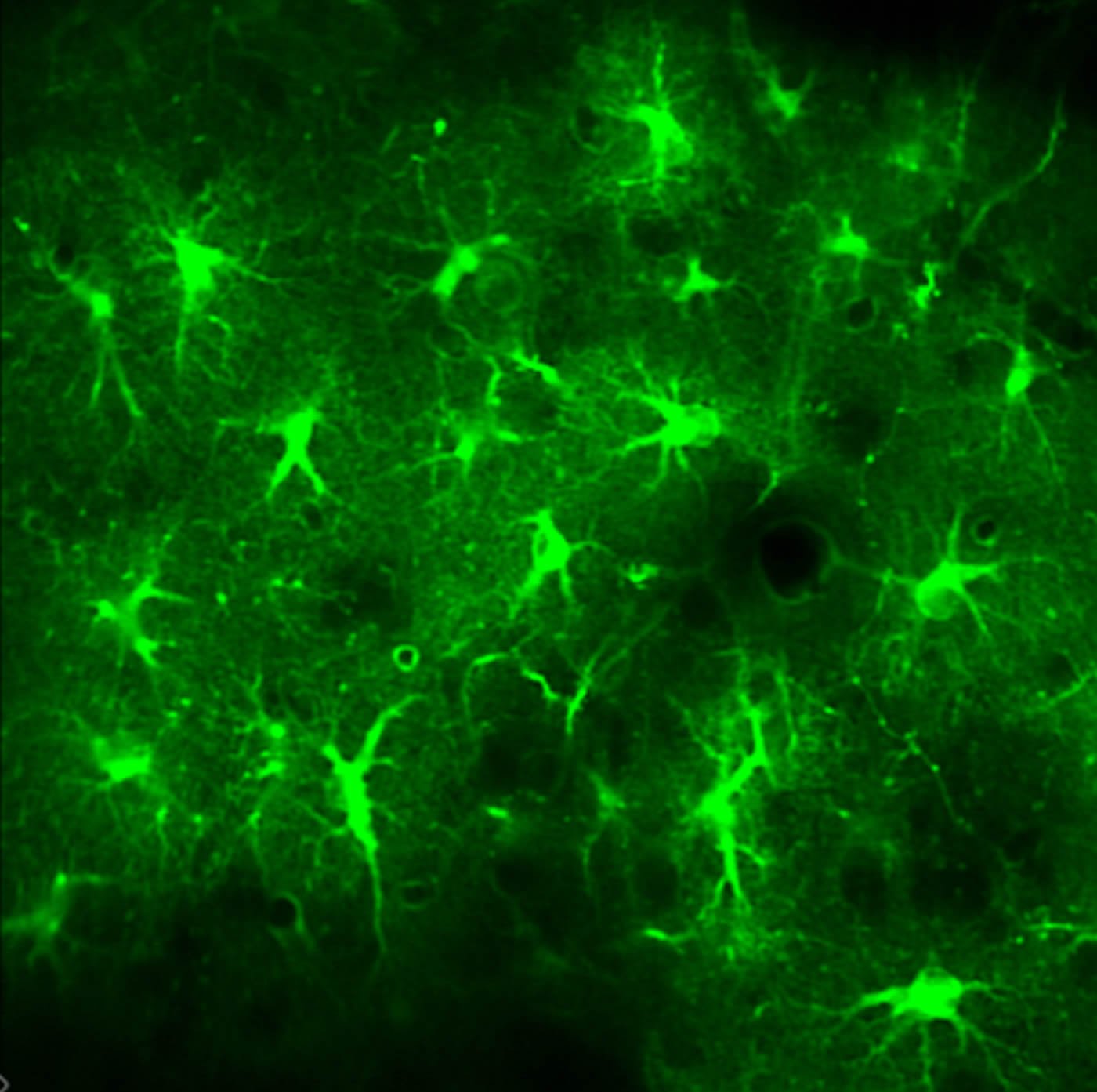
Summary: Astrocytes are important for uninterrupted slow wave sleep and brain rhythms that are essential for learning and memory, through mechanisms involving intracellular calcium signals.
Source: University of Oslo
Data presented by researchers from GliaLab at the Letten Centre at the University of Oslo lends further support that astrocytes are important to assure proper slow wave sleep. This finding that a non-neuronal cell type is crucial for appropriate slow wave sleep will guide future studies aimed at deciphering the mechanisms of and identifying novel treatment strategies for sleep disorders. The results have now been published in the journal Nature Communications and featured in Editors’ Highlights “From Brain to Behavior”.
Sleep is vital for our survival. Everyone can relate to how important sleep is for our optimal health simply by remembering how bad one feels after a single night of bad sleep. Yet even though sleep has been studied for over a century, the precise function of sleep and the mechanisms underlying many sleep disorders are still a mystery.
Sleep has mostly been investigated from the perspective of neurons, likely due to the lack of appropriate techniques to directly monitor non-neuronal cells in sleep. In the past couple of decades multiple studies have provided evidence that astrocytes, a star-shaped electrically non-excitable glial cell of the brain, as well might play a role in sleep, yet the signaling mechanisms that astrocytes employ in sleep have been mostly unknown.
The research group at University of Oslo formerly led by Professor Erlend A. Nagelhus, and now by Associate Professor Rune Enger, has demonstrated for the first time the activity patterns of astrocytes during natural sleep. One of the main signaling pathways of astrocytes are intracellular calcium increases. The team measured these calcium signals in astrocytes in the cortex of naturally sleeping mice using genetically encoded calcium indicators and in vivo two-photon microscopy. The authors found reduced calcium signaling during sleep as compared to when the mice are awake. However, there was still remaining activity during sleep which displayed different features in different sleep states.
Interestingly, astrocyte calcium activity increased upon sleep to wakefulness transitions and even preceded the neurophysiological (EEG) and behavioral (movement) signals upon waking from slow wave sleep. “This is a remarkable finding”, says shared first author Laura Bojarskaite, PhD candidate in neuroscience. “It demonstrates that astrocytes might be involved in orchestrating the waking up process”.
Such sleep-wake state specific activity suggests that astrocytes might be involved in sleep-wake state regulation. Therefore, the researchers next used a transgenic mouse line with impaired astrocyte calcium signaling and measured whether this would affect mice sleep patterns. The authors found that this manipulation disrupted slow wave sleep specifically and not rapid eye movement sleep. Mice with perturbed astrocyte calcium signaling had more microarousals (short awakenings) and shifted from one sleep state to another (slow wave sleep and intermediate state) more often, which interrupted their sleep and reduced its quality. “This means that astrocytic calcium signaling is important to maintain uninterrupted slow wave sleep and potentially to protect against waking up too often in the night”, says Bojarskaite. Interestingly, these mice also had more sleep spindles, which are signatures of particular type of neuronal activity associated with learning and memory. Too many sleep spindles are known to be associated with learning disabilities in humans and poor avoidance performance in rats. The team measured these calcium signals in astrocytes in the cortex of naturally sleeping mice using genetically encoded calcium indicators and in vivo two-photon microscopy. Image is credited to Laura Bojarskaite. Identifying new players involved in the regulation of slow wave sleep contributes to the understanding of the mechanisms and function of sleep as well as providing new targets for sleep disorders. One of the possible next steps for the group will be studying exactly how astrocyte calcium signals regulate slow wave sleep and sleep spindles.
Funding: This work was supported by the Research Council of Norway, the South-Eastern Norway Regional Health Authority, the European Union′s Seventh Framework Program, The National Association of Public Health, The Olav Thon Foundation and the Letten Foundation.
For more information, visit the GliaLab website here: https://www.med.uio.no/imb/english/research/centres/letten/
About this neuroscience research article
Source:
University of Oslo
Media Contacts:
Laura Bojarskaite – University of Oslo
Image Source:
The image is credited to Laura Bojarskaite.
Original Research: Open access
“Astrocytic Ca 2+ signaling is reduced during sleep and is involved in the regulation of slow wave sleep”. by Laura Bojarskaite, Daniel M. Bjørnstad, Klas H. Pettersen, Céline Cunen, Gudmund Horn Hermansen, Knut Sindre Åbjørsbråten, Anna R. Chambers, Rolf Sprengel, Koen Vervaeke, Wannan Tang, Rune Enger & Erlend A. Nagelhus. Nature Communications
Abstract
Astrocytic Ca 2+ signaling is reduced during sleep and is involved in the regulation of slow wave sleep
Astrocytic Ca2+ signaling has been intensively studied in health and disease but has not been quantified during natural sleep. Here, we employ an activity-based algorithm to assess astrocytic Ca2+ signals in the neocortex of awake and naturally sleeping mice while monitoring neuronal Ca2+ activity, brain rhythms and behavior. We show that astrocytic Ca2+ signals exhibit distinct features across the sleep-wake cycle and are reduced during sleep compared to wakefulness. Moreover, an increase in astrocytic Ca2+ signaling precedes transitions from slow wave sleep to wakefulness, with a peak upon awakening exceeding the levels during whisking and locomotion. Finally, genetic ablation of an important astrocytic Ca2+ signaling pathway impairs slow wave sleep and results in an increased number of microarousals, abnormal brain rhythms, and an increased frequency of slow wave sleep state transitions and sleep spindles. Our findings demonstrate an essential role for astrocytic Ca2+ signaling in regulating slow wave sleep.
How Quality Supplements Support Health (including brain health) & Why We Recommend Performance Lab
Two of the common questions we hear from our subscribers are:
“ How can improving my overall health
boost my brain health and performance?”
&
“ How can supplements help me do that?” Nutrient Depletion Is a Fact of Life
Living in today’s world depletes the body of its nutrients … around the clock.
These nutrient thieves include stress, caffeine, sugar, alcohol, environmental toxins, and drugs, to name a few.
Even if you eat what’s considered to be a healthy diet, this food has far fewer nutrients than it should.
Why? Because it’s grown for maximum yield and profits, not optimal nutrition.
There’s a lot of science behind this. (See here , here , and here for details.)
Here’s the takeaway:
Quality supplements are practically mandatory today in order to reach your health potential.
And, if you have health problems, the right supplements can make a huge impact on your life. The Brain Is a Priority Nutrient Consumer
Your brain consumes more than its share of many important nutrients, more than any other organ.
That’s due to the brain’s critical role in all body functions.
It’s the boss.
However, the brain doesn’t work alone.
There are many feedback mechanisms at work between the brain and the body’s organ systems.
For instance, there’s a very important connection between many systems and the brain via the vagus nerve, the largest nerve in the body. ( 1 )
Here’s the takeaway:
When the brain needs nutrients, the rest of your body uses its resources to supply the brain’s needs.
In short, what helps the body helps the brain. (And vice-versa.) So, It’s About Choosing QUALITY Supplements
Don’t place an impossible burden on supplements.
They’re not magic pills.
First, live a lifestyle that’s as healthy as you can make it.
(We discuss what a healthy lifestyle is and how to make yours better, everywhere on Be Brain Fit.)
Then, consider supplements. While it’s important to choose the right kind of supplement for your needs, the crucial decision — the hardest one for consumers — is finding a good (ie, effective) brand. We know that choosing is hard; it’s confusing and can be overwhelming.Here’s the biggest takeaway: With our years of experience, we know that only high-quality supplements are worth your time, effort, and money. That begs the question: How do you judge quality?To meet our definition of high quality, a brand must surpass our high standards for purity, safety, and effectiveness. Let’s review, in detail, the ways in which Performance Lab meets and surpasses our quality standards for supplements. But first, because we all live in the real world, where money is important …Performance Lab supplements are certainly not the cheapest, nor the most expensive — but for the price, they are a great value. Buy a 3-month supply (3 boxes) of any Performance Lab supplement & get 1 month free . This 25% discount includes free worldwide shipping. Product Formulas Are Created by Experts Most supplement brands have their products made for them by so-called private label manufacturers.These manufacturers will produce products for anybody that will pay them.But these brands have no nutritional or health expertise — they simply create product formulas that they think will sell.Then they put their label on the bottle and a new “brand” is born.On the other hand, Performance Lab products and formulas are created by Opti-Nutra Advanced Nutraceuticals, based in the United Kingdom. Opti-Nutra’s own scientists perform in-house research and development, designing the formulas for all their supplements. Performance Lab products are then made in a state-of-the-art, FDA-registered, GMP-certified facility in New Jersey, US. CORE Supplements CORE supplements are Performance Lab’s range of products that “support all aspects of human performance, across all walks of life.”The foundation of this product line is their NutriGenesis® Multi , a multivitamin and mineral product with separate formulas for men and women.We highly recommend that everyone take a multivitamin and mineral supplement as insurance against nutritional shortcomings (because, as mentioned above, we all have them). A number of studies have found that just by taking a multivitamin , you can: ( 2 , 3 ) improve overall brain function elevate mood increase energy help avoid many chronic diseases Even the Harvard School of Public Health recommends multis! ( 4 )In keeping with Performance Lab’s philosophy of supporting all aspects of human performance, CORE supplements include these proprietary products: Energy — Boosts energy on a cellular level, without caffeine or crashes. Mind — Supports brain health and stress burnout, caffeine-free. Helps focus, memory, and motivation. Sleep — Promotes regenerative sleep phases, no grogginess, non-habit-forming. Fuels better next-day performance. Stim — Fine-tunes the boost of caffeine with Suntheanine. Promotes relaxed energy and calm alertness. Prebiotic — Stimulates growth of beneficial gut microflora. Supports digestive and immune health and fat loss. Flex — Nourishes cartilage and connective tissues. Supports health of joints, tendons, and ligaments. Vision — Helps visual focus speed, night vision, and macular damage. Promotes eye health and vision performance. Performance Lab’s CORE range of supplements covers all the body’s foundational nutrient needs. Ingredients Are Proven by Quality Science Quality supplements contain ingredients that do what they claim to do.That would seem to be easy enough, but to do that, each ingredient must be in its optimal form.Most importantly, each ingredient must be in a specific chemical configuration so that your body can readily use it — this feature is called bioavailability , and it’s critical. NutriGenesis® is Performance Lab’s patented process for creating bioidentical nutrients in a matrix of cofactors, probiotics, enzymes, fiber, and antioxidants to optimize bioavailability. For instance, their Prebiotic supplement uses NutriCaps and NutriGels — made from a patented fermented tapioca formula — to make the supplement easy to digest. Performance Lab supplements contain over two dozen patented, clinically proven ingredients that are easier for the body to absorb and utilize such as Cognizin® (citicoline), Suntheanine® (l-theanine), and Sharp-PS® Green (phosphatidylserine). All this makes their supplements more effective. Certifications Of Quality Assurance Are Automatic High-quality supplements must always meet Good Manufacturing Practices (GMP) guidelines.A GMP facility must comply with the same […]

The Power Within by Corey Daniels book available for only $2.99
Mind has both conscious and subconscious halves. These are likened to a driver and the truck he drives. The driver plans the destination and observes road conditions, while the truck provides motive power. Your subconscious mind is like the truck and it only goes in the direction in which is a steered. This can be the road or off a cliff. Likewise, the consciousness paints a picture of what the world is and what your goals are and the subconscious acts on them through emotion, physical response and energy, whether these are correct, rational images or false negative ones. The subconscious is also like an emotional reservoir which your body and mind draw responses from to external stimuli.
The Power Within lays out a method of programming your subconscious and tapping into the Holy Spirit, God voice or what the Greeks called the daimon (godman).