Nature Knows and Psionic Success
God provides
10 Habits to Stay Mentally Strong and Keep Your Brain In Peak Condition
At some point in your life, the likelihood is that you will go through a tough time. You will face some sort of hardship. Almost 90% of people will experience at least one traumatic event in their lifetime. Think of a time you felt angry, frustrated, or heartbroken. How did you handle it? How To Keep Your Brain In Peak Conditions and Stay Mentally Strong
Learning to develop yourself mentally and nurture stronger mental muscles, will help you in so many different areas of your life. It will help you overcome challenges, quickly bounce back from failure, and see challenges as an opportunity to grow. Here are 10 habits you can adopt today to stay mentally strong and keep your brain healthy:
> Regular exercise
Get plenty of sleep
Mindfulness meditation
Boost your emotional intelligence
Keep learning
Practice gratitude
Choose your friends carefully
Self-care
Embrace the unexpected
Be Generous
The Importance of Staying Mentally Strong
Keeping your brain in top condition and mentally strengthening yourself now will pay off in the future. Your mental health is every bit as important as your physical health. The two often intertwine and affect one another. Just as you work to stay physically fit, you must work to stay mentally fit. Keeping your mind in shape.
Mentally strong people have the ability to perceive reality for what it really is. They can manage their emotions in a healthy and positive way to navigate through life. Although at times it feels impossible to always feel happy about situations you don’t like, it’s important to accept what is happening and move forward.
Your brain is powerful. It has the power to adapt and shift. As you age, it’s vital that you continue to stretch your brain muscles and retain your mental abilities. By focusing on developing healthy habits early on in life, you can actively reduce your risk of cognitive decline and stay mentally strong.
Often when developing new habits, you need to start by ditching the ones that work against you. Things like mental and physical inactivity, sitting for too long, too much screen time, and poor sleep patterns can negatively influence your cognitive health. 1. Regular Exercise
Keeping your body active not only does wonders for you physically but is great for your mental well-being. Exercise is a natural anti-anxiety treatment. It helps to reduce stress and tension, improve cognitive function, and boost self-esteem .
When you exercise, your body releases chemicals called endorphins. These endorphins trigger a positive feeling in your body. After exercise, it is common to feel a type of euphoria. This feeling is usually accompanied by a positive and energizing outlook on life. During high-intensity exercise, your brain and your body feel the benefits. By improving your mood, memory, energy levels, and general well-being, exercise is a powerful brain-boosting tool.
Some of the best exercises to keep your brain in the best condition include:
Running
Swimming
Yoga and tai chi
Resistance training
2. Get Plenty of Sleep
Sleep is crucial to your health. When you regularly miss your recommended seven hours, it can have a massive impact on your mind and body. If you’ve ever experienced a night of tossing and turning, you may notice that the next day you struggle to handle stress, get frustrated easily, or feel more emotional.Consistent poor sleep not only makes you irritable but it affects your cognitive function. It impairs things like decision-making and memory. Studies have found that there is an increase in amyloid-beta levels after just one night of sleep deprivation . Amyloid beta is the main component of amyloid plaques. A build-up of amyloid plaques is linked to Alzheimer’s disease.Getting the right amount of sleep on a regular basis can be tough. By creating a bedtime routine, avoiding stimulants in the evening, and taking an evening bath, you can work to create a good sleep environment. 3. Mindfulness Meditation
Keep this red meat compound from aging your arteries and brain

Red meat’s gotten a bad rap over the years because studies keep linking it to serious conditions like heart disease, diabetes and cancer. Whether this bad rap is warranted is still up for debate…
One recent (albeit small) study found that eating 5.3 ounces of unprocessed, lean beef per day didn’t increase the risk of diabetes or heart disease for people who were at high risk for those conditions. In fact, it even triggered a positive change…
Eating meat shifted LDL (bad) cholesterol to a greater percentage of larger particles, which are less likely to promote hardening of the arteries.
But that doesn’t mean you’ve got a free pass to indulge in steaks, burgers and roast beef until the cows come home. New research shows red meat contains a compound that could have a negative impact on your gut, arteries and brain as you age… More TMAO means more blood vessel damage
A recent study from the University of Colorado Boulder shows that trimethylamine-N-oxide (TMAO) — a compound that’s produced when you eat red meat — could cause damage to your arteries and brain as you age.
When your gut bacteria break down the amino acids L-carnitine and choline in red meat, they create a byproduct called trimethylamine. Your liver turns trimethylamine into TMAO, which then finds its way into your bloodstream.
Past studies show that having more TMAO in your blood increases your risk of dying from a heart attack or stroke by more than double. And University of Colorado Boulder researchers set out to find out exactly why…
In their study, these researchers measured the blood and arterial health of 101 older adults and 22 young adults. The first thing they noticed was that TMAO levels increase a lot with age. But that wasn’t a surprise. Past research in mice shows that your gut contains more bacteria that produce TMAO as you get older.
They also found that people with more TMAO in their blood had much worse artery function and more tissue damage in the lining of their blood vessels. Yikes. Peak Beet BP Plus™
Delicious, organic fermented Beet and Mango superfood drink supports nitric oxide production for healthy blood flow and blood pressure!
These researchers decided to test TMAO’s impact on the blood vessels of mice in this study too. They fed it directly to young mice and what they found was alarming…
The blood vessels of mice who ate TMAO aged swiftly. In fact, researchers said it even made the mice look old. The 12-month-old mice (the equivalent to a 35-year-old human) looked more like 27-month-old mice (equivalent to an 80-year-old human) after just several months of eating TMAO. But TMAO’s damage doesn’t stop there…
Some data also indicates that high levels of TMAO worsens learning and memory in mice. That means it could contribute to age-related cognitive decline. How to keep your TMAO levels low
There’s something that’s important to mention here…
Everyone produces some TMAO, even people who give up meat altogether like vegetarians and vegans. But the more meat you eat, the more you feed the bacteria in your gut that are known to produce TMAO.
Does that mean you need to give up meat completely?
Not necessarily. Eating meat in moderation shouldn’t cause your TMAO levels to spike too severely. There are also ways to counteract your body’s production of TMAO. In this study, for example, researchers found that a compound called dimethyl butanol reversed the arterial damage caused by TMAO, and they believe it blocks the production of TMAO. Luckily, you can find dimethyl butanol in things like olive oil, vinegar and red wine.
Of course, if you really want to keep TMAO levels from getting too high, you have to embrace plant-based eating to some degree or another. Eating lots of vegetables, fruits, nuts, beans and other plant-based foods in addition to the occasional steak should keep your body (and TMAO) levels in balance.
Editor’s note : There are numerous safe and natural ways to decrease your risk of blood clots including the 25 cent vitamin, the nutrient that acts as a natural blood thinner and the powerful herb that helps clear plaque. To find out about these and more, click here to read the doctor’s free report!
Sources:
> What makes arteries age? Study explores new link to gut bacteria, diet — MedicalXpress.
Trimethylamine-N-Oxide Promotes Age-Related Vascular Oxidative Stress and Endothelial Dysfunction in Mice and Healthy Humans — Hypertension.
Red meat, TMAO, and your heart — Harvard Health Publishing.
Dementia: The diet shown to be a ‘powerful weapon’ against brain decline

Dementia comes in numerous forms but the most common is Alzheimer’s disease. The symptoms of Alzheimer’s disease develop gradually over many years and eventually become more severe. Memory problems – usually the first sign – can begin with forgetting a recent conversation and may culminate in forgetting who your loved ones are. The decline is heartbreaking but research suggests you can (to an extent) protect yourself against it.
High blood pressure: The trendy drink proven to lower your reading
Dementia symptoms: The sign of Alzheimer’s disease in someone’s speech
This development has prompted researchers to investigate ways to counter brain inflammation.
According to Dr Fred Pescatore, a natural health physician based in New York and bestselling author of ‘The A List Diet’ and ‘Feed Your Kids Well’, one of the most promising countermeasures is to eat a ketogenic diet.
“The ketogenic diet is one of your most powerful weapons against brain inflammation,” he said, speaking exclusively to Express.co.uk .
The ketogenic diet is a very low-carb, high-fat diet that involves drastically reducing carbohydrate intake and replacing it with fat.
DON’T MISS
High blood pressure: The trendy drink proven to lower your reading [TIPS]
Best supplements for cholesterol: The herbal tea proven to lower ‘bad’ cholesterol levels [TIPS]
Type 2 diabetes: Expert recommends supplement to balance blood sugar levels [TIPS]
Dementia symptoms: Watch out for this ‘inappropriate’ behaviour
This reduction in carbs puts your body into a metabolic state called ketosis, which can supply energy to your brain.
As Dr Pescatore reported, in a recent pilot study, researchers placed 15 subjects with mild Alzheimer’s on a ketogenic diet for three months.
They assessed cognitive function before the diet period, immediately after the diet period, and then a month later once the subjects had resumed their usual diets.
“Among these subjects, ten were able to achieve sustained ketosis,” he said.
Dementia diet – simple breakfast swap to protect against Alzheimer’s
These include: Hearing loss
Untreated depression (although this can also be a symptom of dementia)
Loneliness or social isolation
A sedentary lifestyle
The research concluded that by modifying all the risk factors we are able to change, our risk of dementia could be significantly reduced.
Furthermore, there’s some evidence to suggest that rates of dementia are lower in people who remain mentally and socially active throughout their lives.
Interventions such as “brain training” computer games have been shown to improve cognition over a short period, but research has not yet demonstrated whether this can help prevent dementia.
How Can L-Theanine Improve Your Mental And Cognitive Health?
Health
NaturalNews
L-theanine is a unique amino acid found in tea that offers a variety of health benefits, including better cognitive performance, reduced stress and improved mood.
A recent study published in the journal Nutrients investigated the effects of L-theanine supplementation and found that it helps improve certain markers of depression, such as increased anxiety and poor-quality sleep. These markers are also common across different mental health problems.
What is L-theanine?
L-theanine is a water-soluble amino acid commonly found in green tea, black tea and certain mushroom varieties. It is known as a relaxing agent due to its beneficial effects on stress levels and brain function.
L-theanine’s ability to affect the production of certain chemicals in the brain, such as dopamine and serotonin, may be responsible for its positive effects. Both dopamine and serotonin, after all, are involved in mood regulation, muscle movement, appetite, sleep and emotion. L-theanine also affects the levels of the stress hormone, cortisol.
Some animal studies have found that L-theanine has neuroprotective and cognitive-enhancing properties. In behavioral experiments involving mice, L-theanine has exhibited effects similar to those of conventional antidepressants.
In humans, L-theanine is known to improve attention and overall mental state. Some studies also suggest that L-theanine has therapeutic effects against mental disorders like major depressive disorder (MDD), bipolar disorder, panic disorder, obsessive-compulsive disorder (OCD) and attention deficit disorder (ADD).
The cognitive and mental health benefits of L-theanine
In a recent study, a team of Japanese researchers investigated the effects of L-theanine on stress-related symptoms (i.e., sleep disturbance and poor sleep quality) and cognitive function in healthy adults.
For their experiment, they recruited 30 participants with no major psychiatric illness and instructed them to take either a placebo or a tablet containing 200 milligram (mg) L-theanine each night for four weeks. These participants were randomly assigned to different groups.
After a two-week washout period, the participants continued to take the assigned tablets for another four weeks.
At the end of the experiment, the researchers found that L-theanine significantly improved the participants’ sleep onset latency. In sleep science, this refers to the amount of time it takes for a person to fall asleep, which is linked to sleep efficiency.
For example, spending more time tossing and turning in bed instead of sleeping is not considered to be sleep-efficient. In contrast, falling asleep a few minutes after going to bed is considered to be sleep-efficient, and this indicates that the person has an ideal sleep latency.
The researchers speculated that L-theanine’s beneficial effects on sleep may be due to its anti-stress and antidepressant-like properties.
In addition, L-theanine improved certain cognitive functions like verbal fluency, working memory, mental flexibility and self-control.
Based on these findings, the researchers concluded that L-theanine is an effective supplement that can help reduce common symptoms of depression and other mental disorders.
L-theanine is not recommended for pregnant women, children and people with low blood pressure. Before taking L-theanine supplements, consult with a natural health practitioner to avoid possible side effects or unfavorable interactions with any medication you are taking.
Source:
courtesy of NATURALNEWS
by Divina Ramirez
If you have any stories or news that you would like to share with the global online community, please feel free to share it with us by contacting us directly at pr@brudirect.com

Mental Exercises to Keep Your Brain Sharp

No matter how hard we try to slow or stop its movement, time marches inevitably on. As it does, our bodies and their abilities change, too. For some people that means certain changes that can alter how we interact with and perceive the world around us. “Aging is a natural process,” says Dr. Douglas Scharre, director of the division of cognitive neurology and memory disorders at the Ohio State University Wexner Medical Center in Columbus. Some of those changes involve the accumulation of gray hairs and wrinkles and the development of osteoarthritis in the joints.
Along with those very obvious changes, the brain also loses neurons, Scharre says. “Normal aging will lead to slower mental processing speed. We can still figure things out, it just takes longer.”
Signs of this delayed processing may include difficulty recalling names of people and becoming a bit more forgetful. “However, if we’re given some context, the name of the person and the memories all return intact,” he explains.
This is all very normal and shouldn’t worry you in excess, as these changes are just a continuation of normal processes that follow us throughout life, says Heather M. Snyder, vice president, medical and scientific relations at the Alzheimer’s Association in Chicago. “From the time we’re born and to becoming a toddler and beyond, there’s lots of changes with the brain. And those changes don’t stop because you reach a certain age. Changes are reflected across our entire lives.”
However, concerns surrounding changes in cognitive function and age do crop up when brain disorders such as Alzheimer’s disease and other forms of dementia develop. The memory problems associated with these conditions are quite different from normal aging and may include: Disruptive memory loss, typically noticed by a partner or other family member.
Loss of spatial abilities, such as getting lost while driving to familiar locations.
Difficulty with planning and organizing.
Feeling confused or disoriented.
Changes in personality or mood, such as increased agitation, behaving inappropriately or becoming anxious or paranoid.
Scharre adds that even if dementia is not at work, “some people lose more cognitive acuity than others as they age because they’ve had other brain diseases or have had some damage to their brain over their life.” For example, if you had a head injury, a series of small strokes or exposure to certain toxins that can damage the brain, that could cause you to lose more acuity than someone who has a healthy brain and no such complicating factors. Use It or Lose It
No matter what your current brain health situation looks like, there are a few things you can do now to help slow or stall the loss of cognitive function over time and keep your brain sharp. All involve using the brain, which functions better when it’s being challenged regularly. “To keep a brain healthy as we age, I firmly believe that we must ‘use it or lose it,'” Scharre says.
Play games and complete puzzles. In addition to the daily crossword puzzle, challenge yourself to doing a new problem-solving exercise every day or a few times a week. “Puzzles and games, especially those involving novelty, can stimulate and challenge key parts of the brain, including reasoning, language, logic, visual perception, attention and flexibility,” Scharre says. Brain teasers such as crossword puzzles and sudoku are fun and easy ways to keep your brain stimulated. Completing a jigsaw puzzle or playing a computer game may also support brain health.
Engage in continuous learning. Have you always wanted to learn French or how to play an instrument? There’s no time like the present, especially when it comes to preserving cognitive ability. Taking a class or otherwise establishing a routine of continuous learning can pay dividends in helping you learn the skill you want to acquire but will also help support brain health over the long term, Scharre says. “The Alzheimer’s Association reports that continuous learning likely protects against some forms of dementia, possibly because brain cells and their connections with one another become stronger over time.”
Read and write. Snyder says that some research has suggested that flexing your literacy skills could be protective against dementia. A 2019 study found that illiterate older adults were almost three times as likely to have dementia compared to their literate counterparts. It seems reading, whether for pleasure or for work, gives your brain a workout that might help prevent the development of cognitive deficits.
Pick up a new hobby or engage in new experiences. Traveling to a new place and finding your way around and learning about a different culture or people is a fabulous way to keep your brain sharp as you age. It’s not always possible, but if you have the resources and ability to travel, those experiences will help protect your brain’s ability to think, plan and enjoy life to the fullest in the future. Closer to home, consider picking up a new hobby. Learn to paint, take up stamp collecting or get into gardening. Any new pursuit that gets you thinking can help.
The key to all of these activities, Snyder says, is that whatever you’re doing should be “new to you” to provide the biggest brain boost. The novelty of learning something new or going to a new place is what forces the brain to work harder and stay sharper. Other Ways to Support Brain Health
The brain is part of the body as a whole, and it’s also home to our emotions. As such, tending to mental health can support physical heath.
Be heart-healthy. There’s a saying in medicine that what’s good for the heart is good for the brain, so adopting heart-healthy behaviors, including plenty of aerobic exercise and eating right can support a healthy brain along with a healthy heart over the long run. “Your heart is pumping blood throughout the body and if it’s not working it’s best, it might not be getting enough blood and oxygen to the brain,” Snyder says.
Exercise. ” Physical exercise is […]
Try These Summer Smoothie Recipes With Nutritious Wild Blueberries
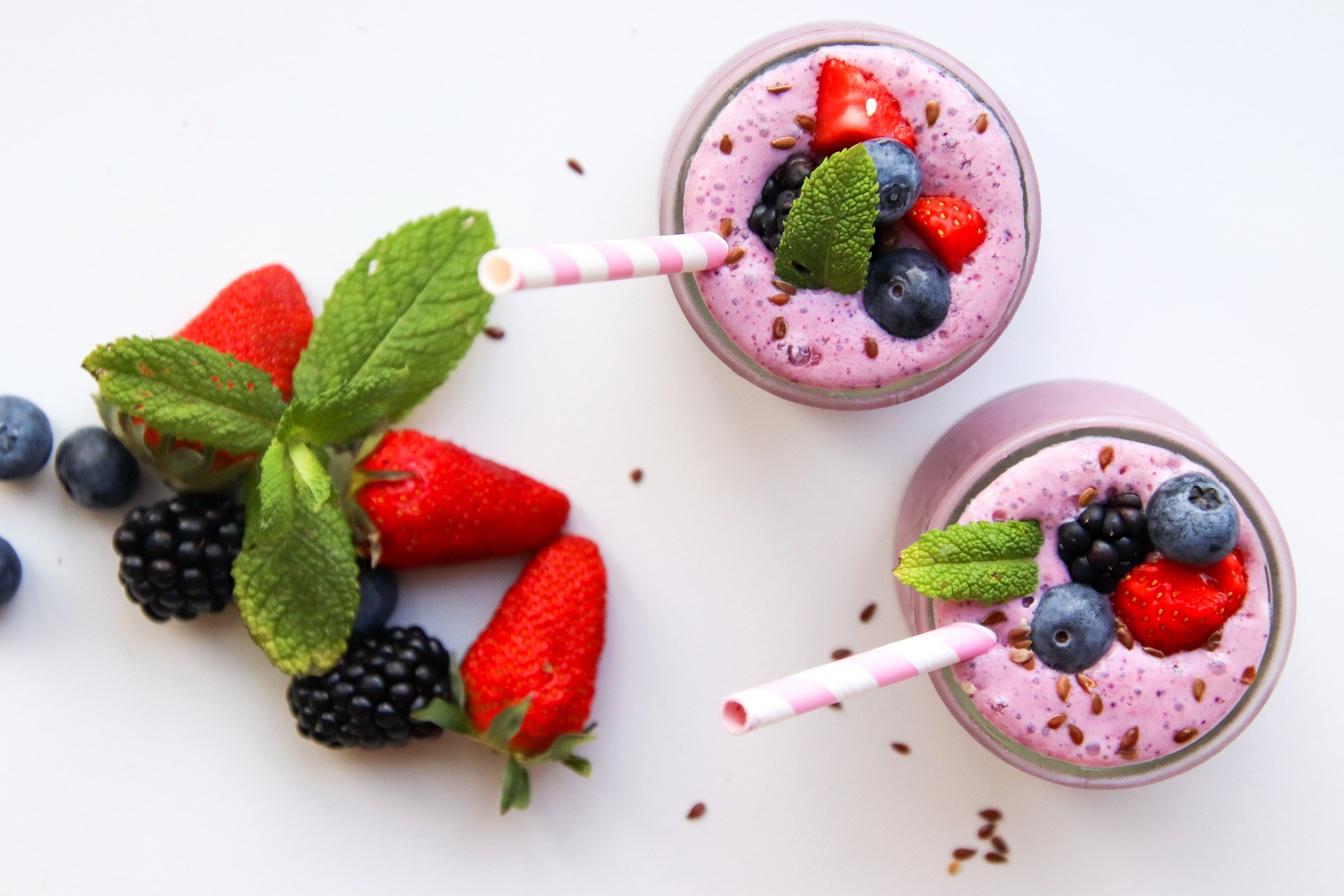
Sticking to New Year’s resolutions may be easier with these smoothie recipes from the Wild Blueberry Association of North America . To inspire a vibrant and healthy new year, welcome wild blueberries into a daily diet and reap the rewards all year long.
These nutritious berries provide lasting health benefits for all ages, from increasing brain function and memory, to preventing neurodegenerative diseases including Parkinson’s, and boosting mood and cognitive skills in young children and adults. Look no further than the small but mighty super-berry to reach new health heights in 2019.
Skip the morning coffee Start the morning right with an anthocyanin-rich, wake-up wild blueberry smoothie. It’s vegan, dairy-free, gluten-free, nut-free, cholesterol-free and low sodium, with no added sugar. Skip the daily coffee and instead boost energy levels with the power of instant coffee, combined with the nutrients abundant in wild blueberries.
Wake-up Wild Blueberry Smoothie (from Kate Allen, Mrs. Nutritionista)
Makes 1 serving
3/4 cup (190 ml) frozen wild blueberries
3/8 cup (85 grams) silken tofu
1/2 medium frozen banana
6 tbsp (90 ml) unsweetened almond milk
1 tbsp (15 ml) ground chia seeds
2 tsp (10 ml) instant coffee
1/4 cup (60 ml) gluten-free or regular oats
Directions:
> Place all ingredients except the oats in a blender and process until smooth.
Pour into a glass and garnish with the oats.Option: Alternate the smoothie mixture and oats to make layers.
Treat your tummy Aid digestion and boost immunity with a wild blueberry ginger kombucha smoothie. A natural smoothie that is gluten-free, vegan, refreshing and delicious.
Wild Blueberry Ginger Kombucha Smoothie (from Dixya Bhattarai, Food, Pleasure & Health)
Makes 1 serving
1 cup (250 ml) frozen wild blueberries
1 banana
1/2 cup (125 ml) kombucha (any flavour)
1 small knob of ginger, grated
Directions:
> Place all ingredients in a blender and process until smooth.
Serve immediately.
Go wild with exercise Combining wild blueberries with exercise has proven to offer health benefits: the ability to burn fat longer after exercise, and improved absorption of inflammation-reducing antioxidant compounds, called polyphenols. Increasing the body’s ability to absorb polyphenols means the body can better fight inflammation and oxidative stress. Try a wild blueberry meal replacement smoothie as part of a post-workout routine to reap maximum benefits.
Wild Blueberry Meal Replacement Smoothie (from Erin Hendrickson, Best Bite Ever) Photo: Flickr/Creative Commons, terriseesthings. Makes one 1 serving
1/2 cup (125 ml) frozen wild blueberries
1/2 cup (125 ml) fresh strawberries, sliced
3/8 cup (85 grams) silken tofu
2/3 cup (165 ml) unsweetened almond milk (or milk of choice)
2 tbsp (30 ml) pure maple syrup 1-2 tsp (5-10 ml) flax seeds, ground 1 tbsp (15 ml) chopped pecans and/or almondsDirections: 1. In a small bowl, mix together flax seeds and chopped pecans and/or almonds. Reserve a teaspoon for garnish.2. Blend tofu and maple syrup. Reserve a dollop for garnish.3. Blend the almond flax seed mixture (saving some for garnish), the tofu mix (saving some for garnish) with the remaining ingredients until smooth.4. Pour into smoothie glass and top with garnishes. Serve immediately. Indulge in guilt-free dessert Enjoy a delicious and nutritious wild blueberry basil cheesecake smoothie for a guilt-free dessert option. Tastes like dessert, yet it’s packed with anthocyanins, protein and fibre.

9 super-smart problem solvers take on bias in AI, microplastics, and language lessons for chatbots

Image: Dorian2013/Getty Images/iStockphoto Just when the problems of the world become overwhelming and unsolvable, someone publishes a list of smart people finding solutions to these challenges. MIT’s 2020 35 Under 35 list does just that. The MIT Technology Review has been publishing this list for 20 years. There were more than 500 nominees in this year’s contest. Twenty-five judges reviewed the list of 100 semi-finalists to select the final 35 people.
SEE: Guide to Becoming a Digital Transformation Champion (TechRepublic Premium)
These nine honorees come from each category in the list–inventors, entrepreneurs, pioneers, humanitarians, and visionaries–and have a specific focus on technology. A read/write brain interface
Dongjin Seo, Neuralink, is using his engineering expertise to build a connection between human brains and computers . Seo started his machine-brain research with tiny electronic sensors that could be sprinkled into an animal’s brain and controlled with acoustic waves. Now he is developing ultra-thin electrodes that could connect a computer to a brain. He is designing the circuit board and chips that would run a low-power wireless computer that would fit into a hole cut into the skull. Stretchy microchips
Sihong Wang, University of Chicago, started his study of rubbery polymers at Stanford University with Zhenan Bao, a pioneer in the field of new form factors for microchips. Wang has developed a new way to manufacture circuits to make them more flexible . He is using nanoconfinement to build layered polymer circuits to produce circuits that can be stretched to twice their normal length and still perform as expected. Removing the racial and gender bias in AI
Inioluwa Deborah Raji, AI Now Institute, is taking on the challenge of racism and bias in the data sets that train machine learning algorithms . Her goal is to create a data set that could be used to assess commercial face recognition systems for gender and racial bias. Testing data for facial recognition systems often lacks black and brown faces. She collaborated with MIT researcher Joy Buolamwini to evaluate facial recognition software from Microsoft, IBM, and Megvii. They found that the worst performing software identified the gender of dark-skinned women 34.4% less accurately than the gender of light-skinned men. Her work led the companies to change how they trained their systems. Her research also influenced the US National Institute of Standards and Technology to include a test for racial bias in its annual audit of face recognition algorithms. Raji also worked with Google to build an internal audit process for artificial intelligence (AI) projects to check for bias before the products are released. Nanomaterial that heats and cools
Lili Cai, University of Illinois at Urbana-Champaign, incorporated the infrared radiation that human bodies emit into the design of two fabrics that can heat or cool the wearer by blocking or transmitting the radiation. The metallized polyethylene textile can keep people about 7 degrees C (44.6 degrees Fahrenheit) warmer. Her cooling fabric uses a nanocomposite material to cool a person’s body by more than 10 degrees Celsius. Cai’s other innovation is the ability to produce the fabric in many colors to make the clothes look as normal as possible. Language lessons for chatbots
Jiwei Lei, Shannon.AI and Zhejiang University, is exploring new applications for neural networks and natural-language processing to help chatbots conduct smarter conversations. Lei is using deep reinforcement learning to make it easier for algorithms to understand grammar and meaning in human language. After studying at Peking University, Cornell University, Carnegie Mellon University, and Stanford University, Lei founded a natural-language processing startup in Beijing with $20 in venture capital funding. Google and Facebook have used his work to improve their chatbots. Energy efficient artificial intelligence
Manuel Le Gallo, IBM Research, wants to reduce the high electricity bill that comes with training and running the algorithms that power artificial intelligence algorithms, including natural-language processing and image recognition models. Running one model can emit as much carbon as five American cars. Le Gallo is working on a system that uses memory to process data that keeps the required accuracy but dramatically cuts power consumption. Le Gallo and his team are testing a new system that uses only 1% of the energy that a traditional method uses. Digital twins for crops
Anastasia Volkova, Flurosat, wants to help farmers grow crops more efficiently with a combination of sensors, digital twins, AI and thermal cameras. She founded Flurosat to launch a service that can spot changes in crop health as soon as they begin . By treating problems sooner, farmers could reduce the use of pesticides and herbicides. A solution to the microplastics problem
Avinash Manjula Basavanna, Wyss Institute, Harvard University, is developing a bioplastic that can be produced at scale and can degrade in water . AquaPlastic is based on living materials and is flushable. The new material has many of the same qualities as plastic made from petroleum in terms of durability. 3D printing houses
Alex Le Roux, Icon, wants to cut the price of building a house in half. He created the Vulcan, an industrial-scale 3D printer that can print the walls of a house in 24 hours . The printer is 12-feet tall and uses a special concrete mix to build the walls. The company programs the home design ahead of time and the operator uses an app to program the printer. Icon built the first 3D-printed home in the US in 2018 and is building a village in Mexico for 50 families. Also see
Dementia diet – the simple breakfast swap to protect against Alzheimer’s disease
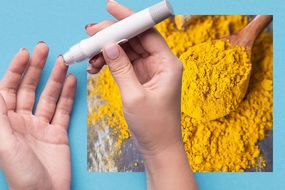
Dementia is the name given to a group of symptoms linked to an ongoing decline in brain function. You could lower your risk of the neurodegenerative condition by regularly eating berries, it’s been claimed.
There are a number of different types of dementia, and the most common in the UK is Alzheimer’s disease .
Diagnosing the condition early could help to slow down the condition’s progress.
Making some small lifestyle changes could lower your chances of developing Alzheimer’s in later life.
One of the easiest ways to lower your chances of developing Alzheimer’s is to add more berries to your diet, it’s been revealed.
Eating berries is a simple breakfast swap that could protect your brain against dementia, according to dietitian Angela Murad.
Everyone should consider eating berries at least two times every week.
They form part of the MIND diet – which is short for the Mediterranean-DASH Intervention for Neurodegenerative Delay.
The MIND diet has been claimed to keep the brain sharp beyond its years, and could even delay the onset of dementia.
DON’T MISS
Dementia warning: The foods that raise your risk of Alzheimer’s [DIET]
Dementia symptoms: The sign of Alzheimer’s disease in someone’s speech [SYMPTOMS]
Dementia symptoms: The drink that could help stave off signs [DIET]
Dementia symptoms – the subtle sign of Alzheimer’s disease
“This eating pattern goes big on natural plant-based foods while limiting red meat, saturated fat and sweets,” said dietitian Angela Murad.
She wrote for the Mayo Clinic: “Observational studies suggest the diet can reduce the risk of developing Alzheimer’s disease by up to 53 percent as well as slow cognitive decline and improve verbal memory.
“While both the MIND and Mediterranean diets yield similar reductions in Alzheimer’s risk, the MIND diet is more flexible.
“Consider targeting just one or two of the [eating] habits to improve your brain health.”
Honey benefits: What happens to your body when you consume honey
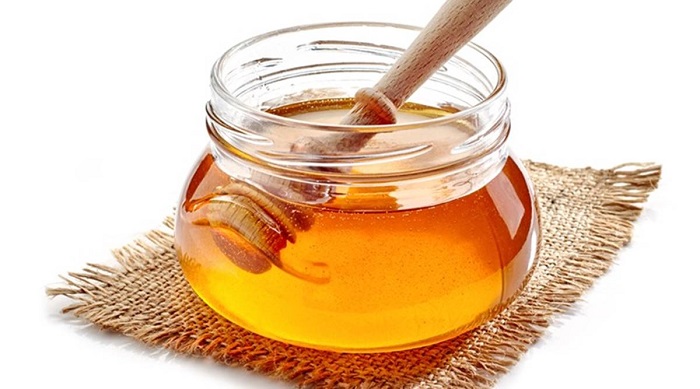
Honey is a sweet substance that bestows countless benefits to the human mind and body. It is still a wonder how a colony of honey bees collect this elixir from the nectar of various flowering plants. Read this article to know the benefits of honey consumption every day. We will also focus on the risk of honey if consumed in excess amount.
Benefits of Honey Consumption Regularly
Lowers Blood Cholesterol
In the process of building healthy cells, your body requires a kind of waxy substance called cholesterol, excess of which can lead to diverse health issues, like chest pain, heart failure, and stroke.
Honey does not include any cholesterol rather its components can lower down the existent level of cholesterol in your body. Studies revealed that eating honey can lower LDL (bad) cholesterol by 6–11%. Honey can also decrease triglyceride levels up to 11%. What is more? Honey can boost the HDL (good) cholesterol by up to 3%.
Regular consumption of honey can provide a beneficial effect on the antioxidant compounds of your body that can control excess cholesterol. Furthermore, honey consumption can efficiently prevent the rise in blood glucose.
Improves Heart Health
As a key component of your body, a healthy heart keeps you alive by pumping blood. Depending on the place of occurrence, narrowing of arteries can cause heart failure, memory loss, headaches, and many more illnesses.
Research has found that the natural sugar contained in honey can reduce artery plaque by 30%. The honey sugar, called trehalose, includes a protein that activates your immune cells to remove the stored fatty plaque from your arteries.
The natural honey contained antioxidants components called flavonoids that also contribute to preventing your arteries from narrowing. Honey can unclog your blocked arteries gradually. Therefore, regular consumption of honey can both strengthen your heart and prevent cardiac failure.
Improves Brain and Memory
Research shows that the properties of honey can serve as a natural preventive therapy for both cognitive deterioration and dementia. Regular consumption of honey can not only reduce stress but also restore your cellular antioxidant defense system.
According to Dr. Francine Grodstein of Harvard Medical School, LDL (bad) cholesterol is bad for the brain. In 2013, research has found that cholesterol can develop plaque in the brain that can lead to Alzheimer’s.
Lowering down the LDL (bad) cholesterol level in the blood, honey properties can reduce the risk of stroke which is responsible for damage in brain functioning. Furthermore, the calcium property of honey can facilitate to improve the functioning of your brain. All of these actions can help to improve your memory.
Improves Gut Health and Treat Acid Reflux
An unhealthy gut can spoil both your physical and mental health. Honey is a strong natural antiseptic. Consumption of honey on an empty stomach can destroy germs in your belly and heals the small wounds of your mucous membrane. The antibacterial properties of honey can help your digestive tract get rid of harmful bacteria like E. coli and salmonella.
Honey is naturally rich in hydrogen peroxide that prevents Helicobacter pylori which is responsible for dyspepsia, gastric ulcers, and similar kind of stomach diseases in the human body. It is also found that the application of honey – instead of sugar – in processed food can improve stomach health in two ways: improving the microflora and restraining the detrimental (genotoxic) effects of mycotoxins.
By virtue of its anti-inflammatory properties, honey has great natural wound-healing power that can potentially control the chest pain and stomach pain caused by acid agitating esophagus – the muscular tube which joins your throat (pharynx) with your stomach. According to the Indian Journal of Medical Research, the sticky property of honey facilitates this process. If you are suffering from acid reflux quite often consume Honey regularly.
Regular consumption of Honey boosts up your metabolism power that may help weight loss. What is more? Removing toxin from your body, honey can clear up skin.
Prevents Cough and Sore Throat
Due to the diverse viral infections including COVID19 disease numerous people are suffering from coughs and sore throat. You can consume honey every day to recover from cough or sore throat. Around the world, Honey is treated as a popular home remedy for cough and sore throat.
In 2010, a study shows that honey was proved to be more effective in treating cough comparing with several powerful cough medicines. In the year of 2018, an article published by New York Magazine reveals that professional singers recommended honey consumption to deal with a sore throat.
Soothes Anxiety and Improves Sleep
Honey consumption can calm your nerves, soothe anxiety, and relieve fatigue. The glucose property of honey gets absorbed into your blood fast which aids in the functions of neurons of your brain and mitigates psychological disorders.
The natural sugar contained in honey can increase the level of insulin in your blood leading to release serotonin, which is further transformed into melatonin hormone that assists better sleep. If you drink honey every day, it can potentially reduce your mental stress, and improve the quality of your sleep.
Strengthens Immune System
Antioxidants compounds in your blood can kill the disease-causing free radicals and prevent oxidative cell damage. Honey is a rich source of antioxidants, like phenolic acids and flavonoids. According to some studies, antioxidant compounds can prevent heart disease, cancer, diabetes, and many other illnesses.
According to an article by Tracie Abram —an educator at Michigan State University — Honey is an immune system builder that is rich in antioxidants, anti-bacterial and anti-tumor properties. Regular consumption of honey can increase the antioxidant properties of your blood.
Factors like inadequate sleep increased stress, unhealthy stomach, etc can weaken your immune system. Honey can help your body to alleviate these health issues. Consumption of honey every day can make your immune system strong enough to prevent COVID19 and other illnesses naturally.
How Much Honey is Safe to Consume? You should not consume honey more than 6 teaspoons (2 tablespoons) of per day. However, this amount would be reduced, […]
The age of adaptogens
Photo © AdobeStock.com/Andrii Zastrozhnov Kimberly J. Decker
Trends & Business , Brain Health , Delivery Systems , Food & Beverage , Herbs & Botanicals
“Adapt, or die.” It’s harsh advice, but it’s been an underlying rule of evolution ever since the process got rolling—which means pretty-much forever.
And as we find ourselves half a year into a disorienting new reality living with the COVID-19 pandemic, we’re witnessing our capacity to adapt being tested in ways we never imagined—and generating profound mental and physical stress as a result.
Which is why we may also be witnessing the dawn of the age of adaptogens—plant-based ingredients that purportedly help our bodies adapt to the stresses of trying times, including everyday life.
And if you’re still fuzzy on adaptogens, you’re not alone. As Stephanie Mattucci, associate director, food science, Mintel (Chicago), notes, “Most U.S. consumers aren’t yet familiar with adaptogens, with only 4% currently consuming functional foods and drinks that contain them.”
But those numbers may be ripe for a shift. “Consumers are seeking ways to relax and relieve stress and anxiety across their lives,” Mattucci says. If brands can deliver science-backed ingredients in palatable packages, the adaptogen era may be just the change of pace we need.
Adapto what?
Writing in a May 2019 opinion piece for Euromonitor International titled “Adaptogens and Functional Relaxation Beverages,” Howard Telford, the market-research firm’s head of soft drinks, notes that most ingredients currently marketed as adaptogens trace their roots back to Ayurveda and traditional Chinese medicine—“although the term adaptogen itself originated in the twentieth century,” he notes.
And while neither industry, academia, nor the health-and-wellness community has established an agreed-upon formal definition, Telford, like many others, describes adaptogens as “naturally occurring, nontoxic, plant-based ingredients that help promote stress reduction and physiological balance.”
The Body’s Thermostat
How they do so awaits definitive elucidation—as do further details about effective dosing, measurable effects, and long-term benefits. But for now, says Shanais Pelka, research and development manager for superfoods company Organifi (San Diego, CA), we can think of adaptogens “as sort of like a thermostat.”
Consider: When your living-room thermostat senses that the temperature’s too cold, it kicks on the heat to bring the temperature up; when it senses things getting too hot, it reverses course and cools the room back down. “The beautiful thing about an adaptogen,” Pelka explains, “is that, like a thermostat, it can actually decrease anxiety and calm you even while increasing energy.”
The secret, apparently, lies in the adrenals. “Adaptogens support our adrenal glands behind the scenes to ensure a balanced, healthy, functioning body,” Pelka says. These endocrine organs participate in everything from regulating the sleep/wake cycle and suppressing inflammation to keeping blood sugar in check and secreting neurotransmitter hormones like epinephrine, norepinephrine, and dopamine.
“These hormones,” Pelka goes on, “generate the primitive stress response that helps keep us alive in moments of trauma or danger.” Yet when our adrenal glands fatigue—whether from poor diet; physical, emotional, or environmental stress; or even the occasional all-nighter—“we may not be able to make the required hormones and neurotransmitters our bodies need.”
These downstream hormonal effects of continual stress can disturb sleep, memory, emotions—even immunity. And that, says Pelka, is where adaptogens provide support. “The effects may be subtle at first,” she notes, “but just wait a couple weeks and you notice real changes in your body.”
Stress Positions
Many consumers would likely welcome those changes now. A 2017 Euromonitor International online survey found 70% of respondents claiming that capping daily stress levels was an “important health objective.” And that was back in 2017.
According to Veronica Eckl, associate data product manager, SPINS (Chicago), that bodes well for adaptogenic ingredients. “High-stress lifestyles and environments, as well as a move toward greater self-care, are definitely driving interest in adaptogens,” she says.
By nourishing an overstressed endocrine system, Eckl contends, adaptogens “nourish the entire body rather than treat a singular symptom.” And with awareness of the relationship between endocrine function and stress growing, she believes, the way forward for adaptogens is up.
Multigenerational Appeal
Mintel’s Mattucci agrees, adding that younger consumers could give the category a concerted boost. “While stress is a universal phenomenon, today’s youth are more open about acknowledging stress and anxiety than previous generations were,” she notes. “Gen Z—born between 1995 and 2007—is now and will continue to be a key audience for formulations that help relieve stress and anxiety.”
Yet adaptogens have something for everyone. Because stress exacerbates the effects of aging, for example, “Adaptogens are making more appearances in skincare and beauty products like serums, moisturizers, and masks as an extra boost, as well as to fight inflammation,” SPINS’ Eckl points out. She believes the ingredients “hit the same note as the self-care revolution.”
And given that stressors like COVID-19, social unrest, and a looming economic downturn show no signs of relenting, “Demand for stress relief will only increase in 2020,” Mattucci predicts. “Adaptogens that offer a dual benefit of stress reduction and immune support have the potential to thrive in a post-COVID world,” she adds, “especially as stress takes a toll on the immune system, leaving us more susceptible to illness.”
Still Adapting
Some product developers are already signing on. “While still niche in foods, drinks, and supplements,” Mattucci says, “adaptogens like holy basil, ashwagandha, maca, and several types of ginseng have the potential to grow, and are already showing up in functional foods and drinks designed for stress relief.”But obstacles still block adaptogens’ route to the mainstream.Awareness of and familiarity with the ingredients “is still very low in most markets,” says Joana Maricato, market research manager, New Nutrition Business (London). Consumers in the know tend to be early adopters and “highly health-oriented shoppers who are always looking for the latest developments in health and wellness and are willing to pay a premium for them,” she says.A dearth of human clinical trials will pose another hurdle. As Eckl says, “While adaptogens have been used in traditional medicines for thousands of years, the exact mechanism of many of these plants is unknown, and most studies are […]
Taste: Rosemary provides plenty of flavor for home-cooked dishes
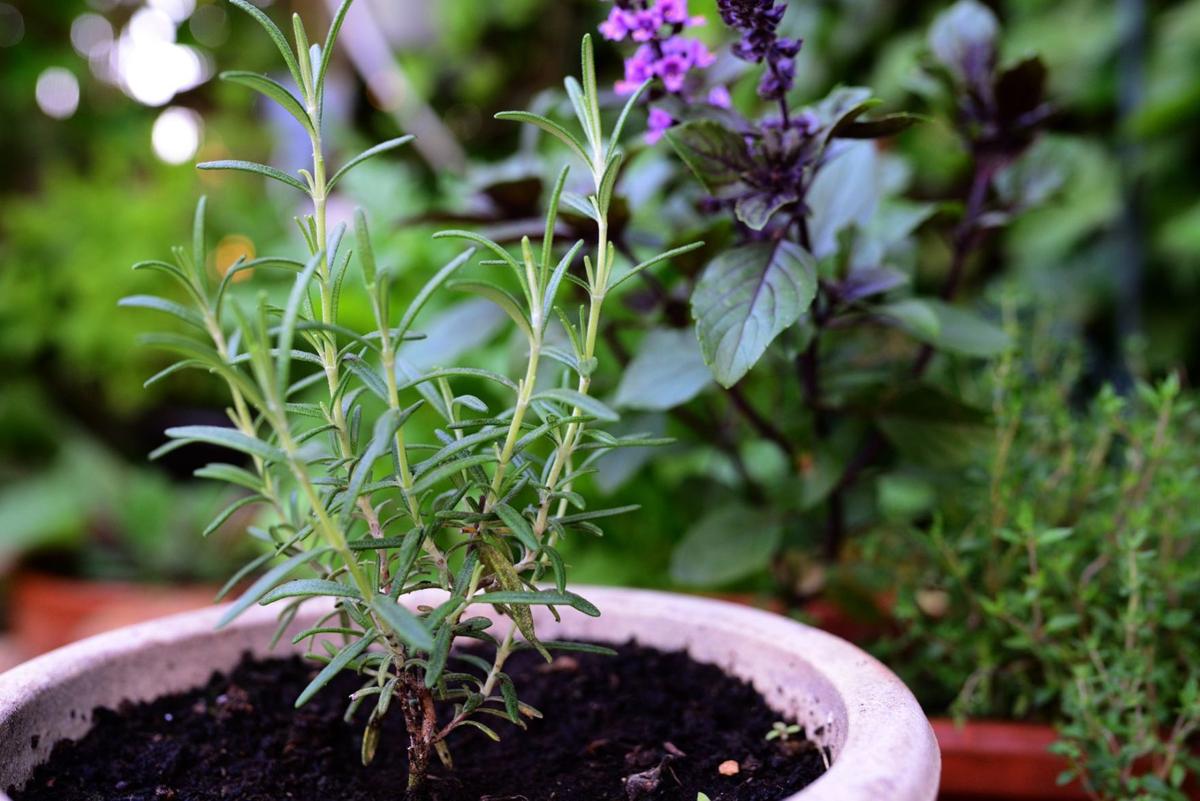
Rosemary is easy to grow, drought resistant and deer tolerant. www.pixabay.com Rosemary was one of the first herbs I ever tried planting in my garden. It is drought resistant and deer tolerant, so I was excited to try it and it was a success! I have moved since that first planting, but at my new home I have a rosemary plant that has lived for several years and continues to grow and flourish despite my sporadic attempts at gardening.
I love the pine smell of the needles, the little blue flowers it produces every spring that attracts honey bees and I especially love that I can walk out to my garden and harvest fresh rosemary for cooking whenever I need it.
Rosemary originated from the Mediterranean and is now found across the U.S. and can be found in a variety of dishes. It can be used to flavor meat dishes as well as soups and stews, teas and even salads.
Rosemary has other non-culinary benefits too, such as smelling it can boost memory. Since my poor memory has been a problem my entire adult life, I was excited to try it. Since I’ve forgotten to track the results, I’ll have to take it by faith that it works!
Rosemary can be used to make essential oils, which is a good addition to natural hair products. According to a 2013 study, rosemary oil may help with some kinds of hair loss. I love to use rosemary after working with something smelly with my hands, by taking some fresh or dried rosemary and rubbing in on my hands to eliminate the bad odors and if there is a bad smell inside the house, simmering a pot of water with fresh rosemary can eradicate the stink.
Rosemary has been used to help boost digestion and improve circulation. It is a good source of vitamin A. Although it does contain vitamins B, C and folate, it is not in significant amounts when used as an herb. It does contain anti-oxidants and anti-inflammatory properties, especially when consumed as tea. Rosemary might also help protect brain function against free radicals.
Rosemary is easy to grow and is good year after year. It is an evergreen and can be harvested year-round, although the flavor is best when the plant is harvested while blooming in the spring — just don’t use the brand-new growth.
The needles can be used fresh or dried. Drying the needles is relatively easy and doesn’t require fancy equipment. Cut a mature stem approximately 8 inches long or longer.
I like to gather several stems into a bunch, tie them off at the bottom, then cover them in a small paper bag and hang the bag, upside down some place warm and dry for up to two weeks. I have forgotten them and left them for several months and they were just fine but 10 days to two weeks is all that’s recommended.
If using the rosemary fresh, store in airtight bags in the refrigerator. Fresh rosemary can also be stored in the freezer by using an ice cube tray. Add to each cube a tablespoon of rosemary and then filling each cube with olive oil or water, then once frozen, popping them into a Ziplock bag. This way, you can have a fresh supply of herbs year-round in the freezer.
Phenolic-enriched raspberry extract can decrease weight gain – even when eating a high-fat diet
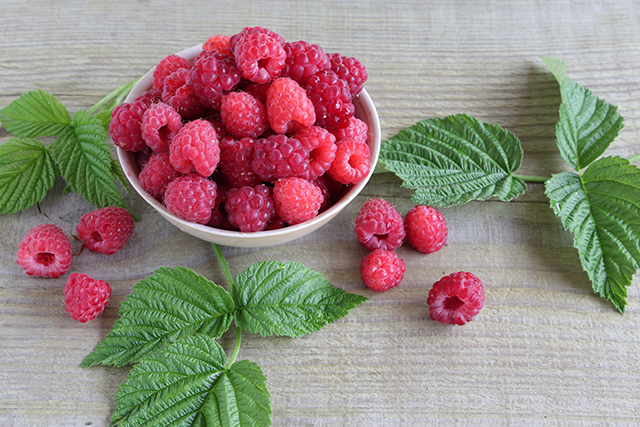
( Natural News ) There are many health benefits associated with eating raspberries ( Rubus idaeus ). These brightly colored fruits from the rose family are rich in essential nutrients and compounds that boost brain, heart and eye health and help with various health problems, such as diabetes, cancer and digestive issues.
Notable micronutrients that can be found in raspberries include vitamins B9 (folate), C, E and K, and minerals like calcium, magnesium, phosphorus and potassium. Raspberries are also rich in antioxidants, such as the carotenoids alpha- and beta-carotene, lutein, lycopene and zeaxanthin.
When it comes to macronutrients, raspberries are rich in protein and fiber, both of which promote satiety and reduce food intake. These nutrients are very helpful for people who are aiming to lose weight.
But researchers at Rutgers University in New Jersey have recently found that those nutrients are not the only reasons for raspberries’ ability to fight obesity. In their new study, they showed that raspberry extracts, which contain phenolic compounds, can prevent excessive fat accumulation and weight gain caused by a high-fat diet. They discussed their findings in an article published in the journal Nutrition Research . Why raspberries should be part of an anti-obesity diet
Among the numerous compounds found in raspberries , phenolic compounds are some of the most useful to humans. Besides possessing properties that promote human health, phenolic compounds also give fruits like raspberries their sweet flavor and pleasant scent.
Raspberrry ketone, 4-(4-hydroxyphenyl)-2-butanone, is a phenolic compound commonly used as a food flavoring. Despite being designated as a “synthetic” flavoring agent by the U.S. Food and Drug Administration (FDA), raspberry ketone is naturally occurring and has beneficial properties. For instance, research in rodents suggests that regular consumption of raspberry ketones leads to weight loss.
To find out if raspberry fruit extracts, which are also rich in phenolics, can do the same, the Rutgers team decided to place four groups of mice on a high-fat diet for a month. Together with foods that contain 45 percent fat, the researchers also gave each group either a control containing only water, propylene glycol and dimethyl sulfoxide; low doses of raspberry extract (REL); high doses of raspberry extract (REH); or raspberry ketone (RK).
After four weeks, the researchers reported that both REH and RK reduced body weight gain and fat mass compared with the control. REH also increased the expression of heme oxygenase-1 (HO-1) and lipoprotein lipase, two enzymes whose activities are crucial to preventing obesity.
According to studies, HO-1 has antioxidant and anti-inflammatory properties that help reduce oxidative and inflammatory stress — two factors involved in the development of obesity and other metabolic diseases. Lipoprotein lipase, meanwhile, plays a critical role in breaking down fat (triglycerides) inside the body.
The researchers also found through indirect calorimetry that REL, REH and RK all reduced the respiratory exchange ratio — that is, the ratio between carbon dioxide production to oxygen consumption — in mice, suggesting increased fat oxidation. Fat oxidation refers to the process by which the body “burns” fat for use as energy. (Related: 6 Natural ways to burn fat if you can’t exercise regularly .)
REH also increased total ambulatory (walking) behavior and energy expenditure/lean mass in mice compared with REL, indicating increased physical activity. None of the treatments, however, caused differences in cumulative food intake, meal patterns or hypothalamic feed-related gene expression.
Based on these findings, the researchers concluded that raspberry ketone and phenolic-rich raspberry extracts can prevent weight gain via different mechanisms that stop excess fat accumulation caused by a high-fat diet.
Sources include:
Setting Gratitude as Your Magnetic North

Nicholas Bartos / Unsplash Grappling with the horrors of global racial injustice in the midst of the COVID-19 quarantine, we are living a paradox. What we want and need most is one of the very things we cannot have: physical proximity to the friends and family we love. While there is no substitute for the quantum- and molecular-level biochemistry of in-person, authentic human connection , the healing brain chemistry of gratitude offers a potent, real-time proxy. Gratitude produces a neurobiological “ upward spiral ” that we can set into motion right now, and as a result improve our outlook , mood , and overall well-being .
Gratitude is defined as a thankful appreciation for what we receive, whether tangible or intangible. It reminds us that we are part of something larger than ourselves. This is significant given the growing body of research demonstrating that isolation (being alone) and loneliness (alone or with a person/group that leaves us feeling invisible) can be toxic to our systems . This “ empty ” feeling can elevate levels of stress hormones, instigating a chain reaction of inflammatory biochemistry throughout our brains and bodies.
Now that you know the story, here is the science.
Feelings of gratitude activate the limbic system , a powerful set of brain structures that includes the hypothalamus and amygdala , both of which play a large role in regulating our emotions, memory , and endocrine function (hormones). It is here where brain chemicals associated with positivity , including oxytocin (the love hormone), serotonin, norepinephrine, and dopamine are generated in an endogenous, uplifting molecular boost that helps us transition into a healthier and more adaptive headspace.
When we wire our brains to focus on what we appreciate in others (vs. what’s missing), or think about what we do have (vs. what we don’t), we create the conditions for a constructive and expansive cycle of emotions and thoughts that shifts our biochemistry for the better.
While perceived negative emotions such as anxiety , fear , and loneliness tend to trigger our sympathetic nervous systems (fight, flight, or freeze) and narrow our scope of perceived options (e. g . Bad day! I am stressed and need ice cream…and maybe a bourbon, too!), the mental frame of positivity, which includes feelings of gratitude, empathy , forgiveness , and generosity , instigates a biological healing cascade that effectively broadens our perspective and behavioral repertoire (e.g. Bad day, but I’m grateful that I managed to keep it together! Though I’m craving ice cream, what will really help settle my frazzled nerves is a warm bath, a hot cup of tea, and good night’s sleep .)
The field of positive psychology terms this productive and healing thought-behavior response pattern “ broaden-and-build .” Gratitude can help us pause, breathe, and gain perspective, allowing us to see that there are more options than just one.
Because in general “ neurons that wire together, fire together, ” gratitude can nudge our inner cognitive processing from self-focused internal thought, which more often than not is comprised of negatively-oriented content and unproductive mood states (e.g. rumination and anxiety), and towards something larger than ourselves—whether it is the galvanizing central force of the universe that is inside all of us, a higher power, the glory of the natural world, or a deep emotional connection with another person.
Some Ways to Begin Cultivating Gratitude:
Keep a daily gratitude journal:
Start by breathing into a soft space in your mind, envisioning warmth
Write down 3-5 things you’re grateful for: “I am grateful…” Breathe in and feel these gifts as you write…
Compose a letter of gratitude to someone every week, and send it! Research demonstrates the powerfully positive effects for the writer and the receiver.
Let moments of gratitude become micro-meditations: The neurobiology of meditation provides access to softer emotions that surface when we are “human beings” rather than “human doings.”
Count your blessings around the family dinner table, and with your bestie at the beginning of your next video or an in-person chat.
Don’t forget that “eustress” (positive stress) can be a positive force in our growth and development. An attitude of gratitude can reposition most challenges – including the extraordinarily difficult circumstances presented by systemic racial injustice and also COVID-19 – as opportunities to learn, evolve, and channeling the spirit of Gandhi, “ Be the change we want to see in the world ”.
If emotions of gratitude are difficult to access, act with intention, and “fake it till you make it.” Verbalizing positivity is a first step in shifting perspective, and in spurring the buoyant biochemical cascade into action.
Find a “gratitude buddy.” Spend 2-5 minutes a day sharing and feeling the things you are grateful for, together, even if you are six feet apart or talking on the phone.
As the late great Maya Angelou once said: “I’ve learned that people will forget what you said, people will forget what you did, but people will never forget how you made them feel.” In practicing gratitude, we experience the breadth and richness of the world around us and give ourselves a dose of the world’s most powerful medicine: LOVE .
Ten ways that daily tea habit is boosting your health

That soothing morning cuppa is also packed with science-backed health benefits. woman drinking tea According to a 2019 CHOICE survey, almost half of the Australian population (9.8 million tea drinkers among a population of 24.6 million) drink at least one cup of tea weekly. We drink an average of 9.5 cups per person per week, with young people consuming 5.5 cups and those 65+ drinking 10.9 cups per week on average, according to Roy Morgan Research.
It’s little surprise, then, that the Tea Advisory Panel (TAP) found 80 per cent of people say tea provides relief from daily problems and stresses.
TAP says tea contains natural plant substances, including polyphenols, caffeine and amino acid L-theanine (a building block of protein), which act on the body and mind. A recent major review found L-theanine improves the ability to manage stress and anxiety, and earlier studies have shown it triggers various parts of the brain linked with relaxation and mental focus to light up, helping us deal with distractions.
“We often turn to tea when in need of a boost or to help us handle stress,” says dietitian Dr Carrie Ruxton. “Whether it’s a comforting mug of tea with family, or the peaceful ritual of brewing up some tea leaves in your favourite teapot, tea always seems to do the trick. Yet we know from the science that it’s not our imagination, as there are now several studies pointing to the mental health benefits of drinking tea every day.”
One study, she says, asked participants to drink black tea or a placebo drink daily for six weeks, and were then asked to complete a series of stressful mental tasks. The tea drinkers were found to have lower levels of stress hormones in their blood, and reported feeling more relaxed after the tasks.
Fellow TAP member Dr Tim Bond adds: “Tea is a healthy drink and can make a useful contribution to our daily fluid requirements and help maintain good hydration.
“Tea may contribute to immune function, partly due to a beneficial effect on the gut microflora. It’s a pleasant, comforting drink and can help us feel better during times of stress and uncertainty. Enjoying four to six cups daily is good for our physical and mental health.”
Want more proof of how good that cuppa really is? Here, Dr Bond outlines the science.
1. It may reduce or delay dementia risk
A study of 957 elderly Chinese people found consistent drinking of black/oolong tea reduced the risk of cognitive disorders by 53 per cent, and for green tea by 43 per cent. The findings also suggested those genetically at higher risk of developing Alzheimer’s disease may reduce this by as much as 86 per cent. “This health benefit is likely to be due to the catechin content of tea,” says Dr Bond.
A laboratory study found the dominant member of this catechin family could reduce the cognitive defects linked with a Western diet high in fat and sugar, and Dr Bond says further research has found a positive contribution of tea drinking to brain structure, suggesting a protective effect on age-related decline in brain organisation.
2. It enhances cognition and memory
A review of 49 human studies found two ingredients in tea – L-theanine and caffeine – in combination are associated with improved attention, memory and alertness more than either ingredient on its own.
3. It helps reduce depression and anxiety
Another 2018 study found long-term tea consumption among elderly people was associated with reduced symptoms of anxiety and depression. Theaflavins, compounds found in black tea, have been found to reduce depression and prevent memory impairment. Theaflavins have also been shown to reduce anxiety by increasing dopamine turnover in the brain.
4. It lowers the risk of cardiovascular problems
A review published in 2012 found regular tea consumption could reduce the risk of heart and circulation problems by up to 20 per cent. Some studies have found this effect could even be as high as 45 per cent. In one 2019 study of 208 patients, tea drinking was linked with reduced arterial disease compared to soft drinks, which were linked with increased arterial disease.
5. It helps prevent type 2 diabetes
Studies also indicate the beneficial effect of being a regular tea drinker in relation to type 2 diabetes – particularly green tea. A study published recently by Cambridge University Press, of 12,017 people aged 20 – 70, found daily tea drinking reduced diabetes risk in women by 32 per cent. Dark tea reduced the risk by 45 per cent.
6. It helps with weight management
“This is thought to be because of the catechin content in tea and because of positive changes in the gut bacteria, thanks to tea drinking,” says Dr Bond, who explains that tea catechins are believed to increase activation of brown adipose tissue, which helps the body get rid of energy (calories).
Scientists are increasingly understanding the role of gut bacteria in obesity and weight management. A 2017 University of California study found both black and green tea changed the ratio of intestinal bacteria. The percentage of bacteria associated with obesity decreased, while bacteria associated with lean body mass increased. This change in the gut microflora was associated with increased energy metabolism.
7. It helps tackle high blood pressure
A study published in 2012 found drinking black tea could reduce blood pressure by up to 10 per cent, while separate research found regularly drinking green tea could reduce the risk of high blood pressure by 46 per cent. “Tea and its compounds have been shown to help relax smooth muscle and reduce inflammation in arteries, which may help to explain these effects on blood pressure,” explains Dr Bond.
8. It’s good for oral health
“There’s evidence tea can combat bad breath and reduce inflammation, bone reabsorption and the growth of bacteria associated with gum disease,” says Dr Bond. One study found tea helped with a 40 per cent reduction in dental decay risk.
9. It’s good for eye health
Research also shows daily tea […]
Healthiest Herbs And Spices To Add To Your Meals

Salt and pepper are not the only ones that can add taste and flavor to what we eat. More than determining whether or not our meals can taste good, herbs and spices have various benefits that aid in overall health. All of these come from plants and their parts, including flowers, fruits, seeds and leaves, so it makes sense that they are packed with both flavor and antioxidants.
Many herbs and spices contain antibacterial and antiviral properties, and are often high in certain nutrients. Some are also shown to aid in weight loss and appetite control or even satisfy sweet tooth without calories. Whether store-bought and organic or grown in-house, Wellness Mama has shared the following herbs and spices that will add health benefits to your meals:
Cinnamon
Having the highest antioxidant value of any spice, cinnamon is shown by studies to reduce inflammation while lowering blood sugar and blood pressure, thus aiding in weight loss. Like ginger, it has also been used to relieve nausea. Packed with manganese, iron, calcium and other important minerals, cinnamon also has antimicrobial properties that extend the life of foods —
both sweet and savory.
Basil
Basil can help prevent osteoarthritis, thanks to its antiviral and anti-inflammatory properties, and has been used in treating digestive disorders. The herb also has anti-cancer properties. In fact, one study found that basil leaf-based extract can help detoxify the body of carcinogens.
Turmeric
Used abundantly in Indian cuisine, this oft-overlooked spice is not only mild and fragrant but also powerful because it contains curcumin, an active ingredient that serves as a potent anti-inflammatory compound. Curcumin itself can help fight cancer, ease symptoms of Alzheimer’s disease and boost the immune system.
Garlic
Used in Italian food, garlic has its own share of health benefits. It is long believed that this pungent herb can help fight cancer and this claim is backed by research. Research also found that eating raw garlic helps cure colds and the flu when paired with vitamin C and a little honey.
Dill
Dill is a favorite among pregnant women probably because it can soothe an upset stomach, especially during morning sickness. Its essential oils have been used in medicine to treat diseases in the kidneys, gallbladder, stomach and liver.
Cayenne Pepper
The hotter the cayenne, the better. More accurately, cayenne pepper’s medicinal properties come from capsaicin, which increases heat when in abundance. The antioxidants present fights free radicals while being beneficial for improving cholesterol levels, boosting metabolism and even fighting against heart and fatty liver diseases.
Fennel Seed
Packed with fiber, iron and vitamin C, fennel seeds are incredibly nutritious choices. They contain a high level of manganese, a mineral that helps in bone development, blood sugar regulation, wound healing and other bodily functions. These seeds may also help with weight loss. A study found that drinking fennel tea helped suppress short-term appetite among overweight women.
Mint
Mint is not just known as part of peppermint tea or as an ingredient in most toothpastes. It is great for dealing with digestive problems and can also help alleviate IBS-related issues such as bloating and gas. Mint is not only good for the belly but also helps your brain. One study found that sniffing peppermint essential oil can enhance memory and other cognitive functions.
Oregano
Both oregano and the milder marjoram are great for overall health since they are antiviral, antibacterial, antimicrobial and even anti-cancer. In addition, oregano helps balance blood sugar while relieving inflammation.
Cumin
Next to black pepper, cumin is the second most used herb in the world. The herb has antimicrobial properties and is used in reducing flatulence. It is often used in tacos, chili and other Mexican dishes.
Rosemary
Rosemary is more than just a common nice-smelling household plant. In addition to having natural anti-inflammatory agents, it has a high concentration of carnosol, an antioxidant that has potential in fighting different cancer and tumor types.
Thyme A member of the mint family, thyme contains thymol, a potent germ-killing antioxidant used in mouthwashes such as Listerine. Swishing your mouth with thyme-infused water will have a similar effect. A diluted thyme tincture can also be used in treating athlete’s foot and vaginal yeast infections. Cilantro Also known as coriander, cilantro has various health benefits, including its ability to detox heavy metals from industrial waste and agricultural runoff. In addition, the herb contains lots of antioxidants and can also be used to heal gastrointestinal issues, control cholesterol and, in traditional Iranian medicine, help ease anxiety and insomnia.
White mulberry can help with weight loss, study finds
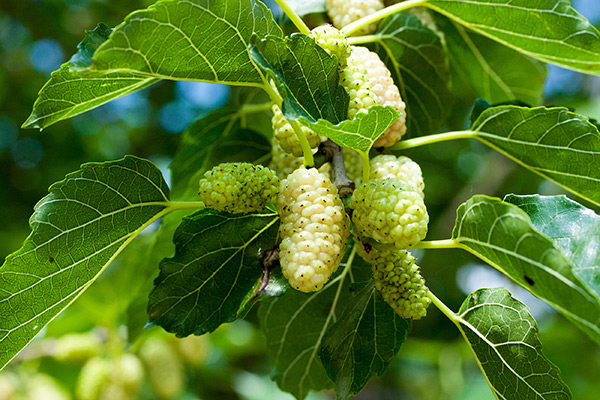
( Natural News ) White mulberry ( Morus alba ) is a tree native to China well-known for its use in traditional medicine . According to historical texts, Ancient Chinese healers made a tincture for toothache from the bark of the white mulberry tree and a remedy for colds and flu from white mulberry leaves. White mulberry fruits, on the other hand, served as a mild laxative and as a natural treatment for dizziness, high blood pressure and diabetes.
Today, the fruits and leaves of the white mulberry tree are used to make supplements that help lower blood cholesterol and blood sugar levels. These parts, together with its bark, are also widely studied for their cardiovascular and metabolic health benefits. For instance, in a recent study, American and South Korean researchers identified the root-bark of white mulberry as an excellent source of appetite-suppressing flavonoids.
In their report, published in the Journal of Medicinal Food , the researchers looked at the active compounds present in white mulberry root-bark extract and investigated its ability to induce weight loss by reducing food intake. The researchers found that two flavonoids, in particular, function as cannabinoid (CB1) receptor antagonists, which trigger appetite suppression and make white mulberry root-bark a promising natural medicine for obesity. Flavonoid-rich white mulberry can help control the appetite
The prevalence of obesity is increasing worldwide, making the disease a global burden with limited treatment options. According to studies, controlling the appetite of obese individuals is a potential strategy for inducing weight loss and reversing metabolic disturbances. In a bid to find an effective appetite suppressor from natural sources, the researchers screened more than 8,000 plants for CB1 receptor antagonists.
The CB1 receptor is part of the human endocannabinoid system, a molecular system that regulates and balances a variety of important processes, such as immune response, metabolism, cell communication, memory and appetite. The CB1 receptor is activated by natural cannabinoids , such as the brain chemical anandamide, and helps turn functions in the brain and body on and off.
Previous studies have found that large amounts of endocannabinoids are produced in the brains of obese mice or rats. Similarly in hungry non-obese rats, endocannabinoid levels in their forebrain are elevated and only return to normal when they are satiated. These findings suggest that inhibiting the activity of endocannabinoids with the help of CB1 antagonists — an agent that interferes with the physiological action of another — may result in appetite regulation.
Among the thousands of plants in their plant library, the researchers singled out white mulberry as a potential source of CB1 receptor antagonists. Phytochemical analysis revealed that its root-bark contains two such compounds, namely, kuwanon G and albanin G. The researchers isolated these flavonoids and, after further analysis, reported that they showed 92 percent and 96 percent CB1 receptor ligand binding inhibitory activity, respectively.
Next, the researchers tested the appetite-suppressing activity of the white mulberry extract on rats by giving them 250 and 500?mg of the extract per kg body weight. They also evaluated the extract’s ability to reduce food intake and induce weight loss by giving obese mice the same oral doses for seven weeks. (Related: Discovering the anti-obesity potential of quercetin .)
The researchers observed statistically significant and dose-dependent reductions in food intake in both the rats and mice after short- and long-term supplementation with the white mulberry extract. At 250?mg/kg body weight, the flavonoid-rich extract reduced food intake by 58.6 percent and 44.8 percent one and two hours post-food provision, respectively. At 500?mg/kg, the researchers noted 50.1 percent and 44.3 percent reductions.
The white mulberry extract also caused a 20 percent reduction in daily calorie intake in obese mice. Compared with obese mice given a blank, those who received the white mulberry extract experienced 10.4?g (22.5 percent) and 7.1?g (16.5 percent) weight loss at week 7 and baseline, respectively. These benefits were observed together with statistically significant reductions in biochemical markers of obesity and visceral fat deposit.
Based on these findings, the researchers concluded that white mulberry extracts rich in kuwanon G and albanin G may be used alone to control appetite, manage body weight and reverse metabolic disturbances in individuals suffering from obesity.
For more natural ways to prevent and reverse obesity, visit FightObesity.news .
Sources include:
Mouse study shows microglia not just trash disposal, but essential to healthy neuron balance
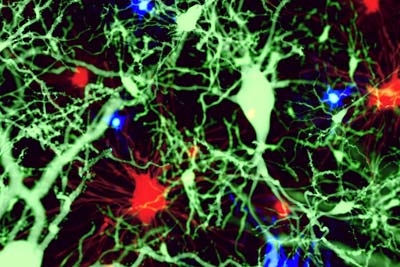
Microglia, the brain’s cleanup crew, may also play an important role in regulating a healthy balance and function of surrounding neural cells. Microglia are resident immune cells in the brain that patrol the central nervous system’s cellular environments rapidly detecting, surrounding, and disposing of damaged cells, germs, and other cellular debris. One part of microglia’s job is devouring the corpses of dead brain and nervous system cells via a process known as phagocytosis. Microglia (blue) are more than just a cleanup crew. They actually help maintain a healthy life cycle of neurons (green). Mature, functioning neurons in the hippocampus region of the brain continually grow from neural stem cells in the adult brain (a process called neurogenesis), developing over time into established neuronal circuits. In adults, most newborn neurons are programmed to die quickly after they are born and are promptly gobbled up by phagocytosis then carried away by microglia.
While the conventional scientific wisdom held that this microglial cleanup was just a passive trash disposal process, an international team of researchers, in part supported by NIA, found there is more to microglia’s role than meets the microscope-aided eye. They published their findings in the Journal of Neuroscience .
The team zoomed in on how lab mice produce new neurons in the hippocampus, which is vital for learning and memory. Using a type of genetically modified mouse model in which microglial phagocytosis was blocked, they observed a corresponding drop in hippocampal neurogenesis. This was a sign that microglia and recently born neurons had some sort of communications connection.
Next, the team fed apoptotic cells to microglia grown in the lab so they could more closely monitor the process. They saw that phagocytosis was actually a highly energetic business, sparking genetic and metabolic changes in the microglia. The microglia’s secretome — the collection of signature proteins that the cells released — seemed to be the mechanism for signaling newborn neurons. The data suggested that through this process, microglia sense cell death rates, and help boost or brake neuron production, thus orchestrating the neuronal birth and death cycle to maintain a healthy balance.
Like microbes, worms, and insects that break down the flesh of dead animals to enrich soil for new growth, microglia are an essential and more complex part of the nervous system’s circle of birth, life, and death than previously realized. The researchers hope this better understanding of the communication circuits behind natural cycles of neuronal death may help target microglial phagocytosis as a route to potential future strategies or therapies for age related and neurodegenerative diseases.
This work was supported in part by NIA grant AG060748.
Reference : Diaz-Aparicio I, et al. Microglia actively remodel adult hippocampal neurogenesis through the phagocytosis secretome . Journal of Neuroscience . 2020;40(7):1453-1482. doi: 10.1523/JNEUROSCI.0993-19.2019.

The Power Within by Corey Daniels book available for only $2.99
Mind has both conscious and subconscious halves. These are likened to a driver and the truck he drives. The driver plans the destination and observes road conditions, while the truck provides motive power. Your subconscious mind is like the truck and it only goes in the direction in which is a steered. This can be the road or off a cliff. Likewise, the consciousness paints a picture of what the world is and what your goals are and the subconscious acts on them through emotion, physical response and energy, whether these are correct, rational images or false negative ones. The subconscious is also like an emotional reservoir which your body and mind draw responses from to external stimuli.
The Power Within lays out a method of programming your subconscious and tapping into the Holy Spirit, God voice or what the Greeks called the daimon (godman).