Nature Knows and Psionic Success
God provides
Older adults enjoy the heart-healthy benefits of beetroot juice more than younger adults, study says
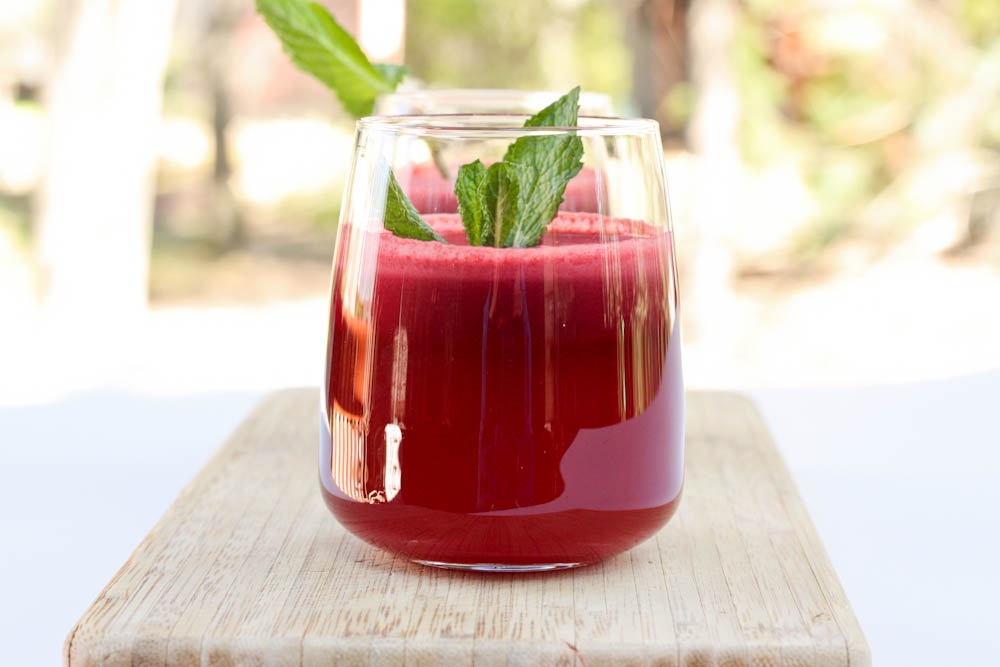
( Natural News ) Packed with essential nutrients like iron, potassium and vitamin C, beetroot is steadily gaining popularity as a heart-healthy superfood. A recent study showed that consumption of beetroot juice led to improved heart and brain functions in both young and old adults.
The study, published in Nutrients , also revealed that beetroot juice improved certain biomarkers for heart disease like plasma nitrite levels and systolic and diastolic blood pressure. Beetroot juice as a heart-healthy beverage
Beetroot, a deep-red bulb vegetable native to many countries across Central and Eastern Europe, is an excellent source of nitrate , a type of compound that the body naturally produces. Nitrate plays an essential role in blood pressure control and blood circulation. It dilates constricted blood vessels, a key indicator of high blood pressure . Nitrate also increases brain blood flow, which can help delay cognitive decline and prevent dementia .
Several clinical trials on beetroot and beetroot juice consumption have proven the heart-healthy benefits of the vegetable. Often, these trials were conducted on individuals who were at risk of chronic diseases due to old age. For this reason, researchers from Massey University in New Zealand and Thai Union Group PCL, a Thailand-based food company, hypothesized that beetroot would provide a greater improvement in cardiovascular and cognitive functions in older adults than in younger adults.
To examine this hypothesis, the researchers conducted a randomized, double-blind crossover trial on 24 healthy and recreationally active participants who volunteered for the study. The participants were divided into two groups based on a set age range. Thirteen participants were aged 18 to 30, while 11 were between 50 to 70 years old. None of the participants smoked, exercised intensely, or had a history of a chronic disease like dementia and cardiovascular disease.
Participants were asked to visit the laboratory on three separate occasions. The first visit involved the collection of baseline measurements. For the second and third visits, each participant was randomly allocated either a 150 mL beetroot juice or placebo prior to a 30-minute treadmill walk. Prior to and after the consumption of either beetroot juice or placebo, the researchers collected each participant’s blood sample and recorded their blood pressure and heart rate.
Upon analysis, the researchers found that supplementation of beetroot juice significantly improved plasma levels in both age groups. However, they observed a greater increase in plasma in older adults than in younger adults. This finding suggests that nitrate supplementation may help minimize the risk of cardiovascular disease, especially in later years.
The older adults also showed significant improvements in diastolic blood pressure compared to the younger adults, although the latter experienced improvements as well. However, beetroot juice supplementation caused no significant difference in terms of cognitive performance, mood and overall cognitive health. According to the researchers, the lack of difference may be due to the small sample size. Other proven health benefits of beetroot juice
Beetroot is an incredibly nutritious root vegetable that offers several benefits outside of cardiovascular health, such as the following:
Reduces inflammation
Beetroot contains plant compounds known as betalains that help alleviate inflammation. Phytochemicals, a type of plant chemical that gives beetroot its color, also reduce oxidative stress that causes inflammation.
Prevents anemia
Beetroot is an excellent source of iron , an essential component of red blood cells. Low levels of iron are linked to poor blood circulation and anemia , a nutritional deficiency marked by extreme fatigue and paleness.
Protects the liver
Antioxidants in beetroot help protect the liver from inflammation. They also enhance the liver’s ability to rid the body of toxins and impurities.
Boosts physical performance
Compounds in beetroot juice, such as nitrates and betalains, may also help boost physical performance. These compounds improve blood circulation, which also boosts energy production. (Related: Beat juice can help heart patients keep exercising .)
Beetroot is a healthy addition to a balanced diet. Reap the health benefits of this highly nutritious root vegetable when you eat it raw or drink beetroot juice.
Sources include:
MDPI.com
Skeletal Muscle: The Forgotten Part of the Immune System, By Mukaila Kareem
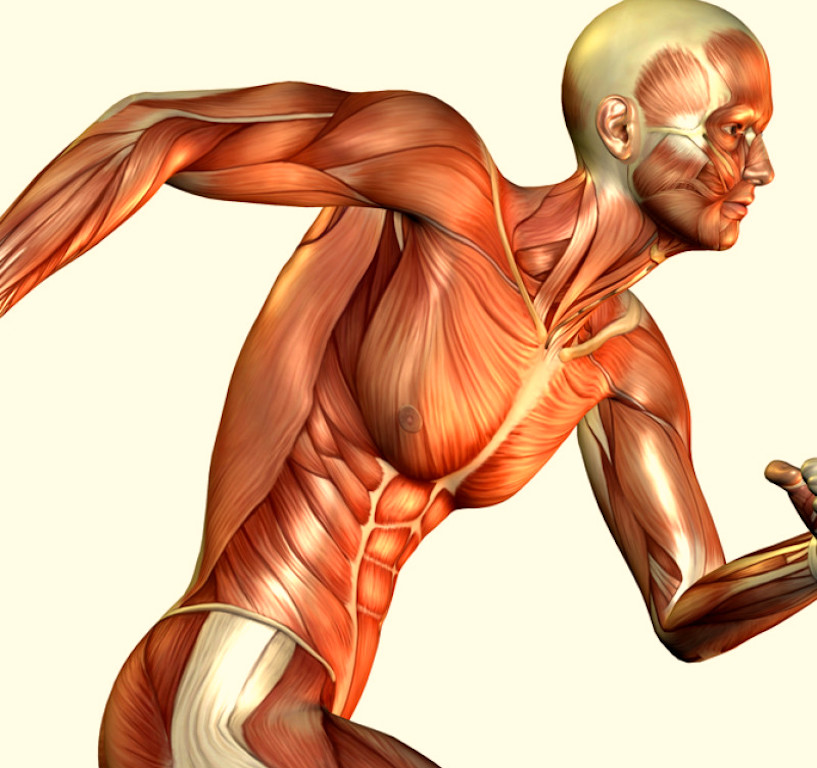
The failure of modern medicine in preventing and curing modern chronic diseases partly rests on the inability to connect the dots between health, overconsumption, physical inactivity, and the immune system. Everyone knows that exercise is good, but few could explain how good and one bestselling author, a kidney specialist and proponent of fasting in diabetic reversal, stated that exercise is so good that it’s a waste of time talking about it. Permit me to digress here: Years ago, my son had an ear infection and insisted that his pediatrician prescribed amoxicillin tablets, instead of the liquid form to him because he thought that he was no longer a little kid. Besides, he loved and still loves West African pounded yam, which involves swallowing the good stuff in small balls after dipping it in soup.
However, he initially refused to take the tablets because he thought they were too big for him to swallow. I took advantage of his knowledge of animal cell biology, including the aggressive streak in boys, and informed him that the medicine worked to kill the bacteria that was causing him pain by piercing its “skin” and then releasing its contents to neutralise the bacteria. In addition, I informed him that the pain would come back or not go away if he missed the dosages because the bacteria would die only if he took them as prescribed. The point was he knew the medicine was good but understanding how it worked made the difference in swallowing the “big” pills.
Exercise sometimes means different things, based on circumstance, and with the ongoing coronavirus pandemic, exercise, to many, is a “booster” of the immune system. As I noted in my previous article, human beings are both instinctively and deliberately endowed with “disease avoidant” behaviours to prevent us from getting sick. For example, and this is in no way meant to gross you out, but be ready to have your own treat if you invite friends over and prepare the most delicious chocolate brownies and shape it like coiled faeces, with the placement of a few synthetic flies perched on the “pile”! The full awareness that it is chocolate brownies probably may not be enough for many to overcome the disgusting sight wired to avoid infection, despite the familiar smell of chocolate.
The question is: Beside inherent behaviours to avoid sickness, what are the roles of skeletal muscle as an important part of immune system in overall health, and given the present attention to COVID-19 and social distancing, why must we remain physically active during and after the ongoing lockdown? A short context applies here: Man is not the strongest being on the planet, but he is the smartest and the most intelligent. In addition, his bipedal locomotion is highly efficient and costs far less energy than the locomotion of four-legged animals. As the Holy Scripture says to man: “…be fruitful and multiply; populate the earth abundantly and multiply in it.” Therefore with the superb combination of unsurpassed the locomotion apparatus (legs/feet) and smartness (big brain), man has therefore been curiously nosey, not just exploring new environments but has thrived everywhere, even with the ability to reproduce, in the face of starvation, dehydration, accidents, violence and infections. …the immune system is broadly divided into innate and adaptive categories. The innate immune system is the first line of attack once bacteria, virus, or fungus successfully gains entrance into the body. Primarily, the goal of the innate cells is to ingest these foreign bodies before they enter the body cells and this assignment is performed by innate cells called neutrophils and monocytes/macrophages. Therefore, man’s constant migration, despite environmental challenges, requires an effective immune system in an anti-inflammatory mode as a preventive measure to stave off infections. However, in rest periods, such as overnight sleep, occasional accidents and infections, the immune system switches to a pro-inflammatory mode. To give a clearer picture, the immune system acts as a “watchman” for cell repair and cell production during overnight sleep, promotes wound healing following occasional accidents, and mounts an overwhelming response to severe infections causing sickness behaviour with little or no priority for physical activity, in line with an Italian saying: “prima vivi e poi filosofi” (First live and then philosophise).
Multiple studies have described the decline in immune function with age, which includes increased risk for new infections, recurrent infection from old antigens and decreased vaccine efficacy. In fact, it has been reported that the yearly influenza vaccine is only 40–60 per cent effective in people aged 65 and above. However, these studies, as always, did not reflect the roles of regular physical activity in immune competence.
Briefly, the immune system is broadly divided into innate and adaptive categories. The innate immune system is the first line of attack once bacteria, virus, or fungus successfully gains entrance into the body. Primarily, the goal of the innate cells is to ingest these foreign bodies before they enter the body cells and this assignment is performed by innate cells called neutrophils and monocytes/macrophages. However, if the invaders succeeded in entering and infecting the body cells, the infected cells are promptly recognised and dissolved by the innate cells called Natural Killers with their potent toxins. Natural Killers are so named because they do not require “training” and can attack all kind of invading antigens.
For an effective innate immune system, working muscles via regular exercise secretes anti-inflammatory proteins called myokines, which help to mobilise the increased circulation of immune cells. Even in the absence of infection, contracting muscles cause circulating neutrophils to release soluble anti-microbial and anti-cancer proteins called lactoferrin and lysozyme. These proteins are also found in saliva, nasal secretion, and tears. According to a study, a bout of 45 minutes of running significantly increases the production of lysozyme and lactoferrin in saliva. In addition, a 2004 paper also reported an increase of 15.5 per cent in circulating neutrophils following an hour of exercise, including a 33 per cent increase in serum lactoferrin concentration. In fact, the human’s first encounter with […]
Pandemic causes widespread sleep disruptions: Experts explain how to get your sleep schedule back on track
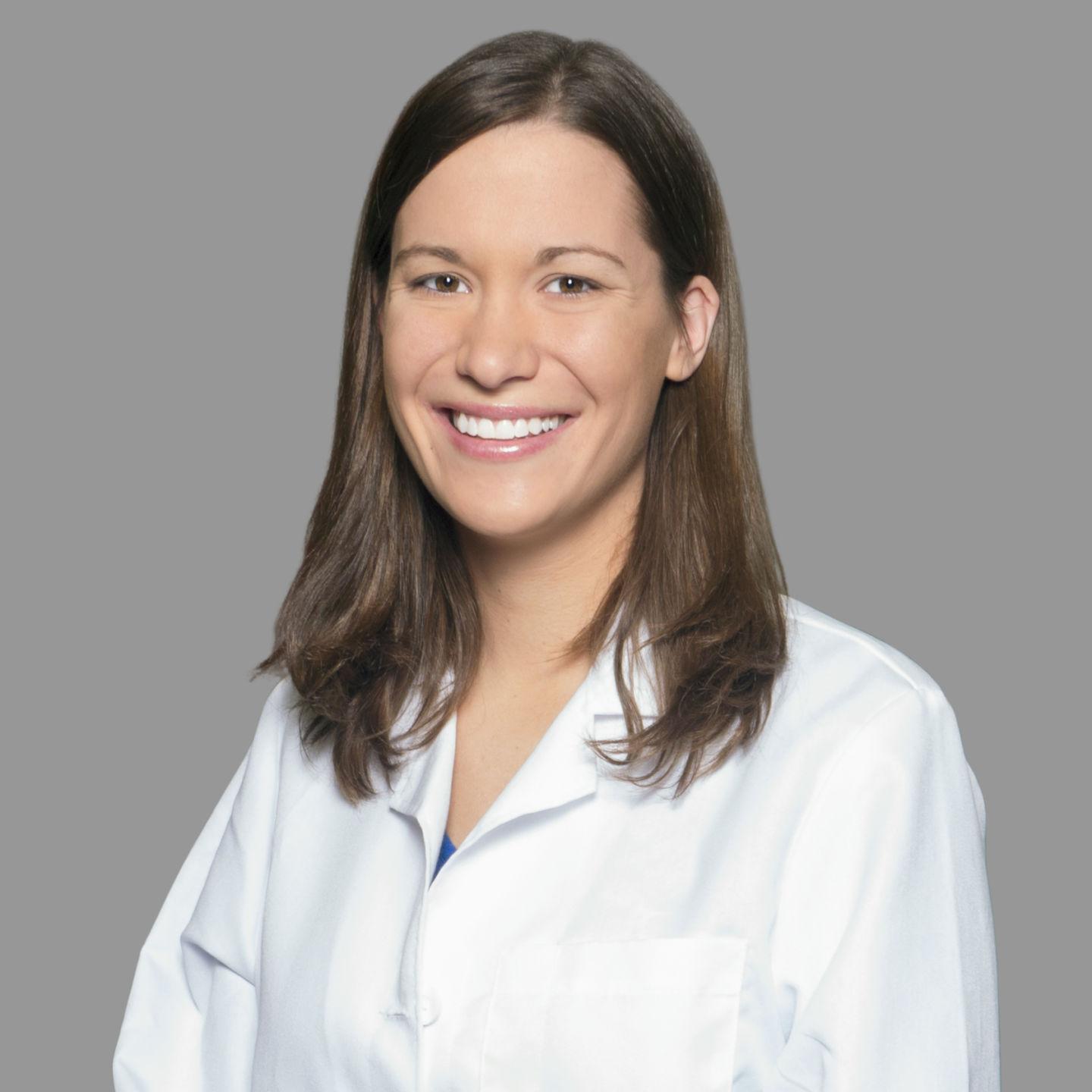
Natalie Morgan, sleep specialist, offers advice on how to get healthy, consistent, quality sleep. Disrupted lifestyles have led to disrupted sleep cycles during the pandemic, and that shift in sleep patterns can have negative effects on both health and mood, according to sleep experts.
Natalie Morgan, nurse practitioner with Christus Trinity Clinic sleep medicine, offered insight into the effects of disrupted sleep cycles, and offered tips to help improve sleep patterns for both children and adults.
“Most people would agree their sleep patterns have been disrupted due to a sudden change in lifestyle. Everybody’s story is different but if sleep patterns have been disrupted, it will affect focus, mood, memory, immunity and even appetite,” said Morgan.
Morgan said people may be sleeping in more or taking naps during the day where they used to not have the ability to do so. She recommended that people mentally note not only what time they are waking up, but also pay attention to how they wake up in the morning.
“When you have a regular morning routine, it affects overall sleep health. I’ve noticed with my clients that making sure they have a morning schedule helps them fall and stay asleep at night,” she said.
Morgan explained the importance of waking up and being exposed to natural light in the morning, as well as incorporating some form of physical movement to help the body shift from sleep mode to “awake” mode.
“Waking up right away in the morning, having the natural sunlight on the skin, and physical exercise help your body realize it’s time to wake up. It gets your blood flow and heart pumping faster,” said Morgan.
Additionally, the more active a person is during the day, the higher their “sleep drive” will be when they lay down to go to sleep at night, she explained.
Overall, the most important aspect of having a healthy sleep cycle is sticking to a consistent schedule.
“In the evening, both children and adults should have a regular bedtime routine. An hour before bed, shut off screens and partake in a calming activity like bedtime prayers, a bath, meditation or reading,” she said.
Although many people believe that watching TV before bed helps them fall asleep, falling asleep to an electronic sound inevitably affects the quality of sleep, said Morgan.
“There are blue lights in screens that affect our brains’ ability to produce melatonin, which naturally helps us get sleepy at night. Screens shut off that melatonin production and negatively affects the sleep you get,” she said.
Another common sleep inhibitor, Morgan explained, is consuming sugary foods before heading to bed.
“After consumption, the blood sugar spike gives added energy but a few hours later the dip in blood sugar could cause a sleeping person to wake up,” she said.
She additionally cautions people who are having difficulty sleeping at night against taking naps during the day. Although sleep recommendations vary by age, an adult should get seven and a half to eight hours of sleep each night, she said.
“That healthy number of hours asleep does include naps, but I would caution against recommending naps because they could increase sleep disruption at night. Limit naps, if you are struggling to sleep at night,” said Morgan.
According to Morgan, the pandemic may have improved sleep structure for some individuals.
“The pandemic may be a positive effect for some people. If people are more productive if their day starts at 9-10 o’ clock. If they can start day later and end the day later, that’s great. The important part is consistency. They may be more productive at home than they are normally,” she said.
For those working from home, Morgan recommended that they do not work in the bedroom, and stressed the importance of training the brain to view the bed as a place to relax and sleep, taking care to separate it from the work space.
If individuals have a set sleep and wake-up routine, are limiting naps during the day, limiting screen time before bed and refraining from eating sugary foods before sleeping yet still experiencing disruptions in sleep, Morgan recommends scheduling an appointment with a sleep specialist who can offer further recommendations or treatment plans based on the client’s specific needs.
In many cases, sleep experts will discuss lifestyle changes with their clients that fit their specific sleep struggles, and any further measures can be discussed depending on the severity of the clients case, she said.
A video visit is now legally considered the same as an office visit, which means they are available through insurance and medicine can be prescribed if necessary, she said.
“The best way to get in touch with a sleep specialist is through a direct call to the Christus sleep office, which can be reached by calling (903) 606-1664. You van also call (903) 606-DOCS which is available 24/7,” she said.
How deep learning can improve how we conduct scientific research
Whether we take it for granted or not, deep learning algorithms have become an inseparable part of our daily lives. Personalized feeds, face and voice recognition, web search, smart speakers, digital assistants, email, and many other applications that we can’t part ways with using deep learning algorithms under the hood.
But how effective is deep learning in scientific research, where problems are often much more complex than classifying an image and requirements are much more sensitive than recommending what to buy next?
To answer this question, former Google CEO Eric Schmidt and Google AI researcher Maithra Raghu have put together a comprehensive guide on the different deep learning techniques and their application to scientific research.
“The amount of data collected in a wide array of scientific domains is dramatically increasing in both size and complexity,” the authors write, adding that along with advances in machine learning, this rich corpus of data can provide “many exciting opportunities for deep learning applications in scientific settings.”
Read: [ How deep learning algorithms can be used to measure social distancing ]
Titled “ A Survey of Deep Learning for Scientific Discovery ,” their guide provides a very accessible overview of deep learning and neural networks for scientists who aren’t necessarily versed in the complex language of artificial intelligence algorithms.
I strongly recommend reading the entire 48-page document and visit many of its references. But here are some key takeaways. You don’t necessarily need to do deep learning
With deep learning being all the rage, it’s easy to be tempted to apply it to anything and everything. After all, the basic proposition is very attractive: It’s an end-to-end AI model that takes a bunch of data, develops a mathematical representation, and performs complex classification and prediction tasks.
Deep neural networks can tackle problems previously solved by other types of machine learning algorithms, such as content recommendation or fraud detection. They can also handle problems that were traditionally difficult to handle with other machine learning techniques, including complex computer vision and natural language processing (NLP) tasks.
However, Schmidt and Raghu warn, when formulating a problem, it is important to consider whether deep learning provides the right set of tools to solve it. “In many settings, deep learning may not be the best technique to start with or best suited to the problem,” they write.
For many problems, simpler machine learning algorithms often provide more efficient solutions. For instance, if you want to find the most relevant of a set of chemical characteristics of different substances, you might be better off using “dimensionality reduction,” a technique that can find the features that contribute most to outcomes.
On the other hand, if you have limited data or if your data has been neatly arranged in a tabular format, you might want to consider trying a regression model before using neural networks. Neural networks usually (but not always) need lots of data. They are also difficult to interpret. In contrast, linear and logistic regression algorithms can provide more accurate results when the data is scarce, especially if the problem is linear in nature. Regression models also provide a clear mathematical equation with coefficients that explain the relevance of each feature in the dataset. Deep learning for image-related scientific tasks
Scientists are using deep learning algorithms to detect signs of COVID-19 infection in chest x-rays of patients (source: COVID-Net ) One area where deep learning algorithms have been very effective is the processing of visual data. The authors describe convolutional neural networks as “the most well-known family of neural networks” and “very useful in working with any kind of image data.”
Aside from the commercial and industrial applications , CNNs have found their way into many scientific domains. One of the best-known applications of convolutional neural networks is medical imaging analysis. There are already many deep learning algorithms that examine CT scans and x-rays and help in the diagnosis of diseases such as cancer. Recently, scientists have been using CNNs to find symptoms of the novel coronavirus in chest x-rays.
Some of the visual applications of deep learning are less known. For instance, neuroscientist are experimenting with pose-detection neural networks to track the movements of animals and analyze their behavior. NLP technology can expand to other fields
Another area that has benefitted immensely from advances in deep learning algorithms is natural language processing . Recurrent neural networks, long short-term memory (LSTM) networks, and Transformers have proven to be especially good at performing language-related tasks such as translation and question-answering.
To be clear, the current AI algorithms process language in fundamentally different—and inferior—ways than the human brain. Even the largest neural network will fail at some of the simplest tasks that a human child with a very rudimentary understanding of language can perform.
This is because like all other types of neural networks, RNNs and Transformers are at their very core pattern-matching machines. They can find recurring patterns in sequences of data, whether it be text or any other kind of information. According to Schmidt and Raghu, these structures can be used in “Problems where the data has a sequential nature (with different sequences of varying length), and prediction problems such as determining the next sequence token, transforming one sequence to another, or determining sequence similarities are important tasks.”
While this scheme presents limits in dealing with the abstract and implied meanings of language , it has some very interesting applications in scientific research in areas such as genomics and proteomics, where sequential structures play an important role.
Transformers have proven to be especially efficient in scientific research. In one recent project , AI researchers used unsupervised learning to train a bidirectional Transformer on 86 billion amino acids across 250 million sequences spanning evolutionary diversity. “The resulting model maps raw sequences to representations of biological properties without labels or prior domain knowledge,” the researchers write. This is an important step toward understanding protein sequences and extracting general and transferable information about proteins from raw sequences. What if you don’t have a lot of data?
One of the main criticisms against deep learning is its […]
How to stay fit and focused while working from home

As a result of the current Covid-19 pandemic, many of us are now finding ourselves spending more time at home than ever before – whether we’re working from the comfort of our home offices, or simply taking some time out.
The extra time is a privilege in many ways, giving us all the chance to focus on our health and wellbeing and reassess what we truly want out of life. But, with the fridge, the sofa and the TV all within just a few metres of us, wherever we are in the house, staying fit and focused during this period can prove more of a challenge than we may have thought.
So, if you could do with a little direction to help you to keep your motivation up and your waistline down – because here at LLM, our health and fitness experts have pulled together some top tips to help you use this time wisely, and have you come out of it feeling fitter and healthier than ever before. Avoid the coffee
If your morning coffee is the only thing that gets you going and ready to face the day, then you’re not alone – but relying on caffeine to keep your energy levels up throughout isn’t the healthiest choice. Make a better one and opt for an all-natural brain booster. Taking nootropics in the UK is very popular right now, and with good reason – the right nootropic can act as a cognitive enhancer and energy booster, helping you to process information faster and focus better. And its plethora of benefits doesn’t end their, either, because they even have the power to help reduce your anxiety levels and aid memory. Just the sort of safe, healthy, all-natural boost you could do with when motivation and productivity wanes. Create the perfect home office so working from home doesn’t have to feel like a chore Create a clutter-free dedicated workspace
When you’re working from home, it’s all too easy for it to creep into all corners of your life, so avoid letting this happen by creating a dedicated workspace – even if it’s just a small table and chair – to separate the professional from the personal. If you’re not used to working from home, then a home office may never have been a priority before – but it’s essential to separate work from play to maintain the right level of balance in your life.
According to scientists at the Princeton University Neuroscience Institute, decluttering helps us to focus more effectively. Our brains like order and visual disorganisation reduces our ability to concentrate and drains cognitive resources . Other studies have shown that a cluttered home and workspace is more likely to lead to procrastination, as well as coping and avoidance strategies, such as watching TV and snacking on junk. So, what are you waiting for? It’s time to Marie Kondo that workspace. Dress for success
While there’s nothing wrong with jogging bottoms and jumpers for those days when you feel the need to comfort dress, showering and dressing for work helps to maintain a sense of routine and set the tone for the day.
There’s no need to dress for the boardroom, but putting on an outfit that’s a little closer to what you’d normally wear in the office can help put you in the right mindset for work. Business casual tends to be much more productive than dress-down Fridays!
As organisational psychologist Cathleen Swody says: “Dressing pulled together helps us feel pulled together. Research has found that people feel more competent when wearing business clothes.” Just as you would your meetings, schedule in some workout time, too Create a schedule
Create a calendar that works the way you do. If you’re the kind of person who likes to organise your day right down to the minute, then go ahead – but, if you prefer to go with the flow, there’s no need to over-schedule yourself. Even so, having a rough plan for each day and week is an effective way to ensure that you stay on track.
Ensure that your plan reflects your natural energy – don’t schedule conference calls at the end of the day when you’re trying to wind down, for instance – and the same goes for during the mid-afternoon slump. Likewise, if you’re more creative first thing in the morning, block that time out to brainstorm.
Your productivity will improve no end as a result – but be sure to set an allotted time for social media too to help you avoid falling down the social media rabbit hole for hours at a time. Prioritise fitness
Here’s something else to factor into your calendar: exercise. Just as you would your meetings, schedule in some workout time, too . Pencil them in at work-friendly times, such as before you start work, at lunchtime or after hours. Once they’re on your schedule, they’ll be harder to ignore.
Aim for 150 minutes of moderate exercise or 75 minutes of vigorous activity per week. Exercise is a natural feel-good drug, releasing endorphins that help to relieve stress and boost our mood – which in times of stress or worry, is essential. Eating a healthy and balanced diet can really help to improve your mental wellbeing Take plenty of breaks
Talking of exercise, short bouts of physical activity count towards your weekly quota. Stay active with gardening, dancing, playing with the children, online exercises classes, even doing the domestic chores. Go for a walk, or take the dog for one; do some yoga, practice some mindfulness exercises. Any of these will help to get the blood pumping around your body and sharpen your focus.
Ideally, try to reduce the amount of time you spend sedentary each day – whether by standing up every so often (ideally every 30 minutes to an hour), walking around the house a few times, or heading outside to get some fresh air. All of this will help to strengthen your stamina, fitness and focus, keeping you primed and ready to be productive. […]
How could Covid-19 and body’s immune response affect brain?
Picower Institute researchers are embarking on experiments to learn the mechanisms by which coronavirus might affect mental health.
Mounting evidence suggests that the SARS-CoV-2 virus affects the brain, as well as the lungs.
Although the most immediately threatening symptoms of Covid-19 are respiratory, neuroscientists are intently studying the pandemic from the perspective of the central nervous system. Clinical research and case reports provide mounting evidence of impacts on the brain.
To get ahead of the possible long-term neurological problems from infection, multiple labs in The Picower Institute for Learning and Memory at MIT have begun pursuing research to determine whether and how it affects the brain, either directly or via the body’s heightened immune response. If it indeed does, that would be consistent with a history of reports that infections and immune system activity elsewhere in the body may have long-term impacts on mental health.
While some scientists, for instance, suspect a role for infectious diseases in neurodegenerative disorders such as Parkinson’s disease or dementias, Picower Institute Member Gloria Choi and Harvard University immunologist Jun Huh have meticulously traced the pathway by which infection in a pregnant mother can lead to autism-like symptoms in her child and how, counterintuitively, infection in people with some autism spectrum disorders can temporarily mitigate behavioral symptoms . With deep expertise in neuro-immune interactions, as well as in the neural systems underlying the sense of smell, which is reported to be lost in some Covid-19 patients, Choi is planning several collaborative coronavirus studies.
“With these various suspected neurological symptoms, if we can determine the underlying mechanisms by which the immune system affects the nervous system upon the infection with SARS-CoV-2 or related viruses, then the next time the pandemic comes we can be prepared to intervene,” says Choi, Samuel A. Goldblith Career Development Assistant Professor of Applied Biology in the Department of Brain and Cognitive Sciences.
Like Choi, Picower Professor Li-Huei Tsai is also planning studies of the neurological impact of Covid-19. Tsai’s studies of Alzheimer’s disease include investigation of the blood-brain barrier, which tightly gates what goes into and out of the brain through the circulatory system. Technologies that her lab is developing with collaborators including MIT Institute Professor Robert Langer put the team in a unique position to assess whether and how coronavirus infection might overrun or evade that safeguard.
“It is critical to know how the coronavirus might affect the brain,” Tsai says. “We are eager to bring our technology to bear on that question.”
Neuro-immune interactions
Choi is considering three lines of coronavirus research. Together with Picower Institute colleagues Newton Professor Mriganka Sur and Assistant Professor Kwanghun Chung, she hopes to tackle the question of anosmia, the loss of smell. Choi has studied the olfactory system in mice since her graduate and postdoc days. Moreover, a key finding of her neuroimmunology research is that because neurons express receptors for some of the signaling molecules, called cytokines, emitted by immune system cells, those interactions can directly affect neural development and activity. Working in mouse models, the team plans to ask whether such an impact, amid the immune system’s heightened response to Covid-19, is occurring in the olfactory system.
Based on her and Huh’s studies of how maternal infection leads to autism-like symptoms in their offspring, they are concerned about two other aspects of coronavirus infection. One builds on the finding that the risk of offspring developing neurological problems depended strongly on the composition of the pregnant mother’s gut microbiome, the populations of bacteria that everyone harbors within their body. Given the wide range of outcomes seen among coronavirus patients, Choi and Huh wonder whether microbiome composition may play a role in addition to factors such as age or underlying health conditions. If that turns out to be the case, then tweaking the microbiome, perhaps with diet or probiotics, could improve outcomes. Working with colleagues in Korea and Japan, they are embarking on studies that will correlate microbiome composition in patients with their coronavirus outcomes.
Over the longer term, Choi and Huh also hope to study whether Covid-19 infection among pregnant mothers presents an elevated risk of their offspring developing neurodevelopmental disorders like autism. In their research in mice, they have showed that given a particular maternal microbiome composition, immune cells in pregnant mice expressed elevated levels of the cytokine IL-17a. The molecule directly influenced fetal brain development, causing neural circuits governing autism-like behavioral symptoms to develop improperly. The pair aim to assess whether that could happen with coronavirus.
Covid-19 access to the brain
A major question is whether and how the SARS-CoV-2 virus can reach the central nervous system. Tsai’s lab may be able to find out using an advanced laboratory model of the blood-brain barrier (BBB), whose development has been led by postdoc Joel Blanchard. In a study in press, he has shown that the model made of human astrocytes, brain endothelial cells, and pericytes cultured from induced pluripotent stem cells closely mirrors properties of the natural BBB, such as permeability. In collaboration with Langer, the team is integrating the model with induced pluripotent stem cell-derived cultures of neurons and other crucial brain support cells, like microglia and oligodendrocytes, on a chip (called a “ miBrain” chip ) to provide a sophisticated and integrated testbed of brain cell and cerebral vascular interaction.
With the miBrain chip platform Tsai’s lab plans several experiments to better understand how the virus may put the brain at risk. In one, they can culture miBrain chips from a variety of individuals to see whether the virus is able to permeate the BBB equally or differently in those personalized models. They can also test another means of viral entry into the brain – whether the body’s immune system response (a so-called “ cytokine storm “) increases the BBB’s permeability – by using blood serum from Covid-19 patients in the miBrainChip model.
Yet another way the virus might spread in the nervous system is from neuron to neuron via their connections called synapses. With cultures of thousands of neurons, the miBrain chip platform could help them determine whether that’s the case, and […]
Chamomile tea can help give you better sleep and glowing skin at the same time
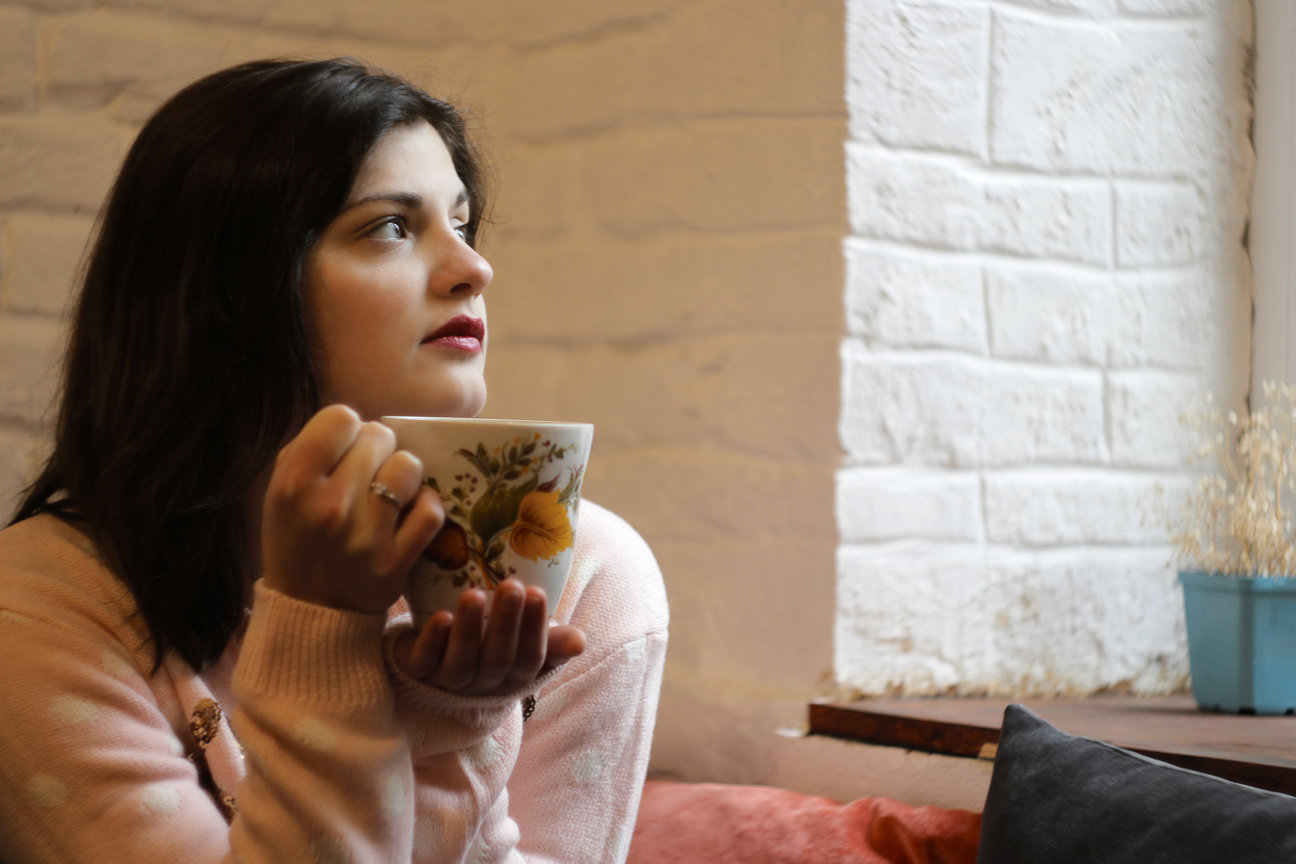
( Natural News ) Chamomile tea is a common home remedy for people who have trouble sleeping. But did you know that chamomile tea offers other health benefits ?
Chamomile tea is usually made from dried wild chamomile flowers. The tea doesn’t have an overwhelming floral taste but is slightly sweet.
Chamomile is used in other beverages, such as beer and liquor infusions. The herb is also used to make wine . In Spain, chamomile is used to flavor Manzanilla sherry.
Chamomile’s floral flavor is infused into syrups and used in ice cream and other desserts. The herb can also be used to flavor savory dishes like soups.
Chamomile is traditionally used as a sedative to treat anxiety and sleep problems, and as a natural anti-inflammatory agent to treat wounds and ulcers.
While it isn’t as popular as black and green tea, chamomile tea has been the subject of various studies because of its potential health benefits. It can improve sleep quality
Chamomile tea and extracts have a calming effect. They are commonly used to induce sleep .
Chamomile tea is caffeine-free, and its relaxing qualities stem from apigenin, a chemical found in the plant. This chemical binds to receptors in your brain to calm your nerves.
In a study published in the Journal of Advanced Nursing , researchers worked with 80 new mothers in Taiwan with poor sleep quality. The participants were asked to either drink one cup of chamomile tea per day for two weeks or to receive regular health care.
The researchers found that the mothers who consumed chamomile tea experienced significant improvements in symptoms related to poor sleep, such as excessive daytime drowsiness, irritable mood and poor concentration. They also reported significant improvement of symptoms caused by postpartum depression.
If you’re having trouble sleeping, drink chamomile tea at least 30 minutes before going to bed. It can address chronic insomnia
In a separate study published in BMC Complementary Medicine , researchers used chamomile extract as a potential treatment for chronic insomnia . The participants were instructed to either take a pill containing chamomile extract or a placebo pill for one month.
While there wasn’t a notable difference between the two groups in total time slept each night, those in the chamomile group said they were able to fall asleep at least 15 minutes faster. The chamomile extract group also woke up less often in the middle of the night than the group who took the placebo pill. It can help fight cancer
Research suggests that chamomile tea can help prevent the growth of breast, ovarian, prostate and skin cancer . Chamomile extracts can also help slow the growth of cancerous cells without harming healthy cells.
A 2015 study published in the European Journal of Public Health showed that drinking chamomile tea may help prevent thyroid cancer. Results showed that people who consumed chamomile tea two to six times a week had a lower risk of developing thyroid cancer or any thyroid condition than those who didn’t drink chamomile tea. (Related: Chamomile tea is not just for promoting sleep; it has other health benefits as well .) It can promote skin health and prevent inflammation
Chamomile extracts are usually added to cosmetic and skincare products like creams and lotions. These products help moisturize the skin and minimize inflammation.
Chamomile contains oils that seep into the deep layers of your skin, which is why chamomile extracts are commonly used to treat eczema.
In rare cases, people show sensitivity to chamomile and develop an allergic reaction. Before you use products that contain the herb, check if you’re allergic to daisies or other plants in the daisy family.
If you’re allergic to chrysanthemums or ragweed, you may also be allergic to chamomile so it’s best to avoid skin products that contain the herb. How to brew chamomile tea
Either brew the tea using dried chamomile flowers or use teabags. When brewing tea from dried flowers, add one large teaspoon for every cup of water. To make a stronger tea, add more dried flowers.
Let the leaves steep in boiling water. The leaves should steep for 10 to 15 minutes uncovered, or three to five minutes covered. Add a bit of honey when the tea is almost done.
Drink your chamomile tea before you go to bed so you can enjoy a good night’s sleep.
Sources include:
Here are 9 ways to stay healthy at home during the coronavirus lockdown
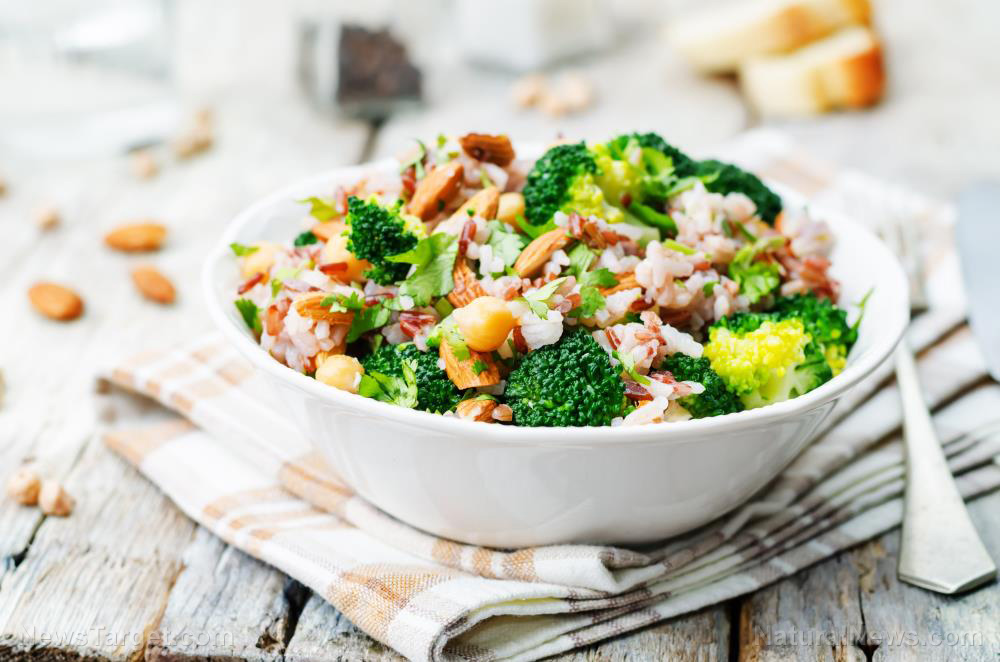
( Natural News ) To prevent the further spread of coronavirus (COVID-19), several states have issued stay-at-home orders. In preparation, citizens have stocked up on supplies while they’re on lockdown.
Still, it’s important to maintain your overall well-being by following a healthy diet and exercising regularly – even as you’re hunkered down and stuck indoors. Follow these tips to stay healthy and strong while practicing social distancing. Eat nutritious homemade meals
It’s good to have extra food in your pantry during the lockdown, but eating canned food every day can be bad for your health. If you can’t leave your house daily to buy fresh produce, you’ll need to be creative when cooking your meals. For instance, use frozen fruit and vegetables when you don’t have fresh variants on hand.
Try these tips to whip up nutritious meals using healthy pantry staples: Choose whole-grain pasta or brown rice as the base for your main dish.
Use canned tomatoes and tomato paste to add flavor to soups and stews.
Add fiber- and protein-rich legumes like beans and lentils to sauces, soups and stews. Legumes will also add texture and flavor to your dishes.
Eat fatty fish like canned mackerel or tuna that are full of omega fatty acids, which keep your brain and body healthy.
Enjoy healthy snacks like a handful of dried fruit and nuts. Nutritious snacks will also help sustain your energy longer than a bag of potato chips or other junk food.
Start each day with a balanced breakfast of fruit or fruit juice, fiber-rich breakfast cereal, whole-wheat toast and a hardboiled egg .
Prepare healthy snacks
While on lockdown, you can’t easily buy food from your favorite restaurants. Take this time to learn how to cook your favorite food at home, or look up healthier versions of different snacks to cut down on the sugar and preservatives in unhealthy foods.
You can also keep your children busy by letting them help you prepare tasty and nutritious snacks, such as: Baked sweet potato or potato wedges with a drizzle of olive oil, sea salt and rosemary.
Homemade pizza using frozen pizza bases. Top them with tomato sauce, your favorite vegetables and lean meat like shredded chicken.
Eat more berries
Blueberries, raspberries and strawberries naturally contain very powerful antioxidants.
Compared to grapes, blueberries contain more resveratrol, an antioxidant compound found in red wine. Resveratrol is believed to have medicinal properties that help fight against cancer and heart disease. (Related: 7 Ways to encourage healthy eating amid stay-at-home lockdown .) Eat foods that help manage your stress levels
Following a low blood sugar diet is essential for stress management. Eat regular, small, healthy meals with a lot of fruits and vegetables.
If you’re feeling anxious, drink calming herbal teas like chamomile or green tea . Adding unrefined carbohydrates like bananas and nuts to your diet helps boost the formation of serotonin, a feel-good chemical. Incorporate calcium-rich foods into your diet
Bone density often declines after 30 years of age. Enhance your regular calcium intake by drinking milk or eating yogurt.
You need calcium to keep your bones strong. The daily calcium requirement is at least 200 milligrams, which must be combined with magnesium for proper calcium absorption. Exercise regularly
If you’re working from home, chances are you sit in front of your computer from morning until night. This isn’t just bad for your eyes and posture; it’s also bad for your overall health.
Do some stretching exercises after you wake up in the morning. These exercises will help boost your circulation and digestion.
Exercise every day for at least 45 minutes to one hour by using a treadmill. If you prefer low-impact activities, try yoga. Maintain oral hygiene
Now that you can’t easily visit your dentist for regular cleaning, it’s even more important you maintain proper oral hygiene. Brush your teeth thoroughly using a fluoride-free toothpaste.
Floss regularly and gargle using organic mouthwash to keep your teeth strong and your breath fresh even while on lockdown.
Teach your kids to brush their teeth properly: > Brush your teeth for at least two minutes every time. Brush the teeth, the junction of your teeth and gums, your tongue and the palate (roof area of the mouth). Use a sturdy, soft-bristled toothbrush. Replace your toothbrush every month. Try neurobic exercises for your mind Just as exercise and a balanced diet keeps your body healthy, neurobics (brain training) exercises keep your brain sharp while you’re on lockdown.Researchers have coined the term “ neurobics” for tasks that help activate the brain’s biochemical pathways and develop new functional pathways that will help to strengthen or preserve the brain circuits. Multiple studies suggest that people with increased mental agility have a lower risk of developing Alzheimer’s disease and age-related disorders associated with mental decline.Not sure where to start? Try brain-stimulating games such as : Board games Crossword puzzles Online memory games Scrabble Sudoku Word games Quit unhealthy habits like drinking and smoking Even without the coronavirus pandemic and enforced lockdowns, it’s a good idea to limit your alcohol consumption, a habit often associated with health problems.Quitting smoking also ensures that you stay healthy and helps prevent damage to your lungs and overall well-being.While you’re practicing social distancing, also practice healthy lifestyle habits. Follow a balanced diet and exercise regularly, so your immune system can protect you against infectious diseases. Sources include: Health24.com
10 Medicinal herbs and spices that you should always have in your pantry
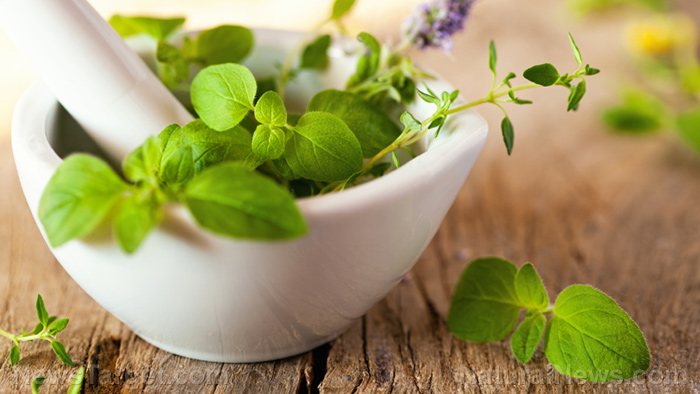
Advertisement Herbs and spices contain active plant compounds that have potent antioxidant effects against pain, inflammation and chronic conditions. Powerful medicinal compounds like gingerol, quercetin and allicin can be found in various kitchen staples like onions, garlic and ginger.
Here are 10 medicinal herbs and spices that deserve a space in your pantry as remedies for a host of ailments. Cinnamon
Cinnamon owes its distinct taste and aroma to a naturally occurring chemical known as cinnamaldehyde. It acts as an antioxidant to regulate glucose levels and restore insulin sensitivity in diabetic individuals. Plus, cinnamon reduces the amount of low-density lipoproteins or “bad” cholesterol. Sage
Sage is commonly used as a fresh addition to pasta, omelets and meat dishes, but the fragrant herb can also protect against degenerative cognitive conditions like dementia and Alzheimer’s disease. It also promotes blood circulation in the brain, which leads to improved brain functions like memory and concentration. Peppermint
Peppermint contains menthol, an active compound that acts as a natural antihistamine. As such, peppermint is commonly used to relieve nasal congestion and sore throat. Additionally, peppermint has anti-inflammatory properties that make it a potent natural remedy for allergic reactions, asthma and inflammatory bowel disease. Turmeric
Turmeric is a popular medicinal spice used to relieve joint pain caused by arthritis. Curcumin, the main active compound in turmeric , has antioxidant and anti-inflammatory properties that can prevent cellular damage and chronic diseases caused by free radicals. It can also lower glucose levels and blood pressure. Holy basil
Not to be confused with the regular basil, holy basil is hailed as the “queen of herbs” in Ayurvedic medicine due to its potent immune-boosting and antibacterial properties. As a medicinal herb, holy basil is commonly used to prevent infections caused by bacteria and fungi. Consumption of holy basil leaves can also stimulate the production of white blood cells that combat disease-causing pathogens. Cayenne pepper
Capsaicin, an active ingredient found in hot peppers, is a natural appetite suppressant and metabolism booster. If you’re looking to shed a few pounds, consider incorporating cayenne peppers into recipes. Additionally, capsaicin is observed to have anti-cancer properties that can inhibit the growth of cancer cells. Ginger
Ginger is a popular remedy for minor ailments like headaches, nausea and sore muscles. Gingerol, an active ingredient in ginger, has antioxidant and anti-inflammatory properties that can also relieve stiffness and joint pain caused by osteoarthritis. Fenugreek
Like the holy basil, fenugreek is also popularly used in Ayurvedic medicine. It contains the plant protein 4-hydroxyisoleucine that can restore insulin sensitivity and improve glucose levels in diabetic individuals. It is also commonly used to boost male libido. Rosemary
Rosmarinic acid, the main active compound in rosemary , acts as a natural antihistamine to treat allergic reactions and nasal congestion. But rosemary can also be used to improve vision and brain functions thanks to the active compound known as carnosic acid. When consumed as an herbal tea, rosemary can also improve mood, minimize stress and relieve anxiety. Garlic
Bulb vegetables like garlic contain sulfur-rich compounds that have antioxidant and antibacterial properties. In particular, the compound known as allicin acts as a potent antibacterial agent against infections caused by the Escherichia coli bacterium. Garlic can also fortify the immune system against viral infections like the common cold and the flu.
Many herbs and spices have medicinal properties that can protect against infection and disease. A balanced diet that includes various immune-boosting plants can significantly contribute to overall health and well-being. Be sure to always have natural medicines on hand so you’re prepared to treat various ailments and conditions.
Sources:
Healthline.com
14 Amazing health benefits of mustard for skin, hair and overall health
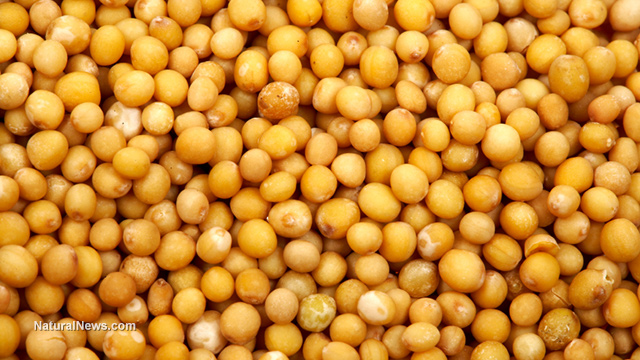
Advertisement Mustard, a cruciferous vegetable native to the temperate regions of Europe , is typically cultivated and processed to make the popular yellow condiment that shares its name.
In its natural state, mustard is a nutritional powerhouse thanks to large amounts of antioxidants and essential nutrients. Common varieties include white mustard, black mustard and brown mustard.
Whether you prefer its spicy leaves or its earthy, bitter seeds, mustard offers several health benefits that cement its status as a superfood. Here are some of them. Contains important nutrients
The mustard plant is a nutritional powerhouse, and its nutrients are generously divided among its different parts. For instance, the seeds contain the highest concentrations of minerals like calcium, magnesium and potassium . Meanwhile, its leaves are abundant in immune-boosting micronutrients including vitamin C, vitamin A and vitamin B9 (folate). Reduces the risk of cancer
Mustard has also been observed to have anti-cancer potential. Like many cruciferous vegetables, mustard has sulfur-rich plant compounds that can suppress the growth of cancer cells. Antioxidants can also prevent DNA damage caused by free radicals, which can eventually lead to cancer. Relieves rashes caused by psoriasis
Mustard seeds have potent anti-inflammatory effects against psoriasis, a chronic autoimmune disorder that causes red, scaly rashes to break out across the skin. Enzymes in the seeds can also speed up the healing process. Treats symptoms of contact dermatitis
The powerful enzymes in mustard seeds can also ease rashes and heal broken skin tissue caused by contact dermatitis. Although contact dermatitis causes rashes similar to psoriasis, it is typically caused by an allergic reaction instead of an abnormal immune response. Supports cardiovascular health
Due to a high concentration of the mustard’s anti-inflammatory compounds, the oil extract of mustard seeds is linked to a reduced risk of heart attack and cardiac arrhythmia (irregular heart rate). Omega-3 fatty acids present in mustard oil also help support heart health. Eases nasal congestion
Mustard is used in traditional medicine as a natural decongestant, which helps clear excess mucus along the nasal tract. Oral administration of mustard oil is also used to relieve respiratory conditions like chronic bronchitis and asthma. Alleviates aches and pains
When used as a poultice, mustard seeds can also ease muscle aches and general pain throughout the body. Its analgesic effects can be especially useful for soreness after strenuous exercise. Eliminates toxins
Ground mustard seeds have also been used traditionally to clear the body of toxins, especially in cases of poisoning and excessive alcohol consumption. Protects against fungal infections
Mustard seeds also have antimicrobial properties that can combat fungal pathogens. In case of infection, apply a paste made from mustard seeds to the site. This can help soothe any inflammation or itchiness and eliminate the pathogen itself. Maintains healthy skin and hair
Mustard stimulates blood circulation in the scalp, which can help boost hair growth. Its antioxidant and antimicrobial properties also make it a potent remedy for acne, hyperpigmentation and sunburn. Improves brain functions
The omega-3 fatty acids in mustard help support cognitive health and improve brain functions like memory and concentration. This helps prevent the onset of age-related cognitive decline that leads to dementia. Regulates blood sugar levels
Mustard leaves help stabilize blood sugar levels and prevent sudden spikes or fluctuations after meals. The anti-inflammatory effects of the leaves can also help restore insulin sensitivity in diabetics. Lowers cholesterol
The leaves of the mustard plant can also reduce the amount of low-density lipoproteins (LDL) or “bad” cholesterol in the blood. Many cruciferous vegetables can do this due to the presence of plant compounds known as glucosinolates. Prevents bone loss
Menopausal women may also greatly benefit from regular consumption of mustard seeds. Minerals like magnesium and calcium help prevent bone loss, which can eventually lead to osteoporosis. This chronic bone disease tends to occur in menopausal women, and it is typically marked by brittle bones and a higher risk of fractures.
Mustard is highly versatile superfood rich in nutrients and antioxidants that help improve overall health and well-being. Aside from its culinary uses, mustard also works as a remedy for several health problems including high blood sugar, skin infections and chronic diseases.
Sources:
CMS.HerbalGram.org
Can we really ‘boost’ our immune system to fight COVID-19?

stanley moffatt To date, the 1918 Spanish flu pandemic has the unenviable tag as the most humanly devastating in history, infecting more than 500 million people, and killing at least 50 million people worldwide. Unfortunately, the pandemic also came with opportunities for self-styled chemists and medics to make regular appearances in the news media, with alarming and sensational headlines.
Sadly, not much has changed in 2020. Even though the COVID-19 pandemic is separated from the Spanish flu by more than 100 years, with a commendable advancement of scientific discoveries, there are still thousands of so-called medical remedies floating around. The current theme by the herbal and other drug peddlers is “boosting” the immune system. And as always, social media is inundated with nutritional advice. This time, we’re being advised to seek out foods rich in Onions, Garlic, Antioxidants, Zinc and Vitamin C, while “nutritional and medical experts” are also peddling nutritional products such as probiotics.
According to another “nutritional expert”, green tea and cayenne pepper can even provide better protection against COVID-19 than face masks – albeit, a bold and questionable claim, considering that some face masks reduce your risk of coronavirus infection by a factor of five.
“Boosted” immunity doesn’t exist
Unfortunately, the idea that nutritional pills or supplements or some wellness habits provide a shortcut to a healthy immune system is a myth. In fact, the entire notion of “boosting” one’s immune system doesn’t have any medical or scientific meaning or relevance.
For a start, there are three main barriers to infection, which also provide the three keys to unravel the concept of immediate immunity. These are the mucus membrane, the airways, and the skin.
Once the virus succeeds in going past these defences, then you have to induce the ‘innate’ or non-specific immune response, which primarily consists of cells, physical and chemical barriers. The innate immune system is elicited first, but does not retain memory of previous responses. The main purpose of the innate immune response is to rapidly fight off the invading pathogen(s) in the body.
When that is not enough, then the adaptive immune system kicks in. This response involves Lymphocytes (B-cells and T-cells) and antigen presenting cells (B-cells, dendritic cells and macrophages). While the innate immune response is immediate, the adaptive immune response is not (takes a few days or weeks to emerge).
However, the effect of the adaptive immune response is long-lasting, and is sustained long-term by memory T cells. Importantly, the adaptive immune system is pathogen-specific, so for example, a T-cell specific to SARS-CoV-2 will not respond to common cold or the measles virus. Eventually, almost all viral infections will trigger adaptive immunity.
The current usage of the term “boosting the immune system” presumably denotes making these responses stronger or more active.
In actual fact, you don’t want to make the immune system more active.
If you take the symptoms of the common cold – fever, body aches, copious amounts of phlegm – these symptoms aren’t actually caused by the virus itself. Instead, they’re part of the innate immune response that are triggered purposefully by the body.
In this case, the rise in temperature that comes along with fever helps to create an uncomfortable environment for the virus to replicate, the aches are by-products of the inflammatory cytokines that run through your veins telling immune cells what to do and where to go (perhaps also signalling the brain to slow down and allow the body to recover), and the mucus helps to flush out the pathogen.
The mucus and chemical signals are part of inflammatory responses, which is the real indicator of a healthy immune response. But since this biochemical process is exhausting, you wouldn’t want to have it in an overdrive. And most viruses, including SARS-CoV-2, will trigger it anyway. What this means is, if any of the various “immune-boosting” supplements being advertised today had any impact on the immune system, they would give you almost nothing extra but a runny nose and more phlegm.
Furthermore, making the adaptive immune system generally “more active” could also be extremely unwelcome. For example, allergies occur when overactive immune cells treat even innocuous antigens, such as pollen, as though they are extremely harmful. Each time they find the pollen, they trigger the innate immune response too – itchy eyes, lots of sneezing, and general malaise. This is probably not what the advocates of these remedies have in mind.
But let’s give the advocates of the “immune system boosters” the benefit of the doubt, and assume they mean that their products can enhance the immune response – rather than literally “boost” it. The overarching problem with these claims, however, is that they don’t have any grounding in evidence. So what are these claims based on? – and is there anything that can help support the immune system?
For healthy individuals, forget the supplements – except vitamin D
Many multivitamins claim to help “maintain healthy immune function” but research indicates that multivitamins don’t work in already healthy people, and some may even be harmful.
Let’s take vitamin C. The health effects of this antioxidant have been hyped ever since Linus Pauling (a two-time Nobel Prize winner) became fascinated with its ability to fight the common cold. After extensive studies on vitamin C, he started taking 18,000 mg per day – around 300 times the recommended daily dosage!
There is however very little evidence to support the claim that vitamin C can fight off colds and other respiratory infections. Indeed, a review by Cochrane – an organisation noted for objective and unbiased research – reported that in adults, vitamin C administration at high doses after the onset of symptoms, showed no consistent effect on either the duration or severity of common cold symptoms. Since then, various infectious disease experts and nutritional immunologists from prominent labs around the world have asserted that vitamin C supplements aren’t beneficial unless you are immune-deficient!
Let’s look at vitamin D. In the advanced world, most people already have enough vitamins from their diets, unless they are restricted. The only exception may be that of Vitamin D, in […]
Does cannabis kill brain cells?
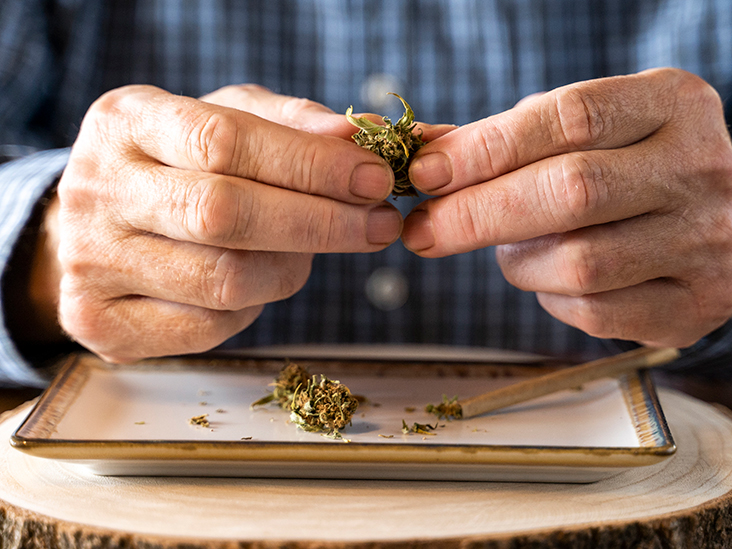
Whether cannabis, or marijuana, kills brain cells remains unknown, and current research studies have yielded conflicting results.
Keep reading to learn more about what current studies have to say about marijuana’s short- and long-term effects on the brain. Marijuana may affect a person’s appetite, pain regulation, and mood. Please note that the studies covered in this article mainly consider the effects of tetrahydrocannabinol (THC) on the brain. THC is the psychoactive compound in marijuana, or cannabis, that creates the ‘high’ effect. THC is just one of over 100 cannabinoids found in marijuana.
The body naturally produces endocannabinoids, which are similar to cannabinoids. Both cannabinoids, such as THC, and these natural endocannabinoids, bind to the same receptors in the brain.
Researchers have identified two types of these receptors:
When endocannabinoids bind to CB1 and CB2 receptors, they affect the following body functions: appetite and metabolism
pain regulation
learning
memory
mood
cardiovascular functions
reproductive functions
immune system functions
muscle and bone formation
coordination and motor control
Cannabinoids, such as THC, and naturally occurring endocannabinoids may have significant effects on brain function and development. This is because regions of the brain that control memory, learning, motor control, and sensory perception contain high concentrations of CB1 receptors .
Current research on this topic has yielded conflicting results. Some studies suggest that THC has potentially permanent neurotoxic effects that impair people’s verbal learning, memory, and focus. Other studies indicate the opposite.
In one 2017 animal study , researchers compared differences in working memory between adult rats exposed to a synthetic cannabinoid and those exposed to glucose during adolescence.
The researchers found that the rats they exposed to cannabinoids had a significantly better working memory in adulthood than the control rats.
In another 2018 animal study , researchers found that exposure to THC induced brain tissue growth and improved learning and memory function in rats.
In a 2016 study , researchers assessed the cognitive function of 3,385 people aged 18–30 by looking at the data from the 25-year-long Coronary Artery Risk Development in Young Adults (CARDIA) Study that began in 1986. At year 25, 84% of these participants reported previous marijuana use, but only 9% reported using marijuana into middle age.
After adjusting for demographic factors, psychiatric conditions, and other drug use, the researchers found long-term exposure to marijuana was associated with impaired verbal memory.
However, they found no evidence to suggest an association between marijuana use and cognitive processing or executive function.
In one 2016 study , researchers compared changes in the IQ scores of adolescent twins when one used marijuana, and the other did not. Those who used marijuana had an average reduction of 4 IQ points by early adulthood.
However, the researchers found that individuals who started using marijuana as adolescents had lower baseline IQ scores anyway, which suggests that marijuana does not necessarily have a direct effect on IQ.
It is also worth noting that a subset of the study participants who used marijuana in adolescence had slightly better working memory scores than those who did not use marijuana.
In a 2019 study , researchers took MRI scan s of 781 teenagers and young adults aged 14 to 22. 147 of the participants reported either occasional or frequent marijuana use, while 634 participants identified as non-users.The MRI scans of individuals who reported occasional or frequent marijuana use showed no significant differences in the brain volume, cortical thickness, or gray matter density compared to their abstinent peers.Gray matter refers to regions of brain tissue that contain nerve cell bodies. These regions control muscle movement, sensory perception, and executive functions, including self-control and decision making.These findings directly oppose research on alcohol use in young adults, such as this 2017 study , which shows heavy drinking can significantly reduce the amount of gray matter in the brain.Potential short-term side effects of heavy marijuana use include: dry or red eyes rapid heart rate lung irritation problems with short-term memory difficulty learning or retaining information loss of coordination lung irritation with inhalation Researchers do not fully understand the long-term risks and side effects associated with cannabis use. Research in this area is still ongoing.However, long-term marijuana may increase a person’s risk of substance use disorders, as well as problems with memory and concentration.Available research offers some insight into the short-term effects of drug use. However, it is difficult to draw definitive conclusions regarding the long-term effects of drug use. This because many studies track small samples of people over short periods. This is likely to change in the near future.In 2015, the National Institutes of Health (NIH) began the Adolescent Brain Cognitive Development (ABCD) study that aims to understand how tobacco, alcohol, marijuana, and other drug use impacts adolescent health and brain development.The NIH has now enrolled 11,878 children between the ages of 9 and 10 and their families onto the ABCD study. Over the next decade, researchers will use neuroimaging technology to track brain development from late childhood to early adulthood.There are still a lot of unknowns surrounding how marijuana affects adolescent and adult brains.Research in this area is ongoing.Long-term, large-scale studies should provide useful insights within the next decade.
14 ways sex is good for your body and brain

Sex affects the body and the brain.Aleksandra Kovac / Shutterstock Hanging out with friends is good for you, too. 14. It could make you more genetically healthy 13. It could help reduce anxiety 12. It helps boost memory 11. Sex helps men be more in touch with their emotions 10. It improves sleep 9. Sex lowers your blood pressure Gustavo Frazao / Shutterstock A happy marriage has been shown to reduce the risk of angina (a heart condition) and stomach ulcers in men, according to research. In one study of 10,000 men, those who felt “loved and supported” had a lower risk of angina. In another study of 8,000 men, those who had problems at home had more of a chance of developing a duodenal ulcer. Sex isn’t the only way to show love and affection, but it’s certainly one. 7. Sex makes you feel healthier 4 PM production / Shutterstock A study published in the BMJ in 2004 found that frequent ejaculations appear to be linked to a decreased risk of prostate cancer. Out of 50,000 males aged between 40 and 75, men who reported 21 or more a month were less likely to get prostate cancer than those who reported four to seven. A follow-up study replicated the results. 5. it helps with stress 4. Sex is good for the heart 3. It boosts your immune system Werayuth Tes / Shutterstock Sex isn’t as good as other forms of exercise, but it certainly does burn a fair few calories. One study from the University of Montreal looked at how many calories couples burned during sex. During a 30-minute session, men burned an average of 101 calories, while women burned 69. That was about 4.2 calories or 3.1 calories per minute respectively. 1. Sex releases chemicals that ease pain Too Hot To Handle/Netflix
Francesca Farago and Harry Jowsey arguably had the rockiest relationship of any of the show’s contestants. They fought, got back together, and managed to burn through $32,000 of the group’s money by hooking up on numerous occasions.
The two got off to a rocky start after Harry convinced Francesca to break the “no kissing” rule early on in the series — which cost them $3,000. Instead of owning up to the group, Harry instead told people it was Francesca who initiated the kiss.
The betrayal led to a mini-Cold War between the two that lasted for half the season.
A post shared by TOO HOT TO HANDLE (@francescafarago) on Apr 23, 2020 at 12:02am PDTApr 23, 2020 at 12:02am PDT
Despite the fighting, name calling, and even a bit of rope burn during a steamy workshop in Japanese bondage , the couple ended up forming a deeper connection in the end.
Harry even told Francesca he would be willing to move to British Columbia from Australia for her in the final episode of the series.
While they maintained radio silence after the show stopped filming in 2019, the two announced they were still together in an Instagram post in April.
Red wine and dealcoholized red wine can defeat oral bacteria

( Natural News ) Polyphenols are active plant compounds whose health-promoting activities are well-documented by studies. These secondary metabolites are produced by plants to boost their defenses against ultraviolet radiation and pathogens , indicating that they are natural antioxidants and antimicrobials.
But these beneficial properties of polyphenols are not only applicable to plants. Multiple studies suggest that these compounds – which are present in large quantities in fruits, vegetables and herbs – are just as helpful to the human body as they are to their sources.
Red wine, which is made by fermenting red or black grapes, is one of the most abundant dietary sources of polyphenols. As such, the potential of red wine to improve heart, brain and even oral health has been explored by numerous studies.
In a recent study, Spanish researchers investigated the antimicrobial activity of red wine, dealcoholized wine and the polyphenols extracted from red wine against the periodontal pathogens Porphyromonas gingivalis , Aggregatibacter actinomycetemcomitans and Fusobacterium nucleatum , which are known to cause gum disease. The researchers reported their findings in the journal BMC Complementary and Alternative Medicine . Polyphenol-rich red wine and dealcoholized wine can protect the gums from bad bacteria
Polyphenols, despite their potential therapeutic applications, have rarely been tested against periodontal pathogens. In this study, the researchers decided to evaluate their antimicrobial activity , together with red wine and dealcoholized red wine, against the three disease-causing oral bacteria. They used an oral biofilm static model on sterile hydroxyapatite discs to see how the samples would affect total bacterial growth.
P. gingivalis , A. actinomycetemcomitans and F. nucleatum are bacteria frequently associated with oral infections. P. gingivalis is involved in the development of periodontitis , a chronic inflammatory disease that destroys the tissue supporting the tooth, which results in tooth loss. A. actinomycetemcomitans is also linked to periodontitis, especially its localized aggressive form. This bacterium has also been found to infect heart valves, soft tissue, the brain and lungs, and even distal bones . F. nucleatum , meanwhile, is native to the oral cavity and is frequently found in dental plaques .
For their experiment, the researchers dipped the discs for one to five minutes in the wine solutions and 30 seconds to one minute in the enological extracts (i.e., a polyphenol-rich wine extract and a polyphenol-rich grape seed extract). The total exposure time for all was 72 hours. Then, they analyzed the resulting biofilms using microscopy and measured the number of viable bacteria.
The researchers found that both red wine and dealcoholized red wine reduced the viability of all the bacteria within the biofilm. In particular, the researchers noted significant time-dependent reductions after exposure to both solutions — P. gingivalis after one minute, and A. actinomycetemcomitans after five minutes. On the other hand, the researchers found no evidence of the enological extracts exerting relevant antibacterial effects except on F. nucleatum , whose viability decreased after 30 seconds of exposure to them.
Based on these findings, the researchers concluded that red wine and enological extracts are promising antimicrobial agents for the prevention and treatment of periodontal disease . The health benefits of red wine
The status of red wine as a superfood has long been the subject of debate among health experts. While some argue that having a glass of red wine a day is good for health, others say that no sufficient evidence exists to support this claim. However, studies have shown that moderate consumption of red wine does support good overall health by preventing a variety of chronic diseases, most notably heart disease. Resveratrol, the active compound found in grapes, does more than just boost your heart health; it also protects DNA from damage, prevents premature aging and even helps with weight loss .
Here are some other benefits you can get from red wine: (h/t to Healthline.com ) Increased antioxidant levels
Lower risk of stroke and early death
Reduced risk of colon, ovarian and prostate cancer
Lower risk of dementia and Alzheimer’s disease
Increased insulin sensitivity
Reduced risk of Type 2 diabetes in women
Red wine is not a bad drink and actually offers substantial benefits — so long as you don’t abuse it. Drinking moderate amounts — up to one glass (5 oz) per day for women of all ages and no more than two glasses for men below 65 — shouldn’t cause adverse effects and may even help boost your heart health. However, drinking excessive amounts may result in alcohol addiction, liver disease , weight gain and depression. If you’re only after the benefits of resveratrol, you can take resveratrol supplements instead. Make better decisions concerning your health by seeking advice from a natural health practitioner before trying anything.
Sources include:
Earth Day activities that are good for you and the planet during the pandemic

News
By Kristen Rogers, CNN This year’s Earth Day — the 50th anniversary of the birth of the modern environmental movement — will be a quiet one. This year’s Earth Day — the 50th anniversary of the birth of the modern environmental movement — will be a quiet one.
For humans, at least, the planet is essentially closed on Wednesday, April 22, due to a worldwide pandemic.
The observance was created in the US by late former Democratic Wisconsin Senator Gaylord Nelson to increase public awareness of environmental issues.
By 1990, Earth Day had gone global, mobilizing millions of people in more than 140 countries to take up environmental issues and turn them into a worldwide movement.
Because of the coronavirus pandemic, this year’s celebrations are limited to our immediate and virtual surroundings.
Even though we can’t celebrate our planet with community tree plantings, cleanups and national park visits this year, there are outdoor activities to enjoy within the vicinity of your home that are good for the planet and good for your health.
On Earth Day, take a walk or run through the neighborhood. Go alone and relish your solitude, enjoying the time for free thought or listening to a podcast. Or take advantage of the opportunity for quality time with your loved ones and stroll with your family and dog by your side.
It’s safe to do so if you make sure you “keep your distance from other people” outside of your family, said Dr. Daniel Kuritzkes, chief of the Division of Infectious Diseases at Brigham and Women’s Hospital in Massachusetts.
“The key word is consideration,” Kuritzkes added. “People need to be aware of their distance from others to be respectful and not crowd them, and not have other people crowding you. If people are respectful, it should be pretty simple to stay sufficiently far apart from other people so that there’s really no risk.”
It’s also good for your health. Walking in nature may even lead to less repetitive negative thoughts , according to research. And a study of older women in the US found the higher the number reached on their step counters each day, the lower their rate of premature death.
Getting your heart pumping by walking may improve your executive functioning skills, a 2018 study also concluded. Those are the skills centered in the part of your brain that helps you take care of yourself and keep up with chores and bills.
And walking at a decent speed may reduce your risk of developing high blood pressure, cholesterol and blood sugar levels as much as running.
Running has been found to reduce stress, alleviate symptoms of depression and improve self-esteem. The activity has also been tied to living longer by improving heart health and sleep, and staving off cognitive decline.
But is going to the beach okay ? And what about hiking? If you can keep a respectful distance from other people and pay attention to hygiene, both are acceptable, Kuritzkes said.
A beach that is isolated, unpopular and uncrowded is best. If you hike on a nearby trail, maintain the same distance of at least six feet apart from others. Bring hand sanitizer and wipes so that if you stop to eat or sit on picnic tables and benches, you can disinfect your hands, Kuritzkes suggested.
Cycling through your neighborhood, on a trail or into town is permissible, as “most people on bicycles are reasonably far apart from each other,” Kuritzkes said. And since you’d be speeding down a road or path, there’s not much opportunity to transfer the virus by closely talking with people.
Just be courteous to those around you. If you do need to come to a halt, be sure you’re maintaining the proper distance from other cyclists or pedestrians.
Considering the health boosts, climbing aboard a two wheeler for exercise is easy on your joints, for one, as your weight rests on your pelvis and not your legs. Cycling is beneficial for your heart, brain and blood vessels, according to Harvard Medical School . It can also trigger the release of endorphins, the body’s feel-good chemicals.
Different phases of pedaling also help you build muscles in your thighs, calves and hips. The exercise builds bone density and smaller muscles, too: You use your abdominal muscles to balance and stay upright, and your arm and shoulder muscles to hold on and steer.
Those benefits can carry over to everyday activities, improving your balance when you walk or stand and extending your endurance.
Putter around in your garden on Earth Day to keep in touch with nature and appreciate whatever you pull from its soil.
One study found gardening may prevent brain shrinkage in older adults. Our cognitive abilities, including learning and memory, partly depend on the size of our brains.
Gardening is good for the Earth when you replenish its soil in the form of compost or grow flowers from which bees can graze for pollen and plant nectar. But it’s also advantageous for reaching a state of mindfulness.
Horticultural therapy is rooted in the idea that interacting with plants contributes to well-being. Caring for plants can improve your mood, blood pressure, heart rate and stress hormone levels. But we may also have a philosophical lesson to learn from plants.
In a 2018 CNN article on the topic, horticultural therapist Libba Shortridge described the life cycle of a seed to a group at Skyland Trail, a mental health treatment center in Atlanta, Georgia.At first, a seed may appear dormant and hopeless. What does it need to grow? It requires sun and water, and patience, courage and confidence from you, to name a few. We could use those things as we navigate this unsettling time.The term comes from the Japanese word shinrin-yoku, which means “immersing in the forest atmosphere.” Since the 1980s, the Japanese have managed forests to help citizens relax and reduce stress.Studies have shown that within just 15 minutes of this immersion, stress levels can decrease while your heart rate and blood pressure improve. You might even feel less depressed, or not as anxious, which is considerably needed during these vexing times.Getting some […]
Monocytes May Be Better, Safer Targets for MS Therapies, Study Suggests
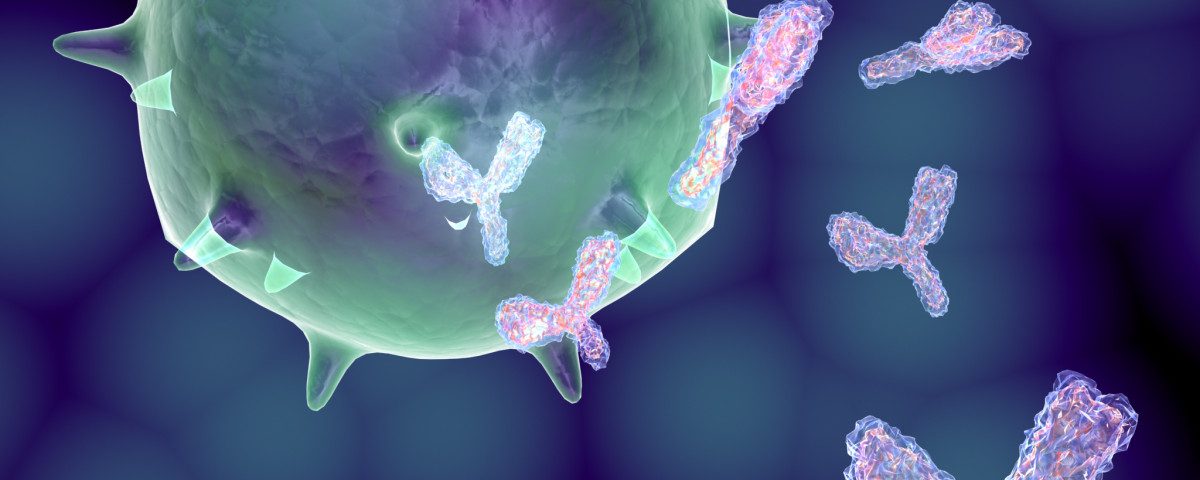
A subset of monocytes (a type of immune cells) that can infiltrate the central nervous system and drive nerve cell damage in multiple sclerosis (MS) may be a better target for preventing disease progression than the cells of the immune system that are currently targeted with MS therapies, a study in mice suggests.
Current MS treatments designed to dampen immune reactions against myelin — the protective coating of nerve cells that is lost in MS — are known to put patients at higher risk of infections. But researchers found that depleting this newly identified monocyte subset can reduce clinical signs of MS without affecting immune cells that fight off infections.
The study, “ Cxcl10 + monocytes define a pathogenic subset in the central nervous system during autoimmune neuroinflammation ,” was published in the journal Nature Immunology .
The immune system plays a critical role in MS onset and progression. In patients, immune cells travel from the blood into the brain, where they wrongly attack the myelin sheath that covers neurons, and initiate a set of inflammatory reactions that eventually cause nerve cells to die.
Immune B-cells and T-cells are seen as the major drivers of this inflammation, and most MS therapies are meant to target and eliminate these immune cells. But such approaches are not without side effects, as they also deplete patients from memory immune cells needed to fight foreign threats.
“Up until now, MS drugs have essentially targeted these T and B cells, both of which are part of the acquired immune system,” Alexander Mildner, the study’s co-senior author, said in a press release . Mildner is a scientist at the Max Delbrück Center for Molecular Medicine , Germany.
“But by attacking the acquired immune system, the MS drugs adversely affect the body’s immune memory, thus making patients more susceptible to infections in the long run,” Mildner said.
Knowing this, Mildner has been focusing on another subset of immune cells that is believed to also play a major part in MS progression: a subset of monocytes that produce the CCR2 protein .
“In an earlier study with a mouse model of MS, we were able to show that disease symptoms in the mice declined significantly within a few days after their monocytes were selectively destroyed by antibodies [against CCR2],” said Mildner. “Apparently, it is not only T and B cells that are involved in causing tissue damage in MS.”
Monocytes are immune cells that travel in the blood before migrating into tissues, where they can fight threats by engulfing them.
In MS, these cells also can participate in the process of inflammation by “eating” pieces of the central nervous system (CNS). But exactly what subsets of monocytes are entering the CNS and causing disease is largely unknown.
Mildner’s team set out to explore the different subsets of monocytes that are found in the CNS of mice with experimental autoimmune encephalomyelitis (EAE), an established animal model of MS.
Results revealed several molecularly distinct populations of monocytes or closely related cells, of which two monocyte subpopulations — called Saa3 + and Cxcl10 + monocytes — exhibited a strong pro-inflammatory and disease-causing genetic signature (genes that are switched “on” or “off,” and to what extent).
Other subpopulations appeared to be more involved in wound healing, tissue remodeling, regulation of blood vessels, and engulfing processes — all natural functions of monocytes.
The composition of monocytes and related cells in the CNS varied during disease progression. Particularly, Cxcl10 + monocytes increased from 8.8% in the acute phase of disease to 21.2% in the chronic stage.
The team then examined exactly which subsets were depleted when mice were treated with a CCR2 antibody, which induced a notable clinical improvement after six days. They found that mice receiving this antibody lacked Saa3 + and Cxcl10 + monocytes in their spinal cords, but other subsets were essentially intact.
Other cells of the immune system, including B-cells, T-cells, and natural killer cells, also were not affected by the antibody treatment. Only a slight increase in the amount of regulatory T-cells (immunosuppressive cells) was noted in treated animals.
Overall, the findings revealed the presence of a previously unknown monocyte subset, called Cxcl10 + monocytes, with a unique behavior in the spinal cord of EAE mice. “It seems that these cells exhibit direct pathogenic function with minimal influences on other immune cells,” the researchers wrote.
The research team believes that Cxcl10 + monocytes may have an even bigger role than anticipated, being the immune cells that open up the blood-brain-barrier to help other immune cells enter the CNS, and then recruiting and activating other immune players in the disease.
“If that is the case, in the future most forms of MS could be treated by specifically deactivating the Cxcl10+ monocytes instead of targeting the T or B cells of the immune system,” said Mildner. “This would protect the body’s immune memory and prevent many side effects of current MS therapies.”
Supernus and Navitor Announce Development and Option Agreement for Orally Active mTORC1 Activator NV-5138
Companies to Collaborate on Phase II Development for NV-5138 in Depression
NV-5138 is a Novel First-in-Class Activator of mTORC1
Supernus Receives Exclusive Option to License or Acquire NV-5138 Prior to Initiation of Phase III Clinical Program
ROCKVILLE, Md. and CAMBRIDGE, Mass., April 21, 2020 (GLOBE NEWSWIRE) — Supernus Pharmaceuticals, Inc. (Nasdaq: SUPN), a pharmaceutical company focused on developing and commercializing products for the treatment of central nervous system (CNS) diseases, and Navitor Pharmaceuticals, Inc., a privately-held company leading the discovery and development of mTORC1-targeted therapeutics, announced today a joint development and option agreement for Navitor’s mTORC1 activator, NV-5138.
NV-5138 is a first-in-class, orally active small molecule that directly activates brain mTORC1, the gatekeeper of cellular metabolism and renewal, which is often suppressed in people suffering from depression. Phase I data demonstrated early proof of concept in which a single dose of NV-5138 showed rapid and sustained improvement in core symptoms of depression with favorable safety and tolerability in patients with treatment-resistant depression (TRD).
Under the terms of the agreement, Supernus and Navitor will jointly conduct a Phase II clinical program for NV-5138 in TRD. Supernus will pay the costs of Phase II development up to $50 million, plus certain costs associated with nonclinical development and formulation. In addition, Navitor has granted Supernus an exclusive option to license or acquire NV-5138 in all world territories, excluding Greater China, prior to initiation of a Phase III clinical program. In exchange for the option to license or acquire NV-5138, Navitor will receive an upfront payment of $25 million, composed of a $10 million option fee and a $15 million equity investment representing approximately 13% ownership in Navitor. Total payments, exclusive of royalty payments on net sales of NV-5138 and development costs under the agreement, have the potential to reach $410 million to $475 million, which includes the upfront payment of $25 million, an additional license or acquisition fee depending on whether Supernus ultimately licenses or acquires NV-5138, and subsequent clinical, regulatory and sales milestone payments. Supernus also will have the first right of refusal for any compound with a similar mechanism of action on mTORC1 as NV-5138 in the central nervous system. In conjunction with the equity investment, Jack Khattar, President and CEO of Supernus, will join the Board of Directors of Navitor.
“We are excited to add NV-5138 to our innovative late-stage portfolio in psychiatry as part of our long-term growth strategy,” said Jack Khattar, President & CEO of Supernus. “Navitor is leveraging a novel mechanism of action to address unmet needs in treatment-resistant depression. NV-5138, an oral agent, can have a highly differentiated clinical profile characterized by a potentially rapid onset of action, and favorable tolerability. We are committed to patients suffering from depression and to bringing to them novel alternative treatment options.”
“As a pharmaceutical company committed to the commercialization of CNS therapeutics with a proven history of successful CNS drug development and registration and a strong financial position, Supernus is an ideal partner to help advance further development of this potentially game-changing treatment for treatment-resistant depression. We are excited to work with the Supernus team to build on the positive data generated to date for NV-5138,” said Thomas E. Hughes, Ph.D., Chief Executive Officer of Navitor. “This transaction also strengthens Navitor’s overall mission to bring forward mTORC-targeted therapies in disease states in which dysregulation of cellular metabolism contributes to pathology, including diseases with substantial unmet need like depression.”
About NV-5138
NV-5138 is an orally bioavailable small molecule that directly and transiently activates mTORC1, the master modulator of cellular metabolism, which is suppressed in the brain of patients suffering from depression. NV-5138 binds to and modulates sestrin, which senses amino acid availability in the brain, a potent natural activator of mTORC1. In a Phase 1 study in treatment-resistant patients, a single dose of NV-5138 produced rapid signals of efficacy on measures of the core symptoms of depression. Preclinical models have demonstrated that oral administration of NV-5138 produces rapid upregulation of key synaptic proteins, synaptic remodeling in the prefrontal cortex and hippocampus, sustained antidepressant behavioral responses, cognitive improvements and compound-specific spectral power changes, as measured by quantitative electroencephalography (qEEG). NV-5138 has potential applications in the treatment of depression, cognitive impairments and other neurological indications. Navitor’s strong intellectual property portfolio includes issued composition of matter patent protection for NV-5138 and related compounds.
About mTORC1
Complex 1 of the mechanistic target of rapamycin (mTORC1), activity governs the pace and ability of the cell to synthesize protein and other cellular components. Increased mTORC1 activity contributes to a broad array of diseases of aging by increasing protein misfolding and driving cellular stress, inflammation, and fibrosis. In other disease states such as severe depression, inadequate mTORC1 activity contributes to disease pathology by limiting energy utilization and protein synthesis, leading to impaired function. Multiple preclinical studies have shown that mTORC1 activation is required for the efficacy of many rapid-acting antidepressant compounds, including but not limited to modulators of the N-methyl-D-aspartic-acid (NMDA)-mediated signaling pathway like ketamine.
About Supernus Pharmaceuticals, Inc.
Supernus Pharmaceuticals, Inc. is a pharmaceutical company focused on developing and commercializing products for the treatment of central nervous system (CNS) diseases. The Company currently markets Trokendi XR® (extended-release topiramate) for the prophylaxis of migraine and the treatment of epilepsy, and Oxtellar XR® (extended-release oxcarbazepine) for the treatment of epilepsy. The Company is also developing several product candidates to address large market opportunities in the CNS market.
About Navitor
Navitor Pharmaceuticals, Inc. is the leader in the development of mTORC1-targeted therapeutics designed to help patients live longer and healthier lives. The Company’s proprietary platform enables specific modulation of mTORC1, the gatekeeper of cellular metabolism and renewal, with the first-ever absolutely selective mTORC1 inhibition and the unique ability for mTORC1 activation. Navitor’s lead clinical-stage candidate, NV-5138, is a small molecule that directly activates mTORC1 that is being developed for treatment-resistant depression, with additional opportunities in cognition and memory. The Company’s N?Valog program, which provides unprecedented selectivity in mTORC1 inhibition, is initially targeting chronic kidney disease and has broad potential application for age-related […]
The Top 11 Foods for Boosting Your Immune System
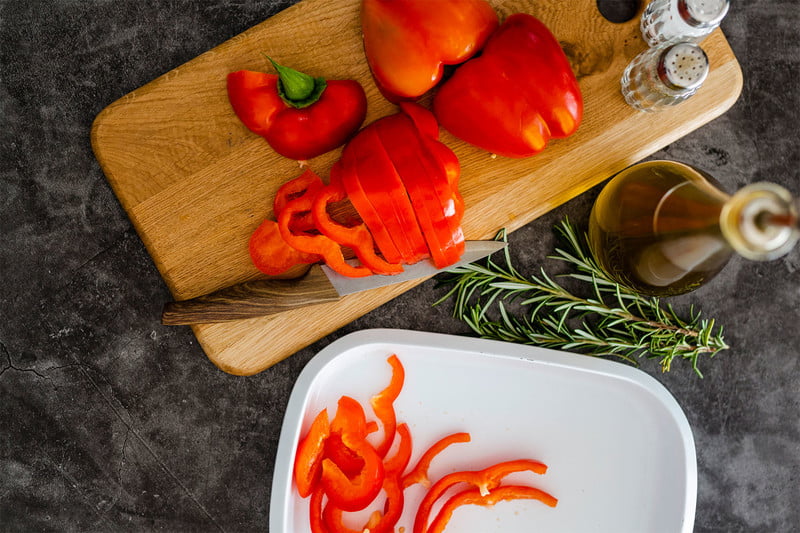
If you’re like most people, your response when sickness hits is to take a pill. While this approach is sensible for fighting off disease and infection, it doesn’t work the same way when it comes to building up your body’s natural defenses. Gulping down supplements might seem like an easy way to boost your immune system, but research shows that the beneficial effects of minerals and vitamins were much more pronounced in those who consumed those nutrients as part of real food, as opposed to taking supplements .
There’s also the possibility of taking so much of a given supplement that you do more harm than good. With a huge variety of nutritional supplements just a click away, it’s far too easy to ingest potentially toxic amounts of a particular nutrient. (Just look at what’s been happening with turmeric.)
According to Dr. Clifford Lo , an associate professor of nutrition at the Harvard School of Public Health, nutrients are most potent when they come from food. Plus, he adds, “consuming immune-boosting nutrients through food brings an entourage of other beneficial nutrients, such as hundreds of carotenoids, flavonoids, minerals, and antioxidants that aren’t in most supplements.” Not to mention food tastes better and is often less expensive than stocking up on bottles of individual vitamins and minerals.
We’ve pulled together a list of some of the top foods for boosting your immune system, as well as some easy ways to incorporate them into your shelter-in-place menu. As the French say, “à ta santé.” Red Bell Pepper
Westend61/Getty Images If you’re like most people, you’ve been taught to mainline Vitamin C as soon as cold season begins. Outside of a capsule, orange juice has been the most popular way to get your daily intake of vitamin C. Thing is, all that sugar in your system kind of offsets the benefit — any form of sugar, even the natural kind, is no bueno for your immune system. In lieu of citrus, we present for your consideration the red bell pepper. It’s sweet, it’s crunchy, it tastes great raw or cooked, and just one medium-sized pepper contains enough vitamin C to fully arm the body against infection.
Try this : Roast a couple red bell peppers (in the oven or over an open flame), then puree and add into a tomato sauce or soup for an unexpected caramel-like flavor. Garlic
Sébastien Marchand/Unsplash Another perennial cure-all, garlic’s immune-supporting powers are well backed by scientific research. Smash open a clove, and drink in the smell of that antibacterial, immune cell-enhancing elixir. Studies show that healthy adults who consume garlic for 90 days experienced much milder symptoms of seasonal illnesses like cold and flu than those who took a placebo. (Given what we know about this virus, we’re happy to settle for milder symptoms.)
Try this : Wrap a whole bulb of garlic (not just a clove) in aluminum foil, pop in the oven for 20 minutes. When you take it out and pierce the skins, you’ll find little petals of pure molten deliciousness. Spread it on toast, sprinkle with salt and olive oil, and try not to make awkward moaning sounds. Sweet Potatoes, Carrots, and Butternut Squash
Jonathan Pielmayer/Unsplash Do you even beta carotene, bro? This antioxidant, a precursor to the body manufacturing vitamin A, supports the immune system by triggering the production of white blood cells that fight viruses and bacteria. Beta-carotene also helps form mucous membranes within the respiratory tract, which serves as a barrier against germs. Nature’s own face mask, if you will. Just a cup of sweet potato or carrot will give you all the beta carotene you need for the day.
Try this : Toss chunks of sweet potato, carrot and/or butternut squash carrot in some lemon-scented olive oil and roast at 450 degrees Fahrenheit for about 30 minutes (until soft enough to spear with a fork). Remove and add salt and a fresh herb like dill, rosemary, or marjoram. Cauliflower
Eric Prouzet/Unsplash We all kind of know that cruciferous vegetables are good for fighting illness. But cauliflower tends to be the red-headed stepchild of this prestigious family, overlooked for its forgettable color and bland flavor. The most action cauliflower sees these days is when it’s disguised by dieters as potatoes. (Which we think is an insult to both vegetables) However, in addition to having all the antioxidant powers of its greener cousins, cauliflower is rich in glutathione, a powerful antioxidant that helps fight off infection. Worth a second look, don’t you think?
Try this : Roast cauliflower chunks at 450 degrees F until the tips are brown and they give off a popcorn-like smell. Toss with avocado oil, a healthy sprinkling of curry powder, and a handful of golden raisins. You’ll never look at cauliflower the same way again. Beans
Tijana Drndarski/Unsplash With all the hype about foods that search-and-destroy toxins, bacteria and viruses, nobody thinks to mention the foods that help shuttle the nasty stuff out of the body. In short, we’re talking about fiber, which means we’re talking about beans. Shelter-in-place has been a real popularity boom for the humble bean, finding its way off the dusty back shelf and diving straight into our hearts and our Instant Pots. But along with binding to the waste in our blood and moving it on outta there, beans also have the virtue of zinc, a mineral that plays a crucial role in immune cell production.
Try this : Fry some garlic and shallots in olive oil, then add a tablespoon of tomato paste, a tablespoon of vinegar, and a can of your favorite beans. Stir it all together until it’s warm, then serve over greens or crusty bread (or both). Fennel
Benjamin Egerland / EyeEm/Getty Images If the greenmarket stalls are anything to go by, fennel tends to strike people as a vegetable only a chef could love. It looks more like a weed than a food, and has a faintly licorice-y smell … so what are you supposed to do […]
4Reel Fishing: Mental benefits of fishing

Pictured is Clear Lake. This photo was taken a couple days before the lake was closed. That day was perfect. Truly a “Sunshine and Buttercups” day! Photo contributed Whether it’s the sights, smells or sounds, or simply the chance to escape from the daily grind, nature can have a positive effect on your mental health. Fishing and spending time outdoors is renewing, relaxing, and has a therapeutic effect. Fishing offers plenty of opportunities to get out in nature and realize the emotional boost that comes from spending time outdoors. Here are some key ways your mind and body will benefit from a day on the water:
1. Time spent in nature can help reduce your blood pressure.
Although the exact reasons that it happens are not yet clear, time spent hanging out in nature helps to reduce your blood pressure. Research has shown that the benefits provided by spending time in natural surroundings last for some time after you come back to civilization. The more time spent outdoors is better, it only takes about 30 minutes per week to improve blood pressure and overall health.
2. Some types of fishing can help you burn calories in a low-impact manner.
Most of us could stand to lose a few pounds and get more exercise. Even a relatively relaxing day of bank fishing will require you to walk up and down a shoreline, while casting and retrieving for hours at a time – all of which burn calories. And if you are fortunate to hook up a true giant, you’ll expend a ton of energy battling it to the shore, boat or kayak.
3. Fishing gives us a chance to enjoy some peace and quiet.
In the modern world, we are increasingly assaulted from all directions by noise and commotion, and it is causing many people to suffer from anxiety. Fishing gives you a chance to unplug from all of that, and let your brain enjoy some peace and quiet. Mind you, fishing is rarely a silent activity, but the sounds you’ll most commonly enjoy are of the relaxing variety. After all, who could be stressed by listening to the sounds of the waves rhythmically rapping against the hull of the boat or the birds and frogs calling off in the distance.
4. Fishing can be a great way to spend time with your family and friends.
Perhaps nothing is more meaningful than spending time with loved ones, and fishing provides a great opportunity to do so. Whether that means bringing along a good fishing buddy, your spouse or your kids, you’ll often have a great time fishing with those close to you. Of course, you’ll have to make adjustments when fishing with others – particularly when fishing with those who are not avid anglers. You may want to target more easily caught species and fish in less demanding environments, for starters. Also, be sure to consider the types of creature comforts that will make your companions have a better time, and do your best to make sure they catch fish too. You may not have the type of fishing success to which you are accustomed, but the smiles, love and companionship will help make up for it.
5. Fishing gives you a reason to stand up.
Many of us spend too much time sitting down according to healthcare researchers. In fact, it is thought that more than one-half of an average American’s day is spent sitting down, and this isn’t good for your health. Excessive sitting (defined as more than about 8 hours per day) is linked with an 18 percent increase in the likelihood of dying from cardiovascular problems and a 17 percent increase in the likelihood of dying from cancer. But fishing often forces you to stand – particularly if you are fly fishing or wading out into the water to access deeper pools. And if you are fishing from the bank, you may end up walking for a mile or two in search of productive waters. So, get up from your chair, head to the water and start fishing (while standing).
6. The intellectual side of fishing can help keep your brain sharp as you age.
Unfortunately, memory problems and a generalized cognitive decline often occur as we age. However, one of the best ways to keep your brain healthy and operating at light-speed is by challenging it with mentally stimulating activities. And as we know, fishing often presents myriad mental challenges that require innovative and creative solutions. Harvard Health Publications provides an overview of some of the best ways to fight off cognitive decline, which is worth reviewing. Spoiler alert: Their recommendations align nearly perfectly with fishing. For example, the first three tips recommend that you keep learning, use all your senses and have confidence in yourself – all three of which you’ll have to do to have success while fishing.
7. Sunshine helps boost your mood.
Unless you are fortunate enough to work outdoors for a living, you probably spend most of your time indoors. And that’s unfortunate, as sunlight provides a number of important health benefits. For example, exposure to sunlight triggers your brain to release serotonin – an important hormone that is thought to help improve your mood and encourage happy thoughts. Fail to get enough sunshine in your life, and you may become depressed. But don’t forget to practice good sun-safety. Be sure to cover up with lightweight fabrics during the hottest part of the day and coat yourself in sunscreen before opening your tackle box and getting to work. And don’t forget to protect your eyes too, by investing in a pair of high-quality, polarized, UV-blocking shades.
8. Sun exposure helps boost your immune system.
Sun light doesn’t just provide mood-enhancing benefits, it also helps to bolster your immune system. Most of the immune-system boosting effects sunlight provides precipitate from the production of Vitamin D, which our bodies synthesize when exposed to sunlight. Among other things, vitamin D plays an important role in bone formation and allows the body to use the calcium present in the blood […]
Nutritional psychiatry is one of the growing fields shaping the brain health supplements market
Photo credit © Billionphotos – Stock.adobe.com Becky Wright
Volume:
23
Issue:
2 Brain Health , Science , Trends & Business
Brain health is a growing area of interest to dietary supplement makers. Today’s supplement companies are looking to capitalize on the expanding population of consumers seeking to nourish their minds with a variety of nutrients in the name of mood support and cognitive performance.
While there are countless ways to position a brain health product in today’s market given the central role brain health plays in health and wellness, cognitive nutrition teeters on nutrition’s uncertain frontier, points out Nutrition Business Journal’s (NBJ) 2018 Supplement Business Report. Simply put, research on the interplay between nutrition and the brain is still emerging, and how that relationship shakes out in terms of effective dietary supplementation remains to be seen.
Despite this, the brain health supplements market seems to be going nowhere but up. Brain health supplement sales grew 24% in 2019, according to market research firm (IRI) Chicago during a presentation given at last November’s Council for Responsible Nutrition (CRN) annual conference. And according to CRN’s own 2019 Consumer Survey on Dietary Supplements, up to 14% of supplement users today take dietary supplements for brain health.
The Case for Nutritional Psychiatry
According to a recent article in Psychology Today 1 , “The human brain is by far the most complex and intricate organ in the body. Apart from regulating our most basic biological functions, the brain is also the seat of consciousness. When something is not right, either due to an irregularity in neurochemical signaling or because of structural deficits caused by either injury or old age, this can often affect how we experience consciousness and how we perceive the world around us.”
Suffice it to say the brain is pretty important, and so too is what you feed it. That is the impetus behind an emerging field called “Nutritional Psychiatry,” which leans heavily on the connection between diet and brain health. It is a discipline in its infancy, created only in the last 10 years.
A 2015 article in the Lancet 2 said that Nutritional Psychiatry is developing into a real opportunity for clinical intervention for patients, especially those who suffer from depression and anxiety.
“Psychiatry is at an important juncture, with the current pharmacologically focused model having achieved modest benefits in addressing the burden of poor mental health worldwide,” the Lancet authors wrote. “Although the determinants of mental health are complex, the emerging and compelling evidence for nutrition as a crucial factor in the high prevalence and incidence of mental disorders suggests that diet is as important to psychiatry as it is to cardiology, endocrinology, and gastroenterology.”
Further, evidence is steadily growing for the relationship between dietary quality (and potential nutritional deficiencies) and mental health, and for the select use of nutrient-based supplements to address deficiencies, or as monotherapies or augmentation therapies, the Lancet article said.
A leading organization in the field of Nutritional Psychiatry is the Food & Mood Centre at Deakin University in Australia. This multi-disciplinary research center aims to understand the complex ways in which what we eat influences our brain, mood, and mental health. The Food & Mood Centre is supported by a team of researchers from various backgrounds studying the food-mood relationship at various levels, from microbiology to public health.
“Within the field of Nutritional Psychiatry, our research initiatives aim to identify nutrition-based approaches to preventing and treating mental disorders that may improve brain and mental health both in Australia and globally,” the organization says.
Leading the charge for the Center is Deakin University Associate Professor Felice Jacka. In a recent study, Professor Jacka examined data from MRI scans of approximately 250 older Australians, then studied their diets to see if the quality of their diets was linked to the size of their hippocampus—a region of the brain thought to be central to learning, memory, and mood.
Those people who had a diet higher in fruit, vegetables, and fish had larger hippocampi, while those whose diets were high in processed and takeaway foods had smaller hippocampi. These dietary patterns were also linked to the participants’ risk for depression over time.
A 2018 Harvard Health Blog 3 noted that while the burgeoning field of Nutritional Psychiatry is finding there are many consequences and correlations between not only what you eat, how you feel, and how you ultimately behave, there are also strong links to the kinds of bacteria that live in the gut.
According to Nutrition Business Journal, the gut-brain axis is already getting a lot of attention. “The idea that the brain talks to the gut and the gut talks back is intuitive and increasingly well studied. What we put in our gut affects our mood, and our mood in turn affects how our gut feels and functions,” said NBJ in its 2018 Supplement Business Report 4 . “Though perhaps years and millions of dollars away from proven efficacy, microbiome research presents a proposition that the right microbe or team of microbes could provide an option for everything from asthma to autism. Consumers spent $75 million in probiotics for brain health in 2016, but that number will undoubtedly grow.”
When it comes to the prevention of Alzheimer’s disease, one of the leading researchers in the world on dementia can recommend quite a few ways to stave off the dreaded regressive disease. But none of these methods are a magic pill.
“There are four medications that have been approved for preventing or treating Alzheimer’s, but their effectiveness is limited, and new medications that have been tested in the last decade do not work. This makes it even more essential to do what we can to change or delay the course of the disease,” said Professor Michal Beeri, director of The Joseph Sagol Neuroscience Center at Sheba Medical Center, Tel HaShomer (Israel), and a professor of psychiatry at the Icahn School of Medicine at Mount Sinai (New York City).
Professor Beeri reports that there are methods that have been shown to decrease the risk for this devastating disease. Habits that are good for […]

The Power Within by Corey Daniels book available for only $2.99
Mind has both conscious and subconscious halves. These are likened to a driver and the truck he drives. The driver plans the destination and observes road conditions, while the truck provides motive power. Your subconscious mind is like the truck and it only goes in the direction in which is a steered. This can be the road or off a cliff. Likewise, the consciousness paints a picture of what the world is and what your goals are and the subconscious acts on them through emotion, physical response and energy, whether these are correct, rational images or false negative ones. The subconscious is also like an emotional reservoir which your body and mind draw responses from to external stimuli.
The Power Within lays out a method of programming your subconscious and tapping into the Holy Spirit, God voice or what the Greeks called the daimon (godman).