Nature Knows and Psionic Success
God provides
Could a test given at 8 years old determine brain health in old age?
If you were good with words and puzzles at age eight, you’re likely to fare well on tests of mental acuity at age 70, too.
That’s among the findings of a new study that followed the thinking abilities of a group of Britons born in the 1940s. Researchers found that their performance on standard cognitive tests at age eight predicted their performance around age 70. People who scored in the top quarter as kids were likely to remain in that bracket later in life. Education also matters
“Cognition” refers to our ability to pay attention, process information, commit things to memory, to reason and to solve problems.
And it’s no surprise, experts said, that there is a correlation between childhood and adulthood skills.
However, no one is saying that your brain-health destiny is set in childhood, according to senior researcher Dr Jonathan Schott, a professor of neurology at University College London.
In this study, for example, education also mattered. Older adults who’d gone further in their formal education tended to score higher, regardless of their test performance as children.
A number of past studies have linked higher education levels to a lower risk of dementia. And the new findings bolster that evidence, said Rebecca Edelmayer, director of scientific engagement at the Alzheimer’s Association.
“It’s really unique to have data like this, from a cohort that was followed for 60 years,” said Edelmayer, who was not involved in the study. Learn something completely new
Why would education matter in dementia risk? It’s not certain, but Dr Glen Finney, a fellow of the American Academy of Neurology, explained the “cognitive reserve” theory: Dementia is marked by the build-up of abnormal proteins known as “plaques” and “tangles”. In people with more education, the brain might be better equipped to compensate for such damage, allowing it to function normally for a longer period.
It’s also thought that mental engagement later in life might hold similar benefits. That could mean “challenging yourself to learn something completely new” – like studying an instrument or a foreign language, said Finney, who directs the Geisinger Health System’s Memory and Cognition Program in Wilkes-Barre, Pennsylvania. He was also not part of the study.
Beyond education, Finney noted, there is a body of evidence that other lifestyle factors are important in healthy brain aging. Blood pressure control is one, he said.
Finney pointed to a recent clinical trial finding that intensive treatment of high blood pressure lowered older adults’ risk of developing mild cognitive impairment.
That refers to subtler problems with memory and thinking that may precede dementia.
In general, the same things that protect the heart – exercise, controlling cholesterol and blood sugar, and a healthy diet – are also believed to be good for the brain, Edelmayer said. Memory and information processing
“We just don’t know yet what the best recipe is for [dementia] risk reduction,” she said.
The current findings were published online in Neurology . They’re based on more than 500 UK adults born in 1946. When they were eight years old, they took tests of reading comprehension and other skills. When they were around age 70, they were tested for skills like memory and information processing.
They also underwent PET scans to detect any build-up of plaques in the brain.
It turned out that among participants who tested “cognitively normal”, about 18% did have signs of plaques in their brains. And on average, their test scores were lower, versus participants with no evidence of plaques.
That does not mean those people are destined to develop dementia, Edelmayer pointed out.
However, the findings do support a growing belief among researchers, according to Schott. Certain biological ‘markers’
The fact that plaques exert subtle influences on mental performance even in people without symptoms is noteworthy. This “provides more evidence for the growing view that when disease-modifying therapies become available, they may have maximum benefits when given very early – and ideally prior to symptom onset,” Schott said.
How would that be done? In the future, Edelmayer said, it might be possible to use certain biological “markers” – such as plaques seen in brain scans – to identify people who are on a trajectory toward dementia.
“But we’re not there yet,” she stressed. “There’s a lot of work to be done.”
According to the Alzheimer’s Association, 5.8 million Americans are living with Alzheimer’s disease – a number that is expected to balloon to nearly 14 million by 2050. Image credit: iStock
More Than Vitamin C: 5 Potent Ways You Can Boost Your Immunity

I don’t know about you, but one of the things really helping me right now isn’t so much focusing on all of the things I can’t do, but rather think about what I can do. I’ve come to terms with the fact that all the events I had planned over the next few months are cancelled, my relationships are almost exclusively virtual and I miss short-grain rice in a way I never thought I would (seriously, will the grocery stores ever have it again?).
Like everyone else, some days flow more easily than others. But, my mental health has benefitted tremendously by convincing my brain to explore those things that make me feel like I’m being proactive. It’s a tricky time for us all in one way or another and while at least a small amount of wallowing is pretty much essential (no shame, people!), I’ve found it’s easier to keep it at bay when I have a healthier alternative to hold in my mind’s eye.
Experts are doing their best to forecast the trajectory of COVID-19, but the truth is that our actions matter so critically that every day or two requires a fresh reassessment of things. Regardless of where you place yourself on the spectrum of “ this will all disappear in a week or two ” to “ is this the end? ” there can be no denying that taking care of one’s immune health is never a bad idea. The coronavirus aside, there is a plethora of bugs we encounter every single day. Give them no reason to infiltrate, says I!
Vitamin C gets all the attention and it’s fine—she’s a sexy lady. But, there are other things worth knowing about, when it comes to how you can nourish that immune system of yours. From how you move your body to the foods you put inside it, here are some tips and tricks to let your mind mull over while you’re next waiting in line at Trader Joe’s. How to Boost Your Immunity
It’s good to be out of breath.
We have a natural decrease in immune protection as we age , known as immunosenescence. Caused by a combination of genetics, environmental pollution and unhealthy lifestyle choices, our bodies exhibit a decline in the number of T-cells (an important type of white blood cell) as well as production of antibodies as we get older. We also see an increase in inflammation which can accelerate tissue damage. It is fairly well-documented at this point that we can benefit from both acute and chronic exercise.
During short bouts of moderate to intense exercise, our protective white blood cells become mobilized . We also see that the downstream effects of stress hormones don’t pack such a punch. So, that run that felt hideous and you swore you’d never repeat? I hate to break it to you, but it was most likely very good for you. Gentle exercise is wonderfully beneficial in lots of ways, but the vigorous stuff really comes into its own for immune health. Sweat it out.
I realize this will be aimed at the minority here, who happen to have saunas at home, but worth knowing about for future is that saunas have been shown to boost immune activity. As well as leaving us feeling invigorating and imparting a delicious glow to the skin, scientists have found that sauna bathing can boost white blood cell counts. Interestingly, a study comparing the sauna’s effects in athletes vs non-athletes showed that the former exhibited a more significant increase. As if you needed another reason to go for that run, eh? Lounge in the sun.
If you’re fortunate enough to be quarantining somewhere with a smidge of outdoor space (or a decent-sized window you can fling open) know that while doing wonders for your heart and soul, that dose of vitamin D is hugely beneficial to the immune system. It has been shown that vitamin D helps to modulate the immune response, protecting us from invading bugs. Watch the salt.
The World Health Organization recommends that adults consume a maximum of 5g of salt per day. Realistically, many of us consume much more – especially diets high in processed foods. A recent study has just revealed, however, that excess salt weakens the immune system. Scientists observed a group of volunteers who consumed an additional 6g per day on top of their regular daily intake and found that after one week, the white cells extracted from the blood samples collected did far worse up against bacterial infection. It is thought that the mechanism behind this is the increase in glucocorticoids that come from excess salt consumption. The best known of the glucocorticoids is cortisone—used to treat inflammation. Inflammation is the body’s immune response kicking in, so less inflammation means less immunity. Get more sleep .
If you’ve been offered the gift of time, try allocating at least a little of it to beauty rest. Not only will it make you look and feel better, but your immune system will thank you. Stress hormones such as cortisol released from the adrenal glands are strongly anti-inflammatory. We see circadian rhythms of cortisol release timed with waking. Provided the levels are not excessive (caused by high stress), cortisol release is essential for arousal from sleep and helping us feel alert and ready to embrace the day. It’s essential that this is balanced at night by white blood cell migration in our lymph nodes in pro-inflammatory early sleep. Interestingly, it has been shown that following a vaccine, a group of participants allowed to indulge in a good night’s sleep had a far stronger formation of antigenic memory than those who were sleep deprived.
So, while the fruit and veggies and occasional supplement will help, along with a nice cup of echinacea tea after dinner, bear in mind that some of the most potent ways of looking after your immune health are more lifestyle based. Could you force yourself to do 20 minutes of grueling […]
Eating more fruits and vegetables linked to reduced cardiovascular disease risk, increased longevity

( Natural News ) Higher consumption of fruits and vegetables is linked to a lower risk of mortality , according to a recent review published in the British Medical Journal . Chinese researchers found that eating at least five servings of fruits and vegetables daily reduced the risk of cardiovascular disease by four percent. Meanwhile, individuals who consumed more than five servings a day had a 26 percent lower risk of stroke and coronary heart disease. The link between fruit and vegetable consumption and mortality risk
The researchers used 16 prospective cohort studies that outlined the effects of fruit and vegetable consumption and studies that reported mortalities caused by cardiovascular disease.
All 16 studies had a total number of participants that amounted to 833,234. All 16 studies also reported a total of 56,423 deaths caused by cardiovascular disease.
However, the researchers used only select studies depending on the purpose of analysis. For instance, the researchers analyzed only four studies that specifically investigated the link between fruit and vegetable consumption and the risk of cardiovascular mortality. Collectively, the four studies examined the data of 469,551 participants. Upon analysis, the researchers discovered that fruit and vegetable consumption led to a four percent reduction of cardiovascular mortality risk.
Additionally, upon analyzing eight cohort studies, the researchers found that the consumption of more than six servings of fruits and vegetables a day reduced the risk of stroke by 26 percent. To sum up, the researchers recommended the increased consumption of fruits and vegetables to prevent the onset of chronic diseases and to improve overall longevity. Foods that increase longevity
Eating a variety of nutritious foods is the key to a long life. As proven by the comprehensive review, fruit and vegetable consumption can reduce the risk of mortality. But certain nutrient-dense foods can increase life expectancy as well. The following is a list of foods that are linked to a variety of health benefits.
Fruits
Fruits are excellent sources of antioxidants, natural sugars, dietary fiber and important micronutrients like vitamins A, C and E. Due to the anti-inflammatory and antibacterial properties of antioxidants, people who regularly consume fruits are less likely to get sick and experience complications. Fruits also contain tons of heart-healthy micronutrients, like potassium, folate , iron, magnesium and phosphorus, that reduce cholesterol and promote blood circulation.
Leafy greens and cruciferous vegetables
Green leafy vegetables are extremely nutritious sources of antioxidants and active compounds that enhance immunity. Flavonoids, a type of antioxidant, can protect against cardiovascular disease and metabolic disorders. Meanwhile, cruciferous vegetables like broccoli, cabbage and Brussel sprouts contain high amounts of sulfur-rich compounds that fight disease-causing pathogens.
Beans and legumes
Protein powerhouses like beans and legumes are excellent meat substitutes. Protein supports muscle development and creates amino acids that repair tissues, prevent disease and improve brain function. As plant-based foods, beans and legumes also contain dietary fiber that promotes digestion and prevents cholesterol buildup.
Herbs and spices
Herbs and spices contain high concentrations of bioactive compounds that have medicinal properties. For instance, the pungent garlic compound known as allicin has strong antibacterial and anti-inflammatory effects against infection. Curcumin, the main active ingredient of turmeric, is also known as a potent antioxidant agent. Other herbs and spices, like basil, cinnamon , ginger and sage, are also commonly used as natural remedies.
Fatty fishes
A balanced diet requires a good amount of heart-healthy fats known as omega-3 fatty acids. Although certain non-meat foods like avocados and walnuts contain omega-3 fatty acids, fatty fishes like salmon , mackerel and tuna contain higher concentrations of fats. Omega-3 fatty acids are considered to be heart-healthy fats due to its ability to prevent the accumulation of cholesterol along arterial walls. Additionally, omega-3 fatty acids can boost brain function and prevent age-related cognitive decline. (Related: Omega-3 improves quality of life of breast cancer survivors .)
Food is the body’s primary source of nourishment. To increase longevity and avoid ailments and disease, make it a habit to consume organic and nutrient-dense foods like fruits, vegetables, whole grains, herbs and lean meats.
Sources include:
BMJ.com
Your Guide to NAD and NMN and Their Anti-Aging Benefits

WN Lifestyle Home – Health
Photo by Prince Akachi Originally Posted On: https://compoundingrxusa.com/blog/your-guide-to-nad-and-nmn-and-their-anti-aging-benefits/ Photo by Prince Akachi
If you’re an American of a certain age, you’ve likely been made aware of a host of anti-aging products on the market today, each claiming an ability to turn back the figurative clock. Some promise to erase wrinkles with the application of a simple cream, while others vow to tighten problem spots with a dedicated regimen of serums, techniques, and exercises. Most enticing, however, are the products promising true anti-aging benefits that may actually add years to your life. So far you may have only heard of resveratrol benefits but there’s more.
For most people, information about anti-aging products comes primarily from television and magazine ads touting a more youthful appearance. However, the scientific definition of anti-aging refers to the process of slowing, stopping, or even reversing the process of aging in all your body’s cells. Since aging negatively affects cells, preventing them from functioning correctly and keeping your body working as it should, anti-aging medicine aims to minimize the cell damage that occurs as a result of the environment, stress, disease, and the natural effects of the years as they pass.
A healthy body typically features a coherent brain, exceptional memory processing, an optimal immune system, strong muscles, sturdy bones, and well-functioning organ systems. As we age, each of those pieces become less and less efficient. The purpose of anti-aging medicine is to maintain or regain total overall health — as well as longevity — regardless of advancing age.
Over time, cells undergo multiple chemical processes of aging — namely, oxidation, glycation, and methylation. During oxidation, unstable compounds known as free radicals can lead to cell damage and interact with other compounds to produce harmful chemicals. Through glycation, these chemicals attach to and negatively affect mitochondria, proteins, and DNA. Subsequently, DNA linked to other chemicals and lacking sufficient methyl groups cannot continue to produce generations of new DNA for future cells, and cell regeneration comes to a halt.
If your body can no longer produce new, healthy cells to continue to maintain its tissues and functions, aging and eventual death occurs. However, anti-aging supplements work toward restoring functional proteins and DNA or utilize antioxidants to prevent the oxidation that begins the process. One of the most effective anti-aging molecules found to date is nicotinamide adenine dinucleotide, or NAD.
NAD is a coenzyme found in all cells and intimately linked with cell metabolism. It exists in two major forms — NAD+, which is the form of NAD that is available to serve all its functions, and NADH, which is the form occupied by electrons and unable to work as needed. NAD+ helps turn the nutrients we eat into adenosine triphosphate, or ATP, which is how cells exchange and produce energy. Further, NAD+ has recently been identified as a molecule that plays a role in human sleep cycles, as well as feelings of hunger. This circadian rhythm determines when you feel tired, when you feel awake, when you’re most active, and the pattern with which all of these feelings emerge. Proper NAD production both depends on and influences circadian rhythms and determines to what extent NAD+ interacts with proteins known as sirtuins. Together, NAD+ and sirtuins perform essential cell processes such as:
Once NAD+ interacts with sirtuins to ensure cell health, it gains electrons and is unable to continue providing additional benefits. Therefore, the body must continuously produce NAD to continue multiple cell processes and prevent cell deterioration. Unfortunately, as we age, our bodies produce less and less NAD.
Diminished NAD affects the body in multiple ways. First, less NAD reduces the cell’s ability to make and utilize ATP energy , which in turn diminishes its ability to perform its function within the body. Second, as a cell finds itself less and less able to produce other functional molecules that support cell health, it will die much more quickly. In these ways, NAD has proven itself to be essential to maintaining proper neurological and organ health; without it, the human body ages and decreases in function.
Ever since scientists isolated depleted NAD levels as a potential cause of multiple age-related illnesses from osteoporosis and arthritis to cancer and Alzheimer’s, researchers have posited that perhaps continuous replenishment could work to prevent these diseases. As a result, animal studies involving the restoration of NAD to aging mice and rats commenced.
In these studies, researchers added NAD directly to some of the cell cultures, returning the aging mouse cells to NAD levels of younger mice. Then, the cells were exposed to the traditional stresses experienced with age, including oxidation. It was found that much fewer of these cells died than did those in the control group not treated with NAD, leading researchers to conclude that NAD enabled cells to withstand stress and avoid the mechanisms of cell aging.
Disclaimer: Some links on this page are affiliate links that may save you a bundle OFF normal pricing due to select partnerships. This adds ZERO cost to you, and can only pass potential savings. We may receive a commission if you make any purchases through these links. It’s a win-win! See our full disclaimer here .
From Our Partner NADH from NOW Foods
NADH (Reduced Nicotinamide Adenine Dinucleotide) is a coenzyme found in all living cells that is derived from Vitamin B-3, also known as Niacin. Although NADH is normally unstable outside the body, PANMOL NADH uses a patented pending process to naturally preserve its effectiveness, thereby delivering stable and bioavailable NADH to the body.
Obviously, most people don’t have access to labs, cell cultures, and the necessary tools, which makes NAD supplements the primary way to increase cell NAD. Fortunately, NAD supplementation offers an option for people to improve their memory and focus, sleep better, and boost their metabolism without the need for a lab in the basement. It has taken time to develop an oral supplement that compares with the body’s natural production.
While the importance of NAD+ to the body’s is clear, it appears that simply supplying […]
Gut health: Expert reveals how the gut can impact mood and increase your risk of dementia

This is a modal window. An unanticipated problem was encountered, check back soon and try again
The gut contains millions of neurons which are sometimes referred to as the second brain. Sara refers to gut health as “gut brain cells which are not only there to signal the more obvious functions of digestion like satiation or sickness, they also help you think and remember”. This explains how one often refers to a negative feeling as a gut feeling and the strong connection between the gut and brain. How to get rid of visceral fat: Food type to help lose belly fat
Sara explains: “Much of our health and wellbeing relies on the ability of the gut to digest what we eat and absorb.
“Eating a poor diet and taking too many antibiotics can destroy the good bacteria, allowing fungal infection to overwhelm your gut and multiply.
“The gut isn’t just where you process food but is now considered a metabolic organ every bit as important as your heart or your liver.
“Research indicates that the immune system is heavily affected by the balance of good and bad bacteria in the gut.
“Bad bacteria cannon multiply and cause harm in they are kept in control by good bacteria.” When it comes to gut bacteria, a staggering 100 trillion microorganisms live in the human gut and they are estimated to weigh up to a whopping 2.25 lb’s which is the weight of a bag of potatoes.
There are 10 times more bacteria in the gut than there are cells in the body and the balance of good and bad bacteria has a huge impact on how one feels and how their body functions.
By analysing the microbes in the gut, it’s possible to identify, rebalance and cure mental health and brain diseases by introducing specifically targeted new species.
How to live longer: Diet to increase life expectancy.
On average, each of us has a combination of around 160 different types of bacteria making up a person’s microbiome.
Gut bacteria has a profound impact on the immune system with immune tissues in the digestive tract being the largest and most complex part of the immune system.
Around 90 percent serotonin and 50 percent of dopamine is made by gut bacteria so if the flora is imbalanced it majorly effects mood, mental focus and memory.
Other research indicates how changing behaviour alters the microbiome and improves gut health. Sara adds in her book the mounting evidence proving that the microbiome influences everything from depression to the risk of dementia.
She writes: “The gut also contains millions of neurons, sometimes referred to as the second brain.
“Our brain health is determined early in our childhood with a dose of help from our genetics.
“Scientists are finding that the microbes in the gut could be affecting our mental health too.
“They can direct the way you think and behave as well as indicate the likelihood of your developing certain mental illness such as anxiety, depression, ADHD and memory problems.”
Sara’s top tips for keeping the gut healthy and happy and in turn keeping everything in the body working well include: Eat more fermented foods: Kimchi, sauerkraut and some pickles are great for your gut bacteria. These foods contain probiotic bacteria lactobacillus plantarum a probiotic bacteria that has a stress-lowering response.
Switch white pasta and white bread: Rather opt for wholegrains which also have a beneficial impact on the bacteria flora in the gut.
Choose a good probiotic supplement: Make sure that it is one that will help with specific symptoms.
Cut sugar out of your diet: Sugar triggers the release of inflammatory cytokines that impair cognitive clarity.
Exercise more: This will boost your mitochondria and help reduce stress.
Positive Effects of Exercise on the Brain

Exercise can promote good heart and lung health, and strengthen just about every aspect of the body — keeping joints working for longer, strengthening bones and reducing the risk of serious health issues like heart disease and strokes.
Physical activity can have a positive effect on mental health, as well, boosting mood and positive thoughts. However, many people have not heard about the full range of benefits to the brain. Women Exercising Image Credit:Iakov Filimonov/Shutterstock.com How Does Exercise Impact the Brain?
The effects of exercise on the brain are profound, benefitting health and cognition. For example, while experts commonly believed in the past that oxygen consistently saturates blood, new research reveals that blood oxygen levels can rise and fall substantially based on external factors — including physical exertion.
During exercise, as the heart and lungs work overtime, the body drives more oxygen and blood to the brain, leading to elevated oxygenation, improved cerebral blood flow and brain angiogenesis — the growth of blood vessels.
Research shows that higher levels of blood and oxygen in the brain lead to improved cognition and better function of the prefrontal cortex, the region of the brain responsible for decision-making and reasoning.
Despite being a form of physical stress, exercise can assist relaxation. It reduces the levels of stress hormones in the body, like adrenaline and cortisol. It also encourages the release of endorphins, which are chemicals that the body produces to reduce pain and improve mood.
This natural reduction of stress hormones and the release of endorphins are part of why experts believe exercise ties into improved mental health. Research has demonstrated that physical activity can help people overcome or better cope with mental health issues like depression, anxiety, and insomnia. Exercise also boosts mental health in other ways — improving emotional processing and increasing focus and productivity.
Physical exertion causes the body to upregulate — or increase the production of — neurotrophins. These proteins are responsible for the development and survival of neurons, the fundamental cells that make up the brain.
Increased levels of neurotrophins in the body can lead to the development of new neurons, as well as fresh connections and pathways between different parts of the brain. This effect is part of why experts believe that exercise can improve cognition and keep the mind sharp.
Experts also think these new connections and neurons may be why physical activity can prevent or slow down the progression of dementia-causing diseases like Alzheimer’s — which, at the moment, has no known cure.
Best of all, research shows that it does not take a lot of exercise to gain most of these benefits. Following the standard exercise recommendation of 150 minutes a week of moderate aerobic activity — or 30 minutes five times per week — is enough to unlock most of these major benefits.
A regular brisk walk or some laps around the pool could be all it takes to boost brain function and reap the rewards. How Exercise Can Improve Brain Health
In the same way that physical activity keeps the body healthy, it can also boost brain function. Research on the effects of exercise and memory reveals a few different outcomes on the operations of this vital organ.
For example, the increased brain oxygen levels that exercise stimulates can enhance cognitive function and improve the ability to make decisions and think rationally.
It also does not take much exercise to gain these benefits. With just 150 minutes a week, it is possible to notice substantial improvements. Sources:
Bergland, C. (2019, December 5). Christopher B. Way to Increase Brain Oxygenation? Locomotion May Be Key. Retrieved from https://www.psychologytoday.com/us/blog/the-athletes-way/201912/want-increase-brain-oxygenation-locomotion-may-be-key
Mandolesi, L et al. (2018). Effects of Physical Exercise on Cognitive Functioning and Wellbeing: Biological and Psychological Benefits. Frontiers in Psychology, 9(509). Retrieved from https://www.ncbi.nlm.nih.gov/pmc/articles/PMC5934999/
Exercising to Relax. (2018, July 13). Retrieved from https://www.health.harvard.edu/staying-healthy/exercising-to-relax
Aben, J. (2018, March 9). How to Increase Productivity Through Exercise. Retrieved from https://excellenceinfitness.com/blog/how-to-increase-productivity-through-exercise/
Sleiman, S. F et al. (2016). Exercise promotes the expression of brain derived neurotrophic factor (BDNF) through the action of the ketone body β-hydroxybutyrate. ELife . Retrieved from https://www.ncbi.nlm.nih.gov/pmc/articles/PMC4915811/
Graff-Radford, J. (2019, April 20). Alzheimer’s disease: Can exercise prevent memory loss? Retrieved from https://www.mayoclinic.org/diseases-conditions/alzheimers-disease/expert-answers/alzheimers-disease/faq-20057881
Charvat, M. (2019, January 7). Why Exercise Is Good for Your Brain. Retrieved from https://www.psychologytoday.com/us/blog/the-fifth-vital-sign/201901/why-exercise-is-good-your-brain
Further Reading
How adaptogens and innovation helped FOCL create a CBD breakthrough
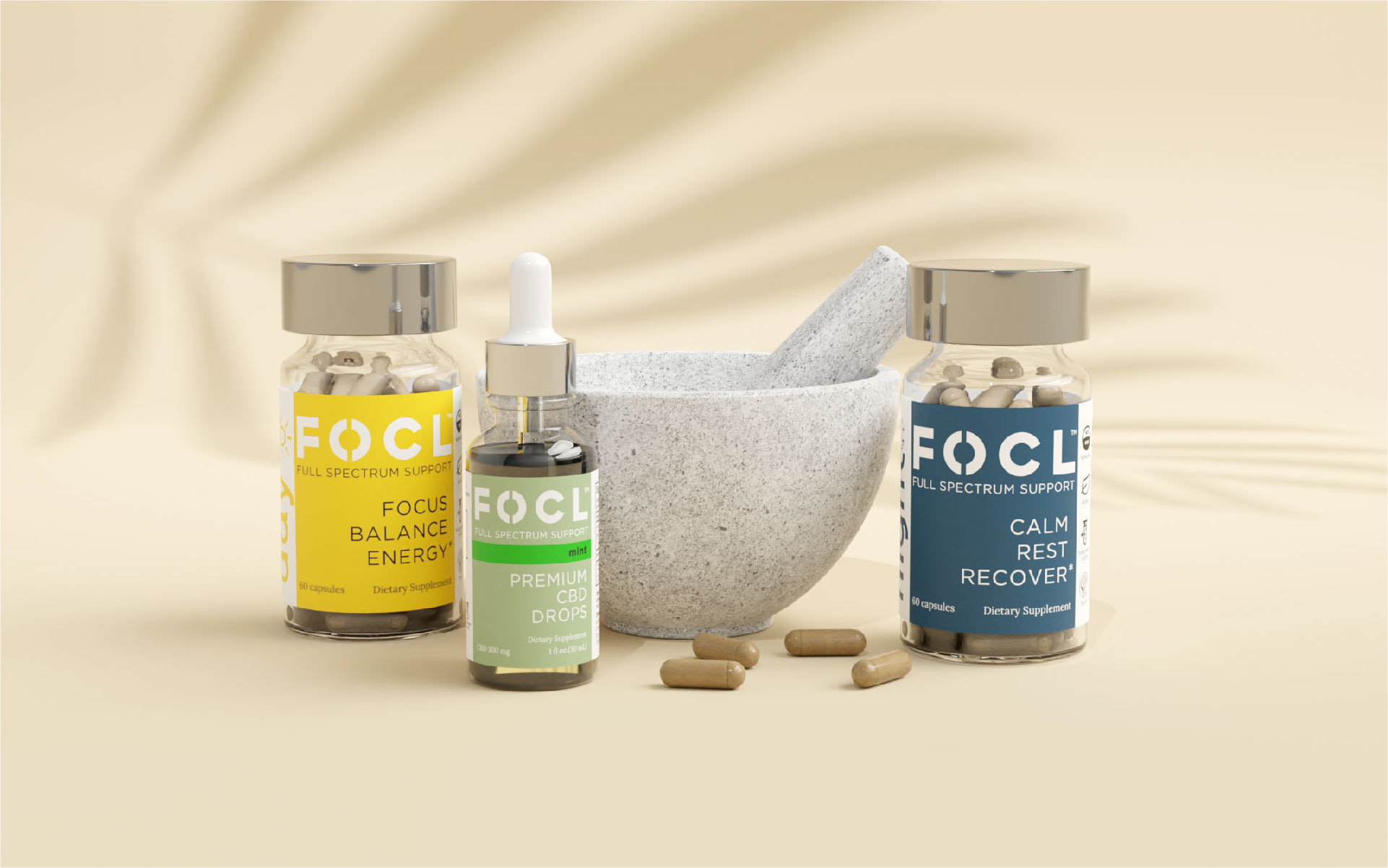
This article is brought to you by FOCL , bringing education and innovation to plant-based wellness.
CBD has taken wellness by storm, becoming a staple in many a day pack and gym bag. A CBD or hemp capsule may even land a coveted spot in your supplement case as part of your daily routine, but it’s becoming increasingly overwhelming to figure out what’s right for you as new natural products hit the market every day.
Fortunately, there’s a way to streamline your natural supplements to complement CBD. Even better, if you’re looking for an energy or relaxation boost, someone’s already done it for you.
“Wellness stacks are a revolutionary way to optimize results and simplify the process of getting the support you need,” says the CEO of FOCL, Ken Lawson.
FOCL offers wellness stacks designed to bring out your best self, combining premium American-grown hemp CBD with adaptogens that have been used for centuries to promote good health. Their two blends of CBD capsule address issues almost everyone has—creating wakefulness and focus during the day and easy, restful sleep at night—with ingredients from nature, backed by science. What is a wellness stack?
If you’re a gym rat, you might already be familiar with the idea of supplement stacks because bodybuilders often “stack” supplements that help build muscle and aid recovery. The same concept applies to other bodily needs, like lifting brain fog or helping stress melt away.
FOCL’s wellness stacks are the result of combining synergistic ingredients like powerful botanicals and stress-fighting adaptogens with precisely dosed CBD to achieve optimal results for the body and mind. What are adaptogens and how do they work with CBD?
(Courtesy of FOCL) Adaptogens are gentle plants designed to help your body cope with stressors, which is a pretty broad category of occurrences that range from struggling to stay awake to relieving end-of-day tensions.
While adaptogens have been used for centuries (and there’s plenty of data surrounding their presence in individual plants), modern research is still emerging on exactly how they work, with most signs pointing to interaction with adrenal glands.
As you may already know, CBD works within your endocannabinoid system , affecting a unique set of receptors that could help rein in a lot of different symptoms that are out of whack. This could be why CBD has such a wide set of applications, helping with wakefulness as much as it helps with sleep. Since both CBD and adaptogens can help bring your body into balance, the right herbal blends can boost the power of CBD for a well-rounded addition to your day. CBD capsules for daytime creativity and focus
(Courtesy of FOCL) FOCL Day , one of two wellness stacks offered by the company, combines CBD with vitamins and herbs that promote wakefulness, focus, and productivity—whether you want a clear mind for your yoga class, need to balance both kids and clients, or just need an extra boost to feel human in the morning.
This capsule augments hemp-derived CBD with a variety of natural ingredients—including nootropic herbs thought to support cognitive function*: Vitamin B6 for mood elevation.
L-Theanine from green tea for mental performance, especially in error reduction.
Bacopa Monnieri for stress reduction and nerve cell protection—including help with information retention.
Lion’s Mane Mushroom for the protection of nerve cells and stimulation of new growth.
Rhodiola rosea , also known as rosenroot, for mental fatigue and promotion of neuroregeneration.
CBD capsules for nighttime rest and relaxation
(Courtesy of FOCL) When it’s time to start winding down for the day, it can be hard to let everything go to get to your self-care routine, relax into your tv binge, or break from the 24-hour news cycle to finally just get some sleep .
In FOCL Night , synergistic sleepytime herbs work with CBD to help melt stress away and support a better night’s sleep*: Valerian Root is a mainstay in herbal medicine for sleep and contains a variety of compounds thought to not just help people fall asleep but improve sleep quality.
Hops Flower for reducing anxiety and stress symptoms.
Ashwagandha , also known as “Indian ginseng,” is a plant commonly used in ayurvedic medicine—and a 2012 study shows it could improve resistance to stress.
Passiflora incarnata , or purple passionflower for improved sleep quality.
Griffonia simplicifolia , researched for its positive effect on multiple sleep factors: time to fall asleep, total time asleep, and sleep quality.
What you see is what you get
Like the vast majority of high-quality CBD products, FOCL Day and Night CBD stacks go through rigorous third-party lab testing. But a variety of coveted certifications make FOCL stand out from the pack, including Tru-ID – a safety measure rarely seen in the CBD industry that ensures ingredient integrity. (Courtesy of FOCL) FOCL creates its products in a GMP (Good Manufacturing Practice) compliant facility, which sets rigorous standards for consistency and quality at all steps of production. To make sure the supplement stacks can fit into everyone’s lifestyle, FOCL keeps everything vegan and non-GMO.
“FOCL stands out from other CBD companies by working with local family-owned farms to grow and source hemp grown in the USA, using organic practices and making quality a top priority — so we know exactly where our hemp comes from and how it was grown.”As Lawson says, “our mission with these two wellness stacks is to support your best 24hrs. After all, feeling better is everything.” *These statements have not been evaluated by the FDA. This product is not intended to diagnose, treat, cure, or prevent any disease.
Some Of The Best Anti-Aging Supplements
Aging may be inevitable, at least for now, but that doesn’t mean we have to sit back and just let it happen. Increasing lifespan and slowing the aging process has been the focus of much scientific research over the decades and as such a variety of substances have been identified that possess anti-aging properties that may help to decelerate the process.
This is a collection of a few for your review, but keep in mind this is just a short list that is in by no means exhaustive, there are many other supplements that may also offer anti-aging effects.
Curcumin/turmeric has been shown to carry anti-aging properties which have been largely attributed to its potent antioxidant potential. This compound has been demonstrated to activate certain proteins which may help to delay cellular senescence and promote longevity, as well as being associated with a reduced risk of age related mental decline in humans. Additionally it has been shown to combat cellular damage and increase the lifespan of mice, roundworms and fruit flies and postpone age related disease while alleviating the symptoms of age related disease.
EGCG is a polyphenol compound that is found concentrated in green tea that carries some impressive health benefits that are backed by science including reducing the risk of certain cancers and other conditions such as heart disease. Epigallocatechin gallate has an array of potential health promoting properties such as promoting longevity, protecting against age related disease development, restoring mitochondrial function in cells acting on pathways involved in aging, inducing autophagy, as well as being associated with a reduced risk of all cause mortality, diabetes, stroke, and heart disease. Animal studies have shown it to protect against skin aging and wrinkles caused by exposure to UV lighting.
Coenzyme Q10 is an antioxidant produced in the body that plays roles in energy production and protection against cellular damage. However, levels of this decline with age, supplementation has been shown to help improve certain aspects of health in older individuals such as reducing oxidative stress that accelerates the aging process and onset of age related disease.
Nicotinamide riboside and nicotinamide mononucleotide are precursors to nicotinamide adenine dinucleotide which is found in every cell and involved in many critical processes including energy metabolism, DNA repair, and gene expression. However, levels of this also decline with age and it is thought to be associated with accelerated physical decline and the onset of age related disease.
Crocin is a yellow carotenoid pigment in saffron that carries many health benefits including anticancer, anti-inflammatory, anti-anxiety, and antidiabetic effects. It has been studied for its potential to act as an anti-aging agent and ability to protect against age related mental decline. It has been shown to help improve aging in human skin by reducing inflammation and protecting against UV light induced cellular damage. Animal studies have demonstrated prevention against age related nerve damage by inhibiting production of advanced glycation end products and reactive oxygen species that contribute to the aging process.
Resveratrol is a polyphenol that may help to promote longevity by activating sirtuins genes, and it has been shown to increase the lifespan of nematodes, yeasts, and fruit flies. It may help to lower cholesterol, protect brain function, increase insulin sensitivity, ease joint pain, suppress cancer cells, and lengthen lifespan in certain animals.
Quercetin is a natural antioxidant pigment found in many grains, fruits, and vegetables that plays important roles in helping the body combat free radical damage that is linked to chronic diseases. It may help to reduce inflammation, blood pressure, boost immunity, aid exercise performance, reduce allergy symptoms, and help maintain general health.
Fisetin is an antioxidant flavonoid that is a senotherapeutic, which means that it can kill harmful senescent zombie cells. Animal studies suggest that it may help to reduce the number of these cells in tissues to help extend lifespan. It is active against allergic inflammation and has gained attention for its memory enhancing capabilities in animal studies.
These are just a few supplements that might help to slow the aging process and promote a long and healthy life. CoQ10, crocin, festin, curcumin, and NMN are just a few of the compounds that have been shown to offer anti-aging effects in scientific research studies.
While some studies suggest taking supplements may help to slow the aging process the best way to promote longevity and overall health is to follow healthful practices which involves keeping stress in check, getting enough sleep, being physically active, and maintaining a nutritious diet. It is also recommended to consult with your physician or certified medical professional before taking any supplement to avoid possibility of complications. Materials provided by: Content may be edited for style and length. This article is not intended to provide medical diagnosis, advice, treatment, or endorsement
Are eggs good for you?
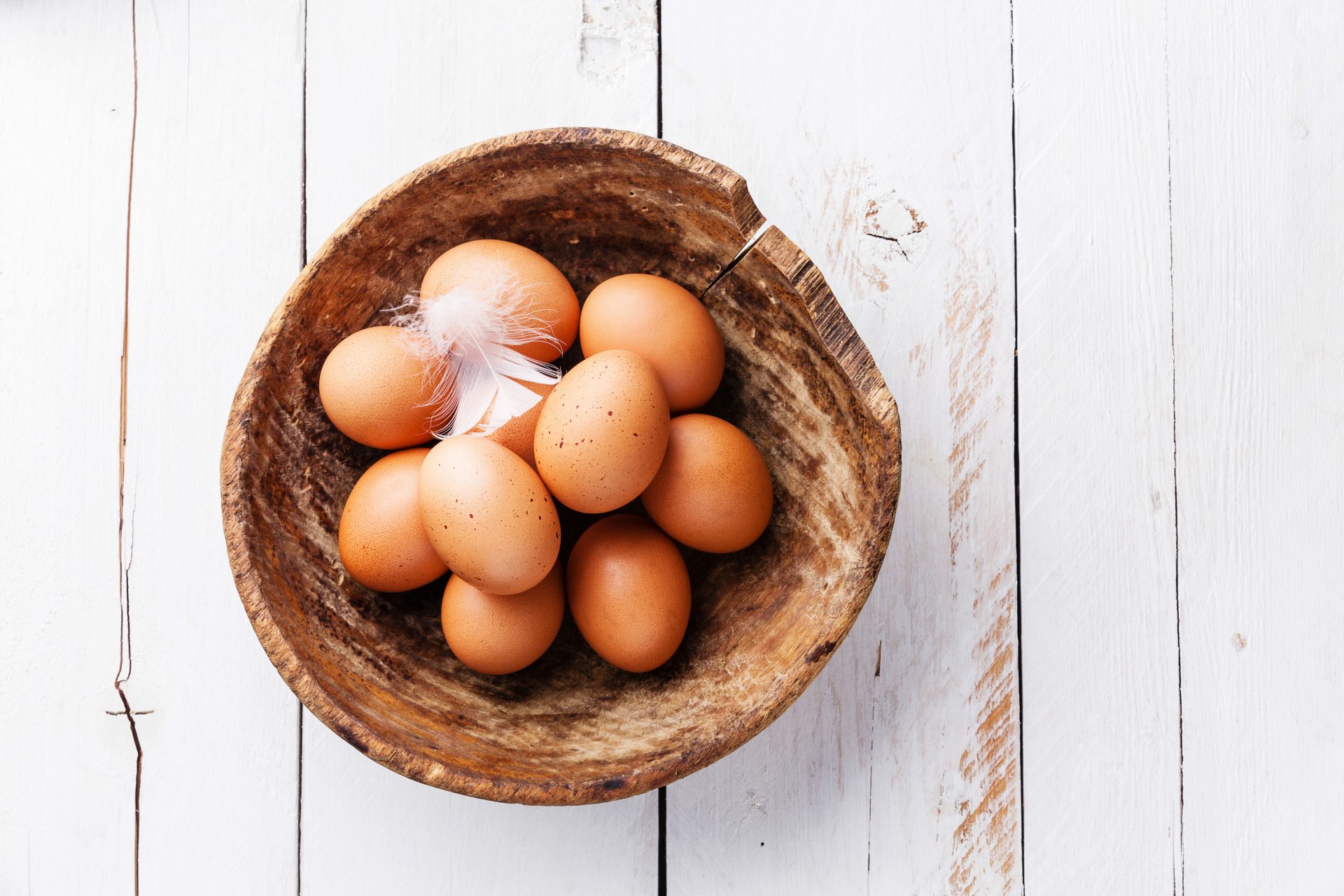
Alamy Are eggs good for you? We look at this breakfast favourite, and whether it’s a healthy staple or a recipe for high cholesterol and heart disease.
Eggs have long been the source of debate among health specialists, due to concerns over their cholesterol content, but not only do they remain one of the best natural sources of protein, they’re also packed with nutrients, including vitamins A, D and B12.
These are vital for our immune system, as well as helping to maintain strong bones and healthy blood cells. On a more practical note, their variations and suitability for almost any meal makes them a diet staple for both meat eaters and vegetarians.
1 medium egg, boiled, contains:
66 calories
6.4g protein
4.6g fat
1.3g sat fat Alamy Eat eggs for breakfast
When enjoyed for breakfast, eggs may help with weight management, as the high protein content helps us to stay fuller for longer, reducing the need for a mid-morning snack. Research has shown that adults who eat eggs for breakfast lose 65 per cent more weight than those who eat a breakfast bagel of equal calories. How many eggs should we eat?
‘Two to three whole boiled eggs every two to three days for a balanced and varied diet,’ according to Dr Hyvernat. ‘This will enable you to benefit from their essential nutrients, while keeping saturated fat at a reasonable level.’ Are eggs good for you? The health benefits
Eggs are high in protein
Eggs contain all nine essential amino acids, making them a complete protein and a great healthy option. Most of the proteins come from the egg white, but the yolk is also filled with goodness. ‘The yolk has been unfairly criticised, yet it contains nutrients that are crucial to our health, including B12, zinc (to boost immunity), iron (helping red blood cells to carry oxygen), vitamin D (for healthy bones and a strong immunity) and potassium (heart health),’ explains nutrition expert Dr Laure Hyvernat. Brain health
Eating eggs can boost brain power , according to a recent study.* Researchers monitored the diets of around 1,400 men and women, aged between 36 and 83, for three years and found that those regularly eating eggs performed better on memory tests and other cognitive abilities. Researchers suggest this is down to eggs being full of choline, a crucial nutrient for healthy memory, mood and muscle control. Alamy Eye health
Eating eggs is one of the best ways to promote eye health. They contain lutein and zeaxanthin, two of the main carotenoids – plant pigments responsible for bright red, yellow and orange hues in fruits and vegetables. These pigments help to boost our eye health as they block blue light from the sun and digital devices, which over time can cause damage to the eye. They’re relatively low in fat
One average egg (58g) contains 4.6g fat (about a teaspoon). Only a quarter is saturated fat – the type that raises cholesterol – meaning two to three eggs a week will not have a negative effect on weight loss or your overall health. Low in sodium
Too much salt in our diet can cause high blood pressure, which increases the risk of stroke and heart disease. While the majority of our cooked breakfast favourites, such as bacon and sausages, have a high sodium content, eggs – when not cooked in butter or oil – make a healthy, low-sodium choice. ‘A medium egg contains 0.078g of sodium, 5% of the recommended daily allowance (RDA) for an adult woman aged 19 to 50 years,’ says registered nutritionist Dr Juliet Gray. Healthy metabolism
There’s a reason most well-known diet plans such as WW and Slimming World include eggs as part of their ‘free’/zero ‘syns’ selection, and that’s because they’re great for supporting our metabolism and helping to aid weight loss. ‘Eggs are not only a high-quality source of protein, but they contain minerals such as iron, phosphorus, selenium and zinc,’ explains Dr Kianoush Missaghi, training and nutrition specialist. ‘These work together to regulate your metabolism and hormones, and even provideprotection against oxidative damage and infection, and promote healing.’ Are eggs good for you? Be careful of
Contamination
Bacteria causing infections and food-borne diseases can easily contaminate eggs so ensure you’re always buying them from verified farms or shops. ‘Eggs from hens raised on pasture are also better for us as they are much higher in omega-3 and important fat-soluble vitamins,’ says nutritionist Mays Al-Ali. High cholesterol myth-busters
‘While it’s true that eggs, especially yolks, are one of the richest sources of dietary cholesterol, it seems to have only a small effect on blood cholesterol levels when compared with other cholesterol- containing foods,’ explains medical scientist Dr Nauf AlBendar. Cholesterol is already present within the body and is needed for survival, but, as the liver produces it, you don’t need to get it from your diet.
So if you’re someone who already has high cholesterol, you will need to monitor your egg consumption. ‘The more cholesterol you eat, the more your body produces,’ explains Mays. ‘For this reason, in healthy individuals, eating a few eggs won’t cause a high rise in blood cholesterol level. Mays advises that if you do have high blood cholesterol, eat no more than three to four eggs a week, as a medium-sized egg contains 63% of the recommended daily intake. Alamy Food poisoning and stomach problems
Always make sure eggs are cooked properly, as undercooked eggs can increase the risk of salmonella, which causes food poisoning. This can also cause bloating, vomiting, flatulence and other stomach problems. Cook until both the yolk and white are firm. Scrambled eggs should not be runny. What about heart disease?
Research has not definitively linked cholesterol consumption with an increased risk of cardiovascular disease. In fact, research has shown that having an egg a day could reduce the risk of stroke by 26%, along with an 18% lower risk of death by cardiovascular disease. Most healthy people can eat up to seven eggs a week […]
How to Overcome Your Brain’s Negativity Bias

You need a lot of positive to balance out the negative. It’s a fact.
Imagine you went on a beautiful Mediterranean cruise for two weeks. You bathed in the Greek sunset, ate the heavenly tasty Italian food, danced on the Spanish beaches, drank yourself to sleep with Portuguese wine.
In a misfortune, sometime during this trip, your phone gets stolen, or you get sick for a couple of days.
What do you think you’ll remember most from this trip once you’re back home? The sunset, food, music, and wine? Or the unfortunate accident?
Most people will remember getting sick or having their belongings stolen because negative experiences affect them much more than positive ones. This is known as “negativity bias”.
Even when we are presented with occurrences of equal intensity, things of a negative nature will stick with us longer and will affect our psychology, behavior, and cognition to a greater extent. 5 facts about your brain’s ‘Negativity Bias’
Which one came first: The chicken or the egg?
I have another one: Which one came first: Gloomy news coverage or our pessimistic tendency?
Are we more negative because of what is reported to us? Or is our negativity as consumeristic behavior attracting bad news?
This bias is probably part of a survival extinct to dodge harm and danger. The brain evolved in a way that would recognize the threat to avoid it better.
Here is what scientists have uncovered about this phenomenon.
1. The brain reacts stronger to negative stimuli
Your brain is built — or develops and adapts — to be more sensitive to negative stimuli. The bias is so automatic that it has become an unconscious mechanism.
Early research dating back to 1998 recorded event-related brain potentials (ERPs) from participants viewing positive, negative, and neutral pictures. ERPs are measures of electrical brain responses resulting from a specific event¹.
The results revealed that the brain’s activity is more reactive and engaged when adverse events are presented.
2. The ratio is 5:1
According to relationship researcher John Gottman, who ran his experiments in the 1970s, the magic ratio is 5 to 1: “5 positive events to balance out 1 negative event”.
This means that for every negative interaction between partners, there must be five positive interactions. His predictions turned out to be right 90% of the time. Other researchers have found that this isn’t just true for couples, but can be applied to relationship equilibrium in general².
3. Negativity has the upper hand in impression-formation
This bias is also evident in adults’ judgment and decision-making.
We consistently weight the negative aspects of a situation more heavily than the positive ones. This is especially true during impression-formation or social judgment of a person.
In this case, negative information weighs more heavily when people are asked to form an evaluation of another individual: the traits are neither “averaged” nor “summed”, and the disadvantageous traits disproportionately impact the final impression.
Older adults weigh negative traits more than young adults do in social judgment. They’re also more willing to change a positive impression to a negative one rather than the other way around³.
The evidence also suggests that even forming impressions of ourselves is surprisingly biased and shaped by trait differences in self-esteem and social anxiety.
4. Negativity is emotionally more intense
The Amygdala is a brain area involved in the experience of emotions. It’s the “alarm bell of the brain.”Although the Amygdala is sensitive to both positive and negative stimuli, the relative changes in activity by the same intensity is more considerable in response to adverse stimuli⁴. The Amygdala will use 2/3 of its neurons in reaction to bad news. This seems to be a neurological encoding of the negativity bias. Other cognitive aspects that seem to be asymmetric include attention and memory. Indeed, harmful events and emotions are transferred to long-term memory much faster than any positive emotion.5. It starts earlier than we think All of this is great, but one question remains: Is our negativity bias innate? Or does it develop with age?Do infants and children display a negativity bias in the emotional realm?Babies learn by using emotional information they receive from their environment and their caregivers. Many of our everyday emotional responses are contagious, learned, and adapted.The research around this question is a little scattered all over the place. The consensus is that negativity bias starts developing the second half of a baby’s first year, so around months 6 or 7 of our lives⁵.Prior to that, scientists are positive that infants tend to show greater attention to positive facial expressions and tone of voice.
Amla will boost your immunity amidst the COVID-19 pandemic: 7 other reasons to have it

Amla is low in calories and high in fiber, vitamin E and vitamin C. Moreover, they are a rich source of micronutrients like manganese, vitamin A and potassium. @Shutterstock We are today in the midst of a global pandemic. The COVID-19 contagion shows no signs of abating despite the best efforts of governments and organisations across the globe. There is no cure or vaccine for this disease and your best bet is to stay safe by following all the safety guidelines diligently. You can also look at boosting up your immunity so that your body is able to defend itself from all invading pathogens. And, for this you need to eat right. There are many fruits and vegetables that will boost your immune system .
The Indian gooseberry or amla is one such fruit that can give you a super strong immunity. This is an amazing fruit that is loaded with so many essential nutrients that it will not be wrong to call it a superfood. These fruits are low in calories and high in fiber, vitamin E and vitamin C. Moreover, they are a rich sourced of micronutrients like manganese, vitamin A and potassium. Besides providing protection from a range of health complications, it also boosts up your immunity. Let us look at a few other benefits of the Indian gooseberry or amla . It boosts liver health
Your liver keeps your body healthy by helping in the detoxification process. It also produces bile to help digest fats and produces important proteins so essential for overall health. Gooseberries enhance enhances liver function and protects this important organ against toxicity and even cancer. It can reduce your cholesterol levels
Regular consumption of this fruit can bring down the level of bad cholesterol in your blood. This will prevent the buildup of plaque in your arteries and you will have a lesser risk of coronary heart disease. Intake of amla can also increase levels of beneficial HDL cholesterol and regulate blood pressure levels. It can keep cancer at bay
Amla can inhibit the growth of human lung, liver, breast, ovarian, cervical and colorectal cancer cells. These fruits are a rich source of phytochemicals and antioxidants, that helps bringdown the risk of cancer. It can neutralize the harmful free radicals. It can regulate your blood sugar levels
These are loaded with fiber and antioxidants. The fibre slows down the absorption of sugar in the bloodstream. This, in turn, regulates blood sugar levels. Regular intake of this fruit can also reduce your risk of hypertension and other complications of diabetes like kidney and nerve damage. It aids in digestion
These are known for their amazing natural laxative properties. A gooseberry a day can regulate your bowel movement and prevent constipation. The fibre in it can increase stool frequency. It also has certain gastroprotective effects and prevents problems like gastric ulcers. It is good for skin and hair health
This amazing fruit also has beauty enhancing properties. It is high in vitamin E and can improve the health of skin and hair stimulate production of collagen. This gives your skin a youthful and young look. Amla oil can also stimulate hair growth and volume. It boosts cognition
It is good for brain function. Regular intake of this fruit increases memory retention and brings down your risk of neurodegenerative diseases like Alzheimer’s. It also boosts learning abilities and memory. Coronavirus Updates
7 Best Natural Ways to Enhance Your Memory
Everything you do requires memory. Whether it’s your everyday chores, work responsibilities, communication, or any other task in life, memory plays an important role. So, if you’re not in search of ways to enhance your memory, you should be.
If you’re someone who wants to excel in life by learning new things, enhancing your memory is extremely important for you.
Luckily, it is something that can be done. There are some simple, natural ways to boost your memory. Keep reading to find out all about these amazing tips!
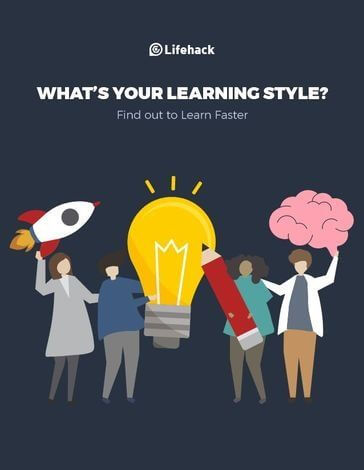
Here are some of the most effective tips for enhancing memory: 1. Focus on Your Learning Style
One main reason why people want to improve their memory is for the sake of boosting their learning capacity. It is true that without a good memory, learning is a difficult task.
Your learning style is an arrow that can shoot both these targets.
There are 6 broad learning styles . Each individual falls into at least one of these. It is also rather easy to figure out your learning type by following a few steps.
Once you’re aware of your learning style, you can incorporate methods and techniques that go hand in hand with your style.
For example, if you happen to be an auditory learner, you can listen to online tutorials to gain new knowledge instead of opting for another method. Similarly, people who prefer structured learning environments can go for tutors who have a coherent teaching style.
If your brain receives information in a manner that is supported by your style, you are highly likely to retain this knowledge in the long term. 2. Add Variation to Your Learning Routine
When you start learning a new skill or get on with a new task, enthusiasm levels are rather high. This is the time when learners are so motivated that they don’t mind doing the same thing all day long.
Although it seems fun for the time being, it eventually becomes monotonous or boring.
You should add variation to your learning routine from the get-go so that you can avoid getting to a stage where the brain loses interest in the said task or skill. Once it gets boring, it will be much more difficult to learn or remember.
Some ways to add variation are: Take breaks
Change your location or environment every now and then
Add various learning tools into play
If you have multiple learning styles, incorporate them alternatively
3. Regulate Your Sleep Schedule
Have you ever seen a sleepy person do a good job anywhere?
It’s pretty rare. That’s because a sleepy mind is good for very little. Memory and sleep go hand in hand. Without a fresh mind, not only does learning become harder, but it also gets more annoying and seems tougher.
Also, many people retain information better if they sleep after learning something new.
Whatever the case is, never skip a good night’s sleep ! 4. Practice Mindfulness
How can you remember something you weren’t paying attention to?
A human’s attention span is rather short, but it can be improved. Practice mindfulness to enhance your focus . This will, in turn, improve your memory. [1]
As humans age, memory and cognition are bound to decline. However, effective mindfulness has proven to slow down this deterioration.
You can improve your memory and concentration by following a lot of easy-to-implement tips in your daily routine. Some of the things you can do to practice mindfulness include focusing on your surroundings, being more aware of your breathing, and gaining control over the ability to shift attention from one thing to another. 5. Meditate Here’s a secret that will change your life: You can control your brain.How? It’s actually not even hard!All you have to do is play brain games and boost cognitive activity by meditating. All these help increase the gray matter in your brain. Gray matter includes neuronal cell bodies, which are technically responsible for memory. Meditation , in general, keeps the brain calm, which helps new information get organized efficiently. It also supports mindfulness.People who experience short-term memory loss will experience great benefits from meditation. 6. Eat Memory-Enhancing Foods You are what you eat.The saying is so famous for a reason. Food directly affects every single part of you. The nutrition you receive can enhance your memory immensely.The brain is what controls your memory. Since the brain is a muscle, after all, good food will improve its strength.Here’s what you should eat more of: Fish Oil Everybody and their dog knows that fish oil is a rich source of omega 3 fatty acids. These fats are categorized as healthy fats.Healthy fats are a necessary part of a balanced diet. They reduce anxiety, prevent inflammation, and contribute to the brain’s health. [2] Elderly people who are at risk of memory loss have been proven to experience an improvement in their condition with the help of fish oil supplements. Cocoa How amazing is life? You’re literally being told to add delicious cocoa to your diet. You certainly can’t complain.Just in case you need some supporting evidence because it sounds too good to be true, we’ll let you know why cocoa is so good for enhancing memory.It is a generous source of anti-oxidants. More importantly, cocoa encourages blood flow. Your brain will only stay healthy if it receives enough blood flow and nutrition. This is why cocoa does wonders for enhancing memory. [3] One thing to keep in mind is that dark chocolate cocoa is more effective than white chocolate cocoa. Anti-Inflammatory Foods Did you know that inflammation is a major cause of deteriorating memory? [4] Inflammation leads to oxidative stress, which then leads to dementia. Your mental health, in general, is at risk with inflammation.So, it is best if you eat more anti-inflammatory foods. Fruits, vegetables, and teas are some of the best options to include in your diet. Vitamin D One of the most common deficiencies in patients of dementia is vitamin D. It is a huge contributor towards cognitive function.Trends have shown that people with vitamin D deficiencies experience cognitive decline and are […]
Chicken soup to boost your immunity

By Anna Lee
Chef, Healthy Meals by Anna
This immunity-boosting chicken soup includes chicken bone broth (simmered for 24 hours), carrots, celery, onions, kale, mushrooms, bone broth, garlic, ginger, turmeric and coconut milk for an immunity-boosting powerhouse meal. It’s paleo, keto, AIP and whole30. This is a powerfully healing recipe for both preventing and getting rid of colds. This healthy recipe will soon become your favorite soup. This will be one soup to help you stay on top of your immunity game. Grab this soup before it is all gone.
Note: Do not consume if you are on blood thinners. Contains lots of dandelion, rosemary, thyme, turmeric, ginger and garlic.
INGREDIENTS: Homemade 24-hour chicken bone, coconut milk, dandelion, Thai basil, rosemary thyme, chicken breast, carrots, shiitake mushrooms, celery, onions, kale, organic raw apple cider vinegar, lime juice, organic coconut oil, ginger, turmeric, red pepper flakes, garlic, salt and pepper.
What’s in this immune-boosting soup?
CHICKEN BONE BROTH – chicken bones are simmered for 24 hours with organic raw apple cider.
DANDELION – is an excellent source of vitamins A, C, K, E, folate and B. It also provides a substantial amount of several minerals, including iron, calcium, magnesium and potassium. Dandelion are full of potent antioxidants that help neutralize or prevent the negative effects of free radicals in your body. Dandelion contain high levels of the antioxidant beta-carotene, which is known to provide strong protection against cellular damage and oxidative stress. They’re also rich in beta-carotene and polyphenolic compounds, both of which are known to have strong antioxidant capabilities that can prevent aging and certain diseases.
TURMERIC – Natural anti-inflammatory, autoimmunity, arthritis, high in antioxidants, which helps eliminate free-radicals, cancer fighting, boosts levels of your brain hormone, BDNF, which can help reverse and prevent brain-related illnesses like Alzheimer’s and depression.
SHIITAKE MUSHROOMS – contains Ergothioneine, a powerful antioxidant that helps to eliminate free radicals. They’re also a powerful source of Vitamin D.
COCONUT MILK – Coconut milk is rich in vitamins C and E that are well known for their anti-oxidant properties. Free oxygen radicals are formed by our body tissues during the process of metabolism. They are harmful to cellular components and contribute toward aging and tumor growth. Antioxidants contained in coconut milk help to neutralize these harmful substances.
COCONUT OIL – contains two important anti-viral compounds, lauric acid and caprylic acid. Together, these help ward off bacterial and viral infections. It contains Zinc, a mineral that aids in the renewal of the cells that line the intestinal wall. This prevents the translocation of harmful bacteria from the intestinal lumen into the bloodstream and reduces the incidence of diarrhea.
GARLIC – is known to boost the function of the immune system. Eating garlic can actually boost the number of virus-fighting T-cells in your bloodstream. It has antibacterial antiviral, anti-inflammatory and anti-fungal benefits. It is by far one of the most powerful immune-boosting herbs.
TURMERIC – contains more than 300 naturally occurring components, including beta-carotene, ascorbic acid (vitamin C), calcium, flavonoids, fiber, iron, niacin, potassium, zinc and other nutrients. Turmeric helps fight inflammation and contains a powerful antioxidant called curcumin.
KALE – Kale Is loaded with powerful antioxidants like Quercetin and Kaempferol. It’s also loaded with Vitamin A: 206% , Vitamin K: 684%, Vitamin C: 134%, Vitamin B6: 9%, Manganese: 26%, Calcium: 9% of the DV, Copper: 10%, Potassium: 9%, Magnesium: 6%, 3% or more of vitamin B1 (thiamin), vitamin B2 (riboflavin), vitamin B3 (niacin), iron and phosphorus.
ROSEMARY – can help with a fever during the beginning stages when you’re cold and shivering, boosts memory and contains many beneficial properties, anti-inflammatory, vitamin C, vitamin A, renowned for fighting infection, anti-fungal, antibacterial, antiseptic.
THYME – helps with digestion, immune support and pain relief, eases sore throat, especially when it comes with a thick white coating on the tongue, congested mucus in the lungs and spasmodic coughing. It’s anti-bacterial and anti-inflammatory, aids respiratory ailments and is a mood enhancer that fights depression.
SAGE – has been shown to enhance memory, relieve sore throats and alleviate painful cramping in the gut.
THAI BASIL – Basil contains powerful antioxidants, antiviral, helps reduce fevers and relieve symptoms of colds, coughs and the flu. It is an Adaptogenic herb, help your body deal with stress and provides some macronutrients, such as calcium and vitamin K.
Happy and healthy eating to you. ••
For more information, visit HealthyMealsByAnna.com .
If you have Hashimoto’s, there is one supplement that is considered a ‘must-have’
Stock image, St. George News LATEST STORIES
CONTRIBUTED CONTENT — Antioxidants are a buzz word in health circles that sometimes deliver empty promises. But when it comes to autoimmune Hashimoto’s hypothyroidism, one antioxidant is a must-have in your protocol kit: glutathione.
Glutathione is considered the body’s master antioxidant, and at RedRiver Health and Wellness Center , we know that you need it dampen autoimmune disease and lower your risk of developing new autoimmune diseases.
Glutathione protects cells from damage, supports general detoxification, acts as a natural chelator for toxic heavy metals and environmental toxins and supports healthy immune system function. Glutathione works by protecting energy-producing factories inside cells called mitochondria.
Antioxidants are molecules that inhibit other molecules from going through oxidation, a chemical reaction that produces toxins called free radicals.
Free radicals are unstable molecules that occur naturally but that also enter our bodies through toxins in food, air, water and even medications. Left unchecked, free radicals damage cells, destabilize the immune system and contribute to the development of serious health problems.
Glutathione is a compound made by the body that protects cells and tissues from damage by free radicals. While the body makes glutathione, it can also be supplemented in absorbable forms or via nutrients that boost glutathione production.
Normally, our bodies should make enough glutathione to protect us. However, it’s common for glutathione to drop too low in our modern world. We cope with thousands of toxic chemicals in our daily environment – in our food and our water – even if we lead a very clean, nontoxic life.
Sugary diets full of processed foods, food intolerances, leaky gut and undiagnosed infections are other examples of things that can deplete glutathione due to the chronic inflammatory assaults on the cells.
Glutathione levels also decrease as we age, and our need for supplemental glutathione increases significantly.
When glutathione production drops, you are more vulnerable to developing autoimmune disease, chronic pain, chemical sensitivities, leaky gut and other immune-related disorders.
In fact, glutathione depletion is linked with a number of disease states and groups, including the following: Aging.
Athletic overtraining.
Major injuries and trauma.
Patients with wasting diseases such as HIV and AIDS.
Lung cancer.
Gut-based diseases such as Crohn’s and ulcerative colitis.
Chronic fatigue syndrome.
Alcoholism and fatty liver disease.
Diabetes and low glucose tolerance.
Cancer.
One of the most important things you can do to improve glutathione status is to remove or mitigate stressors that deplete glutathione. These may include lack of sleep, smoking, food intolerances, diets high in sugars and processed foods, excess alcohol intake and hormone or immune imbalances.
If you have Hashimoto’s, this typically also means going on a gluten-free diet, as many studies show a connection between Hashimoto’s hypothyroidism and a gluten intolerance or celiac disease.
Additionally, research shows a link between poor glutathione status and autoimmune Hashimoto’s hypothyroidism.
Recycle glutathione to manage Hashimoto’s hypothyroidism
One of the most effective approaches to dampen autoimmune-related inflammation is to support your body’s ability to recycle glutathione. Recycling glutathione means your body takes existing glutathione the body has already used in self-defense and rebuilds it so it can work again to protect the body.For glutathione to be recycled, it must be reduced . There are two main forms of glutathione in the body: reduced glutathione and oxidized glutathione.When there is sufficient reduced glutathione in the cells, they sacrifice themselves to free radicals to protect cellular mitochondria. An enzyme called glutathione peroxidase then sparks the conversion of reduced glutathione to oxidized glutathione, a free radical itself.If there is sufficient glutathione in the cell, the newly unstable oxidized glutathione pairs with available glutathione with the help of an enzyme called glutathione reductase . This sends it back to reduced glutathione status and ready to return to service protecting cells.Glutathione recycling helps balance immune function and shield thyroid tissue from inflammation and autoimmune attacks. Glutathione also helps repair damaged tissues, such as in the case of leaky gut. Supplementing to increase glutathione levels — the RedRiver clinical research observations Between all of our clinics, we see several hundred patients each day, which puts us at an unparalleled advantage when it comes to honing in on the best support for patients.Below is an overview of what’s available to boost glutathione levels and what we have seen work the best for our patients. Glutathione recycling Glutathione recycling is a good place to start to increase glutathione activity inside of cells. A variety of nutritional and botanical compounds have been shown to support glutathione recycling, including the following: N-acetyl-cysteine (NAC) quickly metabolizes into intracellular glutathione. L-glutamine helps generate glutathione. Alpha-lipoic acid (ALA) recycles and extends the life spans of vitamin C, glutathione, and coenzyme Q10, all of which are needed for glutathione recycling. Selenium is a cofactor for the enzyme glutathione peroxidase, which converts reduced glutathione to oxidized glutathione, which protects cells. Milk thistle significantly increases glutathione and improves the ratios of reduced and oxidized glutathione. Gotu kola increases glutathione peroxidase and glutathione in general. Cordyceps supports glutathione synthesis activates the glutathione enzyme cycle. Taken together these botanicals and compounds activate the glutathione peroxidase and reductase enzymes to promote a healthy glutathione recycling system.I use a stand-alone product to support glutathione recycling containing all of these ingredients called Glutathione Recycler by Apex Energetics . This product was developed by Dr. Datis Kharrazian, who pioneered our modern understanding of Hashimoto’s and glutathione.We have found this product works best when used in conjunction with a liposomal glutathione blend, discussed further below. Liposomal glutathione At RedRiver Health and Wellness Center, we have been very impressed with patients results from a liquid liposomal glutathione blend called Trizomal Glutathione by Apex Energetics, also formulated by Dr. Kharrazian.Trizomal Glutathione provides both bioactive glutathione and the glutathione precursor N-acetyl-cysteine, meaning for comprehensive glutathione support.Although dosages vary depending on the degree of inflammation, we generally start people at 10 ml three times a day to calm inflammation, autoimmune flares and neurodegeneration symptoms (memory loss, brain fog, fatigue).Then people can generally move to a maintenance dose of 5 ml three times a day […]
Researchers explore the effects of a plant compound called resveratrol in patients with ulcerative colitis

( Natural News ) People suffering from ulcerative colitis can benefit from a plant compound found in red wine and chocolate. A recent study published in the Archives of Medical Research revealed that resveratrol can improve the quality of life of patients with ulcerative colitis . What is ulcerative colitis?
Ulcerative colitis is a chronic disease that affects the inner lining of the large intestine . In particular, it causes inflammation and ulcers (sores) to appear in the digestive tract. Ulcerative colitis develops gradually and can become worse over time. While signs and symptoms vary depending on the severity of the inflammation and where it occurs, some commonly recognized symptoms of ulcerative colitis include : Bloody diarrhea, sometimes with pus
Abdominal pain and cramping
Rectal pain
Having an urgent feeling to defecate but being unable to do so
Weight loss
Fatigue
Fever
People with ulcerative colitis often have periods of remission when symptoms disappear. These can last for weeks or even years.
Inflammatory bowel disease — which includes ulcerative colitis and Crohn’s disease — affects 1.3 percent of adults in the United States . Resveratrol supplementation can improve quality of life and help manage symptoms of ulcerative colitis
For their study, researchers from Iran looked at whether supplementing with resveratrol can improve symptoms of ulcerative colitis . A total of 50 patients with mild to moderate ulcerative colitis were given resveratrol capsules, which they took for six weeks. The researchers found that supplementing with resveratrol significantly reduced biomarkers for inflammation and clinical colitis.
“Our results indicate that 6 weeks [of] supplementation with 500 mg resveratrol can improve quality of life and disease clinical colitis activity at least partially through inflammation reduction in patients with [ulcerative colitis],” the researchers wrote in their report. (Related: Polydatin, a precursor of resveratrol, may help prevent heart disease .) Other benefits of resveratrol
Resveratrol is mainly found in the skins and seeds of grapes and other berries. Many people know resveratrol as the compound in red wine that provides heart benefits. However, resveratrol can improve a person’s health in other ways. (h/t to Healthline.com ) It improves cholesterol levels. Multiple studies have shown that resveratrol can reduce total cholesterol levels and improve high-density lipoprotein (or “good”) cholesterol levels. The compound also reduces low-density lipoprotein (or “bad”) cholesterol levels.
It lowers blood pressure. The antioxidant properties of resveratrol make it a promising supplement for people with hypertension. An earlier review found that high doses of resveratrol can reduce pressure on the arteries. Resveratrol has also been studied for its vasodilating properties.
It protects the brain. Multiple studies have shown that drinking red wine can help slow down age-related cognitive decline, partly due to the antioxidant and anti-inflammatory properties of resveratrol. The compound also interferes with beta-amyloid, a protein linked to the development of Alzheimer’s disease .
It boosts insulin sensitivity. Supplementing with resveratrol can potentially benefit those with diabetes. Some benefits linked to the compound include increasing insulin sensitivity and preventing complications. Resveratrol can also inhibit enzymes from converting glucose into sorbitol, which can damage cells in people with diabetes .
It helps with joint pain. Resveratrol, as well as other plant-based supplements, has been studied for its ability to treat joint pain. Supplementing with resveratrol can prevent cartilage from breaking down — a hallmark symptom of arthritis.
Resveratrol is a powerful plant compound that offers more than just heart and digestive health benefits. You can learn more about this compound at FoodScience.news .
Sources include:
CDC.gov
Mood boosters: 10 foods to eat to cheer you up during lockdown

This is a modal window. An unanticipated problem was encountered, check back soon and try again
You are what they eat, they say. While no lifestyle choice will make you immune to coronavirus, there are a few things you can do to improve your health, mood and immune system during this difficult time. The easiest way is by eating mood-boosting foods. Express.co.uk chats to Nutribuddy’s Educational Nutritionist Kelly Rose to find out what you should eat to help you stay positive while stuck at home. Nuts and seeds
Nuts and seeds are a delicious snack when you can’t be bothered to make anything.
Kelly says: “Not only are nuts and seeds a perfect protein, fat, antioxidant and fibre rich source of nutrition, many are high in tryptophan, an amino acid essential in the production of serotonin.”
Serotonin is an important chemical and neurotransmitter in the body.
It regulates your mood, appetite, digestion, sleep, sexual desire, memory and function.
Kelly recommends cashews, walnuts, peanuts, almonds, pumpkin, sesame, sunflower and soybeans.
She says: “A few brazil nuts a day provides you with selenium which is one of the important antidepressant scale nutrients.
“They’re great as snacks, additions to salads, roasted and added into savoury dishes or soaked and made into dips, butter or nut milks.” How to help your brain through the coronavirus crisis stress
Nuts and seeds are a delicious snack when you can’t be bothered to make anything.
Kelly says: “Not only are nuts and seeds a perfect protein, fat, antioxidant and fibre rich source of nutrition, many are high in tryptophan, an amino acid essential in the production of serotonin.
“Serotonin is an important chemical and neurotransmitter in the body.It regulates your mood, appetite, digestion, sleep, sexual desire, memory and function.
Kelly recommends cashews, walnuts, peanuts, almonds, pumpkin, sesame, sunflower and soybeans.
She says: “A few brazil nuts a day provides you with selenium which is one of the important antidepressant scale nutrients.
“They’re great as snacks, additions to salads, roasted and added into savoury dishes or soaked and made into dips, butter or nut milks.”
We do not eat nearly enough leafy greens in the UK, according to Kelly
She says: “They are packed with folate needed to reduce fatigue and improve mood, and vitamin C essential to a strong immunity.”
Examples of leafy green include watercress, beet leaves, chard, kale, spinach, wild garlic, lettuce, basil and other fresh herbs.
Not sure how to cook with leafy greens? Kelly suggests adding them to smoothies, using them in salads, adding them into curries or soups, or using them to make pesto.
DON’T MISS…
Cruise secrets: Crew reveal food ranking system for staff [INSIGHT]
NHS advice on foods to avoid if you’re over 65 revealed [INFORMER]
Lose weight fast: Best way to kickstart your metabolism [INFORMER]
Type 2 diabetes: The best vegetables to eat
How to live longer: Include this snack in your diet
High in fibre and nutrient dense these unsung heroes count as 1 of your five a day, according to Kelly.
She says: “Eating a variety of beans and or lentils daily means you consume at least 4 of the 12 nutrients pinpointed as crucial to positive mental health.
“It can be no accident that the longest living people around the world are eating at least a daily serving.”If you buy beans and lentils dried, they come cheaper.All you need to do is soak them and boil them well.However, lentils do not need to be soaked, just rinse them well and boil them for approximately 30 minutes.You can use beans and lentils in a number of things, including soups, curries, chilli, dips, hummus, salads, falafels or burgers. Wholegrains including rice and oats Rice and beans together provide a complete protein source, explains Kelly.Wholegrains are cheap to buy and easy to cook with, so why not stock up on them?Kelly says: “The goodness is literally in these products as whole grain, before the processing, and so choosing brown or wild/coloured rice varieties unprocessed and the same with oats will provide B vitamins to support a healthy nervous system and energy production and lots of fibre.”Oats are an example of a wholegrain that contains protein and a range of antioxidants, as well as at least 4 nutrients named on the antidepressant food scale.Other wholegrains to try are include barley, rye, and millet.Garlic isn’t only good for scaring off vampires or giving you bad breath, it’s great for your health.Kelly says: “This powerful natural prebiotic is packed with zinc, an essential nutrient in immune health, and also one of the identified antidepressant nutrients.”Research backs up the humble onion genus species, suggesting that garlic improves anxiety and reduces stress.An easy way to cook with garlic is by adding it with some onions and other ingredients to make a soup.You can use garlic in a number of recipes, from stir fry, to pasta sauce, to curry.You could even use it in dips, like salsa, guacamole, and hummus.Peppers feature highly in the antidepressant nutrient profile, Kelly explains.This is because of their “high levels of vitamin C, A and E amongst a whole host of other antioxidants and compounds.”Kelly says: “Peppers are also suggested to reduce risk of certain cancers and eye disease due to the carotenoids including beta-carotene (a form of vitamin A), lutein and zeaxanthin found in these tasty veggies.”Bell peppers can be chopped up and eaten raw with hummus or another dip.Alternatively, you can roast them in the oven and serve with any dish or blitz up into a roasted pepper soup. How to live longer: Include this herb in your meals Who doesn’t love avocados?Avocados are known for being a healthy ‘superfood’ due to their high quantity of antioxidants.They’re also packed with an array of nutrients including protein, essential fats and carbohydrates, and fibre, explains Kelly.Avocados are actually classified as a prebiotic, meaning they induce the growth of beneficial microorganisms such as bacteria and fungi.This means avocados encourage good bacteria on your gut to flourish, aiding your digestive system.What’s not to love? They’re also full of magnesium, […]
Why eggs are essential for pregnant women
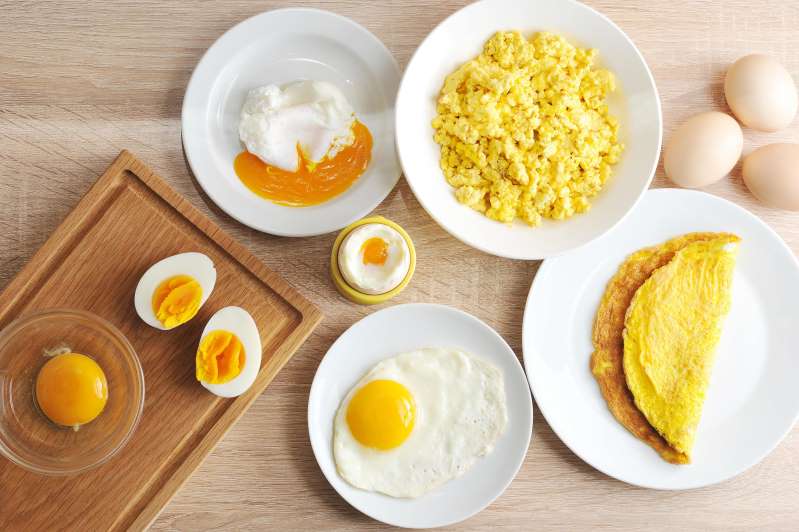
Eggs are a staple that many people keep on hand even when they’re not dyeing them for Easter . Prepare them scrambled, sunnyside up or as an omelet and breakfast is ready in no time. They are also packed with protein and essential nutrients, making them perfect additions to a pregnant woman’s diet. An overlooked nutrient found in eggs is choline, which is extremely vital to a baby’s brain development and in the prevention of birth defects. According to Frances Largeman-Roth, registered dietician nutritionist and author of “Feed the Belly: The Pregnant Mom’s Healthy Eating Guide,” choline may even help your baby’s memory and ability to learn. Fortified foods like breakfast cereals – p_saranya/Shutterstock
Ad Microsoft
Ad Microsoft
Ad Microsoft
Slide 1 of 20: Fortified foods are extremely important for mamas-to-be. “Many women think they should be cutting these foods out of their diet because they have ‘too many carbs,’ but fortified foods contain folic acid and iron, two nutrients that are essential during pregnancy,” Largeman-Roth said. According to the CDC, folic acid can help prevent birth defects of the baby’s brain and spine (spina bifida). Largeman-Roth suggests eating fortified breakfast cereals like Total Raisin Bran that have as much as 400 micrograms (mcg) of folic acid per one-cup serving — pregnant women need to get between 600 and 800 mcg of the B-vitamin every day. You can get most of your day’s grains with a bowl of fortified cereal for breakfast, a lunchtime sandwich made with two slices of whole-wheat bread and whole-wheat pasta for dinner.
Pregnant women should consume at least 450 milligrams of choline daily, and an egg itself has 147. Along with choline, one egg contains 6 grams of protein and 0.8 milligrams of iron — and most of all, they require no time at all to cook , making them perfect for those extra-fatigued mornings.
Largeman-Roth said prenatal vitamins generally don’t contain much choline, so pregnant women need to adjust their diet to include foods like Brussels sprouts, wheat germ, soy foods and cauliflower.
When it comes time to eat for two, women need to make sure their diet provides an adequate amount of nutrients and energy for the baby to grow and to keep up with the changes that will occur in their own body. Along with eggs, here are the top foods pregnant women should definitely add to their diet.
High Levels of Stress Prevent You Thinking Clearly

Almost everyone knows that stress is bad for their health. It does odd things to our bodies — it causes headaches, chest pains, fatigue, and digestive issues. The faster pace of life today means lots more stress for a lot of people.
That feeling you are overwhelmed, overloaded and struggling to cope with the demands of life has also been shown to take a toll on your thinking ability.
A study of more than 2,000 people, most of them in their 40s, found that participants with the highest levels of the stress-related hormone cortisol performed worse on tests of memory, organization, visual perception and attention.
Stress is the body’s natural defence against danger. It’s a ‘fight-or-flight response’ to anything that may harm us — physically or emotionally.
When your body perceives danger, it releases stress hormones (cortisol) to prepare systems to evade or confront danger.
When you’re stressed, cortisol levels increase which impacts your ability to think clearly. The stresses of daily our lives can take a toll on the brain for the worse. Stressful events and experiences throughout life can impact the brain decades later. But it’s never too early to be mindful of reducing stress.
Studies have shown that the stress hormone cortisol might be linked with degrading memory and poor thinking skills in middle-aged adults. “Stress absolutely affects memory,” says clinical psychologist and behaviorist Dr. Jennifer Guttman.
The journal Neurology says that people with higher levels of cortisol in their blood have impaired memories and lower brain volume.
“Cortisol affects many different functions so it is important to fully investigate how high levels of the hormone may affect the brain,” said study author Justin B. Echouffo-Tcheugui, MD, Ph.D., of Harvard Medical School in Boston, Mass.
The study concluded that “Higher serum cortisol was associated with lower brain volumes and impaired memory in asymptomatic younger to middle-aged adults, with the association being evident particularly in women.”
Money, work and relationships are the biggest stressers, but anything that poses a real or perceived threat to your body can cause stress. It’s not uncommon to feel forgetful when you’re under a lot of stress.
An important point to take away from the study is that when challenges come your way, getting frustrated is counterproductive — not just to achieving your aims but also to your capacity to be productive.
By all means, take a chance on something you want. Your body can deal with short-burst of stress every now and then. “When someone is stressed, cortisol is released to help them get through that event as a chemical boost for survival,” says psychologist Dr Paul DePompo. Cortisol is important when it comes to keeping you alive. It’s necessary for life — it’s not all bad.
What you have to stay away from are the high levels of cortisol which can lead to short-term memory loss, or even worse mental or physical ill-health. Protecting Yourself From Damaging Stress
To reduce stress in your life, the authors of the effects of stress on the brain recommends incorporating relaxing activities into our lives.
Mr Echouffo-Tcheugui, who authored the study says, “Our research detected memory loss and brain shrinkage in middle-aged people before symptoms started to show, so it’s important for people to find ways to reduce stress, such as getting enough sleep, engaging in moderate exercise, incorporating relaxation techniques into their daily lives, or asking their doctor about their cortisol levels and taking a cortisol-reducing medication if needed.”
If you’re worried about the effects of stress on your brain, embrace regular physical activity — an important behaviour that can help maintain brain and body health.
Manage it before it gets to exhaustion , which leads to cognitive impairment that includes issues with attention and working memory. Identify and reduce stress triggers. Do more of what makes you calm.
“Within six months to a year, regular aerobic activity such as walking an hour a day five out of seven days a week not only makes the hippocampus larger and improves memory but also improves decision-making by improving blood flow..,” says Bruce McEwen, an Alfred E Mirsky professor of neurosciences and behaviour.
Many people don’t take stress seriously compared to physical health concerns, yet tress is a health issue that can do more harm over time. Manage it to improve your memory.
Even if you’ve been under a lot of stress in recent times, it’s not too late to do something about it. The brain has the capacity to repair itself.
Previously published on m edium
—
◊♦◊ Talk to you soon .
If you believe in the work we are doing here at The Good Men Project and want to join our calls on a regular basis, please join us as a Premium Member, today.
All Premium Members get to view The Good Men Project with NO ADS.Need more info? A complete list of benefits is here .
6 Ways to Uplift Your Brain Power and Mental Capacity

It’s never too late to start paying extra attention to your brain and mental health. Just like there are many steps you can take to improve our physical health, you can also adopt various lifestyle changes that can help maintain and enhance the health of your brain.
Taking good care of your mental wellness from a young age is the best defense against cognitive decline and various neurological disorders as you get older. There are many simple steps you can take to maintain sharp cognitive functions and boost your brainpower. You can start with the following tips: Get Adequate Good Night’s Sleep
Boosting mental power simply by sleeping? It may sound too good to be true, but the simple fact is that by ensuring you get enough sleep each night you can give your brain the time it needs to rest, detox and recharge itself.
Various studies indicate that a good night’s sleep can not only improve your memory, but can also improve mental clarity, which is why we often struggle to think and communicate when we don’t get enough sleep.
Various cognitive abilities can be impaired as a result of a lack of sleep, and it has been shown that sleep deprivation may contribute to memory loss and other serious mental disorders.
So if you want to keep your brain in top shape and be able to think clearly and process information quickly, make sure to get around eight hours of quality sleep each night. Exercise More Often
While it may seem odd that exercising your body can improve your brain function and fitness, it makes total sense when you consider the connection they share. Physical exercise promotes the release of certain chemicals in the brain that boost neural connectivity, which in turn leads to improved mental state and performance.
Furthermore, physical activity, like cardio exercises, not only lowers your blood pressure and improves your cardiovascular health, it also increases blood flow to your brain, providing it with fresh oxygen and nutrients needed for optimal brain function. Challenge Your Mind by Learning Something New
Yes, you can exercise your brain, and you don’t need any special equipment for it! You can do so by simply engaging in a mind-challenging activity.
Learning new things, such as picking up a second language or learning to play an instrument, is a proven way to promote mental sharpness. By challenging your brain, you encourage it to make new neural connections and strengthen its performance. Keep Stress at Bay
Stress is terrible for brain health due to hormones that the body produces when it is under stress. It has been shown that chronic stress can be harmful to neural connectivity and may increase the risk for developing mental disorders.
Try to reduce stress levels by practicing yoga or meditation, which are two natural and safe techniques many people use to manage stress and enhance mental abilities like focus, clarity, creativity, and memory. Look Into Brain Supplements
Many people would rather opt for shortcuts than do the hard work, and while there is no quick-fix alternative to the steps mentioned above, there are some supplements that may improve cognitive performance when used properly.
Numerous over-the-counter cognitive enhancers on the market promise to boost brain power. These include synthetic compounds as well as natural substances that typically have a mild brain-stimulating effect. But since most of these products are not regulated or medically approved, their marketed “benefits” usually lack any credible scientific evidence.
Some man-made cognitive enhancers — such as adrafinil, piracetam, noopept, etc. — have been studied as treatments for certain mental health problems, and while they have been shown to be useful in certain circumstances, they are not proven to enhance cognitive performance in healthy people as some manufacturers and vendors claim.
There are more natural supplements that are used to support mental capacity. For example, ashwagandha is one of the most popular medicinal herbs that people take to enhance both physical and mental power. Ginkgo biloba, bacopa, and lion’s mane mushroom are also widely used to boost memory and other cognitive functions.
These are just a few examples of the many supplements that consumers often learn about and purchase over the Internet. There are countless over-the-counter formulations touted as safe and effective brain boosters, however, the claims are often very tall with very little to no supporting scientific evidence. Feel free to do further research on this topic, and while you’re at it, you may want to check out Morris on Health which has some interesting articles on different types of cognitive enhancement supplements. Improve Your Diet
There are many aspects of a bad diet that can hinder brain function. Most people are probably unaware that many of the foods they eat on a daily basis may actually be slowly killing their brain!
One of the most infamous examples of brain-harmful foods is sugar. Not only is sugar bad for your physical health and fitness, it has also been linked to poor cognitive function, and may as well contribute to the development of dementia .
Try to cut back on sugary and processed foods and eat more fresh and nutritious foods that provide your brain with the right nutrients it needs to work properly while fighting back against oxidative stress and toxins.
There are many healthy foods that have been shown to improve brain health and power — just to name a few: fatty fish, blueberries, eggs, avocados, nuts and seeds, spinach, green tea and dark chocolate.
12 Hobbies That Will Keep You Healthy, Engaged and Sane Right Now

With the coronavirus outbreak and self-isolation at home, a lot of us suddenly have a lot more free time on our hands. Now while COVID-19 is a serious issue, and we should all be practicing social distancing, we’re not immune to cabin fever. In fact, being stuck inside, coupled with constant news alerts, may have us going crazy. Thankfully, there are a few activities that can help pass the time, as well as protect our health. In fact, this is the perfect time to pick up new hobbies.
Instead of spending all your free time confined to your screen, scrolling through your timeline and Netflix library, you can choose instead to immerse yourself in new hobbies. According to a study published in the Procedia – Social and Behavioral Sciences Journal , hobbies can help to increase your happiness, as well as reduce boredom, stress levels as well as your heart rate. Additionally, hobbies can also boost your creativity and cognitive health. Now with that said, why don’t you take this opportunity that social distancing has provided you with and pick up one of the below-mentioned hobbies? Doing so won’t only help keep you occupied, but you’ll also reap plenty of health benefits. 1. Learn how to dance
If you have two left feet, this would be the perfect time to master your two-step.
An enjoyable pastime, dancing offers a wide range of health benefits and is easily accessible to everyone. In addition to being an excellent workout, dancing has also been found to improve balance and flexibility , reduce the risk of dementia as well as reduce stress and boost your happiness . Whichever form of dancing you’re looking to master, you’ll be happy to know that you can easily take some online dancing classes. In fact, dancers and choreographers are doing their best to keep people moving through online platforms like YouTube, Instagram Live and even Zoom, which is often reserved for business meetings. 2. Become a MasterChef
This is the perfect time to figure out how to cook better. It won’t only be a healthy financial decision, but learning how to cook and prepare your own meals is also a good thing for your health.
In fact, cooking your own meals makes you healthier, it can help you lose weight and it can even help you live longer. This is because when people prepare their own meals, they’re more conscious of what goes into it, opting for less processed and sugar ingredients in favor of more natural and nutritious options.
If you’re not sure where to start, here are healthy recipes you can try to master . 3. Pick up gardening
If you’ve never had much of a green thumb, this would be the perfect time to start gardening.
Believe it or not, gardening can provide a number of health benefits. In one case, research published in the Medical Journal of Australia found that gardening daily helps to decrease the risk of dementia by 36%. A separate study also found that gardening helps to reduce the risk of heart attack and stroke by at least 30% ( 1 ).
Gardening is a relaxing experience and if you’re lucky enough to have a patch of green space, then make the most of your free time. That said, you can also create an indoor garden or a vertical garden with shade-friendly plants. There are plenty of online tutorials that can help you master your green thumb. 4. Learn how to play an instrument
Yes, learning how to play an instrument can be quite difficult after a certain age, but that doesn’t mean that it’s impossible. Also, you have some time to master your craft. Dusting off that old guitar or piano in the house and learning how to play them can help to boost your creative skills, as well as reduce feelings of anxiety and depression. It can also raise your IQ and improves eye-hand coordination and fine-motor skills.
You can find plenty of free tutorials and lessons on YouTube, and if you’re trying to master the guitar, the popular guitar company Fender Play is currently offering three free months on their app . 5. Become a yogi
If you’ve never been much of a yogi, or you just haven’t found the time to learn, then this would be the perfect time to pull out your yoga mat.
Yoga is one of the oldest practices in the world, and for good reason. It can improve your physical strength as well as your emotional and spiritual well being.
With more than 100 forms of yoga, you are spoiled for choice when it comes to choosing a firm that you’re comfortable with. As for where to start, there are a number of YouTube channels that focus solely on teaching yoga, as well as apps that encourage daily yoga practice at home . 6. Pick up a book
This is the perfect time to get through the reading list of yours. Whether it’s an eBook or paperback, reading is a productive hobby that can easily help you pass time and improve your health. In fact, reading can help to reduce stress, improve memory, improve sleep and boost brainpower. 7. Write it out
Be it journaling, blogging or just simple creative writing, this is the time to put pen to paper.
Writing isn’t just an outlet for self-expression, but it’s also been found to help strengthen your immune system, reduce stress and improve your memory, creativity as well as sleep. 8. Meditate
With the stressful impact that the news has on us, this is a hobby that you’ll find yourself doing more often than not.
Meditation is a great stress reliever that can ease your anxiety, and help you calm your thoughts and emotions. Additionally, meditation can also improve focus and memory, lower your blood pressure, and strengthen your immune system. If the current state of affairs is affecting your emotions and increasing your anxiety, you can learn how to meditate with apps like Headspace , Calm , and the UCLA Mindful App , […]

The Power Within by Corey Daniels book available for only $2.99
Mind has both conscious and subconscious halves. These are likened to a driver and the truck he drives. The driver plans the destination and observes road conditions, while the truck provides motive power. Your subconscious mind is like the truck and it only goes in the direction in which is a steered. This can be the road or off a cliff. Likewise, the consciousness paints a picture of what the world is and what your goals are and the subconscious acts on them through emotion, physical response and energy, whether these are correct, rational images or false negative ones. The subconscious is also like an emotional reservoir which your body and mind draw responses from to external stimuli.
The Power Within lays out a method of programming your subconscious and tapping into the Holy Spirit, God voice or what the Greeks called the daimon (godman).