Nature Knows and Psionic Success
God provides
10 Reishi Mushroom (Ganoderma lucidum) Benefits, Dosage

This single mushroom may offer immune support, reduce stress and anxiety , be anti-inflammatory, anti-cancer, and much more. Read more about reishi mushroom to learn why it is traditionally called “The God of Fungi”.
Ganoderma lucidum /“Lingzhi” (soul/spirit) mushroom, commonly known as “Reishi mushroom”, is a potent fungus that has been used for thousands of years in traditional Chinese medicine. Proponents claim it is especially good at modifying the immune system by increasing it when weakened, or lowering it when it is too active [ 1 ].
It has 400 different bioactive compounds reported to have a number of potential effects including modification of the immune system, anti-inflammatory, anti-tumor, antibacterial, antiviral, anti-diabetic, and anti-oxidative [ 1 ]. Proponents
May boost the immune system
May reduce inflammation and oxidative damage
May help fight cancer and infections
May protect the heart, liver, and kidneys
Skeptics
Insufficient evidence for all benefits
Sometimes tested as part of multiherbal complexes
Might over-activate the immune system
The following purported benefits are only supported by limited, low-quality clinical studies and some animal and cell research. Although some results are promising, there is insufficient evidence to support the use of reishi mushroom for any of the below-listed uses. Remember to speak with a doctor before taking reishi supplements and never use them as a replacement for approved medical therapies.
Most people have heard about reishi for balancing immunity. Studies have identified high amounts of compounds that may strengthen the immune cells and improve general immune system health [ 2 ].
Two clinical trials on 75 people with advanced-stage cancer showed that both reishi mushroom extract and complex carbohydrates isolated from this fungus increased the counts of several immune cells (CD3+, CD4+, CD8 +, and CD56+) and the blood levels of several cytokines ( IL-2 , IL-6 , IFN-gamma ), but decreased IL-1 and TNF-alpha [ 3 , 4 ].
In a clinical trial on 40 male soccer players on a training program to improve endurance performance (‘living high-training low’), reishi mushroom helped correct the reduction in the CD4+/ CD8+ ratio caused by the training. The authors suggested this may help the players fight infections [ 5 ]. The Coronavirus pandemic is causing a lot of extra stress and anxiety, which can actually weaken your immune system and put you more at risk. Download the Stress Less guide to discover natural supplement and lifestyle recommendations designed to help you beat stress and improve your mood. Studies have shown that reishi may reduce inflammation in rheumatism, asthma, and pink eye without notable side effects [ 6 ].
Active compounds isolated from reishi mushroom worked as antioxidants in 2 clinical trials on 42 healthy people and 71 people with chest pain (angina) [ 7 , 8 ].
14 days of reishi increased anti-inflammatory/antioxidant markers and protected the blood from oxidative damage in mice. It decreased the levels of an oxidant (malondialdehyde) while increasing several antioxidant enzymes ( superoxide dismutase , glutathione peroxidase , glutathione S-transferase ) [ 9 ].
The extracts of reishi and other mushrooms showed anti-inflammatory and antioxidant activity in cells. Among them, reishi was the most effective at inhibiting nitric oxide production in response to bacterial carbohydrates ( LPS ) [ 10 , 1 ].
Forty-eight breast cancer patients reported reduced anxiety and depression , as well as increased quality of life, when they received reishi spores along with their cancer treatment [ 11 ].
In a clinical trial on 132 people with neurasthenia, complex carbohydrates isolated from reishi mushroom improved fatigue and other symptoms and were well tolerated [ 12 ].
A commercial herbal formula with reishi mushroom and two herbs used in Chinese medicine (Chinese licorice and Sophora flavescens ) improved lung function (although less than prednisone ) in a clinical trial on 91 asthmatic people and a study in mice. The complex was well tolerated and caused no adverse effects in another trial on 20 people [ 13 , 14 , 15 ].
Studies revealed that compounds found in reishi effectively inhibit the release of histamine from mast cells, which may explain its benefits for asthma [ 16 , 17 , 18 ].
Below, we will discuss some preliminary research on the anticancer potential of reishi mushroom. Although the results are promising, further clinical trials are needed before establishing if this fungus and its compounds are useful in cancer therapy.
Do not under any circumstances attempt to replace conventional cancer therapies with reishi mushroom or any other supplements . If you want to use it as a supportive measure, talk to your doctor to avoid any unexpected interactions.
In a clinical trial on over 200 people with colorectal cancer, treatment with reishi mushroom extract reduced the number and size of tumors [ 19 ].
As previously mentioned, both reishi extract and a complex carbohydrate isolated from this mushroom enhanced immune responses in 2 trials on 75 people with advanced colorectal cancer, possibly helping them fight the disease [ 3 , 4 ].Similarly, a complex with citronellol and the extracts of reishi mushroom, dong quai , and dang shen ( Codonopsis pilosula ) increased immune cells in another trial on 105 cancer patients receiving chemo or radiotherapy [ 20 ].A genistein-rich extract obtained by culturing reishi mushroom with soybean extract didn’t reduce the blood levels of a prostate cancer marker (PSA) by over 50% in 52 men with a history of this disease, but 8 out of the 13 men in the active surveillance group had either no rise or a slight decline of this marker after the treatment. This extract prevented the formation of new blood vessels in colorectal cancer tumors in mice [ 21 , 22 ].Reishi spore powder decreased fatigue, anxiety, depression, and immune markers while improving the subjective well-being of 48 women with breast cancer [ 23 ].Treatment with reishi for 13 weeks reduced tumor growth and weight by roughly 50% in mice with breast cancer. Cell studies showed it inhibited the cancer-promoting mTOR pathway [ 24 ].In a cell-based study, the blood collected from patients with lung cancer suppressed the proliferation and […]
9 Ways to Improve Your Mental and Physical Health in 2020

Good mental and physical health should be a priority for all people. Investing time and effort into ensuring that you are in your best mental and physical health is an investment in yourself, which is something you can’t expect from others. The following are nine ways you can do just that. 1. A Nature Walk
You’d be surprised what walking down a nature reserve, or a park does to your mind and physical health. The sounds of nature, the colors, and the atmosphere in the environment helps the mind be at peace. This is a good thing since most people have trouble allowing their brains to rest, so walking in a natural reserve can be therapeutic. Walking, of course, is a good thing because it gives you a chance to exercise. 2. Learning to Meditate
One thing you can do is learn how to meditate. This is something you can learn by watching a few videos online, or you can learn this practice by attending a class. Meditation comes in many forms. Some people do it through yoga, while others use guided meditation or something else. Try to expose yourself to all of them until you find one that works for you. Learning to meditate can help improve your mental health because it allows you to regain control of your thoughts and maybe help you fight negative thoughts, which can derail many of your goals. 3. Use Soothing Supplements
Sometimes, meditation is not good enough. This happens to people who have a hard time staying calm or staying focused long enough for meditation to work. For people who need a little assistance, the answer is CBD oil. The laws regarding CBD oil are still a little fuzzy, so make sure you keep up with updates by visiting a CBD blog site, checking out the news, or you can check out hempceutix.co . You can learn when marijuana-derived CBD is going to be available. If you happen to be in a state where you can’t get CBD oil derived from marijuana, you should be able to get hemp-derived CBD oil. 4. Start to Exercise
It’s important to exercise often. More people are living sedentary lives one way or another. Some people work all day at a desk, other people come home, and stream shows on their phones without leaving their seats for hours. The body was made to move, to exercise, and you need to make it a point to do so. The more you exercise, the better your cardiovascular health will be, among other things. You’ll be able to fight off obesity, and you’ll even become a little more flexible, which helps reduce the chances of you injuring yourself. 5. Rethink Your Diet
What you eat is pretty essential for your health. Eating a balanced diet ensures that your body gets all the nutrients it needs. You are going to have to do your best to vary your fruit, vegetables, and even your meat. You’d be surprised how many people neglect organ meat, like the liver, kidneys, or heart, which are nutrient-dense parts of the animal. Those who do not eat meat should still vary their diets; be a little adventurous the moment you are exposed to a vegetable or fruit you don’t know. Make sure you consume a lot of water. Be sure to cut out heavily processed foods and foods with artificial ingredients for the good of your body. 6. Focus on Breaks
Another thing you want to do is take breaks throughout the day and also every few weeks. Your mind needs a little rest from the stresses of life. It would be nice if you take vacations every so often, but that can get expensive and not practical. If you can’t take a vacation, then consider taking a staycation, which means you’re going to take a vacation at home or in a nearby town. These types of brakes allow you to recharge, which should do wonders for you. 7. Be Kinder to Others
Altruism is something you should work on. Some people may tell you the best thing to do is to look out for yourself, but that is not as healthy as you might imagine. Yes, you have to take care of yourself, but being kind and giving to others does wonders for you, too. The brain shoots out feel-good hormones throughout the body to make you feel less stressed. The more you do this, the better you feel about yourself, which ends up fighting depression or self-doubt. Being altruistic isn’t just about being good to others, but it is also about being good to yourself. 8. Get Those Massages
Massages are good for the body and mind. A good massage can help your mind drift, and that’s a good thing because it gives you peace for a while, but messages are also good for your body. The massage therapist should be able to relieve tension, which improves flexibility. The therapist is also going to be able to promote muscle healing and fight inflammation by stimulating blood flow. The more you stimulate a muscle, the more blood rushes to that area. This is why this is a good thing to do. 9. Sleep and Sleep Some More
Sleep is crucial to your mind and your body. When you sleep, the body does most of its healing and helps energize you for the day. If you sleep well, you are also going to be improving cognitive functioning and memory retention, which are things everyone wants. Now, to get a good night’s sleep, it’s essential to set up a schedule and stick to it. You should make sure you turn off all electrical devices and that you do your best to create a peaceful atmosphere. This means turning on soothing music, turning off all the lights, and setting your temperature slightly cooler to help the brain create melatonin, which is your sleep hormone.
Achieving good mental and physical health is going to take some work and dedication, […]
Natural Supplements and Vitamins That Can Boost Your Mood
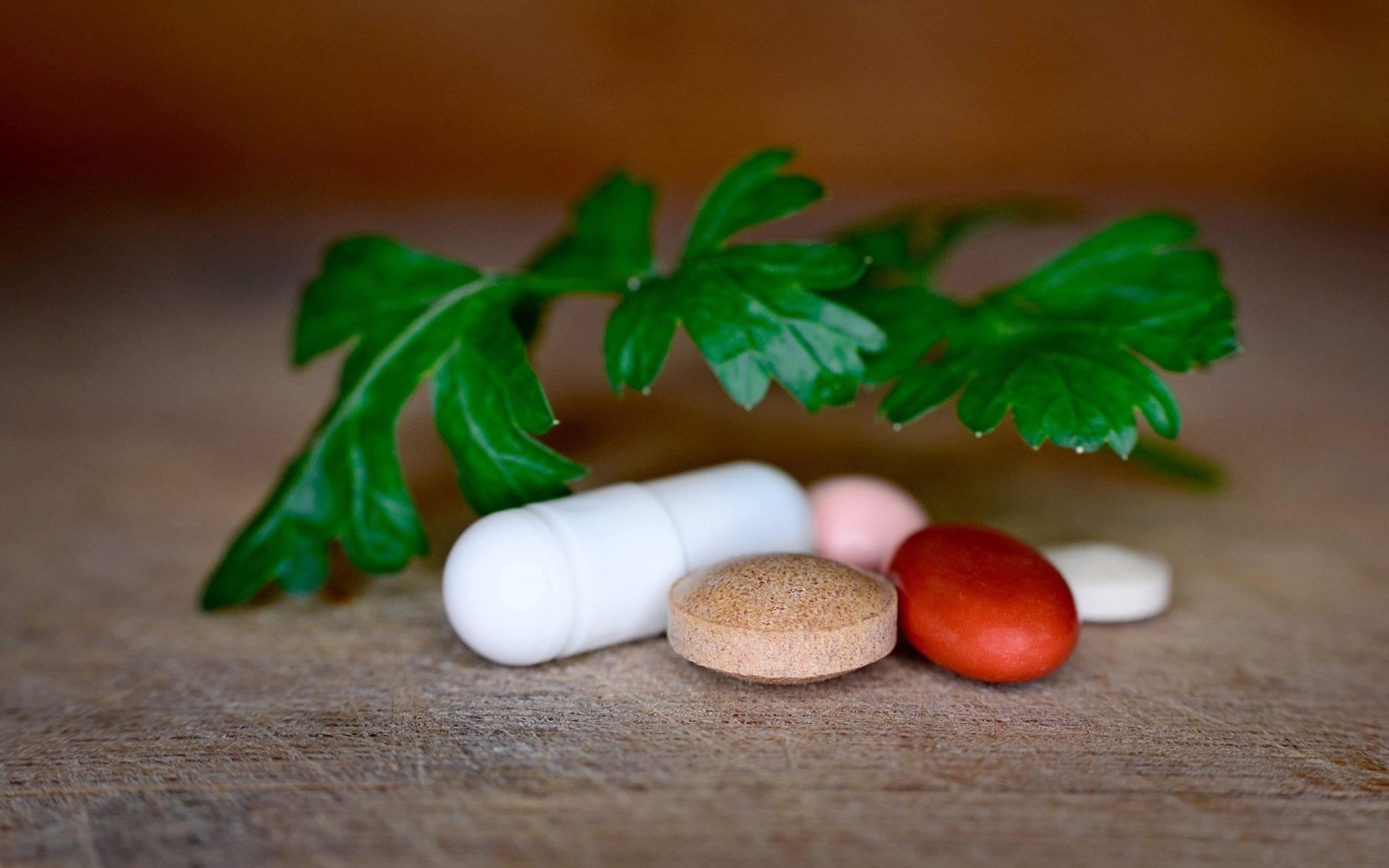
These over-the-counter products can help clear your head
(wallpaper flare) Around this time, you may feel tired, stressed, distracted, depressed, and like your memory has reached its maximum capacity. While receiving medical help and therapy can make a huge difference, many students don’t know that natural supplements can as well.
These supplements may help you decrease stress, improve cognitive functioning and memory, and improve your mood. Whether your stress manifests into anxiety or loss of sleep, the following three supplements can help ground you. It is important to note that you should talk to your doctor before trying any new supplements if you are currently taking other medication.
L Theanine is an amino acid that promotes relaxation without drowsiness. It is thought to have an effect which slows down the mind and calms racing thoughts.
Ashwagandha is classified as an adaptogen. Adaptogens are non-toxic plants that help the body cope with stressors of all kinds, including physical, chemical, and biological. Ashwagandha can be beneficial for reducing stress and anxiety, and helping memory and cognition.
Holy Basil can promote relaxation and reduce stress hormones while calming frazzled nerves and improving mental clarity and focus. Holy Basil has the ability to increase physical and emotional endurance , therefore increasing the resilience to all stressors.
When it comes to cognitive functioning and memory we could all use a little extra support, and Omega-3s are vital for brain functioning and development. DHA is the main Omega-3 fatty acid found in your brain. It is abundant in cell membranes and is essential for a functional nervous system. Deficiencies of DHA are associated with deficits in learning, memory, and cognitive function.
Ginkgo Biloba is known to improve cognitive function because it promotes blood circulation in the brain and protects it from neuronal damage.
Phosphatidylserine plays an important role in keeping your mind and memory sharp. It is also known to improve attention and language skills. Research has shown that this supplement has been successful in managing impulse control and hyperactivity in individuals with ADHD.
As young adults, sometimes our moods can get the best of us. The following three supplements may help regulate your mood.
Research has shown that vitamin D can play an important role in regulating mood and defending against depression. Research indicates that lower levels of vitamin D can negatively affect cellular signaling and neural activity in the brain. There is also a relationship between vitamin D and the production of serotonin, and since low levels of serotonin are present in people with depression, taking it may benefit those struggling with depressive symptoms.
B complex vitamins are often used to reduce fatigue and boost mood. They may relieve stress, boost cognitive performance, and reduce symptoms of both depression and anxiety. B12 is well known for its energizing qualities, and B6 is known for reducing stress and promoting cognitive well-being.
All of these supplements are easily accessible, meaning they do not require a prescription and can be purchased over the counter. However, it is recommended that you speak to your doctor before taking these supplements, especially if you are currently taking other medications.
10 Delicious herbs and spices with powerful health benefits
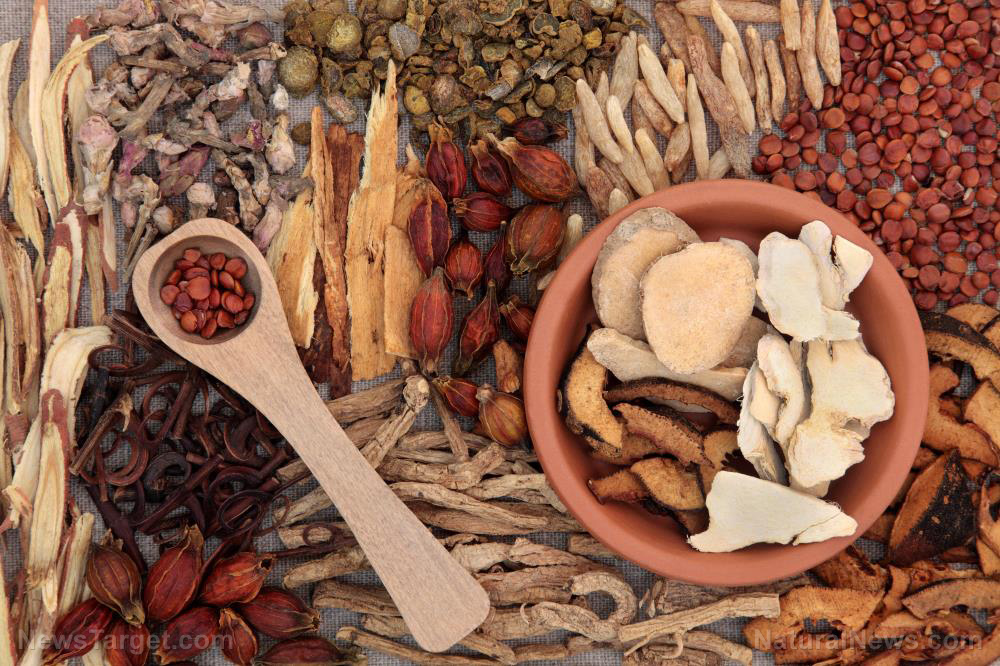
Advertisement Many herbs and spices contain plant compounds that have strong antioxidant and anti-inflammatory effects against pain, infections and chronic diseases.
Currently, herbs and spices, such as garlic, ginger and rosemary, are primarily used to enhance flavors and aromas. However, the use of various herbs and spices can be traced back to traditional medicines that relied on the potency of natural ingredients to treat ailments.
Here are 10 delicious herbs and spices that possess potent medicinal properties: Garlic
Garlic contains 33 sulfur compounds that possess antioxidant and anti-inflammatory properties, such as allicin, alliin and ajoene. Garlic is also a powerful antibacterial agent against infections caused by common pathogens, including Escherichia coli and Staphylococcus aureus . As a potent natural remedy, garlic can treat colds, joint pain and toothaches. Sage
Sage is an excellent source of antioxidants that aid immune functions by stimulating the production of white blood cells. Several studies have also shown that sage can improve memory and regulate mood in healthy adults. Sage is also linked to a reduced risk of dementia and Alzheimer’s disease, especially in at-risk individuals. Additionally, sage can be used to treat inflammations of the throat and mouth. Peppermint
Peppermint is a known remedy for irritable bowel syndrome, a disorder of the large intestine that causes abdominal pain, bloating, constipation and diarrhea. Its bioactive compounds work to relax the muscles of the colon, thereby relieving stomach aches and digestive disorders. Peppermint is also known to prevent nausea and induce relaxation. Turmeric
Turmeric contains several plant compounds that possess medicinal properties, such as curcumin, curcuminoid and polyphenol. Curcumin, in particular, is a powerful antioxidant and anti-inflammatory agent that can prevent cellular damage and chronic diseases caused by free radicals. Curcumin can also relieve joint pain caused by osteoarthritis, rheumatoid arthritis and gout. Cinnamon
Cinnamon contains the naturally occurring chemical known as cinnamaldehyde, which gives cinnamon its distinct taste and odor. Cinnamaldehyde also possesses powerful antioxidant properties that can regulate blood sugar levels and restore insulin sensitivity. Moreover, cinnamon reduces the amount of “bad” cholesterol in the bloodstream, thereby significantly lowering the risk of cardiovascular conditions. Basil
Basil leaves contain eugenol, a plant compound with known anti-inflammatory properties. It is known to support cardiovascular health by relieving inflamed blood vessels and arteries caused by cholesterol plaque. Basil also contains various antioxidants that strengthen the immune system against infections and diseases. Ginger
Ginger is a popular remedy due to its potent antioxidant and anti-inflammatory properties. It is commonly used to treat headaches, nausea and joint pain. Fenugreek
Fenugreek is an herb that is popularly used in Ayurvedic medicine. It contains plant proteins that can restore insulin sensitivity in diabetic individuals, thereby greatly reducing blood sugar levels. Fenugreek is also known to boost male libido. Cayenne pepper
Capsaicin, the main active ingredient in Cayenne pepper, is known to stimulate metabolism and reduce appetite. Several animal studies also suggest that capsaicin may possess anti-carcinogenic effects against certain types of cancer, including that of the lungs, liver and prostate. Rosemary
Rosmarinic acid, the primary active component in rosemary, has been shown to relieve allergic reactions and nasal congestion due to its anti-inflammatory properties. Meanwhile, another active component — carnosic acid — can protect the brain from cellular damage caused by free radicals. Clinical studies also suggest that carnosic acid can significantly promote eye health and prevent vision loss caused by macular degeneration. When consumed as an herbal tea, rosemary can regulate mood and improve brain functions, such as memory and concentration.
Herbs and spices are potent remedies against various ailments and conditions. Many of these can be easily cultivated in gardens, pots or planter boxes.
Sources:
Healthline.com
Acetyl-L-Carnitine May Help Sharpen Your Memory
ALCAR Nootropic Bottle Severe dementia , neuropathies (painful nerves), mood disorders, attention deficit , and minor memory issues like inability to remember important dates or events are common problems.
Acetyl-L-Carnitine (ALC) is a well-known supplement for its various health benefits like; it can help improve fat metabolism, improve exercise endurance, help with memory, boost energy metabolism, and much more. It is an amino-acid with no known side effect when taken as recommended [1].
Earlier research shows that ALC may help make nerves healthier in many ways, and thus also aids in improving memory. It plays an important role in energy production by cellular mitochondria by enhancing the transportation of fatty acids, it also strengthens the action of nerve growth factor (NGF), thus promoting nerve growth. It helps protect nerves due to its antioxidant properties and the ability to increase acetylcholine production [2]. The latest study confirms that ALC is good for brain health and memory
This latest research published in the International Journal of Neurology and Neurotherapy carried out by specialists from the US, UK, and Australia tries to find out if ALC can help improve the so-called episodic memory and working memory [3].
Episodic memory help individuals remember important dates and lifetime events, including various previous emotional experiences. Whereas, short-term memory , as the name says, helps retain information for short duration for further calculations, working, or memorizing.
Inadequacy of these kinds of memories is commonly caused by nutritional deficiencies, diseases like dementia, substance abuse , emotional stress , poor lifestyle choices, and much more. Thus, many people find it challenging to memorize events, important dates like the birthday of a child or marriage anniversary, or do complex mental tasks.
Research into the role of ALC in improving brain functioning, cognitive abilities, memory, is not new. This latest research looks into the role of ALC in enhancing memory. This latest research was carried out in 90 healthy male and female participants aged 22 to 66 years (average age 48.3 years). They took ALC along with other nootropics for 28 days. Researchers ensured that all participants were individuals looking to improve brain health and memory, but were not suffering from any severe illness.
This study demonstrated that people who took ALC had much better mood and attention , continuity of attention, improved speed, and quality of memory.
Nonetheless, the above study has certain limitations, like the use of other medications along with ALC. And the use of ALC in relatively healthy adults.
This raises questions. Will ALC be useful when used alone, or used in adults with brain diseases (like dementia, brain vascular disorders), or in older adults?
Yes, it seems that ALC can help enhance memory even when used alone, and in older adults with brain diseases.
In research published in the journal Dementia and Neurocognitive Disorders , older patients (age 55 to 80 years), with a confirmed diagnosis of dementia or memory deficit due to cerebrovascular disease, received treatment with ALC 1500 mg for 28 days. It was a high-quality, multi-center, and randomized controlled trial. And the study confirmed the benefits of ALC [4].
At the end of 28 days, all the participants of the above study had improvement in cognition /memory. However, there was not much improvement in other dementia/cerebrovascular-disease related symptoms like loss of physical movements or vision impairment.
An important thing worth noticing in these studies is that both of the trials mentioned above were for 28 days only. Twenty-eight days is not a long interval for improving memory or brain health considerably. It is quite probable that people may benefit more on prolonged use of ALC, like for three to six months. There is definitely a need for more protracted studies on the subject.
The above results are consistent with other studies that show the memory-improving effect of ALC in those living with chronic stress [5]. ALC is also useful for slowing down brain aging and preventing age-related decline in mental abilities [6].
This blog post was originally written by Preet Bhinder, MD and published at nootralize.com , it is not a substitute for professional medical advice, diagnosis, or treatment.
[1] Office of Dietary Supplements – Carnitine.https://ods.od.nih.gov/factsheets/Carnitine-HealthProfessional/. Accessed February 10, 2020.
[2] Di Stefano G, Di Lionardo A, Galosi E, Truini A, Cruccu G. Acetyl-L-carnitine in painful peripheral neuropathy: a systematic review. J Pain Res. 2019;12:1341-1351. doi:10.2147/JPR.S190231
[3] WesnesKeith A, Josh R. The Effects on the Cognitive Function of Healthy Volunteers of a Combination of Acetyl-L-Carnitine, Vinpocetine and Huperzine A Administered Over 28 Days. Int J Neurol Neurother. 2019;6(2). doi:10.23937/2378-3001/1410089

WFH SOS: How to work from home successfully during lockdown

If you’d been told in January that you’d be able to work from home for months on end – dodging overcrowded trains and office politics in the process – it might have sounded like a start-of-the-year bonus. The reality, of course, is not so enjoyable. As the world adjusts to the coronavirus pandemic, one of the biggest changes is enforced home working.
Staying motivated, retaining work-life balance and video conference etiquette are just some of the challenges. But science is here to help.
Even before quarantines and social distancing measures became the norm, researchers debated what remote working does to your mental health and productivity. So we conference-called leading psychologists to ask them how best to thrive in the shadow of COVID-19.
Fashion doesn’t really exist when the world is on lockdown, but psychologists recommend you get dressed for work rather than joining those video calls in your PJs. More than just keeping up appearances, it helps to put your brain in work mode.
In a 2012 paper in the Journal of Experimental Social Psychology , researchers use the term “ enclothed cognition ” to describe the way that clothes can affect the wearer’s behaviour. In the study, participants who wore a white lab coat performed better in tests of their attention, for example.
If you would normally wear a shirt to work, wear one in the home office too. “Get dressed in the morning, make yourself feel like you’re going to work,” says Professor Cary Cooper , an occupational psychologist at Manchester Business School. “But be comfortable.”
Don’t skip the shower, either. There’s bracing evidence to suggest that a cold shower can boost your mood and attention.
Routine and structure are crucial to making the quarantine period tolerable, and that starts with your sleep . Resist the urge to hit the snooze button. In what was described as the largest sleep study ever conducted, researchers at Canada’s Western University found that oversleeping can dampen your cognitive function just like sleep deprivation can.
“Research shows that keeping routines, but with some variation – having different exercises and tasks at different times – is really important,” says Jo Daniels , a clinical psychologist at the University of Bath.
Do something positive with the time you saved from your commute, such as cooking a healthy lunch or going for a jog.
Read more about productivity at work:
Then work according to your own circadian rhythms. “Structure your workload depending on whether you’re an owl or a lark,” says Cooper. “Do the most important work when you feel most energised, unless it has to be done before. If you’re a slow starter, doing menial tasks first and important tasks later is maybe the way to go.”
You can also create a more effective list of priorities by making a weekly to-do list, rather than a daily one – the truly important jobs will jump straight out at you.
As if a lethal pandemic wasn’t enough to trigger anxiety and depression , research suggests that remote workers can also be prone to bouts of poor mental health. A UN report in 2017 found that remote workers are more likely to experience high stress levels than office workers: emails are misinterpreted, work bleeds into family life and remote workers often clock more hours.
As well as switching off the laptop at the end of the day, make sure you do pleasurable activities for mood elevation, says Daniels. “If you feel yourself becoming anxious, switch to exercise, reading, listening to podcasts, creative pursuits, intellectual pursuits.”
Also take this time to catch up with friends and family and get to know them like never before. “It’s important that we stay in touch with people but also that it’s not just a touch-base focus on the coronavirus. Actually show interest in the other person,” Daniels says.
She adds that if you suffer acute moments of panic or anxiety, practising breathing techniques can help, as can talking about your emotions. Otherwise, try to look for the benefits of being at home. “For me, I don’t have to travel miles to work everyday and that’s great.”
Do what you can to physically separate your working space from your living space, especially if you have kids at home. Even the shortest distraction can kill your productivity. Research at Michigan State University found that a three-second interruption can double the number of mistakes you make in your work as your attention gets dragged away to something else.
Don’t have kids? Then self-isolate from that other great dependant: your phone. A study at the University of Southern Maine found that when testing complex tasks, the mere presence of the experimenter’s phone (not the participants’) was enough to distract people and lead to lower scores in the test.
Stepping away from tasks occasionally is a good idea, though. “Get away from the computer but keep a pad and pen with you,” says Carter.
Research at Indiana University found that longhand writing improves creativity and problem solving, while journaling is said to be an effective way to stretch your attention span.
The field of environmental psychology , which explores our relationship with our immediate surroundings, has lots to teach us about being stuck indoors and creating an office in the home.
“The first thing to think about is where to sit,” says Lily Bernheimer, director of Space Works Consulting .
She refers to a concept known as ‘refuge and prospect’, which says that humans are more comfortable sat with our backs to the wall and a view of the door or window. “We believe that we evolved to prefer these settings because these factors could have contributed to our survival by being the safest places we could be.”
A view of trees or even a picture of scenery on your wall can help. “If you can find a room with a view of any kind of nature then this has the ability to reduce blood pressure and the circulation of stress hormones, and it increases the capacity for directed attention, which is the ability to focus.”
It’s tempting to think that you can hack your productivity by […]
Owning Your Words And Your Wellness

What are you tracking these days? What data is driving your leadership and your life? Are you tracking your emails, employee engagements, profits, losses, stock options, steps, calories or social media responses?
The 24/7 access to technology has extended your workday, created a false need for immediacy, perpetuated the myth of multitasking and created unrealistic deadlines. Research shows you tap, swipe, talk, touch and interact with your smartphone approximately 2,617 times a day. Each piece of information and data carries a message, translated into the words you think and words you use. Those words (consciously and unconsciously) either:
• Open or close opportunities in your life and career
• Motivate or discourage your acceptance and ability to embrace change
• Foster or fracture your leadership and relationships
• Build or destroy your health and wellness
Additionally, your past experiences play a critical role in the words you use. Your internal scripts created over your lifetime can amplify and perpetuate the threat level in your brain. Using words like “should” or “always” and “never” create cognitive traps that block your ability to grow and expand your potential. Feelings like guilt and ideals like perfection can also negatively impact your sense of worth and ability to create positive change in your life.
Your wellness is not merely the absence of disease or infirmity in your life; it is your ability to process change and foster your growth physically, mentally and socially. Whether the words you think and use support or undermine your wellness has everything to do with your brain.
Words And Your Brain
Understanding how your brain responds to threats and rewards can assist you in taking conscious control over the mental scripts that close, limit, fracture and destroy you personally and professionally.
Your brain processes perceived threats and rewards through your limbic system. The amygdala, a small almond-sized structure in your limbic system, is your body’s fire alarm. Once activated, hormones flood your body, increasing your heart rate. Breathing becomes shallow and rapid, putting your body in the fight, flight or freeze mode. The amygdala diverts control of your behavior from your prefrontal cortex, and logic and reasoning become impossible. This survival response is essential if your life is in threat, yet not so great when your amygdala has been triggered by your perceptions of data, the words of your boss, an action of your spouse or never-ending levels of stress.
Living in an unceasing state of overwhelm creates chronic stress, which keeps your brain in a state of constant threat. The threat lights up the same brain circuitry as physical pain, releasing hormones that debilitate your thinking, muddle your understanding and elevate your blood pressure. The prolonged threat state increases the amount of cortisol released in your system, killing brain cells and damaging virtually every kind of cognition that exists from memory to immune system responses.
Long-term stress goes beyond negatively impacting your brain. It causes unregulated surges of adrenaline, which creates rough spots in your blood vessels. The rough spots become scars trapping sticky platelets and clogging arteries, causing heart attack and stroke.
On the other hand, positive words trigger our brain’s reward system, opening us to engaging in social interactions, fostering our respect for others and enhancing our abilities for active listening, collaboration and problem solving. Your brain, operating in a positive state, releases hormones that assist in your body’s ability to heal and extend your life span.
Owning Your Words
Your brain is a fantastic energy-saving organ, which is why it likes the familiar and follows the same neuropathways for problem solving and response. It’s why, as you age, you can find yourself sounding like recordings of your parents and falling into repetitive relationships and situations. While your brain does not like to get rid of old pathways, it does like creating new ones, and therein lies your opportunity to own your words and your wellness.
Research has shown that top-performing teams give each other at least five positive comments for every one negative. While negative comments are essential for averting disastrous situations and behavior, catching people doing things right goes even further for promoting positive change.
The same strategy can support you in modifying your negative self-talk, creating opportunities to improve your health and increase your potential. As with any change, it begins with raising your awareness of your habitual thoughts and statements and a commitment to change them. Here are eight additional strategies to guide you along the way:
1. Pay attention to your words and consciously select ones that will benefit your wellness. Instead of “I never” or “I always” statements that limit you, try “I am going to” and “I now am.”
2. Police your self-criticism and name-calling of others. Practice acceptance and seek to understand rather than ridicule.
3. Stop sarcasm. Sarcasm, at its core, is about putting others down to make yourself appear superior.
4. Remove yourself from relationships and situations that thrive on gossip, put-downs, and play on fear and anxiety.
5. Remember, smiles are contagious, and smiling takes less energy than frowning. Your smile releases hormones that fight stress and depression, as well as endorphins — your body’s natural pain relievers.
6. Practice gratitude. Research shows that there is increasing evidence to support it as fundamental to our overall health and well-being.
7. Surround yourself with images, words and quotes that inspire and uplift and motivate you. Your brain only knows what you tell it.
8. Practice kindness. Kindness releases your brain’s feel-good chemicals — oxytocin, dopamine and serotonin — that make you more open and friendlier, as well as reduces pain and lowers your blood pressure.Owning your words and your wellness requires you to pay attention to when you are playing your limiting scripts and using habitual responses that limit yourself and others. Recognition allows you to take action (small actions, one at a time) to rewrite your commentary and choose words that support the growth, potential and well-being of yourself and others.
Does music help us work better? It depends

The weapon was initiated at precisely 10:30 in the morning.
It was 23 June 1940 and World War Two was in full swing. The Germans had already invaded vast swathes of continental Europe; in the preceding weeks, 10,000 British troops had been captured in Normandy .
Now the BBC had been asked to get involved. Their powerful intervention was completely invisible, yet capable of infiltrating the minds of thousands of people all at once, all over the country. Over the next few years, it arguably helped to win the war.
This was the “ Music While You Work ” programme – a brainchild of the UK government, which thought that broadcasting live, upbeat music in factories twice a day might help to step up the pace of work and get the military the munitions they so badly needed.
It was a hit. In a report on the show’s success, BBC executives cited the numerous letters and reports they had received from managers nationwide. One described its impact as “incalculable”, while another estimated that, for an hour or so after a session of music, output at their factory increased by 12.5-15%.
Fast-forward eight decades and working to music is extraordinarily common; one 2019 survey of 2,000 Britons found that around half regularly listen to music while they work – with two out of five believing that it helps them to get more done. And as headphones have become standard work accessoriesand productivity playlists have racked up millions of views on YouTube , some companies have started to broadcast music over entire workplaces. For decades, there’s been a belief that listening to Mozart’s work can make you smarter (Credit: Getty Images) Michael Vettraino, who founded the London-based music consultancy MAV music, says the company has helped to introduce background music to several offices. While their main focus is on providing bespoke playlists for restaurants, casinos and hotels, recently they have branched out into supplying offices, many of which are introducing music for the first time.
“Our clients have told us that it’s increased their productivity when they’ve had the right music playing in the office, in terms of staff motivation,” says Alex Hill, who works as MAV’s head of music and operations. They are always careful to factor in the demographics of their audience – their age, etc. – and fit the music to how they’re likely to be feeling at different times of day.
“When you’re concentrating you’ll want calmer, more relaxing music and at the end of the day when you’re feeling tired, you’ll want something more upbeat. We know that a graphic design agency in Shoreditch is going to want very different music to a high street bank Gloucester. But if you get it right, it should hopefully help people to work harder.”
But can this really be true – or is it wishful thinking? It’s a perennial debate and one that’s almost as divisive as whether reclining your seats on an airplane is OK or what colour that notorious dress is .
The ‘Mozart effect’
Some of us feel that blasting out tunes in the workplace is an inalienable right; the teenager inside us swears they can’t concentrate without the dulcet tones of Kanye West or Taylor Swift ringing in their ears. One despairing worker took to social sharing site Reddit to vent about a colleague who gets into the zone each morning by playing mariachi band music .
Others take cocooning their brains from distraction extremely seriously, booking conference rooms for parties of one, constructing passive-aggressive emails about noise in the office and donning headphones while secretly listening to nothing. The billionaire Bill Gates reportedly gave up music and television at any time of day for five years in his 20s to help him focus.
“ Historically, music and work have always been intertwined,” says Karen Landay, a former professional violinist and graduate student at the University of Alabama who has authored a review on the subject . “Think about romantic visions of peasants singing as they harvest, or sea chanteys sung by sailors as they work on their ships. And since most people enjoy listening to music of some kind in at least some contexts, it’s perfectly natural to feel that music must have some sort of positive impact on our work.”
There are two possible ways that music might be beneficial in the workplace: by making us smarter, or by making us feel good, and therefore helping us to plod on with otherwise boring tasks.
The best-known example of the first is the “Mozart effect” – broadly the idea that listening to a piano sonata devised by a genius can make you one too. The phrase was popularised after a 1993 paper claimed that people perform better on certain spatial tasks , such as folding paper, after listening to Mozart for 10 minutes. Some scientists think music doesn’t make us more productive, but rather, we convince ourselves of it because it’s a gift from our employers (Credit: Alamy) The concept has spawned a whole industry of products, such as headphones that mothers can use to play Mozart to their unborn children. It sounds farfetched, but more recent studies have hinted that there might genuinely be something unusually beneficial about his music.
For example, research conducted in 2015 compared the impact of Mozart’s “K. 448”, a composition for two pianos, with Beethoven’s equally celebrated “Für Elise”, a solo piano piece. It turns out that while Mozart’s sonata increased “alpha band” brain waves – which have been linked to memory, cognition and problem solving – Beethoven, oddly, had no such power.
There’s also the discovery that mice who were subjected to 10-hour recitals of Mozart’s K. 448 for 10 weeks were significantly better at navigating a complex maze than ones which had to listen to Beethoven’s Für Elise instead.
So, with some famous composers’ work having clearer cognitive benefits than others – what are we to believe? There is another explanation, in which it doesn’t improve our intellectual abilities at all – it just seems to. This is where the […]
Covid-19 Keeping You up at Night? Try These Sleep Tips
If you’re losing sleep over Covid-19 (aka Coronavirus ), you’re not alone. It’s not surprising that millions of people are struggling to get enough sleep during one of the most stressful times in recent memory.
As of this morning (March 20, 2020), the virus has been discovered in 183 countries and territories and has led to some 265,867 global cases and 11,180 deaths, while 90,603 people have recovered after being infected.
The outbreak of the Covid-19 virus was officially declared a worldwide pandemic by the World Health Organization (WHO) earlier this month.
With stock markets in freefall and the prospect of a bitter recession looming, many workers in the US, Europe, and Asia will be concerned about the fact they may be out of a job soon and also about the broader gloomy economic outlook.
US cities and states are virtually shutting down, ordering citizens to shelter in place to prevent the spread of the disease. Among states that are on virtual lock-down are California, New York, and Nevada.
Fears of contracting the virus, particularly for seniors (who have a much higher mortality rate from the Covid-19 virus ), are also contributing to stress, which itself can lead to sleeping troubles.
Clearly, we all have reason to be stressed right now. And stress and anxiety are notorious for causing sleep issues. We need to find ways to overcome these feelings so we can relax and get the sleep we need. Why Sleep is So Important Right Now
Sleep is essential to deal with typical day to day life. It’s even more critical during times like this when we are under a lot of stress. Here are some reasons we need to be getting sufficient sleep right now.
> Our bodies need time to recover from the wear and tear that naturally occurs over the course of each day. This is even more important when we are faced with an unusual amount of stress and emotion.
Our brains are designed to organize and consolidate memories while we sleep. If we don’t get enough sleep, our memory doesn’t function well, and that makes it learning more difficult. If you or your child are attending school, you can recognize where this would be very important.
While we sleep, our bodies flush out toxins that have accumulated in the brain during the day.
And finally, sleep plays a vital role in keeping you healthy and free from infection. While you sleep, your body produces infection-fighting proteins called cytokines. Without cytokines, our bodies will not respond as needed to fight disease and infection. This one reason alone makes it crystal clear why getting enough sleep right now is so essential.
With all of the above in mind, here are a few different options for you to explore to tackle your sleeping problems, which may or may not have been exacerbated by the ongoing pandemic. Alternative Sleep Remedies
There are many over the counter sleep remedies that are very effective and safe to use including ZzzQuil and Unisom. There are also natural remedies like melatonin and valerian. Recently, cannabinol and cannabidiol have become popular as well. They are now legal throughout the US and also in a few other countries, such as Israel, and can be taken to tackle sleep-related ailments, among other things.
These cannabinoids don’t result in a high when administered, but still, impact your body by affecting the functioning of your endocannabinoid systems. This results in changes in the production of sleep hormones, such as serotonin, which can help you fall and stay asleep at night. Visit CBNOilForSleep.com to learn more about CBN and how it supports sleep.
Hemp-derived oils can also reduce anxiety, improve your mood, and help relieve pain – all of which can help you fall asleep more easily and get sufficient shuteye on a more consistent basis. Prescription Drugs
There is an abundance of prescription drugs that have been proven to combat sleep-related ailments, such as insomnia. In the United States, popular prescription drugs for such ailments include Sonata, Lunesta, and Valium.
However, as with most drugs, these prescription medicines often lead to various unpleasant side effects, including changes to your appetite and bowel movements. Plus, you’re likely to find them becoming less effective over time, as your body develops a tolerance to them. This means you will need to keep increasing the dose, which puts you at a greater risk of suffering from the aforementioned side effects.
In addition, prescription drugs can be addictive, adding a potentially more serious health problem on top of the one it was meant to treat. Lifestyle Changes
Making changes to your lifestyle can be an effective way to promote good sleep and tackle existing sleep ailments. Furthermore, many of these positive lifestyle changes will contribute to your body’s general wellbeing and benefit you in many ways.
Staying hydrated throughout the day has been reported to help tackle sleeping troubles, though you should avoid drinking lots of water just before sleeping, as it may result in you waking up in the middle of the night to go to the bathroom.
Most Americans consume caffeine daily, and many mistakenly think it will only give them sleeping troubles if they drink it just before sleeping. However, research has shown caffeine to continue to act as a stimulate in the body for many, many hours, so cutting it out of your diet is ideal.
Exercising and maintaining a consistent sleeping pattern is also advisable, not only to promote sleep but also to improve your overall mental and physical health. Exercising regularly is great for relieving stress and is therefore strongly encouraged in these highly stressful times. A Quick Summary
The Covid-19 pandemic has resulted in some 250,000 worldwide cases, and people across the globe are justifiably stressed out about what the future holds.
This additional stress may lead to some people having trouble sleeping at night, but there are several solutions to consider.
Prescription drugs can be highly effective in tackling insomnia and other sleep ailments, but they can result in an array of unpleasant side effects, including […]
10 Natural Ways to Reduce Brain Fog and Boost Mental Stamina

Today, most of us are strapped for time and looking for cheap and effective ways to boost our energy quickly. Our brain fog makes us have to sift through more stimuli than in the past. Unfortunately, this process can deplete our mental stamina in no time.
Exhaustion plagues so many of us, and it can feel like a never-ending battle sometimes. We’re all trying to find the answers to how we can thrive instead of just survive. How can we stop feeling burnt out and have more mental stamina to take care of responsibilities?
Manufacturers sell everything from pills to powders to energy drinks that claim to boost energy levels. However, most of these “remedies” have two ingredients in common: caffeine and sugar . If you get an energy boost, it’s likely due to those ingredients since they raise cortisol levels but leave you with a crash. With so many unhealthy products out there, how can we discern the good from the bad?
We’ll go over some natural ways to reduce brain fog and boost mental stamina below. Ten Ways to Boost Your Mental Stamina and Remove Brain Fog Naturally
1 – Meditate
Researchers believe that mood disorders like anxiety and depression could connect with vagus nerve function . This is a cranial nerve that runs from the brain to the heart, lungs and digestive tract, helping to regulate their function. Researchers studying the vagus nerve and its connection to mood believe that ‘understanding the neurobiology of emotional regulation and dysregulation’ during these emotional states will lead to breakthroughs in treatment for mental illness.
Stimulating the vagus nerve can help us boost mental stamina by reducing unwanted mental states such as anxiety. Researchers discovered that a type of meditation called the ‘Loving Kindness Meditation’ helped reduce heart rate variability. Along with the meditation, experiencing more positive emotions and positively connecting with others helped to improve the functioning of the vagus nerve. 2 – Don’t work too much
Work demands so much energy from us since it takes up the majority of our time. If you can, try starting your own business where you have more control over your hours, or perhaps ask your boss if you can work from home a couple of days a week. Having more flexibility in your schedule will allow you to reduce brain fog since you won’t have to think about work as much.
Work can quickly drain mental energy, and meditation, in combination with setting boundaries, can help tremendously with stress.
3 – Exercise more
Exercise offers so many benefits to our mind and body, especially when combined with healthy eating practices. For one, it increases endorphins, which are feel-good hormones released when the body needs a quick burst of energy to perform a task. Endorphins provide the body with a natural high.
Furthermore, exercise helps you sleep better, which will reduce your brain fog and increase energy . A study published in April 2015 in the Journal of Sleep Research studied people with insomnia who did moderate-intensity workouts for at least 150 minutes each week. Researchers discovered that participants had less severe insomnia symptoms as well as better moods when they exercised.
Exercise can also increase focus and eliminate “brain fog.” According to a study of older adults published in April 2016 in Oxidative Medicine and Cellular Longevity , a 24 workout program containing moderate-intensity aerobic exercise improved concentration and focus.
Exercise can also eliminate depression and anxiety symptoms , which will improve your energy since your mind won’t be running on overdrive. 4 – Get blood sugar under control
Diabetes and high blood sugar can later lead to neurodegenerative disorders such as dementia. By eating healthy, abstaining from added sugars, exercising, and maintaining a healthy weight, you can get your blood sugar under control, which will improve energy levels. 5 – Don’t sleep as much
In a chronically sleep-deprived society, this might seem like bad advice, but hear us out. Most people spend a long time in bed, but a good portion of that time isn’t spent sleeping. This confuses the body and causes the circadian rhythm to get out of whack. To figure out how much sleep you need, sleep experts advise you to restrict your sleep until your body resets itself.
Here’s some advice on how to get started: Avoid daytime naps.
Start with four hours of sleep and add to it as needed.
If you slept well during those four hours, add 15-30 minutes each night until you wake up the next day fully rested.
If you wake up during the night, don’t just lie in bed and suffer through it. Instead, get up and do something to make you sleepy, such as reading a book or drinking tea.
6 – Eat healthier foods
Avoid eating a lot of processed foods, because these have very few nutrients but are high in calories. This means your body will use that energy quickly but still feel deprived despite the intake of calories. Eat mostly whole foods such as grains, fruits, vegetables, avocados, nuts, seeds, fatty fish such as salmon, and low-fat dairy. Eating small meals plus snacks throughout the day will keep your blood sugar stable and help you avoid cravings. 7 – Get off technology.
Research shows that heavy technology use, especially at night, can interrupt your sleeping cycles . This can lead to insomnia and other sleep disorders. The use of technology at all hours of the day confuses our bodies, as we are still wired for light only during the daytime. However, many people still use their phones right before bed, and some even wake during the night to check notifications!
To get the best sleep possible, and have more energy, try to limit your technology use at night. Put your phone in another room if you have to so you won’t feel tempted to check notifications. Turn off the TV and computer at night as well.
Technology also links to conditions such as depression, anxiety, fatigue, eye strain, neck pain, and memory problems . We walk […]
A Nutritionist’s Guide to ‘nootropics’: What You Need to Know

A Nutritionist’s Guide to ‘nootropics’: What You Need to Know 3 With mental health and wellbeing higher on the agenda than ever before, the world of nutrition is no longer just focussing on improving our physical health. The ‘always on’, 24/7 society that we now live in means that our cognitive health – and ways to enhance it – is becoming a priority.
There is an increasing amount of research looking into how diet can impact brain function, and ‘nootropics’ is the latest buzzword on the health scene, with improved cognitive function, memory, creativity and motivation all being targeted.
So, what exactly are nootropics? And how can you use them to boost your brainpower? Here, Harley Street Nutritionist, Kim Pearson , explains all – answering some of the questions most commonly asked.
What are nootropics?
Nootropics can be natural supplements or synthetic drugs that support brain health and function. Natural nootropics, which include herbs, amino acids, vitamins and minerals, have effects on the brain that support cognitive function.
While these nutrients occur naturally in day-to-day foods, it is now possible to enhance various brain functions by supplementing specific nootropics in higher doses.
Why take them?
The most common reason many people take nootropics is to boost a specific area of the brain, such as increased alertness, memory, mood, motivation or general cognitive function.
Each of these areas requires our mental state to be altered in a different way, so it’s important to understand which natural nootropic can support us and how.
As well as focusing on increasing your dietary intake of certain nutrients, it is also worth considering a supplement to provide therapeutic doses.
What are the most common natural nootropics?
Vitamin B12
If you struggle with mental alertness, vitamin B12 should be a key consideration. B12 is involved in energy production and supplements can aid in the reduction of tiredness and fatigue.
As B12 is a vitamin that is difficult to absorb in our gut, supplementing might be a good idea if you often feel tired, or have difficulty focussing. I’d recommend the Boost B12 Oral Spray from BetterYou – it’s a quick and easy way to boost your levels.
Turmeric
Curcumin is the compound behind the amazing health benefits of turmeric. It has been used in India for its anti-inflammatory properties for decades.
Alongside the numerous physical benefits of turmeric come many mental benefits too, with the enhancement of neurogenesis – the production of new nervous system cells. Curcumin is a powerful anti-inflammatory which has been shown to help prevent brain inflammation.
Turmeric is known to be notoriously poorly absorbed through traditional digestive routes, so it needs to be taken in a form that is easily absorbed by the body – try a pill-free alternative such as the great-tasting Turmeric Oral Spray from BetterYou.
Caffeine
If you kick start your day with a strong cup of coffee, you’re already dabbling in nootropics. Caffeine enhances alertness and has been shown to boost memory and cognition.
Increasing sympathetic nerve activity, caffeine enhances dopamine signalling in the brain, contributing to the stimulant effect experienced when consuming it.
While there’s nothing wrong with enjoying a good quality coffee in the morning, it’s worth making sure you’re getting all the energy you need from a healthy, balanced diet and not relying solely on caffeine.
Ashwagandha
This ancient medicinal herb is classified as an adaptogen because it can help your body to manage stress, as well as enhancing concentration and focus.
Studies have shown that ashwagandha supplementation can lower levels of the stress hormone cortisol by an average of 30%.
Ultimately, these brain-boosting nutrients can help to improve cognitive performance when taken alongside a healthy and balanced diet. A holistic view is important when looking at any aspect of our physical and mental health, so seek advice if you are unsure about your nutritional intakes.
Read more health and wellness-related articles in our dedicated section here .
Immune-Boosting Ginger Turmeric TeaJump to Recipe
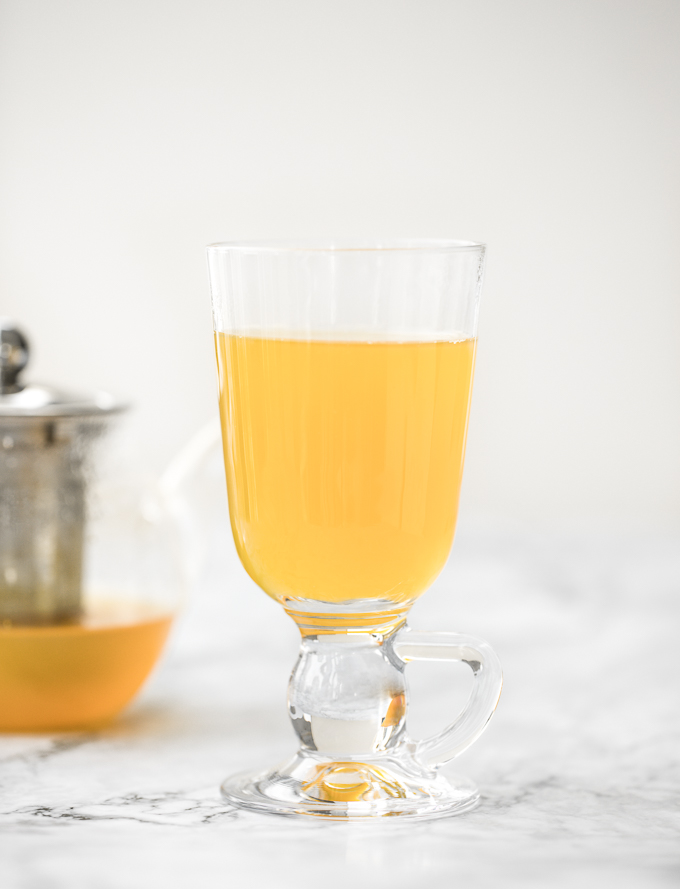
3-ingredient immune-boosting ginger turmeric tea has been part of my daily life for a while, especially during the winter months to boost my immune system with its powerful anti-inflammatory and antioxidant properties. And with all that is going on in the world right now, it is more important than ever to take care of our immune systems. So while we are staying at home, self-isolating, social distancing and trying to flatten the curve during this covid-19 (coronavirus) pandemic, let’s add another preventative measure by building up our immune systems. How to Make Immunity-Boosting Tea
To make this turmeric ginger tea, you will need to steep a few incredible, powerhouse ingredients together: ginger, turmeric, and black pepper . I usually make the tea in a small saucepan, and then pour it into a teapot with a strainer to hold back all the chunky bits. When my hubby makes this, he likes the drink his tea with all the chunky bits. So how you decide to serve this is really based on your own personal preference. How Ginger Turmeric Tea Boosts Your Immunity
Let’s take a look at how each of the key ingredients supports the immune system:
> Ginger Ginger is one of those foods that is bursting with immune-boosting benefits. It has strong anti-inflammatory and antioxidant effects which boosts your immune system and keeps it healthy.
Ginger is antibacterial so it helps support your immune system. It has been shown in a study to offer benefits against some drug-resistant bacteria.
Ginger is antiviral and has been shown in a study to stimulate the immune system to kill viruses, including respiratory viruses.
Ginger has been shown to activate the immune system in preventing and treating cancer cells.
Turmeric Turmeric is another natural food that boosts your immune system, even in people with immune disorders. It has one of the highest anti-inflammatory and antioxidant properties as well.
Turmeric has antiviral and anti-fungal properties.
Turmeric has been shown to activate the immune system in preventing and treating cancer cells.
Turmeric improves brain function and working memory, lowers the risk of brain disease and lowers the risk of heart disease.
Black Pepper Black pepper has also been shown to enhance the immune system. It, too, contains anti-inflammatory and antioxidant properties.
Black pepper has also been shown to contain anti-bacterial properties and fever reducing.
Black pepper is especially essential in this tea because it increases the bioavailability, or in other words, it significantly increases the body’s absorption of ginger and turmeric.
These ingredients are magic, but I have to be honest with you guys… this stuff does not taste great. It is bitter, a little spicy, and not my go to tea for drinking when curled up with a book. This stuff means business.
Study: Pressure on blood vessels that decreases cerebral blood flow may be linked to Alzheimer’s

( Natural News ) The brain works similar to a computer in that both can hold and process plenty of information. But the brain also shares a computer’s need for a reliable source of power to function properly. This power is provided in the form of glucose and oxygen found in the blood. However, some neurological diseases disrupt this energy supply by altering blood flow in the brain. In fact, recent research suggests that poor blood flow could often be an early warning sign for neurodegenerative diseases like Alzheimer’s disease .
A study published in the journal Science found that pericytes — cells responsible for regulating cerebral blood flow and which severely restrict blood flow in the brain after a stroke — constrict the brain’s capillaries, thus limiting the amount of oxygen and glucose the brain gets. Additionally, the presence of amyloid- B , which are proteins responsible for the tell-tale plaques in the brains of Alzheimer’s patients , also contribute to capillary constriction.
“Our study has, for the first time, identified the underlying mechanism behind the reduction of brain blood flow in Alzheimer’s disease,” said lead author Ross Nortley. “Since reduced blood flow is the first clinically detectable sign of Alzheimer’s, our research generates new leads for possible treatments in the early phase of the disease.” The role of pericytes in Alzheimer’s disease
According to the Centers for Disease Control and Prevention (CDC), Alzheimer’s disease is one of the most common types of dementia — a set of symptoms that cause a decline in memory, reasoning or other thinking skills. They report that as many as five million Americans are currently living with the disease, and they predict that this number will increase to 14 million people in the coming decades. Alzheimer’s is a progressive neurodegenerative disease triggered by complex brain changes that occur due to damage to the brain’s cells. (Related: Understanding the medical differences between Alzheimer’s and dementia .)
Previous studies have looked into the relationship between blood vessel health and Alzheimer’s disease . For instance, researchers from the University of Copenhagen and Yale School of Medicine analyzed how hypertension affects the movements of brain fluids and found that high blood pressure interferes with the brain’s waste management system , contributing to serious conditions like Alzheimer’s.
In the current study, European researchers examined the role of pericytes in Alzheimer’s disease by examining cerebral capillaries in humans and mice developing Alzheimer’s disease . They also looked at the effects of applying amyloid- B to these capillaries.
The researchers used freshly sliced brain tissue collected from cognitively-impaired humans during neurosurgery. They then analyzed how the pericytes reacted to long-term amyloid- B exposure. In both humans and mouse models developing Alzheimer’s, the researchers observed that the capillaries were constricted specifically at locations with pericytes. They also found that the constriction rapidly increased with the severity of amyloid- B deposition.
Furthermore, exposure to amyloid- B reduced the diameter of human capillaries by about 25 percent after only 40 minutes. This constriction peaked at 30 percent at locations with pericytes, which the researchers estimated would cut the brain’s blood flow by half. Meanwhile, in mouse models, 16 of the 20 models experienced more than five percent capillary restriction when exposed to amyloid- B proteins.
“Our research raises the question of what fraction of the damage is a consequence of the decrease in energy supply that amyloid produces by constricting the brain’s finer blood vessels,” said senior author David Attwell.
“In clinical trials, drugs that clear amyloid beta from the brain have not succeeded in slowing mental decline at a relatively late phase of the disease. We now have a new avenue for therapies intervening at an earlier stage.”
Learn more about Alzheimer’s disease and how to manage its symptoms at Brain.news .
Sources include:
MedicalXpress.com 1
MedicalXpress.com 2
CDC.gov
Alz.org
Antioxidants in Indian gooseberry help maintain cardiovascular health and boost immunity

( Natural News ) Dietary supplements are made from different natural sources, but they have one common purpose: to support a person’s bodily functions and systems. Now, a recent study published in the journal BMC Complementary and Alternative Medicine indicates that supplements made from amla extract (Indian gooseberry) can support cardiovascular health by improving endothelial function, reducing markers of oxidative stress and boosting immune response in people with metabolic syndrome. The role of endothelial cells in cardiovascular function
Endothelial cells are cells that line the surface of blood vessels, forming a thin layer (endothelium) between the vessel wall and the circulating blood. The endothelium serves as a barrier that helps control the passage of materials and the transit of white blood cells in and out of the bloodstream.
Endothelial dysfunction occurs when the endothelium is hindered from performing its important functions, due to several causes that include diabetes or metabolic syndrome, high blood pressure, smoking and a generally unhealthy, sedentary lifestyle.
Endothelial dysfunction also contributes to the development of atherosclerosis or plaque buildup in the arteries that clog them and block the flow of blood. Amla extract improves endothelial function, immune response
Researchers from India evaluated the effects of a standardized aqueous extract of amla, or Indian gooseberry ( Phyllanthus emblica ), on endothelial dysfunction, oxidative stress, systemic inflammation and the lipid profile of participants with metabolic syndrome .
The study involved 59 individuals with an average age of 57, all of whom have metabolic syndrome. These men and women were randomly assigned to one of three groups: One group received 250 mg of amla extract; another group received 500 mg of amla extract; and the last group received a placebo. The participants took their assigned doses twice a day for 12 weeks.
At the end of the supplementation period, the researchers observed that those who took 500 mg showed significant reduction in total cholesterol (11 percent), LDL cholesterol (21 percent) and triglycerides (19 percent), as well as a seven percent increase in HDL cholesterol. Those who took 250 mg also showed significant improvements in endothelial function, as well as a reduction in biomarkers of oxidative stress and systemic inflammation.
The researchers also noted that no participant discontinued the supplementation due to adverse side effects.
The researchers conclude that, while both doses had significantly better effects than the placebo, the 500 mg twice daily dose was “significantly more efficacious than the 250 mg twice daily dose.”
They added that further research involving a larger population is needed to determine if supplementation of amla extract can be a “novel therapeutic alternative in improving the components of metabolic syndrome.” (Related: Reduce cholesterol and improve heart health with Indian gooseberry .) The nutritional profile of Indian gooseberry
As the recent study indicates, Indian gooseberry can help improve cardiovascular function, as well as immune response, all thanks to its impressive nutritional profile .
Just one cup (150 g) of gooseberries contains: Calories: 66
Carbs: 15 g
Fat: less than 1 g
Fiber: 7 g
Protein: 1 g
Copper: 12 percent of the Daily Value (DV)
Manganese: 9 percent of the DV
Potassium: 6 percent of the DV
Vitamin B5: 9 percent of the DV
Vitamin B6: 7 percent of the DV
Vitamin C: 46 percent of the DV
Gooseberries are a rich source of vitamin C, a potent antioxidant that supports the immune system and nervous system and promotes healthy skin.
They also contain copper, an essential nutrient for the optimal functioning of the heart, blood vessels, immune system and brain. Another mineral present in gooseberries is manganese , which also supports the immune system and is required for metabolism, bone formation and proper reproductive function. Meanwhile, the potassium in gooseberries is vital for normal cell function.
Gooseberries are also packed with fiber and are low in calories. One cup (150 g) of gooseberries provides 26 percent of the DV for fiber, and eating one cup (150 g) provides over 3 percent of the average person’s total daily calorie needs.
There are several factors that contribute to metabolic syndrome, one of which is obesity . Gooseberries make for a great low-calorie snack that is also high in satiating fiber, which can help in weight management when coupled with regular exercise and an overall balanced diet .Committing to a healthy lifestyle is key to preventing metabolic syndrome and a myriad of other health problems. Visit Prevention.news to learn more. Sources include: Healthline.com 1 Healthline.com 2 Heart.org
Q&A: Georgetown experts offer mental health advice in time of high stress

As concerns surrounding the coronavirus increase, the stress of job security, financial strain and other issues can leave people feeling isolated and in need of mental health resources. (Courtesy Adobe Stock) As concerns surrounding the coronavirus increase, the stress of job security, financial strain and other issues can leave people feeling isolated.
As families stay home and human interaction is limited, we asked the team of experts at Georgetown Child & Family Counseling on the best mental health practices in a time of high stress with local resources below.
1. In high-stress times such as now, why is mental health important?
Stress can amplify negative emotions as part of our body’s natural response to protect ourselves. This can increase feelings of overwhelm, anxiety and general negative emotions. The attention on mental health by connecting with positive relationships, staying active, surrounding oneself with uplifting messages and mindfulness can help to decrease the negative impact of stress on mental health. It’s important to be able to have a clear mind in times of stress and by taking active steps toward wellness, one can move through difficult times such as this more easily.
2. What are some concerns self-quarantine could cause on those suffering from mental health issues?
The most common mental health issues in our country are anxiety and depression. Many common behaviors of people with these mood related disorders make the problems worse, such as seclusion activities of video gaming, TV and internet; numbing activities of alcohol, drugs and unhealthy eating; or sleep Issues including off sleep cycle, racing thoughts and night use of electronics.
3. What are some tips for people who are coping with the stress of coronavirus effects such as job loss, financial strain and others?
Self-quarantine can offer more opportunities to engage in patterns that increase issues with mental health. Being proactive with your own health and those of your loved ones can help. Add movement into your day by adding 10-15 minutes daily of walking or jogging to what your normal routine is. Get sunshine by opening the blinds/curtains in the home and try spending at least 30 minutes a day outdoors getting sunshine. Manage a healthy sleep rhythm as quality rest removes the toxins in the brain that may cause negative side effects- like memory loss, depression, anxiety and mood swings. Stay social.Social distancing may be a necessity at this time, but it doesn’t mean that we need to socially isolate. It’s important to stay engaged with people. We are biologically and emotionally wired to connect with others without that, we can feel ‘sick’. We are in an amazing time where we have the ability to Facetime, call, video meetings…to help us to stay social.
4. How can people keep their minds and bodies busy and healthy while at home? Every morning, dress the same way you would as if you were going to the office/school.
If you’re feeling lonely, schedule a virtual coffee break with a friend.
Schedule 30 minutes on your calendar to make and eat a healthy lunch every day.
Take time to develop a new ‘work/school-from-home’ schedule to help stay in a routine.
Prioritize regular exercise, adequate rest and time outdoors.
5. If someone believes they need help, what should they do?
If you are struggling, it’s important to reach out and talk with someone. A supportive friend or family member can be a life saver. Other times, it may be beneficial with a mental health professional. A professional counselor can help a person process the emotions they are experiencing and develop healthy coping tools for managing stress, anxiety and depression. They can also help a person to understand themselves, how they manage stress and understand the thinking patterns that support their wellbeing.
Looking for help? Here are some local resources. Please be sure to call first to ensure availability of services.
Note: If your practice would like to be added to this list please email geonews@communityimpact.com
Bluebonnet Trails Community Services
711 N. College St., Georgetown
800-841-1255
http://bbtrails.org/
Center for Relational Care of Texas
3613 Williams Drive, Georgetown
512-492-6200
www.relationalcare.org/counseling
Covenant Kids Family Services 505 W. University Ave., Georgetown817-516-9100 www.ckfamilyservices.org/programs-and-services/behavioral-health Georgetown Behavioral Health Institute 3101 S. Austin Ave., Georgetown512-819-1154 www.georgetownbehavioral.com Georgetown Child & Family Counseling 4118 Williams Drive, Georgetown512-651-1009 www.jennaflemingcounseling.com The Georgetown Project 2201 Old Airport Road, Georgetown512-943-0074 https://georgetownproject.org/ Jon Briery, LPC-S, LCDC, NCC 401 W. Sixth St., Georgetown512-695-0121 www.jonbriery.com Lone Star Circle of Care 2423 Williams Drive, Georgetown877-800-5722 https://lonestarcares.org/ Rachel Saenger, LPC-S, LMFT-S 3613 Williams Drive, Ste. 804, Georgetown512-864-5592 www.rachelsaenger.com Samaritan Center 3613 Williams Drive, Georgetown512-451-7337, 512-466-4454 https://samaritan-center.org/ Thrive Works 4749 Williams Drive, Ste. 301, Georgetown512-400-4069 https://thriveworks.com/georgetown-counseling/ Turning Point 1612 Williams Drive, Georgetown512-521-4652 https://www.turningpointpsych.com/ Williamson County Mobile Outreach Team 512-943-3545 www.wilco.org Ali Linan began covering Georgetown for Community Impact Newspaper in 2018. Her reporting focuses on education and Williamson County. Ali hails from El Paso and graduated from Syracuse University in 2017.
Brain-boosting berberine: Study shows it reduces likelihood of Alzheimer’s disease

( Natural News ) Berberine is a naturally occurring compound found in the plants that belong to the genus Berberis . Today, it is used as a supplement and is known to provide a wide variety of health benefits , including weight loss, reduced blood sugar and improved heart health. But recently, researchers from Hong Kong and Macau found another use for berberine.
In their review, which appeared in the journal BMC Complementary and Alternative Medicine , they discussed the neuroprotective effects of berberine as reported by 15 different studies. The researchers believe that berberine is a promising drug candidate against Alzheimer’s disease. The biological activities of berberine can improve memory
Alzheimer’s disease is a progressive degenerative disease that affects the central nervous system. It is a complex disease that’s driven by multiple factors , such as the loss of neurons and the decrease in the levels of acetylcholine, a neurotransmitter, and choline acetylase, the enzyme involved in its production. Characterized by a decline in memory and cognitive functions, Alzheimer’s is also accompanied by psychiatric symptoms and abnormal behavior.
Because the main cause of Alzheimer’s is still unknown, scientists have proposed several hypotheses to explain its development. One of the most widely accepted is the amyloid- B protein cascade hypothesis, which states that the accumulation of amyloid- B peptides in the brain is the primary cause of Alzheimer’s. However, recent findings are beginning to oppose this idea in favor of the hyper-phosphorylated tau hypothesis, which suggests that the mis-sorting of tau proteins in the brain is behind the onset of Alzheimer’s .
According to the researchers, therapeutic strategies that were based on decreasing the amount of B -amyloid in the brain have failed in clinical trials, suggesting that Alzheimer’s disease therapy should not be focused on addressing a single cause, but rather a number of different pathways that lead to the disease. They therefore propose the use of berberine, an alkaloid found in various medicinal plants. New research has emerged demonstrating the neuroprotective effects of berberine in animal models of Alzheimer’s.
Due to the lack of clinical trials on berberine, the researchers decided to conduct a pre-clinical trial review. They searched five online databases for relevant studies and found 15 papers reporting the effects of berberine treatment. They found that in multiple animal models with memory defects, berberine treatment resulted in significant improvements. These improvements were mediated by different biological properties, including anti-inflammatory, antioxidant, cholinesterase-inhibiting and anti-amyloid activities. Cholinesterase is a potent neurotoxic enzyme that breaks down acetylcholine, an essential neurotransmitter involved in brain and muscle function.
Due to the beneficial properties of berberine, the researchers believe that this phytonutrient is a promising multi-potent agent against Alzheimer’s. Other health benefits of berberine
Berberine has been used in traditional medicine for centuries. This powerful compound can be found in various medicinal plants, such as goldenseal ( Hydrastis canadensis ), barberry ( B. vulgaris ), Oregon grape ( B. aquifolium ) and tree turmeric ( B. aristata ). (Related: Silymarin and berberine: A simple combination for better cardiometabolic health .)
According to studies, berberine can make changes within cells by binding to different “molecular targets” and changing their functions. It is also known to activate an enzyme known as AMP-activated protein kinase (AMPK), which plays a major role in regulating metabolism. AMPK is often referred to as the “metabolic master switch.”
Here are some other benefits associated with berberine: (h/t to MedicalNewsToday.com ) Inhibits the growth of certain bacteria
Reduces inflammation
Lowers blood sugar, triglyceride and insulin levels
Decreases LDL cholesterol
Reduces blood pressure
Helps with weight loss
Stops cancer growth (colorectal, lung, ovarian, prostate, liver, cervical)
Berberine is a potent natural product that offers plenty of health benefits. Besides common food sources, berberine is also available as a supplement. While it is generally safe for consumption, berberine may cause digestive side effects and rashes. To ensure your safety and avoid unwanted interactions with your current medications, consult your health care provider before taking berberine supplements.
Sources include:
This Clean Energy Drink Provides a Brain Boost Without the Crash
Running your own business is a grind. After a while, it can start to take a serious toll, both physically and mentally. However, when you’re the boss, you can’t afford to let up. You have to stay sharp and focused at all times. That’s why the innovative team of scientists and researchers at Neurohacker Collective have created a way to boost energy , focus, memory, and productivity without the all-too-common side effects of traditional stimulants and energy drinks. It’s called Qualia Nootropic Energy, and it’s the world’s first nootropic-based clean energy shot .
Statistically speaking, if you’re under the age of 50 and you run a business, you probably consume energy drinks on a somewhat regular basis . The global demand for energy drinks and shots has exploded over the last decade as consumers of all kinds seek new and improved ways to achieve peak mental and physical performance. Today, the global energy drink market is worth an estimated $53 billion in 2018 , and industry analysts believe it will top $84 billion by 2026 .
Of course, this dramatic spike in demand for energy drinks doesn’t have to be a bad thing. We all need a little pick-me-up from time to time to help us achieve peak physical or mental performance; something to spark motivation and get the creative juices flowing. In theory, energy drinks could provide that kick in the pants as well as all sorts of beneficial nutrients that promote overall brain health. It’s just that most of them don’t. Instead, they pump you full of caffeine, some B vitamins, and taurine, the long-term use is unknown. These help to wake your brain up, but don’t make your brain healthier so that it works better.
That’s why Neurohacker Collective created the Qualia Nootropic Energy shot .
Love your job? Show it off with Top Workplaces
After years of research into brain function and neurochemical systems, the scientists at Neurohacker Collective identified specific physiological processes that are easily and quickly augmented by various nootropic compounds, vitamins, amino acids, fruit extracts, and herbal extracts. The result of this research is Qualia Nootropic Energy , a blend of 12 different nutrients that the Neurohacker team says can improve cognitive function and overall brain health.
Of course, many nutritional supplement companies make wild claims about what their products can do without backing those claims up with scientific data. Neurohacker Collective, on the other hands, says it is dedicated to science and transparency. That’s why they list every ingredient in Qualia Nootropic Energy , and explain what it is, what it does, how it works, and how it’s sourced. They back up every claim with a list of scientific references.
The primary ingredients in Qualia Nootropic Energy , as the very name suggests, are nootropics. Sometimes billed as “smart drugs,” nootropics are actually just chemical compounds that the brain consumes and uses as fuel for the various processes involved in cognition. When taken in the right amounts, and in the right combinations, they have been shown to potentially enhance neuroplasticity and neurotransmission, which in turn boosts verbal fluency, critical thinking, memory, mood, stamina, alertness, and focus. Qualia Nootropic Energy contains four different nootropics. One of them is caffeine. However, each shot contains just 90mg, which is less than a typical eight-ounce cup of coffee.
In addition to nootropics, Qualia Nootropic Energy contains vitamins, antioxidants, adaptogen extracts, amino acids, and choline donors that synergize with the nootropic compounds that are thought to promote efficient brain metabolism, provide neuroprotection, sharpen memory and focus, slow cellular aging, and improve neurotransmission.
To read more about the ingredients in Qualia Nootropic Energy, and the science behind them, click here .
Each two-ounce berry-flavored Qualia Nootropic Energy shot contains only 4g of sugar and 15 total calories. Shots come in packs of 20. New subscribers get 50-percent off their first shipment, plus 17-percent off all subsequent shipments .
Feeling skeptical? That’s good. If people were skeptical about the things they put in their body, there wouldn’t be so many inferior energy drinks out there. That’s why the Neurohacker Collective offers a free 100-day money-back guarantee if you don’t notice a marked improvement in your mental performance. They also have a free online cognitive assessment tool to help you track changes in cognitive function.
So, if you want an energy shot that can actually enhance the kinds of critical thinking skills that can help you manage your business more effectively, stop hitting your brain with a sledge-hammer of sugar and caffeine ever day. Click here to give Qualia Nootropic Energy a try , and see what cleaner, healthier, more efficient energy feels like. And don’t forget to type in ENTRENEURO at checkout for 15-percent OFF your first purchase !
Related:
This Clean Energy Drink Provides a Brain Boost Without the Crash
Too Busy for Your Morning Cup of Joe? Chew on These Caffeinated Cubes Instead.
4 Tips for Successfully Launching a New Product From the Co-Founder of 5-Hour Energy
Copyright 2020 Entrepreneur.com Inc., All rights reserved
This article originally appeared on entrepreneur.com
How to optimize children’s brain development
Nutrition experts say docosahexaenoic acid (DHA) is critical for brain growth in children because its consumption helps neurological and visual development, reports Associate Editor ADEKUNLE YUSUF
A casual conversation about best dietary practices later snowballed into a heated session. While waiting for their turn to get their babies immunized at the Federal Medical Center in Ebutte Meta, Lagos, six nursing mothers started comparing notes on their nutritional choices during and after their pregnancy months. This grew into a hot argument. But by the time the dust had settled, it was apparent that only one of them could earn a pass mark in the subject.
Unlike her counterparts who admitted during the lengthy discussions that their dietary choices are often largely determined by impulse or whatever is available, Margaret Udem, a fairly educated mother of three, knows the importance of getting enough omega-3 fats, including docosahexaenoic acid or DHA, in her diet. According to her, no day passes without including a healthy dose of this fatty acid in her diet – a habit of sorts. “I have known this fact since my childhood days that fatty acid is good for pregnant or lactating mothers,” she said.
However, that is where Udem’s knowledge about appropriate nutritional requirements ends. In a twist of irony, she too did not know that DHA is especially critical for brain growth in infants. A woman of refreshing candour, she admitted that “it has never occurred to me that children too need DHA and nobody has told me it is also useful for children.”
Yet, nutrition experts say omega-3 fatty acid is a significant contributor to the brain development that takes place during the first two years of life – and beyond. As parents marvel at how rapidly children grow and develop during the first months of life, it is usually a feeling of fulfillment seeing infants increasingly respond to sights and sounds, and become ever more curious about the world around them and ever more determined to explore it.
According to medical experts, behind those milestones and captivating moments of a child’s developmental progress, a vast neurological project is underway. The reason is that children’s brain grows more quickly during their first year than at any other time in their lives. That is why it is important to know that Omega-3 fatty acids, particularly DHA, help to fuel that growth in children, experts explained. Dr. Oluwatosin Adu, chairman of the Lagos State chapter of the Nutrition Society of Nigeria (NSN), explained that DHA is a component of the brain cells.
“The more the DHA that is there, the better it is for the communication between the brain cells and transmission of information. The more of the DHA that is present in the brain, the better for brain development. It helps in memory. It helps in coordination and all of those. The area of the brain where you have it is the area of the brain that is responsible for memory, attention. That is DHA is good for children and pregnant women because a lot of it is accumulated when the brain is developing,” Adu, who is also a senior lecturer in biochemistry department, Lagos State University (LASU), said.
Giving children the DHA they need to grow optimally
Docosahexaenoic acid is one of three main omega-3 fatty acids, with ALA and EPA being the other two big ones. DHA and other omega-3s play essential roles in the body throughout a person’s lifespan. They’re a rich source of energy, and they also help maintain the healthy functioning of our heart, lungs, and immune system. Omega-3 fatty acids help to control inflammation, stabilise mood, and may reduce anxiety and depression.
According to health experts, the beneficial work of omega-3s takes place at the cellular level. DHA and other omega-3s are absorbed by our cells, where they help cells maintain their optimal structure and also to communicate effectively with one another. Among omega-3 fatty acids, DHA is said to be particularly critical for healthy brain development and function; besides giving structure to brain cells and facilitating their communication. That is not all. DHA has other vital roles to play such as helping the human brain create and maintain what’s known as plasticity or the ability of the brain to modify its structure and the ways it functions. Human brains’ plasticity supports a person’s ability to learn, to change behaviours, to process emotions and emotional experiences, and to recover from brain injury or damage.
Also, DHA continues to fuel the growth of new brain cells as a person ages and develops beyond the first two years of life. It is equally critical to cellular development in the eyes and helps to maintain healthy vision. Although DHA has a unique significance for infants, this fatty acid is an essential nutrient throughout a person’s life. That’s because, during the earliest months and years of life, DHA helps to fuel an incredible pace of growth and development of the brain of children.
How children’s brain grows
DHA’s role in infant health and development actually begins before birth. Significant amounts of DHA collect in the brain during the second half of pregnancy (especially during the third trimester), when the fetal brain undergoes a breathtaking pace of growth. The infant’s brain continues a rapid pace of growth and development during the first 12 months of life. During that first year, the infant’s brain grows to nearly three-quarters the size of the adult brain. Whereas, at birth, the infant’s brain is roughly one-quarter to one-third the size of an adult brain.
What’s happening during this time of intense growth and development? The infant’s brain is building itself out structurally and foundationally, laying the groundwork for a lifetime of neural activity that includes all our thinking and reasoning, our social, emotional, and behavioral regulation, our learning and decision making. Research shows the amount of brain growth that takes place during their first year is one significant factor influencing a child’s intelligence later in life.
How DHA benefits children’s brain development
Because DHA is a structural […]

The Power Within by Corey Daniels book available for only $2.99
Mind has both conscious and subconscious halves. These are likened to a driver and the truck he drives. The driver plans the destination and observes road conditions, while the truck provides motive power. Your subconscious mind is like the truck and it only goes in the direction in which is a steered. This can be the road or off a cliff. Likewise, the consciousness paints a picture of what the world is and what your goals are and the subconscious acts on them through emotion, physical response and energy, whether these are correct, rational images or false negative ones. The subconscious is also like an emotional reservoir which your body and mind draw responses from to external stimuli.
The Power Within lays out a method of programming your subconscious and tapping into the Holy Spirit, God voice or what the Greeks called the daimon (godman).