Nature Knows and Psionic Success
God provides
Here’s How Scientists Think Cannabis Can Repair Brain Cells and Improve Memory
For decades, governments and academics told us that smoking weed would lower our IQs, slow our reflexes, and even destroy our brain cells. These Reefer Madness -like claims were based on faulty studies, and they ignore new research that not only suggests cannabis doesn’t harm the brain, but that the plant could potentially regenerate brain cells, too.
The process where cannabis could repair our brains is called neurogenesis. That means cannabis may regrow brain and nerve cells contained in the spinal cord and found throughout the rest of the body. The science remains contentious , but practically every month a new study comes out supporting the weed-enhances-neurogenesis side of the debate. Clearing the Air: Debunking the Myths Surrounding Weed and Brain Damage
First off, let’s get rid of any misconceptions you may hold regarding marijuana and brain damage.
Science has long debunked the myth that cannabis causes us to lose brain cells. This myth started in Egypt when the North African nation was under British imperial rule. Back then, a single British doctor concluded that hash smoking made Cairo’s residents go crazy. The myth later spread through the United Nations and ended up catching Harry Anslinger’s ear in the US, the architect of Reefer Madness in the 1930s , as well as the catalyst for cannabis prohibition. Anslinger used the Egyptian marijuana madness claims to spread lies that weed made black and brown men turn into axe-wielding rapists — supposedly due to brain damage caused by blazing joints.
In the late ‘60s, shortly after Anslinger’s Marihuana Tax Act was ruled unconstitutional by the US Supreme Court, President Nixon rigged a scientific study using rhesus monkeys to falsely show that pot killed brain cells. Years later, neuroscientists commissioned by Playboy magazine found that the experiment suffocated the monkeys with ungodly amounts of smoke, which likely caused their brain damage. Regardless, the US government continued funding research that linked lower IQs to pot smoking , which have never, ever demonstrated causation, only correlation.
Recently, twins studies — a gold standard for scientific research in humans — have found that cannabis does not lower IQ nor does it harm the brain. Furthermore, brain scans of cannabis users also fail to show any significant differences between tokers’ brains and those of non-tokers.
The evidence remains inconclusive for marijuana’s neurogenerative properties, but keep in mind this field is still new. Prohibition stifled opportunities for research into cannabis’s positive health effects, though that’s rapidly changing as legalization sweeps the planet. Weed Improves Memory
A 2010 study from Australia discovered long-term cannabis users possessed better memories than non-users. The researchers thought maybe tokers’ brains adapted over time to cannabis use, forming new neural pathways to accommodate poorer short-term memory caused by weed. However, neurogenesis could also explain why potheads performed better at some memory tests than non-tokers did. Weed May Repair Brain Damage Caused by Alcohol
A 2015 European study found that activating the body’s natural weed receptors healed rat brains from alcohol-induced damage. It’s important to note this experiment didn’t use cannabinoids found in the plant, like THC or CBD, but used synthetic cannabinoids to activate the brain’s CB receptors. The researchers discovered that activating these receptors made the rats consume more alcohol than usual, but combining CB receptor activation with alcohol use reversed much of the damage caused by the booze. Cannabis Can Help Stem Cell Growth
Stem cells could revolutionize modern medicine, but research on these potentially life-saving treatments has been constantly restricted by religious fundamentalists and their cronies in the US government. Regardless, one 2013 study discovered that blocking CB receptors with drugs reduced the formation of new neural stem cells, the cells that eventually develop into brain and nerve cells.
The researchers concluded that stimulating the body’s endocannabinoid system could potentially encourage the growth of new neural stem cells, which is basically neurogenesis. A study published last yea r confirmed that cannabinoids stimulate neural stem cell growth. Then, a separate study published last month found that cannabinoids in weed could stimulate the growth other stem cells responsible for regulating our hormones. So, the 2013 study authors may have been onto something. Cannabis Could Help Heal a Part of the Brain That Repairs Itself
Neuroscientists know that a region of the brain called the hippocampus is responsible for regrowing new brain cells in humans and other mammals. However, how the hippocampus does this and to what extent remains a mystery. A 2015 joint study of Chinese, American, and Canadian scientists used synthetic cannabinoids to regrow hippocampal cells in rats. Of course, rats aren’t people, and synthetic cannabinoids aren’t the same as the ones found naturally in the plant, but the results suggest that stimulating CB receptors triggers neurogenesis. Sonic Hedgehog Rings in New Treatment Promises
There’s a protein in the mammalian brain called Shh, or Sonic Hedgehog (I’m not joking), that’s responsible for forming the nervous system in embryos. Scientists are still working this out, but it looks like the endocannabinoid system (present in all mammals) directs Shh activity , again suggesting that cannabis could help repair the brain, even in unborn animals and humans. What Does All of This Mean?
Right now, it means nothing. Until scientists can perform more experiments to test marijuana’s cannabinoids in the human brain, we don’t know for sure if smoking joints or downing edibles can trigger or enhance neurogenesis. But given that cannabis appears to slow the onset of neurodegenerative diseases like Alzheimer’s , the research, right now, looks extremely promising.
If you’re wondering if smoking a bunch of weed will make you smarter, the short answer is: Probably not. Intelligence has less to do with the number of brain cells in your head and a lot more to do with how many connections there are among your brain cells. In other words, you get smarter by thinking and learning in a self-aware fashion. There’s not yet a magic pill (or weed strain) that can increase your intelligence while you otherwise do absolutely nothing. But at the very least, it’s safe to […]
Are foot calluses BETTER than shoes at protecting your feet? Study explains

( Natural News ) There was a time when humans walked around barefoot. At that point, the soles of the feet were the only point of direct contact with the ground until the advent of footwear – beginning about 40,000 years ago. But wouldn’t it be wonderful to preserve the sensation of the ground touching your feet while also protecting them? New evidence suggests that foot calluses do exactly that .
A study published in the journal Nature found that foot calluses can not only offer increased protection, but can also preserve foot sensitivity . This is in contrast to shoes that are known to reduce foot sensitivity and change the way impact forces transfer from the foot to the joints higher up in the leg.
“It is fun to figure out how our bodies evolved to function,” said corresponding author Daniel Lieberman, professor of human evolutionary biology at Harvard University . “The sensory benefits of being barefoot might have health implications, but these need to be studied.” These feet are made for walking
Calluses are build-ups of hardened skin that are often found on the underside of the feet. These are usually caused by repeated pressure on certain parts of your skin. Although these calluses don’t indicate any medical health problems and aren’t a cause for alarm, health practitioners often suggest that these calluses should still be treated as soon as possible to prevent further discomfort. However, this study by Lieberman and his colleagues can potentially turn this idea on its head. (Related: Go barefoot more to make your feet stronger, avoid foot problems .)
To explore the reason behind the protective effects of foot calluses, the research team – consisting of individuals from institutions in the US, Germany and Africa – examined the feet of more than 100 adults, the majority of which hailed from Kenya. About half of the participants walked barefoot most of the time while the other half were mostly full-time shoe wearers.
After measuring callus thickness through the use of ultrasound, the researchers found that people who normally walked barefoot had calluses 30 percent thicker than those who only wore shoes. The researchers also used a device called a Shore durometer to quantify the mechanical properties of the foot soles and found that the skin of barefoot participants was 30 percent harder as well. While it is safe to assume that thickness and hardness can provide protection similar to a shoe’s sole, the researchers intended to find out if it also affects the sensitivity.
Further analysis showed that the thickness of calluses did not inhibit the foot’s tactile sensitivity or the ability to feel the sensation of the ground while walking. Unlike shoes, which clearly block this sensation, the sensory receptors in the foot still transmit signals to the brain despite the thickness and hardness of the feet. This uninhibited sensory signal can help barefoot walkers strengthen their muscles and create a stronger feet-brain neural connection.
“We suggest children to walk barefoot on humid grass with the purpose to stimulate the afferents [nerves traveling to the brain] for developmental reasons,” said co-author Thomas Milani, a professorship of human locomotion at the Technische Universität Chemnitz in Germany.
Finally, the researchers noted that walking in shoes, while it softens the initial impact of the footstep, can deliver much more force to the joints than those seen in thick-callused participants. This could lead to several health complications in the hips and knees – which is something future research on the subject should look into, according to the researchers.
All in all, walking barefoot can bring some surprising benefits one wouldn’t really expect. You can find similar stories at Health.news .
Sources include:
Nature.com 1
Nature.com 2
10 Medicinal Plants That Can Save Your Life

Plants have been used in traditional medicinal preparations since prehistoric times. Those with chemical compounds or phytochemicals with established biological activities have also been identified and harnessed for pharmacological preparations. Medicinal plants are also globally exported with the value of such export estimated to be around US$2.2 billion in 2012. While there are numerous plants used for their medical benefits across the world, here is a list of 10 of the most common and widely used medicinal plants that have health benefits for all and might also turn out to be life-savers! Aloe Vera
Aloe vera gel is extracted from aloe vera leaves. Image credit: Franziska Ingold from Pixabay Within Aloe Vera’s thick leaves is a gel containing essential vitamins and nutrients, including vitamin A, B vitamins, folic acid, iron, copper, potassium, and calcium.
Chock full of antioxidants, aloe vera boosts immunity. Monosaccharides and polysaccharides strengthen white blood cells, fend off bacteria, viruses, and other diseases.
Aloe vera is known to improve digestion due to active enzymes that break down fats and sugars and promote nutrient absorption. Lavender
Lavender oil is used for medicinal purposes. Image credit: Diese lizenzfreien Fotos darfst du zwar verwenden from Pixabay Lavender is a genus of 47 known species of flowering plants in the mint family, Lamiaceae. Lavender oil contains anti-microbial compounds and is known to reduce bacterial growth which regulates the over-secretion of sebum, the oil that is produced by the skin.
Lavender’s strong scent repels insects, while its anti-inflammatory properties relieve irritation from bug bites. Lavender oil alleviates joint pain, sore muscles, sprains, and backaches.
Massaging a few drops of oil on the lower abdomen and applying a warm towel helps relieve pain associated with menstrual cramps.
A sachet of lavender or a few drops of oil on a pillow work wonders to induce sleep, without the risk of addiction or other side effects that prescription drugs carry. Ginger
A hot ginger tea is considered to heal cold symptoms. Image credit: Gingerol is responsible for ginger’s medicinal properties. Antioxidants and other nutrients in ginger help treat arthritis, inflammation, and infections. They also reduce oxidative stress, ridding the body of free radicals to prevent the cellular damage that causes cancer.
Raw or heated ginger is proven to reduce muscle pain.
Enzymes in ginger help the body break up and expel gas, relieving the discomfort of bloating and upset stomach. Ginger also increases movement through the digestive tract, which aids in preventing constipation. Rosemary
A rosemary shrub. Image credit: Hans Braxmeier from Pixabay. One of the most popular aromatic and medicinal plants in the world, rosemary contains the compounds caffeic and rosmarinic acid, and the essential oils a-Pinene, Camphor and Linalool.
Aromatherapy using rosemary improves waking memory performance, memory quality, and increased alertness. Rosemary tea relieves stress and reduces depression symptoms.
Rosemary can protect the skin from UV damage. The oil is effective when applied directly to P.Acnes, the bacteria that causes acne.
Hair growth is a popular, traditional use of rosemary.
Rosemary oil increases circulatory function by expanding blood vessels and warming the blood when applied directly to the skin so it reaches fingers and toes more easily. Chamomile
Chamomile flowers. Image credit: Just killing time from Pixabay Best known for its soothing qualities, the dried flowers of chamomile contain terpenoids and flavonoids that contribute to its medicinal properties.
Due to its anti-inflammatory properties, chamomile has the potential to protect against diarrhea, reduce acidity in the stomach and inhibit the growth of the bacteria that cause ulcers.
Abundant in flavones, a class of antioxidants, chamomile is known to lower blood pressure and cholesterol, which determine the risk of heart disease.
Chamomile essential oils are used in aromatherapy and can be blended into massage oils, lotions or creams to treat skin conditions. It may be moisturizing and can help reduce skin inflammation. It is also used in steam and vapor therapy. Peppermint
Peppermint in tea adds flavor and is also good for health. Menthol, the active ingredient in peppermint is an organic compound that provides a cooling sensation when applied to the mouth or skin. It is also used as a mild anesthetic. It can be used topically or taken as tea or vapor to alleviate congestion, coughing and breathing difficulties caused by inflamed passages. The antimicrobial and antioxidant properties of peppermint build immunity. Peppermint is high in Vitamins A and C and other vital minerals.
Diluted with another oil and applied to the forehead or upper sinus area, peppermint can relieve headache pain. A German study showed peppermint was as effective as 1,000 milligrams of acetaminophen. Diluted with water, peppermint oil can be used to remedy allergic rashes, dry, itchy skin or infections. Used as a hair rinse, peppermint can provide moisture and stimulate hair growth. Turmeric
Image credit: Steve Buissinne from Pixabay A member of the ginger family, turmeric’s most active compound is curcumin. Turmeric has antioxidant and anti-inflammatory properties that relieve pain caused by rheumatoid arthritis, osteoarthritis, and skin conditions like eczema and psoriasis. In Ayurvedic medicine, turmeric is believed to act as an anti-viral, antibacterial, and anti-parasitic.
Turmeric prevents heart disease and cancer and can help prevent Alzheimer’s disease by increasing the function of brain-derived neurotrophic factor(BDNF), a certain growth hormone that functions in the brain. Decreased function of the hormone can lead to Alzheimer’s disease.
When cooking with turmeric, mixing it with black pepper or dried ginger activates its medicinal properties. Sage
Sage plant. Image credit: Marionkollmeier from Pixabay Sage (salvia) has many purposes depending on how it is used. Similar to rosemary, the presence of rosamarinc and carnosic acids protect against free radicals, preventing chronic diseases such as diabetes, heart disease, and cancer.Believed to have anti-microbial properties, sage cleansing sprays are used to kill bacteria, viruses and repel insects. Burning sage is a cost-effective way to purify the air. Alternative medicine practitioners believe burning sage releases negative energy.Dried sage is burned to heal, protect and increase wisdom. Basil A potted basil plant. Image credit: Tookapic from Pixabay A member of the mint family, basil is revered for its healing properties. Eugenol present in the […]
How to live longer: Add this ingredient to your meals to increase your life expectancy

The key to living a long and fulfilling life does not lie in imbibing some ancient text nor is it simply the result of good luck. If science has taught us anything, the answer lies in leading a healthy lifestyle. Research into the properties of different foods shows that following particular diets can offer protection against life-threatening complications, such as heart disease.
How to live longer: What you should eat to increase life expectancy
Ginger has been shown to be a potent weapon against this precursor to heart disease.
In a 45-day study of 85 individuals with high cholesterol, three grams of ginger powder caused significant reductions in most cholesterol markers.
This is echoed by a study in hypothyroid rats, where ginger extract lowered LDL cholesterol to a similar extent as the cholesterol-lowering drug atorvastatin.
Both studies also showed reductions in total cholesterol and blood triglycerides, a term used to describe the total measure of fatty substances found in your blood.
DON’T MISS
Coronavirus symptoms: How to tell if it’s NOT cold or flu – The key signs YOU have virus [INSIGHT]
Hair loss treatment: The essential oil proven to help hair growth with less scalp itching [TIPS]
Coronavirus treatment: How many people have recovered from coronavirus? [INSIGHT]
How to live longer: Best diet to increase life expectancy
Ginger’s benefits to longevity can also be seen in its proven ability to offer protection against different forms of cancer.
Research attributes the anti-cancer properties to 6-gingerol, a substance that is found in large amounts in raw ginger.
In a study of 30 individuals, two grams of ginger extract per day significantly reduced pro-inflammatory signalling molecules in the colon.
Colon cancer, also known as bowel cancer, is one of the most common types of cancer diagnosed in the UK. How to live longer: Five lessons for a longer life from the country…
Ginger: Eating ginger has been shown to offer some protection against Alzheimer’s Disease These harmful processes are believed to be among the key drivers of Alzheimer’s disease and age-related cognitive decline.
Some studies in animals suggest that the antioxidants and bioactive compounds in ginger can inhibit inflammatory responses that occur in the brain.
There is also some evidence that ginger can enhance brain function directly.
In a study of 60 middle-aged women, ginger extract was shown to improve reaction time and working memory.
New blood test may predict Alzheimer’s disease
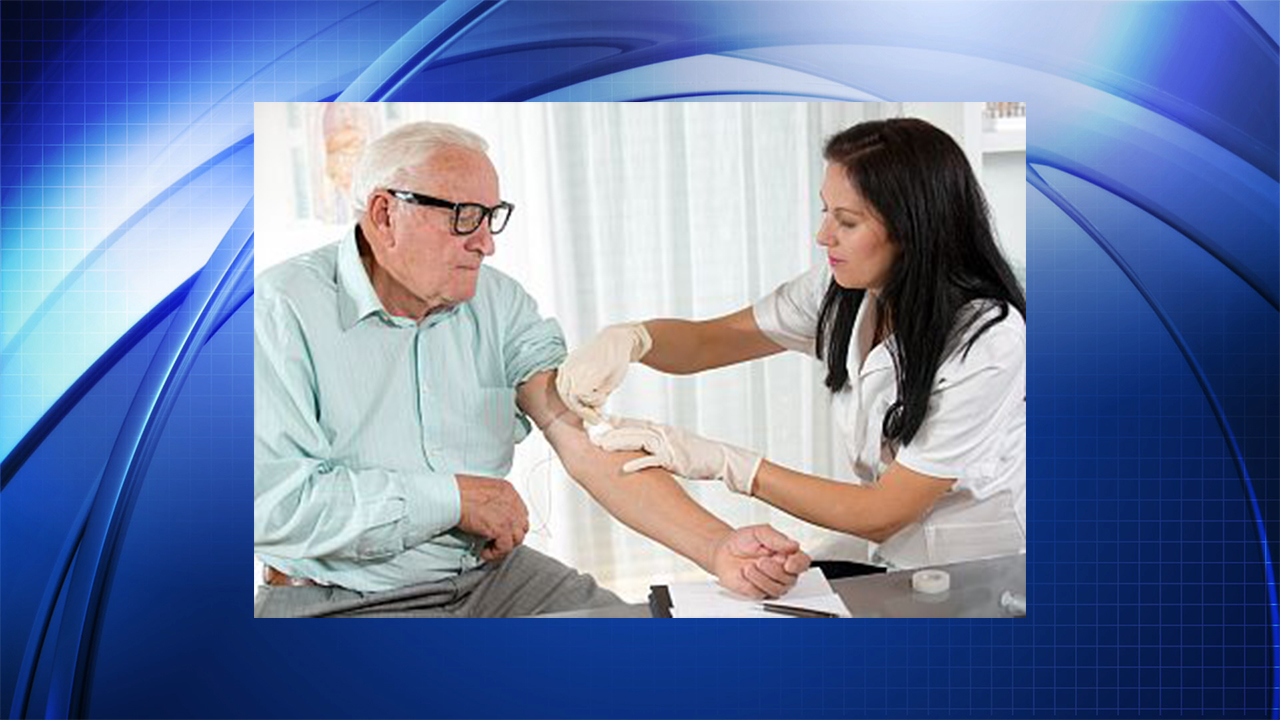
Researchers are working to develop a blood test for detecting Alzheimer’s disease that would be less invasive and costly than current approaches. Credit: Jovanmandic / iStock / Getty Images Plus A new technique for blood tests could help researchers detect Alzheimer’s disease before it begins or patients show signs of dementia, according to the National Institutes of Health .
Researchers found a new approach that could be less invasive and costly than current brain imaging and spinal fluid tests.
Alzheimer’s disease is a toxic change in the brain that slowly destroys memory and thinking skills.
Symptoms first appear when people are in their mid-60s and the disorder gets worse over time.
PET scans of the brain and lab tests of spinal fluid can reveal disease-related changes twenty years before the onset of symptoms.
Although the disorder is not reversible, early treatment may help preserve daily functions and early diagnosis could start treatment tests.
Unfortunately, PET imaging is expensive and involves radioactive agents while spinal fluid tests are invasive, complex, and time-consuming. Researchers are looking for simpler, more cost-effective tests.
“The considerable time and resources required for screening research participants with PET scans and spinal taps slow the pace of enrollment for Alzheimer’s disease treatment studies,” says NIA Director Dr. Richard J. Hodes. “The development of a blood test would enable us to rapidly screen a much larger and more diverse group of volunteers who wish to enroll in studies.”
A team led by Dr. Adam Boxer at the University of California, San Francisco investigated whether the new technique called Simoa could predict Alzheimer’s disease development.
The process that destroys the brain involves two proteins called beta-amyloid and tau. Beta-amyloid clumps into plaques, which slowly build up between brain cells. Abnormal tau accumulates inside brain cells, forming tangles.
The team collected blood samples and measured the concentration of ptau181 which is a modified version of tau that’s been linked with Alzheimer’s disease.
The test could also differentiate Alzheimer’s from another group of rare neurodegenerative diseases.
The results of the blood test were similar to a spinal fluid test and a PET brain scan for beta-amyloid protein.
A research team in Sweden reported similar findings in a second paper published in the same journal issue. Video Video
Changing time and amount of sleep may raise the risk of heart disease

Researchers found that irregular sleep patterns increase the risk of cardiovascular disease in people ages 45 to 84.
Experts recommend that most adults get seven to nine hours of quality sleep a night because it helps support healthy brain function. Sleep also impacts metabolism like controlling appetite and blood sugar with research linking insufficient sleep to health conditions such as obesity and diabetes.
A research team led by Dr. Tianyi Huang at the Brigham and Women’s Hospital analyzed data from nearly 2,000 men and women, ages 45 to 84, that did not have cardiovascular disease at the start of the study.
In addition to tracking sleep-wake patterns, the researchers followed the study participants for about five years to see if they developed cardiovascular disease.
Over this time, 111 participants had cardiovascular events, including heart attack, stroke, or death from a cardiovascular cause.
Participants with the most irregular sleep schedules were nearly twice as likely to develop cardiovascular disease as those with more regular sleep patterns, according to the National Institutes of Health .
“We hope that our study will help raise awareness about the potential importance of a regular sleep pattern in improving heart health. It is a new frontier in sleep medicine,” Huang says.
The findings suggest maintaining regular sleep patterns could help prevent heart disease just as physical activity, a healthy diet, and other lifestyle measures do.
Irregular sleep patterns may disrupt the body’s natural sleep-wake cycles, called circadian rhythms. Heart rate, blood pressure, and other cardiovascular functions follow circadian patterns.
Studies have shown that people who work the night shift have disrupted circadian rhythms as well as a moderate increase in heart disease and stroke.
Future studies hope to understand the underlying links between irregular sleep and cardiovascular disease risk. Video Video
How to Be Happy at Every Age

I turned 40 last May, and I’m apparently about to tumble into years of despair. Because, according to friends and colleagues who hit that milestone a few years before I did (not to mention researchers), my “midlife crisis” is right around the corner. But I don’t buy it. Sure, I need at least an hour of meditation with one sock on, one sock off (no joke) and 1.5 (no more, no less) cups of Sleepytime tea to fall asleep, but that’s hardly what I’d call a crisis. iStock Jonathan Rauch, award-winning journalist and author of The Happiness Curve: Why Life Gets Better After 50 also rejects the idea of a midlife crisis, a term coined back in 1965 by psychologist Elliott Jaques. He prefers to call it a slump or, on perhaps less optimistic days, a “constant drizzle of disappointment.” Still pretty bleak sounding if you ask me.
Multiple studies of adults in countries around the world show a U shape on the happiness scale as we age. In fact, according to Rauch, “it turns up so frequently and in so many places that many happiness researchers take it for granted.” The U shape suggests that people feel good in their 20s, then get a bit more miserable in their 30s—until everything bottoms out in the fifth decade. In fact, according to a new study by Dartmouth professor David Blanchflower that examined trends in 132 countries, life’s “peak time for misery” happens around age 47. Ouch. Maybe that’s why my friends would rather say they’re celebrating the 20th anniversary of their 20th birthday than proudly own the Big 4-0.
There is good news, however. Studies by Blanchflower and British researcher Andrew Oswald bear that out. Their findings suggest that well-being “declines steadily (apart from a blip around the mid-20s) until approximately 50; it then rises in a hill-like way up to the age of 70; after that it declines slightly until the age of 90.” Happiness deepens as we age, like a fine wine. But until then—what? Those of us in our 40s are destined to mope around and bide our time until we can get a senior discount? No thank you. Fortunately, University of Pennsylvania researcher Matt Killingsworth has a different point of view. He found that happiness is tied to being present—not fretting about the past or even lusting after retirement.
I decided to set off to find a way to make it through this quote unquote low point without entering crisis mode. There has to be a way to be happy—no matter what the trends suggest—at any age. “THERE HAS TO BE A WAY TO BE HAPPY—NO MATTER WHAT THE TRENDS SUGGEST—AT ANY AGE.” What Is Happiness, Anyway?
Clearly, how a person defines happiness affects their perception of it—and there are myriad definitions to consider, from ancient traditions to modern scholarly ones. In the yoga world, for example, there are at least four types of happiness. Santosha (contentment) implies a sense of delight; being content with what you have, who you are, and where you are in this moment. We’re happiest when we’re not wishing we were better, richer, kinder, or any other kind of different. Sukha (ease or, literally, a good space) is the comfort or sweetness we feel, even in the midst of confusion or turbulent times. For some people, mudita (sympathetic joy) is the hardest of all. It asks us to be joyful for those who are happiest; to be happy for the good fortune of others—even if they have what we wish we had. We experience ananda, the state of being blissfully happy, when we stop trying to find happiness and simply experience it. Yogic scholar Georg Feuerstein once wrote that ananda is “what we experience when our whole body radiates with joyous energy and we feel like embracing everyone and everything.” The Dalai Lama himself says that happiness is mainly having “a sense of deep satisfaction.” All of these definitions are, in the words of Killingsworth, “tied to being present.”
Rauch went with a more scholarly definition in his book. He breaks happiness down into two categories: affective well-being (how you feel today, how often you smile) and evaluative well-being (how you assess your life as a whole). His research looked at the latter: “You might not feel happy today, but you still feel your life is fulfilling and rewarding,” Rauch says.
Although Rauch is a fan of the U curve, which he contends “has been pretty stable over time,” he also believes there will always be outliers. And even within the same shape, he says, the details of the curve, such as where it bends and at what age, vary by country, suggesting there could be some social impact to our well-being. How to Be Happy at Every Age
Even if research shows happiness commonly dips in middle age, that doesn’t mean we can’t be happy at any age.
Linda Sparrowe, co-author of The Woman’s Book of Yoga and Health: A Lifelong Guide to Wellness (with Patricia Walden), believes that each stage of life has its high points on the happiness scale and, alas, its low points, too. Yoga and certain mindful lifestyle practices can maximize the pinnacles and minimize the troughs, she says. While the stages she writes about are fluid—adolescence moving into our 20s; early 40s holding fast to the 30s, the late 40s having more in common with the early 50s, and so forth—Sparrowe agrees that each decade brings something unique to our growth.
Ayurvedic practitioner and yoga teacher trainer Niika Quistgard encourages people to look at doshic patterns as a general map, not an unbreakable fact. “There are generalizations that can help us take a closer look and see if they’re true for us at the time, but we can’t just boilerplate everyone,” Quistgard says. “Life is more complex than that.”
With that in mind, let’s examine the ups and downs—the gifts and challenges—each decade may bring. FFFORN STUDIO STORE/CREATIVE MARKET THE 20S
Anyone who has navigated the rough waters of puberty knows how […]
The Best Exercise for Everyone Over 50

Why do you exercise?
If you do it to lose weight, you’re probably wasting your time.
That’s because studies show little or no link between exercise and meaningful, long-term weight loss.
What you eat has far more impact on your body weight.
But that doesn’t mean exercise doesn’t improve your health. And the type of workout that gives you the most benefit is resistance training. This is especially true if you are middle-age or older, researchers say. [1]
Dr. Loren Chiu is an exercise physiologist at Canada’s University of Alberta. “The importance of exercise goes beyond weight loss, particularly lifting weights,” he said.
Strength is more important than aerobic fitness as you get older because muscle power is what gives you the ability to live independently. “If muscles are weak, they might give out doing such routine tasks as carrying groceries or shoveling the snow,” Dr. Chiu said.
Dr. Kerry Mummery is a colleague of Dr. Chiu’s at the University of Alberta. He says older people often mistakenly believe they are in good shape if they weigh the same as they did when they were younger.
“As people age, they can erroneously use scales to think that everything’s fine because they weigh 185 pounds and they’ve been 185 for the last 30 years,” he said.
The problem is that even though they weigh the same, more of their weight is fat and less of it is muscle, Dr. Mummery said.
“More emphasis needs to be placed on the maintenance of muscle mass as one ages,” he said.
Strength training may actually be better for weight loss than aerobic workouts, Dr. Mummery said. That’s because the more muscle you have, the more fat you burn while at rest.
A pound of muscle burns six calories a day. A pound of fat burns only two.
Your brain also benefits if your muscles are strong.
Why? When we exercise, our bodies produce lactic acid. It’s a chemical which helps generate energy in our muscles. It’s also the preferred source of energy for brain neurons. They eagerly consume it when we exercise. [2]
Researcher Claire Scavuzzo says strength exercise is linked to better quality sleep because lactic acid “will amplify the amount of time the brain spends” in the slow-wave sleep periods that strengthen memory. 8 Best Resistance Exercises
This is the workout Dr. Chiu recommends. Do the following eight exercises two or three times a week.
Do three sets of each exercise. On the first set, do about half the maximum weight you can manage for five to six repetitions. On the second set, lift about 75% of the masximum. On the third set, lift the heaviest weight you can do. Lunges
Seated rows
Squats
Overhead press
Bench press
Pull-downs
Deadlifts
Sit-ups
One more thing… Consult a trainer to learn the proper form before doing any of these exercises. Otherwise, you could injure yourself. Editor’s Note: Independent Healing readers recently discovered the best way to get fast results from resistance exercise. To find out more, go HERE. Related Articles The Best Exercise to Stop Hardening of the Arteries [1] https://medicalxpress.com/news/2020-02-weight.html [2] https://www.scientificamerican.com/article/why-does-lactic-acid-buil/
Anterior retrosplenial cortex is required for long-term object recognition memory
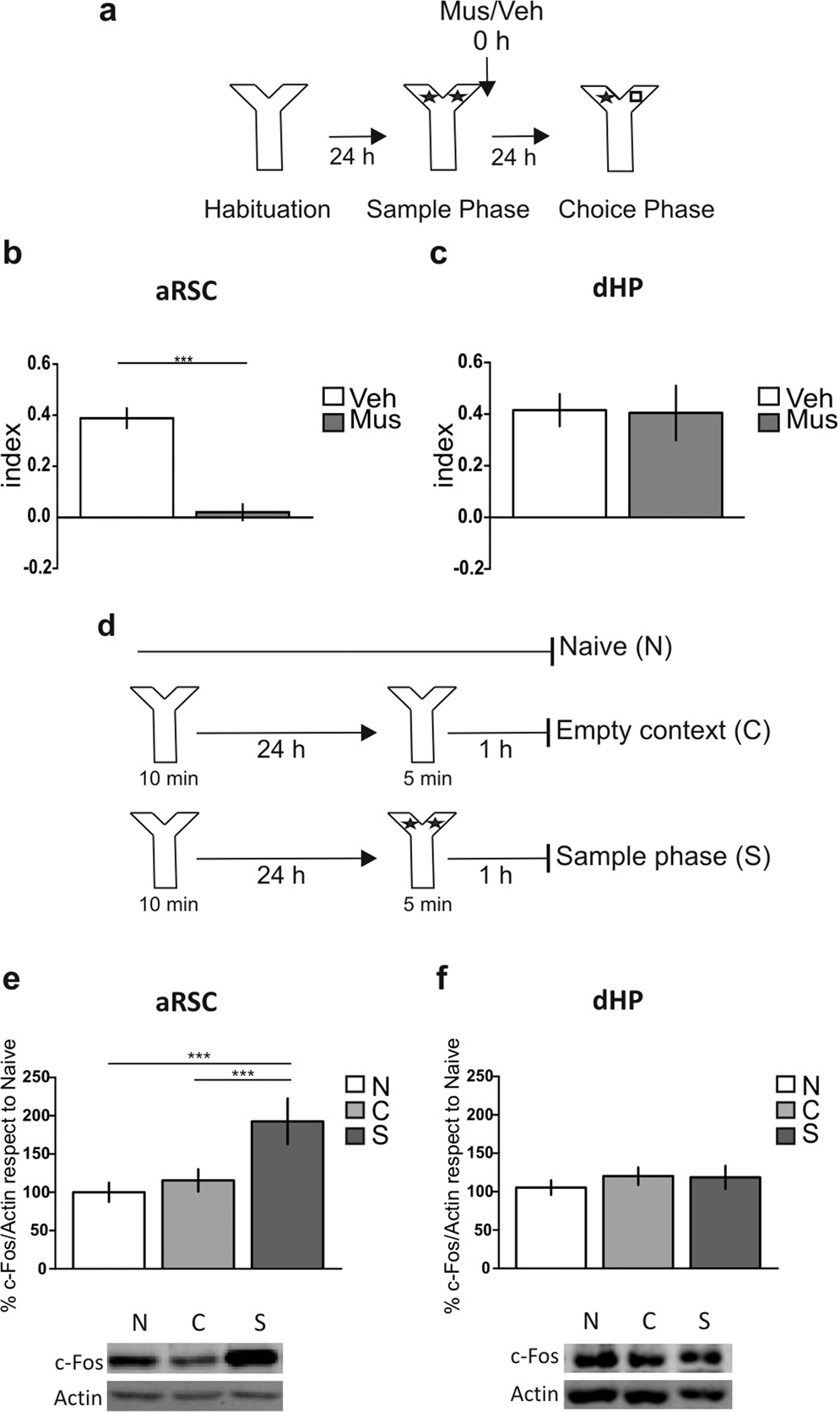
To make a comparative study about the participation of aRSC and dHP in the “what” component of the recognition memory, we decided to study object recognition memory in the non-spatial Y-maze (Y-OR) task. Due to the high walls, small corridors and the lack of explicit clues in the Y-maze, the Y-OR task has minimal spatial information and therefore a negligible “where” component. First, we validated the Y-OR task by transient inactivation of the PRh, confirming its requirement for object recognition memory (Supplementary Fig. ; p = 0.0031, t = 3.774, df = 11; Muscimol vs. Vehicle, Student’s t test, n = 5–7). Then, we analyzed the participation of the aRSC and dHP in the formation of Y-OR long-term memory (LTM) by infusing the GABA receptor agonist muscimol (0.1 μg/μl) or vehicle (saline) into the aRSC or the dHP immediately after the sample phase (training session), and we evaluated memory expression 24 h later during the choice phase (Fig. ). We found memory impairment associated to the aRSC inactivation (Fig. ; p < 0.0001, t = 6.611, df = 14; Muscimol vs. Vehicle, Student’s t test, n = 8 per group). In contrast, muscimol infusion into the dHP did not affect the Y-OR memory expression (Fig. ; p = 0.9278, t = 0.094, df = 7; Muscimol vs. Vehicle, Student’s t test, n = 4–5). To further evaluate the participation of these structures in Y-OR memory formation, we studied the levels of c-Fos expression, an immediately early gene that is a transcription factor usually upregulated in active brain structures, following a sample phase. Consistent with our behavioral data, c-Fos levels increased 1 h after the Y-OR sample phase in the aRSC (Fig. ; Bonferroni after two-way ANOVA, F = 0.31, p = 0.7347, F = 9.86, p = 0.0014, n = 4) but not in the dHP (Fig. ; two-way ANOVA, F = 0.27, p = 0.8977, F = 1.68, p = 0.2056, n = 3–5). Full-length blots are shown in the Supplementary Fig. .
10 Healthy Foods to Spring Clean Your Diet

The change of seasons is a great time to Marie Kondo your closets and do some deep spring cleaning. It’s also a great time to de-clutter your kitchen and reboot your diet for a fresh start to eating right . To help you get started, add these 10 healthy choices to your shopping list.
Mushrooms are one fungi you want more of in your diet. They are low in calories – about 20 calories per 3-ounce serving – yet they pack in vitamin D , selenium, antioxidants, B-vitamins, copper, fiber, potassium and several other essential nutrients. Mushrooms provide antioxidants to help protect cells, and preliminary research shows that they may inhibit the growth of some types of cancer cells.
Outside of sun exposure, mushrooms are one of the only plant-based sources of vitamin D. What’s more, mushrooms are a great stand-in or complement to meat, due to their umami flavor. A great blending ratio is 25% to 50% chopped mushrooms blended with ground meats or poultry to slash saturated fat and calories – but not the flavor.
Probably the healthiest foods on the planet, leafy greens like kale, spinach, arugula, watercress, Bok choy, chard and other dark, leafy greens are nutrient-rich and calorie-poor and possess hundreds (if not thousands) of beneficial bioactive compounds.
These uber-eats are rich in vitamins A and C, potassium, B6 and myriad other nutrients. Diets rich in leafy greens help tamp down chronic inflammation, risk for heart disease , certain types of cancer and premature aging – a natural way to fight wrinkles! As part of a plant-rich eating plan, they’ll also help you maintain a healthy weight and keep your memory sharp as you age.
An egg-a-day may keep the doctor away. It’s true! A large egg provides 6 grams of high-quality protein, 13 essential nutrients including iron, zinc, choline, selenium and zeaxanthin, making them an eggcellent choice. Eggs may also help you lose weight as studies show eating eggs as part of a balance first meal helps curb hunger and cravings for hours. The nutrient profile of eggs has been shown to be beneficial for cognitive development, enhancing satiety, maintaining lean muscle mass and promoting eye health .
Arguably one of the healthiest whole grains to enjoy, oats are naturally gluten-free, nutrient rich and pack in a combo of protein and fiber that can help fill you up — not out. A cup of cooked oats packs in 4 grams fiber and 6 grams protein and a variety of essential nutrients including B-vitamins, iron and zinc. Reams of research also show that the unique fiber in oats — beta-glucan — naturally help lower LDL cholesterol and tempers blood sugar levels to help reduce your risk for heart disease and type 2 diabetes.
Fresh or frozen, whether you prefer strawberries, blueberries , blackberries or any other kind of berry, add them to your shopping list. Berries are calorie-poor and fiber- and nutrient-rich. Berries are among the best sources of beneficial antioxidants and other bioactive compounds in the food supply. Numerous studies show that they are heart-healthy, may help reduce risk for certain types of cancer and keep your brain sharp as you age. For an added boost, try wild blueberries that pack in about twice the antioxidants and fiber of their cultivated cousins and can be a delicious option to add to smoothies, oats, baked goods and yogurt.
Don’t discount the health benefits of adding a pinch of this or a dash of herbs and spices to your meals. Studies show that fresh or dried herbs and spices provide more antioxidants than most other foods. In fact, a teaspoon of ground cinnamon packs in as much antioxidants as a cup of pomegranate juice or ½ cup of blueberries. Aromatics are known to have hundreds of bioactive compounds that can help improve heart health, reduce inflammation , risk for certain types of cancer. They also add flavor without added calories or sodium.
Naturally sweet and satisfying, prunes provide big health payoffs. A serving of prunes (four prunes) provides 3 grams of filling fiber and several key nutrients including boron, potassium, vitamin K and B-vitamins. Prunes help maintain blood sugar levels, reduce appetite, improve GI tract health, maintain bone mass, lower harmful cholesterol and much more. They may also provide protection against osteoporosis for postmenopausal women, according to a 2019 study .
Use them as an ingredient to enhance sweet and savory flavors. Pureed prunes are a healthy replacer for fat or sugar in your favorite baked goods, from brownies to chocolate cake and keep convenient individually-wrapped Sunsweet Ones in your office, car and gym bag for a wholesome snack.
Rich in heart-healthy monounsaturated fats and low in unhealthy saturated fats, EVOO has decades’ worth of research that document its cardiovascular benefits. EVOO is the primary fat used in the Mediterranean diet , considered the gold standard for healthy eating and adding more years to your life. EVOO reduces inflammation, and studies show it may help reduce risk for certain types of cancer, dementia and Type 2 diabetes. Other great news is that EVOO can be used for all of your cooking and baking needs — from baking to sauteing.
Greek yogurt is a healthy, must-have in your diet. Traditional Greek yogurt is strained to lose the watery whey, resulting in a richer, thicker creamier yogurt with twice the protein and less sugar than regular yogurt. A cup of nonfat Greek yogurt packs in about 24 grams protein – the equivalent of four eggs – and is an excellent source of calcium. To keep saturated fat in check, opt for nonfat or lowfat Greek yogurt, and purchase brands that include live, active cultures.
To achieve a healthy diet, you also have to think about what you drink. Tea is the most enjoyed beverage in the world, second only to water. And, significant research for decades consistently confirms that drinking unsweetened black, green or oolong tea is good for your heart, helps reduce certain types of cancer and can help you live longer.
A meta-analysis published in the British Journal […]
Anatomy 101: The Brain Science Behind Meditation

Humans possess a unique superpower among those in the animal kingdom: the ability to evaluate the past and plan for the future. Unfortunately, this evolutionary advancement comes at an emotional cost—regret and worry, both often the result of not being in the moment. Research shows that the more time you spend mind-wandering (not being present) the less happy you’re likely to be. In fact, humans devote a whopping 47 percent of their waking hours to mentally time-traveling. iStock Fortunately, you can develop present-moment awareness through meditation. Recent advances in two key scientific areas of study—neuroimaging and neurochemistry—allow us to see the measurable brain changes that result from meditation and lead to improved cognition and mood.
Neuroimaging
Modern neuroimaging technology like fMRI (functional magnetic resonance imaging) machines provide more detailed brain scans than ever before. Researchers can now see the long-term effects of practicing meditation on neuroplasticity—the ability of the brain to form new connections, especially in response to learning or experiencing something new.
Just as exercise develops your muscles, practicing presence through meditation strengthens neuroplasticity. Meditation, asana, and pranayama stimulate your brain, which helps prevent atrophy and functional decline. Positive effects have been seen in long-time meditators who practice for as little as 10 minutes a day.
Meditation seems to slow the natural reduction of brain tissue that comes with aging and improve cognition and memory. Harvard researcher Sara Lazar found that 40- to 50-year-old meditators have key brain structures similar to those of non-meditators in their 20s: Gray matter increases in the prefrontal cortex, improving focus, problem-solving, and emotion regulation. The limbic system—a complex network of the brain responsible for behavior, emotions, and survival instincts—is also altered with meditation. The hippocampus thickens, which boosts working memory and keeps you anchored in the present. Meanwhile, activity decreases in the amygdala, lessening the brain’s fear response.
Neurochemistry
Your brain is capable of naturally creating key chemicals that pharmaceutical companies synthesize in a lab. For example, serotonin helps regulate mood, social behavior, appetite, sleep, memory, and more. Some antidepressants work by increasing the usable levels of serotonin in your brain. Meditation has also been shown to increase serotonin levels, without the side effects, making it a promising complementary therapy. Measurable changes of neurochemistry from meditation include: Brain alpha wave activity increased: Alpha waves are associated with relaxation.
GABA increased: Gamma-aminobutyric acid counteracts anxiety and stress symptoms, leading to more relaxation.
Serotonin increased: Serotonin helps regulate mood. Low levels of usable serotonin are associated with depression.
BDNF increased: Brain-derived neurotrophic factor is a protein responsible for neuron health and neuroplasticity. Yoga can boost levels of BDNF, which may help people with chronic pain or depression.
Dopamine regulated: Dopamine acts as your body’s reward system, and dysfunction is associated with addiction. Research suggests that meditation results in improved self-regulation.
Cortisol reduced: Cortisol is a stress hormone. When your baseline increases and levels are too high for too long, it can lead to inflammation and weight gain.
Norepinephrine reduced: A decrease in norepinephrine, or adrenaline, means fewer stress hormones in your system.
Change Your Mind
Meditation literally changes your neural configurations. Research suggests that meditation can be effective as an adjunct therapy for depression, anxiety, trauma, chronic pain, cancer, heart disease, and more. Better yet, it can help prevent many issues before they start. Meditation cultivates the neurobiology of optimal health and resilience. There’s a reason this practice has stood the test of time and why there’s been an exponential growth of research on meditation in the past few decades: It works.
Images excerpted from Science of Yoga by Ann Swanson, reprinted by permission of DK, a division of Penguin Random House LLC. Copyright © 2019 Ann Swanson and Dorling Kindersley Limited.
About the author
Ann Swanson has a Master of Science in Yoga Therapy and is the author of Science of Yoga . She helps people safely manage stress and chronic pain, including back pain, arthritis, and more. For free video practices and resources related to this article, go to scienceof.yoga .
Save 50% on the best-selling, doctor-formulated supplements that support your health and wellness goals | Sponsored Message
This is a sponsored message from U.S. Doctors’ Clinical
If you’re looking for natural supplements to support your health, the US-made formulations from U.S. Doctors’ Clinical are a trusted choice. Each formula is reviewed, approved, and recommended by an advisory board of doctors from around the US, and clinically proven with research from third party researchers, to deliver real results.
U.S. Doctors’ Clinical has always had one focus in mind: providing high-quality, doctor-formulated products that can deliver results to help you reach your health and wellness goals.
For a limited time, you can save 50% sitewide on all supplements , including best-sellers like Arthro-7 for clinical joint recovery. It’s been found to improve cartilage and reduce inflammation in as little as two weeks.
You’ll also find products to support healthy cardio, joint, and organ function, and for general vitality — like BrainPower Advanced, formulated to improve memory, reduce fatigue and sharpen mental acuity overall. And there’s CoQ10 Advanced, which can help provide the super antioxidant support that’s critical to the maintenance of heart health, brain function, and respiratory system vitality.
Plus, every product comes with a 60-day risk-free guarantee. Save 50% on the U.S. Doctors’ Clinical supplements and formulations for a limited time, like the best-selling Arthro-7 for joint support (sponsor) If you’re living a healthy, active lifestyle and you want to keep it up, be sure to take advantage of this special offer while it lasts.
SPECIAL OFFER:
Use promo code COOLMOMPICKS and receive 50% off your entire order at U.S. Doctors’ Clinica l, through 3/30/2020
This has been a sponsored message from U.S. Doctors’ Clinical
These statements have not been evaluated by the FDA.
This product is not intended to diagnose, treat, cure, or prevent any disease.
Simple Metacognitive Strategies to Help Anxious Learners Succeed

“I think I can. I think I can. I think I can,” says the Little Blue Engine to herself as she hauls a train full of toys up a mountain. In Watty Piper’s classic children’s book, all it takes is a dose of self-encouragement to give the engine the strength to overcome a seemingly impossible task.
Sound too good to be true? Perhaps not, a new study suggests. Researchers found that a simple, five-minute exercise can help boost math performance, especially for students who have poor confidence in their math ability. When students silently spoke words of encouragement to themselves that were focused on effort—saying phrases such as “I will do my very best!”—their math scores improved.
In the study, 212 Dutch schoolchildren in grades 4 to 6 took half of a standardized math test. After taking the half-test, they were split into three groups: The first group silently said to themselves words of encouragement focused on effort. The second group did a similar activity, but the words were focused on ability, favoring phrases such as “I’m very good at this.” The third group didn’t engage in self-talk at all. Afterward, the students took the second half of the math test.
Students who had participated in self-talk focused on effort improved their math performance on the test, while those who engaged in self-talk focused on ability, or no self-talk at all, experienced no improvement.
“When children with low self-confidence work on mathematics problems, they often worry about failure,” Sander Thomaes, the lead researcher of the study, told Edutopia. “They experience challenges and struggles—for example, a difficult problem to solve—as cues of low ability, triggering disengagement from the task and worsening performance. Effort self-talk may counter this process.”
So why doesn’t self-talk focused on ability work? Saying “I am the best” can feel like a hollow claim when students don’t feel confident about their own abilities—they’re likely to dismiss the message entirely, explained Thomaes. But telling yourself “I will try my hardest” is an achievable goal, shifting attention away from a perceived lack of ability toward something within a student’s control: effort.
In the 1920s, Russian psychologist Lev Vygotsky observed that when faced with a challenging task, young children often engage in self-talk, reminding themselves to focus harder or talking themselves through a series of complicated steps. As children get older, the self-regulation strategies are generally no longer vocalized, but an emerging body of research suggests that lightweight, metacognitive exercises that ask older students to reflect on their fears, anxieties, or challenges are still highly beneficial—providing teachers with a cheap, reasonably simple intervention that can be used in a variety of school situations and across all grade levels.
A 2019 study , for example, was designed to help ease the transition into middle school by reminding students that the anxiety they felt was both natural and common. New students read stories from peers who had already graduated to the next grades; the essays confided the private fears and doubts the students harbored, and how building positive relationships with friends and teachers helped them cope.
The new students then completed two 15-minute writing exercises that asked them to reflect on their own anxieties about the upcoming school year, particularly around test-taking, and to consider reasons why they might do well even if they worried about the tests. The exercise had a surprisingly powerful effect: Compared with their peers, students who learned about the commonality of their fears and then wrote about them were 34 percent less likely to be disciplined for misbehavior, 12 percent more likely to attend school, and 18 percent less likely to receive a failing grade.
And in a study published last year, students participated in a 10-minute exercise immediately before a test in which they were encouraged to see stress as “a beneficial and energizing force.” They learned that small amounts of stress can help sharpen focus and aid memory by increasing oxygen flow into the brain. Students were then asked to write responses to two questions: “How do people sometimes feel in important situations?” and “How can the way a person feels in important situations help them do well in those situations?” The writing exercise helped the students manage the “worried thoughts about the possibility of failure” that often accompany a test, reducing the number of students failing out of the course by half—with low-income students seeing the biggest benefits.
Taken as a whole, the research suggests that academic performance not only relies on content preparation—you have to know fractions to succeed on some math tests—but also is significantly impacted by emotional and psychological preparation. Helping your students identify and circumvent the psychological barriers that hinder progress is part of teaching them how to navigate the emotional terrain of learning.
These powerful techniques appear to work even when students reflect altruistically. A 2019 study coauthored by Angela Duckworth, known for her research on grit and perseverance, asked nearly 2,000 high school students to give motivational advice to an anonymous younger student—on how to stop procrastinating or study better, for example—and then write a brief, encouraging letter to help the student do better in school. Despite the fact that the advice was given to someone else, the students earned higher grades in their own courses.
The takeaway: Be mindful of anxiety-provoking situations—from high-stakes tests to major in-school transitions—that can derail a student’s ability to focus. Try brief metacognitive discussions or simple writing exercises to help students overcome hurdles, recognize the commonality of their fears, and prepare emotionally and psychologically for looming challenges.
8 Tips to Protect and Sharpen Your Brain
Getty Images Find yourself forgetting what you just read or misplacing your car keys? You’re not alone. In a recent survey, 67 percent of us admitted that menopause-related hormonal upheavals were sapping our brainpower . The good news: These simple, inexpensive steps can improve your focus right now. Enjoy colorful berries.
Enjoying one cup of red, blue, or purple-colored berries every day can make you feel as clear-headed as you did a decade ago, according to Columbia University researchers. “Berries are rich in flavonoids, which boost the flow of nutrient-rich blood to your brain cells,” explains Leo Galland, M.D., director of the Foundation for Integrated Medicine in New York City. Go outside.
This just in from University of Michigan researchers: You can cut your risk of major brain lapses 50 percent or more simply by stepping outside for some sunshine each day. Sun exposure stimulates your body to produce vitamin D, which helps your brain cells stay young and your memory stay sharp, says David Perlmutter, M.D., author of Brain Maker . Can’t get outside every day? Taking 2,000 IU of vitamin D-3 daily is also protective. Take salacia supplements.
Supplementing with 500 milligrams of this Ayurvedic herb daily ( $15.24, Amazon ) could improve your focus and concentration within 10 days, reports The American Journal of Clinical Nutrition . Salacia helps your brain absorb up to 27 percent more energizing glucose from every meal, the study authors say. Wear earplugs.
Wearing earplugs when you’re trying to concentrate in a noisy environment (say around chatty coworkers) can double your ability to zero in on the task at hand, say University of Nebraska researchers. Nonstop noise — even the low-level kind like clacking on a keyboard — tires the part of your brain that helps you think clearly and remember what you’ve just learned. Sniff a lemon.
Take a deep whiff of a freshly cut lemon. Its tart, mouthwatering aroma stimulates the release of energizing beta brain waves, revving focus, concentration, and memory, often within 30 seconds, according to
researchers at Stanford University. Sip ginseng tea.
Sipping two cups of ginseng tea daily could improve your focus and concentration 31 percent in two weeks, Canadian researchers say. Ginseng acts as a gentle, natural brain stimulant, and it gives your short-term memory a significant boost. Exercise.
Fitting in as little as 30 minutes of easy exercise (brisk walking, biking, swimming, even doing three 10-minute sessions of jumping jacks all count) daily prompts the release of a compound (BDNF) that spurs the growth of healthy new brain cells while helping to rejuvenate older ones. In fact, just tweaking your routine with this one step can double your ability to focus, think clearly and stay organized. Eat lean beef.
Eating 12 ounces of lean beef weekly can significantly improve both short- and longterm memory, suggests research in the journal Biological Trace Element Research .
Beef is rich in vitamin B-12 and zinc, nutrients that help the memory center of your brain function at its peak, says study coauthor Agnes Piechal, Ph.D. (The leanest cuts include top sirloin, eye round, and top
round steak.)
This article originally appeared in our print magazine, Reverse Aging.
Good Night, Sleep Tight
Dreams by Olivia Jones Picture this: you check your phone as you lie in bed, cloaked in dark-ness. The blue light stings your eyes.It has been five whole minutes since the last time you checked, but every five minutes gets that much closer to 2am. You mentally calculate how many hours, minutes and seconds of sleep you will have if you fall asleep this instant, and wake up at 7am. But then, you’re not falling asleep this instant so what does it really matter? In fact, what you are doing is staring at the ceiling with watery eyes, wiggling your toes and readjusting over and over again in your bed. Your feet are too hot, but your nose is ice cold.The wind whistles past your window.How long has it been? What time is it? Should I calculate the new sleep time? It’s five minutes later? Wow. Although you are exhausted, you are wide awake, and contemplating a day of bloodshot eyes, caffeine, and irritability is making it that much harder to relax and snooze.
We’ve all been there. In fact, I was there just last night. Having trouble falling asleep is nothing out of the ordinary. Insomnia, ranging from mild to severe, is extremely common. As young adults trying our best to look after ourselves, trouble with sleep can be frustrating. On average, we will spend 26 years of our lives asleep, and seven years trying to get to sleep. Sleep, for something we spend so much time doing, is not completely understood, even by those who study it. Why do we sleep? How much sleep do I need? And how am I supposed to get that much sleep when I really am extremely busy thank you very much? The importance of sleep cannot be ignored, as its existence, or lack thereof, in our lives has direct effects on our physical, and mental wellbeing.
A lack of sleep can put us at risk of all sorts of health issues including obesity, diabetes, heart disease and stroke. It also weakens the immune system, stripping the body of protection against viruses and bacteria. Poor sleep is also linked to inflammation and cell damage, which can lead to conditions like inflammatory bowel disease, or Crohn’s disease. Sleep is the body’s time to make repairs, heal damage, grow muscle and synthesize hormones. If this time is too short, there can be serious consequences for one’s health. Dreams by Olivia Jones A lack of sleep is also linked to depression, anxiety, irritability, mood swings, inability to focus and difficulty socialising. As humans are highly social creatures, having difficulty socialising and picking up on social cues can foster increased feelings of loneliness. Some of these effects can be attributed to the body’s difficulty regulating hormones on little sleep.
Whilst St Andrews students probably need not worry about it now, a good night’s sleep can ward off the early signs of ageing, because of its involvement in the memory process.
One of sleep’s main roles is to help the brain consolidate and solidify memories. During sleep, the brain processes and stores all the information that it has received throughout the day. Memories are moved from short term to long term memory, meaning that those who get adequate sleep also have an easier time recalling details, or doing memory orient-ed work. In short, a lack of sleep is harmful to our physical and mental health, while those same effects can be harmful to our sleep. Lack of sleep and many health issues can go hand in hand, often contributing to each other.
How much sleep should we be getting though? While it can be easy to know when we are sleep deprived, it can be harder to know instinctively what is the right amount of sleep.
Sleep is split into four cycles. The first three are called “non-rapid eye movement” and get gradually deep-er. The last is called “rapid eye movement” and it is in this stage that we dream. Each stage lasts one and a half hours and we need to experience all four stages to get a good night’s sleep, with no interruptions.
Younger people, however, generally need more sleep because they are developing both physically and mentally at a faster rate. Teenagers need between eight and ten hours of sleep a night, while adults need between seven and nine. University students generally fit into these two categories, with the youngest among us still being teenagers
University students, especially myself, are also prone to procrastination. Unfortunately this does not complement sleep very well. One cannot make up for sleep deprivation by oversleeping another day. The best way to reap the benefits of sleep is to get adequate sleep every night.
While that all sounds very nice, for many of us getting a good night’s sleep is a challenge. Nearly one third of the U.K. suffers from insomnia, meaning that they have trouble falling asleep, or staying asleep as long as they need to. Talk to your GP if you are suffering from insomnia and it is affecting your mental or physical health, as some cases of insomnia require medical expertise and aid. For those of us who sometimes have trouble falling asleep, there are a few ways to help us hit the hay.
Some cases of insomnia can be managed with the use of natural sleep aids like warm milk, herbal tea, or valerian. If it’s just one of those nights, a warm mug of chamomile tea could do the trick, and make your next day a lot easier. Do make sure that if you go down the warm milk route that you make sure it’s in date, as taking a gulp of warmed sour milk is not necessarily conducive to rest, as I found out this past October.
Indeed, there are certain food stuffs that can aid sleep by calming the nervous system and triggering a sleep inducing hormone. Such tasty examples as honey, yoghurt, bananas and whole grains will all do the trick should you need a return ticket to the land of Nod.
Meditation […]
9 natural insomnia remedies to help you sleep better tonight

Whether you’re worried about that virus or general life pressures are mounting, there seems to be a lot of insomnia about right now – these natural remedies will help you sleep
While some people are able to cope with little sleep, the majority of us cannot, and we tend to feel the effects when we find it hard to function properly the following day.
We’ve all had trouble sleeping at one time or another, whether it’s chronic insomnia or just a bad night. But good quality sleep is arguably the most important thing we need when it comes to optimal health.
Yet these days, many of us are simply not getting enough. Most people’s bedtime routine includes flicking through their phone, regretting having a coffee after 5pm and not being able to quiet their busy thoughts – sound familiar? Why aren’t we sleeping?
Insomnia is a disorder where you find it difficult to fall asleep, stay asleep or you continuously have a disturbed night’s sleep.
There are many causes of insomnia such as; a room that’s too hot or cold, an uncomfortable bed, alcohol, caffeine or nicotine, jet lag, shift work, anxiety or depression.
Most of us have suffered from insomnia at some stage of our lives, but tend to notice it more when we are worried or stressed and it turns out very few of us are able to ‘switch off’ or stop our minds from racing after a stressful or busy day.
A survey on behalf of vitamin and supplement brand Healthspan of 2,000 adults found that 62 per cent believe their mind is constantly running ‘a mile a minute’, while 83 per cent of people feel like they constantly have lots going on in their head.
In fact, the average person has over nine things on their mind at any given moment. This ranges from simple everyday decisions to stressful money worries or big life changes.
What’s more, three quarters of those polled, via OnePoll have so much on their mind that they struggle to switch off their racing minds, with the average adult facing poor sleep three nights a week.
Dr Meg Arroll a psychologist on behalf of Healthspan who commissioned the research says, ‘Being able to ‘switch off’ and clear your mind of worries and concerns isn’t something that comes naturally to many people. Like most skills, it requires a lot of practise but can offer huge rewards, if you keep it up’. Why is sleep so important?
So much happens to our mind and body when we sleep.
Our brain processes information to create new memories, our muscles and joints recover from their use during the day and we produce increased amounts of growth hormone which aids the regeneration and rejuvenation of our cells.
‘As well as affecting our physical and emotional well-being, poor sleep also increases our risk of having an accident (due to excessive tiredness), raises our blood pressure and reduces our immunity so we are less able to fight off infections,’ says Dr Sarah Brewer, Medical Director at Healthspan.
‘If you are exposed to a common cold virus, for example, you are almost three times more likely to catch it and develop symptoms if you consistently get less than seven hours of sleep a night, than if you are sleeping eight hours or more,’ Dr Brewer adds.
It also emerged that two thirds of those polled, feel less able to handle everything on their mind, when they’ve had a bad night’s sleep.
‘This study has found that so many of us feel less strong mentally when experiencing a poor night’s sleep,’ says Rob Hobson, Healthspan’s Head of Nutrition and author of The Art of Sleeping .
‘Short-term sleep deprivation can impact on concentration, memory, learning, mood and relationships during the day. Long-term, a lack of sleep can have much more serious effects centered around inflammation’. What makes the perfect night’s sleep?
When feeling exhausted and in desperate need of sleep, lying wide awake in bed is a miserable experience.
‘Around 31 to 55 per cent of sleep duration is based on genetics, the remainder, however, is influenced by everyday factors like your behaviour, environment and diet,’ says Hobson.
As this month is National Bed Month, we have been thinking about the ingredients of a perfect night’s sleep.
Everyone could benefit from learning a little more about how we can change our lifestyle habits rather than resorting to sleeping pills (or excessive alcohol) to help us nod off.
Not to mention, how nice it would be to wake up rested and ready for the day ahead? Dr Sarah Brewer’s top sleeping tips:
Avoid napping or sleeping during the day.
Don’t drink too much fluid in the evening or you will be going to the toilet all night.
Exercise regularly, but avoid high intensity exercise in the evening or it will keep you awake. Avoid substances known to interfere with sleep such as caffeine, nicotine and alcohol (4 hours before bedtime). Wind down before bed by reading or listening to soothing music. Take a relaxing candlelit bath. Keep electrical devices them away from where you sleep as they may emit electromagnetic frequencies that interfere with sleep. Don’t stare at screens before bed (30 mins), including phones, computers, tablets or TV. The blue light emitted will switch off the production of melatonin – your natural sleep hormone. Try falling asleep listening to a meditation soundtrack. ‘Exercising good sleep hygiene habits while eating a balanced diet is key to restful sleep,’ says Hobson.‘But there are also plenty of natural supplements such as valerian and 5-HTP that may be a useful addition to help you on your sleep quest’.So, without further ado, let’s look at some natural (less obvious) ways you can get the best night’s sleep… #1 Start taking CBD oil (you’ll never look back) Insomnia and sleep disorders are among the top five reasons for taking CBD (Cannabidiol).CBD works directly on the endocannabinoid system in the brain, enhancing the effects of other brain chemicals, such as serotonin and anandamide, to reduce pain perception, relieve anxiety and stress, improve sleep and lift […]
Our eye movements help us retrieve memories, suggests a new Baycrest study
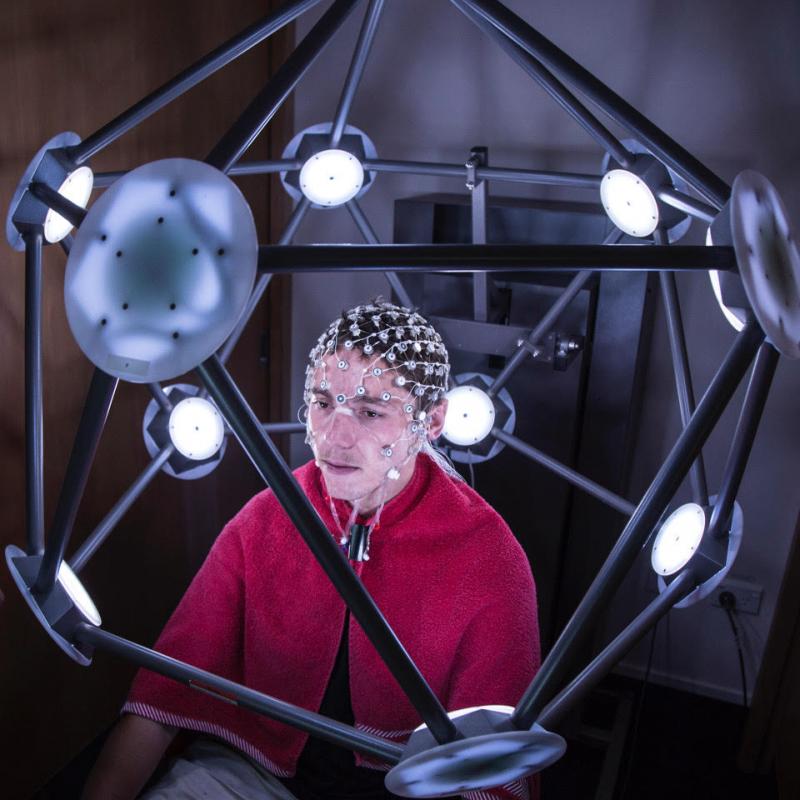
IMAGE: Dr. Jennifer Ryan, senior scientist at Baycrest’s Rotman Research Institute and Canada Research Chair in Cognitive Neuroscience of Memory view more In a recent study, scientists at Baycrest’s Rotman Research Institute (RRI) found that research participants moved their eyes to determine whether they had seen an image before, and that their eye movement patterns could predict mistakes in memory. They obtained these results using an innovative new eye tracking technique they developed.
“Our findings indicate that eye movements play a functional role in memory retrieval,” says Dr. Jennifer Ryan, senior scientist at the RRI and Canada Research Chair in Cognitive Neuroscience of Memory. “They can tell us a lot about someone’s memory.”
This study builds on previous Baycrest research examining the link between eye movements and memory, including the role of our eye movements in memorization and the weakening connection between our eye movements and our brain activity as we age .
“When we see a picture, a face or something else that we have already seen, our eyes tend to look at the same locations as they did the first time. The brain compares important characteristics of what we are seeing to a mental picture in our memory, and it identifies the two as the same,” says Dr. Bradley Buchsbaum, senior scientist at the RRI. “The brain is pretty good at this, even in conditions of lower visibility.”
“If we see someone in the distance, or if their face is partially hidden by branches, our brain will compare the features that are visible to a mental picture to determine whether we know that person,” says Jordana Wynn, lead researcher on this study, former PhD student at the RRI and current fellow at Harvard University.
This phenomenon is called “pattern completion.” When it goes wrong, we may end up mistakenly waving to a stranger if he or she has similar hair or a similar nose to someone we know.
In this study, published in the journal Proceedings of the National Academy of Sciences of the United States of America (PNAS), participants were first asked to memorize a series of 30 new images on a screen. Next, they viewed another series, this time containing both some of the previously seen images and some new-but-similar images. They were then asked to indicate whether they had seen each one before. Their eye movements were tracked during both stages. Each image was shown briefly, ranging from 250 milliseconds to 750 milliseconds, before the participants were instructed to visualize it while looking at a blank screen.
Participants were highly accurate in identifying previously seen images as old, scoring almost 90%. They were more likely to be correct if their eye movements were the same as when they initially saw the image. On the other hand, they performed less well, at 70%, when faced with a new-but-similar image. In the latter case, the more participants repeated their initial viewing pattern instead of focusing on the different aspects of the image, the more likely they were to incorrectly identify the image as old.
To emulate real-world situations where we don’t have full information, the researchers also used incomplete, or “degraded,” versions of images. This ranged from 0 to 80% degradation, in the form of grey squares covering parts of the image. Remarkably, even when the image was 80% degraded, performance was much better than pure guessing, reflecting the strength of pattern completion.
“Using our eye tracking technique, we were able to map the participants’ eye movements and observe that they were mentally picturing an image that they could not see,” says Wynn. “They were using pattern completion.”
Many studies have examined pattern completion over the past decades, but with one critical weakness. “These studies have all been based on the untested assumption that we can infer pattern completion is happening when participants mistakenly ‘recognize’ images that they have not seen before,” says Wynn. “Our study is the first to use eye movement analysis, rather than behaviour, to show that people are in fact retrieving a memory of an old image when they make this mistake.”
This study’s findings have important implications in terms of assessing memory. “Some of the traditional tests used to diagnose memory impairments are quite verbal,” says Dr. Ryan. “They often require good command of the English language, which can be a problem in a multicultural city like Toronto.”
“With eye tracking, you don’t have to ask people what they remember. You can just look at their eyes. This gives us a lot more information about their memory than we thought,” says Dr. Buchsbaum.
This work was made possible with support from the Canadian Institutes of Health Research (CIHR) and the Natural Sciences and Engineering Research Council of Canada (NSERC).
With additional funding, the researchers could further examine the role of eye movements in memory retrieval. “This could lead to the development of better screening tools for dementia, which is the ultimate hope,” says Dr. Ryan.
###
About Baycrest
Baycrest is a global leader in geriatric residential living, healthcare, research, innovation and education, with a special focus on brain health and aging. Baycrest is home to a robust research and innovation network, including one of the world’s top research institutes in cognitive neuroscience, the Rotman Research Institute; the scientific headquarters of the Canadian Consortium on Neurodegeneration in Aging, Canada’s largest national dementia research initiative; and the Baycrest-powered Centre for Aging + Brain Health Innovation, a solution accelerator focused on driving innovation in the aging and brain health sector. Fully affiliated with the University of Toronto, Baycrest provides excellent care for older adults combined with an extensive clinical training program for the next generation of healthcare professionals. Through these initiatives, Baycrest has remained at the forefront of the fight to defeat dementia as our organization works to create a world where every older adult enjoys a life of purpose, inspiration and fulfilment. Founded in 1918 as the Toronto Jewish Old Folks Home, Baycrest continues to embrace the long-standing tradition of all great Jewish healthcare institutions to improve the well-being of people in their local communities and around the […]
Tips for Surviving Daylight Saving Time

chinaface/getty images It’s just one hour, folks. But, boy, that yearly switch to daylight saving time (DST) — happening this Sunday, March 8 — can really mess with our bodies and our heads.
The disruption in our circadian rhythms — the wake and sleep cycles managed by our body clock and its release of hormones — goes beyond making us just feel tired the day we lose an hour of sleep. Studies have shown that during the week after the annual spring forward, we Americans have more fatal car accidents, heart attacks and atrial fibrillations; may have an uptick in strokes; are more likely to get harsher legal sentences; and even cyber-loaf more in the office.
“Daylight saving time can affect your mood, your overall alertness, your memory and your ability to overall comprehend appropriately,” says Rachel Ziegler, a sleep-medicine physician at the Mayo Clinic Health System. “It’s the most difficult to adjust to for those who are already sleep-deprived or those who already have poor sleep habits .”
But if you’re an older adult without sleep issues, DST can actually lead to a sleep-and-wake cycle that better matches your “mature” circadian rhythms. “As people get older their circadian rhythms tend to advance — meaning that people go to bed early and wake up early — and springing forward tends to help those people,” says Michelle Drerup, M.D., a sleep specialist at the Cleveland Clinic.
Whatever side of the change you’re on — nonplussed early bird or die-hard time-change resister — here are ways to combat the annoying, and potentially harmful, effects of DST. Adjust your bedtime the week before
“I generally recommend that for a few days leading up to daylight saving time, people try to go to bed between 15 and 20 minutes earlier each day,” Ziegler says. Adds Shalini Paruthi, a board-certified sleep-medicine specialist and codirector of the St. Luke’s Sleep Medicine and Research Center in St. Louis: “You should also begin to adjust the timing of other daily routines that are ‘time cues’ for your body, like meals and exercise.” On Saturday try to wear yourself out a bit
“Activity increases our sleep drive, which might help you fall asleep a little earlier than normal,” Drerup says. That’s actually true year-round. “Exercise has been shown in studies to improve sleep quality,” Paruthi explains. “It’s recommended that we get at least 150 minutes of movement or exercise per week, which could be as simple as walking 30 minutes, five days a week.” Also, says Drerup, “On Saturday be mindful of your caffeine intake, and avoid any extra dozing before bedtime.” But don’t try to knock yourself out with the help of a stiff drink; experts say that having alcohol any later than three hours before bedtime can disrupt sleep. Shut off your electronic devices early
“Electronics’ impact varies for everybody, but I usually recommend that people turn off their devices an hour before bedtime,” Drerup says. “Tablets, laptops and phones tend to be more disruptive because they emit a stronger blue light than, say, a TV. And with a TV, you are sitting farther away; the closer you are to your electronics, the more exposure to blue light you’ll get. And the glasses that filter out blue light actually do work.” Follow your normal bedtime routine
“A good bedtime routine includes doing the exact same activities in the exact same order every night,” Paruthi advises. “Most successful bedtime routines are 15 to 30 minutes long. They help transition the brain from a go-go-go mindset to a more calm one, so you can relax and get some sleep.” Try to force yourself awake on time on Sunday — and get outside
“Try to wake up at the time you will need to be up on Monday,” Ziegler says, “to get yourself into that routine.” Adds Sara Nowakowski, M.D., associate professor at Baylor College of Medicine : “Even if you haven’t been able to do the 15 minutes earlier each day, make sure to stick to the wake-up time on Sunday so you don’t feel terrible on Monday.” And then get outside. “Getting the natural sunlight and exercising help alert and awaken us and help to retrain our circadian rhythm,” Drerup explains. If necessary, take a (short!) power nap on Sunday
If you don’t normally have sleep difficulties like insomnia, a nap on the day that the clocks shift can be beneficial, Drerup says. But keep your shut-eye to about 20 minutes, as “a power nap like that can be refreshing and won’t take away too much of your sleep drive for Sunday night,” she adds. And consider early afternoon for the perfect body-clock timing, Nowakowski says. “We actually have a temperature dip and a circadian dip right after lunch, so that might be a good time to take a nap.” Don’t slack off on Sunday night
“Stick to your bedtime Sunday night,” Paruthi recommends, “or even go to bed an hour earlier than your usual bedtime, to get plenty of sleep before the workweek begins on Monday. It should take only one day to adjust to the time change; studies show that it generally takes one day to adjust for every hour of time change.”
6 Reasons To Add Medicinal Mushrooms To Your Diet

1. They Help The Gut
Recent research has revealed medicinal mushrooms are rich in fibre, making them one of nature’s most potent prebiotics and a strong ally in your quest for good gut health. And because any dysfunction in your gut shows in your skin first, taking mushrooms could lead to a clearer complexion too. Incorporating mushrooms into your diet can increase the growth of Bifidobacterium and lactobacillus, optimum levels of which are crucial for a balanced and happy gut microbiome, and happier, more balanced skin.
2. They Protect Your Immune System
Known as the ‘king of mushroom’s, chaga is an incredible immune booster. Tero Isokauppila, founder of medicinal mushroom brand Four Sigmatic , refers to chaga as an “antioxidant bomb” due to its high levels of melanin, an antioxidant most people would associate with the skin (it’s melanin which is responsible for a tan). Our skin is our largest organ and the first barrier against infection and pathogens and as such, Tero claims regularly taking chaga will act as a “bodyguard” for your inner and outer wellbeing. Due to its earthy taste, chaga is often used by wellness warriors as a coffee substitute – try Four Sigma’s Lion’s Mane and Chaga Coffee .
3. They Boost Athletic Performance
Cordyceps mushrooms are beloved by athletes and gym enthusiasts alike due to their ability to provide energy without extra stimulation. Cordyceps can increase oxygen intake by up to 20%, which provides a natural mental and physical energy boost. In fact, in the early 1990s, the women’s Chinese athletic team broke multiple world records, and it was found their regular intake of cordyceps was likely to have played a large role in their success. These mushrooms feature in Wunder Workshop’s Golden Shrooms blend – we love adding a teaspoon to yoghurt and smoothies pre-workout for a quick energy fix.
4. They Support Cognitive Function
Want to improve your memory and future-proof your brain? It could be worth taking reishi mushrooms. A 2012 study found these super fungi may have neuroprotective effects, which could pave the way for future research surrounding Alzheimer’s disease. The study found reishi extract supports production of a protein called nerve growth factor, which is crucial for healthy neurological function. Lion’s mane, another type of mushroom, has also been shown to improve memory and boost concentration, perfect if you are studying for an exam or have a big presentation at work. Try adding half a teaspoon of Sun Potion’s Lion’s Mane powder to your smoothies – blend with banana, nut butter, cacao powder and almond milk for a brain-boosting breakfast.
5. They Tackle Inflammation
While the majority of medicinal mushrooms have anti-inflammatory properties, it’s chaga mushrooms that have been shown to be particularly potent when it comes to reducing systemic inflammation triggered by chronic stress. Chaga reduces inflammation by lowering elevated cortisol levels, and studies also show it can reduce inflammation in the GI tract. Research also suggests chaga can help those with IBS (irritable bowel syndrome), a digestive condition often caused by stress. You’ll find a healthy dose of chaga in Four Sigmatic’s Superfood 10 Mushroom Blend – stir into hot drinks for the best results. Chaga Mushroom Powder, £23.99 | Hybrid Herbs Organic Reishi Mushroom Extract, £25 | KIKI Health

The Power Within by Corey Daniels book available for only $2.99
Mind has both conscious and subconscious halves. These are likened to a driver and the truck he drives. The driver plans the destination and observes road conditions, while the truck provides motive power. Your subconscious mind is like the truck and it only goes in the direction in which is a steered. This can be the road or off a cliff. Likewise, the consciousness paints a picture of what the world is and what your goals are and the subconscious acts on them through emotion, physical response and energy, whether these are correct, rational images or false negative ones. The subconscious is also like an emotional reservoir which your body and mind draw responses from to external stimuli.
The Power Within lays out a method of programming your subconscious and tapping into the Holy Spirit, God voice or what the Greeks called the daimon (godman).