Nature Knows and Psionic Success
God provides
Nootropics Won’t Make You Smarter, but They Can Help You Reach Your Max Potential
Futurism fans: To create this content, a non-editorial team worked with an affiliate partner. We may collect a small commission on items purchased through this page. This post does not necessarily reflect the views or the endorsement of the Futurism.com editorial staff.
More and more people are turning to nootropics , or smart drugs, in an effort to improve cognitive function. And there’s certainly no shortage of products to choose from. But what you need to understand as a consumer is that most nootropics are just combinations of stimulants and depressants, with the latter intended to mitigate negative side effects of the former. That’s not necessarily a bad thing. These simple nootropics will certainly give you more balanced energy than you’d get from gulping a venti from Starbucks. However, there are also more advanced nootropics that can do way more than stimulate your brain. And one of the best of the best is Brain Food from TruBrain . TruBrain Like a lot of other nootropic supplements, Brain Food contains the so-called “ everyman stack ” of caffeine and l-theanine. Humans have been taking this stimulant-depressant combo for thousands of years in the form of green tea. Caffeine, of course, is a central nervous system stimulant that increases alertness and energy by blocking the neurological receptors for drowsiness. L-theanine, meanwhile, is an amino acid that produces a sense of calm and relaxation and is especially effective in soothing nervousness and jitters that come with caffeine. Numerous studies have shown rather conclusively that, taken together, caffeine and l-theanine can improve mental performance, alertness, and mood.
However, TruBrain’s Brain Food doesn’t stop there. It takes things one step further by actively creating the biological conditions necessary for peak mental performance.
How? Okay, let’s get sciency.
In addition to caffeine and l-theanine to promote alertness and focus, Brain Food also contains noopept, a synthetic nootropic molecule that does two key things. First, it increases blood flow to the brain, thereby enhancing neuroplasticity, which is a brain cell’s ability to build new neural connections. And more neural connections means higher brain function. Second, noopept makes acetylcholine receptors in the brain more receptive to the neurotransmitter acetylcholine, which thus allows for faster and more efficient communication between neurons.
Got all that? Good. Because there’s more.
Brain Food also contains the raw nutrients that your brain’s attention system burns for fuel. Hence the name, Brain Food . These raw nutrients include magnesium, a key mineral that an estimated 90 percent is deficient in; tyrosine, an amino acid that plays a vital role in communication between brain cells; carnitine, which helps neurons break down glucose and fatty acids for fuel; and citicoline, which is a precursor to the aforementioned neurotransmitter acetylcholine.
You might think this is all theory, but it’s not. Brain Food has been shown by third party clinical trials and EEG brainwave analysis to boost high alpha brain waves, which are indicators of an increased ability to focus, enhanced verbal fluency, as well as improved memory and learning. TruBrain TruBrain’s Brain Food comes in 1oz liquid shots with a refreshing tropical taste. These shots are available in quantities of 20, 30, and 60. Discounts of 10, 20, and 30 percent are available when you subscribe and pre-pay for three, six, and 12 months respectively. New subscribers also get an additional 10-percent off their first order.
If you’re looking for something that can help you focus, think, remember, and create better, don’t just pump your brain full of stimulants. Get TruBrain and give your brain the high-octane fuel it needs to function at its best.
9 Natural Ways to Prevent Alzheimer’s Disease
Getty Images Worried about getting Alzheimer’s disease one day? You’re not alone! It’s the top health concern nationwide. Fortunately, these scientifically proven strategies make it easy to keep your brain healthy and dramatically reduce your risk of memory loss, foggy thinking and, yes, even Alzheimer’s. Take vitamin D & cocoa flavonoids.
Taking 2,000 IU of vitamin D and 450 mg. of cocoa flavanols every day can reduce your risk of developing Alzheimer’s disease 41 percent or more, according to Harvard research. Vitamin D prevents damaging inflammation inside the brain, while cocoa switches on enzymes that repair damaged neurons. Eat eggs.
A single egg delivers 33 percent of your daily requirement for choline, a
B vitamin that slows brain aging and can even reverse it, improving memory, focus, and concentration in as little as two weeks.
“Your brain uses choline to produce a chemical called acetylcholine that
is essential for keeping your brain cells healthy and in good repair,”
explains Kent Holtorf, M.D., an alternative medicine physician in
Torrance, California. Other great food sources of choline include
chicken, shrimp, and scallops. Or you can simply take a 450 mg. supplement daily. Consume mushrooms.
Adding 1/2 cup of mushrooms to your daily diet is a tasty way to keep your brain young and your memory sharp. Mushrooms are packed with nutrients that help your brain soak up and use blood sugar — and when your brain cells get a steady trickle of energizing glucose, it cuts your risk of memory problems by 45 percent, University of Miami researchers say. Take regular walks.
Taking a 20-minute brisk walk each day can cut your risk of ever developing dementia and Alzheimer’s disease in half, a new British study suggests.
Amazingly, walking stimulates the release of a chemical that
grows healthy new brain cells, explains neurologist Daniel G.
Amen, M.D., author of Unleash the Power of the Female Brain ( $13.27, Amazon ).
As a result, it actually increases the size of your memory center a whopping two percent per year — instead of having it shrink (as it tends to do after age 50) one percent every year. Enjoy raspberries.
Fresh or frozen, raspberries are rich in resveratrol, a unique
compound that blocks the formation of artery-clogging plaque, improving the flow of oxygen- and nutrient-rich blood to the brain, says Dr. Amen. The study-proven dose:1/4 cup daily. Get your hearing checked.
Keeping it sharp cuts your risk of Alzheimer’s disease by 20 percent! When you can hear clearly, your brain is constantly stimulated by what’s going on around you — and that keeps the memory center of your
brain healthy and active, say Johns Hopkins researchers. If
you often find yourself saying “pardon me,” ask your M.D. how to boost your hearing. It could be as simple as flushing out wax buildup! Pair vitamin C with curcumin.
Together, vitamin C and curcumin (a turmeric extract) significantly increase your body’s production of the immune cells that break down
troublemaking brain plaques, says Ann Kulze, M.D., author
of Dr. Ann’s 10-Step Diet ( $24.99, Amazon ). “They also slow brain aging
by repairing and replacing damaged nerves.” The study-proven dose: 1,000 mg. of vitamin C and 500 mg. of curcumin daily. Indulge in a mini massage.
The stress hormone cortisol doesn’t just make you feel jittery and anxious; it also causes your immune cells to become sluggish, so that they have a tougher time killing off germs and breaking down brain
plaques. Fortunately, University of Miami research shows that you can reduce your cortisol production by at least 25 percent for 90 minutes by giving yourself a firm, two-minute ear or hand massage whenever you start feeling edgy. Stay warm.
Don’t tough it out if the weather’s miserable! Keeping comfortably warm with a hat and an extra layer of clothing on chilly days can re-energize
your white blood cells so they stay active, according to Stanford experts.
This article originally appeared in our print magazine.
5 Ways to Keep Your Mind Sharp at Any Age

Just as the body changes over time and things like joint pain and muscle stiffness set in, the brain also changes. It’s natural to become forgetful with age and to have a slower problem-solving time. Take charge of brain health with these five ways to keep your mind sharp at any age.
Maintain a Healthy Lifestyle
Lifestyle choices play a large role in brain health. Regular use of prescription and over-the-counter medications could lead to a higher risk of dementia over the years. Binge drinking easily causes blackouts, and long-term excessive drinking shrinks the frontal lobe which causes memory problems and thought impairment. Smoking cigarettes thins the brain’s cortex, which is where thought, memory, and language is processed. This thinning occurs naturally with age but smoking cigarettes speeds up the process.
Family health insurance plans make it easier to take charge of maintaining a healthy lifestyle. The knowledgable team at Health Quote Gurus helps families and individuals find qualified health plans at affordable prices that cover everything from prescription medications and specialist visits to supplemental insurance plans. For help navigating through insurance plans, Health Quote Gurus is here to help.
Eat a Brain-Healthy Diet
Eating a brain-healthy diet helps to keep the mind sharp. Vitamin E, B vitamins, and omega-3 fatty acids are believed to help prevent dementia. There is also evidence that leafy green vegetables, berries, and seafood protect the brain. The Mediterranean diet—focused on vegetables, healthy fats, and omega-3 fatty acids from fish—also protects against dementia.
Get Enough Sleep and Exercise
The average adult needs seven to eight hours of sleep each night. While the body is asleep, the brain is busy forming memories, making decisions, learning new tasks, and cleaning toxins. Too little sleep raises the risk of high blood pressure, obesity, and dementia.
Physical activity keeps both the body and the mind healthy. 20 minutes of daily aerobic exercise and strength training can improve cognitive function. Exercise can be any activity that works up a sweat at least five times a week. Exercising maintains blood flow to the brain and lowers the risk of high blood pressure which is linked to developing dementia.
Keep the Brain Stimulated
The best way to keep the mind active is to keep it stimulated. Doing tasks or activities that are mentally stimulating helps build cognitive function. Learning new skills keeps the mind active and may reduce age-related cognitive changes. Engaged brains are associated with improved processing speed. Socializing, listening to music, playing an instrument, or building puzzles use brainpower. The more complex skills learned the higher the boost to brain function.
Games are a fun way to keep the brain stimulated, whether board games, card games, charades, or console games. Newegg’s online video game stores have a huge selection of PC and Mac games and the hottest console systems. Gamers can find bundled combinations, portable systems, thousands of game titles, and plenty of accessories.
Caffeine and New Foods
Caffeine is known to have some positive health benefits and it is thought that caffeine plays a role in protecting the brain. Enjoying two to four cups of coffee daily may fend off natural cognitive decline and lower the risk of Alzheimer’s. These benefits are thanks to either caffeine or the antioxidants contained in coffee and tea.
Keep the brain healthy by having new experiences to help it fight off the effects of aging. When the brain detects new aromas it creates associations and feelings that stimulate the senses of smell, taste, and sight. Get adventurous with eating new foods. Expand the cuisine palette by finding recipes to make fresh at home. When grocery shopping for ingredients, pay attention to and smell the seasonings, spices, vegetables, proteins, and garnishes related to the cuisine.
Some quick mindfulness tips to help you prepare for finals week
With midterms wrapping up, Drexel’s students are getting ready to switch gears and begin preparing for finals week, which will be here before we know it. Although studying is a priority, practicing mindfulness and taking care of ourselves is just as important in order to do well. When we don’t take care of our bodies, we can’t expect our minds to be able to focus while revising 10 weeks-worth of notes for every class we take. Before I experienced my first round of finals week as a freshman, I read up on ways to perform well — not with study tips, but with mindfulness tips. Ever since then, I have made it a point to include these practices in my daily routine because I have seen myself perform and feel good, even when I’m really stressed out. I hope these tips help you practice mindfulness, whether it’s the start or end of the term!
Many students choose to listen to music while studying; however, when the lyrics get in the way of studying, we may find ourselves remembering the words to the latest Beyonce song instead of the functions of organelles. White noise has become increasingly popular and is described to be a collection of random frequencies of sounds. The original intent was to create background noise so that when babies are sleeping and something emits a large sound, it blends into the white noise and the baby doesn’t wake up.
Basically, the background noise protects you from being disturbed or, in a student’s case, distracted by other noises around you. White noise helps students stay focused on the task instead of being distracted by people talking a few tables over in the library or roommates watching TV in the other room. Sometimes, doctors recommend patients diagnosed with ADD or ADHD listen to white noise as a way of tuning out their surroundings and focusing at the task at hand. However, this tool can benefit everyone. White noise tends to be the sound of rain or leaves rustling. Natural noises are common as they are soothing but will help improve concentration instead of making you feel drowsy. Consistently listening to white noise may help create a brain pattern where once you start listening, your brain automatically begins to focus.
What you put into your body is just as important as being able to memorize all the definitions from chapter or practicing your final presentation. There are special foods that help us best when studying and are named “brain food” for that specific reason. While we may be tempted to make microwave ramen or order junk food, eating healthy during finals week is just as important as revising your notes before the exam. When spending long hours at the library, it may be tempting to eat snacks as a meal replacement, especially when it feels like you can’t waste time preparing something to eat. But finals week is the time when you need to take care of your health, and in order to study and perform better, it is essential that you feed yourself properly.
Foods rich in protein and omega 3 help brain development, so consider adding fish into your meals. Eggs also contain a lot of protein as well as vitamin B12. This vitamin is what converts glucose into energy, which can help you work harder, fight off drowsiness and improve overall productivity. Lastly, dark leafy greens are one of the most important foods to include in your diet but tend to be the hardest for some. Vitamin K, found in these vegetables, improves memory and mental focus. It also slows down the process of cognitive decline, which means it will keep your brain working at a high pace and preventing you from losing momentum. Green smoothies are the best way to go, especially as a quick and easy breakfast. You can blend up a mix of berries and spinach, and while the smoothie may be green, all you’ll taste is berry!
We’ve all been told that yoga and meditation are some of the best ways to feel calm and clear our minds from any stress we may feel. However, sometimes attending in-person or structured classes is difficult as a student. If you do have the time, Drexel’s recreation center offers yoga classes in the early morning and evening that I highly recommend.
What I feel is the best part of these practices is that you can do it from the comfort of your room. You can easily close your laptop and notebook for just five minutes and follow a deep breathing exercise from YouTube or do a few quick stretches. I’m prone to neck and back aches after hunching over my laptop for long periods of time, and by adding quick stretches to my routine, I can help improve posture and minimize the strain I put on my upper body. We all know that after hours of studying, there’s a point where no matter how many times we try to push forward, we end up having to reread the same section over and over because we simply can’t concentrate. By practicing mindfulness, we are able to remove ourselves mentally from the situation and come back with a clearer head, which helps us recenter our focus.
I understand that the days leading up to finals week tend to be overwhelming, exhausting and stressful, but by implementing some of these strategies into your routine, I hope you are able to ease some of the tension off your shoulders. I know from experience it is much easier to study when your mind is in the right headspace to hit the books. However, when your mind begins to wander, hopefully these mindfulness skills help you recenter and bring your focus back.
How Dietary Supplement Citicoline Improves Memory
For some time now, Citicoline has been known for its ability to improve memory and reduce cognitive decline. A primary ingredient in many pre-made nootropics, or brain-boosting medicines, how does it work? And how effective is it?
A choline donor, citicoline works by delivering choline (an essential nutrient used for the construction of cell membranes, neurons and neuron dendrites) to the brain where it is used to make phosphatidylcholine and acetylcholine. While phosphatidylcholine is used to make new neurons and similar structures, acetylcholine is used to pass signals between neurons. These functions make citicoline essential for both creating new structures and increasing mental performance.
Although choline is naturally present in mant foods, such as cauliflower, sunflower seeds, eggs and beef liver, its small quantities and difficulty in being absorbed by the gut mean that it is difficult to consume enough of the substance to garner significant neurological effects. At this point citicoline becomes more effective at raising choline levels in the brain as not only is better absorbed by the gut, it also goes practically unused by other areas of the body, unlike other choline analogues, and instead goes straight to the brain. But how effective is it? Although theoretically citicoline should work wonders in the brain, how does it work in practice? To understand this, researchers in Italy examined 349 patients aged 64 years and older who had problems with their memory and evidence of vascular lesions- although no formal diagnosis of Alzheimer’s. For the study, they required each participant to undergo a MIni-Mental State Examination (MMSE) at baseline alongside either magnetic resonance imaging of computed tomography scans. They then dosed 265 of them with 500mg of oral citicoline twice daily while the remaining 84 received no treatment.
Repeating MMSE’s and brain imaging both 3 and 9 months following treatment, the researchers found that although MMSE scores stayed relatively the same over time for those dosed with citicoline, those in the untreated group saw a significant decline in their MMSE score over the same period, indicating cognitive decline. For the researchers, this indicated that citicoline is likely effective in potentiating neuroplasticity while producing neuroprotective effects, and may even have some application in neurodegenerative disorders such as Alzheimer’s.
Supplements are beneficial, but a healthy and balanced diet is the most important for your brain health

( Natural News ) Seventy-five percent of Americans are turning to supplements to address their health needs, according to data collected by the Council for Responsible Nutrition during their Consumer Survey on Dietary Supplements for 2018. Not only that, 87 percent of the surveyed supplement users said they have overall confidence in the safety, quality and effectiveness of the supplements they take.
This is complemented by a recent study by the AARP (formerly the American Association of Retired Persons), which found that a quarter of Americans aged over 50 take supplements mainly for brain health . According to the AARP study, this translates to a booming business that’s expected to reach $5.8 billion in terms of sales by 2023.
Among the brain health-supporting supplements discussed in the study are those containing: B vitamins
Vitamin D
Vitamin E
Omega-3 fatty acids , DHA and EPA
Alpha-linoleic acid (ALA)
Fish oil
Medium-chain triglycerides
Nicotinamide riboside
Phosphatidylserine
Coenzyme Q10
Apoaequorin
The study also looked at ginkgo biloba and other plant-derived compounds such as curcumin, various flavanols, huperzine-A and caffeine. (Related: Nutrients and brain health: Which ones are great for improving mental health? )
The mentioned supplements have shown health benefits in separate studies — health benefits that may be linked to the majority of their components’ antioxidant properties .
For example, B vitamins have been shown to support good mental health in individuals, while omega-3 supplementation can be used as adjunctive therapy in the management of treatment-unresponsive depression and schizophrenia.
B vitamins and omega-3s, on separate studies, have been shown to possess antioxidant properties. This means that they can help promote the body’s overall health by fighting the damaging effects of oxidative stress caused by free radicals from the environment.
However, the Global Council on Brain Health (GCBH) — the group which conducted the study on behalf of the AARP — said that while supplements offer benefits to those who take them, the best way to get nutrients is through a healthy and balanced diet.
Looking to improve your cognitive function ? Here are some foods you can add to your diet: Fatty fish. Eating more fatty fish like sardines, anchovies, mackerel and salmon can help improve your mental health. This is due to their high concentration of omega-3 fatty acids. Omega-3s are vital for normal brain function and development. According to a study published in the journal Neurology , low levels of omega-3s may accelerate brain aging and contribute to a decline in one’s cognitive function.
Coffee. Aside from caffeine, which helps in improving focus, coffee also contains other potent natural compounds, such as eicosanoyl-5-hydroxytryptamide or EHT. In a study published on PLOS One , researchers found that EHT may confer therapeutic benefits in rodent models of Alzheimer’s and Parkinson’s disease. Just be careful not to consume too much though, as excess caffeine may lead to unpleasant side effects and complications such as jitters, restlessness and sleeplessness.
Blueberries. An antioxidant-rich fruit, blueberries are full of phytochemicals, such as anthocyanins, catechins, polyphenols and quercetin. These phytochemicals have all been shown to exhibit strong antioxidant properties and may even delay brain aging, as well as improve memory.
Broccoli. Those who want to improve their brain health should consume more broccoli . A member of the cabbage family, broccoli is packed with vitamin K — a vitamin essential to the formation of sphingolipids, a type of fat that’s densely packed into brain cells. According to studies, a higher vitamin K intake may lead to better memory in adults.
Nuts . When it comes to improving brain health, you can never go wrong with eating more nuts. Not only are they tasty, but they are also rich in essential nutrients such as vitamin E, which is linked to good cognitive health. In a study published in the Archives of Neurology , vitamin E is said to be associated with a reduction in age-related cognitive decline.
It doesn’t stop there. Other superfoods that can support healthy cognitive function include eggs, green tea, oranges, sunflower and pumpkin seeds, dark chocolate and turmeric.
Sources include:
AARP.org
Top 7 Health Benefits of Kratom Leaves
About Kratom
Kratom, or Mitragyna speciosa, is a traditional herb that’s native to Southeast Asia. It’s one of the most famous herbs that experts recommend for a variety of ailments, thanks to its immense medicinal properties.
Kratom is mostly used to treat pain. It contains numerous compounds, with the two most active ones being mitragynine and 7-hydroxymitragynine. Mitragynine interacts with your body the same way opioid drugs do, while 7-hydroxymitragynine affects the ability of certain neurons in the body to perceive pain.
Besides pain relief, Kratom also comes with some euphoric effects. When you consume the herb, it induces the secretion of feel-good hormones within your body, supplying your muscles with sudden bursts of energy that positively impacts your workouts, while also increasing your sexual vitality.
The following are the top 7 health benefits of Kratom leaves that you probably didn’t already know about.
1. Pain Relief
Pain is the most common condition that Kratom leaves can treat. Pain is classified depending on where it originates and what parts of the body it affects.
In terms of origin, we have nociceptive and neuropathic pain. Nociceptive pains result from physical injury to body tissue, muscle, or tendon. Neuropathic pains are induced by chronic conditions, such as Multiple Sclerosis, cancer, diabetes, arthritis, etc. Regardless of the origin, pain affects the body both from the physical and psychological aspects.
Kratom leaves are useful for treating all kinds of pain, though it works exceedingly well with neuropathic pains. The leaves relieve pain by binding to pain receptors located in the central nervous system and elsewhere within the body. And while there are several strains of Kratom, the Bali/red vein is the most touted for its analgesic effects.
2. Relieve Anxiety and Lift the Mood
Mood elevation is another possible health benefit of Kratom. Various research studies have found that Kratom is useful in inspiring a positive state of mind and causing users to have a more optimistic attitude about life in general.
While Kratom isn’t an opioid, it delivers effects that are quite similar to those of opioid drugs, such as heroin, codeine, and morphine. When you consume Kratom leaves, mitragynine binds to opioid receptors that are located in your brain, which are responsible for mood regulation.
As a result, you feel less anxious and more upbeat. The sedative effects of Kratom are also significant in relieving depression and anxiety. If you’re looking for an all-natural way to boost your motivation, look no further than Kratom leaves.
3. Boost Energy
Kratom leaves are known for their immense metabolic effects, which considerably increase the user’s energy levels. According to studies, these leaves induce certain metabolic processes while enhancing others, thereby escalating the body’s ability to generate energy.
Also, Kratom leaves come with the hidden benefit of increased blood circulation. With improved circulation of blood, more oxygen is transported to your vital body cells, which consequently impacts how fast those cells metabolize food substances to produce energy. This may explain why Kratom is one of the most recommended natural remedies for people with Chronic Fatigue Syndrome.
Even if you’re not suffering from fatigue-related disorders, you can still use the energy-boosting benefits of Kratom to accomplish your day-to-day tasks. For instance, the leaves might come in handy during strenuous workouts, as they significantly reduce the rest time needed between sets. One can find Kratom by searching the internet for kratom near me, these search results should direct you to the best licensed dispensaries offering high quality kratom products.
4. Improves Focus
We’ve already mentioned that Kratom leaves come with sedating effects, and you could be wondering how the leaves could help you stay focused. When you consume Kratom, it induces the release of acetylcholine.
Acetylcholine is a neurotransmitter that plays a significant role in enhancing focus as well as alleviating pain, muscle contraction, and regulation of the endocrine system. According to research, acetylcholine enhances memory and focus by increasing the ability of the cortical circuits to respond to sensory stimuli.
Those effects are especially helpful for students who are looking to focus during their studies, while also being able to remember things learned from months back. Kratom also induces the release of serotonin and dopamine, all of which are associated with increased focus and attention span.
5. Cognition Enhancement
This is another mental benefit you can get from using Kratom leaves. As you may already know, our brains can only function optimally if they receive adequate nutrients and energy released from the body’s metabolic processes.
The liver contains both Phase I and Phase II microsomal enzymes that metabolize Kratom into various alkaloids. Once metabolized, the alkaloids act on the Mu as well as the delta, and kappa opiate receptors that are located in the CNS and peripheral nerves.
Mitragynine mostly acts on delta receptors while 7-hydroxymitragynine interacts with Mu receptors. Collectively, these opioid receptors ensure impressive cognitive performance.
6. Addiction Recovery Kratom packs opioid-like effects but unlike opioid drugs, Kratom is only a partial opioid agonist. The main reason why experts prescribe Kratom leaves for treating addiction is that it provides similar sensation as opioid drugs but doesn’t feature the comedowns.While it interacts with opiate receptors, Kratom doesn’t induce long-term dependency. Even after periods of extended use, your body’s appetite for Kratom will always be normal.The leaves also help to treat various conditions associated with opioid withdrawal, such as nausea and vomiting, sleeplessness, anxiety, as well as mood swings, and being an all-natural herb Kratom presents fewer and milder side effects. 7. Management of Diabetes This is arguably one of the least known benefits of Kratom leaves. However, research suggests that Kratom could have positive effects on your blood sugar levels.The alkaloids that Kratom leaves contain might help to modulate the levels of blood insulin and glucose. By keeping the amount of these two substances in check, Kratom leaves prevent the dangerous peaks and drops that are associated with diabetes, which helps keep diabetes at bay, while also helping those who are already affected to manage the condition.Still related to diabetes, Kratom leaves interact with the satiety receptors that […]
3 Simple Ways Moving Your Body Will Move Your Career

It’s everywhere. Entrepreneurs, business professionals, and HR departments, completely fixated on finding the “silver bullet” for optimizing workplace productivity . . . and for good reason. The statistics on employee productivity are staggering, with the US Bureau of Labor (2016) uncovering data that suggest employee engagement and productivity is actually decreasing over time, even with consideration of modern advances in technology, communication, and globalization of information.
How can this be? More importantly, what can we do about it?
The answer is simple. We need to get people MOVING again. This doesn’t mean that we need our employees attending daily sessions of Crossfit or high-intensity F45 workouts. All we really need is for people to allocate time on a daily basis to focus on their physical health and overall well-being.
As Anat Baniel explains, movement truly is the language of the brain, and for good reason. Neuroscience has revealed new theories as to why we actually have a brain, aligning with the ideas stated in Daniel Wolpert’s TED Talk , leading us to believe that one of the few reasons we actually have a brain is to navigate and promote MOVEMENT throughout our environment. Keeping this in mind, here are 3 simple ways of how physical movement will improve your ability to find success in the workplace and throughout your career. 1. Specific exercises can literally re-wire your brain in different ways.
Very few would object to the fact that physical exercise is good for you, so why don’t they act on this information? Because it’s just that. Information.
So what if I told you that different forms of exercise can change the way your brain in different ways? A recent study published in the journal Brain Plasticity found that low-intensity exercise showed increased connectivity throughout specific networks associated with cognitive processing and attention, while high-intensity exercise showed increased connectivity within areas of the brain responsible for regulating affective and emotional processes.
Keeping this in mind, it is important to realize how impactful exercise can be for increasing your ability to focus and concentrate on tasks.
Looking to improve your ability to pay attention during board meetings? Implement a low-intensity workout. Trying to find an option to calm your nerves for a review with your leadership team? Cut out 10 minutes of your day for a high-intensity exercise to get your blood flowing. 2. Physical movement can improve brain plasticity and connectivity.
Brain plasticity is a term used by neuroscientists to describe the brain’s ability to change and adapt over time. For the early part of the century, scientists were convinced that the brain only changed and developed into the early part of our adult lives, leaving many questions about what happens when we find ourselves in the later stages of life. Fast forward ahead a hundred years and we have a completely different understanding of how the brain changes and grows throughout our lifetimes, allowing us to realize that we can truly change our brain until the day we die.
Physical exercise causes an increase in the production of a specific protein in the brain called Brain-Derived Neurotrophic Factor (BDNF) , which is responsible for changing the brain and increasing connectivity within neuronal networks, enhancing learning, improving memory, and protecting the brain against insult.
Knowing this information will place you light years ahead of your counterparts, as this fact alone can be a complete game-changer for someone looking to optimize their productivity and efficiency in the office.
Looking to find ways to retain more information for a presentation? Get out and move.
Searching to find a way to retain more of your customers by remembering your conversations? Put in a quality workout.
Having trouble remembering simple tasks to get done throughout the day? Take a walk and go through your mental checklist. You would be surprised to see how quickly your memory can serve you. 3. Exercise is one of the best-known anti-depressants on the market.
We’ve all been in a situation where we’ve been frustrated at work or with the challenges that face us on a near-daily basis, yet we rarely look to our natural resources as fuel for change.
Exercise can be one of the most effective ways to change the brain and its overall functionality, which is one of the reasons why we base human development and specific motor milestones on established physical movements and patterns while babies grow in their early years of life. Physical movement has continuously been shown to significantly improve our overall physical and mental health, especially with regard to depression and anxiety. A majority of the literature points to the benefits of activity within the frontal lobe and hippocampus, both of which are regions that are responsible for executive function and memory formation, respectively.
Keeping all of this in mind, it’s easy to see why physical movement can make a significant impact in your ability to be successful in your career, as it correlates with so many factors that positively affect your productivity and output.
Get out and MOVE!
Have you read the original anthology that was the catalyst for The Good Men Project? Buy here: The Good Men Project: Real Stories from the Front Lines of Modern Manhood ◊♦◊
If you believe in the work we are doing here at The Good Men Project and want to join our calls, please join us as a Premium Member , today.
All Premium Members get to view The Good Men Project with NO ADS.
Need more info? A complete list of benefits is here .
—
Photo credit: Shutterstock
Elicio Therapeutics to Discuss Novel Lymph Node Vaccine Targeting Seven Key mKRAS Mutations at RAS – Targeted Drug Discovery Summit in Vienna, Austria
CAMBRIDGE, Mass.–(BUSINESS WIRE)–Feb 19, 2020–
Elicio Therapeutics , a next generation immuno-oncology company, today announced Peter DeMuth , PhD., Elicio Vice President of Research, will present “Targeting the Lymph Nodes to Enhance Mutant KRAS-Specific Vaccine Responses,” at the upcoming RAS-Targeted Drug Discovery Summit in Vienna, Austria, from February 25 to 27, 2020.
The Elicio Amphiphile platform enables precise targeting and delivery of immunogens and cell-therapy activators directly to the lymphatic system, the “brain center” of the immune response, to significantly amplify and enhance the body’s own system of defenses, defeat solid and hematologic cancers, and prevent their recurrence. Elicio’s ELI-002 targets seven position 12 and 13 KRAS mutations, present in approximately 25% of all human solid tumors. Elicio believes that ELI-002 has the potential to become a multi-targeted mKRAS therapy with the ability to treat and prevent disease recurrence for hundreds of thousands of patients with mKRAS-driven cancers, including pancreatic, colorectal, lung, bile duct, endometrial, and ovarian.
“By precisely targeting the immune cells which orchestrate anti-tumor responses in lymph nodes, ELI-002 has been shown in preclinical studies to enhance the magnitude and functional characteristics of KRAS-specific immunity important for a robust anti-tumor effect” said Peter DeMuth, PhD, Vice President of Research of Elicio Therapeutics. “These responses were able to simultaneously target all 7 common KRAS mutants, indicating the potential to prevent tumor recurrence likely to arise from therapies specific to individual mutants.”
At the conference Dr. DeMuth will discuss Elicio’s: Amphiphile technology which allows “AMP KRAS-vaccine” ELI-002 to simultaneously generate immune response to the seven mutations commonly present in KRAS driven cancers by targeting peptides with a powerful adjuvant directly to the lymph nodes;
In vivo data showing the significant benefits of lymph node targeting versus systemic drug delivery;
Data showing induction of potent mKRAS-specific T cell responses using ELI-002, a first-in-class lymph node immunotherapy, and;
Plans for a prospective, multicenter First-in-Human Phase 1/2 Trial of ELI-002 Lymph Node Immunotherapy as Treatment for Minimal Residual Disease in Patients with KRAS mutated Pancreatic Ductal Adenocarcinoma (PDAC) and Other Solid Tumors.
Elicio has demonstrated in multiple tumor models that improving the targeting of immunogens and cell-therapy activators to lymph nodes, where resident immune cells potently orchestrate immunity, can substantially amplify their ability to induce effective tumor-killing immune responses. ELI-002 is an “AMP KRAS-vaccine” containing seven Amphiphile mKRAS peptides and a proprietary Amphiphile adjuvant, administered subcutaneously.
KRAS mutations are present in 90% of pancreatic cancers, 40% of colorectal cancers, 30% of non-small cell lung, 30% of bile duct, 14% of endometrial, and 14% of ovarian cancers. ELI-002 has completed preclinical validation, IND-enabling GLP toxicology studies, and a pre-IND meeting with the FDA. P1/2 trials will be multi-site, starting with an open label dose escalation, progression to expansion cohorts in KRAS mutated solid tumors, and seamlessly progressing into a randomized, controlled cohort.
About the Amphiphile Platform
The Elicio Amphiphile platform enables precise targeting and delivery of immunogens and cell-therapy activators directly to the lymphatic system, the “brain center” of the immune response, to significantly amplify and enhance the body’s own system of defenses, defeat solid and hematologic cancers, and prevent their recurrence. Once in the lymph nodes, Amphiphile immunotherapies are taken up by antigen presenting cells (APC’s) to orchestrate signaling to natural or engineered immune cells in order to maximize therapeutic immune responses to disease. This strategy has been used to improve the activity of immunostimulatory agents, antigens, adjuvants, and cell-therapies that generate little to no response when used in the conventional forms. By precisely targeting these immunotherapies to the lymph nodes, Amphiphiles can unlock their full potential to generate and amplify anti-tumor immune responses. This substantially enhanced anti-tumor functionality and long-term protective memory may someday unlock the full potential of the immune response to eliminate cancer.
About Elicio Therapeutics
Elicio Therapeutics, based in Cambridge, MA, is committed to transforming the lives of patients and their families by re-engineering the body’s immune response to defeat cancer. By combining expertise in materials science and immunology, Elicio is engineering potent Amphiphile immunotherapies, including lymph node targeted cell therapy activators, immunomodulators, adjuvants and vaccines for an array of aggressive cancers. Elicio’s lead Amphiphile vaccine targeting KRAS-driven cancers will begin initial patient studies in pancreatic cancer patients in the first half of 2020. These programs are followed by a broad preclinical pipeline of lymph node targeted immunotherapies. For more information, please visit https://elicio.com .
View source version on businesswire.com : https://www.businesswire.com/news/home/20200219005090/en/
CONTACT: Merina Zeller
617-482-0042
KEYWORD: AUSTRIA EUROPE UNITED STATES NORTH AMERICA MASSACHUSETTS
INDUSTRY KEYWORD: ONCOLOGY HEALTH RESEARCH PHARMACEUTICAL SCIENCE BIOTECHNOLOGY
SOURCE: Elicio Therapeutics
Copyright Business Wire 2020.
PUB: 02/19/2020 09:05 AM/DISC: 02/19/2020 09:05 AM
Here Are 5 Great Longevity Food Trends To Look Out For
As we go further into the year, you may be having trouble sticking to those New Year’s resolutions. That said, if you’re having trouble following a healthy diet, perhaps looking at the biggest food trends of the year can help you to reorganize your eating habits.
Yes, every year brings in a food trend that promises to deliver, amongst other things, great nutritional value. The below-mentioned food trends have set out to feed consumers, whilst making sure to take into mind their own personal health preferences – which is why we’re going to see more of them in the coming months. 1. We’re obsessed with plant-based meat options
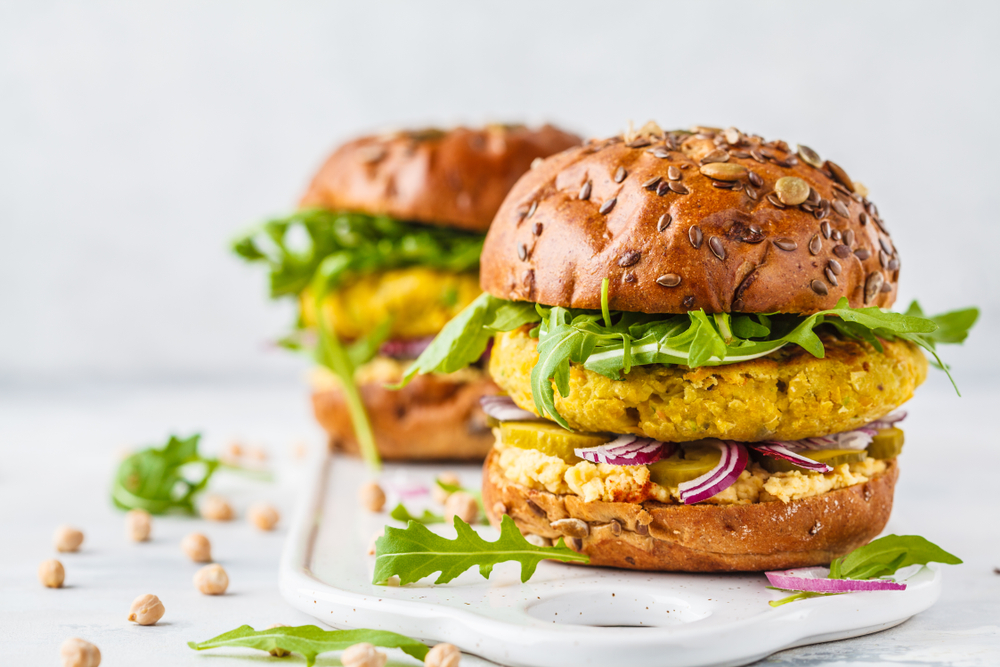
2019 saw the growth of plant-based meat options and 2020 is not going to be any different.
It’s become a trend to eat less meat – not only for our health but also as a pro-environmental stance. In fact, you don’t have to be a vegan or vegetarian in order to opt for plant-based meat alternatives. Rather, meat-eaters are choosing meat alternatives as they’ve come to realize the environmental and health impacts that regular meat has. As a result of this realization, brands like Impossible Burger and Beyond Meat began rolling out more and more meat-mimicking alternatives .
What’s more, brands such as Lomo Linda and Good Catch have created plant-based tuna and seafood, promoting their products as a more sustainable alternative to seafood.
Now, while it would be hard to discredit the positive impact that these foods may have, there is also a growing concern about just how nutritionally beneficial meat alternatives are . That said it’s important to note that just because they’re plant-based, doesn’t mean that they’re necessarily healthier. That said, when consuming these foods, make sure to be mindful and not overeat just because you think they’re healthier. 2. We’re all sober-curious
According to a 2019 Nielsen study , around 66% of millennials have admitted to making a conscious effort to try to reduce their alcohol consumption.
Aside from reducing your risk of a nasty hangover, cutting back on your alcohol intake has been found to improve your sleep, encourage weight loss, and even leave you with younger skin. As a result of their teetotalling efforts, many consumers have now begun to explore non-alcoholic beverages.
That said, more and more brands are now introducing alcohol-free wines, beers and even cocktails (affectionately referred to as mocktails). If that’s not enough, there are even some non-alcoholic bars opening up, such as Getaway – the first alcohol-free bar in Brooklyn, New York, and Sans Bar , the first sober bar in Austin, Texas.
Now while these drinks can be healthy, it’s important to be mindful of their sugar content so portion sizes matter. You could also opt for a drink with a club soda base. 3. We’re boosting our brainpower with nootropics
An increasing number of people are concerned about how they can maintain their cognitive health over the coming ways. That said, there has been a growing interest in nootropics .
Nootropics are compounds that studies have found help to protect and improve brain function, including memory and cognitive function. While they come in supplement or drug form, particularly melatonin and ashwagandha, there are also nootropic foods such as turmeric, salmon, and walnuts. 4. We’re looking to more non-dairy milk alternatives
From oats and hemp to banana and cashew – the demand for non-dairy milk alternatives has definitely surged. It’s clear that more and more people are shopping for dairy-free options, whether they’re lactose intolerant or not.
With that said, it’s important to note that a lot of these milk alternatives are loaded with added sugars. So, it’s important not to overdo your consumption of these kinds of milk. What’s more, always remember to read the ingredient lists so that you can stay clear of added sugars, and preservatives. Also, try to buy organic. 5. We’re waiting for more CBD-based foods
CBD is everywhere, from your skincare to your clothing, so it’s no wonder it’s found its way into food trends. From candy to sparkling water, CBD has made quite an impact on the food world. In fact, we are just at the tip of the iceberg when it comes to exploring cannabis-based food possibilities.
Now while some countries have legalized growing and extracting CBD from it, we’re waiting on clearance from the organizations such as the FDA to deem CBD as a “generally safe” product, allowing for the ingredient to go fully mainstream. Once the appropriate legislation has been approved, it won’t be long before we start seeing CBD-based foods on every menu in town.
Food labels provide us with the required information, so we know exactly what we’re putting in our bodies. That said, it’s important to know how to decipher them – especially if you want to adopt a more health-conscious approach to your diet. So perhaps you should learn how to read food labels so that you can have a healthier 2020 ?
High-fat diets are LITERALLY depressing … here’s why

( Natural News ) The World Health Organization (WHO) defines overweight or obesity as the abnormal or excessive accumulation of fat that presents a health risk. Obesity is caused by either one of two things: genetics or an increased consumption of high-calorie foods coupled with a sedentary lifestyle. People with obesity suffer from abnormalities characteristic of metabolic syndrome and an increased risk of chronic and fatal diseases like cancer. Studies have also linked obesity to depression, and the results of several clinical studies demonstrate a positive association between the two. However, the mechanism underlying this association is still unknown.
In a recent study published in the journal Translational Psychiatry , researchers from the U.S. and the U.K. investigated whether obesity is a causative factor for the development of depression. They also looked at possible molecular pathways that link the two disorders. The researchers found that genetically induced or diet-induced obesity leads to depression when a signaling pathway called the cAMP/PKA signaling pathway is disrupted, and this disruption results from the influx of saturated fatty acids in the brain, specifically in the hypothalamus. This influx is caused by the consumption of a fat-dense diet. The researchers also discovered that the loss of PDE4A, an enzyme that influences the development of obesity, can prevent both genetically induced and diet-induced depression-like behavior in mice. The link between obesity and depression
The 3′,5′-cyclic AMP (cAMP)/protein kinase A (PKA) signaling pathway is an important signal transduction pathway. cAMP is a secondary messenger molecule used by cells in response to stimulation from different hormones and neurotransmitters. cAMP plays a role in various cell functions, regulating important cell processes such as cell growth, differentiation, protein expression and gene transcription.
PKA, on the other hand, is an enzyme responsible for all the cellular responses facilitated by cAMP. It is often called an end effector of a variety of hormones that work via the cAMP signaling pathway. PKA activity is regulated by the concentration of cAMP in cells and involves the regulation of vital cell functions, such as the metabolism of glycogen, sugar and lipids. PKA also regulates different neuronal functions.
According to studies, cAMP signaling is impaired in depression by enzymes called phosphodiesterases (PDEs). These enzymes are responsible for degrading cAMP in cells. Among the many PDEs that exist, members of the PDE4 family, particularly PDE4A, play a major role in regulating cognition and depressive disorders. These enzymes also interact with a group of free fatty acid receptors (FFARs) in the brain that bind to dietary fatty acids of varying lengths and saturation. Dietary fatty acids regulate the melanocortin signaling pathway, the most important neuronal pathway for human obesity .
Using lipidomic and transcriptomic methods, the researchers successfully identified the mechanism that links the consumption of a high-fat diet (HFD) to alterations in hypothalamic function that lead to depression . They found that HFD selectively induces the accumulation of palmitic acid, the most common saturated fatty acid found in living organisms, in the hypothalamus. HFD not only suppressed the cAMP/PKA signaling pathway in mice, it also increased the concentration of FFAR1. Mice with impaired cAMP/PKA signaling due to the influx of fatty acids in their hypothalamus developed depression-like behavior.
On the other hand, the researchers found that a deficiency of PDE4A protected mice fed an HFD from genetic- or dietary-induced depression. (Related: Obesity causes depression, concludes “strongest evidence yet” .)
Based on these findings, the researchers concluded that consumption of saturated fats disrupts hypothalamic functions by suppressing cAMP/PKA signaling via the activation of PDE4A. With this mechanism in mind, they believe that inhibiting FFAR1 and/or increasing cAMP signaling is a potential therapeutic target that can counteract the effects of genetically induced or diet-induced obesity on depression.
Sources include:
WHO.int
The Better-Than-Coffee Morning Booster
If you’re like many people, you down a cup or two of coffee in the morning to clear mental fogginess and give your brain a jumpstart.
And science says it works.
Studies show the caffeine in coffee boosts cognition and helps your memory. That might be why the World Health Organization calls it “one of the most widely used psychoactive substances.” [1]
Coffee is beneficial in other ways as well. It’s been shown to protect against cancer, diabetes, obesity, Alzheimer’s, and hearing loss. [2] [3]
But some people experience side effects with it, notably anxiety and insomnia.
Wouldn’t it be great if there were something that could provide the brain lift of caffeine without causing jitters?
New research says there is.
The study was published in the journal Nature Scientific Reports . Researchers gave subjects a memory test. The goal? To find out which improved memory more, coffee or exercise. [4]
The scientists had coffee drinkers and non-coffee drinkers do the test before and after running on a treadmill. They later had the coffee drinkers do the test after 12 hours of being deprived of the stimulant.
The results showed aerobic exercise and caffeine improved “working memory” to virtually the same extent.
Working memory is important for doing daily tasks. It’s responsible for temporarily keeping needed information in mind…a phone number, or a short shopping list, for example.
The bottom line?
If coffee puts you on edge or keeps you awake at night, try exercising instead. It will give you same mental edge without caffeine’s unpleasant side effects. The Best Kind of Aerobic Exercise
Many of us are in a hurry in the morning. The good news is that aerobic exercise doesn’t have to take long.
High-intensity interval training (HIIT) is a great way to get a workout in less than 20 minutes.
HIIT works better than steady-state cardio like jogging or biking to improve heart strength, circulation, lung capacity, and overall fitness. And it takes just a fraction of the time.
HIIT is adaptable to many activities. You can run, cycle, swim, do calisthenics, or use a rowing, stair climber, or elliptical machine.
Warm up for three to five minutes doing your chosen form of exercise slowly.
Then do the exercise at the highest intensity you can for the next minute.
Slow down for a minute or two to catch your breath. Then go hard again for another minute.
Repeat this process five to seven times. Afterward, do the activity slowly for at least two minutes to cool down.
The idea is to push your body for a brief burst, and then allow it to recover.
There are plenty of reasons to exercise. You can now add improving your memory and alertness to the list.
Editor’s Note: If you’re concerned about preserving your memory as you age, you should read our Memory-for-Life Protocol . It tells you how to use the power of neurogenesis to keep your brain youthful and strong for the rest of your life. It’s in Independent Healing , our monthly newsletter. IH deciphers the latest science to bring you unbiased medical information that can transform your health. Find out more HERE .
Related Articles
[1] https://www.nature.com/articles/nn.3623 [2] https://www.medicalnewstoday.com/articles/271707#benefits [3] https://www.institutefornaturalhealing.com/2018/10/the-surprisingly-strong-health-benefits-of-coffee/ [4] https://www.nature.com/articles/s41598-019-56251-y
Fast food and nutrition: for the sake of our brain health we need to watch what we eat

Frozen pizza, refrigerated dough and powdered milk for coffee are among the worst offenders for trans fats, which the World health Organisation has linked to half a million deaths globally per year. Getty With reference to Kelly Clarke’s story What are trans fats and why are there calls to ban them in the UAE? (February 24): it would help if we stopped advertising these fast food chains. The adverts are sometimes posted over each lamp post around town.
Ashwin Amin, Dubai
Nutrition is the single greatest environmental influence on children. It is essential during the initial years of life. The effect of food and memory is especially important during the time of school exams. Healthy eating can stabilise children’s energy, sharpen their minds and even out their moods.
Children who don’t get proper nutrition during their first three years may lose ground in intelligence to their better-nourished peers and hence children should be encouraged to eat healthy foods from an early age and not be fed foods high in fat and sugar, as far as possible.
During exams they need foods that all the more boost brain function such as nootropics. Some foods rich in them are eggs, dark greens leafy vegetables like spinach and kale – the best source of brain-boosting nutrients lutein and zeaxanthin, these nutrients helps in quicker mental recall.
Turmeric helps stimulate neurogenic cellular creation, blueberries contain anthocyanin, an antioxidant which prevents the brain from ageing. Anthocyanin helps improve memory and cognitive function, and even helps intra-cellular communication within our brains. Dark chocolate actually increases blood flow to the brain and can even trigger the production of new brain cells.
These besides other nutrient rich oily fish and nuts, coffee, green tea and water should be consumed.
Pavithra N Raj, chief dietician, Columbia Asia Referral Hospital, Benguluru, India
Justice served: Harvey Weinstein has had it coming for years
About the report Harvey Weinstein found guilty of rape and sexual assault (February 24): the former Hollywood producer is getting what he deserves. The guilty finally have to accept what they have had coming to them for years. The judgement will give his victims and the #MeToo movement some form of solace and will set an example to predators world over. Let’s hope this verdict teaches people to not abuse their positions of power.
K Ragavan, Bengaluru, India
Let’s hope countries can control the spread of coronavirus
In reference to your report Coronavirus: Kuwait, Bahrain, Oman and Afghanistan confirm first cases (February 24): As per your paper’s reported cases in Iran, it’s evident that the virus has started to spread to some countries in the Middle East also. Let us hope that local governments are able to control the situation and they all co-operate generously to manage this dreaded virus. Apart from combining our medical resources and knowledge across the world, we also need to pray that we can control the virus.
Rajendra Aneja, Dubai
7 Health Benefits of Garlic, According to a Nutritionist
Garlic may just be one of the most satisfying aromas and flavors used in cuisines around the globe. But it can also boast some pretty impressive health benefits. Here are seven reasons to incorporate more of this mouthwatering veggie into your eating routine, and a few tips for dealing with the worth-it garlic breath. Garlic offers immune support
Some “immunity shots” incorporate garlic, and for good reason. Historically, garlic has been used to ward off illnesses, fight infections, and treat wounds. In fact, research lends credibility to garlic’s immune-bolstering capabilities. In one study, https://www.ncbi.nlm.nih.gov/pubmed/11697022 146 volunteers were assigned to receive either a placebo or a garlic supplement daily for 12 weeks throughout the winter. The garlic group experienced significantly fewer colds compared to the placebo group, and they recovered faster if they did get infected.
Newer research confirms that aged garlic extract may enhance immune cell function. In the study, healthy adults between 21 and 50 received either a placebo or aged garlic extract for 90 days. While there was no difference in the number of illnesses between the groups, those who received garlic had reduced cold and flu severity, fewer symptoms, and a smaller number of missed days of work or school.
RELATED: 6 Health Benefits of Almonds Every Woman Needs to Know About It can boost heart health
In a recent review of previously published studies, scientists summarized the many ways garlic protects heart health . These include lowering blood pressure and cholesterol, as well as reducing artery stiffness and blood markers for inflammation. Other research shows that compared to a placebo, aged garlic extract can help slow the rate of progression of coronary artery calcification, a risk factor for cardiac events, including heart attack and stroke . In people with high cholesterol, garlic has been shown to reduce both total cholesterol and “bad” LDL, while slightly improving protective ”good” HDL. Researchers say the 8% reduction in total cholesterol seen in studies is associated with a 38% reduced risk of coronary events by age 50. Garlic fights high blood pressure
Around the world, about 25% of adults have high blood pressure, and the condition is linked to seven million deaths each year. In one meta-analysis, garlic supplements were found to be more effective at curbing blood pressure compared to a placebo, especially in people diagnosed with hypertension. Another study found that garlic supplements have the potential to reduce blood pressure in people with hypertension, while simultaneously lowering cholesterol and stimulating the immune system. It can protect from cancer
Garlic and other vegetables in the allium family, including onions and leeks, have been linked to a reduced risk of several types of cancer, including of the stomach, throat, prostate, and colon . Natural compounds in garlic are known to help selectively kill off cancer cells , and prevent cancer from growing and spreading. Garlic supports brain health
In addition to supporting learning and memory, aged garlic extract may also help prevent cognitive decline by protecting brain neurons. The veg also helps fight against the brain changes known to be a precursor to neurodegenerative conditions, including Alzheimer’s . It’s good for your gut
Garlic functions as a prebiotic, food for beneficial bacteria in the gut tied to immunity and positive mood. Research has also shown that aged garlic extract positively improves the diversity of microbes in the gut, including an increase in the number of beneficial and immune-stimulating bacteria. It improves bone health
A high consumption of allium vegetables, including garlic, is associated with protection against hip osteoarthritis , t he most common disabling joint condition affecting older adults. Scientists believe the plant’s natural compounds help fend off the breakdown of joint cartilage and bone. Best ways to consume garlic
While many of the studies referenced above involve garlic supplements, I don’t recommend taking them without the guidance of your physician or a dietitian. In supplemental form, garlic can interact with medications or other supplements, or potentially trigger unwanted side effects that may include digestive upset, dizziness, insomnia, and increased bleeding risk.
Instead, reach for whole garlic. To maximize its effectiveness, crush fresh garlic, and then let it sit at room temperature. Research shows that this step releases an enzyme that boosts levels of garlic’s health promoting compounds, which peak about 10 minutes after crushing. After this resting time, add garlic to homemade extra virgin olive oil vinaigrette dressing, sautéed greens and other veggies, sir-frys, soups, stews, and savory nut butter sauces. Getting rid of garlic breath
As for that garlic breath, the best way to combat it is to chew on fresh herbs, like mint or parsley, after a garlic-rich meal. Munching on an apple or lettuce can also help neutralize the sulfur compounds that give garlic its distinct scent.
Or try black garlic. Free from additives and preservatives, black garlic is made from whole garlic that’s been aged for a month in a special fermentation process under high heat. This process causes the garlic to develop a dark color, soft texture, and sweet taste. It’s been shown to pack twice as many antioxidants as raw garlic, and bonus: it won’t give you garlic breath like its unfermented cousin.
Cynthia Sass, MPH, RD, is Health ‘s contributing nutrition editor, a New York Times best-selling author, and a private practice performance nutritionist who has consulted for five professional sports teams.
To get more nutrition and diet tips delivered to your inbox, sign up for the Balanced Bites newsletter
DID YOU KNOW: Walkers exercise in great company

[‘Did You Know That with Alan Walter’] Ludwig van Beethoven, Charles Dickens, Charles Darwin and Steven Jobs, all geniuses in their own fields, relied on regular walking to stimulate their thinking processes when they had difficult or complicated issues to deal with.
Beethoven, though totally deaf later in life, would stroll through the Viennese woods for hours finding inspiration in the surroundings, and scribbling his musical ideas on a notepad.
Charles Dickens, the prolific author of David Copperfield, Oliver Twist and Great Expectations, would walk at least a dozen miles per day, usually around night-time London when he couldn’t sleep, and work out storylines.
Charles Darwin, perhaps one of the world’s greatest scientists, refined his ideas on evolution and natural selection during frequent walks along a gravel path that was laid down for him in the spacious wooded grounds of his home in England.
Steven Jobs, the co-founder of Apple and inventor of the first smartphone, was a believer in walking, and what he called the “mobile meeting.” Taking a long walk with someone was his preferred way to have a serious conversation, especially if it was a first meeting.
In a recent report, a female manager influenced by Steven Job’s ideas was not able to fit a meeting with a colleague into her schedule. So, she asked him if he could come along with her on her regular dog walk instead. It was unusual, but it worked just fine for both people; they reached a creative solution to the issue in question, and the dog got its exercise. So instead of always meeting in offices or conference rooms she will often invite people to go on walking meetings. “It’s changed my life” she says.
Most of us can walk and chew gum at the same time. But what is it about walking that boosts our creative thinking and problem-solving skills?
And what is creative thinking all about anyway? It’s been defined as “the process of producing something that is both original and worthwhile.” This “something” can be a problem solved or the creation of an amazing new idea.
What is it about walking that gives such a boost to creative thinking? Part of the answer lies in the fact that when we go for a walk the heart pumps faster, circulating more blood and oxygen; not just to the muscles but to all the organs—including the brain.
Experiments have shown that during walking exercise, people perform better in tests of memory and attention. Walking on a regular basis also promotes new connections between brain cells, staves off the withering of brain tissue that comes with age, and increases the size of the region of the brain crucial for memory.
Also, because we don’t have to devote much conscious effort to the act of walking – our feet know what to do – our attention is free to wander; and it is this relaxed mental state that studies have linked to the development of innovative ideas and flashes of insight. Some also say that walking provokes thought because we think at a walking pace, not at a running pace or at a standstill; that makes some sense.
Unfortunately, walking as a recreation is in decline, at least in the developed world. In the U.K., based on the trend of the average citizen’s frequency and distance of walking, it is estimated that by 2040 hardly anybody will be walking!
One perverse form of walking can be seen in fitness clubs and home gyms, and that is the treadmill. In previous centuries, treadmills existed as a form of punishment. Some depend on them today to stay fit, but their eyes are generally glued to a video screen at the same time, instead of a pleasing landscape or an interesting townscape that we walkers get to enjoy.
Alan Walter is a retired professional engineer living in Oxford. He was born in Wales and worked in Halifax. He spends much of his time in Oxford, where he operates a small farm. He can be reached at alanwalter@eastlink.ca.
Nootropics 101: Are ‘Smart Drugs’ Right for Your Brain?
In the never-ending quest to maximize brainpower, a growing number of seekers are entering the world of nootropics. At the very least, it’s a fun word to pronounce: “new-tropics” is correct, but call them “no-o-tropics” if you like. What exactly are nootropics? More importantly, should you add them to your diet?
Many factors contribute to brain fog and mental decline. Memory loss is a natural byproduct of aging, but the issue can be accelerated as a result of modern living. Screen time, the perpetual lack of sleep that seems to plague most working adults, and poor diet all contribute to less than optimal cognitive performance.
While screen time may lead to mental decline, it’s also one of the main reasons people are interested in boosting brain function. They simply want to keep pace with life’s increasing speed. Performance Enhancement
Nootropics are also being used to improve brainpower in the workforce. A recent article cites the imminent rise of artificial intelligence as a need for cognitive assistance. If workers are expected to go brain-to-brain with computers, we may need more than a good night’s sleep and a cup of coffee.
The market demand for brain enhancement is on the uptick. Credit the aging brains of Baby Boomers and success-seeking Millennials. The global nootropics market value is expected to surpass $5 billion by 2024, according to recent data by Zion Market Research.
According to Archie Marks, creator of Nootropic supplement Nitrovit, “We can already see how artificial intelligence is automating so many processes, turning jobs into software. The new required skills will be those AI lacks—ingenuity, morality, confidence and rapport building skills, big picture thinking and creativity among others—and I believe Nootropics can help with that.” What Are Nootropics?
“Nootropics is a general term used for ‘smart drugs,’ supplements or other substances that can serve as cognitive enhancers. The primary benefit of consuming nootropics is that they can improve executive functioning, memory, creativity, focus, and motivation. They can also significantly improve accuracy and help individuals feel that they can accomplish tasks that are at hand,” Dr. Nicole Avena, Ph.D. and assistant professor of neuroscience at Mount Sinai School of Medicine in New York told Vogue India . Natural Nootropics
1. Caffeine
If you had a cup (or three) of coffee this morning, you’re a nootropic user. Caffeine, the main stimulant in coffee, tea, and cola, is known for its ability to foster mental alertness. It’s the reason these are the most commonly consumed beverages around the world.
Caffeine is a drug, though, and an addictive one at that. Consuming too much (like in energy drinks) can create negative side effects. It may also not be suitable for women when pregnant or nursing. 2. Adaptogens
The botanical world is filled with brain food (specifically ginseng and Rhodiola), which may help boost cognitive performance. Ginseng has been widely used for thousands of years. It mimics caffeine in its ability to provide an energy boost. But as an adaptogen (which means it can respond to the body’s stasis), it can also level off too much energy. For someone prone to frantic mental states, this may help overall cognitive focus and performance.
Like ginseng, Rhodiola is an adaptogen that can also be used for its neuroprotective benefits. One study found it beneficial in fighting neurodegenerative diseases. Another linked it to enhanced mood. 3. L-theanine
If you drink tea for the caffeine buzz, you’re also exposing yourself to another nootropic: L-theanine. This amino acid is found in green and black tea or supplement form. It’s been studied for its benefits on the brain. One review linked it to increased alpha wave production, which can decrease anxiety and create a relaxed mental state while also enhancing alertness. Further research points to the benefits of consuming caffeine and L-theanine together. This is no surprise, considering they both naturally occur in the tea plant. 4. Omega-3 fatty acids
The buzz about Omega-3 fatty acids is warranted. Our bodies need them all over, from skin and joints to heart and brain health. Foods high in healthy omega fats (there are a number of omegas that play key roles in our health) range from seeds like hemp, flax, and chia to walnuts and even vegetables like spinach and brussels sprouts. Fish are known for their omega fatty acid content, too, but can also contain high levels of heavy metals such as mercury, which is not recommended during pregnancy or nursing. 5. Ginkgo biloba
Another botanical that gets a lot of brain buzz is the Ginkgo Biloba leaf. A 2016 study concluded that the herb appears to be “potentially beneficial” for brain function, including reducing dementia symptoms. Synthetic Nootropics
You’ll need to see a doctor for prescription nootropics, which for some people may be the best option. These can be particularly beneficial for people that already have a brain disorder diagnosis (such as ADHD).
Synthetics can include Modafinil, Adrafinil, and Noopept. The Racetams family of compounds includes piracetam, pramiracetam, phenylpiracetam, and aniracetam.
Like natural nootropics, prescription drugs can alter neurotransmitters in the brain and lead to enhanced focus and clarity. The racetam family specifically may also have neuroprotective effects that delay or prevent cognitive decline over time. Nootropic Side Effects
Possible side effects always depend on what you’re taking. They can also contraindicate with other medications or supplements.
“Prescription drugs [like Adderall] can cause insomnia, headaches and weight loss in some individuals,” warns Dr. Avena. “Even caffeine, which is probably the most commonly used nootropic, can have side effects of agitation, shakiness and insomnia in some individuals, depending on their tolerance to it.”
Avena also says not all nootropics are addictive or dangerous, like omega-3s. As with any changes to diet or supplement regimen, it’s always a good idea to chat with your doctor first.
How to sleep better: 7 tips to help get a good night’s sleep

Nearly a third of us regularly experience poor quality sleep, according to the latest figures.
This not only affects your mood, concentration, and memory, but can have serious health consequences if it continues long-term – as thousands of people in Kent know to their cost. Thousands of people in Kent are suffering from sleep problems Sleep deprivation – regularly getting less than seven hours a night – is known to increase your chances of suffering a stroke and contracting life-threatening diseases, and could also put you at risk of losing your driving licence .
Despite this, research indicates many of us tend to focus on our diet and exercise and often overlook the importance of a good night’s shut-eye.
So ahead of World Sleep Day next month, we’ve compiled a list of tips from experts to help you ensure you wake up feeling refreshed.
Blue light
It may seem impossible depending on your job or your social life, but experts say we should be avoiding social media at least 90 minutes before we go to bed.
This is because exposure to ‘blue light’ emitted by electronic devices such as mobile phones, laptops, and televisions, gives our bodies signals to stay awake by suppressing the sleep hormone melatonin and disturbing our body’s circadian rhythm – the internal process regulating the sleep-wake cycle.
One way to reduce the impact of this is to use ‘night mode’ settings on your devices in the evenings.
You can also buy amber glasses that specifically filter out blue light from screens. ‘Blue light’ from electronic devices such as mobile phones and laptops is know to interfere with our ability to sleep Coffee
It’s said to be the world’s most popular drug and in the UK alone we gulp down 70 million coffees a day.
The health benefits – such as boosting energy levels, lowering the risk of diseases such as cancer, and reducing depression, are well documented, but we need to be careful not to overdo it.
Experts say you can actually have as much coffee as you want – but should stop at 12pm.
This is because caffeine – which is also contained in energy drinks and some teas – remains in the body for at least seven hours afterwards meaning it can interfere with your sleep at bedtime, according to Matthew Walker’s international best-selling book Why We Sleep.
Instead we’re urged to drink non-caffeinated herbal tea and sparkling water. Camomile tea in the evening is also said to promote relaxation before sleep. Caffeine can remain in the body 12 hours after your last cup of coffee Temperature
The perfect temperature for sleeping is said to be around 17C.
Before we fall asleep, our bodies naturally cool by one or two degrees as a signal for the brain to start shutting down its arousal signals.
It may seem counter-intuitive but research shows taking a hot shower or bath an hour before bed can not only make you feel naturally sleepier, but also improve the quality of the sleep you get.
This is because the rapid cooling of your body that happens afterwards changes your core temperature and helps to regulate your circadian rhythm. Taking a hot shower an hour before bed can improve your sleep Snacking
We’re surrounded by the constant temptation to eat and the abundance of food means we often do so out of sync with our body’s natural rhythms, which hinders the quality of our sleep.
Experts say this goes back to our evolutionary roots when hunter-gatherers had to survive regular periods without food and tended to only eat during daylight hours.
Essentially, we’re not meant to be taking on food in the run up to bedtime as key bodily functions shut down in the evening and overriding this puts pressure on our systems and interferes with our sleep.
To get around this, it’s recommended you avoid eating anything two hours before you go to bed.
Doing this can also help you to inadvertently dip your toe into micro-fasting and it is said consuming all your food within a 12-hour window can improve your immune system, gut health, lower your blood sugar levels, and help realign your circadian rhythm.
Morning light
Modern life means we often spend much of the day indoors – either at home, in the office, or travelling to work – reducing our exposure to natural light.
This has been proven to disrupt our circadian rhythm, which can harm a range of the body’s natural functions and negatively impact our sleep.In his book The Four Pillar Plan, Dr Rangan Chatterjee says our exposure to the morning sun is “a critical part of our evolutionary heritage”.He recommends we spend at least 20-30 minutes outside each morning to expose us to natural light.This can be as simple as having your morning coffee in the garden, going for a walk, or if you are driving somewhere parking your car a 10-minute walk from your destination. Exposure to morning sunlight can help improve your sleep. Picture: Picture: Leah Kelley from Pexels Alcohol Many people with sleeping issues swear by it, but while drinking alcohol can help you fall asleep ultimately it will not be of good quality and will leave you feeling more tired in the morning.Most people are likely to experience frequent awakenings, night sweats, and will probably also have to get up to go to the toilet.Scientists say this is because alcohol hinders your melatonin level – a hormone that regulates the sleep-wake cycle.It is also one of the most powerful suppressors of REM (rapid eye movement) sleep, which promotes learning and memory.Therefore it is therefore recommended you don’t drink alcohol at least four hours before going to bed. Drinking alcohol can impact your sleep up to five hours after your last drink Conscious breathing Breathing exercises are said to be a helpful way to relax before bedtime, particularly for anyone suffering from sleeping problems. Some followers of the 4-7-8 breathing technique say it has cured their insomnia by getting them to nod off within minutes.Added benefits are also helping relax your mind and fight stress and anxiety. […]
Vitamin C Health Benefits That Will Surely Surprise You
Vitamin C is a water-soluble vitamin that is present in some natural food sources such as citrus fruits (e.g. oranges, lemons) and tomatoes. It also comes in the form of a dietary supplement as ascorbic acid.
A powerful antioxidant, Vitamin C protects cells in the body from free radicals and prevents oxidative stress, boosting immune system and reducing risk of chronic diseases, with study showing that vitamin C consumption boosts blood antioxidant levels by up to 30 percent, helping the body’s natural defenses ward off inflammation.
Although known as a potent antioxidant, vitamin C has other health benefits that will surprise you. Here are some of its other health benefits:
Helps manage blood pressure
Suffered by nearly one-third of American adults, high blood pressure is a prerequisite to heart disease, and vitamin C has been shown by studies to aid in lowering blood pressure for both those with and without high blood pressure.
An animal study found that taking a vitamin C supplement helps relax the blood vessels that carry blood to the heart, reducing blood pressure levels. Additionally, an analysis of 29 human studies found that a vitamin C supplement reduces systolic (upper) and diastolic (lower) blood pressure, both for healthy adults and those with high blood pressure.
Despite the promising results, however, it is not clear whether the effects on blood pressure are long-term. Also, vitamin C alone should never be used as treatment if you have high blood pressure.
Lowers heart disease risk
A leading cause of death worldwide, heart disease has many risk factors, including high blood pressure, high levels of LDL (bad cholesterol) and lower HDL (good cholesterol) levels, and vitamin C can reduce these risk factors, lowering the risk of heart diseases.
An analysis of 9 studies found that consuming at least 700mg of vitamin C daily lowers risk of heart disease by 25 percent. Interestingly enough, another analysis of 15 studies found that food rich in vitamin C, and not supplements, are linked to reduced heart disease risk, making scientists unsure over whether consumption of vitamin-C-rich food leads to a healthier lifestyle.
Additionally, an analysis of 13 studies focused on the effects of taking at least 500mg of vitamin C daily on blood cholesterol levels, triglyceride levels and other heart disease risk factors found that taking a vitamin C supplement significantly reduces levels of both bad cholesterol and triglycerides.
All these studies mean is that even though it is good to take at least 500mg of vitamin C supplements daily to reduce heart disease, it may not be necessary if you are regularly consuming whole vitamin-C-rich food.
Reduces uric acid and prevents gout
Gout, which affects 4 percent of adults in the United States, is an incredibly painful type of arthritis that involves joint inflammation, particularly those of the big toes. It not only results in swelling, but also in sudden, severe painful attacks.
Gout begins when there is uric acid in your blood. A type of waste product produced by your body, uric acid may crystallize and deposit in your joints at high levels.
Several studies have shown that vitamin C helps uric acid in the blood, providing protection from gout attacks. One study found that vitamin C consumption results in significantly lowered uric acid levels in the blood. Another study, which followed over 46,000 men over a span of 20 years, found that vitamin C supplements lower gout risk by 44 percent. In addition, an analysis of 13 studies found that taking a vitamin C supplement over a span of 30 days reduces blood uric acid when compared to a placebo. Despite strong links between vitamin C and uric acid blood levels, more studies are needed to fully understand vitamin C’s effects on gout.
Prevents iron deficiency
Iron is an essential nutrient that has various functions, including red blood cell production and transportation of oxygen throughout your body.
If you are following a meat-free diet, then it is good to know that vitamin C supplements aid in improving iron absorption, especially from plant-based sources. Meat itself is a major source of iron. In fact, just consuming 100mg of vitamin C improves iron absorption by 67 percent, helping reduce the risk of anemia for those suffering from iron deficiency.
Boosts immunity
Vitamin C supplements are taken by people for one main reason: to boost their immune system. In fact, vitamin C is heavily involved in immune function:
> Vitamin C is involved in the production of lymphocytes and phagocytes, white blood cells that protect the body from infections.
It protects these white blood cells from harmful molecules such as free radicals, while helping them function effectively.
It is essential in skin health, being transported to the skin where it can act as an antioxidant and reinforce the skin’s barriers.
In addition, vitamin C is shown in studies to help heal wounds faster.
Protects mental health over time Since vitamin C is a strong antioxidant, low levels of it have been linked to dementia, the risks of which are increased by oxidative stress and inflammation dangerously near the brain, spine and nerves.High intake of vitamin-C-rich food or supplements may protect your thinking and memory as you age.
Would you try hacking your brain to perform better?

On one hand neurohacking promises a happier, healthier life, on the other, there is very little proof it actually works. Vogue spoke to the experts about the new rage
Consider the brain to be a piece of hardware, where therapies and technology can be applied to manipulate and upgrade it. This understanding is loosely the basis of neurohacking, which is simply any process that tweaks brain function or structure to improve a person’s experience of the world. Usage of nootropics, dopamine fasting, neurofeedback and brain stimulation are all different ways to change the way your mind functions. While these practises were relatively unknown until a few years ago, they’ve now become quite popular, especially amongst the in the Silicon Valley crowd or professionals in high-performance jobs. Vogue spoke to a neurohacking expert, a psychiatrist and a nutritionist to find out more about the trend. How does neurohacking work?
“My interest in neurohacking came from the search to create a better experience in the life I was creating and living,” says Ben Cote, a director at Neurohacker Collective in San Francisco. To put in simply, neurohacking is about taking control of your diet, sleep, exercise through a specific technology like nootropics, or practices like red light therapy and meditation . “The great thing about it is that there are so many entrances into discovering what is possible when you take responsibility for your own health. It has the ability to show that with a deliberate and thoughtful decision about one aspect of your life—and the amazing results that come from that—what all is possible in other areas of your life,” How safe is it to try new neurohacking protocols?
While neurohacking is usually safe, doctors suggest that is is best to check with a professional first, especially if you already have medical conditions, or are consuming medications that could alter the results. “Part of the world of neurohacking and biohacking is the notion of N=1 experimentation. N=1 is the nomenclature for a test with a single subject, which is yourself. It is important to experiment and see what works for you,” says Cote. “Try a new food routine, experiment with a new product or technology, and add in a new supplement or practice. Then, document your results. Tweak the experiment to see how those change the results, and then begin to stack those experiments on to one another,” he explains. If you’re nervous about trying something too complicated, clinical nutritionist Juhi Agarwal has a suggestion that might ease some of the stress. “Instead of resorting to extremes, I think simple practices like maintaining a gratitude journal could help you equally, as you also end up learning about yourself on the way. This can be a great first step,” she says. On the other hand, Mumbai-based psychiatrist Dr Kersi Chavda, is still wary. “There is still not enough clinical evidence backing it,” he says. What about protocols like nootropics?
While some non-invasive practices can be tested without too many side effects, doctors caution against jumping into oral medication or making other long-term changes before carrying out due diligence. They suggest that nootropics or other drugs won’t work like magic pills, but could be an upgrade for an already healthy system. “Taking few selective ingredients in high doses can cause the system to get out of balance, which can lead to down-regulation or dependence. We understand the body has an innate ability to self-regulate, and we want to support those pathways and processes that help this, and increase the capacity and resilience of the system towards that goal,” says Cote. “Many believe that nootropics make a lot of difference in cognitive abilities, concentration, attention span, memory issues, but the fact is that there is no definitive proof of how effective they are. There are no specific studies done to prove that they are as useful as they are made out to be. At best one can believe they are useful as adjuvants [an ingredient used to boost or modify the effect of other ingredients] but they certainly cannot take on the role of the main drug given for that particular disorder,” says Dr Chavda. Also read:
6 Scientific Ways to Improve Your Cognitive Thinking
Dolly Parton may have said it best when she sang, “The day you’re born is the day you start to die.” Bleak? Sure, but it also gets to the heart of why we need to take care of our brains while we still can. If you want your cognitive thinking to stay sharp into your golden years, you need to take active steps now to improve and preserve those skills.
Luckily, the brain doesn’t stop growing and developing when you become an adult. Our brains are plastic, which means they can continue to change. Therefore, it’s a good idea to learn some tips and tricks on how to improve your cognitive thinking while you still can.
This article will give you 6 scientifically proven, research-backed ways to preserve and improve your cognitive thinking. The first three lay the foundation for healthy brain functioning, and the last three are strategies to improve higher-order cognitive thinking skills throughout the day.
> Ways to Improve Cognitive Thinking
Cognition Defined
Cognition is anything having to do with intellectual activity. Examples of cognitive skills are remembering, thinking, and reasoning. Basically, cognition is anything having to do with your conscious thought processes.
Bloom’s Taxonomy gives us a cheat sheet for a variety of cognitive thinking skills. Increasing in difficulty and complexity, Bloom’s Taxonomy includes remembering, understanding, applying, analyzing, evaluating, and then creating. [1] Ways to Improve Cognitive Thinking
1. Reduce Stress
The human brain doesn’t operate at full capacity when it’s stressed out. Research shows that stress exacerbates or even leads to illnesses such as depression, dementia, and post-traumatic stress disorder. [2]
Therefore, managing stress is crucial to optimal cognitive thinking and overall brain health. Here are a few ways to help manage your stress. Breathing Exercises
Stress reduction comes in many forms. Some of the most effective are breathing exercises , meditation, and taking walks.
Breathing exercises for stress reduction should include slow, measured deep breaths. Focus on the breath itself as you breathe in and out. This takes your mind off your stressors and delivers some much-needed oxygen to the brain, something it needs for optimal cognitive thinking. Meditation
Meditation also helps with stress reduction. Even five minutes of meditation a day can have significant impacts on stress levels.
Meditation is about monitoring your thoughts more than forcing yourself to not think. As new thoughts pop in your head, just let them roll on by. Some people visualize their thoughts as clouds to help themselves with their meditation practice. Take a Walk
It’s often better to walk away when you’re stressed than to try to muscle through. To reduce stress, take a break. Get some fresh air to help you clear your head and avoid being reactive. Moreover, getting out into nature is good for the soul. 2. Do Aerobic Activity
Another way to improve your cognitive thinking is to get some aerobic exercise. Moving your body and increasing your heart and breathing rates have been shown to stop the natural deterioration in the frontal, parietal, and temporal cortices, which decreases cognitive thinking. [3] Deterioration of these regions is a natural part of aging, but getting aerobic exercise can help slow the decline. Brisk Walking
You may not think walking is vigorous enough to count as aerobic activity, but it absolutely is. Just pick up the pace and walk as fast as you’re able. Twenty minutes of brisk walking each day will go a long way toward boosting your cognitive thinking. Swimming
Swimming is a great choice for aerobic activity. It’s easy on the joints, and you won’t even know you’re sweating as you do laps in the pool. Yoga
Certain types of yoga, such as Ashtanga, can give you an aerobic boost in addition to helping you with meditation and flexibility. 3. Get Plenty of Sleep
Research also points to sleep as an important part of optimal cognitive functioning. One study indicates that sleep may be an integral part of memory .
Sleep is when the brain ditches certain synaptic connections in order to strengthen others. Basically, your brain needs sleep to sift through everything that happens to you each day, remembering what’s important and forgetting the rest.
It’s recommended that adults get at least seven hours of sleep each night. Keep in mind that sleep isn’t something that you can catch up on. Consistency is crucial. Consistent Bedtime Routine
In order to ensure you’re falling asleep at around the same time each night, a consistent bedtime routine is important. Come up with your bedtime routine and stick with it. Switching up your routine can mess up your sleep schedule. Limit Your Screen Time
As part of your consistent bedtime routine, make sure to limit screen time at least an hour before bed. Screens release dopamine in your brain and get your adrenaline pumping, so they also get some people too amped up to easily fall asleep each night.
Also, make sure to set your phone to Do Not Disturb, so it doesn’t interrupt your sleep with beeps and buzzes. In fact, researchers now say that keeping it in a different room altogether may be even better for a good night’s rest. Melatonin
Melatonin can also help you fall and stay asleep. Melatonin is a naturally occurring hormone in the body that spikes during nighttime sleep cycles, so supplementing with a Melatonin pill can help the body with its circadian rhythms, getting you the sleep your body needs for optimal cognitive thinking during the day. 4. Cognitive Simulations Reducing stress, exercising, and getting plenty of sleep lay the foundation for improving cognitive thinking, but to really boost your brain, there are three more strategies you can implement during the day.Cognitive simulations are really just brain teasers where the individual must use their existing knowledge to come up with solutions to novel problems — think crossword puzzles and Sudoku.Cognitive simulations boost the brain’s cognitive processing abilities because the brain is plastic, meaning it’s malleable. If you don’t use the brain’s ability to take new information and solve problems, you lose […]

The Power Within by Corey Daniels book available for only $2.99
Mind has both conscious and subconscious halves. These are likened to a driver and the truck he drives. The driver plans the destination and observes road conditions, while the truck provides motive power. Your subconscious mind is like the truck and it only goes in the direction in which is a steered. This can be the road or off a cliff. Likewise, the consciousness paints a picture of what the world is and what your goals are and the subconscious acts on them through emotion, physical response and energy, whether these are correct, rational images or false negative ones. The subconscious is also like an emotional reservoir which your body and mind draw responses from to external stimuli.
The Power Within lays out a method of programming your subconscious and tapping into the Holy Spirit, God voice or what the Greeks called the daimon (godman).