Nature Knows and Psionic Success
God provides
Are video games a mental health hazard for kids?

Are video games placing our kids in danger? Are aggressive video games mentally malevolent and placing the young generation at risk for long-term mental health problems? The current research results may surprise you. Why? Because the recent findings are a bit more nuanced and complex than you might expect. Video games come in many different forms, but only a few have been studied closely in terms of their effects on the brain. Dr. Daphne Bavelier, a brain scientist at the University of Rochester and the University of Geneva, researched homicidal first-person shooter games such as “Call of Duty.”
She found that the gamers’ brains showed activity in multiple brain regions showing numerous and surprising visual-spatial benefits in such areas as attention, task switching, brain plasticity, learning, short-term memory, perception, and perceptual decision-making skills. Dr. Bavelier is not the only researcher who found these types of games encourage a more flexible mindset and faster reaction time than those of the non-gamers.
These visual spacial skills being developed can help prepare children for future jobs in mathematics, engineering, the natural sciences, economic forecasting, architecture, as well as careers in art and design; all fields that require visual adeptness.
Gamers also show higher levels of executive function, which is the ability to make split-second decisions. In fact, the new research is at odds with the idea that violent video games make kids less sensitive to violence, and/or more likely to commit aggressive acts.
Psychologist Christopher J. Ferguson thinks the studies linking video games to violence were improperly analyzed and ignored the very important social factors of the mental health status and family environment of the gamers.
Mental health and family environment can be responsible for triggering violent behavior. Ferguson also found factors like depression and certain character disorders, like antisocial personality disorder, were far more likely to trigger aggressive behavior than gaming.
An impressive study was published in the journal Pediatrics. this study set out to determine whether video games were bad for a child’s health. The results showed that both the physical and mental health problems linked to games depended on the child’s psychological investments in these games.
Those who were considered problematic gamers or more deeply invested in the games were more at risk than gamers who used games recreationally. The problematic gamers were more likely to be aggressive and show symptoms of being depressed. This study concluded future research analysis should focus more on determining safe ways for kids to consume video games and to intervene if a mental health concern arises.
Kids who used video games as a distraction or to escape life were found to have higher symptoms of lower self-esteem and negative emotions. If a child is happiest online but lacks offline connections, this could encourage a more addictive or problematic usage of video games.
Considering the motivational reasons why young players play these games may explain why the research has been so confusing and divided.
Having poor psychological functioning is also a risk factor for emotionally problematic video game use. If playing video games prevents a child from developing or practicing good coping skills, finding friends and/or having a good support system in his or her real-life, then playing video games can be potentially harmful.
If gaming crosses over into an addiction, it can contribute to depression, anxiety, lack of self-control, obsessive-compulsive behaviors and impulsivity in young players.
Parents should monitor the physical and mental health, as well as their child’s relationships with others, in order to make a proper assessment to see if playing these games might be having a detrimental impact on their child.
At the same time, it’s important to know that gaming can have a positive effect on a child’s cognitive and social skills, too. Some counselors are even using gaming as a tool to enhance counseling, specifically for mental health needs.
Although this research is in its infancy, certain entertainment games have been used to improve mood through stress release, to develop emotional regulation skills and to develop certain strategic moves that can combat challenging feelings.
The video gaming topic is complex. Can it be problematic for certain kids? Absolutely!
Do parents need to observe, evaluate and monitor the impact these games are having on their children? You bet!
But these games, like almost everything in life, can have a positive or negative impact on one’s emotions and mental health.
The key is to be acutely aware of the specific impact these games are having on YOUR child so that the appropriate intervention can be made and long-term mental health issues can be avoided.
Related Video: New Warnings for Parents About Fortnite (Provided by KPNX-TV Phoenix)
Top Ten Natural Anti-Viral Agents
Winter is the time of year when we seem to be particularly vulnerable to all kinds of illnesses that are caused by viruses including colds, flu and cold sores. A virus is not to be confused with bacteria, which causes infection. Viruses are tiny bits of nucleic acids that contain information and use your body’s cells tor create more copies of themselves.
There are very few treatments, allopathic or natural that can kill a virus outright, as usually a virus must run its course. However the list of natural remedies here come as close to stopping a virus in its tracks as Mother Nature can get.
COLLOIDAL SILVER
Silver has been utilized as a medicine since ancient times to treat scores of ailments, including the bubonic plague. Colloidal silver is a suspension of pure metallic silver in water, that is used to dramatically reduce the activity of the HIV virus in AIDS patients, slow down the ravages of the hepatitis C virus and combat other viruses in general. It works by interfering with the enzymes that allow a virus to utilize oxygen thus, in essence, suffocating it so it cannot do damage in the body.
ELDERBERRY
The common black elderberry (Sambucus nigra) has long been used to reduce the length and severity of flu symptoms and studies. Taking 60 ml a day for adults and 30 ml for children helps to facilitate a complete recovery, often in three days. Elderberry extract binds to the tiny spikes on a virus protein that are used to pierce and invade healthy cells and destroys them so that the virus is ineffective. Elderberry may also be effective against the herpes simplex virus and some HIV strains.
ECHINACEA
The herb Echinacea (Echinacea purpurea) is supportive of the immune system and has a direct anti-viral action against colds and viral bronchitis. Preparations that include both the roots and the flowering tops are the most effective at helping the body resist the viruses.
GARLIC
Garlic has been prized for its medicinal properties for thousands of years. The compounds allicin and alliion are responsible for this common plant’s reputation as a triple threat. Garlic is anti-viral, anti-bacterial and anti-fungal and it is especially effective against viruses if chewed raw.
GREEN TEA
Green tea (Camellia sinensis) contains a group of flavonoids called catechins, which appear to inhibit viral infections by blocking the enzymes that allow it to reproduce. Green tea has been known to be effective in inhibiting HIV, herpes simples and the hepatitis B virus.
LIQORICE
Liquorice contains a substance called glycyrrhizin that reduces the replication of viruses and halts their ability to penetrate replicate inside healthy cells. It has been noted to be effective in the treatment of many viral illnesses including HIV strains and viral hepatitis.
OLIVE LEAF
The leaves of Olive trees (Olea europea) contain a substances called elenoic acid and calcium elonate has been identified as a powerful inhibitor of a wide range of viruses in laboratory tests., including influenza, herpes, polio and coxsackie viruses. These substances block the production of enzymes that allow viruses to replicate.
PAU D’ARCO
Pau d’arco (Tabebuia impetiginosa), also known as lapacho or ipe roxo, is an Amazon tree with healing inner bark that can treat colds, influenza, herpes and viral stomatis. It contains quinoids that inhibit virus replication by damaging the DNA and RNA inside the viral protein that would insert itself in a healthy human cell and replicate.
ST JOHN’S WORT
St John’s Wort (Hypericum perforatum) is ore well-known for its ability to treat depression and neuralgia but it also has potent antiviral chemicals called hypercin and pseudohypericin that proactively fight off viruses that thrive by imitating existing cells through “cloaking”. These viruses that masquerade as human cells include Herpes, HIV and Hepatitis C.
For the most effective results it is highly recommended that at least two or three of these remedies in conjunction in order to vanquish viruses. As always, consult your naturopathic doctor for advise that is tailored specifically to your body.
by Pinewood Natural Health Centre
www.pinewoodhealth.ca
5 Herbs For Anxiety + Depression According to A Top Herbalist
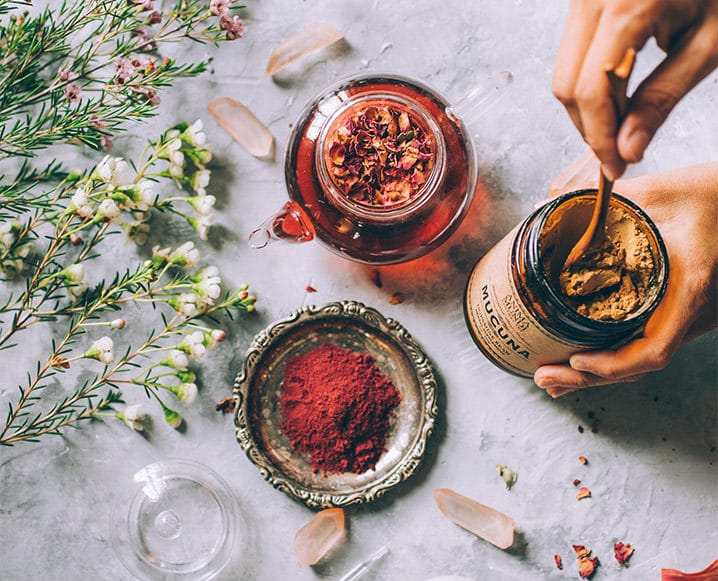
“You are not your chemical inheritance”, according to Adriana Ayales NYC herbalist behind Anima Mundi. But fo r those of us struggling with anxiety and depression, it might not seem that way — especially if being treated by the kind of doctor who doles out meds like Halloween candy. If you’ve been told, “you’re just hard-wired this way,” Ayales is offering a different perspective.
Pointing to new science on the ever-changing state of our brains, Adriana urges us to become more active in the way we approach stress, including her top five herbs for anxiety and depression…
Many of us have been taught that depression is the result of a genetic chemical imbalance. And while there is certainly a genetic component to depression, and, yes, neurotransmitters like serotonin do play a role in mood, depression actually has many potential root causes. Our mind, body and soul experience constant renewal and transcendence. In fact, so much so, that the latest discoveries within neuroplasticity teach us that our brain literally rewires itself daily. The brain is constantly ‘rewiring’ itself at every time scale—from hundreds of milliseconds, to minutes, hours, days, weeks and so on.
For decades, the prevailing dogma on neuroscience was that the adult brain is essentially hardwired, fixed in form and immutable so that by the time we reach adulthood we are pretty much stuck with what we have. And yes, you can very much de-accelerate development if a constant state of negativity and destructive emotions are allowed to prevail the internal atmosphere and trigger degeneration. But, I’m here to tell you good news.
You’re not your chemical inheritance. You’re not confined to the destiny of your genes, or the end result of stress, trauma, depression, chronic unhappiness, etc. You might not be who you think who you are. The latest research supports the notion that we have a natural ability to change the brain and body by thought alone. Because you can make thought more real than anything else, you can change who you are from brain cell to gene.
Dr. Joe Dispenza says, “We can turn on anxiety, stress and depression by thought alone. The hormones of stress fired for long periods of time, push the genetic buttons that create disease. And no organism can tolerate living in emergency mode for extended periods of time. The longterm effects of firing the hormones of stress such as anger, aggression, depression, anxiety, fear, unworthiness, guilt, shame, (etc) dysregulate and downregulate genes to create disease and imbalance. That means then your habitual thoughts and feelings can make you sick.” All About Anti-Depressants + Placebos
According to a study published in the Archives of General Psychiatry, approximately one in six Americans take anti-depressants. This means that more than 30 million Americans are gobbling Prozac, Zoloft, Celexa, Elavil, Norpramin, Luvox, Paxil, Wellbutrin and other antidepressant psychiatric drugs like candy. This drug use accounts for billions of dollars in pharmaceutical sales annually (14.11 U.S. billion just in antidepressants alone in 2017).
Yet according to a landmark study published in the Journal of the American Medical Association, antidepressant medications work—as well as placebos and not more. In other words, people in depression studies who are given sugar pills instead of antidepressant drugs do as well as the group who gets the drugs.
There is serious disheartening news about these drugs that need to be considered before they’re taken. Many people opt to taking antidepressant medications instead of changing the circumstances and habits that might be fueling the depression. There are a significant amount of studies demonstrating how depression can indeed be healed faster with meditation, herbs, diet, lifestyle choices and more, than the actual anti-depressant itself.
If you look at placebo studies, about 83% of the people in a double-triple blind placebo study, respond just as well as the anti-depressants. You can do functional scans at the brain before and after, and after 6-8 weeks after intake, you can see the change significantly. This means the brain is creating its own pharmacy of chemicals equal to the chemical they were taking. The chemistry of the brain has been proven to chance by thought alone.
FACTORS THAT May TRIGGER DEPRESSION:
+ inflammation
+ hormonal Imbalance
+ nutrient deficiencies
+ stress (physical, emotional, biological, spiritual, etc.)
+ thyroid dysfunction Key Tools To Beating Depression With Medicinal Herbs
The foods that you eat and the substances that you choose to put in your body have a massive effect on your mood and on your emotional state and are often the key to reversing depression with herbs and diet. Like mentioned above, the psycho-emotional mindsets are quite necessary to set the foundation for change, coupled with nutritional and medicinal assets, are powerful duo’s to create the necessary transformation .
By the end of this article you will have a base roadmap to the most well researched herbs and some food suggestions to include in your diet to beat depression, which you should be eating daily to make sure your body has everything it needs to produce abundant neurotransmitters like serotonin, dopamine, GABA, acetylcholine and how to use the autonomic nervous system to your advantage to tap deep into subconscious programming—all of which are huge players in your mood. We’ll also review some of the foods that make contribute to depressive tendencies that you can avoid to stop sabotaging your progress. Top 5 Herbs To Boost Your Mood
If you are looking for a quick fix, the herbs mentioned below can grant you noticeable effects . And although these herbs and foods can give you an instant mood lift, you don’t want to build your home on a shaky foundation. Also, be aware that if you’re taking anti-depressants some of the herbs mentioned below cannot be coupled with them. Please inform yourself first before self-diagnosing.
ST. JOHNS WORT – MIRACULOUS GOLDEN FLOWER
Backed by extensive scientific research especially from Germany where some 3 million prescriptions for hypericum and almost 66 million doses of hypericum preparations are consumed annually, this ancient botanical, the favorite of herbalists of present […]
5 secret side effects of exercise that have nothing to do with fitness

It’s certainly no secret by now that a sedentary lifestyle, where the most exercise you get is standing up out of your chair, can be deadly.
An average of six hours of TV watching per day can shave five years off your lifespan. On the other hand, if you do any sort of exercise on a daily basis, you are protecting your brainpower and preventing cognitive decline from stealing some of your best years.
Consistency is the key, not how strenuous the exercise. Even climbing the stairs in your house , if done with intent and good technique, can keep diabetes and heart disease at bay.
But staying active does much, much more than control blood pressure and prevent strokes and heart attacks. How movement changes your brain for the better
In her 2019 book, The Joy of Movement , author and Stanford University health lecturer Dr. Kelly McGonigal writes about the profound but lesser-known results of staying active.
In an interview with National Public Radio, Dr. McGonigal said, “I want them to understand [exercise] in a different way than the usual conversation we always have about weight loss, preventing disease and making our bodies look a certain way.”
Without becoming a super-athlete, you can add hope, happiness, and a sense of purpose to your days. You can become more satisfied with your life overall.
And, you can forge rewarding connections with others, and avoid feeling lonely, which kills just as surely as a 15 cigarette a day habit .
What’s more, these benefits appear to cross socioeconomic and cultural lines. No matter where you live, says Dr. McGonigal, “these benefits are seen throughout the lifespan.”
Here, then, are five ways that movement can help you live a more emotionally rewarding life. 1. Moving activates pleasure
When we exercise, our brains release the neurotransmitter Dopamine is essential for the normal function of our central nervous system and affects how we experience moods.
Exercise also releases endocannabinoids, chemicals that can generate a “natural high,” but that also helps regulate things like memory, pain and appetite, all factors in our moods and in how much pleasure we derive from our daily activities.
“Many of the effects of cannabis are consistent with descriptions of exercise-induced highs, including the sudden disappearance of worries or stress, a reduction in pain, the slowing of time and a heightening of the senses,” writes Dr. McGonigal. 2. Moving makes you a “more social version of yourself.”
During physical activity done in a group, whether it’s a yoga class, a run, or a dance session, our bodies release endorphins, a neurotransmitter that helps us bond to others.
Endorphins are why team members can feel like family, and why researchers at Oxford University found that combining physical exertion with synchronized movement increased subjects’ pain threshold (their tolerance for pain) more than solo dancing did. 3. Moving makes you less depressed
“Green exercise,” or exercising in nature, can reduce depressive symptoms.
In an Austrian study, mountain hiking was “prescribed” as part of treatment for people who had previously attempted suicide. This resulted in a measurable reduction in suicidal thinking and less reported feelings of hopelessness.
Dr. McGonigal cites this study in her book and says that she’s heard many similar stories among people she interviewed. “So many people who struggle with anxiety, grief or depression find a kind of relief in being active in nature that they don’t find any other way.”
“It actually alters what’s happening in your brain in a way that looks really similar to meditation,” she says. “People report feeling connected to all of life … and they feel more hopeful about life itself.” 4. Moving can reveal hidden strengths.
“If there is a voice in your head saying, ‘You’re too old, too awkward, too big, too broken, too weak,’ physical sensations from movement can provide a compelling counterargument,” McGonigal writes. “Even deeply held beliefs about ourselves can be challenged by direct, physical experiences, as new sensations overtake old memories and stories.” 5. Movement provides a “brain boost.”
Myokines are a family of proteins that are known to help the body burn fat as fuel, to act as natural antidepressants and to provide a possible shield against cognitive decline. Just one hour of bike riding will release 35 of these proteins.
Dr. McGonigal tells us that, when your muscles are exercised, they become “basically a pharmacy for your physical and mental health.”
“If you are willing to move,” she writes, “your muscles will give you hope. Your brain will orchestrate pleasure. And your entire physiology will adjust to help you find the energy, purpose, and courage you need to keep going.”
Editor’s note : You can experience your best health ever without extreme diets, dangerous pills or brutal workouts! It’s true! Part-time health nuts are learning how to get optimal health with half the effort—and you can too. Click here for a preview!
Sources:
> Hope, Happiness And Social Connection: Hidden Benefits Of Regular Exercise — NPR Physical exercise through mountain hiking in high-risk suicide patients. A randomized crossover trial — Acta Psychiatrica Scandinavica
HEALTH WATCH: Harnessing the restorative power of sleep

Feb 5, 2020 at 6:01 AM
Getting the proper amount of Sleep gives one’s body and brain time to recover from daily stresses
Many have skipped hours of sleep or even “pulled an all-nighter” at some point, whether preparing for a presentation or maybe cramming for an exam. Many don’t get enough sleep for various reasons ranging from work hours, stress, caregiving, medical conditions and sleep disorders to choosing to socialize late, watching late-night television, scrolling on the internet and more. However, sleep deficiency and regularly not getting enough sleep, also called sleep deprivation, can negatively impact one’s health.
Mary Crichton is a family nurse practitioner at Novant Health Oceanside Family Medicine-Bolivia, located at 584 Hospital Drive NE, Suite C. She shared information about sleep’s important role in health and well-being and effects of not getting enough quality sleep.
1) The value of sleep shouldn’t be underestimated
According to the Centers for Disease Control and Prevention (CDC), adults need seven or more hours of sleep per night for the best health and well-being. Children, ages 6 to 12 need nine to 12 hours nightly and teens ages 13 to 18 need eight to 10 hours nightly. It’s not just the number of hours that’s important. The quality of sleep also matters. For example, people whose sleep is frequently interrupted may not get enough of certain stages of sleep. Getting enough quality sleep can help protect one’s mental health, physical health, quality of life and safety.
The two main types of sleep are REM sleep, known as rapid eye movement and Non-REM Sleep. Non-REM sleep has three stages and includes going from wakefulness to drowsiness and then sleep, then a stage of light sleep, and a stage of deep sleep, which is a regenerative period.
“This is the time where your body begins sort of rebuilding the bones, muscles, and strengthening your immune system,” Crichton said. “The REM sleep is where it’s believed to be beneficial to learning, memory and your mood.”
During sleep individuals go through the sleep stages several times. Sleep has many benefits, including helping one’s blood regulate stress hormones and boosting muscle mass and repair of cells and tissues and supporting development and growth in children as growth hormones increase during sleep.
2) Sleep gives one’s body and brain time to recover from daily stresses
“The way (sleep) affects our heart health is that it’s believed to give the heart sort of a chance for rest from the day to day constant demands of our wake life, and overall reduction of heart rate and blood pressure,” Crichton said. “So, it’s definitely a benefit to cardiovascular health …
3) Sleep deficiency causes various symptoms and can impact children’s behavior
“The main symptom of ongoing sleep loss is excessive daytime sleepiness, but there are other ones such as moodiness, irritability, depressed mood, forgetfulness, increased appetite, craving for carbs, and inability to concentrate,” Crichton said.
She added that insufficient sleep can also affect one’s judgment and ability to learn and retain information. It can increase your risk for injury due to accident.
“Children who are sleep deficient may be overly active and may have problems paying attention,” Crichton said. “They also may misbehave, and school performance can suffer.”
4) Insufficient sleep may Increase risks for serious illness
According to the U.S National Library of Medicine, research shows that chronic lack of sleep or getting poor quality sleep increases risk for high blood pressure, cardiovascular disease, Type 2 diabetes, obesity and other conditions.
Lack of sleep can lead to high blood pressure and inflammation, which can both damage the heart. The body also doesn’t control blood sugar as well when one doesn’t get enough sleep, which increases risk for Type 2 diabetes.
People getting too little sleep tend to overeat and find it harder to resist foods high in sugar and fat, which can increase risk for obesity.
“There’s a hormone called leptin that signals the brain when we are full, and that’s decreased,” Crichton said. “And then there’s ghrelin; that’s what stimulates our appetite, and that’s increased when we are sleep deprived.”
5) Maintaining good sleep hygiene can be beneficial
Crichton encourages good sleep hygiene, habits put in place each evening to optimize sleep. Some things Crichton recommends are: limiting naps — if one is needed make it 30 minutes or less; avoid nicotine, caffeine before bedtime, noting that effects of caffeine can last as long as eight hours; exercise regularly during day; avoid heavy, fatty and spicy foods near bedtime; get adequate exposure to natural lighting during the day to increase one’s vitamin D and help body distinguish between daytime and nighttime; establish a regular bedtime routine to help the body recognize bedtime, such as taking a warm shower or reading a book; make sleeping environment pleasant, which includes quietness, no bright lamps, cellphones, iPads or TV.
“Most importantly it’s best to try to go to bed at the same time each night. Wake up about the same time each (morning),” Crichton said. “That includes weekends and holidays. If you want to sleep in a little bit, I say then limit it to no more than an hour.”
Contact the newsroom at 910-343-2384 or Breakingnews@StarNewsOnline.com.
Putting a face to a name: Research shows women are better than men at recalling verbal information and faces
( Natural News ) Sorry, gentlemen, but women are better than you at remembering certain things , including conversations and people’s faces.
According to the Encyclopedia of Neuroscience , such types of memories are called “episodic memories” – consciously recollected memories related to personally experienced events. Remembering these is a dynamic process that draws upon both mnemonic and non-mnemonic cognitive abilities to mentally reconstruct past experiences from retrieval cues.
And it seems that women are much better at this than men, according to a recent study.
In an article published in Psychological Bulletin , researchers from Karolinska Institutet in Sweden reported that women are better than men at remembering certain types of episodic memories , specifically those related to remembering speech, such as where they left an object and what happened in a movie. According to the researchers, women are also more apt at remembering faces and sensory images compared to men, who, on the other hand, seem to be better at recalling abstract information and navigational data.
Lead researcher Agneta Herlitz and her team conducted a meta-analysis of 617 studies that took place between 1973 and 2013 – with more than 1.2 million participants overall – before they arrived at their study’s conclusion.
Martin Asperholm, a doctoral student at KI, added that the initial results of their study showed that this advantage on episodic remembering is hinged on the type of memory and material to be remembered. (Related: Improve memory and mood with curcumin: Study finds it boosts cognitive function in those with mild, age-related memory loss .)
The results of their research corroborate the findings of earlier works, which pointed to subtle differences in memory processing between men and women, including a previous paper by Herlitz herself. In that particular study, published in a 1997 issue of Memory and Cognition , Herlitz stated that during episodic memory tests, women consistently performed at a higher level than men — a finding that researchers Paul Loprinzi and Emily Frith soon built upon in their 2008 study which explored the role of biological sex in memory functions . ABCs of Memory Boosting
Some do’s and don’t’s for improving your memory include: Added sugar is a no-no
Aside from being a contributor to illnesses such as diabetes and cardiovascular disease, excess ingestion of added sugars has been linked to cognitive decline, as shown by a study published in Behavioural Brain Research , which concluded that even short-term exposure to a diet high in fat and sugar can selectively impair hippocampal-dependent memory .
Try organic, natural sweeteners if you want to indulge your sweet tooth. Boost your omega-3s intake
Eicosapentaenoic acid (EPA) and docosahexaenoic acid (DHA), better known as omega-3 fatty acids, are important for overall health according to medical experts and have been shown to lower the risk of heart disease, reduce inflammation, relieve stress and anxiety and even slow down mental decline. According to medical experts, these fatty acids are able to do the latter by preserving cell membrane health and by facilitating communication between brain cells.
To boost your omega-3 intake, the American Heart Association recommends eating two servings of fatty fish such as wild-caught salmon , mackerel, herring, lake trout, sardines and albacore tuna per week. Calm down and meditate
Meditation does a lot more for the mind than just relaxing it. According to a study published in the Neuroimage journal, researchers noted that meditation appeared to increase gray matter , the mass which contains neuron cell bodies, in the brain.
Not only that, another study, published in the Evidence-Based Complementary and Alternative Medicine , showed that college students who engaged in meditation practices like mindfulness had significantly better spatial working memory or the ability to hold and process information in your mind about the positions of objects in space than students who did not practice meditation.
For more news and stories about how to improve brain health, visit BrainHealthBoost.com .
Sources include:
ScienceDirect.com 1
ScienceDirect.com 2
What is Sarsaparilla? A Plant Lost in Time + Tea Recipe
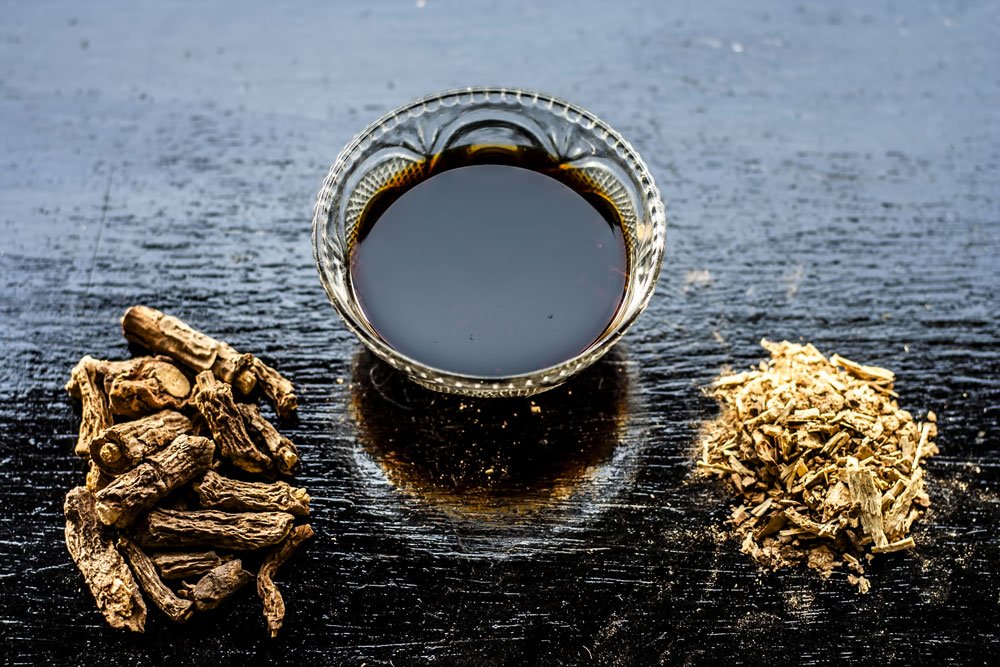
The root of a tropical plant we associate with the 19th-century Western sarsaparilla drink has a long history of use in traditional medicine. The root can also be brewed as a tea or taken as an extract. Find out about the preparations of this herb that were lost in time and how to safely use it.
Sarsaparilla is the common name of a climbing plant genus called Smilax . Sarsaparillas grow well in warm and tropical regions, especially Mexico, Honduras, Jamaica, and parts of the United States. Some varieties thrive in Southeast Asia and Australia. The main species are [ 1 +]: Honduran or Jamaican sarsaparilla ( Smilax ornata )
Mexican sarsaparilla ( Smilax aristolochiifolia )
Chinaroot ( Smilax glabra or Smilax china )
Sweet or Australian sarsaparilla ( Smilax glyciphylla )
Mediterranean sarsaparilla ( Smilax aspera )
Canary sarsaparilla ( Smilax canariensis )
Indigenous North American people used Honduran and Mexican sarsaparilla for arthritis and skin problems such as psoriasis, eczema, and allergic reactions .
The first European explorers introduced the plant to Europe in the 16th century. They considered it a safer alternative to mercury, which was used back then for syphilis.
Note: It’s important not to confuse true sarsaparilla with other plants also called sarsaparilla such as Indian ( Hemidesmus indicus ) and wild ( Aralia nudicaulis ) sarsaparilla . Although their roots are also used in traditional medicine, these plants are not even related to sarsaparilla and their compositions are totally different [ 2 , 3 ].
In the 19th and early 20th century, sarsaparilla was used to “purify blood,” reduce water retention, and promote sweating. Additionally, it was considered a remedy for [ 4 ]
Chinaroot – the sarsaparilla most commonly used in China – has been used since the 1960s for some similar indications. It was also thought to clear vaginal and sexually transmitted infections, as well as tuberculosis and scabies. Aside from these, the root was used to improve [ 1 +]: Limb stiffness and twitching (after stroke and brain injuries)
Carbuncles
Sarsaparilla is also considered an aphrodisiac and sexual stimulant in China [ 14 ].
In other countries such as Thailand, Korea, and Sri Lanka, chinaroot is used to reduce inflammation, improve blood vessel health, and help with kidney and liver diseases. Its use in folk medicine even spans some serious conditions such as blood poisoning, cancer, and AIDS [ 1 +].
Many of these traditional uses remain, however, scientifically unproven.
The belowground parts (roots and underground stems) of sarsaparilla are most commonly used. Their main active components are: Steroidal saponins (such as dioscin, beta-sitosterol, stigmasterol, and daucosterol) [ 19 , 1 +, 20 ]
The berries contain high amounts of carotenoids, including lycopene and beta-carotene, while the leaves are rich in phenolic antioxidants [ 21 , 22 , 23 , 24 ].
Since it’s the main active component, sarsaparilla remedies used in traditional Chinese medicine are standardized to an astilbin content of at least 0.45% [ 1 +].
Sarsaparilla is described as a strong anti-inflammatory in some studies. Scientists think this might explains its tradititional use for conditions such as rheumatoid arthritis, psoriasis, and skin allergies, but the evidence is inconclusive.
Its active components block inflammatory proteins (such as NF-kB and PI3K / AKT ) and activate the anti-inflammatory AMPK – PPARgamma in cells and animals [ 25 , 26 , 27 , 28 , 29 , 30 ].
Additionally, it reduces numerous inflammatory messengers, cytokines, and enzymes (such as TNF-alpha , IL-1beta , IL-6 , IFN-gamma , prostaglandins , COX-2 , MMP-9 , iNOS , and ICAM-1 ) in the lab [ 30 , 31 , 32 , 33 , 34 ].
Scientists are also investifating whether sarsaparilla reduces the production and development of immune cells (including T cells, neutrophils , Th1 7 , CD4+, CD8 +, and macrophages), kills some of them, and prevents them from reaching the epicenters of inflammation [ 30 , 35 , 33 , 36 , 28 ].
But that’s not all.
Its compounds (especially astilbin) seem to reduce free radicals by blocking the enzymes that promote their buildup and activating detox enzymes that neutralize them (such as SOD , CAT , and glutathione peroxidase ) [ 37 +, 38 , 39 , 40 , 41 , 42 ].
To sum it up, scientists think that sarsaparilla may block some key pathways in the body that raise inflammation and oxidative stress, while boosting detoxification. A synergy of these effects may account for its overall wellness benefits in animals. However, whether sarsaparilla acts by the same mechanisms in humans is unknown. Additional research is needed. Sarsaparilla is also the name of a soft drink that became very popular in the US during the 19th century. It is often associated with Wild West saloons in popular culture. The main ingredients were Honduran or Mexican sarsaparilla root, sassafras root bark, and other herbs such as licorice and anise. Sarsaparilla was very popular due to the belief that it could improve skin diseases, arthritis, and high blood pressure. However, one of the herbs in this mix turned out to carry serious risks. Sassafras contains a compound (safrole) that was discovered to cause liver damage and cancer. In the 1960s, the FDA banned sassafras altogether. And at the time, coke drinks became increasingly popular. As a result, sarsaparilla drinks quickly became a thing of the past [ 43 , 44 ].Most people describe the sugary-sweet taste of sarsaparilla similar to root beer. Several other herbs mixed into the beverage give it a bold, medicinal flavor. Some find it stronger than root beer and slightly less sweet.Numerous microbreweries in the US make sarsaparilla nowadays, while it’s even more popular in the UK and in parts of Asia and Australia. Ultimately, the taste will depend on the brand, country of origin, and exact ingredients.Have in mind that some brands add artificial flavors and may not contain sarsaparilla at all.For example, soft drinks with artificial flavors that mimic the taste of sarsaparilla are popular in countries such as the Philippines, Taiwan, Malaysia, and Australia. […]
12 Surprising Health Benefits of Sex

It’s the month of love and for a lot of people, there’s only one thing on their mind. Now while sex is a pleasurable experience that can boost the month of February, did you also know that it can do the same for your health?
Aside from reproduction and pleasure, sex could also be exactly what your body needs in order to improve its well-being and physical health. In fact, it’s not just the physical act itself as reaching orgasm (with a partner or solo) can offer many surprising benefits to all facets of your life. 1. It can help your heart health
While the act does raise your heart rate, sex may also be a great way to maintain the health of your heart.
For one, sex helps to keep the levels of estrogen and testosterone in balance, and this is good as an imbalance in sex hormones can increase the risk of heart disease ( 1 ).
Additionally, a study published in the American Journal of Cardiology revealed that men who had sex twice a week or more faced a reduced risk of stroke or heart attack than those who had sex once a month or less.
That said, if you have been diagnosed with some form of heart problem, it’s important to consult your doctor about how much sex is safe for you. 2. It can help manage your blood pressure
Aside from increasing your risk of heart disease, high blood pressure can also lead to a decrease in libido, affect a man’s ability to achieve and maintain an erection as well as lead to vaginal dryness.
Luckily, there have been studies that have found that regular sexual intercourse can help to regulate blood pressure levels. According to the study, published in the journal Biological Psychology , regular sexual activity can prevent spikes in one’s blood pressure during stressful events .
Additionally, a separate study published in the Journal of Health and Social Behaviour found that older women who were satisfied with their sex lives were less likely to have high blood pressure. 3. It can boost your immune system
Could more sex mean fewer sick days? It appears that the more sex you have, the better your body will defend you against germs, and viruses.
Researchers from Wilkes University in Pennsylvania found that college students who had sex once or twice a week had higher levels of immunoglobulin A — an antibody that helps fight infections and the common cold — in their saliva. 4. It can help reduce a man’s risk of prostate cancer
Prostate cancer affects over a million men worldwide . However, it appears that having an active sex life may also help to reduce one’s risk of prostate cancer.
For one, a review published in the Journal of Sexual Medicine found that men who had a more active sex life faced a lower risk of developing prostate cancer.
A second study published in the journal European Urology found that men who frequently ejaculated – be it through sexual intercourse, nocturnal emission, and masturbation- were less likely to develop prostate cancer. The study revealed that men who ejaculated more than 21 times a month, compared with those who did so only four to seven times a month, were 20% less likely to develop prostate cancer.
Did you know that another effective way to reduce your risk of prostate cancer is by increasing your intake of tomatoes ? 5. It’s a great stress relieve r
Stress won’t only place strain on your relationship, but it can also be detrimental to your overall health. Thankfully, some physical intimacy can help to reduce your stress levels.
According to a 2018 study, any form of physical intimacy – be it sex, cuddling, hugging or even a simple touch – can help to bring cortisol levels in both males and females back within a normal range ( 2 ).
Additionally, acts of physical intimacy can trigger the release of endorphins – feel-good hormones that can help to curb stress levels and boost one’s mood. 6. It’ll provide better sleep
According to the National Sleep Foundation, an orgasm triggers the release of the hormone prolactin – a natural sleep aid that helps to induce feelings of relaxation and sleepiness ( 3 ).
Also. getting plenty of sleep may help to boost your sex life, as research published in the Journal of Sexual Medicine found that getting regular sleep can help to improve your sexual response. 7. It may prevent urinary incontinence
Urinary incontinence a ffects around 35% of women at some point in life , and it is involuntary, often embarrassing, leakage of urine.
Thankfully, one can avoid urinary incontinence by maintaining a strong pelvic floor, and luckily, sex is a great workout for your pelvic floor muscles orgasms activate and strengthen those muscles. 8. It’s an intense calorie burner
Sex is probably the most fun you can have while exercising as it uses various muscles.
A study published in the journal PLoS One revealed that men burned an average of 4 calories a minute during sex sessions that averaged 25 minutes, and women burned off 3 calories.
Now while it’s not enough for you to close your gym account, leading an active sex life can offer you some extra exercise. 9. It’ll help alleviate pain
Forget an opioid – an orgasm may be what you need instead.In fact, if you’re battling with painful, chronic headaches then you may need to increase your sexual activity. According to research published in the journal Cephalalgia , sexual activity may offer relief from migraines and cluster headaches. The research found significant improvement, as well as relief, in people who were sexually active during their attacks.If that’s not enough, a study published in PLoS One found that people who looked at pictures of their romantic partners experienced a significant dull of pain. 10. It’ll help you look younger We’re all about looking great as we age, and it appears that sex may be the anti-aging secret that we’ve been searching for.According to a study […]
Early life experiences biologically and functionally mature the brain

Summary: Learning and memory abilities may vary, depending on the nature of individual experiences early in life.
Source: NYU
Experiences early in life have an impact on the brain’s biological and functional development, shows a new study by a team of neuroscientists. Its findings, which centered on changes in mice and rats, reveal how learning and memory abilities may vary, depending on the nature of individual experiences in early life.
“The implications of this are many, including environmental influences on mental health, the role of education, the significance of poverty, and the impact of social settings,” says Cristina Alberini, a professor in New York University’s Center for Neural Science and the senior author of the paper, which appears in the journal Nature Communications.
“These results also offer promise for potential therapeutic interventions,” add Alberini and Benjamin Bessieres, an NYU postdoctoral researcher and the paper’s co-lead author. “By identifying critical time periods for brain development, they provide an indicator of when pharmaceutical, behavioral or other type of interventions may be most beneficial.”
In general, very little is known about the mechanisms that underlie the development of learning and memory abilities. The Nature Communications study sought to shed new light on this process studying the biological elements linked to episodic memories–those of specific events or experiences–in infants by using rats and mice.
In their experiments, the scientists tested whether and how different types of experiences mature learning and memory abilities.
In one experience, infant mice and rats were placed in a small compartment–a procedure paired with a mild foot shock (a commonly used method to test memory for a context). Their memory was tested by placing them back in these compartments; if they revealed a hesitation, it indicated that they had formed a memory of previously being in the compartment.
In a different type of experience, the infant mice and rats were exposed to novel objects in a given spatial configuration. Here, rodents that have a memory for this experience show more exploration toward a novel object location when presented with a combination of new and old locations, simply because they have a natural tendency to explore more new object locations. This reveals a memory of object location. Both types of experiences, context and object location, are stored by the same memory system.
The authors then asked two questions.
The first was: Does learning mature memory abilities?
The results showed that it does as both context and object location experiences matured the brain at both biological and functional levels. Overall, in fact, researchers found that the episodic experiences of the young mice and rats led to unique biological changes, specifically indicating maturation in the hippocampus–a region critical for episodic memory formation. However, they did not find the same changes in older mice and rats.
Furthermore, they saw that with each type of learning, context or object location, the infant animal matured its performance and became capable of remembering long-term, more like an older animal does.
The team’s second question was: Does the maturation produced by one type of experience develop the entire memory system and all its abilities? Or is the maturation selective for the type of experience that the animal had?
They found that the maturation produced by one type of experience (context) did not transfer to the other learning (object location) and vice versa, leading them to conclude that the maturation of learning and memory abilities is selective for the type of experiences encountered early in life.
They found that the maturation produced by one type of experience (context) did not transfer to the other learning (object location) and vice versa, leading them to conclude that the maturation of learning and memory abilities is selective for the type of experiences encountered early in life. Image is in the public domain.
“Because the biological maturation changes no longer occurred with episodic learning at later ages, it’s clear that the infant brain employs distinct biological mechanisms to form and store episodic memories,” write Alberini and Bessieres. “We found that this biological maturation is paralleled by and required for the functional maturation of memory–that is, the ability to express memory long-term.”
“Our results indicate that specific experiences during the infantile developmental period make a major contribution to individual differences in learning and memory abilities,” they add. “Although all individuals are exposed to general learning of facts, people, things, time, and spaces, and therefore must develop a wide range of abilities and competences processed by the hippocampal memory system, our data suggest that the individual history shapes the maturation of selective abilities.”
“Memory formation is important for thinking, future learning, planning, decision-making, problem-solving, reflecting, imagining, and the overall capacity to form a sense of self,” the authors note. “This means that what infants learn and experience is crucial for their later development.”
Funding: This study was supported by the Dana Foundation and the National Institutes of Health (R37 MH065635).
The papers other co-authors were Alessio Travaglia, Todd Mowery, and Xinying Zhang of NYU’s Center for Neural Science.
Source:
NYU
Media Contacts:
James Devitt – NYU
Image Source:
The image is in the public domain.
Original Research: Open access
“Early life experiences selectively mature learning and memory abilities”. Benjamin Bessières, Alessio Travaglia, Todd M. Mowery, Xinying Zhang & Cristina M. Alberini. Nature Communications doi: 10.1038/s41467-020-14461-3 . Abstract Early life experiences selectively mature learning and memory abilities The mechanisms underlying the maturation of learning and memory abilities are poorly understood. Here we show that episodic learning produces unique biological changes in the hippocampus of infant rats and mice compared to juveniles and adults. These changes include persistent neuronal activation, BDNF-dependent increase in the excitatory synapse markers synaptophysin and PSD-95, and significant maturation of AMPA receptor synaptic responses. Inhibition of PSD-95 induction following learning impairs both AMPA receptor response maturation and infantile memory, indicating that the synapse formation/maturation is necessary for creating infantile memories. Conversely, capturing the learning-induced changes by presenting a subsequent learning experience or by chemogenetic activation of the neural ensembles tagged by learning matures memory functional competence. This memory competence is […]
How Numerous CBD Products Can You Will want?
You can get a number of varieties of CBD Agenda Concerning eating gums together with an equally wide array of ways to use them. Whether you are considering a product to stay you will strengthened, we could the fact that minimal boost of one’s or perhaps one thing to obtain your pearly whites clear you may see the thing you need in an internet based CBD Throw Regarding Mucilage retailer.
Natural and organic fitness solutions like these are usually quite recent and offer a number of healthy wellness benefits. CBD, these active ingredient in a number of these merchandise, is in reality a mixture that was shown to have positive effects on both the brain plus body. In which solely will be more than enough to help make you want to capture benefit of just about any product that you might get for the use.
Typically the Acai Berry is an additional most popular involving folks who smoke. It can be very trendy system as well as one which has found the nation’s way into many other goods seeing that well. The well known items advantage of which the service present is the fact that it’ll get the smoking and then nicotine habit below control. You’ll start to witness final side effects of cbd results coming from those cravings which usually frequently infestation one above ever.
Considering the fact that numerous healthy wellness backpacks are these days offered for sale web based, there are plenty of online stores that comes with these. To illustrate, CannaBiz.com has like items, similar to several other sites. Do not forget that appear to have been online sites supply you with every one of the products and solutions that you will find in their site, for that reason you should definitely read through the regards to company before you purchase most things using their site.
Some of the usual sorts of CBD goods contain gum tree, pills, inhalers as well as topical products. It may range from an awfully low-priced one-time invest in to your full-blown technique that would handle your entire system. This’ll have the most famous nutritional supplement during this field. That you will find Nootropics.
What exactly Nootropics? Well, which is an interesting challenge not to mention a machine that should get their own piece of writing during itself. Cater the following to talk about that this will function as a nutritional supplement you are spending repeatedly and will eventually work as being a accelerator for helping the body function as good as it consists of been.
These are typically just a few of any more usual styles of CBD services at the market. You’ll find barrels of kinds available as well as all people will have their own causes in order to be a perfect course of action for that individual.
How to Make Blackberry Syrup for Cough and Cold Care

Are you fighting off the ravages of cough or the common cold? Whip up a batch of this blackberry syrup for natural relief.
Getting sick is always stressful. Depending on if you have the flu or a cold, you might be bedridden for days. This is where medicine comes in. The problem is that most over-the-counter medications don’t shorten colds. They’re full of additives and dyes that you don’t want.
There is a growing trend of people ditching modern medicines and going back to our natural roots. One of the remedies used since ancient times is blackberries. The entire plant has medicinal purposes and is consumed in various ways like tea or syrup.
Today, we are going to discuss the health benefits of blackberries. We are also sharing a recipe on how to make your blackberry cough and cold syrup. This recipe will help with the common cold and flu symptoms, such as fever, coughing, and weakness. Based on the research, it will shorten your cold’s duration, so you’ll feel better sooner. Why You Should Eat Blackberries
The blackberry has been around since the beginning of time. The specific history of blackberries isn’t known. However, some texts support the medicinal use dating back to the Greeks.
The Greeks used blackberries for the treatment of gout. The Romans used to brew tea to remedy various illnesses. Native Americans use it for stomach ailments. It turns out that their thinking wasn’t far off.
Blackberries provide many health benefits that are well documented by science. Modern natural medicines include blackberries in their ingredients. The blackberry plant itself can be used up from the roots to the leaves. Each part contains various medicinal properties and antioxidants.
There are many health benefits associated with blackberries. Many of which are documented in aid of helping illnesses, including cancer. Benefits to blackberries are as follows. 1. Full of vitamins and antioxidants
Blackberries contain vitamins A, B, C, E, and K. Potassium, magnesium, calcium, and the antioxidant anthocyanins are also present. Vitamins are a crucial part of anyone’s diet and health.
A single cup of blackberries contains half of the recommended dose of vitamin C. Vitamin C has many benefits. It aids in the healing of wounds, shortens the duration of colds, absorbs iron, and prevents scurvy. It reduces free radicals by acting as an antioxidant.
Vitamin A is essential for eye health, healthy immune system function, skin health, bone growth, and healthy teeth.
Vitamin K helps the clotting of your blood and aids in bone health. Deficiency in Vitamin K can result in bone fractures, bruising, or blood in your urine or stool. 2. Boost brain health
Studies show that blackberries can help boost cognitive skills because of the high concentrations of polyphenols. Polyphenols are antioxidants that battle free radicals. They may reduce brain inflammation and memory loss that is often seen in aging. 3. Help reduce inflammation
Blackberries don’t only reduce inflammation in the brain. Studies show that it can help with arthritis and other inflammatory conditions. 4. Treat stomach issues
One study found that those who suffered from stomach ulcers benefited from blackberries. It reduced the size of their ulcers by as much as 88%. 5. A high concentration of phytoestrogens
Research shows that blackberries are especially beneficial to women. They have lots of phytoestrogens. Phytoestrogens are plant estrogens. Recent studies show that phytoestrogens may help in the prevention of both breast cancer and cervical cancer for women. 6. Reduce blood sugar levels
Blackberries contain the mineral manganese . This mineral is frequently overlooked but is key to a healthy immune system and bone development. It’s responsible for metabolizing cholesterol, forming collagen, preventing osteoporosis. It also reduces blood sugar levels. Polyphenols have shown to lower the risk of diabetes and boost insulin sensitivity . 7. Help treat the common cold
Vitamins and antioxidants play a significant role in your immune system function. Vitamin C, in particular, can help shorten your cold and relieve your symptoms faster. Blackberries contain many of the vitamins proven to shorten colds and coughing. 8. High tannin content
Blackberries have a high tannin content . Tannins help to reduce diarrhea and hemorrhoids, lessen bleeding, and tighten up tissues. In Germany, blackberries are often used as an astringent. They recommend them for irritations of the mouth. Sore throats due to coughing or infections should also use them. 9. Good source of fiber
Getting enough fiber remains an issue for many people. Low fiber diets have shown to cause health issues such as constipation and stomach pains. It can even lead to more severe health issues like an increased risk of heart disease. High fiber diets will help you lose weight , lower your cholesterol and blood sugar, and provide healthy gut bacteria. 10. Prevention of heart disease and cancer
Cancer and heart disease link to a poor diet, among other factors. Studies found that the extracts found in blackberry juice may lower your risk of heart disease .
The specific extracts found may prevent the spreading of cancer and tumor growth. While it’s not a definite cure-all, it’s promising results. However, more research will need to be completed. Elderberry Versus Blackberry
Elderberries have become popular lately because of the antioxidants and healing properties they have. Many natural medicines are currently including them in their common cold syrups and for a good reason.
It’s part of the berry family and is like the blackberry when it comes to the benefits. One difference is that it contains more antioxidant properties than blackberries.
This doesn’t necessarily make the elderberry better. Elderberries are still undergoing research, so the true benefits aren’t known. However, many homeopaths will make elderberry syrups and include blackberries for added benefits. Whether this truly makes a difference or not is not known.
The main difference blackberries have, and their advantage is the research. Countless studies have been conducted for decades on blackberries and their benefits. This gives the blackberry an edge when it comes to making any type of remedy.Try it out for yourself and see what your results are. How to Make Your […]
Seven Health Benefits of Using Ashwagandha For Longevity
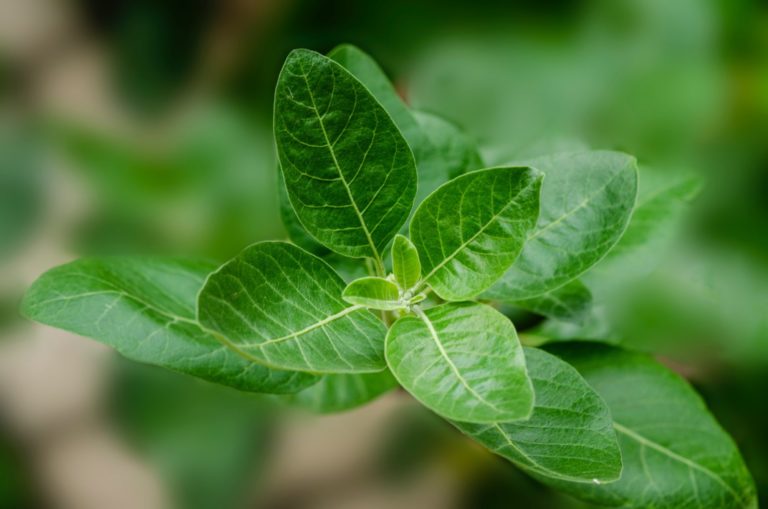
Photo by Bankim Desai on Unsplash Ayurveda is a well-known alternative healing medicine that found its roots 3.000 years ago in India. Before it became popular around the globe, it was practiced only in India, Africa, Asia, as well as the Mediterranean countries. This system supports the body’s self-healing properties by using herbs as well as herbal medicines, among which is ashwagandha.
Ashwagandha is an evergreen bush that grows mainly in India, some parts of Africa, as well as the Middle East. It is considered one of the most important herbs of the Ayurvedic medicine due to its incredible health benefits. As it’s known, it has been used to treat many health conditions, including stress, insomnia, fever, diabetes, memory loss, arthritis, snake bites, and similar. However, since there has been scientific proof only for part of them, we will only look at them. 1. Reduces Anxiety and Stress
One of the most common uses of ashwagandha is for anxiety as well as stress reduction. There have been many studies on this topic. According to a 2012 study , this herb helped reduce stress, anxiety, as well as insomnia by 69%. As researchers have found, the main reason why it helps treat these mental conditions is that it reduces the levels of cortisol, the stress hormone. It has also been found to have blocked the stress pathway in the brain of rats by regulating the signals in the nervous system. 2. May Reduce Depression Symptoms
Depression, unfortunately, is a very common mental condition. As the World Health Organization states, more than 264 million people suffer from depression ( 1 ). It’s also one of the leading causes of committing suicide. Therefore, it’s of crucial importance to find an efficient way to treat this condition.
According to a 2000 study , using ashwagandha for depression might be helpful. It’s because it showed that it is well-tolerated by the patients and has anxiolytic properties. That’s why it may help reduce the symptoms of depression. Happier and healthier people are reported to enjoy longevity. 3. Can Lower Blood Sugar Levels
Photo by Primal Harmony Apart from reducing cortisol levels, ashwagandha can also lower blood sugar levels. According to the studies conducted on this topic, it increased insulin production as well as improved its sensitivity in muscle cells ( 2 ). It was also found that it can lower blood sugar levels in both healthy people as well as diabetics. ( 3 , 4 )
This is an important discovery, especially in terms of treating diabetes. As it’s known, diabetes is an auto-immune or chronic disease which is a result of lack of insulin production (Type 1) or insulin resistance (Type 2). Therefore, being able to improve insulin sensitivity as well as increase its production, this herb may be the answer to treating this condition. 4. May Lower Cholesterol Levels
Another heart-related benefit of ashwagandha is its ability to lower cholesterol levels. Apart from cholesterol, it may also reduce triglyceride levels. There have been some animal studies that found this herb can lower both cholesterol and triglyceride levels by around 50%. ( 5 ) The human studies, on the other hand, showed that the reduction percentage is lower, yet great because ashwagandha lowered the LDL (bad) cholesterol by 17% whereas the triglycerides by 11%. ( 6 ) 5. May Improve Brain Function Problems
It has been found that ashwagandha may help improve brain function problems as well as the memory that are caused by a disease or an injury. Studies have shown that it may benefit patients with Alzheimer’s as well as epilepsy. It’s because this herb acts as an antioxidant, thus protecting nerve cells from damage caused by the harmful free radicals.
According to the findings, ashwagandha can reverse spatial memory impairment in patients with epilepsy. ( 7 ) Moreover, it was found that it can improve the memory of both healthy people and people with neurodegenerative diseases such as Alzheimer’s, Parkinson’s, as well as Huntington’s. ( 8 ) As presented in the African Journal of Traditional, Complementary and Alternative Medicine, this herb may protect the brain, nerves, as well as nerve paths from damage, as a result of these diseases, if given in early stages. ( 9 ) 6. May Reduce Inflammation
Several studies, conducted on people and animals, have shown that ashwagandha may be able to reduce inflammation ( 10 , 11 , 12 ). According to the findings, it’s because it increases the activity of the immune cells, thus boosting their ability to fight infections. Moreover, it has been found that it helps reduce the markers of inflammation, such as C-reactive protein which is associated with increased risk of heart disease. 7. May Increase Physical Strength and Muscle Mass For Longevity
Apart from playing an important role in improving your overall health, ashwagandha may also improve your physical strength. As studies have found, this amazing herb may make you stronger. ( 13 , 14 ) It does that by improving your body composition as well as increasing muscle mass and due to body fat reduction. The Bottom Line
According to the findings, ashwagandha is indeed a very helpful herb and is well tolerated. It can assist in improving your physical health as well as strength. It can also improve your mental health. Candelario M, Cuellar E, Reyes-Ruiz JM, Darabedian N, Feimeng Z, Miledi R, Russo-Neustadt A, Limon A. Direct Evidence for Gabaergic Activity of Withania Somnifera on Mammalian Ionotropic Gabaa and Gabaρ Receptors. Journal of Ethnopharmacology . 2015 Aug 2;171:264-72. doi: 10.1016/j.jep.2015.05.058. Epub 2015 Jun 9
Andrade C, Aswath A, Chaturvedi SK, Srinivasa M, Raguram R. A Double-blind, Placebo-controlled Evaluation of the Anxiolytic Efficacy ff an Ethanolic Extract of Withania Somnifera. Indian Journal of Psychiatry . 2000 Jul;42(3):295-301.
Gorelick J., Rosenberg R., Smotrich A., Hanuš L., Bernstein N. Hypoglycemic Activity of Withanolides and Elicitated Withania Somnifera. Phytochemistry . 2015 Aug;116:283-289. doi: 10.1016/j.phytochem.2015.02.029. Epub 2015 Mar 18.
Raut AA, Rege NN, Tadvi FM, Solanki PV, Kene KR, Shirolkar SG, Pandey SN, Vaidya RA, Vaidya […]
L-Carnitine: The Work-Out Miracle and How Suraksha Naturals Does it Better
Suraksha Naturals’ CARNILITE Capsules Are Keto-Friendly and Fit into a Holistic Health Plan
FORT LAUDERDALE, Fla., Jan. 29, 2020 /PRNewswire/ — Indian company, Suraksha Naturals continues to impress the U.S. health and wellness market with their revolutionary Keto-Veyda line.
Keto-Veyda is a specially designed product line that offers keto-friendly supplements created in the rich tradition of Ayurvedic medicine. Products in the Keto-Veyda line take a holistic approach to health, tending to the wellbeing of the entire body.
In keeping with Keto-Veyda’s commitment to providing elevated fitness and workout supplements, Suraksha Naturals has recently premiered their CARNILITE Capsules, which are high in L-Carnitine. Famous throughout the fitness world, L-Carnitine is best known for its ability to aid in the creation of energy within the body.
L-Carnitine is an amino acid that is naturally produced by the human body, but often taking it in supplement form is helpful for people who are either naturally deficient or for people who need the extra boost of energy and brainpower. L-Carnitine works by moving fatty acids from the blood, into the mitochondria where they can be converted into usable energy. But more than just giving athletes an extra energy kick, L-Carnitine is known as a mood elevator, often popular in “brain-hacking.” Brain-hacking is just a clever way of describing the science behind supplements and practices that help to increase brain function.
In a 2019 study, scientists found that taking L-Carnitine could help reduce the short-term memory loss that is associated with high levels of stress. When the brain is over-stressed, learning and memory retention take a backseat, but with the addition of L-Carnitine, the brain showed better retention of information in spite of environmental stressors.
Part of the beneficial effects on the brain is due because L-Carnitine has anti-inflammatory qualities. Inflammation can not only harm higher-level brain function but can be a hindrance to maintaining a healthy workout routine since more inflammation in the body makes it more difficult to heal from injury, or recuperate after physical activity.
Suraksha Naturals sells their CARNILITE Capsules in conjunction with an exceptional line of related products, all designed to work together. The company says the goal with their Keto-Veyda line is to fill in the gaps where other supplemental health companies have previously fallen short. Unlike other products that meet the requirements for a keto diet at the cost of nutritional balance, all products produced by Suraksha Naturals are engineered to work in tandem with the body’s natural tendency towards balance.
Suraksha Naturals’ CARNILITE Capsules will be available for purchase online and in stores in 2020. Cision View original content: http://www.prnewswire.com/news-releases/l-carnitine-the-work-out-miracle-and-how-suraksha-naturals-does-it-better-300994911.html
Feeling low? Some natural ways in which you can find happiness

Dark chocolates are everybody’s go-to food when they are feeling not-so-happy. (Source: Getty/Thinkstock)
It is said that you are what you eat. Your health, especially your mental health, is dependent on a lot of factors, one of them being food. Everybody wants to be happy in life, but happiness is not just a state of mind. It is something you work on every day. Happiness is also linked to hormones. If you feed them just the right kind of food, the serotonin, dopamine and endorphins can make life easy for you. As such, here are some happy foods that you will find in your kitchen, for days when you are especially feeling the blues. Read on.
ALSO READ | Vegetarian diet may reduce the risk of urinary tract infection: Study
Dark chocolate
Let’s begin with the most obvious one. Chocolates, especially the dark ones, are everybody’s go-to food when they are feeling not-so-happy. It is believed that the caffeine in dark chocolate keeps the sleepiness away, making us feel more focused and ready. Also, dark chocolates are rich in antioxidants, which have mood-altering powers.
Nuts and seeds
Serotonin is considered to be the happy hormone. It regulates the mood and memory. And what you feed your gastrointestinal system, ultimately affects the endocrine system, too. Nuts and seeds contain a lot of vitamin E, which protects the cells from oxidative stress that makes it difficult for the brain to breathe and function normally.
Salmon By incorporating salmon fish, you give a boost to your diet, because your body cannot naturally produce essential fatty acid. (Source: Getty/Thinkstock)
Fish consumption benefits health. Among other things, the omega-3 fatty acids help in the relaxation of muscles, in digestion, in the clotting of blood, and in fertility. According to a meta-analysis published in the Journal of Epidemiology and Community Health , people who consume more fish are less likely to experience symptoms of depression. By incorporating salmon fish, you give a boost to your diet, because your body cannot naturally produce essential fatty acid.
Blueberries
The secret to happiness lies in blueberries. These berries improve the flow of blood to the brain, making it easy for the body to move around dopamine and serotonin. Also, blueberries are rich in antioxidants, simple carbs and fiber, thereby reducing inflammation in the body.
ALSO READ | Is inhalation therapy effective in treating asthma?
Other things to try
Try aromatherapy. It is believed that some smells can instantly release dopamine and serotonin in the blood, thereby reducing stress and anxiety. You can try some lavender sprigs and/or essential oils. Additionally, you can also diffuse some vanilla which, studies say, increases the serotonin levels in the body.
© IE Online Media Services Pvt Ltd Source Article
7 Lifestyle Changes & Natural Ways to Increase Motivation

A lack of motivation to complete tasks can block your ability to get ahead in life. In this article, we discuss a variety of supplements and lifestyle choices that have been reported to have an effect on motivation.
Disclaimer: This article is not a recommendation or endorsement for any of the substances mentioned throughout this post. Many substances mentioned below are purely investigational, and have not yet been proven or officially approved for effectiveness in increasing motivation in healthy human users. We have written this post for informational purposes only, and our goal is solely to inform people about the science behind these compounds’ effects, biological mechanisms, and potential health applications. None of the information in this post should ever be used to replace conventional medical care or treatment — and always be sure to discuss any new supplements with your doctor first! Natural Approaches to Boosting Motivation
Before we discuss some potential motivation-related lifestyle and other factors, it is important to keep in mind that the FDA has not approved any substance or therapy for the purpose of increasing motivation.
None of the information in this post should ever be used to replace conventional medical care. If you think you might be experiencing motivation-related issues, it is important to talk to your doctor first to look into getting an official diagnosis, and to discuss potential treatment options. Also always be sure to discuss any new lifestyle or dietary changes with your doctor first, in order to avoid negative interactions and other potential risks.
With that said, recent research has uncovered some interesting connections between lifestyle, supplements, and motivation. Future research will be needed to determine how safe and effective these strategies might be. INSUFFICIENT EVIDENCE:
1) Natural Sunlight
Regular exposure to natural sunlight has been associated with many diverse benefits, both physical (biological) and psychological.
Among these benefits, some evidence suggests that sunlight exposure may have several potential effects related to dopamine, the reward system, and motivation in general.
For example, sun exposure has been associated with: Increased availability of dopamine receptors (such as D2 and D3 receptors), which may help boost motivation by increasing the brain’s overall level and activity of dopamine [ 1 ]
Triggering the production of the neurotransmitter serotonin , which may boost overall mood and motivation [ 2 ]
Better regulation of the circadian rhythm , the body’s “master clock” that controls the sleep cycle and other important biological processes [ 3 ]
Increased productivity , possibly due to better overall psychological well-being and better sleep [ 4 ]
Some researchers have proposed that some of the psychological benefits of natural light may only require as little as 10-15 minutes of exposure to sunlight, which may make this a particularly easy and practical strategy for boosting mood and motivation [ 2 ]!
Limited research shows that getting healthy amounts of natural sunlight may help regulate the circadian rhythm and support dopamine activity–thus potentially increasing motivation and productivity. 2) Flavonoids
Flavonoids are a family of bioactive compounds naturally found in many herbs and plant-based foods.
Flavonoids can be found in many of the common foods that make up a healthy diet , such as fruits, vegetables, and tea. They are also often extracted from certain plants, which enables them to be taken in the form of concentrated dietary or nutritional supplements [ 5 ].
There are thousands of different flavonoid extracts with varying effects, some having the potential to increase motivation and boost mood.
For example, one animal study reported that rats who were fed an extract of cocoa-based flavonoids showed higher levels of dopamine in their urine, which may imply increased production of dopamine throughout the rest of the body [ 6 ].
Flavonoids have also been associated with improvements in mood — another effect which may be due to increased levels of dopamine. For example, blueberry-derived flavonoids have been reported to boost mood in both children and young adults, as well as potentially improve some important cognitive functions (such as those related to executive function ) [ 5 ].
Although the mechanisms behind these potential effects are not known for certain, some researchers have speculated that this may be due to the fact that foods like chocolate contain tyrosine , an important “building block” ( metabolic precursor ) of dopamine [ 6 ].
However, some other potential mechanisms have also been proposed, including: Increasing dopamine levels by inhibiting monoamine oxidase (MAO), the enzyme that is normally responsible for the breakdown ( metabolism ) of dopamine and other major neurotransmitters throughout the body and brain [ 7 , 8 ]
Protecting dopamine neurons against cellular damage and stress, such as from oxidative stress , inflammation , and environmental toxins (especially for certain types of flavonoids, such as epicatechin , polymethoxylated flavones , procyanidins , and isoflavones ) [ 9 , 6 , 10 ]
According to early research, flavonoids found in fruits and vegetables may improve motivation by supporting dopamine activity and antioxidant defense. More research is needed to verify this effect. 3) Caffeine
The stimulant caffeine is the most widely-consumed “drug” in the world.
Caffeine’s “stimulating” and “wakefulness-promoting” effects are most commonly attributed to its ability to block the activity of the neurotransmitter adenosine , which normally triggers sleep. However, it is also known to have significant effects on the brain’s dopamine system, which is believed to underlie some of its potential effects on motivation [ 11 ].
For example, in one double-blind placebo-controlled study, caffeine was reported to increase exercise capacity when taken one hour before exercise. The authors of this study suggest that caffeine specifically reduced the “perceived effort” involved in physical activity, which may be why it increased peoples’ motivation to exercise for longer [ 12 ].Relatedly, several animal studies have reported increased motivation and enhanced cognitive performance during complex behavioral tasks in both rats and bees [ 13 , 14 ].The mechanisms of caffeine likely involve both dopamine and adenosine: Caffeine blocks adenosine receptors ( A1R , A2aR , A2bR , and A3R […]
Reading for Better Brain Health

Looking for ways to boost brain health? It could be as simple as sitting down with a book. Reading happens to be like a superfood for your brain – just like the supplement Prevagen. And while pulling out your favorite e-reader is excellent – and yes, it still has benefits – reading a printed book offers some unique benefits. Need an excuse to curl up with a good book? Here are just a few of the great ways reading can boost your brain health. Reading Changes the Form and Function of Your Brain
First, reading physically changes the form and function of your brain. Readers can process visual and verbal information faster, a trait that may boost your creativity, imagination, and even decision-making skills. Other studies have found that regular reading helps improve communication between various areas of your brain.
Among readers, researchers have found that the visual processing area of the brain – the occipital lobe – was actually more developed. This means it’s possible to process visual information more efficiently, which can translate into improved creative and imagination skills, as well as the ability to visualize for better planning and decision making. Deep Reading Builds New Pathways in the Brain
Reading a book offers benefits over reading through magazines or newspapers. Chapter books encourage you to do deep reading, and deep reading requires critical thinking and making connections between chapters. This results in new pathways being created between both hemispheres and all lobes of the brain.
Brainy pursuits, such as reading, also make the brain more efficient by actually changing the brain’s structure so it continues to function properly, despite the presence of age-related issues. Reading can even improve communication between different areas of the brain. Add to that a daily dose of Prevagen, which helps support brain function, and you have a winning combination for your brain. Fends Off Normal Age-Related Cognitive Decline
The mental stimulation of reading may fend off age-related cognitive decline that is a part of normal aging as well. The more active you keep your brain as you age, the less likely you notice mental decline. Challenging the brain helps keep it strong and healthy, even as you grow older. Some researchers suggest that reading daily can slow the late-life cognitive decline, and other research has shown that reading helps slow the rate of typical memory problems as well. Reading Boosts Memory
Your brain is doing far more than merely reading words on a page when you read. Reading demands more of your brain than just processing speech or images. It’s like a neural workout for better brain health. Different parts of the brain, such as the areas responsible for associative learning, vision, and learning, have to work together. This boosts your memory and improves overall brain function.
One study showed that reading and other types of mental stimulation can help protect thinking skills and memory, particularly as you grow older. The act of reading also seems to heighten overall brain function as well as increase memory, and it’s been linked to an improvement in overall mental flexibility, which is essential to both developing and retaining memory. And as you adding more reading to your live, you may want to add a Prevagen supplement, too, which is also clinically proven to help with mild, age-related memory loss. Grab a Book as a Stress Buster
An added benefit – reading helps relieve stress. Have you ever noticed how everything seems to melt away when you get lost in a book? One study found that reading lowered stress levels by up to 68%. And it doesn’t matter what type of book you decide to read. When you lose yourself by being completely engrossed in a book, you get a chance to escape from those everyday stresses and worries. In fact, it’s much like entering an altered state of consciousness, which is why it works so well at relieving stress.
Reading was found to be more useful than playing video games, walking, listening to music, or drinking a cup of tea for reducing stress. Combine a few minutes of reading each day with your Prevagen supplement and you’ll really see big brain benefits. Read the Brain Health Guide
We’ve looked at a lot of the benefits of reading for your brain, and you can double up on your brain benefits by reading the Brain Health Guide. It’s a guide that talks about the current state of brain health in the United States, and then it goes on to offer you a lot of practical tips for improved memory and brain health.
You’ll learn some of the best nutrition tips to keep your brain healthy and fit, as well as some lifestyle tips that will boost memory, too. Discover more about the importance of sleeping well for your brain, how stress can damage brain health, the power of creating social connections with friends, and a few great memory tricks that have been proven to help you out. Improved Sleep
Speaking of sleep – which is critical for a healthy brain – creating a ritual of sleeping before you go to bed can actually help you sleep better. Once again, a real book wins here because you’ll want to avoid screen time right before sleeping. But cracking a book and reading a few pages can signal the body that it’s time to begin winding down and get ready for a night of sleep. In Conclusion:
Research suggests that you’ll get the best brain benefits if you pick up a real book. Feeling pages with your fingertips and flipping actual pages give the brain some context, improving comprehension when you’re diving into a book. So while it’s fine to read on your e-reader, make sure you spend some time with a physical book, turning the pages, feeling the book in your hands – it does your brain a world of good.
And along with adding more reading to your life this year, consider adding the Prevagen dietary supplement to your daily routine, too. It’s […]
Better Nutrition Magazine Names Prevagen in “Best of Supplements” Award.
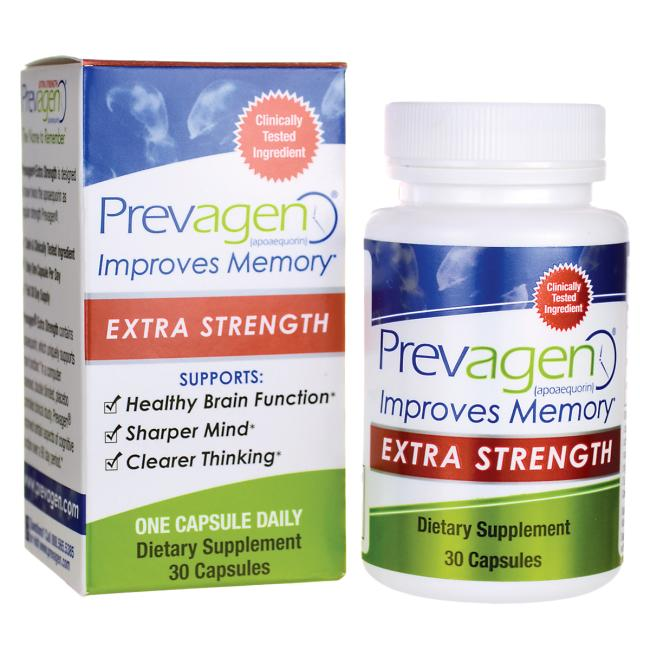
Madison, WI — ( SBWIRE ) — 01/31/2020 — Better Nutrition magazine Prevagen, a supplement from Quincy Bioscience, in its “Best of Supplements” awards in the brain health category.
Prevagen is a supplement intended to promote brain health * with an active ingredient called apoaequorin, a substance that was originally discovered in jellyfish and has been clinically shown to improve memory and support brain function.* In a computer-assessed, double-blinded, placebo-controlled study, Prevagen improved certain aspects of cognitive function over a 90-day period.* Additionally, in a clinical trial, a subgroup of adults with mild, age-related cognitive impairment who took one Prevagen a day over 90 days were shown to improve in measurements related to memory.*
“We are pleased that Prevagen has been recognized for this outstanding award,” said Tom Dvorak, vice president of sales at Quincy Bioscience. “Better Nutrition is an excellent source of consumer-driven health and wellness information, and we thank them for their acknowledgement.”
Through its “Best of Supplements” awards, Better Nutrition has honored various high-quality supplements for more than a decade. To qualify for the award, supplements must have unique ingredients and formulations and be easily available to consumers. Prevagen fulfills these requirements with ease, thanks to the inclusion of apoaequorin as an active ingredient and its widespread availability in over 53,000 retail locations, including chain pharmacies and grocery stores. Also, supplements must be customer favorites in their categories, as determined by a survey of retailers.
About Quincy Bioscience
Based in Madison, Wisconsin, Quincy Bioscience is a biotechnology company that focuses on discovering, developing, and bringing to market innovative technologies to support brain health in aging adults, with a specific focus on cognitive function and memory improvement.
About Better Nutrition
Better Nutrition is a monthly magazine owned by Active Interest Media that specializes in natural and alternative health solutions. This includes everything from supplements to beauty, nutrition, and mind body healing. The magazine’s annual “Best of Supplements” award spotlights vitamins, minerals, and herbal remedies that stand out from the rest of the industry.
*These statements have not been evaluated by the Food and Drug Administration. This product is not intended to diagnose, treat, cure, or prevent any disease.
Media Contact
Quincy Bioscience
contact person : Lizzie Bauer
Address with zip Quincy Bioscience
726 Heartland Trail
Suite 300
Madison, WI 53717
company phone : (888) 565-5385
company email : info@quincybioscience.com
website url : https://www.prevagen.com/
The 8 Best Natural Adderall Alternatives
Natural Adderall alternatives are a great way to boost your brain. If you ever have trouble focusing or just want to maximize your brain’s potential, the best natural Adderall alternatives can help you be the best version of yourself.
So, if you’re ever thinking about trying something other than an Adderall prescription, consider these best natural Adderall alternatives.
Natures Craft’s Mind Enhancer Supplement Neuro health. That is what it says on the bottle, and that’s the name of the game here thanks to these bad boys, which are packed full of vitamins, herbs and minerals, all of which help to give you focus and improve your memory.
—
Buy Here
Kerala Herbs Focus Energy Pills Designed to help you focus, these energy pills combine purity with potency, using a variety of ingredients including Ginseng and Gingko Biloba. A great way to sweep away any kind of brain fog.
—
Buy Here
Envy Nutrition Brain Support Vitamins and minerals team up to help you focus and even get your Serotonin levels where they need to be for you to be the best version of you. Leave anxiety and depression behind and give your brain the kickstart it needs.
—
Buy Here
Vital Vitamins Brain Booster Brain boosting is what it’s all about here. DMAE is a supplement that helps with clarity and memory, and that is just one of the many other ingredients that are packed into these brain boosters, all of which help to support that focused life you’ve been wanting to live.
—
Buy Here
True Recovery Brain Boost These brain boosters use caffeine to get the job done. But unlike other caffeine sources that give you the jitters these are designed for a slow, sustained release of caffeine which will help you do all the things your coffee does for you without any of the crashes.
—
Buy Here
Huperzine A Acetylcholine is a neurotransmitter, which means it helps get your brain to work right. That is what this supplement focuses on. Specifically, it acts as an acetylcholinesterase inhibitor, which is just another way of saying that it promotes strong levels of Acetylcholine in the brain. All of which will help to promote focus and memory.
—
Buy Here
Sulbutiamine Capsules Sulbutiamine is a supplement that supports focus and memory while making you motivated to do that project you’ve been putting off or studying or anything else you need to stay on task and get the job done. Everyone could use a little motivation and these capsules make it their mission to do just that.
—
Buy Here
Alpha Mind Premium Nootropic Brain Booster How are you gonna argue with something called Alpha Mind? Jampacked with brain boosting ingredients, Alpha Mind even uses our old friend Huperzine A. That’s how alpha it is, it swallows up an entire supplement of its own. That is just one of the eight different supplements packed into one Alpha Mind pill. And it is how you get to have a true alpha mind.
—
Buy Here
The BroBible team writes about gear that we think you want. Occasionally, we write about items that are a part of one of our affiliate partnerships and we will get a percentage of the revenue from sales.
East Meets West: 22-Year-Old Blends Asian Herbs and Matcha Into Zero Sugar Energy Drink
HONG KONG: The story began like this – a young college student who suffers from mild dyslexia and struggles to spell created an one-of-a-kind tea soda made with organic Japanese matcha and several natural energy-boosting herbs to challenge Redbull’s traditional energy drinks.
The new in town HISE soda is a magical combination to power up your brain functions, especially on concentration and memory, and battle enervation and fatigue by strengthening your physical ability.
I used to rely on energy drinks to deal with my concentration issue as I hate pills. Sure, they do hype you up for three hours but the side-effects are just too much – blushing my skins, crazy heart pounding and energy crash, the young innovator explained. So, I turned to Chinese herbal and mint tea instead that worked like magic. Inspired by the natural drinks, I founded HISE, the powerful future energy soda that come with clean ingredients and zero sugar that are suitable for everyone, even diabetics and persons on a diet!
To the remedy of many who want to stay energized but also value health, HISE’s new future soda comes with no side-effect but only side-benefits. With the recent super-food trend, matcha has been brought to the spotlight for its rich antioxidant content and free radical fighting properties. Matcha is also high in dietary fiber and fosters metabolism which assists you in weight control and keeping fit. On top of that, the energy soda features three types of top-notch Asian herbs that improve your heart health and help fight age-associated and long-term diseases. One of the three, Rhodiola Rosea, helps in improving mood and easing stress by correcting the chemical imbalances.
Born in a family that is enthusiastic about teas and herbs, I am always amazed by their nutrition benefits. But we are aware that tea soda is also a soda that needs to taste good. So we studied the popular Western beverages’ taste and came up with this delightful tea lemonade recipe which is actually refreshing and sweet! The Hong Kong based team pointed out that the sweet taste is from a new innovative natural sweetener extracted from the Eastern traditional favorite sweetener – Monk Fruit.
( PRN )

The Power Within by Corey Daniels book available for only $2.99
Mind has both conscious and subconscious halves. These are likened to a driver and the truck he drives. The driver plans the destination and observes road conditions, while the truck provides motive power. Your subconscious mind is like the truck and it only goes in the direction in which is a steered. This can be the road or off a cliff. Likewise, the consciousness paints a picture of what the world is and what your goals are and the subconscious acts on them through emotion, physical response and energy, whether these are correct, rational images or false negative ones. The subconscious is also like an emotional reservoir which your body and mind draw responses from to external stimuli.
The Power Within lays out a method of programming your subconscious and tapping into the Holy Spirit, God voice or what the Greeks called the daimon (godman).