Nature Knows and Psionic Success
God provides
All About Serotonin: What It Does & Potential Ways To Increase It

Serotonin is a neurotransmitter that is most commonly known for its role in the brain, where it is believed to be one of the main factors influencing mood. However, it also has many other functions throughout the body, such as regulating digestion, sleep, and cardiovascular function! Read on to learn more about this fascinating neurotransmitter compound, the multiple roles in plays throughout the body, and some of the lifestyle, dietary, and other factors that can influence it! What is Serotonin?
Serotonin – also known as 5-hydroxytryptamine , or “5-HT” for short – belongs to the family of neurotransmitters called catecholamines , and acts as a very important biochemical messenger throughout the brain and the digestive system.
Serotonin is synthesized from the amino acid tryptophan by the enzyme tryptophan hydroxylase .
In humans, it is found primarily in the central nervous system (CNS), gastrointestinal tract, and blood platelets.
It is responsible for regulating many important physiological functions throughout the body and brain, including neurotransmission, gastrointestinal motility, hemostasis, and cardiovascular integrity [ 1 ].
Serotonin is best-known for its role in the brain, where it acts as one of the major neurotransmitters that allows neurons to communicate with each other.
While serotonin’s actions in the brain are diverse and highly complex, it is most well-known for its purported involvement in mood and emotion.
For example, serotonin is famous for its involvement in depression , and the majority of the most common and widely-used antidepressants primarily target the brain’s serotonin system. Nonetheless, it also plays a role in other mood-related processes, such as aggression, impulsivity, and social dominance [ 2 ].
Serotonin’s role in psychological processes is highly studied by scientists, and many studies suggest that the levels and overall activity of this key neurotransmitter can have significant effects on mood and emotion.
Researchers have a variety of ways of influencing serotonin activity. For example, acute tryptophan depletion (ATD) is one experimental method for artificially reducing serotonin levels throughout the body (because tryptophan is a necessary “ingredient”, or “ metabolic precursor ” for making serotonin – and the body and brain can’t produce any without it). Depleting serotonin levels via ATD has been associated with “low” moods, increased irritability, and increased aggression [ 3 ].
Serotonin is considered a significant circulating hormonal factor that has been implicated in normal cardiovascular function, either by acting directly on heart cells, or by stimulating chemosensitive nerves from the heart [ 4 ].
Patients with carcinoid tumors (a rare type of slow-growing cancer) have elevated levels of serotonin activity in the cardiovascular system, which has been associated with certain symptoms such as arrhythmia, which can contribute to blood flow blockage and valvular fibroplasia [ 5 ].
Additionally, growing mouse embryos that are exposed to dramatically elevated levels of serotonin (either due to high concentrations of 5-HT itself, or treated with high levels of selective serotonin reuptake inhibitors (SSRIs)) have been reported to show abnormal growth in many different parts of their developing cardiovascular system [ 4 ].
In the gastrointestinal tract, serotonin initiates responses like nausea, intestinal secretion, and peristalsis, and has also been implicated in gastroenteric diseases like irritable bowel syndrome [ 6 ].
The secretory effects of serotonin are believed to be mediated through a variety of different specialized 5-HT receptors, such as 5-HT2A [ 7 ].
Serotonin-producing cells in the mouse brain have been reported to play an essential role in maintaining proper body temperature, and regulating breathing [ 8 ].
One animal study (in TPH2 -knockout rats) suggests that 5-HTP plays a crucial role in balancing the control systems for breathing and temperature, especially during early development [ 9 ].
Neurons that primarily use serotonin have been found in high concentrations across many different brain regions that are believed to be involved in respiratory control [ 10 ].
Serotonin is believed to be responsible for controlling the contraction of vascular smooth muscle cells throughout the body – these muscle cells are particularly prominent throughout the circulatory system, where they are responsible for controlling blood flow by constricting or dilating blood vessels. It is believed that the “S2” type of serotonergic receptor, in particular, plays a key role in this function [ 11 ].
In fact, some of the earliest scientific investigations of serotonin (5-HT) was due to its vasoconstrictive effects – it generally wasn’t until later that its other physiological and psychological roles became apparent.
For example, animal studies have reported that intravenous injections of serotonin can induce a wide variety of responses in the cardiovascular system, leading to increases or decreases in blood pressure, depending on where and when it is active in the body [ 12 , 13 ].
Serotonin can also control blood pressure using other, “indirect” mechanisms, such as by amplifying the response of other vasoactive substances such as NET, angiotensin II , and histamine [ 14 ].
Serotonin receptors have been identified in all the major types of bone cell ( osteoblasts , osteocytes , and osteoclasts ) [ 15 ].
Recent data suggests that gut-derived serotonin may mediate the skeletal effects of LDL receptor -related protein 5 .
Additionally, some evidence suggests that use of SSRIs ( selective serotonin reuptake inhibitors ) – which increase serotonin levels throughout the body – may be associated with reduced bone mass, increased bone loss, and increased risk of fractures [ 15 ].
Finally, some studies have even suggested a direct stimulatory effect of serotonin on bone formation pathways [ 16 ]. However, other studies have reported inhibitory effects, indicating a potentially complex role of serotonin in bone formation [ 17 ].According to some research, serotonin may play a critical role in the development and growth of several different major bodily organs, such as the heart and the lungs [ 18 , 19 , 20 ].In both mice and people, high levels of 5-HT2B in the lungs have been associated with the development of pulmonary hypertension, further suggesting a direct influence of serotonin on lung growth and function [ 21 , 20 ].5-HTP is believed to be involved in many of the psychological and behavioral symptoms involved in major eating disorders, such as […]
Natural Approaches to Lower Inflammation (& Granulocytes)

Granulocytes are immune cells that fight pathogens and heal damaged cells. High levels occur in infections, inflammation, cancer, and many other underlying health issues. Read about natural approaches that may help lower inflammation (and thus, decrease granulocytes).
The main function of granulocytes is to engulf and destroy invading pathogens and parasites. They are responsible for starting the process of inflammation as well as resolving it. Granulocytes are also involved in wound healing [ 1 , 2 ].
After a threat has been eliminated, granulocytes destroy themselves by programmed cell death (apoptosis). However, in many inflammatory diseases like rheumatoid arthritis and asthma, granulocytes last longer than they should [ 1 ].
In some cases, inflammatory or infectious diseases may be accompanied by low granulocytes.
Neutrophils are an abundant type of granulocyte. In autoimmune neutropenia, antibodies attack and destroy neutrophils, which results in low granulocyte levels. Other medical conditions or treatments (such as chemotherapy) may also underlie low granulocytes [ 3 , 4 ].
If your goal is to normalize your granulocytes because you have high or low granulocytes and inflammatory problems – including autoimmunity and constant fatigue or pain – it’s important to talk to your doctor, especially your symptoms are significantly impacting your daily life.
The same is true if your neutrophils are low and you are looking for ways to increase them. Your doctor should diagnose and treat any underlying conditions causing your symptoms.
Complex inflammatory disorders always involve multiple possible factors – including biochemistry, environment, health status, and genetics – that may vary from one person to another.
Therefore, you may try the strategies listed below if you and your doctor determine that they could be appropriate.
Read through the approaches we bring up and discuss them with your doctor before trying them out. This is particularly important if you plan to take any dietary supplements.
Most of the lifestyle, dietary, and supplement factors listed below rely on animal and cellular data. These findings can’t be applied to humans. Clinical research is needed before the safety and effectiveness of the supplements listed below are determined.
Have in mind that supplements have not been approved by the FDA for medical use. Supplements generally lack solid clinical research. Regulations set manufacturing standards for them but don’t guarantee that they’re safe or effective.
Lastly, supplement-drug interactions can be dangerous and, in rare cases, even life-threatening. That’s why it’s so important to consult your doctor before supplementing and let them know about all drugs and supplements you are using or considering. 1) Stop Smoking
Smoking can contribute to inflammation and many chronic diseases, including lung cancer. Smoking was strongly linked to high granulocytes in a study of 38K people. In a study of 1,730 people, granulocytes levels decreased after the participants stopped smoking [ 5 ]. 2) Get Enough Sleep
Sleep is incredibly important for the function of your immune system. In a pilot of study eight people, sleeping only four hours a night for three nights increased neutrophil levels by 34% [ 6 ].
Neutrophil levels increased by 30% after a single night of no sleep in 16 people [ 7 ].
Getting enough sleep, therefore, may help prevent your neutrophil levels from increasing. More importantly, it supports healthy immune balance, while sleep deprivation may trigger or worsen inflammation [ 6 , 7 ]. 3) Reducing Stress
Stress can contribute to a number of chronic diseases and it’s also linked to various types of inflammatory disorders. Research suggests it may also increase neutrophil levels, which means that avoiding or managing stress may help prevent your neutrophil levels from increasing [ 8 ]. 4) Avoid Toxin Exposure
Heavy metals such as lead and mercury can cause high granulocyte levels.
Luckily, most people don’t have to worry about it. Heavy metal poisoning is extremely rare in the United States. It happens only when people are exposed to exceptionally high amounts of heavy metals in their environment, typically due to work-related conditions.
Other compounds that have been hypothesized to increase granulocyte levels include [ 9 ]: Digitalis
Camphor
Antipyrine
Phenacetin
Quinidine
Pyrogallol Turpentine Arsphenamine Insect venom The vast majority of people are unlikely to be exposed to significant amounts of these compounds, but rare cases have been reported. 5) Diet Vegans have lower granulocytes levels than non-vegetarians. A low calorie, vegan diet reduced neutrophil and eosinophil levels in a pilot study of 14 people [ 10 , 11 , 12 ].In 52 people, eating a ketogenic diet for 12 months decreased neutrophil levels [ 13 ].On the other hand, the Mediterranean diet has been well researched for preventing heart disease. It’s packed with anti-inflammatory foods, healthy fats like olive oil, nutritious vegetables, seafood, and healthy whole foods. The MIND diet is a modified version of the standard Meditteranean protocol that emphasizes brain-healthy foods.More research on these diets is needed. 6) Fasting Ramadan is a religious practice in Islam that involves a month of intermittent fasts for most of the day (sunrise to sunset). In a study of 28 Muslims, Ramadan decreased neutrophils by 18% [ 14 ].Ramadan reduced neutrophils by 7% in 90 Muslims [ 15 ].While fasting seems to decrease neutrophils, it might also improve their ability to engulf and destroy pathogens. This hasn’t been clinically confirmed, though [ 16 ].Fasting is not an option for everyone, however. If you take medication after meals, are underweight, have electrolyte imbalances, or suffer from a serious medical condition, fasting may do more harm than good. Consult your doctor to see if this approach is safe for you. 7) Boswellia serrata Boswellia serrata (Indian frankincense) is traditionally used for inflammatory problems, but the research is sparse. The herb’s gum resin decreased eosinophils in a study of 80 people. Larger trials are needed[ 17 ]. 8) Garlic (Allicin) In folk medicine around the world, garlic is often viewed as an anti-inflammatory spice. According to the NCCIH: “A great deal of research has been done on garlic, but much of it consists of small, preliminary, or low-quality studies” [ 18 ].In one […]
16 Strategies That May Stimulate Long-Term Potentiation (LTP)

In our previous post on long-term potentiation (LTP) , we covered the basics of LTP and why it’s so important for healthy, optimal cognitive function.
We also discussed a variety of lifestyle, dietary, and other health-related factors that can interfere with how this important plasticity-related process is carried out in the brain.
If you missed that post, we highly recommend starting there first: you can find the post by clicking here .
With the basics of LTP out of the way, in this post, we’ll discuss some of the potential lifestyle factors and dietary supplements that have been proposed by researchers to have effects on LTP (and other critical plasticity-related brain processes). Lifestyle, Dietary, And Other Factors That May Potentially Stimulate LTP
Before we move on to the main discussion, it’s important to note a few major limitations of the current science behind some of the factors and effects described in the sections below.
Firstly, the following potential effects of the substances and compounds listed below are based solely on animal- and cell-based studies, and are therefore “ lacking evidence ” from any appropriate human trials so far.
In other words, these are only potential “launching-points” for future clinical studies in humans, and no solid conclusions can be made about these compounds’ effects in humans until much more additional research is done.
Therefore, while some of these early results might seem promising, it is important to keep in mind that the evidence as a whole is still too weak to come to any definitive conclusions about these substances’ effects in healthy human users.
Secondly, much of the existing evidence from animal studies comes from studies of animals with specific health conditions – such as brain damage or experimentally-induced neurodegenerative disorders – or animals whose normal brain activity was interfered with by the administration of drugs or other toxins. Therefore, studies like these don’t necessarily establish that a given compound or substance would also have similar effects under normal, “healthy” conditions – at least, not without additional research.
As always, if you decide to try any new lifestyle or dietary changes, or experiment with supplements, it is extremely important to discuss them with your doctor first! This is critical because any such changes could have unexpected interactions with any pre-existing health conditions you may have – and only a qualified medical professional has the expertise and knowledge to help you navigate these potential concerns.
With all that in mind, let’s see what the latest science has to say about a variety of lifestyle, dietary, and supplement approaches that may potentially affect plasticity-related processes in the brain! 1) Exercise
Exercise plays a very important role in keeping us healthy and maintaining proper brain function.
Some of exercises’ benefits may arise from its effects on LTP and other synaptic-plasticity-related mechanisms. For example, some preliminary animal studies have reported that exercise may significantly increase LTP and overall synaptic plasticity in rats. However, this effect was also seen to disappear if the rats stopped exercising regularly, suggesting that this effect would require consistent habitual exercise in order to be maintained [ 1 , 2 ].
Relatedly, one other early study in animals reported that daily moderate exercise (in the form of treadmill-running) may potentially counteract some of the LTP-related deficits seen in a rat model of Alzheimer’s disease [ 3 ]. 2) Fasting
Certain forms of fasting (“dietary restriction”) can have profound effects on the brain. For example, fasting may induce a form of synaptic plasticity (using neuropeptide Y ) that helps counteract reduced glucose levels [ 4 ].
During fasting, structural changes are seen in the neurons that are responsible for regulating hunger . These include increases in the size of the neurons, and the excitability of their synapses [ 5 , 6 ]. These changes have been attributed to the activity of proteins that maintain the changes of LTP [ 6 ].
According to one preliminary study in animals, caloric restriction in mice has been reported to improve cognitive function. This may be mediated by increases in glutamate activity, which could in turn result in the stimulation of LTP. Based on these early findings, some researchers have even proposed that intermittent fasting may even have the potential to prevent or reverse some forms of age-related cognitive decline [ 7 ] – although much more research in healthy human subjects will be needed to fully confirm this effect. 3) Berberine
Berberine is a natural nutritional compound that can be found in a variety of different plants. According to some preliminary research, berberine may have some potential as a treatment for diabetes (by helping regulate blood glucose levels). It may also have some anti-oxidant effects as well [ 8 ].
Interestingly, patients with diabetes frequently report cognitive issues, particularly with learning and memory. According to one animal study, berberine was reported to partially improve learning and memory functions in diabetic rats – possibly by stimulating LTP and overall synaptic plasticity in the hippocampus [ 8 ].
However, much more research would be needed to confirm these effects in ordinary human users of berberine. 4) Lipoic Acid
Lipoic acid is involved in many metabolic processes in the body. It is also sometimes used as a dietary supplement, due to its purported anti-oxidant effects.
According to one early animal study in mouse models of Alzheimer’s disease, lipoic acid was reported to increase the availability of glucose , which is the brain’s primary source of energy for its cells. This effect was, in turn, also reported to stimulate LTP and other important forms of synaptic plasticity, which is believed to be one of the main underlying mechanisms that may contribute to the memory deficits often observed in Alzheimer’s patients [ 9 ].
In another animal study, lipoic acid was reported to counteract impairments in LTP caused by lead poisoning in rats, suggesting a potential neuro-protective effect [ 10 ].
Relatedly, another factor which can impair brain function is eating a high-fat diet. According to one other animal study, lipoic acid was reported to protect against impairments in LTP […]
The Ultimate Guide to Adrafinil

WN Lifestyle Home – Health
Originally Posted On: https://mindzymes.com/adrafinil/What is Adrafinil? Adrafinil is a synthetic nootropic compound that was originally manufactured and designed for the people struggling with narcolepsy. The compound… Adrafinil is a synthetic nootropic compound that was originally manufactured and designed for the people struggling with narcolepsy. The compound serves as a stimulant to your neurological system. While it was called Olmifon previously, people often confuse this compound with another compound known as Modafinil. The latter is a stimulant that does not produce amphetamine-like effects. We will discuss adrafinil vs modafinil later in this article.
Lafon Laboratories, the French pharmaceutical company, manufactured and marketed adrafinil medications and supplements, which steadily spread throughout the USA. When it comes to adrafinil benefits, it fights against fatigue, improves focus, and boosts energy. In addition to that, taking adrafinil may enhance motivation and mood. Overall, the substance can provide users with potential cognitive benefits.
Adrafinil was widely used in the United States to improve the symptoms of narcolepsy and other sleep disorders. Besides, medical practitioners in the US also used adrafinil for its stimulating and nootropic effects. Where can you buy adrafinil?
How long for adrafinil to kick in?
How much adrafinil equals modafinil?
How long does adrafinil last?
Is adrafinil safe?
Is adrafinil legal in the US?
How to take adrafinil?
Is adrafinil worth it?
When it comes to the adrafinil legal status in the US, users can take adrafinil without a prescription. Please note that adrafinil is not scheduled as many other controlled medications and substances. Therefore, you can buy adrafinil over the counter. Moreover, adrafinil is legal in Canada and the UK due to the same reasons.
Nevertheless, if you are in any country other than the US, UK, or Canada, keep in mind that you may have different rules regarding adrafinil legality. Make sure to check the legality of the substance in your country before making an adrafinil purchase online. It is important to mention here that modafinil is a prescription-only medication.
So, what is adrafinil used for? Well, there are many benefits of using this prodrug. However, its potential effects are related to the cognitive function and nervous system. You will be surprised to know that adrafinil’s initial manufacturing was for its wakefulness-promoting qualities. Over time, adrafinil continued to show significant cognitive improvements among users.
People who experience daytime exhaustion or nighttime work difficulties can use adrafinil to increase their mental and physical energy to stay active. In addition to providing you with an active life, adrafinil heightens focus and improves mental clarity.
Other than this, olmifon adrafinil may help the user prevent daytime drowsiness and increase attentiveness. This prodrug has significant stimulating effects that work without jitteriness and hyperactivity. Users have reported stress reduction and overall well-being of their mental health due to adrafinil.
Furthermore, this stimulant contains many nootropic benefits that may lead a user to better memory, improved learning capacity, and enhanced focus. Adrafinil may increase the activity and movement in users. The drug has shown that its usage has increased exploratory behavior in mice and rats.
The researcher mentioned that animals became more active on a higher dose of adrafinil. Considering that, adrafinil may increase movement and activity in users. Since adrafinil helps increase alertness, most medical practitioners recommend taking adrafinil on an empty stomach.
Adrafinil works directly on your adrenergic system. It is the part of your brain system that releases adrenaline. It stimulates the fight or flight response. The rapid release of adrenaline increases alertness and boosts energy.
Although researchers are only halfway through studying adrafinil actions, they assume that adrafinil stimulates a positive effect of adrenaline release. Moreover, they believe that the substance could support the adrenergic neurotransmitters. If you are wondering how long adrafinil takes to work, keep in mind that the substance takes an hour to produce the pharmacological effect.
Adrafinil is a synthetic prodrug that acts as an inactive substance. In other words, this component metabolizes into an active form in your body after ingestion. The metabolizing of adrafinil produces modafinil. It is a useful substance for sleep disorders such as necropsy. Both substances have identical pharmacological effects, but the chemical mechanisms of adrafinil and modafinil are still unclear.
Medical researchers hypothesize that adrafinil works as an adrenergic receptor in its metabolized form. When adrafinil enters your body, it enhances the production and release of neurotransmitter hypocretin. This results in triggering the increased production of histamine, norepinephrine, and dopamine.
All of these compounds are related to energy and alertness. The component is also known for improving cognitive function and elevating mood. It further inhibits the breakdown of glutamate, which leads to better brain function and improves focus and memory. Adrafinil also stimulates the production of serotonin, which reduces depression and anxiety. Overall, adrafinil works on the central nervous system.
In a case study of a 63 year old woman having blood pressure issues, it was revealed that adrafinil could increase blood pressure. It particularly happened with the woman who was already taking blood pressure controlling medicines piretanide and aliskiren. Other than this, no adrafinil interactions have been reported in any medical research.
As mentioned earlier, people often confuse adrafinil with modafinil. A common question from people is, “Does adrafinil work as well as modafinil?” Before answering that, it is important to know the difference between the two.
Several things make adrafinil a popular drug among people in the US. First, it is the best alternative to modafinil. Not to mention, modafinil is only available with a prescription, whereas the other can be taken without a prescription.In other words, adrafinil is widely used for the reason that it is the closest legal and prescription-free drug to modafinil. Nonetheless, people who are familiar with both of the drugs can differentiate adrafinil to modafinil easily.Adrafinil has some nootropic effects that are different from those of modafinil. There was a lot of information about it from people on Reddit searching adrafinil vs modafinil. You will be surprised to know that adrafinil metabolizes into modafinil. Your liver actually converts adrafinil to modafinil after ingestion.You may wonder how to […]
5 Types of Supplements That Can Help Improve Brain Function
In the same way high-performance athletes take dietary supplements to improve their physical function, you can take supplements to improve your cognitive function. Nootropics is the name given to natural supplements that increase brain performance, including memory, motivation, alertness, concentration, creativity, and general cognitive function.
These are the five types of nootropics that experts recommend to give you that cognitive edge and mental sharpness to excel in your work or studies. For more information on supplements and their health benefits, visit conservehealth. Fish Oil
Fish oil is packed full of brain-boosting fatty acids and proteins. Docosahexaenoic acid and eicosapentaenoic acid are two types of Omega-3 fatty acids. These play an important role in the daily function and structure of your brain cells.
Supplementing your diet with fish oil pills and Omega-3 fatty acids can reduce brain inflammation and protect against the cognitive effects of aging. In healthy individuals, regular Omega-3 supplementation has been linked to improved memory performance, reduced cases of depression, and reduced diminution of brain function due to aging.
Experts recommend supplementing your diet with two Omega-3 or fish oil tablets per week, or 1 gram per day to enjoy the benefits.
Folic Acid/Vitamin B6 and B12
A high presence of an amino acid known as homocysteine in the brain has been linked to increased rates of dementia and Alzheimer’s in later life.
Homocysteine is metabolism of protein, meaning those with a meat-intensive diet often have higher levels of homocysteine in the brain. A study carried out by Oxford University found that supplementing your diet with folic acid, vitamin B6 and vitamin B12 can protect against the worst impacts of homocysteine and protect against brain shrinkage in old age.
Resveratrol
Resveratrol is an antioxidant that can be found in several “superfoods” including blueberries. Its supplementation has also been linked with reduced rates of memory loss.
The hippocampus is responsible for preserving the brain’s memory functions. Resveratrol can help preserve the hippocampus in older users. It also has protective qualities in younger users. A study followed participants as they took 200mg of resveratrol a day over a 26-week period. At the end of the observation period, the participants performed better in a memory test.
Vitamin D
Over half of the US population suffers from vitamin D deficiency. Part of this is due to our indoor lifestyles and limited exposure to sunlight; however, rising levels of obesity are also playing a major part.
Vitamin D is fat-soluble. This means that when the body increases its bodyfat percentage, vitamin D becomes trapped in fat tissue, leaving the body deficient.
Low levels of vitamin D have been linked to increased rates of Alzheimer’s. Therefore, it is recommended that those that cannot spend at least 10-15 outdoors in the sun each day, should supplement their diet with vitamin D supplements.
Caffeine
While too much caffeine can have a detrimental impact on overall health, in small, manageable quantities, caffeine is a good way to increase mental alertness and fend off tiredness. The amount of caffeine in one cup of coffee a day is generally considered sufficient to increase alertness without inducing the negative side effects of heavy caffeine use, including anxiety, nausea, and insomnia.
4 fruits parents should feed children regularly to improve their immunity system

Parents should regularly give their children fruits, especially the 4 fruits mentioned below because of their wonderful benefits.
Here are the fruits recommended by nutritionists to regularly feed children, help improve the immune system and help reduce eye stress. 4 fruits parents should feed their children regularly
1. Orange
Oranges are very high in vitamin C and vitamin C is recognized as a substance that enhances the body’s immunity and prevents colds. Children can eat more oranges to combat seasonal flu and colds daily. High intake of vitamin C can reduce the ulcer situation, especially for children who often suffer from mouth ulcers should also eat more oranges. In addition to vitamin C, oranges are also rich in cellulose and pectin, which can help promote bowel movement. Oranges also contain lots of natural fructose, which is very sweet but not easy to gain weight. For children who like to eat a variety of sweets, oranges are a good choice. 2. Tangerine
Oranges and tangerines look very similar, but tangerines are much easier to peel than oranges, children often love to eat this fruit, because they can enjoy the fun of peeling tangerines by themselves. Like oranges, tangerines are high in vitamin C, high in water, which can replenish the water lost in the summer. Tangerine is also very rich in fiber, helps laxatives. In addition, the tangerine contains a large amount of fruit acid, which can promote gastric secretion, enhance digestion and absorption of the body. Due to the hot weather with no feeling of eating, tangerines can solve this very well. Moreover, tangerines have a cooling effect, increase resistance and help reduce eye strain. 3. Bananas
We all know that bananas have a very good laxative effect and are very cheap. In addition, it also has many nutrients, plus low calories, so eating a lot of bananas is not fat either. For some people with a bad stomach, eating a lot of bananas may also help protect the digestive tract. Eating bananas regularly helps protect the brain and reduces mental fatigue, but bananas should not be eaten on an empty stomach, preferably after meals. And because bananas are cold, some people with stomach aches and diarrhea should not eat much to avoid hurting the body. 4. Apple
The taste of apples is very delicious and helps the body increase satiety. People often hear the saying, “Every day an apple is eaten, the doctor is far away from us,” which can prove that apples are rich in nutrients. Apples are rich in sugar, protein, calcium, vitamins and cellulose. Children often eat apples to help boost immunity. Apples contain a lot of zinc, which is one of the important factors to promote brain development. For children, eating apples can improve their memory.
Watch next: 8 Beneficial Foods For Your Parents And The Elderly.
Add Salmon Milt To Your Diet For Enhanced Brain Function

Health
NATURALNEWS.COM
Looking to boost your memory? Researchers from Kanazawa University have you covered – if you’re up for something highly unusual. In a study published in the Journal of Medicinal Food, the team from Japan found that adding salmon milt to your diet helps enhance brain function.
For the uninitiated, milt refers to the seminal fluid of fish, mollusks and other water-dwellers. If the concept of eating fish sperm seems a little strange, it’s worth noting that milt is a delicacy enjoyed the world over. In Japan, it’s called shirako (literally, “white children”) and is served fried, on top of sushi or as a garnish for chawanmushi, a classic egg custard dish. Tuna milt, on the other hand, is used in pasta on the Italian island of Sicily. Those living in Romania enjoy eating fried milt from freshwater fish.
SALMON MILT CAN IMPROVE LEARNING AND MEMORY
For their study, the researchers investigated the effects of salmon milt extract on object recognition and object learning memory using healthy murine models. Object recognition is a cognitive function that involves recognition memory — that is, the ability to identify events, objects or people previously encountered. In an object recognition test, a mouse is initially presented with two similar objects. One of the objects is replaced during the next session, and the amount of time the mouse takes to explore the new object is taken into account.
Object location memory, on the other hand, involves the use of spatial memory and the ability to discriminate between different objects. Object location memory tasks are often used to assess animal models of central nervous system disorders. For this task, a mouse is presented with four objects during the first session. Two items are switched before the second session, and the amount of time the mouse takes sniffing the objects is measured.
In the present study, healthy mice were first put on a diet that includes salmon milt before being subjected to behavioral tasks. The team noted that the mice devoted more time to exploring novel and moved objects than familiar and unmoved objects in the object recognition and object location memory tests. Mice fed a diet containing nucleic acid fractions from salmon milt also behaved in the same manner.
“This suggests that the nucleic acids may be a functional component contributing to the effects of [salmon milt] on brain function,” the researchers wrote in their report.
The researchers also noted that salmon milt improved markers for brain parenchyma, which includes all of the brain’s functional tissues. Additionally, salmon milt increased the concentrations of cytosine, cytidine and deoxycytidine – nucleosides linked to DNA and RNA functions – in the hippocampus.
“Dietary intake of this easily ingestible food might enhance brain function in healthy individuals,” the team concluded.
OTHER NATURAL BRAIN BOOSTERS
If milt isn’t your cup of tea, there are other foods that you can eat to keep your brain healthy, and even improve concentration and memory. FATTY FISH. Salmon, sardines and trout are great sources of omega-3 fatty acids, which helps build brain cells and is essential for learning and memory.
BLUEBERRIES. Blueberries contain anthocyanins, a plant compound with antioxidant and anti-inflammatory activities. Eating blueberries not only helps delay aging, but also prevents short-term memory loss.
TURMERIC. The deep-yellow spice is revered in Ayurvedic medicine for its many health benefits. Its potent antioxidant ability can enhance memory and promote the growth of new brain cells.
ORANGES. A medium-sized orange has all the vitamin C that you’ll need in a day. Vitamin C, of course, is a potent antioxidant that helps neutralize free radicals which can damage brain cells.
Source:
courtesy of NATURALNEWS
by Ralph Flores
If you have any stories or news that you would like to share with the global online community, please feel free to share it with us by contacting us directly at pr@brudirect.com
Can Intermittent Fasting Help You Lose Weight And Improve Your Health?

Clock on white plate with fork and knife, intermittent fasting, meal plan, weight loss concept on … [+] With the holidays upon us and everyone focused on watching their waistline, it’s a natural to think about the ideal diet to prevent weight gain and maybe even promote weight a little loss.
Let’s face it, it’s really difficult to go on a “diet”. Diets are faced with a high risk of failure with the bulk of them failing, ending with eventual weight gain above and beyond where you started.
The concept of caloric restriction which has been explored as a way to improve longevity has been shown to be successful in animal models (mice), offering an enticing possibility to humans. But implementing this into your daily lifestyle may be problematic and may not be realistic in the long run.
Another more intriguing approach that has been gaining popularity in the past decade is intermittent fasting (IF), a form of time-restricted eating.
In a nutshell, it’s a way to extend the window of time during the day in which you don’t eat. Instead of eating from the time you awaken, the goal is to delay the onset of eating, thereby extending your fasting period that naturally occurs when you sleep.
IF involves only eating for a defined period of time in a 24-hour period. For example, it may involve eating for an 8-hour period during the day—as opposed to grazing on food all day long—and fasting for the remaining 16 hours. (During the fast, you are permitted to drink water, have black coffee, or tea.)
For example, instead of eating from 7 am when you awaken, you would begin eating at 11 am or noon until 7 or 8 pm. When you do eat, the goal is to eat moderately, although you are permitted to eat the foods that you would normally eat.
PROMOTED
Variations on this theme include the 5:2 approach (eating normally 5 days a week and approximately 500-600 calories 2 days week), or alternate day fasting (ADF).
With IF becoming more popular, it’s important that physicians and other healthcare professionals be aware of the principles and science behind the diet in order to have a rational discussion with their patients.
In an article published today in the New England Journal of Medicine , Mark Mattson, PhD , a neuroscientist at Johns Hopkins School of Medicine, explains the nuances behind the approach to IF, along with why he adopted this approach to eating more than 20 years ago.
Mattson’s personal reasons for adopting intermittent fasting began well before he embarked research into the topic itself. It actually began about 35-40 years ago as a method he could use to reduce symptoms related to acid reflux which he found were worse if he ate breakfast and then rode his bike to work in the research lab.
“I started doing it way back in graduate school at the University of Iowa in the early 80s,” he explained. “So I quit eating breakfast and found that I didn’t get the reflux—and I haven’t eaten breakfast since then!”
Little did he realize that this was at the beginning of a pursuit of a concept that would shape his research, and have broad implications for disease management, metabolism as well as weight loss.
Health Benefits of Intermittent Fasting
While certain subgroups of patients, including those with diabetes and pre-diabetes may benefit from adopting this approach to eating (by lowering HB A1C levels), its value and principles certainly extends to other subgroups including those with cardiovascular disease, neurologic ailments (multiple sclerosis, Alzheimer’s and Parkinson’s disease) and patients with cancer.
While IF may facilitate weight loss by reduced caloric intake, its more important benefits include improved glucose regulation via lower insulin levels, reduced blood pressure and lower resting heart rate, all indicators of improved health.
There may also be a reduction in weight-related medical conditions such as elevated cholesterol, and non-alcoholic fatty liver disease (NAFLD), offered Dr. Minisha Sood, an endocrinologist at Lenox Hill Hospital, in New York City.
“Importantly, intermittent fasting or alignment of eating with our natural circadian rhythms may positively impact the gut microbiome which could improve overall metabolism and health,” she explained.
Metabolic Switching
The concept by which this is facilitated is known as “metabolic switching”, which according to Mattson, is a healthy homeostatic mechanism that evolved in Homo Sapiens over thousands of years during periods when food was scarce. This involves switching by our body’s cells from using glucose during the fed state to free fatty acids (FFA) and ketone bodies during periods of starvation. This switch, which is metabolically advantageous, actually serves to reduce inflammation by utilizing adaptive pathways in our cellular machinery.
As Mattson explains, glucose is the normal fuel our bodies rely on during the “fed” state. When we eat, excess glucose beyond immediate caloric expenditures is stored as a compound known as glycogen in the liver for quick burst of energy, but excess as fats (triglycerides). Triglycerides or fat is broken down to compounds known as “free fatty acids” (FFA) along with glycerol. Further metabolism of FFA by the body produces compounds known as “ketone bodies” which are used by the brain, heart and other organs during periods when glucose is not immediately available.
Clearly IF is not for everyone, with lifestyle, age, medical history, work hours (shifts) and personal preference being key factors that may influence the ability to adhere to this lifestyle and approach to eating, as Mattson explains. There may also be sex differences and genetics that ultimately influence individual success with IF.
“Time restricted eating or intermittent fasting may be actually easier to stick with than daily calorie restriction or daily calorie control,” explained Sood. When studied head-to-head, intermittent fasting and daily calorie restriction are both equally effective for weight loss so it’s really a matter of finding an approach which works with one’s lifestyle and which can be followed consistently.”
In regard to potential downsides of IF, Sood explained that “some people may experience increased hunger toward the end of the fasting period each day—the hunger response may wane over time and […]
Researchers look at the impact of medical foods in Alzheimer’s patients

( Natural News ) The connection between diet and neurodegenerative diseases has long been the subject of scientific investigations. Today, although much remains to be understood, researchers and clinicians acknowledge the importance of diet in preventing, delaying, or improving the symptoms of Alzheimer’s. Alzheimer’s disease is the most prevalent cause of dementia around the world. This debilitating disease is still without a cure. Hence, scientists continue to search for viable treatments that can stop and reverse its progression.
In an article published in the journal Food Science and Human Wellness , researchers from China, Germany, Japan, the U.K., and the U.S. reviewed dietary interventions used today for the treatment of Alzheimer’s disease. They also reviewed clinical studies and highlighted the importance of developing more reliable assessment tools to confirm the effects of medical foods and their role in the treatment of Alzheimer’s . How diets and medical foods help in the treatment of Alzheimer’s
Despite advancements in modern medicine, treatments that can improve the symptoms of Alzheimer’s or delay — let alone prevent — its progression have not yet been developed. Today, treatment relies heavily on conventional medications, such as acetylcholinesterase inhibitors (e.g., donepezil, galantamine, and rivastigmine) or NMDA receptor antagonists like memantine. According to studies, these medications have little to no effect on cognitive impairment and cause unwanted side effects like headaches, nausea, diarrhea, and vomiting.
Mother Nature’s micronutrient secret : Organic Broccoli Sprout Capsules now available, delivering 280mg of high-density nutrition, including the extraordinary “sulforaphane” and “glucosinolate” nutrients found only in cruciferous healing foods. Every lot laboratory tested. See availability here.
Studies have also reported that some risk factors associated with dementia have something to do with diet. In addition, dietary components have been shown to influence brain activity and cognitive function. In recent years, more attention has been focused on exploring the potential of dietary interventions to improve Alzheimer’s symptoms. So far, researchers have explored the effects of the Mediterranean diet, ketogenic diets, and so-called medical foods on Alzheimer’s patients. (Related: Most cases of Alzheimer’s are preventable: New book explains how .) The effects of the Mediterranean diet
The Mediterranean diet promotes the consumption of fruits, vegetables, legumes, whole grains, seeds, nuts, and olive oil, and encourages the avoidance of red meat and processed foods. Epidemiological studies and clinical trials suggest that this type of diet improves cognitive performance and lowers the risk of neurodegenerative diseases.
Researchers attribute the neuroprotective effects of the Mediterranean diet on phytonutrients like flavonols, carotenoids , and sulfur compounds, as well as omega fatty acids, which help fight inflammation. Inflammation in the brain activates immune cells called microglia, and this activation has been linked to the development of Alzheimer’s. The effects of ketogenic diets
Another characteristic of Alzheimer’s is a decrease in glucose utilization, particularly in the brain. Normally, the body produces alternative energy sources called ketone bodies when it is deprived of glucose. Scientists have discovered that while glucose metabolism is impaired in the brains of people with Alzheimer’s, utilization of ketone bodies is unaffected. Hence, supplementing the brain with ketone bodies seems like a logical and promising treatment strategy.
Ketogenic diets involve the consumption of foods rich in fat, while carbohydrate intake is reduced or eliminated. This carbohydrate restriction robs the body of glucose and forces it to produce ketone bodies. Both animal and human studies have reported significant improvements in cognitive outcomes for subjects on ketogenic diets. Even older adults with age-related cognitive decline have been shown to benefit from this type of diet. The effects of medical foods
Medical foods were developed for the purpose of helping patients, especially those with metabolic diseases, meet specific dietary requirements. In the U.S., these foods have been approved by the Food and Drug Administration (FDA) for clinical use. So far, researchers have identified three medical foods that can improve Alzheimer’s symptoms. These medical foods are Axona, Souvenaid, and CerefolinNAC.
Axona consists of caprylic triglycerides, which can be obtained from coconut or palm oils, albeit in small quantities. Caprylic triglycerides are meant to serve as precursors for ketone bodies. Souvenaid is a drink that’s composed of a variety of nutrients, including phosphatide precursors, which could improve synaptic function. Synaptic dysfunction is a major cause of cognitive impairment.
CerefolinNAC, meanwhile, is a special formulation containing N-acetyl-cysteine, the supplement form of the amino acid homocysteine used to address hyperhomocysteinemia. Hyperhomocysteinemia lowers cognitive performance and is said to cause brain atrophy.
Although these medical foods have shown positive results in preliminary studies, the researchers believe that large-scale clinical studies involving the use of valid, sensitive, and reliable assessment tools are necessary to establish the efficacy of medical foods in treating Alzheimer’s disease .
Sources include:
Science.news
5 Cocaine Side Effects + Overdose Signs

Cocaine is a dangerous drug that creates intense feelings of euphoria, happiness, and alertness. It has gained infamy over the years due to its association with popular culture and celebrity abuse. Read on to discover some unlikely medical history and learn more about the dangerous effects of cocaine. What is Cocaine?
Cocaine (benzoylmethylecgonine) is a well-known illegal stimulant widely used all over the world [ 1 , 2 ].
Because of its highly dangerous, addictive nature and illegal status, we strongly recommend against using cocaine in any amount and for any reason. This post was written for informational purposes only. The Origins
Cocaine is derived from the leaves of the coca plant ( Erythroxylon coca ) [ 3 , 4 ].
In spite of its recent notoriety, cocaine has a documented history of use by the Amara Indians of Peru. This tribe has made use of cocaine for thousands of years by chewing the leaves of the coca plant [ 5 ].
This kind of use has fewer adverse effects, presumably due to the low concentration of the active component in the leaves and the laborious act of extracting cocaine by chewing the leaves [ 5 ].
Cocaine is the active principle from the leaves of the coca plant. Native Americans have been using it for thousands of years by chewing the leaves. Modern Use and Abuse
However, everything changed in 1859 when German chemist Albert Niemann purified cocaine [ 6 ].
Around the end of 1884, cocaine started gaining publicity and scientific interest. Sigmund Freud praised the drug in his famous Cocaine Papers describing its therapeutic properties in relieving depression and anxiety [ 7 ].
Following Freud’s publications, Carl Koller discovered the anesthetic properties of cocaine on the human eye. Purified cocaine became commercially available when Merck started refining and producing it [ 8 , 5 ].
Without regulatory restrictions, cocaine was initially sold as a therapeutic and consumable product. However, the Harrison Narcotics Act of 1914 in the US banned the distribution of cocaine due to its widespread abuse and addiction [ 6 , 9 ].
Despite regulatory restrictions, the drug is still sold and used illegally around the world. According to a United Nations report, around 18.3 million people used cocaine in 2014 [ 10 ].
Pure cocaine is a white crystal powder that can be snorted, smoked, or injected. It’s called “crack” when smoked (freebase form); street names include coke, flake, snow, and powder [ 11 ].
Purified cocaine gained popularity and scientific interest in the late 19th century, only to be banned as a narcotic in 1914. It’s still being used illegally around the globe. How It Works
Cocaine is highly addictive and produces a feeling of euphoria by causing a buildup of dopamine in the brain’s pleasure center (the limbic system) [ 12 ].
Independent of the route of administration, cocaine is rapidly absorbed into the bloodstream and reaches the brain to initiate its psychostimulant effects [ 6 , 12 ].
Once in the brain, cocaine blocks the reuptake of the neurotransmitters dopamine , noradrenaline , serotonin , and acetylcholine by presynaptic neurons, which boosts their effects [ 6 , 13 , 14 ].
More specifically, cocaine blocks the dopamine transporter SLC6A3 , which causes a buildup of dopamine and an overactivation of dopamine neurons [ 12 ].
Dopamine reinforces the addictive behaviors in the limbic “pleasure” or “reward” center of the brain (mesolimbic and mesocortical dopaminergic systems) [ 15 , 16 ].
Psychoactive changes caused by high dopamine can lead to uncontrolled writhing movements, known as “crack dancing” [ 17 , 18 ].
The sustained effects of the leftover neurotransmitters can cause narrowing of blood vessels, leading to heart complications [ 19 , 20 ].
Cocaine is a stimulant that works by increasing the levels of dopamine, serotonin, and noradrenaline. This can cause many side effects and lead to addiction.
Cocaine’s appealing short-term psychoactive effects (intense high) include [ 21 , 22 ]: Euphoria
Increased energy, alertness, or sociability
Inflated self-esteem
Decreased fatigue 5 Side Effects & Dangers Of Cocaine Cocaine is a powerful drug that has both short and long-term effects. Studies of both humans and animals have shown that cocaine use can damage the heart, brain, liver, kidneys, gut, and blood vessels [ 23 , 24 , 25 , 26 , 27 , 28, 29 , 30 , 31 , 32 ].Also, if snorted, cocaine can damage nostril tissues and if smoked, the lungs [ 33 , 34 , 35 ]. Mechanism of Damage Cocaine increases addictive behavior by impairing dopamine transmission in the brain (nucleus accumbens and dorsal striatum), creating cravings in addicts [ 36 , 37 ]. Mitochondria are the energy generators of the cell. As shown by cell-based studies, cocaine can accumulate inside the cell and damage the functional and structural integrity of mitochondria, disrupting cellular energy production and resulting in cell death [ 38 ].Animal studies further showed that cocaine could produce oxidative stress in cells and alter mitochondrial DNA [ 39 ].In the heart, this oxidative stress leads to toxicity and cell death, as observed in human cocaine overdose [ 40 ].Cocaine causes addiction and side effects by impairing dopamine signaling in the brain. It also damages the mitochondria and increases oxidative stress. 1) Psychological Disorders Cocaine can significantly impact the user’s mood and psychological state. Cocaine users have reported a wide range of adverse psychological effects including anxiety, depression , mood swings, paranoia, and panic attacks [ 41 ].Chronic cocaine use can cause symptoms of delirium and aggression [ 42 ].Observational research has shown that cocaine users are significantly more likely to develop depression and psychosis [ 43 , 44 ].Although rare, higher doses can cause hallucinations or false sensory perceptions [ 45 ].Abstinence from cocaine use can create withdrawal symptoms like mood disturbances and cravings [ 46 ].Cocaine can cause an array of psychological disorders such as depression, anxiety, paranoia, and aggression. Abstinence leads to mood disturbance and cravings. 2) Sleep Disorders Cocaine can impair wakefulness and sleep cycles due to chemical […]
Is Your Doctor Ordering These 7 Important Tests?

Are you regularly doing your CBCs and CMPs and checking your cholesterol levels? That’s great. And if you are feeling well and overall healthy, it’s likely enough. But what happens when all of these tests are coming back normal yet you still feel like something is wrong? It may be time to dig deeper. Here are some of the tests you and your doctor can easily incorporate into your regular check-ups that can tell you a lot more about your body and help reveal important issues and imbalances. What Blood Tests Should You Get?
We now have at our disposal more ways to tell what’s going on in our bodies than ever before. But oftentimes, these tests are not relied upon, especially when it comes to prevention.
For example, you may be testing your glucose , but not your insulin levels. You may be checking your iron , but not your ferritin. Your lab results may suggest everything is fine until things get seriously out of order. But the truth is – your body may be functioning suboptimally, and, with the right tests, your doctor can often tell.
Here are eight tests that are great to catch chronic diseases in their early stages. Discuss taking them with your doctor. One of these may just be a game-changer for you. Important Tests You May Not Be Getting
1) Insulin
Even if your blood sugar (glucose) levels are fine, your body may still be struggling to keep them in line. You will know if that’s the case when you check your insulin levels.
Insulin is a hormone that is released when you eat in order to help move glucose from the blood into the tissues (mainly muscles, fat tissue, and liver) [ 1 , 2 ]. Insulin levels can go out of balance long before blood sugar does (you can read more about insulin resistance here ).
Researchers found that having fasting insulin levels above the optimal range increases your risk of developing metabolic syndrome, diabetes, heart disease, and dementia [ 3 , 4 , 5 , 6 , 7 , 8 ]. For example, one study found that a fasting insulin level above 9.0 uIU/mL (well within the normal range of up to 25 uIU/mL) could identify prediabetes with 80% accuracy [ 5 ]. 2) Ferritin
You may be testing your iron levels, but are you checking your ferritin ? Even if your iron is within the normal range, low ferritin can indicate iron deficiency. And if you have unexplained fatigue and ferritin is on the lower side – that indicates you are deficient in iron.
Ferritin is an iron-storing protein. It is important for maintaining proper levels of iron and making sure that iron is available for the different bodily processes that need it. Essentially, ferritin is a measure of your body’s iron stores [ 9 ].
Low ferritin levels are usually due to some kind of gut inflammation that is not allowing the person to absorb iron well, or because of hypothyroidism . When iron (indicated by ferritin) is lower, it can worsen existing health problems. Studies suggest that low ferritin may increase the risk of depression and anxiety by about twofold [ 10 , 11 ].
Conversely, ferritin may be high in many chronic inflammatory conditions including metabolic syndrome, fatty liver, kidney disease, autoimmune disease, diabetes, and cancer [ 12 ]. This makes ferritin a marker of acute and chronic inflammation.
You can read more about ferritin here . 3) Magnesium
Here is an alarming statistic – research suggests that about half (48%) of the U.S. population is deficient in magnesium [ 13 ].
Why is this alarming? Magnesium is the 4th most abundant mineral in our bodies and it’s required for more than 300 different bodily processes [ 14 , 15 ]. A deficiency can wreak havoc on your health. When your magnesium levels are low, you may experience a loss of appetite, fatigue, nausea, insomnia , irritability, and muscle weakness.
In addition, the older you get, the less efficiently your body holds onto magnesium [ 16 , 17 , 18 ]. In its worst stages, magnesium deficiency can contribute to osteoporosis, heart disease, high blood pressure , and diabetes [ 19 , 20 , 21 , 22 , 15 , 14 , 23 ].
Thankfully, magnesium levels are very easy to test. If your levels are suboptimal or low, you can correct them by increasing your intake of magnesium-rich foods or supplementing. 4) hs-CRP
Another important marker to keep track of if you are concerned about your heart health is C-reactive protein (CRP). Doctors use it to help predict your risk of heart disease. One study suggests that when both CRP and cholesterol levels are high, it may increase the overall risk of heart disease up to ninefold [ 24 ]!
CRP is a protein that increases in response to chronic stress (lack of sleep , emotional issues, smoking, alcoholism, diabetes, nutritional deficiencies, etc.). It’s a great measure of chronic inflammation in your body. 5) LDL Particle Number and Size
Concerned about heart disease? You may be checking your cholesterol levels regularly (if you are not, you should be). But what about your LDL particle number?
LDL particles transport cholesterol in the bloodstream. You can think of LDL particles as cars on a highway (blood vessel) and cholesterol and fats like triglycerides as the passengers. A standard lipid panel will give you a measure of the number of passengers on the roads, but you need LDL particle number to know the number of cars. In addition, LDL particles come in different sizes, with large particles able to carry more cholesterol (buses and SUVs) than small particles (2-seaters) [ 25 ].
Why do LDL particle number and size matter?
For decades, reducing LDL cholesterol has been the primary target for doctors in treating and preventing heart disease. However, researchers found that almost 50% of people who have a heart attack have normal LDL cholesterol levels! In addition, in clinical trials with LDL cholesterol-reducing […]
Health Effects of Salt: Is It Good or Bad for You?

Salt has a bad reputation among health-conscious people, but the picture isn’t black and white. The truth about whether salt is good or bad depends on the individual. Some people need more, while others need less. Read on to learn the official recommendations and the risks of both high & low salt intake. The Salt Controversy
People tend to think that a food component is either good or bad , while most of the time the truth is somewhere in between.
Anytime there’s a controversy or a mix of opinions, the good/bad paradigm is usually flawed.
Something can be good in one way and bad in another. It could be good for one person and bad for another.
It could be good in one situation and bad in another.
The reason we think in these terms is that it causes us cognitive strain (or ‘dissonance’) to believe something we’re doing can be both harmful and helpful. We want the benefits, but we don’t want the harm.
Salt is one of those things that have no clear answers but is dependent on the person and dose .
Just like with saturated fat and the controversies surrounding it, people tend to swing between the extremes when it comes to salt, instead of finding the right balance. How Much Salt Do We Consume?
Salt consists of sodium ( 40% ) and chloride ( 60% ), both essential nutrients needed by your body to function.
The average sodium included in the typical US diet is between 3,400-3,840 mg/day [ 1 , 2 ].
It is estimated that salt intake in paleolithic times was less than 1 g/day [ 3 ], much less than our 9.6 g/day in the average American diet [ 1 ].
In fact, an article in the Journal of Cancer Detection and Prevention observes that from Paleolithic to modern times, man’s intake of potassium has significantly decreased, while sodium has significantly increased. The Sodium/Potassium ratio has been reduced by about 20X [ 4 ].
Where does our salt come from? About 75% of our daily salt intake comes from processed foods [ 5 ].
Only 15% comes from knowingly adding salt (ie, cooking and table salt) [ 5 ].
Salt Intake Recommendations
Major United States health organizations advise limiting our sodium intake to under 2,300 mg per day: The United States Department of Agriculture (USDA) says limit to 2,300 mg per day.
The Academy of Nutrition and Dietetics (AND)recommends 1,500 to 2,300 mg.
In normal, everyday measurements, that would mean aiming for less than 1 teaspoon of salt per day. The Bad: Potential Problems With Too Much Salt
High Blood Pressure
Health professionals worldwide recommend restricting your sodium intake because it increases blood pressure, which is one of the strongest risk factors for heart disease and stroke [ 8 , 9 ].
A 2013 Cochrane review found that in people with high blood pressure, reducing salt lowers blood pressure by 5.4 points systolic and 2.8 points diastolic. Individuals with normal blood pressure show a reduction of 2.4 and 1.0 [ 10 ].
One study found that lowering sodium intake was more effective at reducing blood pressure in Black and Asian patients than in Whites [ 11 ].
On the other hand, restricting salt may not have direct effects on the risk of death or cardiovascular disease, even in people diagnosed with high blood pressure [ 12 , 13 ]. Inflammation
One concern with excess salt is that it can raise the risk of autoimmune disease by increasing Th1 7 -related inflammation [ 14 ].
Salt-induced inflammation has been found to be a factor in worsening hypertension-related tissue damage [ 15 ], congestive heart failure [ 16 ], and asthma [ 17 ].
Excess salt can raise aldosterone , which is implicated in many chronic diseases and can contribute to inflammation [ 18 , 19 ].In particular, aldosterone increases IL-6 , IL-1b [ 20 ], TNF [ 21 ] and induces Nf-kB , the master control switch of inflammation [ 18 ].However, one found no association between higher sodium intake and systemic inflammation [ 22 ]. Increased Calorie Intake High salt intake may cause you to consume more calories (11% more) than you would otherwise [ 23 ]. Headaches In a study of sodium consumption and headaches , people who ate foods high in sodium – around 8 g per day – had one third more headaches than those who ate foods low in sodium – around 4 g per day [ 24 ].Additionally, it made no difference whether the volunteers ate the standard Western diet or the DASH (Dietary Approaches to Stop Hypertension) diet [ 24 ].However, it could be the effect of other components in those foods; these studies do not show causation. Cognitive Decline In an animal study, a high salt diet led to a significant decrease in the naturally occurring antioxidants and marked an increase of damaging free radicals in the memory center of the brain [ 25 ].In a rat study, older rats who were put on a high salt diet had a significant worsening of blood pressure levels, memory, anxiety , and overall cognitive health [ 26 ]. Kidney Stones Those who are prone to kidney stones may need to reduce their salt intake, as high sodium excretion also leads to a higher level of calcium excretion in the urine [ 27 ].Again, evidence on this topic is mixed, but it has been demonstrated that if you consume excess sodium, you lose more sodium and calcium in the urine [ 27 ].Subjects who consumed the most sodium tended to lose the most calcium in the urine. Higher calcium excretion may lead to kidney stone formation, particularly if fluid intake is inadequate [ 28 ]. Bone Loss Because of this increased calcium excretion with higher sodium intake, those with osteoporosis may benefit from a lower salt intake as well, but there’s no solid clinical evidence to back this up . Cancer Risk A comprehensive meta-analysis detected […]
8 Potential Keto Diet Nutrient Deficiencies

The ketogenic diet , or keto diet, has become one of the most popular diets in recent years for its ability to enhance fat loss, increase energy, improve athletic performance, and control appetite. But despite these benefits, research and decades of clinical experience have found the diet to increase the risk for multiple nutrient deficiencies. Read on to see what nutrients you should be watching to maximize your health on a ketogenic diet. What to Monitor on a Keto Diet?
The ketogenic diet is more popular than ever. The diet is extremely low in carbohydrates (usually less than 50 g/day), moderate in protein, and very high in fat. “Ketogenic” refers to the ability of the diet to generate high levels of compounds called ketones that are used as the main energy source instead of glucose [ 1 , 2 ].
The term was first coined by Dr. Russ Wilder of the Mayo Clinic in 1921, who used the diet to successfully treat epileptic children. However, with the introduction of effective anticonvulsant drugs, the ketogenic, or keto, diet fell out of favor with doctors. However, it was and still is used to successfully treat epileptic patients who don’t respond to drugs or surgery [ 1 , 2 ].
The diet has seen a resurgence in popularity in recent decades. Reported benefits range from weight loss and improved blood sugar control to increased energy and mental clarity. Research has backed some of these claims: the keto diet is more effective for weight loss, reducing blood sugar levels, and improving cholesterol and triglycerides than high-protein, calorie-restricted, and even low-fat diets (one RCT of 25 participants, one randomized crossover trial of 17 participants, three RTs of 159 participants) [ 3 , 4 , 5 , 6 , 7 ].
Beyond weight loss, the diet’s therapeutic potential has also been studied in type 2 diabetes , heart disease, brain trauma, Alzheimer’s disease, and cancer, with promising results [ 8 ].
While the diet may have multiple benefits, there are concerns that it can cause multiple nutrient imbalances due to its restriction of carbohydrates and its effects on how the body processes certain nutrients. Important Nutrients
1) Calcium
Calcium is important for bones and teeth, blood vessel function, and muscle and nerve communication [ 9 ].
People on long-term keto diets often lose too much calcium in the urine in addition to having acidic urine.
High-fat diets can increase the amount of acid generated by the body, which the kidneys must filter out to maintain a stable blood pH. This leads to lower urine pH . Calcium from bones is also used to buffer the increased acid production, leading to higher calcium loss in the urine and lower bone density [ 10 , 11 , 12 , 13 ].
In addition, dietary calcium intake may be lower due to the limitation of calcium-rich foods such as fruits, vegetables, dairy, and enriched grains on the diet. Research in rats found that high-fat, low-carbohydrate diets reduced calcium absorption because fats would form indigestible soaps with calcium [ 14 , 15 ].
Too much calcium in the urine and acidic urine are major risk factors for kidney stones, which is why studies suggest that 3 – 6% of people on a long-term keto diet may develop stones within two years [ 16 ].
If a keto diet is something you are doing long-term or often, work with your doctor to monitor your kidney health by doing a regular urinalysis. Urinalysis includes tests such as urine pH, calcium crystals, and uric acid crystals, which can tell you when you’re at risk of kidney stones.
If you’re on a long-term keto diet, your doctor will often prescribe potassium citrate, which reduces the risk of stones by increasing pH and reducing the loss of calcium in the urine [ 16 , 17 ].
Keto-friendly foods high in calcium include sardines, salmon, spinach, and turnip greens [ 18 ].
Because blood calcium is tightly maintained within a narrow range you may need to occasionally check your bone mineral density (z-score, t-score) to determine if you are losing calcium from your bones [ 9 ]. 2) Magnesium
Magnesium is another mineral that has been observed to decrease substantially on a long-term keto diet. This mineral is extremely important for our bodies to produce energy and is required for our nerve cells and brain to function properly. It’s not surprising that deficiency has been associated with a wide range of conditions including heart disease, and migraines [ 19 , 20 , 21 , 22 ].
Symptoms of magnesium deficiency include muscle cramps, headaches , anxiety and nervousness, and constipation [ 22 ].
Decreased levels seen in people on a keto (low-carb) diet are likely due to eating fewer foods rich in magnesium such as fruits and grains [ 23 , 24 , 25 , 19 ].
Magnesium levels can be easily tested and easily corrected. Work with your doctor to find out if your magnesium levels are adequate.
Avocados, almonds, spinach, and salmon are all high in magnesium and low in carbohydrates. Magnesium supplements can also help [ 26 ]. 3) Iron
Even though keto diets usually involve eating ample quantities of meat, they also tend to reduce iron levels [ 27 , 13 , 28 ].
Iron is needed for energy production and making red blood cells and a deficiency can cause fatigue and trouble breathing during exercise [ 29 ].
Evidence suggests that iron deficiency may develop on the diet due to reduced absorption of iron caused by high amounts of fat [ 23 , 30 ].
Ask your doctor to check your ferritin levels to see how well your body is storing iron. You can increase your absorption of iron by eating more vitamin C -rich foods such as bell peppers and broccoli with iron rich-foods (or by supplementing with vitamin C). Also, avoid drinking tea and coffee with meals as these will decrease how much iron your body absorbs [ 31 , 32 , 33 , 34 ]. 4) Sodium
Sodium is an […]
8 Health Benefits of Monounsaturated Fats (MUFA) + Risks
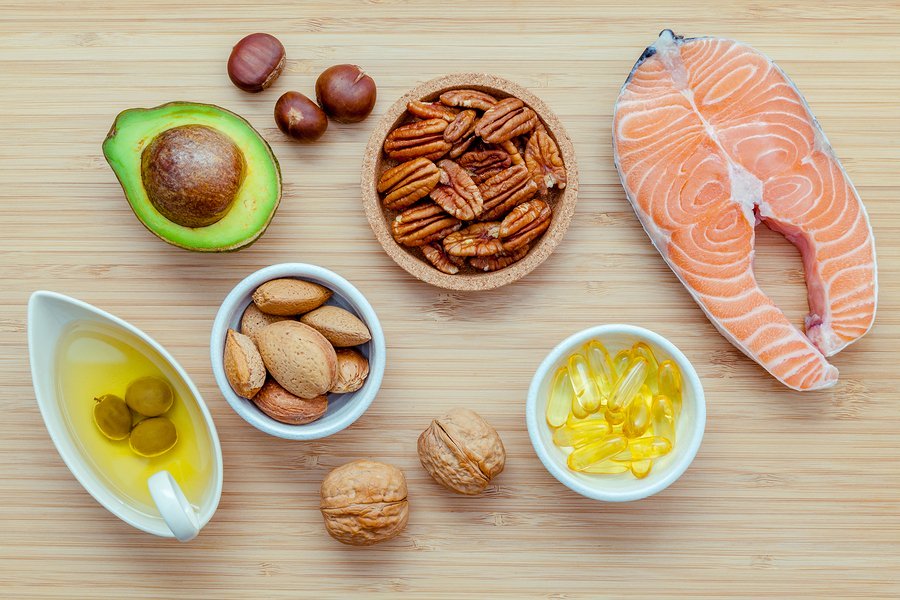
Monounsaturated fatty acids (MUFAs) are “healthy fats” that can help prevent diabetes, heart disease, and inflammation. However, they can have beneficial effects only taking into account dietary sources and other nutrients. Keep reading to learn the best food sources, benefits, and potential risks of monounsaturated fats.
Monounsaturated fatty acids (MUFAs) are fatty acids with one double bond in their structure, which determines some of their properties and health effects. They are found in [ 1 ]: Nuts
Avocados
Olives
Animal fats including lard, duck, and tallow (smaller amounts)
Moderate monounsaturated fats intake may reduce the risk of heart disease, improve metabolism and immune function, and more [ 2 ].
The most common MUFAs in daily nutrition are oleic and palmitoleic acids [ 3 ].
Oleic acid (omega-9), is a non-essential fatty acid, which means the body can create it. It may have anti-inflammatory and hearth-friendly effects [ 4 ].
For example, olive oil is 70 – 80% oleic acid. Many studies described its health benefits, such as reducing cholesterol levels, blood pressure, and inflammation [ 5 ]. Effects on Cholesterol
Oleic acid blocks cholesterol absorption in the small intestine. It activates the unfolded protein response pathway and decreases NPC1L1, which is important for cholesterol absorption [ 6 ]. Effects on Inflammation
Oleic acid can reduce inflammation due to saturated fats in human cells. It reduces ICAM-1 , which is part of the inflammatory response, and phospholipase A2, an inflammatory enzyme [ 7 ].
Oleic acid has various effects on the immune system and inflammation. MUFA-rich oils might have similar anti-inflammatory effects as fish oil. Like fish oil, olive oil helps to [ 8 ]: Decrease arachidonic acid and the production of the inflammatory mediator prostaglandin E2 [ 9 ].
Effects on Blood Pressure
Oleic acid reduces the stability of the cell membrane, which increases the activity of a receptor for adrenaline (α2-adrenoreceptor), thus potentially lowering blood pressure [ 10 ].
Source: https://www.ncbi.nlm.nih.gov/pubmed/28096141
Palmitoleic acid (omega-7) is present in the blood and in a normal human diet [ 11 ].
In the human body, palmitoleic acid is synthesized in the liver and fat tissues. Dietary sources include macadamia oil, cod liver oil , salmon, olive oil, chocolate , eggs, dairy fats, and sea buckthorn [ 12 ].
There are two forms of palmitoleic acid: cis and trans . The cis isoform is associated with decreased fat accumulation in the liver and increased insulin sensitivity. The trans isoforms are found in dairy products and partially hydrogenated oils and may be associated with lower risks of diabetes and slightly lower body fat [ 12 , 13 ]. Effects on Metabolism
Palmitoleic acid supports a healthy metabolism by:
AMPK is an enzyme that activates energy-producing pathways and inhibits energy-consuming ones. It helps prevent cancer and diabetes. At the same time, it also lowers cholesterol and triglycerides [ 14 ].
PPAR-alpha is a protein that helps turn on genes (transcription factors) involved in fat burning during starvation or ketosis [ 15 ]. Undecylnic acid
Myristoleic acid
Petroselinic acid
Elaidic acid
Vaccenic acid
Gondoleic acid Gondoic acid Cetoleic acid Erucic acid Nervonic acid A summary of clinical reviews and meta-analyses concluded that diets high in MUFAs increase HDL (“good”) cholesterol and likely lower the incidence of heart disease. The authors suggested further research in order to shed more light and provide specific recommendations [ 3 ].The famous “seven countries study” followed Mediterranean men and women over many decades and compared them to their counterparts in northern Europe, Japan, and the US. Those with diets rich in monounsaturated fats, including olive oil, had lower rates of heart disease [ 16 ].A diet high in monounsaturated fats can help lower cholesterol levels. The replacement of saturated fat with MUFA can decrease LDL cholesterol and the risk of heart disease [ 17 ].In a study of 180 patients, the Mediterranean diet (high in MUFAs) reduced body weight, markers of inflammation, and heart disease risk over 2 years [ 18 ].Diets high in MUFAs were associated with reduced risk for heart disease, heart attack, and stroke. Oleic acid, olive oil, and Mediterranean diets all help prevent heart disease-related deaths, according to a meta-analysis of 32 studies including 841,211 subjects [ 19 ].In studies of patients at risk of heart disease, both the high-carbohydrate diet and a high monounsaturated fat diet lowered total blood cholesterol levels. However, patients on the high monounsaturated fat diet saw lower LDL -cholesterol and triglycerides than those on the carbohydrate diet [ 20 , 21 , 22 , 23 ].Olive oil and other MUFAs help prevent LDL oxidation and, thus, atherosclerosis (hardening of the arteries) [ 17 , 24 ]. Blood Pressure In a study of 23 patients with elevated blood pressure, those assigned to high monounsaturated fat diets all had significantly reduced blood pressure after 6 months. Eight patients were able to stop taking blood pressure medication entirely while on the diet [ 25 ].However, the drop in blood pressure was also linked to reduced saturated fat intake and increased nitric oxide levels stimulated by polyphenols present in olive oil, not just to the high monounsaturated fat content [ 25 ].A summary of clinical reviews concluded that high-MUFA diets reduce blood sugar and hemoglobin A1c in type 2 diabetic patients [ 3 ].Diets high in monounsaturated fatty acids (MUFAs) may be healthier for diabetic patients than low-fat, high-carbohydrate diets. The Mediterranean diet, which is high in MUFAs, improves glucose control and insulin sensitivity [ 26 ].Olive oil intake is associated with a decreased risk of developing type 2 diabetes, according to a meta-analysis of 29 trials. However, some other substances in olive oil other than MUFAs may also be responsible for these effects [ 27 ].When a group of 162 healthy people was put on a 3-month high saturated fat diet, their insulin sensitivity decreased, compared to a high MUFAs group [ 28 ].Ten overweight diabetic patients improved their glycemic profiles (blood glucose and insulin value correlation) when placed on a high monounsaturated fat diet for 15 days [ 29 ].Eleven pre-diabetic patients […]
Genetics of Sleep and Insomnia – 21 Genes & SNPs to Check

Sleep problems may be caused by lifestyle factors, health conditions, and genetics. If you struggle with insomnia, it is important to understand which genes may play a role. A genetic makeup may influence lifestyle factors and point to specific aspects that need to be addressed. Read on to learn the genetics of your circadian rhythm and sleep requirements. Genes that Control Sleep Length and Requirements
Every cell in the human body has a molecular clock. This molecular clock controls our circadian rhythm through the ebb and flow of cellular production in 24-hour cycles.
This ebb and flow are controlled by transcription factors (proteins that control cellular production) in a genetic circuit that includes the genes CLOCK , BMAL1 , Period ( Per1 , Per2 , Per3 , often shorthanded collectively as Per), and Cryptochrome [ 1 ].
In addition to the circadian rhythm genes, DEC2 and Per3 are associated with changes in sleep requirements [ 1 ]. 1) CLOCK and BMAL
Deactivating CLOCK and BMAL1 genes decrease total sleep time in animal models [ 2 , 3 ].
Therefore, individuals with low functions of these genes may need less sleep.
The SNP rs1801260 (C) inside of CLOCK is linked to eveningness, being more sleepy during the day, and reduced morningness. People with the T allele are more likely to be morning people and have less total sleep duration [ 4 , 5 , 4 ].
The SNP rs2228099 inside of BMAL1 may be associated with insomnia and early awakening among middle-aged women [ 6 ]. 2) PGC-1alpha
PGC-1alpha has important roles in metabolism and mitochondrial health. It also activates clock genes, which control the circadian rhythm [ 7 , 8 ].
Mice without PGC-1alpha have an abnormal circadian rhythm, body temperature, and metabolic rate [ 9 ].
In some individuals, the CC genotype of rs8192678 inside PGC-1alpha is associated with worse insomnia in combination with ApoE4 [ 8 ]. 3) AhR
AhR (Aryl Hydrocarbon Receptor) has important roles in detoxification of certain toxins. In addition, AhR suppresses Per1 production, so it can disrupt CLOCK-BMAL activity and disturb the circadian rhythm [ 10 ]. Therefore, it is better to have AhR deactivated most of the time.
The SNPs rs2066853 ( AhR , A) and rs2292596 (AhRR, G or GC) are associated with insomnia and early awakening, especially in middle-aged women [ 6 ]. 4) DEC2
DEC2 (encoded by the BHLHE41 gene) represses CLOCK/BMAL1 activity. A mutation in DEC2 is associated with shorter sleep in humans and increased wakefulness in mice [ 11 ]. 5) Per3
Morningness and eveningness are partly heritable. That means you are likely to have a similar type as one of your parents [ 12 ].
Per3 has a variant that lengthens its protein by 18 amino acids. People with the longer form are more likely to be a morning person, whereas those with the shorter form are more likely to be a night owl or have delayed sleep phase syndrome [ 13 ].
People with the longer form also tend to suffer worse from cognitive dysfunction due to sleep deprivation than those with the shorter form [ 14 ].
The longer form seems to increase slow-wave sleep, REM sleep, as well as theta (meditative) and alpha (relaxing) brainwave activities during wakefulness [ 14 ].
The SNP rs10462021 inside of Per3 is associated with delayed sleep phase syndrome [ 15 ]. 6) ABCC9
The ABCC9 gene is used for making potassium channels mostly in the hearts and skeletal muscles. The A allele of the SNP rs11046205 correlates with reduced sleep duration, but how exactly this gene influences sleep is unclear [ 16 ].
Reducing the function of this gene in fruit flies prevent the flies from sleeping for the first three hours of the night [ 16 ].
It’s important to note that just because certain genotypes are associated with a condition or irregular lab marker, it doesn’t necessarily mean that everyone with that genotype will actually develop the condition. Many different factors, including other genetic and environmental factors, can influence the risk of insomnia and other sleep disorders.
Insomnia is partly contributed by genetics; approximately 35% of people with insomnia have some insomniac family members, with the mother being the most commonly affected [ 17 ].
In addition to the circadian rhythm genes, like BMAL, PER3 and CLOCK, there are other genes that may play a role in insomnia [ 18 , 19 , 20 ]. 1) 5-HT2A Serotonin Receptor
Blocking the 5-HT2A receptor promotes sleep in rats. Drugs that block 5-HT2A receptors are under development and clinical trials for the treatment of insomnia in humans [ 21 , 22 ].
The activation of the 5-HT2A receptor also exhibits a circadian rhythm [ 23 ].Activation of this receptor decreases glutathione and BDNF , two substances that are important for quality sleep [ 24 , 25 ].Because stress activates this receptor, people who genetically have higher 5-HT2A activation might be more susceptible to insomnia from stress. Read this post to learn more about 5-HT2A, which might be problematic in people with insomnia. Important SNPs rs6311 -1438 G/A: The “T” allele results in more receptors/increased gene expression and more active receptors [ 26 , 27 ]. rs6313 102 T/C: The “A” allele is associated with lower general health and social function. The A allele of rs6313 is almost always found together with the T allele of rs6311. rs6314 1354 C/T The A allele had reduced ability to activate the receptor or cause downstream signals. This means it causes a blunted signal after activation [ 28 ]. 2) Adenosine Receptors Adenosine is one of the sleep-promoting substances that are present at low levels in the morning and build up throughout the day. At nighttime, high levels of adenosine and strong activation of adenosine receptors are important for quality sleep [ 29 ].Because caffeine makes you feel awake by blocking adenosine receptors, mutations that reduce adenosine receptor function may correlate with insomnia from caffeine consumption.There are four types of adenosine receptors ( A1R , A2aR , […]
5 Benefits of Endorphins + How to Boost Endorphin Levels
Endorphins are hormones that can help reduce pain, regulate the levels of other hormones, and inhibit cancer growth. Along with their health benefits, endorphins also have their drawbacks. Continue reading below to learn more about these hormones.
What Are Endorphins?
Endorphins are a group of hormones produced by the brain. They can be released during exercise , periods of pain and stress , and other activities [ 1 ].
The pituitary gland and the central nervous system produce these hormones. They are involved in multiple everyday functions such as eating, drinking, sex, and maternal behavior [ 1 ]. Health Benefits
1) Natural Painkillers
Pain and other stressors cause a certain region of the brain (pituitary gland) to release endorphins [ 1 ].
When acting on the nerve cells to lessen discomfort, endorphins bind to the specialized receptors. This helps reduce the amount of pain felt [ 1 ].
This also inhibits the release of the neurotransmitter GABA , which in turn increases the production of dopamine , a neurotransmitter associated with pleasure [ 2 , 3 ].
Opioid painkillers such as morphine mimic endorphins produced in the body and compete with them for available binding spots at the receptor sites [ 1 ].
In a study on 45 pregnant women, low levels of endorphins at the end of pregnancy were associated with an increased need for painkillers during labor [ 4 ]. 2) Decreasing Stress, Anxiety, and Depression
The brain releases endorphins to help combat stress . These hormones reach target organs such as the pancreas and the adrenal medulla and stimulate them to release glucagon and adrenalin, respectively [ 5 ].
The brain region that produces endorphins (pituitary glands) also contains opioid receptors. By binding to them, endorphins can activate or block the production of the adrenocorticotropin hormone, another key player in the stress response , and other stress -involved hormones such as prolactin and growth hormone [ 5 ].
Endorphins seem to act on the emotional component of stress and depression (just like opioids control the emotional component of pain). In a study in mice, endorphins inhibited anxious behaviors. Engineered mice unable to produce endorphins were naturally hyper-anxious but more susceptible to the anti-anxiety effects of alcohol [ 5 , 6 ].
In another study on 37 healthy men, higher blood endorphin levels were associated with fewer abrupt mood changes (affective stability), a hallmark of conditions such as major depressive disorder and borderline personality disorder [ 7 ]. 3) Regulating Other Hormones
In fish, endorphins secreted from specific areas of the brain regulated the ovarian cycle by inhibiting the production of the luteinizing hormone in the pituitary gland [ 8 ].
Endorphin-treated sheep had fluctuating levels of two hormones involved in the reproductive cycle ( GnRH and LH ), suggesting the role of these hormones in balancing hormone levels [ 9 ].
As previously discussed, endorphins also regulate the production of stress-related hormones such as adrenocorticotropin hormone, prolactin, and growth hormone [ 5 ]. 4) May Help Treat Schizophrenia
The disturbances in dopamine transmission responsible for the pathology of schizophrenia are long believed to be caused by alterations in the endorphin system. In a clinical trial on 70 schizophrenic patients, the antipsychotic regimens normalized endorphin levels in the blood [ 10 , 11 ]. 5) May Inhibit Cancer Cell Growth
A positive attitude that increases endorphin release has been reported to reduce breast cancer growth and help cancer patients live longer [ 12 ].
In a study in rats with breast cancer, endorphin production prevented the spread of tumor cells into the lungs and reduced their death rate [ 13 ]. Negative Effects of Endorphins
1) May Induce Oxidative Stress and Inflammation
The release of endorphins caused the production of reactive oxygen species , which play a role in programmed cell death, cancer, and aging, in mice. White blood cells isolated from endorphin-treated mice were unable to produce anti-inflammatory cytokines ( IL-1beta and IL-10 ) [ 14 ]. 2) May Cause Prader-Willi Syndrome symptoms
Prader-Willi syndrome is a rare hereditary disorder with symptoms such as short stature, steroid hormone deficiency, cognitive and behavioral problems, reduced pain sensation, digestive issues, and excessive eating that often leads to obesity.
A study on 23 children with this syndrome found they had increased blood endorphin levels when compared to 18 healthy controls, which may be responsible for their increased appetite, decreased pain sensation, and reduced steroid hormone production (adrenal insufficiency) [ 15 ]. Factors that Modify Endorphin Levels
Ways Endorphin Levels Increase
Ultraviolet light increases endorphin levels in the skin, possibly causing addiction to UV radiation [ 23 ] Ways Endorphin Levels Decrease If you’re interested in natural and targeted ways of improving your mood, we recommend checking out SelfDecode’s Mood DNA Wellness Report . It gives you genetic-based diet, lifestyle and supplement tips that can help improve your mood. The recommendations are personalized based on YOUR genes. Decode Your Genome
7 Blood Markers Negatively Affected By Aging & Management

Our bodies undergo many changes as we age. Some of these changes are noticeable, such as aches and pains, longer recovery from workouts, and stubborn body fat that you just can’t get rid of. Other changes may go unnoticed if you’re not regularly getting the right lab tests done. As you grow older, many blood markers move in the wrong direction, putting you at an increased risk for some chronic diseases. Read on to find out which blood markers are most affected by the aging process and what you can do to slow and possibly prevent some of these changes. What are Blood Markers?
Blood markers refer to certain blood tests that are used to check certain aspects of your health.
For example, cholesterol is a blood marker that doctors used to evaluate your heart health.
While researchers don’t know exactly what causes aging, they have observed consistent changes in many blood markers with age. Every system in the body is negatively affected by aging, with the most prominent being the hormone, immune, and cardiovascular (heart and blood vessels) systems. Changes in specific blood markers clearly reflect this.
While some degree of change is inevitable (currently), there are ways to minimize the impact aging has on your lab markers. Keeping an eye on specific blood markers and taking the appropriate steps to keep them as close to youthful levels as possible will help you live healthier, for longer. Markers That Decrease With Age
1) DHEA-S
Dehydroepiandrosterone sulfate ( DHEA -S ) is a steroid hormone produced primarily by the adrenal glands. It is also produced to a lesser extent by the brain and skin, as well as by the testes (in men) and ovaries (in women) [ 1 ].
Together with regular DHEA, DHEA-S is the most abundant steroid hormone circulating in the blood and is the precursor (building-block) to the more powerful sex hormones testosterone and estradiol , the main estrogen [ 2 ].
DHEA-S is important for:
DHEA-S levels peak around 20 years of age and begin to decline rapidly in the mid-’20s, with levels decreasing by as much as 80% at 75 years of age [ 6 ].
Lower DHEA-S levels have been linked to depression , non-alcoholic fatty liver disease (NAFLD), hardening of the arteries (atherosclerosis), and heart disease [ 7 , 8 , 9 , 10 , 11 , 8 ].
There are a couple of options to help counteract this age-related decline: You can also take DHEA in supplement form to boost your DHEA-S levels. One study in 19 middle-aged men and women found 100 mg of DHEA for six months increased DHEA-S levels to those seen in young adults. If you have low DHEA-S levels and decide to go this route, make sure to routinely test your levels during supplementation and do so under the guidance of your doctor [ 13 ]. This supplement is great for some people, but there is evidence that supplementing with DHEA may promote the growth of prostate cancer [ 14 , 15 ].
2) Testosterone (Total, Bioavailable, and Free)
Testosterone is a hormone mainly produced by the testes in men and the ovaries in women. Less than 10% is produced by the adrenal glands and brain in both sexes [ 16 ].
Testosterone has a diverse range of beneficial effects throughout the body. It [ 17 , 18 , 19 ]: Improves bone health
Helps to build and maintain muscle mass (lean body mass) and strength
Increases red blood cell production
Improves libido and sexual function
Increases sperm production
Plays a role in mood and brain function
After the age of 30, total testosterone levels decrease by 1-2% a year in both men and women [ 20 , 21 , 22 ]. Free testosterone, the type that is not bound to anything and able to affect your cells and tissues, decreases at an even faster rate than total testosterone [ 23 ]!
Fortunately, there are ways to optimize your testosterone levels and minimize this decline: If you are overweight, research suggests that the best thing you can do to increase your testosterone levels is to lose weight. Obesity decreases testosterone levels, and low testosterone, in turn, increases fat accumulation, resulting in a vicious cycle. Implement a healthy diet and exercise regime to reach your weight goals [ 24 , 25 , 26 ].
Another important factor in testosterone production is sleep . Make sure you are getting enough uninterrupted sleep. This means avoiding blue light before bed or wearing blue-light blocking glasses, not drinking caffeine too late in the day [ 27 , 28 , 29 , 30 ]
Another great way to boost your testosterone levels is to exercise. Engage in moderate-intensity aerobic exercise several times a week [ 31 , 32 , 33 , 34 , 35 ].
Check your zinc and vitamin D levels, and increase them if you’re deficient [ 36 , 37 , 38 ]. Zinc is a crucial mineral for testosterone production. You can boost your zinc levels by eating oysters, beef, crab, cashews, and pumpkin seeds [ 36 , 37 ]. You can boost your vitamin D levels by spending more time in the sun.
Discuss the following supplements with your doctor. Studies suggest they may help increase testosterone levels Remember, always speak to your doctor before taking any supplements, because they may interfere with your health condition or your treatment/medications! 3) HDL-C HDL-C , also known as the “good cholesterol ”, is cholesterol that is being carried away from the cells and blood vessels back to the liver to be removed from circulation [ 51 ].Higher HDL-C levels are associated with a lower risk of heart disease. As we age, our HDL-C levels decrease gradually and our risk of heart disease increases [ 51 , 52 , 53 , 54 ].You can help slow this decline by: Exercising regularly. People who are less physically active have lower HDL-cholesterol levels [ 55 ]. Eat a balanced, healthy diet. Studies suggest that fiber, found in […]
American Ginseng Health Benefits, Side Effects & Caution

American ginseng is a member of the famous ginseng family, with potential immune-boosting and antioxidant properties. It may prevent diabetes, common cold, and cognitive decline, but the available evidence is scarce. Keep reading to learn the benefits, side effects, and drug interactions of American ginseng. What is American Ginseng?
American ginseng ( Panax quinquefolius ) is a herb that grows mainly in North America. This particular ginseng is in such high demand that it has been declared a threatened or endangered species in some states in the United States. People take it for stress , to boost the immune system, and as a stimulant [ 1 ].
Ginsenosides are the active components of ginseng and are usually found in the root extracts. Ginsenosides have antioxidant properties and can also help protect the brain [ 2 ]. Snapshot
Proponents : Antioxidant and anti-inflammatory
May help with diabetes
May prevent cold & flu
May improve brain function
Skeptics : Clinical evidence is scarce
Dangerous for pregnant women
Interacts with blood thinners
Antioxidant Effects
Ginseng and ginsenosides have an anti-oxidant effect that is manifested as a decrease in oxidative stress [ 3 ].
Ginsenosides Rg2 and Rh1 are effective at improving energy metabolism and protecting mitochondria [ 4 ]. Anti-Inflammatory Effects
Several ginsenosides such as Rd, Rg1, Re, Rg3, Rh2, and Rb1 can control brain inflammatory responses in cultured brain cells. The anti-inflammatory effects might be related to the antioxidant property of ginseng [ 5 ].
It also suppresses inflammation in the colon and prevents DNA damage from occurring [ 6 ]. Health Benefits
1) Cold Prevention
According to four clinical trials of over 1,300 participants, a specific American ginseng extract (CVT-E002, 200-400 mg twice daily) during flu season may decrease the risk of a respiratory tract infection such as the common cold or flu, especially in the elderly [ 7 , 8 , 9 , 10 ].
However, some of these studies were funded by a company that sells the extract, which indicates a potential conflict of interest . 2) Diabetes
Taking American ginseng (3 gr, up to 2 hours before a meal) significantly prevented blood glucose rises in two studies of 19 diabetics and 10 healthy individuals [ 11 , 12 ].
Both American and Asian ginseng root showed anti-diabetic effects in mice [ 13 ].
Preliminary research is promising, but we still lack solid clinical evidence.
No valid clinical evidence supports the use of American ginseng for any of the conditions in this section. Below is a summary of up-to-date animal studies, cell-based research, or low-quality clinical trials which should spark further investigation. However, you shouldn’t interpret them as supportive of any health benefit. 3) Brain Function
Administration of American ginseng to 52 healthy young adults enhanced working memory, calmness, and mood [ 14 ].
Ginseng and ginsenosides can rescue nerve cells by increasing cell survival, extending neurite (projections sticking out of neurons that allow for communication with other neurons) growth, and rescuing neurons from death both in humans and cell cultures [ 5 ].
They also showed beneficial effects in animal models of Parkinson’s and Alzheimer’s diseases [ 15 ].
Long-term ginsenoside administration to mice prevented memory loss or impairment [ 16 ]. No clinical evidence supports the use of American ginseng for any of the conditions listed in this section. Below is a summary of the existing animal and cell-based research, which should guide further investigational efforts. However, the studies listed below should not be interpreted as supportive of any health benefit. Withdrawal Symptoms Pseudo Ginsenoside-F11, a saponin contained in American ginseng, effectively reduced anxiety , depression , and memory deficits and alterations of monoamine contents in animal models of drug withdrawal [ 5 ]. Side Effects and Precautions This list does not cover all possible side effects. Contact your doctor or pharmacist if you notice any other side effects. In the US, you may report side effects to the FDA at 1-800-FDA-1088 or at www.fda.gov/medwatch . In Canada, you may report side effects to Health Canada at 1-866-234-2345. American ginseng is likely safe when taken in adequate amounts, short-term. It may also be safe for children, but they should use it under strict medical supervision. Possible side effects are mild and include headache and insomnia [ 17 ].Due to its potential to cause birth defects, shown in animal studies, pregnant women should not take American ginseng [ 18 ]. Drug Interactions Supplement-drug interactions can be dangerous and, in rare cases, even life-threatening. Always consult your doctor before supplementing and let them know about all drugs and supplements you are using or considering. American ginseng may interact with blood thinners (warfarin), diabetes drugs, and immunosuppressants . Caution and strict medical supervision are warranted before using these combinations [ 19 ].
5 Main Types of Tea + Production & Active Components
Did you know that the only real tea comes from the tea ( Camellia Sinensis) plant? Based on the production process, there are 5 main types of tea, and they all vary in taste and active components. Although caffeine is undoubtedly the most popular, many other tea components have antioxidant and health-promoting effects. Read on to learn the main types of tea, how they are produced, what makes them unique. Types of Tea
While many types of herbal infusions are referred to as teas, true tea is a beverage made exclusively from the leaves or flowers of the Camellia Sinensis plant, a shrub native to Asia. It is one of the most popular drinks in the world, trailing only water in its consumption.
Indeed, in many countries and cultures around the world, tea is the main beverage consumed at social gatherings and some cultures including Japanese and Chinese have created ceremonies around the drink.
Most people are familiar with the green and black types of tea, but the ubiquitous beverage can also be consumed in white, Oolong or fermented forms such as Pu’er. Each of these different types of tea has unique molecular profiles and therefore may differ in their biological effects. Of the various forms, green tea is the most studied for its health benefits. 1) White Tea
While there is no universally accepted definition of white tea, it generally refers to a type of tea made from immature leaves covered in white hairs, that are neither rolled nor oxidized during processing.
Rolling is the process by which tea leaves are wrapped around themselves, causing the sap and essential oils in the tea to released. Oxidation is a chemical reaction used during the processing of black and Oolong teas that both increases and decreases levels of certain polyphenols [ 1 ]. 2) Green Tea
Green tea is the most studied type of tea. It is made from mature leaves that are wilted (dried to reduce water content) and then heated (usually steamed) to inactivate the enzymes responsible for oxidation reactions. The green is indicative of the concentrations of the plant pigment chlorophyll, which is normally completely broken down in black and Oolong teas, giving them their characteristic dark colors [ 2 ]. 3) Black Tea
The most popular form of tea, black tea is an extraction made from tea leaves that have been oxidized to the point where there is very little chlorophyll left, changing levels of certain polyphenols , such as tannins and catechins [ 3 ]. 4) Oolong
Oolong is made by drying tea leaves out in sun to wither and oxidize them (though not to the extent of black tea), bruising the leaves, and then baking or roasting them to create a unique flavor [ 3 ]. 5) Fermented (Pu’er)
Named after a city in the Yunnan province in China, Pu’Er tea is a type of tea that has been fermented by bacteria and oxidized after being dry roasted and wilted.
The fermentation process usually takes between 45 to 60 days and is carried out by a combination of bacterial and fungal species. Although some strains of the mold do produce a toxin known as ochratoxin, research has found that the specific strain used to make Pu-er does not have the genetic sequence to produce ochratoxin [ 4 ]. Main Tea Components
Caffeine
One eight-ounce serving of tea contains between 14 – 61 mg of caffeine , and there is no clear association between the type of tea and amount of caffeine [ 5 ].
Caffeine has been well-documented in its ability to enhance aerobic athletic performance. It also has the ability to increase lipolysis, which is the breakdown of stored fat into free fatty acids that can be used for energy [ 6 , 7 ].
Caffeine may also improve memory and reaction time. However, anxiety and other unpleasant side effects been noted with higher doses [ 8 , 9 ]. Epigallocatechin-3-gallate (EGCG)
Catechins are a type of polyphenol that is found in tea, with epigallocatechin-3-gallate accounting for more than 50% (by mass) of the catechins present in green tea [ 10 ].
Research has found that EGCG increases both the production and activity of key antioxidants such as glutathione peroxidase , superoxide dismutase , and catalase [ 11 ].
EGCG has also been shown to protect the brain and prevent cognitive impairment in mice models of Alzheimer’s [ 12 , 13 ]. L-Theanine
L-theanine has anti-anxiety effects and may increase mental alertness [ 14 ].
Also, L-theanine tested in animals improved neurotransmitters in the brain: GABA , dopamine , and serotonin [ 15 ].
In a double-blind, controlled trial in 12 undergraduate men, L-theanine improved stress response [ 16 ].
When combined with caffeine, L-theanine has been shown to counteract its negative effects and have synergistic effects in increasing focus, decreasing reaction time, and improving working memory [ 17 , 18 ].
Potential Effects of rs6265 (BDNF): Stress, Weight, Cognition + More
One of the most well-studied genetic variants in the BDNF gene is the SNP rs6265. The variant that a person carries for this SNP has been reported to affect how much BDNF their brain produces. Because BDNF is believed to be critical for many important processes – such as neurogenesis and synaptic plasticity – this genetic variation could potentially have a variety of significant effects on various aspects of physical health and mental well-being. In this post, we’ll discuss what some of the latest science has to say about some of the effects that may be associated with certain genotypes for this SNP. Read on to learn more! What Is The rs6265 Variant?
In our previous post on the BDNF gene SNP rs6265 , we discussed how certain variants in this gene may influence the amount of BDNF a person produces, as well as some of the potential mechanisms that might be responsible for these differences.
If you missed that post, we highly recommend starting there first – you can find it by clicking here .
Additionally, if you want a more detailed breakdown of exactly what BDNF is and why it’s important, we recommend checking out our comprehensive post on BDNF here .
In this post, we’ll turn to discussing some of the scientific findings that have associated each of the different rs6265 genotypes with more complex effects, which may, in turn, affect various aspects of physiological and psychological health!
You can use SelfDecode to find out what your genotype is.
However, once again keep in mind the limitations and caveats we discussed in the previous post! These findings are all just associations , and these links have not been demonstrated to be directly causative yet. Therefore, just because you have a certain genotype does not automatically mean that you will have any of the traits or conditions that have been associated with that genotype.
With that in mind, let’s see what the science has to say about what the different genotypes for the BDNF SNP rs6265 could potentially mean!
A number of studies have investigated the relationship between this BDNF variant and body weight/obesity.
For example, in men, carriers of the ‘CC’ genotype for rs6265 have been reported to have roughly twice the risk of being overweight compared to people with one or more ‘T’ alleles. However, this same study reported the opposite association in women, where carriers of the ‘CC’ genotype were reported to be up to 50% less likely to be overweight, compared to carriers of one or more ‘T’ alleles [ 1 ]. The results of this study may, therefore, suggest that some of this BDNF variant’s effects may be sex-specific, and more research will be needed to fully tease these nuances out.
Relatedly, some early evidence suggests that rs6265 may influence the effects of certain diets on overall body weight. For example, one study reported that among men with the ‘CC’ genotype, those who consumed diets rich in poly-unsaturated fatty acids (PUFAs) tended to weigh significantly less than ‘CC’ carriers with other diets [ 1 ]. This may suggest that people who carry the ‘CC’ genotype may be more likely to benefit from a high-PUFA diet.
This same study also reported a similar trend among women with the ‘CC’ genotype, although this effect was smaller, and ultimately failed to reach statistical significance [ 1 ]. This may suggest that this association, too, is sex-specific.
While these early findings are promising, much more research will still be needed before any firm conclusions can be made about the effect of this particular BDNF variant on overall body weight.
Preliminary findings from some early studies may suggest that BDNF variants – such as rs6265 – may also play a key role in how the body and brain respond to stress .
For example, one study has reported that men with the ‘CC’ genotype showed a larger increase in salivary levels of the “stress hormone” cortisol compared to men with one or more ‘T’ alleles [ 2 ].
Relatedly, another study has also reported that carriers of the ‘T’ allele for rs6265 showed significantly less stress-related activity in the HPA axis compared to people with the ‘CC’ genotype [ 2 ].
While these initial findings might seem to suggest that carriers of the ‘CC’ genotype might be relatively more sensitive to stress in general, at least one additional study has actually reported the opposite effect! According to this study, ‘CC’ carriers were reported to actually show less stress-induced anxiety-like behaviors compared to people with the ‘TT’ genotype [ 3 ].
Overall, while some early evidence suggests a potential relationship between rs6265 genotype and the stress response, the complicated and sometimes-contradictory nature of the findings so far indicates that this relationship may be quite complex, and will most likely need a lot more intensive research before we can fully understand the nuances behind it. BDNF and Stress: Potential Mechanisms
If there is a potential link between BDNF and stress, what might the nature of this relationship be, and what mechanisms might be responsible?
Some clues come from animal studies. For example, injections of BDNF into the hypothalamus of animals led to increased production of the stress-related hormone CRH , and activated the brain’s HPA axis [ 4 ].
In other words, increased BDNF in the hypothalamus may stimulate the stress response (via CRH), whereas reduced expression of BDNF, in general, has been associated with a somewhat suppressed stress response (again via CRH).
However, research from other stress-related mechanisms suggests that the main “stress hormone” cortisol sometimes “shuts off” the stress response by decreasing BDNF levels in the hypothalamus. When cortisol levels are not regulated properly – which can sometimes occur in response to both chronic or severe acute stress – CRH levels can also become dysregulated (elevated), which causes the stress response to be chronically activated [ 4 ].
If BDNF also acts on the stress response by increasing CRH levels, this may potentially explain why people who produce more BDNF (i.e. the ‘CC’ genotype) might tend to be more sensitive to stress.
Additionally, […]

The Power Within by Corey Daniels book available for only $2.99
Mind has both conscious and subconscious halves. These are likened to a driver and the truck he drives. The driver plans the destination and observes road conditions, while the truck provides motive power. Your subconscious mind is like the truck and it only goes in the direction in which is a steered. This can be the road or off a cliff. Likewise, the consciousness paints a picture of what the world is and what your goals are and the subconscious acts on them through emotion, physical response and energy, whether these are correct, rational images or false negative ones. The subconscious is also like an emotional reservoir which your body and mind draw responses from to external stimuli.
The Power Within lays out a method of programming your subconscious and tapping into the Holy Spirit, God voice or what the Greeks called the daimon (godman).