Nature Knows and Psionic Success
God provides
Your brain on sugar: What the science actually says

Summary: From reducing memory capability to increasing the risk of diabetes and obesity, researchers investigate how sugar affects the brain and body. Source: The Conversation We love sweet treats. But too much sugar in our diets can lead to weight gain and obesity, Type 2 diabetes and dental decay. We know we shouldn’t be eating candy, ice cream, cookies, cakes and drinking sugary sodas, but sometimes they are so hard to resist. It’s as if our brain is hardwired to want these foods. As a neuroscientist my research centres on how modern day “obesogenic,” or obesity-promoting, diets change the brain. I want to understand how what we eat alters our behaviour and whether brain changes can be mitigated by other lifestyle factors. Your body runs on sugar — glucose to be precise. Glucose comes from the Greek word glukos which means sweet. Glucose fuels the cells that make up our body — including brain cells (neurons). Dopamine “hits” from eating sugar On an evolutionary basis, our primitive ancestors were scavengers. Sugary foods are excellent sources of energy, so we have evolved to find sweet foods particularly pleasurable. Foods with unpleasant, bitter and sour tastes can be unripe, poisonous or rotting — causing sickness. So to maximize our survival as a species, we have an innate brain system that makes us like sweet foods since they’re a great source of energy to fuel our bodies. When we eat sweet foods the brain’s reward system — called the mesolimbic dopamine system — gets activated. Dopamine is a brain chemical released by neurons and can signal that an event was positive. When the reward system fires, it reinforces behaviours — making it more likely for us to carry out these actions again. Dopamine “hits” from eating sugar promote rapid learning to preferentially […]
Wake up refreshed: 7 tiny changes that’ll result in better sleep – every single night

Sleep isn’t a luxury. In fact – skimping on zzz’s compromises everything from your immune system to your memory. When we sleep not only are we getting some much-needed rest from our increasingly busy lives, we are also allowing out body to pretty much regenerate and renew itself. It’s true. For instance, evidence suggests that the brain’s trillions of nerve cells literally rewire themselves when we sleep, and as for our skin – well, there is a reason it is called beauty sleep, you know. Getting enough sleep is all sorts of good for our health, and can actually reduce your risk for heart problems, obesity, high blood pressure, diabetes and even cancer. The general advice is that we should aim for between seven and nine hours of sleep at night, something many of us struggle to get. However, sometimes small changes can end up having big and long-lasting effects , and if you are struggling with your sleep, try making one (or all) of these adjustments and see how you get on: 1. Ditch the afternoon latte If you have trouble falling asleep at night or if your sleep is restless , caffeine may be the issue. Our ability to recover from the effect of caffeine diminishes as we age, so it may be time to give up late-night coffees—or even late-afternoon ones. 2. Swap your regular cuppa for camomile tea Experts are out on whether or not herbal teas actually have an effect of sleep, but what we do know is that a calming evening routine can massively improve your chance of falling asleep when you head hits the pillow. Entering sleep in a more relaxed state aids in the quality of sleep you get. Even if tea isn’t a cure-all in terms of sleep, it’s also […]
10 Acetylcholine Benefits, Function & Supplements
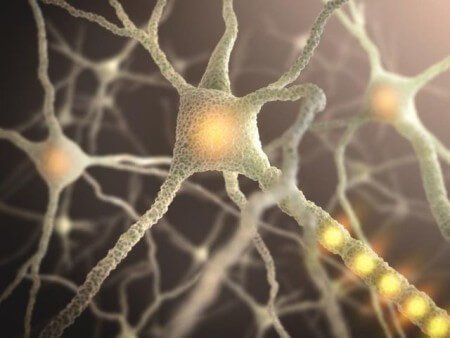
Acetylcholine is a hot topic within the realm of memory enhancement. It is a neurotransmitter that is critical for the everyday functioning of the brain, particularly in the areas of movement, learning & memory, and sleep quality. Check out this post to learn how to promote balanced acetylcholine in your body and function at your very best. What Is Acetylcholine? Acetylcholine is used by organisms in all domains of life for a variety of purposes. It is believed that choline , a precursor to acetylcholine, was used by single-celled organisms billions of years ago, for creating the cell layers [ 1 ]. Acetylcholine is a neurotransmitter that is used for many things: from stimulating muscles to memory and sleep . Acetylcholine is synthesized from acetyl-CoA (which comes from glucose) and choline, with the help of the enzyme choline acetyltransferase [ 2 ]. Acetylcholine controls movements by causing muscle contractions. Acetylcholine and histamine interact together to contract muscles in the lungs [ 3 , 4 ]. In the brain, it is involved in memory and attention, and promotes the phase of sleep associated with dreaming (REM sleep) [ 5 , 6 , 7 ]. Too little acetylcholine in the memory center of the brain (hippocampus) has been associated with dementia and Alzheimer’s [ 5 ]. Scopolamine, a drug that blocks acetylcholine, impaired acquisition of new information in humans and animals [ 8 , 9 ]. In monkeys, disruption of the supply of acetylcholine to the brain (neocortex, hippocampus) impaired the acquisition of factual information (discrimination learning) and also produced forgetting comparable to human amnesia [ 10 , 11 ]. In an observational study on almost 1400 people, higher choline intake was related to better cognitive performance (verbal and visual memory) [ 12 ]. There is a link between acetylcholine and […]
12 Health Benefits of Saffron + Side Effects & Dosage

Saffron, often referred to as the ”golden spice” has been used as a seasoning and coloring agent in food for centuries. Modern research confirms the benefits of saffron for mental health, eyesight, and immunity, but casts doubt on other traditional uses. Read on to discover the uses, benefits, and side effects of saffron. Saffron, also known as Za’faran, is a spice derived from the Crocus sativus plant. Alluding to its yellow color and high cost, saffron is often referred to as the Golden Spice. Saffron has been used as a seasoning in food and as a coloring agent for over 4 millennia. Today, over 90% of the world’s saffron supply stems from Iran [ 1 ]. The Crocus sativus flower consists of thread-like, crimson-colored structures known as stigmas. The stigmas are collected and dried, resulting in the saffron spice [ 1 ]. Saffron is composed of a variety of chemical compounds that give rise to its taste, color and health benefits. Proponents: May help with Alzheimer’s disease May relieve depression Helps with painful periods and PMS Supports the immune system May enhance physical performance May protect the brain, heart, and liver Most benefits lack stronger clinical evidence Effective doses can’t be reached without supplements Cooking may destroy some beneficial components Potentially dangerous to pregnant women Historically, saffron was used in traditional medicine to treat a variety of ailments including: Similarly, saffron was often included in various preparations used for pain relief [ 1 ]. In modern medicine, saffron has gained popularity for its wide range of therapeutic applications, including but not limited to [ 1 , 2 ]: Today, a number of saffron formulations exist containing doses that have been proven to have a positive outcome. These include [ 3 ]: Itch cream Scar removal cream Tablets Infusion into […]
17 Histamine Health Effects: Cognition, Inflammation & Sleep
Histamine is often cast as a villain for its role in inflammation and allergies, but this neurotransmitter regulates sleep, appetite, sexual behavior, and more. Read on to learn about the many vital functions of this inflammatory signal molecule. You may have landed here from our previous post on histamine. If so, you know that this biogenic amine acts on four receptors (H1R, H2R , H3R , and H4R ) to regulate sleep, appetite, motivation , learning, memory, and sexual behavior. If not, you may want to read that post before continuing into this deep dive into the health effects of histamine. Health Effects of Histamine You may have heard some pretty bad things about histamine. It tends to be discussed in the context of bug bites, itching, and allergies, but histamine is extremely important to your body’s daily function. 1) Alertness and Wakefulness Histamine sets your circadian clock . The first type of histamine receptor, H1R, helps you stay awake . Many antihistamine medications block this receptor, which is why they can make you drowsy [ 1 , 2 , 3 ]. H3R, by contrast, lowers histamine and promotes sleep . Neurons that release histamine are active during the day, stop working as you get drowsy in the evening, and start again after you wake up [ 4 ]. Low brain histamine can make you excessively sleepy during the day . It might also make waking up in the morning a struggle , even if you got enough sleep . People with narcolepsy have low brain histamine and uncontrollably fall asleep during the daytime. Tiprolisant is a drug that can increase their wakefulness and brain histamine by blocking H3R [ 3 , 5 ]. Histamine helps you stay awake during the day, which is why antihistamine medications can make […]
Pregnenolone Uses, Side Effects & Safety

Pregnenolone is a hormone that the body produces from cholesterol. Despite a lack of effectiveness and safety data, pregnenolone made its way into some compounding pharmacies and bodybuilding products. However, many users are not told that pregnenolone is not a dietary supplement but an unapproved drug. What is Pregnenolone? Pregnenolone is a steroid hormone that the adrenal glands, brain, and gonads produce from cholesterol. In the body, it’s considered a precursor of other steroid hormones like testosterone, progesterone, cortisol, and estrogen. That’s why it’s sometimes referred to as a “prohormone” [ 1 , 2 , 3 , 4 ]. There’s been some research on pregnenolone in the past decades, mostly in lab animals. Proper scientific evidence is lacking to determine the effectiveness and safety of pregnenolone. Despite this, some companies advertise pregnenolone as an anti-aging and nootropic compound. It has been marketed for boosting the production of other hormones. Some claim it may make people feel more energetic and youthful. These claims are unsubstantiated. The FDA issued a warning letter to New York-based company called American Hormones for illegally producing pregnenolone [ 5 ]. This is a serious violation. In the letter, the FDA states that pregnenolone is a new unapproved drug since it is not generally recognized as safe and effective for the labeled uses among experts. What’s more, the company in question purported to be a compounding pharmacy, although they were actually operating as a pharmaceutical manufacturer. This poses a major risk to public health . Manufacturers that don’t follow laws and regulations sell potentially dangerous, adulterated, and misbranded compounds to consumers. The same company also made numerous unsubstantiated claims about “bioidentical hormones” such as progesterone . Pregnenolone is not explicitly listed on the World Anti-Doping Agency (WADA) Prohibited List. However, all non-approved substances are on the […]
32 Pycnogenol & Pine Bark Extract Benefits + Dosage

According to research, Pycnogenol may have a multitude of health benefits, which are likely due to this extract’s antioxidant and anti-inflammatory properties. Learn about all the potential benefits of Pycnogenol and find out which ones are most supported by science. Pycnogenol is a patented extract of the French maritime pine bark ( Pinus pinaster ). It is standardized to contain 65-75% procyanidins, a class of polyphenols and flavonoids like those found in blueberries, wine, grape skin, citrus, and cocoa . Some research suggests that procyanidins may have antioxidant and anti-inflammatory activity. The remaining compounds are phenolic acids, which may also have antioxidant activity [ 1 , 2 ]. Research into Pycnogenol has revealed some promising results in over 30 health conditions. However, it’s unclear how clinically effective Pycnogenol is for most of these conditions due to the low quality of evidence. That said, there are some instances where this extract may possibly be effective. In this article, we’ll summarize all the potential benefits and the scientific research surrounding pine bark extract and Pycnogenol. Pycnogenol is officially extracted from the French maritime pine ( Pinus pinaster ), which grows in the southwest coast of France. Its quality is specified in the United States Pharmacopeia [ 3 ]. Pycnogenol is known under different names in some countries, such as Oligopin, and Flavangenol in Japan [ 4 , 5 ]. Extracts can also be made from other pine barks, such as Pinus radiata , Pinus densiflora , Pinus thunbergii, and Pinus massoniana . Most have similar amounts of active substances and are often sold under the brand name Pycnogenol [ 6 ]. However, some of these other pine bark extracts can have different active compounds, which may affect their biological activity. For example, Enzogenol is an extract from a pine that grows […]
5 Sulbutiamine (Arcalion) Benefits + Dosage, Side Effects

Sulbutiamine is a fat-soluble derivative of thiamine. It is considered an energy booster and is used in France to reduce fatigue. It may also stimulate digestion, boost memory, and protect the brain, but the research is limited. Read on to learn more about the health benefits of sulbutiamine, dosage, and possible side effects. Japanese scientists developed sulbutiamine in the 60s while exploring treatments for thiamine deficiency. Some brand names for this compound are Enerion and Arcalion [ 1 ]. Sulbutiamine is synthetically produced by binding two thiamine (vitamin B1) molecules together. Sulbutiamine is more fat-soluble than thiamine, allowing it to pass to the brain easier (cross the blood-brain barrier) [ 2 ]. Sulbutiamine increases thiamine in the brain more than other forms of thiamine [ 3 , 4 ]. Proponents: Reduces fatigue May improve cognition May protect the brain and nerves May stimulate digestion Most uses lack clinical evidence Long-term safety is unknown May Increase thiamine (and thiamine derivative) levels more than thiamine itself [ 1 ]. Increases dopamine (D1) and glutamate activity in decision-making regions of the brain (such as the prefrontal cortex) [ 5 , 6 ]. Increases energy use in the brain (by increasing thiamine triphosphate) [ 4 ]. In a study of 1,772 patients with infections and chronic fatigue , sulbutiamine (along with anti-infective treatment) helped with low energy. Fifty-two percent of the patients felt a significant boost in mood and energy [ 10 ]. 326 patients with chronic fatigue (post-infection) were treated with sulbutiamine or a placebo. Some individuals felt an energy boost from sulbutiamine, but the results were not significant [ 11 ]. Sulbutiamine reduced fatigue by 44% in 341 patients with chronic fatigue, but this study lacked a placebo control [ 12 ]. In another uncontrolled study of 40 participants, sulbutiamine treatment […]
6 FODMAP Diet Benefits for IBS + Who Could Benefit

For most people, FODMAPs are harmless or possibly beneficial carbohydrates that feed the bacteria in our guts. For people with IBS, they may produce hours of pain, bloating, and frantic trips to the bathroom. Could the low FODMAP diet be part of the solution? Read on to find out. What are FODMAPs? FODMAPs are a group of carbohydrates which, in the last decade or so, have been identified as the prime suspects behind irritable bowel syndrome , or IBS. FODMAPs is a catchy acronym that stands for F ermentable O ligosaccharides, D isaccharides, M onosaccharides, A nd P olyols [ 1 , 2 , 3 ]. Fructose Lactose Fructans and galactans Galacto-oligosaccharides (GAS) Polyols (sugar alcohols, or any sweetener that ends with -ol) The human gut can’t digest or absorb FODMAPs. Instead, they are fermented by some types of gut bacteria , such as Prevotella , Actinobacteria , Bifidobacterium and Faecalibacterium species [ 4 , 5 , 6 ]. The major products of FODMAP fermentation are short-chain fatty acids (SCFAs), including butyrate . These nutrients feed the cells of the intestinal wall, lower intestinal pH, and strengthen the gut barrier . As intestinal pH decreases, so do the populations of Enterobacteria and Clostridia , widely considered “bad” bacteria [ 7 , 4 , 8 ]. SCFAs also activate AMPK , an “energy sensor” that revs up metabolism. When AMPK activates, the body burns more fat and becomes more sensitive to insulin [ 9 , 10 ]. For most people, then, FODMAPs should be beneficial. So why are they associated with such troublesome symptoms in some people? Despite their potential benefits, FODMAPs may produce (or at least worsen) symptoms in people with irritable bowel syndrome , or IBS. IBS is a digestive disorder that causes abdominal pain, gas, bloating, and […]
Factors That Increase Klotho (Protein) + Gene Associations
Klotho is a protein that plays a role in intelligence and longevity. Read on to learn about genetic and environmental factors that may increase it. Klotho is a protein that circulates in the blood and brain throughout life. It declines with age, in conjunction with cognitive deficits [ 1 , 2 , 3 , 4 ]. According to some research, it plays a role in longevity [ 5 , 6 ]. People with genetic variants with higher levels of Klotho had lower rates of heart disease in one study [ 8 ]. Klotho suppresses insulin and IGF-1 pathways in mice. It suppresses the production of biologically active vitamin D (decreases 1alpha-hydroxylase) [ 9 , 10 ]. Klotho may also enhance antioxidant balance [ 11 ]. Mouse Studies on Klotho The below findings should guide further investigational efforts, but they should not be interpreted as supportive of any health effect of Klotho protein in humans. According to the observations of some researchers, some mice bred for higher levels of Klotho : Doubled GluN2B levels (NMDAR subunit) in the mouse hippocampus [ 13 ]. GluN2B enhances cognition [ 14 , 15 , 16 ] and dysfunction of this subunit contributes to Alzheimer’s [ 13 , 17 ]. According to other observations, some mice bred to have lower levels of Klotho experience : Increased production of Calcitriol / Active vitamin D and higher blood calcium and phosphorous, which might be the cause of premature aging in one study [ 10 ]. Increased ADH and Aldosterone [ 22 ]. One study says that the excessive formation of Calcitriol in Klotho-deficient mice results in volume depletion outside cells, which contributes significantly to the shortening of life span [ 22 ]. The role of Klotho protein in human health and disease is not fully clear. […]
The Role of CRH in Negative Health Effects of Stress

Stress is harmful in numerous ways. This post focuses on one of the most important mediators of the negative effects of stress, but it’s not the only culprit. If you have one or more of the following, you might have a stress-related issue (the more you have the more likely): “leaky gut”, “leaky brain”, mast cell/ histamine issues , skin problems, sleep issues, SIBO , gut inflammation and general inflammation, IBS-Constipation, gut pain , diarrhea, problems gaining weight, anxiety /fear, depression , emotional instability, cognitive dysfunction , arthritis, Hashimoto’s , uveitis, IBD , disrupted circadian rhythm , oxidative stress , low testosterone and high estrogen , low libido and problems with fertility If you’re reading this blog, you likely ticked off at least 5 of those. CRH is a common thread in all of these. Put your science hat and get ready for a technical read 🙂 Corticotropin-Releasing Hormone (CRH) is the first hormone of the HPA axis , and it’s released by the hypothalamus . CRH-> ACTH -> Cortisol . Some people believe that CRH plays the largest role in gut permeability, which may ultimately be a significant cause of stress-induced food sensitivities. CRH production takes place in the cerebral cortex, limbic system, cerebellum, locus coeruleus of the brain stem, and dorsal root neurons of the spinal cord. It is also present in the adrenal medulla, T- lymphocytes of the immune system and the gastrointestinal tract [ 1 ]. The stress -response is classically divided into three categories: behavioral , autonomic , and hormonal responses . CRH is believed to be involved in all three stress-responses, involving different brain regions [ 2 ]. Behavioral responses include muscle readiness, fear, anxiety, heightened vigilance, clarity of thought, decreased appetite, and decreased libido. The behavioral response is initiated in part by […]
14 Benefits of Icariin

Icariin is the main active compound of the Epimedium plant species, commonly known as horny goat weed. These plants are traditionally used in China as aphrodisiacs and to enhance erectile function. Limited research suggests icariin may help repair bone fractures, reduce stress, and improve mood. Read below to learn more about the potential health benefits of this plant flavonoid. What Is Icariin? Horny Goat Weed’s Active Compound Icariin is an active flavonoid component of the Epimedium plant species commonly known as Horny Goat Weed . Extracts from these plants have long been used in Traditional Chinese Medicine for enhancing libido and male sexual function [ 1 ]. Due to its widespread distribution and movement in the body including the brain, icariin exhibits several potential biological activities such as antioxidant and anti-inflammatory effects, neuroprotection, anti-tumor activity, as well as promoting overall health in the heart, bones, and a variety of other organs [ 2 , 3 ]. Health Benefits of Icariin Insufficient Evidence for: Icariin increased hip and lower spine bone density in a clinical trial on 100 postmenopausal women by inhibiting a bone breakdown-marker (deoxypyridinoline) and maintaining a bone-formation one ( osteocalcin ) [ 4 ]. Similarly, icariin improved bone mineral density and strength in female rats with removed ovaries [ 5 , 6 , 7 ]. Icariin may also promote the production and activity of bone cells (osteoblast) based on the results of cell-based studies [ 8 , 9 , 10 ]. Icariin stimulated the generation of cultured human bone (osteoblast) cells by increasing bone morphogenetic protein ( BMP-2 ) production, a key protein involved in bone and cartilage formation [ 11 ]. It also enhanced the production of primary osteoblasts (by increasing bone formation markers ALP , osteocalcin, COL-1 and OPG and decreasing RANKL, a protein involved […]
AAKG Benefits + Side Effects & Dosage

Arginine alpha-ketoglutarate (AAKG) is a dietary supplement used by athletes and bodybuilders to improve sports performance, reduce muscle fatigue, and enhance recovery. However, AAKG supplementation may also have added benefits for various diseases. Read on to find out more about how AAKG works, and 12 ways it’s claimed to help improve health. What Is Arginine Alpha-Ketoglutarate (AAKG)? Arginine alpha-ketoglutarate (AAKG) is a modified version of the amino acid arginine [ 1 ]. Alpha-ketoglutarate is an intermediate compound in the series of reactions that produce energy for the body. It is the source of the amino acids glutamate and glutamine . Glutamate is the main excitatory neurotransmitter in the brain and can increase bone formation. Glutamine is the main source of energy for cell division [ 2 , 3 ]. To improve absorption in the stomach, alpha-ketoglutarate supplements come in the form of various salts . The most common combination is ornithine and alpha-ketoglutarate [ 4 , 5 ]. Alpha-ketoglutarate also regulates amino acid synthesis, energy production, and formation of free radicals. It functions as a messenger molecule in many chemical reactions in the body [ 4 ]. Glutamine enhances protein, muscle development, and immune function [ 4 ]. Arginine, also known as L-arginine, apart from being a component of proteins, stimulates the release of hormones such as insulin , glucagon , prolactin , and growth hormone . Arginine also plays a critical role in maintaining normal blood pressure, heart function, and immunity. These functions are mediated through the production of nitric oxide. Arginine is broken down into ornithine and creatine . Ornithine is essential for cell growth and division, while creatine is important for muscle contraction [ 6 ]. Arginine is obtained from food and synthesized in the body. It is therefore referred to as a semi-essential amino acid. […]
Too Much Norepinephrine? Symptoms & Factors that Lower It

Too much norepinephrine can cause unpleasant symptoms and lead to health complications over time. Read on to learn the possible causes and complications of this dysfunction and what factors restore the balance. You may have just landed here from one of our previous articles on the function and effects of norepinephrine. If so, then you know that norepinephrine is a catecholamine neurotransmitter involved in the fight or flight response. If not, you may want to brush up on the basics of norepinephrine before you read on. High Levels of Norepinephrine Very high norepinephrine usually results from an underlying health problem. Rare tumors may uncontrollably produce catecholamines, and norepinephrine can rise during the process of drug withdrawal . Chronic kidney disease , in which high blood pressure is very common, also presents with high norepinephrine [ 1 , 2 , 3 , 4 ]. The list of symptoms below is not necessarily exhaustive, nor do they necessarily indicate high norepinephrine specifically. If you suffer from these symptoms, seek medical attention immediately. High blood pressure is often the first sign of elevated norepinephrine. However, over time, extreme levels of this neurotransmitter can produce the following symptoms and complications: Post-traumatic stress disorder , or PTSD, is a mental disorder that develops when a person is exposed to extreme stress. People with PTSD appear to have a hyperactive norepinephrine system; their brains produce a fear response with relatively little prompting. Treatments for PTSD often focus on reducing norepinephrine [ 7 , 8 , 9 , 10 ]. Chronic stress—or, stress that is maintained for a long period of time—can cause extensive damage to many parts of the body. Norepinephrine directs resources away from maintenance , regeneration , and reproduction and toward systems that are required for active movement; as a result, many organ […]
7-Keto DHEA Benefits, Side Effects, Dosage & Reviews
7-Keto DHEA is a hormone produced in the brain, kidneys, and reproductive organs. Although similar to its cousin, DHEA, 7-keto acts differently in the body. As a supplement, it may help burn fat and protect the brain, but the clinical research is scarce. Read on to learn more about the potential benefits, side effects, and dosage. Adrenals, located at the top of the kidneys, produce hormones that play diverse roles in the body. One of these hormones is DHEA, which is the most abundant steroid in our bodies. DHEA and its derivatives are also produced in the reproductive organs, and brain from cholesterol [ 1 , 2 ]. DHEA is used in the body to make other hormones: weak estrogens (androstenediol) and powerful androgens. DHEA is also used to make 7-Keto DHEA [ 1 , 3 ]. People use 7-keto DHEA to boost immunity and mental health, reduce the signs of aging, and more. Although 7-Keto DHEA and DHEA are similar, they can have different effects. 7-Keto may have more psychological effects than DHEA, without influencing sex hormones . DHEA, on the other hand, achieves many effects by being converted to sex hormones – androgens. The research on both is still limited [ 4 , 5 ]. Are there specific “receptors” in the body DHEA binds to? For over 20 years scientists have tried to answer this question, which is still largely a mystery. There are components in the liver ( PPAR-alpha , estrogen, and GABA ) that bind to DHEA, but not much more is known [ 4 ]. Since DHEA and sex hormones decline with aging, many have referred to DHEA as the “fountain of youth.” But unlike DHEA, 7-keto cannot be used in the body to make sex hormones. Instead, 7-Keto is used for cell metabolism […]
Benefits of BPC 157 + Dosage, Side Effects & Reviews

BPC 157 is a short peptide chain – essentially a piece of a protein. Its regenerative potential attracted scientists, who are starting to investigate if this peptide may promote muscle and wound healing and counteract the toxic effects of common painkillers. Read on to learn what the science does, and doesn’t, say about BPC 157. BPC is a protein found in stomach acid and discovered in the ‘90s. BPC 157 is a 15-amino-acid-long fragment of this protein that is synthetically produced [ 1 ]. Some studies refer to BPC as “body protection compound,” hinting at its therapeutic potential. Scientists consider it a blueprint for an entirely new class of organ-protective/healing drugs, but research is still in the early stages [ 2 , 1 , 3 ]. BPC 157 likely promotes muscle and tendon healing by triggering the formation of new blood vessels – a process called angiogenesis ( by increasing VEGF ). This explains its regenerative potential and why it might also help heal wounds, cuts, and other types of damage in the body [ 4 , 5 ]. By increasing new blood vessels, it might help with IBD , in which healing of the inflamed gut lining is slow [ 6 ]. Additionally, BPC 157 may promote wound and tendon healing by blocking the growth-inhibiting effects of a specific molecule (called 4‐hydroxynonenal) [ 7 ]. It might specifically help tendons heal by causing tendon cells to make more receptors for growth signaling molecules. This, in turn, allows the tendon cells to grow and move during injury repair, speeding up the process [ 8 , 9 ]. It can also reduce inflammation , which is probably involved in its effects on wounds, ulcers, and tissue protection [ 10 , 11 ]. BPC 157 can also influence the activity of […]
Epitalon (Epithalamin): Potential Anti-Aging Compound
Epitalon (Epithalamin) is a peptide studied and utilized for its anti-aging effects. It has been shown to be a potent anti-oxidant, comparable to melatonin, and may confer longevity benefits. Keep reading to learn more about Epitalon and its health effects. Disclaimer : By writing this post, we are not recommending this drug. Some of our readers who were already taking the drug requested that we commission a post on it, and we are simply providing information that is available in the clinical and scientific literature. Epitalon is a synthetic peptide made of four amino acids (alanine, glutamic acid, aspartic acid, and glycine), that is based on a natural peptide called epithalamin extracted from the pineal gland. It was synthesized by Vladimir Khavinson, a Russian professor and gerontologist, whose research focused on the development of peptide preparations used to restore function in various organs in order to prevent and reverse the aging process. He is currently the Director of the Saint Petersburg Institute of Bioregulation and Gerontology. Khavinson first extracted Epithalamin from the pineal gland of calves, however, due to the inherent limitations in production, he formulated a synthetic version of the peptide called Epitalon. Epitalon is usually administered via intravenous or intramuscular injection or transdermally (through the skin), as peptides are broken down in the digestive tract and therefore unable to enter the bloodstream intact where they can exert their effects. Most of the research has been conducted in animals, with a few clinical trials, and the results have been, in a word, promising. What the Research Shows for Epitalon When the peptide was administered to fruit flies during the larval stage, it was shown to increase the average lifespan by 11-16 percent [ 1 ]. In a study on rats exposed to equal amounts of light and darkness, […]
10 Phosphatidylcholine Benefits + Dosage & Side Effects

Phosphatidylcholine is a key component of our cells. Supplementing with it may improve mental, liver, and gut health, and protect nerves and improve memory. Phosphatidylcholine injections are also used for reducing fat. Read more to find out about its benefits, dosage, and side effects. Phosphatidylcholine is a molecule that contains two fatty acids attached to a glycerol backbone with a phosphate group and choline . It is found in every single cell of your body as a key component of the cell membrane [ 1 ]. Apart from its role in maintaining cell structure, phosphatidylcholine [ 2 , 1 , 3, 4 , 5 , 6 , 7 ]: is an integral component of the pulmonary surfactant – a mixture of fats and proteins lining our lungs that make it possible for us to breathe. is one of the main components of mucus that lines and protects our gut. improves communication between nerves by increasing choline and acetylcholine levels in the brain improves liver health helps breaks down fats Phosphatidylcholine levels may decrease as we age. For example, in the brain, there is a 10% reduction between age 40 and age 100 [ 2 ]. Because choline is needed to make phosphatidylcholine, low choline levels can limit its production. Choline deficiency can decrease phosphatidylcholine levels in the liver, leading to liver failure [ 8 ]. Phosphatidylcholine is also responsible for the production of very low-density lipoprotein (VLDL) [ 9 , 10 ]. Low levels of phosphatidylcholine in the brain are associated with Alzheimer disease [ 11 , 12 ]. On the other hand, high levels of docosahexaenoic acid (the fatty acid which is attached to phosphatidylcholine in the brain) are associated with a decreased risk of dementia [ 13 , 14 ]. Low phosphatidylcholine levels in certain brain areas […]
How to Increase Norepinephrine + Deficiency Symptoms

Your body has powerful systems in place to make sure norepinephrine levels remain in a healthy range – but sometimes things go wrong. Read on to learn what you can do to restore the balance and boost your levels if they drop too low. You may have just landed here from one of our previous articles on the function and effects of norepinephrine. If so, then you know that norepinephrine is a catecholamine neurotransmitter involved in the fight or flight response. If not, you may want to brush up on the basics of norepinephrine before you read on. The leading cause of norepinephrine deficiency is a genetic disorder called dopamine beta hydroxylase (DBH) deficiency. At least six variations in the DBH gene can cause this disorder, with the most common being the C allele at rs74853476 [ 1 , 2 , 3 ]. Dysfunctional DBH causes norepinephrine deficiency because this enzyme converts dopamine into norepinephrine . A person must have two abnormal versions of DBH to be genetically deficient in norepinephrine [ 1 , 2 , 3 ]. People with DBH deficiency may be prescribed droxidopa to manage their blood pressure. Droxidopa is converted to norepinephrine not by DBH, but by another enzyme called L-aromatic amino acid decarboxylase [ 4 ]. Symptoms of DBH Deficiency People with DBH deficiency have difficulty regulating their body temperature and blood pressure. The condition is often discovered in late childhood as symptoms develop: vomiting , dehydration , low blood pressure , and low blood sugar are common [ 5 ]. Low blood pressure has its own complications, among them dizziness , blurred vision , and difficulty exercising . Some people with DBH deficiency may have more severe symptoms, including [ 5 ]: High palate Low blood sugar at birth Frequently waking at night […]

The Power Within by Corey Daniels book available for only $2.99
Mind has both conscious and subconscious halves. These are likened to a driver and the truck he drives. The driver plans the destination and observes road conditions, while the truck provides motive power. Your subconscious mind is like the truck and it only goes in the direction in which is a steered. This can be the road or off a cliff. Likewise, the consciousness paints a picture of what the world is and what your goals are and the subconscious acts on them through emotion, physical response and energy, whether these are correct, rational images or false negative ones. The subconscious is also like an emotional reservoir which your body and mind draw responses from to external stimuli.
The Power Within lays out a method of programming your subconscious and tapping into the Holy Spirit, God voice or what the Greeks called the daimon (godman).