Nature Knows and Psionic Success
God provides
6 Benefits and Uses of Rosemary Tea

Rosemary has a long history of culinary and aromatic uses, in addition to applications in traditional herbal and Ayurvedic medicine ( 1 ). The rosemary bush ( Rosmarinus officinalis ) is native to South America and the Mediterranean region. It’s part of the Lamiaceae family of plants, along with mint, oregano, lemon balm, and basil ( 2 ). Many people enjoy rosemary tea for its flavor, aroma, and health benefits. Here are 6 potential health benefits and uses of rosemary tea, as well as possible drug interactions and a recipe to make it. Share on Pinterest Antioxidants are compounds that help protect your body from oxidative damage and inflammation, which can lead to chronic diseases like cancer, heart disease, and type 2 diabetes ( 3 ). They can be found in a variety of plant foods, such as fruits, vegetables, and herbs like rosemary. Rosemary tea also contains compounds that may have anti-inflammatory and antimicrobial properties. The antioxidant and anti-inflammatory activity of rosemary is largely attributed to its polyphenolic compounds like rosmarinic acid and carnosic acid ( 4 , 5 ). Due to its antioxidant capability, rosmarinic acid is often used as a natural preservative to increase the shelf life of perishable foods ( 6 , 7 ). The compounds in rosemary tea may also have antimicrobial properties, which may help fight infections. Rosemary leaves are employed in traditional medicine for their antibacterial and wound healing effects ( 6 , 8 , 9 ). Studies have also investigated the effects of rosmarinic and carnosic acid on cancer. They have found that the two acids may have antitumor properties and even slow the growth of leukemia, breast, and prostate cancer cells ( 10 , 11 , 12 ). SUMMARY Rosemary tea contains compounds shown to have antioxidant, anti-inflammatory, and antimicrobial […]
15 Reasons Morning Sex Is The BEST Sex—And How To Make It Hotter

Sure, most sex is pretty great. But there’s something about it being the first thing you do all day that makes doing the deed that much better. No, really, hear me out. You were going to shower anyway, right? Well, now you actually have something worth washing off. Plus, starting your day off with a big bowl of Os (if you know what I mean) can give your productivity a boost during the day. In fact, according to a recent survey , more than 45 percent of women who dabble in a.m. romps support that claim. Still skeptical? Scroll down for every single benefit—straight from experts—that morning sex has to offer. And, as an added bonus, the pros also share their best tips to make your early lay even hotter. So start off with a new kind of greeting: "Good morning sex!"—and see how much better your day goes…here’s why. 1. You’re already in bed. Related Story Why You Should Definitely Sleep Naked Tonight Talk about minimal effort. Simply roll over and tell your partner what you want to do to them to get them going, says Emily Morse , PhD, doctor of human sexuality and host of the Sex With Emily podcast. They’ll be less inclined to turn you down since they’re already in a prime location for getting it on. All you’ll have left to do at that point is slip out of your pajamas…unless you sleep naked, then you really have no excuse. 2. Morning sex is an instant mood booster… You know that rush that comes on when you’re doing something active? Getting up and moving feels taxing on the body for second, and then, all of sudden, you’re totally blissed out. You can thank endorphins, pain-killing hormones released during sex (and exercise), for that. […]
Everyone fears dementia. Fight back with these research-backed habits you can try today.

Riding bulls will not preserve your brain. But watching them might. UAB researcher David Vance will explain. This is not David Vance’s first rodeo. A few years ago, when bull riders were coming to town, the UAB School of Nursing professor decided to go see the show. “That way, I’d always be able to say, ‘This isn’t my first rodeo!’” he recalled with a laugh. The outing was more than a joke, however. Vance, who is associate dean for research and scholarship in the school, has spent the past several decades studying ways to keep the brain healthy as it ages. He has published on electrical brain stimulators, binaural beat technology, testosterone replacement, psychostimulants, smell tests and computer games. With the notable exception of computer brain training (much more below), he has found that tech doesn’t have much of an effect. But relatively simple things, like staying open to new experiences, can have a surprisingly large impact. “Years of education, leisure time activities, job complexity — all of that is part of your enriched environment,” Vance said. “The basic message is you don’t want to live the same day every day. You want to live a different day every day.” David Vance knows healthy changes are difficult. But he’s seen the proof that his "cognitive prescriptions" can improve brain function even in old age. "You can change behavior," he said. "You just have to be very specific with your goals to see behavior changes.” Routines help build habits; but stay in them too long and your brain will be on automatic pilot. That’s the sign of a poorly stimulating environment. So, take a new route to work. Be open to new experiences. Brush your teeth with the opposite hand. “There’s a whole field of research on personality and cognition,” […]
If You Want Peak Mental Performance, Stimulants Alone Are Not Enough
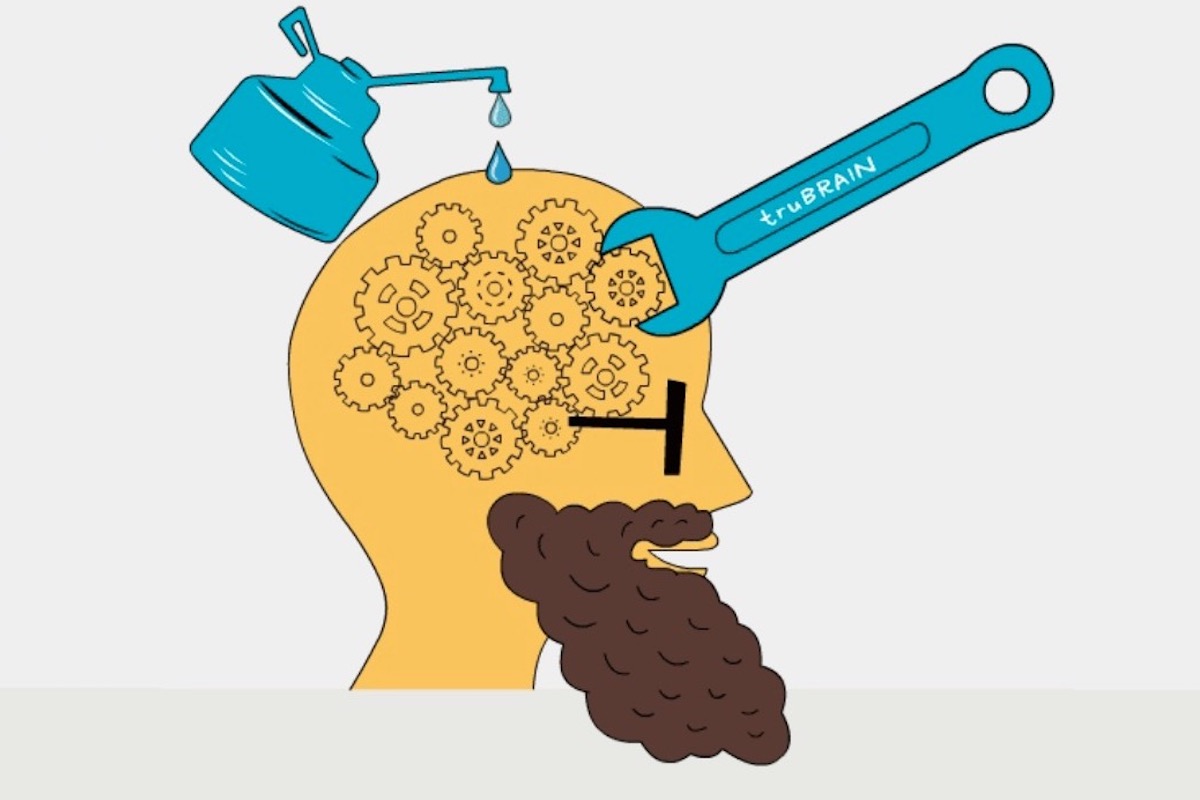
Are you’re tired of pumping your brain full of psychoactive stimulants every day so you have the energy to take on your school, work, or family responsibilities? Are you looking for a healthier and more effective way to boost cognitive function and mental stamina? If so, you need to check out the advanced cognitive enhancement supplements from the neuroscience experts at TruBrain . Their specially-formulated nootropics are clinically proven to improve your mental performance. If you think you don’t rely on psychoactive stimulants, think again. Caffeine is actually a central nervous system stimulant and the world’s most popular drug. Every day, 85 percent of Americans consume at least one caffeinated beverage. By far the most popular choice is coffee . In 2018, an estimated 64 percent of us drank at least one cup of Joe per day. The remaining 21 percent of daily caffeine consumption is split among tea, carbonated soft drinks, and energy drinks and shots, with the latter categories being more popular among adolescents and young adults. Of course, there’s nothing wrong with caffeine when it’s consumed in moderation. Caffeine does a great job of making you feel more alert and awake by blocking the neurotransmitters in your brain that induce drowsiness. Caffeine also increases the production of dopamine, which produces a positive state of mind that enhances motivation. The problem is that a lot of people are so addicted to caffeine that they consume near-toxic levels on a daily basis, which can lead to side effects such as jitters, insomnia, headaches, and increased blood pressure. Also, caffeine doesn’t do anything to promote higher brain function. What we need is a better way to stay sharp and focused. That’s where TruBrain comes in. TruBrain TruBrain was founded by a former Unilever executive and a team of UCLA-trained […]
Understanding the gut-brain axis: Can a probiotic help reduce stress levels?

( Natural News ) Scientists have long believed that bidirectional communication exists between the gut and the brain. In fact, evidence suggesting that the gut microbiota — the diverse community of microbes living in the human gut — interacts with the central nervous system (CNS) and influences brain function has increased over the years. Recent studies even propose that this happens via several pathways , which include neural pathways, endocrine pathways, and immune pathways. Because of its link to the CNS, researchers nowadays try to modulate the human gut microbiota in the hopes of improving human behavior and other aspects of mental health. In a new study that appeared in The American Journal of Gastroenterology , researchers from Germany, Ireland, and Italy investigated the effect of a probiotic strain known as Bifidobacterium longum 1714™ on human brain function in response to social stress. B. longum 1714™ is a food supplement that’s currently being marketed under the brand Zenflore . The researchers reported that this probiotic strain can not only reduce mental fatigue, it can also regulate neural responses during social stress that help suppress negative emotions. A probiotic that helps modulate the gut-brain axis Previous investigations have shown that the probiotic strain Bifidobacterium can not only reduce anxiety in mice , it can also improve cognition and stress responses by modulating brain processes. In humans, the effects of probiotics consumption on brain activity have been a subject of scientific interest for quite some time. Discover how to prevent and reverse heart disease (and other cardio related events) with this free ebook : Written by popular Natural News writer Vicki Batt, this book includes everything you need to know about preventing heart disease, reversing hypertension, and nurturing your cardiac health without medication. Learn More. The earliest studies involved the use […]
Eating broccoli found to help with brain and nerve repair

( Natural News ) Numerous studies show that the brain can repair and renew nervous tissue. People may support these natural processes by eating sulforaphane-rich foods like broccoli . Neuroscience experts previously believed that the brain cannot repair damaged neurons. However, a study conducted by MIT researcher Joseph Altman in the 1960s showed that the brains of adult rats, adult guinea pigs, and cats are capable of neurogenesis. During neurogenesis, neural stem cells form new neurons. They repair and replace brain cells that have been severely damaged. Over the years, studies have shown that the brain repairs and regenerates damaged parts continuously. This information now offers hope for the increasing number of patients suffering from neurodegenerative diseases. There are natural compounds in healthy foods that either support the natural ability of the brain to heal itself or head off any interference. Turmeric , for example, contains a fat-soluble compound called aromatic-turmerone that helps enhance neurogenesis in the brain. Another compound that can do so is sulforaphane. A sulfur-based molecule, sulforaphane is present in large amounts in cruciferous vegetables like broccoli. It is a natural antioxidant and anti-inflammatory agent. (Related: Can you balance your brain chemistry with nutrition? Compounds in broccoli sprouts found to help people with schizophrenia .) Sulforaphane encourages nerve repair and regeneration by stimulating neural stem cells In 2017, a Chinese researcher from Jiamusi University conducted a study on sulforaphane. He worked alongside colleagues from Daqing Oilfield General Hospital and The Third Hospital of Daqing . Mother Nature’s micronutrient secret : Organic Broccoli Sprout Capsules now available, delivering 280mg of high-density nutrition, including the extraordinary "sulforaphane" and "glucosinolate" nutrients found only in cruciferous healing foods. Every lot laboratory tested. See availability here. The team studied the effects of sulforaphane on the proliferation and differentiation of neural stem […]
The emotional side of heart failure: Why do heart failure patients become depressed?

( Natural News ) Heart failure leads to many complications, especially in the cardiovascular system, but research suggests it could also lead to mental health problems. Heart failure patients often suffer from depression and cognitive impairment , and researchers from Canada have uncovered why these problems occur. Their findings were published in the journal Scientific Reports . Researchers from the University of Guelph in Ontario and the University of Toronto observed two groups of mice and compared them with each other: a group of normal mice and another group carrying a mutation in their circadian mechanism or “body clock.” The research team found that the mutation influenced the structure of neurons in brain areas responsible for cognition and mood. They also saw differences in clock regulation of blood vessels in the brains of mice carrying the mutation. The researchers also induced heart failure in the mice. They used microarray profiling to identify key genes in the brain that were altered in neural growth, stress, and metabolism pathways. The results showed that the circadian mechanism affects the neural effects of heart failure. The researchers said that understanding how the circadian mechanism works in the brain may provide insight into the development of new strategies for improving the quality of life of patients. Individuals recovering from heart attack typically experience disturbed circadian rhythms due to light, noise, and interactions with hospital staff at night. Based on the findings, the researchers suggest that maintaining circadian rhythms especially for patients with heart disease could result in better outcomes. Furthermore, they suggest avoiding shift work for people with underlying heart conditions or sleep disorders, reducing light at night, or avoiding social jet lag to help reduce neurobiological impairments. (Related: Heart failure patients require restorative rest; treating sleep disorders provides cardiovascular benefits .) Discover how […]
Pyridoxal Phosphate (P-5-P) Benefits, Dosage & Side Effects
Pyridoxal phosphate or P-5-P is the active form of vitamin B6, a crucial nutrient for physical and mental health. As a supplement, P-5-P is promoted to deliver greater benefits with fewer side effects, but there’s no clinical evidence to back this up. Read on to learn everything about pyridoxal phosphate. What is Pyridoxal Phosphate (P-5-P)? Pyridoxal-5’-phosphate (PLP, P-5-P) is an active form of vitamin B6 . This all-around vitamin enables the metabolism of amino acids, carbs, and lipids in your body. It’s involved in [ 1 , 2 ]: Along with vitamin B1 2 and folate , vitamin B6 also helps break down homocysteine and thus protects your heart, brain, and reproductive health [ 3 , 4 , 5 ]. Vitamin B6 is a crucial nutrient for cognition and mental health . Low vitamin B6 status can lower your brain’s production of serotonin and GABA – two neurotransmitters that control mood, pain perception, and anxiety [ 6 , 7 ]. A variety of foods, such as meat, fish, nuts, grains, and vegetables contain vitamin B6. You can get enough of it from food, but supplements will provide much higher doses when you need them [ 8 ]. Your body converts vitamin B6 (pyridoxine) from food and supplements into active pyridoxal phosphate in the liver. Supplements with active P-5-P are promoted to be more efficient as they don’t require conversion, but the available research is limited . Vitamin B6 supports your heart, immunity, mental health, and cognition. Pyridoxal phosphate (P-5-P) is a popular but poorly researched supplement that contains an active form of this vitamin. Proponents: Doesn’t require metabolic conversion May be more efficient than pyridoxine May be better for some types of infantile seizures May be better for sideroblastic anemia Skeptics: Not well studied in humans Causes digestive issues […]
What is Hydrogen Water?

Hydrogen water is simply water that contains hydrogen molecules. Allegedly, these hydrogen molecules act as antioxidants. Manufacturers claim that hydrogen added to water helps neutralize oxygen free radicals that contribute to diseases, inflammation, and aging. Sound too good to be true? You’re on the right track. Read on to learn about some real science behind the hydrogen water hype. What is Hydrogen Water? Is There Any Good Science Behind it? As we outline studies in this post, we’ll point out various study flaws. The first question we should ask ourselves is whether there is any good science behind hydrogen water – and the answer is no. This became evident once we drilled down into methodological flaws, scientific inconsistencies, author credentials, and financial incentives. A combination of these factors is a recipe for bad science. Most of the research findings behind hydrogen water have never been replicated. Most of the studies were funded by hydrogen water manufacturers or performed by the same groups of people in Japan who had conflicts of interest. Additionally, several clinical trials on hydrogen water didn’t include a control group drinking regular water. Thus, any potential benefit could simply be due to drinking enough water, which is known to be good for health. Trials that didn’t suffer from glaring flaws like these still had a small sample size. It’s impossible to draw any reliable conclusions from a study on 10 or 20 people, for example. There is no evidence to support any of the purported benefits of hydrogen water . We hope to see some unbiased scientific publications in the future that would determine the efficacy and safety of hydrogen water in humans. No proper, large-scale clinical trials have been published to date. How Manufacturers Violate FDA Regulations Lacking proper evidence, manufacturers often take the existing […]
5 Benefits of CBD Oil for Dogs + Dosage, Safety & Reviews
With the growing popularity of CBD oil, many people are interested in its potential benefits for their dogs. More and more people give their dogs CBD oil to curb anxiety, reduce seizures, or improve inflammatory conditions such as arthritis. Read on to find out which of these uses are backed by science, how to calculate the dosage, and what side effects to look out for. CBD oil is a therapeutic oil with a non-psychoactive compound of cannabis : cannabidiol or CBD. CBD has grown in popularity for a number of health conditions in humans. Its recent legalization in many countries sparked a keen interest in dog owners. They normally seek an alternative remedy for their dog’s [ 1 +, 2 ]: Although the research on its effects on dogs is scarce, several CBD oil products have been formulated specifically for dogs (mainly liquid tinctures, tablets, chews, and treats). In fact, over 50% of vets recommend and prescribe them based on experience [ 2 ]. Benefits of CBD Oil for Dogs CBD reduced seizures caused by electric shocks and drugs in old studies in mice and is even approved for some types of epilepsy in humans [ 3 +, 4 , 5 , 6 ]. In the only clinical trial in epileptic dogs, infused CBD oil reduced seizure frequency slightly better than the placebo. The therapy was most effective when blood CBD reached high levels. Thus, we’re in need of a method that can accurately measure CBD blood levels to allow dosage adjustment [ 7 , 8 ]. On the other hand, CBD oil safely reduces seizures in people with some types of epilepsy. It helps both children and adults who don’t respond to anti-seizure drugs. CBD oil might work in a similar way for dogs with seizures, and anecdotal […]
Can CBD Oil Relieve Anxiety? + Dosage & How to Use
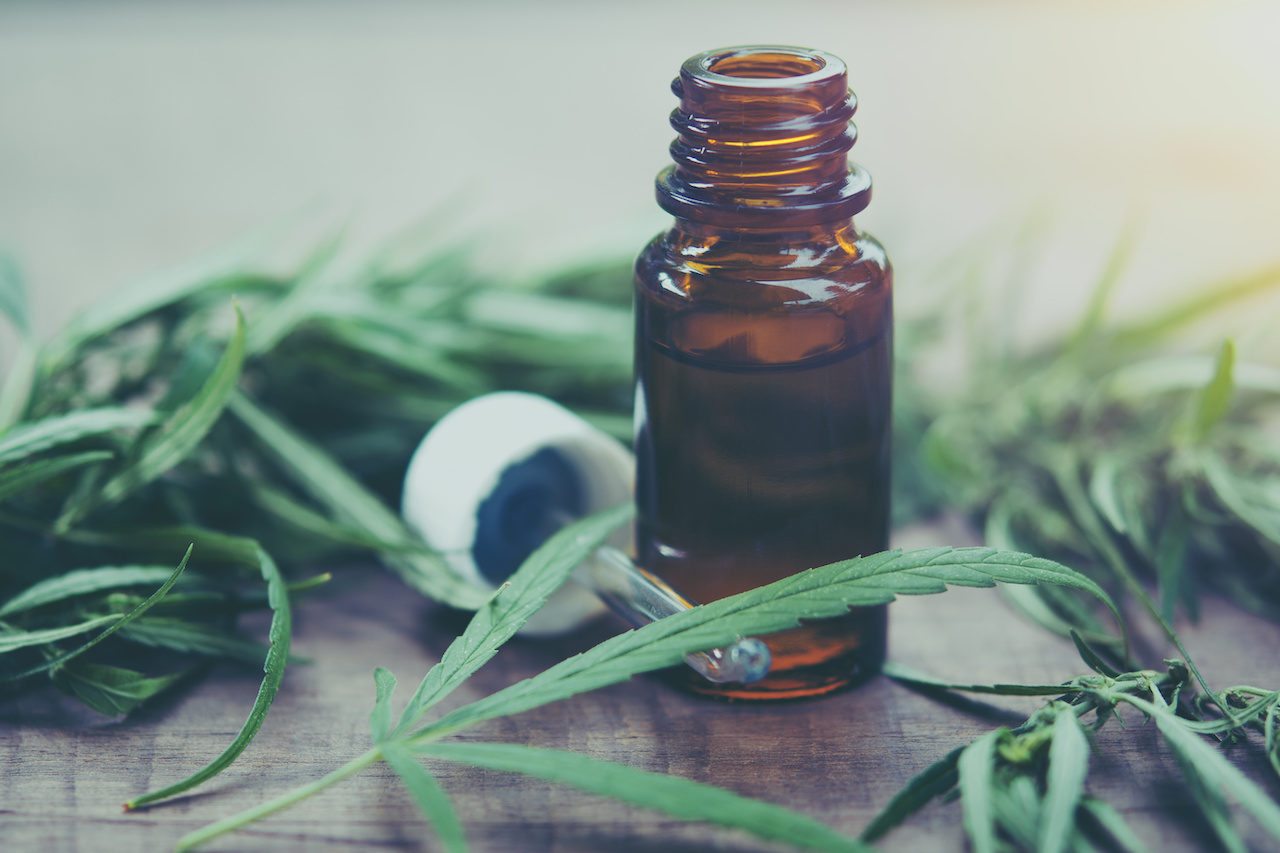
CBD oil is an emerging therapeutic oil obtained from the non-psychoactive cannabis compound cannabidiol. Aside from managing chronic pain , the most popular use for this oil is to curb anxiety. Does CBD oil relieve all forms of anxiety? And how should you take it? Read on to find out. The only FDA-approved use of CBD oil is for reducing epileptic seizures. However, many people take CBD oil for other investigational, non-proven uses [ 1 ]. Anxiety comes right after the number one CBD oil use for chronic pain. In a survey on almost 1.5k medical CBD users, approximately one third reported doing so to cope with anxiety [ 2 ]. Similarly, almost 60% of medical cannabis users reported reduced anxiety in a survey on almost 12k people. The best results were reported after smoking varieties rich in both CBD and THC . According to another survey on over 400 people, cannabis varieties viewed as most effective had high THC (but not CBD) levels [ 3 , 4 ]. [/sh_summary] Many people use both pure CBD oil and various cannabis strains to cope with anxiety. [/sh_summary] This leaves us with the question: does CBD oil alone relieve anxiety or do you need to take cannabis strains with a mix of CBD and THC to experience the benefits? Let’s look at the science of CBD first to figure it out. Research has revealed several mechanisms by which CBD may help curb anxiety. Because most of the studies used animals or cells, CBD may not act by the same mechanisms in humans. 1) May Enhance Serotonin Activity CBD activates the same serotonin receptors ( 5HT1A ) as some anti-anxiety drugs. In fact, CBD and a 5HT1A activator (ipsapirone) reduced anxiety with similar effectiveness in a clinical trial [ 5 , 6 […]
9 Acetyl-L-Carnitine Benefits + Dosage & Side Effects

Acetyl-L-carnitine may lift your mood, sharpen your mind, and offset brain aging. It works by improving energy use in the body and boosting acetylcholine. However, most of its benefits lack stronger clinical evidence. Read on to find out if acetyl-L-carnitine is for you and how to use it for optimal results. Acetyl-L-carnitine (ALC or ALCAR) is an amino acid that fuels energy production in your cells and supports nerve function. It supplies the acetyl group for burning fats in your mitochondria ( fatty acid oxidation ) and producing acetylcholine [ 1 , 2 ]. Your muscles and heart tissue stock different forms of carnitine as energy reserves [ 3 ]. Meat and other animal foods contain L-carnitine, but your liver and kidneys can also produce it from two amino acids: lysine and methionine . An enzyme called carnitine acetyltransferase (CRAT) then turns L-carnitine into acetyl-L-carnitine and vice versa [ 4 ]. Vegetarians consume less carnitine from the foods they eat, however, they maintain normal carnitine levels in the blood. How? The theory is that vegetarians are able to adapt to diets low in carnitine and absorb it more efficiently [ 3 ]. Proponents: Combats depression Helps with Alzheimer’s disease May reverse brain and nerve damage Improves fertility and sexual function Reduces fatigue May cause stomach upset May raise the risk of heart disease May suppress thyroid hormones Under normal conditions, your body will produce sufficient amounts of carnitine and acetyl-L-carnitine. However, the following may impair the process and raise your risk of carnitine deficiency [ 5 , 6 , 7 , 3 ]: Genetic disorders Old age Kidney and liver disorders Antibiotics and drugs for seizures Diabetes and obesity Long-term fasting or calorie restriction Premature birth Do athletes and bodybuilders need more carnitine? Not quite. However, they might benefit […]
Does CBD Oil Work for Migraines?

People say CBD oil relieves migraines and headaches. Research reveals that medical marijuana and THC may provide some relief – but does CBD alone help? And what’s the best way to take it? Read below to find out. Toward the end of the 19th century, cannabis was a mainstream therapy for preventing and relieving migraines and other types of headaches. Many doctors advocated for its use until the 1940s, when cannabis was removed from the official pharmacopeias due to its “high potential for abuse” [ 1 +, 2 ]. The recent legalization of medical marijuana and CBD oil in many countries worldwide revived the almost-forgotten use of cannabis for headaches. However, it’s important to note that the only medical use of CBD approved by the FDA is to reduce seizures in two types of epilepsy [ 3 ]. Migraines and other types of headaches are, after arthritis, the painful conditions most commonly improved with CBD oil. In a survey on 1500 medical CBD users, approximately one out of six reported suffering from headaches [ 4 ]. Similarly, ~30% of medical cannabis users reported doing so to relieve migraines and other headaches in 2 surveys on almost 2500 people. However, the most popular variety among them was “OG Shark,” a THC-rich hybrid strain with a low CBD content [ 5 , 6 ]. Cannabis was long used for relieving migraines and headaches. People use CBD oil seeking the same benefits nowadays, though THC-rich cannabis strains are more popular. This leaves us with the question: does CBD oil alone relieve migraines and other types of headaches or do you need to take THC-containing cannabis strains to get the pain-relieving benefits? Let’s look at the science of CBD first to find the answers. Regardless of the type, headaches involve an overactivation of […]
L-Methylfolate Benefits (depression, etc.) + Side Effects

Methylfolate is crucial to DNA synthesis and detoxifying homocysteine. What role does it play in pregnancy, development, and mental health? Find out here. Folate, otherwise known as vitamin B9 , is one of the 13 essential vitamins. Vitamins come in different forms called vitamers that often need to be converted in the body to active forms of the vitamin. The active form of folate in the body is L-methylfolate, also known as levomefolic acid, which can cross both cell membranes and the blood-brain barrier [ 1 ]. A critical role of L-methylfolate is to act as a regulator of a class of neurotransmitters called monoamines. The three different neurotransmitters it helps make are [ 2 ]: Folate can’t be synthesized by the body, so it must be ingested either through food or supplements [ 3 ]. The synthetic form of folate is folic acid , which can be found in fortified foods such as bread and cereals, and multivitamins [ 2 , 4 ]. Dihydrofolate is the dietary form of folate and can be found in green vegetables, egg yolk, legumes, grains, nuts, some fruits, yeast, and organ meats like liver and kidneys [ 2 , 4 ]. Both folic acid and dihydrofolate are converted into L-methylfolate in the body by a specific enzyme. It is then transported into the brain where it increases the production of the three neurotransmitters mentioned above [ 2 ]. Unmetabolized folic acid has been associated with an increased incidence of prostate cancer, lower cognitive test scores, and smaller red blood cells . Some researchers and health professionals have therefore started recommending L-methylfolate supplements rather than folic acid [ 5 , 6 ]. Although many people take L-methylfolate supplements, much of the naturally ingested L-methylfolate actually comes in the form of different folates such […]
15 Flaxseed Oil Benefits + Side Effects & Caveats
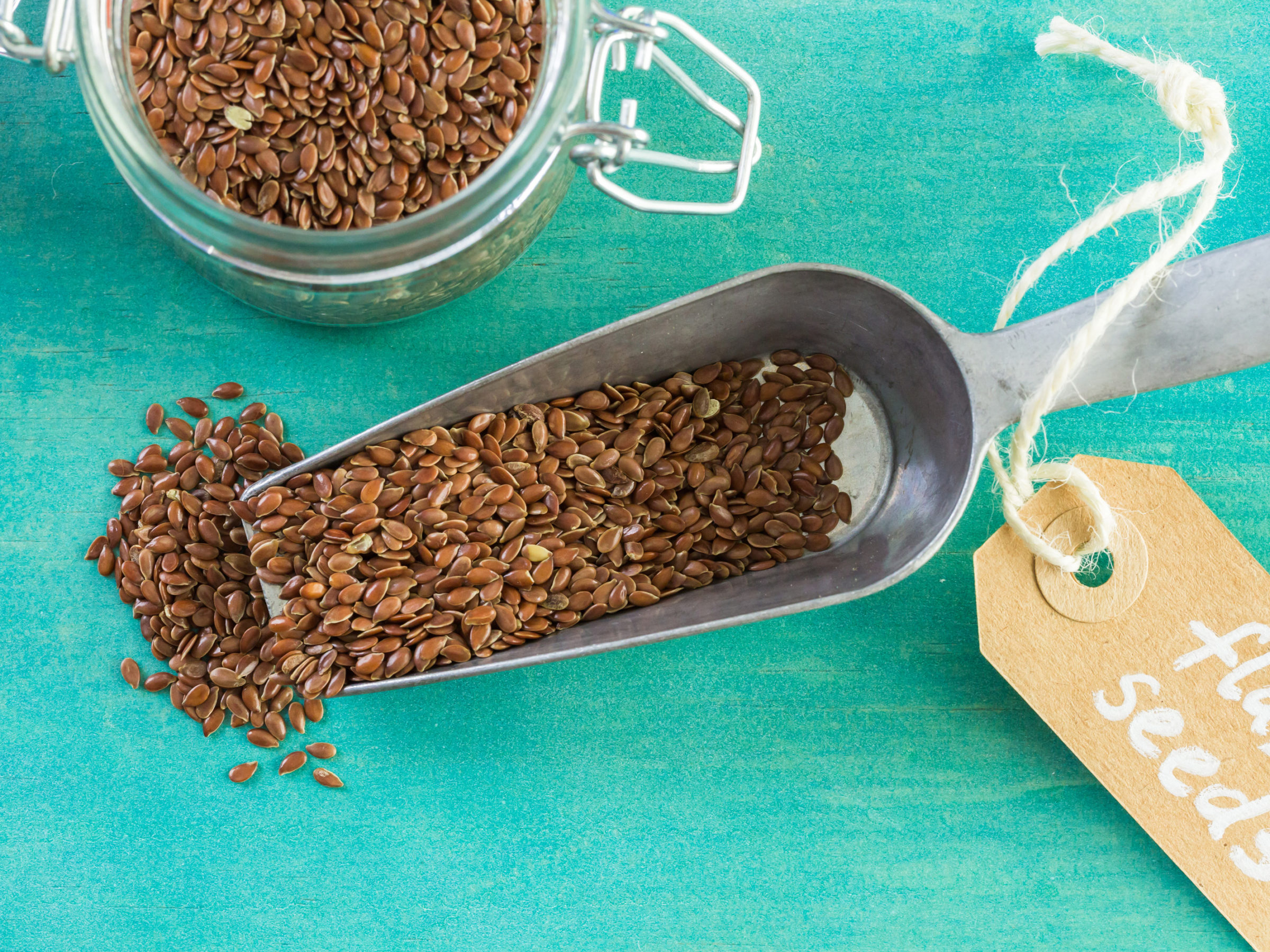
Flaxseed oil is one of the best plant sources of omega-3 fatty acids. It may improve heart, skin, gut, and brain health, though much more research is required. How might it work, and how good is the evidence? Find out here. What Is Flaxseed Oil? Flaxseed oil is pressed from flaxseed. It contains 50 to 60% omega-3 fatty acids (mainly alpha-linolenic acid) and lignans [ 1 , 2 , 3 ]. For many centuries, people used flaxseed for its laxative properties. It is also used in bakery products, and its fibers are spun to make linen [ 4 ]. Flaxseed oil contains many active compounds, including [ 4 ]: Omega-3 fatty acids (alpha-linolenic acids) Proteins help decrease heart disease risk factors Fibers help prevent constipation Phenolic compounds (lignans) help protect against cancer The alpha-linolenic acid (ALA) from flaxseed oil is converted in the body into the unsaturated fatty acids, eicosapentaenoic acid (EPA), and docosahexaenoic acid (DHA) [ 5 ]. These unsaturated fatty acids are then converted to lipids (fats). The fat molecules promote eye health as well as brain and nervous system development. They also reduce the risk of high blood pressure, high cholesterol , and cancer, improve memory, and slow aging and risk of coronary disease [ 5 ]. Eating flaxseed in both ground and oil forms increase blood ALA. However, consuming flaxseed oil rather than ground flaxseed results in significantly higher ALA levels in the blood [ 6 ]. The potential benefits discussed in this section have at least one human trial to back them up, but either the results haven’t been repeated or the evidence has been contradictory. Much more research is required to determine whether flaxseed oil is effective for any of these purposes, and better alternatives are available. It’s important to note that the […]
L-Carnitine Benefits, Side Effects & Dosage
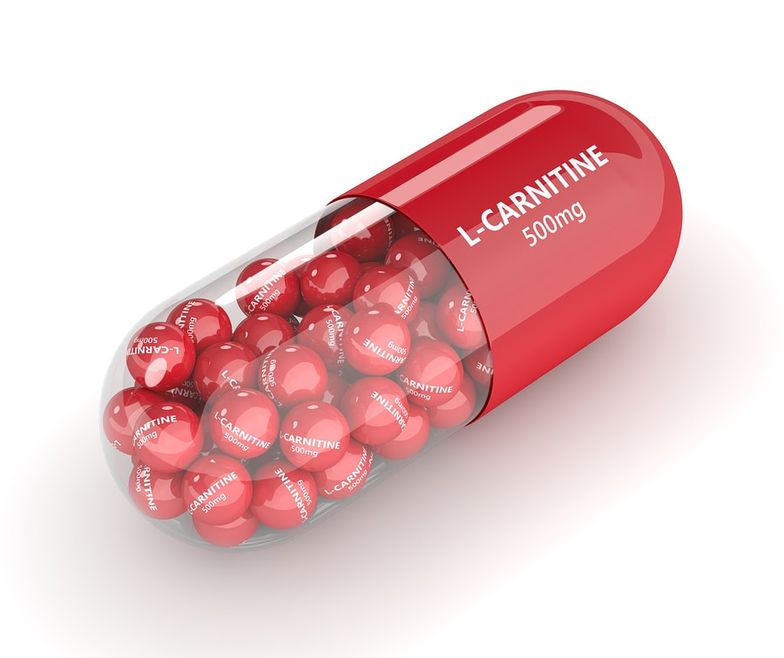
People use carnitine as an energy booster, antioxidant, and to support mood and cognition. Is the evidence there to support these uses? Read on to discover more about the health effects and side effects of carnitine. Carnitine is an amino acid found in nearly every cell of the body. It is a generic name for a variety of compounds such as L-carnitine, acetyl-L-carnitine, and propionyl-L-carnitine. The three are chemically similar and some of their benefits overlap. However, they have some distinct mechanisms of action and uses. Acetyl-L-carnitine is generally used to improve brain functioning and cognition [ 1 ]. L-carnitine is used to increase energy levels and physical performance [ 2 , 3 ]. Scientists think that all forms of carnitine play a vital role in the production of energy. Carnitine is said to help turn body fat into energy. It might also get rid of toxic compounds from the mitochondria to prevent their buildup. Carnitine is produced by the liver and kidneys and stored in muscle, brain, and heart tissue – all of which use fatty acids as energy [ 5 ]. You’ll get carnitine from meat, fish, poultry, and milk. People with genetic disorders, chronic diseases, and those on a vegetarian diet can often benefit from supplemental carnitine. The same is true for underweight and premature babies. Other conditions that cause carnitine deficiency include angina (chest pain ) and intermittent claudication (cramping leg pain from blocked arteries) [ 6 ]. The FDA has approved the use of L-carnitine (by mouth or intravenously) treating L-carnitine deficiency caused by certain genetic diseases, end-stage kidney disease, and other disorders. It’s known under the brand name Carnitor. However, other medical uses of carnitine supplements have not been approved by the FDA. Supplements generally lack solid clinical research. Regulations set manufacturing standards […]
Oxaloacetate Supplements: Early Research + Side Effects

It’s a natural part of your energy metabolism. Its proponents claim that it will increase your lifespan, but can it be stabilized for long enough to make a difference? What can oxaloacetate really do? Read on to find out. Oxaloacetate, an organic molecule, is part of the body’s energy production and waste management systems . It is absolutely essential in infant development; a genetic deficiency in the enzymes that make oxaloacetate can cause serious neurological problems and developmental delays [ 1 , 2 , 3 ]. Researchers have only just begun to unlock its therapeutic potential. In a handful of studies on worms, oxaloacetate was found to significantly increase lifespan. These studies, among others, have led to a minor surge in oxaloacetate supplementation, but studies on worms cannot and should not be extrapolated to human health [ 4 , 5 ]. That’s one of the reasons why these supplements are controversial. Others include the fact that oxaloacetate is very difficult to stabilize, oral supplements may not be well absorbed, and the worm studies have yet to be repeated in higher animals, let alone people [ 6 ]. What’s more, the company that manufactures most oxaloacetate supplements has a history of violating FDA regulations regarding the marketing and sale of “new drugs” and “medical foods” [ 7 ]. With all this in mind, it’s not surprising that research into oxaloacetate has been highly contentious. The Citric Acid Cycle The citric acid cycle, otherwise known as the Krebs cycle (or tricarboxylic acid cycle), is one of the cell’s primary means of energy production [ 8 , 1 ]. Oxaloacetate sits between malate and citrate in the cycle. Malate is transformed to oxaloacetate when it donates a hydrogen atom to NAD to make NADH ; NADH then goes on to help generate […]
Hemp Oil vs CBD Oil: What’s the Difference?
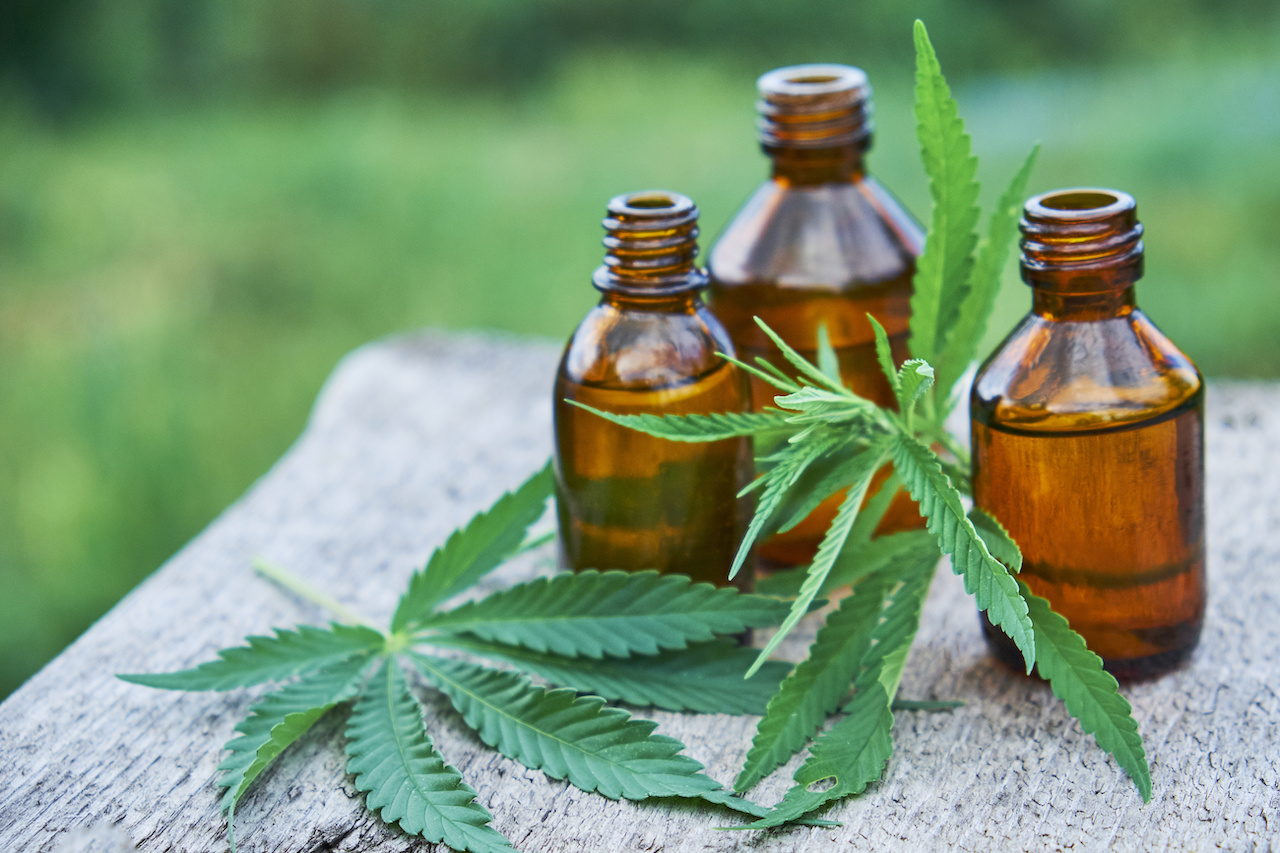
If you are looking for cannabis-derived therapeutic oils, you will have come across two different products: hemp oil and CBD oil. Although the names are sometimes used interchangeably, the only thing these oils have in common is being obtained from the cannabis plant. What’s the difference between them? What is each one used for? Read below to find out. The Reason You’re Confused about Hemp Oil vs CBD Oil People are becoming increasingly curious about cannabis, especially with the recent legalization of medical cannabis in many countries . The cannabis industry is experiencing a huge boom, but many people aren’t sure how all these new products are different. Among the available products, you will most frequently come across two oils: CBD oil and hemp oil. Although these terms are sometimes used interchangeably (either by ignorance or for misleading marketing purposes), they have totally different compositions. Their only common point is the fact that both are obtained from the cannabis plant – although from different parts. Hemp oil is the oil obtained from hemp seeds . Very rich in proteins, fatty acids, and vitamin E, this oil has long been used as a food supplement and as an ingredient in cosmetic products. Hemp oil, however, contains little or no CBD [ 1 , 2 +]. CBD oil is a potentially therapeutic oil that contains non-psychoactive cannabidiol or CBD as the main ingredient. CBD is extracted from cannabis flowers, leaves, and stalks and then dissolved in a carrier oil (such as coconut oil). CBD oil is a relatively new product mainly used to improve chronic pain, anxiety, sleep disorders, and epilepsy [ 3 ]. Importantly, note that the FDA doesn’t approve hemp oil for any conditions while the only approved use of CBD oil is to reduce seizures in two rare […]

Your health: 12 plants and herbs for natural remedies

This flowering plant has traditionally been used as a liver tonic, useful for detoxification and improving liver function Horticulture experts at BillyOh.com have named 12 of the best natural medication which can help with ailments including asthma and anxiety. A kitchen essential, garlic also possesses antimicrobial properties and can be used for lowering cholesterol and blood pressure. And while peppermint is predominantly used to flavour toothpaste and chewing gum, it can also help to soothe sore muscles when applied as a liquid or lotion. A spokesperson for BillyOh.com said: “Who knew that the pesky dandelion weed can also be used to improve liver function? So perhaps think twice before pulling them all up from your lawn this summer. “We’d always recommend speaking to a health professional before delving into the world of natural remedies, but there’s no harm adding a little extra coriander, ginger or thyme to your dishes next time you cook!” 1. Coriander Coriander boasts a unique flavour that people either love or hate, and is often used to garnish Mexican and Thai dishes. The seeds are also a prime ingredient in Indian curries. Research shows it’s also a powerful digestive aid and may even be capable of removing metals and other toxic agents from the body. 2. Peppermint Often used as the predominant flavour in toothpaste and chewing gum, when brewed as tea, peppermint may also relieve digestive discomforts such as indigestion and vomiting. It can also soothe sore muscles when applied as a liquid or lotion. 3. Dandelion This flowering plant has traditionally been used as a liver tonic, useful for detoxification and improving liver function. Dandelion is known as a stimulant that is typically used for kidney and liver disorders. It is also traditionally used to reduce the side effects of prescription drugs, as […]

The Power Within by Corey Daniels book available for only $2.99
Mind has both conscious and subconscious halves. These are likened to a driver and the truck he drives. The driver plans the destination and observes road conditions, while the truck provides motive power. Your subconscious mind is like the truck and it only goes in the direction in which is a steered. This can be the road or off a cliff. Likewise, the consciousness paints a picture of what the world is and what your goals are and the subconscious acts on them through emotion, physical response and energy, whether these are correct, rational images or false negative ones. The subconscious is also like an emotional reservoir which your body and mind draw responses from to external stimuli.
The Power Within lays out a method of programming your subconscious and tapping into the Holy Spirit, God voice or what the Greeks called the daimon (godman).