Nature Knows and Psionic Success
God provides
What you should eat to work better under pressure

As we near the end of the year, work-based pressure is certainly starting to build. Whether you’re a student studying for final exams or a worker slogging it out to finish all the tasks that need to be completed right before the festive season, high-pressured environments can prove incredibly stressful. “No matter what sort of work you do, everyone needs to fuel their bodies so they can maximise their ability to focus, concentrate and stay calm,” says Jane Freeman, Accredited Practising Dietitian and spokesperson for the Dietitians Association of Australia. The big question is how do you do that? Here are Freeman’s dietary tips on how to eat your way to work at your best level. Eat to sustain mental clarity “Glucose is our body’s petrol and certainly our brain’s petrol, ” Freeman explains. “So our ability to focus and concentrate depends on our ability to maintain a good supply of glucose energy that is consistent and even throughout the day.” To provide our brain with a constant flow of glucose energy, Freeman says we need to eat low GI sources of carbohydrate foods like wholegrains, vegetables, fruits, lentils and pulses. “That includes foods like hummus, baked beans, lentil soup, lean meats and low-fat dairy foods. These are the sort of foods that move glucose more slowly into our blood and produce a nice, even flow of glucose throughout the body and brain.” Freeman adds that people with diabetes or with a genetic predisposition for type 2 diabetes – individuals aged over 35 from an Aboriginal or Torres Strait Islander, Pacific Island, Indian subcontinent or Chinese cultural background –should also be aware of the need to eat regular, small meals that are low-fat and low-GI to maintain blood glucose levels. “Maintaining a basic wholefood diet that is plant-based, high […]
How To Up Your Vitamin D Levels In Winter

The clocks go back this weekend which means an extra hour in bed – we can hear London’s night owls simultaneously rejoice. Don’t get too excited, come Monday morning, that extra hour will seem like a distant, dark memory as we fumble for our phones to hit snooze one more time. Reality check: we’ll be getting up and coming home from work in the dark until February. So, during these long, dreary months, how can we up our sunshine levels? Get outside Less sunlight hours means less vitamin D which is responsible for keeping so much of our good health in check, from bone strength to our immune system, circulation to brain function. It’s also thought to help prevent a multitude of illnesses including depression, diabetes, cancer, and heart disease. OK, it sounds obvious, but you need to get outside to reap the benefits of vitamin D from natural sunlight. That means actually taking your lunchbreak – the average UK lunch break is now a measly 22 minutes long and it’s thought one in five of us don’t even leave our desks at all. Go for a stroll or eat al fresco, factor in some walking into your commute – get off a couple of tube stops early, or if possible, walk to work a couple of times a week. It will up your steps if nothing else. However, during winter sunlight months (October to early March), the UK’s sunlight doesn’t contain enough UVB radiation for our skin to be able to make it into vitamin D. In fact, we get most of our vitamin D from March until April. So, other than buying a holiday home in the Caribbean (the dream) we need to be looking at other ways of boosting the essential vitamin. Up your breakfast game […]
Omax Cognitive Boost Brain Health Supplement
Nootropics, cognitive enhancers or smart drugs, are considered to increase the cognitive functioning of the brain. Is it true? Are they effective? What made them so compelling that these pills are getting popular all around the world? Some of the studies say that these pills are good enough that they can even cure Dementia and Alzheimer’s . These brain-boosting supplements help to increase the focus and the cognitive ability of the person. It is said that these pills can make people smarter in some way than other alternatives. Are these findings proven or just in rumors? Today market is expanding with a wide range of the brain-boosting supplements. People talk about Nootropics but left with unanswered questions or with vague information as these Nootropics are still under research to prove their more benefits. Among many options available online, we find Omax cognitive compelling and widely sold supplement at Top Brain Enhancements. How Brain boosting or Nootropic come into the picture The Nootropic concept is ancient, but it came into view with the introduction of the Limitless movie. After that movie, the whole scenario of taking vitamin pills get changed. People get to know about the benefits of Nootropics or also known as smart drugs. Its benefits justify the name ˜smart drugs’ that it makes your brain smarter that increases the ability to perform better. It is now booming the market with its many varieties and is widely popular. According to research, the brain supplements industry is still expanding and getting better. A recent report estimates that the market may touch $10.7 billion annually by the end of 2025 and is growing continuously at about 8 percent per year. With the increase in other growing health concerns over depression, anxiety, anti-aging, and sleep recovery issues these pills are consumed at […]
Changing the tape around brain health and aging

‘Canadians need to get a head start on brain health,’ writes Dr. Susan Vandermorris Nearly 600,000 Canadians are living with Alzheimer’s or other forms of dementia, and this number is growing. It’s important to challenge the belief that dementia is inevitable as we age. The truth is dementia is not a natural part of getting older, although age remains the biggest risk factor. After 65, a person’s likelihood of developing dementia doubles every five years. A major study published in The Journal of the American Medical Association this summer found that living a healthy lifestyle can help offset a person’s genetic risk of dementia by 32 per cent. The team at Baycrest’s Rotman Research Institute is intensely focused on brain health and aging research to uncover what society can do to delay the onset of Alzheimer’s and related dementias. The research being conducted at Baycrest continues to show that the earlier we begin to take preventive measures, the better the odds for improving outcomes for brain health. Imagine this: if we can delay the onset of dementia by five years, we can reduce its prevalence in the population by about one-third. A healthy lifestyle extends beyond diet and exercise and includes activities that spark from the well of creativity and community. Art, expression and music can challenge us to learn new things, find patterns and make connections. Studies suggest that short-term visual arts or music training can boost the brain health of older adults. Speaking two languages can delay the onset of dementia by four years. Finally, consider this: being a lifelong musician can delay some age-related hearing problems by 20 years (and hearing loss can lead to social isolation, a risk factor for cognitive decline and other age-related health issues). In addition to healthy and creative living, there […]
Meditation Guide: Benefits and Tips to Help You Begin Your Practice

Meditation is an age-old practice of introspection that increases self-awareness and cultivates connection to a higher consciousness. You might already have a mental picture of what meditation “should” look like. But, you don’t have to resemble the Buddha sitting on a lotus blossom to successfully practice meditation. In reality, it is a highly adaptable and diverse practice. Here we’ll take a look at some meditation tips and benefits to help you get started with your own practice. Table of Contents What is Meditation? Meditation, simply put, is a practice of fixing your attention on a single point. You can also think of it as “awareness training” for your mind. The goal of any meditation practice however can vary greatly depending on each individual’s needs and desires. Originally, meditation served the purpose of gaining deeper insight and connection to the divine, mystical forces of life. In a recent study , the CDC describes meditation as “the act of engaging in mental exercise to reach a heightened level of spiritual awareness or mindfulness.” Many people recognize meditation as a useful tool for reducing stress and promoting positive emotions. Origins The first record of humans practicing meditation comes from wall art in the Indus Valley around 3,500-5,000 BC. The drawings depict images of people sitting in cross-legged positions with narrowed gazes – a familiar and recognizable posture for meditation. Written records of meditation date back to 1500 BCE, in the Vedic texts of India. These texts mention “ dhyana” (the Sanskrit word for “meditation”) as the 7th limb of yoga. Other writings from the 3rd-6th centuries BCE describe the meditative practices of Doaist philosopher Lao-Tze in China. Many people associate meditation with Buddhism. Siddhartha Guatama, the original Buddha, spread his teachings of enlightenment throughout India during the 6th century BCE. With him, […]
Athens native elected to National Academy of Medicine

Northwestern University Weinberg College neurobiologist Catherine Woolley has been elected to the National Academy of Medicine — an honor that Woolley says is a credit to the importance of fundamental research. Woolley is an Athens, Ohio native. Woolley is widely known for her work on intrinsic biological differences between males and females in the molecular pathways that regulate synaptic communication in the brain. Her research has provided a scientific basis to predict that male and female brains may respond differently to drugs targeting certain pathways. “This is a great honor. I’m looking forward to engaging with members of the NAM and contributing my knowledge and expertise to the translation of basic discoveries in neuroscience to new medicines, therapies, and policies to improve human health,” Woolley said. Election to the National Academy of Medicine is one of the highest honors in the fields of health and medicine. The distinction recognizes those who have demonstrated outstanding professional achievement and commitment to service. The academy currently counts more than 2,000 of the world’s foremost health researchers among its ranks. Woolley, who is the William Deering Professor in the College’s Department of Neurobiology, also holds an appointment in the Department of Neurology at Northwestern’s Feinberg School of Medicine. She has devoted her career to understanding estrogen actions in cognitive areas of the brain and sex differences in molecular mechanisms of synaptic plasticity. A neuroscientist by training, Woolley has authored and contributed to more than 75 publications over the course of her career. Almost 30 years ago, as a graduate student, Woolley discovered that estrogens drive synaptic plasticity in the hippocampus. “I never imagined it was the beginning of a new field,” Woolley said. Since then, her work has helped to explain how estrogens enhance learning and memory consolidation. Her research has also helped […]
22 Power Routines That Will Boost Your Productivity

The real power in routines is the way they can help us build momentum, break bad habits, prioritize our lives and make us more efficient. If that doesn’t make you more productive, then I don’t know what will. How do you decide what routines you can and will incorporate into your life? Try out a few of these suggestions to determine which ones you will make a permanent part of your calendar. Here are 25 powerful routines that will supercharge your productivity. 1. Wake up when it’s right for you. Personally, I have to wake up early. But I also know successful people who get up later. If you’re a night owl, then trying to wake up early means you’re going against your body’s natural rhythm. Instead of forcing yourself to wake up at 5 AM, pay attention to your specific circadian rhythm . It sounds simple, but your body will let you know when it’s time to sleep, wake, eat, and even exercise. It also clues you in when your most productive hours are. Knowing this, you’ll be able to consistently get enough sleep and plan your days around your energy levels. 2. Stay away from your phone when you first wake-up. We all make make this mistake. You open your eyes first thing in the morning and instinctively grab our phones. According to brain performance expert Jim Kwik , you shouldn’t look at your phone for the first hour of the day. The main reason is that your brain is highly suggestible during this time. As a result, this trains our minds to become distracted because of the release of dopamine we get from our electronic devices. Your productivity also takes a hit for the rest of the day because we want to keep experiencing those good […]
Take a look at these 8 brain-boosting foods

Everything you eat and drink affects your brain function and how you think. Your ability to learn new skills, focus on a task and recall memories are all affected by the type and quality of foods you eat. Eating a well-balanced diet abundant in brain-boosting nutrients will not only help improve your memory and brain power but can also help reduce the risk of ageing-related diseases such as dementia and Alzheimer’s. Brain nutrition Here are some of the key nutrients to include in your diet to keep your brain healthy. Iodine The trace mineral iodine plays an important role in healthy brain function and cognitive ability as well as brain development in children. In Australia and other Western developed countries we’re seeing widespread iodine deficiencies as a result of poor soil quality and reliance on processed foods. Common signs and symptoms of iodine deficiency include poor concentration and difficulty retaining information. Deficiencies are also associated with lower IQ and decreased cognitive function in children. A recent study has found that curcumin, the active compound found in turmeric, can help protect the brain. The best natural sources of iodine include sea vegetables (kelp, nori, kombu, wakame), wild-caught fish, eggs and green vegetables. Try adding wakame flakes to meals for extra goodness. Spirulina is another excellent source of iodine that can be added to green smoothies and vegetable juices. B vitamins B 6 , B 9 and B 12 are required to make neurotransmitters that are involved with mood and brain function. Vitamin B 12 has been found to help prevent brain atrophy (loss of neurons in the brain), which is associated with memory loss and dementia. If your diet is lacking in B vitamins you will be at risk of cognitive decline and memory loss and run the risk of […]
The power of sleep

How many hours of sleep did you get last night? Scientists recommend a solid eight hours of sleep every night. However, as everyone knows, you can get by with much less sleep if needed. Or can you? Research on sleep has uncovered some pretty amazing (and likely frightening) facts about sleep and the lack of it. The Power of Sleep Sleep is far more powerful than most realize. A part of your brain called the hippocampus is responsible for your memory of learned things. During sleep, the cells in your hippocampus essentially hit the save button and then reset to take in more memories. The magic amount of sleep required for the maximum saving and resetting of your memory is eight hours. Any less and the ability to process new data greatly decreases. An experiment had a large group of people sleep eight hours and another group was deprived of some sleep. Both groups were hooked up to MRI machines to measure activity in their hippocampus. Those who had less than eight hours of sleep had up to a 40% drop in memory-forming brain activity. It looks like cramming for that test is not as effective as you think because your brain cannot process the data. No Back Up Plan Your body is a powerhouse and it requires a reset every day in order to function properly. Sleep is not unique to humans. Every animal sleeps and they have forever. Remember, humans are animals–a fact that is often forgotten. What is also often forgotten is that most animals have been on Earth sleeping for a lot longer than our existence. What is unique to humans is our constant desire to cut short our sleep period. No other animal does so much to disrupt its sleep than the human animals. […]
The ‘smart drugs’ revolution: how pharmaceuticals will leave us ‘accelerating into a 24/7 society’

You probably know someone who takes cognitive-enhancing drugs. Pilots, heart surgeons, famous novelists, pressured city traders, renowned professors (and their students), as well as astronauts, soldiers and IT analysts, to name a few. If you asked them about their diphenylmethylsulfinylacetamide use, they’d stare at you blankly. But mention Modafinil, and they’d know that you know. ‘With the knowledge economy, a lot of people require long periods of concentration and are having to use their brainpower for long periods of time,’ says Barbara Sahakian, professor of clinical neuropsychology at the University Of Cambridge. ‘People are using [smart drugs] to keep competitive, to get into the best universities, and then to get the best exam scores.’ The use of smart drugs, like Modafinil, is at an unprecedented scale – and it shows no signs of slowing down. Between 2015 and 2017, people using substances for ‘pharmacological cognitive enhancement’ jumped from 5% to 23% in the UK alone, according to a survey of tens of thousands of people. It’s predicted the global brain health supplement market will reach $10.7bn (£8.3bn) by 2025. As a comparison, it was worth $1.74bn (£1.35bn) in 2016, the most recent figures available. Though not all of that money will be spent on Modafinil, it shows the public’s creeping appetite for drug-based brain enhancements. Aside from the medically-approved Modafinil, a vast, often unregulated industry is booming, from podcast superstar Joe Rogan-endorsed Alpha Brain to actress turned wellness expert Gwyneth Paltrow’s own Goop-branded Nerd Alert. And the future will see not just the amount of drugs consumed go up but the level of impact they have on the people using them. All these drugs fall under the broadly-defined umbrella of ‘nootropics’ – a term coined by 1960s Romanian chemist Dr Corneliu Giurgea, when he accidentally discovered apparent memory-enhancing effects […]
Single sessions of moderately intense exercise help boost memory in older individuals, reveals study

( Natural News ) Regular exercise has been linked to numerous health benefits, but its connection to semantic memory is largely unexplored. Researchers from the University of Maryland found that a single session of exercise has positive effects on parts of the brain associated with memory . They published their findings in the Journal of the International Neuropsychological Society. Exercise helps improve memory Several studies have backed the health benefits that exercise has on the brain. One study from the University of British Columbia revealed that regular aerobic exercise boosts the size of the hippocampus , the part of the brain that handles verbal memory and learning. Other studies have observed improvements in the prefrontal cortex – the part in charge of decision making and social behavior – among individuals who exercised every day. In the current study, the researchers wanted to find out the effects of acute exercise on semantic memory . Acute exercise refers to short exercises of moderate to high intensity. Meanwhile, semantic memory refers to long-term memories associated with words, names, and information not related to personal experience. The researchers gathered 26 participants for the study. They were all healthy older adults, whose ages ranged from 55 to 85. The clinical trial was split into two sessions. In the first session, they cycled on a stationary bike in moderate intensity for 30 minutes. In the second session, they simply rested for the same length of time. After exercising or waiting for 30 minutes, the participants performed the Famous and Non-Famous name discrimination task during fMRI scanning. In this task, participants identified famous names and non-famous ones. The researchers monitored brain activity the entire time, paying special attention to areas associated with memory. Discover how to prevent and reverse heart disease (and other cardio related events) […]
Seasonal Affective Disorder (SAD): 11 proven ways to tackle this surprisingly common condition
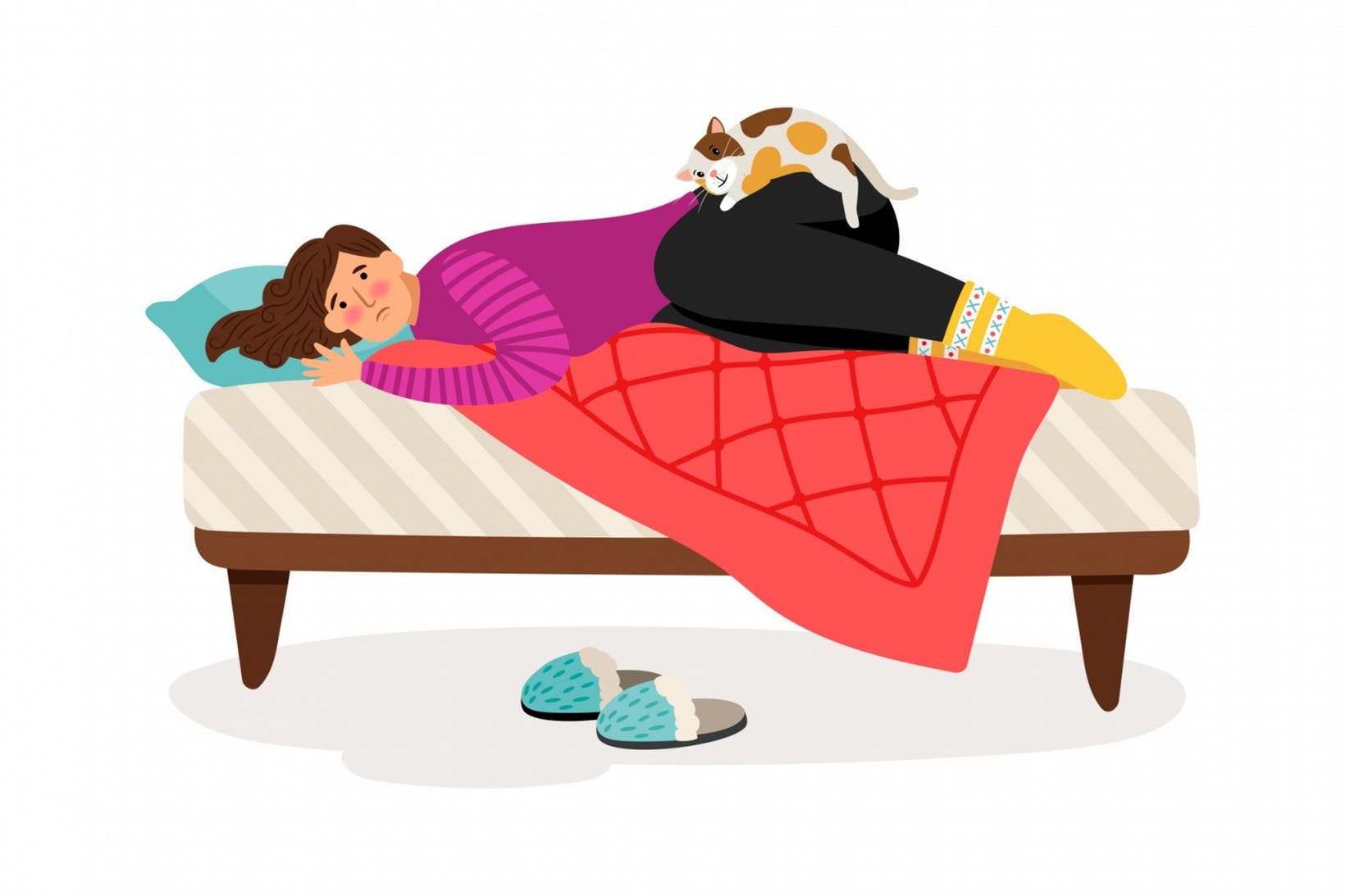
As the weather grows gloomier and gloomier and the daylight hours steadily decrease, many of us will be beginning to feel the effects of seasonal affective disorder. Whether you’re struggling to get out of bed even more than usual, not feeling motivated to work, or only feel interested in eating a jacket potato in front of the television, you’re certainly not alone. The colder months have left many people feeling sluggish and gloomy, which could be an indicator of winter depression. Officially known as SAD (Seasonal Affective Disorder), this winter depression is thought to be caused by reduced exposure to sunlight during the autumn and winter months. This can cause a sudden drop in mood, leading sufferers to feel less active, have a lack of interest in life and wanting to sleep more. But when spring arrives, those symptoms virtually disappear. So as we languish in the middle of the winter period, we take a look at the best ways to overcome SAD. From switching your morning coffee for light exposure, to snacking on popcorn, these tips can easily help you brighten your day. Instead of buying your regular morning coffee, why not save up for a SAD lamp for your desk at work? Caffeine in coffee and energy drinks further suppresses the levels of serotonin, the chemical that regulates brain functions such as mood, appetite, sleep, and memory, which can already be low due to a reduced exposure to sunlight. You can counter this drop by using full spectrum light bulbs, supposedly developed for residents of arctic regions who have extremely long, winter nights. These special lamps emit white light emulating the sun’s spectrum of wavelengths. Researchers at more than 15 medical centers and clinics around the world noticed that an exposure to white light showed a marked […]
Five easy ways to wind down before bed

And resist that nightcap. Alcohol may help you fall asleep more quickly, but it’s bad news for the quality of your sleep, with REM sleep (vital for learning and memory) the worst affected. It’s also a diuretic, meaning you’re more likely to wake in the night needing the toilet if you booze before bed. Avoid. 3. Perform a relaxing bedtime ritual An enjoyable bedtime routine can relax you both mentally and physically. With repetition, your body and brain will come to recognise its steps as a sign that it’s time to sleep. Your ritual could involve taking a warm bath or shower, meditating, talking to your partner or family, writing a diary, reading a book or listening to music with the lights turned low. So what kind of music is best for sleep? In 2015 the composer Max Richter set out to answer that question by writing an eight-hour piece designed to accompany a good night’s kip. He consulted a neuroscientist about sleep phases and how the senses operate within them, and learned about the types of sonic backgrounds that are appropriate for each stage of the sleep cycle. The resulting piece, "Sleep" (which premiered on BBC Radio 3) makes extensive use of repetitive sonic patterns and low frequencies, both of which are thought to induce the deep, "slow wave" sleep vital for consolidating short-term memories and for structuring information within the brain. Whatever sort of music you choose, it’s crucial that it should be relaxing. If you feel that listening to death metal helps you to relax, then by all means incorporate a listening session into your bedtime ritual.
A Q&A with Terry Memory from 13 Seeds

We speak to Terry Memory from 13 Seeds , the producers of Australia’s largest range of hemp superfoods. Using 100% natural Tasmanian hemp oil and seeds, 13 Seeds helps Australians get healthy by easily incorporating the health benefits of hemp into their everyday routine. What was your initial vision for 13 Seeds? Can you tell us the story of how it came to be? The journey has been a personal one for us. Our initial vision was to use hemp cropping as a way to do something with our farm. It was an option that would have multiple benefits for not only our own health (from the seeds and oil) but would also help rebuild the soil condition on the farm and provide some extra farm income. We learnt very quickly that it is way harder do grow, harvest and process successfully than any information on the internet would have you believe! We persevered because we are firm believers in the benefits of hemp! In 2015, we established 13 Seeds as a family business with an emphasis on health and wellbeing. We launched our first range of products after a decade of research and development into the health benefits of hemp and the best hemp farming and production practices. What are some common misconceptions about hemp products? How do you continue to overcome this ? It really is all about education. We do receive the “Isn’t it Marijuana?” questions. But there is also confusion around the medical side and the increasing interest there. In short, the only thing that is legal to consume in Australia are hemp seeds and the things that come from them like oil and protein powder – they contain no active cannabinoids or CBD and it is impossible to get high from our hemp superfoods. […]
Transfarmation: How Ārepa used ingredients unique to New Zealand to create a mental clarity drink
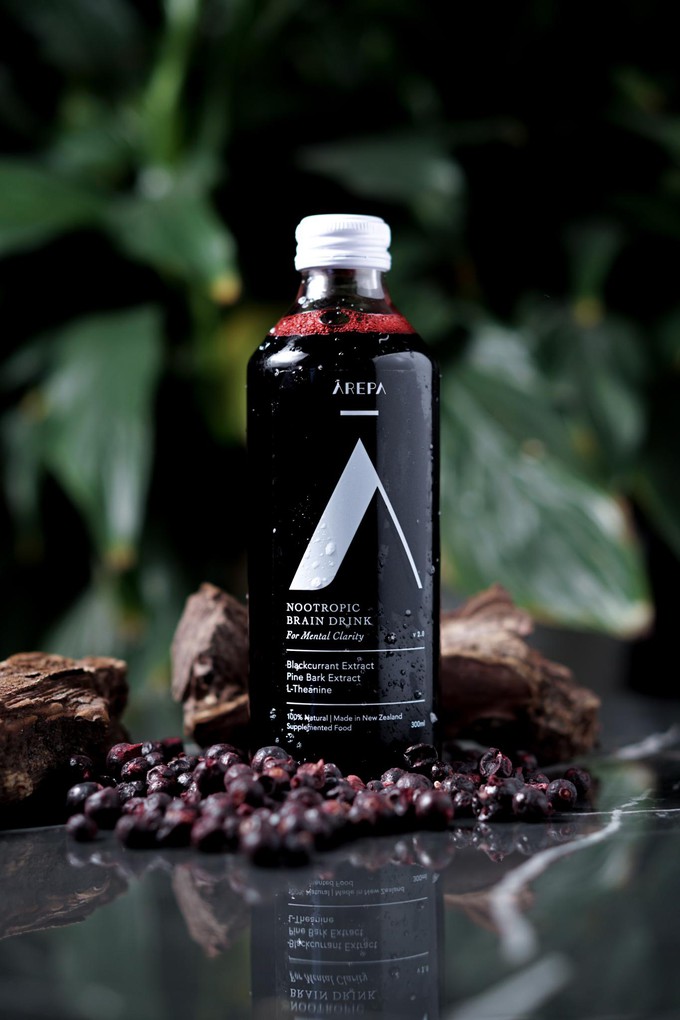
Angus Brown is the founder of Ārepa, a caffeine-free, plant-based nootropic drink that has ingredients derived from New Zealand-sourced pine and blackcurrants and has been designed to alleviate stress. In 2012, Brown forked out for the ’10 Key Trends in F&B Report’ by New Nutrition Business to research for potential business ideas. Now, it’s New Zealand’s number one nootropic (improves cognitive function) food company and recently was part of Sprout’s 2019 accelerator. Here, Brown talks the inspiration behind his business idea. Feeling inspired about the future of food? Then enter a business idea into the Transfarmation competition here and read the requirements for entry here . Brown says the idea for Ārepa came from working for a large multinational energy drink company, but not being fond of selling caffeine and sugar to improve cognitive performance. “I lost a couple of grandparents to brain-related illness, and from there I also saw friends and family struggle with anxiety and stress, so I thought, ‘Surely we can make something that’s good for you and good for your brain’,” Brown says. Ārepa is intended to be a focusing-yet-calming drink for people to consume to improve cognition functions before a stressful task, be it a social situation, public speaking event, or a sports competition. It consists of a patented formula that uses New Zealand plant extracts of blackcurrants and pine bark, enzogenol (often used as a natural alternative for Ritalin), L-theanine (an amino acid and relaxing agent) and a rare amino acid extracted from green tea. The idea for Ārepa was formed in 2012, and Brown formally launched the product alongside co-founder Zac in 2017. Prior to its launch, Brown was working as business manager at government-funded Auckland operation FoodBowl, an innovation facility that helps the growth of food and beverage businesses. While working […]
Vitamins, Supplements And Teas: Relieve Anxiety Naturally With These 16 Home Remedies

Health October 21st, 2019 | 13:48 PM | 46 views NaturalNews Anxiety is a normal human emotion that can be triggered by imminent danger or the presence of threats. According to science, anxiety is part of the body’s fight-or-flight response and is integral to human survival. However, this useful emotion, when experienced at disproportionate levels, can turn into anxiety disorder, a medical condition. Anxiety disorder can cause excessive apprehension, fear, nervousness, and worry and, in severe cases, become disabling. If you’re one of many people suffering from anxiety disorder, don’t despair; you can turn to natural remedies that can effectively relieve anxiety and perform much better than any anxiolytic. 16 Home remedies for anxiety Herbal medicines have experienced a resurgence in use and popularity in recent years. These ancient remedies are usually made from the different parts of a plant, such as its seeds, leaves, fruits, flowers, and bark. According to studies, 80 percent of the world’s population still rely on herbal remedies. Not only are they proven safe and effective, but they are also economical, more readily available, and do not cause serious side effects, unlike modern drugs. Here are 16 of the most effective remedies for anxiety that are backed by science: (h/t to BeBrainFit.com) Arctic root (Rhodiola rosea) — Commonly used in Chinese and Scandinavian medicine, Arctic root is a powerful adaptogen that boosts the activities of serotonin and dopamine, two brain chemicals that improve mood. Ashwagandha (Withania somnifera) — One of the most important herbs in Ayurvedic medicine, ashwagandha is a potent adaptogen and stress-reliever that decreases cortisol levels and restores both strength and stamina. Bacopa (Bacopa monnieri) — Like ashwagandha, bacopa or brahmi (waterhyssop) is an Ayurvedic and adaptogenic herb. Bacopa is known for promoting longevity, boosting brain performance, and reducing anxiety. Ginkgo (Ginkgo […]
Single Sessions Of Moderately Intense Exercise Help Boost Memory In Older Individuals, Reveals Study

Health October 21st, 2019 | 13:44 PM | 45 views NaturalNews Regular exercise has been linked to numerous health benefits, but its connection to semantic memory is largely unexplored. Researchers from the University of Maryland found that a single session of exercise has positive effects on parts of the brain associated with memory. They published their findings in the Journal of the International Neuropsychological Society. Exercise helps improve memory Several studies have backed the health benefits that exercise has on the brain. One study from the University of British Columbia revealed that regular aerobic exercise boosts the size of the hippocampus, the part of the brain that handles verbal memory and learning. Other studies have observed improvements in the prefrontal cortex – the part in charge of decision making and social behavior – among individuals who exercised every day. In the current study, the researchers wanted to find out the effects of acute exercise on semantic memory. Acute exercise refers to short exercises of moderate to high intensity. Meanwhile, semantic memory refers to long-term memories associated with words, names, and information not related to personal experience. The researchers gathered 26 participants for the study. They were all healthy older adults, whose ages ranged from 55 to 85. The clinical trial was split into two sessions. In the first session, they cycled on a stationary bike in moderate intensity for 30 minutes. In the second session, they simply rested for the same length of time. After exercising or waiting for 30 minutes, the participants performed the Famous and Non-Famous name discrimination task during fMRI scanning. In this task, participants identified famous names and non-famous ones. The researchers monitored brain activity the entire time, paying special attention to areas associated with memory. Their findings revealed that participants had increased brain activity […]
Learn how to grow these 8 medicinal plants in your indoor garden

( Natural News ) Growing herbs indoors is a popular hobby since it eliminates the hassle that comes with growing herbs in your backyard, especially when it comes to seasonal crops. While most gardeners would prefer growing herbs for culinary reasons, some lean towards growing a variety of medicinal herbs. Having a supply of medicinal herbs on hand is a brilliant survival strategy that could help you get through some SHTF situations. (h/t to AskAPrepper.com ) Home is where the garden is While some medicinal herbs can be used in various dishes to elevate their flavor, most of these can also treat minor illnesses like soothing a cough or itchy rash. By growing them indoors, this ensures you have whatever herb you need all year round. (Related: How to start an indoor garden in your apartment .) Here are just some medicinal herbs you can grow. Turmeric Turmeric has been used for thousands of years as a spice and as a medicinal herb. It contains a compound called curcumin, which is a strong antioxidant with powerful anti-inflammatory effects . Researchers have shown that curcumin hosts a variety of other health benefits which includes improving brain function and reducing the risk of brain diseases like Alzheimer’s disease. Purchase root cuttings. One turmeric root should be enough to grow several new cuttings. Be generous in pot size. The larger the pot, the bigger and stronger the turmeric. Plant the cuttings in moistened potting soil. This spice thrives in full sun conditions but will still grow even below grow light levels. During the late spring and summer, it is recommended to move the container near windows so the cuttings can absorb all the sunlight they need. Turmeric should be watered every two days to ensure moisture while under the sun or artificial […]
A ‘Menopause Champion’ at Work? Yes. You Also Get Paid Leave.
LONDON — A British broadcaster is prioritizing women’s health by rolling out a raft of measures to aid those dealing with a subject that is rarely discussed freely and openly in the workplace: menopause. Channel 4, a national television station in Britain, announced Friday that it would offer its female employees flexible working arrangements, tailored work spaces and even paid leave if they experienced menopause symptoms. Common symptoms include hot flashes, heavy periods, low mood, increased anxiety, difficulty sleeping, joint pain, and problems with memory and concentration often referred to as “brain fog.” They can persist for years and are both physical and psychological, and about 80% of women will experience them in some form, according to the British National Health Service. Menopause — a natural part of aging that is caused by a drop in the production of estrogen — typically occurs between the ages of 45 and 55. “This is Channel 4 living its remit, normalizing a taboo subject by making it more visible,” Channel 4’s chief executive, Alex Mahon, said in a statement. Mahon, the first woman to be chief executive in Channel 4’s 37-year history, added that she hoped the policy would inspire other media companies to support women in their workplaces going through menopause. Advertising The broadcaster says that its menopause initiative — pioneered by an in-house gender equality staff network — is the first known among British media companies. While some workplaces have introduced lactation rooms for breastfeeding mothers and free period products in bathrooms, they have been slow to accommodate or recognize the battles that older women face during menopause. Dr. Philippa Kaye, a London-based physician and author of “The M Word: Everything You Need to Know About the Menopause,” said that more companies needed to take action. “There is a significant […]
Can adrafinil effectively help you stay more alert?
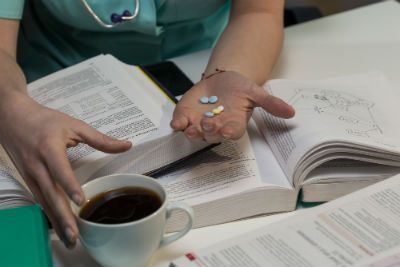
Join AFP’s 100,000+ followers on Facebook Purchase a subscription to AFP | Subscribe to AFP podcasts on iTunes News, press releases, letters to the editor: augustafreepress2@gmail.com Advertising inquiries: freepress@ntelos.net Photo Credit: Photographee.eu A large number of people nowadays cannot enjoy complete eight hours of restful sleep every night. Not getting enough sleep leads to reduced energy levels, fatigue and poor mental performance during the day. This can have a huge negative effect on one’s job, study and other daily activities. In order to stay mentally alert and physically energetic throughout the day, many people look for a temporary quick boost by taking certain supplements and medicines. Cognition-boosting supplements, also known as nootropics, are broadly used by entrepreneurs, professionals, students and ordinary men and women who wish to enhance their mental abilities. Some nootropics have stimulating properties and are often used to increase focus and productivity. One prominent example of these is adrafinil, which we will discuss in more detail below. Adrafinil in a Few Words Out of the many arousal-promoting nootropics, adrafinil is one of the most effective compounds with very few negative effects. It mildly stimulates brain functions and it has been shown to increase vigilance, alertness and cognition. Adrafinil is a synthetic substance that was developed in France for use by old people who suffer from daytime fatigue and sleepiness due to sleep problems. It is not scientifically clear how this substance works, but some studies suggest it enhances the function of some neurotransmitters in the brain, such as histamine , norepinephrine , dopamine and serotonin. Over the past few years, adrafinil has climbed in popularity to become one of the top nootropic supplements used to elevate energy levels and promote a more alert mental state. Several manufacturers produce adrafinil in the form of pure powder or […]

The Power Within by Corey Daniels book available for only $2.99
Mind has both conscious and subconscious halves. These are likened to a driver and the truck he drives. The driver plans the destination and observes road conditions, while the truck provides motive power. Your subconscious mind is like the truck and it only goes in the direction in which is a steered. This can be the road or off a cliff. Likewise, the consciousness paints a picture of what the world is and what your goals are and the subconscious acts on them through emotion, physical response and energy, whether these are correct, rational images or false negative ones. The subconscious is also like an emotional reservoir which your body and mind draw responses from to external stimuli.
The Power Within lays out a method of programming your subconscious and tapping into the Holy Spirit, God voice or what the Greeks called the daimon (godman).