Nature Knows and Psionic Success
God provides
All the SSRI drug retailers who sell psych drugs that lead to mass shootings are now banning customers from carrying legal firearms for self-defense

( Natural News ) A slew of national drug dealers has announced plans to cease allowing customers to maintain their Second Amendment rights while shopping in stores. Kroger, Walgreens, CVS, and Wegmans have all decided to follow the lead of Walmart by prohibiting shoppers from carrying firearms on their properties, including concealed carry. The reasoning, of course, is that there have been just too many darn shootings in the news lately, so the Second Amendment has got to go – which is hilarious, considering that all of these stores continue to sell selective serotonin reuptake inhibitors (SSRIs) and other mind-altering pharmaceuticals that have been linked to suicide and homicide. Another thing worth noting is that this latest gun ban announcement came after the Odessa shooting in Texas, which was carried out using an illegal rifle the was purchased on the black market – meaning no amount of “gun control” would have done anything to stop this illicit purchase. Nevertheless, these virtue signaling corporations have decided to perpetuate the illusion that they’re doing something , which seems to be enough to make leftists happy that people’s rights are being slowed chipped away at to satisfy their lust for “safety” and “security.” Within six hours of Walmart announcing its gun ban, Kroger immediately followed suit, according to reports. “Kroger is respectfully asking that customers no longer openly carry firearms into our stores, other than authorized law enforcement officers,” Jessica Adelman, Kroger’s group vice president of corporate affairs, told the media. Discover how to prevent and reverse heart disease (and other cardio related events) with this free ebook : Written by popular Natural News writer Vicki Batt, this book includes everything you need to know about preventing heart disease, reversing hypertension, and nurturing your cardiac health without medication. Learn More. “We are […]
Prinova demonstrates global premix capabilities with innovative new formulations

To highlight their latest product innovations Prinova showcased a range of scientifically proven ingredients and custom formulations at this year’s Fi-Asia in Bangkok. The innovative concepts were available in a range of formats, touching on key trends within the Sports and Lifestyle Nutrition sector. Highlights included: Nootropic Beverage This innovative new premix contains a blend of botanical extracts, amino acids and vitamins to deliver a non-stimulant nootropic beverage. Nootropics, which are also known as cognitive enhancers, are supplements that help improve brain function such as focus, memory and cognition. Prinova’s premix contains ingredients that will work in synergy to improve cognition, whilst reducing stress and fatigue leading to improvements in mood, focus and productivity. Sugar Free Multivitamin Gummies for Kids Powered with a Prinova Vitamin Premix, these gummies can help with enhanced immunity system levels and eye health as well as support bone growth and healthy teeth. In a convenient form, Multivitamin Gummies are an easy way to ensure children are receiving the necessary level of vitamins required per day. Prinova’s premixes can be custom formulated according to Immunity Tablet This high antioxidant formulation is rich in Vitamins C, D, E and other minerals that help to boost the immunity system. The premix contains Beta Glucans, a sugar found in the cell walls of certain bacteria, fungi and algae, which has proven benefits in combatting high blood pressure, diabetes and high cholesterol. Keto Kit: MCT & Collagen Drink Collagen is essential for mobility by providing the infrastructure for the musculoskeletal system. Prinova offers a Hydrolysed Collagen option, which is a powdered protein, creamy-white in colour and neutral in taste and smell. No known allergens, free from dairy, soy, grain and gluten, 100% natural origin, non-GMO, low in fat. It is ideal for protein shots and powder drinks, ready-to-drink beverages, […]
10 Natural Ways to Improve Memory

September of every year is World Alzheimer’s Month , a campaign to increase people’s awareness of the disease and erase the stigma associated with it. In the US, 10% of seniors who have reached the age of 65 are suffering from Alzheimer’s, with the percentage increasing to 32% for the 82-year old and above population. A Stanford study has shown that adults today can expect to live longer than their forefathers, regardless of their socioeconomic conditions. While this is welcome news, it’s logical to assume that the number of cases of Alzheimer’s disease will also rise. Source: Pixabay Research about the disease continues but at present, there is still no known cure for it. Although medications are available to slow down the progress of its symptoms, they cannot reverse the gradual degeneration of the brain tissues that eventually leads to death. Memory loss is a primary symptom of Alzheimer’s. It comes gradually and worsens over time until it is totally lost. But you can be proactive and practice healthy activities that will reduce the rate of cognitive decline and improve your memory. Follow them regularly and enhance the quality of your life going into old age. 10 Natural Ways to Improve Memory 1. Follow the MIND diet. Certain foods have been found to help prevent Alzheimer’s disease and improve brain health, both factors for preserving memory. Scientists at Rush University Medical Center developed the MIND diet, a hybrid of the more popular Mediterranean and Dash diets . Here are the foods to eat that the MIND diet recommends: Source: Unsplash Green leafy vegetables Other vegetables Wholegrains – ex., wheat, oats, brown rice, quinoa, barley Berries Fish, preferably oily fish because they are rich in Omega-3 fatty acids (salmon, tuna, mackerel, trout, sardines, etc.) Olive oil for cooking and dressings […]
Bill Gates Is Saving the World, One Toilet at a Time

Bill Gates in 1985. By Deborah Feingold/Getty Images. I never thought I’d be discussing poop with Bill Gates. And yet here I was, listening to one of the world’s great tech minds expound on “the chemistry of human feces.” Finding innovative solutions to grave global dilemmas is one of Gates’s major obsessions, and few things are more problematic in the sprawling megacities of the developing world than sanitation. While most of the über-rich busy themselves buying art, property, and elections, “Bill chooses to spend a lot of his time thinking about shit,” filmmaker Davis Guggenheim said with a chuckle. The director of critically lauded documentaries like An Inconvenient Truth and It Might Get Loud, Guggenheim met Gates while shooting the education doc Waiting for “Superman” and decided that the Microsoft entrepreneur and billionaire philanthropist would make an ideal subject. Inside Bill’s Brain: Decoding Bill Gates, the resulting three-part documentary series, drops on Netflix September 20. Guggenheim might well have called it An Inconvenient Poop. Like his Oscar-winning 2006 documentary about Al Gore ’s crusade against global warming, the new series sets out to educate its audience through the portrait of one man with a larger-than-life mission. “When I pitched it to Netflix, I told that executive: I’m going to do the best episode you’ve ever seen about toilets,” Guggenheim recalled. That made them laugh—but the director was deadly serious about getting viewers as absorbed by the challenge of solving some of the world’s most intractable problems as Gates is. The series delves into three of the huge issues that Gates and his wife, Melinda Gates , are trying to solve with their foundation: polio eradication, climate change, and improving sanitation to prevent needless child deaths. Gates sounded slightly puzzled as he pointed out that Guggenheim chose “not to focus […]
Get Outside: How Nature Can Boost Your Health & Creativity

Originally published on JOTFORM.COM Your brain needs a break. If you’re like the average adult, you probably spend about six hours a day with digital media. That’s close to half your waking hours. Aside from its many mental health consequences , excessive screen time can also affect our creative lives, hampering our attention span and our ability to form new ideas. Overstimulated by a constant influx of voices and opinions, our distracted minds don’t have any free space to wander, which means even though we’re more connected than ever, we’re also less present and less inspired. For those who don’t need the internet in their back pockets, minimalist “dumb phones” — cellular devices that can only make calls and send texts — may prevent time wasted on mindless scrolling. But exchanging one screen for another doesn’t automatically solve the problem. While the advent of the “dumb phone” might keep you from checking Facebook every 20 minutes, it won’t make up for what you’re missing: real connection with the physical world. One solution for curbing distraction and re-establishing presence? Exchanging your Mac screen for some quality time in nature. If you’re always answering emails or running from meeting to meeting, you might feel productive — but chances are, you’re more anxious and less effective in your work and relationships. The problem is, stress and worry (and, often, our smartphones) keep us focused on either the future or past. Yet inspiration and connection happen in the present moment, away from our screens and conference rooms. Re-orienting ourselves with the physical world — a form of mindfulness called grounding — is the first step back toward the present. Basically, grounding re-establishes our embodied presence through touch, smell, taste, sound, and sight. The good news is, to reap the benefits of mindful grounding, […]
Natural ways to Increase your Memory

Most of us experience weak memory as due to many reasons. Aging is one of them but it is happening to many of us and there are many factors related to it like it can hinder the functioning of brain such as stress, lack of sleep, exposure to toxins, unhealthy food, lifestyle or medical problems. When it happens, we all look for ways to increase the memory power. Weak memory is a depressing issue. Memory has a vital role in our day to day life. I am sharing some natural ways to increase your memory. These tips will help you enhance your memory without spending money on expensive medications or medical procedures. Meditation: meditation is the most efficient technique to build a better brain. It can naturally increase your memory, focus, intelligence and brain power. Meditation causes neurostimulations which revamp and reshuffle whole nervous system. It coordinates the whole brain and aligns most dynamic layers of mind. It balances the hemispheres of your brain and offers lifetime approach to your memory vaults. Better night sleep: if you want to increase your memory in a natural way make sure you sleep for 7 to 8 hours every night. Proper sleep helps your mind function perfectly. During the sleep your brain replenishes itself. Antioxidant rich foods: broccoli, cauliflower, celery, curry, spinach, carrots, red grapes, berries and drinks such as, green tea, red wine contains antioxidants that protect your brain health and excite the production of new brain cells. But take everything in a limit. Walk and exercise: regular exercise is necessary for good mental health. Daily walk and exercise can help increase the memory in people of all age groups. Regular exercise is an excellent way to heighten your memory power and keep your body healthy. Brain games: brain games give […]
Kick-start your day on a healthy note with these tips

Good sleep not only improves memory and cognitive abilities but also keeps the digestive system working properly. (Photo: Getty Images/Thinkstock) Owing to our fast-paced and hectic schedules, most of us are often unable to sleep for eight to nine hours on a regular basis on most nights. This often leads to the body feeling tired throughout the day with energy levels sinking to its lowest. Which is why, it becomes extremely important to have a good night’s sleep followed by a healthy morning which is sure to make you feel positive and energetic throughout the day. To help you have a healthy beginning to your day, Dr Vishal Sehgal, Medical Director, Portea Medical suggests a few ways. Read on: 1. A king’s breakfast A power packed meal can include eggs, a portion of fruit along with a bowl of whole grain foods like oatmeal, pasta or barley. (Photo: Getty Images/Thinkstock) After more than seven hours of fasting, your body needs to wake up on a powerful note. This is why breakfast is considered to be the most important meal of the day. A good breakfast is supposed to be wholesome and packed with enough nutrients that can keep you going all day long. A power packed meal can include eggs, a portion of fruit along with a bowl of whole grain foods like oatmeal, pasta or barley that contain complex carbohydrates that release energy slowly through the day. Replace eggs with your favourite cheese if you are vegetarian. 2. Sleep like a baby Given the workaholic culture, the stressful work environment and erratic bedtime, many people suffer from lack of sleep, and hence disorders like insomnia. Excessive smartphone usage and addiction to social media also eat into our daily quota of sleep. Men need seven to eight hours of […]
Magnetic stimulation of the brain can help prevent age-related memory decline, suggest researchers

( Natural News ) Researchers from Northwestern University in Chicago conducted a pilot study that tested the effectiveness of transcranial magnetic stimulation for the prevention of age-related memory decline . The results, published in an online issue of Neurology on April 17, 2019, suggest that memory can be enhanced temporarily using magnetic fields. The magnetic fields purportedly stimulate nerve cells in the brain, boosting brain activity in the hippocampal-cortical network. This part of the brain helps create, store, and retrieve memories. The device used in this study contains an electromagnetic coil. The researchers held the coil adjacent to a participant’s scalp. Short bursts of magnetic energy course through the participant’s scalp to target specific regions of their brain. Study author Joel L. Voss, Ph.D. said, “With stimulation, we were able to essentially excite the areas of the brain that are involved in memory formation in older adults, improving their ability to recall items as well as younger adults. Immediately after magnetic stimulation, elder adults memorize as well as 25 year-olds. Fifteen people with an average age of seventy-two participated in the study and were asked to complete memory tasks. These adults showed signs of age-related memory loss, but could still think clearly. They did not show signs of Alzheimer’s or dementia. Another group of adults with an average age of twenty-five performed the same memory task as the elder adults. In the first week, the elder adults submitted to transcranial magnetic stimulation once a day for five days in a row. In the second week, the elder adults underwent a fake treatment. Under the fake treatment, they submitted to the electromagnetic coil but did not receive a significant dose of magnetic energy. The elder participants did not know when they were receiving a real treatment or a fake one. […]
Everyone Will Be Talking About Nootropics in 2020—Here’s What They Really Do
From trending diets to the latest supplements to the newest "It" workout, there’s always something that’s getting a lot of buzz in the fitness and wellness world. But do they actually work, and are they safe? That’s where What in the Wellness comes in. We’ll do the homework for you, investigate, and give you the must-know info. Have a trend you want us to look into? Send us a comment, DM, or use the hashtag #whatinthewellness. The first time I experienced nootropics was when I was testing out a new product called Kin . As someone who’s prone to hangovers and alcohol-induced anxiety, I was intrigued by this "euphoric" drink that could deliver feelings of relaxation and bliss, sort of like how you feel after the second glass of wine (without actually containing a single ounce of alcohol). As usual when it comes to new wellness products, I was intrigued but dubious that it could deliver what it said it would, so I did some research on my own. When you try to look into Kin, Google doesn’t bring up too many search results, but I did do my due diligence by scouring the ingredient list and reading the product website in depth (you can read our full review of the product here) . One of the highlighted ingredients (nootropics) was a term I didn’t understand but vaguely recognized from an article our edit team put together predicting what trends would soon be making waves in the wellness world . Since Kin did seem to work pretty well, my curiosity was officially piqued, and I decided to turn to the experts to find out more about this mystery ingredient. Shari Auth , DACM, LAC, LMT, from WTHN , kicked things off with this definition: "Nootropics are herbs, supplements, or […]
Silicon-rich mineral water is a safe, effective way to eliminate aluminum from your body

( Natural News ) Aluminum is one of the most common elements on the planet. This naturally occurring metal can be found in many things, including cookwares, kitchen utensils, and food storage wraps. Trace amounts of aluminum can also be found in processed foods and some medications. While aluminum is useful outside the human body, this element has no place inside it. Excess amounts of aluminum get stored in various organs such as the brain, and once it accumulates, aluminum can trigger mechanisms that can lead to serious illnesses or death. In fact, aluminum exposure has been linked to Alzheimer’s disease for decades. In a recent study published in the Journal of Alzheimer’s Disease , researchers from Keele University in the U.K. reported a novel way of detoxifying aluminum. They found that drinking silicon-rich mineral water can help rid the body of aluminum and may be beneficial for patients with Alzheimer’s disease in the long run. Aluminum and why it’s harmful to the body Aluminum is present in significant amounts in the air , water, and food, although the human body does not absorb most of it. Certain factors like competing minerals and parathyroid hormone levels affect the absorption of aluminum. However, ingestion of aluminum can lead to high amounts that exceed the body’s capacity for excretion. Hence, stores of aluminum are sometimes found in different parts of the body , such as the bones, lungs, liver, heart, spleen, thyroid, brain, and muscles. Numerous studies have investigated the effects of aluminum on the human brain. Accumulation of aluminum in brain cells not only interferes with nerve activity, it also causes cognitive decline via the formation of protein tangles in the brain — an event commonly associated with Alzheimer’s disease. Symptoms of aluminum toxicity in humans include: Discover how to […]
13 Lifestyle habits to practice if you want to live longer

( Natural News ) Whether you’re 25 or 65, what you eat and how you spend your free time will affect your longevity. If you want to live longer, here are 13 lifestyle habits that will help increase your life expectancy and improve your overall well-being . Follow a diet full of nutritious plant foods. Eating a wide variety of plant-based foods like beans, fruits, nuts, seeds, vegetables, and whole grains can lower your risk of developing diseases and promote longevity. Several studies link a diet full of plant-based foods with a reduced risk of premature death and a lower risk of brain deterioration, cancer, depression, heart disease, and metabolic syndrome. Researchers attribute these effects to plant antioxidants and nutrients like carotenoids , folate, polyphenols, and vitamin C. Eat more nuts. Nutrient-rich nuts contain antioxidants, beneficial plant compounds, fiber, and protein. Additionally, nuts are full of vitamins and minerals like copper, folate, magnesium, niacin, potassium , and vitamins B6 and E. Research suggests that nuts can reduce belly fat and lower the risk of chronic diseases, such as diabetes, heart disease, hypertension (high blood pressure), inflammation, metabolic syndrome, and certain types of cancer. To boost your health, consume nuts like almonds , peanuts, pistachios, and walnuts in moderation. When purchasing nuts, opt for unsalted products. Incorporate turmeric into your diet. Turmeric is a potent anti-aging superfood that contains curcumin, a powerful bioactive compound. Curcumin has antioxidant and anti-inflammatory properties that help maintain brain, heart, and lung function. The compound also helps prevent certain types of cancer and age-related diseases. Discover how to prevent and reverse heart disease (and other cardio related events) with this free ebook : Written by popular Natural News writer Vicki Batt, this book includes everything you need to know about preventing heart disease, reversing hypertension, […]
September at the Stow Council on Aging
Sign in for activities Sign in for everything you do at the COA. If you attend a class, but you come early to have a cup of coffee and socialize, and pick up food, you need to sign in for all three things. Sign in by using their key tag and the computer touch screen at the reception desk. If you don’t already have a key tag, stop by the COA and fill out the necessary form to pick one up. Trips/events Sign up in person for events costing $5 or more. OK to sign up by phone for events less than $5. Stow seniors have priority. Out-of-towners will be put on a waiting list and called if space allows. Make checks payable to SFCOA. Note: The COA will now meet at Pompo Community Center; park in the row closest to Route 117. If you cancel, your money will not be returned unless the COA can fill your seat. If the COA does not have a minimum of five paid attendees, the event will be cancelled. Shopping available If you want to go shopping (within the transportation service area), you can call the COA by noon the day before you want to go. The COA will work to accommodate, but keep in mind that medical appointments take priority. Upcoming events Sign up by deadline HOURS: 8 a.m. to 3:30 p.m. Monday through Friday PHONE: 978-897-1880 The COA needs to plan ahead for refreshments, room setup, handouts and transportation if needed. The activity rooms are in high demand; there needs to be a minimum of five participants or the COA may have to cancel the event and need to call you. Veterans Coffee: 10 a.m. Sept. 17. Free. Sign up by Sept. 13. Meet other veterans in a welcoming casual […]
Sweet and natural: 7 Health benefits of raw honey

( Natural News ) Raw honey is a healthier and more natural alternative to regular store-bought honey. Most commercial brands of honey go through extensive processing and pasteurization, which eliminates many of the beneficial nutrients found in raw honey. Processed honey is only a modern invention whereas raw honey has been used in traditional medicine for hundreds of years . Here are seven excellent reasons why you should start using raw honey. Raw honey contains essential nutrients Who knew something so sweet could also be so nutritious? Raw honey naturally contains many beneficial vitamins and minerals , including: Calcium Magnesium Manganese Potassium Phosphorus Copper Zinc Selenium Niacin Riboflavin Folate Betaine Pantothenic acid This impressive nutritional profile makes raw honey a healthier substitute to sugar, artificial sweeteners, or even pasteurized honey. Raw honey is a good source of antioxidants Raw honey is naturally rich in powerful phytonutrients which give honey its antioxidant properties. Other natural antioxidants you can find in raw honey include polyphenols, flavonoids, and ascorbic acid — all of which protect your body against oxidative stress. Oxidative stress is linked to an increased risk of chronic diseases, such as cancer and heart disease. You can reduce your risk of these illnesses and other chronic health conditions by consuming raw honey and other antioxidant-rich foods. Raw honey possesses powerful anti-bacterial and anti-fungal properties As a natural antibacterial and antimicrobial agent, raw honey contains hydrogen peroxide, an antiseptic which can kill unwanted bacteria and fungi. In fact, raw honey is so effective at eliminating bacteria that it can even kill off antibiotic-resistant bacteria. It also has a low pH level that helps inhibit the growth of yeast, bacteria, and fungi. (Related: Honey is medicine: 4 Scientifically proven perks to using Nature’s sweetener .) Discover how to prevent and reverse heart […]
How long can you go without sleep? Key facts

How long can you go without sleep? Although it’s unclear exactly how long humans can survive without sleep, the longer time registered has been 11 days. But the effects of sleep deprivation start to show much sooner. In this article, we explore the key facts behind sleeping and the consequences of not getting enough of it Credit: Wikipedia Commons The Center for Disease Control and Prevention (CDC) recommends that adults between the ages of 18 and 60 years get at least 7 hours of sleep a night. The number of hours varies according to your age. In general, newborns and infants need more sleep, and adults need less sleep. However, approximately 35 percent of adults in the United States do not get enough sleep. Adults should stay awake no longer than 17 hours to meet the CDC’s sleep recommendation. People tend to experience the adverse effects of sleep deprivation within 24 hours. How long can you go without sleep? Randy Gardner beat the record for staying awake the most in 1964, making it into the Guinness Book of Records. Gardner, then 17, was up for 11 days and 25 minutes . Though he did not experience physical symptoms right after his endeavor, he reportedly suffered from insomnia for years. Gardner’s 264 hours remains the longest scientifically verified period without sleep, breaking the previous record of 260 hours. It was described in a 1965 paper by sleep researcher William Dement of the Stanford University School of Medicine in California, who stayed awake with Gardner for the final three days. According to Dement, Gardner did not consume any stimulants during his “wakeathon”. He did, however, have people around him keeping him awake. Without such help, you would be fighting hard to stay awake after 36 hours and would find the urge […]
6 Reasons We Love Screen-Free September And Why You Should Too

Maybe you’ve heard of Screen-Free or Scroll-Free September and you’re participating. Maybe you haven’t, and want to know what it’s all about. We’re loving this movement and we think you should too! They say September is the new January; a time of year when the new season brings about new changes–often new school years (or the end of school years on the other side of the world) for the kids. This typically entails lots of ‘new’ in our schedules: school clothes, uniforms, books, classes, friends, routines and so much more. But did you know there’s a movement to make September screen-free/scroll-free? What is Screen-Free September and How Did It Start? In 2018, The Royal Society for Public Health (RSPH) in England launched the first annual Scroll-Free September. It ran from September 1 to September 30 and was the first-ever mass-participation social media-free month. In just a year, the movement has grown not just to include scrolling through social media platforms but to abstaining from screens for the entire month as best as work obligations will allow. In the States, this movement is referred to as Screen-Free September in that more parents are looking to the value in the entire family pulling back from screens. The RSPH launched the Scroll-Free campaign in an effort to encourage people to take control of their social media lives and time back, after surveying citizens and finding the impact of social media platforms like Instagram, Facebook and Twitter not necessarily having the best effects on people’s mental well-being and health. Just like Dry January (a month to abstain from alcohol) and Stoptober (a month dedicated to pushing people to quit smoking) have grown in popularity and in need, We love the concept of Screen-Free September. It allows a month where we look not only […]
September at the Stow Council on Aging
Sign in for activities Sign in for everything you do at the COA. If you attend a class, but you come early to have a cup of coffee and socialize, and pick up food, you need to sign in for all three things. Sign in by using their key tag and the computer touch screen at the reception desk. If you don’t already have a key tag, stop by the COA and fill out the necessary form to pick one up. Trips/events Sign up in person for events costing $5 or more. OK to sign up by phone for events less than $5. Stow seniors have priority. Out-of-towners will be put on a waiting list and called if space allows. Make checks payable to SFCOA. Note: The COA will now meet at Pompo Community Center; park in the row closest to Route 117. If you cancel, your money will not be returned unless the COA can fill your seat. If the COA does not have a minimum of five paid attendees, the event will be cancelled. Shopping available If you want to go shopping (within the transportation service area), you can call the COA by noon the day before you want to go. The COA will work to accommodate, but keep in mind that medical appointments take priority. Upcoming events Sign up by deadline PHONE: 978-897-1880 The COA needs to plan ahead for refreshments, room setup, handouts and transportation if needed. The activity rooms are in high demand; there needs to be a minimum of five participants or the COA may have to cancel the event and need to call you. Veterans Coffee: 10 a.m. Sept. 17. Free. Sign up by Sept. 13. Meet other veterans in a welcoming casual atmosphere. Light refreshments served. This event is open to […]
Here’s What a Brain Expert Wants You to Know About Mood-Boosting Supplements
You might have seen or heard of a variety of natural dopamine supplements out there that promise to boost your mood and energy, some are referred to as nootropics , which we’ve covered before. When you’re feeling sluggish and meh, this might sound very appealing to you—and for some people, they really do work wonders. But are they really effective and are they safe for you? We asked Judy Ho, PhD, a triple board-certified clinical and forensic neuropsychologist and author of Stop Self-Sabotage: Six Steps to Unlock Your True Motivation, Harness Your Willpower, and Get Out of Your Own Way , for her take on them. "The neurotransmitter dopamine has been dubbed ‘the happy chemical’ by many adoring fans and is vitally important to our reward system," Ho says. "When dopamine is released in your brain in response to rewards, it promotes feelings of happiness, pleasure, and well-being. Dopamine motivates you to seek rewards and to persist in your pursuit of goals that meet your needs. As part of the reward pathway, dopamine is made in nerve cell bodies located within the ventral tegmental area (VTA) and is released in the nucleus accumbens and the prefrontal cortex. Natural dopamine supplements are designed to increase dopamine levels in the brain. Most contain some type of amino acid that is thought to be used in the brain’s natural dopamine creation process." Ho says that there are four common nutrients and ingredients that can affect your mood and may be included in these types of supplements: L-Tyrosine: It’s a type of dopamine supplement. It is an essential amino acid that is a precursor of neurotransmitters including dopamine. Tyrosine can be taken through your diet or synthesized in the body. It has been reported to improve mood, regulate sleep, and help ease emotional […]
Kick-start your day on a healthy note with these tips
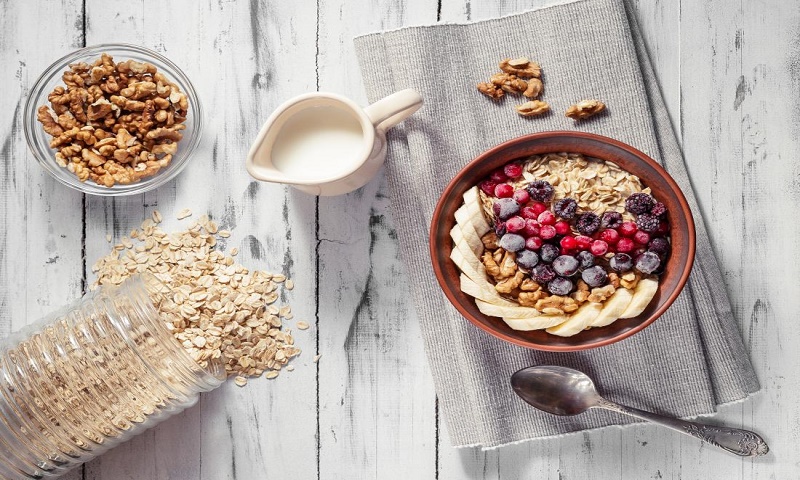
Owing to our fast-paced and hectic schedules, most of us are often unable to sleep for eight to nine hours on a regular basis on most nights. This often leads to the body feeling tired throughout the day with energy levels sinking to its lowest. Which is why, it becomes extremely important to have a good night’s sleep followed by a healthy morning which is sure to make you feel positive and energetic throughout the day. To help you have a healthy beginning to your day, Dr Vishal Sehgal, Medical Director, Portea Medical suggests a few ways. 1. A king’s breakfast After more than seven hours of fasting, your body needs to wake up on a powerful note. This is why breakfast is considered to be the most important meal of the day. A good breakfast is supposed to be wholesome and packed with enough nutrients that can keep you going all day long. A power packed meal can include eggs, a portion of fruit along with a bowl of whole grain foods like oatmeal, pasta or barley that contain complex carbohydrates that release energy slowly through the day. Replace eggs with your favourite cheese if you are vegetarian. 2. Sleep like a baby Given the workaholic culture, the stressful work environment and erratic bedtime, many people suffer from lack of sleep, and hence disorders like insomnia. Excessive smartphone usage and addiction to social media also eat into our daily quota of sleep. Men need seven to eight hours of sleep, while women need just a little longer for a productive day at work. Good sleep not only improves our memory and cognitive abilities but also keeps the digestive system working properly. To improve quality of sleep, it is ideal that you sleep in complete darkness. If you must […]
A brief guide to cognitive enhancing substances (Nootropics).

Nootropics are a general ‘blanket’ term to describe any compound capable of improving several different aspects of cognitive function, such as memory, focus or creativity, without causing many adverse side effects. This term was coined in 1972 by a Romanian chemist, Corneliu E. Giurgea . He was the pioneer of nootropics research in his time and created a very strict set of guidelines to define what the characteristics of nootropics really were: They should enhance the resistance of learned behaviors/memories to conditions which tend to disrupt them (e.g. electroconvulsive shock , hypoxia ). They should protect the brain against various physical or chemical injuries (e.g. barbiturates , scopalamine ). They should increase the efficacy of the tonic cortical/subcortical control mechanisms. They should lack the usual pharmacology of other psychotropic drugs (e.g. sedation , motor stimulation) and possess very few side effects and extremely low toxicity . This original definition rules out many of the compounds we see in rampant use today to improve cognitive performance. For the purposes of this blog, we will cover all potential compounds that are commonly used today to improve cognitive performance, even if they don’t fit the strict definition as set out by Corneliu many years ago. Therefore, the modern category of nootropics or cognitive enhancing substances can be broken down to include natural supplements/compounds (those synthesised by the body, found in foods or those found in nature e.g. herbal/mushroom types), pharmaceutical drugs (smart drugs) and synthetic nootropics. In this article, we will go over these different types of Nootropics and cognitive enhancing substances, what they can be used for, and whether or not they can be beneficial for you depending on your goals and what you’re trying to achieve. In general, we can see that our society is being directed towards a more […]
MIPT physicists create device for imitating biological memory

Illustration. On-chip brain. Credit: Elena Khavina/MIPT Press Office Researchers from the Moscow Institute of Physics and Technology have created a device that acts like a synapse in the living brain, storing information and gradually forgetting it when not accessed for a long time. Known as a second-order memristor, the new device is based on hafnium oxide and offers prospects for designing analog neurocomputers imitating the way a biological brain learns. The findings are reported in ACS Applied Materials & Interfaces . Neurocomputers, which enable artificial intelligence, emulate the way the brain works. It stores data in the form of synapses, a network of connections between the nerve cells, or neurons. Most neurocomputers have a conventional digital architecture and use mathematical models to invoke virtual neurons and synapses. Alternatively, an actual on-chip electronic component could stand for each neuron and synapse in the network. This so-called analog approach has the potential to drastically speed up computations and reduce energy costs. The core component of a hypothetical analog neurocomputer is the memristor. The word is a portmanteau of “memory” and “resistor,” which pretty much sums up what it is: a memory cell acting as a resistor. Loosely speaking, a high resistance encodes a zero, and a low resistance encodes a one. This is analogous to how a synapse conducts a signal between two neurons (one), while the absence of a synapse results in no signal, a zero. But there is a catch: In an actual brain, the active synapses tend to strengthen over time, while the opposite is true for inactive ones. This phenomenon known as synaptic plasticity is one of the foundations of natural learning and memory. It explains the biology of cramming for an exam and why our seldom accessed memories fade. Proposed in 2015, the second-order memristor is […]

The Power Within by Corey Daniels book available for only $2.99
Mind has both conscious and subconscious halves. These are likened to a driver and the truck he drives. The driver plans the destination and observes road conditions, while the truck provides motive power. Your subconscious mind is like the truck and it only goes in the direction in which is a steered. This can be the road or off a cliff. Likewise, the consciousness paints a picture of what the world is and what your goals are and the subconscious acts on them through emotion, physical response and energy, whether these are correct, rational images or false negative ones. The subconscious is also like an emotional reservoir which your body and mind draw responses from to external stimuli.
The Power Within lays out a method of programming your subconscious and tapping into the Holy Spirit, God voice or what the Greeks called the daimon (godman).