Nature Knows and Psionic Success
God provides
5 Health-Boosting Benefits of Green Tea
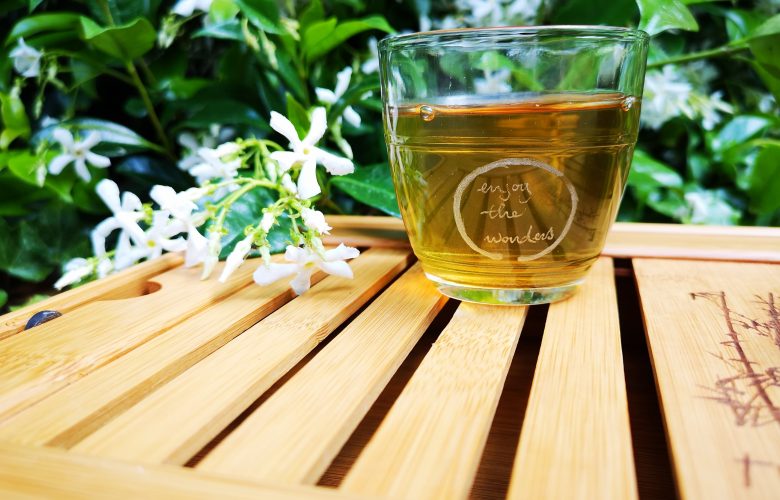
The Challenge: Finding a health-boosting drink The Science: Green tea can benefit your body in a huge number of ways The Solution: Try drinking green tea every day When it comes to much-loved hot drinks, it’s time for coffee to step aside, because green tea is well and truly having its moment in the limelight. Green tea is absolutely brimming with antioxidants just waiting to nourish your body. And in recent years, the antioxidizing powers of this hot drink has earned the attention of scientists and researchers across the world, who’re intrigued about the health benefits it can offer. As such, the drink has boomed in popularity. So much so, that fitness fanatics and health enthusiasts are turning to it in their millions to complement their lifestyle. But what does green tea really have to offer? And does it actually deliver health benefits or is it all just hype? In this article, we’ll look into the research surrounding this popular hot drink to find out exactly what benefits you may experience from enjoying a steaming hot cup of green tea. Image credits Antioxidizes your body Green tea is jam packed full of tiny antioxidants called polyphenols, which are responsible for so much of the health benefits we receive from the drink. In fact, just about every benefit on this list comes back to these handy little compounds. The specific polyphenols within green tea are called catechins, of which the most highly researched is epigallocatechin gallate, or EGCG. EGCG’s have been shown to protect the cells within your body, by defending against oxidative stress [1] . This is key as it may help to protect against common diseases and help support metabolic processes. While a cup of your regular green tea is a brimming with health-boosting catechins, if you’re really […]
Spearmint is a cool way to boost your cognitive focus and attention
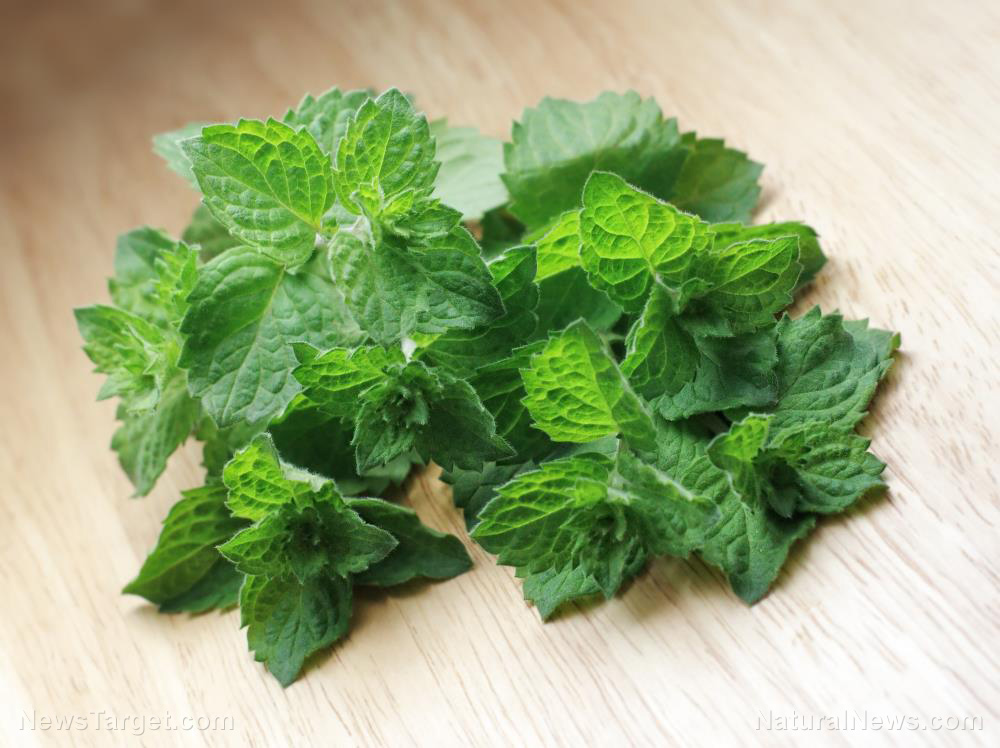
( Natural News ) Spearmint is commonly used to freshen your breath. However, new research shows that it could also boost your attention . A study published in the journal Nutrition Research found a link between spearmint extract supplementation and enhanced attention. For the study, researchers from Kemin Foods and the MusclePharm Sports Science Institute examined whether spearmint could improve cognitive performance in young, active individuals. To do this, they recruited 142 recreationally active men and women aged 18 to 50. The participants were randomly divided into two groups. One group took 900 milligrams (mg) of spearmint extract supplement, which contained around 14.5 percent rosmarinic acid and 24 percent phenolic acid compounds. The other group received a placebo capsule. Both groups took their assigned supplements every day for 90 days. Each group has similar numbers of young (18-35 years old) and older (36-50 years old) participants of both sexes. During lab visits on days 7, 30, and 90, the participants took cognitive tests, which measured their attention and processing speed. They also completed surveys regarding their sleep , mood, and quality of life. The researchers found that supplementation of spearmint extract resulted in an 11 percent increase in sustained attention performance, compared with 0.6 percent increase in the placebo treatment. This improvement is a significant cognitive benefit for individuals, both at work and during recreational activities. While they did not observe significant differences in mood, sleep, or quality of life, they suggested that spearmint supplementation could improve cognitive performance in young, active people. Discover how to prevent and reverse heart disease (and other cardio related events) with this free ebook : Written by popular Natural News writer Vicki Batt, this book includes everything you need to know about preventing heart disease, reversing hypertension, and nurturing your cardiac health without […]
Everyone’s Talking About Napping – Here Are Six Reasons Why
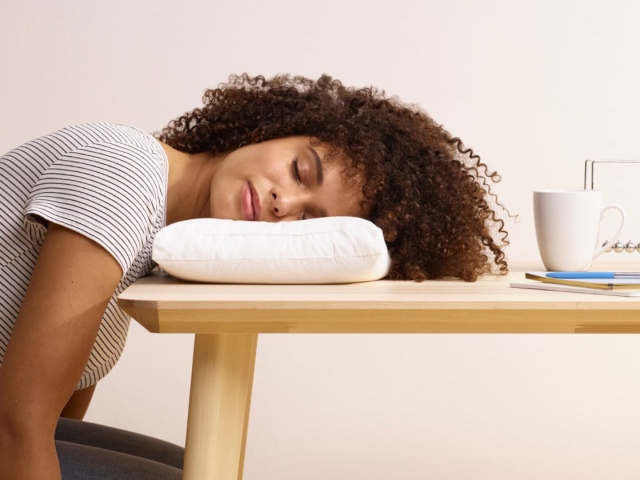
We could all use more sleep, and there’s a reason Carte Blanche recently labelled us ‘the sleepless generation’ . One of the highlights of the weekend, if you manage to clear your schedule, is the Sunday couch nap. Couch naps are different from bed naps. They happen spontaneously, last the perfect amount of time, and there’s something about them that just hits the spot. Also, if you’ve found that you’re an all-round better person on days when you’ve managed to get a nap in, there might be something to that, according to a new study from researchers at the Asklepieion General Hospital in Greece. The Telegraph reports that the study looked at the sleeping habits of 212 people and found that those who took a nap in the afternoon experienced a fall in blood pressure. The study prompts the fascinating theory that people who live in southern Mediterranean countries, where siestas are commonplace, have a longer life expectancy not because of their diet but because of their habit of sleeping in the middle of the day. On which note, Japan proves an interesting case study, because the country with the world’s longest life expectancy also regularly features at the bottom of world sleep tables: the Japanese get an average of just 6 hours and 35 minutes a night. However, Japan is also known for its culture of napping – especially at work, where the practice even has its own name: inemuri. Evidence seems to suggest that an afternoon nap is a good thing, and here are six reasons to put your head down on your desk immediately: Napping Keeps You Focused Both Margaret Thatcher and Sir Winston Churchill slept just four hours a night but insisted on daily naps. In addition, the great Albert Einstein also found that regular […]
Today’s stress management ingredients boast body-wide benefits
Photo © AdobeStock.com/Annibell82 Melissa Kvidahl Brain Health , Herbs & Botanicals , Trends & Business America may be a diverse place, but there’s one thing we all share: stress. And not the healthy kind, which in small doses can help you tackle a to-do list or reach long-term goals. According to the American Psychological Association’s 2018 Stress in America survey 1 , nearly three-quarters of adults say they have experienced at least one symptom of stress in the past month, and almost half say they lay awake at night due to stress. APA’s survey also found that one in five adults don’t feel they’re doing enough to manage their stress. So while they may look to friends (48%), significant others (44%), or family members (31%) to help manage their woes, it may not be enough. “When stress becomes too much—common signs include the inability to concentrate or complete tasks, body aches, more frequent illnesses, and trouble falling asleep—it may be time to look at remedy alternatives,” says Chase Shryoc, vice president of sales and business development at Gencor (Irvine, CA). And it seems consumers are doing just that. In fact, data from market researcher SPINS show that U.S. dollar sales for mood-support supplements posted double-digit growth over the past year at 18%, to reach $114.5 million. “There is certainly a demand for natural ingredients that can help address the challenges around stress management and relaxation,” agrees Josh Beaty, marketing director at NuLiv Science (Brea, CA). “The anxiety phenomenon is taking an increasing toll on the general population due to the ever-growing demands of the workplace, personal commitments, financial stress, and overall health. When consumers are experiencing overload, they want to alleviate the symptoms.” Alleviating Ingredients Herbs still have a dominant role to play in the relaxation and stress-relief category. […]
Moving Back to Apple’s Stock Apps

It’s probably too early to say — and the betas have probably been too buggy to proclaim — but Apple’s June 2019 WWDC felt momentous. Apple unveiled the new Mac Pro and Pro Display XDR, macOS Catalina, watchOS 6, tvOS 13, and a whole bunch more. Of course, iOS 13 and iPadOS likely topped the list. With every new iteration of iOS, I’ve had a pull to return to Apple’s own first-party apps. With iOS 13, that pull is stronger than ever: Reminders is set to see its biggest update in years, Notes continues to be improved and has the ultra-luxury of being accessible right from the lock screen on the iPad Pro, Mail has that sleek iOS design that can’t be matched by any third-party email client, and Calendar’s iOS 13 improvements — especially the improved navigation — really pushes up against hallmark features in third-party apps. I wouldn’t say Apple has “sherlocked” any of these app categories, but the company’s stock app development team has been on fire. This year, I’m giving in to temptation. I’ve spent the last week or so switching things back to Apple’s stock apps from the best third-party apps in the industry, and I’m going to give them a shot for as long as I can. Here are a range of initial impressions and frustrations in making the switch. Notes Notes hasn’t seen a major feature boost in iPadOS/iOS 13 this year, but there are a variety of reasons to make Apple’s Notes app your default note-taking app. Why Switch Back? First Party/System-Wide Integration: This is likely to be the hallmark reason to make the switch back to all of Apple’s stock apps, but it’s likely most important in the Notes app. Like any app, Notes is accessible as a share sheet […]
Natures boost: gardening as a natural remedy for depression

Natures boost: gardening as a natural remedy for depression You are not alone if you find yourself feeling depressed and under pressure. you are not alone. Nearly a fifth of adults in the UK experience depression or anxiety. That is according to the Office for National Statistics (ONS), which states that more women report that they suffer from the conditions than men. With overthinking and major life events, such as family bereavement, leading to depression; anyone can be at risk of the illness. However, certain genetic variations may make some more prone to the condition than others While many people doctors prescribe them anti-depressants to help cope with depression by acting as a ‘mood enhancer’, they don’t work for everyone. But, can gardening help us battle depression? Many believe so, with reports suggesting 87% of people who garden for more than six hours per week feel happier . But why and how is this the case? Garden with your loved ones Suffering from depression can deplete you of all your confidence, so gardening as a family can be a great way in which to socialise within your comfort zone. Most kids love the garden — and spending time with you — so by creating fun tasks to improve your garden, they will instinctively have fun which will help lift your spirits. Certain friendly bacteria that is found in soil can also work in a similar way to anti-depressants by boosting the immune system, according to scientists . Grown your own Learning to grow your own vegetables is a great skill for many reasons. It is thought that producing your own food can help you reconnect with our planet, its seasons and rhythms. Not only this, but tending to your crops will provide enough light exercise — at your own […]
How do brains tune in to one neural signal out of billions?

(MENAFN – The Conversation) The human brain sendshundreds of billions of neural signalseach second. It’s an extraordinarily complex feat. A healthy brain must establish an enormous number of correct connections and ensure that they remain accurate for the entire period of the information transfer – that can take seconds, which in ‘brain time’ is pretty long. How does each signal get to its intended destination? The challenge for your brain is similar to what you’re faced with when trying to engage in conversation at a noisy cocktail party. You’re able to focus on the person you’re talking to and ‘mute’ the other discussions. This phenomenon is selective hearing – what’s called thecocktail party effect . When everyone at a large, crowded party talks at roughly the same loudness, the average sound level of the person you’re speaking with is about equal to the average level of all the other partygoers’ chatter combined. If it were a satellite TV system, this roughly equal balance of desired signal and background noise would result in poor reception. Nevertheless, this balance is good enough to let you understand conversation at a bustling party. How does the human brain do it, distinguishing among billions of ongoing ‘conversations’ within itself and locking on to a specific signal for delivery? My team’s researchinto the neurological networks of the brain shows there are two activities that support its ability to establish reliable connections in the presence of significant biological background noise. Although the brain’s mechanisms are quite complex, these two activities act as what an electrical engineer calls amatched filter- a processing element used in high-performance radio systems, and now known to exist in nature. Neurons singing in harmony Let’s take a moment to focus on just one of the hundreds of billions of nerve fibers in […]
Acupuncture found to reduce nerve sensitivity

( Natural News ) Acupuncture is a traditional Chinese medicinal practice that has been used for centuries, even today. In a study published in the journal Acupuncture in Medicine , acupuncture was found to reduce the sensitivity of the median nerve . Animal studies show that acupuncture can reduce mechanosensitivity of peripheral nerves. In this study, researchers from the Polytechnic Institute of Leiria ( Instituto Politecnico de Leiria ) and the University of Porto ( Universidade do Porto ) in Portugal investigated whether acupuncture would exhibit the same effect in humans. Mechanosensitivity of the nervous system is a normal protective mechanism that enables the nerves to respond to mechanical stresses imposed upon them during movement. Thirty-one individuals participated in this study. They received acupuncture either on the LU5 acupuncture point or PC5 acupuncture point. The LU5 acupuncture point is the local point for the elbow , while PC5 is located on the flexor aspect of the forearm . The researchers measured the participants’ mechanosensitivity of the median nerve by the elbow extension range-of-motion (EE–ROM) at pain onset and maximum tolerance during the upper limb neurodynamic test 1 (ULNT1). In addition, they examined the effects of two different acupuncture points – LU5 and PC5 – in ULNT1 responses. The results revealed that after acupuncture, the mean EE–ROM at pain onset and maximum tolerance increased with no differences between the LU5 and PC5 groups. Taken together, acupuncture immediately reduces the mechanosensitivity of the median nerve reduced as seen in the increase in EE–ROM during the ULNT1. Discover how to prevent and reverse heart disease (and other cardio related events) with this free ebook : Written by popular Natural News writer Vicki Batt, this book includes everything you need to know about preventing heart disease, reversing hypertension, and nurturing your cardiac health […]
Hot stone massage: 6 ways this therapy can boost your health
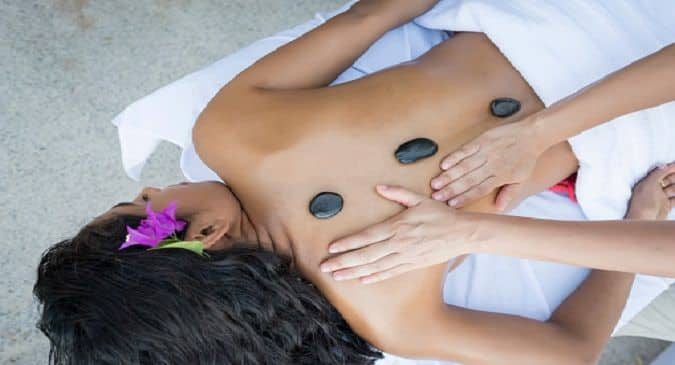
Hot stone massage therapy can help in relieving stress, anxiety and chronic pain. © Shutterstock Are your muscles stressed? Are you looking for something relaxing? Why don’t you go for a hot stone massage? Well, this is a type of massage therapy that is characterised by placement of hot stone on specific parts of the body. These stones are flat, smooth and made up of basalt. The main reason behind the use of these stone is that it has heat absorbing properties. Usually, they are dipped in hot water before being placed on body areas like the back, hands, feet, face, stomach, etc. Cold stones are also used after the massage therapy with the hot ones. Notably, cold stones are usually used on the face. It is used to calm down the swollen blood vessels and sooth hot skin. This massage therapy basically focuses on points that are considered to energetically balance the mind and body. This technique of providing relaxation is associated with an array of health benefits. Here we tell you all about them. Provides relief from pain and muscle tension Heat actually helps in increasing blood flow to any area. It is also linked to reduced muscle spasms and increased flexibility. This massage therapy helps in increasing range of motion. Cold therapy following the hot one helps in relieving inflammation if any. A massage therapy actually stimulates your brain. This leads to the production of endorphins and other hormones that are known to be natural pain relievers . Acts as stress and anxiety reliever Due to its sedative effects, hot stone massage therapy can help in relieving stress, anxiety and chronic pain. Massage actually helps in lowering the secretion of the stress hormone cortisol. As mentioned above, the use of hot stones can potentially expand your […]
Your Brain Takes a Beating as You Age. Here’s How to Save Your Memory.
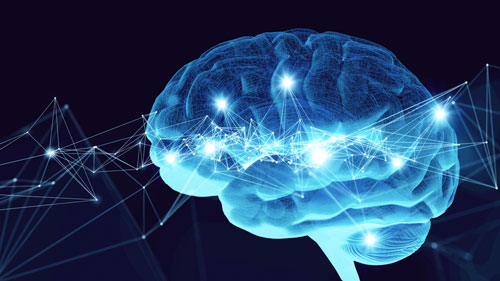
Why do people start to lose their mental sharpness as they get older? One theory is that brain cells start to die without being replaced. Another is that protein tangles associated with Alzheimer’s disease accumulate in the brain and clog neural pathways. But a new scientific paper concludes there is another factor at work: Blood vessel health. Swedish scientists believe the condition of your brain is largely dependent on the blood vessels that serve it. [1] “We suggest a chain of events on how the aging of the brain and blood vessels are related,” said Professor Lars Nyberg. He was a lead author of the article, which was published in the journal Trends in Cognitive Sciences . [2] When we’re young, the force of blood being pushed throughout the body is absorbed by large arteries. But those arteries become stiff over time. With less flexibility, the pressure of each heartbeat is transmitted to smaller blood vessels, including capillaries in the brain. When these tiny veins are damaged, it can harm cognitive processes. Professor Nyberg and his colleagues believe the hippocampus is especially vulnerable. It’s a part of the brain that is important for recalling events. The hippocampus is located close to large blood vessels. If those vessels are stiff, the hippocampus gets hammered. 5 Ways to Increase Nitric Oxide: The Key to Blood Vessel Flexibility Your blood vessels are your brain’s shock absorbers. And one compound is crucial to keeping veins, arteries, and capillaries supple and flexible as you age. It’s nitric oxide. [3] Nitric oxide relaxes the endothelium inside your blood vessels. This is the inner lining that gives blood vessels the healthy ability to expand and contract. A study in the journal Experimental Gerontology found that nitric oxide levels are directly related to memory ability in seniors. […]
3 strategies to cure chronic stress

Photo by energepic.com from Pexels Stress is a necesary built-in biological response and there’s a goot reason to have it. If you face a fire and your life depends on your actions in the next two seconds you don’t have time to make a rational decision. That’s why the prefrontal cortex of your brain, where the rational thinking happens, shuts down and all the action goes to your amygdala. Its job is to get you ready to react automatically fleeing, fighting or freezing. The first and second responses seem logical. The third is the solution your brain picks when you don’t see a way out. You feel no power to change the situation and brace for impact. Stress in little dosis is harmless, but chronic stress leads to pathologies that go from fatigue, focus and memory loss, to depression, obesity, high blood pressure and an increased risk of heart attack and stroke. We humans control our alertness unconscionsly using two antagonist nerve systems: The sympathetic nervous system (SNS) elevates our alertness and stress response. The parasympathetic nervous system (PSNS) relaxes the whole body. They usually are balanced. When we need alertness the SNS’ activity rises and PSNS lowers. For example in front of danger, before a competition or when we go out for a run. On the other hand, when we need rest, digest or during sexual arousal, the PSNS’ activity rises and SNS’ decreases. Think about our prehistorical ancestors and other animals to understand the simplicity of the two systems: When a tiger is nearby, you need to be alert. When you have to sleep, eat and have sex to secure the survival of the species you need to be relaxed. We burned stored energy at a high rate just when necessary (SNS on), and the rest of […]
Korean red ginseng has anti-inflammatory properties, researchers confirm
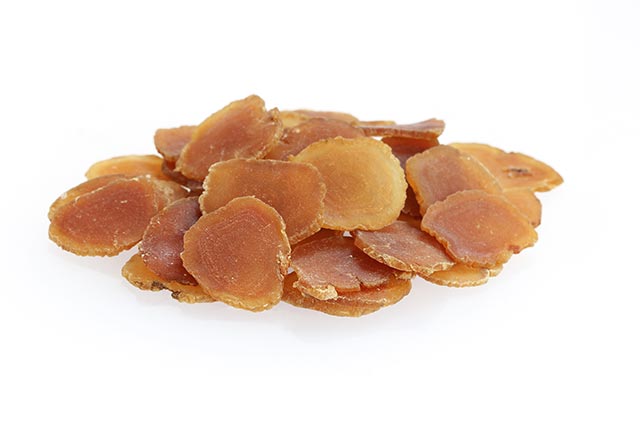
( Natural News ) Korean researchers studied the anti-inflammatory properties of Panax ginseng C.A. Meyer, commonly known as Korean red ginseng, as a potential treatment for inflammatory symptoms of arthritis, gastritis, and hepatitis. They focused on ginsenoside, one of its major active ingredients, which exhibited anti-inflammatory and anticancer properties. Their findings were published in The American Journal of Chinese Medicine . Korean red ginseng (KRG), prepared from P. ginseng C.A. Meyer (Araliaceae), is an herbal medicine used worldwide. The researchers aimed to identify the inhibitory saponins in KRG to evaluate their efficacy in vivo, and to understand the mechanisms that suppress inflammatory processes. To do this, the researchers employed in vitro lipopolysaccharide-treated macrophages and in vivo inflammatory mouse conditions, such as collagen (type II)-induced arthritis (CIA), EtOH/HCl-induced gastritis, and lipopolysaccharide (LPS)/D-galactosamine (D-GalN)-triggered hepatitis. They also verified molecular mechanisms by real-time PCR, immunoblotting analysis, and reporter gene assays. The researchers found that ginsenoside Rc (G-Rc) exhibited the highest inhibitory activity against the expression of tumor necrosis factor (TNF)-alpha, interleukin (IL)-1beta, and interferons (IFNs). G-Rc also attenuated inflammatory symptoms in CIA, EtOH/HCl-mediated gastritis, and LPS/D-galactosamine (D-GalN)-triggered hepatitis without altering toxicological parameters, and without inducing gastric irritation. These anti-inflammatory activities were accompanied by the suppression of TNF-alpha and IL-6 production and the induction of anti-inflammatory cytokine IL-10 in mice with CIA. G-Rc also lessened the levels of luciferase activity by IRF-3 and AP-1, but not NF-kappaB. Furthermore, G-Rc reduced TBK1, IRF-3, and ATF2 phosphorylation in the joint and liver tissues of mice with hepatitis. Discover how to prevent and reverse heart disease (and other cardio related events) with this free ebook : Written by popular Natural News writer Vicki Batt, this book includes everything you need to know about preventing heart disease, reversing hypertension, and nurturing your cardiac health without medication. Learn […]
Memophenol Found To Boost Student Mental Performance

Memophenol has been clinically proven to help prevent age related cognitive decline in seniors, now it has been found to act as cognitive performance booster in a new clinical study. The cross over, randomized, double blind placebo controlled clinical study involved 30 graduate students between the ages of 18-25, who took both placebo and 600mg of Memophenol in acute doses 90 minutes before an hour of intense mental effort, wherein cognitive performance such as alertness, attention, and working memory was assessed by objective and self assessment validation testing in exam conditions. Acute supplementation was found to have induced booster effects in just 90 minutes; results show higher cognitive performance by 36% while students were supplemented with Memophenol, and students reported feeling significantly more performant by 39%. 20% of students report using smart nootropic drugs to help boost cognition, improve focus, and to stay competitive, which may have potential long term side effects; nootropics are substances that enhance cognition and memory to facilitate learning and well-being which are trending in schools. Developing a safer compound or finding an alternative could eliminate potential side effects while still boosting cognition. Memophenol may be comparable to nootropic drugs without the potential side effects. Several companies are responding to consumer interest in natural nootropics and are working to develop cognition enhancing ingredients to boost brain health.
How to look after your mental health

A lot of the conversation around mental health focuses on mental illness, but mental wellbeing doesn’t just mean the absence of symptoms. Here are some practical, evidence-based ways to foster mental wellbeing. "Mental wellbeing is the sense of being comfortable with who we are and what we are and where we sit in the world," says Chris O’Sullivan from the Mental Health Foundation in the UK. While the term "mental health" usually conjures thoughts of mental ill-health, like depression, anxiety and addiction, researchers like O’Sullivan say it’s important to think about mental wellbeing as more than just having or not having symptoms. Instead, it can be helpful to think about mental health as a spectrum, on which you’re position is likely to fluctuate throughout life. Mounting evidence suggests positive mental wellbeing is linked to our physical health and the connections we build with others. Here are some practical, everyday things to keep in mind for your mental wellbeing. Note: If you’re in the thick of a severe mental illness, these tips might not be useful for you. Read more: Instant gratification and the pursuit of perfection: Why our brains love Instagram Your mind is attached to a body. Movement has been shown to release chemicals in our brains that make us feel good. It can help you sleep better, reduce feelings of stress and anxiety, improve memory and cognition, and even potentially mean you’ll have a better chance at experiencing positive events throughout the day. "There’s very strong evidence for the role of exercise in both prevention and treatment of mild and moderate depression and anxiety," O’Sullivan told DW. "So doing some exercise, even though when you’re in the pits of depression it’s the thing you’ll least likely feel like doing, can help." Although technically "being active" doesn’t just […]
Benefits of Herbal Medicines for Different Conditions and People
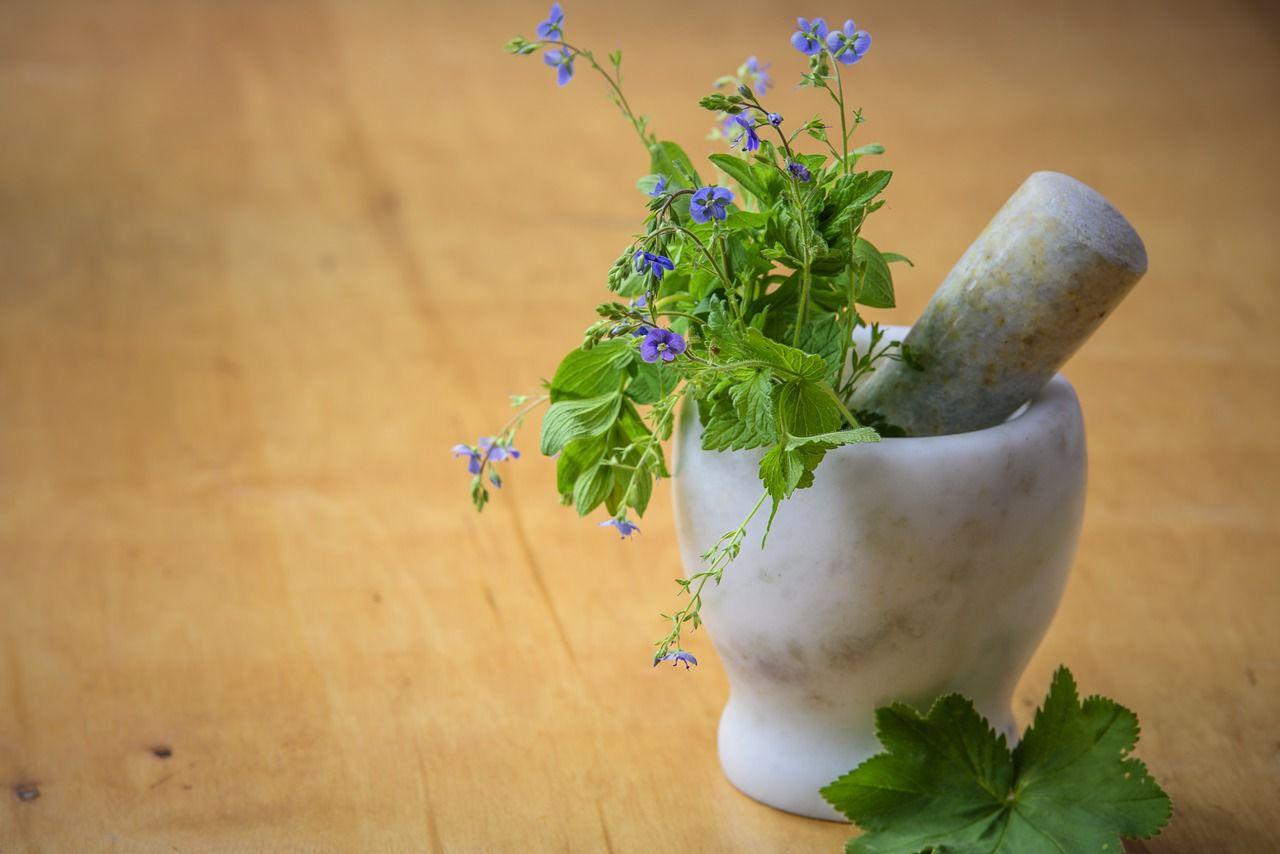
(pixabay.com photo) If you are struggling with skin breakouts, low energy, and brain fog, numerous herbal remedies will help you gets your body back to optimum functioning. Most people use herbs to flavor their food and often miss out on the slew of benefits they can get from these herbs. Herbal medicines have been used for decades in India, China, North America, and Africa. Most of the traditional healers used barks, berries, seeds, flowers, and leaves for medicinal purposes, and it often worked. Today, more and more studies prove that certain herbs have many benefits for specific conditions. In the same way, more than 60% of the world population, mostly women, today are turning to herbal medicines for cure. If this is an option you are exploring, you will be glad to know that there are many ways to take the herbs, including in teas, supplements, and tropical treatments. Some tinctures are highly concentrated and better absorbed into the body than supplements. Here is a list of the most common benefits you should expect when you start this form of treatment. 1. Reduces Inflammation Inflammation is one of the most common symptoms for most conditions. It could indicate numerous things like diabetes, cancer, arthritis, depression, just to name a few. It is never a good thing. However, certain ingredients in herbal medicines like turmeric have been proven to have strong anti-inflammatory properties. The specific component that helps with this is curcumin, which lowers the enzymes that cause this issue. This is a common ingredient that is used in the wise woman herbals to treat aging and skin problems. It is also a powerful antioxidant and works better than vitamin C and E to boost the immune system. If taken daily, these effects will be long term. 2. Treats Skin […]
Your A-Z Guide to Herbs for Better Health
Looking for nature-sourced ways to keep your health in check? We’ve rounded up a beneficial herb for every letter of the alphabet. They’re Mother Nature’s way to fight stress, keep joints healthy, soothe digestion, support heart health and so much more. You’re sure to find an herb to fit every wellness routine and health need. And since this isn’t an exhaustive list of the many herbs that promote wellbeing, when you’re finished reading be sure to check out the extensive selection of high-quality, carefully curated herbal supplements from Swanson Health . Ashwagandha Ashwagandha is an Ayurvedic herb with many uses, but it is most frequently used as an energizing, stress-fighting adaptogen. This herb promotes calmness and relaxation while enhancing mental and physical vitality. It’s also used to support sexual health for both men and women. 1 Learn more about adaptogens and how they work in 14 Adaptogenic Herbs for Healthy Stress Support. Boswellia Boswellia serrata is another time-honored herb with roots in Ayurvedic traditions. It’s used for comforting joints and promoting joint health. 2 We use a patent-pending “next-generation” Boswellia extract from AprèsFLEX® in our new herbal joint supplement, Pure Science Herbals Pure Joint , which goes to work fast to promote joint comfort in as few as 7 days! Ceylon Cinnamon Much more than a kitchen spice—cinnamon is loaded with antioxidants and offers seemingly endless health benefits. Cinnamon supports cardiovascular health, helps maintain healthy blood sugar levels already within the normal range, promotes effective insulin use, provides metabolic support and it may even promote cognitive health. 3 Bonus: It’s also delicious! Sprinkle Ceylon cinnamon powder on your oatmeal or try a full spectrum true cinnamon supplement to get the benefits. Dong Quai Dong quai is an herb in the same family as parsley and native to Japan and […]
Learn more about the health benefits of chlorogenic acid, the active ingredient in green coffee

( Natural News ) People trying to lose weight opt for dietary supplements as they seem to be a safer and more effective alternative to prescription weight loss drugs. Green coffee bean extract, the less processed version of coffee, is commonly used for this purpose. Green coffee beans are raw, unroasted coffee beans . The beans contain many bioactive compounds, including chlorogenic acid and caffeine. Chlorogenic acid is the main component of green coffee beans, and most of it is removed when the beans are roasted. It is said to be responsible for green coffee’s weight loss effects . In a study published in the Journal of Medicinal Food , researchers looked at how much chlorogenic acid and caffeine there are in green coffee bean products. Researchers from the University of Scranton and Marywood University developed high-pressure liquid chromatography (HPLC) to provide a simple, inexpensive method of analyzing 54 commercially available extracts of green coffee beans. The researchers measured both chlorogenic acid and caffeine using 5-chloroquinic acid as the standard and published extinction coefficients for the other monomeric and dimeric chlorogenic acids present. The average labeled dose of chlorogenic acid was 233?milligrams (mg), whereas the average calculated by HPLC analysis was only 157?mg. This suggested that the consumer is likely to get a little more than half of the reported label amount of chlorogenic acid in green coffee products. The researchers also found that green coffee products contain zero to 17 percent of caffeine. Based on marketing literature, 50 percent chlorogenic acid content is the gold standard of green coffee bean products. However, based on this value, only 28 percent of the commercial products studied met this goal. Discover how to prevent and reverse heart disease (and other cardio related events) with this free ebook : Written by popular […]
Saffron is just as effective as Ritalin in managing symptoms of ADHD – study
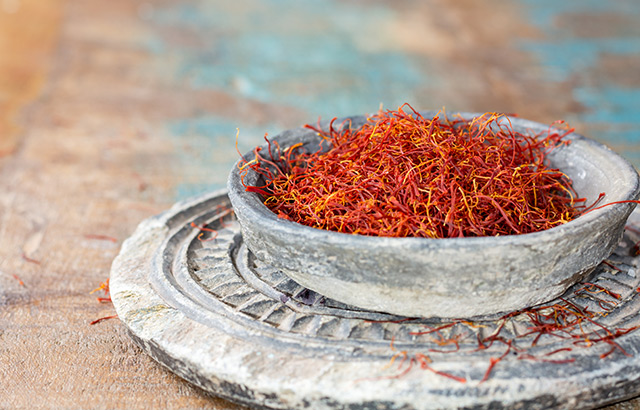
( Natural News ) Saffron ( Crocus sativus ) is gaining a lot of attention not just as an herb, but also as a natural treatment for brain health problems, including attention-deficit hyperactivity disorder (ADHD). In a recent study published in the Journal of Child and Adolescent Psychopharmacology , saffron was found to be just as effective as Ritalin in managing the symptoms of ADHD – except it is natural. ADHD is one of the most common neuropsychiatric disorders in children and adolescents. Many patients with this condition do not respond to drug stimulants or cannot tolerate their side effects. Therefore, natural alternative medicines may be considered. For this reason, researchers from Tehran University of Medical Sciences in Iran looked at the safety and efficacy of saffron in managing ADHD symptoms. The team compared saffron with a commonly prescribed drug for ADHD called methylphenidate , the generic name for Ritalin. In conducting the study, the researchers recruited 54 children and adolescents aged six to 17 years old who were diagnosed with ADHD. They randomly assigned the children to receive either 20 to 30 milligrams (mg) of methylphenidate per day or 20 to 30 mg of saffron capsules per day, depending on weight. The researchers also assessed the children’s symptoms at the beginning of the study, at the third week, and at the sixth week of the study. Of the participants, only 50 completed the trial. Participants in both saffron and methylphenidate groups exhibited equivalent and significant improvement in ADHD symptoms. In addition, both treatments were tolerated well by the participants and did not cause adverse events. The frequency of side effects also did not differ significantly between the groups. Discover how to prevent and reverse heart disease (and other cardio related events) with this free ebook : Written by […]
Do Nootropics Really Boost Brain Function?
Nootropics are a broad range of both natural and artificial compounds though to improve cognitive function. Including everything from caffeine to Adderall and Provigil, they are popular among students and working professionals alike for their reputation in boosting focus, memory and creativity. But do they really work? Different kinds of nootropics have different functions, and affect people differently. For example, although Adderall is known to boost the abilities of low-performing individuals in areas such as word recall and abstract reasoning, it is otherwise known to impair already high-performers. In a study looking at the effects of Adderall in healthy high-performing individuals, researchers found that although those who took the drug felt they experienced improvements in their cognitive abilities, tests measuring these found none (Ilieva: 2012). Demonstrating a clear placebo effect for improved cognitive functioning, it is possible that given the drug’s reputation for improving cognitive abilities in low-performing people, healthy individuals on the drug mistake its physical byproducts, such as an increased heart rate and blood pressure, as evidence for a higher level of functioning. Provigil, also known as modafinil, is another nootropic known to produce varied results on cognitive functioning. Although a singular dose has led to significant improvements in both episodic and working memory of those with remitted depression, among healthy individuals, its effects seem to be minimal (Fernandez: 2015). Moreover, another study has shown that usage of Provigil among healthy juveniles and adolescents may in fact reduce brain plasticity in the long run due to its potential to overrun optimal chemical balances for brain development (Urban: 2014). Despite these varying use-cases however, other nootropics seem to have less risk and seemingly more positive effects across the board. L-theanine, the counterpart for caffeine found in tea, is a good example of this. A systematic review of the […]

The Power Within by Corey Daniels book available for only $2.99
Mind has both conscious and subconscious halves. These are likened to a driver and the truck he drives. The driver plans the destination and observes road conditions, while the truck provides motive power. Your subconscious mind is like the truck and it only goes in the direction in which is a steered. This can be the road or off a cliff. Likewise, the consciousness paints a picture of what the world is and what your goals are and the subconscious acts on them through emotion, physical response and energy, whether these are correct, rational images or false negative ones. The subconscious is also like an emotional reservoir which your body and mind draw responses from to external stimuli.
The Power Within lays out a method of programming your subconscious and tapping into the Holy Spirit, God voice or what the Greeks called the daimon (godman).