Nature Knows and Psionic Success
God provides
Type 2 diabetes: The great sugar debate and how to naturally lower blood sugar levels

As type 2 diabetes is linked to high levels of sugar in the blood, it may seem logical to assume that eating too much sugar is the cause of the disease. But it is not that simple. Leading nutritionists, Lynn Grieger and Doctor Marilyn Glenville, discuss the effect of sugar and how you can stray away from sugary treats whilst still enjoying the sweeter things in life. “The idea that sugar affects diabetics has been around for years, but the truth is, type 2 diabetes is a multifactorial disease with many different types of causes,” explains Grieger. Type 2 diabetes: One unpleasant sign you have it Type 2 diabetes: Three of the best supplements “I don’t think that anybody has put their finger on what the true cause of diabetes is, or that we’re going to find a single cause.” Diabetes.co.uk said on their website: “ Having diabetes doesn’t mean you have to cut sugar out completely. We all enjoy eating sugary foods occasionally, and there’s no problem including them as a treat in a healthy, balanced diet. "However, we are eating too much sugar, far too much, and harming our health as a result.” Doctor Marilyn Glenville said: “Excess sugar is very harmful, and even a slight lift in glucose levels in the bloodstream can be harmful to the brain, which can result in deficits in memory and slow cognitive function. "So, it’s time to swap those sugary cherry drops for some naturally sweet dried fruit. Raisins and dates are great to fight off your sugar fix, and if you are into your cakes and tasty bakes, add raisins or sultanas to make a pie or crumble that little bit sweeter. "Spices like cinnamon and vanilla also add lots of sweetness and flavour, allowing you to reduce the […]
Doodling at work could help you be more productive

The next time you’re stuck on a project, stymied by a problem, or just stressed out at work, you might want to break out a pen and paper and start doodling. Research shows those random shapes, lines, and figures scrawled on the margins can help memory and cognition, boost creativity, and even just help us relax. In the last decade, those benefits have spurred a growing interest in more sophisticated forms of the practice in classrooms and workplaces. Sketchnoting , graphic recording , infodoodling, and other visual thinking applications, which combine words, pictures, symbols, and sketches, all aim to help people process information in a similar way to doodling. “It’s such a simple tool,” says Sunni Brown, author of The Doodle Revolution , which documents the benefits of doodling and visual language, “but it has so many implications and so many areas where it makes a real difference for people.” From the earliest age, we’re taught to sit at attention when someone is speaking to us. Scribbling random pictures in our notebooks has long been considered rude or disrespectful—just ask your middle-school history teacher. But Brown realized something as she traveled the world for work: people doodle everywhere. “I noticed this universal thing happening that seemed to be very useful, powerful, helpful, and natural, but it had no place in any of our institutions,” she says. “There was a disconnect there.” ‘Like having chocolate’ Expectations that we only need to listen to learn can make it difficult for some to distill information, especially for visual learners who absorb information best when they can see it. Doodling can help. When we doodle, according to research, we actually pay attention and remember more information . The practice can enhance memory in older adults. It can help with mental health , and […]
NJIT’s Bipin Rajendran is named a Senior Member of the National Academy of Inventors
Bipin Rajendran, an engineer who develops computing systems that aim to match the efficiency seen in nature by studying the organizational principles of the brain, has been elected a Senior Member of the National Academy of Inventors (NAI). NAI Senior Members are active faculty, scientists and administrators "who have demonstrated remarkable innovation-producing technologies that have brought or aspire to bring, real impact on the welfare of society," according to the Academy. They have also proved successful in patenting, licensing and commercializing their inventions. Rajendran, an associate professor of electrical and computer engineering and expert in nanoscale electronic devices and system design, holds 59 issued U.S. patents. He joins a class of 54 newly elected members from institutions including Yale University, the Texas Heart Institute and the Naval Information Warfare Center. "Advances in computing have enabled systems with astonishing capabilities that augment and even surpass human capacity in many facets of life, but there is a crucial gap in all of these awe-inspiring artificial systems: the enormous amount of energy they consume to perform their tasks," he notes of technologies such as two-legged humanoid robots developed for search-and-rescue operations in hazardous environments and big data-analytics engines that work alongside doctors to diagnose diseases and suggest treatment plans. He adds, "While the Watson supercomputer from IBM required 85,000 watts to challenge and ultimately vanquish two "Jeopardy!" champions, Watson’s conqueror, former U.S. Congressman Rush Holt, relied on a far more efficient machine — the human brain — which functions on a mere 20 watts." At the heart of these brain-inspired systems are artificial neural networks, which are mathematical models of the networks of neurons and synapses in the brain. In order to endow them with human-like intelligence, vast troves of information are fed to them, and their internal parameters — the strengths […]
Here are the best reasons why you should go nuts with organic almonds
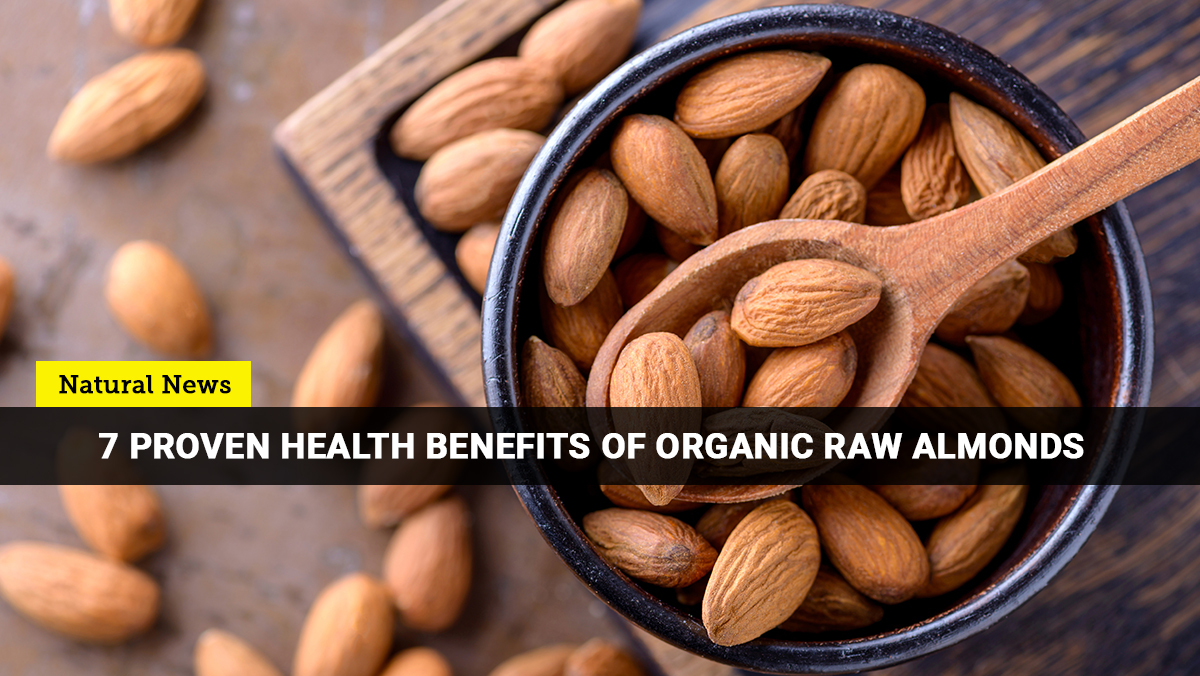
( Natural News ) Almonds are a nutritious superfood that has been around for thousands of years. In fact, the ancient Egyptian and Hindu cultures treated almonds as prized treasures, even going so far as to insert almond tree branches into valuable jewelry cases, boxes, and vases. These delectable nuts were widely believed to enhance both intelligence and longevity. Today, almonds are praised around the world for their considerable nutritional benefits. Not only are they low in saturated fatty acids and packed with health-boosting unsaturated fatty acids, but they also contain plenty of fiber, phytosterol antioxidants, and plant proteins. Rich, crunchy, and incredibly nutritious, almonds are among the most perfect and versatile snack foods in the world. Almonds are also considered “energy-dense.” This means that they pack a whole range of important nutrients and chemical compounds. If you want to further boost the nutrient content of your almonds, you can soak some raw almonds overnight for around eight to 12 hours. Not only does this make the nutrients easier to absorb, it also makes it easier for you to remove the almond’s brown peels. These peels contain an antinutrient called tannin, which can inhibit nutrient absorption. Soaking your almonds also releases beneficial enzymes that support healthy digestion. Proven health benefits of almonds Aside from boasting an impressive nutrition profile, almonds also offer a multitude of health benefits. Here are some of the best reasons why you should start adding almonds to your diet. Supports healthy heart functions: Almonds contain high levels of antioxidants that promote optimal cardiovascular health and help boost your immunity. Moreover, they contain an abundance of good fatty acids that support healthy cholesterol levels already within the normal range. GLYPHOSATE testing is now being applied to all Health Ranger Store branded products. Our in-house lab uses […]
NJIT’s Bipin Rajendran is named a Senior Member of the National Academy of Inventors
Bipin Rajendran, an engineer who develops computing systems that aim to match the efficiency seen in nature by studying the organizational principles of the brain, has been elected a Senior Member of the National Academy of Inventors (NAI). NAI Senior Members are active faculty, scientists and administrators "who have demonstrated remarkable innovation-producing technologies that have brought or aspire to bring, real impact on the welfare of society," according to the Academy. They have also proved successful in patenting, licensing and commercializing their inventions. Rajendran, an associate professor of electrical and computer engineering and expert in nanoscale electronic devices and system design, holds 59 issued U.S. patents. He joins a class of 54 newly elected members from institutions including Yale University, the Texas Heart Institute and the Naval Information Warfare Center. "Advances in computing have enabled systems with astonishing capabilities that augment and even surpass human capacity in many facets of life, but there is a crucial gap in all of these awe-inspiring artificial systems: the enormous amount of energy they consume to perform their tasks," he notes of technologies such as two-legged humanoid robots developed for search-and-rescue operations in hazardous environments and big data-analytics engines that work alongside doctors to diagnose diseases and suggest treatment plans. He adds, "While the Watson supercomputer from IBM required 85,000 watts to challenge and ultimately vanquish two "Jeopardy!" champions, Watson’s conqueror, former U.S. Congressman Rush Holt, relied on a far more efficient machine — the human brain — which functions on a mere 20 watts." At the heart of these brain-inspired systems are artificial neural networks, which are mathematical models of the networks of neurons and synapses in the brain. In order to endow them with human-like intelligence, vast troves of information are fed to them, and their internal parameters — the strengths […]
Doodling at work could help you be more productive

The next time you’re stuck on a project, stymied by a problem, or just stressed out at work, you might want to break out a pen and paper and start doodling. Research shows those random shapes, lines, and figures scrawled on the margins can help memory and cognition, boost creativity, and even just help us relax. In the last decade, those benefits have spurred a growing interest in more sophisticated forms of the practice in classrooms and workplaces. Sketchnoting , graphic recording , infodoodling, and other visual thinking applications, which combine words, pictures, symbols, and sketches, all aim to help people process information in a similar way to doodling. “It’s such a simple tool,” says Sunni Brown, author of The Doodle Revolution , which documents the benefits of doodling and visual language, “but it has so many implications and so many areas where it makes a real difference for people.” From the earliest age, we’re taught to sit at attention when someone is speaking to us. Scribbling random pictures in our notebooks has long been considered rude or disrespectful—just ask your middle-school history teacher. But Brown realized something as she traveled the world for work: people doodle everywhere. “I noticed this universal thing happening that seemed to be very useful, powerful, helpful, and natural, but it had no place in any of our institutions,” she says. “There was a disconnect there.” ‘Like having chocolate’ Expectations that we only need to listen to learn can make it difficult for some to distill information, especially for visual learners who absorb information best when they can see it. Doodling can help. When we doodle, according to research, we actually pay attention and remember more information . The practice can enhance memory in older adults. It can help with mental health , and […]
How MINERAL Can Help Customers with Chronic Anxiety

File mineralhealth.co MINERAL is a well-known business that offers high-quality cannabidiol. This beneficial oil can reduce anxiety, enhance the effectiveness of serotonin, decrease levels of cortisol, relieve chronic soreness, and mitigate the effects of long-term stress. Various reports have also indicated that CBD oil may decrease neural inflammation, improve mental clarity, reduce nervousness, optimize attentiveness, and stimulate critical thinking. Reducing Anxiety and Improving Well-Being Generally, chronic anxiety can be caused by neural inflammation, and sometimes, the inflammation can increase the risk of other medical conditions. According to numerous studies, CBD oil may substantially reduce neural inflammation and relieve chronic anxiety. The compound could also mitigate the effects of cytokines, which are enzymes that may exacerbate systemic inflammation. Optimizing the Effectiveness of Serotonin Each individual’s brain consistently creates serotonin, a neurotransmitter that increases energy and reduces stress. Numerous reports suggest that cannabinoids may stimulate serotonin receptors, and consequently, the cannabinoids can enhance the effects of serotonin. Examining the Benefits of Terpenes Based in Austin, Texas, MINERAL frequently tests its CBD oil products to optimize the quality of the compound. The business sells CBD oil that has high levels of terpenes, natural alkaloids that may decrease neural inflammation and optimize critical thinking. Generally, terpenes can effectively stimulate the respiratory system, so the natural compounds may optimize the oxygenation of blood, improve airflow, and reduce the effects of fatigue. Modulating the Production of Cortisol Various studies indicate that chronic stress can increase the production of cortisol, a hormone that may reduce energy and influence metabolism. Cortisol also affects alertness, reduces the effectiveness of beneficial hormones, and causes inflammation. According to various reports, cannabinoids can significantly decrease the production of cortisol and mitigate the effects of the stress hormone. Increasing Neurogenesis Cannabinoids can stimulate neurogenesis, which means that the compounds could promote the […]
Adding coconut oil to your keto diet can prevent, treat Alzheimer’s

( Natural News ) A recent review of dietary interventions aimed at preventing and treating Alzheimer’s disease suggests that the ketogenic diet is a promising nutritional approach , and at the forefront of this recent finding is coconut oil. Researchers from the University of Canterbury in New Zealand examined existing studies on the prevention and reversal of Alzheimer’s, including in vitro studies and animal or human studies. In their review, which appeared in the journal Nutrition , the researchers expressed concern about pharmaceutical approaches failing to prevent the onset of Alzheimer’s disease time and again. This has made them turn their attention to dietary interventions . Researchers highlight a more basic underlying cause of the onset of Alzheimer’s disease The Canterbury researchers reviewed 33 studies which focused on dietary approaches for Alzheimer’s disease (AD). Not all of them involved the keto diet (KD); some were variations of low-carb diets, such as the Atkins diet . The researchers examined common aspects highlighted in the 33 studies to further understand the mechanics of AD. Instead of the widely accepted causes of the disease, namely, amyloid-beta plaques and neurofibrillary tangles, the researchers identified a more basic underlying cause: low levels of cholesterol in the brain. Regardless of the established causes, experts now understand AD’s features enough to recommend dietary approaches for its prevention and reversal. While these take amyloid-beta plaques into consideration, amyloid plaques have also been seen in the brains of people with normal memory and reasoning abilities, hence it is considered a weak factor in the onset of AD. Discover how to prevent and reverse heart disease (and other cardio related events) with this free ebook : Written by popular Natural News writer Vicki Batt, this book includes everything you need to know about preventing heart disease, reversing hypertension, and […]
Mothers who smile a lot at their babies and maintain eye contact “sync up” with them, improving brain development

( Natural News ) Parents sometimes feel like there is a disconnect between them and their children, especially grown-up ones. But according to researchers from the University of Cambridge in the U.K., that probably wasn’t always the case. There was a time during their infancy when these children were in sync with their mothers, and this event facilitated how they learned about their social environment. In a new study presented early this year at the Cognitive Neuroscience Society’s (CNS) annual meeting in San Francisco, a team of cognitive neuroscientists showed evidence of neural synchrony between mother and child . This synchronization of brainwaves, according to their findings, is directly related to a baby’s social learning. How mothers and their babies connect “neurally” According to the researchers, being physically present to connect with an infant is nothing short of priceless. That is one of the many reasons that spurred them to conduct their study. In it, they investigated how a mother’s emotional responses toward various toys affected their babies’ interest in playing with them. The researchers attached wireless electroencephalograms (EEG) to both members and allowed the babies to watch their mothers’ reactions toward certain objects. The mothers either smiled and said things like, “I like this” to show their approval (positive emotion), or frowned and said, “I don’t like this” to show their disapproval (negative emotion). The researchers then presented the toys to the babies and allowed them to choose which ones to play with. Discover how to prevent and reverse heart disease (and other cardio related events) with this free ebook : Written by popular Natural News writer Vicki Batt, this book includes everything you need to know about preventing heart disease, reversing hypertension, and nurturing your cardiac health without medication. Learn More. The researchers reported that the mothers’ […]
The Real Reason Your Boss Lacks Emotional Intelligence

Once leaders get promoted they enter an environment that tends to erode their emotional intelligence. They spend less time in meaningful interactions with their staff and lose sight of how their emotional states impact those around them. Whether you’re a leader now or may become one in the future, you don’t have to succumb to this trend. . Over the past century, the heartless, no-nonsense CEO has become something of an icon—and a cliché—in American society. Hollywood would have us believe that the Machiavellian chief exec is still alive and well. But that’s just TV, right? How about in the real world? Do businesses still allow these inhumane relics to survive? To find out, TalentSmart analyzed the emotional intelligence (EQ) profiles of the million-plus people in our database—workers from the frontlines to the C-suite. We discovered that the answer is yes, organizations today do promote the emotionally inept … except when they don’t. Allow me to explain. We found that EQ scores climb with titles from the bottom of the corporate ladder upward toward middle management. Middle managers stand out with the highest EQ scores in the workplace because companies tend to promote people into these positions who are level-headed and good with people. The assumption here is that a manager with a high EQ is someone for whom people will want to work. But things change drastically as you move beyond middle management. For the titles of director and above, scores descend faster than a snowboarder on a black diamond. CEOs, on average, have the lowest EQ scores in the workplace. The trick is, for every title in the graph above, the top performers are those with the highest EQ scores. Even though CEOs have the lowest EQ scores in the workplace, the best-performing CEOs are those with […]
Adding coconut oil to keto diet can prevent, treat Alzheimer’s

A recent review of dietary interventions aimed at preventing and treating Alzheimer’s disease suggests that the ketogenic diet is a promising nutritional approach , and at the forefront of this recent finding is coconut oil. Researchers from the University of Canterbury in New Zealand examined existing studies on the prevention and reversal of Alzheimer’s, including in vitro studies and animal or human studies. In their review, which appeared in the journal Nutrition , the researchers expressed concern about pharmaceutical approaches failing to prevent the onset of Alzheimer’s disease time and again. This has made them turn their attention to dietary interventions . Researchers highlight a more basic underlying cause of the onset of Alzheimer’s disease The Canterbury researchers reviewed 33 studies which focused on dietary approaches for Alzheimer’s disease (AD). Not all of them involved the keto diet (KD); some were variations of low-carb diets, such as the Atkins diet . The researchers examined common aspects highlighted in the 33 studies to further understand the mechanics of AD. Instead of the widely accepted causes of the disease, namely, amyloid-beta plaques and neurofibrillary tangles, the researchers identified a more basic underlying cause: low levels of cholesterol in the brain. Regardless of the established causes, experts now understand AD’s features enough to recommend dietary approaches for its prevention and reversal. While these take amyloid-beta plaques into consideration, amyloid plaques have also been seen in the brains of people with normal memory and reasoning abilities, hence it is considered a weak factor in the onset of AD. Discover how to prevent and reverse heart disease (and other cardio related events) with this free ebook : Written by popular Natural News writer Vicki Batt, this book includes everything you need to know about preventing heart disease, reversing hypertension, and nurturing your cardiac health […]
Siberian Ginseng: The Adaptogen for Astronauts, Athletes, and Anyone Under Stress

Botanical Name: Eleutherococcus senticosus Family: Araliaceae Other Common Names: Devil’s bush, devil’s shrub, touch-me-not, wild pepper, kan jang, Acanthopanax senticosus, ciwujia, eleuthero, shigoka, or Ussurian thorny pepperbush 1) 2) 3) Parts Used: Rhizome or root, leaves may also have medical benefit but are not regularly used 4) Actions: Adaptogen, tonic, chemoprotective, cardiac tonic, bitter 5) Taste: Pungent, slightly bitter Plant Uses: Adaptogen, anti-fatigue, increased mental alertness, anti-inflammatory, enhanced athletic performance Plant Preparations: Powdered, tincture, tea Toxicities/Warnings: Not for use in children, pregnant women, or in high doses. Caution is advised for use if you have bleeding disorders, excessive nervousness, diabetes, hypoglycemia, or blood pressure disorders. May increase light reactivity and alter the impacts of alcohol, ACE inhibitors, anti-depressants, sedatives, anti-allergy agents, stimulants, and sleep aids. 6) For extended use, cycling may be needed, such as using for 6 weeks and then taking 2 weeks off. 7) Image from Wiki Commons Introduction Eleutherococcus senticosus, commonly called Siberian ginseng, is not a true relative of American or Panax ginseng. They do belong to the same plant family, Araliaceae . However, they evolved separately and are generally not considered to be related in any meaningful way. In fact, to avoid confusion between the overharvested true ginseng, many herbalists use the term “eleuthero” instead of “Siberian ginseng.” This plant’s scientific name, Eleutherococcus senticosus , comes from a Greek word meaning “free-berried” and from a Latin word meaning “thorny.” 8) The facts that it often grows in dense thickets in areas where other plants struggle and that it has bristles on the stems and branches have also earned it nicknames like the devil’s shrub, devil’s bush, and touch-me-not. Although Siberian ginseng is not related to true ginseng, it owes its rise in popularity to the more popular plant. When researchers began looking for an […]
Trying to boost your brain health with sudoku, sugar or even sex? Let’s take a look at the evidence

There are plenty of things people claim are good for your brain. But what does the evidence say? Photo: ABC/Unsplash Do you do cryptic crosswords in an attempt to boost your brain health? Or have you heard that omega-3, a sugar boost, or even getting busy in the bedroom is good for your grey matter? Let’s take a look at some of the things we often hear are good for our brain, review the evidence, and bust a few myths along the way. Sudoku and crosswords Doing puzzles helps your brain … be better at puzzles. But that’s about it. It’s hard not to feel a little smug when we do a sudoku or a crossword puzzle. After all, we’ve heard how good it is for our brains – just like exercise builds muscle, brain games make our brains stronger, right? Wrong . Neuroplasticity is the term that describes how the pathways and connections in the brain change through experience. When we practise something, the brain adapts, and we tend to become better at that skill. When you do a sudoku puzzle every day and find you get faster … unfortunately this doesn’t mean you are getting any smarter. Your brain is simply getting more efficient at doing sudoku — it doesn’t mean you’ll get better at finding your keys or writing essays . If there’s a particular skill you want to improve, you’re probably better off practising that skill. Verdict: Not really (the high quality evidence suggests it isn’t) Stress The effects of stress on the brain can come down to how you perceive the stress. Stress is bad for you right? Well, not necessarily. The devil is in the dose, and how you perceive the stress. A small burst of stress, such as the rush you get […]
Let Teens Sleep in Already: How Early School Start Times Harm Their Brains

Teens are biologically wired to need 8 to 10 hours of sleep per night. Early school start times are causing teens to suffer from chronic sleep deprivation. Teens who don’t get enough sleep are more likely to suffer from symptoms of depression, engage in risky behaviors like drinking and using illicit drugs, and perform poorly in school. Leading organizations and sleep scientists recommend that schools start at 8:30 a.m. or later. Parents can help improve teen sleep quality by minimizing blue light exposure and encouraging kids to develop good bedtime routines. Want an immediate upgrade in your quality of life? If you have teens, call their school and explain that your kids will be missing first period. The value of sleep is higher than anything they could possibly get from that one class. Here’s why. Study after study has shown that kids’ brains are harmed by making them wake up early to go to school. [1] [2] [3] [4] [5] Teens are wired by nature to sleep in. They need 8 hours of sleep at minimum to promote good health. And really, they should be sleeping even more than 8 hours. Think closer to 10. The New York Times recently ran a post that echoes what I’ve been saying for years: school starts too early, and it’s interfering with adolescent brain development. That’s a problem. Here’s what the science says — and what parents can do to help their kids. The value of a good night’s sleep The American Academy of Sleep Medicine recommends that teens should sleep 8 to 10 hours every day to promote “improved attention, behavior, learning, memory, emotional regulation, quality of life, and mental and physical health.” [6] Teens who don’t get enough sleep are more likely to suffer from symptoms of depression, engage in […]
Alzheimer’s disease: Drinking this beverage has been proven to reduce your risk

Alzheimer’s disease is a physical disease that affects the brain. Dementia is the name for a set of symptoms that includes memory loss and difficulties with thinking, problem-solving or language. Dementia develops when the brain is damaged by diseases, including Alzheimer’s disease. The brain is made up of billions of nerve cells that connect to each other. In Alzheimer’s disease, connections between these cells are lost. This is because proteins build up and form abnormal structures called ‘plaques’ and ‘tangles’. Eventually nerve cells die and brain tissue is lost. Drinking this drink however could significantly reduce a person’s risk. Dementia symptoms: Early signs of Alzheimer’s disease Dementia symptoms: Signs of early-onset Alzheimer’s disease Tea is the second most commonly consumed beverage in the world after water. It is bursting with many natural, health and wellbeing benefits, whatever a person’s age, says the Tea Advisory Panel. Green tea is one of the healthiest beverages you can drink. Green tea contains bioactive compounds that improves health and brain functions. Natural health expert and tea chemist, Doctor Tim Bond from the Tea Advisory Panel said: “New, emerging evidence relating to tea helping to reduce the risks of dementia, Alzheimer’s disease , mild cognitive impairment, or cognitive impairment. "From 30 articles where all types of tea were investigated, the authors narrowed the field to eight research studies that looked at green tea, three cohort studies and five-corse sectional studies. “The authors concluded that these studies supported the positive effects of green tea intake. "These results seem to support the hypothesis that tea intake may reduce the risk of developing Alzheimer’s disease , dementia, and cognitive impairment.” The possible reasons why green tea is so integral to reducing risks of Alzheimer’s is due to it’s antioxidant effects, reduction in brain inflammation, inhibition of amyloid-beta […]
Embracing in play throughout life

Athletes call it the “Zone.” Professionals call it “Flow.” Children call it “Play.” Regardless of the term, each share the basic characteristic of complete self-less absorption and engagement in the moment. Dr. Stuart Brown from the National Institute for Play defines play as something that “is apparently purposeful activity that has no actual purpose or meaning”. It “takes you out of time and the act itself is more important than the outcome.” As adults, we may resist the notion of engaging in an activity that appears purposeless, yet research shows that play unlocks the human potential in all stages of life for transforming our world. Changing the adult, changes the environment we call childhood and how we relate to the developmental needs of children. Here are two reasons to embrace play throughout life. Adults who engage in a long-term relationship with play embody: a sense of humor, the enjoyment of novelty, the capacity to share a lighthearted sense of the world’s ironies, the enjoyment of mutual storytelling, and the capacity to openly share their imagination. These playful interactions, when nurtured, result in an atmosphere of authentic connection and fulfilling relationship. Add this nurturing and loving adult to a spontaneous encounter of play with a well-fed, well-rested and safe infant child, and the result will be a mutual radiate of contagious joy. Neuroscience findings show that child development is model dependent. Ideally then, the focus of early childhood development is to maximize the model-environment each adult parent represents. Guiding, learning from and mentoring the future of humanity is a developmental process for adults. When approached in this way the relationship, with it’s learning, and personal development becomes reciprocal and genuinely playful. In his book, “Magical Parent, Magical Child,” author Joseph Chilton Pearce encourages adults to rediscover the “playful” and “childlike” […]
Sunshine pro: Develop mental skills to maximize your performance
If you’re an avid cyclist, chances are that you’ve faced your limits before. In those challenging moments, what happens? Do you crack? Do you get stuck in negative thoughts or do you strive and power yourself to new heights? If you’re looking to improve your performances, developing mental coping skills will help you push through your limits with more ease. I’ve always been interested in sports psychology and I think this has become one of my strength so I’m sharing with you some of my tips on the topic, from the theory in the books to my own experience. Replacing thought Negative thoughts and doubts won’t make you go far. Depending on the situation, we often have the same pattern of negative thoughts that arise in our mind when we’re facing difficulty. The first step is to recognize them. “Oh that’s a negative thought”, or “oh I’m doubting my ability, my plan, etc..” Then replace it by a positive one. Help your brain to remember positive thoughts during those key moments by preparing them, so they are ready to use as soon as you realize you’re going the wrong way. Here are some examples of negative thoughts with their replacement : I’m gonna blow up | It’s good now (stay in the now, right now is okay) I can’t do another one | I’m an animal! (pretend you can) I’m too slow, my power is too low, I don’t have legs | I can only do my best, just do your best (no judgment, just honest best effort) I will never be able to reach my goal | Make the most of today, just today, this session (can’t worry about the future, focus on the task at hand, on the process, reaching today’s mini-goal) It hurts, I want to […]
Can’t sleep? You probably need to make these changes.

A room with light sanded floors: Designed by Designer Ryan Korban says light floors lend themselves to a more serene sleeping environment. He used them in this New York City bedroom. Williams New York — The Washington Post Hide caption By Eustacia Huen / Special to The Washington Post Brain research has shown how relevant sleep is to health, so it’s more important than ever to get a good night’s sleep. In the bedroom, that means not just decorating in calming colors but also minimizing stressors and optimizing conditions for a restful night. We asked some experts for advice and products to achieve that. Minimize noise A key obstacle to uninterrupted sleep is noise. To reduce it, Brooklyn-based architect and designer Adam Meshberg, founder of Meshberg Group, recommends soundproofing the walls — building an additional thin wall in front of the original, adding a layer of QuietRock sheetrock, or sealing any cracks or gaps within the walls. To a lesser extent, wallcoverings can also absorb sound, he says, though a padded wallcovering will do more than a simple wallpaper. Cracks and gaps are also a problem when it comes to windows. Restoring or replacing drafty windows won’t just improve your heating and cooling bills; doing so can make a huge difference in the amount of noise seeping in. If renovation isn’t an option, some companies will install a thin window behind your existing window for extra soundproofing. CitiQuiet in New York says it can eliminate 95% of street noise. For a simpler fix, getting an upholstered headboard (or a bed that comes with one) helps with acoustics, says Florida-based designer Adriana Hoyos. Go for fabrics at least one millimeter thick; suede, velvet, leather and leatherette are stylish options for absorbing excess noise. Andrew Bowen, director of staging at ASH […]
Antioxidant-rich goji berries are superfruit snacks that offer a variety of health benefits

( Natural News ) Goji berries are known by many names, such as “red diamonds” and “wolfberries.” Call them whatever you like, but these superfruits are among the most nutritious foods on the planet. These tasty little berries are native to China and have been used in traditional Chinese medicine (TCM) for over 2,000 years . As such, they are often considered a “longevity food.” Vibrant colors are often a sign of high antioxidant content in fruits and berries. With their signature bright red hue, goji berries are no exception. As a potent source of antioxidants, goji berries can effectively protect your body from oxidative stress and promote your overall health. More than just antioxidants, goji berries are also a delicious source of fiber, phytonutrients, vitamins, and trace minerals. Some of the nutrients found in goji berries include zinc, phosphorus, selenium, germanium, calcium, and vitamins A, B1, B2, B6, and C. (Related: Why goji berries might be the Holy Grail of health .) Health benefits of goji berries With their naturally high content of antioxidants, goji berries contain an array of health benefits. Rich in antioxidants This superfruit’s high content of antioxidants is the main reason why it’s often used in anti-aging creams and treatments. Goji berries contain high levels of potent antioxidant compounds such as carotenoids, lycopene, lutein, and polysaccharides. Supports healthy eye functions Organic goji berries are an excellent source of carotenoids, a vital nutrient for your eye health. Goji berries even contain more beta-carotene than carrots. Most importantly, goji berries are packed with zeaxanthin, a carotenoid known for its superb benefits for the eyes. GLYPHOSATE testing is now being applied to all Health Ranger Store branded products. Our in-house lab uses LC-MS-MS (triple quad mass spec). See the full lab science tour video and announcement here […]
5 Practical Tips to Boost Energy and Brain Power

tips to boost energy There may be times when you feel a slump on your energy, particularly in your brain. Your exam might be nearing and you’ve been burning the midnight candle as you test prep. Or things at work simply kept piling up and you have to rush for the deadline. Even babysitting your kids and house work can be mentally exhausting. So, how do you energize your brain when you’re feeling tired? Here are simple but practical tips to boost energy. No sugar, please Your tendency might be to eat sweets whenever you’re feeling tired, but studies have proven that consuming refined sugar may not bring the best health results. If you take in a lot of sugar to boost your energy, chances are, you’ll experience a crash after a few hours. Initially, indulging your sweet tooth might make you feel lively but sooner or later, that spike will wane. It will leave you more lethargic than you were before. What you ought to consider are foods that provide long-term and sustained energy. You can, for instance, mix Greek yogurt, nuts, and fresh fruits. It’s tasty and satiating for your brain and body. You can also blend a smoothie made with fresh fruits and veggies. Other than being delicious, it’s loaded with nutrition for your brain, too. It is crucial that you consume meals that are full of vitamins, proteins, and other nutrients. They will keep you energized and focused for a longer duration of time. Don’t go frenzy over caffeine Just like many people looking for tips to boost energy, you could be inclined to grab a can of soda or a cup of coffee when your energy is running low. However, studies have shown that this habit may not be as beneficial to your health […]

The Power Within by Corey Daniels book available for only $2.99
Mind has both conscious and subconscious halves. These are likened to a driver and the truck he drives. The driver plans the destination and observes road conditions, while the truck provides motive power. Your subconscious mind is like the truck and it only goes in the direction in which is a steered. This can be the road or off a cliff. Likewise, the consciousness paints a picture of what the world is and what your goals are and the subconscious acts on them through emotion, physical response and energy, whether these are correct, rational images or false negative ones. The subconscious is also like an emotional reservoir which your body and mind draw responses from to external stimuli.
The Power Within lays out a method of programming your subconscious and tapping into the Holy Spirit, God voice or what the Greeks called the daimon (godman).