Nature Knows and Psionic Success
God provides
Mushrooms boost brain health: Eat them twice a week to prevent dementia

( Natural News ) With ever-increasing numbers of people dealing with Alzheimer’s and dementia, people are looking for ways to prevent themselves and their loved ones from having to face these horrific diseases. While traditional, medical treatments have little to offer, there are some natural treatments that have the potential to help protect against cognitive impairment. For instance, consuming more than 300 grams (g) of cooked mushrooms a week can reduce the risk of mild cognitive impairment (MCI), according to a study by researchers from the National University of Singapore (NUS) . The researchers defined 300 g as two portions, about three-quarters of a cup each. This serving size is only a guideline, however, as the researchers pointed out that eating smaller portions may still offer benefits in terms of fighting MCI. According to Assistant Professor Lei Feng, the lead author of the study: “This correlation is surprising and encouraging. It seems that a commonly available single ingredient could have a dramatic effect on cognitive decline.” Identifying the effects of MCI on older adults Mild cognitive impairment is defined as the stage between normal age-related cognitive decline and dementia. MCI involves memory loss or forgetfulness and a deficit in attention, language, and spatial awareness. However, because MCI’s effects are subtle, older adults often attribute them to aging. “People with MCI are still able to carry out their normal daily activities. So, what we had to determine in this study is whether these seniors had poorer performances on standard neuropsychologist tests than other people of the same age and education background,” explained Feng. Discover how to prevent and reverse heart disease (and other cardio related events) with this free ebook : Written by popular Natural News writer Vicki Batt, this book includes everything you need to know about preventing heart […]
Complete research report on Citicoline Market 2019 with top players analysis
The Fact.MR report tracks the citicoline market for the period 2018-2028. According to the report, the citicoline market is projected to grow at 8.5% CAGR through 2028. citicoline market is estimated to surpass US$ 550 million in 2019. Citicoline demand is driven by a range of factors, notably increasing geriatric population and growing use among eSports players. The study offers in-depth and incisive insights on key factors influencing the global demand for citicoline. Growing popularity and increasing investments in eSports is helping the market go mainstream which, in turn, is opening an assortment of opportunities for various industries. Players participating in eSports tournaments are seeking cognitive enhancing supplements which can help them concentrate, plot strategies, and improve working memory. Additionally, a ban on the use of other nootropics such as Ritalin and Adderall in eSports leagues is creating demand for ‘permissible’ supplements. Citicoline’s negligible toxicity and its organic nature is making it an appealing prospect for eSports players. With regulations allowing the use of citicoline in functional food and supplements, manufacturers are increasingly focusing towards including the compound in their products to capitalize on the bolstering demand for cognitive-enhancing supplements in eSports. Request Free Sample Report @ https://www.factmr.com/connectus/sample?flag=S&rep_id=2868 The adverse and often fatal impact of ischemic stroke on human health, coupled with increasing prevalence is bolstering demand for effective treatment of the condition. According to WHO, stroke is the second leading cause of death in the world and the third leading cause of disabilities in adults. Additionally, the lack of a standard procedure of treatment for different ischemic stroke patients is influencing healthcare researchers to focus on the development of acute therapy for all patients. According to Fact.MR’s study, citicoline is being viewed as a potential treatment option by researchers and healthcare providers. These factors are vital to citicoline […]
Mushroom Madness: The Latest Supplement Craze
Mushrooms have long been used in medicine in cultures throughout the world, but recently, they have grown in popularity as a supplement in the health and wellness field. Also known as medicinal mushrooms, these curious supplements promise some pretty amazing health benefits. More than 2,000 species of edible mushrooms exist on the planet, and extensive scientific research has shown they are incredibly powerful for their ability to improve your overall well being. Let’s dive in. Photo by Christine Siracusa on Unsplash Immune system boosting Think you’re a hard worker? Your immune system works harder. Day in, day out, your immune system is working overtime to fight off infection, bacteria, cancer cells, and a whole host of undesirables to keep you feeling healthy and vibrant. Reishi mushrooms have shown to have a direct impact on boosting the vital components of your immune system, essentially priming immune cells to be more effective in responding to infection and attacks. By increasing the count of immune white blood cells called macrophages, mushrooms can allow your immune system to work more efficiently than ever. A powerful nootropic Nootropics are compounds that contribute to overall brain health, and mushrooms are some of the most powerful out there. One mushroom that does this rather well is Lion’s Mane. The compounds found in Lion’s Mane have been shown to stimulate neurons, triggering a process called re-myelination. This keeps your neurons healthy and ensures they maintain their ability to work at an efficient level. It has also been shown to improve short-term memory, prevent the breakdown of visual recognition memory, and delay the onset of cognitive dysfunction. Improve exercise performance Mushrooms can have a major impact on your physical performance allowing you to push harder and break through training plateaus. Cordyceps mushrooms have been shown to dilate the […]
Smart drugs: All-natural brain enhancers made by mother nature
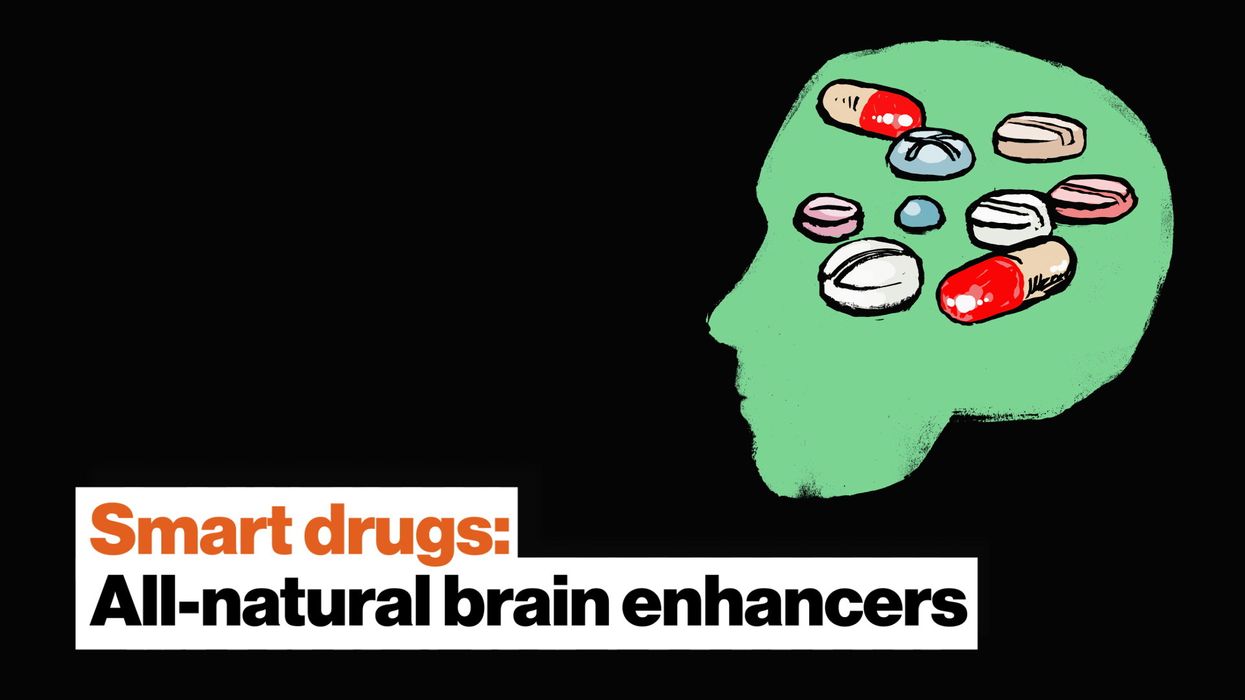
Dave Asprey Dave Asprey is a Silicon Valley tech entrepreneur, professional biohacker, the New York Times bestselling author of Game Changers , Head Strong and The Bulletproof Diet , the creator of Bulletproof Coffee, and the host of Bulletproof Radio , the Webby Award–winning, number one–ranked podcast. His new book is Super Human (2019). Nootropics are colloquially known as ‘smart drugs’ – substances that increase cognitive function in healthy people. The word nootropic is a combination of two Greek words, noos meaning ‘mind’ and tropein meaning ‘towards’. Dave Asprey discusses two naturally occurring smart drugs: Caffeine and nicotine. The latter might be a surprise, but while smoking, chewing tobacco and vaping have negative health consequences, there’s evidence to suggest microdosing one milligram of nicotine, about 5% to 10% of a cigarette’s worth, may protect against Alzheimer’s. Beyond naturally occurring smart drugs, Asprey discusses aniracetam, a pharmaceutical cognitive enhancer pioneered in Russia that may improve memory input and recall.
Add organic MORINGA leaf powder to your daily routine to promote your overall health

( Natural News ) Moringa leaf powder comes from the Moringa oleifera tree, which is also known as the “miracle tree,” since nearly every part of the tree can be used as a source of nutrition. Moringa has been around for at least 4,000 years, with ancient civilizations using it for its various medicinal qualities. Today, many scientists believe that moringa leaves could be one of the most nutrient-dense superfoods ever discovered. The leaves are the most potent and antioxidant-rich part of the moringa plant. They contain 46 different antioxidant compounds and all 18 essential amino acids. Not to mention, they are loaded with vital nutrients, such as iron , protein, fiber, chlorophyll, magnesium , potassium, calcium, and vitamins A and C. In fact, moringa leaves are so nutrient-dense that various countries in Asia and Africa use them as a cost-effective source of nutrition to combat malnutrition. Even when dried and turned into a fine powder, the leaves still retain most of their health-promoting nutrients. (Related: Moringa Oleifera: The King of Superfoods .) Benefits of consuming organic moringa leaf powder Because moringa leaf powder is such a potent source of antioxidants and essential vitamins and minerals, consuming it regularly can support the healthy functions of multiple systems in your body. Here are a few ways moringa leaf powder can promote your overall health. Supports a healthy immune system: Moringa leaf powder contains high levels of vitamins A and C and other antioxidants that promote healthy immune function. Rich source of antioxidants: Some of the beneficial antioxidants found in moringa leaf powder include beta-carotene, vitamin C, quercetin, chlorogenic acid, kaempferol, caffeoylquinic acid, zeatin, rutin, beta-sitosterol, and various polyphenols. All these antioxidants protect your cells from damage caused by oxidative stress. Packed with important amino acids: Amino acids are the building […]
Alzheimer’s Association Invites Acadiana Residents to Join 2019 Walk to End Alzheimer’s

Image Courtesy: www.alz.org/louisiana LAFAYETTE, LA – The Alzheimer’s Association® Louisiana Chapter is inviting all of Acadiana to join the fight to end Alzheimer’s by participating in their annual Walk to End Alzheimer’s. This year’s event will take place on September 28, 2019 at Zoosiana- Zoo of Acadiana in Broussard. Anyone interested in raising awareness and funds for Alzheimer’s care, support and research can participate in this year’s Walk simply by registering online at www.alz.org/walk or by contacting Tiffany Steward at 504- 656-4936 ext. 1437. Participants can register as a team member, team captain or individual. There is no registration fee to participate in the Walk therefor everyone is encouraged to fundraiser. As a team captain, participants are provided with fundraising tips and tricks along with a team captain order form to help boost team fundraising, order Walk flyers, and lots more! Participants that raise $100 or more will receive an official Walk t-shirt. “We are excited to offer Acadiana a unique walking experience this year! Zoosiana offers a beautiful space for participants to stroll through, all while raising awareness and funds for Alzheimer’s. Thanks to the generosity of Zoosiana, participants are invited to stay after the event and enjoy a day at the zoo with their team!” says long-time volunteer and this year’s Event Co-Chair, Michelle Trahan. Zoosiana- Zoo of Acadiana is a 45 acre park mapped out in walking paths covered in natural shade with centuries-old Live Oak trees. The zoo is home to over 750 animals from over 130 species. Alzheimer’s Association Walk to End Alzheimer’s® The Alzheimer’s Association Walk to End Alzheimer’s is the world’s largest event to raise awareness and funds for Alzheimer’s care, support and research. Since 1989, the Alzheimer’s Association mobilized millions of Americans in the Alzheimer’s Association Memory Walk®; now the Alzheimer’s […]
Can’t sleep? You probably need to make these changes.

Designer Ryan Korban says light floors lend themselves to a more serene sleeping environment. He used them in this New York City bedroom. (Williams New York) Brain research has shown how relevant sleep is to health, so it’s more important than ever to get a good night’s sleep. In the bedroom, that means not just decorating in calming colors but also minimizing stressors and optimizing conditions for a restful night. We asked some experts for advice and products to achieve that. Minimize noise. A key obstacle to uninterrupted sleep is noise. To reduce it, Brooklyn-based architect and designer Adam Meshberg, founder of Meshberg Group, recommends soundproofing the walls — building an additional thin wall in front of the original, adding a layer of QuietRock sheetrock, or sealing any cracks or gaps within the walls. To a lesser extent, wallcoverings can also absorb sound, he says, though a padded wallcovering will do more than a simple wallpaper. Cracks and gaps are also a problem when it comes to windows. Restoring or replacing drafty windows won’t just improve your heating and cooling bills; doing so can make a huge difference in the amount of noise seeping in. If renovation isn’t an option, some companies will install a thin window behind your existing window for extra soundproofing. CitiQuiet in New York says it can eliminate 95 percent of street noise. Andrew Bowen, director of staging at ASH NYC, likes the Rug Company’s Deep Pile Merino Natural Rug ($137 per square foot) for a luxe, cozy feel. (The Rug Company) For a simpler fix, getting an upholstered headboard (or a bed that comes with one) helps with acoustics, says Florida-based designer Adriana Hoyos. Go for fabrics at least one millimeter thick; suede, velvet, leather and leatherette are stylish options for absorbing excess noise. […]
The Science Behind Forgetfulness

Have you ever entered a room only to forget why? Or completely forgot where you put your keys? If we knew more about the science behind forgetfulness, then maybe we could keep these frustrating occurrences down to a minimum! Comprehension aside, long-term memory is the most important element in transforming information into knowledge. In order to make new information stick, we need our long-term memory to be robust and healthy. We’ll cover how to strengthen your long-term memory later (if we remember to). But, firstly, what’s the science behind memory, forgetfulness and recalling? How Are Memories Made? Your brain categorizes memories into three different areas: 1. Sensory Memory As our senses are always receptive to what’s happening around us, it would be impractical to store split-second sights, sounds and smells in our long-term memory. Therefore, sensory memories are stored in our temporal lobe. It’s then passed to the short-term memory… 2. Short-term Memory Cognitive psychologists believe short-term memory covers the most recent 15-30 seconds of your experience only. In fact, you are using your short-term memory right now. If you weren’t, you wouldn’t be able to form a relation between this sentence and the previous one. Short-term memory is stored in the prefrontal lobe. 3. Long-term Memory Long-term memory is where we need our learning to be stored. When we revise or recall information, it’s transferred from the short-term memory to the long-term memory via the hippocampus. When the info is recalled over and over again, the hippocampus is no longer needed. This is when the cortex takes over and produces what we know as a memory. Why Do We Forget? The reasons as to why we forget things differ. Here are the three most common explanations why we can never remember where we parked the car or indeed, […]
Nonprescribed psychostimulants may boost short-term focus but impede sleep, mental functions
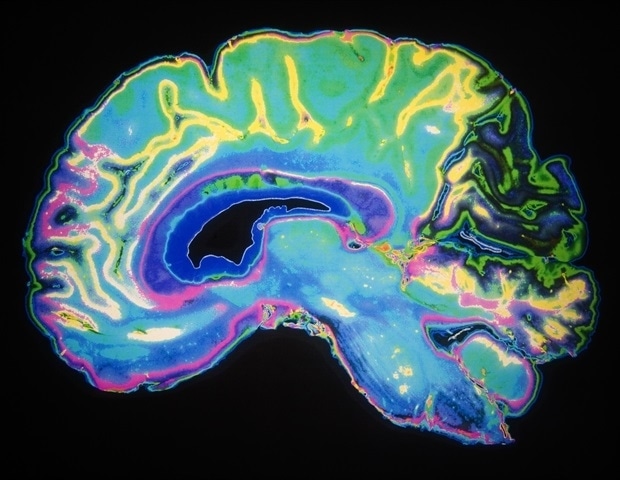
The use of prescription stimulants by those without medically diagnosed conditions marks a growing trend among young adults – particularly college students seeking a brain boost. But according to a study led by the University of California, Irvine, taking a nonprescribed psychostimulant may slightly improve a person’s short-term focus but impede sleep and mental functions that rely on it – such as working memory. "Healthy individuals who use psychostimulants for cognitive enhancement may incur unintended costs to cognitive processes that depend on good sleep," said lead author Lauren Whitehurst, a former graduate student in UCI’s Sleep and Cognition Lab who’s now a postdoctoral fellow at the University of California, San Francisco. "Our research shows that while psychostimulants may mildly curb natural attentional deterioration across the day, their use also disturbs sleep and post-sleep executive function." The study, conducted in the Sleep and Cognition Lab, involved 43 people between 18 and 35 years old. Before receiving any medication, they completed baseline working memory and attention tasks. For the latter, participants had to track several moving circles on a screen for a short period of time. For working memory, they were asked to remember and manipulate a set of letters while performing simple math equations and then after a short retention interval, recall all the letters. In one subsequent 9 a.m. lab visit, subjects were given an inactive placebo pill; in another, they got 20 milligrams of dextroamphetamine – a drug in the same class of psychostimulants as Adderall. At 75-minute and 12- and 24-hour intervals after each dose, participants repeated the attention and working memory tasks – spending the night in private rooms in the lab, where their brain activity was measured via electroencephalography. Our research suggests that the purported enhancement to executive function from psychostimulants in healthy populations may […]
Can’t sleep? You probably need to make these changes

Article Tools Brain research has shown how relevant sleep is to health, so it’s more important than ever to get a good night’s sleep. In the bedroom, that means not just decorating in calming colors but also minimizing stressors and optimizing conditions for a restful night. We asked some experts for advice and products to achieve that. • Minimize noise A key obstacle to uninterrupted sleep is noise. To reduce it, Brooklyn-based architect and designer Adam Meshberg, founder of Meshberg Group, recommends soundproofing the walls – building an additional thin wall in front of the original, adding a layer of QuietRock sheetrock, or sealing any cracks or gaps within the walls. To a lesser extent, wallcoverings can also absorb sound, he says, though a padded wallcovering will do more than a simple wallpaper. Cracks and gaps are also a problem when it comes to windows. Restoring or replacing drafty windows won’t just improve your heating and cooling bills; doing so can make a huge difference in the amount of noise seeping in. If renovation isn’t an option, some companies will install a thin window behind your existing window for extra soundproofing. CitiQuiet in New York says it can eliminate 95 percent of street noise. For a simpler fix, getting an upholstered headboard (or a bed that comes with one) helps with acoustics, says Florida-based designer Adriana Hoyos. Go for fabrics at least one millimeter thick; suede, velvet, leather and leatherette are stylish options for absorbing excess noise. Andrew Bowen, director of staging at ASH NYC, suggests a combination of loose items – a large area rug (he likes the Rug Company’s Deep Pile Merino Natural Rug, $137 per square foot), floor-to-ceiling window drapery and a fully upholstered bed (he recommends Cisco Brothers’ April Modern Classic White Linen Slipcovered Bed, […]
Drugs commonly taken to improve cognition only boost short-term focus – at high cost

Credit: CC0 Public Domain The use of prescription stimulants by those without medically diagnosed conditions marks a growing trend among young adults—particularly college students seeking a brain boost. But according to a study led by the University of California, Irvine, taking a nonprescribed psychostimulant may slightly improve a person’s short-term focus but impede sleep and mental functions that rely on it—such as working memory. "Healthy individuals who use psychostimulants for cognitive enhancement may incur unintended costs to cognitive processes that depend on good sleep," said lead author Lauren Whitehurst, a former graduate student in UCI’s Sleep and Cognition Lab who’s now a postdoctoral fellow at the University of California, San Francisco. "Our research shows that while psychostimulants may mildly curb natural attentional deterioration across the day, their use also disturbs sleep and post-sleep executive function." The study, conducted in the Sleep and Cognition Lab, involved 43 people between 18 and 35 years old. Before receiving any medication, they completed baseline working memory and attention tasks. For the latter, participants had to track several moving circles on a screen for a short period of time. For working memory, they were asked to remember and manipulate a set of letters while performing simple math equations and then after a short retention interval, recall all the letters. In one subsequent 9 a.m. lab visit, subjects were given an inactive placebo pill; in another, they got 20 milligrams of dextroamphetamine—a drug in the same class of psychostimulants as Adderall. At 75-minute and 12- and 24-hour intervals after each dose, participants repeated the attention and working memory tasks—spending the night in private rooms in the lab, where their brain activity was measured via electroencephalography. "Our research suggests that the purported enhancement to executive function from psychostimulants in healthy populations may be somewhat exaggerated, as […]
SUNRISE TEA
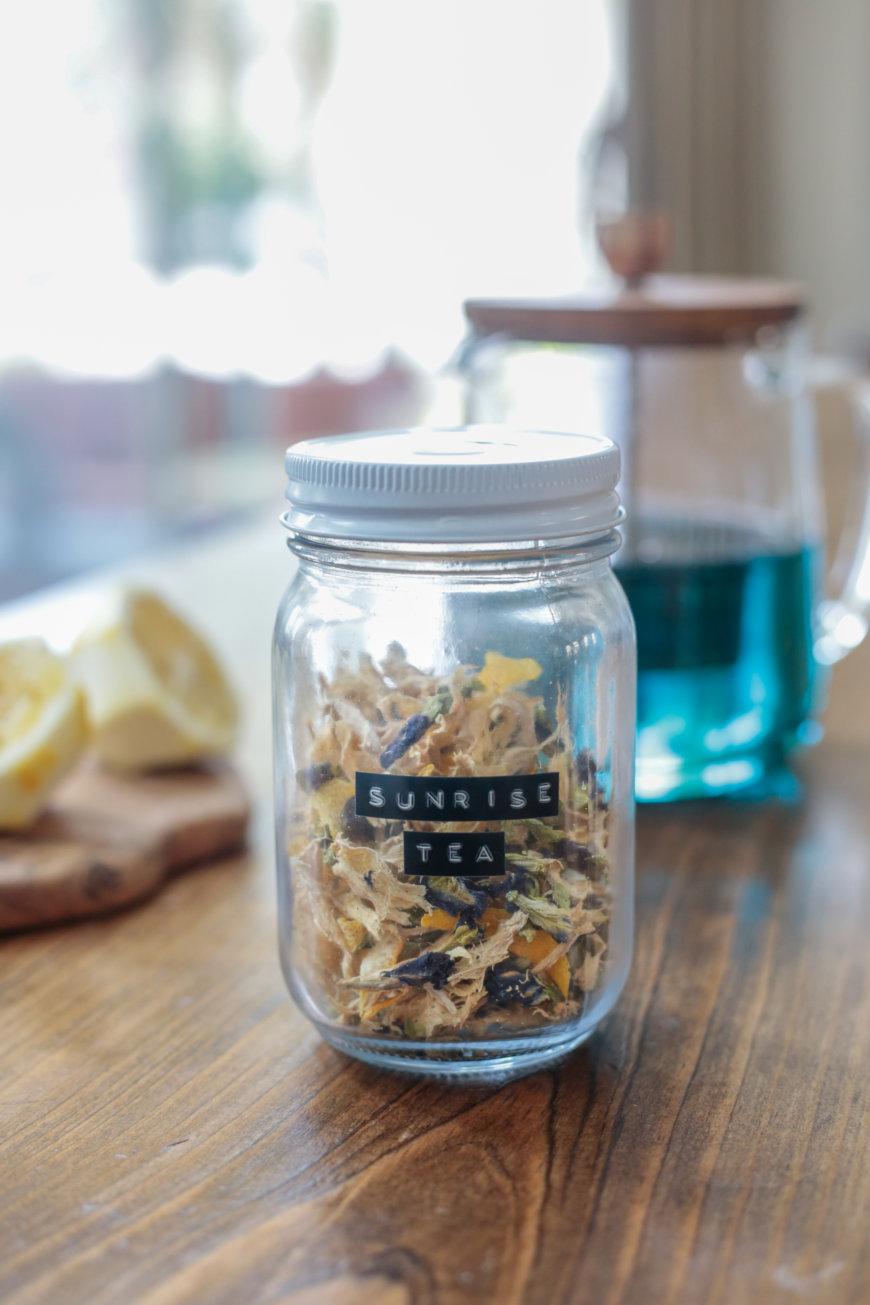
Aside from my morning coffee, I love having an herbal drink in the mornings. It hydrates the body, but also replenishes, nourishes and stimulates with a healthy boost of vitamins, minerals, antioxidants, and nutrients. If what you’re looking for is pure energy in the mornings, I would highly recommend looking into nettles . It strengthens your adrenals and gives you so much “I’ve got this” energy! But what inspired this Sunrise Tea recipe, was a very special herb that not only gives your body a boost in the morning – but also gives you the feeling of blue skies and high vibes!! Butterfly Pea Flower (Clitoria ternatea) The blue color comes from anthocyanins, a type of flavonoid with antioxidant activity, really good at mopping up free radicals. Anthocyanins are what give that rich blue, purple and red color in plants, fruit, and vegetables – like blueberries, pomegranates, grapes, beans… and butterfly pea flowers – all highly antioxidant foods! Butterfly Pea Flower has been used to support brain functions. It’s been found to have nootropic benefits, which enhance memory, cognitive thinking, mood, depression, and anxiety. A lot of people are becoming more interested in “smart enhancing” nootropics – to help them work better, with more focus and mental wellbeing. Interestingly, studies trying to isolate and test individual components for this effect are limited – it seems that the components that create the brain-boosting benefits work synergistically. Which means using a butterfly pea flower in its whole form. It also has anti-inflammatory properties – helping the body in the way it responds to stress. And when we look at the skin – so many of the issues that we’re seeing stem from some sort of inflammation. Butterfly pea flower is an incredible tonic to drink (and use topically) for skin, hair […]
‘Brain boost’ drugs hamper sleep and memory with little upside

Taking nonprescribed psychostimulants may slightly improve a person’s short-term focus but impede sleep and mental functions that rely on it—such as working memory. The use of prescription stimulants by those without medically diagnosed conditions marks a growing trend among young adults—particularly college students seeking a brain boost. “Healthy individuals who use psychostimulants for cognitive enhancement may incur unintended costs to cognitive processes that depend on good sleep,” says lead author Lauren Whitehurst, a former graduate student in the Sleep and Cognition Lab at University of California, Irvine,who’s now a postdoctoral fellow at the University of California, San Francisco. “Our research shows that while psychostimulants may mildly curb natural attentional deterioration across the day, their use also disturbs sleep and post-sleep executive function.” Psychostimulants vs. placebo The study included 43 people between 18 and 35 years old. Before receiving any medication, they completed baseline working memory and attention tasks. For the latter, participants had to track several moving circles on a screen for a short period of time. For working memory, researchers asked them to remember and manipulate a set of letters while performing simple math equations and then after a short retention interval, recall all the letters. In one subsequent 9 AM lab visit, researchers gave subjects an inactive placebo pill; in another, they got 20 milligrams of dextroamphetamine—a drug in the same class of psychostimulants as Adderall. At 75-minute, 12-hour, and 24-hour intervals after each dose, participants repeated the attention and working memory tasks—spending the night in private rooms in the lab, where their brain activity was measured via electroencephalography. “Our research suggests that the purported enhancement to executive function from psychostimulants in healthy populations may be somewhat exaggerated, as we found only minor daytime improvement in attention and no benefit to working memory,” says coauthor Sara Mednick, […]
Just THINKING about coffee is enough to give you a boost, says study

( Natural News ) Coffee is an energizing drink that improves your mental focus, but some individuals consider the beverage a double-edged sword because it can be addictive. An interesting study published in the journal Consciousness and Cognition suggests that smelling the caffeine-rich drink is enough to give your brain a boost . There’s no denying that your first cup of coffee every morning gives you an energy boost and mental clarity. At the same time, long-time coffee drinkers are aware of their dependence on a cup of joe. Drinking too much coffee may trigger anxiety because it promotes the release of cortisol, the stress hormone . Coffee contains caffeine that increases cortisol, the hormone responsible for triggering a stress response in the body. In some individuals, a stress response is associated with anxiety and panic. It can even cause other unpleasant states like mood swings and ruminations. Coffee and mental alertness During the study, researchers discovered that putting volunteers in scenarios that force them to think about coffee, such as being instructed to brainstorm names for a new coffee brand, stimulated physiological arousal in the body. This also changed the way the volunteers think and feel. Thinking about coffee allowed the participants to enjoy the focus-enhancing effects of coffee without having to drink the beverage. The scientists explained that this heightened arousal allowed participants to see the world with more specificity and detail. But how exactly can thinking about coffee or smelling it make you mentally sharper? Discover how to prevent and reverse heart disease (and other cardio related events) with this free ebook : Written by popular Natural News writer Vicki Batt, this book includes everything you need to know about preventing heart disease, reversing hypertension, and nurturing your cardiac health without medication. Learn More. The researchers […]
Doctor reveals the SIX secret superfoods you need to know about in 2019 – and why they’re a must try for anti-ageing, de-stressing and weight loss

Eggs, berries and nuts are all foods so dense in health benefits they are said to be life-prolonging. But expert Dr Janakan Krishnarajah has now revealed six lesser-known superfoods and nutrients that can be readily bought in Australia and revitalise your body. The advisor for nutraceutics company Entity Health identified both natural chemicals and medicinal plants in his run-down of the world’s best immune system and mental health boosters. Health expert Dr Janakan Krishnarajah said the naturally-occuring chemical glutathione (which is triggered by sulfur-containing foods like chickpeas, pictured) is important to the human cells’ cleansing process, as well as the strength of our immune systems Health expert Dr Janakan Krishnarajah said the naturally-occuring chemical glutathione (which is triggered by sulfur-containing foods like chickpeas, pictured) is important to the human cells’ cleansing process, as well as the strength of our immune systems Nicotinamide adenine dinucleotide (NAD+) Known as a co-enzyme, researchers have suggested NAD+ is the closest ‘we have gotten to a fountain of youth’. ‘It is responsible for turning nutrients into energy which is key to metabolism, and plays a vital role in the brain,’ Dr Krishnarajah said. He added the chemical could be triggered in the body by taking supplements such as RestoriX – which contains nicotinamide that converts to NAD+ in the body. Dr Krishnarajah’s favourite superfoods Nicotinamide adenine dinucleotide (NAD+) Glutathione Hovenia dulcis Red and black maca Curcumin Bacopa monnieri Glutathione The naturally occurring chemical is often known as the ‘master antioxidant’. And the wellness expert said they are important contributors to the human cells’ cleansing process, as well as the strength of our immune systems. ‘Glutathione levels decrease in our bodies as we age, with lower levels of the antioxidant linked to several serious medical conditions,’ he said. The synthesis of the chemical in the […]
Drugs commonly taken to improve cognition only boost short-term focus – at high cost

“People who are taking these drugs to perform better in school or at work may feel as though they are doing better, but our data don’t support this feeling,” says study co-author Sara Mednick, UCI associate professor of cognitive sciences and director of the campus’s Sleep and Cognition Lab. School of Social Sciences / UCI Irvine, Calif., Aug. 8, 2019 –The use of prescription stimulants by those without medically diagnosed conditions marks a growing trend among young adults – particularly college students seeking a brain boost. But according to a study led by the University of California, Irvine, taking a nonprescribed psychostimulant may slightly improve a person’s short-term focus but impede sleep and mental functions that rely on it – such as working memory. “Healthy individuals who use psychostimulants for cognitive enhancement may incur unintended costs to cognitive processes that depend on good sleep,” said lead author Lauren Whitehurst, a former graduate student in UCI’s Sleep and Cognition Lab who’s now a postdoctoral fellow at the University of California, San Francisco. “Our research shows that while psychostimulants may mildly curb natural attentional deterioration across the day, their use also disturbs sleep and post-sleep executive function.” The study, conducted in the Sleep and Cognition Lab, involved 43 people between 18 and 35 years old. Before receiving any medication, they completed baseline working memory and attention tasks. For the latter, participants had to track several moving circles on a screen for a short period of time. For working memory, they were asked to remember and manipulate a set of letters while performing simple math equations and then after a short retention interval, recall all the letters. In one subsequent 9 a.m. lab visit, subjects were given an inactive placebo pill; in another, they got 20 milligrams of dextroamphetamine – a drug […]
Can’t sleep? You probably need to make these changes

Brain research has shown how relevant sleep is to health, so it’s more important than ever to get a good night’s sleep. In the bedroom, that means not just decorating in calming colours but also minimizing stressors and optimizing conditions for a restful night. We asked some experts for advice and products to achieve that. Minimize noise A key obstacle to uninterrupted sleep is noise. To reduce it, Brooklyn-based architect and designer Adam Meshberg, founder of Meshberg Group, recommends soundproofing the walls — building an additional thin wall in front of the original, adding a layer of QuietRock sheetrock, or sealing any cracks or gaps within the walls. To a lesser extent, wallcoverings can also absorb sound, he says, though a padded wallcovering will do more than a simple wallpaper. Cracks and gaps are also a problem when it comes to windows. Restoring or replacing drafty windows won’t just improve your heating and cooling bills; doing so can make a huge difference in the amount of noise seeping in. If renovation isn’t an option, some companies will install a thin window behind your existing window for extra soundproofing. CitiQuiet in New York says it can eliminate 95 per cent of street noise. For a simpler fix, getting an upholstered headboard (or a bed that comes with one) helps with acoustics, says Florida-based designer Adriana Hoyos. Go for fabrics at least one millimetre thick; suede, velvet, leather and leatherette are stylish options for absorbing excess noise. Andrew Bowen, director of staging at ASH NYC, suggests a combination of loose items — a large area rug, floor-to-ceiling window drapery and a fully upholstered bed — for a quiet, relaxing environment. Alternatively, try white noise. A fan might do the trick, but Julien Baeza, assistant project manager at Four Seasons Hotel Los […]
Nootropics to Boost Mental Acuity: A Wise Choice?

W e live in an era of high competition where survival of the fittest is anticipated in every field of work. And while physical fitness is very important, it is mental fitness that is becoming more important than ever. Since the beginning of modern medicine, researchers and drug makers have been trying to develop ways to boost human brainpower. The continuing efforts to improve cognition and mental performance, and the increasing demand for products that help with that, have stocked the market with a wide range of brain-boosting pills, which are commonly called nootropics. What Are Nootropics? These are nutritional supplements, drugs and various substances that can be used by healthy people to improve their cognitive functions. They are also known as smart drugs or cognitive enhancers and are most often used to improve mental clarity, thinking, concentration, memory, alertness and/or energy. Some nootropics are also taken to reduce stress and anxiety, which in turn leads to better cognitive performance. With hundreds of nootropics available on the market, some of which have notable risks and some are downright useless; it’s worth looking at a few of them to get a better idea of how they claim to boost mental acuity. With hundreds of nootropics available on the market, some of which have notable risks and some are downright useless; it’s worth looking at a few of them to get a better idea of how they claim to boost mental acuity. Caffeine Caffeine is a naturally occurring stimulant compound found in coffee, cocoa, tea and other plants. It is also added to many energy drinks and dietary supplements. Caffeine is the most commonly used natural nootropic that people around the world consume to increase energy and alertness, and reduce fatigue and sleepiness. Caffeine blocks adenosine receptors in the brain. Adenosine […]
Deep Learning for NLP: ANNs, RNNs and LSTMs explained!

Ever fantasied about having your own personal assistant to answer any questions you can ask, or have conversations with? Well, thanks to Machine Learning and Deep Neural Networks , this is not so far from happening. Think of the amazing capabilities exhibited by Apple’s Siri or Amazon’s Alexa. Don’t get too excited, in this next series of posts we are not going to create an omnipotent Artificial Intelligence, rather we will create a simple chatbot that given some input information and a question about such information, responds to yes/no questions regarding what it has been told. It is nowhere near to Siri’s or Alexa’s capabilities, but it illustrates very well how even using very simple deep neural network structures, amazing results can be obtained. In this post we will learn about Artificial Neural Networks, Deep Learning, Recurrent Neural Networks and Long-Short Term Memory Networks. In the next post we will use them on a real project to make a question answering bot. Before we start with all the fun regarding Neural Networks, I want you to first take a close look at the following image . In it there are two pictures; one of a school bus driving through a road, and one of an ordinary living room, which have had descriptions attached by human annotators . Figure with two different images with a text description made by human annotators. Done? Lets get on with it then! The beginning— Artificial Neural Networks To construct the neural network model that will be used to create the chatbot, Keras , a very popular Python Library for Neural Networks will be used. However, before going any further, we first have to understand what an Artificial Neural Network or ANN is. ANNs are Machine Learning models that try to mimic the functioning of […]
How to create a sleep-friendly bedroom

A sleep-friendly bedroom is like a “good snuggle” — one that makes you “feel embraced and safe,” like a cocoon, furniture designer and decorator Alex P. White said in an email. So keep things “tonal and tactile with as many luxurious materials as your budget allows.” (Colin Miller) Brain research has shown how relevant sleep is to health, so it’s more important than ever to get a good night’s sleep. In the bedroom, that means not just decorating in calming colors but also minimizing stressors and optimizing conditions for a restful night. We asked some experts for advice and products to achieve that. Minimize noise A key obstacle to uninterrupted sleep is noise. To reduce it, Brooklyn-based architect and designer Adam Meshberg, founder of Meshberg Group , recommends soundproofing the walls — building an additional thin wall in front of the original, adding a layer of QuietRock sheetrock, or sealing any cracks or gaps within the walls. To a lesser extent, wallcoverings can also absorb sound, he says, though a padded wallcovering will do more than a simple wallpaper. Cracks and gaps are also a problem when it comes to windows. Restoring or replacing drafty windows won’t just improve your heating and cooling bills; doing so can make a huge difference in the amount of noise seeping in. If renovation isn’t an option, some companies will install a thin window behind your existing window for extra soundproofing. CitiQuiet in New York says it can eliminate 95 percent of street noise. For a simpler fix, getting an upholstered headboard (or a bed that comes with one) helps with acoustics, says Florida-based designer Adriana Hoyos. Go for fabrics at least one millimeter thick; suede, velvet, leather and leatherette are stylish options for absorbing excess noise. Andrew Bowen, director of staging at […]

The Power Within by Corey Daniels book available for only $2.99
Mind has both conscious and subconscious halves. These are likened to a driver and the truck he drives. The driver plans the destination and observes road conditions, while the truck provides motive power. Your subconscious mind is like the truck and it only goes in the direction in which is a steered. This can be the road or off a cliff. Likewise, the consciousness paints a picture of what the world is and what your goals are and the subconscious acts on them through emotion, physical response and energy, whether these are correct, rational images or false negative ones. The subconscious is also like an emotional reservoir which your body and mind draw responses from to external stimuli.
The Power Within lays out a method of programming your subconscious and tapping into the Holy Spirit, God voice or what the Greeks called the daimon (godman).