Nature Knows and Psionic Success
God provides
Cannabinoids May Help Limit Secondary Damage of Traumatic Brain Injuries
In the hours and days after a traumatic brain injury, inflammation inside the brain can accelerate to the point that more brain damage occurs, says a scientist working to better understand the acceleration and whether interventions like cannabinoids can improve patient outcomes.
While some TBI patients do well, most would benefit from therapy to create a better balance between the vigorous inflammation needed in the immediate injury aftermath to clean up the site and the deceleration needed to complete healing and avoid more brain damage, says Dr. Kumar Vaibhav, translational neuroscientist in the Department of Neurosurgery at the Medical College of Georgia.
“You cannot suppress the entire pro-inflammatory process otherwise it would be difficult to recover from your injury,” Vaibhav says. But in this case, there is too much inflammation, a major factor in the reality that one-third of hospitalized patients with a TBI die from damage that continues after their acute injury.
The aftermath of concussions, essentially a closed-head injury, in football players is another case. Immediate problems might include a headache, dizziness and fogginess but ongoing memory and sleep problems, depression, as well as epilepsy, Alzheimer’s and Parkinson’s also can later occur.
Neither surgical nor medical intervention typically enable control of inflammation to limit the secondary destruction, and better understanding inflammation in the brain is a major barrier to successful treatment, the scientist says. Dr. Kumar Vaibhav, translational neuroscientist in the Department of Neurosurgery at the Medical College of Georgia. Credit: Kim Ratliff, Production Coordinator, Augusta University Vaibhav is principal investigator on a new $1.8 million grant (1RO1NS114560) from the National Institute of Neurological Disorders and Stroke further exploring the role of the body’s endocannabinoid system — identified by researchers studying the mind-altering effects of THC, and now known to play a role in immunity, sleep, memory, and even reproduction. Its involvement appears to start with the physical injury that happens to our brains.
With a TBI, the injured brain cells’ plasma membrane, which helps contain the cell’s contents, ruptures, releasing lipids, or fats, a major component of the membrane, throughout the body. Two key endocannabinoids, 2-AG and AEA, which are also lipid molecules, also get released from the damaged membrane where they are made. These molecules are supposed to bind with endocannabinoid receptors and activate the endocannabinoid system to help regulate the immune response. The two main endocannabinoid receptors are CB1 and CB2, and in this case, the 2-AG’s target appears to be CB2 receptors, which are found on immune cells and known to reduce inflammation and related problems like swelling and blood vessel dysfunction.
“Within 24 hours after an injury, we see CB2 receptor activation and expression go up with 2-AG secreted in the blood,” Vaibhav says. “It’s a very quick response.” Trouble is, the injured cells also release an enzyme called MAGL and the now-free-floating lipids further activate it.
MAGL, or endocannabinoid-metabolizing enzyme monoacylglycerol lipase, as its long name implies is an enzyme whose job includes degrading 2-AG once it has done its job. Activation of MAGL is known to worsen TBI outcomes but exactly what it does after TBI is not well understood, Vaibhav says.
Vaibhav and his colleagues think the problem is that high MAGL appears to degrade 2-AG before it can play out its important anti-inflammatory role. He theorizes that high MAGL levels become instead a switch that turns up inflammation after TBI. He also has some evidence that reducing MAGL levels can help restore a healthy synergy between MAGL, 2-AG and the cannabinoid receptor CB2, making it a key point for intervention.
His research team is using both a research drug that inhibits MAGL and the cannabinoid CBD, which they have early evidence also inhibits MAGL, to see if they are correct.
His team has found reduced 2-AG in the cerebrospinal fluid of people with TBIs, but exactly why it was happening was unclear. In their laboratory model of a TBI, they have also found that MAGL levels are high while 2-AG levels are low, suggesting a link. And, that when they selectively activate the CB2 receptor early after a TBI, immune cells like macrophages are less inclined to promote inflammation, that swelling and blood flow are improved, and so are outcomes. Conversely, immune cells that are very inflammatory have high levels of MAGL inside, more evidence for their reasoning that when MAGL is high, it’s degrading too much 2-AG before it can go bind with the CB2 receptor and calm inflammation.
When they have reduced MAGL levels with the research drug, 2-AG concentrations went up, so did its binding to CB2 receptors, and immune cells began to favor reducing inflammation, findings which they published in 2018 in the journal Brain, Behavior and Immunity . “It’s actually polarizing macrophages into anti-inflammatory,” he says.
A major focus of the new grant is to look at what early inhibition of MAGL in immune cells — with the research drug, cannabinoids as well as commercially produced versions of the endocannabinoids 2-AG and AEA — does to the enzyme’s apparent natural predisposition to accelerate inflammation following a TBI.
“If we inhibit MAGL or over activate it, what happens?” Vaibhav says, of answers he is pursuing to better define MAGL’s role. He and his team are looking again to see if reduced activation of the CB2 receptor by 2-AG in the face of high MAGL is key to injury progression. And, whether progression includes affecting the white matter — brain tissue full of nerve fibers that enable connections between different parts of the brain and the spinal cord — and worsening problems like dementia.
He is inhibiting MAGL to also see how that plays out, and wants to learn more about why MAGL levels don’t just return to normal on their own. He also wants to connect the dots with yet another lipid, prostaglandins, which are made at the site of an injury, and whose many roles include promoting inflammation, because when MAGL degrades 2-AG, it enables more prostaglandin production.
Vaibhav also wants to know if MAGL and/or 2-AG levels right after an injury are biomarkers of whether a patient […]
Tea-rrific! Fife doctor reveals new research on benefits of a cuppie – but which shade is best for your health?

© Supplied by Shutterstock image e Whether you call it a cuppie, cuppa or a brew, the health benefits of drinking a cup of tea are clearer than ever, according to Scottish research for International Tea Day on Friday May 21.
A new poll shows 77 per cent of people in Scotland say drinking tea helps to improve their mood, while 52 per cent claim it keeps them calm.
It also revealed almost half (47 per cent) of Scots share the same tea drinking habits as their parents, meaning health benefits – from cognitive and brain health to protection of heart and gut function – can carry down generations.
Dr Carrie Ruxton from Cupar , a dietitian and member of the Tea Advisory Panel who commissioned the study, says: “As well as being popular across the ages, tea provides distinct benefits for each generation. Dr Carrie Ruxton. “Studies show working age adults who drink tea improve their mental focus and memory, while older adults benefit from lower blood pressure and a reduced risk of heart disease.
“Even children over the age of four years – normally given milk or soft drinks – can get a health advantage by switching to milky unsweetened tea since it contains natural fluoride which protects teeth.”
But which shade of tea is best for your health?
Should we be aiming for a milky cuppa for a calcium boost – or just plain tea?
Dr Ruxton says: “ A review comparing the literature study concluded milk does not impact the health benefits of tea. Milk is digested by the body, so any complex/association formed in the cup is broken down minimising any impact.” She says tea is also proven to have gut health effects : “Drinking green tea boosted gut levels of Bifidobacterium – a healthy strain of bacteria linked with metabolic health – with effects seen after just two weeks.
“This could particularly help women who tend to suffer digestive discomfort more often than men.”
The benefits of tea are so broad, the truth is drinking it as opposed to not, is best for health. Though darker shades, those brewed longer, may increase effects. How long to leave the teabag in for max health benefits
Tea Advisory Panel research shows a third of younger people leave the teabag in for longer than their elders – far better for extracting the maximum number of polyphenols.
GP, Dr Gill Jenkins, explains: “Research shows tea components, especially polyphenols, influence brain health, mood and cognitive function by relaxing blood vessels and improving their function.
“This lowers blood pressure and brings more nutrients and oxygen to the brain. Tea polyphenols are also anti-inflammatory and deliver antioxidant effects which protect brain cells from damage.” It’s the cuppa that crosses the generations! The natural fluoride is good for children’s teeth while grandparents benefit from the polyphenols helping to reduce the risk of heart disease. More research needed. #TeaAndHealth #InternationalTeaDay https://t.co/KNnDHZlApt #ITD21May pic.twitter.com/EgEYLXl8DW — Tea Advisory Panel (@TeaAdvisoryPan) May 13, 2021 Dr Ruxton agrees: “On the perfect brewing time, there will be advice on the packet from the people who blend the tea for optimal taste. It’s the tea solids – bringing colour and taste – which also bring health benefits, so brewing longer will help maximise benefits.”
Up to five minutes is usually the recommended brewing time for hot water tea. The longer you brew the more bioactives you get though this creates a stronger taste.
“The health benefits also come from longer-term consumption with two or three cups a day helping to reduce the risks of developing health conditions such as type 2 diabetes,” says Dr Ruxton.
More than half of Scots polled say they feel cosy, happy and relaxed – as well as energised – when they get the first sniff of a freshly brewed cuppa.
Dr Ruxton concludes: “All the evidence on tea means drinking three to four cups of tea a day could benefit all ages.
“Yet, as our poll revealed, most people are still unaware of these benefits and simply
drink tea because it makes them feel good.
“Whether we’re enjoying a cuppa alone or with friends and family on International Tea Day this Friday, it’s time to celebrate the health benefits our humble cuppa provides to both young and old.”
For as little as £5.99 a month you can access all of our content, including Premium articles .
The 14 Best Foods to Help Reduce Anxiety—Plus 3 Foods You Should Avoid
While there are a wide variety of anxiety management tools out there— yoga , therapy, meditation , and journaling , to name a few–one of the most simple yet powerful ways to combat your anxiety is through your diet.
Food has the power to energize and give us strength, yet many people don’t take full advantage of it. It’s the fuel we need to function, so it’s important to be mindful of what we put into our bodies.
If you’ve been feeling anxious, start with giving your diet a tune-up. Here are 14 foods recommended by mental health experts to calm your mind. Foods for anxiety
Pumpkin seeds (pepitas)
Pumpkin seeds can be a food to help reduce anxiety because they are a good source of magnesium and zinc, Holly Klamer, MS, RDN , explains. Low magnesium has a role in managing anxiety and regulating mood, so eating foods high in magnesium could help reduce anxiety. Zinc has been shown to play a role with lowering anxiety. An ounce of pumpkin seeds provides 18% daily value (DV) magnesium and 20% DV zinc. Eggs
Eggs contain tryptophan, an amino acid that helps create serotonin. Serotonin is a chemical neurotransmitter that helps to regulate sleep, mood, memory and behavior, says Dr. Holly Schiff, PsyD , Licensed Clinical Psychologist. Serotonin also helps improve brain function and relieve anxiety. Anxiety is considered to be caused by low serotonin levels. Egg yolks are a good source of vitamin D , which can boost your mood and counter some of the negative effects that lead to anxiety. Legumes
Lentils, beans, and peas are classified as lentils and this group of foods is not only a good source of plant-based protein, but also a good source of magnesium, aka the “calming mineral,” Maggie Michalczyk , Registered Dietician Nutritionist, states.
Magnesium is very important for many functions in the body including muscle relaxation, and lowering blood pressure – both important for helping to prevent and reduce feelings of anxiety. It’s even known to help with sleep, so adding these foods into your dinner might just help you relax and feel less anxious before bedtime. Dark chocolate
Research has shown compounds called flavanols in dark chocolate can have a positive effect on mood and may help promote the growth of new neurons in the brain. Besides flavanols, dark chocolate also provides a source of magnesium, Klamer says. Dark chocolate, as opposed to milk or white chocolate, has higher levels of flavanols and has less sugar. Portion size should be around an ounce per day.
Dr. Schiff also recommends dark chocolate. “Chocolate, especially pure dark chocolate, reduces cortisol, the stress hormone that causes anxiety symptoms. Dark chocolate also has antioxidants, called flavonoids, which are responsible for reducing neuroinflammation and cell death in the brain, which results in improved brain function and protects your cells,” Dr. Schiff explains. “Dark chocolate also increases serotonin in the brain, boosting mood. Dark chocolate is high in magnesium and sufficient amounts of magnesium can reduce symptoms of a mood disorder, like anxiety.” Walnuts
The anti-inflammatory omega-3 fatty acids in walnuts that provide this benefit, says Dr. Tricia Pingel, NMD , an Arizona-based naturopathic physician. According to a 2018 meta-analysis , consuming omega-3 fatty acids significantly helped to reduce the symptoms of clinical anxiety.
And a 2016 study on male college student found that those who regularly consumed walnuts reported about a 28% improvement in mood. Plain Greek Yogurt
Yogurt is a food for reducing anxiety because it is a source of zinc and probiotics . Probiotics are considered healthy gut bacteria that may play a role in brain function, handling stress along with promoting gut health , Klamer explains. Plain yogurt is lower in sugar and can be sweetened with honey, fruit or jam. Almonds
Almonds contain a large amount of vitamin E, which prevents anxiety disorders. Almonds also contain zinc, which is a key nutrient in maintaining a balanced mood, Dr. Schiff states. Almonds also have iron, which is important since low iron levels are known to cause brain fatigue, which can contribute to anxiety. Turmeric and ginger
Turmeric contains curcumin which has anti-inflammatory and antioxidant compounds that may reduce anxiety, Dr. Catherine Jackson , licensed psychologist and certified neurotherapist at Optimal Neuroholistic Services, explains. While ginger on the other hand helps boost brain health, it has antioxidants that reduces inflammation and protects the brain against damage to the brain caused by oxidative stress.
Related: New to Turmeric? Give These 17 Anti-Inflammatory Recipes a Try for a Healthier You Fish rich in omega-3 fatty acids
These include sardines, salmon or tuna. These acids help with depression and anxiety because they ease inflammation, and have a strong relationship with cognitive function and mental health, says Dr. Schiff. Omega-3 fatty acids also regulate neurotransmitters, so when you are feeling tense or stressed, they help keep cortisol and adrenaline from spiking; thereby reducing anxiety. Tea
Relaxing teas, specifically green tea , chamomile and moringa have been found to be beneficial in reducing stress and decreasing anxiety while also boosting energy. Their antioxidant content, which reduces free radicals, and their inflammation reducing properties also make them ideal for consumption to reduce anxiety, Dr. Jackson states. Furthermore, green tea has L-theanine and other antioxidant properties that increase GABA, dopamine and serotonin in the brain, reduce inflammation and the impact of anxiety.
Green tea often as a replacement for coffee, as it is a dietary source of L-theanine, Taylor Osbaldeston , Registered Holistic Nutritionist, explains. L-theanine is an amino acid that promotes relaxation without decreasing alertness. So, it is helpful when you need support reducing the effects of stress and anxiety but still need to be productive.
Dr. Carrie Lam, MD, FAAMFM, ABAARM , recommends chamomile tea. “This is an herbal home remedy that has been used for centuries due to its calming effect,” Dr. Lam says. “Studies suggest chamomile tea to be effective in reducing anxiety. Two to three cups of this tea may […]
Brain research gets a boost from mosquitoes
Credit: Pixabay/CC0 Public Domain Can a protein found in a mosquito lead to a better understanding of the workings of our own brains? Prof. Ofer Yizhar and his team in the Weizmann Institute of Science’s Neurobiology Department took a light-sensitive protein derived from mosquitoes and used it to devise an improved method for investigating the messages that are passed from neuron to neuron in the brains of mice. This method, reported today in Neuron , could potentially help scientists solve age-old cerebral mysteries that could pave the way for new and improved therapies to treat neurological and psychiatric conditions.
Yizhar and his lab team develop so-called optogenetic methods—research techniques that allow them to “reverse engineer” the activity of specific brain circuits in order to better understand their function. Optogenetics uses proteins known as rhodopsins to control the activity of neurons in the mouse brain. Rhodopsins are light-sensing proteins—they are most known for their role in organs like the retina rather than in the dark inner reaches of the body. But the rhodopsins in the brains of Yizhar’s mice enable him to control the activity of specific neurons when he and his team shine a minuscule beam of light into the mouse’s brain. He is especially interested in communication between neurons: What signals are getting passed through the synapses, those gaps over which the brain’s signals move? “We can detect the presence of the various neurotransmitters, but different neurons ‘read’ those neurotransmitters differently,” he says. “Optogenetics enables us to not only see the ‘ink,” but really to decipher the ‘message.'”
While optogenetic methods have produced a number of breakthrough results in labs around the world in recent years, they can be a bit finicky. In particular, the rhodopsins used for optogenetic studies tend to be imperfect when it comes to controlling the activity of synapses, the tiny junctions between neurons.
Yizhar and a large team of his trainees, including Dr. Mathias Mahn, Dr. Inbar Saraf Sinik and Pritish Patil, believed they could create a better version of the rhodopsins than those currently available. “We decided to look around and see what natural solutions exist out there,” says Yizhar. And nature, it turns out, contains a multitude of variations on the rhodopsin molecule—not only in animal eyes but also fish, insects, and even mammals carry them in various body parts; some possibly for regulating their circadian cycles, others for purposes as yet unknown. Thus, the team started out with a long list of potential rhodopsin proteins, and their first job involved assessing which ones were most likely to fill their experimental requirements, which primarily included light-gated proteins that are able to modulate synaptic activity. Eventually the researchers winnowed their list down to two—one taken from a pufferfish and one from a mosquito.
It was the mosquito rhodopsin that turned out to be the most suitable. To evaluate the efficacy of the new mosquito-derived tool, the researchers tested their method against a drug that is known to reduce the strength of the communication between neurons in the brain. They found that the interference was just as effective, and much more stable with the mosquito rhodopsin.
More than that: Unlike a conventional drug that affects numerous parts of the brain and is hard to control, the researchers found that since only neurons that produce the mosquito sensor are affected by the light, the modulatory effect on the brain’s synapses can be precisely controlled in both space and time—just by switching the light on or off in specific brain regions. They then validated the utility of the new tool by using it to block the release of the neurotransmitter dopamine on one side of the brain only: Illuminating the hemisphere expressing the mosquito rhodopsin with green light led to a one-sided bias in the behavior of these mice. In other words, they had created a tool that was precise, selective, and controllable.
“One of the major advantages of the mosquito rhodopsin is that it’s bistable—that is, it does not need refreshing—and it is potentially very specific, so that we can control just the precise synapses in which we are interested,” says Yizhar. “This is a very exciting technology, since it will allow us to discover the roles of specific pathways in the brain in a way that was not possible before. We think this mosquito protein could open the way to developing a whole family of new optogenetic tools for use in neuroscience research.”
These scientific endeavors will receive a great boost within the framework of the new Institute for Brain and Neural Sciences—Weizmann Institute’s flagship project that is expected to bring together leading research groups from various fields, which will join efforts to unfold the mysteries of the brain.
Provided by Weizmann Institute of Science
Mindblowing: advances in brain tech spur push for ‘neuro-rights’
In 2013, then-US president Barack Obama promoted the BRAIN (Brain Research through Advancing Innovative Neuro-technologies) initiative, which aimed to study the causes of brain disorders such as Alzheimer’s, Parkinson’s and epilepsy. As sci-fi thriller “Inception” topped box offices across the world, audiences were delighted and appalled by its futuristic story of a criminal gang invading people’s dreams to steal valuable data.
More than a decade on, the technology envisioned by filmmaker Christopher Nolan is likely not far off, according to experts in Chile, who have moved the security debate beyond burglar alarms to safeguarding the most valuable real estate people ever own: their minds.
The South American nation is aiming to be the world’s first to legally protect citizens’ “neuro-rights,” with lawmakers expected to pass a constitutional reform blocking technology that seeks to “increase, diminish or disturb” people’s mental integrity without their consent.
Opposition senator Guido Girardi, one of the authors of the legislation, is worried about technology — whether algorithms, bionic implants or some other gadgetry — that could threaten “the essence of humans, their autonomy, their freedom and their free will.”
“If this technology manages to read (your mind), before even you’re aware of what you’re thinking,” he told AFP, “it could write emotions into your brain: life stories that aren’t yours and that your brain won’t be able to distinguish whether they were yours or the product of designers.”
– ‘Prevent manipulation’ –
Scores of sci-fi movies and novels have offered audiences the dark side of neurotechnology — perhaps invoking criminal masterminds ensconced in secret strongholds, manipulating the world with a dastardly laugh while stroking a cat.
In fact, the nascent technology has already demonstrated how it can have significantly positive applications.
In 2013, then-US president Barack Obama promoted the BRAIN (Brain Research through Advancing Innovative Neuro-technologies) initiative, which aimed to study the causes of brain disorders such as Alzheimer’s, Parkinson’s and epilepsy.
Back in Chile, Science Minister Andres Couve told AFP the neuro-rights debate “is part of a consolidation of a new scientific institutionality in the country that is now capturing international attention.”
But many are worried about the potential for nefarious actors to abuse technological advances.
Chile’s President Sebastian Pinera proposed at last week’s Ibero-American summit in Andorra that countries legislate together on the thorny issue.
“I call on all Ibero-American countries to anticipate the future and to adequately protect, now, not just our citizens’ data and information, but also their thoughts, their feelings, their neuronal information, to prevent these from being manipulated by new technologies,” the conservative Pinera said.
The Chilean bill contains four main fields of legislation: guarding the human mind’s data, or neuro-data; fixing limits to the neuro-technology of reading and especially writing in brains; setting an equitable distribution and access to these technologies; and putting limits on neuro-algorithms.
Spanish scientist Rafael Yuste, an expert on the subject from Columbia University in New York, told AFP some of these technologies already exist, and even the most remote will be available within 10 years.
– ‘A new Renaissance’ –
They are already being applied to animals in laboratories.
Scientists have experimented with rats, implanting images of unfamiliar objects in their brains and observing how they accept those objects in real life as their own and incorporate them into their natural behavior.
“If you can enter there (into the chemical processes of the brain) and stimulate or inhibit them, you can change people’s decisions. This is something we’ve already done with animals,” said Yuste.
The science has opened the possibility of designing hybrid humans with artificially enhanced cognitive abilities.
The risk is that, without proper safeguards, the technology might be used to alter people’s thoughts, employing algorithms via the internet to re-program their hard wiring, to dictate their interests, preferences or patterns of consumption.
“To avoid a two-speed situation with some enhanced humans and others who aren’t, we believe these neuro-technologies need to be regulated along principles of universal justice, recognizing the spirit of the Universal Declaration of Human Rights,” said Yuste.
Yuste considers neuro-technology a “tsunami” that humanity will have to deal with, which is why people need to be prepared.
“Neuro-technology can be scary if you think about dystopian science-fiction scenarios. However, for every dystopian scenario, there are 10 beneficial ones,” said Yuste, who sees neuro-technology as “a new Renaissance for humanity.”
Already, neuro-technologies are used on patients suffering from Parkinson’s or depression by stimulating the brain with electrodes to “alleviate the symptoms,” said Yuste.
Similarly, deaf people are treated with “cochlear implants in the auditory nerve” that stimulate the brain.It is hoped that something similar in the future will restore sight to the blind or treat those with Alzheimer’s by strengthening the memory’s neuronal circuits.”It will be a beneficial change for the human race,” said Yuste.
The Science Behind Cold Water Plunges

Whether it’s a wintery blizzard or blazing sun, MC Jenni has walked to the edge of the cold Montana creek near her home every day for the past 14 years. She disrobes, takes a deep breath, and gazes at the trees, water and rocks. Then she plunges into the icy current.
“When I go under and come up, everything is clearer. That moment of clarity is elating,” said Jenni.
Cold water immersion is an ancient practice that has roots in many different cultures, particularly those in high latitudes. Scandinavians have long lauded the post-sauna cold dip as a way to rinse off toxins, jump-start blood flow, and release endorphins. Even Hippocrates and Thomas Jefferson avowed the benefits of soaking in cold water.
Jenni began her daily dunks as a way to relieve back and hip pain after hockey games. But she quickly realized that “playing in the creek” for a few minutes each day shifted her whole system in positive ways.
“Not only is it rejuvenating, it affirms that I have courage and self-will,” she explained. “It’s a process of reuniting with myself in a simplistic, primal way.”
Jenni used to worry that “someone might call 911 to report a woman standing on the edge of the ice taking off her clothes.” But now her neighbors wave when they see her walking with towel in hand, and a few have even started to sit in the stream themselves to reset their mind and body.
Swimming or submerging in cold water has gained popularity with the mainstream as a way to boost immune systems, build resilience to stress, and treat inflammation — especially during the pandemic as people search for simple, close-to-home ways to improve their wellbeing.
The Great Britain-based Outdoor Swimming Society grew from 300 members to 100,000 members in the past 15 years. There’s even a bi-annual Winter Swimming World Championship , which attracts over 1,000 competitors from 40 countries (next up: March 2022 at Lake Onega in Russia).
Plunging into an ice bath, a lake, or even standing in a cold shower has been touted to fix anything from anxiety to asthma. But aside from the many anecdotal affirmations, does science say that getting in cold water can actually make you feel better? Cold Water Benefits
The short answer is yes. One study tracked 49 Finnish winter swimmers who dipped in cold water an average of four times per week. After four months, they reported a significant decrease in tension and fatigue, as well as an improvement in mood and memory compared to 33 non-swimmers. Plus, the swimmers who suffered from rheumatic diseases like arthritis or fibromyalgia reported pain relief.
Evidence also shows that cold water swimmers have more resilient immune systems.Researchers followed 85 Germans who regularly participated in cold water swims and found they contracted 40 percent fewer upper respiratory infections than a control group. The swimmers’ blood samples showed boosted antioxidant protection, which may be why they were better able to stave off illnesses.
Research now underway in the UK has found cold water swimmers also produce a protein that protects the brain from degenerative diseases like dementia.
The outlook is also rosy for how icy immersion might mitigate mental illnesses. A recent case study reported that a woman who had suffered from severe depression for eight years was able to stop taking antidepressant medication after swimming in cold water once a week improved her mood. Even cold showers have been shown to have antidepressant effects.
The mood benefits reported after cold water immersion are likely because it activates the body’s “fight or flight” response. The shock of being blasted by cold water provides a quick, natural high by elevating levels of dopamine and norepinephrine in our brains. Is It Safe?
Speaking of cold shock, it’s important to note the risks of cold water immersion. Plunging into frigid water is stressful on the body and can have harmful effects . Hypothermia, mainly. And in rare cases immersion can provoke cardiac arrest, arrhythmia, or respiratory distress, particularly in people with underlying health issues.
Plus, cold shock induces uncontrollable hyperventilating as the lungs contract, which can be alarming for first-timer plungers. Interestingly, that shock wears off the more you submerge in ice-cold water as the body becomes habituated to the experience.
The best bet for those who are interested in testing out the potential health benefits of cold water immersion is to wade in slowly.
“I always listen to my body to see whether it wants to go in. It changes every day, just like the creek,” said Jenni. “I feel at home in cold water, but it’s certainly not for everyone.”
Let’s Talk Food: Berries are in season

Raspberries, blackberries, strawberries and blueberries are starting to appear at the markets now and are quite sweet. You might as well get your fill of them now because berries taste best when they are fresh and in season.
Berries have many health benefits, and if you are looking for that miracle superfood, these fruits might fit the bill. That is supported by Blue Zones, which posted the following information on its website.
According to Julie Morris, who wrote “Smart Plants: Power Foods &Natural Nootropics for Optimized Thinking, Focus and Memory,” purple berries are good for the following:
• Improve problem-solving, learning and memory.
• Highly neuroprotective and anti-aging.
• Help with fluidity of thought.
• Improve coordination and balance.
• Increase alertness and focus.
• Enhance potential for neurogenesis (an intricate process by which new nerve cells are generated).
Further, Morris states: “Humans were eating all kinds of purple berries as an important source of energy. Now we’ve come to discover there’s much more to this special class of superfoods.
“Purple berries are a tremendous source of that all-important antioxidant group: flavonoids. While most berries contain many types of these beneficial compounds (and other antioxidants as well), purple berries are particularly rich in anthocyanins, which are often found in purple, blue and black foods, as syanin suggests. However, anthocyanins are unstable and can break down easily, and your body can only absorb a small percentage of what you consume. So, if you’d like to enjoy the anti-aging benefits of anthocyanins, it is very important to obtain the most nutrient-dense sources you can find. In general, the easiest way to recognize high-antioxidant sources is to look for natural foods that have the darkest and most vibrant colors.
“Scientists have found that once they are digested, anthocyanins can cross the blood-brain barrier and travel directly to the hippocampus, where they can have a beneficial impact on learning and memory.”
Dr. Barbara Shikitt-Hale, U.S. Department of Agriculture staff scientist in the Laboratory of Neuroscience and Aging, clarified how berries are so beneficial to our health.
“It’s not only the antioxidant capacity that’s important: It’s their anti-inflammatory capacities, as well as their direct effects on the brain,” said Shikitt-Hale. “In one of the studies, we found that blueberries and strawberries increased neurogenesis, which is the process of making new neurons in the brain … the positive signals go up while the negative signals go down.”
In her study with a group of elderly people eating a healthy diet that included blueberries, they experienced improved memory in just three months!
Dr. Paula Bickford, distinguished professor of the Center of Excellence for Aging and Brain Repair, showed that a “diet enriched with blueberry can offer protection against cellular damage from oxidative stress, decrease inflammation in the brain and enhance the health of the brain cells overall.”
With all these experts telling you the benefits of berries, there is no reason why we shouldn’t be eating them for breakfast, lunch and dinner while in season.
I love berries with yogurt and granola for breakfast and there is nothing better than a berry cream pie for dessert!
We have a blackberry bush that gives us beautiful berries in the summer, which I make jam out of. Since blackberries are naturally high in pectin, you only need sugar. I do not like the seeds, so I make blackberry jam by straining the berries after I boil them in water.
Blackberry Jam
Makes: 2 cups
2 cups fresh or frozen blackberries
2 cups water
Boil the washed berries in water for 15 minutes, until the berries are well cooked.
Strain with strainer. Discard (great mulch). Measure liquid and add equal amounts of sugar.
Boil in a maslin pan (preserving jam pan) till temperature on the candy thermometer registers 220 degrees. Place jam in sterilized jars and seal. Place sealed jars in water and boil for 10 minutes.Berry Cream Pie Makes: 1 pieSweet Dough:In a food processor, blend:1 1/4 cup flour1/4 cup sugarAdd:1 stick unsalted butter, cut into 8 pieces1 egg yolkPulse until mixture forms a ball.Remove from processor, form a ball, roll into 1/4-inch, place in pie pan or 8-inch square pan.Using fork, pierce dough, bake in 350-degree oven for 20 minutes, check crust, continue baking till crust is golden brown. Cool crust on wire rack.Cream filing:Place in pot with rounded edges (for ease of whisking):1 1/2 cup evaporated milk (use one can and add water to make 1 1/2 cups)1/4 cup sugar1/3 cup cornstarchHeat over medium, constantly stirring with a whisk, until mixture begins to thicken, add:2 egg yolks beaten1/2 teaspoon vanilla extract1/2 teaspoon lemon extractContinue stirring with a whisk and cook until there are no more bubbles and the mixture is smooth and thick. Cool slightly, then pour filling into cooked crust, smooth out with spatula.Place berries (strawberries are easier to eat if sliced or cubed) to cover the filling.Make a simple syrup:1/4 cup water1/4 cup sugarBoil until sugar is dissolved. Using a pastry brush, paint the berries to create a shiny surface.Foodie bitesNext week’s column is about pie crusts. The sweet dough with egg yolks makes a sturdier crust that is perfect for wet fillings.Email Audrey Wilson at audreywilson808@gmail.com.
Alteration of twinfilin1 expression underlies opioid withdrawal-induced remodeling of actin cytoskeleton at synapses and formation of aversive memory
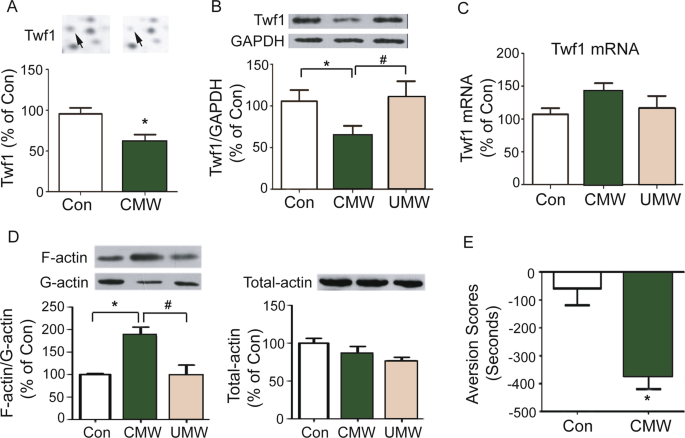
Abstract
Exposure to drugs of abuse induces alterations of dendritic spine morphology and density that has been proposed to be a cellular basis of long-lasting addictive memory and heavily depend on remodeling of its underlying actin cytoskeleton by the actin cytoskeleton regulators. However, the actin cytoskeleton regulators involved and the specific mechanisms whereby drugs of abuse alter their expression or function are largely unknown. Twinfilin (Twf1) is a highly conserved actin-depolymerizing factor that regulates actin dynamics in organisms from yeast to mammals. Despite abundant expression of Twf1 in mammalian brain, little is known about its importance for brain functions such as experience-dependent synaptic and behavioral plasticity. Here we show that conditioned morphine withdrawal (CMW)-induced synaptic structure and behavior plasticity depends on downregulation of Twf1 in the amygdala of rats. Genetically manipulating Twf1 expression in the amygdala bidirectionally regulates CMW-induced changes in actin polymerization, spine density and behavior. We further demonstrate that downregulation of Twf1 is due to upregulation of miR101a expression via a previously unrecognized mechanism involving CMW-induced increases in miR101a nuclear processing via phosphorylation of MeCP 2 at Ser421. Our findings establish the importance of Twf1 in regulating opioid-induced synaptic and behavioral plasticity and demonstrate its value as a potential therapeutic target for the treatment of opioid addiction. Data availability
The data that support the findings of this study are available on request from the corresponding author. Acknowledgements
This research was supported by grants 81130087, 81671322 (to J-GL) and 81773710 (to Y-JW) from National Natural Science Foundation of China, by grant 2015CB553502 (to J-GL) from the Ministry of Sciences and Technology of China, by grant 2017334 (to Y-JW) from the Youth Innovation Promotion Association of the Chinese Academy of Sciences. Author information
> These authors contributed equally: Y-J Wang, C Yu, W-W Wu
Affiliations
> Key Laboratory of Receptor Research, Shanghai Institute of Materia Medica, Chinese Academy of Sciences, Shanghai, China
Yu-Jun Wang, Chuan Yu, Wei-Wei Wu, Yun-Yue Ju, Yao Liu, Jian-Dong Long, Gui-Ying Zan, Le-Sha Zhang, Jing-Rui Chai & Jing-Gen Liu
Department of Neurobiology and Acupuncture Research, The Third Clinical College, Zhejiang Chinese Medical University, Key Laboratory of Acupuncture and Neurology of Zhejiang Province, Hangzhou, China
Contributions
J-GL, Y-JW, and ZC designed the experiment. Y-JW, CY, W-WW, YYJ, and YL performed the experiments with the assistance of J-DL, G-YZ, X-YW, L-SZ, J-RC Statistical data analysis was performed by Y-JW, CY, and W-WW. This manuscript was written by Y-JW and CX and was revised by J-GL and ZC. Corresponding authors
About this article
Cite this article
Wang, YJ., Yu, C., Wu, WW. et al. Alteration of twinfilin1 expression underlies opioid withdrawal-induced remodeling of actin cytoskeleton at synapses and formation of aversive memory. Mol Psychiatry (2021). https://doi.org/10.1038/s41380-021-01111-3
Inception?: Technology to invade people’s dreams not far away!

As sci-fi thriller “Inception” topped box offices across the world, audiences were delighted and appalled by its futuristic story of a criminal gang invading people’s dreams to steal valuable data.
More than a decade on, the technology envisioned by filmmaker Christopher Nolan is likely not far off, according to experts in Chile, who have moved the security debate beyond burglar alarms to safeguarding the most valuable real estate people ever own: their minds.
The South American nation is aiming to be the world’s first to legally protect citizens’ “neuro-rights,” with lawmakers expected to pass a constitutional reform blocking technology that seeks to “increase, diminish or disturb” people’s mental integrity without their consent.
Opposition senator Guido Girardi, one of the authors of the legislation, is worried about technology — whether algorithms, bionic implants or some other gadgetry — that could threaten “the essence of humans, their autonomy, their freedom and their free will.”
“If this technology manages to read (your mind), before even you’re aware of what you’re thinking,” he told AFP, “it could write emotions into your brain: life stories that aren’t yours and that your brain won’t be able to distinguish whether they were yours or the product of designers.”
‘Prevent manipulation’
Scores of sci-fi movies and novels have offered audiences the dark side of neurotechnology — perhaps invoking criminal masterminds ensconced in secret strongholds, manipulating the world with a dastardly laugh while stroking a cat.
In fact, the nascent technology has already demonstrated how it can have significantly positive applications.
In 2013, then-US president Barack Obama promoted the BRAIN (Brain Research through Advancing Innovative Neuro-technologies) initiative, which aimed to study the causes of brain disorders such as Alzheimer’s, Parkinson’s and epilepsy.
Back in Chile, Science Minister Andres Couve told AFP the neuro-rights debate “is part of a consolidation of a new scientific institutionality in the country that is now capturing international attention.”
But many are worried about the potential for nefarious actors to abuse technological advances.
Chile’s President Sebastian Pinera proposed at last week’s Ibero-American summit in Andorra that countries legislate together on the thorny issue.
“I call on all Ibero-American countries to anticipate the future and to adequately protect, now, not just our citizens’ data and information, but also their thoughts, their feelings, their neuronal information, to prevent these from being manipulated by new technologies,” the conservative Pinera said.
The Chilean bill contains four main fields of legislation: guarding the human mind’s data, or neuro-data; fixing limits to the neuro-technology of reading and especially writing in brains; setting an equitable distribution and access to these technologies; and putting limits on neuro-algorithms.
Spanish scientist Rafael Yuste, an expert on the subject from Columbia University in New York, told AFP some of these technologies already exist, and even the most remote will be available within 10 years.
‘A new Renaissance’
They are already being applied to animals in laboratories.
Scientists have experimented with rats, implanting images of unfamiliar objects in their brains and observing how they accept those objects in real life as their own and incorporate them into their natural behavior.
“If you can enter there (into the chemical processes of the brain) and stimulate or inhibit them, you can change people’s decisions. This is something we’ve already done with animals,” said Yuste.
The science has opened the possibility of designing hybrid humans with artificially enhanced cognitive abilities.
The risk is that, without proper safeguards, the technology might be used to alter people’s thoughts, employing algorithms via the internet to re-program their hard wiring, to dictate their interests, preferences or patterns of consumption.
“To avoid a two-speed situation with some enhanced humans and others who aren’t, we believe these neuro-technologies need to be regulated along principles of universal justice, recognizing the spirit of the Universal Declaration of Human Rights,” said Yuste.
Yuste considers neuro-technology a “tsunami” that humanity will have to deal with, which is why people need to be prepared.
“Neuro-technology can be scary if you think about dystopian science-fiction scenarios. However, for every dystopian scenario, there are 10 beneficial ones,” said Yuste, who sees neuro-technology as “a new Renaissance for humanity.”
Already, neuro-technologies are used on patients suffering from Parkinson’s or depression by stimulating the brain with electrodes to “alleviate the symptoms,” said Yuste.
Similarly, deaf people are treated with “cochlear implants in the auditory nerve” that stimulate the brain.It is hoped that something similar in the future will restore sight to the blind or treat those with Alzheimer’s by strengthening the memory’s neuronal circuits.“It will be a beneficial change for the human race,” said Yuste. comments
Radiation Exposure may Help Treat Alzheimer’s Disease
Innovative new treatment that aims to deliver low doses of radiation is shown to render remarkable improvements in behaviour and cognition of individuals living with severe Alzheimer’s disease, within days of receiving it as per a Baycrest-Sunnybrook pilot study at the Baycrest Centre For Geriatric Care, published in the Journal of Alzheimer’s Disease.
Alzheimer’s disease (AD) is a neurodegenerative disease that leads to gradual memory loss and behavioral changes. It is characterized by the formation of beta-amyloid plaques and the tau proteins in the brain tissues, years before the actual symptoms occur.
“The primary goal of a therapy for Alzheimer’s disease should be to improve the patient’s quality of life. We want to optimize their well-being and restore communication with family and friends to avoid social isolation, loneliness and under-stimulation. Although the study was a small pilot and should be interpreted with caution, our results suggest that low-dose radiation therapy may successfully achieve this,” says Dr. Morris Freedman, a scientist at Baycrest’s Rotman Research Institute, head of the division of neurology at Baycrest and senior author of the study.
‘Innovative new treatment with low doses of radiation shows remarkable improvements in behavior and cognition of individuals living with severe Alzheimer’s disease, within days of receiving it. This offers hope for those with severe Alzheimer’s disease and their loved ones.’
A clinical follow-up to a 2015 case report about a patient in hospice with Alzheimer’s disease served as a base for the study. Mulitple treatments with radiation to her brain showed significant improvements in cognition, speech, movement, and appetite. Following this, she was discharged from the hospice to a long-term care home for older adults.
Low Dose Radiation in Alzheimer’s Disease
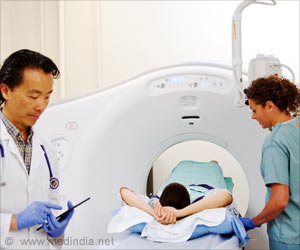
Many ill effects are reported to occur on our health with high doses of radiation. But, low doses, such as those used for diagnostic CT scans, may help the body protect and repair itself.
“Numerous neurological disorders, including Alzheimer’s disease, are thought to be caused in part by oxidative stress that damages all cells, including those in the brain. We have natural protection systems to combat the damage, but they become less effective as we get older. Each dose of radiation stimulates our natural protection systems to work harder – to produce more antioxidants that prevent oxidative damage, to repair more DNA damage and to destroy more mutated cells,” says Dr. Jerry Cuttler, a retired Atomic Energy of Canada scientist and the lead author of the study.
The study tested four individuals living with severe Alzheimer’s disease, who were given three treatments of low-dose radiation, each spaced two weeks apart. A CT scanner at Sunnybrook Health Sciences Centre was employed to provide the supervised treatments.
Standardized tests and observation were utilized by the study team to record changes in the patients’ communication and behaviour after the treatment. Most importantly, they collected information (descriptions, photos and videos) from the patients’ spouses, children and caregivers.
It was seen that three of the four individuals showed remarkable improvements within one day of the first treatment, with their relatives reporting increased alertness and responsiveness, recognition of loved ones, mobility, social engagement, mood, and more.
The study thereby offers hope for those with severe Alzheimer’s disease and their loved ones. However, certain limitations like the small size of the study, missing a placebo group requires larger clinical trials in future research to examine the effects of this novel therapy.
Source: Medindia
Advances in brain tech prompt push for ‘neuro-rights’
File picture: Pexels Santiago – As sci-fi thriller “Inception” topped box offices across the world, audiences were delighted and appalled by its futuristic story of a criminal gang invading people’s dreams to steal valuable data.
More than a decade on, the technology envisioned by filmmaker Christopher Nolan is likely not far off, according to experts in Chile, who have moved the security debate beyond burglar alarms to safeguarding the most valuable real estate people ever own: their minds.
The South American nation is aiming to be the world’s first to legally protect citizens’ “neuro-rights,” with lawmakers expected to pass a constitutional reform blocking technology that seeks to “increase, diminish or disturb” people’s mental integrity without their consent.
Opposition senator Guido Girardi, one of the authors of the legislation, is worried about technology — whether algorithms, bionic implants or some other gadgetry — that could threaten “the essence of humans, their autonomy, their freedom and their free will.”
“If this technology manages to read (your mind), before even you’re aware of what you’re thinking,” he told AFP, “it could write emotions into your brain: life stories that aren’t yours and that your brain won’t be able to distinguish whether they were yours or the product of designers.”
– ‘Prevent manipulation’ –
Scores of sci-fi movies and novels have offered audiences the dark side of neurotechnology — perhaps invoking criminal masterminds ensconced in secret strongholds, manipulating the world with a dastardly laugh while stroking a cat.
In fact, the nascent technology has already demonstrated how it can have significantly positive applications.
In 2013, then-US president Barack Obama promoted the BRAIN (Brain Research through Advancing Innovative Neuro-technologies) initiative, which aimed to study the causes of brain disorders such as Alzheimer’s, Parkinson’s and epilepsy.
Back in Chile, Science Minister Andres Couve told AFP the neuro-rights debate “is part of a consolidation of a new scientific institutionality in the country that is now capturing international attention.”
But many are worried about the potential for nefarious actors to abuse technological advances.
Chile’s President Sebastian Pinera proposed at last week’s Ibero-American summit in Andorra that countries legislate together on the thorny issue.
“I call on all Ibero-American countries to anticipate the future and to adequately protect, now, not just our citizens’ data and information, but also their thoughts, their feelings, their neuronal information, to prevent these from being manipulated by new technologies,” the conservative Pinera said.
The Chilean bill contains four main fields of legislation: guarding the human mind’s data, or neuro-data; fixing limits to the neuro-technology of reading and especially writing in brains; setting an equitable distribution and access to these technologies; and putting limits on neuro-algorithms.
Spanish scientist Rafael Yuste, an expert on the subject from Columbia University in New York, told AFP some of these technologies already exist, and even the most remote will be available within 10 years.
– ‘A new Renaissance’ –
They are already being applied to animals in laboratories.
Scientists have experimented with rats, implanting images of unfamiliar objects in their brains and observing how they accept those objects in real life as their own and incorporate them into their natural behavior.
“If you can enter there (into the chemical processes of the brain) and stimulate or inhibit them, you can change people’s decisions. This is something we’ve already done with animals,” said Yuste.
The science has opened the possibility of designing hybrid humans with artificially enhanced cognitive abilities.
The risk is that, without proper safeguards, the technology might be used to alter people’s thoughts, employing algorithms via the internet to re-program their hard wiring, to dictate their interests, preferences or patterns of consumption.
“To avoid a two-speed situation with some enhanced humans and others who aren’t, we believe these neuro-technologies need to be regulated along principles of universal justice, recognizing the spirit of the Universal Declaration of Human Rights,” said Yuste.
Yuste considers neuro-technology a “tsunami” that humanity will have to deal with, which is why people need to be prepared.
“Neuro-technology can be scary if you think about dystopian science-fiction scenarios. However, for every dystopian scenario, there are 10 beneficial ones,” said Yuste, who sees neuro-technology as “a new Renaissance for humanity.”
Already, neuro-technologies are used on patients suffering from Parkinson’s or depression by stimulating the brain with electrodes to “alleviate the symptoms,” said Yuste.
Similarly, deaf people are treated with “cochlear implants in the auditory nerve” that stimulate the brain.It is hoped that something similar in the future will restore sight to the blind or treat those with Alzheimer’s by strengthening the memory’s neuronal circuits.”It will be a beneficial change for the human race,” said Yuste.
Mindblowing: Advances In Brain Tech Spur Push For ‘Neuro-rights’
As sci-fi thriller “Inception” topped box offices across the world, audiences were delighted and appalled by its futuristic story of a criminal gang invading people’s dreams to steal valuable data.
More than a decade on, the technology envisioned by filmmaker Christopher Nolan is likely not far off, according to experts in Chile, who have moved the security debate beyond burglar alarms to safeguarding the most valuable real estate people ever own: their minds.
The South American nation is aiming to be the world’s first to legally protect citizens’ “neuro-rights,” with lawmakers expected to pass a constitutional reform blocking technology that seeks to “increase, diminish or disturb” people’s mental integrity without their consent.
Opposition senator Guido Girardi, one of the authors of the legislation, is worried about technology — whether algorithms, bionic implants or some other gadgetry — that could threaten “the essence of humans, their autonomy, their freedom and their free will.”
“If this technology manages to read (your mind), before even you’re aware of what you’re thinking,” he told AFP, “it could write emotions into your brain: life stories that aren’t yours and that your brain won’t be able to distinguish whether they were yours or the product of designers.”
Scores of sci-fi movies and novels have offered audiences the dark side of neurotechnology — perhaps invoking criminal masterminds ensconced in secret strongholds, manipulating the world with a dastardly laugh while stroking a cat.
In fact, the nascent technology has already demonstrated how it can have significantly positive applications.
In 2013, then-US president Barack Obama promoted the BRAIN (Brain Research through Advancing Innovative Neuro-technologies) initiative, which aimed to study the causes of brain disorders such as Alzheimer’s, Parkinson’s and epilepsy.
Back in Chile, Science Minister Andres Couve told AFP the neuro-rights debate “is part of a consolidation of a new scientific institutionality in the country that is now capturing international attention.”
But many are worried about the potential for nefarious actors to abuse technological advances.
Chile’s President Sebastian Pinera proposed at last week’s Ibero-American summit in Andorra that countries legislate together on the thorny issue.
“I call on all Ibero-American countries to anticipate the future and to adequately protect, now, not just our citizens’ data and information, but also their thoughts, their feelings, their neuronal information, to prevent these from being manipulated by new technologies,” the conservative Pinera said.
The Chilean bill contains four main fields of legislation: guarding the human mind’s data, or neuro-data; fixing limits to the neuro-technology of reading and especially writing in brains; setting an equitable distribution and access to these technologies; and putting limits on neuro-algorithms. Spanish scientist Rafael Yuste, an expert on the subject from Columbia University in New York, told AFP some of these technologies already exist, and even the most remote will be available within 10 years.
They are already being applied to animals in laboratories.
Scientists have experimented with rats, implanting images of unfamiliar objects in their brains and observing how they accept those objects in real life as their own and incorporate them into their natural behavior.
“If you can enter there (into the chemical processes of the brain) and stimulate or inhibit them, you can change people’s decisions. This is something we’ve already done with animals,” said Yuste.
The science has opened the possibility of designing hybrid humans with artificially enhanced cognitive abilities.
The risk is that, without proper safeguards, the technology might be used to alter people’s thoughts, employing algorithms via the internet to re-program their hard wiring, to dictate their interests, preferences or patterns of consumption.
“To avoid a two-speed situation with some enhanced humans and others who aren’t, we believe these neuro-technologies need to be regulated along principles of universal justice, recognizing the spirit of the Universal Declaration of Human Rights,” said Yuste.
Yuste considers neuro-technology a “tsunami” that humanity will have to deal with, which is why people need to be prepared.
“Neuro-technology can be scary if you think about dystopian science-fiction scenarios. However, for every dystopian scenario, there are 10 beneficial ones,” said Yuste, who sees neuro-technology as “a new Renaissance for humanity.”
Already, neuro-technologies are used on patients suffering from Parkinson’s or depression by stimulating the brain with electrodes to “alleviate the symptoms,” said Yuste.
Similarly, deaf people are treated with “cochlear implants in the auditory nerve” that stimulate the brain.
It is hoped that something similar in the future will restore sight to the blind or treat those with Alzheimer’s by strengthening the memory’s neuronal circuits.
“It will be a beneficial change for the human race,” said Yuste.
Advances in brain tech spur push for ‘neuro-rights’

As sci-fi thriller “Inception” topped box offices across the world, audiences were delighted and appalled by its futuristic story of a criminal gang invading people’s dreams to steal valuable data.
More than a decade on, the technology envisioned by filmmaker Christopher Nolan is likely not far off, according to experts in Chile, who have moved the security debate beyond burglar alarms to safeguarding the most valuable real estate people ever own: their minds.
The South American nation is aiming to be the world’s first to legally protect citizens’ “neuro-rights,” with lawmakers expected to pass a constitutional reform blocking technology that seeks to “increase, diminish or disturb” people’s mental integrity without their consent.
Opposition senator Guido Girardi, one of the authors of the legislation, is worried about technology — whether algorithms, bionic implants or some other gadgetry — that could threaten “the essence of humans, their autonomy, their freedom and their free will.”
“If this technology manages to read (your mind), before even you’re aware of what you’re thinking,” he told AFP, “it could write emotions into your brain: life stories that aren’t yours and that your brain won’t be able to distinguish whether they were yours or the product of designers.” ‘Prevent manipulation’
Scores of sci-fi movies and novels have offered audiences the dark side of neurotechnology — perhaps invoking criminal masterminds ensconced in secret strongholds, manipulating the world with a dastardly laugh while stroking a cat.
In fact, the nascent technology has already demonstrated how it can have significantly positive applications.
In 2013, then-US president Barack Obama promoted the BRAIN (Brain Research through Advancing Innovative Neuro-technologies) initiative, which aimed to study the causes of brain disorders such as Alzheimer’s, Parkinson’s and epilepsy.
Back in Chile, Science Minister Andres Couve told AFP the neuro-rights debate “is part of a consolidation of a new scientific institutionality in the country that is now capturing international attention.”
But many are worried about the potential for nefarious actors to abuse technological advances.
Chile’s President Sebastian Pinera proposed at last week’s Ibero-American summit in Andorra that countries legislate together on the thorny issue.
“I call on all Ibero-American countries to anticipate the future and to adequately protect, now, not just our citizens’ data and information, but also their thoughts, their feelings, their neuronal information, to prevent these from being manipulated by new technologies,” the conservative Pinera said.
The Chilean bill contains four main fields of legislation: guarding the human mind’s data, or neuro-data; fixing limits to the neuro-technology of reading and especially writing in brains; setting an equitable distribution and access to these technologies; and putting limits on neuro-algorithms.
Spanish scientist Rafael Yuste, an expert on the subject from Columbia University in New York, told AFP some of these technologies already exist, and even the most remote will be available within 10 years. ‘A new Renaissance’
They are already being applied to animals in laboratories.
Scientists have experimented with rats, implanting images of unfamiliar objects in their brains and observing how they accept those objects in real life as their own and incorporate them into their natural behavior.
“If you can enter there (into the chemical processes of the brain) and stimulate or inhibit them, you can change people’s decisions. This is something we’ve already done with animals,” said Yuste.
The science has opened the possibility of designing hybrid humans with artificially enhanced cognitive abilities.
The risk is that, without proper safeguards, the technology might be used to alter people’s thoughts, employing algorithms via the internet to re-program their hard wiring, to dictate their interests, preferences or patterns of consumption.
“To avoid a two-speed situation with some enhanced humans and others who aren’t, we believe these neuro-technologies need to be regulated along principles of universal justice, recognizing the spirit of the Universal Declaration of Human Rights,” said Yuste.
Yuste considers neuro-technology a “tsunami” that humanity will have to deal with, which is why people need to be prepared.
“Neuro-technology can be scary if you think about dystopian science-fiction scenarios. However, for every dystopian scenario, there are 10 beneficial ones,” said Yuste, who sees neuro-technology as “a new Renaissance for humanity.”
Already, neuro-technologies are used on patients suffering from Parkinson’s or depression by stimulating the brain with electrodes to “alleviate the symptoms,” said Yuste.
Similarly, deaf people are treated with “cochlear implants in the auditory nerve” that stimulate the brain.
It is hoped that something similar in the future will restore sight to the blind or treat those with Alzheimer’s by strengthening the memory’s neuronal circuits.
“It will be a beneficial change for the human race,” said Yuste.
Post-COVID, many patients try smell therapy. But does it work?
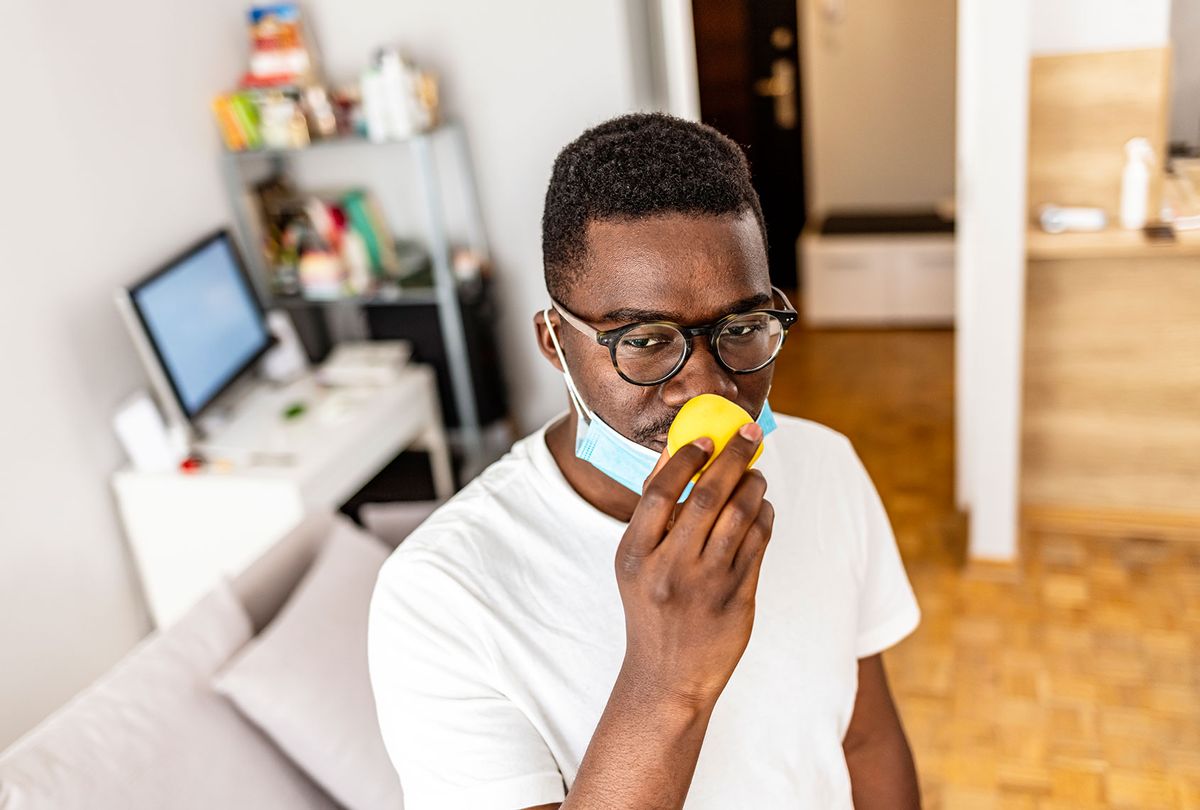
n a recent episode of the popular New York Times podcast The Daily, restaurant critic Tejal Rao described her experience losing her sense of smell after having Covid-19. “Any kind of meat made me feel a little bit queasy,” she said, noting the close connection between smell and taste. For Rao, popcorn felt “like foam, but with sharp bits in it.” Like many others who have lost their sense of smell to the disease, Rao set off on a journey to recover her ability to detect scent, ultimately landing on an approach known as smell therapy. In Rao’s case, it entailed repeatedly sniffing from jars of four spices — cardamom, cloves, cinnamon, and cumin. When it comes to treating olfactory dysfunction, according to the podcast notes , smell therapy is “the only therapy proven to work.”
The episode is part of a growing landscape of press coverage reporting on a very real problem: Approximately 5 percent of the global population lives with a significantly reduced ability to smell, and an estimated 13.3 million Americans report living with some type of smell dysfunction. These numbers are growing as a small percentage of otherwise recovered Covid-19 patients report ongoing loss of smell. In response, some researchers are revisiting the concept of physical therapy for the nose in order to help restore what Covid-19 and other ailments have taken away. The only problem: nasal physiology is incredibly difficult to study, and the experimental therapy — while helpful to some — doesn’t provide the kind of evidence doctors normally need to adopt a new treatment widely.
“Smell training is somewhat questionable, frankly,” says Richard Doty, director of the University of Pennsylvania’s Smell and Taste Center. While the therapy has “caught the imagination of laypeople as well as scientists,” he says, the evidence is “pretty weak that it has any effect.” Doty, a physician who has published widely on olfactory dysfunction, suggests that smell training “doesn’t work if you compare to spontaneous resolution” of smell in the absence of training. In other words, any improvements may have occurred naturally over time. And other researchers note that it isn’t yet clear which, if any, patients might benefit from the intervention.
People with smell loss — or anosmia — are twice as likely to experience a smell-related hazardous event when compared to those with a normal sense of smell, according to a 2014 study published in the Journal of the American Medical Association Otolaryngology. And smell is not only a survival tool that helps detect fire and spoiled food, it also influences quality of life. Despite this, most people didn’t care much about olfaction prior to the pandemic, says Shima Moein, a neuroscientist at the Institute for Research in Fundamental Sciences in Tehran, Iran. “Covid started to show people that it really matters,” she says.
Of course, people did experience long-term smell loss from a variety of causes prior to the current pandemic: other viral infections, nasal polyps that obstruct odors from reaching smell receptors, neurodegenerative diseases, physical injury to the brain or face — all can wreak havoc on the olfactory system. Aside from a controversial steroid nasal spray , this leaves people just one treatment option with any supporting studies: smell training.
Thomas Hummel, an ear, nose, and throat doctor and a researcher at the Smell and Taste Clinic in Dresden, Germany, was the first person to test the intervention on patients in a clinic. Based on what was already known about perfumers and sommeliers, who undergo rigorous training to hone their craft, Hummel hypothesized that regular exposure to discrete scents could help patients regain their olfactory abilities.
To select the study’s scents, Hummel turned to the odor prism. Developed by a German psychologist in 1916, each of the prism’s six corners represent a category of scent: flowery, fruity, spicy, resinous, putrid, and burnt. Much like a color wheel, every odor should fit somewhere on the prism. It’s a simplistic model, admits Hummel, and in reality some odors are quite difficult to classify. Nevertheless, he found it a useful starting point for his study. The goal was to stimulate different types of smell receptors, so he selected scents from four different corners. Over a 12-week period, study participants sniffed rose, eucalyptus, lemon, and cloves for ten seconds each, twice a day, morning and evening.
In the study published by Hummel and his colleagues in 2009, about 30 percent of those who underwent smell training reported an improvement in their smell, compared to only six percent — just one person — in the control group. By the end of the study, those who experienced improvement were able to perceive scents at lower concentrations, though even they did not get any better at discriminating one scent from another.
Since that initial trial, more than 20 studies have demonstrated some improvement with smell training. In an interview — parts of which were published last month by the digital magazine Neo.Life — London, Ontario-based ear, nose, and throat surgeon Brian Rotenberg characterized the evidence as compelling. “There is fairly strong evidence behind smell training as an effective means of improving sense of smell,” he said.
But Leigh Sowerby, also an ear, nose, and throat specialist in Ontario and Rotenberg’s research colleague, noted that the degree of recovery in studies that compare to a placebo was modest. “The improvement was clinically significant, but it was just barely,” Sowerby says. Both Sowerby and Rotenberg added that incremental benefits can still have an impact on a patient’s quality of life.
Sowerby says he has seen smell therapy take patients from having no sense of smell to having a little. For example, one patient who initially described pizza as tasting like cardboard eventually came to detect hints of pepperoni and tomato. The pizza still doesn’t taste like it used to, explains Sowerby, but the patient is at least “getting something.”
The original smell training technique includes only four odors, but according to Sowerby, adding additional scents can improve the approach’s effectiveness — as can training over a longer period of time. “The longer […]
The tangy, peppery superfood: 7 Reasons to eat more arugula

( Natural News ) Arugula is a green leafy vegetable used in salads, pizza and other popular dishes. The bitter vegetable , also known as garden rocket or roquette, is a staple in Mediterranean cuisine and widely used in France and Italy. These days, the plant is also found in dishes in the U.S., where its peppery flavor enhances the taste of pasta, sandwiches and sauces.
As a superfood, arugula is packed with phytonutrients that benefit the body in many ways. Here are seven health benefits of arugula:
> It promotes eye health. Arugula is rich in beta-carotene, lutein and zeaxanthin. Beta-carotene is a carotenoid the body uses to create vitamin A. The bitter vegetable also contains lutein and zeaxanthin , both of which may prevent age-related macular degeneration and cataracts .
It may reduce the risk of cancer. Arugula contains glucosinolates — sulfur-containing compounds that are metabolized into indoles, thiocyanates and isothiocyanates. According to research, isothiocyanates exhibit anti-cancer properties . Studies also suggest that eating arugula can help reduce the risk of lung, prostate, breast and pancreatic cancer.
It is good for bone health. Arugula is a good source of calcium and vitamin K. In fact, it contains eight times more calcium than iceberg lettuce. Only three cups of the vegetable are needed to supply the body with 100 percent of its daily vitamin K needs. Vitamin K is needed to help the bones and teeth absorb calcium, thus promoting optimum bone health. People who have osteoporosis and those who are recovering from bone injuries are advised to eat arugula.
It promotes weight loss and supports digestion – Arugula contains only 25 calories per 100 grams . It is also low in carbohydrates but high in fiber. This fiber, together with arugula’s water content, may help with indigestion. Fiber can also help reduce food intake by promoting satiety.
It supports the growth of healthy skin – Because of its antioxidant and anti-inflammatory properties, eating arugula is good for the skin. Since ancient times, people have been using this vegetable to treat common skin conditions like eczema, dry skin and acne. Adding arugula seed oil to your diet may also help protect your skin from harmful ultraviolet rays.
It is good for brain health – In a study that focused on the role of folate and other nutrients in preventing cognitive decline, researchers discovered that among high-functioning older adults, the risk of developing cognitive decline is higher for those who have low folate levels. The researchers thus concluded that increasing dietary folate intake can help reduce the risk of cognitive decline . Arugula is rich in folate and provides 97 micrograms of this essential vitamin per 100-gram serving.
It helps boost sexual performance – Eating arugula also benefits reproductive health. According to an animal study, arugula contains phytonutrients with aphrodisiac effects. The ancient Romans also used the vegetable as an aphrodisiac. (Related: Arugula is known as an aphrodisiac and as a top anti-cancer food .)
Arugula is a nutritious vegetable that offers plenty of health benefits. To learn more about the nutritional properties and medicinal uses of this superfood, visit Food.news .
Sources include:
NaturalHealth365.com
AOA.org
LPI.OregonState.edu
Conserve-Energy-Future.com
AMJMed.com
New brain-like computing device simulates human learning

Researchers have developed a brain-like computing device that is capable of learning by association.
Similar to how famed physiologist Ivan Pavlov conditioned dogs to associate a bell with food, researchers at Northwestern University and the University of Hong Kong successfully conditioned their circuit to associate light with pressure.
The research was published today (April 30) in the journal Nature Communications.
The device’s secret lies within its novel organic, electrochemical “synaptic transistors,” which simultaneously process and store information just like the human brain. The researchers demonstrated that the transistor can mimic the short-term and long-term plasticity of synapses in the human brain, building on memories to learn over time.
With its brain-like ability, the novel transistor and circuit could potentially overcome the limitations of traditional computing, including their energy-sapping hardware and limited ability to perform multiple tasks at the same time. The brain-like device also has higher fault tolerance, continuing to operate smoothly even when some components fail. Jonathan Rivnay “Although the modern computer is outstanding, the human brain can easily outperform it in some complex and unstructured tasks, such as pattern recognition, motor control and multisensory integration,” said Northwestern’s Jonathan Rivnay , a senior author of the study. “This is thanks to the plasticity of the synapse, which is the basic building block of the brain’s computational power. These synapses enable the brain to work in a highly parallel, fault tolerant and energy-efficient manner. In our work, we demonstrate an organic, plastic transistor that mimics key functions of a biological synapse.”
Rivnay is an assistant professor of biomedical engineering at Northwestern’s McCormick School of Engineering . He co-led the study with Paddy Chan, an associate professor of mechanical engineering at the University of Hong Kong. Xudong Ji, a postdoctoral researcher in Rivnay’s group, is the paper’s first author. Problems with conventional computing
Conventional, digital computing systems have separate processing and storage units, causing data-intensive tasks to consume large amounts of energy. Inspired by the combined computing and storage process in the human brain, researchers, in recent years, have sought to develop computers that operate more like the human brain, with arrays of devices that function like a network of neurons.
“The way our current computer systems work is that memory and logic are physically separated,” Ji said. “You perform computation and send that information to a memory unit. Then every time you want to retrieve that information, you have to recall it. If we can bring those two separate functions together, we can save space and save on energy costs.”
Currently, the memory resistor, or “memristor,” is the most well-developed technology that can perform combined processing and memory function, but memristors suffer from energy-costly switching and less biocompatibility. These drawbacks led researchers to the synaptic transistor – especially the organic electrochemical synaptic transistor, which operates with low voltages, continuously tunable memory and high compatibility for biological applications. Still, challenges exist.
“Even high-performing organic electrochemical synaptic transistors require the write operation to be decoupled from the read operation,” Rivnay said. “So if you want to retain memory, you have to disconnect it from the write process, which can further complicate integration into circuits or systems.” How the synaptic transistor works
To overcome these challenges, the Northwestern and University of Hong Kong team optimized a conductive, plastic material within the organic, electrochemical transistor that can trap ions. In the brain, a synapse is a structure through which a neuron can transmit signals to another neuron, using small molecules called neurotransmitters. In the synaptic transistor, ions behave similarly to neurotransmitters, sending signals between terminals to form an artificial synapse. By retaining stored data from trapped ions, the transistor remembers previous activities, developing long-term plasticity.
The researchers demonstrated their device’s synaptic behavior by connecting single synaptic transistors into a neuromorphic circuit to simulate associative learning. They integrated pressure and light sensors into the circuit and trained the circuit to associate the two unrelated physical inputs (pressure and light) with one another. The way our current computer systems work is that memory and logic are physically separated. If we can bring those two separate functions together, we can save space and save on energy costs” Xudong Ji postdoctoral fellow
Perhaps the most famous example of associative learning is Pavlov’s dog, which naturally drooled when it encountered food. After conditioning the dog to associate a bell ring with food, the dog also began drooling when it heard the sound of a bell. For the neuromorphic circuit, the researchers activated a voltage by applying pressure with a finger press. To condition the circuit to associate light with pressure, the researchers first applied pulsed light from an LED lightbulb and then immediately applied pressure. In this scenario, the pressure is the food and the light is the bell. The device’s corresponding sensors detected both inputs.
After one training cycle, the circuit made an initial connection between light and pressure. After five training cycles, the circuit significantly associated light with pressure. Light, alone, was able to trigger a signal, or “unconditioned response.” Future applications
Because the synaptic circuit is made of soft polymers, like a plastic, it can be readily fabricated on flexible sheets and easily integrated into soft, wearable electronics, smart robotics and implantable devices that directly interface with living tissue and even the brain.
“While our application is a proof of concept, our proposed circuit can be further extended to include more sensory inputs and integrated with other electronics to enable on-site, low-power computation,” Rivnay said. “Because it is compatible with biological environments, the device can directly interface with living tissue, which is critical for next-generation bioelectronics.”
The study, “Mimicking associative learning using an ion-trapping non-volatile synaptic organic electrochemical transistor,” was supported by the National Science Foundation (award number DMR-1751308), Hong Kong’s General Research Fund (award numbers HKU 17264016 and HKU 17204517) and the National Natural Science Foundation of China.
/Public Release. This material comes from the originating organization and may be of a point-in-time nature, edited for clarity, style and length. View in full here .
What is ashwagandha good for?

Ashwagandha is known for its adaptogenic properties, supporting the adrenal and nervous systems and fighting stress symptoms and anxiety. Ashwagandha is a traditional medicinal herb used for thousands of years to reduce stress, boost brain function and increase energy. Newer scientific research also suggests that ashwagandha can boost fertility, lower cholesterol, balance blood sugar and more. In this article, we give you the full breakdown of ashwagandha’s health benefits and uses so you can decide if ashwagandha is right for you. If you’re curious about adding ashwagandha to your diet, keep reading for some of our top picks for ashwagandha supplements and powders.
Ashwagandha, also known as Indian ginseng or winter cherry, is a fruiting plant in the nightshade family (nightshades include peppers, eggplants and tomatoes among other common food plants). The plant is native to India and parts of Africa and the Middle East. Both the roots and the ripe berries of Ashwagandha have been used in traditional medicine, including Indian Ayurvedic medicine, for thousands of years. Ashwagandha is considered an “adaptogen,” meaning it may have properties that assist your body in fighting stress. Ashwagandha is typically taken as a powder, supplement or tea.
One study into Ashwagandha’s adaptogenic properties found that it blocked the stress pathway through regulating the nervous system. According to Healthline , several studies also found that ashwagandha reduced stress, anxiety and insomnia for participants, including those with stress and anxiety disorders. Ashwagandha also may improve sleep, especially in overstressed adults.
Ashwagandha’s stress-fighting properties may also help reduce the stress hormone cortisol. High cortisol levels can cause weight gain, acne, high blood pressure and a reduced immune response, among other symptoms. One study found that ashwagandha supplements lowered cortisol levels by 30% in adults with chronic stress.
Some studies suggest that ashwagandha can fight symptoms of depression by lowering stress levels and boosting energy. However, more research needs to be done to confirm these findings. If you’re dealing with depression, it’s best to consult a mental health professional before beginning treatment.
Many studies have found that ashwagandha supplements can boost reproductive health by increasing testosterone levels and sperm count. Studies suggest that these properties can also have a positive effect on body composition by increasing muscle mass and lowering body fat percentage.
Ashwagandha has been shown to have positive effects on our immune systems by increasing natural killer cells, immune cells that fight infections and keep the body in good health. Ashwagandha has also been shown to decrease inflammation, including the C-reactive protein (CRP), which is linked to heart disease.
Ashwagandha may be capable of boosting heart health by reducing LDL (bad) cholesterol and triglycerides, a type of fat cell linked to diabetes and high blood pressure. One study found that ashwagandha lowered overall cholesterol levels by 53%.
Research suggests that ashwagandha supplements support healthy brain function and memory by producing antioxidants that fight free radicals in our nerve cells. Ashwagandha has also traditionally been used in Indian Ayurvedic medicine for thousands of years to improve memory in patients. These properties may also improve overall brain function, focus and productivity.
Ashwagandha is most commonly consumed as a supplement, in the form of powders, pills and tinctures. It may be taken on its own in its pure form or combined with other adaptogenic herbs, plants or mushrooms. Ashwagandha is also a common ingredient in calming or sleep-inducing supplements (like the Calm, Sweet Calm supplement by HUM Vitamins). You may also occasionally find ashwagandha as a tea or as a powder that can be added to smoothies, coffee and more.
Note: Be careful not to overdo it. Large doses of ashwagandha have been linked to a variety of digestive symptoms including upset stomach, diarrhea and vomiting. Some studies also suggest that ashwagandha might interfere or increase side effects with certain pharmaceuticals. Always consult your doctor before beginning a supplement routine.
The supplement industry is not regulated by the FDA, so you’ll want to pay close attention to sourcing and ingredient lists to ensure purity, potency and responsible sourcing. In general, ashwagandha supplements should not be taken during pregnancy and lactation.
Vitanica Adrenal Assist: available at iHerb and Amazon
This adaptogenic blend is specially formulated to balance the adrenal system and contains 100mg of ashwagandha root extract per serving in addition to Vitamins C, B5 and B6, holy basil and magnesium. Vitanica is a trusted brand with quality sourcing standards and the capsules are vegetarian and vegan friendly.
Gaia Herbs Ashwagandha Root Capsules: available at iHerb and Amazon
These capsules each contain 350mg of ashwagandha root extract and are rigorously tested for purity and potency. Gaia is a certified B-Corp business and sources their ashwagandha sustainably from their own farm in North Carolina and farming partners in India.
Organic Traditions Ashwagandha Root Powder: available at iHerb
This pure ashwagandha root powder is USDA certified organic and can be easily added to juices, water, coffee, tea, smoothies and other beverages. This powder contains no added fillers, flavors, preservatives or other additives.
Gaia Herbs Adrenal Support: available at Amazon and iHerb
This adrenal support blend from Gaia is formulated with rhodiola, holy basil, ashwagandha and oats to reduce stress and anxiety. This blend is also known for boosting energy. All Gaia products are tested for purity and screened for heavy metals, pesticide residue and microbes.
Eclectic Institute Ashwagandha Tincture: available at iHerb
This USDA organic, non-GMO tincture is formulated with pure dried organic ashwagandha root and grain-free alcohol. The tincture can be taken directly under the tongue or added to water, juice, or other beverages. This product is vegan and gluten, dairy and soy free.
Gaia Herbs SleepThru Sleep Support: available at Amazon and iHerb
This non-habit-forming sleep aid contains 940mg of ashwagandha, passion flower, magnolia bark and jujube dates to soothe stress-related insomnia and sleeplessness. This product is certified organic, non-GMO and free of any allergens or additives.
Katy Severson is a writer for BestReviews. BestReviews is a product review company with a singular mission: to help simplify your purchasing decisions and save […]
The Benefits Of Serotonin
Serotonin is a hormone and neurotransmitter found in tissues, including blood platelets, central nervous system, etc… As a neurotransmitter, serotonin is used to relay messages from one area of the brain to another. Serotonin effects millions of brain cells, whether that be directly or indirectly. It helps regulate everything from our moods, appetite, sleep, sexual desires, temperature, memory, and many social behaviors. It also is important in the functioning of our cardiovascular system, muscles, and our endocrine system. There are many different serotonin receptors and are activated for different situations. These include the receptor in the brain called 5-HT1A which has been shown to prevent humans from becoming aggressive. Another type …show more content…
These can be caused by a low production of serotonin in our brain or a lack of receptor sites from serotonin to bind to. There are many other ways these problems can become the issue, including the inability for the serotonin to reach these receptor sites or a shortage of the chemical used to make serotonin, Tryptophan. People with depression can take antidepressant drugs, such as SSRI or selective serotonin reuptake inhibitors which help regulate serotonin levels, in order to reduce the symptoms of depression. Serotonin is known as the “happy molecule”, because of its role that it plays in determining your mood. The major serotonin deficiency is depression or the loss of pleasure in normal things you used to enjoy. Other deficiencies in our levels of serotonin include anger, digestive disorders, feeling overwhelmed, insomnia, low self-esteem, and migraines just to name a few. The effects of serotonin are different in men and women in many ways. Women, for instance, are more likely to experience depression, anxiety, and other mood …show more content…
Your levels of serotonin can affect your lifestyle in the long run if they get too low. These long term effects can increase your chances of getting heart disease, dementia, and Alzheimer’s. Serotonin deficiencies can be grouped into three categories: depression, anxiety, and insomnia. These can be treated through medications, but the problem with these is that they don’t work on everyone who tries them. You can increase your levels of serotonin in natural ways, including eating foods that are high in serotonin like walnuts, bananas, and pineapple to mention a few. Also, eating foods high in tryptophan, an amino acid found in high protein foods, can help increase these levels. You can also take serotonin supplements, such as herbs, vitamins, minerals, and many more. Along with tryptophan, another amino acid used to boost levels are 5-HTP. This amino acid can be converted into serotonin and melatonin, both used in treating depression and insomnia. You can also simply boost your serotonin by changing simple lifestyle choices, including physical exercise. Exercising outside increases vitality, enthusiasm, and

The Power Within by Corey Daniels book available for only $2.99
Mind has both conscious and subconscious halves. These are likened to a driver and the truck he drives. The driver plans the destination and observes road conditions, while the truck provides motive power. Your subconscious mind is like the truck and it only goes in the direction in which is a steered. This can be the road or off a cliff. Likewise, the consciousness paints a picture of what the world is and what your goals are and the subconscious acts on them through emotion, physical response and energy, whether these are correct, rational images or false negative ones. The subconscious is also like an emotional reservoir which your body and mind draw responses from to external stimuli.
The Power Within lays out a method of programming your subconscious and tapping into the Holy Spirit, God voice or what the Greeks called the daimon (godman).