Nature Knows and Psionic Success
God provides
Study: Lithium treatments found to stabilize the memory of patients with Alzheimer’s disease

( Natural News ) Researchers from Brazil are suggesting that lithium could potentially halt the progression of Alzheimer’s disease. In a study published in the journal Current Alzheimer Research , they wrote that the memory of Alzheimer’s patients stabilized after taking small doses of lithium . The team also reported that lithium was able to slow down the aging of brain cells. While research is still ongoing, they are optimistic that their findings provide crucial insight into Alzheimer’s, a disease that remains poorly understood. Exploring lithium for Alzheimer’s
The study began after coauthor Marielza Nunes, a physician with the Santa Casa de Sao Paulo School of Medical Sciences , noticed that elderly patients who took microdoses of lithium as a food supplement seemed to display better memory.
Following up on this, Nunes and her fellow researchers enlisted a group of elderly patients with Alzheimer’s to try this therapy. Half of the patients took 300 micrograms of lithium daily while the other half took a placebo. All of the participants regularly completed cognitive tests over the course of 18 months.
During the study, the researchers found that those who took lithium scored consistently well in the tests, while those who took the placebo performed progressively worse.
“The memory of the patients treated with lithium stabilized from the third month [onward]. The performance of the other group declined,” said coauthor Tania Viel of the University of Sao Paulo . Viel said that they extended the treatment period to see if the observed effect holds up. When it did, they began administering lithium to all of the participants. Lithium may slow down aging in cells
To further test lithium’s effects against Alzheimer’s disease , the researchers made mock brain cells by genetically transforming adult blood cells into astrocytes – the most abundant cell type in the central nervous system. They treated some of the astrocytes with lithium and compared them with untreated ones.
“We observed that aging was significantly reduced in the cultures that received lithium,” Viel said. She added that cellular aging is one of the key factors that give rise to Alzheimer’s and other neurodegenerative diseases.
In a second experiment — this time involving elderly mice — the researchers found that the animals that received lithium from an early age had better memory and lower anxiety levels. Viel said that the two effects were linked as increased anxiety is associated with memory loss in old age. (Related: Research shows hemin, lithium can mitigate cadmium-induced testicular damage .)
The researchers plan to use lithium in several follow-up studies to test different hypotheses for Alzheimer’s. For instance, to determine if it can reverse the cellular damage caused by oxidative stress, a key driver of cellular aging, they plan to test lithium on brain cells with hydrogen peroxide-induced oxidative damage.
“Various kinds of brain aging can lead to Alzheimer’s. We want to see how far we can protect cells with lithium,” explained Viel. The results of their second experiment were presented at the 34th Annual Meeting of the Federation of Brazilian Societies for Experimental Biology, which was held in Sao Paolo in 2019.
Another animal study, published in the Journal of Alzheimer’s Disease , found that microdoses of lithium could potentially benefit people with early, pre-clinical Alzheimer’s . Researchers from McGill University in Canada said that lithium therapy improved working memory in mice, as well as reduced markers of brain inflammation and oxidative stress. Lithium also reduced beta-amyloid plaques, which are linked to Alzheimer’s.
Lithium has already been used to treat mental disorders. In fact, patients with bipolar I disorder are usually prescribed 60 milligrams of lithium per day to help manage their condition. Based on these new findings, it appears that lithium is capable of providing more benefits for the brain than previously thought.
Read more articles about promising treatments for Alzheimer’s disease at Alzheimers.news .
Sources include:
Agencia.FAPESP.br
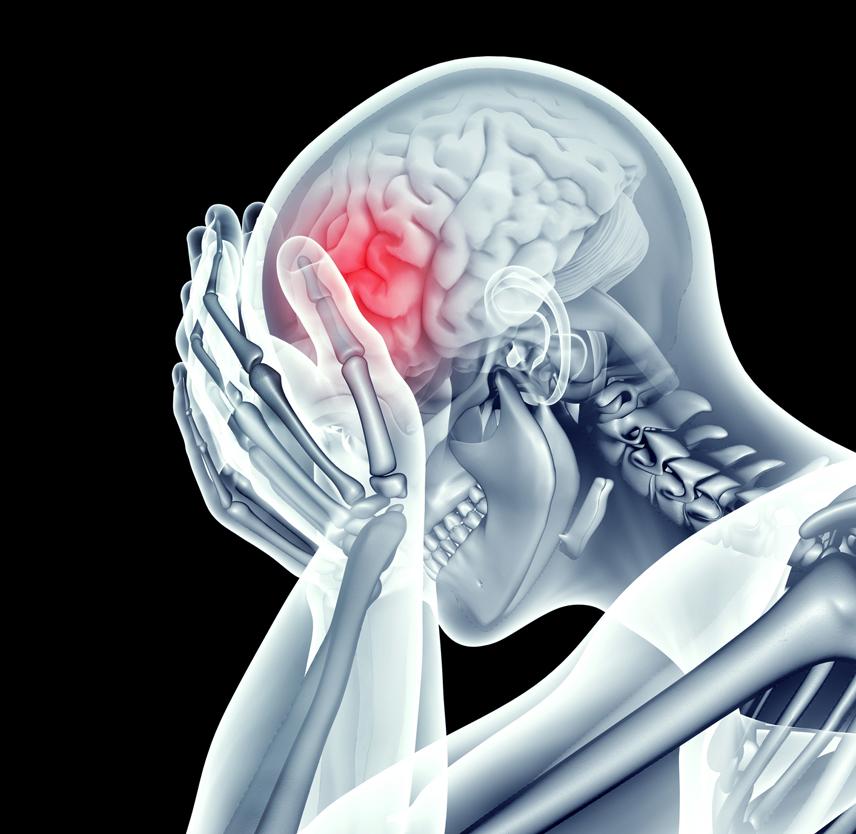
5 Herbs For Memory Boost And Concentration
5 Herbs For Memory Boost And Concentration
The brain is one of the most important parts of the human body, it serves as the house to many memories. It is important to have a good memory in order to make headway in different aspects of life.
Whether you’re looking to improve focus and concentration, enhance memory or protect your brain from decline, herbal medicine has a lot to offer.
Below are some herbs that are useful for boosting your memory:
Turmeric
This is a common ingredient in curries, is a super-hero herb. It relieves inflammatory conditions like skin problems, dementia, pain, and arthritis. Studies now suggest it may be useful in battling cancer and preventing Alzheimer’s disease. Turmeric is revered in India, where the rate of Alzheimer’s is low compared with the rate in the Western world.
Sage
This herb is loaded with antioxidants and contains powerful anti-inflammatory properties that may boost your memory. This herb is also known to make people feel more alert, calm, and happy. To use this, add fresh sage to your diet by sprinkling it as a garnish on top of salads, portions of pasta, or soups. You can also mix it into stuffings and sauces. To make sage tea, add two tablespoons of dried sage to a mug of boiling water. Strain the tea and enjoy.
Green tea
Green tea might help to fight fatigue, it is a better choice than coffee. In addition to its mild caffeine content, green tea is filled with antioxidant and contains an impressive amount of micronutrients. A substance called L-theanine in green tea has been shown to reduce anxiety, which can be helpful when you’re battling work deadlines and need to stay productive. L-theanine and caffeine work as a duo to improve brain function.
Rosemary
Rosemary is said to be one of the best natural herbs for boosting total brainpower. Recent clinical studies have shown that Rosemary helps to improve cognitive function for all healthy ages, even those who suffer from Alzheimer’s. Rosemary teas, capsules, and essential oils can all be found in a variety of natural grocery stores.
Peppermint
Peppermint is believed to be one of the most effective methods for stimulating the brain and improving both memory and focus. This refreshing herb has shown significant results in supporting mental clarity. You can jump-start your day by brewing some Peppermint tea or using essential oils.
Unbelievable coconut oil home remedies we bet you didn’t know
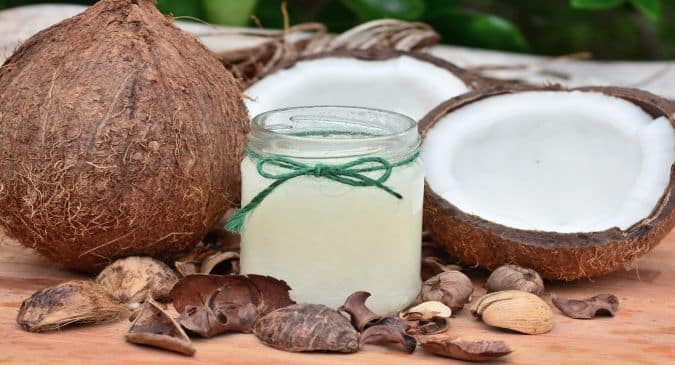
Did you know that coconut oil can help cure piles? We doubt! If you have extra-virgin coconut oil at home, you have the solution for a gamut of common health problems. It is known as the best beauty buddy for your skin and hair, but its benefits and uses go far beyond this. Coconut oil is a superfood and can benefit your health in many ways. Here we have listed 10 unbelievable coconut oil home remedies that you didn’t know about. Also Read – Use CBD oil as a home remedy for pain, depression and more Coconut oil is mainly composed of healthy fats called medium-chain fatty acids, such as caprylic, lauric and capric acids. This oil is also one of the best sources of healthy saturated fat, with almost 90 percent of the fatty acids in it being saturated. Many experts believe that natural saturated fats help increase HDL (good) cholesterol levels in your body and promote heart health. Let’s look at some of the amazing home remedies using coconut oil. Also Read – Use desi ghee to boost digestive health, manage diabetes and more
Improves Thyroid Function
You may not believe this, but coconut oil can support your thyroid function. The fatty acids in coconut oil can promote the production of thyroid hormone. Therefore, it is especially good for people with hypothyroidism, also known as an underactive thyroid. Plus, it increases metabolism and aid weight loss, two common problems faced by people suffering from hypothyroidism. Also Read – Home remedies: How to use baking soda to treat heartburn For thyroid problems, experts suggest consuming 2 or 3 tablespoons of virgin or extra-virgin coconut oil daily. Boosts Oral Health
Oil pulling using coconut oil is considered to be highly effective in improving oral health. Studies suggest that coconut oil can kill bacteria in the mouth and help prevent bad breath, tooth decay, cavities, gingivitis and gum disease. Often associated with Ayurveda, oil pulling involves swishing oil in your mouth to remove bacteria and promote oral hygiene. Take 1 tablespoon of extra-virgin coconut oil and swish it around in your mouth for 15 minutes and then spit it out. Do this daily in the morning before brush your teeth. You can also gently massage a few drops of coconut oil on your gums daily. Fights Alzheimer’s Disease
The medium-chain triglycerides in coconut oil can boost brain health as well as prevent or delay Alzheimer’s disease, an irreversible, progressive brain disorder that causes a decline in memory, behavior and mental capabilities. It has been found that coconut oil weakens the effects of beta-amyloid peptides, which are one of the contributing components to neurodegenerative diseases, including Alzheimer’s disease. Consuming 1 to 2 tablespoons of organic, cold-pressed, virgin coconut oil daily may do the trick. Treats Eczema
For years, coconut oil has been used to treat eczema or atopic dermatitis, a chronic skin condition characterized by patches of dry skin that become inflamed, itchy, red, cracked and sore. Coconut oil has antibacterial and antioxidant properties, which help restore skin health, heal damaged skin and prevent scarring. To treat eczema, apply extra-virgin coconut oil to the affected skin 3 or 4 times a day. Also, you can consume 1 to 2 tablespoons of extra-virgin coconut oil orally once daily. Cures Piles
Piles, commonly known as hemorrhoids, are swollen veins in your anus and lower rectum. Coconut oil has an anti-inflammatory effect that helps soothe the inflamed veins and promotes quick healing. Plus, coconut oil is a natural laxative that can help you get relief from constipation, one of the main causes of piles. To regulate your bowel movements, consume 1 to 2 teaspoons of extra-virgin coconut oil daily, and apply the oil on the hemorrhoid after each bowel movement to reduce the irritation and swelling. Reduces Seizures
Doctors usually recommend the ketogenic diet (very low carbohydrate, very high fat) for people with epilepsy to control seizures. Coconut oil is one of the main components of a ketogenic diet, mainly because it has medium-chain triglycerides. The recommended dosage of extra-virgin coconut oil to reduce seizure is 1 teaspoon 3 times per day, which is to be gradually increased to 2 tablespoons a day.
Role of Peripheral Immune Cells-Mediated Inflammation on the Process of Neurodegenerative Diseases
Introduction
Neurodegenerative disease is the progressive dysfunction and loss of neurons in the central nervous system (CNS), including Alzheimer’s disease (AD), Parkinson’s disease (PD) and Multiple Sclerosis (MS) ( 1 ). The mechanisms underlying their progressive nature remain unknown. To date, aging and immunity are closely associated with the pathogenesis of neurodegenerative diseases. Immunosenescence refers to the gradual deterioration of the immune system brought on by natural age advancement. It involves both the host’s capacity to respond to infections and the development of long-term immune memory, which could accelerate the progression of neurodegenerative diseases ( 2 ).
Despite different triggering events, a common feature is brain inflammation ( 3 ). It is clear that neuroinflammation during compensatory period is beneficial, which help combat infections, promote tissue repair, remove necrotic cells, shape the brain during development and repair following damage. Upon decompensatory period, a vicious cycle of glial priming and release of pro-inflammatory factors promote neuronal damage ( 4 ). On the other hand, chronic inflammation, including chronic intestinal inflammation, diabetes, obesity, and systemic lupus erythema, could cause cognitive impairment, learning and memory deficits, and human depression ( 5 , 6 ). Moreover, long-term use of non-steroidal anti-inflammatory drugs would suppress the peripheral immunity and reduce the incidence of PD by about 50% ( 7 ). In PD mice model, intraperitoneal lipopolysaccharide (LPS) injection combined with intravenous administration of two different recombinant α-synuclein (α-syn) pathogenic strains resulted in overactivation of microglia and further promoted the recruitment of leukocytes toward the brain and the spinal cord ( 8 ). Likewise, inhibiting migration of T cells or B cells into the brain rendered the CNS susceptible to devastating infections. However, the nature of peripheral immune cells in neurodegenerative diseases progression remains unclear. Thus, this review summarized the roles of peripheral immune cells on the pathological progression of neurodegenerative diseases. Roles of Peripheral Immune Cells on Neurodegenerative Diseases
Mononuclear Phagocyte System
Monocyte
Monocyte is the largest type of white blood cell in the peripheral blood that could differentiate into macrophages or dendritic cells (DCs) ( 9 ). Monocyte triggers innate immune responses by regulating Toll-like receptors (TLRs), scavenger receptors, phagocytosis and complement-mediated responses. Recent studies revealed that gut dysbiosis, a primary element behind various gastrointestinal disorders, might augment LPS, pro-inflammatory factors and monocytes, thus leading to increased intestinal and blood brain barrier (BBB) permeability through microbiota-gut-brain axis. Correspondingly, accumulation of axonal damage, misfolded proteins and neuronal demyelination facilitates the pathogenesis of neurodegenerative disorders, such as AD, PD and MS ( 10 ).
In AD patients, a higher proportion of monocytes in the peripheral blood was discerned, whereas the interaction between monocytes and platelets in the blood was not altered. Besides, cathepsin D, a major lysosomal aspartic protease, was underexpressed in monocytes, causing the defective degradation of amyloid-β (Aβ) by monocytes ( 11 ). However, the sensitivity of monocytes toward Aβ peptides was decreased, indicating that there might be a critical link between the interaction of platelets and monocytes in AD ( 12 ).
Transcriptomics analysis showed that monocytes isolated from peripheral blood of PD patients conferred pro-inflammatory effects. The increase in the number of classical monocytes in PD blood and the decrease in the number of non-classical monocytes might result from the increased monocyte differentiation or increased migration from the bone marrow ( 13 ). In contrast, monocytes play an important role in repairing of the injured brain. For example, continuous low-dose injections of LPS in the periphery caused chronic inflammation and the tolerance of peripheral monocytes. Once CNS was stimulated again, dopaminergic neuronal damage was reduced ( 14 ). Of note, PD-associated gene DJ-1 deficiency attenuated monocyte infiltration into the damaged brain, which in turn led to delay in repairing of brain injury in mice ( 15 ). Furthermore, the chemotaxis and phagocytosis of aged monocytes were increased or decreased under different conditions. In neurodegeneration, an increase in the number of monocytes and functional changes observed in peripheral blood might be related to immunosenescence, but this change was more obvious in age-matched PD patients ( 16 ).
Currently, the blood monocyte counted in the early phase of MS was robustly associated with the clinical severity of MS, whereas the counts of the other blood cells were not related with MS severity ( 17 ). Moreover, various animal studies carried out that monocytes contributed to MS-associated neuroinflammation. While classically activated monocytes promoted inflammation, type II-activated monocytes could improve the progression of MS. Furtherly, antioxidant and anti-inflammatory alternatives inhibited monocyte secretion of pro-inflammatory cytokines, such as TNF-α, IL-6, and IL-1β, and also suppressed the phagocytosis of monocytes and thus slowed down the pathological process of MS ( 18 ). Macrophage
In the inflammatory lesions, macrophages are the dominant cells. Macrophages in peripheral blood can cross BBB to secrete pro-inflammatory factors in brain to further determine the survival of neurons ( 19 ). Production of these inflammatory factors in brain is generally considered to be the primary mechanisms underlying the development of neuronal damage in response to chronic inflammation ( 20 ). Additionally, the renin-angiotensin system acts on macrophages via different signaling pathways. Angiotensin (Ang) II type 1 receptors (ATR) drive pro-inflammatory macrophage responses in neuroinflammation via regulation of chemokines. Interestingly, macrophages could secrete pro-inflammatory and anti-inflammatory factors due to the autoimmune actions of inflammation ( 21 ). In CNS, microglia are the resident macrophages and play vital functions for brain development and homeostasis. The phenotypic differentiation between microglia and peripheral macrophages is verified to be age-dependent. Peripheral macrophages might express several most commonly described microglia markers in some developmental stages or pathological conditions, particularly during chronic neuroinflammation ( 22 ). At present, blood-derived macrophages are thought to contribute to brain damage and repair in yet unidentified ways ( 23 ).
A number of studies demonstrated that defects of macrophages interfered with brain clearance of Aβ, including in Aβ phagocytosis and Aβ-induced apoptosis. Macrophages derived from peripheral blood in AD patients were found to possess ineffective phagocytosis of Aβ and low resistance to apoptosis by Aβ ( 24 – 26 […]
4 proven benefits of dark chocolate and the best way to eat it

Dark chocolate can benefit your brain and heart health, reduce inflammation, and combat oxidative stress in the body.
The flavonoids in dark chocolate can lower blood pressure and cholesterol while reducing your risk for blood clots, stroke, and heart disease.
To achieve these health benefits, you should eat dark chocolate with 80% cacao.
This article was medically reviewed by Samantha Cassetty , MS, RD, nutrition and wellness expert with a private practice based in New York City.
From a young age, we’re told to not eat too many sweets, including chocolate. However, dark chocolate, especially if it has a high percentage of cacao, can actually be good for you. This type of chocolate presents a variety of health perks that can benefit your heart, brain, and overall health.
Here’s why eating dark chocolate may be good for you. Dark chocolate can be beneficial for heart health
The reason dark chocolate is beneficial for heart health is that it contains flavonoids, which are antioxidants that come from plants.
Flavonoids may have the following heart health benefits: Lower blood pressure : The mechanisms are not fully known how dark chocolate and its flavonoids lower blood pressure . “It may simply be that the antioxidant and anti-inflammatory parts, as well as the blood-thinning and blood-vessel relaxing properties of these chemicals, are what’s responsible for lowering blood pressure,” says Dana Hunnes, PhD, MPH, RD , senior dietitian at the Ronald Reagan UCLA Medical Center and professor at the Fielding School of Public Health.
Lower cholesterol : Flavonoids may increase levels of HDL (high-density lipoprotein), which is known as “good cholesterol,” and improve their function. HDL cholesterol absorbs LDL cholesterol (low-density lipoprotein), which is “bad cholesterol,” and in turn, lowers cholesterol levels in your body.
Prevent blood clots : Flavonoids in dark chocolate have been found to affect blood platelets positively. A 2007 study showed that platelets in modest chocolate eaters’ blood were less likely to clot than non-chocolate eaters. The researchers concluded that these anti-clotting effects may be responsible for chocolate’s positive effects on cardiovascular health.
Prevent stroke : Dark chocolate may reduce stroke risk due to this ability to lower blood pressure, since high blood pressure increases the risk of stroke. Additionally, since it relaxes blood vessels, this can also lower the risk of stroke, Hunnes says.
Reduce the risk of heart disease : A 2017 meta-analysis looked at five studies that examined the relationship between chocolate consumption and risk of heart disease. The analysis found that across the five studies, there was a decreased risk of heart disease associated with moderate chocolate consumption.
Dark chocolate can improve brain health
Due to the cardiovascular benefits mentioned above, Hunnes says flavonoids can help increase blood flow to the brain. As a byproduct of this, you will get more oxygen to your brain and move toxins out of the brain more quickly. This protects your brain and can help prevent neurodegenerative conditions , like Alzheimer’s and Parkinson’s.
A small 2018 study stated that flavonoids can cross the blood-brain barrier and have a positive effect on electrical brain activity, which can improve attention and memory. In this study, the participants consumed 6.8 grams of dark chocolate to reap these benefits.
Hunnes says the increased blood flow may be the mechanism by which dark chocolate is believed to improve memory, and therefore, eating small amounts of dark chocolate each day can have a beneficial effect on overall cognition. Dark chocolate may help reduce inflammation
According to Hunnes, consuming dark chocolate is a natural way to reduce inflammation in your body. That’s because the antioxidants in dark chocolate — particularly flavonoids and polyphenols — have anti-inflammatory properties .
Consuming anti-inflammatory foods provides overall health benefits, such as preventing future chronic diseases like heart disease or type 2 diabetes .
In fact, Hunnes says reducing inflammation can help protect the following organs: Heart
Lungs
Liver
Brain
Dark chocolate reduces oxidative stress in the body
Both flavonoids and polyphenols — antioxidants present in dark chocolate — can also combat the damage of free radicals in the body. Free radicals are natural byproducts of life that may also be caused by pollution or ultraviolet radiation. They can cause damage to our cells’ DNA and result in oxidative stress, which can lead to chronic disease.
Because dark chocolate has an extremely high polyphenol content , it may help you reduce oxidative stress and combat free radicals. Here’s how dark chocolate stacks up to other antioxidant-rich foods in terms of polyphenol content: Dark chocolate: 1664mg per 100g
Milk chocolate: 236mg per 100g Strawberries: 235mg per 100g Coffee : 214mg per 100mL Ginger : 202mg per 100g Red wine : 101mg per 100mL The best way to consume dark chocolate When choosing which type of dark chocolate to eat, a higher percentage of cacao is best. “The more cacao, the more healthy nutrients, the less sugar, and the less other potentially negative ingredients,” Hunnes says.In particular, 80% cacao is the minimum that Hunnes recommends for achieving health benefits. Hunnes says that you can have up to 20 to 30 grams per day of 80% dark chocolate, though if it’s a lower percentage, you may want to eat a smaller amount each day.To make your dark chocolate intake even healthier, she also suggests choosing non-dairy versions or trying cacao nibs, which are roasted cacao beans. Hunnes also advises limiting your consumption of less healthy sweets, like milk chocolate or white chocolate, as they contain higher amounts of sugar and fat. The bottom line Consuming dark chocolate in moderation is a low-risk, delicious way to improve your overall health and help ward off health problems like stroke, high blood pressure, inflammation, and oxidative stress. Just remember to opt for the highest percentage of cacao for the healthiest option.
15 Reasons to Add Walnuts to Your Menu

15 Reasons to Add Walnuts to Your Menu
Walnuts are of the best nuts you can eat. And we don’t mean just for its wonderfully nutty flavor. It’s packed with excellent health benefits, plus it tastes fantastic. It fights against many diseases such as heart disease, cognitive diseases, and even cancer.
While it’s true that walnuts have one of the highest fat contents of all nuts (about 65% of it is fat), this is nothing to worry about. The fat in walnut is heart-healthy alpha-linoleic acid (ALA), which is an omega-6 fatty acid. As long as you stay near the recommended daily amount of healthy fat, you’ll be okay eating these nuts. Here are 15 reasons you should add walnuts to your menu.
Walnuts offer more value than just great taste–here’s what they can do for your body. 1. They contain more antioxidants than any other food.
Antioxidant is a term that people throw around quite often. These substances protect your cells from harm by free radicals (another word that people use without fully explaining). You can think of antioxidants as your cells’ bodyguards.
Free radicals are substances that come from harmful chemicals in the air, such as cigarettes’ smoke and other pollution. If free radicals build up in your body, they can do some severe damage, even as serious as death. You need as many antioxidants as you can get.
Save 2. They have lots of folic acid.
Men and women need folic acid, but pregnant women need it the most. Pregnant women who have a folic acid deficiency can have babies with congenital disabilities. Eating them protects the mom’s and baby’s health.
Some studies have also shown that walnuts can increase the baby’s intelligence as it develops in the womb. While more research is needed on this topic, it still doesn’t hurt to give your baby the best chance possible. 3. They can improve your heart health.
Due to the high content of antioxidants and other nutrients, these nuts are a great cardiovascular booster . They can help to lower bad cholesterol, reduce inflammation, and improve blood circulation. In fact, the more you eat, the better.
It may seem contradictory that eating something with such a high-fat content is right for your heart. However, there has been significant research into omega-6 fatty acids, such as the one from study co-author Frank Hu of Harvard T.H. Chan School of Public Health. It shows that consuming fatty acids reduces the risk of heart disease. 4. They are easy to carry around.
For some people, carrying around a quick snack is necessary, so they don’t go too long without eating. People with strict work schedules, specific diet plans, hypoglycemic issues, and more can benefit from having a healthy snack available. They can put the nuts in a sipper-top bag or some other small container and place them in a purse, pocket, or backpack.
Walnuts are an excellent bridge from one meal to the next. That goes into the following reason. 5. They help you to feel full.
Walnuts are the perfect snack between meals because you can eat a small amount and feel satiated till your next meal. The reason for this is that they contain a high amount of fiber per serving. Fiber is what makes you feel full.
The American Heart Association (AHA) recommends that average adults eat around 25 grams of fiber each day. There are five grams of fiber per cup of these delicious nuts. To put this in perspective, there are only 1.9 grams of fiber per slice of wheat bread. 6. You can support local farmers.
Health benefits aren’t the only benefits of eating these nuts. This year, farms have been hit hard. Many farms have shut their doors for good because they didn’t have enough resources to survive the pandemic.
Buying goods from local farms will help boost the economy, not to mention the farmers! You’ll also be getting the freshest nuts you can get since they don’t have to go through the traveling process to make it to a store halfway across the country. 7. They can improve your memory.
Studies linking the nuts to memory improvement mostly focuses on the elderly. These studies show that foods that are rich in polyphenol improve verbal memory in older adults. This research indicates that the nuts can be used to fight off some effects from memory-related disorders. Walnuts have the most polyphenol of all nuts. They contain 1591.5 mg of polyphenol per 100 g of nuts.
There are a few studies done on the effects of the nuts on young adults’ cognitive performance . They show that the nuts have a small positive impact. Save Research explains the many benefits of the Mediterranean Diet, including brain health. 8. They make a great addition to salads.
If you want to spruce up a salad , toss in half a cup of the nuts to give it a crunch and a buttery taste. Apple walnut salads are immensely popular. The apple and walnut chunks give you a healthy dose of fiber, so even though you ate a salad, you’ll feel full for a while.
You can make a walnut salad with any of your favorite berries. Strawberries, raspberries, and blueberries are all great choices. Top it off with some balsamic vinaigrette dressing, and you’ll have a healthy treat. 9. They improve fertility in men.
If you want your soldiers to march better or to keep marching strong, you should eat the nuts regularly. Sperm is made of polyunsaturated fatty acids, which can be damaged by a process called lipid peroxidation . The nuts have a lot of polyunsaturated fatty acids. They essentially protect sperm cells while also replenishing any lost polyunsaturated fatty acids.
If you’re trying to conceive, the nuts will protect the sperm and keep the baby healthy. The walnut seems to be a miracle food for reproduction. 10. They taste good.
What better reason to eat something besides a great taste? Sure, there may be a few people out there who don’t […]
Do PQQ Supplements Have Health Benefits?
Pyrroloquinoline quinone — or PQQ — has recently gained a lot of attention in the health and wellness sphere.
PQQ supplements are claimed to increase energy levels, mental focus, and longevity, but you may wonder whether there’s any merit to these claims.
This article explains everything you need to know about PQQ supplements, including the evidence behind their possible benefits. Tatjana Zlatkovic/Stocksy United PQQ (pyrroloquinoline quinone), also called methoxatin, is a vitamin-like compound that exists naturally in soil and a variety of foods, including spinach, kiwi, soybeans, and human breastmilk ( 1 ). How it functions
PQQ’s exact function in humans remains somewhat undetermined, but it’s renowned for its potent antioxidant effects . It’s also thought to be involved in a variety of cellular processes, including protecting nerve cells against damage ( 2 , 3 ).
What’s more, PQQ supports proper mitochondrial function and the cellular development of new mitochondria, though its exact mechanisms are still unclear ( 2 ).
Mitochondria are specialized structures inside your cells that are responsible for producing energy from the foods you eat. What are PQQ supplements?
When taken as a supplement, PQQ is classified as a nootropic . Nootropics are substances used to enhance brain functions like memory, mental focus, motivation, and creativity ( 4 ).
PQQ supplements are manufactured via a unique bacterial fermentation process. The PQQ is harvested from certain bacteria that naturally produce this compound as a byproduct of their metabolism ( 5 ).
PQQ supplements are typically sold as capsules or soft gels, but they’re occasionally available as chewable tablets or lozenges. Summary PQQ is a natural compound found in a variety of foods. It acts as an antioxidant and supports healthy mitochondrial function. It’s taken as a supplement to promote brain function. Although PQQ is essential for human health, there’s limited evidence that the supplemental form provides any meaningful health benefits.
That said, early research suggests that PQQ may help reduce inflammation and improve mitochondrial function. May help lower inflammation
Early research indicates that PQQ has anti-inflammatory effects . In turn, these properties may reduce your risk of various inflammatory ailments.
One animal study found that mice given PQQ had significantly less inflammatory damage to brain tissue, compared with the control group ( 6 ).
In another study in obese mice treated with PQQ during pregnancy and lactation, their offspring exhibited significantly fewer inflammatory markers in liver tissue and were less likely to express inflammatory genes than the offspring of mice that didn’t get PQQ ( 7 ).
One small, 3-day study in 10 people evaluated the effects of taking a daily PQQ supplement on common markers of inflammation, such as C-reactive protein (CRP), interleukin-6 (IL-6), and blood sugar and cholesterol levels ( 8 ).
CRP and IL-6 levels dropped significantly, but no meaningful changes in cholesterol or blood sugar occurred ( 8 ).
Although these results are promising, the data isn’t strong enough to suggest that PPQ treats or prevents inflammatory conditions. Thus, more research is needed. May improve mitochondrial function
Recent research on PQQ largely focuses on its mitochondrial effects.
Mitochondria are responsible for producing the energy that your cells require to stay healthy and function optimally. Poor mitochondrial health is implicated in a variety of common conditions, including mental decline, heart disease, diabetes, and cancer ( 9 ).
Experts note that enhanced mitochondrial health may be behind many of the broad health claims associated with PQQ, such as improved memory, energy, and sleep .
Several test-tube and animal studies indicate that PQQ increases cellular mitochondria production via several complex pathways, but almost no evidence suggests a similar effect in humans — or which health benefits would be derived from it ( 2 , 10 , 11 ).
Still, a small, 8-week study in 17 people found that taking 20 mg of PQQ daily resulted in significant self-reported improvements in sleep quality and fatigue ( 12 ).
The study authors noted that these effects may have been due to PQQ’s influence on mitochondrial health, but insufficient data was collected to confirm that theory.
Due to a lack of evidence, more research is needed. Test-tube and animal studies suggest that PQQ may favorably affect inflammation and mitochondrial health, but further research is necessary. When considering things like dosage and adverse effects, bear in mind that PQQ hasn’t been rigorously tested in humans. Dosage
Due to a lack of robust data, no set PPQ dosage recommendation exists.
However, the available research suggests that results may be seen from doses as low as 5 mg per day ( 13 ). Adverse effects
Likewise, its side effects aren’t fully known, as very few human studies have examined this substance. Yet, toxicology studies indicate that PQQ poses a risk of kidney damage when taken at very high doses ( 14 ).As such, you shouldn’t take more than the amount recommended on the packaging.It’s still unclear whether PQQ interacts negatively with any medications. Consult your healthcare provider prior to adding PQQ to your supplement regimen, especially if you’re taking any other medications or supplements. No set dosage information for PQQ exists, and insufficient studies exist to fully examine its side effects. Excessive doses may increase your risk of kidney damage. Currently, not enough strong evidence is available to warrant taking PQQ.Eating plenty of PQQ-rich foods, such as spinach, parsley, carrots, oranges, tomatoes, bananas , dark chocolate, and green tea, is likely enough to get adequate amounts ( 1 ).Still, PQQ supplements carry few risks. Consult your healthcare provider if you decide to take it, and be sure to choose a high quality product that’s tested for purity and potency by a third-party organization like NSF International or the United States Pharmacopeia (USP). Currently, there isn’t enough evidence to justify supplementing with PQQ, and you can likely get plenty of it from your diet. However, the risks of trying it are relatively low. PQQ is a compound that plays a vital role in human health.It’s found in a variety of foods, including dark chocolate and green tea, and PQQ supplements are said to improve brain health, energy levels, and longevity. Yet, current […]
Amazon Prime Day 2020 deals for fibromyalgia, Lyme and similar illnesses
Disclosure: This post contains affiliate links.
I’m just pushing out a quick reminder that today is Amazon Prime Day. If you’re a Prime member, there are a number of deals that might be of interest to those living with fibromyalgia, Lyme and similar illnesses.
Below is a sampling of what’s available for Prime members.
Not a prime member? Check out all the benefits here!
Note: Amazon assigns a time limit to each sale item so some of these deals may have already expired depending on when you’re viewing this post or they may have already sold out. I’ll be adding more deals as the evening progresses so keep checking back! Massagers…
SNAILAX Memory Foam Massage Mat with Heat, 6 Therapy Heating pad,10 Vibration Motors Massage Mattress Pad, Full Body Massager Cushion Relieve Neck, Back, Waist, Legs Pain SL363M (On sale $79.04, normally $99.99)
EAshuhe Neck and Shoulder Massager with Heat, Shiatsu Back Massage Pillow with 3D Deep Tissue Kneading for Foot, Legs, Body Muscle – Use at Home, Office & Car (On sale $30.36, normally $39.95)
Yosager Trigger Point Self Massager, Back and Neck Trigger Point Massage Tool, Upgrade (Blue) (On sale $17.54, normally $21.93)
OBETOR Massage Ball Set for Deep Tissue Muscle Knots, Trigger Point Physical Therapy, Myofascial Release, 5″ Textured Mobility/Lacrosse/Peanut/Spiky/Hand Roller Ball for Back/Shoulder/Foot Pain Relief (On sale $21.59, normally $26.99)
Vibe 2X Power Peanut Vibrating Massage Ball – Combines Function of Lacrosse Balls and Vibrating Foam Roller – Deep Tissue Massager (On sale $39.96, normally $49.95)
Cowvie Massage Gun Fitness Muscle Release Tool Health Vybe Device Blue 6800RPM (On sale $47.99, normally $59.99) As I’m writing this, there is an additional $5 off coupon!
Elfirly Fascia and Anti Cellulite Roller Massager Muscle Roller Fat Blasting Release Mini Trigger Point Deep Tissue Myofascial Release Tool Body Massager for Men and Women (Yellow) (On sale $7.99, normally $9.99)
(NEWLY ADDED) RENPHO Leg Compression Massager for Relaxation, Rechargeable Compression Foot and Calf Massage, with 3 Intensity 2 Modes, Useful for Leg Muscle Fatigue Relief for Home Office (On sale $53.00, normally $89.99)
(NEWLY ADDED) TWING Heated Car Seat Cushion Motors Vibrating Massaging DC 12V Heated Car Seat Cover with Intelligent Temperature Controller Winter Universal Car Seat Warmer for Car Truck SUV MPV Front Chair (On sale $32.99, normally $39.99)
Massaging Heated Knee Brace Wrap Support, Wireless Rechargeable Heat Therapy Heating Pad Massager Physiotherapy Heat and Vibration Massage for Joint Pain, Arthritis Meniscus Pain Relief for Parent (On sale $55.99, normally $69.99)
(NEWLY ADDED) Nekteck Shiatsu Foot Massager Machine with Soothing Heat, Deep Kneading Therapy, Air Compression, Relieve Foot Pain and Improve Blood Circulation,Adjustable Intensity Relax for Home or Office Use (On sale $63.99, normally $85.99)
(NEWLY ADDED) TYMO Handheld Back Massager – Powerful (3600 RPM) Deep Tissue Massager with 5 Soft Nodes, Cordless Percussion Muscle Massagers for Neck Shoulder Leg Back Pain Relief at Home & Office (On sale $47.58, normally $55.99) Eye massagers…
(NEWLY ADDED) OSITO Electric Eye Massager Temple Therapy Massage Machine with Heat for Dark Circles and Improve Sleep, Air Compression and Music for Reduce Headaches Fatigue Relief (On sale $39.19, normally $48.99) I had no idea these even existed!
(NEWLY ADDED) Eye Massager, Naipo Electric Eye Massager with Heat, Vibration, Air Pressure for Relieve Eye Strain Dry Eye Headaches Bluetooth Music Improve Sleep, Shiatsu Massager Rechargeable Wireless and Foldable (On sale $41.24, normally $54.99)
More eye massagers on sale! TENS units…
Tens Unit Machine Pulse Massager 24 Massage Modes [Lifetime Warranty] Rechargeable Muscle Stimulator Device with 10 Pads for Pain Relief, Body Building Neck Back Pain Relief (On sale $25.75, normally $37.99)
Upgraded Independent Dual Channel TENS EMS Unit of Ohuhu, 20 Massage Modes Rechargeable Muscle Stimulator for Pain Relief Therapy, Electronic Pulse Massager with 24 Pads (On sale $26.39, normally $32.99)
Upgraded Touchscreen Independent Dual Channel TENS EMS Unit, Ohuhu 12 Modes Muscle Stimulator for Pain Relief Therapy, Electronic Rechargeable Pulse Massager with 12 Pads (On sale $23.99, normally $29.99) Vibration tools…
LifePro Hovert 3D Vibration Plate Machine – Dual Motor Oscillation, Lateral + 3D Motion Vibration Platform Machine – Full Whole Body Vibrarating Machine for Home Exercise & Fitness (On sale $199.99, normally $249.99)
Belmint Full Body Vibrating Mat – 10 Motor Vibration Massager Mattress Pad with Warmth for Back Pain Relief – Neck, Back, Lumbar, Calf, and Legs Muscle Relaxation (On sale, $55.19, normally $99.99) Infrared and red light therapy…
UTK Far Infrared Natural Jade and Tourmaline Heating Pad for Back Pain and Cramps Relief, Small Pro (23.5”X16”), Smart Controller with Memory Function, Auto Shut Off and Travel Bag Included (On sale $103.20, normally $129.00) Ovida Far infrared heating pad electric mat Jade Pad (59”X20”) (On sale $126.40, normally $158) Thermotex Far Infrared Heating Pad – Platinum (On sale $175.20, normally $219) Red Light Therapy, Serfory Near Infrared Light Therapy Heat Lamp Set for Massage Skin Care Muscle Body Therapy Pain Relief with Improve Sleep Blood Circulation (2020 Upgraded) (On sale $63.99, normally $79.99) Acupressure mats… Viva Living Homes Acupressure Mat and Pillow Set for Back Pain and Neck Pain Relief – Patented Massage Mat with Memory Foam with Travel Bag for All Body Shapes Sizes (On sale $27.85, normally $42.35) ProsourceFit Acupressure Mat and Pillow Set for Back/Neck Pain Relief and Muscle Relaxation (On sale $19.99, normally $21.99) Other tools and gadgets… DaVinci Tool Firm Neck, Shoulder & Back Pain Relief – Tension Headache & Migraine Reliever, Occipital Release Tool (On sale, $17.56, normally $24.95) Cervical Neck Traction Device for Instant Neck Pain Relief – Inflatable & Adjustable Neck Stretcher Neck Support Brace, Best Neck Traction Pillow for Home Use Neck Decompression (On sale $11.92, normally $14.90) ESARORA Ice Roller for Face & Eye, Puffiness, Migraine, Pain Relief and Minor Injury, Skin Care Products (On sale $17.59, normally $21.99) Tools for greater comfort… ComfiLife Gel Enhanced Seat Cushion – Non-Slip Orthopedic Gel & Memory Foam Coccyx Cushion for Tailbone Pain – Office Chair Car Seat Cushion – Sciatica & Back Pain Relief (On […]
7 Smartest Brain Foods
(Fascinadora / Shutterstock.com) Everyone needs a brain boost. You can exercise your brain by solving a Rubik’s Cube, but did you know you can feed your brain? There are foods that help improve memory, decrease the risk of neurodegenerative diseases, and increase concentration. Here are seven foods that are delicious, nutritious, and brainy! Berries
Berries are bright and deeply colored red, blue, and purple. This is because they are loaded with anthocyanins, a type of flavonoid, according to Very Well Health . These strong antioxidants fight free radicals and have anti-inflammatory properties.
The antioxidants also help fight inflammation that could produce aging in the brain, as well as neurodegenerative disease, as written on Healthline . A study on older adults shows that drinking wild blueberry juice helps improve memory. (Bojsha / Shutterstock.com) Turmeric
Although, according to BrainMD , 75 percent of older Americans suffer from memory issues, neurodegeneration may be prevented. Time for turmeric! Turmeric contains curcumin, which is a powerful antioxidant and has anti-inflammatory properties. It assists with memory, is calming, and increases the brain hormone called BDNF which protects neurons.
Turmeric crosses the blood-brain barrier, entering and nourishing brain cells, as reported on Healthline. One study on Alzheimer’s disease (AD) shows that it improves cognitive function in patients with AD. Make yourself turmeric tea or golden milk to enjoy these brain benefits. (Olga Popova / Shutterstock.com) Fish
Sardines, trout, salmon, mackerel, tuna, and herring – fatty fish – are all rich in omega-3 fatty acids. Omega-3s are essential for brain health, as written on Healthline, building nerve and brain cells, as well as fats needed for learning and memory.
People who eat broiled or baked fish regularly have more gray matter on their brain, as shown in this study . The gray matter is the nerve cells that direct memory, emotion, and decision making. In addition, high levels of omega-3 also increases blood flow to the brain, leading to increased mental function, as seen in this study . Fish and seafood is a sustainable and healthy protein, rich in Omega-3 and vitamins to promote brain and heart health. The Canada Food Guide recommends 1-2 servings per week. #BlueRecovery #eatseafood2xweek pic.twitter.com/SS4358XqLG — Fisheries Council (@FisheriesCA) September 21, 2020 Cruciferous veggies
Pass the greens! Cruciferous vegetables are brussels sprouts, cabbage, cauliflower, kale, bok choy, cress, and broccoli. They contain glucosinolates, which are a type of antioxidant that can lower the risk of neurodegenerative disease, as reported by Medical News Today .
Aside from containing brain-healthy antioxidants, these vegetables have vitamin c and flavonoids, all of which are good for the brain.
The vitamin K found in broccoli is especially important for the brain, according to Healthline, as it assists brain cells and can improve memory , even protecting it against brain damage. (Bondar Illia / Shutterstock.com) Coffee
If you love coffee and thought it was unhealthy, grab a mug! The caffeine and antioxidants found in coffee help with concentration and alertness, according to Healthline. And they also boost serotonin, helping you feel good.
Coffee can also reduce one’s risk for neurological diseases. A study about the effects of coffee concludes that there is a connection between those who drink coffee over a lifetime and the prevention of cognitive decline, as well a reduction in the risk of stroke, Alzheimer’s, and Parkinson’s disease. (amenic181 / Shutterstock.com) Dark chocolate and cocoa
Here is another brain food everyone loves. Both dark chocolate and cocoa have antioxidants, caffeine, and flavonoids, as written on Healthline. A study shows that flavonoids can help slow mental decline and improve memory.
Antioxidants are important in combating oxidative stress, to which the brain is highly susceptible, according to Medical News Today. As for the flavonoids in cocoa, they stimulate the growth of neurons and blood vessels in areas of the brain responsible for learning and memory.
Brain plasticity, which is so important for learning, is improved by eating dark chocolate. One study concludes that eating 70 percent organic cacao beans enhances neuroplasticity and is beneficial for mood, behavior and brain. Go ahead and indulge! (Africa Studio / Shutterstock.com) Pumpkin seeds
With Hallowe’en around the corner, now is the time to roast the seeds and nourish your brain! Pumpkin seeds are rich in micronutrients such as zinc, iron, magnesium, and copper, according to Healthline. Zinc is important when it comes to nerve signaling, while a deficiency in zinc has been connected to neurodegenerative diseases.
As for iron, this study shows how iron reduces brain fog and assists brain function. Magnesium helps with learning and memory, while copper is responsible for nerve signals.
Pumpkins seeds, as well as tree nuts and seeds in general, are also antioxidants that, like dark chocolate, protect the brain from free radical damage. (Gayvoronskaya_Yana / Shutterstock.com)
A gram for an ounce of sleep: what happens when smoking and sleeping
We’ve all been there: You’re in the mood for an uplifting, energetic strain, hopeful that the sativa (a misnomer since cannabis classifications are actually fake, but you already knew that from one of my previous columns right?) you picked out will get the job done for your night out. But 20 minutes and a joint later, you’ve realized the error of your ways — nothing, and I mean nothing, is enticing you quite like the couch cushions.
As ubiquitous as the munchies or anxiety attacks, cannabis-induced drowsiness is almost a guarantee. From specially tailored edibles touted to help combat insomnia to curated guides on the best strains for sleeping, a fair amount of the cannabis industry markets itself around the reality of weed fatigue. What’s lesser known is the science behind the tiredness, in addition to what happens during sleep when cannabis is involved.
Cannabis, particularly its psychoactive compound THC, has the profound effect of minimizing stress and tension, reducing pain and bringing about physical relaxation, thus decreasing sleep latency and increasing the depth of sleep. Additionally, given its common usage in providing relief for people with chronic pain, post-traumatic stress disorder or depression among other conditions that tend to interfere with sleep patterns, weed as a sleep aid makes sense.
Cognitively speaking, cannabis also greatly impacts the thought process, slowing down one’s ability to digest complex information, impairing focus and increasing the prevalence of distracting, trailing thoughts. Ever been asked by a sleep meditation guide to clear your mind? Weed literally does it for you.
At the same time, cannabis’ biphasic effects indicate that high quantities of the substance can actually trigger restlessness, particularly if anxiety and racing thoughts are the sources of a person’s sleeplessness. In this instance, THC-dominant strains may actually worsen sleep patterns despite their sedative qualities, meaning that people with anxiety could benefit from high-CBD strains, which predominantly treat stress and counteract THC’s negative side effects, namely anxiety.
Furthermore, high quantities of THC consumption were shown to produce more sleep disturbances, including lower total sleep times, worse sleep efficiency and longer sleep onset, according to a 2008 study published by the National Center for Biotechnology Information. However, researchers conducting the study indicated they could not reach conclusive causation and had a small sample size, although their findings were biologically plausible.
Aside from the THC versus CBD dichotomy, using cannabis as a sleep aid requires consideration of many other factors. For example, the entourage effect, a yet unproven but plausible theory, suggests that myriad cannabis compounds — cannabinoids and terpenes — work together to produce a unique blend of effects dependent on their concentrations and the number of each in a given strain. Furthermore, natural sleep remedies, such as chamomile and lavender, can boost the substance’s effects, likely due to their shared terpenes, which are aromatic compounds found in the essential oils of various plants.
Additionally, edibles usually produce more intense and longer highs, as opposed to inhalants, due to the way they’re metabolized, meaning they could aid in prolonging and inducing sleep.
OK, now that we’ve established the link between weed and sleep, let’s follow Sharkboy’s advice in his iconic impromptu song in “The Adventures of Sharkboy and Lavagirl” and dive into the dream landscape.
Dreams occur in the fourth stage of the sleep cycle, during rapid eye movement, which makes up to two hours of our sleep routine. A couple of studies have indicated that THC reduces time spent in REM, meaning that while under the influence, people will have less frequent or vivid dreams.
While CBD remains a more unexplored area of research relating to sleep, a 2014 study published in the Journal of Clinical Pharmacy and Therapeutics suggests the compound can improve REM sleep behavior disorders. A 2017 University of Pennsylvania review also proposes CBD dosage affects dreaming, with high doses increasing REM onset and lower ones decreasing it. While yet to be proven, anecdotal evidence shows that CBD consumers may experience more lucid, positive and enhanced dreams.
Although the jury is still out regarding the exact explanation for dreaming, research has established a link between REM sleep and emotional healing, the creative process, problem-solving skills and memory retention. REM sleep is also the only time during which noradrenaline, an anxiety-inducing neurotransmitter, is significantly reduced in the brain. As a result, dreaming is a fundamental aspect of the cognitive process and its deprivation can cause mood swings and skill impairments, particularly in developing brains. At the same time, there’s no clear consensus on the long-term implication of REM reduction, with some research indicating a lack of any effect.
So, given all the potential benefits of REM sleep, is cannabis’ effect on dreaming a bad thing? Not necessarily. As previously mentioned, cannabis as a sleep aid is particularly effective for people with PTSD and anxiety, whose conditions may include frequent nightmares that cause sleep disruption. In these instances, cannabis’ dream inhibiting properties can actually be helpful.
But something interesting happens with REM sleep once people discontinue cannabis consumption. Known as “REM rebound,” the phenomenon essentially makes up for the hours of dreaming lost to a mellow high. Rebounds are characterized by more frequent, lucid and vivid dreams. A 2019 study indicated that cannabis users reported “higher bizarreness” in their dreams following discontinued use, although researchers drew attention to the study’s small sample size. In accordance with this heightened absurdity, as well as the fact that suppressed REM sleep decreases the prevalence of nightmares, REM rebound can be frightening and disturbing, as people experience denser REM sleep, greater onset and elongated cycle times.
But for Dr. Timothy Roehrs, a sleep expert at the Henry Ford Health System, the link between REM sleep and cannabis is inconclusive, if not completely incorrect. According to The Cut, Roehrs conducted a study (as of yet unpublished) composed of larger sample sizes and placebo weed that seemed to indicate cannabis consumers had decreased sleep efficiency and depth on placebo nights as compared to the control group and when they smoked weed. As a result of missing out on restorative, deep sleep, cannabis […]
The Science Behind Aromatherapy

Scent is a powerful thing. Catch a whiff of chlorine, and you might be flooded with memories of childhood pool days and summer fun. Open an old, dusty book, and you’ll be transported to your college or elementary school library. Smell brown butter browning on the stove, and you’ll swear you can taste your mom’s chocolate-chip cookies fresh out of the oven. Smell the stench of tequila across the bar, and get an unwelcome reminder of drunken nights and bad decisions from your younger years — or maybe last weekend. But in addition to evoking memory or simply providing pleasure to our noses, scent is thought to alleviate a myriad of physical, mental, and emotional ailments, boosting your overall health. The practice of aromatherapy is built entirely upon this phenomenon. What is aromatherapy?
Aromatherapy and the use of essential oils date back several thousand years and have appeared throughout history in various places and cultures. “The history of using aromatic substances originates from primitive times,” says Hellen Yuan, a certified aromatherapist and the founder of HELLEN, an LA-based, sustainable aromatherapy company. “We have discovered leaves, berries, roots, and florals were mixed to help people with illness, spiritual experience, and mood enhancers.”
Written records suggest that the Sumerians and Babylonians who lived in Mesopotamia used plants medicinally more than 5,000 years ago, and the Egyptians were known to use perfumed oils, scented barks, and resins in 3000 B.C.E. The practice transcended Greek and Roman history, where aromatic baths and massages and scented products were heavily used for beauty and health respectively. It wasn’t until 1937 that the term “aromatherapy” was actually introduced, though, when Rene Maurice Gattefosse coined the word in his book Gattefosse’s Aromatherapy .
Despite its storied past, however, the holistic therapy has experienced something of a renaissance over the last few decades. Thanks to an increased interest in natural remedies, aromatherapy has become a mainstay in many people’s lives and the solution they rely on for all sorts of issues.
“The star of aromatherapy is the essential oil,” Yuan explains. “Essential oils are also known as ‘volatile oils’ and are extracted from the plant’s leaves, roots, or petals, and it’s important to use genuine and authentic essential oils derived directly from plants to avoid synthetic, reconstructed, or adulterated versions.”
Essential oils can be used through diffusers, vaporizers, or aromatic inhalers, but those who plan to apply oils directly on their skin via lotions, creams, balms, massage oils, or bathing blends must dilute them with a base in order to address underlying issues while maintaining safety and avoid any irritation.
Even if you’ve never purchased an essential oil or a diffuser of your own, though, you more likely than not have used aromatherapy in some form. Vick’s Vaporub, the tried-and-true, age-old antidote to the common cold, cough, or flu, for example, is rich in eucalyptus, cedar leaf, and nutmeg essential oils and relies upon their strong fragrance to awaken your sense of smell and break up phlegm and congestion. Or perhaps you’ve used a lavender-filled eye mask to combat sleeplessness and lull yourself into slumber. The thinking behind such products is rooted in aromatherapy’s effect on the olfactory system.
“Research has shown that aromatherapy can calm stress and is capable of affecting the nervous system, and essential oils possess various therapeutic qualities, such as anti-inflammatory, antiseptic, febrifuge [fever-reducing], and many more,” says Yuan. “Holistic aromatherapy is dynamic, as various products have been created to support everything from stress, anxiety, headaches, insomnia, skin problems, musculoskeletal issues, sinus problems, and respiratory problems.” But does it actually work?
But as aromatherapy grew in popularity as a treatment for serious health conditions like major depression, memory loss, and even some effects of cancer, many have wondered if there is any data that prove the therapy can successfully treat such conditions. There remains no evidence-supported research to show that aromatherapy or the use of essential oils can actually cure any illnesses or ailments, though some studies have explored the benefits that the therapy can have on certain mental health and emotional issues.
One such study by the American Association of Nurse Practitioners found that, in tandem with clinical methods, the use of essential oils can reduce overall patient anxiety and stress, but notably, it advocates for further research on the efficacy of such approaches. The U.S. Patent Application Publication, meanwhile, notes that “nasal direct access to the limbic brain provides mental support and neurological stimulations or calm for stress-disorders, anxieties, depression, and other emotional conditions.”
Other research has been conducted in recent years examining the use of essential oils and aromatherapy to aid sleep issues, including those experienced by cancer patients during their traditional treatment. “We are seeing aromatherapy now supporting cancer patients during treatments and seeing improvement in their sleep quality,” a National Library of Medicine study found. “Aromatherapy was effective in improving 95% of participants’ sleep.” A further study in the same publication found that oils like lavender, lemon, frankincense, bergamot, orange sweet, and peppermint were effective in alleviating nausea and encouraging relaxation among cancer patients in the UK.
Although the legitimacy of aromatherapy for treatment of serious physical and mental health problems remains unclear, the use of essential oils has proven a successful remedy to plenty of other, less grave issues. In addressing acne, for instance, tea tree oil is helpful because of its anti-inflammatory and antimicrobial properties, while the use of essential oils like thyme, lavender, and rosemary have been shown to improve the effects of hair loss and alopecia.
It’s important to note, however, that even those findings which prove aromatherapy’s benefits are not yet supported by clinical trials, so there’s still plenty of work to be done before essential oils are considered a replacement for or alternative to traditional medication or treatment. Essential oils do not require approval by the FDA in the U.S., but there are relatively few known side effects so long as you’re using authentic oils and diluting them as needed. There is therefore little downside to experimenting aromatherapy if you’re looking […]
Boost Brain Health With These 5 Beverages

Boost Brain Health With These 5 Beverages Putting in extreme efforts to stay focused on a task or trying so hard to remember things clearly are a few signs that your brain health is in not so great condition.
Thankfully, some beverages contain certain antioxidants, probiotics, and natural compounds like Nootropics that assist in improving brain function and promoting cognitive development.
Below are 5 beverages that contain brain-boosting compounds. Orange juice
Orange juice/ oranges are a magnificent source of vitamin C which is known to serve neuroprotective functions in the body. A regular intake has been associated with improved focus and better memory.
However, orange juice might pose a potential threat to human health because of its high calorie and added sugar content – it is then recommended that we take fresh, whole oranges instead. Fresh oranges contain less amounts of calories and more fiber. Green Tea
Green tea contains sufficient amounts of nootropic compounds like l-theanine and epigallocatechin gallate (EGCG). It also contains caffeine, although not as much as coffee.
The combination of these compounds help to relax the nerves and improve concentration.
The epigallocatechin gallate (EGCG) enters into the brain through a blood-brain barrier and assists in boosting overall brain health and fighting off any neurodegenerative diseases. Blueberry juice
Blueberries boast intelligent amounts of anthocyanins and polyphenol plant compounds that have promising effects on human memory.
More research is however needed as to how well blueberries benefit brain health. Coffee
Caffeine, an active component of coffee, has long been associated with impressive effects on brain health. A lot of us drink coffee as our daily starter because of the undeniable alerting and awakening it does our bodies.
Caffeine is also said to contribute in promoting focus and improving memory in various individuals.
Apart from its caffeine content, coffee contains significant amounts of antioxidants and nootropic compounds that equally benefit the brain. Beetroot juice
Beetroot is rich in several health-benefiting nutrients. It contains nitrates; predecessors to nitric oxide, known to play signaling roles in cognitive development and language.
It is also responsible for promoting proper flow of blood and cell oxygenation.
Drinking coffee before breakfast could have negative effect on blood glucose control, study suggests

Fox News Flash top headlines for October 2 Put down your cups. Or at least, put them down until after breakfast.
New research from the Center for Nutrition, Exercise & Metabolism at the University of Bath has found that drinking coffee after your morning meal is better for maintaining healthy blood sugar levels after a night of poor sleep.
MOST COFFEE-DRINKING AMERICANS SAY ICED COFFEE SEASON IS YEAR-ROUND: STUDY A limited study showed drinking coffee before breakfast impaired blood sugar control. (iStock) According to the scientists behind the research, which was published in the British Journal of Nutrition, drinking coffee as a way to wake up first thing in the morning can have a negative effect on blood glucose control.
COFFEE MAY HELP COLON CANCER PATIENTS’ LONGEVITY, STUDY FINDS
“Put simply, our blood sugar control is impaired when the first thing our bodies come into contact with is coffee especially after a night of disrupted sleep. We might improve this by eating first and then drinking coffee later if we feel we still feel need it. Knowing this can have important health benefits for us all,” Professor James Betts, Co-Director of the Centre for Nutrition, Exercise and Metabolism at the University of Bath who oversaw the study, said, in the report .
CYBERSECURITY RESEARCHER HACKS SMART COFFEE MAKER WITH RANSOMWARE, USES IT TO ASK FOR MONEY
To conduct the study, 29 men and women were studied after three different overnight experiments. In them, the participants had one night of undisturbed sleep and then drank a sugary beverage first thing in the morning; one night of disturbed sleep – waking up every hour for five minutes, SciTech Daily reported – and then drinking a sugary drink in the morning; and a night of similar sleep disruption, but first drank black coffee 30 minutes before drinking the sugary drink.
Each of the men and women had their blood tested before and after ingesting anything.
According to the study, when participants drank coffee first, the blood glucose levels increased by about 50% after having the “breakfast” drink. However, when participants had the breakfast-meal replacement drink first, there did not appear to be a negative effect on the glucose levels or insulin responses.
Though, the study was limited and further research is needed into the effects of caffeine first-thing in the morning on the metabolism, the early findings suggest drinking coffee first could limit the body’s ability to process sugar immediately after.
“There is a lot more we need to learn about the effects of sleep on our metabolism, such as how much sleep disruption is necessary to impair our metabolism and what some of the longer-term implications of this are, as well as how exercise, for instance, could help to counter some of this,” lead researcher, Harry Smith from the Department for Health at Bath, said.
But, for all those morning “don’t talk to me until I’ve had my cup of coffee” people, you might want to revise to “don’t talk to me until I’ve had my piece of toast” – or whatever else people eat for breakfast. Maybe these tiny pancakes, that TikTok fell in love with during quarantine .
Speaking of quarantine throwbacks, maybe whipped coffee will make for a nice post-meal treat.
12 foods to boost brain function
ISLAMABAD, October 10 (Online): The foods we eat can have a big impact on the structure and health of our brains. Eating a brain-boosting diet can support both short- and long-term brain function.
The brain is an energy-intensive organ, using around 20 percent of the bodyís calories, so it needs plenty of good fuel to maintain concentration throughout the day.
The brain also requires certain nutrients to stay healthy. Omega-3 fatty acids, for example, help build and repair brain cells, and antioxidants reduce cellular stress and inflammation, which are linked to brain aging and neurodegenerative disorders, such as Alzheimerís disease.
1. Oily fish
Oily fish are a good source of omega-3 fatty acids. Omega-3s help build membranes around each cell in the body, including the brain cells. They can, therefore, improve the structure of brain cells called neurons.
A 2017 study found that people with high levels of omega-3s had increased blood flow in the brain. The researchers also identified a connection between omega-3 levels and better cognition, or thinking abilities.
These results suggest that eating foods rich in omega-3s, such as oily fish, may boost brain function.
Examples of oily fish that contain high levels of omega-3s include: salmon, mackerel, tuna, herring and sardines.
People can also get omega-3s from soybeans, nuts, flaxseed, and other seeds.
2. Dark chocolate
Dark chocolate contains cocoa, also known as cacao. Cacao contains flavonoids, a type of antioxidant.
Antioxidants are especially important for brain health, as the brain is highly susceptible to oxidative stress, which contributes to age-related cognitive decline and brain diseases.
Cacao flavonoids seem to be good for the brain. According to a 2013 review, they may encourage neuron and blood vessel growth in parts of the brain involved in memory and learning. They may also stimulate blood flow in the brain.
Some research also suggests that the flavonoid component of chocolate may reverse memory problems in snails. Scientists have yet to test this in humans.
However, a 2018 study in humans also supports the brain-boosting effects of dark chocolate. The researchers used imaging methods to look at activity in the brain after participants ate chocolate with at least 70 percent cacao.
The researchers concluded that eating this type of dark chocolate may improve brain plasticity, which is crucial for learning, and may also provide other brain-related benefits.
3. Berries
Like dark chocolate, many berries contain flavonoid antioxidants. Research suggests that these may make the berries good food for the brain.
Antioxidants help by reducing inflammation and oxidative stress. The antioxidants in berries include anthocyanin, caffeic acid, catechin, and quercetin.
A 2014 review notes that the antioxidant compounds in berries have many positive effects on the brain, including: improving communication between brain cells, reducing inflammation throughout the body, increasing plasticity, which helps brain cells form new connections, boosting learning and memory, reducing or delaying age-related neurodegenerative diseases and cognitive decline.
Antioxidant-rich berries that can boot brain health include: strawberries, blackberries, blueberries, blackcurrants and mulberries.
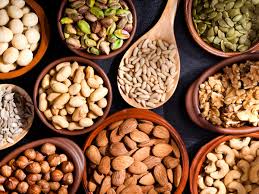
4. Nuts and seeds
Eating more nuts and seeds may be good for the brain, as these foods contain omega-3 fatty acids and antioxidants.
A 2014 study found that a higher overall nut intake was linked to better brain function in older age.
Nuts and seeds are also rich sources of the antioxidant vitamin E, which protects cells from oxidative stress caused by free radicals.
As a person ages, their brain may be exposed to this form of oxidative stress, and vitamin E may therefore support brain health in older age.
A 2014 review found that vitamin E may also contribute to improved cognition and reduced risk of Alzheimerís disease.
The nuts and seeds with the highest amounts of vitamin E include: sunflower seeds, almonds and hazelnuts.
Fully exploring vitamin Eís effects on the brain will require further research.
5. Whole grains
Eating whole grains is another way to benefit from the effects of vitamin E, with these grains being a good source of the vitamin.
Whole-grain foods include: brown rice, barley, bulgur wheat, oatmeal, whole-grain bread and whole-grain pasta.
6. Coffee
Coffee is a well-known concentration aid ó many drink it to stay awake and encourage focus.
The caffeine in coffee blocks a substance in the brain called adenosine, which makes a person feel sleepy.
Beyond boosting alertness, a 2018 study suggests that caffeine may also increase the brainís capacity for processing information.
The researchers found that caffeine causes an increase in brain entropy, which refers to complex and variable brain activity. When entropy is high, the brain can process more information.
Coffee is also a source of antioxidants, which may support brain health as a person gets older. One study has linked lifelong coffee consumption with reduced risk of: cognitive decline, stroke, Parkinsonís disease and Alzheimerís disease.
Caffeine can, however, affect a personís sleep and doctors do not recommend caffeine consumption for everyone.
7. Avocados
A source of healthful unsaturated fat, avocados may support the brain.
Eating monounsaturated fats may reduce blood pressure, and high blood pressure islinked with cognitive decline.
Thus, by reducing high blood pressure, the unsaturated fats in avocados may lower the risk of cognitive decline.
Other sources of healthful unsaturated fats include: almonds, cashews, peanuts, flaxseed, chia seeds, soybean, sunflower, canola oils, walnuts Brazil nuts and fish.
8. Peanuts
Peanuts are a legume with an excellent nutritional profile. They contain plenty of unsaturated fats and protein to keep a personís energy levels up throughout the day.
Peanuts also provide key vitamins and minerals to keep the brain healthy, including high levels of vitamin E and resveratrol.
Resveratrol is a natural non-flavonoid antioxidant found in peanuts, mulberries, and rhubarb. Evidence from a review article suggests that resveratrol can have protective effects, such as helping to prevent cancers, inflammation, and neurological diseases, including Alzheimerís and Parkinsonís.
9. Eggs
Enjoyed by many for breakfast, eggs can be an effective brain food.
They are a good source of the following B vitamins: vitamin B-6, vitamin B-12n and folic acid. Recent research suggests that these […]
Surprising study that suggests you should take antidepressants… even if you are NOT depressed
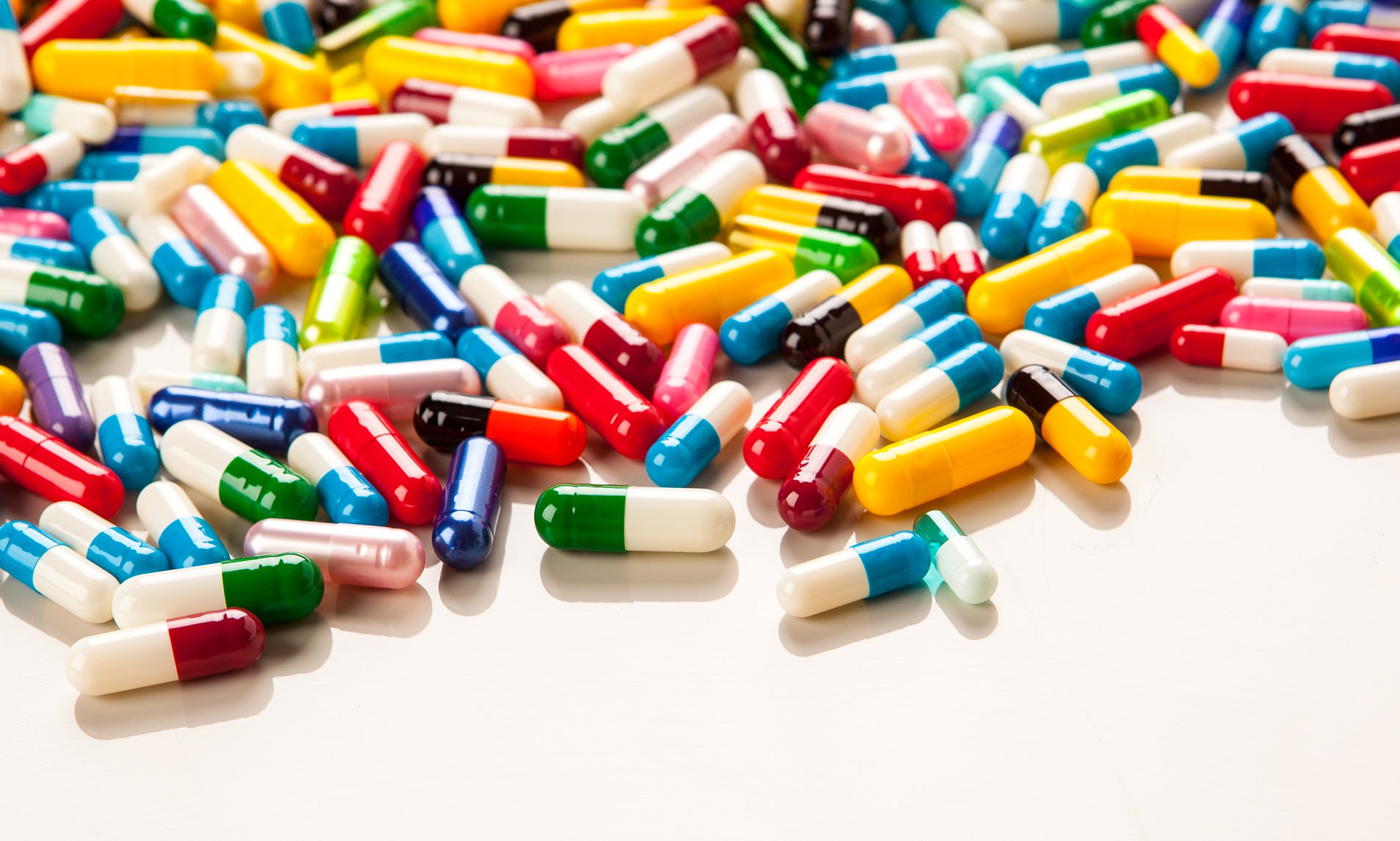
Soaring demand means depressed people face a three-month NHS waiting list
Seven million depressed Britons are already being treated by anitdepressants
People who suffer a stroke are at greater risk of developing a depressive illness
It is an idea as concerning as it is intriguing – prescribing a course of antidepressants to perfectly happy people. The medication, already taken by seven million Britons, could, it is suggested, be an effective tool for warding off the ever-increasing tide of mental illness if taken before there’s even a hint of symptoms.
It might seem a ludicrous theory, at a time when antidepressants are believed to already be over-prescribed – but it comes from one of the UK’s leading psychiatrists.
Based on the results of analysis of 28 studies, Dr Saeed Farooq, professor of psychiatry at Keele University, likened the treatment to using aspirin to prevent heart attacks. His report, published in the Journal Of Affective Disorders, found that prescribing the pills to high-risk patients, such as those recovering from severe illnesses, significantly reduced the chances of developing depression – by more than 70 per cent in some cases, the researchers suggest. Dr Saeed Farooq, professor of psychiatry of Keele University suggested using antidepressants to counter depression is akin to taking Aspirin to ward off possible heart disease The results come as Britain’s top psychiatrists warn of a looming mental-health crisis that awaits us post-Covid.
Soaring demand for mental-health support has resulted in a quarter of patients now waiting at least three months for an appointment, according to figures from the Royal College of Psychiatrists released last week.
Isolation, bereavement, financial insecurity and, of course, an increase in long-term illness, either directly or indirectly related to the virus, have been held responsible.
Prof Farooq’s research focused on 3,000 patients with conditions that put them at an increased risk of depression, most notably stroke victims, who are twice as likely as healthy people to develop mental illness.
Two-thirds of Britain’s one million stroke survivors have left hospital with a disability, such as loss of speech or movement, while three-quarters will experience a significant decline in brain function, including problems with memory, attention and language. Often patients are robbed of their independence and grieving for the life they left behind. Soaring demand for mental-health support has resulted in a quarter of patients now waiting at least three months for an appointment, according to figures from the Royal College of Psychiatrists released last week Also included were sufferers of a heart attack, the virus hepatitis C and certain types of cancer.
Patients who took the most commonly prescribed antidepressants were on average less likely to develop depression, with the biggest effect seen in stroke victims.
But giving antidepressants to patients without symptoms is an idea that Professor John Read, a professor of clinical psychology at the University of East London, calls ‘scary’. He adds: ‘We already prescribe antidepressants to one in six adults in the UK, and about half of those struggle when they try to come off them. We should be working to reduce the prescription rate, not inventing a spurious reason to increase it.’
More than 100,000 people in the UK have a stroke every year. It is caused by an obstruction in the blood supply to the brain, which kills off brain cells.
It has long been suggested that damage to the brain could heighten the risk of depression, but according to Professor Martin Dennis, chairman of stroke medicine at the Centre for Clinical Brain Sciences at the University of Edinburgh, the exact relationship is not known.
‘Generally, people who have had depression before get depressed,’ he says. ‘And people who get worse strokes tend to get depressed. And you can see why, because their lives become narrower and more restricted. But it’s very difficult to untangle the exact cause.’
Two decades ago, small studies suggested that using antidepressants as a preventative may help stroke survivors by boosting their mood and possibly even improving physical recovery and reducing disability. But according to large-scale trials, the benefits are less clear than first thought.
A study involving 3,000 stroke patients at more than 100 UK hospitals, led by the University of Edinburgh and published in The Lancet in 2019, found no improvement in physical ability among those prescribed fluoxetine, also known as Prozac, for six months.
Patients given antidepressants were less likely to develop depression during treatment, but the benefit was small and not long-lasting.
‘Our best estimate was you needed to treat 26 patients to prevent one person from getting depression,’ says lead researcher Prof Dennis.
The same applies to studies linking antidepressants to decreased cognitive decline. For every study revealing an improvement, there’s another proving the opposite.
Dr Laura Phipps, of Alzheimer’s Research UK, says some antidepressant are linked to a higher dementia risk due to their impact on chemical messengers in the brain. However, the common overlap between the two conditions means it’s almost impossible to tease apart the natural course of the disease from genuine depression or the effects of medication.
And these drugs do not come without side-effects, which include confusion, severe fatigue, insomnia, sexual problems and, in rare cases, suicidal thoughts. Perhaps most relevant to those recovering from physical illnesses, is the risk of bone breakages. Exactly why is not clear, but evidence suggests that fluoxetine can weaken bones.
In addition, more than half of people on antidepressants will experience withdrawal effects when they eventually try to come off them.
Prof Read says: ‘Because we can’t predict who’ll develop depression, you’d be prescribing these drugs to people who would never have become depressed, exposing them to quite a severe set of adverse effects for no good reason.’
But he believes there is another way. ‘People need to talk,’ he says. ‘We should make sure they know how to access psychological help if they need it, if they start feeling so sad they can’t function.’
How a healthy diet can help kids’ mental health during the pandemic

Turmeric milk may increase the child’s production of brain derived neutrophic factor (BDNF), so raising BDNF levels may improve brain function. (FIle) By Dr Seema Khanna
Today’s hectic schedules attending online classes and appearing for online exams, not going for outdoor activities left children feeling drained, with lack of concentration. Outside food is avoided, since most of the children take homemade meals. So mothers have to be very careful while serving them a variety of nutritious meals.
Food and drinks that boost or support brain function and concentration are a combination of antioxidants in large amount, probiotics, proteins, Omega-3 fatty acids and Vitamin B12. Our traditional herbs are found to be very useful to boost energy, cognitive health and immunity. Wholegrain foods are to be consumed in abundance as they are rich in Vitamin B 12 {Cobalamin}, proteins and fibre. Vitamin B12 plays an important role in the production of red blood cells as well as the proper functioning of the nervous system. Eggs, salmon fish are good sources of protein, omega-3 fatty acids and vitamin B12. It acts a protective measure for the body and prevents kids from covid and other deadly diseases. At least, one or two eggs (whole) or 60 gms of fish should be given every day to a child. Good commonly available antioxidant sources are cinnamon, mint, etc, which can be added to curd (a probiotic).
A new class of natural and synthetic compounds are emerging known as NOOTROPIC or smart drugs, found to improve brain function. There are several beverages containing natural NOOTROPIC compounds, these have phytochemicals (potentially toxic chemicals produced by plants that have beneficial effects on animals when consumed in moderate amounts). Phytochemicals can enhance neuroplasticity and resistance to neurodegeneration. There are commonly used beverages like:
Coffee: Its brain benefits come from caffeine. For individuals with problems of acidity, they should consume coffee without milk, i.e., black coffee.
Green Tea: It has NOOTROPIC compounds l-theanine combined with caffeine may improve attention and concentration. In addition to this, while preparing green tea, there are few Indian herbs which boost immunity and concentration (as these contain antioxidants in liberal amounts). Tulsi, mint, ashwagandha (ginseng), cinnamon, clove and ginger should be added. A review of 21 human studies found that green tea as a whole may support focus, attention and memory.
Kombucha: A gelatinous mass of symbiotic bacteria and yeast, a fermented beverage which is usually made from green tea and sugar which is then fermented with the help of a ‘scoby’. SCOBY is an acronym for Symbiotic Culture Of Bacteria & Yeast. This is a sweet, sour and fizzy drink. Its major benefit is in introducing a useful bacteria called ‘probiotic’ to your gut and gut health may boost brain function via the gut brain access (the two-way line of communication between your gut and brain).
Common and tasty drinks may include orange juice, blueberry juice, green smoothies (can be made tasty by adding mint, lemon juice and lemon grass). Greens include celery, red amaranth, green apples and spinach.
Golden Milk: Milk added with turmeric (curcumin) and toppings like cinnamon, tulsi and brahmi is full of protein, calcium, vitamin A and antioxidants. This may increase the child’s production of brain derived neutrophic factor (BDNF), so raising BDNF levels may improve brain function.
Almonds (soaked and peeled), pumpkin seeds (containing micronutrients like zinc, magnesium, copper and iron) should be added with a daily diet schedule.
Most importantly, these all help in maintaining body weight. All of the above foods are extremely helpful and play an important role in boosting immunity and metabolism keeping the kids healthy and safe during these hard times in the pandemic .
(The writer is a consultant nutritionist.)
� The Indian Express is now on Telegram. Click here to join our channel (@indianexpress) and stay updated with the latest headlines
How anger and bitterness affect our health

From the presidential debates to the mood on the streets; from our natural response to the current uncertainties and disruption of life, to the stock market’s volatility, it’s easy to see how fear, anxiety and anger threaten to steal our peace and joy these days.
Personally, I have chosen to remove myself from social media and TV news shows, making the “headlines” channels on my satellite radio my only source of news during the months preceding the presidential election. Not that I’m not interested in politics, by any means. I am very much a believer in the importance and privilege of taking part in the democratic process. Rather, I chose to avoid the constant stream of information because of how it affects my emotions.
Anger. Resentment. Fear. These are natural responses when something or someone threatens to harm us, or when blatant lies and injustice surround us.
“A tranquil heart is life to the body, but passion is rottenness to the bones.” King Solomon, Book of Proverbs.
According to an article published by the National Institute for the Clinical Application of Behavior Medicine (NICABM), science proves King Solomon’s wisdom to be true. The Hebrew word for “passion” in this proverb can also be translated as “envy, zeal, torment, hurt, and jealousy.” Science has concluded that these emotions are proven to generate a myriad of hormonal responses that, in time, create long-term damage to the health of the human body.
Among all negative emotions, anger is the most harmful one. According to scientific findings, anger can change your brain.
The first trigger of anger activates an organ inside the brain called the amygdala, activating the hypothalamus, which signals the pituitary gland, releasing a hormone that affects the adrenal gland’s stress hormones: cortisol, adrenaline and noradrenaline.
High cortisol levels cause a loss of neurons in the prefrontal cortex of one’s brain, which affects the proper function of that part of the cortex, known to help us make sound judgments and good decisions. Likewise, elevated cortisol levels kill neurons in the hippocampus, thus weakening short-term memory. High cortisol levels also decrease serotonin – the “happiness” hormone. The effect on serotonin levels generates an increase of anger, emotional pain, anxiety, and depression.
The long-term effects of these triggers are known to many of us. Stress hormones increase our heart rate, blood pressure, arterial tension, blood glucose levels and thyroid function. It increases the likelihood of the incidence of cancer, digestive, and metabolism problems.
Indeed, anger triggers a downhill snowball, wreaking havoc in its path.
I can’t help but think about how cultivating hostile feelings toward others has affected my life in the past and still affects many people I know. I could blame it on my upbringing – surrounded by hot-tempered women; my environment certainly gave me plenty of examples of heated, overly emotional responses to life’s circumstances.
The truth is – you and I can always find an excuse for our anger. We can go as far as to say we are surrounded by reasons to act in rage these days.
But at some point, we must choose whether we will allow others or circumstances we cannot control to dictate how we respond. And only we can determine that.
What we cannot do is to continue the route of unforgiveness, anger and resentment, and think that our bodies can find a way to raise cortisol levels in our brains naturally. Science and the “wisest man who’s ever lived” agree. It won’t happen. These “passions” will eventually “rotten our bones.”
Sure, we can take prescriptions to help elevate our “happy” hormones. We may take “chill” pills to help us cope with people we can’t stand. And I am not against medications to help us overcome a personal crisis. I’ve taken them myself. But there comes a time when we must dig deeper and seek healing to those things that provoke our anger, lest we become lonely, bitter and sick human beings.
We cannot help what happens in the world, nor can we change the way people treat us. But we indeed can and should find ways not to allow these external interferences to dictate how we respond. That is the only thing that we, with God’s help and by his grace, are able to control.
Patricia Holbrook is a columnist, author, blogger and international speaker. Her newly published Bible Study – Twelve Inches – is now available on her website www.soaringwithHim.com . For speaking engagements and comments, email pholbrook@soaringwithHim.com
The popular sweet treat that could be raising your risk of Alzheimer’s disease

Dementia is a broad category that describes clusters of symptoms associated with brain damage. There are over 200 subtypes of dementia but the leading cause in the UK is Alzheimer’s disease . The earliest indicator is lapses in memory, such as forgetting about recent conversations and misplacing items. Dementia – the simple vegetable cooking hack to lower your risk
Some of the strongest associations are tied to the foods we eat and avoid.
High intake of saturated fats, commonly found in processed meats and sugar foods, may hike your risk of Alzheimer’s.
While unhealthy food items are manifestly bad for the heart and head, others may contain hidden health risks.
According to Dr Deborah Lee of Dr Fox Online Pharmacy , you should add popcorn to your watchlist.
DON’T MISS
The natural shampoo you can make at home to stimulate hair growth without side effects [ADVICE]
How to live longer: Two lifestyle factors you must avoid if you want to boost longevity [TIPS]
Best supplements for longevity: Pill may help the ageing process and slash cancer risk [INSIGHT]
Dementia warning: When the condition could become dangerous – signs
The compound diacetyl (DA), which is used to give popcorn its buttery taste, has raised concerns due to a possible association with Alzheimer’s, she reported.
“DA is not only ingested in foods, but it is volatile, meaning it produces an aroma – this is the well known buttery popcorn smell when you microwave, or ping open a bag of popcorn,” explains Dr Lee. So, what does the evidence say?
A study in Chemical Research and Toxicology reported that DA is toxic to brain neurons and has the potential to cause long term neurological damage.
Scientists demonstrated that DA was able to cross the blood-brain barrier.
20% of dementia carers give up their careers to look after loved ones
According to Dr Lee, DA is most likely to cause harm if eaten in food that is heated – for example, popcorn.
Other foods that contain DA include: Potato chips
Crackers
Corn chips
Butter, butter spray oils, anything labelled as having “a buttery taste”.
DA is also found in, although in moderation this is not likely to harmful: Chocolate Cookies
Gelatin
Syrup
Frosting
Chewing gum
Ice cream.
The FDA considers the consumption of DA in most foods is generally safe and does not mandate the need for health warnings or labelling on food or drinks.
“However, with a growing trend towards microwaving food, and the fact popcorn contains the highest concentrations of DA compared to other foods, some consumers may prefer to be informed of any possible association between DA and the development of Alzheimer’s Disease,” adds Dr Lee.
Long-term COVID-19 effects on the lungs, heart and brain: What experts say they know, and don’t know
Highlights
Damage to the lungs, heart and brain reported in patients tracked in an observational cohort study published October 5, 2020.
Older people and people with many serious medical conditions are most likely to face lingering COVID-19 symptoms.
Studies show long-term health challenges to COVID-19 patients long after recovery.
Also in this package
Dubai: Most people who had been infected with COVID-19 recover within 14 days. But there are those who report brain fog, palpitations, constant tiredness, mood swings — up to 95 days after the onset of symptoms.
This was reported in the The Lancet quoting Paul Garner, a professor of epidemiology at Liverpool School of Tropical Medicine, UK. “I am unable to be out of bed for more than three hours at a stretch, my arms and legs are permanently fizzing as if injected with Szechuan peppercorns, I have ringing in the ears, intermittent brain fog, palpitations, and dramatic mood swings,” Garner wrote about his own experience with COVID.
Many others had similar complaints: the medical journal reported that 78 of 100 patients in an "observational cohort" study who had recovered from COVID-19 had abnormal findings on cardiovascular MRI (median of 71 days after diagnosis) and 36 of those reported dyspnoea and unusual fatigue. Neurological symptoms
Neurological symptoms are "extremely common" among coronavirus patients who had been hospitalised, said clinical researchers. The study, published on October 5, 2020 in the Annals of Clinical and Translational Neurology journal was led by Eric Liotta of the Department of Neurology of the Northwestern University Freinburg School of Medicine.
Citing patient data, they found that symptoms (from mild to severe) can include headaches, dizziness and "altered brain function". The findings highlight the coronavirus’ wide-ranging effects on the human body. Many of their patients continued to experience these symptoms long after they recovered from the disease, researchers reported.
In the study, Dr Liotta’s team reviewed medical records of the first 509 patients hospitalised within their network of 10 hospitals and medical centers in Chicago, Illinnois, in March and April 2020. About 1 out of 4 had been put on ventilators. Out of the 509 COVID-19 patients whose data were reviewed by a team led by Northwestern University researchers, it emerged that 1 out of 3 patients developed a more serious type of neurological problem: encephalopathy — altered brain function. One startling result: A majority of 509 patients — 82% — developed problems stemming from the nervous system. "That means 4 out of 5 hospitalised patients in our hospital system at the beginning of the pandemic had those neurologic problems," said Dr. Igor Koralnik, a co-author of the study and chief of neuro-infectious diseases and global neurology at Northwestern University (NU). Muscle pain was reported by nearly 44.8% of patients, and 37.7 percent complained of headaches.
One out of three patients developed a more serious type of neurological problem: encephalopathy — altered brain function. Problems ranged from mild symptoms, such as difficulty with attention, short-term memory, concentration and multitasking abilities, "all the way to confusion, stupor and coma," Koralnik said.
Many patients in the hospital with COVID complained of muscle aches, and loss of smell and taste. Those are reversible, and benign. But more than these, the NU data show that neurological manifestations are also common, even if often mild. However, more severe brain-function issues were more likely to occur in older patients over 65, the researchers reported.
The WHO clarified that these rather concerning effect happens in fewer than 5% of total infections. The world body reports that more than 80% do recover from the disease without needing special treatment. For the vast majority – especially children and young adults – illness due to COVID-19 is generally minor. The outcome vastly differs for some “immuno-compromised” persons (those who are over 60 years, and with underlying medical conditions such as diabetes, heart disease, respiratory disease or hypertension), who can face serious illness. Among those who face severe COVID-19 cases, it mainly affects the lungs. But recent research also show the heart and brain bear the disease’s brunt.
One effect of COVID-19 now known to clinicians is the disease’s ability to make blood cells more likely to clump up and form clots. While large clots can cause heart attacks and strokes, much of the heart damage caused is believed to stem from very small clots that block tiny blood vessels (capillaries) in the heart muscle. Blood clots are also known to damage the lungs, legs, liver and kidneys. Coronavirus can also weaken blood vessels — against contributing to potentially long-lasting problems with the liver and kidneys.
This raises the risk of long-term health problems, say experts. And it’s only now that clinicians are starting to get data on the pandemic’s long-term effects. As the contagion unfolds, one health effect that the US Centres for Disease Control and Prevention (CDC) is closely watching and working to understand relates to COVID-19’s knock-on effect on heart. One effect of COVID-19 now known to clinicians is the disease’s ability to make blood cells more likely to clump up and form clots. Large clots can cause heart attacks and strokes. However, much of the heart damage caused is believed to stem from very small clots that block tiny blood vessels (capillaries) in the heart muscle. Blood clots are also known to damage the lungs, legs, liver and kidneys. Coronavirus can also weaken blood vessels — against contributing to potentially long-lasting problems with the liver and kidneys. One effect of COVID-19 now known to clinicians is the disease’s ability to make blood cells more likely to clump up and form clots. Large clots can cause heart attacks and strokes. However, much of the heart damage caused is believed to stem from very small clots that block tiny blood vessels (capillaries) in the heart muscle. Blood clots are also known to damage the lungs, legs, liver and kidneys. Coronavirus can also weaken blood vessels — against contributing to potentially long-lasting problems with the liver and kidneys.
Myocarditis is an inflammation of the heart muscle (myocardium). Myocarditis can affect your heart […]
A ‘runner’s high’ triggers brain receptors that could protect against Alzheimer’s

You’re probably familiar with the term “runner’s high” even if you’re not a runner. It’s a reference to a feeling of euphoria that can be brought on following a strenuous run or even after engaging in other intense forms of exercise.
But did you know that awesome feeling that can get you hooked on sports, aerobics, running, cycling and more is actually due to tiny molecules naturally released by your body called endocannabinoids?
Research into the body’s cannabinoid receptors over the last few years indicates that dedicated neurological centers respond to and produce these endocannabinoids.
And now, scientists at the University of Geneva have found that our endocannabinoid system may play an important role in memory, motor learning and, possibly, Alzheimer’s prevention — and that you can use exercise to ramp them up… The link between exercise and memory
You see, those same endocannabinoids that are produced by your body during physical exertion and trigger a feeling of euphoria also bind to receptors in your brain’s hippocampus — the main structure responsible for your memory processing and increase synaptic plasticity.
Yet, while researchers have been aware of this mechanism thanks to past studies, they haven’t been sure just exactly how exercise and memory are linked — an oversight the UNIGE scientists set out to correct.
They asked a group of 15 young and healthy men to take a memory test under three conditions: After 30 minutes of moderate cycling
After 15 minutes of intensive cycling (at 80 percent of their maximum heart rate)
After a period of rest
Next, each participant took a computerized test to determine how quickly their brain was able to adapt and learn new motor processes, like what happens when you first learn to type on a keyboard quickly.
And guess what… Peak PS™
Peak PS™ is Natural Support for Memory and Cognitive Function Containing Soy-Free Phosphatidylserine – One of the Most Tested Nutrients for Brain Health and Memory!
After just 15 minutes of intensive exercise, the participants’ performance was much better!
In other words, intense physical activity increased their brain’s ability to learn new motor skills. And that wasn’t all.
The researchers also used functional MRI and blood tests to learn more about the effect of exercise on your brain and found that: Intensive exercise dramatically raises the endocannabinoid levels in your brain.
The higher the level of endocannabinoids, the more active your brain area of memory is and the better your brain’s performance.
Increased endocannabinoids improve the way the neurons in your brain connect and therefore could also improve your ability to consolidate your memories ( how your short-term memories are moved to long-term storage so that you can pull them out and use them as needed)
Preventing Alzheimer’s disease
This means that participating in even a brief session — just 15 minutes of intense exercise like cycling, running on the treadmill, swimming or dance — could be the best thing you can do to increase your brain’s capability to store your memories and prevent Alzheimer’s down the road.
And it’s not the first time that exercise has been shown to improve memory…
In fact, the same team responsible for this study found that moderate (rather than intense activity) boosts what’s known as associative memory. This is the type of memory you use to remember people’s names and the scent of your favorite perfume.
Differing results from differing forms of exercise, which makes it easy to see that varying your exercise routine to get alternating levels of activity on different days of the week could be the recipe you need for the best brain and memory possible.
Editor’s note : The beautiful Greek Island of Ikaria, is considered a blue zone, where living to 100 is not unusual, dementia is rare and Alzheimer’s is virtually non-existent. Some experts tie it to the gatekeeper of disease: the body’s master hormone, insulin. Click here to learn more about its role in disease and healthy aging…
Sources:
Sport and memory go hand in hand — EurekAlert!
Associative Learning and the Hippocampus — American Psychological Association

The Power Within by Corey Daniels book available for only $2.99
Mind has both conscious and subconscious halves. These are likened to a driver and the truck he drives. The driver plans the destination and observes road conditions, while the truck provides motive power. Your subconscious mind is like the truck and it only goes in the direction in which is a steered. This can be the road or off a cliff. Likewise, the consciousness paints a picture of what the world is and what your goals are and the subconscious acts on them through emotion, physical response and energy, whether these are correct, rational images or false negative ones. The subconscious is also like an emotional reservoir which your body and mind draw responses from to external stimuli.
The Power Within lays out a method of programming your subconscious and tapping into the Holy Spirit, God voice or what the Greeks called the daimon (godman).