Nature Knows and Psionic Success
God provides
Boost Your Mental Health with Cherries
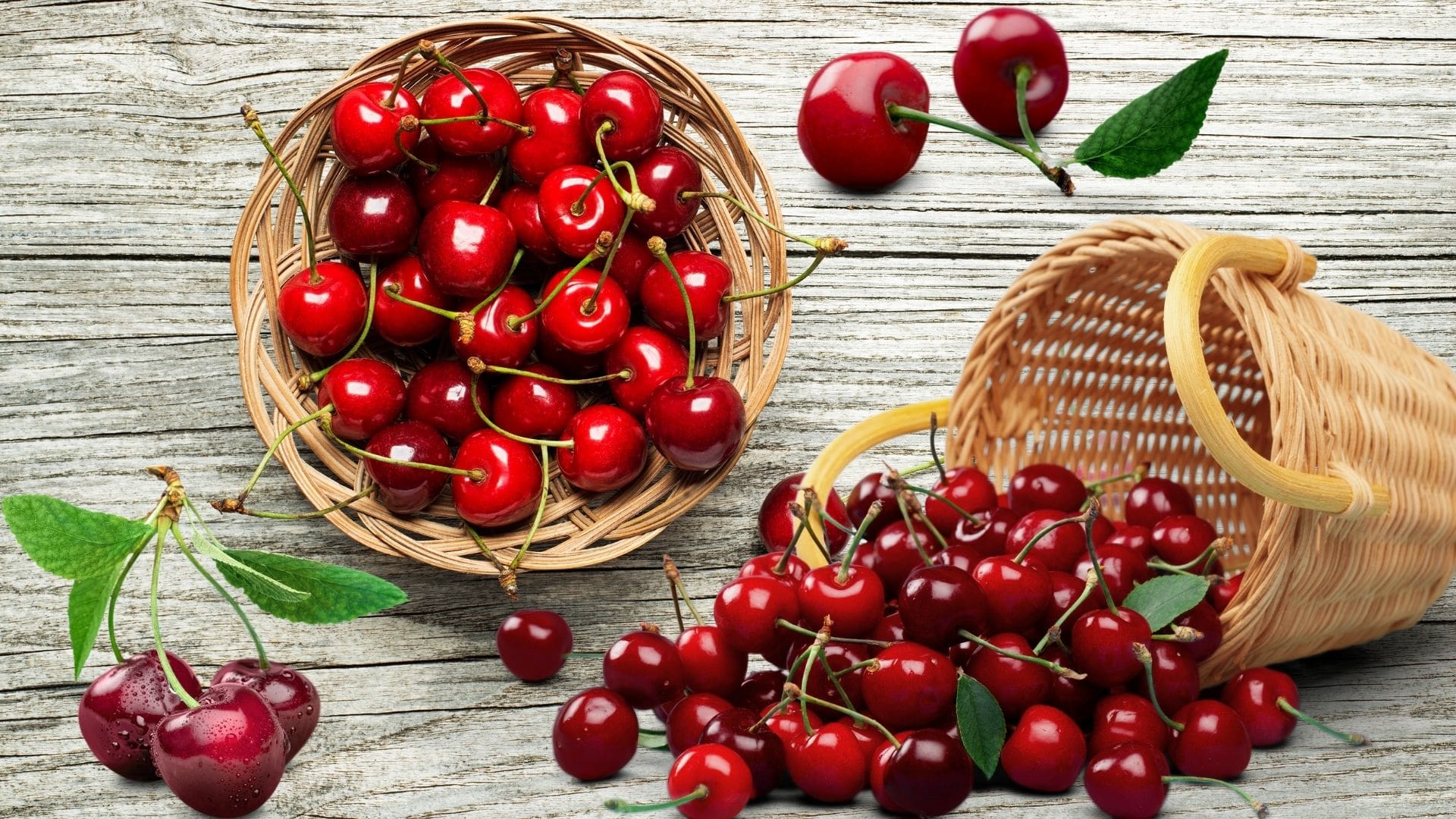
Cherries Cherry is a nutrient-dense fruit, with a low-calorie count and presence of significant amounts of important nutrients and plant compounds that boost brain health. Studies have found that consumption of cherries has a positive impact on different aspects of brain health. Let’s get into the details: Eating Cherries and Sleep
Good quality sleep is critical to cognitive function and it helps in the removal of toxins that accumulate in the brain. Studies have reported that consumption of sweet as well as tart cherries affects the quality and quantity of sleep. This positive effect was seen in just 3-5 days of cherry consumption. A regular intake of cherries can increase the level of melatonin in the body. Melatonin, also known as the sleep hormone, regulates the sleep-wake cycle in humans and improves overall sleep quality. Hence, eating cherries can boost the cognitive function by keeping disturbed sleep at bay. ( 1 ) Cherry Consumption and Memory
As we age, our memory and the ability to remember things and events decline. The brain’s defense against oxidative stress and inflammation reduces, which affects the functioning of the brain. Research has found that eating cherries may improve brain cell function and lower the levels of inflammation. This is attributed to the presence of ‘anthocyanins’, healthy plant compounds that accumulate in the brain after the consumption of cherry. Anthocyanins are antioxidant and anti-inflammatory in nature that protects the brain cells against damage and preserves their function. ( 2 ) Cherry intake and Stress
Studies have noted that cherry is one of the best natural stressbusters. Eating cherry on a regular basis can uplift mood, reduce the levels of stress hormones in the body, and induce a feeling of calmness and happiness. Mental stress can have a negative impact on cognitive function. Being in a happy and relaxed state of mind can improve cognition and the ability to think. Hence, adding cherries to your diet can improve mental health by keeping the brain calm and healthy. ( 3 )
Conclusion: Eating cherries can fight poor sleep, memory, and anxiety-related issues. It induces a feeling of happiness and well-being, plus it improves cognition. Add a bowl of fresh cherries to your daily diet to refresh your mind and mental health.
Magnesium L-Threonate: Breakthrough Brain Supplement

Magnesium l-threonate is a synthesized form of magnesium that can boost cognitive abilities. Learn how it’s used to improve memory and reverse brain aging.
Magnesium is so important for health that it’s been called the master mineral .
It’s particularly important for a healthy brain and nervous system.
It exhibits anti-stress, anti-anxiety, anti-depressive, and neuroprotective properties.
But there’s always been a quandary with the therapeutic use of magnesium supplements for cognitive and mental health issues — they do not readily cross into the brain.
Now there’s a new breakthrough form of magnesium, magnesium l-threonate, that solves this problem. What Is Magnesium L-Threonate?
Most magnesium supplements are chelated and magnesium l-threonate is no exception.
Chelated simply means that the magnesium molecules are bonded to another molecule.
Chelation can improve a magnesium supplement’s stability, absorption, and bioavailability. ( 1 )
Magnesium l-threonate is the latest magnesium chelate.
It was developed by a team of neuroscientists at Massachusetts Institute of Technology and Tsinghua University in Beijing who bound magnesium to l-threonate , a vitamin C metabolite. ( 2 )
There is no reason to be concerned that magnesium l-threonate is not natural.
When it comes to magnesium supplements, natural is not necessarily better.
Magnesium sulfate naturally occurs in Epsom salts, but it’s a harsh laxative that’s barely absorbed.
This makes it one of the worst forms of magnesium that you can take, especially if improving brain function is your goal. ( 3 )
You may already be familiar with popular magnesium supplements like magnesium citrate and magnesium glycinate.
They, too, are synthesized in a laboratory. How Does Magnesium L-Threonate Work?
Magnesium is largely missing from the modern diet.
Magnesium is the second most common deficiency in industrialized countries. ( 4 )
Here in the US, only 32% of us get the RDA (recommended daily allowance) of magnesium. ( 5 )
The brain’s need for magnesium is high — it is found in higher concentrations in the brain than in the blood.
Magnesium plays a critical role in a number of brain-related and neurological conditions including: ( 6 , 7 , 8 , 9 , 10 ) acute brain injury
addictions
Alzheimer’s disease
anxiety
attention disorders bipolar disorder dementia depression Parkinson’s disease schizophrenia seizures But frustratingly, very little of the magnesium found in typical supplements gets into the brain, limiting its therapeutic value. The blood-brain barrier. Magnesium l-threonate was specifically created to cross the brain’s protective filter, the blood-brain barrier. ( 11 )Another brain-enhancing property of magnesium l-threonate is that it increases brain plasticity . ( 12 )Neuroplasticity is the brain’s ability to change and grow, and is fundamental for memory and learning to take place.Lastly, there’s evidence that magnesium l-threonate can increase brain-derived neurotrophic factor (BDNF), a protein that stimulates the formation of new brain cells. WHAT CAN A BRAIN SUPPLEMENT DO?Are you struggling with …➤ Fuzzy thinking and foggy focus?➤ Growing forgetfulness?➤ Shrinking ability to learn and problem-solve?➤ Lack of mental energy and drive?Mind Lab Pro can help your brain perform better. Dr. Pat | Be Brain Fit Benefits of Magnesium L-Threonate: What the Research Shows There are dozens of known magnesium benefits.Appropriate magnesium supplementation has been proven to lift mood, increase resilience to stress, improve focus and concentration, raise energy levels, and improve sleep quality. ( 13 )It’s also good for a wide variety of conditions not related to brain health such as asthma, muscle cramps, high blood pressure, osteoporosis, and heart disease.Magnesium l-threonate has been around only since 2010.So unlike many other natural supplements, it has no history of traditional or medicinal use.This makes research results more important than usual.Of the dozen or so studies done on magnesium l-threonate, there’s been only one clinical trial (i.e., study on humans).Since this study is by far the most relevant, let’s take a look at this one first. Magnesium L-Threonate Clinical Trial Results There’s only one clinical trial that’s been published in a peer-reviewed medical journal.Study participants were older adults (ages 50 through 70) who reported concerns with memory, concentration, anxiety, and sleep. ( 14 )They were evaluated for four aspects of cognitive ability — working memory, episodic memory, attention, and executive function — the last being a group of skills that helps you set goals, plan, and get things done.They were given magnesium l-threonate for 12 weeks.As researchers expected from the results of animal tests, magnesium l-threonate increased magnesium levels in human brain cells.When retested, all participants performed significantly better in all four cognitive areas.Magnesium l-threonate also significantly reduced their biological brain age.On average, these seniors’ brains functioned as if they were 9.4 years younger than when the study began, according to standard tests.For most participants, this effectively reversed their brain age back to their chronological age.This is very encouraging news!However, magnesium l-threonate did not help with sleep, mood, or anxiety any better than a placebo.(This study used ClariMem, a trademarked form of magnesium l-threonate. It is also called MMFS-01. At this time, according to the product website, ClariMem is currently out of stock.) Magnesium L-Threonate Animal Study Results This compound is still new and more human tests will certainly be forthcoming.Until then, here’s what animal research has discovered so far. Magnesium L-Threonate and Anxiety Disorders Magnesium l-threonate may be helpful for anxiety disorders.Magnesium is highly regarded as a natural relaxant.It works by increasing the calming neurotransmitter GABA, while reducing the release of stress hormones. ( 15 )It also works at the blood-brain barrier to prevent stress chemicals from entering the brain. ( 16 )The results of animal research suggest that magnesium l-threonate could be particularly helpful for anxiety disorders, such as phobias and post-traumatic stress disorder, but human studies are needed. ( 17 ) ARE YOU FEELING UNFOCUSED?Scientifically personalized music can boost focus 4X.Whatever work or study you do, Focus@Will can help you do it better and faster:➤ Works with your type of brainwave patterns to reduce distractions.➤ Dramatically improves your concentration, learning, and retention.➤ Adapts dynamically to fit your needs and keep you in a “flow state.” Dr. Pat | Be Brain Fit Magnesium L-Threonate and Dementia and Alzheimer’s Magnesium l-threonate shows potential for treating […]
Benefits (and Risks) of St. John’s Wort for Depression

St. John’s wort is a popular remedy for depression; however, it has many side effects and interactions. Get the latest facts and learn about alternatives.
St. John’s wort is the most widely studied natural treatment for depression. ( 1 )
Billions of dollars of St. John’s wort supplements are sold every year making it relatively mainstream for an alternative remedy.
But this popular herb is not without controversy.
In some parts of the world, it’s thought to be so potent that it’s available only by prescription.
But in others, it’s banned or restricted due to the number of unwanted side effects and interactions.
Before you take St. John’s wort you need to know two things: Is it safe? And is it effective?
Here’s an in-depth look at the benefits of St. John’s wort for depression as well as the potential risks. What Is St. John’s Wort?
St. John’s wort ( Hypericum perforatum ) is a low-growing ground cover plant that is blanketed with cheerful yellow flowers around the time of St. John the Baptist’s birthday in late June.
Hypericum literally means “about spirits” as this plant was believed to contain magical properties that could ward off evil spirits. ( 2 )
It has a 2,000-year-old history as a natural remedy and was mentioned in the works of Hippocrates and Pliny.
Traditionally, it was used both externally and internally to treat conditions as diverse as wounds, burns, snakebites, nervous disorders, ulcers, melancholy, tumors, and sciatica. ( 3 )
Based on modern-day scientific theory and expert opinion, St. John’s wort is now used for alcoholism, athletic performance enhancement, benzodiazepine withdrawal, cancer, chronic ear infections, Epstein-Barr virus, substance abuse, and ulcers. ( 4 )
But the most common use today by far is as an herbal remedy for depression.
In Germany, where St. John’s wort is available by prescription, doctors prescribe it 20 times more often than Prozac. ( 5 )
Here in the United States it’s readily available as a supplement or an herbal tea.
An interesting aside is that in some western US states, St. John’s wort eradication programs are underway because it’s potentially deadly to livestock that graze on it. ( 6 ) The Evidence for St. John’s Wort and Depression
In spite of its popularity, there is currently no consensus that St. John’s wort is a safe or effective natural antidepressant.
The evidence that St. John’s wort alleviates depression is mixed.
The most comprehensive and widely recognized meta-analysis of St. John’s wort studies is a prestigious Cochrane review conducted in 2008.
Their review of 29 international studies concluded that St. John’s wort may be as effective as standard prescription antidepressants for depression with fewer side effects than antidepressants.
Interestingly, studies conducted in German-speaking countries reported more positive results than those done elsewhere.
The reason for this is unclear.
It may be that better forms of St. John’s wort are used in these countries.
Or it could, in part, be a placebo effect since study participants in those countries were predisposed to believing in its effectiveness.
But more recent studies on St. John’s wort for depression have failed to produce the same results.A US National Institute of Mental Health review of studies found the results on St. John’s wort to be mixed.One study this organization sponsored found that neither St. John’s wort nor the prescription antidepressant it was being compared to worked better than a placebo! ( 7 ) WHAT CAN A BRAIN SUPPLEMENT DO?Are you struggling with …➤ Fuzzy thinking and foggy focus?➤ Growing forgetfulness?➤ Shrinking ability to learn and problem-solve?➤ Lack of mental energy and drive?Mind Lab Pro can help your brain perform better. Dr. Pat | Be Brain Fit What About St. John’s Wort for Anxiety? You may have heard that St. John’s wort can be taken for anxiety, but there’s little evidence that it is helpful.In fact, one of the more common side effects of St. John’s wort is anxiety and even panic attacks! ( 8 , 9 )If anxiety is your main concern, it’s best to avoid St. John’s wort and try one of the many proven supplements for anxiety instead. How St. John’s Wort Works to Alleviate Depression St. John’s wort is the most widely studied herbal remedy for depression, yet it’s still not fully understood how it works.It contains dozens of bioactive compounds, but the two most important ones are hypericin and hyperforin . ( 10 )Hyperforin boosts numerous mood-related brain chemicals including serotonin, dopamine, noradrenaline, GABA, and glutamate.It helps serotonin, the neurotransmitter most commonly associated with depression, bind to serotonin receptors.It also increases the number of serotonin receptors in the brain. Flavonoids are another group of beneficial plant compounds found in St. John’s wort.They may help to fend off depression by protecting the brain with their potent antioxidant and anti-inflammatory properties. St. John’s Wort Risks: Side Effects, Cautions, and Interactions Compared to many natural remedies, St. John’s wort is rife with side effects, cautions, and drug interactions.Here is what you need to know to determine if St. John’s wort is safe for you and whether its downside outweighs its potential benefits. St. John’s Wort Side Effects One of the main reasons people want to try St. John’s wort instead of a prescription antidepressant is to avoid side effects.But ironically, the list of St. John’s wort side effects is very similar to those of antidepressant medications — anxiety, panic attacks, dizziness, nausea, and spikes in blood pressure. ( 11 )Other reported side effects include allergic reactions, vomiting, dizziness, aggression, headache, fatigue, memory loss, mental confusion, dry mouth, and constipation. ( 12 , 13 , 14 )A most concerning side effect is photosensitivity.One of St. John’s wort main active ingredients, hypericin, is highly photoreactive.This can create a rash similar to sunburn from even minimal sun exposure.This property of hypericin can also endanger your eyes by leading to damage of the lens or retina. ( 15 ) Caution: If you take St. John’s wort, it’s critical that you protect your eyes from sunlight. ARE YOU FEELING UNFOCUSED?Scientifically personalized music can boost focus 4X.Whatever work or study you do, Focus@Will can help you do it […]
UK: Should Cannabis Oil Be Legal for Medical Use?
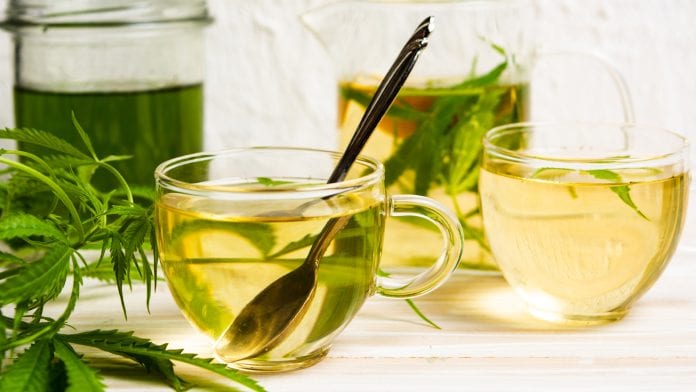
Cannabis has a long history of being one of the oldest medicines; the term ‘medical cannabis’ is a term used for obtaining the derivatives from the cannabis plant. The Sativa which is found in the plant contains many compounds which are used to treat and relieve severe and chronic symptoms. Cannabis has been used by human beings as early as 12,000 years go; It has been used for thousands of years for medical, spiritual and social purposes. Records also show that cannabis grains were once considered a crucial food source in ancient China, the seeds were eaten as a highly nutritious “A Chinese medical text (1578 AD) [Bencao Gangmu Materia Medica, by Li Shizhen] describes the use of marijuana to treat vomiting, parasitic infections, and haemorrhage. Marijuana continues to be used in China as a folk remedy for diarrhoea and dysentery and to stimulate the appetite.” However, today’s medical cannabis’ is used for a broad range of illnesses and the movement to revive it for medical reasons is directed by various factors, many beyond the realm of science.
As the legal use of cannabis products grew in many different countries, consumers were becoming more curious about their options; these include cannabidiol (CBD) and tetrahydrocannabinol (THC), both have very different side effects when both compounds interact with the bodies endocannabinoid system (ECS). The endocannabinoid system was discovered in The 1990s, it was learnt that we all had our very own unique endocannabinoid receptor system in our bodies. In research studies, it was shown that this system was accountable for our crucial body functions, such as controlling mood, appetite, pain and inflammation. In the brain the endocannabinoids and their receptors play a fundamental role in regulating memory, smell, touch, pleasure, hearing, concentration, awareness of time, hearing, and sight) and brain development. Through-out the body within the endocannabinoid system, there are two receptors; CB1 and CBD2 these are neurons that form a lock, and the cannabinoids are the key. In the brain, there are a high number of CB1 receptors, especially in the Hypothalamus, Hippocampus and Amygdala. CB2 receptors are most commonly found in the tonsils, spleen and immune cells.
The two primary cannabinoids tetrahydrocannabinol (THC) and cannabidiol (CBD) both share similarities, but where tetrahydrocannabinol may not be acceptable, cannabidiol is a viable therapeutic option. Cannabidiol is not from the cannabis you may think, and it does not give the psychoactive feeling (high) that cannabis/marijuana stigma that people associate it with. Cannabidiol products are derived from the industrial hemp plant, which is grown by thousands of farmers across Europe. These crops are approved by the European Union and contain less than 0.2 per cent of the tetrahydrocannabinol (THC), the compounds that are found in cannabis which is psychoactive and considered illegal.
Cannabis has become extremely popular in the health industry recently due to the increased claimed health benefits from cannabis oil (CBD), which is sold as a food supplement in many health stores in the high street. The centre for medical cannabis (CMC) has revealed that the “UK CBD market is worth over £300 million and is expected to reach over £1 billion by 2025”. This shows that natural health supplements are becoming more popular with the public rather than prescription drugs. Now more people are open to cannabis oil due to the positive effects found through the CBD food supplements, and this has opened more research into medical cannabis. However, very few people in the UK will be approved for a prescription for medical cannabis.
Currently, the NHS will only prescribe medical cannabis for conditions such as rare and severe forms of epilepsy; nausea caused by chemotherapy and people with extreme muscle stiffness and spasms caused by multiple sclerosis (MS). This would only be considered when all other treatments had been exhausted, or they were not suitable. Recently it has been discovered that cannabis has shown positive effects for people who suffer from depression, pain and epilepsy. The NHS has approved and prescribed medical cannabis as a treatment for severe life-threatening epilepsy for children and adults. During 2018 a relaxation in the rules allowed specialist doctors to prescribe cannabis-derived medicines in limited circumstances.
The first person to be prescribed medical cannabis in the UK was a young boy named Billy Caldwell; he suffered from over one hundred epileptic seizures a day. His local GP in Northern Ireland, Dr Brendan O’Hare decided that medical cannabis was a suitable treatment to help with his life-threatening epilepsy. Unfortunately, at the time nowhere in the UK could dispense his prescription. Leading the family to travel to Toronto Canada, where it is legal to dispense cannabis for medical reasons. After taking the drug, Billy was seizure-free for 300 days. Ms Caldwell and her son made the trip back to Canada to get a six-month supply but on their return border officials seized the prescription. Since then, the NHS has agreed to pay for the cannabis medicine that billy needs after the law in the UK changed on November 1, 2018, for un-licensed cannabis medicine could be prescribed for children.
Although medical cannabis has its positives, the recreational use of cannabis for medical reasons has its negatives. When smoking it regularly, there is a lot of reliable evidence to show It has been linked to many mental health problems such as schizophrenia, suicidal thoughts and developing bipolar disorders associated with the age of onset use, the strength of tetrahydrocannabinol (THC) and the frequency/duration of use. Evidence shows the younger you are when you start using it, the more you may be at risk of mental health problems in the future. This is because your brain is still developing and can be more easily damaged by the active chemicals found in cannabis and is associated with lowering the age of onset schizophrenia. Cannabis can both worsen and improve mental health issues depending on the individual and other factors including if you are ‘genetically vulnerable’ this means you may be more high risk to developing a mental illness if a member of your family suffers […]
15 Brain-Boosting Juices and Beverages

We include products we think are useful for our readers. If you buy through links on this page, we may earn a small commission. Here’s our process.
Many people are looking for simple ways to boost their focus, memory, and productivity. That’s why nootropics, or “smart drugs,” are growing rapidly in popularity.
Nootropics are a class of natural or synthetic compounds that may improve your brain function. While hundreds of nootropic supplements are available, several beverages contain natural nootropic compounds ( 1 ).
What’s more, other drinks boast ingredients, such as antioxidants or probiotics, that may support your brain function.
Here are 15 juices and drinks that may boost your brain health.
Coffee is probably the most widely consumed nootropic beverage. Most of its brain benefits come from caffeine, although it contains other compounds like the antioxidant chlorogenic acid that may affect your brain as well ( 2 ).
One review noted that caffeine may improve focus, alertness, reaction time, and memory in doses of 40–300 mg, which is the equivalent of about 0.5–3 cups (120–720 mL) of coffee ( 3 ).
Coffee may also protect against Alzheimer’s disease. In a weeklong mouse study, a dose equivalent to 5 cups (1.2 liters) of coffee daily, or about 500 mg of caffeine, helped prevent and treat Alzheimer’s ( 4 ).
However, human studies are needed.
Keep in mind that caffeine is known to be safe at levels up to 400 mg per day, or about 4 cups (945 mL) of coffee ( 5 ).
Green tea’s caffeine content is much lower than coffee’s. Yet, it also boasts two promising nootropic compounds — l-theanine and epigallocatechin gallate (EGCG).
Studies suggest that l-theanine may promote relaxation, as well as that l-theanine combined with caffeine may improve attention. A review of 21 human studies found that green tea as a whole may support focus, attention, and memory ( 6 , 7 ).
Additionally, EGCG is able to enter your brain through the blood-brain barrier, meaning it could exert beneficial effects on your brain or even combat neurodegenerative diseases. Nonetheless, more research is necessary ( 8 ).
Kombucha is a fermented drink usually made from green or black tea, plus fruit or botanicals. Its major benefit lies in introducing beneficial bacteria called probiotics to your gut.
Theoretically, improved gut health may boost brain function via the gut-brain axis — a two-way line of communication between your gut and brain. However, little research supports drinking kombucha specifically to bolster brain function ( 9 ).
You can make your own or buy bottled brands of kombucha.
Orange juice is rich in vitamin C, with 1 cup (240 mL) providing 93% of the Daily Value (DV). Interestingly, this vitamin may offer neuroprotective benefits ( 10 ).
One review of 50 human studies found that those with higher blood levels of vitamin C or a higher self-reported vitamin C intake had better attention, memory, and language scores than those with lower blood or intake levels ( 11 ).
However, the downsides of sugary orange juice may outweigh its benefits. The juice is much higher in calories than the whole fruit, and a high added sugar intake is linked to conditions like obesity, type 2 diabetes, and heart disease ( 12 ).
A better way to obtain this vitamin is simply to eat an orange. The whole fruit is lower in calories and sugar, as well as higher in fiber, than orange juice — while still providing 77% of the DV for vitamin C ( 13 ). happy_lark/Getty Images Blueberries are rich in polyphenol plant compounds that may provide brain-boosting benefits. Anthocyanins — antioxidants that give these berries their blueish-purple hue — may be largely responsible ( 14 ).
Likewise, blueberry juice is loaded with these compounds.
Still, one review of high quality studies in nearly 400 people found mixed results. The strongest positive effect involved better short- and long-term memory, but some studies in this review reported no positive brain effects from blueberry intake ( 14 , 15 ).
What’s more, eating whole blueberries is a healthier, lower sugar option that may provide similar benefits.
Green juice combines green fruits and veggies, such as: dark leafy greens like kale or spinach
cucumber
green apples fresh herbs, such as lemongrass Green smoothies may also contain ingredients like avocado, yogurt, protein powder, or bananas to add creaminess and nutrients.While the brain-boosting potential of green juices or smoothies depends heavily on the ingredients, these drinks are often rich in vitamin C and other helpful antioxidants ( 16 ).Otherwise, try one of the recipes below. Simple green juice recipe Makes 3–4 servings Ingredients 1 head of celery 1 handful of lemongrass 3 large handfuls of fresh spinach 2 small green apples, cored and sliced 2 limes , peeled with seeds removed Steps> Wash all produce thoroughly, then cut it into small enough pieces for your juicer to manage. Run each ingredient through the juicer and capture the juice in a large jar or pitcher. Mix well and keep refrigerated for up to 5 days. Simple green smoothie recipe Makes 1 serving Ingredients half of a banana, peeled and sliced 1 cup (245 grams) of vanilla Greek yogurt 1/2 cup (120 mL) of milk (dairy or plant-based) a handful of ice Steps> Wash the kale thoroughly. In a blender, combine all ingredients. If the smoothie is too thick, try adding more milk. If it’s too thin, add more banana or avocado. Sometimes called golden milk , turmeric lattes are warm, creamy drinks featuring the bright yellow spice turmeric.Turmeric contains the antioxidant curcumin, which may increase your body’s production of brain-derived neurotrophic factor (BDNF) ( 17 ).Low BDNF is associated with mental deficits and neurological disorders, so raising BDNF levels may improve brain function. However, you should note that turmeric lattes provide much less curcumin than what’s often administered in studies ( 17 ).Otherwise, consider making your own at home. Turmeric latte recipe Makes 2 servings Ingredients 2 cups (475 mL) of milk (dairy or plant-based) 1.5 teaspoons (5 grams) of ground turmeric optional sweeteners like honey or stevia Steps> Over low heat, […]
How to sleep: The different sleep stages and experts’ top tips for better sleep

A good night’s sleep is vital for health. Examples of the consequences of sleep deprivation are impaired memory, lower school grades, depression, slowed reaction time, decreased immune function, adrenal fatigue, impaired sexual function, and an increased risk of uncontrolled weight gain. Long term sleep deprivation leads to chronic illnesses like type two diabetes, cancer, heart attack, dementia, obesity. Nutritional therapist at Pulse Light Clinic spoke exclusively with Express.co.uk to offer her top tips on how to sleep better and what the different stages are of sleep.
How to live longer: Juice to boost longevity
Parkinson’s disease: Early warning sign in ear
“Stage two is also a light phase of sleep where you can be easily woken.
“Initially brain waves increase to produce sleep spindles which help ‘turn off’ the response to external noise and motion.
“Brain waves then slow down. If woken at the end of this stage it could be called a Power Nap.
“Stage three and four are the beginning phases of deep sleep; eye and muscle movements stop; it is most difficult to awaken from these two stages since they are deep and lots of ‘maintenance’ acitivity is initiated such as cell renewal, detoxification, hormonal balancing, growth and development, and immune function is boosted.
“The adrenal glands (stress response) repair and recover from the day’s stresses.
DON’T MISS
How to live longer: Eat this more than four times a week to lower risk of early death [TIPS]
Dementia symptoms: Have you started to like this type of food? Early warning sign [INSIGHT]
High blood pressure: Studies show adding this drink to your diet will lower your reading [INSIGHT]
High blood pressure: Best and worst types of cheese
“Stage five is the REM (Rapid Eye Movement) phase which generally occurs after an hour and a half of sleep.
“The heart rate, blood pressure and breathing increase, and the brain is much more active.
“It is during this phase we most often dream.
“It is thought that stage five has cognitive functions where we make sense of the day’s activities and store long term memories.
“The average adult has five-six REM cycles during one night of sleep.
“The length of sleep phases changes according to age; the above is approximated for the average adult.”
Other tips include: Avoid sugary food for at least three hours before bedtime
Avoid caffeine after 4pm
Keep to a routine and go to bed at the same time every night. This helps to establish your personal sleep cycle again if it is out of kilter
Use natural sleep aids if required – camomile tea, valerian root, calcium and magnesium and/or 5-HTP supplements
Relaxation breathing techniques can also help
“If one wakes up feeling really tired after a good night’s sleep it suggests hormonal imbalances may be present,” Nina added:
“Follow a diet to balance blood glucose levels, make sure you exercise for at least 30 minutes every day, learn to let go of stress and pay attention to the points raised in this article.
“If all this fails, see your GP to have your hormones tested.”
Immune Tolerance as the Physiologic Counterpart of Chronic Inflammation
Introduction
Chronic inflammation is linked to various diseases, including cancer, diabetes mellitus, obesity, and hypertension. The critical question—how is chronic inflammation linked to acute inflammation and are there any physiological counterparts to chronic inflammation ( 1 , 2 ). Answers to these questions are of paramount importance as they determine the treatment strategies of diseases associated with chronic inflammation.
In a simplistic approach, it is possible to divide acute inflammation into the two phases: the onset and the resolution (termination of inflammation and return to homeostasis) ( 3 , 4 ).
Chronic inflammation for various reasons lacks a complete resolution phase—it never ends. There are different reasons for it such as prolonged contact with infection or irritants and the presence of cells that continuously secrete inflammatory mediators. During chronic inflammation, anti-inflammatory cytokines are released continuously—along with pro-inflammatory cytokines ( 2 ). So, when the inflammatory stimulus becomes permanent, immunosuppression begins. This property can be used to achieve immune tolerance. For this aim, every immune-privileged site might contain the source of inflammatory factors ( 5 ). In this case, slightly elevated levels of inflammatory factors are linked to immune tolerance, while significantly elevated levels are linked to inflammatory exacerbations. Examples of Immune Regulatory Roles of Pro-Inflammatory Factors
According to recent studies, there is a long-lasting immune post-resolution phase even after acute inflammation, which might be essential for immune tolerance ( 6 ). It can be supposed that chronic inflammation significantly enhances this stage. Immune-privileged organs can acquire chronic inflammatory status to maintain immune tolerance. In pathology, e.g., cancer, chronic inflammatory status is also utilized to maintain immune tolerance ( Figure 1 ) ( 7 ).
Figure 1 . Low-grade constitutive inflammation might be the mechanism of immune tolerance. Various mechanisms of the transition to immune suppression during chronic inflammation exist. The figure depicts some of them. Inflammatory factors induce anti-inflammatory factors, which cause immune suppression ( 7 ). In the case of acute inflammation, the resolution of inflammation proceeds without suppressing immunity. It is necessary to stop an acute inflammation in time to prevent its transition to the chronic form. In the treatment of diseases linked to chronic inflammation, there may be two methods to utilize—anti-inflammatory and pro-inflammatory therapy. Both of these therapies are aimed at overcoming the vicious cycle of chronic inflammation. Pro-inflammatory therapy can cause a subsequent anti-inflammatory response, resulting in the resolution of chronic inflammation. For instance, this can be the case in hyperthermia therapy ( 8 ). Chronic inflammation, which can occur for various reasons (chronic contact with infection or irritants, chronic stress, and the presence of cells that continuously secrete inflammatory mediators), lacks a complete resolution phase—it never ends. Anti-inflammatory cytokines are released continuously—along with pro-inflammatory cytokines. So, when the inflammatory stimulus becomes permanent, immunosuppression begins. This property can be used to achieve immune tolerance. Chronic low-grade inflammation might be localized—either in immune-privileged organs or tumors. It can lead to immunological tolerance (unresponsiveness to antigens) in the areas of chronic inflammation.
There are various examples of the transition to immune suppression during chronic inflammation.
One such example is the capability of essential inducers of inflammation (specifically, prostaglandins) to function as pro-resolvers—they promote factors necessary for anti-inflammatory and immunosuppressive responses (e.g., specialized pro-resolving mediators) ( 4 ). Inflammation also induces growth and differentiation factor 15 (GDF15), which regulate tolerance to inflammatory damage ( 9 ).
Another example is that one of the primary inflammatory mediators—IL-6 is needed for regenerative and protective processes in the body. For instance, in mice, IL-6 was essential for liver regeneration, gut barrier repair, and the suppression of inflammation in the kidney and pancreas ( 2 ).
The transition of inflammation to immune suppression can also occur at the cellular level. As an illustration, macrophages shut down the generation of pro-inflammatory mediators and activate a transcriptional program resulting in the release of anti-inflammatory cytokines [e.g., IL-10 and transforming growth factor β (TGFβ)] ( 4 ).
Other recent studies have shown that long-term activated dendritic cells (DCs) significantly changed their profile toward a non-functional, tumor-promoting, and anti-inflammatory phenotype ( 10 ). Such DCs promote the generation of T cells with a regulatory phenotype. One of the mechanisms of DCs turning to tolerogenic cells is the action of immunoregulatory enzymes involved in amino acid metabolism (indoleamine-2,3-dioxygenase 1—IDO1, arginase, and inducible nitric oxide synthase—iNOS). They are induced by chronic inflammation, particularly by repeated stimulation of TLR (e.g., exposure to endotoxin) and are involved in the autoimmunity limitation and maintenance of immune tolerance ( 11 , 12 ). These enzymes catabolize amino acids causing their deprivation in the microenvironment (arginase and iNOS catalyze the degradation of L-arginine and IDO1 catalyzes the degradation of L-tryptophan) and produce immune regulatory compounds. For instance, IDO1 produces 3-hydroxyantranilic and L-kynurenine, which serve as an activating ligand for the aryl hydrocarbon receptor (AhR) favoring the expression of protective TGFβ, regulatory T cells (Treg cells) differentiation and inducing IDO1 expression in DCs ( 11 , 13 , 14 ).
These mechanisms are involved in endotoxin tolerance—attenuated production of pro-inflammatory cytokines such as tumor necrosis factor-α (TNF-α), IL-6, and IFN-γ, and increased production of anti-inflammatory cytokines such as IL-10 and TGFβ in response to repeated exposure to LPS (lipopolysaccharide) or a gram-negative infection ( 12 , 15 ).
Above-mentioned enzymes are interconnected as arginase enzymatic activity might be mandatory for the subsequent IDO1 upregulation. Arginine is actively metabolized by arginase to produce urea and l-ornithine. Polyamine spermidine is generated downstream of the decarboxylation of l-ornithine. Spermidine can promote IDO1 phosphorylation and signaling events in DCs, possibly via direct activation of the Src kinase, which has IDO1-phosphorylating activity ( 16 ). Low-Grade Inflammation in Pregnancy
There is much evidence that low-grade inflammation is significant for maintaining immune tolerance in immune-privileged sites. A successful pregnancy requires fine-tuning the level of inflammation. Either the increase or the decrease in the level of inflammatory mediators leads to negative consequences ( 7 ). For instance, it was shown that both a decrease or increase in the IL-6 concentration enhances the risk of infertility and miscarriage ( 17 […]
Covid-19 blues? Herbal remedies to help you deal with stress
Gone are the days when you could swiftly wash down a multivitamin with your morning coffee and get on with the day. Now there is a seemingly endless array of turbo-charged supplements fighting for a place in your hectic life, claiming to do everything from relieving stress to boosting your libido.
The most exciting of these are adaptogens – super-powered herbs that help the body regulate stress and hormones. Teas containing adaptogens can be found on most supermarket shelves and Boots has even launched its own range. But with so many to choose from, how do you know which one is right for you?
What are adaptogens?
These clever herbs help your body adapt to its needs depending on environment – hence the name. “Adaptogenic herbs help the body adapt to its surroundings and cope with physical and emotional stress,” says Sebastian Pole, herbal expert and co-founder of Pukka Herbs.
“Used properly, they improve the ability to not only tolerate stress but also increase immunity and regulate hormones.” Adaptogens have been used in Ayurvedic and ancient Chinese medicine for centuries. “Key herbs include ginseng, ashwagandha, shatavari, Tulsi (also known as holy basil) and licorice,” says Sebastian.
Who can take them?
Easy to introduce into your diet, adaptogens can be drunk in tea, blended into smoothies or taken in tablet form. What’s more, they are generally safe for most people, although it’s always wise to consult your GP.
Read Also: Finding Covid-19 pandemic scary? Group offers coffins for stress relief
“They are suitable for the young and active right through to the elderly, supporting a vibrant and active lifestyle,” says Sebastian. “They are also helpful for people whose lifestyle is restricted due to ill health.”
You need… Stress relief
As adaptogens help the body regulate its stress response, they are ideal for people who are feeling anxious or under pressure. Sebastian recommends ashwagandha because of its soothing properties. “Ashwagandha offers an antidote to the pace of modern life,” he says.
“It has been used for thousands of years in Ayurvedic medicine to nourish the mind. It calms stress, helps restore energy and is particularly helpful in supporting restorative sleep.” TRY IT: For a soothing hot drink, blend Pukka Cacao Maca Magic Latte with some almond milk.
Read Also: Health problems your fingernails can indicate – from white spots to ridges
You need… mood boost
Holy basil, also known as Tulsi, is known for its mood-boosting benefits. “It provides an antidote to the stresses of modern life that can lead to depression, low mood and lack of ‘get up and go’,” says Sebastian. “It also balances how the nervous system responds to stress, and improves mental energy and emotional clarity. It is recommended for depression, mental fog, low mood, anxiety, stress, and tension headaches.”
TRY IT: Pukka Tulsi Clarity Tea is a refreshing blend of purple and lemon holy basil.
You need… better memory
The kitchen herb rosemary isn’t only good for making delicious roast dinners, it can also help to improve memory. “Rosemary has long been known as the herb of remembrance, and research has shown it can improve memory,” says Mike Wakeman, from natural supplements firm Neubria. “Rosemary extracts have been found to enhance the body’s production of nerve growth factor, which helps to replace neurons that are lost in Alzheimer’s disease.”
TRY IT: Add a pinch of fresh rosemary to your morning smoothie or try Neubria Spark Memory Nootropic and Multivitamin, which contains rosemary and several other brain-boosting adaptogens.
You need… immune boost
Feeling run down? Some adaptogens have been shown to boost immunity and speed up recovery from illness. Reishi is a fungus that has been used in traditional medicines around the world for centuries. “Reishi is most commonly known to help the body’s immunity, helping prevent or treat infections,” says Parminder Kaur, a vitamins expert at Boots. TRY IT: Look for finely-milled reishi, which blends easily into foods. Parminder recommends blending some into homemade pesto.
Read Also: E-cigarettes with heating elements can cause ‘significant’ lung damage, study warns
You need… blood sugar balance
Our bodies are constantly working to keep blood sugar levels regulated, to give us a steady supply of energy during the day. Some adaptogens, like chaga, can help with this, stopping us suffering mood dips.
Parminder says: “Chaga is an antioxidant-rich fungus that has been used traditionally in Chinese culture for thousands of years. “This mushroom is also believed to lower blood sugar and cholesterol levels.” TRY IT: Make your own chaga tea by adding two heaped teaspoons of chaga powder to some boiling water, or try Boots Adaptogens Chaga.
10 Reasons to Improve Your Eating Habits
10 Reasons to Improve Your Eating Habits
Did anyone else ask “why” all the time as a child? Does anyone’s child ask “why” about every tiny thing? Anyone still asking, “why”?
Why should I improve my eating habits? Life is fine just the way it is…
Well, there are many, many reasons to eat a healthy, balanced diet. And doing so doesn’t have to be complicated, restrictive, dull, or expensive. The body needs nutritious, real food to function properly, and cutting back on processed foods and foods with higher fat, salt, and sugar comes with many benefits. Here are 10 key reasons why striving for a healthier diet is worth it. Helps You Manage A Healthy Weight
Whatever your goal weight is, eating healthy is probably the key to reaching it . Crash course diets, weight loss pills, and restricting calories may seem like a quicker, easier fix for weight loss, but they can often cause more harm than good. Rather than seeing food as the enemy, see it as an essential aid for maintaining a healthy weight and getting necessary nourishment. If the idea of eating healthy (especially to lose weight) makes you think about food you CAN’T have, try refocusing your thoughts on the foods you CAN have . Instead of completely giving up your favorite comfort food, try putting a new spin on the recipe to make it a little healthier.
When trying to lose weight, be sure you’re enjoying a healthy diet that includes lots of fresh, nutrient-dense fruits and veggies, high-fiber whole grains and legumes, and lean protein.
Clean eating is also important when you need to gain weight . If this is you, be sure your diet is full of healthful, energy-dense foods like nuts, seeds, and dried fruit.
If you need a little support and guidance, check out Clean Food Crush’s 30 Day Clean Eating Challenge . Reduces Risk of Health Problems
Unhealthy eating habits can heighten the risk of many different health problems, such as obesity, diabetes, heart disease, cancer, and other chronic diseases. Increasing your intake of nutritious foods may help reduce your risk.
In addition to maintaining a healthy weight, a clean diet can help you manage blood glucose levels, maintain healthy blood pressure and cholesterol levels , and provide necessary nutrients to your body so it can fight disease.
To target (or help prevent future) health problems pay attention to specific parts of your diet. Diabetes – limit foods with added sugar and salt and avoid fried foods high in saturated and trans fats.
Heart disease – enjoy a diet rich in fish, nuts, fruits, grains, and veggies that provide your body with omega-3 fatty acids and monounsaturated fats that are good for your heart.
Cancer – avoid alcohol, processed and fried foods, and processed meats. Instead, add more fruits, vegetables, and foods high in fiber to your diet.
It’s important to mention that while eating healthy will not erase all cancer risk, it can help lower the risk of cancer tremendously . It’s also difficult to positively say which foods best prevent cancer, so eating a healthy diet overall is important. Sets a Great Example
Most dietary habits are established in childhood and then are carried into adulthood, which means it’s crucial to teach children the importance of a healthy diet. Kids learn by watching the adults in their life, so if you want your children to live a healthy lifestyle, you should be too . If you never eat anything green, your kids aren’t going to want to either. You will be the inspiration to your children to eat clean and healthy.
Clean eating can also be a great way to spend time with your children . Preparing family meals at home rather than ordering take out is a fun opportunity to cook with the kids. Plus, children are more likely to try new foods if they helped make it . When exposed to clean eating, cooking, and gardening at an early age, children are more likely to make healthy dietary and lifestyle choices in the future.
Here are some awesome school lunch ideas for your kiddos , so they’re eating healthy all day! Saves Money
Yes, healthy foods like fruits and veggies tend to be more expensive than a bag of chips, but the big picture of a healthy, balanced diet is often cheaper . When your diet provides you with all the essential vitamins and minerals you need each day, you won’t need to buy dietary supplements. And when you’re overweight or obese, you’re much more likely to have higher medical costs and spend more money on doctor’s visits and medications.
Additionally, a healthy diet will help you feel full quicker and longer , which means you won’t be eating as much or buying as much. So, the chips may be cheaper than the veggies, but you’ll need many more chips to satiate your hunger than carrots. Eating foods that score higher on the satiety index can help you eat fewer calories overall, eventually spending less on your groceries.
The best filling foods will be high in protein, fiber, volume (like water and air), and low in energy density (meaning low in calories for its weight). Your Health is an Investment Worth Making and Will Pay Off.
Gives You More Energy
While exercise is important, eating right is the most important thing you can do for your overall fitness and energy levels . A healthy diet will provide nutrient-dense foods needed for energy.
B-complex vitamins and complex carbohydrates such as whole-grain bread and starchy vegetables are the best for prolonged energy since they are digested slower. You can also give a natural boost to your energy by starting the day with a healthy breakfast. Also, be sure you’re drinking a lot of water, which your body needs to transport the nutrients. Yes, coffee and other drinks with caffeine will give you energy, but they will also sap it later on, negatively impact your sleep, […]
The Healthy Banana Muffin this Nutritionist Swears By
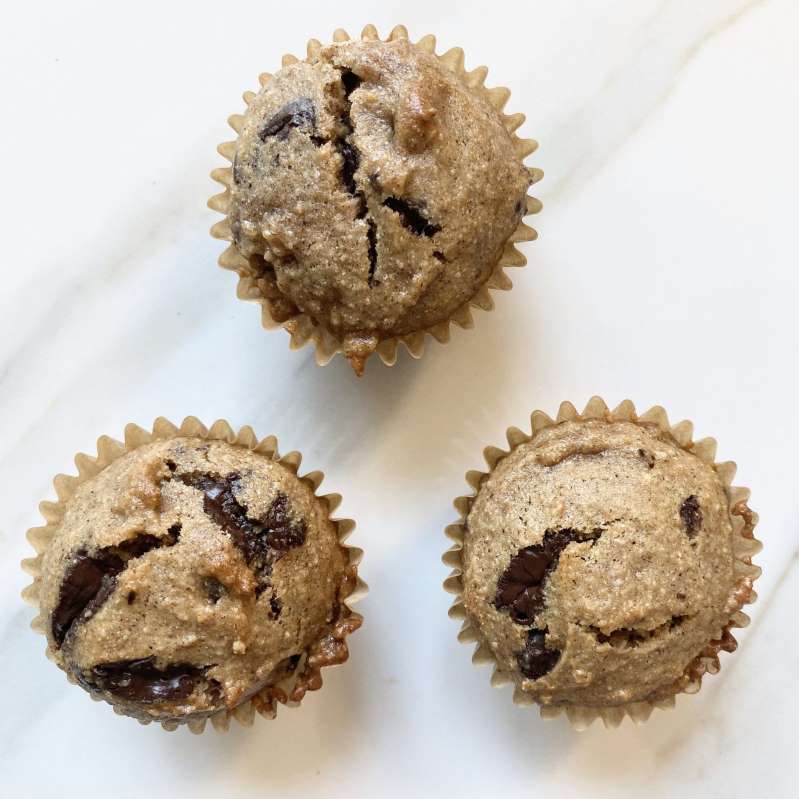
A muffin can be both a treat and a healthy way to kick off your morning—when made with the right ingredients, that is. As a registered dietitian, one of my favorite jobs is to fine-tune recipes to create options that are both delicious and healthful. I think I accomplished both with my Banana Dark Chocolate Mini Muffins; and they’re fun and easy to make.
A number of my tweaks significantly up the nutritional value of this recipe, but bananas are the star. The number one most popular fruit sold in the United States, bananas are highly nutritious. One medium banana provides 12 percent of the daily need for both fiber , which supports good digestive health , as well as potassium , which behaves as an electrolyte and supports heart rhythm, nerve, and muscle function; it also helps regulate blood pressure . Bananas also supply vitamin C for immune health, energy supporting B vitamins, and manganese, a mineral needed for healthy bones, wound healing, and collagen production. They also pack healthy antioxidants , which can help protect against heart disease and cancer. Mmm, chocolate
The fruit’s chief co-star in this recipe is dark chocolate . In addition to being decadent, dark chocolate deserves its superfood status. Some research suggests it may help protect the heart and reduce stress and inflammation, while improving memory , immunity , and mood, and even support bone density. To further boost the healthiness, I opted for antioxidant-rich maple syrup in place of refined sugar, protein, and nutrient-rich chickpea and almond flours rather than white flour, and heart-healthy extra virgin olive oil (EVOO) instead of butter. The combo of banana, maple syrup, and EVOO give the muffins their moist texture. These gluten-free, 100 percent plant-based goodies are just as flavorful and satisfying as a traditional version, and the cinnamon aroma is intoxicating. Divide and conquer
Rather than making four larger muffins, I opted for 12 minis, with one serving being three petite muffins. Research shows that your brain observes a greater number of items as a larger quantity, even if the total portion is identical. This perception translates into feeling more satisfied with three minis rather than one larger muffin. If you don’t have a mini-muffin pan, you can divide the batter into four larger muffins, but here’s a trick: Cut your muffin into smaller pieces before you eat it, so you’ll feel like you’re eating more.
To further boost the plant protein content in my meal, I like to serve my minis with a latte made with a higher protein plant milk. I personally love Ripple , made from peas, which provides 8 grams of protein per cup.
Another fun option is a parfait made with layers of three quartered mini muffins alternated with plant-based yogurt. My favorite is Kite Hill’s vanilla unsweetened Greek-style yogurt crafted from almonds, which provides 13 grams of protein per two-thirds cup portion.
If you prefer a savory breakfast, enjoy these muffins as an afternoon snack or dessert. Just popping one can satisfy a sweet craving while delivering some key nutrients. Here’s the recipe. I hope you enjoy it as much as I do! Banana Dark Chocolate Mini Muffins
Serves four Ingredients:
¼ cup chickpea flour
¼ cup almond flour
1.5 teaspoons ground cinnamon
¼ teaspoon baking soda
¼ teaspoon baking powder
1/8 teaspoon sea salt
¼ cup mild-flavored extra virgin olive oil
¼ cup pure maple syrup
1.5 teaspoons pure vanilla extract
1 cup banana slices, divided
¼ cup chopped 70% dark chocolate Instructions:
Preheat oven to 350 F. In a large bowl, combine chickpea and almond flours, cinnamon, baking soda, baking powder, and sea salt, and set aside. In a mini food processor combine oil, maple syrup, vanilla, and half of the banana. Blend until smooth, and then fold the wet mixture into the dry ingredients and stir to mix the batter. Mince the remaining banana slices and stir into the batter along with the chopped dark chocolate. Evenly spoon the batter into 12 paper cup lined mini muffin cups. Bake for 15 minutes or until toothpick inserted into center of muffin comes out clean.
The post The Healthy Banana Muffin this Nutritionist Swears By appeared first on The Healthy .
Gallery: 7 Best Recipes for Homemade Protein Bars (The Healthy)
A healthy heart matters this World Heart Day
THE Covid-19 pandemic has brought many challenges on a global scale – it has affected our health and our livelihoods, It has changed our behaviours, the way we work, socialise and take care of our health.
Most people who are at a higher risk of dying are those already living with underlying health conditions, especially cardiovascular disease, upper respiratory disorders, diabetes and hypertension.
Other co-morbid conditions like hypertension and obesity are also associated with more severe COVID-19 symptoms.
In South Africa, 255 people die from heart diseases every single day, despite the fact that 80 per cent of heart diseases and strokes can be prevented.
To commemorate World Heart Day the Heart and Stroke Foundation is encouraging the public to take care of their hearts.
Healthy food choices can positively impact cardiovascular health and immunity in a matter of weeks and along with moderate physical activity, can reduce the risk of heart disease and play a vital role in maintaining an optimal immune response.
ALSO READ: How Covid-19 affects your mental health
Prof Pamela Naidoo of the Heart and Stroke Foundation South Africa states: “Smoking or vaping, drinking too much, diets high in salt and sugar and high cholesterol all contribute to declining heart health, among other influences. We cannot overlook the fact that people are also genetically predisposed to selected medical conditions depending on their family history, and these people especially should heed the advice to take heart health more seriously.”
As such, it is advised to not revert to old unhealthy habits after the pandemic to protect not only your immune system but also your overall heart health.
These habits include lack of physical activity, consuming large amounts of processed foods, alcohol or increasing the number of cigarettes you smoke per day.
The problem with processed foods
Most of the food we eat today is processed in some way or another.
It could be a salad mix, pre-cooked ‘healthy’ meals, frozen dinners or even fruits and vegetables.
Some processed foods have added ingredients, and others are fortified to add nutrients.
ALSO READ: Places in the world where people live long, happy, healthy lives
Some are prepared for convenience, and some are packaged to last longer or for food safety.
Even food labelled ‘natural’ or ‘organic’ can be processed.
Nutrients from real food over supplements
Many experts agree that eating the right food is one of the most important steps to a healthy heart.
The nutrients you get from certain foods, like fibre, folic acid, magnesium and omega-3 fatty acids, can not only protect against heart disease but provide added benefits to improve your overall health.
Omega-3 fatty acids are particularly important in maintaining heart health.
Omega-3 acids assist in reduced blood pressure and blood clotting, as well as irregular heartbeats.
It can also decrease the risk of stroke and heart failure, although the key benefits are as follows:
Healthy brain – Choosing healthier food options will benefit our memory and brain function, as well as our mood. Omega-3s are also crucial for brain growth and development in infants.
Healthy heart – Omega-3 fatty acids have been shown to lower bad cholesterol and high blood pressure while raising ‘good’ cholesterol levels, which can reduce the risk of heart attacks and strokes.
Healthy bones and joints – Omega-3 fatty acids are known to improve the health and strength of joints by increasing the amount of calcium in bones, thereby reducing the risk of osteoporosis. Omega-3s also help to reduce pain and stiffness in joints.Prof Naidoo concludes: “Eating real food is always better than taking supplements. Nothing can substitute it.” Caxton Local Media Covid-19 reporting Dear reader, As your local news provider, we have the duty of keeping you factually informed on Covid-19 developments. As you may have noticed, mis- and disinformation (also known as “fake news”) is circulating online. Caxton Local Media is determined to filter through the masses of information doing the rounds and to separate truth from untruth in order to keep you adequately informed. Local newsrooms follow a strict pre-publication fact-checking protocol. A national task team has been established to assist in bringing you credible news reports on Covid-19. Readers with any comments or queries may contact National Group Editor Irma Green ( irma@caxton.co.za ) or Legal Adviser Helene Eloff ( helene@caxton.co.za ). At the time of going to press, the contents of this feature mirrored South Africa’s lockdown regulations. You can also sign up for news alerts on Telegram. Send us a Telegram message (not an SMS) with your name and surname (ONLY) to 060 532 5532 . Here’s where you can download Telegram on Android or Apple .
Why is Lion’s Mane Mushroom a Superfood?

The sedentary lifestyle dominating our lives, have impacted lives and health immensely. This has also led to a boost in the prevalence of brain disorders among people.
In this fast-paced world where people are working throughout, there are people who tend to ignore their mental and physical health. Therefore, smart solutions are required. People need to inculcate the potential ‘superfood’ in their diet to foster optimal health and longevity. One such superfood is a Lion’s mane mushroom.
What is a Lion’s Mane Mushroom?
Resembling a white mane of lion, Lion’s Mane Mushrooms are large, white, and shaggy. Often utilized both as culinary and medicinal food, these mushrooms can be consumed cooked, raw, dried or steeped as a tea, to be used as health supplements. Research has shown that Lion’s Mane mushroom is an excellent stimulating food for brain health that enhances cognitive performance, and improves mood and focus. This “smart mushroom” is known to be one of the best natural “nootropics” in the medical community.
Here are some incredible benefits of Lion’s Mane mushroom which make it a “ superfood .”
Treats Anxiety and Depression
The superfood mushroom extracts have anti-inflammatory effects that can combat clinical depression and anxiety disorders. The incredible fungus contains agents that are useful for treating depressive disorders, thus elevating mood. Studies showed that people who consume lion’s mane mushroom extracts showed less signs of irritability and anxiety.
Promotes Cognitive Health
Clinical trials have shown that this “magical” fungus can slow down the developing symptoms of neurodegenerative diseases like Alzheimer’s, Dementia and Parkinson’s, and protects against age-related memory decline. It also offers other significant neurological benefits and enhances cognitive health.
Lion’s Mane Mushroom’s most remarkable benefit is its ability to stimulate the Nerve Growth Factor (NGF) synthesis in the brain. Since neurons devoid of NGF are prone to degenerate, and can lead to cognitive and motor problems, the mushroom that enhance NGF production within the brain, as it contains special classes of bioactive compounds
Lion’s Mane’s therefore, you should try Lion’s mane mushroom in Australia , a superior quality superfood that stimulates the growth of new brain cells and repair damaged neurons leading to increased mental alertness, thereby enhancing complete brain health.
Enhances Functioning of Immune System
With the pandemic gripping the entire world, having a strong and healthy immune system has become the top most priority of people. A strong immune system not only protects from the coronavirus, it also builds a strong immunity against the other harmful bacteria and viruses.
You can maintain a stronger immunity by incorporating lion’s mane mushroom extracts in your daily diet. It boosts immunity by increasing the activity of the intestinal immune system, and partly by reducing inflammation and preventing oxidation.
Studies also indicate that a protein in the superfood fungi encourages the growth of healthy gut bacteria that aids to strengthen immunity in humans.
Improves Digestive Health and Reduces Ulcers
Studies have reported that lion’s mane mushrooms can help in improving digestive health by reducing inflammation, which is highly beneficial for people who suffer from inflammatory bowel disease. The mushroom is also known to result in antibacterial activity that may improve digestion, and encourage the growth of good bacteria in the gut.
Moreover, Lion’s mane extract may help reduce the development of ulcers in the digestive tract, by inhibiting the growth of H. pylori bacteria, and protecting the stomach lining from damage. Its extract has also proven beneficial in reducing inflammation and preventing tissue damage in other areas of the intestines.
Conclusion
Lion’s Mane Mushroom is readily available worldwide in various forms; so, introduce them in your daily regimen to utilize their full potential for your benefit. But make sure to get your superfood mushrooms from a reputable, and safely grown source, and check with your doctor before starting any new diet if you are on medications or have any existing health conditions.
Covid-19 blues? Herbal remedies to help you deal with stress
Adding an adaptogen to your smoothie can help you feel better [Photo: Getty] Gone are the days when you could swiftly wash down a multivitamin with your morning coffee and get on with the day. Now there is a seemingly endless array of turbo-charged supplements fighting for a place in your hectic life, claiming to do everything from relieving stress to boosting your libido.
The most exciting of these are adaptogens – super-powered herbs that help the body regulate stress and hormones. Teas containing adaptogens can be found on most supermarket shelves and Boots has even launched its own range. But with so many to choose from, how do you know which one is right for you?
What are adaptogens?
These clever herbs help your body adapt to its needs depending on environment – hence the name. “Adaptogenic herbs help the body adapt to its surroundings and cope with physical and emotional stress,” says Sebastian Pole, herbal expert and co-founder of Pukka Herbs. You should move on from vitamin pills [Photo: Getty] “Used properly, they improve the ability to not only tolerate stress but also increase immunity and regulate hormones.” Adaptogens have been used in Ayurvedic and ancient Chinese medicine for centuries. “Key herbs include ginseng, ashwagandha, shatavari, Tulsi (also known as holy basil) and licorice,” says Sebastian.
Who can take them?
Easy to introduce into your diet, adaptogens can be drunk in tea, blended into smoothies or taken in tablet form. What’s more, they are generally safe for most people, although it’s always wise to consult your GP.
Read Also: Finding Covid-19 pandemic scary? Group offers coffins for stress relief
“They are suitable for the young and active right through to the elderly, supporting a vibrant and active lifestyle,” says Sebastian. “They are also helpful for people whose lifestyle is restricted due to ill health.”
You need… Stress relief
As adaptogens help the body regulate its stress response, they are ideal for people who are feeling anxious or under pressure. Sebastian recommends ashwagandha because of its soothing properties. “Ashwagandha offers an antidote to the pace of modern life,” he says.
“It has been used for thousands of years in Ayurvedic medicine to nourish the mind. It calms stress, helps restore energy and is particularly helpful in supporting restorative sleep.” TRY IT: For a soothing hot drink, blend Pukka Cacao Maca Magic Latte with some almond milk.
Read Also: Health problems your fingernails can indicate – from white spots to ridges
You need… mood boost
Holy basil, also known as Tulsi, is known for its mood-boosting benefits. “It provides an antidote to the stresses of modern life that can lead to depression, low mood and lack of ‘get up and go’,” says Sebastian. “It also balances how the nervous system responds to stress, and improves mental energy and emotional clarity. It is recommended for depression, mental fog, low mood, anxiety, stress, and tension headaches.” TRY IT: Pukka Tulsi Clarity Tea is a refreshing blend of purple and lemon holy basil.
You need… better memory
The kitchen herb rosemary isn’t only good for making delicious roast dinners, it can also help to improve memory. “Rosemary has long been known as the herb of remembrance, and research has shown it can improve memory,” says Mike Wakeman, from natural supplements firm Neubria. “Rosemary extracts have been found to enhance the body’s production of nerve growth factor, which helps to replace neurons that are lost in Alzheimer’s disease.”
TRY IT: Add a pinch of fresh rosemary to your morning smoothie or try Neubria Spark Memory Nootropic and Multivitamin, which contains rosemary and several other brain-boosting adaptogens. You need… immune boost
Feeling run down? Some adaptogens have been shown to boost immunity and speed up recovery from illness. Reishi is a fungus that has been used in traditional medicines around the world for centuries. “Reishi is most commonly known to help the body’s immunity, helping prevent or treat infections,” says Parminder Kaur, a vitamins expert at Boots. TRY IT: Look for finely-milled reishi, which blends easily into foods. Parminder recommends blending some into homemade pesto.
Read Also: E-cigarettes with heating elements can cause ‘significant’ lung damage, study warns
You need… blood sugar balance
Our bodies are constantly working to keep blood sugar levels regulated, to give us a steady supply of energy during the day. Some adaptogens, like chaga, can help with this, stopping us suffering mood dips.
Parminder says: “Chaga is an antioxidant-rich fungus that has been used traditionally in Chinese culture for thousands of years. “This mushroom is also believed to lower blood sugar and cholesterol levels.” TRY IT: Make your own chaga tea by adding two heaped teaspoons of chaga powder to some boiling water, or try Boots Adaptogens Chaga.
The Healthy Banana Muffin this Nutritionist Swears By
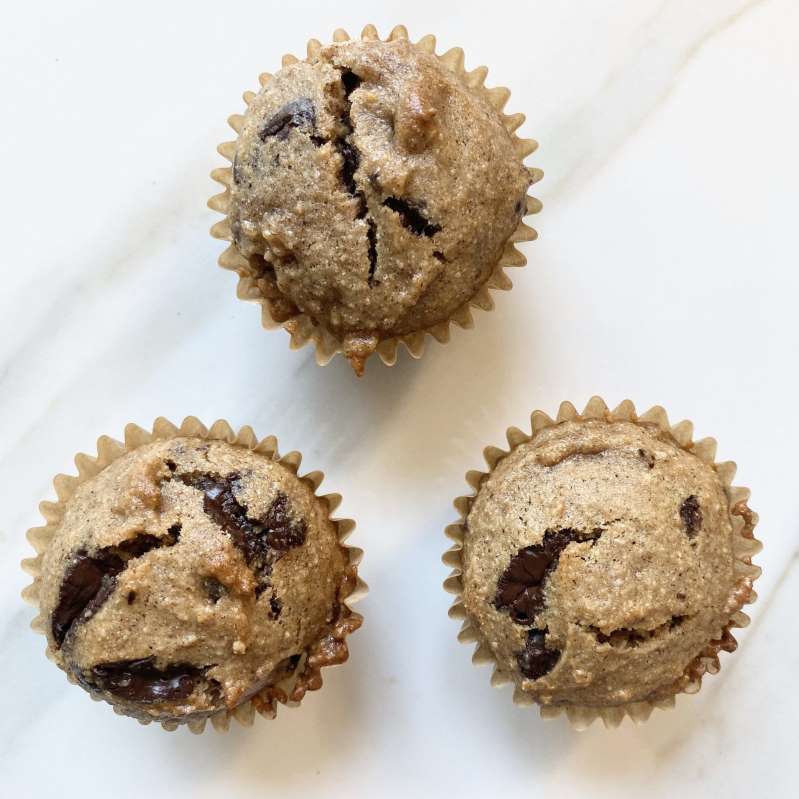
A muffin can be both a treat and a healthy way to kick off your morning—when made with the right ingredients, that is. As a registered dietitian, one of my favorite jobs is to fine-tune recipes to create options that are both delicious and healthful. I think I accomplished both with my Banana Dark Chocolate Mini Muffins; and they’re fun and easy to make.
A number of my tweaks significantly up the nutritional value of this recipe, but bananas are the star. The number one most popular fruit sold in the United States, bananas are highly nutritious. One medium banana provides 12 percent of the daily need for both fiber , which supports good digestive health , as well as potassium , which behaves as an electrolyte and supports heart rhythm, nerve, and muscle function; it also helps regulate blood pressure . Bananas also supply vitamin C for immune health, energy supporting B vitamins, and manganese, a mineral needed for healthy bones, wound healing, and collagen production. They also pack healthy antioxidants , which can help protect against heart disease and cancer. Mmm, chocolate
The fruit’s chief co-star in this recipe is dark chocolate . In addition to being decadent, dark chocolate deserves its superfood status. Some research suggests it may help protect the heart and reduce stress and inflammation, while improving memory , immunity , and mood, and even support bone density. To further boost the healthiness, I opted for antioxidant-rich maple syrup in place of refined sugar, protein, and nutrient-rich chickpea and almond flours rather than white flour, and heart-healthy extra virgin olive oil (EVOO) instead of butter. The combo of banana, maple syrup, and EVOO give the muffins their moist texture. These gluten-free, 100 percent plant-based goodies are just as flavorful and satisfying as a traditional version, and the cinnamon aroma is intoxicating. Divide and conquer
Rather than making four larger muffins, I opted for 12 minis, with one serving being three petite muffins. Research shows that your brain observes a greater number of items as a larger quantity, even if the total portion is identical. This perception translates into feeling more satisfied with three minis rather than one larger muffin. If you don’t have a mini-muffin pan, you can divide the batter into four larger muffins, but here’s a trick: Cut your muffin into smaller pieces before you eat it, so you’ll feel like you’re eating more.
To further boost the plant protein content in my meal, I like to serve my minis with a latte made with a higher protein plant milk. I personally love Ripple , made from peas, which provides 8 grams of protein per cup.
Another fun option is a parfait made with layers of three quartered mini muffins alternated with plant-based yogurt. My favorite is Kite Hill’s vanilla unsweetened Greek-style yogurt crafted from almonds, which provides 13 grams of protein per two-thirds cup portion.
If you prefer a savory breakfast, enjoy these muffins as an afternoon snack or dessert. Just popping one can satisfy a sweet craving while delivering some key nutrients. Here’s the recipe. I hope you enjoy it as much as I do! Banana Dark Chocolate Mini Muffins
Serves four Ingredients:
¼ cup chickpea flour
¼ cup almond flour
1.5 teaspoons ground cinnamon
¼ teaspoon baking soda
¼ teaspoon baking powder
1/8 teaspoon sea salt
¼ cup mild-flavored extra virgin olive oil
¼ cup pure maple syrup
1.5 teaspoons pure vanilla extract
1 cup banana slices, divided
¼ cup chopped 70% dark chocolate Instructions:
Preheat oven to 350 F. In a large bowl, combine chickpea and almond flours, cinnamon, baking soda, baking powder, and sea salt, and set aside. In a mini food processor combine oil, maple syrup, vanilla, and half of the banana. Blend until smooth, and then fold the wet mixture into the dry ingredients and stir to mix the batter. Mince the remaining banana slices and stir into the batter along with the chopped dark chocolate. Evenly spoon the batter into 12 paper cup lined mini muffin cups. Bake for 15 minutes or until toothpick inserted into center of muffin comes out clean.
The post The Healthy Banana Muffin this Nutritionist Swears By appeared first on The Healthy .
Gallery: 7 Best Recipes for Homemade Protein Bars (The Healthy)
What’s good for the body is goodfor the mind

Sure, exercise can improve your physical health, trim your waistline, improve your functional ability and even add years to your life.
But that’s not what motivates most people to stay active.
People who exercise regularly tend to do so because it gives them a huge sense of well-being. They feel more energetic throughout the day, sleep better at night, have sharper memories, and feel more relaxed and positive about themselves and their lives.
It’s proven — exercise that helps the body also helps the mind!
Regular exercise can have a positive impact on depression, anxiety, ADHD and more. It relieves stress, improves memory, helps you sleep better and boosts your overall mood. You don’t have to be a fitness fanatic to feel the benefits. Research shows even small amounts of exercise can make a difference. No matter your age or fitness level, you can learn to use exercise as a powerful tool to feel better.
Exercise and depression
Studies show exercise can treat mild to moderate depression as effectively as antidepressant medication — but without the side-effects. A recent study done by the Harvard School of Public Health found running for 15 minutes a day or walking for an hour reduces the risk of major depression by 26 percent. It releases endorphins, powerful chemicals in your brain that energize you and make you feel good. Exercise serves as a distraction, allowing you to find some quiet time to break out of the cycle of negative thoughts that feed depression.
Exercise and anxiety
Exercise is a natural and effective anti-anxiety treatment. It relieves tension and stress, boosts physical and mental energy, and enhances well-being through the release of endorphins. Try exercises where you can focus on the movement and how you feel. By adding this mindfulness element — really focusing on your body and how it feels as you exercise — you’ll not only improve your physical condition, but you may also be able to interrupt the flow of constant worries running through your head. Mind body exercise such as tai chi, Pilates or yoga, or simply stretching is a good choice to help with anxiety.
Exercise and stress
Ever noticed how your body feels when you’re under stress? Your muscles may be tense, you may experience body aches or headaches, you may feel a tightness in your chest, a pounding pulse or muscle cramps, or even experience problems such as insomnia, heartburn, stomachache, diarrhea or frequent urination. As well as releasing endorphins in the brain, physical activity helps to relax the muscles and relieve tension in the body. Since the body and mind are so closely linked, when your body feels better, so does your mind.
Exercise and ADHD
Exercising regularly is one of the easiest and most effective ways to reduce the symptoms of ADHD and improve concentration, motivation, memory and mood. Physical activity immediately boosts the brain’s dopamine, norepinephrine and serotonin levels — all of which affect focus and attention. In this way, exercise works in much the same way as ADHD medications such as Ritalin and Adderall.
Kay Benward is an exercise specialist and supervisor at the Sam B. Cook Healthplex Fitness Center. She has been with Capital Region Medical Center for 29 years and inspired many people to lead healthy lives through exercise. She continues to teach classes and enjoys training the mature adult for balance, posture and functional strength, as well as educating her clients, staff and community on exercise as medicine.
The neural cruelty of captivity: Keeping large mammals in zoos and aquariums damages their brains
(The Conversation is an independent and nonprofit source of news, analysis and commentary from academic experts.)
Bob Jacobs, Colorado College
(THE CONVERSATION) Hanako, a female Asian elephant, lived in a tiny concrete enclosure at Japan’s Inokashira Park Zoo for more than 60 years, often in chains, with no stimulation. In the wild, elephants live in herds, with close family ties. Hanako was solitary for the last decade of her life.
Kiska, a young female orca, was captured in 1978 off the Iceland coast and taken to Marineland Canada, an aquarium and amusement park. Orcas are social animals that live in family pods with up to 40 members, but Kiska has lived alone in a small tank since 2011. Each of her five calves died. To combat stress and boredom, she swims in slow, endless circles and has gnawed her teeth to the pulp on her concrete pool.
Unfortunately, these are common conditions for many large, captive mammals in the “entertainment” industry. In decades of studying the brains of humans, African elephants, humpback whales and other large mammals, I’ve noted the organ’s great sensitivity to the environment, including serious impacts on its structure and function from living in captivity.
Affecting health and altering behavior
It is easy to observe the overall health and psychological consequences of life in captivity for these animals. Many captive elephants suffer from arthritis, obesity or skin problems. Both elephants and orcas often have severe dental problems. Captive orcas are plagued by pneumonia, kidney disease, gastrointestinal illnesses and infections.
Many animals try to cope with captivity by adopting abnormal behaviors. Some develop “stereotypies,” which are repetitive, purposeless habits such as constantly bobbing their heads, swaying incessantly or chewing on the bars of their cages. Others, especially big cats, pace their enclosures. Elephants rub or break their tusks.
Changing brain structure
Neuroscientific research indicates that living in an impoverished, stressful captive environment physically damages the brain. These changes have been documented in many species, including rodents, rabbits, cats and humans.
Although researchers have directly studied some animal brains, most of what we know comes from observing animal behavior, analyzing stress hormone levels in the blood and applying knowledge gained from a half-century of neuroscience research. Laboratory research also suggests that mammals in a zoo or aquarium have compromised brain function.
Subsisting in confined, barren quarters that lack intellectual stimulation or appropriate social contact seems to thin the cerebral cortex – the part of the brain involved in voluntary movement and higher cognitive function, including memory, planning and decision-making.
There are other consequences. Capillaries shrink, depriving the brain of the oxygen-rich blood it needs to survive. Neurons become smaller, and their dendrites – the branches that form connections with other neurons – become less complex, impairing communication within the brain. As a result, the cortical neurons in captive animals process information less efficiently than those living in enriched, more natural environments.
Brain health is also affected by living in small quarters that don’t allow for needed exercise. Physical activity increases the flow of blood to the brain, which requires large amounts of oxygen. Exercise increases the production of new connections and enhances cognitive abilities.
In their native habits these animals must move to survive, covering great distances to forage or find a mate. Elephants typically travel anywhere from 15 to 120 miles per day. In a zoo, they average three miles daily, often walking back and forth in small enclosures. One free orca studied in Canada swam up to 156 miles a day; meanwhile, an average orca tank is about 10,000 times smaller than its natural home range.
Disrupting brain chemistry and killing cells
Living in enclosures that restrict or prevent normal behavior creates chronic frustration and boredom. In the wild, an animal’s stress-response system helps it escape from danger. But captivity traps animals with almost no control over their environment.
These situations foster learned helplessness, negatively impacting the hippocampus, which handles memory functions, and the amygdala, which processes emotions. Prolonged stress elevates stress hormones and damages or even kills neurons in both brain regions. It also disrupts the delicate balance of serotonin, a neurotransmitter that stabilizes mood, among other functions.
In humans, deprivation can trigger psychiatric issues, including depression, anxiety, mood disorders or post-traumatic stress disorder. Elephants, orcas and other animals with large brains are likely to react in similar ways to life in a severely stressful environment.
Damaged wiring
Captivity can damage the brain’s complex circuitry, including the basal ganglia. This group of neurons communicates with the cerebral cortex along two networks: a direct pathway that enhances movement and behavior, and an indirect pathway that inhibits them.
The repetitive, stereotypic behaviors that many animals adopt in captivity are caused by an imbalance of two neurotransmitters, dopamine and serotonin. This impairs the indirect pathway’s ability to modulate movement, a condition documented in species from chickens, cows, sheep and horses to primates and big cats.
Evolution has constructed animal brains to be exquisitely responsive to their environment. Those reactions can affect neural function by turning different genes on or off. Living in inappropriate or abusive circumstance alters biochemical processes: It disrupts the synthesis of proteins that build connections between brain cells and the neurotransmitters that facilitate communication among them.
There is strong evidence that enrichment, social contact and appropriate space in more natural habitats are necessary for long-lived animals with large brains such as elephants and cetaceans. Better conditions reduce disturbing sterotypical behaviors, improve connections in the brain, and trigger neurochemical changes that enhance learning and memory.
The captivity question
Some people defend keeping animals in captivity, arguing that it helps conserve endangered species or offers educational benefits for visitors to zoos and aquariums. These justifications are questionable, particularly for large mammals. As my own research and work by many other scientists shows, caging large mammals and putting them on display is undeniably cruel from a neural perspective. It causes brain damage.[Deep knowledge, daily. Sign up for The Conversation’s newsletter.]Public perceptions of captivity are slowly changing, as shown by the reaction to the documentary “Blackfish.” For animals that cannot be free, there are well-designed sanctuaries. Several already exist for elephants and other large […]
Try These Tricks To Increase Your Concentration

In this modern day-and-age, staying focused on a single task is very hard. Distractions are everywhere. We all try to give our one hundred percent attention to everything we do, but somehow always manage to fall short.
To help you better concentrate and improve your attention span, here are a few tips and tricks: Improving Sleep
Sleep deprivation is one of the main causes of disruptions in our ability to concentrate. Other cognitive functions, such as memory are harmed as well. Being sleep deprived occasionally is not harmful, but a constant lack of sleep can affect mood and overall performance. The lack of sleep even affects your ability to do basic tasks. Health issues and a demanding schedule makes it difficult to get enough sleep. But it is very important to get at least 6 to 8 hours of sleep each night. Here are some tips to help you sleep better: Keep your room at a cool but comfortable level.
Don’t use the screen an hour before you go to bed.
Keep your wake and sleep time the same throughout the week and weekend.
Exercise regularly though, avoid heavy workouts before bedtime.
Brain Training
Incorporating certain types of games into your daily routine can be highly beneficial for your cognitive abilities and concentration.
Games such as: Crossword Puzzles
Chess
Sudoku
Jigsaw puzzles
Scrambles or Word searches
Memory games
They can also help you develop your short-term and working memory, as well as, your problem solving and processing skills.
According to a study conducted in 2015 , 4,715 adult subjects suggest that spending only 15 minutes a day, for 5 days a week on memory-based games can exponentially increase your concentration levels. Regularly Exercising
Increased levels of concentration are one of the main benefits of exercising regularly. Exercise is beneficial for everyone. A research conducted in 2018 showed that daily physical activity helps improve attention and concentration after 4 weeks. Another research focused on older adults, showed that a year of moderate physical exercise can stop and in some cases reverse memory loss due to aging.
Aerobic exercise is recommended. Nonetheless, doing something is better than doing nothing. Determined by your weight and personal fitness goals, you can exercise more or less. It can be hard for some people to find time for exercise in their busy schedules or they suffer from mental or physical health challenges that make it difficult to exercise regularly .
If you struggle to find time to exercise, here are some ways that you can overcome that: Walk your kids to school
Split your weekly grocery shopping trips into two or three trips by bike or foot.
Try to wake up 20 mins earlier every morning to have a quick jog around your neighborhood.
Walk to your favorite coffee shop instead of driving.
Playing Video Games
Brain games aren’t the only types of games that can improve your concentration and help increase your attention span. One research found evidence that playing an hour of video games could assist in improving visual selective attention (VSA). It refers to your capacity to concentrate on a particular task while avoiding distractions around you. A review done in 2017, examined 100 studies about the effects of videogames on cognitive function. The results suggested that playing videogames can help increase attention and focus. Meditating
Meditation and other mindful practices have shown to be highly beneficial. Improved attention span is one of the benefits. A review suggests that mindfulness training that highlights attention focus could help improve focus and concentration. It can also improve other cognitive abilities such as memory. Meditation doesn’t just translate to sitting in silence with your eyes closed. Deep breathing, yoga, and other such activities are beneficial meditating exercises. Taking Supplements
Nootropic supplements are natural drugs or supplements that can be highly beneficial for brain activity. They boost memory, creativity, alertness, motivation, and general cognitive functions.Here are some essential supplements that can boost your concentration. Fish oils Fish oil supplements contain omega-3 fatty acids that have been linked with improving memory thinking skills and reaction times. Docosahexaenoic acid (DHA) and eicosapentaenoic acid (EPA) are the main two types present in fish oil supplements.DHA plays an essential role in maintaining the function and structure of your brain. It accounts for 90% of the omega fat present in your brain cells. Caffeine Caffeine is a natural excitant commonly found in coffee, dark chocolate, and tea. It functions by stimulating the nervous system and brain, giving you the effect of being less tired and more alert. Research suggests that caffeine can make you feel more energized and improve concentration, memory, and overall brain activity.Though, ingesting too much caffeine can be counterintuitive, as it can give you jitters and can cause anxiety and nausea. Kratom Kratom is a natural supplement that is consumed for various purposes all around the world. There are many different strains for Kratom; a different one for each purpose. Red strain is a low strain that is used for its relaxing and pain-relieving properties while the White strain is used for boosting up energy. Similarly, the Gold Maeng Da Kratom is famous for its abilities for increasing the concentration span. This natural supplement lets you focus on your work/activity by affecting the cerebral system of the body. Among all the strains, the Gold Maeng Da is the strongest strain. So consuming it in a lesser quantity than the other strains can still prove to be effective. The recommended dose is less than 2 grams. If you have questions on where to buy kratom , it’s completely legal and can be easily bought online.Not all of these methods will be effective for everyone. Some may work well, while others may seem simply inefficient.Whatever the case may be, try giving every option a try to find the most suitable method for you. Apart from all these remedies, there are certain foods that can help you concentrate better .
A cup of goodness: get to know the 8 surprising health benefits of organic cocoa
Advertisement When it comes to beverages, there’s nothing quite as comforting as a hot cup of cocoa.
Derived from the beans of the cacao plant ( Theobroma cacao ) and first cultivated by the Aztec and Maya civilizations of Central America, cocoa as we know it, started out as a bitter beverage called “cacahuatl” that was shared during religious ceremonies.
The drink soon found its way to Europe, thanks to the Spanish conquistadors who brought home with them their newfound knowledge regarding the cacao plant, its precious beans, and how to process them.
From there, the drink took a life of its own: mixed with spices and sweeteners, it was hailed by the upper classes as a delicious and healthy beverage, and was even marketed as a powerful aphrodisiac.
There’s more to cocoa than just being a sweet and comforting drink, however, it’s actually packed full of vitamins and minerals.
According to experts, 100 grams or 6 tablespoons of unsweetened cocoa powder contains the following nutrients : 57.9 grams of carbohydrates
13.7 grams of fat
19.6 grams of protein
Riboflavin (Vitamin B2) – 14 percent Daily Value (DV)
Niacin (Vitamin B3) – 11 percent DV
Folate (Vitamin B9) – 8 percent DV
Pyridoxine (Vitamin B6) – 6 percent DV
Thiamin (Vitamin B1) – 5 percent DV
Manganese – 192 percent DV
Copper – 189 percent DV
Magnesium – 125 percent DV
Iron – 7 percent DV
Phosphorus – 73 percent DV
Zinc – 45 percent DV
Potassium – 44 percent DV
Selenium – 20 percent DV
Calcium – 13 percent DV
Where cocoa shines, however, is in its antioxidant content.
As noted in a study published in the journal Antioxidants & Redox Signaling , cocoa contains flavonoids such as catechins, epicatechins, and procyanidins — all of which are linked to several important health benefits . Cocoa can help reduce high blood pressure
The next time you feel like your blood pressure is shooting up, go to the kitchen and make yourself a cup of cocoa.
Cocoa, according to researchers, may be able to help lower blood pressure in certain individuals.This reduction in blood pressure is caused by flavonols, which, as noted in a study published in the Cochrane Database of Systematic Reviews , helps improve the levels of nitric oxide in the blood .Nitric oxide causes blood vessels to relax and dilate, thus helping to lower your blood pressure.Aside from flavonols, cacao also has other antioxidants, namely catechins and anthocyanins, which help promote healthy cardiovascular function by maintaining healthy blood pressure levels. Cocoa may help improve your cognitive function and mood Need more brainpower? Grab a cup of hot cocoa!This is because cocoa is packed full of antioxidant compounds that can reduce your risk of neurodegenerative diseases by supporting neuron production and brain function as well as by improving blood flow to the brain .In addition to helping improve your cognitive function, the antioxidants in cocoa may also exert some positive effects on your mood according to another study which noted the absorption and accumulation of flavonoids in the brain regions involved in learning and memory.As detailed in the research, this accumulation of antioxidants helps reduce stress levels, as well as improves calmness, contentment and overall psychological well-being.Also, cacao is considered by experts to be one of the best plant-based sources of magnesium, a mineral that helps turn glucose into energy, which then enables your brain to work with laser-sharp focus. Cocoa may help in safe and sensible weight management While it may seem counterintuitive, research suggests that consuming a little dark chocolate may play a role in controlling your appetite, which in turn could help you manage your weight.According to neuroscientist Will Clower, this is because consuming a little dark chocolate — and by extension dark cocoa — before or after meals triggers the release of hormones that signal to the brain that you’re already full.Furthermore, as noted in an article published in the journal Frontiers in Pharmacology , chocolate actually promotes the growth of beneficial bacteria in the gut , which, in turn, results in healthy metabolism. Cocoa may help prevent the development and spread of certain types of cancers If you want to guard themselves from the wrath of cancer, you may want to indulge in some hot cocoa — the antioxidants in cocoa are some of the most potent, after all.In fact, according to a study published in the Journal of the American Society of Hypertension , people who constantly snack on dark chocolate develop fewer cancers than those who don’t consume them — an effect believed to be caused by the antioxidants epicatechin and quercetin.In addition, test-tube studies on cocoa’s components show that not only do the compounds have antioxidant effects, they are also capable of inhibiting malignant cell growth, induce apoptosis or death in cancer cells and even help prevent their spread.Animal studies regarding cocoa-rich diets and the use of cocoa extracts too have seen positive results, with some studies even noting their capability to reduce breast, pancreatic, prostate, liver and colon cancers and even leukemia.Researchers note, however, that while the limited studies in humans are promising, more research is needed in order to confirm cocoa’s potential role in cancer prevention. Cacao can help provide relief in people with asthma Cocoa, according to preliminary research, may be beneficial for asthmatic people as it contains the compounds theobromine and theophylline which have properties that can offer relief to people suffering from asthma.Theobromine, for instance, is similar to caffeine and may help with persistent coughing , while theophylline helps the lungs dilate, as well as relaxes the airways and decreases inflammation.Take note, however, that these findings have not yet been clinically tested in humans, and that further research is needed in order to see if cocoa can be safely used as a treatment option in conjunction with other anti-asthmatic drugs. Cocoa can help nourish and protect the skin If you’re looking for ways to improve and nourish skin, you may benefit from a cup of hot cocoa.According to experts from the Harvard […]


The Power Within by Corey Daniels book available for only $2.99
Mind has both conscious and subconscious halves. These are likened to a driver and the truck he drives. The driver plans the destination and observes road conditions, while the truck provides motive power. Your subconscious mind is like the truck and it only goes in the direction in which is a steered. This can be the road or off a cliff. Likewise, the consciousness paints a picture of what the world is and what your goals are and the subconscious acts on them through emotion, physical response and energy, whether these are correct, rational images or false negative ones. The subconscious is also like an emotional reservoir which your body and mind draw responses from to external stimuli.
The Power Within lays out a method of programming your subconscious and tapping into the Holy Spirit, God voice or what the Greeks called the daimon (godman).