Nature Knows and Psionic Success
God provides
Kin Euphoric Beverages: The Alcohol-Free Drinks You’ve Been Waiting For

There have always been lots of reasons to drink alcohol , and the events of 2020 have only added to that list. But one of the biggest reasons for people drink is to enhance a sense of social connection with others. For many people, that benefit alone is worth the negative side-effects associated with drinking, like hangovers or loss of control. But over time, it can also seem as if alcohol is providing diminishing returns. So if you’ve been looking for an alternative, Kin’s special brand of “euphoric beverages” are alcohol-free drinks that might be just what you need to fill the gap. Kin Euphoric beverages are alcohol-free drinks that are chemically engineered to give you a variety of euphoric sensations, as well as an increase in conscious connection with others. This is done by way of natural herbs known as adaptogens that let users better manage stress, compounds called nootropics that boost cognition, and other plant-based ingredients called botanics that handle flavor, function, and nutrition. Together, these adaptogens, nootropics, and botanics give us Kin’s euphoric beverages , which come in three different varieties. Here’s a rundown of the alcohol-free drinks offered by Kin.
Kin Spritz is meant as a daytime drink that gives you a sunny boost of euphorics from the first gulp. The Kin version of a classic “summer spritz” has a flavor core of citrus and a ginger kick that gives it a unique flavor in front of the euphorics, which react to your own personal body chemistry to create a plethora of possible effects. Some report euphoric joy, while others report a relaxing calm sensation. And the cognitive brain boost courtesy of the nootropics in the drink can make it a valuable part of your daily routine.
Kin’s nighttime drink comes with a light dose of melatonin, the substance your own brain produces when it’s time to go to sleep. Relaxation and euphoria are some of the common effects enjoyed by those who drink Dream Light , and it’s designed to be the perfect nightcap to help start the process of getting you to sleep, but without any strong side-effects. On the flavor side, it has an “earthy, smoky, and smoothly spiced palette.” It also contains L-theanine and passionflower, which give a boost to your GABA levels, and l-tryptophan which supports the flow of serotonin, another important component of your body’s sleep process. High Rhode
Kin High Rhode is the tart, floral herbaceous euphoric that’s designed as a mixer. Alcohol is not encouraged to be used with this or any Kin product, but High Rhode makes a great combination with your favorite juices and sodas and can give you a euphoric boost in relaxation, clear thought, and social interactions.
All Kin products can be purchased individually, or as part of a subscription plan at a discount. Gift sets are also available. So if you’re ready to say goodbye to hangovers and change the paradigm of “social drinking,” you’re ready to embark on your first journey into the world of euphorics. So head over to the official Kin site , where you can order any or all of Kin’s alcohol-free drinks, today.
Futurism fans: To create this content, a non-editorial team worked with an affiliate partner. We may collect a small commission on items purchased through this page. This post does not necessarily reflect the views or the endorsement of the Futurism.com editorial staff.
8 benefits of CBD oil

From reducing stress and promoting a better night’s sleep to treating serious conditions and diseases such as epilepsy and rheumatoid arthritis , CBD oil – occasionally called cannabis oil – is inhabiting medicine cabinets across the world for a huge range of reasons.
CBD is an extract known as cannabidiol, and it’s one of the 113 identified cannabinoids found in cannabis plants. This naturally occurring substance is extracted and mixed with a carrier oil – often hemp seed or coconut – to create CBD oil.
We spoke with pharmacist Sultan Dajani, from Dragonfly CBD , and professional rugby player Grayson Hart, co-founder of Pure Sport CBD , to find out the science-backed benefits, recommended dosage, and potential side effects to using CBD oil: Is CBD the same as cannabis?
CBD is one of 104 chemical compounds, known as cannabinoids, that can be found in the cannabis plant. It’s a naturally occurring substance, which can be extracted and mixed with a carrier oil – often hemp seed or coconut – to create CBD oil.
Unlike the most well-known cannabinoid , tetrahydrocannabidiol (THC), CBD is not psychoactive, meaning that it won’t make you ‘high’ – the sensation most commonly associated with cannabis. It is, however, reported to offer a range of health and medicinal benefits – the reason behind its growing acclaim. What does CBD oil do?
CBD oil acts on your endocannabinoid system: a network of receptors that interacts with various cannabinoids to maintain vital functions throughout the body, says Dajani, including sleep , appetite , pain and immune system response. When talking about CBD oil, there are two main receptors involved: CB1 and CB2.
‘CB1 receptors are concentrated in the nervous system and the brain, particularly in the parts of the brain responsible for mental and physiological functions such as memory, cognition, emotion and motor co-ordination,’ he explains. ‘CB2 receptors are found throughout the central nervous and immune systems.’
Tetrahydrocannabinol (THC) is the main psychoactive compound in marijuana that gives the sensation of being ‘high’. Since CBD and THC have slightly different chemical structures, they interact with CB1 and CB2 receptors in different ways, differentiating the effects each has on the body, Dajani continues.
Both CBD and THC interact with CB2 receptors, but only THC bonds directly with CB1 receptors. ‘When this bond between THC and CB1 receptors is formed, the reaction creates signals that are sent to the brain, resulting in the effect of ‘getting high’,’ he says. ‘Research shows that CBD does not bond with CB1 receptors, so when people take CBD for reasons such as stress, anxiety, and pain, it does not have the effect of creating a high.’ Is CBD legal in the UK?
There has been a fair amount of confusion surrounding the legality of CBD oil, because the vast majority of cannabinoids are controlled substances under the Misuse of Drugs Act.
However, CBD oil is completely legal in the UK, providing it has been derived from an industrial hemp strain that is EU-approved and contains little-to-no THC.
There are strict restrictions in place with regard to the THC content of CBD oil. To be legal in the UK, CBD oil must contain no more than 0.2 per cent THC, and the THC must not be easily separated from it. 8 benefits and uses of CBD oil
The use of CBD oil is being researched in various conditions, including Alzheimer’s disease , Parkinson’s disease , schizophrenia , Crohn’s disease , rheumatoid arthritis , and diabetes complications , says Dajani.
Here are some of the benefits as seen in science so far: 1. CBD oil can relieve chronic pain
CBD oil has an analgesic effect, meaning it reduces pain perception in the brain. ‘CBD has also been shown to have anti-inflammatory effects, influencing biochemical inflammatory pathways in animal studies, with benefits shown in animals in chronic muscle pain, including fibromyagia,’ says Dajani. ‘A 2012 review in the Journal of Experimental Medicine concluded that CBD oil was an effective treatment for chronic pain.’ 2. CBD oil alleviates cancer-related symptoms
Multiple studies have shown that CBD oil offers benefits to those receiving treatment for cancer. High-strength CBD medicinal cannabis products can help reduce nausea and improve appetite, pain and sleep disturbance in cancer patients. 3. CBD oil can ease anxiety
Laboratory studies have shown that the use of CBD oil is useful in reducing anxiety – and may help to ‘regulate learned fear, reduce conditioned fear and anxiety, and dampen down its expression,’ says Dajani – meaning it could be a beneficial natural remedy for sufferers.
‘Reductions in anxiety appear to mediated by the interaction of CBD with the 5HT1-A receptor rather than CB1 or CB2 receptors, and not dependent on the benzodiazepine receptors used by medication such as diazepam,’ he adds.
In a double-blind placebo-controlled study of people with social anxiety disorder, treatment with CBD before simulated public speaking ‘significantly reduced anxiety, cognitive impairment and discomfort in their speech performance, and significantly reduced alert levels in their anticipatory speech,’ Dajani says. 4. CBD oil is a natural antidepressant
The antidepressant effects of CBD have been demonstrated widely in animal models. This is because CBD oil interacts with the neurotransmitter serotonin, which regulates mood and social behaviour.
It has also been shown to safely improve the symptoms of post-traumatic stress disorder (PTSD) in children. ‘Because CBD is completely natural, there are no negative side effects that reliance on prescription medication may cause,’ says Hart. 5. CBD oil has neuroprotective properties
Thanks to its interaction with the endocannabinoid system, CBD oil may provide benefits for those with neurological disorders – particularly certain types of epilepsy and multiple sclerosis. ‘CBD has been shown to have a calming effect in the central nervous system, mediated by CBD’s interaction with the CBD 1 and 2 receptors, amongst others,’ says Dajani. 6. CBD oil may help treat acne
Due to the effects of CBD oil on the immune system and its ability to help reduce inflammation, it may offer relief from acne . ‘Cannabinoids are the subject of growing research interest for inflammatory […]
Spiking Neural Networks Place Data In Time
Artificial neural networks have found a variety of commercial applications, from facial recognition to recommendation engines. Compute-in-memory accelerators seek to improve the computational efficiency of these networks by helping to overcome the von Neumann bottleneck.
But the success of artificial neural networks also highlights their inadequacies. They replicate only a small subset of the cognitive capabilities of biological brains. Even those tasks they can tackle — often poorly — need vast data centers for tasks that untrained humans find trivial.
In biological brains, synapses define the strength of connections between neurons. If two neurons often fire together, the connection between them becomes strong. Otherwise, it weakens or breaks entirely. Artificial neural networks emulate this behavior with an array of weights — the response to a stimulus is a weighted sum across the input nodes. Compute-in-memory accelerators seek to optimize these weighted sums .
The synapses are only half the story, though. Rather than doing “computation” in the von Neumann sense, biological brains create and accumulate sequences of electrical spikes. For example, the rods and cones in the eye emit electrical signals in response to light falling on the retina. This “spike train” both captures a portion of the image and places it in a temporal sequence. Successive layers of neurons assemble signals from the full retina into complex images, combine them with auditory and other sensory inputs, then use knowledge and experience to evaluate the situation and take action if needed. Synapses allow the brain to prioritize inputs, but neurons are responsible for actually sending and receiving signals. Spiking neural network designs seek to emulate this signal processing behavior.
Instead of accumulating weighted sums, spiking neural network models track one or more time-dependent state variables as they evolve in response to input spikes. Biologically, neural currents are due to the movement of ions (mostly Na+) through channels in the cellular membrane. So a simple model might have two state variables, membrane potential and current, related by a single linear differential equation. When the relevant state variable reaches a threshold, the neuron fires. More complex models might involve more variables, reflecting changes in firing rate due to membrane leakage, recovery time after a spike, and so on.
Though such simple models are easy to implement, they fail to capture the richness of biological behavior. Neuroscientists use experimental techniques like functional magnetic resonance imaging (fMRI) to observe the activation of specific regions in biological brains in response to a stimulus. While directly decoding neurological signals is only possible in very limited circumstances, it’s clear that different cognitive tasks involve different patterns of neurological activation. Each neuron is connected to potentially thousands of its peers and is able to both receive and send signals across each connection. In human brains, more than two hundred known neurotransmitters help define neural connectivity. “ Neuromorphic ” artificial intelligence models face a conflict between, on one hand, the complexity of biological systems and, on the other hand, the need to operate within reasonable limitations on circuit area, power consumption, and so on. More biologically accurate models are more difficult to implement.
Introducing the neuristor
In 2012, Matthew D. Pickett and colleagues at HP Labs proposed a “neuristor” device to capture three fundamental elements of biological neural behavior. The first, already mentioned, is threshold-driven electrical spiking. Spikes arise from the potential difference between the interior of the neuron and the surrounding intracellular fluid. Once the potential difference exceeds a threshold, the neuron fires, sending current spikes to adjacent neurons. In biological neurons, Nodes of Ranvier along the neural fibers recharge the action potential and facilitate lossless propagation of these spikes, the second fundamental characteristic, and a prerequisite for fine motor control at extremities. Finally, each spike “discharges” the neuron for a period of time — the third fundamental characteristic is the need for a recovery period between spikes.
The simplest mathematical models and hardware implementations that can capture these most basic behaviors are “integrate and fire” models. A neuron collects input spikes from upstream neurons and fires a spike downstream whenever those inputs exceed a threshold. The next step up in sophistication, “leaky integrate and fire” models, introduce a decay period. The potential difference at the cellular membrane dissipates over time. To cause a downstream spike, the rate of inputs must be high enough to raise the potential difference more rapidly than it leaks away. These models introduce a memory effect. That is, the state variable evolves over time, and the spiking behavior depends on that history.
Integrate and fire models, leaky or not, still fall short of the complex activation patterns seen in biological brains. In particular, biological neurons exhibit both excitatory and inhibitory behavior. A signal from neuron A can make neuron B either more or less likely to fire. A third neuron, C, might control the interaction between A and B.
A 2017 survey by Catherine Schuman and colleagues at Oak Ridge National Laboratory observed that the Hodgkins-Huxley model is one of the simplest models able to produce biologically plausible results. It describes the change in potential across the cellular membrane in terms of sodium and potassium ion flows, using four state variables described by four differential equations. This model is a starting point for many attempts to build artificial spiking neural networks.
Neurons and synapses have different roles and require different circuit elements. While compute-in-memory accelerators might use RRAM and other non-volatile memory elements to store synaptic weights, the dynamic fire-and-recover behavior of neurons requires different characteristics. And CMOS -based designs can replicate Hodgkins-Huxley behavior, but Wei Yi and colleagues at HRL Laboratories argued that doing so requires a very large circuit footprint. A CMOS-based design can be scalable or biologically plausible, they said, but not both.
If not CMOS, what?
CMOS devices are also inherently deterministic, while real neuron behavior is stochastic. In biological neurons, random fluctuations in the membrane potential arise from the stochastic behavior of ion channels, stochastic synaptic transmission, crosstalk between neighboring neurons, and so on. This natural randomness leads to variations in spike periodicity that […]
9 Amazing health benefits of AVOCADOS

Advertisement The avocado is widely considered to be a superfood due to its high amounts of nutrients and antioxidants. It is endemic to Mexico and Central America, but it is also widely consumed around the world. When ripe, the avocado has a mild, muted flavor and a thick, buttery texture, which is why it is typically consumed as guacamole, a creamy avocado-based dip.
There are many varieties of avocado that differ in shape, color and flavor. The Hass avocado is one of the most popular varieties. It is also colloquially known as the “alligator pear” due to its pear-like shape and green, pebbly skin.
But regardless of variety, avocados provide several health benefits linked to immunity, digestion, cardiovascular health and cell development. Here are 9 reasons why you should include this extremely healthy superfood in your diet: Contains essential nutrients, vitamins and minerals
The avocado is an incredibly nutritious fruit. Half an avocado contains the following : Calories: 114 kcal
Carbohydrates: 6 g
Sugar: 0.2 g
Fiber: 5 g
Protein: 1 g
Fat: 10.5 g
Potassium: 345 mg
Magnesium: 20 mg
Vitamin C: 6 mg
Vitamin B6: 0.2 mg
The avocado also contains traces of vitamins A and E, thiamine, riboflavin, niacin, manganese, zinc and phosphorus. Moreover, avocados contain zero cholesterol and sodium. Boosts immunity
Vitamin C, a potent antioxidant, plays an important role in immunity enhancement. It prevents cellular damage caused by free radicals, which can eventually lead to chronic diseases and premature aging.
Avocados also contain high levels of omega-3 fatty acids that boost immunity by stimulating the production of white blood cells. Meanwhile, essential B vitamins protect the body by fighting disease-causing pathogens. Supports cell development
Avocados contain 18 essential amino acids that play essential roles in cell growth and development. Amino acids are organic compounds that combine to form proteins. In turn, proteins provide structural support, fortifying the cells of bones, nails, hair and skin. Regulates blood sugar levels
Compared to many fruits that naturally contain fructose, avocados have very low sugar content. It contains a unique sugar known as D-mannoheptulose, which acts as a phytochemical to regulate blood sugar levels. Therefore, regular avocado consumption can reduce high blood sugar levels significantly, thereby lowering the risk of Type 2 diabetes.
D-mannoheptulose can also inhibit excess production of insulin in the pancreas, which can otherwise lead to hypoglycemia or low blood sugar. Supports heart health
Avocado consumption is also linked to heart health. Several clinical studies show that avocados can lower cholesterol levels, reducing the risk of heart attack, congestive heart failure and stroke. Aids digestion
Avocados also contain high amounts of dietary fiber, which promotes digestion and regulates bowel movement. Moreover, dietary fiber can promote weight loss since it can sustain satiety for longer periods. Combats aging
Vitamin E is a powerful antioxidant that stimulates the production of collagen, a protein that supports the structure of tendons, ligaments, muscles, bones and skin. Vitamin E also protects the body’s cells from damage caused by disease-causing free radicals, which can also induce premature aging. Supports fetal development
Avocados contain folate, an essential B vitamin that promotes healthy fetal development especially during the early stages of pregnancy. Vitamin B6, another B vitamin found in avocados, also plays a critical role in fetal development due to its ability to improve brain functions, such as memory and concentration. Improves sleep quality
Snacking on an avocado before bed can help you sleep better at night. Like bananas, avocados are excellent sources of potassium , which acts as a natural muscle relaxant. The avocado’s unsaturated fats can also increase the production of serotonin, a neurotransmitter that regulates the body’s circadian rhythm.
Avocados are excellent sources of essential nutrients and antioxidants that provide several health benefits. As a versatile fruit , avocados can be used to make smoothies, salads and dressings. But you can always just go ahead and eat it right out of the skin!
Sources: NaturalLivingIdeas.com GoodHousekeeping.com
9 Incredible reasons why BANANAS are known as the ultimate tropical superfruit

Advertisement A ripe banana makes for a light, nutritious snack that can easily satisfy your sweet tooth. It is also extremely convenient – just grab one when you’re in a hurry or stash one inside your bag for a quick energy boost later in the day.
But besides the convenience it offers, a banana is also an incredibly healthy superfood. Here are nine health benefits that this widely cultivated tropical fruit provides: Bananas contain essential nutrients, vitamins and minerals
Bananas have an impressive nutrient profile. A ripe, medium-sized banana contains the following : Calories: 105 kcal
Carbohydrates: 27 g
Fiber: 3.1 g
Protein: 1.3 g
Magnesium: 31.9 mg
Phosphorus: 26 mg
Potassium: 422 mg
Vitamin C: 10.3 mg
Bananas also contain traces of folate, beta carotene and essential B vitamins, such as riboflavin and niacin. Together, these nutrients, minerals and vitamins nourish the body and contribute to many of its functions including metabolism, immunity, digestion and cell growth. Bananas can also replenish lost energy thanks to its high carbohydrate content. Bananas boost immunity
Bananas contain several potent antioxidants, such as dopamine and catechins, that prevent cellular damage and chronic diseases caused by free radicals. Antioxidants also aid the immune system by stimulating the production of white blood cells. Additionally, antioxidants enhance the body’s inflammatory receptors. Bananas aid digestion
Bananas can regulate bowel movement due to high amounts of dietary fiber. If you frequently experience stomach aches, constipation or diarrhea, you may need to increase your fiber intake. Dietary fiber also sustains satiety for long periods, thereby discouraging overeating, binge eating or snacking in between meals.
Additionally, bananas contain vitamin B6, which promotes weight loss and regulates blood sugar levels, reducing the risk of Type 2 diabetes. Bananas promote cardiovascular health
Bananas are excellent sources of potassium, which plays an important role in blood pressure control. As a natural muscle relaxant, potassium relaxes the walls of blood vessels and arteries, allowing the unobstructed flow of blood.
Moreover, dietary fiber inhibits the absorption of excess sugar and bad cholesterol in the gut, thereby reducing the risk of coronary heart failure, stroke and heart attack. Bananas reduce the risk of kidney stones
Potassium also greatly aids kidney functions by preventing the accumulation of sodium, which can crystallize into painful kidney stones. Potassium also regulates the flow of fluids within the body, facilitating the elimination of toxins and impurities. Bananas support cognitive health
Potassium is also known to improve brain function, such as memory and concentration. Potassium also prevents cellular damage in the brain caused by free radicals, which can lead to cognitive decline. Bananas curb symptoms of depression
Vitamin B6 stimulates the production of the “happy chemical” known as serotonin. Low levels of serotonin are commonly linked to depression, anxiety and mood disorders.
Bananas also contain high levels of tryptophan, an essential amino acid that the body converts into serotonin. Bananas support bone development
Bananas also support bone development by increasing calcium absorption, which declines as you age. Therefore, bananas can greatly reduce the risk of fractures and osteoporosis in older individuals. Bananas improve sleep quality
Eating a banana before bed can help you sleep faster due to its magnesium and potassium content. These minerals promote sleep by relaxing the mind and body. The body also converts the amino acid known as tryptophan into serotonin, a neurotransmitter that regulates the circadian rhythm.
Bananas are extremely healthy superfoods . Not only do they contain essential nutrients, but they also provide numerous health benefits linked to immunity and cardiovascular health.
Sources:
FoodMatters.com
MedicalNewsToday.com
How uji nutrients boost your health

Image: FILE
Many Kenyans know porridge to be a healthy drink, but don’t know the details. Below is a breakdown of the benefits from its nutrients, which are quite substantial even without fortification of the product with further ingredients.
Protein : Is essential for growth and repair of the body and maintenance of good health.
Vitamin A : Is critical for many functions in the body, such as vision, immune system, reproduction system and healthy growth.
Vitamin B1 or thiamine : It boosts energy, safeguards nerves, slows the body ageing process, stimulates digestion, enhances memory, promotes healthy development of foetuses, protects the digestive tract and offers powerful antioxidants.
Vitamin B2 or riboflavin : It maintains energy levels, protects healthy skin and hair, promotes development and growth of reproductive organs, increases blood-flow and prevents diseases.
Vitamin B6 or pyridoxine : It supports a healthier skin, detoxifies the liver, enhances healthy blood vessels, improves cognitive function, relieves mood swings, cures anaemia, supports eye health, relieves symptoms of rheumatoid arthritis, prevents diabetes, treats pregnancy-related nausea, treats hair loss.
Vitamin B9 or folate : This natural form of Vitamin B9 is needed for the development of the body, specifically the nervous system of the foetus. It is essential for creating DNA, RNA and amino acids for cell processes in the body, such as replication.
Sodium : It stimulates muscle contraction, regulates fluid in the body and maintains brain function.
Calcium : It builds strong bones and teeth, regulates muscle contraction, promotes normal clotting of blood.
Zinc : It helps with hormone production, proper growth and repair, improved immunity and normal digestion. Zinc also acts as an anti-inflammatory agent.
Crude fibre : It facilitates regular bowel movement.
Why you’re finding it hard to sleep and 8 ways to get a better night’s kip
PEOPLE are dealing with the coronavirus crisis in a myriad of ways but for some it has seriously disturbed their sleep.
Before the pandemic most Brits would get around six hours sleep per night with most having issues falling to sleep. If you’re struggling to get to sleep there are simple steps you can take that will help Credit: Alamy One expert says these issues can be quite complex but can be fixed with some simple steps.
Speaking to The Sun nutrition expert Kim Plaza from Bio Kult said current changes to our living habits and environment could be having an impact on how many times we hit snooze.
"Sleep has been hypothesised to be essential for optimal immune regulation, as well as memory consolidation, regulation of mood and toxin eradication, so is even more important at times like these."
Kim says that sleep is regulated by two specific processes.
One regulates the intensity of your sleep, and the other timing of sleep and alertness levels.
She added that the Covid-19 pandemic is bound to cause potential anxiety and worry.
"This may impact our biochemistry and imbalance some of the hormones required for a restful sleep."
But how can you get a better night’s sleep? Here Kim reveals her top tips to ensure you get the best sleep possible. 1. Get into a routine
While it’s important to have a bed time routine. Kim says it’s also important that you have some sort of structure during the day.
"Keeping to a regular routine during the day where possible may help us regulate our sleep hormones more effectively.
"This includes waking up within the same 90 minute window each day. Our sleep hormones rely on a finely balanced circadian rhythm, which is an internal process that regulates our sleep-wake cycle and is dictated largely by our exposure to daylight."
Kim said the more our wake-up times fluctuate the more our hormones will need to catch up and adjust. Kim says it’s important to get into a routine and that this will help you sleep better Credit: Getty Images – Getty "For example, the stress hormone cortisol naturally increases in the morning to help wake us up but if we have too much circulating in our blood later in the day, it may be harder for the sleep hormone melatonin to have an effect.
"Having a routine keeps us calm, and may prevent spikes in stress hormones and promote well-being."
Kim also said that a bedtime routine is important and said turning off the screens in the house is imperative for a good night’s sleep.
She added: "Potentially, we could be disrupting our body’s natural circadian rhythm on a regular basis with the use of artificial lighting and looking at computer or television screens late into the night.
"Make sure your room is dark, at a comfortable temperature and without distractions; this will lay the foundation for a restful sleep.
"When our bodies are regulated; sleeping patterns, digestive function (including hunger, satiety and bowel movements) and energy levels should become more synchronised with the 24 hour light/dark cycle." 2. Meal plans
Kim says that eating meals at the same time each day ensures we are keeping our appetite hormones stable.
Ghrelin is the hunger hormone and leptin is the satiety hormone and both of these can have an impact on our sleep.
If out of sync, Kim says that this could lead to over eating and we may be more likely to experience food cravings. Eating meals at the same time every day could help you sleep better Credit: Getty Images – Getty "So try sticking to a regular eating pattern of three main meals, rather than grazing throughout the day.
"It will allow our bodies a chance to control blood sugar and keep energy levels balanced." 3. Let’s get physical
When we exercise we release endorphins these are chemicals which release positive feelings in the body and the brain.
Stress hormones hinder the effect of these positive feelings and could see hormones such as melatonin, which is required for relaxation and sleep, being wiped out.
Kim says the activities that we do during the day will therefore impact on our ability to switch off.
"Getting a good dose of those exercise derived endorphins could tip the balance in favour of promoting good sleep."There are many forms of exercise, for example gardening or cleaning, alongside more traditional activities such as weight training, yoga and aerobics, which may help to maintain a healthy lifestyle and regulate stress hormones." Working out is a great way to help you get a better night’s sleep 4. Chill out Stress and sleep affect each other, the hypothalamic-pituitary-adrenal (HPA) axis is concerned with our reaction to stressful situations.When we get stressed this revs up and gives us hormones that deal with stressful situations."The HPA axis modulates our sleep by following the 24 hour light/dark cycle, and provides us with cortisol in the morning and melatonin at night."Loss of sleep puts the HPA axis in a state of over stimulation and tries to compensate our tiredness with stress hormones – to wake us up!" Relax! If you’re stressed about work or other issues then you might have trouble sleeping Credit: Getty Images – Getty Kim says it’s important to reduce stress where possible, whether it’s practising mindful meditation, listening to music or breathing exercises."These activities may put our bodies in a state of rest, known more specifically as the parasympathetic nervous system."It brings our heart rate and blood pressure down and it might allow us to feel more in control and able to more easily cope in stressful situations." 5. Cut the coffee It might keep you going throughout the day but Kim says if you want to sleep better then you should avoid caffeinated food and drinks such as chocolate, alcohol, coffee, tea and energy drinks."Avoiding food that is high in simple carbohydrates and refined sugars may also aid our sleeping habits."When we consume food that contains little fibre or high amounts of sugar, this can spike blood glucose levels, which has a short-term stimulating effect […]
7 Health Benefits Of PQQ, A Natural Brain-Boosting Supplement
Health
NATURALNEWS
Pandemics may come and go, but neurodegenerative diseases like dementia and Alzheimer’s, unfortunately, remain a common occurrence among the older population. However, despite these conditions affecting millions of people worldwide, they are not an inevitable part of aging. Numerous natural brain-boosting agents can help improve brain health, one of which is PQQ.
The role of PQQ in brain function
PQQ, or pyrroloquinoline quinone, is a compound found naturally in breast milk, as well as certain foods and even in the soil. PQQ supports mitochondria, which are the powerhouses of cells. Research shows that PQQ is involved in the formation of new mitochondrial cells in the brain, which helps maintain healthy brain function and can help fight age-related cognitive impairment.
Here are some of the notable health benefits of PQQ:
Reducing inflammation and oxidative stress – Inflammation and oxidative stress play key roles in accelerated aging and chronic health conditions such as diabetes, cancer and dementia. Research shows that PQQ can help lower markers of chronic inflammation, as well as help neutralize free radicals that can cause oxidative damage to cells and tissues.
Improving brain function – Due to the natural antioxidant, anti-inflammatory and neuroprotective properties of PQQ, this compound can help improve memory and attention and protect against cognitive decline in aging adults. Research suggests that PQQ is particularly beneficial for those recovering from traumatic brain injuries and strokes since PQQ promotes cell repair in the brain.
Increasing longevity – Because of its ability to support mitochondria and promote cell health, PQQ is believed to be a powerful anti-aging agent. The more mitochondrial cells your body produces, the better your resilience to disease. It can also support healthy energy levels and metabolism.
Improving mitochondrial function – PQQ can help enhance mitochondrial activity, which provides more energy to your cells, thus promoting overall health.
Improving blood cholesterol levels – PQQ has been found to reduce levels of bad cholesterol, also called low-density lipoprotein cholesterol, which can help reduce the risk of heart disease.
Improving liver health – Animal studies show that supplementing with PQQ can reduce liver inflammation and reduce the risk of nonalcoholic fatty liver disease (NAFLD). This is good news for the 30 to 40 percent of the American population that are living with NAFLD. Experts believe that PQQ can be a promising natural remedy for this prevalent liver disease.
Improving sleep – A 2012 study published in the journal Functional Foods in Health & Disease found that PQQ supplementation can help improve sleep quality by helping the participants fall asleep faster and stay asleep for longer. The participants also reported feeling more rested upon waking up.
Some of the usual warning signs and symptoms of conditions like dementia and Alzheimer’s include forgetfulness (especially recently learned information), disorientation, mood and behavior changes, confusion about events, time, and places, and difficulty speaking, swallowing and walking. If you or a family member starts exhibiting these symptoms in an alarming frequency, consult your natural health practitioner as soon as possible to determine the necessary therapy.
Source:
courtesy of NATURALNEWS
by Janine Acero
If you have any stories or news that you would like to share with the global online community, please feel free to share it with us by contacting us directly at pr@brudirect.com
The Five Healthiest Herbs and Spices You Should Add to Your Diet Today

Adding the herbs and spices above will definitely give you a health boost Staying healthy is on top of all of our minds. Being fit, having a strong body, and feeling good is and will forever be a top priority, but also a great challenge for most of us.
The good news? Food can help. What we eat can dramatically change how our body works, which means we should pay attention to what we serve on our plates.
Herbs and spices have been part of ancient traditional medicine for centuries, and for excellent reasons. As science shows today, many plants and spices are great for us.
Here are the five healthiest herbs and spices you can add to your diet today to start feeling better.
> Turmeric
Turmeric is widely used in curries and Asian-inspired stews; it adds an indescribable warmth and a lovely bright orange-hued color to food. Still, turmeric is not only useful in the kitchen, but it’s also the single most potent condiment for your health.
For starters, turmeric has a bioactive compound called curcumin that has proved to be a potent anti-inflammatory.
Chronic inflammation causes many cancers and heart diseases, so controlling it is essential for enjoying a long, plentiful life — If you can do it through food even better.
Turmeric also has a positive effect on our brain and might reduce the risk of getting Alzheimer’s disease.
start=”2″> Cayenne Pepper
Cayenne peppers, and all hot peppers, for that matter, have a healthy compound called capsaicin. Capsaicin gives peppers their heat, and although you might not love spicy food, it’s excellent for your health.
Capsaicin boosts your metabolism, lowers your pressure, and promotes the production of the happy, feel-good hormone dopamine. This all means that eating spicy food seasoned with cayenne peppers or any other spicy pepper can help treat depression and is an all-natural pain killer.
Rushes of adrenalin released when your palate feels the heat are quite healthy too, as they get your heart pumping, and that’s a great exercise.
start=”3″> Ginger
Ancient Asian cultures have been using ginger not only at the heart of their traditional food but also as medicine, and modern scientific evidence backs all the health claims.
The active compound in the aromatic rhizome is Gingerol. Garlic is also a powerful anti-inflammatory but has many other health benefits, it’s a natural antibiotic that can kill harmful bacteria, and it lowers your blood pressure.
Consuming ginger regularly can also lower your bad (low density) cholesterol in your bloodstream, keeping your arteries clear and your heart in shape.
Having said that, ginger adds delicious aromatics to stews and stir-fries, it is a friendly companion to sushi, and it’s making its way into western cuisines too.
start=”4″> Rosemary
Rosemary is an aromatic herb commonly used in Mediterranean cuisines in all kinds of dishes, from seafood to steak. The needle-shaped leaves are tasty, yes, but also healthy.
Some studies suggest eating rosemary can keep your nervous system and brain healthy, preventing diseases like dementia. Other encouraging results have shown that the herb can help control the growth of skin and other cancers.
Popular in aromatherapy, both rosemary leaves and rosemary oils have still undiscovered health benefits that might soon change the way we look at medical treatments.
start=”5″> Sage
Sage, the sweet and savory herb prominent in Mediterranean kitchens and widely consumed in the form of tea, is quite powerful flavor- and health-wise. You only need a few sage leaves to change the flavor profile of a dish completely. Slight amounts of the leaf can also strengthen your health considerably.
Sage can lower our sugar levels, which is useful for people with insulin deficiency. It can also improve our brain health and memory while lower cholesterol levels in our bloodstream.
Acting on our bodies at different levels, sage is, without a doubt, one of the healthiest herbs you can enjoy today. As scientific research shows more positive results, we’ll be seeing the flavorful herb more often on menus and medical treatments alike. It’s All About Balance Adding the herbs and spices above will definitely give you a health boost, but remember, staying healthy is all about balance.A balanced diet and an active lifestyle are the best way of staying fit or losing those few extra pounds. Spice up your life with healthy seasonings, and share the love! You can find out more about the health benefits of herbs at Chefbega.com . Eduardo’s Restaurant Villamartin Plaza Spanish Riviera Homes – Property for sale and for rent in Spain
Eat your way to a better brain
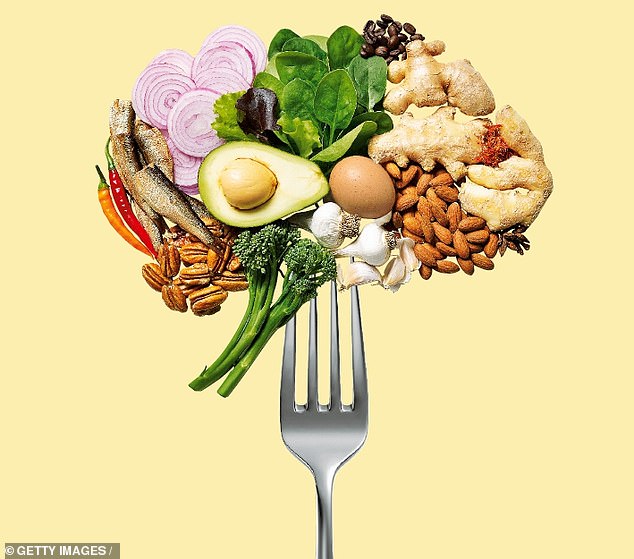
Green tea in your pasta water? Cinnamon in your coffee? These simple food hacks can do wonders for your brain, says psychologist and former Great British Bake Off finalist Kimberley Wilson
I have always loved food – I’m just hungry!’ laughs psychologist Kimberley Wilson. ‘My mum had a big collection of cookbooks, and I remember making croissants from scratch at 14. I always had the kind of mind that wondered how things worked. I’d read the back of the ketchup bottle and think, “We have all those ingredients!” It’s part of my nerdiness, wanting to know how things are made.’
It’s this attitude – part food-lover, part scientist – that got Kimberley into the final of The Great British Bake Off seven years ago, and it’s what drives her work as a psychologist now. You may remember her for the showstoppers she created on TV in 2013, but these days she spends more time in clinics than the kitchen, although her love of food remains. Now she’s written How to Build a Healthy Brain – a book packed with everything she’s learnt in her decade-long career about how to protect your brain and mental health. And she practises what she preaches. My interview with Kimberley takes place in between back-to-back counselling sessions at her psychology practice in London, and she’s already had a breakfast of muesli with five different grains and kefir – fermented milk – which is good for gut health. Now she is looking forward to homemade minestrone for lunch. Kimberley wants everyone to know how important it is to feed our brains properly.
PLAY Top Articles by Daily Mail EXCLUSIVE: Meghan and Harry step out for appointment in Beverly Hills About Connatix V31820 Read More SPONSORED / Coming Next Skip Ad
‘I’ve always felt this intrigue around other people’s relationships with food,’ she tells me. ‘The big piece that fell into place was when I was doing my first proper job in a prison after I qualified. Research came out that showed improving nutrition in prisons reduced violence. That got me thinking: what is it that our brains need from food that might make an impact on how we think and how we feel?’
The answer is an awful lot. Kimberley’s book details how what we eat quite literally goes into building our brains, and neglecting certain foods – oily fish especially – is starving us of the nutrients we need to stave off dementia, slow ageing and protect against depression. The good news is that feeding your brain doesn’t mean you have to give up cake, or anything else.
Food is there to be enjoyed, says Kimberley. She still loves baking – and the simple joy of indulging. Lockdown has seen her whipping up flatbreads and lemon Madeira cake. The reason there’s still room for fun food in a brain-healthy diet? ‘There’s no point in having a healthy brain if you make yourself miserable in the process,’ she says. There’s much more to be gained by adding the right things to your diet than there is from deleting the ‘wrong’ ones. In fact, she explains, a pretty good diet provides as much benefit as a perfect one: ‘Once you’ve got enough of the right nutrients, it’s like over-filling a petrol tank – there’s no value in putting more and more petrol in because it’s got nowhere to go.’
So, without sacrificing any foods you love, here are some of Kimberley’s tips on how to feed your brain. BRING BACK TINNED FISH
If you add just one thing to your diet, make it oily fish. Kimberley is devout about the benefits of the omega-3 fatty acids contained in salmon, sardines and anchovies, and even more ‘unfashionable’ fish such as pilchards, kippers, mackerel and trout.
Why? Because ‘oily fish is your brain’. The omega-3 fatty acids we get almost exclusively from these fish form the membranes of our brain cells. Kimberley describes these as like bricks in the walls of a house – they let and keep good stuff in, and ensure bad stuff stays out. But if these fats are not replenished, the walls begin to crumble.
‘The population’s intake of omega-3 is insufficient for our brain health,’ says Kimberley. ‘Researchers were talking about this as long ago as the 1970s, saying we think we’ve got problems now; but looking at our intakes of oily fish, we are heading for a mental-health crisis.’
Enjoy an old-fashioned storecupboard lunch of tinned sardines on toast or mackerel wraps. ‘It’s not cool – there’s nothing aspirational about a tin of sardines – but it’s so easy and cheap, and it’s actually delicious!’
ENJOY YOUR CARBS… COLD
Carbohydrates get a bad rap, but Kimberley sees no reason to avoid them. Instead you can supercharge your pasta and potatoes by eating them cold.
‘When you cook and cool a carb – boiling potatoes and letting them chill for a potato salad, say – the starch molecule changes shape and becomes resistant, meaning it can’t be pulled apart by enzymes in the stomach. So it resists that initial digestion, goes through the gut and becomes food for the gut microbiome,’ explains Kimberley.
The microbiome is the balance of ‘good’ bacteria inside us that science is just starting to realise influences activity throughout our body – from our digestive health to our heart and brain health. Essentially, a happy gut means a happy brain. ‘A well-fed gut microbiome helps produce vitamins and short-chain fatty acids,’ says Kimberley. ‘These molecules can cross into the bloodstream and into the brain where they help protect it and reduce inflammation [which is linked to depression and Alzheimer’s disease].’
And the best bit? If you don’t like eating cold potato or pasta, you can reheat them before eating and still get the benefits.
PUT GREEN TEA IN YOUR PASTA
Another way to fortify your comfort food without even noticing is to infuse pasta cooking water with brain-healthy green tea. Tea is packed with neuroprotective polyphenols – these are micronutrients which have a range of positive effects throughout the body, especially the brain. Tea has […]
Take advantage of the health benefits of iyere (piper guineense)

Olufunke Faluyi
Piper guineense known as iyere in Yoruba and uziza in Igbo is in the family Piperaceae. The fruit of this plant is an invaluable spice known as Ashanti pepper, Benin pepper West African pepper or even black pepper. Piper nigrum is also called black pepper; they should be regarded as synonyms for iyere. The plant is a vine (a climber) that can grow to 20 metres in length, using boles of trees as support; the fruits are round berries and they are borne on long, pendulous inflorescences. This spice plant is cultivated in Nigeria and it also occurs in Central Africa. In Nigeria, the leaves are also used as spice to flavour stews.
Iyere has been considered the ‘king of all spices’ and it was used in ancient Ayurvedic medicine for thousands of years due to its high concentration of potent, beneficial plant compounds. It has a sharp and mildly spicy flavour that goes well with many dishes. Its spiciness is due to the chemical compound piperine.
This spice increases the absorption of essential nutrients and beneficial plant compounds. The curcumin in turmeric is poorly absorbed into the bloodstream; as a result, you could be missing out on its advantages. Research supports the use of piperine in Piper guineense with curcumin in turmeric to enhance the absorption of curcumin by up to 2000 per cent.
In a study titled “Antioxidant, Anti-inflammatory and Antinociceptive Properties of Black Pepper Essential Oil (Piper nigrum Linn.)’’ by Kottarapat Jeena et al. in the Journal of Essential Oil-bearing Plants, it was concluded that the essential oil of Piper nigrum possesses anti-inflammatory and antinociceptive (ability to block the reception of a painful or injurious stimulus by sensory neurons) properties. Olayinka T. Ogunmefun et al. also reported that Piper guineense has a potential for the treatment of various pathogenic diseases based on the valuable phytochemicals known for microbial inhibition it contains.
Of all spices, iyere is my favourite. The flavour thrills me all the time. I recall my discussion on spices, in general, with Mr. Matthew Oluwaniyi an academic technologist at the Department of Pharmacognosy in the Faculty of Pharmacy, Obafemi Awolowo University, Ile-Ife, Osun State. He shared his experience on turmeric when about four years ago he started feeling weak and the colour of his urine turned black, as black as the coke drink at the peak even though he was not drinking alcohol. He told me he sought medical help and his doctor sent him for a scan of the abdominal region which revealed an inflamed liver. His doctor prescribed fruits, vegetables and lots of turmeric for him instead of drugs.
He started seeing changes within a week! It does not cost an arm or a leg to incorporate spices into our diets. Our bodies will thank us for doing so. What turmeric has done for this man, many of the spices available to us can do; this is not exactly about turmeric but all spices.
Let us see the benefits:
Iyere has anti-inflammatory properties
Chronic inflammation may be an underlying factor in many conditions such as arthritis, heart disease, diabetes and cancer. Many laboratory studies suggest that piperine, the active substance in Piper guineense may effectively fight inflammation. In studies of rats with arthritis, treatment with piperine resulted in less joint swelling and fewer blood markers of inflammation. In other mouse studies, piperine suppressed inflammation caused by asthma and seasonal allergies.
Benefits the brain
Piperine has been shown to improve brain function in animal studies. In particular, it has demonstrated potential benefits for symptoms related to degenerative brain conditions like Alzheimers and Parkinsons disease. A study in rats with Alzheimers disease found that Piperine improved memory as the distribution of piperine enabled the rats to repeatedly run a maze more efficiently than rats not given the compound.
Promotes gut health
The makeup of your gut bacteria has been linked to immune function, mood, chronic diseases, and more. Preliminary research shows that Ashanti pepper may increase the good bacteria in your gut.
High in antioxidants
The piperine in Ashanti pepper has been found to have potent antioxidant properties in test tube studies. Test tube and rodent studies have shown that ground iyere supplements may reduce radical damage. Rats fed a high-fat diet plus either Ashanti pepper or concentrated extract from it had significantly-fewer markers of free radical damage in their cells after 10 weeks compared to rats fed a high-fat diet alone.
Improves fertility in men
It plays an important role in improving male fertility. It is known to increase testosterone levels as it is rich in zinc and magnesium, two minerals critical for male sex hormones. It also increases sperm count and its concentration. The zinc element also helps in the development and movement of sperms.
Helps prevent cancer
According to a study carried out by the University of Michigan Cancer Centre, black pepper was found to prevent the development of breast cancer and tumours. They found that the piperine content of black pepper plays a key role in preventing cancers. It further stated that when combined with turmeric, its anticancer properties are heightened. Apart from piperine, black pepper also contains vitamin C, Vitamin A, flavonoids, carotenes and other antioxidants that help remove harmful free radicals and protect the body from cancers and diseases. Other studies have suggested its efficacy in stalling the progression of skin, bowel and colon cancers.
Fights wrinkles
Iyere fights the signs of premature ageing like wrinkles, fine lines and even dark spots. You can simply add black pepper to your diet to see its skin-enhancing effects or just combine a teaspoon of black pepper with equal amounts of honey and turmeric. Add water for a smoother consistency then apply the mask to your face twice a day.
Lowers blood pressure
Relieves cold and cough
It has immune-boosting properties
Promotes weight lossFights infectionsIt has fever-reducing propertiesImproves oral healthHelps in the process of quitting smokingImproves blood sugar controlGood for vitiligo (loss of skin pigment)Revitalises the hairIt is a natural pain relieverLowers cholesterol levelExfoliates the skin.Like any other natural […]
7 Health benefits of PQQ, a natural brain-boosting supplement
( Natural News ) Pandemics may come and go, but neurodegenerative diseases like dementia and Alzheimer’s, unfortunately, remain a common occurrence among the older population. However, despite these conditions affecting millions of people worldwide , they are not an inevitable part of aging. Numerous natural brain-boosting agents can help improve brain health, one of which is PQQ. The role of PQQ in brain function
PQQ, or pyrroloquinoline quinone, is a compound found naturally in breast milk, as well as certain foods and even in the soil. PQQ supports mitochondria, which are the powerhouses of cells. Research shows that PQQ is involved in the formation of new mitochondrial cells in the brain, which helps maintain healthy brain function and can help fight age-related cognitive impairment.
Here are some of the notable health benefits of PQQ :
> Reducing inflammation and oxidative stress – Inflammation and oxidative stress play key roles in accelerated aging and chronic health conditions such as diabetes, cancer and dementia. Research shows that PQQ can help lower markers of chronic inflammation, as well as help neutralize free radicals that can cause oxidative damage to cells and tissues.
Improving brain function – Due to the natural antioxidant, anti-inflammatory and neuroprotective properties of PQQ , this compound can help improve memory and attention and protect against cognitive decline in aging adults. Research suggests that PQQ is particularly beneficial for those recovering from traumatic brain injuries and strokes since PQQ promotes cell repair in the brain. (Related: Maintaining brain health: Keep your brain young with these supplements and lifestyle habits .)
Increasing longevity – Because of its ability to support mitochondria and promote cell health, PQQ is believed to be a powerful anti-aging agent . The more mitochondrial cells your body produces, the better your resilience to disease. It can also support healthy energy levels and metabolism.
Improving mitochondrial function – PQQ can help enhance mitochondrial activity, which provides more energy to your cells, thus promoting overall health.
Improving blood cholesterol levels – PQQ has been found to reduce levels of bad cholesterol , also called low-density lipoprotein cholesterol, which can help reduce the risk of heart disease.
Improving liver health – Animal studies show that supplementing with PQQ can reduce liver inflammation and reduce the risk of nonalcoholic fatty liver disease (NAFLD). This is good news for the 30 to 40 percent of the American population that are living with NAFLD. Experts believe that PQQ can be a promising natural remedy for this prevalent liver disease .
Improving sleep – A 2012 study published in the journal Functional Foods in Health & Disease found that PQQ supplementation can help improve sleep quality by helping the participants fall asleep faster and stay asleep for longer. The participants also reported feeling more rested upon waking up.
Some of the usual warning signs and symptoms of conditions like dementia and Alzheimer’s include forgetfulness (especially recently learned information), disorientation, mood and behavior changes, confusion about events, time, and places, and difficulty speaking, swallowing and walking. If you or a family member starts exhibiting these symptoms in an alarming frequency, consult your natural health practitioner as soon as possible to determine the necessary therapy.
Interested in other ways of protecting your brain from neurodegenerative diseases? Read more tips at Alzheimers.news .
Sources include:
ALZ.org
NaturalHealth365.com
WHO.int
NCBI.NLM.NIH.gov
PubMed.NCBI.NLM.NIH.gov
Natural Approaches to Depression
Depression requires active treatment, because the disorder itself can have enduring effects on brain function that make future episodes more likely. Apart from the intensity of emotional pain and despair, the longer a depression episode lasts, the more likely a future episode.
That said, there are many ways to treat depression, and some of the most effective, especially in cases of mild to moderate disorder, do not require a prescription or medical-type intervention of any kind. The irony of depression is that it saps mental energy and makes people feel uninterested in or incapable of doing anything, creating a state of avoidance.
Taking small, rewarding steps in spite of such feelings creates a pathway out of the problem. For example, just setting foot in a different location stimulates neural circuitry that leads to positive affect. Depression can be seen as a kind of cave , and it takes some time and effort to get out of the cave. But it is possible, usually by learning some new patterns of thinking and doing. Does depression always require drug treatment?
Although depression is in many ways a baffling and poorly understood disorder, there is growing recognition that it involves many body systems. That makes a powerful case for measures, most of them deceptively simple, that target one or more facets of depression. For example, depression is in part a disorder of social connection; the only remedy for that is social activity.
Studies consistently show that, by virtue of biology or early life experienc e, people differ in the degree to which distressing experiences can stress or overwhelm individual resources, disrupt functioning, and result in the system-wide shutdown know as depression. From learning to tolerate negative feelings to taking a walk in the park, there is an array of strategies that effectively interrupt or blunt the myriad effects of stress, and they can literally foster the growth of new nerve pathways that enable renewed interest in life and the ability to engage in it. Why is a holistic approach helpful in treating depression?
Depression is a holistic disorder, a complex condition that afflicts the whole person, manifesting in many disturbances of mind and body function. It disrupts sleep as much as it impedes social interest. It fixates thinking on past failures as much as it keeps people from wanting to get out of bed. There is an array of measures that can counter the multiple ways depression disables so many systems of body and mind. Addressing cognitive distortions, disconnection from others, fatigue, a sense of purpose, a nutritious diet—and above all allowing the emotional time-out that depression demands—each addresses some facet of depression and all together provide an integrated way to restore health to the whole person. Is there a natural way to target inflammation?
Inflammation plays a significant role in bringing on and perpetuating depression. Many studies show that depressed patients have higher levels of inflammatory compounds circulating in their blood. Inflammation is part of the body’s natural response to injury, and there are many ways of injury. So too are there many ways of curbing the processes of inflammation. Because one effect of stress is to increase inflammatory compounds in the body, finding effective ways of coping with stress—such as reframing difficulties as challenges or doing some exercise—lowers the body burden of inflammation.
Diet is another way to lessen inflammation. There are popular foods (such as fatty meats) that foster inflammatory processes, and there are common foods (such as strawberries) and nutrients (curcumin in the spice turmeric) that have anti-inflammatory properties, making healthy eating a sensible everyday approach to curbing inflammation.
Any exercise is activating and promotes a sense of accomplishment. Studies show that moderate-intensity aerobic exercise, such as walking for 20 to 40 minutes three times per week for six weeks, significantly alleviates many symptoms of depression, including self-concept, but is especially effective at relieving somatic symptoms, including sleep disturbance. What’s more, the benefits of exercise are long-lasting.
There are many explanations for the effects. Exercise raises core body temperature, which in turn crates feelings of relaxation and tension-relief. Exercise also promotes the release of endorphins, neurochemicals that have a direct mood-boosting effect. In addition, exercise counters depression by fostering a sense of self-efficacy. But the most enduring effect of exercise may be that it stimulates the release of nerve growth factors in the brain, leading to the growth of new nerve cells and new connections—literally opening new channels for thinking and acting. What are the best exercises for curbing depression?
One of the most studied sources of depression relief is walking. Research consistently finds that walking for 20 to 40 minutes three times a week significantly improves mood and relieves other symptoms of the disorder. Walking alone has benefits, but walking with a partner or a group is even better, because the social interaction also lifts mood and adds to the motivation to continue the activity. Any activity that requires movement is beneficial, including stretching. Research shows that resistance exercise , such as lifting weights, is also effective against depression. Are there vitamins or other supplements that help against depression?
The B vitamins —and especially folate (B9), pyridoxine (B6), and cobalamin (B12)—are crucial for nervous system function and play multiple roles in maintaining brain health. All the B vitamins are cofactors for enzymes involved in production of neurotransmitters that influence mood. Fish oil, rich in omega-3 fats, particularly the component fat eicosapentaenoic acid (EPA), curbs inflammations, enhances neuroplasticity, and protects brain cells against the degenerative effects of depression.
The spice turmeric contains curcumin, which has also been shown to improve symptoms in patients with depression. It not only has anti-inflammatory effects, it helps moderate the effects of the stress hormone cortisol. The mineral magnesium also reduces inflammatory substances in the body; additionally it stabilizes the levels of some neurotransmitters linked to depression. Why are omega-3 fats important?
Found in fatty cold-water fish like salmon and mackerel, omega-3 polyunsaturated fatty acids contribute to general and brain health in a variety […]
The Healing Powers of Nature

It’s become nearly impossible to espouse the physical and mental healing powers of nature without sounding a tad woo-woo. Cities are our lives now, with urban areas serving as home to 84 percent of Americans . In the brief history of our country, we’ve lost touch with nature and, perhaps more problematic, we’ve lost the space needed for nature to exist in our everyday lives. In 1790 the average number of Americans living in a square mile was 4.5 . By 1950, that number had grown nearly tenfold to 42.6. Today, it stands at a claustrophobic 92.9 . Now that nature isn’t the norm, we don’t prioritize let alone validate the human need for connection with trees, mountains, water, and sand – we prioritize the convenience of modernity. Most of us dismiss touching a tree as a way to reconnect with and heal ourselves, this despite our deep history as naturephiles and mounting evidence that nature is an effective tool to combat cancer, anxiety, depression, high blood pressure, ADHD, and stress.
“It’s in our DNA,” says Brooke Moran, professor of recreation and outdoor education, Western Colorado University. “There are studies from all over the world that show the outdoors equals health.” Studies vary about how much time it takes to reap the benefits, but with only 15 minutes spent in nature, Moran says there’s a reduction in cortisol – the body’s main stress hormone.
“The longer you stay out, of course, the better the benefits. Being in nature allows us to focus our senses. We’re not looking at screens or hearing all the man-made noises in the world.”
Moran points to studies that show the ways nature can positively impact our health, including improving short-term memory by 20 percent, increasing levels of Vitamin D , improving sleep quality , decreasing anxiety and depression , lowering blood sugar in diabetics , reducing inflammation , and even increasing creativity .
“It literally goes on and on and on,” she says. How does nature provide these types of human therapies?
“I see nature as healing because of the conductive support the earth provides the human body,” says Laura Koniver, MD, author of The Earth Prescription .
“The earth pulses out an electromagnetic frequency – known as the Schumann Resonance – and the human body is fully conductive. Every single cell in our entire body becomes immediately grounded whenever we physically touch the earth directly. Twenty years of medical studies on grounding show that when we are connected to the earth’s energy, our bodies naturally go into a healing state. Everything from our brain waves to our muscle tension to our heartbeat responds in a healing way to grounding.”
Perhaps we should touch a tree, stat. ‘Bathing’ in forests and mountains
Mountains and forests are life-giving resources. The Food and Agriculture Organization of the United Nations reports that mountains host 25 percent of the biodiversity on earth, 28 percent of the earth’s forests, and provide between 60-80 percent of the world’s fresh water. Higher altitudes also have been found to cause weight loss without the need for exercise and reduce the risk of developing heart disease .
“We can learn that forests are an amazing resource,” says Dr. Qing Li, author Forest Bathing: How Trees Can Help You Find Health and Happiness . “They give us everything we rely on in order to exist. They produce oxygen, cleanse the air we breathe, and purify our water. They stop flooding rivers and streams and the erosion of mountains and hills. They provide us with food, clothing, and shelter, and with the materials we need for furniture and tools. In addition to this, forests have always helped us to heal our wounds and to cure our diseases.”
In response, Japanese researchers developed the concept of forest bathing in an effort to prevent the effects of lifestyle-related diseases. According to Dr. Li, shinrin in Japanese means “forest” and yoku means “bath”, thus shinrin-yoku means bathing in the forest atmosphere, or taking in the forest through our senses.
“This is not exercise, or hiking, or jogging,” he says. “It is simply being in nature, connecting with it through our sense of sight, hearing, taste, smell, and touch. Shinrin-yoku is like a bridge. By opening our senses, it bridges the gap between us and the natural world.”
Li says people can enjoy shinrin-yoku through five senses: Sight
Gazing upon green color and lush forest landscapes Smell
Inhaling the scents and fragrance of wooded areas Hearing
Listening to forest sounds and birds’ songs Touch
Touching trees, putting your whole body in the forest atmosphere Taste
Eating foods from the forest, tasting the fresh air in forest
“It is a total effect of the five senses,” he says. “However, the sense of smell is the key elements of forest bathing because of the effect of phytoncides [a substance released by plants and trees, generally meaning the aroma of the forest]. As we walk slowly through the forest, seeing, listening, smelling, tasting, and touching, we bring our rhythms into step with nature,” says Dr. Li.
All you need is access to a forest and an open mind. Forest bathing isn’t a one-size-fits all solution, Dr. Li says. For some, healing will come from the sound of water flowing over pebbles in a stream or squirrels chattering to each other in the branches. For others, it’s the scent of pine needles or the sight of the forest bursting into green at the beginning of spring.
“You also can reconnect with nature simply by the act of being there,” he says. “And yes – you should leave technology behind.” The healing effects of water and sand
Unlike the majestic, tree- and rock-covered terrain of mountains and forests, oceans and deserts offer something even scarcer to city dwellers – vast, open spaces. Deserts provide watercolor skies and sand-painted horizons seemingly without end, imbued with peculiar-looking plants, trees, and wildlife. Oceans, which produce at least half of earth’s oxygen , appear limitless: the salt-water air, the sound of waves and tides rolling with the rhythms […]
The Best Science-Backed Aphrodisiac Scents to Get You in the Mood

When it comes to the art of silent seduction, nothing comes close to the subtle power of fragrance. Just a hint of an aromatic perfume has the ability to trigger an inescapable, visceral reaction deep in your heart and your body. And that’s precisely what makes fragrance so wonderfully complicated: the flashbacks they evoke, whether it’s the nostalgia of your first love or a comforting childhood memory, transport you back to a moment in your life and strengthen your connection to the aroma — and the person wearing it.
Fragrance’s profound effects on the human body are not just whimsical flights of fancy — far from it. In fact, scientists have proven that smell has a stronger link to memory and emotion than any of the other human senses. Scent is managed by the front of the brain, which sends information to other areas of the body and is immediately redirected to the regions responsible for interpreting emotion and memory, the amygdala and the hippocampus.
Scent is undoubtedly subjective, just as the memories they evoke, but there are specific fragrance notes that have been known to spark arousal in humans for centuries (just ask Cleopatra), and now, we have actual evidence that connects scent to sensuality.
Look no further for the notorious notes and scents famed for their aphrodisiac properties for your next bewitching hour. Vanilla
“We know from research that sensuality in fragrances tends to be associated with the idea of a slow release,” says Pierre Negrin, master perfumer for Hope Fragrances . “The structure of each fragrance note and molecules give it a particular evaporation rate, and those that evaporate more slowly are those that linger on the skin, that take their time revealing themselves and are present throughout wear.” Madagascar vanilla, according to Negrin, “evolves slowly and is present throughout an evening and well-beyond.”
Shop now: Tom Ford Vanille Fatale Eau de Parfum, $240, sephora.com
Coronavirus lockdown find reliefs in nature

At a time when so many of us are facing a heightened sense of threat as well as deep worries about our future, can nature lift our spirits?
“Our current crisis has switched us out of normal existence and into survival mode,”
“We no longer see ourselves as quite so immortal.”
Modern life is very hectic, and many of us feel completely overwhelmed. We often feel self-critical, ineffective and hopeless about ever being able to change our situation.
Mindfully connecting with nature, even in the midst of a city, is one of the best ways to reduce stress and overwhelm and dramatically shift your mental and emotional state. Even just a few minutes can help you feel calmer and better able to address the often stressful tasks of daily life.
With far more people unable to work, or working from home, many have been inspired to explore nature in their neighbourhood as they refocus on their immediate surroundings.
“Look deep into nature, and then you will understand everything better.” –Albert Einstein
Outside Inside
Borders are blurring between indoors and out as nature becomes more important in our lives. Many people want their gardens and their homes to be sanctuaries of tranquillity reflecting their ideal concept of nature. Beauty and sustainability are key, the ‘beauty and romance’ of a garden with less work. ‘ Urban gardeners want easy low maintenance plants that give plenty colors. Decorating our inner gardens with houseplants for better, healthier lives are now the new norm.
Ferns, snake plants, palms, peace lilies bring nature in and green up your spaces for a better and healthier you. Plants like long-blooming orchids are adorning desks in offices and improving the beauty and health of the environment while increasing productivity, no fuss cacti and succulents are ideal for gardeners who seek attractive, low maintenance plants, tiny easy to grow succulents in bold containers bring nature inside the home.
Trees, flowers, plants, birds and bees all increase overall health and wellness for self, society and the planet. Plants are clean air filters, oxygen machines and wellness prescriptions. Trees absorb 1/5 of carbon emissions, reduce electricity consumption and increase mental health.
While the impact of experiencing nature on our physical health is less well documented, a wealth of studies have demonstrated the positive effects of the natural world on our mental health.
Connecting with nature can help us feel happier and more energised, with an increased sense of meaning and purpose, as well as making tasks seem more manageable.
Why does nature have such a positive effect?
Part of nature’s power lies in its ability to wash away whatever is provoking a lot of our stress.
Slow movements such as the ripples of water or clouds moving across the sky place effortless demands on our working memory but enough to distract us from spiralling rumination, self-blame and hopelessness.
Researchers call this capacity to hold our attention to the “soft fascination” of nature.
Tending to a plant helps us to appreciate the power we have to nurture, and gives us a sense of achievement when the plant flourishes, which is particularly important for those struggling with their mental health.
In late March, the United Nations published the 2020 World Happiness Report, a comprehensive look at what makes the most contented countries work so well. For the seventh year in a row, the Nordic nations of Finland, Denmark, Iceland, Norway, and Sweden dominated the top ten. While rankings are based on several factors, including political rights and economic equality, these countries have a few key metrics in common: low corruption rates, universal public services, and great access to the outdoors.
Scandinavian friluftsliv
For many of these countries, not only is nature within easy reach, but it’s an important part of their cultures. For the Scandinavian nations that take up six of the top-ten spots, the term friluftsliv, which literally translates to “open-air living,” denotes “a philosophical lifestyle based on experiences of the freedom in nature and the spiritual connectedness with the landscape,” according to “Friluftsliv: The Scandinavian Philosophy of Outdoor Life.”
While the impact of experiencing nature on our physical health is less well documented, a wealth of studies have demonstrated the positive effects of the natural world on our mental health.
Even a brief nature fix – 10 minutes of wind brushing across our cheek, or the sun on our skin – can lower stress.
If we immerse ourselves in beautiful landscapes, like a rich coastline or a wild forest teeming with an array of species, we feel more intense emotions.
Connecting with nature can help us feel happier and more energised, with an increased sense of meaning and purpose, as well as making tasks seem more manageable.
Dr Gretchen C Daily from Stanford University, in the US, uses this evidence to help the World Bank and city governments around the world develop policies to integrate the natural environment into our urban landscapes.
Nature-based activities: gardening and farming
Gardening and farming have been used as part of mental health treatments around the world for centuries.
GPs in the Western World have been prescribing Eco-therapy; nature experiences for patients with depression and anxiety. These include a healthy walk or planting seeds to nurture and grow. Shinrin Yoku (Japanese Forest Bathing) Shinrin-yoku is a term that means “taking in the forest atmosphere” or “forest bathing.” It was developed in Japan during the 1980s and has become a cornerstone of preventive health care and healing in Japanese medicine. Researchers primarily in Japan and South Korea have established a robust body of scientific literature on the health benefits of spending time under the canopy of a living forest. Now their research is helping to establish shinrin-yoku and forest therapy throughout the world.Some evidence-based health benefits include: • Lower blood pressure and heart rate• Increased immune functioning• Decreased depression and anxiety symptoms• Increased sleep, energy levels and vitality• Increased sense of connection, gratitude and wonder•Decreased cortisol levels aiding in stress management•Increased blood circulation, especially in areas of the brain that include a focusThe idea is simple: if a person simply visits a […]
Zinc: Health Benefits, Food Sources and Daily Requirements
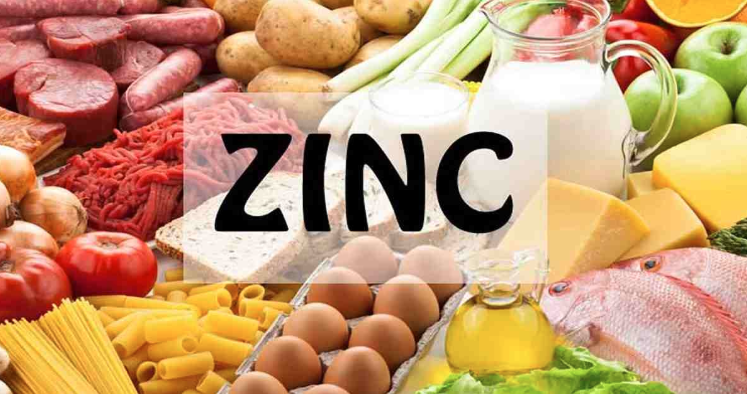
Do you know that a healthy diet can save you from numerous diseases naturally? Zinc is one of the most essential nutrients required in the healthy human body. Consumption of the recommended amount of Zinc can reduce Cold symptoms, improve your immune system, minimize the risk of many diseases, and faster wound healing. On the other hand, Zinc deficiency can increase the risk of infection, diarrhea, respiratory problems, and several other diseases. Especially, Zinc deficit in children can impede growth. Read this article to know Zinc health Benefits, food sources, and daily requirements.
Benefits of Zinc to Human Body:
Treats Common Colds
According to the Open Respiratory Medicine Journal, Zinc intake can shorten the duration of common colds by up to 40 percent. Another study shows that zinc can reduce the severity and duration of the common cold in healthy people if taken within 24 hours of the onset of symptoms. Therefore, to prevent the symptoms of COVID19 and pneumonia, you can consume Zinc according to the recommendation of your physician.
Improves Immunity:
The European Journal of Immunology says that adding Zinc to a regular diet can help the process of activating T lymphocytes (T cells) in the human body. T cells are essential to control and regulate immune responses against antigens, viruses, infected or cancerous cells. Conversely, Zinc deficiency can impair the function of your immune system increasing susceptibility to diverse pathogens.
Promotes Learning and Memory
Research conducted by the University of Toronto has found that zinc plays a crucial role in regulating the communication network of neurons cells in the human brain. In simple words, Zinc can impact upon the process of learning and memory formation.
Quickens Wound Healing
Zinc has a critical role in preserving the integrity and structure of the skin. A Swedish study has discovered that Zinc helps in the treatment of leg ulcers. Another Research reveals that Zinc can fasten the healing process of wounds by reducing inflammation and activating immune cells in the area of injury. That is why Zinc is widely used in diverse skin creams for treating skin irritations and diaper rash.
Prevents Diverse Diseases
Zinc can reduce the risk of age-related chronic diseases. A study conducted by Oregon State University has found that zinc intake may decrease the risk of inflammatory diseases. Zinc may prevent age-related macular degeneration (AMD) and prevents vision loss, according to the Archives of Ophthalmology.
Journal of Biological Chemistry boasts that zinc may assist in regulating the heartbeat which can minimize the risk of arrhythmia-related heart failure. Furthermore, Zinc may treat acne, attention deficit hyperactivity disorder (ADHD), osteoporosis, hypothyroidism, and pneumonia.
Prevents Male Infertility
Zinc deficiency is a potential risk factor for the low quality of sperm and male infertility. Research has proved that zinc sulfate and folic acid supplementation can improve the sperm count of healthy adult males
How Much Zinc Do You need?
The recommended intake for Zinc ranges from 3-5 milligrams for 1-8 years old children. Males under the age-group of 9 to 13 years old require 8 milligrams of zinc per day. The requirement rises to 11 milligrams per day after the age of 14. The adult males (19 years and above) also require not more than 11 milligrams Zinc per day.
The daily Zinc requirement for females under the age group of 8 to 13 years is 8 milligrams per day. For ages 14 to 18, the recommended value increases to 9 milligrams per day. However, for adult women (19 years and above) the requirement falls back to 8 milligrams per day. Depending on age, the pregnant women and lactating mothers have an increased requirement for zinc which ranges 11 to 13 milligrams per day.
Zinc food sources benefits
Rich Food Sources of Zinc
Crab and Lobster
Crab and lobster are both excellent sources of zinc. 3 ounces (oz) of cooked crab can supply 59 percent (6.5 mg) of the recommended daily value (DV) of Zinc, while a small steamed lobster may contain about 43 percent (4.7 mg) of the DV.
Meat and Poultry
Eating Beef, chicken, and egg can deliver zinc to your body. According to the USDA, 1 cup of roasted chicken breast can provide 19 percent (2.13 mg) of the recommended daily value of Zinc, while 1 egg conveys about 5 percent (0.6 mg) of DV.
Vegetables
Nutritious vegetables such as mushrooms, broccoli, kale, garlic, and spinach are great sources of zinc. According to the USDA, one cup of sliced raw mushrooms provides about 3 percent (0.4 mg) of the DV of zinc, while 1 cooked cup of Kale roughly contains the same amount (0.3 mg).
Beans and legumes also contain Zinc. In ¼ cup of hummus can support your body with 8 percent (0.89 mg) of the daily recommended value of zinc, while 1 cup of lentils has about 11 percent (2.27 mg) of DV.
Nuts and Seeds
Nuts and seeds are natural sources of zinc. 1 oz of pumpkin seeds or pine nuts can provide 20 percent (2.17 mg) or 16 percent (1.8 mg) of the daily recommended value of Zinc, respectively. 1 oz of dry-roasted cashews contains 15 percent (1.6 mg) of the DV. Moreover, 1 oz of Chia seeds can offer you 12 percent (1.3 mg) of the DV.
Whole Grains
Besides fiber, vitamins, and minerals, the whole grains are enriched in Zinc. 1 cup of raw oats can deliver about 27 percent (2.95 mg), while 1 cup of cooked brown rice has 13 percent (1.38 mg), and a slice of whole-wheat bread boasts 5 percent (0.6 mg) of the recommended daily value of Zinc.
Dark Chocolate
Dark chocolate is a delicious source of zinc. In fact, depending upon cacao varieties, darker chocolate offers Zinc in greater values. 1 oz. of dark chocolate can supply nearly 7 to 8 percent (0.75 to 0.9 mg) of the recommended daily value of Zinc. If you are a chocolate lover, this is a bonus […]
10 Expert-Recommended Supplements to Consider During the COVID-19 Pandemic

*Affiliate disclosure. As states begin to open up for the summer, it’s more important than ever to support your health and wellbeing. We hope you’re taking time to take care of yourself (see our list of expert-backed tips for self-care during self-isolation). Maybe you’re getting wine and meal delivery at home, and you’re probably stocking up with long-lasting fruit and veg to stay healthy.
But you might also be needing a bit of extra help with physical and mental health: immunity, anxiety, and sleep have all taken a hit during these unprecedented times. That’s why our experts recommend you work in collaboration with your primary care physician to consider changes in your supplement regimen. You may want to consider having your doctor run some tests to get the real facts and uncover where you really are nutritionally deficient. Then, you’ll know what the best supplement investments are for you.
The below expert recommendations are for discussion purposes only and are not medical advice. They will not prevent the onset or cure COVID-19. To be safe and healthy during these uncertain times, please follow the CDC guidelines , wear a mask when you go out, remember to social distance, don’t touch your face, and wash your hands often.
Here’s our expert picks: SmarterNutrition – Vitamin D3+K2 1. Vitamin D
Unless you’re lucky enough to have a big balcony or yard, you’re probably not getting as much sunshine as you usually would during the pandemic – which means taking a vitamin D supplement is probably a good idea.
Vitamin D is often dubbed the “sunshine vitamin” because, as Monica Auslander Moreno, MS, RD, LD/N, nutrition consultant for RSP Nutrition explains, “You require sunlight to activate the vitamin D you eat/drink into its active, bioavailable form.”
“It’s like electricity stored in a light switch – you need to turn the switch ON to get an effect.”
According to Dr. Sterling Petersen , DC, even in non-pandemic times, about half of Americans are “barely getting enough sun exposure to support healthy vitamin D levels.” And since vitamin D has vital functions related to immunity and serotonin, he says it’s an “utterly important vitamin” – especially now.
Vitamin D, explains Kelly Bay DC, CNS, CDN, registered dietician and certified nutrition specialist, plays a vital role in your body’s ability to fight off infection.
“In fact,” she says, “low levels of vitamin D can put you at increased risk of contracting the flu or a cold.”
“This vitamin is also linked to our mood due to vitamin D receptors located on the brain,” adds Lisa Richards, nutritionist and author of The Candida Diet . “A deficiency in this fat-soluble vitamin means these cells will die off and can lead to chemical and emotional imbalance in the brain.” “It’s like electricity stored in a light switch – you need to turn the switch ON to get an effect.” Not only can vitamin D support better immunity and mental health, but some research shows it may even prevent contracting the virus. However, further research needs to be done to truly verify this.
Dr. Paul Dean, board certified dermatologist and a former Epidemic Intelligence Service Officer of the CDC, calls attention to the link between vitamin D supplementation and a reduction in the risk of COVID-19 infections, as stated in a NCBI/NIH publication released in April 2020 .
“The pandemic has been particularly harmful or deadly to older patients and people of color,” he says, noting that elderly people who remain indoors and those with darker pigmentation and, therefore, a reduced ability to synthesize vitamin D, are at a greater risk for deficiency.
“Vitamin D deficiency can be considered to be a co-morbidity for many people,” he continues.
Dr. Michael T. Murray , one of the leading authorities on natural medicine, echoes this analysis.
“Preliminary research is showing vitamin D3 is showing impressive effects in buffering the severity of COVID-19 infections,” he says. “When researchers analyzed vitamin D levels in the blood in patients with confirmed SARS-CoV-2 infection they found that lower levels were associated with more severe symptoms of COVID-19. Those patients with normal vitamin D levels rarely had severe symptoms and, in most cases, had only mild or no symptoms.”
While getting 20 to 30 minutes of sunlight is the ideal way to get more vitamin D, if that’s not possible for you while sheltering at home, Petersen recommends taking a supplemental combination of vitamin D3 and vitamin K2.
“Without the K2 combination,” he notes, “the body is unable to process the increased amount of calcium in the body into the right places, such as the bones, and instead may lead to arterial calcification.”
The plant-based D3/K2 formula from Smarter Nutrition contains 5,000 international units of D3, at the upper limit of Dean’s recommended daily 4,000 to 5,000. If you are considering supplementing with vitamin D, consult with your primary care physician to find out what’s right for you. NatureMade – Vitamin A – 8000 IU (2400 mcg) 2. Vitamin A
Vitamin A may be an essential vitamin for these pandemic times.
“Vitamin A deficient individuals are more susceptible to infectious diseases, in general, but especially viral infections,” says Murray. “Vitamin A supplementation has been shown to produce significant benefits in improving immune function during viral infections, especially when fighting respiratory tract viruses in children.”
Generally, a dosage of 3,000 mcg (10,000 IU) for men and 1,500 mcg (5,000 IU) for women is safe. Murray warns, however, that women who may be pregnant or are lactating should avoid supplementing more than 1,500 mcg (5,000 IU) of vitamin A per day.
If you’re already taking a multivitamin, you may be getting vitamin A in the form of beta-carotene. If this is the case, Murray recommends supplementing with a retinol-based vitamin A, which, he notes, “has more direct anti-infective action.”
If you are considering adding vitamin A to your supplement regimen, consult with your primary care physician to discuss first, if you need it, and if you do, the proper dosage, which is important. There are consequences for over-supplementing. You may not need a vitamin A supplement if […]

The Power Within by Corey Daniels book available for only $2.99
Mind has both conscious and subconscious halves. These are likened to a driver and the truck he drives. The driver plans the destination and observes road conditions, while the truck provides motive power. Your subconscious mind is like the truck and it only goes in the direction in which is a steered. This can be the road or off a cliff. Likewise, the consciousness paints a picture of what the world is and what your goals are and the subconscious acts on them through emotion, physical response and energy, whether these are correct, rational images or false negative ones. The subconscious is also like an emotional reservoir which your body and mind draw responses from to external stimuli.
The Power Within lays out a method of programming your subconscious and tapping into the Holy Spirit, God voice or what the Greeks called the daimon (godman).