Nature Knows and Psionic Success
God provides
6 Ways to Rewire Your Brain

Experts have yet to determine the limits of the brain’s abilities. Some believe we may never fully understand them all. But evidence does support the existence of one of its most important processes: neuroplasticity. “Neuroplasticity” refers to your brain’s ability to restructure or rewire itself when it recognizes the need for adaption. In other words, it can continue developing and changing throughout life. For example, if brain trauma after a car accident affects your ability to speak, you haven’t necessarily lost this ability permanently. Therapy and rehabilitation can help your brain relearn this ability by repairing old pathways or creating new ones.
Neuroplasticity also seems to have promise as a driver of potential treatment for certain mental health conditions.
Experts believe the negative thought patterns that occur with depression , for example, could result from interrupted or impaired neuroplasticity processes. Exercises that promote positive neuroplasticity, then, may help “rewrite” these patterns to improve well-being.
Rewiring your brain might sound pretty complicated, but it’s absolutely something you can do at home.
Yes, you read that right.
Debate over the potential benefits and risks of video games can get pretty contentious, but if you enjoy gaming, there’s some good news: Research suggests this hobby can have plenty of cognitive benefits.
The benefits associated with gaming include improvements in: motor coordination
visual recognition and spatial navigation
reasoning, decision making, and problem-solving skills
resilience
cooperation and team participation
In short, when you play video games, you teach your brain new skills. These effects can improve your gameplay, certainly, but they also carry over to the rest of your life: Learning to recover from failure in a game can help you get better at bouncing back from setbacks.
Exploring different solutions to a task in a game can help enhance creative thinking.
Different games, different benefits
According to a 2019 review , different types of games may offer varying benefits: 3-D adventure games seemed to contribute to improvements in memory, problem-solving, and scene recognition.
Puzzle games help boost problem-solving skills, brain connectivity, and spatial prediction.
Rhythm gaming, like dance or exercise video games, can help improve visuospatial memory and attention.
These effects appear to kick in after about 16 hours of gameplay. This doesn’t mean you have to play for 16 hours at once, of course — this actually isn’t recommended.
But adding a few hours of weekly gameplay to your leisure time can be a great way to improve neuroplasticity .
Ever considered studying another language? Maybe you thought a second (or third) language might boost your career opportunities, or you wanted to pick it up just for fun.
In either case, you’d be doing your brain a big favor. There’s plenty of evidence to suggest that acquiring a new language improves cognitive function. Boost gray matter…
In one 2012 study , researchers looked at 10 exchange students who were native English speakers studying German in Switzerland. After 5 months of intensive language study, their proficiency in German had increased — and so had the density of gray matter in their brain.
Gray matter houses many important regions in your brain, including areas associated with: language
attention
memory
emotions motor skills Increased gray matter density can improve your function in these areas, especially as you age.In fact, it’s believed bilingualism may offer some protective benefits against cognitive decline. Learning a language at any stage of life could help slow down future decline related to age, including symptoms of dementia.Another 2012 study found evidence to support the idea that picking up a new language increases gray matter density and neuroplasticity.After 3 months of intensive study of a new topic, 14 adult interpreters saw increases in both gray matter density and hippocampal volume. The hippocampus plays an important role in long-term memory recall. …and white matter According to 2017 research , learning a second language in adulthood can also strengthen white matter, which helps facilitate brain connectivity and communication between different brain regions.Studying a new language at any age can lead to: stronger problem-solving and creative thinking skills improved vocabulary greater reading comprehension increased ability to multitask You may have heard of online programs and apps like Rosetta Stone, Babbel, and Duolingo, but you can study languages in other ways too.Hit your local secondhand book store for textbooks, or check your library for books and CDs. Whatever method you choose, try to stick with it for at least a few months, even if you only do 10 or 15 minutes of study a day. Music has several brain benefits . It can help improve your: Music therapy also appears to help slow down cognitive decline in older adults. Research from 2017 suggests music, especially when combined with dance, art, gaming, and exercise, helps promote neuroplasticity.It can improve movement and coordination and may help strengthen memory abilities. But it doesn’t just help prevent additional cognitive decline. It can also help relieve emotional distress and improve quality of life.According to a 2015 review , musical training also has benefits as a neuroplasticity exercise.Learning to play music in childhood can help protect against age-related cognitive decline and lead to improved cognitive performance in older adulthood, for one. better audio and visual perception greater focus and attention better memory better motor coordination It’s never too late to learn an instrument. Online tutorials can help you get started, especially if you don’t want to splurge on lessons.Check your local classified ads for used instruments, or try out inexpensive options like a ukulele, harmonica, or keyboard (as an added bonus, many people find these instruments pretty easy to learn).Not very musical? That’s OK! Even listening to music more regularly can help increase brain neuroplasticity. So turn on your favorite playlist — it’s good for your brain.If you enjoy travel, here’s one more reason to get out and explore somewhere new: Travel may help enhance cognitive flexibility, inspire you, and enhance creativity.Experiencing new scenery and surroundings can also help you learn about different cultures and become a better communicator , both of which can have additional cognitive benefits.Visiting new […]
Kimera Koffee Releases a New Coffee Product With Vitamins, Aimed at Boosting Focus and Mental Endurance

Coral Gables, FL – Kimera Koffee is proud to announce the launch of its new product, the World’s First Brain Vitamin Infused Coffee. The new product by their company has been designed to offer consumers all of the vitamins needed to boost brain function, improve focus, cognitive ability, as well as power output. Added to the brain boost offered by the new product, consumers are offered the same and highly sought after tasty, smooth coffee edge that they need to get through each day’s hard tasks.
Using a 3-factor formula, the Breakout Opportunity Letter identifies 1 stock each month poised for a breakout.
Announcing the new product, Frank Pimentel, the spokesperson for the team at Kimera Koffee said, “The Formula Kimera Koffee was born out of our desire to infuse our delicious coffee blends with quality, healthful brain vitamins. We understand that navigating the world of supplementation and nutrition is a tricky and confusing endeavor — it was for us! So, we made it our priority to provide our customers with ingredients that had real clinical and peer review studies backing them. After going through dozens of formulas, we finally achieved our goal of supplementing for balanced mental health and athletic performance without sacrificing our coffee’s flavor profile. Throughout our process, we’ve combed through dozens of research papers, clinical studies, and peer reviews. Keep reading to discover what makes Kimera different!”
Each coffee with vitamins purchased by consumers is guaranteed to contain a wide range of ingredients that have been fused to give the perfect blend of brain boost, tasty and nourishing cup of coffee. The blend offered by Kimera Koffee contains essential brain-boosting compounds like Alpha GPC, a natural choline compound that is found in the brain and can also be found in soy, meats, and fish. The compound has been proven to improve memory, enhance mental focus, and also increase power output.
Added to this, each cup that is made contains Taurine, an organic acid that aids in delaying cognitive decline due to aging. Consumers can also take advantage of the L-Theanine content of the coffee, a tea extract that balances daily anxiety, improves sleep patterns, and also prevents cholesterol-related damage.
The new product from Kimera Koffee also possesses DMAE, a choline molecule found in fish that boosts mental performance, increases energy, improves oxygen efficiency, and promotes red blood cell function.
Consumers can also take advantage of the Ginko Biloba and L-Glutamine content of the coffee for its anti-inflammatory, anti-oxidant, platelet-forming, and circulation-boosting effects.
Kimera Koffee is headquartered at 2555 Ponce de Leon Blvd, Coral Gables, FL 33134. For inquiries, contact their team by calling (305) 476-7100 or send an email to logistics@kimerakoffee.com. For additional information, visit their company’s website. Media Contact
Company Name: Kimera Koffee
Contact Person: Frank Pimentel
Email: Send Email
Phone: (305) 476-7100
Address: 2555 Ponce de Leon Blvd
City: Coral Gables
State: FL
Country: United States
Website: https://kimerakoffee.com/
Having good heart health in your 50s lowers dementia risk later in life, say researchers

( Natural News ) According to a recent study published in the journal The BMJ , maintaining good heart health in your 50s can help lower your risk of dementia as you age.
The researchers behind the study said that their results emphasize the importance of improving cardiovascular health in middle age to prevent age-related cognitive decline. Preventing dementia with “Life Simple 7”
Dementia is a progressive disease that can develop at least a decade before you experience any of its symptoms , which include: Being unable to follow a conversation or say the right word
Difficulty concentrating
Having trouble carrying out normal daily tasks
Memory loss
Mood changes
Research suggests that adopting healthy lifestyle habits is the most effective way of preventing dementia. While the American Heart Association ‘s “Life Simple 7” cardiovascular health score is intended to help prevent heart disease, experts are now using it to also help prevent dementia.
Life Simple 7 includes four behavioral factors: Body mass index (BMI)
Diet
Physical activity
Smoking
It also involves three biological factors: Blood cholesterol
Blood pressure
Fasting glucose
Metrics for these seven factors are then grouped into three score levels that indicate your cardiovascular health: Poor or scores from zero to six, intermediate or scores from seven to 11 and optimal or scores from 12 to 14. The effect of social, behavioral and biological factors on long-term health
But despite the use of Life Simple 7 to prevent heart disease and dementia, findings on the matter are conflicting.
To address the inconsistencies, Severine Sabia from the University of Paris spearheaded the international research project. Sabia and her team looked at the link between the Life Simple 7 heart health score of people in their 50s and dementia risk over the next 25 years.
The researchers analyzed cardiovascular data gleaned from 7,899 British men and women in their 50s who took part in the Whitehall II Study . The Whitehall II Study examined the impact of social, behavioral and biological factors on long-term health. At age 50, all the volunteers were free of heart disease and dementia.
The scientists identified dementia cases using hospital, mental health services and death registers up to 2017.
Their findings revealed that out of all the volunteers, 347 cases of dementia were recorded over an average follow-up period of 25 years. The average age at dementia diagnosis was 75 years.
After considering factors that affect disease risk, the team discovered that following Life Simple 7 heart health recommendations in midlife helped minimize dementia risk later in life.
As this was an observational study, the scientists were unable to establish a cause for this intriguing effect. On the other hand, they noted some limitations to their study, such as self-reported measures and potentially missing cases of dementia when analyzing patient records.
But the most important revelation of their research was that having a higher cardiovascular health score at age 50 is linked to higher whole brain and grey matter volumes in MRI scans done 20 years after the study.
Grey matter contains most of the brain’s nerve cells and is involved in various processes, such as decision making, emotions and memory .
The researchers also observed reductions in dementia risk for participants with high cardiovascular scores. This implies that even minor improvements in cardiovascular risk factors at age 50 can help minimize the risk of dementia in old age. Having healthy lifestyle habits can boost heart health and reduce dementia risk According to Sabia and her team, adopting good lifestyle habits is the key to preventing dementia. They also believe that since cardiovascular risk factors are modifiable, targeting them can significantly boost your heart health and prevent dementia later in life.The scientists also endorsed public health policies that promote heart health in adults aged 50 and above to improve cognitive health.Regardless of your age, below are some changes you can make to boost your heart health . Quit smoking. Reduce blood sugar and try to get your fasting blood glucose below 100 mg/dL. Manage your cholesterol levels and get your total cholesterol to less than 200 mg/dL. Manage your blood pressure and get it below 120/80 mm Hg. Lose weight and target a BMI within the normal range (at least 18.5 to 25). Be more physically active. Engage in 150 minutes of moderate exercise or 75 minutes of intense exercise every week. Follow a balanced diet. Avoid junk food and cut down on red meat and sugar. Eat more fish , fruits, low-fat dairy products, nuts , poultry, vegetables and whole grains. Quit bad habits like smoking and improve your lifestyle habits. Remember that boosting your heart health in your 50s is key to preventing dementia later in life. Sources include: NHS.uk
15 surprising effects of masturbation on the brain

Masturbation comes with a lot of health benefits . Not only is it good for our bodies, from helping us to explore our sexual needs to reducing pain, it can also be good for our minds.
Whether you choose to masturbate or not is a personal choice (and never something to feel guilty or worried about) but it is important to know that it will not harm your health.
In fact, as Mia Sabat, sex therapist at Emjoy explains, masturbation has several positive effects on the brain. Masturbation effects on the brain
1. Releases happy hormones
The brain releases many beneficial hormones during orgasm , including: dopamine, often referred to as the happiness hormone; endorphins, the body’s natural pain relievers; and oxytocin, also known as the love hormone. All of these hormones are beneficial to your brain and body in many ways, as they collectively boost your overall wellbeing. 2. Increases self-esteem
Oxytocin, also known as the cuddle hormone, has a big impact on your overall self-esteem . When released, oxytocin contributes to feelings of increased confidence, especially in relation to how you perceive your body, mind, and emotions . In fact, a study conducted in 2015 found a link between confidence and masturbation in women, concluding that women who masturbate have higher self-esteem than women who do not. 3. Boosts mood
It’s no surprise that a surge of pleasure can boost your mood – but do you think of it as an act of self-care? You should! By giving yourself love and attention, you enable your brain and body to reap the rewards, similarly to if you were enjoying a bubble bath. Orgasms, however, add an extra degree of complexity that a body scrub or relaxing facial can’t achieve. Orgasms add an extra degree of complexity to self-care that a body scrub or relaxing facial can’t. Because orgasms release a rush of dopamine and endorphins, you give your body a release that will make you feel happier, more relaxed and in an overall better mood post-orgasm. Take note for the next time you feel stressed, anxious or in need of pampering – you won’t regret it.
How to masturbate for women: female masturbation tips 4. Lowers stress and anxiety
Masturbation can be a great way of relieving stress and worries, as it causes a chemical release which combats your body’s stress response and leaves you feeling soothed, relaxed and at ease. This is all thanks to our cuddly friend, oxytocin. In addition to promoting positive self-esteem, oxytocin helps reduce the hormone cortisol, which is responsible for stress and anxiety . Surges of dopamine in the brain have also been known to cause a wave of euphoria – which can help to improve your mood and put your stressors and worries on the back burner. 5. Pain relief
You might be surprised to know that the hormones released during orgasm are so powerful, that they can even relieve pain. Orgasms release contractions and endorphins during climax that can help reduce menstrual pain, with some studies even finding that orgasms effectively reduce migraines and headaches . It’s a must-try next time you’re suffering from period cramps!
Best times of day to masturbate 6. Helps f ocus and concentration
Dopamine is a feel-good chemical that promotes feelings of happiness and learning, and is often referred to as the ‘motivation molecule’. Dopamine plays an important role in your ability to feel motivated and concentrate, with a lack of dopamine leading to difficulties with focus and task-completion. When you masturbate and achieve orgasm, the surge of dopamine released during climax can be exactly what you need to gain a bit of mental clarity, while simultaneously boosting your focus and concentration. Giving yourself a helping hand is an excellent way to help yourself feel centred again. 7. Sleep
It’s no myth that sex can make many people feel heavy-eyed. Research has even linked sex to a better, more restful slumber, thanks to all the feel-good hormones released during orgasm. Oxytocin encourages your body to sleep when released, so it makes sense that increasing levels of this chemical through orgasm can help you enjoy a peaceful night’s sleep, too. The hormone vasopressin may have a role to play too. Its levels in the blood are increased by sexual arousal and are higher during sleep but whether its release will directly induce sleep is yet unproven. Oxytocin further helps to counteract the restless side-effects of the stress hormone cortisol , so next time you’re stuck counting sheep, try seeing if an orgasm can help you feel drowsy. 8. Masturbation can boost libido
One of the biggest concerns shared by many women is the loss of desire. Masturbation is, without a doubt, one of the key methods you can use to increase sexual desire and boost libido . Each time you masturbate, you learn a little more about your mind, body, and preferences. Understanding how you do, and don’t, like being touched plays a key role in increasing your libido and overall sex drive. 9. Masturbation can improve body positivity
Learning to appreciate and understand the beauty of your body is a very powerful thing, especially as many people struggle to love what they see reflected in the mirror. Realising that we can make ourselves feel good can help us accept, appreciate and love the amazing body that we have been given, consequently helping us to be kinder to our minds and bodies. Next time you’d like to masturbate, take care to notice how amazingly your body responds to every touch, and connect with all it can achieve – it’ll help to form a mind-body connection you’re sure to love.
Masturbating during your period 10. Increases pleasure awareness
Pleasure awareness takes on a snowball effect: the more you experience pleasure, the more you think about it, and ultimately, the more you want it! As this desire increases, you will make a continuously greater effort to achieve your desires. When […]
The Top 5 Ways Blueberries Improve Your Health, According to an RD

Summer is officially blueberry season, which means there’s a bounty of nature’s sweet little treasures to make into pie , crisp , jam , or eaten plain by the handful. But did you know that blueberries are not only delicious, but a total health powerhouse ?
From a dietary standpoint, blueberries have always been a good choice because of their natural sweetness and fiber content, making them a much better treat to reach for than something with added sugar. They are also available year round in grocery stores, making it easy to make incorporating them into your diet a daily habit. When possible, though, try eating locally grown, in-season fruit for an extra dimension of tartness and an almost perfume-like aroma.
It doesn’t take much convincing to consume more blueberries, but as it turns out, the small but mighty fruits have a wide array of health benefits ranging from amping up your memory to fighting cancer. We got the scoop on the top five ways eating blueberries can improve your health from Jenn LaVardera, RD, a registered dietitian and Naturipe Nutrition Expert. Improving Memory.
Not only is that handful of blueberries in your oatmeal delicious, but it could be significantly contributing to the health of your brain. “Blueberries are packed with anthocyanins, a type of flavonoid antioxidant compound that gives these berries their blue color,” says LaVardera. Research has shown that the anti-inflammatory anthocyanin in blueberries can help reverse age-related decline in brain function. In one study , nine older adults were given wild blueberry juice for 12 weeks and showed improvement in memory tests. In an animal research study , a blueberry-enriched diet was shown to help improve memory among older rats. Lowering Blood Pressure.
Incorporating a cup of blueberries per day can significantly help with high blood pressure. A study from Florida State University found that participants who consumed that amount for eight weeks saw a 5 to 6 percent drop in both systolic and diastolic blood pressure. “This was likely due to the vitamin C, potassium, fiber, and phytonutrients naturally found in blueberries,” explains LaVardera. A cup per day is the perfect amount to sprinkle generously over a bowl of cottage cheese or Greek yogurt with some chopped nuts as a healthy breakfast. Brightening Mood.
No, it’s not just because eating blueberries in the sunshine makes you happy (although that doesn’t hurt!). “Blueberries are thought to be a natural mood enhancer, and there’s research to back it up,” says LaVardera. She points to a 2017 study , which linked consuming blueberries to improved positive mood in children and adults, possibly due to their flavonoid content. The positive effect occurred after two hours of consuming the blueberries, so eat up at breakfast and you may feel yourself perk up by lunch. Promoting Heart Health.
In addition to the hypertension benefits, LaVardera says there’s no doubt that eating blueberries is good for your heart. The Nurses Health Study launched in 1976 and is one of the largest investigations into heart health and women. Results from 93,600 women showed a clear link between eating foods high in anthocyanins (such as blueberries) and lower risk of heart attack. “Other animal research has confirmed a link between eating anthocyanin-rich foods and lower risk of heart attack,” states LaVardera. Fighting Cancer.
“Blueberries have been shown to fight cancer by blocking inflammation, preventing DNA damage, and killing cancerous cells,” explains LaVardera. She cautions that more research is needed to confirm these effects, but the lab studies are promising for blueberries as cancer-fighting agents.

Boosting immunity in the COVID-19 era
Coronavirus – not something we had heard of this time last year. Unless you are all about the science, or had some sort of inside ‘scoop’ on all this, you were no doubt in the gang of ‘didn’t see this coming’.
Whilst lots of people were buying loo roll and pasta, I was thinking over and over about all the ways I have been trying for years to boost our immunity. I was reading and researching and checking and making sure I had stocks of all the bits and bobs I thought would help – not stockpiling, just making sure we had enough. Vitamin C
Vitamin C was something I really struggled to get hold of at the start of lockdown. We normally buy the effervescent tablets you just pop one in a pint of water and it helps with hydration as well as your Vitamin C intake each day. These come in plastic tubes of 20 tablets. We had a couple of tubes in but it’s only been the last month that I’ve been able to buy these again. They were out of stock for weeks both online and in our local stores, so I guess lots of other people were doing the same. Vitamin D
Keeping our bones, muscles and teeth healthy is really important. Vitamin D is an essential nutrient that regulates the intake of calcium, magnesium and phosphorous, whilst also supporting a naturally effective immune system – helping to protect against infections.
The nutrient works to increase the production of antiviral proteins and also decreases ‘bad’ cytokines, the immune molecules that can cause dangerous inflammation in the body – it is our body’s inflammatory response that can lead to critical conditions, rather than viral infections themselves.
New research published in the Irish Medical Journal also suggests that vitamin D has a vital role to play in the fight against respiratory infections (such as coronavirus), and a further preliminary study on a cohort across 20 European countries has demonstrated a correlation between low levels of vitamin D and high mortality and COVID-19 infection rates.
Public Health England recently updated its guidance, urging the nation to consider taking a daily vitamin D supplement for the duration of the ‘stay home’ period, as many people will be exposed to much less sunlight by remaining indoors as we move into the springtime – when we would usually begin rebuilding healthy vitamin D stores.
Vitamin D deficiencies can present with many symptoms, yet these indications can often be attributed to other illness or lifestyle factors and can therefore go un-diagnosed. Symptoms include; catching frequent coughs and colds, bone ache or soreness, muscle stiffness, headaches, fatigue and even low mood.
For many people, supplementing vitamin D to maintain optimal levels is essential. However, using traditional methods of supplementation can be challenging – particularly for those with dysphagia, children and people who suffer from malabsorption issues, including; IBS, Chron’s, Colitis and Coeliac disease.
Pill-free supplementation, such as BetterYou’s DLux Vitamin D Oral Spray range, provides an effective alternative to traditional tablets and capsules. An oral spray delivers nutrients to the bloodstream via the buccal membrane of the inner cheek, offering a convenient supplementation solution.
These are so easy for the whole family to use. They are suitable for everyone and there is even a Vegan version, to ensure you cater to all needs. The spray tastes great and doesn’t leave an unpleasant after taste, meaning this gets a thumbs up from the whole family. Sambucol
Sambucol is something I’ve used with the family for a few years now. As Covid-19 continues to pose a significant challenge to our health and well-being, safeguarding our body’s own natural immunity has never been more important.
While it is really important to say that currently no research supports the use of any supplement to protect against COVID-19 specifically, Sambucol can play an important role in supporting a healthy immune system, so it’s better prepared to fight new infection. Studies have shown that it acts by helping to regulate the inflammatory response, producing a low-level stimulation, which, in turn, activates our natural immune response.
Sambucol was developed over 20 years ago, by a leading virologist, who discovered that Black Elderberries had significant anti-viral and antioxidant properties. Via a unique formulation and extraction process, Sambucol has preserved and maximised the naturally occurring health benefits of the berries. Rich in antioxidants (anthocyanins), Sambucol provides a distinctive mode of action called AntiVirin®, which works via three simultaneous ways, it inactivates infectious viruses, helps protect healthy cells and boosts immunity.
Sambucol also contains Vitamin C , a well-known principle antioxidant, important for your immune system, which can help prevent or reverse cellular damage caused by free radicals – unstable molecules that can damage cells. Sambucol Immuno Forte range and Sambucol Extra Defence also have added Zinc . A deficiency in this nutrient has been shown to significantly affect the immune system’s ability to function properly, resulting in an increased risk of infection, including pneumonia. Juices and smoothies
While products like Sambucol offer tried and trusted immune support, healthy immunity can be attributed to general all-round good health. From a nutrition point of view, try to stick to a varied diet high in fruits and vegetables and wholegrains. Healthy sources of Omega 3, such as oily fish and dairy are important too.
If you aren’t that good at getting a range of fruit and vegetables into your daily diet, try to do this by juicing or blending smoothies . It’s possibly a new routine you could get into during this extra time at home? Increasing energy levels
If you are looking to give yourself a natural energy boost as well as build up your immunity, you could give some Ginseng a go. Change up your morning coffee routine to a healthier alternative proven to build your immune system while adding a spring to your step.
The amount of natural health supplements available can be overwhelming but with thousands of years of use across the world, herbal supplements should form part of our well-being routine.
One powerful […]
What happens if you don’t have sex for a long time?

A sexless pandemic (Picture: Ella Byworth for Metro.co.uk) The pandemic has seen most people, barring couples who are in the same household, deprived of any sexual contact.
Therefore, last week’s introduction by the government of so-called support (read: sex) bubbles was definitely welcome.
Quick recap: support bubbles allow for two households to come together as one, with the caveat that one of these households has an adult who lives alone. This means that that you can’t form a bubble with a household if both of them have several people living in the home.
This undoubtedly throws a wrench in sex plans for many singletons, especially those living in London , where it’s notoriously expensive to have a flat all to yourself.
They are then back to square one: no sex .
Beyond sexual frustration, what actually happens in the body if we don’t have sex for a longer period of time? We find out. You may feel more stressed
Let’s start this off by saying that a ‘long time’ is hard to quantify – as it’s very individual. But for the sake of this investigation, we will use the pandemic as our example, so a ‘long time’ equates to 12-14 weeks.
During sex, our body releases ‘happy hormones’ known as dopamine, serotonin and oxytocin, which are natural mood boosters. We also get these from kissing, cuddling and general affection, but orgasms in particular provide a rush of hormones designed to make us feel relaxed.
For some people, sex is also a way to distract their brain from other troubles, if even for a short while, which can help reduce anxiety.
Does this mean that people who don’t have sex regularly are helpless stress balls at the mercy of their hormones? No.
Firstly, masturbation has very similar effects and you don’t need a partner to do that. Secondly, exercise also impacts serotonin, endorphin and dopamine levels in the body.
In other words – can’t have sex? Wank or work out. Your sleep and memory could be disrupted
Back to our lovely happy hormones – serotonin helps regulate our sleep, which is often why you feel a bit dozy after a session in the sheets.
Not only that, but it also improves our learning abilities, memory skills and digestion. Your immune system could benefit from orgasms
On a positive note, some research suggests that having orgasms could boost your immune system, which is especially desirable when you’re in the midst of a global health crisis.
Thankfully, as you know, orgasms can be achieved through masturbation – not just sex – and earlier this year, we explained the connection between masturbation and your immune system .
A small study of 11 people from 2004 revealed that orgasms achieved through masturbation boosted adrenaline and prolactin plasma concentrations, which is a protein hormone that has multiple functions, one of which is to be used by other immune-boosting cells.
‘There is evidence to support that components of our immune system are activated by sexual arousal and orgasm,’ Dr Sarah Welsh, a gynaecologist and co-founder of the Hanx , a sexual wellness brand, tells us.
‘Orgasms, whether through sexual intercourse or masturbation, causes an increase in the levels of adrenaline and other immune cells within the bloodstream, indicating the positive impact sexual arousal can have on the immune system.’
Another, older study by psychologists at Wilkes University, Pennsylvania, also suggests that having sex can stave off colds.
However, more research needs to be done in this field to give concrete results. Your vaginal walls could get thinner and tighter
Don’t panic, not having sex for three months will not alter the entire look and feel of your vagina – but a longer period of not getting freaky could see some changes happen.
‘Sex causes increased blood flow to the vagina and increased natural lubrication, meaning that long periods without sex can mean the vaginal tissues become slightly dryer and thinner,’ explains Dr Welsh.
‘However, this is less common in young healthy women, but more apparent in women who have gone through the menopause.’ Higher risk of erectile dysfunction
‘When someone doesn’t have sex for a while, there’s a very small chance they’ll notice any serious side effects on their health,’ says Dr Earim Chaudry, medical director at Manual . My twisted spine curved 81 degrees UK’s first face mask vending machines launch in London How to stay safe if you’re going back to the shops today ‘[But] unfortunately, men who don’t have regular sex will have an increased chance of developing ED. This proves especially true with ageing men.
What’s more, regularly ejaculating is ‘said to reduce the risk of developing prostate cancer by lowering stress and getting cell metabolism to a steady rate.’ You could feel disconnected from others If you’re used to having a lot of sex and have a high sex drive, a sudden disruption into your routine could affect your mental health.Dr Becky Spelman, psychologist and clinical director at the Private Therapy Clinic, explains: ‘Not having sex for a long time affects people in different ways and this really depends on where your sex drive is at currently.‘If you’ve got an incredibly high sex drive or even a moderately high sex drive it’s going to be incredibly frustrating for you to not have sex in a long time.‘For people with a high libido a lack of sex can impact on their mental health.‘There are a lot of benefits in having sex and reducing stress is definitely one of them. It’s also rewarding for people to be able to have regular sex – not only because of the physical pleasure when they orgasm, but also because it let’s them feel connected to others intimately.’ Do you have a story to share? Get in touch by emailing MetroLifestyleTeam@Metro.co.uk . The daily lifestyle email from Metro.co.uk.

Getting Enough Sleep is Crucial to Our Well-Being
Sleep is as essential to our bodies as food. It nourishes us and keeps us healthy. It allows us to recharge our minds, process our days (both the good and bad stuff), and it even helps us eliminate metabolic waste. We spend more than one-third of our lives sleeping (or trying to sleep), and it’s a vital part of our mental and physical wellbeing.
If you struggle with sleep, you’re not alone. The American Sleep Association estimates that anywhere from 50 to 70 million Americans struggle with sleep problems. Around 30 percent of adults struggle with some form of insomnia at some point in their lives, and around 10 percent of adults can have chronic insomnia. Bill Fish is the Managing Editor for the National Sleep Foundation , and he says that sleep is as crucial to our bodies as breathing.
“Sleep is considered the third pillar of wellness to go along with diet and exercise. It is an integral part of our health regimen. Each adult should be getting between seven and nine hours of quality sleep on a nightly basis. If you aren’t, you aren’t preparing your mind and body to take on the day,” he says. What happens to our bodies when we sleep?
When we sleep, our unconscious minds take over while our bodies work to replenish and repair the damage of the day. While sleep affects every tissue of the body, its biological purpose is still a bit of a mystery.
Sleep is naturally regulated by the hormonal cycles our bodies go through as the sun traces its trajectory across the sky. These rhythms include both the circadian rhythms and sleep-wake homeostasis. If you’ve ever traveled to another timezone, pulled an all-nighter, or had to get up well before the sunrise, you know what it feels like to fight those natural urges to sleep, and you likely know what it’s like to walk around in a stupefied sleepless state trying to function.
It turns out that one of the key functions of sleep is to keep your neurons sharp and perform what the National Institute of Health refers to as “housekeeping” for the brain and remove toxins that build up during the day. Consider doing a wind down activity before bed to prepare yourself. There are two primary rhythms that affect our need and desire for sleep: Circadian rhythms and sleep-wake homeostasis. Circadian rhythms handle many other things outside of sleep, but they generally control your sleepiness at night and wake up in the morning. The rhythms are usually tied to the movement of the sun, though they can operate without those cues, too. Sleep-wake homeostasis is like the logbook for your sleep. This rhythm and system keeps track of your need for sleep. So when you stay up well past when your body tells you it needs sleep, your sleep-wake homeostasis system makes the drive for sleep that much stronger each hour.
According to the Cleveland Clinic , from a scientific standpoint, sleep consists of two basic states, REM sleep (aka rapid eye movement) and NREM sleep. There are four stages of NREM or non-REM sleep and only one stage of REM sleep. REM sleep generally takes place around 90 minutes after we fall asleep, and it is broken up by different levels of NREM sleep. If you’ve ever noticed that you’re particularly groggy after waking up in the morning, that’s likely because something woke you out of REM sleep. The longer we stay asleep, the longer our REM cycles last. The initial periods of REM sleep last around 10 minutes, with each one lasting longer, up to 90 minutes, according to the Cleveland Clinic. Stage 3 and Stage 4 NREM sleep is where you get the rest you need to feel refreshed in the morning, and usually the stage in which you start to dream. When you get a good night’s rest, you feel better, you’re likely less anxious, irritable and less likely to make less-than-optimal food choices, too. It’s normal to cycle between the two states repeatedly throughout an average night. REM sleep is the period of sleep where your body does the most repairing. According to a 2006 report on sleep by the U.S. Institute of Medicine , most normal, healthy adults need to spend about 13 percent to 23 percent of the sleep cycle in deep sleep to get the most benefit for their bodies and minds. Deep sleep can include both REM and the deeper levels of NREM sleep. The amount of REM sleep you get diminishes as you get older ; infants and kids getting the most REM sleep and older adults get the least. Why sleep matters to our mental wellbeing
Sleep does far more than just rest our bodies. It helps us problem solve and make sense of and digest events and traumas that happened to us during our waking lives, too. It also helps us with memory consolidation and learning, as well.
As we cycle between the two stages, our muscles relax, our breathing slows, and our heart rates lower. The deepest stages of NREM sleep help boost our immunity, according to Harvard , but researchers believe that REM sleep is the period where we learn and convert our experiences to memory.
Multiple studies have shown that sleep deprivation can and does have a significant impact on mental health and wellbeing. In fact, it turns out that mental health and sleep are inter-related. A lack of sleep can impact how we handle our daily lives and worsen mental health conditions like depression, anxiety, bipolar disorders, and ADHD. Sleep disturbances and disorders can also be early indicators that a mental health condition exists.
For example, as Harvard points out, anywhere from 65 percent to 90 percent of adults with major depression suffer from some form of sleep problem, whether its insomnia, sleep apnea (disordered breathing while sleeping), or various movement syndromes like restless leg syndrome or others. In fact, most people with depression suffer from insomnia.
The feedback loop works the other […]
SYNAPTIC ANATOMY: 6 HERBS + NOOTROPIC PLANTS THAT SUPPORT BRAIN HEALTH
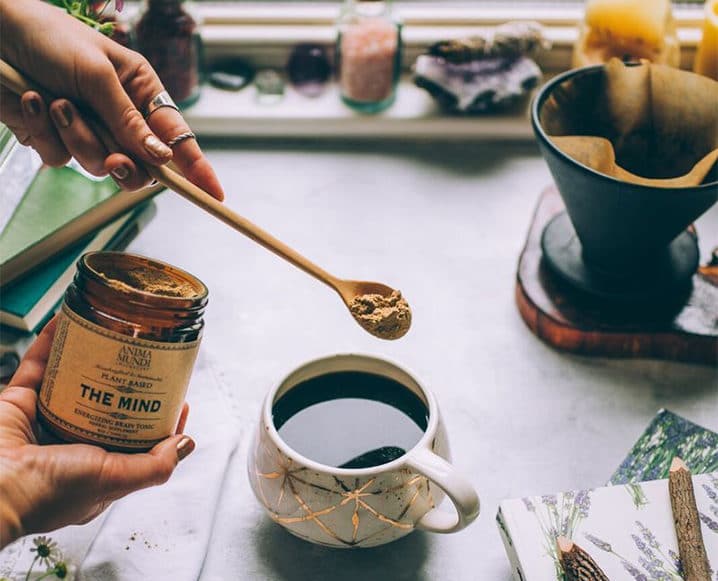
Whether you’re 18 or 98, it’s never too early or too late to tend to your neural ‘forest’. Whether you’re concerned about your memory, are looking to optimize your mental acuity in your career or education, or are just now expanding your health efforts to include the cerebral, there are simple steps you can take to support your mental health and brain function.
We asked herbalist Adriana Ayales of Anima Mundi to break down a few basics below…
SYNAPTIC ANATOMY
Although I’m not certainly not a neuroscientist myself, as an herbalist I’m obsessed with the subject and I study quite intensively from many leading neuroscientists that are pulsating very insightful and cutting-edge studies on the mysteries of brain and consciousness. Although this subject is very deep and wide, I’ll do a tiny intro for those of you that are looking to immerse yourself in the field.
Synapses are the electric responses that move lightning fast across the neural network. Memory and cognition are just two of the many functions within the neural. Neuroscience has discovered that some synapses move faster than the speed of light when certain brain waves are in effect, like gamma waves.
Everyone has gamma brainwave activity, but the number of gamma waves produced varies. People with very high levels of gamma activity are exceptionally intelligent, compassionate, have strong self-control and corresponds to a state of peak performance. Neuroscientists believe that people can train themselves to produce more of the gamma frequency, and in fact, some of the most common triggers to this state are being in a state of gratitude, compassion, and love.
Back to the neurotransmitters — neurotransmitters are the bio-chemicals responsible for making sure these electrical impulses across the neural network actually take place. When the neurotransmitter transmits its message, enzymes or neurotransmitter transporters (a type of protein) break down the neurotransmitter.
Neurotransmitters work like activating bio-chemicals that do a wide range of things (that to this day are still being discovered) and an excess or deficiency of them play a key role in many different diseases. For example, Acetylcholine (ACh), is a major neurotransmitter that causes muscles to contract, voluntary and involuntary (like our heart beat!), activates pain responses and regulates endocrine and REM sleep functions. Low ACh levels are associated with heart problems, Alzheimer’s, and diseases like myasthenia gravis, which is characterized by muscle weakness. What’s fascinating is that a lot of the mint-family plants (like rosemary, lemon balm, sage and mint particularly) boost Ach levels, which basically inhibits the enzyme that breaks Ach down to increase neurotransmitter production.
Other key neurotransmitters that you’ve probably heard of that greatly contribute to our mood and cognition are:
Norepinephrine: Fight or Flight response.
Dopamine: Reward pathways, cognition, voluntary motion.
Serotonin: Mood regulation, sleep, appetite, muscle control.
6 HERBS + NOOTROPIC PLANTS THAT SUPPORT BRAIN HEALTH
Here’s the good news. The sweet and gentle mint family has quite a lot of research surrounding their brain boosting effects. The mint family is anti-inflammatory, assists circulation, contains a mega-load of antioxidants, and on top of it all, inhibits acetylcholinestaerase (AChE). AChE is an enzyme that catalyzes the breakdown of our dear neurotransmitter friend we reviewed earlier, acetylcholine, which is where we get the cognitive and memory boosting properties.
THE MINTS
SPEARMINT. Spearmint has gained a lot of popularity for its aromatherapeutic and relaxing effects, yet studies have shown that spearmint extract increases brain function, boosts memory and helps with attention span. R OSEMARY. A classic within the brain herbs, Rosemary has been shown to improve memory recall speed in the elderly. Aromatherapeutic studies have shown that simply inhaling its aroma can significantly boosts memory (and fast!)
SAGE . A spice known for its pungent scent, sage might also improve cognition and aid in the treatment of Alzheimer’s disease. In fact, a research review published in 2017 suggests sage contains compounds that may be beneficial for cognitive and neurological function.
LEMON BALM. An herb often taken in tea form and frequently used as a mood uplifter and anti anxiety agent, lemon balm may help improve cognitive function. In a study published by the Journal of Neurology, patients with mild to moderate Alzheimer’s disease took either a placebo or lemon balm extract for four months, at the end of the study, those given lemon balm showed a significantly greater improvement in cognitive function compared to those given the placebo.
NOOTROPIC PLANTS
Although the term nootropic is often used for smart drugs like neutra-ceuticals, supplements and pharmaceuticals, many plants have also fallen into this category that have been extensively studied to improve cognitive function, particularly executive functions, memory, creativity, and motivation. GOTU KOLA . A revered herb for over 2,500 years in India, Gotu Kola has an impressive history and shows promising benefits as a brain herb known to increase memory, cognition and intellect quickly after consistent use. It has also been used as a mood uplifter, anti-anxiety, agent and an anti-inflammatory. It is a great pairing with mood uplifting adaptogens that also are brain protective, like ashwagandha. Although ancient Sanskrit text would delineate the recipe of a fresh gotu kola juice for immediate brain boosting effects, more modern studies are based on the leaf extracts. Give both a try!
GINKGO . Traditional Chinese medicine (TCM) has used ginkgo seeds for thousands of years. The use of the leaves came later applied by European phytopharmacologists, as both sources are excellent agents for the brain. Ginkgo has antioxidant, anti-inflammatory, and circulatory effects, boosting microcirculation to the brain. Studies show that it decreases blood cell clumping (platelet aggregation), improves the way our brain uses glucose, oxygen, and ATP for energy; prevents strokes; and delays or improves the early stages of dementia. Leaf extracts are what most scientific studies are based on. Although it’s a strong antioxidant taken directly on its own, it can be used as an antioxidant and for circulation.
The Chalkboard Mag and its materials are not intended to treat, diagnose, cure or prevent any disease. All material on The Chalkboard Mag is provided for educational purposes only. Always seek the advice of your […]
Social Media Influencers’ Little Secrets

Social media influencers have access to a large audience and can persuade others by virtue of their authenticity and reach. But to build an audience, an aspiring influencer needs to make a name for themself in their chosen niche. Here are a few secrets that almost all successful influencers follow; 1. Identify Your Niche and Content Pillars
Ask yourself these questions to help you define your niche: What are you passionate about?
What are you knowledgeable about?
What can you consistently post about for a year without making any money?
2. Use great captions
Here are a few examples: The ultimate guide to…
5 things you need to know about…
The best restaurants in…
The best Instagram spots in…
The real truth about…
Anyone else feel like….?
Do you want to know the secret to…?
Do you know how to …?
5 ways to master…
3. End your captions with a call-to-action.
This is where you invite your audience to participate with you and begin a conversation. This call-to-action could be a question, an invitation to share, or an ask for advice. 4. Focus on Community Building
Strike a balance between focusing on depth and breadth.
When you focus on breadth, you might have a very large audience, but one that doesn’t necessarily trust your advice because you haven’t spent the time building it.
When you focus on depth, you’ll have an audience that trusts your recommendations, buys the products you recommend, and follows you to other platforms. 5. Set Yourself up for Brands to Approach You
Identify the brands that are most likely to want to sponsor you, and focus your content on their categories. Make sure you have a business profile and analytics up to date, so you can respond quickly and professionally when sponsorship opportunities knock. 6. Post, Post, Post!
Nothing can take the place of more content . The more you post, the wider the net you cast. More posts equal more share opportunities, and more subscribers and followers. Once a day is good. Two or three posts per day is better.
If you are having trouble keeping up with the challenges of your busy life, you may have a hormone imbalance or deficiency, which can affect your memory and brain function.
While many things contribute to memory and brain function, there is little debate that the human growth hormone (HGH) plays a significant role. What Is Growth Hormone?
HGH is naturally produced in the body. It comes from the pituitary gland and also works with other hormones produced in the liver and gut to increase body function. It is credited with helping children grow in height, muscle, and bone density, as well as assisting metabolism and helping balance other hormones. Hormones Effect on the Brain
Hormones play a huge role in brain health. Brain cells have receptors that respond to hormones, particularly testosterone and estradiol. They stimulate receptors to function better. One of the purposes of these hormones is to signal receptors to be more effective in memory.
According to a National Institutes of Health (NIH) study, there isn’t a lot known about how the growth hormone improved memory or learning, but there is clear evidence on how hormone replacement therapy benefits the quality of life, heart health, growth, and body composition.There is data suggesting human growth hormone helps cognitive function in rats and a recent paper links HGH deficiency with mid-life spatial memory impairment. History of the Hormone Connection Scientists and hormone specialists of Medzone Clinic concluded that the human growth hormone is connected with brain development in young people and the rise and decline of brain function appear to parallel the rise and fall of this hormone. They agree that replacing human growth hormones is important while doctors continue to study why cognition is adversely affected, such as what happens when undergoing some medical treatments like radiation or chemotherapy.Other studies have been done linking childhood HGH deficiency with cognitive impairment and mood issues. The conclusion was that these issues could be resolved with hormone replacement therapy. Tests show injecting HGH allowed the entire neural system functioning more efficiently and the conclusion was remaining on treatments long-term improved working memory in patients with hormone deficiencies.Improved cognitive function means there is improved effectiveness in focus. Many adults with lowered hormone levels complain of “foggy thinking.” That is mostly because of a decline in hormones and their work to improve brain function.Hormone growth hormone has long been associated with energy. Part of that is its connection with youth and growth. However, those who are hormone deficient claim that hormone replacement therapy gives them a boost of energy they haven’t had since their younger days. A Decline in Hormones There comes a time when all adults will experience a natural decline in hormones. This can’t be stopped, although having a healthy lifestyle can reduce symptoms and sometimes even delay this inevitability.However, there are adults who have an unnatural decline in hormones and can experience a rapid unnatural decline in HGH. Some things that can cause this are sustaining a head injury, having radiation therapy, or an infection like meningitis. A pituitary tumor can also result in a decline in the human growth hormone. What Do You Do? Those who are experiencing hormone decline have options. Those adults with a natural decline can try to boost their hormones naturally . A gamma-aminobutyric acid (GABA) supplement can work effectively to improve brain function. It is a non-protein amino acid that sends messages to your brain, essentially making it a neurotransmitter. It can also help you sleep.Regular intense workouts can also help raise human growth hormone levels. This includes sprints, weight training, and circuit training. Combining exercise with a supplement, like a beta-alanine supplement, works well.Other things like improving your diet and getting quality sleep always helps. Getting Hormone Therapy For adults, who have a true unnatural hormone deficiency can get hormone replacement therapy at a reputable clinic. Bear in mind, good […]

Molecular mechanism explained: How cilantro helps delay seizures common in epilepsy and other neurological disorders

( Natural News ) Cilantro, one of the most popular kitchen herbs in the U.S., has been used in traditional medicine as an anticonvulsant for the treatment of unpredictable seizures common in neurological disorders like epilepsy.
However, little is known about the molecular mechanisms behind the herb’s anticonvulsant effects. In a recent study published in the journal Federation of American Societies for Experimental Biology (FASEB), researchers found that cilantro activates specific channels in the brain to inhibit seizures .
In particular, researchers from the University of California, Irvine identified a metabolite in cilantro called (E)-2-dodecenal as the main compound responsible for the herb’s anticonvulsant effect. The molecular mechanism behind cilantro’s therapeutic effects
Cilantro has been studied in the past for its antiepileptic and other therapeutic activities. However, previous studies have failed to determine the agent responsible for these effects.
According to authors Rian Manville and Geoffrey Abbott, humans have been eating cilantro for at least 8,000 years based on archaeological evidence. Although several studies have since discovered the herb’s anticancer, antifungal, antibacterial and analgesic effects, the molecular basis for these properties remains unknown.
To understand the underlying mechanisms behind cilantro’s beneficial properties, Manville and Abbott screened cilantro leaf metabolites. This screening revealed that a compound called (E)-2-dodecenal activates numerous potassium channels, including two proteins that regulate electrical activities in the brain and the heart.
Manville and Abbott also found that by binding to these channels, (E)-2-dodecenal reduces cellular excitability, which allows it to delay certain chemically-induced seizures. This groundbreaking finding provides a strong molecular basis for the therapeutic effects of cilantro.
Abbott said that their findings may lead to more effective use of cilantro as a natural anticonvulsant. (E)-2-dodecenal may also be modified to develop safer and more effective treatments for epilepsy in the future. (Related: Cannabinoids found to reduce seizures in children with epilepsy .) Other reported benefits of cilantro
Apart from its potent antiepileptic effects, cilantro is also known for a number of health benefits . Here are some of them:
Reduces the risk of cancer
A study published in BMC Complementary Medicine and Therapies was the first to report that cilantro has antioxidant and anticancer properties . In particular, cilantro exhibited protective effects against DNA damage, one of the main contributors to cancer development.
Relieves pain and inflammation
Cilantro contains linoleic acid and an aromatic component called cineole. These two compounds have therapeutic effects against arthritis and rheumatism.
Fights pathogenic bacteria and fungi
The strong antibacterial and antifungal effects of cilantro help eliminate harmful pathogens responsible for skin disorders like eczema.
Improves cholesterol
Cilantro seeds, also known as coriander , contain fatty acids, such as linoleic acid, oleic acid and stearic acid. Together with ascorbic acid (vitamin C), these healthy fats help reduce cholesterol in the blood. This, in turn, helps protect the arteries from cholesterol buildup, a serious risk factor for heart disease, stroke and heart attack.
Promotes digestion
Cilantro’s essential oil is known to promote regular bowel movement. This helps prevent gastrointestinal issues like diarrhea and inflammatory bowel disease (IBD).
Supports bone health
Cilantro is an excellent source of minerals required for the maintenance of bone health, such as calcium and magnesium. It also contains zinc, a trace mineral that supports bone tissue formation.
Cilantro exhibits protective effects against seizures, heart disease and different types of cancer. Use this herb to garnish dishes, soups and salads to enjoy its numerous health benefits.
For more stories on the therapeutic effects of cilantro and other herbs, visit Herbs.news .
Sources include:
The EXACT recipe for a perfect night’s sleep: Leading specialists warn relying on an alarm is a sign that you’re not getting enough rest – and reveal how to improve your shut-eye fast
Bamboo sheets, bedroom temperature between 15 and 19 degrees Celsius and foregoing an alarm are the most important ingredients for a perfect night’s sleep, top doctors and psychologists have revealed.
Three specialists from Australia and New Zealand answered questions about exposure to blue light, eating before bed, bedroom layout and which mattresses and pillows provide the best support to help people sleep longer and deeper.
Auckland-based sleep specialist Jane Wrigglesworth, who is the founder of How To Sleep Well , says depending on an alarm to wake in the morning is a sign of poor quality sleep, which can causes serious health issues over time.
Ms Wrigglesworth told Daily Mail Australia that continuously disrupted sleep is linked to digestive disorders like irritable bowel syndrome, heartburn, inflammatory bowel disorders, ulcers and even gastrointestinal cancer, as well as exacerbating mental health conditions like depression and anxiety.
To protect mind and body, here’s the recipe for a solid eight hours of rest.
Scroll down for video Dr Bei Bei, Senior Research Fellow at Monash University’s Healthy Sleep Clinic in Melbourne
HOW LONG SHOULD I WAIT BETWEEN EATING AND GOING TO BED?
Going to bed too soon after eating is a surefire way to disrupt and reduce the quality of sleep, warns Dr Bei Bei, Senior Research Fellow at Melbourne’s Monash University Healthy Sleep Clinic.
Eating immediately before bedtime robs the body of the time it needs to digest food, which forces it to metabolise as you sleep, waking you up.
But going to bed hungry has much the same effect as blood sugar levels drop and shock the body awake, Ms Wrigglesworth says, so it’s important to strike the right balance.
‘Eat dinner as early as you can, and if you need a snack afterwards, choose something that has no or low amounts of sugar,’ she said.
‘If you get home late from work and find yourself having dinner at 9pm, consider eating your largest meal at lunchtime and enjoy a lighter meal in the evening.’
Very Well Health recommends eating your last full meal two to three hours before bed, avoiding spicy or inflammatory foods that trigger heartburn and caffeine rich liquids like coffee, alcohol and fizzy drinks that stimulate the body and put the mind into overdrive.
WHEN SHOULD I SWITCH MY PHONE AND TV OFF?
Phones, laptops and tablets should be powered off one to two hours before bed to give the brain and body time to unwind, according to Dr Bei Bei.
Watching TV from a reasonable distance is less intrusive because it emits a lower concentration of artificial blue light that stimulates the brain and disrupts sleep.
‘Hand-held devices used closer to the eyes have greater impact on sleep,’ she said.
If using a phone or laptop right up to bedtime is unavoidable, Dr Bei Bei says screen brightness should be turned to the lowest setting and blue-blocking ‘nightshift’ mode switched to the highest.
She also advises leaving electronic gadgets outside the bedroom to create a restful, calming environment that’s conducive to sleep. Sydney psychologist Nancy Sokarno agrees. She says the quality of our rest is largely determined by how we feel when our head hits the pillow, with stress, exercise and food consumed during the day all affecting how we sleep.
‘It’s best to look at sleep from a holistic point of view and consider how you can best prepare for a good night’s sleep, which we call sleep hygiene,’ she told Daily Mail Australia.
Dr Sokarno structures plans for patients to ensure they exercise, nourish themselves with healthy food and switch off from screens and social media at least an hour before bed to improve the quality of their sleep.
‘The key is to ensure that both your mind and body is de-escalated from the day, so anything you can do to exercise your mind and body, whilst ensuring that you get to a ‘still’ place right before bed,’ she said. WHAT TEMPERATURE SHOULD MY BEDROOM BE?
While optimum temperature varies from person to person, Australia’s National Sleep Foundation advises sleeping in a room between 15 and 19 degrees Celsius.
Ms Wrigglesworth says the cooler the better, because a drop in our core body temperature sends signals to the brain telling it to release melatonin, commonly known as the ‘sleep hormone’.
It works together with the body’s circadian rhythm, which is essentially our internal body clock, to let us know when it’s time to sleep, wake and eat.
Melatonin plays a major role in our general health, helping to regulate body temperature, blood pressure and hormone levels.WHAT POSITION SHOULD I SLEEP IN?Healthy adults sleep best on their side or back, according to Dr Bei Bei, but underlying health conditions mean certain positions carry different risks and benefits.Those who suffer from respiratory disorders like sleep apnea, where breathing repeatedly stops and starts, should avoid sleeping flat on their back because gravity causes the airways to narrow, making breathing more difficult.Dr Bei Bei says sleeping on one side of the body reduces the risk of stillbirth for pregnant women.It’s best to consult with a doctor to determine which position is best for you if you are suffering from a chronic health issue. WHAT MATTRESS SHOULD I USE?While it’s tempting to choose a mattress purely based on softness and comfort, Ms Wrigglesworth says we should pay most attention to its’ thermal properties which will determine how hot or cold your bed will be.Memory foam mattresses hold heat better than other types of mattresses, making them a good investment for people who sleep better in warmer temperatures.Mattresses with coils and springs typically have better airflow and tend to be cooler than memory foam models, which makes them ideal for those who prefer to nod off in the cold.Soft mattresses affect the spine’s curvature and should be avoided if you suffer from back or neck problems. Natural sleep aids to slip inside your pillow Putting a teaspoon of dry rose petals, two drops of lavender oil, a teaspoon of fresh thyme and a sage leaf into a clean handkerchief or a square of muslin cloth and slipping inside your pillow will improves the […]
How families can rediscover curiosity in a pandemic

Scott G Winterton, Deseret News A family takes a walk in the rain around Oquirrh Lake in the Daybreak community on Sunday, June 7, 2020. I grew up learning with the tomatoes.
Dad absorbed knowledge the way our garden took in water; he drank it up wherever it came from. Then, like the crooked plants who shared their beefsteak tomatoes with us, he gave back what he learned and more.
Mahatma Gandhi taught to “learn as if you were to live forever.”
It’s a nice thought, if hard to embody when life gets hectic; finishing the school year under COVID-19 circumstances has tossed traditional classrooms beyond our reach and left some of us reeling. If “learning” summons thoughts of the remote classes your kids have grown tired of, or even of traditional classrooms, think again. These perspectives on learning might be as crooked as my old tomato plants were.
The pandemic’s upheaval could help us reach outside the classroom and reconsider our notions of learning: a transformation that settles in as we settle down to embrace our basic instinct of curiosity.
My dad’s classroom had no walls and no restrictions; it was built of intense desire to discover, and frankly, it filled him with wonder.
His classroom sounded like a mustached, diaper-changing businessman learning Italian from CDs as he shuttled us to and from soccer practice. His classroom extended to me as he practiced French with me while we weeded the garden. His classroom exchanged blackboards for our soapy kitchen, where he watched videos on the Ancient Near East while scrubbing dirty countertops, or the bedside table where he studied the Hebrew Bible each night. These lessons weren’t framed by a three-credit class, but learning was a hobby of his, and it made him happy. His curiosity fed mine.
Pursuing hobbies, interests and curiosity enriches our lives and often leads to some of the most valuable and unexpected lessons.
It’s human instinct to imitate behavior, especially for children to copy adults. Children are so driven to mimic and learn from adults that they will even imitate actions that clearly lead to negative consequences, says psychologist Mark Nielsen of the University of Queensland in Australia. This is because “we’re so motivated to do things like those around us and be like those around us.” What about imitating positive actions, like learning habits?
However and whatever we choose to be curious about, research says that a willingness to be full of wonder (and pass it on) pays off. Being a lifelong learner and sharing this curiosity is powerful; lifelong learners are generally happier, healthier and more financially successful. Starting or reviving these habits can enrich our lives and plant precious seeds for those who look up to us.
Here are some perks of being — and raising — lifelong learners :
Lifelong learners have definite financial and workplace advantages. With technology and the world changing as quickly as it does, the ability to learn and adapt are valuable assets. Jeff Cobb, a successful entrepreneur and recognized expert in the fields of education and professional development, pinpoints valuable prospective employees as “curious, motivated and willing to take responsibility for their own learning.” Learning propensity is an asset, and just like anything else it comes from practice, which starts in the home.
Lifelong learning keeps brain cells working well as we age. Research from Walden University shows that whatever form this learning comes in, acquiring new knowledge helps our brains grow healthier. Attention, memory, and problem-solving improve with practice. Casual learning at home, in the backyard or in the car can provide practice for your kids and a foundation for future learning habits.
Walden researchers also found that lifelong learning can help us be happier, improving emotional balance and combating depression. This is especially valuable in fighting the mental declines that often come with aging. Until then the wisdom, perspective and self-fulfillment that come through learning contribute to strong mental and emotional well-being.
“Learning is perhaps one of the most essential abilities and manifestations of human life,” declared a study by the Gerontological Society of America. This study found declines in frustration, fear, and anxiety when regular learning opportunities were implemented for Americans in late adulthood. These opportunities included courses in painting, memoir writing, digital photography, Japanese brush painting and embroidery, but continuous learning of any kind was therapeutic and contributed to resiliency and a stronger sense of self.
Where to start? Likely, you already have.
Think about the last time you learned or tried something new. Think about the last time your kids saw you learn or try something new. The best learning opportunities are often simple, natural and memorable. A couple of minutes is perfect to learn something that piques your curiosity.
Listen to a podcast, watch a documentary or try out an audiobook. Pick up a new hobby or show your kids old ones. Let your kids see you try and fail and try again. Curiosity comes naturally to most kids — and to most adults, too, if it’s given room to grow. Exploring newness together can turn a natural sense of wonder into a lifelong harvest.
Watching my parents take piano lessons was like water for my own curiosity. The classroom for you and your family may be the tennis court or it might be a library. But whether adult or child, brainiac or far from it, these moments and memories are worth making. Curiosity is worth rediscovering.
Anna Tasso is a student from the School of Family Life at Brigham Young University.
The Science Behind Yoga and Your Brain

As an avid yogi myself, just saying the word “ yoga ” makes me feel peaceful – it might sound crazy but I think it has something to do with the brain-body connection that’s been hardwired into my practice. The peace from anxiety and overthinking, and the relief from old injuries and pain I’ve found within a regular yoga practice over the last 15 years has changed the way I move through the world from day to day. These experiences are in no way unique to me: many people have found the power of yoga practice (asana) and breath work (pranayama) healing – and the coolest part is that it’s been studied and scientifically proven time and again to be powerfully effective for both your brain and your body. Mistakenly, this ancient practice of the mind, body, and breath is often considered in the mainstream as “a form of exercise ,” or perhaps another common misconception is that yoga is “just stretching.” However, spend 5 minutes talking to any enthusiastic yogi and you’ll surely get an earful about how yoga practice includes exercise and stretching for sure, but it also about the well-researched ability to make positive long term changes to not just your body – but interestingly – your brain too. Let’s swan dive right into the science behind why regularly practicing yoga can spark healing and positive changes in the human brain. 1 of 5 The Obvious: Yoga does wonders for your bod.
Many people hear the word yogi and picture a hyper-flexible-person with their body in a pretzel shape; maybe a foot close-by an ear, leg over a shoulder and questionably angled arm wrapped in a way that looks both painful and impossible. While yes, advanced poses are admired by many yogis, you might be happy to hear that pretzel poses aren’t exclusive to where the juicy goodness of yoga comes in! Many of the benefits of yoga such as basic increased flexibility or loosening of muscles and connective tissues around bones and joints come into play from just participating in basic practice. You don’t have to go wild to get it goin on! Beginner to intermediate level practice will help build strength , increase flexibility and balance – and has been proven to decrease rates of arthritis, chronic pain, carpal tunnel, back pain, and increase blood flow to the heart (amongst many other positive associations). Moving your joints through their entire range of motion on a regular basis not only feels great but also helps prevent degeneration and stiffness. Consider yoga an anti-aging recipe for your muscles, bones, and joints. To keep them healthy, it helps to keep them movin’! These physical effects only skim the surface, because this article is about your brain and yoga – however in holistic medicine we look at the body as a whole. When your whole body is happy – your brain is happy too! Less pain in your body translates to less mental health diagnoses, headache disorders and a general calmer state of wellbeing. Because lets face it – no one wants to feel creaky. 2 of 5
The Less Obvious: Yoga Has a Positive Impact On Brain Health.
The most current research studies on yoga and its connections to brain health have revealed the positive long term changes that occur in your brain with regular practice as noted by MRI and close monitoring of brain activity. One of the highlights of this research is the effect that yoga has on increasing gray matter density. How exciting! I know, I know…that actually doesn’t sound so exciting until you understand what it means. Gray matter which takes up about 40% of your brain, consists of your brain’s cells (or neurons) and PS it’s actually pink not gray (ignore that confusing detail). This gray (pink) matter in your brain is responsible for many high level functions such as memory, self awareness, learning, control of your five senses, and muscle control. The reason that we care about increasing gray matter is that essentially the more gray matter you have in certain parts of your brain – the better those areas perform. Also if you didn’t know – each part of your brain is responsible for different actions, reactions and processes. So let’s bring it back home….increasing gray matter = better brain function in that specific area, wherever you get more gray matter- the better that part of the brain works. What we’ve learned is that yoga increased gray matter density in the hippocampus and prefrontal cortex. When these areas of your brain perform better, you then have better: Emotional and impulse control
Focus and concentration
Decision making
Self Control
Better evaluation of rewards and consequences
Sweet! All important and beneficial mental benefits while also enjoying a feel good physical practice – this is where I make a joke about literal and figurative growth. Start growing your grey/pink brain matter my friends. 3 of 5
Yoga Decreases Feelings of Stress and Anxiety
Anxiety: If you have anxiety, you know – the tricky part is that you spend a lot of time worrying about things you can’t control. It’s a terrible feeling and it’s 100% unproductive! You can’t change what you can’t control right? A pillar of yoga that you can take off the mat to everyday life to majorly combat anxiety is staying present. No this is not just a thing hippies say. This is actually especially helpful for individuals with anxiety. The more present – or “in the moment” you are – the less time you have to worry about things you can’t control. It’s not as simple as just telling yourself to “stay present” either – despite what many people believe – it doesn’t actually work just like that when it comes to your brain. In yoga you are actually training your brain to get better at “riding the wave” when things are hard or stressful (I.E. during situations that normally would make you very anxious, you just […]
Yoga and Yog Maya Chai – Excellent benefits for health and spirit

Yoga and Yog Maya Chai – Excellent benefits for health and spirit Noida : You might be wondering what is the correlation between yoga and Yog Maya Chai They are perfectly complementing each other as they can both bring you to a calmer state of mind.
The tea ceremony can be itself considered a type of yoga with slow movements, which brings you step by step to the present moment.
There is so much more to tea than just the simple drink you see in front of you. It contains an entire philosophy and a way to truly change the people’s way of thinking.
Yoga is a spiritual discipline and it helps people shape their body and mind. It teaches how to pay attention to your own body and how to feel centered. Each pose brings you closer to the moment and to getting to know your body better.
Yoga and Yog Maya Chai benefits for health and spirit
1. Mindfulness
They are both working towards bringing some of the mindful moments in your day. Even if you are not fully aware of their power, in time you can learn to notice those moments.
Yoga makes you aware of every move and every breath. Every morning, while laying down your yoga mat and starting your routine you will start by being present. When you are on the mat, there is nothing else more important to do and nowhere else to be out there. Allow yourself those minutes just for yoga and truly enjoy them.
The ritual itself can be a short moment of mindfulness. It can be a perfect mindful moment in your morning routine next to a healthy breakfast. I recommend to start your day with a Yog Maya tea, as it helps kick-start your day, it is packed with antioxidants and it brings a lot of other benefits with it.
2. Calm
After finishing a yoga session, the body and mind feel more calm and relaxed. It is the combination of light stretches and being aware of every breath that takes you to a peaceful place in my mind. Practicing yoga at the beginning of the day will make you look forward to what the new day will bring, with a smile on my face.
There are many herbal & Spices in Yog maya Chai which can help with calming your mind. There are so many varieties to enjoy. The ritual of preparing a cup of tea itself is a calming practice but herbal like aswgandhain and spice like turmeric in teas have plenty of benefits as well. For feeling calmer there is chamomile or lavender in yog maya chai tea.
3. Feel Better
Yoga makes your body feel warmed up and it stretches your muscles. After a morning yoga session, you will feel ready to face the new day. With this physical feeling, the day ahead looks more promising and it makes you feel good overall.
If you are a tea lover, you already know that tea is always the solution for many problems, right? Whether you need tea for something specific, or you just want to enjoy its taste, it will always make you feel better. Just feeling the warm cup of your favorite yog maya tea in your hands will improve your mood.
4. Reduce Stress
We all tend to have hectic lives and if we forget to find a bit of time for us, we get conquered by stress and anxiety. To help you reduce these, both yoga and yog maya tea can easily help.
Reducing stress goes hand in hand with mindfulness. The moment you finally manage to focus on the present, you step outside of your stress bubble. Feeling that you are in a calm and safe bubble, even if for a few minutes, helps a lot with managing and reducing stress. Both yoga and yog maya tea can help with this.
5. Health
Yoga keeps your body strong and flexible. It helps you be in a better shape for longer – look at all those old yogis!
I really hope that I will have the determination and ambition to take care of my body and allow myself to dedicate time to this. I am sure my future version will thank me if I will practice yoga regularly.
Yog maya tea is one of the healthiest drinks you can enjoy, assuming of course that it is natural. Avoiding chemicals and additives is better for your body.
Tea has no calorie, no sugar and it is packed with benefits. Each type of tea offers your body various benefits. It is a cheap way of taking care of your body. On top of all these benefits, they both have in common; yoga and yog maya tea can also work together. Yog maya tea which make a great companion before or after a yoga session. Enjoying a warm cup of tea is perfect for making a transition between the yoga session and the day ahead.
Recommended yog maya Chai to drink before and after a yoga session:
Health benefits of Ayurvedic herbs and spices in Yog Maya Chai According to Ayurvedic herbology, herbs and spices have a multitude of benefits for the mind, body, and spirit. They can be used internally or externally (through the skin) or even used as aromatherapy. The health benefits of consuming Ayurvedic herbs and spices are:
1. Aid weight loss2. Help fight cancer3. Detoxify the body and purify the blood4. Improve digestion and other bodily functions5. Help retain glowing and youthful looking skin6. Improve overall vitality7. Boost mental healthHere are some herbs and spices in Yog Maya Chai you must incorporate in your daily routine for a healthy lifestyle. These herbs can be used with other Ayurvedic approaches which may also include modifying one’s diet, lifestyle choices and activity levels. 1. Ajwain – DIGESTION Ajwain is a strong digestive and nerve stimulant. It functions as a weight loss herb by drawing out deep-seated toxins from the body. Ajwain also heals painful joints – it is an excellent herb to address vata issues.Ajwain […]
Need a Boost Working From Home? These Clinically Approved Supplements Can Help.

While 86 percent of people say they’re actually more productive while working from home, that doesn’t mean those benefits will carry throughout the rest of the day. Increased productivity can also lead to increased exhaustion at the end of the day. Unfortunately, your day doesn’t just stop when you’ve checked out of work. Giving yourself an extra boost with supplements can be a healthy, smart way to improve your brain and body function throughout the day so you’re always at your best. The manufacturing in these supplements happens in audited and certified facilities and follows strict GMP regulations from the FDA. Test results of suppliers are verified and subjected to additional testing for the combined nutrients.
1. Alpha Neuroprotector: Brain Supplement – $39.99 (19 percent off)
Alpha Neuroprotector is designed to enhance brain and nerve function to reduce physical and mental fatigue and support better aging. The recipe combines safe and effective natural nootropics and geroprotectors in vegan capsules to help increase cognitive functions, the company says. Meanwhile, Ginkgo Biloba Extract improves memory, cognition, and sleep quality, while SerinAid® aids with memory and cognitive support. You don’t have to slow down when you age; Alpha Neuroprotector aims to make sure of that.
2. Serenity Nightly Nootropic – $13.99 (24 percent off)
One of the best ways to get the most out of your day is by getting a good night’s sleep before. Serenity Nightly Nootropic enhances relaxation, sleep, and next day focus using a blend of the best natural nootropics, including clinical doses of L Theanine, Magnesium Glycinate, and Melatonin. It’s survived extensive analysis of clinical research. Each bottle comes with a month’s supply.
3. Clarity Daily Nootropic Supplement – $22.99 (22 percent off)
Clarity Daily Nootropic’s open-source formula combines safe and effective natural nootropics in vegan capsules to enhance mental clarity, memory, focus, mood, and brain health, the company says. Each bottle includes clinical doses of Synapsa® Bacopa Monnieri, L Theanine, Rhodiola Rosea, Vitamin B Complex, and Zinc Picolinate. Clarity Daily has undergone rigorous quality control testing. Each bottle contains a month’s supply.
4. Surge Acute Nootropic Energy Supplement – $13.99 (24 percent off)
The Surge Acute Nootropic is developed based on scientific evidence from multiple peer-reviewed studies. The open-source formula combines clinical doses of Caffeine, L Theanine, and Panax Ginseng in carmine capsules. This supplement can help increase your running capacity, power output, and give you extra energy and focus to get through your day, the company says. However, they can also help you relax without a crash later.
Related:
Crypto Community Seeks an Edge With Mind-Bending Designer Drugs
They could replace your morning coffee, so the saying goes on morning show broadcasts . Nootropics, sometimes called smart drugs, are a class of performance-enhancing supplements that are seeing widespread use in the tech and crypto sectors, and prompting much skepticism everywhere else.
The thousands of chemicals that could conceivably fall under the category are bought and sold online and in stores – coming in a pharmacopoeia of varicolored powders, pills and drinks – and are marketed by their ability to improve memory, mental acuity, boost energy and help users enter flow states . Though the term nootropics literally means “mind-bending,” the point is less about discovering untapped reserves of creative potential or losing inhibitions than to impose focus.
“For most of nootropic history, it’s just been drug nerds sharing ideas, science and experiences with one another as a community,” CryptoDog, a crypto consultant popular on CryptoTwitter, said. But increased marketing, media reports, late-night advertising, Gwynenth Paltrow’s line of luxury Goop and an active internet subculture are thrusting these supplements into the spotlight.
Apart from college-aged students looking to balance curriculum and social life, CryptoDog thinks it’s a class of drugs designed for the modern, ultra-competitive corporate landscape. “If you don’t work extremely hard, you won’t make it into the top 1%. And as the world becomes increasingly less easy in comparison for the 99%, there’s more pressure,” he said.
High-achieving executives, developers and traders in the crypto industry take these neuroenhancing drugs to achieve more, process more information and work longer hours. It’s become part and parcel to an industry that seeks the disruption of all others.
“Being in frontier tech means you’re (a) more exposed to new ideas and tools, (b) in a community where experimentation is normalized and widely and openly discussed and often encouraged, and (c) more willing to try new things,” Meltem Demirors, CEO of CoinShares, said in an email. “And so many investors and entrepreneurs dabble with new tools like nootropics.”
Cryptodog was first exposed to nootropics about a decade ago through online forums, and since taking time off from a pharmacy PhD program – at a leading, though unnamed U.S. university – has started his own nootropics and wellness business . Promotion from CryptoDog’s Betterbrand website “I split my time between crypto and my nootropics startup,” he said, calling from Hong Kong at 1 a.m. his time. In addition to managing the U.S.-based nootropics startup, Cryptodog said he has done consultancy work for data analytics firm Glassnode as well as the crypto exchange OSL, among others.
It’s a hustle that probably wouldn’t be possible without his “stack,” or personalized cocktail of nootropics, which includes L-theanine, alpha GPC, huperzine A, theacrine, beta-hydroxybutyrate and caffeine. “I think everyone is trying to get ahead because we all constantly feel behind,” he said.
CryptoDog’s interest in nootropics and crypto pair well, and not just because he discovered both at about the same time in his life. “We’re tinkerers. Biology is just the living version of computer science, DNA is just code.” Like the hacker ethos that runs through crypto, nootropics users believe that the human brain is a piece of software that can be improved upon through chemical upgrades.
“The body is just a really complex computer that we’re writing code for, writing molecules that can come in and change how it operates,” he said.
Taking this metaphor further, the key to both industries is to do your own research, or DYOR. Different people will respond in different ways to different substances, to say nothing of the rampant scams – from miracle pills to get-rich schemes – that pop up in any emergent field.
“You read as much as you can, figure out as much as you can, and if you are brave, you try it out and see if it works for you,” CryptoDog said.
The science around nootropics is murky, though a number of studies , looking at a range of substances, have come out indicating the industry is likely on the right track. While some experts point to potential toxicity , many worst-case scenarios more often involve head-aches or no effects at all. And, considering the other activities that fall under the biohacking umbrella – from sleep deprivation to editing genes in vivo – nootropics are relatively safe.
The popular drug modafinil, for instance, prescribed under the brand name Provigil for people suffering from narcolepsy, has been linked to improved alertness, energy, focus and decision-making in healthy adults. It also shows signs of improving brain plasticity .
Another formerly obscure substance, Creatine, has entered the public conversation as a helpful body-building supplement that could also improve mental acuity. While Phenylpiracetam has been banned by the World Anti-Doping Agency, part of the Olympics Committee, for its ability to increase stamina and resistance to cold temperatures.
Meanwhile, anecdotal and scientific evidence shows that microdosing psychedelics – like LSD or psilocybin – could increase one’s creativity. Speaking with someone who works in the “Bitcoin space in a primarily creative role for two different startups” and who called himself SWIM, a messaging board acronym for “Someone Who Isn’t Me,” said they occasionally microdose when “creativity and out of the box thinking is needed.”
“You could view microdosing or nootropics as an edge if you want, but it’s probably more accurate to describe it as a tool. Use that tool… get an effect. It’s not a panacea,” he said. As with most novel technologies, bio or not, your mileage may vary.
A former mining company executive, who requested anonymity, said he experimented with nootropics to improve mental acuity, but found a regime of diet and exercise was more effective.
“Based on my experience I have some resistance to these substances in general,” he said over Telegram. He qualified later his trials likely were too sporadic to get meaningful results.
Demirors, too, who has experimented since she was a teenager with “different practices… to alter performance” – including yoga, dieting, exposure to extreme temperatures, journaling and “ingesting various things” – no longer keeps track of the nootropics industry.
“Nootropics is one I’ve stopped paying attention to because it’s a […]

The Power Within by Corey Daniels book available for only $2.99
Mind has both conscious and subconscious halves. These are likened to a driver and the truck he drives. The driver plans the destination and observes road conditions, while the truck provides motive power. Your subconscious mind is like the truck and it only goes in the direction in which is a steered. This can be the road or off a cliff. Likewise, the consciousness paints a picture of what the world is and what your goals are and the subconscious acts on them through emotion, physical response and energy, whether these are correct, rational images or false negative ones. The subconscious is also like an emotional reservoir which your body and mind draw responses from to external stimuli.
The Power Within lays out a method of programming your subconscious and tapping into the Holy Spirit, God voice or what the Greeks called the daimon (godman).