Nature Knows and Psionic Success
God provides
7 Health Benefits of Oranges, According to a Nutritionist
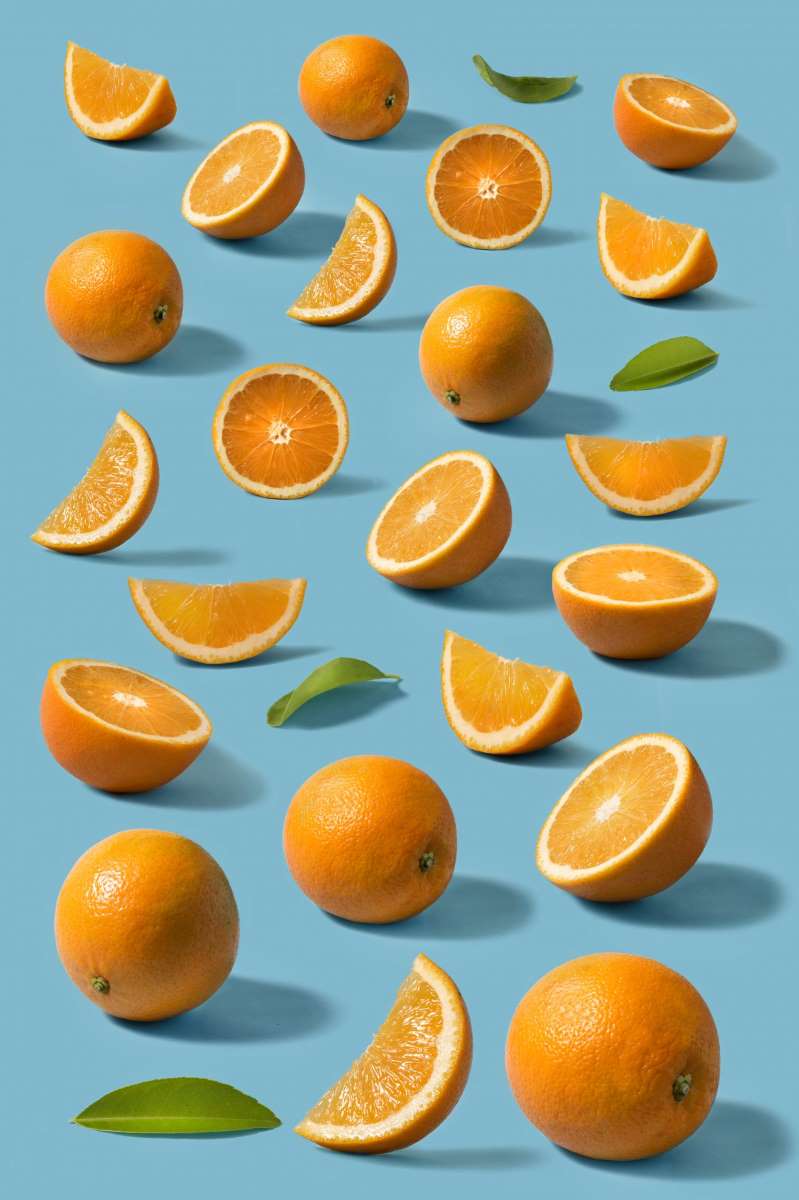
When you think of the health benefits of oranges, the first thing that springs to mind is probably vitamin C. Citrus fruits are a terrific source, but oranges (with a medium-size orange coming in at about 62 calories) also provide a number of other protective nutrients. Here are seven reasons to eat more oranges, the health benefits of orange juice and orange peels—as well as simple ways to enjoy this delicious fruit. Oranges are water-rich
One medium orange provides four ounces (or a half cup) of water. Roughly 60-70% of the human body is made of water, and it’s required for every bodily process. According to the Institute of Medicine, women 19 and over need 2.7 liters of total fluid per day (about 11 8-oz cups) and men need 3.7 (about 15 8-oz cups). But that’s total fluid, not just beverages. Foods can provide 20% of your daily fluid needs, and water-rich foods like oranges contribute even more to the daily requirement. Consuming enough daily fluid helps support mental and physical energy, improve circulation, optimize organ function, flush out waste, and maximize metabolism. Oranges provide gut- and health-protective fiber
A medium orange offers about three grams of fiber, 12% of the daily target. The fiber in oranges supports digestive function, helps regulate blood sugar and insulin levels, boosts feelings of fullness, and can even contribute to healthy sleep .
Nearly two of the three grams of fiber in an orange are soluble fiber. This type of fiber has been shown to help reduce blood cholesterol and fend off internal belly fat called visceral fat. One study that tracked adults over five years found that for each 10-gram increase in soluble fiber consumed, the rate of visceral belly fat accumulation decreased by 3.7%.
That’s significant: Carrying more visceral fat is linked to increased inflammation and a greater risk of chronic diseases, including type 2 diabetes, high blood pressure, and some cancers. Oranges have high vitamin C
One orange packs about 80% of the daily goal for vitamin C. In addition to supporting immune function, this key nutrient helps produce collagen, reduce inflammation, and boost the body’s ability to use fat as a fuel source, both during exercise and at rest. Too little blood vitamin C has also been tied to increased body fat and waist measurements .
Vitamin C also helps boost the absorption of iron, which can enhance oxygen availability and reduce fatigue. This is especially important for premenopausal women who lose iron through menstruation, and those who follow a plant-based diet, since iron is less readily absorbed from plant sources. Vitamin C also acts as an aging-fighting antioxidant, and it’s needed for DNA repair and serotonin production. The latter helps to promote happiness and sleep. Oranges supply other key nutrients
Potassium and folate are two additional vital nutrients found in oranges. Potassium supports heart function and muscle contractions, and it helps maintain muscle mass. This mineral also acts as a natural diuretic, to reduce blood pressure and counter fluid retention. Folate supports the brain and nervous system, and adequate amounts may help protect against depression and memory problems. Oranges also supply smaller amounts of calcium, magnesium, vitamin A, and B vitamins. Oranges are antioxidant superstars
Flavonoid antioxidants in oranges provide anti-inflammatory , antiviral, and antimicrobial benefits . They also defend against oxidative stress, which is essentially an imbalance between the production of cell-damaging free radicals and the body’s ability to counter their harmful effects.
The antioxidants in oranges may also protect your mental health. A study published in the American Journal of Clinical Nutrition found that higher flavonoid intake may be associated with lower depression risk , particularly among older women. A higher flavonoid intake is also linked to the prevention of weight gain and reduced body fat. Orange peels have health benefits, too
Health-protective nutrients aren’t only found in oranges and orange juice; they’re also in the peel. Research shows that flavonoids in citrus peels may help prevent the reproduction, growth, and spread of cancer cells, as well as support apoptosis , the self-destruct sequence the body uses to kill off dysfunctional cells.
One older University of Arizona study concluded that eating one tablespoon of citrus zest per week may reduce the risk of squamous cell carcinoma skin cancer by 30%. A particular compound called herperidin, found in orange rind, has also been shown to protect against neurodegenerative diseases, such as Alzheimer’s .
If you consume citrus peel, opt for organic oranges to reduce exposure to pesticide residues. Use a grater to zest the outer skin, avoiding the more bitter white pith. Add orange zest to homemade salads dressings, or as a garnish for oatmeal, fruit salad, and avocado toast to cooked veggies, quinoa, stir fries, and desserts. Orange juice also has health benefits
While whole oranges are more filling and provide more fiber, juice can count as part of your daily fruit intake. Research on the consumption of citrus juice indicates important benefits. One study found that a higher intake of citrus juice was linked to improvements in cognitive function in older adults. Another found that flavanone-rich citrus juice in quantities commonly consumed can enhance blood flow to the brain in healthy, young adults.
Freshly squeeze your own juice, or look for 100% orange juice or a blend of orange and other whole fruits. Aim for a four-ounce or half cup portion, and think of juice as a serving of fruit or an ingredient rather than a beverage. Add pure orange juice to a stir-fry sauce, marinade, or soup. Use to make cocktails or mocktails, or freeze in an ice cube tray and add to water along with mint or ginger. Healthy ways to eat oranges
Oranges are fantastic as is, but you can also add them to overnight oats, garden salads, stir-fry, chilled whole-grain dishes, savory lettuce wraps, and slaw. When including an orange as a snack, combine with nuts or seeds, nut-based cheese or yogurt, or even herbed olives. And mix it up […]
Dementia care: Expert reveals how many times a week you should exercise to reduce risk

Dementia – a cluster of symptoms associated with brain decline – mostly affects people over the age of 65 but it is not a natural part of the ageing process. The symptoms are often subtle at first but become severe in the later stages. The decline often culminates in a person becoming detatched from their surroundings, unable to retain vital memories.
Heart attack: Experiencing this between midnight and early morning is a warning sign
Dementia: Best exercises for staving off the brain condition
According to Dr MacSweeney, exercise has shown to increase brain volume in cognitively normal older adults.
Studies have linked brain shrinkage with a higher risk of memory decline and degenerative conditions.
Exercise also decreases oxidative stress and improves respiration and glucose metabolism – factors that may influence your risk, noted Dr MacSweeney.
“In addition, exercise has been shown to promote the survival of nerve receptors in the brain and support the clearance of toxic Aß amyloid plaques and reduce harmful hyperphosphorylated tau, both of which accumulate in the brain and cause Alzheimer’s disease,” she said.
DON’T MISS
How to live longer: A drink to prevent cancer, liver damage and to boost life expectancy [TIPS]
Heart attack symptoms: Doing this ‘excessively’ is a major warning sign [INSIGHT
Hair loss treatment: The essential oil proven to promote hair growth [TIPS]
What is the difference between Alzheimer’s disease and dementia?
How much exercise do you need to do?
Citing evidence-based research, Dr MacSweeney advises exercising vigorously at least four times a week for 20 minutes, or moderately five times a week for 30 minutes, to help to reduce the risk of developing dementia.
“Switch one or two of your weekly workouts to dancing for optimal cognitive benefits,” she said.
Dr MacSweeney added: “Learning and remembering new steps in a dance class activates many neural pathways in the brain, helping to keep it strong, active and healthy.”
In fact, research published in the journal Frontiers in Human Neuroscience suggests dancing may reverse the signs of ageing in the brain.
Dementia care – this surprising drink could help combat the condition
The traditional fitness training program conducted mainly repetitive exercises, such as cycling or Nordic walking, but the dance group were challenged with something new each week.
These extra challenges are thought to account for the noticeable difference in balance displayed by those participants in the dancing group.
In her concluding remarks, Dr Kathrin Rehfeld, lead author of the study, said: “I think dancing is a powerful tool to set new challenges for body and mind, especially in older age.”
Iron Deficiency, Immunity And 4 Other Reasons Why Vitamin C Is Important

Vitamin C benefits: Vitamin C deficiency can cause fatigue and low mood Vitamin C is a water-soluble vitamin which has many roles to play in the body. The Vitamin can be accessed from foods like oranges, lemon, strawberry, kiwi, bell peppers, kale, spinach and broccoli. According to National Institutes of Health, recommended daily intake of this vitamin is 75 mg for women and 90 mg for men. Signs of vitamin c deficiency can lead to dry and damaged skin, easy bruising, slow healing of wounds, painful and swollen joints, weak bones and bleeding gums to name a few. Reasons why you need Vitamin C
1. Reduces risk of chronic diseases
This Vitamin acts as a powerful antioxidant which can strengthen the body’s natural defences. It helps in reducing damage caused by free radicals. Accumulation of free radicals can increase oxidative stress, which increases risk of chronic diseases. Studies have found that increasing your Vitamin C intake can up your antioxidant levels and improve body’s natural defences to fight inflammation. 2. Heart disease
Vitamin C has beneficial effects on cholesterol and blood pressure management, which may together help in reducing risk of heart disease. 3. Iron deficiency
Those suffering from iron deficiency need Vitamin C as well. Presence of Vitamin C facilitates iron absorption in the body. To beat iron-deficiency, you need to consume both iron rich foods and Vitamin C rich foods, and supplements if required. Studies say that consuming 100 mg of Vitamin C can improve iron absorption by 67%. Spinach contains Vitamin C which can have anti-ageing effects on the skin 4. Fatigue and low mood
If you are constantly tired and have a poor mood, it could be because of deficiency of Vitamin C. These symptoms can appear even before one is entirely deficient of this Vitamin. In order to keep these symptoms away, adequate Vitamin C is required.
Also read: Tired Or Fatigued? It Could Be Sign Of A Health Issue; Find Out What 5. Immunity
Immunity boosting properties of Vitamin C are an important reason why you need this vitamin. Not only does the vitamin help in encouraging production of white blood cells, it also enables them to work more efficiently while protecting them from damage done by free radicals. 6. Memory and thinking
Oxidative stress and inflammation near the brain, spine and nerves can affect cognitive function, affect memory, thinking and increase risk of dementia. Vitamin C is a strong antioxidant. Low levels can cause inflammation and lead to the aforementioned side effects. Vitamin C food sources
Oranges
Lemon
Guava
Bell peppers
Strawberry
Papaya
Broccoli
Pineapple
Potato
Kiwi
Cauliflower
Mango
Also read: Can I Eat Mangoes If I Am Trying To Lose Weight? Know A Nutritionist’s Reply
Include a variety of vegetables in your diet and your vitamin C intake can be taken care of. Supplements can be helpful in case you have been diagnosed with a deficiency. Make sure you consult your expert before taking supplements.
Disclaimer: This content including advice provides generic information only. It is in no way a substitute for qualified medical opinion. Always consult a specialist or your own doctor for more information. NDTV does not claim responsibility for this information.
22 Tips to Keep Your Brain Sharp and Young at Any Age
Imagine your life after 40s, you forget where your belongings are, confuse with phone numbers and addresses, cannot indulge in serious decisions due to impaired judgment, no more recognize old friends.
Frustrating isn’t it?
Brainpower decreases with age – is not a fact but a myth. Cognitive skills can decline at any age and is scientifically proven.
There are various neurological illnesses that can cause significant memory loss at a young age. Health conditions like diabetes, stress, and depression can also damage mental functioning very early.
Related: 8 Daily Habits That Are Secretly Damaging Your Brain
Do you know people with anxiety, sleep deprivation, and depression tend to score poorly on cognitive function tests? Good mental health is certainly an important goal to retain brainpower at old age.
How actually brain works is unclear! But, thanks to decades of researches and experiments on how to keep the brain active and preserve memory. Here are the best evidence-based strategies for you to keep your brain sharp and young at any age
1. Play with pets
Do you know that pets help in normalizing the brain chemistry? Yes, you read it right!
South African researchers showed that spending time with dogs and cats increases the level of beta-endorphins in the human brain. This neurochemical is a natural pain killer released in our body. Petting dogs double dopamine and serotonin . These hormone makes us feel good and relieve stress and depression.
There is a feedback system that neurochemically, psychologically and behaviorally sets up between you and your pet. We take antidepressants and feel good just because they elevate the level of these neurotransmitters. But pets do that just for free.
Why waste money over antidepressants? Get a furry friend and your brain will never fall short of healthy brain chemicals. 2. Listen to music
Music acts as a balm on a depressed mind. Listening to music gives you a sense of pleasure and meaningfulness according to the article published in The British Journal of Psychiatry . Music boosts the level of dopamine, the feel-good hormone brings about the musical-reward experience in the person.
Such pleasure coming from activation of certain brain regions drives the body, lets people communicate, and get moving. Music averts depression even in passive people hardwired to be social.
Music therapy induces sound sleep and decreases insomnia severity . In a study published in the Journal of Brain and Cognition, music was found to restore impaired vision. Scientists say that long term musical training improves visual attention and stimulates other cognitive benefits.
Also read: Music Therapy for depression – how can it heal you? 3. Play Brain games
Get mental stimulation with grain games and reduce your chances of developing Alzheimer’s. Games like Sudoko, solving a puzzle, chess, Qwirkle, Ken Ken, Taboo, and others require a strategy. It promotes critical thinking, memory, concentration, attention, creativity, and can prevent mild brain traumatic injury.
How does this work? Scientists believe that such mental stimulation encourages the brain to forge and maintain new neuron connections , an ability that usually diminishes with age.
Keep your brain sharp at any age by playing at least one of these games on a daily basis. 4. Eat Mediterranean diet
Eating a Mediterranean diet improves longevity, memory, cognition function and brain volume. This type of diet comprises green vegetables, whole grains, fish, nuts, legumes, fruits, unsaturated oils, moderate intake of alcohol, and plant source of proteins.
Research shows that the Mediterranean diet promotes healthy aging, and reduces the risk of certain cancers, Alzheimer’s , dementia, Parkinson’s disease, and depressive symptoms in older age. These results are based on Brain Magnetic Resonance Imaging Measures in young and older adults.
Do you want to age-proof your brain? Then savor Mediterranean diet, a simple, cost-effective solution! 5. Exercise
According to Michelle Ploughman, the clinical research scientist “exercise is brain food.”
Watch the video to know the brain-changing benefits of exercises:
Research supports that daily exercise whether mild or intense protects the brain and heart. Even brisk walking for 30 minutes can lift your spirits. Physical exercises enhance memory, creativity, concentration and help in speedy thinking.
Regular exercises can beat stress, anxiety and long-term depression according to the American Psychological Association. It can also improve the connection between brain cells and develop new nerve cells. As a result, you can keep your brain sharp, efficient and adaptive even when aging. What else?Exercises also decrease the risk of cancer and Alzheimer’s disease and other neurodegenerative disorders associated with age. Be physically active to retain your brainpower always! 6. Stay organized If you want to avoid forgetfulness (like unable to recall where you kept your car keys or spectacles) at your old age, then you must stay organized.The best way is to take advantage of planners, to-do lists, calendars, shopping lists, address books, and file folders. Why not keep your information accessible? It’ll help you better concentrate on learning and remembering important matters. You can make your life easier by designating a place at home for your keys, diaries, glasses and other items you use often. An organized lifestyle boosts brainpower and productivity.Clear the clutter! 7. Healthy social network Do you know that social isolation carries the same health risks as obesity, physical inactivity, and smoking?In-person socialization is more important than making friends on Facebook. Because online conversation is all about what is cool and what is not socially relevant. Modern conveniences and technology give pleasure!But, hanging out with friends and attending parties are powerful stress-busting medicines according to Stanford University health psychologist Kelly McGonigal. Loneliness does as much damage as 15 cigarettes a day. Stronger your social ties, lower the risk of dementia, memory loss, and longer life expectancy. You can ensure regular social activity through volunteering for a cause, job, engaging new hobbies, joining groups of similar interests, traveling and so on. 8. Play sports Playing sports gives you a quieter and healthier nervous system. A new study from Northwestern University showed that athletes can process information and situation better than non-athletes.Even if you don’t aim to be an athlete, […]

Neuroscientist Emily Jacobs is awarded a $5M NIH grant to advance women’s health
For all our scientific advances in the field of health over the last couple of centuries, there’s one large area that is still underserved: women’s brain health.
“Women constitute half of the world’s population, yet historically neuroscience research hasn’t served the sexes equally,” said UC Santa Barbara neuroscientist Emily Jacobs . “For decades, human neuroimaging studies have overlooked basic elements of a woman’s life – the menstrual cycle, oral hormonal contraceptive use, pregnancy, menopause – and how they might shape the brain. We’re excited to help correct course.”
Jacobs, an assistant professor of psychological and brain sciences, is tackling this research blind spot head-on. With support from a five-year, $5 million grant from the National Institutes of Health (NIH), Jacobs and her team will carry out a large-scale study to establish how ovarian hormones impact the structural and functional architecture of the human brain.
“I’m thrilled to see the NIH continue to support women’s health research,” Jacobs said of the grant. “Menopause is severely understudied within the neuroimaging world and we won’t fully understand the aging brain without taking it into account.”
“I congratulate Emily Jacobs on this well-deserved grant from the NIH,” said Pierre Wiltzius, dean of UC Santa Barbara’s division of mathematical, life and physical sciences. “The research she will undertake holds a great deal of promise in helping us understand the interplay between hormones and the human brain, and will no doubt help advance both neuroscience and women’s health.”
Peering Through the Brain Fog
The NIH-funded study will address longstanding questions about the endocrine basis of cognition, offering new insights into the menopausal transition.
“Most studies of the aging brain focus on adults 65 and older, more than a decade after the start of menopause,” Jacobs said. “During the menopausal transition, ovarian hormone production falls by 90%, a shift that impacts multiple bodily systems, including the brain.” Jacobs’ previous research has demonstrated that these neuroendocrine changes shape the structure and function of two key brain regions in particular – the prefrontal cortex and hippocampus – which are important for learning and memory. One goal of Jacobs’ research is to understand why some women sail through menopause, while others experience debilitating symptoms including brain fog and memory changes.
This study will model a core aspect of menopause – namely the changes in hormones that occur during the menopausal transition. The longitudinal study will track a large cohort of women as they undergo treatment for endometriosis with Elagolex, a drug that dramatically suppresses ovarian hormones. Approved by the Food & Drug Administration in 2019, the drug induces a temporary menopause-like state in women.
Previous studies in animals offer powerful evidence that ovarian hormone suppression impacts the structure and function of the hippocampus and prefrontal cortex. However, conducting similar studies in human participants is a challenge, as the equivalent experimental manipulation of hormone levels would likely exceed the guidelines for acceptable risks.
Jacobs’ study overcomes this hurdle by tracking women who are scheduled to begin a course of Elagolex, and then following them for 6 months, without altering standard clinical care. This will allow her team to establish the effects of ovarian hormone depletion on the body, teasing apart the effects of hormone suppression from the natural course of chronological aging.
The project will be carried out at UC Santa Barbara and at UC San Diego with co-principal investigator Matthew Panizzon, an assistant professor of psychiatry.
Looking ahead, Jacobs’ team is hard at work building the University of California Women’s Brain Initiative, a UC systemwide effort to integrate the collection of human brain imaging data across campuses to further strengthen women’s health research. “This problem is bigger than any one group can handle,” Jacobs said. “By joining forces with institutions across the UC, we will be in a strong position to move the needle on women’s brain health.”
Jacobs, who joined the UC Santa Barbara faculty in 2016, received her bachelor’s degree from Smith College and her Ph.D. from UC Berkeley.
The research is supported by the National Institute on Aging of the National Institutes of Health under Award Number R01AG063843. The content is solely the responsibility of the authors and does not necessarily represent the official views of the National Institutes of Health.
Protein Coffee- 8 Stunning Health Benefits and Facts

About Protein Coffee
About Protein Coffee
Source- www.oliversmarket.com Protein coffee is rapidly turning into a dietary staple in the realm of fitness and health. This reviving, yummy blend offers a double benefit. Coffee is a flat out reward for your taste buds. yet it can likewise convey the genuinely necessary energy and mental lift. Protein powders, then again assist you with building and maintain healthy muscles. Together, coffee and protein powder in a shake or smoothie is the thing that you have to launch your day on the correct foot. What’s more, take your dynamic lifestyle to the following level. More Details
Try to go for a top notch item from a respectable brand, such as Maine Roast Protein coffee. Each serving of this clever shake brags 115 mg caffeine and at any rate 15 grams of protein. Thusly, you will appreciate the true taste you love in your cup of joe, alongside the wholesome benefits of protein.
Astounding taste is just a single thing that makes protein coffee incredible. Here are 8 stunning facts about protein coffee that show how this basic dietary expansion to your day by day schedule can genuinely change your life. Coffee and Protein Health Benefits
(1) It Prevents Age-Related Muscle Loss
You need muscles to build strength, improve performance, and even shave additional pounds. The higher your muscle mass, the more grounded you are and the more calories (and fat) you will burn.
Tragically, people will in general lose muscle as they age. That is the reason we acquire fat with age, which at that point turns into a hazard factor for some, chronic conditions, running from stoutness to hypertension.
Fortunately you can back off, forestall or even converse muscle mass loss with a blend of protein coffee, healthy eating regimen and workouts.
Taking high-protein supplements combined with workout meetings has been found to be the ideal mix to remain or get fit. That is the place a high-protein coffee blend proves to be useful.
Coffee, on its end, helps support your workout meeting so you can build better muscles and maintain them.
To accomplish ideal outcomes, be that as it may, make a point to blend your coffee in with excellent protein powder. Particularly whey protein items that are known to have a bounty of leucine.
Leucine a class of exceptionally particular, expanded chain amino acids that help with muscle recovery and creation of ATP (the fuel decision for muscles). It likewise advances muscle development and facilitates recuperation after substantial workouts. More Details
There are several studies that imply that whey protein powders are marginally better at forestalling muscle loss identified with maturing than other protein types like soy, casein or collagen. All the more significantly, the effects of whey protein powder can be upgraded by the nearness of caffeine.
Toward the day’s end, successful avoidance of age-related muscle can assist you with remaining assembled, improve strength, and have an extraordinary looking body even as your years continue. (2) Protein Coffee Increases Mental Alertness and Enhances Cognitive Function
In the event that your psyche isn’t in the correct spot, you will think that its difficult to work out and continue through to the end with regards to your weight loss or training program.
A combo of coffee and legitimate protein can help.
It’s hard to believe, but it’s true. Devouring a blend of coffee with protein powder can not just improve your memory review and cognitive brain function. Yet in addition essentially increment your mental alertness.
This positive property of protein coffee can even assistance postpone the symptoms and beginning stage of neurodegenerative conditions like dementia. Along with more illnesses like- Alzheimer’s Disease, Parkinson’s Disease, and chronic memory slips.
In one especially exciting study distributed in 2002, Alexandre de Mendonça and his group at the Laboratory of Neurosciences, University of Lisbon found that drinking coffee routinely can diminish the danger of dementia and Alzheimer’s Disease by up to 60 percent.
The invigorating properties of caffeine can likewise keep nervousness and depression under control by authoritative with certain brain receptors related with torment and stress.
Agreeing to various studies, whey protein can likewise expand the creation of the vibe great hormone, serotonin. This is the hormone that impacts a few cognitive functions. Including sleep, craving, moxie, memory, digestion, social conduct, and even mood. More Details
By improving your mood and fighting off depression, it encourages you to remain alert and mentally prepared to handle the physical, mental and mental requests of working out, abstaining from excessive food intake and different parts of weight loss. (3) Protein Coffee Supports Weight Loss
Source- www.express.co.uk Given that almost 66% of every single grown-up American are either obese or battling with weight issues, whatever vows to help with weight loss is an invite relief.
Protein, when taken with coffee, can assist you with losing undesirable weight and keep it off in various manners.
For one thing, it increases your metabolic rate.You have likely been told as long as you can remember that morning meal is the most significant supper of the day. In fact it is, and keeping breakfast can affect on your digestion. In the event that this seems like you, protein coffee can do ponders for your metabolic system.Not exclusively does coffee imbued with protein powder improve your digestion yet it additionally checks your raging hunger. By permitting you to normally diminish the aggregate sum of calories you have to expend every day. That is a sacred goal blend for anybody attempting to shed overabundance pounds. More Details Moreover, caffeine additionally gives you an additional mental edge. At the point when you are on a low carb or sugar-confined eating regimen, your mood can suffer. You can utilize a little jolt of energy occasionally so you can continue through to the end. That is actually what coffee does. It causes you to feel energetic and great so you can beat the despairing of attempting to adhere to your eating routine.For quite a long time and decades, protein powders and shakes have […]
What Are The Health Benefits Of Drinking Oolong Tea?

Water is a requirement for daily holistic health benefits. However, water is too plain to the palate for some people. Oolong tea is a great complement to water in terms of health benefits and has an enjoyable taste that is sought in water. You can enjoy a tasty beverage while benefiting from the health outcomes of it.
Below is a list of benefits you get from drinking oolong tea.
> Metabolism Boost Leading to Weight Loss
Drinking oolong tea raises your metabolism levels speeding up the process of fat burning. Oolong tea contains polyphones that help block the enzymes which build fat in your body. Weight loss in this context will only work if refined sugars are not a part of the additives in the tea as these contribute to fat build-up.
start=”2″> Heart Wellness Promotion
Oolong tea promotes heart wellness by reducing cholesterol levels. This is because the tea is semi-oxidized. This means that the tea produces a molecule that activates enzyme lipase important in dissolving body fat. A good heart means a good circulation of blood through the body leading to one to lead an active lifestyle.
start=”3″> A Heightening of Mental Wellness
Oolong tea contains caffeine which heightens your mental awareness. The day is less of a drag and your memory will be sharpened as a result of heightened mental stimulation.
start=”4″> Improved Mood
When you make a trip to the grocery store in search of the beneficial oolong tea, you might not find the oolong tea too easily from your regular grocery store. No need to despair because oolong tea is readily accessible online.
The unique flavour of oolong tea together with an amino acid called l-theanine helps in improving general mood and de-stressing. This amino acid is found in all teas though it has the highest value in oolong tea. Drinking oolong tea is a perfect way to wind down after a hectic day or whenever you are feeling tense and down.
start=”5″> Anxiety Relief
Theanine which is an amino acid in tea helps boost attention and relieve anxiety. Oolong tea is therefore an aide in stressful situations and circumstances in that it helps you relax and has a calming effect.
start=”6″> Improved Digestion
Digestion issues are popular in matters regarding health and wellness. Oolong tea helps this health problem by alkalizing the digestive tract thereby reducing inflammation in those who suffer from acid reflux and ulcer problems. It further clears germs from your belly because it mildly septic.
start=”7″> Dental Wellness
It is said that an apple a day keeps the doctor away. Oolong tea equally keeps the dentist away as the tea protects teeth from the acid that is produced by bacteria. As a result, tooth decay and build up plaque is prevented.
start=”8″> Prevents osteoporosis
The more you drink oolong tea, the less likely the chances of suffering from a loss of bone mineral density . This is because the tea help retains minerals from healthy food ingested. It also contains magnesium and calcium in its leaves.
start=”9″> Strengthened Immune System
A strong immune system is pivotal to overall long-term health and wellness . Oolong tea has anti-cancer properties and assists in the maintenance of a healthy immune system. Oolong tea further prevents cellular damage. The more you drink oolong tea the higher the chances for fighting off infectious diseases and preventing the multiplication of cancerous cells.
start=”10″> Improved Gut
Oolong tea assists in ailments from inflammatory bowel disease, allergies, liver disease, and metabolic diseases. The tea improves the presence of healthy bacteria and provides support when eating a high-fat diet.
start=”11″> Brain Health
The brain is a delicate, vital organ that needs nurturing to efficiently give the directive to the rest of the body. Studies show that drinking 3 cups of tea per day for 10 years might reduce the risk of Parkinson Disease by 28%. Scientists state that this is as a result of ECG (-epicatechin-3-gallate) particles in the tea that fight against neurodegenerative diseases.
start=”12″> Reduced Risk of Stroke A stroke can leave one facing daily health challenges for the rest of one’s life. Oolong tea is a natural preventative measure there-of. Studies reveal that a cup of green or oolong tea a day reduces the risk of ischemic stroke. Drinking 3 cups a day reduces the chances further by 21% in comparison to those that drink 1 cup. Conclusion Oolong tea has health benefits that go beyond just the physical. The tea impacts emotional and mental wellness, thereby making the tea a holistic natural beverage for long-term wellness. Prevention of ailments is better than seeking cures in case of present diseases. Oolong tea is an enjoyable natural preventive drink for wellness.
6 Tips for Sound Shut-Eye at Night, Try Them for A Healthy Brain and Body

Most people in the world have high levels of stress in their lives, i.e. due to financial instability or emotional problems. Likewise, they experience signs of poor sleep due to severe signs of worry and fear in daily life. In fact, many studies show it is not surprising that millions of people are not getting enough sleep at night . Furthermore, experts say for a healthy brain and body, people should control their insomnia signs in their live. Similarly, they should talk to a doctor, who can help them to choose the best natural therapies or strong sleeping pills to beat poor sleep problems in their lives.
Further, due to poor sleep at night, they have a higher risk of health problems , including heart issues. In addition, sleep-deprived people have higher risk memory problems, like memory loss and poor concentration.
However, people can follow simple tips to avoid tossing and turning in bed at night. Likewise, following a change in daily habits can prevent the knock-on effects of poor sleep on people’s brain and body. Here Are 6 Simple Tips to Break Your Sleep Deprivation Cycle:
1. Turn-Off the Blue Lights and Screens in Your Bedroom
Before sleep or in the day, everyone has a habit of scrolling their social profiles or watching movies on their smartphones or TV. However, studies show that blue light emitted by their screens linked to the poor production of melatonin in the body. Likewise, they disrupt your body clock and melatonin levels. Again, according to sleep experts, people should avoid them in the bedroom for sound shut-eye.
Further, using too much of phone increases stress in the brain and triggers mood swings in people. As a result, people find it hard to get an adequate amount of sleep at night. 2. Maintain a Cool Body Temperature
For a good night’s sleep, all you need is a relaxed body and a calm mind . For instance, cooling your body temperature can help you get sound slumber in your daily life. In addition, experts say people can set their bedroom’s temperature between 68 to 72 degrees. Further, they can take a shower or bath before bedtime to help their body relax for better sleep. 3. Cut Your Caffeine Intake
With the setting of the sun, everybody needs some fluids to rejuvenate their brain and body. Further, most people rely on a cup of coffee or sugary drinks , which affect the levels of melatonin in the body. Thus, it is better to avoid caffeinated or sugary drinks to help your body clock perform well. In fact, health experts say people should also avoid alcohol before bedtime to get enough sleep at night. 4. Control Your Diet Plan
It the first place, food is the most important part of our lives. In fact, eating healthy or unhealthy food can directly affect our health and fitness. Therefore, it is better to eat a balanced diet to improve your sleep-wake cycle. Further, avoiding sugary and fatty foods can reduce high-stress levels, which triggers a good night sleep in people. 5. Exercise in the Day
Furthermore, doing exercises and yoga in the day can improve your brain and body health. In addition, experts say exercise reduces high-stress signs in people by releasing serotonin in the body. Again, both, doing yoga and exercising in the day bring mental and emotional peace in people. 6. Choose a Comfortable Mattress and Pillow
Further, to get sound slumber, your spine position matters a lot. Therefore, choose a comfortable mattress and pillows to keep your body in a good sleeping position. Conclusion
Last, talk to a doctor, if you have severe signs of sleep loss in your daily life. Likewise, a doctor can help you choose the best sleeping pills or therapies to get sound shut-eye at night easily and quickly.
The Best Supplements To Reduce Stress, Boost Immunity, And Improve Overall Health

The global wellness market shows no signs of slowing, but the sales of vitamins and supplements, in particular, have skyrocketed during the pandemic. Because while eating a balanced diet is all well and good, it’s more than easy to be missing something that could help us feel and perform even better.
“A typical diet doesn’t contain the necessary nutrient spectrum, density, and functionality needed to achieve and sustain optimal health,” explains Dr. Linda Ellison, founder of kaü , a trailblazing immunity supplement that harnesses the power of amino acids. “That’s why we need supplemental nutrients to help our bodies function at their best.” Dr. Linda Ellison, founder of kaü winky lewis So when purchasing vitamins and supplements, what should you consider? First, cost. “Many people buy the McDonalds versions, yet expect them to have the quality of a farm-to-table, organic restaurant,” says Ellison. “But given the costs involved, it’s not possible to deliver good ingredients, science, and research at a low price point.”
Second, think about augmentation – in other words, how much of the key ingredient a supplement has. Ellison notes, “From extensive third-party lab testing, we know that vitamins and supplements with specialized flavors, colors, and smell are comprised of at least 75% additives.”
Then, factor in the quantity and percentage of ingredients. You typically take a vitamin or supplement with a specific goal in mind, but according to Ellison, “If it has a long list of ingredients, then it can’t contain enough of any one at a functional level to really benefit you.”
And though it’s not the most elegant topic, consider what Ellison refers to as “The Bathroom Test.” Observe your urine after trying out a new supplement, and check if it’s dark in color or has a harsh smell. “If so, your body has flushed out the majority of your vitamin or supplement, instead of making it functional in your system,” explains Ellison.
While vitamins and supplements are no replacements for a well-rounded diet, they can alleviate a range of issues, from anxiety to sleeplessness – which only seem to be heightened during these highly emotive times. So ahead, 15 easy ways to help you feel your absolute best – from the inside out. winky lewis Amino acids serve as your body’s essential building blocks, and are “key to human biological functioning,” says Ellison. While they’re unique and serve specific roles, they’re more powerful when working together as a collective unit. To that end: “Immunity Build triggers the rapid production of immune system cells and codes those cells to be shaped and operate with the robust vitality of youthful cells, explains Ellison. Equilibria This visionary CBD company stands out from the rest for being owned by women, organic, and creating products expressly for womens’ unique needs. Equilibia even goes as far as to offer dosage specialists, whom help take the guesswork out of CBD and customize a routine just for you. And when you need immediate, soothing relief from everyday stress, take 1/4 dropper of this fast-acting, full-spectrum oil. Plant People Given the volatile times we’re in, sleep may not come as easily as it used to. So the next time you’re feeling antsy before at night, turn to this. With organic, full-spectrum hemp extract, this potent formula encourages the body and mind to wind down for a deep night’s slumber. Even better? There’s no chance of feeling drowsy when you wake up – just refreshed and ready to take on the day. Mab & Stoke Wouldn’t it be lovely to have a supplement created expressly for you? That’s the thinking behind the innovative Mab Tab. After completing an online questionnaire, you’ll be shipped a tin filled with 28 tabs. Take one every morning – it dissolves in cold and hot beverages – to reap the benefits of immunity-boosting herbs (like burdock, lemon balm, and red clover). The Nue Co. No matter the amounts of serums and creams you slather on, sometimes you need to go beyond basic skincare. That’s when this cutting-edge supplement comes to the rescue. Rigorously tested in France, and featuring a proven blend of vitamin C, zinc, and champagne grape seed, one capsule with breakfast is all it takes to gradually fade stubborn discoloration and and promote a luminous glow. Cymbiotika The brain is one of the hardest working organs in the body, but often neglected in the world of supplements. So give it some well-deserved care with this delicious – it tastes like vanilla chai – potion, fortified with nootropics like Phosphatidylcholine, Rodiola Rosea, and Gotu Kola Extract. For the uninitiated, nootropics are natural ingedients that enhance cognitive performance. CBD Path If you have a pet who’s also been struggling the past few months – my senior pup squarely falls into this category – take comfort in knowing CBD can support your fur child, too. In the same way the all-around workhorse alleviates anxiety, racing thoughts, and sleeplessness for us humans, CBD can also help animals slip into the chill zone and a more calm, relaxed state. Ritual When Katerina Schneider founded Ritual back in 2016, she was among the first to champion transparency – literally, in regards to the design, and the ingredients – for women’s multivitamins. And to meet the specific needs of post-menopausal women, Ritual thoughtfully unveiled this vitamin late last year. Each crystal-clear capsule contains eight extensively researched ingredients (including Boron and Vitamin K2) that address a range of concerns, from bone strength to muscle function. Solluna by Kimberly Snyder No matter how balanced your diet is, it’s only natural to have days when you feel bloated, backed up, and uncomfortable. So when that happens, take several of these capsules with water at night. While you sleep, Feel Good Detoxy 2.0 oxygenates the colon and supports healthy gut bacteria, so elimination the following morning comes with ease. Bio-Kult There’s no shortage of probiotic brands, but this British one stands out for containing 14 different bacterial strains, not requiring refrigeration, and being non-GMO. And the company’s newest launch spotlights not just […]
Negative thinking may lead to dementia according to a new study – here’s what you need to know

This is what you need to know about the link between negative thoughts and dementia (Photo: Shutterstock) A new study has found that long term negative thinking can increase the risk of dementia.
The research found that negative thinking is linked to harmful deposits in the brain of proteins associated with Alzheimer’s disease, the most common type of dementia.
This is everything you need to know about the study and how to think more positively. What did the study say?
A study, led by University College London (UCL), found that “repetitive negative thinking is linked to subsequent cognitive decline as well as the deposition of harmful brain proteins linked to Alzheimer’s”.
Researchers say that repetitive negative thinking should be “further investigated as a potential risk factor for dementia”.
Lead author of the study, Dr Natalie Marchant, said: “Depression and anxiety in mid-life and old age are already known to be risk factors for dementia.
“Here, we found that certain thinking patterns implicated in depression and anxiety could be an underlying reason why people with those disorders are more likely to develop dementia.”
She added: “Taken alongside other studies, which link depression and anxiety with dementia risk, we expect that chronic negative thinking patterns over a long period of time could increase risk of dementia.” How was the study conducted?
The study looked at 292 participants above the age of 55 over the course of two years.
The participants were given questionnaires to complete which asked questions about how they typically think about negative experiences, with a focus on repetitive negative thought patterns “like rumination about the past and worry about the future”.
Measures of depression and anxiety symptoms were also taken into account.
The participants cognitive function was also assessed by measuring memory, attention, spatial cognition and language. Almost half of the participants also underwent PET brain scans.
These scans measured “deposits of tau and amyloid, two proteins which cause the most common type of dementia, Alzheimer’s disease, when they build up in the brain”.
The research found that those who exhibited higher repetitive negative thought patterns experienced more cognitive decline over a four year period, and declines in memory and that they were more likely to have amyloid and tau deposits in their brain. How to have more positive thoughts
Healthline offers the following advice to try and change your outlook and experience more positive thoughts: Focus on the good things
Practice gratitude
Keep a gratitude journal
Open yourself up to humour
Spend time with positive people
Practice positive self talk
Identify your areas of negativity and tackle one area at a time
Start every day on a positive note, like a positive affirmation, listening to a happy song or by giving someone a compliment
The NHS explains that dementia “is not a disease itself but rather a collection of symptoms that result from damage to the brain caused by different diseases, such as Alzheimer’s”.
Dementia is a syndrome which is associated with an ongoing decline of brain function.
People get confused with the difference between Alzheimer’s disease and dementia – Alzheimer’s is a type of dementia. What are the symptoms of dementia?
The NHS lists the following as common early symptoms of dementia to look out for: Memory loss Difficulty concentrating Finding it hard to carry out familiar daily tasks, such as getting confused over the correct change when shopping Struggling to follow a conversation or finding the right word Being confused about time and place Mood changes The NHS says: “These symptoms are often mild and may get worse only very gradually.”The most common cause of dementia is Alzheimer’s disease. Common symptoms of Alzheimer’s disease includes: Memory problems, like regularly forgetting recent events, names and faces Asking questions repetitively Increasing difficulties with tasks and activities that require organisation and planning Becoming confused in unfamiliar environments Difficulty finding the right words Difficulty with numbers and/or handling money in shops Becoming more withdrawn and anxious The NHS says: “Dementia is not a natural part of ageing.“It’s important to talk to your GP sooner rather than later if you’re at all worried about memory problems or other symptoms.”Currently, there is no cure for dementia, but there are medicines and other treatments that have been developed to help with the symptoms of dementia.The NHS states that the main medicines used to temporarily reduce symptoms are “Acetylcholinesterase inhibitors” and “memantine”.Acetylcholinesterase inhibitors are medicines that prevent an enzyme from breaking down a substance called “acetylcholine” in the brain, which helps nerve cells communicate with each other.Memantine, also known as namenda, works by blocking the effects of an excessive amount of a chemical in the brain called glutamate.There are also treatments available that don’t involve medicines, such as: Cognitive stimulation therapy Cognitive rehabilitation Reminiscence and life story work The NHS and other trained professionals are available to help with these treatments.

New online subscription boxes include premium tea, coffee and personalised period products

Online shopping has increased in popularity since the start of lockdown Coronavirus has changed the way we shop in stores and online with social distancing set to be part of the ‘new normal’ for some time to come.
During lockdown, essential stores that remain open, such as supermarkets and pharmacies , have had to find new ways of operating and managing customers to prioritise social distancing and hygiene standards.
The most noticeable change has been the regular sight of customers standing two metres apart as they queue outside stores in order to limit the number of people inside at any one time.
There’s also been a huge increase in online shopping, and not just on Amazon , the world’s biggest virtual marketplace.
Food boxes have become an essential part of life in lockdown with supermarkets selling parcels of popular products, including fruit and veg, meat, cupboard fillers, meat, fish and BBQ, for a reasonable price.
Morrisons and Marks and Spencer have a good selection online, and have led the way when it comes to choice and speciality.
But there are three new subscription boxes on the market which offer something a bit different.
The UK-based, New Orleans-Inspired premium Cold Brew is available in a bold but smooth Black flavour and a deliciously light Oat M*lk flavour.
Bottleshot brew their premium, Rainforest Alliance Certified Arabica beans in chilled water for 18 hours with chicory to make a tastier, irresistibly smooth coffee that’s high in caffeine and low in acidity.
Now available on subscription, you can order cases of a 6, 12, 24 or more cans straight to your door – f ind out more here .
This is a 21-day herbal program designed to support your brain function and mental wellbeing, naturally.
Each box is packed with 12 herbal nootropics, adaptogens and stimulants divided into three functional blends for mornings, afternoons and evenings. It’s designed to maintain balanced energy levels, improve focus, relieve stress and help achieve a good night’s sleep.
It’s also working in the long-term to support memory, concentration and adaptation to stress.
THEENK was developed to help restore a connection with nature and to encourage people to look for natural ways of supporting their mental wellbeing and brain function.
Subscription price is £33.90 per month, for more details visit the website here .
This is a daughter-mother-run, sustainable femcare brand producing a variety of eco-friendly period products, but the most topical and notable is the popular Personalise Your Period subscription box.
All &SISTERS products are organic, non-GMO, pH neutral, and made from premium-grade 100% cotton to avoid irritation and the effects of toxicity.
The entire range is also free from fertilisers, pesticides, and herbicides.
Designed and tested to cater to girls and women at all stages of their menstrual cycles, all &SISTERS products are available in a variety of sizes depending on age, size of flow, and desired personalisation.
Prices start at £4.80, for more details visit the website here .
African eggplant: What are the health benefits?

The African eggplant, locally known as ‘intoryi’, is a tropical perennial plant that is closely related to the eggplant (aubergine) and widely cultivated for its use as a food, medicinal purposes, and ornamental plant. The plant is grown for its edible fruits which are cooked and eaten as a vegetable.
It can be steamed, fried, grilled, pureed, or dried for later use, among other ways.
Health benefits
Emmy Ntamanga, a Kigali-based nutrition consultant, says the African eggplant is an excellent source of fibre and B-complex vitamins that provide manganese, copper, potassium, and iron.
He says beta-carotene is extremely high in the African eggplant, therefore, important for healthy skin, the immune system as well as good eye health and vision.
He says African eggplants contain fibre, potassium and ascorbic acid, iron, and calcium.
He explains that potassium is one of the most important minerals in the body, as it helps regulate fluid balance, muscle contractions, and nerve signals.
What’s more, the nutritionist says, a high-potassium diet with African eggplant may help reduce blood pressure and water retention, protect against stroke, and prevent osteoporosis and kidney stones.
The fibre found in the African eggplant, Ntamanga says, increases the weight and size of one’s stool and softens it.
“A bulky stool is easier to pass, decreasing one’s chance of constipation. If you have loose, watery stools, fibre may help to solidify the stool because it absorbs water and adds bulk to stool,” he says.
Vitamins and minerals
Dieudonne Bukaba, the nutrition programme coordinator at Africa Humanitarian Action (AHA) Rwanda, says African eggplant contains vitamins and minerals as it is a great source of vitamin C, vitamin K, vitamin B6, thiamine, niacin, magnesium, manganese, phosphorus, copper, fibre, folic acid, potassium which all play a crucial role in health.
Because of its fibre, he says, it improves gastrointestinal and heart health.
Bukaba says African eggplant is also a good source of natural antioxidants such as manganese.
He further explains that having a high level of antioxidants like manganese in your body helps to ensure that your organs are protected from cancer.
In addition, he says, it reduces risk of osteoporosis (a condition in which bones become weak and brittle), as the iron and calcium found in African eggplants are crucial in improving and preserving overall bone health.
Ntamanga says not getting enough iron in your diet can be dangerous to your health.
In some cases, he says, iron deficiency can result in anaemia, which is characterised by a general feeling of tiredness and weakness caused by not having enough healthy red blood cells to carry oxygen throughout the body.
He says African eggplants are rich in natural chemicals called phytonutrients, which have been known to improve mental health.
This benefit is a result of increased blood flow throughout the body and in the brain.
“Phytonutrients help boost memory by stimulating your neural pathways to develop,” says Ntamanga.
3 hobbies that can improve your memory and maintain a healthy brain
Getty Images
Cognitive decline is inevitable as we get older.
According to the American Psychological Association, “the brain’s volume peaks in the early 20s and gradually declines for the rest of life”.
But your lifestyle can slow the process. You can preserve and even enhance your mental capabilities as you age. Simple behavior changes can help us stay sharp for as long as possible. What you do or don’t do makes a huge difference to your memory skills.
Pursuing both intellectual and physical challenges, as uncomfortable as it may be, is one of the best ways to slow the natural memory decline process. New challenges are a way to exercise the mind and build new pathways. Embrace New Learning Styles/Formats
Everyone learns in different ways.
You might find reading enormously effective, while your friend would rather watch a video or listen to a podcast. Each path creates differing experiences and memories.
Most people have a dominant style and tend to use that for acquiring new knowledge. Others use a combination of different content types— posts, talks, documentaries, books (digital and physical) and podcasts.
Research shows that each learning style uses different parts of the brain. By involving more of the brain during learning, you can improve your ability to recall information and remember more of what you learn.
I tend to read my books on an iPad. I have started reading more physical copies — I’ve ordered dozens of them to read in the evenings to stay away from screens every now and then. I’ve also been watching more educational documentaries on Netflix.
A new learning style can improve your brain’s processing of information over time. Develop an ability in less dominant learning styles and you could find something new in a completely different and enjoyable way. Cultivate a Broad Range of Artistic Interests
Pablo Picasso once said, “Art washes away from the soul the dust of everyday life.”
Taking up a new hobby or rediscovering an old one (drawing, painting, photography, dancing, making something in response to music, gardening, etc.) can help you improve your focus, mood, and memory. Artistic hobbies stimulate the brain to grow new ones by using the senses in new ways.
Learning something new requires you to stretch yourself physically, mentally, or emotionally. Any hobby that involves a great deal of attention to detail can stave off cognitive decline and improve your memory.
Besides relieving stress and engaging the whole brain, hands-on artistic pursuits are a form of “neurobics,” says Dr. Lawrence Katz in his book, “Keep Your Brain Alive: 83 Neurobic Exercises to Prevent Memory Loss and Increase Mental Fitness.”
Katz says art builds connections between the neurons and stimulates the brain to grow new ones by using the senses in new ways.
So, while physical exercise, games, and meditation have a place in protecting your brain from cognitive decline, don’t neglect the benefits of artistic hobbies like drawing, painting, photography, or learning to music an instrument.
Einstein was an accomplished, amateur violinist.
His son, Hans Albert, once said, “whenever he felt that he had come to the end of the road or into a difficult situation in his work, he would take refuge in music, and that would usually resolve all the difficulties.” Becoming a Lifelong Learner Can Help You Maintain a Healthy Brain
A consistently stimulated brain may be the key to vibrant life.
Life-long learning — the “ongoing, voluntary, and self-motivated” pursuit of new knowledge, can keep our brains working at optimum levels — which can limit cognitive and memory decline as we age.
When you learn something new, your brain isn’t only getting smarter – it’s getting stronger — new information strengthens the pathways between neurons in the brain.
Any time you give your brain new information, you’re helping to protect it against the natural deterioration that comes with aging.
Lifelong learning is the key to maintaining cognitive function,” says Rosebud Roberts in the Mayo Clinic’s study published in Neurology.
“It’s a ‘use it or lose it’ scenario. When you engage in cognitively stimulating activities you’re strengthening synaptic connections, but if you don’t use those circuits in your brain, the connections degenerate, he adds. Mentally stimulating learning in life makes a huge difference in your memory retention.
Life-long learning is a journey, not a destination — there’s never a shortage of new things to learn. Choose to learn skills, ideas, and concepts you find interesting and the journey will be fun.
A is is not just a way to pass the time; it can also keep your brain engaged, boost your cognition, and improve the quality of your life. Make some time to pick up a few hobbies. Given what research tells us, they will keep your brain wonderfully healthy.This article originally appeared on Medium. The CEO of Walmart says in-person office interactions are still essential The surprising health benefit of drinking 2 cups of coffee per day People generally want to help each other, study finds
Read – it’s good for your brain

Lou Danner is an avid reader. Reading print books accrues documented benefits for better brain function. Researchers have found that the occipital lobe, the area of the brain that processes visual input, is more developed in readers. Readers also demonstrate increased connectivity in the left temporal cortex, the region responsible for language receptivity, even hours after they’ve stopped reading. The ability to quickly and efficiently distill information enhances creativity, imagination and strengthens analytical skills.
Following all the story elements in chapter books develops critical thinking. Studies have shown that reading builds connections across both hemispheres and between the lobes. This suggests that reading can train the mind and enhance neural function. Improved brain structure may help slow age related cognitive decline.
Reading creates new synapses and stimulates existing ones in areas of the brain responsible for associative learning, learning and vision for a memory boost. Overall mental flexibility is vital to developing and retaining memories. 300×250 image ad Numerous studies find reading to be an effective stress reliever. In one 2009 study 30 minutes of reading compared favorably to 30 minutes of yoga. Another study found that reading lowers stress levels by 68%. Being lost in a book is akin to an altered state of consciousness.
Sleep is critical to brain health. Relaxing with a real book versus screen time has been shown to promote better sleep.
“A reader lives a thousand lives before he dies. The man who never reads lives only one,” according to George R.R. Martin, author of “Games of Thrones.” Immersing oneself in the lives of people from different times, places and cultures fosters empathy. A study published in 2013, found that people who consume literary fiction have an easier time sensing and relating to emotions in other people. Reading doesn’t just make a person smarter – it may make them kinder.
Open for high risk individuals, 9:30-10:30 a.m. Mondays, Wednesdays and Fridays. For the general public, open hours will be 11 a.m. – 5 p.m. Mondays, Wednesdays and Fridays.
Building capacity will be limited to 25, per Gov. Mark Gordon’s order. Contact tracing will be required by the county health department. Both restrictions will be subject to change.
Summer Reading 2020 began June 1 and ends Aug. 1. Summer Reading is for all ages, babies to adults. Check out the movie, yes, there is a unicorn involved, at youtube.
“Imagine your Story” and “Kindness Rocks!” are the guiding themes for 2020. Explore the app at readerzone.com for a virtual component. Use the following codes at Reader Zone for activities and suggestions: adults, 4d958; teens and tweens, ad3b7 and kids, a73b2
For students in grades 6-12: Sign on at readerzone.com for an interactive summer reading experience.Teens and tweens use code ad3b7. Choose a program to join:
• Record completed books: O Cody Readers grades 6-8, eight books duration of SR O Cody Readers grades 9 -12, eight books duration of SR Summer Readers may pick up packets beginning on Monday of each week. Call (307) 527-1889 or email sw@parkcountylibrary.org for special exceptions.
Join Summer Reading anytime until Aug. 1. Pick up a folder with activity sheets and a calendar to track progress in the library or swing by for a grab and go curbside pickup all this week. There may be a unicorn sighting. See the downloads at parkcountylibrary.org/cody/kids .
Explore readerzone.com for an interactive summer reading experience. Kids use code a73b2. To stay in touch with Children’s Librarian Holly Baker and staff call (307) 527-1884, email hbaker@parkcountylibrary.org or visit parkcountylibrary.org/cody/kids . Follow codykidsread on Twitter and Facebook.
Log in at the club.hoopladigital.com/#spotlight for live event with Nguyn Phan Qu Mai, author of “The Mountains Sing,” 5 p.m. June 16. “The Mountains Sing” is a saga of the Vietnamese people themselves, illustrating the true power of kindness and hope. It available at hoopladigital.com in eBook or audiobook format. Hoopla is underwritten by the Park County Library Foundation.
Study: Brain Exercises Provide Breakthrough Treatment for Geriatric Depression
SAN FRANCISCO, June 03, 2020 (GLOBE NEWSWIRE) — For the first time in a randomized controlled trial, brain exercises were shown effective in addressing depression in treatment-resistant older patients , who had previously used anti-depressive drug therapy without success. The exercises were shown to improve not only mood, but also the often-unaddressed cognitive deficits associated with geriatric depression. The study used neuroplasticity-based exercises from BrainHQ , the brain training app from Posit Science , plus two new exercises designed for the study.
“These study results seem particularly relevant at a time when a record number of seniors are being asked to maintain social distance, which we know is not good for mood, nor for cognitive performance,” said Dr. Henry Mahncke, CEO of Posit Science. “This study joins a half-dozen prior studies in showing that neuroplasticity-based brain exercises can improve mood and address depressive symptoms.”
“This study also provides promising new evidence that patients who could not be helped by drug therapy may be helped by this very different kind of intervention,” Dr. Mahncke continued. “Depression can drive cognitive deficits, and cognitive deficits can drive depression, feeding on one another in a downward spiral. Here, there’s evidence of gains in both areas generating an upward spiral to improve quality of life.”
This double-blind study was led by researchers at the Weill Cornell Institute of Geriatric Psychiatry and enrolled 36 older (aged 60-89) patients with major depressive disorder, who had failed to achieve remission after at least eight weeks of treatment with anti-depressive drugs. Participants were randomized into a neuroplasticity-based brain exercise intervention group or into an active control group engaged in computerized education with equivalent time demands and support. Each group was asked to complete 30 hours of their activity within 4-5 weeks. The results were published this week in The American Journal of Geriatric Psychiatry .
The researchers found that 58 percent of the treatment-resistant patients in the brain exercise group showed remission in depression as compared to eight percent in the control group.
“We’ve come to recognize the role of brain chemistry and brain plasticity in depression,” Dr. Mahncke noted. “These exercises are designed to stimulate the neuro-modulatory systems that naturally control mood. The exercises are attentionally demanding and filled with novelty and rewards in an effort to stimulate the production of acetylcholine, norepinephrine and dopamine, which help with brain plasticity, learning, and mood.”
The researchers also found the intervention group improved significantly in cognitive performance measures as compared to the control group. In addition, the intervention group also experienced a significant reduction in a measure of their disability resulting from the depression.
There are more than 100 published studies of the exercises in BrainHQ which have shown benefits, including gains in standard measures of cognition (attention, speed, memory, executive function, social cognition), in standard measures of quality of life (mood, confidence and control, managing stress, health-related quality of life) and in real world activities (gait, balance, driving, everyday cognition, maintaining independence). BrainHQ is now offered, without charge, as a benefit by leading national and 5-star Medicare Advantage plans; by the Department of Defense to every soldier, sailor, airman, and marine; and by hundreds of clinics, libraries, and communities. Consumers can also try BrainHQ for free at http://www.brainhq.com .
Meditation: 12 Proven Anti-Aging Benefits

Everybody seems to be meditating. An ancient tradition that was often synonymous with Buddhist monks, meditation has taken the world by storm and it is continuously spoken about in everyday conversations with many people asking, “ so how often do you meditate ? ”
Countless articles have been written about the practice which encourages you to develop an inner state of awareness in an effort to encourage inner peace. Now with that said, one has to wonder what the actual benefits of meditation are? Yes, it can help you relax but is all the buzz surrounding it worth it? What benefits can it really provide?
Read on for the scientifically proven of mediation and why there’s more to the practice than just loose yoga pants and chanting ‘om’. Proven benefits of meditation
#1: It helps to reduce stress
Stress is normal – it’s the body’s natural response to unforeseen problems, and we all experience it. The problem, however, is when that stress becomes chronic and begins to affect our health. Chronic stress means high levels of the stress hormone cortisol and this then translates to a heightened risk for depression, heart disease, and even obesity.
It’s clear that chronic stress levels are a problem, but meditating can help to address the issue. It appears that meditating can help to calm you down and effectively reduce stress levels. #2: It helps to reduce high blood pressure
With the fast-paced, stressful lives that we live, it’s no wonder that high blood pressure is such a problem. In fact, around 1.13 billion people worldwide have hypertension
However, a 2019 study published in the Journal of Human Hypertension found that participants with high blood pressure experienced a reduction in blood pressure levels after 8 weeks of mindfulness meditation training. #3: It will help you sleep better
When you’re stressed, the body increases your levels of adrenaline. This can make it difficult for you to fall asleep. Aside from leaving you tired and cranky, lack of sleep can also make you more vulnerable to infection and disease.
If you’re battling with getting some good, quality sleep then you may want to include meditation in your bedtime routine. Meditation can make it easier for you to fall asleep by placing you in a peaceful state.
In fact, a recent study linked mindfulness meditation to significantly improved sleep quality. In addition to setting up your bedroom for better sleep, it may be time to end the day with meditation. #4: It can help with addiction recovery
Addictions are rooted in the fact that, when we feed our addictions, our brain releases endorphins which are happy chemicals that provide a high. Unfortunately, we soon come down from euphoric like state. Our addictions then become stronger and harder to break as we go in search of our next fix .
That said, meditation has been found to boost the levels of dopamine, an endorphin. Therefore, it is suggested that meditation can be part of addiction treatment and recovery. For instance, a study with recovering alcoholics found that meditation training helped them to better control their cravings and craving-related stress.
Furthermore, those battling with quitting cigarettes may want to look at meditation. A study revealed a 60% reduction in smoking 2 weeks after participants had engaged in a total of 5 hours of 30-minute mindfulness meditation sessions. #5: It can increase libido
If your sex life has taken a bit of a hit, meditation can help bring the spark back.
A 2018 study published in the journal found that, when compared to women who didn’t meditate, women who did meditate had higher scores when it came to sexual function, lubrication, orgasm, and desire.
So, if you’re struggling with your time between the sheets, why don’t you and your partner try out couples’ meditation?
More on MSN Health:
Microsoft News app: Trusted news from the world’s best journalists
Confirmed Covid-19 cases in SA now at 37 525, with 37 more deaths
Court: Covid-19 patients can’t be forced to quarantine if they can self-isolate #6: It can help to improve your attention span
If you battle with a wandering mind, and your attention span isn’t the best, perhaps you could look at meditation. As it practices focus, meditation may help to improve your attention span.
In fact, research has suggested that your improved attention may last up to five years after mindfulness meditation training. #7: It can make you more compassionate
Loving-kindness meditation (Metta) is a type of meditation that focuses on mental processing and empathy.
Research has found that this type of meditation can help to make people more empathetic.
This can also come in handy in relationships. According to a 2017 study, couples who meditate together not only feel closer, but they’re also more open with each other. #8: It can help to alleviate pain With the opioid crisis still causing havoc, it’s important to find ways to alleviate pain and it appears that meditating can help.A 2017 study found that after just 10 minutes, participants noted a significant increase in pain threshold and pain tolerance.Researchers believe that meditating helps to thicken the area of the brain that regulates pain, and in doing so, it reduces your sensitivity to pain and your need for pain relievers. #9: It can help to improve cognitive thinking If you’re looking for a bit of a brain boost during the day, try finding a quiet spot to meditate.A 2018 study published in the journal Nature found that meditating for just 10 minutes can help to boost your cognitive function by improving your concentration and your ability to keep information active. Additionally, if you really want to boost your brain health, you can try to include more brain-boosting foods in your diet. #10: It can help reduce the risk of Alzheimer’s There are a few ways for older adults to reduce their risk of Alzheimer’s, and meditation is one of them.For a 2018 study published in the Journal of Alzheimer’s Disease, researchers recruited a group of older adults experiencing memory difficulties. They had […]
Researchers study alternative training tools to improve Soldier performance

Researchers analyze the interactive metronome to measure temporal abilities and administer neurocognitive temporal training. This is the first use of the device for examining and training military essential skills. (Photo Credit: U.S. Army) VIEW ORIGINAL ABERDEEN PROVING GROUND, Md. — As the U.S. Army revamps its small arms training and raises rifle qualification standards, researchers are studying alternative training and tools to help improve Soldier performance.
The U.S. Army Combat Capabilities Development Command’s Army Research Laboratory , Army Medical Department Field Element, located at Fort Sam Houston, Texas, recently conducted a series of examinations of neurocognitive temporal training and Soldier performance. “Recent armed conflicts require close quarter warfare tactics, re-emphasizing the need of military marksmanship in combat ground operations,” said Dr. Valerie Rice, a licensed occupational therapist, and human factors engineer at the laboratory. “We conducted a series of examinations of neurocognitive temporal training and Soldier performance.” The first studies found positive associations between neurocognitive temporal assessment scores and service members’ academic scores, Army physical fitness test scores, musculoskeletal injuries and consequent lost duty days and symptoms of attention deficits during advanced individual training, researchers said. “Recently, a consequent study examined the training for improving basic rifle marksmanship,” Rice said. “In all studies, the interactive metronome, or IM, was used to measure temporal abilities and to administer the neurocognitive temporal training. This is the first use of the IM device for examining and training military essential skills.” Rice said the device was originally developed for use with children experiencing learning and attention difficulties, however its successful use has expanded to other patient and non-patient populations. “The IM provides visual and auditory stimuli and feedback — paired with physical exercises involving coordinated same-side and opposite-side movements of the upper and lower extremities,” she said. “These activities purportedly strengthen neural pathways and signal transmission in the human brain, subsequently improving timing and rhythm capabilities—its use has been shown to improve cognition, attention, focus, memory, executive functioning, perceptual motor skills and sports performance.” Daily life activities involve fundamental physiological functions of voluntary and involuntary timing and rhythmic sequencing. For example, walking, reading, washing dishes and sports depend on a persons’ timing and rhythm abilities. “Similarly, there are fundamental rhythmic principles to rifle marksmanship,” Rice said. “These principles include eye-to-sight-to-target alignment, breath and muscle control, eye-hand coordination and decision making. Taken together, the research and conception of timing and rhythm underlying movement patterns, suggests the training with the device could be beneficial to improving marksmanship performance among Soldiers, especially those who may experience attention or coordination difficulties.” Researchers measured marksmanship pre- and post-training with the engagement skills trainer, or EST 2000, using stationary and moving targets at two distances using measures of accuracy and measures of precision.
EST 2000 is a visual weapons simulator computer system designed to enable service members to carry out cost-effective marksmanship training and other weapon exercises in numerous environments without ammunition restrictions. “Results revealed reduced variability and improved precision for self-paced firing at closer range, stationary targets for the training group, but not for the control group,” Rice said. “No other significant differences were found.” A new marksmanship measure called total path length, or TPL, was also introduced during this study. “TPL is a unique measure quantifying shot-to-shot variability, loosely based on a measure of balance known as center of pressure path length,” said Leah Enders, researcher and one of the authors on the research paper. “This measure gave researchers a closer look at how the neurocognitive temporal training impacted shot-to-shot realignment.” Researchers said the results of this study suggest neurocognitive timing and rhythm training can improve marksmanship precision and that TPL is a sensitive and useful marksmanship performance measure. “The research concept and series were conceived by Dr. Rice, who used the IM device during her military career and achieved positive results with individual patients,” said Gary Boykin, researcher and coauthor on the research paper. “She recognized its potential use with non-patient populations.” The Effects of Neurocognitive Temporal Training on Weapon Firing Performance study is published in the journal Perceptual and Motor Skills . (Photo Credit: U.S. Army) VIEW ORIGINAL CCDC Army Research Laboratory is an element of the U.S. Army Combat Capabilities Development Command . As the Army’s corporate research laboratory, ARL discovers, innovates and transitions science and technology to ensure dominant strategic land power. Through collaboration across the command’s core technical competencies, CCDC leads in the discovery, development and delivery of the technology-based capabilities required to make Soldiers more lethal to win the nation’s wars and come home safely. CCDC is a major subordinate command of the U.S. Army Futures Command .
Researchers study alternative training tools designed to improve Soldier performance
IMAGE: Researchers analyze the interactive metronome to measure temporal abilities and administer neurocognitive temporal training. This is the first use of the device for examining and training military essential skills. view more Credit: US Army photo ABERDEEN PROVING GROUND, Md. (June 4, 2020) — As the U.S. Army revamps its small arms training and raises rifle qualification standards, researchers are studying alternative training and tools to help improve Soldier performance.
The U.S. Army Combat Capabilities Development Command’s Army Research Laboratory, Army Medical Department Field Element, located at Fort Sam Houston, Texas, recently conducted a series of examinations of neurocognitive temporal training and Soldier performance.
“Recent armed conflicts require close quarter warfare tactics, re-emphasizing the need of military marksmanship in combat ground operations,” said Dr. Valerie Rice, a licensed occupational therapist, and human factors engineer at the laboratory. “We conducted a series of examinations of neurocognitive temporal training and Soldier performance.”
The first studies found positive associations between neurocognitive temporal assessment scores and service members’ academic scores, Army physical fitness test scores, musculoskeletal injuries and consequent lost duty days and symptoms of attention deficits during advanced individual training, researchers said.
“Recently, a consequent study examined the training for improving basic rifle marksmanship,” Rice said. “In all studies, the interactive metronome, or IM, was used to measure temporal abilities and to administer the neurocognitive temporal training. This is the first use of the IM device for examining and training military essential skills.”
Rice said the device was originally developed for use with children experiencing learning and attention difficulties, however its successful use has expanded to other patient and non-patient populations.
“The IM provides visual and auditory stimuli and feedback — paired with physical exercises involving coordinated same-side and opposite-side movements of the upper and lower extremities,” she said. “These activities purportedly strengthen neural pathways and signal transmission in the human brain, subsequently improving timing and rhythm capabilities–its use has been shown to improve cognition, attention, focus, memory, executive functioning, perceptual motor skills and sports performance.”
Daily life activities involve fundamental physiological functions of voluntary and involuntary timing and rhythmic sequencing. For example, walking, reading, washing dishes and sports depend on a persons’ timing and rhythm abilities.
“Similarly, there are fundamental rhythmic principles to rifle marksmanship,” Rice said. “These principles include eye-to-sight-to-target alignment, breath and muscle control, eye-hand coordination and decision making. Taken together, the research and conception of timing and rhythm underlying movement patterns, suggests the training with the device could be beneficial to improving marksmanship performance among Soldiers, especially those who may experience attention or coordination difficulties.”
Researchers measured marksmanship pre- and post-training with the engagement skills trainer, or EST 2000, using stationary and moving targets at two distances using measures of accuracy and measures of precision.
EST 2000 is a visual weapons simulator computer system designed to enable service members to carry out cost-effective marksmanship training and other weapon exercises in numerous environments without ammunition restrictions.
“Results revealed reduced variability and improved precision for self-paced firing at closer range, stationary targets for the training group, but not for the control group,” Rice said. “No other significant differences were found.”
A new marksmanship measure called total path length, or TPL, was also introduced during this study.
“TPL is a unique measure quantifying shot-to-shot variability, loosely based on a measure of balance known as center of pressure path length,” said Leah Enders, researcher and one of the authors on the research paper. “This measure gave researchers a closer look at how the neurocognitive temporal training impacted shot-to-shot realignment.”
Researchers said the results of this study suggest neurocognitive timing and rhythm training can improve marksmanship precision and that TPL is a sensitive and useful marksmanship performance measure.
“The research concept and series were conceived by Dr. Rice, who used the IM device during her military career and achieved positive results with individual patients,” said Gary Boykin, researcher and coauthor on the research paper. “She recognized its potential use with non-patient populations.”
The Effects of Neurocognitive Temporal Training on Weapon Firing Performance study is published in the journal Perceptual and Motor Skills .
###
CCDC Army Research Laboratory is an element of the U.S. Army Combat Capabilities Development Command. As the Army’s corporate research laboratory, ARL discovers, innovates and transitions science and technology to ensure dominant strategic land power. Through collaboration across the command’s core technical competencies, CCDC leads in the discovery, development and delivery of the technology-based capabilities required to make Soldiers more lethal to win the nation’s wars and come home safely. CCDC is a major subordinate command of the U.S. Army Futures Command.
Disclaimer: AAAS and EurekAlert! are not responsible for the accuracy of news releases posted to EurekAlert! by contributing institutions or for the use of any information through the EurekAlert system.

The Power Within by Corey Daniels book available for only $2.99
Mind has both conscious and subconscious halves. These are likened to a driver and the truck he drives. The driver plans the destination and observes road conditions, while the truck provides motive power. Your subconscious mind is like the truck and it only goes in the direction in which is a steered. This can be the road or off a cliff. Likewise, the consciousness paints a picture of what the world is and what your goals are and the subconscious acts on them through emotion, physical response and energy, whether these are correct, rational images or false negative ones. The subconscious is also like an emotional reservoir which your body and mind draw responses from to external stimuli.
The Power Within lays out a method of programming your subconscious and tapping into the Holy Spirit, God voice or what the Greeks called the daimon (godman).