Nature Knows and Psionic Success
God provides
How your daily tea habit really is boosting your health

The Tea Advisory Panel (TAP) found 80 percent of people say tea provides relief from daily problems and stresses.
TAP says tea contains natural plant substances, including polyphenols, caffeine, and amino acid L-theanine (a building block of protein) which act on the body and mind. A recent major review found L-theanine improves the ability to manage stress and anxiety, and earlier studies have shown it triggers various parts of the brain linked with relaxation and mental focus to light up, helping us deal with distractions.
“We often turn to tea when in need of a boost or to help us handle stress,” says dietitian Dr Carrie Ruxton. “Whether it’s a comforting mug of tea with family, or the peaceful ritual of brewing up some tea leaves in your favourite teapot, tea always seems to do the trick. Yet we know from the science that it’s not our imagination, as there are now several studies pointing to the mental health benefits of drinking tea every day.”
“Tea may contribute to immune function, partly due to a beneficial effect on the gut microflora. It’s a pleasant, comforting drink and can help us feel better during this time of stress and uncertainty. Enjoying four to six cups daily is good for our physical and mental health.”
Want more proof, here are some top reasons to make another cup of tea:
1. It may reduce or delay dementia risk
A study of 957 elderly Chinese people found consistent drinking of black/oolong tea reduced the risk of cognitive disorders by 53%, and for green tea by 43%. The findings also suggested those genetically at higher risk of developing Alzheimer’s disease may reduce this by as much as 86%. “This health benefit is likely to be due to the catechin content of tea,” says Bond.
2. It enhances cognition and memory
A review of 49 human studies found two ingredients in tea – L-theanine and caffeine – in combination are associated with improved attention, memory and alertness more than either ingredient on its own.
3. It helps reduce depression and anxiety
Another 2018 study found long-term tea consumption among elderly people was associated with reduced symptoms of anxiety and depression. Theaflavins, compounds found in black tea, have been found to reduce depression and prevent memory impairment. Theaflavins have also been shown to reduce anxiety by increasing dopamine turnover in the brain.
4. It lowers the risk of cardiovascular problems
A review published in 2012 found regular tea consumption could reduce the risk of heart and circulation problems by up to 20%. Some studies have found this effect could even be as high as 45%. In one 2019 study of 208 patients, tea-drinking was linked with reduced arterial disease compared with soft drinks, which were linked with increased arterial disease.
5. It helps prevent type 2 diabetes
Studies also indicate the beneficial effect of being a regular tea-drinker in relation to type 2 diabetes – particularly green tea. A study published recently by Cambridge University Press, of 12,017 people aged 20-70, found daily tea-drinking reduced diabetes risk in women by 32%. Dark tea reduced the risk by 45%.
6. It helps with weight management
“This is thought to be because of the catechin content in tea and because of positive changes in the gut bacteria thanks to tea drinking,” says Bond, who explains that tea catechins are believed to increase activation of brown adipose tissue, which helps the body get rid of energy (calories).
7. It helps tackle high blood pressure
A study published in 2012 found drinking black tea could have a 10% effect in reducing blood pressure, while separate research found regularly drinking green tea could reduce the risk of high blood pressure by 46%. “Tea and its compounds have been shown to help relax smooth muscle and reduce inflammation in arteries, which may help to explain these effects on blood pressure,” explains Bond.
8. It’s good for oral health
“There’s evidence tea can combat bad breath and reduce inflammation, bone reabsorption and the growth of bacteria associated with gum disease,” says Bond. One study found tea helped with a 40% reduction in dental decay risk.
9. It’s good for eye health
Research also shows daily tea-drinking could reduce the risk of developing glaucoma and cataracts , among the most common potentially sight-threatening eye conditions. Tea catechins may also protect against age related macular degeneration, says Bond.
10. It keeps bones strong
“Tea-drinkers tend to have stronger bones,” says Bond, who explains that researchers report that tea appears to improve bone mineral density, especially in the spine, hip and neck. A further study also found tea consumption may help reduce the risk of osteoporosis.
How to Improve Your Daily Routine to Sleep Better at Night
Getty Images Having trouble catching those precious z’s? Sleep better at night with these simple changes to your daily routine.
We caught up with sleep experts Dr. Neil Stanley, from www.thesleepconsultancy.com and Tobin James, Tempur UK Managing Director, to better understand why sleep is important to us humans and how we can improve our sleep patterns.
“Good quality sleep is essential to maintaining good mental and physical health,” says James. “It’s as important to our bodies as eating, drinking and breathing and can affect our performance, concentration, energy levels, relationships, moods and interpretation of the world.” Find ways to address stress.
Health is one of our biggest worries. If you lie awake mulling over concerns about your health, or the health of a loved one, you could try a relaxation exercise or mindfulness practice to help settle your internal worries. Boost your bacteria.
How well you sleep has an effect on how happy your gut bacteria are, and how happy your gut bacteria are has an effect on how well you sleep.
“Our gut bacteria have been shown to play a role in regulating our sleep/wake cycle as well as in the production of hormones and other substances that are involved in how well we sleep,” says Dr. Stanley.
Looking after the friendly bacteria in your gut could help to improve your sleep pattern and even improve the quality of your sleep, according to a study by US researchers. Exercise to improve sleep quality.
Exercise such as walking or cycling – even for just 10 minutes – can dramatically improve how well you sleep, if you do it regularly. When your exercise depends on when it feels best for you; early morning exercise could help you wake up, especially if you exercise outdoors.
Exercise in the afternoon and it may help reset your sleep/wake cycle by raising your body temperature slightly, then allowing it to drop and trigger sleepiness a few hours later.
Exercising outdoors gives you the added benefit of extra daylight to keep your body clock in sync and stop energy slumps during the day. Try yoga before bedtime.
Why You Need Better Sleep
There’s no doubt that a really good night’s sleep makes you feel refreshed, boosts your energy levels and lifts your mood. It also has a huge impact on your long-term physical health, too.
“Sleep is as important to your wellbeing as a healthy diet or good exercise routine,” says Dr. Stanley.
“It helps to protect you from infections and strengthens your immune system, it helps you recover faster from illness and makes pain easier to cope with. Making good sleep a priority could help to reduce your risk of Alzheimer’s, stroke, heart disease, obesity and diabetes and ease your stress levels too.” What Happens When You Sleep
Your body is constantly repairing itself and recuperating from the stresses and strains of everyday life. At night when you’re asleep your body has time to carry out essential maintenance work to keep itself in good working order. This is especially true when it comes to your brain.
“During sleep your brain processes and lays down memories, deals with the emotional aspects of your day and learns new tasks,” says Dr Stanley. “Your brain also needs sleep to remove toxic by-products that build up during the day.”
You’re not just imagining that foggy feeling after a bad night’s sleep, US researchers recently found that sleep deprivation makes it harder for your neurons (the communication cells in your brain) to pass on messages. So being sleep deprived could actually make your memory worse. Wake up with the sun.
Before you do anything else in the morning, open your curtains. Don’t turn on the light, look at your phone or switch on the TV – for a great night’s sleep the first light to hit your eyes in the morning should be daylight.
“Sunlight in the morning is the signal your brain needs that it’s daytime and it’s time to be awake,” says Dr Stanley. “You just need a few minutes of natural sunlight to kickstart your circadian rhythm (your body clock).”
When daylight hits your eyes it sends a signal to your body clock, to tell it to stop producing the sleep hormone melatonin and to start pumping out cortisol instead to give you an energy boost and get you up and moving. It also helps to get your body clock in sync, setting your sleep patterns and the time you should naturally wake up. Take a screen break at least 1-Hour before bed.
Switch off your TV, phone and computer at least an hour before bedtime.
“The blue light given out by computers, TVs, smartphones and even the light from digital devices, such e-readers, has been shown to suppress the release of melatonin, which is the hormone that tells your body it’s time to sleep,” says Dr. Stanley.
“Using devices before bed could make it harder for you to fall asleep, effect the quality of your sleep and make you feel drowsy the next day.” Wind down with a book or listen to the radio in a dimly lit room instead. Make your bedroom cool and dark.
Stick to roughly the same bedtime every day so your body knows when it should start to feel sleepy. Set your bedroom up to give you as much uninterrupted, good-quality sleep as possible.
“The number of hours you need to sleep to wake up feeling refreshed, alert, and focused during the day is very individual, so rather than worrying about the amount of time, focus on getting great quality sleep,” says Dr. Stanley. “Your room should be as dark as possible, cool (between 16-18°C) quiet and comfortable. Buy the biggest bed you can fit into your bedroom and keep a window open as fresh air is good for sleep.” What do I do if I can’t sleep?
If you wake up in the middle of the night, give yourself 20 minutes to get back to sleep. “If you don’t drop off in that time get up, go to another room and do […]
12 Ways to Wake Yourself Up Before You PTFO at Your Desk

John Francis
There are two types of people in this world: Those who snooze their alarm approximately 20 times before they get up, like moi, and those who set one alarm and just…get up? Superhumans, if you ask me.
But no one is immune to the midday slump. You know, the wave of tiredness that hits right as your boss is giving an important presentation or your prof decides to call on you in class.
Not. Fun. And unless your work or school is super chill, you can’t exactly drop everything and take a nap. Sure, you could grab a cup of coffee. But you’ll probably just crash in a few hours—or stay you up all night. Plus, coffee and naps take time and I prefer an immediate result. I’m gen Z.
Don’t start panic Googling ‘How can I wake myself up fast?’ or ‘How do you wake your brain up?’ And definitely don’t splash cold water on your face. That sounds terrible. I’m here to help. From aromatherapy (the smell of peppermint apparently works wonders) to special light therapy glasses, here are 12 ways to wake yourself up when you’re feeling the urge to pass out. 1. Get some sunlight
HappyLight VT20 Light Therapy Lamp Verilux amazon.com $69.75 SHOP NOW
If you’re feeling tired, try to go outside and get some natural sunlight, says Whitney Roban , PhD, family, educational and corporate sleep specialist. That’ll prevent your body from producing melatonin, the hormone that makes you feel sleepy.
Light Therapy Glasses Light Therapy Glasses luminette amazon.com $199.00 $149.99 (25% off) SHOP NOW
If you’re usually stuck inside, invest in a light box or a pair of light therapy glasses that emit light to mimic sunlight, suggests Joshua Tal , PhD, a sleep psychologist based in New York City. Your circadian rhythm, aka your body’s natural sleep-wake cycle, will see the light as a sign that it’s time to be active and tell your body to release wakefulness hormones like cortisol to keep you awake. Yay! 2. Hydrate, hydrate, hydrate
Metallic 16oz Canteen Metallic 16oz Canteen Corkcicle revolve.com $33.00 SHOP NOW
“Research suggests that hydration increase alertness, productivity, cognitive performance and memory,” says Dr. Roban. That’s huge, considering all of those things typically decline when you’re feeling tired.
“On the days I feel tired, I often notice just as much of a boost in energy from two cups of water as I would from drinking one cup of coffee,” adds Alex Dimitriu, MD, double board-certified in psychiatry and sleep medicine and founder of Menlo Park Psychiatry & Sleep Medicine .
Keep a water bottle on your desk to remind you to stay hydrated. Yeah, you’ll probably have to pee all the time. But getting up and moving around for bathroom breaks is actually a great way to wake up too, Dr. Dimitriu adds.
Related Story
How Much Water Do You Need to Drink? 3. Stress out
Ok, this isn’t the most fun way to wake yourself up, but it works. Read a stressful email, or think about everything you have to get done for the day. Doing so will raise the levels of cortisol (remember that wakefulness hormone we talked about earlier?) and make you feel more alert, says Dr. Tal. Just please don’t try this strategy if you’re prone to anxiety, K? 4. Exercise a little
Go for a quick walk or do a few jumping jacks for an instant energy boost. “When we exercise, our body releases hormones such as endorphins, dopamine, and serotonin. These hormones decrease stress, improve mood, and increase alertness,” explains Dr. Roban. But don’t try to go for a long run or lift weights if you’re already feeling tired. An intense workout will only leave you feeling more tired, says Dr. Tal. So if you’re feeling sleepy, consider this your formal excuse to skip the gym. You’re welcome. 5. Put on your favorite playlist
On-Ear Wireless Headphones On-Ear Wireless Headphones JBL amazon.com $69.95 SHOP NOW
Open Spotify, my friend. Tons of studies have found that listening to music can increase your focus and productivity, which will help you power through that 3 p.m. slump. If you really wanna wake up fast, put on something like hard rock or classical music, suggests Dr. Tal. Both of these types of music can stimulate your senses and make you feel more alert. 6. Sip on a bubbly drink
Pineapple Flavored Sparkling Water, Pack Of 24 Spindrift amazon.com $30.50 $24.99 (18% off) SHOP NOW
Drinking a carbonated bev like seltzer or soda also stimulates your senses, helping you wake up, says Dr. Tal. Just keep in mind that if you go the soda route, you’re prob gonna crash again in an hour or two when the sugar wears off. 7. Take some deep breaths
Um, easiest solution ever. Breathing deeply for two to three minutes improves oxygenation—the process of introducing oxygen to your system—which helps the brain stay awake, says Dr. Dimitriu. Fresh air also helps, so try to get outside to take your deep breaths if you can, he says. 8. Try aromatherapy
Peppermint Essential Oil Roll-On Peppermint Essential Oil Roll-On UpNature amazon.com $9.99 SHOP NOW
Another way to stimulate your senses and increase alertness is to sniff an invigorating scent like peppermint or eucalyptus, says Dr. Tal. Get an essential oil roll-on, or a cute ‘lil diffuser for your desk to help wake you up. But, JFYI, this isn’t the most scientifically-backed approach, warns Dr. Roban. While tons of people say the smells of peppermint and eucalyptus energize them, there isn’t a lot of data on whether it works. 9. Repeat a mantra
When you’re tired, focusing on the fact that you’re about to doze off can actually make you feel even more tired, says Dr. Tal. It’s basically the definition of a self-fulfilling prophecy. Instead, he says, find a mantra like ‘carpe diem’ or ‘I’m gonna make today my bitch’ (ok, that one’s from me) that will make you focus on staying awake. This will trick your mind into feeling […]
Rose water is more than your beauty buddy: 9 amazing health benefits you didn’t know about

Rose water is a beauty secret many women swear by for natural glowing skin. It is also considered as one of the must-have beauty products. Believed to have originated in Iran, rose water has been used for thousands of years, as an ingredient in both beauty and food products. Because rose is so fragrant, rose water is also used as a fragrance. Rose water is created by distilling rose petals with steam.
Rose water, which is made by distilling rose petals with steam, has plenty of potential health benefits. For years, rose water is used as a medicine in Iran and other parts of the Middle East to treat various ailments. Rose water contains numerous, powerful antioxidants – substances that protect your cells against free radicals, which play a role in heart disease, cancer and other diseases. Let’s look at some of the health benefits of rose water: Also Read – Anti-ageing skin care tips: Here’s how you can delay ageing Soothes skin irritation
Rose water has strong anti-inflammatory properties that can help soothe the irritation caused by conditions, such as eczema and rosacea. The antioxidants in it can protect the cells in the skin against damage. Also Read – 5 flowers that have incredible beauty benefits Reduces the signs of aging
The antibacterial properties of rose water can help reduce acne, skin redness and puffiness. Rose water also acts as an anti-aging product by reducing the appearance of lines and wrinkles. Relieves sore throats
Instead of taking antibiotics to treat sore throats, to try rose water. Though there is not much science-backed evidence to prove its effectiveness, rose water has been traditionally used to soothe sore throats . However, there is very little risk in trying it. In addition to its soothing and anti-inflammatory effect, a study has shown that it can relax the muscles in the throat. Prevents and treats infections
As it has powerful antiseptic properties, rose water is often used in a variety of natural and medicinal treatments to cure infections. When used in eye drops, rose water was found to help treat conjunctivitis. Heals wounds
Thanks to its antiseptic and antibacterial properties, rose water helps cuts, burns, and even scars heal faster. It can also help prevent wound infection. Enhances mood
Inhaling rose water vapours or drinking the liquid may help improve your mood, it is an old traditional method.
Rose water is known to have strong antidepressant and antianxiety properties. Research has found that the extract of rose petals can relax the central nervous system, which results in antidepressant and antianxiety effects. It is also is believed to induce sleep and to have a hypnotic effect. This is why rose water has been used to treat a number of mental health conditions, including: depression, grief stress and tension. Helps people with dementia and Alzheimer’s disease
Rose water may be beneficial in the treatment of medical conditions such as dementia and Alzheimer’s disease. Amyloid, a specific protein fragment created by the body, is known to play a role in these conditions. This protein has been shown to affect the brain function, kill cells, and hinder memory. Rose water can act as an inhibitor of this amyloid. Headaches
The de-stressing effects of rose water can also help treat headaches and migraines. Rose water and rose essential oil are used in aromatherapy to treat headaches. To see the effect, you can wet a cloth with rose water and place it on the forehead. As we said earlier, there is no harm in trying it. Improves digestion problems
Sipping rose water may also help reduce symptoms of bloating and upset stomach. It is known to improve digestion by increasing bile flow. It can also work as a laxative to loosen stools and increase bowel movements. Thus, it can be a good treatment for constipation. Potential risks
Unlike other beauty products, rose water is completely safe. There are no known risks associated with it, either you’re applying it on the skin or ingesting its liquid. It may not be safe only if you are allergic to the substance.
A WONDERFUL DRINK

world tea day
Aside from water, tea is the most popular beverage in the world. Tea comes in a wide variety of different flavours, each of them having a distinct personality and character. The primary types of tea include white, black, green, oolong and herbal. Tea is believed to have originated in China. There, drinkers used tea for medicinal reasons. In the 17th century, tea made its way to the UK. It’s been used for everything from a simple morning libation to the central element of certain social and religious rituals.
It turns out that this internationally beloved drink has a host of health benefits – ranging from weight loss, to stress reduction. Types of this popular drink can vary from energy-boosting caffeinated teas, like green tea and black tea, to soothing caffeine-free herbal teas, like chamomile tea and rooibos tea. Black, green and oolong tea all contain caffeine. Black tea has more caffeine than green tea. However, the caffeine content also relates to the brewing process. The longer the tea steeps, the greater the caffeine content. Caffeinated teas typically have less caffeine than coffee. Additionally, research suggests that green teas offer a greater antioxidant punch compared to most other varieties. Tea on its own has a bevy of health benefits and is calorie-free, but adding sugar and cream can increase the calories without much nutritional benefit. From helping improve mental clarity to reducing your cancer risk, tea actually has science to back up the health hype. Tea Day celebrates this fantastic beverage and the seemingly endless list of things it can do. Health Benefits of Tea
Fights free radicals: Unsweetened tea is rich in antioxidants, which prevent chronic diseases and help repair cells in the body. Tea comes from the Camellia sinensis plant, which contains antioxidants known as catechins, most importantly epigallocatechin gallate (EGCG). These eliminate free radicals in the body and reduce inflammation.
Your metabolism speeds up: Ready to speed up your metabolism while sitting at your kitchen counter? The caffeine in tea helps to increase metabolism and fat burning (up to 100 calories per day). Scientists have found that the catechins (antioxidants) in green tea extract increase the body’s ability to burn fat as fuel.
Taking good care of your heart: Tea’s anti-inflammatory properties can keep your blood vessels relaxed and clear, putting less stress on your heart. Some research has shown a reduced risk of heart disease in people who drink green or black tea regularly. Doctors recommend drinking three cups of black tea per day to achieve the heart benefits.
Lower your risk of diabetes: Drinking black tea every day can lower your risk of type 2 diabetes by helping to control your blood sugar after meals. Some studies suggest that the catechins in green tea may help to keep blood sugar in check, reducing the risk for developing Type 2 diabetes.
Your risk of certain cancers goes down: The antioxidants and compounds found in tea have been linked to a lower risk of certain cancers including breast, colon, colorectal, skin, lung, oesophagus, stomach, small intestine, pancreas, liver, ovarian, prostate and oral cancers.
It’s good for your brain: Regular tea consumption may lower the risk of getting Alzheimer’s disease and other neurodegenerative diseases. Additionally, it can boost memory and increase attention span to prevent cognitive decline. Drinking tea is linked with a lower risk of Parkinson’s disease.
Tea can boost creativity and mood: When you need to spark creativity, sip on tea, suggests a recent study. Other research suggests that the tea’s natural compounds, namely EGCG and L-theanine, may encourage brain cell growth, reduce depression and promote both relaxation and alertness.
Be careful: Although more research is needed to pin down all of its benefits, tea can be part of a healthy eating pattern. For the most powerful punch, steep your own tea and be mindful of how it is sweetened in order to limit sources of added sugars. World Tea Day
Every Year December 15 was celebrated as World Tea Day, however, from this year (2020), The United Nations (UN) has declared May 21 as International Tea Day on the recommendations of India. The proposal was made by India at the International Food and Agriculture Organization’s (FAO) Intergovernmental Group meeting held in Milan 4 years ago. According to the UN, declaring May 21 as International Tea Day will help to boost its production and consumption. The United Nations General Assembly has also recognised the tea’s medicinal properties as well as cultural importance. The move will provide the much-needed push to create awareness for tea consumption. International Tea Day started in New Delhi on December 15, 2005, but a year later it was celebrated in Sri Lanka and spread from there to the world. How to Celebrate International Tea Day
* Drink a cup of your favourite tea or try a kind of tea you’ve never had before
* Have a tea party with all the favourite girls in your life
* Learn about the intriguing history of tea
* Take a friend out for a cup of tea
* Read about all the health benefits of tea! Share
Ashwagandha Compound: A New Possible Cure For COVID-19?

Ashwagandha (File photo) COVID-19 may not be a mystery anymore. This novel virus has left the scientists of the entire world working day and night on their toes. And, finally, they seem to have found a possible cure for the novel coronavirus. Also Read – COVID-19: Why Not Traditional Medicine, Says Minister as Clinical Trial of Ashwagandha Begins
A group of researchers of IIT-Delhi has revealed that Ashwagandha contains certain bio-actives that interact with SARS-Co-2. This herbal plant has a natural compound called withanone (Wi-N), that can impact the COVID-19’s enzyme responsible for replication, if used along with an active ingredient of propolis called Caffeic Acid Phenethyl Ester (CAPE). Together, they can block the replication process of the novel virus and treat the condition. Also Read – Ashwagandha, Effective Way to Boost Your Sexual Drive
IIT-Delhi has claimed this after looking at the results of a study that was conducted by the researchers of this institute in collaboration with Japan’s National Institute of Advanced Industrial Science and Technology (AIST). Also Read – Want to Bid Adieu to Stress And Anxiety? Use Ashwagandha
Well, it is not the first time when Ashwagandha has been associated with treatment or prevention of a disease. It is an evergreen shrub that is known to have a plethora of health benefits. From treating insomnia to managing diabetes, and helping regain memory, Ashwagandha serves many purposes.
It has a calming effect that can treat anxiety and chronic stress. Ashwagandha is also known to be an effective pain reliever. It has anti-inflammatory effects that help in offering relief to arthritis patients. Ashwagandha is also good for your heart health. It regulates your blood pressure, controls level of cholesterol, and treats chest pain. It has shown promising effects in improving Alzheimer’s patients’ memory by preventing loss of brain function.
Ashwagandha is believed to offer horse-like strength and vitality to a person. It can boost your immunity and improve energy. So, using it can only help you during the time of coronavirus pandemic. Start making a habit of having a cup of morning tea with a teaspoon of Ashwagandha powder and see the results yourself.
Low-Carb Diet Reverses Brain Aging, Study Finds
A major new study on brain aging has good news and bad news…
The bad news is that your brain starts to decline much earlier than previously believed, in your late 40s.
The good news is that you can prevent and even reverse this decline by eating fewer carbohydrates.
The study was published in the journal Proceedings of the National Academy of Sciences . [1]
Researchers analyzed brain scans of about 1,000 people. They found that brain regions lose the ability to communicate with each other as we get older. This impaired connectivity inside the brain leads to slower thinking and weaker memory. The scientists discovered that it begins in many people as early as age 47.
In the second stage of testing, the scientists split subjects into two groups. One ate their usual diet, which was high in carbs. The other group went on a low-carb diet.
After a week, the high-carb group continued on a path of cognitive decline. But the low-carb group had improved brain-region communication.
The diet essentially made their brains younger.
How did this happen?
Normally, brain cells use glucose for energy. But if you’re on a low-carb diet, they use ketones for energy instead. The scientists believe ketones provide more energy than glucose, which allows brain regions to communicate with each other better.
“As people get older, their brains start to lose the ability to metabolize glucose efficiently,” said lead author Dr. Lilianne Mujica-Parodi. That causes “neurons to slowly starve, and brain networks to destabilize.” [2]
That cell starvation is linked with brain aging and especially dementia.
If you can increase the energy available to your brain “by using a different fuel, the hope is that we can restore the brain to youthful functioning,” said Dr. Mujica-Parodi.
The study backs up previous research.
Scientists from Johns Hopkins University enrolled 27 subjects with mild cognitive problems. They followed one of two diets for 12 weeks. One group went on a modified low-carb Atkins diet. Their goal was to eat less than 20 grams of carbohydrates a day. [3]
The other group didn’t restrict carbs. They averaged over 100 grams a day.
At the study’s start, the subjects took mental-assessment and memory tests. They were tested again six and 12 weeks after they started the diets.
At the study’s midpoint and at the end, the low-carb group had a 15% improvement on their memory scores. The other group’s scores got worse. Low-Carb Diet Guidelines
Low-carb eating is simple: Avoid sugar and starchy foods like bread, pasta, rice, beans, and potatoes.
Eat meat, fish, eggs, non-starchy vegetables, and natural fats like olive oil and butter.
Fruits that are high in fiber and low in sugar are OK. They include berries, avocados, grapefruit, kiwis, pears, and watermelon. But avoid fruit juices. They are typically high in sugar.
The most important rule of low-carb eating? Avoid sugary foods and drinks that push insulin higher, especially soda.
You don’t have to count calories or weigh your food. Eat when you’re hungry and until you’re satisfied.
A low-carb diet gives your brain the fuel it needs to keep you sharp into your 70s, 80s, and beyond.
Editor’s Note: Discover the single best supplement for stronger immunity… The fruit extract that helps 93% of people with respiratory viruses get better in just two days… The germ hotspot that most of us forget to sanitize. Find all this and more in Independent Healing’s Coronavirus Pandemic Guide . Go HERE .
Related Articles [1] https://www.pnas.org/content/117/11/6170 [2] https://medicalxpress.com/news/2020-03-carb-diet-reverse-age-related-effects.html [3] https://www.ncbi.nlm.nih.gov/pubmed/?term=10.3233%2FJAD-180995
Antidepressant fungi? These mushrooms may be the answer to depression

Mushrooms come in all shapes and sizes. They also come in different colors, sprout in different environments and have different uses. For example, the reishi mushroom, sometimes simply called ganoderma, is an herbal medicine. The Ancient Chinese used this fungus to treat insomnia, poor appetite and indigestion . Today, it is made into coffee to boost immunity, fight fatigue and improve memory, among other benefits.
Another example are the cordyceps mushrooms, a group of parasitic fungi that grow on the larvae of insects . These fungi are famously known for hijacking their hosts’ bodies and replacing host tissue with their own. Like ganoderma, cordyceps mushrooms were once used by the Ancient Chinese to treat fatigue and kidney disease. Today, they are sold in powder form in health food stores, promising to boost energy and improve athletic performance . Powdered cordyceps can be conveniently added to soups and stews or made into tea or broth.
And then, there are the magic mushrooms. Perhaps best-known for their recreational use, these wild or cultivated mushrooms produce a psychoactive and hallucinogenic compound known as psilocybin. Because of psilocybin’s nature as a psychedelic and its high potential for misuse, magic mushrooms have been at the center of controversy for decades.
But magic mushrooms, also fondly called “shrooms,” have been proving themselves to be more than just hallucinogens in clinical trials. In fact, because of the promising results their active compound yields, the U.S. Food and Drug Administration has declared psilocybin therapy a “breakthrough therapy” not just once, but twice, in recent years.
According to the latest studies, magic mushrooms have the potential to treat a severe type of depression that resists all conventional treatments for the disorder. And researchers say the impressive effects of magic mushrooms are all thanks to psilocybin’s ability to “reboot” the brain of people with major depressive disorder. Magic mushrooms: Mood-lifting fungi?
Scientists have been studying psilocybin for years, hoping to find a medicinal use for its hallucinogenic properties. So far, they’ve identified two possible applications for this psychoactive compound in magic mushrooms : one, as a drug that helps curb addiction to commonly abused substances (e.g., tobacco and opioids), and two, as a natural treatment for depression.
In one study, a team led by researchers at Imperial College London used psilocybin to treat 20 people with treatment-resistant depression . Their purpose was to monitor the brains of depressed people before and after treatment to understand how psilocybin affects them. Using functional magnetic resonance imaging (fMRI), the researchers were able to detect changes in the participants’ brains, especially changes related to blood flow.
Immediately after psilocybin treatment, the participants experienced a decrease in depression symptoms, which lasted for up to five weeks after the treatment. Brain scans linked this effect to reduced blood flow in certain areas of the brain involved in processing emotional responses, including stress and fear. As a result, psilocybin was able to improve the mood of the depressed participants and provide them stress relief.
Dr. Robin Carhart-Harris, the lead author of the study, said that their work is the first to show how psilocybin can change brain activity in a way that’s beneficial to depressed people. He also said that this is something many conventional treatments have so far failed to do.
“Several of our patients described feeling ‘reset’ after the treatment and often used computer analogies. For example, one said he felt like his brain had been ‘defragged’ like a computer hard drive, and another said he felt ‘rebooted’,” Carhart-Harris said in an interview.
“Psilocybin may be giving these individuals the temporary ‘kick start’ they need to break out of their depressive states and these imaging results do tentatively support a ‘reset’ analogy.”
Another trial helmed by Carhart-Harris is in the works to determine how psilocybin will fare against a leading antidepressant. What can you get from mushrooms?
Their medicinal uses are certainly varied, but mushrooms are, first and foremost, nutritious functional foods. Vegans and vegetarians often rely on certain mushrooms to meet their protein requirements. For instance, portabella, shiitake and oyster mushrooms can provide 8, 7 and 6 percent of the daily value (DV) for protein, respectively.
Mushrooms are also excellent sources of B vitamins , as well as the antioxidant mineral, selenium. Selenium supports immune function and helps protect cells from oxidative damage. Mushrooms also contain vitamin D, an essential nutrient involved in bone renewal, cell growth and glucose metabolism. Mushrooms are some of the few non-animal food sources of vitamin D.
Some mushrooms can be eaten raw or consumed on their own, but they also make great, flavorful ingredients for various recipes. Whether grilled, boiled or fried, mushrooms are sure to increase your nutrient intake and boost your immune system with their antioxidant properties.
Sources:
Shen-Nong.com
Nature.com
MyFoodData.com
5 ways stress damages your body and how to beat it

It often seems like there’s no escaping from the stress of day to day living, and with the coronavirus pandemic, it’s only gotten worse for most of us.
Unfortunately, stress does far more than just affect your mental state. It can also damage your health.
Here are the top five ways stress affects your body and how you can feel better each day. #1 — Makes you gain weight
You’ve probably heard of the stress hormone cortisol.
Unfortunately, in addition to the role it plays in your fight or flight response, it also affects your metabolism and fat storage. Yes, simply being stressed for too long can cause you to pack on the pounds, especially if you combine stress with a bad diet or overeating.
In fact, a four-year study by researchers at UCL Epidemiology and Public Health found that people under long-term stress are far more likely to be obese.
That’s especially concerning right now considering that doctors are reporting a significantly increased COVID-19 danger for obese patients . #2 — Raises your blood pressure
High blood pressure is a significant risk factor for heart disease, heart attack and stroke. And stress could be the driving force behind your blood pressure problems.
That’s because according to the Mayo Clinic, although researchers are still searching for a conclusion on whether stress and long-term high blood pressure are linked, they do know that stress causes your heart to beat faster and your blood vessels to narrow.
It can also lead to behaviors such as smoking, drinking and eating an unhealthy diet that increase your high blood pressure risk.
And a study by researchers at Emory University found that psychological stress causes your body to pump out immune cells that raise systolic blood pressure (the top number in your blood pressure reading that gives the best picture of your heart attack and stroke risk). #3 — Damages your brain and memory
Scientific research has proven that stress could be the cause of your memory issues.
Harvard Medical School says that stress is not only a common cause of memory problems, but it can also block the formation of new memories while impairing the retrieval of already formed memories.
And research reported in the Journal of Neuroscience found that chronic stress leads to brain inflammation and memory loss. #4 — Worsens low back pain
If you live with low back pain, you might think that it’s already as bad as it can get. Think again!
A 2019 study that involved a one-year follow up with 284 patients suffering chronic low back pain found that added stress resulted in worsening pain and a higher chance of pain-related disability. #5 — Lowers immune function
Finally, and possibly most important as the coronavirus pandemic rages across the U.S., is the fact that stress could leave you more vulnerable to viral infections.
According to the Cleveland Clinic, short-term stress can actually boost your immune system, but when stress becomes chronic, it has just the opposite effect. Instead, long-lasting stress actually boosts inflammation and reduces the number of lymphocytes available to fight off viruses. Natural stress-busters
Now that you know how damaging stress is to you physically, what can you do about it?
And luckily there are some easy and natural answers (no anti-anxiety medications necessary).
First, despite all the craziness in the world right now, it’s important to maintain a routine. This can help you to feel in control and limit your daily stress.
Next, be sure to stay active since regular exercise is a powerful stress-buster.
Finally, simply eating a healthy diet, limited sugar, caffeine and alcohol, and getting the sleep you need can help lower your stress levels.
Oh, and one more thing…
Research has shown that the amino acid L-theanine has the power to lower cortisol levels and squash stress, so taking 250 to 400 mg per day could help you better manage your stress to allow time for those lifestyle changes to make an impact. You should consider adding it to your daily supplement schedule.
Editor’s note : There are numerous safe and natural ways to decrease your risk of blood clots including the 25 cent vitamin, the nutrient that acts as a natural blood thinner and the powerful herb that helps clear plaque. To find out about these and more, click here for the report your doctor hasn’t told you about ! Sources: > Stress and high blood pressure: What’s the connection? — Mayo Clinic Blood pressure numbers — Blood Pressure UK 7 common causes of forgetfulness — Harvard Medical School The Impact of Anxiety and Depression on the Outcomes of Chronic Low Back Pain Multidisciplinary Pain Management-A Multicenter Prospective Cohort Study in Pain Clinics With One-Year Follow-up — American Academy of Pain Medicine Effects of Stress on the Immune System — Immunol Today Stress management — Mayo Clinic Health Benefits of Having a Routine — Northwestern Medicine
Blueberries are more effective at killing cancer than radiotherapy
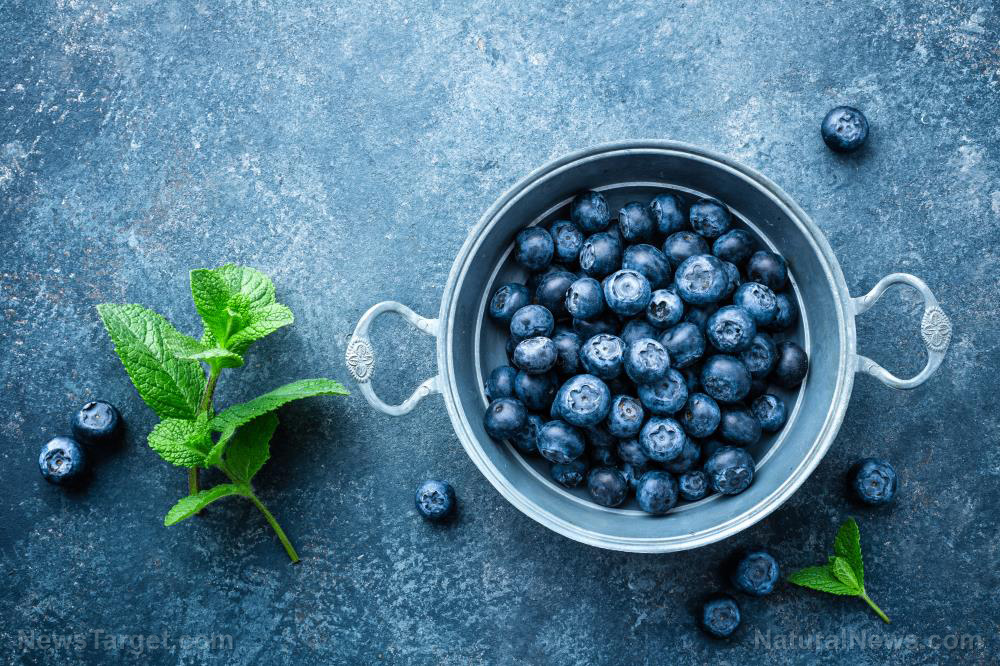
( Natural News ) Blueberries are one of the richest natural sources of antioxidants. Current research suggests that one of these antioxidants can effectively inhibit cancer cell growth.
Published in Evidence-Based Complementary and Alternative Medicine , a groundbreaking study found that an antioxidant in blueberries called pterostilbene can prevent radiation-induced cancer cell growth and tumor formation in the liver. The repercussions of conventional cancer treatments
Despite scientific advancements in cancer research and treatment, cancer remains one of the leading causes of death worldwide . The extensive use of radiation, steroids and other powerful drugs has caused cancer cells to become resistant, thus complicating treatment for patients.
Radiation therapy, a type of conventional cancer treatment, uses high doses of radiation to kill cancer cells and shrink tumors. However, existing radiation therapies often fail to eradicate the tumors themselves, thus resulting in disease relapse. Such is the case for radiation therapies against hepatocellular carcinoma (HCC), or liver cancer, one of the most common types of cancer around the world.
Several cancer studies have also long since proven that radiation therapies tend to destroy healthy cells in the body, thus contributing to cellular damage and low patient survival rates. Because of this significant and harmful side effect, most of the ongoing research on cancer treatment focuses on mitigating cancer cell invasion without affecting other cells. Pterostilbene as a cancer-fighting antioxidant
A team of researchers from Taipei Medical University and Academia Sinica in Taiwan found that the antioxidant pterostilbene found in grapes and blueberries can inhibit cancer cell invasion, a phenomenon linked to radiation exposure.
For the experiment, the team treated lab-grown HCC cancer stem cells with increasing concentrations of pterostilbene prior to gamma irradiation.
The researchers found that pterostilbene suppressed the proliferation of cancer stem cells due to irradiation. In fact, the number of pre-treated cancer stem cells was down to 0.7 percent compared to the 16.5 percent in the control group. This suggests that in high doses, pterostilbene can eliminate cancer cells completely.
In addition, pterostilbene disrupted the formation of tumors and induced apoptosis, or programmed cell death, in the cancer stem cells. All things considered, pterostilbene appeared to inhibit radiation-induced cancer cell growth and suppress tumor formation .
Based on their findings, the researchers thus concluded that pterostilbene in blueberries can reduce and eliminate cancer cells better than irradiation. The experiment also provided strong evidence that irradiation stimulated cancer cell invasion and tumor formation. Proven health benefits of antioxidants in blueberries
Besides their cancer-fighting properties, the powerful antioxidants in blueberries are also hailed for their numerous health benefits . Here are some of them:
Blueberries enhance heart health
Blueberries contain antioxidants called anthocyanins that prevent inflammation and cellular damage linked to cholesterol buildup. These antioxidants also help lower systolic and diastolic blood pressure, thus reducing the risk of heart disease, stroke and heart attack.
Blueberries protect against sun damage
Anthocyanins also protect skin cells from cellular damage due to sun exposure, which can accelerate aging and trigger the appearance of wrinkles and dark spots. Sun-damaged skin is also more susceptible to skin cancer and other skin conditions.
Blueberries prevent bone loss
Blueberries are also rich in polyphenols. These plant compounds have potent antioxidant properties that help maintain strong bones.
Blueberries improve cognitive health
Anthocyanins neutralize unstable molecules called free radicals that damage brain cells and cause inflammation. (Related: Blueberries are bursting with various antioxidants that reduce the risk of dementia .)
Blueberries regulate blood sugar
Anthocyanins also guard against inflammation due to high blood sugar . These antioxidants also help prevent spikes in blood sugar levels after meals.
Blueberries have powerful antioxidants and plant compounds that make them one of the healthiest superfoods for the treatment and prevention of cancer and other chronic diseases. Visit Blueberries.news to learn more.
Sources include:
WHO.int
NaturalHealth365.com
How to improve your daily routine and sleep better at night

Sleep better at night with these simple changes to your daily routine.
We caught up with sleep experts Dr Neil Stanley, from www.thesleepconsultancy.com and Tobin James, Tempur UK Managing Director, to better understand why sleep is important to us humans and how we can improve our sleep patterns.
“Good quality sleep is essential to maintaining good mental and physical health,” says James. “It’s as important to our bodies as eating, drinking and breathing and can affect our performance, concentration, energy levels, relationships, moods and interpretation of the world.” Find ways to address stress and anxiety
Health is one of our biggest worries. If you lie awake mulling over concerns about your health, or the health of a loved one, you could try a relaxation exercise or mindfulness practice to help settle your internal worries. Boost your bacteria
How well you sleep has an effect on how happy your gut bacteria are, and how happy your gut bacteria are has an effect on how well you sleep.
“Our gut bacteria have been shown to play a role in regulating our sleep/wake cycle as well as in the production of hormones and other substances that are involved in how well we sleep,” says Dr Stanley.
Looking after the friendly bacteria in your gut could help to improve your sleep pattern and even improve the quality of your sleep, according to a study by US researchers.
Exercise to improve sleep
Exercise such as walking or cycling – even for just 10 minutes – can dramatically improve how well you sleep, if you do it regularly. When you exercise depends on when it feels best for you; early morning exercise could help you wake up, especially if you exercise outdoors.
Exercise in the afternoon and it may help reset your sleep/wake cycle by raising your body temperature slightly, then allowing it to drop and trigger sleepiness a few hours later.
Exercising outdoors gives you the added benefit of extra daylight to keep your body clock in sync and stop energy slumps during the day. Try yoga before bedtime to help sleep
Why you need better sleep
There’s no doubt that a really good night’s sleep makes you feel refreshed, boosts your energy levels and lifts your mood. It also has a huge impact on your long-term physical health, too.
“Sleep is as important to your wellbeing as a healthy diet or good exercise routine,” says Dr Stanley.
“It helps to protect you from infections and strengthens your immune system, it helps you recover faster from illness and makes pain easier to cope with. Making good sleep a priority could help to reduce your risk of Alzheimer’s, stroke, heart disease, obesity and diabetes and ease your stress levels too.” What happens when you sleep?
Your body is constantly repairing itself and recuperating from the stresses and strains of everyday life. At night when you’re asleep your body has time to carry out essential maintenance work to keep itself in good working order. This is especially true when it comes to your brain. “During sleep your brain processes and lays down memories, deals with the emotional aspects of your day and learns new tasks,” says Dr Stanley. “Your brain also needs sleep to remove toxic by-products that build up during the day.”
You’re not just imagining that foggy feeling after a bad night’s sleep, US researchers recently found that sleep deprivation makes it harder for your neurons (the communication cells in your brain) to pass on messages. So being sleep deprived could actually make your memory worse. Rise and shine: wake up with the sun
Before you do anything else in the morning, open your curtains. Don’t turn on the light, look at your phone or switch on the TV – for a great night’s sleep the first light to hit your eyes in the morning should be daylight.
“Sunlight in the morning is the signal your brain needs that it’s daytime and it’s time to be awake,” says Dr Stanley. “You just need a few minutes of natural sunlight to kickstart your circadian rhythm (your body clock).” When daylight hits your eyes it sends a signal to your body clock, to tell it to stop producing the sleep hormone melatonin and to start pumping out cortisol instead to give you an energy boost and get you up and moving. It also helps to get your body clock in sync, setting your sleep patterns and the time you should naturally wake up. Take a screen break at least 1 hour before bed
Switch off your TV, phone and computer at least an hour before bedtime.
“The blue light given out by computers, TVs, smartphones and even the light from digital devices, such e-readers, has been shown to suppress the release of melatonin, which is the hormone that tells your body it’s time to sleep,” says Dr Stanley.
“Using devices before bed could make it harder for you to fall asleep, effect the quality of your sleep and make you feel drowsy the next day.” Wind down with a book or listen to the radio in a dimly lit room instead.
Gallery: 13 Ways To Get Better Sleep in 2020 (Mom.com) Make your bedroom cool and dark
Stick to roughly the same bedtime every day so your body knows when it should start to feel sleepy. Set your bedroom up to give you as much uninterrupted, good-quality sleep as possible.
“The number of hours you need to sleep to wake up feeling refreshed, alert and focused during the day is very individual, so rather than worrying about the amount of time, focus on getting great quality sleep,” says Dr Stanley. “Your room should be as dark as possible, cool (between 16-18°C) quiet and comfortable. Buy the biggest bed you can fit into your bedroom and keep a window open as fresh air is good for sleep.” What do I do if I can’t sleep?
If you wake up in the middle of the night, give yourself 20 minutes to […]
8 expert-approved ways to become a morning person

Not everyone enjoys early starts, but there are some steps you can follow to help you become a morning person.
‘Daily routines help us to stay focused, maintain productivity and feel fulfilled by activating the reward system in our brains when we complete tasks,’ says Alister Gray, executive leadership coach, mindset expert and founder of Mindful Talent . ‘Routines bring a level of certainty and security amidst a time when uncertainty can often feel overwhelming.’
It’s natural to feel a lack of motivation with a change in daily structure, and we may find ourselves sleeping in more than we used to. However, during these moments of uncertainty, maintaining a routine is key, and Alister adds that waking up early allows us the time to prepare ourselves for the day ahead.
But does the thought of an early start send fear through your veins? And routine seems impossible? Three experts share their tips to find motivation first thing and turn yourself into a morning person… Westend61/Getty
What you eat can help you to stick to a routine. Nutritionist Jenna Hope recommends eggs, as the yolks contain choline, which is pivotal for supporting memory, mood, and cognition. As well as eggs, enjoy oily fish and nuts.
‘Omega-3 in oily fish is associated with improved concentration and better cognitive performance. Nuts (specifically walnuts) and seeds are also a source of ALA omega-3 which is converted into EPA and DHA, the active forms of omega-3,’ Jenna explains. ‘Vitamin D from the sun as well as foods such as salmon, mushrooms and eggs can boost brain power.’ yacobchukGetty Images A good night’s sleep can make you feel like a new person. And that’s not surprising when you consider just how many health benefits sleeping well can have.
‘Sleep supports the proteins and cells of your immune system to detect and destroy bugs and germs. Sleep also helps to reduce stress, support mental wellbeing and improve heart health,’ says Euan MacLennan, herbal director at Pukka Herbs and medical herbalist at an NHS practice in London.
‘Research shows that side effects from herbal medicines for sleep are rarely experienced, particularly compared to over-the-counter medicines. Some of my favourite natural remedies to support sleep include ashwagandha, valerian and oats – which naturally contain tryptophan, helping to regulate our bodies circadian rhythms,’ Euan adds. kieferpixGetty Images Yoga and meditation teacher, Kirsty Gallagher , recommends meditating for five to 10 minutes upon waking.
‘Sit quietly as soon as you get up and focus on your breath; deep breath in and deep breath out, allowing yourself to become calm and present. As thoughts come into your mind don’t get caught up in them or dwell on them, simply acknowledge them and let them go, returning your mind back to your breath.
‘Feel the calm, the peace, the presence. This one pause will make the biggest shift to your day and all that follows.’ yipenggeGetty Images Kirsty recommends downloading podcasts or audio books from some of the world’s most inspirational people.
‘Allowing their words to infuse and shape your day can be really beneficial, particularly if you begin your mornings listening to their positive mantras. From Robin Sharma to Anthony Robbins, Eckhart Tolle to the Dalai Lama, to Louise L Hay or Oprah Winfrey,’ she says. ‘There are lots of amazing and accessible guides.’ Getty
For Lucy Gornall, personal trainer at DigMe Fitness , the big secret to being a morning person is simply getting to bed earlier. ‘I go to sleep between half 9 and 10 and find that getting up at 5 is barely an issue as I will have had at least 7 hours sleep,’ she says.
A nighttime routine to help relax your body and bring a sense of calm is essential. Why not try a soothing and organic night time tea ? Mayur KakadeGetty Images
Journaling was big in 2019 and it’s even bigger in 2020. Alister explains that a great way to develop motivation is to connect to your reason ‘why’.
He explains: ‘If you are unsure of your “why”, then spend time considering this. Journaling as part of a morning routine is a great way to delve deeper into your motivations, asking questions such as, “What would make today great?”, “What am I grateful for today?” and “What inspires me most in life?”‘ Zulman/Getty
‘Take a moment to make a pact with yourself that you will wake up earlier tomorrow than you did today, and then in small increments each day, work towards the desired time,’ says Alister.
‘If you are waking at 8am and you wish to wake up at 6am, I’d suggest that you break it down; aim for 7.45am and reduce it by 5/10/15 minutes each day.’ Patcharin Saenlakon / EyeEm/Getty
Lucy says that placing your alarm across the room means you have to physically get up to turn it off. ‘When you’re up, stay up, and crack on with the rest of your day,’ she advises.
Like this article? Sign up to our newsletter to get more articles like this delivered straight to your inbox.
This content is created and maintained by a third party, and imported onto this page to help users provide their email addresses. You may be able to find more information about this and similar content at piano.io
The Perfect Weekend Day in Quarantine

The vast majority of us are spending most of our time at home right now because of COVID-19, but prior to being sheltered in place, a lot of us spent our weekends socializing and exploring—brunch with family, date nights, shopping, hiking with friends were all the norm. Right now, none of that is possible.
But just because we’re staying home doesn’t mean we can’t still have wonderful days, and the weekdays and weekends don’t have to blur together—you can create a distinction that makes Saturdays and Sundays feel both fresh and invigorating.
Here’s our guide to having the perfect weekend day in quarantine from wakeup until bedtime. MORNING
Wake up naturally.
Although you might feel pressured to be productive during the pandemic, there’s no need to set an alarm on the weekend. When you use an alarm clock to wake up, you’re often interrupted from a deep sleep, which can leave you feeling irritable and groggy. But when you wake up naturally , you’re letting your circadian rhythm run its regular course. You’ll feel more energized and ready to conquer the day ahead. Treat yourself to a warm cup of coffee.
In reasonable doses, caffeine has several health benefits . Not only do moderate coffee drinkers (defined as drinking three to four cups a day) have longer lifespans, but they also have a reduced likelihood of developing medical conditions like Type 2 diabetes and cardiovascular disease. So jumpstart your day with a guilt-free cup of Joe—or two.
Not a coffee drinker? Try one of these four energizing drinks instead. Dig in to a hearty, protein-rich breakfast.
You’ve likely heard countless people tout the benefits of eating a big, healthy breakfast. They’re all on point— research has shown eating breakfast makes you less likely to be overweight, plus it helps you concentrate and enhances your memory.
Start with something high in protein and nutrients and low in carbs. Think an egg white omelet with veggies and cheese or a fruit smoothie with a slice of avocado toast. Limit your technology use.
If you’re working from home during the pandemic, you likely spend countless hours hunched over your laptop or smartphone responding to emails and dialing in to Zoom calls.
Take a technology break during the weekend. Your eyes likely need rest from all of the blue light emitted from your devices. Plus, it’ll feel good to detach from the near-constant news and social media updates for a bit. Learn something new (but don’t feel pressured to).
Most of us have more free time on our hands now. Instead of succumbing to hours-long Netflix binges , considering spending 30 minutes or an hour over the weekend learning something new. After all, the positive effects of learning on our brains are well-documented . Try your hand at cross-stitching or knitting. Plant a garden. Watch a MasterClass. Learn conversational French.
Remember, though: You shouldn’t feel pressured to be as productive as humanly possible during the pandemic. If you’re already busy with work, childcare and other tasks, and the thought of learning something new causes you stress, don’t worry about it. Spend time doing something you love that relaxes you instead, like reading, playing video games, crafting or watching a movie. Mental health matters more than productivity right now. AFTERNOON
Get a dose of socialization in.
Being sheltered in place can feel incredibly isolating, especially if you live alone. Human beings are social creatures, and we’re not meant to spend this much time apart from one another. Although the research in this area is still nascent , experts strongly believe this level of isolation is bad for both our mental and physical health. (Research suggests it’s particularly hard on the elderly, so make sure you’re checking in on older family members.)
Use the weekend to get some virtual socialization in. Set up a Zoom conference call with your best friends. Call your sister while you’re on a walk outside. Text a few friends you haven’t spoken with in a while to see how they’ve been. Even if you don’t feel like making the effort at the time, you’ll likely feel much better afterward. Go for a stroll outside.
We can’t visit restaurants, movie theaters, shops, museums, bars or anywhere else we typically go on the weekends. But luckily, we can spend time outdoors—as long as we’re six feet away from one another, of course.
The benefits of spending time in nature are significant. So significant, in fact, that doctors have begun writing “park prescriptions” in which they advise people with anxiety, depression and other mental health conditions to spend time outdoors. Plus, a little Vitamin D never hurt anyone.
If your state’s parks are open, spend an hour or two going for a long stroll in one. If you live somewhere where they’re closed, a simple walk around the neighborhood will do. If it’s raining or bleak outside, bring nature to you—sit close to a window while reading or buy a few houseplants online to brighten up your space. Burn some calories.
If you decided to take a long, strenuous hike outdoors, congratulations—you’ve checked two items off of this list. If your walk didn’t get your heart rate up, it’s time to burn some calories. Exercise releases endorphins—natural feel-good hormones—which is particularly important right now.
Go for a light jog, ride your bike, or stream a YouTube dance, yoga or aerobic video to get your heart pumping. Wave at your neighbors.
Research has shown weak-tie connections—think grocery store clerks, yoga instructors and baristas—are just as important to our well-being as strong-tie connections like our family members and friends. Unfortunately, the COVID-19 pandemic has eliminated most, if not all, of our weak-tie connections.
When you do venture out into the world, remember these connections. Wave at your neighbor from your porch. Ask the grocery store cashier about his or her day. Thank the drive-thru attendant for their kindness and service during this time. EVENING
Eat an early dinner.
Although you might […]
The scientific benefits of regular exercise for mental agility

Exercise is a powerful tool with a special impact on how our brains work.
It energizes our bodies, causing us to take deeper breaths and oxygenate our cells, but it also improves neuroplasticity, or the ability of the brain to change itself, well into adulthood. It can help us adapt and deal with unexpected changes easier.
It also improves brain agility. Those who exercise achieve better brain function, such as emotional regulation and flexible thinking processes, and can more easily switch between tasks. Exercise also combats brain decline with age— research shows exercise can reduce the risk of developing dementia by 30 percent.
During this uncertain time period, problem-solving skills are needed more than ever and regular exercise can contribute to this. Intense exercise improves brain function
High-intensity exercise is particularly effective on brain function.
In a study published in the journal Neuroscience Letters , researchers from the University of Texas looked at the impact of high-intensity exercise on a protein called BDNF, short for “Brain-Derived Neurotrophic Factor” which causes growth of nerve cells.
BDNF is involved in brain cell survival and repair, mood regulation, and cognitive functions like learning and memory. Low BDNF levels are associated with a host of mental health disorders, including depression, bipolar disorder, and schizophrenia. In the Texas study, all adults who performed a session of high-intensity exercise experienced higher BDNF levels and improvements in cognitive function.
Fortunately, when we engage in enjoyable exercise, our brains release more BDNF than when the exercise feels like a chore. Intention appears to be important in brain activity. Moreover, this wanting to do something is associated with an optimistic attitude, heightening the benefits of exercise. Maintaining long-term brain health
With a limited set of exercises deemed safe with social distancing measures, walks are a popular form of physical fitness. Walking and other forms of aerobic exercise create changes in the hippocampus, which relates to learning, memory, and control of emotions.
A brisk walk essentially “future-proofs” the brain. A possible growth of new cells caused by BDNF and an increase in oxygen-supplying blood vessels expands the hippocampal area of the brain, during times of intense exercise. The process safeguards against the natural atrophy of brain cells over time, therefore contributing to the upkeep of the brain. Different exercises, different benefits
While sheltering indoors, activities that relate to healthy brain development are important nourishment.
Taking up table tennis, which combines hand-eye coordination and socialization, has been shown to increase the thickness of the brain in the parts of the cortex related to social and emotional welfare. This is particularly important at a time when loneliness and social connection are weighing on many people.
Similarly, exercise which includes a variety of coordinated movements and builds muscle , such as dance, is especially beneficial to the brain.
Finally, my personal favorite for the mind and body is boxing. It involves cardio, muscle toning, and excellent stress relief. In my personal experimentation with exercise, it provides the best form of mindfulness.
For those who struggle with maintaining habits around regular exercise, there is good news. Individuals who do not engage in regular exercise can experience higher levels of neurogenesis, or growth of new brain cells, once they start aerobic exercise, compared to those frequently engage in exercise.
The sooner you start moving, the sooner you will build up your smarts.
Tara Swart is a neuroscientist, executive adviser, author, and medical doctor. She is the author of The Source: The Secrets of the Universe, the Science of the Brain .
YUNO Launches Line of BioTactical Drinks
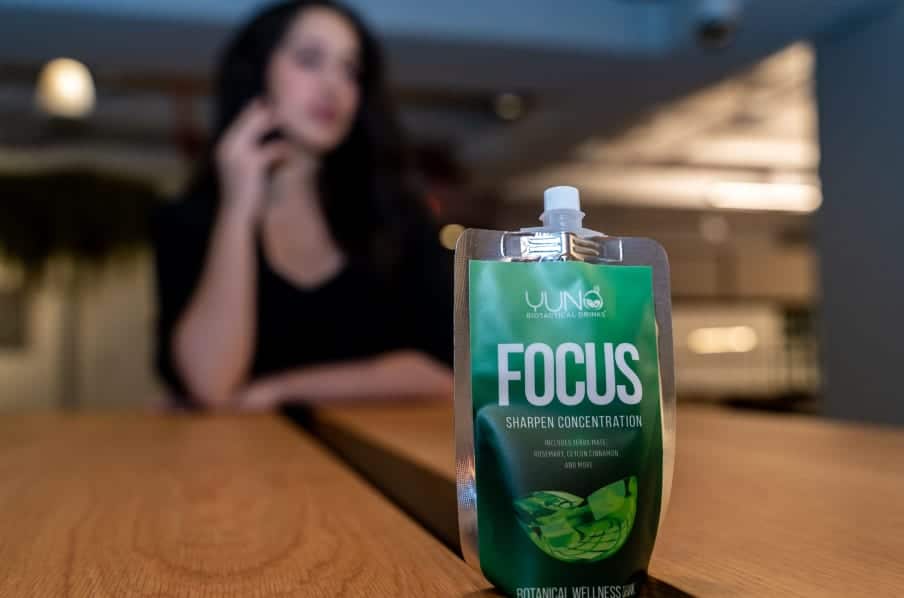
NEW YORK– YUNO has launched its line of “BioTactical Drinks” that are designed to mix and match to promote increasedenergy, focus, memory retention, relaxation or even a better night’s sleep. Made with over 100 all-natural superfood ingredients designed tomaximize body and mind nutrition, the ingredients were scientifically chosenand formulated through a proprietary process to increase bioavailability, natural absorption and hydration. The Indiegogo campaign, which has a funding goal of $25,000 features Early Bird Specialsstarting at $24.00 USD and other perks for early backers. The campaign can be seen at: indiegogo.com/projects/yuno-biotactical-drinks
With six unique blends, there is a YUNO drinkfor whatever situation you may encounter. The blends available at launchare “Energy,” “Focus,” “Memory,” “Uplift,” “Zen” and “Dream.”
By mixing and matching the six different YUNO’s,there are hundreds of combinations. The effects of the ingredients in thedrinks can last up to eight hours, providing users with the boosts that theydesire.
YUNO is 100% natural with a 6-month shelf life anddoes not require refrigeration. All of YUNO’s drinks are gluten-free,paleo/keto friendly, vegan, GMO free and are free of wheat, dairy, soy, egg,fish and peanuts. The drinks deliver a uniquely refreshing experience andare naturally sweetened with monk fruit and other naturally flavorful spices,herbs, and superfoods.
The ingredients found in each blend of YUNODrink contain a unique balance of active phytochemicals such as: carotenoids,polyphenols, flavonoids, anthocyanins and others. These ingredients have beenscientifically studied and have been shown to improve certain functions.
“YUNO uses the best combination of spices, herbsand superfoods in the right balance, to offer a truly unique drink for anyconsumer. The drinks contain prebiotic and probiotic strains, supporthydration and electrolyte balance, promote anti-inflammatory properties,alleviates general daily stress and anxiety, and support immunity,” saidShenkeri Chandramohan, Co-Founder of YUNO. “We are proud that YUNO BioTacticalDrinks stimulate a healthy gut-brain balance to improve mental acuity andfoster long-term holistic health.”
Key benefits of YUNO include: YUNO uses ingredients shown to support the immune system daily and for travel. For example, oregano and elderberries are highly concentrated and support daily immunity to help your mind and body, and your gut bacteria a boost.
The drinks provide a mind + body boost by utilizing unique ingredients that have shown to potentially help support different areas’ executive function to facilitate the needs of individuals at different times.
YUNO offers naturally available caffeine with no jitters and crashes. The utilization of ingredients with natural caffeine along with other botanical ingredients has been shown to increase energy sustainability and help promote a healthy body with increased vitality and energy.
YUNO contains natural nootropics which are designed to improve intelligence, memory and focus
The attributes of each YUNO drink are:
YUNO Dream – Goto sleep easier and wake up feeling refreshed. This blend balances the body’sinternal clock, modulates your temperature, regulates digestion, and promotesrelaxation for the perfect night’s sleep.
YUNO Zen – Relax in those stressful moments with a boost of serotonin to the gut! Get thatzen, happy feeling and even improve your satiety and digestion all with thisunique formula.
YUNO Focus – Reduce brain-fog and aid analytical and strategic thinking with superfoods thatencourage a healthy oxygen level in your bloodstream.
YUNO Uplift – Thisblend promotes calmness during fight-flight-freeze situations while stillkeeping you energized. Great for immediate benefits, but also to protect youfrom the emotional and daily stress.
YUNO Memory -Combat brain fog with this special formula that improves circulation, supportsenergy synthesis, and helps you remember information more effectively.
YUNO Energy – Getmore active and say goodbye to tiredness and fatigue. By upping your Oxygenproduction your stamina, endurance, and vitality increases – even avoiding thatmid-day slump!
About YUNO
NY-based YUNO has developed YUNO BioTacticalDrinks™ that are smart foods scientifically formulated to provide daily,personalized neuro enhancements to meet the demands of any situation. Made with over 100 all-natural superfood ingredients designed to maximize bodyand mind nutrition, these ingredients are scientifically chosen andtriangulated through a proprietary process to increase bioavailability, natural absorption, and hydration, through a healthy mind & body. Moreinformation can be seen at yuno.nyc
Grey Cloak Tech Inc. Introduces F4T™ Proprietary Formulation for Brain Health
Results from major clinical study of F4T™ will be presented at Annual Conference of the American College of Sports Medicine
LAS VEGAS, May 14, 2020 (GLOBE NEWSWIRE) — via NEWMEDIAWIRE — Grey Cloak Tech Inc. (OTC: GRCK) (the “Company”), engaged in proprietary development of natural plant-based formulations, sales and distribution of cardiovascular and neuro products, today introduces its proprietary F4T™ formulation, a natural ketogenic solution clinically proven to deliver metabolic energy to the brain to improve attention, cognition, memory and analytical and executive function.
Developed by Grey Cloak Tech’s Ultimate Brain Nutrients (“UBN”) subsidiary, F4T™ is the end-result of more than 40 iterations and several years of stringent development.
“I am excited to announce our proprietary F4T™ formulation, which will be the foundation for studies, products and IP in the near future,” stated Dr. Gerald Haase, chief medical officer of Grey Cloak Tech. “We will announce the results of a major clinical study of the formulation at the Annual Conference of the American College of Sports Medicine, taking place virtually in June. The results of this definitive study confirm the pilot data and demonstrate that F4T™ provides a dramatic increase in functional brain activation while improving audio and visual reaction time, perception span, object tracking and hand-eye coordination.”
UBN ( http://UBNutrients.com ) is a science-based company that formulates unique, plant-based superior health technology neuro-products that improve brain health, memory, cognition, focus and neuro-energy. F4T™ joins the company’s KETONOMICS® proprietary formulations which target brain activity, focus, headache and cognitive behavior. UBN has five unique formulation patents – one issued and four pending. License opportunities include multiple beverage formats, individual products, proprietary mixtures and other food platforms.
Grey Cloak Tech CEO Kevin “Duke” Pitts stated, “The proprietary F4T™ formulation is an exciting addition to our products portfolio. F4T™ will allow us to monetize IP as well as position products in the consumer market for long-term success. The F4T™ formulation joins all of our current products with conclusive clinical trials and/or studies that prove stated effectiveness. Our continued goals are to ‘Create Better Lifestyles with Superior Health Technology’ through our science-based products.”
About Grey Cloak Tech Inc.
Grey Cloak Tech Inc. (OTC: GRCK), through its two subsidiaries, BergaMet NA and Ultimate Brain Nutrients, is engaged in proprietary research and development of natural plant-based formulations, as well as sales and distribution of natural ingredient cardiovascular and neuro products. For more information, visit the company’s websites: http://greycloaktech.com , http://bergametna.com , http://ubnutrients.com
Forward-Looking Statements and Safe Harbor Notice
All statements other than statements of historical facts included in this press release are “forward-looking statements” (as defined in the Private Securities Litigation Reform Act of 1995). Such forward-looking statements include our expectations and those statements that use forward-looking words such as “projected,” “expect,” “possibility,” and “anticipate.” The achievement or success of the matters covered by such forward-looking statements involves significant risks, uncertainties, and assumptions. Actual results could differ materially from current projections or implied results. Investors should read the risk factors set forth in the Company’s Annual Report on Form 10-K filed with the SEC on April 1, 2020, and future periodic reports filed with the SEC. All of the Company’s forward-looking statements are expressly qualified by all such risk factors and other cautionary statements.
The Company cautions that statements, and assumptions made in this news release constitute forward-looking statements and makes no guarantee of future performance. Forward-looking statements are based on estimates and opinions of management at the time statements are made. The information set forth herein speaks only as of the date hereof. The Company and its management undertake no obligation to revise these statements following the date of this news release.
Grey Cloak Tech Inc.:
Info@GreyCloakTech.com
Corporate Communications:
InvestorBrandNetwork (IBN)
Los Angeles, California
www.InvestorBrandNetwork.com
310.299.1717 Office
Editor@InvestorBrandNetwork.com
Grey Cloak Tech Inc. Introduces F4T(TM) Proprietary Formulation for Brain Health

Results from major clinical study of F4T™ will be presented at Annual Conference of the American College of Sports Medicine
Las Vegas, NV – ( NewMediaWire ) – May 14, 2020 – Grey Cloak Tech Inc. (OTC: GRCK) (the “Company”), engaged in proprietary development of natural plant-based formulations, sales and distribution of cardiovascular and neuro products, today introduces its proprietary F4T™ formulation, a natural ketogenic solution clinically proven to deliver metabolic energy to the brain to improve attention, cognition, memory and analytical and executive function.
Developed by Grey Cloak Tech’s Ultimate Brain Nutrients (“UBN”) subsidiary, F4T™ is the end-result of more than 40 iterations and several years of stringent development.
“I am excited to announce our proprietary F4T™ formulation, which will be the foundation for studies, products and IP in the near future,” stated Dr. Gerald Haase, chief medical officer of Grey Cloak Tech. “We will announce the results of a major clinical study of the formulation at the Annual Conference of the American College of Sports Medicine, taking place virtually in June. The results of this definitive study confirm the pilot data and demonstrate that F4T™ provides a dramatic increase in functional brain activation while improving audio and visual reaction time, perception span, object tracking and hand-eye coordination.”
UBN ( http://UBNutrients.com ) is a science-based company that formulates unique, plant-based superior health technology neuro-products that improve brain health, memory, cognition, focus and neuro-energy. F4T™ joins the company’s KETONOMICS® proprietary formulations which target brain activity, focus, headache and cognitive behavior. UBN has five unique formulation patents – one issued and four pending. License opportunities include multiple beverage formats, individual products, proprietary mixtures and other food platforms.
Grey Cloak Tech CEO Kevin “Duke” Pitts stated, “The proprietary F4T™ formulation is an exciting addition to our products portfolio. F4T™ will allow us to monetize IP as well as position products in the consumer market for long-term success. The F4T™ formulation joins all of our current products with conclusive clinical trials and/or studies that prove stated effectiveness. Our continued goals are to ‘Create Better Lifestyles with Superior Health Technology’ through our science-based products.”
About Grey Cloak Tech Inc.
Grey Cloak Tech Inc. (OTC: GRCK), through its two subsidiaries, BergaMet NA and Ultimate Brain Nutrients, is engaged in proprietary research and development of natural plant-based formulations, as well as sales and distribution of natural ingredient cardiovascular and neuro products. For more information, visit the company’s websites: http://greycloaktech.com , http://bergametna.com , http://ubnutrients.com
Forward-Looking Statements and Safe Harbor Notice
All statements other than statements of historical facts included in this press release are “forward-looking statements” (as defined in the Private Securities Litigation Reform Act of 1995). Such forward-looking statements include our expectations and those statements that use forward-looking words such as “projected,” “expect,” “possibility,” and “anticipate.” The achievement or success of the matters covered by such forward-looking statements involves significant risks, uncertainties, and assumptions. Actual results could differ materially from current projections or implied results. Investors should read the risk factors set forth in the Company’s Annual Report on Form 10-K filed with the SEC on April 1, 2020, and future periodic reports filed with the SEC. All of the Company’s forward-looking statements are expressly qualified by all such risk factors and other cautionary statements.
The Company cautions that statements, and assumptions made in this news release constitute forward-looking statements and makes no guarantee of future performance. Forward-looking statements are based on estimates and opinions of management at the time statements are made. The information set forth herein speaks only as of the date hereof. The Company and its management undertake no obligation to revise these statements following the date of this news release.
Grey Cloak Tech Inc.: Info@GreyCloakTech.com
www.GreyCloakTech.com
Corporate Communications:
InvestorBrandNetwork (IBN) Los Angeles, California www.InvestorBrandNetwork.com 310.299.1717 Office Editor@InvestorBrandNetwork.com
9 expert-approved ways to become a morning person and maintain a good routine
Shutterstock For many of us, working from home continues to be the new normal. For many others, we’re being encouraged to return to work if we’ve encountered a period of not being able to.
Whatever your situation, it’s natural to feel a lack of motivation with a change in daily structure. It can also send us into a morning lull, and we may find ourselves sleeping in more than we used to. However, during these moments of uncertainty, maintaining a routine is an absolute key.
‘Routines bring a level of certainty and security amidst a time when uncertainty can often feel overwhelming. Daily routines help us to stay focused, maintain productivity and feel fulfilled by activating the reward system in our brains when we complete tasks.’ Alister Gray, Executive Leadership Coach, and Mindset Expert tells YCB.
Alister, who is also Founder of Mindful Talent, adds that waking up early allows us the time to prepare ourselves for the day ahead. But what if the thought of an early start sends fear through your veins? And routine seems impossible? Their experts share their easy tips… Fuel your brain to focus
What you can eat can help to stick to a routine. Nutritionist Jenna Hope recommends eggs, as the yolks contain choline, which is pivotal for supporting memory, mood, and cognition. As well as eggs, enjoy oily fish and nuts.
‘Omega-3 in oily fish is associated with improved concentration and better cognitive performance! Nuts (specifically walnuts) and seeds are also a source of ALA omega-3 which is converted into EPA and DHA, the active forms of omega-3,’ Jenna explains. ‘Vitamin D from the sun as well as foods such as salmon, mushrooms and eggs can boost brain-power.’ Protect your sleep
A good night’s sleep can make you feel like a new person. And that’s not surprising when you consider just how many health benefits sleeping well can have.
‘Sleep supports the proteins and cells of your immune system to detect and destroy bugs and germs. Sleep also helps to reduce stress, support mental wellbeing and improve heart health,’ says Euan MacLennan, Herbal Director at Pukka Herbs and Medical Herbalist at an NHS practice in London.
‘Research shows that side-effects from herbal medicines for sleep are rarely experienced, particularly compared to over-the-counter medicines. Some of my favorite natural remedies to support sleep include ashwagandha, valerian and oats – which naturally contain Tryptophan, helping to regulate our bodies circadian rhythms,’ Euan adds. Try meditation
Yoga and meditation teacher, Kirsty Gallagher, recommends meditating for 5 to 10 minutes upon waking.
‘Sit quietly as soon as you get up and focus on your breath; deep breath in and deep breath out, allowing yourself to become calm and present. As thoughts come into your mind don’t get caught up in them or dwell on them, simply acknowledge them and let them go, returning your mind back to your breath.
‘Feel the calm, the peace, the presence. This one pause will make the biggest shift to your day and all that follows.’ Listen to inspiring people
Kirsty recommends downloading podcasts or audio books from some of the world’s most inspirational people.
‘Allowing their words to infuse and shape your day can be really beneficial, particularly if you begin your mornings listening to their positive mantras. From Robin Sharma to Anthony Robbins, Eckhart Tolle to the Dalai Lama, to Louise L Hay or Oprah Winfrey,’ she says. ‘There are lots of amazing and accessible guides.’ Bring bedtime forward
For Lucy Gornall, Personal Trainer at DigMe Fitness, the big secret to being a morning person, is simply getting to bed earlier: ‘I go to sleep between half 9 and 10 and find that getting up at 5 is barely an issued as I will have had at least 7 hours sleep,’ she says.
A nighttime routine to help relax your body and bring a sense of calm is essential. Why not try Pukka Herbs Organic Night Time tea, a soothing and calming blend which contains valerian. Reduce the negativity
It’s hard when we’re bombarded with negative news but Alister says we should focus on all the things that are great in life.
‘We have over 70,000 thoughts per day; it’s suggested up to 80% of these thoughts are negative in their nature as our brain constantly scans and searches for threats in a bid to keep us safe.’
Try to give yourself a set amount of time to read the news. When time’s up, move on and focus on something else- ideally something happier! Write it down
Journaling was big in 2019 and it’s even bigger in 2020. Alister explains that a great way to develop motivation is to connect to your reason ‘why’. ‘If you are unsure of your ‘why’, then spend time considering this.
Journaling as part of a morning routine is a great way to delve deeper into your motivations, asking questions such as, ‘What would make today great?’, ‘What am I grateful for today?’, and ‘What inspires me most in life?’.’ Set a wake-up intention before bed
‘Take a moment to make a pact with yourself that you will wake up earlier tomorrow than you did today, and then in small increments, each day, work towards the desired time,’ says Alister.
‘If you are waking at 8 am and you wish to wake up at 6 am, I’d suggest that you break it down; aim for 7.45 am and reduce it by 5/10/15 minutes each day.’ Move your alarm
Lucy says that placing your alarm across the room means you have to physically get up to turn it off.
‘When you’re up, stay up, and crack on with the rest of your day!’
This article originally appeared on Your Coffee Break. What Reddit can teach us about public health concerns This is what business attire will look like in a post-COVID-19 world
YUNO’s “BioTactical Drinks” Provides You Neuro-Enhancements to Meet Any Situation You Have!
This very interesting and innovative drink just launched TODAY! Check this one out!
YUNO drinks are made with over 100 all-natural superfood ingredients designed to maximize body and mind nutrition
Today. May 13, 2020 , YUNO launched its line of “ BioTactical Drinks” that are designed to mix and match to promote increased energy, focus, memory retention, relaxation or even a better night’s sleep. Made with over 100 all-natural superfood ingredients designed to maximize body and mind nutrition, the ingredients were scientifically chosen and formulated through a proprietary process to increase bioavailability, natural absorption, and hydration. The Indiegogo campaign , which has a funding goal of $25,000 features Early Bird Specials starting at $24.00 USD and other perks for early backers. The campaign can be seen at: https://www.indiegogo.com/projects/yuno-biotactical-drinks With six unique blends, there is a YUNO drink for whatever situation you may encounter.
The blends available at launch are
“Energy,”
“Focus,”
“Memory,”
“Uplift,”
“Zen”,
“Dream.”
By mixing and matching the six different YUNO’s, there are hundreds of combinations. The effects of the ingredients in the drinks can last up to eight hours, providing users with the boosts that they desire. What is YUNO:
YUNO is 100% natural with a 6-month shelf life and does not require refrigeration .
All of YUNO’s drinks are:
gluten-free,
paleo/keto-friendly,
vegan,
GMO-free,
free of wheat, dairy, soy, egg, fish, and peanuts.
The drinks deliver a uniquely refreshing experience and are naturally sweetened with monk fruit and other naturally flavorful spices, herbs, and superfoods.
The ingredients found in each blend of YUNO Drink contain a unique balance of active phytochemicals such a:
carotenoids,
polyphenols,
flavonoids,
anthocyanins
and many others.
These ingredients have been scientifically studied and have been shown to improve certain functions. “YUNO uses the best combination of spices, herbs and superfoods in the right balance, to offer a truly unique drink for any consumer. The drinks contain prebiotic and probiotic strains, support hydration and electrolyte balance, promote anti-inflammatory properties, alleviates general daily stress and anxiety, and support immunity,” said Shenkeri Chandramohan, Co-Founder of YUNO. “We are proud that YUNO BioTactical Drinks stimulate a healthy gut-brain balance to improve mental acuity and foster long-term holistic health.” Key benefits of YUNO include:
YUNO uses ingredients shown to support the immune system daily and for travel. For example, oregano and elderberries are highly concentrated and support daily immunity to help your mind and body, and your gut bacteria a boost.
The drinks provide a mind + body boost by utilizing unique ingredients that have shown to potentially help support different areas’ executive function to facilitate the needs of individuals at different times.
YUNO offers naturally available caffeine with no jitters and crashes. The utilization of ingredients with natural caffeine along with other botanical ingredients has been shown to increase energy sustainability and help promote a healthy body with increased vitality and energy.
YUNO contains natural nootropics which are designed to improve intelligence, memory and focus
The attributes of each YUNO drink are:
YUNO Energy:
Get more active and say goodbye to tiredness and fatigue. By upping your Oxygen production your stamina, endurance, and vitality increases – even avoiding that mid-day slump!
YUNO Uplift:
This blend promotes calmness during fight-flight-freeze situations while still keeping you energized. Great for immediate benefits, but also to protect you from the emotional and daily stress.
YUNO Focus:
Reduce brain-fog and aid analytical and strategic thinking with superfoods that encourage a healthy oxygen level in your bloodstream.
YUNO Memory: Combat brain fog with this special formula that improves circulation, supports energy synthesis, and helps you remember information more effectively. YUNO Zen: Relax in those stressful moments with a boost of serotonin to the gut! Get that zen, happy feeling and even improve your satiety and digestion all with this unique formula. YUNO Dream: Go to sleep easier and wake up feeling refreshed. This blend balances the body’s internal clock, modulates your temperature, regulates digestion, and promotes relaxation for the perfect night’s sleep. YUNO’s Origins YUNO’s founders, S henkeri “Nika” Chandramohan and Bryan Kay first started Food to Heal to develop unique meals utilizing these truly natural ingredients in their natural form . These meals helped to improve the working experience of creatives and professionals, as well as companies such as IBM and WeWork, during work & events.With only the best natural ingredients to cook full meals and professional chefs from the best of NYC, scale issues eventually took over and the order capacity for changing meals became difficult for us & for our clients. While we did love our meals, it was our clients then that said they would like if they could get the same experience of the meal in a smaller, more compact form. Here we took a breath and created YUNO BioTactical Drinks, aiming to truly satisfy the need of the multi-disciplinary modern professional! ABOUT YUNO: NY-based YUNO has developed YUNO BioTactical Drinks™ that are smart foods scientifically formulated to provide daily, personalized neuro enhancements to meet the demands of any situation. Made with over 100 all-natural superfood ingredients designed to maximize body and mind nutrition, these ingredients are scientifically chosen and triangulated through a proprietary process to increase bioavailability, natural absorption, and hydration, through a healthy mind & body. More information can be seen at http://www.yuno.nyc You can follow YUNO on these social channels:Facebook: https://www.facebook.com/yunonyc/ Instagram: https://www.instagram.com/yunonyc/?hl=en Linkedin: https://www.linkedin.com/company/yunonyc/ Twitter: https://twitter.com/yunonyc Youtube: https://www.youtube.com/channel/UCiuwZmmbvIO1r_aOwzsZYug I will have an update on YUNO Beverages as I try them out. I also have more information to share! Stay Tuned! It’s bound to be interesting!Stevie Wilson, LA-Story.com________________________DEALS and STEALS(Affiliate Links)I curate deals that offer bonuses, bargains, and great products –and some are very specifically for this site to feature to my audience because I want my audience to get amazing products from great brands! Disclosure: some of the links on this post might have affiliate links! It costs you nothing. If you buy something, the brand pays me a small percentage. […]
The best probiotics and supplements for coronavirus times
Sign up for our COVID-19 newsletter to stay up-to-date on the latest coronavirus news throughout New York City
BY HESTER ABA
It’s natural that we’re all a little bit more concerned about our health right now as we live through these strange times. While my diet probably has never been worse (hello quarantine baking!) I’ve been trying to fit in daily workouts and have added some supplements to try to boost both my mood and my immune system. And to give myself the illusion of controlling my destiny when literally nothing else in my life is under control (cue hysterical laughter)… Here are 7 brands I tested to help improve my health
Psst … looking for new lunch ideas? Check out our roundup of 10 quick and healthy lunch options your children will love Seed Daily Synbiotic
The Science Bit: Seed is both a pre- and probiotic specially designed for women, containing 24 potent strains of bacteria that have been clinically proven to not only ease digestion and significantly increase folate production, but to also contribute to cardiovascular health and improve dermatological health.
My Take: Seed is a pricey investment, and I hemmed and hawed a lot before pulling the trigger, but out of my whole supplement arsenal, these have been the game changer. While I haven’t seen noticeable digestive changes, I credit the clearing up of my hormone-related chin breakouts to these babies. I might be in quarantine, but I’ve never had better skin. Shame only my family gets to see it! Seed’s Probiotics are a subscription model, so you commit to paying $50 per month and each month’s package of pills comes in fully biodegradable and recycled packaging. Per Seed’s recommendations I started by taking one capsule a day and increased to two a day (on an empty stomach) after a couple of weeks. Nobi Nutrition Magnesium Complex Premium
The Science Bit: Magnesium is a mineral that keeps blood pressure normal, bones strong (especially important for women heading towards menopause) and heart rhythm steady. If you lack magnesium in your diet you’re at risk for increased inflammation which in turn can lead to heart disease, diabetes and certain cancers.
My Take: Knowledgeable nutritionist pals of mine say, “If you only take one supplement, make it magnesium,” and I happily follow their advice. When I pop one or two magnesium capsules right before bed, I find I sleep more deeply and am less likely to wake up during the night. I don’t know whether this magnesium is better than others – it’s just easily available on Amazon.
Photo via Amazon Thorne Vitamin D/K2 Liquid
The science Bit: Vitamin D3 can help to support the immune system and helps to move calcium from the bones to the bloodstream when it’s needed. In this liquid supplement (which is an easier form of Vitamin D for the body to absorb) it’s combined with Vitamin K2, which is essential for normal cell formation and the maintenance of a healthy cardiovascular system.
My Take: It’s a bit tricky to try to drop the little droplets directly into your mouth, so I drop them onto a teaspoon and then lick the spoon afterwards. I also give this to my kids on a daily basis because none of us are getting enough sun while we’re stuck indoors for most of the day! It has no taste at all, so there are zero complaints. Liposomal Glutathione
The Science Bit: Glutathione is one of the body’s most powerful detoxifiers. It can support healthy immune function and can neutralize a broad spectrum of free radicals. Glutathione can protect our cells from damage caused by peroxides, pollutants, metals and more, and can improve metabolic energy.
My Take: I keep this little bottle in the fridge, and take two pumps first thing in the morning. You hold the liquid in your mouth for 30 seconds before swallowing, at which point one of my kids is sure to ask me a question so I have to frantically point to my mouth and signal before they ask again and again. It’s a fun game. HUM Nutrition’s Moody Bird, Arctic Repair and Red Carpet
The Science Bit: HUM recommends this trio of supplements for moms. Red Carpet contains black currant seed oil, gamma linolenic acid and vitamin E and promises glowing skin and shiny hair. Arctic Repair contains wild arctic lingonberry seed oil which has been clinically shown to rejuvenate the skin and reduce wrinkles. Moody Bird contains dong qui and chaste berry and is your monthly ally vs. PMS.
My Take: I love this trifecta of supplements from HUM, all of which feel very gentle on my stomach with no nasty after-taste. The Arctic Repair and Red Carpet I take on a daily basis, while the Moody Bird I take for the week leading up to getting my period. My hair is definitely in much better condition than before I started taking them, but that could be aided by the fact that I’ve stopped applying any heat treatments to my hair also. Welle Co’s “TheSuper Elixir” and “The Super Booster”
The Science Bit: The Super Elixir by Welle (Elle Macperhson’s wellness brand) is a cult product in Australia, and contains a combo of 45 naturally derived ingredients, including whole foods, herbal extracts, vitamins, minerals and probiotics.
My Take: I fantasize that consuming the Elixir and super-boosters will magically transform me into tanned and toned Elle MacPherson, and they are delicious additions to your daily smoothie or blitzed in a blender with just some coconut water. I love choosing a different Super Booster every day, with my fave being the Women’s Libido and Hormone Support. The Pineapple and Lime Elixir flavor is super-yummy but friends swear by the vanilla flavor. Sun Potion’s Lion’s Mane and Astragalus Herbal Supplements
The Science Bit: Lion’s Mane is a “mind power mushroom” that may support memory, mental clarity, nervous system, athletic recovery, balanced mood and immune strength. Astragalus Extract is a traditional Taoist herb which may […]

The Power Within by Corey Daniels book available for only $2.99
Mind has both conscious and subconscious halves. These are likened to a driver and the truck he drives. The driver plans the destination and observes road conditions, while the truck provides motive power. Your subconscious mind is like the truck and it only goes in the direction in which is a steered. This can be the road or off a cliff. Likewise, the consciousness paints a picture of what the world is and what your goals are and the subconscious acts on them through emotion, physical response and energy, whether these are correct, rational images or false negative ones. The subconscious is also like an emotional reservoir which your body and mind draw responses from to external stimuli.
The Power Within lays out a method of programming your subconscious and tapping into the Holy Spirit, God voice or what the Greeks called the daimon (godman).