Nature Knows and Psionic Success
God provides
JODY HOLTON — Exercise for good brain health

We know that regular exercise is good for our bones and muscles. Let’s explore the positive aspects of exercise on our brains. Can exercise prevent memory loss and improve cognitive function? Possibly.
Exercise has many known benefits, including reducing the risk of cardiovascular disease and diabetes, strengthening the bones and muscles, keeping joints flexible and reducing stress.
It also appears that regular physical activity benefits the brain. Studies show that people who are physically active are less likely to experience a decline in their mental function and have a lowered risk of developing Alzheimer’s disease.
Exercising several times a week for 30 to 60 minutes may: Keep thinking, reasoning and learning skills sharp for healthy individuals
Improve memory, reasoning, judgment and thinking skills (cognitive function) for people with mild Alzheimer’s disease or mild cognitive impairment
Delay the start of Alzheimer’s for people at risk of developing the disease or slow the progress of the disease.
Physical activity seems to help the brain not only by keeping your blood flowing but also by increasing chemicals that protect the brain. Physical activity also tends to counter some of the natural reduction in brain connections that occurs with aging.
More research is needed to know to what degree adding physical activity improves memory or slows the progression of cognitive decline. Nonetheless, regular exercise is important to stay physically and mentally fit.
Most studies so far have focused on the importance of physical activity before you develop Alzheimer’s. But can it treat the disease once you are diagnosed? Two studies hint that may be the case.
At the annual Alzheimer’s Association International Conference, scientists reported some encouraging news about the benefits of exercise. In the first studies to look at physical activity among people already diagnosed with the early stages of Alzheimer’s, moderate to high intensity workouts may not only slow down the biological symptoms of Alzheimer’s—but may lead to improvements in cognitive functions as well.
It was found that test subjects with milder disease who exercised at a moderate to intense level actually did perform better on intellectual skills after the 16 weeks. They were tested on memory, language, mental speed and other executive functions.
Aerobic exercise significantly increased blood flow in the memory and processing centers of participant’s brains, with a corresponding improvement in attention, planning, and organizing abilities referred to as “executive function”.
What is the short answer? Three separate studies have shown that regular exercise not only does help prevent Alzheimer’s and dementia. If a person has been diagnosed and is in the early stages, it can certainly be an effective form of treatment as well. Stay active and stay healthy, my friends.
Jody Holton writes about health for The Port Arthur News. She can be reached at jholton3@gt.rr.com.
Print Article
10 Supplements that can help curb your anxiety

( Natural News ) Anxiety comes in many forms. It can cause worry, unease, fear or panic. Severe forms of anxiety, or anxiety disorders , are among the most common and pervasive mental health problems in the United States today. Anxiety disorders include panic disorders and phobias.
Common treatment options for anxiety disorders include therapy, medication or a combination of both. However, there is significant scientific evidence suggesting that the following supplements and herbal remedies can safely and effectively relieve the symptoms of anxiety. Supplements
Vitamins and minerals nourish your body and mind, helping you to deal with stress.
Vitamin D
Vitamin D is important for mood regulation, as well as nerve and brain health. Research suggests that vitamin D deficiency plays a role in anxiety disorders.
Let your skin soak up some sunlight in the morning so your body can produce vitamin D. You can also get vitamin D by taking supplements, as well as by consuming certain foods , such as oily fish (salmon, mackerel), mushrooms, egg yolks and fortified foods like cow’s milk, orange juice and breakfast cereals.
Vitamin B complex
Vitamin B complex is the collective term for all eight types of vitamin B: thiamine (B1), riboflavin (B2), niacin (B3), pantothenic acid (B5), pyridoxine (B6), biotin (B7), folate (B9) and cobalamin (B12). These nutrients work synergistically to manage many bodily processes, including the regulation of stress levels.
Research suggests that vitamin B deficiency, particularly B12 , plays a role in depression and anxiety.
Aside from taking B complex supplements, make room for vitamin B-rich foods in your regular diet, such as salmon, trout, green leafy vegetables, legumes, liver and organ meats, eggs, shellfish (oysters, clams, mussels) and poultry meat (chicken, turkey).
Magnesium
Almost every system in the human body needs magnesium to function properly. Research suggests that taking magnesium supplements may help reduce anxiety symptoms.
Aside from supplements, certain foods can also provide plenty of magnesium . These include whole wheat, spinach, quinoa, almonds, cashews, black beans and dark chocolate.
L-theanine
Research suggests that l-theanine, an amino acid found in green and black tea, has mild sedative and anti-anxiety effects. One particular study found that participants who consumed a beverage containing 200 mg of l-theanine had lower stress response and cortisol levels after performing a challenging task.
If you wish to take l-theanine supplements, start with the lowest effective dosage, usually 200 mg. Do not exceed that dosage without consulting your natural health practitioner first.
Multivitamins and minerals
People with anxiety may benefit from taking supplements that contain a variety of vitamins and minerals. One study found that supplements containing B vitamins, vitamin C, calcium, magnesium and zinc can help reduce anxiety symptoms in young adults.
Omega-3 fatty acids
Omega-3 fatty acids have been extensively studied for their health benefits, particularly their effect on brain function. Research suggests that supplementation with omega-3 fatty acids, such as from fish oil, may help reduce the severity of anxiety symptoms. Conversely, having low levels of omega-3 fatty acids may increase the risk of anxiety and depression.
You can get your daily dose of brain-supporting omega-3 fatty acids from dietary sources, such as: Fish (salmon, mackerel, sardines, sea bass, trout)
Seafood (oysters, shrimp)
Seeds (chia, hemp, flax)
Beans (kidney beans, edamame, soybean oil)
Seaweed and algae
Walnuts You can also take omega-3 fatty acid supplements in the form of fish oil, cod liver oil, krill oil, algae oil (for vegans and vegetarians) and ALA supplements. Herbal remedies Many herbs can be used to alleviate stress. Valerian root The root of Valeriana officinalis has been used as a natural remedy for thousands of years to address sleep problems, digestive problems, headaches, arthritis and nervous system disorders. Today, valerian root supplements are used to relieve insomnia, anxiety , depression and menopause symptoms. Chamomile Chamomile is widely used to make an herbal tea with a calming effect. Studies suggest that chamomile supplements are just as effective at relieving symptoms of generalized anxiety disorder (GAD) as anti-anxiety drugs. You can relax at the end of the day with a nice cup of chamomile tea. Lavender Lavender is a popular herb used in aromatherapy to promote relaxation . Research suggests that smelling lavender can help ease anxiety, especially for those who are about to go under the knife . Lemon balm Like lavender, lemon balm is an herb that promotes calmness. A study found that daily supplementation with dried lemon balm helps reduce anxiety levels in patients who had undergone coronary artery bypass surgery.The safety and efficacy of dietary supplements and herbal remedies are constantly being studied and scientifically verified. That said, consult your natural health practitioner before taking any supplements, especially if you’re currently under medication for a certain condition. Sources include: MedicalNewsToday.com 1 MedicalNewsToday.com 2 MedicalNewsToday.com 3 MedicalNewsToday.com 4 MedicalNewsToday.com 5 MDPI.com 1 MDPI.com 2 ScienceDirect.com 1 ScienceDirect.com 2
Earth Day 2020: How you can participate while staying safe

Scientists have proposed spraying sun-dimming chemicals into the Earth’s atmosphere in a bid to curb climate change. Image credit: UIG via Getty Images How we’ll celebrate Earth Day this year may be unusual, but there’s no shortage of enjoyable activities that are good for your health and the planet and that will keep you safe during a pandemic. Walk, run or hike the Earth
On Earth Day, take a walk or run through the neighborhood. Go alone and relish your solitude, enjoying the time for free thought or listening to a podcast. Or take advantage of the opportunity for quality time with your loved ones and stroll with your family and dog by your side.
It’s safe to do so if you make sure you “keep your distance from other people” outside of your family, said Dr. Daniel Kuritzkes, chief of the Division of Infectious Diseases at Brigham and Women’s Hospital in Massachusetts.
“The key word is consideration,” Kuritzkes added. “People need to be aware of their distance from others to be respectful and not crowd them, and not have other people crowding you. If people are respectful, it should be pretty simple to stay sufficiently far apart from other people so that there’s really no risk.”
It’s also good for your health. Walking in nature may even lead to less repetitive negative thoughts , according to research. And a study of older women in the US found the higher the number reached on their step counters each day, the lower their rate of premature death.
Getting your heart pumping by walking may improve your executive functioning skills, a 2018 study also concluded. Those are the skills centered in the part of your brain that helps you take care of yourself and keep up with chores and bills.
And walking at a decent speed may reduce your risk of developing high blood pressure, cholesterol and blood sugar levels as much as running.
Running has been found to reduce stress, alleviate symptoms of depression and improve self-esteem. The activity has also been tied to living longer by improving heart health and sleep, and staving off cognitive decline.
But is going to the beach okay ? And what about hiking? If you can keep a respectful distance from other people and pay attention to hygiene, both are acceptable, Kuritzkes said.
A beach that is isolated, unpopular and uncrowded is best. If you hike on a nearby trail, maintain the same distance of at least six feet apart from others. Bring hand sanitizer and wipes so that if you stop to eat or sit on picnic tables and benches, you can disinfect your hands, Kuritzkes suggested. Biking for strength and a good mood
Cycling through your neighborhood, on a trail or into town is permissible, as “most people on bicycles are reasonably far apart from each other,” Kuritzkes said. And since you’d be speeding down a road or path, there’s not much opportunity to transfer the virus by closely talking with people.
Just be courteous to those around you. If you do need to come to a halt, be sure you’re maintaining the proper distance from other cyclists or pedestrians.
Considering the health boosts, climbing aboard a two wheeler for exercise is easy on your joints, for one, as your weight rests on your pelvis and not your legs. Cycling is beneficial for your heart, brain and blood vessels, according to Harvard Medical School . It can also trigger the release of endorphins, the body’s feel-good chemicals.
Different phases of pedaling also help you build muscles in your thighs, calves and hips. The exercise builds bone density and smaller muscles, too: You use your abdominal muscles to balance and stay upright, and your arm and shoulder muscles to hold on and steer.
Those benefits can carry over to everyday activities, improving your balance when you walk or stand and extending your endurance. Stay in touch with the Earth by gardening
Putter around in your garden on Earth Day to keep in touch with nature and appreciate whatever you pull from its soil.
One study found gardening may prevent brain shrinkage in older adults. Our cognitive abilities, including learning and memory, partly depend on the size of our brains.
Gardening is good for the Earth when you replenish its soil in the form of compost or grow flowers from which bees can graze for pollen and plant nectar. But it’s also advantageous for reaching a state of mindfulness.
Horticultural therapy is rooted in the idea that interacting with plants contributes to well-being. Caring for plants can improve your mood, blood pressure, heart rate and stress hormone levels. But we may also have a philosophical lesson to learn from plants.
In a 2018 CNN article on the topic, horticultural therapist Libba Shortridge described the life cycle of a seed to a group at Skyland Trail, a mental health treatment center in Atlanta, Georgia.
At first, a seed may appear dormant and hopeless. What does it need to grow? It requiressun and water, and patience, courage and confidence from you, to name a few.We could use those things as we navigate this unsettling time. Enjoy the meditative qualities of nature
You might also celebrate the natural world by forest bathing .
The term comes from the Japanese word shinrin-yoku, which means “immersing in the forest atmosphere.” Since the 1980s, the Japanese have managed forests to help citizens relax and reduce stress.
Studies have shown that within just 15 minutes of this immersion, stress levels can decrease while your heart rate and blood pressure improve. You might even feel less depressed, or not as anxious, which is considerably needed during these vexing times.
Getting some fresh air is also a boon to instilling good behavior in children. A recent study found children who felt connected to nature — feeling pleasure when seeing wildflowers and animals, hearing sounds of nature — were more likely to engage in behaviors that helped other people. They scored higher on a happiness scale, too.
And if the weather’s nice, give meditating outside a shot if you can find a quiet space. Numerous […]
Happy Earth Day! Here are activities that are good for you and the planet during the pandemic

(CNN) — This year’s Earth Day — the 50th anniversary of the birth of the modern environmental movement — will be a quiet one.
For humans, at least, the planet is essentially closed on Wednesday, April 22, due to a worldwide pandemic.
The observance was created in the US by late former Democratic Wisconsin Senator Gaylord Nelson to increase public awareness of environmental issues.
By 1990, Earth Day had gone global, mobilizing millions of people in more than 140 countries to take up environmental issues and turn them into a worldwide movement.
Because of the coronavirus pandemic, this year’s celebrations are limited to our immediate and virtual surroundings.
Even though we can’t celebrate our planet with community tree plantings, cleanups and national park visits this year, there are outdoor activities to enjoy within the vicinity of your home that are good for the planet and good for your health. Walk, run or hike the Earth
On Earth Day, take a walk or run through the neighborhood. Go alone and relish your solitude, enjoying the time for free thought or listening to a podcast. Or take advantage of the opportunity for quality time with your loved ones and stroll with your family and dog by your side.
It’s safe to do so if you make sure you “keep your distance from other people” outside of your family, said Dr. Daniel Kuritzkes, chief of the Division of Infectious Diseases at Brigham and Women’s Hospital in Massachusetts.
“The key word is consideration,” Kuritzkes added. “People need to be aware of their distance from others to be respectful and not crowd them, and not have other people crowding you. If people are respectful, it should be pretty simple to stay sufficiently far apart from other people so that there’s really no risk.”
It’s also good for your health. Walking in nature may even lead to less repetitive negative thoughts , according to research. And a study of older women in the US found the higher the number reached on their step counters each day, the lower their rate of premature death.
Getting your heart pumping by walking may improve your executive functioning skills, a 2018 study also concluded. Those are the skills centered in the part of your brain that helps you take care of yourself and keep up with chores and bills.
And walking at a decent speed may reduce your risk of developing high blood pressure, cholesterol and blood sugar levels as much as running.
Running has been found to reduce stress, alleviate symptoms of depression and improve self-esteem. The activity has also been tied to living longer by improving heart health and sleep, and staving off cognitive decline.
But is going to the beach okay ? And what about hiking? If you can keep a respectful distance from other people and pay attention to hygiene, both are acceptable, Kuritzkes said.
A beach that is isolated, unpopular and uncrowded is best. If you hike on a nearby trail, maintain the same distance of at least six feet apart from others. Bring hand sanitizer and wipes so that if you stop to eat or sit on picnic tables and benches, you can disinfect your hands, Kuritzkes suggested. Biking for strength and a good mood
Cycling through your neighborhood, on a trail or into town is permissible, as “most people on bicycles are reasonably far apart from each other,” Kuritzkes said. And since you’d be speeding down a road or path, there’s not much opportunity to transfer the virus by closely talking with people.
Just be courteous to those around you. If you do need to come to a halt, be sure you’re maintaining the proper distance from other cyclists or pedestrians.
Considering the health boosts, climbing aboard a two wheeler for exercise is easy on your joints, for one, as your weight rests on your pelvis and not your legs. Cycling is beneficial for your heart, brain and blood vessels, according to Harvard Medical School . It can also trigger the release of endorphins, the body’s feel-good chemicals.
Different phases of pedaling also help you build muscles in your thighs, calves and hips. The exercise builds bone density and smaller muscles, too: You use your abdominal muscles to balance and stay upright, and your arm and shoulder muscles to hold on and steer.
Those benefits can carry over to everyday activities, improving your balance when you walk or stand and extending your endurance. Stay in touch with the Earth by gardening
Putter around in your garden on Earth Day to keep in touch with nature and appreciate whatever you pull from its soil.
One study found gardening may prevent brain shrinkage in older adults. Our cognitive abilities, including learning and memory, partly depend on the size of our brains.
Gardening is good for the Earth when you replenish its soil in the form of compost or grow flowers from which bees can graze for pollen and plant nectar. But it’s also advantageous for reaching a state of mindfulness.
Horticultural therapy is rooted in the idea that interacting with plants contributes to well-being. Caring for plants can improve your mood, blood pressure, heart rate and stress hormone levels. But we may also have a philosophical lesson to learn from plants.
In a 2018 CNN article on the topic, horticultural therapist Libba Shortridge described the life cycle of a seed to a group at Skyland Trail, a mental health treatment center in Atlanta, Georgia.
At first, a seed may appear dormant and hopeless. What does it need to grow? It requires sun and water, and patience, courage and confidence from you, to name a few. We could use those things as we navigate this unsettling time. This year’s Earth Day — the 50th anniversary of the birth of the modern environmental movement — will be a quiet one. Enjoy the meditative qualities of nature You might also celebrate the natural world by forest bathing .The term comes from the Japanese word shinrin-yoku, which means “immersing in the forest atmosphere.” Since the 1980s, the Japanese have managed forests to help citizens relax and reduce stress.Studies have shown […]
COVID-19 challenges, Zikr-Allah and meditation
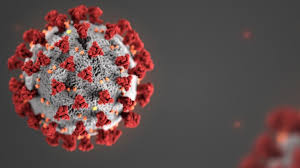
COVID-19 challenges, M. Faiq Shahzad
As the coronavirus situation intensifies, you might be wondering: How can I keep myself healthy? In below lines we will discuss Breathing technique to improve functions of vital body organs by breathing method and Mediation to achieve Peace of mind, reduce anxiety / stress and strengthen our Imm-une system. These holy or scientific methods are not only beneficial to our vital organs of body, but also enable us to strengthen our Spirit (Rooh) and enable us to connect with a Allah-SWT through a chain of transmission and enable us to bring positive change in our daily life and strengthen our core beliefs and practices of Islam.
Zikr- Allah SWT (inhaling /exhaling) Breathing Exercise. Breathing is a natural process of life and provides oxygen to all cells of the body. It increase flow of oxygen to lungs to detox /cleanse to increase performance of core organs of the body. The more oxygen in the body gets the better. The diaphragm also plays a important role in the human body respiratory system. The diaphragm is a muscle so that checks ups and down when we breathe. The diaphragm naturally starts to work less efficiently as we age. That’s why it’s important to do breathing exercises regularly to keep diaphragm healthy and strong. Diaphragm breathing is an effective technique to strengthen the diaphragm and increase oxygen carrying capacity of the lungs. This technique is performed by taking a deep breath in, almost as if you were attempting to breathe all the way into your stomach.
And as inhalation occurs you will feel the diaphragm contract. Then you can exhale through lips. This creates back-pressure in the alveoli which is great for improved lung compliance and detoxifying your lungs. Breath exercise also stops heart attack during attack and prevent heart diseases. Heart patients breathe about 2.5times more air than normal. Nasal breathing is fundamental to prevent heart attack and crucial for well being of heart patients. To stop heart attack symptoms sit down and relax, listen to your breath, breath only through the nose, relax your chest and use the diaphragm for breathing and inhale/exhale. Doctors in UK & Canada are using similar vital ICU Breathing technique for those suffering from COVID-19.
When Allah SWT created us He blew into us something of Himself. This is known as the Spirit. The Spirit that lies within combined with the physical body is what completes “US”. The same way the Body has its vital Organs & their respective functions, as does the Spirit. The Vital Organs of the Spirit are known as the “Latifa (Gentle)” (singular) “Lataif” (plural). The first & foremost Latifa is the Qalb, which is the Brain centre of our Spirits & is placed within our physical heart.The function of the Qalb is to a) receive & absorb the love that Allah feels towards us, b) Love Allah back & c) radiate Allah’s love to others. Since Allah is of Nur, His Orders, Attention, Affection are all Nur. The Spirits that lie within us are also Nur & can thus not only relate to Allah, but their food & energy too, is Nur. The problem starts when our Qalb becomes dysfunctional! This happens due to repeated sins. Since every sin leaves a black mark on the Qalb, slowly the black marks envelope the Qalb & make it lose its capacity to illuminate & radiate, it becomes dull & loses its capacity to receive & absorb Allah’s Nur & thus it becomes diseased & cannot find the energy required for the Spirit to be healthy & functional. It has also been scientifically proven that since ‘Allah’ is a two syllable word it can easily get synchronized with the breathing, & since human breath contains one long & one short breath … ‘Allah’ ‘H-oo’ these 2 words are used in order to be recited within the heart with each inhaling & exhaling breath. “Allah hoo” … By inhaling Allah and hoo exhaling with short duration makes a contact between the lungs & the heart & in turn this contact controls the heartbeat.
SIGNIFICANCE OF ZIKR ALLAH is mentioned most of the times in Quran and Sahih Muslim Hadith. To connect with a Allah-SWT through a chain of transmission there are five Exalted Messengers Hadhrat Muhammad-SAW, Hadhrat Abrahim-AS, Hadhrat Musa-AS, Hadhrat Noah-AS, and Hadhrat Eesa-AS, while Hadhrat Adam-AS is the first Prophet of Allah and the father of mankind.
Neuroscience, Buddhists and chakras (Hinus way of Meditation) studies on meditation have been capturing a lot of attention. Such studies often suggest that mindfulness or compassion. Meditation might be changing activity in brain areas linked to improvements in mediator’s attention or their ability to manage emotions. Brain areas or neurotransmitters makes the changes resulting from meditation seem more real—more tangible and believable. Neuroscientists, Buddhists and Vedas (Chakra) all believe that it reduces stress, controls Anxiety, promotes emotional health, enhances Self-Awareness, Lengthens Attention Span, may reduce age-related memory loss, can generate kindness and may help fight addictions. Psycholo-gist’s studies and research confirms that practicing m-editation can help clear a-way the mind’s chatter. Studies show that meditating even for periods as sh-ort as 10 minutes increases the brain’s alpha waves (as-sociated with relaxation) and decreases anxiety and depression.
Prophet Muhammad PB-UH was a deeply spiritual man, and often spent time in meditation on Mo-unt Hira. The traditional story of the Qur’an tells how one night he was meditating in a cave on the mountain when he was visited by the angel Jibreel AS who orde-red him to recite. So many Quran verses, encouraging meditation can be found.
COVID-19 has caused new enormous challenges hitting belief system, heath system, social beliefs and global economic recession. While everyone across the globe engulfed by the uncertainty of COVID-19, I still believe that Zikr-Allah and Meditation can add value to our health & core believe Is the only way forward to connect with Allah SWT through a chain of transmission to add value to our life and core believes of Islam.
New Research on Mindfulness Meditation: Summer 2020

Photo by iprachenko/Adobe Stock Protecting Soldiers’ Brains
Active-duty soldiers face mental and emotional challenges that diminish attention and memory. New research by Mindfulness-Based Attention Training (MBAT) codevelopers Dr. Amishi Jha and Scott Rogers finds that mindfulness instruction may lessen cognitive decline due to mental and emotional stress. MBAT combines mindfulness principles and practices with skills relevant to soldiers, aiming to reduce stress and build resilience.
Before the study, professional military trainers completed a 12-week MBAT training practicum and eight weeks of training to teach MBAT to soldiers. Mindfulness trainers who had not worked with soldiers also completed the practicum. Next, 180 healthy, active-duty, male army volunteers received MBAT instruction from either a military trainer or a mindfulness trainer, via weekly two-hour instruction and daily audio-guided sessions over four weeks, on themes of concentration, body awareness, open monitoring, and connection. Soldiers in a control group received no mindfulness training. Both at study’s end and four weeks later, the military trainer group showed the smallest decline in attention and memory. They also spent more time meditating on their own, suggesting that training tailored to their needs may be most effective in preventing stress-related cognitive decline. Improving Stress Resilience
More on the benefits of MBAT: a four-week Mindfulness-Based Attention Training program may bolster firefighters’ attention, mood, and stress resilience. In a new study , 121 firefighters were assigned to an MBAT group, a relaxation training group, or a no-treatment control group. As in the study with soldiers, MBAT participants received formal mindfulness instruction on concentration, body awareness, open monitoring, and connection, along with eight audio-guided practices, and were asked to complete at least one per day. The relaxation program used guided imagery, breathing exercises, and progressive muscle relaxation, plus audio practices. Before and after training, all participants completed an attention test and answered questions about their mood and psychological resilience. Those in the MBAT group reported greater increases in psychological resilience than the others. Also, the more time firefighters spent practicing mindfulness at home, the more likely they were to increase their attention and positive mood. Results suggest that mindfulness may help first responders cope with high-intensity job demands. Taking Mindfulness Research Outdoors
A new research review finds that combining time outdoors with mindfulness may be more beneficial than one or the other. Researchers examined 25 existing studies of nature-based mindfulness. programs. Interventions ranged from 15 minutes to 90 days. Outdoor spaces ranged from small gardens to large wilderness areas.
Results showed that practicing mind-fulness in natural settings generally yielded positive effects. Programs that occurred in the wild, and those that used informal mindfulness practices (like open awareness), tended to be linked to better outcomes than those requiring formal meditation, as were those that focused on producing a mindful state, rather than building a mindful disposition. Authors believe “the experience of the natural environment, which is so fascinating that it calls for soft attention, thereby allowing disengagement” may explain the benefits of practicing outdoors. They also suggest that being in nature may lessen our mind’s tendency to wander, allowing us to better remain in the present. Read More
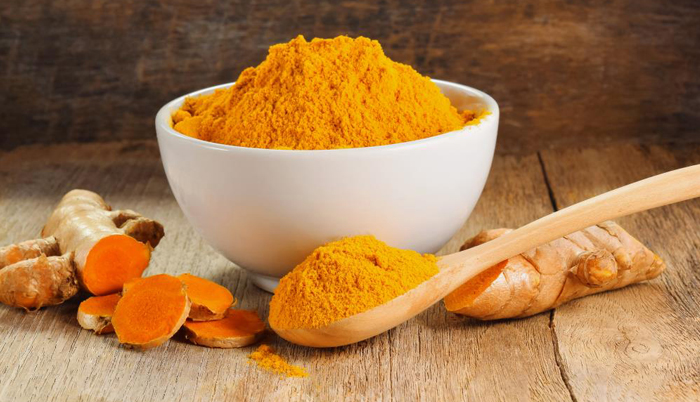
Turmeric: 6 Medicinal Benefits And Home Remedies
Lifestyle
NaturalNews
Turmeric is the gold standard in superfoods due to the range of health benefits it can offer, from improving brain function to lowering the risk of cancer.
This aromatic spice owes most of its wonderful medicinal effects to curcumin, the anti-inflammatory compound that gives turmeric its distinct yellow-orange hue.
Here are six incredible health benefits of this beloved golden spice.
Enhances immunity
One of the most popular health benefits linked to turmeric and curcumin is enhanced immunity. Since curcumin has strong antioxidant and anti-inflammatory effects, it helps fortify the immune system against harmful pathogens. Curcumin also helps prevent cellular damage caused by free radicals, which can eventually lead to chronic diseases.
Improves brain functions
Curcumin is also known to boost brain functions like memory and learning. It helps stimulate the production of proteins and hormones that maintain cognitive health, such as the brain-derived neurotrophic factor (BDNF). Due to its effects on the brain, curcumin can potentially minimize the risk of cognitive disorders like Alzheimer’s disease.
Supports cardiovascular health
As an anti-inflammatory agent, curcumin helps eliminate cholesterol plaque along arterial walls, a known risk factor for heart disease and heart attack. Curcumin also works to ease constricted blood vessels that cause high blood pressure.
Lowers the risk of cancer
Curcumin also has anti-cancer activities that help inhibit cancer cell growth. As a potential anticarcinogen, curcumin may even prevent the growth of new blood vessels in tumors.
Relieves arthritis
Turmeric’s anti-inflammatory effects are also potent against arthritis, a condition typically marked by swollen and inflamed joints. Many studies also show that turmeric is a more effective treatment for arthritis than synthetic anti-inflammatory drugs.
Improves longevity
Inflammation can greatly affect longevity and heighten the risk of chronic conditions later in life, such as Alzheimer’s disease, heart disease and cancer. Regular consumption of turmeric, especially when coupled with a balanced diet and an active lifestyle, can help delay aging, minimize the risk of chronic conditions and increase life expectancy.
Home remedies with turmeric
Like most spices, turmeric is highly versatile. Although you can cook with it, you can also create home remedies that make liberal use of turmeric. Here are three turmeric-based remedies that you can easily make in less than five minutes.
Turmeric tea
Turmeric tea is an excellent remedy for seasonal allergies and the common cold. To make turmeric tea, mix turmeric powder, water, ground pepper and olive oil until you have a paste. In a saucepan, heat water and a pinch of grated ginger, then add the turmeric paste and allow the mixture to boil. Mix in the juice of one lemon and strain the mixture. Drink turmeric tea at least twice a day until symptoms like sore throat, nasal congestion and dry cough subside.
Turmeric milk
Turmeric milk is a good child-friendly alternative to turmeric tea. It also helps in blood purification and liver detox. To make turmeric milk, create turmeric paste again and set it aside. Place a saucepan on medium heat and add enough water to cover the bottom. Mix in grated ginger and then add milk, turmeric paste, ground pepper and ground cardamom. Allow the mixture to boil and add palm sugar, a natural sweetener. Once the palm sugar has dissolved, strain the mixture into a glass and serve.
Turmeric scrub
You can also use turmeric paste as a natural facial scrub or face mask. Mix ground turmeric and almond oil, and toss in chickpea flour to add texture to the paste. This will help slough off dead skin cells and bacteria when you work the paste into the skin. Stir the mixture until it no longer has lumps and add milk. Stir until it forms a smooth paste. Use the paste as a natural face cleanser, a facial scrub or a face mask.
Turmeric is a popular remedy for various ailments including colds, arthritis and heart disease. Add it to dishes or use it to create homemade remedies like teas and scrubs.Source: courtesy of NATURALNEWSby Divina RamirezIf you have any stories or news that you would like to share with the global online community, please feel free to share it with us by contacting us directly at pr@brudirect.com
Earth Day 2020: Actitivies that are good for you and the planet

This year’s Earth Day — the 50th anniversary of the birth of the modern environmental movement — will be a quiet one.
For humans, at least, the planet is essentially closed on Wednesday, April 22, due to a worldwide pandemic.
The observance was created in the US by late former Democratic Wisconsin Senator Gaylord Nelson to increase public awareness of environmental issues.
By 1990, Earth Day had gone global, mobilizing millions of people in more than 140 countries to take up environmental issues and turn them into a worldwide movement.
Because of the coronavirus pandemic, this year’s celebrations are limited to our immediate and virtual surroundings.
Even though we can’t celebrate our planet with community tree plantings, cleanups and national park visits this year, there are outdoor activities to enjoy within the vicinity of your home that are good for the planet and good for your health. Walk, run or hike the Earth
On Earth Day, take a walk or run through the neighborhood. Go alone and relish your solitude, enjoying the time for free thought or listening to a podcast. Or take advantage of the opportunity for quality time with your loved ones and stroll with your family and dog by your side.
It’s safe to do so if you make sure you “keep your distance from other people” outside of your family, said Dr. Daniel Kuritzkes, chief of the Division of Infectious Diseases at Brigham and Women’s Hospital in Massachusetts.
“The key word is consideration,” Kuritzkes added. “People need to be aware of their distance from others to be respectful and not crowd them, and not have other people crowding you. If people are respectful, it should be pretty simple to stay sufficiently far apart from other people so that there’s really no risk.”
It’s also good for your health. Walking in nature may even lead to less repetitive negative thoughts , according to research. And a study of older women in the US found the higher the number reached on their step counters each day, the lower their rate of premature death.
Getting your heart pumping by walking may improve your executive functioning skills, a 2018 study also concluded. Those are the skills centered in the part of your brain that helps you take care of yourself and keep up with chores and bills.
And walking at a decent speed may reduce your risk of developing high blood pressure, cholesterol and blood sugar levels as much as running.
Running has been found to reduce stress, alleviate symptoms of depression and improve self-esteem. The activity has also been tied to living longer by improving heart health and sleep, and staving off cognitive decline.
But is going to the beach okay ? And what about hiking? If you can keep a respectful distance from other people and pay attention to hygiene, both are acceptable, Kuritzkes said.
A beach that is isolated, unpopular and uncrowded is best. If you hike on a nearby trail, maintain the same distance of at least six feet apart from others. Bring hand sanitizer and wipes so that if you stop to eat or sit on picnic tables and benches, you can disinfect your hands, Kuritzkes suggested. Biking for strength and a good mood
Cycling through your neighborhood, on a trail or into town is permissible, as “most people on bicycles are reasonably far apart from each other,” Kuritzkes said. And since you’d be speeding down a road or path, there’s not much opportunity to transfer the virus by closely talking with people.
Just be courteous to those around you. If you do need to come to a halt, be sure you’re maintaining the proper distance from other cyclists or pedestrians.
Considering the health boosts, climbing aboard a two wheeler for exercise is easy on your joints, for one, as your weight rests on your pelvis and not your legs. Cycling is beneficial for your heart, brain and blood vessels, according to Harvard Medical School . It can also trigger the release of endorphins, the body’s feel-good chemicals.
Different phases of pedaling also help you build muscles in your thighs, calves and hips. The exercise builds bone density and smaller muscles, too: You use your abdominal muscles to balance and stay upright, and your arm and shoulder muscles to hold on and steer.
Those benefits can carry over to everyday activities, improving your balance when you walk or stand and extending your endurance. Stay in touch with the Earth by gardening
Putter around in your garden on Earth Day to keep in touch with nature and appreciate whatever you pull from its soil.
One study found gardening may prevent brain shrinkage in older adults. Our cognitive abilities, including learning and memory, partly depend on the size of our brains.
Gardening is good for the Earth when you replenish its soil in the form of compost or grow flowers from which bees can graze for pollen and plant nectar. But it’s also advantageous for reaching a state of mindfulness.
Horticultural therapy is rooted in the idea that interacting with plants contributes to well-being. Caring for plants can improve your mood, blood pressure, heart rate and stress hormone levels. But we may also have a philosophical lesson to learn from plants.
In a 2018 CNN article on the topic, horticultural therapist Libba Shortridge described the life cycle of a seed to a group at Skyland Trail, a mental health treatment center in Atlanta, Georgia.
At first, a seed may appear dormant and hopeless. What does it need to grow? It requires sun and water, and patience, courage and confidence from you, to name a few. We could use those things as we navigate this unsettling time. Enjoy the meditative qualities of nature You might also celebrate the natural world by forest bathing .The term comes from the Japanese word shinrin-yoku, which means “immersing in the forest atmosphere.” Since the 1980s, the Japanese have managed forests to help citizens relax and reduce stress.Studies have shown that within just 15 minutes of this immersion, stress levels can decrease while your heart rate and blood pressure improve. You might even […]
On a pandemic Earth Day, be good to the environment and to yourself

News
By Kristen Rogers, CNN This year’s Earth Day — the 50th anniversary of the birth of the modern environmental movement — will be a quiet one.
This year’s Earth Day — the 50th anniversary of the birth of the modern environmental movement — will be a quiet one.
For humans, at least, the planet is essentially closed on Wednesday, April 22, due to a worldwide pandemic.
The observance was created in the US by late former Democratic Wisconsin Senator Gaylord Nelson to increase public awareness of environmental issues.
By 1990, Earth Day had gone global, mobilizing millions of people in more than 140 countries to take up environmental issues and turn them into a worldwide movement.
Because of the coronavirus pandemic, this year’s celebrations are limited to our immediate and virtual surroundings.
Even though we can’t celebrate our planet with community tree plantings, cleanups and national park visits this year, there are outdoor activities to enjoy within the vicinity of your home that are good for the planet and good for your health.
On Earth Day, take a walk or run through the neighborhood. Go alone and relish your solitude, enjoying the time for free thought or listening to a podcast. Or take advantage of the opportunity for quality time with your loved ones and stroll with your family and dog by your side.
It’s safe to do so if you make sure you “keep your distance from other people” outside of your family, said Dr. Daniel Kuritzkes, chief of the Division of Infectious Diseases at Brigham and Women’s Hospital in Massachusetts.
“The key word is consideration,” Kuritzkes added. “People need to be aware of their distance from others to be respectful and not crowd them, and not have other people crowding you. If people are respectful, it should be pretty simple to stay sufficiently far apart from other people so that there’s really no risk.”
It’s also good for your health. Walking in nature may even lead to less repetitive negative thoughts , according to research. And a study of older women in the US found the higher the number reached on their step counters each day, the lower their rate of premature death.
Getting your heart pumping by walking may improve your executive functioning skills, a 2018 study also concluded. Those are the skills centered in the part of your brain that helps you take care of yourself and keep up with chores and bills.
And walking at a decent speed may reduce your risk of developing high blood pressure, cholesterol and blood sugar levels as much as running.
Running has been found to reduce stress, alleviate symptoms of depression and improve self-esteem. The activity has also been tied to living longer by improving heart health and sleep, and staving off cognitive decline.
But is going to the beach okay ? And what about hiking? If you can keep a respectful distance from other people and pay attention to hygiene, both are acceptable, Kuritzkes said.
A beach that is isolated, unpopular and uncrowded is best. If you hike on a nearby trail, maintain the same distance of at least six feet apart from others. Bring hand sanitizer and wipes so that if you stop to eat or sit on picnic tables and benches, you can disinfect your hands, Kuritzkes suggested.
Cycling through your neighborhood, on a trail or into town is permissible, as “most people on bicycles are reasonably far apart from each other,” Kuritzkes said. And since you’d be speeding down a road or path, there’s not much opportunity to transfer the virus by closely talking with people.
Just be courteous to those around you. If you do need to come to a halt, be sure you’re maintaining the proper distance from other cyclists or pedestrians.
Considering the health boosts, climbing aboard a two wheeler for exercise is easy on your joints, for one, as your weight rests on your pelvis and not your legs. Cycling is beneficial for your heart, brain and blood vessels, according to Harvard Medical School . It can also trigger the release of endorphins, the body’s feel-good chemicals.
Different phases of pedaling also help you build muscles in your thighs, calves and hips. The exercise builds bone density and smaller muscles, too: You use your abdominal muscles to balance and stay upright, and your arm and shoulder muscles to hold on and steer.
Those benefits can carry over to everyday activities, improving your balance when you walk or stand and extending your endurance.
Putter around in your garden on Earth Day to keep in touch with nature and appreciate whatever you pull from its soil.
One study found gardening may prevent brain shrinkage in older adults. Our cognitive abilities, including learning and memory, partly depend on the size of our brains.
Gardening is good for the Earth when you replenish its soil in the form of compost or grow flowers from which bees can graze for pollen and plant nectar. But it’s also advantageous for reaching a state of mindfulness.
Horticultural therapy is rooted in the idea that interacting with plants contributes to well-being. Caring for plants can improve your mood, blood pressure, heart rate and stress hormone levels. But we may also have a philosophical lesson to learn from plants.In a 2018 CNN article on the topic, horticultural therapist Libba Shortridge described the life cycle of a seed to a group at Skyland Trail, a mental health treatment center in Atlanta, Georgia.At first, a seed may appear dormant and hopeless. What does it need to grow? It requires sun and water, and patience, courage and confidence from you, to name a few. We could use those things as we navigate this unsettling time.The term comes from the Japanese word shinrin-yoku, which means “immersing in the forest atmosphere.” Since the 1980s, the Japanese have managed forests to help citizens relax and reduce stress.Studies have shown that within just 15 minutes of this immersion, stress levels can decrease while your heart rate and blood pressure improve. You might even feel less depressed, or not as anxious, which is considerably needed during these vexing times.Getting some fresh […]
Brain Health Supplements Market to growing at CAGR of 8.8% by 2023, Top Prominent Players: Accelerated Intelligence Inc., AlternaScript, LLC, HVMN Inc., Liquid Health, Inc., Aurobindo Pharma Limited
Brain Health Supplements Market UPDATE AVAILABLE ON-DEMAND
Brain health supplements are balanced blend of herbal extracts and nutrients that are used to improve brain functions such as concentration, focus, and memory.
The global brain health supplements market was valued at $3,194 million in 2016, and is expected to reach $5,813 million by 2023, growing at a CAGR of 8.8% from 2017 to 2023.
Download Free Report Sample @ https://www.alliedmarketresearch.com/request-sample/4581
Rise in awareness about brain health supplements, growth in number of promotional activities conducted by the key players, and increase in adoption of brain health supplements by students are some key factors that fuel the growth of the brain health supplements market. Rapid growth in e-commerce industries that results in easy product availability in the developing countries and rise in preference for natural supplements over pharmaceuticals are expected to boost the market growth during the forecast period.
At present, natural compounds dominate the brain health supplements market, due to their effectiveness and minimal adverse effects. However, herbal extracts are expected to exhibit high market growth during the forecast period, owing to rise in awareness about herbal extracts in the developed regions. Memory enhancement and attention & focus segments held more than 50% of the market share in 2016.
Inquire before buying @ https://www.alliedmarketresearch.com/purchase-enquiry/4581
North America accounted for two-fifths share of the global market in 2016, and is expected to remain dominant throughout the forecast period. This is attributed to high number of self-directed consumers, easy availability of products, increased awareness among the general population, and presence of highly sophisticated healthcare infrastructure in the region. On the other hand, Asia-Pacific is expected to show the highest growth during the forecast period, due to rapid growth of e-commerce and rise in awareness for brain health supplements among the general population.
The Major Key Players Are:
o Accelerated Intelligence Inc.
o AlternaScript, LLC
o HVMN Inc.
o Liquid Health, Inc.
o Aurobindo Pharma Limited
o Natural Factors Nutritional Products Ltd.
o Onnit Labs, LLC
o KeyView Labs, Inc.
o Purelife Bioscience Co., Ltd.
o Quincy Bioscience.
Key Findings of The Brain Health Supplements Market:
o The herbal extract segment is expected to grow with a CAGR of 9.8% from 2017 to 2023.
o In 2016, the supermarkets & hypermarkets segment held one-third share of the global market, and is expected to maintain its dominance throughout the forecast period.
o The attention & focus segment is expected to grow at the highest rate in the near future.
o Asia-Pacific is expected to register the highest CAGR of 10.1% during the forecast period.
Access Full Report @ https://www.alliedmarketresearch.com/brain-health-supplements-market
Contact:
David Correa
5933 NE Win Sivers Drive
#205, Portland, OR 97220
United States
Toll Free (USA/Canada):
+1-800-792-5285, +1-503-894-6022, +1-503-446-1141
UK: +44-845-528-1300
Hong Kong: +852-301-84916
India (Pune): +91-20-66346060
Fax: +1-855-550-5975
help@alliedmarketresearch.com Web: https://www.alliedmarketresearch.comAbout Us:Allied Market Research (AMR) is a full-service market research and business -consulting wing of Allied Analytics LLP based in Portland, Oregon. Allied Market Research provides global enterprises as well as medium and small businesses with unmatched quality of “Market Research Reports” and “Business Intelligence Solutions.” AMR has a targeted view to provide business insights and consulting to assist its clients to make strategic business decisions and achieve sustainable growth in their respective market domain.We are in professional corporate relations with various companies and this helps us in digging out market data that helps us generate accurate research data tables and confirms utmost accuracy in our market forecasting. Each and every data presented in the reports published by us is extracted through primary interviews with top officials from leading companies of domain concerned. Our secondary data procurement methodology includes deep online and offline research and discussion with knowledgeable professionals and analysts in the industry. This release was published on openPR.
Be Smart: Brain-health supplement claims Dos and Don’ts
Photo © Sudowoodo – Stock.adobe.com Kimberly J. Decker
Volume:
23
Issue:
3 Brain Health , Regulatory , Trends & Business
With the population graying—one in every five U.S. residents will be of retirement age by 2030, per the U.S. Census Bureau’s 2017 National Population Projections—it’s no surprise that cognitive-support supplements’ prospects are rising.
Indeed, a 2019 report 1 from Grand View Research foresees a global market for brain-health supplements worth $10.7 billion by 2025—suggesting that many of those future retirees are taking precautions in advance of their big 2030 ageing-up.
But the report also notes that brain-health market drivers extend beyond obvious antiaging concerns to include depression, anxiety, and sleep recovery, among other cognitive issues—which proves that the brain-health category holds promise for more than just the elderly.
But brain-health brands best be careful about which promises they make. Just ask Quincy Bioscience (Madison, WI), which found itself staring down a lawsuit from the Federal Trade Commission (FTC) and New York attorney general accusing it of deceptively claiming that its Prevagen supplement improves memory on the basis of a single study that the plaintiffs said failed to show any statistically significant improvement over placebo.
As the case makes its way through the courts, it should give marketers pause for thought. For while the smart money’s still on brain-health supplements, their potential won’t pan out if brands don’t wise up on what to say, and not to say, when educating consumers about them.
Brain Boom
The Council for Responsible Nutrition’s (CRN; Washington, DC) latest Consumer Survey on Dietary Supplements shows “very steady” support for brain-health formulations, notes Andrea Wong, PhD, the organization’s senior vice president of scientific and regulatory affairs.
From 2015 to 2019, the percentage of supplement users citing brain health as a reason for supplementing stayed roughly static, fluctuating from 15% at the outset to 14% last year. “And while there doesn’t appear to be significant growth in use,” Wong notes, “this is a growing interest area for our members and for companies overall in the dietary supplement space.”
Wong adds that the CRN survey found use of brain-health supplements holding steady across all demographics, as well, and Daniel Fabricant, PhD, CEO and president, Natural Products Association (NPA; Washington, DC), thinks he knows why.
He credits the category’s big-tent appeal. “Are we talking about memory?” he asks. “About focus? Brain health is a different concern for everybody.”
Yes, an aging population’s desire to stay sharp fuels the category. “But the other side of brain health is where you find nootropics and products for gamers who go on gaming binges at their consoles for eight hours straight and need focus,” he adds. When has a heart-health supplement ever enjoyed such broad cachet?
Food for Thought
Regardless of the audience, interest in brain-health formulations is justified. As Wong points out, “Long-term cognitive health is influenced by a combination of diet, lifestyle, genetics, and the environment.” So it’s no surprise that her organization “recognizes considerable evidence showing that proper nutrition through balanced diets or supplements is essential to support brain function.”
Of course, more research is always welcome to “further inform our understanding of nutrition’s role in the prevention of cognitive decline,” Wong goes on. But emerging science continues to demonstrate connections between omega-3 fatty acids, amino acids, probiotics, caffeine, and phospholipids—among other supplemental ingredients—and improved brain function, she says.
Fabricant’s background is in botanical ingredients, he says, and “one thing you learn with botanicals is the importance of group 2 metals”—alkali earth metals like zinc and magnesium. “They’re involved in everything that happens neurologically,” he notes.
“Then you’ve got the whole area of the gut-brain axis,” he continues. “That’s the big story now. Everyone’s looking into how probiotics seem to have an effect on neurological performance.”
Blow to the Head
So the enthusiasm is understandable: There’s much to learn, and much good that might come from it. But that’s where some in industry may have gone too far, Fabricant says.
“You’re often dealing with an older population that doesn’t want its memory to slip,” he says, “but doesn’t necessarily want to go to the doctor about it, either. So they’re looking for a different approach to self-care. And the FTC has long since been smart about that, and it’s focusing as a priority on the claims that some supplement companies are making.”
Wong agrees. “The Federal Trade Commission has been paying close attention to brain-health claims in recent years, so marketers should ensure—as is their responsibility with all claims—that their product claims are supported by sound evidence,” she says.
Consider FTC’s recent action against NeuroPlus’s allegedly deceptive claims that its products could protect the brain against Alzheimer’s disease and dementia, reverse memory loss, and improve memory and cognitive performance, she suggests.Or the commission’s more recent targeting of Geniux products for their promise to improve short- and long-term memory, increase focus by as much as 300%, increase concentration, prevent memory loss, boost brain power by as much as 89.2%, effectively double IQ, and improve users’ information-processing speed. Ads apparently billed the company’s “Smart Pill” a “Viagra for the brain” capable of producing “extreme IQ effects,” Wong notes, and also allegedly falsely claimed that the products had been tested in more than 2,000 clinical trials.Fabricant was actually at FDA during what he calls “blitzes” of combined FDA and FTC effort to uncover bad industry actors. “And knowing that both FDA and FTC are out there and interested should give anyone a moment of pause,” he says. Getting It Right Bob Durkin, of counsel, Arnall Golden Gregory LLP (Mount Airy, MD), and former deputy director of the office of dietary supplement programs at FDA, is familiar with these blitzes, himself, and understands their merit.“While there are definitely dietary ingredients and supplements that help with cognition,” he allows, “the problem for legitimate players is that they wind up in an environment where the bad players control the message. Even when they put their claims in the right perspective, good players can get drowned out, and it’s really hard to stay afloat in that sea.”But smart brands can rise above […]
The 10 Best Low-Carb Protein Powders in 2020
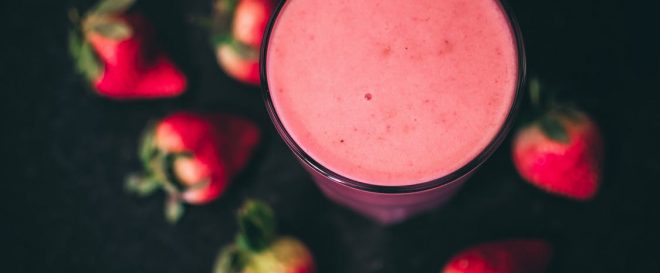
One reason I love protein powders so much is because nothing beats them when it comes to convenience. When you’re running late for work and need a filling breakfast or lunch — whip up a protein shake! Just got back from the gym and don’t have the energy to order, let alone cook a meal? A protein shake it is. But the fact of the matter is that none of us really need these powders to meet our daily protein needs — but we sure do find them helpful. On top of that, protein powders can help you lose weight, build muscle, and slow down aging. However, not all protein powders are created equal.
When you’re on a low-carb or ketogenic diet, you need to watch out for things like sneaky carbs in protein powders. Yes, protein powders will often have some amount of carbs in them. And I also need to mention quality — the best low-carb protein powders will provide high-quality protein along with added benefits in the form of vitamins, minerals, MCTs , and even ketones.
With all that considered, here are a couple of the best low-carb protein powders to consider buying in 2020. 1. Vital Proteins Collagen Peptides
Collagen is the most abundant protein in your body, making up 30% of its dry weight . It helps keep your skin, bones, joints, and hair strong. But since collagen production declines with age, many take supplements like Vital Proteins Collagen Peptides to stay youthful.
Besides its anti-aging benefits, this product is also popular among low-carb dieters. It’s virtually just concentrated collagen in powder form (or capsules) and a touch of vitamin C to help with its absorption. That means there are no carbs in this product. On the downside, it also won’t provide any fat.
Being virtually flavorless, you can use this one in sweet and savory combinations. It blends seamlessly into smoothies, shakes, teas, coffee, soups, and more.
Shop Vital Proteins Collagen Peptides . 2. Ancient Nutrition KetoCOLLAGEN Powder
Another neutral-tasting powder that you can rely on. This product is also made with collagen peptides to provide you with a one-two-punch of anti-ageing and fitness benefits. But what’s really great about it is the addition of medium-chain triglycerides (MCTs).
MCTs are a special class of fats that research shows are particularly ketogenic, i.e. they support ketone production. Besides that, MCTs are known to affect mitochondria, the powerhouses of your cells, in a way that leads to better workouts and brain functioning.
Ancient Nutrition’s collagen powder provides 13g of protein in a scoop along with 3g of ketogenic fats. The powder dissolves easily into almost any food or beverage, so you can use it in smoothies and shakes but also pancake batter, cookies, and soups.
Shop Ancient Nutrition KetoCOLLAGEN Powder 3. Kiss My Keto – Keto Collagen
Want your collagen peptides to have a little flavor to them? Well, Kiss My Keto offers peptides in chocolate and birthday cake flavors.
This is a brand completely dedicated to the keto lifestyle , and their collagen peptides are no different. At 1g of net carbs and 5g of MCT powder in a scoop, this supplement will keep you in ketosis while helping you meet your protein needs. The collagen used in this product is from pasture-raised cows, which makes this particular source of collagen one of the healthiest and safest to add to your diet.
There are around 25 servings in one container, with each serving providing 9g of protein along with calcium and sodium. It’s best blended into nut milks or smoothies. However, it is possible to use it in dessert recipes for extra protein.
Shop Kiss My Keto — Keto Collagen 4. Isopure Zero-Carb, Keto-Friendly Protein Powder
It’s all in the name — a protein powder that does not contain any carbs and lots of high-quality protein. The protein used here is whey protein isolate. Isolates are the purest protein sources, and whey isolate is often 90% pure protein . It’s great for lactose-intolerant folks since the process of making it removes much of this milk sugar.
This product also contains essential vitamins and minerals, which makes it a fantastic meal replacement. However, it is pretty low in fat, which some keto-ers might find discouraging.
Nonetheless, it’s one of the best ways to meet your protein needs on a keto diet. Just mix it with water or other beverage in a shaker or blender. The product is available in a wide range of flavors, from alpine punch and cookies & cream to Dutch chocolate and vanilla salted caramel.
Shop Isopure Zero Carb, Keto Friendly Protein Powder 5. Ketologie Keto Shake
What makes this product stand out from the rest is its fat content. Around 75% of this powder is fat and only 19% of it is protein. But that’s a good thing when you’re trying to get most of your calories from fat — like when you’re on a keto diet.
The fat in this product you get in the form of coconut oil powder. Coconut oil is a natural source of MCTs, which I already mentioned are great for staying in ketosis. The protein is hydrolyzed bovine collagen, which, although not a complete protein, is great as a supplemental source.
What’s more, the extra fat in this one makes it addictively creamy. And natural chocolate and strawberry flavors are a definitive win.
Shop Ketologie Keto Shake 6. Sunwarrior – Warrior Blend Organic
Try this one if you’re looking for a plant-based, organic protein blend.
It’s made with organic pea, goji berry, and hemp protein, which together make for a great amino acid profile. Sunwarrior specifies that this product contains 6g of branched-chain amino acids (BCAAs), which are essential amino acids that some studies show support muscle growth. Its total protein count is 19g in a serving.
Another noteworthy feature here is the addition of organic MCT oil. This and its low carb count of only 1g net makes it truly keto-friendly.The product is available in chocolate, berry, mocha, vanilla, and natural flavors. It dissolves seamlessly into water and beverages. But, of course, […]
7 Foods to Increase Brain Power for Students
Visit any learning institution when exam day is right around the corner, and the flurry of activity within the classrooms and lecture halls will amaze you.
Typically, everybody is often busy cramming notes and toiling relentlessly to feed their brains with relevant material in preparation for the upcoming tests. Besides this, other college students even turn to daily prayer schedules or consult with their priests, in hopes of acing their exams. But, the disturbing question is, are all these tactics sufficient?
For students looking to perform well in their coursework and exams, it is vital to maintain good mental health. Good mental health is promoted mainly by eating the right foods. As such, whether you want to optimize your brainpower for your university essay writing assignment or want to stay sharp during exam week; consuming a healthy and balanced diet inclusive of brain developing foods will get you there.
Although it is hard to pinpoint the best foods for brain health from the extensive list of available options, eating a balanced and healthy diet that comprises these seven foods may help you achieve better brain health and power.
Below are seven foods that students can consume to increase their brain health: Blueberries
First on the list are blueberries that rank as effective brain-boosting foods due to their high composition of flavonoids.
Flavonoids are health-promoting pigments found in plants, responsible for the blueberries’ unique color. They are known to help boost memory, improve general thinking, and improve learning ability as well.
Blueberries also help slow down the decrease in memory and mental ability, both conditions related to advancement in age.
Since they are remarkably versatile and convenient, you can mix them in salads, include them on pancakes, cereal, and quick bread, or simply grab yourself a handful. You can take them in any form: fresh, dried, frozen, or freeze-dried. Olives
Regular consumption of olives may reduce the rate of age-related brain deterioration. This is primarily because of their monounsaturated fat content. These are healthy fats that are easily incorporated into the cells and help improve more oxygen transportation to your brain.
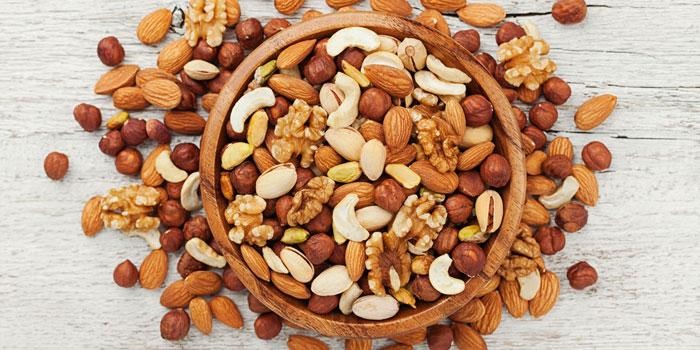
You can add olives in your daily diet by using them as a side dish for lunch, a snack food, or pre-dinner appetizers. Also, you can include olives in salads, atop pizzas, in casseroles, among others. Nuts
For those who are not allergic to tree nuts or peanuts, regularly eating nuts might help in the preservation of brain function.
Nuts are a natural source of vitamin E and mono-unsaturated fat known to protect the brain from typical degenerative conditions such as Alzheimer’s. Nuts do this by squelching the free radicals that damage brain cells.
With nuts, even consumption in little amounts works well for your brain. Nevertheless, ensure you take notice of the portion sizes.
You can include nuts as a yogurt topper or cereal, on top of cooked veggie or salad, or consume them as stand-alone snacks. However, if you are allergic, you can use nut seeds as an alternative since they afford the same brain-boosting benefits. Fish
If you don’t have any fish-related allergies, then consuming fish can afford you multiple brain benefits. As a first, consuming fish regularly has been seen to influence brain mass (size).
What’s more, regularly eating fish can also lessen the process of brain aging. Fatty fish (halibut, salmon, trout, mackerel), in particular, have healthy oils (omega 3 fatty acids) that can help improve problem-solving, concentration, and memory.
You can follow a distinct fish diet plan where you plan to consume the recommended quantity of 2 servings of fatty fish weekly. However, you can also eat one serving every week, which is much better than having none whatsoever.
Contrastingly, you should limit your weekly consumption of mercury-containing tuna fish to about 6 ounces. Dark Chocolate
If you love chocolate (who doesn’t anyway?), then this might arguably be the best thing you have ever learned: dark chocolate boost brainpower. Yes, dark chocolate may boost your mood and think, as well as increase the flow of blood to the brain.
How? Well, these cocoa flavanols are naturally occurring phytonutrients present in the cocoa bean. Together with caffeine, they do the magic. Avocado
Like it or not, guacamole might just be what gets you that A in your SATs. Typically, Avocadoes are naturally packed with healthy fats (omega-3 fatty acids) that may enhance blood flow to your brain. Ideally, more blood flow to the brain may mean improved brain ability.
Avocadoes can be included in most dishes or consumed as a fruit. You can also make yourself some avocado-based brownies. Apples
Last but not least is what is perhaps the most popular food/fruit-the Apple. Apples afford multiple health benefits, including boosting brain health.
Many studies outline that besides being a remarkable all-year stand-alone snack, apples are also a noteworthy superfood that increases brainpower.
By taking apples as a snack or drinking apple juice, you can benefit from improved brain health. This is primarily due to their fantastic antioxidant elements. Conclusion Similar to how the body needs healthy food to remain healthy, so does the brain. By adding these seven brain foods mentioned above, students can significantly improve their concentration, memory, and focus.Luckily, you can find all these food items easily in nearly all local markets anywhere, albeit at an affordable price. If you consume these brain foods both regularly and in the recommended amounts, you will experience remarkable brain and body health benefits eventually.
Best nootropic supplements to improve work-from-home productivity
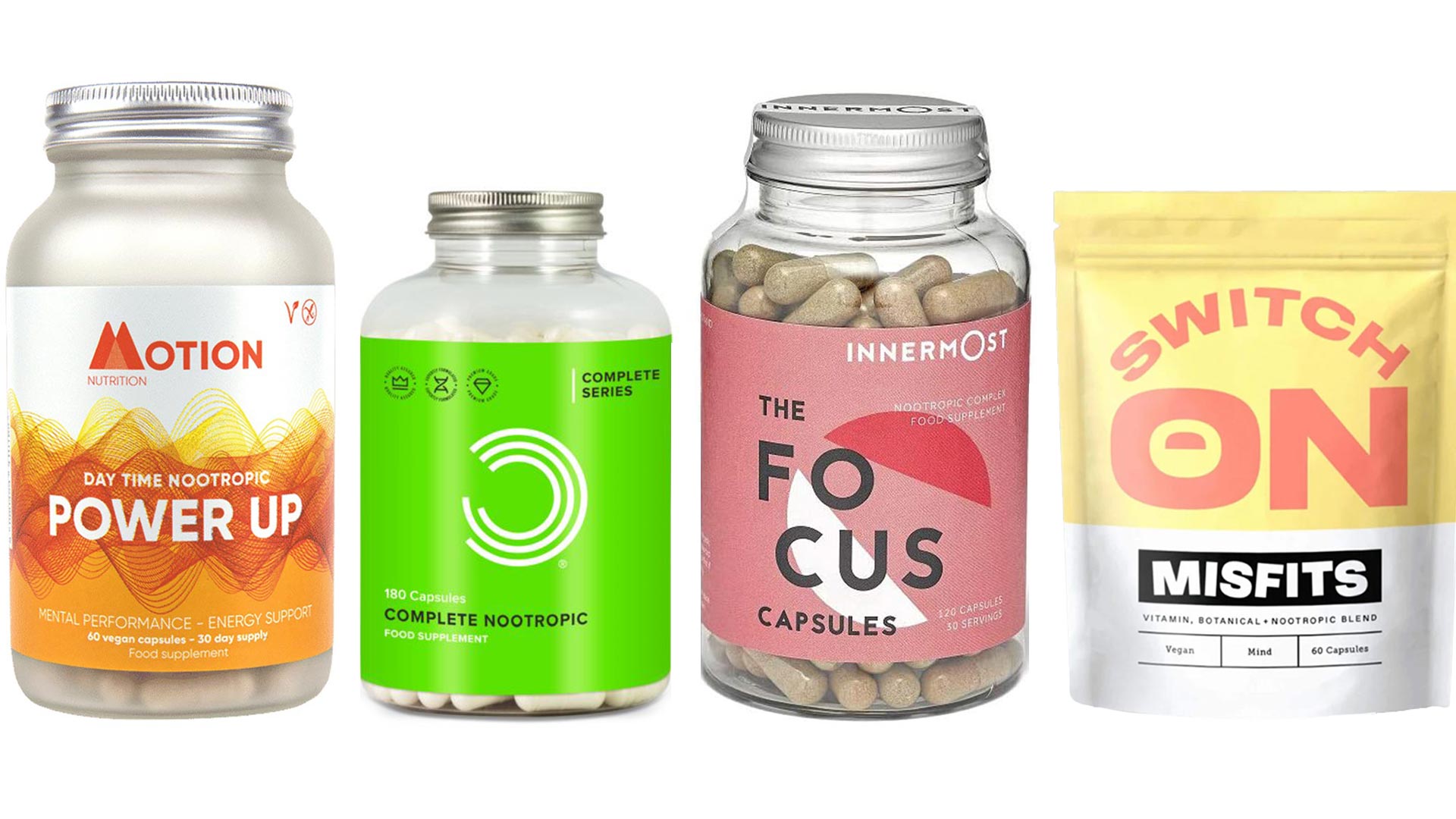
In a working landscape where your train of thought can so easily be derailed by relentless Zoom calls (that novelty wore , right?) and Slack threads, one of the greatest challenges of working from home has, for many, been productivity. Mustering up the same work ethic from your sofa as you have when sat behind your desk, surrounded by your colleagues, in your best office finery, is, at a psychological level, difficult.
Yet even before a global pandemic, productivity had cemented its place as one of the wellness industry’s new frontiers (alongside sleep optimisation and anxiety relief) in the form of focus-enhancing nootropics. Derived from the Ancient Greek words nóos , meaning “mind” and tropḗ , meaning “a turning”, these clever little pills harness the power of natural ingredients that boost your brain so you can get things done more efficiently. Time is money, the saying goes, so why wouldn’t you invest to optimise your own? How can nootropics improve focus?
Nootropic supplements for focus tend to fall into two camps: the ones that bolster the energising effects of caffeine and the ones that mimic its high without. Caffeine is the best-known and most widely consumed stimulant on earth, scientifically proven to improve concentration, alertness and performance (so your morning addiction is not in vein). Too much of it can come with side effects such as “the jitters”, so focus-enhancing nootropics balance out ill-effects with calming amino acids such as L-Theanine. Others opt instead for a cocktail of adaptogens like mushrooms or herbal energy enhancers such as ginseng, bacopa monerri and Ginkgo Biloba. Which natural ingredients should you look for in a focus-enhancing nootropic?
Alongside the ingredients that do their bit to keep you pumped throughout the day, others will directly target areas such as memory retention and mental processing. Adaptogens (a term often used interchangeably with nootropics) such as mushrooms (reishi, lion’s mane, chaga, shitake) are used to enhance cognitive performance, while taurine is a common amino acid shown to improve focus and the flowering plant Rhodiola rosea to improve attention span, mood and work capacity. Some recent supplement output has added CBD to the mix too. Though its benefits remain a research area, studies have alluded to mood stabilisation and reduced stress, which could both work to bolster productivity.
Thanks to natural, plant-based ingredients, these types of supplement don’t come with the warning labels as the doctor-prescribed kind (Adderall and other amphetamines, these are not). As with any supplement, just be sure to only consume the amount prescribed on the label and consult a GP if any health issues might respond badly to the ingredients in your focus-enhancer of choice.
10 Reasons why blueberries are good for you
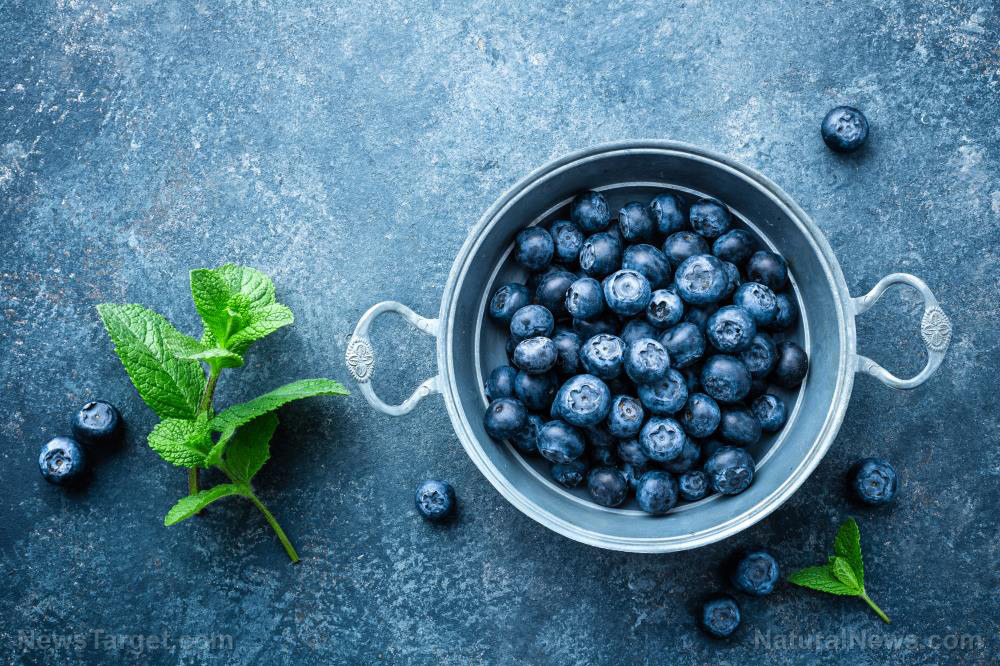
Advertisement Blueberries are considered superfoods due to high amounts of immune-boosting antioxidants, good carbohydrates, protein and important micronutrients that support overall health.
Unsurprisingly, blueberries are among the healthiest fruits that you can eat. Here are 10 reasons why you should add blueberries to your everyday diet . Contain nutrients
Blueberries have an impressive nutrition profile. A cup of fresh blueberries contains the following: Calories: 84 kcal
Protein: 1.1 g
Carbohydrate: 21.45 g
Fat: 0.49 g
Fiber: 3.6 g
Calcium: 9 mg
Iron: 0.41 mg
Potassium: 114 mg
Phosphorus: 18 mg
Folate: 9 mg
Blueberries also contain copper, folate, choline, manganese and vitamins A, C and E. Additionally, blueberries are 85 percent water, so snacking on a cup of blueberries can keep you hydrated. Prevent oxidative stress
Blueberries contain plant compounds known as flavonoids that have antioxidant and anti-inflammatory properties. In particular, a flavonoid called anthocyanin acts as an especially powerful antioxidant that can prevent cellular damage caused by disease-causing free radicals. Anthocyanin also gives the blueberry its distinct blue color. Slow aging
If left unchecked, free radicals can also damage immune cells, lipids, proteins and DNA, thus accelerating the aging process. Fortunately, high amounts of antioxidants can neutralize free radicals and protect against premature aging. Additionally, antioxidants can lower the risk of cancer. Regulate cholesterol
Anthocyanins also work to regulate the amount of low-density lipoproteins (LDL) or “bad” cholesterol. High levels of LDL can clog arteries and severely heighten the risk of heart attack, congestive heart failure and atherosclerosis. To maintain healthy levels of cholesterol, eat plenty of antioxidant-rich foods that guard against excess LDL. Lower blood pressure
Regular consumption of blueberries can also significantly lower systolic and diastolic blood pressure and prevent hypertension. Plus, antioxidants also ease stiff arteries and constricted blood vessels to promote circulation. Support cardiovascular health
The blueberry’s anti-hypertension and anti-hyperlipidemia activities support overall cardiovascular health. Hypertension and hyperlipidemia, or excessive amounts of LDL, significantly increase the risk of heart attacks and cardiovascular disease since both conditions impair blood circulation. Improve brain function
Regular consumption of blueberries can prevent degenerative cognitive conditions like dementia, Parkinson’s disease and Alzheimer’s disease . Free radicals can also target brain cells and neurotransmitters that power cognitive functions like memory and concentration. But blueberries are excellent sources of antioxidants that can eliminate free radicals and keep mental faculties sharp. Reduce the risk of Type 2 diabetes
Anthocyanins can also regulate glucose levels and improve insulin sensitivity, both of which contribute to a lower risk of Type 2 diabetes. Plus, blueberries contain dietary fiber that inhibits the absorption of excess glucose. Treat urinary tract infection
Like most varieties of berries, blueberries are an effective natural remedy for urinary tract infection (UTI). A UTI is an infection of the kidney, ureters, bladder and urethra caused by the Escherichia coli bacteria. It causes a painful, burning sensation upon urination, and it can even cause chills and abdominal pain. Blueberries can treat UTI by preventing E. coli bacteria from latching onto the urinary tract and the bladder. Relieve inflammation
Due to the anti-inflammatory properties of anthocyanins, snacking on blueberries after strenuous exercise can relieve sore muscles and alleviate fatigue. Anthocyanins also promote tissue repair, which is a vital part of the muscle development process.
Blueberries are incredibly healthy superfoods that provide a ton of health benefits. Use fresh blueberries to top plain yogurt and oatmeal, or create a nutritious fruit smoothie.
Sources:
Healthline.com
MedicalNewsToday.com
Doctors From The World-Renowned Clinique La Prairie Medical Spa Share Their Top Tips To Boost Immunity
If there’s one take away from the coronavirus pandemic it’s that boosting immune system health should be a top priority for everyone. Social distancing and protective gear may help prevent person-to-person spread, but we can’t live in a bubble forever.
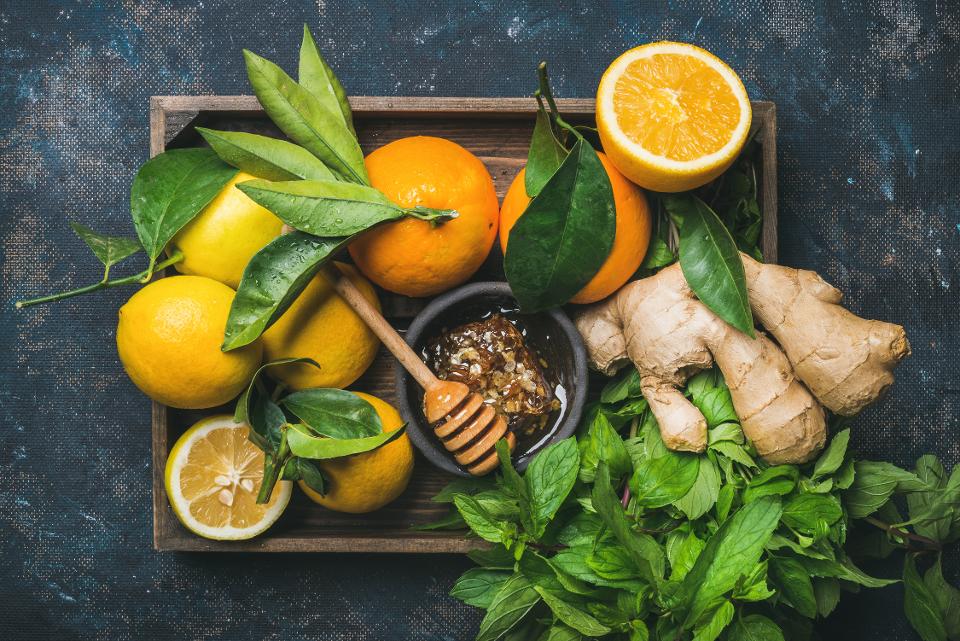
Our immune system is vital to our survival. It protects us from viruses, bacteria, parasites, and many other pathogens. It’s comprised of a vast network of cells and tissues that are constantly on the look out for intruders, which once spotted, formulates a complex attack. Ingredients for making immunity boosting natural drink. As general rule, our immune system builds strength over time. This is one of the reasons why children get sick more often than teens and adults. There are three types of immunity in humans: innate, adaptive, and passive.
Innate immunity includes the external barriers of our body like the skin and mucous membranes of the throat and gut. Adaptive (also known as acquired) immunity is the build up of various antibodies either through disease or vaccinations because our body amazingly remembers past invaders. Passive immunity is a temporary immunity that comes from another source—for example antibodies a mother passes to her child through breast milk.
Our immune system is miraculous. But being such a complicated and intricate system—a lot can go wrong, which is why it’s important to make sure that it’s in tip top shape so that it can do its job.
Clinique La Prairie , known for treating society’s elite with legendary medical and wellness programs , has been on the cutting edge of better-aging research and treatments for over 80 years. With a fleet of over 50 medical experts, guests that come to the clinic (or stay at their private chalet in Verbier, Switzerland ) have every organ of their body closely examined to obtain an in-depth look at their state of health. Clinique La Prairie Courtesy of Clinique La Prairie Clinique La Prairie Spa & Residence Courtesy of Clinique La Prairie With most people on lockdown and travel prohibited, two doctors from Clinique La Prairie’s offered up some of their top tips for anyone looking to boost their immunity during this uncertain and stressful time.
Dr Mounir Ziadé is a certified specialist in rheumatology, physical medicine, and rehabilitation in addition to specializing in musculoskeletal medical ultrasound scanning and manual medicine.
“It’s essential to keep your brain as healthy as possible,” he tells me of his philosophy on living a long and health life. “Start by doing everything you can to maintain your memory, including challenging your mind, having positive relationships with family, friends, and other people in the community (while practicing social distancing), engage in physical exercise, and get adequate sleep. All these basic factors are essential to healthy development.”
Dr. Ziadé is also a big believer in eating a heart-healthy diet. “It’s important, since your brain relies on a steady supply of oxygen and nutrients that are delivered through the bloodstream,” he explains. With the pandemic Dr. Ziadé also suggests the people search for greater meaning in life. “Be grateful for what you have and receive. Savor everyday pleasures. Be mindful and be compassionate with yourself and others.” Clinique La Prairie Yoga Courtesy of Clinique La Prairie Dr. Ziadé believes that engaging in exercise, focusing on overall wellbeing, and managing stress are the keys to getting through the unprecedented challenge caused by coronavirus. Below are a few of his specific suggestions:
Exercise
“Whatever your age, exercise is one of the best things you can do to keep your body and mind strong and improve your quality of life,” states Ziadé. You can even benefit from everyday activities that aren’t exercise. “Everyday movement not only improves your quality of life, but also helps you to burn more calories. You can benefit from the energy you burn through ordinary activity that you don’t think of as exercise, such as fidgeting, carrying the laundry upstairs, dancing around the house to your favorite tune, or even standing or walking while you talk on the phone.”
General Exercise Tips
· In order to keep our bodies healthy and functioning effectively, it’s important to match regular exercise with a well-balanced diet. While some people may have a bad diet and not put on weight, this is not a sign of good health. Fresh food high in nutrients will help our bodies to function effectively
· While it all depends on your overall fitness goals, one 30-minute session of exercise three times a week is enough to keep you moderately fit
· While many job types require people to be active and on their feet during the day, it is still recommended for those workers to do additional exercise on a regular basis. By modern standards, physical exertions at work and home are very much restricted. What’s more, even for those of us who are on our feet all day long, sport helps to balance posture and strengthen the least exercised muscles too.
· The more varied the fitness program you complete the more beneficial it will be. Even if people enjoy doing the same exercises all the time, it is more effective to mix things up on a regular basis so that you get a more comprehensive workload.
Since some people under stay-at-home orders may have chronic pain, I wanted to get see if Dr. Ziadé had any specific suggestions for them. “Although it might seem that exercising would aggravate aching joints, this is simply not the case. Joints tend to be more painful when they are left idle,” Ziadé tells me. “Optimal posture is mandatory for a good circulation of energies and for respiration, which reflects these energies.” For people who suffer from chronic pain and inflammation Dr. Ziadé suggests yoga.
Yoga Tips Man standing in one leg yoga balance variation. No face view. Healthy lifestyle at old age · There is a misconception that yoga should purely be practiced by those who are flexible. However it’s precisely when you feel rigid that you should practice it. You should take things gently and little by little […]
Purple Berries May Help To Protect Brain Health
People have been eating berries long before we knew much about medicine as an important source of energy, now we know there is a lot to this group of foods such as the important antioxidants group of flavonoids. Most berries contain many types of these beneficial compounds, but purple berries are rich in anthocyanins.
Anthocyanins are unstable and break down easily, and the body is only able to absorb a small percentage of what is consumed, thus to maximize the anti-aging benefits from anthocyanins it is best to obtain the most nutrient dense sources available. Typically the easiest way to identify these is to look for natural foods with the darkest and most vibrant colours for these high antioxidant sources. When these are digested the anthocyanins have been found to cross the blood brain barrier and travel directly to the hippocampus where they can have a beneficial impact on memory as well as learning.
Beneficial antioxidant properties are not the only thing offered by anthocyanin rich berries. “It’s not only the antioxidant capacity that’s important; it’s their anti-inflammatory capacities, as well as their direct effects on the brain,” Dr. Barbara Shukitt-Hale of Tufts University in Boston explained. “In one of our studies, we found that blueberries and strawberries increased neurogenesis, which is the process of making new neurons in the brain…and we also saw changes in signaling and communication in the brain—the positive signals go up while the negative signals go down. So we think that antioxidants are important, but it’s not the whole story.”
It is not clear as to every aspect of what makes these purple berries so advantageous to cognitive health, but studies have revealed that improvements in the brain can occur rather quickly when they are incorporated into our diets such as one study of elderly people who experienced improved memory after following a healthy diet that included blueberries for 3 months that was conducted by Dr. Shukitt-Hale.
Dr. Paual Brickford of the Morsani College of Medicine in Tampa Florida has also conducted studies revealing that diets rich in blueberries can offer protection against cellular damage from oxidative stress, decrease inflammation of the brain, and in general enhance the health of brain cells overall.
Other research has revealed that blueberry consumption can help to improve motor skills such as balance, coordination, fluid intelligence, cognition skills, and memory. These benefits are not just reserved for later in life either as research has shown that children between the ages of 7-10 continued to improve memory and problem solving abilities proportional to the amount of purple berries they ate; and eating more blueberries was concluded to result in higher test scores.
Berries are delicious and make great snacks or additions to many meals such as in smoothies, salads, breakfast and desserts. They freeze nicely and can be freeze dried to be used in powders or a variety of recipes as the nutrients of the berries are retained in the freezing process. When exposed to heat for long periods of time the anthocyanin content is reduced but is not completely lost. However, the anthocyanin content in cooked berries continues to decrease the longer it sits, so it is best to consume them as soon as possible, and uncooked preferred.
Purple berries are heart protective as well as help to improve blood circulation which can also help with the management of diabetes, protect bone strength, increase longevity, detoxify heavy metals, fight obesity, and they are also carcinoprotective.
To sum it up, in addition to tasting yummy purple berries can help to improve problem solving skill, learning, memory, thought fluidity, balance, coordination, focus, alertness, enhance potential for neurogenesis, and are highly neuroprotective with antioxidant anti-aging protective properties. Materials provided by: Content may be edited for style and length. This article is not intended to provide medical diagnosis, advice, treatment, or endorsement. https://www.cambridge.org/core/journals/british-journal-of-nutrition/article/beneficial-effects-of-berries-on-cognition-motor-behaviour-and-neuronal-function-in-ageing/751902ED1F6B94DFEC9AB7FB8C89C0DA https://www.nutritionletter.tufts.edu/healthy-mind/improving-memory/pick-berries-to-protect-your-aging-brain h https://academic.oup.com/biomedgerontology/article/74/7/977/5321876 ttps://www.healthline.com/nutrition/10-proven-benefits-of-blueberries
Foreign language courses should be taken more seriously
Globalization is defined as “the process by which businesses or other organizations develop international influence or start operating on an international scale” and certainly holds relevance in our world. As students hit the outside world after graduation, knowing a foreign language can be of much assistance in their post-Grad endeavors.
This is why students of all majors should be required to take at least four semesters of a foreign language in college, and why they should take it seriously.
With globalization comes the inevitable interaction with people of varying types of nationalities. Being able to speak to others in their own language not only improvesopportunity in your work life, but deepens personal connections and increases your global understanding.
Almost every career offers the opportunity to travel abroad for work, meaning there is a growing need for cross cultural communication and understanding.
Chinese is the number one spoken language in the world with over 1.3 billion native speakers. Spanish comes in at number two with 460 million native speakers, English in third place, Hindi in fourth and Arabic in fifth.
Bilingualism contributes to growing cultural competency, another necessary component to human development. When you learn the language of another nation, you get a peek into their culture. The enrichment of culture and development of language impact and shape each other and knowing the language of a region can give you deeper insight into the culture of the region.
In addition, learning a second language improves brain cognition. Studies have shown that knowing a second language increases one’s ability to multitask because of the need to distinguish between what language you’re speaking at what time. This skill then translates into other tasks.
Scientists say that the natural human brain begins to decline in memory and efficiency at age 25. However, it is argued by some that with the adaption of bilingualism, this decline is slowed because of the ability to use different brain networks.
It can be argued that learning a foreign language is not necessary for many majors. It may be seen as a nuisance in their course requirements, or as a distraction from their major-related courses. However, many majors already require a minimum of four semesters of foreign language and based on brain cognition studies, studying for these courses may have the potential to improve their study habits for their major.
Along with this, knowing a second language will make you stand out much more in the workforce and as you head out to seek a career. Companies, in any job field, will see that you have the ability to effectively converse with those of other countries and cultures, a vital component to the growing world, and will place high value in that ability.
An average of 92% of students learn a foreign language in European schools, outpacing the United States as their average is 20% during kindergarten through 12th grade. This lack of foreign language acquisition can be made up for during a student’s college years and certainly should.
There are many benefits to learning a second language. Cognitively and culturally, it is a growing need in our increasingly globalized world and in my opinion, should be a desire and requirement for all students in upper level education.
Best Thermogenic Supplements
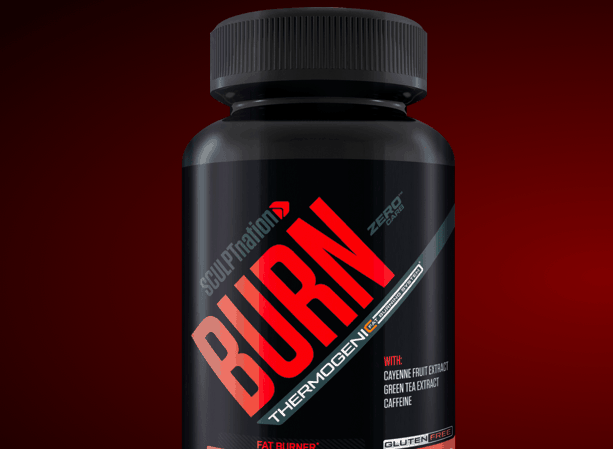
The best thermogenic supplements transform the mind and body, helping you operate at peak performance by burning fat, increasing energy, and boosting concentration levels. Our evaluation focused on ingredients, safety, side effects, and ingestion methods. We also explored auxiliary features such as the number of servings. After more than 16 hours of research and testing, our top pick goes to the Nobi Nutrition Green Tea Thermogenic Supplement . It boosts fat and produces energy gains with a polyphenol and green tea extract formula full of antioxidants. It is also non-GMO and manufactured in an FDA approved facility, helping us vouch for its safety. Keep reading to learn more about the Nobi Nutrition Green Tea Thermogenic Supplement and five others that made the cut. #1 Nobi Nutrition Green Tea Thermogenic Supplement – Top Pick
WHY WE LIKE IT: This is the best thermogenic fat burner, coming in 60 capsules with an antioxidant-rich green tea leaf extract. It is an excellent choice if you want to lose fat and boost energy levels.
This thermogenic supplement contains EGCG, a plant compound that helps prevent inflammation and assist with weight loss. It is also known to reverse the effects of aging by reducing wrinkles and improving your complexion. We really love this supplement for its multiple uses, from memory building to skin rejuvenation.
Thanks to its non-GMO label, no genetically modified crops were used in its production. These have historically proven to cause many effects in humans, particularly to the reproductive system. Bonus points for its manufacturing in an FDA approved facility in the U.S.A. This really boosts our confidence it is a safe product. Your health and wellness is a top priority after all. #2 NITROSURGE Shred Thermogenic Supplement – Honorable Mention
WHY WE LIKE IT: This is the best thermogenic pre-workout, good enough for 30 servings in powdered form. It is an excellent choice as a pre-workout drink to help increase stamina and concentration with every pump.
While testing this pre-work mix, we noticed increased gains in energy levels with no jitteriness. We were able to complete more repetitions on weights that gave us previous trouble. Bonus points for its watermelon flavor, which is not too concentrated and tasted just right.
We love the fact this thermogenic supplement is made in a cGMP facility. cGMP certification is awarded by the U.S. Food & Drug Administration to all product manufacturers that adhere to FDA manufacturing rules. This gives us added assurance that the product is safe for consumption. Another great health item is the best body fat monitor . #3 Burn XT Black Thermogenic Supplement – Best for Vegans
WHY WE LIKE IT: This is the best thermogenic appetite suppressant, using a blend of cayenne pepper, TeaCrine L-theacrine and other minerals. It is an excellent choice if you want to reduce hunger pangs and lose weight quickly.
We love the increased energy and focus this fat burner gives before each workout. Theacrine works similarly to caffeine and Capsimax cayenne pepper extract for fat burning. While working out, we noticed no jitters or itching, which is common with many thermogenic supplements.
One of the ingredients in this thermogenic supplement is TeaCrine. TeaCrine helps to increase dopamine levels, the “feel good” and “act now” chemicals in your brain that help improve memory and concentration. Another ingredient, Acetyl L-Carnitine HCI, also helps with cognitive abilities. Like our top picks, this supplement is also made in a cGMP-certified facility. While supplements can’t do everything like say, correct your posture like the best posture corrector can, they can help keep us healthy and strong in other ways. WHY WE LIKE IT: This vegan thermogenic supplement comes with a mix of metabolism boosters and fat burners, including the popular Garcinia Cambogia.
Our favorite ingredient in this thermogenic supplement is Garcinia Cambogia. A tropical fruit, it contains hydroxycitric acid, which has been proven to deliver many weight loss benefits. Other side effects include a reduction in appetite and increased serotonin levels. It also limits enzymes that speed up fat production. Kudos for its hormone-free/non-GMO formula and use of a FDA-approved facility.
While testing this thermogenic supplement, we really felt increased levels of energy in the gym. During a circuit training exercise involving sledgehammers and medicine balls, we squeaked by beating our previous record for repetitions. We are very confident in its ability to work out more efficiently. Remember that along with supplements, the best exercise equipment can keep you physically fit. #5 Nutra Mode Thermogenic Supplement – Best Budget
WHY WE LIKE IT: This thermogenic supplement comes with a combination of proven natural fat burners, including green tea extract and garcinia cambogia. It is a great choice for women who want to lose belly fat.
While testing, we noticed improved levels of energy and slight changes to mood. It also contains Caffeine Anhydrous and raspberry ketones, which help improve focus, break down fat and regulate metabolism. Kudos for its non-GMO ingredients, made in a FDA registered GMP lab.
Our favorite thing about this thermogenic supplement is its natural ingredients, with no artificial fillers and preservatives. We also love the fact this thermogenic supplement comes in a pill form, which eliminates a lot of messy pre-workout shakes and powders. WHY WE LIKE IT: This thermogenic supplement uses a keto-based formula. It is an excellent choice for women who want to burn fat or who are on a keto diet.
This thermogenic supplement’s packs in tons of fat burning and energy boost benefits with a lend of green tea extract for weight loss, Vitamin B12 for energy, and white kidney bean as a carb blocker. While testing, we noticed far less fatigue in an intense circuit training exercise.
We appreciate this thermogenic supplement’s numerous accreditations. It is manufactured in an FDA-registered facility and made using non-GMO ingredients, which is safe for human consumption. It also uses the Good Manufacturing Practice (GMP) system, which promotes adherence to rigorous control standards set by the US Food and Drug Administration.
In determining the best thermogenic supplement to buy, we explored ingredients, […]
Fatty Acid Analysis of Grass-fed and Grain-fed Beef Tallow

At the Burnsides Laboratory at the University of Illinois, Champaign-Urbana, we carried out an analysis of the fatty acids (fat molecules) in grain-fed and grass-fed beef tallow. The sample of grass-fed tallow came from a farm in western Maryland; the grain-fed tallow was purchased in a supermarket in southern Maryland. This research was funded by the Weston A. Price Foundation.
To explore the difference in the fatty acid profile between grass-fed and grain-fed beef tallow, we analyzed one sample of each type by gas chromatography, a method used to separate and quantify individual fatty acids. See the table below for the concentrations of specific fatty acids.
The largest differences between the two samples were the total concentrations of polyunsaturated fatty acids (PUFA), and the balance between the omega-3 and omega-6 forms of these fatty acids. Grass-fed tallow had 45 percent less total PUFA, 66 percent less omega-6 linoleic acid, and four times more omega-3 alpha-linolenic acid. The ratio of omega-6 to omega-3 fatty acids was over sixteen for the grain-fed tallow but only 1.4 for the grass-fed tallow. Whatever the ratios, beef tallow is not a rich source of polyunsaturated fatty acids, with only 3.45 percent in grain-fed and 1.9 percent of the total in grass-fed.
Thus, while even grain-fed beef tallow has a much lower content of polyunsaturated fatty acids than modern vegetable oils, the amount found in grass-fed tallow is much lower and similar to that found in the coconut products that dominate the traditional diets of Pacific Islanders, who have been extensively studied and shown to be free of heart disease. This would allow the use of tallow in the context of a mixed diet that includes other foods naturally rich in polyunsaturated fatty acids, such as fatty fish, while still keeping the overall intake of these fatty acids low and similar to that found in successful traditional diets.
Grass-fed beef is often promoted as healthy because of a lower saturated fatty acid content. But saturated stearic acid was 36 percent higher in grass-fed beef (17.45 percent versus 12.8 percent). Levels of sixteen-carbon palmitic acid, considered “atherogenic” because in some studies it raises cholesterol levels slightly, were virtually the same in both samples. Thus, in equally fatty cuts of beef, there would be a higher content of saturated fatty acids in the grass-fed beef. In many traditional diets where the fattiest cuts and the fat itself were sought out, intake of these saturates would likely be considerably higher. Fatty Acid Fatty Acid Grain-Fed Grass-Fed Numerical Designation Common Name Percent of Total Fatty Acids 14:0 Myristate 4.8 3.45 14:1 Myristoleate 0.85 0.7 15:0 0.8 0.55 16:0 Palmitate 27.7 27.45 t-16:1? 0.5 0.7 16:1 Palmitoleate (may include sapienate) 3.4 2.5 17:0 1.4 1.35 18:0 Stearate 12.8 17.45 t-18:1 Vaccenate 10.8 3.8 18:1n-9 Oleate 30.9 37.55 18:1n-7 1.25 0.85 18:2n-6 Linoleate 3.25 1.1 18:3n-3 Alpha-linolenate 0.2 0.8 20:0 Arachidate 0.05 0.1 Putative Conjugated Linoleic Acid (CLA ) 0.25 0.3 20:1 Erruciate 0.2 0.2 20:4n-6 + 22:0 A Arachidonate + Behenate 0.1 0.1 Total SFA 47.65 50.4 Total MUFA 47.9 46.3 Total PUFA 3.45 1.9 Grass-fed tallow also had 65 percent less natural trans fatty acids, and 22 percent more of the monounsaturated oleic acid. Differences in other fatty acids were minor. We could not identify conjugated linoleic acid (CLA) conclusively with this method, but we identified a fatty acid that is likely CLA, and its concentrations were identical between the two samples.
In a future issue, we will report the concentration of fat-soluble vitamins in these samples.
Sidebar
Cod Liver Oil Survey – Preliminary Results
I n April of 2012, we received an anecdotal report from a midwife of several women experiencing severe postpartum hemorrhages while reportedly following the dietary recommendations of the Weston A. Price Foundation. Concerned that the large amount of omega-3 fatty acids found in cod liver oil could have contributed to the hemorrhages through their blood-thinning properties, especially if not balanced by adequate liver, egg yolks, and other sources of arachidonic acid, we conducted a survey to determine whether postpartum hemorrhage and vaginal bleeding during pregnancy were associated with the use of cod liver oil or the dietary recommendations of the foundation. To reduce the risk of bias and increase the amount of information that could be gained from the survey, we circulated the survey widely on the Internet and asked about a large number of foods, perinatal complications, and medications. Over 3,500 women following many different diets completed the survey.
There was no association between the type of diet the women reported following and any of the complications or medications. Women who reported taking cod liver oil were 30 percent more likely to experience postpartum hemorrhage, but the difference was not statistically significant (P=0.09), meaning there is a reasonable likelihood the association could be due to chance. Several observations suggest this is unlikely to be a true biological effect: there was no association with the dose of cod liver oil; omega-3 fatty acids are also found in fish oil, but there was no association with the use of fish oil; there was no association between cod liver oil and the risk of vaginal bleeding during pregnancy; and there was no association between cod liver oil and the use of medications used to control bleeding.
By contrast, cod liver oil was associated with a large (63 percent) and statistically significant (P<0.001) drop in the risk of preeclampsia, and the magnitude of the drop in risk correlated well with the dose of cod liver oil (P<0.001). Since this is an observational study, it cannot demonstrate cause-and-effect relationships, but this association could reflect a protective effect of the fat-soluble vitamins in cod liver oil.
The data gathered from this survey are voluminous and will be reported in much greater detail in the next issue of this journal.
This article appeared in Wise Traditions in Food, Farming and the Healing Arts , the quarterly journal of the Weston A. Price Foundation, Winter 2013 .

The Power Within by Corey Daniels book available for only $2.99
Mind has both conscious and subconscious halves. These are likened to a driver and the truck he drives. The driver plans the destination and observes road conditions, while the truck provides motive power. Your subconscious mind is like the truck and it only goes in the direction in which is a steered. This can be the road or off a cliff. Likewise, the consciousness paints a picture of what the world is and what your goals are and the subconscious acts on them through emotion, physical response and energy, whether these are correct, rational images or false negative ones. The subconscious is also like an emotional reservoir which your body and mind draw responses from to external stimuli.
The Power Within lays out a method of programming your subconscious and tapping into the Holy Spirit, God voice or what the Greeks called the daimon (godman).